Final Fritillary Makes Fifty

As 30 Days Wild draws to a close for another year, we are managing to go out with a bit of a bang.  Having already had a very successful June, seeing our first ever Marsh & Heath Fritillaries, we set off to Wales in search of our final fritillary and 50th butterfly species – the High Brown Fritillary. Some of the land we went on was private, so I can’t disclose the exact location but we were in the Alun Valley area, courtesy of an organised and escorted trip by Butterfly Conservation.

The High Brown Fritillary is apparently the UK’s most threatened butterfly species, remaining in only a few sites in England and only one in Wales. It happened to be the hottest day of the year so far for our walk – challenging conditions for an unfit middle-aged couple!

For the first site we visited we parked (I say “we parked” but we got a lift there from the very kind Mike) next to a dried up river bed. There were a few pools remaining and it was great to see loads of what we think were toad tadpoles wriggling in the shallows. They’d got their back legs but no front ones yet; fingers crossed they complete their metamorphosis before their pool dries up completely.

We headed up a slope to an open area of bracken that is being managed for fritillaries. Loads of large fritillaries were visible darting about the bracken – a mix of Dark Green and High Brown. The High Browns were a really rich dark orangey brown colour, the Dark Greens being a bit more muted, but at the speed they all flew, it was difficult to tell which was which. It soon became apparent that the fritillaries had little intention of stopping to get their photos taken. A ready rule soon came into practice – if a large fritillary landed it was a Dark Green one; if it flew past you like the clappers, it was probably a High Brown. Despite repeated attempts to chase them down, the High Browns escaped our cameras at this site. Thankfully the Dark Greens were a bit kinder to us.

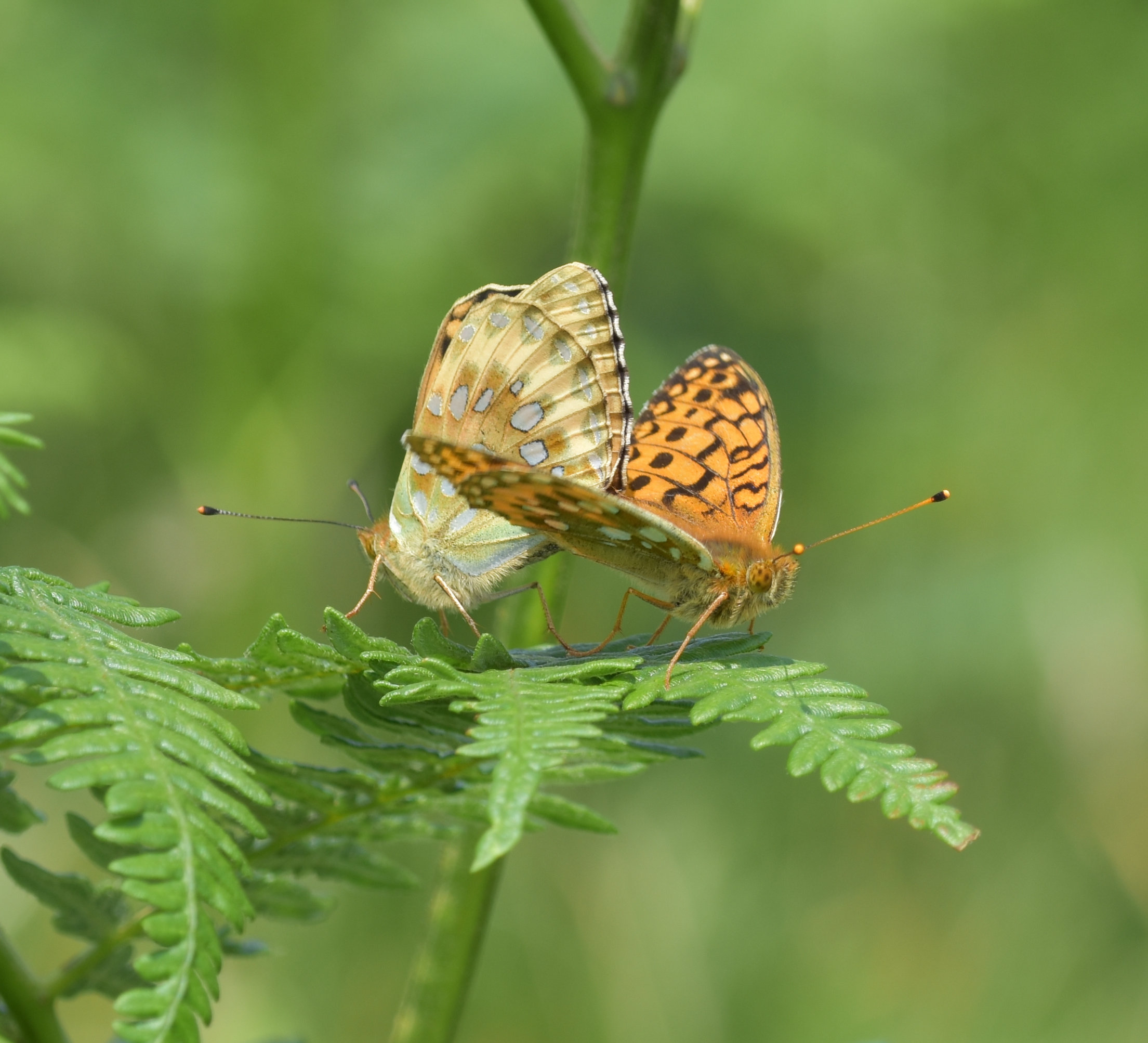
Then Mike spotted a pair of mating Dark Greens and we all rushed to get a photo of something!
Having had enough baking in the heat at the first site, we moved onto another site a mile or two away. This also had lots of High Browns with perhaps fewer Dark Greens. Apparently some other lucky butterfly spotters had got plenty of good photos of the High Browns earlier in the day – our timing was not so good.  The cloud cover meant a lot of the fritillaries had gone down into the bracken and weren’t flying, making them virtually impossible to spot.  They do particularly like thistle flowers and a local guide pointed out a thistle that had had High Browns nectaring on it in the morning. It seemed worth a shot, so I staked out this thistle for a few minutes. Having limited patience, I soon got bored of looking at a butterfly-less thistle, so reached into my bag for some water. No sooner had I done so than a High Brown Fritillary landed on the thistle. Water bottle cast aside, I grabbed the camera again and managed a few frantic shots before it flew off. None of my photos would win any awards, but they are at least identifiable as High Brown Fritillaries – on the first photo you can see an extra row of brown spots between the outer edge and the silver spots – the Dark Green Fritillaries don’t have these.
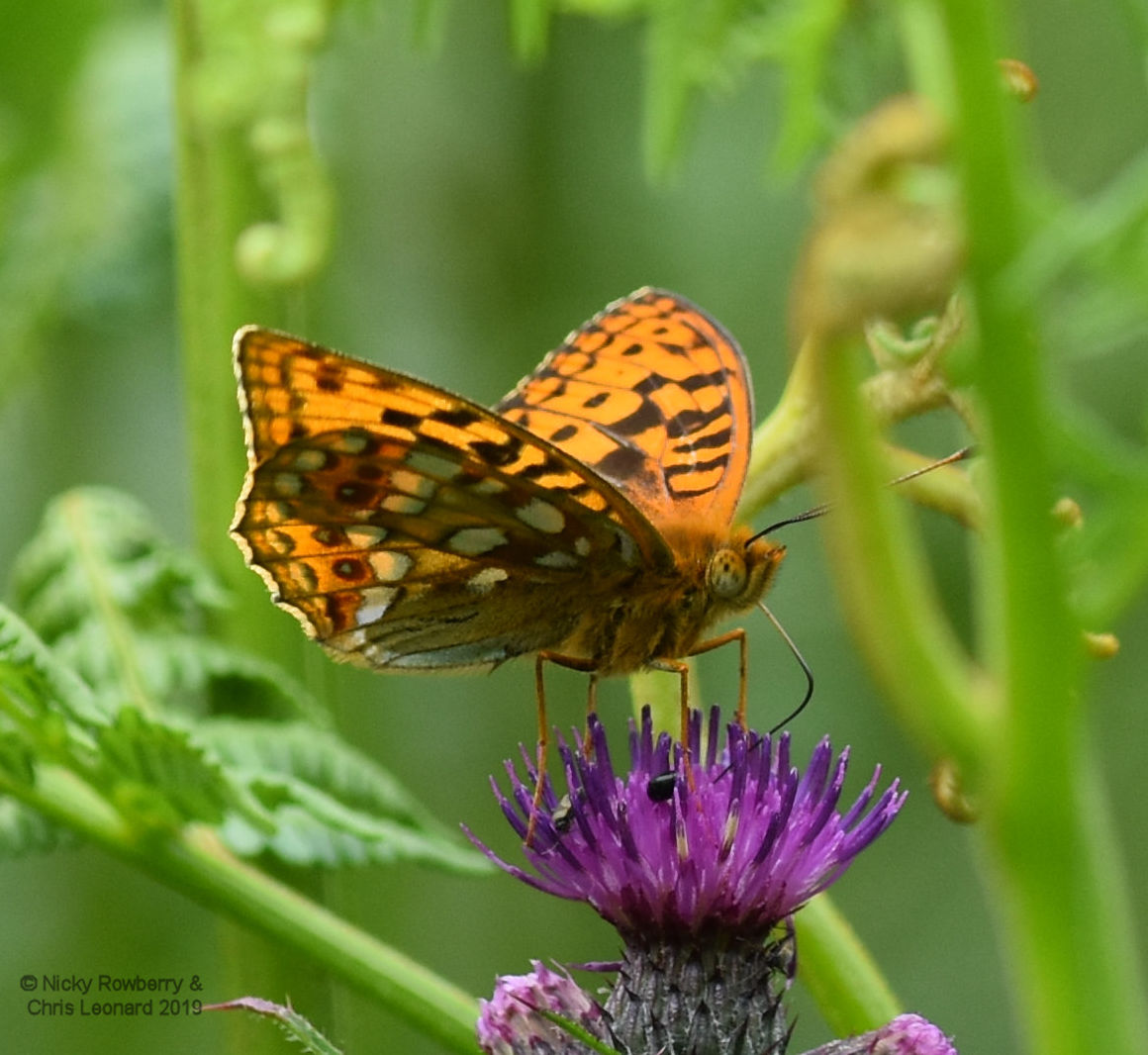
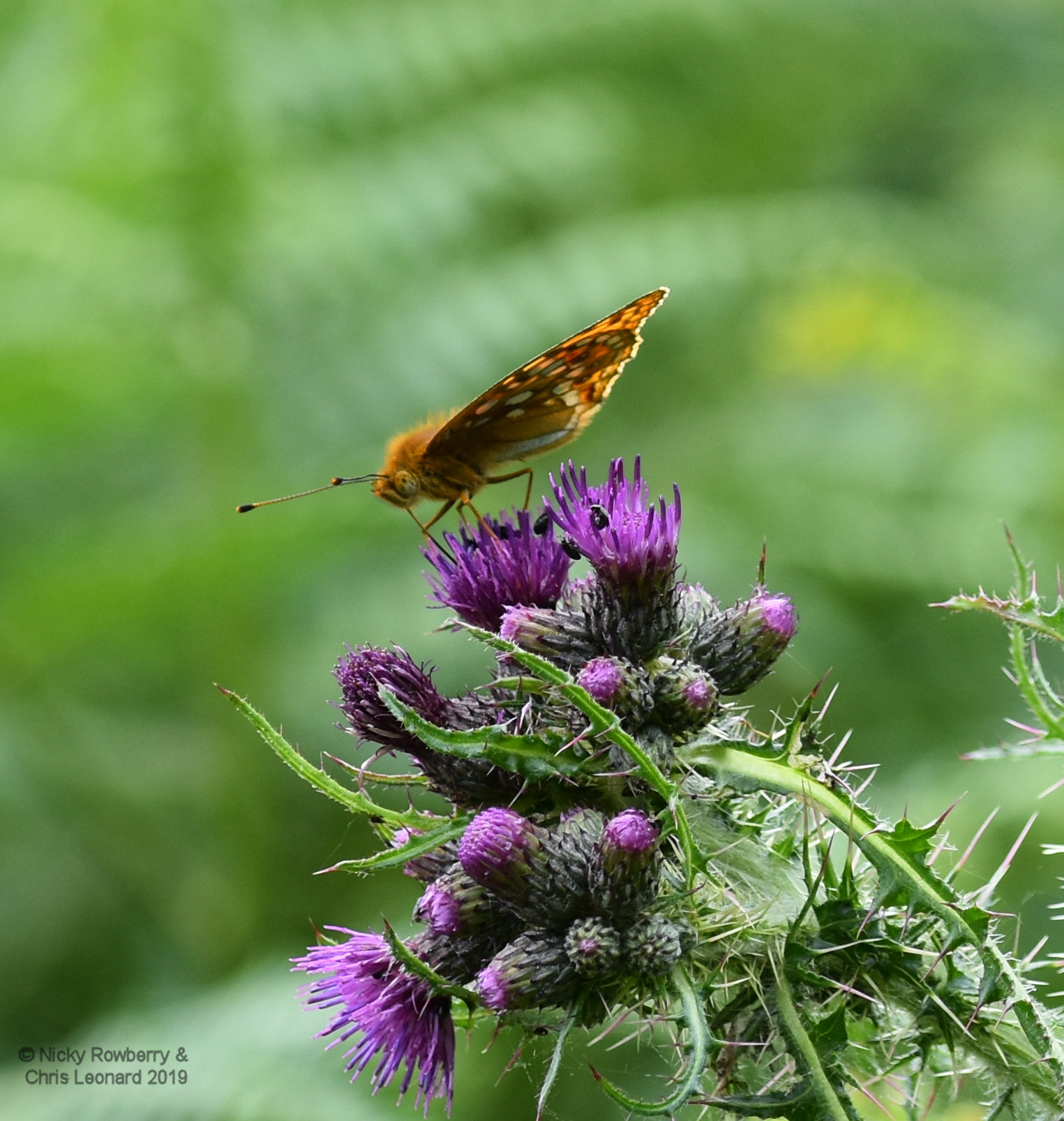
We saw lots of other butterfly species during the day – Small Heath, Comma, Red Admiral, Meadow Brown, and Skippers – most of which were also bombing around in the sunshine too fast to photograph.

So we’ve “bagged” our final fritillary species and our 50th butterfly species in total. Only 8 more species to go (9 if we count the Cryptic Wood White over in Northern Ireland). It was a really great day in Wales, with a lovely bunch of people.

And to finish the day – a bottle of Wood White beer – a new beer produced by Wood’s brewery with part of the sales going to Butterfly Conservation. Always happy to do our bit for conservation!

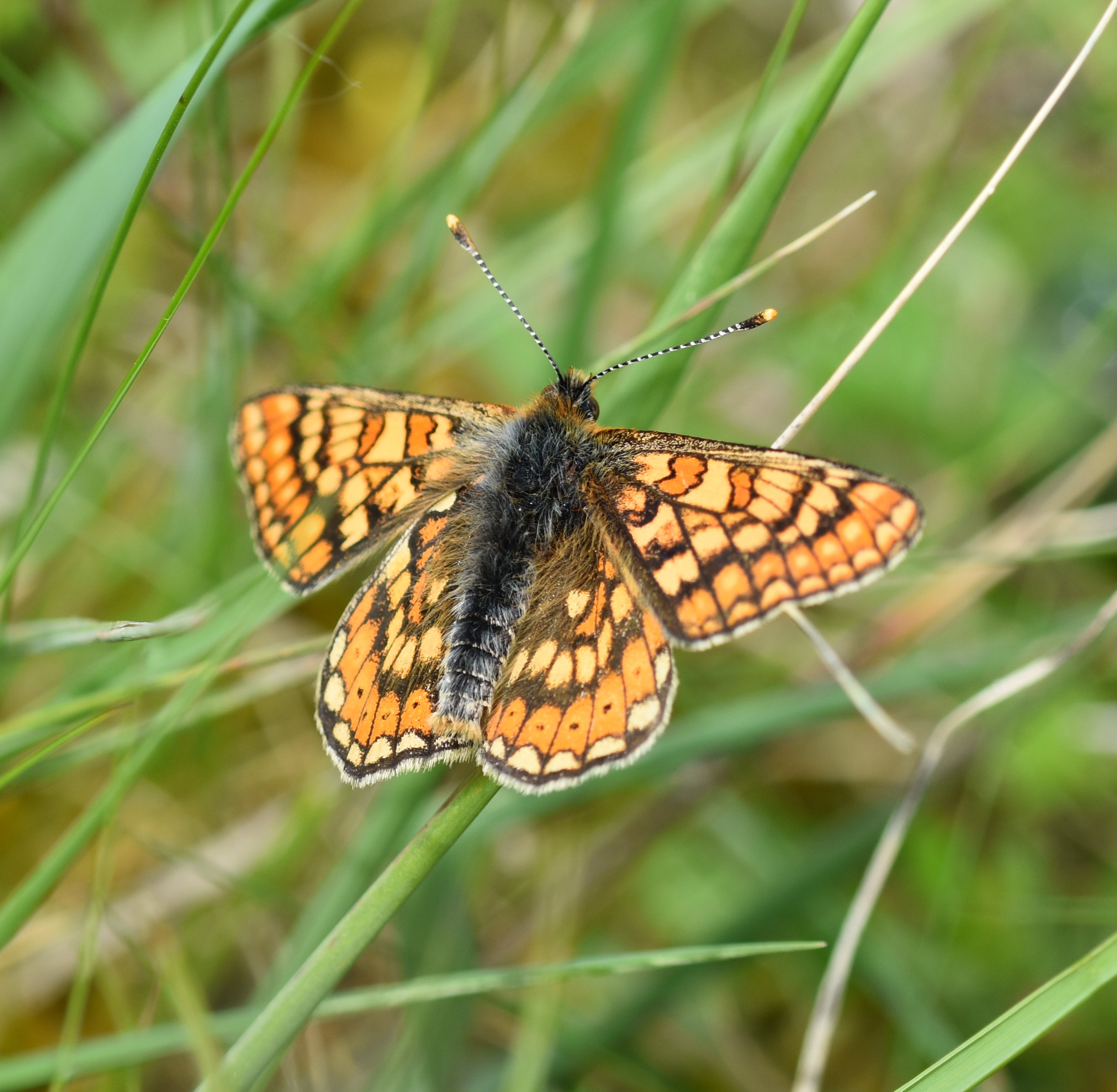


The Marsh Fritillary – Butterfly No. 49.

Our final blog post from our holiday in Somerset/Devon and we set out to see and hopefully photograph our next butterfly species – the Marsh Fritillary. From our base on Exmoor we headed across north Devon to the Dunsdon National Nature Reserve. We were reliably informed by the local Wildlife Trust that this would be a good place to see the Marsh Fritillaries and with the weather forecast looking better than it had all week, we set off. The reserve took a bit of finding as it is tucked away, but it was well worth the visit. There was only one other couple there – also keen butterfly spotters, so we pretty much had the place to ourselves.

The marsh fritillary likes damp grassland and given the weather we’ve been having recently there was certainly plenty of the damp element around. We left the car and followed the boardwalk through the trees until we got to the first field. Within yards we’d spotted our first ever Marsh Fritillary – our 49th species was ticked off the list!

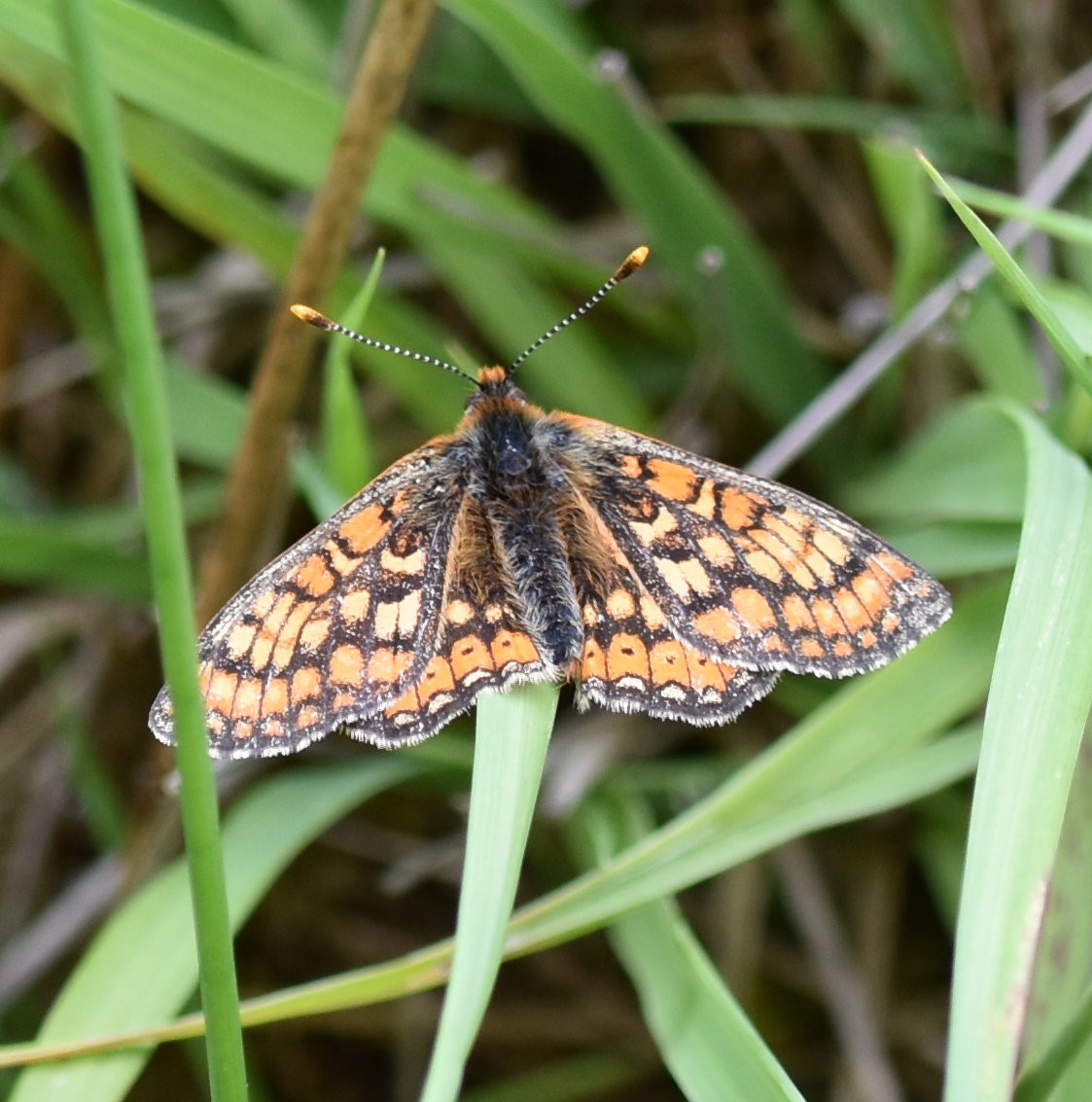
We managed a few photos before it started pouring with rain again and we retreated to the car. Thankfully the rain didn’t last too long, so we headed back out again and were rewarded with plenty of butterflies. We must have seen at least a dozen fritillaries during our visit. The first few we saw were all sitting with their wings open to reveal their beautifully patterned uppersides. Here are some of our better photos.


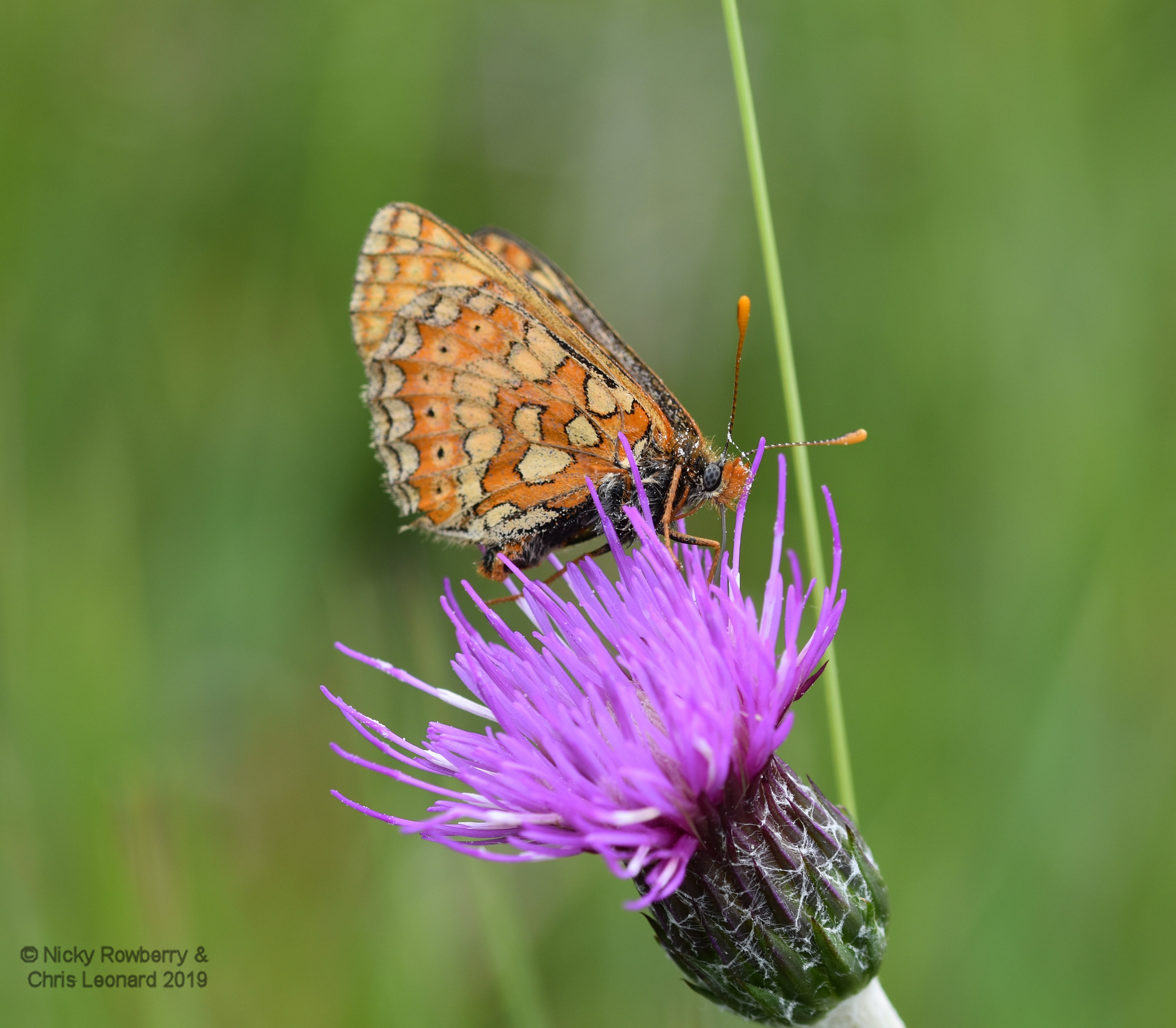
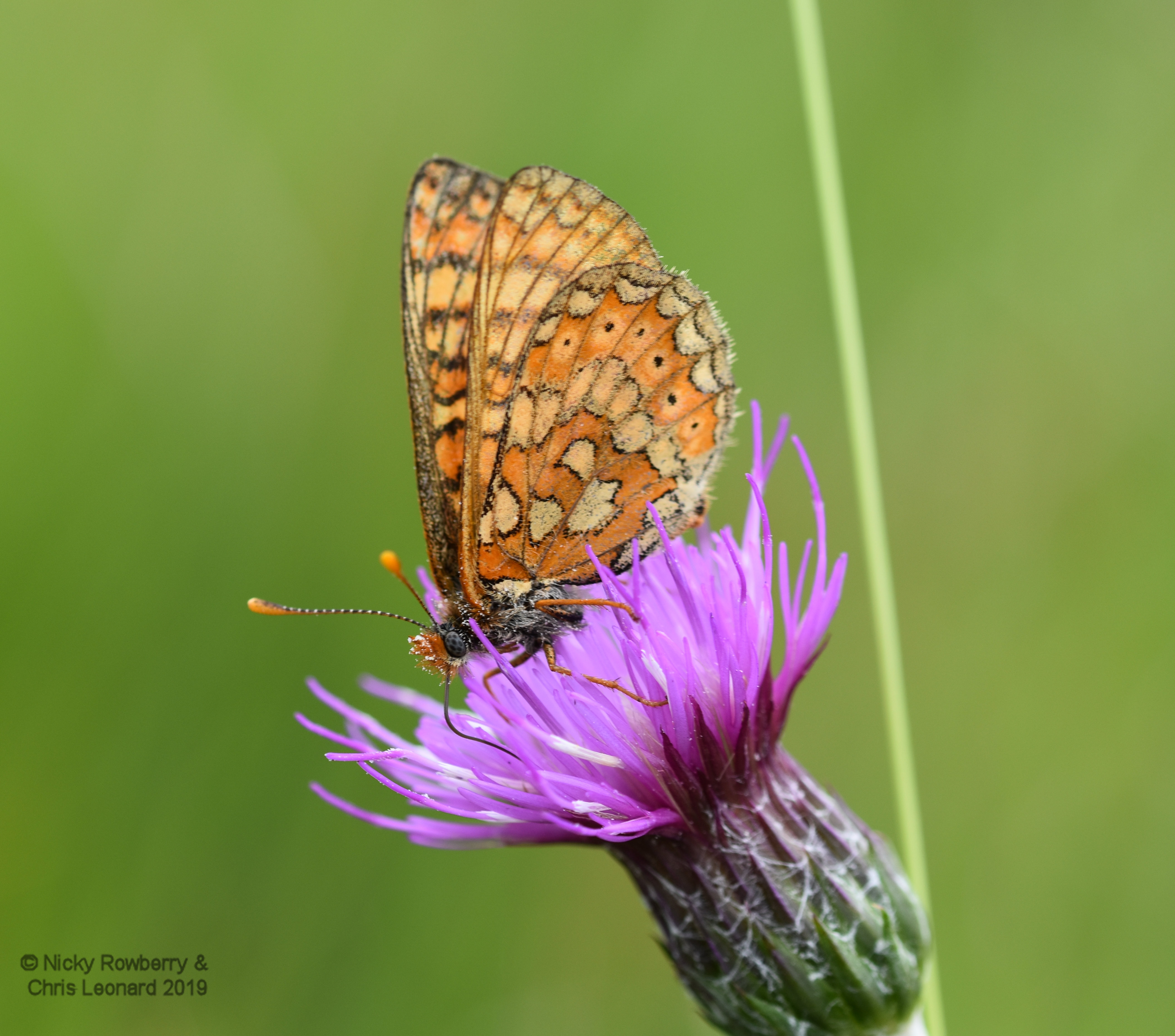
Of course having got the upper view, we wanted some side on shots. Luckily we found a few feeding on thistles, nicely displaying their gorgeous undersides.

Most of the fritillaries we saw were settled on the thistles or amongst the grass, but we did see a few in flight, dancing over the meadow – a really lovely sight.

The marsh fritillaries may have been our main focus, but other insects kept side-tracking us as well. I can never resist a moth and spent a large part of the visit chasing a particular species around until I could get close enough to identify it – a Burnet Companion as it turns out.

We had hoped for some dragonfly action, but apart from a brief glimpse of an impressive dragonfly in the distance, the only one we got close enough to was this female large red damselfly.

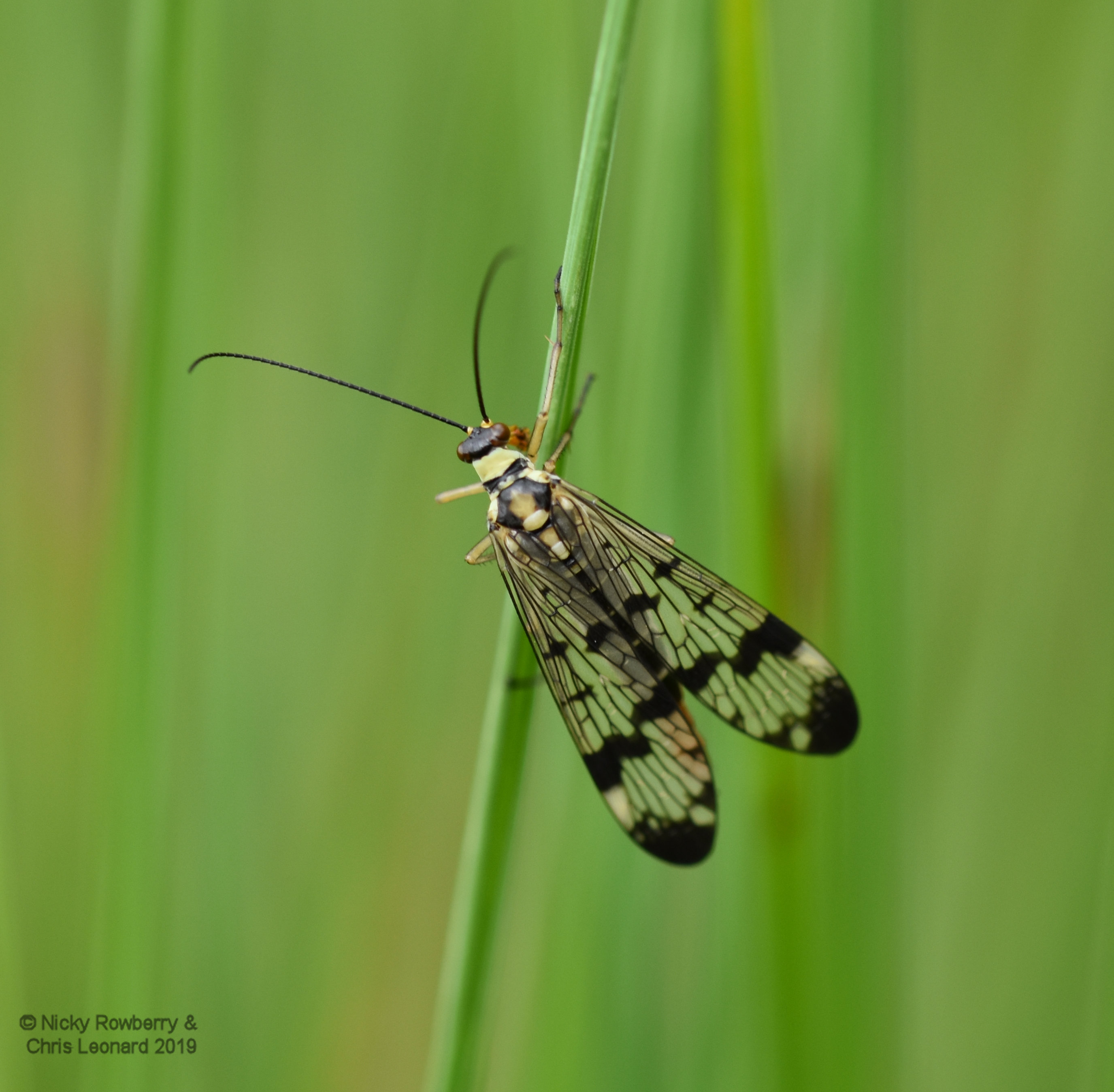
Scorpion flies always fascinate me, so after a bit of the usual chasing I managed to get a photo of this one. I think it must have been a female, as there wasn’t much sign of the scorpion like tail.

We do try to enjoy any interesting plants we see too and not focus solely on the insect life. Dunsdon reserve also had some lovely spotted orchids. No idea what species they were, but guessing they were not the same as the Heath Spotted Orchids we’d seen the day before as the habitat was different.

The reserve had a fair number of dainty Ragged Robin flowers which prefer damp meadows like this. Not only are they gorgeous little flowers, they are great for wildlife too.


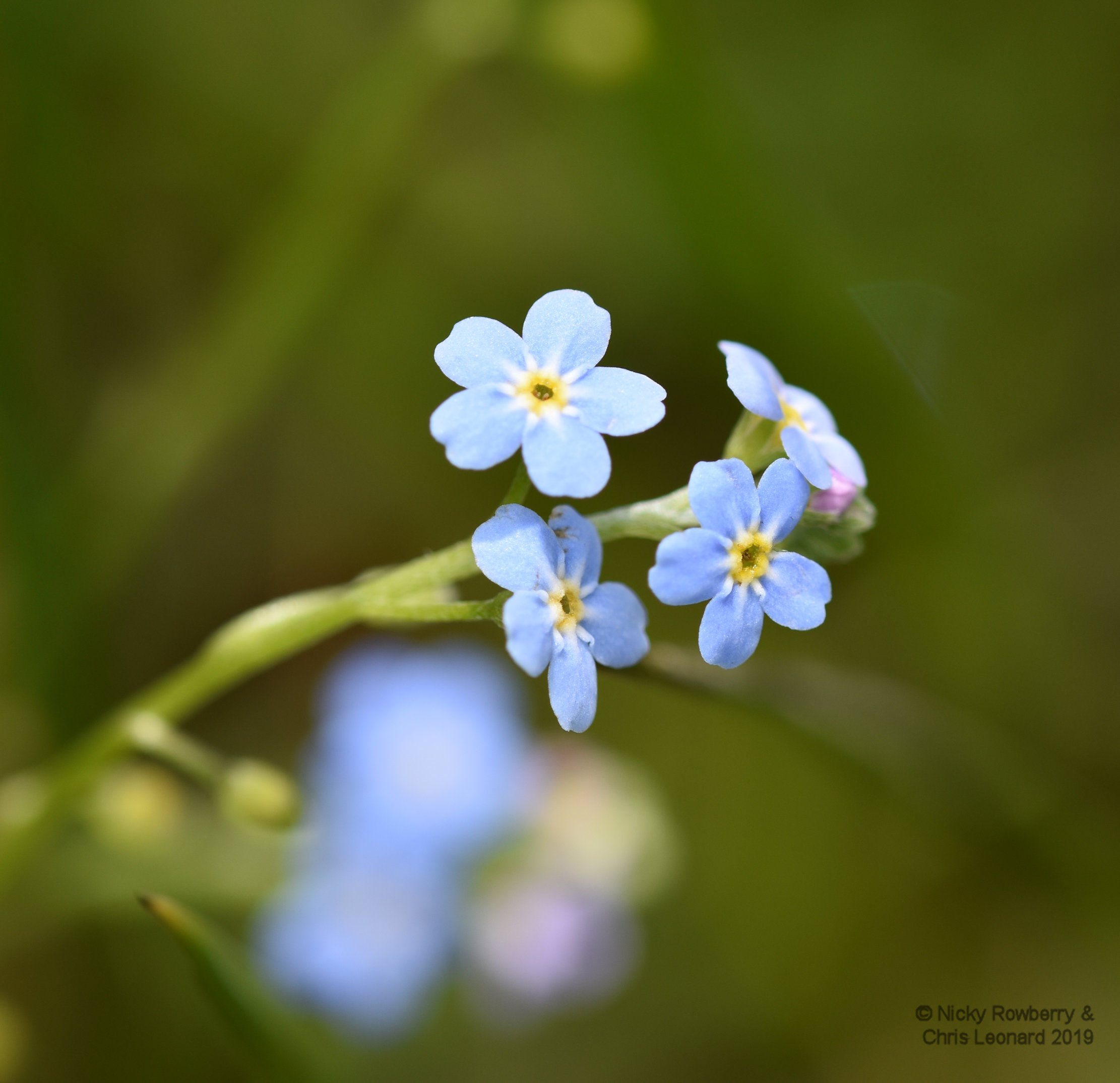
But my favourite remains the Forget-me-not. I’ve loved these flowers since I was a child and the holiday cottage we stayed at had a whole meadow of these gorgeous sunny blue flowers. The image has stuck with me for over 40 years and I still love the sight of them today.


So that’s the final blog post from our trip down south and our 49th species of butterfly photographed. Only 9 to go now (10 if we decide to include the Cryptic Wood White in Northern Ireland). We’ve got one more species we are hoping to see this year – the High Brown Fritillary – watch this space!


Heath, heath, heath!

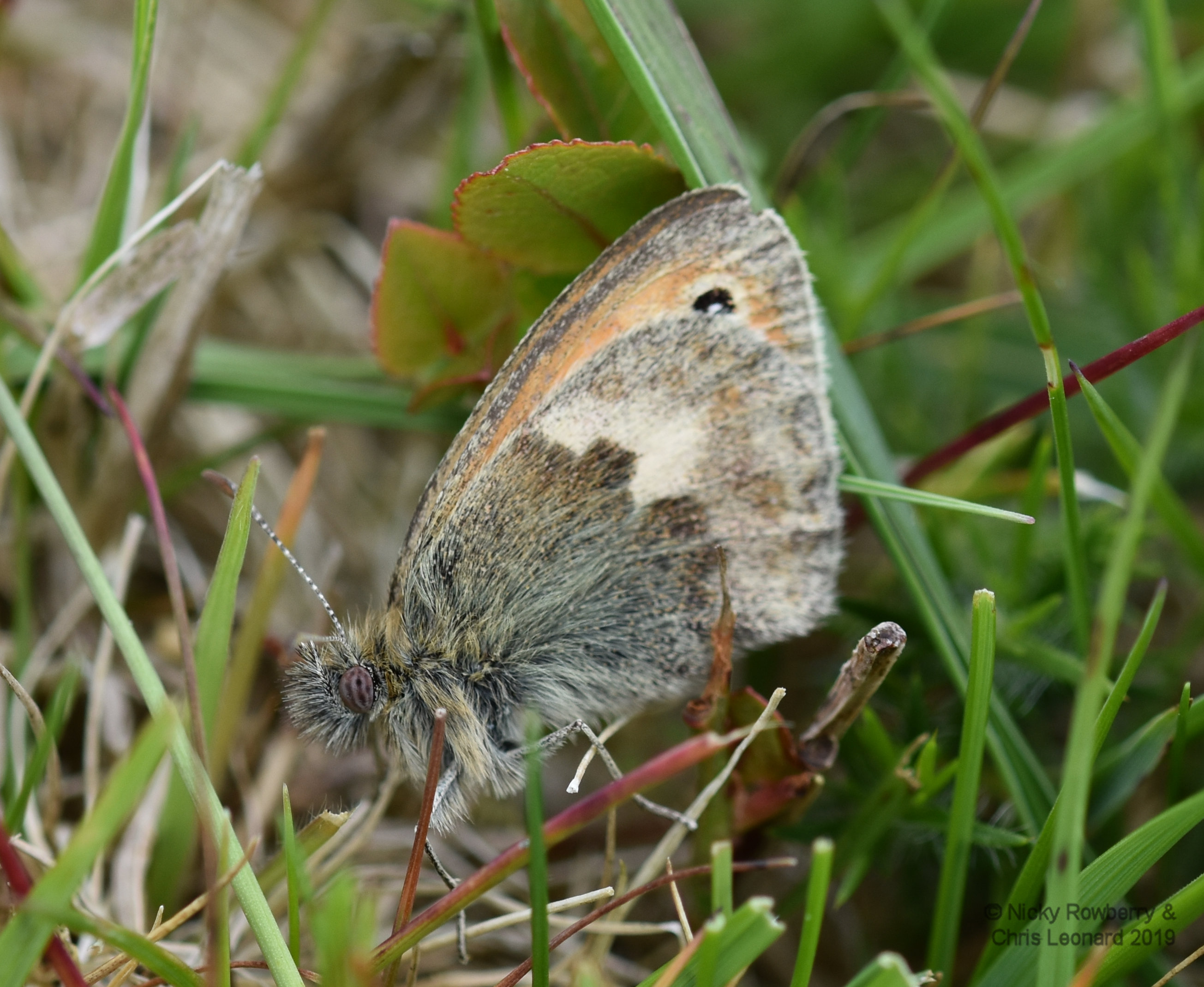
On our recent trip to Somerset, we had a bit of a mission going on – to see 2 more species of butterfly, namely the Heath Fritillary and the Marsh Fritillary. We went for the Heath Fritillary first, having discovered a site at Haddon Hill that was supposed to have a population of them. Haddon Hill is at the edge of Exmoor and overlooks the delightfully named Wimbleball Lake. Unfortunately having researched enough to find the hill had a population, we didn’t dig deep enough to find out exactly where on the hill to look. So we ended up spending about 3 hours wandering round the hill on a walk that was only supposed to take an hour! Not a glimpse of a fritillary, but we did see a Small Heath at least – not the heath we wanted, but after 3 hours we were just grateful to see a butterfly – any butterfly!

The hill did however have its fair share of bird life, including lots of Meadow Pipits, who seemed to fly up repeatedly to get a better view of us trudging in circles.

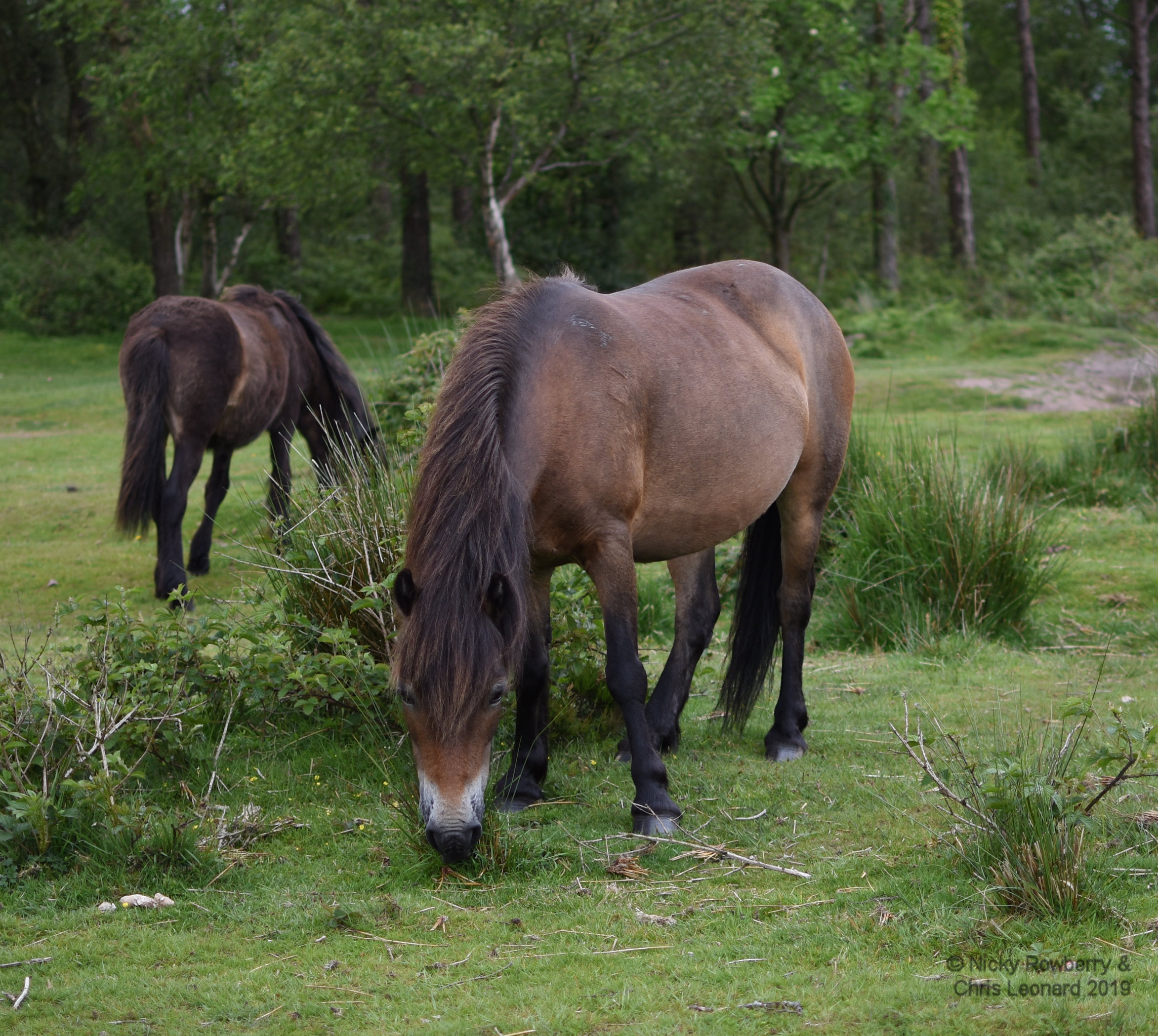
We also saw several of the famous Exmoor ponies – much easier to spot than the butterflies. They are native breed of pony and were recorded on Exmoor as far back as the Domesday book and have probably been there for thousands of years.

Fortunately having drawn a blank on Haddon Hill, we had a plan B when it came to the Heath Fritillary. We had booked ourselves onto a guided walk by Butterfly Conservation and the National Trust around Halse Combe the following day. The weather wasn’t promising with rain forecast, but at least we were with people this time who knew where they were going!

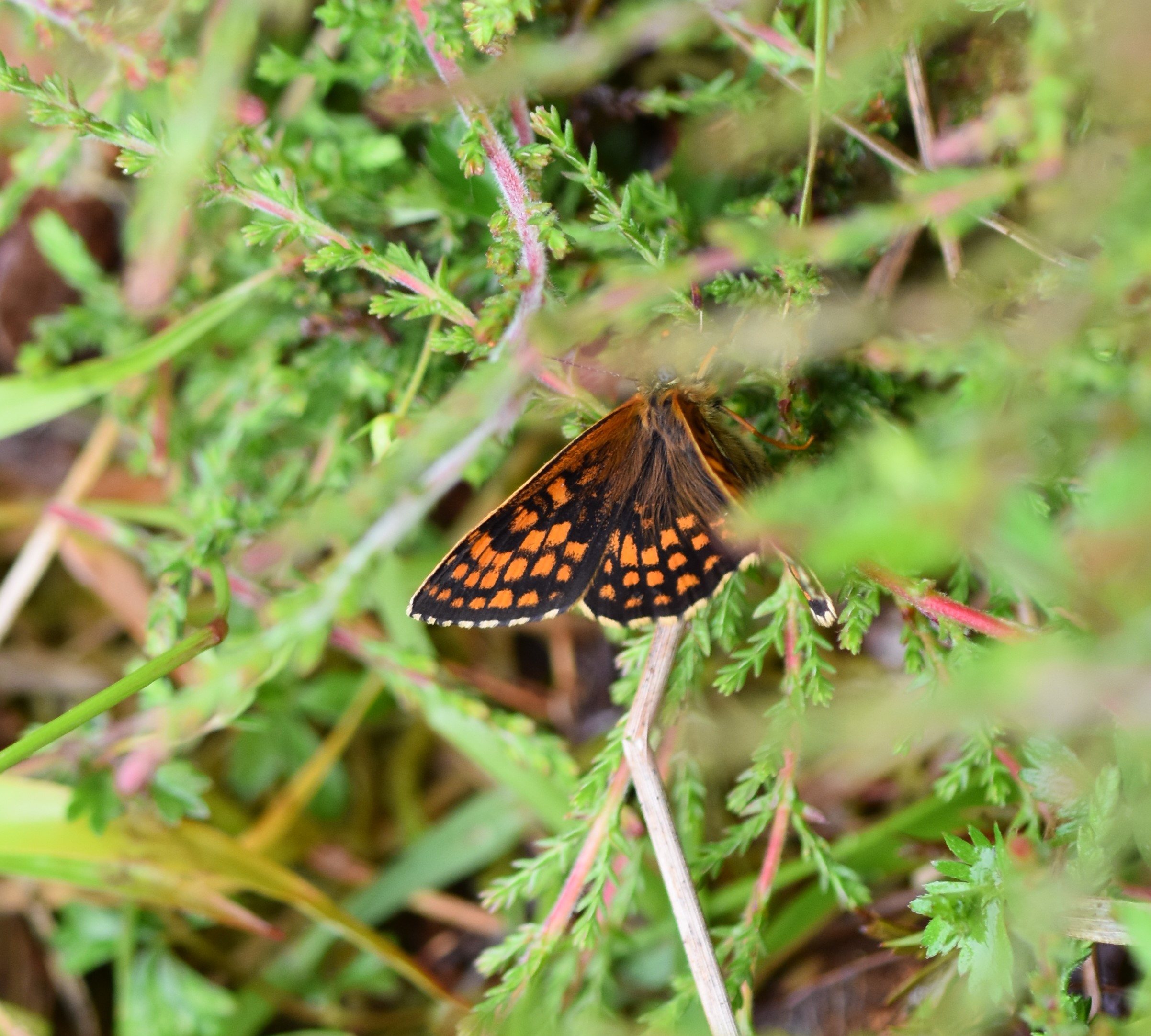
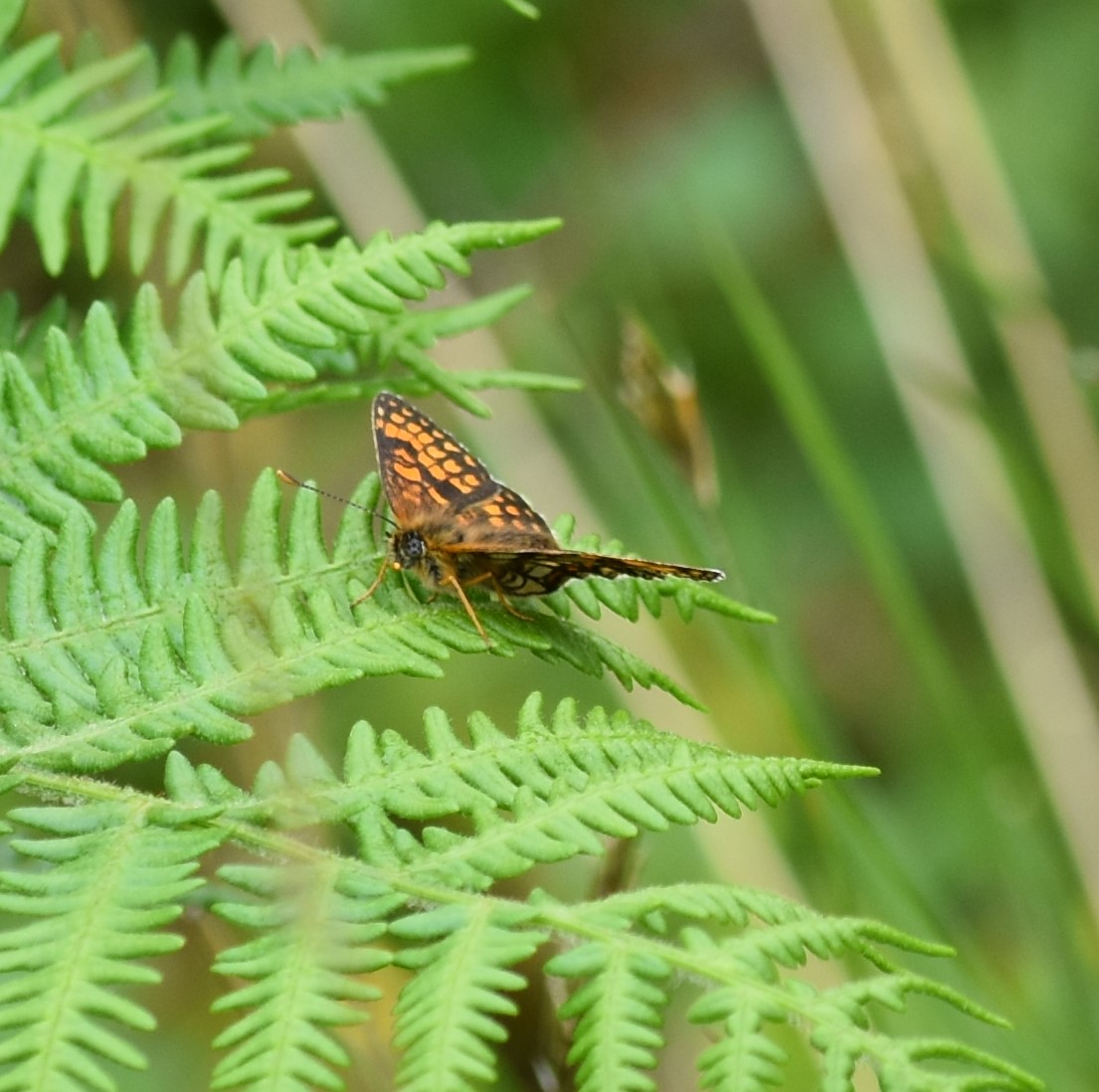
So we headed up the combe until we reached a sunny(ish) open slope. Almost immediately someone spotted a Heath Fritillary, basking in what little sunshine there was on some bracken. It was smaller than we had expected and much browner than the other fritillaries we have seen, but a real beauty. We waited our turn while everyone in the group had a go at photographing the first one – so here they are, my first heath fritillaries. I didn’t manage to get particularly good shots of them with their wings open, but they are recognisable I hope.

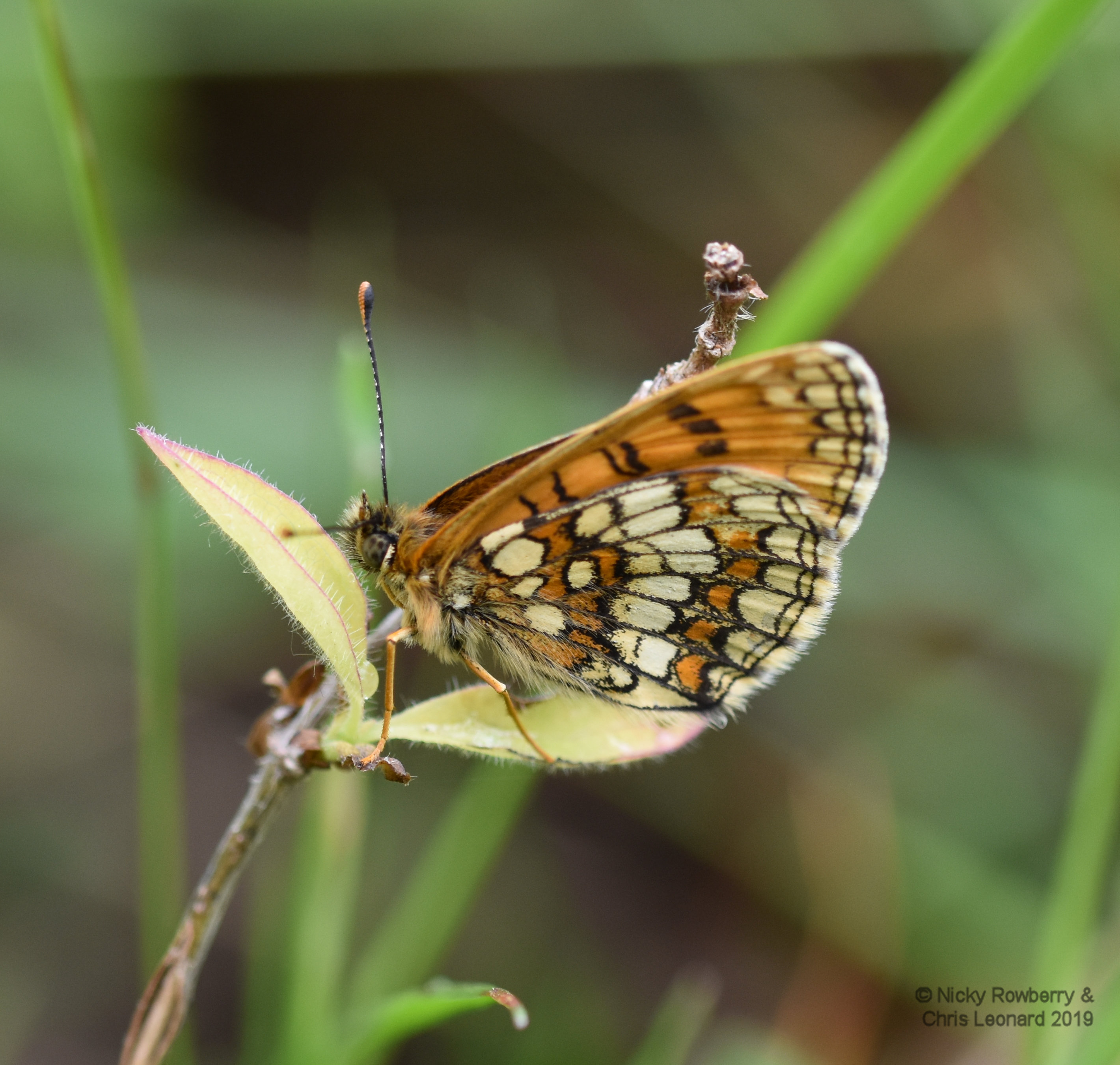
After that the group fanned out across the slope looking for more butterflies and being very careful not to stand on any! It being a bit of a cold damp day actually helped with the photographs as the butterflies weren’t in the mood for flying. So once you found one, it was relatively easy to get a photo. The Heath Fritillaries are beautiful on their uppersides, but their wings are even more stunning when the undersides are visible; like miniature stained glass windows. So here are a couple of my favourite shots from the day.

We spent a very happy half hour or so photographing the butterflies before the heavens opened and it really did start raining quite heavily. We took shelter under some trees, until it became obvious that the rain wasn’t going to stop and we headed back down hill. On the way, one of our guides showed us some of these pretty little Heath Spotted Orchids.

We returned to the carpark, slightly soggy, but very happy to have seen our 48th species of butterfly. Thank you to Meghan from Butterfly Conservation and Basil from the National Trust to leading us straight to these elusive butterflies and giving us an excellent and informative guided walk. So we went looking for a Heath Fritillary and ended up getting a Small Heath and a Heath Spotted Orchid too – 3 for the price of 1, can’t be bad!


Hedgehog Awareness Week – Hog Blog

It’s Hedgehog Awareness Week and time for another hoggy blog! There are lots of hedgehog events going on around the country; we may not have any events in the garden, but there is plenty of hedgehog activity. Our first hedgehog emerged from hibernation at the end of February. We now have at least 3 hedgehogs out and about at night, possibly more, but as we don’t mark them it is hard to know for sure. I think I’ve seen One-Eyed Tim – one of our released hogs from last year, so it’s nice he’s made it through the winter hibernation. They don’t always get on and there can be a fair bit of pushing and shoving!

Every night we can hear hedgehogs snuffling around the garden and some nights we can hear them up to a lot more than that – Love is in the air! On a slightly less romantic note, there are also plenty of deposits round the garden to indicate their presence too. Here’s a photo from last year, showing a typical hedgehog poop with bits of beetle clearly visible.

Last year our neighbours replaced the fence running between our gardens. Thankfully they were more than happy to leave gaps for hedgehogs to come and go between the gardens. Here’s a compilation of hedgehogs using our “Hedgehog Highway”.


Hedgehog Highways like this are vital for linking up gardens to provide sufficient habitats to support a healthy hedgehog population. You can find more about the value of connecting gardens on https://www.hedgehogstreet.org/ but basically all you need to do is make 13cm/5 inch square gaps in your fence to allow them to come and go. There are moves afoot to try and make it part of the legal process to include Hedgehog Highways in all new housing developments’ planning applications. So far over half a million people have signed a petition to try and get the government to act on this: https://www.change.org/p/help-save-britain-s-hedgehogs-with-hedgehog-highways

Having provided access to you garden then food, water and shelter should be the next things on the hedgehog help tick list. Shallow dishes of water dotted around the garden can be life savers not only for hedgehogs but for all kinds of other creatures.


Leaving areas of your garden a bit wild (or very wild in our case) will provide habitat for insects which would be the natural food for hedgehogs. If you wanted to supplement their diet further, then meaty cat or dog food (poultry flavours in jelly would be best), dry cat food or specialist hedgehog food can all be offered. NEVER give them bread or milk. You can provide a feeding station like the one on the British Hedgehog Preservation Society’s website: https://www.britishhedgehogs.org.uk/wp-content/uploads/2018/04/Feeding_Station.pdf or check out Little Silver Hedgehog’s advice on https://littlesilverhedgehog.com/2016/06/20/build-a-hedgehog-feeding-station/


I realise not everyone wants their garden to be a total wilderness like ours, but if you do decide to do some tidying, please be hedgehog aware. Strimmers in particular can cause horrific injuries to hedgehogs, so always check an area carefully before charging in with the strimmer. A hedgehog’s natural defence is to curl up, but this won’t save it from a strimmer, so please be careful.

If you leave some wild areas in your garden, hedgehogs may choose to nest there, but many people also like to provide a nest box or hedgehog house. There are lots of these available on the market – the best designs have a base and an integrated tunnel of some kind that not only keeps out cold draughts but deters predators too. We now have 4 boxes in our garden, all of which are currently being used and 2 of which had hibernating hogs in over the winter. Here’s one of our hogs last autumn gathering nesting material (some of which appeared to be fighting back given the struggle he was having) and taking it into his hedgehog house.


Our 4th hedgehog house was only bought a month or so ago and came with an integrated camera to film them inside. We waited with baited breath for a couple of weeks until a hedgehog finally deigned to check it out. We now have one popping in for a bit of a nap most nights. Having the camera in there is a revelation – seeing a hedgehog yawn for a start is just one of the best things ever!


Hopefully one will choose to use this box as a regular day nest or hibernation nest or dare we even hope – to have babies in!

Although most people love hedgehogs, they do still have a lot of dangers to face in their lives and can often be found in need of help. If you do find a hedgehog that looks like it’s struggling for whatever reason, don’t delay, seek help as soon as you can. If you don’t know a number for a local contact, call the British Hedgehog Preservation Society (01584 890801) and they will tell you your nearest one as well as giving you basic advice on first aid for your casualty. You can also find information on first aid on their website: https://www.britishhedgehogs.org.uk/wp-content/uploads/2019/02/First-Aid-Leaflets.pdf

If you don’t have hedgehogs in your garden, or perhaps don’t even have a garden, there are still things you can do to help. It could be as simple as picking up rubber bands on the street. Every day hundreds of rubber bands get dropped (often sadly by postmen) and hedgehogs (and other wildlife) can easily get a leg or even head stuck in the bands which can then cause horrible injuries or even death.

You could support your local hedgehog rescuer – most of them are volunteers who are self funded and do amazing work rehabilitating sick or injured or orphaned hedgehogs. You could help by volunteering with them (help is often needed cleaning out and feeding), or donating food or other supplies (even old newspapers are useful) or a more monetary contribution. My local hedgehog rescuer Viv (http://www.malvernhedgehogrescue.co.uk/ ) often has over 100 hedgehogs in her care – a massive undertaking and amazing commitment.

Or you could support the British Hedgehog Preservation Society (BHPS) https://www.britishhedgehogs.org.uk/ who work to promote hedgehog awareness, campaign on hedgehoggy issues, fund hedgehoggy research and supply hedgehoggy information to schools and other organisations.

So why not celebrate Hedgehog Awareness Week by pledging to do at least one thing to help hedgehogs!


Blowing in the Wind

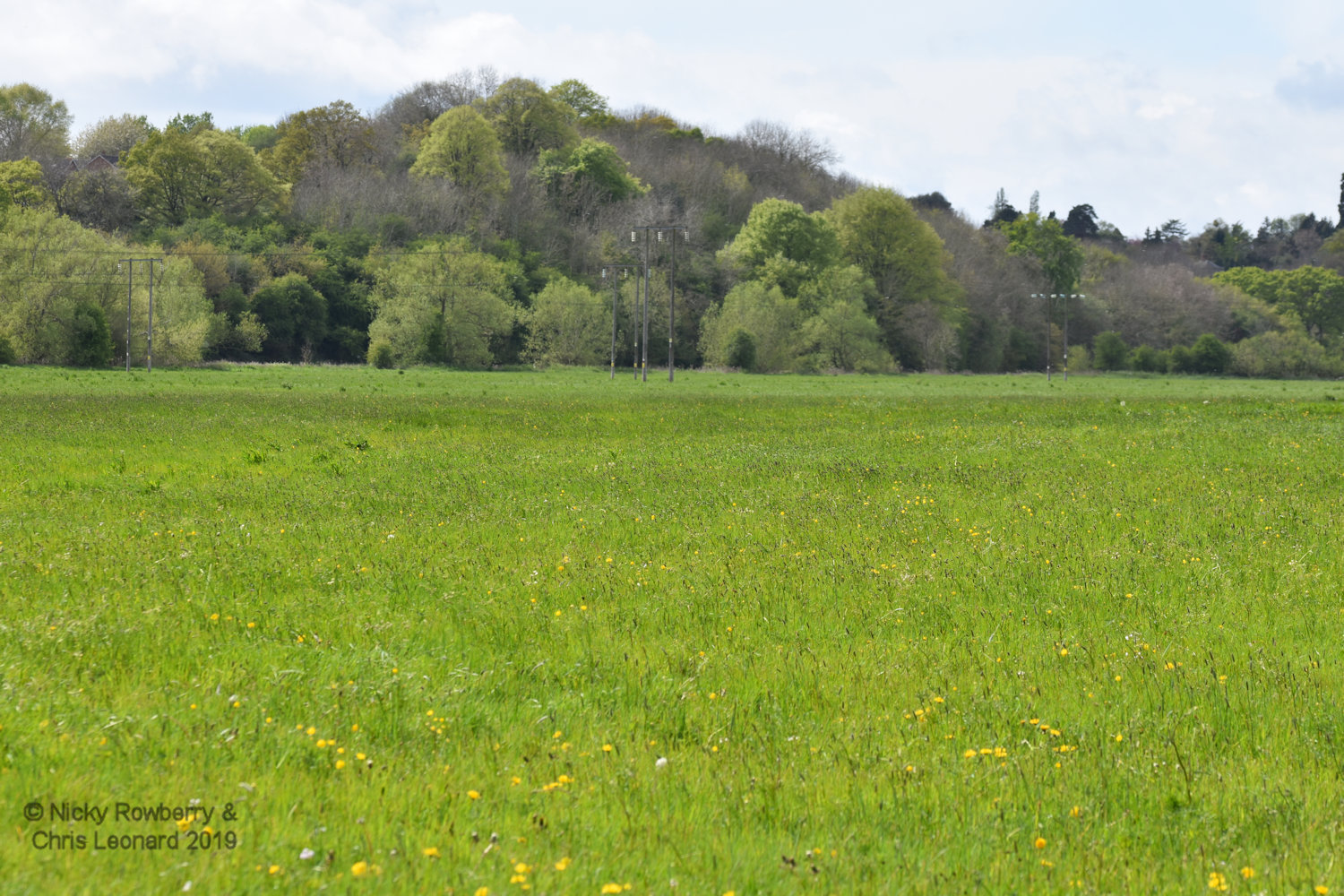
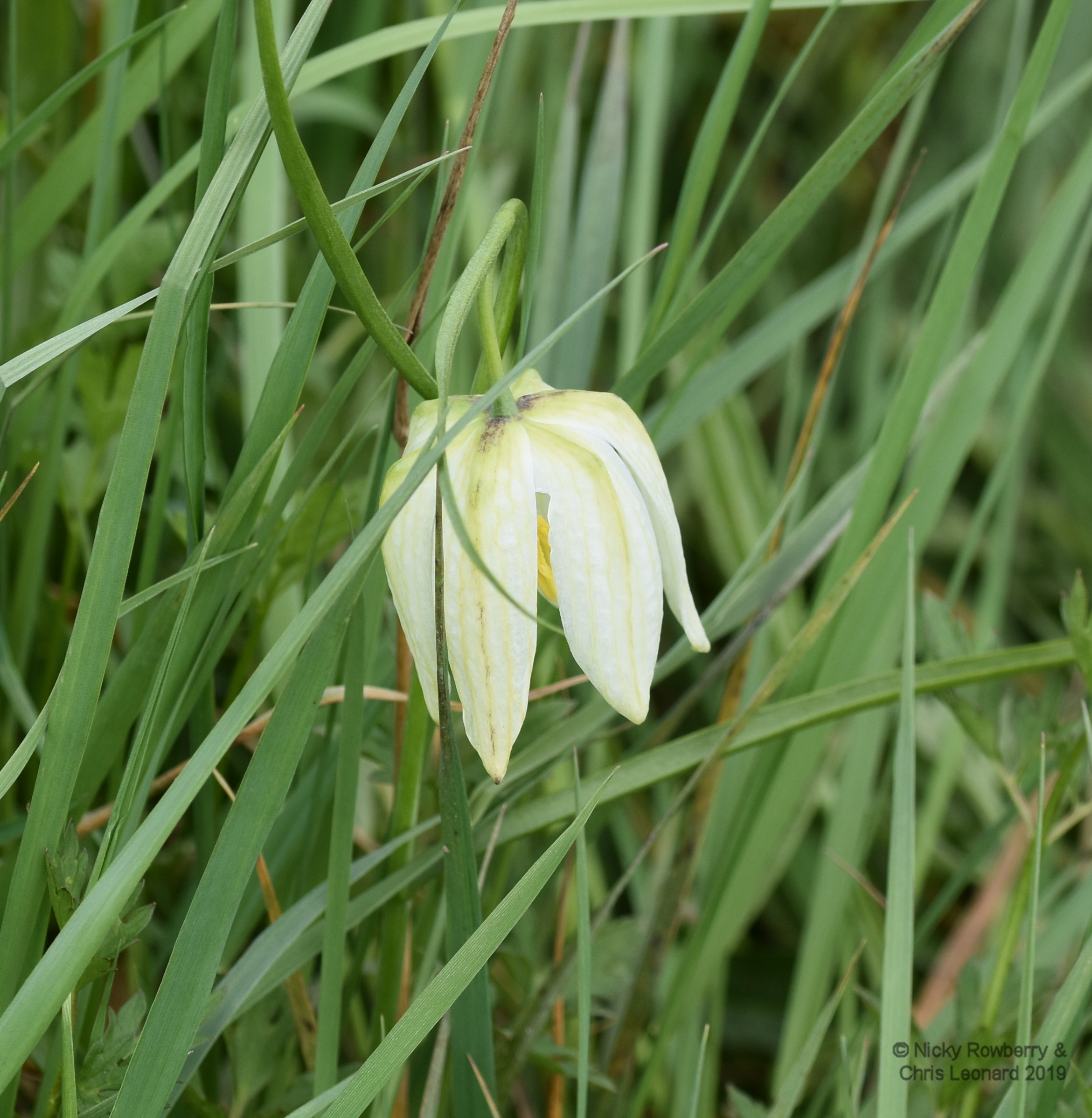
At the weekend, we finally got to go and see the Snake’s Head Fritillaries at Lugg Meadows near Hereford. I’ve been wanting to see these for ages now, but something always seems to crop up to stop us (last year the meadows were flooded for a start). So this year we booked on a guided walk with Herefordshire Wildlife Trust to go in search of these nationally scarce plants. Lugg Meadows are part of a very old system called Lammas Meadows, where the meadows are left through the summer to grow hay, which is then cut in late July (in time for Lammas Day 1st August), then animals allowed on to graze until the following year. In places like the Lugg Meadows, this practice has been going on for hundreds of years, possibly back to Roman times. So the history of these meadows predates Hereford Cathedral itself; they were even recorded in the Domesday Book.

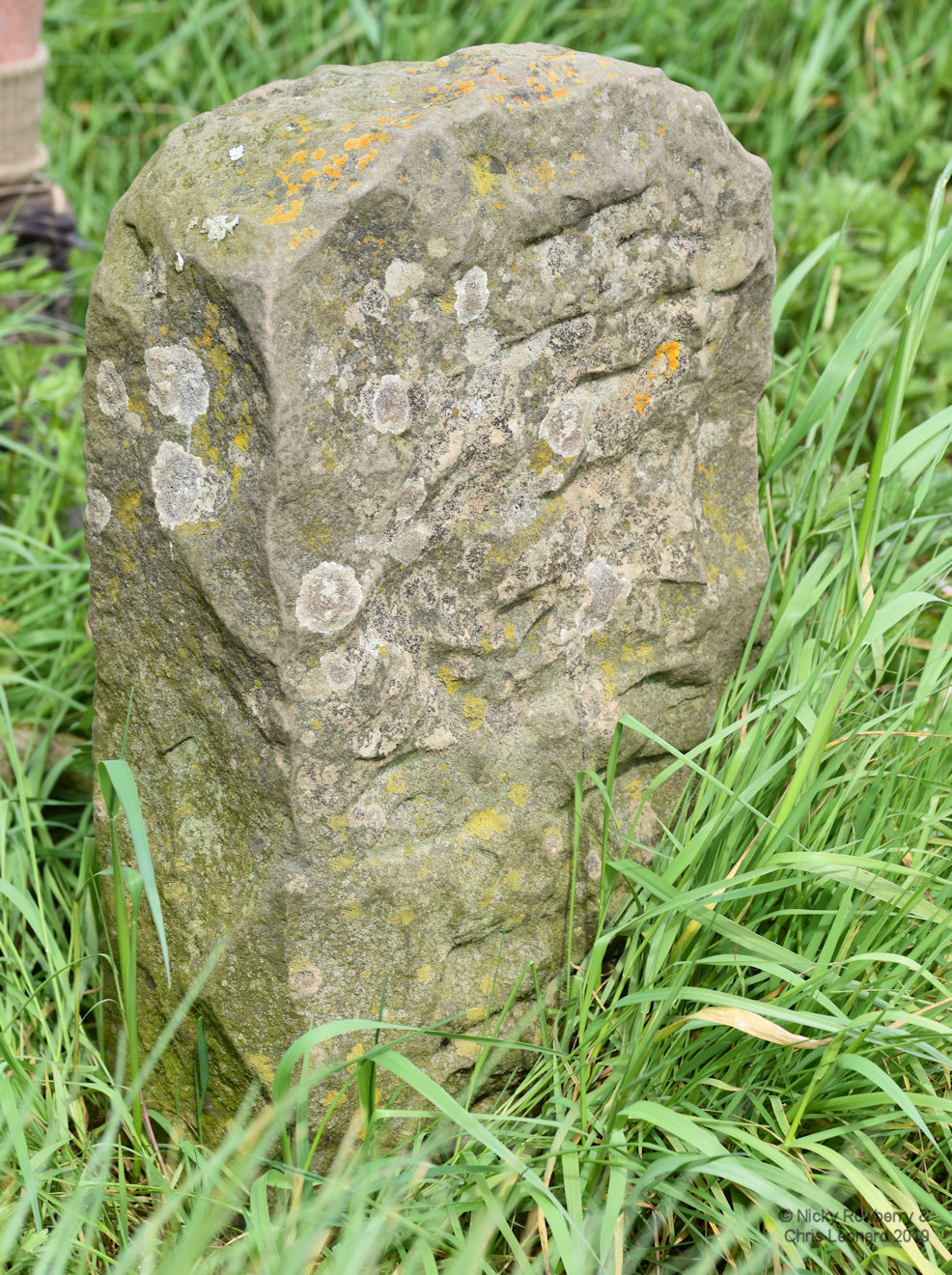
Lammas Meadows were once much more common, but now very few remain in as good a condition as those by the river Lugg. The meadows were divided into strips of land, the hay from which would then be harvested by different people. These strips were marked by “dole stones” like the one below.

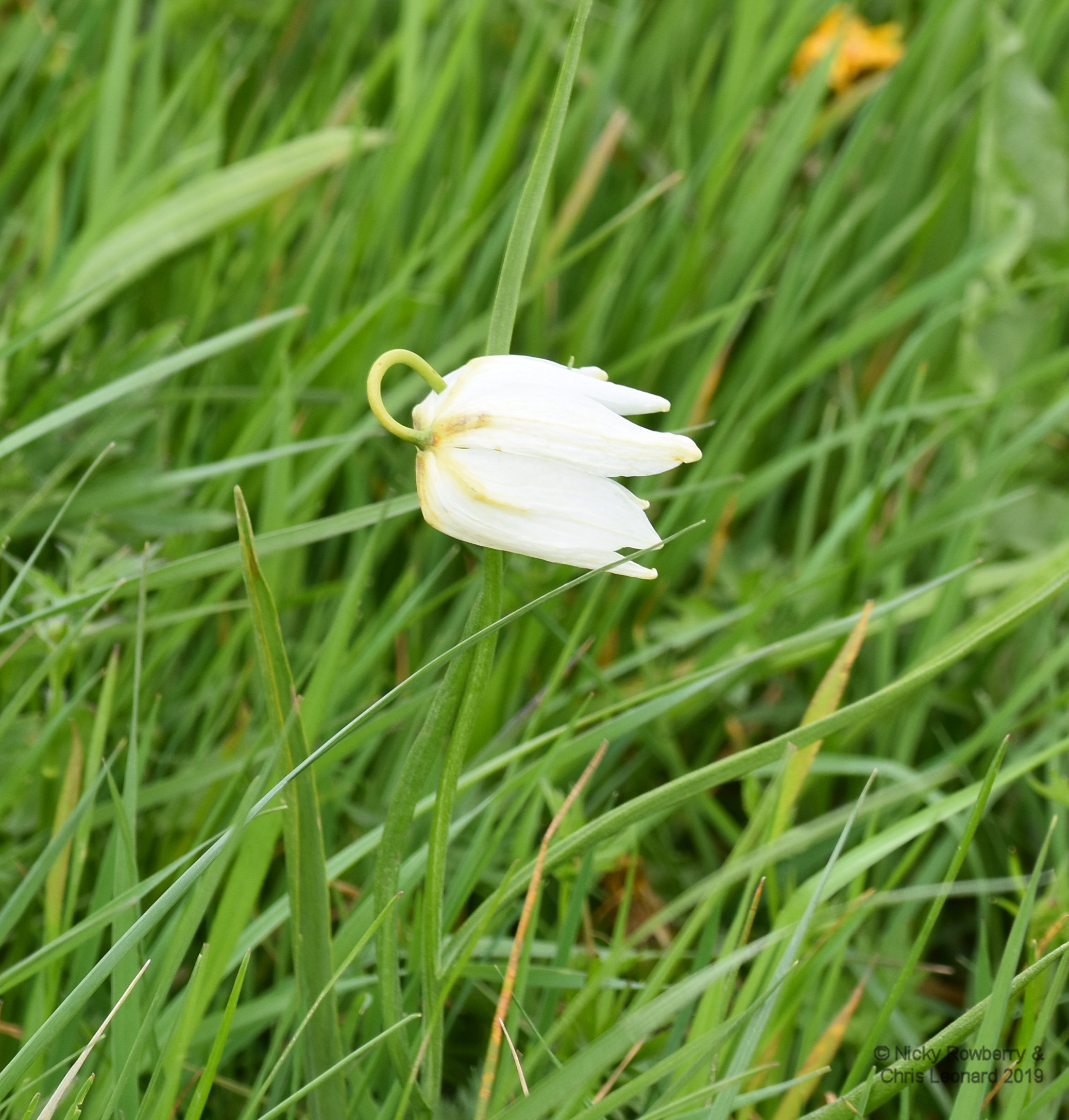
Our guide Peter was very entertaining and knowledgeable and despite the efforts of Storm Hannah trying to blow us over, took us straight to the relevant patch of the meadow to see the Snake’s Head Fritillaries. The meadows flood regularly, resulting in a rich soil and diverse flora. The fritillaries are nationally scarce, but are still doing well here. In most other similar sites, the Snake’s Head Fritillaries tend to be predominately purple, with just a few white ones. For some reason in the Lugg Meadows it is the other way around – the white flowers dominate with just a few purple ones.

With Storm Hannah blowing, it was perhaps not ideal conditions for taking photos of delicate flowers that were literally blowing in the wind, but we did our best.

The Latin name for the fritillaries Fritillaria meleagris apparently refers to the chequerboard pattern of spots on the normal purple variety.

I made a brief video clip to show how much the wind was making life difficult for steady photography.

Once we got our eye in, there were actually quite a few of the flowers nodding around in the wind. Apparently they had peaked a week or two before, but since the walk was pre-booked for today, we were happy to catch them at all.

While we oohed and ahhed over the flowers, we heard our first cuckoo of the year, which was a nice surprise. We couldn’t actually see the cuckoo, it was behind us somewhere in the trees. But we did see lots of these cuckoo flowers – one of the favourite food plants of the Orange-Tip butterfly – not that any butterflies were flying while the wind battered the meadows.

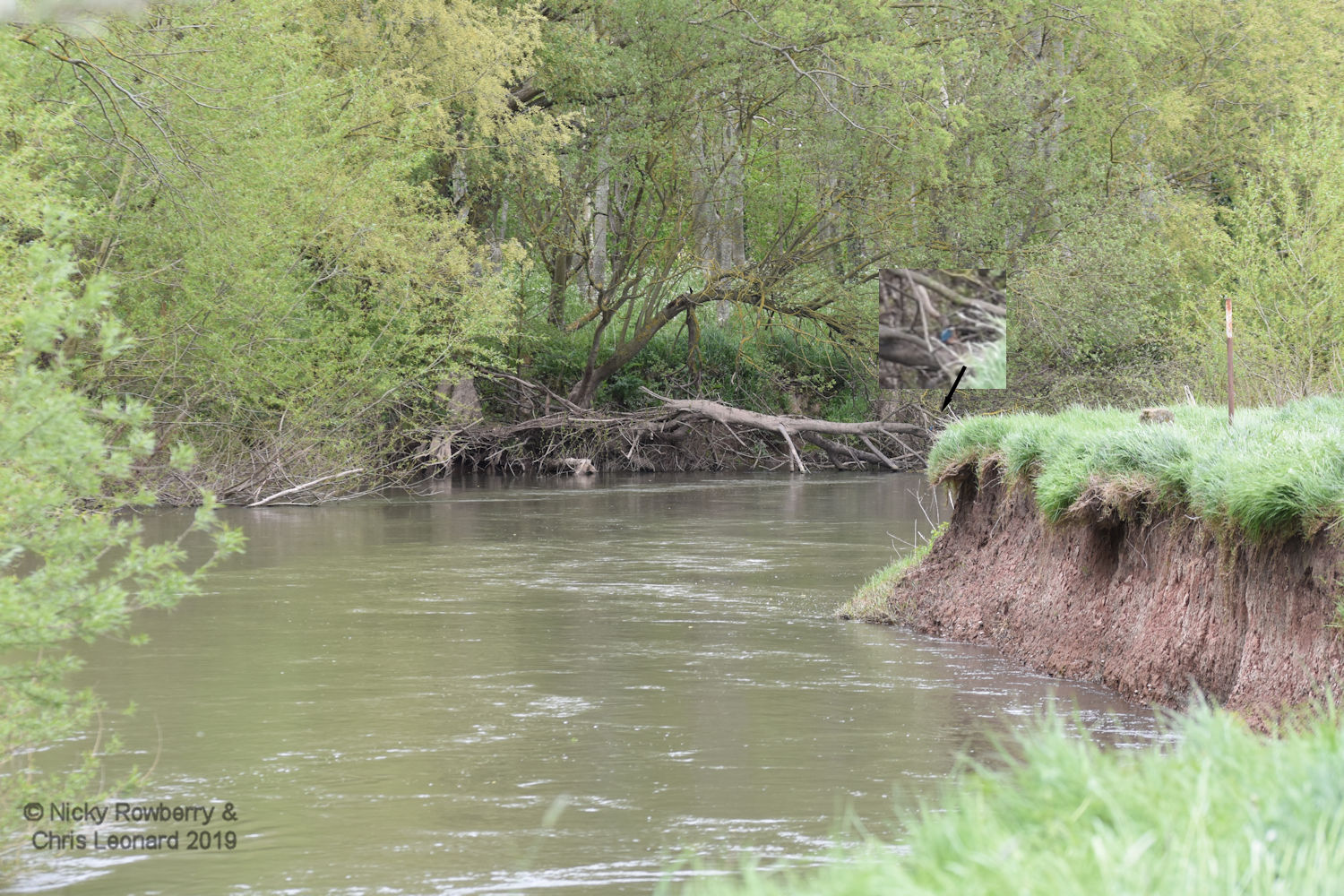
We returned to the car by crossing the meadows and walking alongside the river. We got the very briefest glimpse of a kingfisher as we walked. Such a brief glimpse, I’ve had to blow up the section of the photo just to prove there was really one there!

Herefordshire Wildlife Trust do a great job of managing these meadows. There is an area that has curlews nesting – access to this is restricted during the breeding season to try and help this struggling species. So all in all a very pleasant way of spending a Saturday afternoon.  Next year we can maybe go back under our own steam, now that we know the right area to look for the fritillaries and we can hopefully pick a weekend without a storm blowing!

Red Mason Bees

The fabulous weather over the Easter weekend brought the blossom out in full force on our apple tree and with it a flurry of bees all around the garden. The tree is of the Discovery variety so produces early blossom for early apples and the bees certainly seemed to appreciate it.

I have two bee hotel boxes on the garage wall just a few feet away from the apple tree. These were used last year by both red mason bees and some leaf-cutter ones. So far this year it has mainly been the red mason bees buzzing around it. Initially all I could see were several red masons flying up to the holes, checking them out and rapidly flying away again. They were not only really quick, but the bee hotel is quite high up on the wall which meant I had to wobble about on a chair to try and get a photo – all of which goes to excuse this blurry shot!

I couldn’t understand at first why they kept coming and going, without actually going into any of the tubes. They would repeatedly check out the same tube. A quick google revealed that they were probably males, who emerge first. The females emerge a bit later having been laid further back in the tubes and the males were hovering around waiting for a fresh female to emerge. Having failed to get a decent still photo, I tried to get a video of them using the GoPro on a stick (more wobbling about) with mixed success:

The females must have started to emerge a few days ago. The males clearly don’t hang about or spend a long time “wooing” the females, as I found this happy couple immediately below the bee hotels. It looked as if the male had grabbed the female immediately as she emerged and the pair had dropped to the ground.

A bit of grovelling on the ground and I managed to get a video of the loved up pair.

The males are a good bit smaller than the females and he does look a bit like he’s hanging on for dear life. She also doesn’t look that impressed and seems more bothered by washing her antennae!

With the apple blossom so close to the bee boxes, it provides plenty of pollen for the bees right on their doorstep.


The red masons obviously aren’t the only ones making the most of the blossom while it lasts.  I’ve counted at least 8 species on the tree in the last week, but here are just three – a Nomada bee, an Ashy Mining Bee and a Red-tailed Bumblebee.

We already have the two bee hotels on the side of the garage, one on the front of the house and one old one just lying in the garden. The spring sunshine seemed the perfect opportunity to get the old one back up and add a new one to the bees’ property portfolio. The neighbours had replaced the fence between us last year and it catches the sun for a lot of the day, so it is the perfect place for more bee hotels. So the old one went up along with this new beauty. There may be more to follow as the fence looks very bare and basically – why not?


I’ve not managed to get photos yet of any bees using the new one, but within hours there were a couple of red mason bees checking it out.

Bees of course were finding places to nest long before we started thinking of providing bee hotels. This, I think, is the entrance to a ground nesting bee’s nest – possibly one of the Andrena species. There are a few of these little holes dotted around our so-called lawn.


Every garden must have space for at least one bee hotel/bug house. Even if you don’t really have a garden you could put one on an outside wall. So why not give a home for nature and put up a bee hotel?


Spring & Surprises at the Lottie

Spring has well and truly sprung down on the allotment, bringing with it some old favourites, a new generation and a big surprise.

Being fair-weather gardeners we’ve not done much down the lottie over the winter, but when we have been down a pair of robins tend to follow our every move – always on the look out for a freshly unearthed worm.

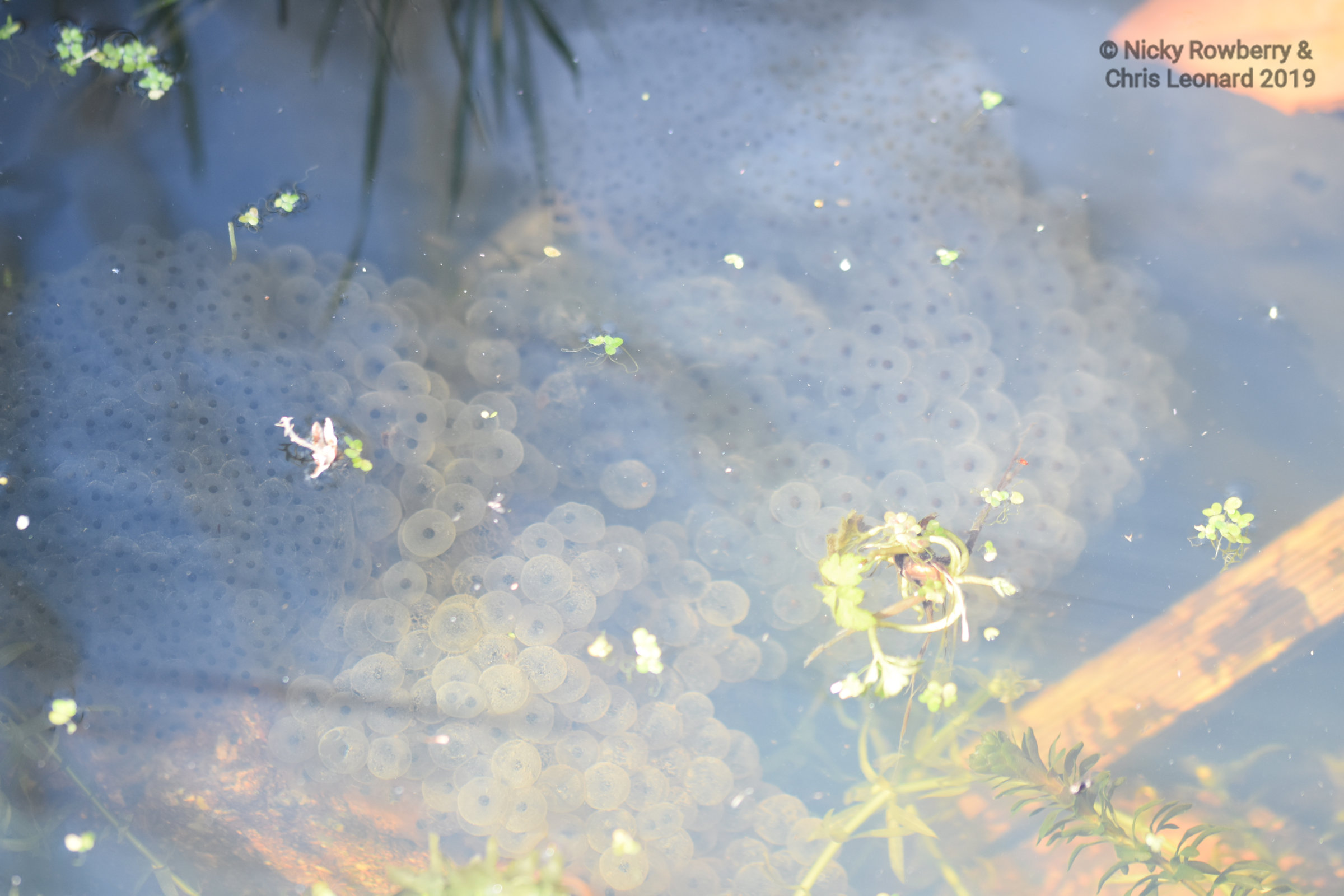
I’ve been going down more frequently for the last couple of weeks to check on the pond – it’s frog spawn season! So I was very pleased when on 2nd March I spotted for the first clump of spawn in the pond. It could only have been laid a day or two before, making it about 10 days earlier than last year.

So out with the camera and the GoPro to record the start of a new amphibian generation.


By the 9th of March 3 more clumps of spawn had been laid – you can see the difference in size of the embryos and jelly in the photo and video below.

The GoPro did catch a blurry image if what I assume is a pair of frogs in a passionate embrace underwater. Having said that the smaller one does look a bit toad-ish to me, but there’s been no sign of any toad spawn in the pond so far. I read somewhere that 80% of toads return to the pool they were born in to breed, so it may take some years before we get any toad spawn.

In the hope of getting some froggy action on camera, I left one of the trail cameras running on the allotment for a few days. I ended up with a lot of videos of cats walking by, but eventually got this one – a stand off between a cat and a floating frog. Thankfully the frog has enough sense to dive when the cat makes its move.

I did have hopes of getting a fox on camera as I know we have them on the allotment. But what I did get next was a huge surprise – a badger drinking from the pond!

We’d no idea we had badgers down there, so this was a real bonus. It looks like another pair of frogs get spooked by the badger and also dive for cover. Needless to say the camera has been left down there in the hope of getting more footage – but so far nothing but more cats.

Hopefully in the coming weeks I can get footage of the frog spawn developing into tadpoles. Fingers crossed the newts return soon too and maybe even a toad or two. All this does show the  benefit of putting in a pond – this one only went in 2 years ago when we first got the allotment. We’d expected frogs and newts would use it and maybe birds would drink from it, but never dreamed that we’d get a badger. I guess “Build it and they will come”!


A Day-Flying Moth Hunt

We’ve had some glorious weather here in Malvern this week; it really felt as if spring or perhaps even summer had arrived early it was so warm. Not only was the warm weather tempting softies like me outside, it was also apparently tempting some of the early day-flying moths to get out and about too. I’d seen reports of a particularly attractive moth – the Orange Underwing – being seen locally at Gullet Quarry, so this seemed the perfect excuse for a walk.

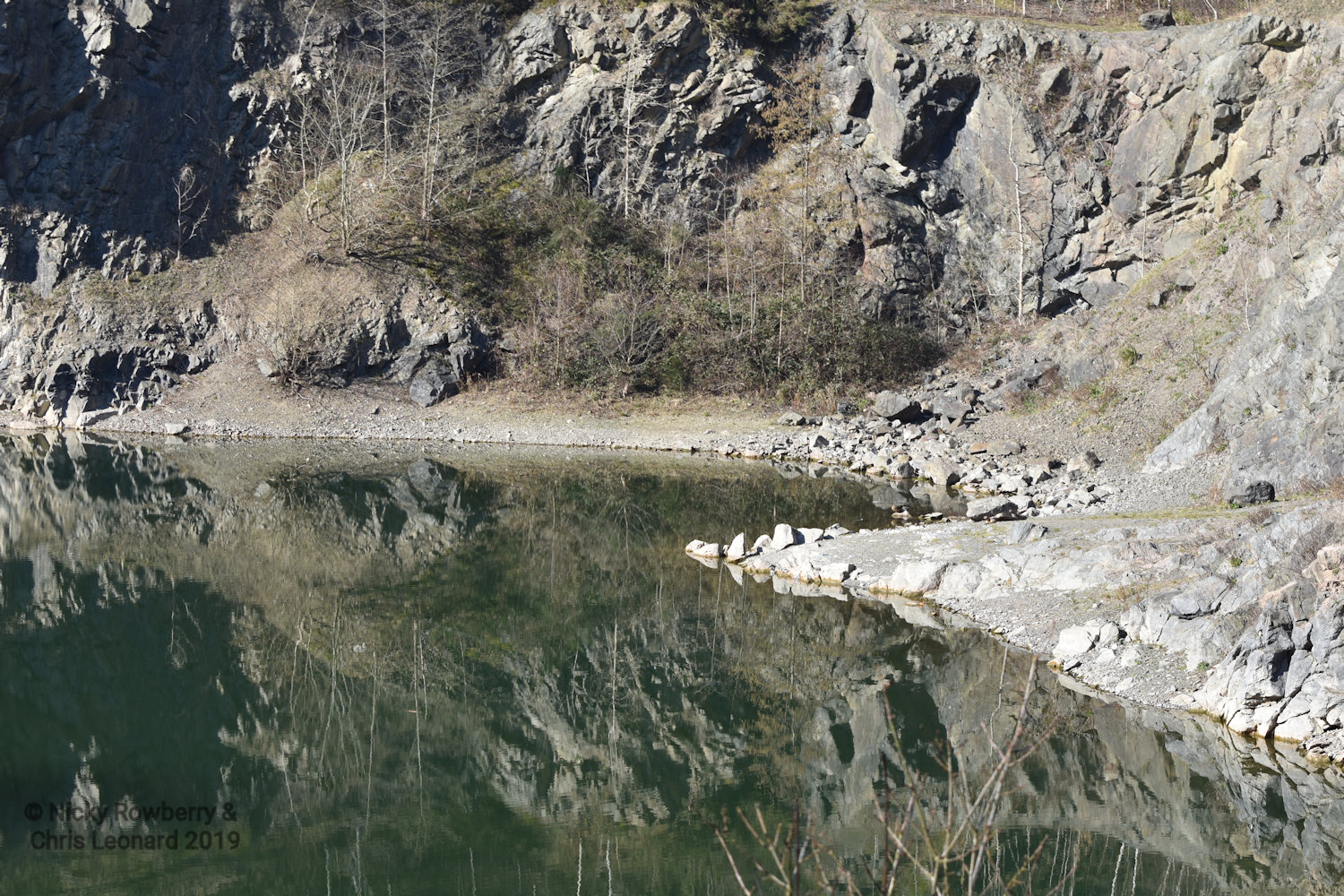
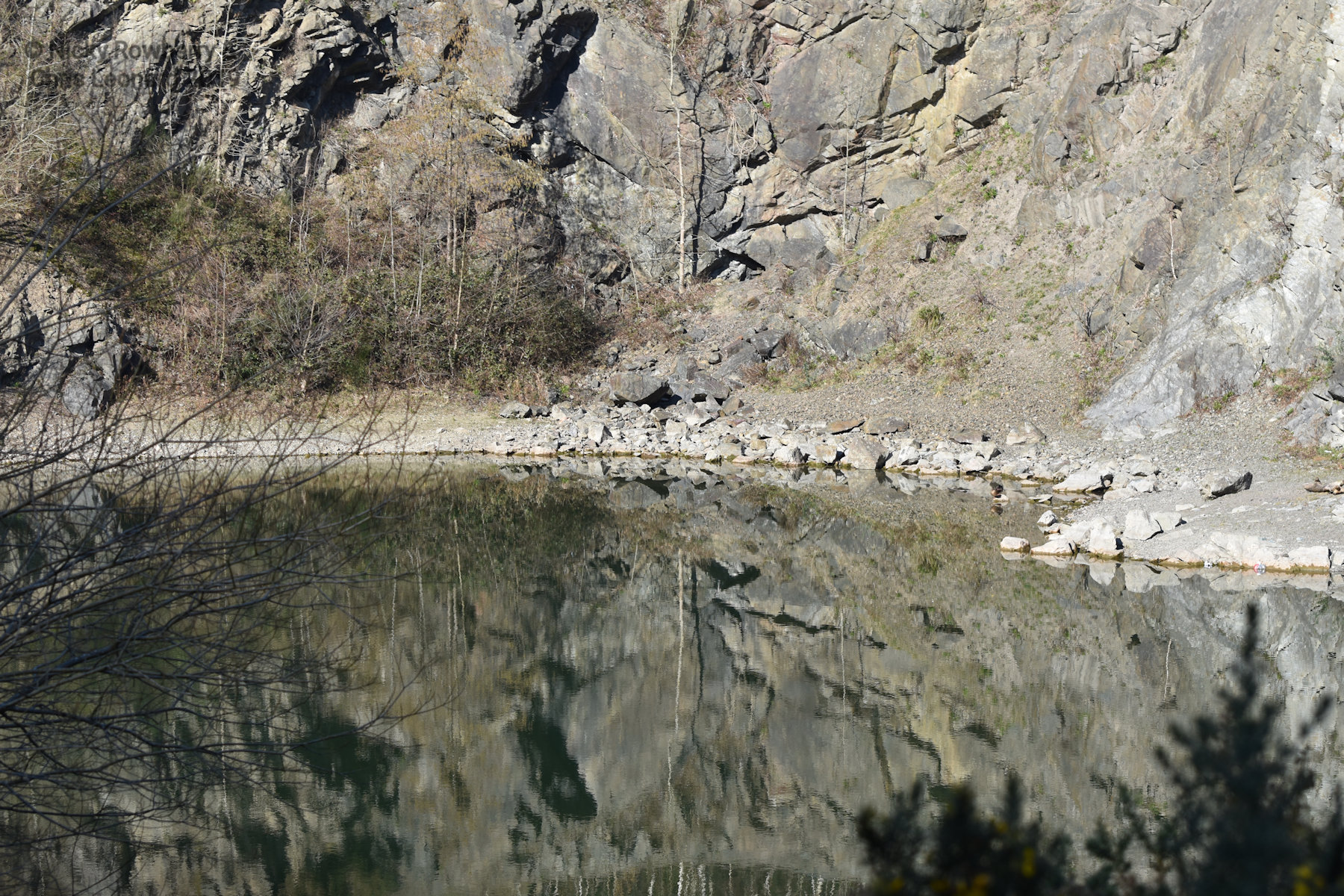
The not-too-attractively named Gullet Quarry is much prettier than its name suggests. With the sun shining and clear blue skies, the rocks were reflecting nicely in the water. Sadly due to some terrible accidents at the quarry, it is now fenced off and you can no longer get down to the water’s edge, so I had to view most of it from a distance.

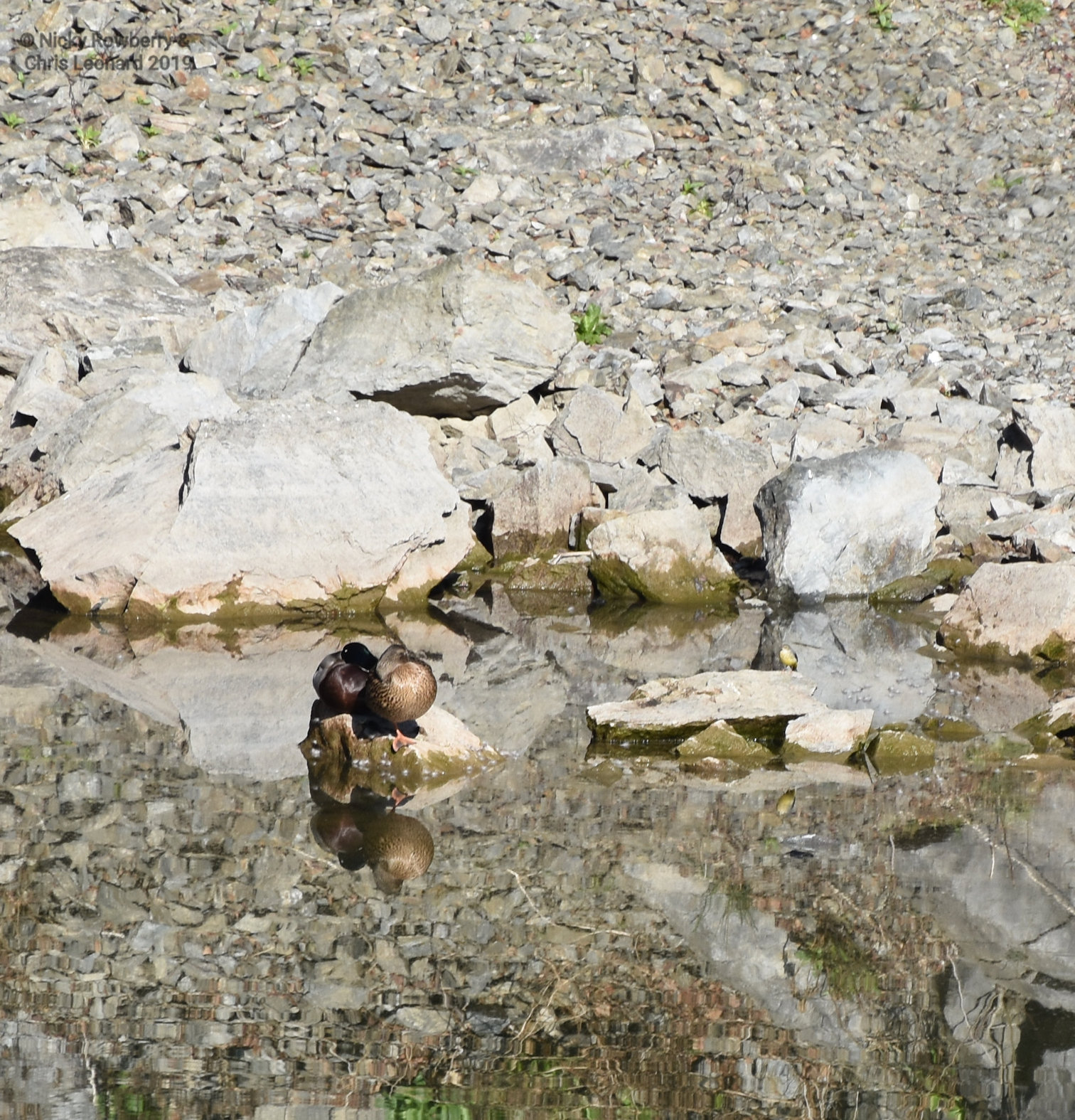
I could just about make out a flash of yellow on the far side of the quarry – a Grey Wagtail flitting up and down catching insects. I tried zooming in on him (not very effectively) and only realised there was a pair of ducks sitting next to him when I downloaded the photos later! The wagtail is just about visible as a yellow smudge on the rock to the right of the ducks.

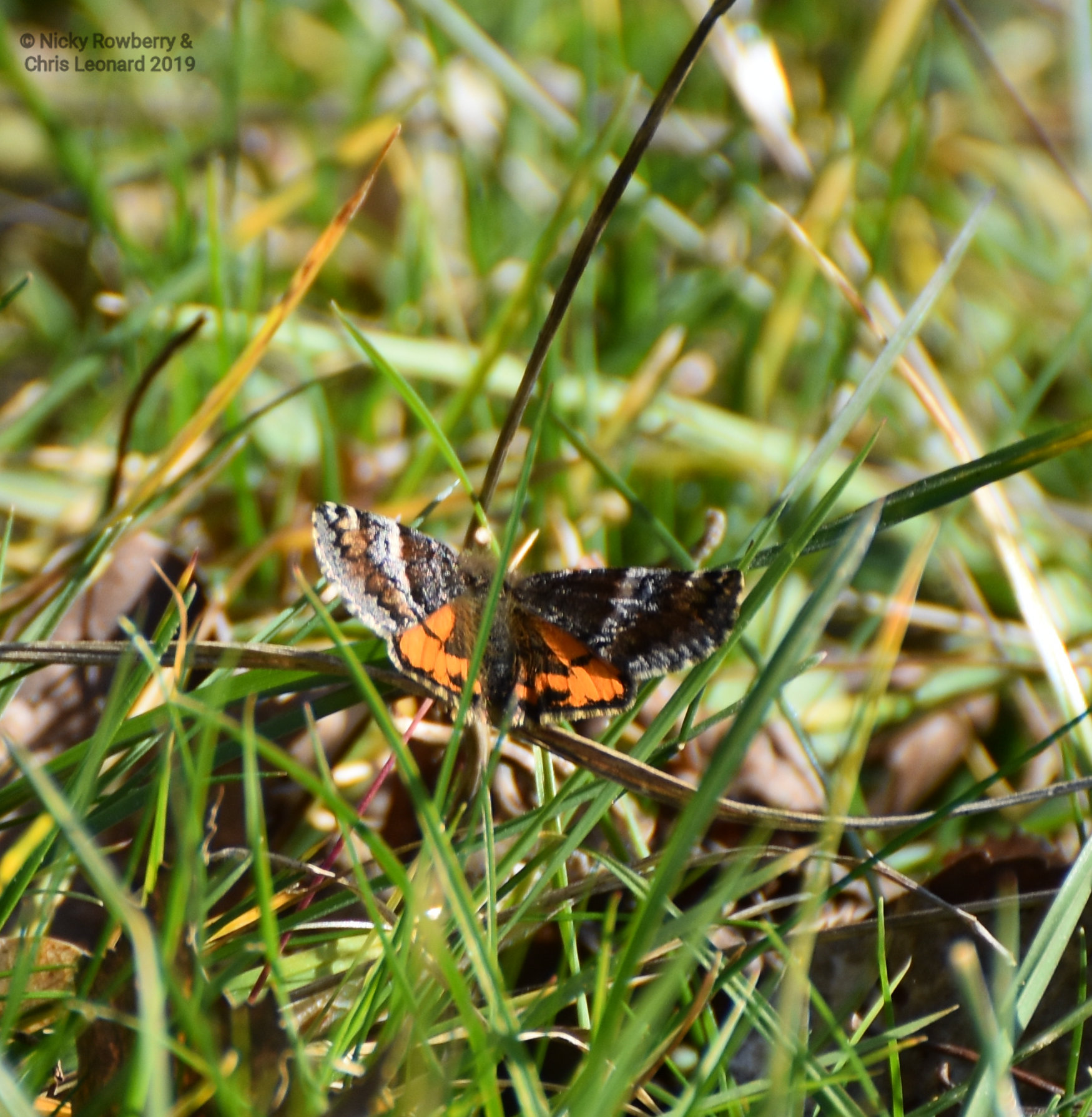
As I arrived it seemed like looking for a moth around the quarry was a bit of a needle in a haystack type mission, so I was amazed when one flew right passed me almost immediately. I set off in pursuit (incurring unfortunate contact between my boot and a large sheep deposit as I wasn’t looking where I was treading!) and tracked him to a high up twig.

He then sped off again and settled amongst the grass. Despite repeated attempts I couldn’t get a clear shot of him without a blade of grass in the way. But at least his lovely orange underwings are clearly visible. Mission accomplished.

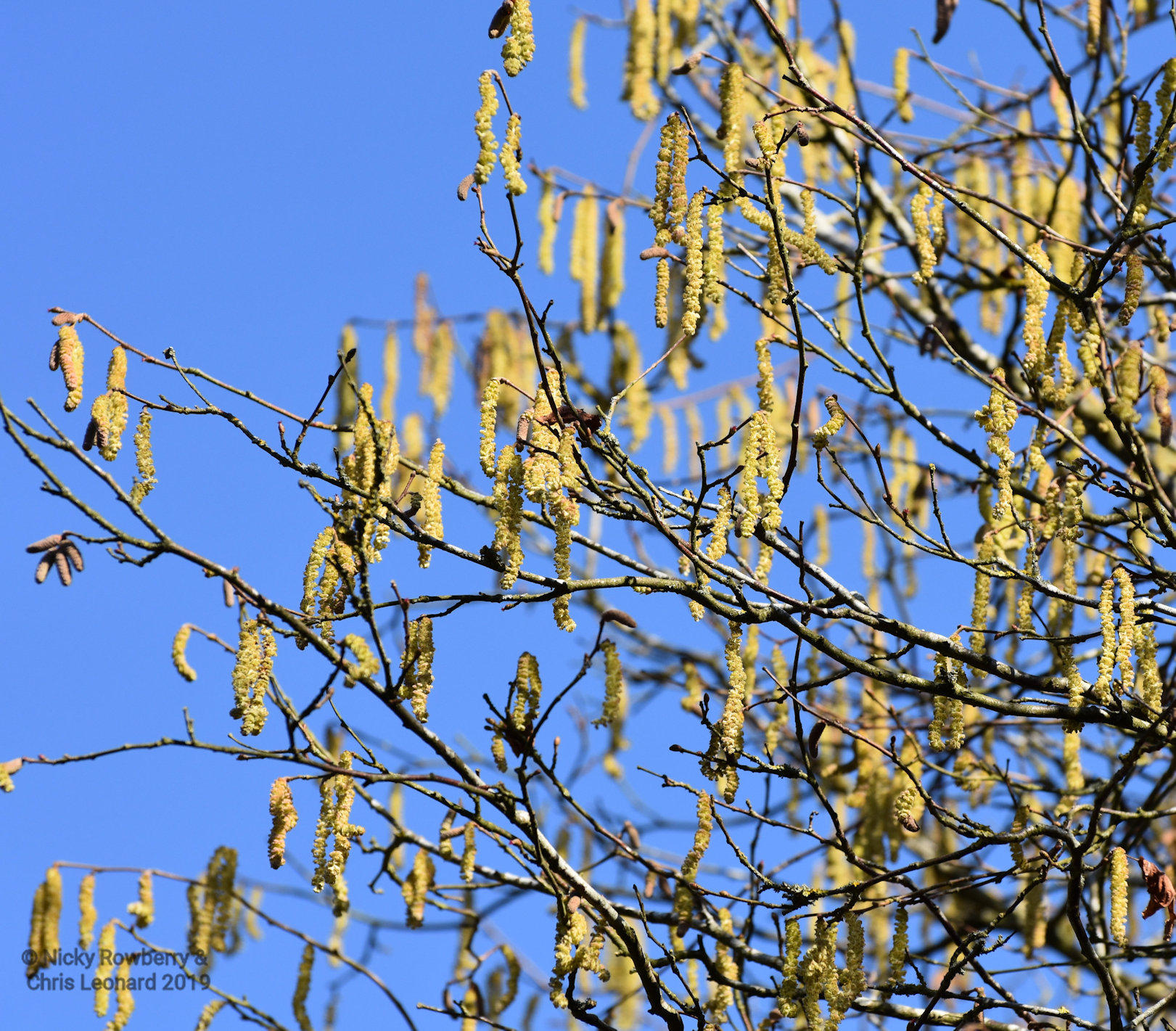
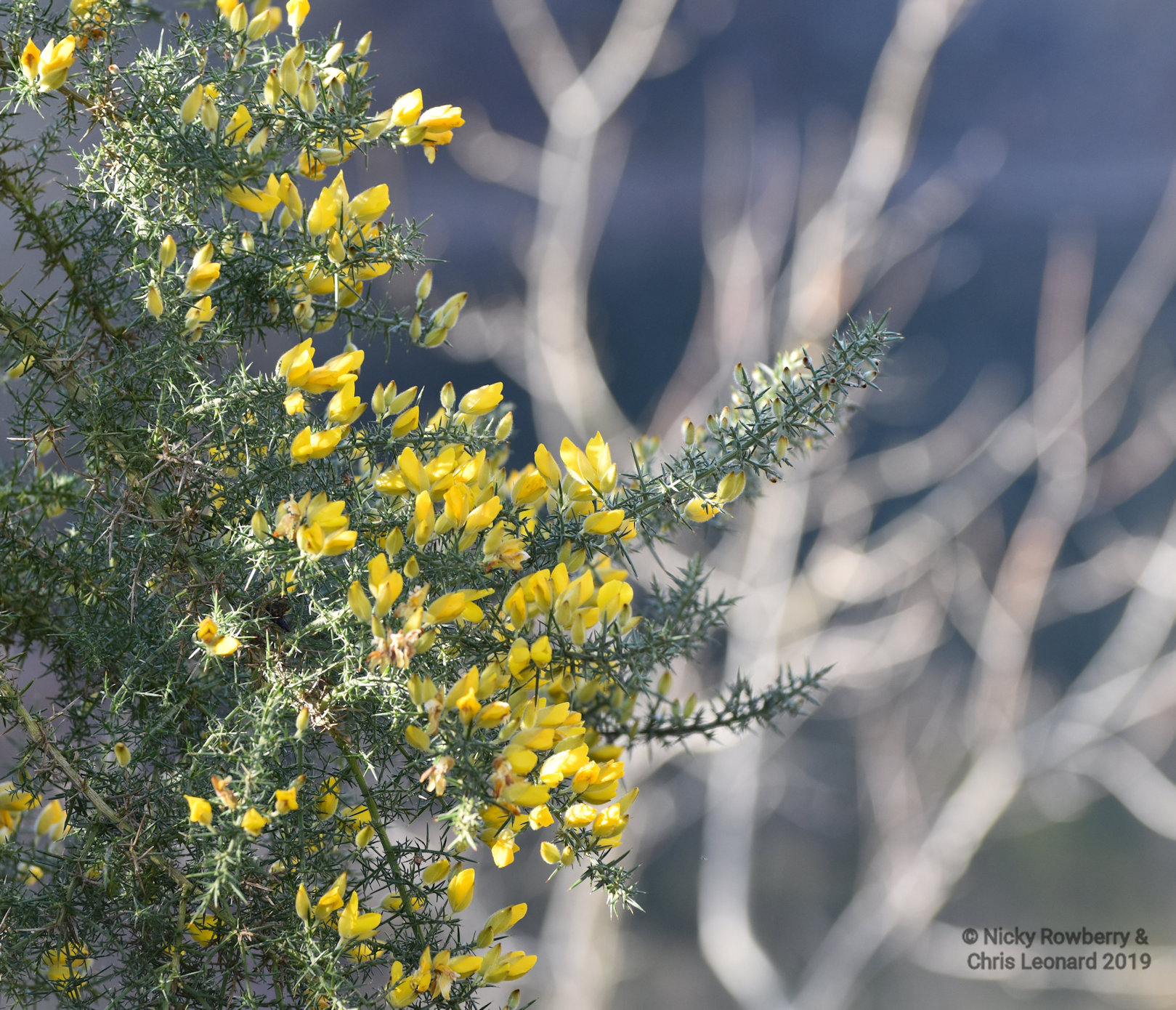
Since it was such lovely weather I spent another lovely half hour pottering around enjoying the first signs of spring. A male Brimstone butterfly shot passed me, as usual way too fast to get a photo. Catkins were dangling all around and the gorse bushes were in full flower.

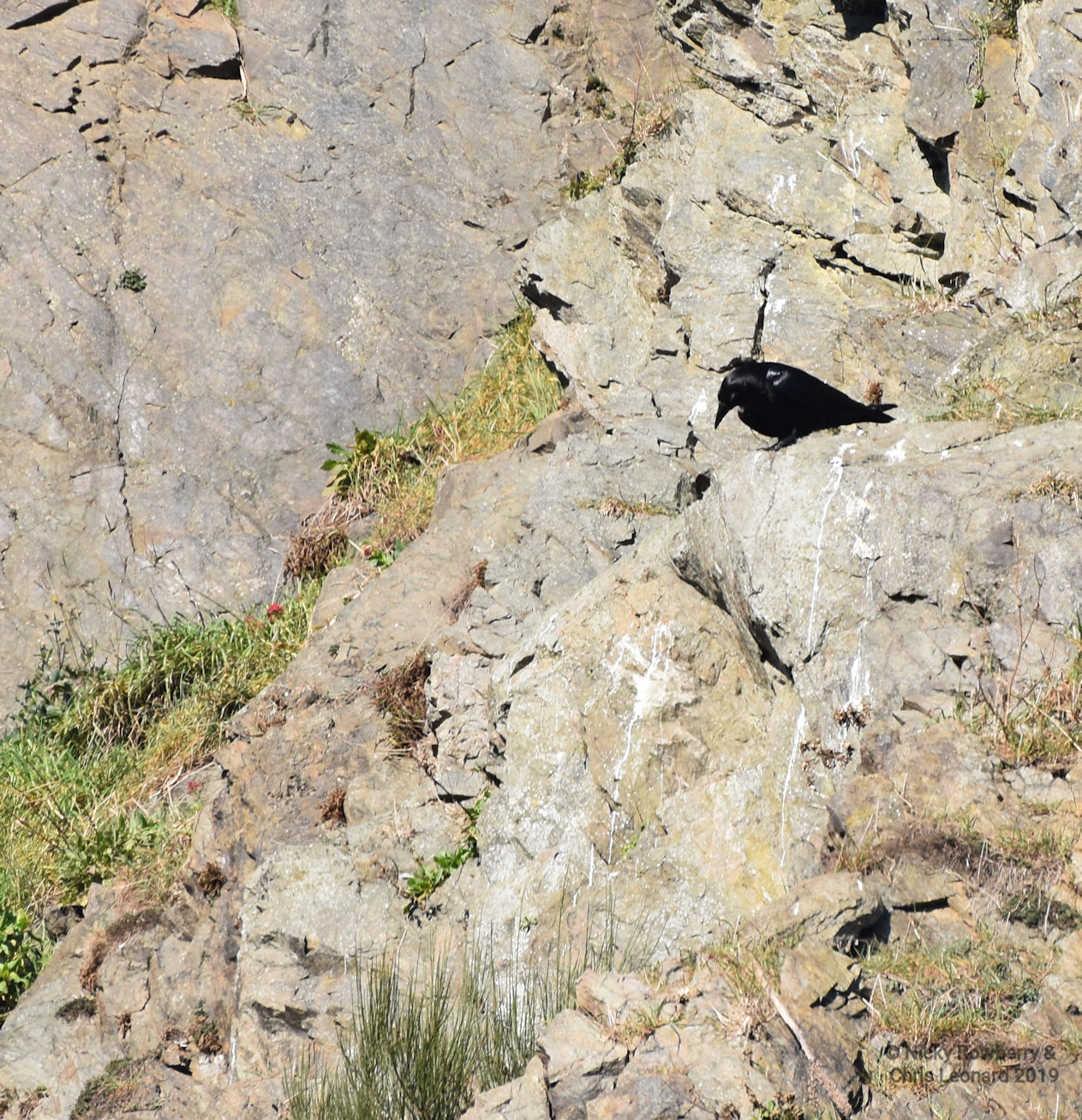
I wasn’t the only one watching the wildlife. High up on the rocks above the quarry, several crows were looking down, presumably on the look out for the next meal.

All in all it was a lovely short walk in the early spring sunshine,  whetting my appetite for the summer to come!