Bumbling Around for Butterflies

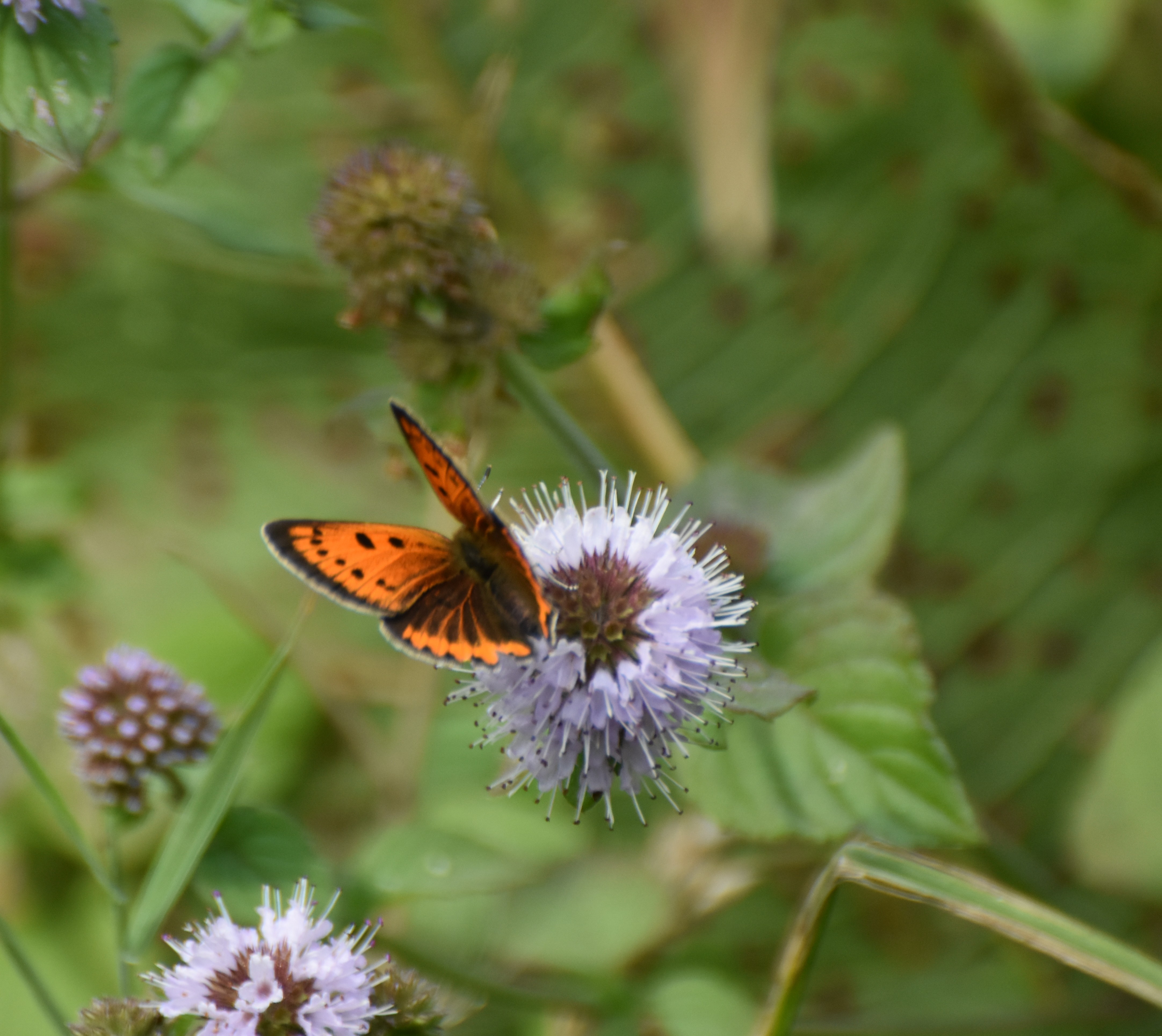
My quest to see all 58 species of butterflies in the UK seems to have stalled somewhat, but I’ve still had a really good summer for butterflies this year, both at home and out and about. Best and most surprising of all was getting to see some Large Copper butterflies less than 40 miles from home. Given that the Large Copper is actually considered extinct in the UK and has been so since the 1850s, it’s not a butterfly I ever imagined seeing. But some bright spark had chosen to release them (possibly as caterpillars) at the brilliantly named Bumble Hole Nature Reserve in Dudley.

I resisted for at least 10 days after the first photos started appearing on Facebook, but finally gave in to temptation and headed north to Dudley. With some help from a kind lady in the visitor centre, I headed to the butterfly hotspot – obvious when I was in the right area due to the dozen or so other butterfly twitchers. I was still fumbling to get my camera out, when the first Large Copper appeared.
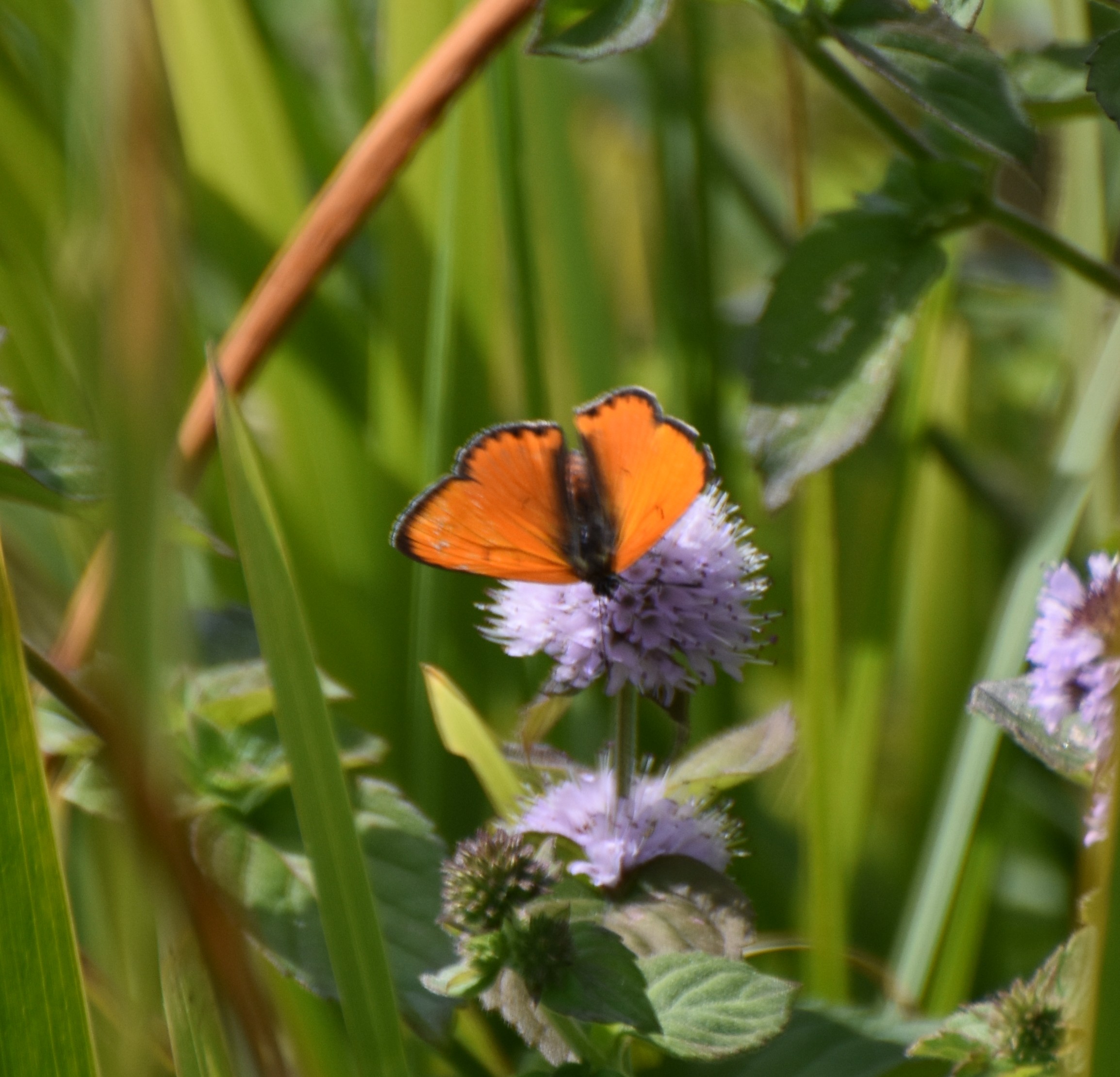
The males are pretty much all bright orange on the upper surface of the wings, with a pale blue dotted with black spots underneath.
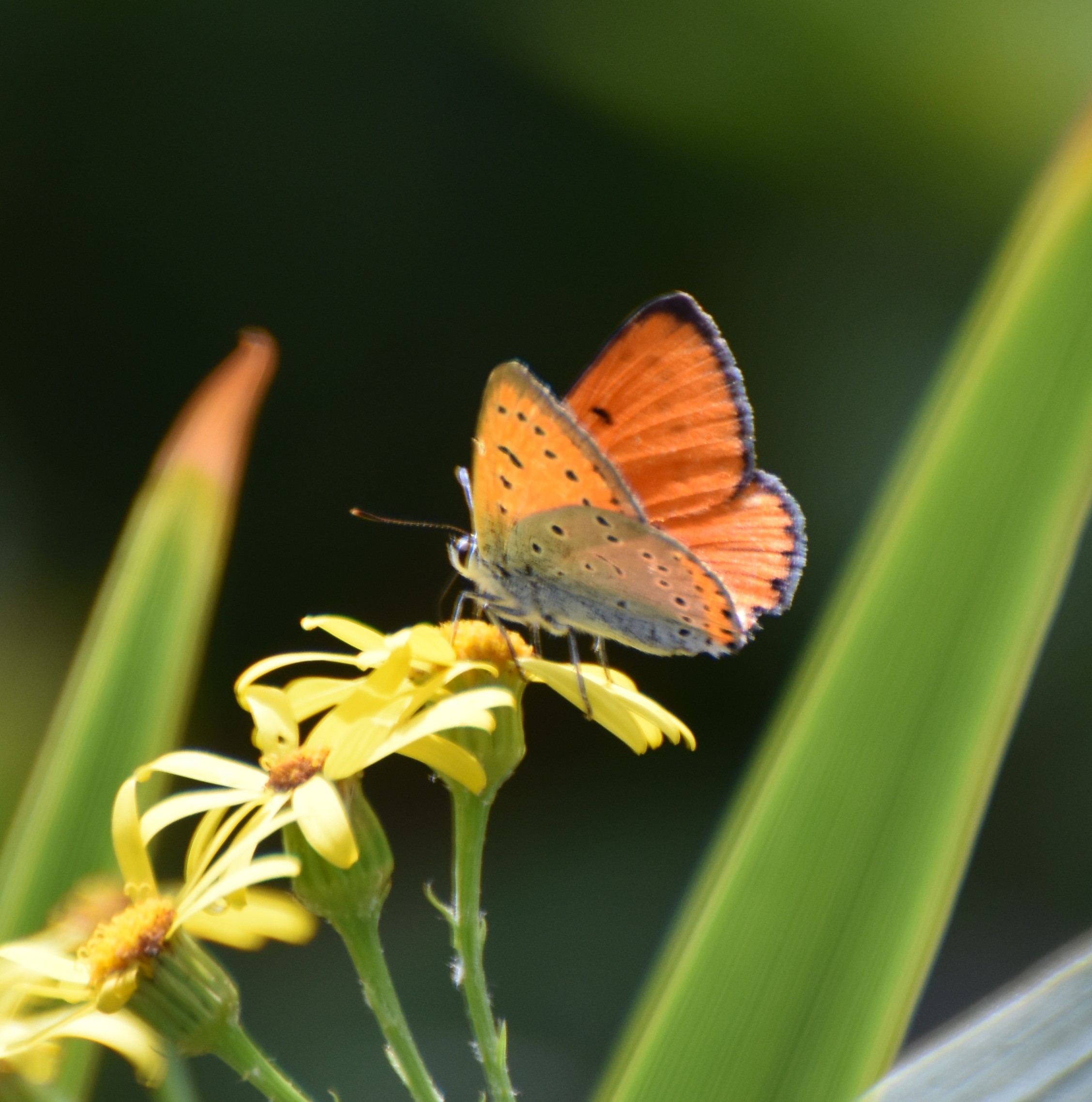
The females have more brown markings, stripes and spots on the upper side, but are similar underneath.
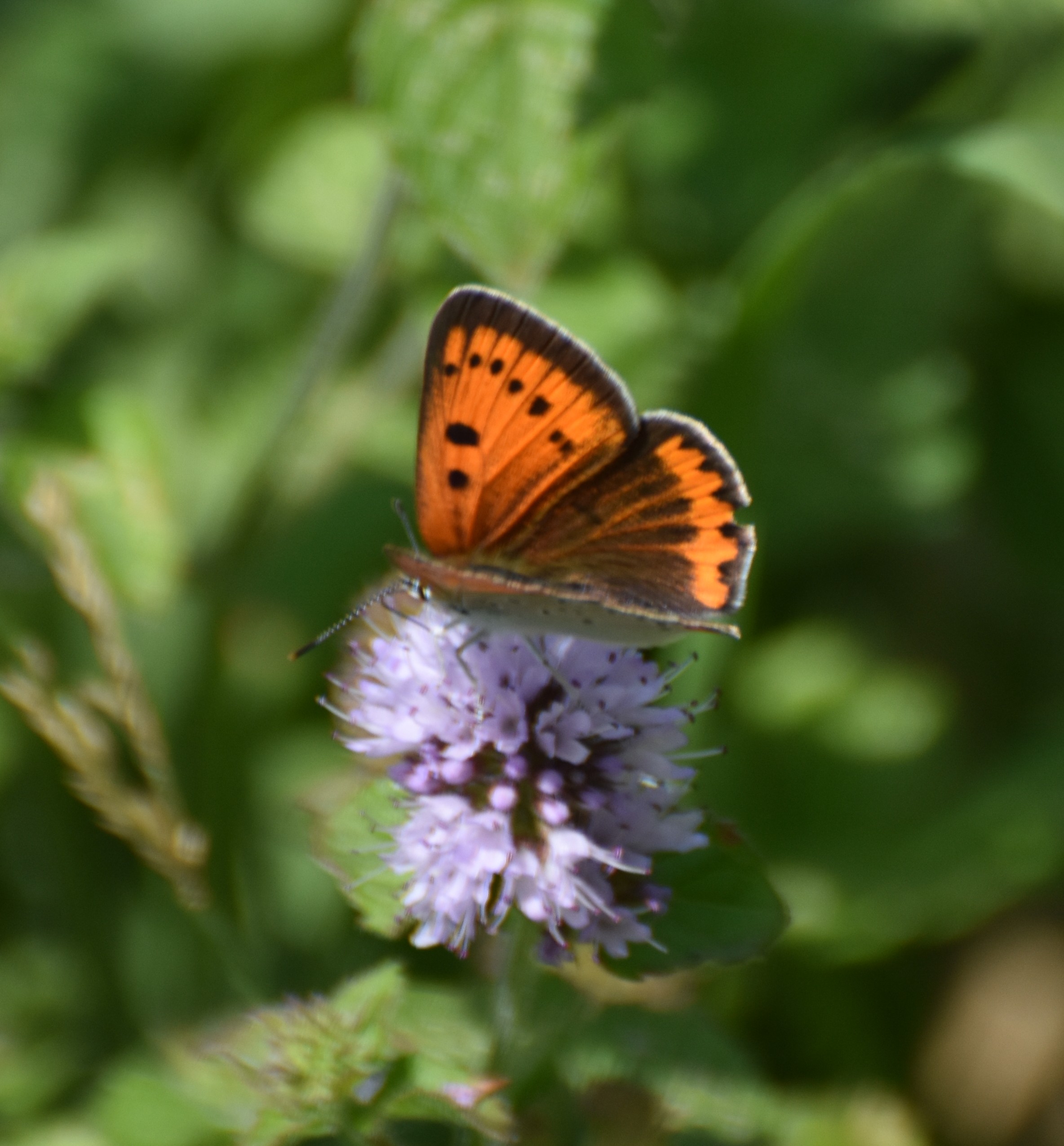
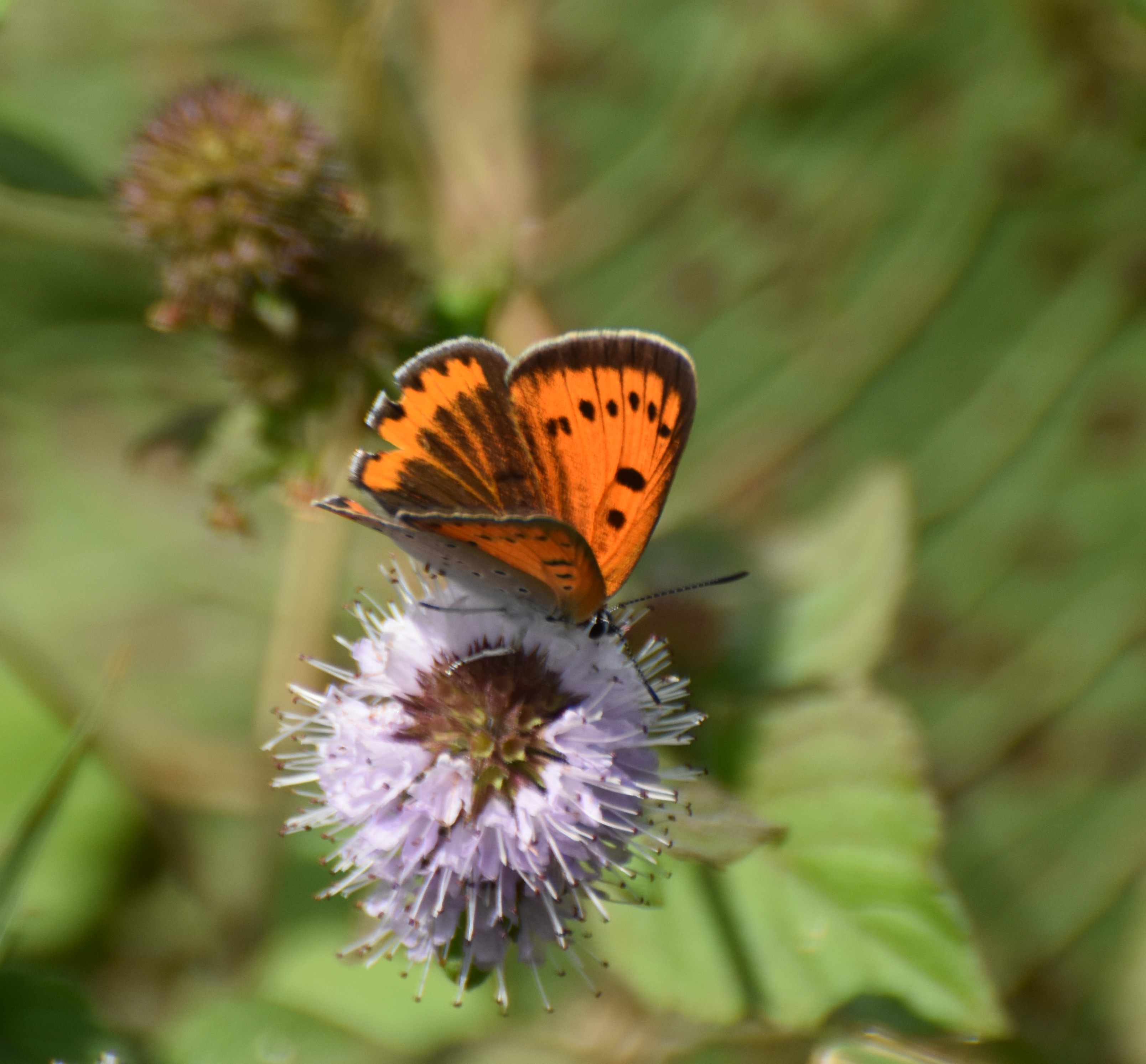
It was a baking hot day and my plan originally had been to stay out just long enough to see the butterflies and then head back to the safety of the air-con in the car! But the butterflies were so stunning and more numerous than I had expected, so I kept getting side-tracked by another one each time I started to head back. My final reward for this heroic effort (an hour in baking sun for a dumpy middle-aged woman is I’m sure the equivalent of an iron-man challenge for other people) was to spot this female laying eggs. Well worth the sunburn.

It was a magical thing to see these butterflies in the UK, but sadly it is probably not all good news. As their release seems to have been unsanctioned, the chances of the butterflies surviving at this site are apparently small. Although they were clearly mating and obviously laying eggs, will the eggs and/or caterpillars be able to make it through to next summer? It would be wonderful if they did manage to establish a colony here, but many people are doubtful that the conditions at Bumble Hole will be right for them.

For comparison here’s a Small Copper taken at Croome Park this week.

In other news the local Facebook groups were buzzing with the news that there were multiple Clouded Yellow butterflies down in the fields near Grafton Wood. As usual I could resist anything but temptation, so headed down there to see for myself. First attempt was a complete wash-out as I picked the only cold cloudy day in August, but second attempt was more productive. Together with a very nice couple I met down there, I watched in frustration as the bright yellow flashes of several Clouded Yellows dashed about the centre of the fields. Not wanting to trample across the farmer’s fields we could only watch and hope they would eventually come to the margins. Eventually a few did, but they were so flighty that all I managed was these blurry yellow blobs for photos. But at least I saw them.

Slightly more obliging were some Common Blue, Small Heath and Brown Argus.

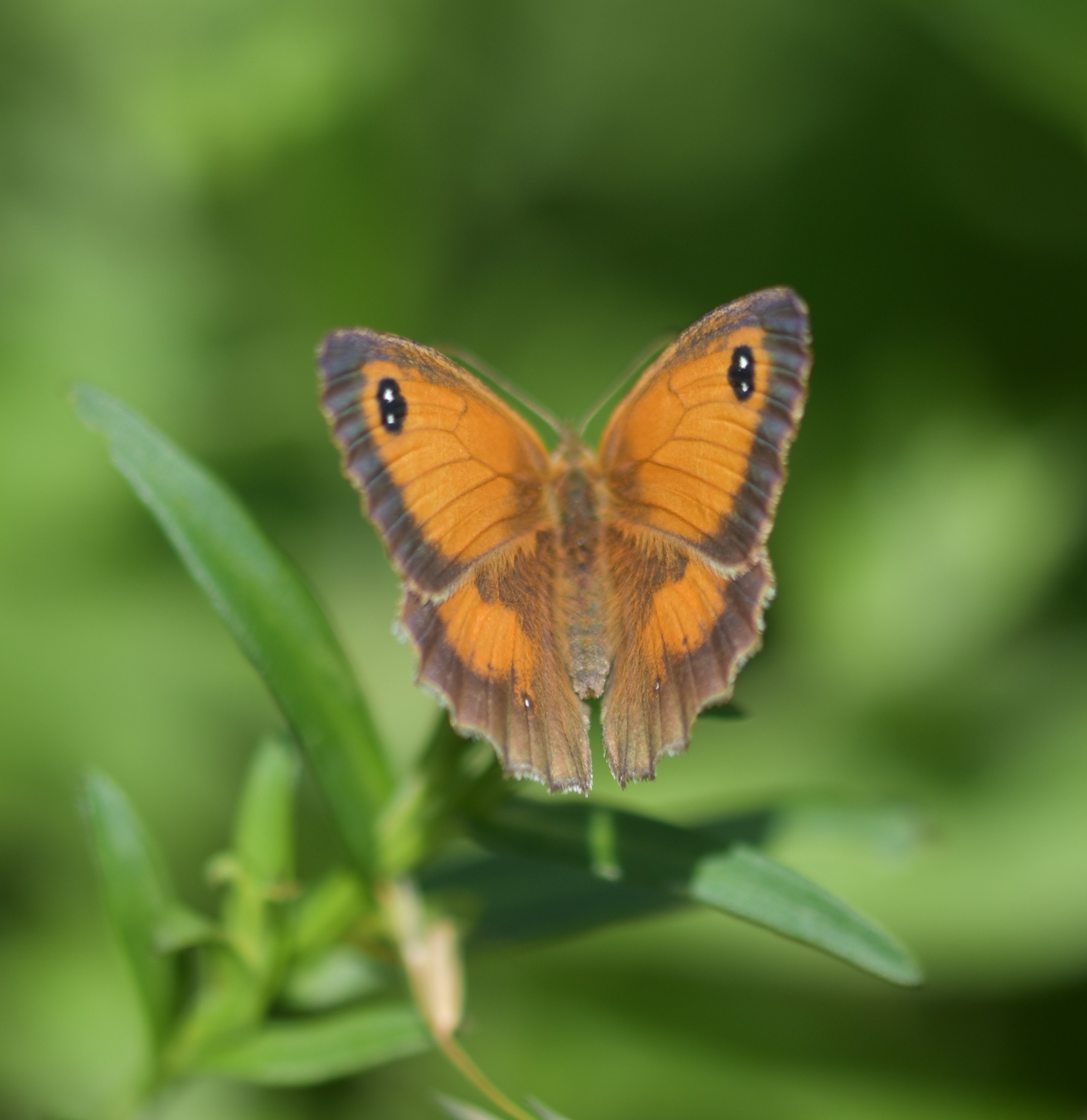
At home I did a couple of Big Butterfly Counts earlier this month. The garden generally has been busier than recent years for butterflies, but as usual most of them declined to put in an appearance during the 15 minute counts. But so far this year I’ve seen Red Admiral, Peacock, Small Tortoiseshell, Comma, Painted Lady, Large White, Small White, Holly Blue, Gatekeeper, Meadow Brown, Speckled Wood and Ringlet butterflies in the garden. But best of all was a Silver-washed Fritillary which graced my buddleia and bramble-strewn garden with its presence over several days.

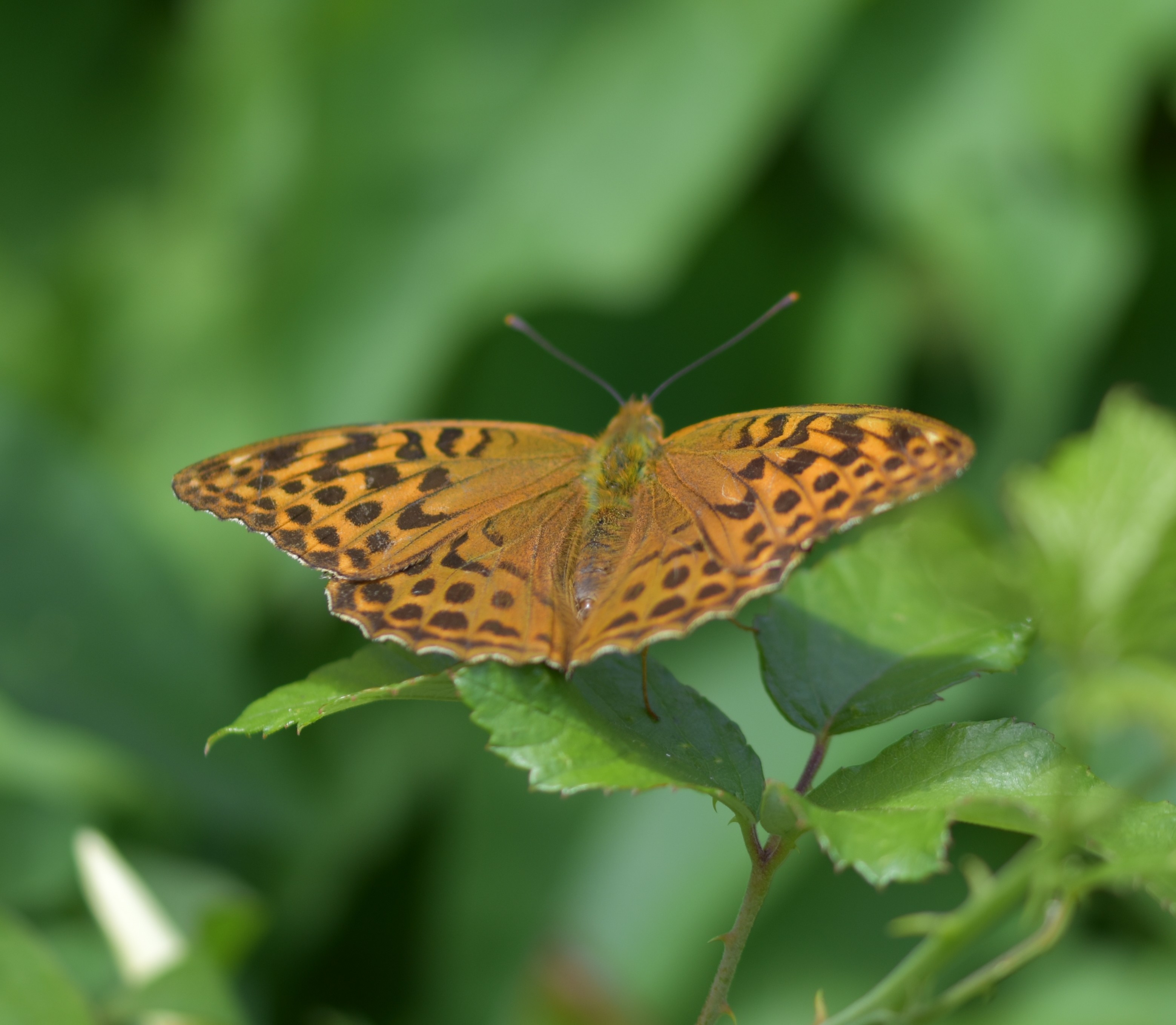
So that’s a round-up of this summer’s butterflies; some old favourites and one completely off the radar “extinct” species.
 

Holiday Snaps – Part 1

I imagine many people make a list of stuff they will need to take when they go on holiday: swimsuit, sunglasses, sun cream, bat detector, night vision googles, trail camera, GoPro camera and moth trap. My packing list may not be 100% conventional, but for me these are all part of the fun of going somewhere new – essentials for discovering the wildlife in and around a holiday cottage. Last month in northern Lancashire, just south of the Lake District was no exception. The main target may have been the 2 new butterfly species in the last blog post, but we’re always keen to see what else is around.

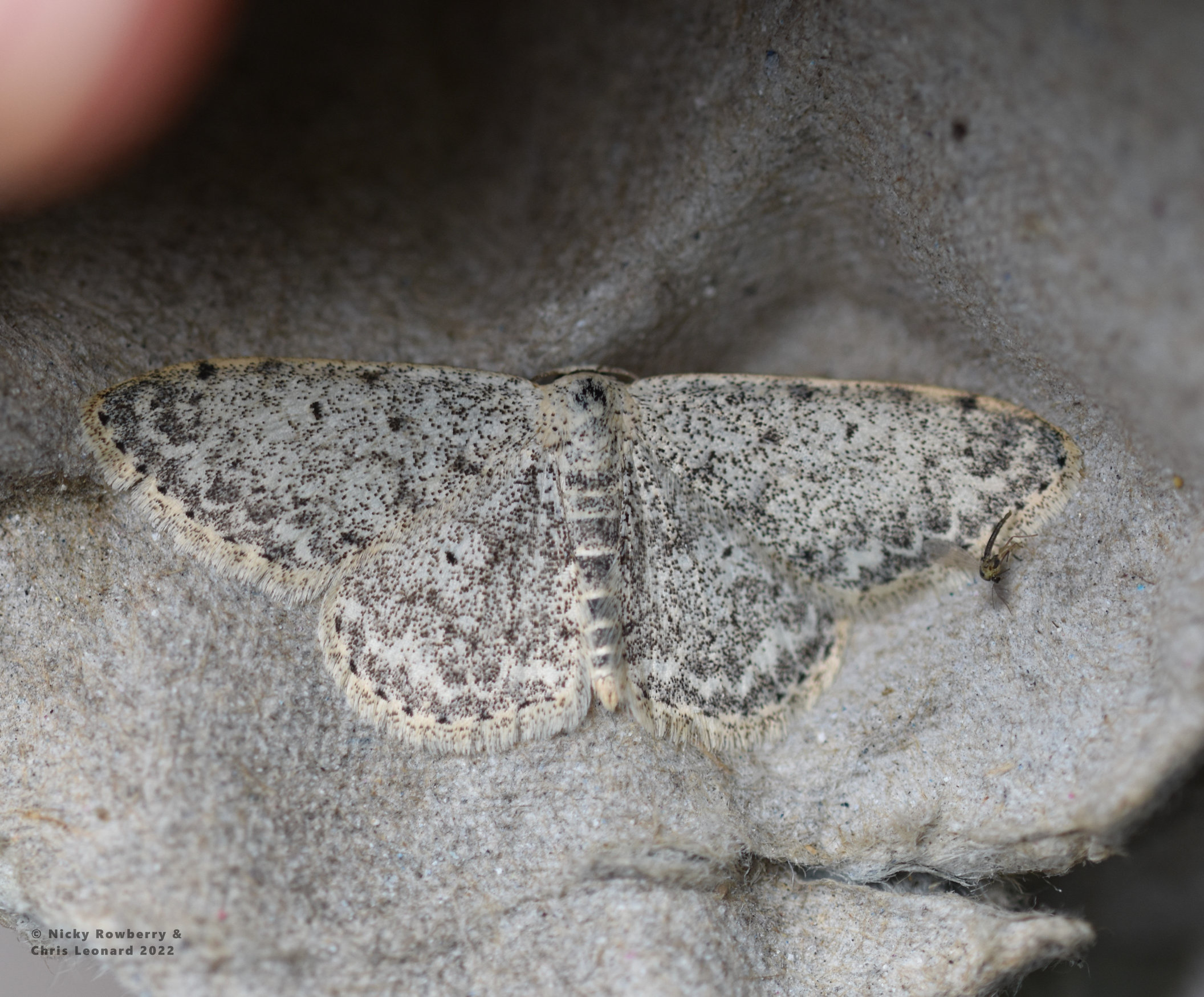
In the end it was a bit windy for a lot of the week, so I only managed to put the moth trap out once, but it still produced some species that we’ve never seen in our own garden. This Mullein Wave was completely new to me, looking like a larger version of a Small Dusty Wave.

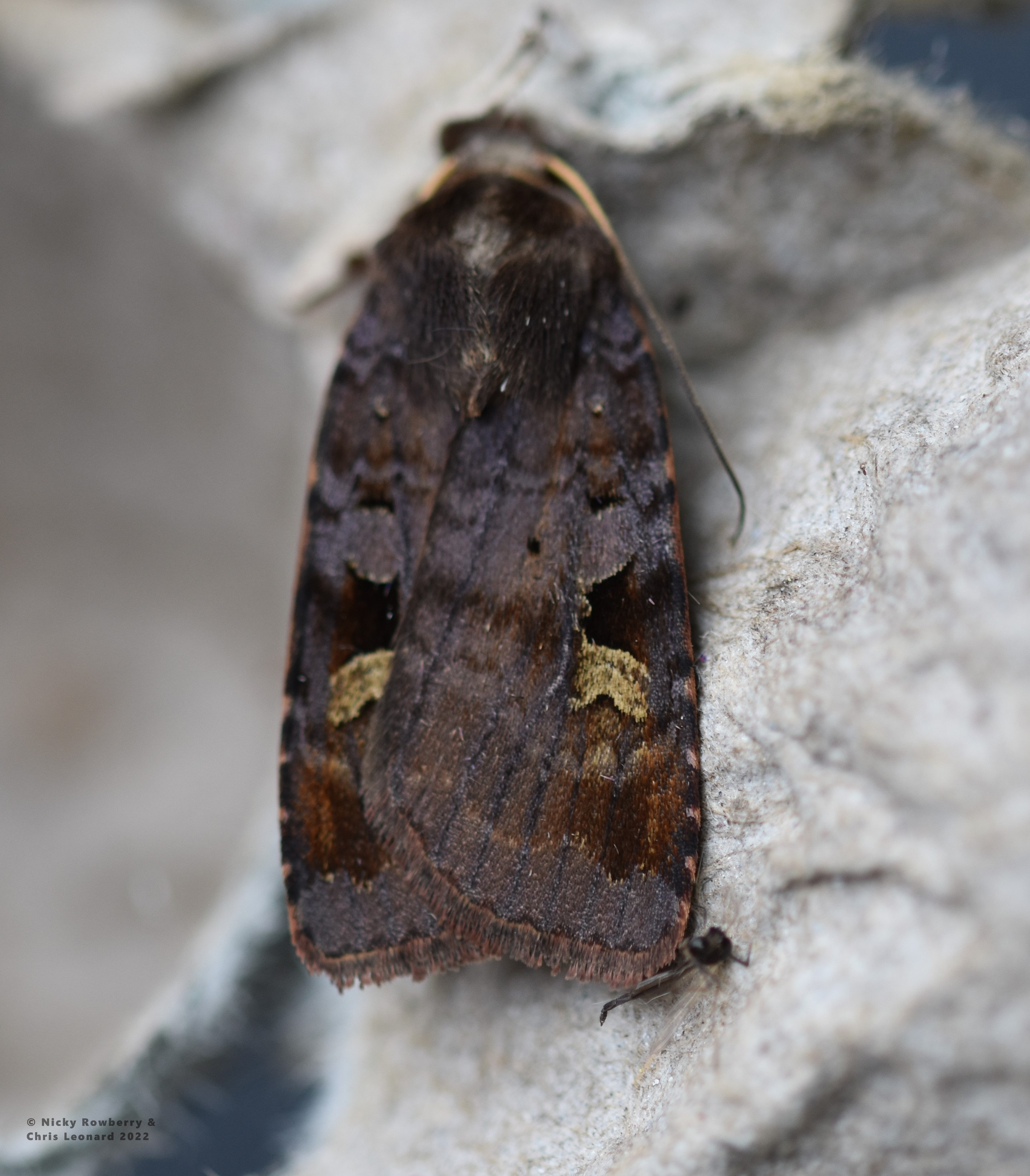
Then there were 2 purples – Purple Clay and Purple Bar, both new to me as the only purple we get at home is a Purple Thorn.

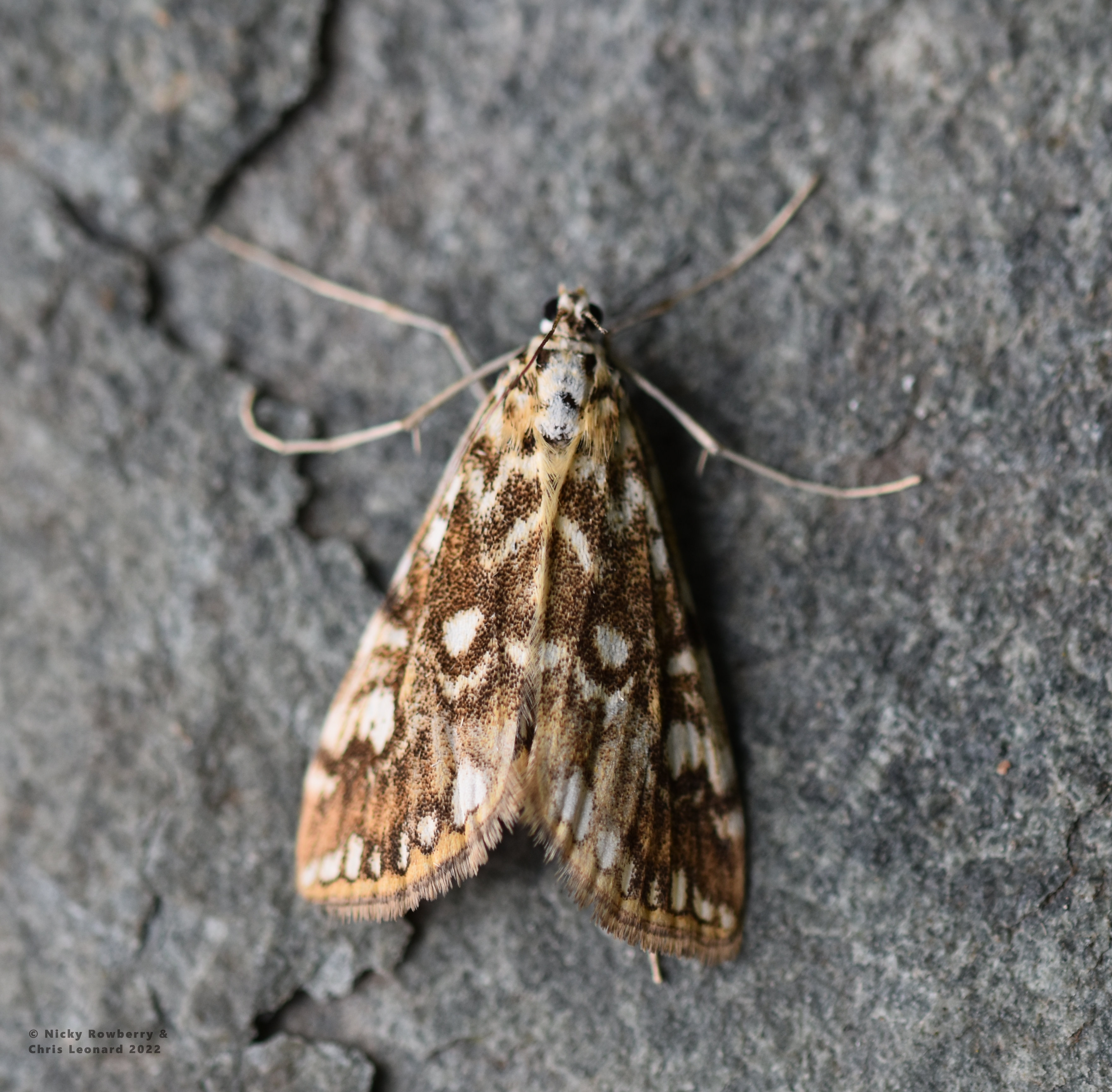
The rest of the moths in the trap were ones I had seen before, although in different proportions – lots more White Ermines than I ever get at home for instance. The Brown China Mark (below) was perhaps not surprising, given that their caterpillars are aquatic and we had a lake at the bottom of the garden at the holiday cottage.

We tend to keep an eye out for moths as well as butterflies when we’re out on walks and were lucky enough to spot a few day-flying ones. The Marbled White Spot was a bit more of an unusual find for us at the Foulshaw Moss Nature Reserve.

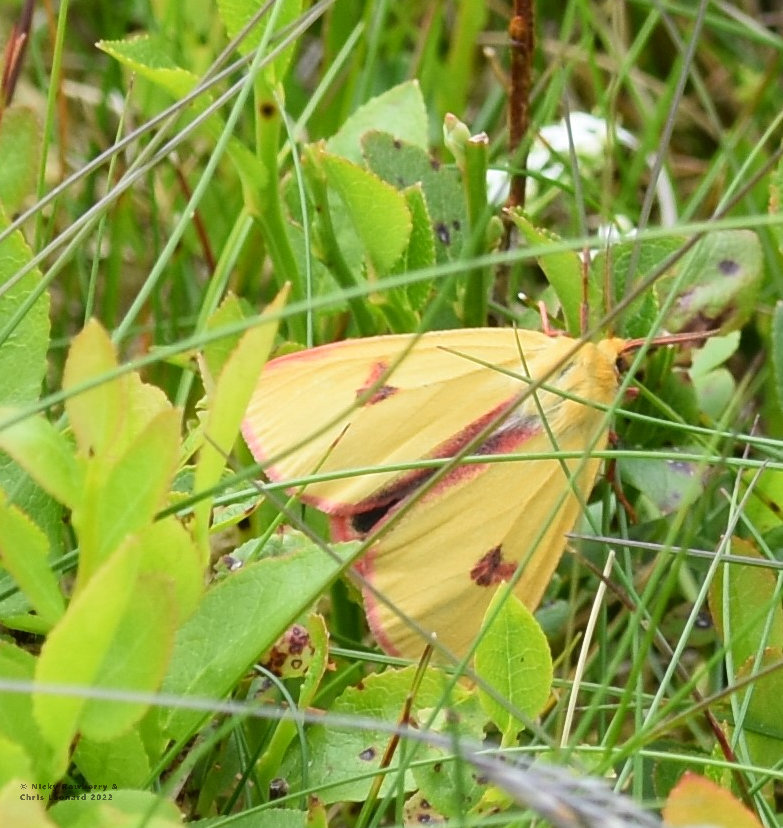
Mothy highlight for me though was finding this Clouded Buff up on Irton Fell –  a stunning moth, that my poor photo doesn’t do justice to, but it shot off before I could get a better pic (and having used all my energy just getting up Irton Fell, I was in no state to chase it!).

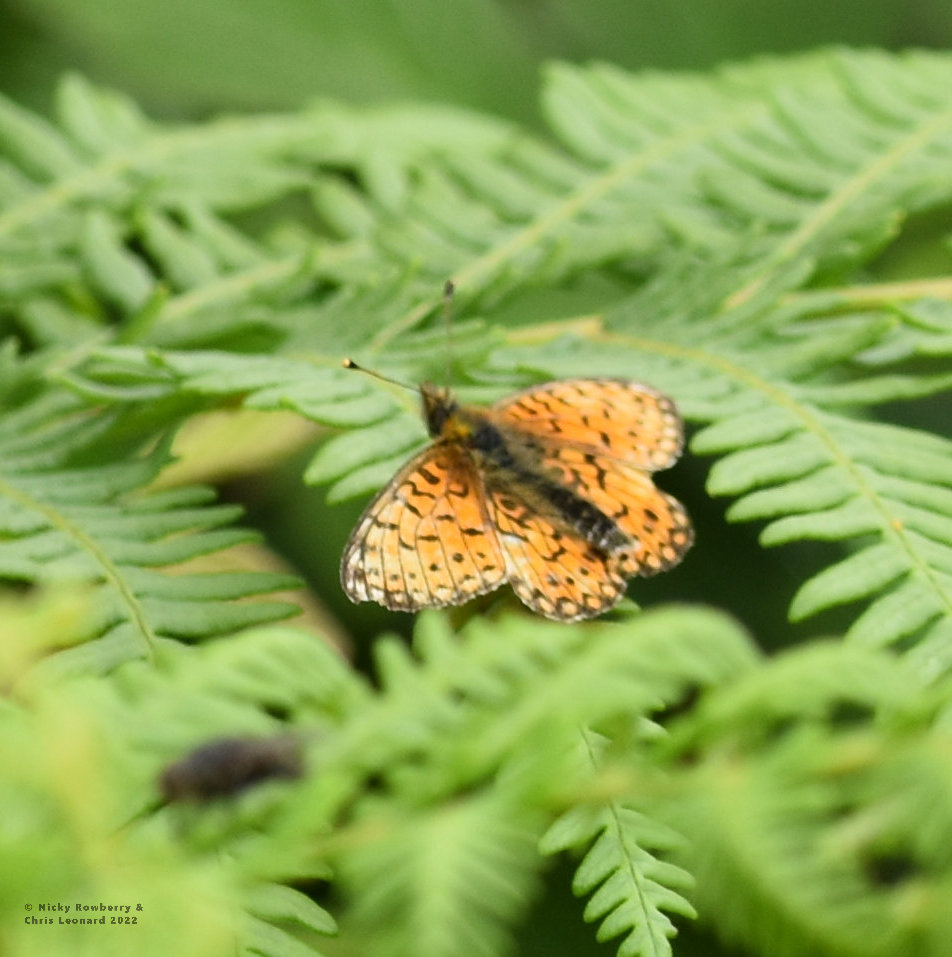
Although we’d gone keen to see the Mountain Ringlet and Northern Brown Argus, any butterfly sightings are always welcome. This faded Pearl or Small Pearl Bordered Fritillary (if anyone can confirm which I’d appreciate it) was spotted at Warton Crags Nature Reserve.

Small Heath butterflies were fairly common at a lot of the places we visited and several had the decency to pose nicely for photographs.

We were particularly pleased to find Large Heath butterflies at Foulshaw Moss, as we’d only seen them once before at Whixall Moss. Unfortunately it was blowing a gale at Foulshaw and then started to rain, so we didn’t get any really decent photos, but it’s definitely a site to go back to in the future.

Finally we also saw a lot of Large Skippers, also at Foulshaw, but in areas more sheltered from the wind. Large Skippers always seem quite happy to have their photos taken and several posed peacefully on the bracken.

My holiday photos are perhaps as odd as my holiday packing list, I don’t take many of people, just the wildlife around me – it is after all far more photogenic!


Butterflies No 54 & 55!

Yes I’m creeping ever closer (albeit at snail’s pace) to my target of seeing all 58 species of butterfly in mainland Britain! Last week I had a lovely holiday just south of the Lake District near a village called Silverdale. As well as enjoying a relaxing week, the aim was to see 2 new species of butterfly – the Northern Brown Argus and the Mountain Ringlet.

The weather at the beginning the week was not on our side – grey skies, cooler temperatures and blowing a gale – not ideal butterfly spotting conditions. But after a couple of days, things had perked up enough to have a go for the first species – the Northern Brown Argus. We tried a couple of sites – Warton Crag nature reserve & Jenny Brown’s Point in Silverdale with no luck. Arnside Knott, a hill nearby, was going to be our next attempt, but we weren’t sure whereabouts on the hill to look. Then a stroke of luck on Facebook – someone had seen these butterflies at Arnside Knott the day before and very kindly posted a google map shot with the spots marked on. I headed over and it was as if the butterflies had seen the FB post too – they were spot on for the map location.

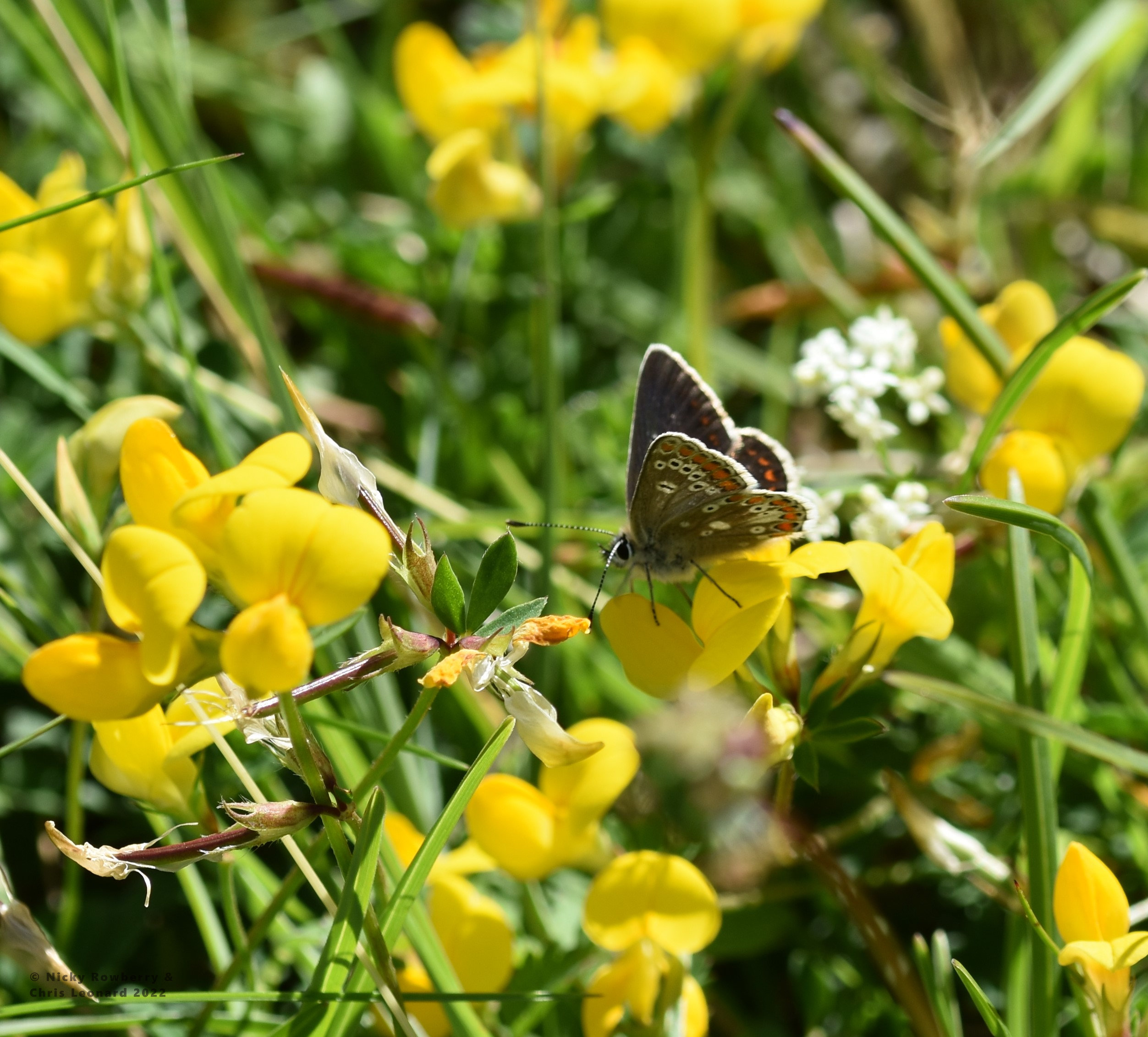
Finding them was one thing,  but photographing them was another. They were very small and very fast. The first one snapped was barely a record shot – enough to confirm it was indeed a Northern Brown Argus.

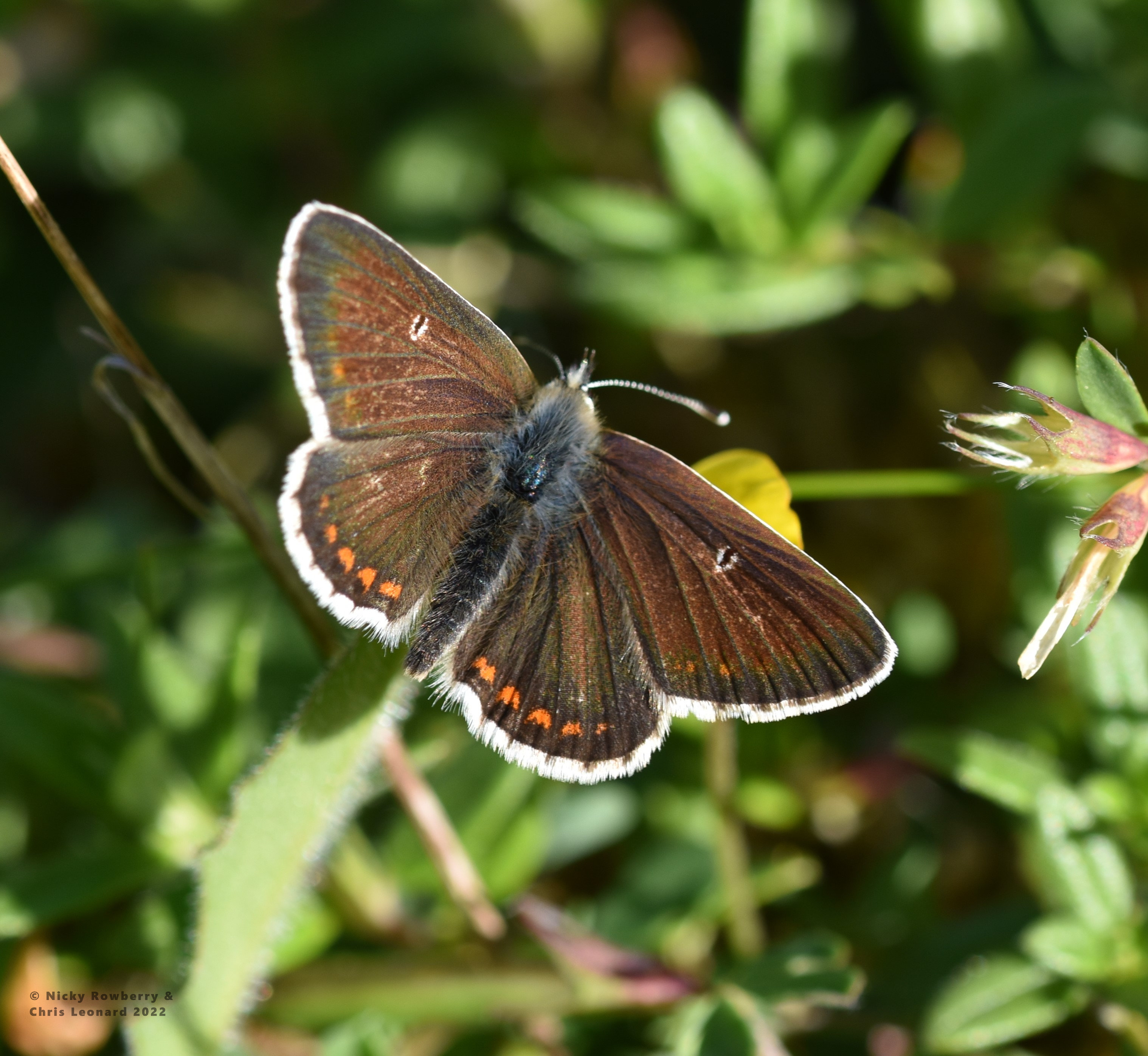
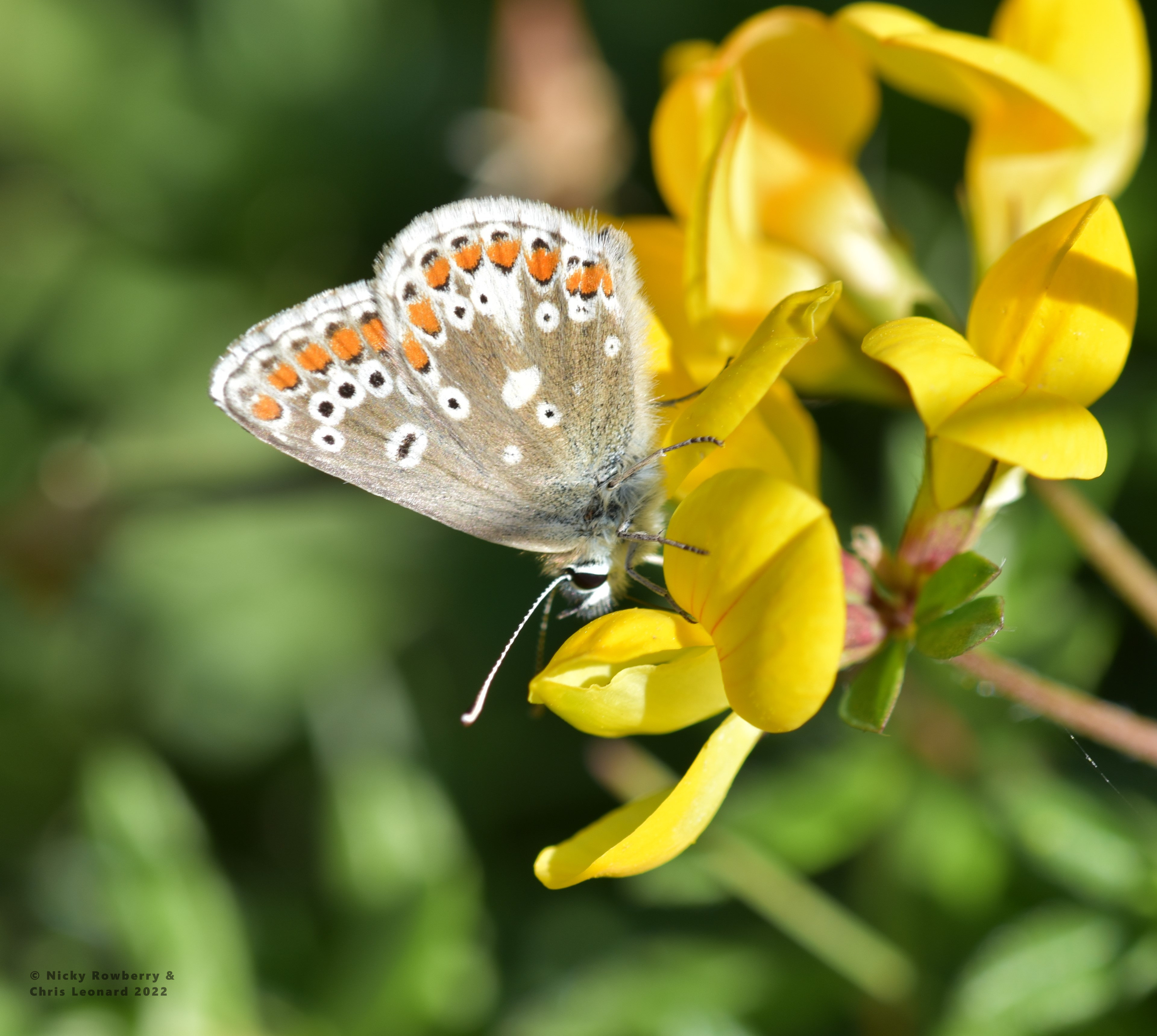
An hour or so of chasing butterflies madly around in the sunshine and I managed a few more respectable shots. On the upperside of the wings you can see the dark dot with the white outline which marks it out as a Northern Brown Argus (the dot and of course the location this far north).

On the underside of the wings, the forewing is missing a black spot near the base that would have made it a Common Blue.

No. 54 proved relatively painless in the end, but no. 55 was going to be more of a challenge. The Mountain Ringlet, as the name suggests, likes to live up hills – big hills! It is the UK’s only montane butterfly and I am not a montane kind of woman! But there was going to be no other way than to climb, so climb I did – up Irton Fell in Cumbria. Most of the people I met that day also seemed to be looking for the same butterfly, so at least I knew I was in the right place. It nearly killed me, but it was worth it – for the butterflies and the views.

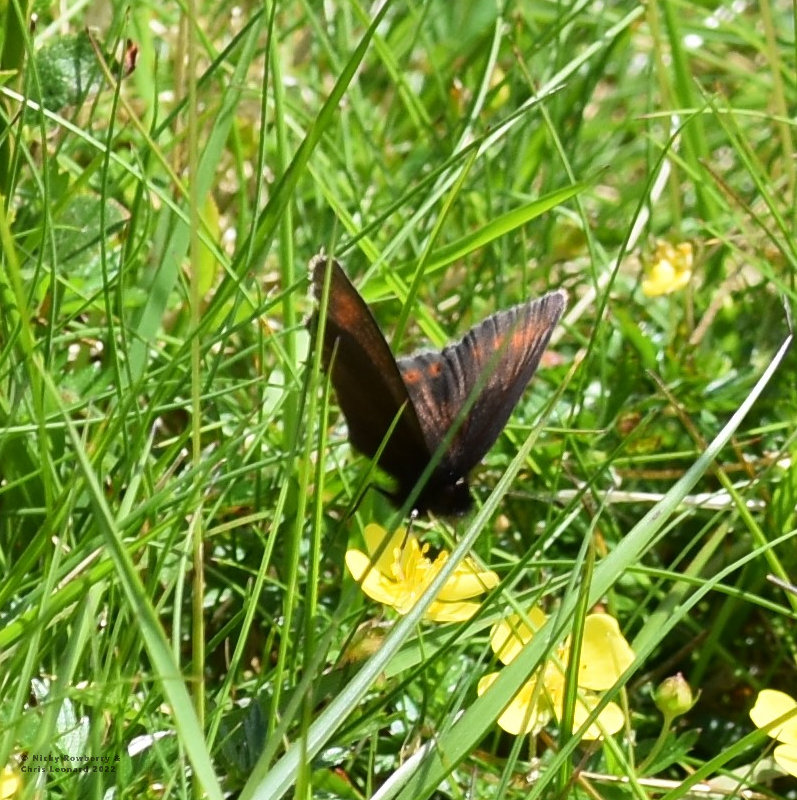
As with the Northern Brown Argus, the Mountain Ringlet is small and fast. Fortunately its chocolate brown colour stood out well against the grasses and heather when it was flying; but once it went down into the grass it was virtually impossible to find. I saw quite a few of them but most eluded the camera. So the best I managed was this – blurry, but just about recognisable as a Mountain Ringlet –  hastily taken before it shot off again.

But at least butterfly no. 55 had been ticked off the list.

I’m unlikely to manage any more new species this year, so for now will remain 3 short of the goal – the Lulworth Skipper, the Scotch Argus and the Chequered Skipper will have to wait another year.


2021 – The Year of the Slug

Well we all started out with high hopes that 2021 was going to be better than 2020. I’m not sure it achieved that, but best to dwell on the positives rather than the (many) negatives of the year. So here’s a round-up of some of my wildlife highlights from 2021, including a catch-up on my clearly over-ambitious New Year’s Resolutions.

The main highlight was probably going to Norfolk. I had originally planned to go in 2020, but covid put paid to that, but I finally made it there in June 2021. I had a rental right by the river in Wroxham, so was surrounded by wildlife from the start – birds, dragonflies and even a resident pike.  I ticked off number 53 on our list of British butterflies with the gorgeous Swallowtail and saw loads of dragonflies and birds. As I write, this I’ve realised I never actually got round to blogging about the birds, so will have to do a bit of a summary of those in a separate post. I visited lots of nature reserves and it was great to see a completely different set of wildlife to that which I get back home in Worcestershire.

Back at home, there’s been plenty of interest in the garden. The moth trap has been running throughout the year, bringing 34 new species to the garden. This takes the total up to an amazing 438 species recorded since I started in 2013. I’d never have dreamed back then that I could get such a huge variety of moths visiting my modest suburban garden. Highlights from this year include whoppers like the Pine Hawkmoth and this Privet Hawkmoth:

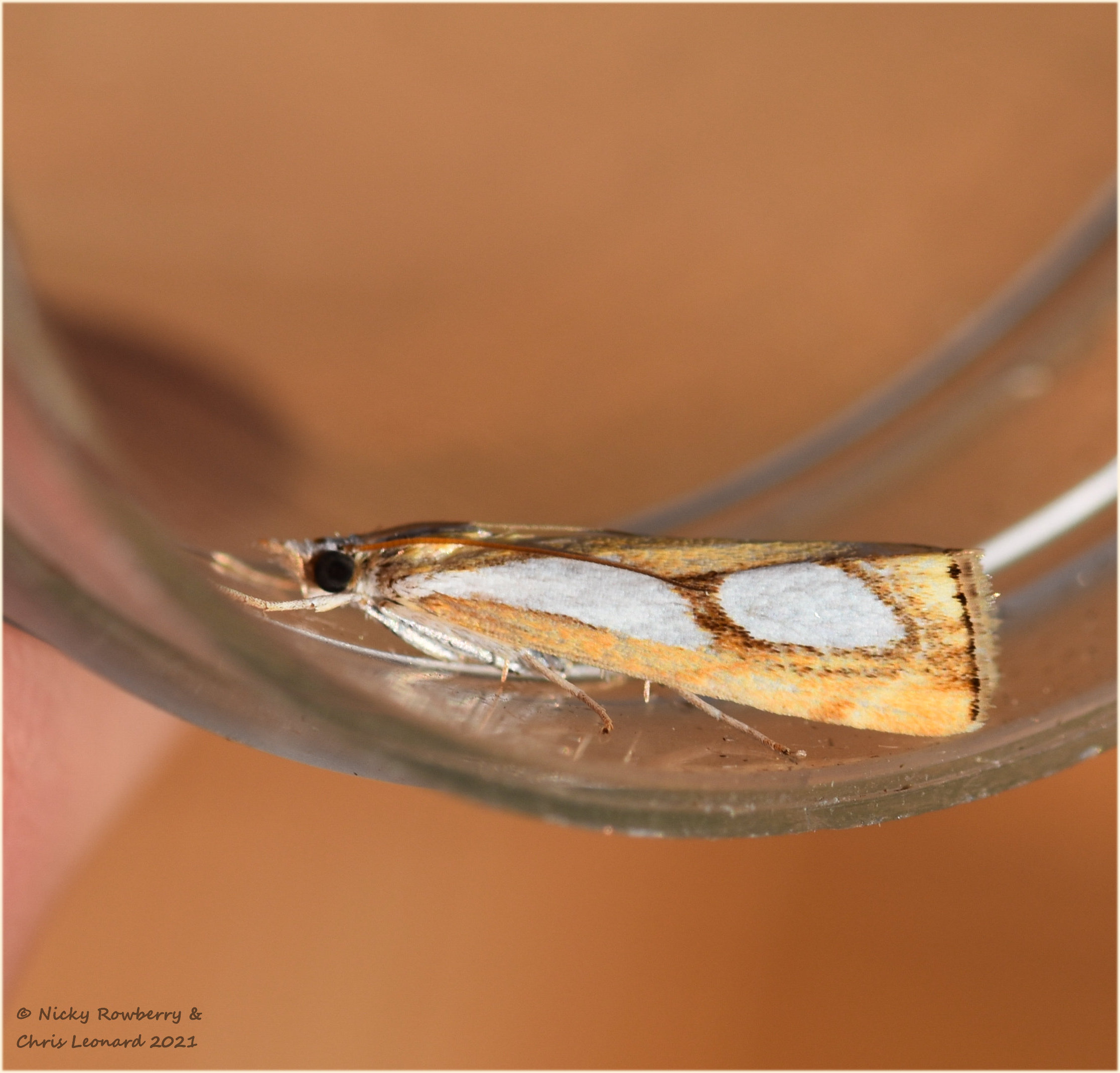
At the other end of the size spectrum, there were some lovely micro moths, including this Pearl Grass-veneer – a species I’d been hoping to see for a while.

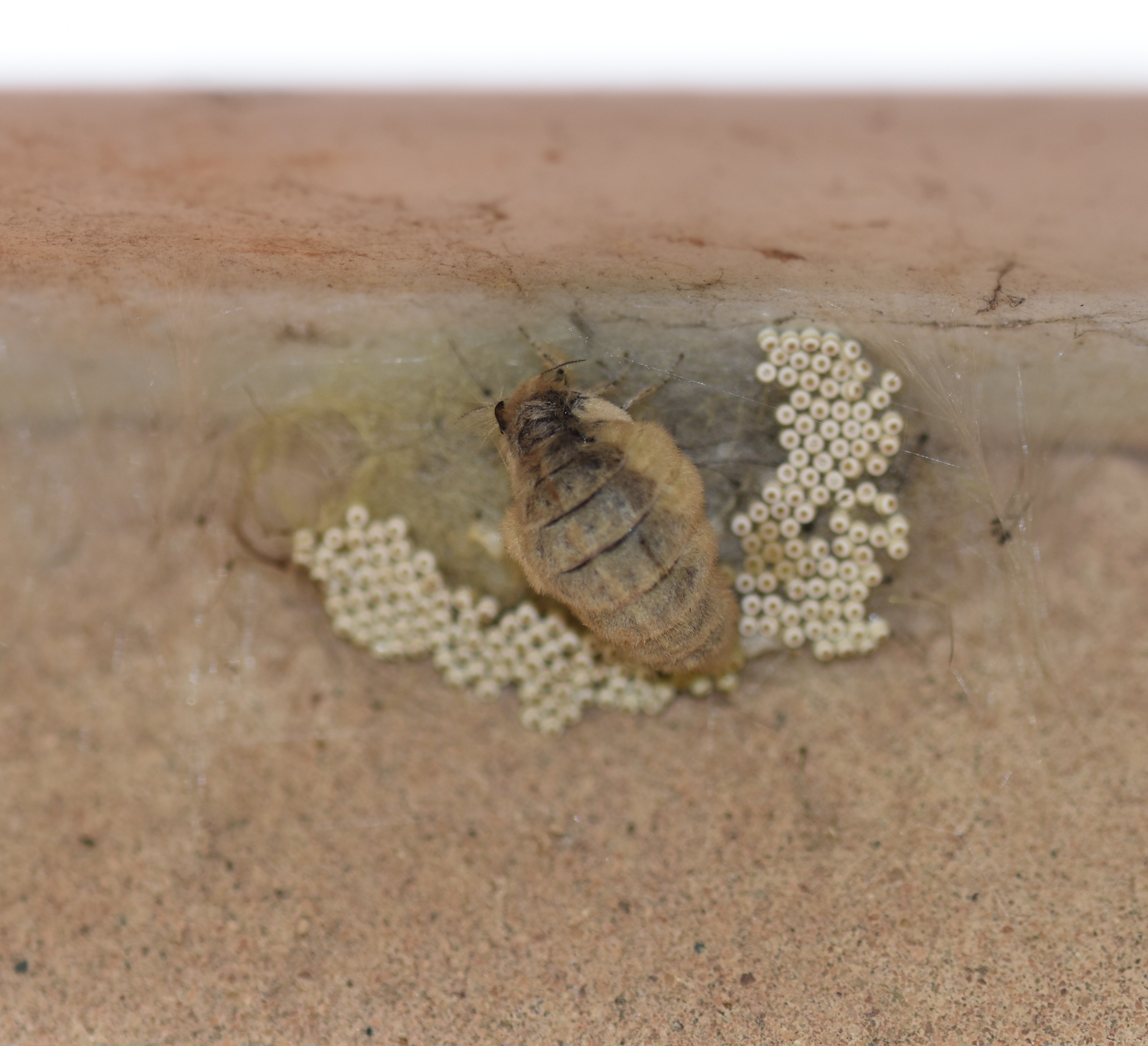
Another mothy highlight was finally getting to see the flightless female vapourer moth and not only that, but getting to watch her laying eggs on our garage wall.

More bee hotels went up last year and were rewarded with plenty of solitary bee activity. No new species recorded in the garden, but thrilled to finally catch a leaf-cutter bee actually cutting leaves.


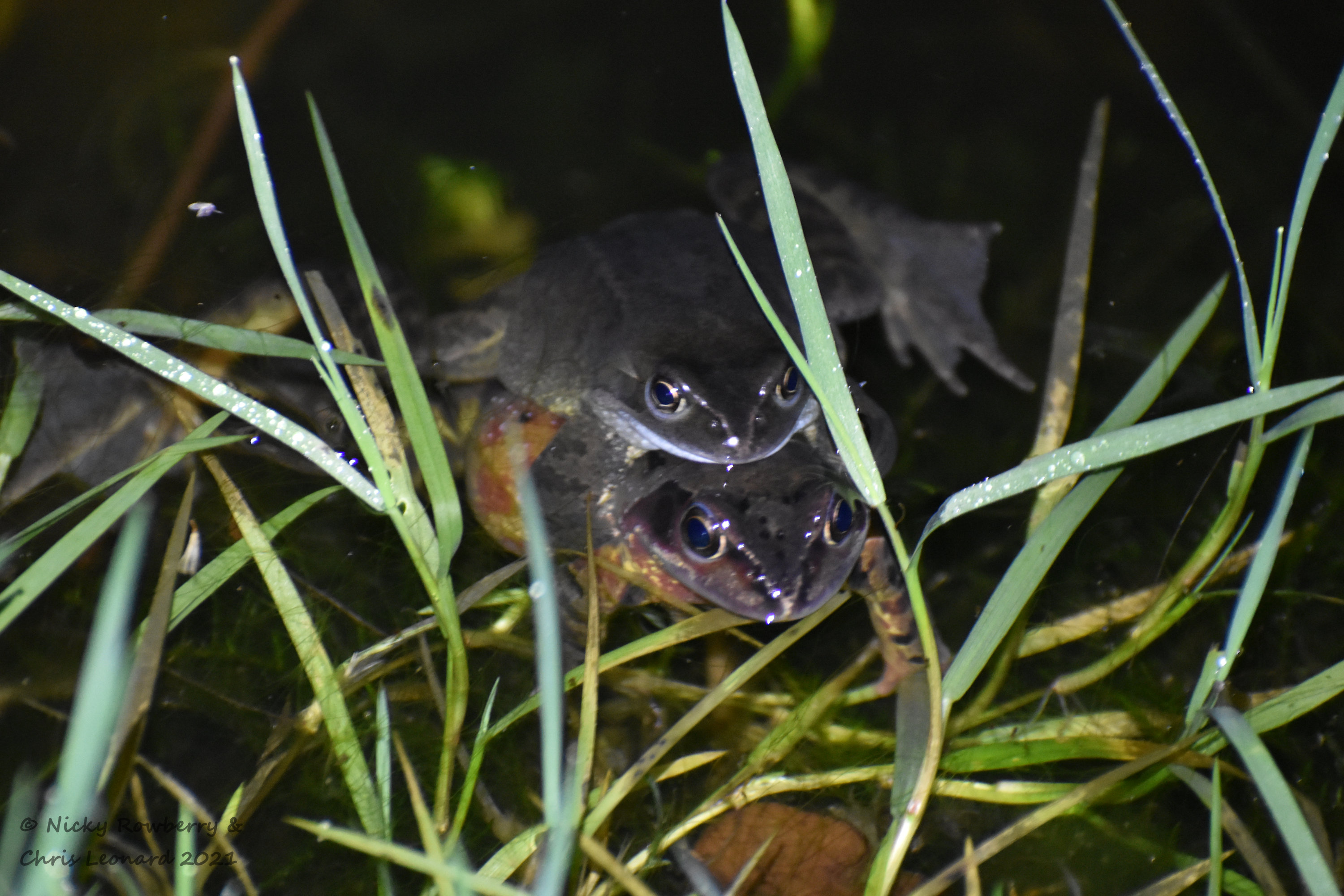
The pond continued to delight and I spent many a happy hour there last year watching the wildlife. We got frog spawn in it for the first time and the newts were busy too. I would love to get toad spawn, but I gather they tend to be faithful to the ponds they were born in, so we will be lucky to get those – but I live in hope. We had plenty of dragonfly and damselfly activity, including home-grown damselflies hatching from the pond. Only one new species was spotted – this Blue-tailed Damselfly, bringing our total Odonata species list for the garden to 10.

We’ve had happy and sad news with our hedgehogs in the garden. The good news is that through the warmer months we were visited nightly by at least one, and sometimes as many as three hedgehogs. Lots of courtship behaviour witnessed on the cameras and a few heated hoggy debates over food or ladies. Some of the courtship was quite late in the year though and the inevitable result was at least one late litter of hoglets. While a second litter may seem like a good idea, the resulting hoglets often don’t have time to fatten up before the winter. The result was that in a 2 week period between the end of October and early November, I had to rescue 6 very underweight hoglets, 2 of whom were out during the day as well. None of these would have survived hibernation without intervention as they just didn’t have the fat reserves. The 6 were all taken to local rescues. Sadly despite the best efforts of the rehabilitators, 3 of them still didn’t make it.

Thankfully the remaining 3 have survived. One has even grown enough that he was released back in our garden during a mild spell. Hopefully the remaining 2 can be released back home in the spring too.

Despite all the enjoyment I’ve had from all of the above, the animals of the year have to be slugs! Not everyone’s favourite I know, but over the last year I’ve grown quite fond of them. For most of this year I participated in a nationwide slug survey and am now a slug fan. Some of the slugs are still being analysed back at slug HQ (a RHS lab), so I’ll have to wait a bit for the final conclusions. But slugs really reached the dizzy heights for me when one of the actual slugs from our garden featured on Gardener’s World – it doesn’t get more exciting than that!

As to last year’s New Year’s Resolutions, I think I’ve failed pretty dismally on most of them (as with most things, I blame this on Covid). Here’s what I set out to do and what I did or did not achieve:

  • Video a dragonfly emerging from our pond. I did see some damselfly larvae and found several exuviae on rocks and plants, but didn’t manage to see them actually emerge in our pond. But I did see some emerging while we were in Norfolk, so can I count that???
  • Expand the moon garden – nope – the moon garden is stuck at the same size it was last year. I still had a good year for moths, but there’s always hope for more.
  • See 2 more species of British Butterfly. Only managed to see 1 more, but it was the fabulous Swallowtail, so more than happy with that.
  • Visit 5 new nature reserves. I think I did do that if I include the ones I went to in Norfolk.
  • Rockpooling. Nope – only managed to see sandy beaches in Norfolk, so no chance for rockpooling.
  • Go and see some wild Ospreys. Nope and again I blame Covid for travel restrictions during Osprey season.
  • The moth tattoo! Maybe I should give up on this!

So what about resolutions for 2022?

  • Continue the quest to see all the British species of butterfly. So far I’ve seen 53 out of the 58. I’m hoping to holiday in the Lake District this year, so with luck might be able to tick 2 more species off the list.
  • I had planned on starting a nature journal, recording the daily goings on in the garden. But as I write this, we are already on the 9th of January and I haven’t made a single journal entry – maybe I can start it in the spring?
  • Rockpooling. I would still really love to be able to film some wildlife in a rockpool with the GoPro. Hopefully there will be some rocky coasts round Cumbria to try this out.
  • Try a night-time safari in the garden. While doing the slug surveys, I was amazed how much invertebrate life was active after dark. So it would be nice to spend a night seeing the other side of our garden life.
  • Do a wildlife audit of the garden – hopefully this will be a lot more fun than that makes it sound. I already know how many moths and bee and dragonfly species we get, but I thought it would be interesting to tally up ALL the species we get. Since we’ve got over 400 moths alone, the total species count should easily make it over 500.
  • The moth tattoo – one of these days.

So despite a pandemic’s efforts to put a dampener on 2021, there was still much to enjoy in terms of wildlife. Being blessed with an interest in wildlife can be a real life-saver when so much of the rest of the world is doom and gloom. There is always something in nature to lift your spirits, whether it’s spotting some exotic bird or getting a slug on Gardener’s World! xx

Butterfly No. 53!

Thanks to Covid, butterfly no. 53 has been the longest in planning of all the butterflies we’ve seen so far. We had originally planned to go on holiday for a week in Norfolk last June and had booked the accommodation way back in 2019. But of course that all got postponed and then our original booking got cancelled as they sold the property, so we had to find an alternative. Fortunately we managed to book a fantastic house in the middle of the Norfolk Broads and finally got the chance to go in search of the Swallowtail butterflies.

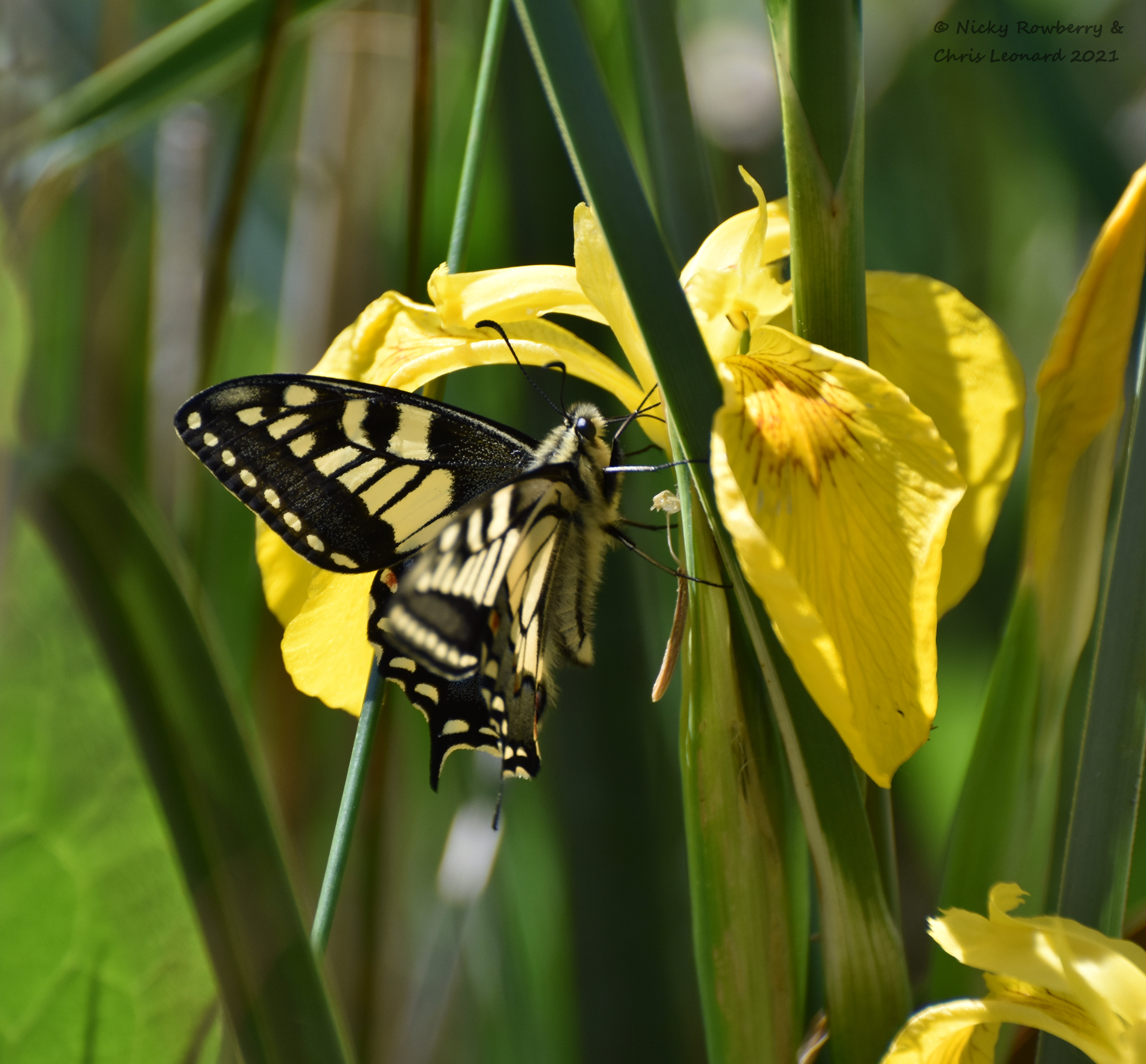
The Swallowtail is the UK’s largest butterfly and an absolute stunner. It looks far too exotic to be found here, so it’s one we’ve wanted to see for a long time. Swallowtails can pretty much only be found in the UK in the Norfolk Broads, where their caterpillars’ food plant – milk parsley grows. We visited Hickling Broad on what turned out to be World Swallowtail Day (purely by chance had we booked our holiday to coincide with this) and went on a short guided boat tour. Our guide very kindly pointed out some of the milk parsley – a fairly non-descript, carrot-top like plant, which we would never have noticed otherwise.

milk parsley

We glimpsed a few swallowtails from the boat, but most of our sightings were on foot – staking out the reed beds and waiting. We were not alone – half a dozen other keen swallowtail watchers were also risking the baking mid-day heat to get a glimpse and hopefully a photo or two.

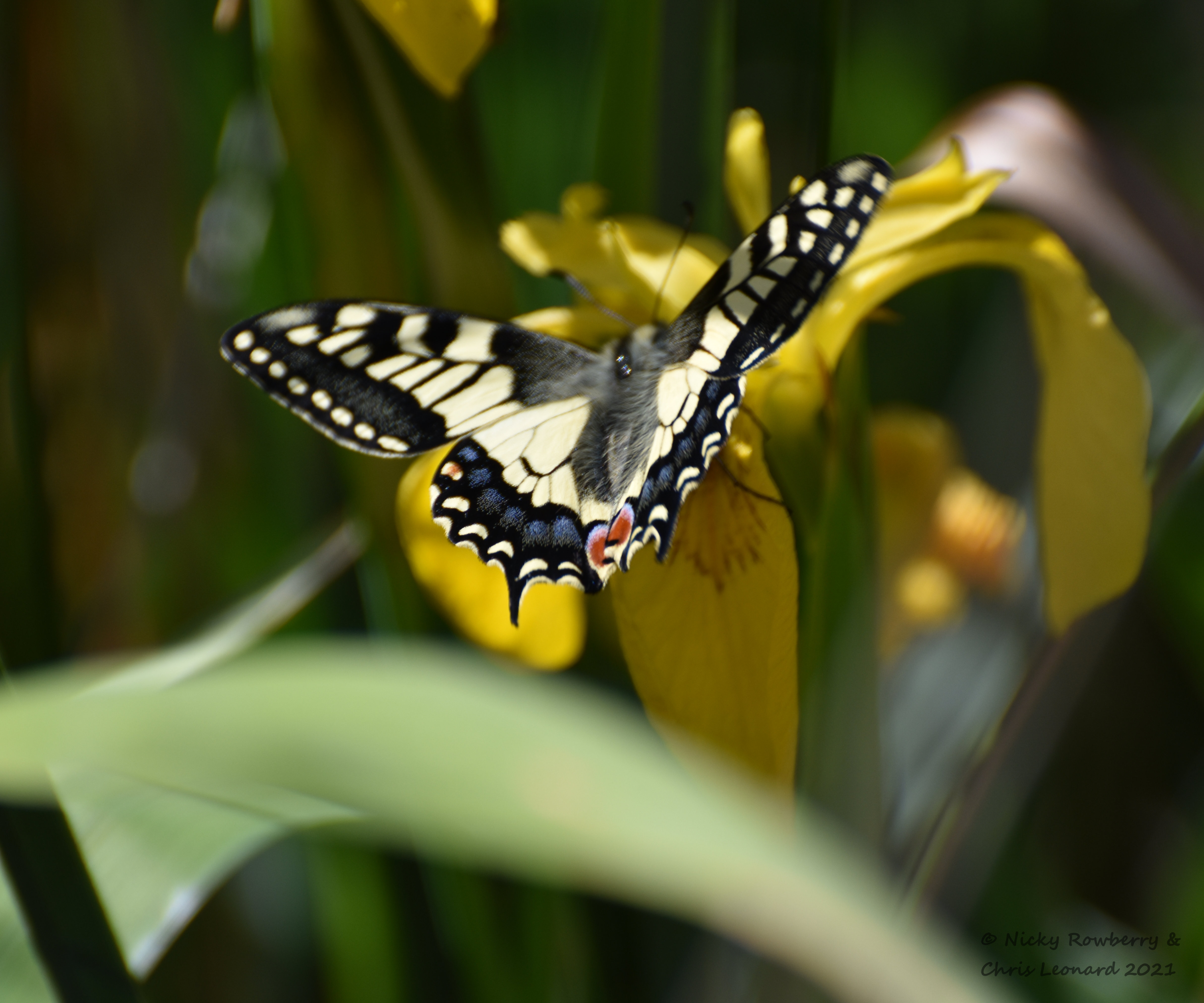
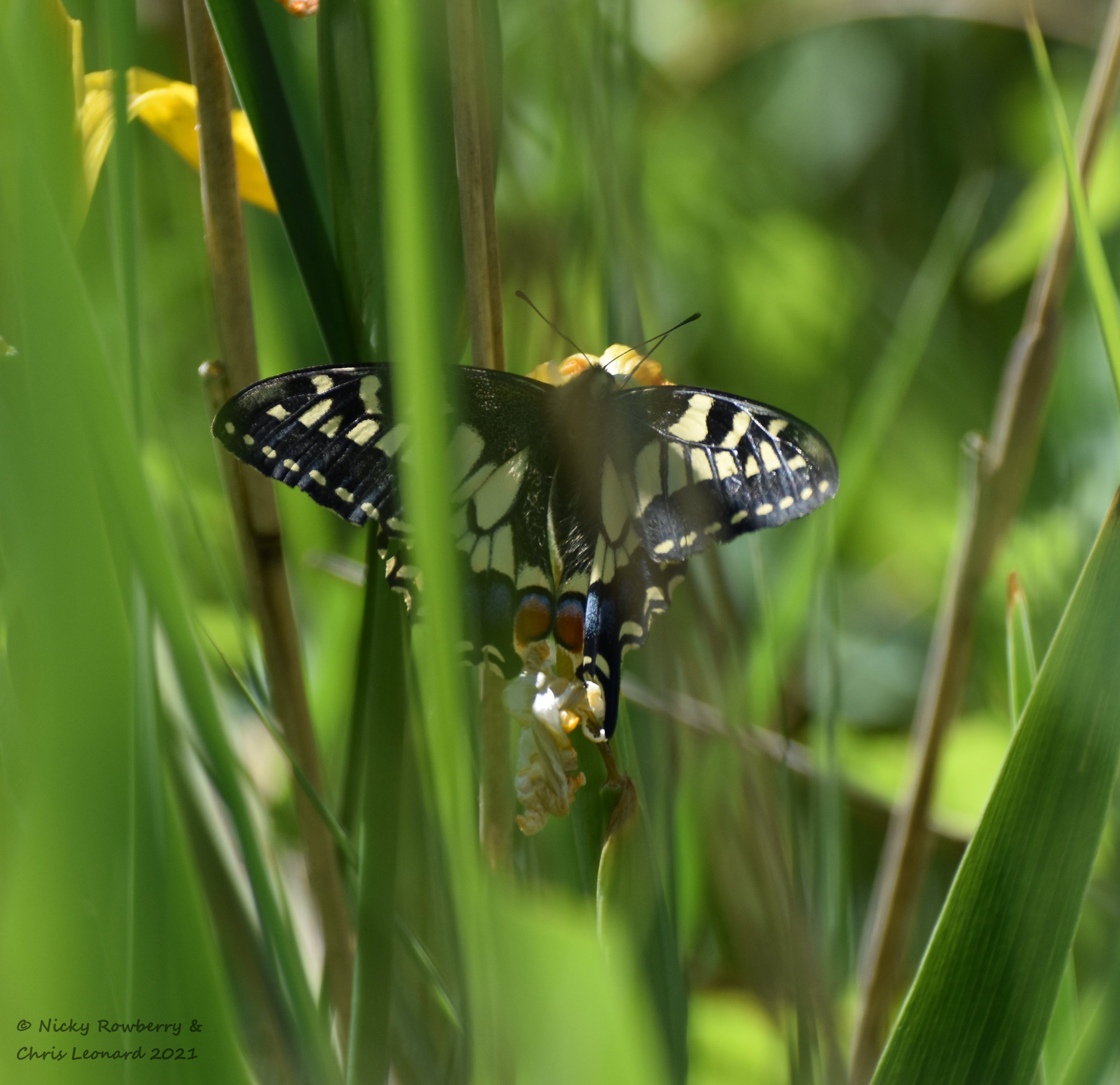
Photographing moving butterflies in reed beds is not an easy task. As with so many other wildlife photos we try to take, there is always a blade of grass or in this case a reed in the way. So we never got what I’d call a perfect shot, but we did at least get some recognisable ones. So amongst the hundreds of reedy photos we took, here are some of the best:

swallowtail

swallowtail (5)


swallowtail (3)

swallowtail (2)

swallowtail (1)

They may not be award-winning snaps, but you can at least see the “tails” which give them their name. As we started to head back around the reserve, a couple of butterflies chose to fly up and perch on tall blades above the general reed bed. Unfortunately we were the wrong side really, but still got stunning views of the underside of the butterfly.

I’d hoped to get a shot of one in flight – if photographing them in the reed beds was difficult, capturing them in flight was impossible, so I had to settle for what I’d got.

Our trip to Hickling Broads was on the first full day of our holiday, so to see the Swallowtails then was great as it meant we could relax for the rest of the week and any further sightings were a bonus. It would have been nice to get some slightly better photos, but just seeing them was a delight. If it hadn’t been for the baking heat, we could happily have just sat for hours watching them glide about. Proof if ever any was needed that you don’t have to go abroad to see stunning wildlife.

Out & About – Blackhouse Wood & Crews Hill

Yesterday was a lovely sunny Sunday, so we thought we’d try and have a walk around the little nature reserve we’d failed to get to a few weeks ago – Blackhouse Wood and Crews Hill. Apparently yesterday was National Dawn Chorus Day, so a walk in the woods seemed like a nice idea to hear some bird song. With the Too Lazy ethos we were of course too late to really get the dawn chorus – the birds were doing more of a brunch chorus, by the time we got there, but it was lovely all the same.

Crews Hill signBlackhouse Wood and Crews Hill (which is also wooded) are both owned by Worcestershire Wildlife Trust and are joined to form one long thin area of semi-natural ancient woodland. The shape of the wood meant that for once, we were reasonably confident that we couldn’t possibly get lost!

The path ran pretty much straight through the wood, although it did undulate quite a bit thanks to old quarrying efforts years ago. We may not have quite been up in time for the dawn chorus, but for the first hour or so we didn’t see a soul. A lovely peaceful place to visit.

Crews woodland trail

There were a lot of squirrels (all grey of course round here) scampering through the trees and lots of rustling of mice in the undergrowth.

Squirrel

The wood was full of bird song, although spotting the birds themselves wasn’t that easy. To start with there seemed to be loads of different birds singing, but they almost always turned out to be Blue Tits. I’d no idea Blue Tits had such a variety of songs!

Eventually of course we did manage to differentiate some other bird species. We had one of those apps that will identify bird songs for you and it picked up a song thrush although we didn’t actually see it. One of the few songs I can recognise is the chiffchaff but sadly it wasn’t obliging enough to pose for photos,

Blackbirds, robins, goldfinches and of course woodpigeons could also be heard singing their socks off. The surprising highlight of the vocals though was an owl calling – neither of us have ever heard one calling in broad daylight like that. Sadly we didn’t see the owl, but we were really lucky to get a good view of a buzzard.

There were quite a few butterflies flitting about in the more open sunny patches; most as usual too quick to photograph. Invertebrate highlight for me was spotting this tiny longhorn moth. As it fluttered down to land, it was its enormous antennae that caught my eye. The antennae are way longer than the moth’s body (hence the name) and it looks like it must take an extraordinary effort to keep them out of the way when flying.

Longhorn moth

We spent a very enjoyable couple of hours pottering around the wood; it’s nice to find another little gem of a reserve virtually on our doorstep.

Knapp Time

Lovely weather at the weekend, so we set out with great intentions of visiting a new (to us) nature reserve. Our chosen spot was a small wood not far away – unfortunately this wood only has a tiny car park and others clearly had the same idea. With nowhere to park, we headed back to our perennial favourite – the Knapp and Papermill Nature Reserve. We didn’t manage to get there last year so it was a very welcome “Plan B”.

In the wooded areas we were treated to our first banks of bluebells for the year, looking fabulous in the dappled light.

bluebells

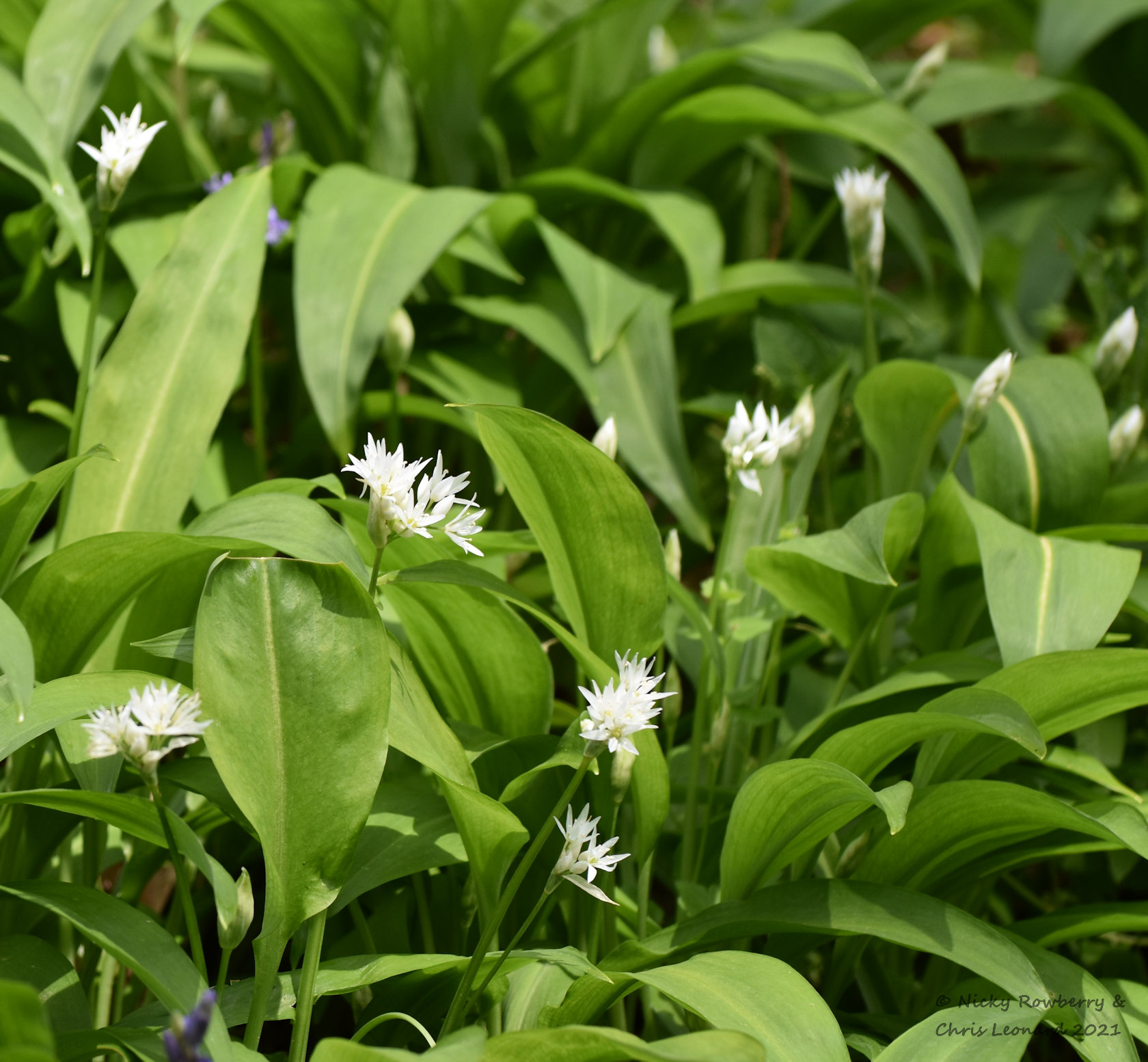
The smell of garlic was heavy in the air in places, with banks of Wild Garlic just coming into flower.

wild garlic 2

Lesser celandines, wood anemones and primroses completed the spring flower array. A plant we don’t see so often was the Butterbur. I always think the Butterbur flowerheads look slightly alien. The leaves in the summer grow huge and were apparently used to wrap butter before the invention of fridges!

butterbur

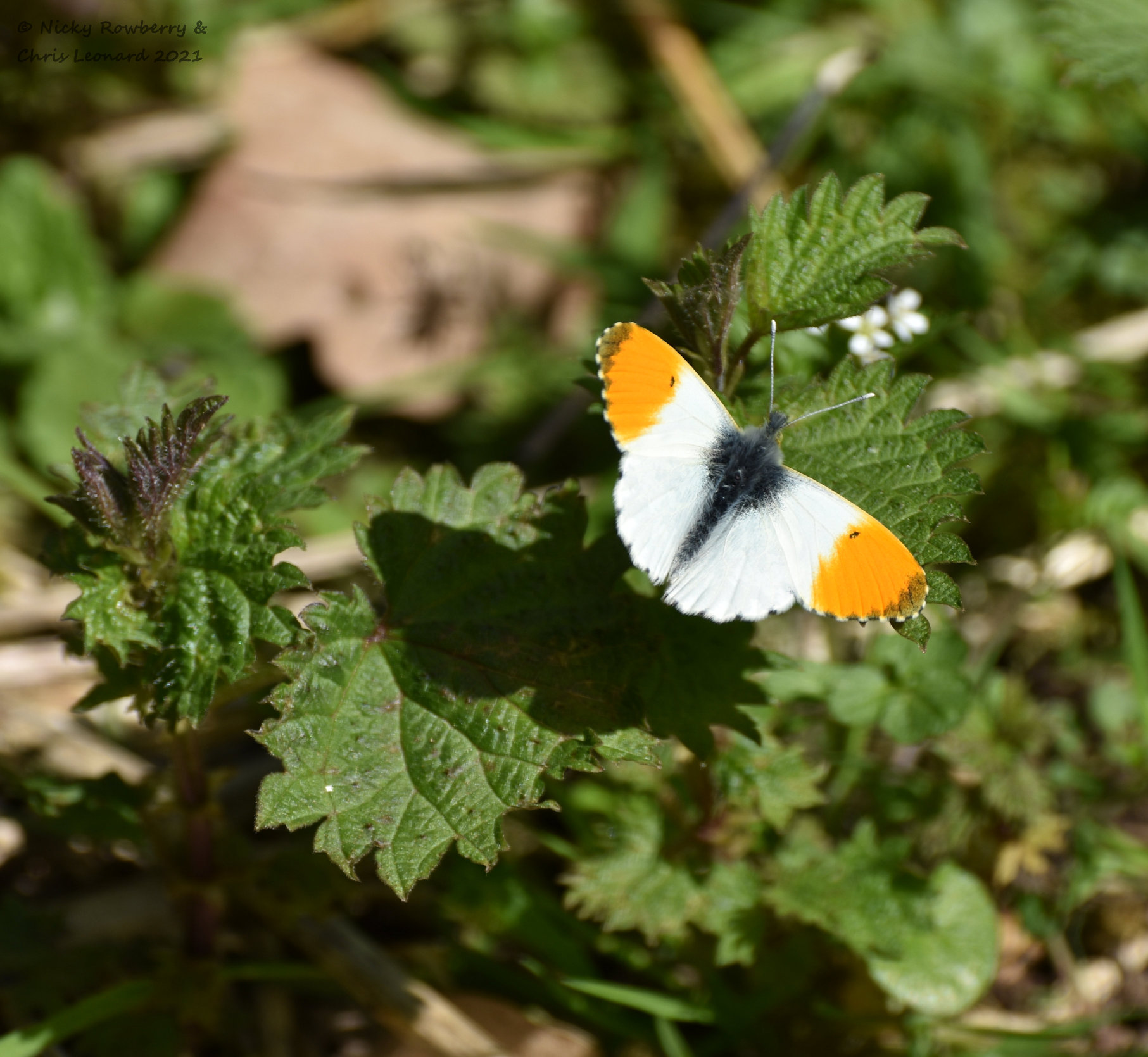
We’d hoped for some spring butterflies to complement the spring flowers and we weren’t disappointed – 6 species at least – Peacocks, Small Tortoiseshells, Commas, Holly Blues, Brimstones and Orange-Tips. The Orange-Tips really signal spring to me. We only saw males – hard to miss with their bright orange tipped wings. They were particularly prevalent around the cuckooflowers, a favourite food for their caterpillars.

There were buzzards overhead and what I thought was some weird loud bird in the woods, until we decided it was actually a deer calling! Slightly more recognisable were the calls of blue tits and chiffchaffs, although we never actually saw the latter and a pair of blackcaps.

Further upstream a Grey Wagtail was bobbing about around the weir. The weir seems to be a favourite spot for them to catch insects washed down the slope and we see wagtails here on most visits.


Out and About – Hollybed Farm Meadows

HollybedA sunny, if cold, Easter weekend and we took advantage of the lockdown easing to get out and about for the first time this year. So we headed out to find a small nature reserve that we’d not been to before – Hollybed Farm Meadows. We drove past hordes of people heading for the Malvern Hills, but fortunately Hollybed Meadows were virtually deserted and it felt like we had the reserve to ourselves. The meadows may not be at their best until the summer probably, but now we know how to get there, we will definitely go back later in the year.
The hedgerows were full of blossom; I think this is Blackthorn although I wouldn’t argue if someone says it’s Hawthorn. It was lovely whatever it was.

blackthorn

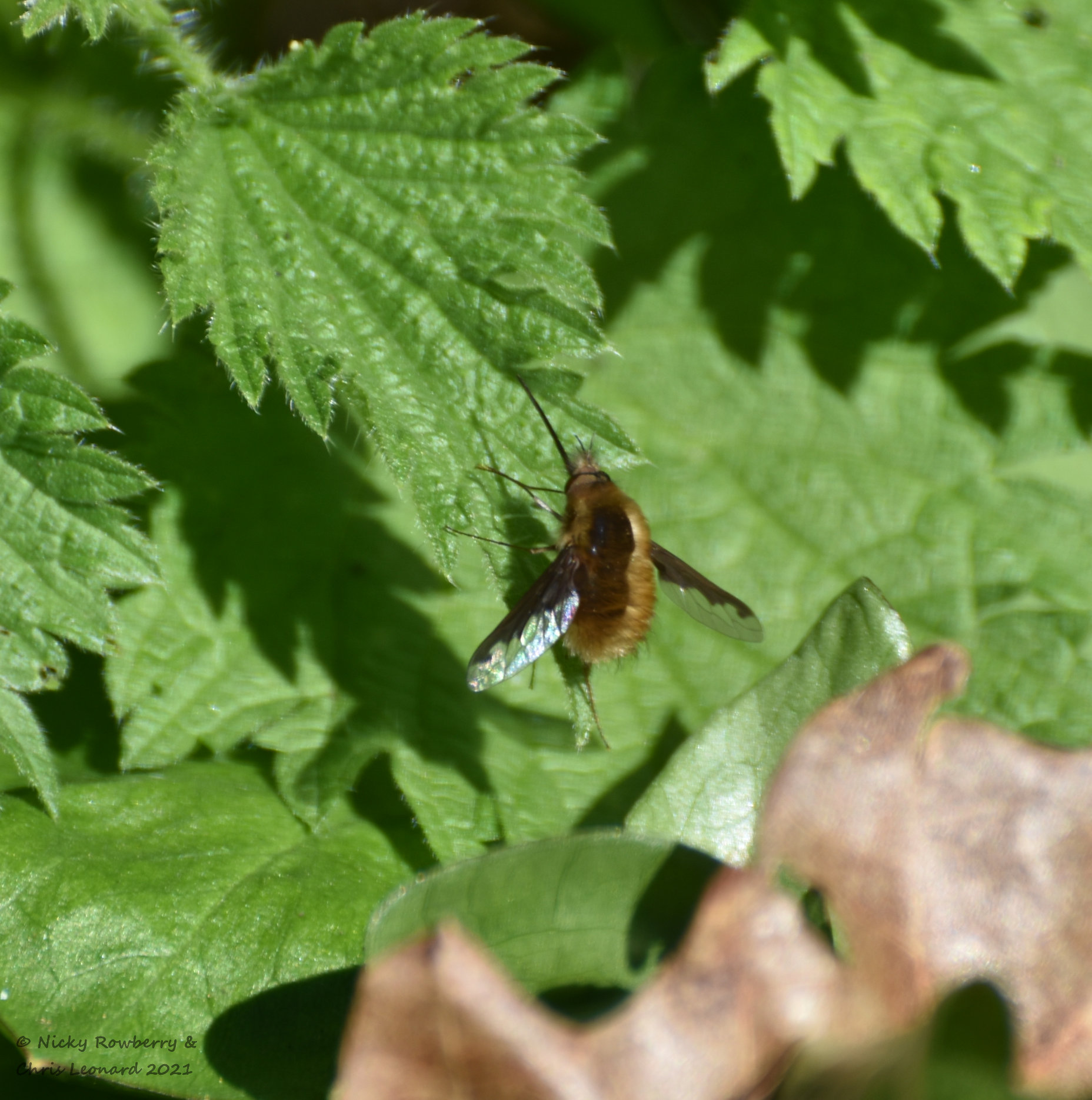
There were plenty of early spring bees enjoying the blossom, plus one of our favourites – the Dark-edged Bee-fly.

beefly 2

Besides the blossom in the hedgerows, the margins of the field were scattered with a variety of spring flowers (there may have been flowers all over the fields, but we were sticking to the footpaths around the edges).  We (tentatively) identified Wood Anemones, Violets (violet and white ones), Cowslips, Celandine and Dead-nettles.

wood anemone

Violets

cowslips

celandine

dead nettle

The floral highlight was probably spotting the first bluebells of the year, reminding us to go out later this month and see the carpets of bluebells on the Malverns.

bluebell

At the far side of the meadows, we went down a bank and were rewarded with the sounds of Chiffchaffs and woodpeckers. We also got lucky with sightings of our first Speckled Woods and Orange Tip butterflies of the year.

Orange Tip

Across a small stream we could see a field full of what we assumed to be wild daffodils. I don’t think it was part of the reserve, so we didn’t venture in, but it felt like a field full of spring!

field of daffodils

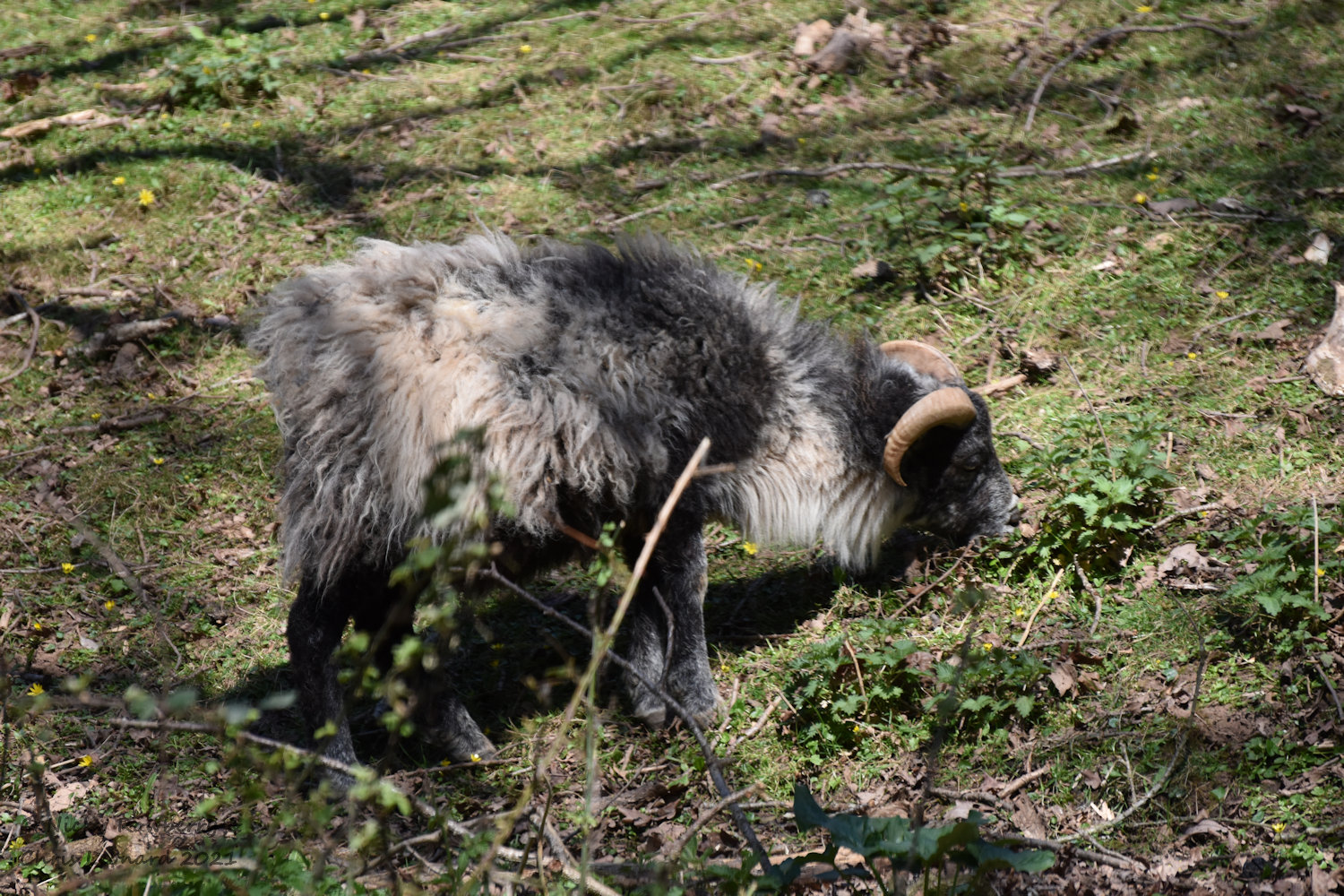
An orchard area was being grazed by the cutest, but scruffiest goats ever.

young goatGoat

As we headed back we were treated to a lovely sunny view of the Malvern Hills. We see the hills every day from our garden, but it was really nice to see them from a different perspective. All in all a very pleasant couple of hours and a taste of freedom!

Malvern hills