Rehab Time

Yesterday must be right up there as one of the most interesting days this year. I got to spend the whole day at Vale Wildlife Hospital & Rehabilitation Centre near Tewkesbury. It was a one day course learning about hedgehog first aid, care & rehabilitation and the whole thing was fascinating!
The day started in the classroom with introductions – the other participants on the course included some experienced hedgehog carers, some planning on starting hedgehog rehabilitation and some who just loved the hedgehogs in their gardens and wanted to learn more.

Caroline, the charity founder, started with an overview of the legal issues surrounding wildlife rescue, which were much more complicated than I had realised. Then we had an introduction to some of the diseases/parasites that hedgehogs can suffer from; many of which can be transferred to humans, so careful hygiene is essential when handling hedgehogs (as it is with any animal).

We then ran through everything associated with the successful care and rehabilitation of hedgehogs. This covered everything from initial “is the rescue really necessary”, to examination & diagnosis, first aid, rehydration of dehydrated animals, feeding, care of hoglets,  treatments of parasites and other diseases, common injuries, record keeping, rehabilitation & release and sadly euthanasia.

In the afternoon we had two practical sessions. First looking down a microscope to examine hedgehog poo for signs of parasites. Not as easy as it sounds and it must take a while to get your eye in with this. Second was practising giving subcutaneous fluids to a hedgehog. Obviously we couldn’t practise on a live animal, but we all got to have a go on a deceased individual (sad to think that not all the hedgehogs could be saved, but at least we got to learn something from a couple of those that didn’t make it). Dehydration is a major problem for many rescued hedgehogs, so learning to do this properly is vital for anyone considering their rehabilitation, but not something that should be tried without proper instruction.

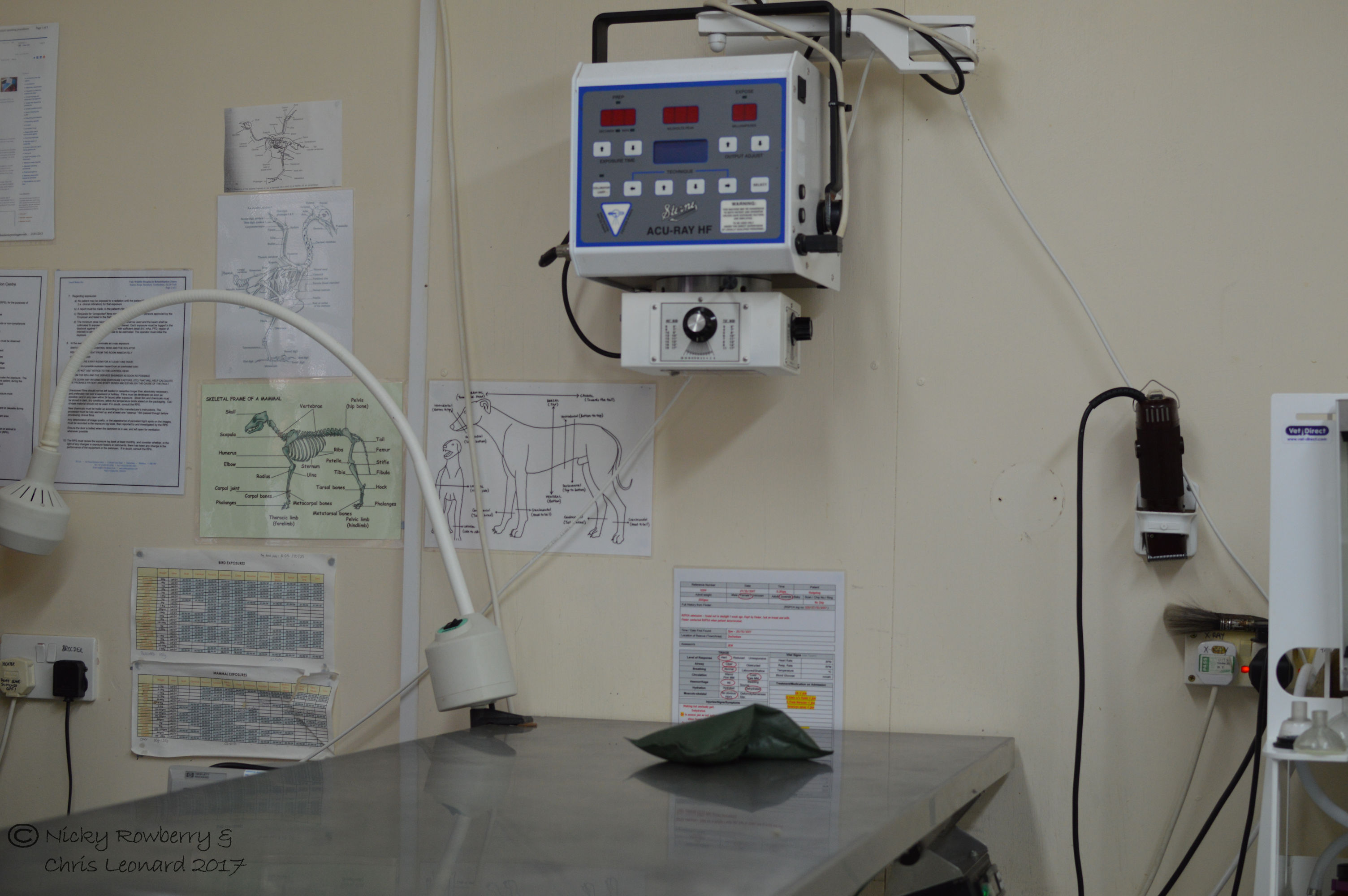
The Vale Centre cares for all manner of wildlife, not just hedgehogs. As part of the course we got a guided tour of their facilities. Just seeing the scale of simple things like food prep or laundry (an awful lot of dirty animal bedding) really brought it home how much work they do. There is of course a lot of much more technical equipment, like this heated x-ray table.
Warmth is often a critical factor in the survival of the rescued animals, particularly for baby ones. Brooders such as this one, allow them to be kept constantly warm, until they are big enough to regulate their own body temperatures.

The small mammal and hedgehog wards are fitted out with row upon row of cages, each with their own patient records on clipboards, just as you would find in a human hospital.

Each animal patient has a unique identifying number and the staff record daily weights and observations, flagging up any that are cause for concern. Colour coded tabs allow instant identification of those needing fluids, or medication, or assessment, or samples etc.

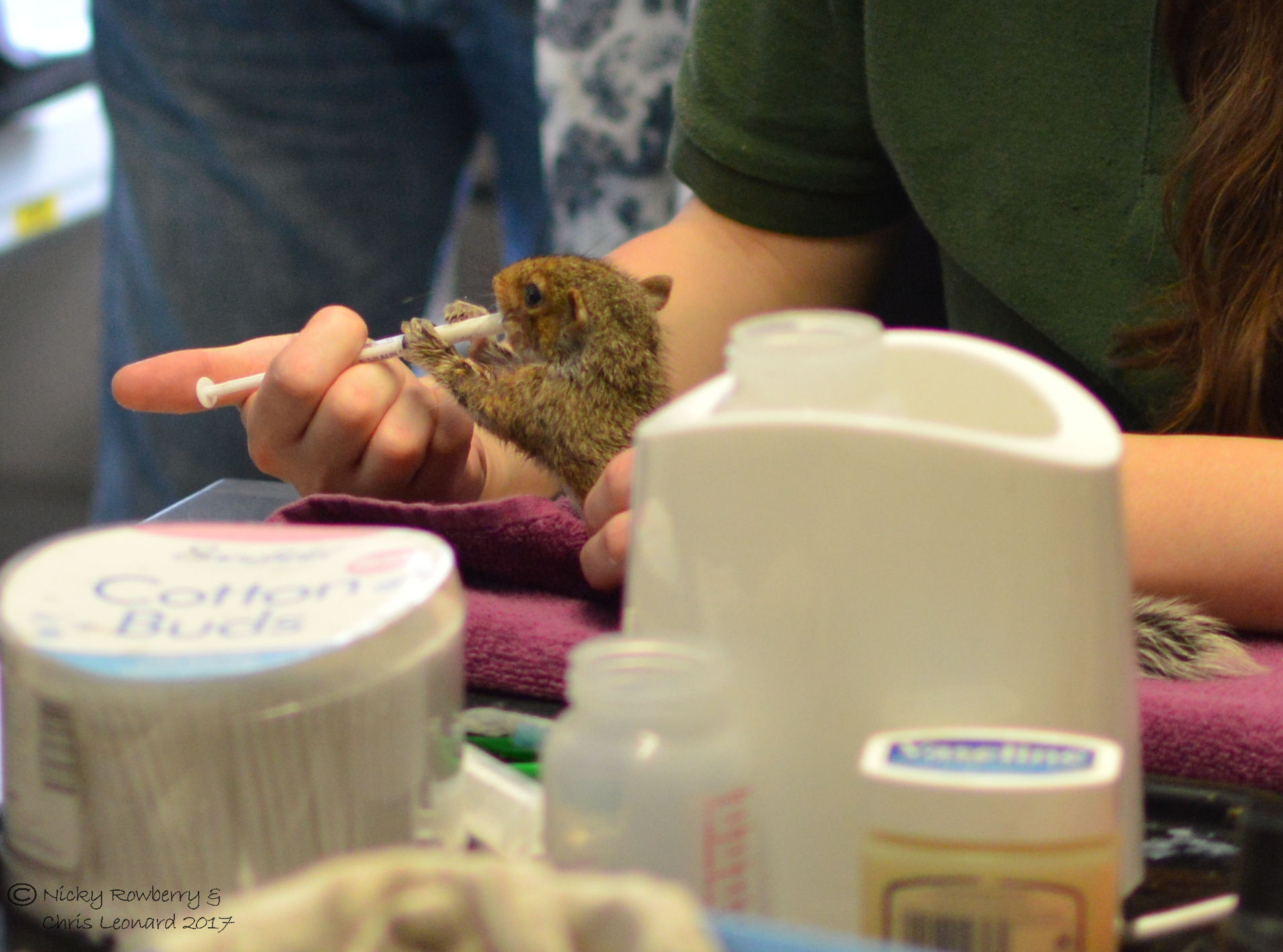
While we were getting our tour a young squirrel was being syringe fed (although we were supposed to all be objective and unsentimental, a collective “awwh” went up in the room).
A more adult looking squirrel was either interested in the syringe food, or interested in us – not sure which.

Hedgehogs account for a large proportion of the animals admitted to Vale. Last year of the approximate 4500 animals admitted, over 1000 were hedgehogs. This year they look to be getting similar numbers and the wards certainly had plenty of hoggy patients. Of course being nocturnal animals most of them were fast asleep in their cages, burrowed into nests of shredded newspaper. But I did spot one venturing out of his sleeping chamber. The hedgehog cages are split into two connecting “rooms”, one a sleeping chamber and one for the food and water.

Birds account for about 70% of Vale’s admissions, many of them baby ones. A young sparrowhawk and a duck were admitted while we were there. These baby pigeons were just two in the indoor bird ward yesterday.

Outdoors there were yet more birds, from small birds like sparrows and pigeons, up to swans and gulls. All waiting to be strong enough to be rehabilitated – it is vital that they regain the strength in their flight muscles before being released.

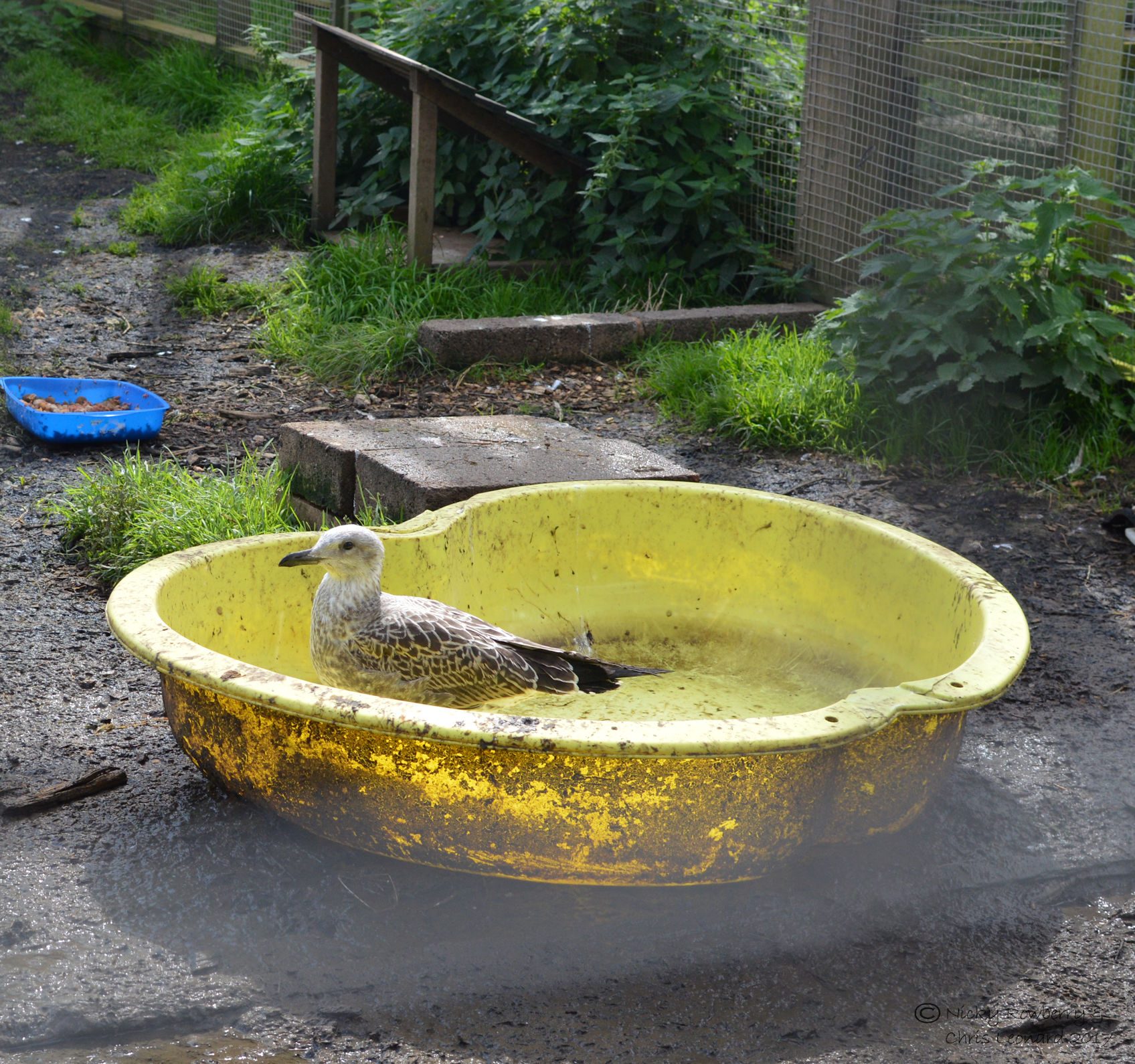
Vale’s ethos is very much about rehabilitation. Animals are nursed back to health so that they can not only be released again, but be released with quality of life equivalent to what they would have naturally.  If this can’t be achieved, then sadly euthanasia may be the only option.

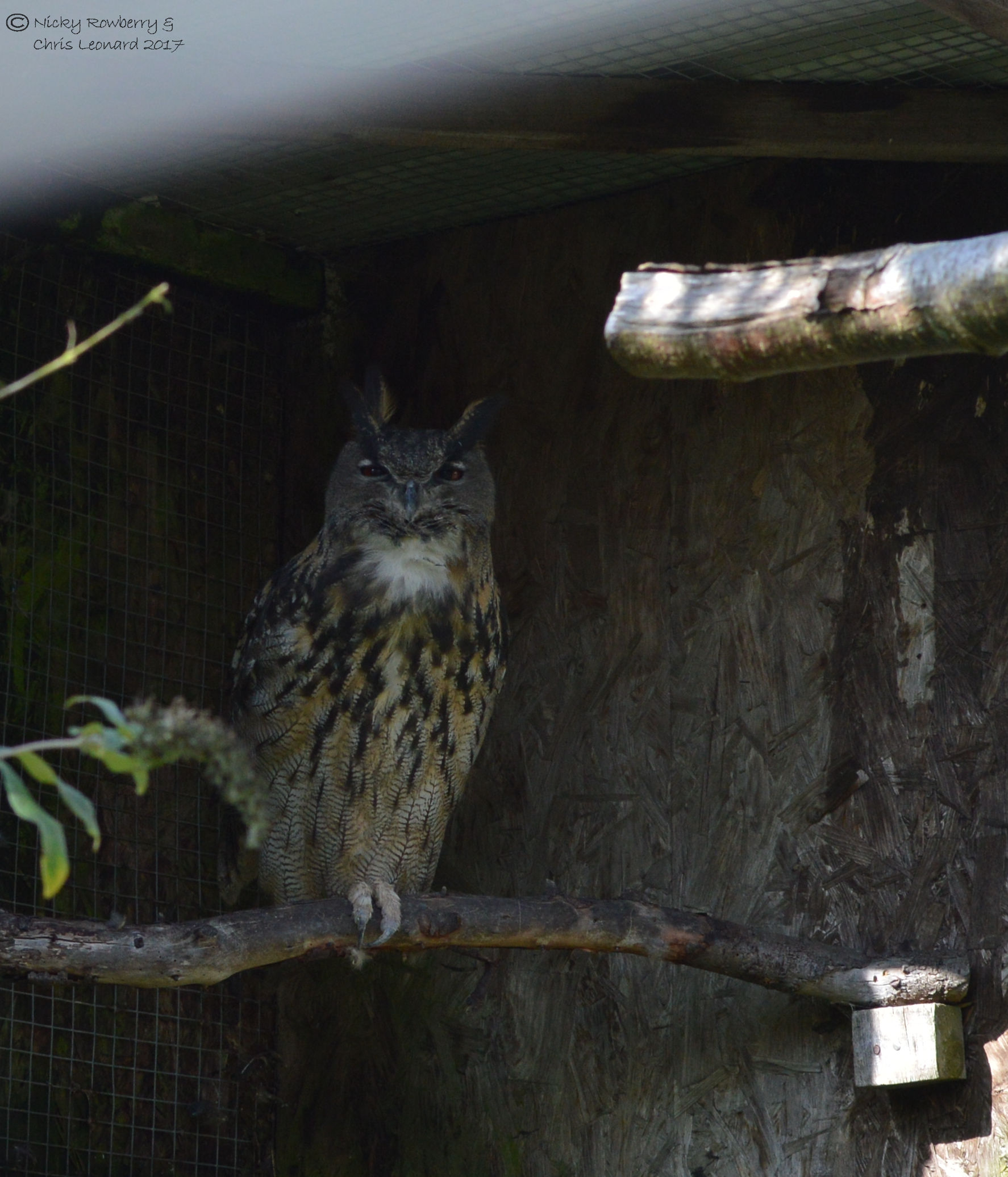
There are one or two exceptions, such as this stunning European Eagle Owl. This bird is not native to Britain so cannot be released into the wild here.
And finally an unlikely looking trio of a fallow deer, an emu and a rhea, all of which will be living out their natural days at Vale.

Although our course was aimed primarily at hedgehogs, it was great to see some of the other work the centre does too. I would recommend this course to anyone considering caring for one or more hedgehogs. This and of course getting some practical volunteering experience with an already established hedgehog rescuer if you can.

When I was a little girl I wanted to be a vet, but was probably way too lazy to study hard enough. I realise now with hindsight that I probably wouldn’t have had the emotional strength to make a very good vet, even if I had worked hard enough. People who work with animals, like the amazing staff at Vale, have to care for the animals whilst at the same time making really difficult decisions on a day to day basis. It would be so easy to make choices for an animal to make the person choosing feel better, rather than thinking what is really right for the animal. The staff at Vale always put the interests of the animals first and I have huge respect for them.

To find out more about Vale Wildlife Hospital and the work they do, check out their website: http://www.valewildlife.org.uk/     Charities like this cost a fortune to run, but do such an amazing job – any and all donations would be very welcome.
Scilly Isles – Eastern Isles

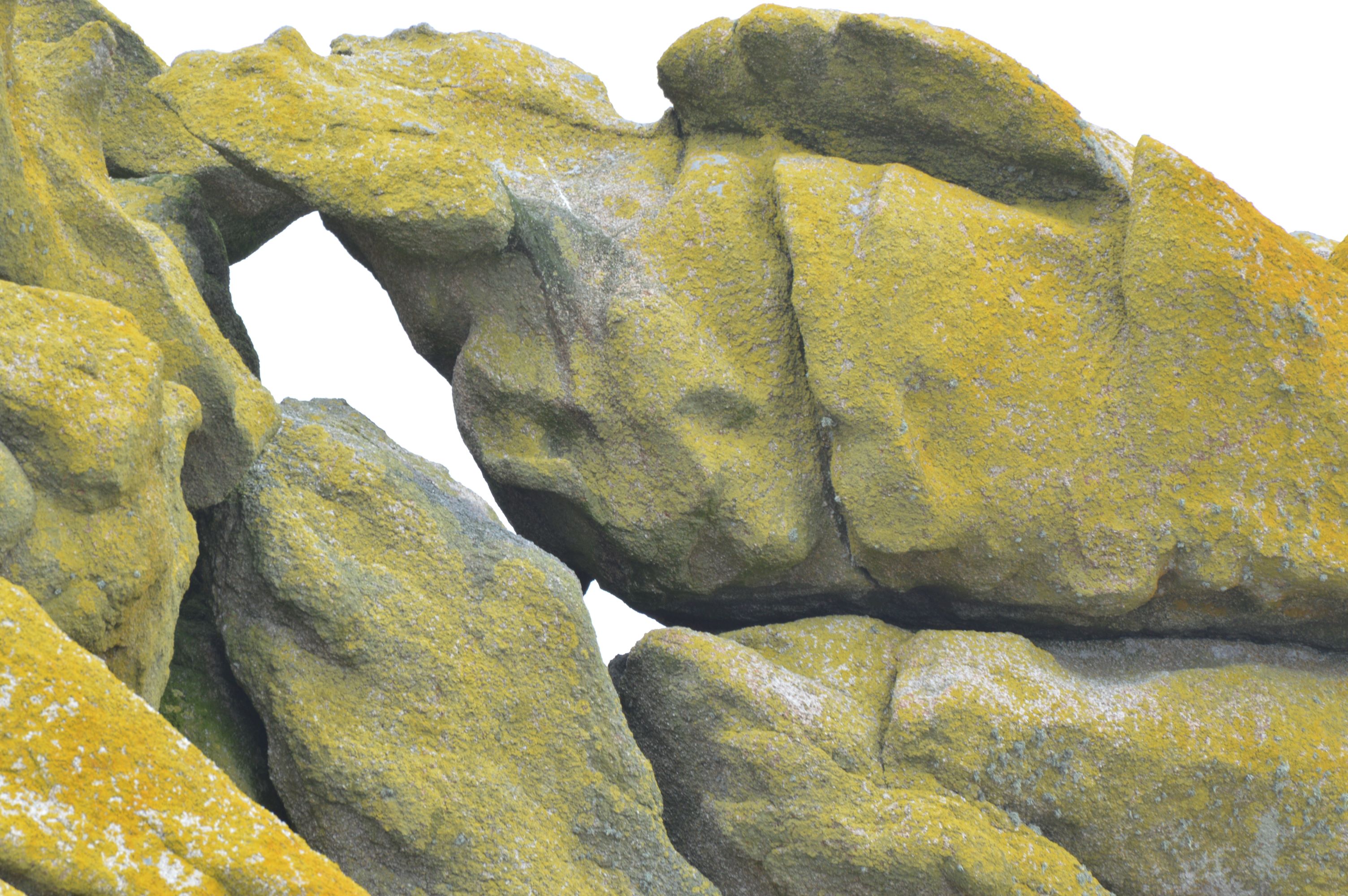
Next instalment on our recent trip to the Scilly Isles. This time we were out on a glass bottom boat tour of the Eastern Isles – small uninhabited islands with unusual names like Little Arthur and Great Ganilly. There were lots of interesting rock formations around, all covered with lichens, which provided sufficient interest until we got to the wildlife.

As it turned out we didn’t actually see very much through the glass bottom (a few jellyfish and a lot of seaweed), but what we saw all around more than made up for it. Most of our time was spent watching seals – Grey Seals to be precise. The Scilly Isles have a large and nationally important colony of grey seals and we were lucky enough to see quite a few on our trip. At first we just glimpsed them bobbing about in the water, watching us as much as we were watching them.

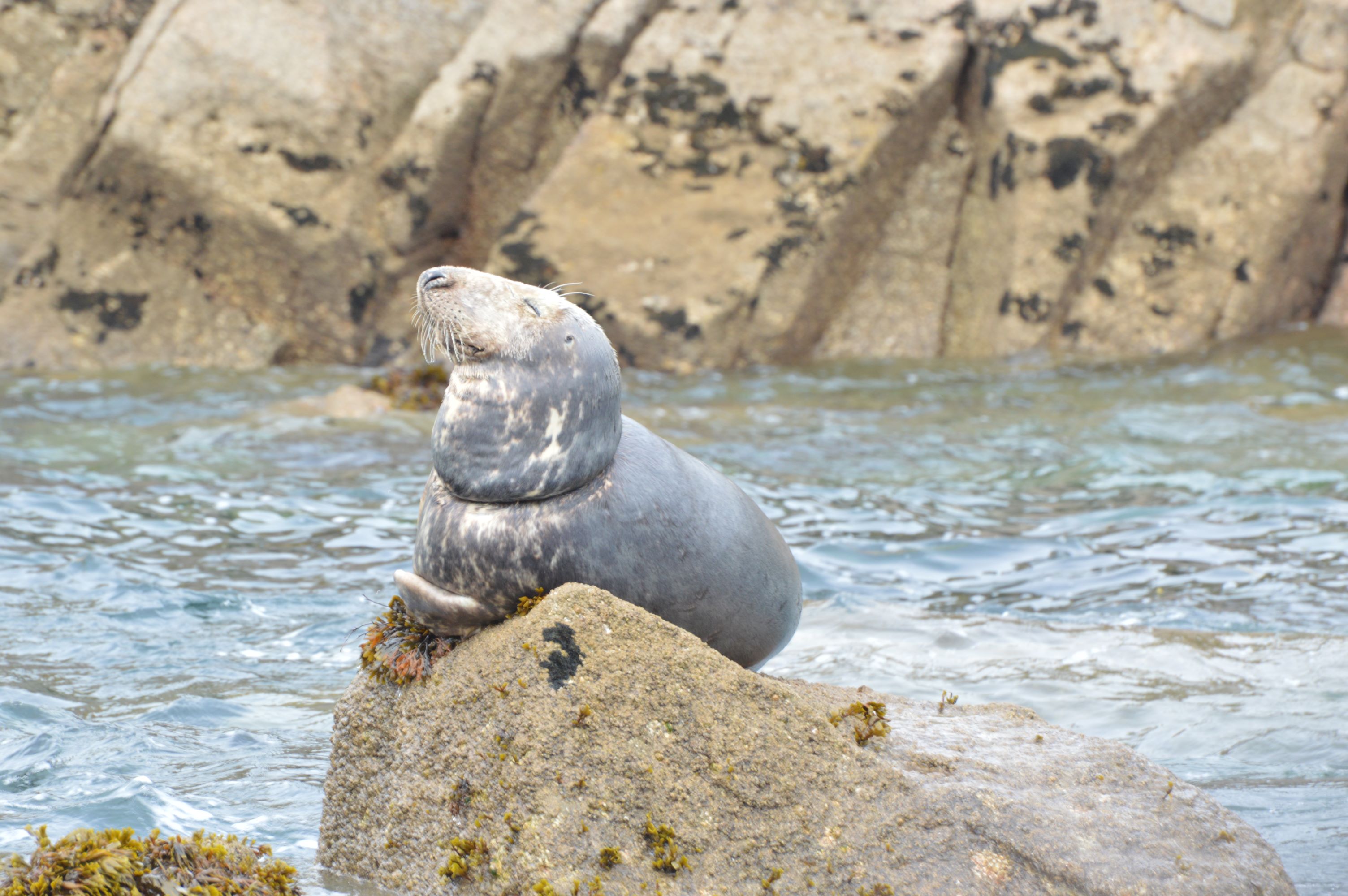
But our guide (and skipper) soon spotted one hauled out on a rock. He identified it as a fully grown adult male grey seal. Unfortunately it seemed to have got something stuck around its neck – perhaps old fishing gear. It didn’t seem to be causing him any problems and hopefully as he was already an adult he won’t grow any more to cause it to tighten around his neck.

We continued round the various rocky outcrops that make up the Eastern Isles and eventually spotted another seal hauled out. All the seals seemed to be quite used to the boat and tourists and look unfazed by our visit.

We had seen photos online of seals swimming under the boat so you could see them through the glass bottom. One of the reasons why we were maybe not lucky enough to see this was the presence of a group of snorkelers. The snorkelers were also there to see the seals and the seals in turn were much more interested in the people in the water than coming over to our boat.

Maybe next time we go to Scilly we could try the snorkelling thing ourselves – it must be amazing to swim with them and they clearly weren’t bothered, just curious.

As you’d expect of a boat tour around any part of the Scilly Isles – seabirds were abundant. Fairly early on a flock of oystercatchers took off over the boat, sadly too fast for my slow camera action. We got one of our few sightings of Fulmars while on this trip, beautiful birds albeit with slightly odd looking beaks.

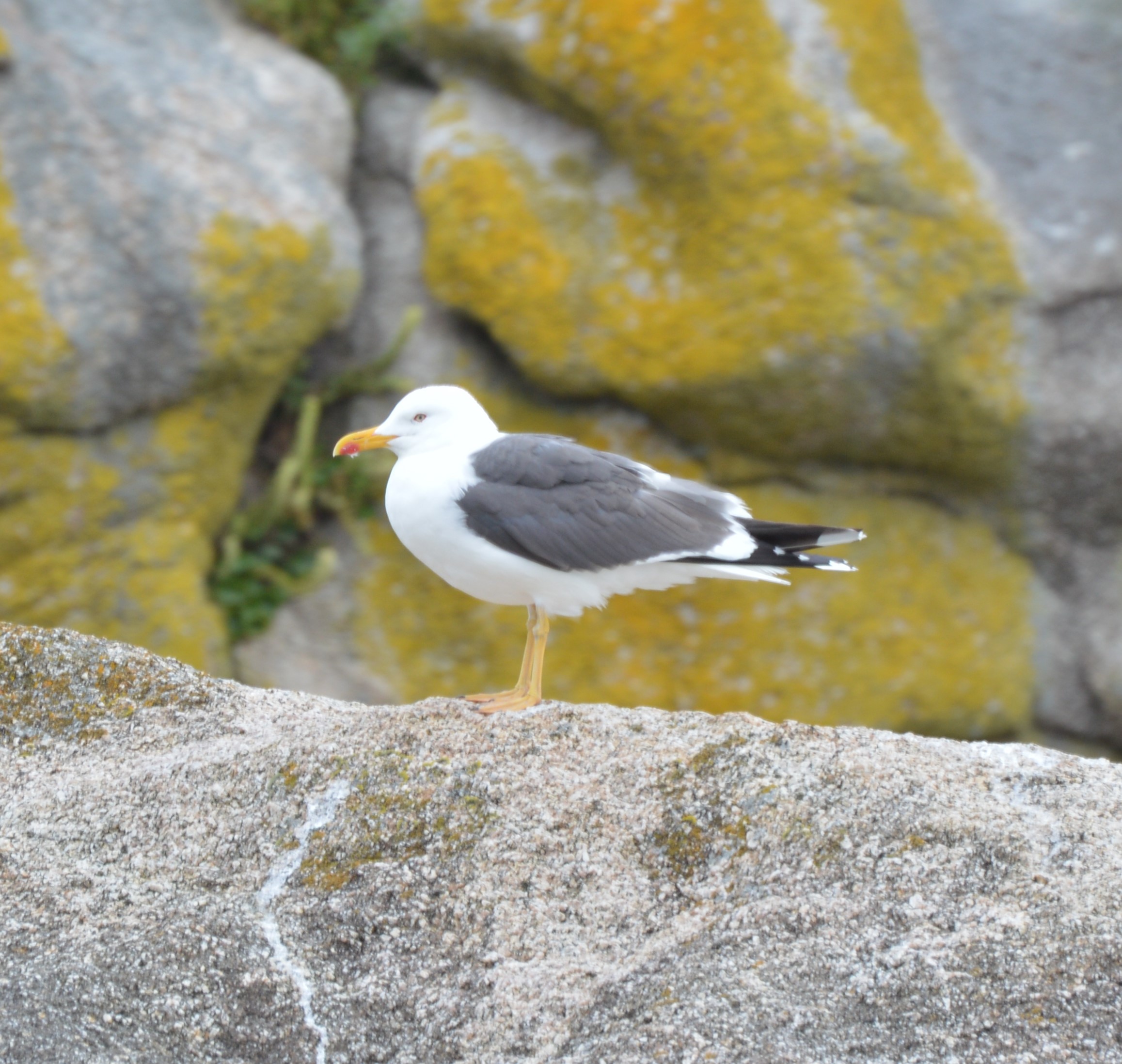
There were quite a few Great Black-Backed Gulls around. I must admit before this trip I’d never been able to tell the different gull species apart. While still far from expert, I am starting to learn a few things. So I’m fairly sure this is the Great Black-Backed, since it was a large gull with pink legs, a yellow beak with red dot and of course a black back! (As always though happy to be corrected if I’ve got it wrong!)

While we were there, one of these gulls caught and killed a shag. The gulls of course have to eat too, so although it was a bit sad to witness, it is all part and parcel of life. The unfortunate final outcome though was that the gull then managed to drop the dead shag down amongst the rocks, where it didn’t seem to be able to reach it. So the poor thing died for nothing – although I suppose something else probably ate it in the end.

The biggest surprise of this boat trip came in the shape of birds I’d never associated with the sea – Peregrine Falcons! Our guide mentioned that there was a pair nesting with chicks on one of the islands, but we hadn’t really expected to see them. But sure enough they were there. We couldn’t get a proper look at the adults but the two chicks were clearly visible sitting on rocks waiting for the next feed. They were quite high up and we couldn’t get very close, but it was still lovely to see.

Hedgehog Awareness Week

Today marks the start of Hedgehog Awareness Week – an annual event focussed on all things hoggy, organised by the British Hedgehog Preservation Society. I’ve been saving up hedgehog related news for a few weeks now, in readiness for Awareness Week and I’ve got a surprising amount to report!

The big news for me personally was that I handed my notice in at my previous job and had planned to have a bit of time off. That was until I spotted an admin job going at the British Hedgehog Preservation Society (BHPS) – it was just too tempting to resist.  I applied and am absolutely thrilled to say I got the job! It’s only 2 days a week which is absolutely perfect for me as it gives me plenty of time to be not weeding the garden! So here is my new place of work:

The next big piece of news is that Meadow our foster hedgehog has now been released into the Too Lazy To Weed garden. I took him back to be checked over by Viv at Malvern Hedgehog Rescue before we released him. This is him in the cat basket on the way there.

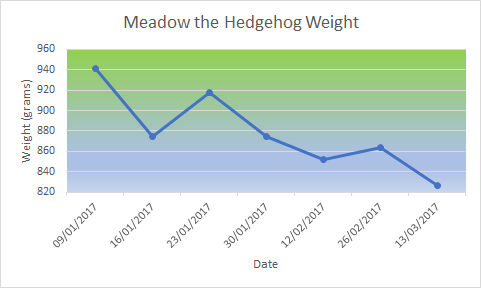
Viv checked his weight (he’d actually put on a lot of weight as apparently the catfood he’d been on for the last few weeks was a bit rich for him – I’ll know better next time) and then gave the go ahead for him to be released into our garden. He’d been with us since January and in a way I was sorry to see him go, although obviously it was the right thing to do. We waited until dusk, then put the cat basket out under the apple tree where there was plenty of cover for him and just let him come out whenever he was ready. (I was tempted to have the Born Free theme tune playing the background but resisted) This is him emerging from the cat box and taking his first steps in our garden.

I left the trail cam out for the next couple of nights and sure enough he appeared, making a beeline for the food I’d put out. I’m fairly sure it’s him in these next 2 clips as it’s a pretty big hedgehog so I reckon that’s our boy!

Assuming it is him, he seems to be doing well and has obviously found somewhere safe to rest during the day and knows where I put food and water out each night. Live long and prosper Meadow!

I’d been putting the trail camera out in the hope of getting hoggy videos for a few weeks before Meadow’s release. Most of the footage was of course taken in the dark, but I got this one short film of a hedgehog in the very early hours of the morning in daylight (I think the camera’s clock was out by an hour or two though as it wasn’t this light at 04:30am). Hopefully he or she was just getting a last minute snack before hiding away for the day somewhere.

It’s never easy to distinguish the hedgehogs in the garden (apart from Meadow’s currently distinctive chubby form), so it’s difficult to know how many we get. But a lot of trail cam footage shows a pair of hogs, so we know we’ve got at least 2 (3 now with Meadow).

The first time two appeared together it looked like a fight! Don’t know if it was a territorial dispute between 2 males or an overly aggressive male and female, but the one managed to shove the other half way across the lawn.

The following night though there were 2 hogs again. Not so aggressive this time, although the one did seem to be seriously annoying the other. They circled round like this for well over an hour – was it perhaps the start of mating, with the female playing hard to get initially. Have to admire his persistence if it was courtship, although he did seem to get distracted by the food bowl quite often!

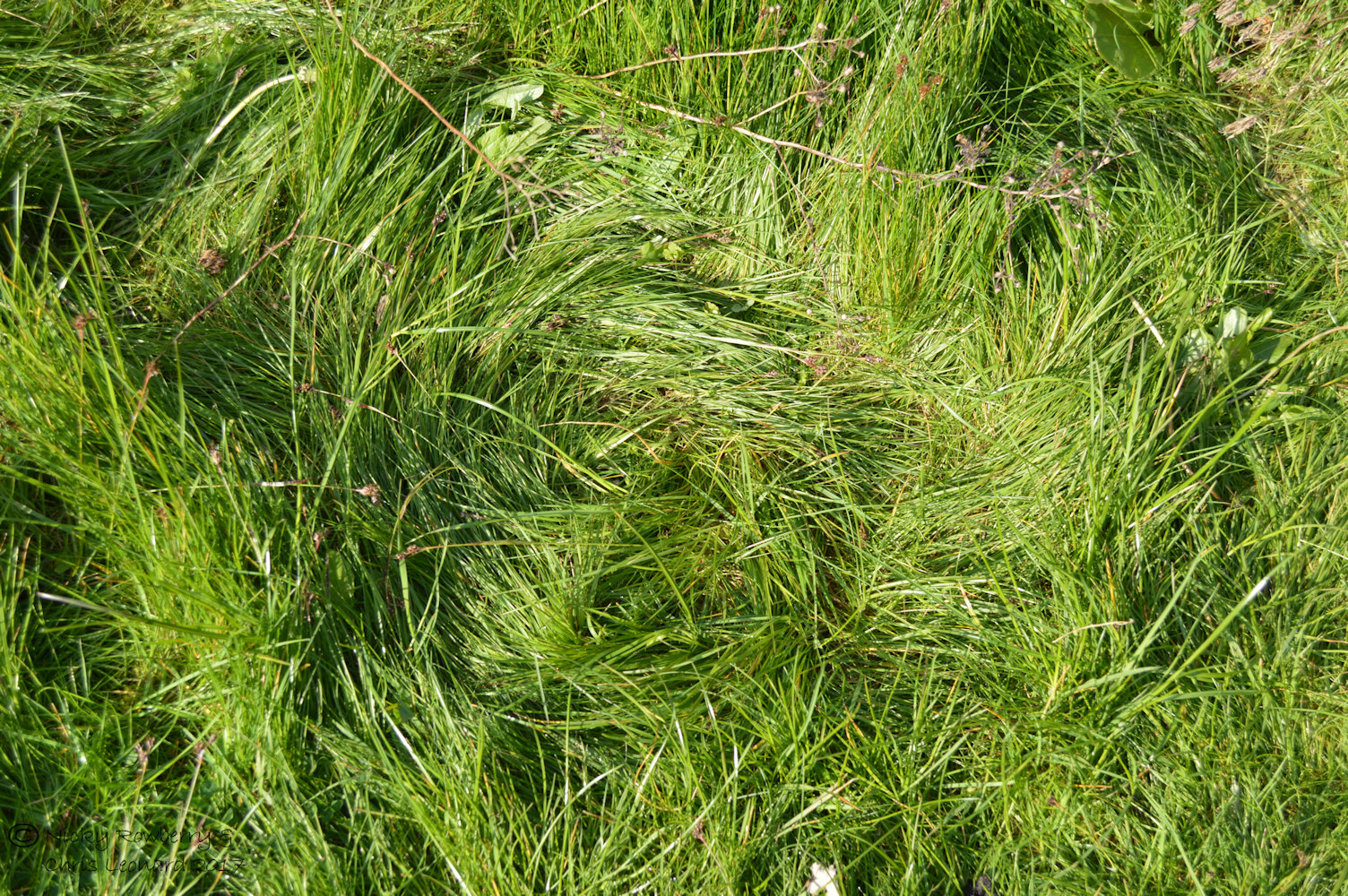
A few days after seeing the possible amorous antics on the trail cam, we spotted several areas of grass, flattened and twisted around – presumably the result of all the circling behaviour. You’ve heard of crop circles, we’ve got hedgehog circles!

So that’s all the news from our garden. If anyone wants to do something extra to support hedgehogs during Awareness Week, there are lots of things that can be done.

To support or encourage hedgehogs into your own garden, you can put out food (never bread or milk) and water. If you have a pond, make sure you install a ramp or some other means for hedgehogs to get out if they fall in. Make sure there are gaps in fences/walls so hedgehogs can come and go between gardens – they roam quite a bit during the night so ideally need a large network of gardens. Be super careful when mowing, particularly with strimmers which can inflict terrible injuries on hedgehogs.

If you don’t have a garden or at least don’t get hedgehogs in it, there are still lots of other ways of supporting them. You could join BHPS – your subscription will help support their work. Or you could simply Text HHOG17 to 70070 to donate £5 to the charity.

There are also hundreds of hedgehog volunteer carers around the country – you could do something to help your local one. Donations of cash or food or other general supplies are always welcome. Our local one is Malvern Hedgehog Rescue and Viv there does amazing work caring for up to 100 rescue hogs at a time. Her website has loads of useful information: http://www.malvernhedgehogrescue.co.uk/

Another great example is Little Silver Hedgehog run by Emma. Not only does she rescue & rehabilitate lots of hedgehogs, her blog https://littlesilverhedgehog.wordpress.com/ is full of useful hoggy advice. In addition she makes beautiful silver jewellery that she sells to raise funds for the hedgehogs – I treated myself to this cute pendant to celebrate getting the job with BHPS.

And finally you could always just tweet or post a message on Facebook (or go old school and talk to people) showing your support for these lovely animals – they need all the help they can get.

Hedgehog Housekeeping

Just a short post today with an update on our foster hedgehog Meadow. We’ve had him now since early January and I’m very relieved that’s he survived the winter with us! We’ve been weighing him every fortnight and although he’s lost a bit of weight, he is still a very healthy 800g or so – plenty heavy enough to see him through to the spring hopefully.

Since we last weighed him he has become increasingly active and has presumably decided he’s had enough of hibernation. For the first 2 months our care duties had consisted mainly of checking each day that he had fresh water and food, but while he was asleep, there was little else to do.

Now he is an eating and pooping machine! His food bowl is at best empty every morning and at worst he’s pooped in it! The water bowl is regularly slopped about soaking the newspapers and he has generally managed to poop in every corner of the hutch! So every day he needs fresh food, water and newspapers and a general clean of the hutch. We never see him though (apart from when we take him out to weigh), he’s always buried in the hay when we look in.

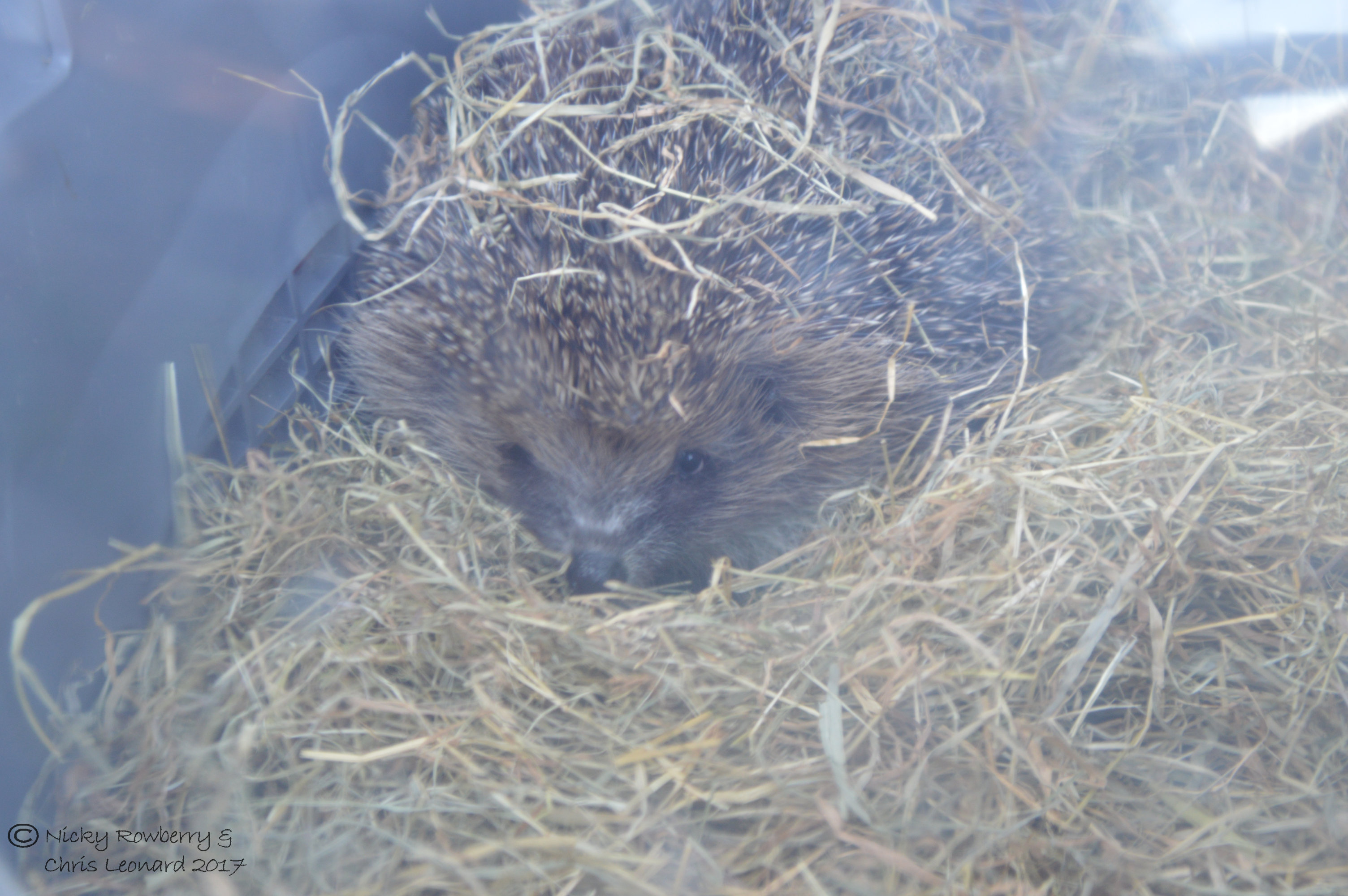
Invisible he may be, but since he is clearly very active when we’re not around, I had a go with the old trail camera in his hutch.  There’s not much space to position it without disturbing him, but I managed to get it wedged by the roof out of his way and he seemed blissfully unaware of it. The field of view is pretty small since it is so close up, but I got lots of clips of him doing what he’s good at – eating and pooping and rearranging his bedding. He clearly doesn’t approve of my style of housekeeping as he is constantly dragging the hay and/or the newspapers around to where he thinks they should be.

So below are a couple of stills taken from the video showing him a) eating of course and b) dragging the hay around. Then there is a compilation of video clips taken over roughly a 24 hour period. Note his food bowl starts of clean and full of food and ends up empty and covered in poop and hay! But he’s a little character and we will miss him when we eventually get the go ahead for releasing him in the spring.

Out and About – Symonds Yat

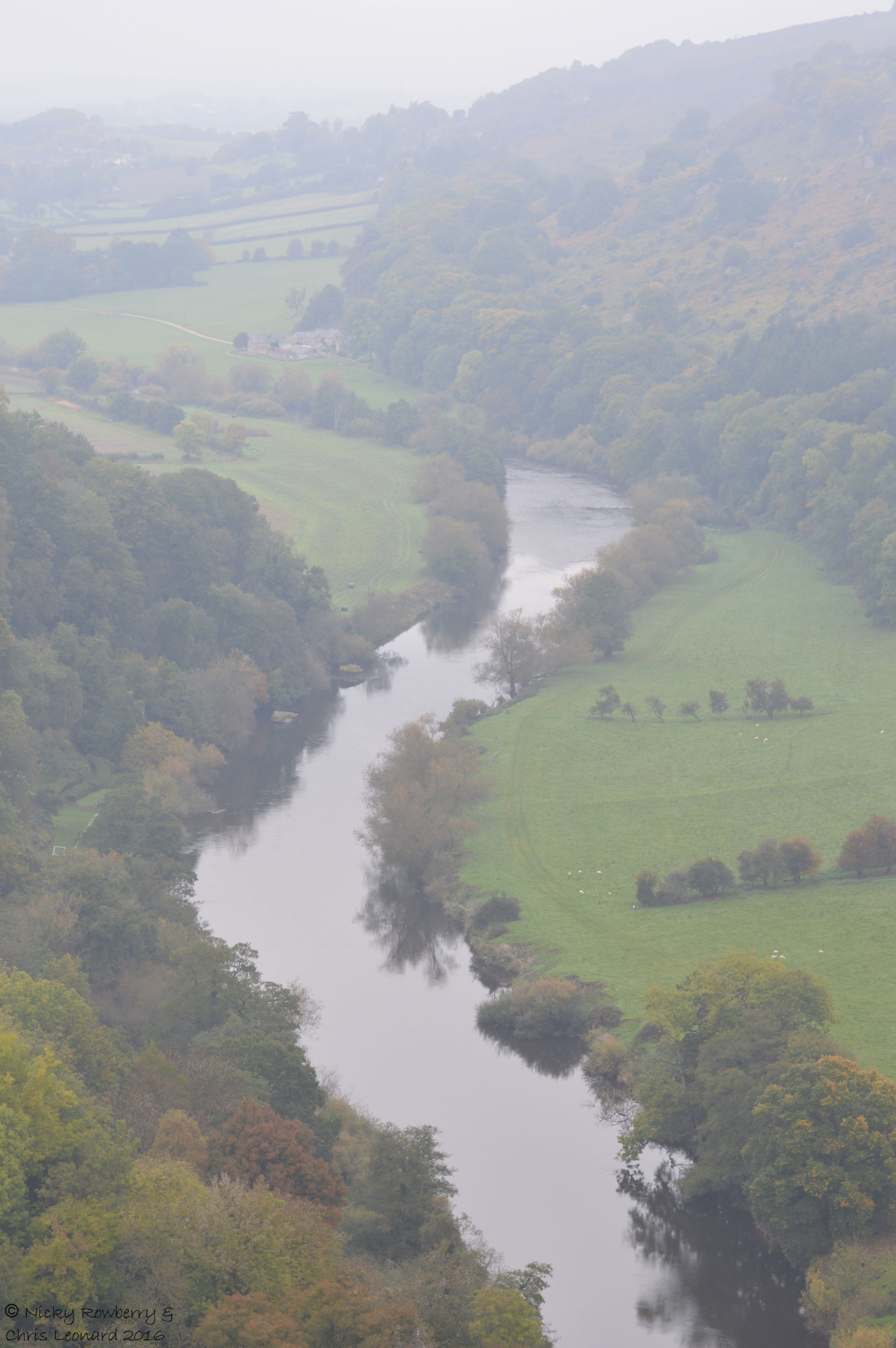
We had what seemed like a brilliant idea yesterday to head down to Symonds Yat to see the trees there in all their autumn splendour. As usual of course we didn’t really see what we’d aimed to see, but as is so often the case with our wildlife days out, what we did see more than made up for it. For a start the glorious autumn sunshine we’d hoped for had been replaced with a dull grey mist. Secondly the trees down at Symonds Yat must be a bit behind the ones in Malvern, as they’d not really changed colour yet. So what we could see through the mist wasn’t really the autumn spectacle we’d hoped for. Still we headed to Symonds Yat Rock which sits high up overlooking the horseshoe bend in the River Wye.  The trees below may not all have been golden brown but the view was still stunning.

river

We could see the cliffs where Peregrine Falcons nest and thanks to some very kind people who let us use their telescopic sights, we even saw one of the birds in a hole in the rocks. It was way too far away for us to get a photo – but at least we can say we saw a falcon!

The same helpful couple informed us that the strange noises we could hear were rutting Fallow Deer in the woods below (I’d thought the sound was Wild Boar, so  good job we met people who knew what they were talking about!) We didn’t see the deer but were reliably informed by our new-found friends that they do sometimes appear and go down to the river.

We may not have managed to see the deer or get photos of the falcons, but fortunately there was plenty of smaller animals that were much more obliging. Volunteers (possibly our two helpers from above) regularly put out bird food at the viewing point on the rock. This was attracting plenty of smaller birds who were clearly used to the flocks of visitors clicking away with their cameras (actually mainly phones of course, apart from us old fogies with actual cameras!) The highlight was a gorgeous Nuthatch – the closest either of us had ever been to one.

Various members of the Tit family were also making the most of the bird food. Coal Tits, Blue Tits & Great Tits were all completely unfazed by the visitors. Apparently Marsh Tits frequented the area too, but unfortunately not while we were there. A Chaffinch completed the array of small birds we saw up on the rock.

One final surprise though was a visitor on the ground beneath all the bird seed. The Bank Vole had clearly learnt that there were easy pickings to be had here and was also relatively unbothered by all the people.

We could have spent a lot longer up at the rock, but we’d booked lunch in one of the pubs down by the river in Symonds Yat East, so headed back down. Symonds Yat East is on the Gloucestershire side of the river, while Symonds Yat West is in Herefordshire. You can get a tiny hand-pulled passenger ferry between the two – the lad pulling the ferry across must have biceps of steel, as he never stopped going back and forth all the time we were there!

As we stood watching the river and the canoeists braving the rapids, we spotted the unmistakable flash of a kingfisher. Of course we’d left the camera back in the car while we had lunch,  and by the time the camera was retrieved, the kingfisher was long gone. A lovely flock of Long Tailed Tits flew in though to complete our small bird collection for the day.

So the day may not have provided an autumn spectacle, but we saw a kingfisher, heard some deer, just about saw a falcon, met some nice people and watched a vole – I’d call that a result!

Hedgehog Self-Anointing

The hedgehogs have been busy in our garden and I’ve been busy watching them over the last few weeks. I could spend hours watching them – which is fortunate as I’ve ended up with a lot of trail cam footage – mainly of them stuffing their faces with the food I’m putting out. But amongst all the scoffing, there’s been some really interesting behaviour; so here’s another hoggy update.

If you’ve read some of my recent blog posts, you might remember that a few weeks ago  we took custody again of Fred, one of two young hedgehogs we’d rescued from a hot lawn earlier in the summer. Fred had been cared for by Malvern Hedgehog Rescue until he was old enough and big enough to come back to our garden. He seems to have settled in well and appears regularly on the trail cam. He’s now been seen several times doing this to the older, larger hedgehog:

Initially we had no idea what was going on, but thanks to Little Silver Hedgehog (https://littlesilverhedgehog.wordpress.com/) we now know that Fred was probably self-anointing. A bit of googling revealed that this slightly odd behaviour is common in hedgehogs. If they find a smell that they find particularly interesting (not necessarily a pleasant one!) they will lick or chew at the source of the smell and then twist round to lick themselves with frothy saliva. It’s not clear why they do this – perhaps trying to blend in with the smell of their surroundings? If this is the case it seems Fred was finding the smell of the larger hog really interesting and either wanted to smell the same (hedgehoggy equivalent to wanting to smell like a celebrity’s perfume!) or was just trying to fit in with the local hedgehogs?

Whatever the reason, he was very persistent to the point that he really started to annoy the larger hog (who I am now calling Fred Senior). Fred Senior initially starts to curl into a ball, perhaps thinking he’s under attack.

But once he realises it is only a smaller hedgehog he spins round and snaps at poor Fred with an annoyed squeak.

Fred is undeterred though and continues rooting about in the adult’s spines before wriggling about to lick the smell onto his own spines.

Without the trail cam we would never have known about self-anointing, let alone witnessed it in our own garden. Hopefully we’ll get more interesting behaviour from our prickly friends over time.

With autumn fast approaching (technically already here as we’re passed the equinox), we decided to provide a (hopefully) des res for our hoggy friends. We could have built one ourselves, but this is after all a Lazy Garden, so an online purchase did the job instead. New residence features an entrance tunnel, which hopefully the hogs can get in but the cats can’t. Runners beneath the box and ventilation gap in the top allow air to circulate and prevent condensation.

hedgehog-box

The box has been tucked away in a corner of the garden and following advice from the good people of Twitter, has been provided with straw bedding and a plastic sheet on top to prevent the lid getting cold and wet. I’m also trying to gather up leaves in the garden as they fall to dry out and provide further bedding.

Of course having put the box out, I couldn’t resist setting up the camera to see if it would get any action. I put some food out near the box to tempt them into the corner of the garden. Really chuffed that within the first couple of nights Fred headed into the box to check it out. I don’t expect him to set up residence in it just yet, but it seems a good sign that he’s investigating it.

Fred senior has been making the most of the food and sniffing round the box, but I’ve not actually caught him going in it yet. But I was really pleased last night when a beetle had fallen in the food bowl (beetle was probably not so pleased) and got stuck – Fred senior was munching the regular food when he clearly spots the black beetle and snaps it up. Beetles are apparently a favourite food, so it was great to catch this on camera.

One extra thing I’ve been trying to do was to get some footprints.  I’d seen on other blogs that you can get ink sheets for recording animal footprints – so another internet purchase later and our hogs are immortalised in ink! The pads contain harmless black ink which the animals simply walk through then leave footprints on the attached cards. Of course they don’t just walk neatly where you want them to and most of the prints were either smudged or crisscrossed over each other. But I did get at least the couple of clear prints in the photo below. They’re really quite sweet little footprints. You can just about see a few dots which are the tips of their claws in front of the toe pad prints.

hedgehog-footprint

As a final bonus in this mainly hedgehoggy post, a different mammalian video. I tend to leave the trail cam running during the day after a night hog filming (mainly because I don’t have time in the mornings to go out and switch it off). Most of the time I just get clips of grass swaying or pigeons rooting about, but last week I was surprised to find a squirrel! Of course it’s a grey not a red squirrel, but it was still nice to watch.

In The Pink

This week I managed to combine a visit to Slimbridge Wetland Centre with meeting friends for lunch – a win-win day out in my book! Slimbridge is only an hour’s drive from us and is the most amazing wetland reserve, overflowing with birds both native and from abroad. If you’re into bird watching, it must be one of the top UK sites to visit. In the few hours we were there, we only managed to get round maybe less than half of it (probably due to too much time scoffing sandwiches and yapping in the café!)

I was trying to take photos as we meandered around, but there’s almost too much to take in and I kept forgetting to actually snap away. For some reason, when I got back and looked at the photos, I appear to have got a bit obsessed by flamingos! Nearly half the day’s photos seem to feature them. There are apparently 6 species, although I think I’ve only got 3 here (which vaguely irritates my OCD that having unwittingly got a bit obsessed, I didn’t then photograph them all!)

These first ones are Caribbean Flamingos – the brightest pink ones we saw. The colour always seems unnatural to me, but logically I know that it’s due to their food and that Slimbridge aren’t dying their flamingos for our gratification!

caribbean-flamingos

This next one is an Andean Flamingo and possibly my favourite of the ones we saw. The feathers are absolutely stunning. Unfortunately this species is classed as Threatened – mainly by hunting, mining activities and habitat loss.

andean-flamingo

The next two photos are of Lesser Flamingos. In the upper photo you can see the teeth or serrations along the edge of the beak that it uses to filter the food out of the water. The lower photo I included just because I like the way they sinuously wrap their necks around – it’s hard to tell where one bird ends and the next begins.

flamingo-head

flamingo-knot

Besides flamingos, there were birds everywhere – particularly geese and ducks. Many had clearly learnt that visitors = food, but this Bar-headed Goose was way too dignified for that and just sailed serenely by.

barr-headed-goose

There were lots of quite showy birds, but for some reason I really liked this South Georgian Pintail Duck. Nothing flashy, just quintessentially ducky!

south-georgian-pintail

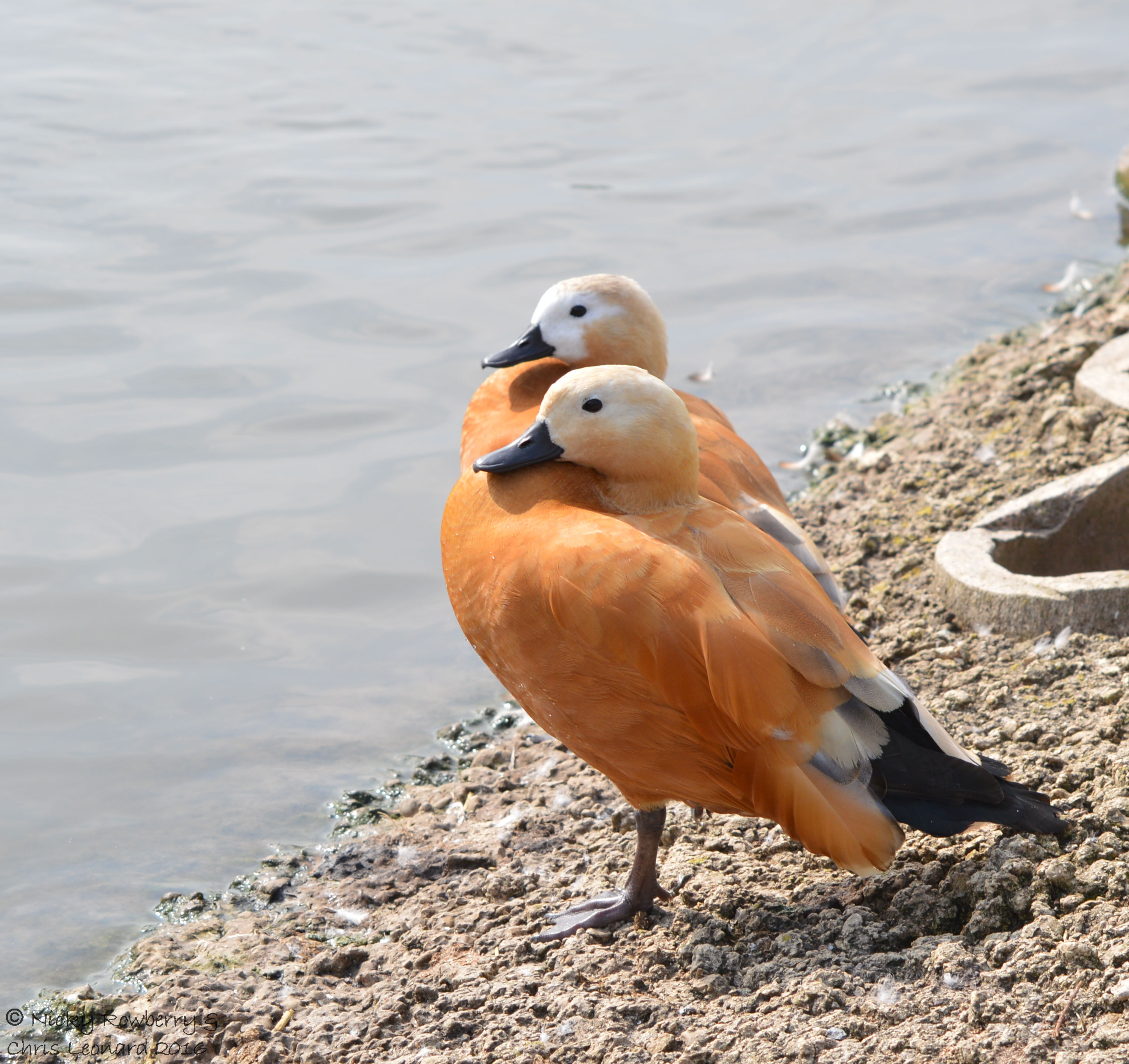
Probably my favourite photo of the day is this seemingly two headed duck! (Ruddy Eider Ducks I think)

two-headed-duck

We listened to a very interesting talk by one of the WWT volunteers, all about the Great Cranes. Slimbridge has been heavily involved in a project to reintroduce these majestic birds into Britain. It’s hard to believe but these huge birds were once common here until they were hunted to extinction. Fortunately they survived in Europe and thanks to the efforts of the WWT, they have got a toehold back in Britain.

cranes

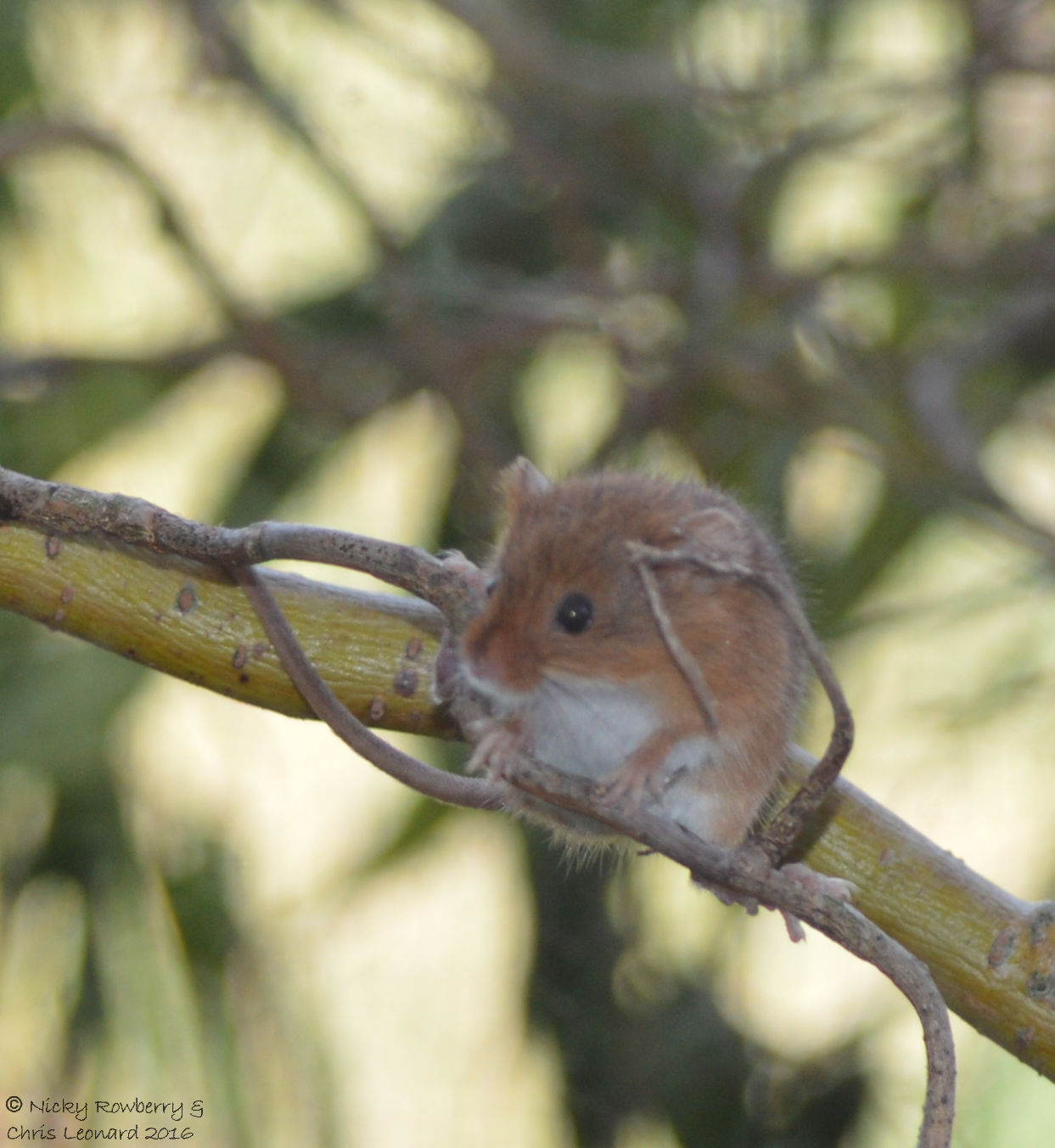
It’s not all birds at the wetland centre though. They have several mammals, including otters, a beaver, voles, shrews and these adorable harvest mice – the only ones who would pose nicely for photographs. Unfortunately they were behind glass, so the images aren’t great, but they were wonderful to watch – such quick inquisitive little creatures.

harvest-mouse

harvest-mouse-2

Final bird of the day though was this Spoon-billed Sandpiper – made entirely of Lego. They were setting up giant Lego animals while we were there for a children’s trail opening this Saturday. The lady who gave us the Crane talk had told us about these little birds (in non-Lego reality they are apparently tiny) and how the WWT is doing such valuable work to try and save them. This was the closest we got to seeing one though!

spoon-billed-sandpiper

You don’t have to be into birdwatching to enjoy Slimbridge, although it is obviously a bonus if you are. I’d definitely recommend it as a day out for anyone even remotely interested in wildlife and conservation. For more information go to: http://www.wwt.org.uk/wetland-centres/slimbridge/

Hedgehog Update

Just a quick update on our garden hedgehogs. The good news is that we spotted 2 healthy looking adult hedgehogs in the garden last night as it was getting dark. One was more adventurous and came out for a bowl of catfood, the other stayed in the bushes waiting for us to go away.

Adult hedgehog

Whilst it was great to see that we still had our adult hedgehogs, I was then worried that perhaps I’d unnecessarily removed the 2 babies I found on the hot lawn earlier in the week. Of course there is no guarantee that the 2 adults we saw last night were the parents. I contacted the hedgehog rescue lady who reassured me that we’d done the right thing removing the babies from the heat as they could have become dehydrated, got fly strike, or even been predated. They certainly shouldn’t have been out by themselves in the middle of the hot afternoon. Better to have taken them to safety than take any chances.  She also assured me that the babies were doing well.

I’ll probably put the trail camera out over the weekend and hope we get some better footage of our hedgehog friends, so perhaps more updates next week.