Citizen Science

With the Big Garden Birdwatch coming up this weekend, it got me thinking about the other forms of Citizen Science (Citizen Smith’s nerdy cousin!) that the other half and I get involved with from the comfort of our own garden.  For amateur biologists like us, these projects are a great way of indulging our hobbies and hopefully contributing something useful with the information at the same time. Most of the ones we participate in require no specialist knowledge (phew!), no specialist equipment and often very little time. Yet when enough people contribute, they can provide significant amounts of information that the scientists couldn’t get any other way.
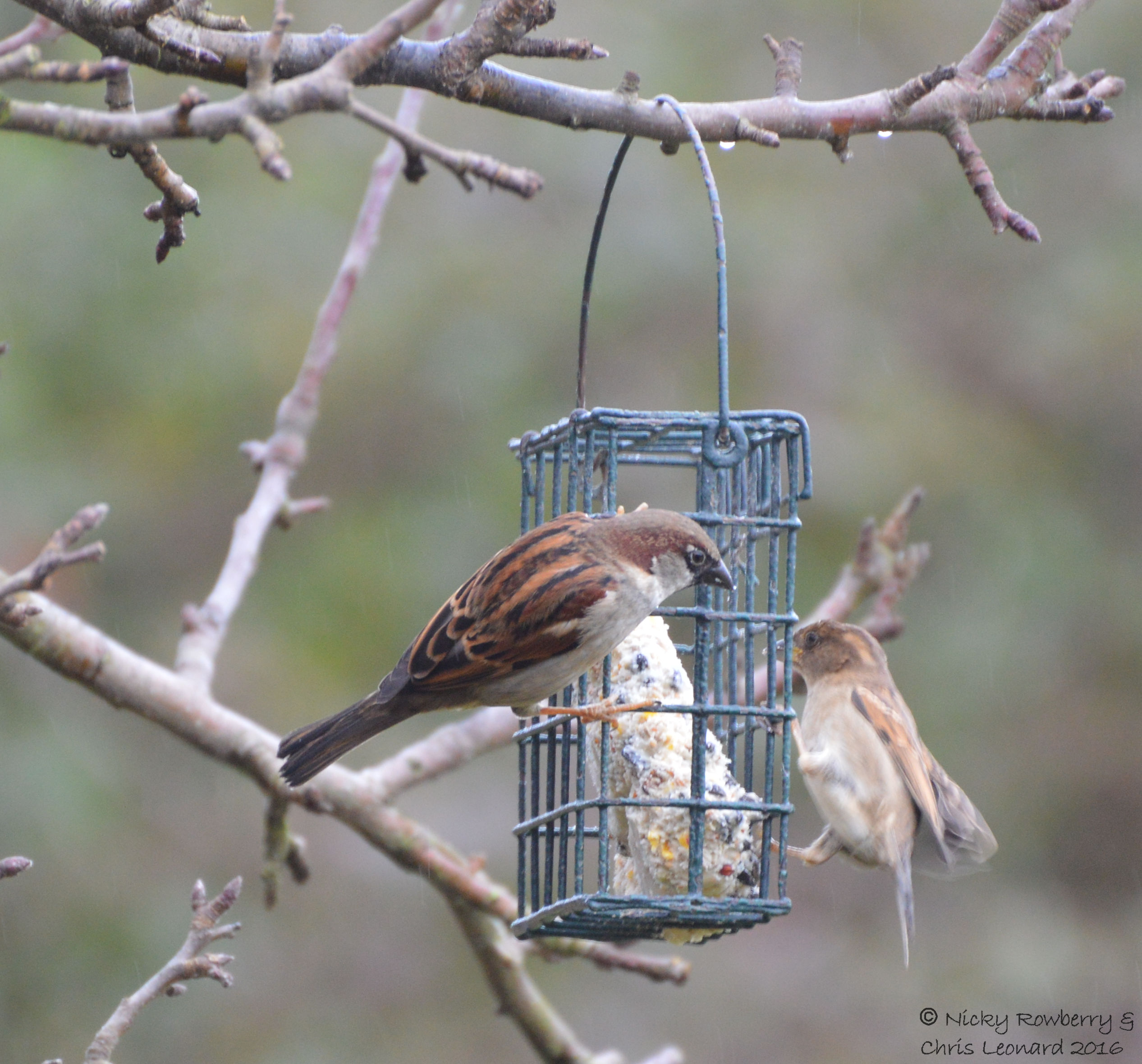
The Big Garden Birdwatch is one of the oldest projects and has been going for over 30 years, allowing the RSPB to monitor long term trends in our garden bird populations.  You just need to watch the birds in your garden for an hour and count the maximum number of each species you see. For more information go to: https://ww2.rspb.org.uk/discoverandenjoynature/discoverandlearn/birdwatch
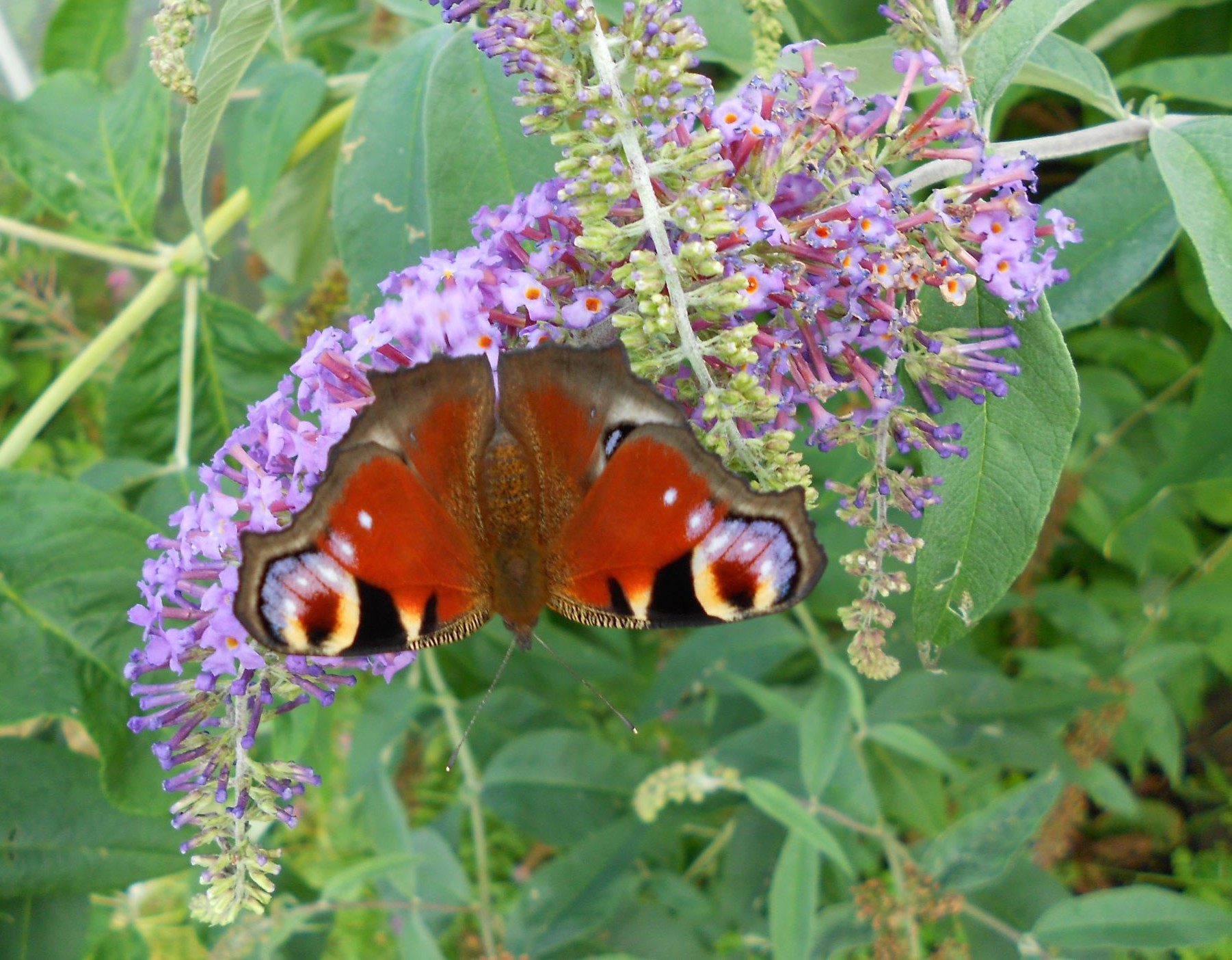
The Big Butterfly Count is a relative newcomer, having only started in 2010, but already it’s become the biggest butterfly survey in the world. Last year over half a million butterflies were recorded in over 50,000 counts – you couldn’t pay for that amount of data!  For this project all you need to do is record the maximum number of each of the target species you see in just 15 minutes during the 3 weeks the project runs each summer. For more information go to: http://www.bigbutterflycount.org/

I’ve been monitoring the moths in our garden for a while now and last year took part in Moth Night in September.  Moth night runs for a different weekend each year with a different theme each time (this year it will be Hawk-moths). You can either run a moth trap in  your own garden or go to one of their public events. For more information go to: http://www.mothnight.info/www/ This year I’ve decided to go one step further and joined the Garden Moth Scheme. This project gets volunteers to put out moth traps in the garden once a week over the summer months and log their findings. Since I’ve been more or less doing this anyway, joining the scheme seemed like the logical thing to do. For more information go to: http://www.gardenmoths.org.uk/
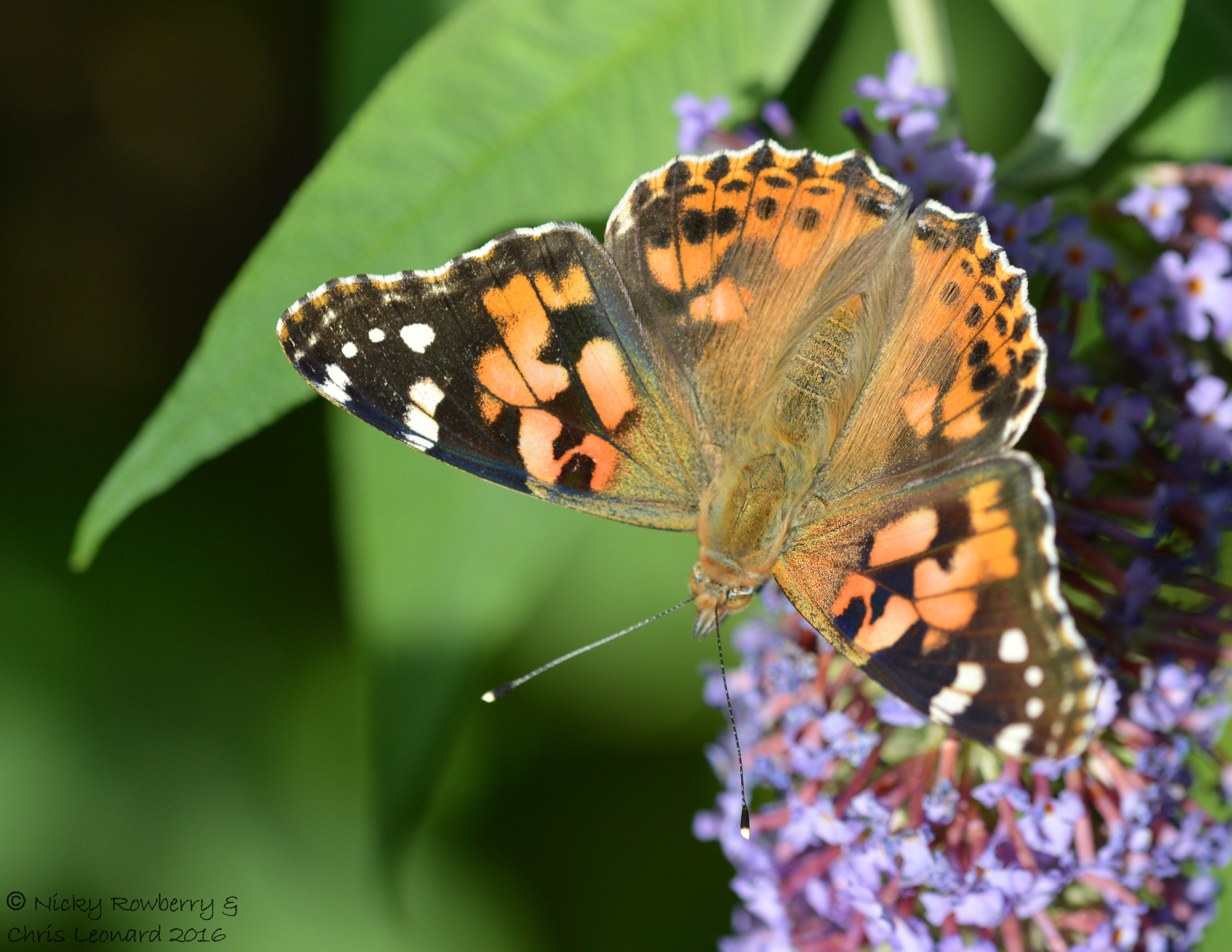
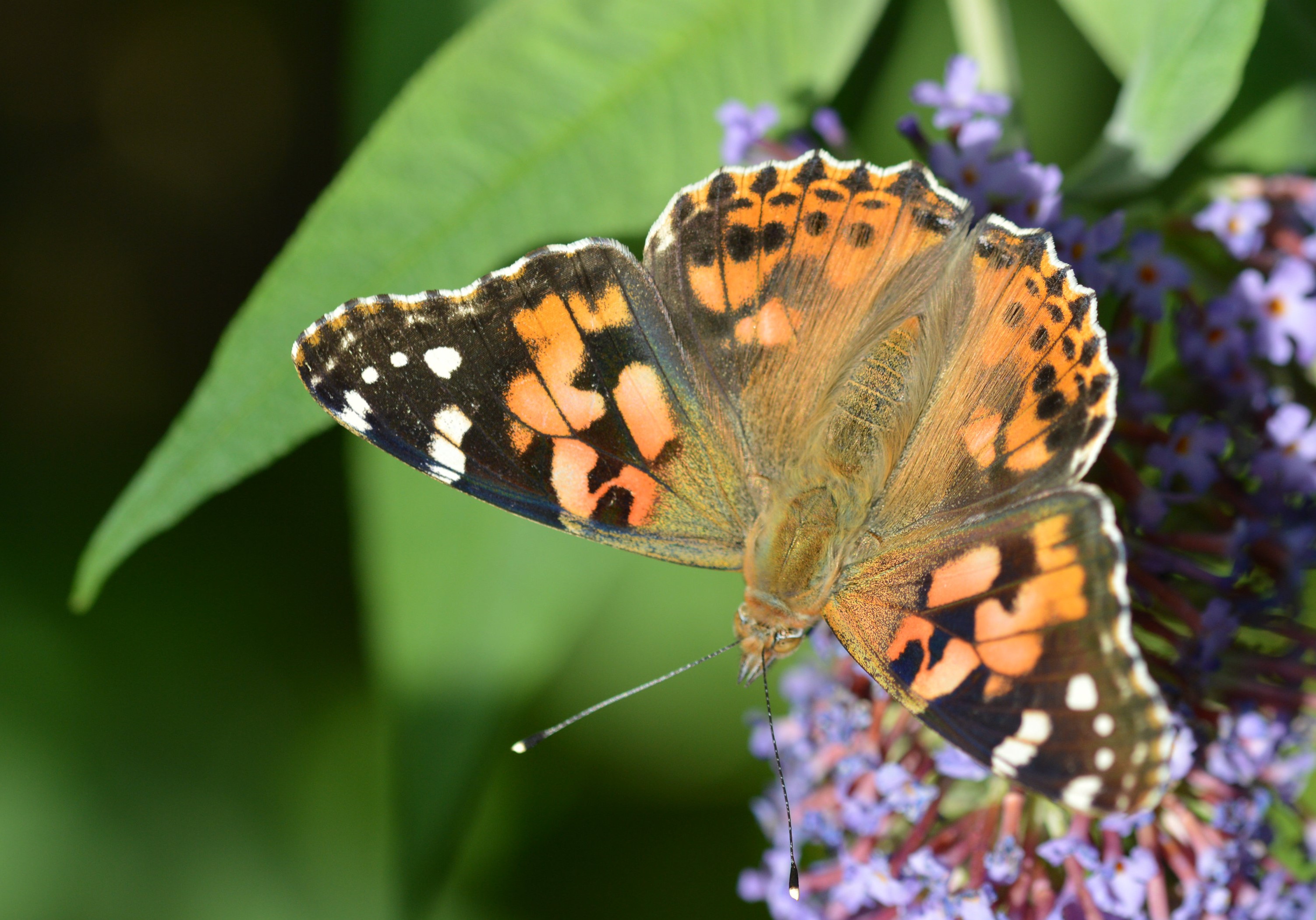
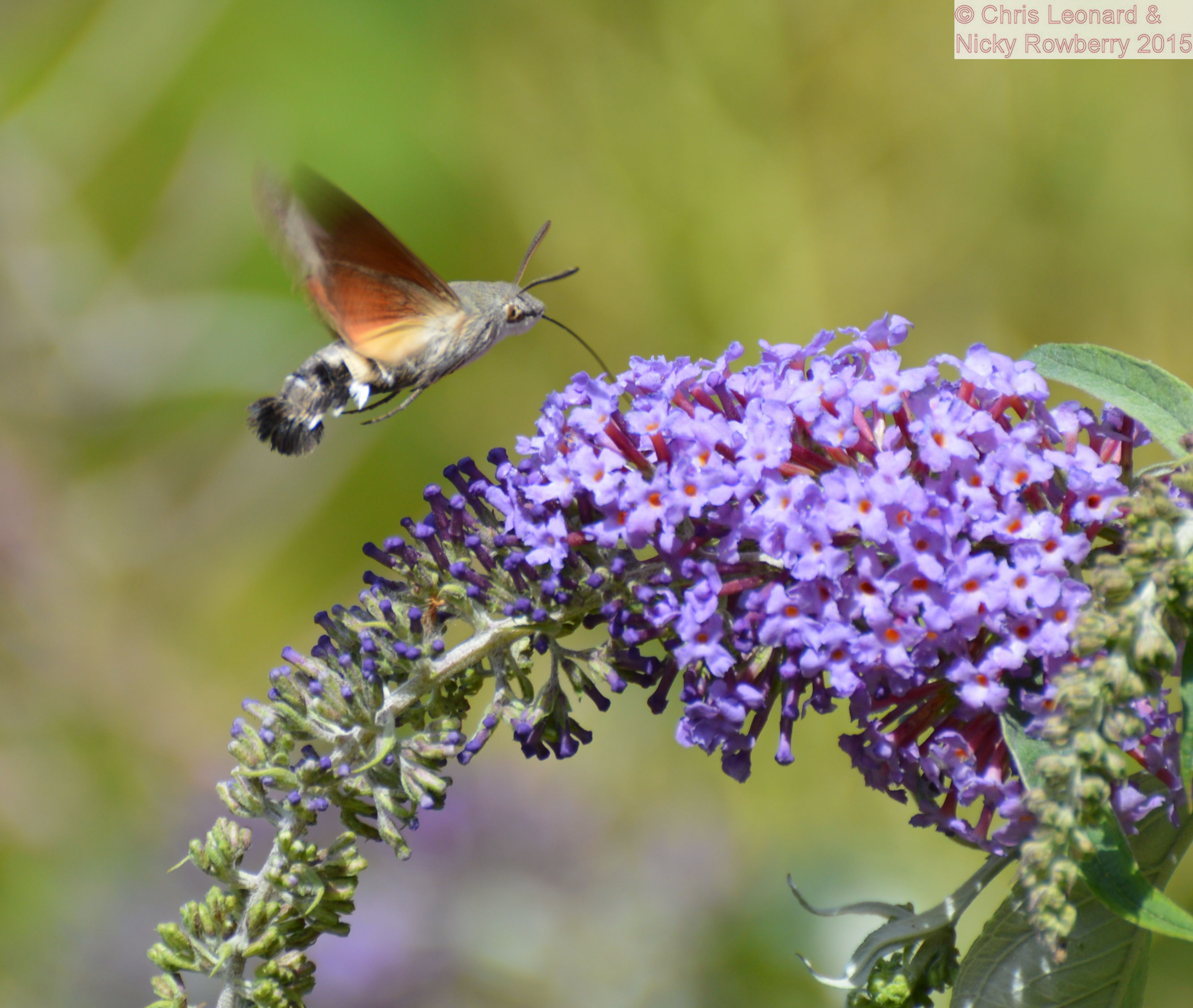
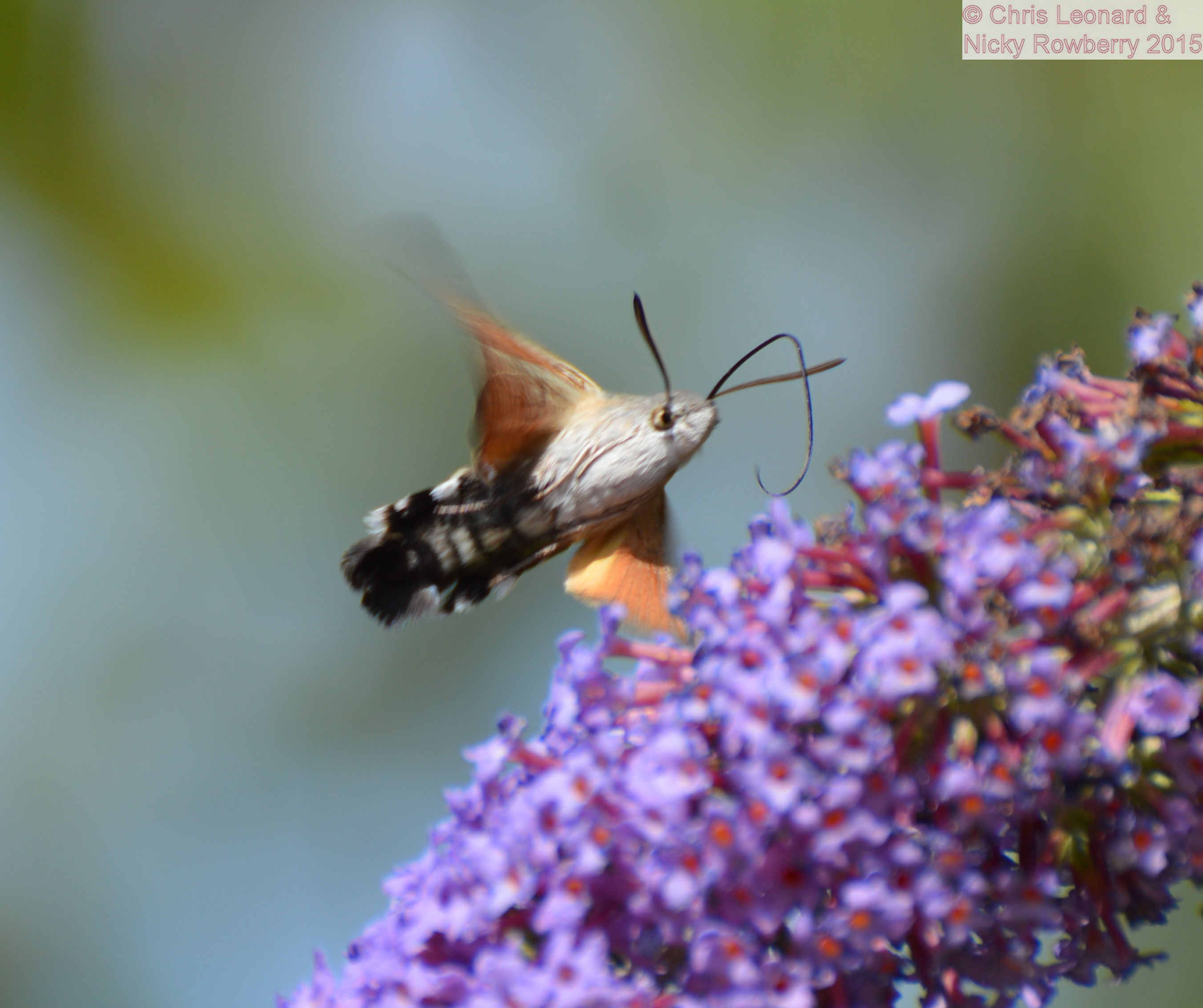
If you don’t want to get involved in anything too formal, some schemes just require you to log certain species as and when you see them. Butterfly Conservation runs a Migrant Watch for Painted Lady butterflies and Hummingbird Hawk-moths. These species are becoming increasingly common in the UK and may be indicative of climate change. You can help monitor this by simply logging any sightings of them (at home, work wherever you see them). Humming Bird Hawkmoth 3For more information go to: http://butterfly-conservation.org/612/migrant-watch.html


Azure DamselflyThere are schemes for all sorts of species – we’ve logged dragonflies and damselflies at http://www.british-dragonflies.org.uk/ and reptiles and lizards at http://www.recordpool.org.uk/index.php You name it there is probably a recording scheme for it somewhere.

Although I’ve always been interested in encouraging wildlife into the garden (hence the abundance of wilderness areas – honest that’s the reason!), it was taking part in a Garden Bioblitz a few years ago that really fired my enthusiasm. In a Garden Bioblitz you simply record all the species (plants and animals) you can find in your garden over a 24 hour period.  The first time we did it, the other half and I recorded 119 species – and that was before we had a moth trap! Hopefully this year we can improve on that. If you fancy having a go – http://www.gardenbioblitz.org/

In short (after rambling on longer than I meant to), if you’re interested in wildlife and observing it anyway, why not put those observations to good use and submit them to one of these schemes?

A Frost , A Moth and A Snail

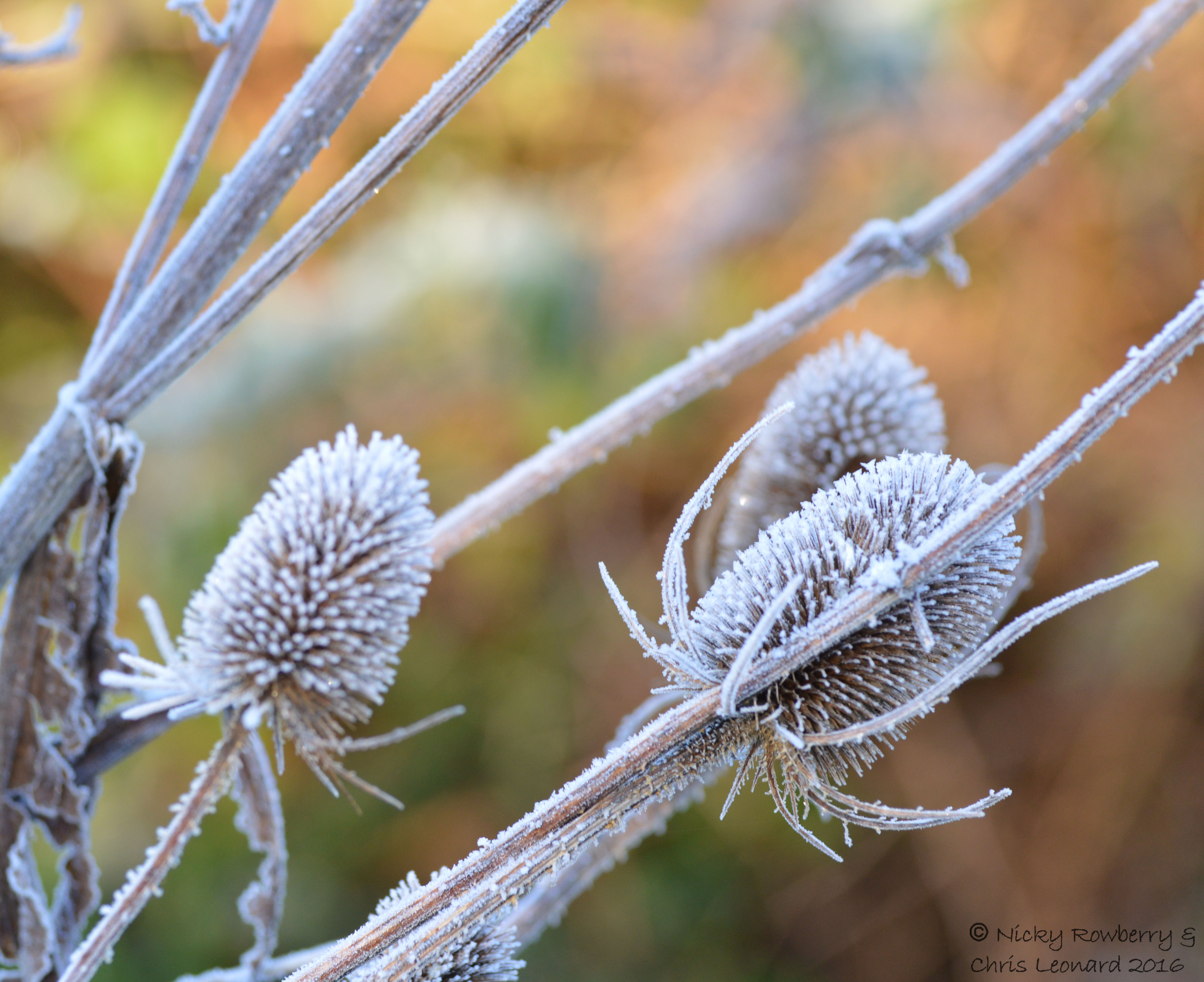
Finally this week, the frosty morning I’ve been waiting for! Jack Frost had visited my beloved teasels leaving them glinting in the early morning sunshine.  The asparagus fronds (long overdue for a haircut)  took on an almost ethereal blue hue, making them far more attractive than they are in their non-wintry state.

Frosty teaselFrosty asparagus

The cold snap didn’t last long though and last night was mild enough to put out the moth trap, although I didn’t hold out much hope. But I got up this morning to the triumphant catch of one moth and one caterpillar!

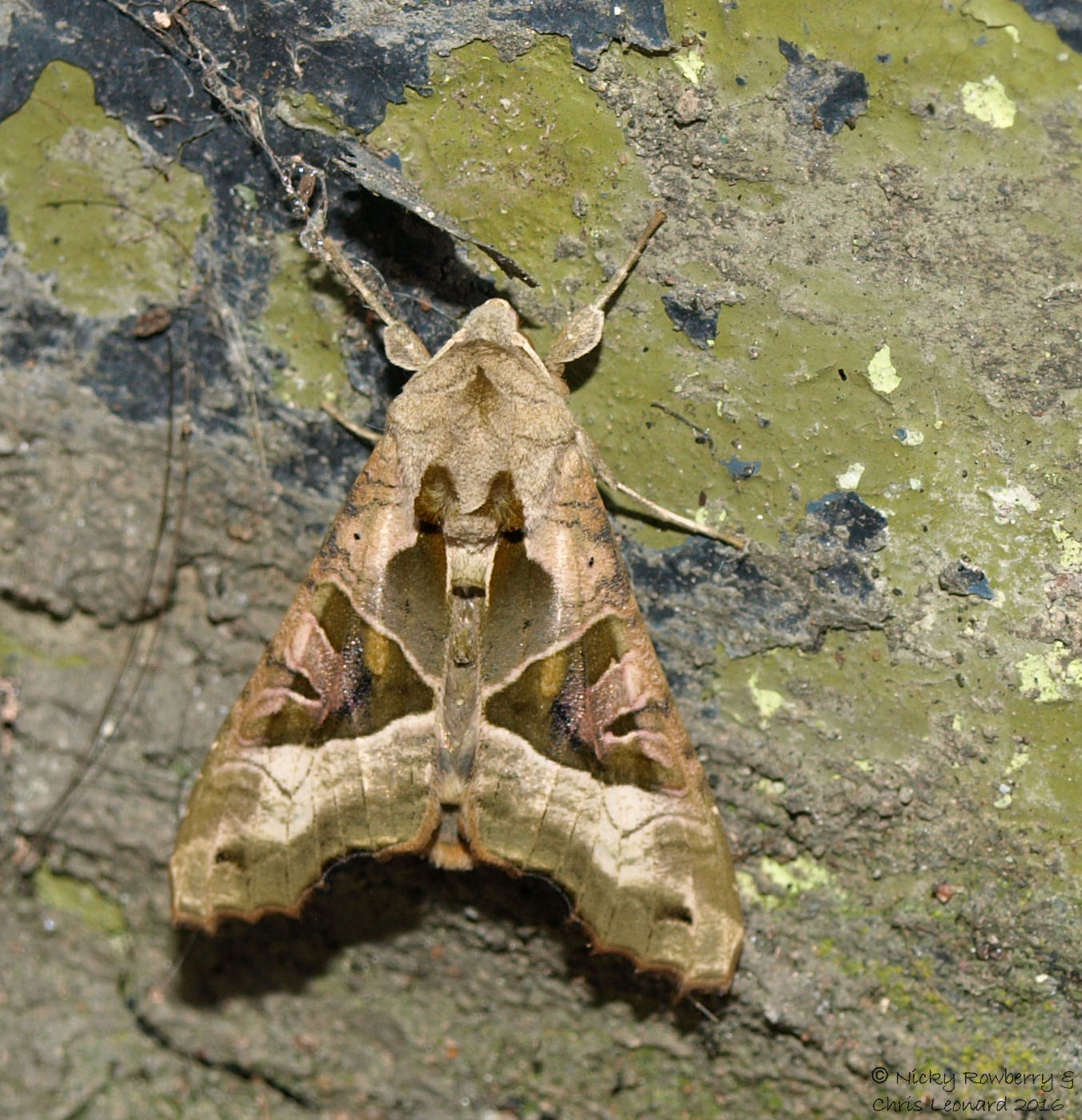
The caterpillar turned out to be that of an Angle Shades moth – one of my favourites (I’m conscious of sounding a bit like Bruce Forsyth now “You’re my favourite” to every moth I find!) The photo of the caterpillar was taken this morning; next to it is an adult Angle Shades moth snapped in warmer months.

Angle Shades Caterpillar

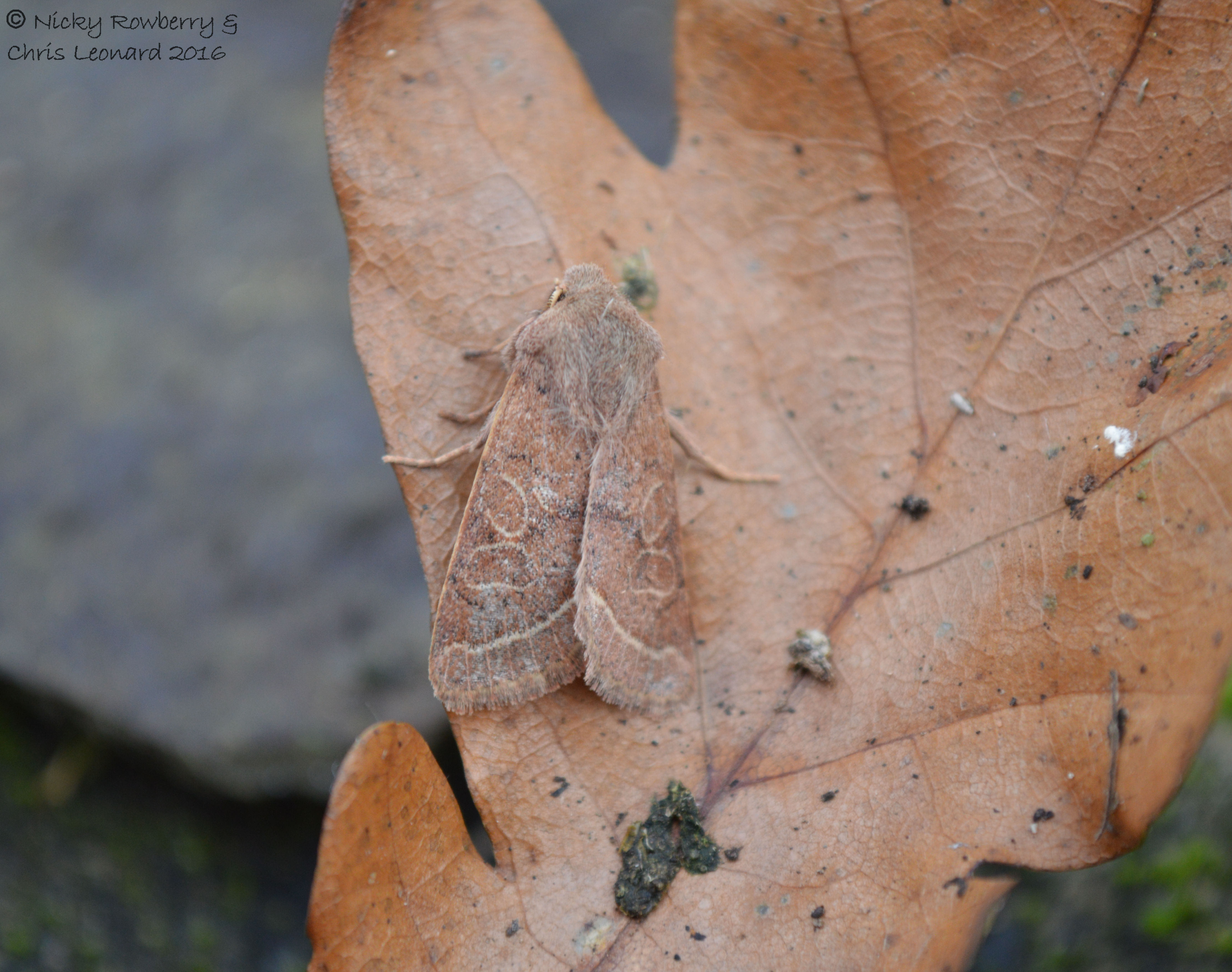
Common Quaker 2The moth turned out to be a Common Quaker – quite early in the year for this species, which I guess just shows how mild the winter has really been here in Malvern at least. In hunting round to find a suitable leaf for my Quaker to sit on for his photo shoot, I also found this teeny, tiny snail. It was only a couple of millimetres long, so apologies for the less than perfect photograph. I think it may be a Common Chrysalis Snail (Lauria cylindracea), Tiny Snailbut it was so small and I’m so not good at mollusc identification, that I can’t be sure. If anyone has any other ideas, I’m happy to be corrected. There are probably lots of other species of mollusc lurking in the garden – I clearly need to rummage around in the leaf litter more!


One final random fact  – it is apparently a Wolf Moon this weekend.  Not expecting too many wolves to be baying at the moon in Worcestershire this weekend, but I like the idea that each full moon of the year traditionally had its own name.

New Year’s Resolutions

Well 2015 is over and I reckon it’s been a pretty good year for the wildlife in the garden. The final tally includes:

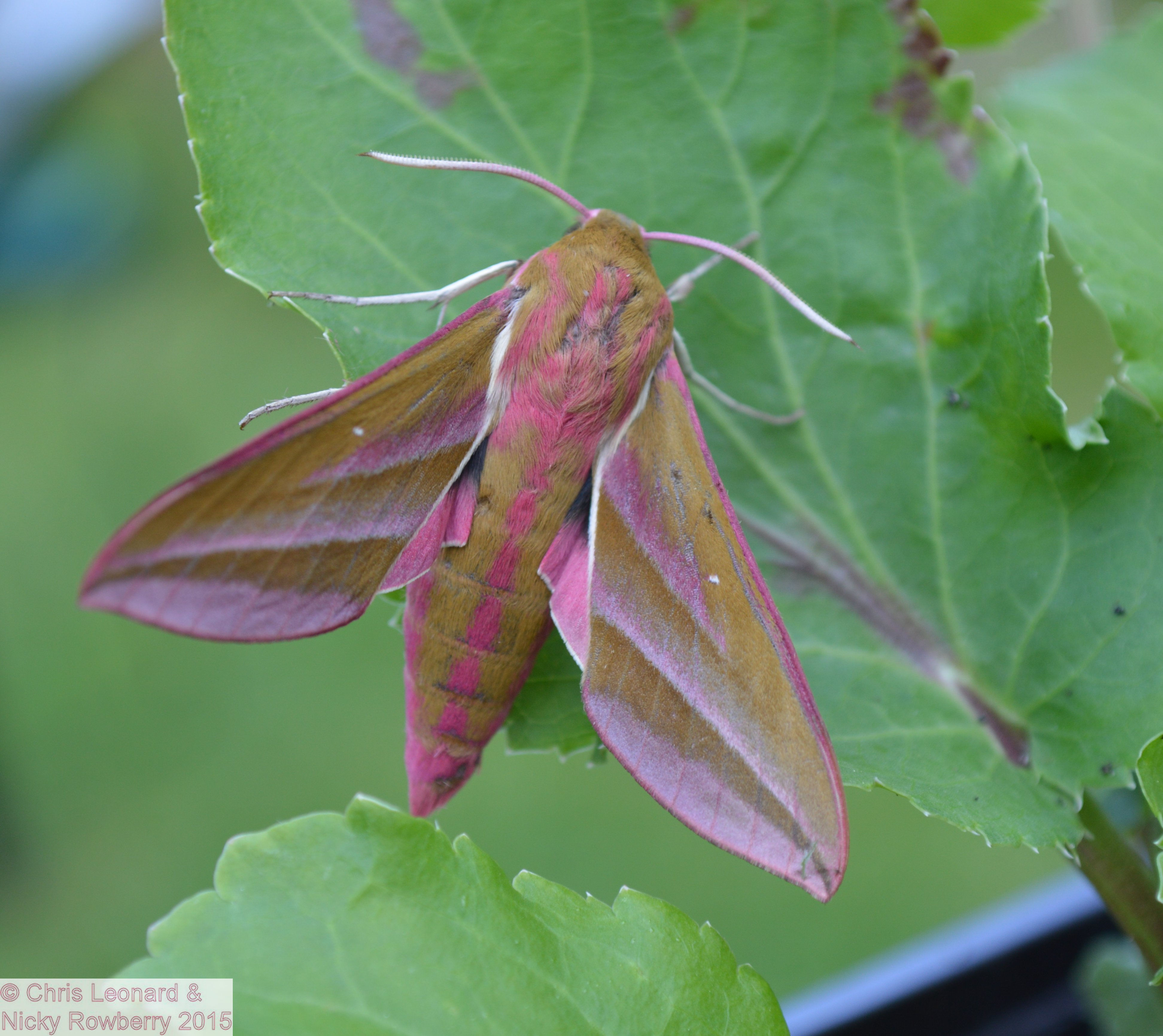
  • Elephant Hawk-moth155 species of moth recorded in the garden, plus about 6 more seen out and about. Most of the 155 came to the moth traps, but a few were more adventurous and made it as far as the bathroom!
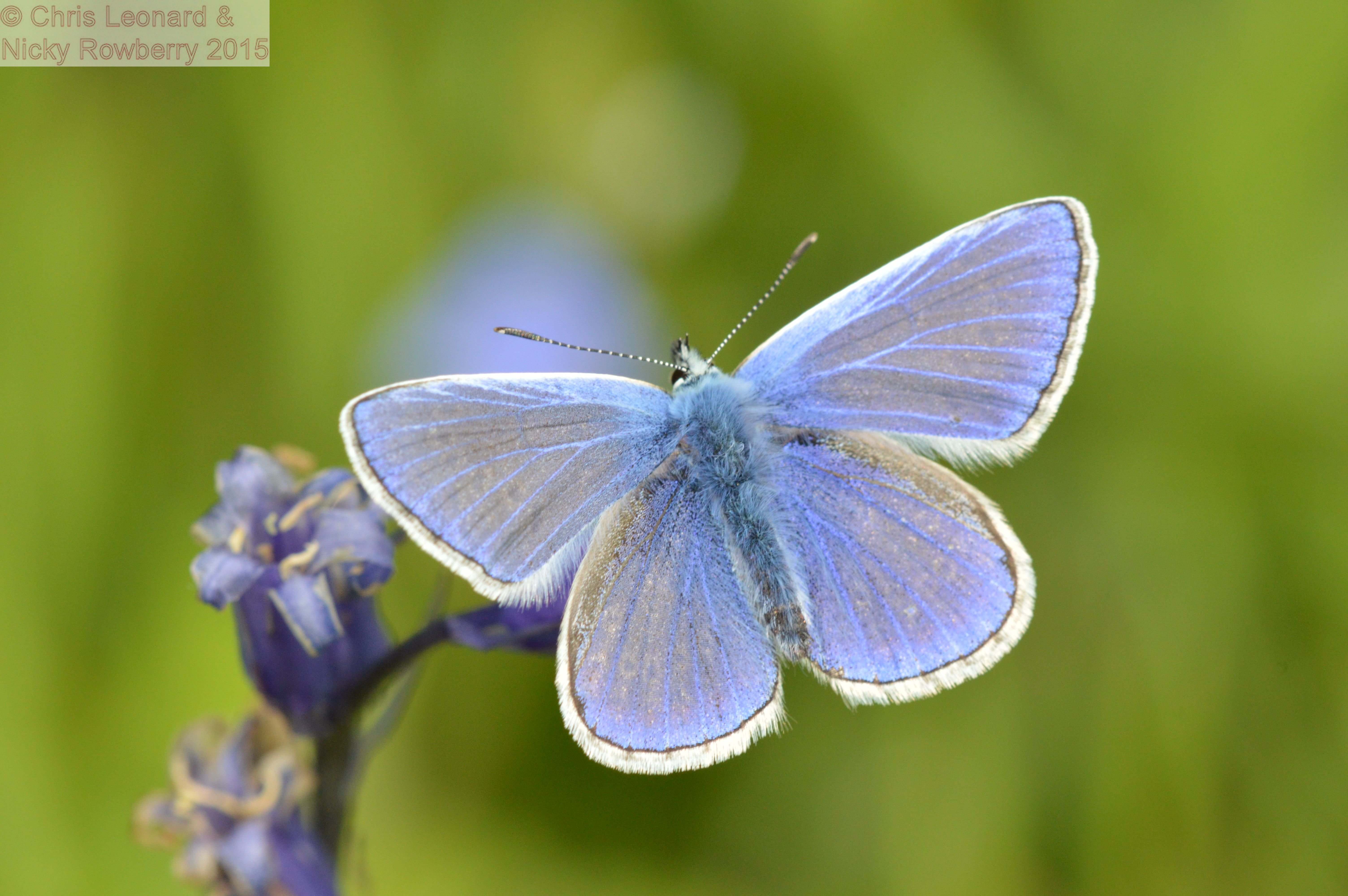
  • Common Blue28 species of butterfly bagged, of which 17 appeared in the garden at least once during the year.


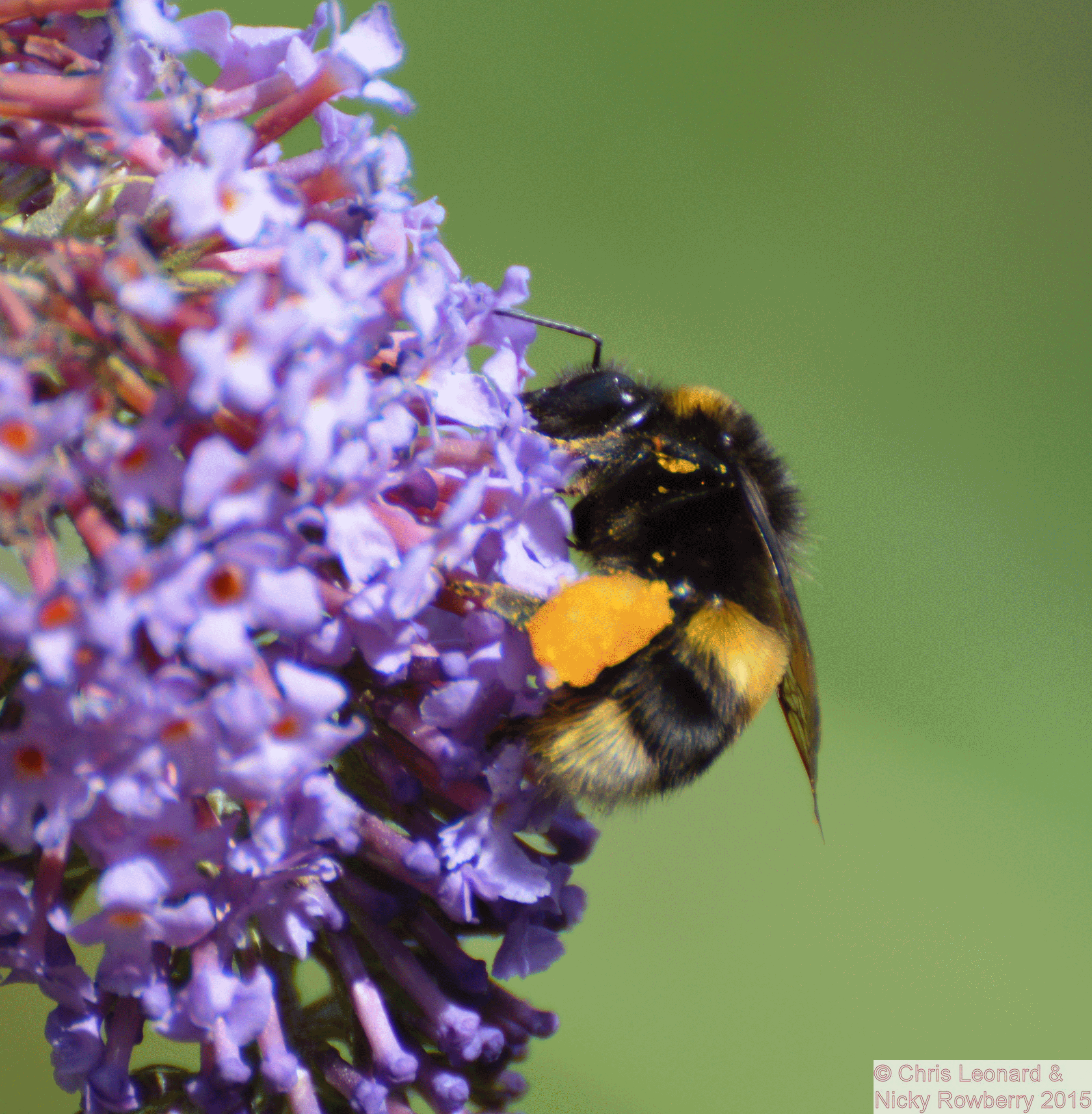
  • Bee on buddleia12 species of bee in the garden (which reminds me I must do a bee post soon). At the height of the summer (such as it was) the garden was buzzing with bee activity.


  • 7 species of shieldbug in the garden, including a rarity for Worcestershire – the Box Bug (which remains the only wildlife to have used our new bird bath!)


  • Hedgehog3 mammal species in the garden (grey squirrel, hedgehog and regular if unidentified bats) plus one family of mice living in the garage.


  • 3 amphibian species (toad, frog and common newt) visiting our pond/bog and surviving attacks from our garden furniture.


  • One sparrowhawk (and consequently one less sparrow) in the garden. Numerous other small birds though eating their way through a small fortune’s worth of bird seed.


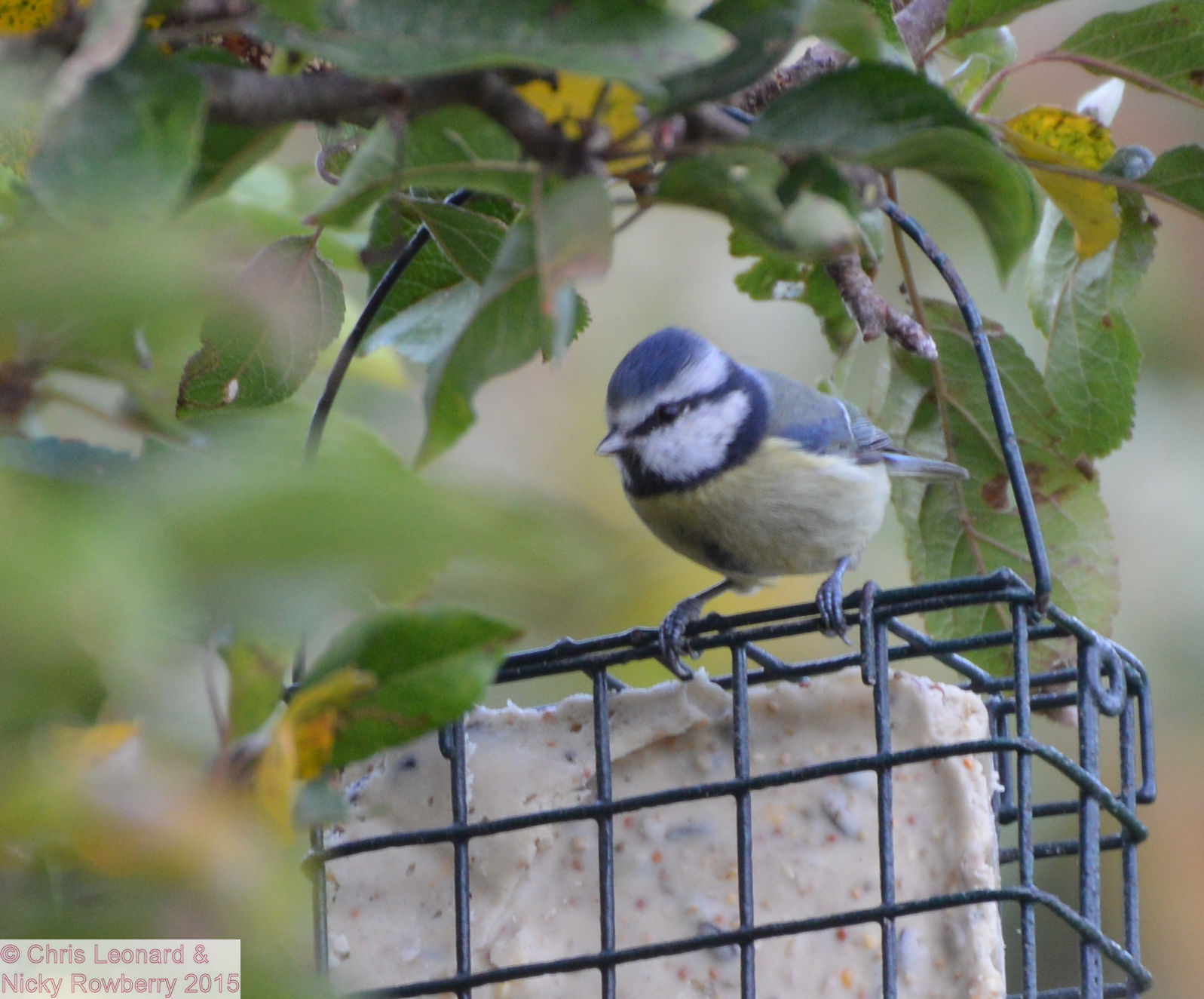
  • Blue Tit on Suet FeederOne family of blue tits successfully fledged from our bird box, after 6 years of it sitting empty. Fingers crossed for a repeat next year.


  • Swollen Thighed BeetlePlus numerous beetles (including my personal favourite – the swollen-thighed beetle), molluscs, ants, wasps, hoverflies and other assorted invertebrates.


  • TeaselsAnd finally of course to maintain the “too lazy” ethos – zero weeds were harmed in the making of this list!


So that brings me to 2016 and some New Year’s resolutions. As there is virtually no chance of me succeeding with any of my usual resolutions (cut down the drinking, lose weight, grow taller, read the classics, write a classic, stop fantasizing about George Clooney etc. etc. etc.) I thought I’d make an alternative list of things I might actually achieve.  So for 2016 I hope to:

  • Try and see at least 4 more species of butterfly – there are lots of great wildlife reserves within easy distance of Malvern, so hopefully we can bag at least some of the following: Grayling, Wood White, Purple Emperor, Small Pearl Bordered Fritillary, Silver-studded Blue and Green Hairstreak.
  • Have a go at beetle trapping. Having more or less got the hang of the moth traps, it would be good to expand our insect repertoire.
  • Dig a new pond – one that actually has water in, not just soggy mud.
  • Replace at least some of the overgrown weeds with more butterfly and bee flower beds.
  • Work out what species those unidentified bats are – it’s been bugging me for years!
  • Get that moth tattoo I’ve been toying with for ages!
  • Learn to photoshop convincingly so I can fabricate evidence of the above when I fail to achieve these resolutions too!

Wishing all lazy wildlife enthusiasts a happy, healthy and environmentally friendly 2016.

Wonder of the Day

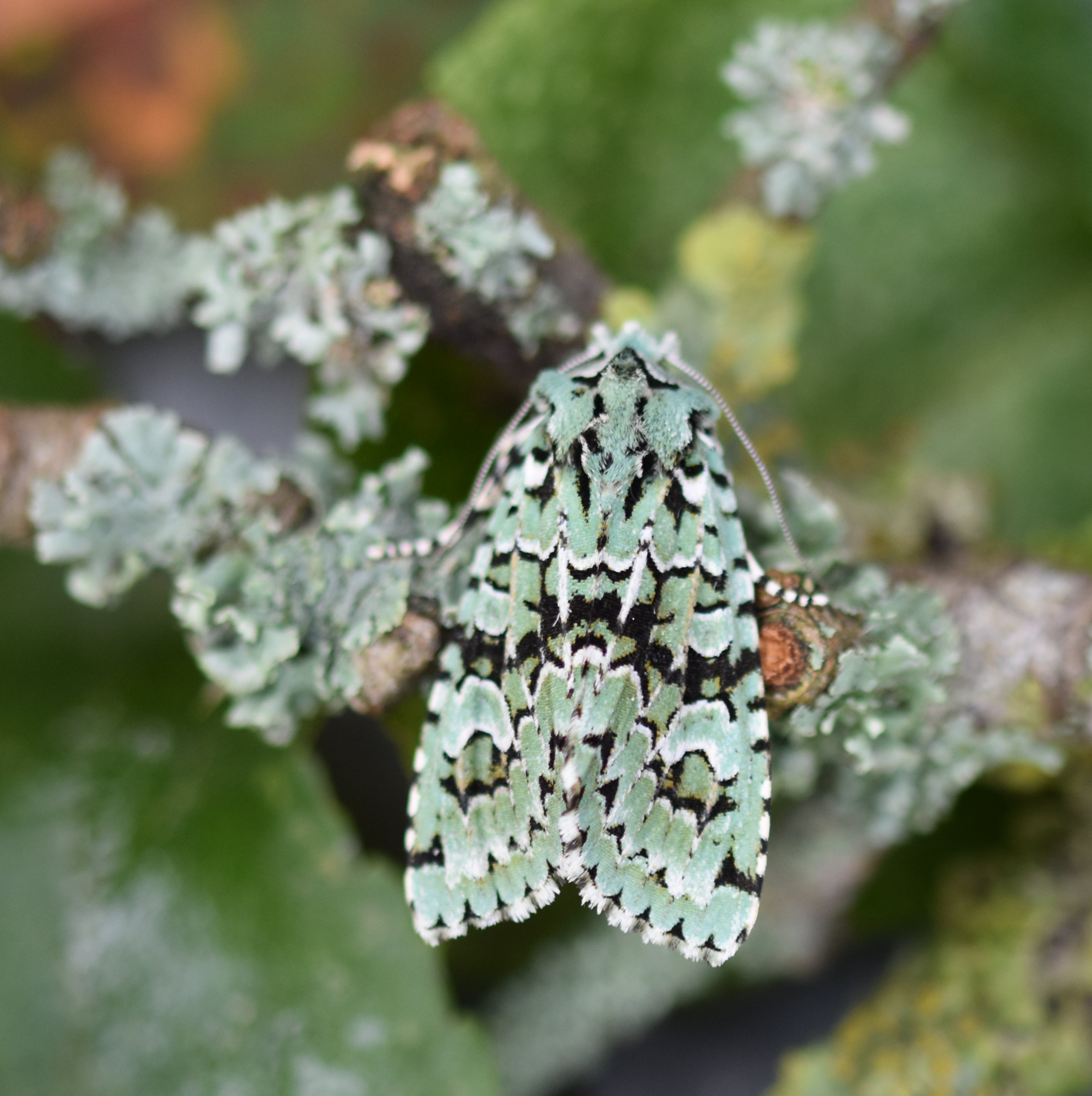
Emptying the moth trap last weekend at the crack of dawn, I could hear the frogs croaking in the half-light, while the garden was swathed in a light mist, spider webs draped around the trees glistening with dew – made me feel like I was deep in the Louisiana swamps (I have an active imagination at that time of day it seems). But the strange atmosphere was all forgotten when I spotted a Merveille du Jour; a French name for a beautiful British moth whose name means Wonder of the Day. I’d been wanting to see one of these little beauties for ages and been growing increasingly envious (moth envy is a terrible thing) of photos posted on Facebook showing Merveilles sitting beautifully camouflaged on green lichen. Of course my little wonder refused point blank to sit on the perfect bit of lichen I found on the apple tree, preferring instead to crawl up a brown twig – no sense of artistry!

The Merveille du Jour’s appearance had the added bonus of taking my moth species tally to 150 for the year – an arbitrary target I’d set myself. The trouble with setting yourself random targets is that as soon as you reach them, you set another one – so I now want 160 species this year! Fortunately my little wonder brought some of his mates along to the trap, so I bagged another 4 species taking the total to 154.

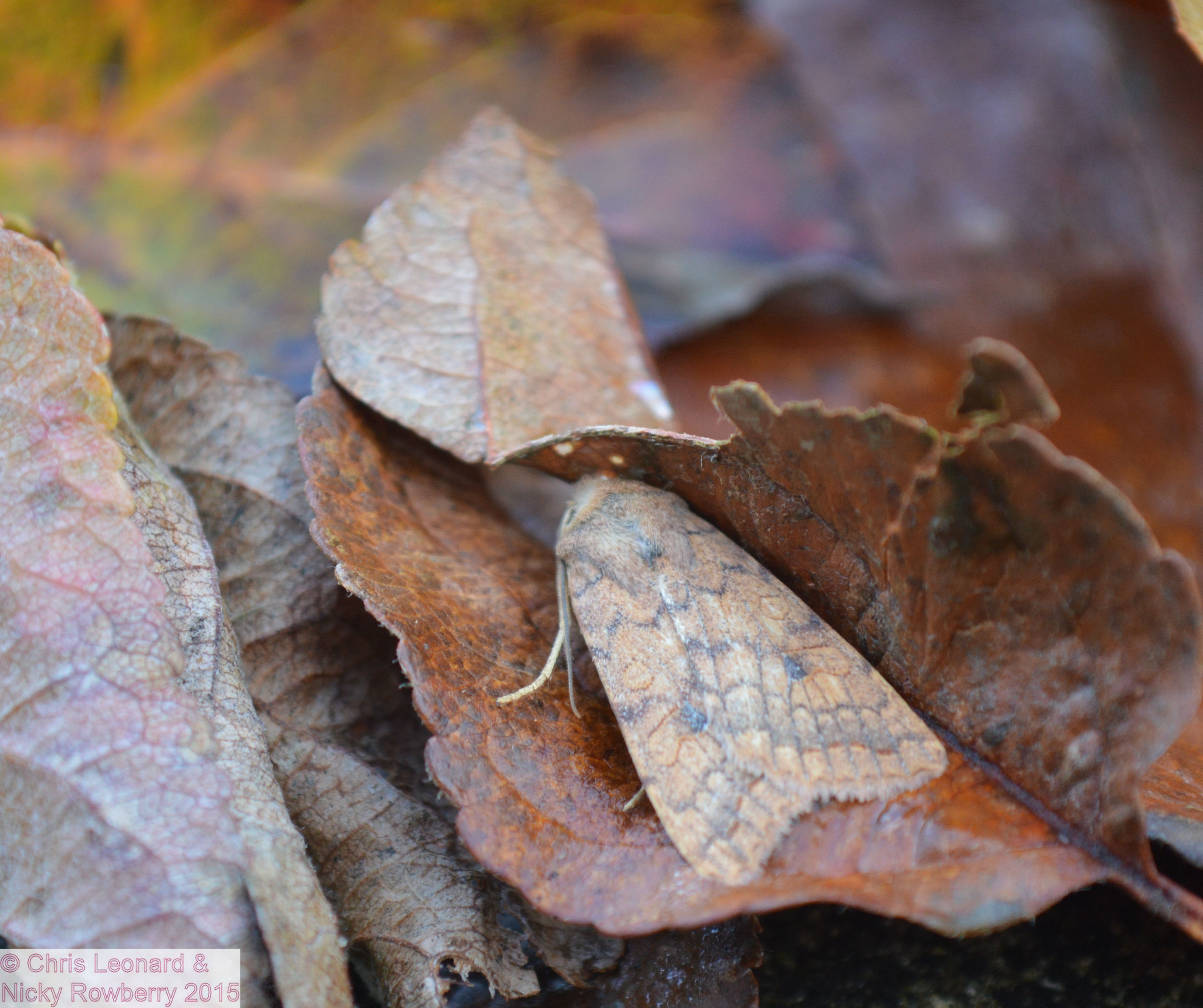
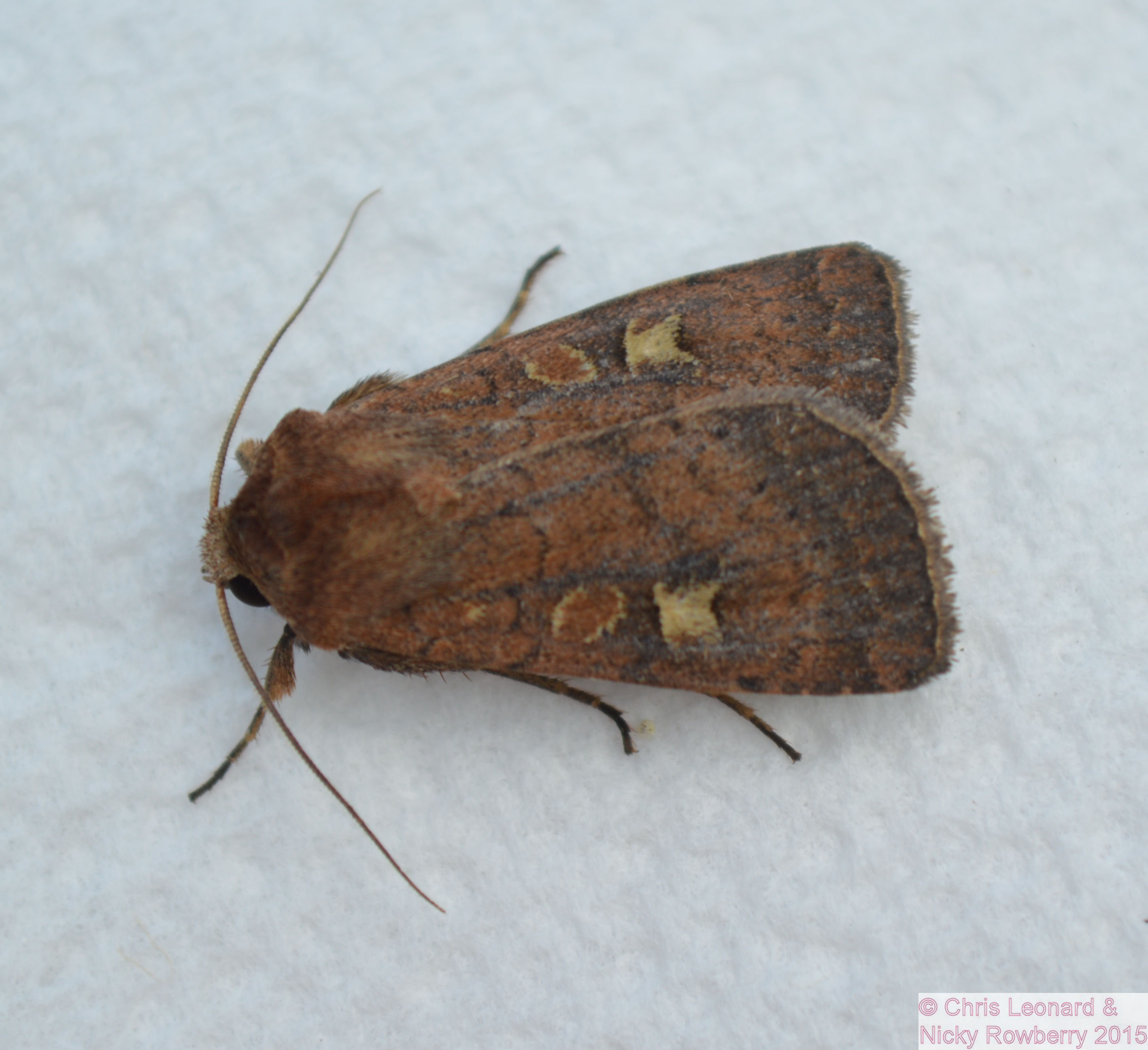
Several of these also displayed camouflage tendencies with subtle autumn colours, such as the Brick with its muted russet brown tones.

Brick

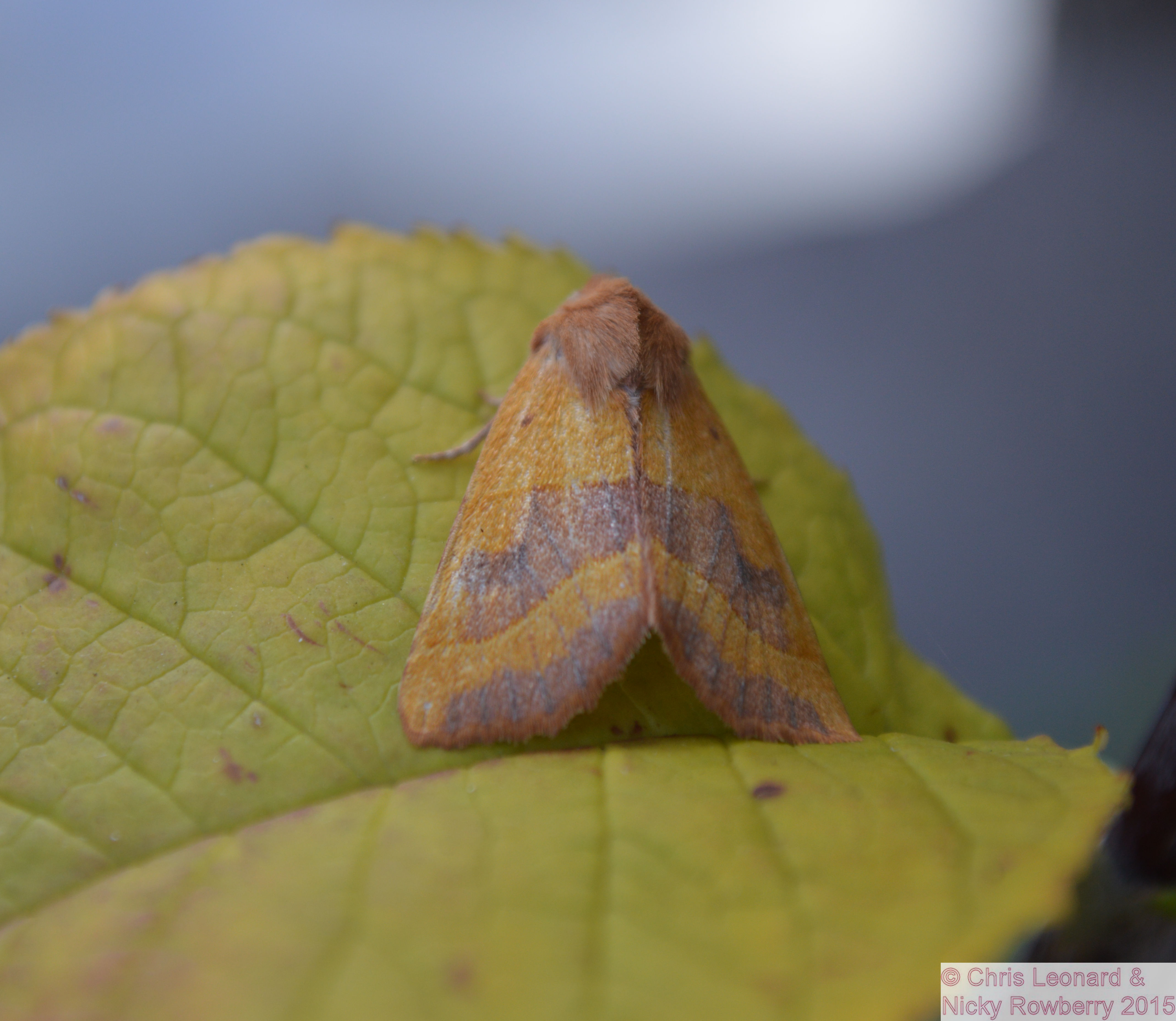
Beautiful Hook TipMy favourite though was perhaps this Beautiful Hook Tip, whose wings even had veins and curled slightly at the edges mimicking a dead leaf. Moths have a reputation of being dull grey or brown things, but I find these autumnal moths every bit as beautiful as their more showy cousins the butterflies.

Sweet Smell of Success

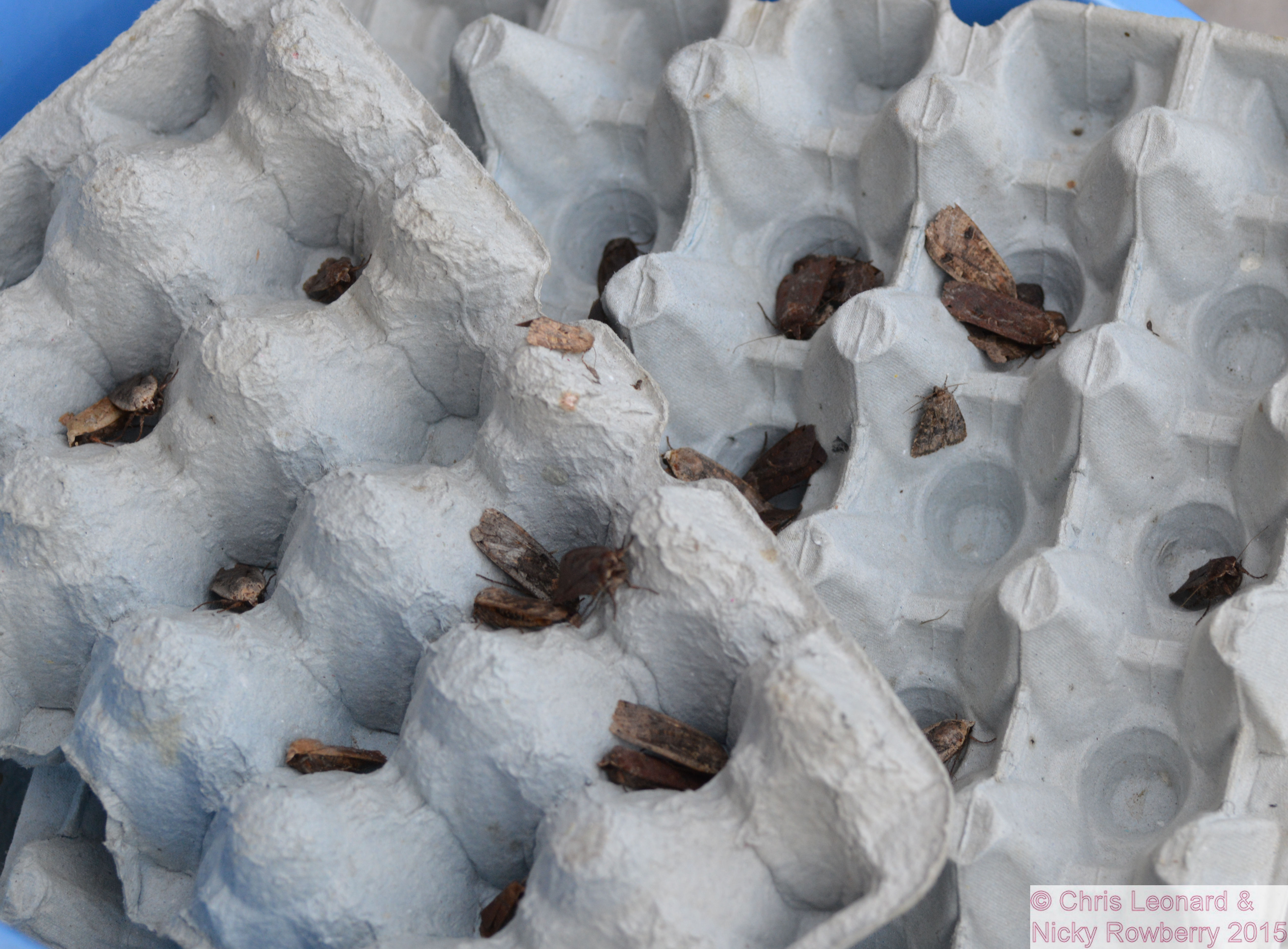
Moth HaulSo Moth Night is over for another year and I was pretty pleased with the results from our little patch of mothy heaven. A total of 21 species and 217 individuals recorded from the two nights I ran the moth traps. The weather wasn’t perfect (it chucked it down the first night) but the moths were obviously more intrepid than me and braved the elements to come to the lights. (if you light it they will come…)

For the first time I’d tried the sugaring technique, daubing our apple tree with the sticky sugary concoction – and success! A beautiful Copper Underwing just couldn’t resist the sweet smell and spent a long time filling his proverbial boots from the tree. I was a bit worried the moths might just get stuck in the sugar, but thankfully morning came and no sign of treacly embalmed insects.

Centre Barred SallowThe vast bulk of them were Large Yellow Underwings (156 individuals) which tend to dominate the traps at this time of year. But amongst them were a few other beauties, like this lovely autumnal looking Centre Barred Sallow. These pretty moths are supposedly coloured like this so they are camouflaged against the autumn leaves.


Lunar UnderwingAlso popping up were these Lunar Underwings – I have a soft spot for these probably because the name reminds me of the “Giant Lunar Moth” from the Dr Dolittle film (now that would be a sight at the moth trap!)  Hopefully Moth Night will have been a success all over the country and provide plenty of useful data for their conservation.


Moth Night

It’s Moth Night! The annual celebration of all things mothy and I feel like a kid on Christmas Eve waiting to see what the morning brings in my moth trap. Moth night actually runs for 3 nights, which the pedant in me finds vaguely irritating, but I guess Moth 3 Nights just didn’t sound right, so I’ll try to let it go! The theme this year is migrant moths, with one in particular gaining much publicity – the Convolvulus Hawkmoth which is huge. You can apparently tempt it into your garden with tobacco plants and alcohol, so I’ve got the other half sitting in the garden drinking his beer and having a fag to lure them in – what moth could resist that!

Square Spot rusticMoth (3) night officially started last night and a Square Spot Rustic moth obviously took this as his cue as he appeared on the shower curtain while I was in the bath last night. The photo here is not of the same specimen (I don’t tend to have the camera in the bath with me, that would be too weird) but of one photographed last month.


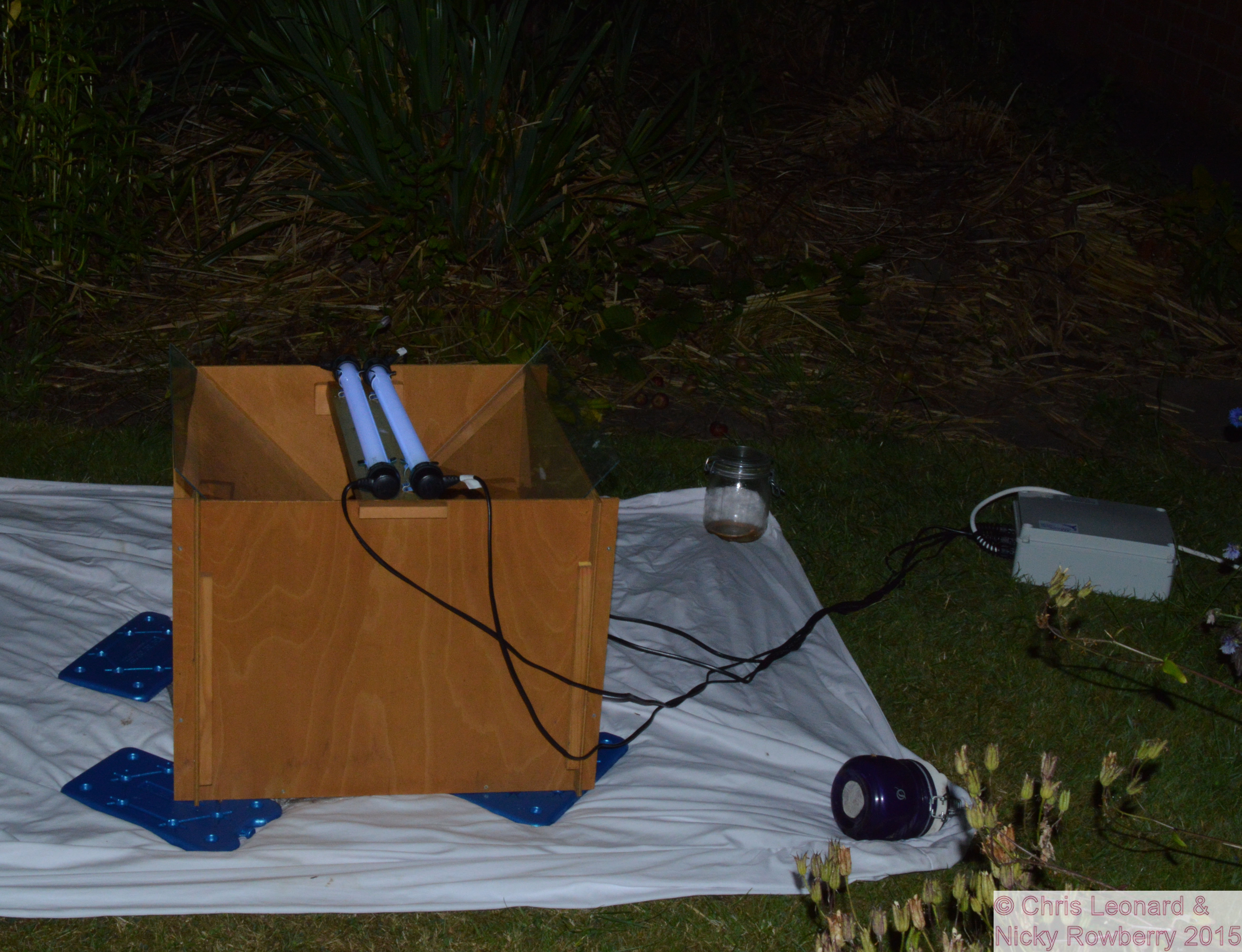
Moth TrapSo I’ve got the moth trap out in the garden tonight and will run two more tomorrow night. I’ve also painted various bits of wood around the garden with a disgusting concoction of treacle, beer and sugar which is supposed to attract certain species. I’ve just got to remember where they are when I’m stumbling around in the dark, or I’ll end up stuck to one like a giant fly on sticky paper! Hopefully I’ll be able to post some more mothy photos after the weekend if I’m not stuck to the tree.

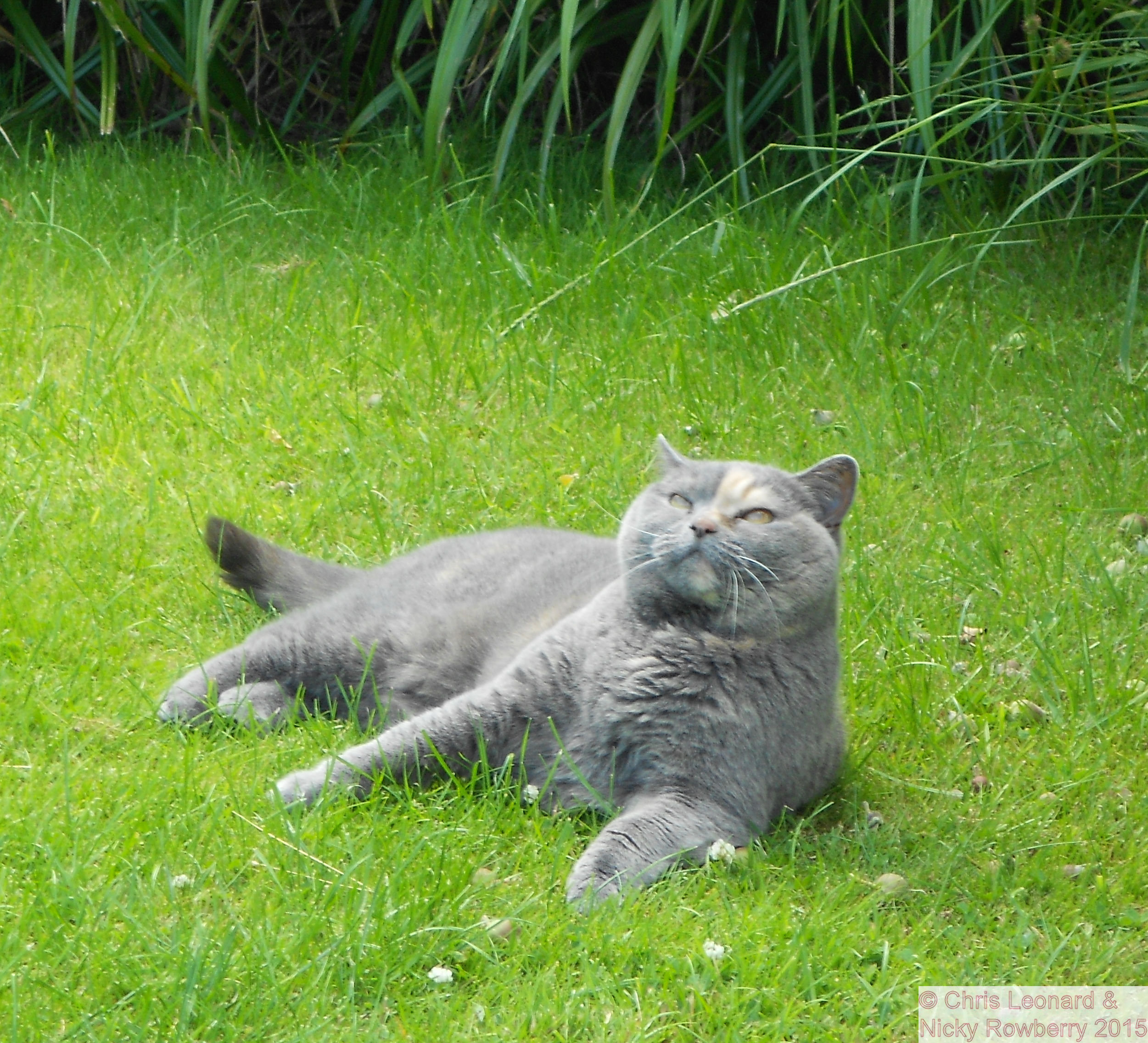
GreeboAnd finally today’s post is dedicated to our beautiful little cat Greebo who two weeks ago today lost her battle with Cushing’s disease – a disease so rare our vet had never even seen it in a cat. Greebo did love a good moth, although more as a tasty, crunchy snack than as a wonder of nature. We miss you Greebie. xxx

I’m a Lady!

A gorgeous Painted Lady butterfly chose Sunday to make an appearance in the garden – in the nick of time to get rec on the last day of the Big Butterfly Count – perfect timing! Like the hummingbird hawkmoths, these beautiful butterflies are also summer migrants from North Africa and in some years they arrive in their thousands. They only live for a few weeks so it’s amazing that they can emerge in Africa, fly over to the UK and still have time to spend a few days gorging themselves on the nectar in our garden!


Old Lady MothPossessing slightly less obvious beauty is this Old Lady moth, which coincidentally I was trying to photograph just as the Painted Lady came flaunting herself around the garden on Sunday morning. About the same size as the Painted Lady, the Old Lady is much more sombrely coloured and clearly less agile, as she flew off with a laboured flapping, as if she was really too heavy to fly. I say “she”, but of course this particular Old Lady could have been a “he” – I didn’t examine it that closely!

Can’t think why but I felt closer to the slightly batty old lady than I did to the bright young thing!


Hummingbird Hawkmoth

Highlight of a day spent lounging in the back garden was definitely this Hummingbird Hawkmoth feeding on the buddleia. These little cuties are just like miniature humming birds, hovering over the flowers with their wings beating so fast you can hear them “humming”. Of course their speed means they are buggers to take photos of – I took about 50 photos today to get just a few half decent ones. They are non-native moths that migrate North from Southern Europe and Africa in the summer – a long way to come for a bit of nectar in Malvern!Humming Bird Hawkmoth Humming Bird Hawkmoth Humming Bird Hawkmoth 3