National Nest Box Week

Apparently it is National Nest Box Week, so it seemed only right to review our nest box endeavours in the garden and beyond. Not that our efforts to provide suitable des res’ in the garden have been entirely successful over the years, but we do try.  We had one old bird box on the garage wall for a few years and blue tits started nesting in it about 2014. Although we got photos and videos of the adults coming and going, we never managed to catch any of them fledging.
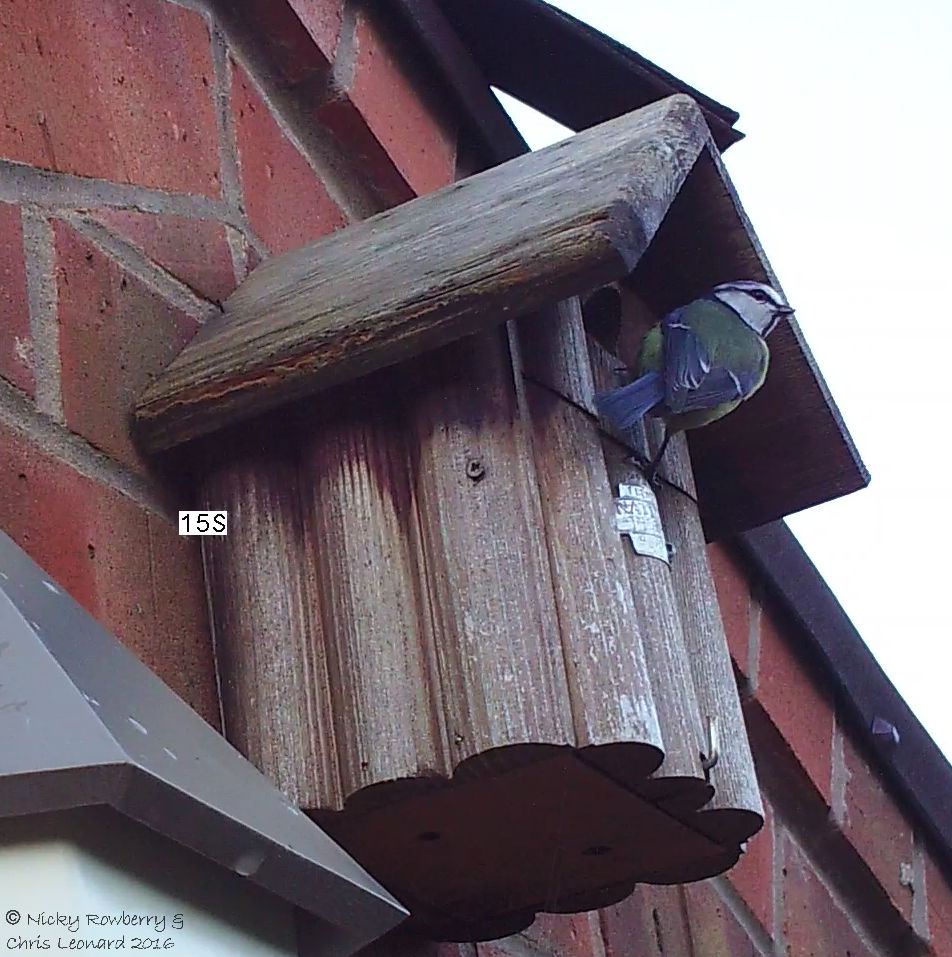
So last year we decided to replace the old bird box with a new one with integral camera. With hindsight perhaps we should have stuck with the old adage “if it ain’t broke don’t fix it”, because needless to say nothing nested in it.

We did get very excited when a blue tit roosted in it for a night within a week or putting the box up, but nothing else has used it since (apart from a spider which covered the camera with web!).

Anyway we’re living in hope that this year will be our year and we can have our very own Springwatch experience, but of course we may have to resort to just watching the real Springwatch again (no great hardship).

We also put up a wren/robin box last year, which also remained vacant. This open fronted box is on our fence, hidden by bushes and ivy. The ivy is starting to grow over the box, but we may well have to move this one anyway as the neighbours want to replace the fence this year.

So we may not have much luck on the home front when it comes to nest boxes, but we now have an interest slightly further afield. Worcestershire Wildlife Trust were advertising a “rent-a-nest” scheme to fund nest boxes on some of their reserves. So for Valentine’s Day last week, rather than muck about with flowers and chocolates, we sponsored a nest. You could choose between 4 of the local reserves, so we plumped for our nearest and one of our favourites – Knapp & Papermill.

Apparently we will get invited to view “our” nest box in the spring – fingers crossed something actually uses this one!

And finally, nothing really to do with nests, but thrilled to spot a small flock of siskins in the garden yesterday. I’ve only ever seen one in the garden once before (and then only on the trail camera, not actually “live”), so to see a whole flock was fantastic. There were at least 6 males, but we only saw one female – this could have been though because they are not as showy, so not as easy to spot. Unfortunately we were indoors and they were obviously outdoors, so no photos, but a delight to see nonetheless.


The Darling Bugs Of May

Apologies for the title, couldn’t resist a bad pun! After the quiet winter and early spring months, all the insects are suddenly emerging in May. It feels like our garden is gearing itself up again ready for the 30 Days Wild in June. Everywhere I look there is something buzzing (everywhere except the bee hotel I’ve put up which is of course silent!)

May wouldn’t be May with out the arrival of the May Bugs in the moth trap. These huge beetles can apparently be a pest for farmers, but I love seeing them. They are fascinating animals and I can still remember my amazement the first time I found one in the moth trap a few years ago.

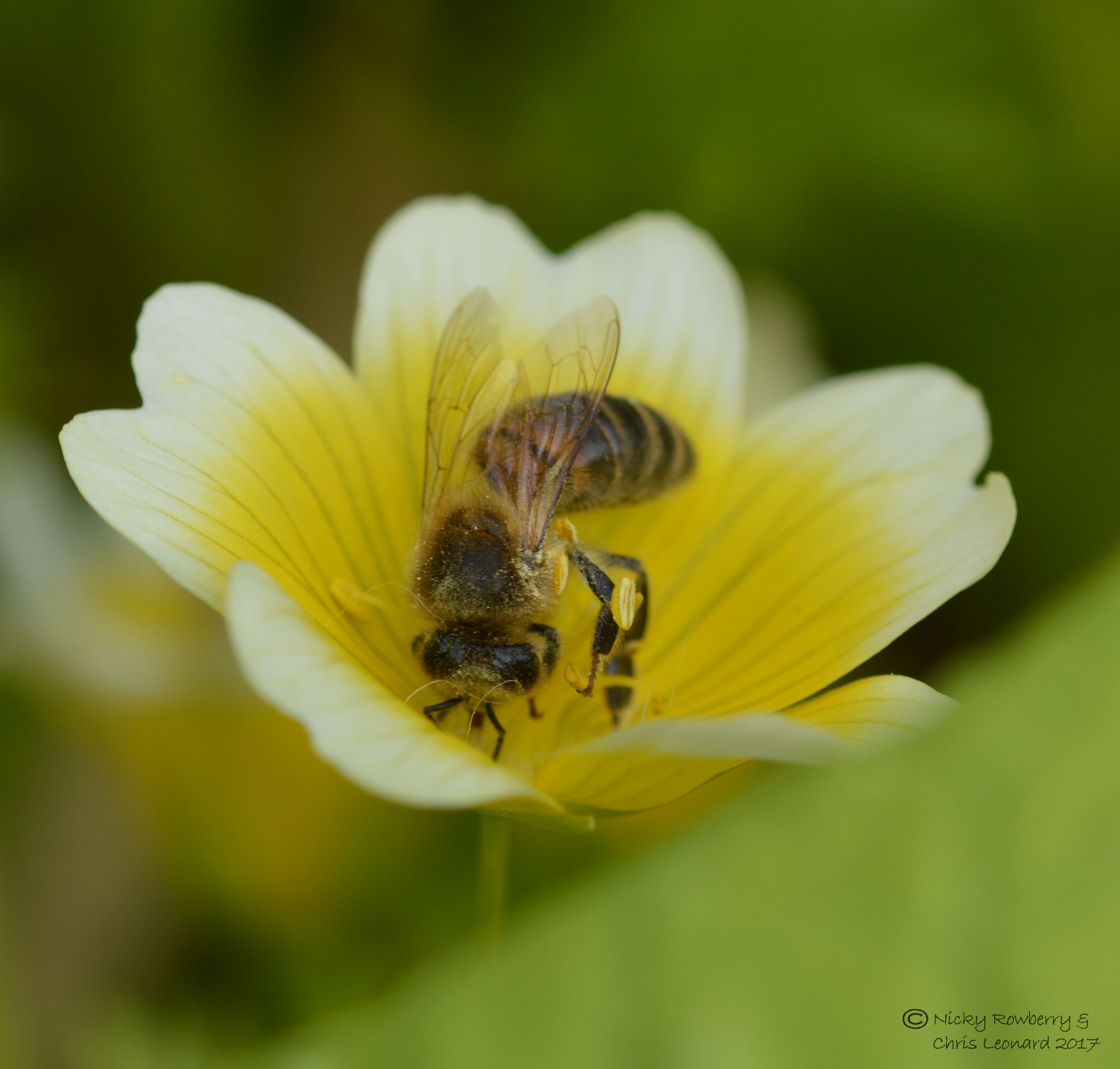
One of the areas particularly buzzing at the moment is a patch of poached egg flowers that I’d sown last year. I’d forgotten about them, but they all popped back again this year and look fantastic. I’d grown them originally as I’d read they were good for hoverflies – not sure about that but the bees love them!

Most of the bees are plain old honey bees (very welcome all the same of course).

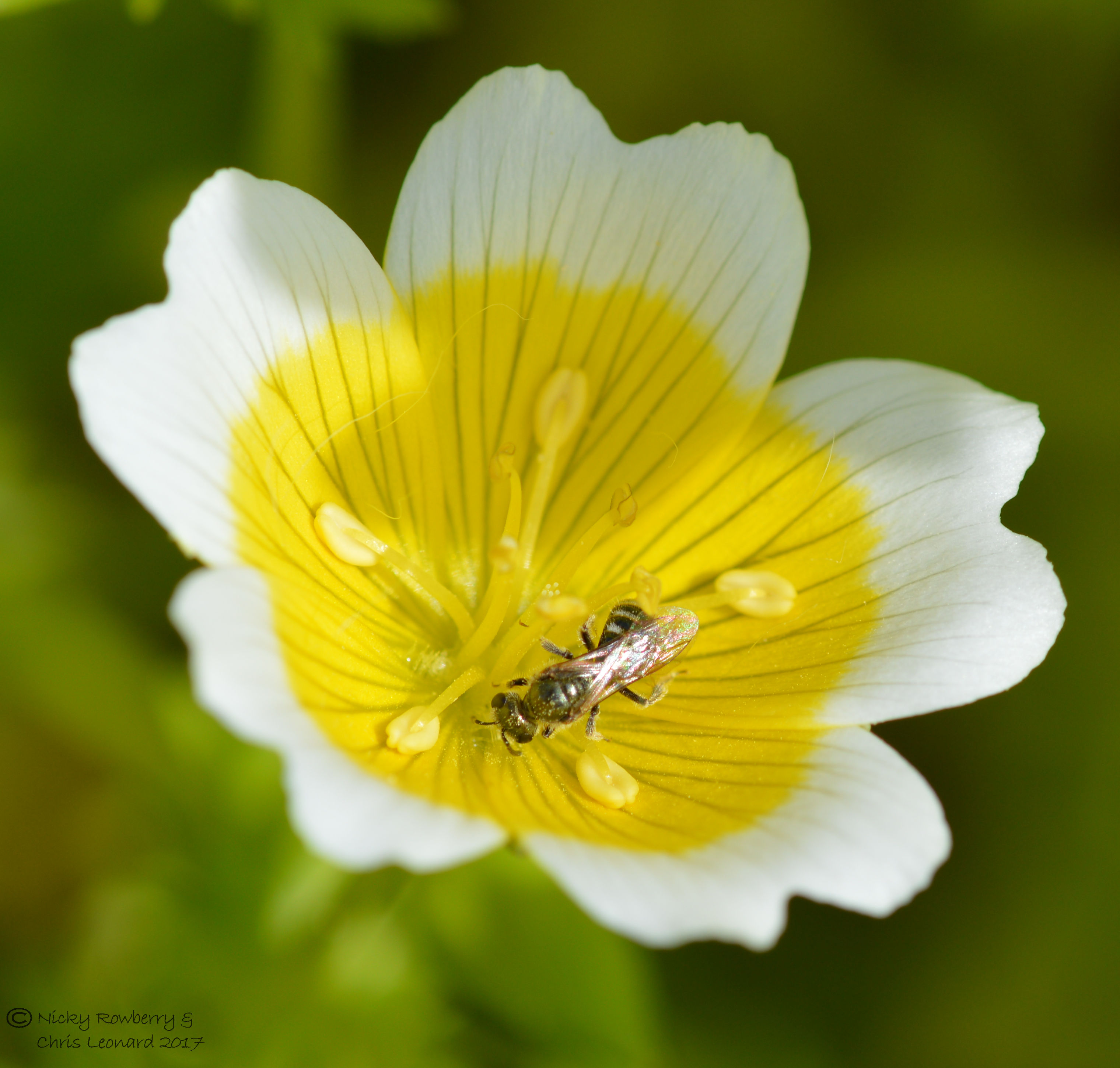
There were also a few of these very small furrow bees Lasioglossum sp. It’s virtually impossible to get this one to species level without killing and examining it, which I’m not prepared to do, so it will have to remain a sp.

This next bee is one of the yellow faced bees – Hylaeus sp. Unfortunately since I didn’t manage to get a shot of its face, I also can’t identify this one to species. But since I’ve not recorded any other Hylaeus, I’ve counted this as bee species number 30 for the garden!
This next one did get identified to species (not by me but by a kind soul on facebook) as Osmia caerulescens – the Blue Mason Bee. This was also a new species for the garden, making 31 in total now over the last 2 years!

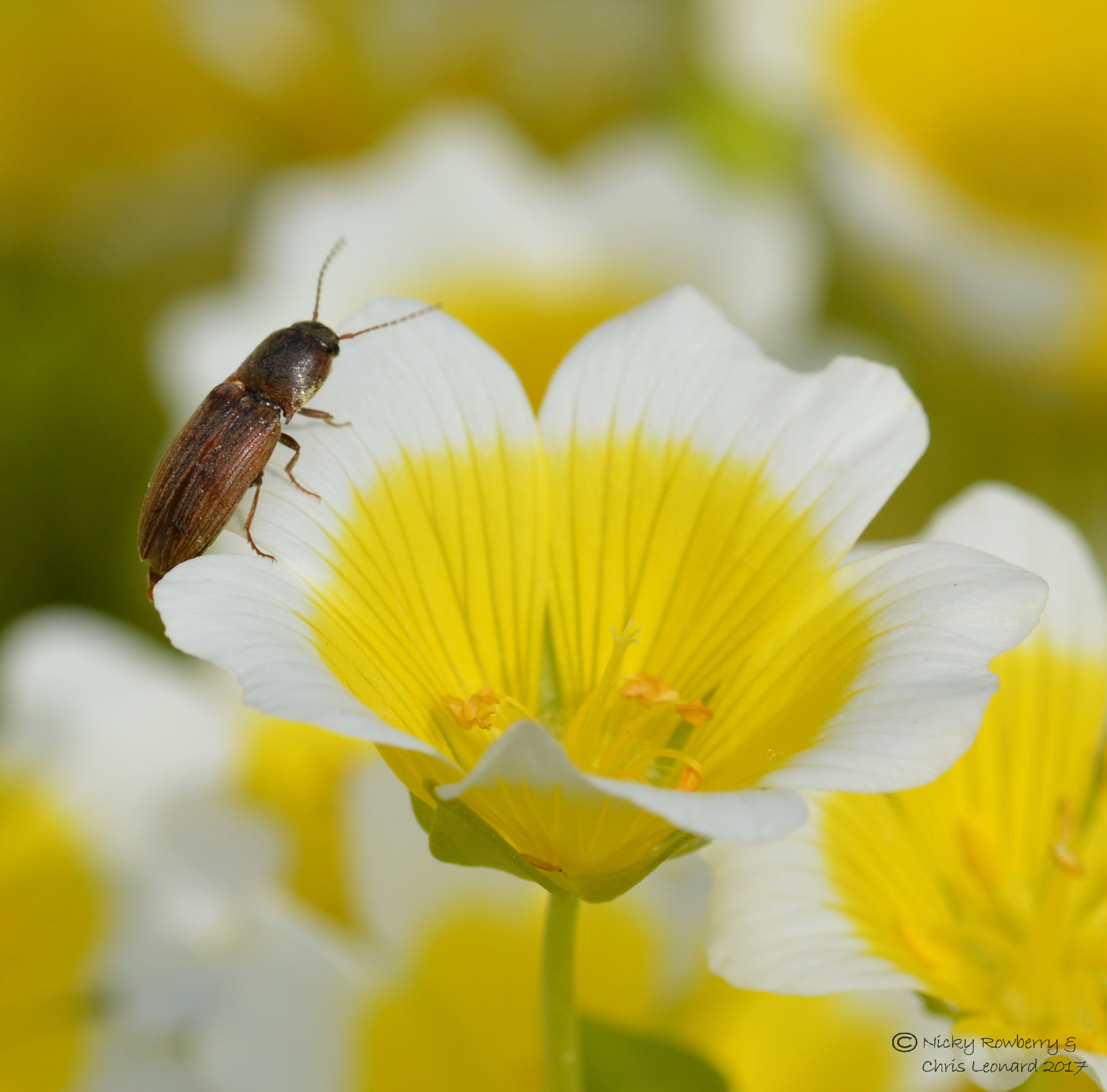
The bees weren’t the only ones enjoying a poached egg. This beetle (some kind of click beetle I think) spent a long time perusing the flowers.

This Hairy Shieldbug didn’t move much, just seemed to be using the flowers as a vantage point to survey the garden!

And of course my favourite – the Swollen Thighed Beetle had to get in on the act, displaying his fat thighs nicely.

The poached egg plants weren’t favoured by all the bees; some preferred other flowers like this Early Bumblebee on the alliums

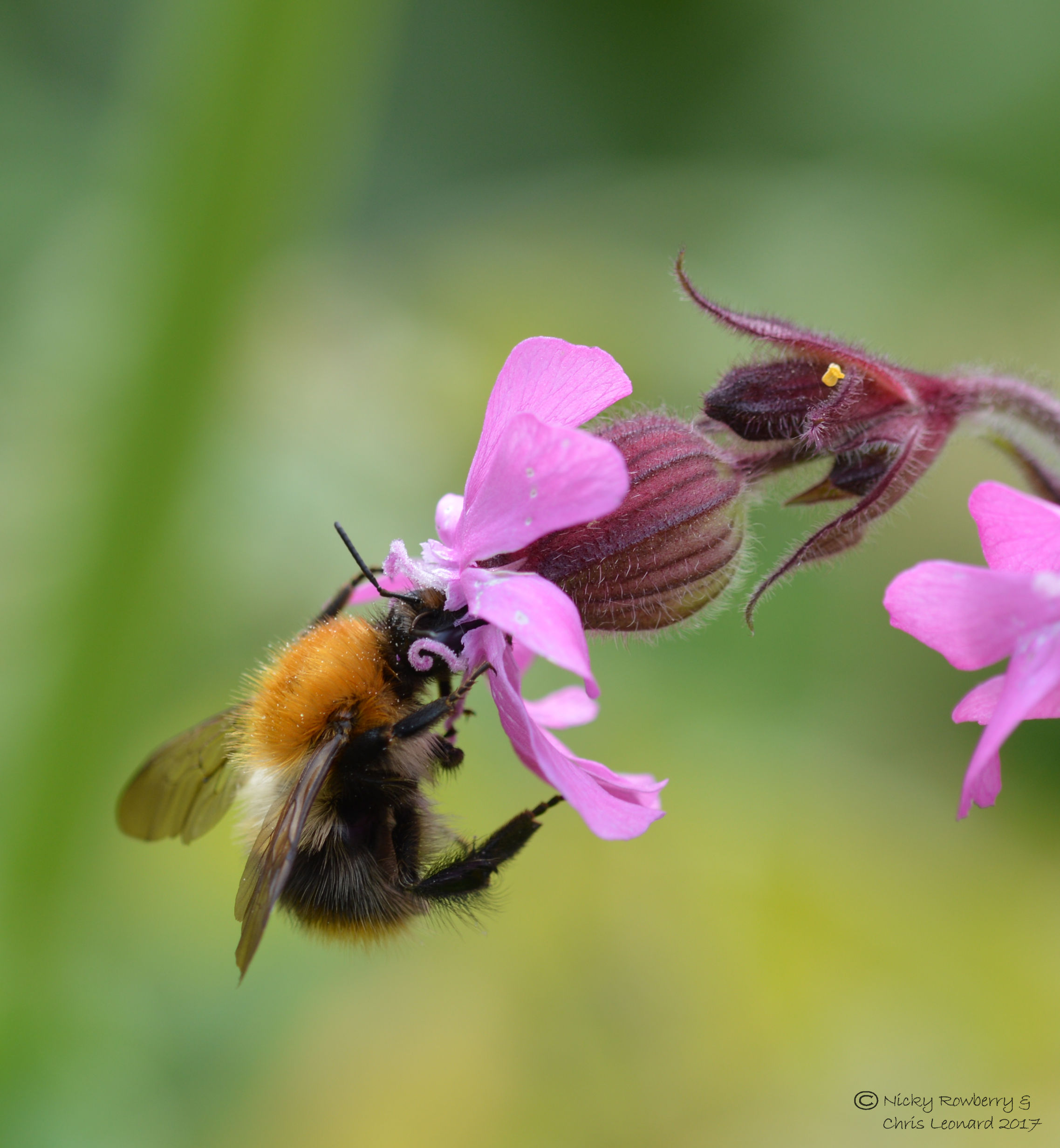
and this Common Carder bee on a campion.

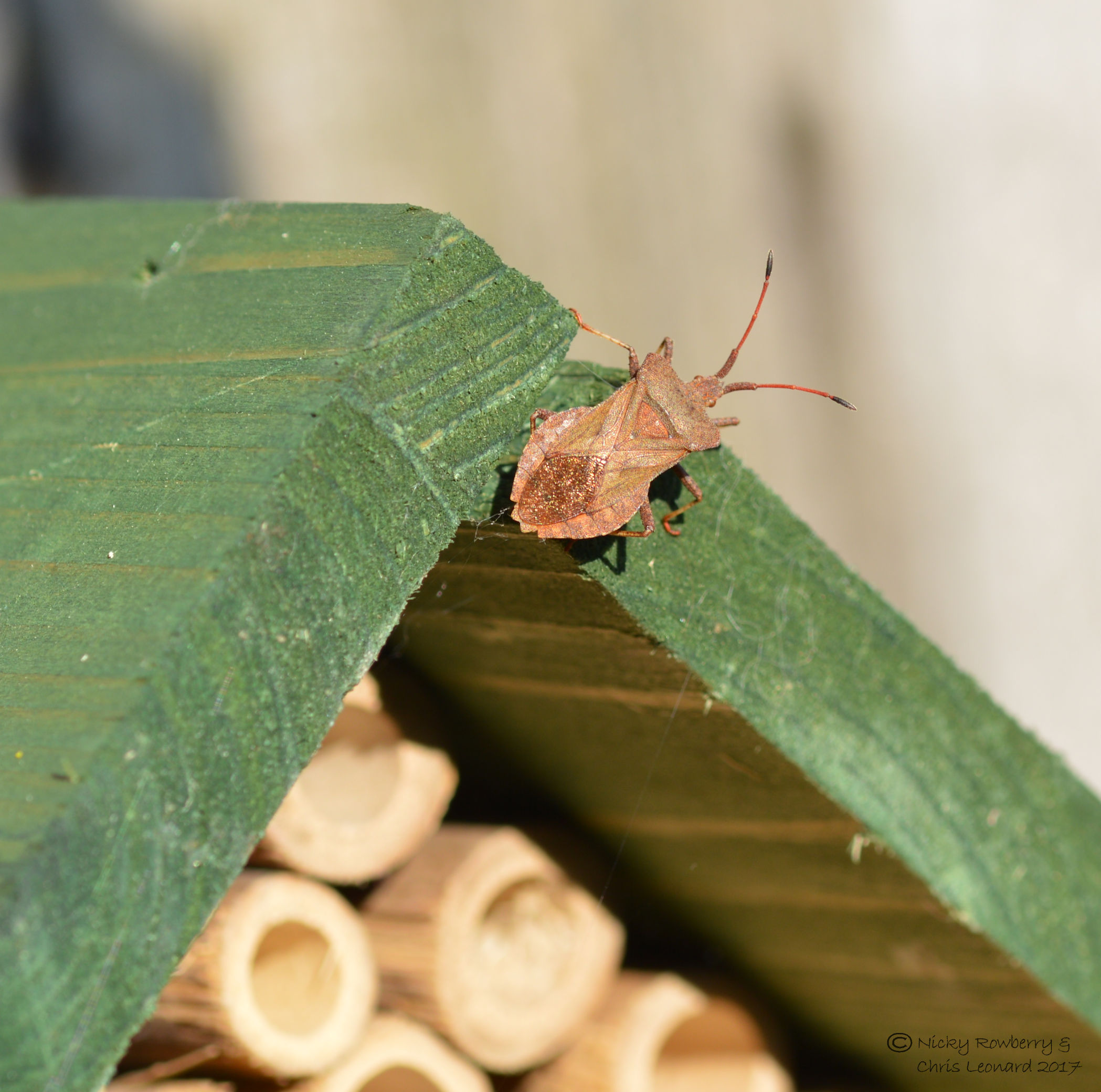
Somewhat inevitably the new bee hotel that I put up in the spring has been virtually ignored by all the bees. But at least it provided a resting place for this shieldbug.

The hoverflies were supposed to be interested in the poached egg flowers, but like most things in the garden, they never do what I expect! This little marmalade hoverfly preferred this small yellow flower to the slightly brash poached eggs.

This large fat bumblebee-mimicking hoverfly (Merodon equestris) preferred just to perch on the leg of the bird table. Even when I had to move the bird table to a different part of the garden, the hoverfly followed it over – no idea why?

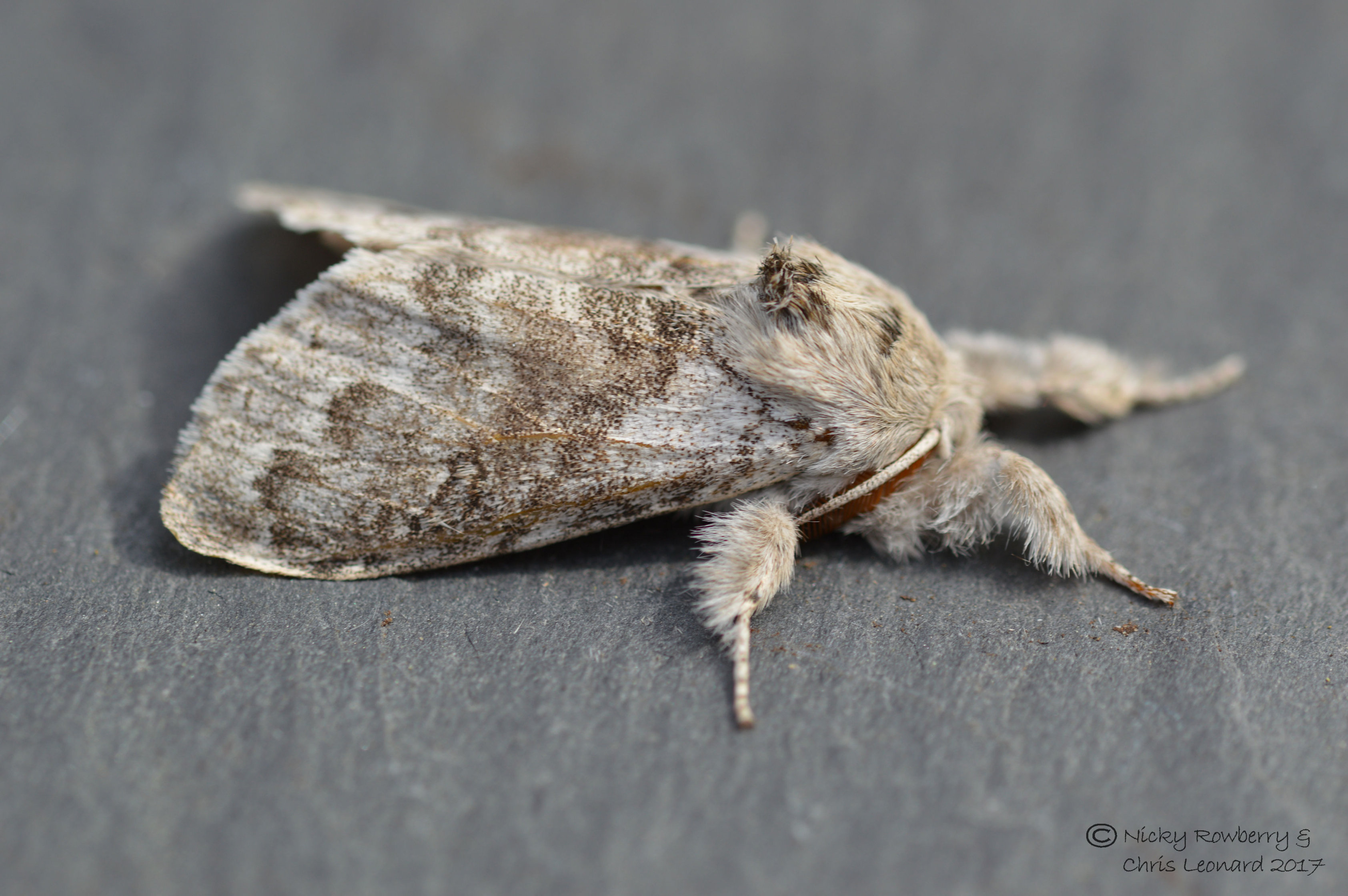
After a very quiet spring moth-wise, May has finally brought an increase in their numbers to the moth trap. The moths of winter and early spring are generally fairly subdued looking, so it’s always nice when some of the more interesting species start emerging. I love this Pale Tussock with its lovely furry legs.

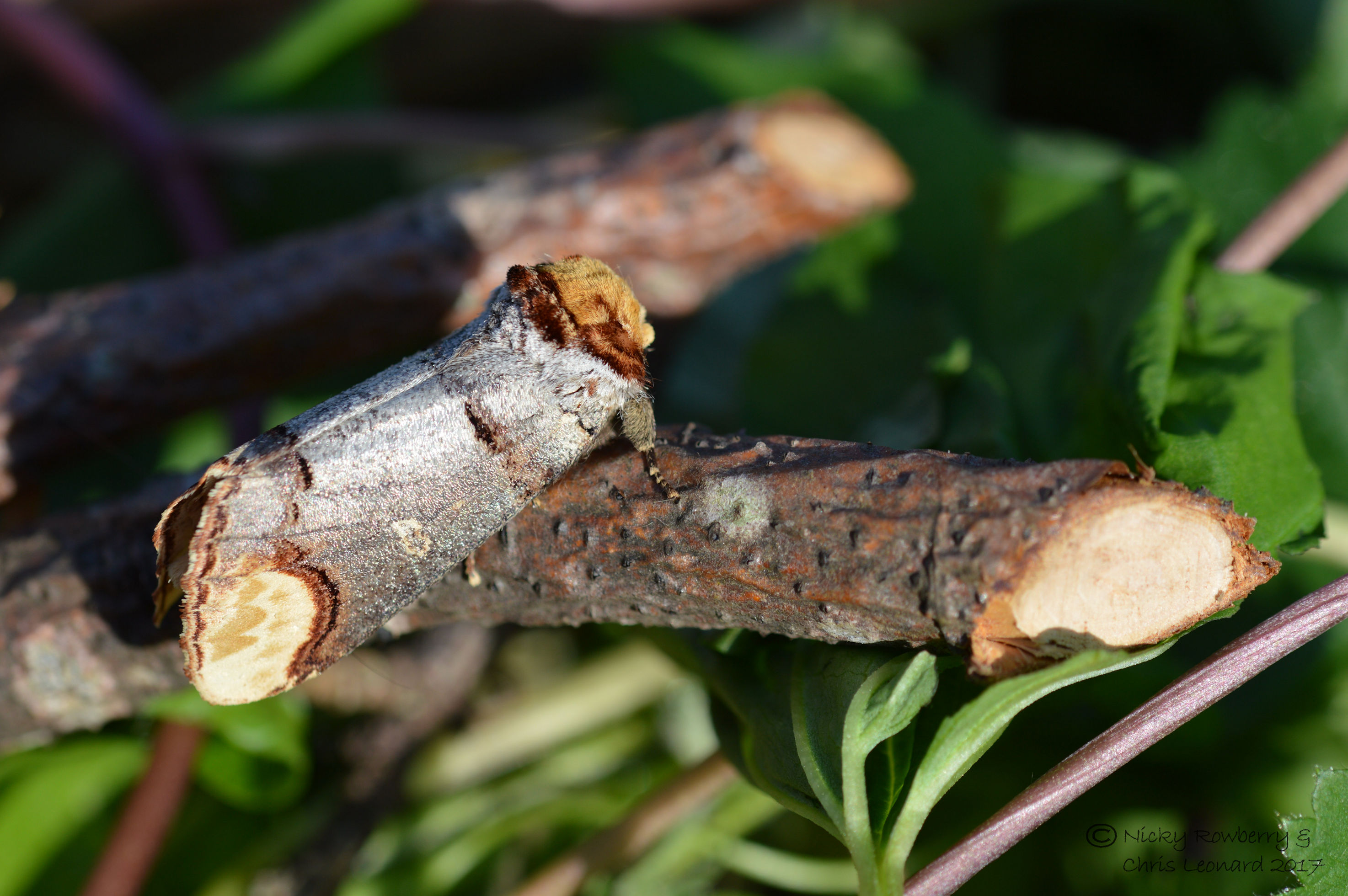
The Buff Tip is a regular visitor to our garden – it has the amazing ability to look just like a broken twig.

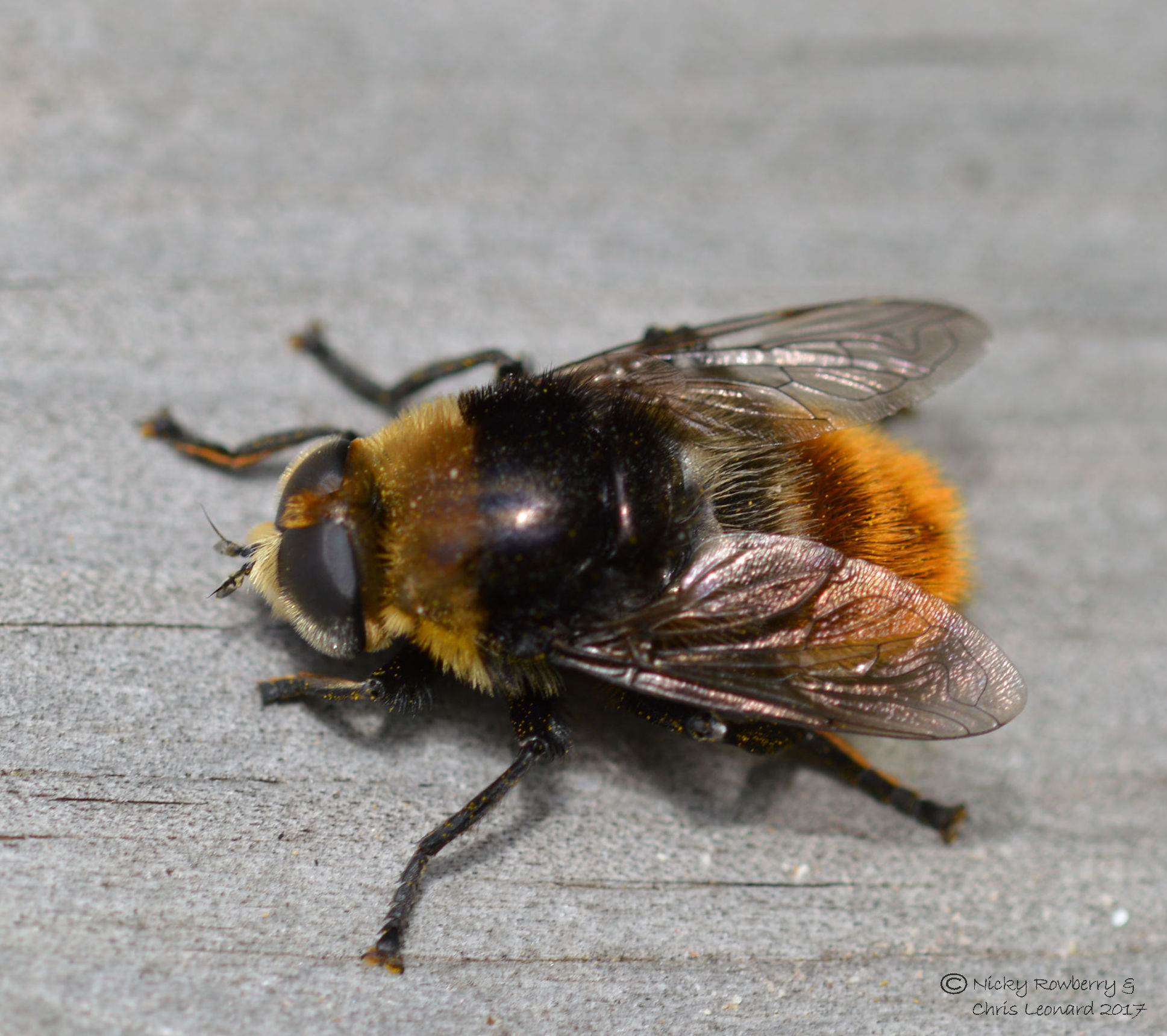
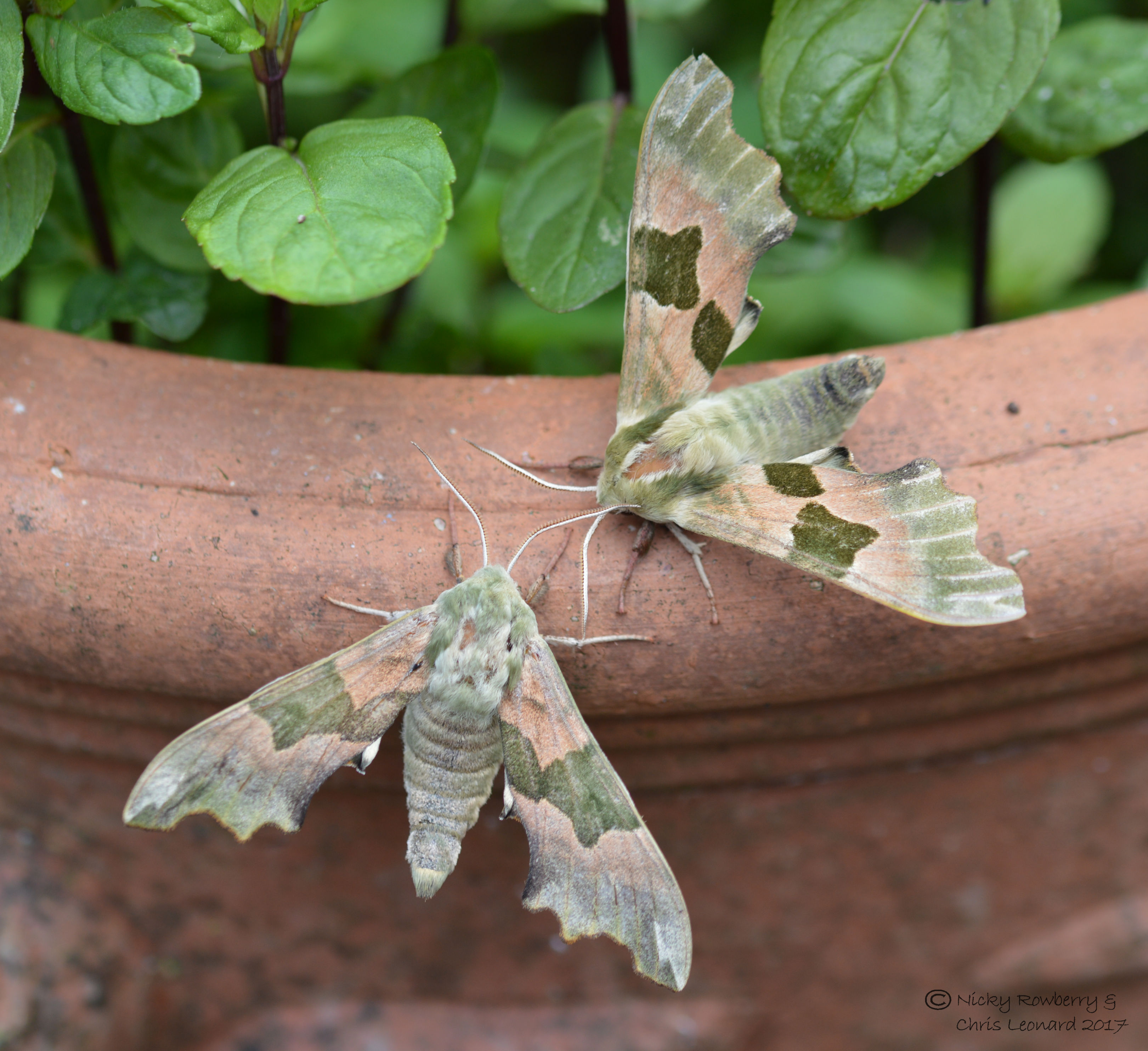
The hawkmoths are the biggest of our native species. Over the years we’ve had Elephants, Small Elephants, Eyed and Poplar Hawk-moths but never a Lime one. So I was thrilled when not one but two turned up last night!

With more moths emerging, more of their foes have emerged too. This beautiful but deadly (if you’re a moth of the wrong species) wasp Ichneumon stramentor parasitizes moth caterpillars.

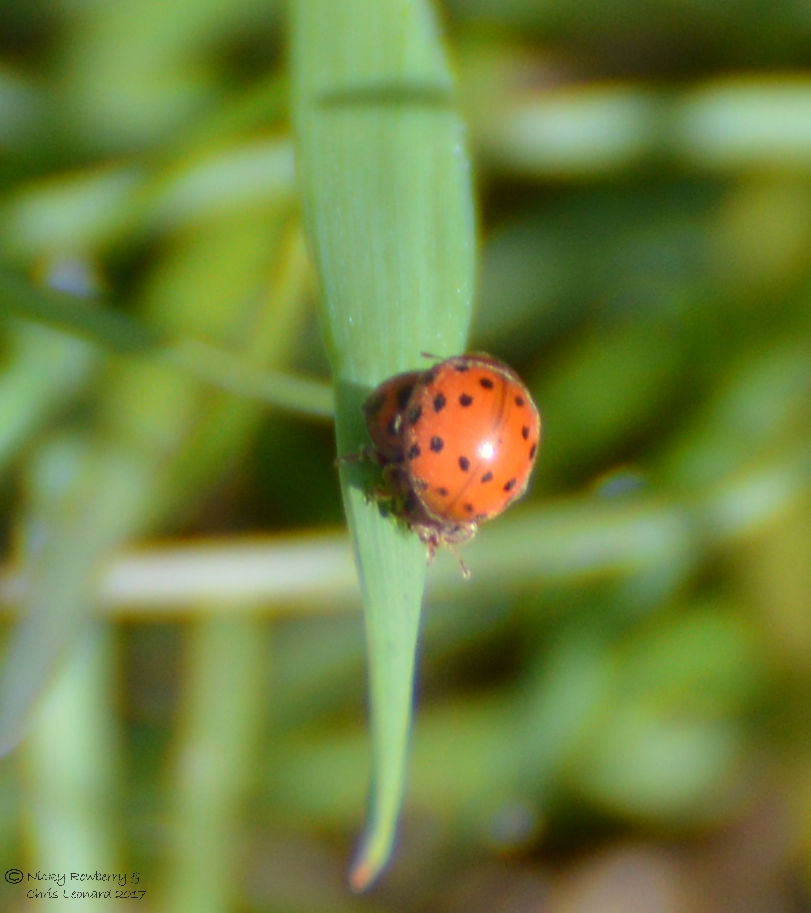
As well as all of the above, there have been plenty of beetles, flies, caddis flies, daddy longlegs and other insects buzzing around this May, I just haven’t managed to take any photos of those. Something for another blog post maybe. But finally one of my favourite images from the month, a ladybird, even if it is a Harlequin rather than one of our native ones.

Jubilee Bells

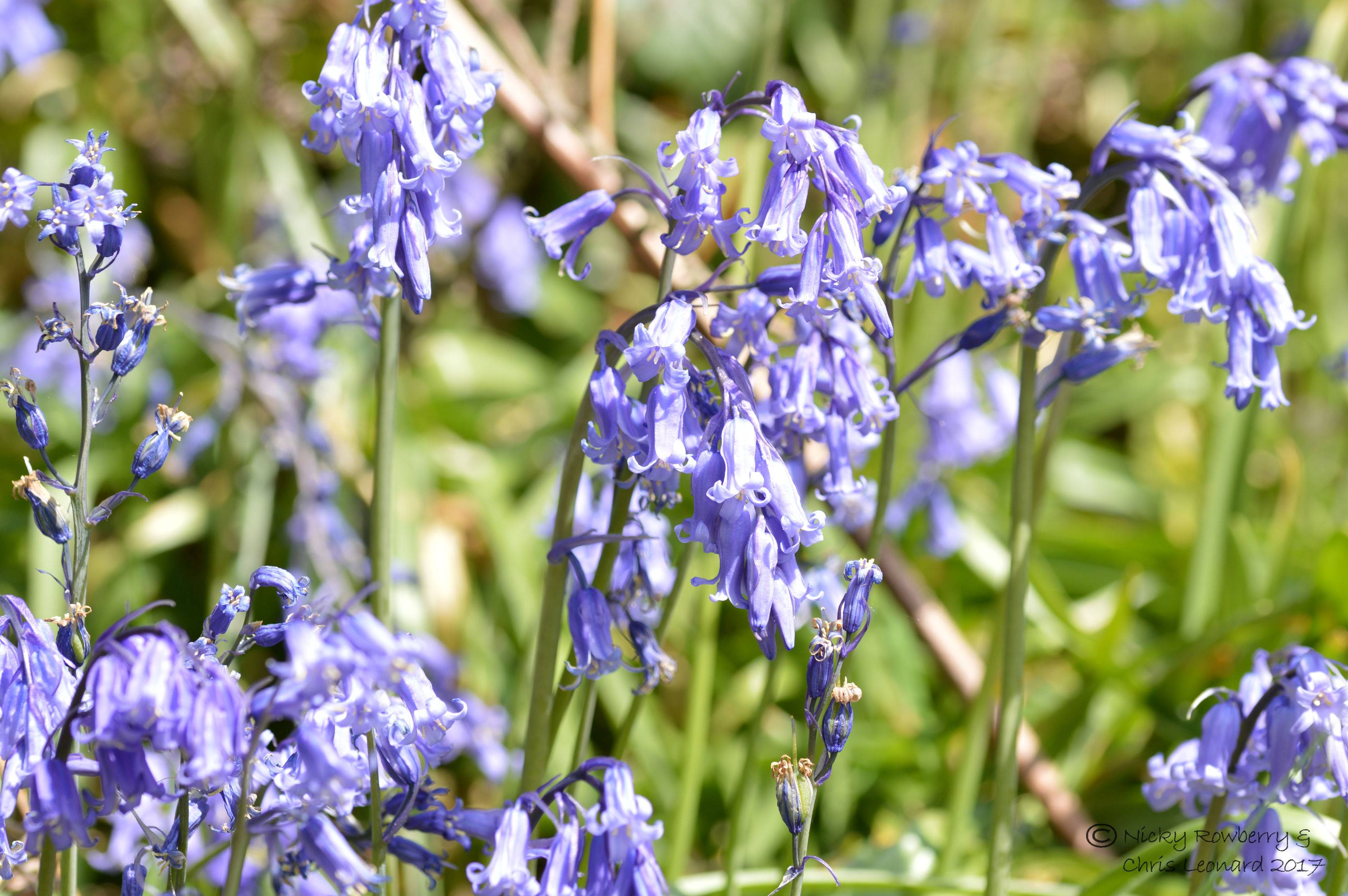
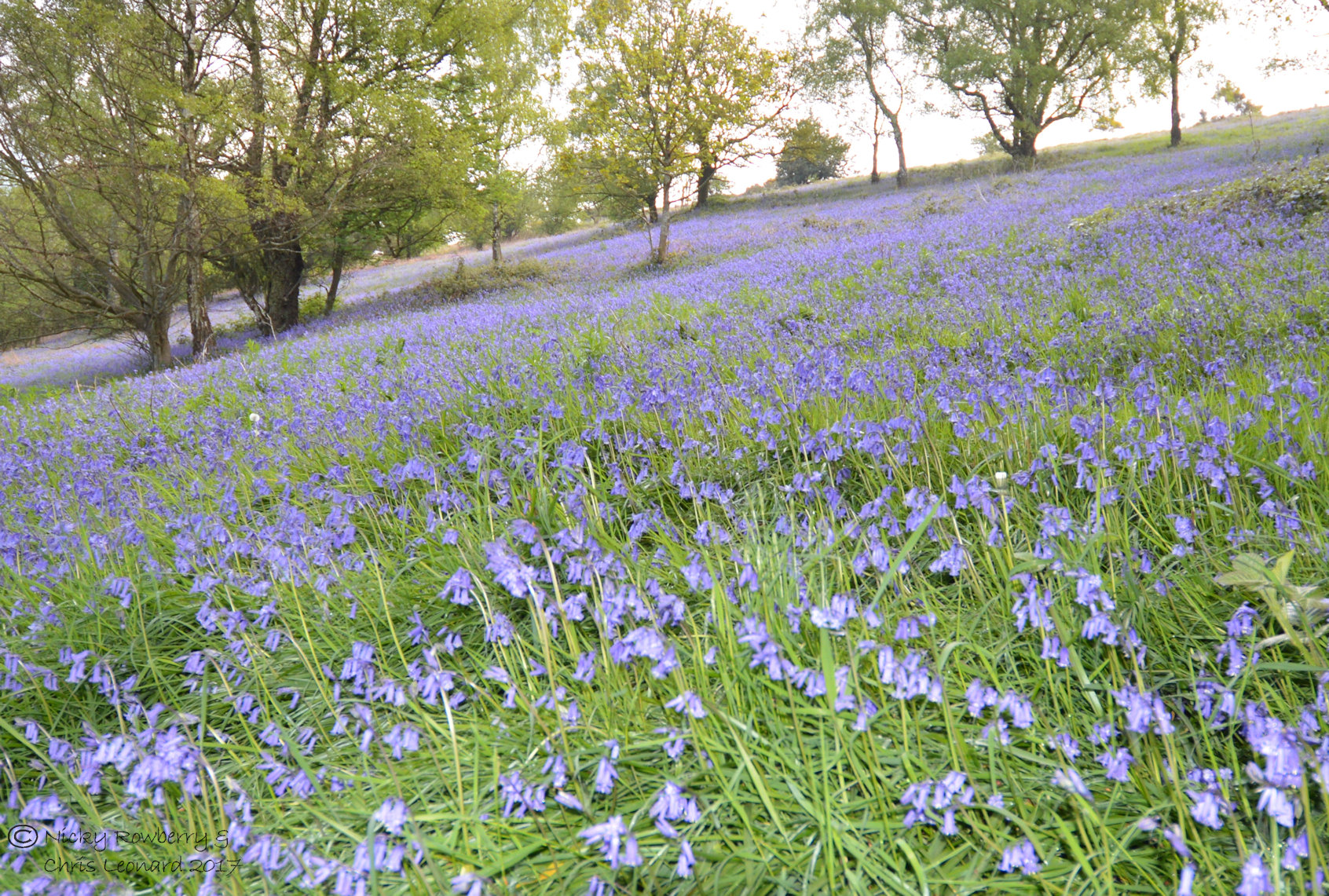
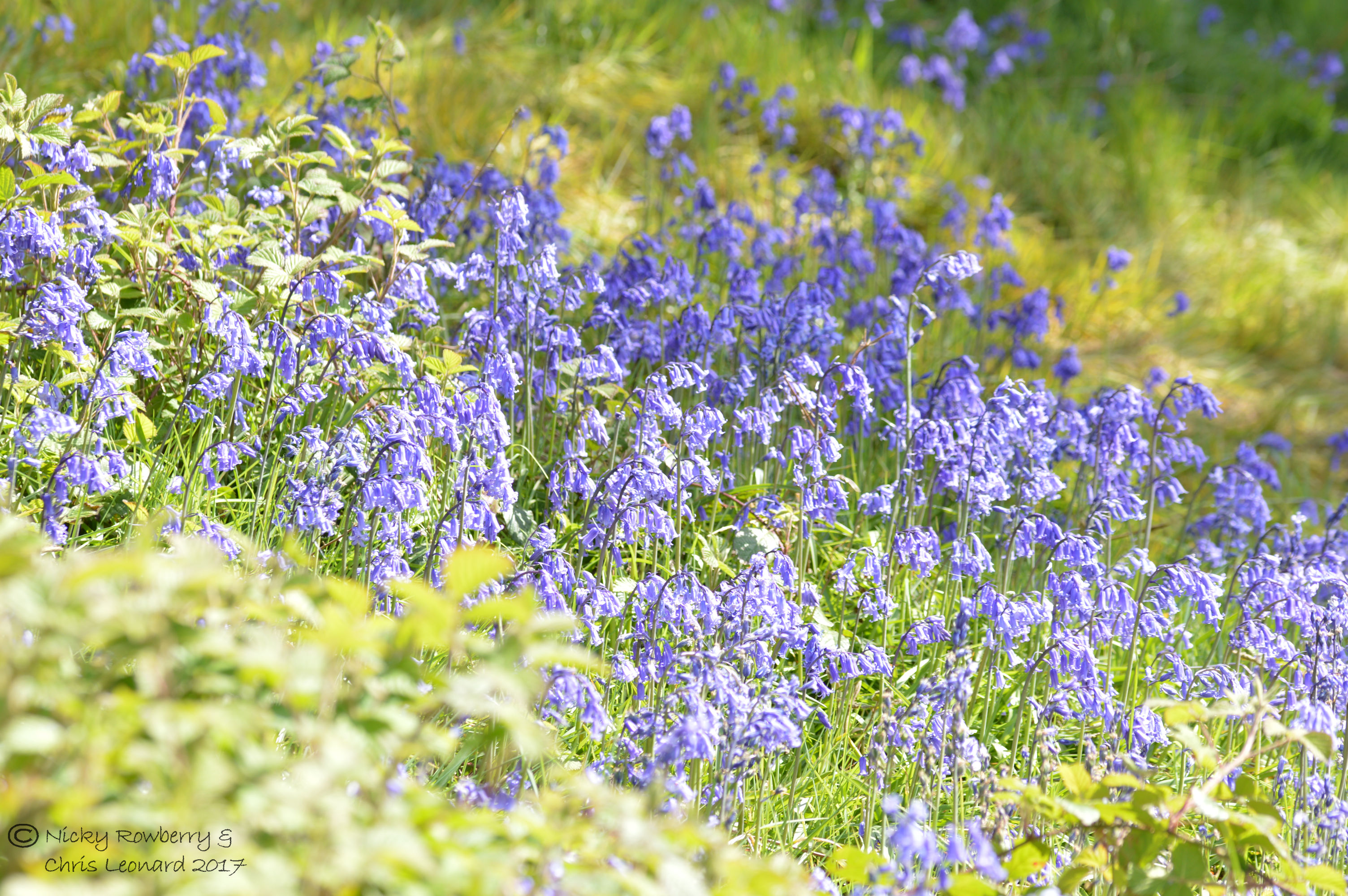
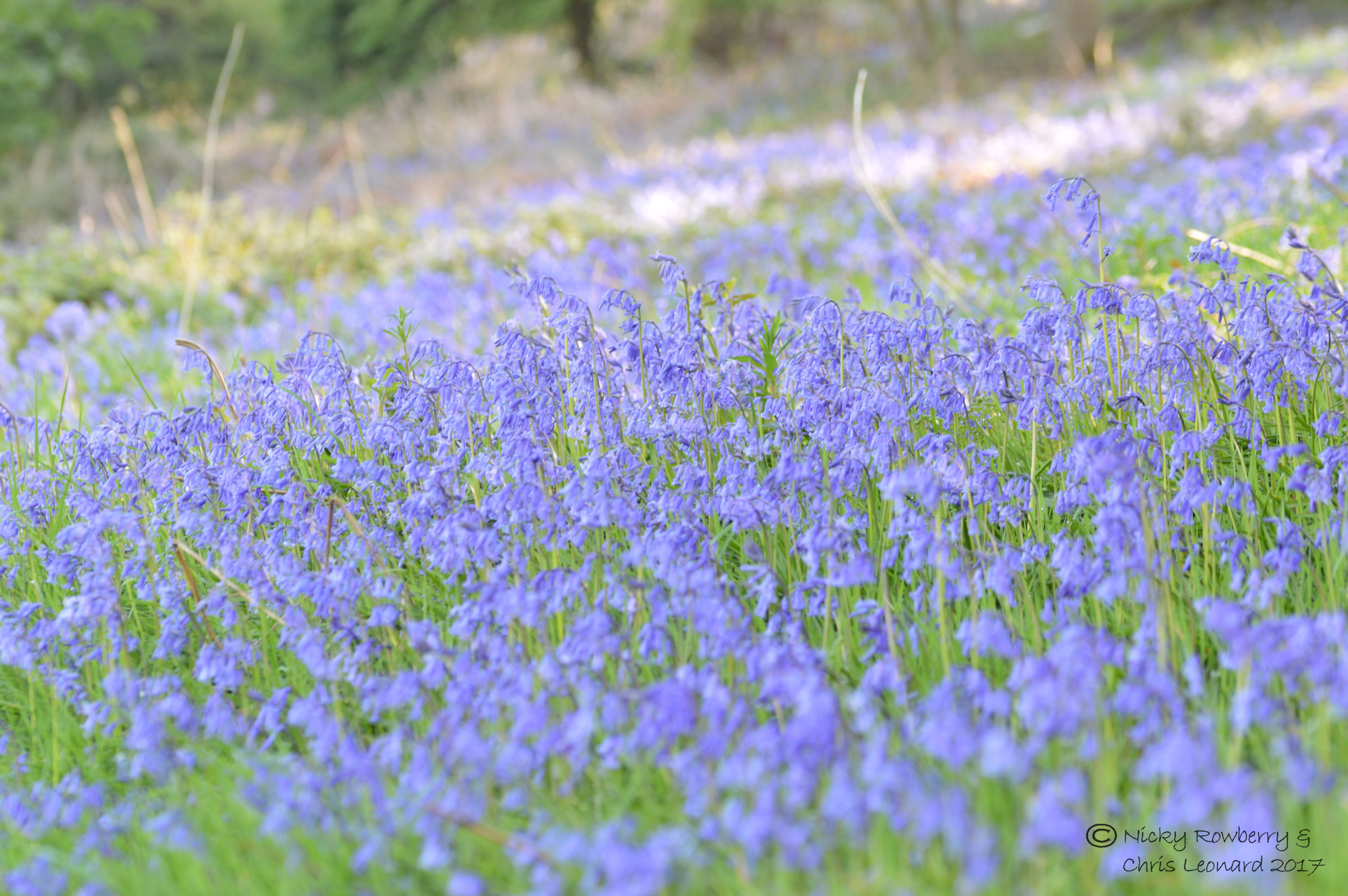
Every May I look forward to the bluebells appearing along Jubilee Drive in Malvern. Actually I start looking forward to them in April and find myself doing drive-bys on the off-chance that they’ve arrived early and the fear that I might miss them. Waiting for the bluebells is like waiting for the first strawberries in the garden or the first Orange Tip butterflies in the hedgerows. They’re all such pure pleasures, nothing showy, no monetary value, no prizes. And none of them ever disappoint, they all just make me happy! So please excuse me gushing over them, they are just so damned lovely.

They have been pretty much at their best over the last few weeks, so my drive-bys have turned to desperate hunts for parking spaces, as I make my now annual attempt to get decent photos of them. They grow in great swathes along Jubilee Drive and you’d think it would be easy to take photos, but somehow the pics never seem to do them justice. I can never seem to capture their full glory. I guess like so many things in nature they are best just witnessed for yourself. I usually give up after a while and just stare at them, enjoying the spectacle and the smell of thousands upon thousands of bluebells.

Inevitably I take hundreds of photos, most of which are rubbish, but here are a selection of some of the slightly better ones. There’s not a lot else I can say, other than if you get the chance to go and see bluebells where you live, then make the most of them before they disappear for another year.

Bags of Bees and Blossom

I’ve not managed to blog anything in the last few weeks, but it’s not been for lack of things going on in the garden. Almost the opposite in fact – spring is here and so much wildlife in our garden is stirring, that I can hardly keep up with it!

The apple tree has been in full blossom the last few weeks. 2017 seems to be one of those years where the whole tree turns pinky white with flowers. Comparing this year’s photo (top) with 2016 (below), there is a huge difference in the amount of blossom. It is also in full flower a lot earlier – this year it peaked mid April, last year what little there was peaked in early May. Due to the mild winter or just a natural cycle?

With an apple tree full of blossom, you would of course expect a load of bees. What I hadn’t expected was this Girdle Snail sitting pretty in the middle of it all!

Apart from the stray molluscs though there were indeed plenty of bees. Honey bees were probably the most common. We get lots in the garden, I’d love to know if someone is keeping bees nearby (feel they owe us a pot of honey if they are!)

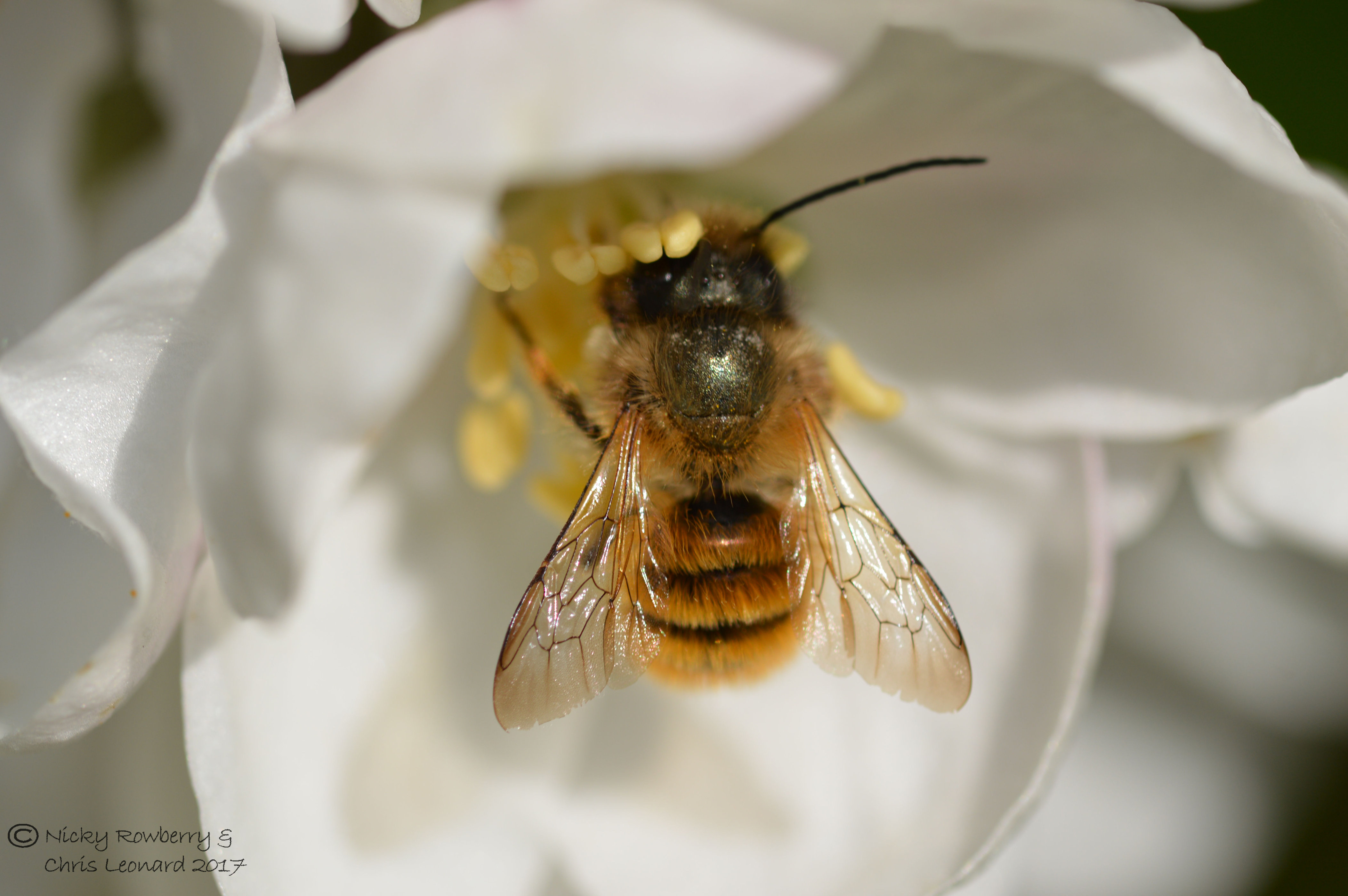
There have also been plenty of these small Red Mason Bees (Osmia bicornis)

and these slightly larger Buff-tailed Bumblebees (Bombus terrestris)

I usually only see these Ashy Mining Bees (Andrena cineraria) flying low around the grass, so it was nice to catch one up in the tree. I’ve got a soft spot for this species – probably because it’s one of only two Andrena species I can identify at a glance with its distinctive black and white colouration.

The other Andrena species I know easily is this female Tawny Mining Bee (Andrena fulva). The females have this amazing bright red bushy appearance. I thought we had them in the garden last year, but never managed a photo to confirm. This year I finally snapped one, which made it the 27th confirmed bee species for the garden (actually now at 28, but more on that in another blog post).

As well as the above, I’ve also spotted Hairy Footed Flower Bees, Red-tailed Bumblebees and at least one other Andrena species making the most of the blossom. The final one that I actually managed to get a (bad) photo of was this Tree Bumblebee (Bombus hypnorum). These relative newcomers to the UK are one of our most frequent and distinctive bumblebees in the garden.

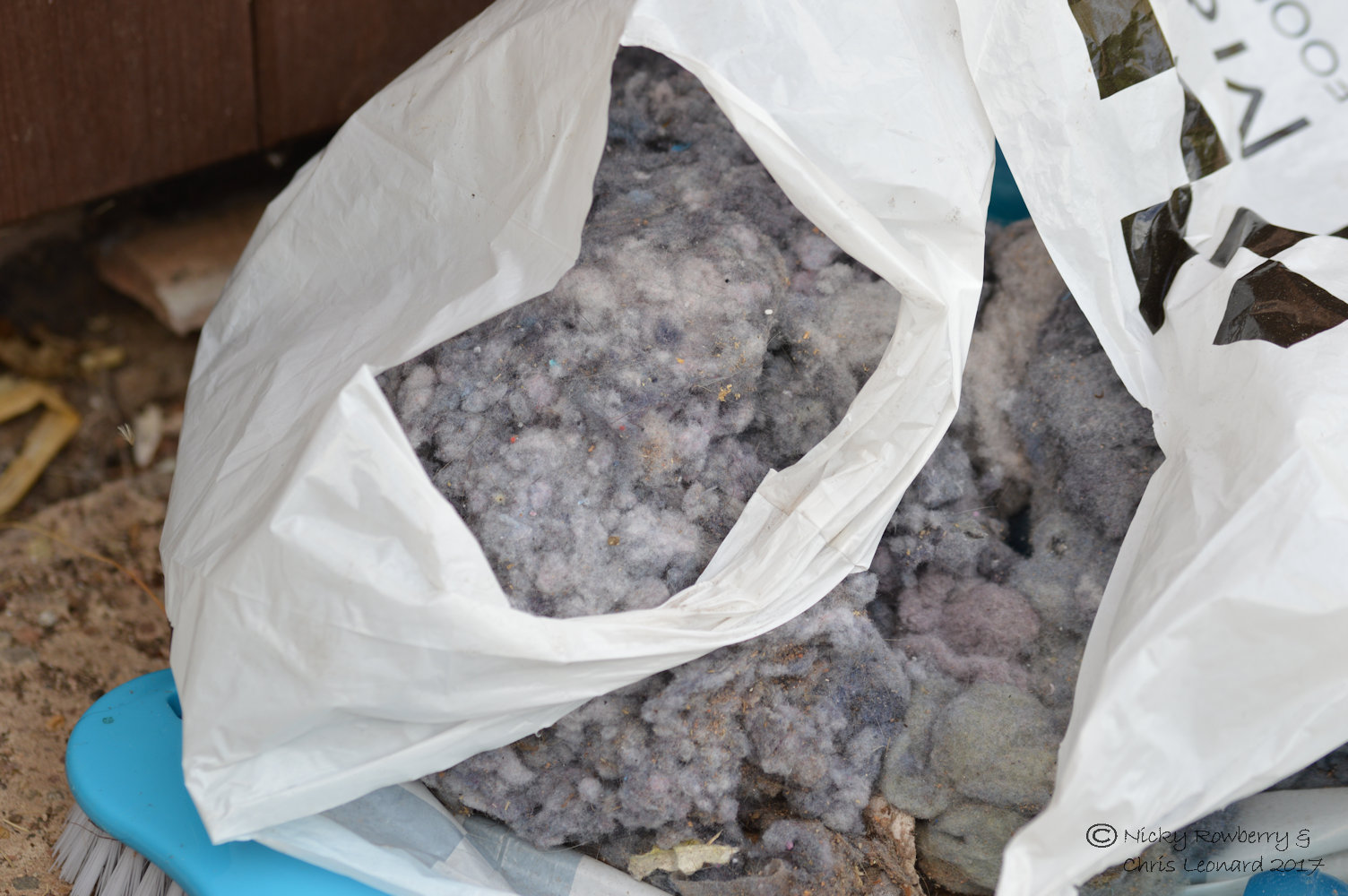
The Tree Bumblebees have also turned up in a most unlikely place this last week. Our next door neighbour was clearing out his garage when he moved a bag of waste fluff from the tumble dryer. Much to his surprise the bag was full of bees! A colony of Tree Bumblebees had decided that a bag of tumble dryer fluff was the perfect place to nest and they weren’t happy at being moved. I offered to take the fluffy bag of bees, but with hindsight I should maybe have thought it through first. I put the bag under a lean-to cover we’ve got, where we sit out if it’s raining.  Unfortunately this is probably where it’s going to have to stay. I can’t leave it out in the open, as the fluff will probably set like cement if it gets wet and I don’t want to entomb the bees in their nest. I also daren’t move it again as it might crush the nest. So we’ll have to share the lean-to with a bag of bees for the summer.

I then spent about an hour yesterday lying flat on the floor trying to get photos of the bees coming and going from the bag. As it happens they seem to be accessing the nest right next to a small smiley face sticker that’s somehow ended up in there amongst the fluff. It makes me smile every time I look at these photos!

The Tree Bumblebees aren’t the only ones to have been popping up in unexpected places. The new nest box that we put up back in January has unfortunately not attracted any nesting birds yet. But I was surprised to spot this large bumblebee bouncing about inside it a few weeks ago. I’d have settled for a bee nest in the absence of a birdy one, but after a few minutes clumsily wandering around, it buzzed off.

So it’s only April and we already have, quite literally, bags of bees in the garden!

Out and About – Grimley Brick and Gravel Pits

The weekend brought some gloriously sunny weather – forget spring, it felt like we had skipped ahead to summer. So we ventured forth, if not very far, to Grimley which is just north of Worcester. Grimley has several old flooded gravel extraction pits, which now form important wildfowl sites for the county. There are 2 main areas – each situated conveniently next to a pub! Unfortunately I didn’t really have the right lens for birdie photos, so the best I could manage was some blurry distance shots for most of the birds I saw.

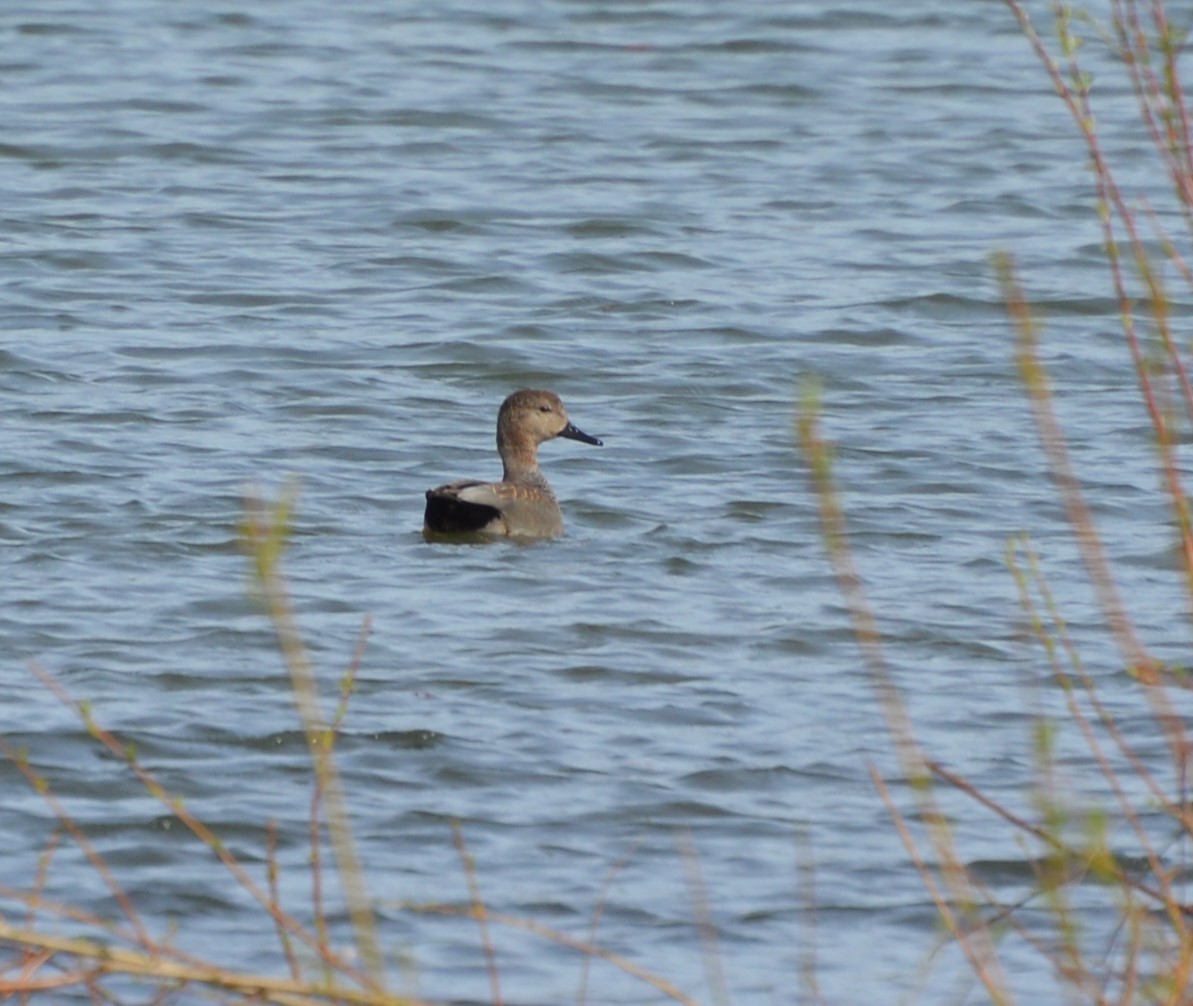
The first pit we went to was off Wagon Wheel Lane. The Worcester Birding twitter feed had been full of news that an American wigeon had been spotted amongst our British wigeons. Having never seen a wigeon of any nationality, I hoped to see some. Having said that, it would probably have helped if I’d googled what a wigeon looked like before setting off! All I really knew was that they were ducks, so I snapped photos of anything vaguely duck like.  Fortunately when I got back and studied the photos, it turned out I had seen some of the British ones, although no sign of the elusive American. So I think this is a female Widgeon, although happy to be corrected.

Of course while chasing anything duck like, I inevitably got pics of a few other species. This lucky female Northern Shoveller was accompanied by at least 4 males.

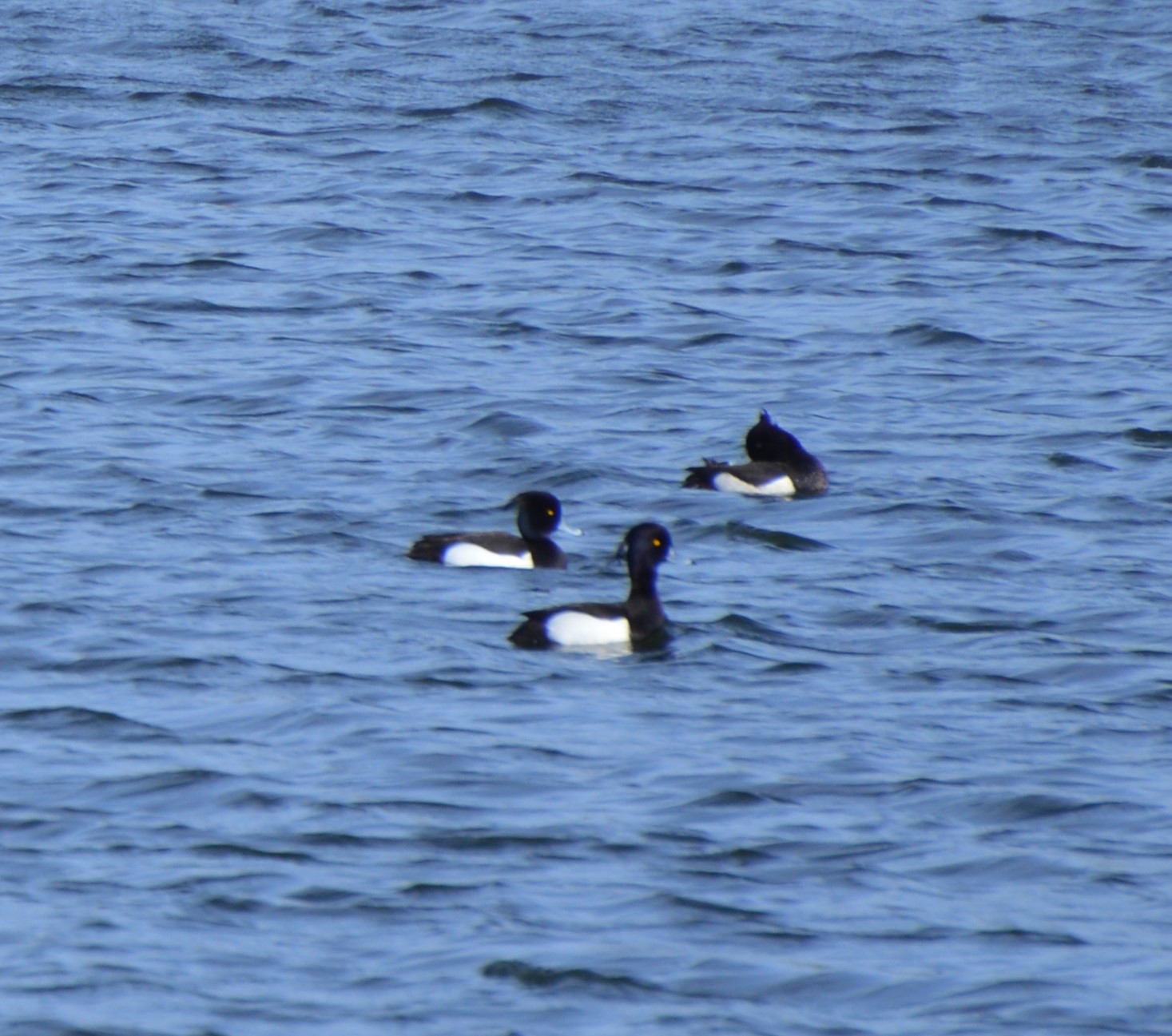
Tufted ducks were bobbing about everywhere. I love the clean lines of the black and white plumage and the bright golden eye of the males.

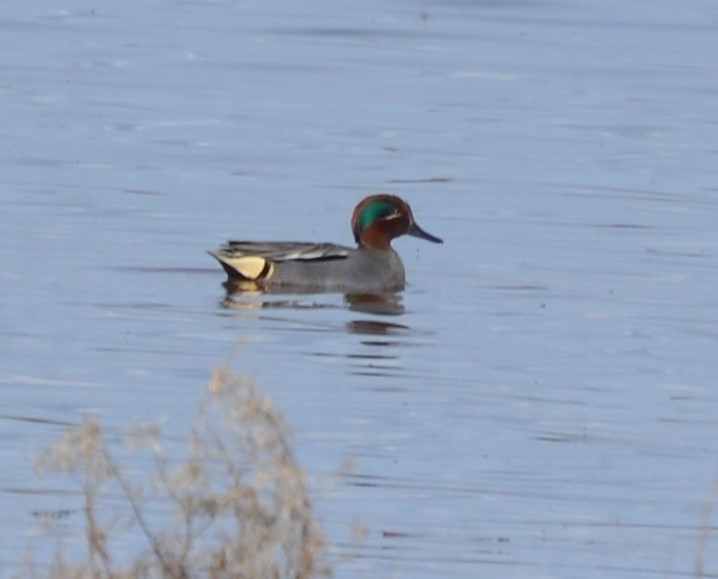
Another species that was new to me was the Common Teal. I didn’t manage to get very close and from a distance I thought initially these were just mallards, until I spotted the creamy yellow rump. From my distant viewpoint it hadn’t been possible to make out the beautiful red and green plumage on the head, but thanks to the power of the zoom on the computer I could appreciate it back home.

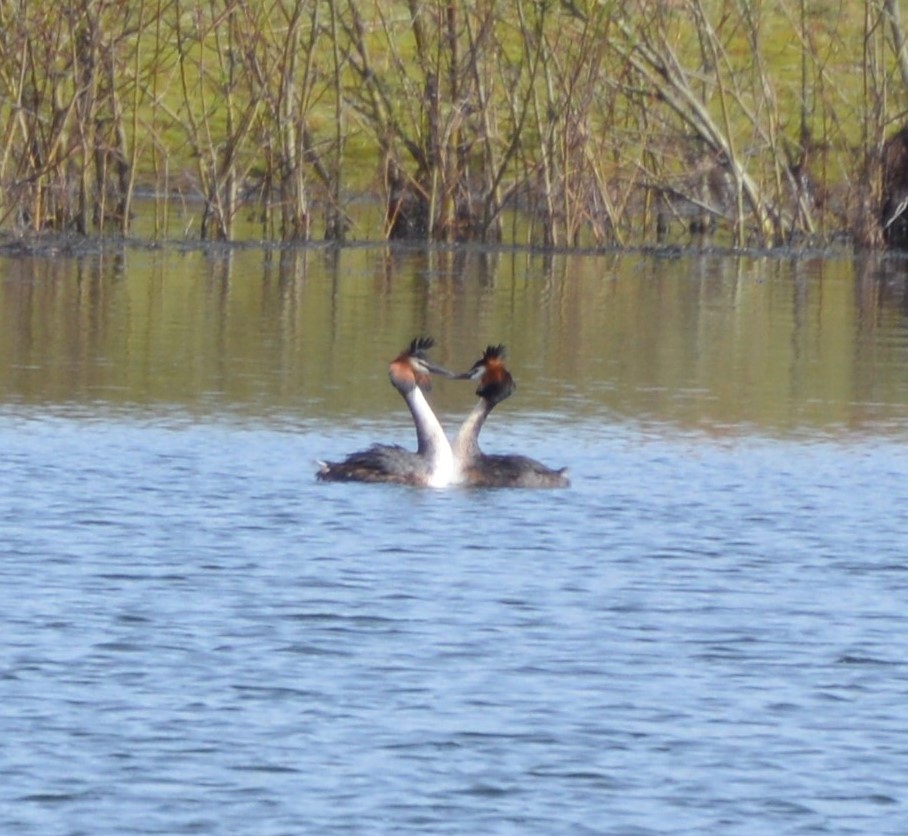
Possibly the stars of the show on this trip were the exotic looking Great Crested Grebes – birds that I’d only ever seen on Springwatch before.  There was a pair doing what looked like a courtship display on the far side of the lake. They bobbed up and down facing each other. If they’d been a bit closer I’d have tried videoing it, but they were just too far away for that.

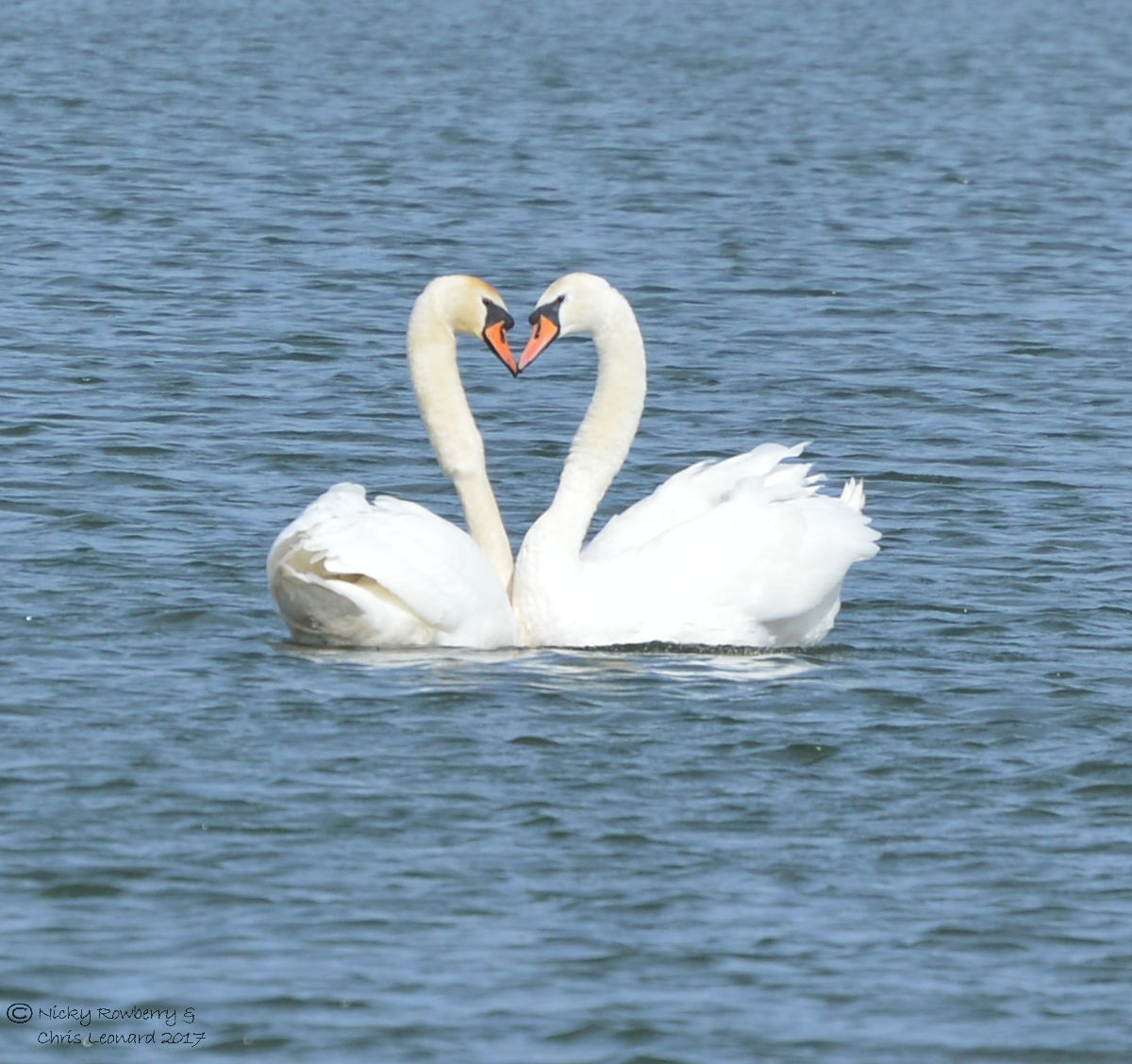
Love seemed to be in the air for a pair of swans too. One was already on the lake when another one landed further away. The first one spotted it and hurtled across the water – I thought at first it was an aggressive or territorial thing, but then they started entwining their necks around each other, so I guess they had other things in mind!

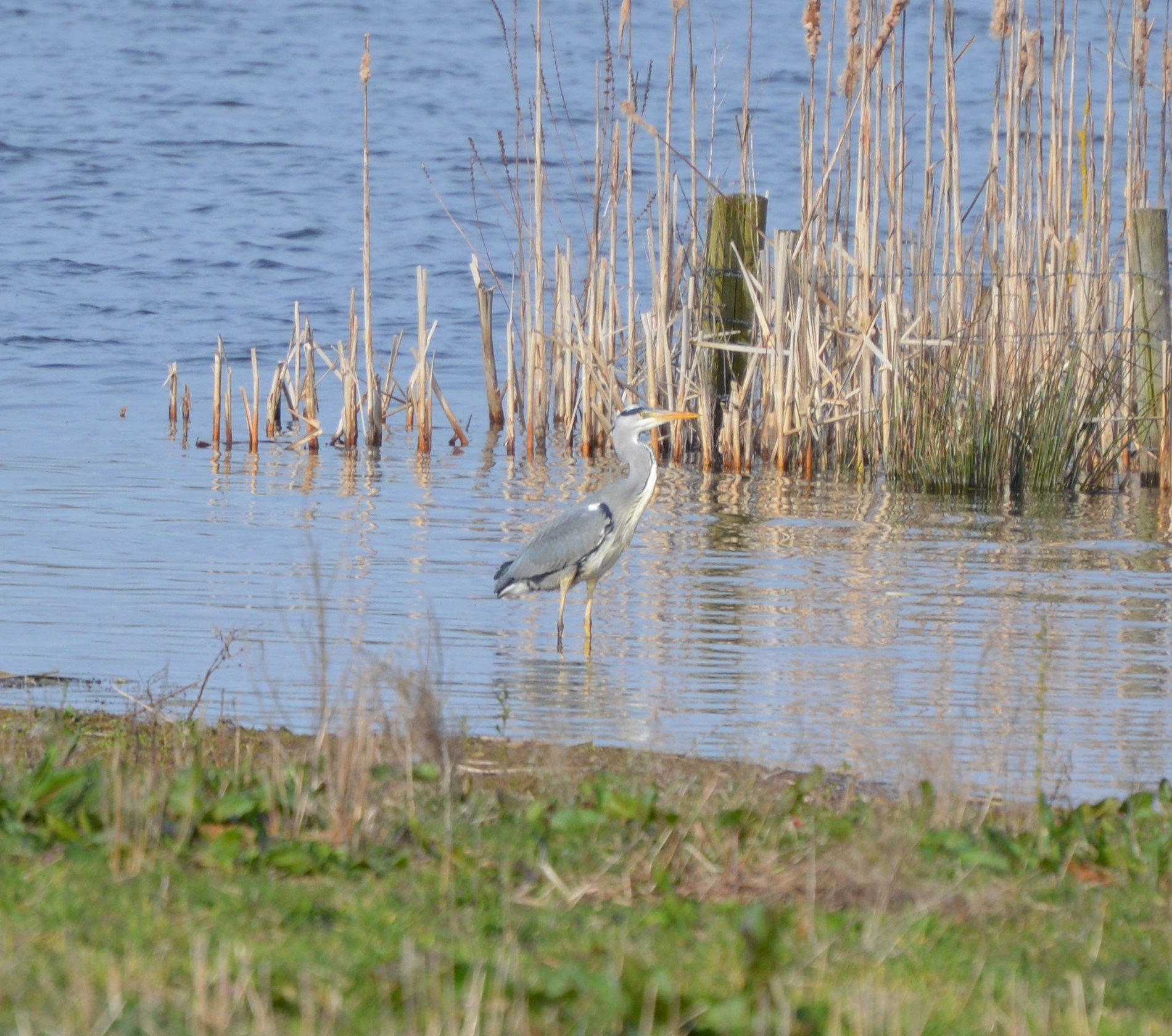
After a short pit stop at the Camp House Inn, I headed to the other set of pits nearby. First sight was this heron – I’d never studied one before and hadn’t realised just how large they were. I tried creeping closer to get a better shot, but as I was going across an open field, he spotted me straight away and flew off when he considered I was too close for comfort.

These lakes were clearly popular with a group of cormorants that were perched on fence posts in the middle and in trees. I still find it hard to get my head round seeing what I think of as sea birds this far in land!

While trying to concentrate on the birds, I kept getting side tracked by the insects. There were quite a few large bumblebees buzzing around and the pussy willow was provided much needed sustenance to several, like this Red Tailed Bumblebee.

While trying to get a decent photo of a buff tailed bumblebee, I spotted (no pun intended) this pair of 24 spot ladybirds. They were very small and the grass they were on was waving around in the breeze, hence the less than perfect photo. They were slightly less shiny than other ladybirds and look as if they have a fine covering of downy hairs, which would make them the 24 spot ones  – a new one for me.

When I was looking at the red ladybirds above, I hadn’t noticed at the time that there was a pile of creamy coloured ones right next to them. Again they are not perfectly in focus, as I obviously wasn’t focussing on them as I didn’t know they were there! These ones turned out to be 16 spot ladybirds – another new species.

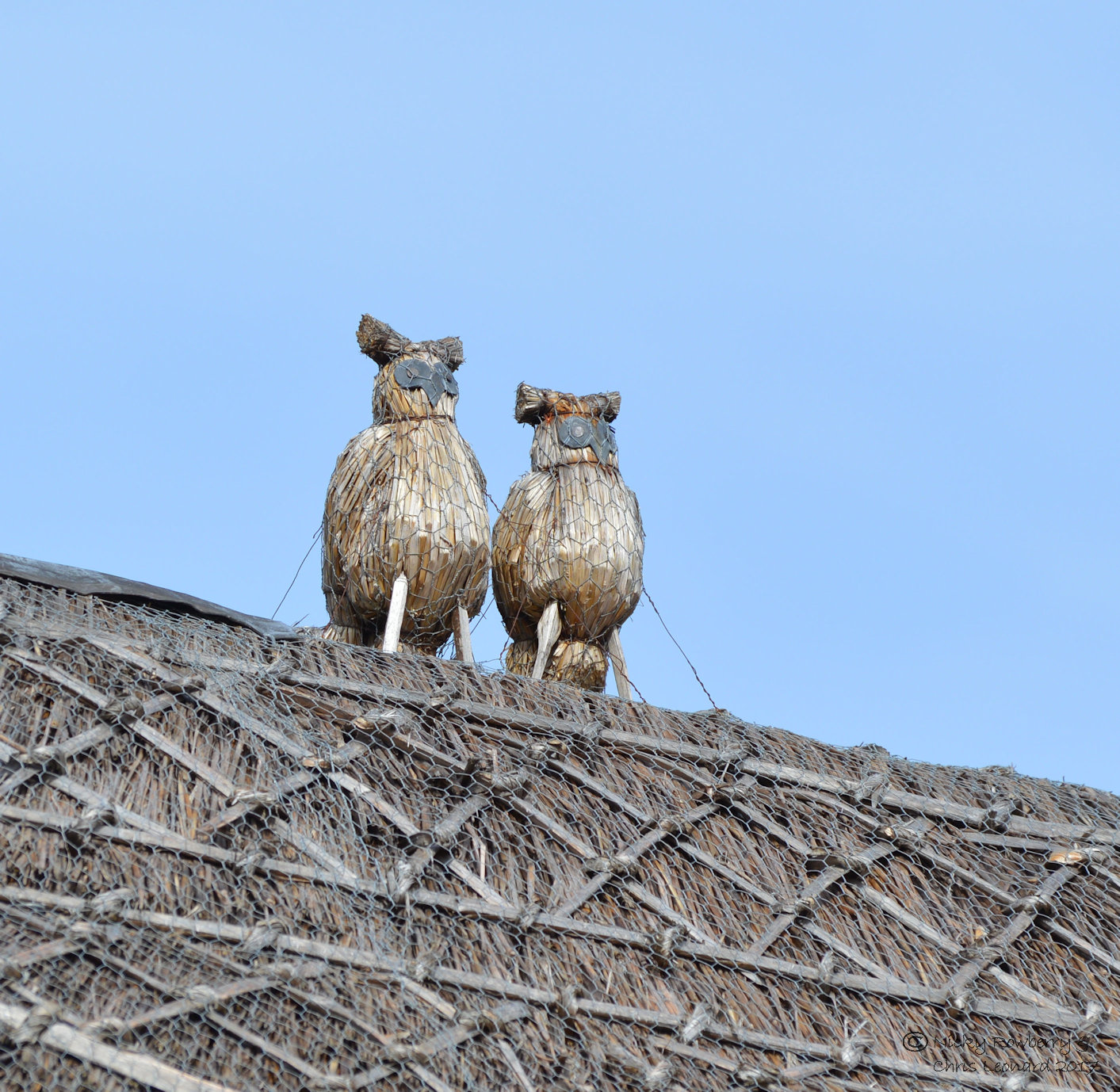
And finally, because I can never resist a comedy photo – here is the very rare 4 winged duck and a rather splendid pair of owls on top of the Wagon Wheel Inn’s thatched roof.

Hedgehog Housekeeping

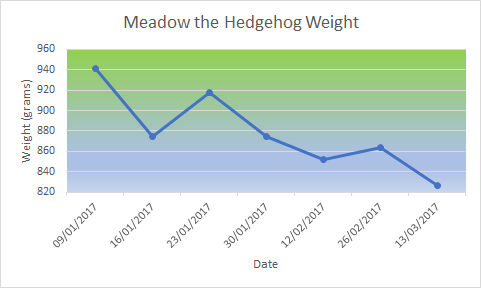
Just a short post today with an update on our foster hedgehog Meadow. We’ve had him now since early January and I’m very relieved that’s he survived the winter with us! We’ve been weighing him every fortnight and although he’s lost a bit of weight, he is still a very healthy 800g or so – plenty heavy enough to see him through to the spring hopefully.

Since we last weighed him he has become increasingly active and has presumably decided he’s had enough of hibernation. For the first 2 months our care duties had consisted mainly of checking each day that he had fresh water and food, but while he was asleep, there was little else to do.

Now he is an eating and pooping machine! His food bowl is at best empty every morning and at worst he’s pooped in it! The water bowl is regularly slopped about soaking the newspapers and he has generally managed to poop in every corner of the hutch! So every day he needs fresh food, water and newspapers and a general clean of the hutch. We never see him though (apart from when we take him out to weigh), he’s always buried in the hay when we look in.

Invisible he may be, but since he is clearly very active when we’re not around, I had a go with the old trail camera in his hutch.  There’s not much space to position it without disturbing him, but I managed to get it wedged by the roof out of his way and he seemed blissfully unaware of it. The field of view is pretty small since it is so close up, but I got lots of clips of him doing what he’s good at – eating and pooping and rearranging his bedding. He clearly doesn’t approve of my style of housekeeping as he is constantly dragging the hay and/or the newspapers around to where he thinks they should be.

So below are a couple of stills taken from the video showing him a) eating of course and b) dragging the hay around. Then there is a compilation of video clips taken over roughly a 24 hour period. Note his food bowl starts of clean and full of food and ends up empty and covered in poop and hay! But he’s a little character and we will miss him when we eventually get the go ahead for releasing him in the spring.

Out and About – Upton Warren Wetlands

It’s March and I ventured Out and About properly last weekend for the first time this year. I’d joined Worcestershire Wildlife Trust a few months ago and decided to take advantage of this by visiting the Upton Warren Wetland Reserve.  It was so nice to get some fresh air and explore somewhere new. The reserve has a mixture of freshwater and saline pools (the result of previous brine extraction work), which attract a wide variety of birds. The reserve is pretty big, so I only managed to do about half of it on this first visit. It’s a fantastic site though, so I will definitely be back soon to try out the other half.

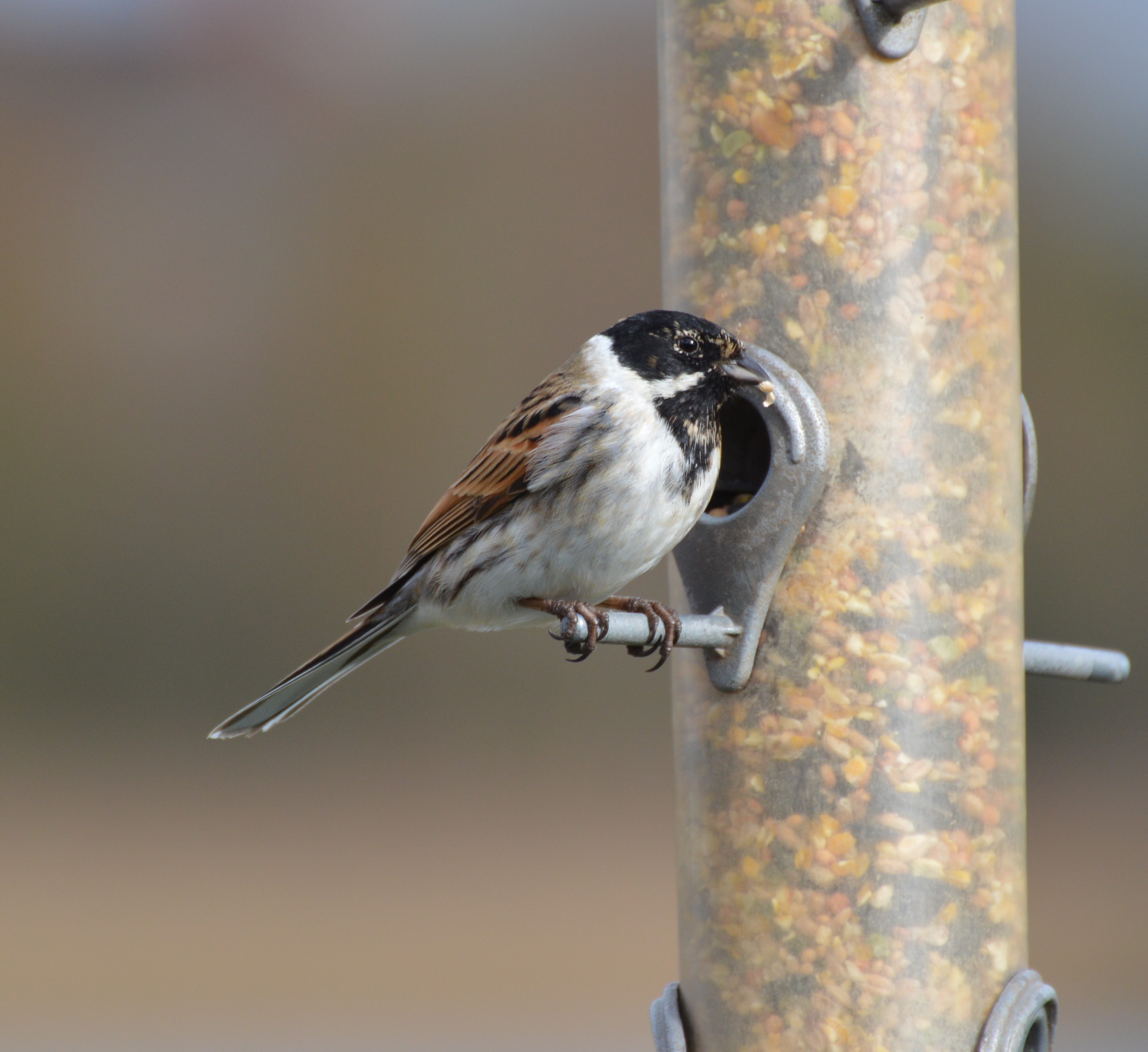
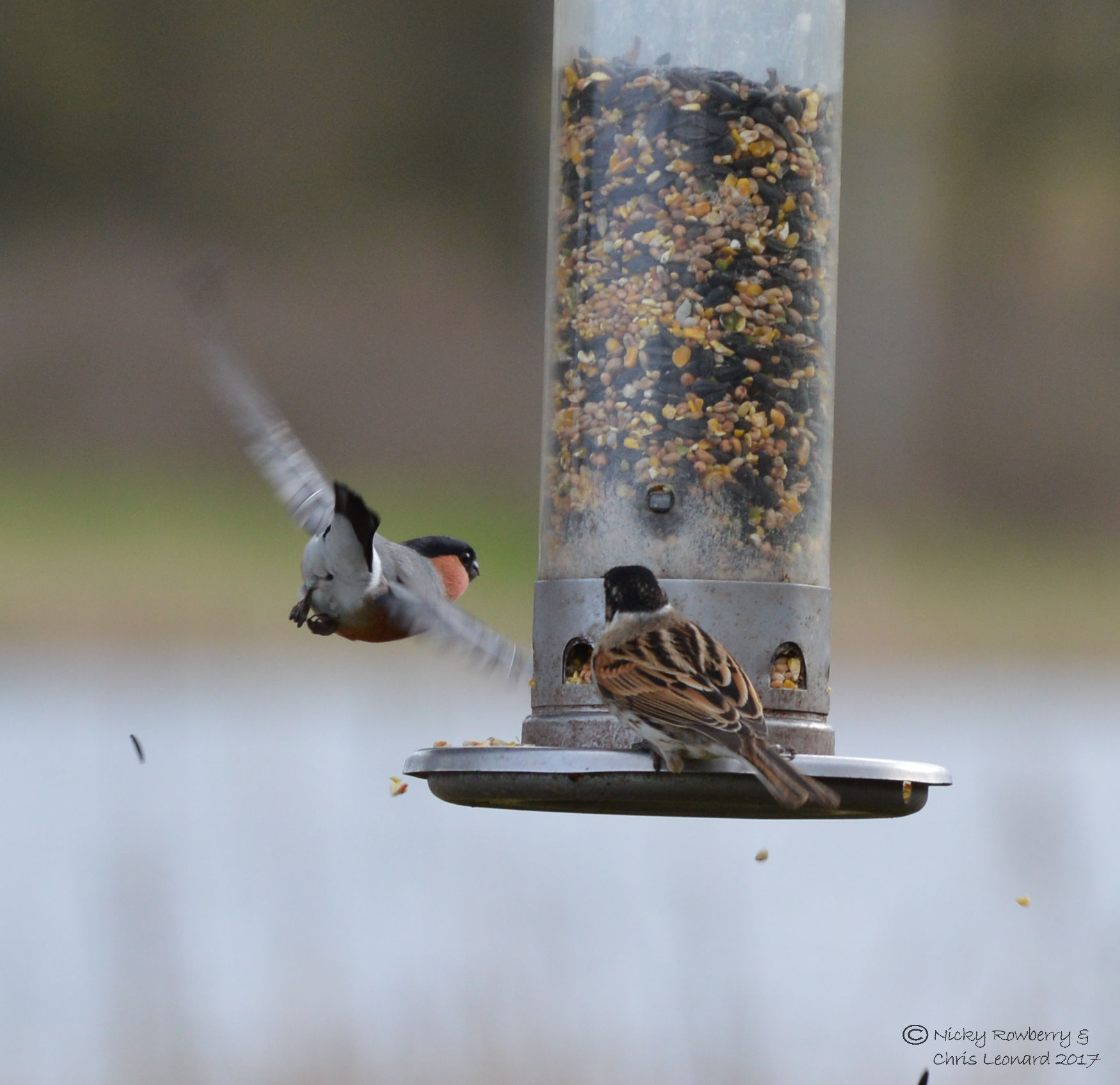
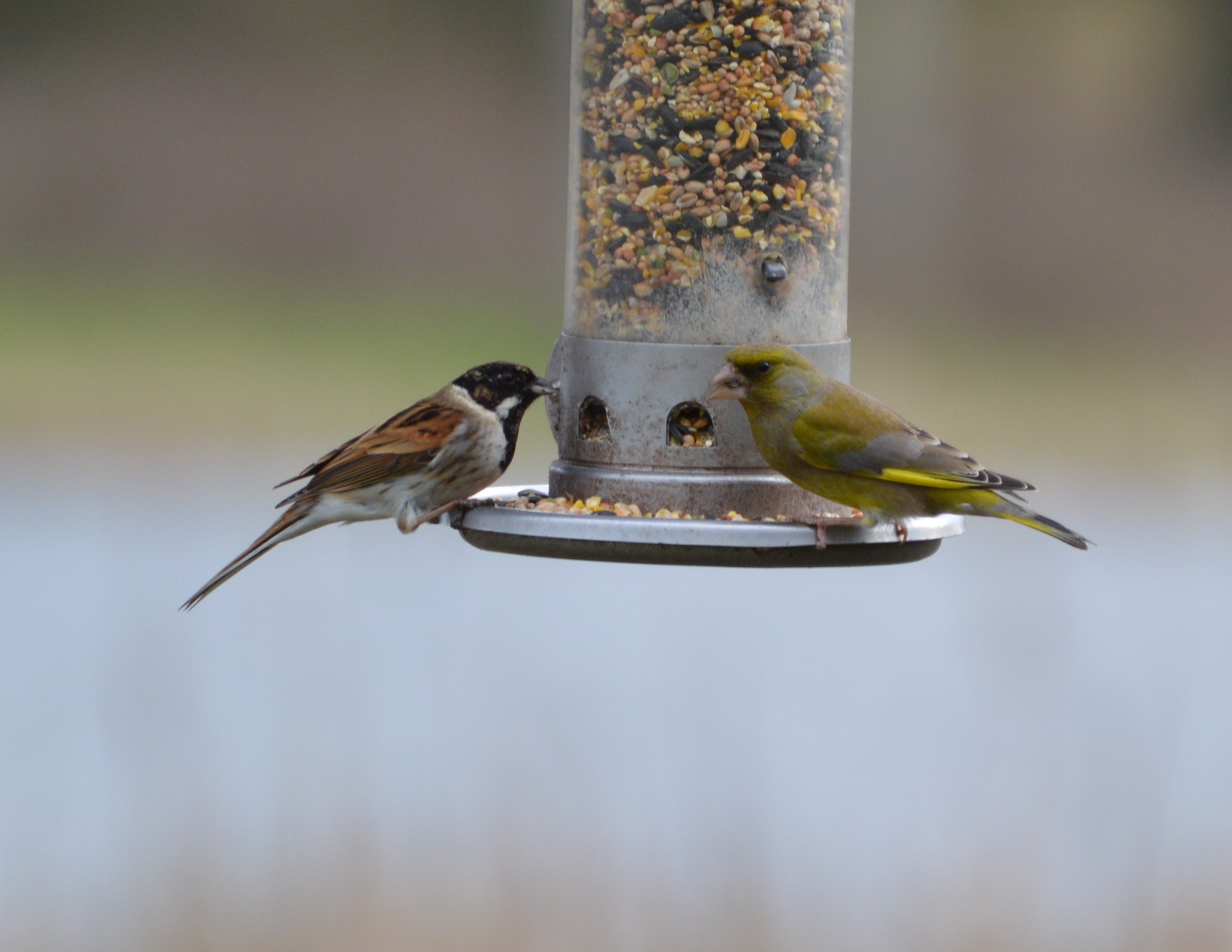
At the first hide, the Trust people had hung out a few bird feeders and I noticed a lot of small brownish birds that looked a bit like sparrows. Being a novice, I had to ask the helpful gentleman who was in the hide with me what they were – I was a bit worried he might just say that they were sparrows, then I really would look clueless, but fortunately it turned out they were reed buntings. I had sort of expected reed buntings to hang about in the reeds and be difficult to see, but I guess why would they do that when there were easy pickings from a feeder?  Top one here is a male and the bottom is the female (at least I think it is, unless it turns out to be an embarrassing sparrow).

reed-bunting-female

The reed buntings weren’t the only ones using the bird feeders; they had stiff competition from the bullfinches in particular, who in turn had to contend with the greenfinches.

bullfinch-bunting-2

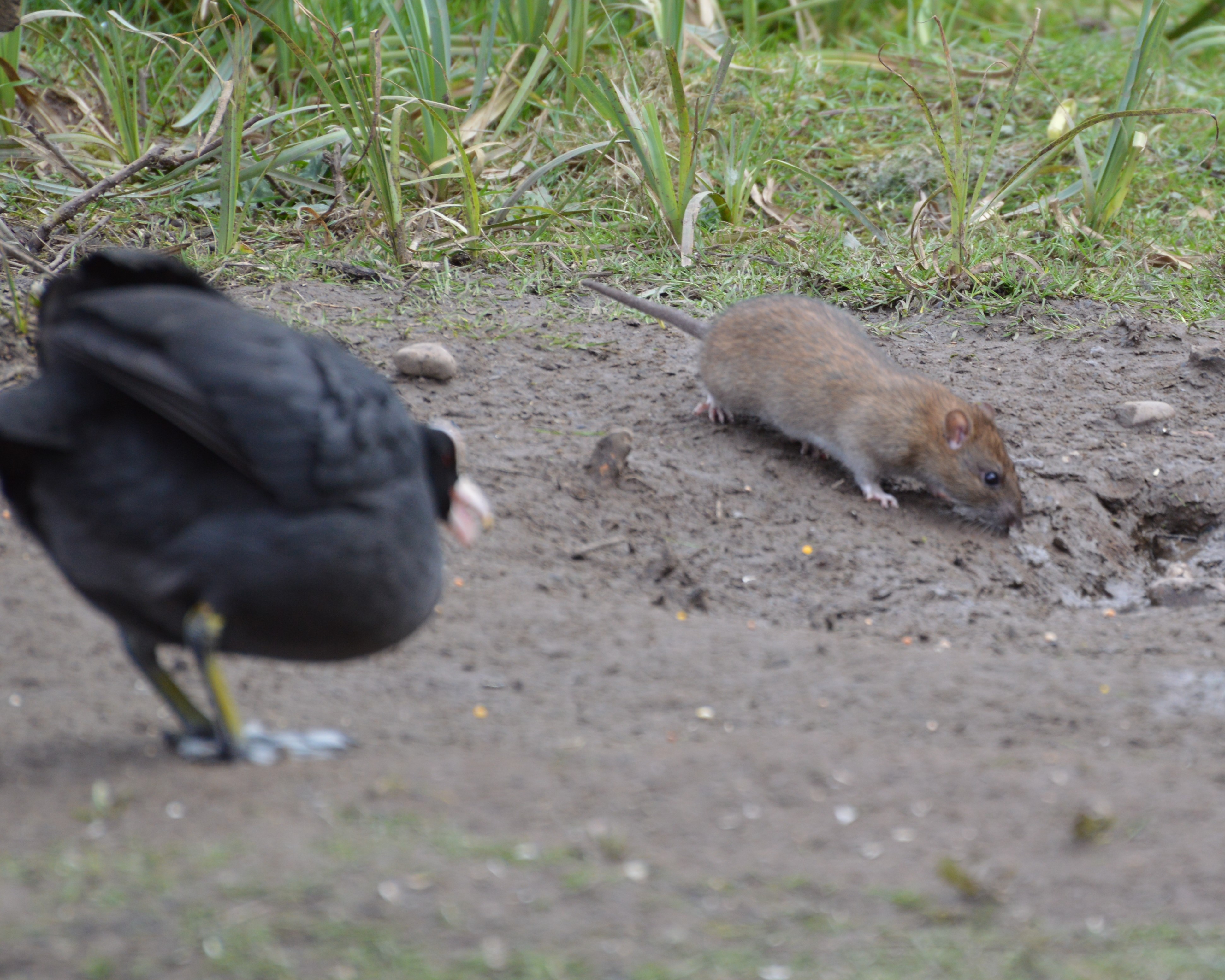
All the dropped seed of course attracted the inevitable rats, including this particularly bold one. Not the most welcome visitor to a bird reserve, but it was interesting to see a rat that close up in broad daylight – a first for me.

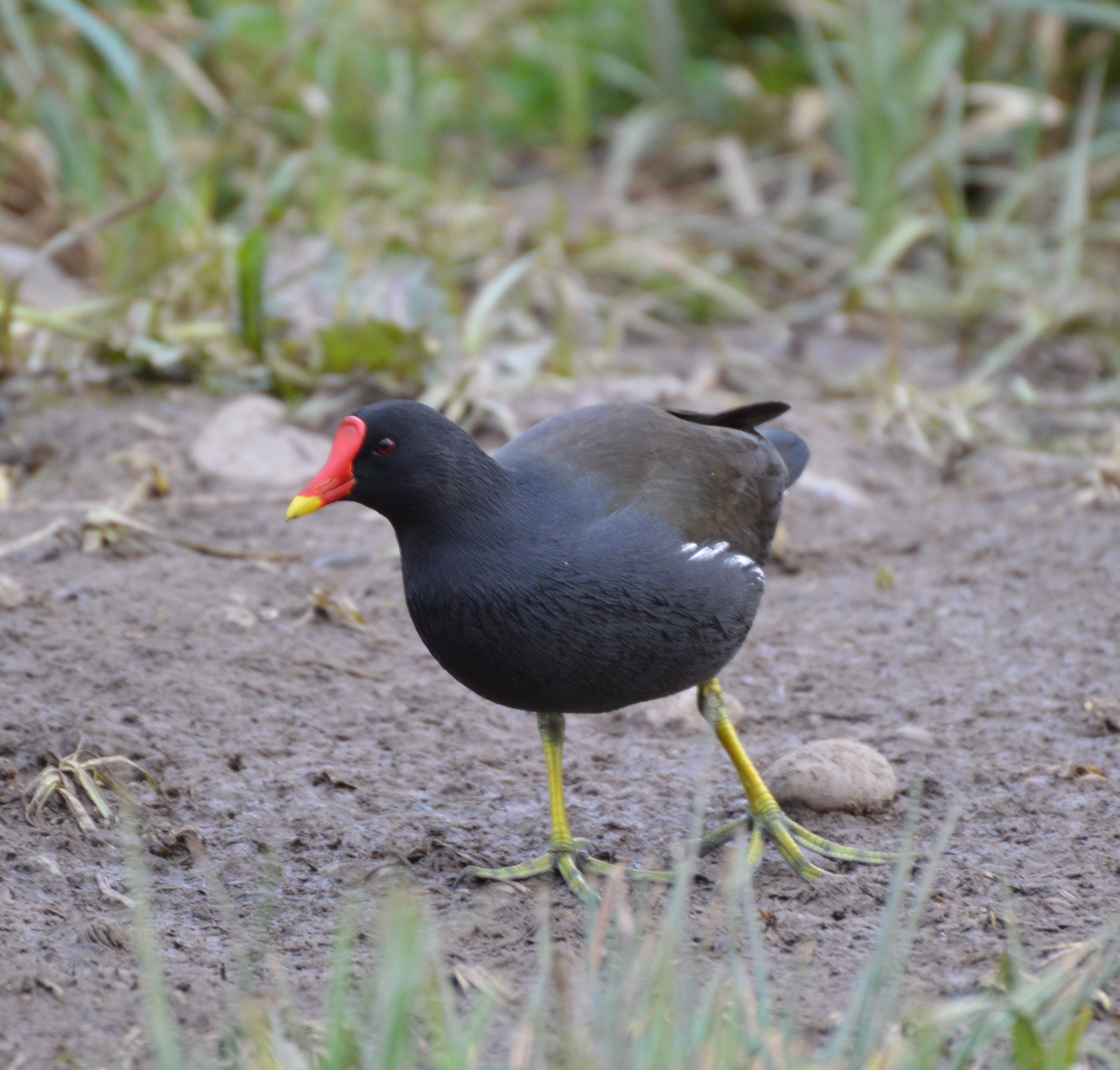
A portly looking moorhen was lazily scanning around for bird seed, while a coot cruised the nearby inlet.

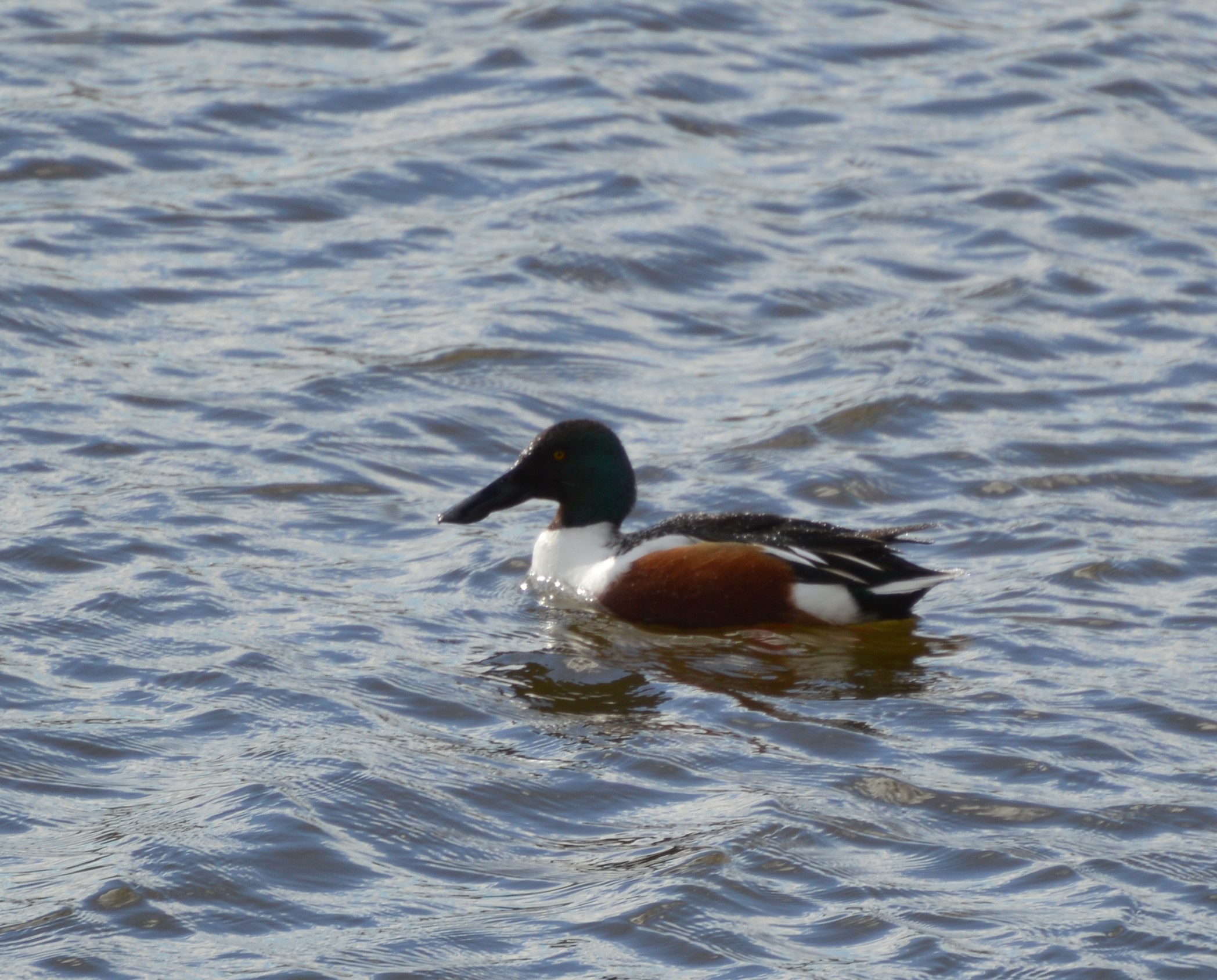
There were quite a few regular mallards about, but then a duck appeared that looked a bit different. Umpteen blurry photos later, I finally got one good enough to identify it as a Shoveler Duck. Turns out they are fairly common, but it was new to me.

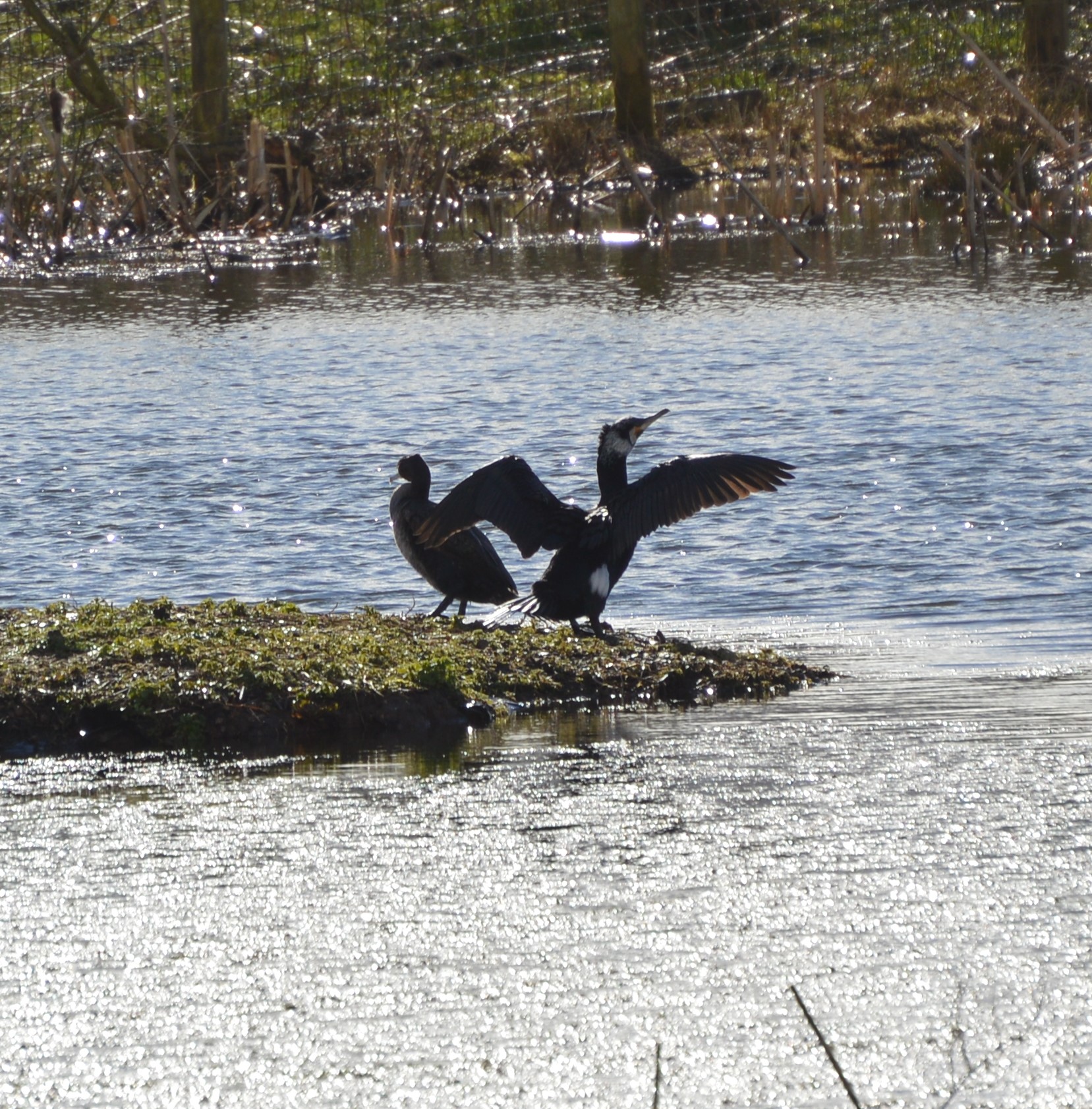
There were a few cormorants about – weird looking birds. Even the RSPSB website describes them as reptilian looking, which seems a tad unkind!

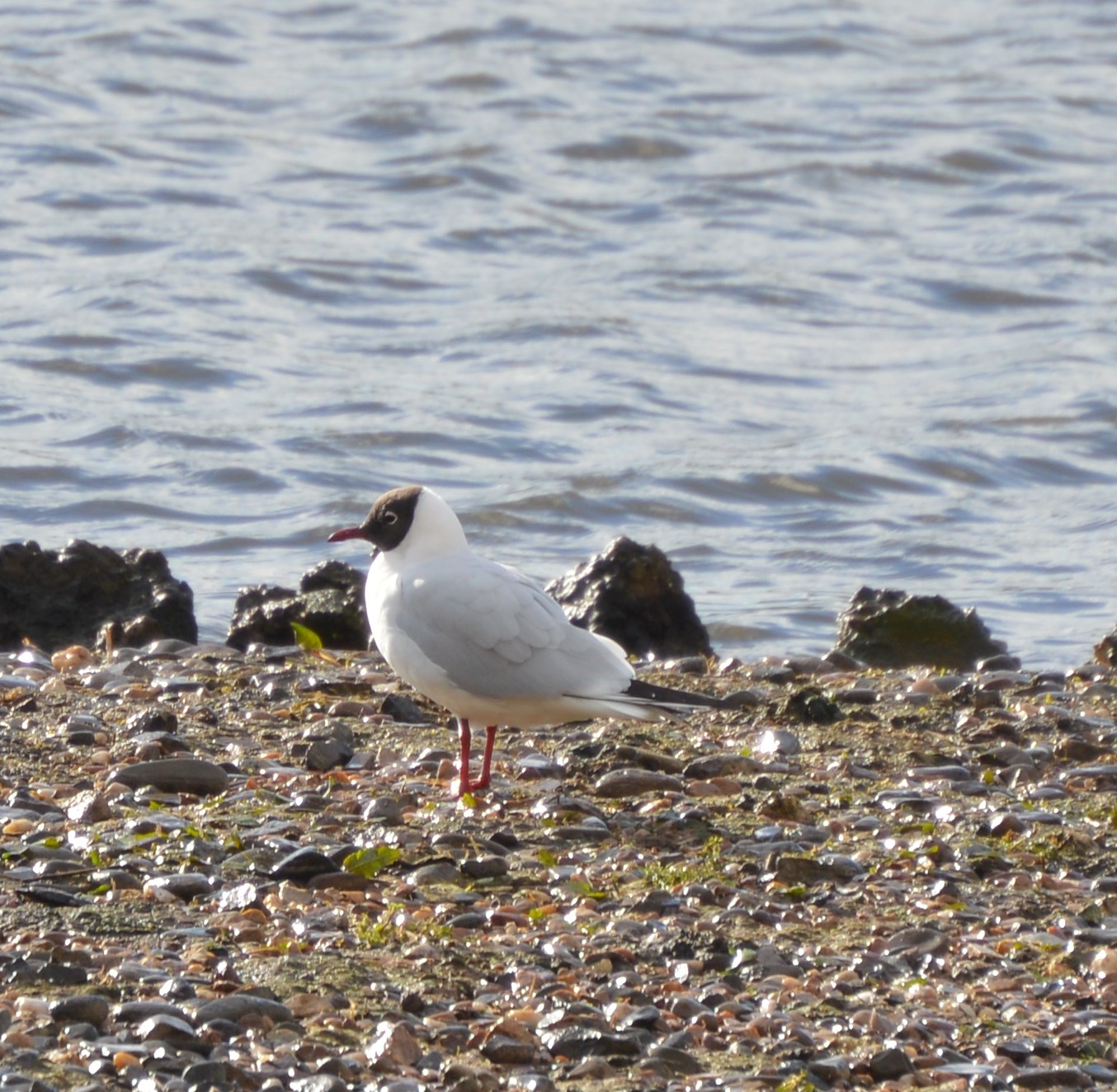
By far the most common birds I saw were these black-headed gulls, this one in his winter plumage still.

One species I was really pleased to see was the lapwing. I’d only ever seen these on TV (Springwatch most likely) and they are such characterful looking birds, I was really chuffed to find a small flock of them. They were a bit far away to get really good photos, although when they all took off I got a slightly better view.

Having lived by the coast for many years, one bird I was familiar with was the oystercatcher – never imagined I’d see them in the middle of Worcestershire though! I heard them at Upton before I saw them – that distinctive, fairly shrill call. A pair landed on a small island in front of me, easily recognisable with their bright red beaks and legs (I do like an obvious bird!) Again they were a bit far away to get really good photos.

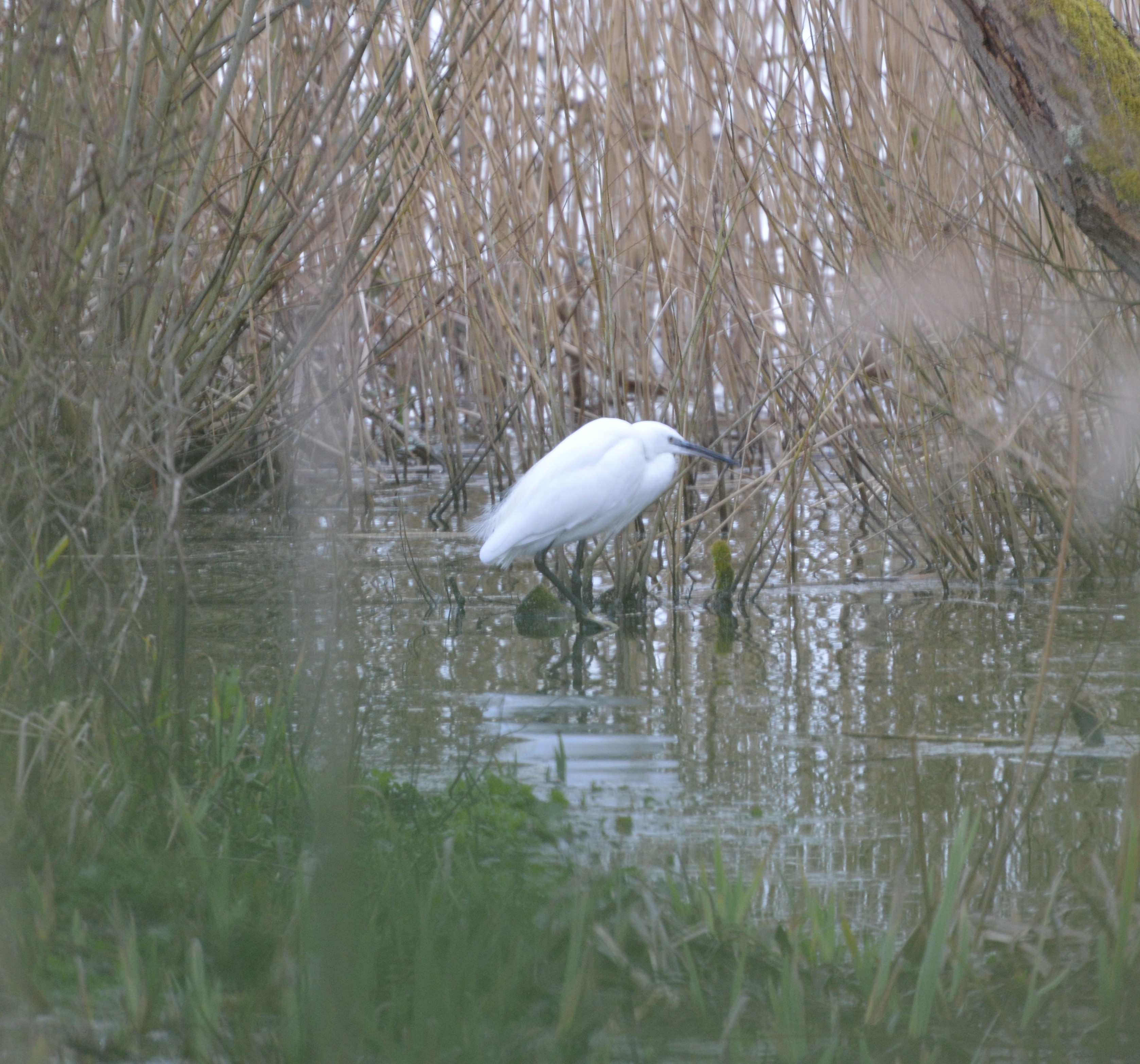
Without doubt the most beautiful bird we saw was this Little Egret,  spotted as I walked between hides. Almost ethereal with its pure white plumage, I watched it for a few minutes before it disappeared into the reeds.

All in all a great afternoon and although I was only there for a few hours, I still clocked up 18 species of bird, several of which were completely new to me. I heard another birdwatcher commenting that there was “nothing much showing” – he was no doubt much more experienced than I was and probably hoping for something unusual. Sometimes it’s good to be a novice, as I was absolutely delighted with everything I saw – lots of the birds were new to me, so it was all exciting and I was happy just watching what was there. For me there was plenty showing.

Finchy Firsts

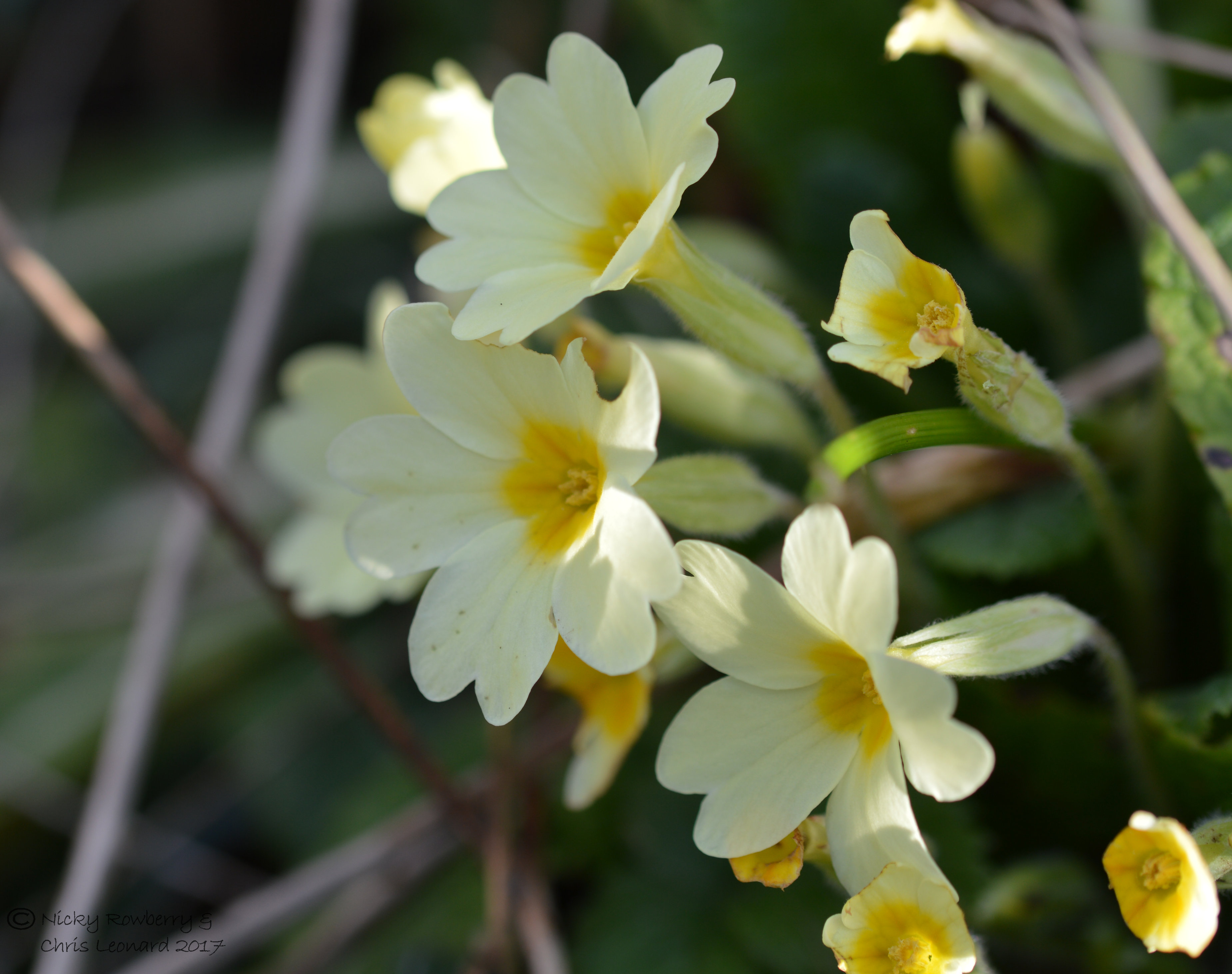
Yesterday there was a real feeling that spring was in the air. I know it’s technically still winter, but the day felt hopeful. The sun even made a (brief) appearance after what seems like weeks of grey skies here in Malvern. The primroses and crocuses were all out bringing a little cheer to the garden.

primroses

crocus

I had hoped there might be a few bees out and about, but was very happy instead to see my first hoverfly of the year. Eristalis tenax (also known rather unkindly as the Common Dronefly) was rather obligingly sunning itself on some large leaves. I’m very much a novice when it comes to hoverflies, but a very helpful man on Facebook ID’d it for me, with the top hoverfly tip that it is the only one like this that has enlarged hind tibia – which is probably the equivalent of fat calves on its back legs!

hoverfly-eristalis-tenax

I have been missing taking macro shots over the winter, so it was really nice to see at least one insect. I’ve tried the moth trap a few times over the last few weeks, but it has been completely empty each time – I need a mothy fix soon! The Garden Moth Scheme starts again in a few weeks, so I hope things pick up before then.

There may not have been many insects about lately, but there are always plenty of birds in the garden. This week we spotted both a chaffinch and a male bullfinch – neither of which we’d seen in the garden before. Sadly no photos of either, so you’ll just have to take my word for it.

I did however manage to see some goldfinches after spending an hour sitting behind a camouflage net in the garage peering through at the niger seed feeder. I was rewarded with a very brief glimpse and one dark and grainy shot of a goldfinch.

goldfinch

Just need a greenfinch now!