After Dark

So my mission to master the Trail Cam goes on! It seems there’s a lot more to it than just pointing the thing vaguely in the direction of some animals, but I guess if it was that easy, we’d all be professional wildlife photographers!

Latest attempts have been at filming our little mammalian friends after dark. We’ve known for a while that we had mice in the garage (merrily munching their way through the bird food supplies), so they seemed a logical subject for our nocturnal trials.

Hopefully what the garage footage shows is a typical house mouse and not a baby rat! For some reason mice in the garage seem quite cute, but rats are less appealing.

We then turned our attention to the garden at night. Although we do get hedgehogs in the garden they are hopefully still hibernating somewhere and though we’ve seen foxes out the front, we’ve never seen them in the back garden. So the best bet for nocturnal mammals was once again rodents (and next door’s cat) and so it proved to be.

Again I think it is a mouse and not a juvenile rat, but if anyone can confirm either way, it would be much appreciated. The images still aren’t perfect by any means, but I’m hoping that with a bit of practice we’ll be ready to take better shots once the hedgehogs emerge.

So I am making progress and learning a few things along the way, most of which are fairly obvious when you think about them – but clearly I didn’t think about them first. For instance if you leave the camera out to run through a very cold night into the next day – the first few hours of daylight photos will suffer from the dewy condensation on the lens until the sun warms it up enough to clear. I have a lot of very foggy photos of early morning birds due to this! Ideally you need a fair amount of sun (virtually non-existent here since we bought the camera), but you don’t want to be pointing too much up at the sky. Videoing a swinging bird feeder produces (not surprisingly) lots of films of swinging bird feeders, not necessarily with any birds (258 videos one day alone). At night you need to balance the strength of the infra-red light against the distance to your subject – too strong and too close and it’s a white-out; too weak or too far and it’s a blurry image.

Hopefully spring will come soon bringing more photo ops and tempting this fair-weather blogger out into the garden to rummage through the weeds for invertebrate subjects – I’m missing my little spineless friends!
 

Trails and Tribulations

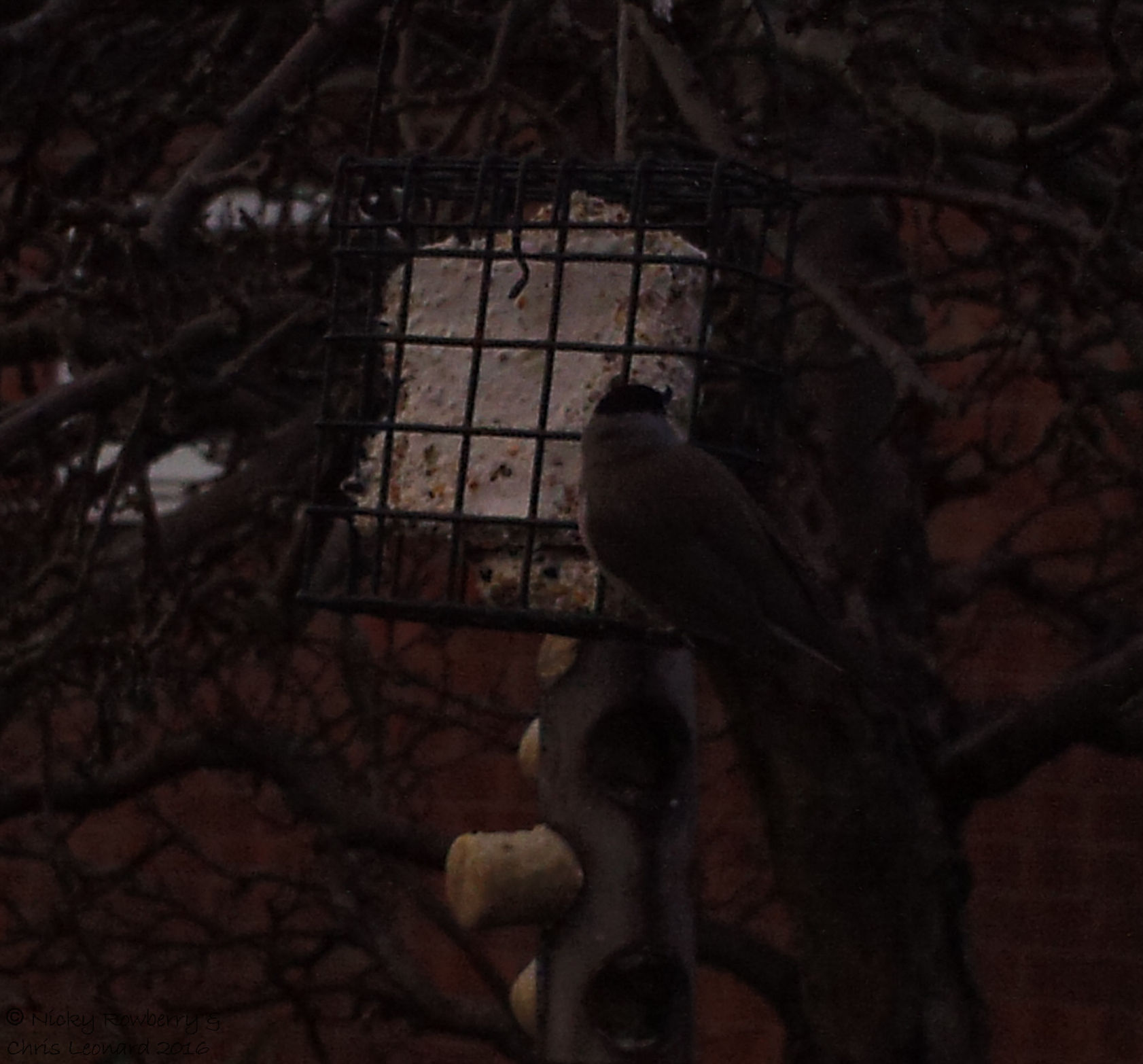
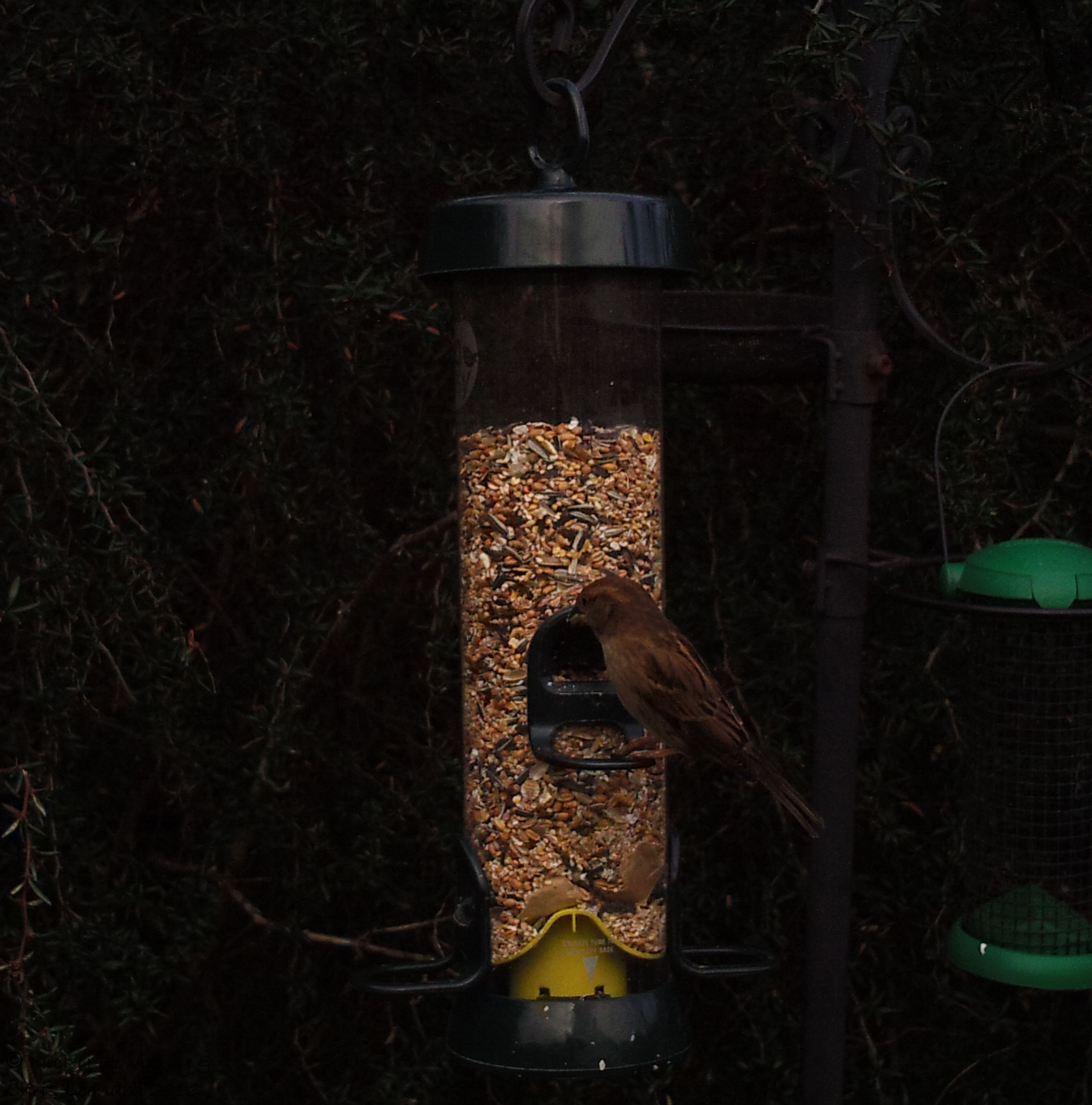
So the saga of the new trail cam continues. Two days on from the last post and I do at least have a few more bird photos – still none that are great quality, but at least I’m getting greater quantities of the duff ones, so I guess that’s an improvement! Here are a couple of the stunning examples so far:

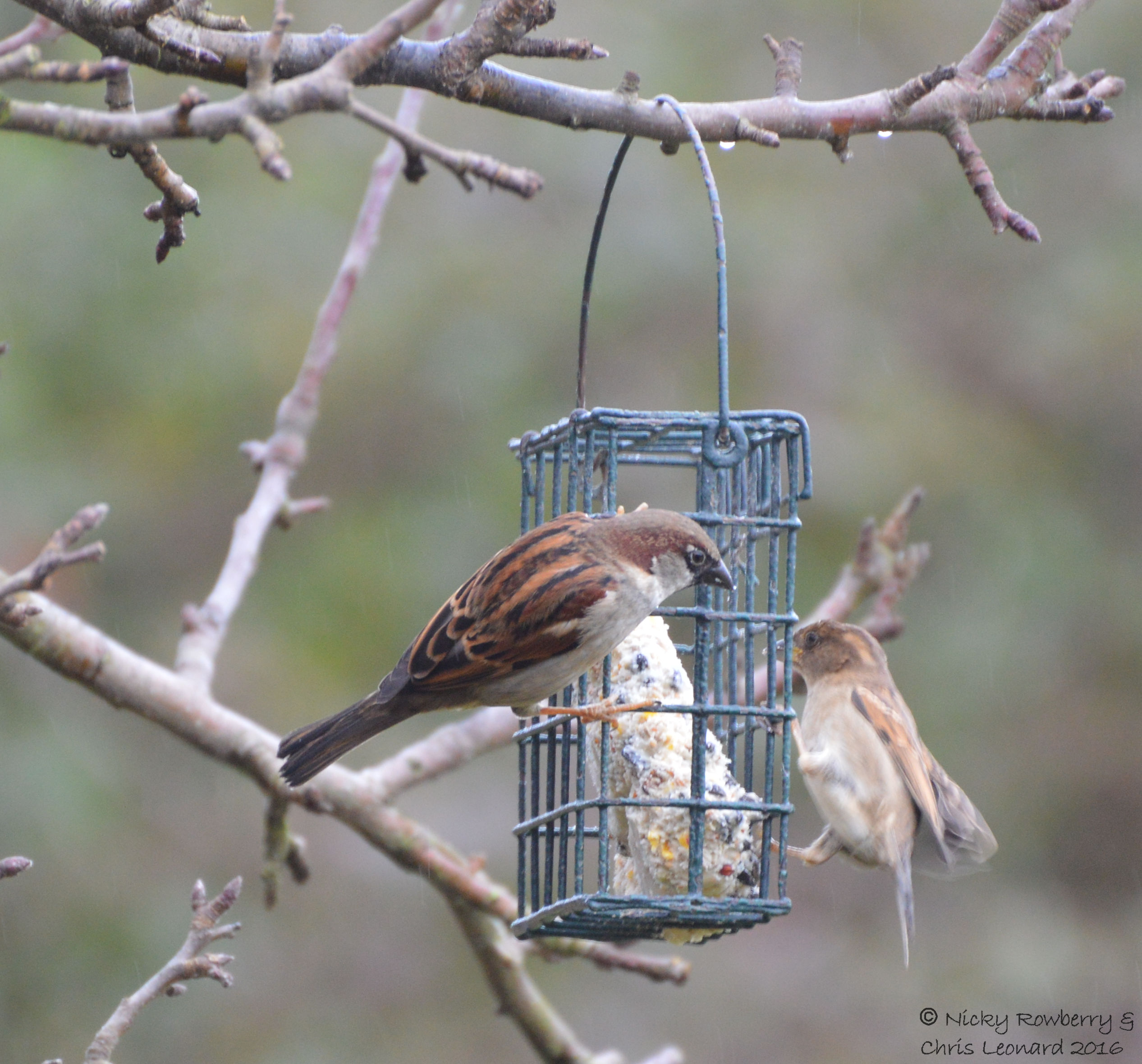
Blackcap Sparrow

Somehow I’d thought we’d just stick the camera out and it would miraculously take perfect, in-focus shots of everything. Of course that doesn’t happen. First the camera was too far away from the subjects, then too close. Then there were twigs in the way, then it was too dark. Yesterday’s attempts were hampered by constant rain. Today the sun is out, but the wind is blowing a gale. We had the camera pointed at a bird feeder, which even from the sofa I could see was lurching around on the branch. The result – in the half hour the camera was out, 197 photos of flailing suet feeder, of which only 8 actually had a bird in!

I have been forced to take drastic action and read the manual. Whilst I grudgingly admit that the manual has some good points, there now just seems to be even more things to consider – infra-red levels, motion sensitivity, shutter speed etc. None of which will come as a surprise to anyone else no doubt, but for a technophobe like me it all feels a bit daunting.

The good news at least is that the birds aren’t at all phased by the camera, even if I am. They are happily flying around it no matter how close it is to their food – maybe I can just get them to take the photos – birdie selfies? We’ve also got lots of recordings of birdsong, so nothing wrong with the sound.

But finally after many trials and even more errors, I have managed to get a few half decent videos.  They’re only short and they’re far from perfect, but they’ve got recognisable birds! This is the highlight so far, a pair of Long-tailed Tits on the suet block.

I suppose the moral of this particular post is patience. I’m trying to console myself with the thought that if I get all the most brilliant shots in the first weekend, there’ll never be any need to put the camera out again. At least this way I’ve got months (oh god) of anticipation waiting for that perfect shot.

New Toy!!

So excited this week, hubby and I finally got round to buying a trail camera for the garden. Must admit we were partly inspired by Winterwatch (although we may have to downgrade our expectations from their Scottish Wildcats to Malvern’s domestic moggies) and partly by frustrations at our inability to get close enough for decent bird photos without one (and the neighbours probably think we’re crazy enough without stalking the birds in camouflage gear!)

I’ve always been of the “life’s too short to spend ages doing sensible research” ethos when buying anything and tend to go for the first one I see “that looks nice”. So after reading one whole review and a quick look on Amazon, we’ve got a Bushnell camera. First attempts produced a very attractive photo of my knee (available on demand) and a brief video of our cat coming in for treats. But at least this proved it worked.

The bracket to attach the new toy to a tree hasn’t arrived on Thursday, so thought we’d try out some ground shots. Camera duly positioned at ground level and left to do its thing for the day. Came home that afternoon optimistic for a memory card full of bird videos. What we actually got was a memory card full of videos of the bush blowing gently in the breeze against the skyline – I’d got it angled all wrong in the morning. One (of the twenty or so) videos did manage to capture the top of a blackbird head and one got a fly going past, but they weren’t exactly the footage I’d hoped for.

With dusk falling, the camera was out again, but the birds were of course insisting on feeding in other parts of the garden. (tempting thought that maybe we need to buy more cameras?) We left the camera out overnight and managed to capture a photo of next door’s cat – progress of sorts! Unfortunately we must have a setting wrong somewhere as most of the photo was a white out and overblown.

Friday and we finally have a photo of a bird! Not a brilliant photo, but a recognisable blackbird. Clearly still not got the settings right though as it is hardly a sharp and detailed image. So if anyone’s got any tips on how to improve, they would be most gratefully received. But in the meantime – ta-dah:

M2E86L187-187R427B294

Citizen Science

With the Big Garden Birdwatch coming up this weekend, it got me thinking about the other forms of Citizen Science (Citizen Smith’s nerdy cousin!) that the other half and I get involved with from the comfort of our own garden.  For amateur biologists like us, these projects are a great way of indulging our hobbies and hopefully contributing something useful with the information at the same time. Most of the ones we participate in require no specialist knowledge (phew!), no specialist equipment and often very little time. Yet when enough people contribute, they can provide significant amounts of information that the scientists couldn’t get any other way.

The Big Garden Birdwatch is one of the oldest projects and has been going for over 30 years, allowing the RSPB to monitor long term trends in our garden bird populations.  You just need to watch the birds in your garden for an hour and count the maximum number of each species you see. For more information go to: https://ww2.rspb.org.uk/discoverandenjoynature/discoverandlearn/birdwatch

The Big Butterfly Count is a relative newcomer, having only started in 2010, but already it’s become the biggest butterfly survey in the world. Last year over half a million butterflies were recorded in over 50,000 counts – you couldn’t pay for that amount of data!  For this project all you need to do is record the maximum number of each of the target species you see in just 15 minutes during the 3 weeks the project runs each summer. For more information go to: http://www.bigbutterflycount.org/

I’ve been monitoring the moths in our garden for a while now and last year took part in Moth Night in September.  Moth night runs for a different weekend each year with a different theme each time (this year it will be Hawk-moths). You can either run a moth trap in  your own garden or go to one of their public events. For more information go to: http://www.mothnight.info/www/ This year I’ve decided to go one step further and joined the Garden Moth Scheme. This project gets volunteers to put out moth traps in the garden once a week over the summer months and log their findings. Since I’ve been more or less doing this anyway, joining the scheme seemed like the logical thing to do. For more information go to: http://www.gardenmoths.org.uk/

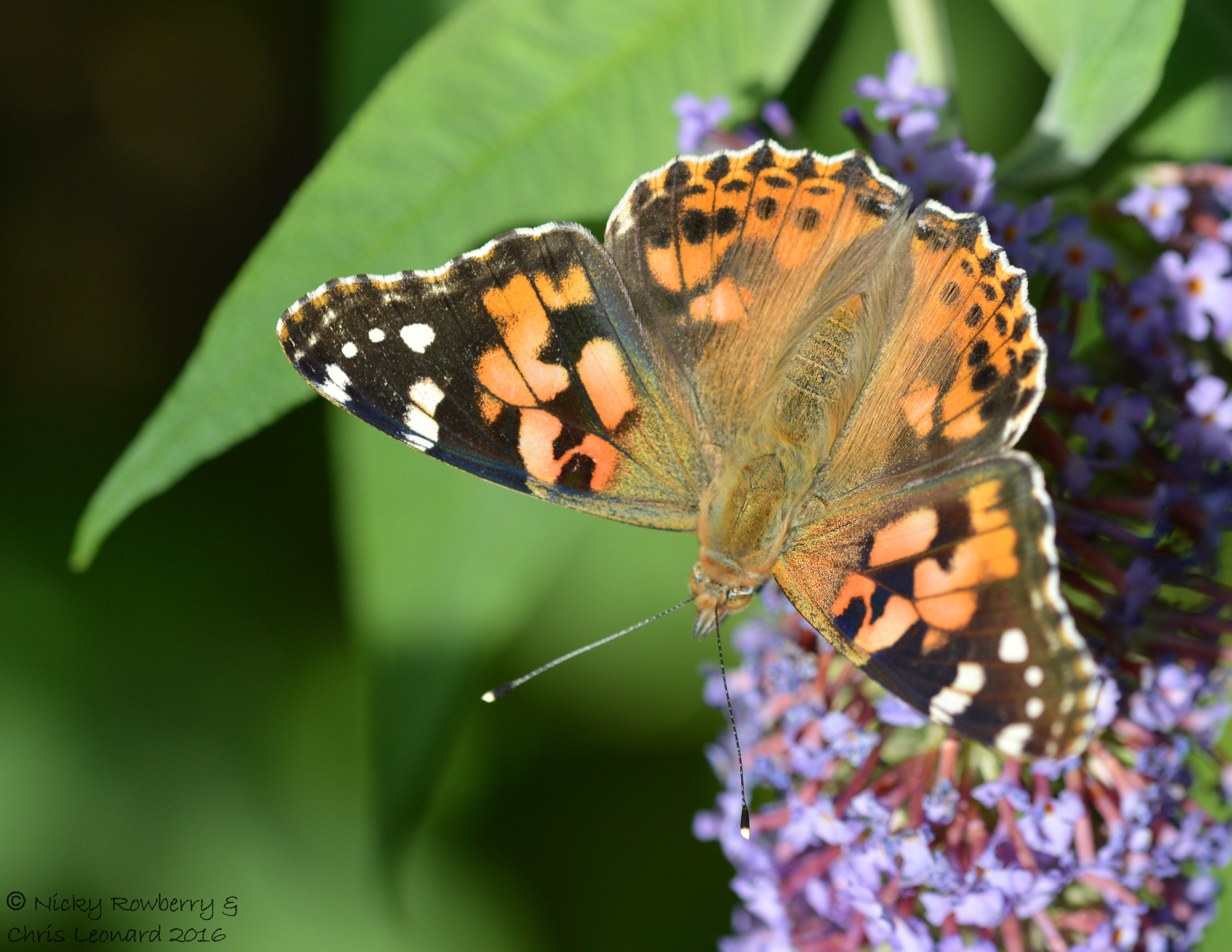
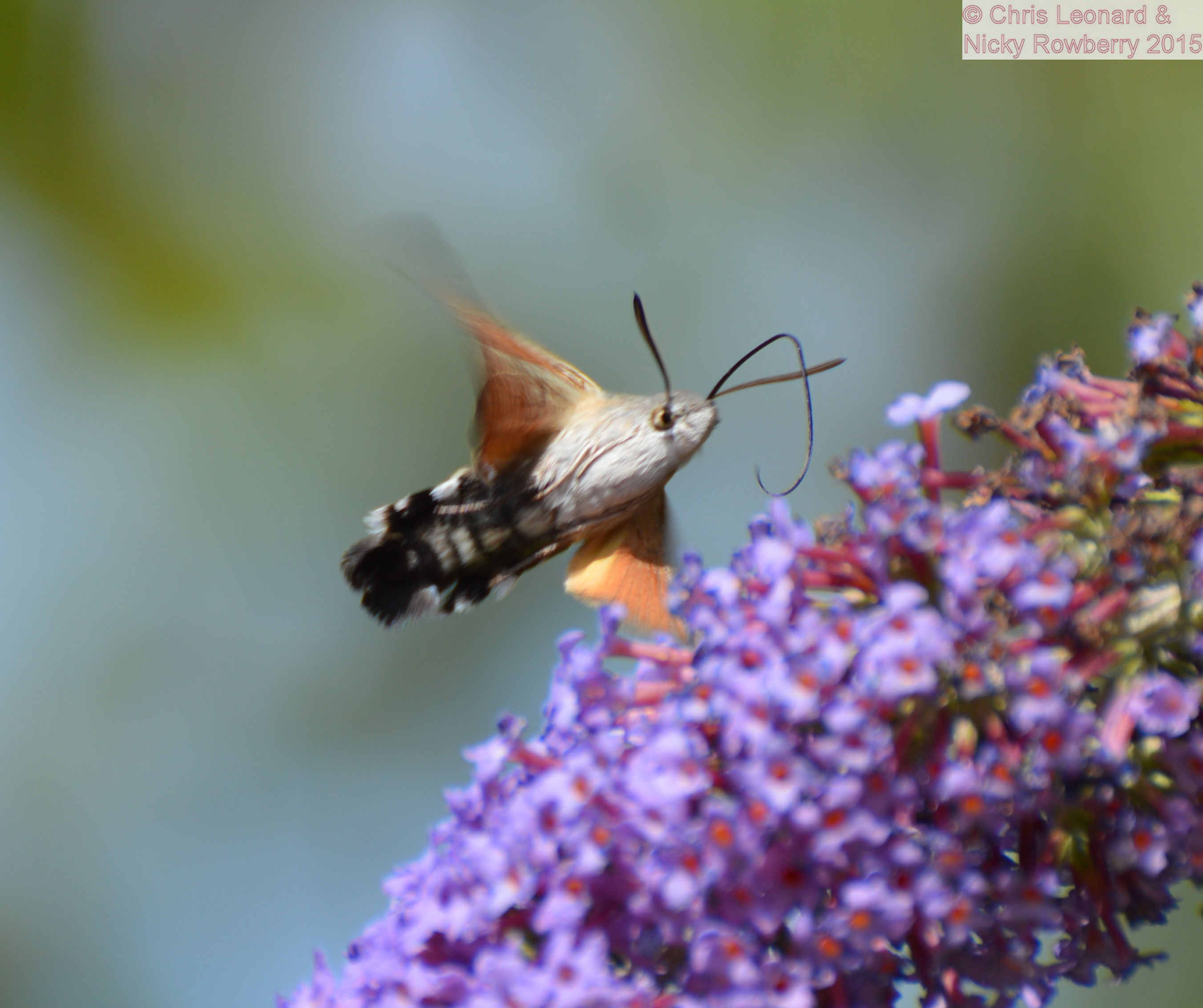
If you don’t want to get involved in anything too formal, some schemes just require you to log certain species as and when you see them. Butterfly Conservation runs a Migrant Watch for Painted Lady butterflies and Hummingbird Hawk-moths. These species are becoming increasingly common in the UK and may be indicative of climate change. You can help monitor this by simply logging any sightings of them (at home, work wherever you see them). Humming Bird Hawkmoth 3For more information go to: http://butterfly-conservation.org/612/migrant-watch.html


Azure DamselflyThere are schemes for all sorts of species – we’ve logged dragonflies and damselflies at http://www.british-dragonflies.org.uk/ and reptiles and lizards at http://www.recordpool.org.uk/index.php You name it there is probably a recording scheme for it somewhere.

Although I’ve always been interested in encouraging wildlife into the garden (hence the abundance of wilderness areas – honest that’s the reason!), it was taking part in a Garden Bioblitz a few years ago that really fired my enthusiasm. In a Garden Bioblitz you simply record all the species (plants and animals) you can find in your garden over a 24 hour period.  The first time we did it, the other half and I recorded 119 species – and that was before we had a moth trap! Hopefully this year we can improve on that. If you fancy having a go – http://www.gardenbioblitz.org/

In short (after rambling on longer than I meant to), if you’re interested in wildlife and observing it anyway, why not put those observations to good use and submit them to one of these schemes?

A Frost , A Moth and A Snail

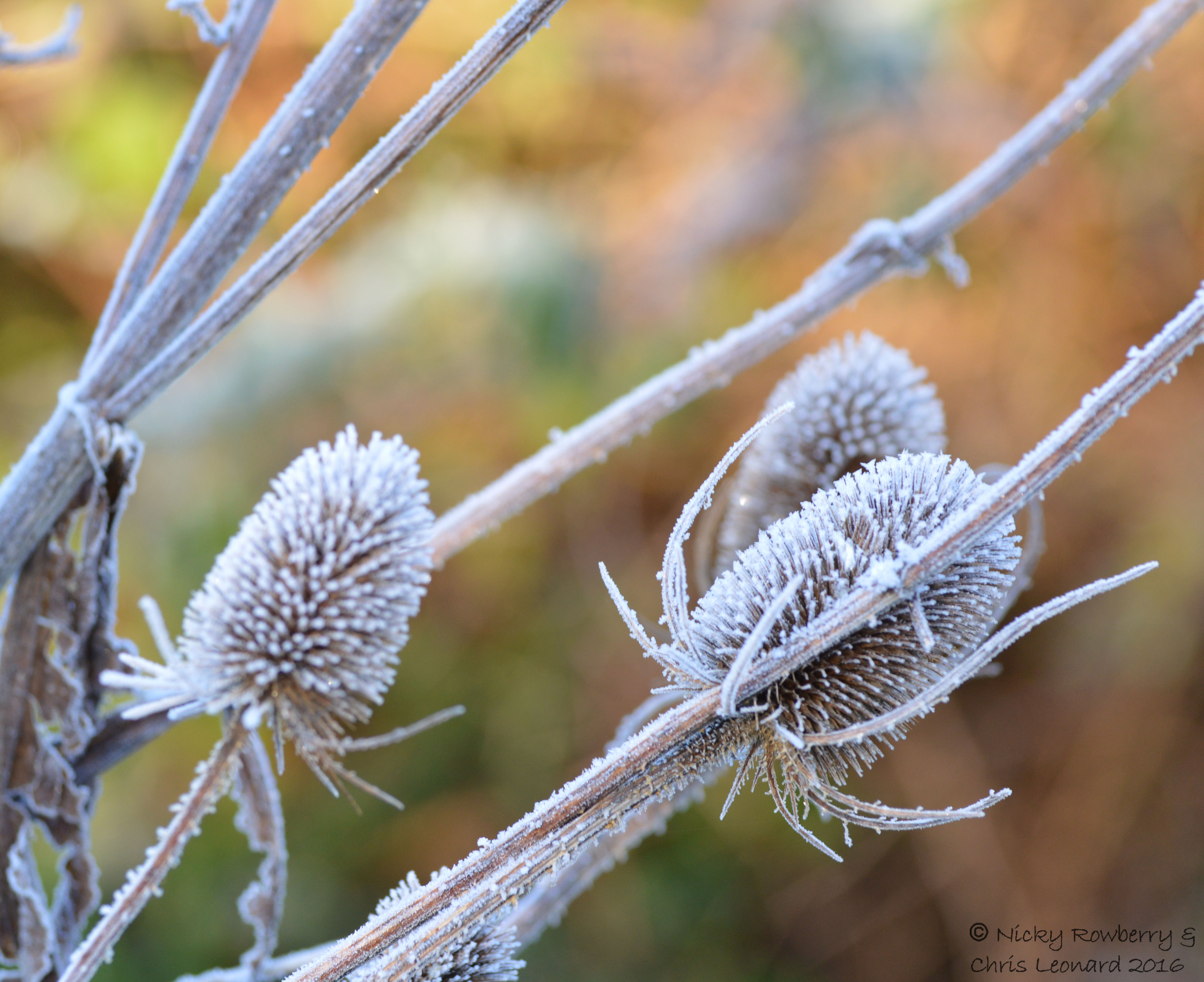
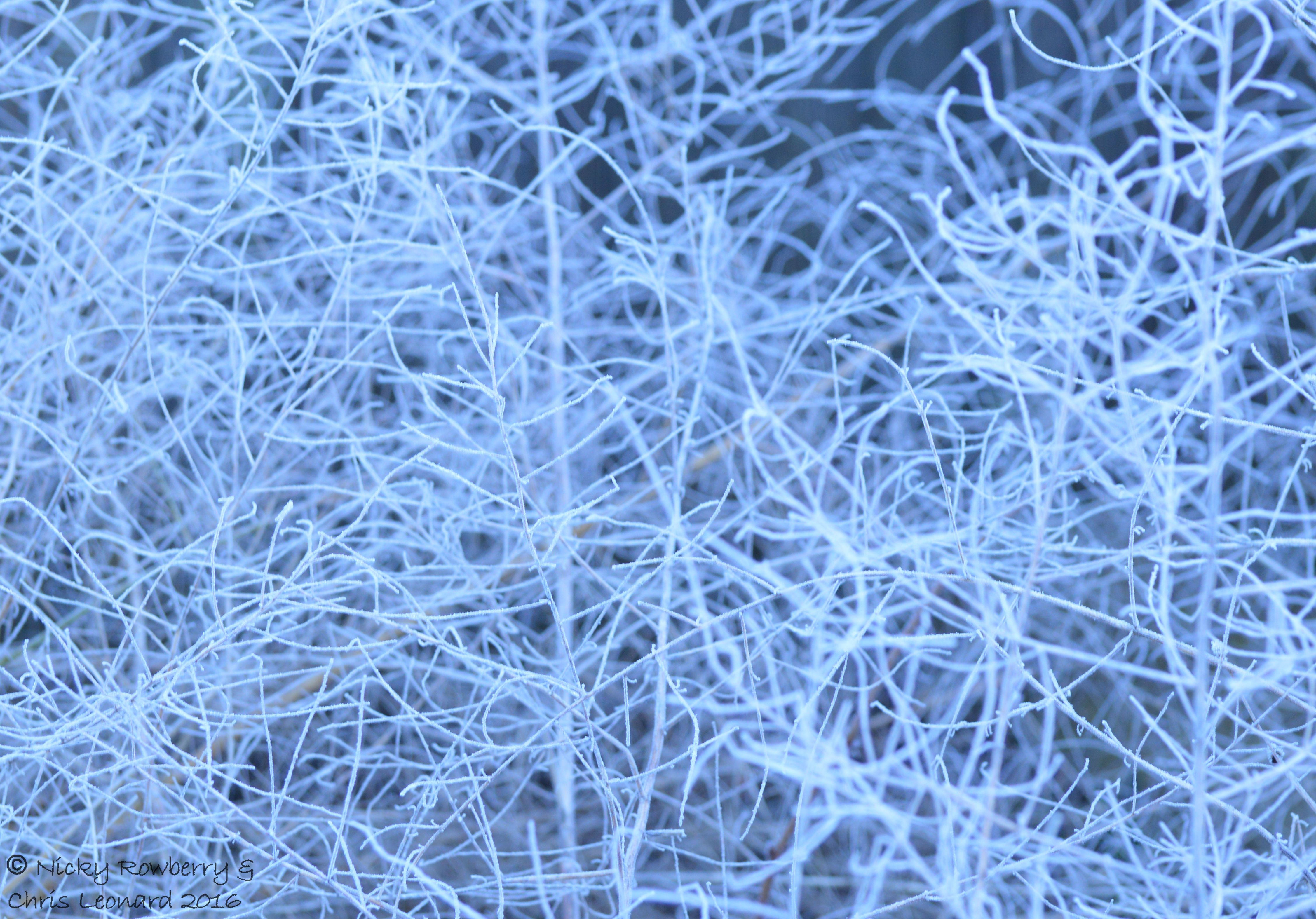
Finally this week, the frosty morning I’ve been waiting for! Jack Frost had visited my beloved teasels leaving them glinting in the early morning sunshine.  The asparagus fronds (long overdue for a haircut)  took on an almost ethereal blue hue, making them far more attractive than they are in their non-wintry state.

Frosty teaselFrosty asparagus

The cold snap didn’t last long though and last night was mild enough to put out the moth trap, although I didn’t hold out much hope. But I got up this morning to the triumphant catch of one moth and one caterpillar!

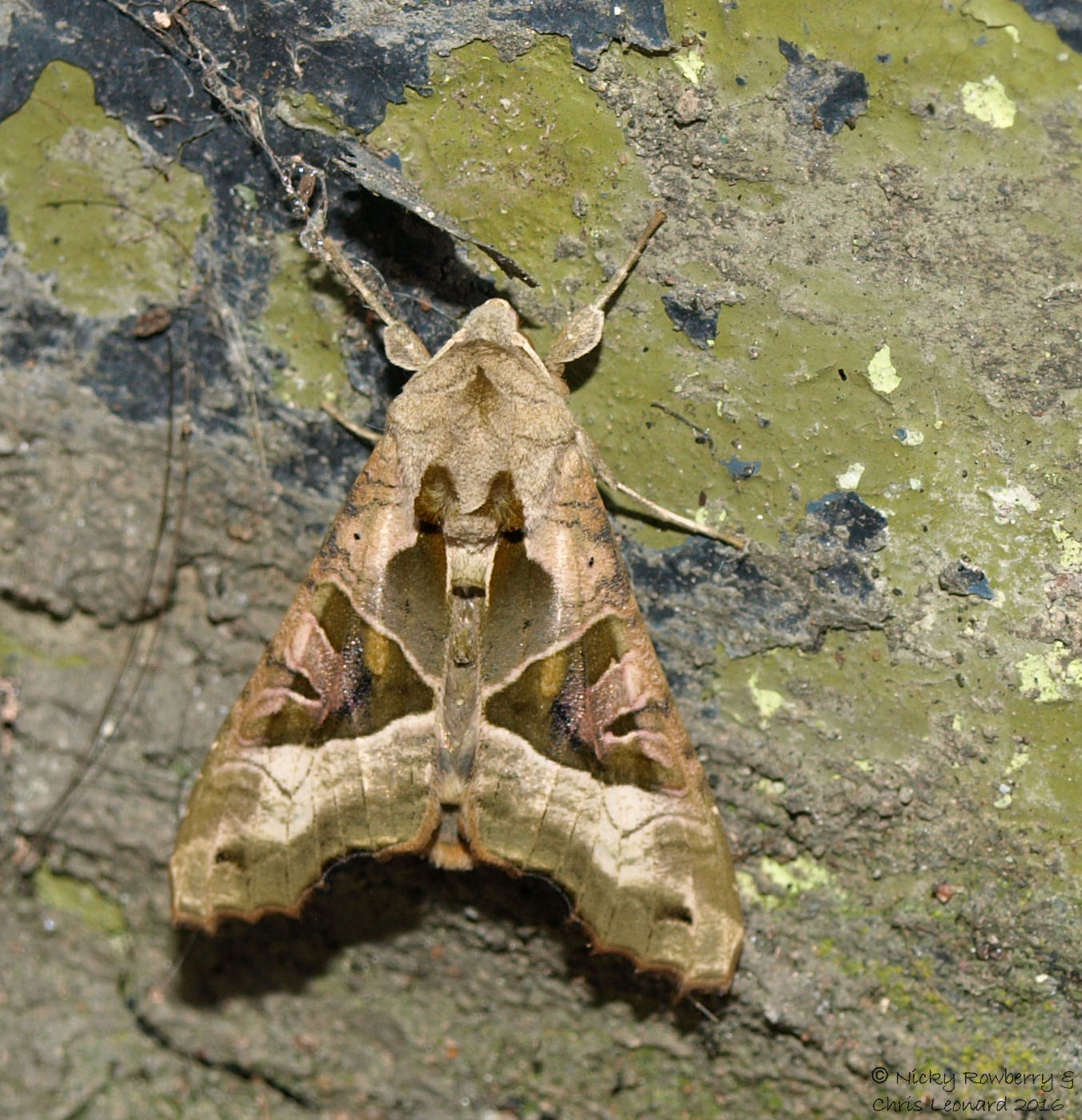
The caterpillar turned out to be that of an Angle Shades moth – one of my favourites (I’m conscious of sounding a bit like Bruce Forsyth now “You’re my favourite” to every moth I find!) The photo of the caterpillar was taken this morning; next to it is an adult Angle Shades moth snapped in warmer months.

Angle Shades Caterpillar

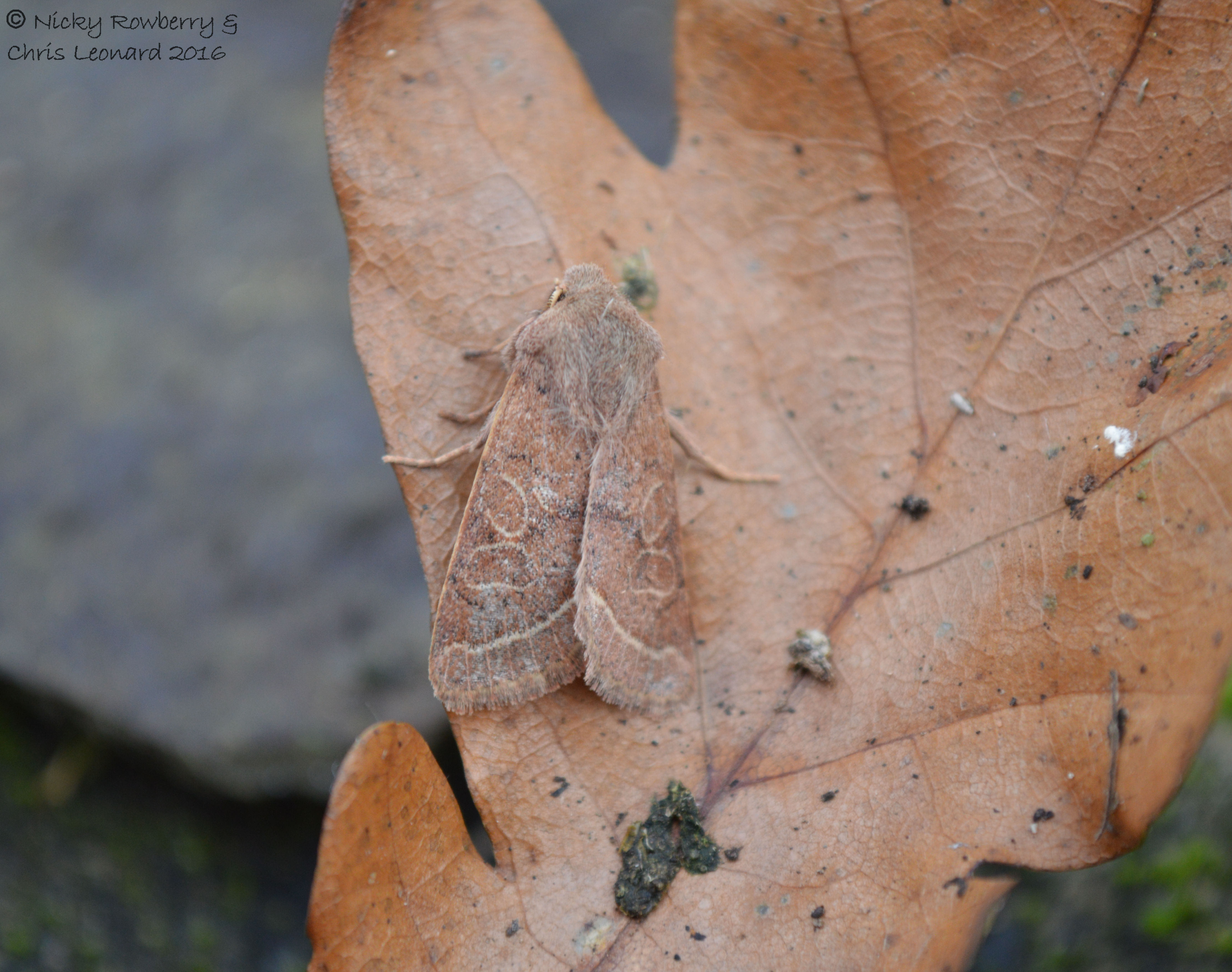
Common Quaker 2The moth turned out to be a Common Quaker – quite early in the year for this species, which I guess just shows how mild the winter has really been here in Malvern at least. In hunting round to find a suitable leaf for my Quaker to sit on for his photo shoot, I also found this teeny, tiny snail. It was only a couple of millimetres long, so apologies for the less than perfect photograph. I think it may be a Common Chrysalis Snail (Lauria cylindracea), Tiny Snailbut it was so small and I’m so not good at mollusc identification, that I can’t be sure. If anyone has any other ideas, I’m happy to be corrected. There are probably lots of other species of mollusc lurking in the garden – I clearly need to rummage around in the leaf litter more!


One final random fact  – it is apparently a Wolf Moon this weekend.  Not expecting too many wolves to be baying at the moon in Worcestershire this weekend, but I like the idea that each full moon of the year traditionally had its own name.

New Year’s Resolutions

Well 2015 is over and I reckon it’s been a pretty good year for the wildlife in the garden. The final tally includes:

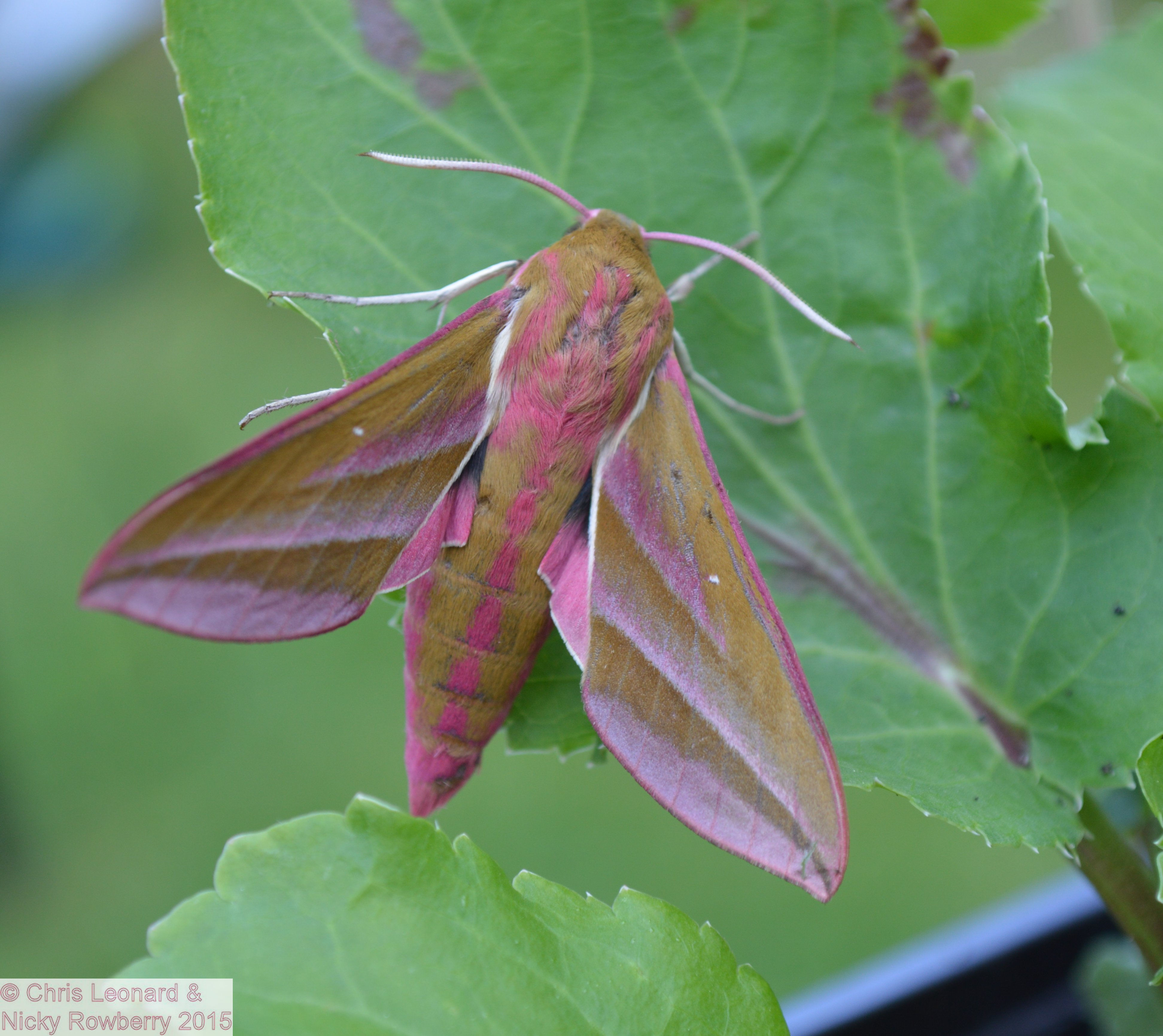
  • Elephant Hawk-moth155 species of moth recorded in the garden, plus about 6 more seen out and about. Most of the 155 came to the moth traps, but a few were more adventurous and made it as far as the bathroom!
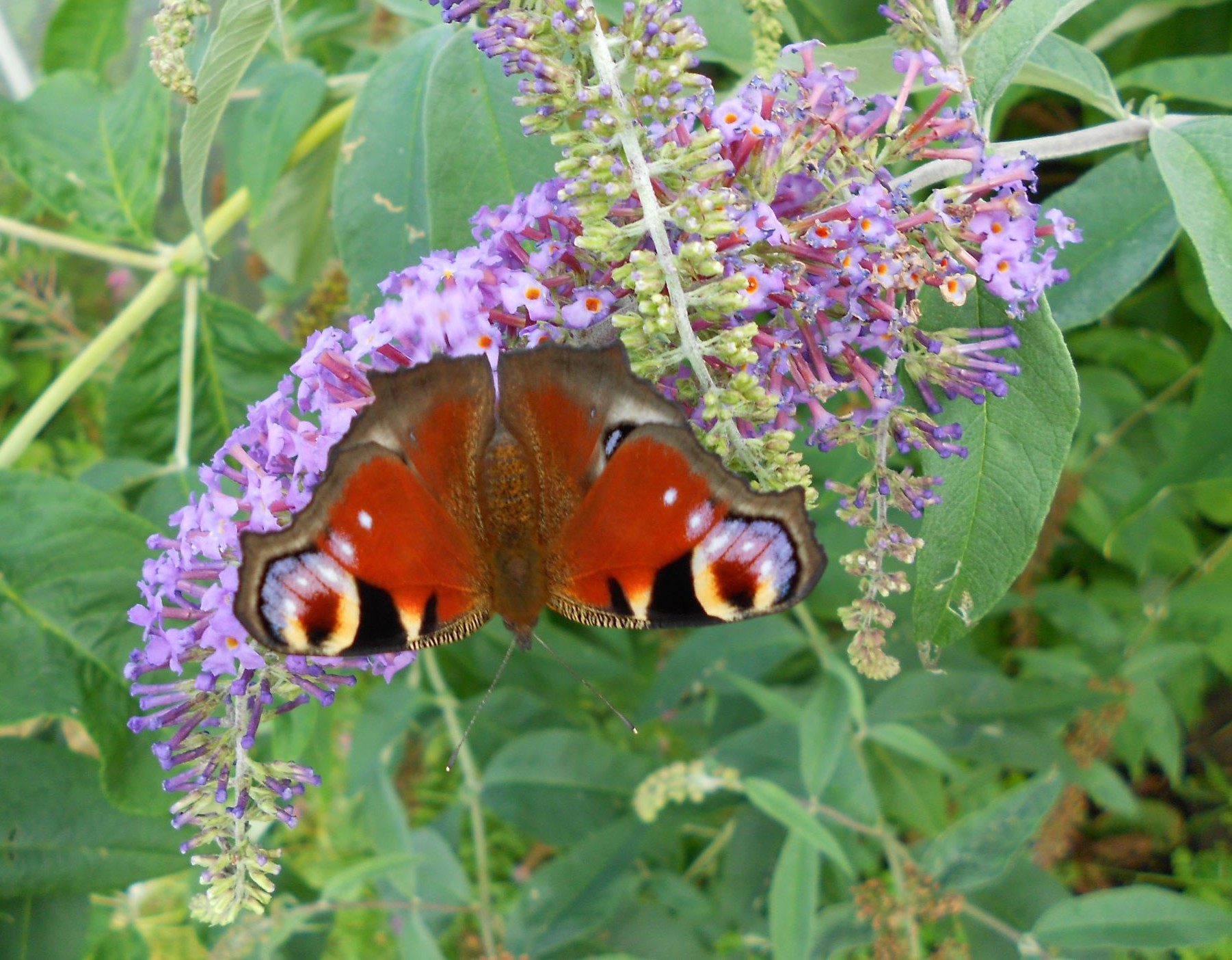
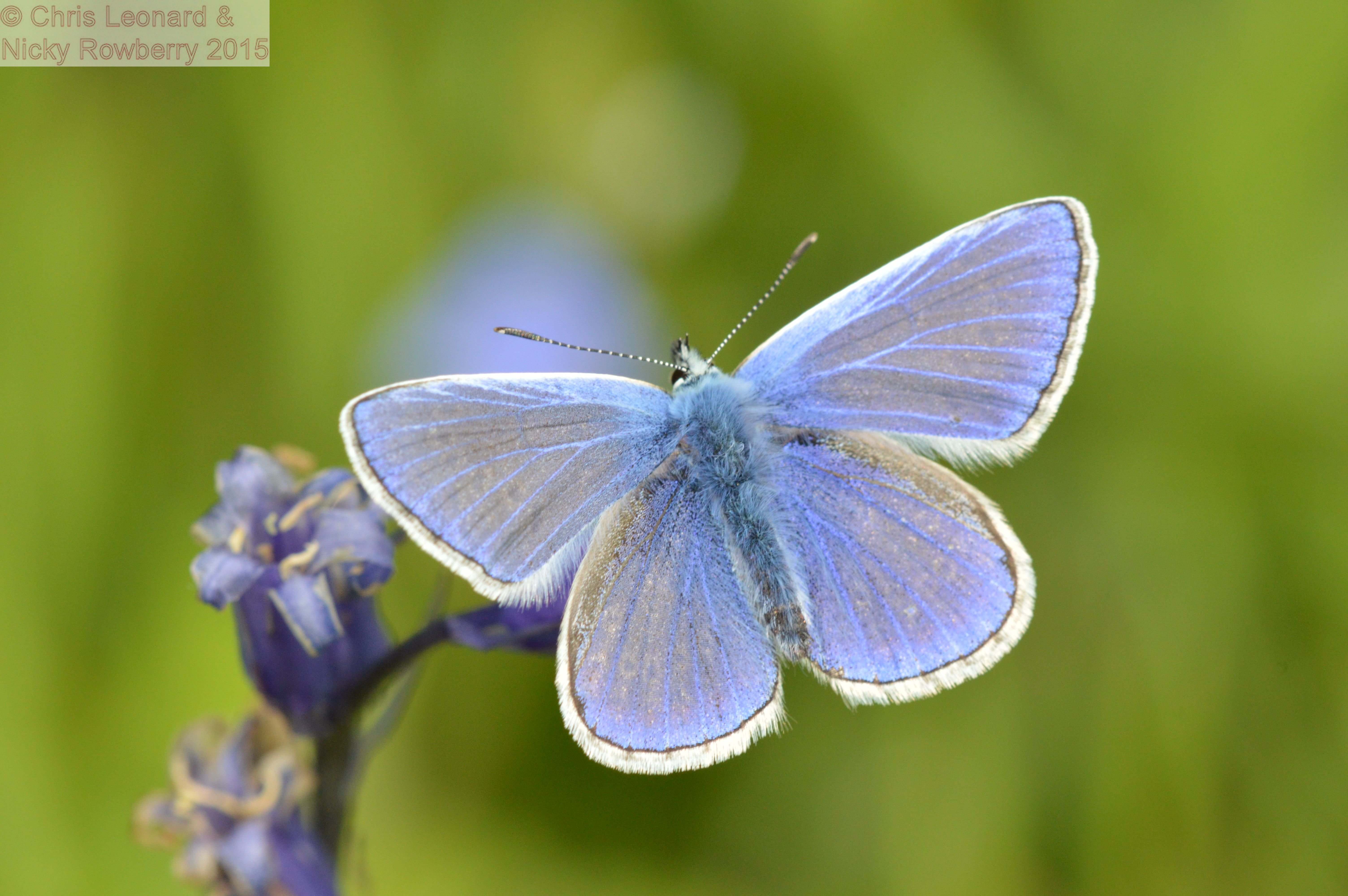
  • Common Blue28 species of butterfly bagged, of which 17 appeared in the garden at least once during the year.


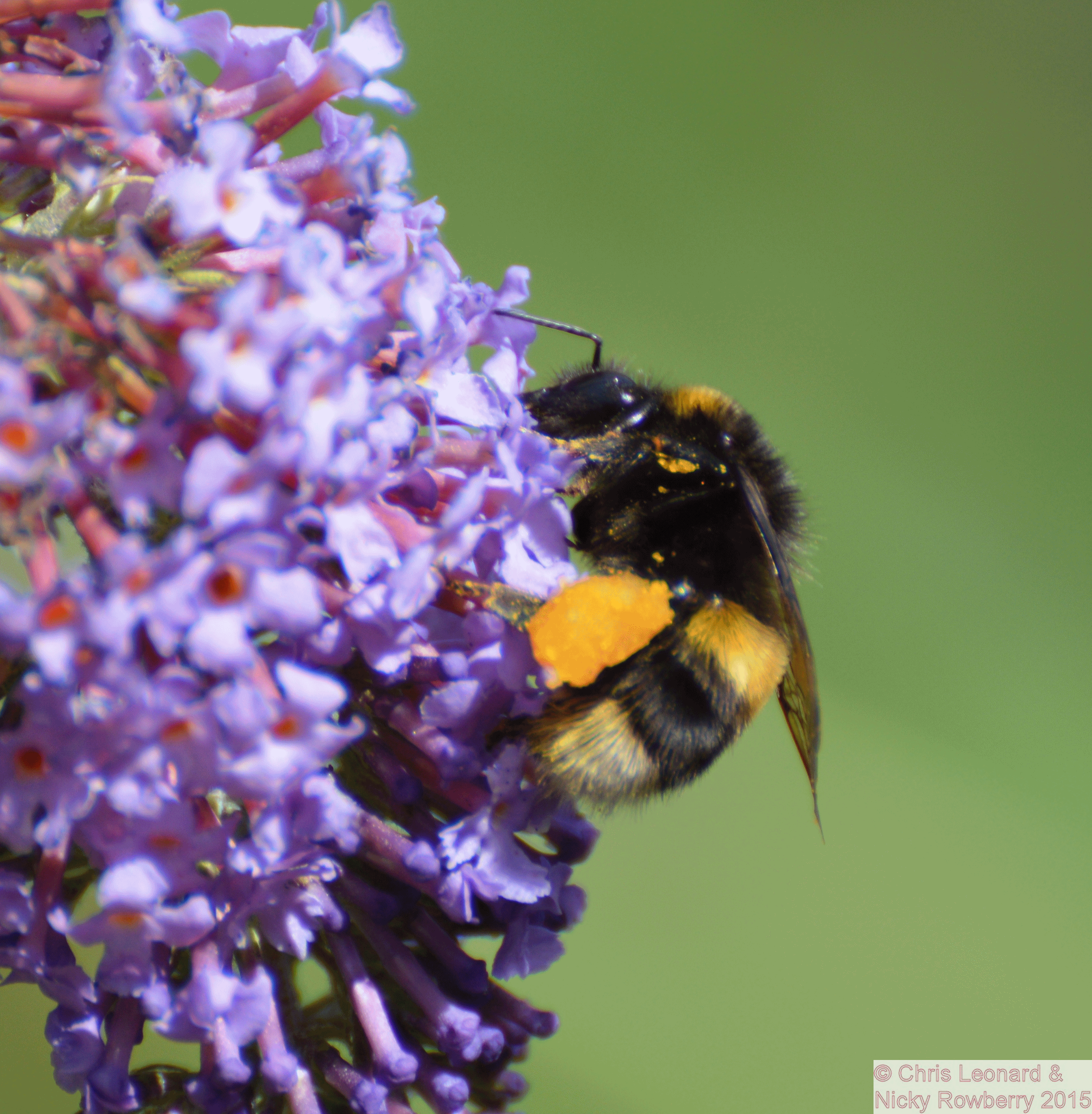
  • Bee on buddleia12 species of bee in the garden (which reminds me I must do a bee post soon). At the height of the summer (such as it was) the garden was buzzing with bee activity.


  • 7 species of shieldbug in the garden, including a rarity for Worcestershire – the Box Bug (which remains the only wildlife to have used our new bird bath!)


  • Hedgehog3 mammal species in the garden (grey squirrel, hedgehog and regular if unidentified bats) plus one family of mice living in the garage.


  • 3 amphibian species (toad, frog and common newt) visiting our pond/bog and surviving attacks from our garden furniture.


  • One sparrowhawk (and consequently one less sparrow) in the garden. Numerous other small birds though eating their way through a small fortune’s worth of bird seed.


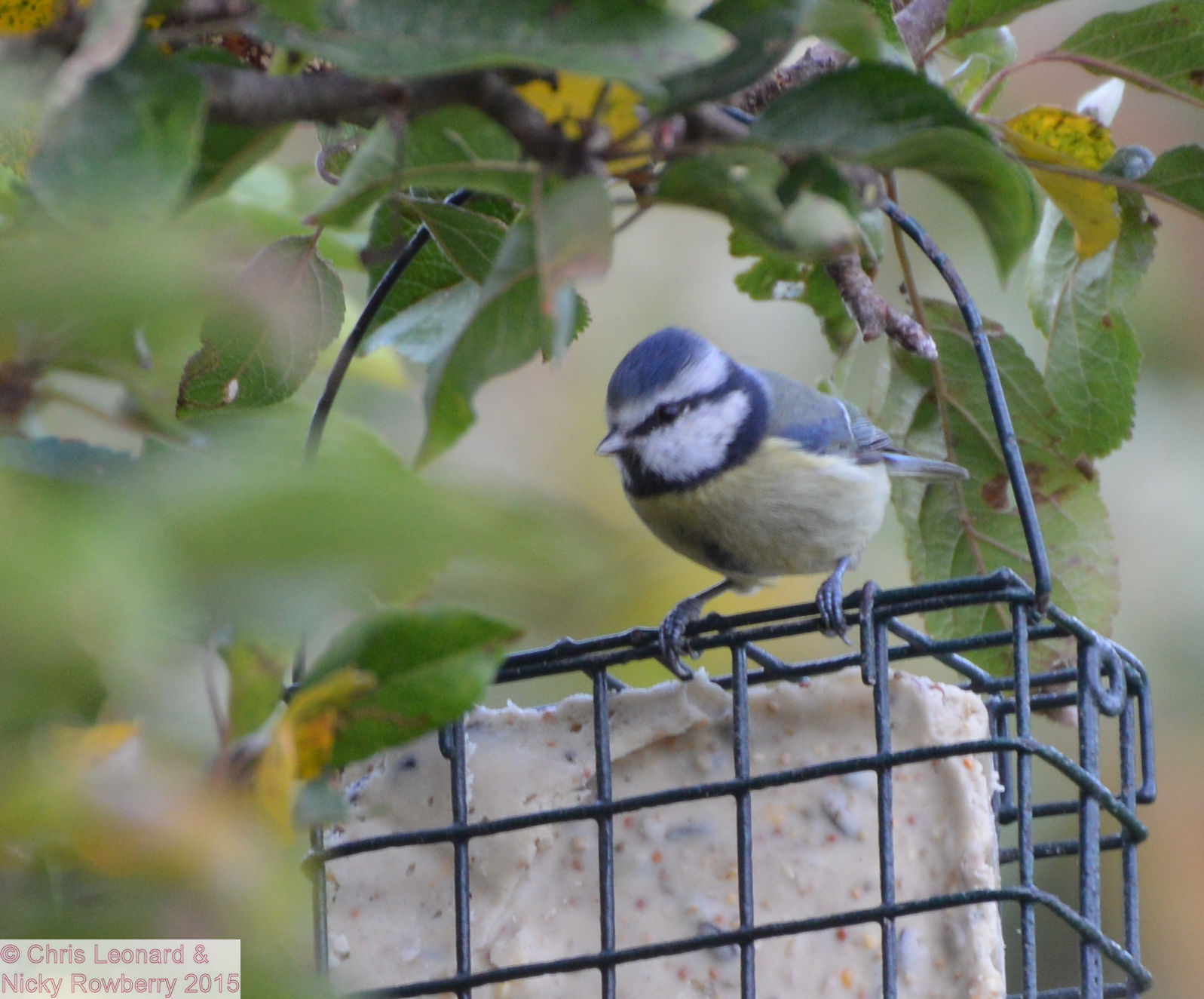
  • Blue Tit on Suet FeederOne family of blue tits successfully fledged from our bird box, after 6 years of it sitting empty. Fingers crossed for a repeat next year.


  • Swollen Thighed BeetlePlus numerous beetles (including my personal favourite – the swollen-thighed beetle), molluscs, ants, wasps, hoverflies and other assorted invertebrates.


  • TeaselsAnd finally of course to maintain the “too lazy” ethos – zero weeds were harmed in the making of this list!


So that brings me to 2016 and some New Year’s resolutions. As there is virtually no chance of me succeeding with any of my usual resolutions (cut down the drinking, lose weight, grow taller, read the classics, write a classic, stop fantasizing about George Clooney etc. etc. etc.) I thought I’d make an alternative list of things I might actually achieve.  So for 2016 I hope to:

  • Try and see at least 4 more species of butterfly – there are lots of great wildlife reserves within easy distance of Malvern, so hopefully we can bag at least some of the following: Grayling, Wood White, Purple Emperor, Small Pearl Bordered Fritillary, Silver-studded Blue and Green Hairstreak.
  • Have a go at beetle trapping. Having more or less got the hang of the moth traps, it would be good to expand our insect repertoire.
  • Dig a new pond – one that actually has water in, not just soggy mud.
  • Replace at least some of the overgrown weeds with more butterfly and bee flower beds.
  • Work out what species those unidentified bats are – it’s been bugging me for years!
  • Get that moth tattoo I’ve been toying with for ages!
  • Learn to photoshop convincingly so I can fabricate evidence of the above when I fail to achieve these resolutions too!

Wishing all lazy wildlife enthusiasts a happy, healthy and environmentally friendly 2016.

The Humble (or not) Earthworm

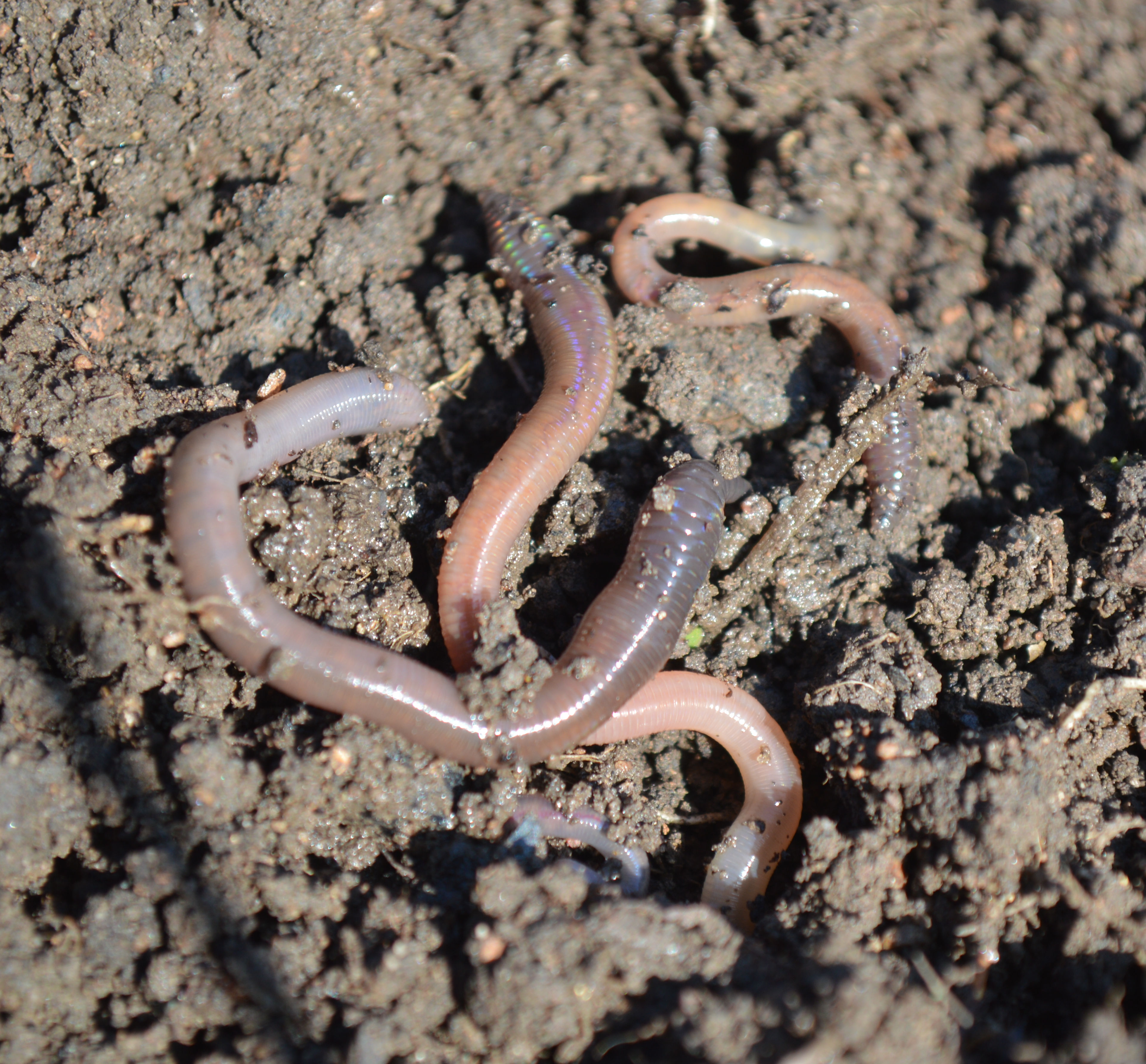
EarthwormThe Buglife charity’s Bug of the Month for September is the Common Earthworm. I know earthworms are probably at the lower end of the glamour scale when it comes to bugs – I also know that it may only be me that can possibly imagine a glamour scale of bugs! (butterflies would be near the top by the way) Nevertheless earthworms are probably some of our most important invertebrates, improving the structure of the soil and recycling nutrients. They’re not the most photogenic of creatures though and I’m not even 100% sure the worms I dug up here are Common Earthworms (Lumbricus terrestris), as it turns out there are quite a few similar species. But whatever they were, they were doing a good job of aerating our vegetable plots, enabling the weeds to grow even more enthusiastically.

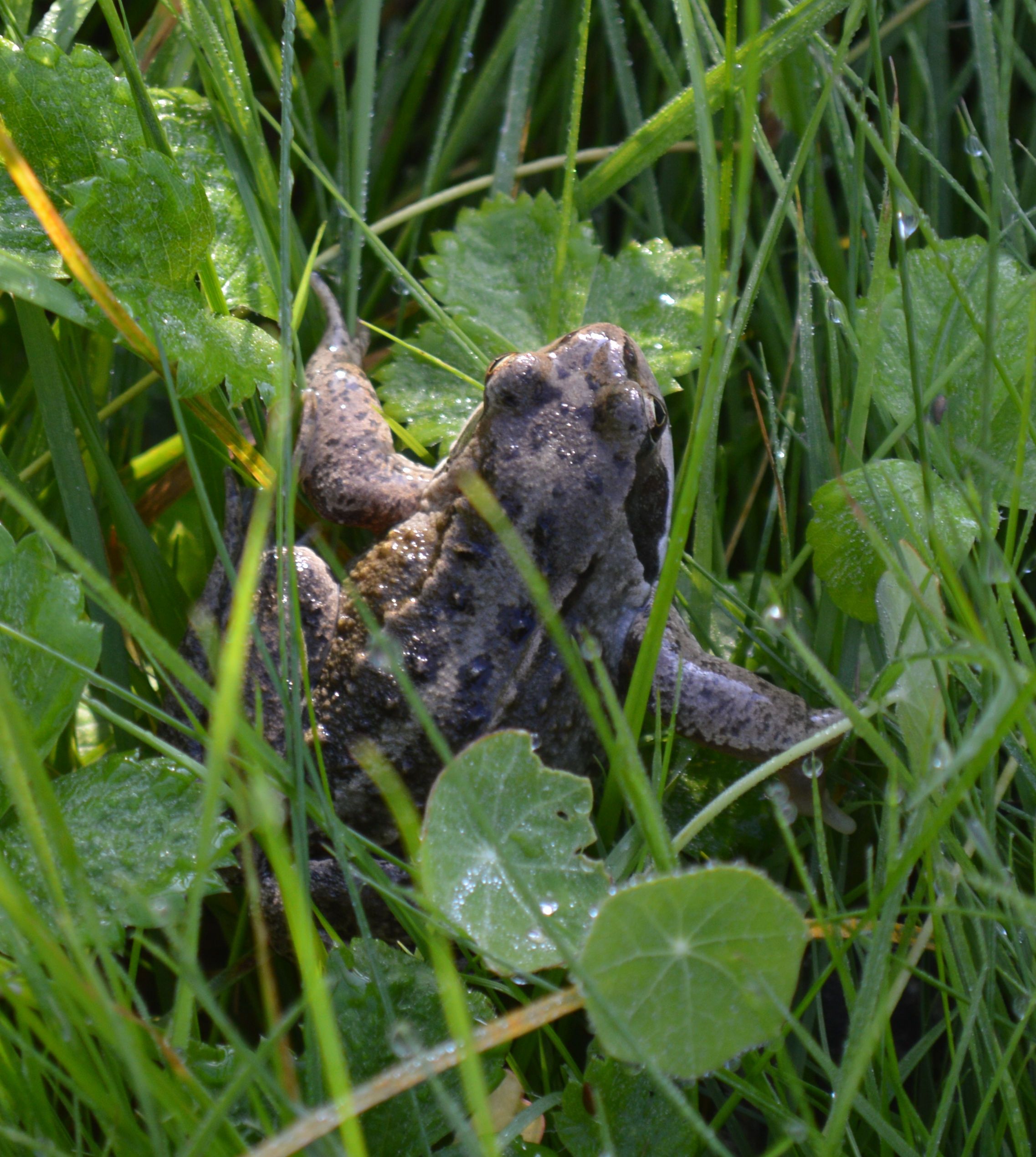
Toad 2While digging up the worms for the photo, I disturbed another toad who’d been minding his own business amongst the lush undergrowth growing where the veg should have been. Thankfully the garden fork missed him or we’d be getting a reputation in the amphibian world as toad harassers after last month’s incident with one of his comrades. Hopefully he forgave my intrusion when he found the pile of freshly dug worms – being bug of the month doesn’t save you from toady termination.


Sweet Smell of Success

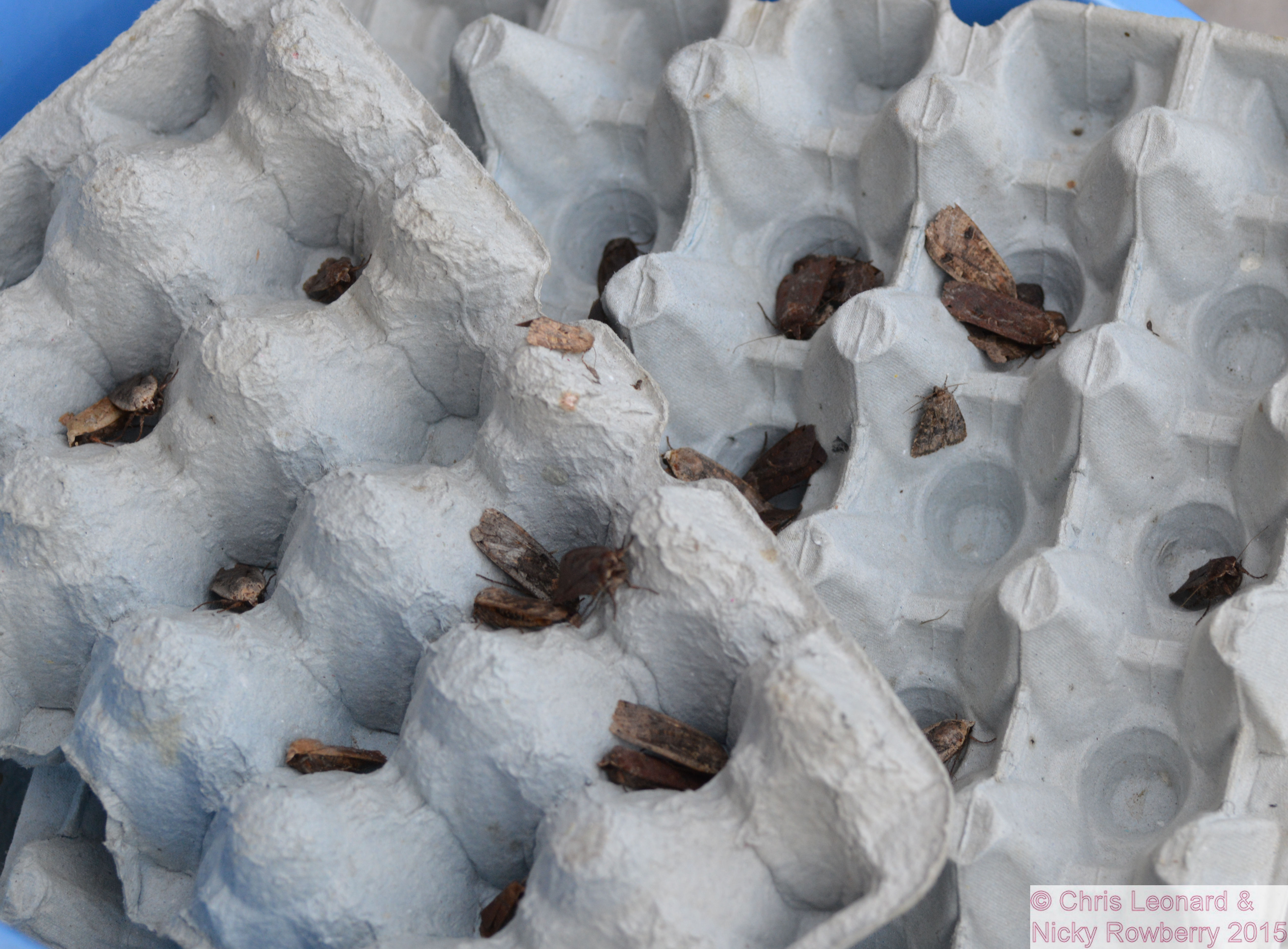
Moth HaulSo Moth Night is over for another year and I was pretty pleased with the results from our little patch of mothy heaven. A total of 21 species and 217 individuals recorded from the two nights I ran the moth traps. The weather wasn’t perfect (it chucked it down the first night) but the moths were obviously more intrepid than me and braved the elements to come to the lights. (if you light it they will come…)

For the first time I’d tried the sugaring technique, daubing our apple tree with the sticky sugary concoction – and success! A beautiful Copper Underwing just couldn’t resist the sweet smell and spent a long time filling his proverbial boots from the tree. I was a bit worried the moths might just get stuck in the sugar, but thankfully morning came and no sign of treacly embalmed insects.

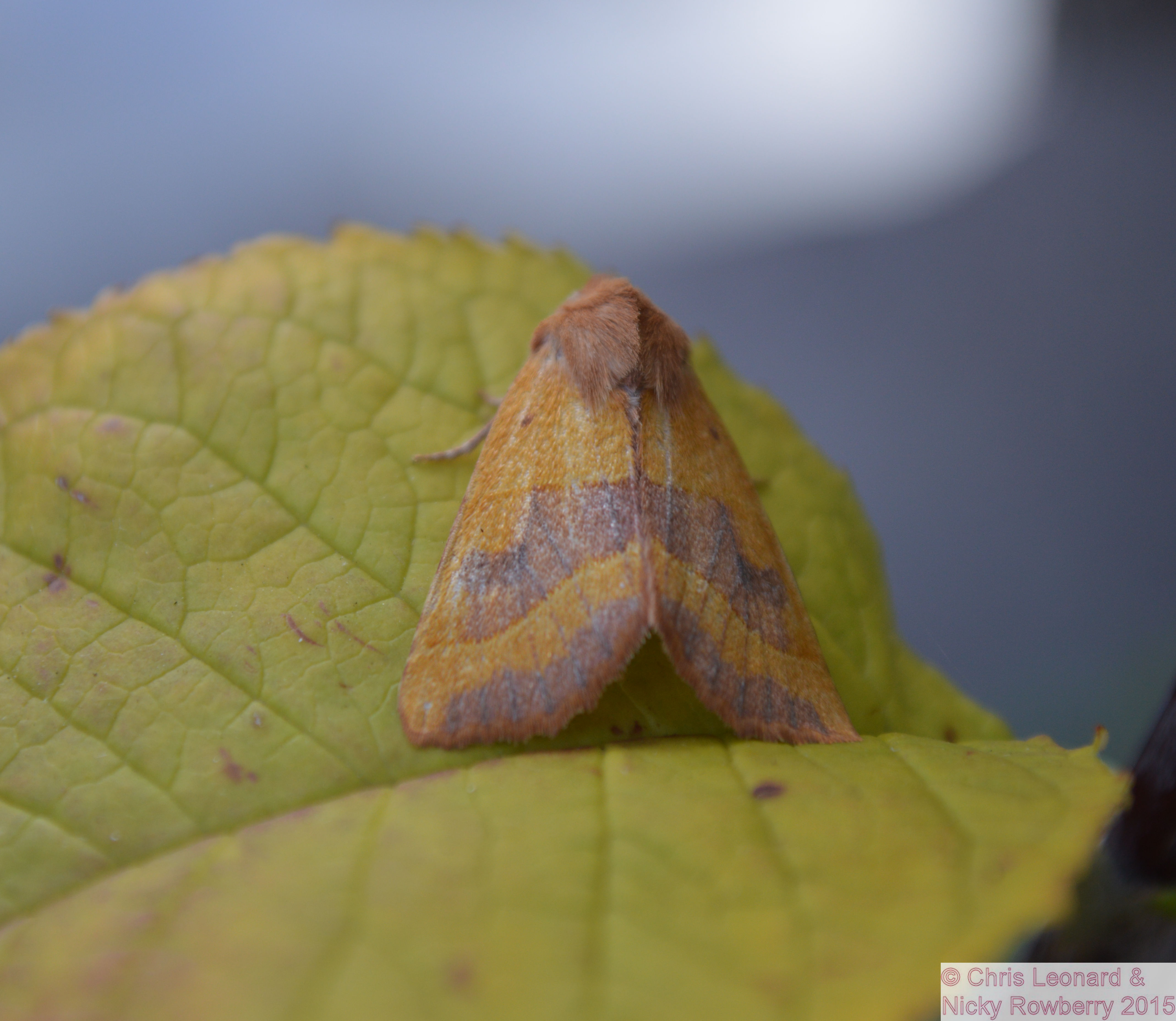
Centre Barred SallowThe vast bulk of them were Large Yellow Underwings (156 individuals) which tend to dominate the traps at this time of year. But amongst them were a few other beauties, like this lovely autumnal looking Centre Barred Sallow. These pretty moths are supposedly coloured like this so they are camouflaged against the autumn leaves.


Lunar UnderwingAlso popping up were these Lunar Underwings – I have a soft spot for these probably because the name reminds me of the “Giant Lunar Moth” from the Dr Dolittle film (now that would be a sight at the moth trap!)  Hopefully Moth Night will have been a success all over the country and provide plenty of useful data for their conservation.