Sweet Smell of Success

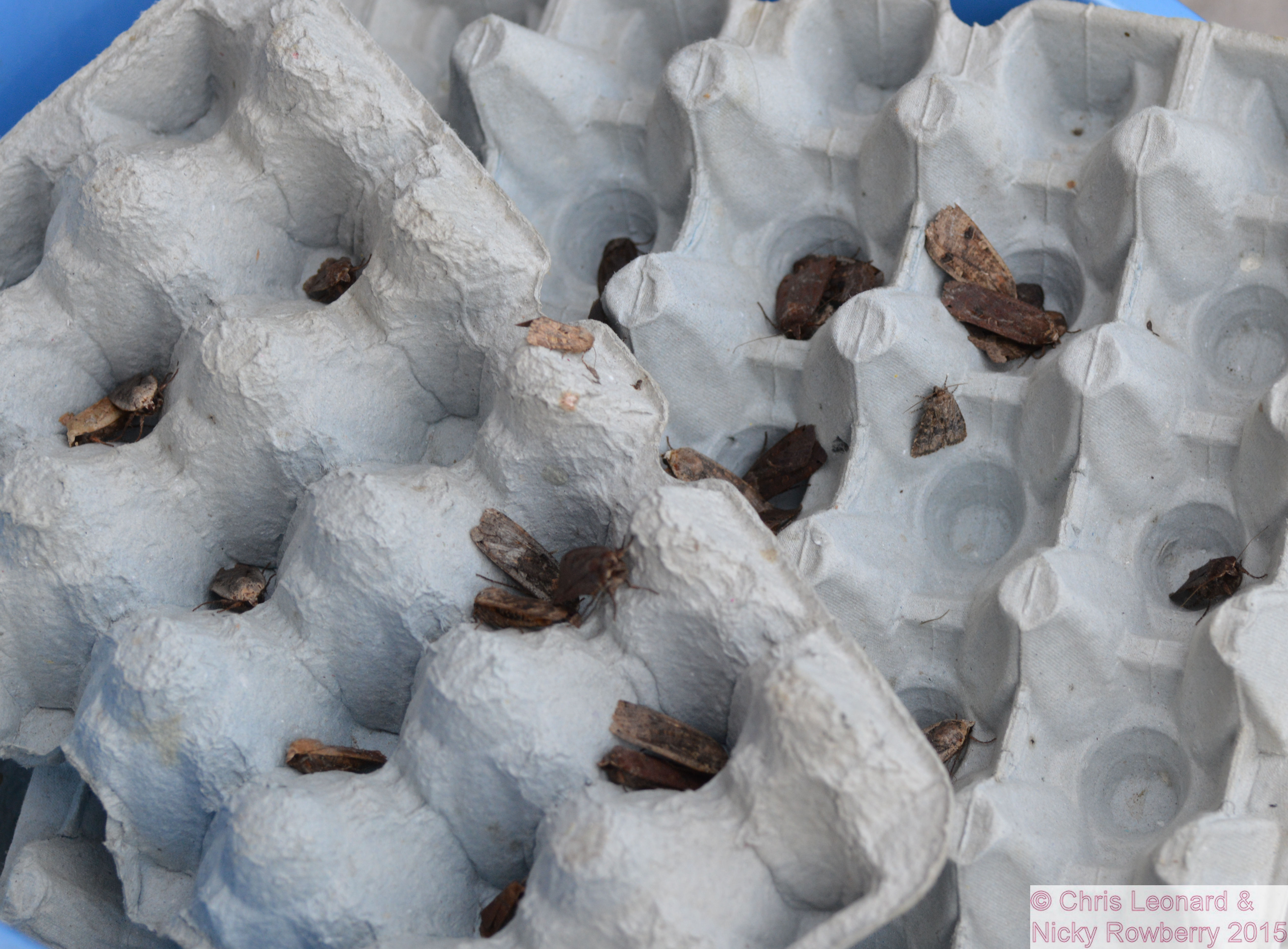
Moth HaulSo Moth Night is over for another year and I was pretty pleased with the results from our little patch of mothy heaven. A total of 21 species and 217 individuals recorded from the two nights I ran the moth traps. The weather wasn’t perfect (it chucked it down the first night) but the moths were obviously more intrepid than me and braved the elements to come to the lights. (if you light it they will come…)

For the first time I’d tried the sugaring technique, daubing our apple tree with the sticky sugary concoction – and success! A beautiful Copper Underwing just couldn’t resist the sweet smell and spent a long time filling his proverbial boots from the tree. I was a bit worried the moths might just get stuck in the sugar, but thankfully morning came and no sign of treacly embalmed insects.
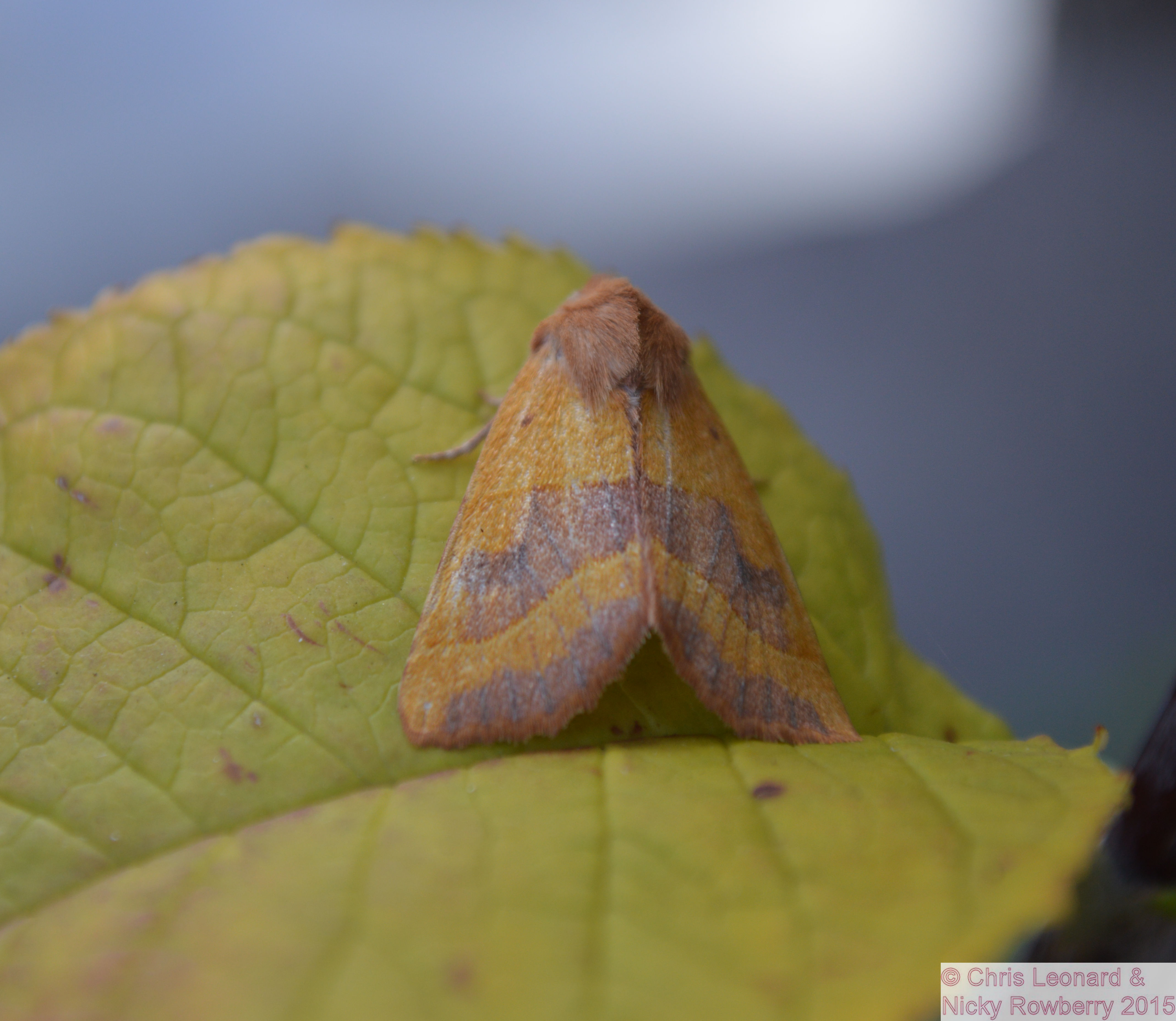
Centre Barred SallowThe vast bulk of them were Large Yellow Underwings (156 individuals) which tend to dominate the traps at this time of year. But amongst them were a few other beauties, like this lovely autumnal looking Centre Barred Sallow. These pretty moths are supposedly coloured like this so they are camouflaged against the autumn leaves.


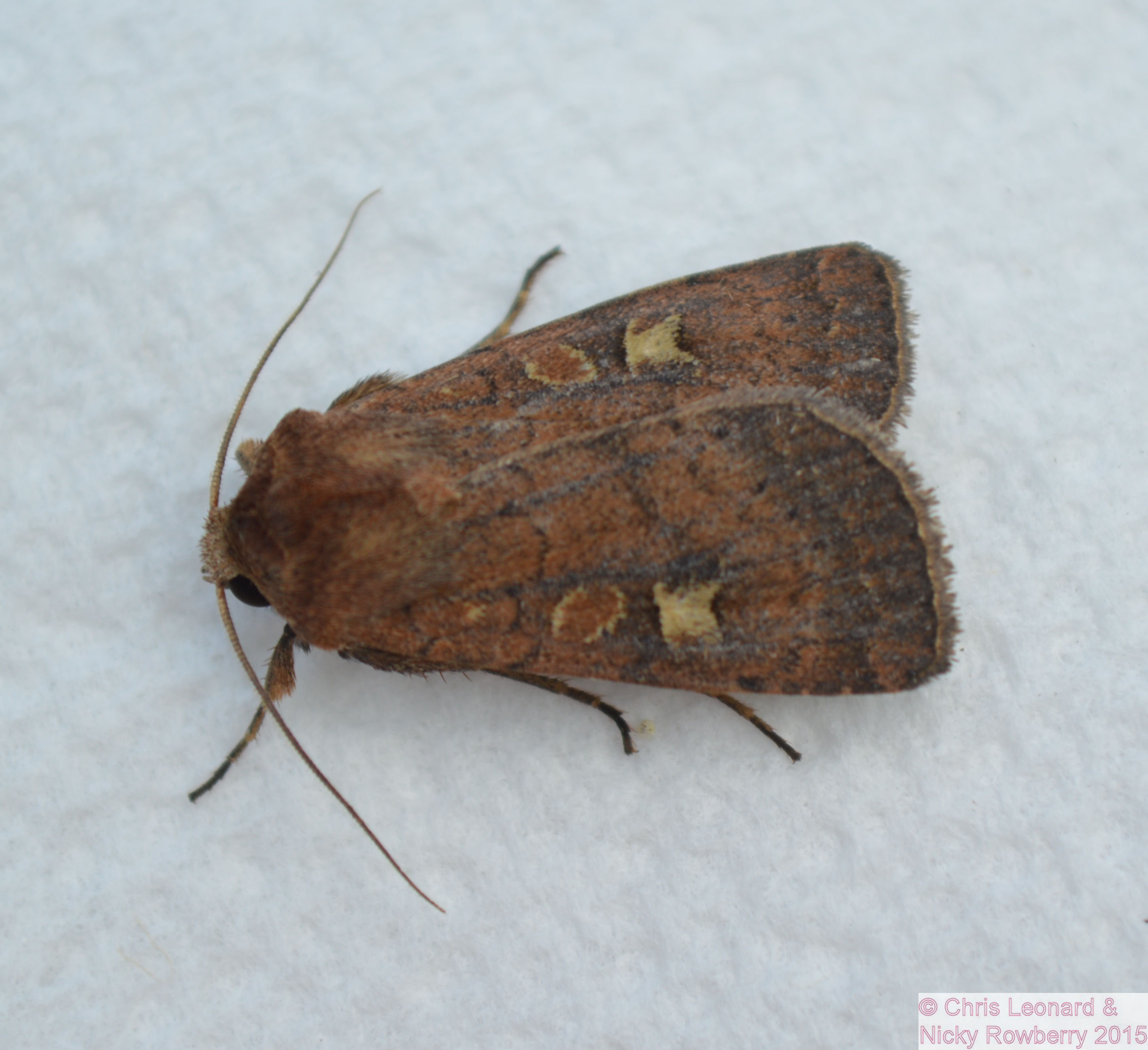
Lunar UnderwingAlso popping up were these Lunar Underwings – I have a soft spot for these probably because the name reminds me of the “Giant Lunar Moth” from the Dr Dolittle film (now that would be a sight at the moth trap!)  Hopefully Moth Night will have been a success all over the country and provide plenty of useful data for their conservation.


Moth Night

It’s Moth Night! The annual celebration of all things mothy and I feel like a kid on Christmas Eve waiting to see what the morning brings in my moth trap. Moth night actually runs for 3 nights, which the pedant in me finds vaguely irritating, but I guess Moth 3 Nights just didn’t sound right, so I’ll try to let it go! The theme this year is migrant moths, with one in particular gaining much publicity – the Convolvulus Hawkmoth which is huge. You can apparently tempt it into your garden with tobacco plants and alcohol, so I’ve got the other half sitting in the garden drinking his beer and having a fag to lure them in – what moth could resist that!

Square Spot rusticMoth (3) night officially started last night and a Square Spot Rustic moth obviously took this as his cue as he appeared on the shower curtain while I was in the bath last night. The photo here is not of the same specimen (I don’t tend to have the camera in the bath with me, that would be too weird) but of one photographed last month.


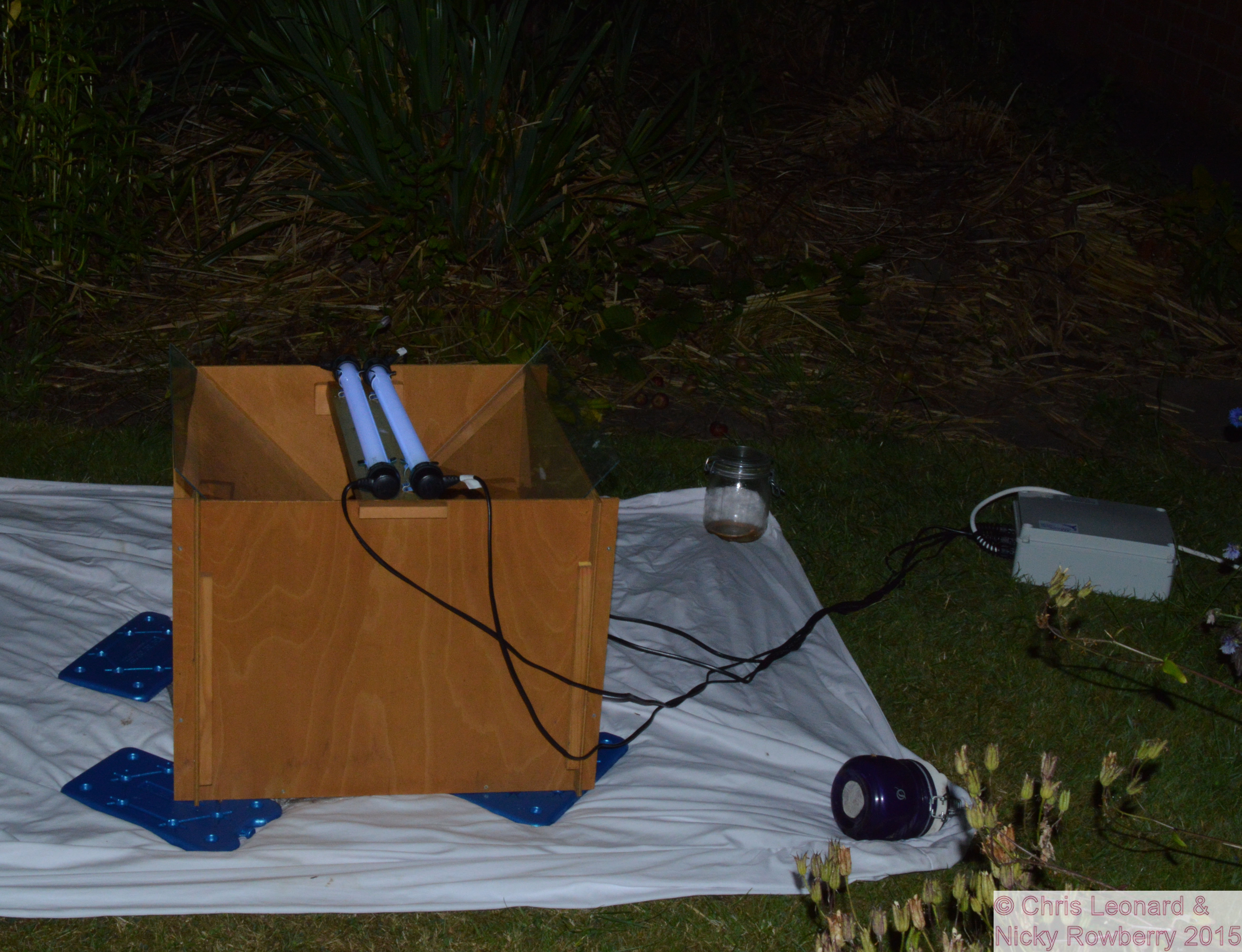
Moth TrapSo I’ve got the moth trap out in the garden tonight and will run two more tomorrow night. I’ve also painted various bits of wood around the garden with a disgusting concoction of treacle, beer and sugar which is supposed to attract certain species. I’ve just got to remember where they are when I’m stumbling around in the dark, or I’ll end up stuck to one like a giant fly on sticky paper! Hopefully I’ll be able to post some more mothy photos after the weekend if I’m not stuck to the tree.

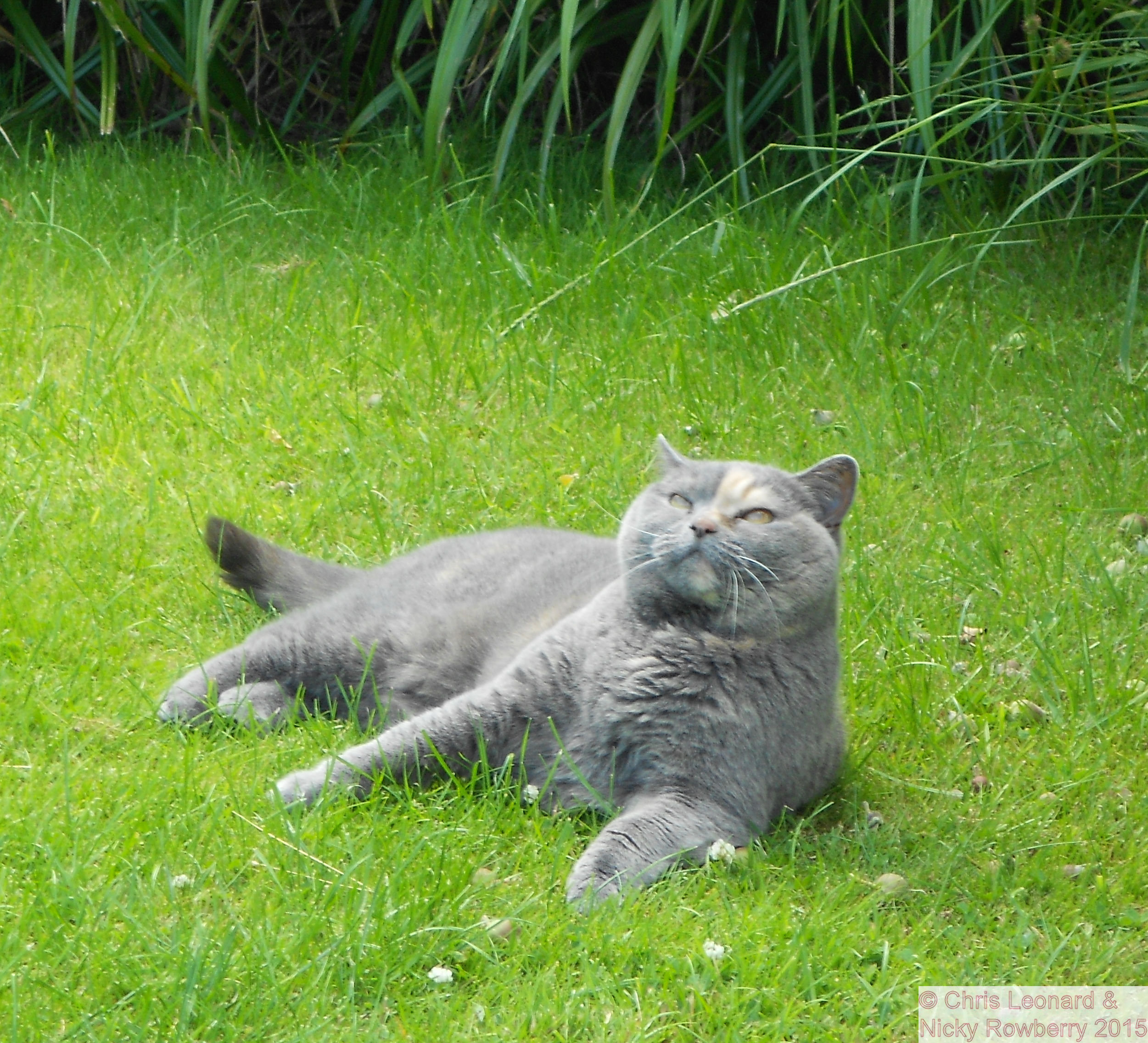
GreeboAnd finally today’s post is dedicated to our beautiful little cat Greebo who two weeks ago today lost her battle with Cushing’s disease – a disease so rare our vet had never even seen it in a cat. Greebo did love a good moth, although more as a tasty, crunchy snack than as a wonder of nature. We miss you Greebie. xxx

Bug of the Month

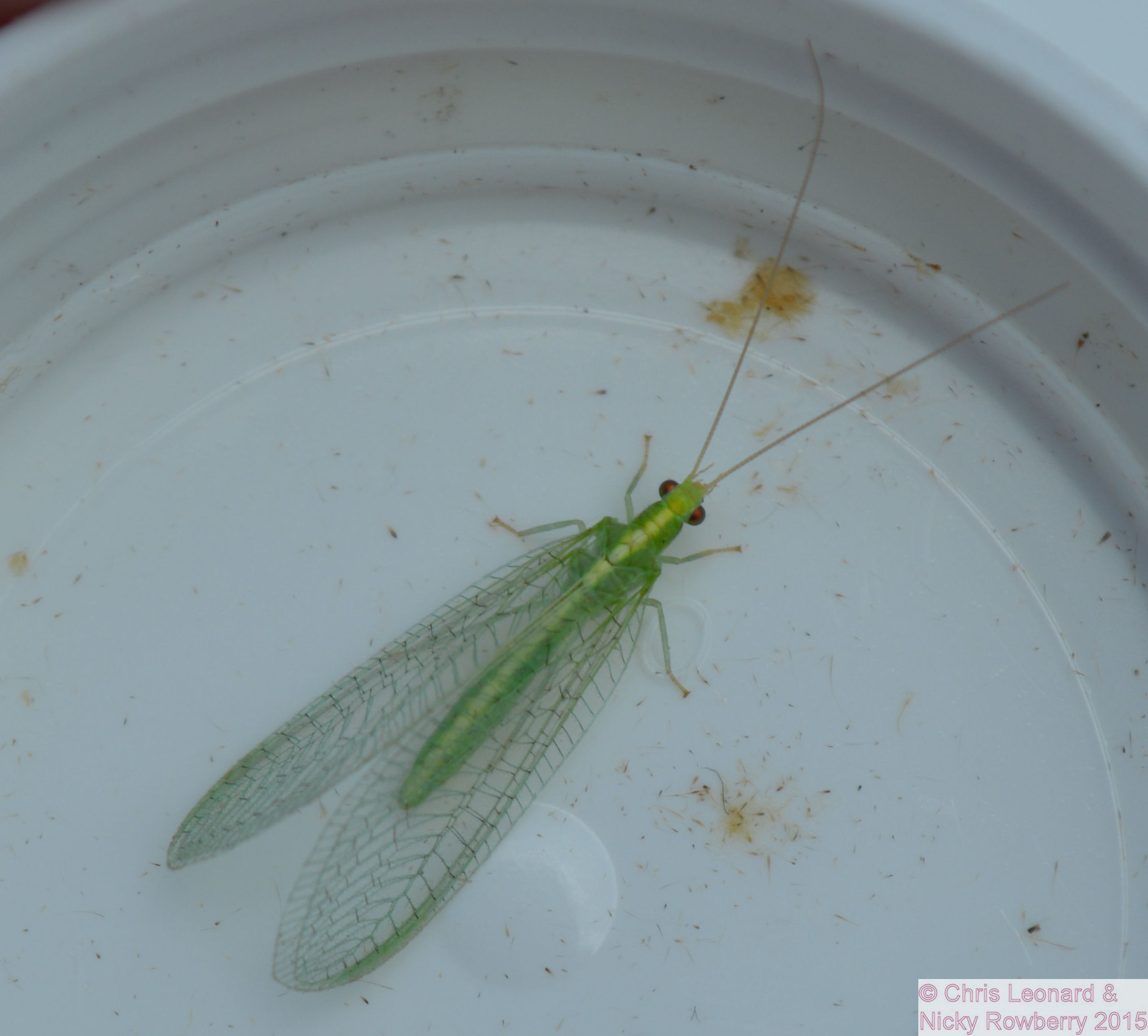
LacewingBug of the Month is a phrase you just don’t get to use often enough! But the brilliant Buglife charity have launched a new feature entitled just that, in which they will showcase a different invertebrate each month. August’s “bug” is the beautiful Common Green Lacewing (Chrysoperla carnea). As luck would have it, I caught one of these little beauties in the moth trap this month. Buglife’s webpage has a beautiful image of the lacewing, so I fondly imagined I would take a similarly aesthetic photo. It seems however that my particular lacewing had different ideas – I got this one fairly grotty snap of it as I opened the pot, then it was off over the fence, presumably to find a garden with fewer paparazzi. If you’d like to see a much better photo or read more about these beautiful insects, have a look at the Buglife website: https://www.buglife.org.uk/bugs-and-habitats/bug-month

With a bit of luck, I’ll find future Bugs of the Month in our backyard too, unless they go for ones that require a tidy garden or for very rare ones like the lesser spotted dweeb beetle (I may have made that one up!)

If you’ve never heard of Buglife, they are a fantastic charity that champion Britain’s 40,000+ invertebrate species. The tiny animals they support may not have the “cute factor” of some of the more high profile conservation stories, but are just as important if not more so.

I’m a Lady!

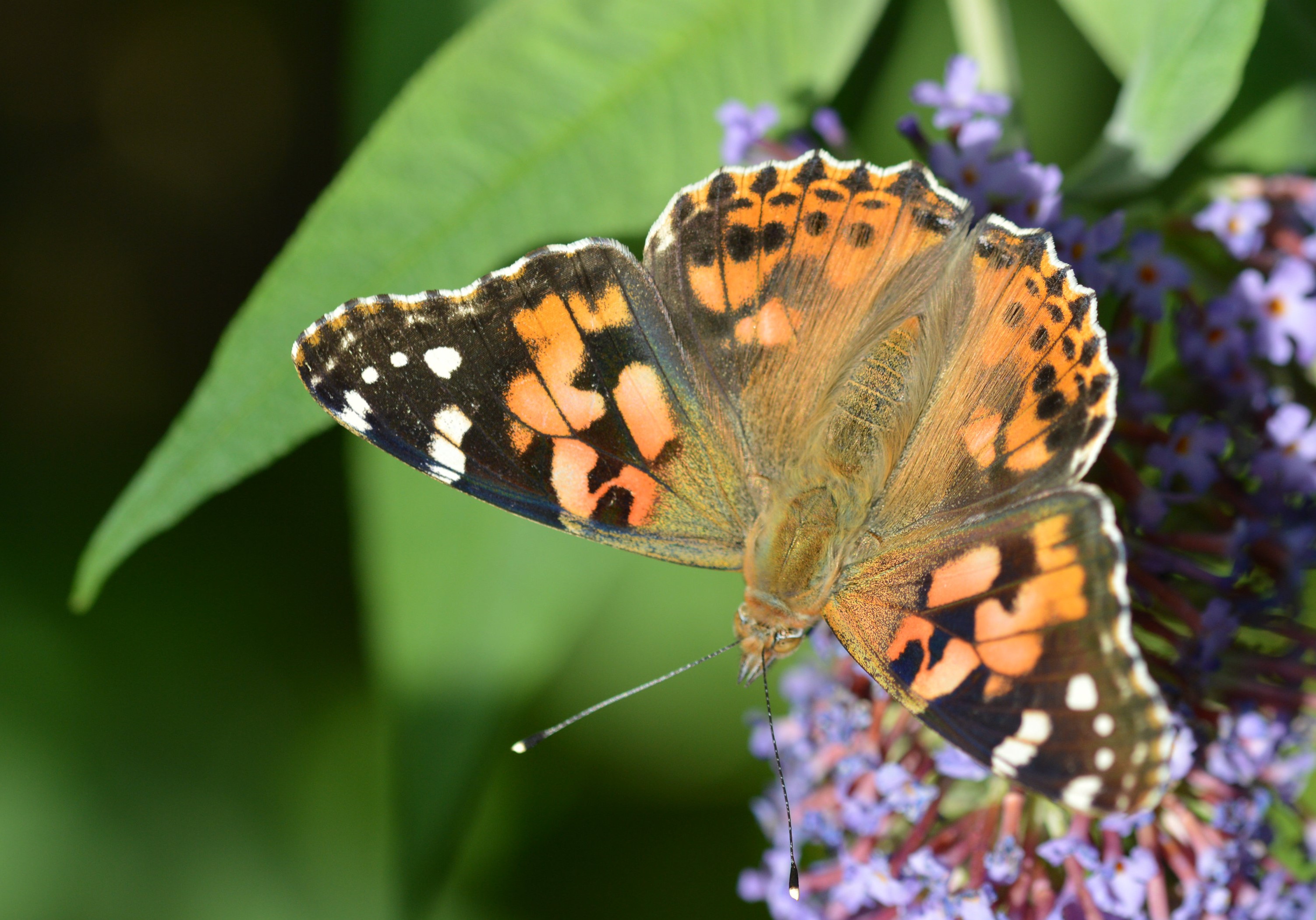
A gorgeous Painted Lady butterfly chose Sunday to make an appearance in the garden – in the nick of time to get rec on the last day of the Big Butterfly Count – perfect timing! Like the hummingbird hawkmoths, these beautiful butterflies are also summer migrants from North Africa and in some years they arrive in their thousands. They only live for a few weeks so it’s amazing that they can emerge in Africa, fly over to the UK and still have time to spend a few days gorging themselves on the nectar in our garden!


Old Lady MothPossessing slightly less obvious beauty is this Old Lady moth, which coincidentally I was trying to photograph just as the Painted Lady came flaunting herself around the garden on Sunday morning. About the same size as the Painted Lady, the Old Lady is much more sombrely coloured and clearly less agile, as she flew off with a laboured flapping, as if she was really too heavy to fly. I say “she”, but of course this particular Old Lady could have been a “he” – I didn’t examine it that closely!

Can’t think why but I felt closer to the slightly batty old lady than I did to the bright young thing!


Wonky Carrots and Asparagus Forests

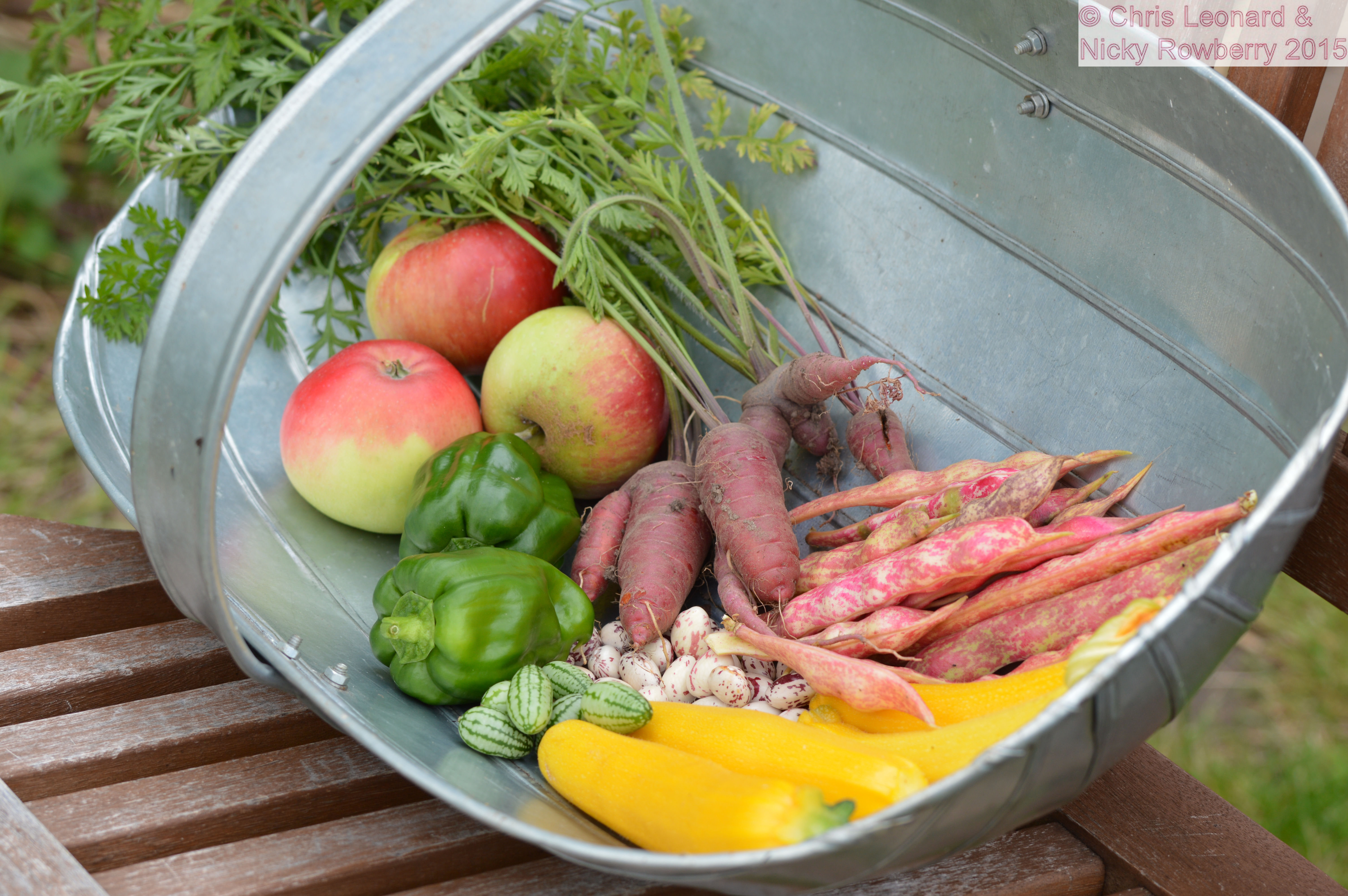
Harvest timeBehold the bounty from a lazy organic garden! We’re a long way from being self-sufficient and I’m not quite sure what we’re going to make out of this particular combo of apples, vaguely rude carrots, peppers, courgettes, borlotti beans and a handful of cucamelons, but it does go to show that you can still grow edible stuff without resorting to pesticides. Of course we are also growing a lot of greenfly, slugs and caterpillars (the Large White butterflies in particular have a penchant for kohlrabi it seems), but their need is probably greater than ours. We should also get a good crop of blackberries if the birds don’t beat us to it and chillies if I remember to water them in the greenhouse.

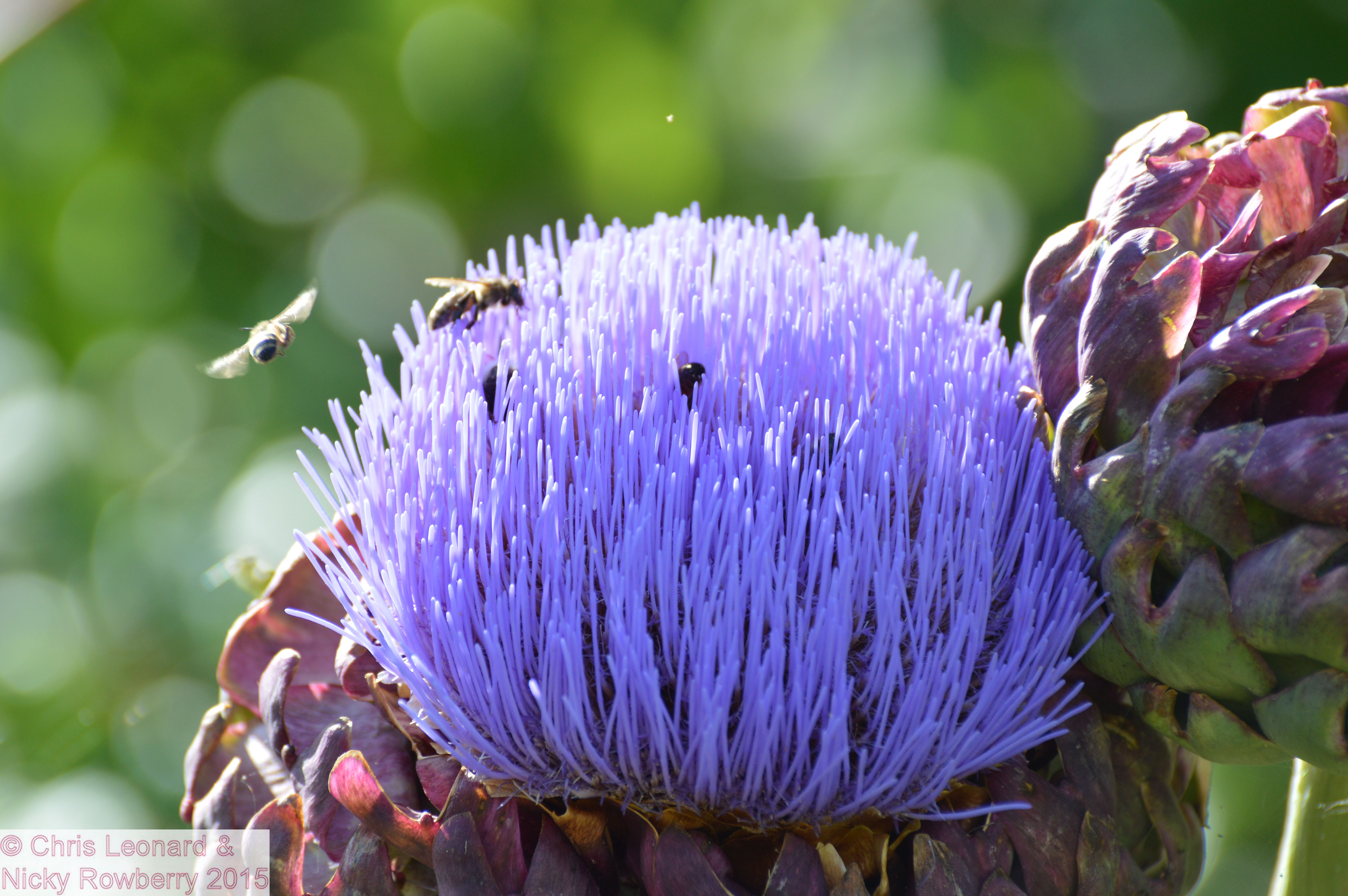
Artichoke flowersWe would also have had a lot of globe artichokes if, in true lazy fashion, we hadn’t let them get way too big. They would now be too tough to eat, but on the plus side, I think they look great like this with their crazy purple hairdos and the bees absolutely love them.

Asparagus ForestWe did get a good crop of asparagus this year – traditionally you stop harvesting this on the summer solstice, then leave the stems to grow to lay down nutrients for next year. The result is this fluffy asparagus forest, which the insects love too, although we could do without the asparagus beetles getting jiggy in it!

Asparagus Beetles

Hummingbird Hawkmoth

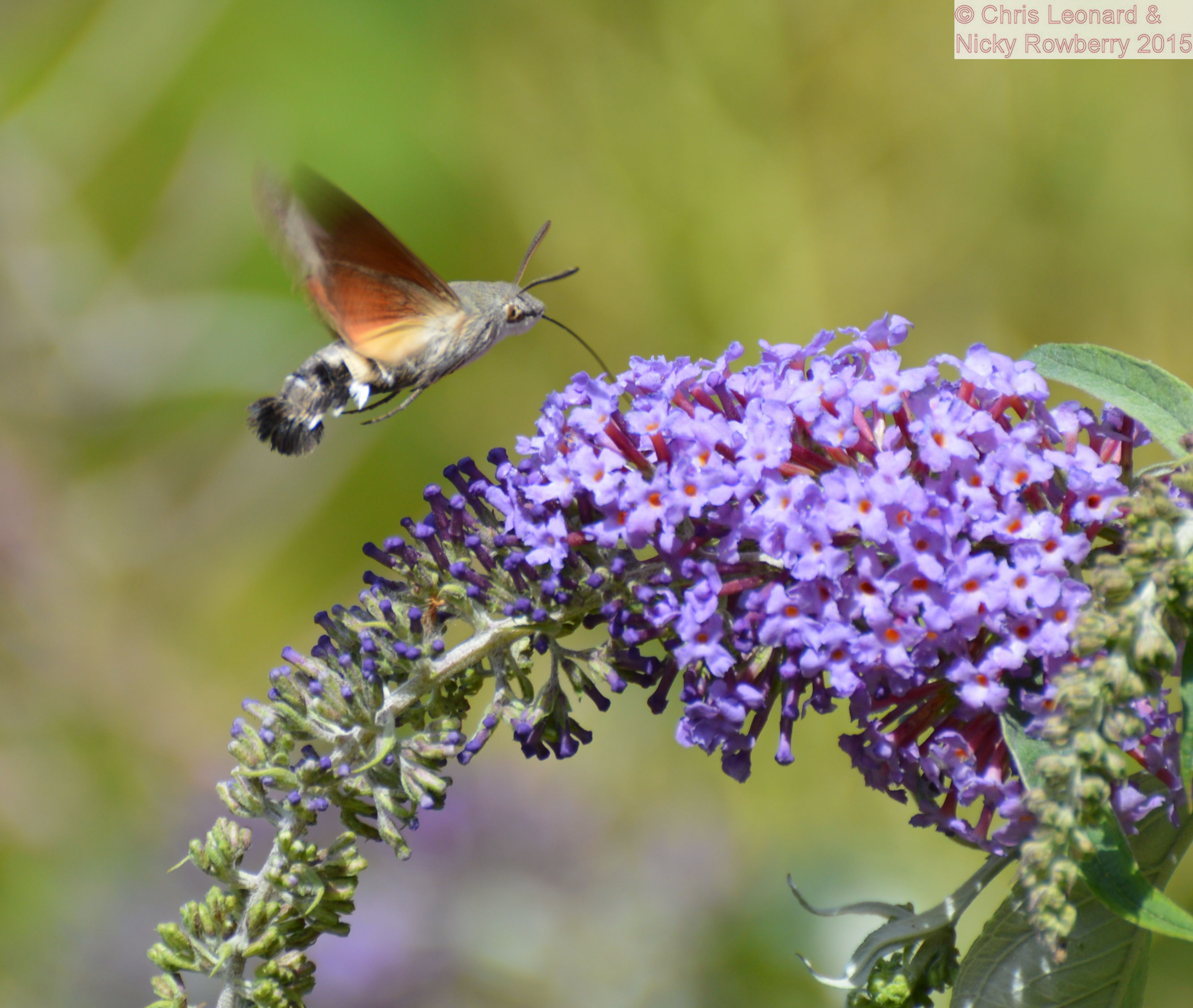
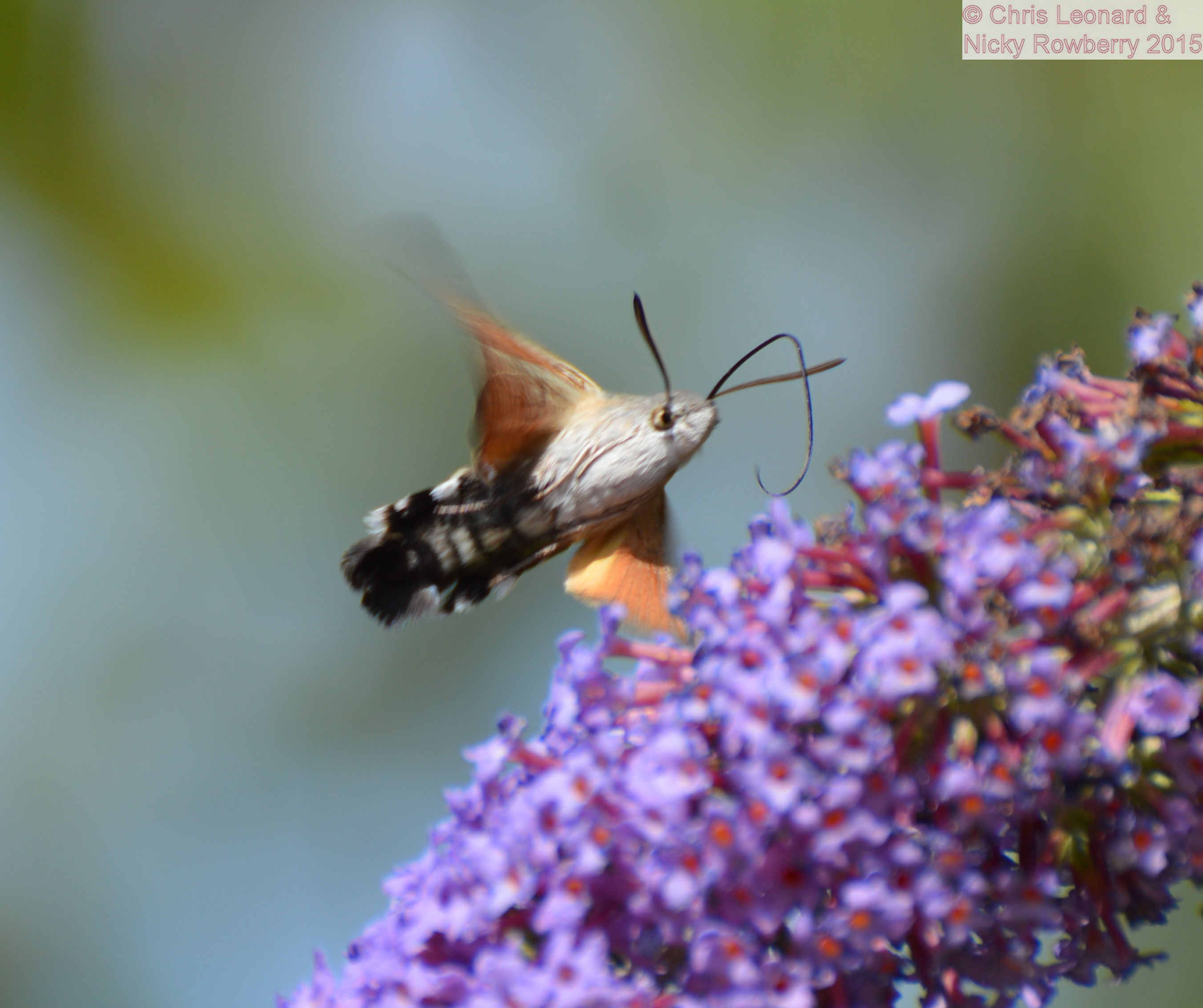
Highlight of a day spent lounging in the back garden was definitely this Hummingbird Hawkmoth feeding on the buddleia. These little cuties are just like miniature humming birds, hovering over the flowers with their wings beating so fast you can hear them “humming”. Of course their speed means they are buggers to take photos of – I took about 50 photos today to get just a few half decent ones. They are non-native moths that migrate North from Southern Europe and Africa in the summer – a long way to come for a bit of nectar in Malvern!Humming Bird Hawkmoth Humming Bird Hawkmoth Humming Bird Hawkmoth 3


Garlic Snails

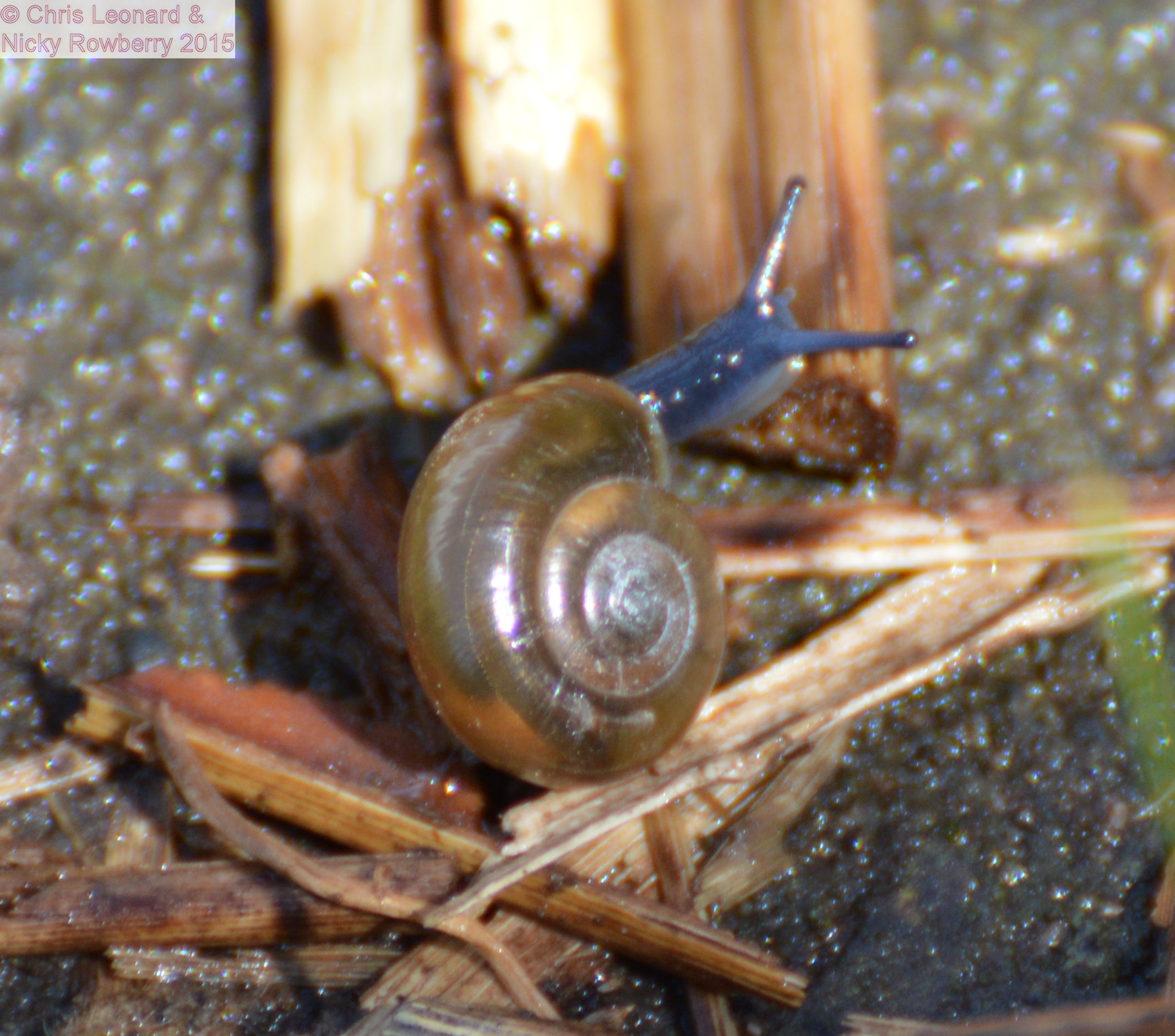
Glass SnailIt may be that I have too much time on my hands as I spent about 10 minutes yesterday waiting for this little snail to come out of its shell, so that I could get this “action shot”! It is almost certainly one of the Glass Snails, named for their glossy, see-through shells. The trouble is there are three very similar species and the identification depends a lot on their smell. The Garlic Snail apparently smells strongly of garlic when disturbed. There is also the brilliantly named Slightly Garlic Snail, which only smells slightly of garlic. Then of course there is the one that doesn’t smell of garlic at all (I really wish they’d called this the Not At All Garlic Snail, but the powers that be went with Draparnaud’s Glass Snail, which shows a serious lack of humour). So not only did I spend 10 minutes watching this snail, I also had to sniff it – I really hope the neighbours didn’t see that one. The trouble is how strong does a garlic smell have to be, before it ceases to be only slightly garlicky? And could I really even smell garlic at all? Perhaps my snail wasn’t “disturbed” enough to be giving off the appropriate whiff of moules mariniere? So I have returned him, unidentified, to his damp corner of the garden, where he can continue to smell (or not smell) of garlic in peace.

Big Butterfly Count

Silver Washed Fritillary & Meadow Brown.jpgThe annual Big Butterfly Count starts tomorrow. It’s a chance for everyone to get involved counting butterflies (and a few moths) to improve our knowledge of their populations. This in turn helps the conservationists plan how best to protect our British butterflies. All it takes is 15 minutes of your time. You can do your count anywhere – at home, at work, out on a walk, at the pub, wherever you fancy. Full details can be found at: http://www.bigbutterflycount.org/

I’ll aim to do several counts in the garden here over the coming weeks and hopefully post a few photos – assuming some butterflies make an appearance!