Freezing February Birds

It’s February and it’s freezing and being a bit of a fair weather nature watcher I’ve not been out much – other than to constantly top up the bird feeders and defrost the bird baths of course! So it’s been a month mainly of bird watching through the window or via the cameras in the garden. Our array of camera gadgets is slowly growing. Trouble is with each one you get, you tend to want more; or at least that’s how it seems in our house. No matter where we’ve got cameras pointed, there always seems to be something more interesting happening elsewhere in the garden!

Anyway like much of the country we’ve had snow yesterday and today – not a huge amount, but it’s never really got above freezing here.  So it was a nice surprise to download the trail cam in the afternoon and find a pair of goldfinches had visited our new niger seed feeder. Sorry the video is a bit dark, but it was snowing!

Inspired by our intrepid goldfinches, I got round to sorting through some videos we’d taken in the garden in the last week or so, to see what else I could find.

We’ve got a new GoPro camera which can be remotely activated using a phone. Perfect on a cold day for sitting on the sofa hitting record whenever something interesting appears. I’ve been trying out different angles and distances to see what works best. This video was shot with the camera only about a foot away from the action.

This next video compilation was the GoPro again, but this time filmed from a greater distance looking down. The greater distance does of course give a wider field of view and I think  the GoPro lens may be a wide-angle one too. You can still see lumps of ice in the bird bath although I had already taken two kettle loads of warm water out to defrost it.  Lots of different species of birds have been using the bird bath in this cold weather though, so it’s well worth thawing it out.

This next little compilation was filmed with the GoPro strapped to a branch next to some of the feeders. The GoPro has the advantage here over the old trail camera in that it is much smaller, making it easier to position closer to things. You can strap it to twigs that would be too thin to support the trail cam.

But I have not abandoned my old faithful Bushnell trail cam. I had it pointed at the same feeders, but from a different angle. I was really chuffed that it filmed a couple of the siskins that we’d been so excited to see the previous week. It also picked  up the female blackcap, although the male still eludes us. It was nice too, that between the two cameras, there was footage of 3 of the 4 species of tit we get in our garden – blue, great and coal. The long tailed tits as usual refused to perform for either camera.

One final surprise the cameras threw up was a visit from our squirrel – trying (but failing) to get into the peanut feeder.  I suspect he managed to get some of the other food out of shot.

Most of our regular bird species show up on one or other of the remote cameras but not all. So sometimes I just need to get off the sofa and sit in the garden with a “proper” camera. These jackdaws are regular visitors to the bird table and are particularly keen on the suet pellets. It does look slightly oddly like the one on the right is taking suet to the table rather than taking it away?

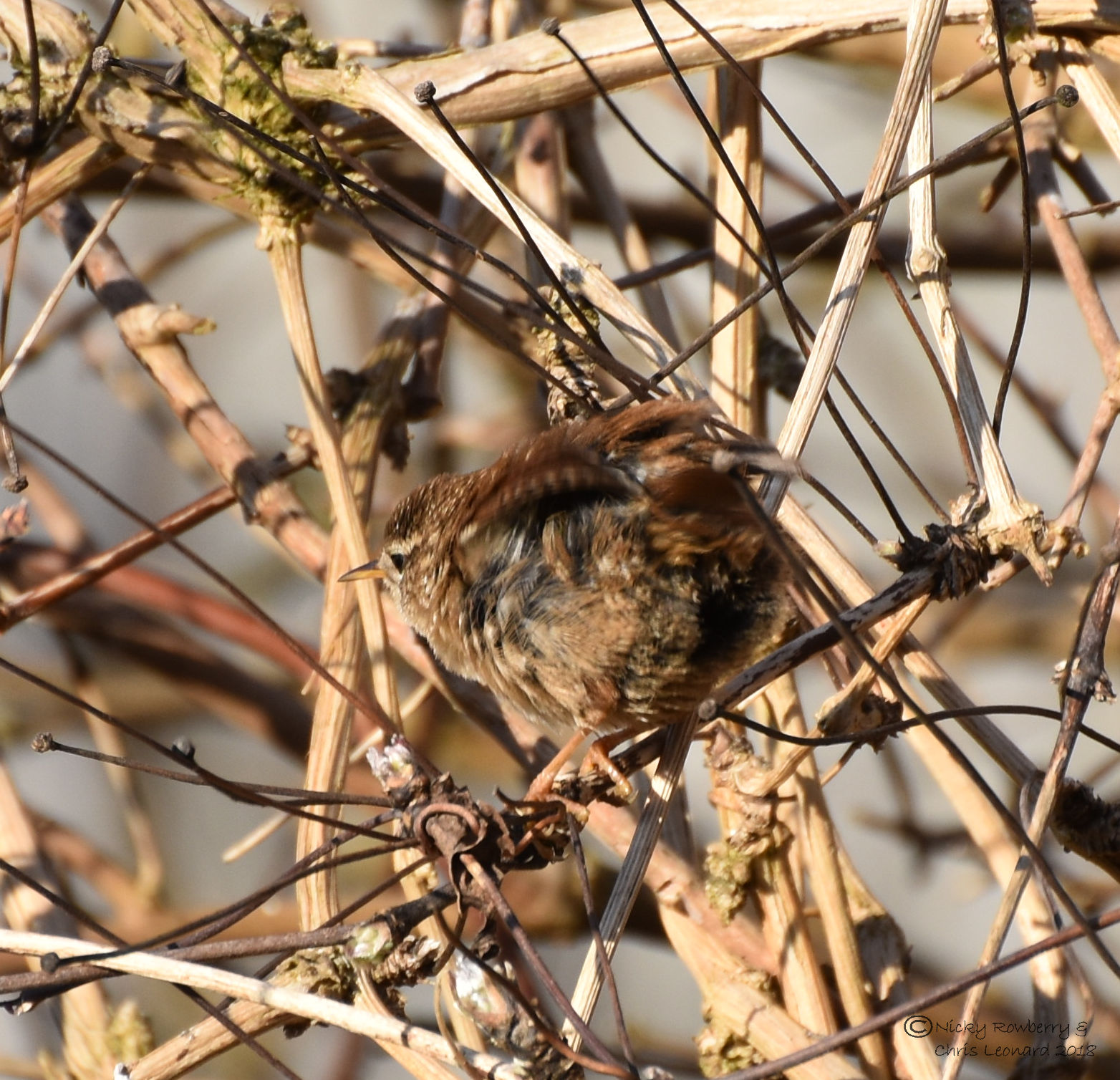
The wren of course seldom deigns to feature on the trail cam/GoPro videos. But this week he/she was more obliging than usual and did allow me to get a few shots. None perfect, but recognisable at least.

It even sat for a while preening itself, hence the next sequence of three “rumpled” looking photos.

So although it’s bloomin’ freezing, there’s plenty to watch in the garden. The bird feeders are busier than ever, so hopefully our garden birds will make it through this cold spell.
 

Out and About – Upton Warren Wetlands

It’s March and I ventured Out and About properly last weekend for the first time this year. I’d joined Worcestershire Wildlife Trust a few months ago and decided to take advantage of this by visiting the Upton Warren Wetland Reserve.  It was so nice to get some fresh air and explore somewhere new. The reserve has a mixture of freshwater and saline pools (the result of previous brine extraction work), which attract a wide variety of birds. The reserve is pretty big, so I only managed to do about half of it on this first visit. It’s a fantastic site though, so I will definitely be back soon to try out the other half.

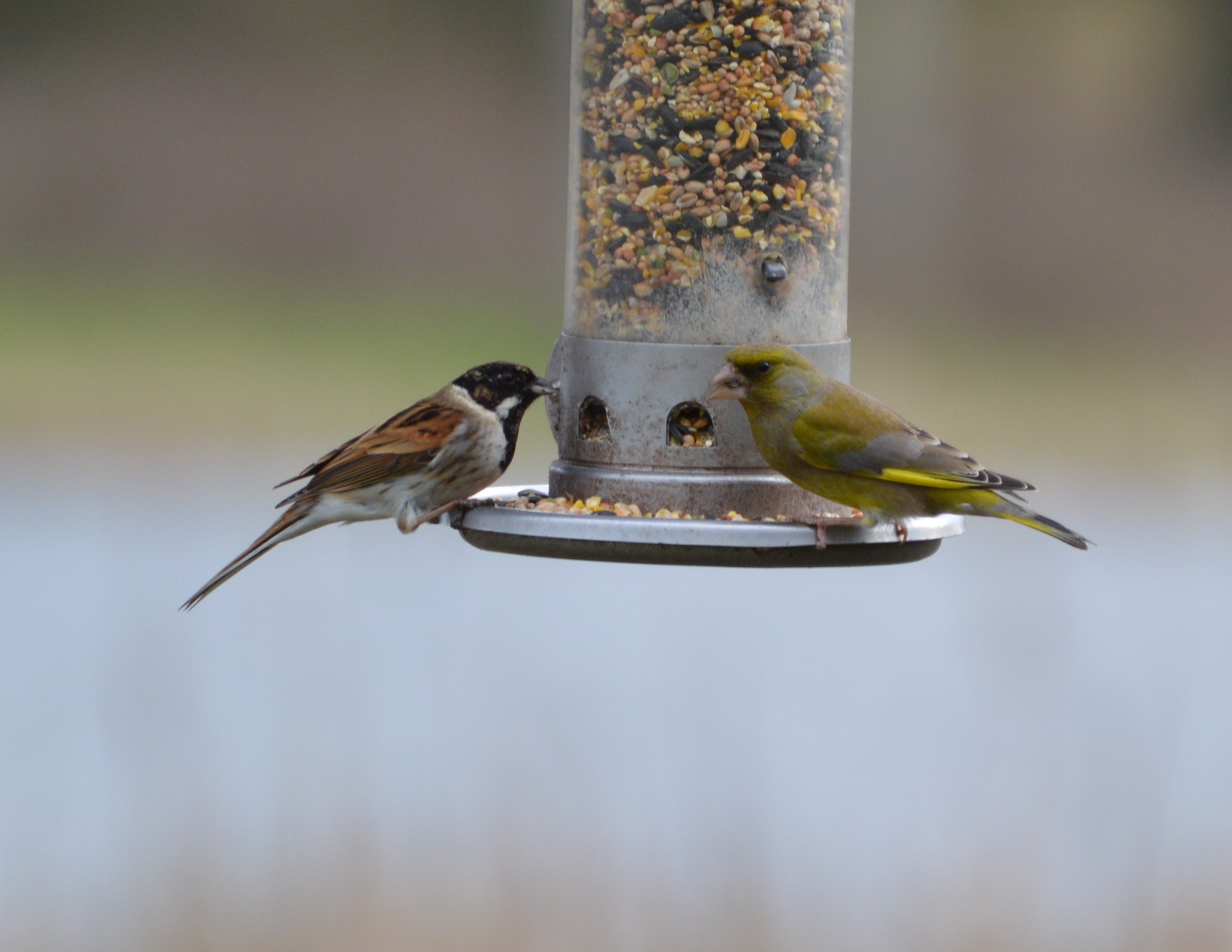
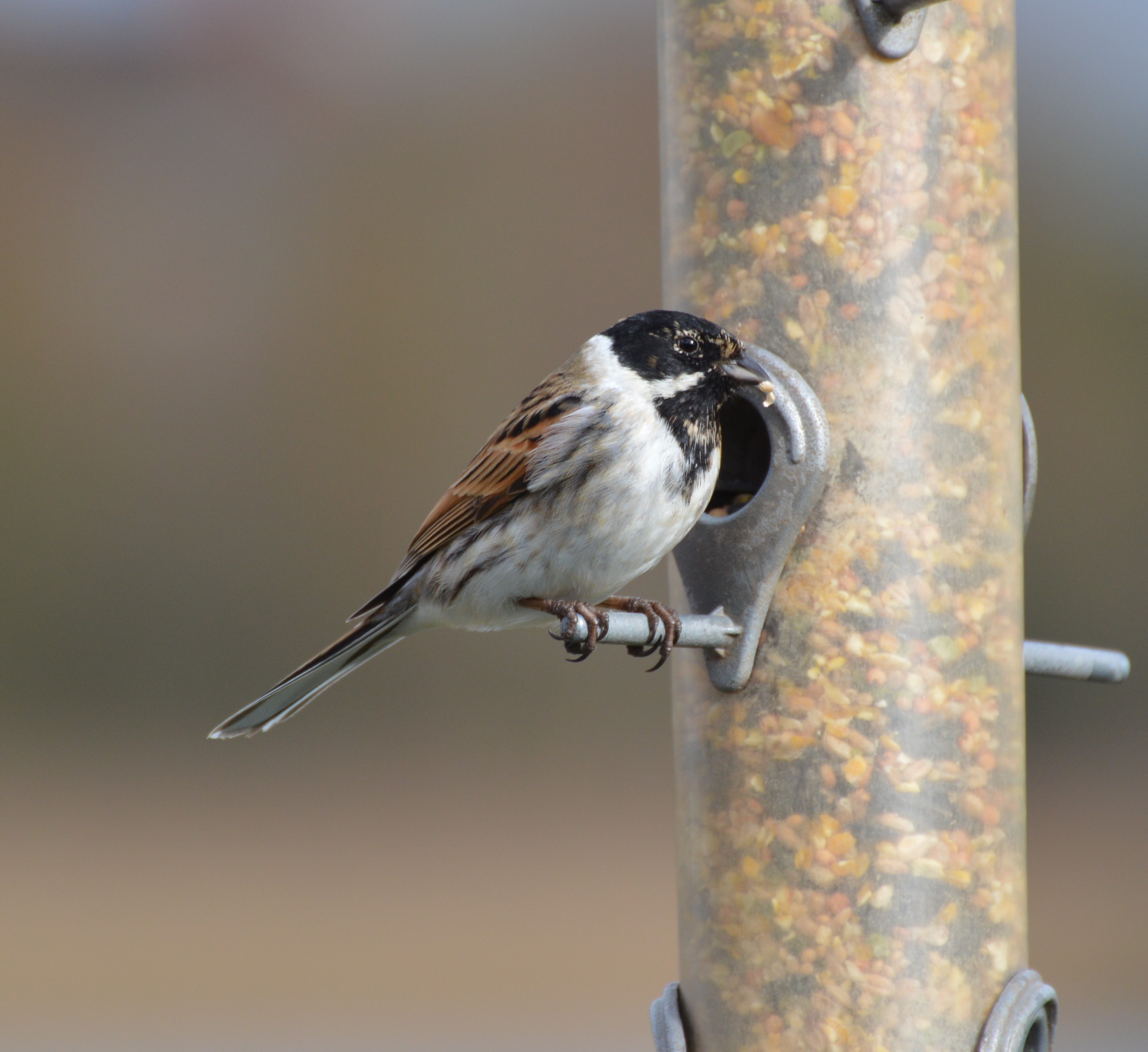
At the first hide, the Trust people had hung out a few bird feeders and I noticed a lot of small brownish birds that looked a bit like sparrows. Being a novice, I had to ask the helpful gentleman who was in the hide with me what they were – I was a bit worried he might just say that they were sparrows, then I really would look clueless, but fortunately it turned out they were reed buntings. I had sort of expected reed buntings to hang about in the reeds and be difficult to see, but I guess why would they do that when there were easy pickings from a feeder?  Top one here is a male and the bottom is the female (at least I think it is, unless it turns out to be an embarrassing sparrow).

reed-bunting-female

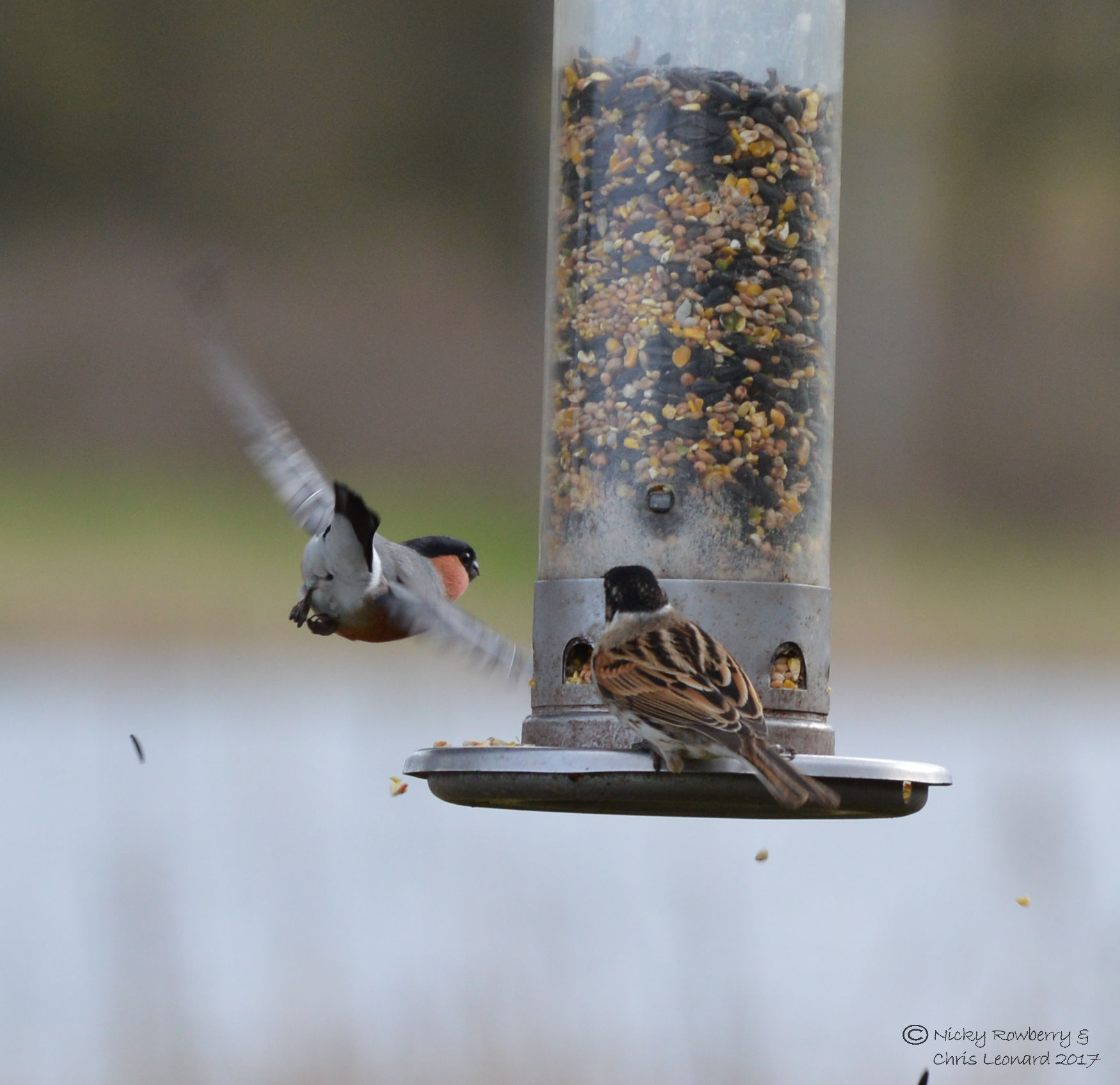
The reed buntings weren’t the only ones using the bird feeders; they had stiff competition from the bullfinches in particular, who in turn had to contend with the greenfinches.

bullfinch-bunting-2

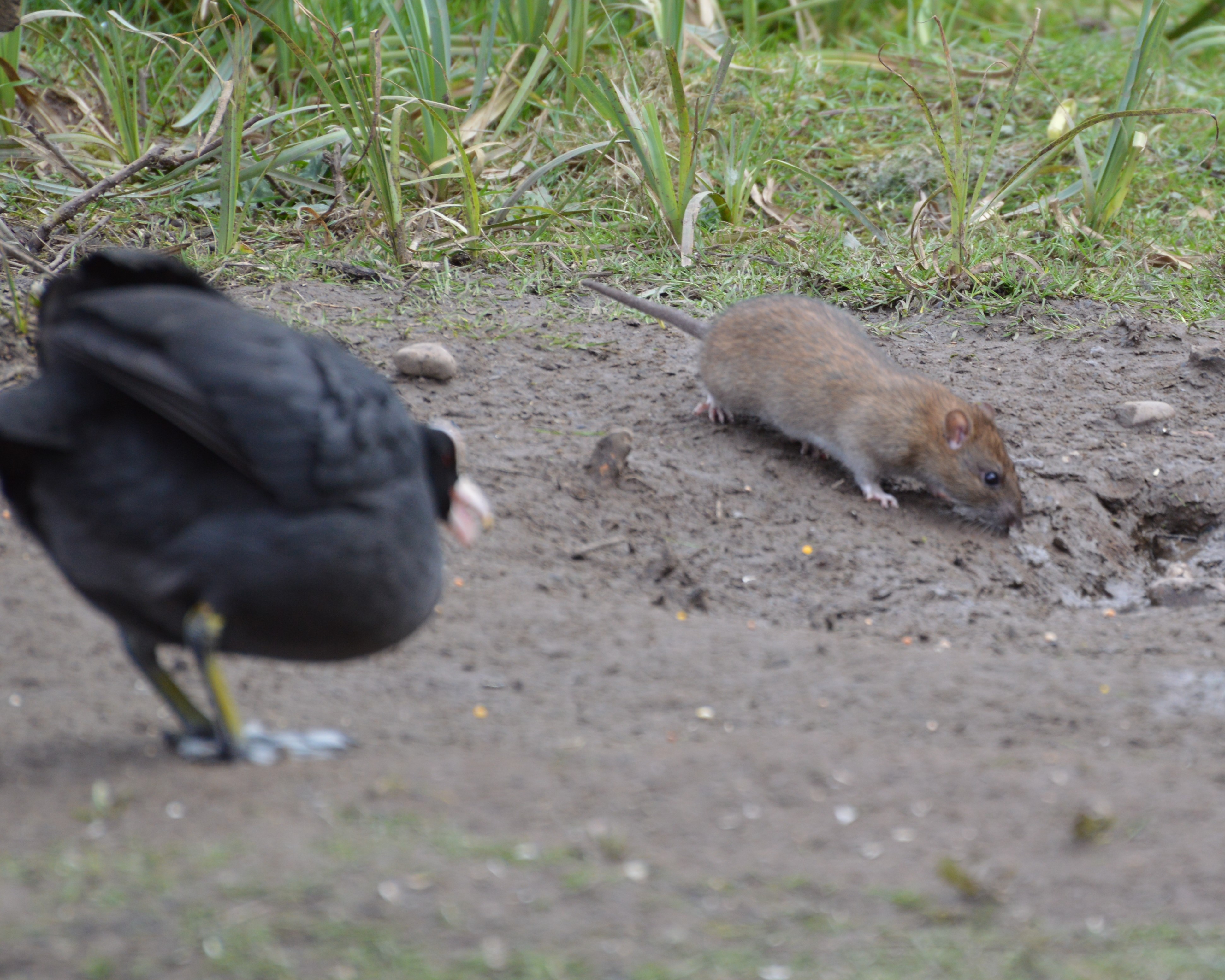
All the dropped seed of course attracted the inevitable rats, including this particularly bold one. Not the most welcome visitor to a bird reserve, but it was interesting to see a rat that close up in broad daylight – a first for me.

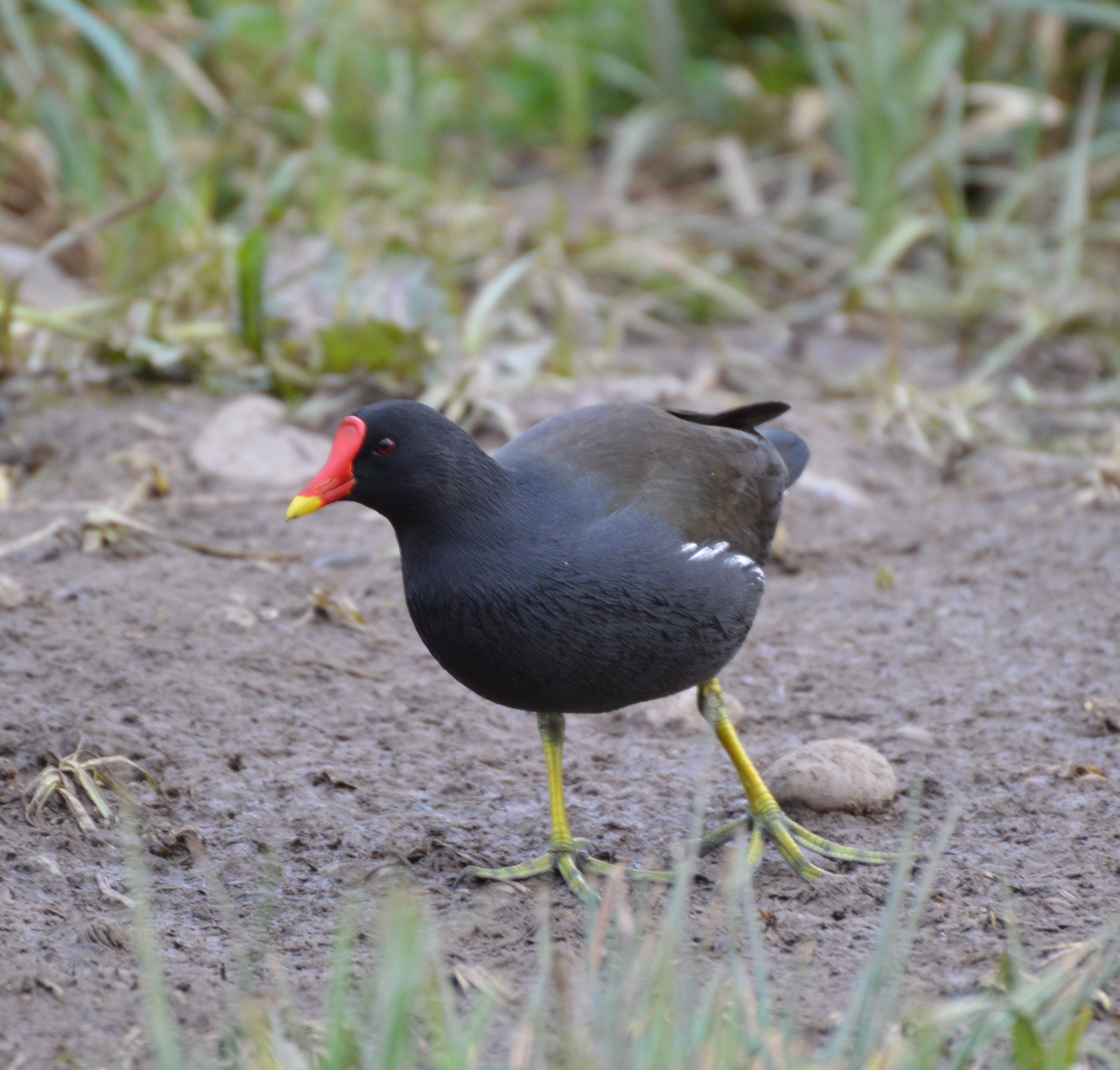
A portly looking moorhen was lazily scanning around for bird seed, while a coot cruised the nearby inlet.

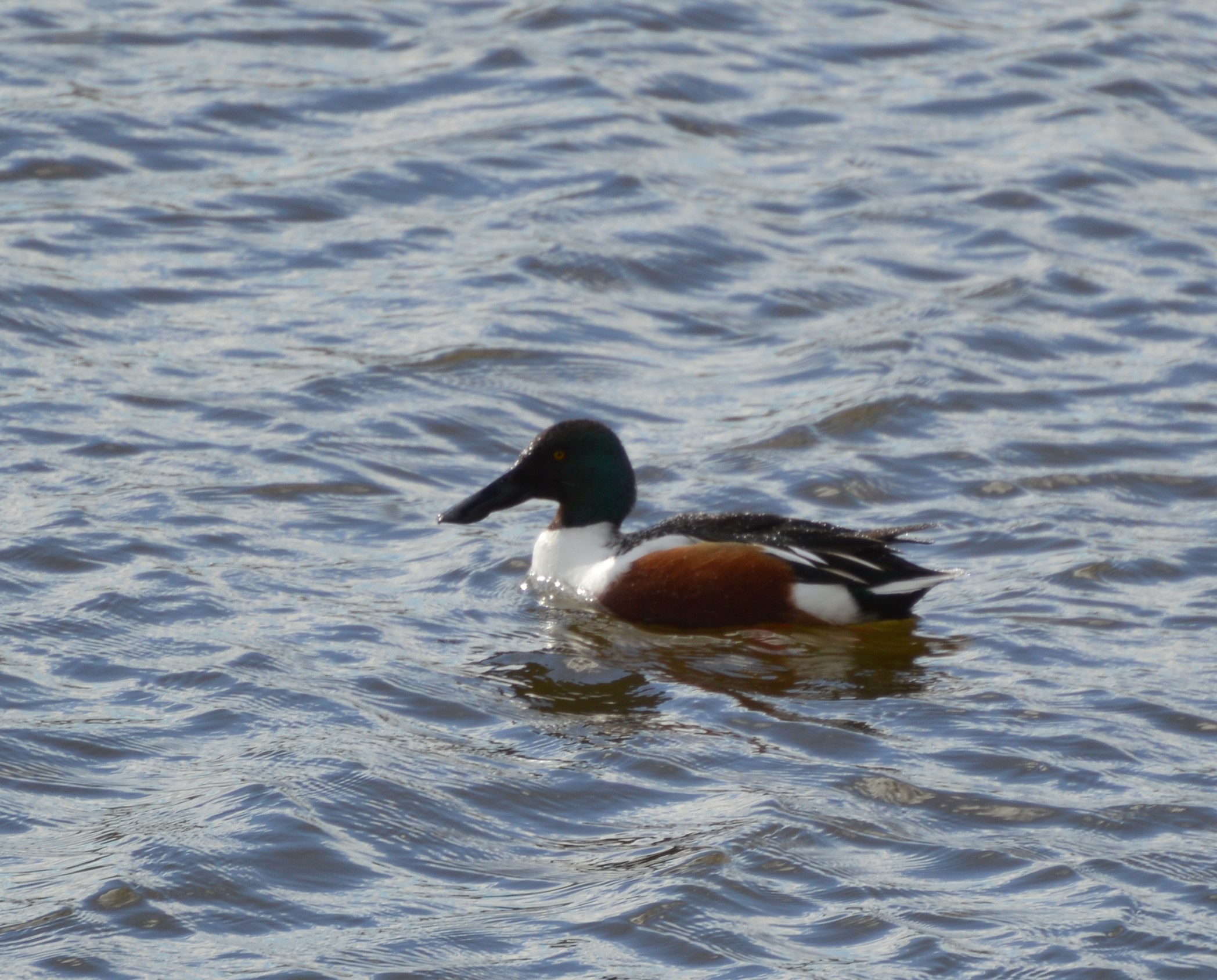
There were quite a few regular mallards about, but then a duck appeared that looked a bit different. Umpteen blurry photos later, I finally got one good enough to identify it as a Shoveler Duck. Turns out they are fairly common, but it was new to me.

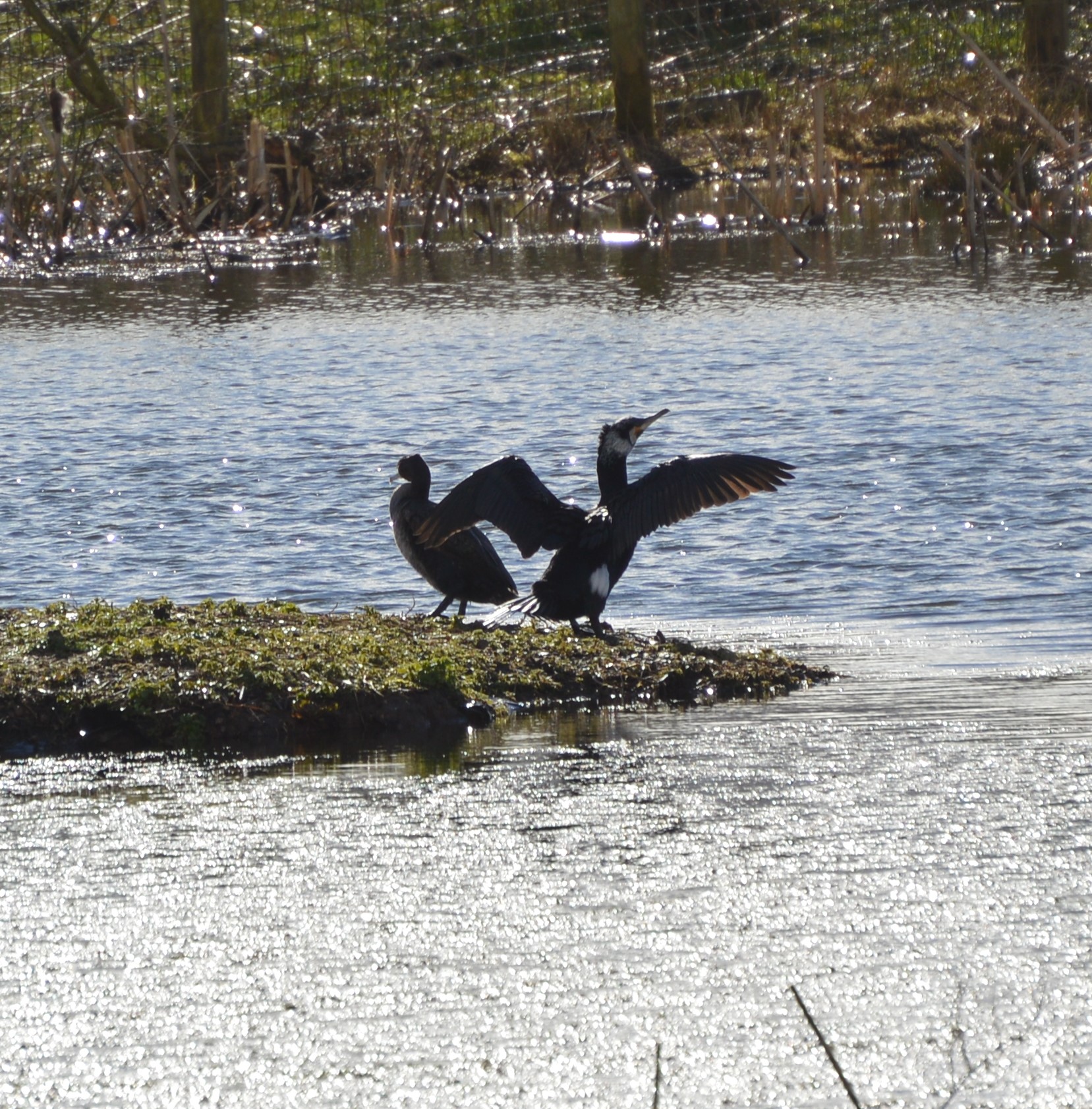
There were a few cormorants about – weird looking birds. Even the RSPSB website describes them as reptilian looking, which seems a tad unkind!

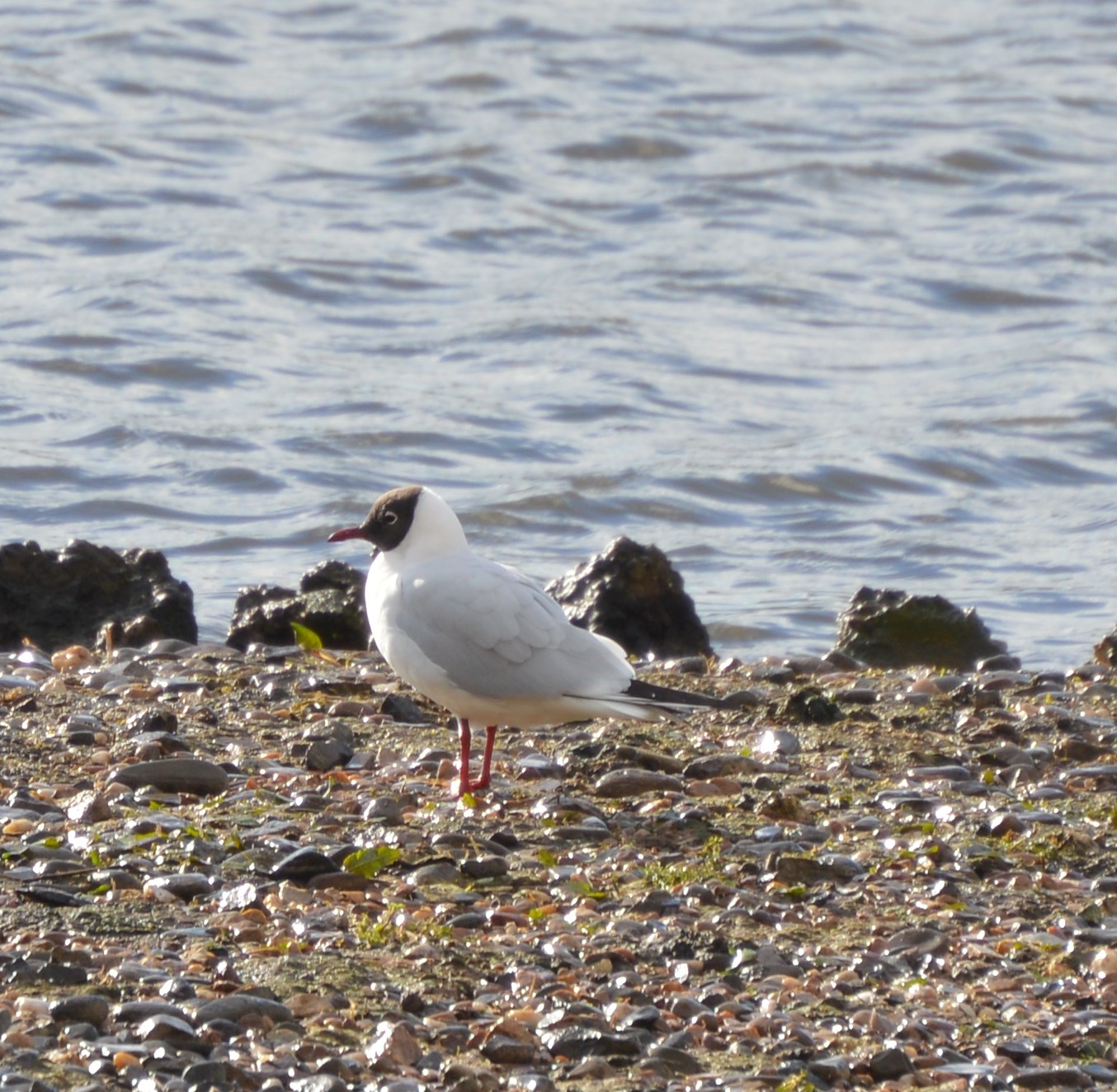
By far the most common birds I saw were these black-headed gulls, this one in his winter plumage still.

One species I was really pleased to see was the lapwing. I’d only ever seen these on TV (Springwatch most likely) and they are such characterful looking birds, I was really chuffed to find a small flock of them. They were a bit far away to get really good photos, although when they all took off I got a slightly better view.

Having lived by the coast for many years, one bird I was familiar with was the oystercatcher – never imagined I’d see them in the middle of Worcestershire though! I heard them at Upton before I saw them – that distinctive, fairly shrill call. A pair landed on a small island in front of me, easily recognisable with their bright red beaks and legs (I do like an obvious bird!) Again they were a bit far away to get really good photos.

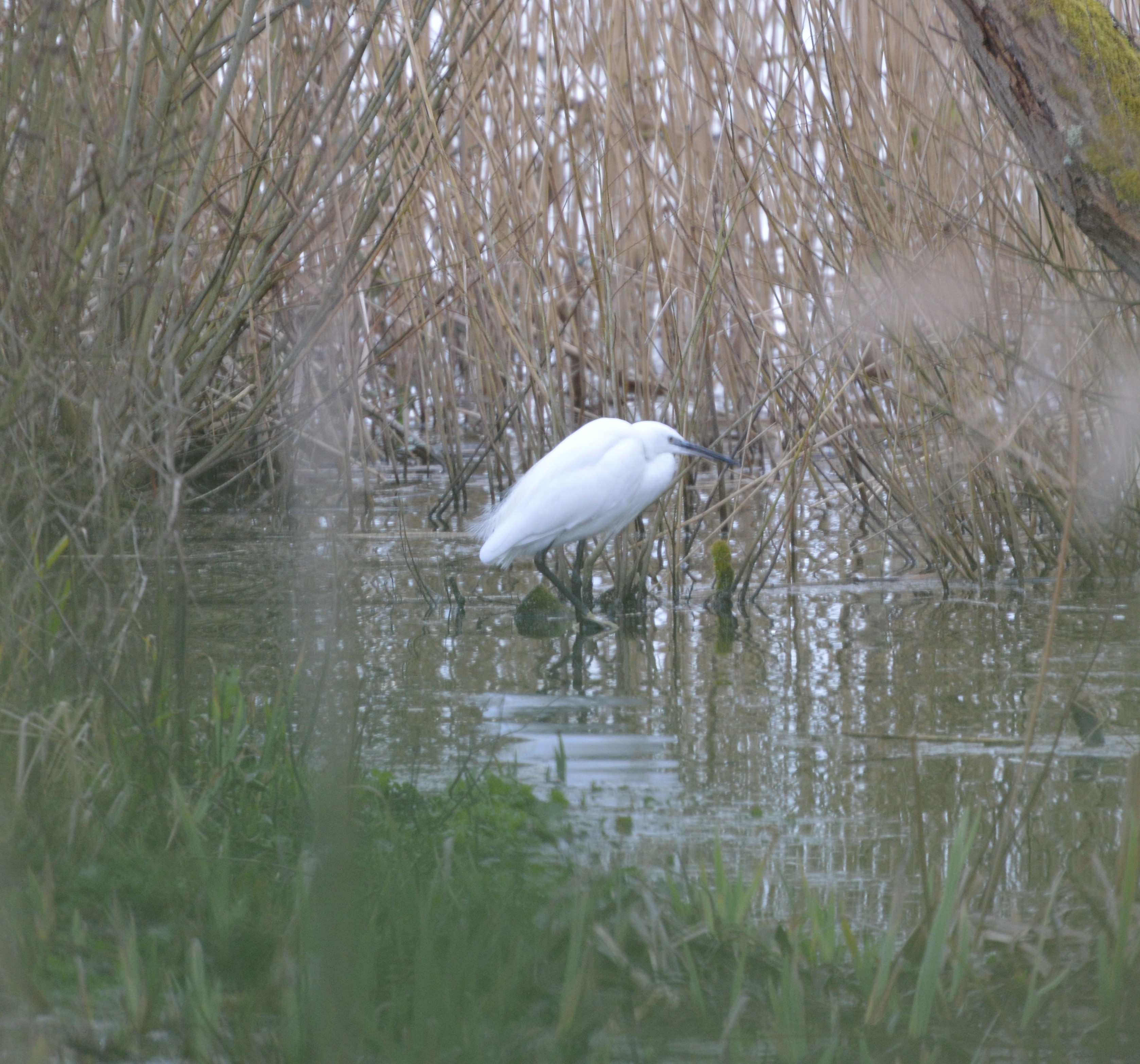
Without doubt the most beautiful bird we saw was this Little Egret,  spotted as I walked between hides. Almost ethereal with its pure white plumage, I watched it for a few minutes before it disappeared into the reeds.

All in all a great afternoon and although I was only there for a few hours, I still clocked up 18 species of bird, several of which were completely new to me. I heard another birdwatcher commenting that there was “nothing much showing” – he was no doubt much more experienced than I was and probably hoping for something unusual. Sometimes it’s good to be a novice, as I was absolutely delighted with everything I saw – lots of the birds were new to me, so it was all exciting and I was happy just watching what was there. For me there was plenty showing.

Finchy Firsts

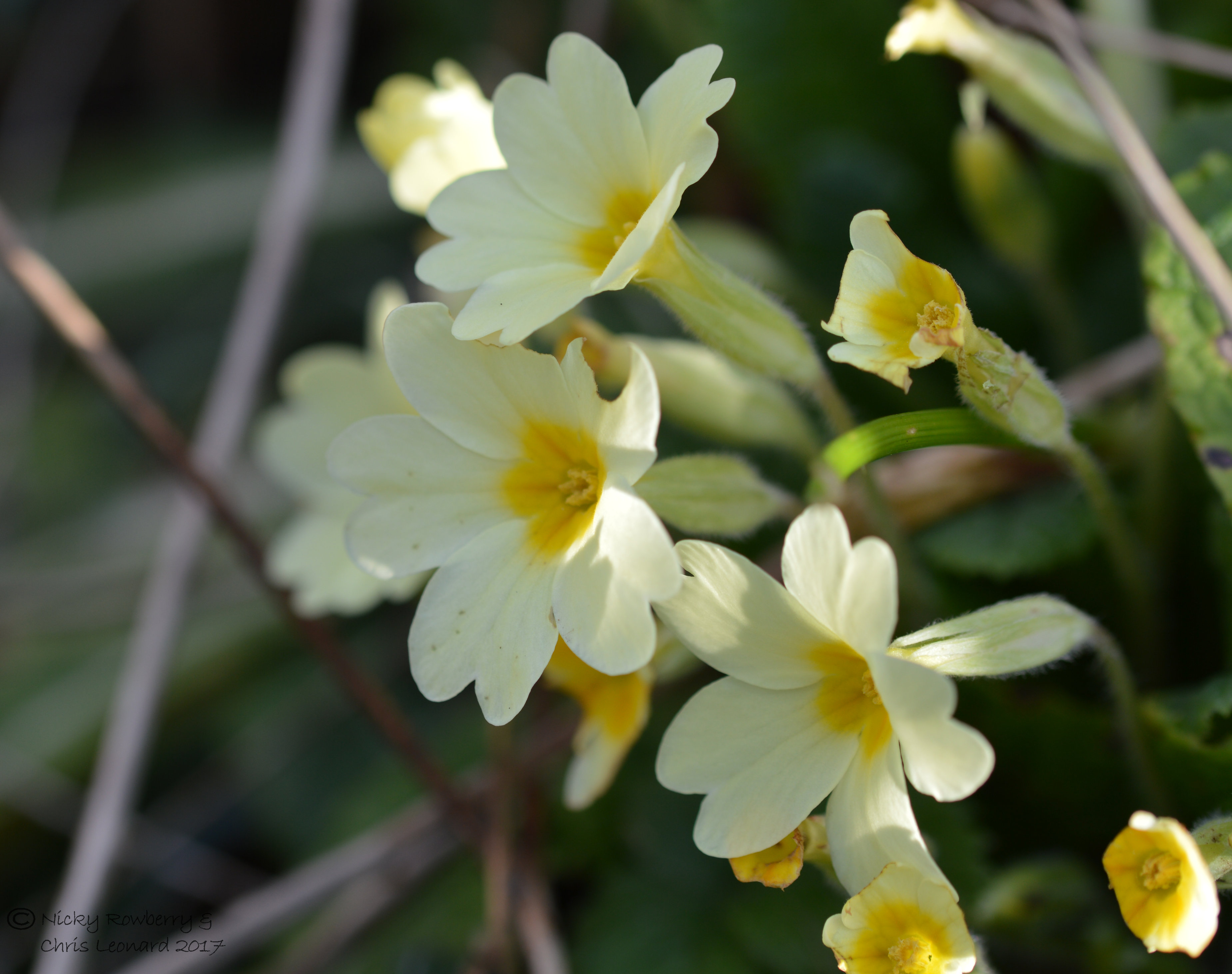
Yesterday there was a real feeling that spring was in the air. I know it’s technically still winter, but the day felt hopeful. The sun even made a (brief) appearance after what seems like weeks of grey skies here in Malvern. The primroses and crocuses were all out bringing a little cheer to the garden.

primroses

crocus

I had hoped there might be a few bees out and about, but was very happy instead to see my first hoverfly of the year. Eristalis tenax (also known rather unkindly as the Common Dronefly) was rather obligingly sunning itself on some large leaves. I’m very much a novice when it comes to hoverflies, but a very helpful man on Facebook ID’d it for me, with the top hoverfly tip that it is the only one like this that has enlarged hind tibia – which is probably the equivalent of fat calves on its back legs!

hoverfly-eristalis-tenax

I have been missing taking macro shots over the winter, so it was really nice to see at least one insect. I’ve tried the moth trap a few times over the last few weeks, but it has been completely empty each time – I need a mothy fix soon! The Garden Moth Scheme starts again in a few weeks, so I hope things pick up before then.

There may not have been many insects about lately, but there are always plenty of birds in the garden. This week we spotted both a chaffinch and a male bullfinch – neither of which we’d seen in the garden before. Sadly no photos of either, so you’ll just have to take my word for it.

I did however manage to see some goldfinches after spending an hour sitting behind a camouflage net in the garage peering through at the niger seed feeder. I was rewarded with a very brief glimpse and one dark and grainy shot of a goldfinch.

goldfinch

Just need a greenfinch now!