Big Garden Birdwatch 2019

It’s that time of year again – the Big Garden Birdwatch. I think every year I write a similar post about that mixture of anticipation and frustration that this fantastic bit of Citizen Science brings. The usual feeling of “where have all my regular birds gone” followed by the joy a pair of blue tits bring when they appear in the nick of time to make the cut. The red kites last week were undoubtedly magnificent, but when you’ve been sitting freezing your proverbial off for an hour, the sight of a pair of blue tits can be just as rewarding.

I did our garden count on Sunday, an unfortunately blustery day, which I presume is what put a lot of our birds off; rather than just sheer wilfulness to avoid being counted. In the end I only recorded 27 birds of 7 species – way below our garden norm and less even than I can see just glancing out now.  But data is data, so I hope our paltry count will still be of use. So all I saw was:

  • 14 sparrows – there may actually have been double that but, they were in the bushes and impossible to count more for certain.
  • 2 collared doves
  • 1 wood pigeon
  • 2 magpies
  • 1 blackbird
  • 5 jackdaws
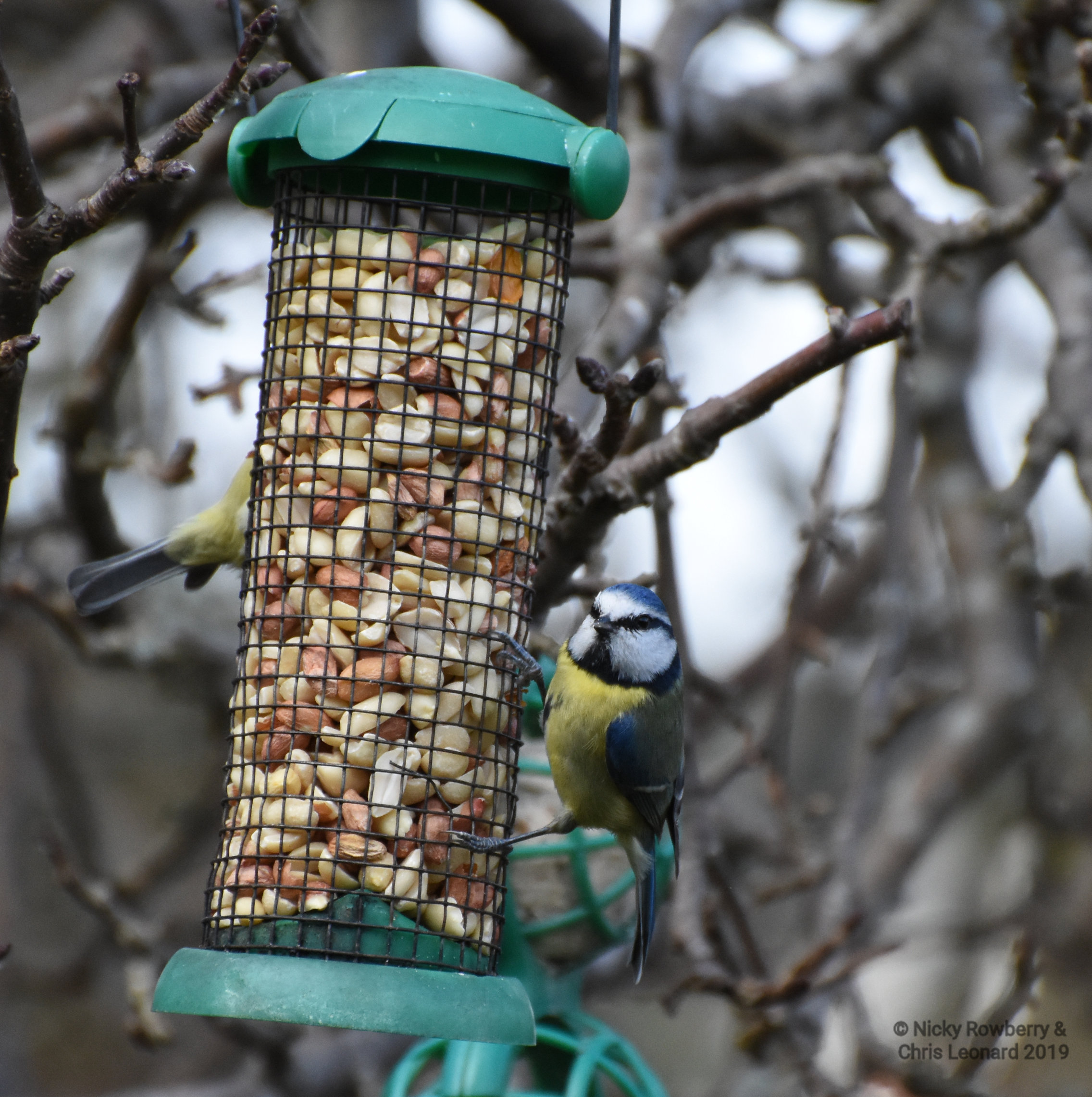
  • 2 blue tits

I did try to take photos of those that landed on the bird table, but our overgrown teasels were flapping about in the wind in my line of sight, so I only managed one of the jackdaws.

The blue tits were a bit easier as they were feeding in the apple tree closer to the house.
So that’s it over for another year. Apparently this year was the 40th anniversary of the Big Garden Birdwatch. It started as a survey just for children to do, but thankfully us adults are allowed to join in now too. Our garden birds often seem to make themselves scarce during this annual count, but it still gives me an enormous sense of satisfaction to know that we’re contributing to a really useful bit of science. And sitting just quietly watching the wildlife in your garden for an hour, with no interruptions or distractions is no bad thing either!
 

Finchy Firsts

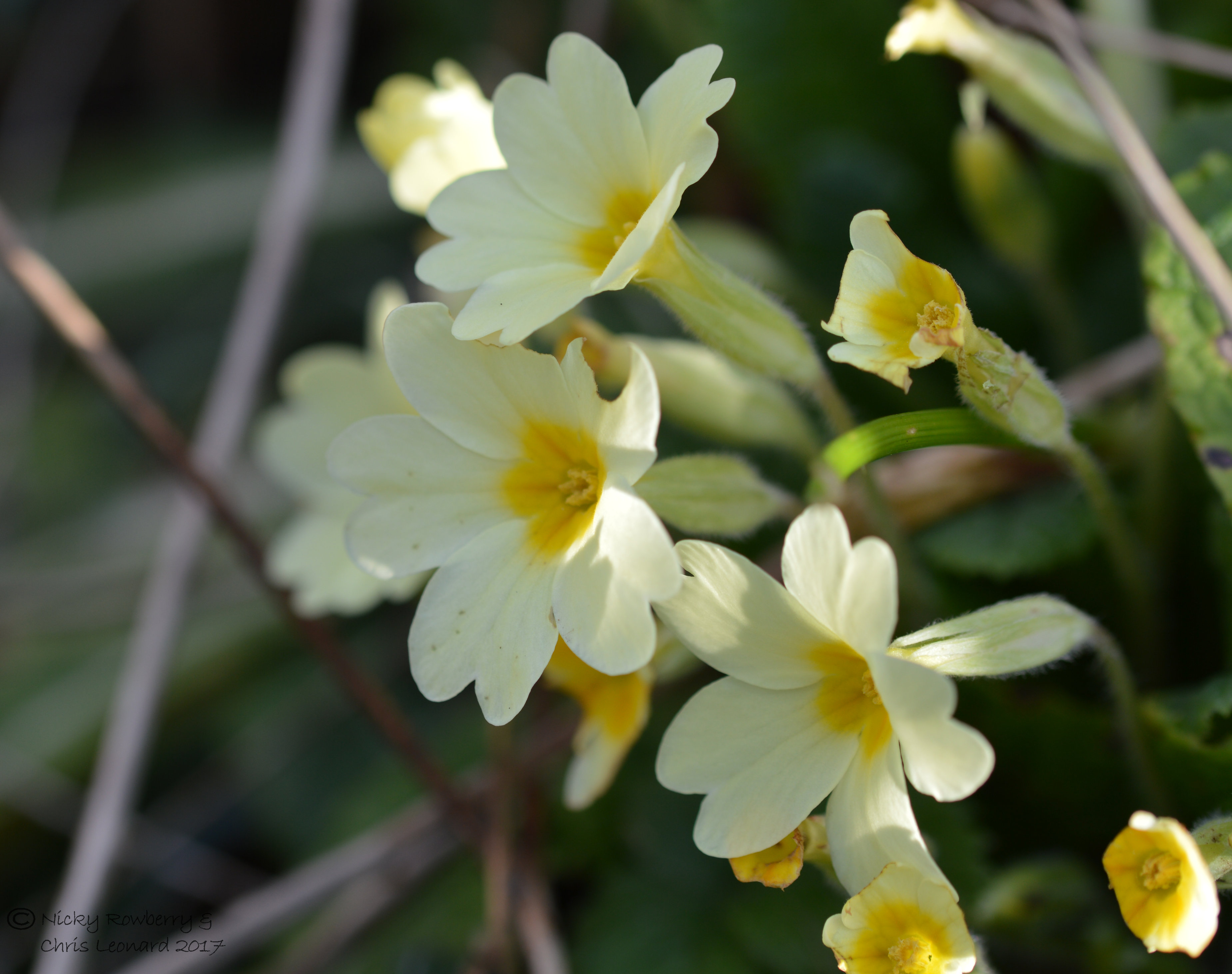
Yesterday there was a real feeling that spring was in the air. I know it’s technically still winter, but the day felt hopeful. The sun even made a (brief) appearance after what seems like weeks of grey skies here in Malvern. The primroses and crocuses were all out bringing a little cheer to the garden.

primroses

crocus

I had hoped there might be a few bees out and about, but was very happy instead to see my first hoverfly of the year. Eristalis tenax (also known rather unkindly as the Common Dronefly) was rather obligingly sunning itself on some large leaves. I’m very much a novice when it comes to hoverflies, but a very helpful man on Facebook ID’d it for me, with the top hoverfly tip that it is the only one like this that has enlarged hind tibia – which is probably the equivalent of fat calves on its back legs!

hoverfly-eristalis-tenax

I have been missing taking macro shots over the winter, so it was really nice to see at least one insect. I’ve tried the moth trap a few times over the last few weeks, but it has been completely empty each time – I need a mothy fix soon! The Garden Moth Scheme starts again in a few weeks, so I hope things pick up before then.

There may not have been many insects about lately, but there are always plenty of birds in the garden. This week we spotted both a chaffinch and a male bullfinch – neither of which we’d seen in the garden before. Sadly no photos of either, so you’ll just have to take my word for it.

I did however manage to see some goldfinches after spending an hour sitting behind a camouflage net in the garage peering through at the niger seed feeder. I was rewarded with a very brief glimpse and one dark and grainy shot of a goldfinch.

goldfinch

Just need a greenfinch now!


Wildlife Hides – Part 3 The Kestrel

This is the third and final part of the blog about our wonderful day spent at the Wildlife Hides near Droitwich. Our last hide of the day was the Kestrel one. Once again we were a bit worried when the previous 2 groups had all seen kestrels feeding – would they be too full to fly down for us?

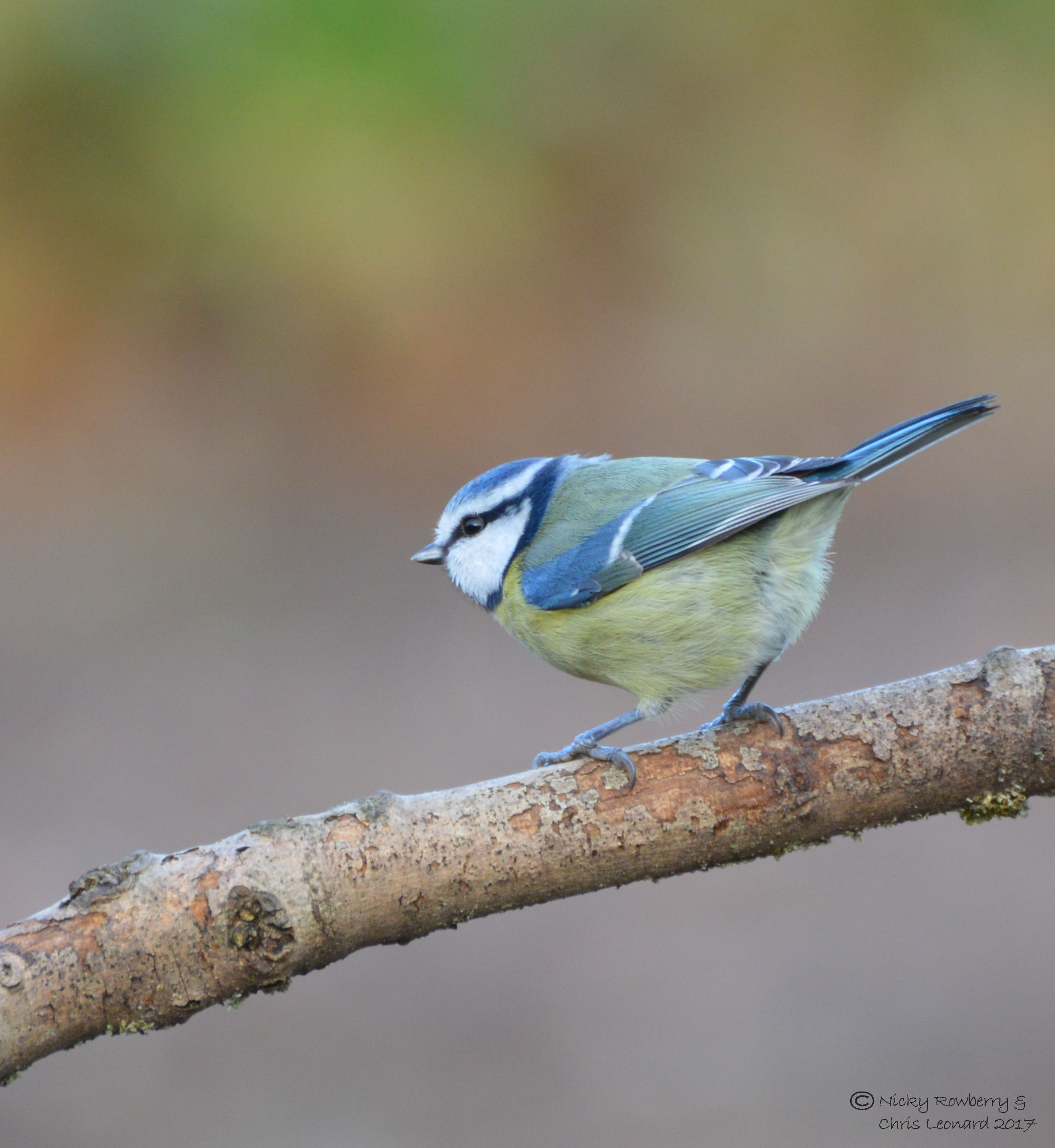
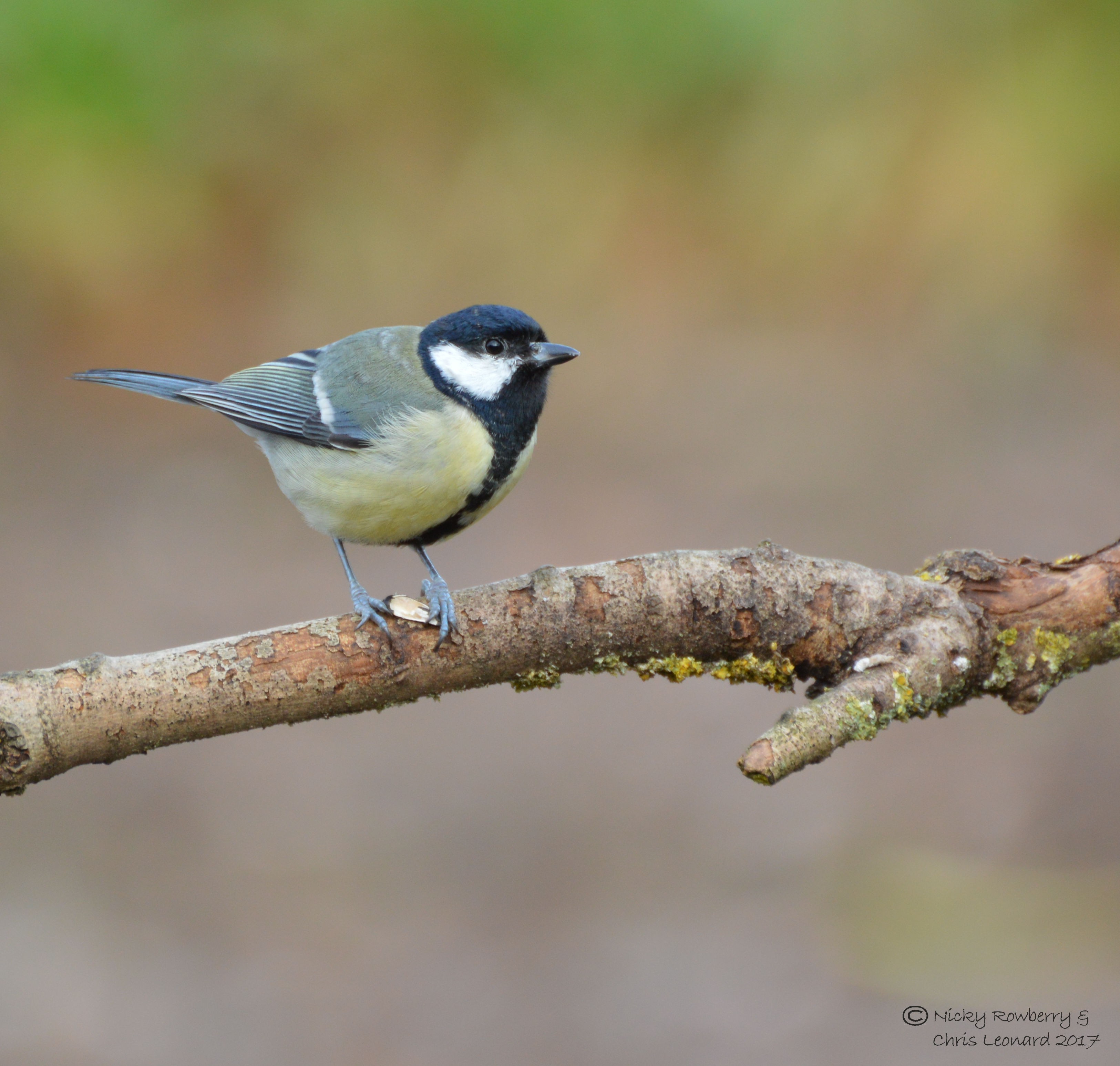
Initially all we could see was a very distant kestrel perched on a telegraph pole way across the field. Dead mice were positioned in front of our hide, so we just had to hope she was still hungry. While we waited (with everything crossed) for her to fly down, we could at least enjoy lots of the small birds that were flitting about. The blue tits and great tits posed obligingly on a branch in front of us and a chaffinch was poking about in the mud on the field. A wagtail and an absolutely stunning bullfinch also made appearances, but we didn’t manage to get decent photos of either.

blue-tit

great-tit

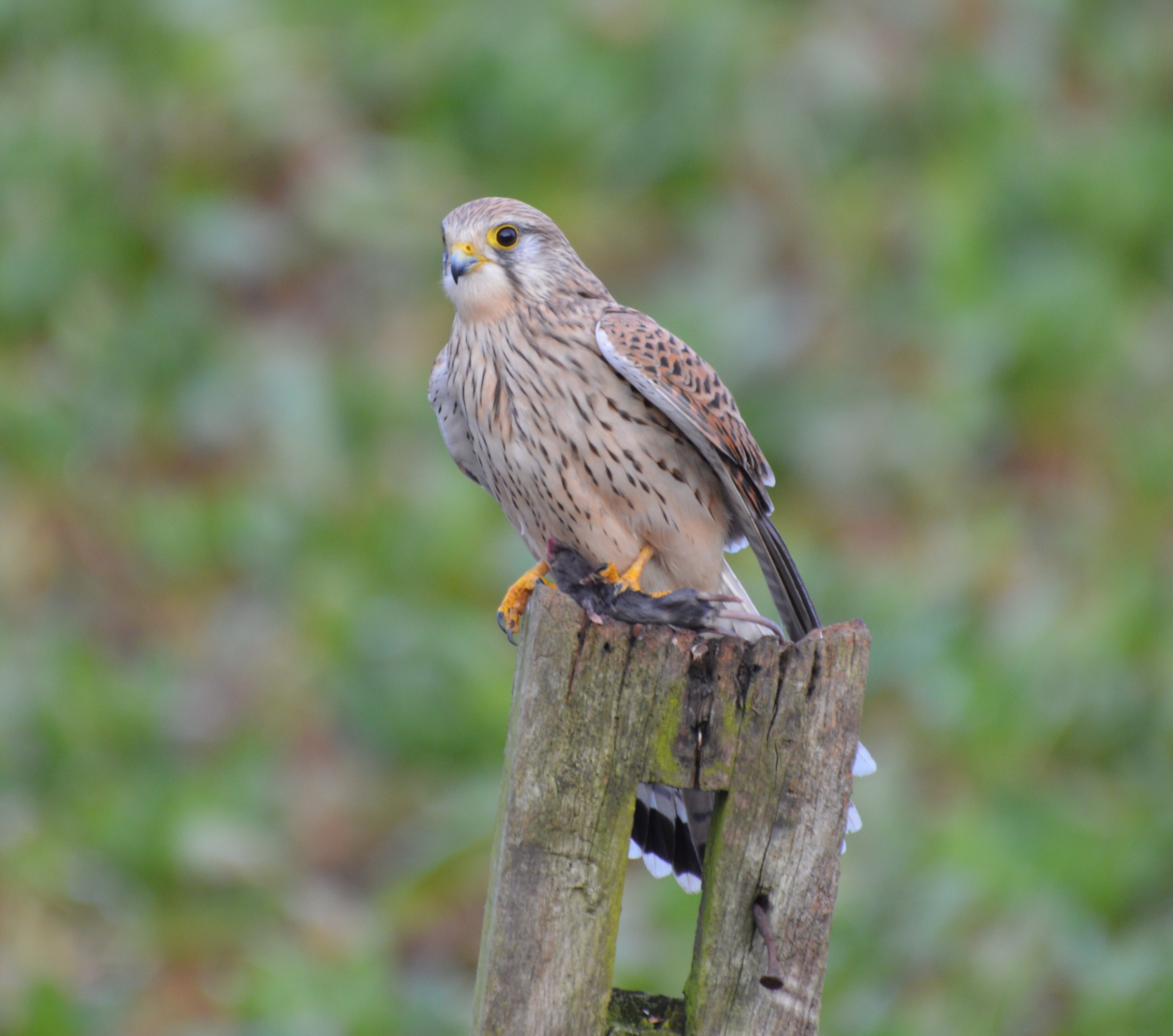
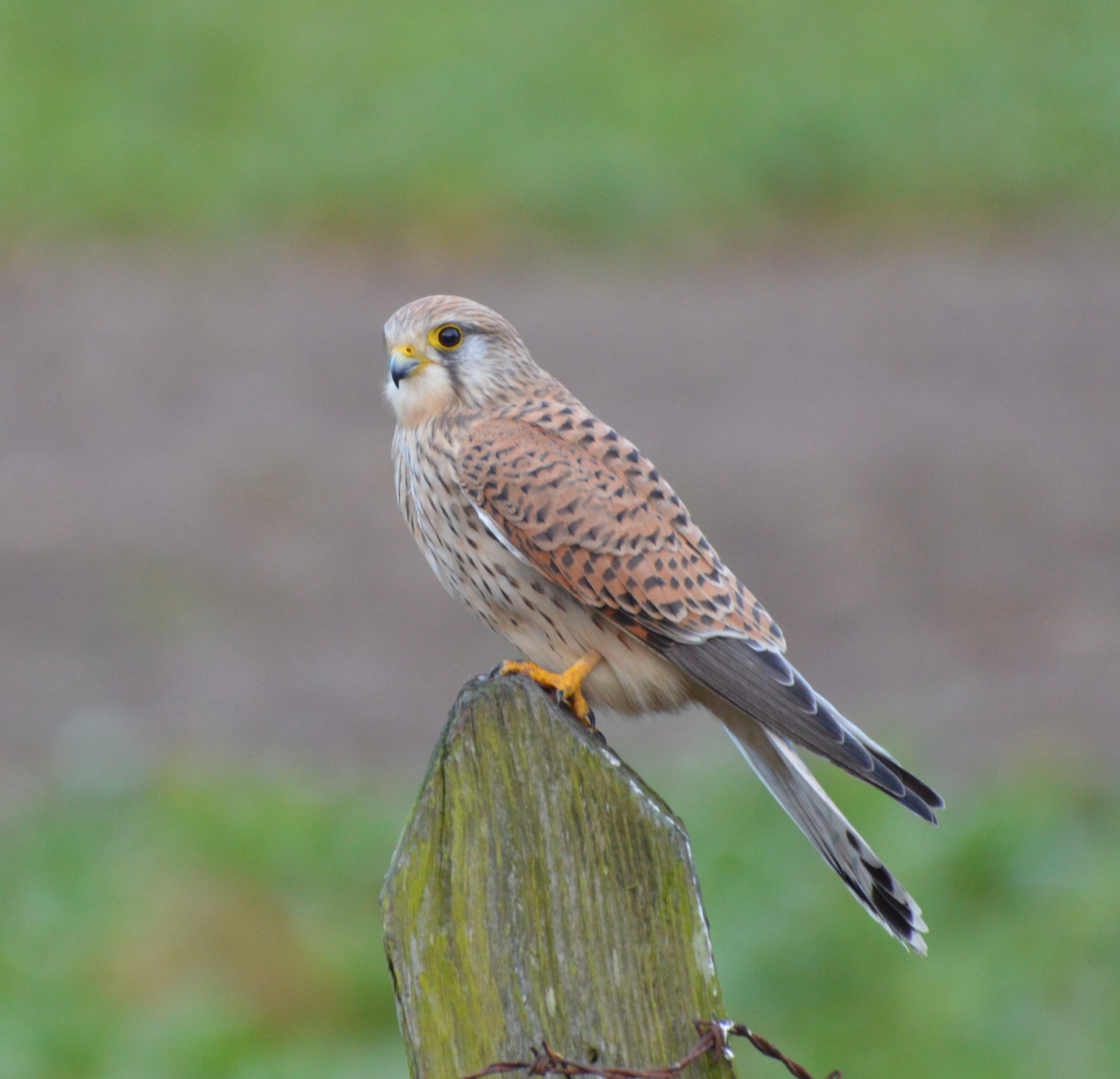
While we’d been watching the small birds, the female kestrel had been joined by the male on top of the telegraph pole. After what seemed like an age they eventually both took off and after a bit of hunting about, the female landed on one of the posts in front of us. All 3 of us clicked away frenziedly, to the point that we didn’t even notice the male had landed until it took off again – doh! So we only got photos of the female, but she was stunning. I’d never been so close to a kestrel before and hadn’t realised just how beautiful they were.

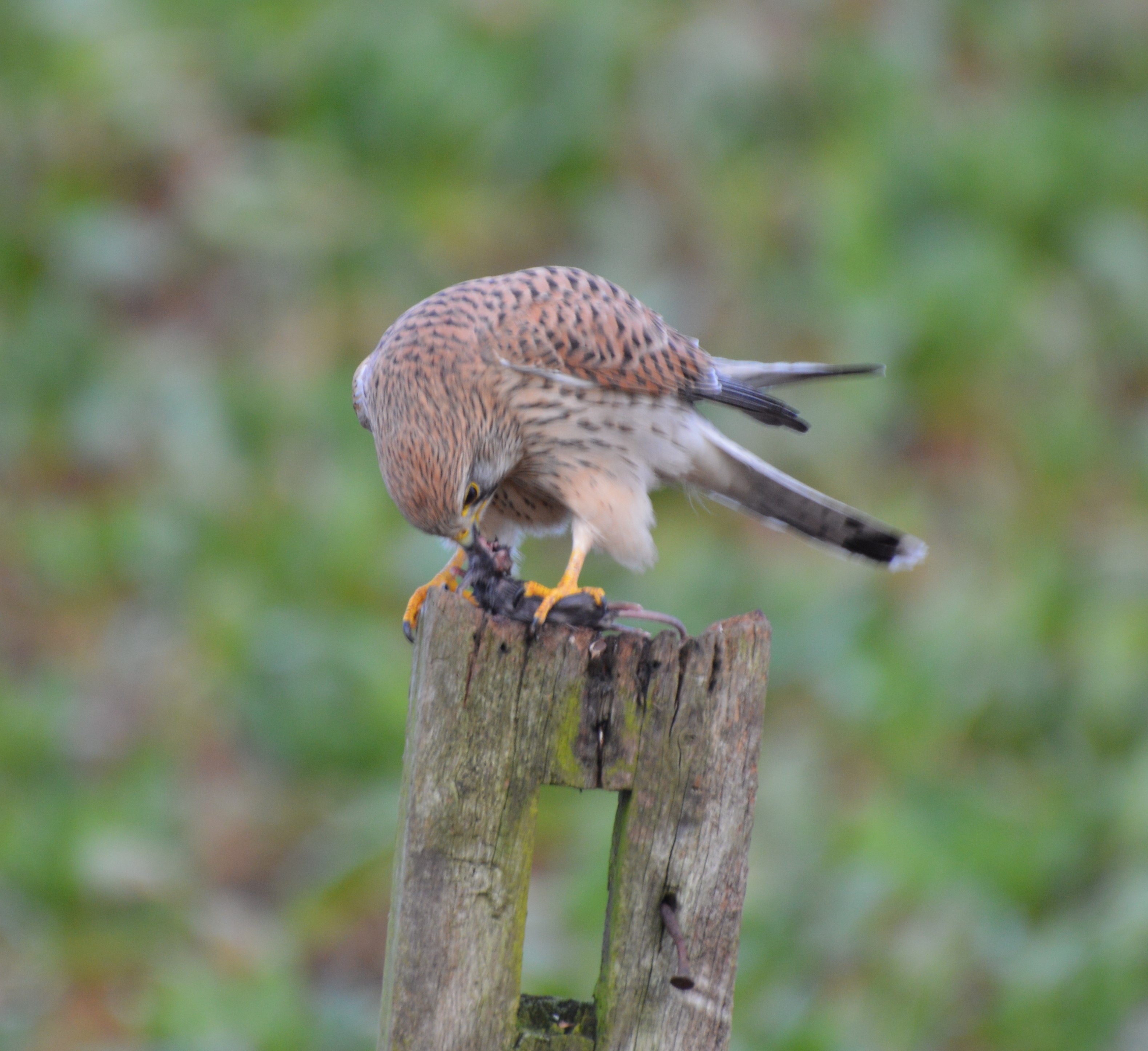
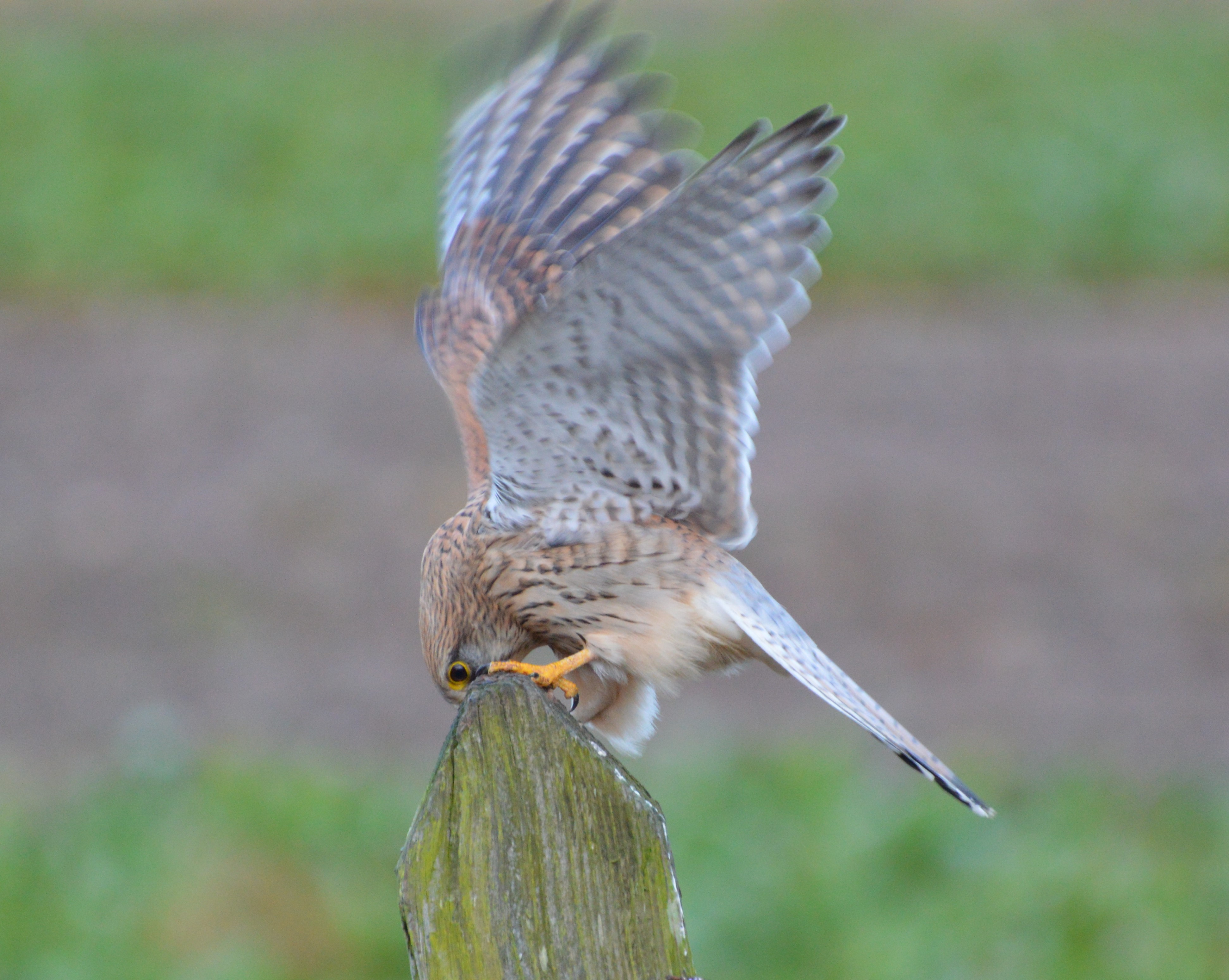
I think we made a bit too much noise and spooked her (and the male) off, but it wasn’t long before she returned. As we stayed put in the hide and kept quiet, she decided to have another go for the mice.

We could have happily stayed and watched the kestrels for a lot longer, but by now the light was starting to go. Before we packed up for the day though we had one final visitor – an inquisitive squirrel. I know it’s not a red one, but I still can’t resist them.

squirrel

I also had a go at videoing. They are such beautiful birds to watch, but you get a real sense of their strength when you see her pulling at the mouse. I wouldn’t want to be at the wrong end of those claws or beak!

All the hides featured in these last 3 blog posts were at Nature Photography’s site near Droitwich, which is only a half hour’s drive from Malvern – brilliant! Other hide rental sites are no doubt available, but we were very happy with our day and couldn’t have asked for better views of the birds. If anyone’s interested in trying something like this for themselves, here’s their website: http://www.naturephotographyhides.co.uk/  They also have hides in Scotland for red squirrel and mountain hares – very tempted for next year!!

I know in an ideal world we would have gone out and found these animals for ourselves, but when you have limited time and resources, sometimes it’s good to take a short cut. The birds were all still wild and there were no guarantees of seeing anything, so it was a big thrill for us just being able to watch them. For beginners like us, it was also a good way of practising taking birdy photos – it’s very hard to practice if there’s nothing there to photograph!

Wildlife Hides – Part 1 Reflections

We ventured out from the Too Lazy garden yesterday and had an absolutely fabulous day at Nature Photography’s wildlife hides near Droitwich. I hate to admit it, but the big five oh is looming for me, so this was my birthday present – a day freezing my proverbial off while clutching a camera – but I couldn’t have asked for better. We’d gone for one of their “multi hide” days where you get to try out 3 different hides. We took so many photos that I’m going to have to split this blog post into three – one part for each hide we tried.

So first up a section on the Reflection Pool. We did actually start off at the Fieldfare Hide, but the fieldfares weren’t playing ball. There were lots in the field, but none of them came anywhere near the hide. The best we managed were some very distant shots – so far away in fact that we didn’t realise there were redwings amongst the fieldfares until we downloaded the photos at home.

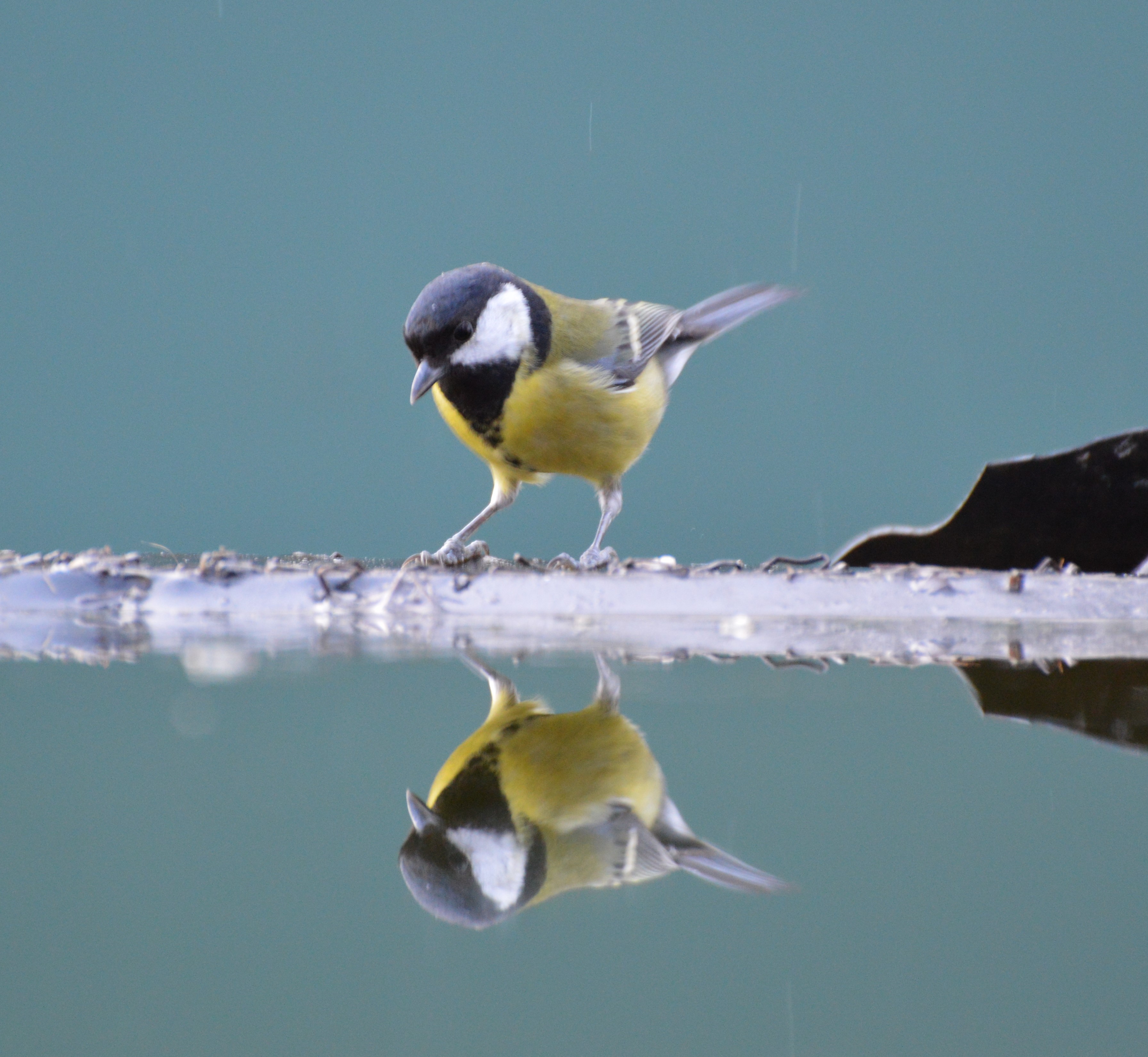
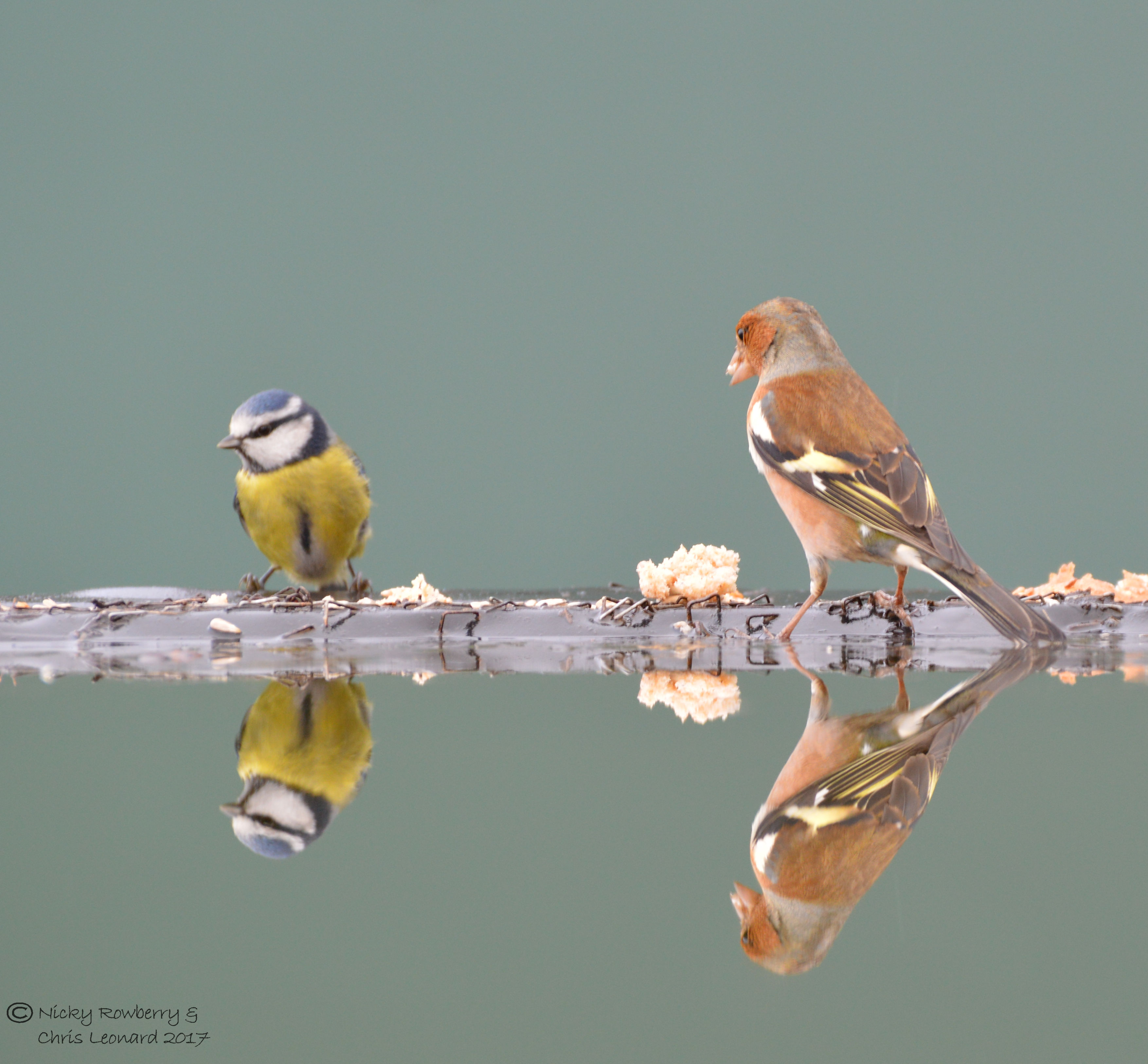
The Reflection Pool Hide was right behind the fieldfare one, so we cheated a bit and moved to that instead. The pool is set up so that you’re at water level to get the best reflection shots. In total we took over 1000 photos between us yesterday. A new record even for us. Here are some of my favourites from the pool – I have included quite a few (apologies) but there were just so many to choose from – even after I’d deleted several hundred rejects!

The great tits probably frequented the pool the most while we were there. You had to be quick to get a photo though and we ended up with a lot of photos of pool with no bird!

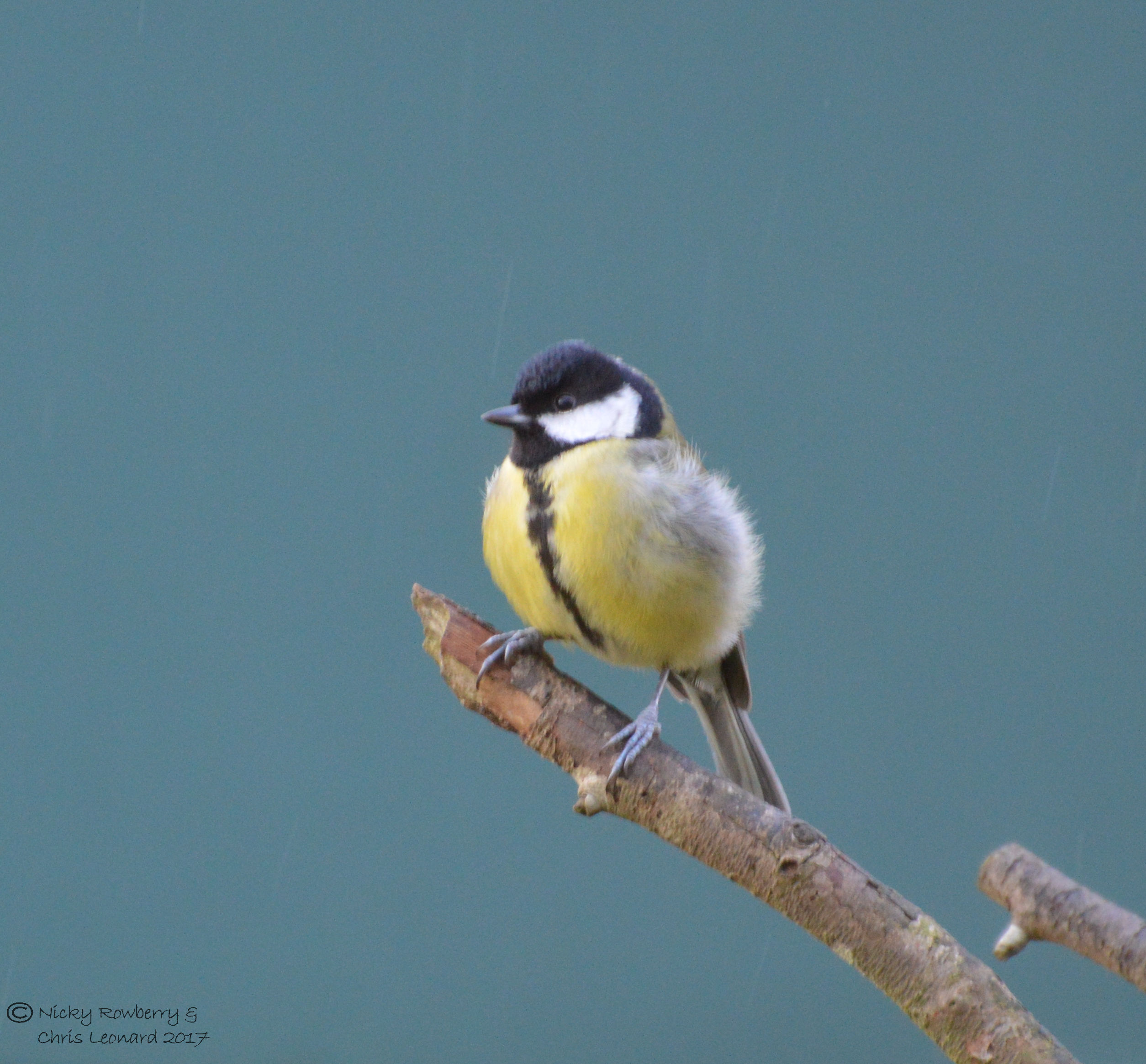
Between visits to the pool, the birds sat on branches nearby waiting their turn it seemed. This great tit was particularly fluffed up against the cold.

great-tit-4

The robins’ red breasts were of course very photogenic reflected in the water; but even the blackbird looked good with his upside down twin!

robin

blackbird

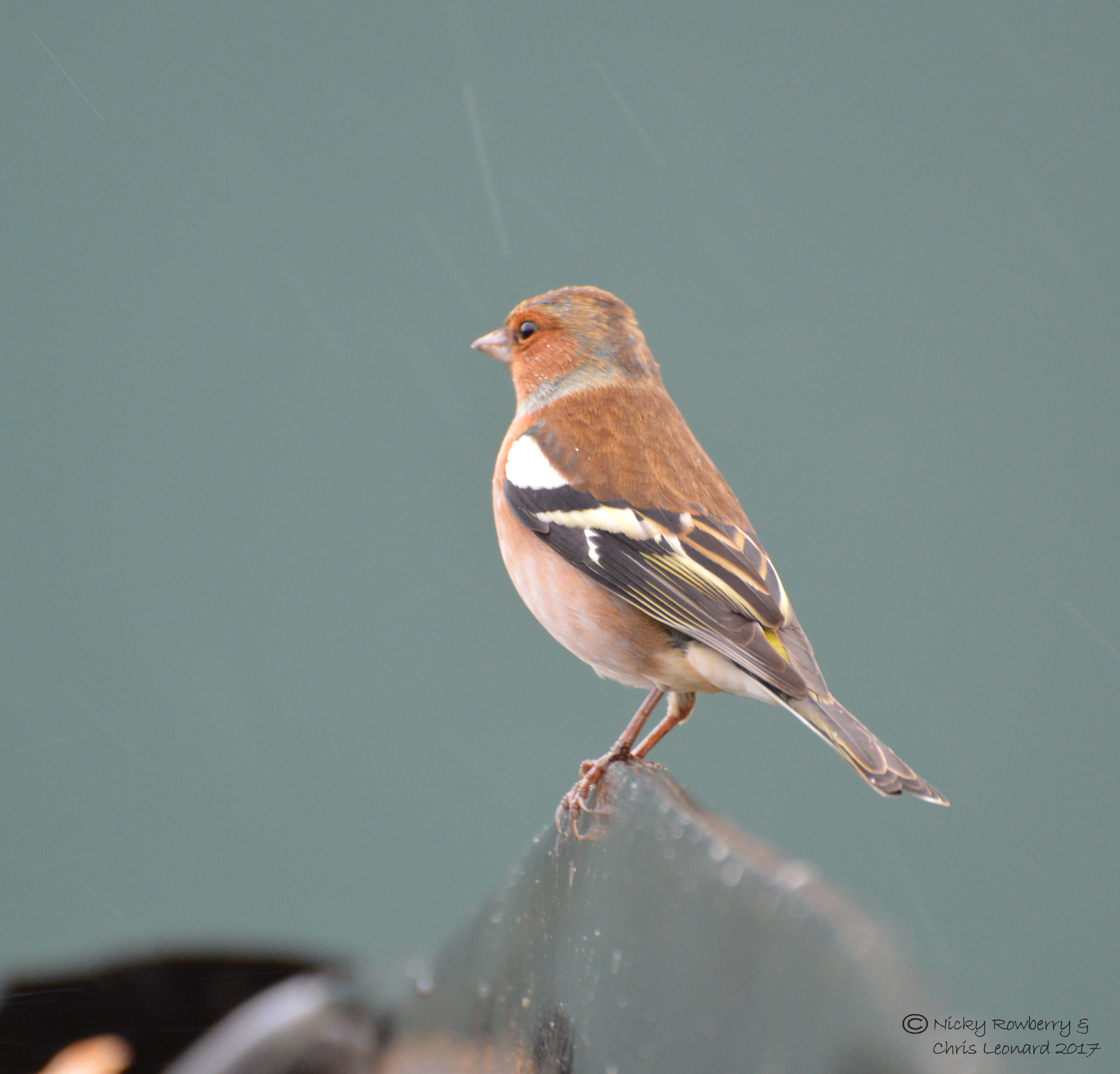
There was a large group of chaffinches in the hedgerow next to us. Initially they were very timid, but once they’d settled a bit they came down and posed for the cameras. We never seem to get chaffinches in our garden for some reason, so we got a bit carried away (again) with the photos.

mixed

chaffinch-6

chaffinch-5

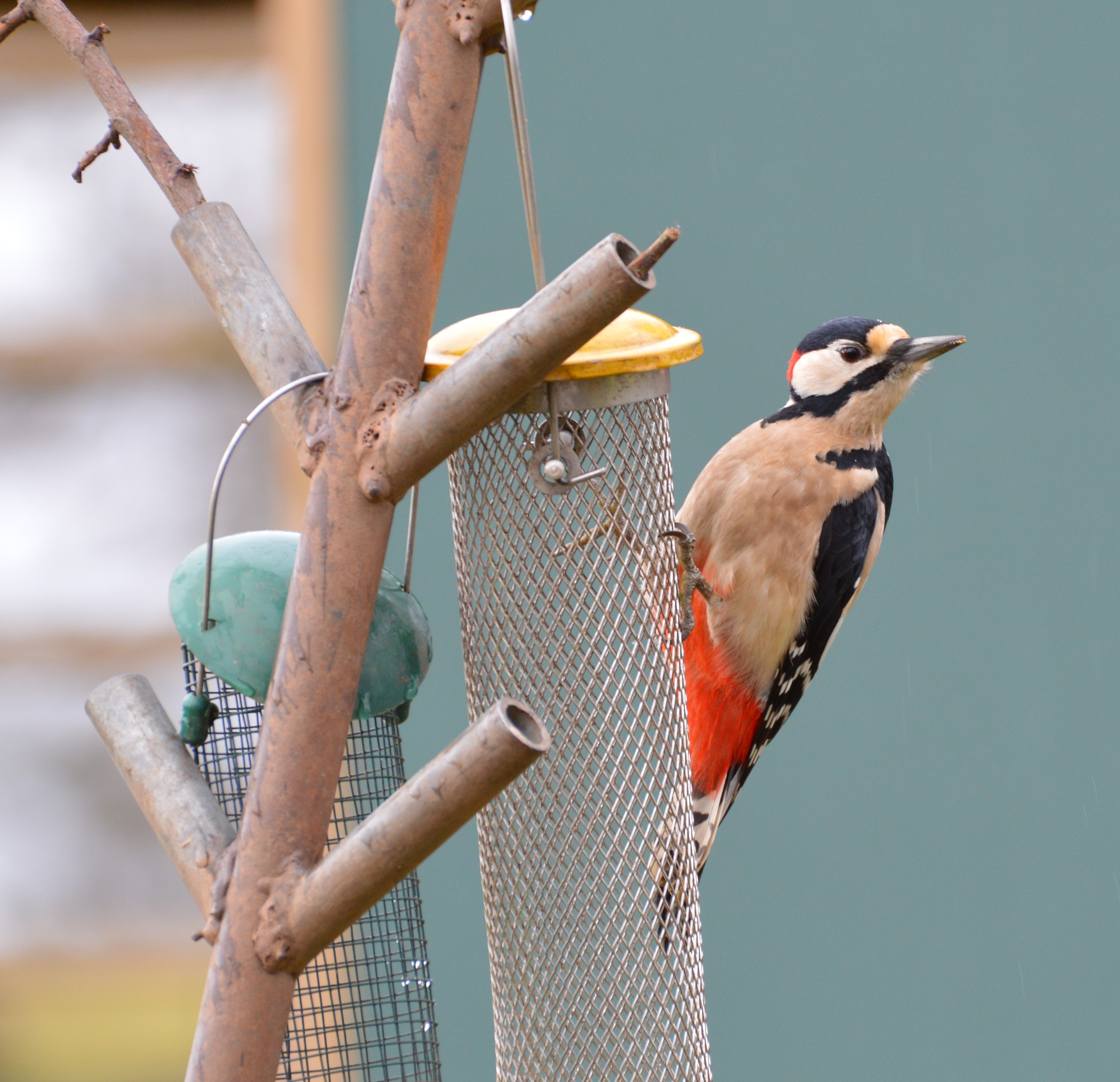
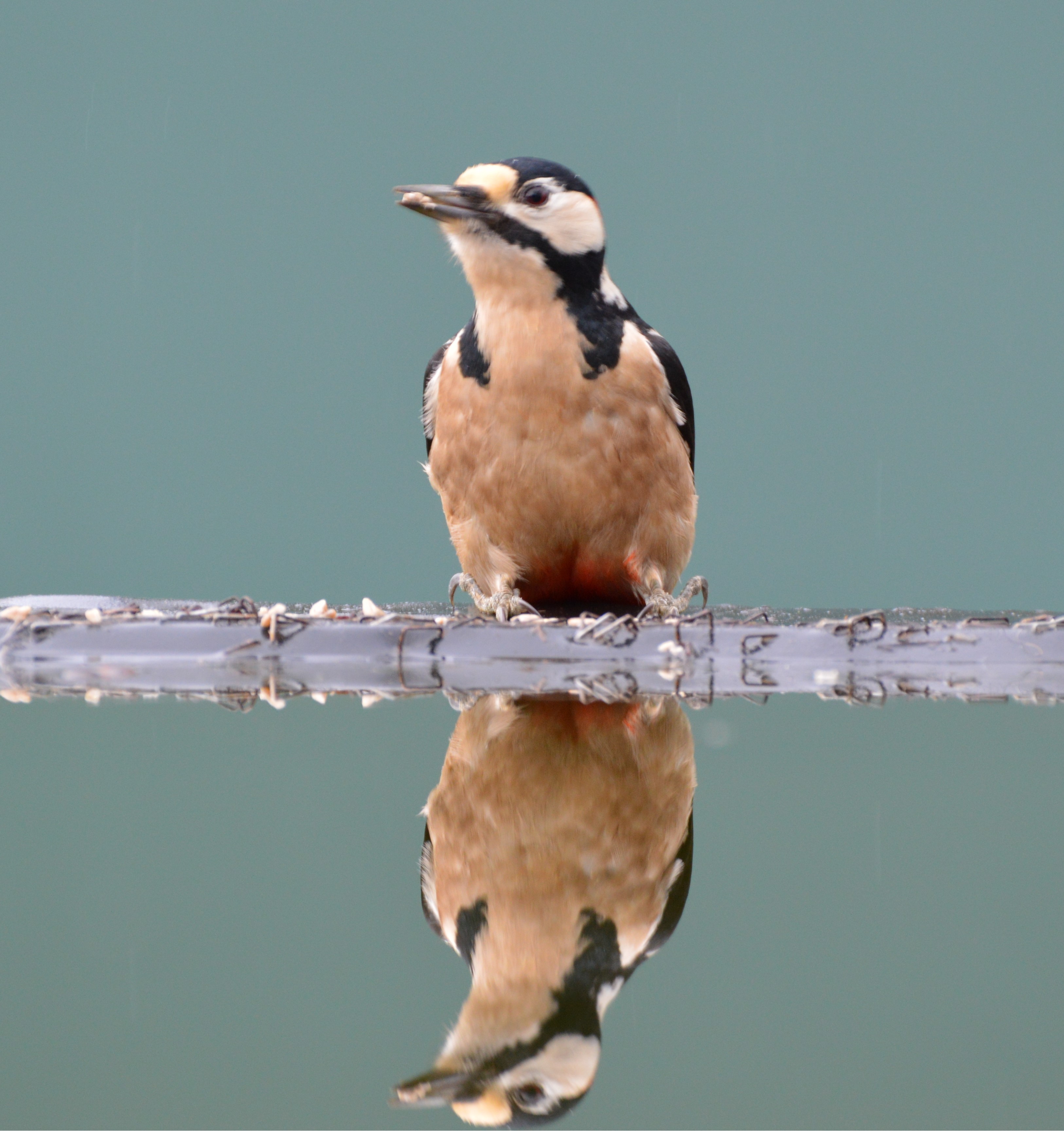
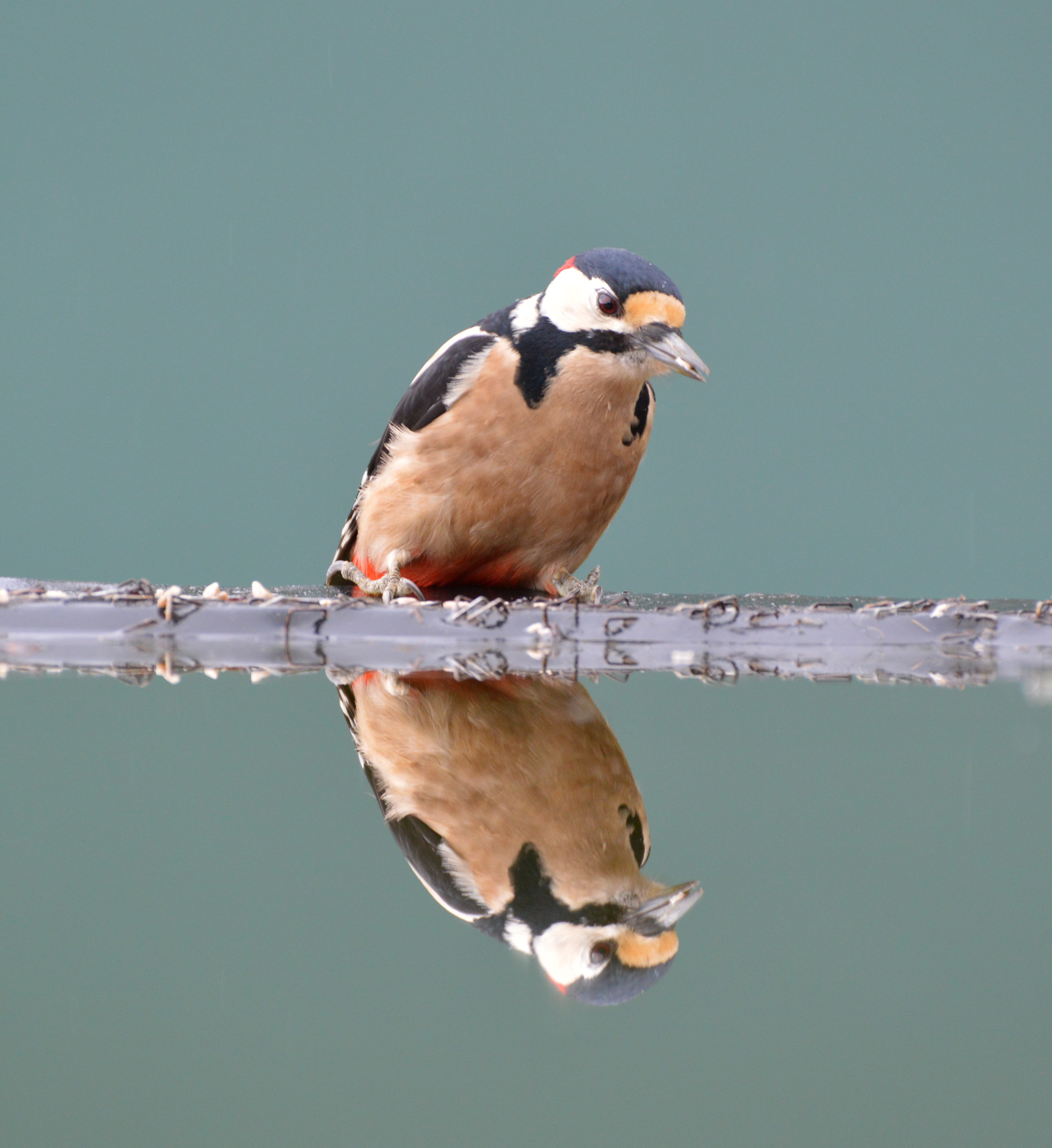
The prize of our time at this hide though was undoubtedly this Greater Spotted Woodpecker. We spotted him in the trees initially and we watched as he gradually got closer.

woodpecker

Once he’d reached the bird feeder, we held our breath as he got closer to the pool – everything crossed that he’d land there. And he did! An absolutely gorgeous bird looking back at himself.

You can’t really go wrong with the reflection pool. Whilst not necessarily always technically brilliant (often far from it), all the photos here had some appeal. I even love the photos that weren’t really in focus, like this one of a blue tit taking off. The colours and the reflection make up for the lack of everything else (like focus) you’d normally look for in a photo!

blue-tit-2

So that was the first part of our day in the wildlife hides. We were already really chuffed with it all and it was only 11:30am at this point!

Parts 2 and 3 to follow as soon as I’ve waded through the next set of photos. We’d thought things were going well already, but then we went to the Kingfisher Hide…..


Out and About – Hartlebury Common

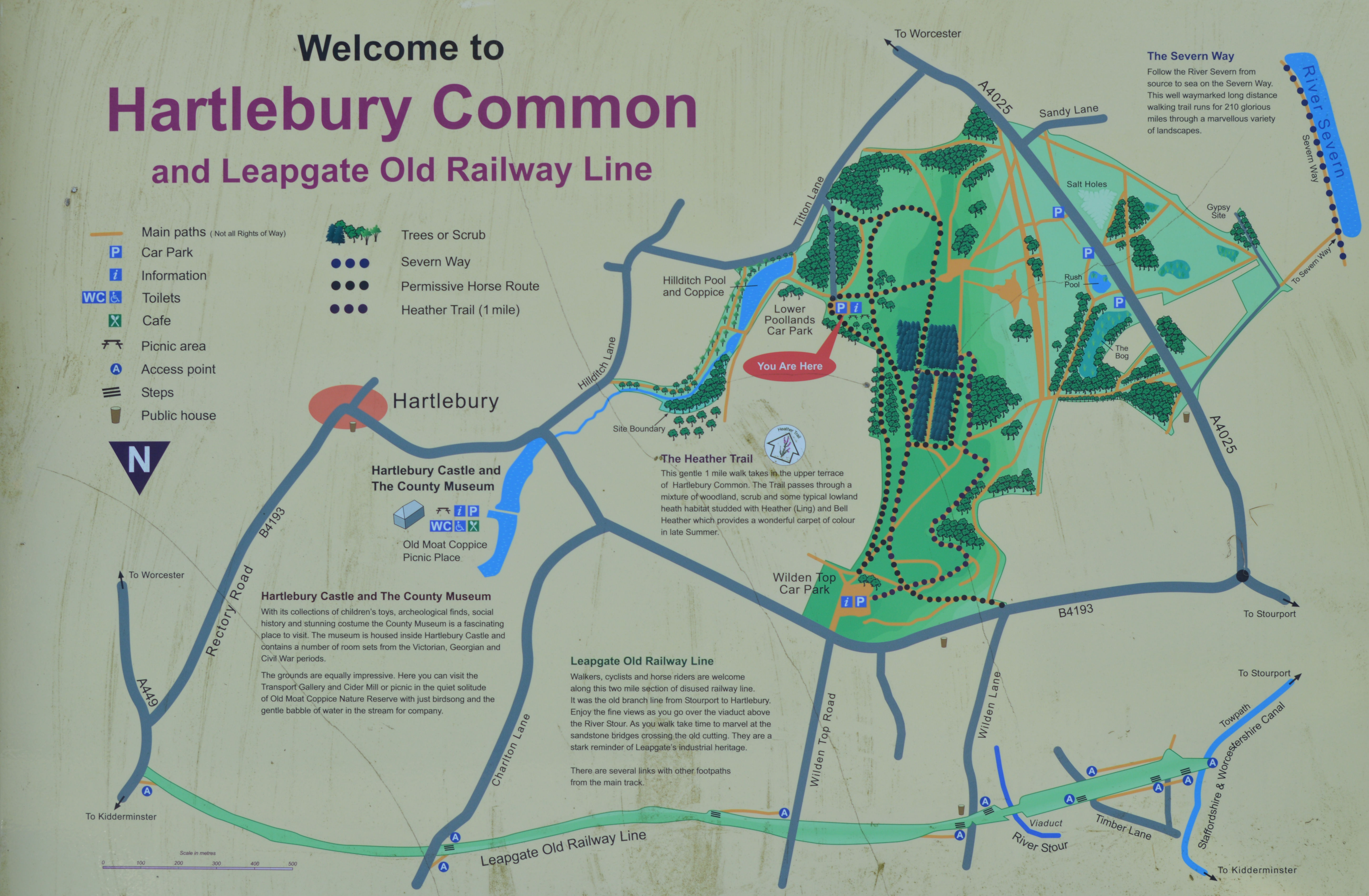
Once again we ventured forth from our sofas and hit the outside world in search of adventure – or more precisely moths! We’d heard that Hartlebury Common in North Worcestershire might have Emperor Moths – large day flying moths that we’ve always wanted to see. Hartlebury Common is an SSSI, consisting of lowland heath and supposedly good for Emperors.

Hartlebury Map

Needless to say after several hours tramping about in intermittent sunshine, there were no signs of the regal Emperors. Fortunately Hartlebury  provided other wildlife of interest. Insect-wise there were lots of bees feeding on the gorse and broom. A single Tortoiseshell butterfly provided fleeting hope that we’d spotted an Emperor; but a Bloody-nosed Beetle (Timarcha tenebricosa) stopped us in our tracks as he trundled across the path. When we tried to gently move him to one side, he secreted his trademark blood red liquid from his mouth, which made identifying him later a hell of a lot easier!

The gorse bushes also offered up a Gorse Shieldbug (Piezodorus lituratus) – a species we’d never seen before, so nice to bag another one.

The birds were abundant and singing all round us. A green woodpecker taunted us all morning, but remained steadfastly out of camera range. A tree creeper posed on a tree trunk just long enough for us to spot him, but not long enough for us to focus and get a photo. Fortunately a wren was slightly more accommodating, although a bit far away to get a really good shot.

Wren at Hartlebury

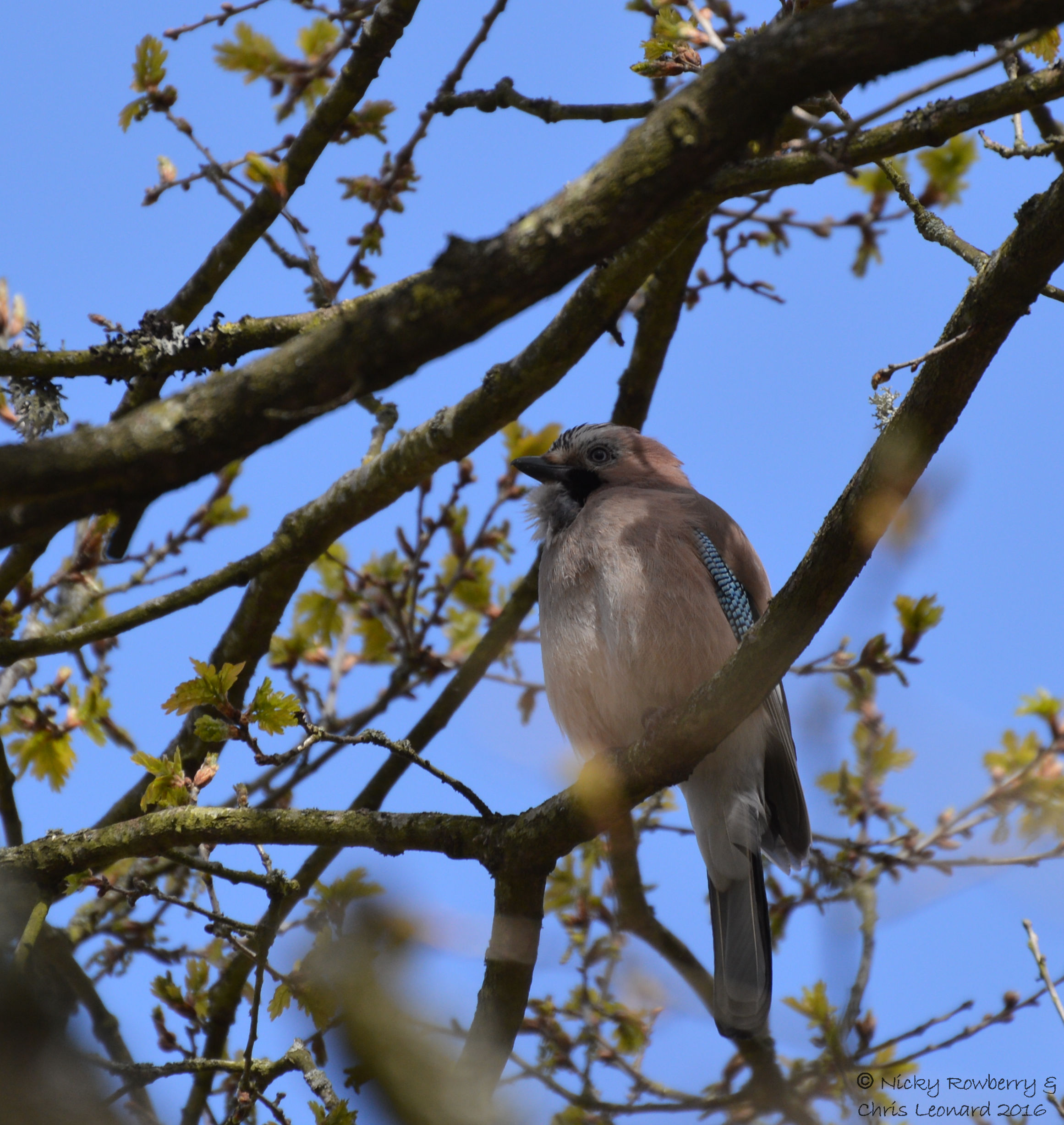
A pair of Jays made the trip all worthwhile though. I’d previously only seen glimpses of these beautiful birds, so to see them as clearly as this made my day.

Jay at Hartlebury 2

Jay at Hartlebury

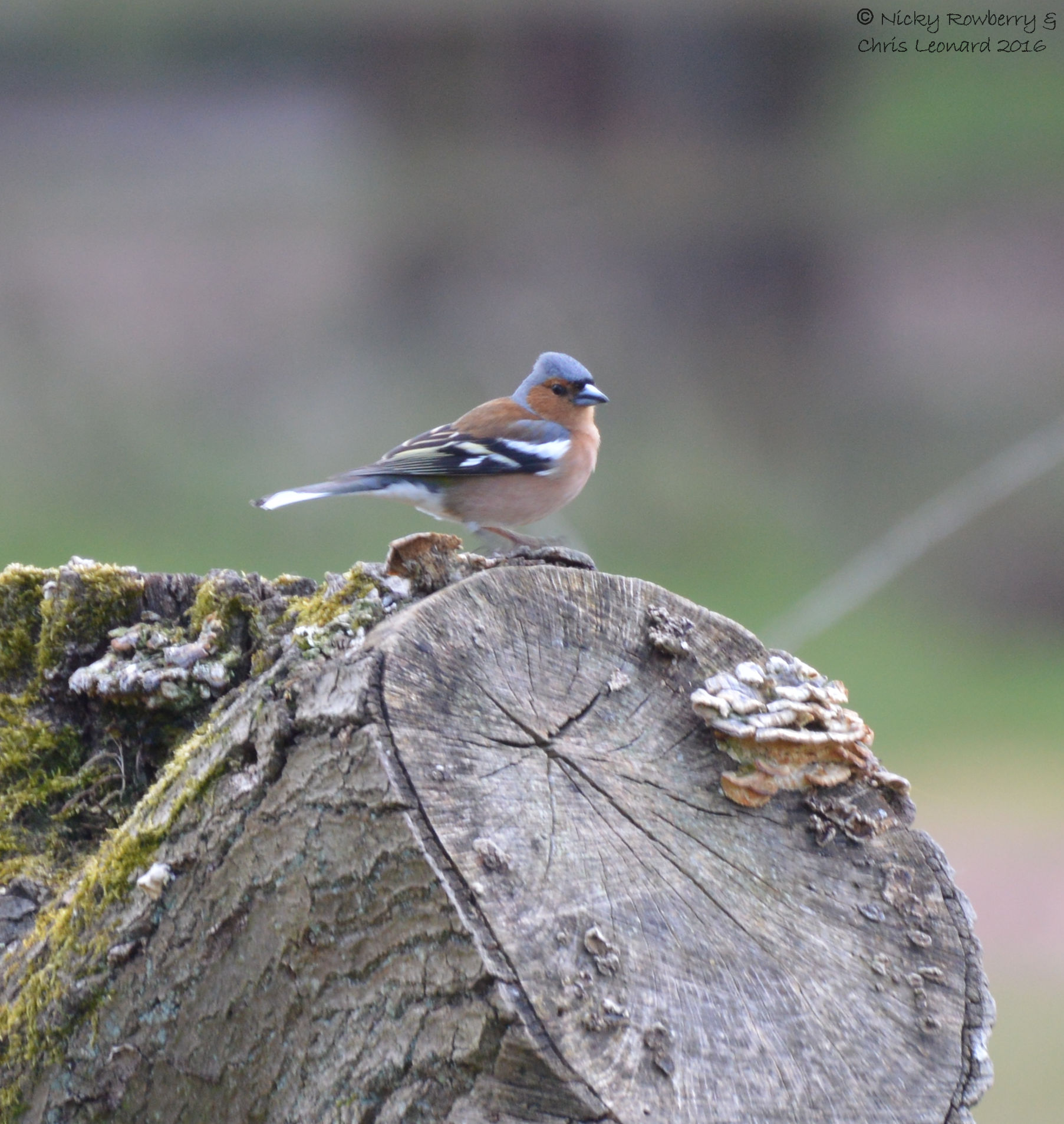
A chaffinch also posed perfectly on an old tree stump.

Chaffinch at Hartlebury (2)

The final bird of the day was either a Chiffchaff or a Willow Warbler. Apparently the two are very similar and the best way to tell them apart is by their songs. Of course we were so intent on taking photos, that we didn’t really pay much attention to the songs. Back at home and listening to sample bird songs on “tinternet”, I still couldn’t decide if we’d heard a Chiffchaff or a Warbler. So if anyone can confirm the bird by appearance alone and settle it, that would be great.

Chiffchaff (11)

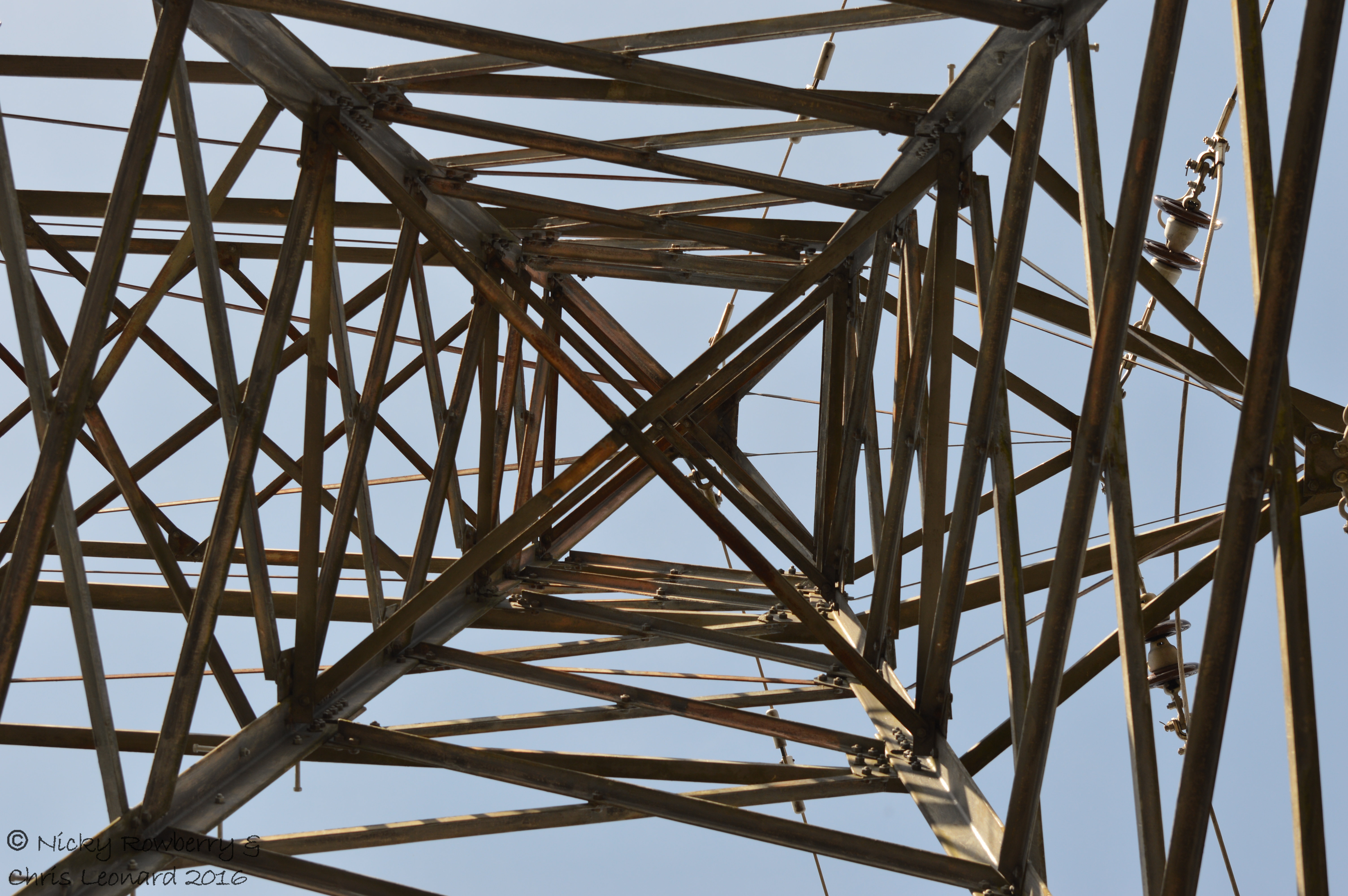
Having never before stood under a pylon (slightly incongruous in the middle of the Common), I thought I’d attempt an arty shot – not sure I’ve really got the hang of art though!

Pylon at Hartlebury

So Hartlebury Common may not have offered up any Imperial sightings, but there was plenty of interest to while away a few hours.