30 Days Wild – Day 20 – Chasing Admirals

It’s Day 20 of 30 Days Wild and the day started early and hot. I got up at the crack of dawn to empty the moth trap and the temperature had only dropped to 18.3C – at 4 o’clock in the morning! Not surprisingly it had been a great night for moths and the trap was stuffed with them including 7 elephant hawkmoths! Prize for me though were these 3 gorgeous Scarlet Tigers (hawkmoths were so last week!).

Next surprise was a racing or homing pigeon, which turned up outside the patio doors, while I was planning what to do for the day. It had rings on its legs, which I presume would be traceable. It didn’t seem injured or unduly bothered and eventually flew off, although it returned in the afternoon.  If it reappears, I’ll maybe see how you go about reporting a stray homing pigeon.

Anyway, clearly having learnt nothing about how hot it was from yesterday’s trip, I headed out again – this time to Monkwood Nature Reserve near Worcester. I went there a couple of years ago and saw my first ever White Admirals, so I hoped for a repeat performance.

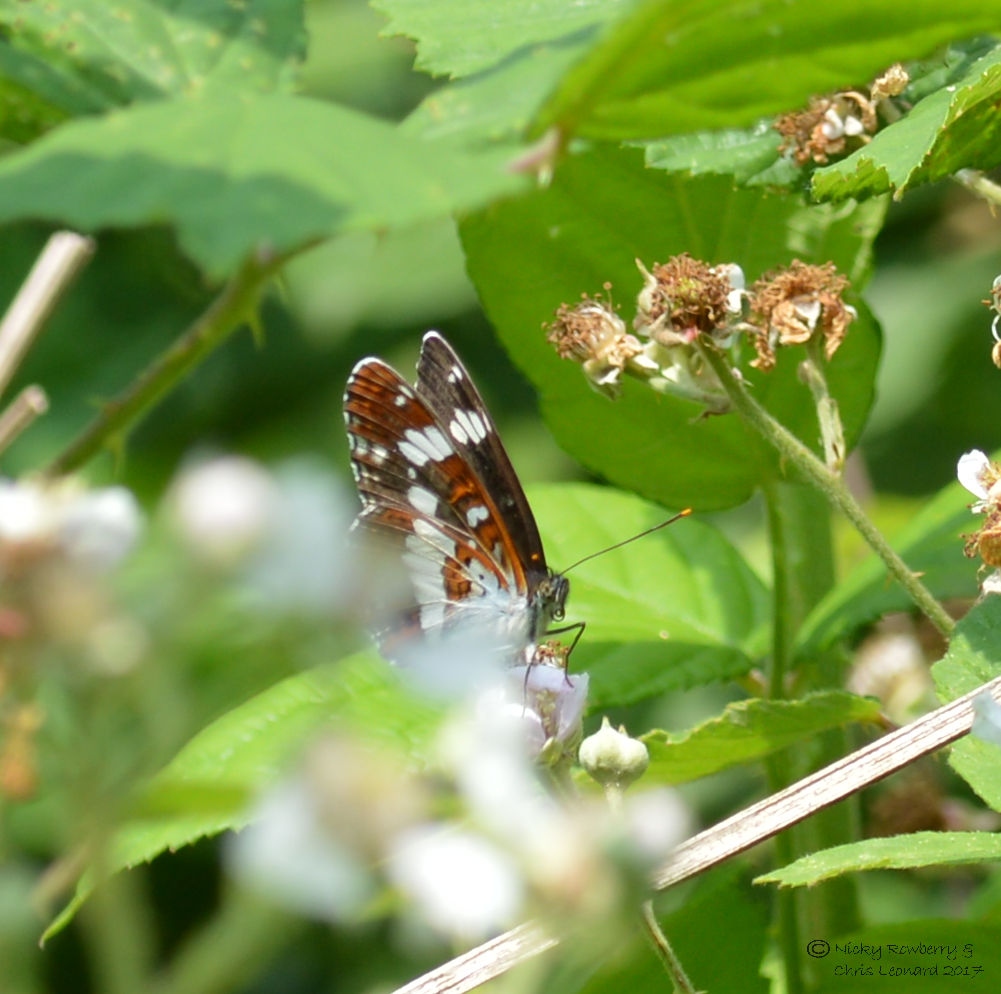
As on the previous trip I was amazed to spot some White Admirals as I got out of the car. There were a couple flying high in the trees around the carpark, too far away to get a photo though – this turned out to be how they behaved all morning. The butterflies of all species were very flighty in the heat (unlike myself!) The only White Admiral I saw land was this one, which flew off before I could get any closer.
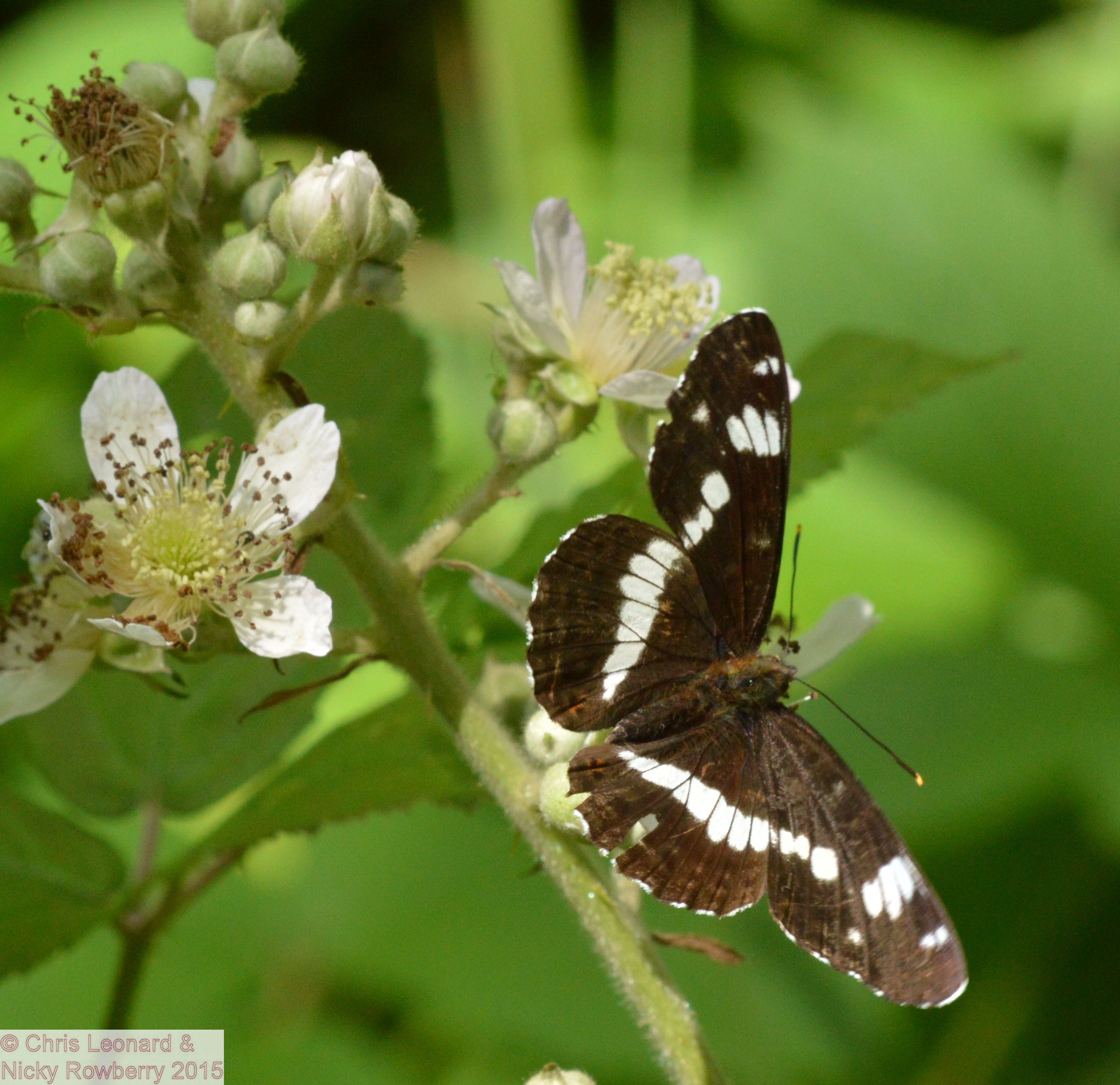
So in a kind of “this is what you could have won” way – here’s the photo I’d hoped to take – one from 2 years ago!
I had a bit more luck with a Red Admiral that landed delightfully on  a dog poo.

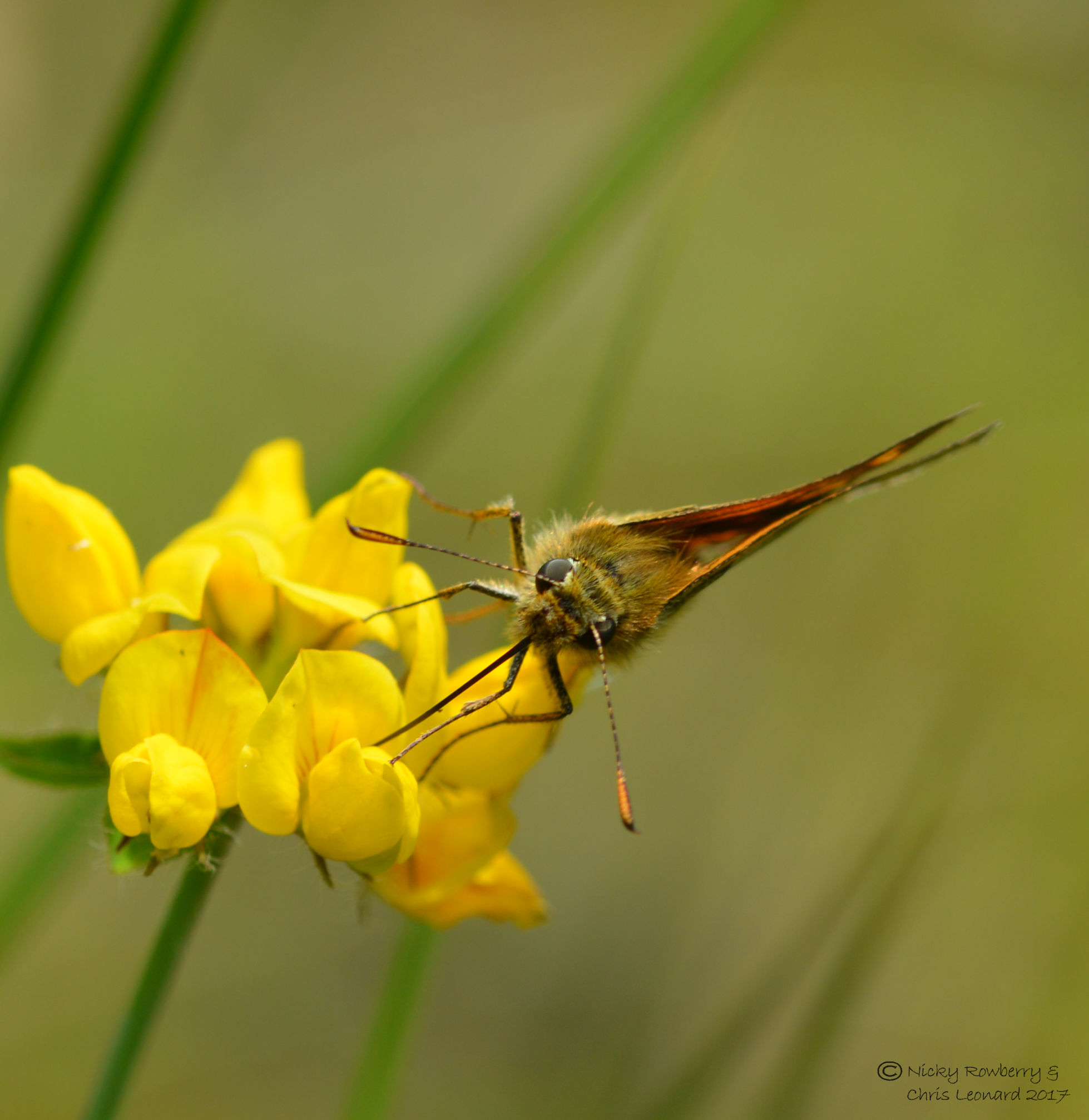
There were lots of Skippers about, I had thought I’d seen both Large and Small ones, but on examining the photos at home, I decided they were all Large ones.
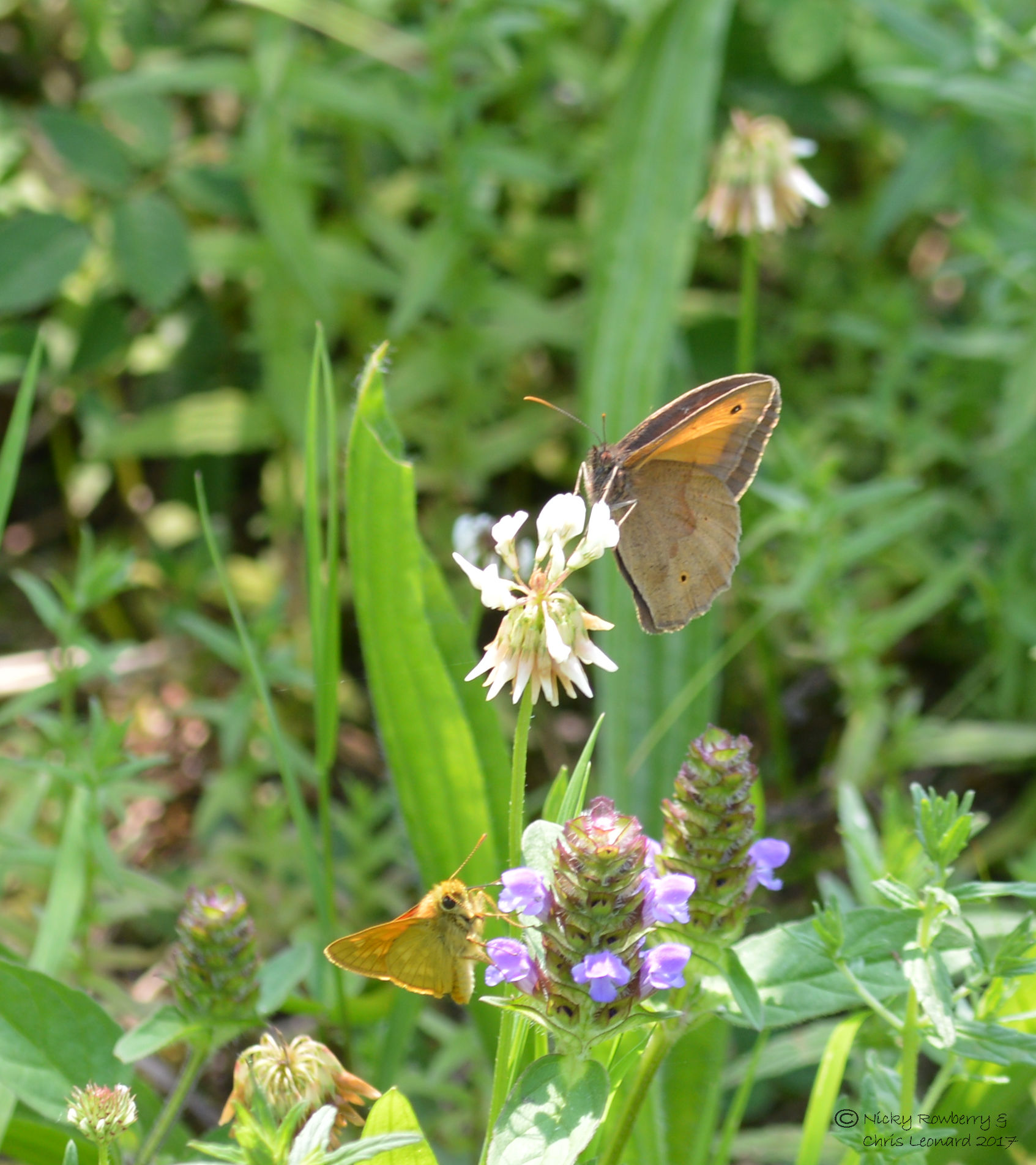
The skippers even photobombed my attempt at a Meadow Brown.
I saw several other species, none of which would stop for photos – Speckled Wood, Ringlet, Silver Washed Fritillary and Commas.

The guide book said to look out for the ponds and seeing as I seem to be getting a bit obsessed with dragonflies lately, I checked them out. They were full of dragonflies, but also lots of these adorable water boatman – flapping through the water with their built in paddles. Best spot of the day though was this Broad Bodied Chaser, which was hunting over a pond, but kept coming back to this twig to rest.

There was another large dragonfly buzzing over the pond. It refused to settle for a photo, but kept dipping its abdomen in the water – I can only assume it was a female laying eggs, but if anyone can correct me, please do. The best I could manage was one of my short shaky videos.

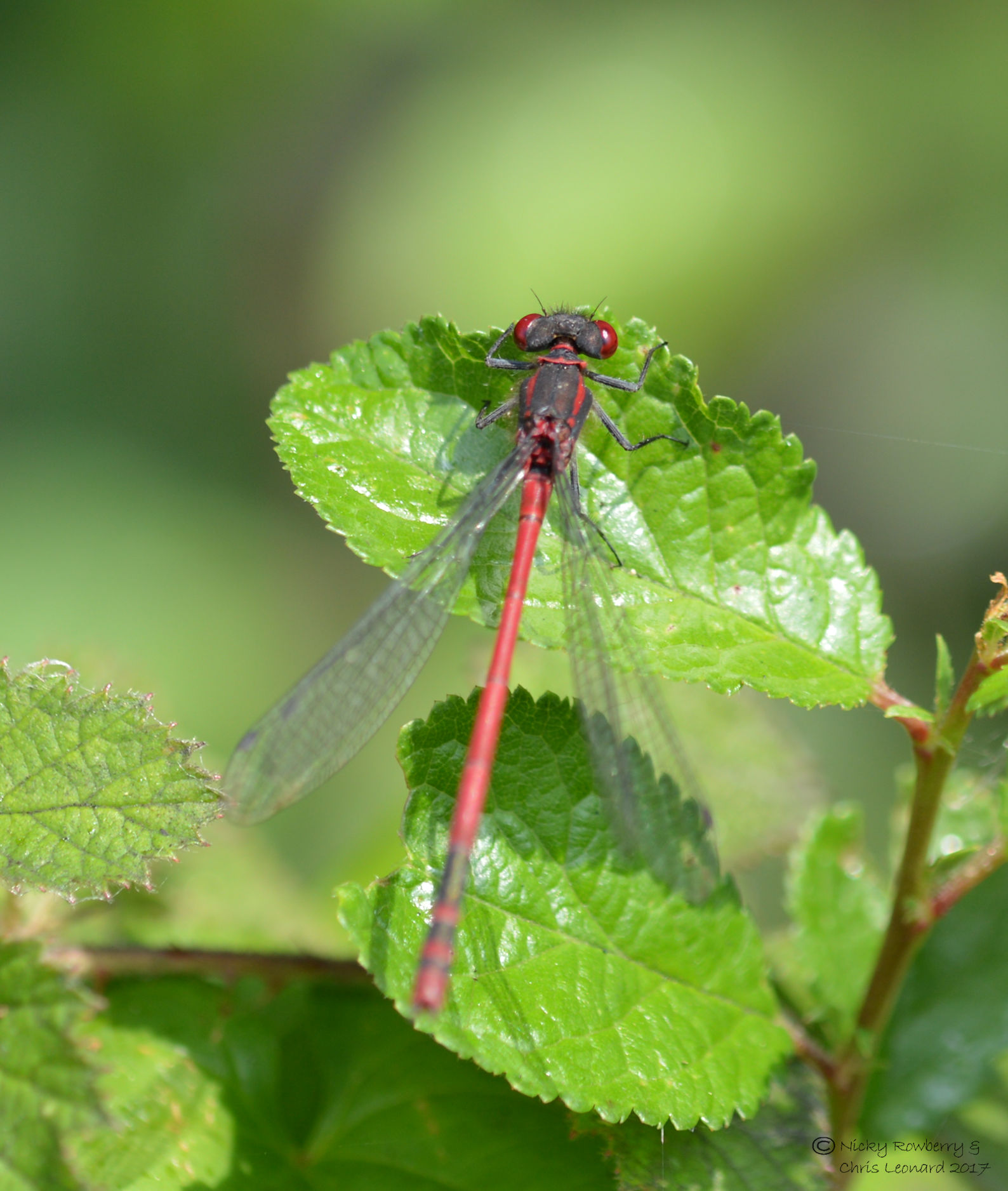
Final photo of the day is this Large Red Damselfly. I’d never realised before just how red their eyes are.
I could have spent longer in Monkwood and on a cooler day, I would have been happy to do so. It is a beautiful wood and full of butterflies; birds too no doubt if butterflies aren’t your bag! We are very lucky living in Malvern to have beautiful woods like this, the Wyre Forest, Grafton and Trench Wood, all within an hour’s drive.

30 Days Wild – Day 19 – Upton Warren Wetlands

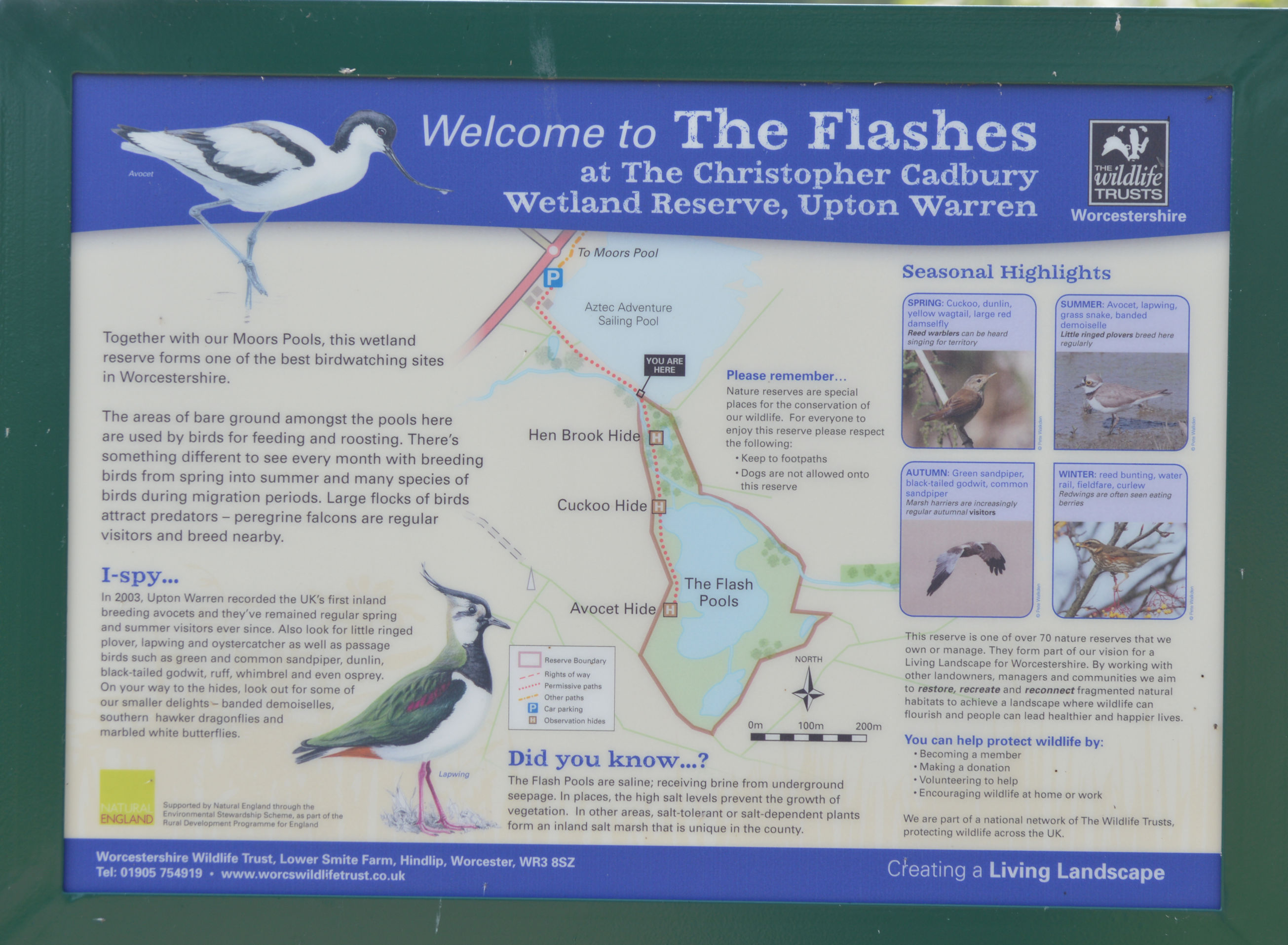
It’s Day 19 of 30 Days Wild and after yesterday’s lethargy, I was determined to get out and about. So I headed out to Upton Warren Wetlands Reserve. For some reason I thought it might be cooler near water and I fondly imagined bird hides would also be oases of calm in the heat. How wrong can you be? It was of course hot and humid there like everywhere else and the bird hides were more like ovens than fridges!

I had been to Upton Warren a couple of months ago, but had only had time to visit the Moors section of the reserve. So this time I headed for The Flashes, which are saline pools and so attract an interesting array of birds, especially for such an inland location. Since I was expecting to photograph birds, I left the macro lens at home – with hindsight another error of judgment for today! Fortunately the lens I did take, wasn’t too bad for insects (although I couldn’t get as close as I would have liked), because the place was alive with damselfies, demoiselles and dragonflies.

The sailing pool was absolutely awash with Common Blue damselflies – they were everywhere. They certainly lived up to their name today – they were very common and very blue. There were so many I was afraid of treading on one.

Then I spotted something bigger, which fortunately settled on a landing platform. I think it is a Black Tailed Skimmer. It was certainly skimming low over the water.

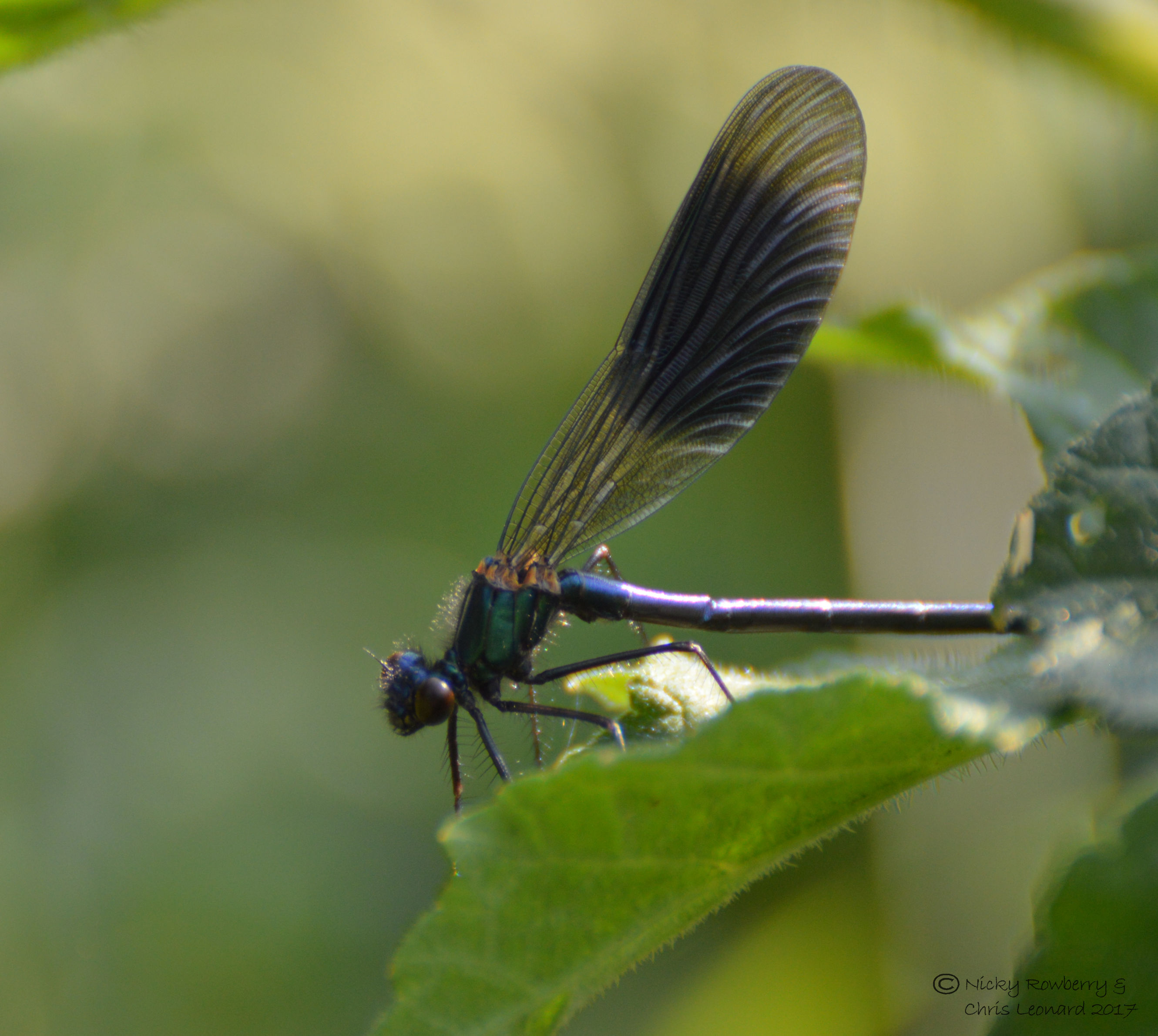
Next up was a Banded Demoiselle; my second demoiselle species of the year.

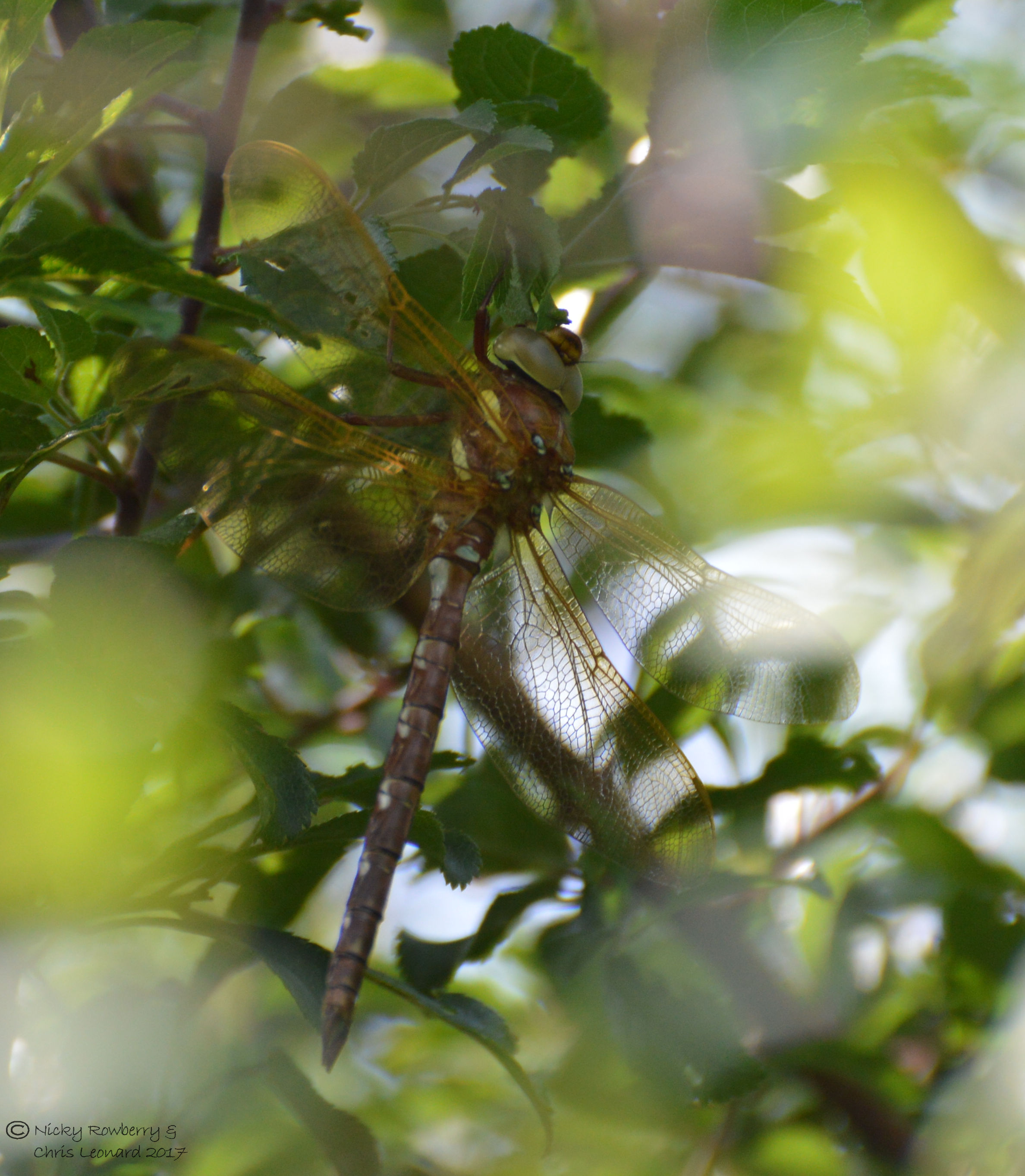
The final one was this huge dragonfly I spotted as I finished up for the morning. I say spotted, but actually I heard it first. It was so big that when it flew off, its wings made such a noise, I actually thought I’d disturbed a small bird and turned round to see what it was. I think it is some kind of hawker dragonfly.

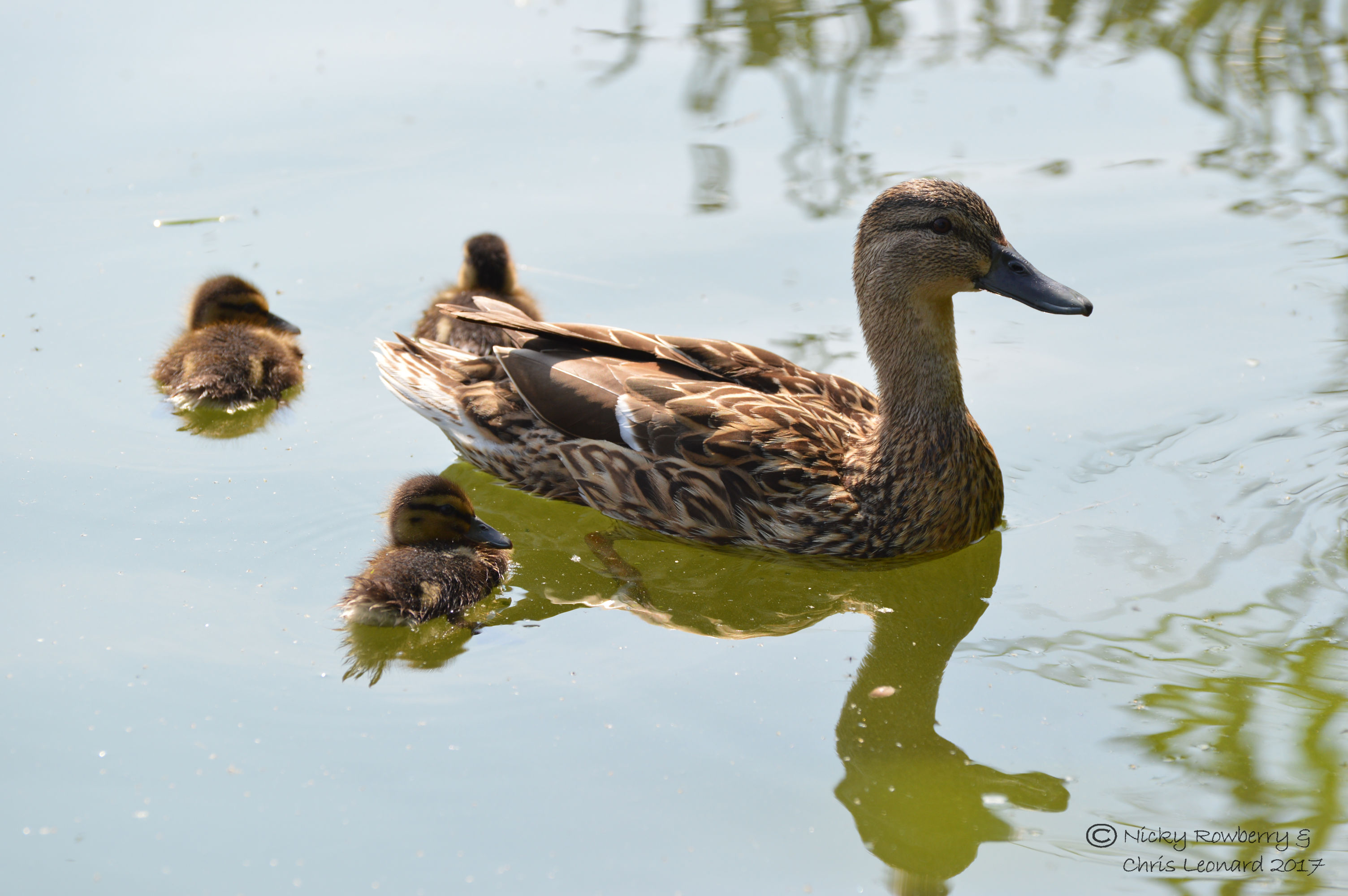
Anyway on to the birds – there were of course plenty there, despite me being distracted by the dragonflies. First happy sighting was this mother duck with her ducklings.

Moving on, probably the most common bird I saw this morning was the Black Headed Gull – again it does what it says on the tin – a gull with a black head! This one is an adult in breeding plumage.

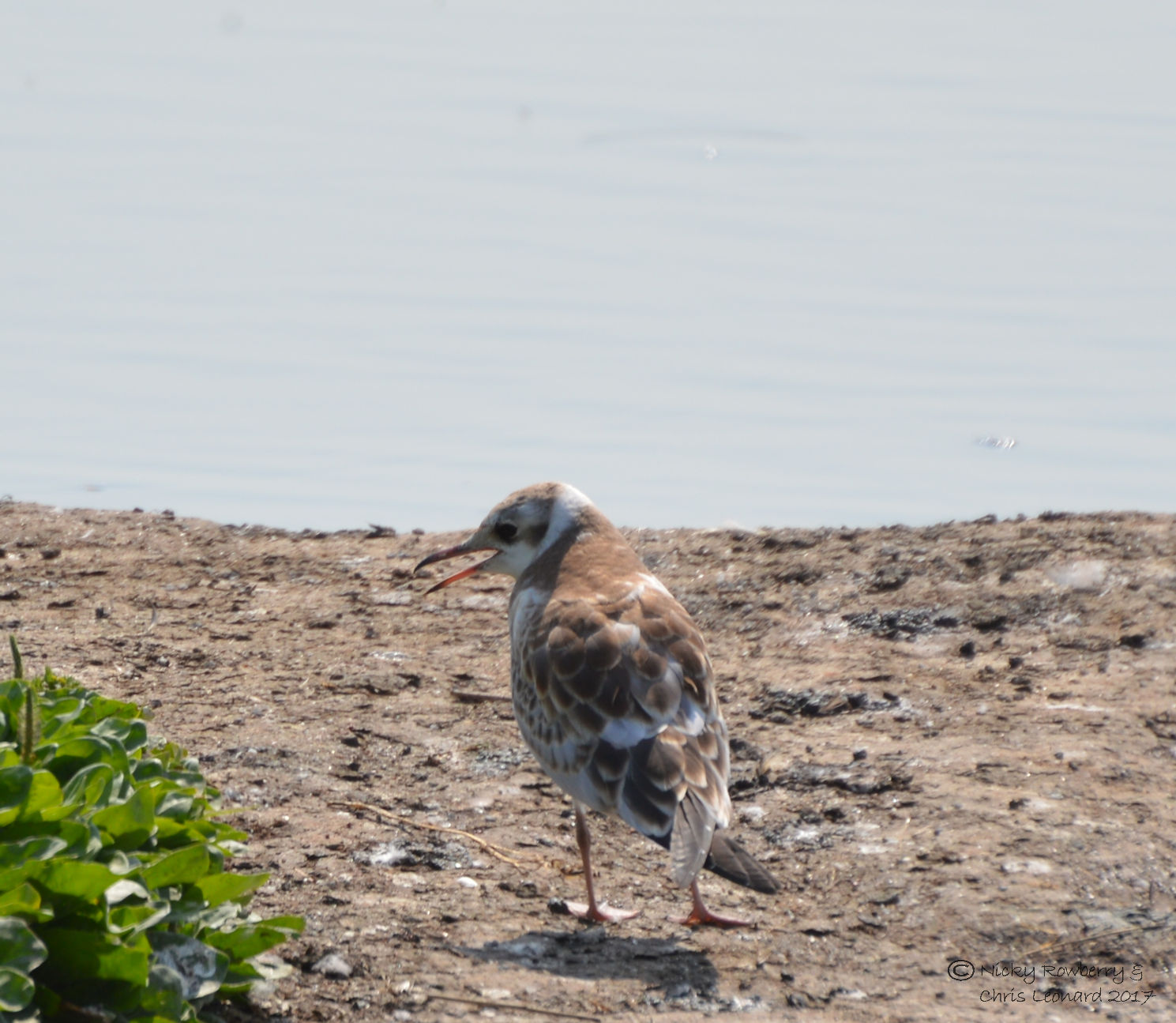
Although this one looks completely different, I think it is also a black headed gull, but a juvenile this time.

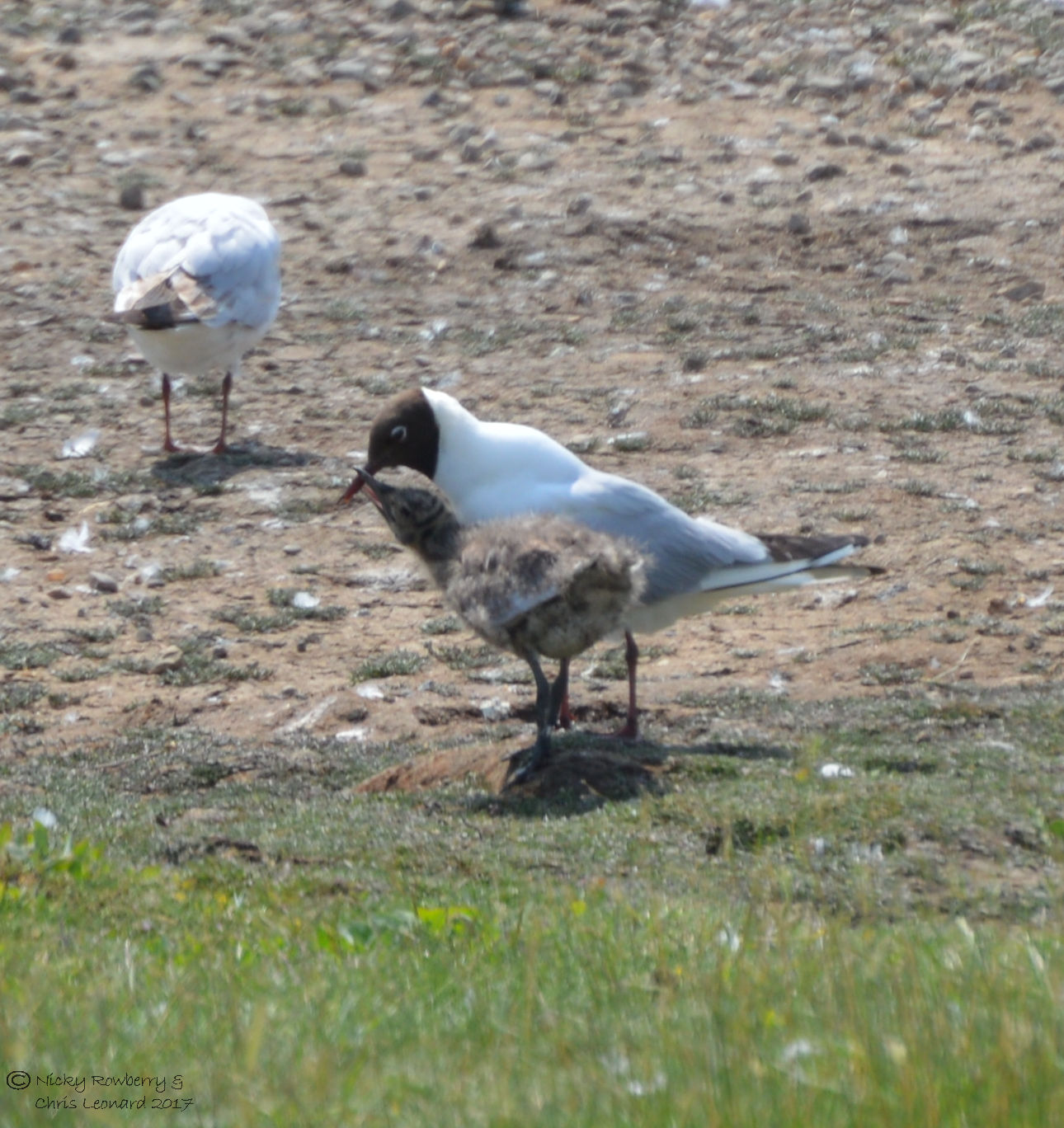
And to confirm the difference in plumage, here is a poor photo of an adult feeding an even younger one.

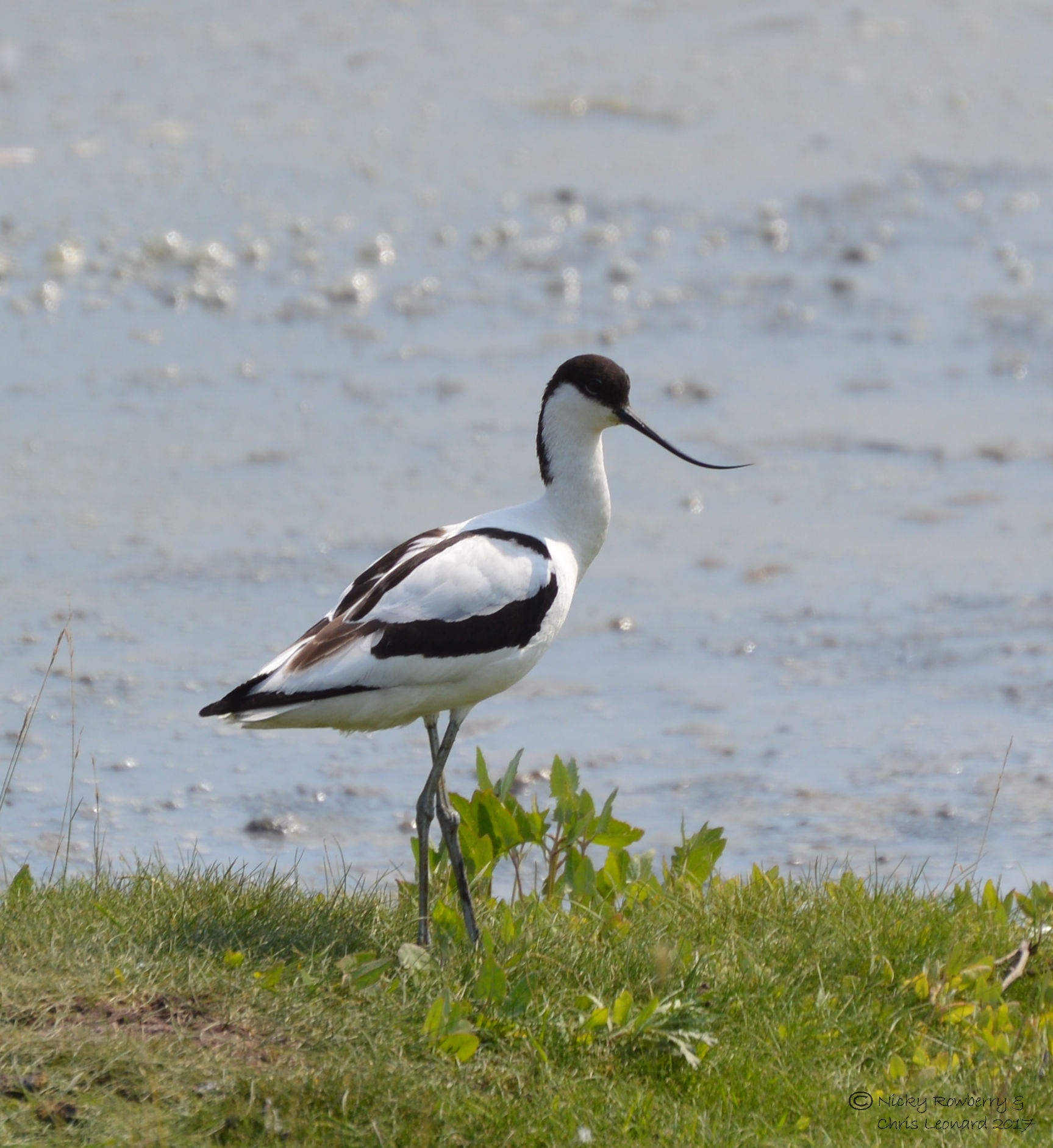
My favourite bird from today, and the one I went hoping to see, was the Avocet. Absolutely stunning black and white birds with long curved bills. I couldn’t help but take loads of photos! They seemed very territorial, chasing off anything that came within their patch, regardless of size of the intruder.

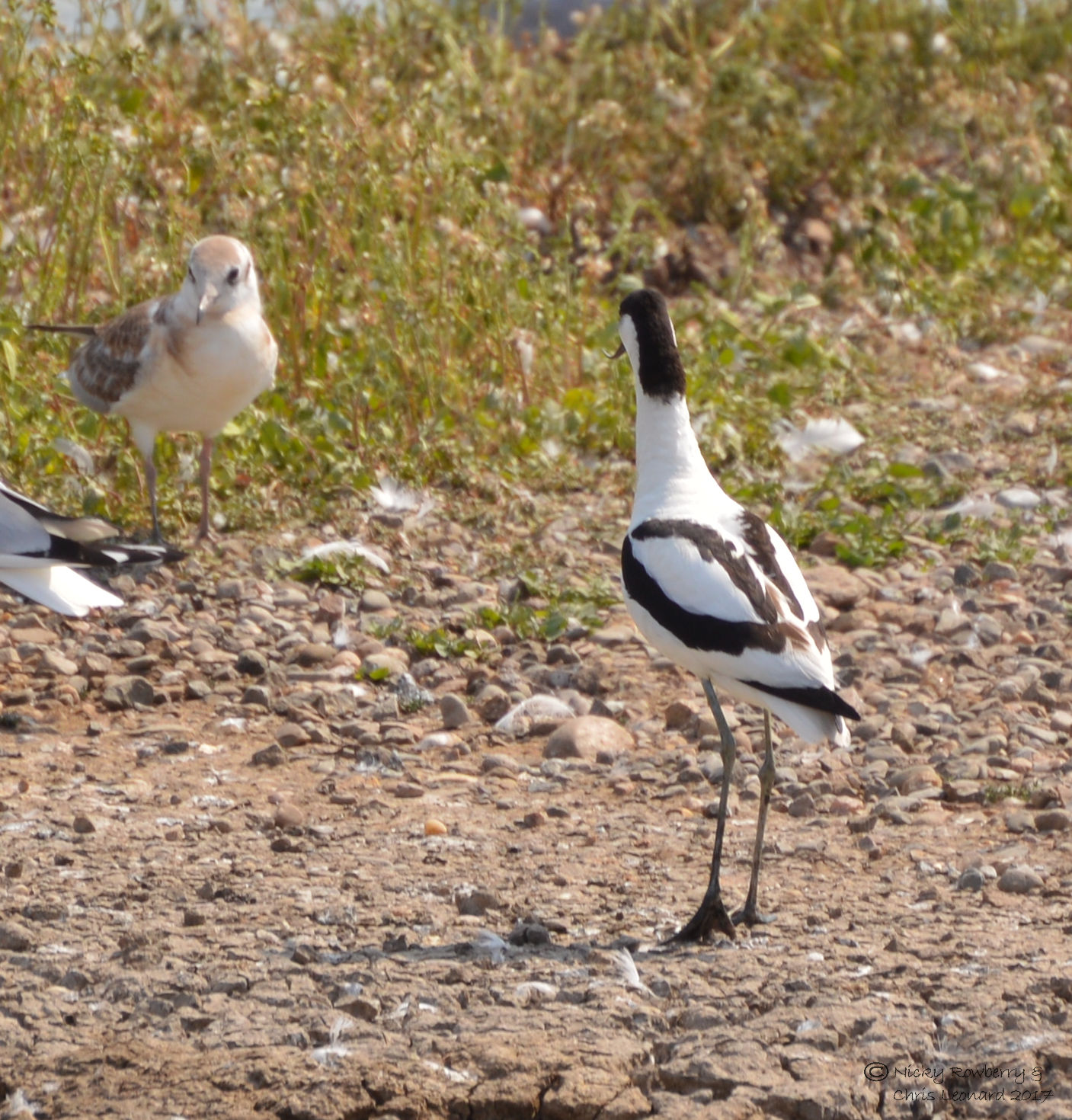
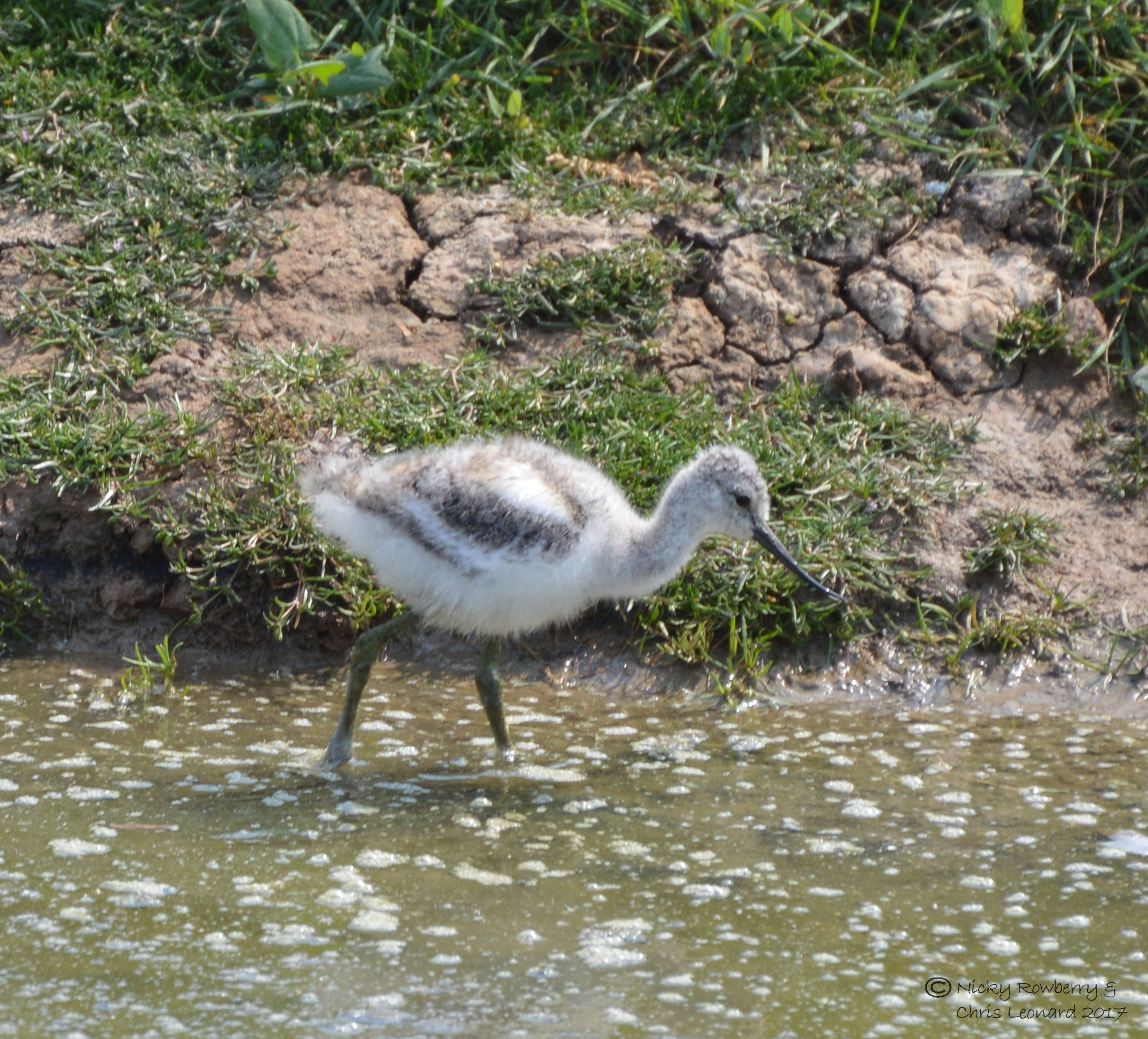
And this I think is an avocet chick. It’s not got the adult plumage yet, but the beak is the same and it was behaving the same.

Both adult and young avocets behaved the same way – poking about through the water with their long bills looking for food. I managed a couple of shaky videos of them doing this. You can tell from the noise in the background, just how many birds were around today.


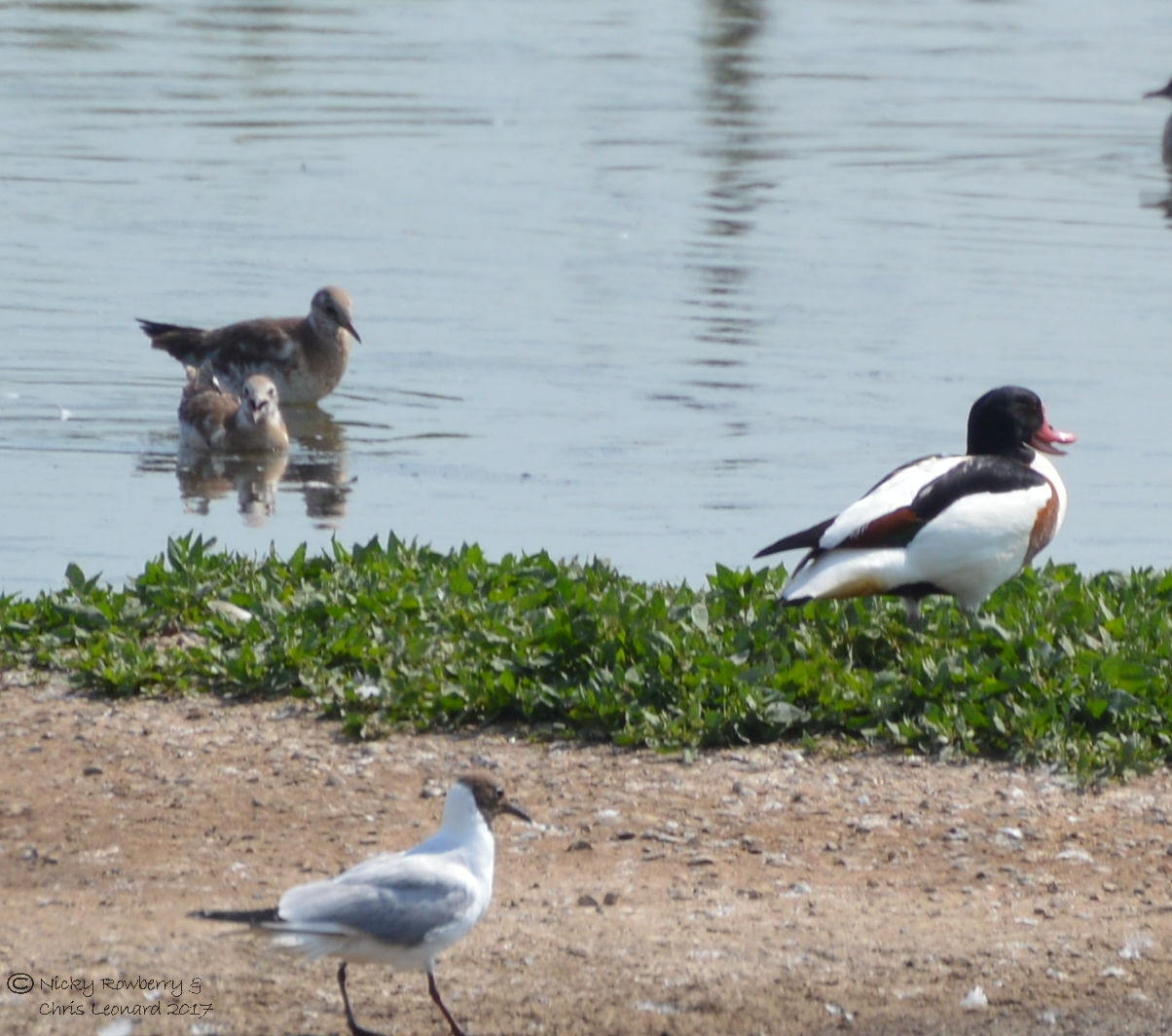
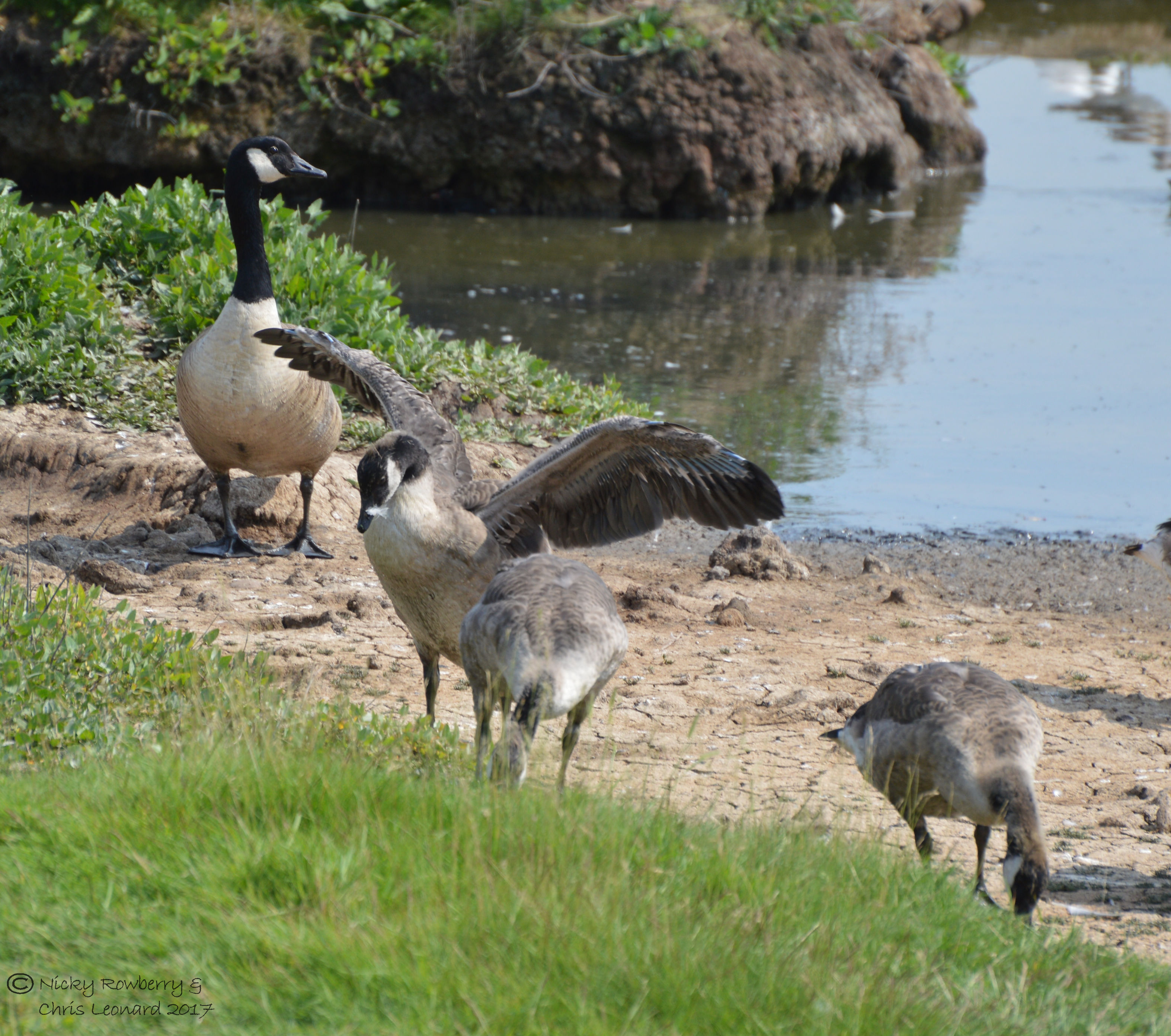
There was a real cacophony of bird sound all morning, most of which was unidentifiable to me, although I did think that perhaps there were some warblers near the hides – something definitely seemed to be warbling! Although there were birds everywhere, the only other species I really took photos of were this Shelduck and some Canadian Geese.

I no doubt missed lots of other species. Someone in one of the sweltering bird hides told me they’d seen a Mediterranean Gull from the next hide. I don’t think I saw one of those, but then I’m not sure I’d have been able to tell the difference if I did! Although it would be nice to be more knowledgeable about the birds, I don’t really mind going to places like Upton Warren as a novice. Just seeing so many birds, species I’d only ever seen on the telly (thank you Springwatch), is glorious. Upton Warren is a delight and I’m already looking forward to going back again – although I might wait for a cooler day!


Out and About – Grafton Wood

Grafton Wood in Worcestershire is one of our favourite butterfly spotting locations and at only a half hour drive away provided the perfect day out yesterday. We went seeking the Brown Hairstreak, as we’d seen them there before. This is Worcestershire’s rarest butterfly and Grafton Wood is its stronghold, but unfortunately yesterday the Brown Hairstreak refused to put in an appearance. Hopefully we’ll have chance to go back later in the month, but in the meantime here’s one we photographed last year.

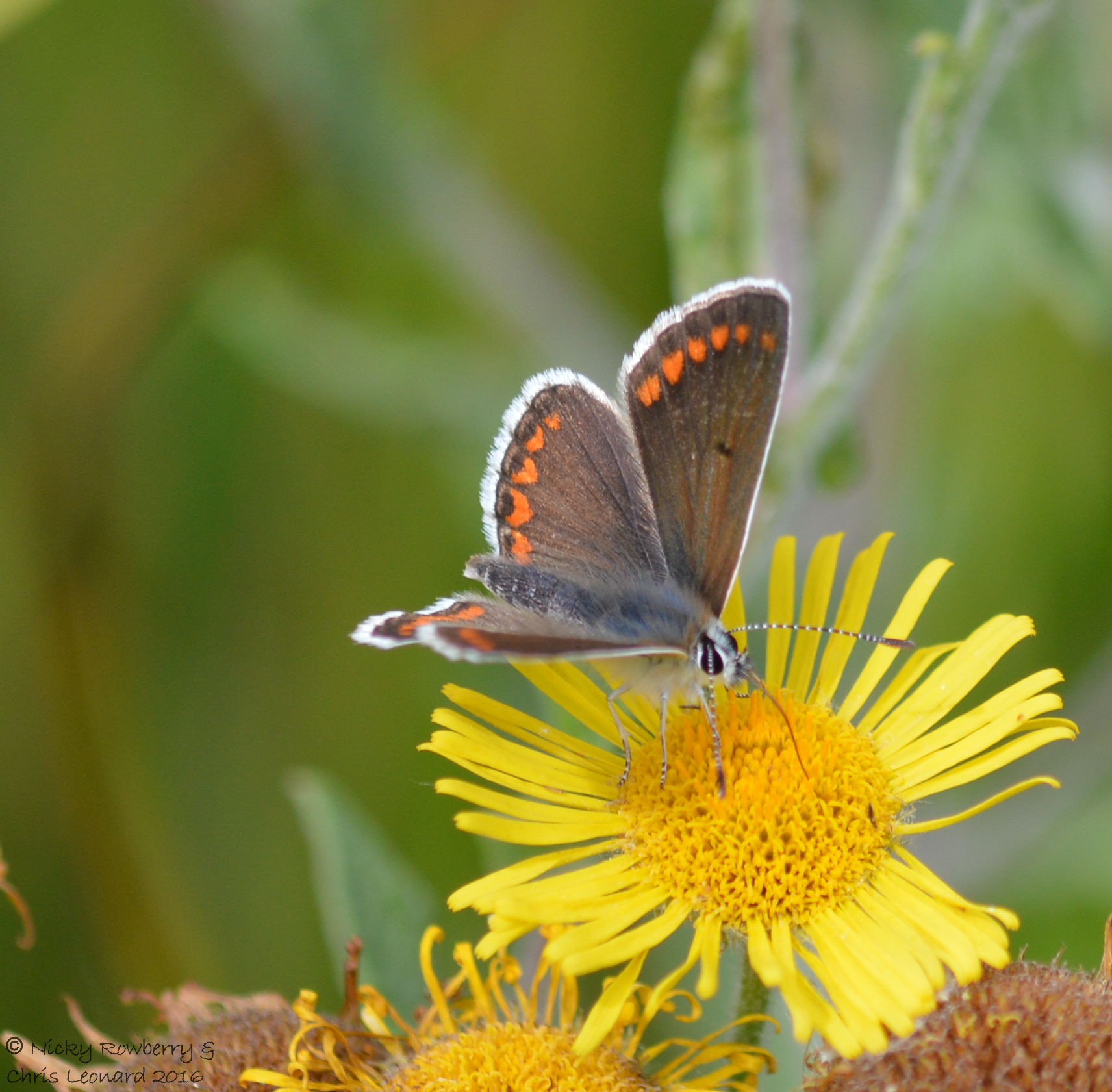
We may not have seen the Brown Hairstreak yesterday, but we did manage 14 other butterfly species, so we’re not complaining. One of the highlights was our second ever Brown Argus, having only seen these for the first time last week at Prestbury Hill.

Brown Argus

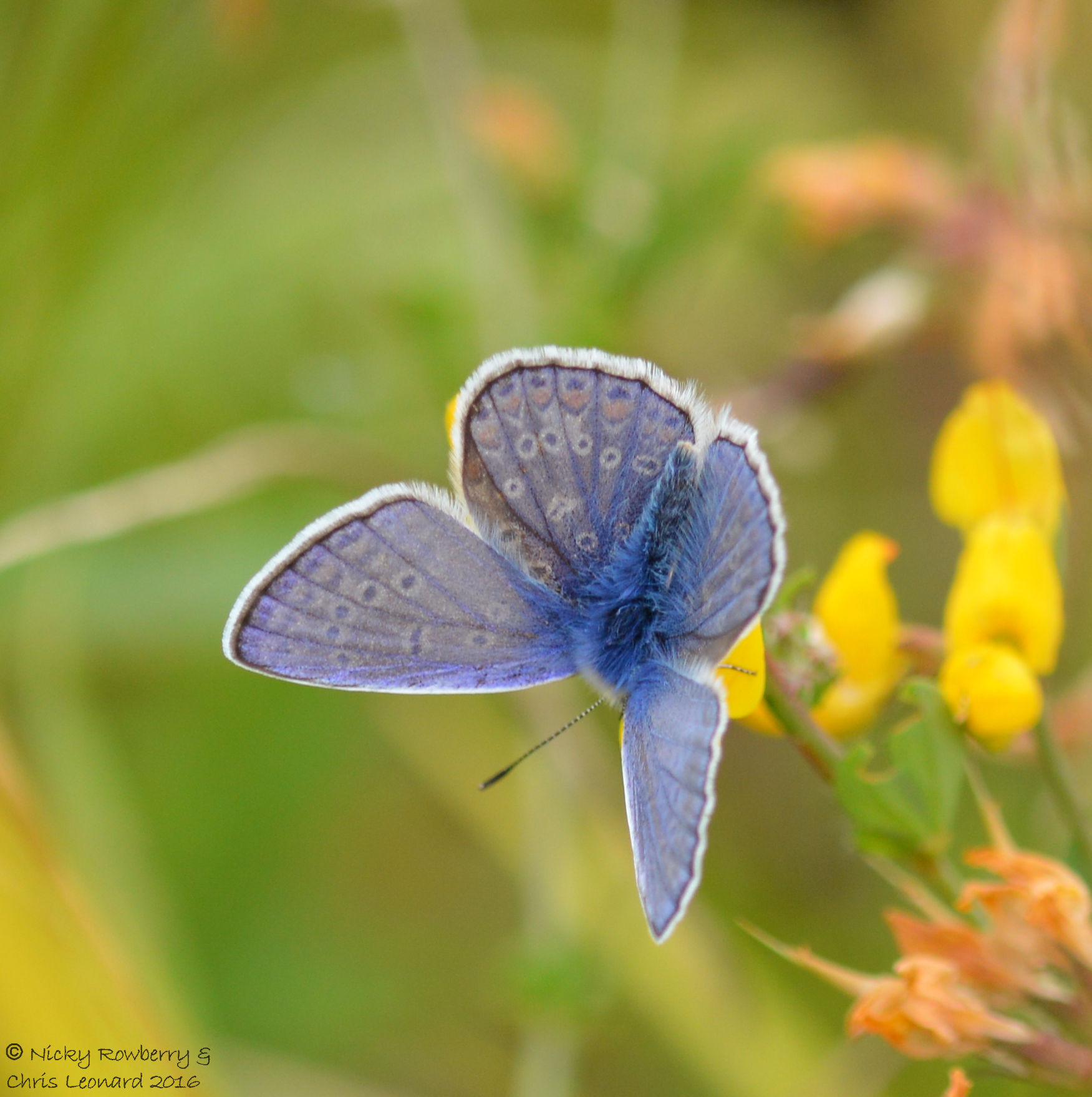
Common Blues were abundant as well. The name implies somehow that by being common they are maybe ordinary, but when the light shines on the males in the right way (like this one below sharing a flower with another favourite of mine, the Swollen Thighed Beetle), they are simply stunning.

Common Blue 3

The colours in the next photo aren’t quite as vibrant, but I love the way you can see the spots from the underside showing through.

Common Blue 4

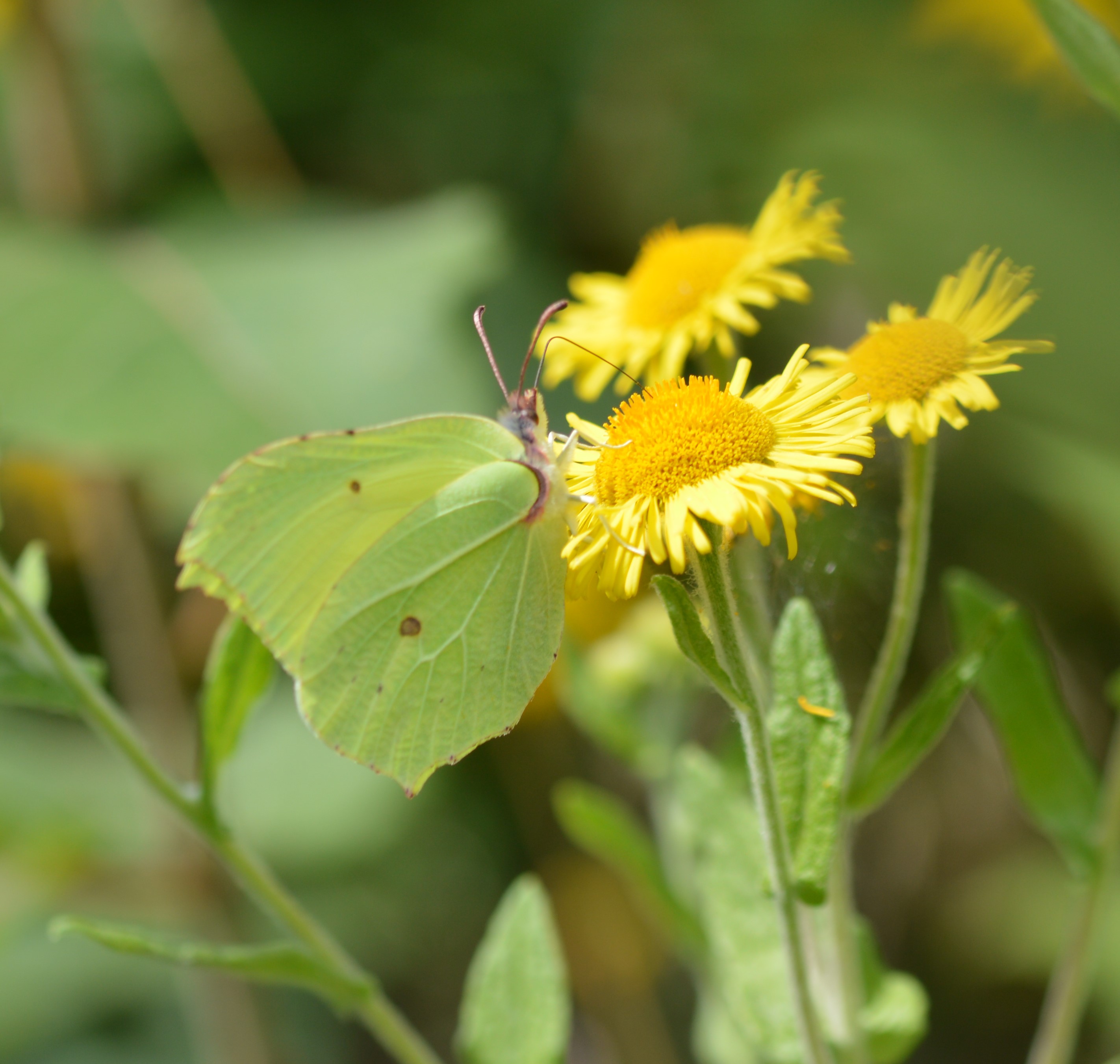
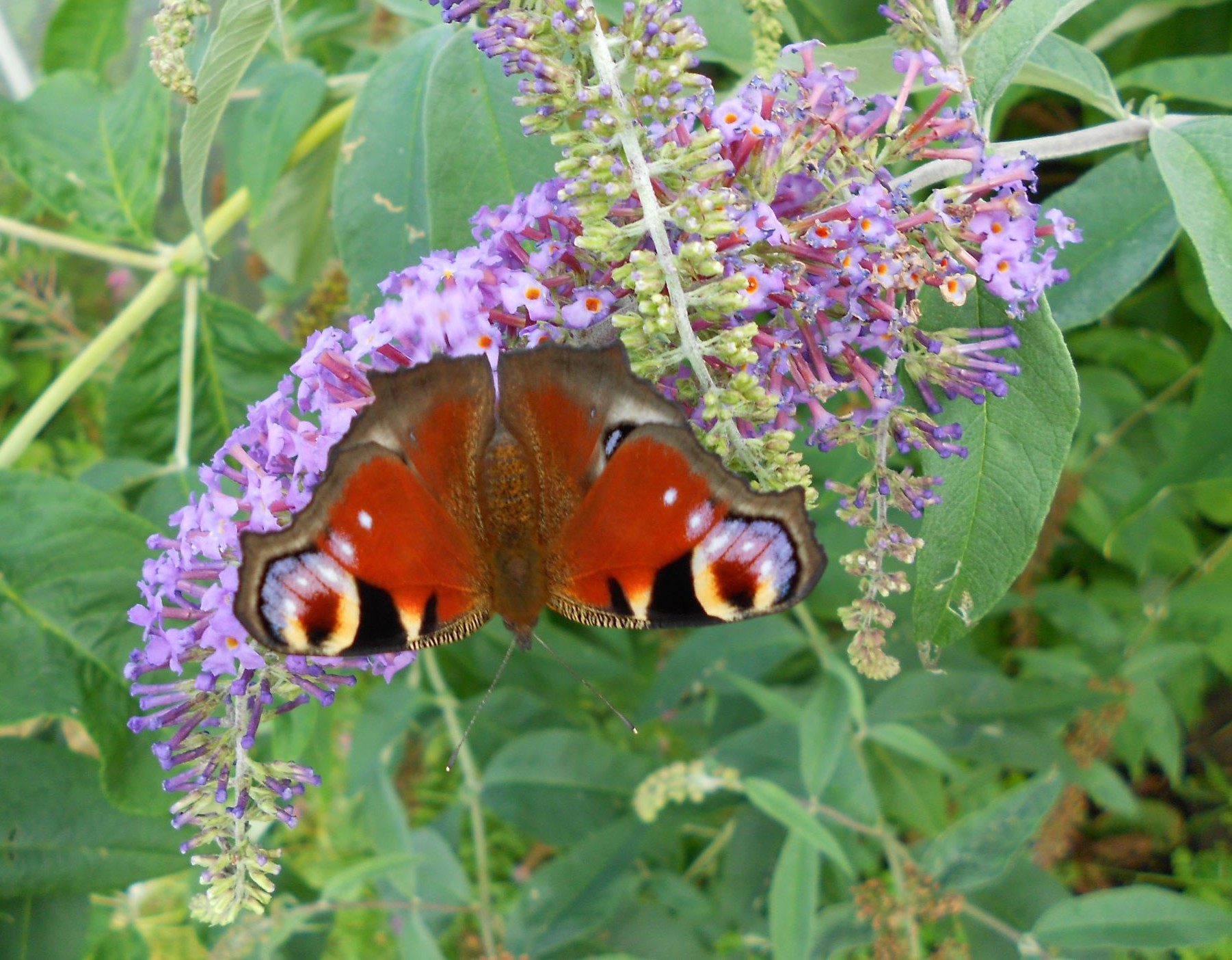
I think we get a bit hung up sometimes seeking out the new species of butterfly, so it was nice yesterday at Grafton to see some of the old favourite species and have time to appreciate them in their own right. So in no particular order of preference – Red Admiral, Brimstone, Peacock and Small Copper.

Small Copper 2

The Red Admiral and Small Copper can both be seen feeding on Hemp Agrimony. This plant seems to be a butterfly magnet and is the one we saw the Brown Hairstreak on last year.

Butterflies weren’t the only insects of interest yesterday though – the dragonflies and damselflies were abundant too. Highlight was probably an Emperor dragonfly, but the swine thing wouldn’t land, so no photo of that. Next best was a Southern Hawker, which was almost as magnificent, but equally difficult to photograph.

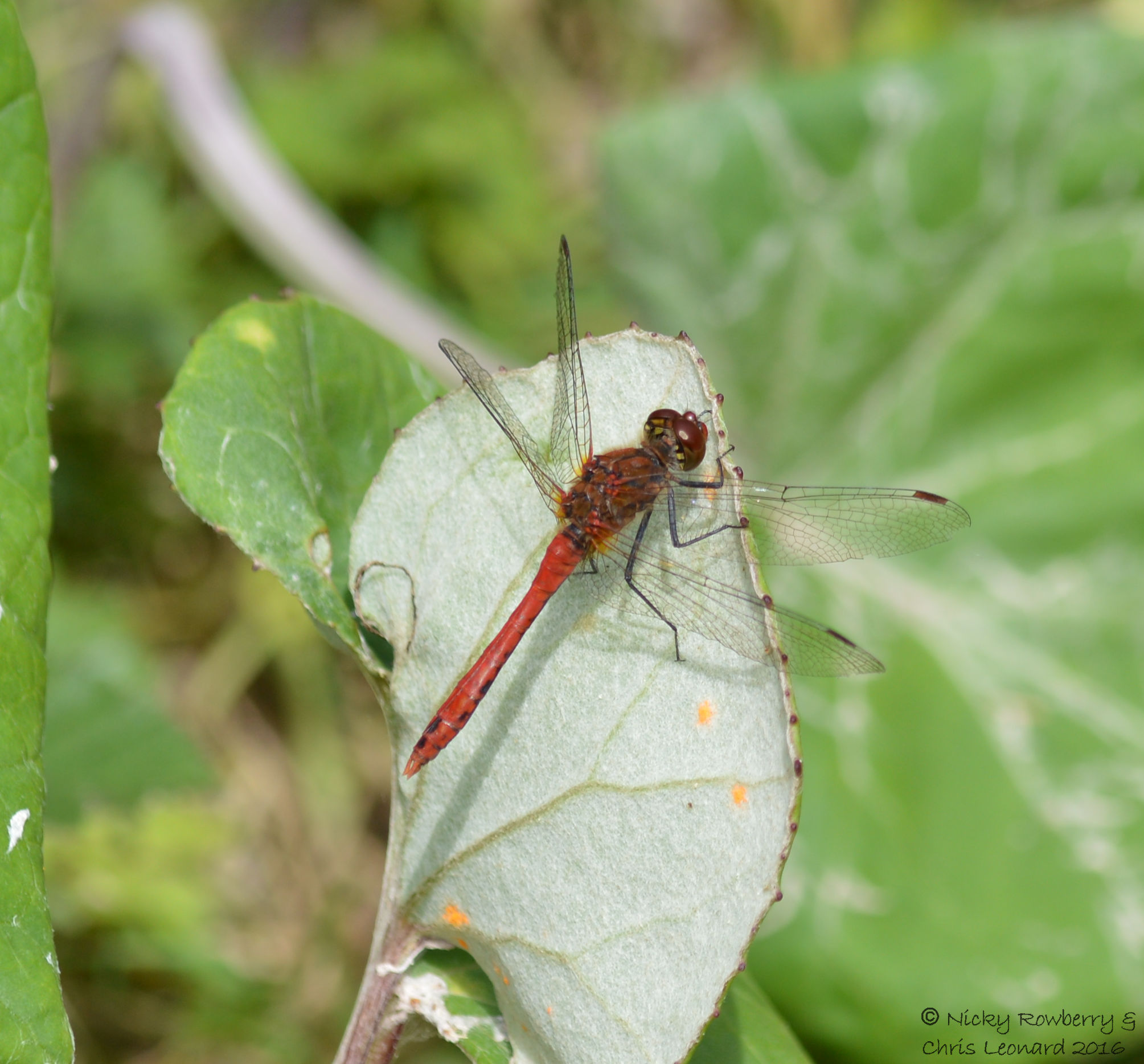
There were lots of Darters about too. At first I thought they were all Common Darters, but closer inspection of the photos back home revealed a Ruddy Darter too. The Ruddy one is a slightly brighter red, but the most diagnostic difference is the colour of the legs – the Ruddy’s legs are all black, whereas the Common has paler segments.

Ruddy Darter

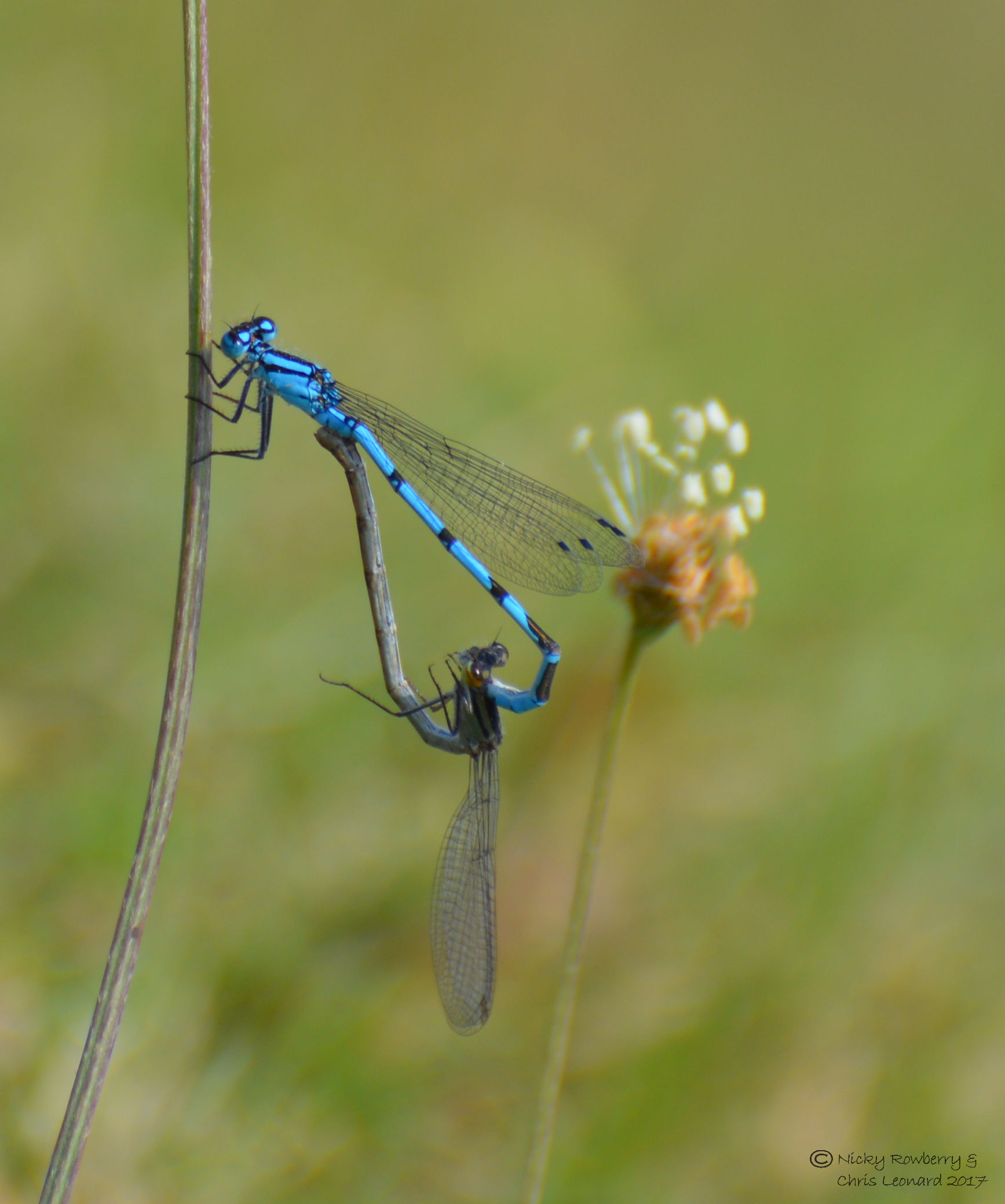
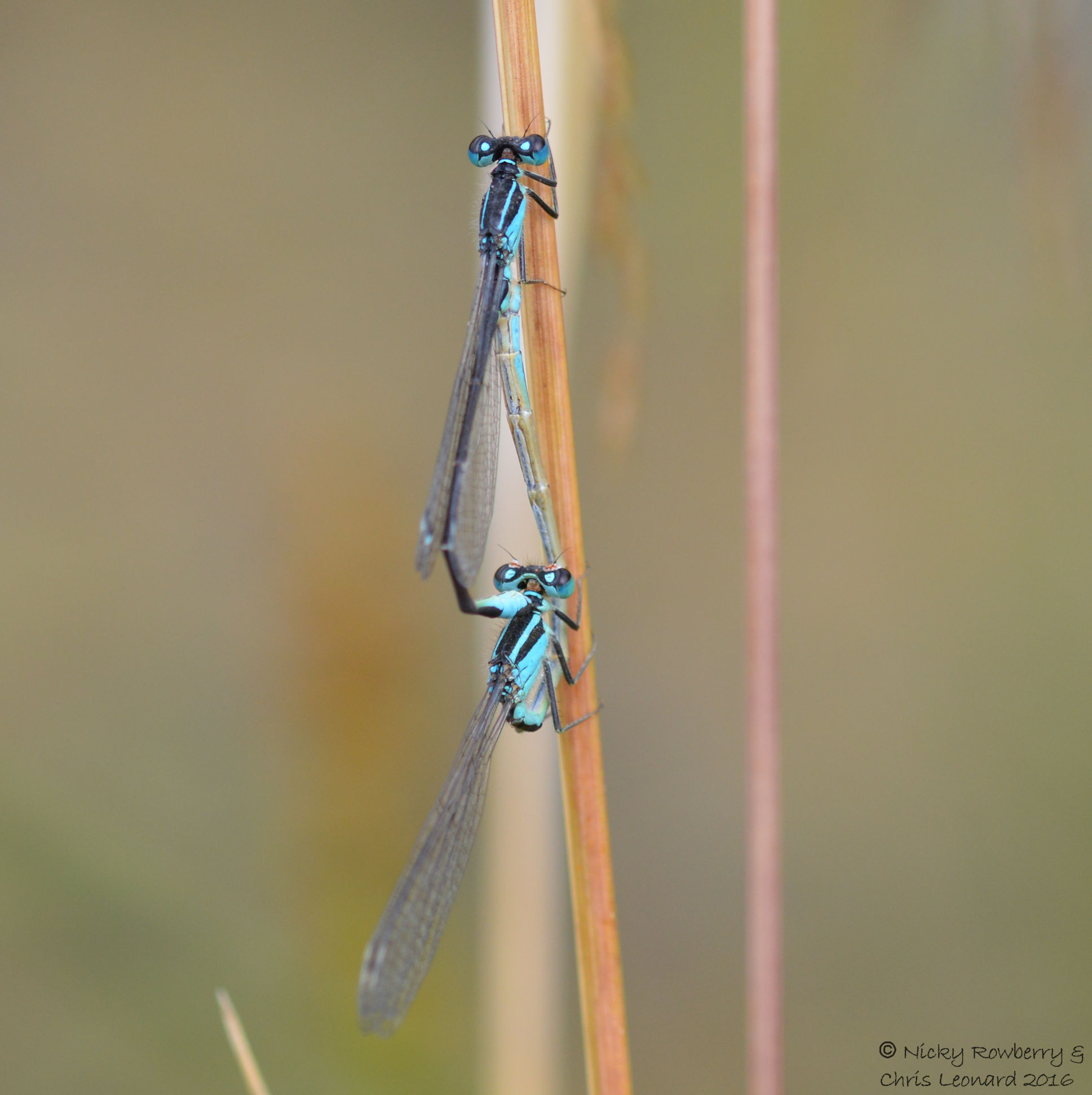
At a small pond we spotted this mating pair of Blue-tailed Damselfies – a new species for us I think. The male is the one at the top and he’s holding onto the back of the neck of the female below, while she curves her body up to his to receive the sperm. They can stay locked like this for quite a while!

Blue Tailed Damselflies 2

Back at the carpark by Grafton church, we rounded off the day by finding our first ever geocache! Not the greatest level of difficulty, but we were pleased with our success on the first attempt. Another thing to get addicted to “bagging”!

Citizen Science

With the Big Garden Birdwatch coming up this weekend, it got me thinking about the other forms of Citizen Science (Citizen Smith’s nerdy cousin!) that the other half and I get involved with from the comfort of our own garden.  For amateur biologists like us, these projects are a great way of indulging our hobbies and hopefully contributing something useful with the information at the same time. Most of the ones we participate in require no specialist knowledge (phew!), no specialist equipment and often very little time. Yet when enough people contribute, they can provide significant amounts of information that the scientists couldn’t get any other way.

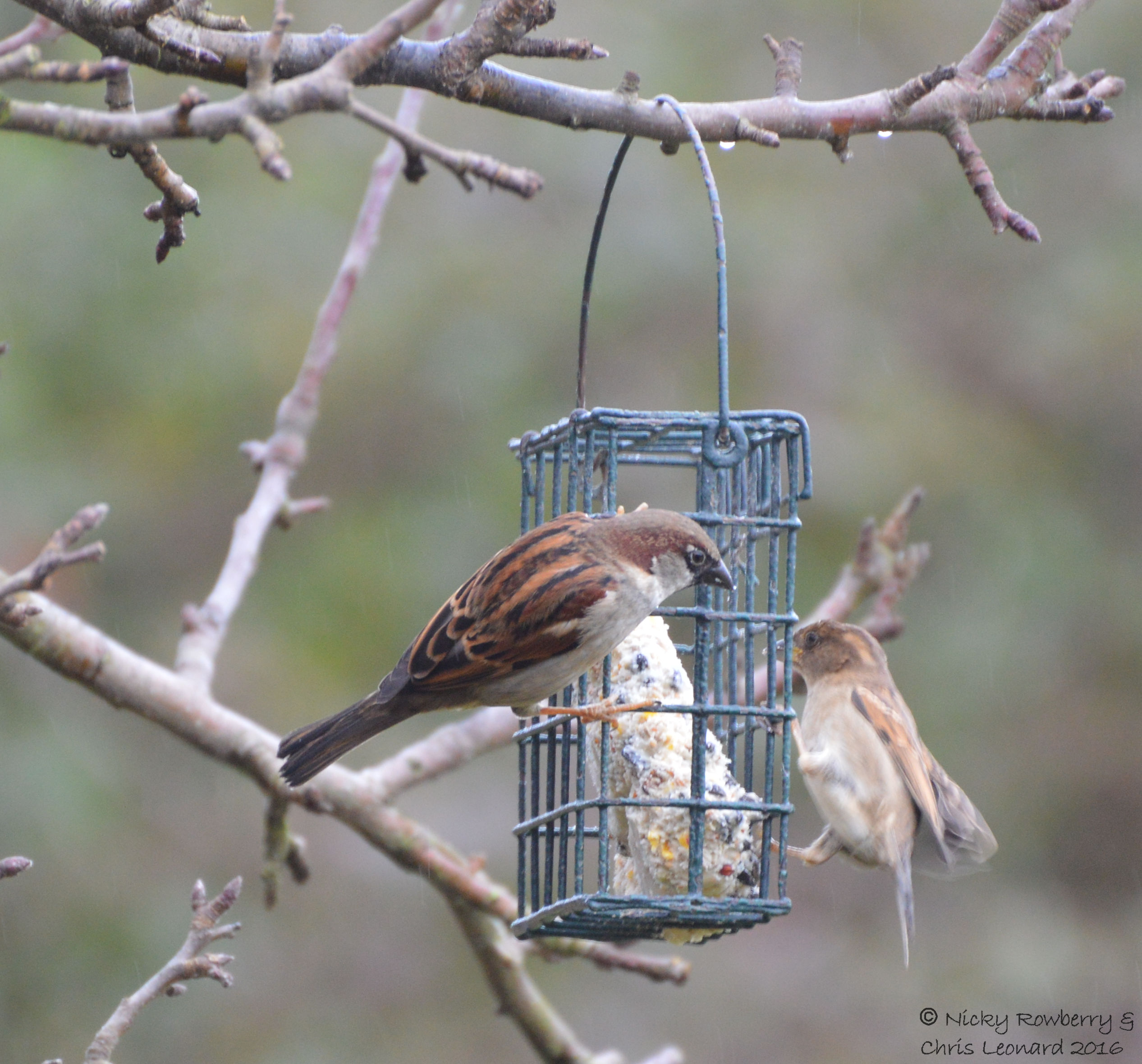
The Big Garden Birdwatch is one of the oldest projects and has been going for over 30 years, allowing the RSPB to monitor long term trends in our garden bird populations.  You just need to watch the birds in your garden for an hour and count the maximum number of each species you see. For more information go to: https://ww2.rspb.org.uk/discoverandenjoynature/discoverandlearn/birdwatch

The Big Butterfly Count is a relative newcomer, having only started in 2010, but already it’s become the biggest butterfly survey in the world. Last year over half a million butterflies were recorded in over 50,000 counts – you couldn’t pay for that amount of data!  For this project all you need to do is record the maximum number of each of the target species you see in just 15 minutes during the 3 weeks the project runs each summer. For more information go to: http://www.bigbutterflycount.org/

I’ve been monitoring the moths in our garden for a while now and last year took part in Moth Night in September.  Moth night runs for a different weekend each year with a different theme each time (this year it will be Hawk-moths). You can either run a moth trap in  your own garden or go to one of their public events. For more information go to: http://www.mothnight.info/www/ This year I’ve decided to go one step further and joined the Garden Moth Scheme. This project gets volunteers to put out moth traps in the garden once a week over the summer months and log their findings. Since I’ve been more or less doing this anyway, joining the scheme seemed like the logical thing to do. For more information go to: http://www.gardenmoths.org.uk/

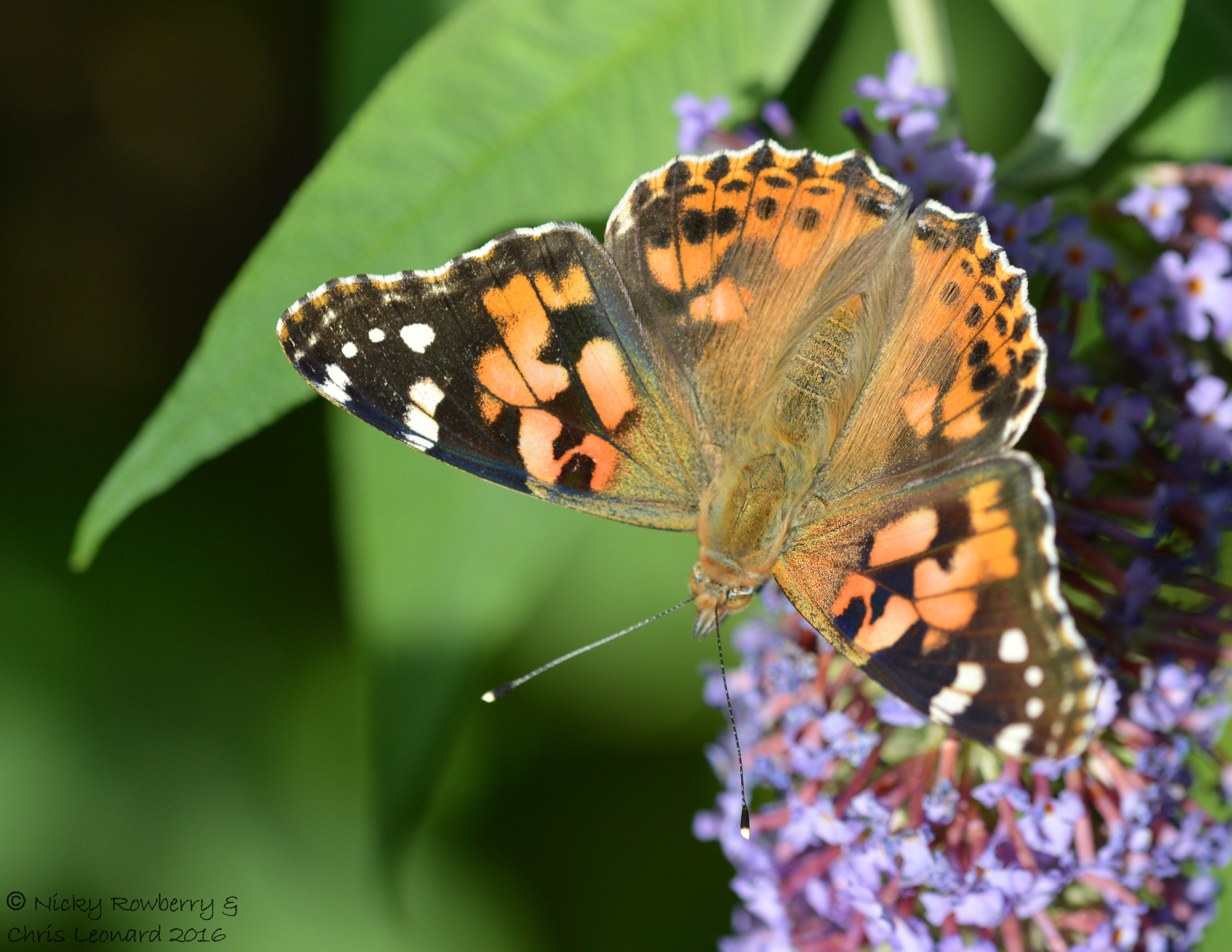
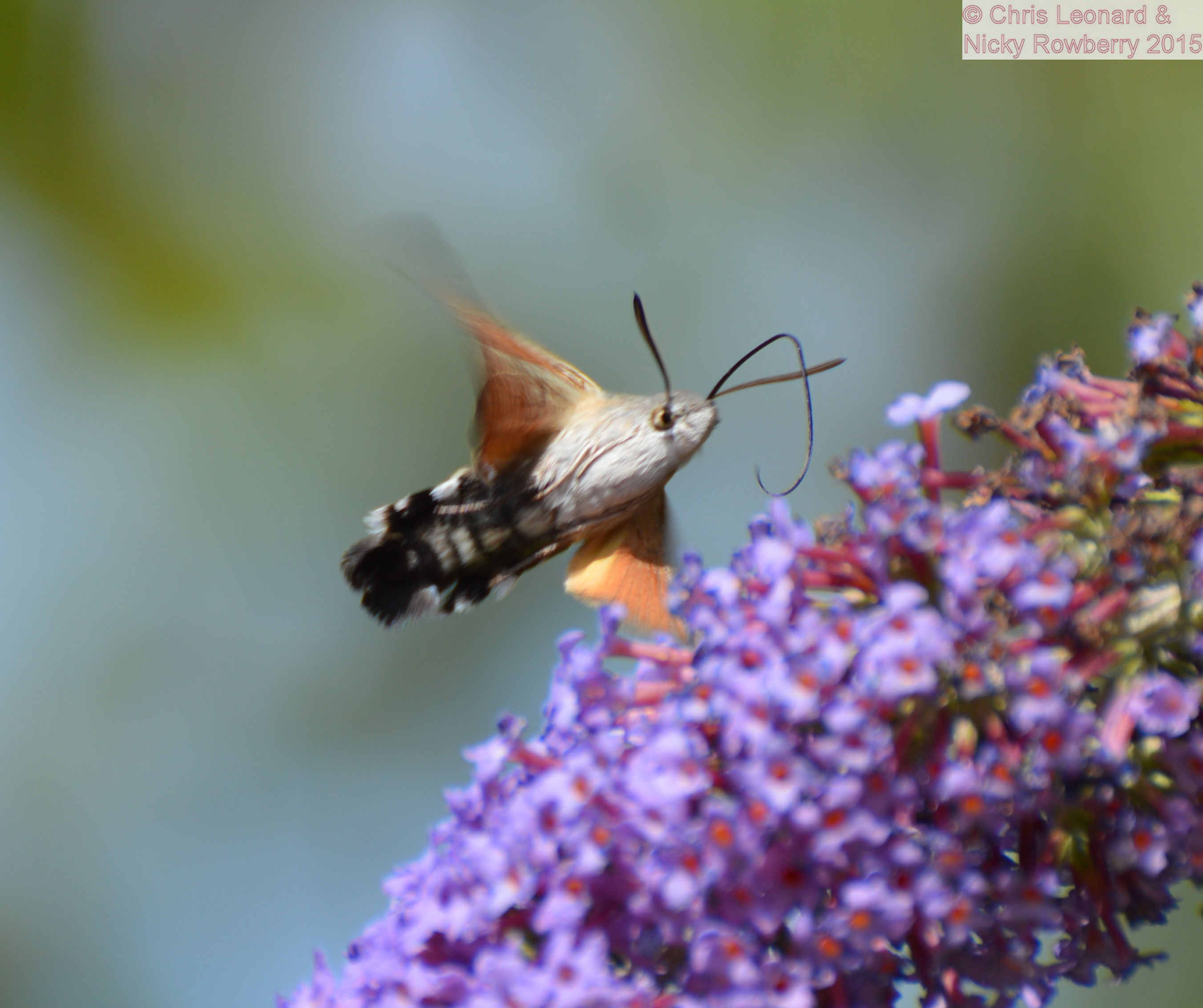
If you don’t want to get involved in anything too formal, some schemes just require you to log certain species as and when you see them. Butterfly Conservation runs a Migrant Watch for Painted Lady butterflies and Hummingbird Hawk-moths. These species are becoming increasingly common in the UK and may be indicative of climate change. You can help monitor this by simply logging any sightings of them (at home, work wherever you see them). Humming Bird Hawkmoth 3For more information go to: http://butterfly-conservation.org/612/migrant-watch.html


Azure DamselflyThere are schemes for all sorts of species – we’ve logged dragonflies and damselflies at http://www.british-dragonflies.org.uk/ and reptiles and lizards at http://www.recordpool.org.uk/index.php You name it there is probably a recording scheme for it somewhere.

Although I’ve always been interested in encouraging wildlife into the garden (hence the abundance of wilderness areas – honest that’s the reason!), it was taking part in a Garden Bioblitz a few years ago that really fired my enthusiasm. In a Garden Bioblitz you simply record all the species (plants and animals) you can find in your garden over a 24 hour period.  The first time we did it, the other half and I recorded 119 species – and that was before we had a moth trap! Hopefully this year we can improve on that. If you fancy having a go – http://www.gardenbioblitz.org/

In short (after rambling on longer than I meant to), if you’re interested in wildlife and observing it anyway, why not put those observations to good use and submit them to one of these schemes?