The weekend brought some gloriously sunny weather – forget spring, it felt like we had skipped ahead to summer. So we ventured forth, if not very far, to Grimley which is just north of Worcester. Grimley has several old flooded gravel extraction pits, which now form important wildfowl sites for the county. There are 2 main areas – each situated conveniently next to a pub! Unfortunately I didn’t really have the right lens for birdie photos, so the best I could manage was some blurry distance shots for most of the birds I saw.
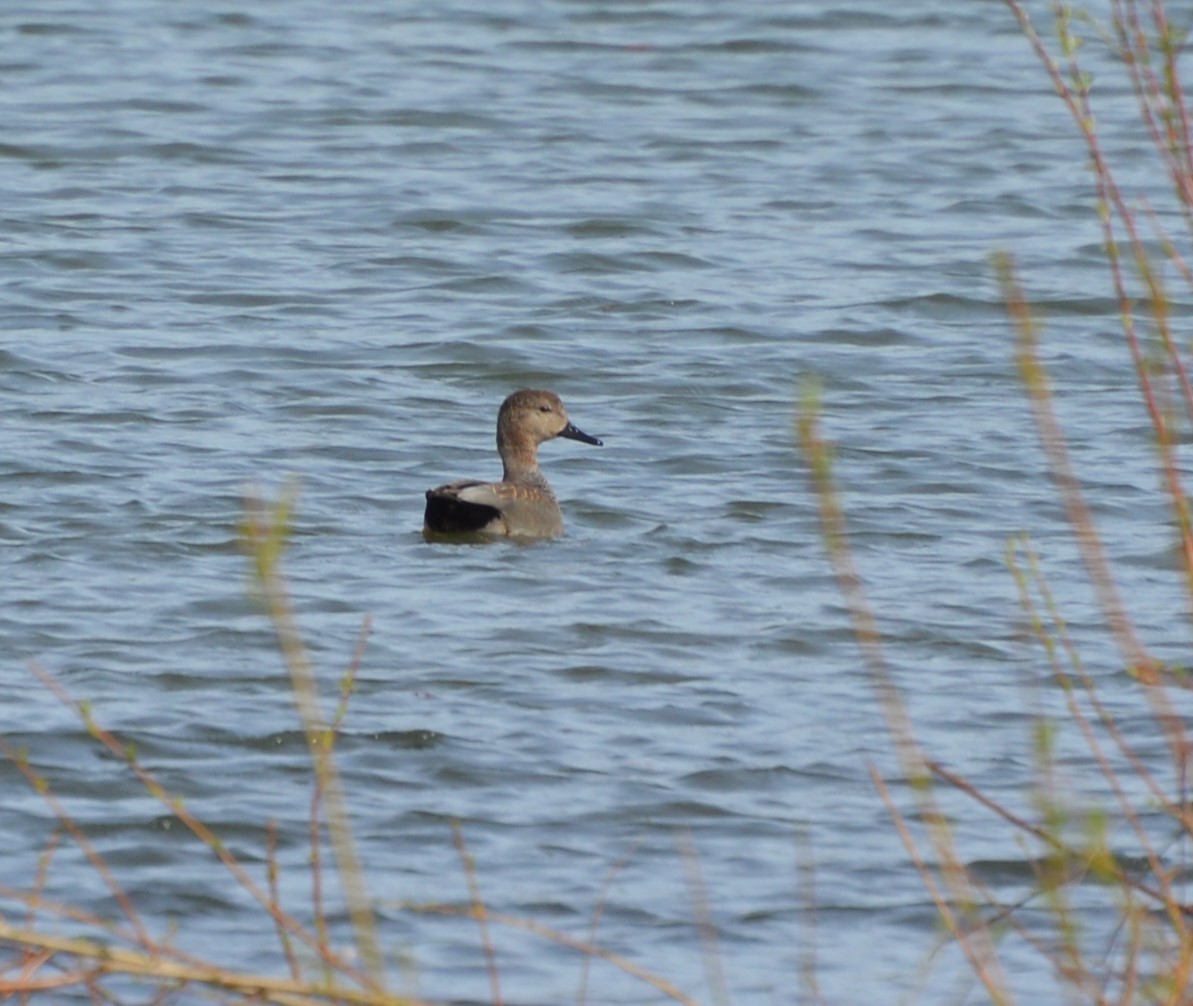
The first pit we went to was off Wagon Wheel Lane. The Worcester Birding twitter feed had been full of news that an American wigeon had been spotted amongst our British wigeons. Having never seen a wigeon of any nationality, I hoped to see some. Having said that, it would probably have helped if I’d googled what a wigeon looked like before setting off! All I really knew was that they were ducks, so I snapped photos of anything vaguely duck like. Fortunately when I got back and studied the photos, it turned out I had seen some of the British ones, although no sign of the elusive American. So I think this is a female Widgeon, although happy to be corrected.
Of course while chasing anything duck like, I inevitably got pics of a few other species. This lucky female Northern Shoveller was accompanied by at least 4 males.

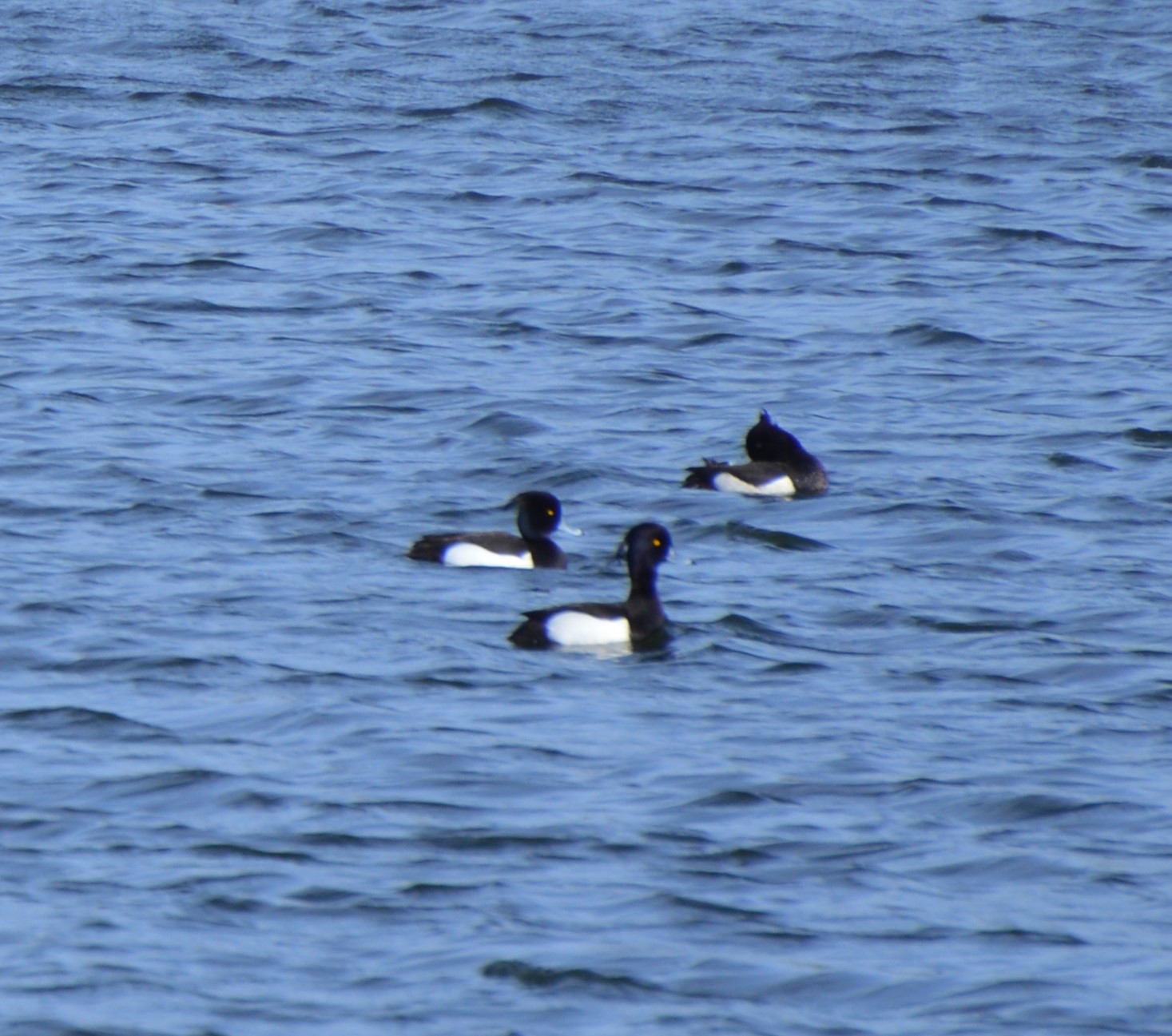
Tufted ducks were bobbing about everywhere. I love the clean lines of the black and white plumage and the bright golden eye of the males.
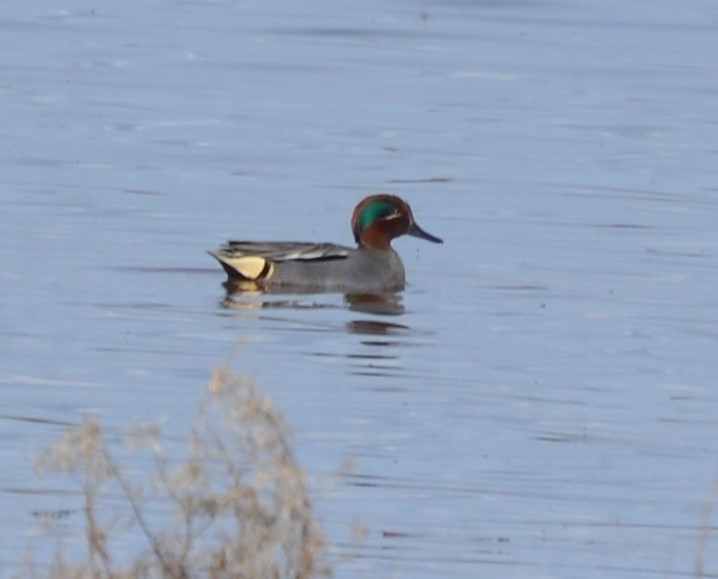
Another species that was new to me was the Common Teal. I didn’t manage to get very close and from a distance I thought initially these were just mallards, until I spotted the creamy yellow rump. From my distant viewpoint it hadn’t been possible to make out the beautiful red and green plumage on the head, but thanks to the power of the zoom on the computer I could appreciate it back home.
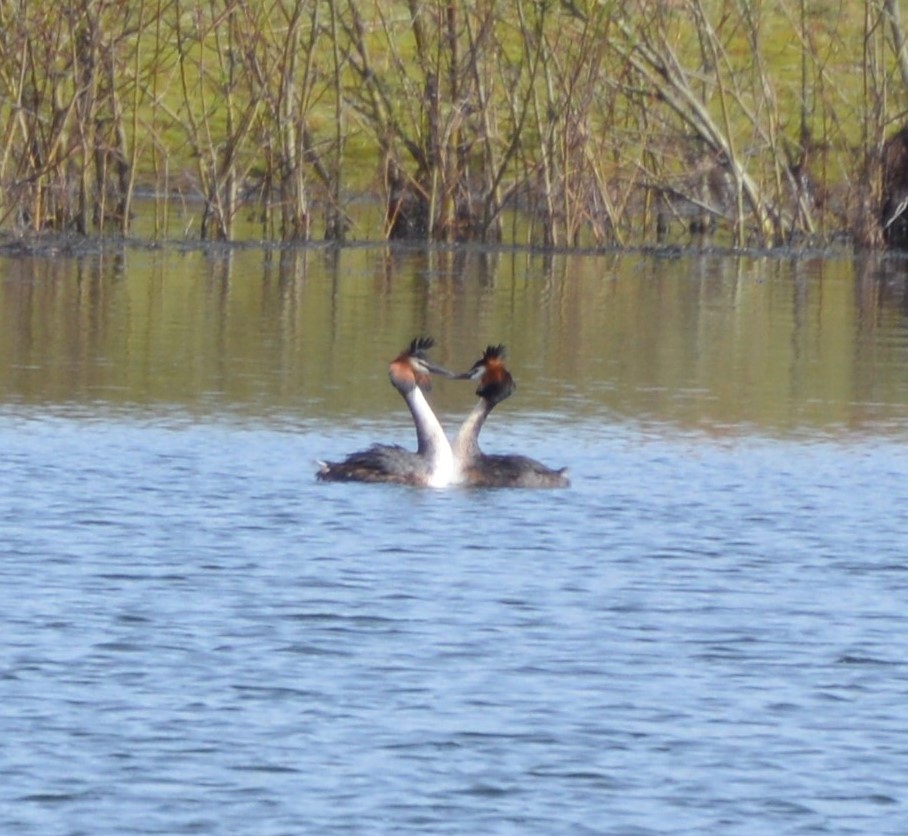
Possibly the stars of the show on this trip were the exotic looking Great Crested Grebes – birds that I’d only ever seen on Springwatch before. There was a pair doing what looked like a courtship display on the far side of the lake. They bobbed up and down facing each other. If they’d been a bit closer I’d have tried videoing it, but they were just too far away for that.
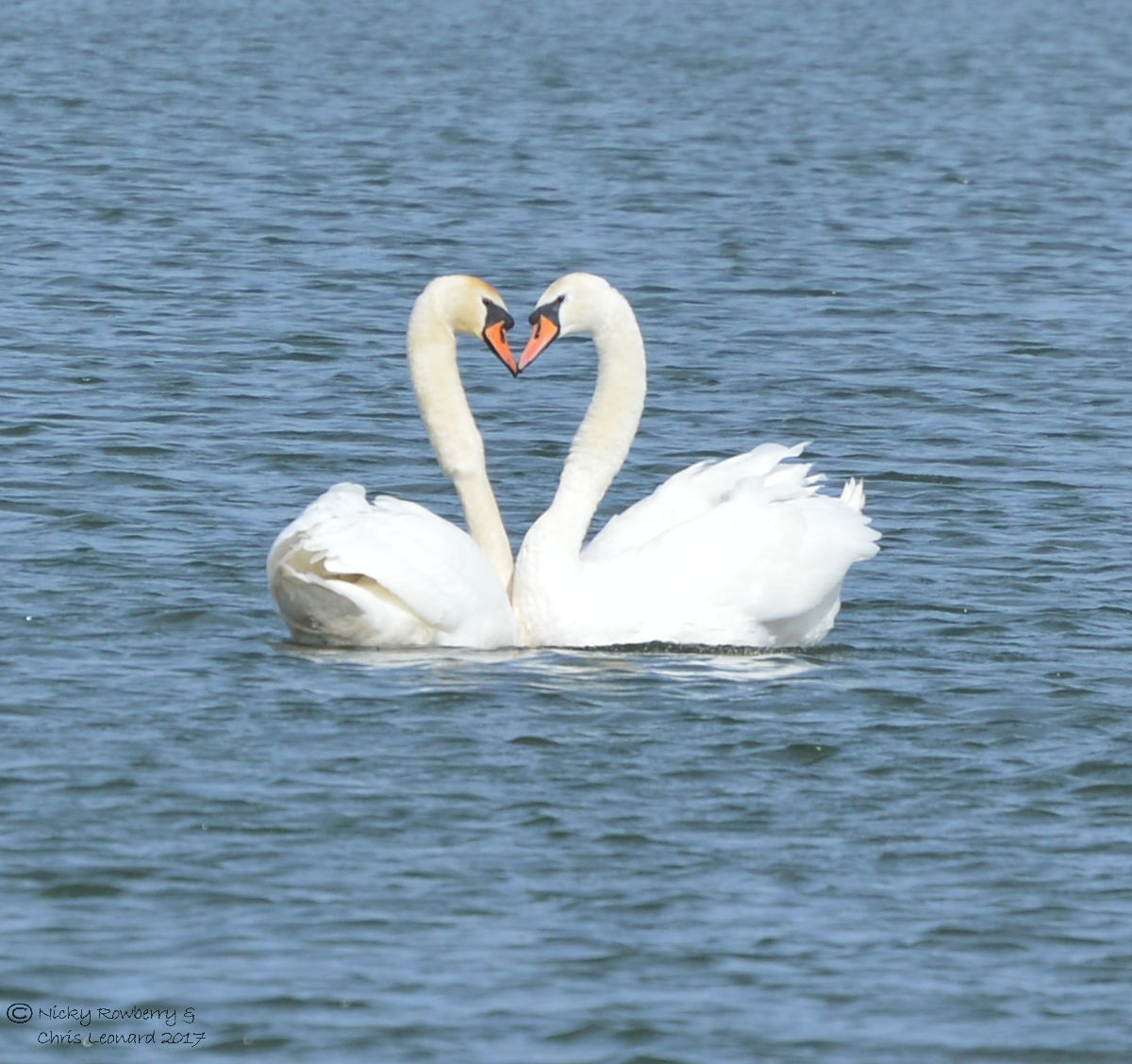
Love seemed to be in the air for a pair of swans too. One was already on the lake when another one landed further away. The first one spotted it and hurtled across the water – I thought at first it was an aggressive or territorial thing, but then they started entwining their necks around each other, so I guess they had other things in mind!
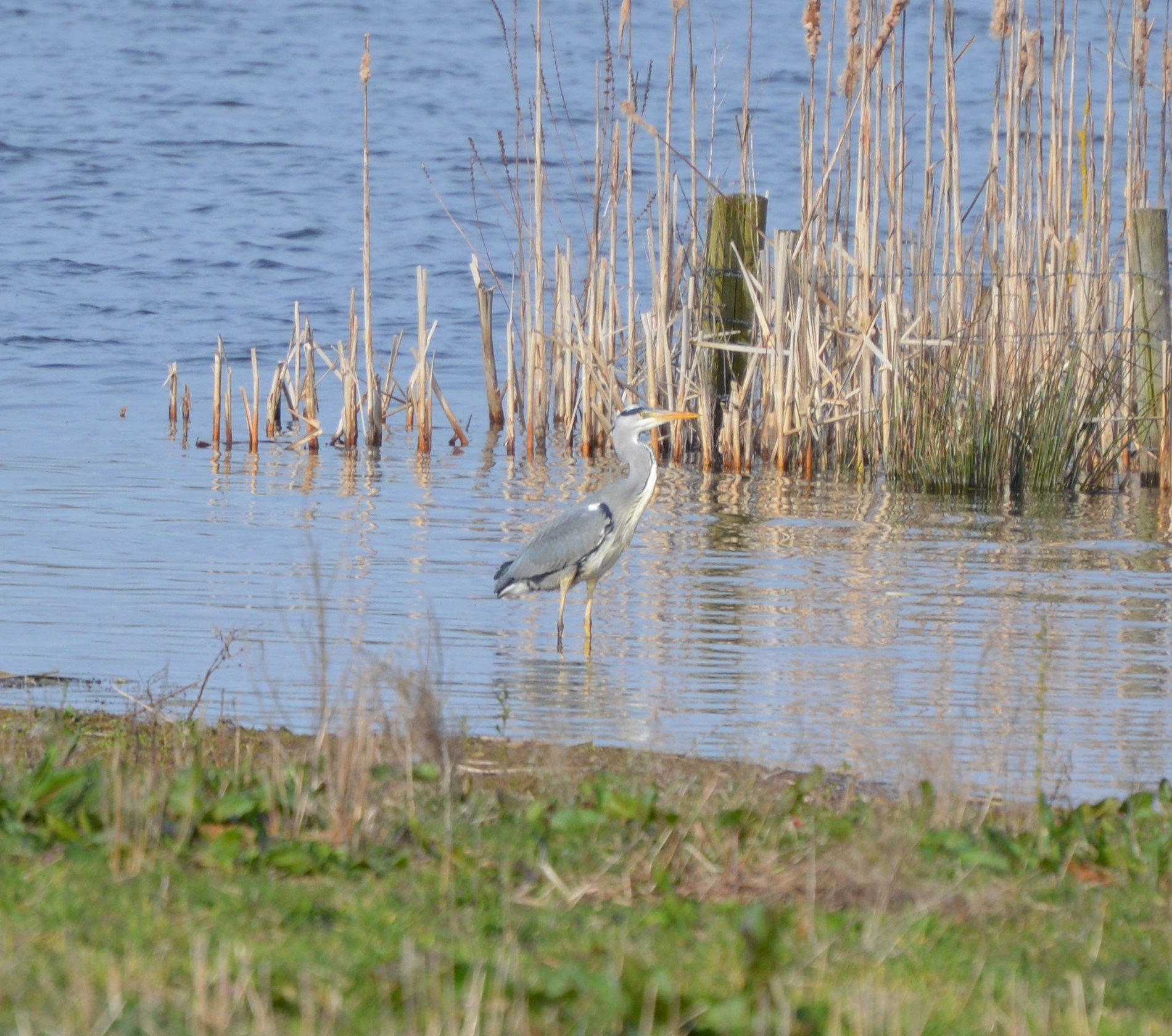
After a short pit stop at the Camp House Inn, I headed to the other set of pits nearby. First sight was this heron – I’d never studied one before and hadn’t realised just how large they were. I tried creeping closer to get a better shot, but as I was going across an open field, he spotted me straight away and flew off when he considered I was too close for comfort.
These lakes were clearly popular with a group of cormorants that were perched on fence posts in the middle and in trees. I still find it hard to get my head round seeing what I think of as sea birds this far in land!

While trying to concentrate on the birds, I kept getting side tracked by the insects. There were quite a few large bumblebees buzzing around and the pussy willow was provided much needed sustenance to several, like this Red Tailed Bumblebee.

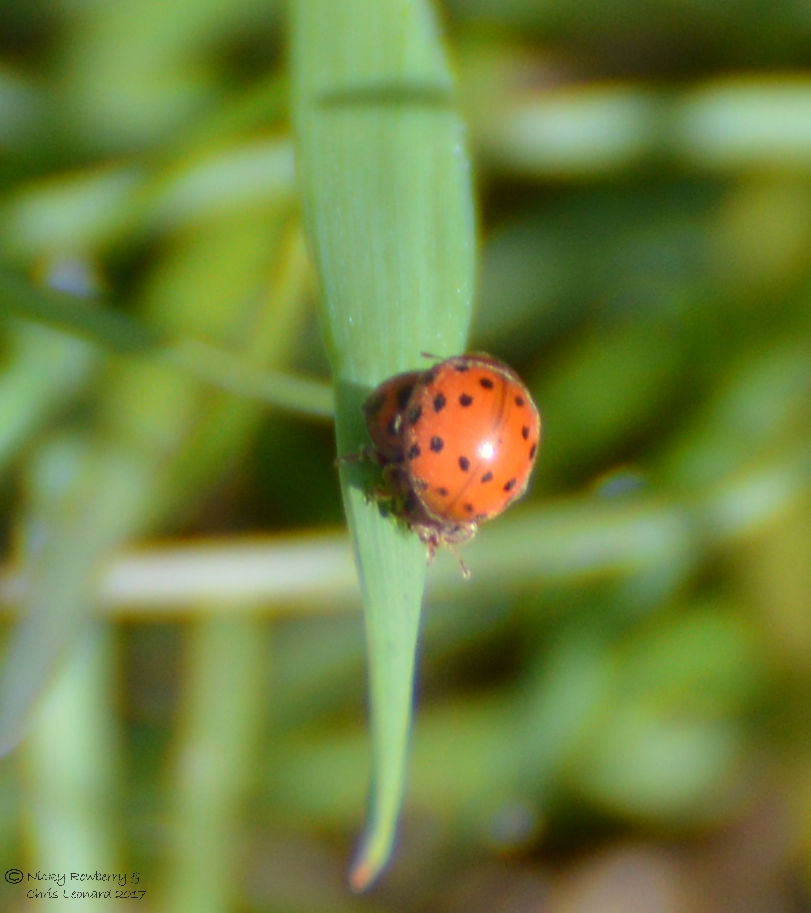
While trying to get a decent photo of a buff tailed bumblebee, I spotted (no pun intended) this pair of 24 spot ladybirds. They were very small and the grass they were on was waving around in the breeze, hence the less than perfect photo. They were slightly less shiny than other ladybirds and look as if they have a fine covering of downy hairs, which would make them the 24 spot ones – a new one for me.
When I was looking at the red ladybirds above, I hadn’t noticed at the time that there was a pile of creamy coloured ones right next to them. Again they are not perfectly in focus, as I obviously wasn’t focussing on them as I didn’t know they were there! These ones turned out to be 16 spot ladybirds – another new species.

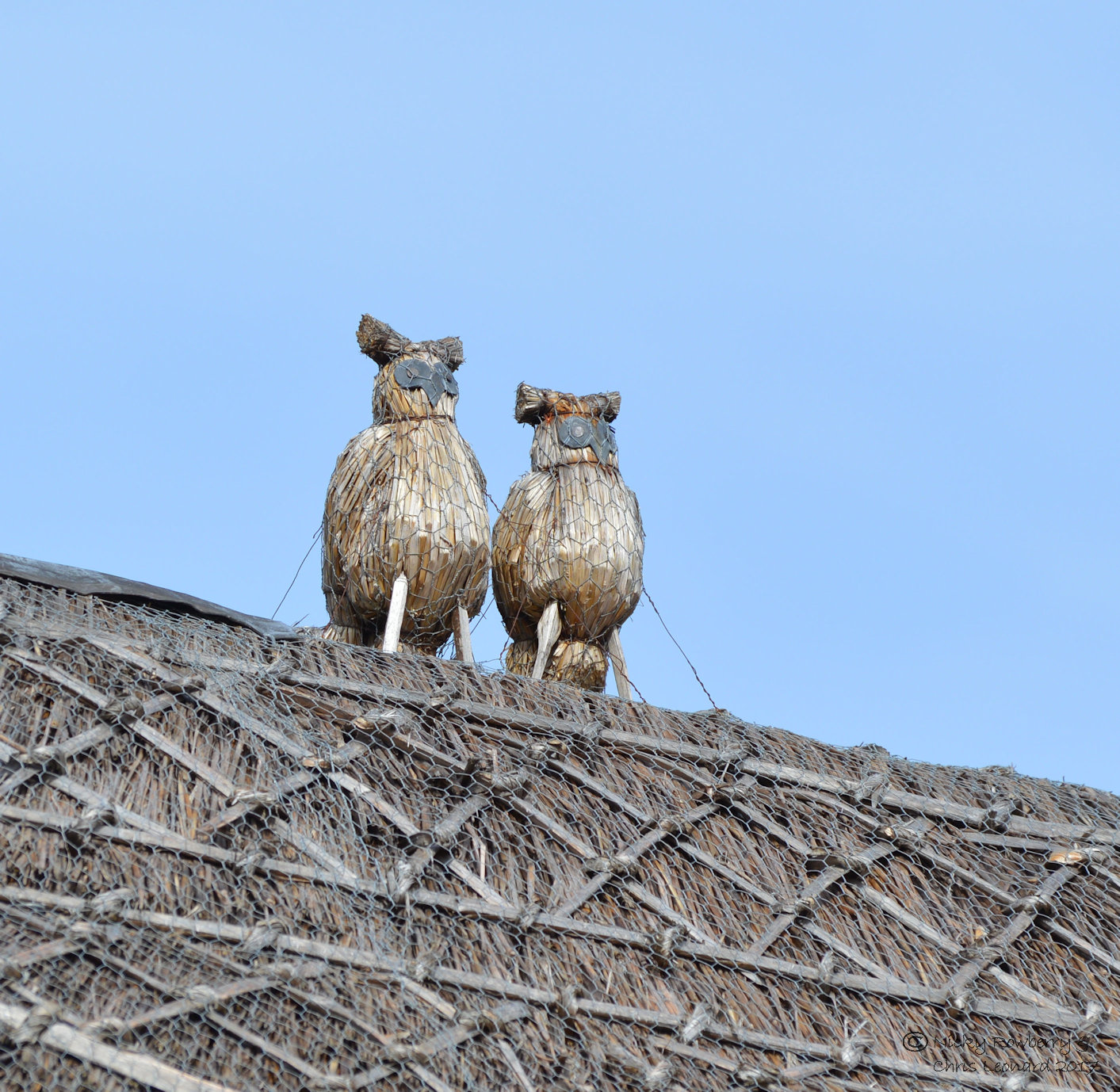
And finally, because I can never resist a comedy photo – here is the very rare 4 winged duck and a rather splendid pair of owls on top of the Wagon Wheel Inn’s thatched roof.




 Too Lazy To Weed