Last year for my birthday we had an amazing day at some local Nature Photography Hides. As part of the deal we were entitled to a return visit to one hide this year. So a couple of weeks ago we headed over there for another lovely peaceful day – this time at their reed bed hide. This provided pretty much what it says on the tin – a hide in the middle of a reed bed.

Not knowing much about the ecology of reed beds, we weren’t sure what we would see, but as soon as we got there we could certainly hear plenty. Lots of small birds were clearly hiding in the reeds and singing their socks off. Much more visible and considerably noisier was a small flock of Canada Geese which flew in almost as soon as we got settled in the hide.
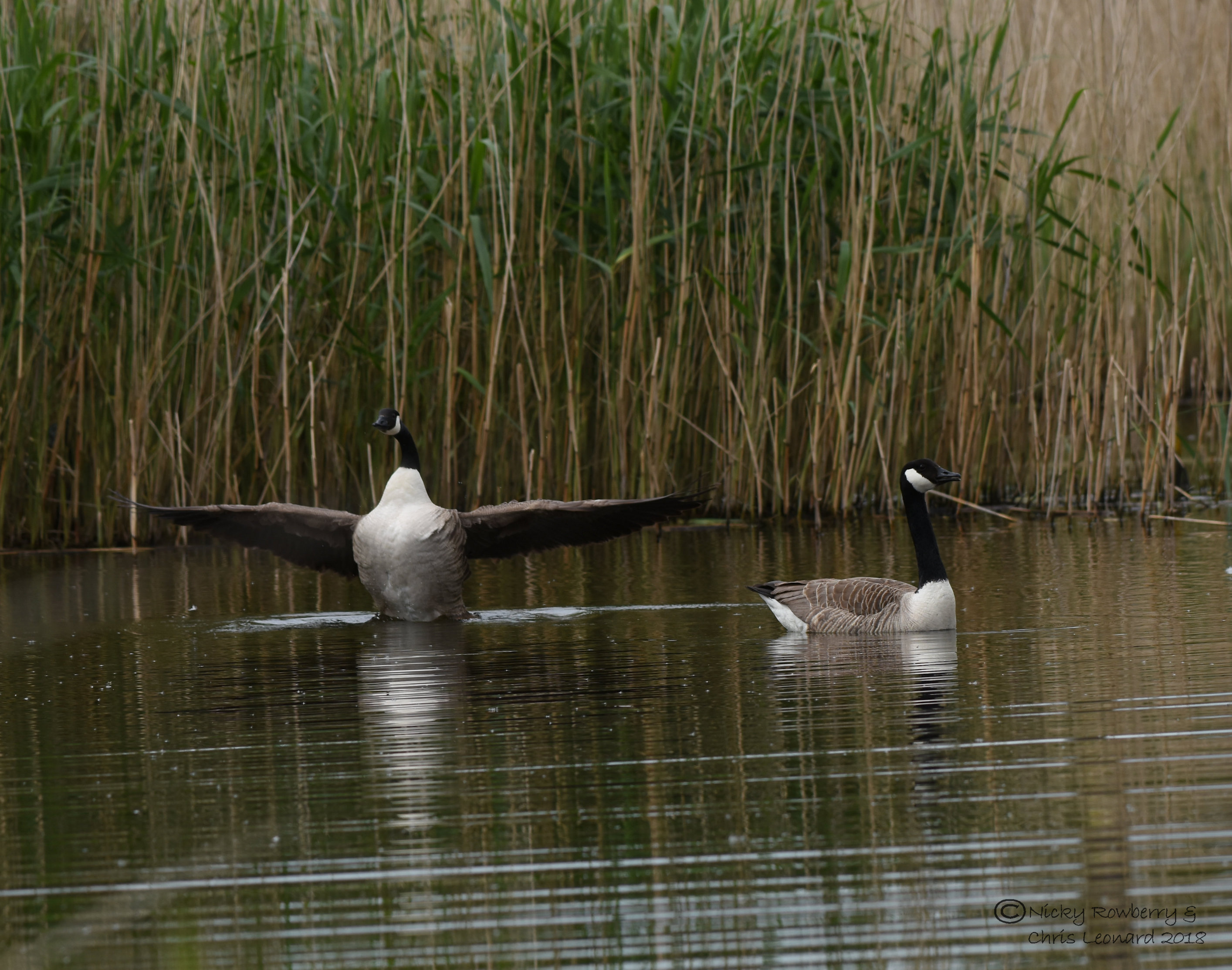
They are noisy, boisterous birds and seemed to be constantly squabbling with each other, although there seemed to be plenty of room for everyone. While they jostled for position a lone coot sailed serenely around, unfazed by their kerfuffle.
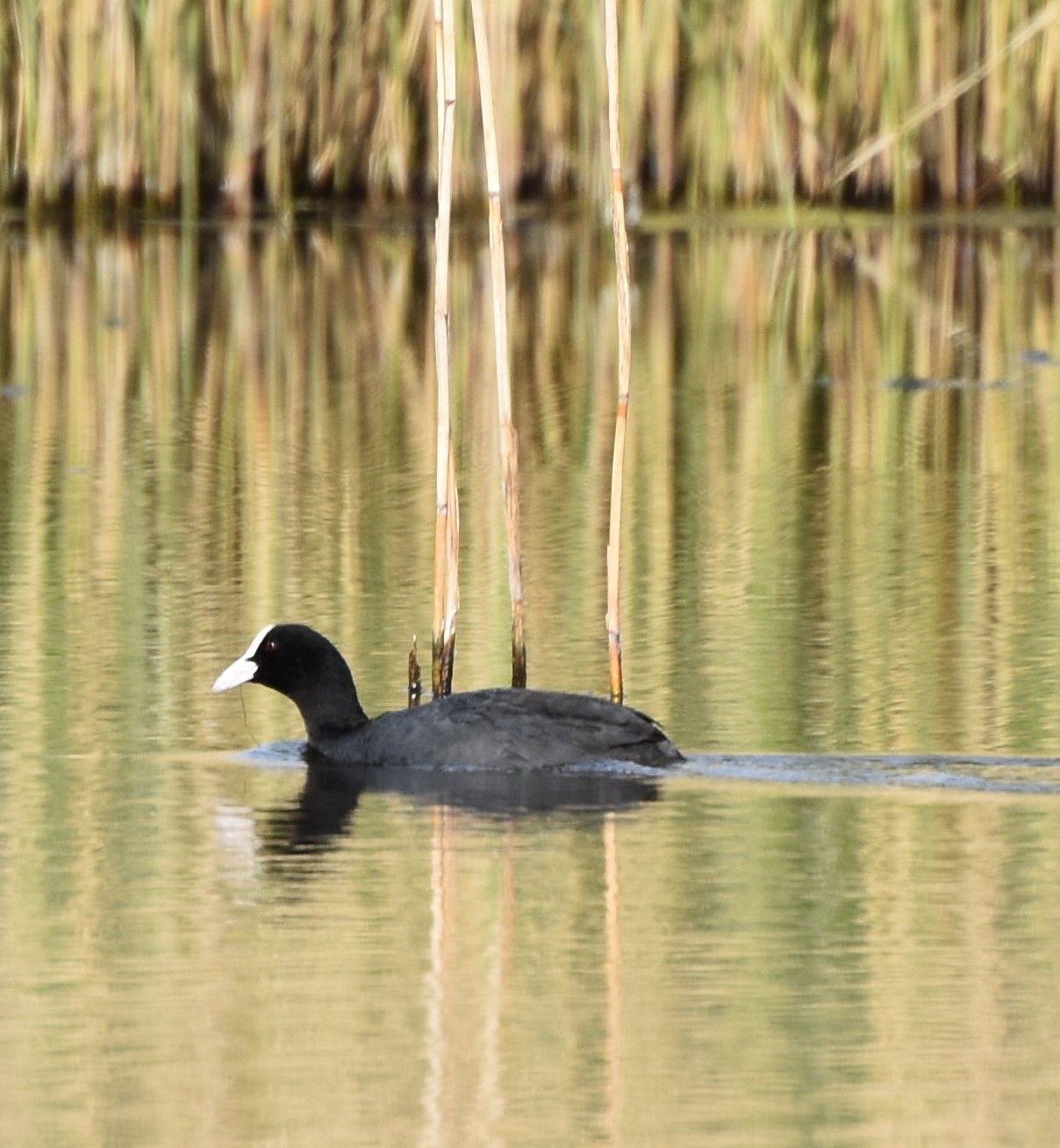
Another small water bird also emerged periodically from the reeds. We didn’t know what it was at first, but the good people of the iSpot website identified it as a Little Grebe. It was a fairly dumpy little thing, but was clearly very good at diving. Sadly it didn’t ever really come close enough for a very good photo.

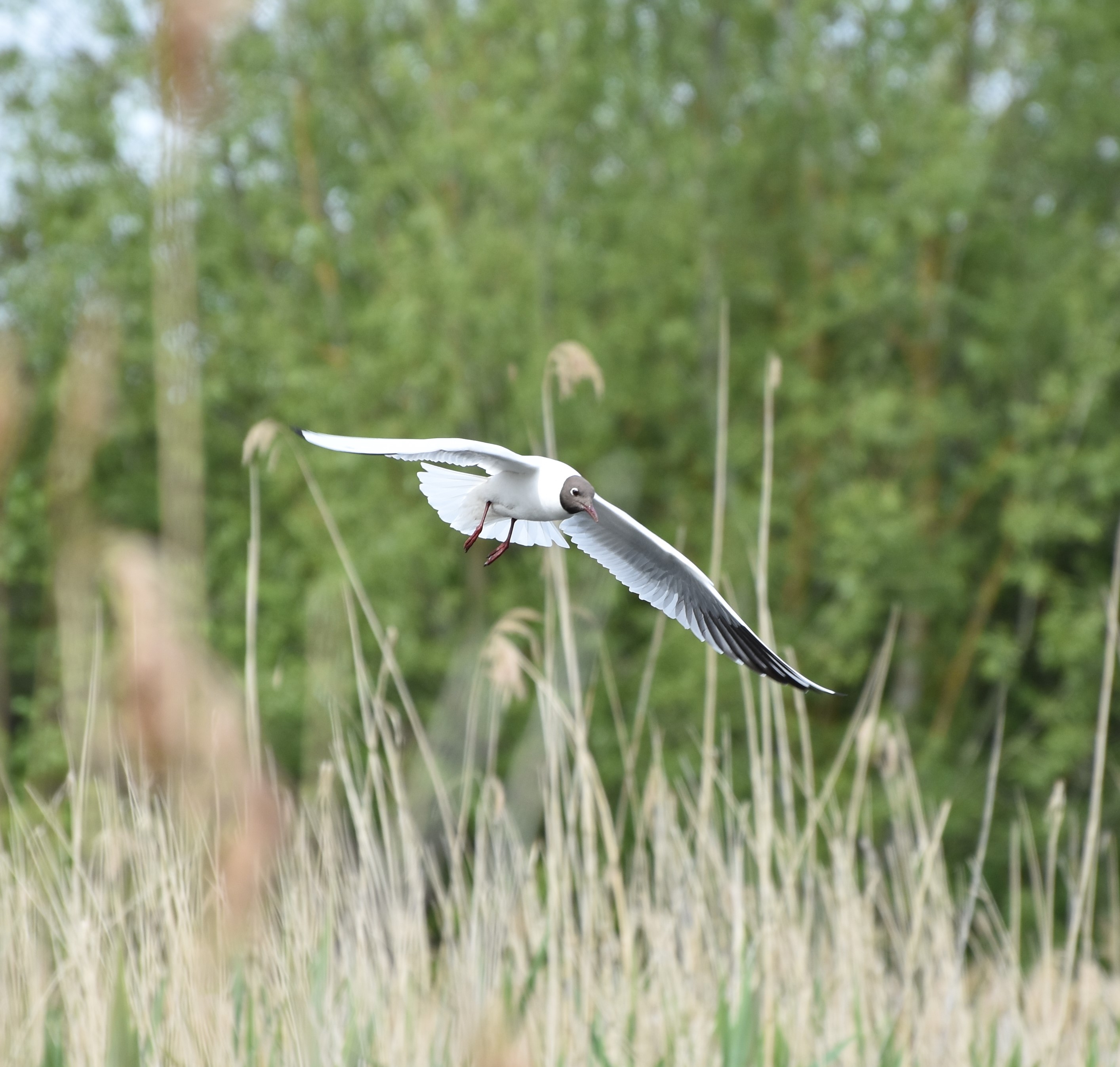
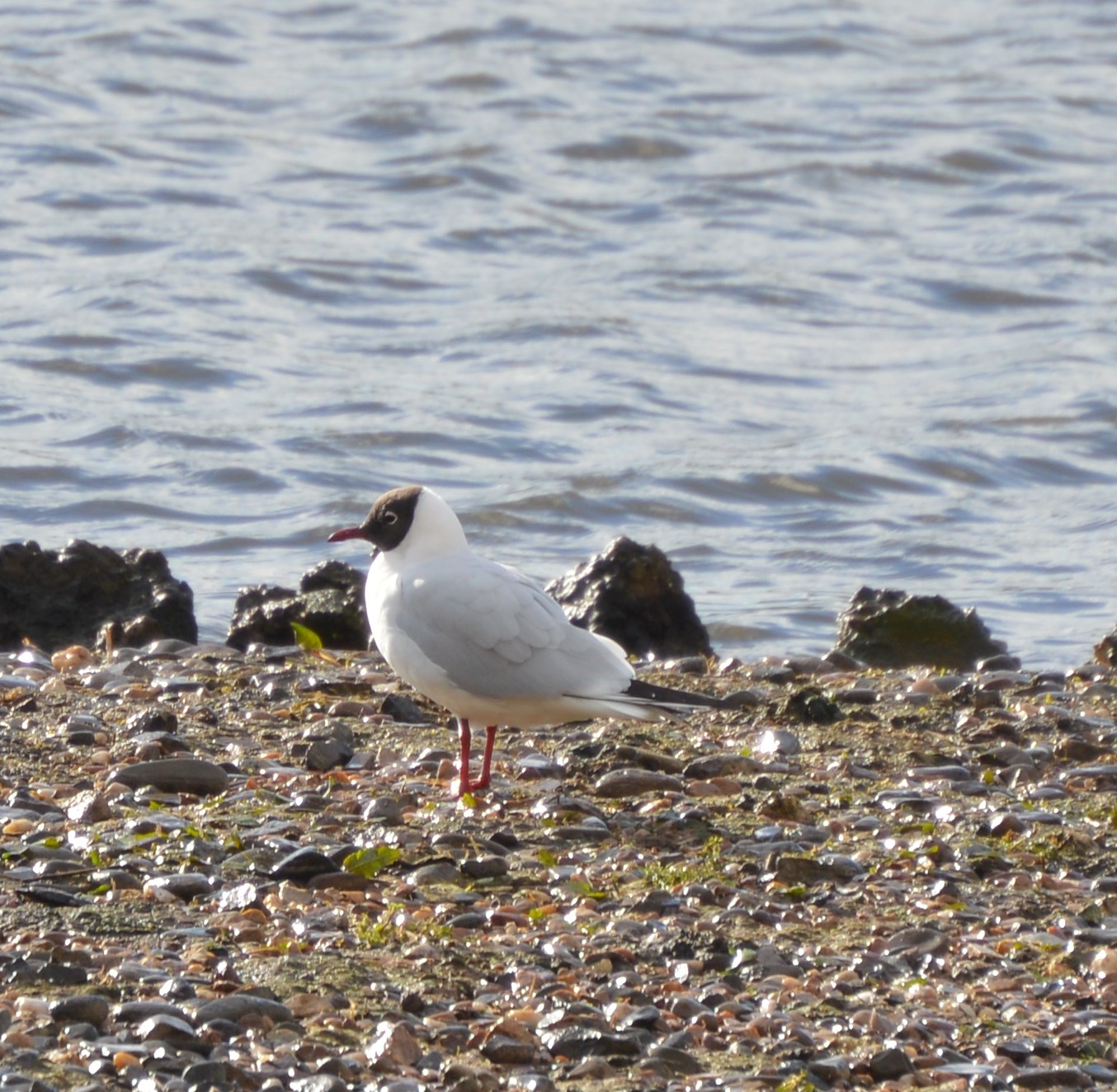
Another species which arrived in a small flock was Black Headed Gulls. At least half a dozen of them would appear and hover over the water before diving for small fish. They are beautifully sleek looking gulls, with perfect delineation between their black heads and white bodies – as if the heads had just been dipped in black ink.
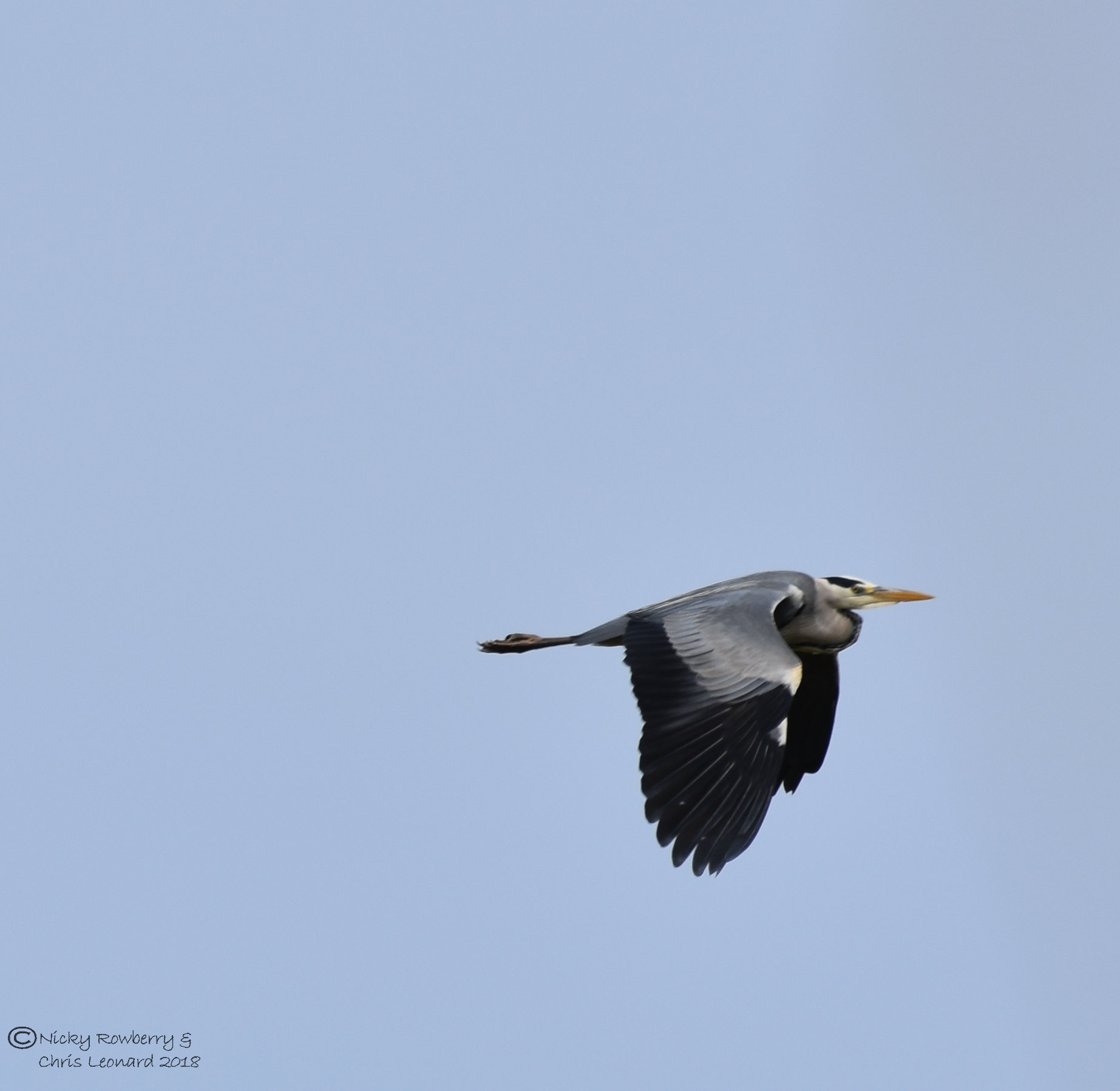
Several other species put in fleeting appearances. Swallows skimmed the water for insects, but were way to quick to catch on camera. Buzzards soared above us, but were too high and silhouetted against the pale sky were also too hard to photograph. A heron did flap lazily by a couple of times, flying slow enough to get recognisable shots, but sadly not landing anywhere within sight of the hide.
Aside from the distractions of the larger birds coming and going, the most common birds proved to be the buntings and warblers that we’d heard in the reeds when we first arrived. As usual we took literally hundreds of photos, which I’ve gradually whittled down to a few half decent ones. The willow warblers were singing all around us and often obliged by landing photogenically on reeds near the hides.
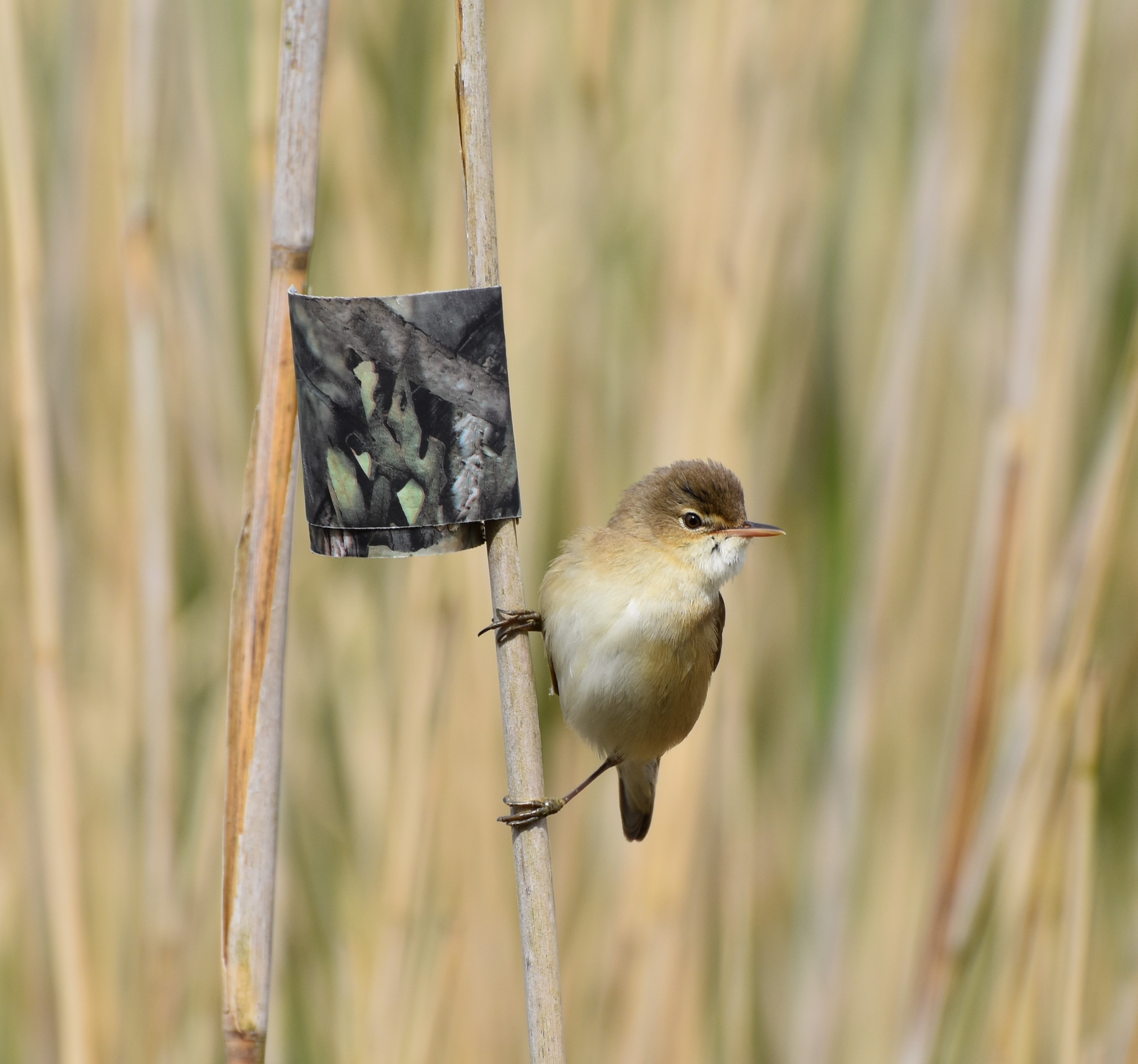
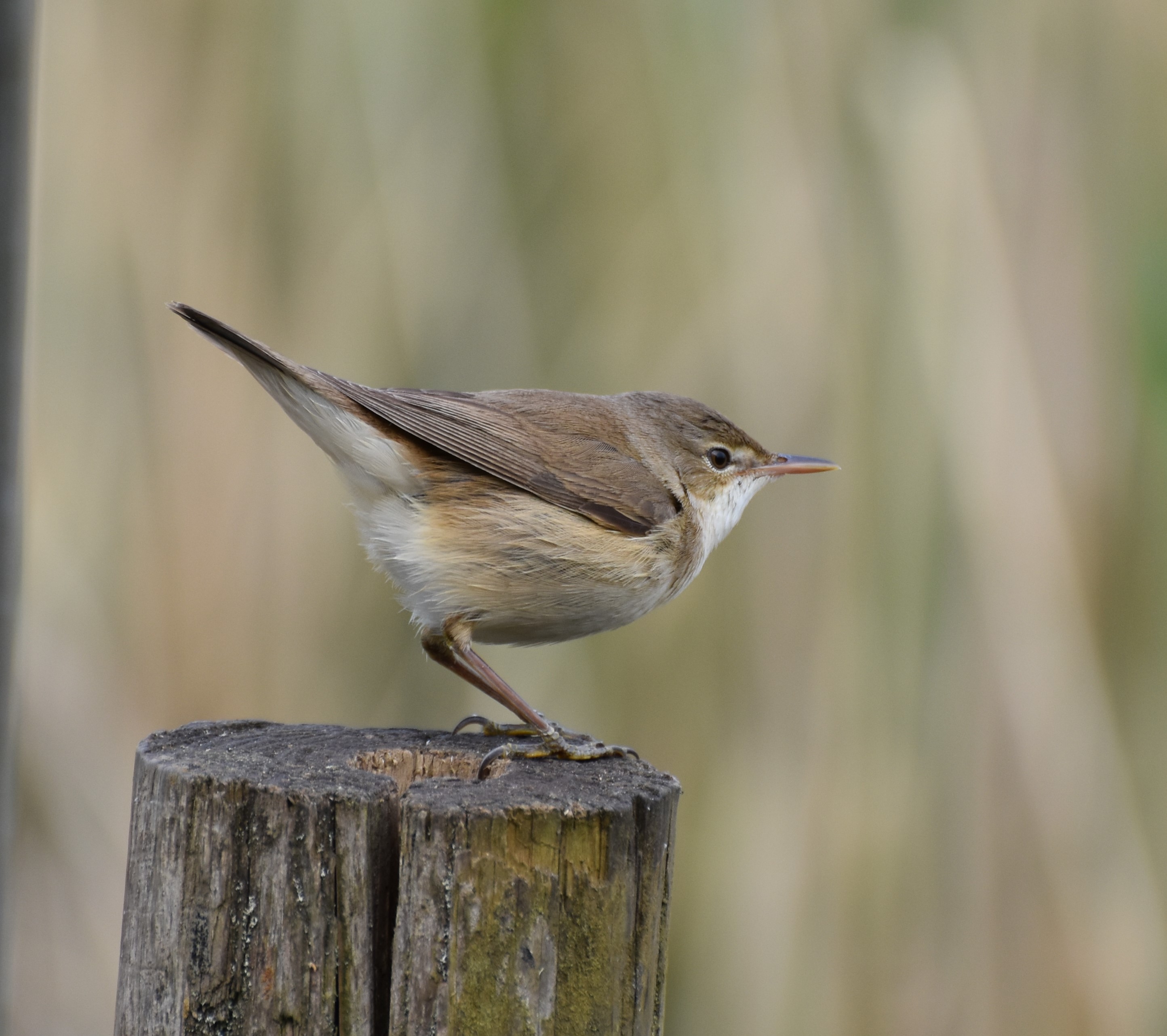
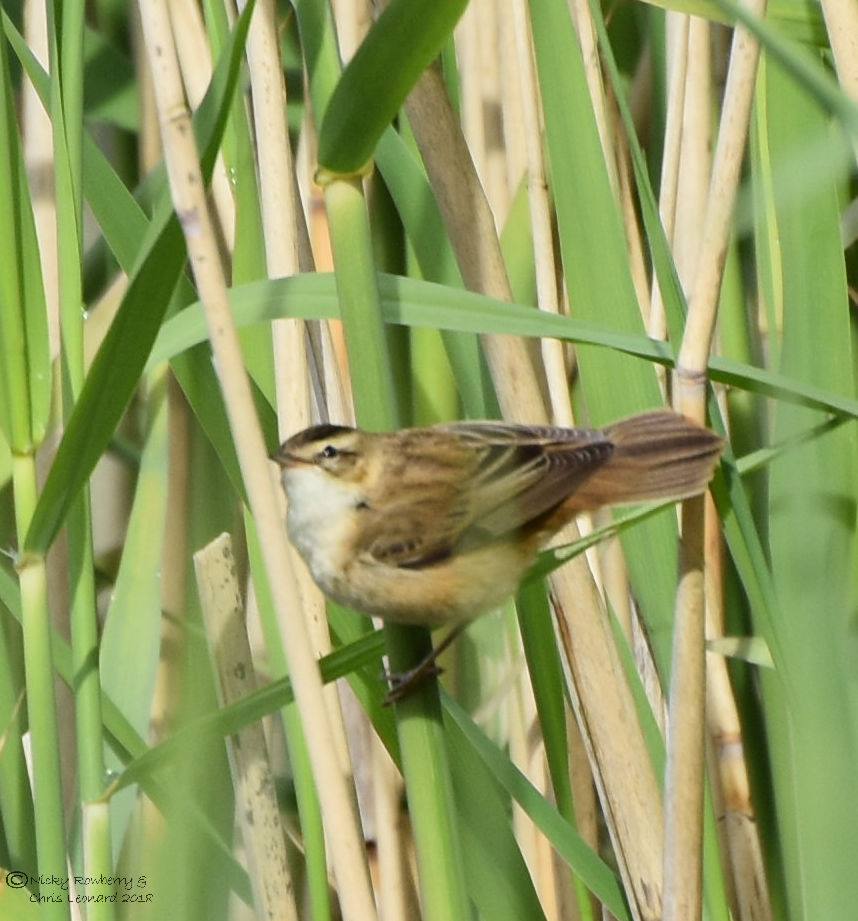
While scanning through the warbler photos, I found one that looked a bit different – it had more of a white stripe over its eye. Turns out this one was probably a Sedge Warbler. Shame there was only the one slightly blurred photo.
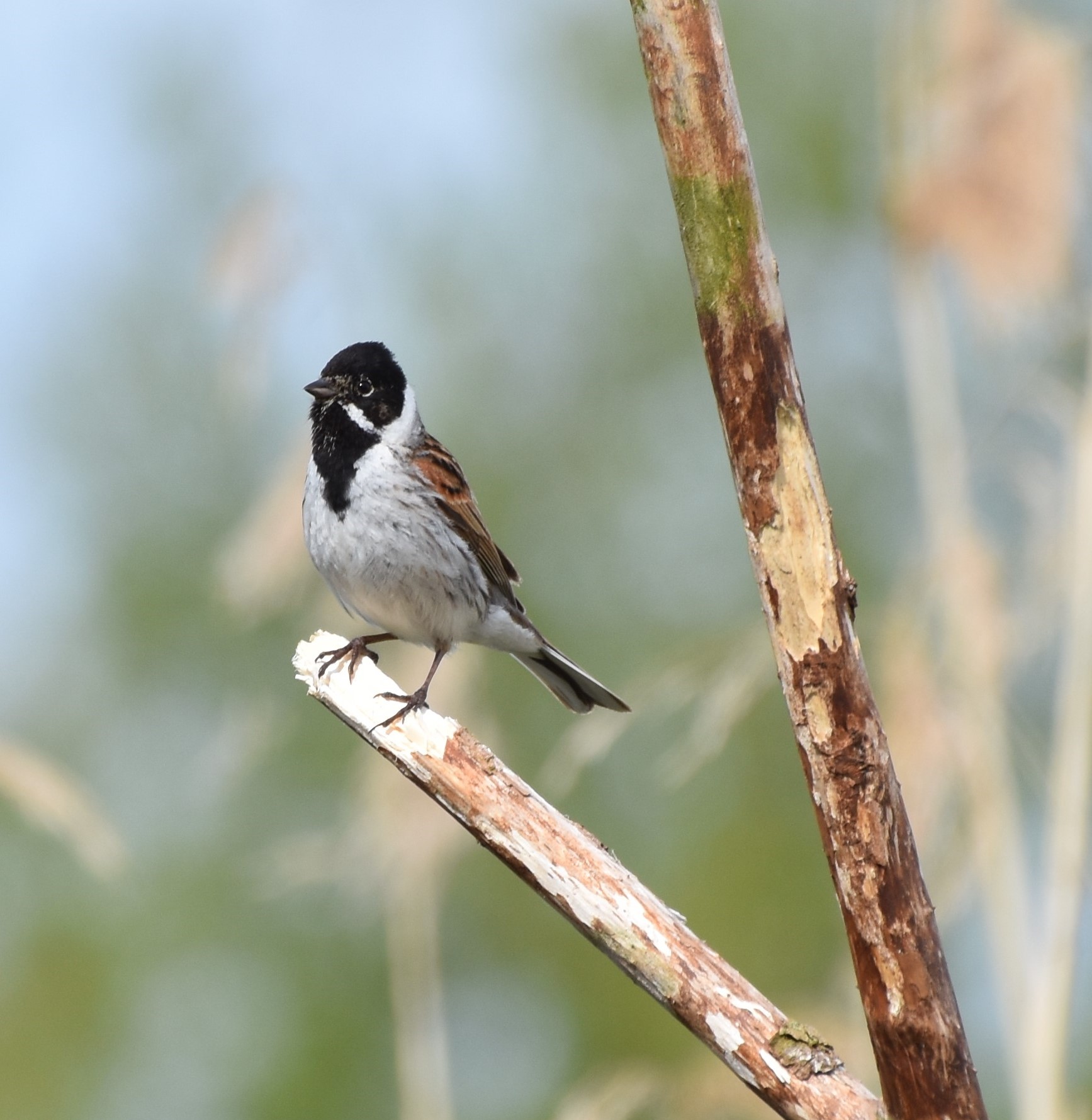
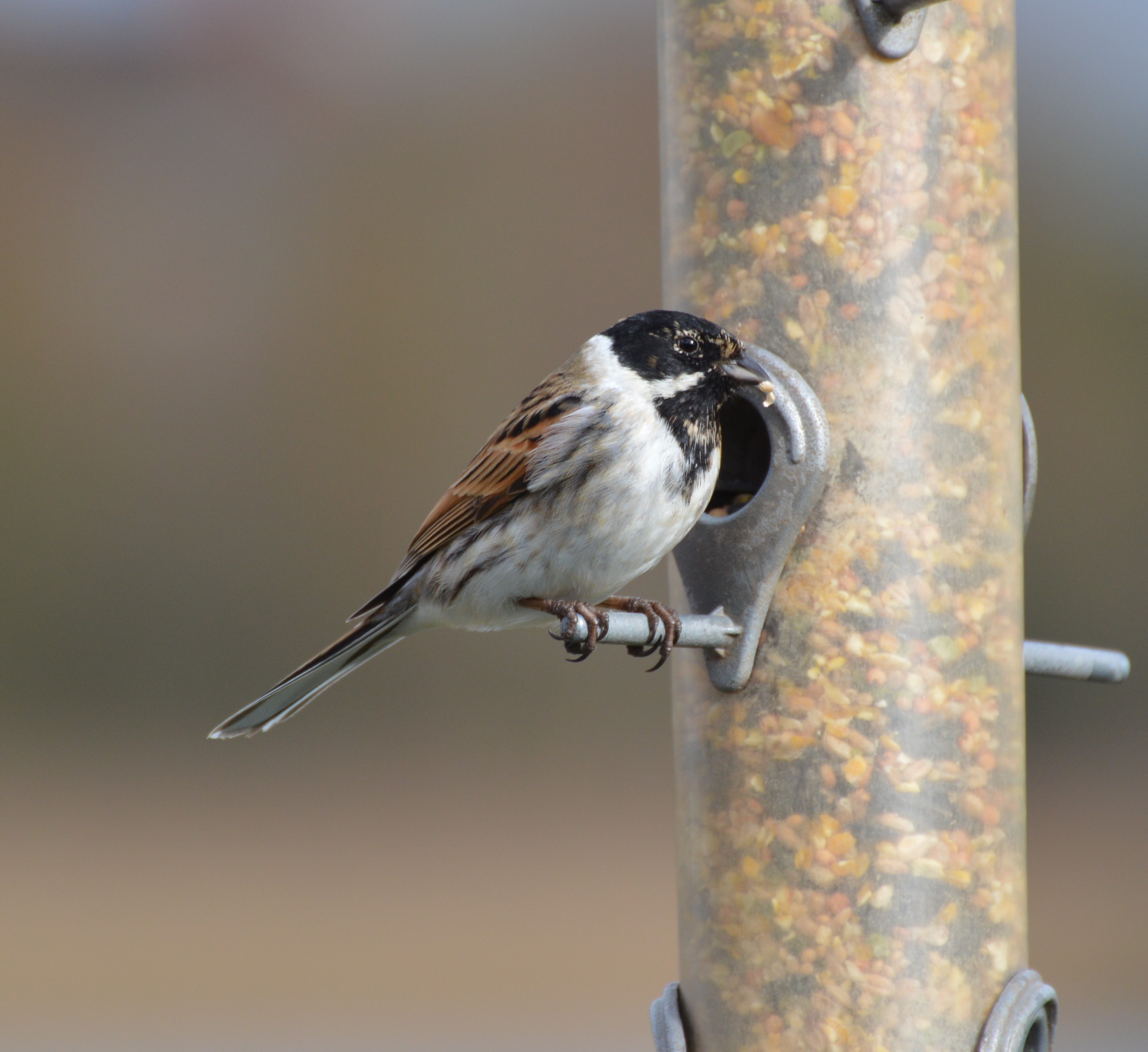
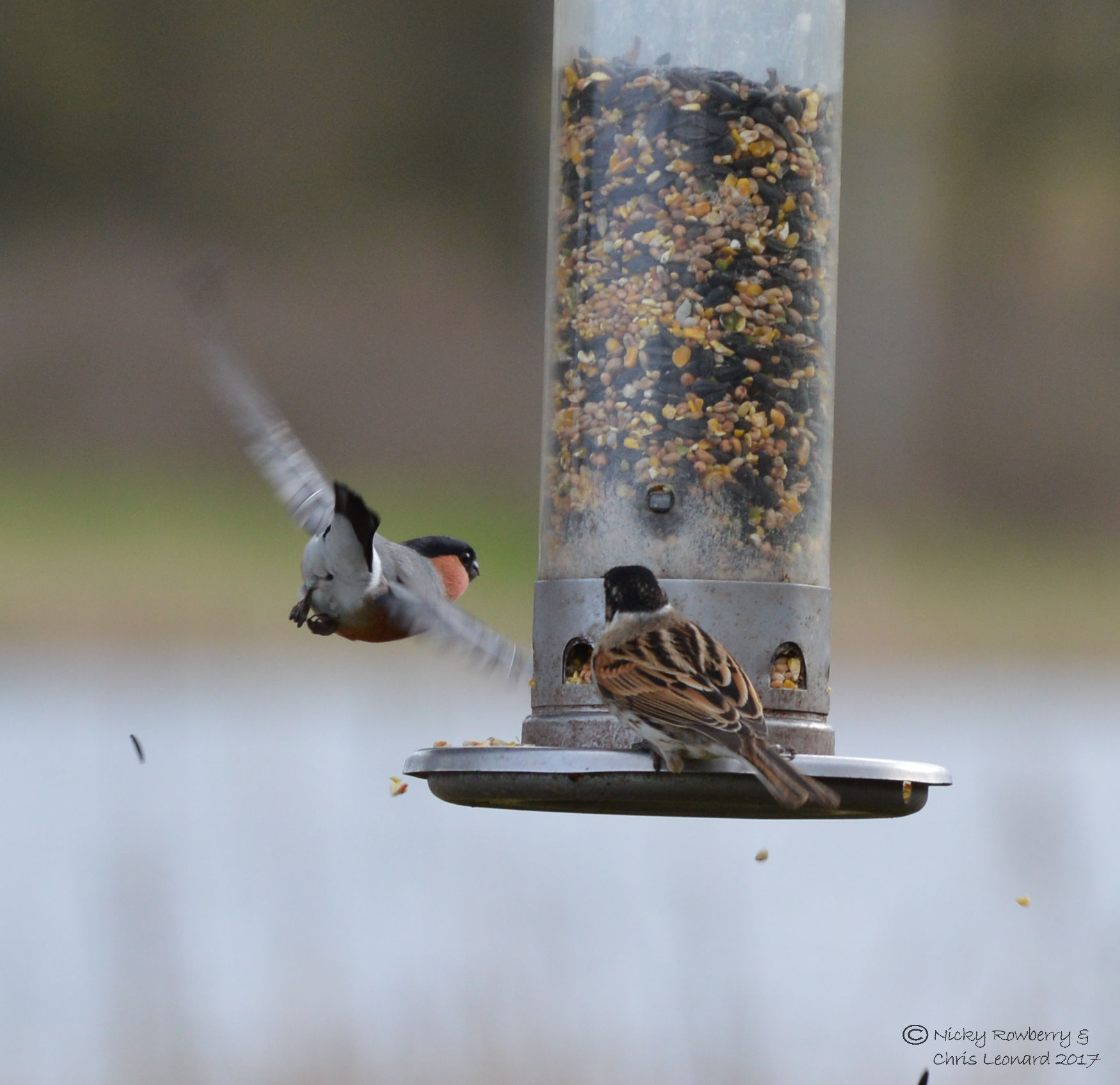
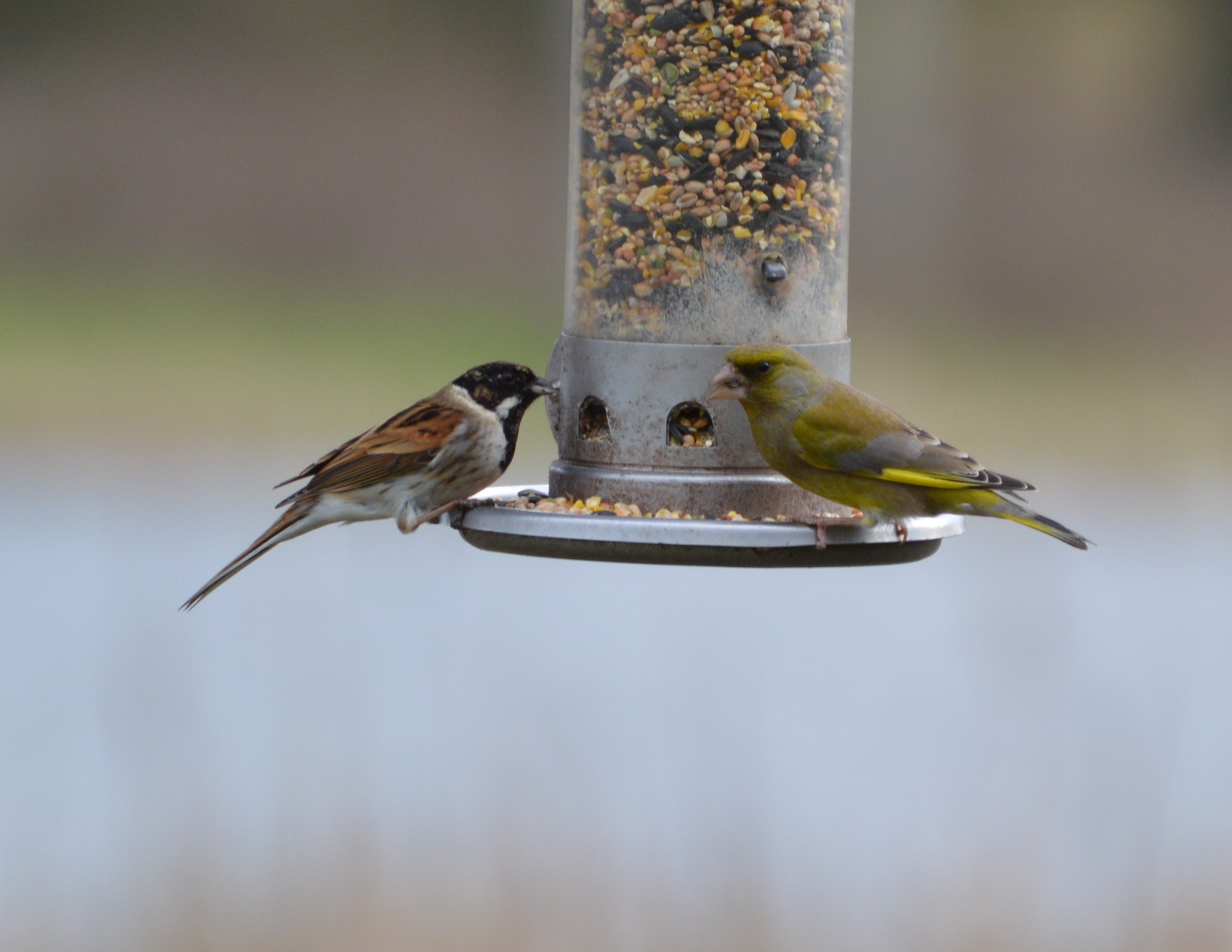
The reed buntings were as abundant as the willow warblers and also had a penchant for posing photogenically on the reeds. The males are more distinctive with a black head and white collar above a mottled brown body.

The people who run the hide site, supplied us with mealworms to attract the birds. This one is feeding from a tiny pot, camouflaged and stuck to the reeds.

The females are a bit plainer, without the black and white headgear, but beautiful nonetheless. They also seemed a bit bolder than the males, often coming onto wood near the walkway quite close to the hide.

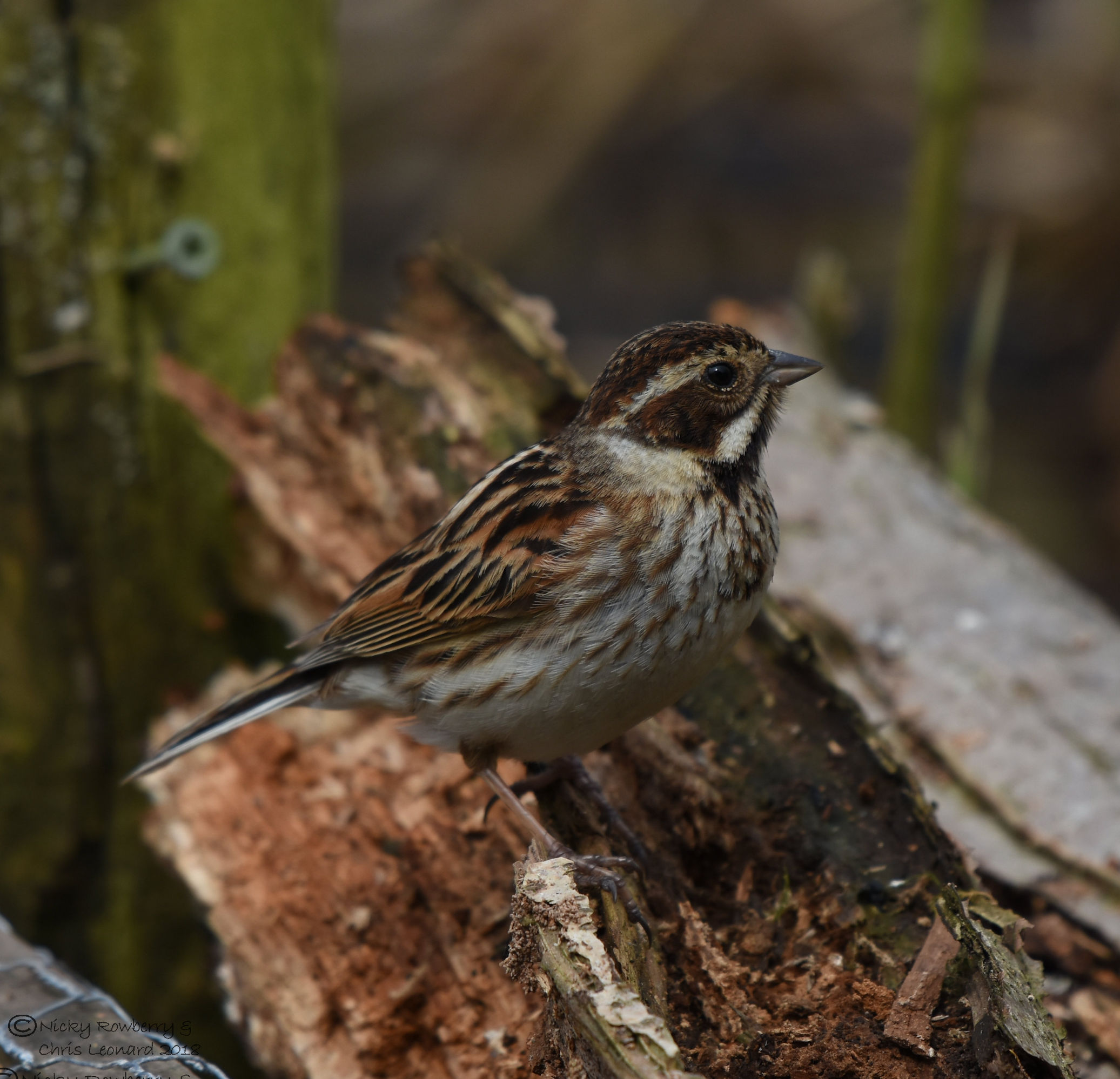
We even got to see one of the female reed buntings gathering nest material, although we never saw a nest.

There is always the hope whenever you visit a hide near water of seeing a kingfisher. The site we were on has a dedicated kingfisher hide and last year we’d spent a very happy couple of hours with amazing views of one right in front of us (see https://toolazytoweed.uk/2017/01/16/wildlife-hides-part-2-the-king-of-fishers/ for last year’s blog post) After a few hours in our reed bed hide though we hadn’t been so lucky. Eventually I spotted one up on the power lines, too high up to get a photo though. The power lines were a long way up, but incredibly the kingfisher could still look down and focus on the fish in the water below. We watched amazed as it dived straight down to catch them.
Although my short legs would have benefited from stretching, I stayed put and continued trying to get the perfect shot of a reed bunting. I was so focussed on this that I initially missed the fact that the kingfisher had landed on a perch just feet in front of me. I got so flustered when I did see it that I couldn’t focus in time, so only managed this blurred shot of it flying off. But at least it proved that I had indeed seen the king again!





 Too Lazy To Weed