Hedgehog Feeding Station

“If you build, it they will come” – not originally referring to hedgehogs, but I was hoping it would still hold true. Following my previous post about attempts to feed hedgehogs mainly ending with success at feeding neighbouring cats, I got some very helpful suggestions via Twitter. Probably the most helpful was from Paula who suggested I try out the instructions for building your own feeding station on Little Silver Hedgehog’s excellent blog (https://littlesilverhedgehog.wordpress.com/2016/06/20/build-a-hedgehog-feeding-station/)

The idea behind the feeding station is simple enough – provide a safe place for the hedgehog to eat with an entrance hole too small for the cats to get in. I’m not the most DIY-minded person, but thought I could just about manage this! So one plastic box, a pair of scissors, some sticky tape and a brick later, this was the result!

The Box

It may not be a build of great architectural beauty, but I was hoping the hedgehogs wouldn’t be too bothered by the aesthetics (or the choice of reading material I’d lined the bottom with). The catfood went at one end and the trail cam was set up and I just had to wait for morning to see if it worked.

In the morning I was really chuffed to find that the food had all been eaten – of course the question was – Who or What ate it? Trail cam footage first showed the usual cunning cat peering at the box and looking mildly annoyed that it couldn’t get to the food. Then at about 12:40 am the hedgehog appeared to view my handiwork for the first time.

He or she was cautious at first, peering in and eating some food near the entrance.

Then followed a few more nervous entries into the box until by 3am our hedgehog was striding in and going straight for the food. Clearly his or her confidence was such that by the morning all the food had gone.

I am so pleased with this – it has way exceeded my expectations, especially for a first night trial. I’ve stocked up on catfood and hopefully this success will continue throughout the summer. The only slightly annoying thing is that my trail cam will only record 15 seconds at a time when in night-time mode, but I can live with that.

I can’t thank Little Silver Hedgehog enough for her excellent advice (do check out her blog for all things hedgehog related https://littlesilverhedgehog.wordpress.com/) and Paula on Twitter for pointing me in the right direction in the first place. Social media working at its best!

2021 update – Please note that since I wrote this blog, concern has been raised about feeding hedgehogs with mealworms. It is no longer considered advisable to feed hedgehogs with mealworms. The concern is that hedgehogs that eat a lot of mealworms could develop a condition called Metabolic Bone Disease. So please just stick to either meaty cat or dog food, dry cat food or a good quality (i.e. high protein content) hedgehog food.
Out and About – Prestbury Hill – The Return!

I’m not normally given to the expression OMG, but OMG Prestbury Hill is an amazing place! We made a return trip today to see the Chalkhill Blue butterflies that we didn’t see a few weeks ago (because I’d got their season wrong!) We ended up seeing 15 species of butterfly, a beautiful bird of prey, some moths and a new snail! Pretty amazing for a few hours walking in beautiful countryside.

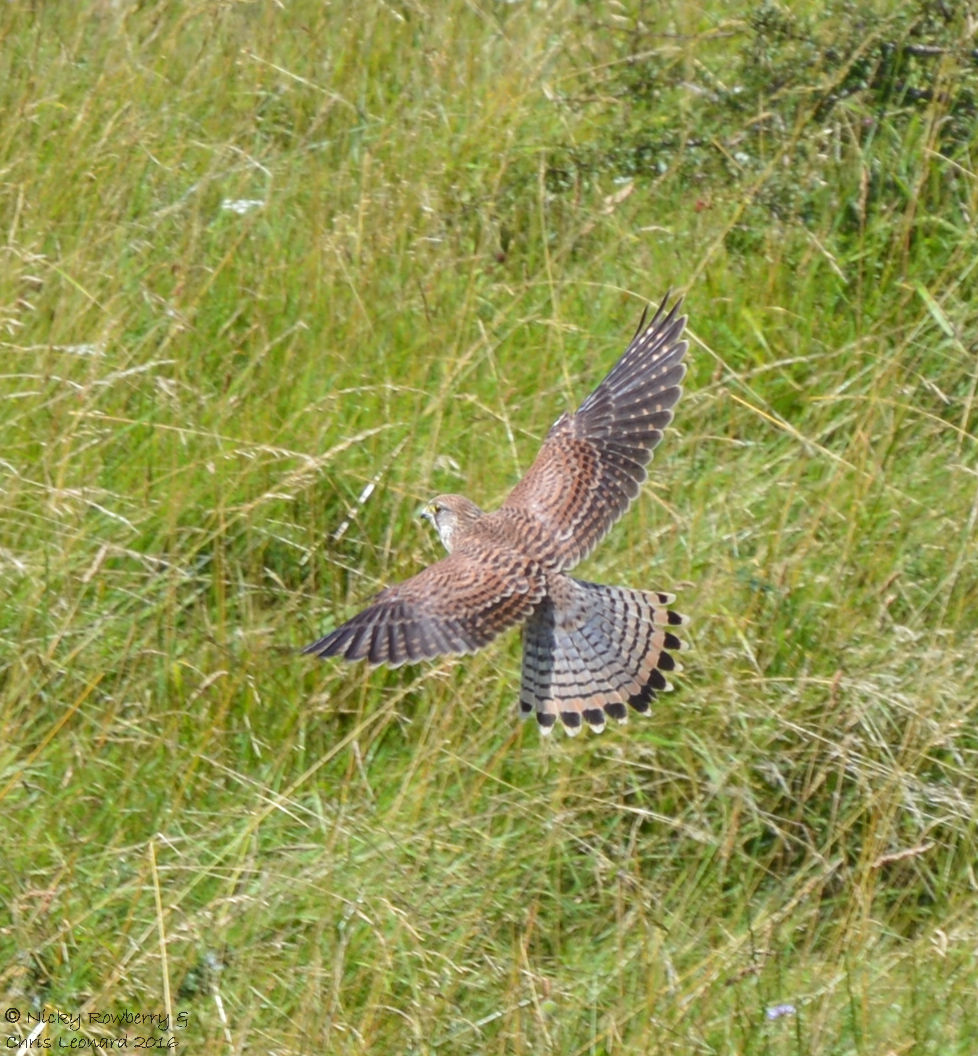
We started leisurely by heading to a bench for a picnic (I’d love to be able to claim that I’d loving crafted cucumber sandwiches and other home-made delights, but actually it was left-over fried chicken from the night before!) We spotted our first Chalkhill Blues before we even reached the bench, but decided to eat first then take photos later. Said bench has glorious views out over Cheltenham and beyond and is the perfect place for a picnic. We could see a bird of prey hovering over fields below – turned out it was this beautiful kestrel. We couldn’t get very close, so this is taken zoomed in from a fair distance, but you can still see what a stunning bird it is.

Kestrel

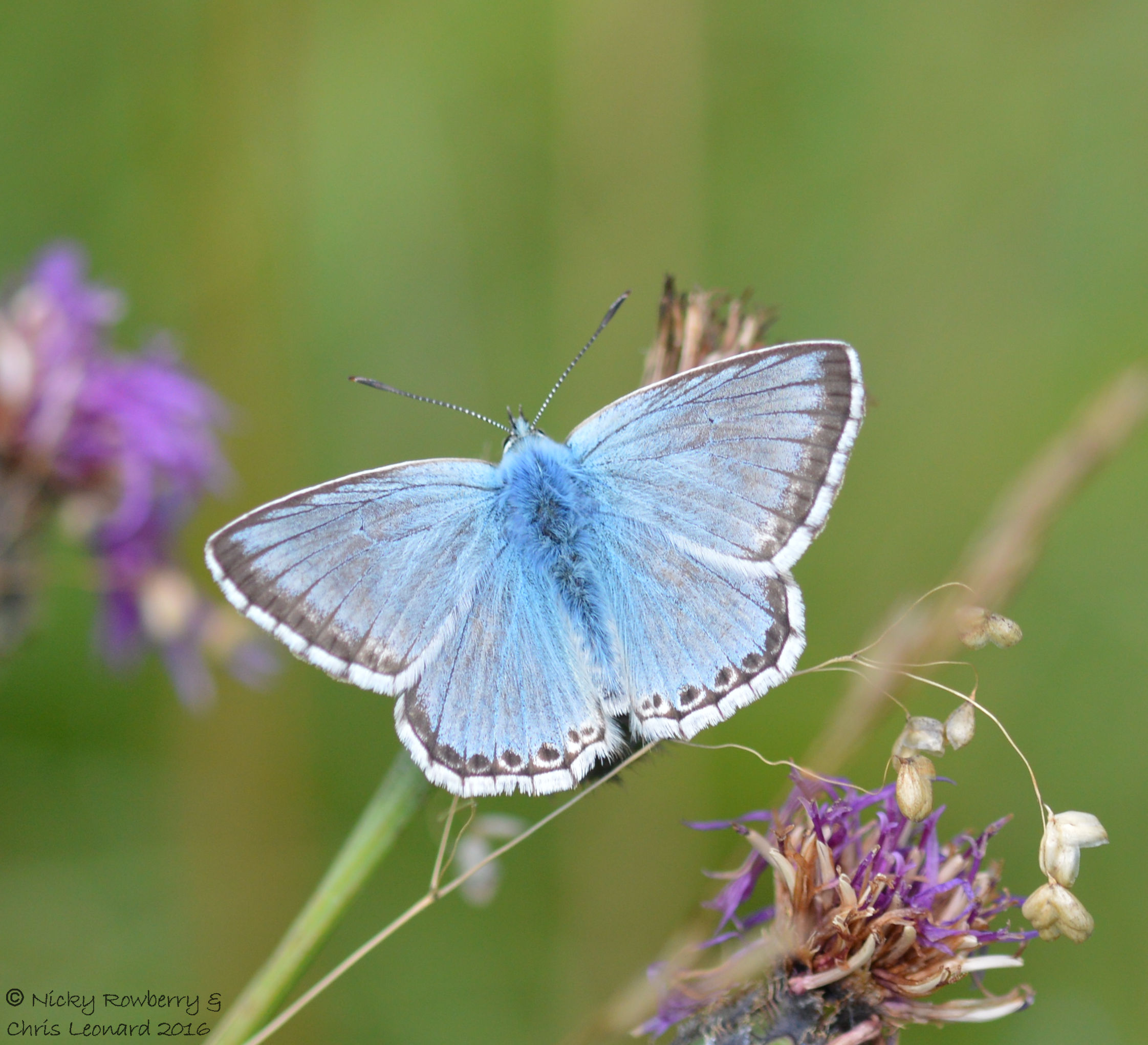
It hovered round about for much of our visit, never coming close enough for a better photo though. But by then we were distracted by the object of our desires – the Chalkhill Blues. The beautiful blue butterflies need either chalk or limestone grassland (Prestbury is limestone) and are one of the last species to appear each year. The males have gorgeous bright blue upper wings edged with black.

Chalkhill Blue

The underneath of the wings have a pattern of dots quite similar to the Common Blue.

As is so often the case with butterflies, the female is much drabber. We saw mainly males today, but that could be just that they are easier to spot with their bright colouring. The few females we did see were often being pursued by more than one admirer.

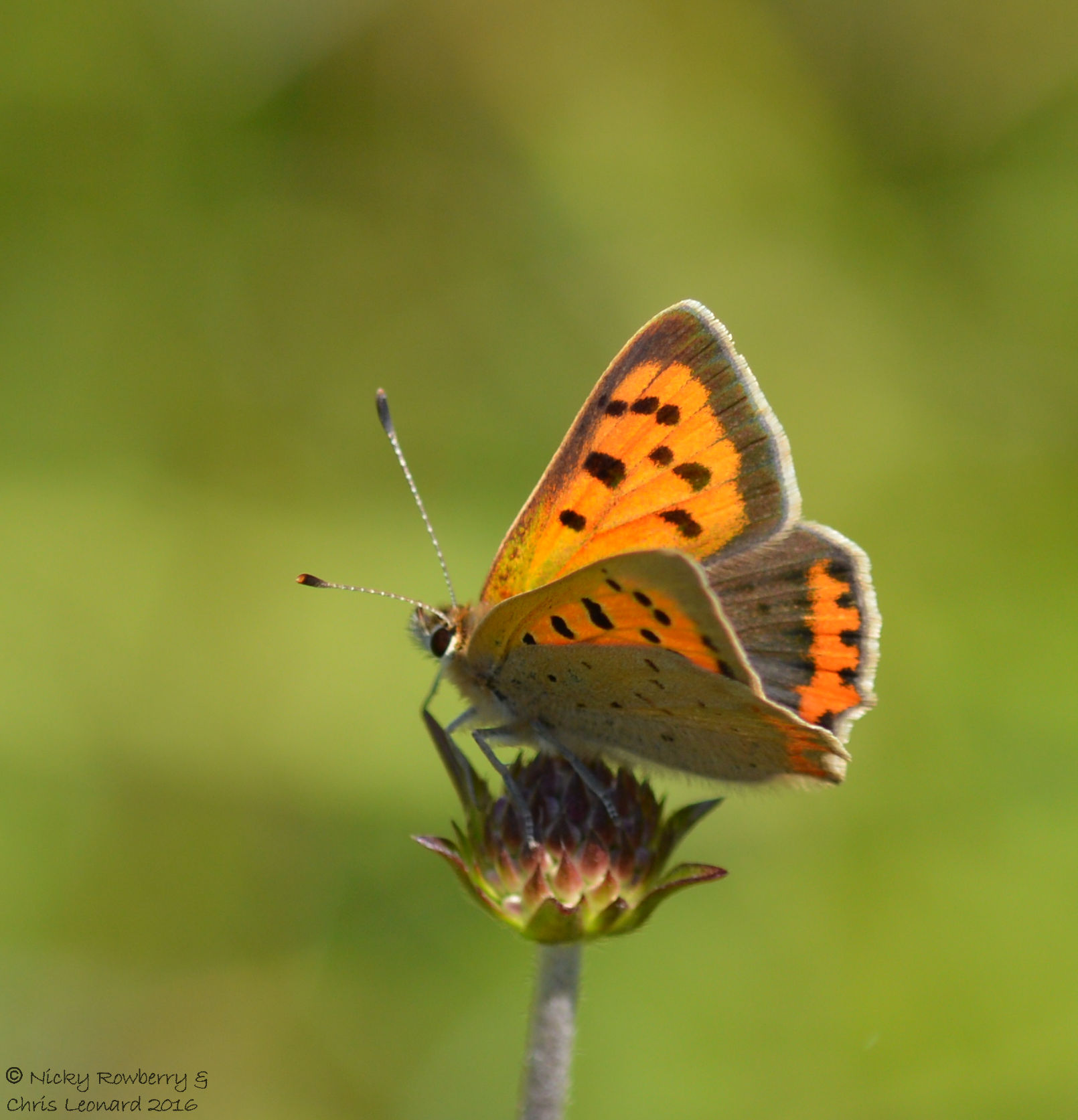
Already delighted with having bagged our Chalkhills we got chatting to some fellow butterfly twitchers, who knew much more about the area than we did and were very helpful. They mentioned that they’d seen Brown Argus further up the slope – a species that we’d never seen before. Needless to say we puffed our way back up the hill to the area they’d described in the hope of a second prize for the day. We caught a glimpse of something different, which turned out though to be some lovely Small Coppers. My photo doesn’t really do them justice, but they were positively glowing a coppery red in the sunshine today.

Small Copper

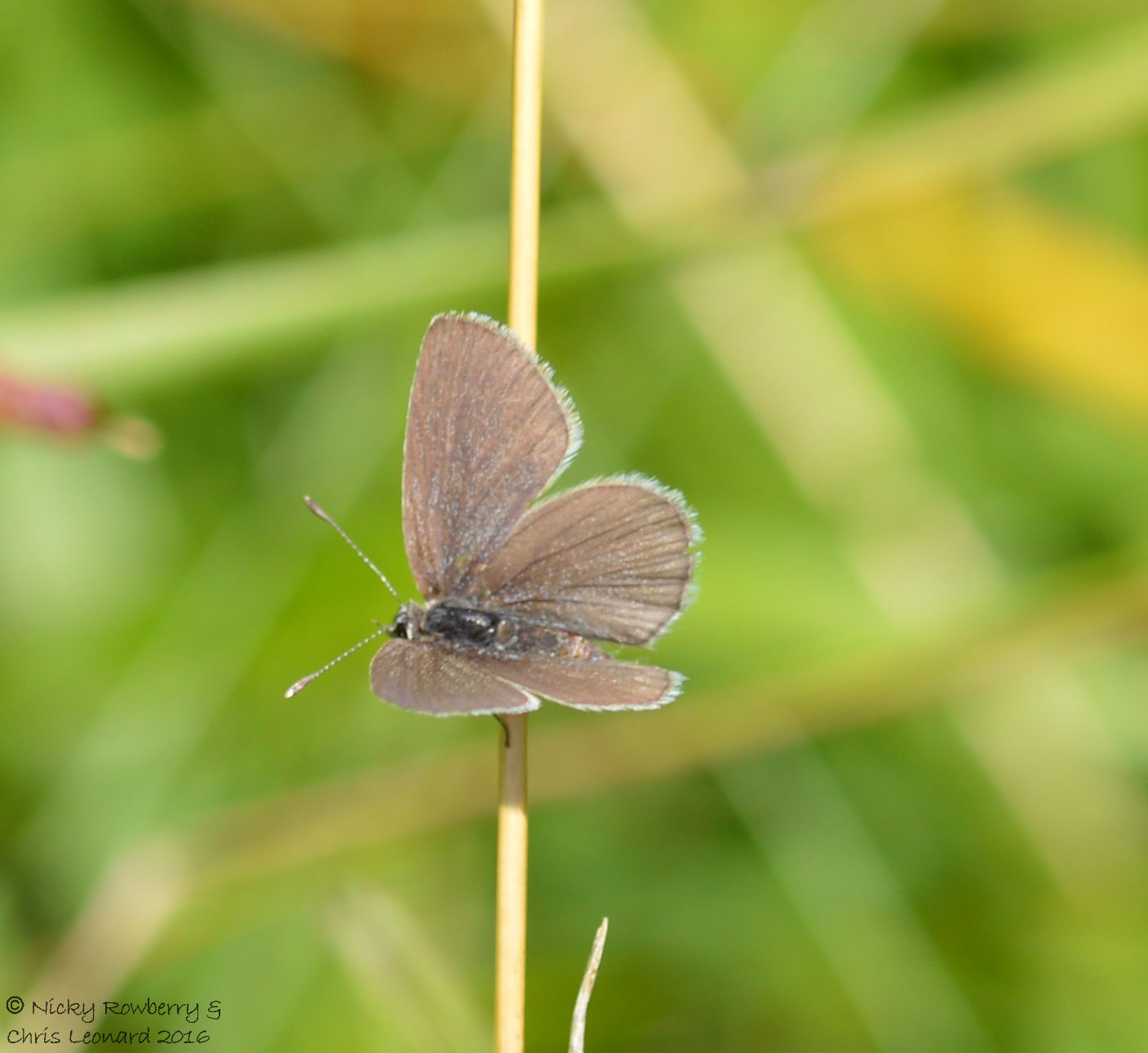
I then noticed a tiny, fairly plain little butterfly, so took a few quick photos thinking it would probably turn out to be a Common Blue. So we were amazed when I downloaded the photos later and realised it had actually been a Small Blue! Another new species for us – two in one day!

Small Blue open

We carried on back up the hill and about half way up saw another small butterfly. This time we’d found it – a male Brown Argus. Our third new species of the day! Again they look quite similar to the female Common Blues, but have the orange dots going right the way to the end of each wing.

Brown Argus male

Obviously seeing three brand new ones was the highlight of the day, but we also saw 12 other species, including our first Small Skipper of the year and some nice fresh looking Gatekeepers.

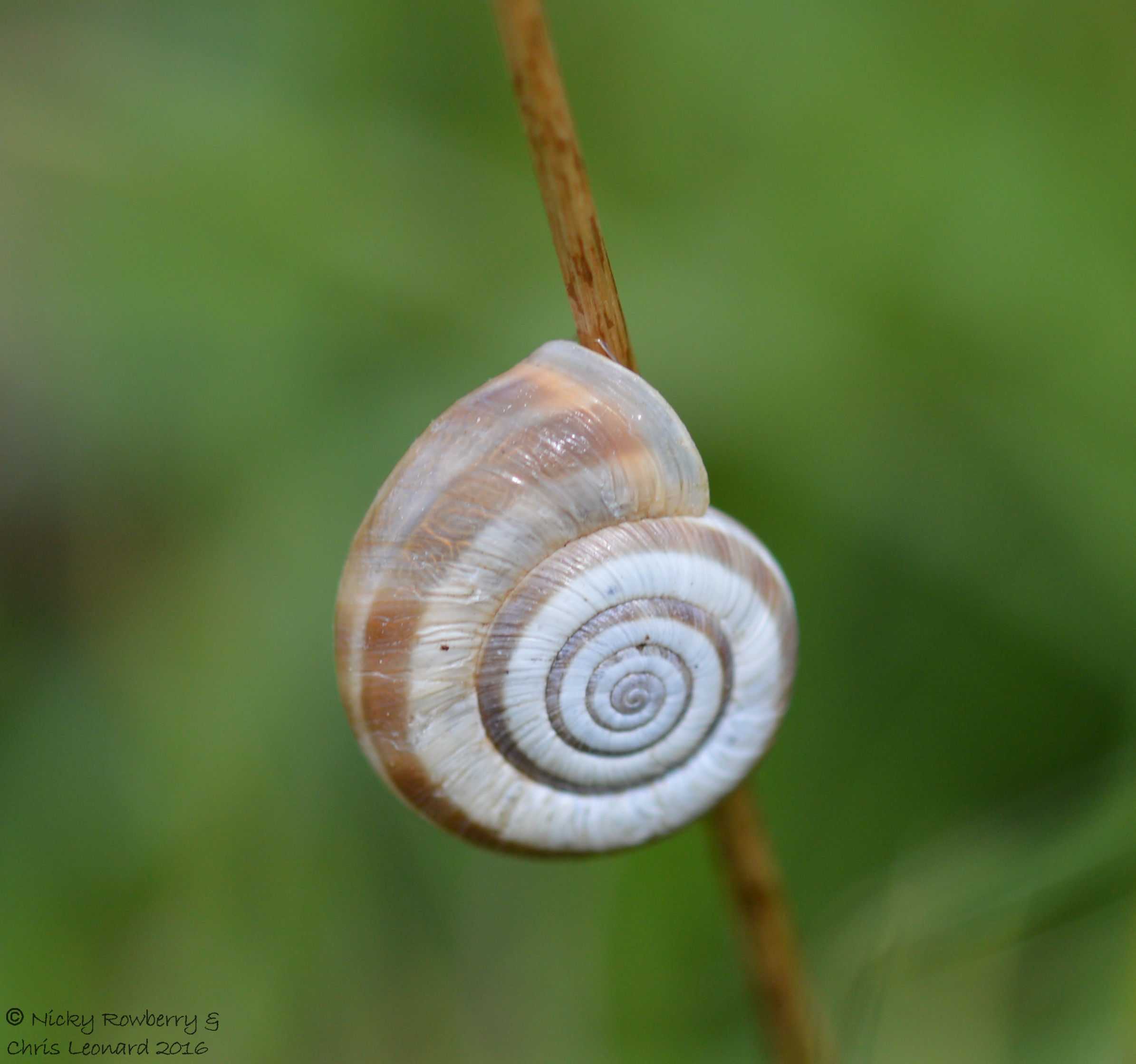
We also saw lots of these interesting snails. They are Heath Snails (Helicella itala) and seemed to have the habit of climbing grass stems like this.

Heath Snail

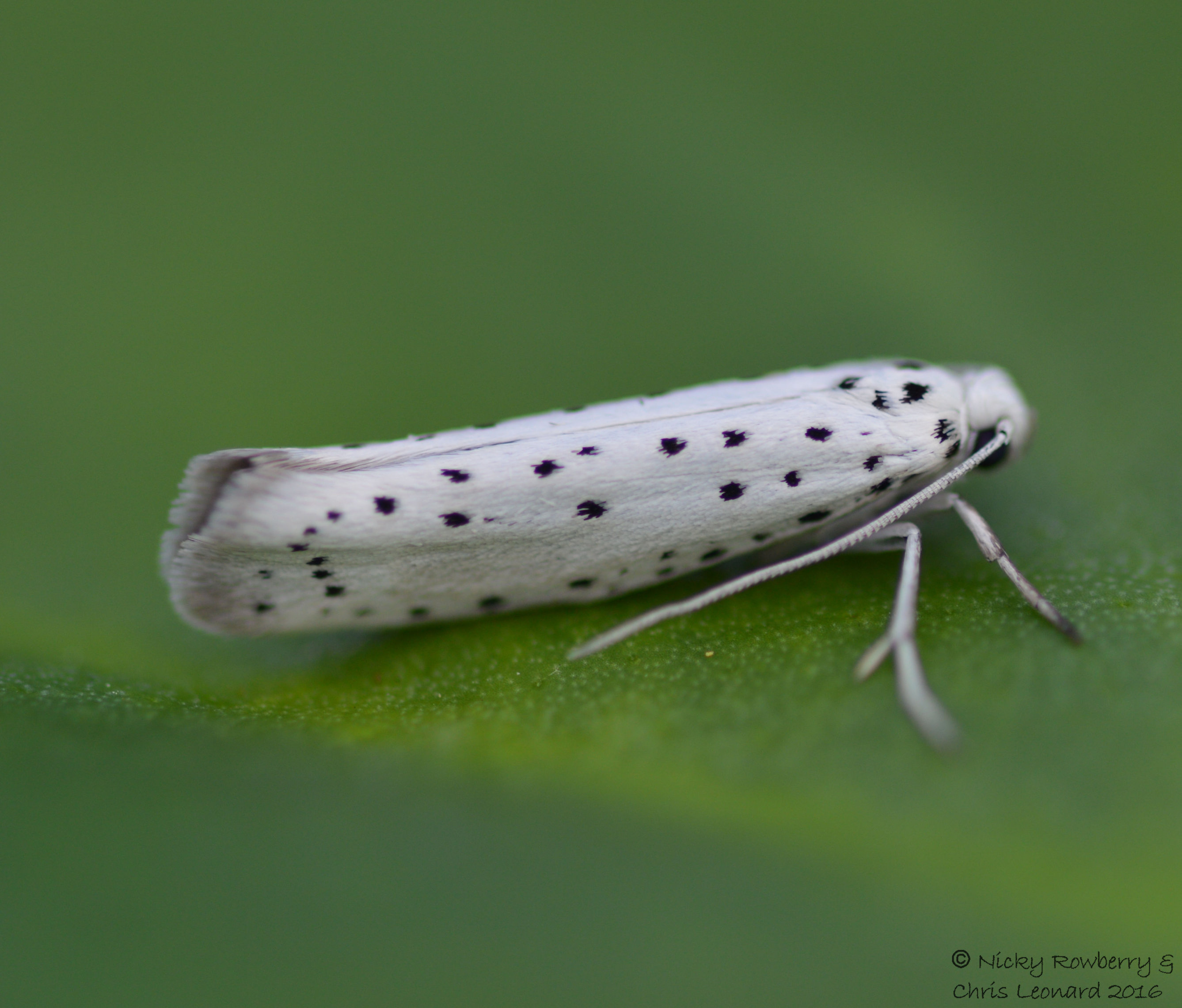
And finally we couldn’t have a day out without finding a moth – this time a Shaded Broad-Bar as we headed back to the car.

Moth

So if you want to see butterflies, I can’t think of many places better to go than Prestbury Hill. And it still has more to offer – Duke of Burgundy butterflies in the early summer apparently, so we’ll be back again next year.

On the Trail of a Hedgehog

Hedgehog in bowlFor the last few weeks I’ve been on a bit of a mission to capture some footage of our garden hedgehogs. As always when using our Trail Cam it’s a bit hit or miss what footage we get, with the usual array of grass flapping and leaves falling tending to dominate the films.

I’ve been putting out bowls of catfood, not just to try and film the hedgehogs but also to give them a bit of a helping hand when they might have young. Not too surprisingly though, if you put out catfood you get – cats! In this case one of the neighbours’ cats has learnt this is an easy midnight feast when he’s peckish, although in the footage below he has to share it with some very large slugs!

I have an awful lot of clips of the same black cat stuffing his furry face each night.

Most of the time I persevered with the cat food, until I happened to find a pack of blueberries at the back of the fridge that had gone a bit squishy for my liking. Again I thought this might tempt our hog – again I was wrong. They were all still there in the morning. On the plus side one of our blackbirds did like the look of them. I don’t know if he’s been in a fight with other blackbirds or even the cat, but he’s the scruffiest blackbird ever. But he did like the blueberries – I was a bit worried when I saw this that he was going to choke on one, but he seemed to gobble them down in the end and is still flying tattily around the garden with no ill effects.

The robin (probably the same one who stalks my moth trap) has also learnt that the hedgehog bowl is easy pickings. He’s not that keen on the catfood, but has tried most of my other offerings.

I have managed to get some clips of the hedgehog feeding or at least investigating the bowl. We’ve definitely got 2 adult hedgehogs using the garden as I’ve seen them some evenings, but never managed to get them both to come to the food bowl at the same time!

If nothing else my attempts to feed the hedgehogs are supporting a variety of other wildlife in the garden – blackbird, robin, slugs, assorted flies and spiders and of course the neighbours’ cat! The brief glimpses we get of the hedgehogs though make it all worthwhile. The clips may only be short (for some reason the trail cam won’t do videos of more than 15 seconds at night?), but they give a small insight into the lives of our hoggy friends that we wouldn’t get otherwise.

Moths – A Whiter Shade of Pale

It’s apparently been National Moth Week this last week, although I’ve only just realised that today – a bit late. Fortunately I’d run the moth trap at the weekend anyway, so I was sort of participating in Moth Week, albeit unwittingly!

My star moth from this weekend was this beautiful white one – the Yellow Tail. It does have a yellow abdomen which it sticks out when disturbed, but personally I’d have called it something that described its beautiful white wings a bit better. But whatever the name, it’s a lovely moth and I was so happy to finally get one in our garden.

Yellow Tail

Two weeks ago I’d got another first for the garden which I’d initially thought was a Yellow Tail, until I realised it didn’t have one! Closer inspection revealed it to be a White Satin (whoever named this one was more on my wavelength), which has a lovely sheen to its wings and stripy little front legs.

White Satin

Feeling on a bit of a roll with the white moths, I raided the photos to see what other ones we’ve had. The most obvious was the White Ermine. We get these most summers and they really are stunning – and easy to identify making them the perfect moth in my book!

White Ermine

The next white moth I could think of was the other type of Ermines we get. These tiny micro moths feed on fruit trees and turn up in the moth trap regularly, but they are really difficult to identify. The books advise that you should breed them up from the food plant to be certain of the species, but that doesn’t help when you’ve just caught one in a trap. The trap was right next to our apple tree, so this maybe an Apple Ermine, but we have plum trees nearby too, so it could be an Orchard Ermine. We may even be getting both species.

Apple Ermine

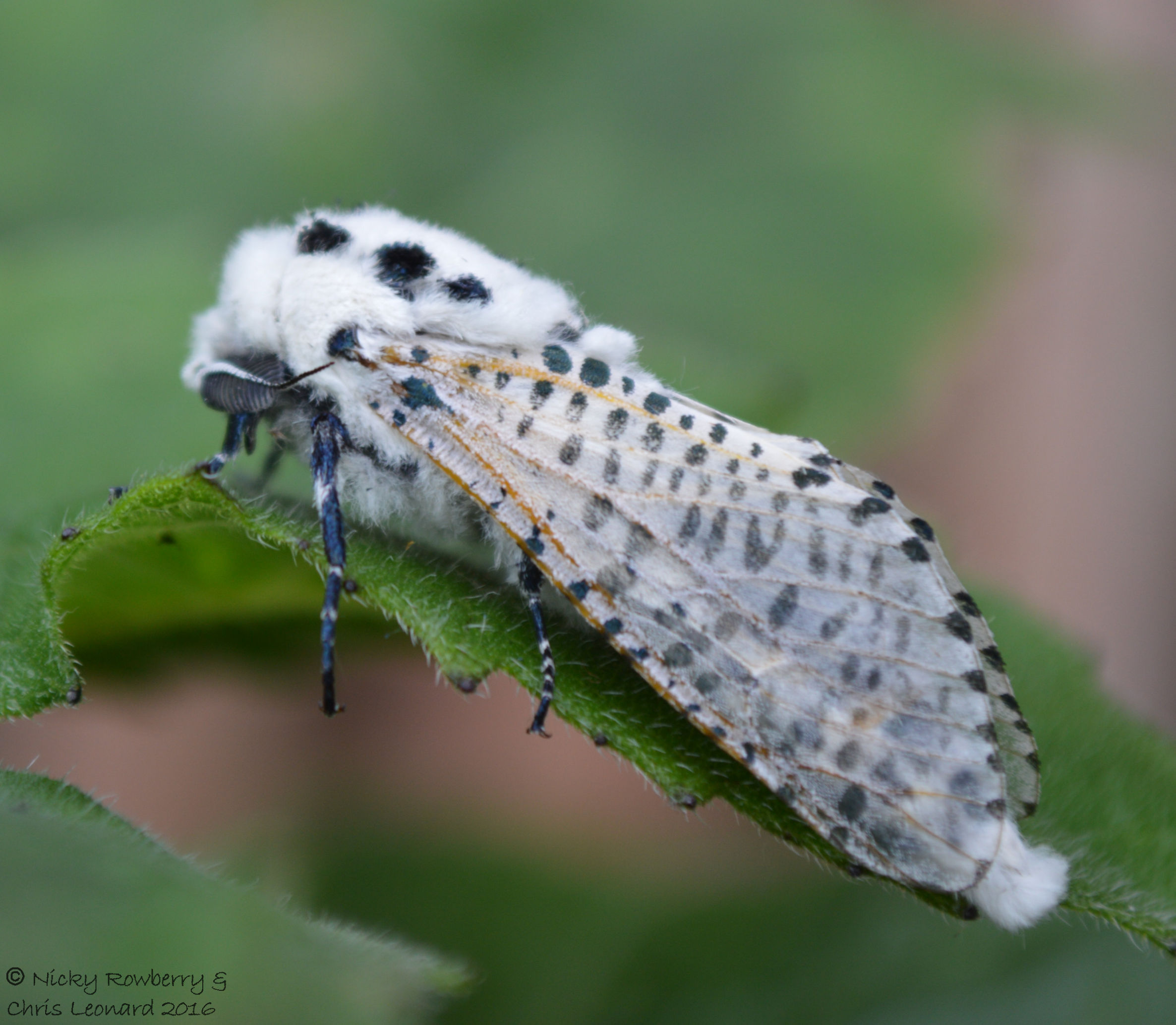
The final white moth of the day is the Leopard Moth. I’ve not seen one in the garden yet this year (although I did see one on the Wildlife Trust’s Moth Breakfast back in June), so this is a photo from last year. These are crazy unmistakable looking moths.

Leopard

I find these white moths really hard to photograph, mainly because I’m no good with camera settings so do most of it on auto. Trouble with using auto on white moths is that it struggles with the exposure as they are often too white against whatever background they’re on and the photos can look blown. The White Satin was particularly awkward as it flew out of the pot and landed on the black tripod leg. The only way to photograph it was to take the camera off the tripod – adding my shakiness to the equation. So that’s today’s excuses dealt with!

Out and About – Prestbury Hill

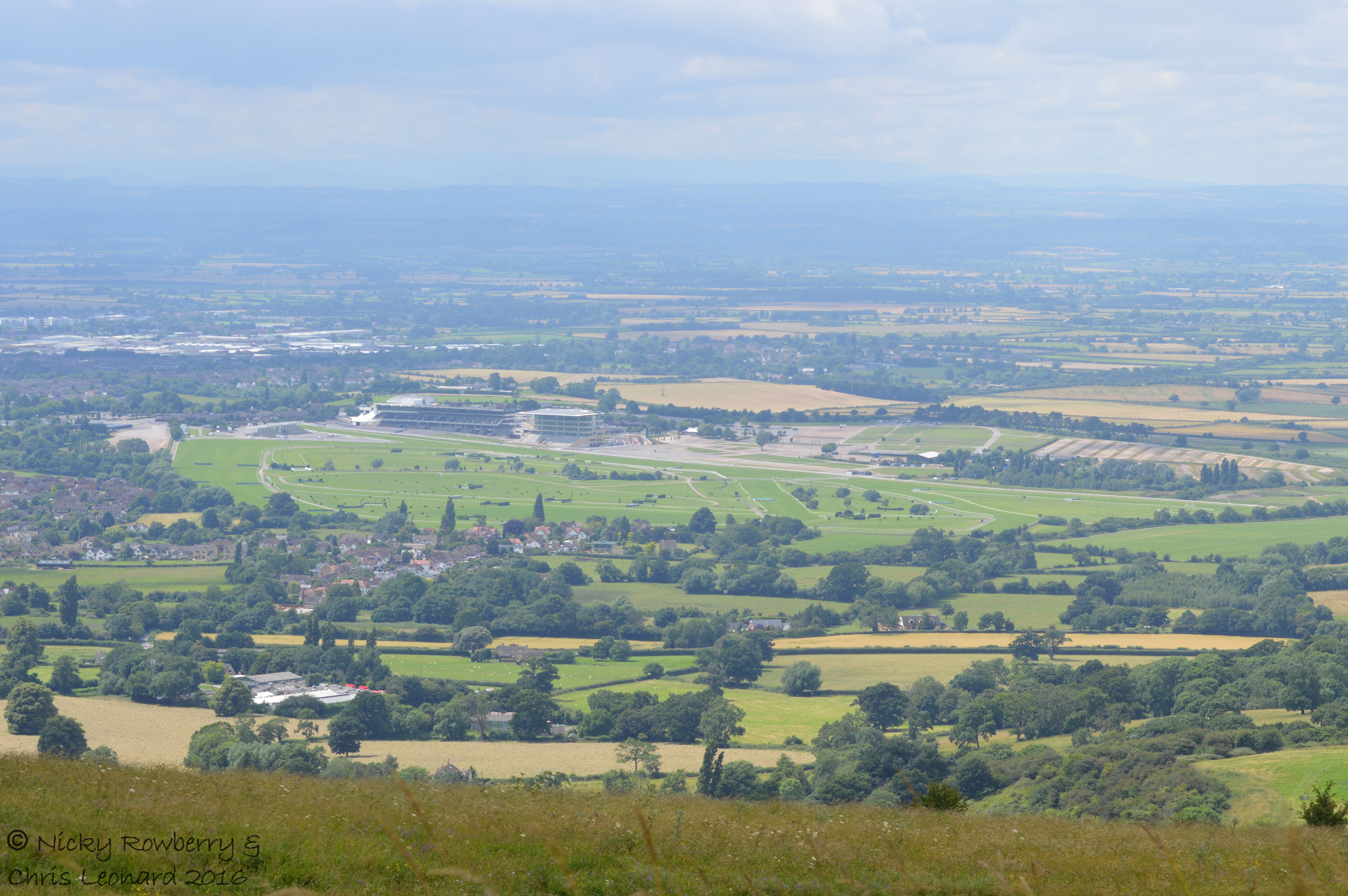
It’s taken me over a week to write this latest post, partly because I’ve kept getting side-tracked by things in the garden and partly because we’ve had friends staying – so I had to spend time tidying the house (although I doubt they could tell that) and drinking Prosecco! But over a week ago now, I headed down to Prestbury Hill, near Cheltenham in search of the Chalkhill Blue and Dark Green Fritillary butterflies. Prestbury Hill is, as its name suggests, high up, with stunning views over Cheltenham racecourse.

View 1

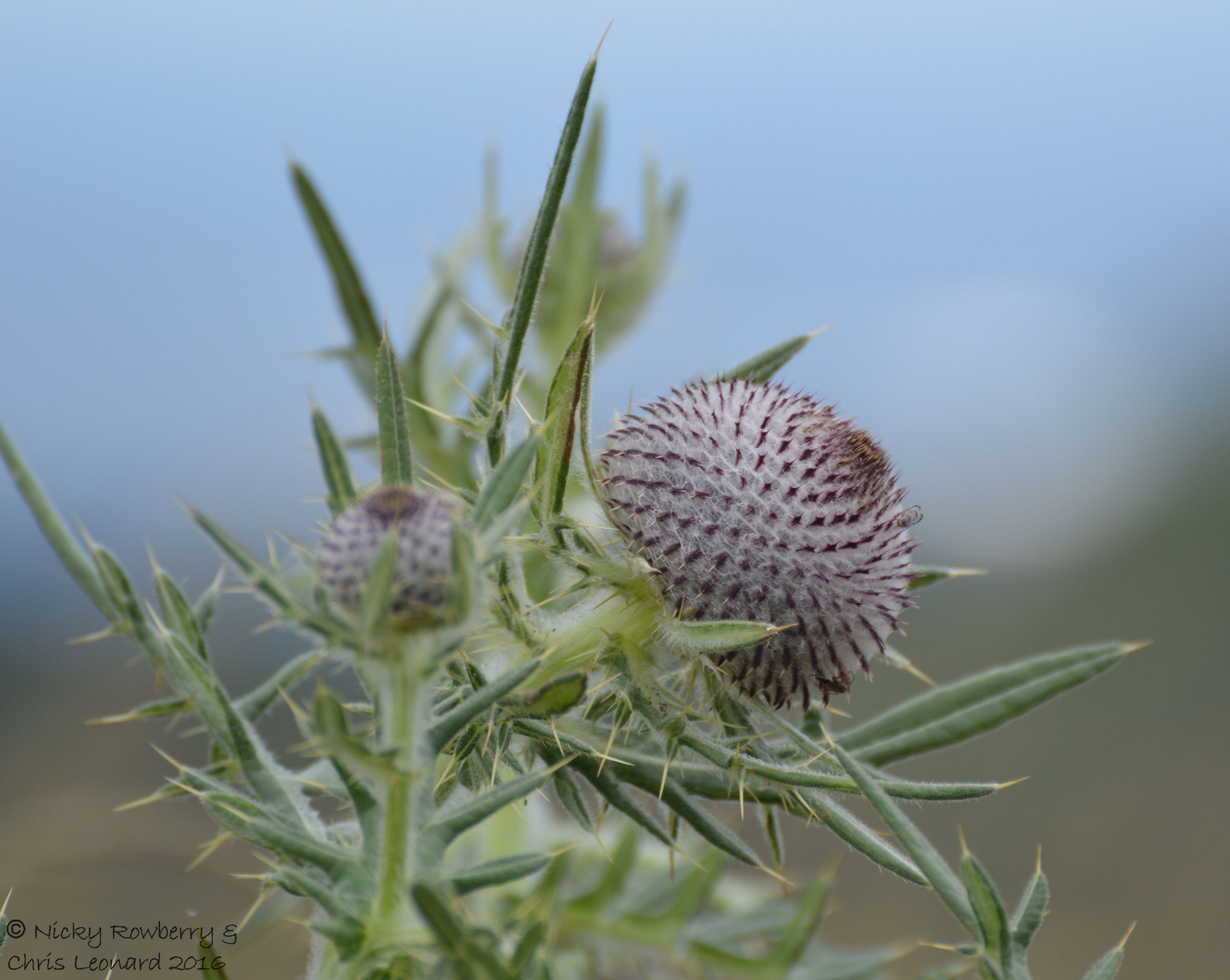
The reserve is run by Butterfly Conservation and consists of 2 areas of limestone grassland. The sloping grasslands are full of wildflowers and insects and would be a lovely place to walk even if you weren’t into butterflies. I particularly liked these Cotton Thistles, with their huge spiralling flower heads.

Thistle

Although we went looking for butterflies, the first insect of interest we spotted was a beautiful Brassy Longhorn moth – I’ve no idea how they manage to fly with such long antennae?

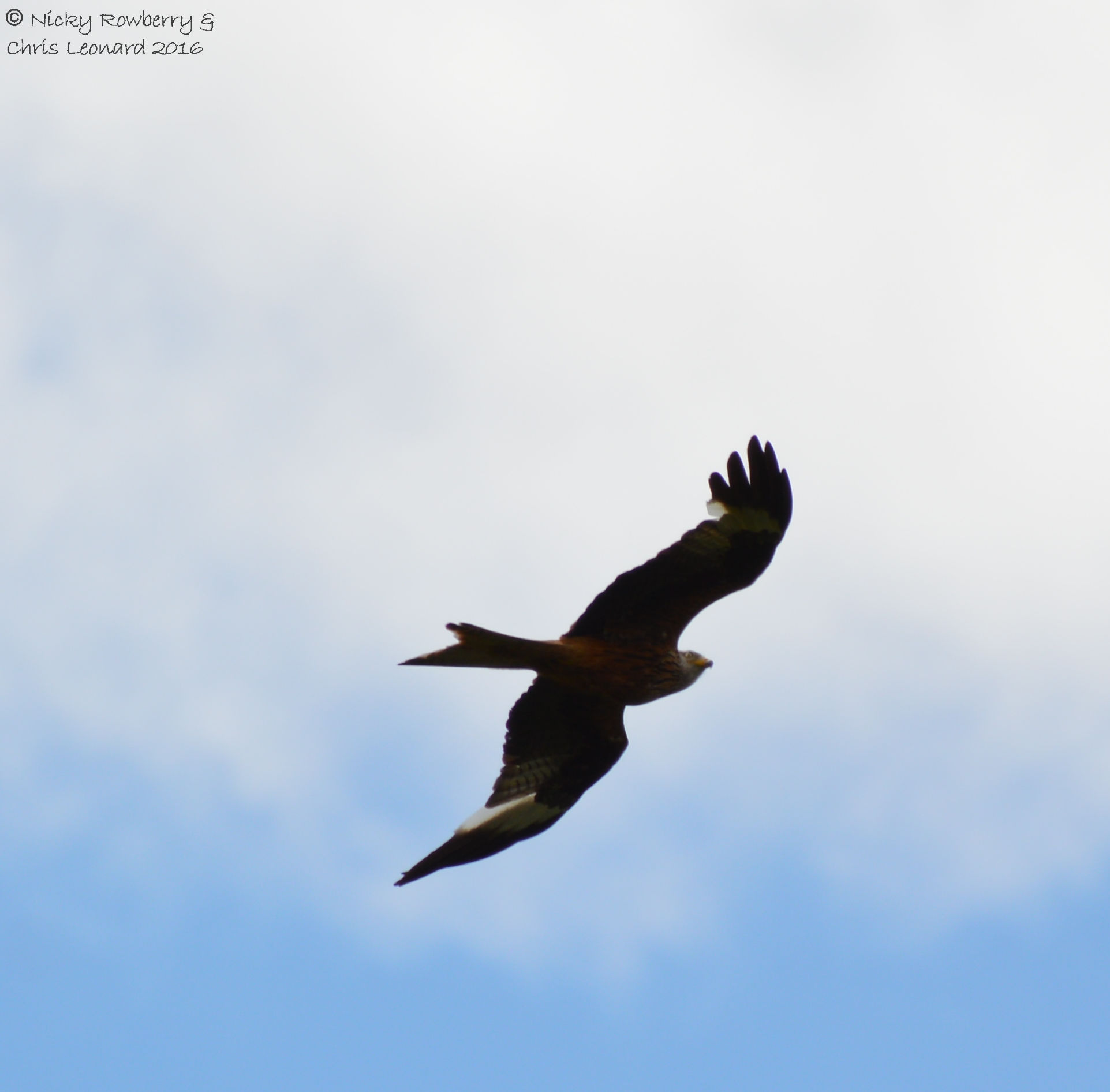
Although on these walks we tend to be looking down, or at least across for butterflies, we did look up long enough to spot this Red Kite soaring above us. Not a great photo as it was difficult to do against the bright sky. There were buzzards too, but as we see those fairly regularly at home, the kite got all the attention.

Kite 2

We followed the paths for quite a while, spotting lots of Marbled Whites and Large Skippers, while we searched for the blues and fritillaries.

Marbled White

Eventually though we found the first prize of the day – a Dark Green Fritillary. It then took about 20 minutes of chasing about to get a photo to confirm that it was indeed our target photo. And then longer still to get another photo of it with its wings open, but it was well worth the hunt as it is a gorgeous butterfly.

Dark Green fritillary

The reserve is divided into 2 sections, so having “bagged” our fritillary we headed over to the other half to look for the Chalkhill Blues. Turns out though our researcher (i.e. me) had got a bit ahead of herself as we were apparently a couple of weeks too early for these. Fortunately we met some butterfly enthusiasts who put us right before we spent hours pointlessly searching for them.

We did see some more fritillaries though, which we initially assumed were more of the Dark Green ones. It was only when we got back and downloaded the photos, that we realised these ones were actually Silver Washed Fritillaries. They look very similar when they’re flying around.

One final treat was finding several Small Heath butterflies. This had been a new species for us a few weeks ago and now they’re popping up everywhere!

So another great day out and another butterfly species ticked off the list. We will hopefully make it back to Prestbury sometime soon to see the Chalkhill Blues – so watch this space!

Hedgehog Update

Just a quick update on our garden hedgehogs. The good news is that we spotted 2 healthy looking adult hedgehogs in the garden last night as it was getting dark. One was more adventurous and came out for a bowl of catfood, the other stayed in the bushes waiting for us to go away.

Adult hedgehog

Whilst it was great to see that we still had our adult hedgehogs, I was then worried that perhaps I’d unnecessarily removed the 2 babies I found on the hot lawn earlier in the week. Of course there is no guarantee that the 2 adults we saw last night were the parents. I contacted the hedgehog rescue lady who reassured me that we’d done the right thing removing the babies from the heat as they could have become dehydrated, got fly strike, or even been predated. They certainly shouldn’t have been out by themselves in the middle of the hot afternoon. Better to have taken them to safety than take any chances.  She also assured me that the babies were doing well.

I’ll probably put the trail camera out over the weekend and hope we get some better footage of our hedgehog friends, so perhaps more updates next week.

Big Butterfly Count

Big Butterfly CountYesterday was the start of the 2016 Big Butterfly Count. One of my favourite “citizen science” projects; we’ve been doing this in the Too Lazy garden for a few years now. All you have to do is sit for 15 minutes and count the butterflies you see (only record the maximum number of a species you can see at any one time, so you don’t count the same individuals twice). You can do as many counts as you like in as many locations over the 3 week period the count runs.

So this afternoon I sat in the garden and counted the butterflies. Not a huge number; it was a bit of a dull day as so often seems to happen when the Butterfly Count is on. But I did see 5 individuals of three species – Large White, Meadow Brown and Ringlet. Best of all I saw a pair of Ringlets mating. This bodes well for future little Ringlets (would that make them Ringletlets?) in our garden.

Mating Ringlets

The meadow brown just whizzed through the garden and the Large Whites were way too flighty to get photos as usual. They may be one of the commonest species, but I find them the hardest to photograph.

So maybe not a spectacular start, but then the count isn’t about recording the highest numbers of butterflies. It’s about gathering long term data to assess the health of the UK’s butterfly populations. So my 5 butterflies still provide useful data.

More information on the Big Butterfly Count at: http://www.bigbutterflycount.org/


One Year Older and One Year Weedier

Just realised Too Lazy To Weed is one year old today! 13th July 2015 I first dipped my toe in the world of blogging; at the time I wasn’t sure if I had enough to share from my perspective of lazy non-gardening and wildlife watching. But as I think I said in my very first blog post – there’s something going on in the garden all the time. And if not in the garden, then there are things to discover in the wonderful countryside around us.

I started blogging on a wet Monday in mid July – one year later and it is now a wet Wednesday in mid July; the weather at least hasn’t improved over the year. A few things have progressed though – I think we’re getting better at the photography; still by no means experts, but at least producing recognisable photos (apart from some dubious bee in wall ones below). I’ve learnt how to use a Trail Camera and Bat detector and both my moth and bee identification skills have improved a bit. The garden itself is looking increasingly wild and woolly – some of the weeds are now reaching triffid proportions and we lost the greenhouse for a while until I hacked my way back to it!

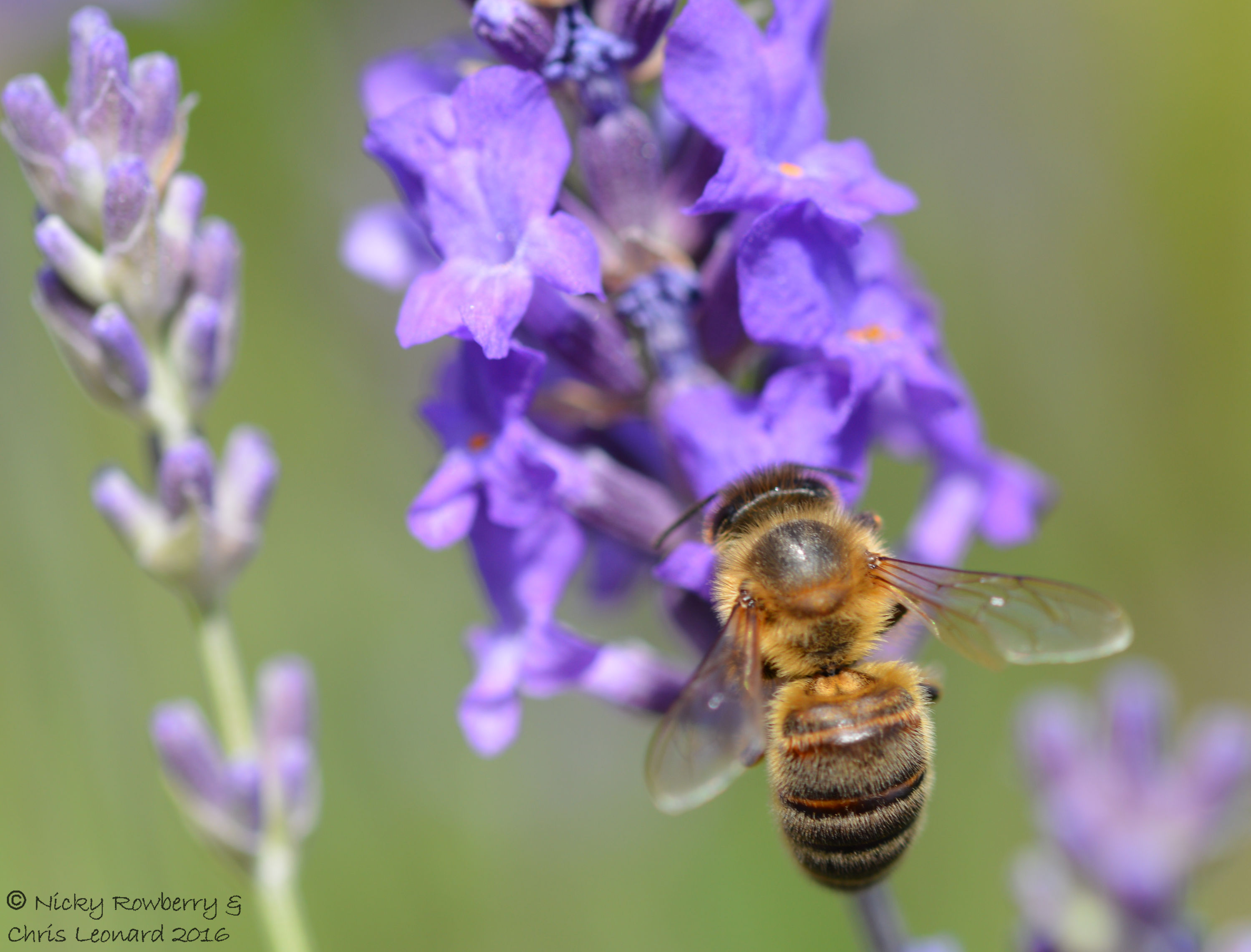
A year ago I was getting all excited at the prospect of the Big Butterfly Count and this year is no different. The Big Count starts again this weekend, so I  hope the weather perks up a bit. Quite a few of the blog posts lately have been about our trips out and about, but I thought for this anniversary post I should maybe focus back on what’s going on in the garden. The butterflies have so far been few and far between, but the bees have been out in force. The lavender is at its best right now and the bees absolutely love it.

Honey Bee 1

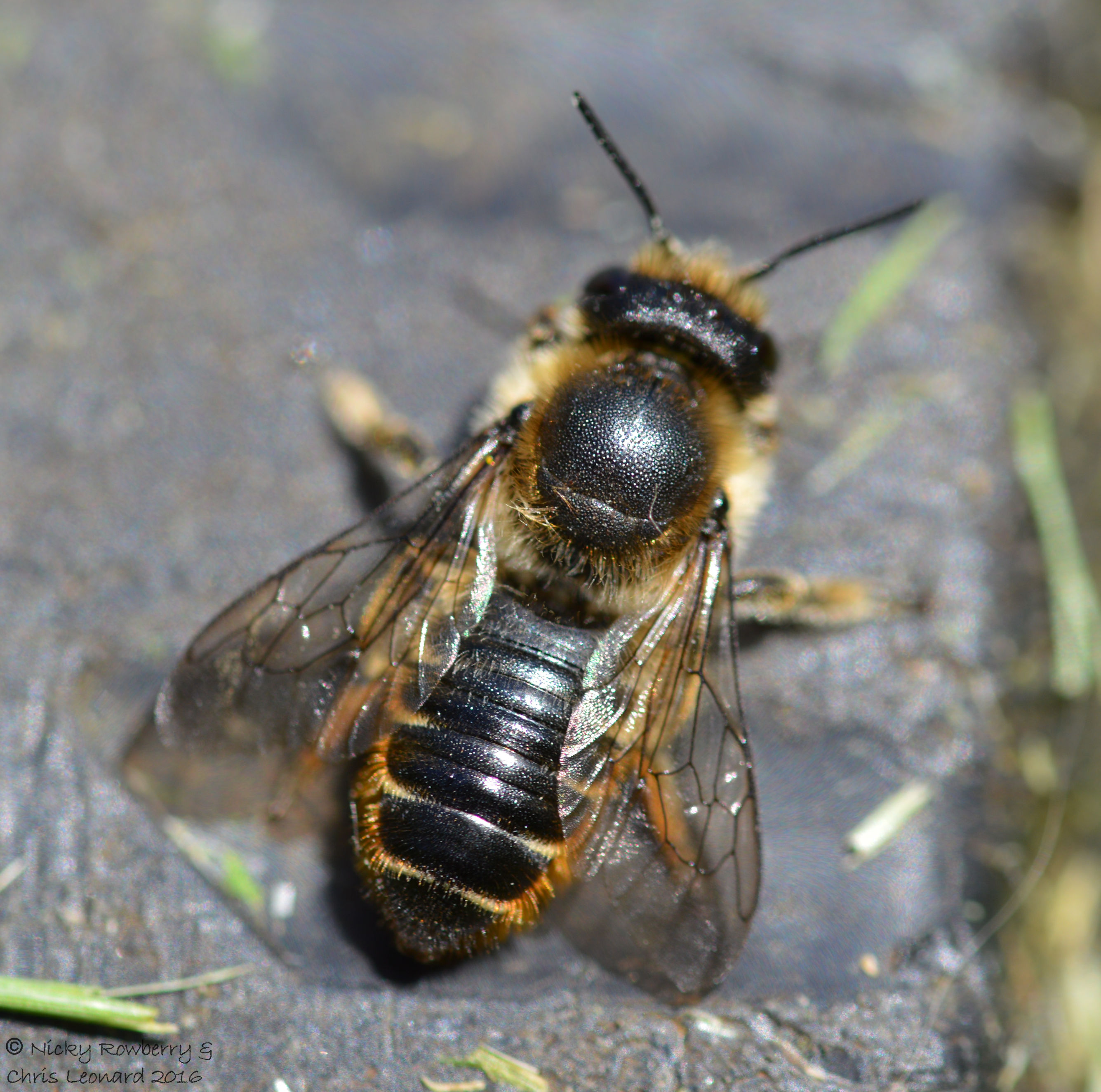
This week there was a particularly rare sighting in the Too Lazy To Weed garden – the lawnmower came out! This bee (a leafcutter) was perhaps so amazed it had to land on the wheel to have a closer look – a good excuse for me to stop work at least!

Megachile

I spent a lot of time at the weekend staring at our outside wall! We have a leafcutter bee (possibly even the one on the lawnmower above) nesting in there. I’ve seen on the internet wonderful photos that people have taken of bees emerging from holes in walls – all beautifully framed and in focus. Turns out it’s not that easy to do! The bee returned every 10-15 minutes so I was all set up with my tripod pointed at the hole. As soon as the bee appeared I clicked away, convinced I’d get award winning shots. Similarly as soon as it reappeared on its way back out I snapped away again. Not one perfectly focussed photo. Bees are apparently faster than either my camera and/or me. These blurry images were the best out of about 50 photos and an hour of my life staring at a wall!

Bee in wall 2

Bee in wall 1

One of my other bee recording efforts recently was to try and video them visiting the flowers in our mini meadow. We get plenty of bees there, so again I foolishly thought this would be easy. I set the trail camera up pointed at the flowers and left it for the day. As usual of course I’d forgotten to factor in the wind – blowing the flowers about and triggering the camera. 400 videos later of flailing flowers and I’d realised my mistake (I should have known this would happen, having had a similar problem with the bird feeder blowing in the wind earlier in the year). Amongst the flower flapping though the camera did at least manage to pick up a few bees – here are a couple of Buff Tailed Bumblebees enjoying the nectar buffet.

So one year on and I’m still getting just as much pleasure from watching the wildlife in our garden. Apart from the benefit to the wildlife itself of keeping an organic, natural (OK messy) garden, I find it beneficial to my own wellbeing. Coming home from work and watching the bees on the lavender, or the birds stuffing themselves on the birdfeeder, or the bats swooping in the evening  (even if they are after my beloved moths!) is a great way of unwinding. Maybe everyone should have a lazy garden!