Big Lazy Review of the Year

Can’t believe 2016 is all but over. It’s been an awful year in many respects (depressing national and international voting outcomes, various terrorist atrocities, plus the loss of some truly great people), but our garden has provided welcome relief throughout. We may live in the middle of Malvern, but the garden is quiet and peaceful and the wildlife never fails to cheer me up. So here’s a bit of a round up of some of the highlights from 2016.

The year began with one of the many “citizen science” projects we try to participate in – the Big Garden Bird Survey. Throughout the year we also took part in the Big Butterfly Count, the Garden Bioblitz, the Garden Moth Scheme and Moth night as well as submitting assorted records for bees, ladybirds, dragonflies and even a glow worm.

30DAYSWILD_ID1 blackThe biggest project was taking part in the Wildlife Trusts 30 Days Wild Challenge. This ran throughout June and I managed to blog about something “wild” we’d done each of the 30 days. I was really chuffed when the blog made it to the final short list for the 30 Days Wild Blogger Awards. We didn’t win, but that didn’t matter as I had such fun doing it.


Scarlet TigerMoths were, as always, a big part of my year. The trap was out once a week throughout the summer for the Garden Moth Scheme. In the end we recorded 211 species in the garden – a new record total, which included many firsts for our garden. All beautiful, but none more so than this Tiger.

One of my resolutions from last year was to see more butterfly species. We may not be able to attract any more species to our garden, but when we were Out & About we managed to bag 10 more species – way more than I’d hoped for. This takes our lifetime tally to 38 – only about 20 more UK species to go! Every one was a delight, but ultimately you can’t beat the Purple Emperor!

ivy-bee-7Last year we recorded 12 species of bee in the garden, which I’d thought was pretty good. This year we made it to 25! There may even have been more, but some require microscopic identification and as I don’t want to kill any, that was out. The final bee of the year was this Ivy Bee – new to Britain this species is gradually spreading north, so we were really excited to find it in our garden.
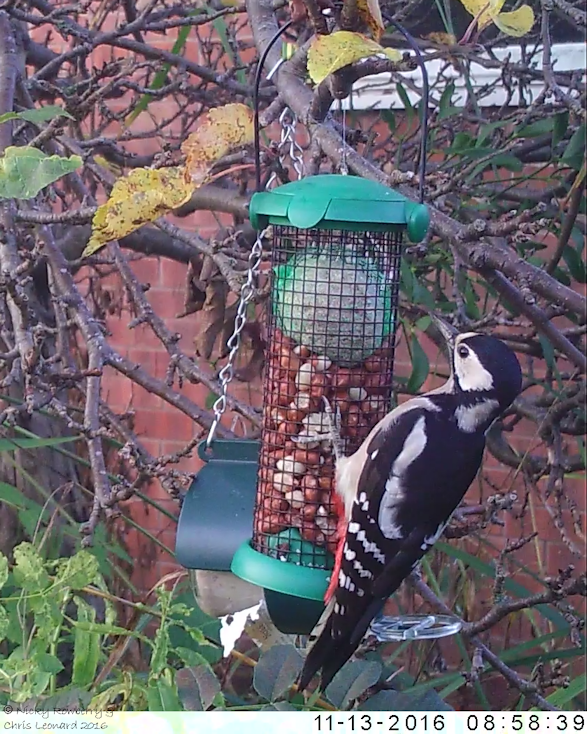
woodpecker-2One major innovation for the garden was our Trail Camera. Wish I’d bought one of these years ago as they are brilliant! We’ve been able to watch blue tits using the nest box, catch the squirrel stealing the bird food outside and mice stealing it in the garage, as well as watching the birds themselves feeding up close. We discovered we’d got Siskins and a Woodpecker that we’d never seen and followed Stumpy the magpie.


hedgehog-fredOne particular joy from the trail camera has been being able to watch our hedgehogs. We rescued 2 baby hedgehogs one boiling hot day in July, who were then cared for by our local hedgehog rescue lady. One of them (Fred) was returned to us and we watched him trundle around our garden with another older hog. We’ve now got 2 hedgehog houses and have learnt a lot about their behaviour from watching the video footage. Fingers crossed Fred and his friend survive the winter.
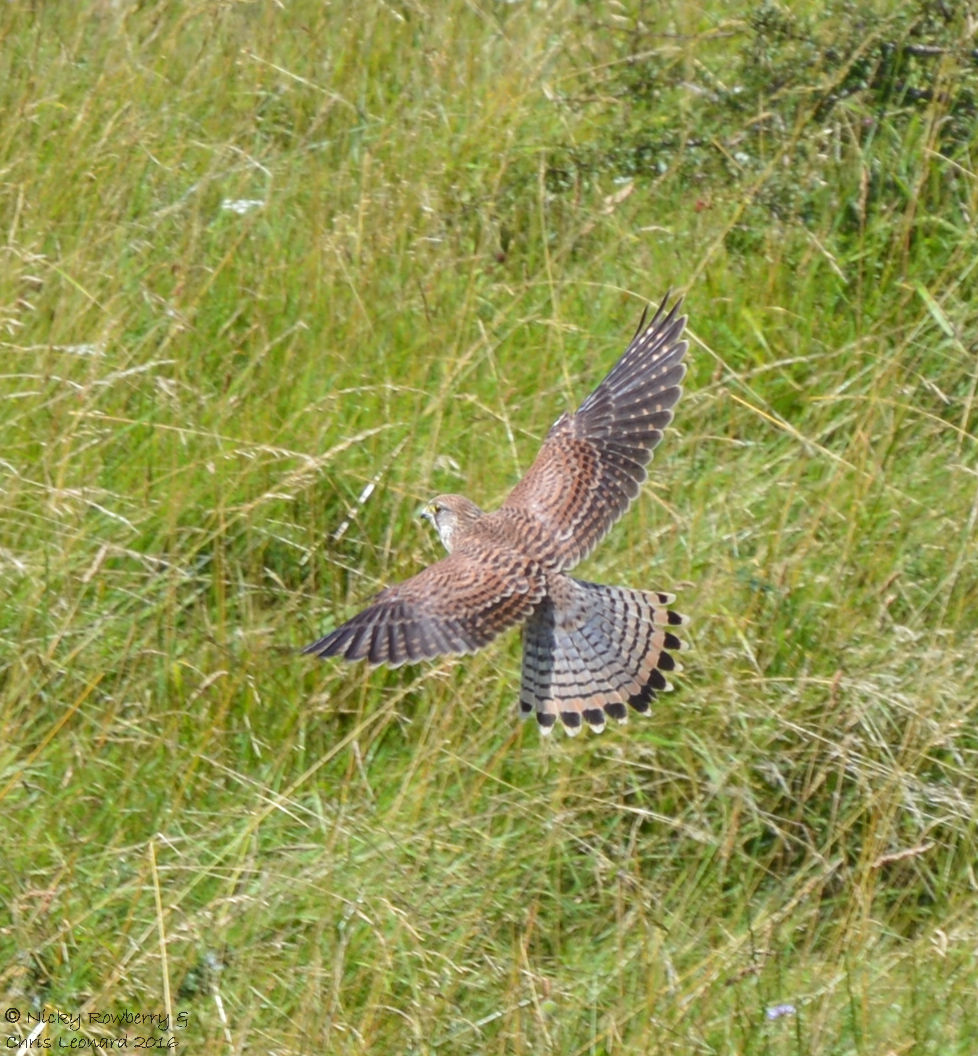
KestrelAs well as watching the wildlife in our garden, we were out and about quite a bit in the summer. We are lucky here to have so many wonderful nature reserves within easy distance. As well as the various new butterflies, we’ve seen slow worms and glow worms (the latter only as a larva unfortunately), kestrels, deer, puffins (admittedly we did have to go a bit further for these) and of course some beautiful countryside.

2016-12-31-14_39_48_315Last year I set out some wildlife resolutions and surprisingly we’ve actually managed to achieve some of them (wildlife resolutions are clearly much easier to follow than the ones about losing weight or cutting back on the Prosecco!) We did see more butterfly species, I did have a go at beetle trapping (not a huge success, but at least I tried), we did replace some of the naturally thriving weeds with specific butterfly/bee loving wildflowers. I even managed to identify the bats that come to the garden in the summer (Pipistrelles) thanks to another new toy, my bat detector.

We didn’t however manage to dig a new pond and the old one is getting increasingly silted up. I also haven’t got round to the new moth tattoo, although I have made some enquiries with various tattooed lorry drivers who come to my work as to where they got theirs done. (much to their bemusement I expect!)

So New Year’s resolutions for 2017?

  • The new pond has to be top of the list, before our frogs and newts give up on us totally.
  • Get video/photos of the blue tits fledging this time (assuming they nest in the garden again). Although we filmed the adults feeding, we somehow managed to miss the babies emerging, so really want to get that this year.
  • Try to bag a few more butterfly species – targets will be Small Pearl Bordered Fritillary, Duke of Burgundy and Grizzled Skipper, but more if we can manage.
  • Try and find Ivy bees at a few more sites. Don’t think there are many records for Herefordshire yet, so hopefully we can head over to my Dad’s and add a few more dots to the map.
  • Start compiling records for hoverflies in our garden – I know we get lots, but we’ve never really had a proper go at identifying them all. I feel a new obsession coming on!
  • 30 Days Wild for 2017.
  • Maybe that tattoo!

Thank you to all the people we met while out and about this year. We met some lovely people who helped us identify birds and butterflies and pointed us in the right direction when we were wandering aimlessly in search of this species or that. Thanks also to our local hedgehog lady Viv who does such an amazing job and let us have Fred back all fattened up and healthy. And thanks to everyone who’s been following the blog and to all the other bloggers that I follow and who are so inspiring. Wishing you all a happy, healthy and wildlife-filled 2017!

Apple Tree Life Cycle

I haven’t managed to blog much lately – the tail end of 2016 seems to have been way to busy (social whirl darhhhlings!) As the year draws to a close though, I feel a few reviewing posts coming on. One little project I started back at the beginning of the year was to try and document the life and times of our garden apple tree. I had originally planned to take a photo of the tree once a week throughout the year, but a) I kept forgetting and b) no-one would really want to look at 52 photos of the same tree! So although this post is full of photos, there’s hopefully a bit more variety.

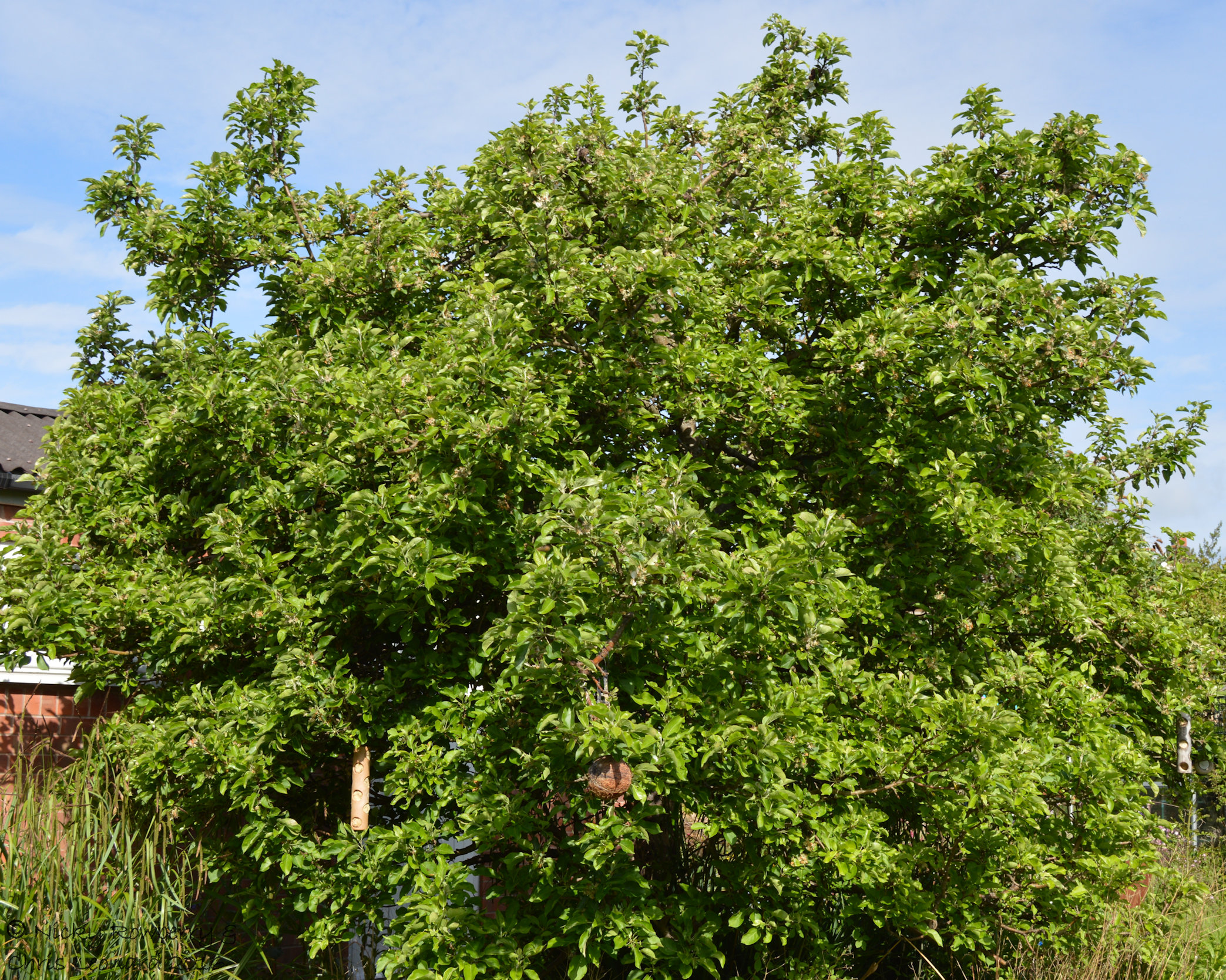
Our apple tree is a medium sized, but fairly productive one, that gives us loads of delicious Discovery apples most years. At the beginning of the year though the tree was of course completely bare and remained so right up until the end of March.

apple-tree-mar-27

A couple of weeks later in mid April and the leaf buds were just about visible and starting to open up.

apple-tree-april-16

Two more weeks and the leaves were filling out. I much prefer it when the tree is in leaf as it provides more privacy in the garden (not that our neighbours I’m sure have any interest in what we get up to in our garden!)

apple-tree-april-30

A mere 8 days later still and not only was the tree almost completely greened out, but the blossom was open too. The blossom seems to go on a two yearly cycle – one year it will completely cover the tree, the next year we don’t get very much – this year was one of the not very much years. It still looked beautiful though and was buzzing with bees for the short time it was out. The blossom never lasts long and this year it all got knocked off by a torrential downpour just a couple of days after this photo was taken.

apple-tree-may-8

Two weeks later at the end of May and the blossom was gone and the tree was fully green. The birds appreciate the cover provided by the leaves, although they never seem to actually nest in it.

apple-tree-may-22

By mid June small apples were visible. Although there hadn’t seemed like there was much blossom, we still had a lot of apples, so I guess the bees did a good job on what was there. On years where there is a huge amount of blossom, there can actually be too many apples. They crowd together on the branches, with not enough room to grow properly and many end up dropping off, so we don’t really get any more apples than on a poor blossom year.

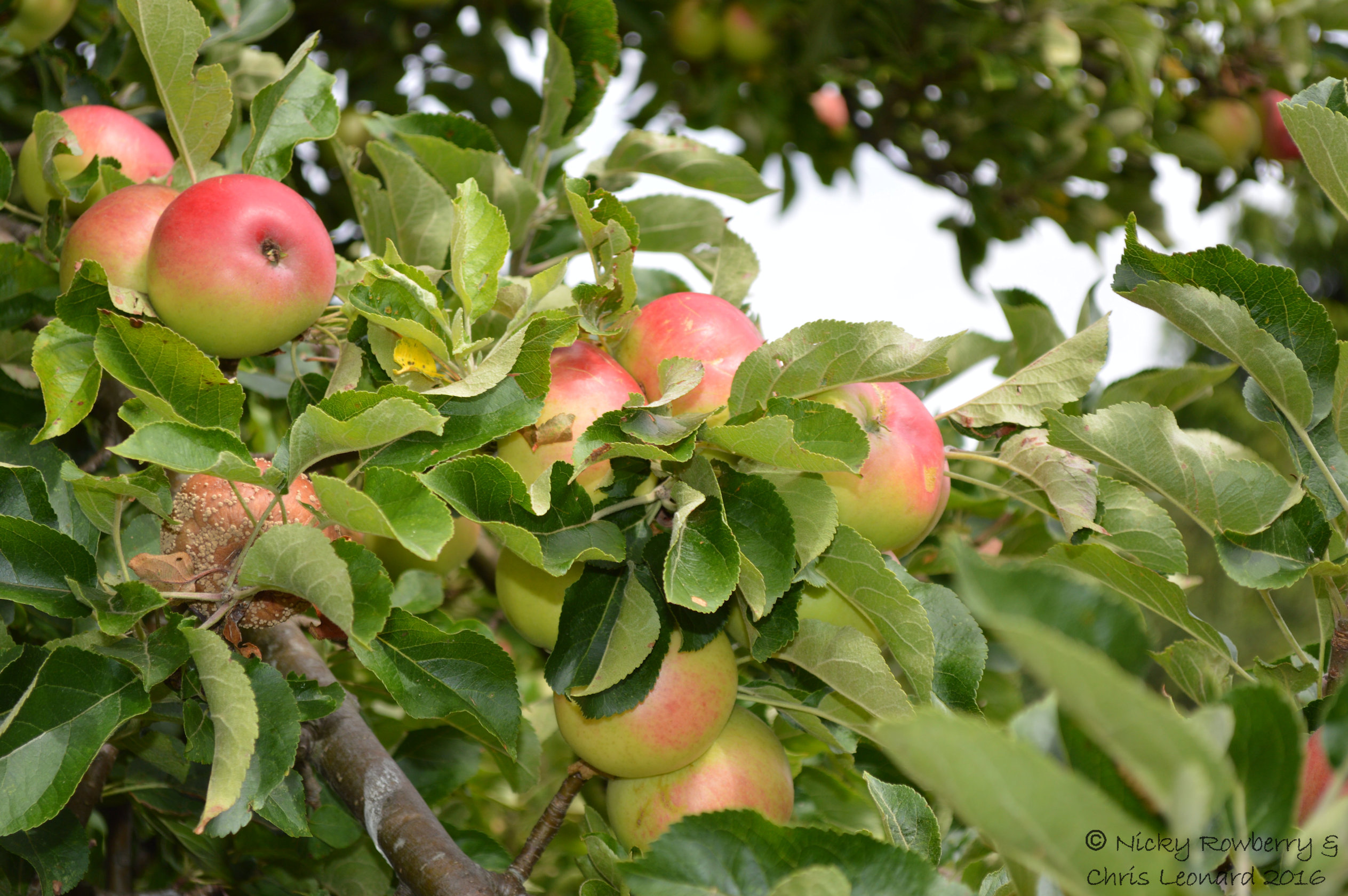
By August the apples had turned the characteristic shiny red of the Discovery. The ones that get most sun turn the brightest red – they always remind me of the apple the witch uses to tempt Snow White!

apple-tree-aug-07

We always end up with far too many apples for our own use, but we have a friend who makes cider, so he comes and clears the tree for us. Not only do the apples get put to good use, but it saves us having to pick up loads of rotting ones off the grass. So by September the apples were all gone and just a few of the leaves were starting to turn yellow.

apple-tree-sept-24

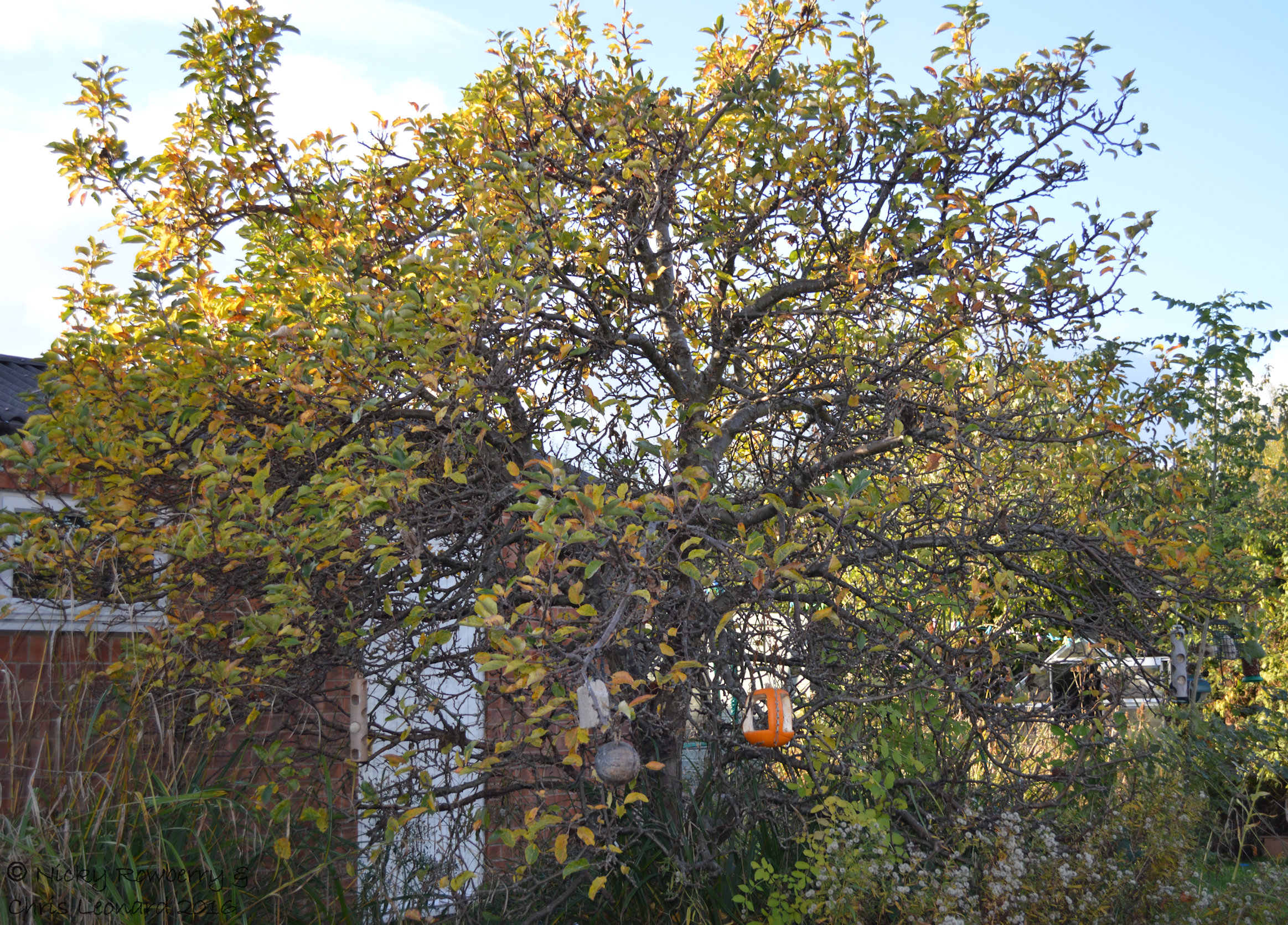
By October the leaves were still all there but were definitely wearing their autumnal colours

apple-tree-oct-29

A few windy days at the end of October and most of the leaves had gone by November.

apple-tree-nov-7

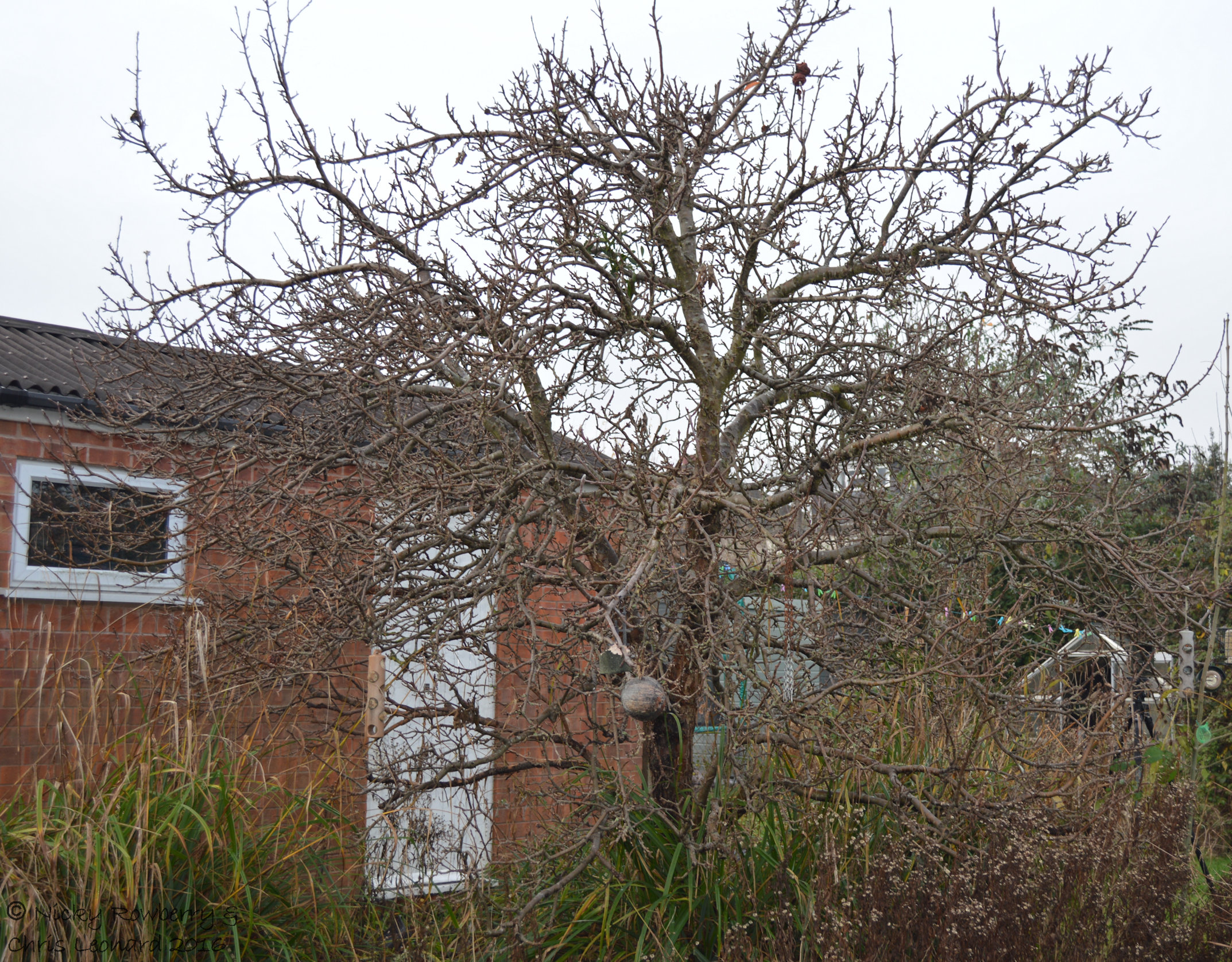
And by yesterday the tree was back to square one – the only green left a few clumps of mistletoe that has recently colonised it.

apple-tree-dec-17

As well as taking general shots of the whole tree, I tried to capture close ups of some of the individual parts. The leaf buds at the beginning of the year were brown and tightly furled but by mid April the young leaves had emerged, looking lovely and fresh green.

leaf-bud-2

The blossom is of course effortlessly photogenic. It starts of a gorgeous deep pink before the flowers unfurl to almost pure white with just a hint of a blush. We’re very lucky to live in the Herefordshire/Worcestershire area, where in the spring there are orchards all around filled with apple blossom. It looks great on just our single tree, but when you see whole orchards in bloom it really is stunning.

blossombuds

blossom

blossom-4

The whole point of an apple tree (from a human point of view at least) is of course the apples.  The  young apples were green and had a downy fuzz (I’d never noticed the fuzziness before until I took these photos!) In May as the apples first form you could still see the remnants of the blossom flowers sticking out at the top.

baby-apples

As the apples matured they lost their fuzziness and turned shiny and red; the upper sides almost always turning red first as they got the most sunshine.

apples-on-tree

Most of the apples were of course turned into cider. They didn’t all get picked though and the few remaining ended up as food for wasps on the ground.

rotten-apple

Every year I do pick a few for our own use before the cider makers take the main crop.

apple-bowl

Discovery apples aren’t particularly good for storage, so you either have to eat them quickly or find some other use for them. Fortunately I’ve found they make very good mincemeat, courtesy of an excellent Delia (who else) recipe.

mincemeat-bowl

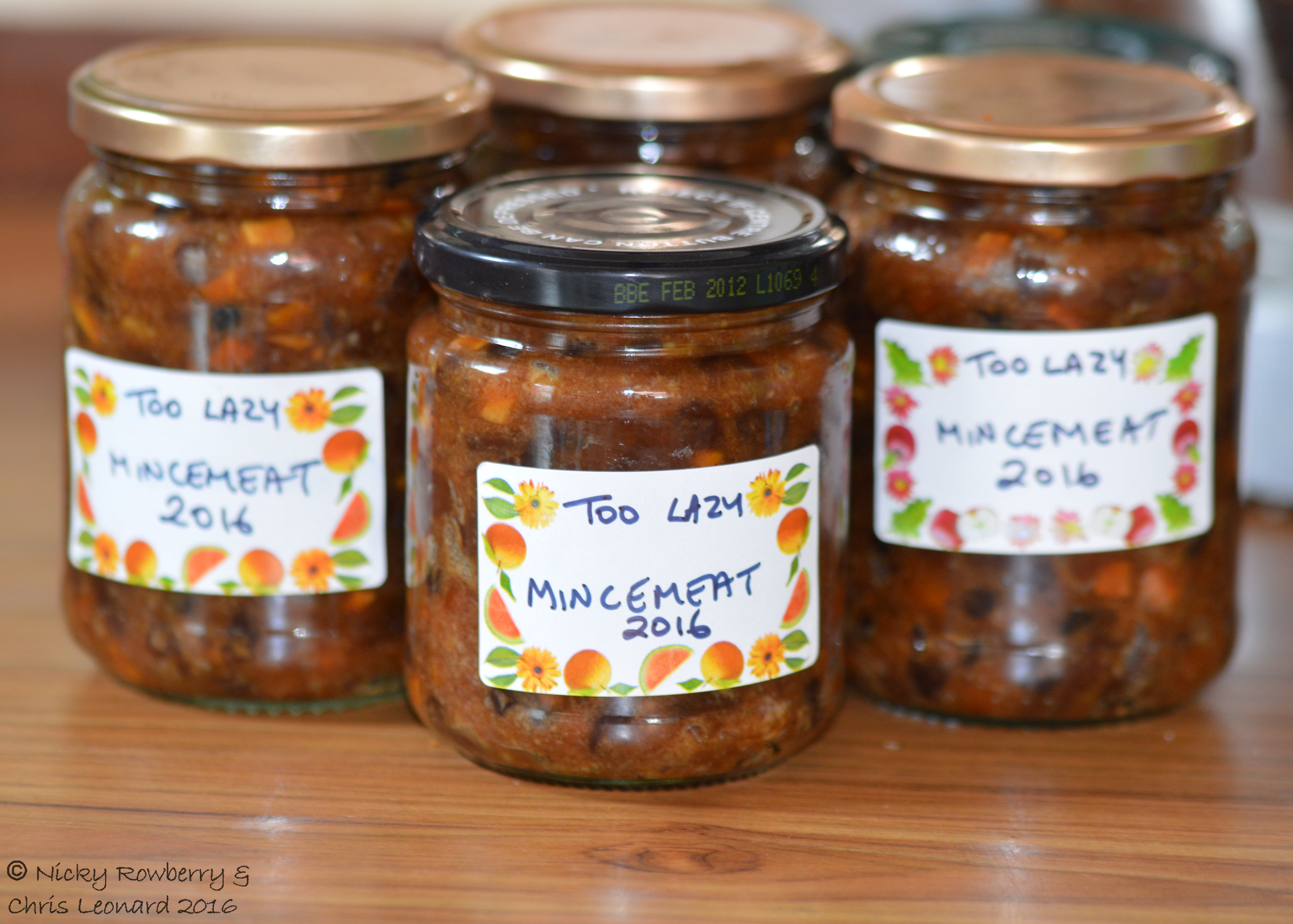
So the final stage in the life of our apples – jars of homemade mincemeat. It is nearly Christmas after all!

mincemeat-jar

A Cold and Frosty Morning

I always love the first good frosts of the year. They transform the garden into something magical, giving everything a crystalline coating that sparkles in the sunshine. Last year we hardly had any decent frosts, but this week November’s wintery breath has dressed our garden in delicate white lace. Winter is coming!

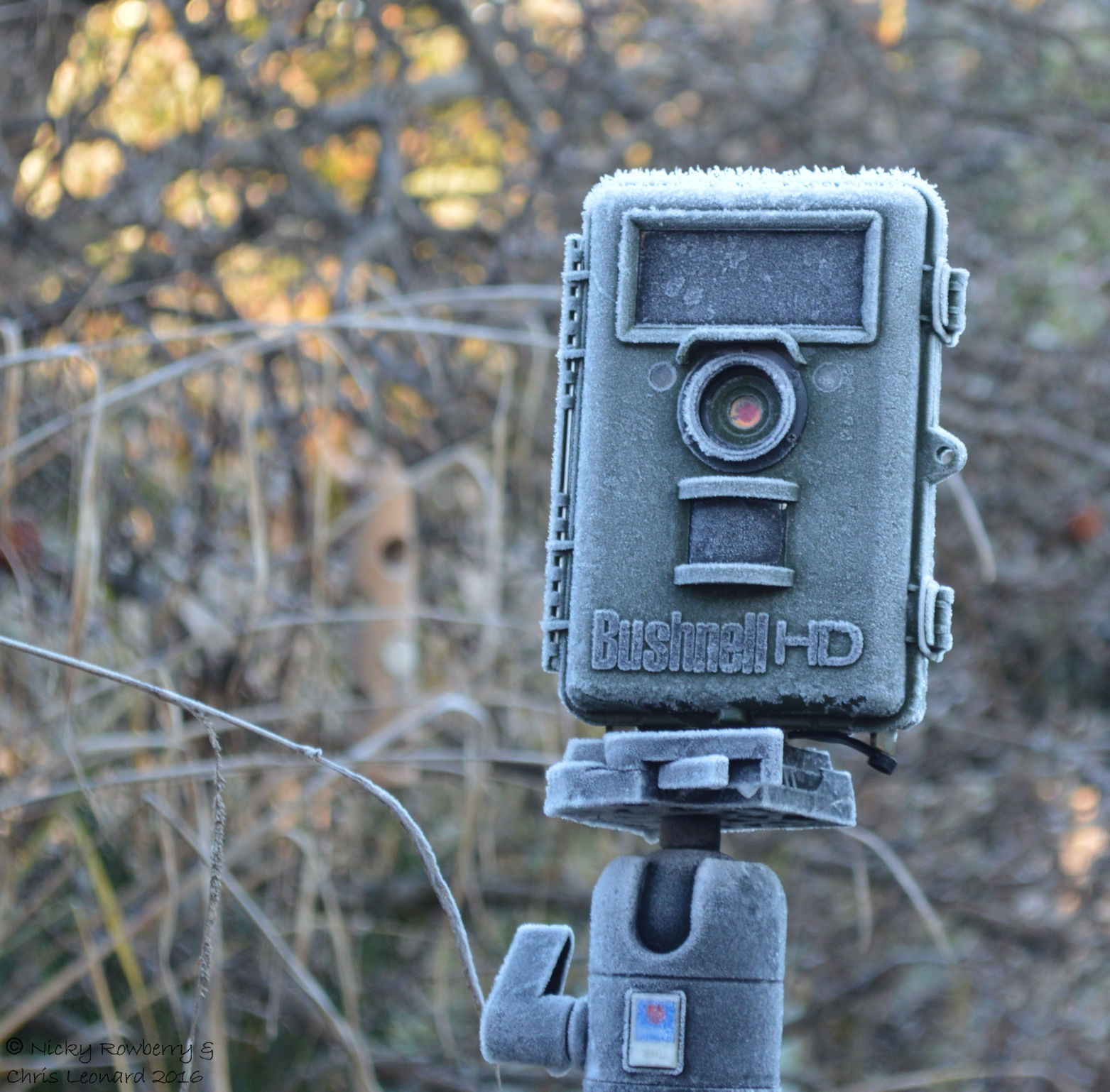
The thermometer registered that it had dropped to -4.7C in the garden last night, so I went out this morning armed with multiple layers of clothing and a thick woolly bobble hat. The trail camera had been foolishly left out overnight and was not only frosted, but the tripod was frozen solid to the ground. After a brief but strenuous battle I managed to wrest it from the garden’s icy grip, so that I could use the tripod for my frosty photos.

trail-cam-frost

I’d gone out into the garden hoping for spiders’ webs glistening with icy beads, or red berries frosted on the bushes, or icicles dripping from a branch. Of course I couldn’t find any of these things, but what I did find was just as good.

We have a small flimsy porch type thing around our back door with single layers of glass. These were covered in beautiful “fern frost”. Window frost like this used to be much more common before the advent of double glazing. Double glazing restricts the contrasting temperatures needed either side of the glass for the formation of this type of frost. Our tatty little porch is not normally a thing of beauty, but this morning Jack Frost had transformed it with these feathery fractal patterns.

window-frost-2

A wooden garden chair had also been left out last night and was now covered in hoar frost. Hoar frost forms white crystals of ice that coat everything with a sugar-like dusting. The frost on the chair was really quite thick – up to a centimetre in places, looking like icy white fur.

chair-1

chair-3

I loved the way on one side of the chair the frost had started to melt and sparkled like golden glitter, while on the other side it was still silvery white.

chair-2

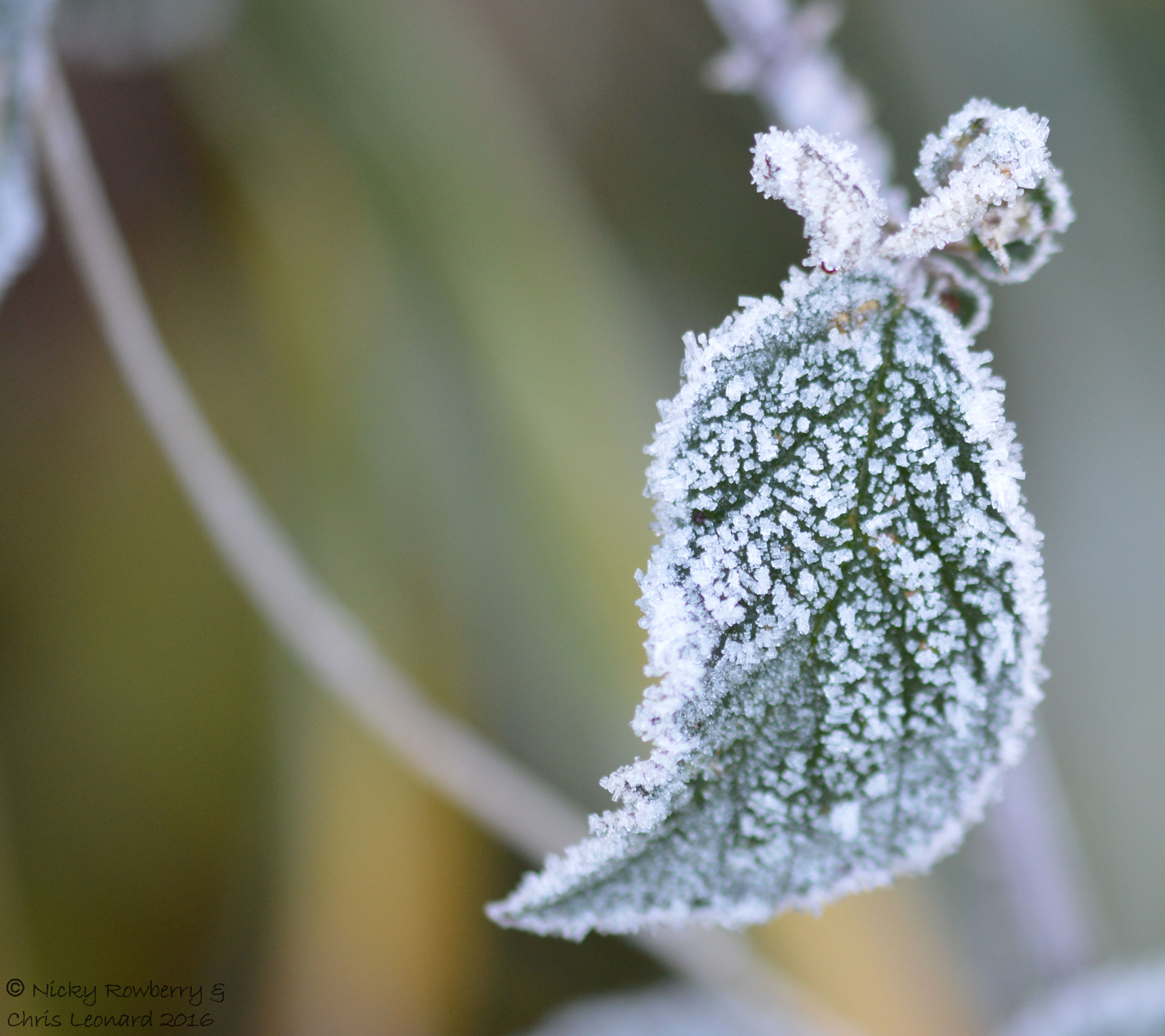
The grass was lovely and crunchy under foot; it seemed a shame almost to trample it as I snooped around the garden. Leaves everywhere were of course covered in the ice crystals, looking like they’d been dipped in some frenzied attempt to candy coat the whole garden.

leaf-5leaf-1

leaf-3ivy

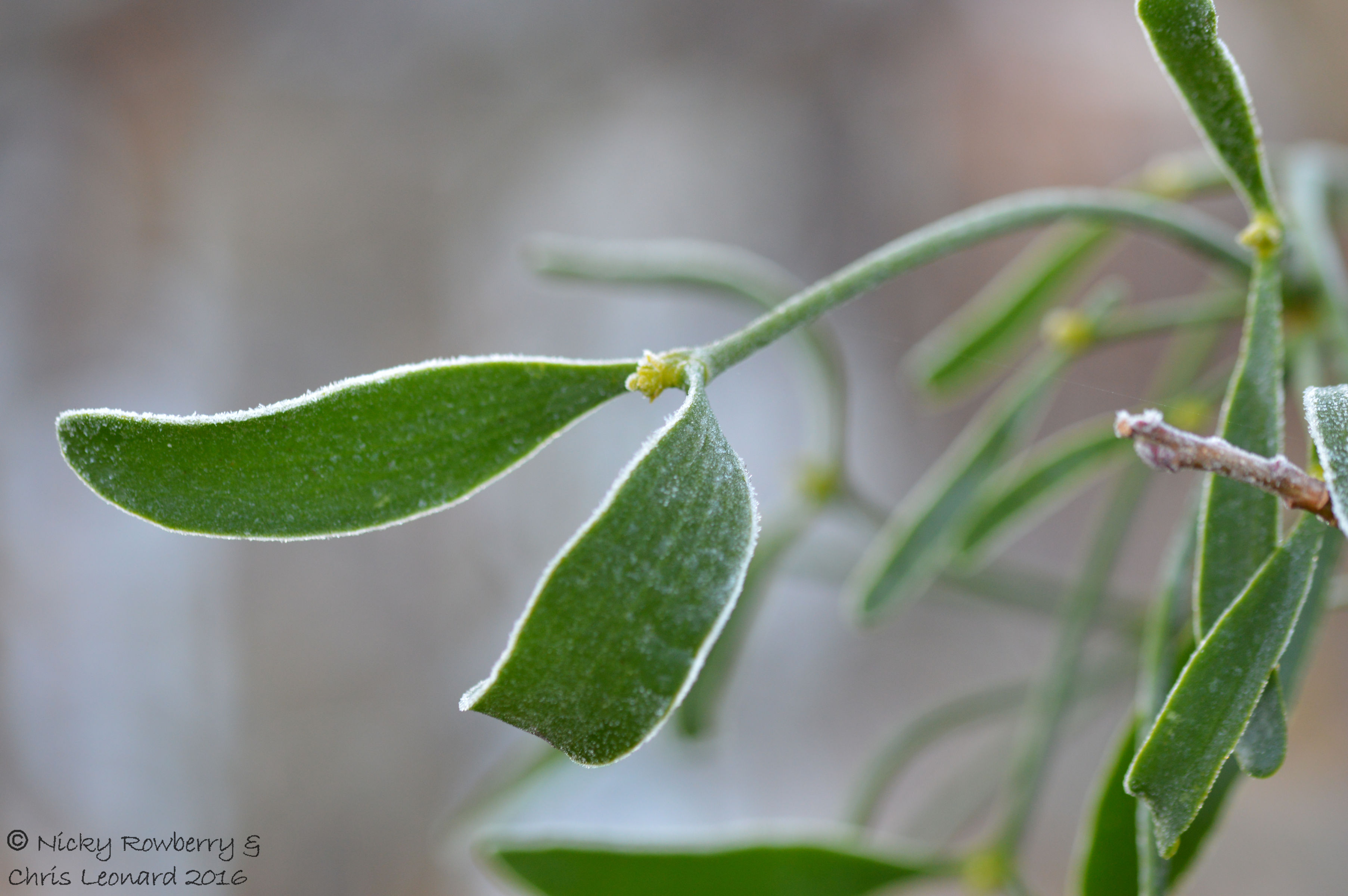
The presence of the mistletoe (visible again now the leaves have fallen off the apple tree), made it feel quite Christmassy (reminding me that I need to go in and give the Christmas cake another good soaking of brandy!).

mistletoe

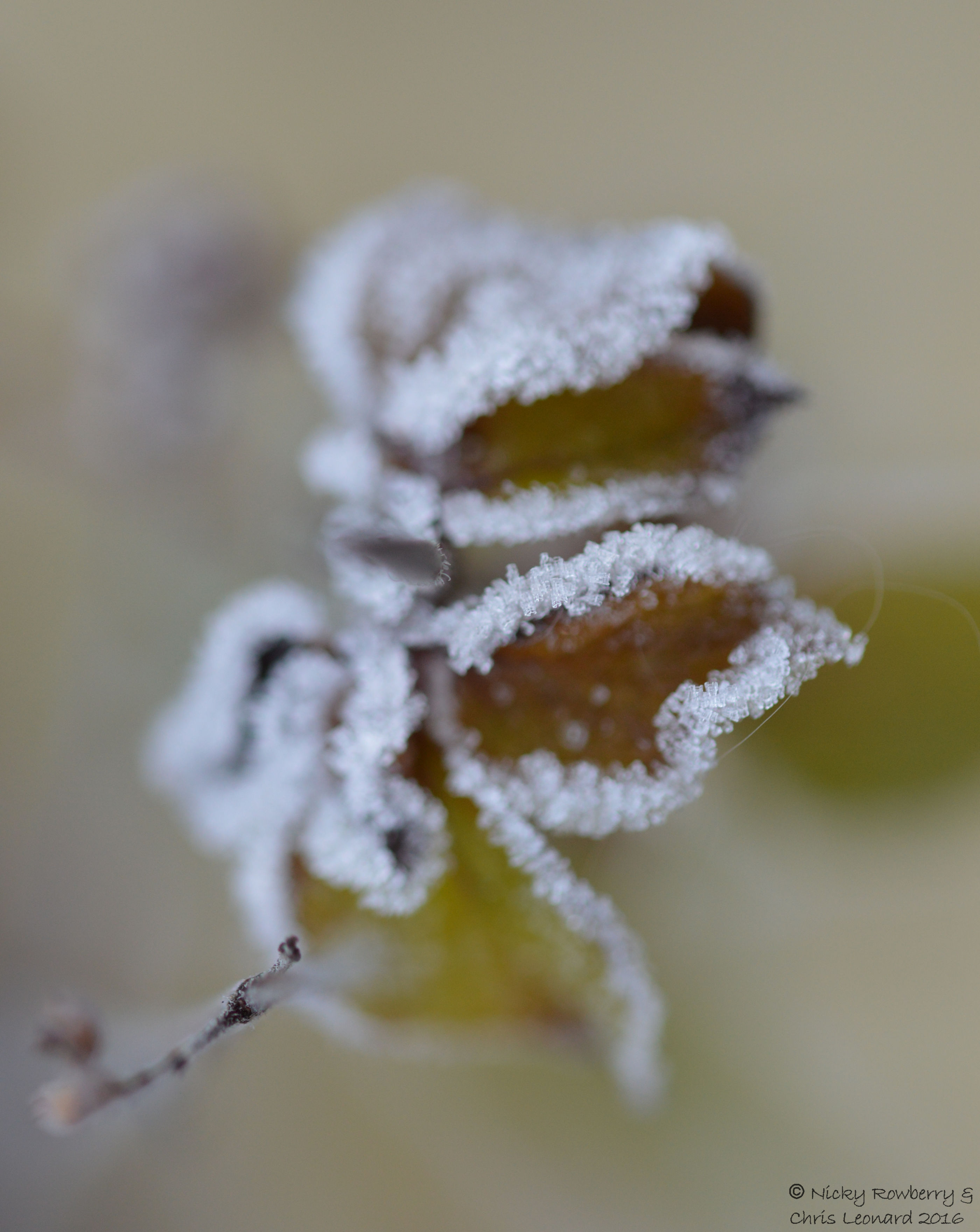
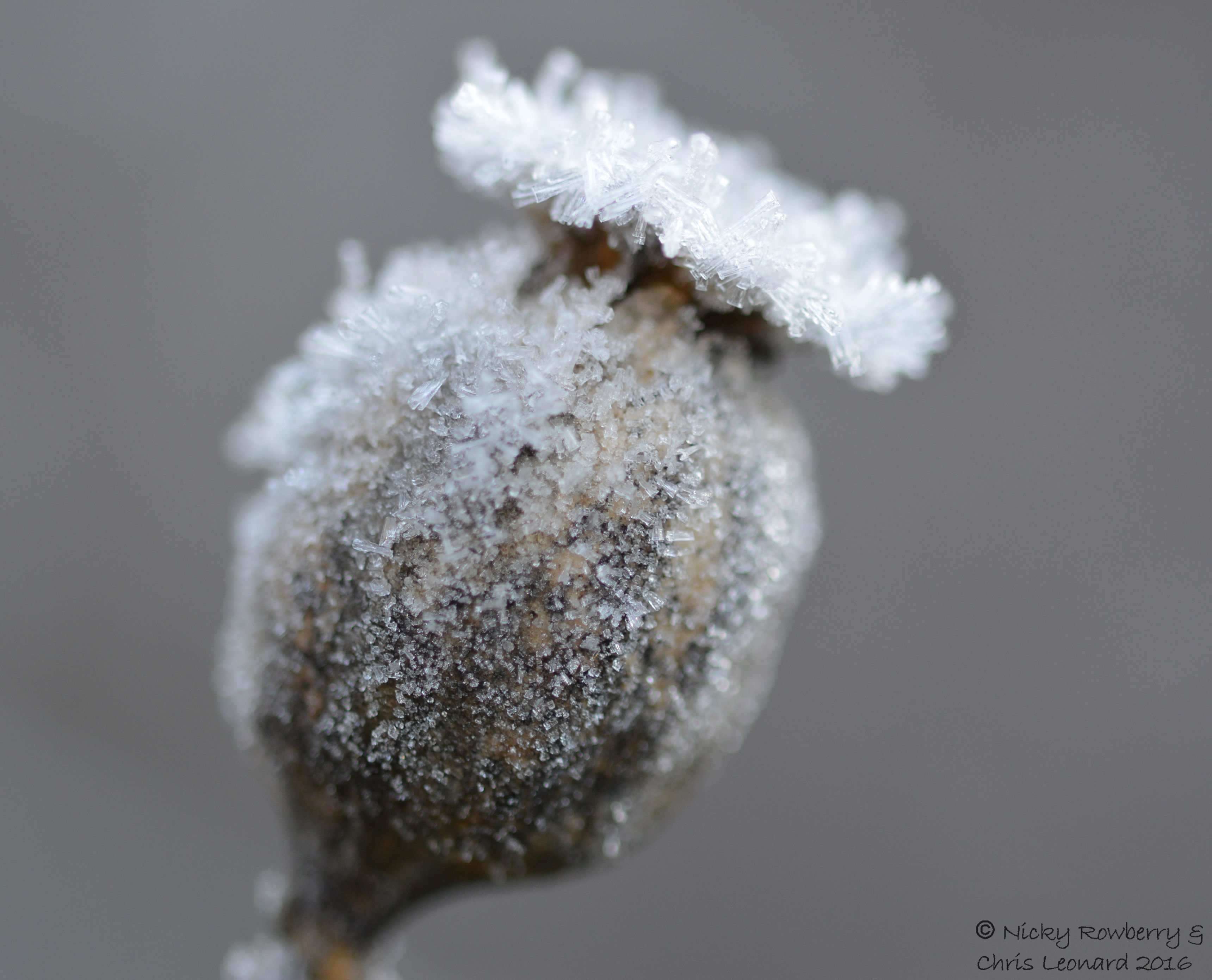
I found a poppy seed head, which looked great from the side, but even better from above – like a tiny diamond encrusted crown.

poppy-frost

poppy-frost-2

I can never resist taking a photo of the teasels. The frost on them actually looked more like snow, being much finer for some reason than that around the rest of the garden.

teasel-1

There were a few splashes of colour amongst the wintery white. We have one patch of lavender that had still been flowering, long after the rest in the garden had finished. I suspect the frost will have put an end to that though.

lavender

The Verbena bonariensis that I grow in the hope of attracting butterflies (with little success) was clearly a frost magnet. Chunky little crystals were stacked up all over the old flower heads.

verbena-2

Possibly my favourite snap of the day was of this brave little flower, still glowing yellow in the morning sun despite its diamond coating.

yellow-frosted-flower

I thought it would only take me a few minutes this morning to photograph the frost, but when I came back in I found I’d been out there for an hour. It was just so beautiful and peaceful, I hadn’t noticed the time go by.

I did have a moment of panic while I was downloading the photos, when I realised there were absolutely no birds to be seen in the garden. We normally have hoards of them, especially as I’d topped up the bird feeders while I was out there. I had this sudden irrational fear that the frost had killed them all off! (I know it made no sense, as there’d be no birds anywhere if one frost could kill them that easily!) Very quickly though they reappeared – they’d probably all just been traumatised by the sight of me and my bobble hat so early in the morning and taken a few minutes to get their nerves back!!


Stumpy the Magpie

It’s grey and a bit dreary weather-wise here in Malvern at the moment. The hedgehogs are hibernating (probably our bats too), insects are few and far between and the moth trap’s been empty the last couple of times I’ve put it out.  We’ve not even had any frosts to provide sparkly, wintery photo ops. Fortunately the birds in our garden are plentiful and greedy, so the bird feeders have provided the main interest this month. Last week we had the excitement of the woodpecker on the peanuts.

woodpecker

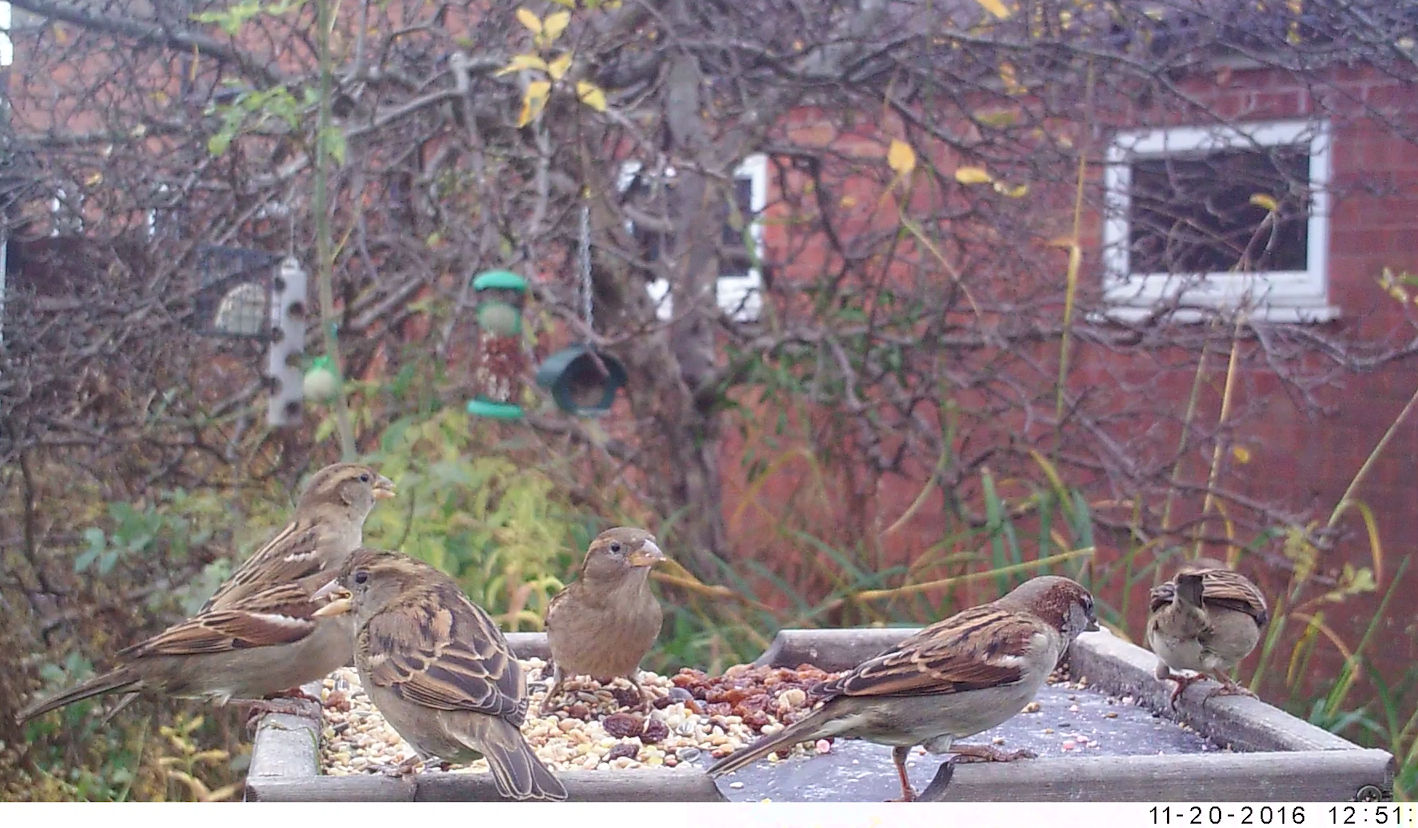
This week we’ve turned out attentions and the trail camera towards the bird table. The bird table attracts a different set of birds to the hanging feeders, although the sparrows of course are the commonest on both. We have quite a large group of sparrows who use our garden (possibly as many as twenty, but they’re hard to count in the bushes) and at least half a dozen were using the bird table at any one time this weekend.

sparrows-galore

Back in October we had a pair of magpies that were regular visitors to the garden. One I nicknamed Stumpy because he had none of the long tail feathers he (or she) should have had. Here’s Stumpy on the bird table about a month ago.

I’ve no idea what happened to his tail, but you can clearly see the difference between Stumpy’s rear end and a “normal” magpie in the next video. These two often appear at the table together – perhaps mates, or parent and offspring, or siblings?

The lack of tail feathers doesn’t seem to impede his flight or balance at all and he seems otherwise perfectly healthy. A quick google revealed that his tail feathers should grow back. I’ve had the trail camera pointed at the hanging feeders for a couple of weeks, so it’s only been this weekend that it’s been pointing back at the bird table. A couple of magpies once again appeared to see what was on offer. One had broken tail feathers that looked a bit shorter than the others.

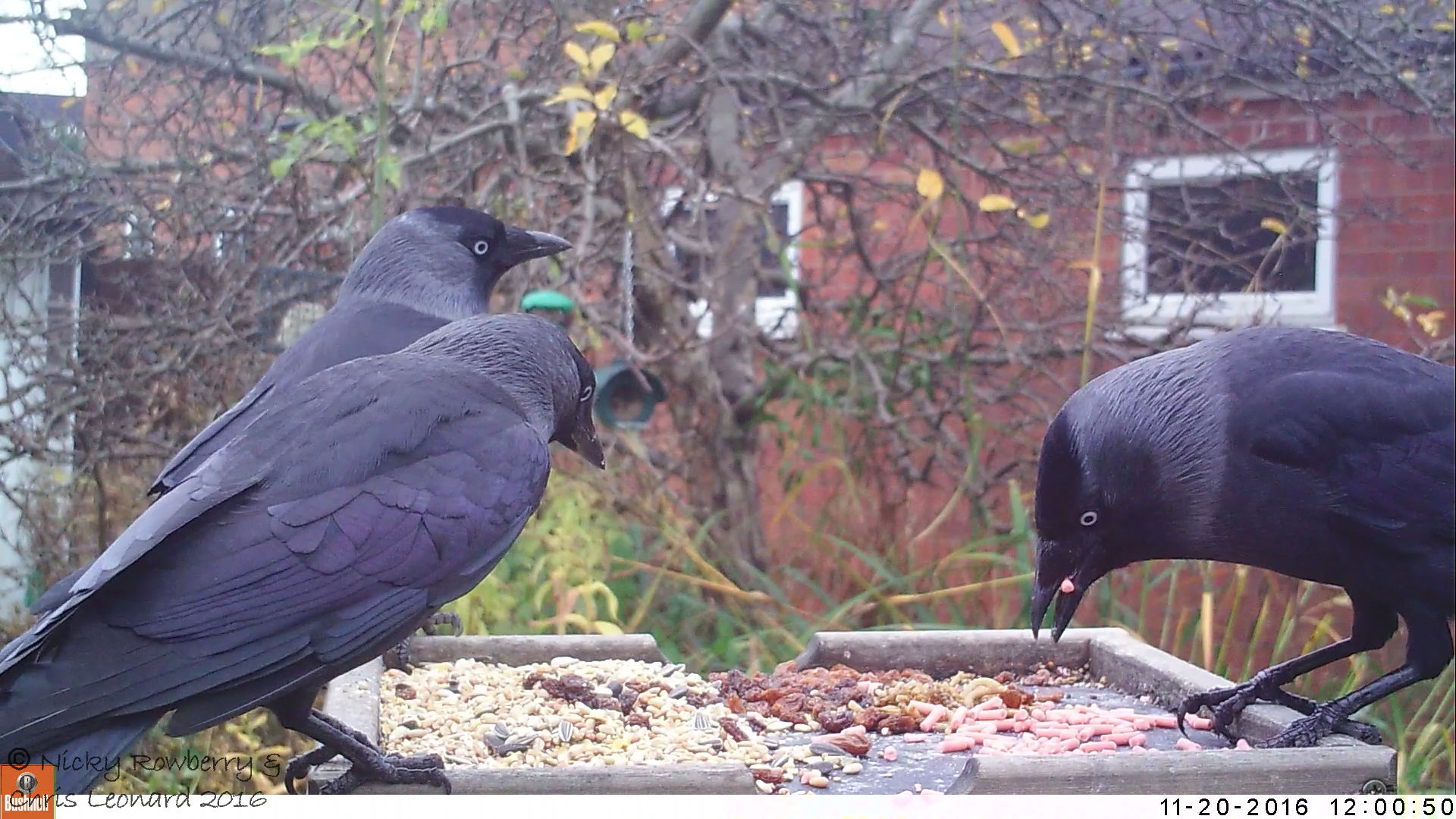
magpieIs this Stumpy with his tail feathers partially regrown? I really hope so. Whoever it was, they weren’t put off their lunch by the arrival of a large jackdaw.

magpie-jackdaw

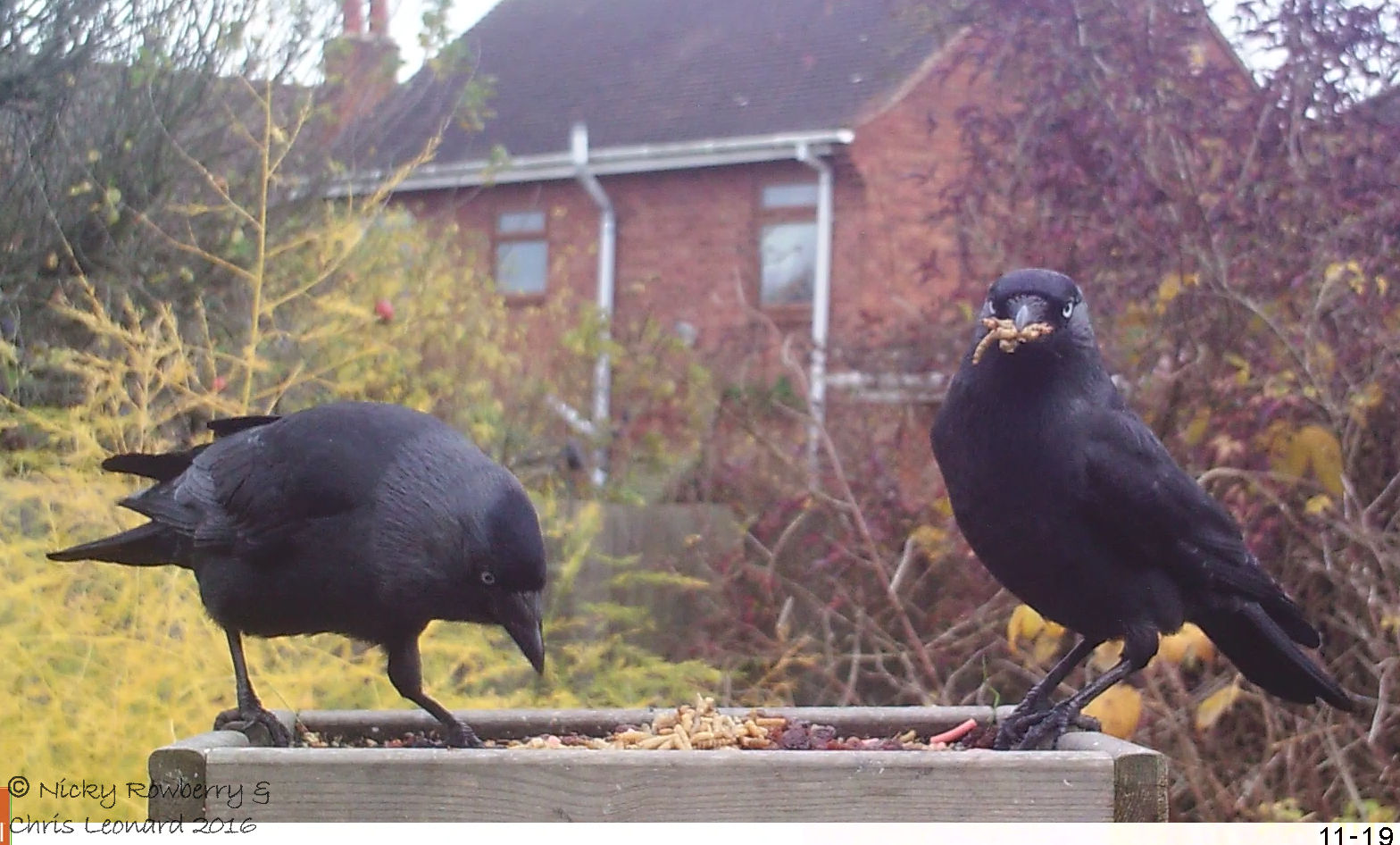
The jackdaws are usually some of the first birds to appear when I restock the bird table. They always seem intelligent, shrewd birds. The one on the right here certainly wasn’t daft – he’d crammed at least 5 mealworms into his mouth before the other had got a look in.

jackdawsWe get at least 4 of them coming down to feed, although I’ve noticed one has an injured foot. He’s still eating OK, but not sure whether it will prove to be a fatal problem for him.

jackdaw-trio

The blackbirds appreciate the bird table offerings as they are not very good on the hanging feeders. Fortunately they don’t mind sharing the table with the sparrows.

blackbird

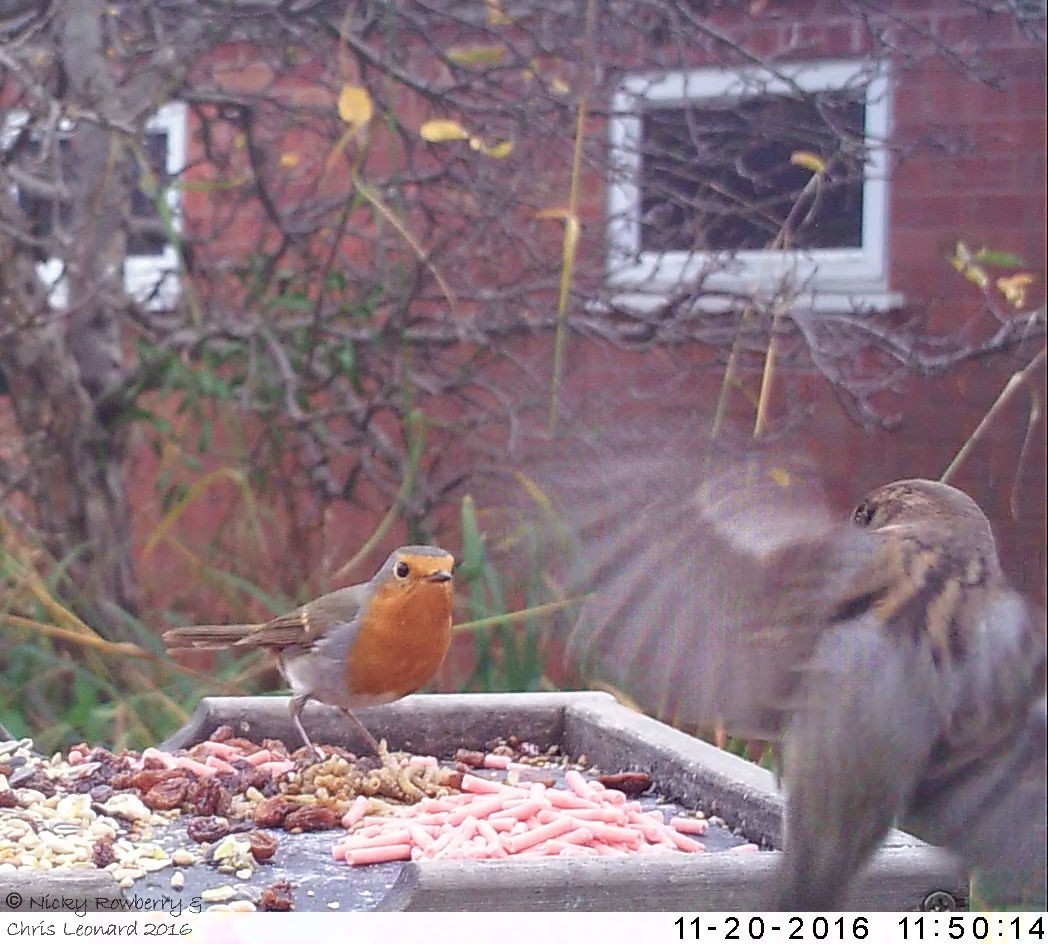
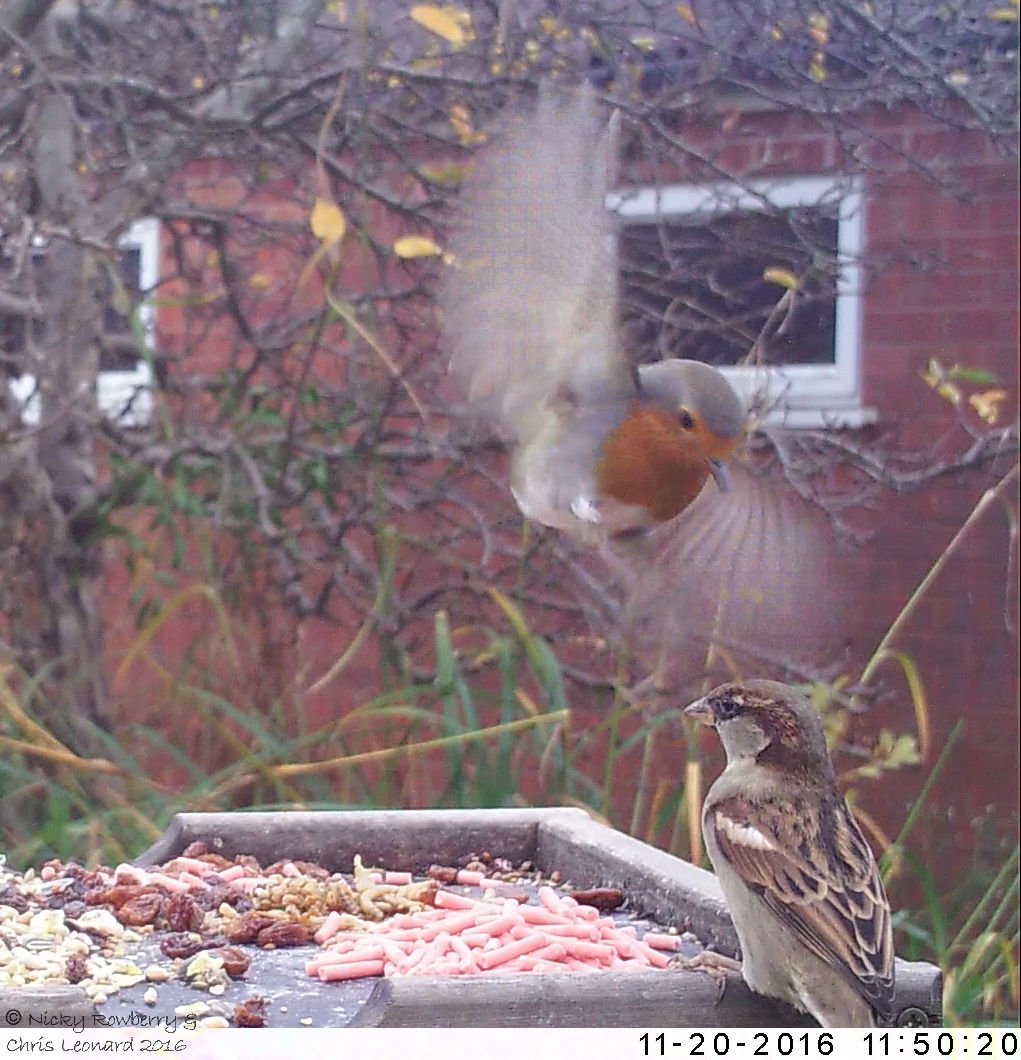
The robin on the other hand gets really quite grumpy when the sparrows land. Any larger birds and he just flies off, but with the sparrows he does his best to shoo them away.

robin-and-sparrow

robin-and-sparrow-2

Watching the birds like this in the garden for a while now, I feel we’ve got a small insight into some of their life stories. Stumpy with his tail loss and regrowth, the jackdaw family with an injured member, the territorial robin defending his patch of the table. Without the trail camera we’d probably still see all these birds, but miss some of the dynamics of what was going on in our garden. It’s been worth every penny spent and every hour spent watching the videos!

Pumpkin Demise but Woodpecker Surprise

Having blogged excitedly about the success of our pumpkin birdfeeder last week, I came home from work the following day to find a sad little orange heap on the grass.

squashed-pumpkin

I suspect one of our magpies was the culprit – too heavy for the already soft flesh of the pumpkin to support the added weight. While I did feel a bit sad that the pumpkin feeder was no more (can you actually mourn a large orange member of the squash family?), at least it saved me having to decide when was the right time to take it down and send it to its final resting place (the compost heap).

So the trail camera got moved to point at some of the other feeders instead. I wasn’t expecting anything other than the usual suspects – sparrows, blue tits, the occasional robin if I was lucky. So I was very surprised when I downloaded the latest set of video clips to find a Greater Spotted Woodpecker!

woodpecker-2

She (and I’m fairly sure she is a she – no red patch on the head) has so far visited the peanuts three times this weekend. In 10 years living here, I can only remember catching a glimpse of a woodpecker once in the garden and that was years ago. So it was a huge surprise to discover we have one visiting fairly regularly at the moment. Of course we’ve still not seen our woodpecker in the flesh, but the trail camera never lies – she must just choose to come when we’re looking elsewhere. Perhaps this is reason enough to abandon any household chores and just sit staring down the garden for the rest of the day?

Anyway we now have about 20 short videos of our woodpecker. In most she is focussed on the peanuts while a few sparrows feast nearby on the suet block.

But in this one, something spooks the sparrows and the woodpecker stops feeding and lines herself up on the peanut feeder – perhaps to make herself less visible. Whatever it was couldn’t have been too scary though as she was back to the peanuts a few seconds later.

This is one of the things I love about having the trail camera in the garden now. You just never know what is going to pop up on it. Makes me wonder what else visits our garden that we just don’t see?

Pumpkin Feeder

It may have been over a week ago now, but Halloween is still featuring in our garden in the form of our pumpkin bird feeder. I got the idea from the brilliant Wildlife Gadget Man (http://wildlifegadgetman.com/) who posted this on Twitter and I shamelessly copied it.

pumpkin-birdfeeder

Of course as is always the way, the wildlife didn’t appreciate it was Halloween and nothing visited it until the date was long gone. With hindsight, I think I initially hung the pumpkin too close to the house, but it wasn’t helped by the miserable foggy weather around the end of October which seemed to deter all but the hardiest of wildlife in our garden. Eventually though the squirrel appeared to check it out and I got a couple of very grainy grey videos of him, which really aren’t worth uploading so I’ve just taken this still from them.

squirrel-pumpkin

So the pumpkin got moved to the apple tree instead and after a cautious start, the birds have now taken to it (just as the pumpkin itself is starting to show its age and look a bit green around the gills). So far we’ve had sparrows, dunnocks, robins, blue tits and great tits, as you can see from the assorted short videos below.

We left the trail camera running over night quite often. As the birds don’t always go to bed as soon as it gets dark, nor wait until it is fully light to get up, it meant that we got some footage of them feeding in the dark. The robin in particular didn’t seem to be bothered by the light levels and I love the spooky look the infrared camera gives him – maybe he’s channelling the Halloween vibe after all?

Beautiful Pea-Green Moths

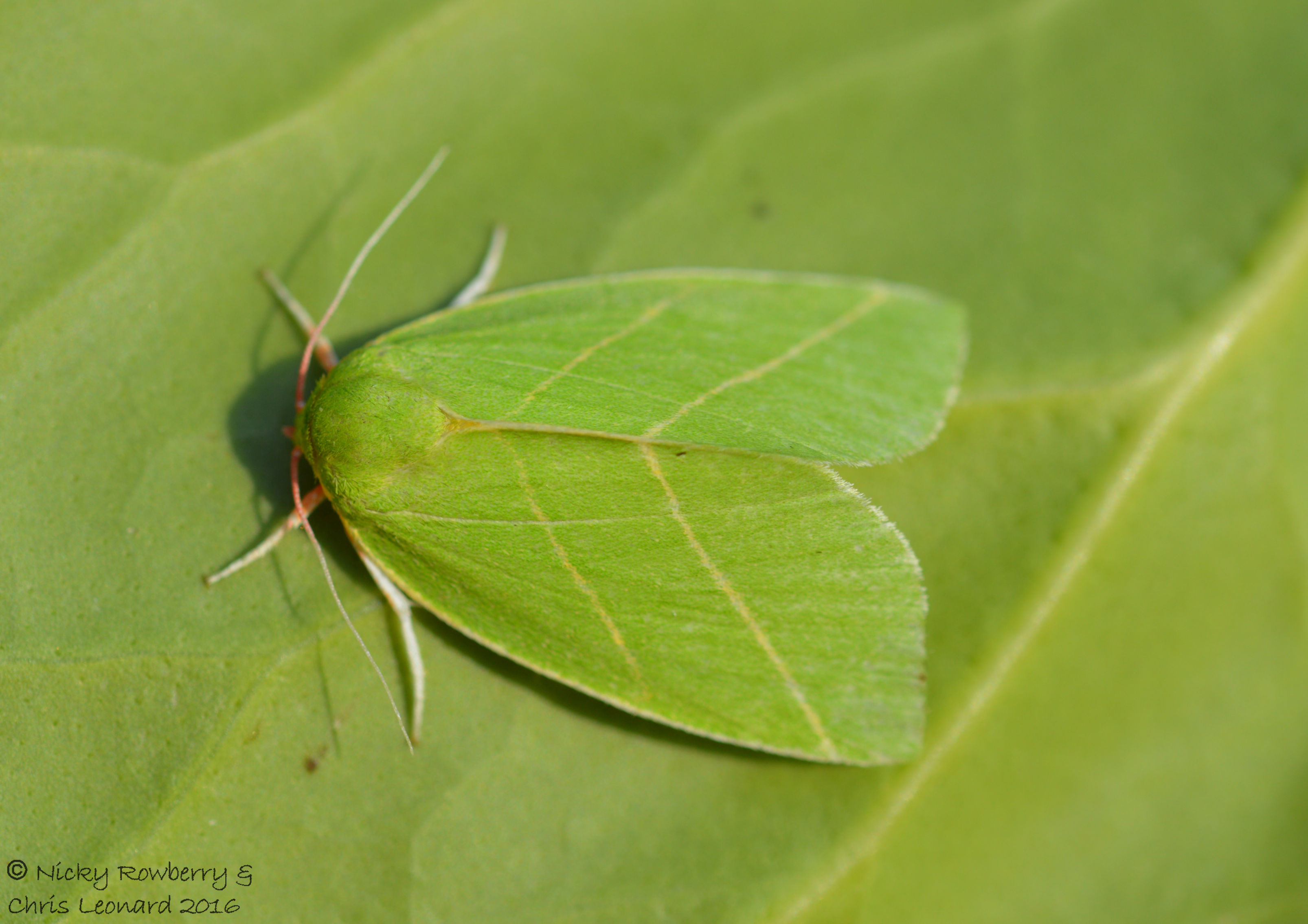
The end of the annual Garden Moth Scheme is nigh, so I’ve been checking my moth records ready to submit them to the scheme coordinator. I’ve posted previously about the autumn colours of moths – how the various Sallows mimic piles of dead leaves etc. But looking at the moth list from the last few weeks, the colour that stood out was green. When people think of moths, they don’t tend to picture green ones, but there are some stunning ones out there. So this week’s blog is in praise of the beautiful pea-green (and other verdant shades) moths I’ve found in the garden.

I’ll start though with my most rubbish photo – the Green Pug. I’ve caught these several times, but all the Pug moths tend to be really flighty and as soon as you open the collecting pot, they fly off. So despite repeated efforts this shot through the plastic pot is the best I’ve managed for a Green Pug. You can at least see that it is green and, if you’re into moths, you’d see that it is the typical pug shape.

green-pug

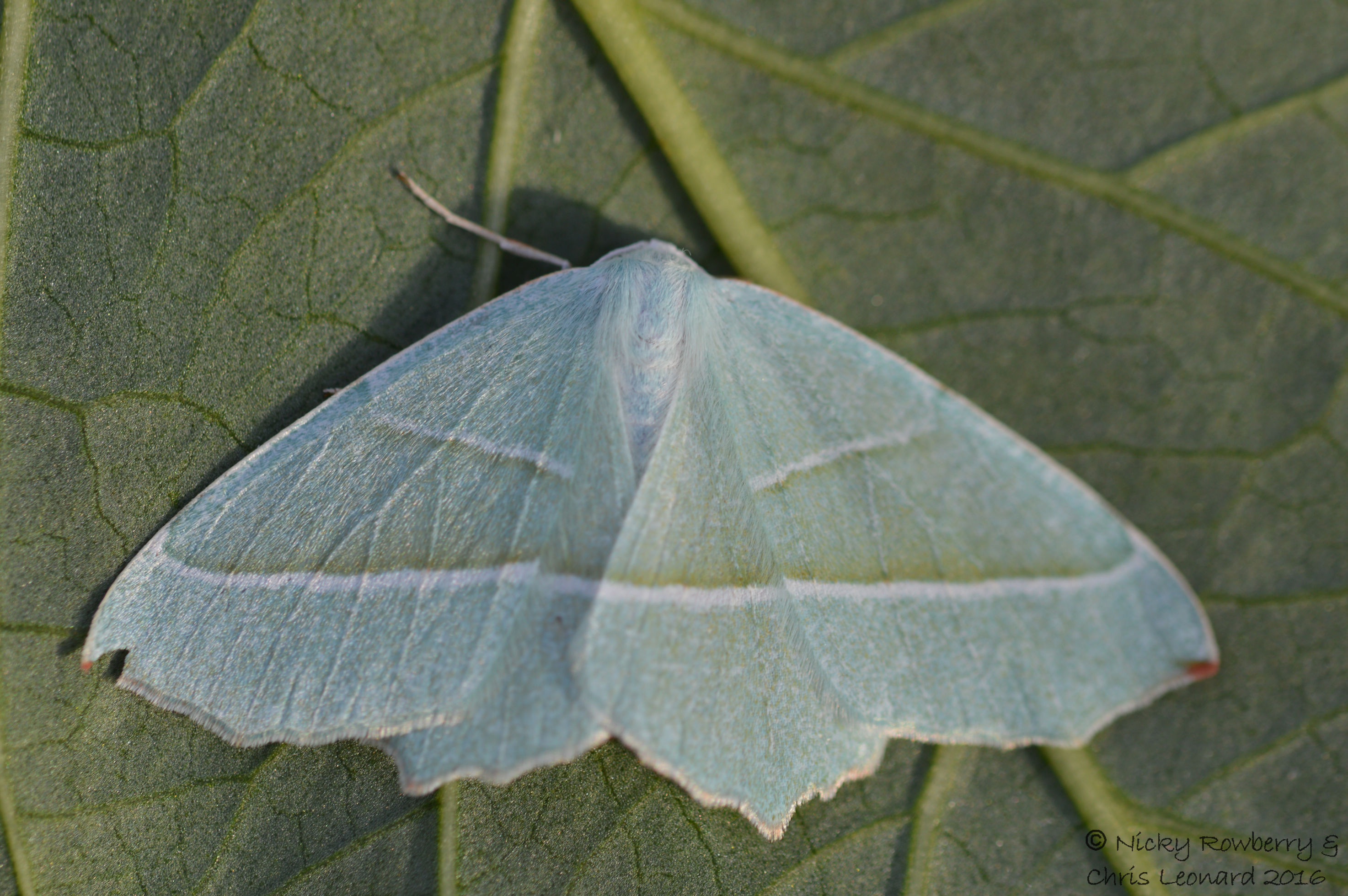
There’s a whole group of moths called the Emeralds – a great name for these gorgeous green moths.  We’re lucky to get at least three species in the garden. The palest green one is the Light Emerald (a name that does what it says on the tin!) This is the largest of the emeralds we get here and has reddish tips to the end of its wings (although this one has lost one where something’s taken a bite out of it).

light-emerald

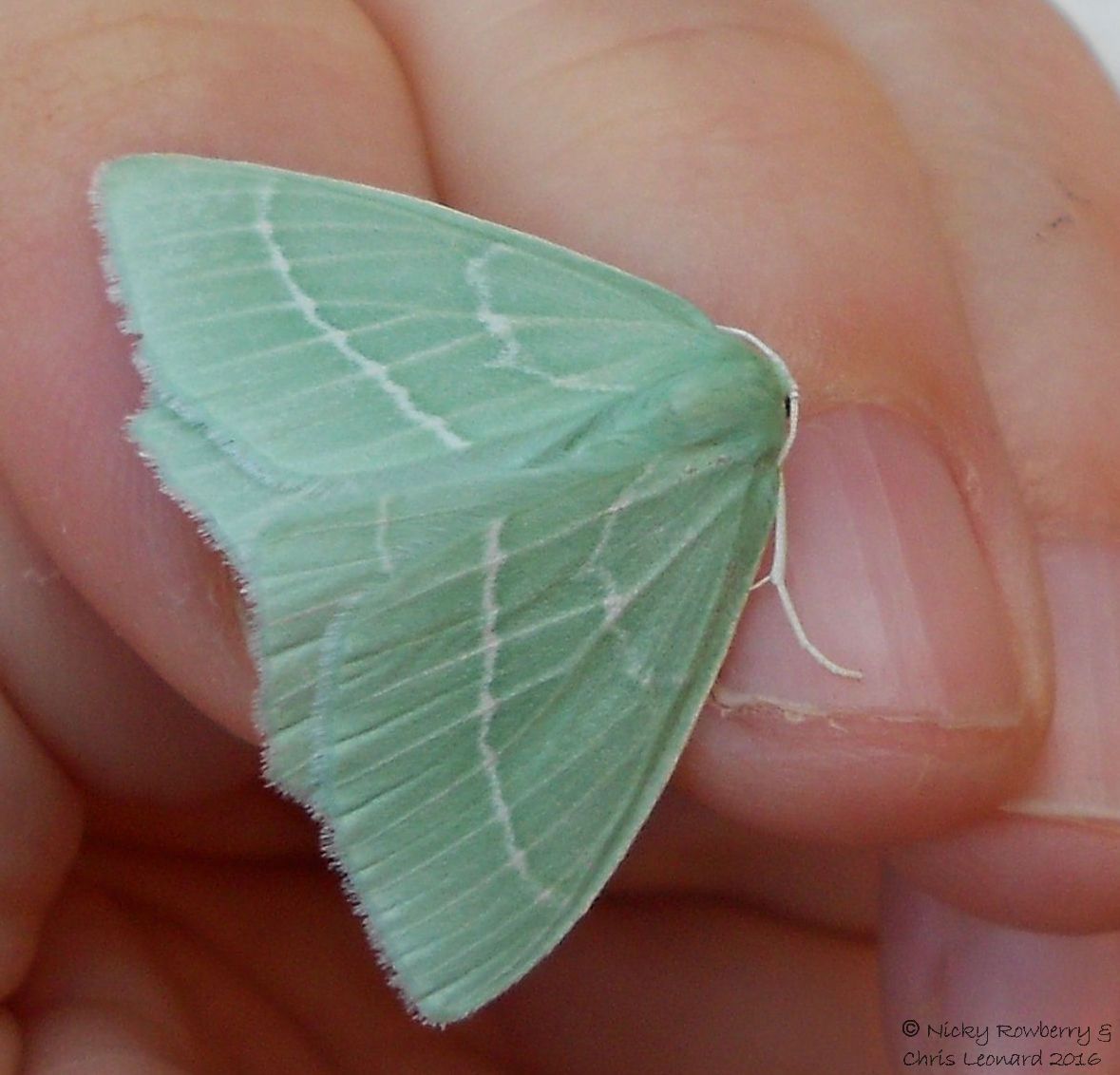
Next up is the Small Emerald, which is the brightest green of the three. For some reason the best photo I could find of this one was of it sitting on my fingers. (not to self, get manicure before posting photos of scruffy finger nails!)

small-emerald

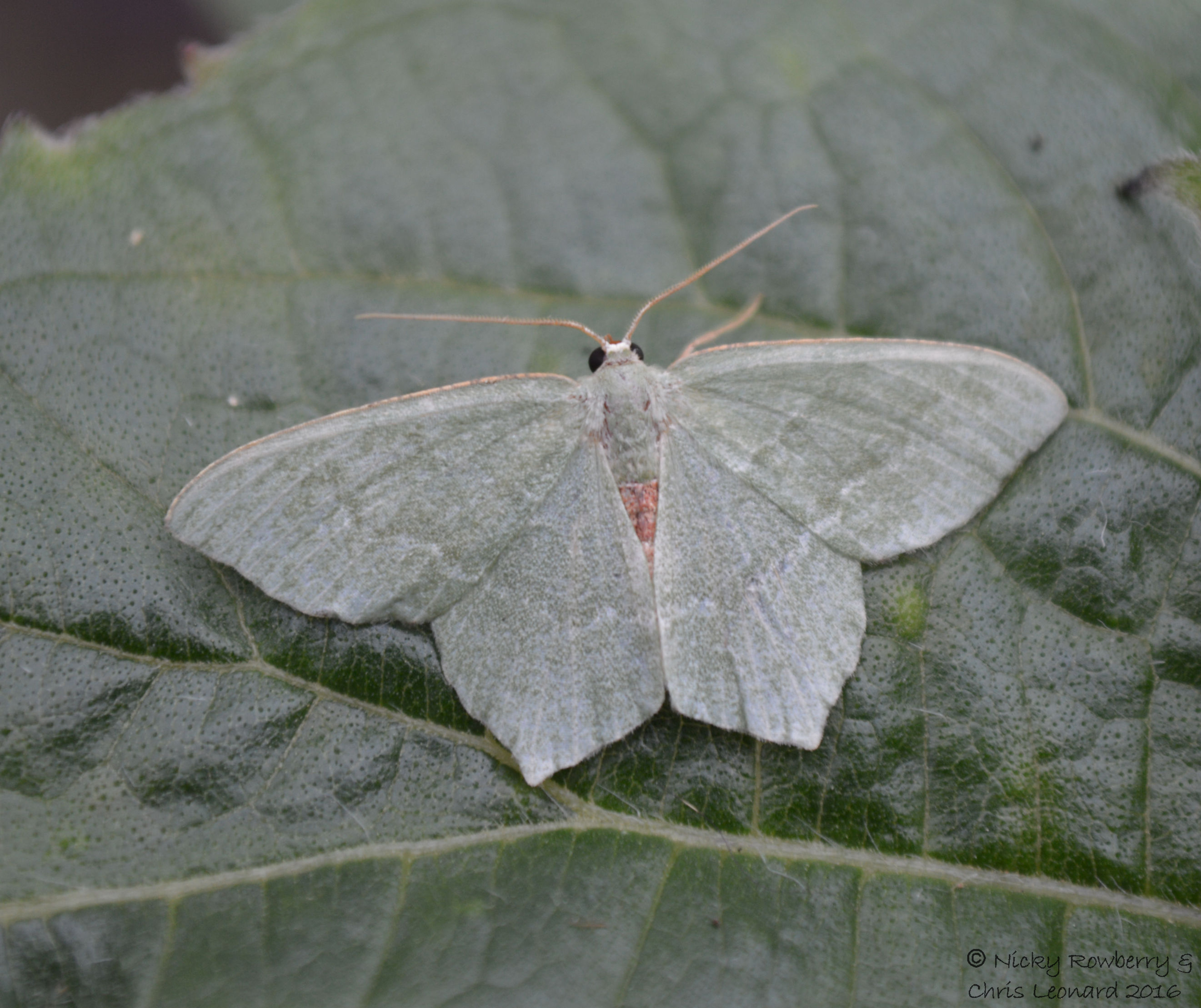
The third one is a Common Emerald which didn’t actually put in an appearance in the garden this year (perhaps it’s not that common?), but we’ve had it previously. Confusingly it is smaller than the Small Emerald!

common-emerald

From a “Common” moth that didn’t appear this year to a “Scarce” moth that did – the Scarce Silver Lines. This is a stunning moth with pales lines across a green background that are presumably intended to resemble veins on a leaf.

scarce-silver-lines

The Red-Green Carpet moth below is quite common in our garden right now. These carpet moths have nothing to do with the ones that eat your carpets indoors. They are definitely outdoor moths and are named because the patterning supposedly reminded the Victorians of their intricate carpets.

red-green-carpet

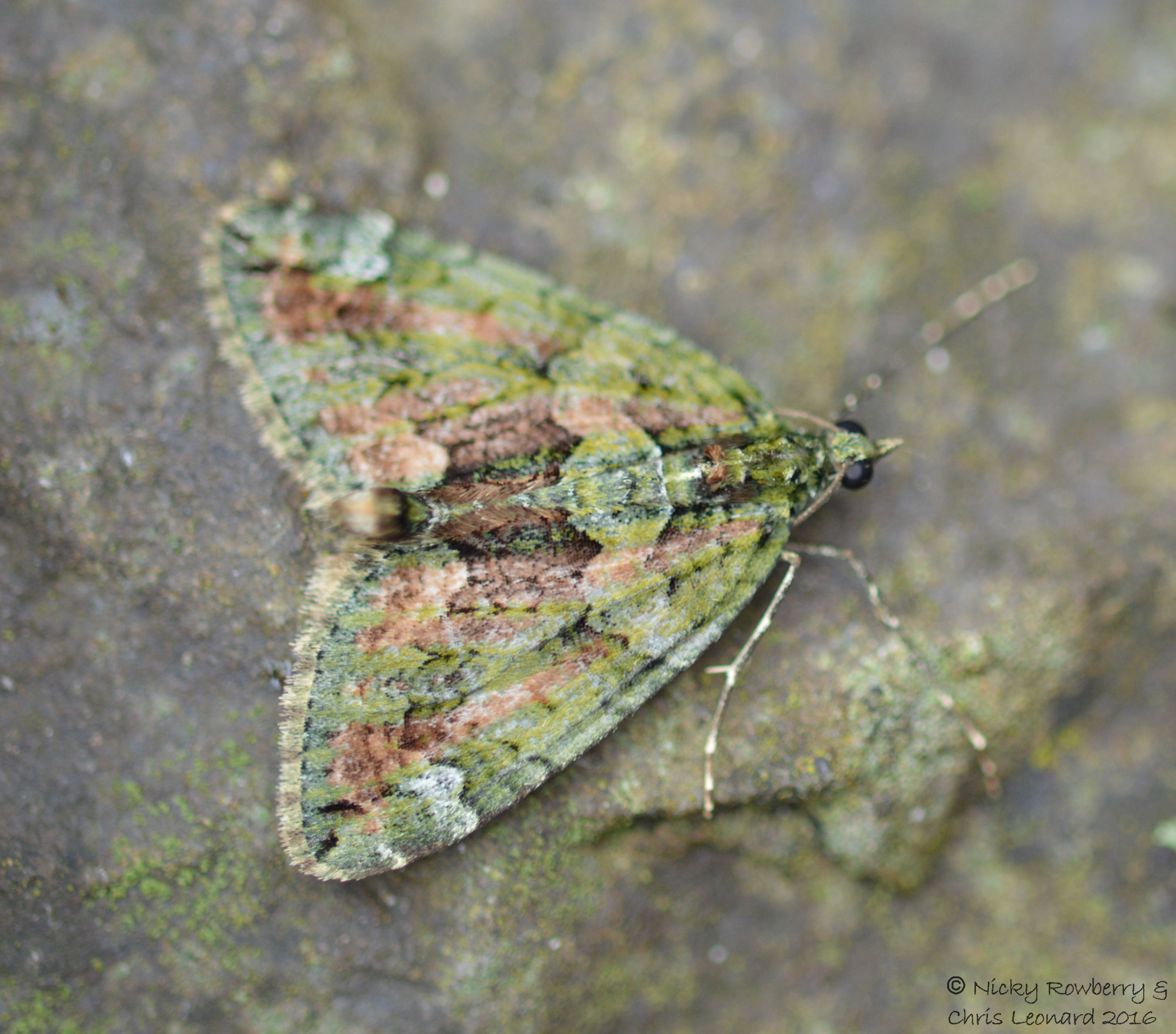
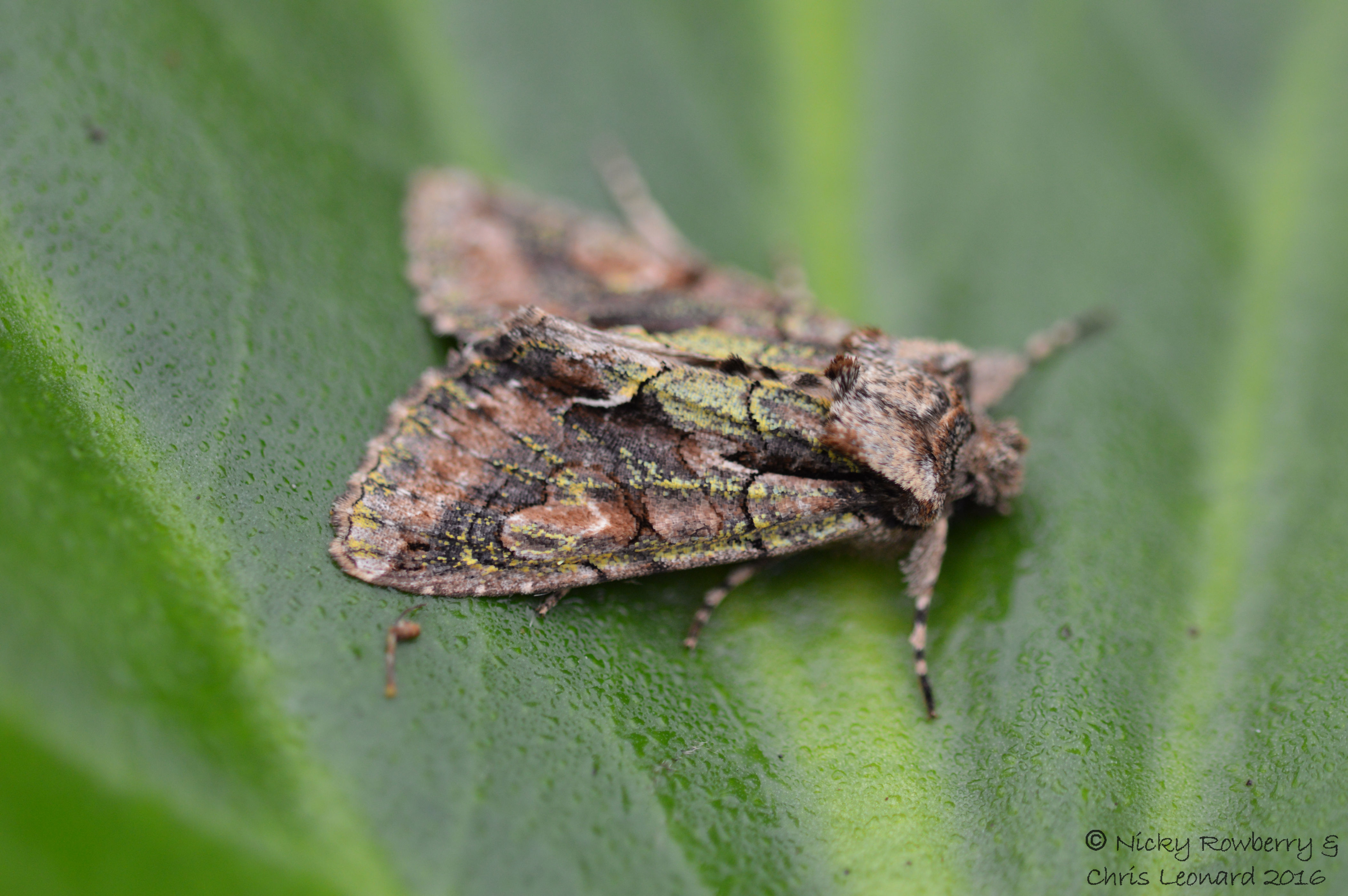
The base colour of the Green-brindled Crescent is a fairly dull mottled brown. But is has areas of metallic green scales (close up below) that shimmer in the right light to give it a beautiful green sheen. There have been a few of these in the trap recently, the new ones almost glitter green, but later in the season they lose the green scales and become much duller.

green-brindled-crescent

moth-scales

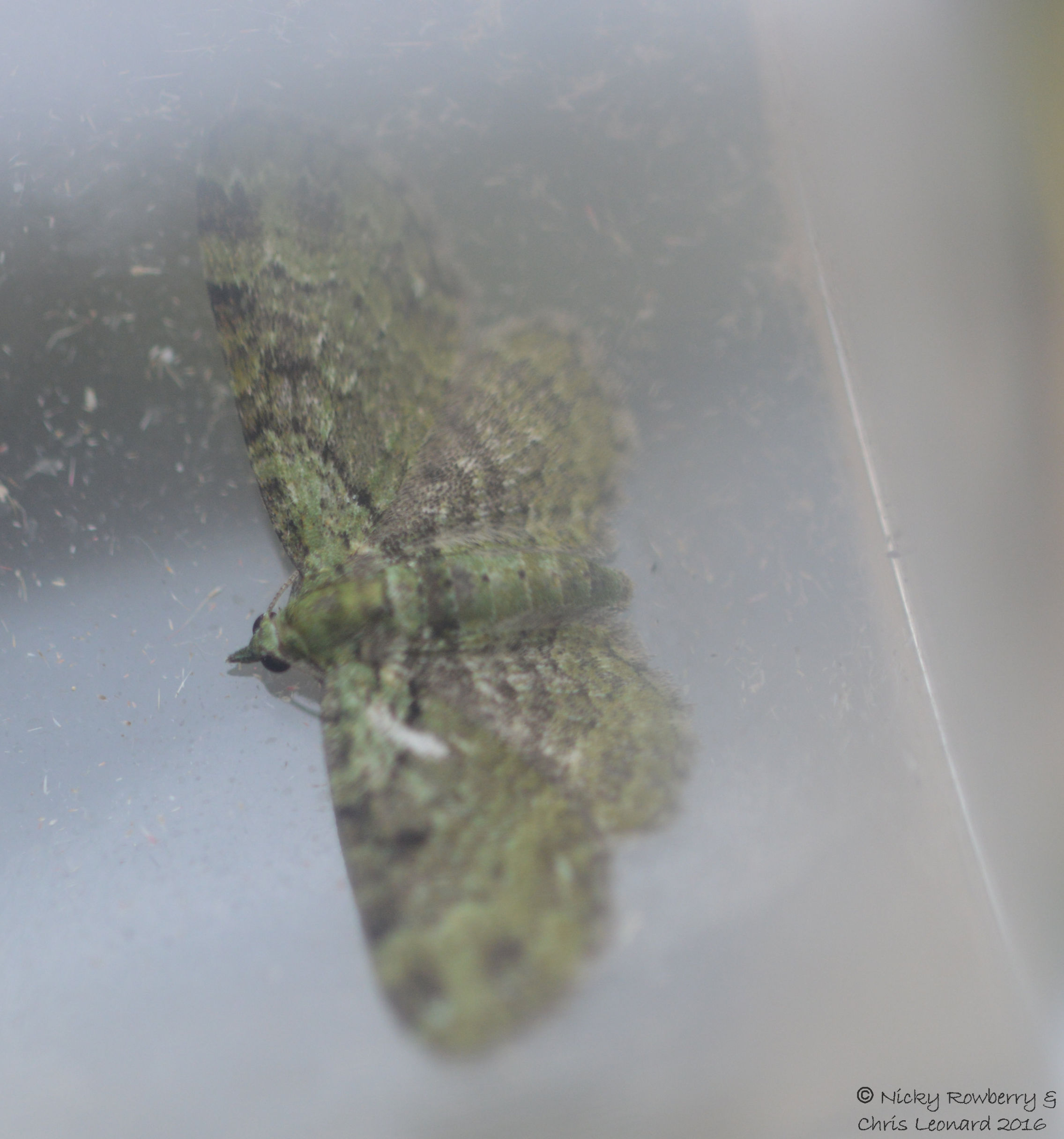
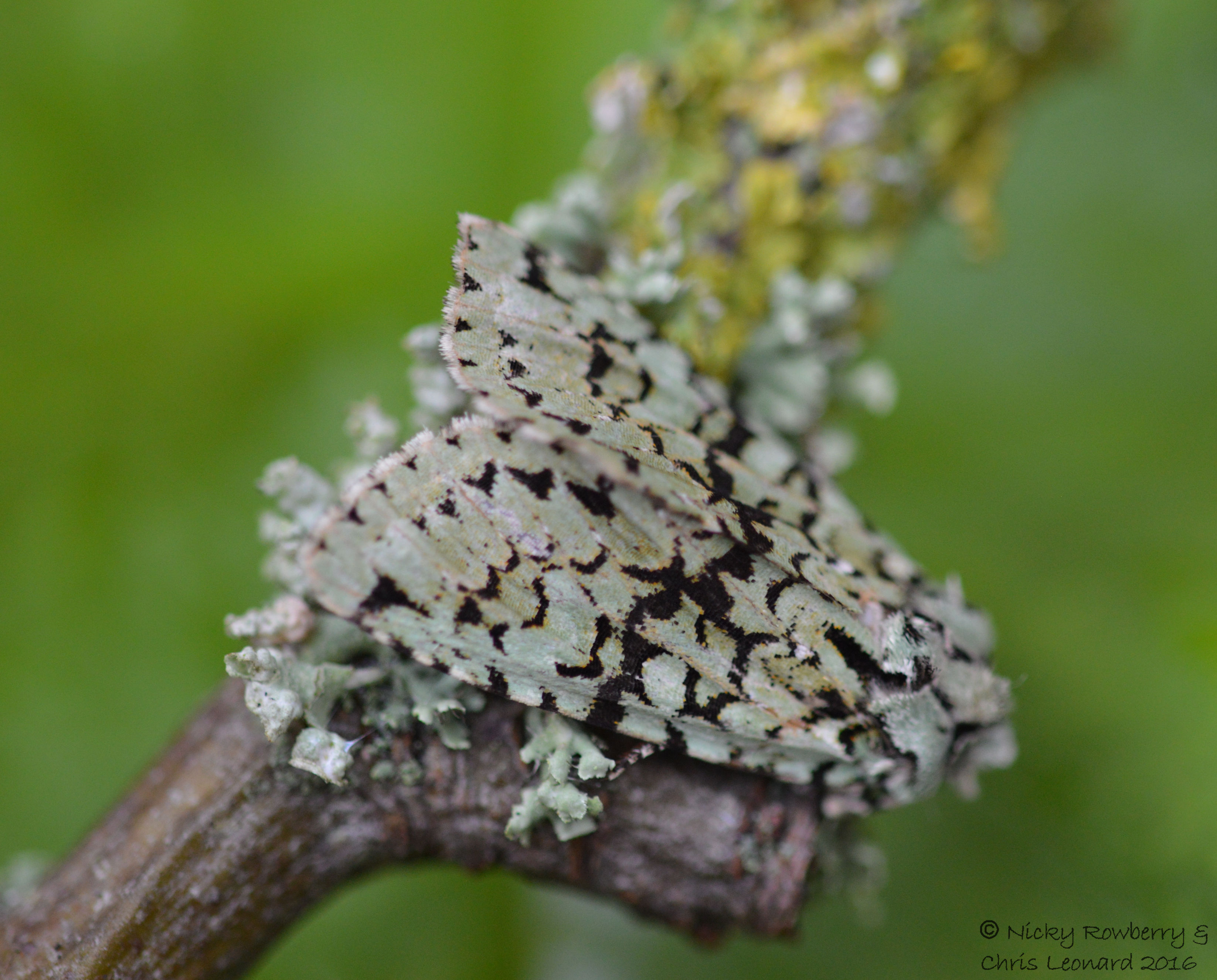
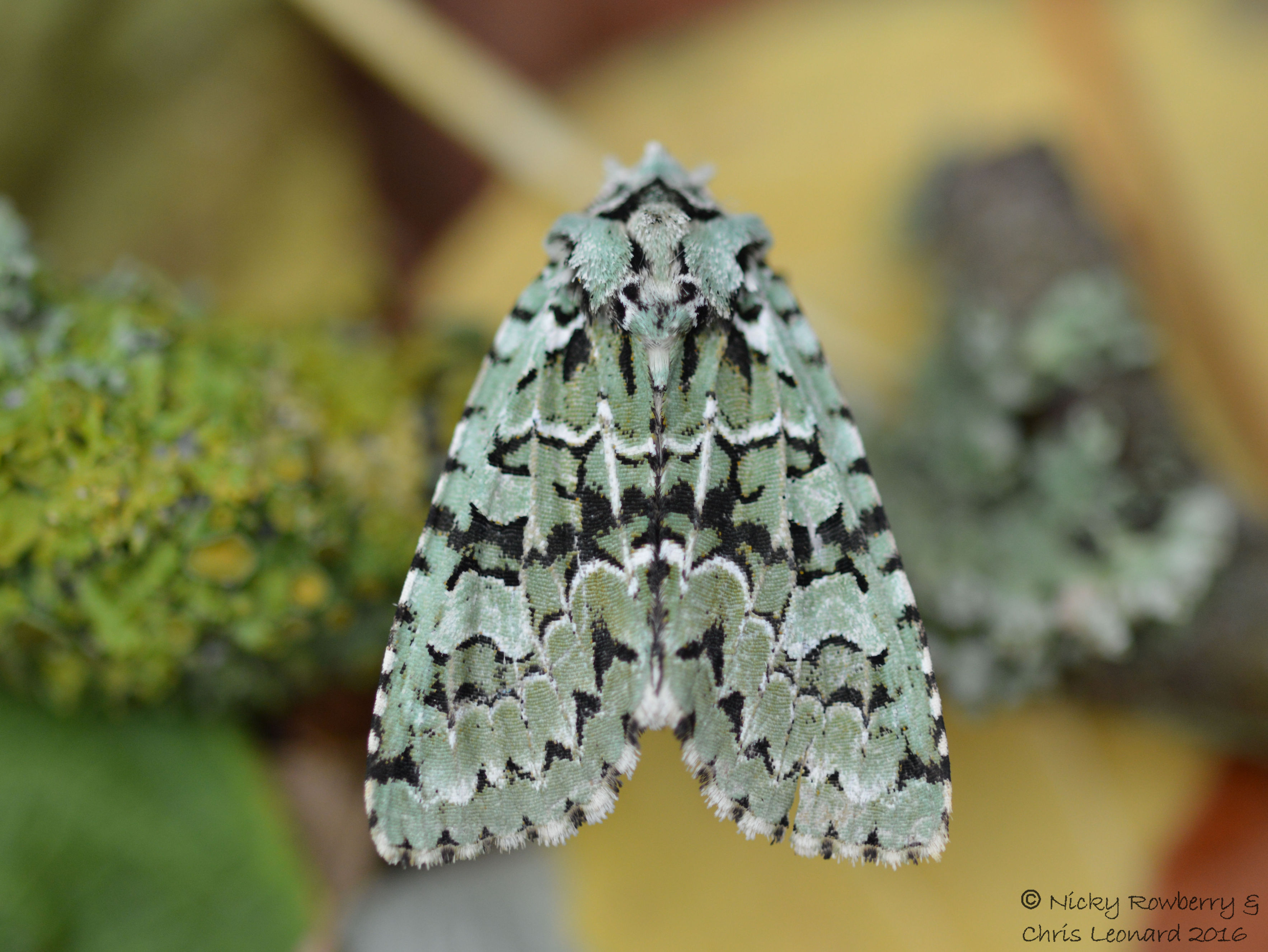
I have saved my favourite to last – the absolutely stunning Merveille du Jour. I love everything about these moths – their marvellous (or should that be mervellous – sorry!!) name, their fabulous colours and even the fact that they tend to be really docile and patient while I try and take photos. This gorgeous moth mimics lichens on tree branches, which means I’ve spent an awful lot of time trying to get the perfect shot of one doing just that. The following are by no means perfect, but they do at least hopefully show what I’m on about.

merveille-du-jour

merveille

There are lots of other green moths out there, so hopefully I can add to this collection as the years go by. There is even one called the Scarce Merveille du Jour – I can but dream!!

Miniature Marvels

Over the last few years, I’ve become fascinated (some may say slightly obsessed!) with the diversity of moths we get in our very ordinary garden. For the first few years of moth trapping I concentrated on the macro moths, which as their name suggests, tend to be the larger species. As a beginner, the macro moths were a) easier to identify as they were bigger and b) easier to photograph – also because they were bigger. But this year I started to realise that I was missing out on an awful lot of moths. There are about 800 species of macro moths and probably three times as many micro moths in the UK alone.

So I’ve started trying to identify the micro moths too. At first this felt like an impossible task as many of them are really just so damn small! But once I got into them, I started to appreciate their microscopic beauty. I still find most of them to be incredibly difficult to identify though and have relied heavily on iSpot and experts on Twitter and Facebook to help me. This year to date I’ve recorded 208 species of moth in the garden of which 58 have been micros. The real number of micros present in the garden is probably much higher, but my poor ID and photographic skills have limited the results so far.

I thought it was about time I did a blog post in praise of the miniature marvels that are the micro moths. So here’s a selection of my favourites – ones that I find particularly interesting or beautiful or significant in some other way.

So first up a micro that is probably the most abundant one in our garden, thanks to the presence of our apple tree – the Light Brown Apple Moth (Epiphyas postvittana). This is actually an Australian species that was accidentally introduced to the UK and can be a pest in orchards. On one night alone in August I got 78 of these in the moth trap!

Next up another orchard pest species – the Codling Moth (Cydia pomonella). Its caterpillars feed on the apples and can ruin crops. It is such a problem that you can buy codling moth traps which use pheromones to lure the moths to their doom. As our apple tree produces way more fruit than we can eat anyway, we’re not too bothered by the presence of this moth. I’ve included it here, not because of its pest status, but because it is actually quite an attractive moth, with its coppery rear end!

codling-moth

While I’m on pest species, this next one is a Horse Chestnut Leaf Miner (Cameraria ohridella). The caterpillars do just what it says on the tin – they mine into the leaves of Horse Chestnut trees. The leaf mines themselves are not fatal to the trees, but they could allow diseases in which would have a greater impact. We don’t have any horse chestnut trees in the garden, nor any close by that I’m aware of; which may be why I only caught one of these this summer. They may not be a welcome addition to the UK fauna, but they are beautiful moths!

horse-chestnut-leaf-miner

Moving away from pests, the next species is one of a strikingly unusual group of moths – the Plume moths. This one is a Beautiful Plume (Amblyptilia acanthodactyla). They have modified wings that, when not in use, are folded away into the crossbars of these T shaped moths. They seem to be quite docile moths – this one was happy to sit on my hand to be photographed.

beautiful-plume

The Twenty-Plume Moth (Alucita hexadactyla) has similar feathery plumes for wings. Despite its name, it actually has 24 plumes – each of the 4 wing consisting of 6 plumes. They are strongly attracted to lights and we often find these indoors or on the outside of our glass door if we leave the light on.

The next micro may not look very interesting, but it is a Scarce Cosmet (Mompha jurassicella). I got awfully excited about this one earlier in the year, when someone identified it for me and it turned out it was the first record for Malvern. It’s only a few millimetres long meaning it is easily overlooked, so I suspect lots of gardens around here have it too – but not all our neighbours go grovelling about in the grass looking for tiny invertebrates!

scarce-cosmet

The next one I’ve included is a day-flying micro – a Mint Moth (Pyrausta aurata). This cheery looking little moth seems to like all our herbs, not just the mint – it is particularly fond of the oregano and in the summer we have lots of them fluttering around the herb bed.

mint-moth

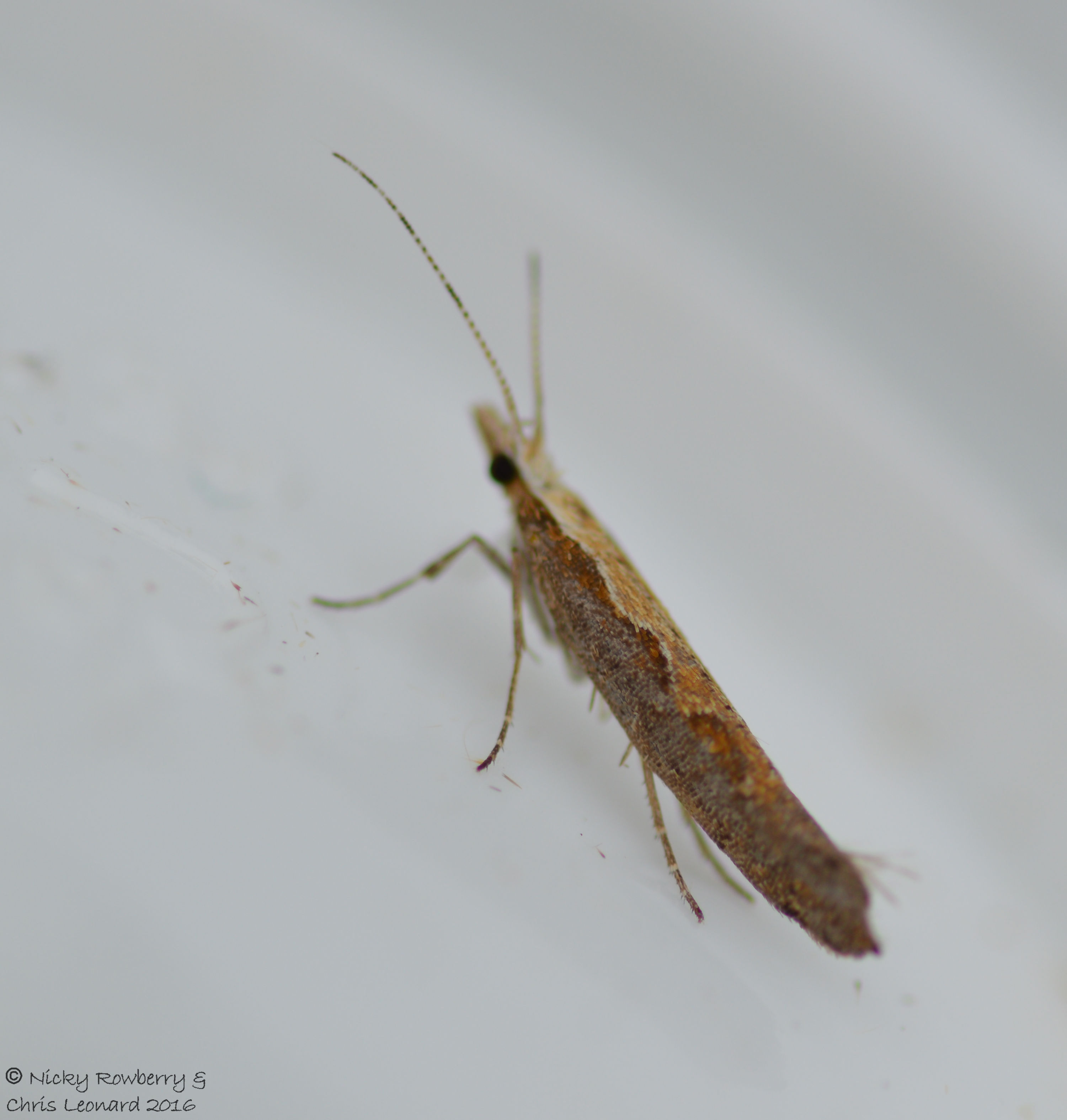
The Diamond-back Moth (Plutella xylostella) is another migrant moth that each summer gets blown over from Europe. This year there were reports in the press of “plagues” of these little moths that were potentially going to “destroy our crops”! As far as I know nothing of the sort happened, but I did get quite a few in the moth trap.

Diamond Back moth

This next moth didn’t look that interesting when I first caught it, it was only when I looked at the photo close up that I could see just how beautifully it was coloured. That’s the problem with such small moths – the naked eye just can’t pick up the detail! It is a Cherry-Bark Moth (Enarmonia formosana).

cherry-bark-moth

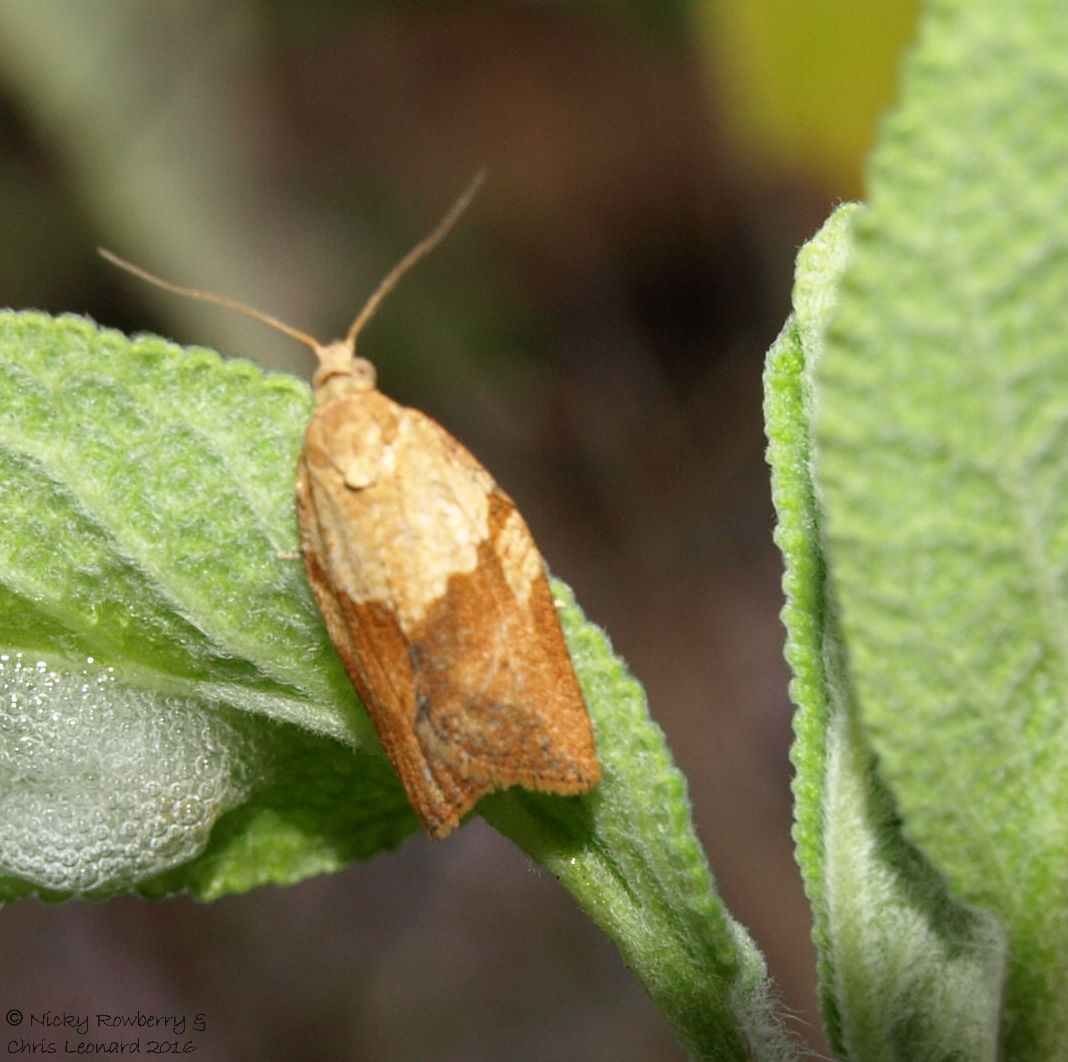
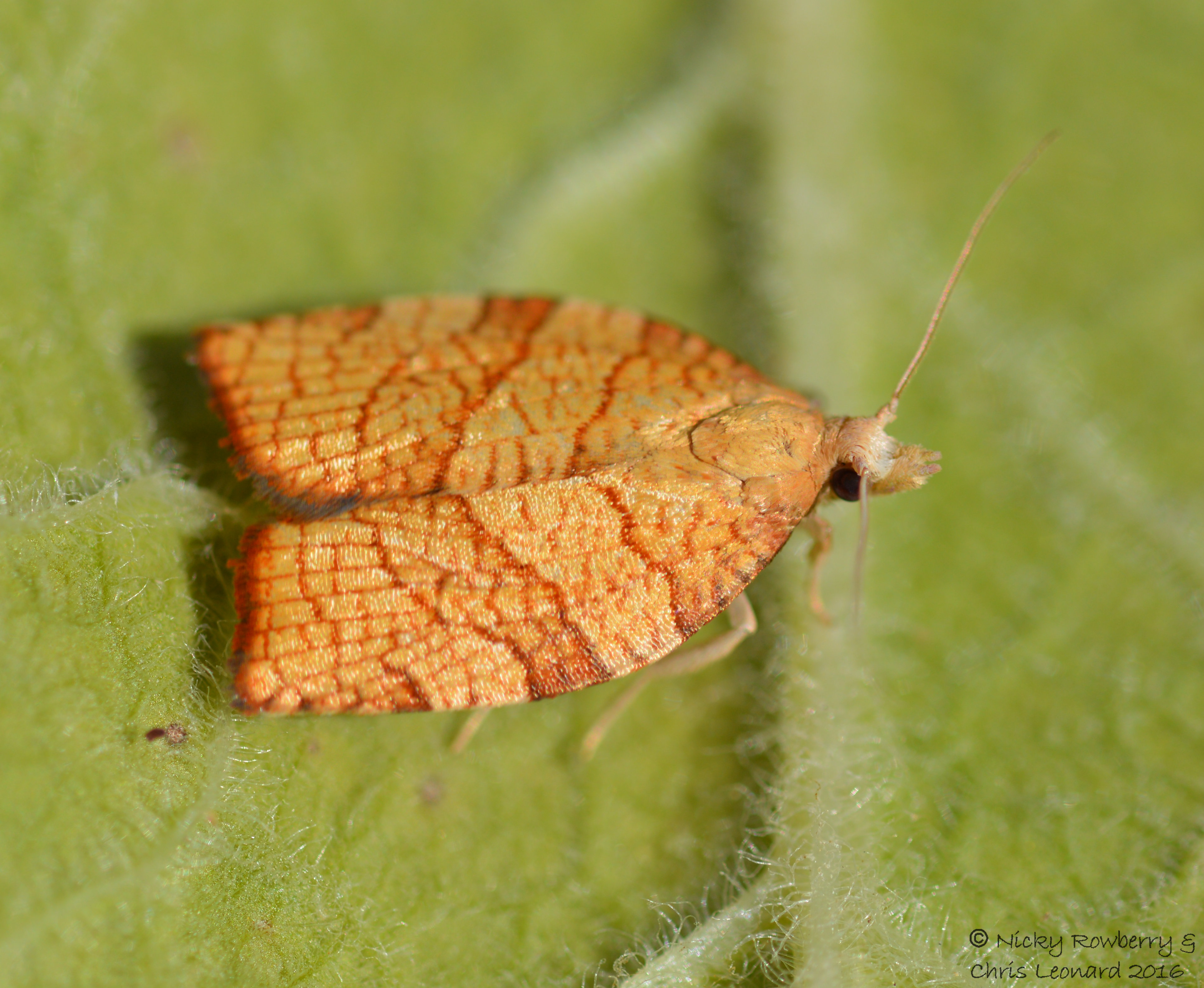
The Chequered Fruit-Tree Tortrix (Pandemis corylana) I like for its mosaic crazy paving patterning. It’s also got quite a distinctive shape – broad and flat, unlike most of the other moths here.

chequered-fruit-tree-tortrix

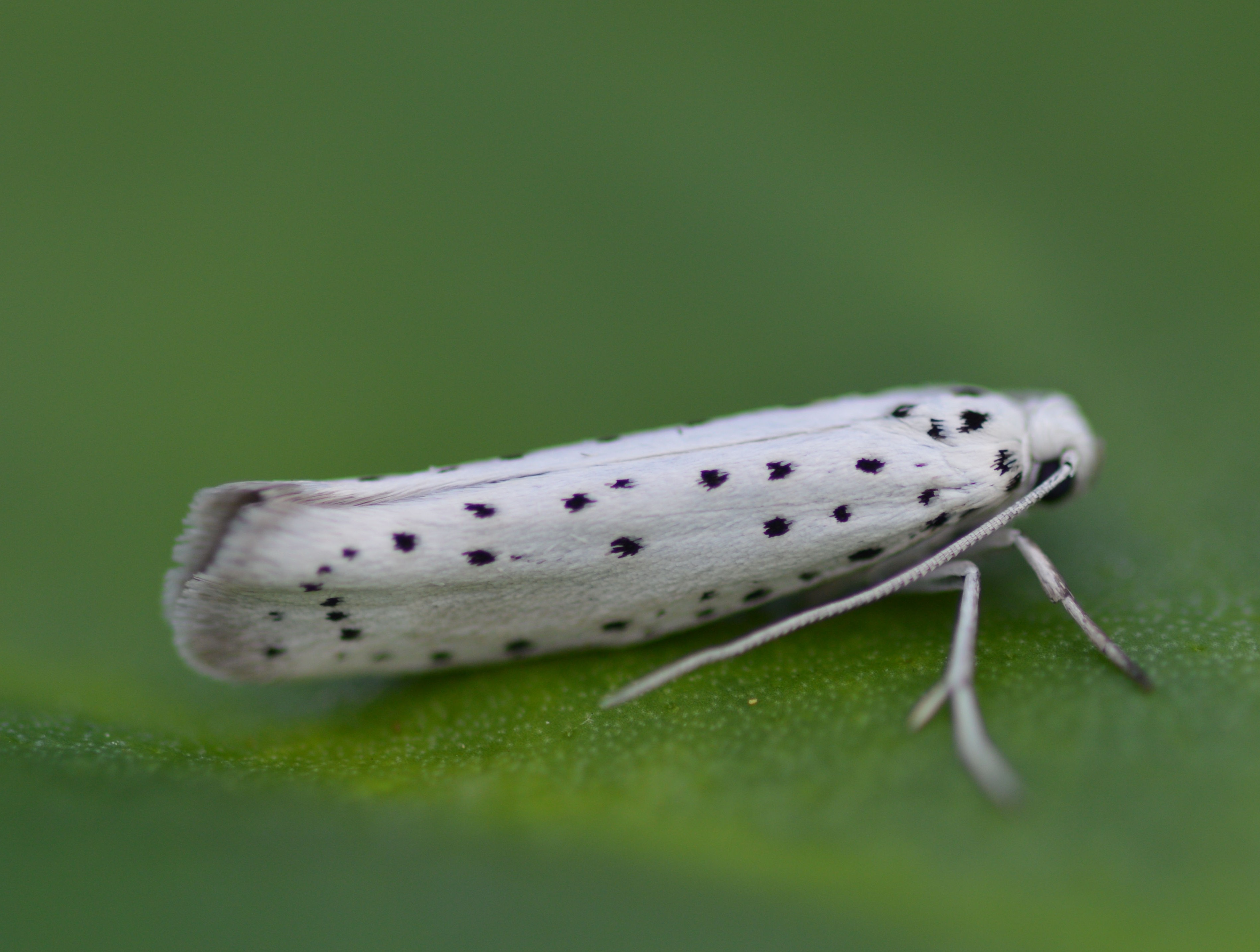
This is one of the Orchard Ermine group (Yponomeuta sp.) There are several almost identical species of these gorgeous little white moths and they can only be reliably identified if you rear them from caterpillars -which of course I’ve not done!

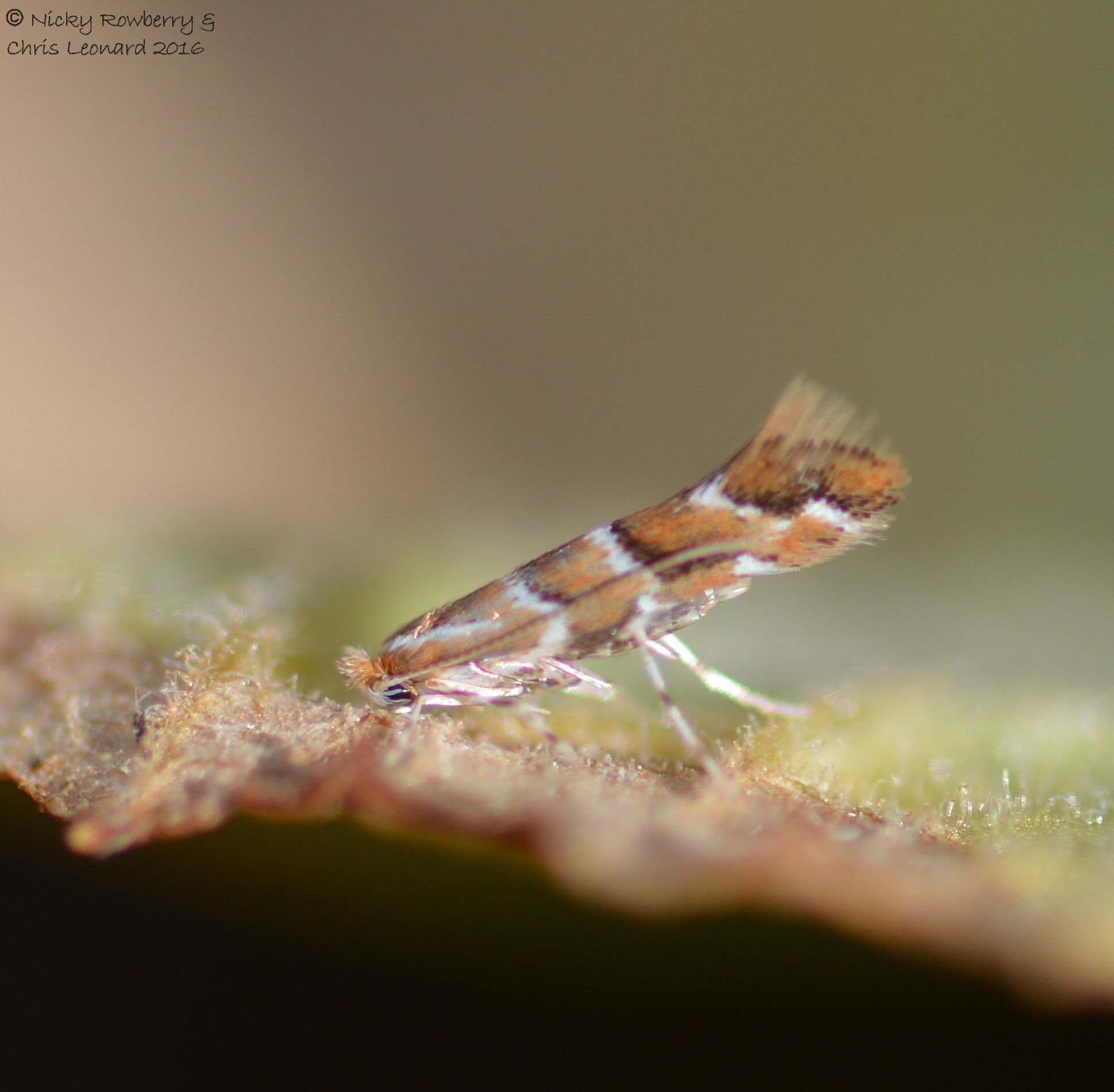
This little beauty is one of the Caloptilia moths. They are very hard to identify so not sure which of several species it is. But I loved the brassy gold colouration and the way it seems to be standing on tiptoe on its front legs. This was another species whose beauty was only revealed with the camera zoomed right in.

caloptilia

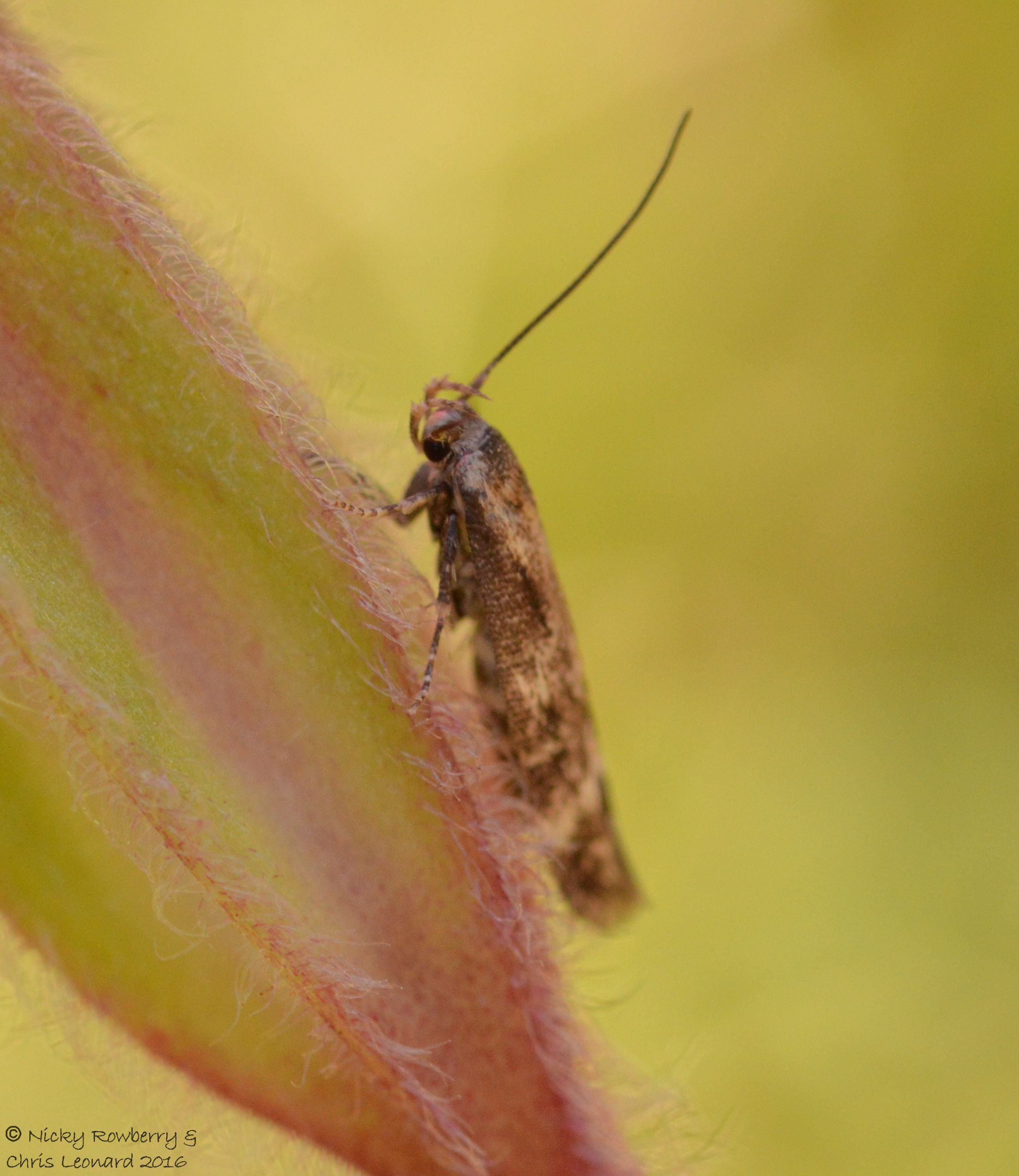
The final micro of this selection is one that is not particularly attractive or distinctive, doesn’t have an interesting life history or pest status, but is stuck with one of the worst common names – the Dingy Dowd (Blastobasis adustella). I think it must be my desire to support the under-dog that makes me root for the poor Dingy Dowd!

dingy-dowd