Beautiful Pea-Green Moths

The end of the annual Garden Moth Scheme is nigh, so I’ve been checking my moth records ready to submit them to the scheme coordinator. I’ve posted previously about the autumn colours of moths – how the various Sallows mimic piles of dead leaves etc. But looking at the moth list from the last few weeks, the colour that stood out was green. When people think of moths, they don’t tend to picture green ones, but there are some stunning ones out there. So this week’s blog is in praise of the beautiful pea-green (and other verdant shades) moths I’ve found in the garden.

I’ll start though with my most rubbish photo – the Green Pug. I’ve caught these several times, but all the Pug moths tend to be really flighty and as soon as you open the collecting pot, they fly off. So despite repeated efforts this shot through the plastic pot is the best I’ve managed for a Green Pug. You can at least see that it is green and, if you’re into moths, you’d see that it is the typical pug shape.
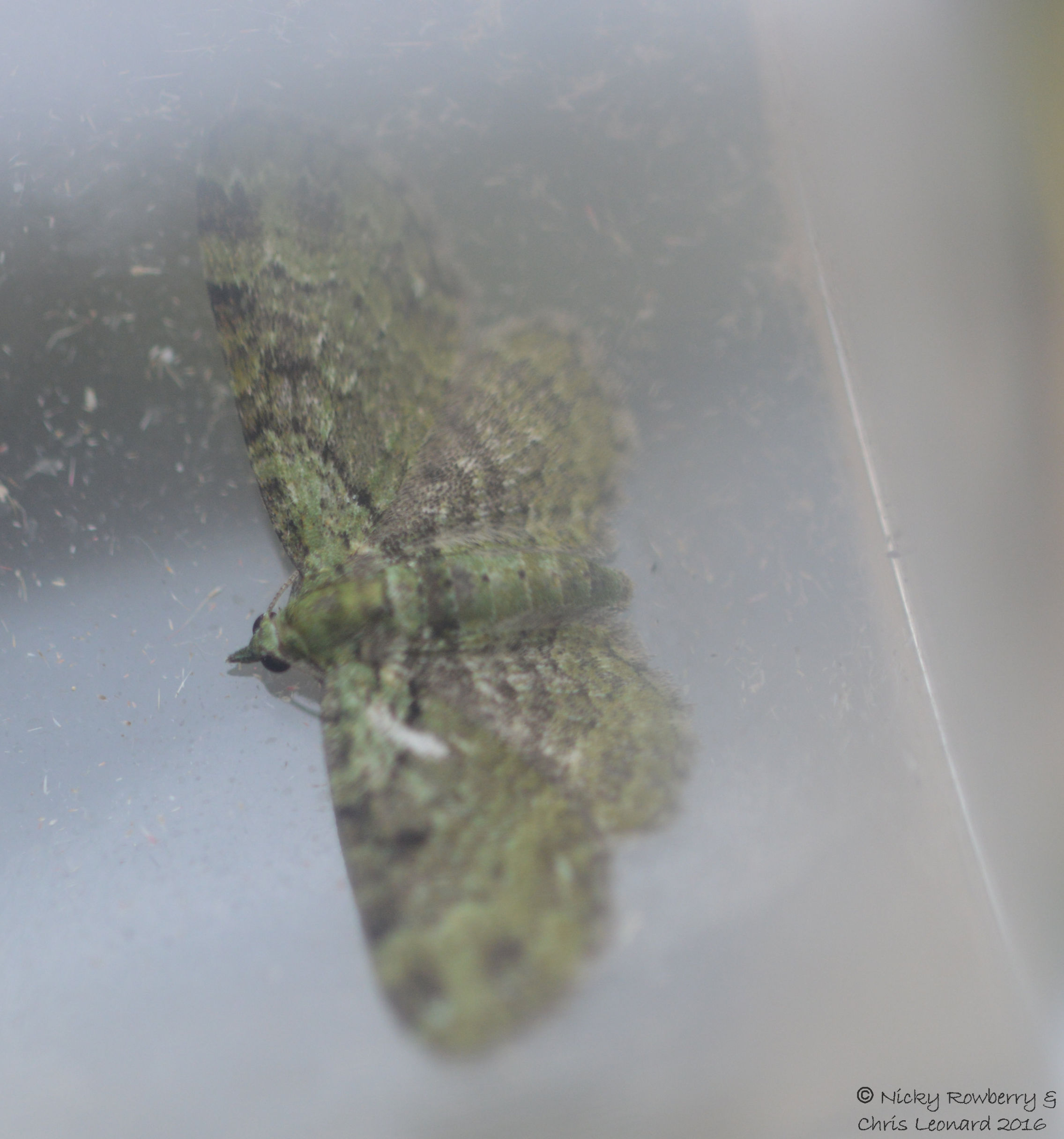
green-pug

There’s a whole group of moths called the Emeralds – a great name for these gorgeous green moths.  We’re lucky to get at least three species in the garden. The palest green one is the Light Emerald (a name that does what it says on the tin!) This is the largest of the emeralds we get here and has reddish tips to the end of its wings (although this one has lost one where something’s taken a bite out of it).
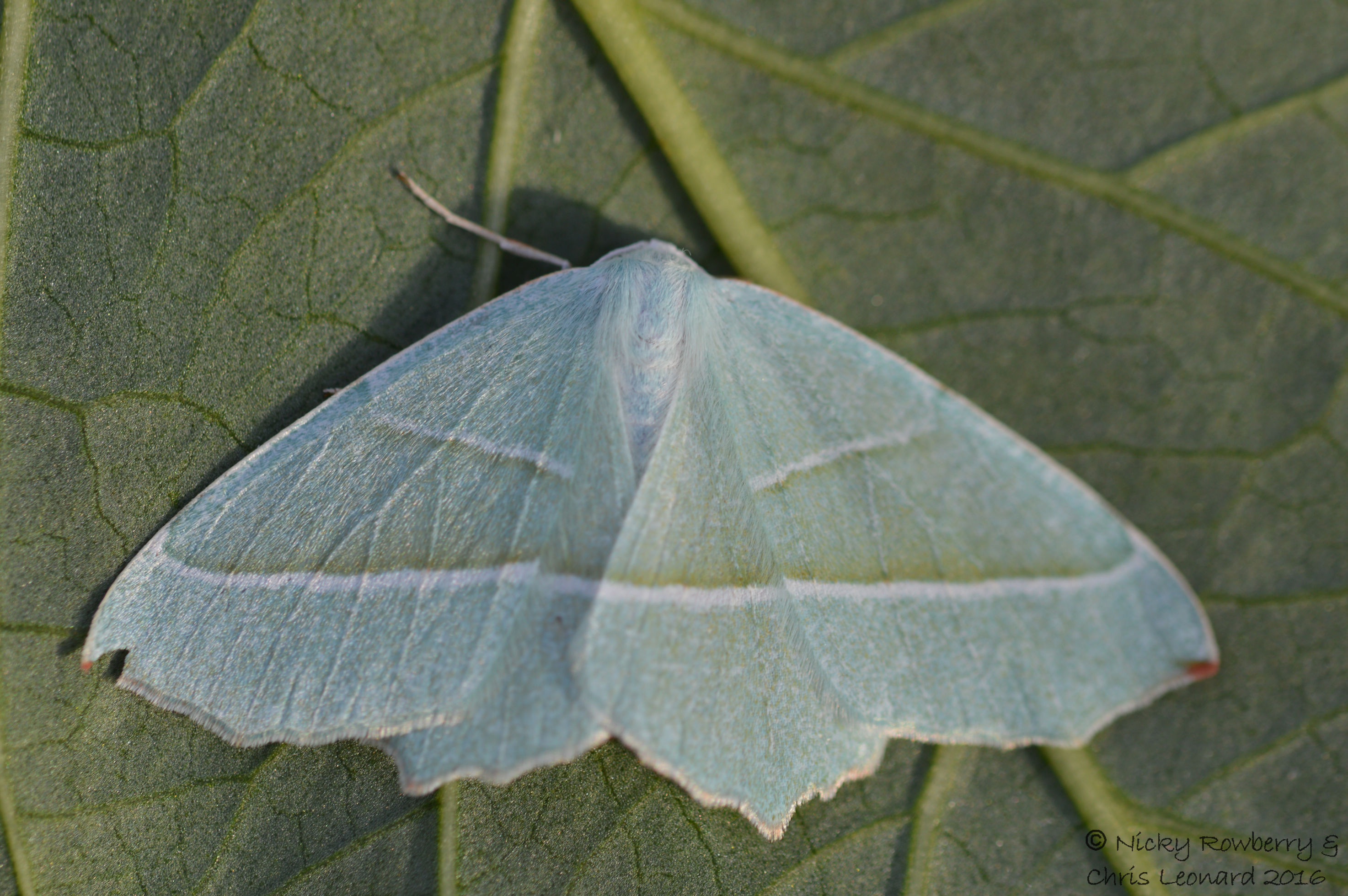
light-emerald

Next up is the Small Emerald, which is the brightest green of the three. For some reason the best photo I could find of this one was of it sitting on my fingers. (not to self, get manicure before posting photos of scruffy finger nails!)
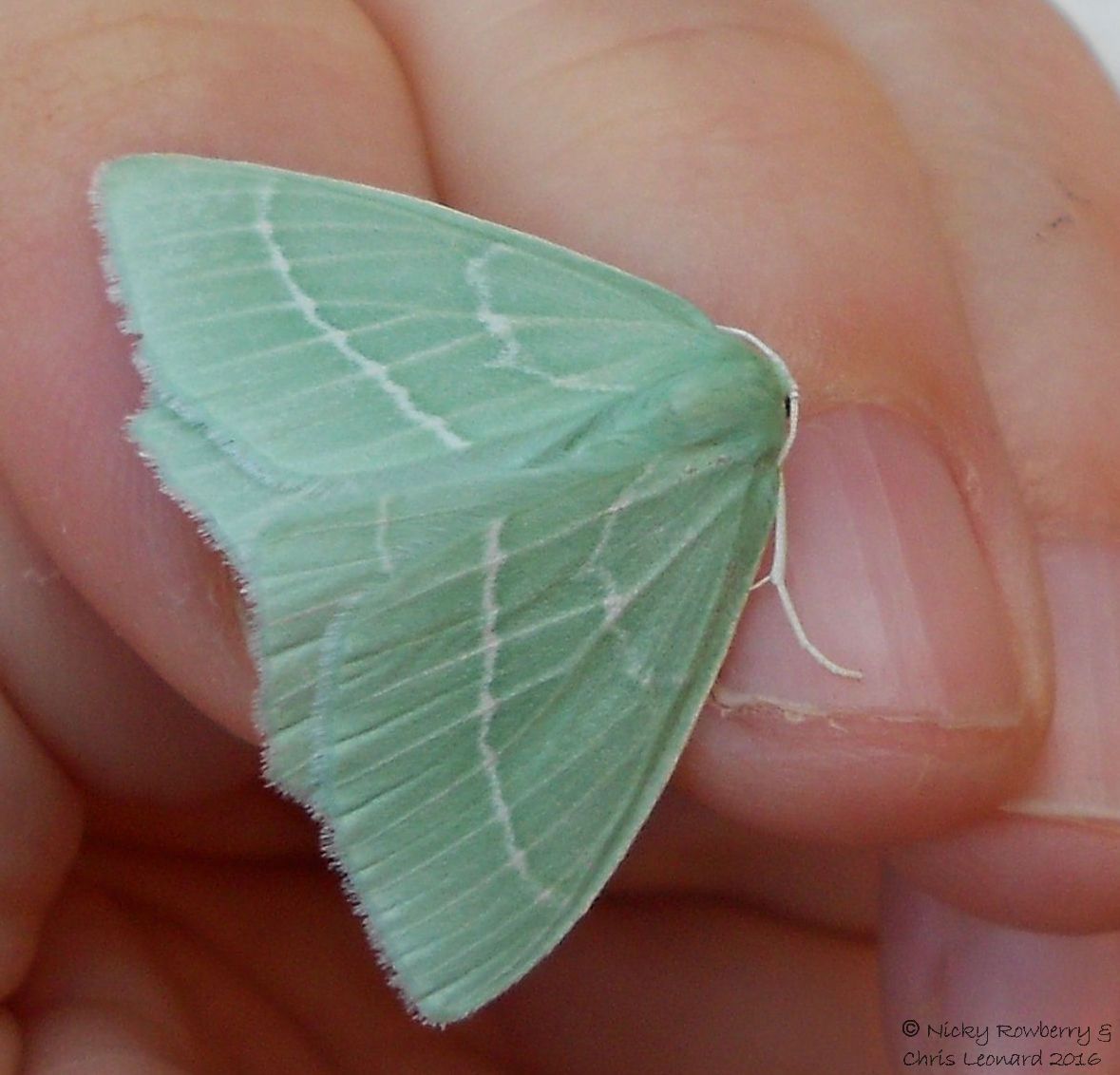
small-emerald

The third one is a Common Emerald which didn’t actually put in an appearance in the garden this year (perhaps it’s not that common?), but we’ve had it previously. Confusingly it is smaller than the Small Emerald!
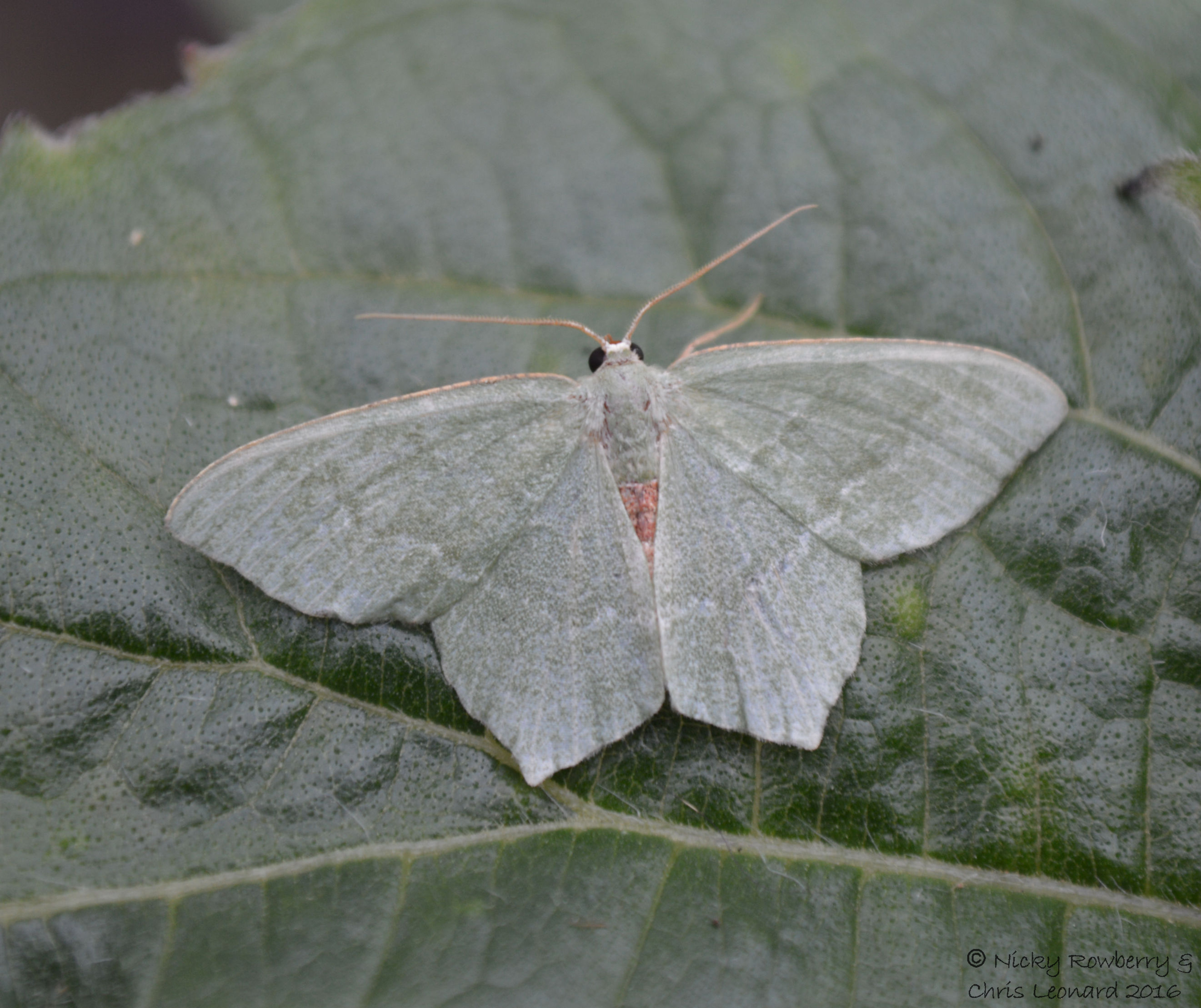
common-emerald

From a “Common” moth that didn’t appear this year to a “Scarce” moth that did – the Scarce Silver Lines. This is a stunning moth with pales lines across a green background that are presumably intended to resemble veins on a leaf.
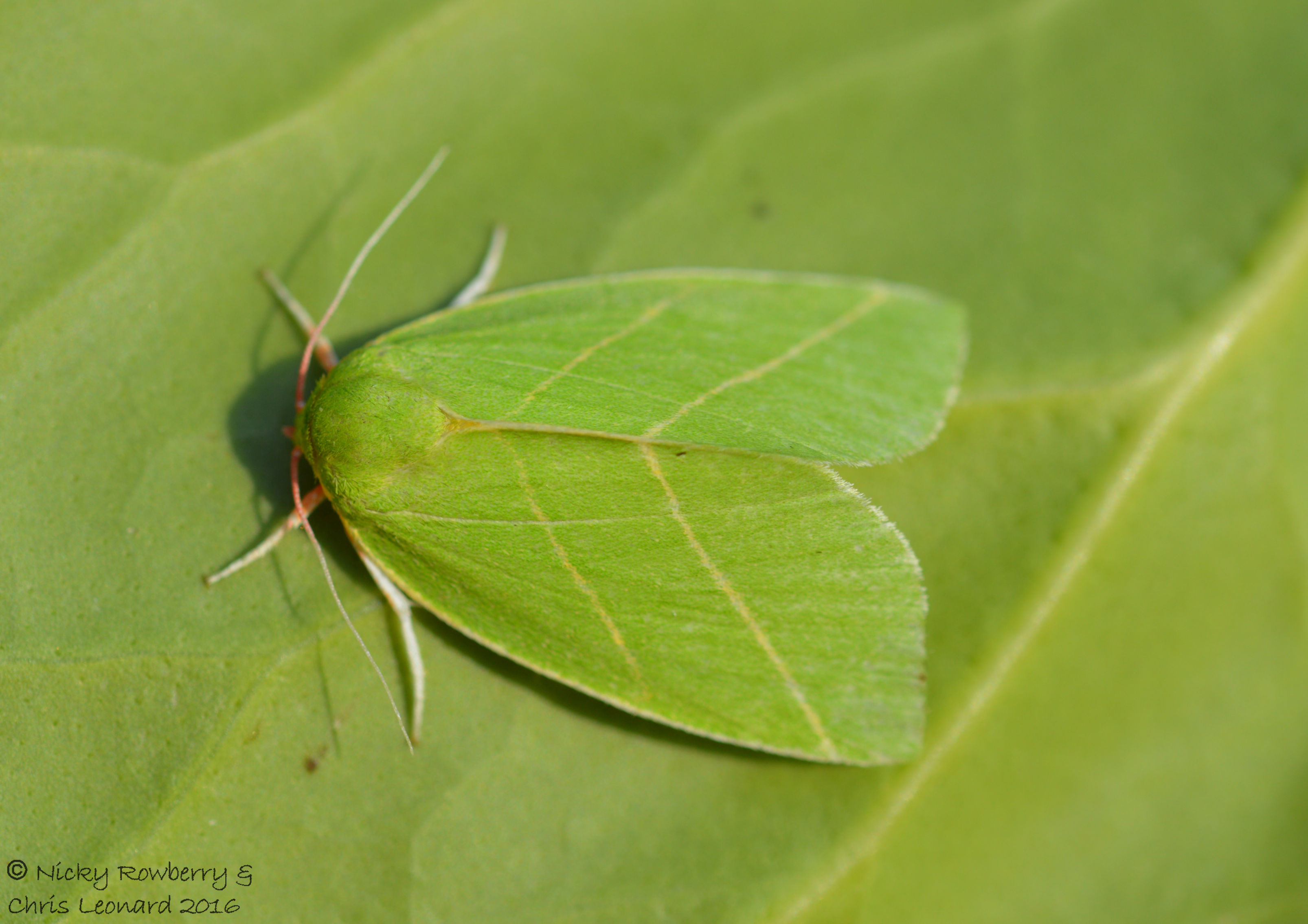
scarce-silver-lines

The Red-Green Carpet moth below is quite common in our garden right now. These carpet moths have nothing to do with the ones that eat your carpets indoors. They are definitely outdoor moths and are named because the patterning supposedly reminded the Victorians of their intricate carpets.
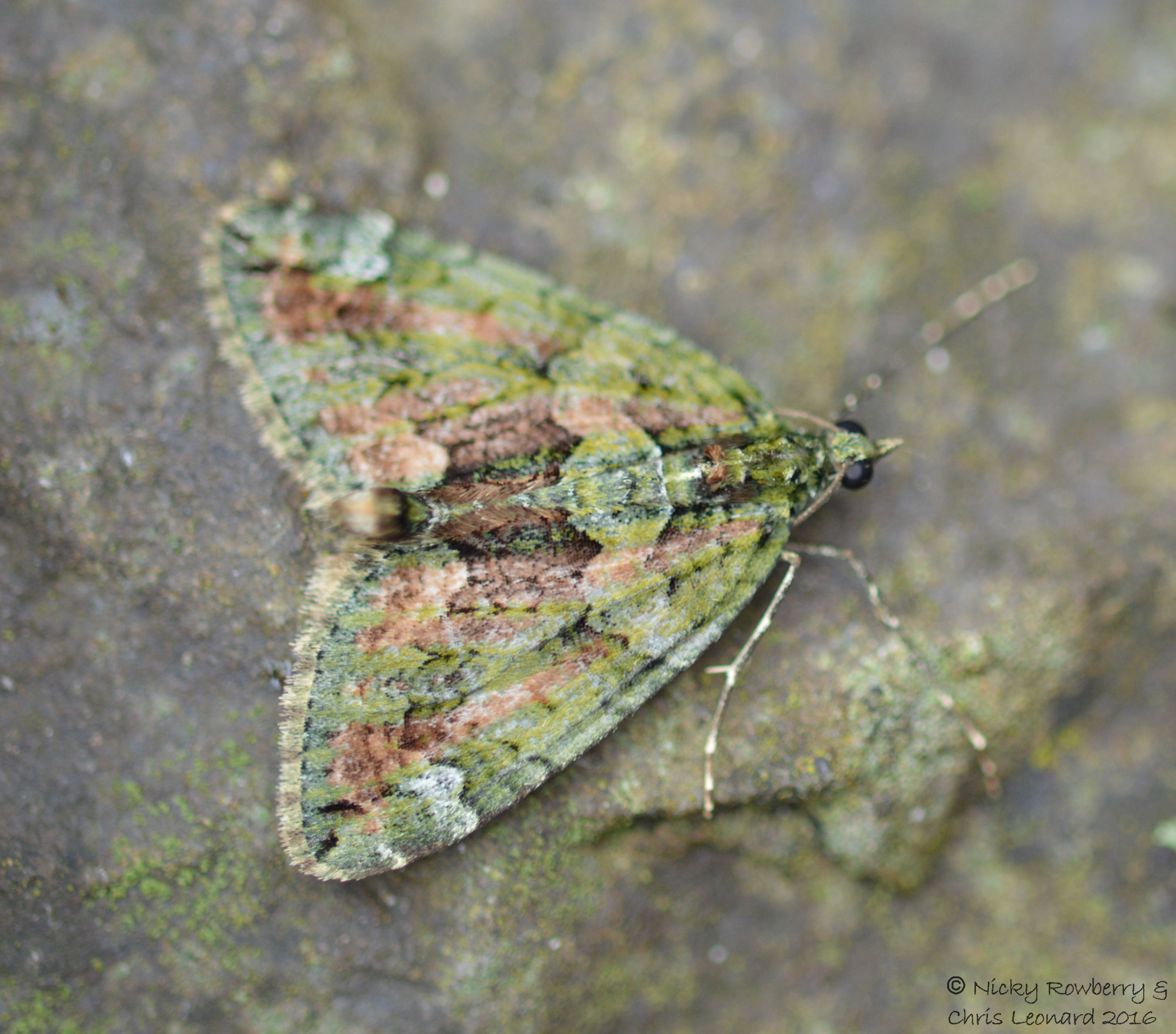
red-green-carpet

The base colour of the Green-brindled Crescent is a fairly dull mottled brown. But is has areas of metallic green scales (close up below) that shimmer in the right light to give it a beautiful green sheen. There have been a few of these in the trap recently, the new ones almost glitter green, but later in the season they lose the green scales and become much duller.
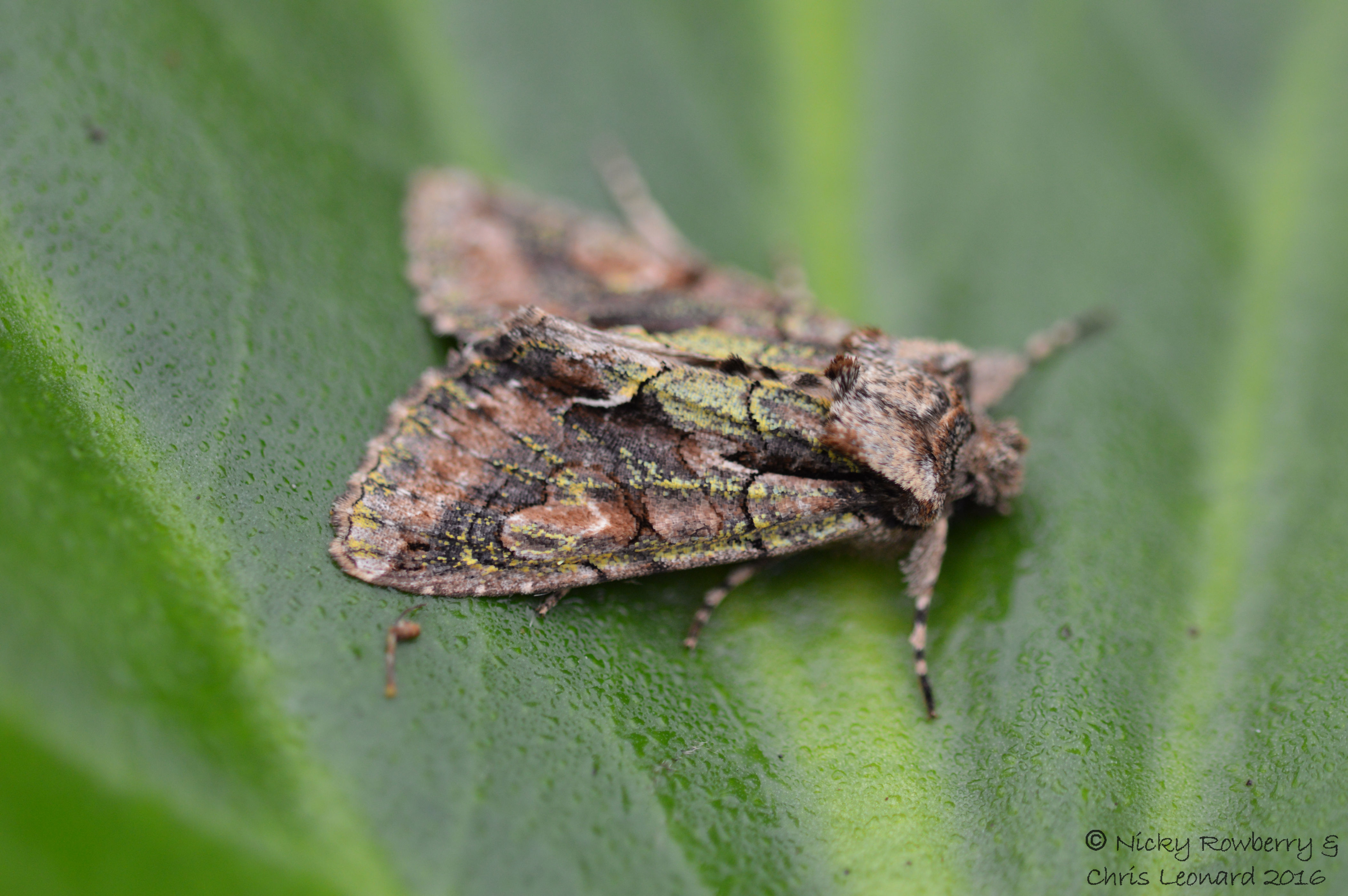
green-brindled-crescent

moth-scales

I have saved my favourite to last – the absolutely stunning Merveille du Jour. I love everything about these moths – their marvellous (or should that be mervellous – sorry!!) name, their fabulous colours and even the fact that they tend to be really docile and patient while I try and take photos. This gorgeous moth mimics lichens on tree branches, which means I’ve spent an awful lot of time trying to get the perfect shot of one doing just that. The following are by no means perfect, but they do at least hopefully show what I’m on about.
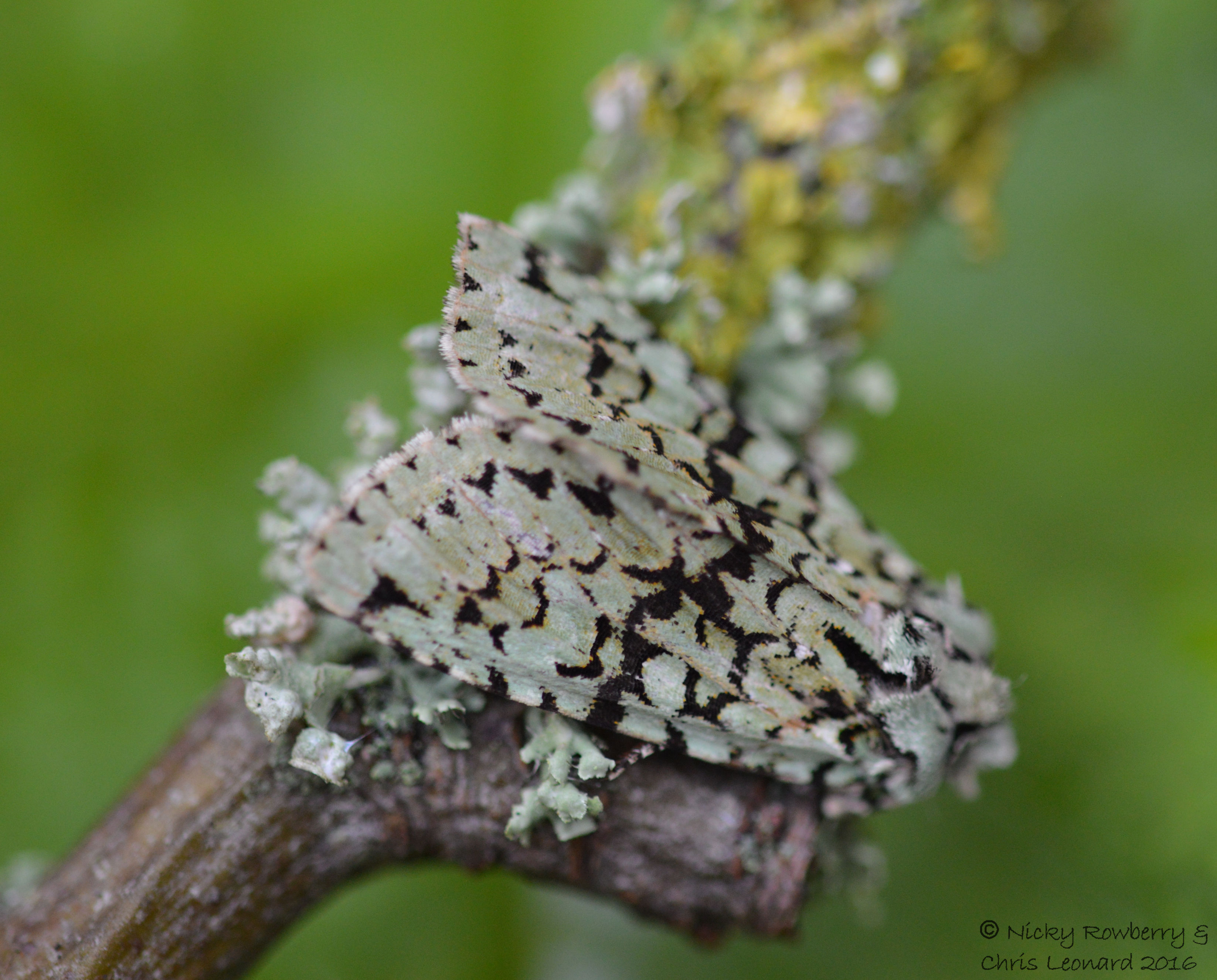
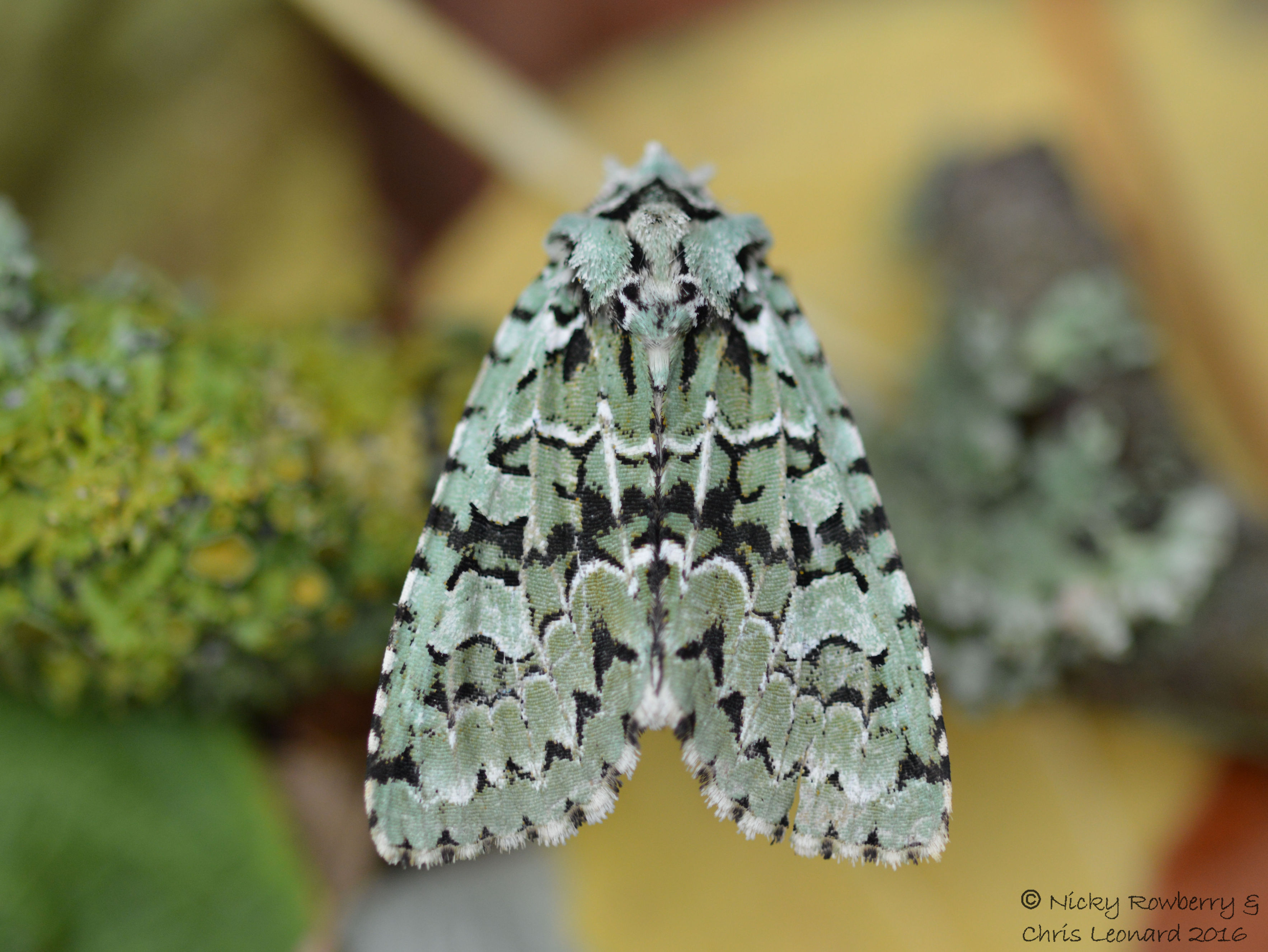
merveille-du-jour

merveille

There are lots of other green moths out there, so hopefully I can add to this collection as the years go by. There is even one called the Scarce Merveille du Jour – I can but dream!!
Miniature Marvels

Over the last few years, I’ve become fascinated (some may say slightly obsessed!) with the diversity of moths we get in our very ordinary garden. For the first few years of moth trapping I concentrated on the macro moths, which as their name suggests, tend to be the larger species. As a beginner, the macro moths were a) easier to identify as they were bigger and b) easier to photograph – also because they were bigger. But this year I started to realise that I was missing out on an awful lot of moths. There are about 800 species of macro moths and probably three times as many micro moths in the UK alone.

So I’ve started trying to identify the micro moths too. At first this felt like an impossible task as many of them are really just so damn small! But once I got into them, I started to appreciate their microscopic beauty. I still find most of them to be incredibly difficult to identify though and have relied heavily on iSpot and experts on Twitter and Facebook to help me. This year to date I’ve recorded 208 species of moth in the garden of which 58 have been micros. The real number of micros present in the garden is probably much higher, but my poor ID and photographic skills have limited the results so far.
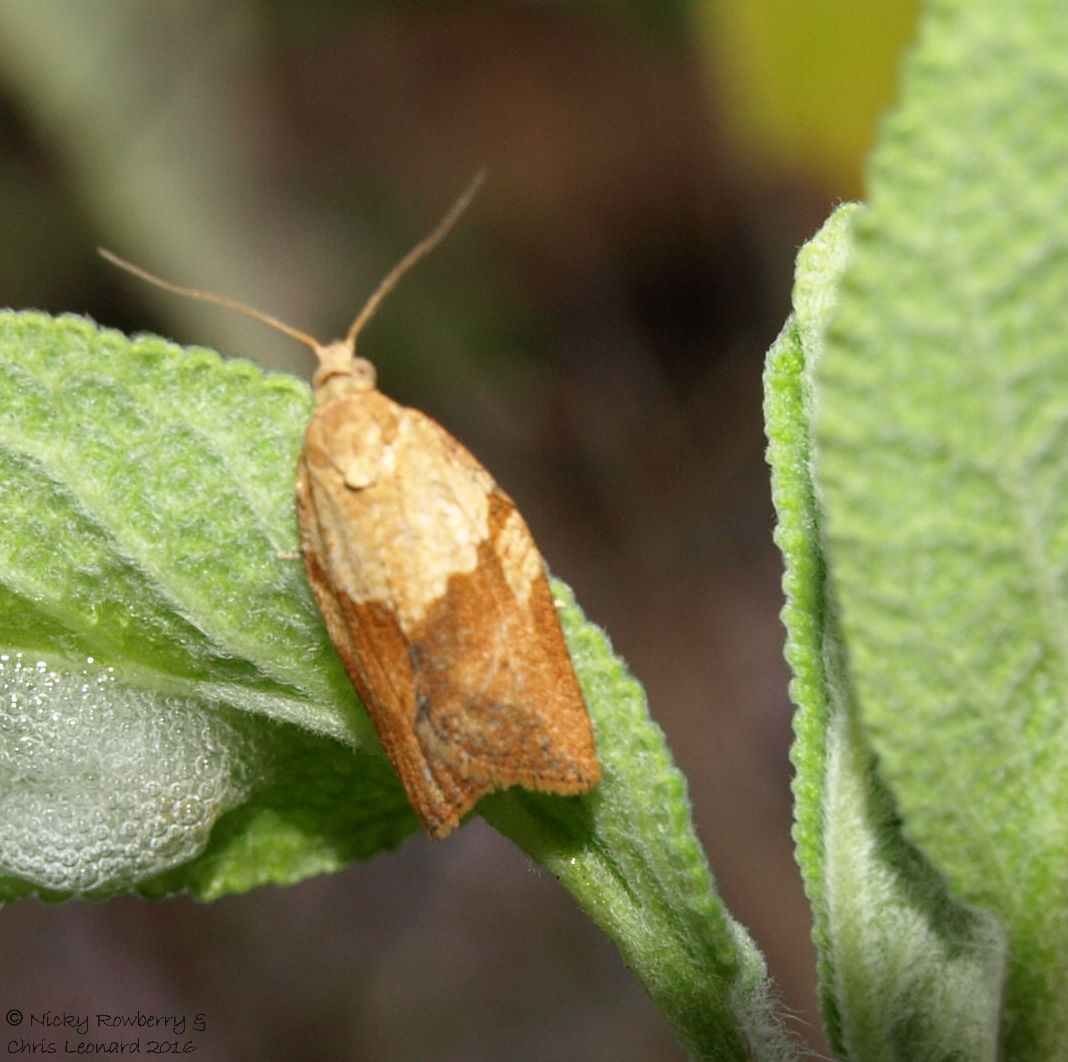
I thought it was about time I did a blog post in praise of the miniature marvels that are the micro moths. So here’s a selection of my favourites – ones that I find particularly interesting or beautiful or significant in some other way.

So first up a micro that is probably the most abundant one in our garden, thanks to the presence of our apple tree – the Light Brown Apple Moth (Epiphyas postvittana). This is actually an Australian species that was accidentally introduced to the UK and can be a pest in orchards. On one night alone in August I got 78 of these in the moth trap!

Next up another orchard pest species – the Codling Moth (Cydia pomonella). Its caterpillars feed on the apples and can ruin crops. It is such a problem that you can buy codling moth traps which use pheromones to lure the moths to their doom. As our apple tree produces way more fruit than we can eat anyway, we’re not too bothered by the presence of this moth. I’ve included it here, not because of its pest status, but because it is actually quite an attractive moth, with its coppery rear end!

codling-moth

While I’m on pest species, this next one is a Horse Chestnut Leaf Miner (Cameraria ohridella). The caterpillars do just what it says on the tin – they mine into the leaves of Horse Chestnut trees. The leaf mines themselves are not fatal to the trees, but they could allow diseases in which would have a greater impact. We don’t have any horse chestnut trees in the garden, nor any close by that I’m aware of; which may be why I only caught one of these this summer. They may not be a welcome addition to the UK fauna, but they are beautiful moths!

horse-chestnut-leaf-miner

Moving away from pests, the next species is one of a strikingly unusual group of moths – the Plume moths. This one is a Beautiful Plume (Amblyptilia acanthodactyla). They have modified wings that, when not in use, are folded away into the crossbars of these T shaped moths. They seem to be quite docile moths – this one was happy to sit on my hand to be photographed.

beautiful-plume

The Twenty-Plume Moth (Alucita hexadactyla) has similar feathery plumes for wings. Despite its name, it actually has 24 plumes – each of the 4 wing consisting of 6 plumes. They are strongly attracted to lights and we often find these indoors or on the outside of our glass door if we leave the light on.

The next micro may not look very interesting, but it is a Scarce Cosmet (Mompha jurassicella). I got awfully excited about this one earlier in the year, when someone identified it for me and it turned out it was the first record for Malvern. It’s only a few millimetres long meaning it is easily overlooked, so I suspect lots of gardens around here have it too – but not all our neighbours go grovelling about in the grass looking for tiny invertebrates!

scarce-cosmet

The next one I’ve included is a day-flying micro – a Mint Moth (Pyrausta aurata). This cheery looking little moth seems to like all our herbs, not just the mint – it is particularly fond of the oregano and in the summer we have lots of them fluttering around the herb bed.

mint-moth

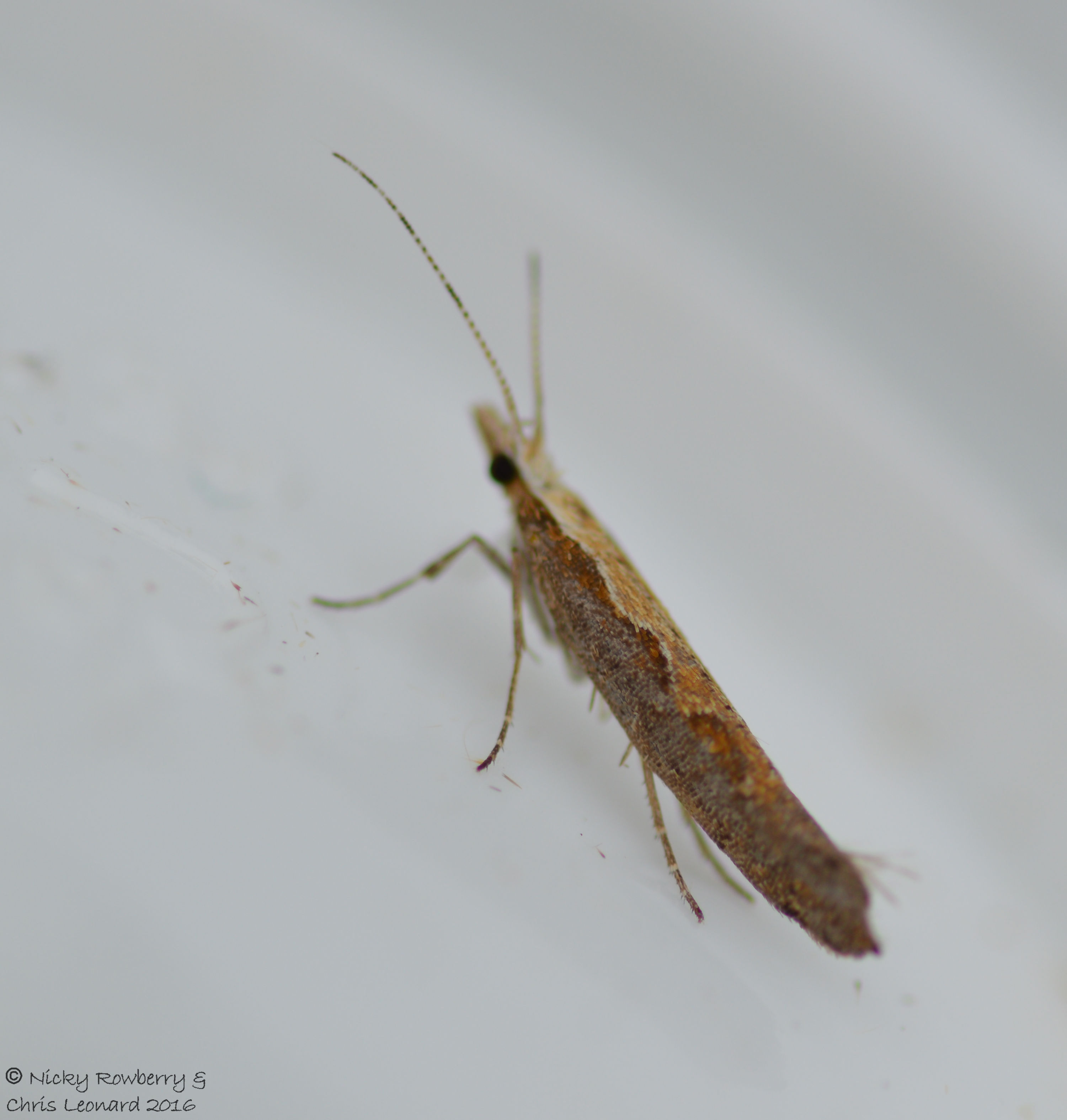
The Diamond-back Moth (Plutella xylostella) is another migrant moth that each summer gets blown over from Europe. This year there were reports in the press of “plagues” of these little moths that were potentially going to “destroy our crops”! As far as I know nothing of the sort happened, but I did get quite a few in the moth trap.

Diamond Back moth

This next moth didn’t look that interesting when I first caught it, it was only when I looked at the photo close up that I could see just how beautifully it was coloured. That’s the problem with such small moths – the naked eye just can’t pick up the detail! It is a Cherry-Bark Moth (Enarmonia formosana).

cherry-bark-moth

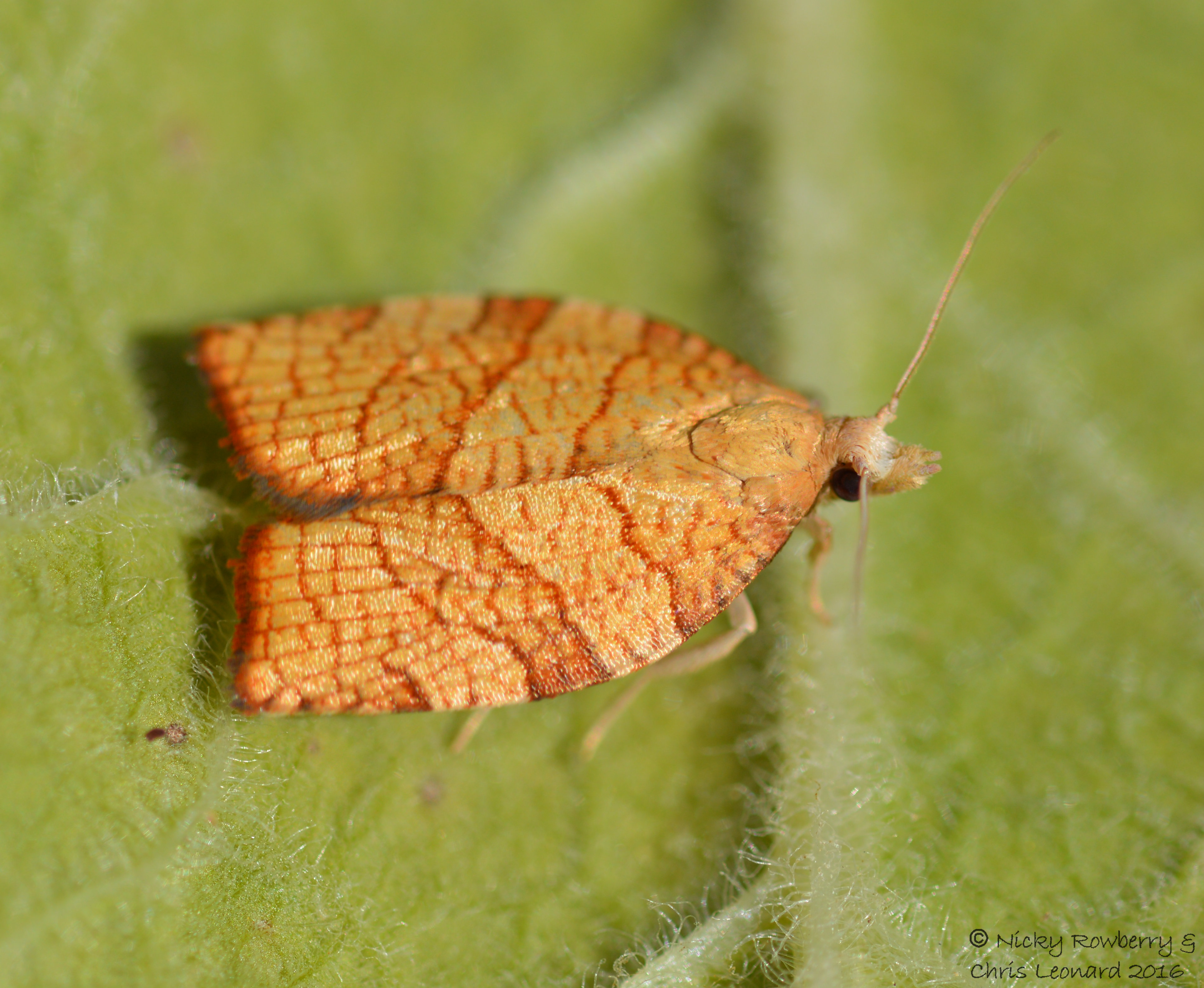
The Chequered Fruit-Tree Tortrix (Pandemis corylana) I like for its mosaic crazy paving patterning. It’s also got quite a distinctive shape – broad and flat, unlike most of the other moths here.

chequered-fruit-tree-tortrix

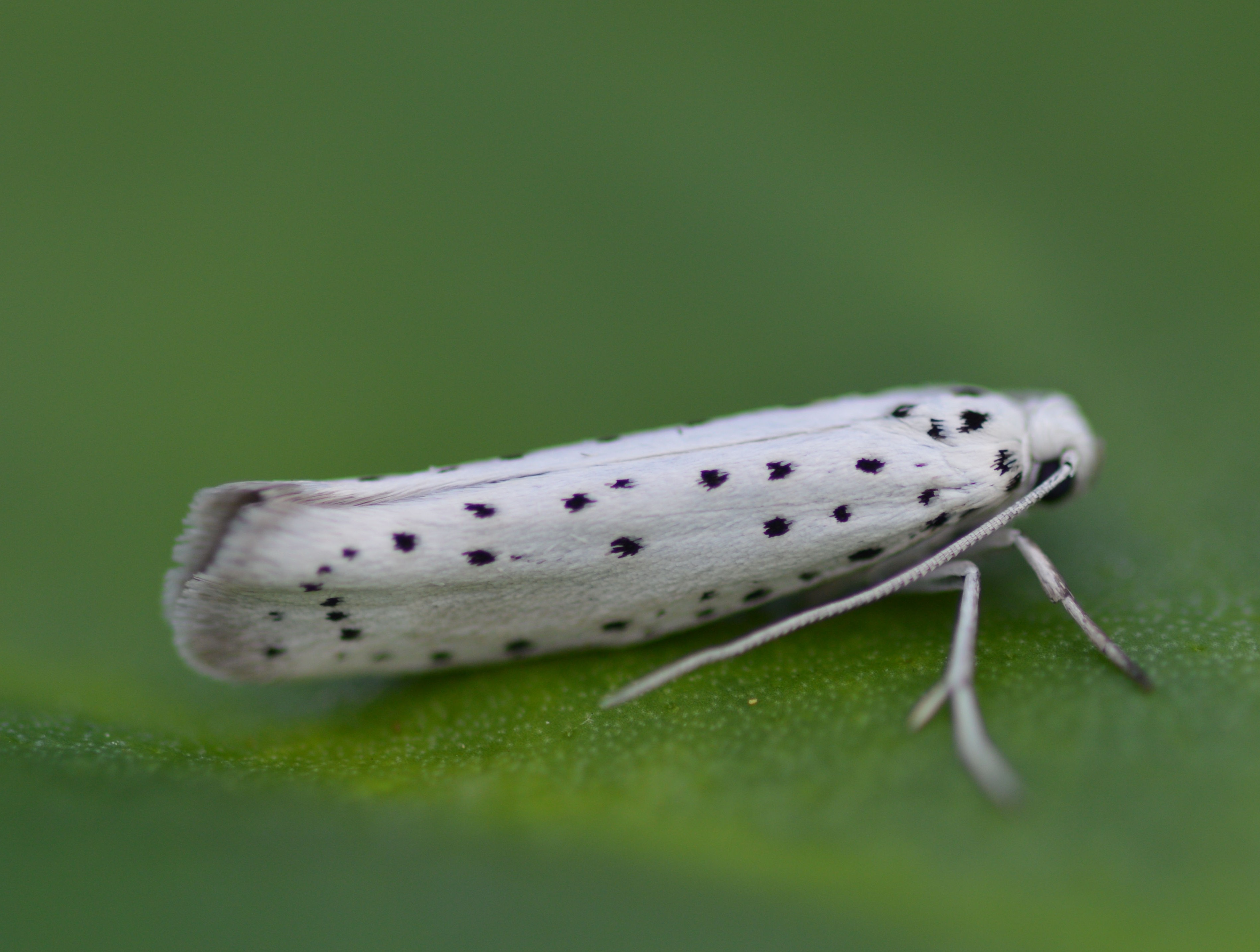
This is one of the Orchard Ermine group (Yponomeuta sp.) There are several almost identical species of these gorgeous little white moths and they can only be reliably identified if you rear them from caterpillars -which of course I’ve not done!

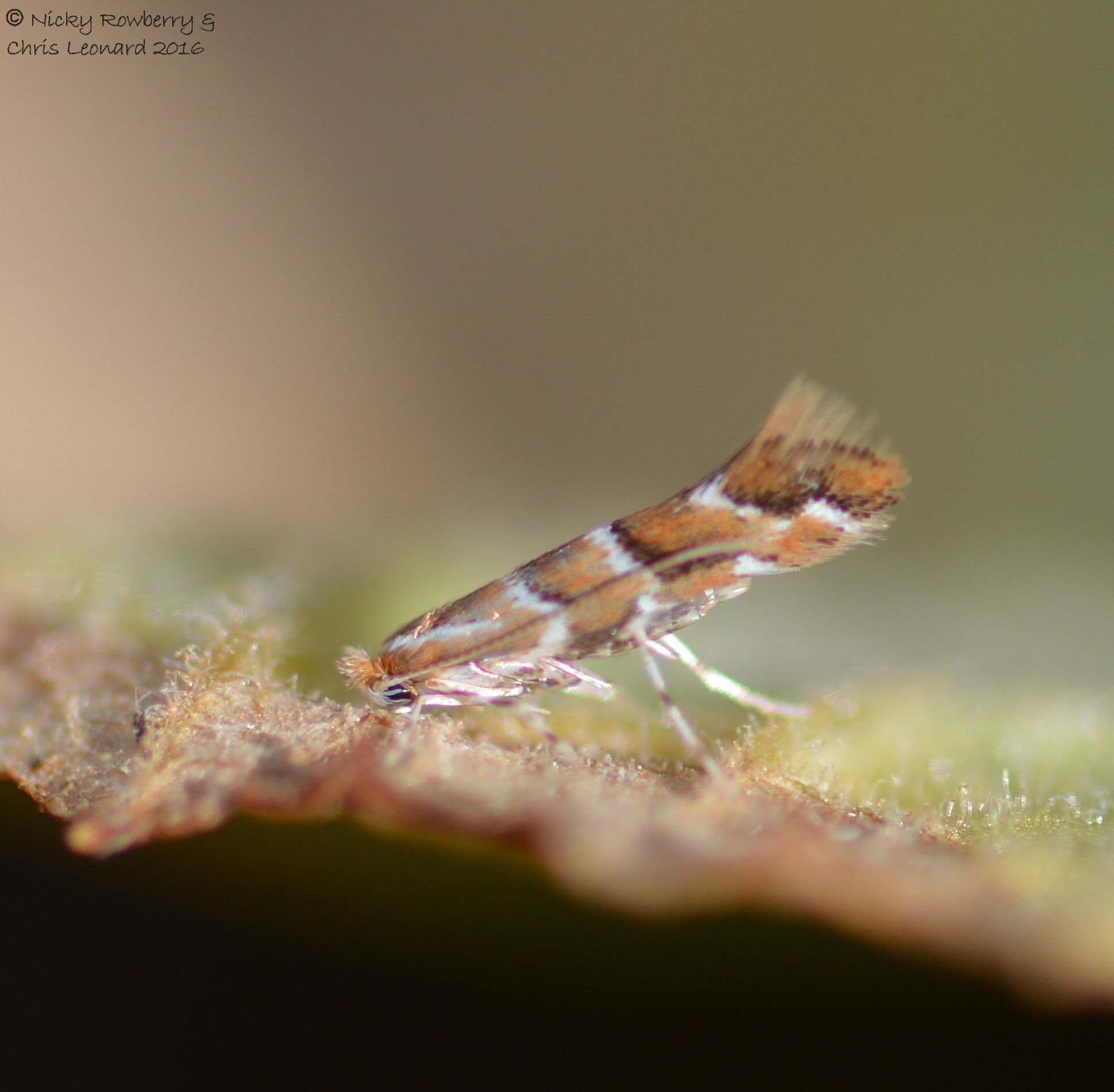
This little beauty is one of the Caloptilia moths. They are very hard to identify so not sure which of several species it is. But I loved the brassy gold colouration and the way it seems to be standing on tiptoe on its front legs. This was another species whose beauty was only revealed with the camera zoomed right in.

caloptilia

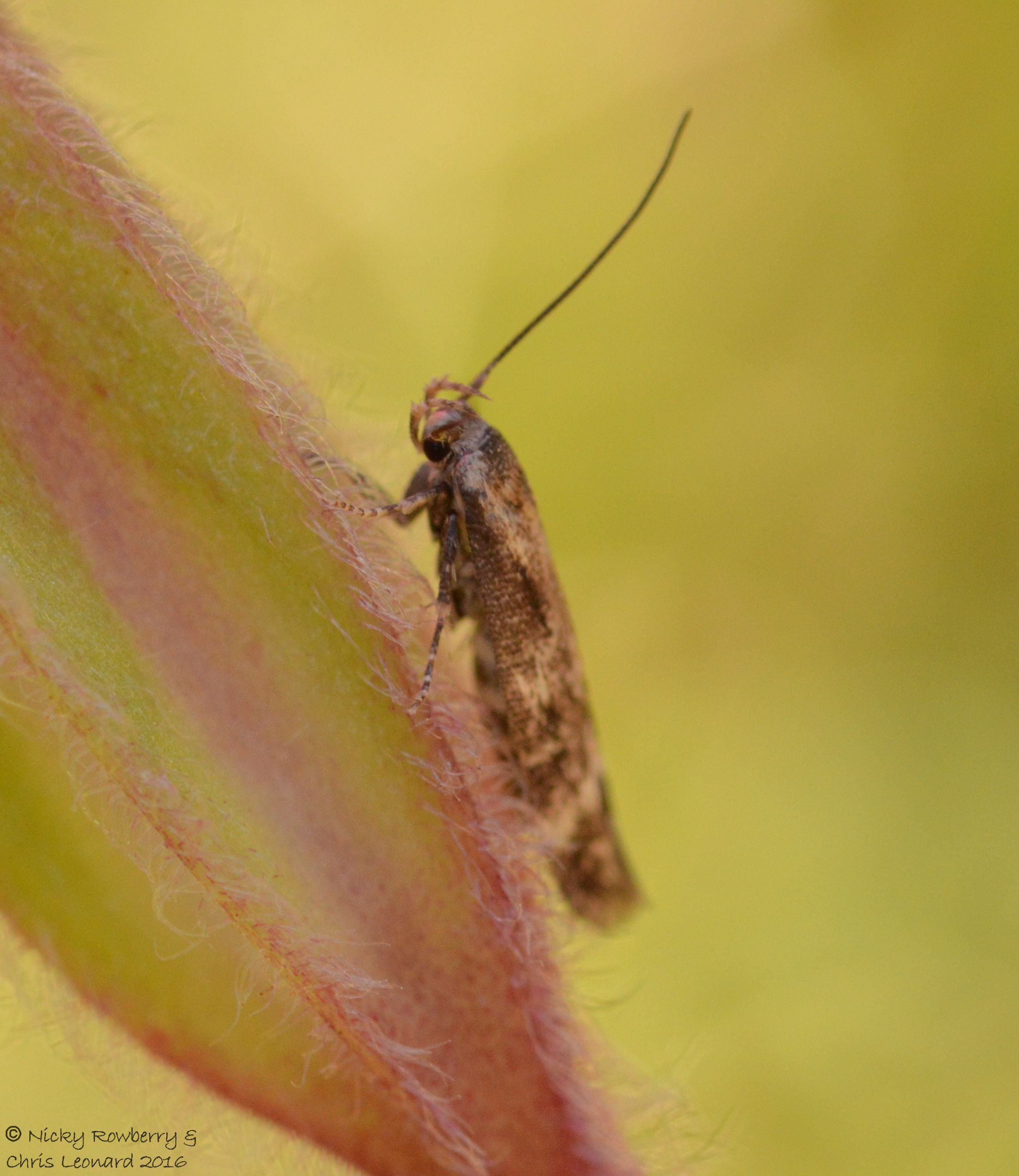
The final micro of this selection is one that is not particularly attractive or distinctive, doesn’t have an interesting life history or pest status, but is stuck with one of the worst common names – the Dingy Dowd (Blastobasis adustella). I think it must be my desire to support the under-dog that makes me root for the poor Dingy Dowd!

dingy-dowd


Moths Reach Double Century!

When I first started on my mothy learning curve, I never dreamt just how many moths we would get in our garden. The first year I kept a serious count (2014) we hit 127 species, which I thought was amazing. In 2015 we got 155 species and I thought we’d never beat that. This year as we reached the upper 180s, grim determination set in that we’d reach 200. Of course as soon as you set your mind to something like that, everything seems to slow down, but gradually the numbers edged closer to the magic double century. We finally reached number 199 last week with a species I’d been longing to see – the delightfully named Vestal Moth. This is an attractive migrant species, that I’d been envying on other people’s twitter feeds for a while, so I was really chuffed to get one in the garden. Shame it didn’t hang around long enough for a better photo.

vestal

Following the excitement of the Vestal, there were then a few nights trapping with nothing new to add to the list. Lots of interesting moths, but nothing to take me to the magic 200. Lunar Underwings were particularly abundant and very varied. Both the examples below are Lunar Underwings, but they look quite different.

dsc_2817

Lunar Underwing

Finally last night in flew not only number 200, but numbers 201 and 202! Number 200 was this – a Blair’s Shoulder Knot. Don’t know who the original Mr Blair was (presumably not Tony), but I was very happy to see his moth. Funnily enough it had been a Blair’s Shoulder Knot that took me to my final figure of 127 species back in 2014. A lucky species for our garden perhaps?

blairs-shoulder-knot

No. 201 was a Black Rustic – which actually looks a lot glossier and blacker than this photo suggests.

black-rustic

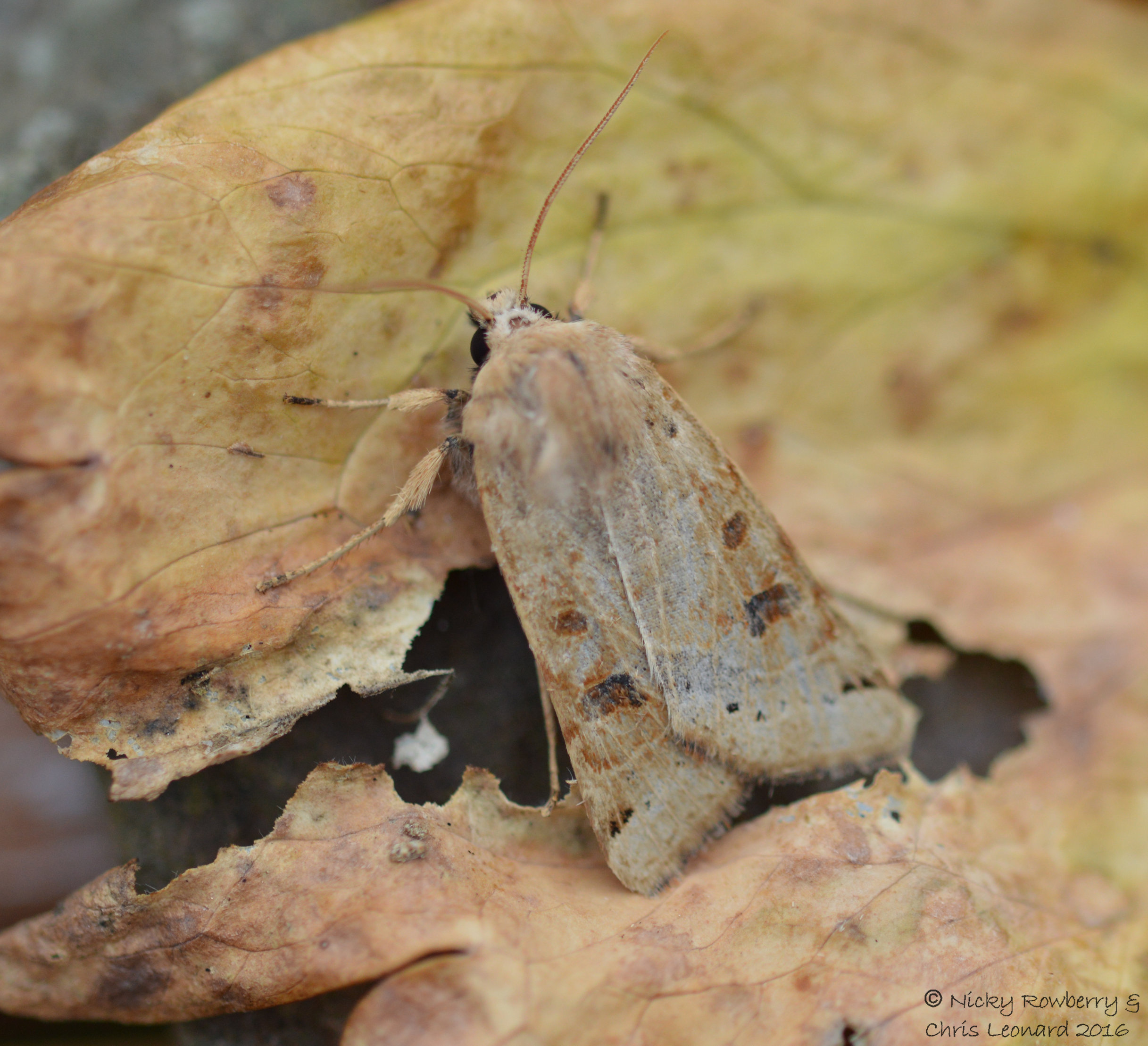
No. 202 was the autumnal looking Sallow. You can see how easily it would blend in with piles of autumn leaves – as would the Centre Barred Sallow below.

sallow

centre-barred-sallow

So I’m very happy to have reached 202 species of moth and we’re not even in October yet. Hopefully we’ll get a few more species before the year is out.

Why have we recorded so many more this year? Well I think it’s partly because of the Garden Moth Scheme. Having to make sure I trap at least once a week over the summer months, has clearly paid off in terms of overall species count. I did run the traps quite a lot last year, but there were definitely weeks when it was too wet or windy or I just didn’t feel like getting up at the crack of dawn to check it! Secondly I’ve made more of an effort to identify the micro moths. Previously I’d ignored a lot of them as being too small to identify or even photograph, but I realise now I was missing out on a whole range. Many of the micros are very beautiful when you get close enough to look at them properly (I feel a micro moth post coming soon!)

Of course all this will leave me with a problem for next year. Realistically moth numbers in our garden can’t keep increasing at this rate. I know there are several species that we’ve had previous years that have been no shows this year, but then some that we’ve seen this year maybe won’t appear next. Will I be disappointed if we don’t get more next year? Maybe, but then I could always start compiling a definitive list of all moths species seen in the garden to date since I started trapping. Or of course I could start obsessing about another group – anyone know anything about hoverflies?

Harlequins and Hoppers

It’s been an interesting few nights for the moth trap this week. The moths themselves have been fairly unremarkable, but for some reason the trap has been attracting all sorts of other insects. Not that I mind – it’s all good news for the biodiversity of the garden. Well mainly good news – one of the surprises of the moth trap this week was an influx of Harlequin Ladybirds (Harmonia axyridis). I found at least 12 of them in the trap from Tuesday night.

The Harlequin is a non-native ladybird, originating from Eastern Asia. The species was first found in the UK in 2004. It’s got a wider range of food preferences and a longer breeding season and is basically out-competing our native species and spreading rapidly across the country. So finding 12 in my trap in one go, probably isn’t good news for the other ladybird species in our garden. Especially as this pair seemed keen on producing more Harlequins.

DSC_1597

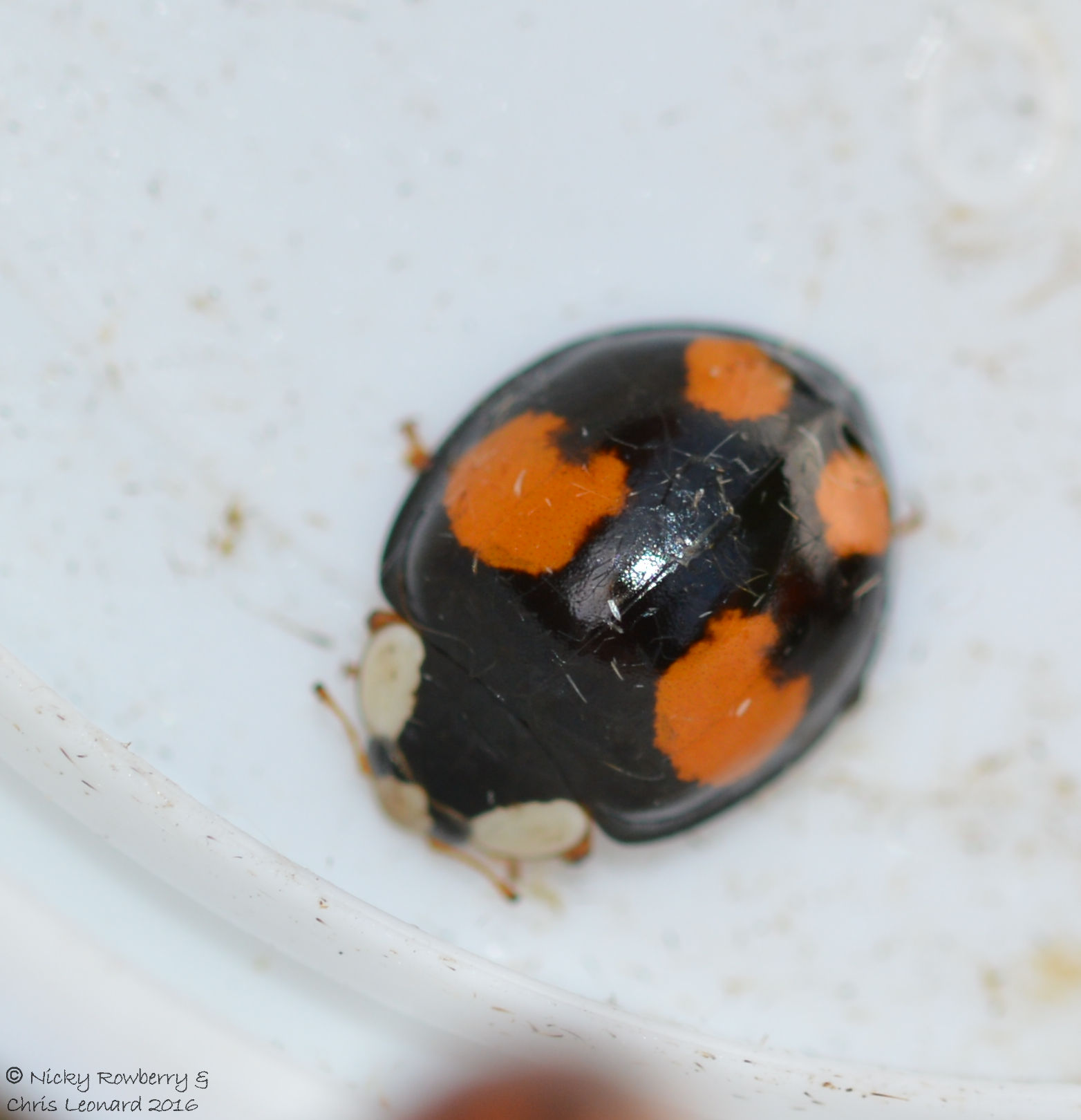
The Harlequin ladybirds have a huge variety of colour variations, making them difficult sometimes to distinguish from our native species. (one of the reasons the Ladybird survey people don’t advocate killing the Harlequins – just in case you’ve got it wrong!) Most of the ones from the trap were red, but there were a couple of these black ones too.

Harlequins

The only thing to do with them was submit my sightings to the Harlequin Ladybird Survey.

Fortunately Harlequins weren’t the only non moth species in the trap. There were the usual selection of wasps, diving beetles (which surprised me no end the first time they turned up in the trap!), caddis flies, daddy-long-legs and assorted flies. But most interesting were a selection of Leafhoppers and Froghoppers – subsequent IDs revealed 4 species.

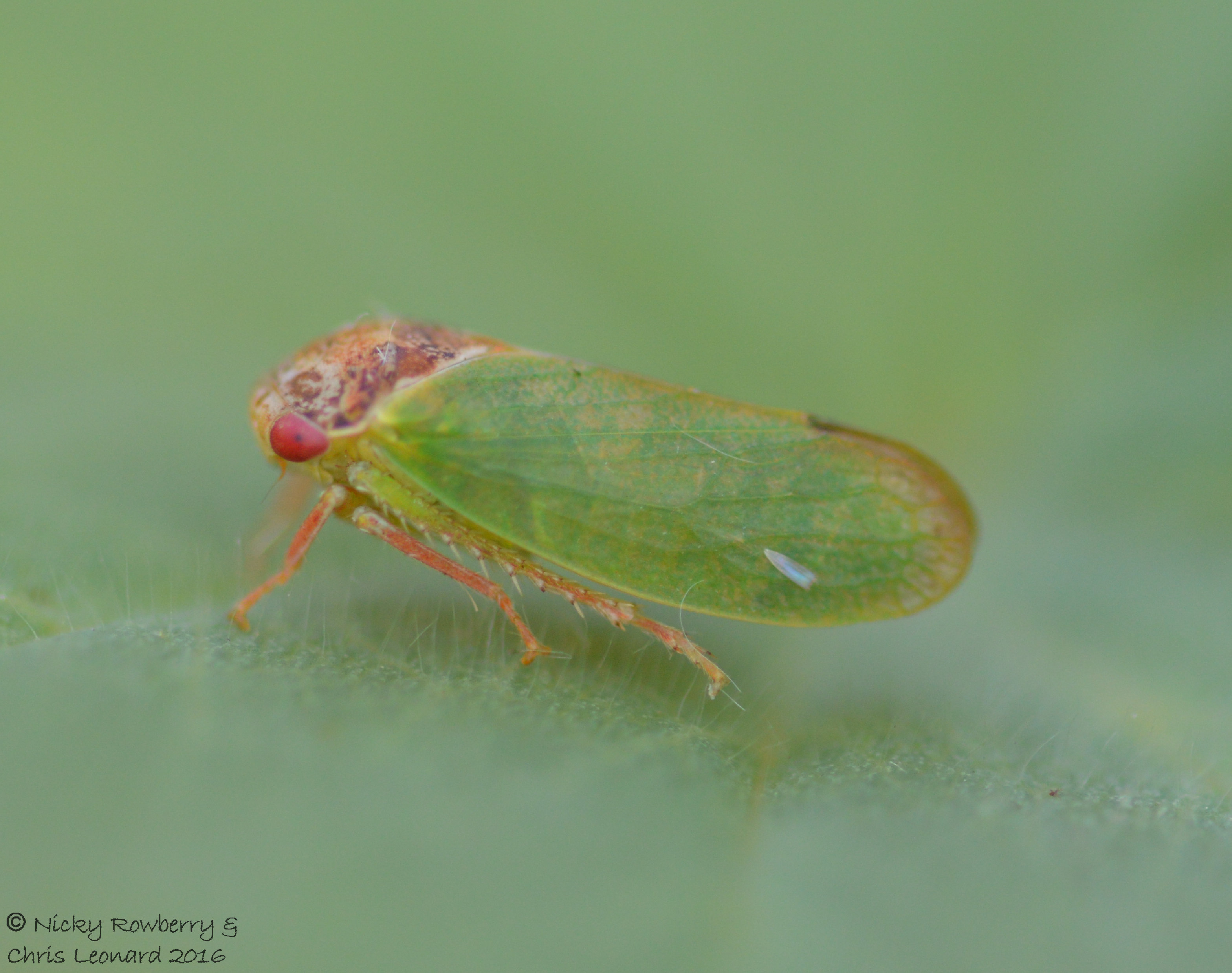
These first two are Leaf Hoppers (I’m still not sure what makes a Hopper a leafy one or a froggy one). I can’t find common names for either of them although they are apparently quite common species. I guess not enough people look at these tiny insects for anyone to have bothered giving them English names. The first one was a lovely green insect with red eyes (maybe I should invent common names – the Ruby-eyed Emerald Leafhopper!) called Iassus lanio.

Iassus lanio

The second was a slightly subtler individual called Allygus sp. (my name – Mottled Brown Leafhopper!)

Allygus mixtus

One thing I’ve found all these Hoppers have in common is the ability to ping away in a split second as you try and photograph them. They seem quite sedentary lazy creatures one minute, then suddenly ping – they’ve gone. So I didn’t get much time to compose and focus beautiful photographs!

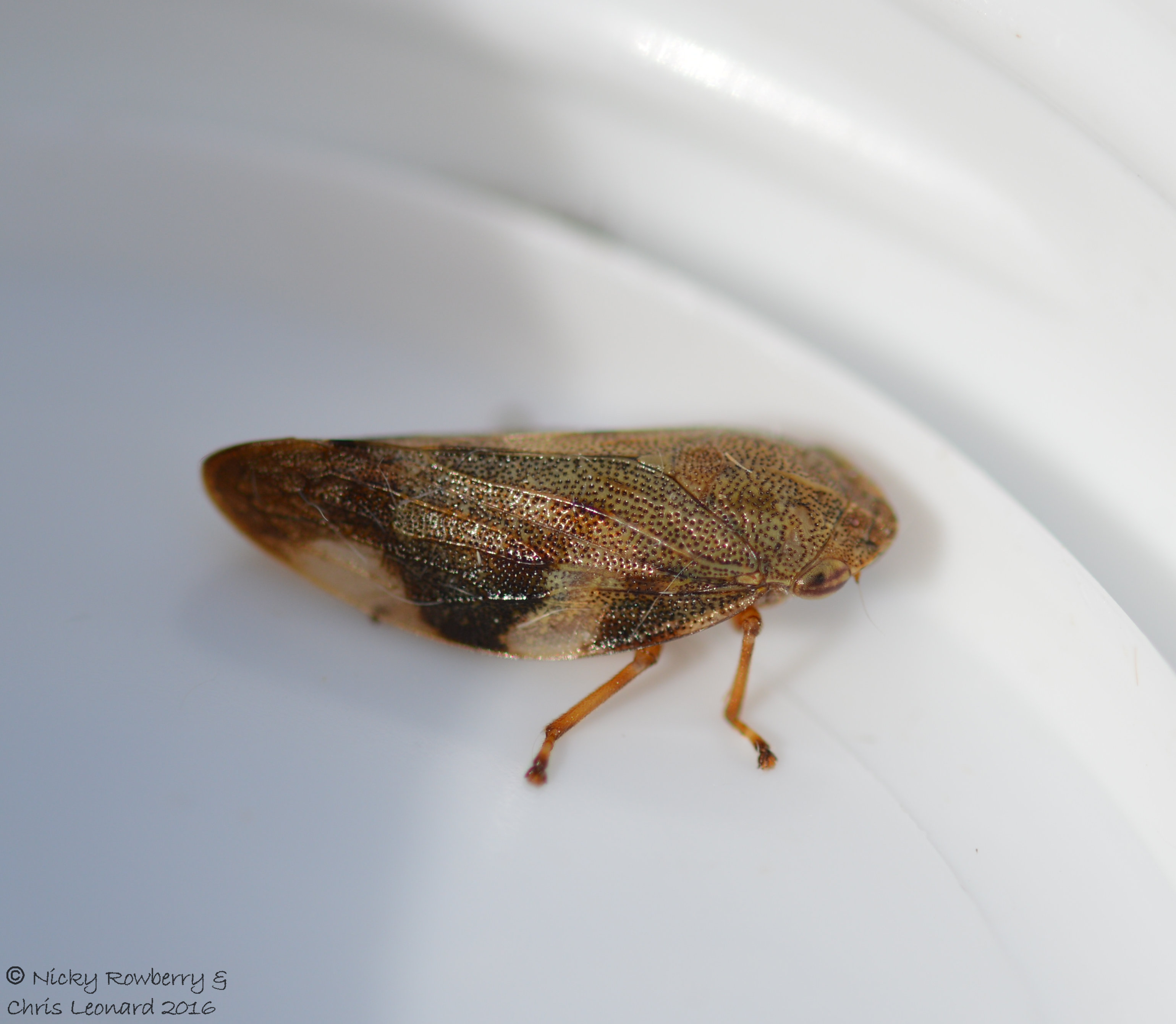
The next one is a froghopper and has actually managed to get itself a common name – the Alder Spittlebug (Aphrophora alni). The immature stages of these bugs form foamy nests on plants (frog spit or cuckoo spit) which help them regulate moisture and temperature.

Alder Spittlebug

The final one was a very large leafhopper, the largest British species in fact – Ledra aurita. It’s common name on one website was given as Eared Leafhopper, although Horned Leafhopper would seem more accurate to me. It is normally very well camouflaged on trees, but stands out a bit in a moth trap.

Ledra aurita

All these insects appeared in the moth trap on Tuesday night, but on Friday night the same trap in the same location didn’t catch anything but moths!

Out and About – Prestbury Hill – The Return!

I’m not normally given to the expression OMG, but OMG Prestbury Hill is an amazing place! We made a return trip today to see the Chalkhill Blue butterflies that we didn’t see a few weeks ago (because I’d got their season wrong!) We ended up seeing 15 species of butterfly, a beautiful bird of prey, some moths and a new snail! Pretty amazing for a few hours walking in beautiful countryside.

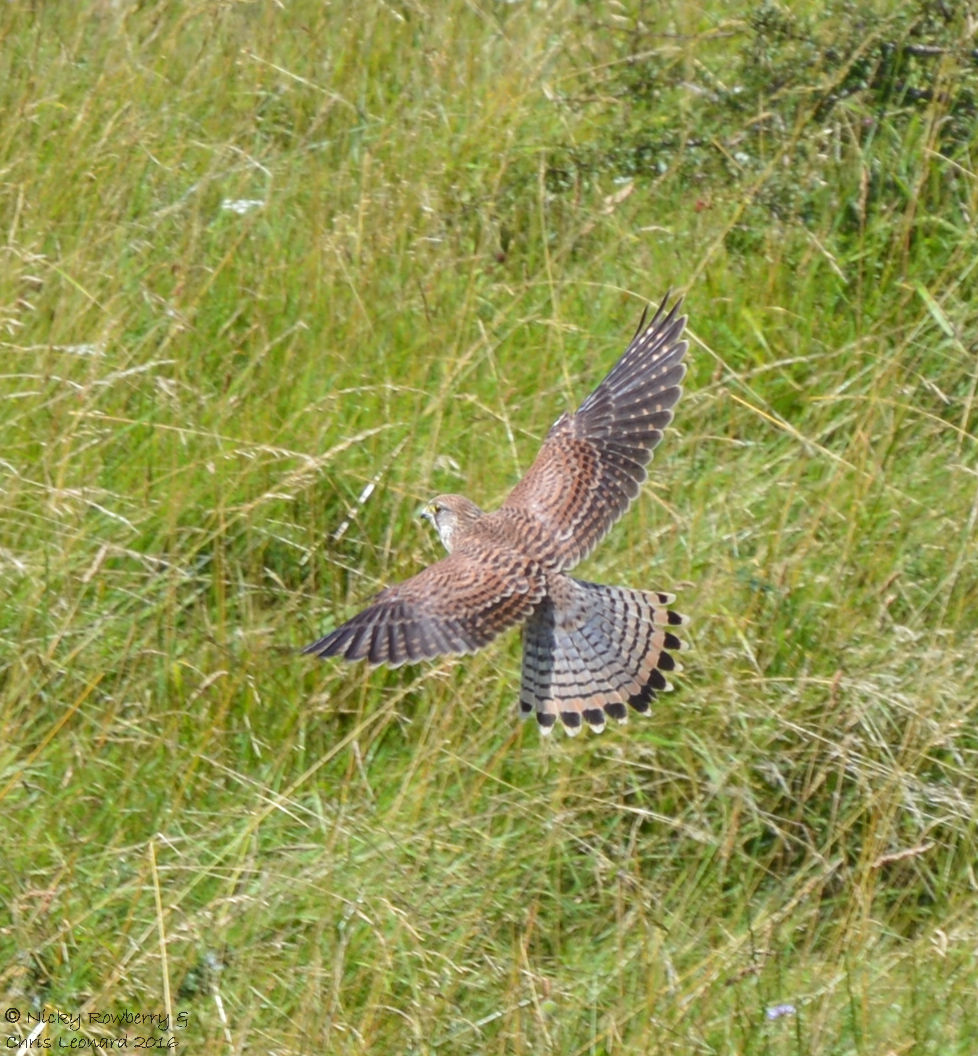
We started leisurely by heading to a bench for a picnic (I’d love to be able to claim that I’d loving crafted cucumber sandwiches and other home-made delights, but actually it was left-over fried chicken from the night before!) We spotted our first Chalkhill Blues before we even reached the bench, but decided to eat first then take photos later. Said bench has glorious views out over Cheltenham and beyond and is the perfect place for a picnic. We could see a bird of prey hovering over fields below – turned out it was this beautiful kestrel. We couldn’t get very close, so this is taken zoomed in from a fair distance, but you can still see what a stunning bird it is.

Kestrel

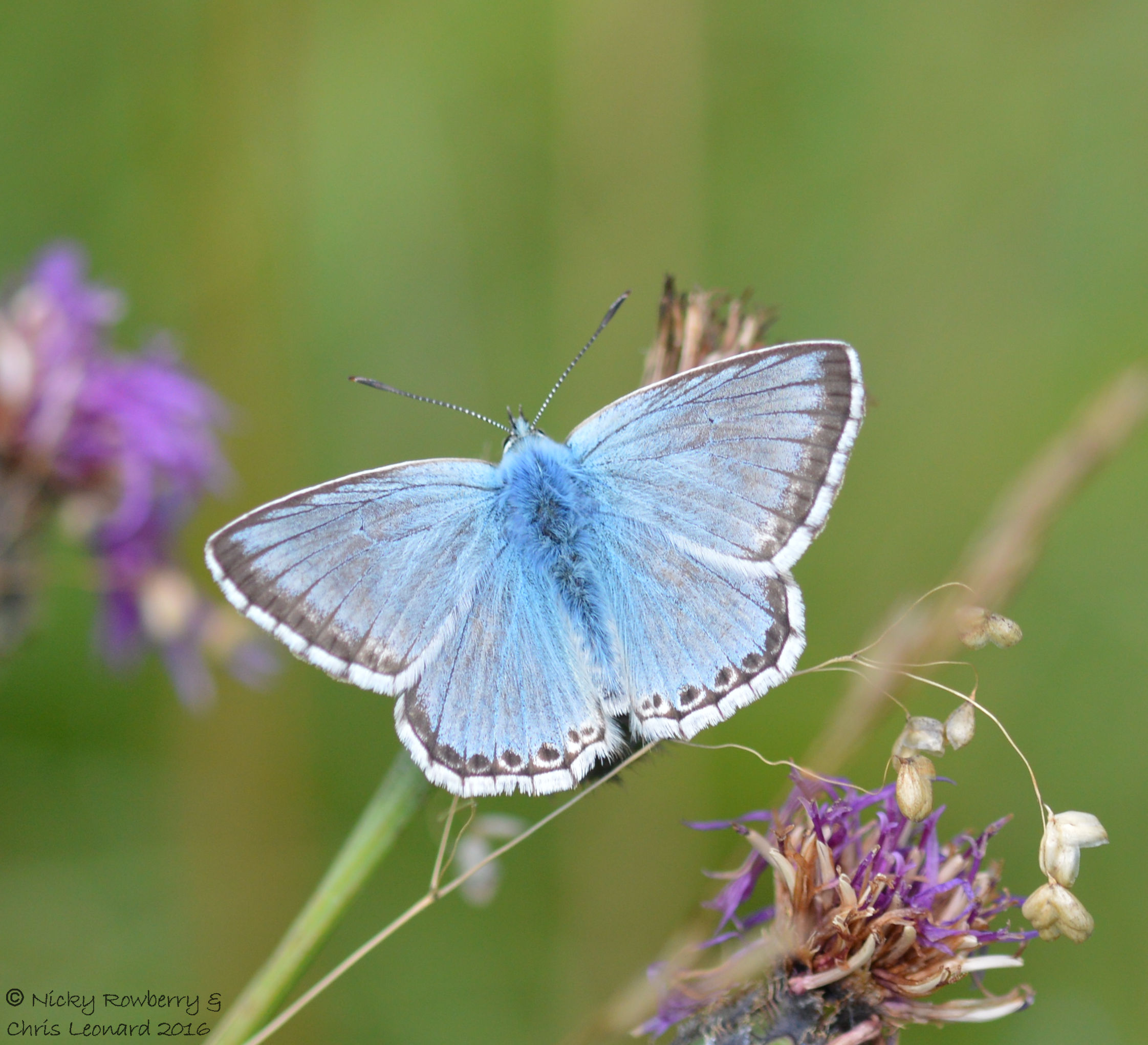
It hovered round about for much of our visit, never coming close enough for a better photo though. But by then we were distracted by the object of our desires – the Chalkhill Blues. The beautiful blue butterflies need either chalk or limestone grassland (Prestbury is limestone) and are one of the last species to appear each year. The males have gorgeous bright blue upper wings edged with black.

Chalkhill Blue

The underneath of the wings have a pattern of dots quite similar to the Common Blue.

As is so often the case with butterflies, the female is much drabber. We saw mainly males today, but that could be just that they are easier to spot with their bright colouring. The few females we did see were often being pursued by more than one admirer.

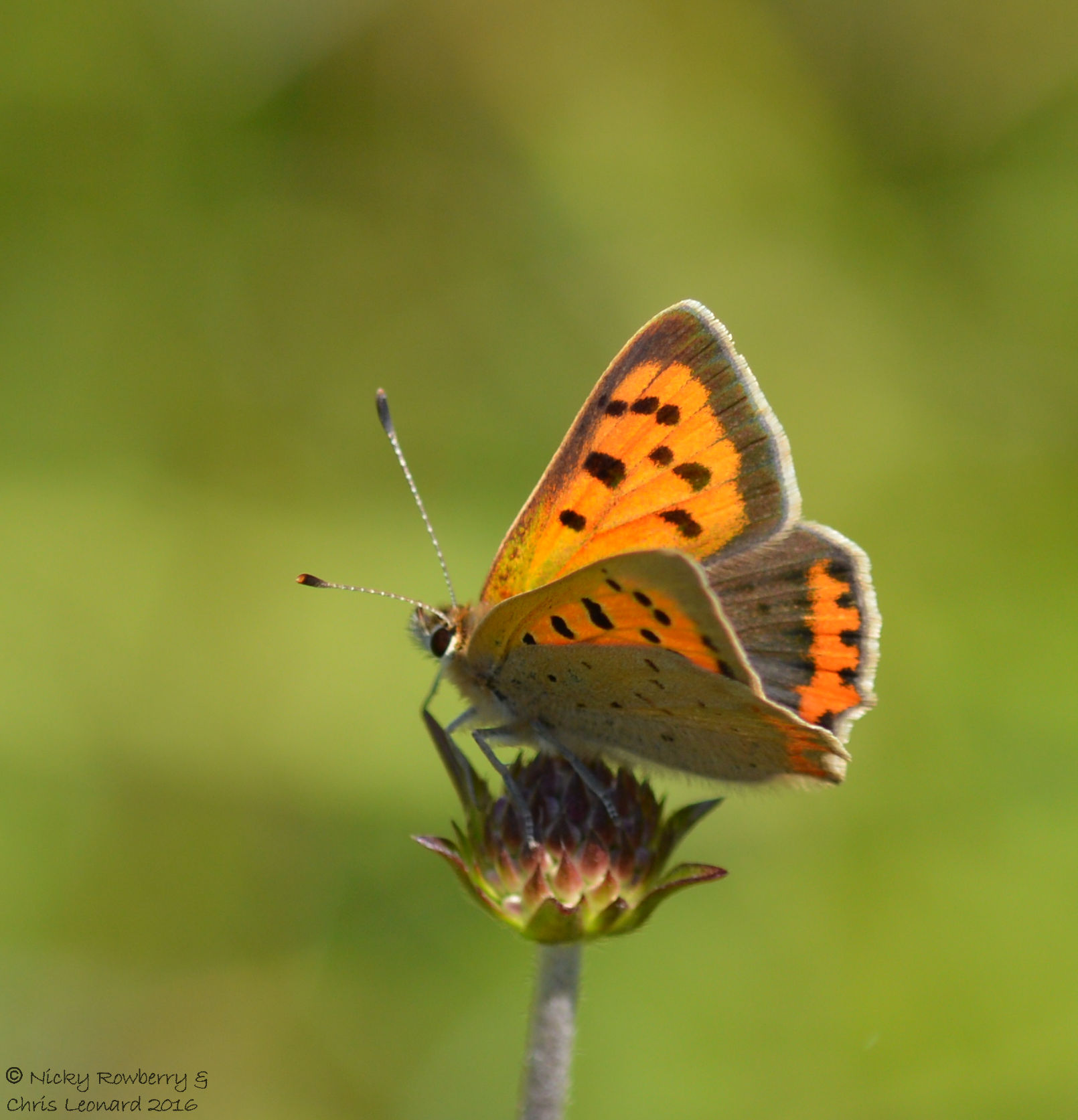
Already delighted with having bagged our Chalkhills we got chatting to some fellow butterfly twitchers, who knew much more about the area than we did and were very helpful. They mentioned that they’d seen Brown Argus further up the slope – a species that we’d never seen before. Needless to say we puffed our way back up the hill to the area they’d described in the hope of a second prize for the day. We caught a glimpse of something different, which turned out though to be some lovely Small Coppers. My photo doesn’t really do them justice, but they were positively glowing a coppery red in the sunshine today.

Small Copper

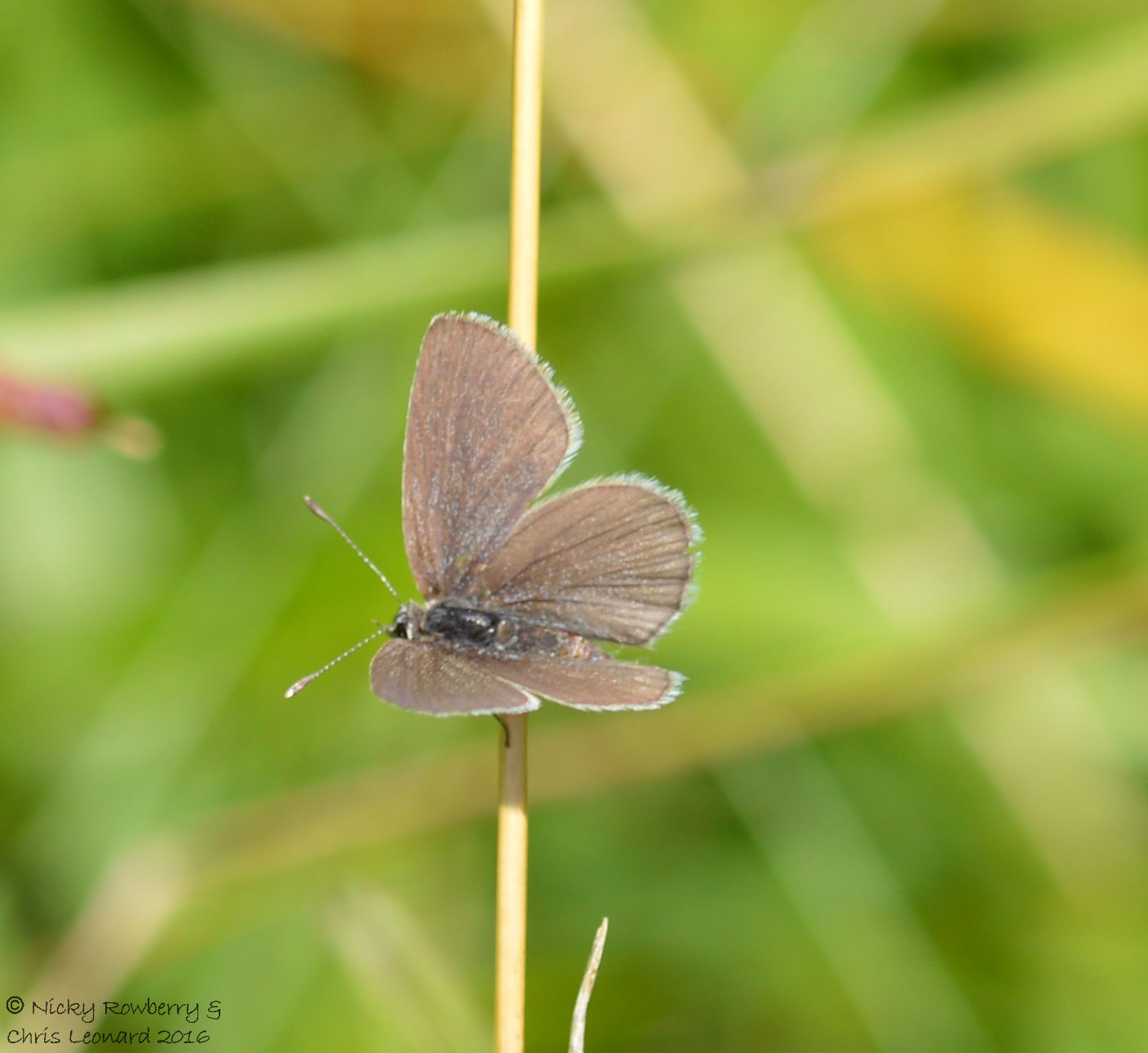
I then noticed a tiny, fairly plain little butterfly, so took a few quick photos thinking it would probably turn out to be a Common Blue. So we were amazed when I downloaded the photos later and realised it had actually been a Small Blue! Another new species for us – two in one day!

Small Blue open

We carried on back up the hill and about half way up saw another small butterfly. This time we’d found it – a male Brown Argus. Our third new species of the day! Again they look quite similar to the female Common Blues, but have the orange dots going right the way to the end of each wing.

Brown Argus male

Obviously seeing three brand new ones was the highlight of the day, but we also saw 12 other species, including our first Small Skipper of the year and some nice fresh looking Gatekeepers.

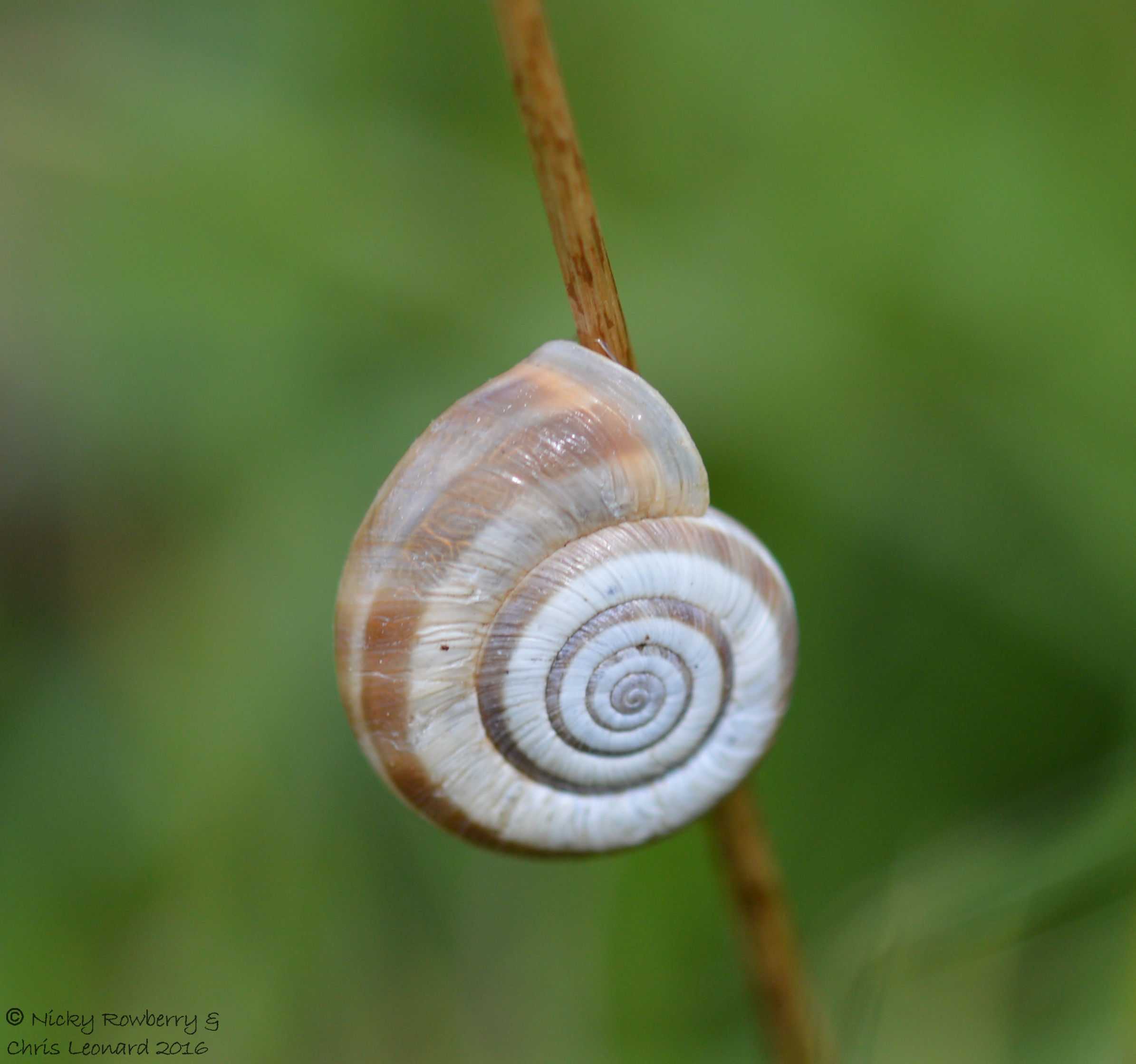
We also saw lots of these interesting snails. They are Heath Snails (Helicella itala) and seemed to have the habit of climbing grass stems like this.

Heath Snail

And finally we couldn’t have a day out without finding a moth – this time a Shaded Broad-Bar as we headed back to the car.

Moth

So if you want to see butterflies, I can’t think of many places better to go than Prestbury Hill. And it still has more to offer – Duke of Burgundy butterflies in the early summer apparently, so we’ll be back again next year.

Moths – A Whiter Shade of Pale

It’s apparently been National Moth Week this last week, although I’ve only just realised that today – a bit late. Fortunately I’d run the moth trap at the weekend anyway, so I was sort of participating in Moth Week, albeit unwittingly!

My star moth from this weekend was this beautiful white one – the Yellow Tail. It does have a yellow abdomen which it sticks out when disturbed, but personally I’d have called it something that described its beautiful white wings a bit better. But whatever the name, it’s a lovely moth and I was so happy to finally get one in our garden.

Yellow Tail

Two weeks ago I’d got another first for the garden which I’d initially thought was a Yellow Tail, until I realised it didn’t have one! Closer inspection revealed it to be a White Satin (whoever named this one was more on my wavelength), which has a lovely sheen to its wings and stripy little front legs.

White Satin

Feeling on a bit of a roll with the white moths, I raided the photos to see what other ones we’ve had. The most obvious was the White Ermine. We get these most summers and they really are stunning – and easy to identify making them the perfect moth in my book!

White Ermine

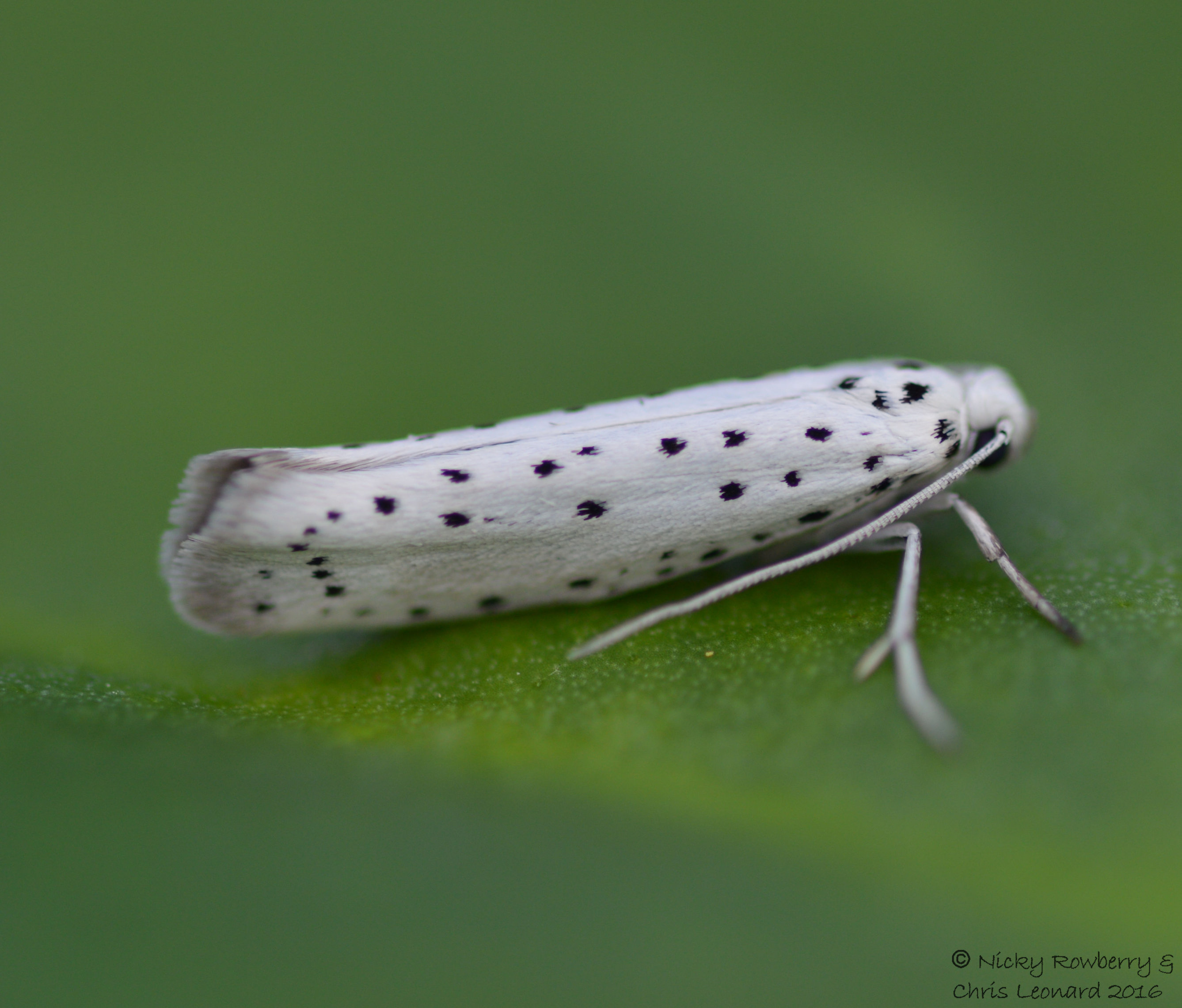
The next white moth I could think of was the other type of Ermines we get. These tiny micro moths feed on fruit trees and turn up in the moth trap regularly, but they are really difficult to identify. The books advise that you should breed them up from the food plant to be certain of the species, but that doesn’t help when you’ve just caught one in a trap. The trap was right next to our apple tree, so this maybe an Apple Ermine, but we have plum trees nearby too, so it could be an Orchard Ermine. We may even be getting both species.

Apple Ermine

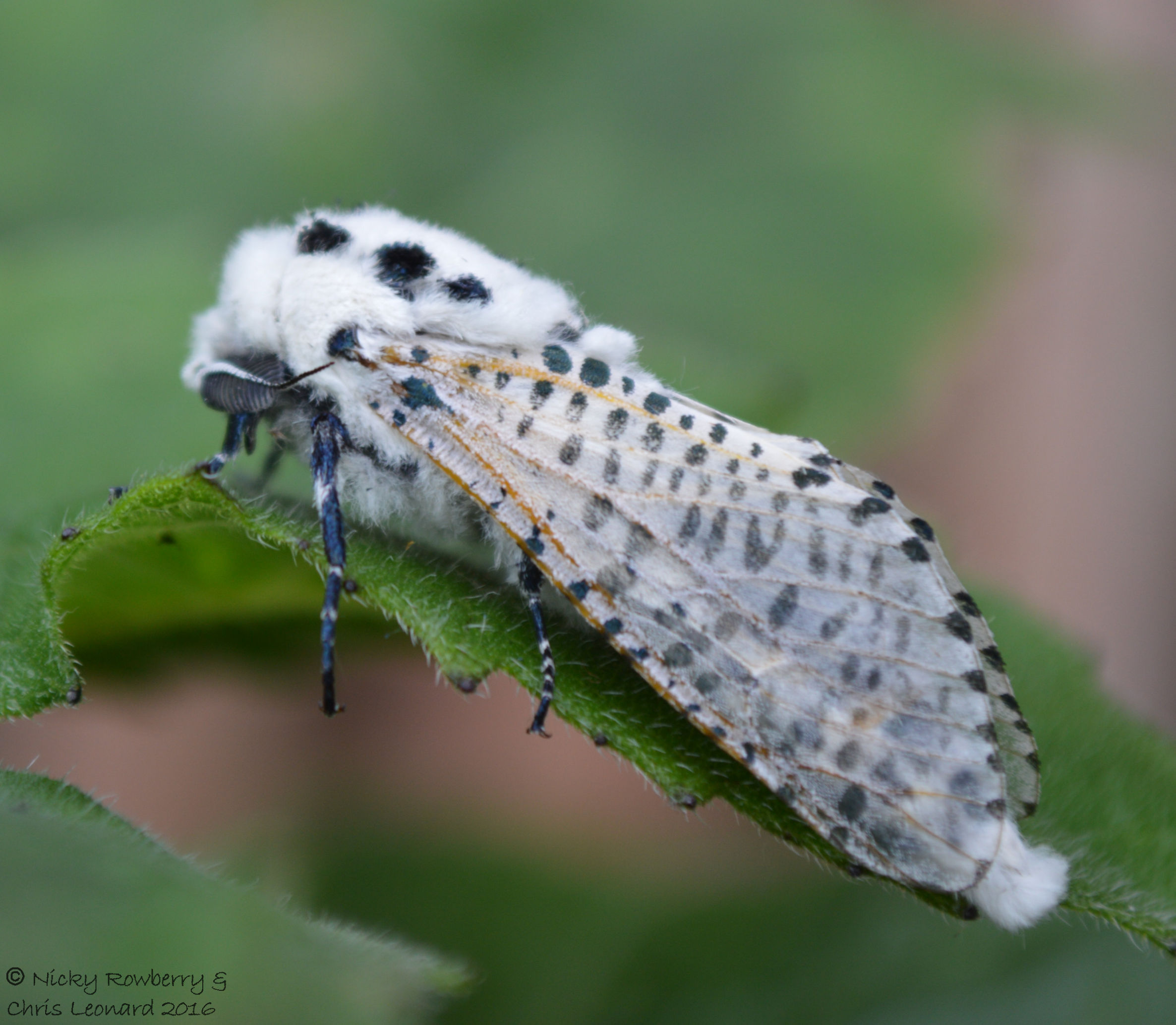
The final white moth of the day is the Leopard Moth. I’ve not seen one in the garden yet this year (although I did see one on the Wildlife Trust’s Moth Breakfast back in June), so this is a photo from last year. These are crazy unmistakable looking moths.

Leopard

I find these white moths really hard to photograph, mainly because I’m no good with camera settings so do most of it on auto. Trouble with using auto on white moths is that it struggles with the exposure as they are often too white against whatever background they’re on and the photos can look blown. The White Satin was particularly awkward as it flew out of the pot and landed on the black tripod leg. The only way to photograph it was to take the camera off the tripod – adding my shakiness to the equation. So that’s today’s excuses dealt with!

Out and About – Prestbury Hill

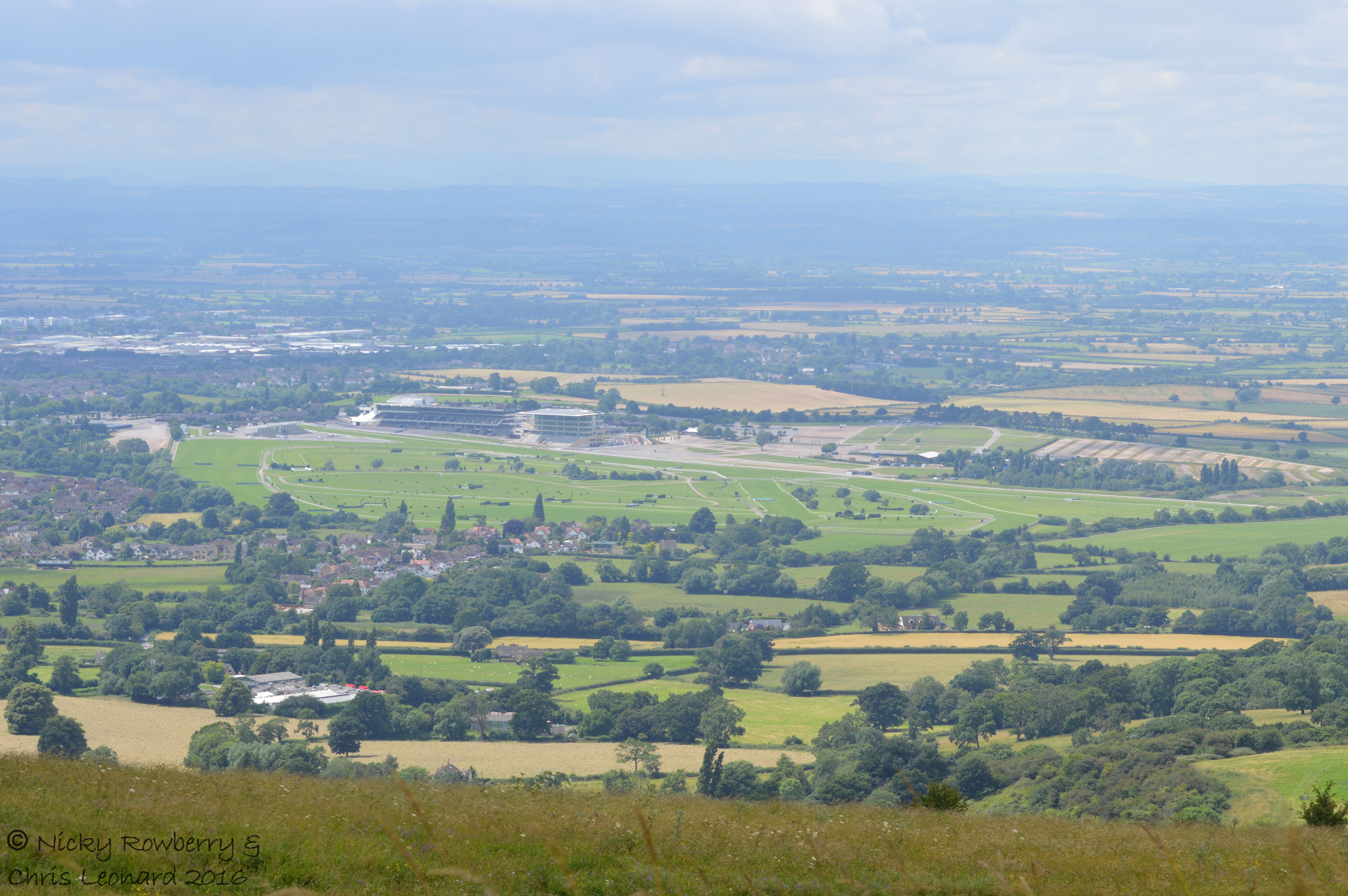
It’s taken me over a week to write this latest post, partly because I’ve kept getting side-tracked by things in the garden and partly because we’ve had friends staying – so I had to spend time tidying the house (although I doubt they could tell that) and drinking Prosecco! But over a week ago now, I headed down to Prestbury Hill, near Cheltenham in search of the Chalkhill Blue and Dark Green Fritillary butterflies. Prestbury Hill is, as its name suggests, high up, with stunning views over Cheltenham racecourse.

View 1

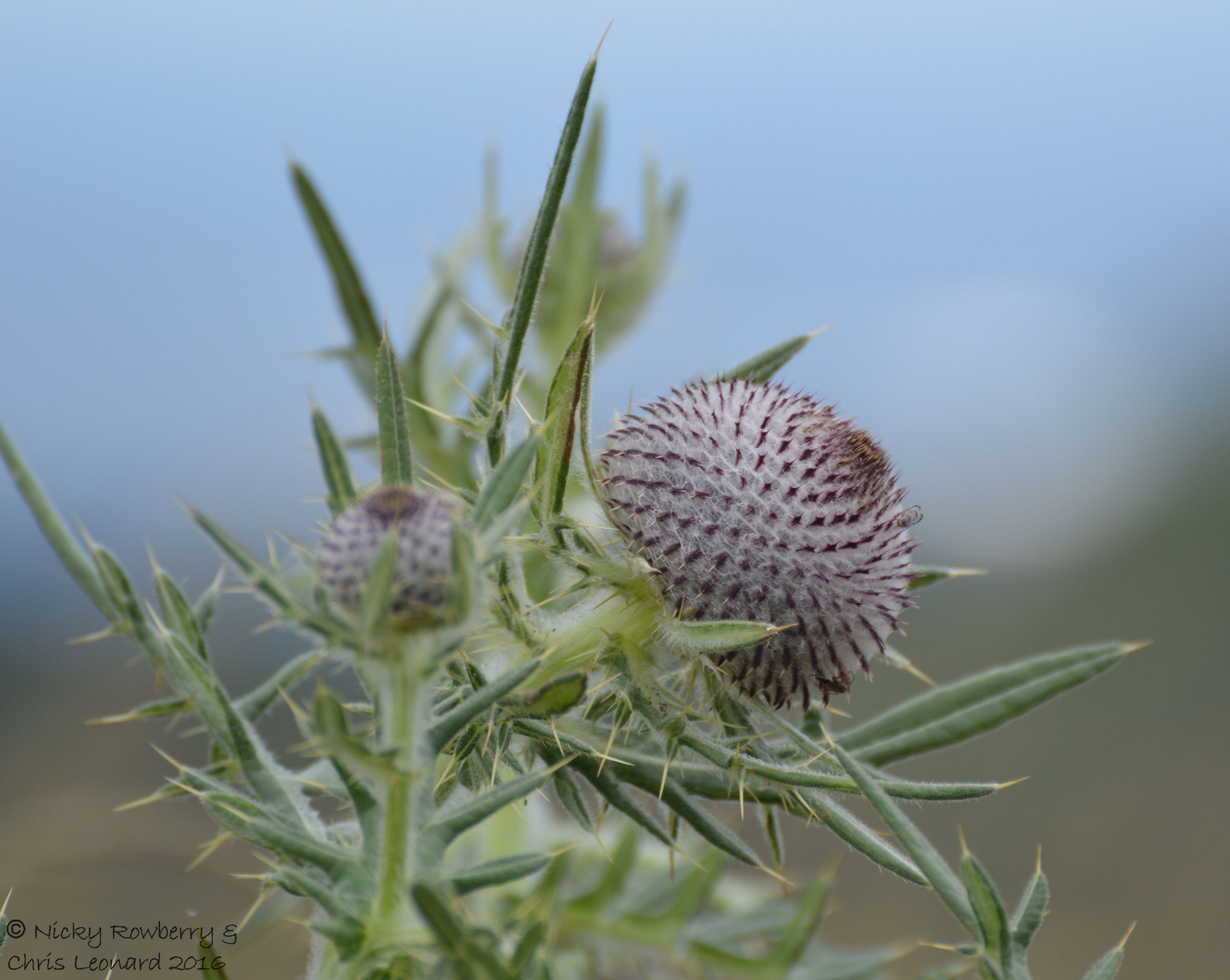
The reserve is run by Butterfly Conservation and consists of 2 areas of limestone grassland. The sloping grasslands are full of wildflowers and insects and would be a lovely place to walk even if you weren’t into butterflies. I particularly liked these Cotton Thistles, with their huge spiralling flower heads.

Thistle

Although we went looking for butterflies, the first insect of interest we spotted was a beautiful Brassy Longhorn moth – I’ve no idea how they manage to fly with such long antennae?

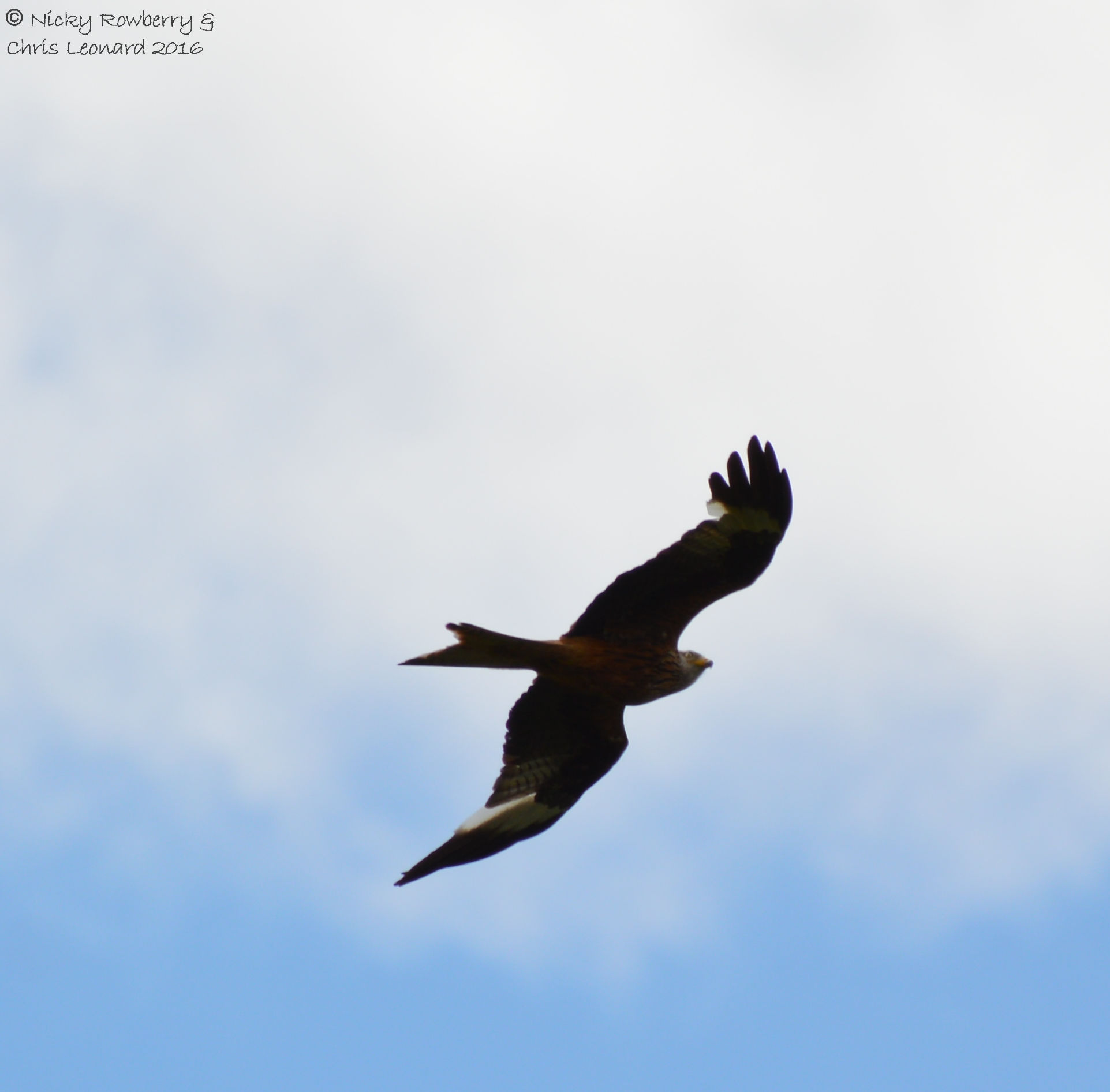
Although on these walks we tend to be looking down, or at least across for butterflies, we did look up long enough to spot this Red Kite soaring above us. Not a great photo as it was difficult to do against the bright sky. There were buzzards too, but as we see those fairly regularly at home, the kite got all the attention.

Kite 2

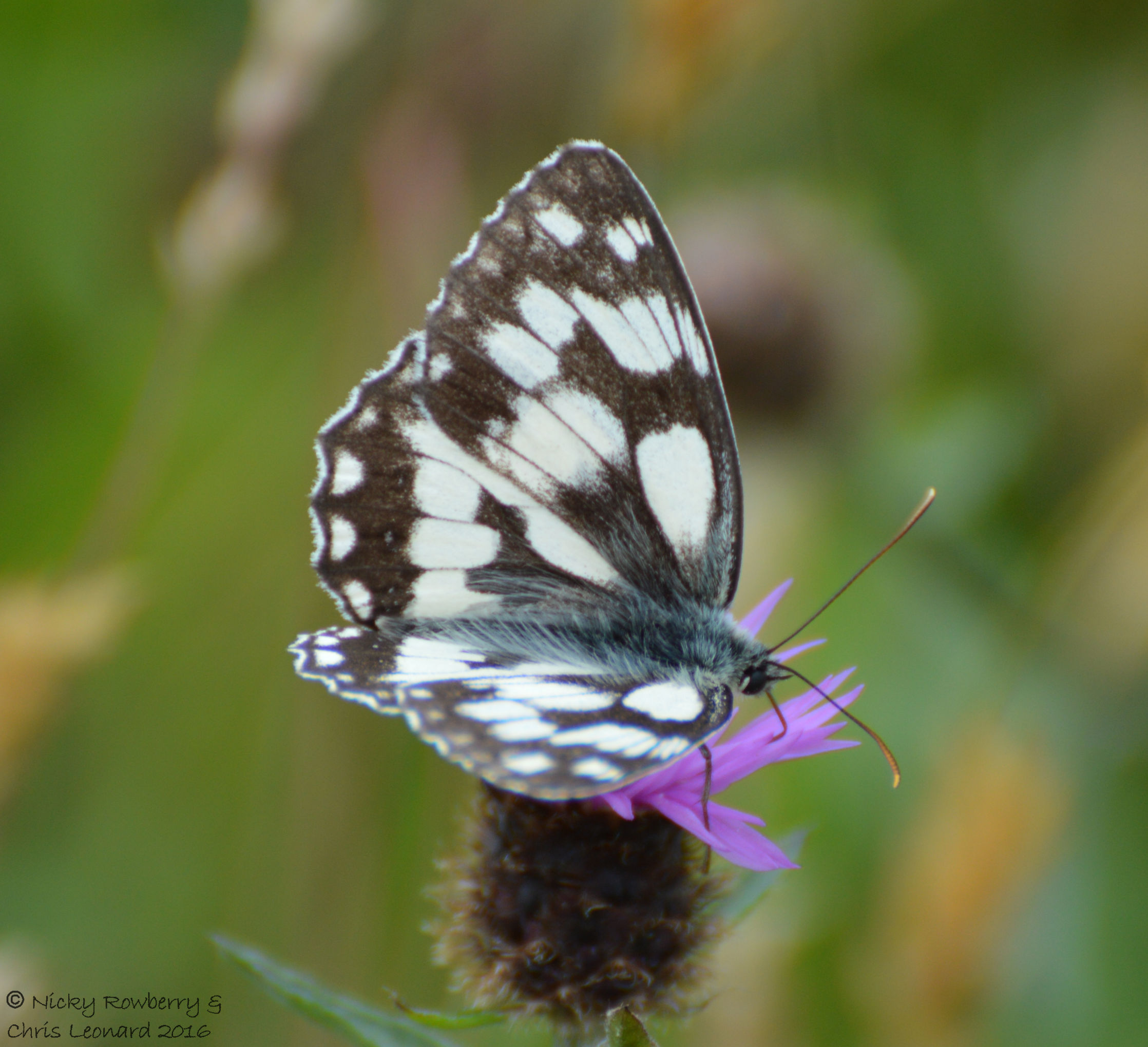
We followed the paths for quite a while, spotting lots of Marbled Whites and Large Skippers, while we searched for the blues and fritillaries.

Marbled White

Eventually though we found the first prize of the day – a Dark Green Fritillary. It then took about 20 minutes of chasing about to get a photo to confirm that it was indeed our target photo. And then longer still to get another photo of it with its wings open, but it was well worth the hunt as it is a gorgeous butterfly.

Dark Green fritillary

The reserve is divided into 2 sections, so having “bagged” our fritillary we headed over to the other half to look for the Chalkhill Blues. Turns out though our researcher (i.e. me) had got a bit ahead of herself as we were apparently a couple of weeks too early for these. Fortunately we met some butterfly enthusiasts who put us right before we spent hours pointlessly searching for them.

We did see some more fritillaries though, which we initially assumed were more of the Dark Green ones. It was only when we got back and downloaded the photos, that we realised these ones were actually Silver Washed Fritillaries. They look very similar when they’re flying around.

One final treat was finding several Small Heath butterflies. This had been a new species for us a few weeks ago and now they’re popping up everywhere!

So another great day out and another butterfly species ticked off the list. We will hopefully make it back to Prestbury sometime soon to see the Chalkhill Blues – so watch this space!

Malvern Meanderings

Today we decided to explore our local patch – so often it’s your local stuff that you ignore, thinking somehow that the grass is always greener (or the wildlife more exciting) elsewhere. But the Malvern Hills are not only beautiful, but a fantastic location for wildlife. We forget sometimes how lucky we are to live here.

We’ve been concentrating a bit lately on “bagging” some new butterfly species and had so far added 5 this year to our lifetime list. But there is one species we’d never seen that has a colony almost literally on our doorstep – the Grayling butterfly is found on the Malvern Hills, less than a mile from our house. The Grayling is now a priority species for conservation as it is in decline over much of its former range. The Malvern Hills Conservators are making great efforts to protect our local population and improve the habitat. So we set off today in the hope of seeing our local speciality.

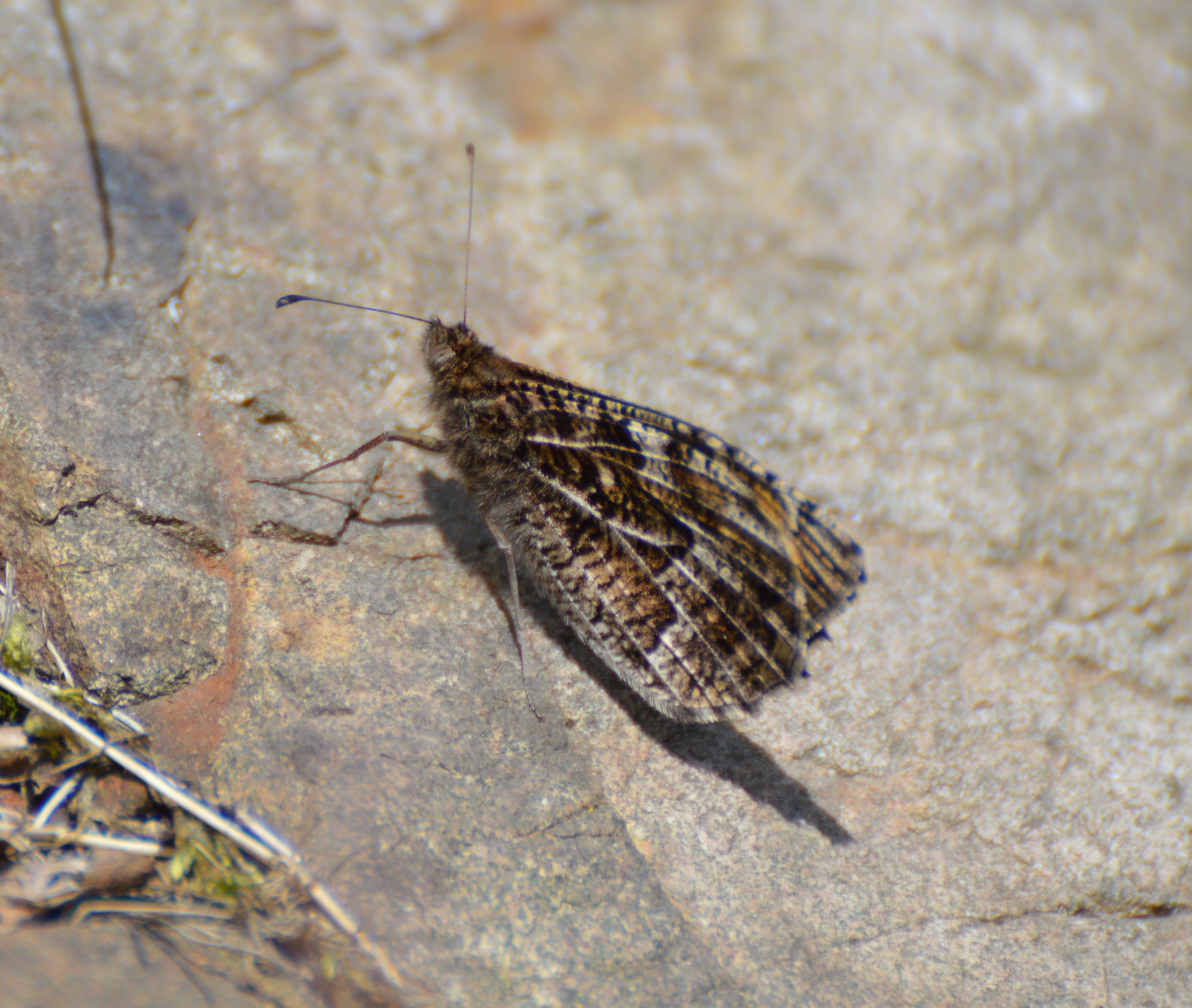
The Grayling likes areas of bare rock and short grass. We headed up the hills following the path recommended by the West Midlands Butterfly Conservation guide and having reached the favoured location, we spotted one almost immediately sunbathing on the rocks.

The Graylings aren’t as flashy as the Purple Emperors we saw earlier in the week, they are more subtly beautiful. They are also masters of disguise and when they keep still they blend into the surroundings extremely well. We were lucky to spot this one. Fortunately it was intent on sunbathing and was also close to the path, so we got our usual bucket-load of photos.

The Graylings almost always sit with their wings upright with the forewing tucked behind the hindwing, which makes them look much smaller than they really are. We watched this one for ages and eventually while it was shifting position, we managed to get a shot with its forewing at least partially showing.

Grayling 2

We saw at least 2 other individuals on our walk, all basking on rocks. Lots of people walked by us and the butterflies while we were there, but I don’t suppose many of them realised what they were missing!

Feeling flushed with success (and also a good lunch at our local), we decided to try our luck back down on the flat ground at the edge of Malvern. There’s an area of rough ground by the road that is always good for butterflies and today was no exception. The Marbled Whites were out in force. Unfortunately it was extremely windy so although they were landing close by, the grass was blowing about so much it was hard to get decent photos. Here are a few of my better efforts.

Marbled White 2

Marbled White 3

There were several pairs dancing about in the wind, so I had hoped to get a mating pair. This was the closest I managed – not ideal, but at least there are two of them in one shot!

Marbled Whites

Marbled Whites weren’t the only butterflies around – Meadow Browns were particularly abundant.

There were also lots of Skippers – I think this is an Essex Skipper. Again the wind was blowing them about an awful lot, making the photography tricky. (excuses, excuses!)

As we headed back to the car, we spotted a day flying moth – a Mother Shipton. Really pleased to see this, as I’m pretty sure I’ve only seen it in books before. It is named after a 16th century witch because its wing markings look like an old crone with hooked nose and chin!