Chasing Butterflies

We went further afield this weekend chasing elusive butterflies – Cannock Chase for Green Hairstreaks (Callophrys rubi) to be precise. Cannock Chase is an Area of Outstanding Natural Beauty (AONB) with large areas of heathland and woodland. Several areas within it are protected further as Sites of Special Scientific Interest (SSSI).
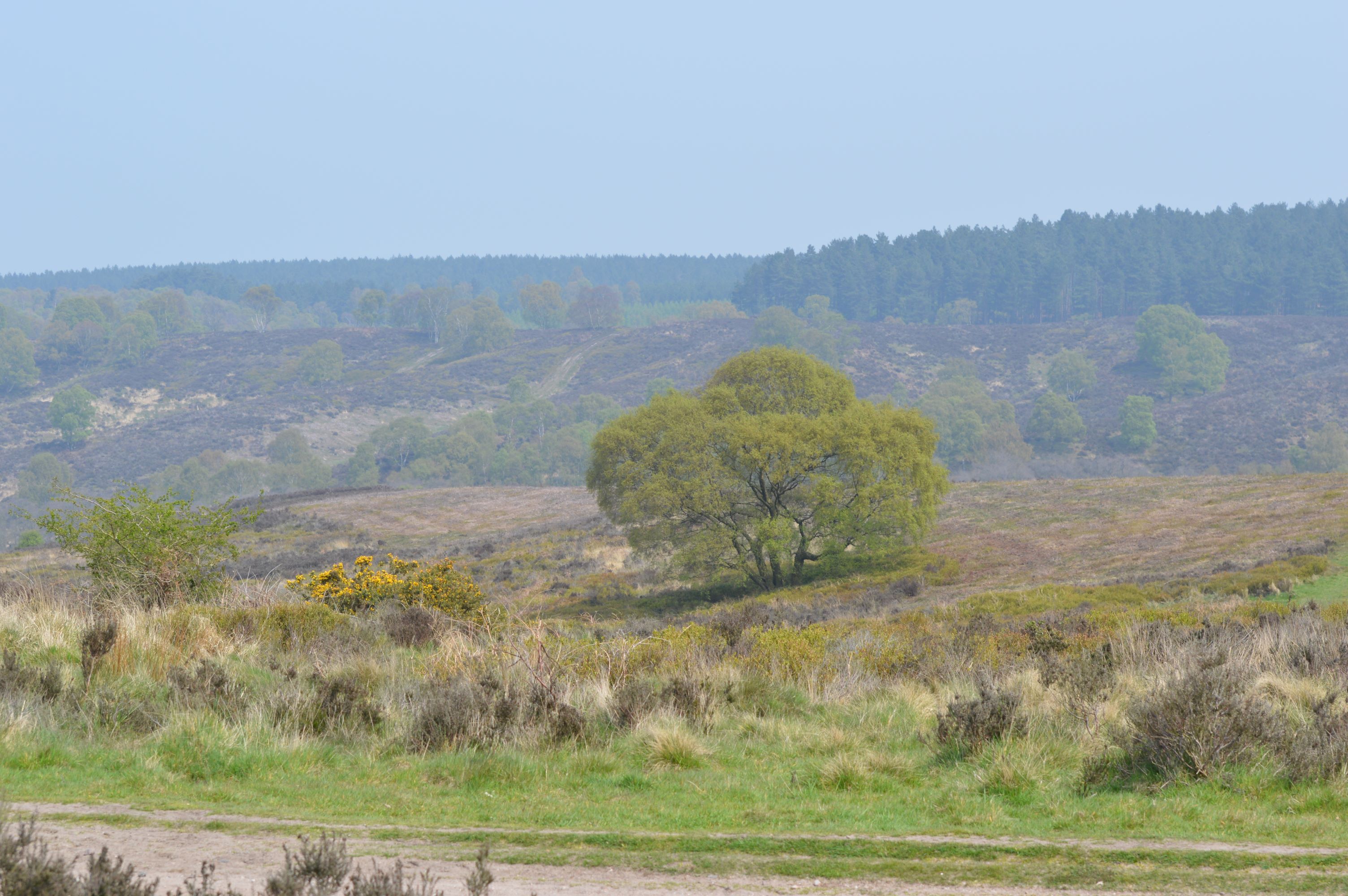
We follow the West Midlands Branch of Butterfly Conservation on Facebook and had been jealously viewing lots of stunning photos on there of Green Hairstreak butterflies – a species that was on our “hit list” of ones to see for the first time. Many of these photos on Facebook had been taken on Cannock Chase, so we decided to head to Staffordshire. Clues gleaned from Facebook and Butterfly Conservation’s booklet on Butterflies of the West Midlands indicated that the carpark near the Glacial Boulder (seen below) would be a good place to start.
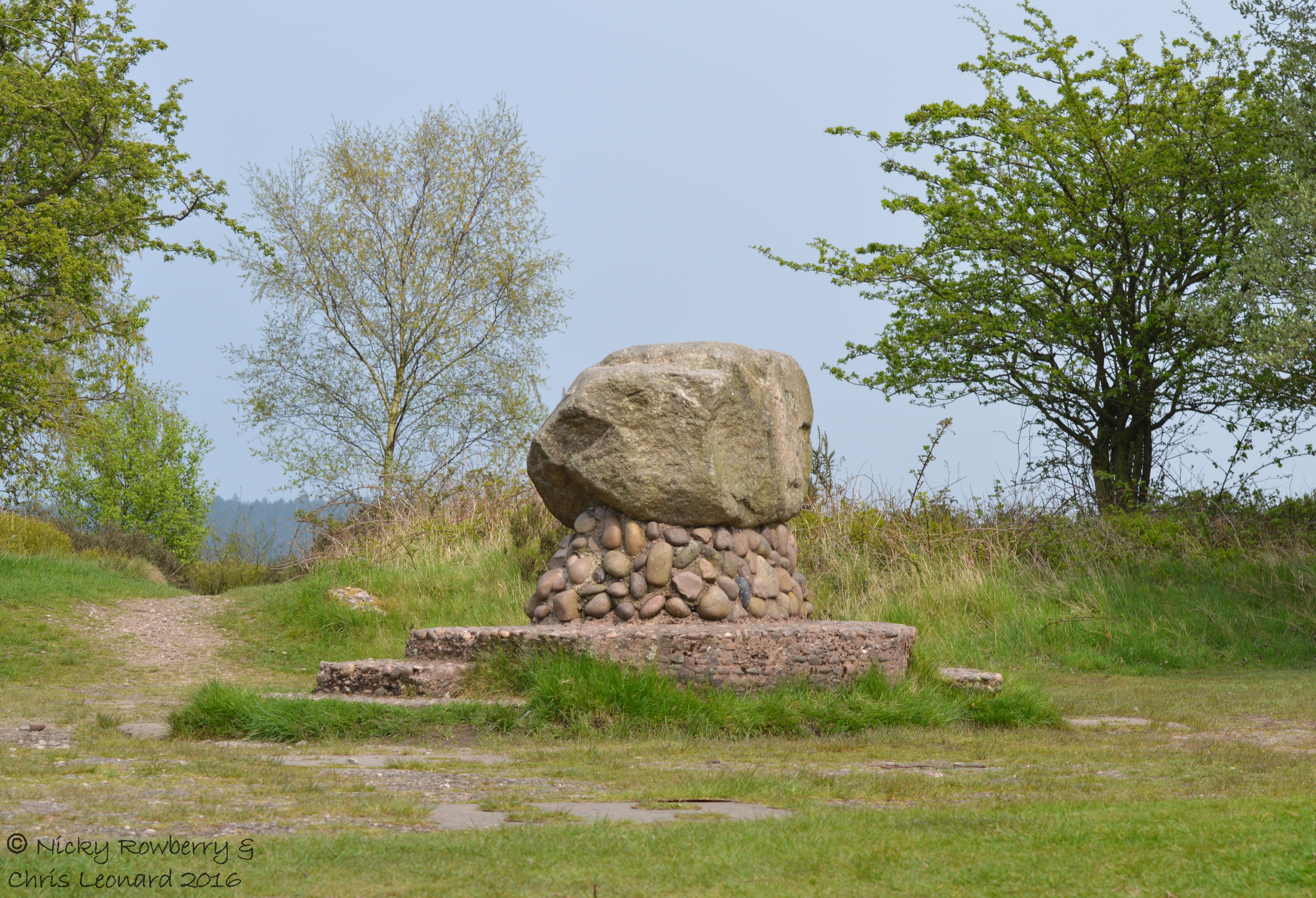
Glacial Boulder

So we headed out in hope and expectation, starting at the carpark just a few metres from the boulder. About a minute’s walk from the boulder we found this overgrown ditch which was warm and sheltered – an ideal spot for both us and the butterflies we hoped to see.

Hairstreak alley

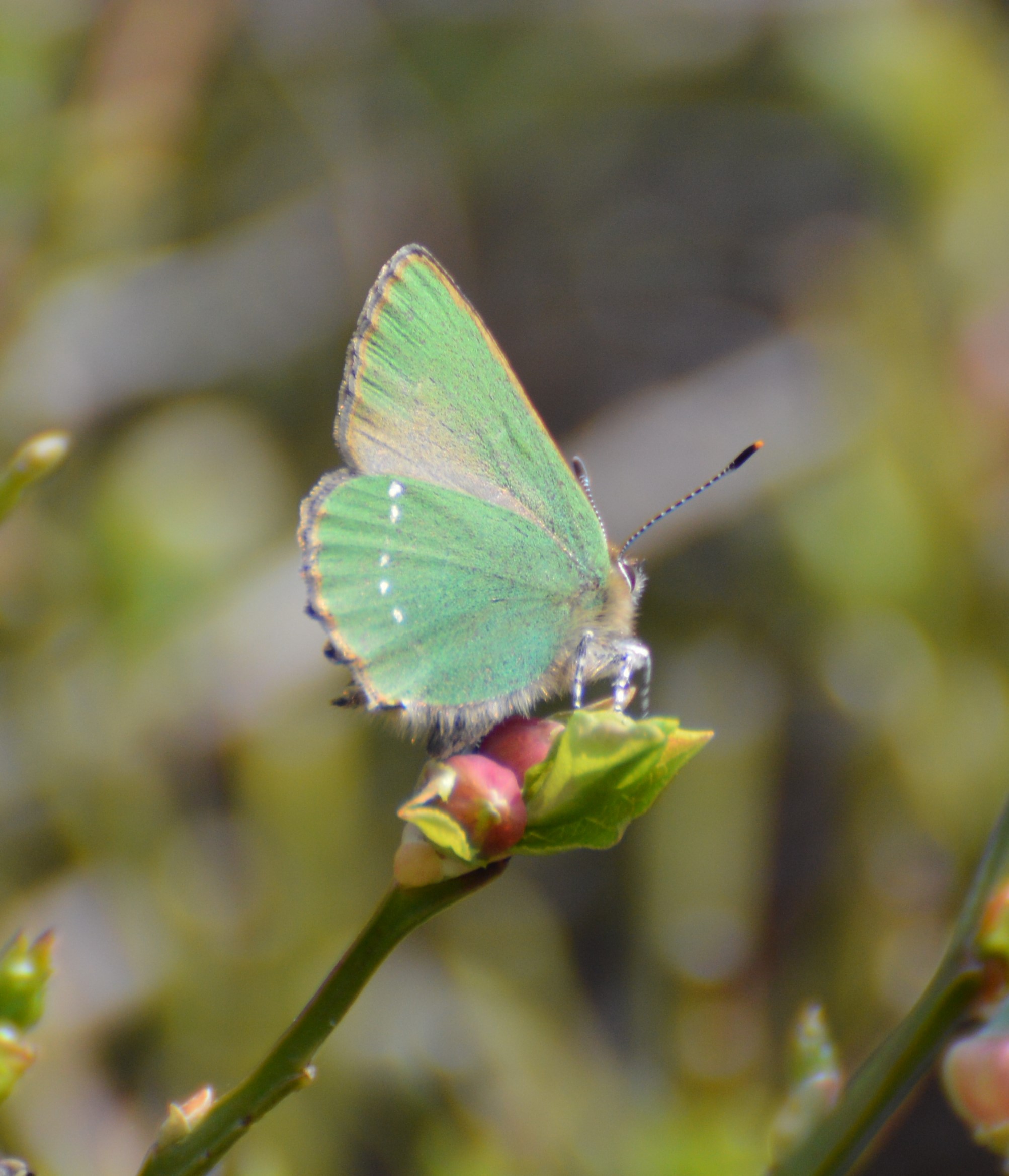
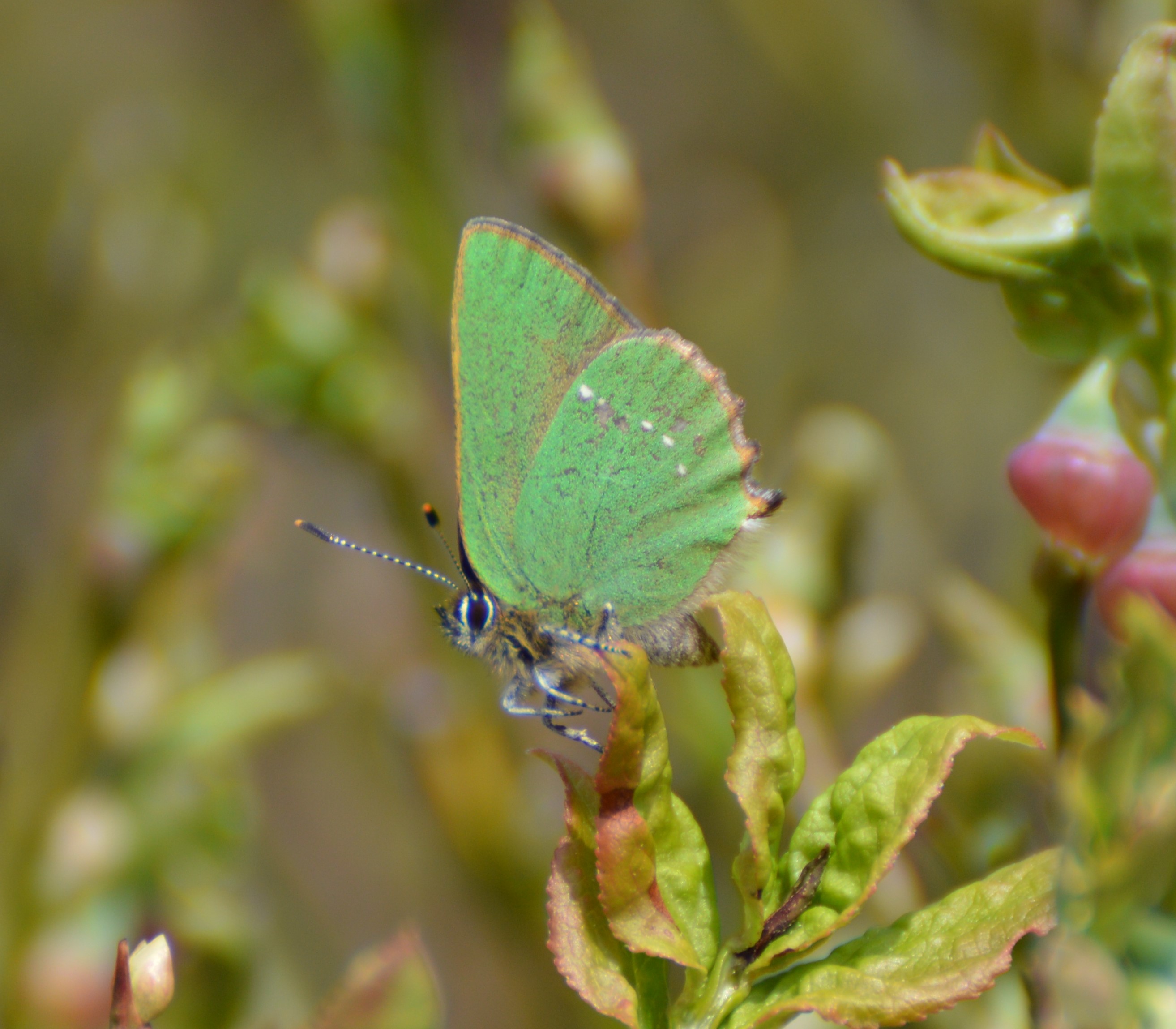
Almost immediately I spotted one, then another and  we realised we’d hit gold – or perhaps green! There were maybe half a dozen Green Hairstreaks flitting around the bilberry bushes. Some pairs were chasing up into the air – presumably mating couples. The Green Hairstreaks are really small with green undersides with a white streak on. The uppersides of the wings are brown, but we only saw those in flight as they never settle with their wings open. In butterfly heaven we took loads (and I mean loads – thank god for the delete option with digital). So here are a selection of the best of my efforts.
 

Whilst happily snapping away at our prize butterflies, we met the very man (Terry) who had posted the photos on Facebook in the first place! He was extremely helpful (as have been all the butterfly enthusiasts we’ve met on our walks) and gave us tips as to what else we might see. Thanks to Terry we found a pond we would never otherwise have seen and subsequently spotted a new (for us) bird species too – a Reed Bunting. Apologies for rubbish photo, but they kept their distance, so this was the best I could manage. They looked like large sparrows with a white collar and were grabbing insects out of the air over the reeds.

Reed Bunting

All in all a very successful trip to Cannock Chase – far better than I’d dared hope for. The Green Hairstreaks are absolutely gorgeous little butterflies and well worth going that extra mile to see.
 

Simply Beautiful Bluebells

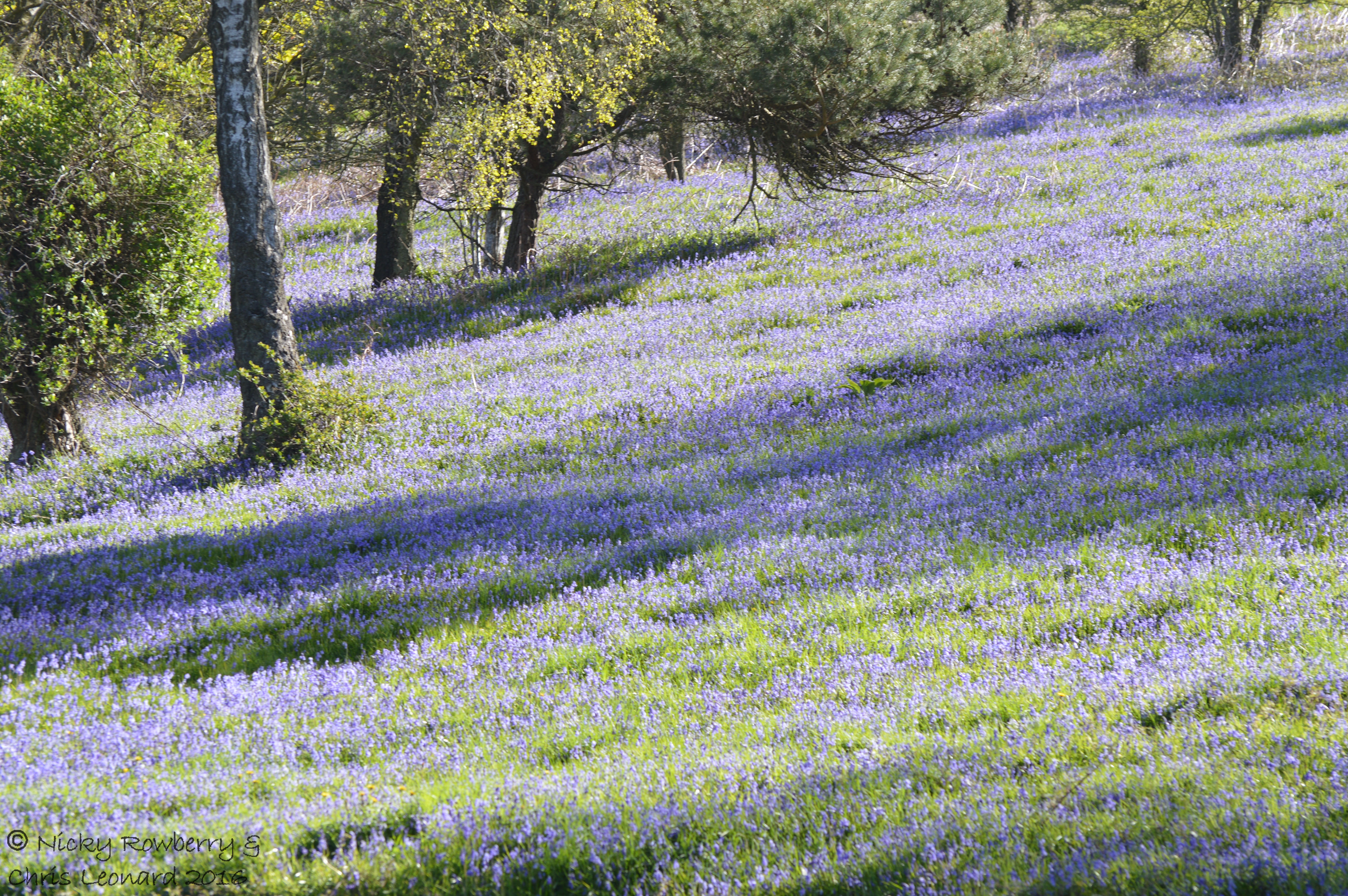
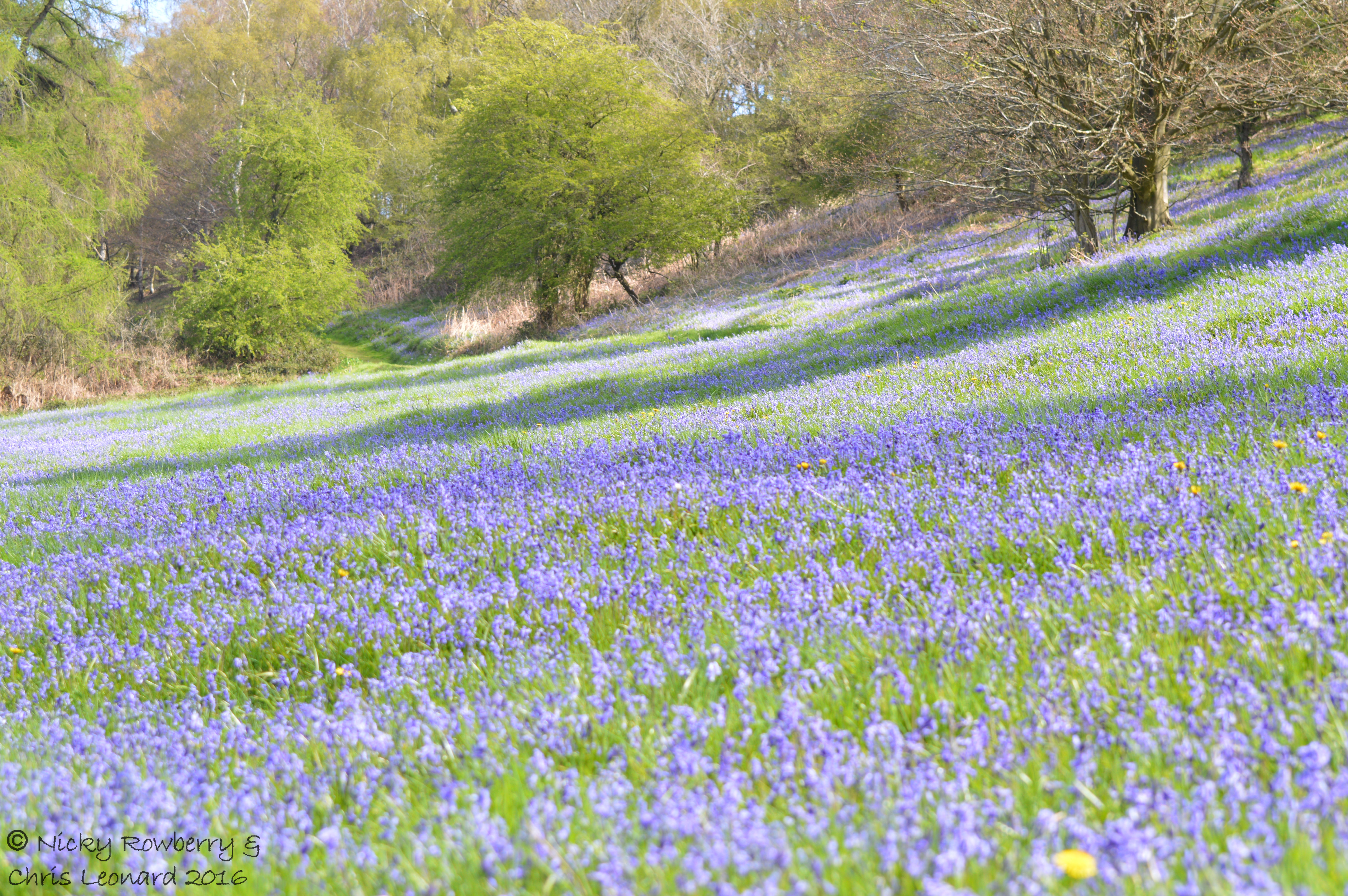
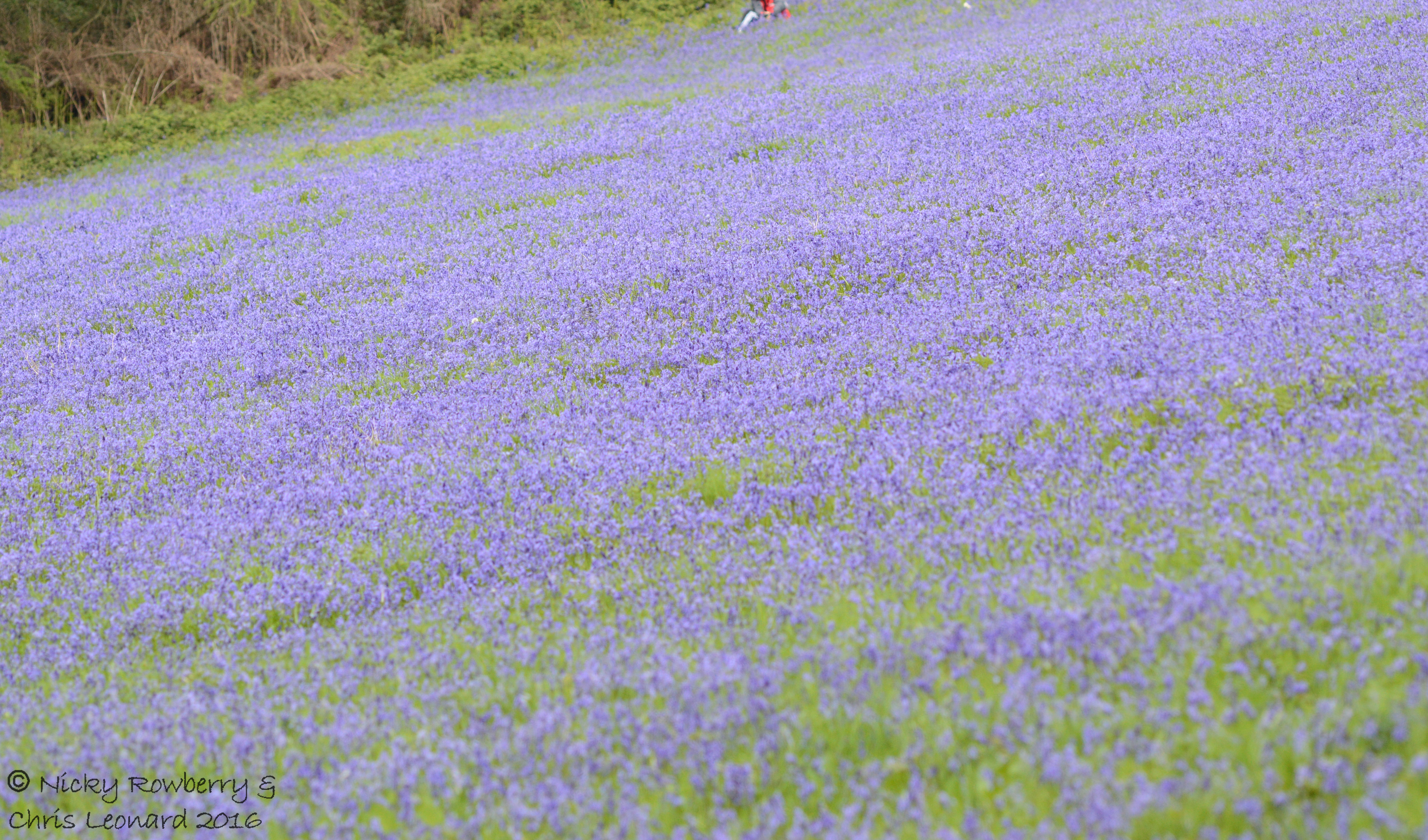
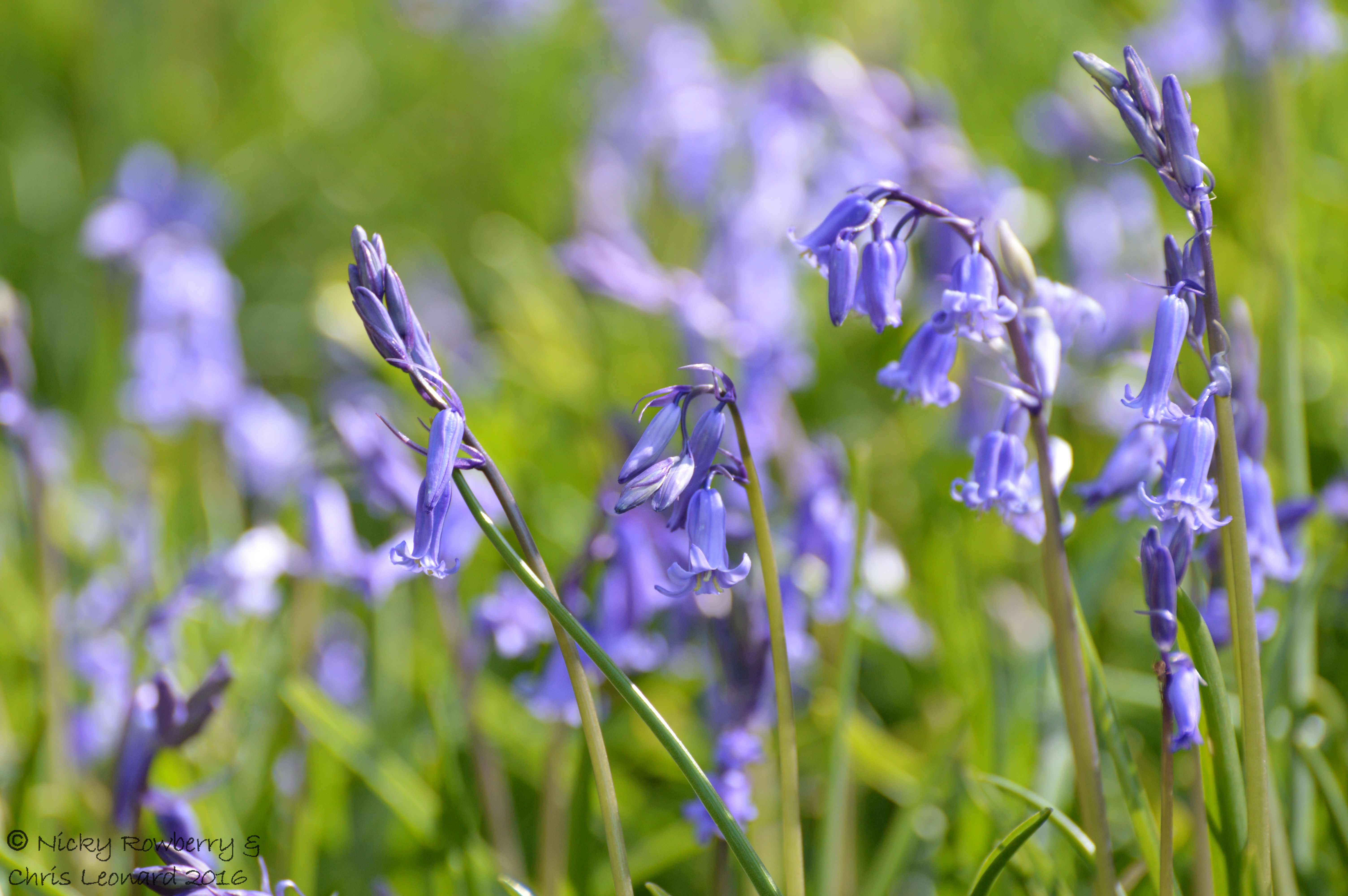
This post is going to be big on photos and for once not much rambling on from me – when you’ve got bluebells this beautiful, there’s really no need to say very much.  I went for a walk this week on the Malvern Hills to see the bluebells, which are approaching their peak right now. They grow all over the hills, but there is one area where they have really formed a beautiful dense blue carpet. They were, as always, simply stunning.

Bluebells on Malvern 4

Bluebells on Malvern 5

Bluebells on Malvern 3

Bluebells on Malvern 2

Bluebells on Malvern

Bluebells on Malvern 6

We went to the same spot last year too. We were a few days later in May and I think the bluebell show then was possibly even more spectacular, so I’ve included a couple of photos below from 2015.

Bluebells 2015

Bluebells 2015 2

We are so lucky to live in this beautiful part of the world.

Out and About – Hartlebury Common

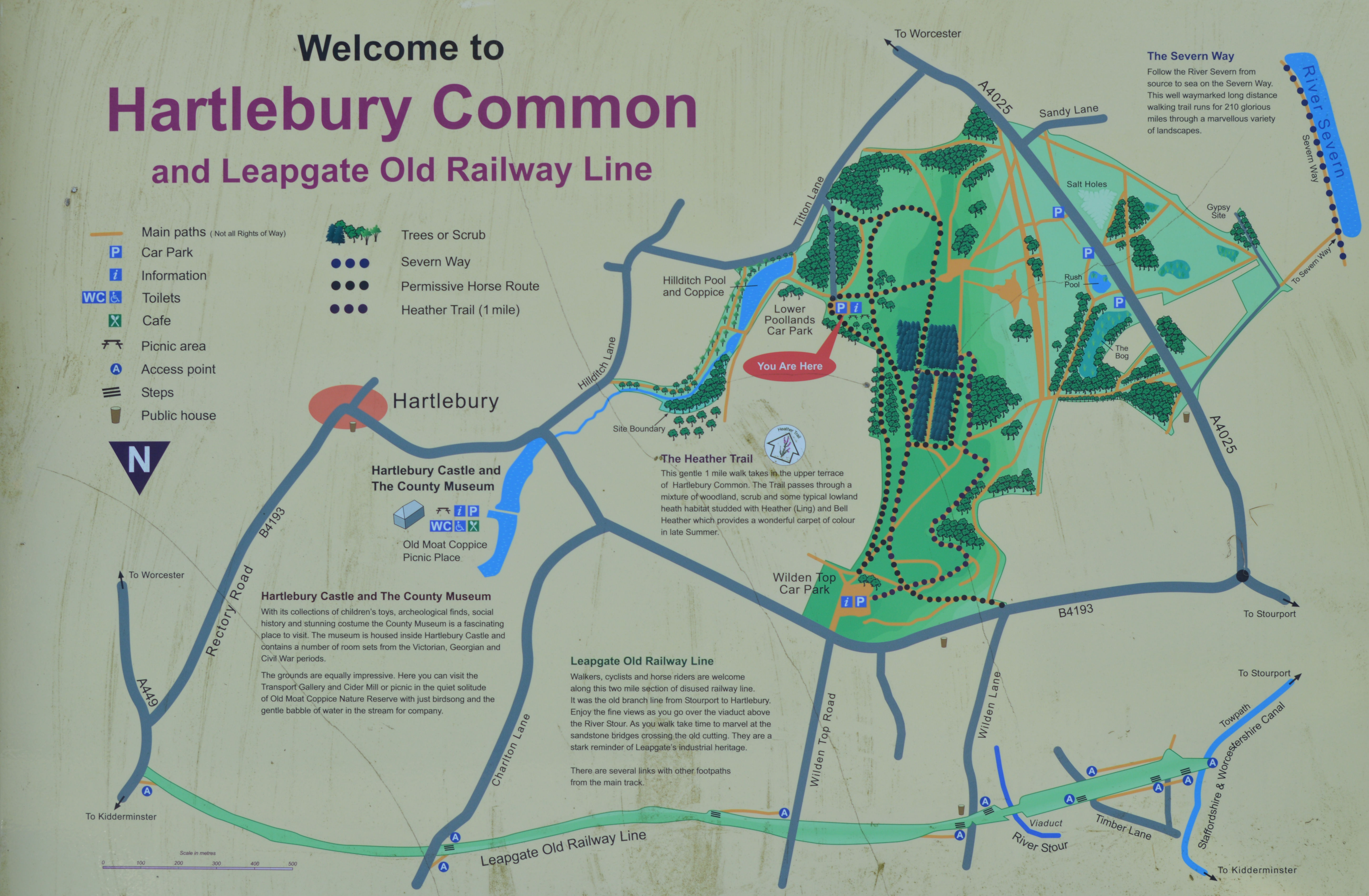
Once again we ventured forth from our sofas and hit the outside world in search of adventure – or more precisely moths! We’d heard that Hartlebury Common in North Worcestershire might have Emperor Moths – large day flying moths that we’ve always wanted to see. Hartlebury Common is an SSSI, consisting of lowland heath and supposedly good for Emperors.

Hartlebury Map

Needless to say after several hours tramping about in intermittent sunshine, there were no signs of the regal Emperors. Fortunately Hartlebury  provided other wildlife of interest. Insect-wise there were lots of bees feeding on the gorse and broom. A single Tortoiseshell butterfly provided fleeting hope that we’d spotted an Emperor; but a Bloody-nosed Beetle (Timarcha tenebricosa) stopped us in our tracks as he trundled across the path. When we tried to gently move him to one side, he secreted his trademark blood red liquid from his mouth, which made identifying him later a hell of a lot easier!

The gorse bushes also offered up a Gorse Shieldbug (Piezodorus lituratus) – a species we’d never seen before, so nice to bag another one.

The birds were abundant and singing all round us. A green woodpecker taunted us all morning, but remained steadfastly out of camera range. A tree creeper posed on a tree trunk just long enough for us to spot him, but not long enough for us to focus and get a photo. Fortunately a wren was slightly more accommodating, although a bit far away to get a really good shot.

Wren at Hartlebury

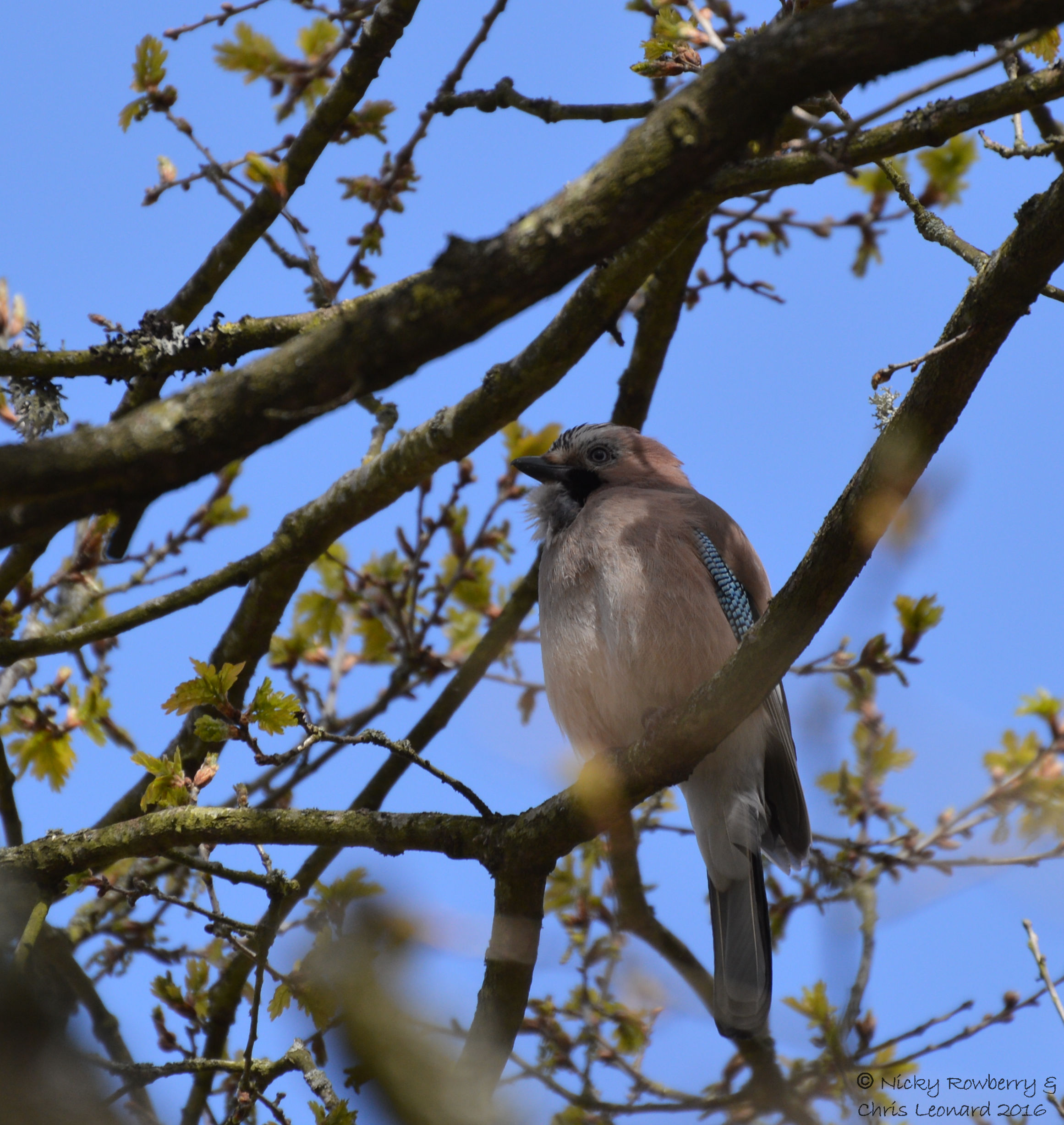
A pair of Jays made the trip all worthwhile though. I’d previously only seen glimpses of these beautiful birds, so to see them as clearly as this made my day.

Jay at Hartlebury 2

Jay at Hartlebury

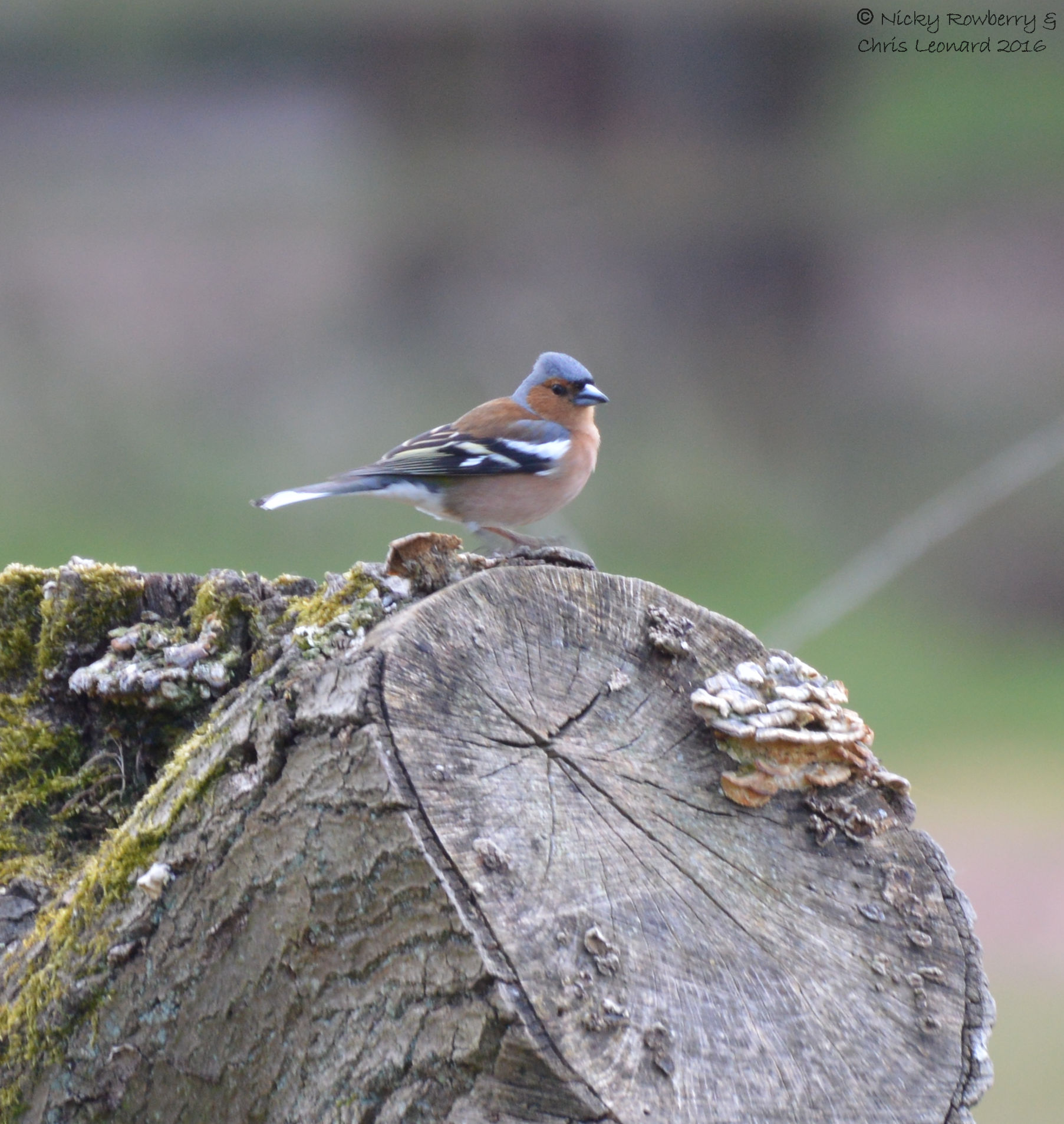
A chaffinch also posed perfectly on an old tree stump.

Chaffinch at Hartlebury (2)

The final bird of the day was either a Chiffchaff or a Willow Warbler. Apparently the two are very similar and the best way to tell them apart is by their songs. Of course we were so intent on taking photos, that we didn’t really pay much attention to the songs. Back at home and listening to sample bird songs on “tinternet”, I still couldn’t decide if we’d heard a Chiffchaff or a Warbler. So if anyone can confirm the bird by appearance alone and settle it, that would be great.

Chiffchaff (11)

Having never before stood under a pylon (slightly incongruous in the middle of the Common), I thought I’d attempt an arty shot – not sure I’ve really got the hang of art though!

Pylon at Hartlebury

So Hartlebury Common may not have offered up any Imperial sightings, but there was plenty of interest to while away a few hours.


Out and About – Tiddesley Wood

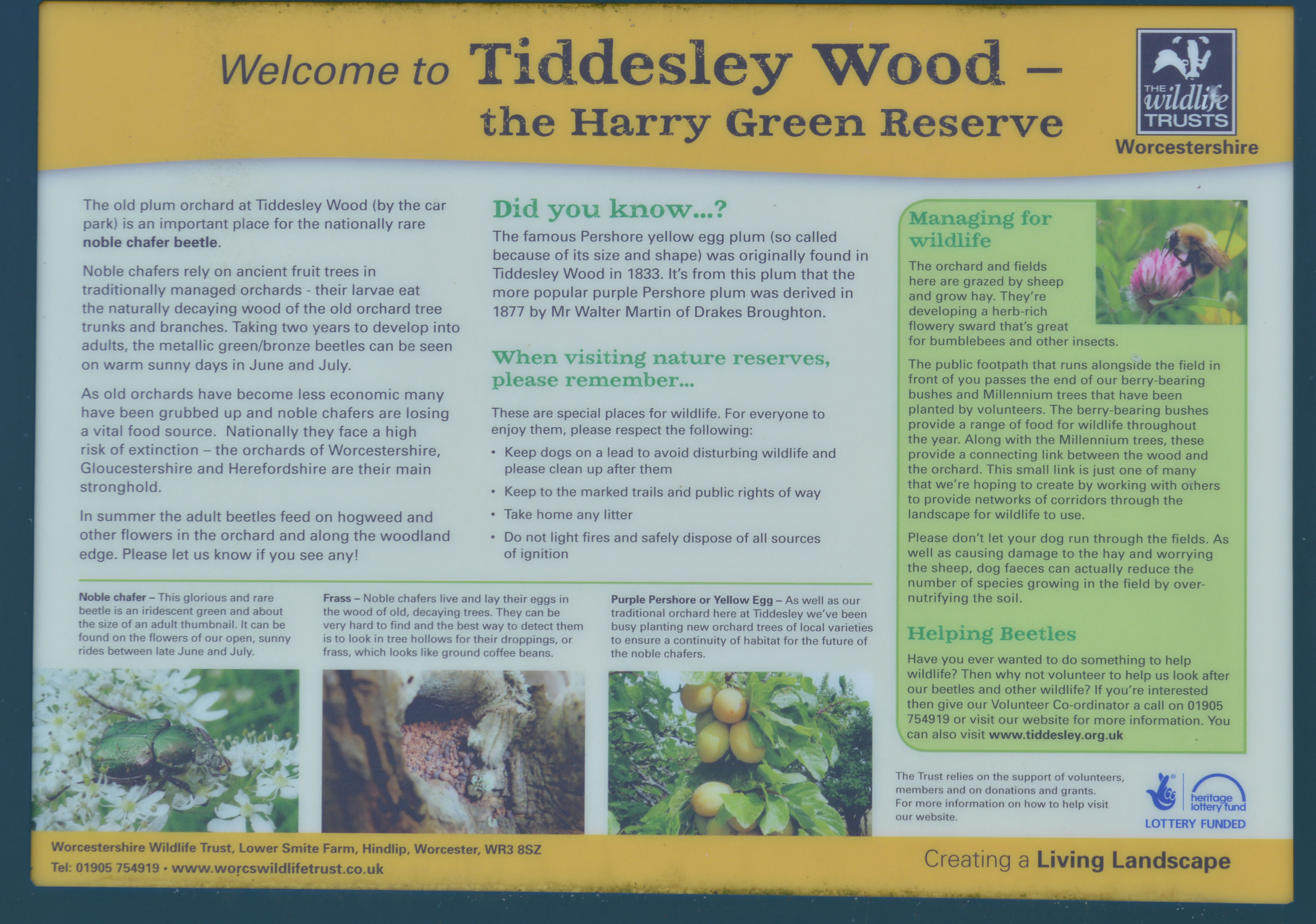
The Two Lazy Gardeners went crazy today, got off our sofa and went out and about! It’s the beginning of Bluebell season here in Worcestershire, so we headed out to some woods in hope and expectation. The wood of choice for today was Tiddesley near Pershore – a Wildlife Trust run reserve.

Signpost

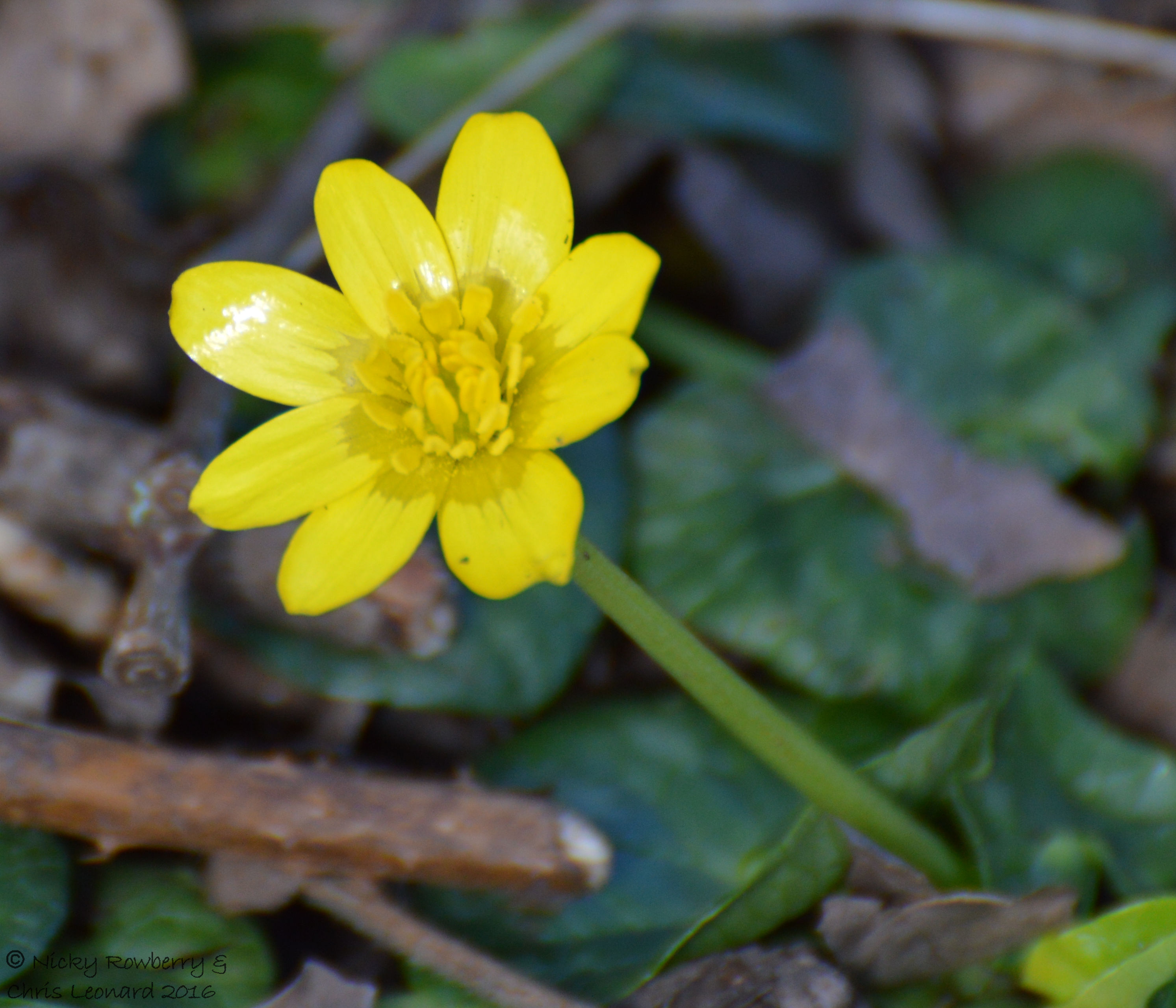
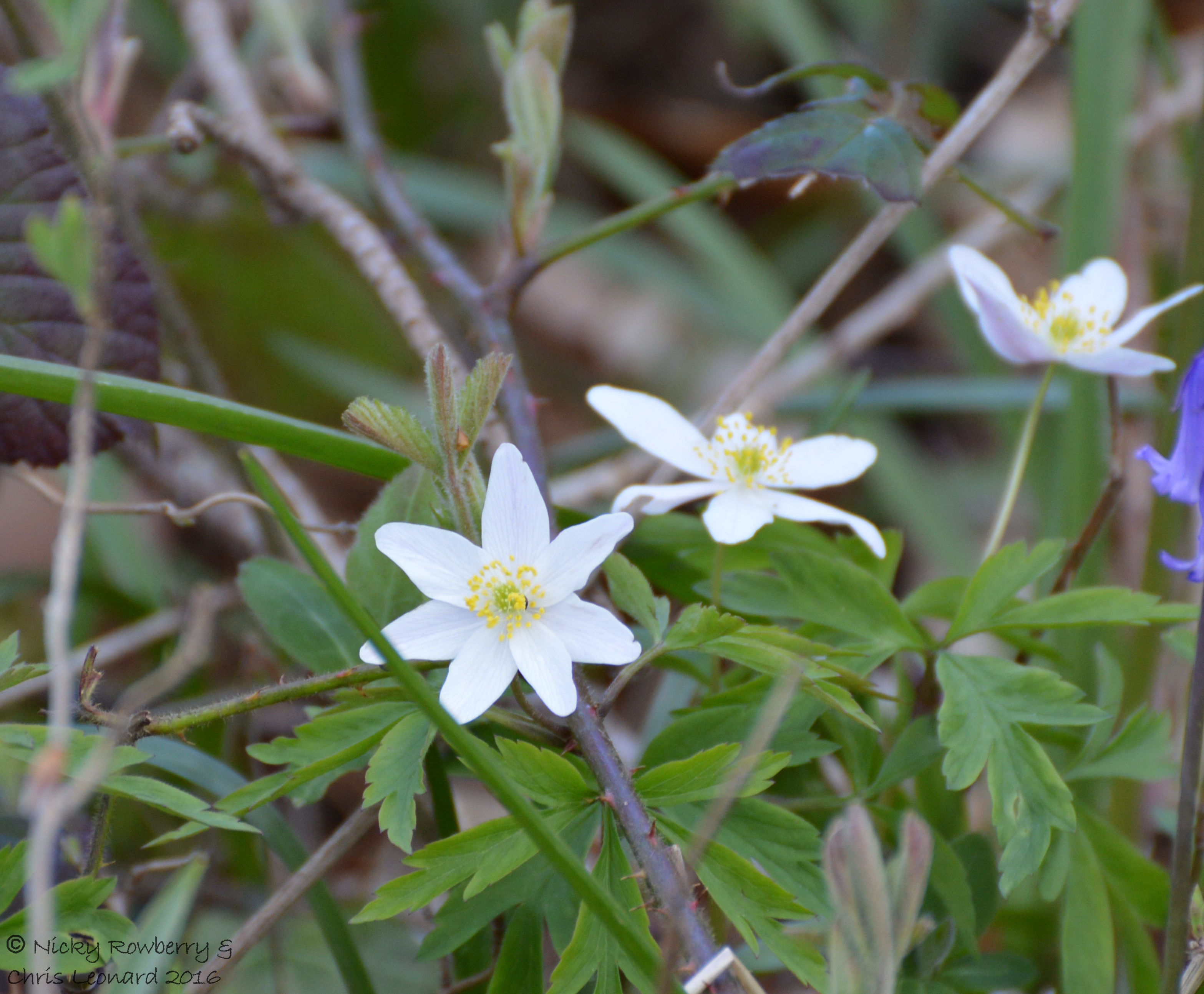
Bluebells were of course the main target, but lots of other spring flowers were about, such as these Lesser Celandines, Wood Anemones and Cowslips.

Lesser Celandine

Wood anemone

Cowslip

But of course the Bluebells were the stars of the show. Although they’re probably not quite at their peak yet, they were still stunning, carpeting areas of the wood in a beautiful purply blue. Photos never seem to really do them justice, but here are a few of our attempts.


Bluebells

Bluebells (10)

Bluebells (7)

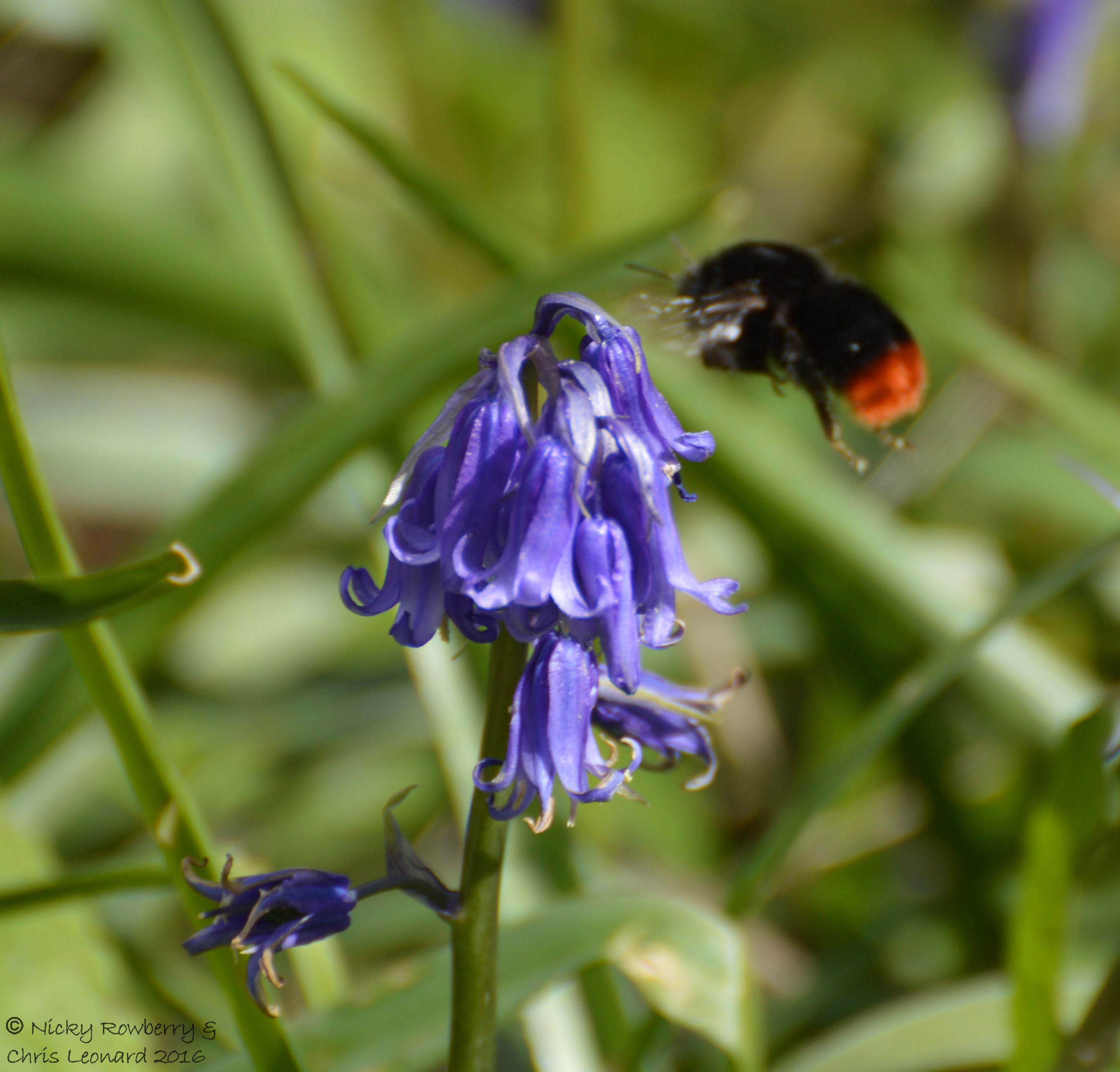
The spring flowers brought out the insects too – sadly no butterflies yet, but the bees were making the most of the bluebells.

Bee on bluebell (1)

Red tailed bee on bluebell


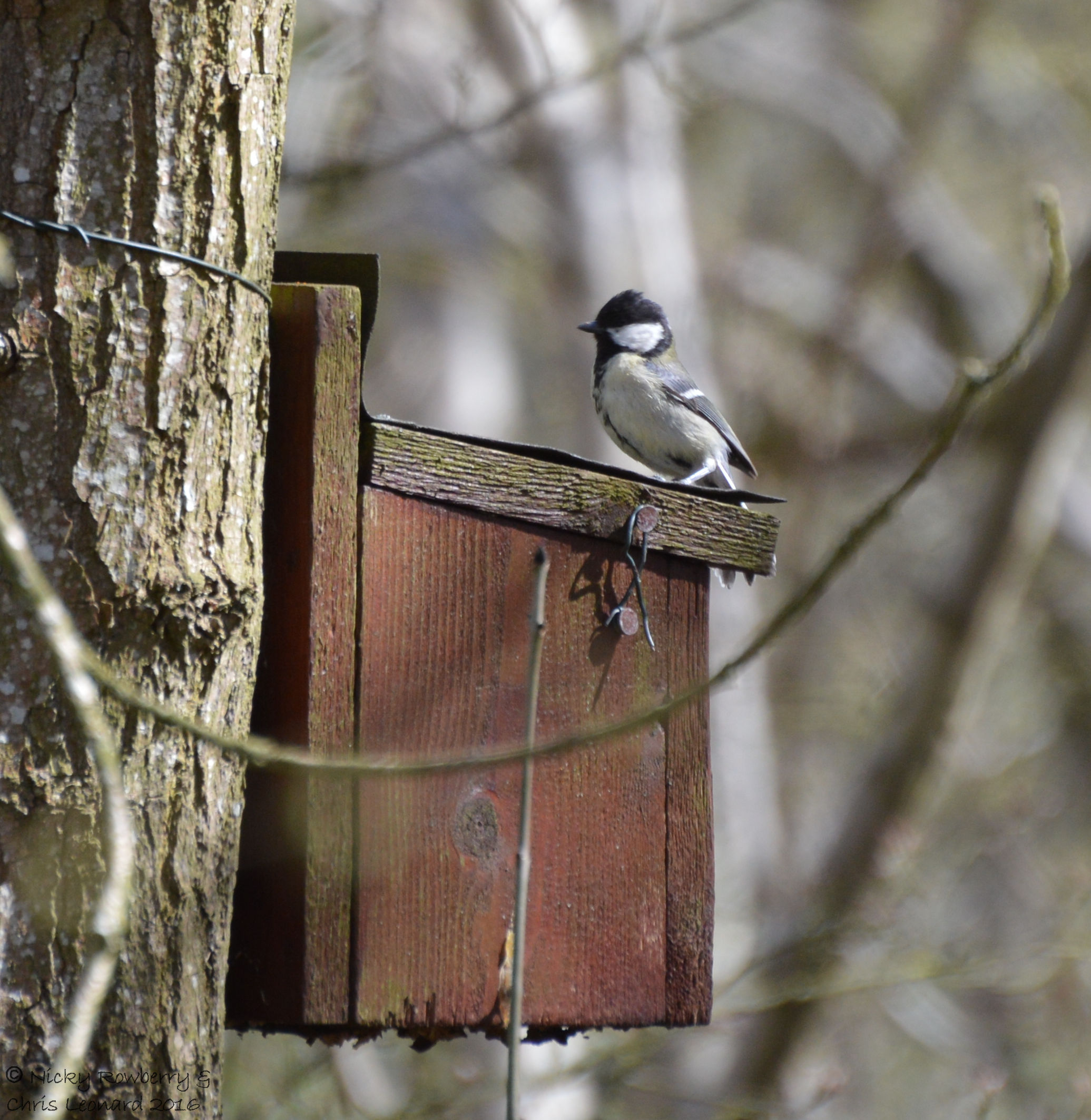
Birds were of course abundant too, although very definitely camera shy. We saw and heard a lot (including woodpeckers in the distance), but the only one we managed to get a recognisable shot of was this Tit on a nesting box.

Tit on nesting box

The wood was exceptionally muddy underfoot after all the recent heavy rain. This had one unexpected benefit – we came across loads of tadpoles in waterfilled footprints on the paths.

For all the bluebells were fantastic, the highlight for me was seeing a deer (a female Roe Deer I think) jumping through the wood right in front of us. Needless to say I was so surprised I didn’t even manage to raise the camera, let alone get a decent shot, so you’ll just have to take my word for it!