Scilly Isles – St Mary’s

After the rush of 30 Days Wild in June, I thought July would be a quiet month and I’d be able to blog at a leisurely pace. Somehow that doesn’t seem to have happened and we are now two thirds through the month! The good news is that we managed to squeeze in a fantastic holiday in the beautiful Scilly Isles. We took so many photos (over 2000!) that I’ll split them (not all of them obviously!) into blog posts for the different islands we visited.

So first up are some of the many things we saw on the main island – St Mary’s. We were staying on St Mary’s, so spent our first full day getting to know it (via some crazy golf buggy driving thanks to my brother-in-law), before taking boat trips to the other islands later in the week.

The Scilly Isles are off the southern tip of Cornwall and have a much more tropical climate than we get back home in Malvern. This was immediately apparent from the lush vegetation – palm trees, giant Echiums and Agapanthus everywhere. The rocky walls were generally covered in all manner of stunning flowers and the hedgerows were overflowing.

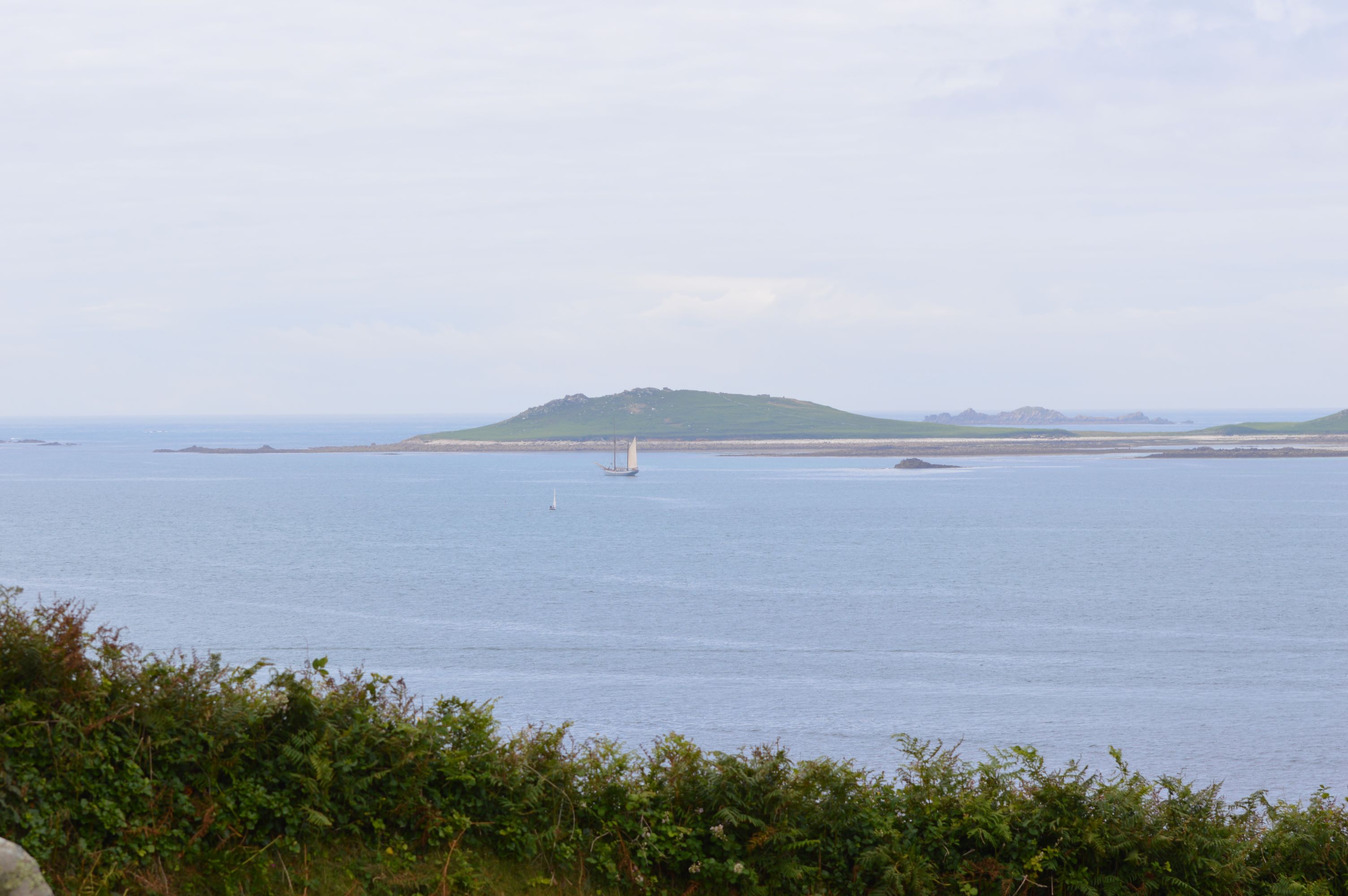
As we trundled around St Mary’s at the breakneck speed of 12mph on the buggy, the views were pretty much stunning from all angles. Beautiful beaches and some amazing rock formations.

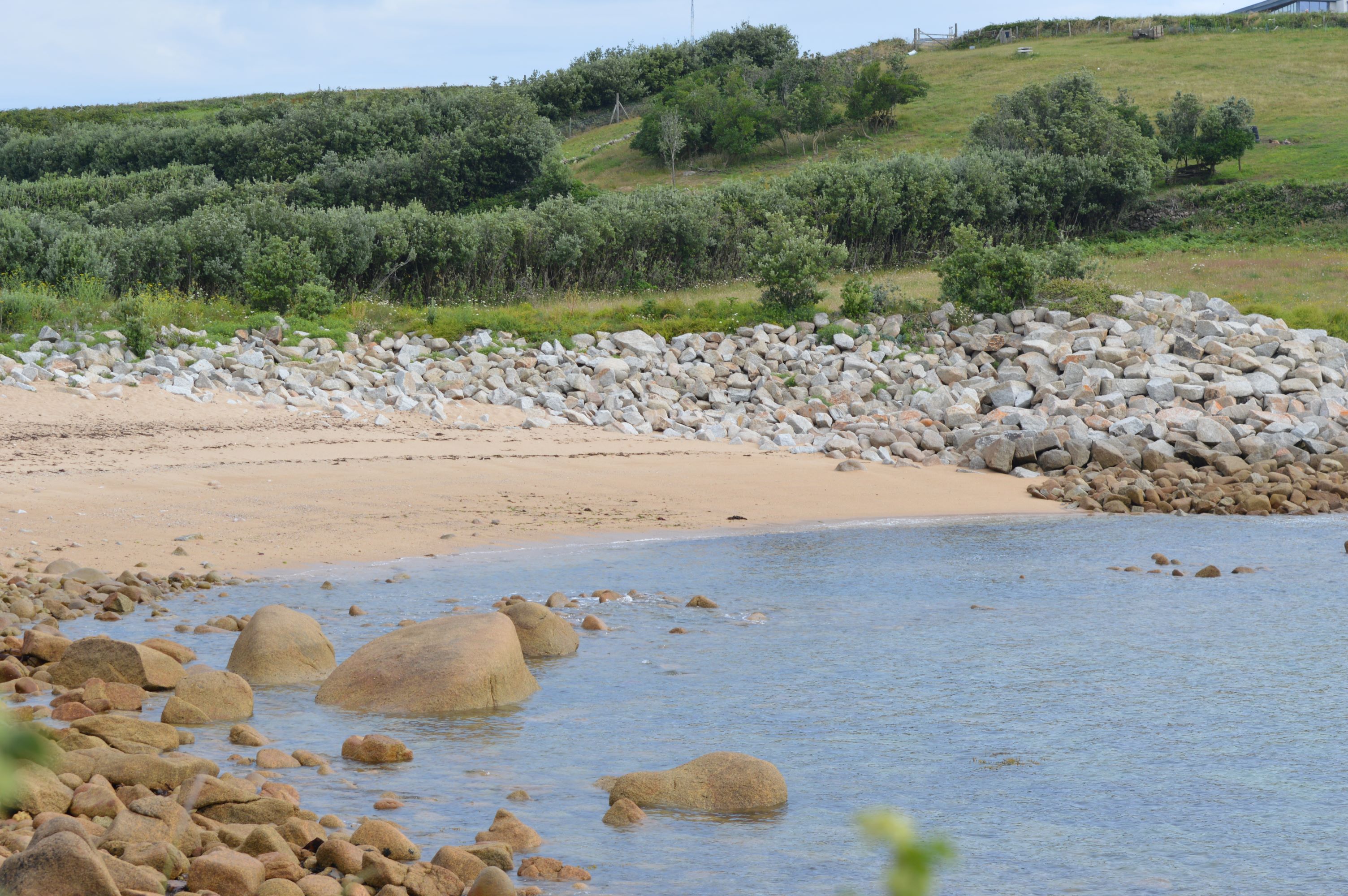
I tried one of my usual shaky videos to give some idea of the panorama of islands all around us:

Normally  I focus on the natural history, but the Scilly Isles have been inhabited since Neolithic times, so it would have been rude not to pay a visit to at least one site.  This is Halangy Down; a village inhabited from the Iron Age through to the early Medieval period when it was abandoned as the area got buried in sand.
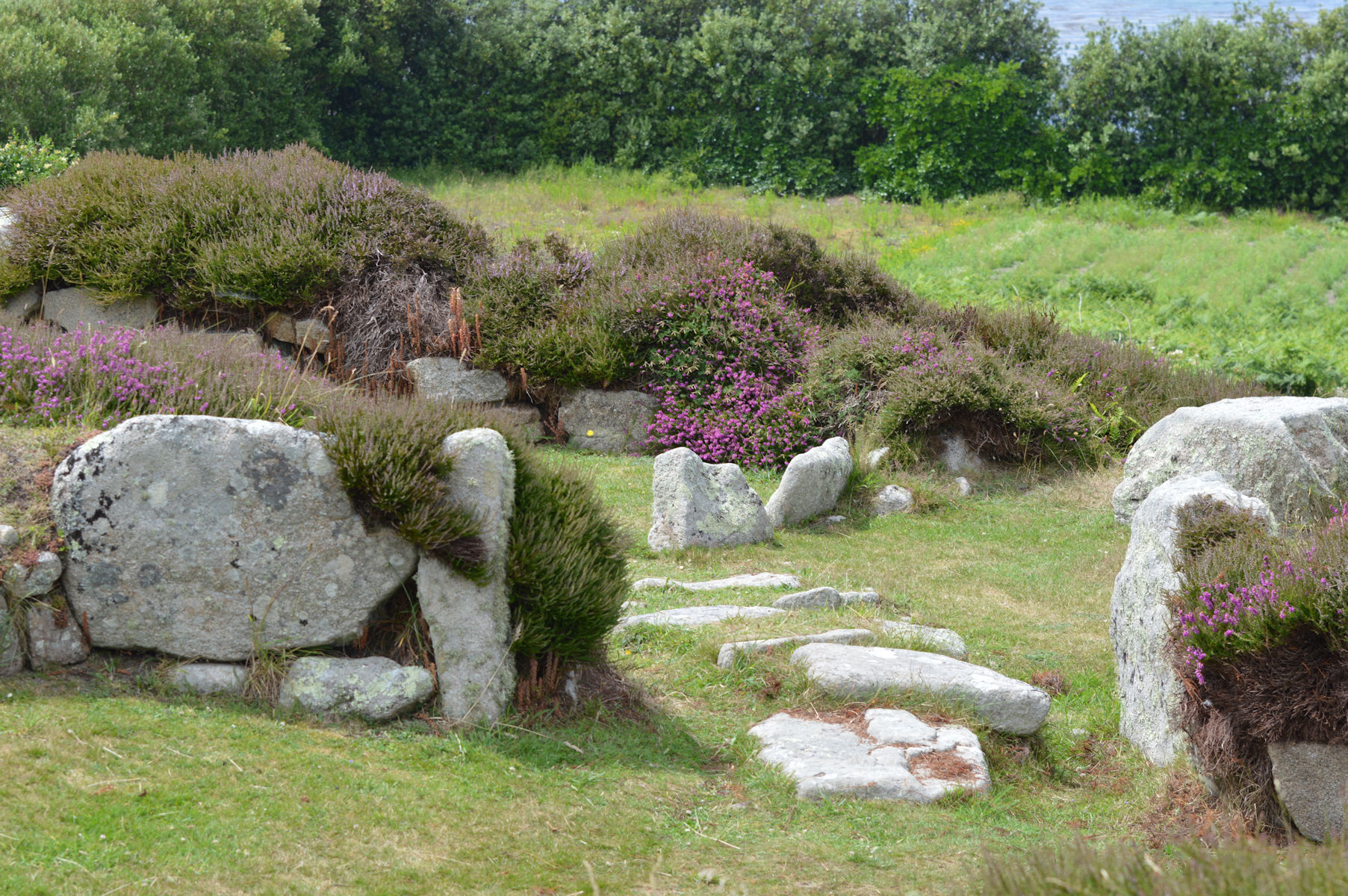
And this is Bant’s Carn – a 4000 year old burial chamber, just up the hill from the ancient village. I did actually go inside, but obviously couldn’t take a photo of myself!

Fascinating as the ancient history is, I always end up looking for the wildlife. The islands are of course full of birds, who have not only adapted to island life but to tourist life as well. The sparrows in particular had learnt that tourists were easy picking and wherever we went to eat they were there – greedy opportunists, making the most of us greedy visitors. I even managed a bit of sparrow whispering and got them to land on my hand by sacrificing a bit of my lunch to my new friends. If only I could get the robin on our allotment to do the same, I’d be very happy.

Of course we saw lots of other birds besides the sparrows. First new species for us was this Rock Pipit seen down on the shore near the Old Town area – please someone tell me if this is actually just another sparrow!

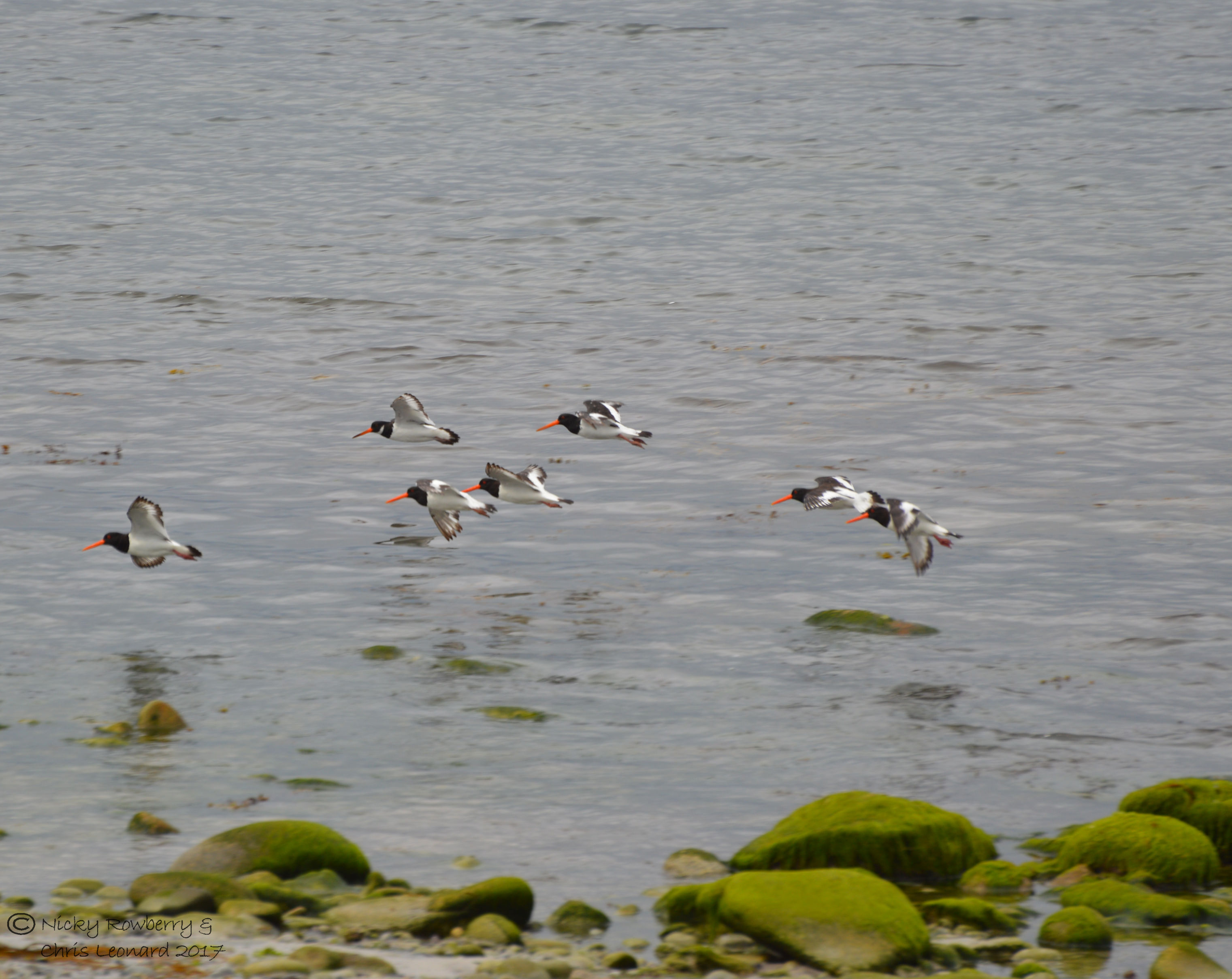
We saw lots of our perennial favourites – oystercatchers. I’m not sure I’d ever noticed before how disproportionately long their beaks are – although they are clearly well evolved to successfully fill the biological niche that would require such a beak!

 

We got one fleeting glimpse of a gannet, although they do occur all round the islands. I always struggle to tell cormorants from shags, but apparently the latter are much more common on the Scillies.

Gulls were of course present pretty much everywhere. We saw a lot of Great Black-Backed Gull – the largest gull in the world. The Scilly Isles have over 10% of the UK’s breeding population of this gull. Apparently they can swallow puffins whole, but the one we saw was making do with pecking at a crab shell it had probably nicked from a local restaurant.

I had been tempted to take the moth trap to the Scillies, but common sense prevailed and I was reduced to looking for day flying ones. Fortunately six spot burnett moths were sufficiently common around the islands to satisfy the mothy nerd in me.

As St Mary’s is the main island and therefore the most populous, we hadn’t really expected to see too much wildlife. We thought St Mary’s would be our foodie base and we’d use the outer islands for serious wildlife watching. But without really looking we stumbled upon loads of plants and animals that caught our interest – most of which was accessible from a golf buggy. Who knows what we might have seen if we’d got out and explored on foot!

More soon, when I’ve ploughed through the next 500 or so photos from our trip to the Scilly Isles! xx

30 Days Wild – Day 29

TWT 30 Days Wild_countdown_29

Day 29 of 30 Days Wild and we were down on the beach enjoying the seaside atmosphere. First up a brunch sitting outside at a café that we’ve been going to for about 30 years – think the menu was pretty much the same as it had been all those years ago too, although there was now a Specials board with exotica like Houmous wraps!

StarlingsWe sat outside and were joined by a greedy flock of starlings, who clearly understood café culture. The adults were initiating the young ones into the delights of eating alfresco and watched us keenly to see if we were going to give them anything. They had competition from a couple of seagulls, but thankfully the gulls didn’t actually join us on the chairs like the starlings did.

The view out to sea was the same as I remembered too. Oil supply vessels sitting out at sea, were lined along the horizon.

View

The North-East of Scotland has miles of sandy beaches stretching past Aberdeen up into the sand dunes further north.  We were lucky in that the sun was shining and we had more or less blue skies, with just a bit of a breeze to liven up the waves.

Today was a much more relaxed, lazy day than some of our previous ones and it was really nice just to chill out down at the beach and recharge out batteries.

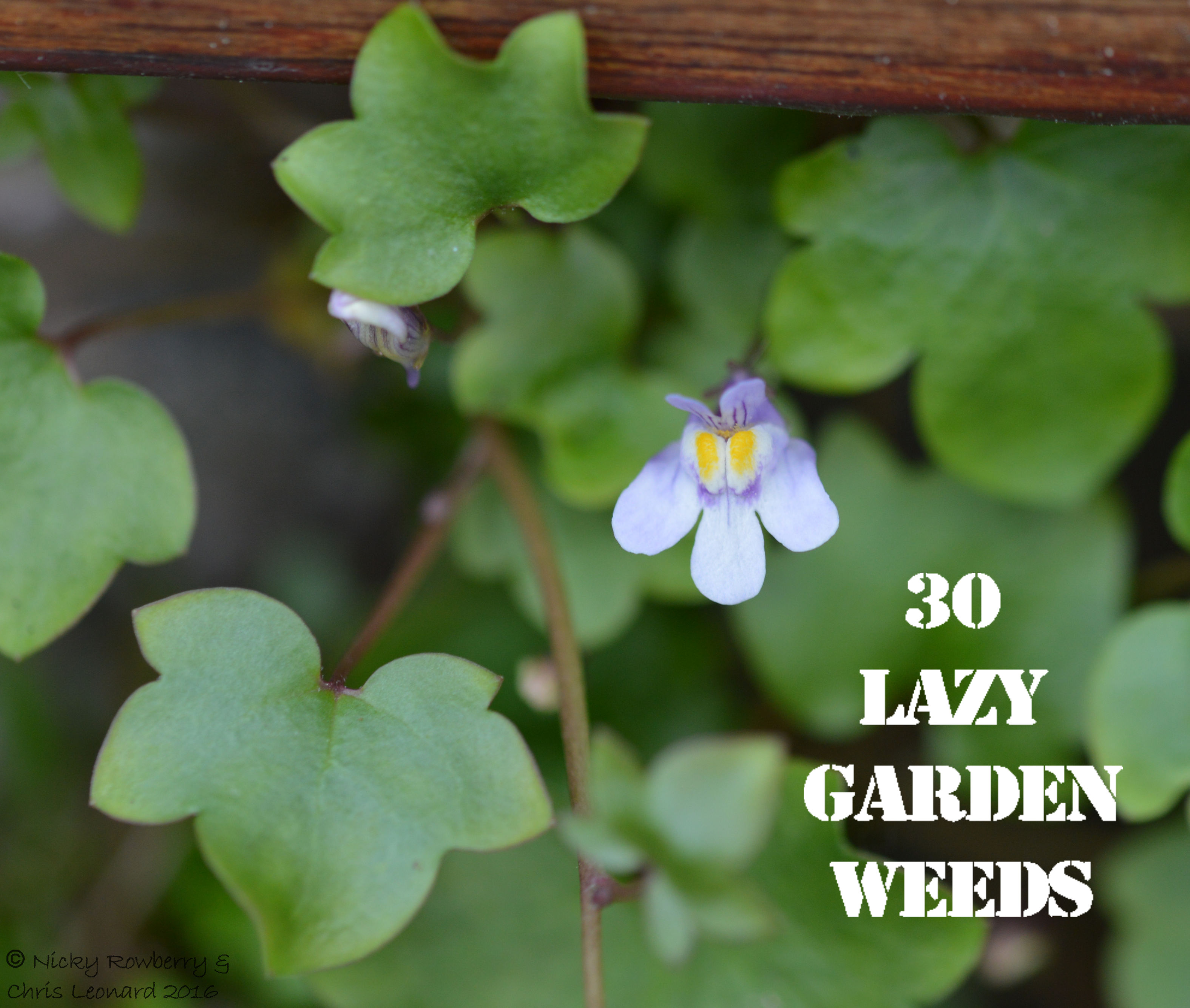
Ivy leaved toadflax 30 WEEDS

And finally the second last weed in 30 Lazy Garden Weeds – the Ivy Leaved Toadflax. This pretty little flower grows out of our walls at home. For some reason the name Toadflax makes me think of the names of Hobbits in Lord of the Rings, or of some of the rabbits in Watership Down (no idea if the name Toadflax was actually used in either of these of course). The flowers are like little purpley blue snap dragons. They have a clever mechanism whereby they face the sun until they have been fertilised and then they face back to the wall, so that the seeds when they form get embedded in cracks more easily. A clever little plant!

30 Days Wild – Day 27

TWT 30 Days Wild_countdown_27Day 27 of 30 Days Wild and we’re by the sea. It’s been ages since we’ve seen the sea – we used to live on the coast and I used to be a marine biologist, so it’s really good to be back listening to the waves and smelling the sea air! I’d forgotten about the wind though – bracing!

When you haven’t seen the sea for a while, even watching the waves holds a lazy attraction. I could sit and watch them coming in for ages. I must admit part of me would have liked a great big storm, with waves crashing dramatically, but gentle lapping was all they were doing today.

Waves

I definitely knew I’d been away from the sea for too long, when I got all excited at my first sight of limpets, barnacles and seaweed. I used to spend a large part of my working life identifying things like this. Now I’m happy to just admire them without stressing over exactly which Fucus species it is!

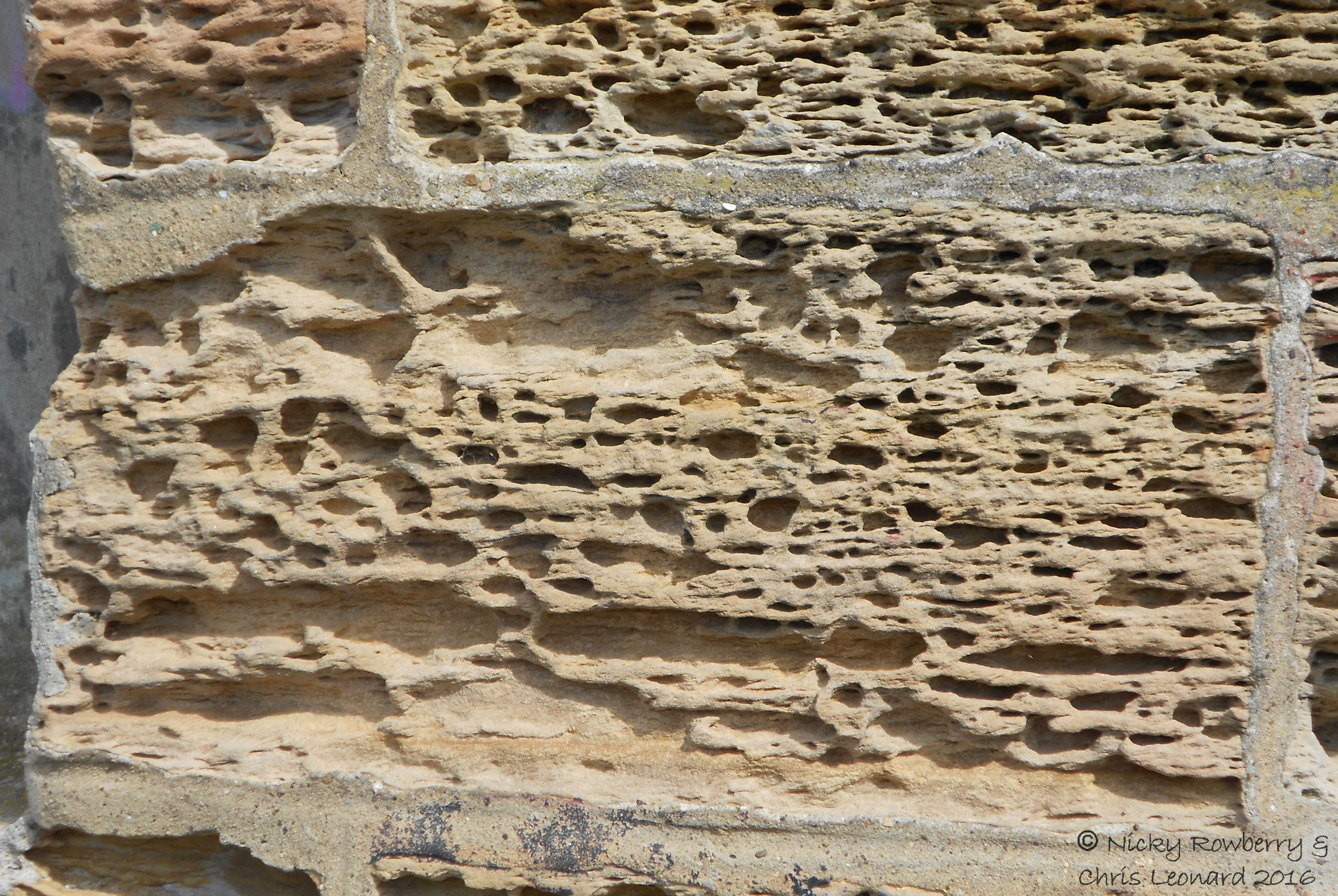
I love the way the sandstone walls have become pitted and carved by the sea breeze and salt air. There’s something really tactile about the texture of the stone.

Sandstone

We were really at the edge of a harbour today, so not ideal for diversity of plantlife, but we did spot some pretty little yellow succulent growing out of the rocks.

The birds were of course the highlight of this morning’s walk. As always there were ducks – they seem to be everywhere we go at the moment. I love the way they sail across the water, completely unfazed by the waves.

Gulls were inevitably flying around – there are quite a lot of food outlets here, so easy picking for greedy gulls. It was a bit early for the tourists to be dropping food though, so the gulls weren’t really landing.

Our favourite though was a Tern – we think a Common Tern. It was stunningly graceful flying round the little harbour, diving into the water for fish. Its aerial acrobatics were truly amazing – it turned in the air so fast and with such precision – breath-taking to watch.

We only had time for a short walk today on a busy schedule, but hopefully I’ll be able to indulge my inner marine biologist a bit more tomorrow!

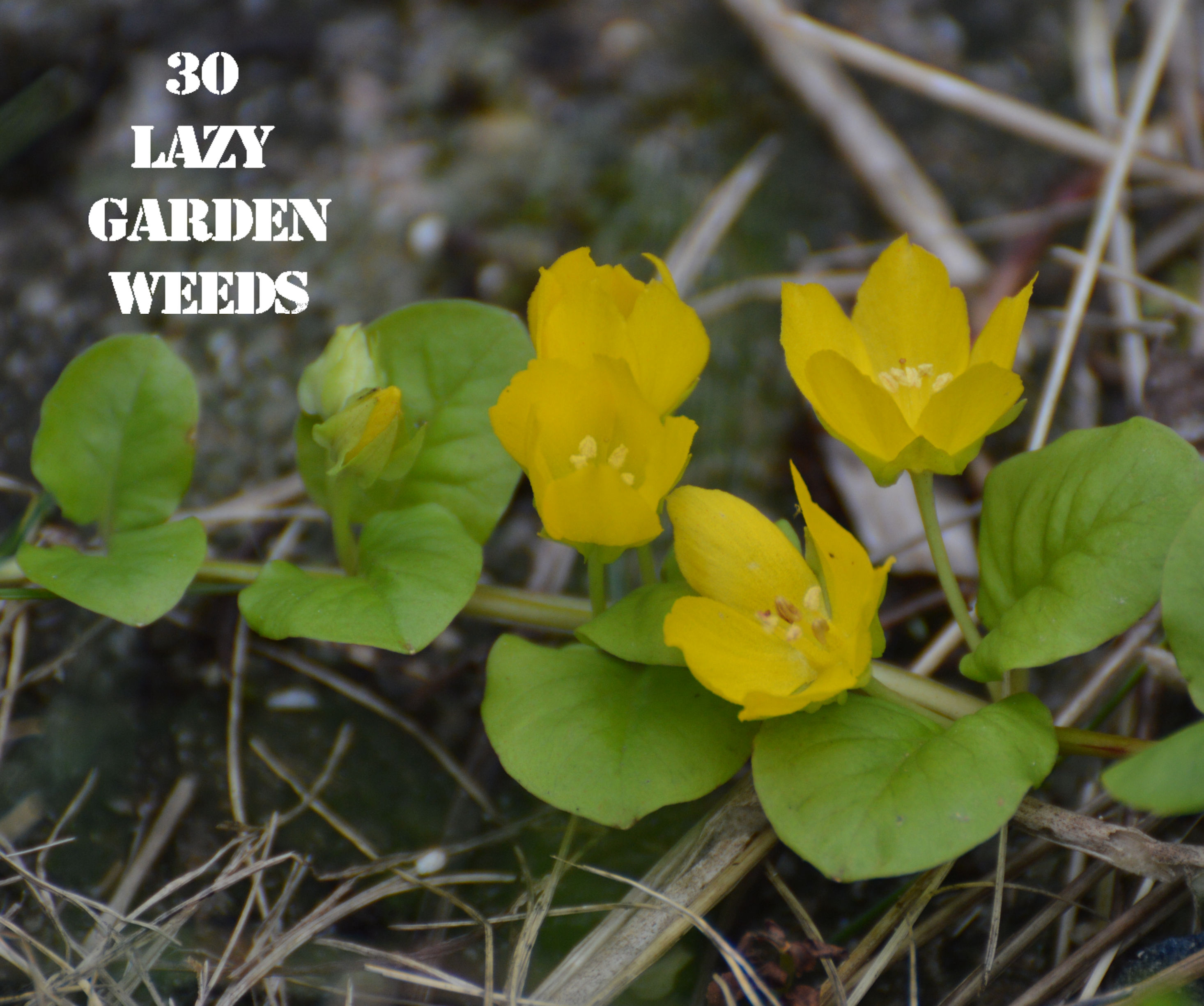
Creeping Jenny 30 WEEDS

And finally today’s weed for 30 Lazy Garden Weeds is Creeping Jenny. This little weed has, as its name suggests, a creeping habit and spreads horizontally around the garden. If you’re not bothered about a tidy garden (we certainly are not) then it’s actually very good at just providing ground cover. The flowers are a lovely bright yellow and it seems much better to let this fill an empty patch than use imported and expensive plants to do the same job.