Toad Patrol & Other Amphibious Delights

Just over a year ago, I went to a very nice pub and asked some people sitting outside whether they were “toad people”. They were not and were somewhat surprised to have been asked this while enjoying their Sunday pint! After some explaining to the nice couple, I then went inside and found my toad people. And so began my involvement with toad patrols as part of the Toads on Roads project run by the charity Froglife.

“Toad season” for this year has just finished. Toads travel back to their ancestral ponds every year in early spring, often having to cross roads as they go. Sadly this often ends in many toad fatalities, so the Toads on Roads project aims to help as many of them as possible get safely across the roads at their regular crossing points.

The toad patrol I joined is a few miles out of town and locals had reported that in the spring dozens of toads got killed every year. It wasn’t clear which pond the toads head to each year, but there was a definite hotspot on a lane at the edge of the village. So for the last 2 years I’ve joined a group of lovely volunteers, who go out at dusk to “help” the toads across the roads. Apologies for the poor photos, but my phone isn’t great at taking photos at night.

Last year we escorted approximately 240 amorous toads across the road. This year numbers were much lower with only 94 toads seen across the whole season.  We think this may have been because February and March this year were much colder and drier than they were in 2024. Toads apparently like it warmer and wetter before they reckon it’s worth travelling in pursuit of love! This is only the second year of toad patrols in this area, so it will be interesting to see if numbers always fluctuate like this from year to year.  Hopefully 2026 will bring a bumper toads season.

If anyone’s interested in learning more about the Toads on Roads project or wants to find their local group, take a look at https://www.froglife.org/what-we-do/toads-on-roads/

So toads are obviously the main focus of toad patrols, but Froglife encourages people to note other amphibians they spot at the same time. The occasional frog has wandered by, but I was absolutely delighted to spot an unusual looking newt crawling across the road last month. Much darker and with a rougher texture to the skin than my newts back home; it was a Great Crested Newt!

It didn’t look full grown; the only ones I’ve seen before were much bigger. Again apologies for the poor phone photo and shaky video – the shakiness was down to being just so excited to have seen one. I watched it for a few minutes to make sure it made it across the road to safety, then left it to go wherever it was going.

My garden does get the occasional toad, but my pond is too new, so they don’t use it for mating. Thankfully the frogs couldn’t care less about it being a new pond and I’ve counted at least 70 croaking away in the spring – mainly males calling for females and chasing anything remotely frog shaped that moved. This video was actually taken last year, but there were similar scenes this year too.

The throng of frogs produces a lot of frog spawn. This is just part of it from one side of the pond this year. They tend to lay the spawn in the shallows.
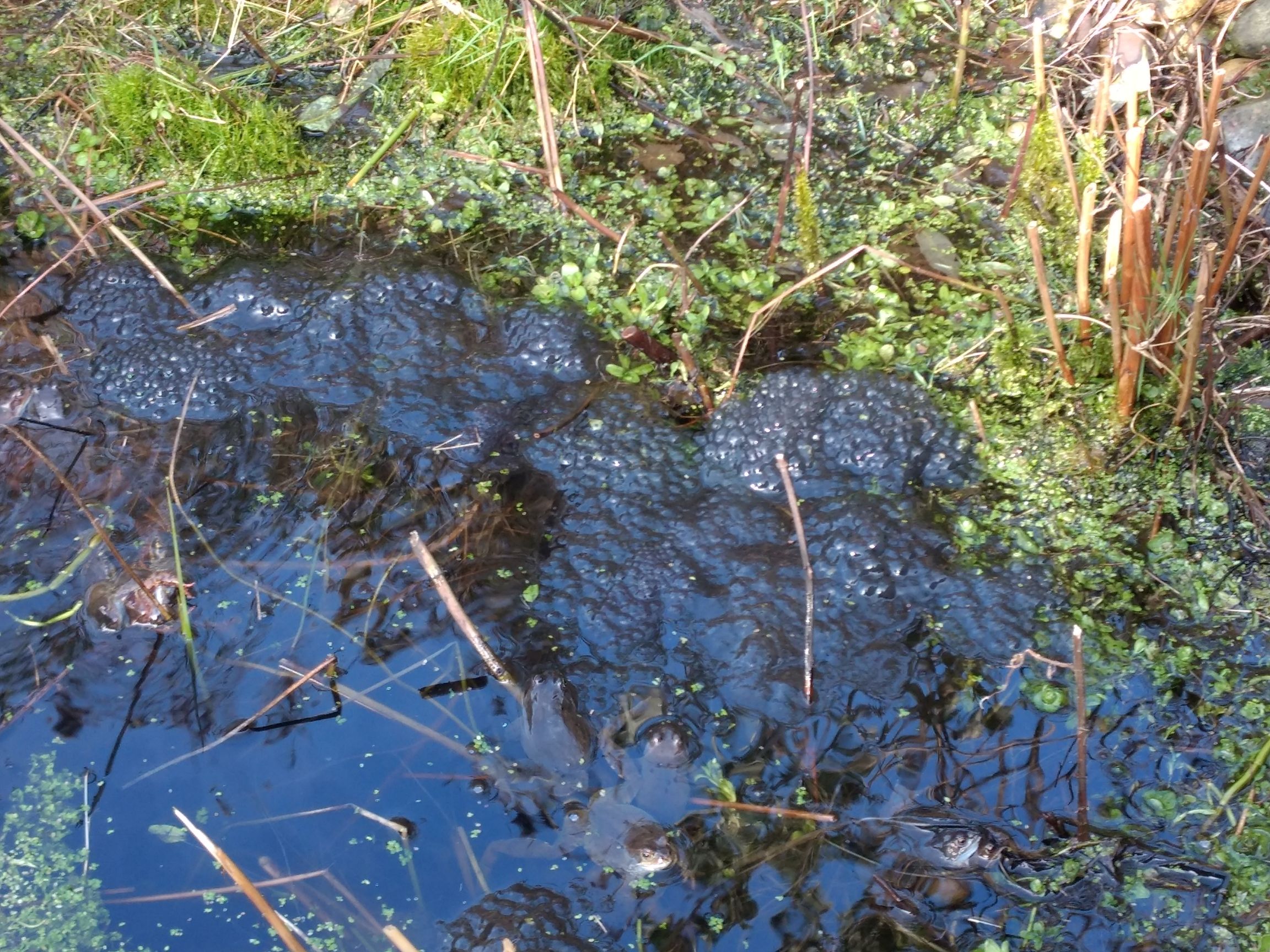
And then of course come the tadpoles. There must be thousands of them this year, all wriggling in the shallows of the pond, I guess where the water is a bit warmer. Such is the activity that the water actually froths up. Their tiny gills are clearly visible at this stage.

The photos above were taken a few weeks ago. The tadpoles are much bigger now. No sign of legs yet but don’t think it will be long before I’ve got froglets.

The smooth newts have probably been enjoying the glut of frog spawn and tadpoles. I saw several of them popping up amongst what to them must be a buffet of frog spawn. Fortunately the ratio of tadpoles to newts is big enough that I don’t think they’re doing any harm to the frog population and after all, a newt’s got to eat!

So that’s a round up of all things amphibian of late. The annual frog spawn season in the garden is always a joy, but the toad patrol is a relatively new pleasure. There’s something very calming about strolling along a country lane in the dark looking for toads, although I am lucky that this particular lane is pretty quiet traffic-wise; it’s maybe not so relaxing if it’s a busy site and you’re rushing to save toads from oncoming cars! But still well worth giving the Toads on Roads project a look if you’re interested in amphibians.

Another Bee Blog

I’ve not managed to blog much lately, but rather than it being for lack of things to blog about, there’s almost been too much. There’s a lot going on in the garden at this time of year and I get distracted far too easily! Bees, moths, dragonflies, tadpoles – I spend so much time watching them all, I don’t quite get round to writing about them. But it’s a nice problem to have and much better than having an empty garden devoid of wildlife!

Anyway I’ve finally managed to collate some photos of this year’s red mason bees. I blogged about these bees last year (Bee ‘n’ Bees | Too Lazy To Weed) so this kind of follows on with their story. Last year I’d bought a super-duper new bee hotel with viewing windows. At the end of last summer I was left with a number of the tubes in the hotel filled with red mason bee cocoons, all neatly separated by their little mud walls.

Red mason cocoons in house

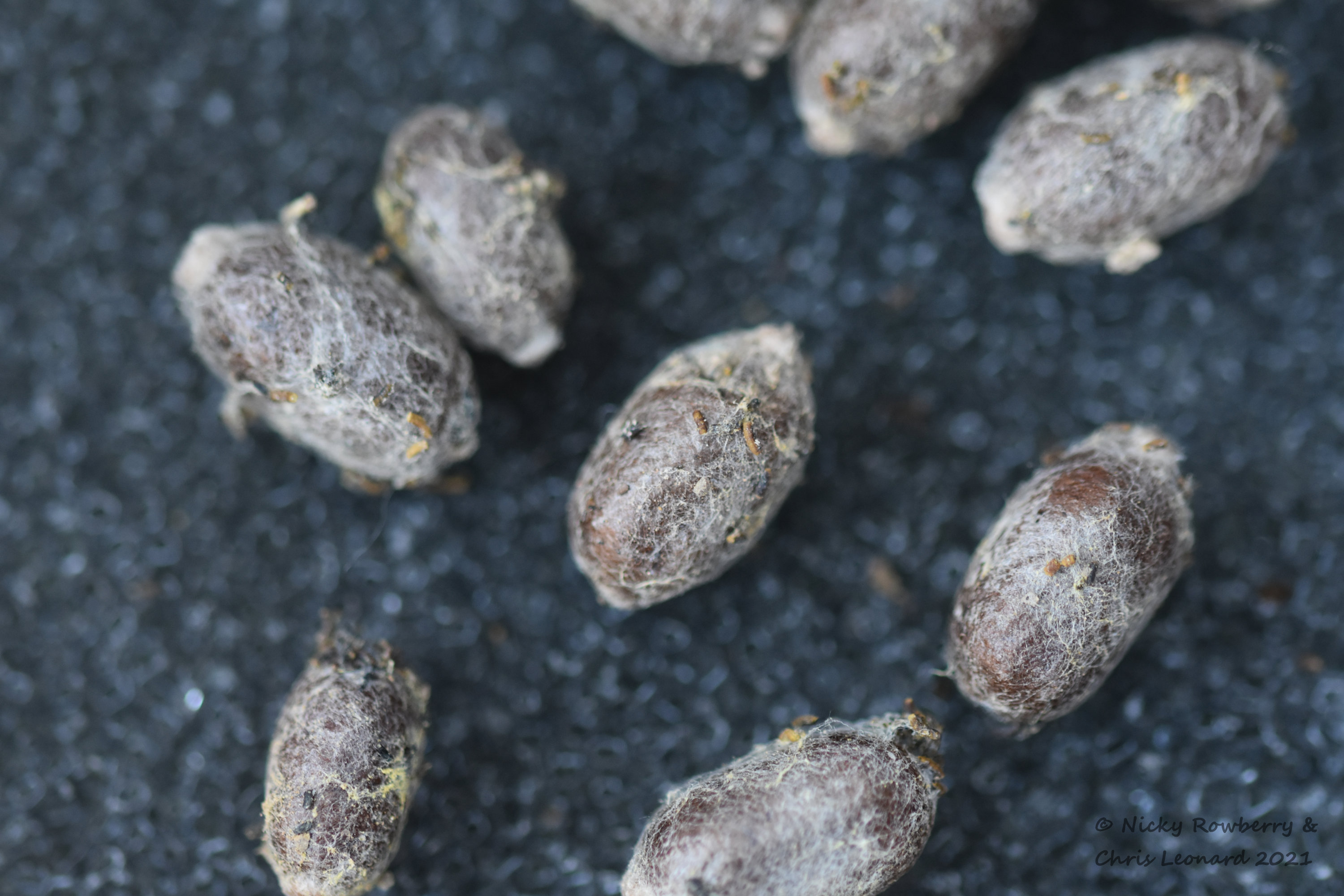
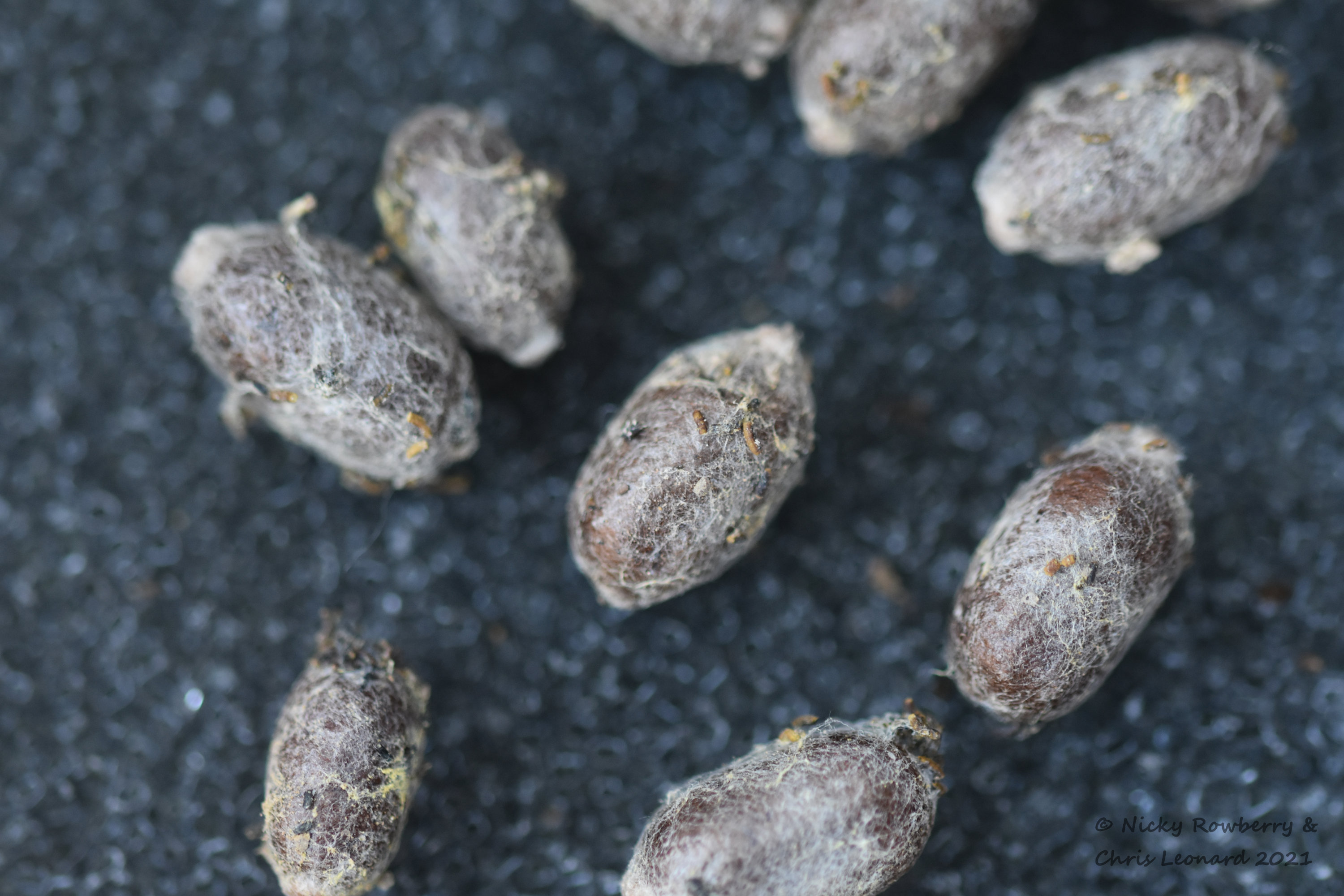
In February this year I removed the cocoons to allow me to clean out the chambers for reuse. The cocoons were safely stored in a special storage container, before being put out in the release chamber of the bee hotel, ready for them to emerge when conditions were right for them. It was fascinating to see these perfect little bundles, knowing they contained the next generation of red mason bees.

red mason cocoons

The bees started emerging in April, leaving behind their empty cocoons.

empty cocoons

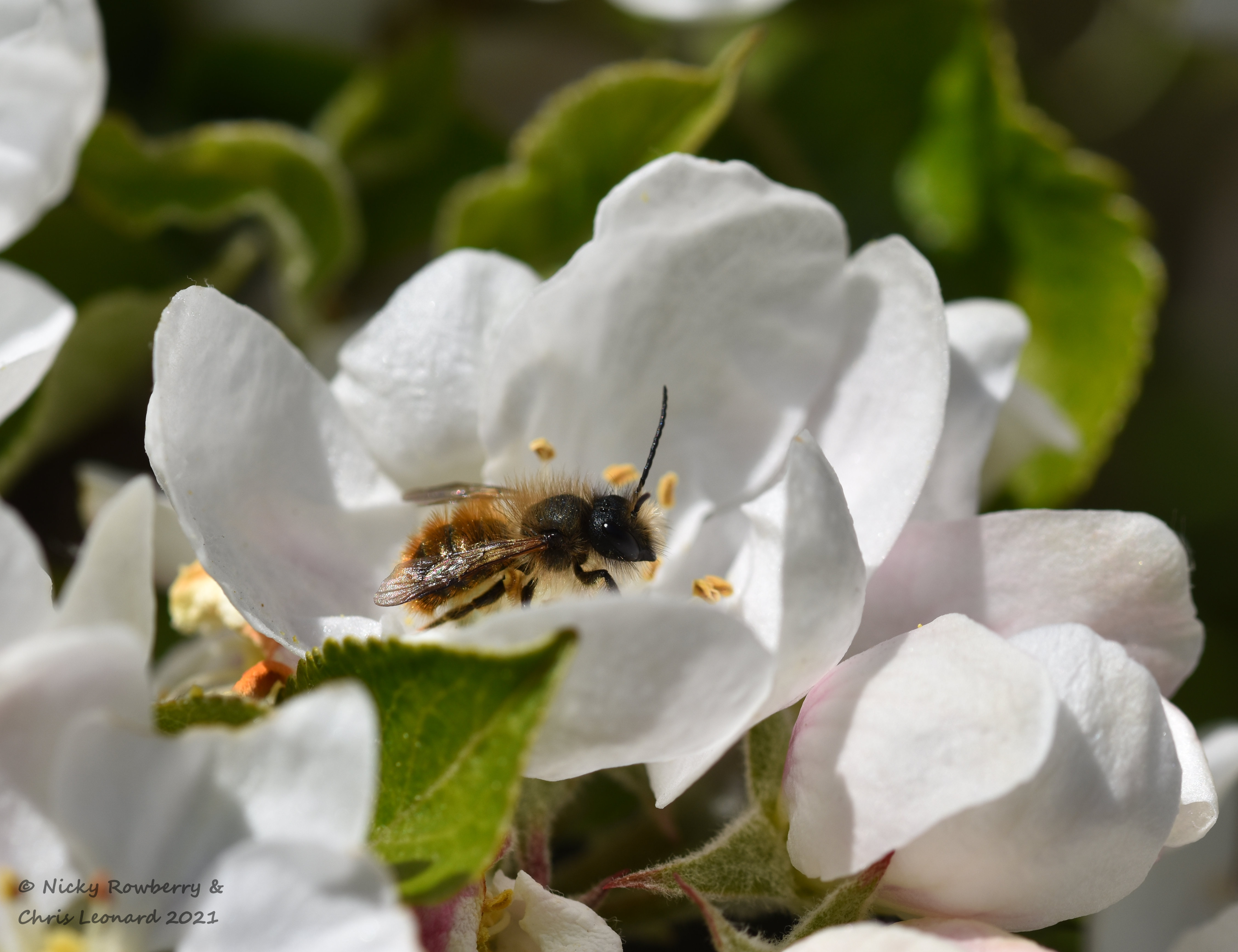
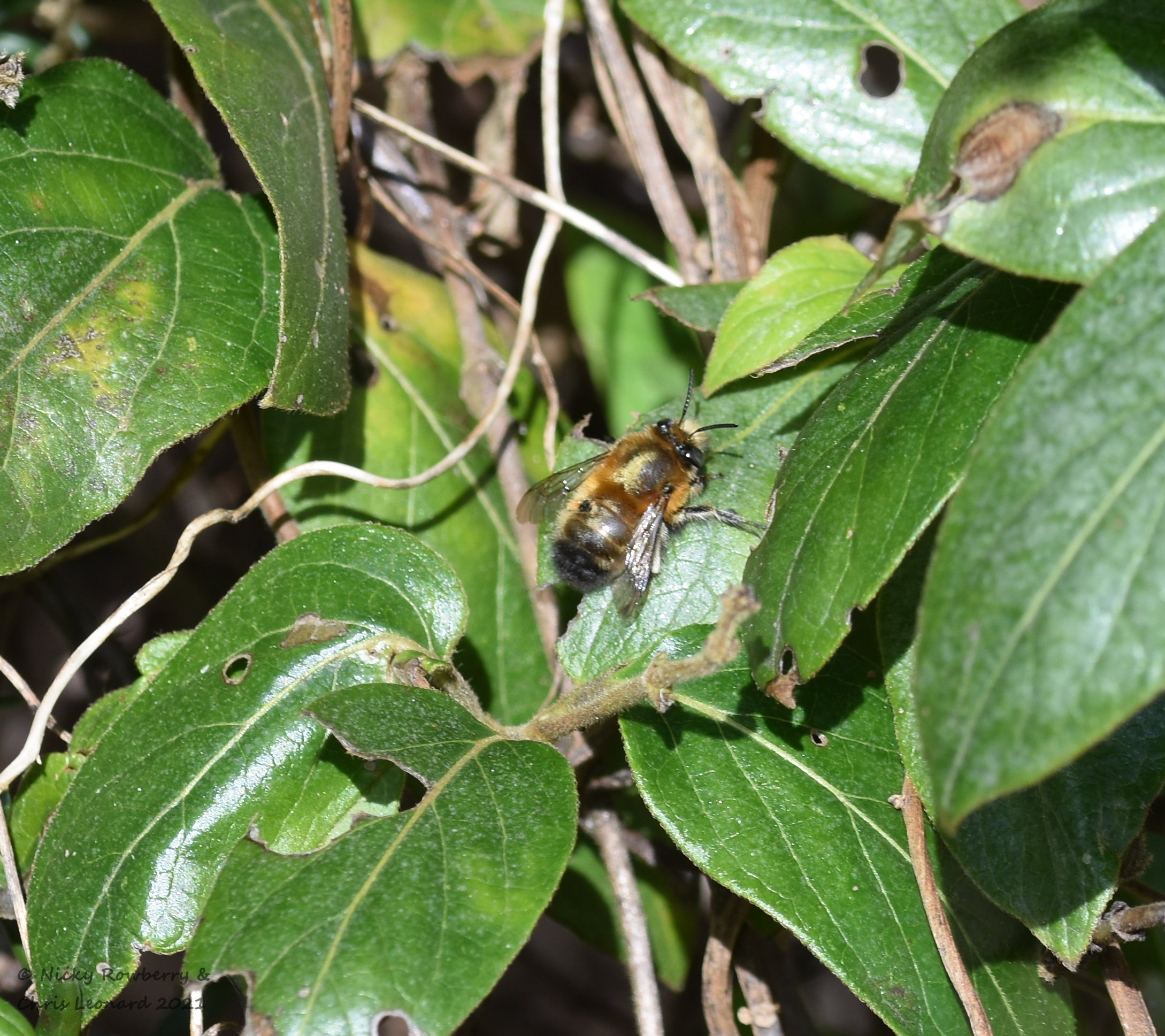
The males tend to emerge first and hang around waiting for the females. Their emergence coincides with the apple blossom, which is always alive with bees of all kinds, including the red masons.

red mason


red mason in blossom

When the females start to appear, the males go crazy buzzing round the hotels trying to be the first to mate. On some sunny days it was a real frenzy around the hotels.

The mating pairs often drop to the ground to “continue their business”, so we have to be very careful where we tread when walking passed the hotels.

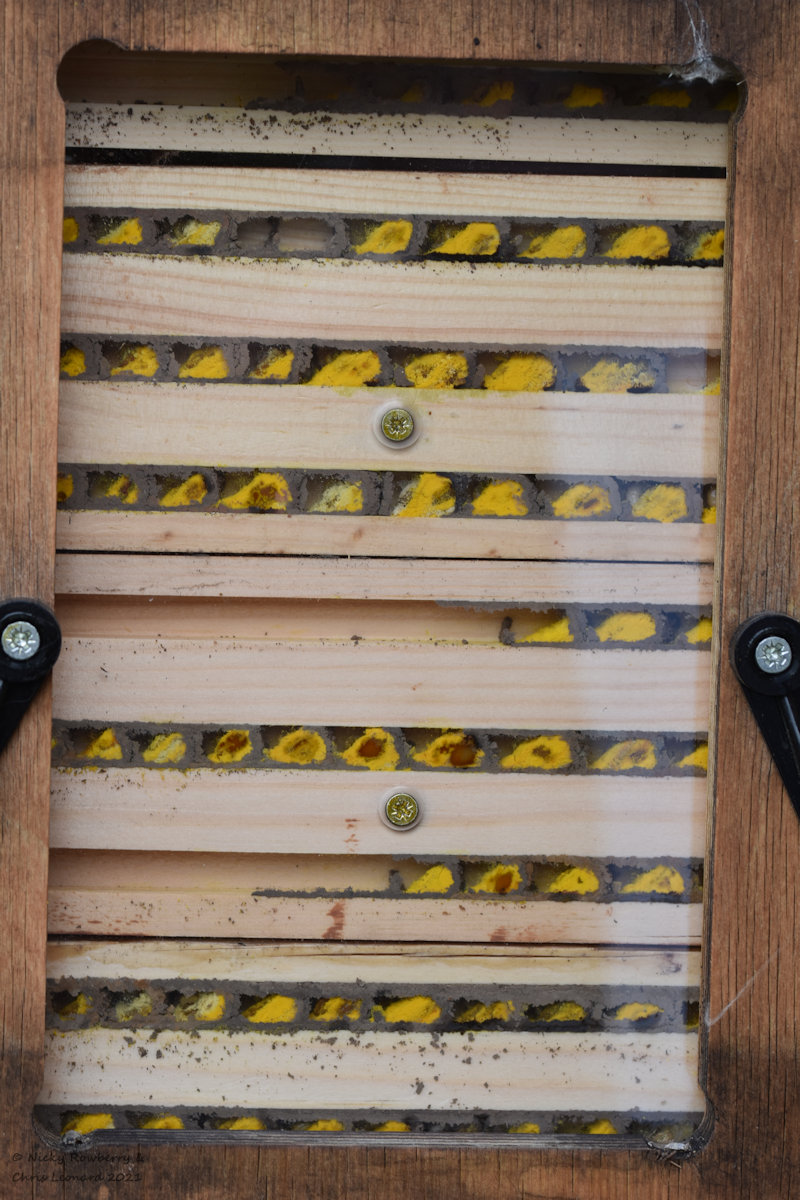
Once mated the females start filling up the bee hotels with the next generation. Each egg is provisioned with fresh, bright yellow pollen and sealed in its little mud chamber.

almost full

full mason bee house

The female carries the pollen in a “pollen brush” consisting of hairs on the underside of her abdomen. She then uses her legs to scrape the pollen off the brush and deposit it in the new cell.

There are still a few females about, but the bee hotels are almost full and it’s coming to the end of their season. At the moment there are plenty of developing bee embryos, so the garden should be buzzing with red mason bees again next spring. One slight cloud (albeit a very pretty cloud) on the bee horizon is the presence of ruby-tailed wasps. These wasps parasitize the bee nests, laying their own eggs in there when they get the chance. There have been quite a few of these gorgeous looking wasps around this year, but hopefully the bees have laid enough eggs to spare a few for the wasps.

ruby tailed wasp

Out & About – Blackhouse Wood & Crews Hill

Yesterday was a lovely sunny Sunday, so we thought we’d try and have a walk around the little nature reserve we’d failed to get to a few weeks ago – Blackhouse Wood and Crews Hill. Apparently yesterday was National Dawn Chorus Day, so a walk in the woods seemed like a nice idea to hear some bird song. With the Too Lazy ethos we were of course too late to really get the dawn chorus – the birds were doing more of a brunch chorus, by the time we got there, but it was lovely all the same.

Crews Hill signBlackhouse Wood and Crews Hill (which is also wooded) are both owned by Worcestershire Wildlife Trust and are joined to form one long thin area of semi-natural ancient woodland. The shape of the wood meant that for once, we were reasonably confident that we couldn’t possibly get lost!

The path ran pretty much straight through the wood, although it did undulate quite a bit thanks to old quarrying efforts years ago. We may not have quite been up in time for the dawn chorus, but for the first hour or so we didn’t see a soul. A lovely peaceful place to visit.

Crews woodland trail

There were a lot of squirrels (all grey of course round here) scampering through the trees and lots of rustling of mice in the undergrowth.

Squirrel

The wood was full of bird song, although spotting the birds themselves wasn’t that easy. To start with there seemed to be loads of different birds singing, but they almost always turned out to be Blue Tits. I’d no idea Blue Tits had such a variety of songs!

Eventually of course we did manage to differentiate some other bird species. We had one of those apps that will identify bird songs for you and it picked up a song thrush although we didn’t actually see it. One of the few songs I can recognise is the chiffchaff but sadly it wasn’t obliging enough to pose for photos,

Blackbirds, robins, goldfinches and of course woodpigeons could also be heard singing their socks off. The surprising highlight of the vocals though was an owl calling – neither of us have ever heard one calling in broad daylight like that. Sadly we didn’t see the owl, but we were really lucky to get a good view of a buzzard.

There were quite a few butterflies flitting about in the more open sunny patches; most as usual too quick to photograph. Invertebrate highlight for me was spotting this tiny longhorn moth. As it fluttered down to land, it was its enormous antennae that caught my eye. The antennae are way longer than the moth’s body (hence the name) and it looks like it must take an extraordinary effort to keep them out of the way when flying.

Longhorn moth

We spent a very enjoyable couple of hours pottering around the wood; it’s nice to find another little gem of a reserve virtually on our doorstep.

Knapp Time

Lovely weather at the weekend, so we set out with great intentions of visiting a new (to us) nature reserve. Our chosen spot was a small wood not far away – unfortunately this wood only has a tiny car park and others clearly had the same idea. With nowhere to park, we headed back to our perennial favourite – the Knapp and Papermill Nature Reserve. We didn’t manage to get there last year so it was a very welcome “Plan B”.

In the wooded areas we were treated to our first banks of bluebells for the year, looking fabulous in the dappled light.

bluebells

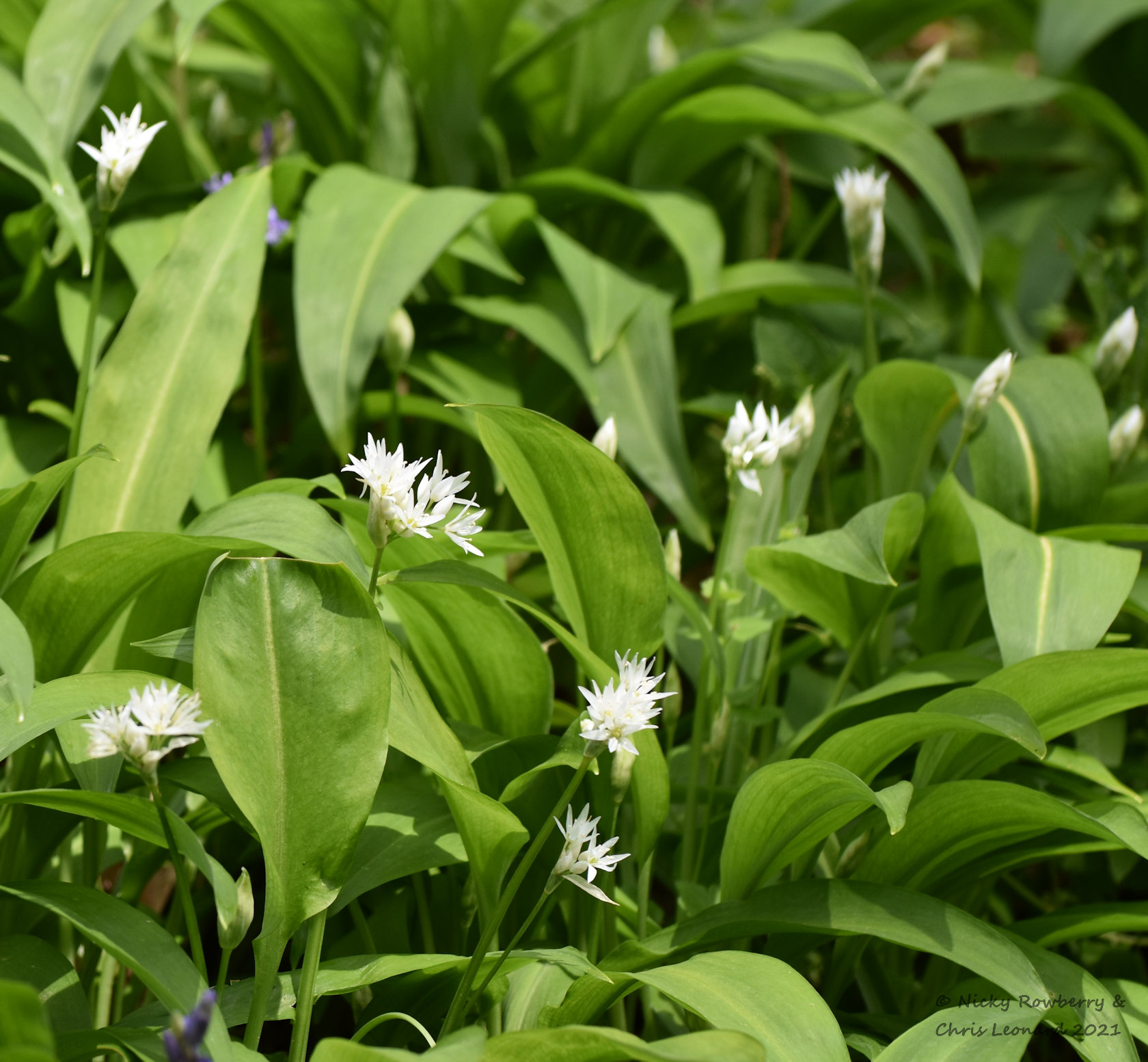
The smell of garlic was heavy in the air in places, with banks of Wild Garlic just coming into flower.

wild garlic 2

Lesser celandines, wood anemones and primroses completed the spring flower array. A plant we don’t see so often was the Butterbur. I always think the Butterbur flowerheads look slightly alien. The leaves in the summer grow huge and were apparently used to wrap butter before the invention of fridges!

butterbur

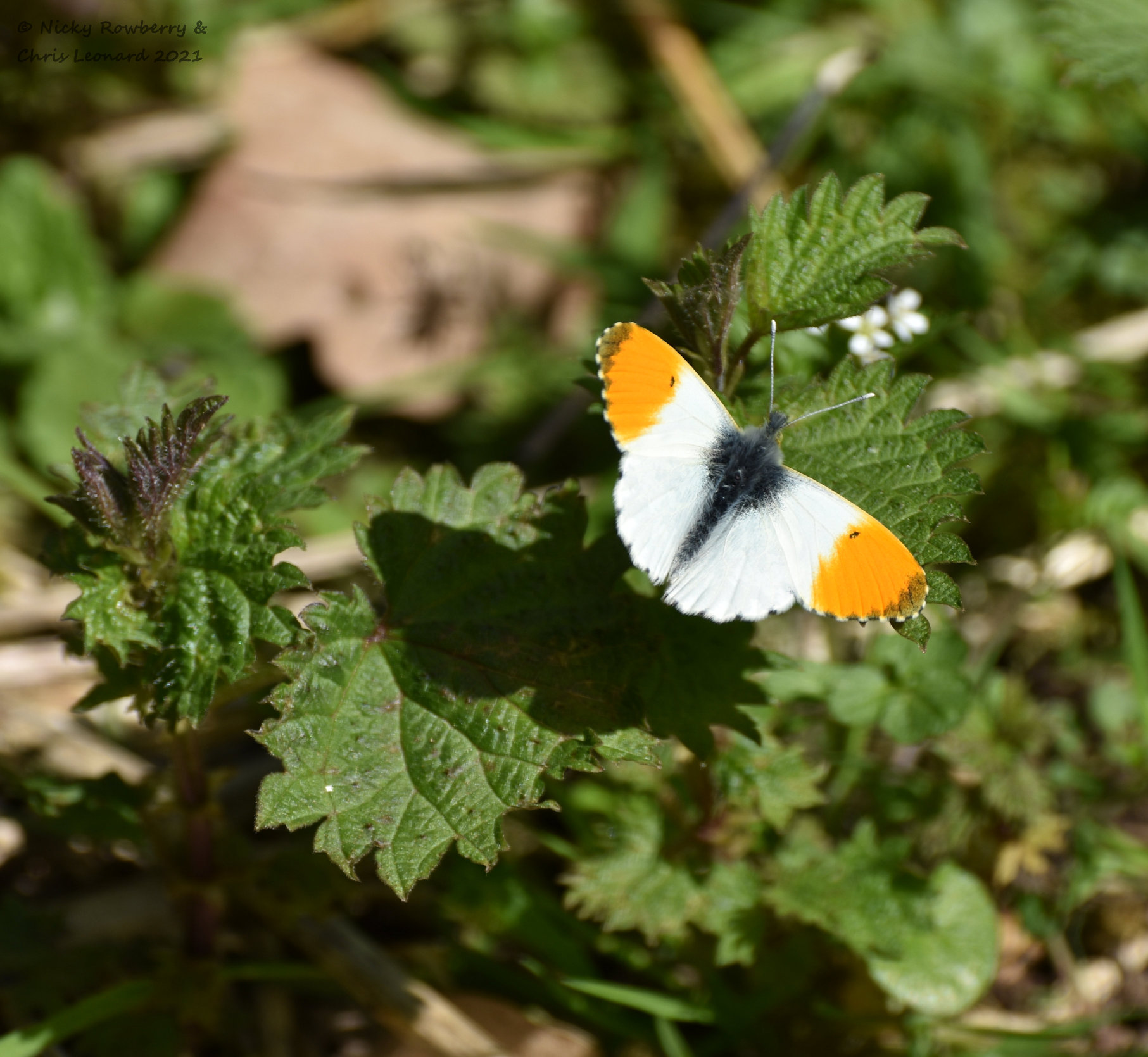
We’d hoped for some spring butterflies to complement the spring flowers and we weren’t disappointed – 6 species at least – Peacocks, Small Tortoiseshells, Commas, Holly Blues, Brimstones and Orange-Tips. The Orange-Tips really signal spring to me. We only saw males – hard to miss with their bright orange tipped wings. They were particularly prevalent around the cuckooflowers, a favourite food for their caterpillars.

There were buzzards overhead and what I thought was some weird loud bird in the woods, until we decided it was actually a deer calling! Slightly more recognisable were the calls of blue tits and chiffchaffs, although we never actually saw the latter and a pair of blackcaps.

Further upstream a Grey Wagtail was bobbing about around the weir. The weir seems to be a favourite spot for them to catch insects washed down the slope and we see wagtails here on most visits.


Out and About – Hollybed Farm Meadows

HollybedA sunny, if cold, Easter weekend and we took advantage of the lockdown easing to get out and about for the first time this year. So we headed out to find a small nature reserve that we’d not been to before – Hollybed Farm Meadows. We drove past hordes of people heading for the Malvern Hills, but fortunately Hollybed Meadows were virtually deserted and it felt like we had the reserve to ourselves. The meadows may not be at their best until the summer probably, but now we know how to get there, we will definitely go back later in the year.
The hedgerows were full of blossom; I think this is Blackthorn although I wouldn’t argue if someone says it’s Hawthorn. It was lovely whatever it was.

blackthorn

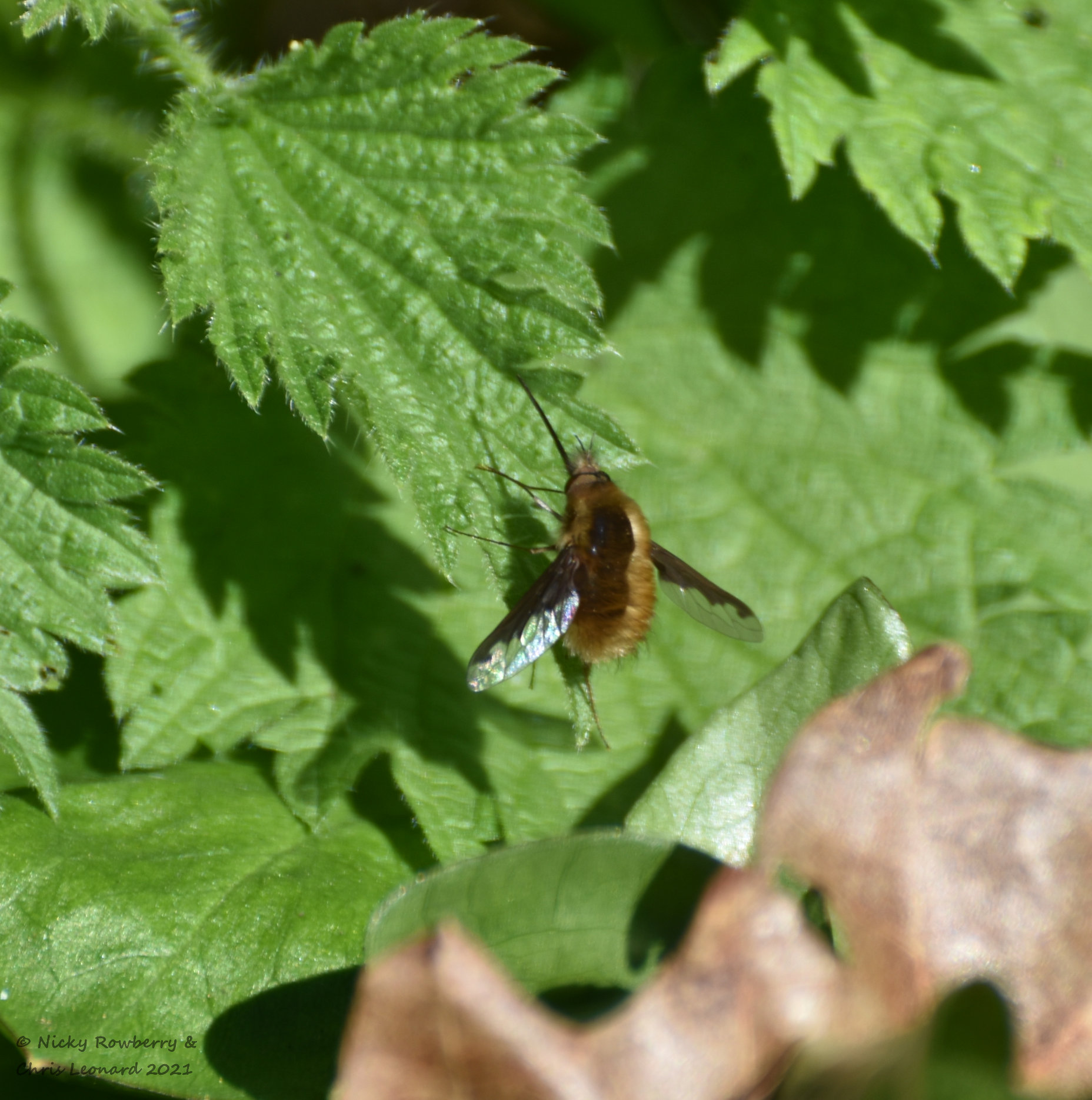
There were plenty of early spring bees enjoying the blossom, plus one of our favourites – the Dark-edged Bee-fly.

beefly 2

Besides the blossom in the hedgerows, the margins of the field were scattered with a variety of spring flowers (there may have been flowers all over the fields, but we were sticking to the footpaths around the edges).  We (tentatively) identified Wood Anemones, Violets (violet and white ones), Cowslips, Celandine and Dead-nettles.

wood anemone

Violets

cowslips

celandine

dead nettle

The floral highlight was probably spotting the first bluebells of the year, reminding us to go out later this month and see the carpets of bluebells on the Malverns.

bluebell

At the far side of the meadows, we went down a bank and were rewarded with the sounds of Chiffchaffs and woodpeckers. We also got lucky with sightings of our first Speckled Woods and Orange Tip butterflies of the year.

Orange Tip

Across a small stream we could see a field full of what we assumed to be wild daffodils. I don’t think it was part of the reserve, so we didn’t venture in, but it felt like a field full of spring!

field of daffodils

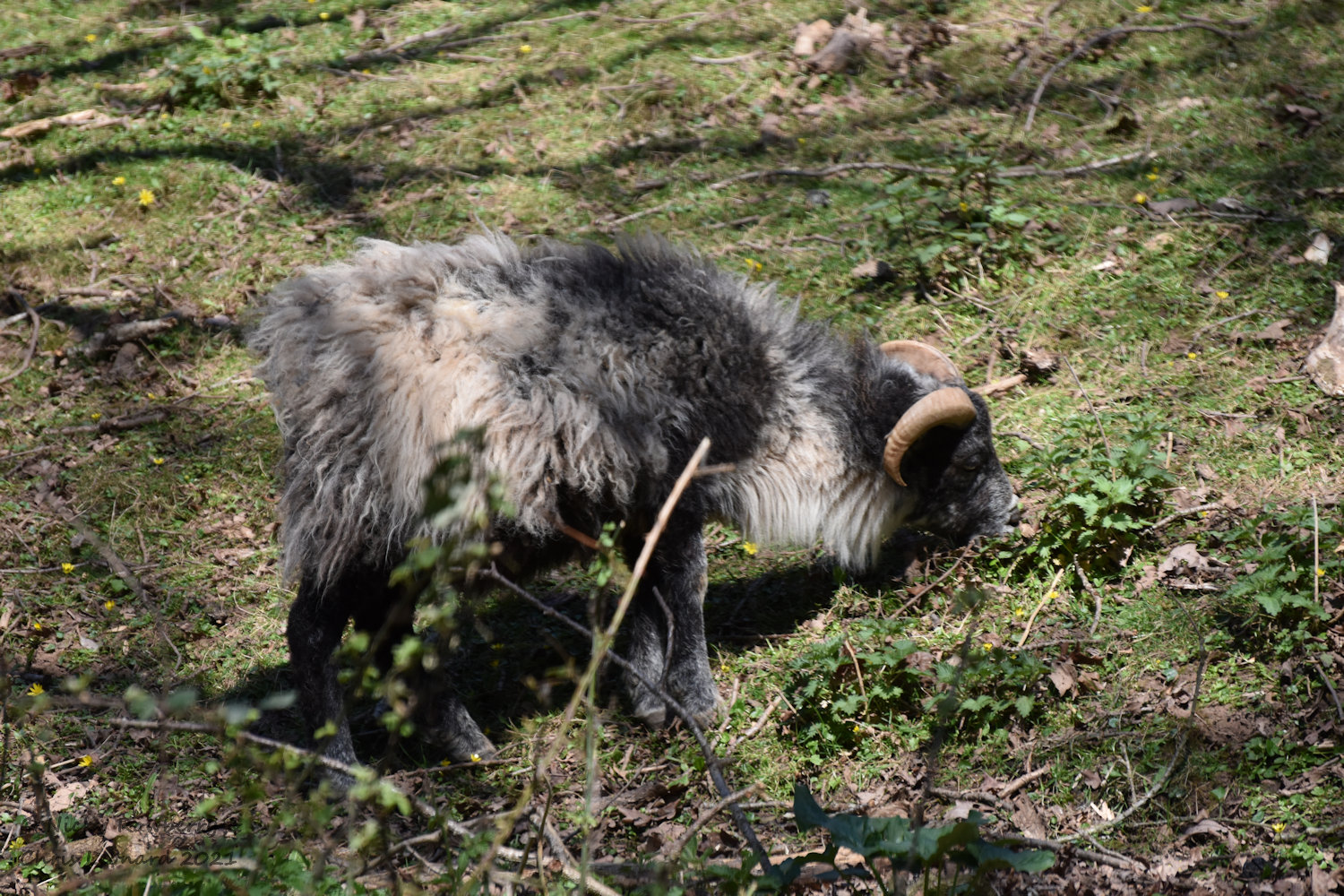
An orchard area was being grazed by the cutest, but scruffiest goats ever.

young goatGoat

As we headed back we were treated to a lovely sunny view of the Malvern Hills. We see the hills every day from our garden, but it was really nice to see them from a different perspective. All in all a very pleasant couple of hours and a taste of freedom!

Malvern hills


Spring Has Sprung

It was the Spring Equinox at the weekend – 20th March according to Google or 21st March according to my Dad whose birthday it was yesterday and he always said he was born on the first day of spring! Whichever day it was, the garden seems to be responding and there are signs of life everywhere after the long winter (and lockdown). 

Spring was ushered in a bit early back in February with the appearance of a new moth for the garden – the Spring Usher; an attractive moth and one that I’d been hoping to see for some years.

Spring Usher 1

Other insects have started to appear too. The garden has been graced with visits from both a Comma and a Brimstone butterfly – sadly both too fast and fleeting to get a decent photo of, but joys to see nonetheless. Pond skaters have popped up on the pond again. They were the first insects to move into the new pond last year so it’s nice to see them back again.

The first bees have emerged too. My perennial favourites the Hairy Footed Flower Bees are back buzzing round the garden. I’ve only seen males so far, but I think they do tend to appear before the females.

Hairy footed flower bee

I’ve not seen any active Red Mason Bees yet, but they can’t be far off. I collected the cocoons from some of the tubes in the bee houses last year and they are now safely back out waiting for them to hatch. Again I think the males may hatch first.

red mason cocoons

Another favourite – the Dark-edged Beefly appeared just at the weekend. I don’t know why, but I’ve always found them to be cheery little insects and for me they really signal that spring is on its way.

beefly

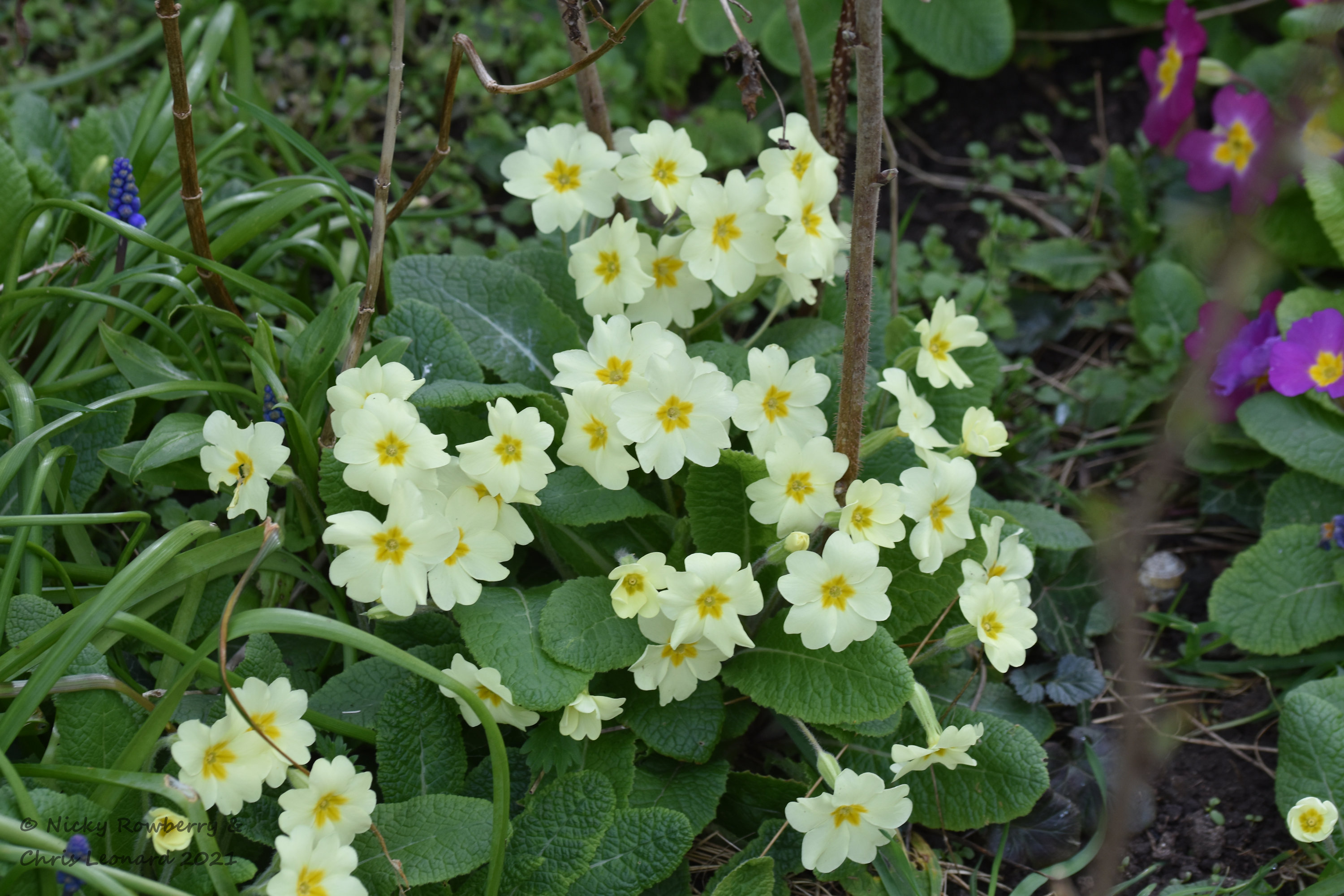
The spring flowers are out in force now – good news for the bees hopefully. We’ve got lots of self-seeded primroses all over the place and the occasion violet too.

primroses

Violet

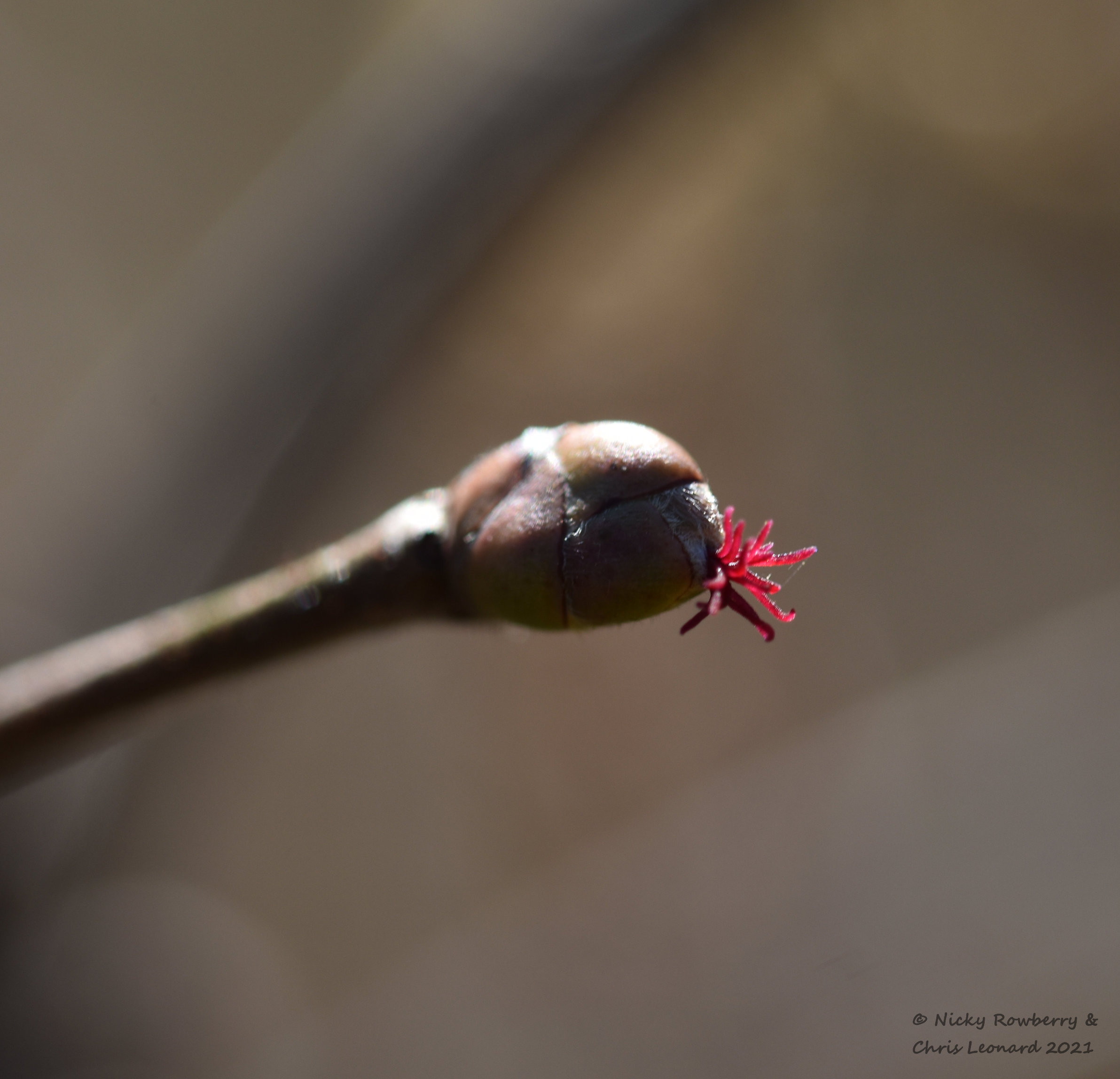
A surprise this year was to find that we have a Hazel tree. The little sapling has just appeared amongst the bushes – we can only guess that perhaps the squirrel buried a nut and then forgot about it. Having never known anything about catkins, I discovered that the trailing flowers I was familiar with were just the males and that there were much smaller red flowers that were the females. I had to go back out and search over our tiny tree, but sure enough there were female flowers too – you learn something new every day! The red female flowers are tiny in comparison and barely noticeable. 

Hazel male catkins (1)


Hazel female flower

The pond has been attracting a fair amount of non-insect life too. The birds as always using it for drinking and bathing – I was particularly pleased that our resident wren got caught on camera even if it was for just a second.

A couple of our hedgehogs have emerged early from hibernation and have been seen drinking from the pond most nights. It’s always a relief to know they have survived the winter.

But the BIG news is that we have frog spawn! The first spawn appeared on 20th February, followed by another clump the next day, then 2 more clumps three weeks later. Here’s the first beautiful batch. Frog spawn day 1

I’ll do a full froggy post soon, as I’ve taken too many photos and videos to include in this one. So despite what Google and my Dad said, for me spring began on 20th February with the glistening sight of our first frog spawn.

Spring Insects

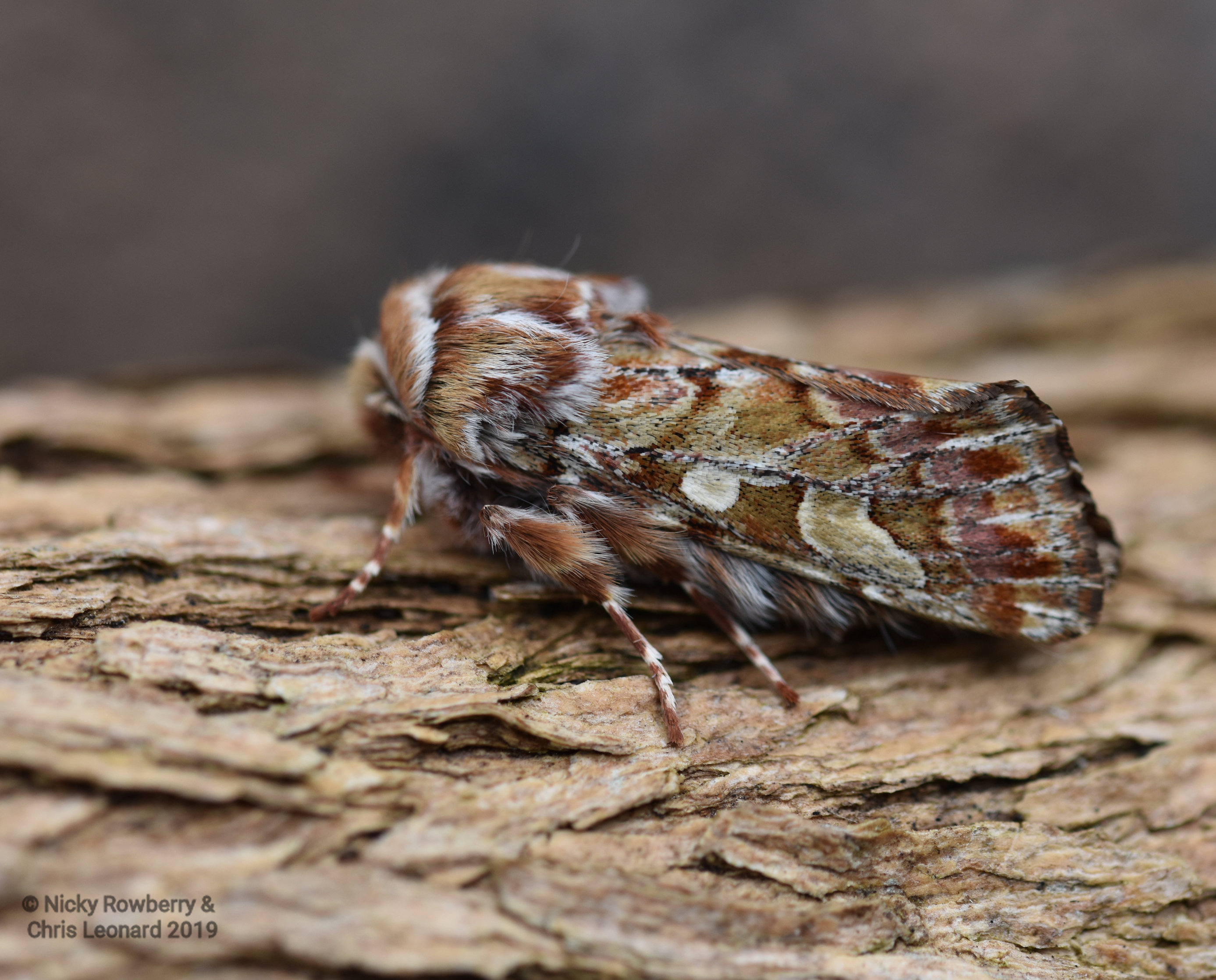
This last week the insects seem to have been coming out in force in the garden. After the relative quiet of the winter, it’s great to hear the buzz of insects in the air again. Moths may not buzz, but it’s still really nice to have them appearing again too. March brought the start of the Garden Moth Scheme for the summer. After a few weeks of fairly plain looking moths (sorry Common Quakers, but you aren’t the most showy of moths), it was nice last weekend to get a few of the more beautiful ones – in fact the Pine Beauty and Oak Beauty.

Hopefully it won’t be too long before the really spectacular hawk-moths start turning up in the trap too.  Butterflies have been proving a bit more elusive than the moths; so far I’ve just seen a few Small Tortoiseshells in the garden, but not managed to nab any photos.

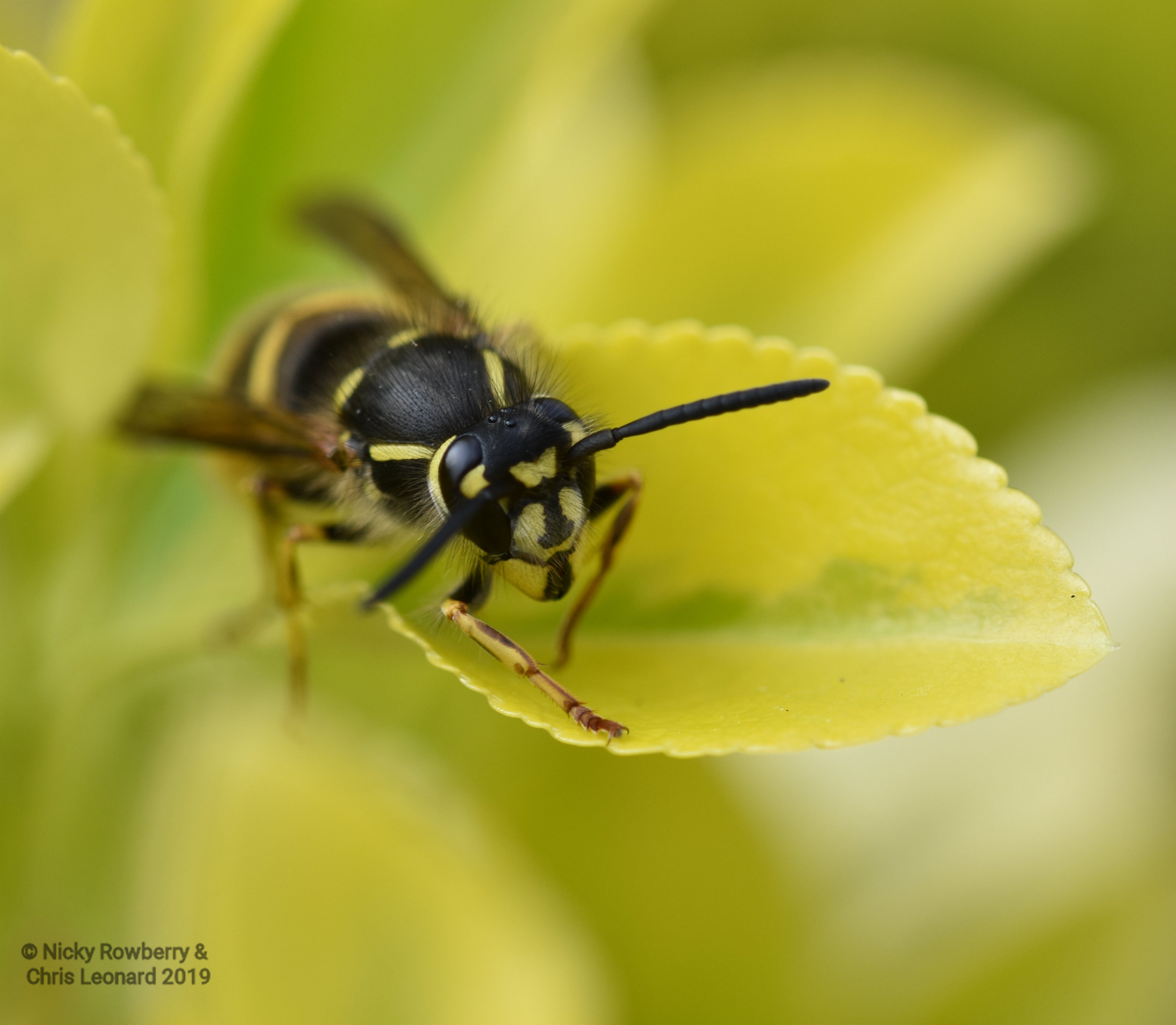
Wasps may not be popular with everyone, but when you study them close up, they really are stunning insects and they are already making themselves known around the garden this year.

In the last 2 weeks, we’ve already recorded 12 species of bee in the garden – a promising start to the bee season. First up was my perennial favourite – the Hairy Footed Flower Bee. The males appeared first, patrolling frenetically around the garden, seeing off anything remotely bee-shaped that got in their way.

The last few days, I’ve been seeing more of the females – distinguishable by their all black bodies with orangey pollen brushes on the back legs. Our garden has naturalised primroses all over the place and the bees love them.

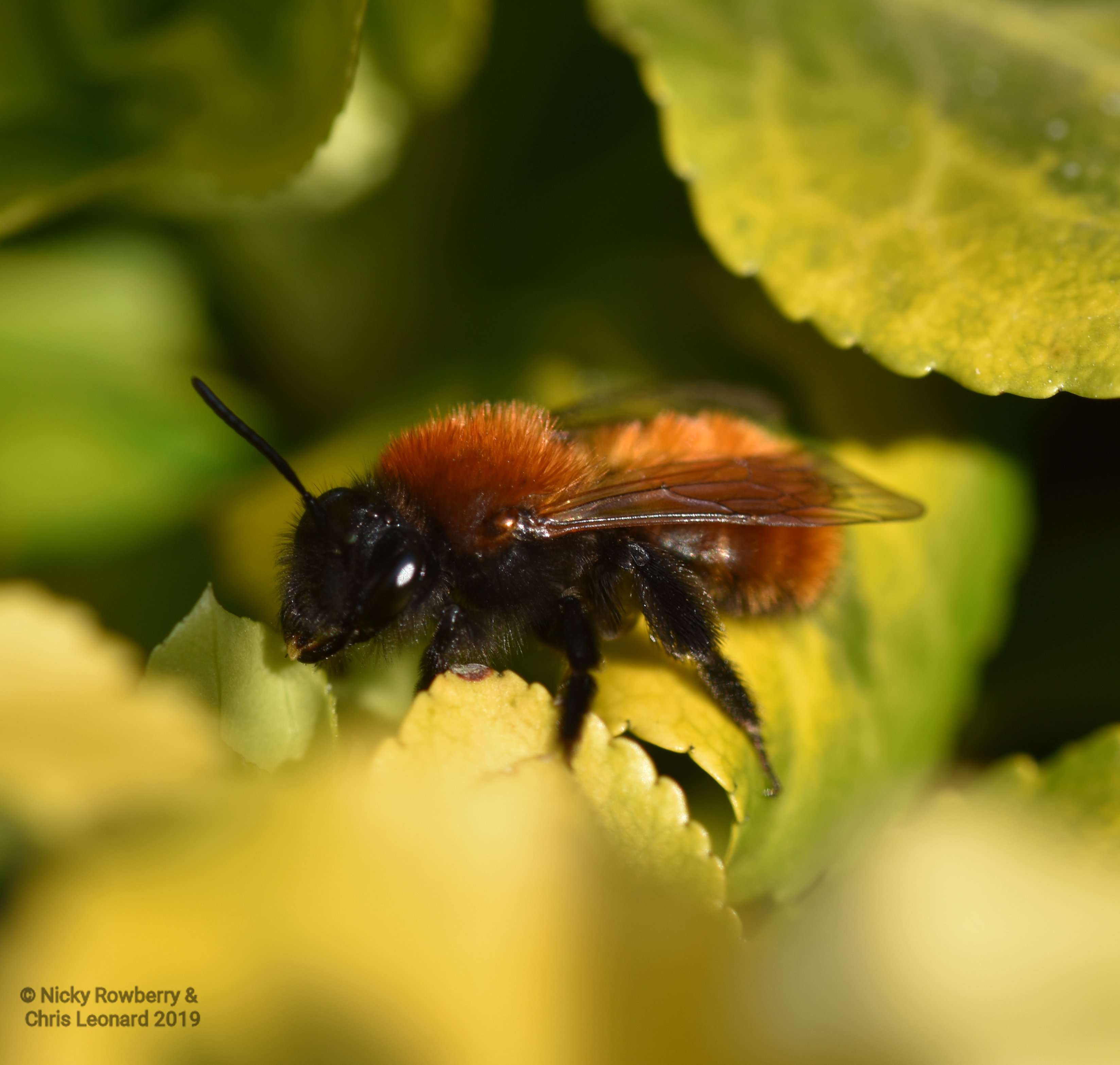
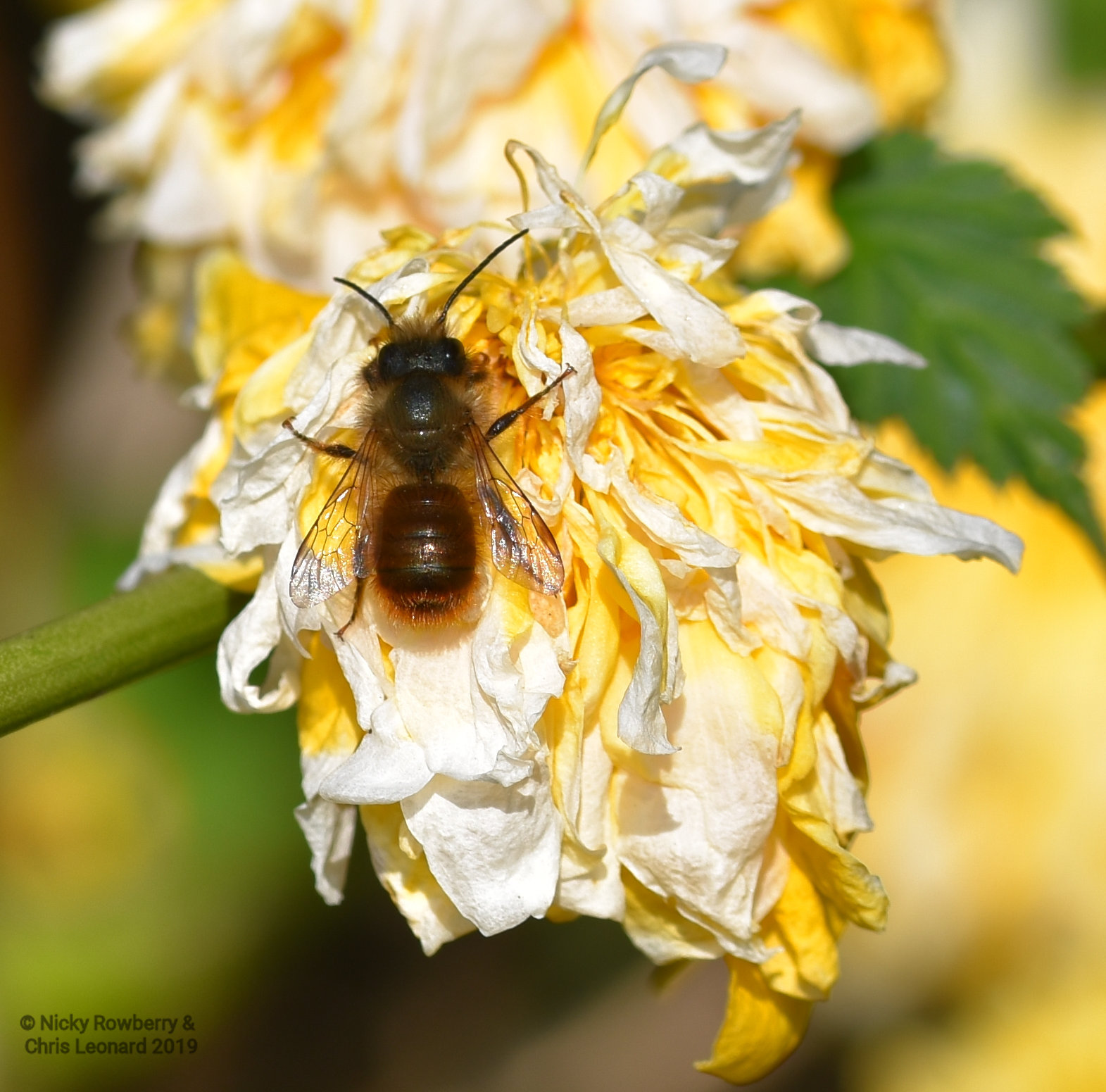
Another favourite is the Tawny Mining Bee, in particular the females who have this bright red foxy looking hair all over them. I spend (some may say waste) an awful lot of time chasing these round the garden, trying to get the perfect photo to do them justice.

Not quite so showy and much smaller is the Red Mason Bee. We get these little bees every year, finding nooks and crannies in the brickwork to nest in.

The much larger Red-tailed Bumblebee is also on the wing now, although so far I’ve only seen Queen bees like this one (I think).


The strikingly coloured Mourning Bees have already been busy on the rosemary flowers. These are also a favourite, not least because of the obvious white “kneecaps” which make them a cinch to identify.

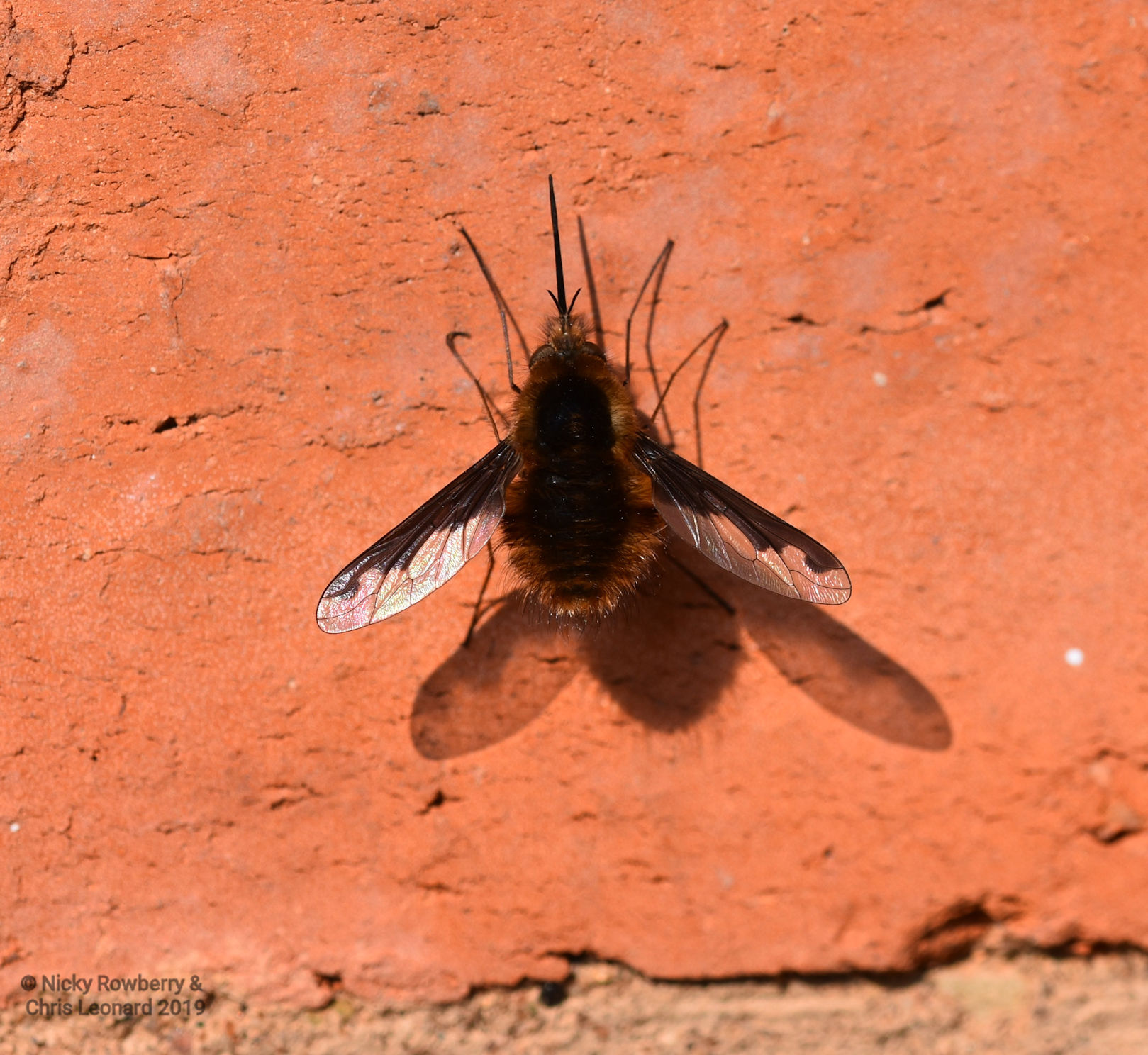
Buzzing like a bee, but actually a fly, Bee-Flies seem particularly abundant this spring. I’ve previously only ever seen the one below – the Dark-edged Bee-Fly. They seem to torment the male Hairy Footed Flower Bees by hovering around “their” primroses. They also seem curious about us and often hover in front of me as if they’re trying to work out what this huge being is?

But there is a second species of Bee-Fly – the Dotted Bee-Fly. I’ve been hoping to see one of these for years and have chased a lot of the Dark-bordered ones around fruitlessly trying to find one with dots on. Then I read on Twitter this week to look out for the white stripe on the abdomen – easier to spot when they are flying than the dots on wings whirring like mad. And so I was thrilled when using this marker, I finally spotted one – complete with dotty wings and white striped bum (white stripe is more apparent in the second photo below).

As for other groups of insects, well they’re all starting to appear too. Hoverflies are always fairly abundant, although tricky to get a decent photo of. This male (male because its eyes meet in the middle, so I’m told) Eupeodes was more obliging than most.

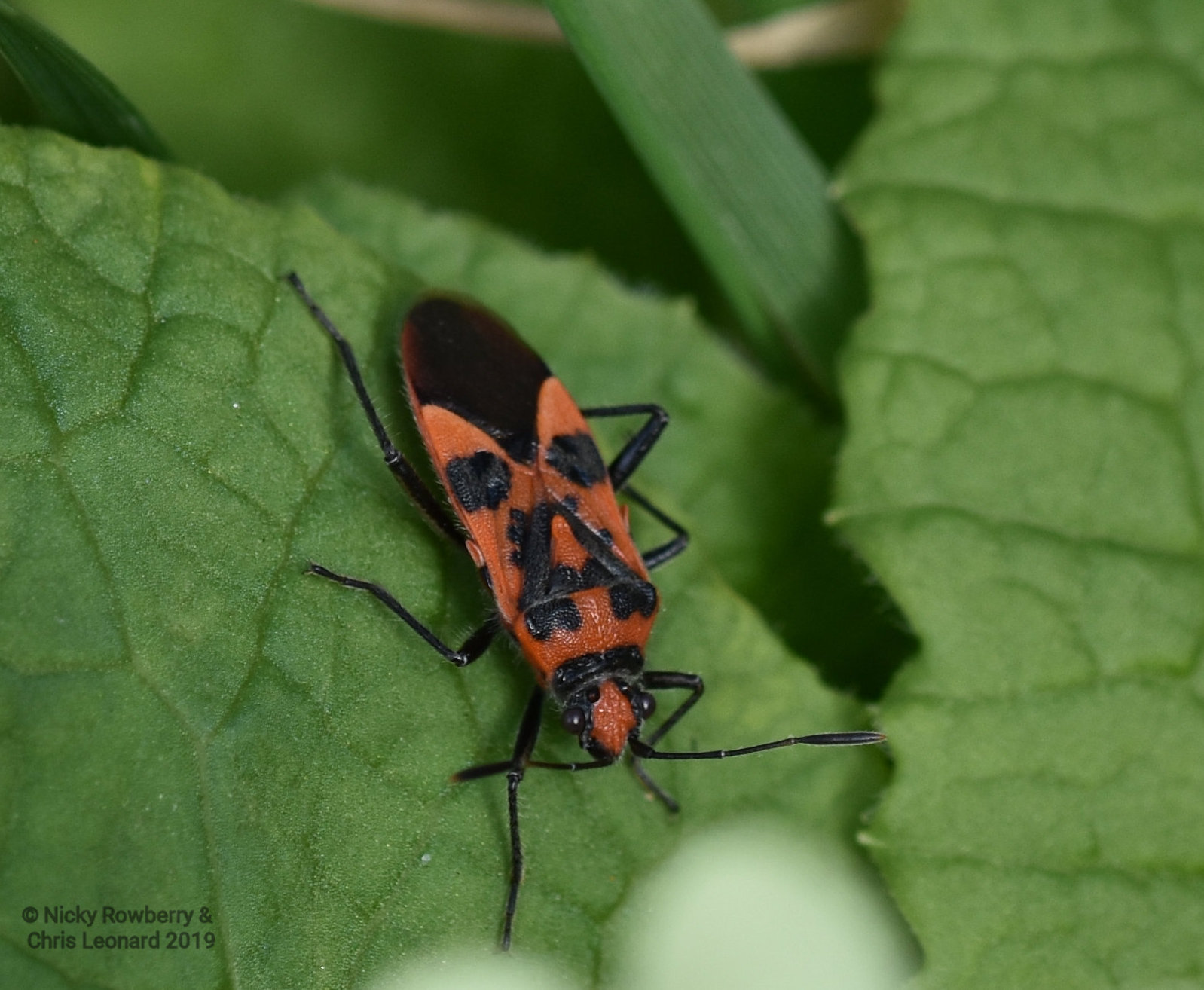
A single Cinnamon Bug so far, but easily visible against the primrose leaves.

I’ve always had a soft spot for the Shield Bug family of insects. We’ve recorded 7 species in the garden in total, although so far this year we’ve only seen the green one and this Dock Bug.

Not had the time yet to go rooting about in the undergrowth looking for beetles, but did at least spot the first ladybird of the year. Slightly disappointingly I think it is a Harlequin, so not an ideal spot, but hopefully some of the native species will appear soon too.

Final photo for the blog, this crab spider lying in wait for a bee. I know they’re not actually insects, but having spotted him today posing so nicely on the red valerian, it seemed rude not to include him. I thought these spiders were supposed to be able to camouflage themselves, but this one doesn’t seem to be doing a very good job.

So that’s a round up of the spring invertebrates currently buzzing/flying/crawling around the garden. It feels like everything is springing into life at last and we can look forward to an insect (and arachnid) filled summer.


Spring in the garden

The Spring Equinox has been and gone already and I’ve been gathering video clips for weeks now with signs of spring. I blogged about the allotment last week, so this time it’s the turn of the Too Lazy garden proper. I’ve had the cameras out all over the garden and got so many videos it’s taken a while to sort through them; but here are some highlights from the last few weeks.

Our first hedgehog woke from hibernation and appeared on the trail camera at the end of February – quite early, but given the mild winter we’ve had, maybe not too surprising.


It wasn’t long before one became two and a second larger hedgehog appeared in the same part of the garden. This second one didn’t seem too keen to share the food with the smaller one and there were a few tussles the first night. I had hoped One-eyed Tim, one of last year’s hedgehogs, might have appeared by now, but neither of these are optically challenged, so I hope he’s just late coming out of hibernation.


The garden birds, in particular the blue tits, seem to be feeling the spring in the air too. Blue tits used to nest in our garden, but for the last few years, they seem to have turned their noses (or beaks) up at it and although regular visitors, they must be nesting elsewhere. I did get hopeful when the old nest box we’d stuck on the apple tree seemed to be getting a bit of attention:


Unfortunately despite repeated visits to check it out, they seem to have found it lacking in some way. They may not be favouring our garden for their nest, but they’re not averse to making use of the nesting material we’ve put out for them. I’d filled an old hanging basket with hay and moss raked up from the lawn and the blue tits wasted no time helping themselves to it.


In the absence of nest box footage, I thought I’d make the most of the hay/moss collection and try and get some different shots of this activity instead. First I tried putting the GoPro on a branch above the basket, which worked reasonably well.


I then had a go putting the camera inside the basket cage itself. The blue tits weren’t bothered by it at all, so I got some half decent shots of them tugging at the moss to get the best bits.


Last month I succumbed to the urge to get yet another camera for the garden – this time one trained exclusively on a feeder. We can live feed it to the living room, which is great, although most of the time we end up just watching peanuts swinging in the breeze. But I did eventually manage to get a brief clip of the blue tits – once again happy to avail themselves of anything on offer in the garden (except the nest boxes).


The blackbirds made an early start gathering nesting material at the end of February – or at least the female in this video clip did, the male seemed more interested in making sure we got his best side on film!


The squirrel wasn’t doing anything particularly spring-like, other than checking whether the hedgehogs had left anything worthwhile; but I can never resist the squirrels, so here’s his few seconds of fame too.


The water bath seems to have been coming into its own again now spring’s here too. This blackbird was making the obvious use of it by bathing and of course lots of birds just drink from it.


But one magpie in particular has been using it for something a bit different. He or she has been eating bits of the cat food that I leave out for the hedgehogs. Most of it is eaten straight down, but some pieces are perhaps too hard, so it has been dropping them in the bird bath, presumably to soften them up a bit.


So there’s plenty of activity in the garden already this year and that’s without even discussing the insects that are all starting to appear too (I’ll save them for the next blog post). I love this time of year when everything is optimistic with the promise of the summer to come; perhaps the wildlife in the garden feels the same?