30 Days Wild – Day 1 – Titterstone Clee

It’s Day 1 of 30 Days Wild and I can’t believe it’s been a whole year since the last one! A lot has changed for me in the last year, so it will be interesting to see how things compare and how much “wildness” I can now fit into my life. I’m hoping to try lots of new activities/places and not repeat any of those wild things I did last year – not that I didn’t enjoy it all, but it will be nice to explore some new ideas.

The main change for me this year is my job; I now have the pleasure of working for the British Hedgehog Preservation Society two days a week, up on Clee Hill in Shropshire.  Working just 2 days a week, should mean it will be relatively easy to fit something wild into the remaining 5 days. But the 2 working days are longer than I’m used to and with travelling time, I may have to get creative to fit something wild in – but then that is sort of what the 30 Days Challenge is all about.

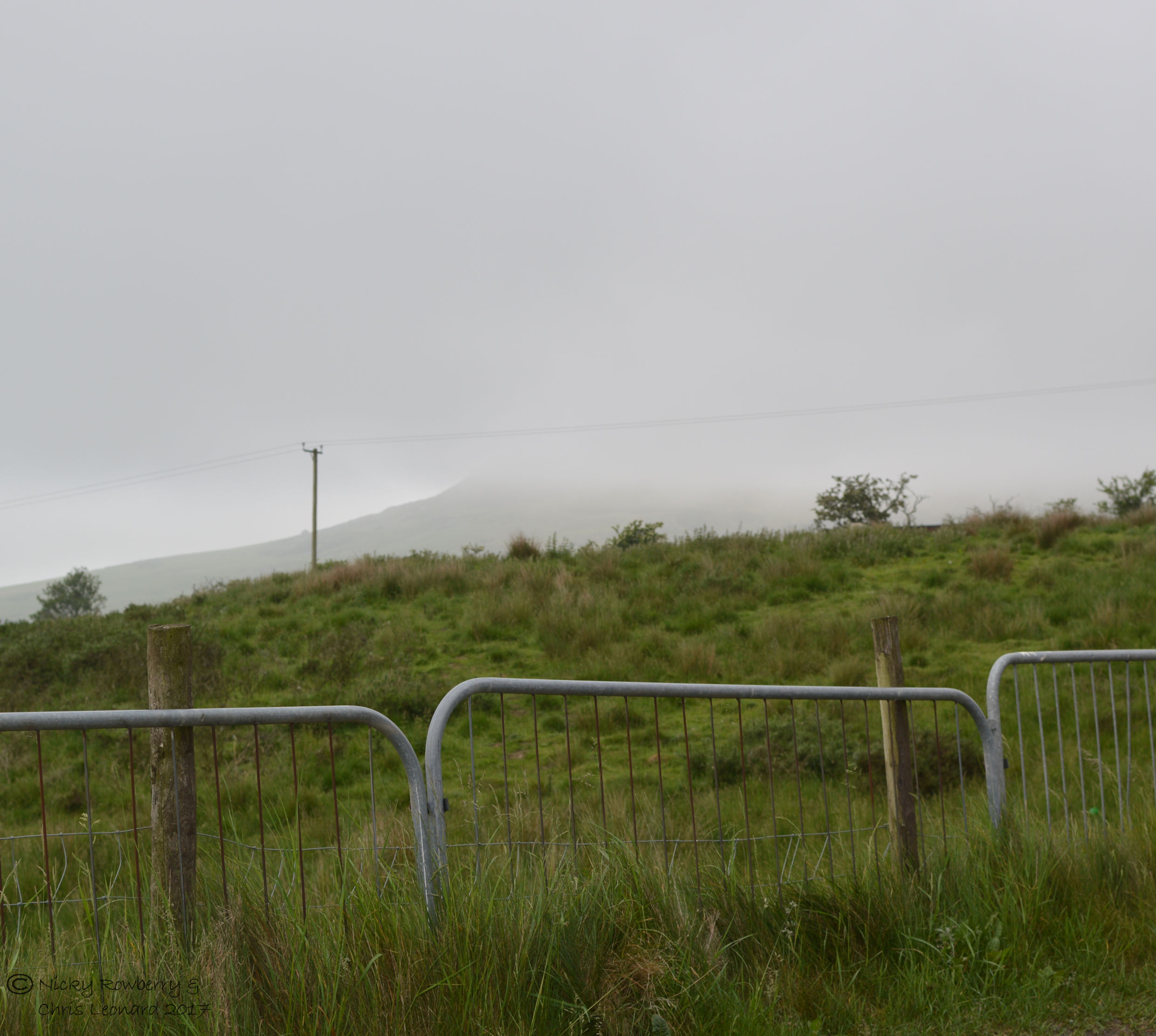
As luck would have it the first 2 days of June are days I work. So for Day 1 I thought I would explore my work environment a bit after I’d finished for the day.  I work part way up Titterstone Clee Hill, the third highest hill in Shropshire. This morning the hill was shrouded in mist and the summit was barely visible.
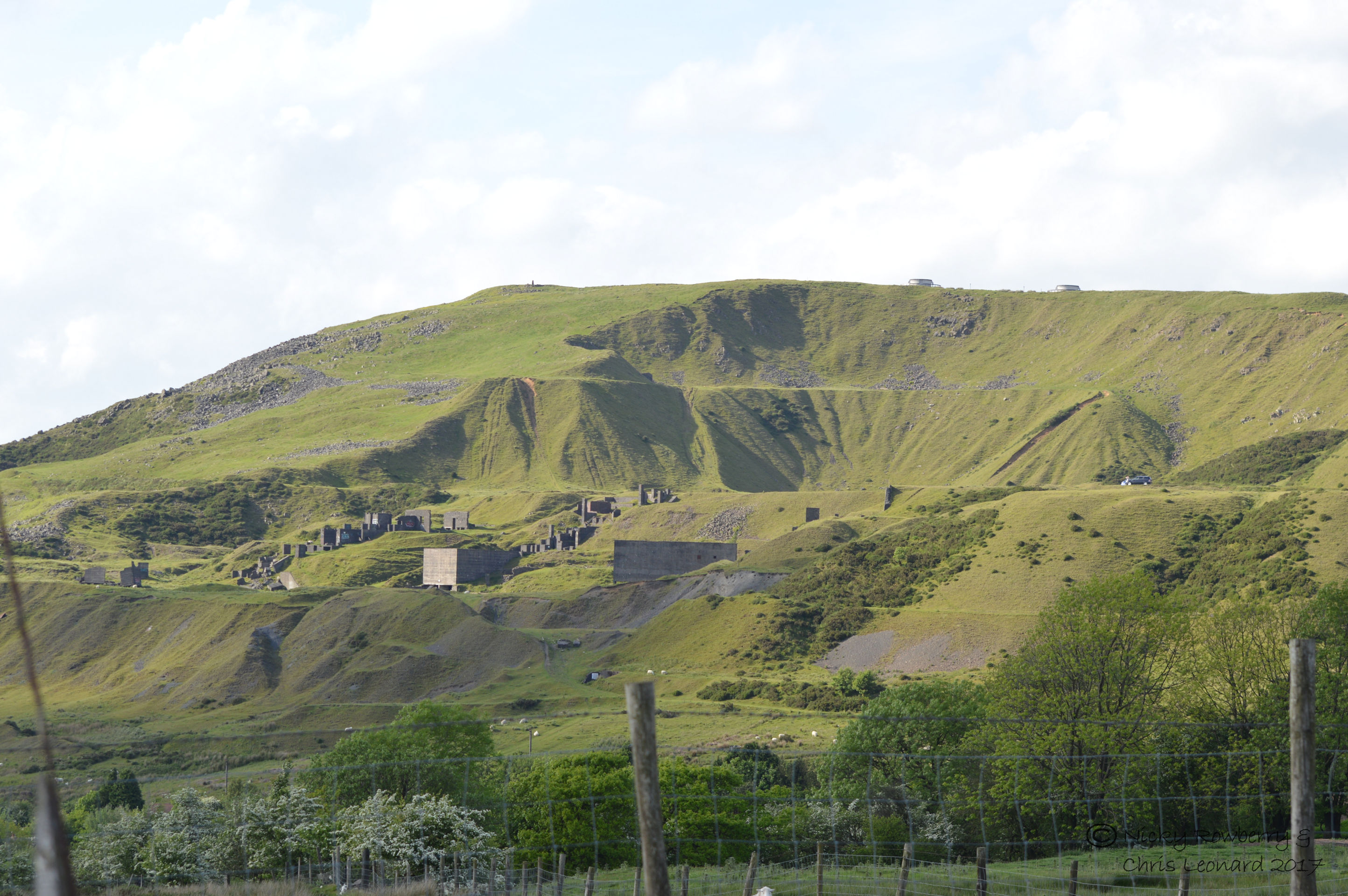
But by 5pm, when I finished work, the sun was shining and it was an altogether different view.

I headed up the hill (I must admit by car, or I’d never have got home for dinner!) as far as I could and surveyed the view, which is absolutely stunning. The Clee Hills are part of the Shropshire Area of Outstanding Natural Beauty and from up there I could see why. You can see for absolutely miles. On a good day you can apparently see as far as Snowdonia, the Brecon Beacons, the Malverns, Cotswolds and even the Peak District if you’re really lucky. It was a bit hazy for that, but I could still see for miles and miles!

Titterstone Clee has been extensively quarried and the scars on the landscape are very much evident as are the ruins of the buildings.
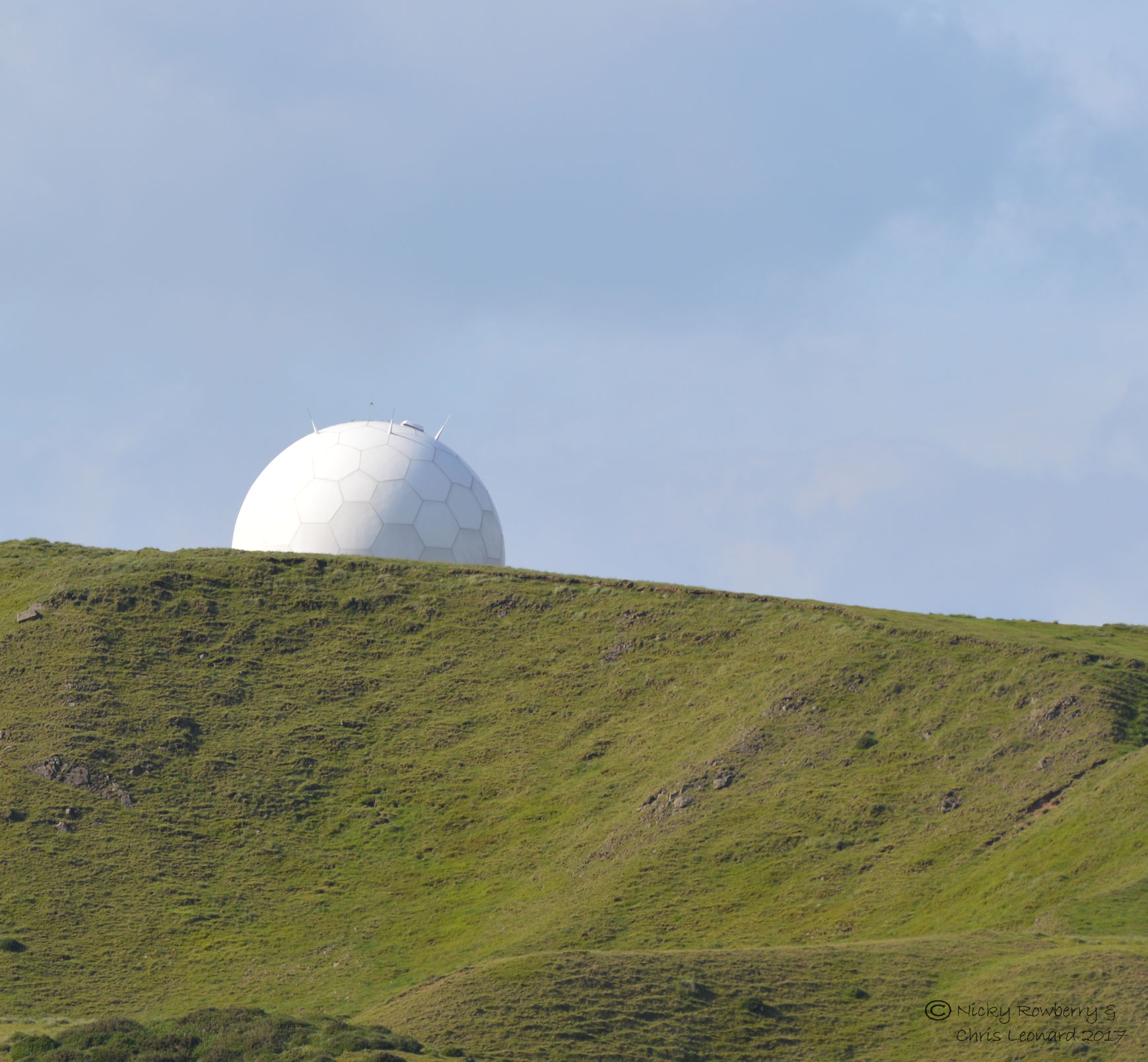
More modern usage include this radar dome which is visible for miles around.
The weather up on the hill can change very quickly and even while I was there it went from bright sunshine to overcast and moody and back again in a very short time.

I did walk around the upper area of the hill to see what wildlife I could spot. I saw lots of birds, but none would come close enough to let me get a photo. Last week I heard a cuckoo as I parked at the office and we could hear it during the day when the windows were open. Lovely to be working in a place where you can hear cuckoos! No sign of it this evening though. There were several swifts swooping around and some kind of bird of prey in the distance. The closest I got to anything though was the sheep in the road on the way back down. They stared at me as much as I stared at them (maybe they’re doing their own version of 30 days wild?)

From the village of Clee Hill you can see all the way back to Malvern – the view today was all mist blue and reminded me a bit of the distant views of the Lonely Mountain in the hobbit.
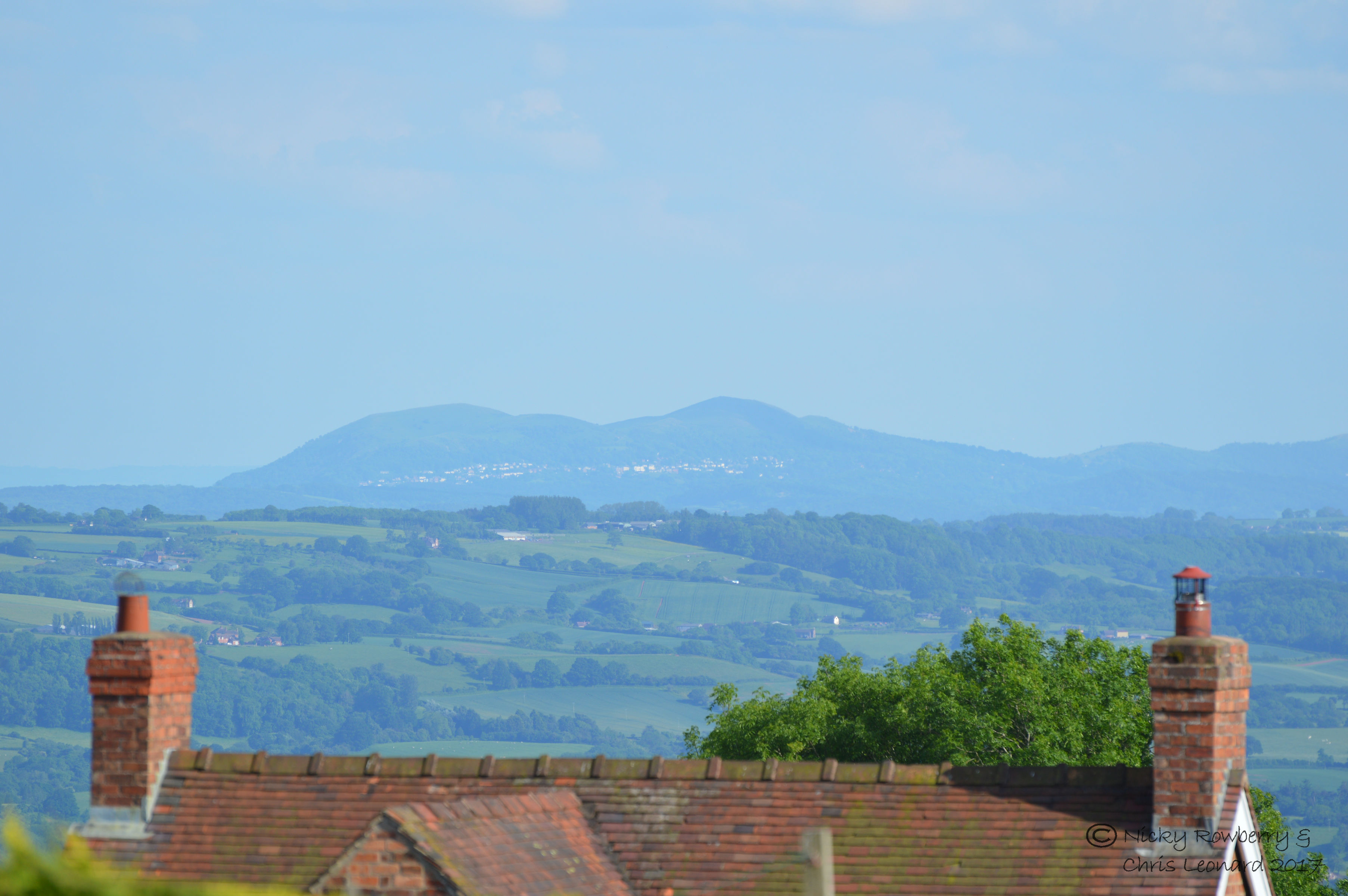
The drive back to Malvern from Clee Hill takes about an hour. It is a lovely cross country route, taking in the little market towns of Tenbury Wells and Bromyard. Maybe I can work some exploration of these into my 30 Days Wild?  I actually really enjoy my commute, it’s not exactly a rat race. Already in the few weeks I’ve been doing this, I’ve seen a stoat carrying something across the road and had to jam on the brakes to avoid a deer that jumped out in front of me!

So that’s Day 1 of 30 Days Wild – a beautiful evening stroll around Clee Hill. Not a bad end to the working day!


Butterfly No. 41!

May finished in fine style with a trip to the Wyre Forest and the hunt for another new (to me) species of butterfly. I was joined by my friend Anna who was visiting from Scotland and didn’t mind being dragged out into the woods in search of butterflies. Not only did she not mind, but she is a photographer, who is generous enough with her expertise to give lots of tips and hints (not that they all went in!)

I parked in the usual spot at the end of Dry Mill Lane and we headed off down the old railway track. First stop was an ornately carved bench with a lovely gentleman and his robin friend, who he fed with mealworms regularly.

After a brief chat, we headed on down the track towards a long open area with banks either side –  looked like perfect butterfly ground!

Our primary target was the Small Pearl-Bordered Fritillary which should be out at the end of May/early June. We all got very excited by the first fritillary type butterfly we found, but then realised it was a Pearl-Bordered, not a Small Pearl-Bordered. The former are coming to the end of their season, but there were still a few about. It was still a beautiful butterfly all the same.

We saw lots of the Pearl-Bordered Fritillaries last year (more photos of those on a previous blog post https://toolazytoweed.uk/2016/05/18/out-and-about-wyre-forest/), so we continued with our hunt for the small ones.

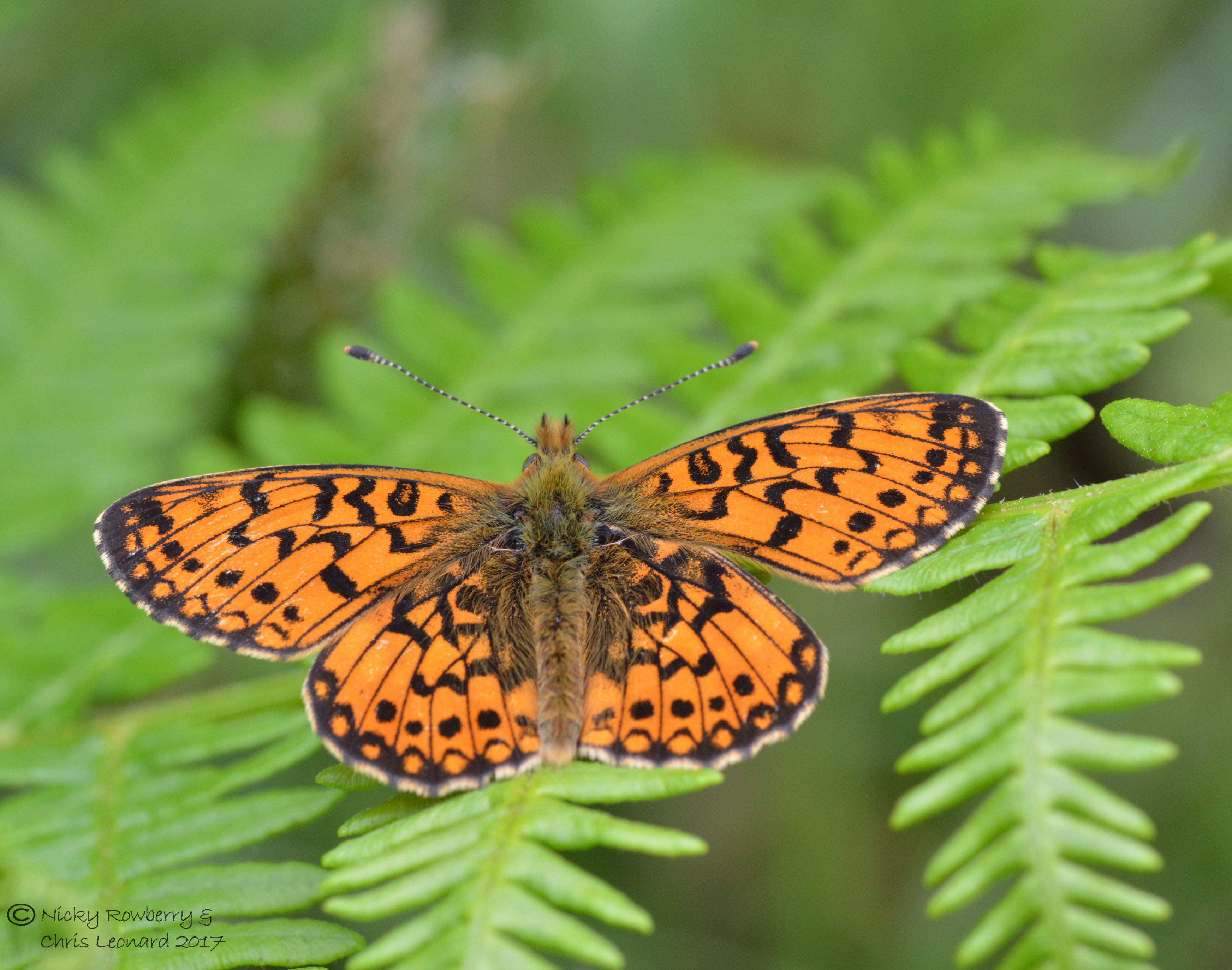
The sun came out about 3pm and suddenly the Small PBFs all started flying. It was hard to count as they don’t really stay still or all show themselves at the same time, but there were probably at least half a dozen. Eventually a few slowed down enough to get some pics.

They are beautiful bright orange little butterflies. To be honest we weren’t totally sure we were seeing both species, although the presence of black marks resembling “730” is supposed be diagnostic of the small ones – see close up photo below.

Thankfully the good people on Butterfly Conservation West Midlands Facebook page confirmed we’d got both species.

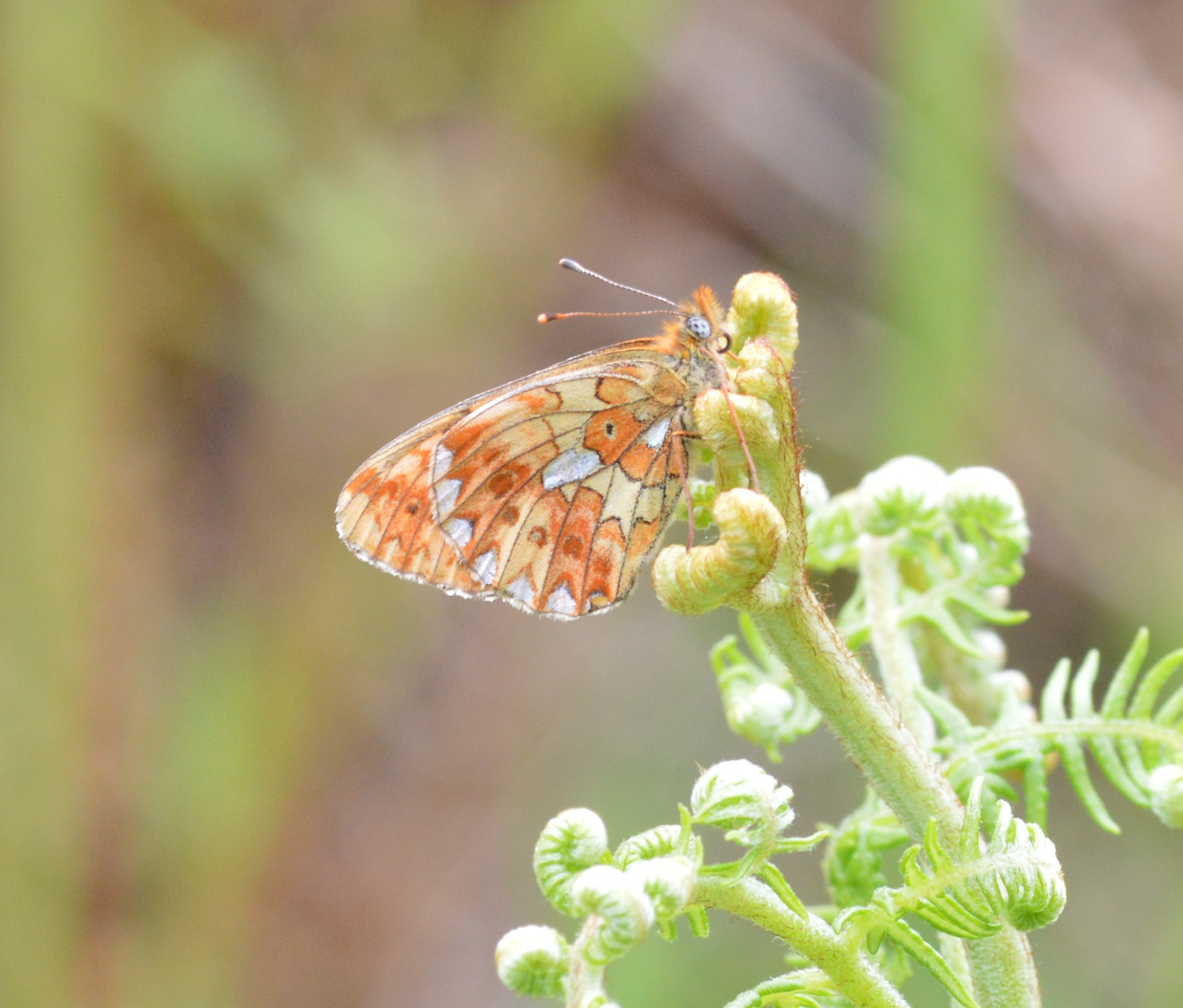
We had hoped to get photos of the underside of the Small PBF wings, which are beautifully marked like stained glass windows, but they wouldn’t oblige and settle with wings  up. The best we managed was this shot taken while crouching down lower than the butterfly – it gives a glimpse of the underside, but is far from ideal.

Heading back to the car, we spotted a couple of Large Skippers (or possibly one that was just following us!) The Large Skippers were a bit more obliging than the fritillaries and posed on some bird’s foot trefoil flowers.

The Small Pearl-Bordered Fritillary is the 41st species of British butterfly we’ve managed to see since we started butterfly spotting. It is the 3rd “new” species that we’ve found in the Wyre Forest, highlighting what a fantastic place the Wyre is for butterflies!

The Darling Bugs Of May

Apologies for the title, couldn’t resist a bad pun! After the quiet winter and early spring months, all the insects are suddenly emerging in May. It feels like our garden is gearing itself up again ready for the 30 Days Wild in June. Everywhere I look there is something buzzing (everywhere except the bee hotel I’ve put up which is of course silent!)

May wouldn’t be May with out the arrival of the May Bugs in the moth trap. These huge beetles can apparently be a pest for farmers, but I love seeing them. They are fascinating animals and I can still remember my amazement the first time I found one in the moth trap a few years ago.

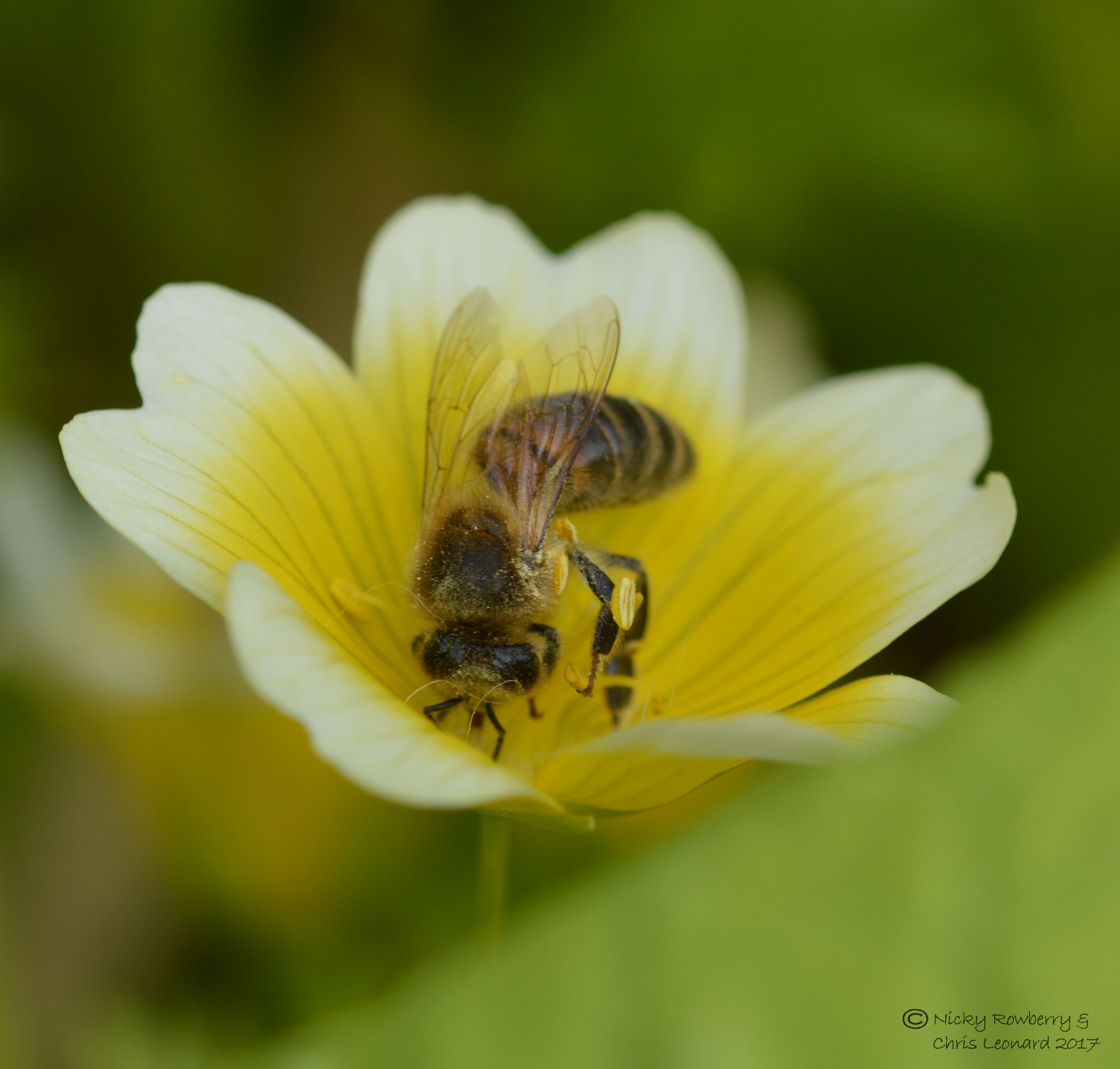
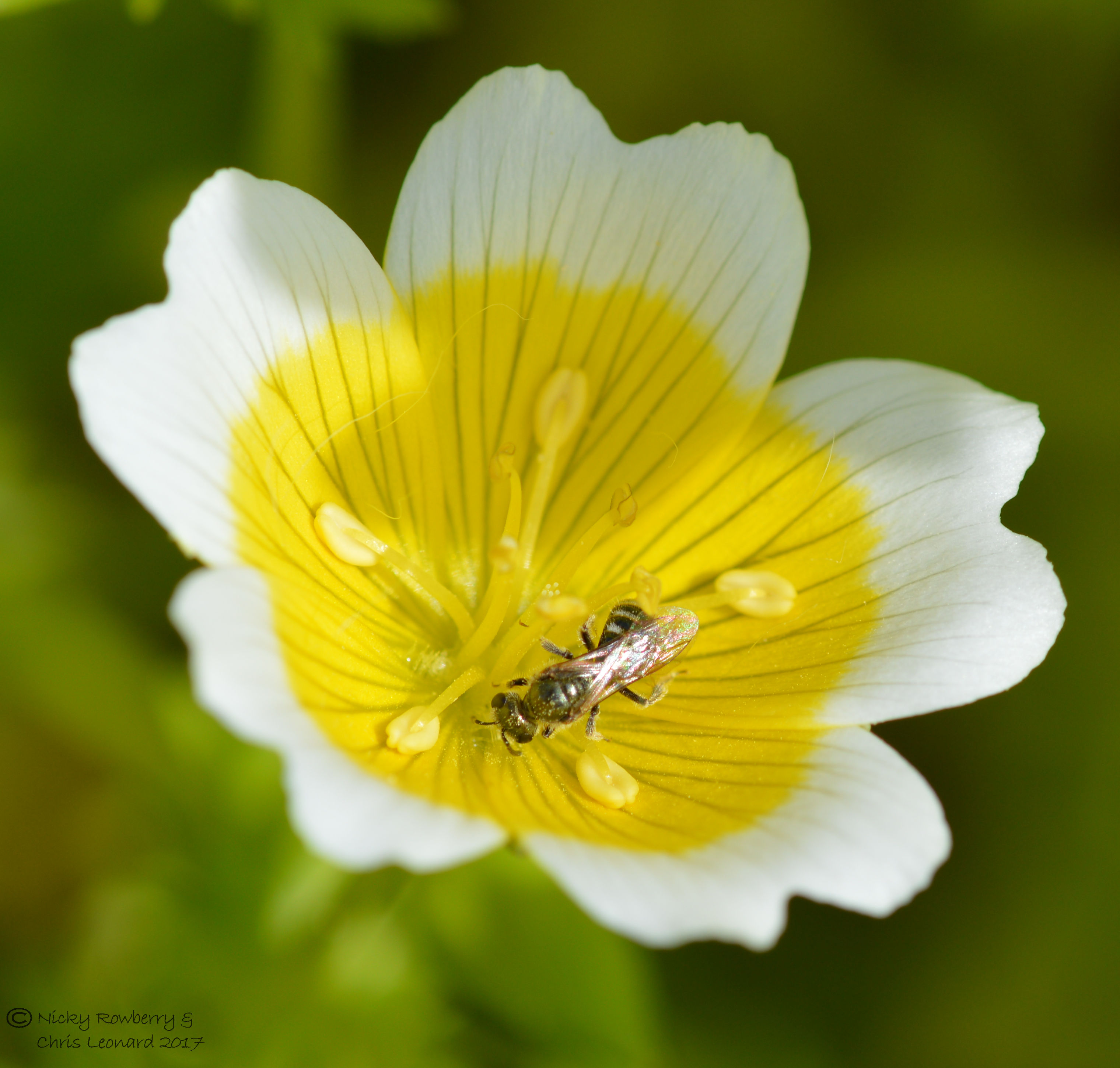
One of the areas particularly buzzing at the moment is a patch of poached egg flowers that I’d sown last year. I’d forgotten about them, but they all popped back again this year and look fantastic. I’d grown them originally as I’d read they were good for hoverflies – not sure about that but the bees love them!

Most of the bees are plain old honey bees (very welcome all the same of course).

There were also a few of these very small furrow bees Lasioglossum sp. It’s virtually impossible to get this one to species level without killing and examining it, which I’m not prepared to do, so it will have to remain a sp.

This next bee is one of the yellow faced bees – Hylaeus sp. Unfortunately since I didn’t manage to get a shot of its face, I also can’t identify this one to species. But since I’ve not recorded any other Hylaeus, I’ve counted this as bee species number 30 for the garden!

This next one did get identified to species (not by me but by a kind soul on facebook) as Osmia caerulescens – the Blue Mason Bee. This was also a new species for the garden, making 31 in total now over the last 2 years!

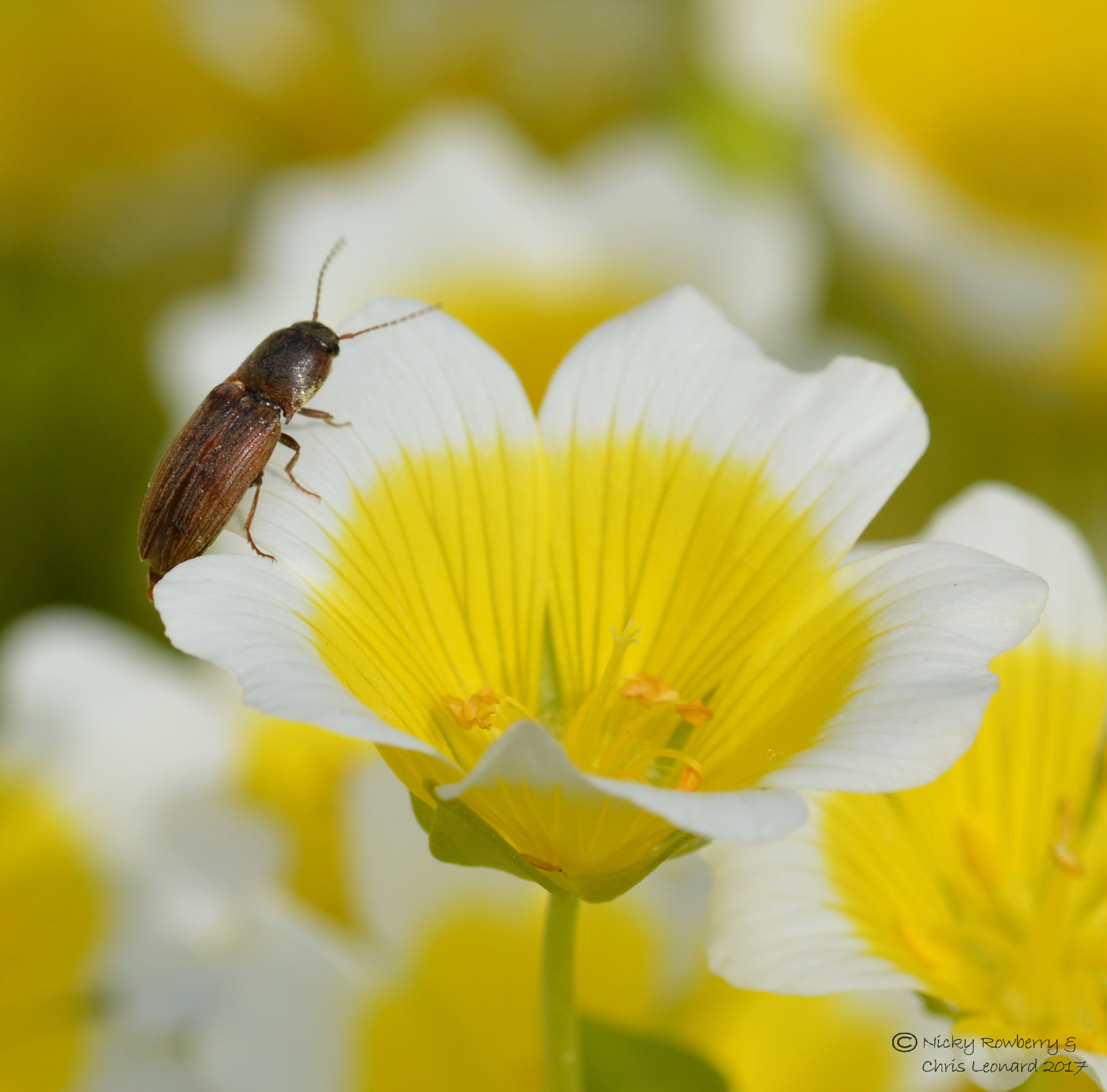
The bees weren’t the only ones enjoying a poached egg. This beetle (some kind of click beetle I think) spent a long time perusing the flowers.

This Hairy Shieldbug didn’t move much, just seemed to be using the flowers as a vantage point to survey the garden!

And of course my favourite – the Swollen Thighed Beetle had to get in on the act, displaying his fat thighs nicely.

The poached egg plants weren’t favoured by all the bees; some preferred other flowers like this Early Bumblebee on the alliums

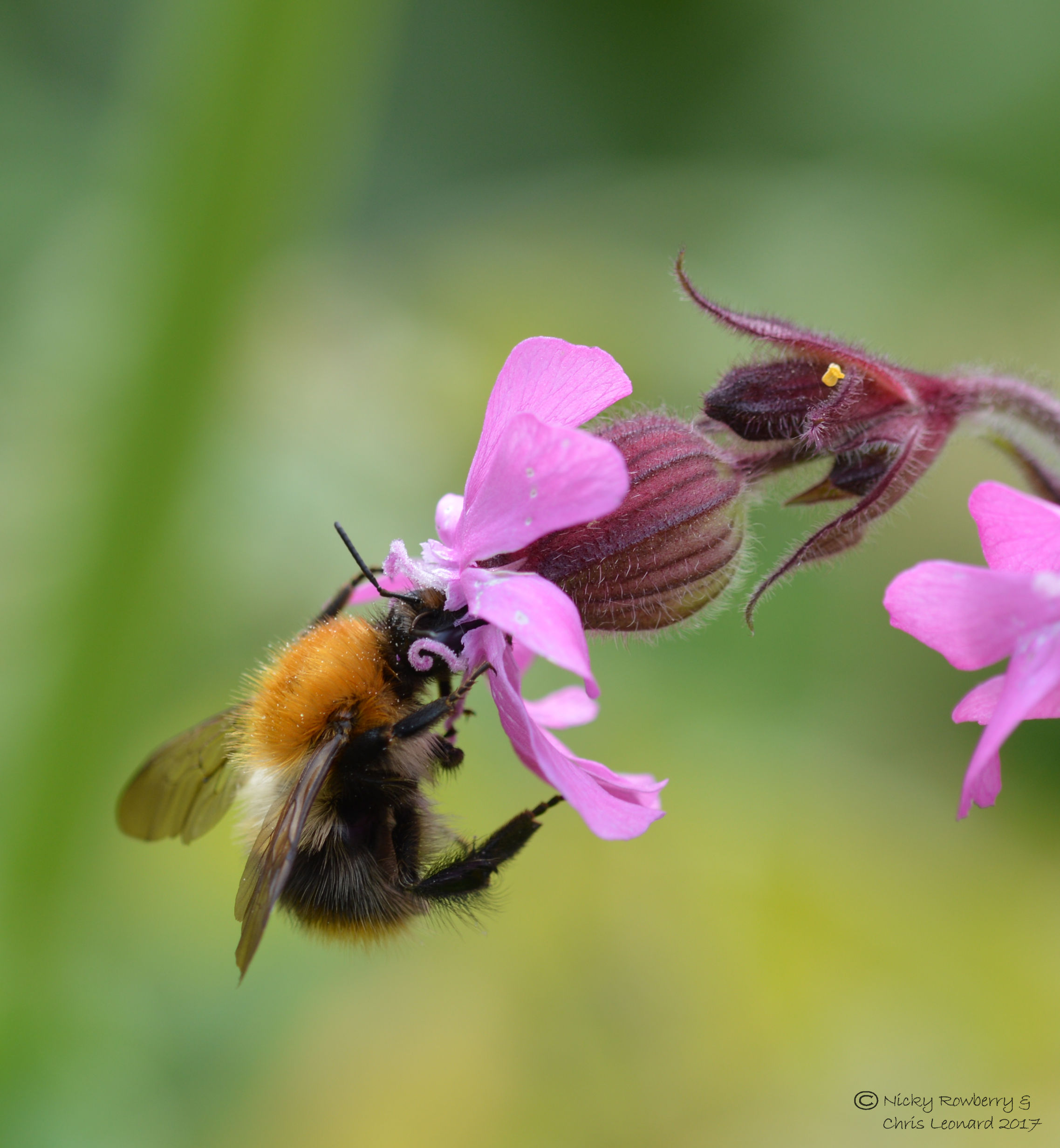
and this Common Carder bee on a campion.

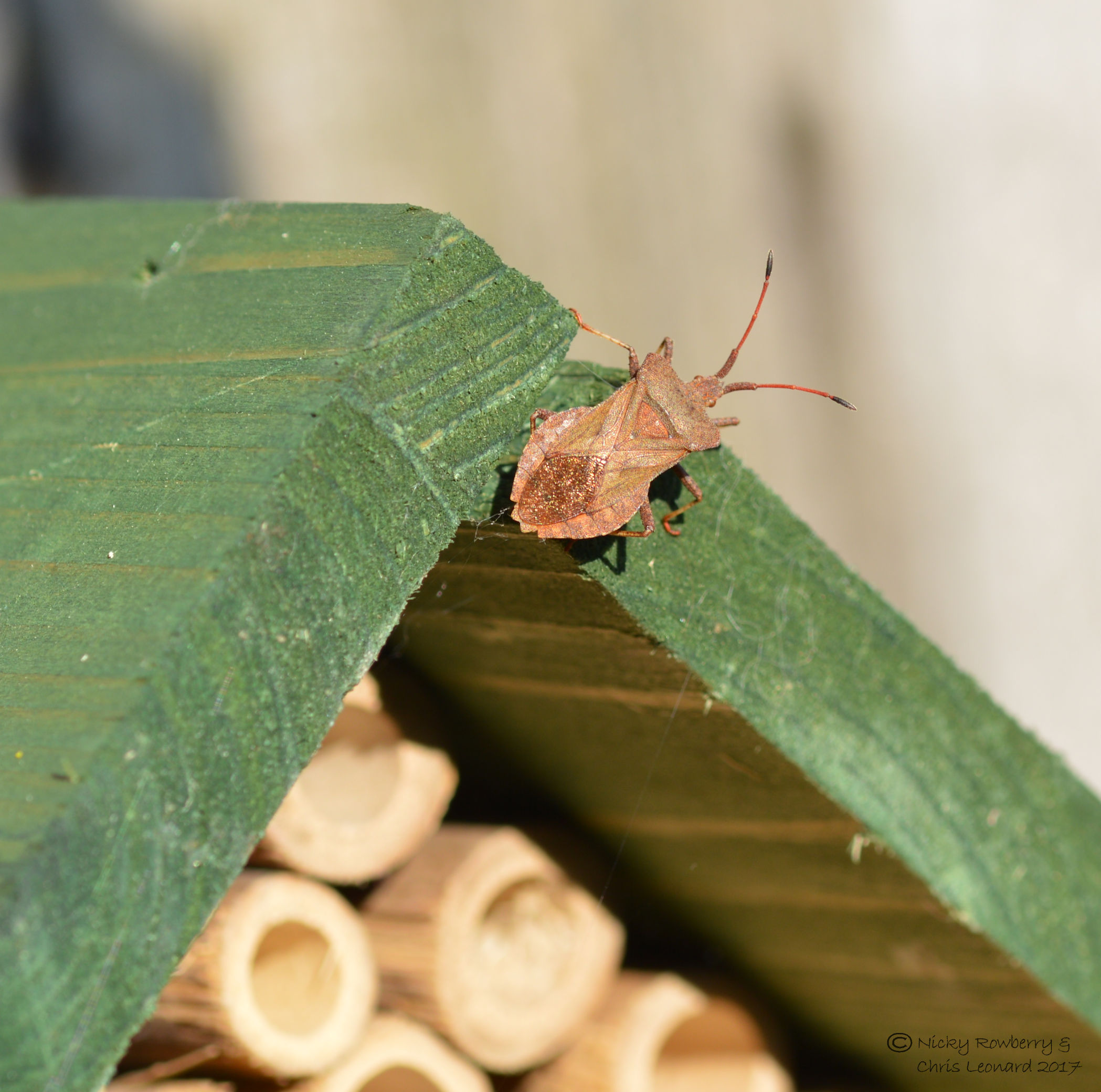
Somewhat inevitably the new bee hotel that I put up in the spring has been virtually ignored by all the bees. But at least it provided a resting place for this shieldbug.

The hoverflies were supposed to be interested in the poached egg flowers, but like most things in the garden, they never do what I expect! This little marmalade hoverfly preferred this small yellow flower to the slightly brash poached eggs.

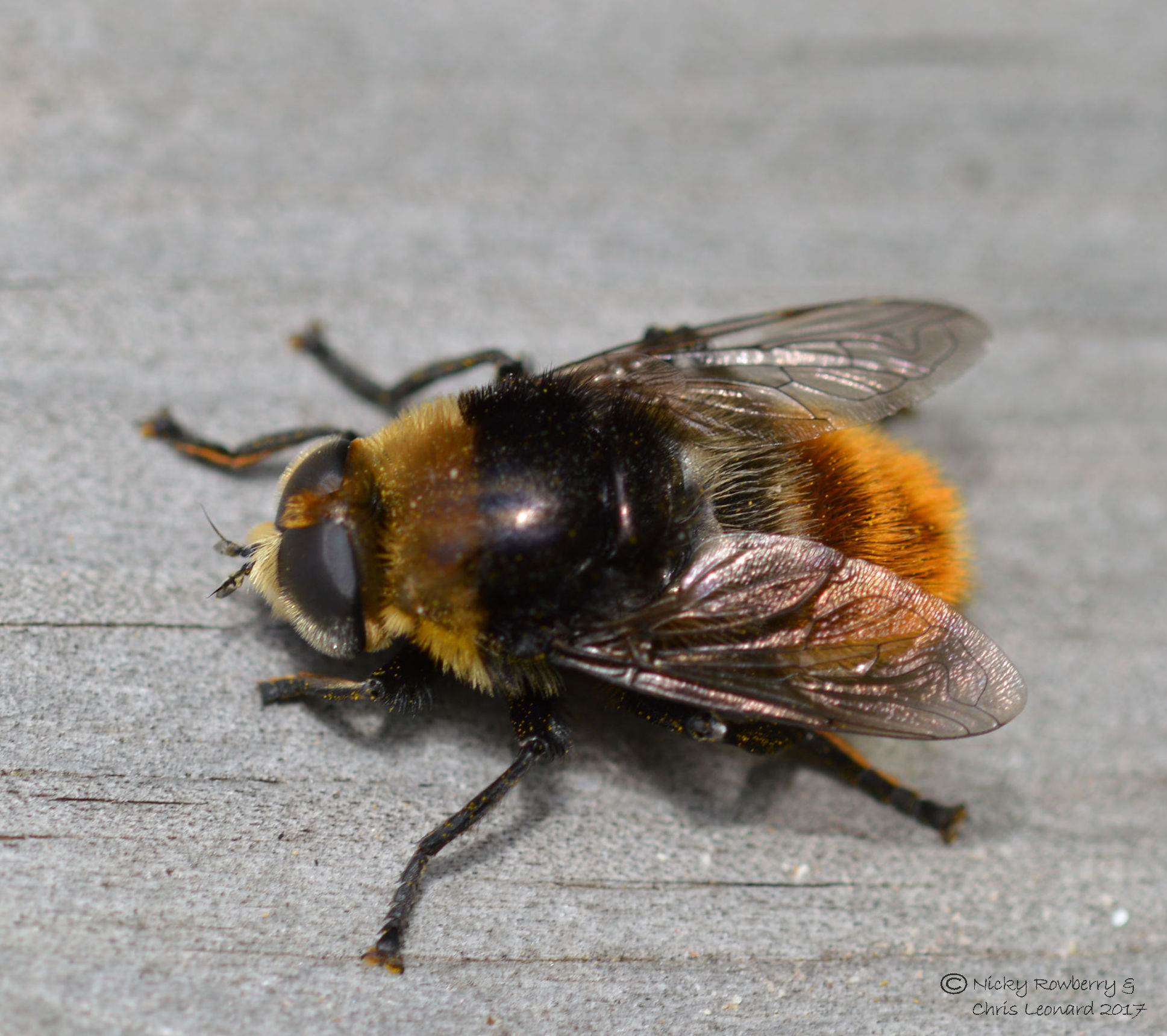
This large fat bumblebee-mimicking hoverfly (Merodon equestris) preferred just to perch on the leg of the bird table. Even when I had to move the bird table to a different part of the garden, the hoverfly followed it over – no idea why?

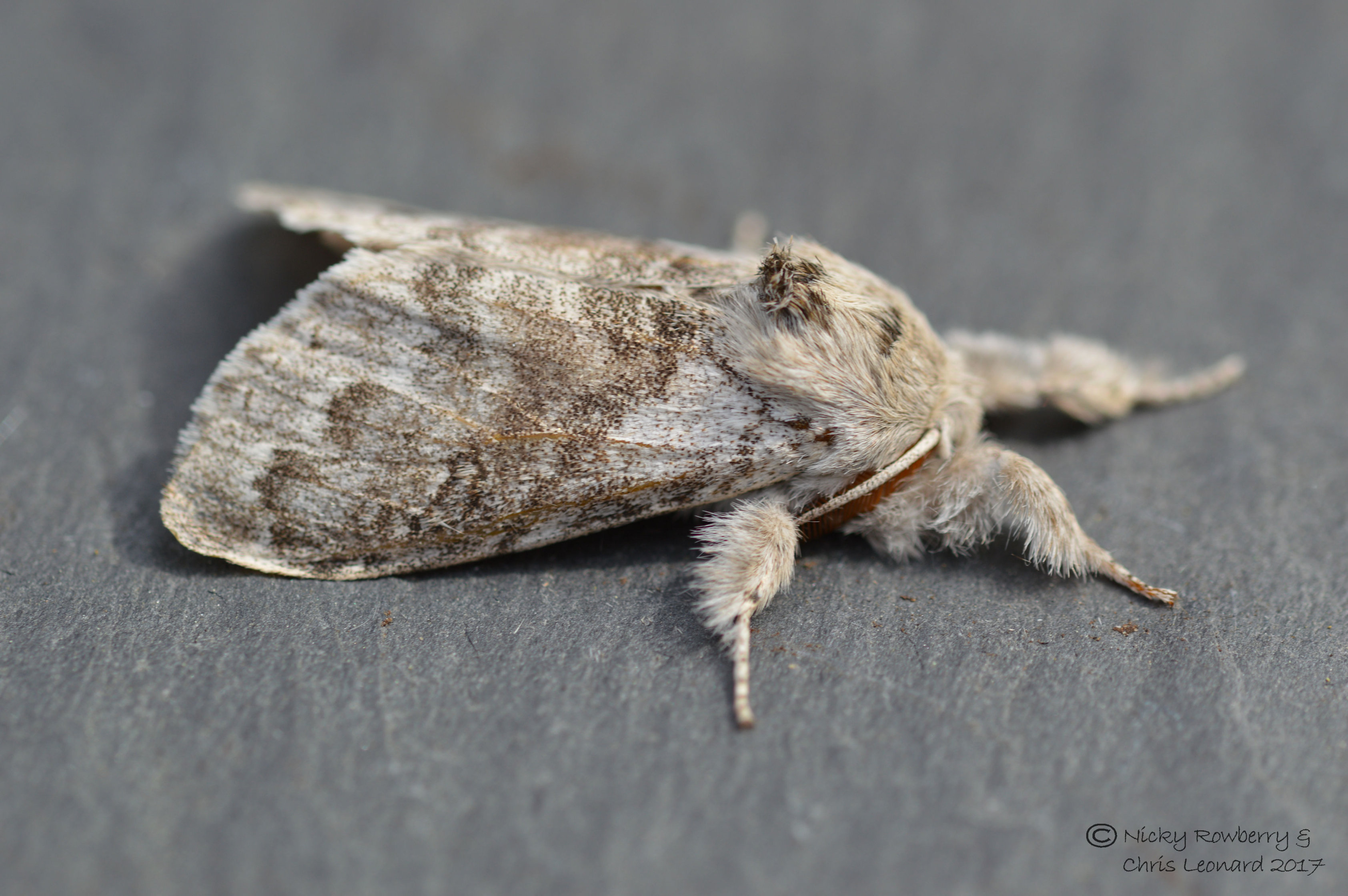
After a very quiet spring moth-wise, May has finally brought an increase in their numbers to the moth trap. The moths of winter and early spring are generally fairly subdued looking, so it’s always nice when some of the more interesting species start emerging. I love this Pale Tussock with its lovely furry legs.

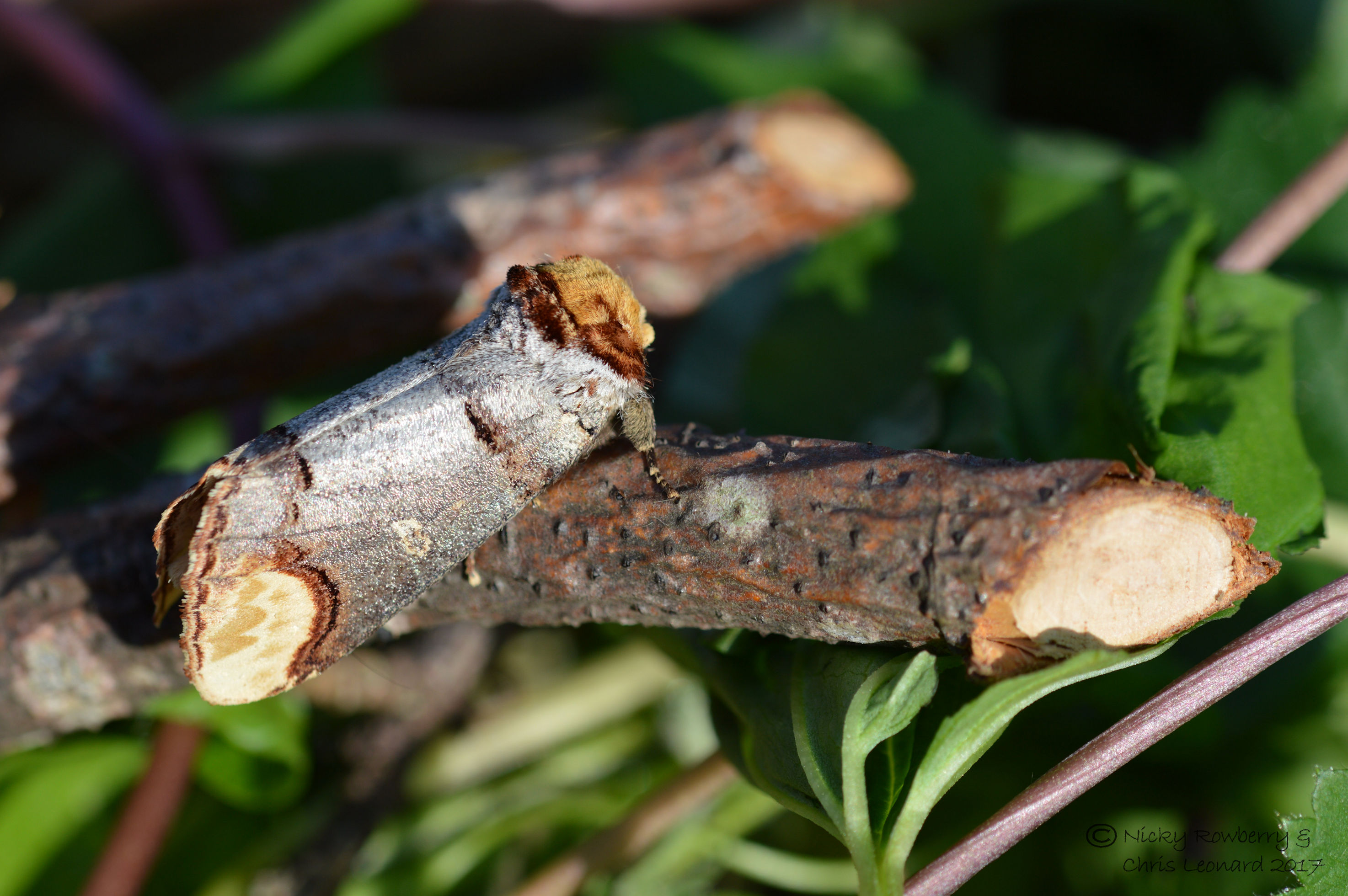
The Buff Tip is a regular visitor to our garden – it has the amazing ability to look just like a broken twig.

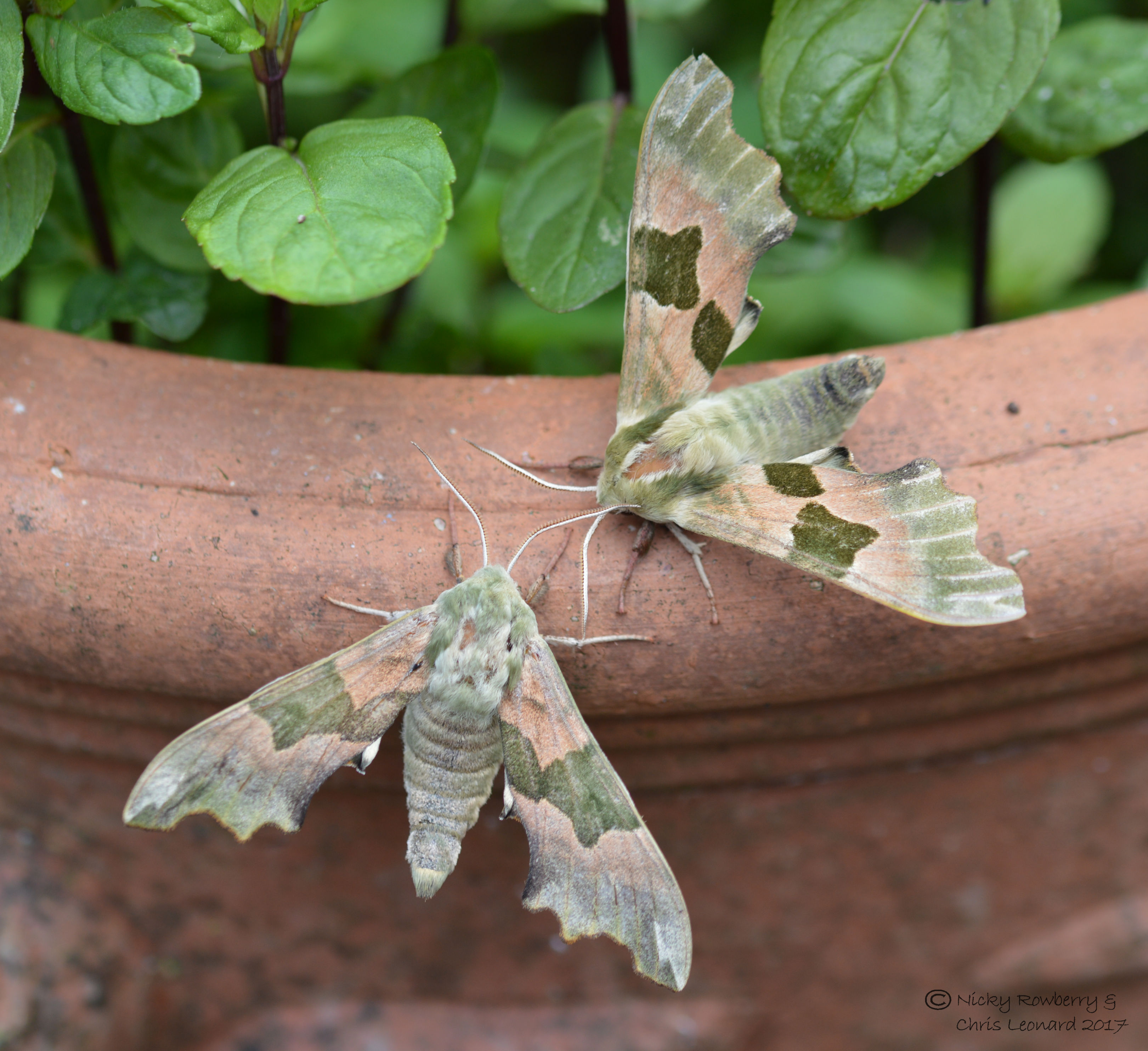
The hawkmoths are the biggest of our native species. Over the years we’ve had Elephants, Small Elephants, Eyed and Poplar Hawk-moths but never a Lime one. So I was thrilled when not one but two turned up last night!

With more moths emerging, more of their foes have emerged too. This beautiful but deadly (if you’re a moth of the wrong species) wasp Ichneumon stramentor parasitizes moth caterpillars.

As well as all of the above, there have been plenty of beetles, flies, caddis flies, daddy longlegs and other insects buzzing around this May, I just haven’t managed to take any photos of those. Something for another blog post maybe. But finally one of my favourite images from the month, a ladybird, even if it is a Harlequin rather than one of our native ones.

The Duke of Prestbury Hill

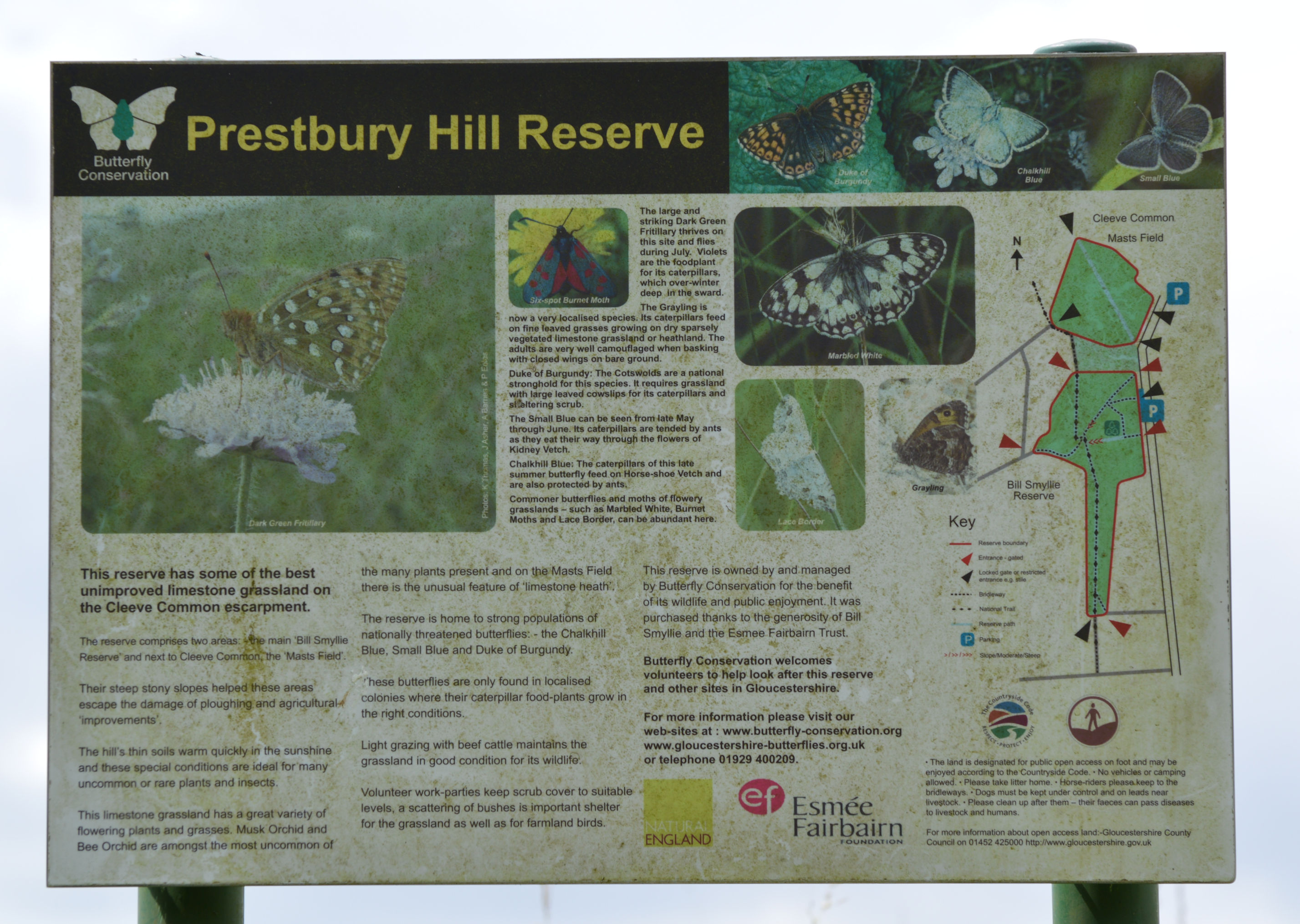
Flushed with the success of finding the Grizzled Skipper the previous weekend, we headed out again on Sunday in search of our next target butterfly – the grandly named Duke Of Burgundy. The nearest place we could find with a colony of Dukes was Prestbury Hill near Cheltenham – a fantastic site that we’d already visited at other times of the year.

Prestbury Hill reserve consists of 2 areas joined by a section of the Cotswold Way. We started off at the top of Masts Field which has amazing views out over Cheltenham and for miles around. It also has a convenient bench near the top for lunch. While we were sitting there, a pair of kestrels were hovering almost at eye level in front of us. Although they were more or less stationary in the air, they were still impossible to get decent shots of.

We spotted our first Duke almost immediately as we entered the field – it’s not often we get so lucky. Considering it is one of Britain’s most threatened butterflies, it seemed almost too easy! It’s quite a small butterfly, looking like a miniature fritillary.  In fact it used to be called Mr Vernon’s Small Fritillary – I’ve no idea who Mr Vernon was, nor why it is now named after a duke! (if anyone knows I’d love to find out?)
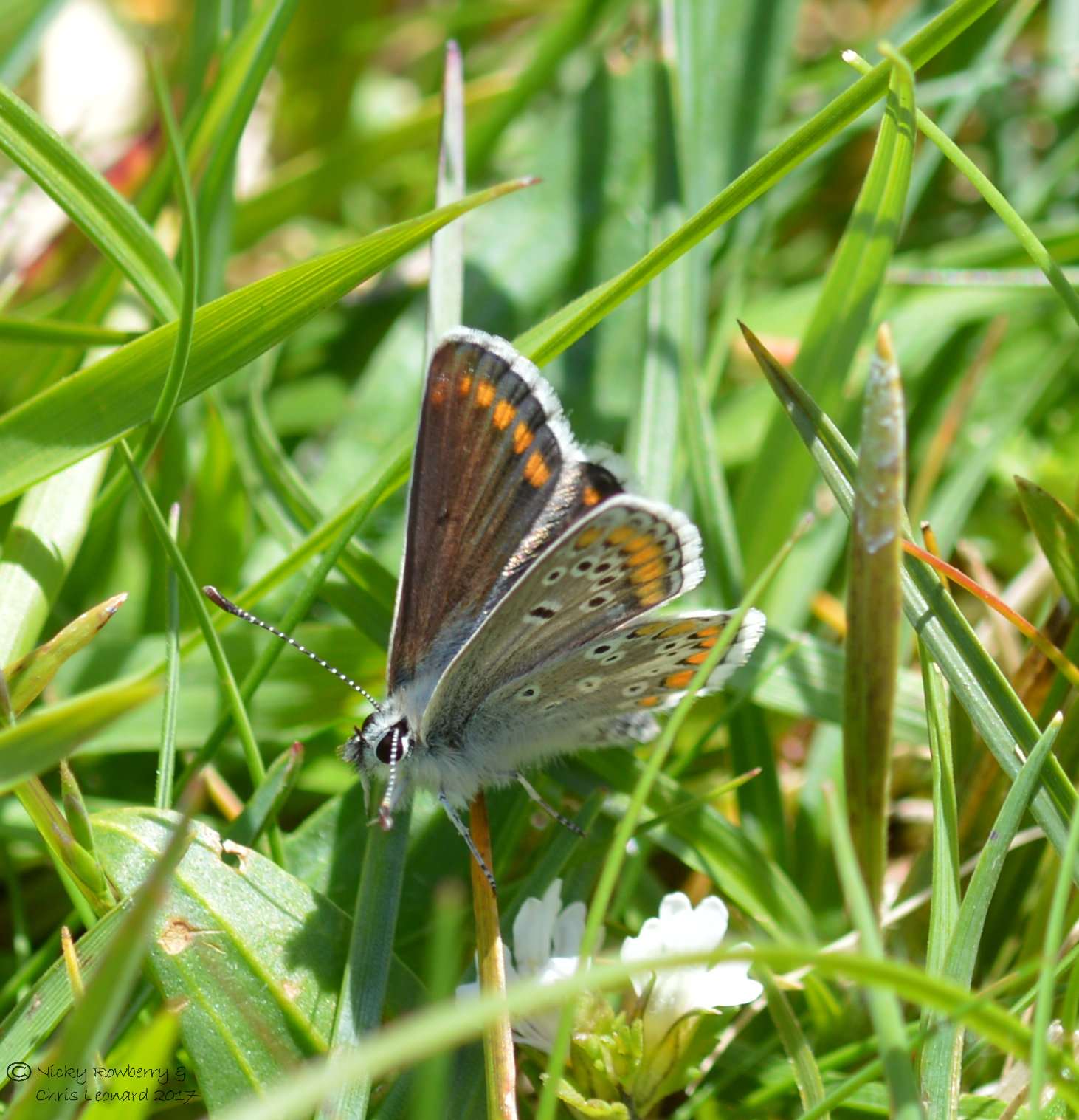
 

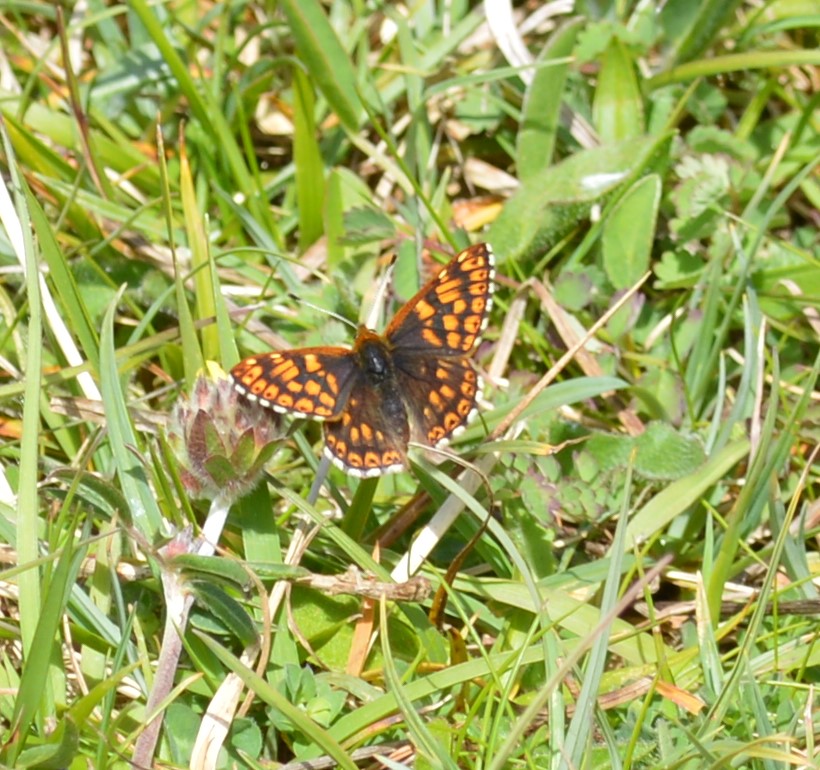
His Grace (I’ve googled the proper term for addressing a duke!) is small but perfectly formed, with lovely stripy antennae and pretty orange and brown/black patterned wings.


The males are territorial and like to display themselves on prominent leaves or grasses. The Duke of Burgundy is really unusual in that the female has 6 legs, but the male only has 4.  So I reckon the one in the photo below must be a male – showing off!

Although we saw quite a few Dukes on the day, I didn’t know at the time about counting the legs, so don’t know if any of our Dukes were actually Duchesses!

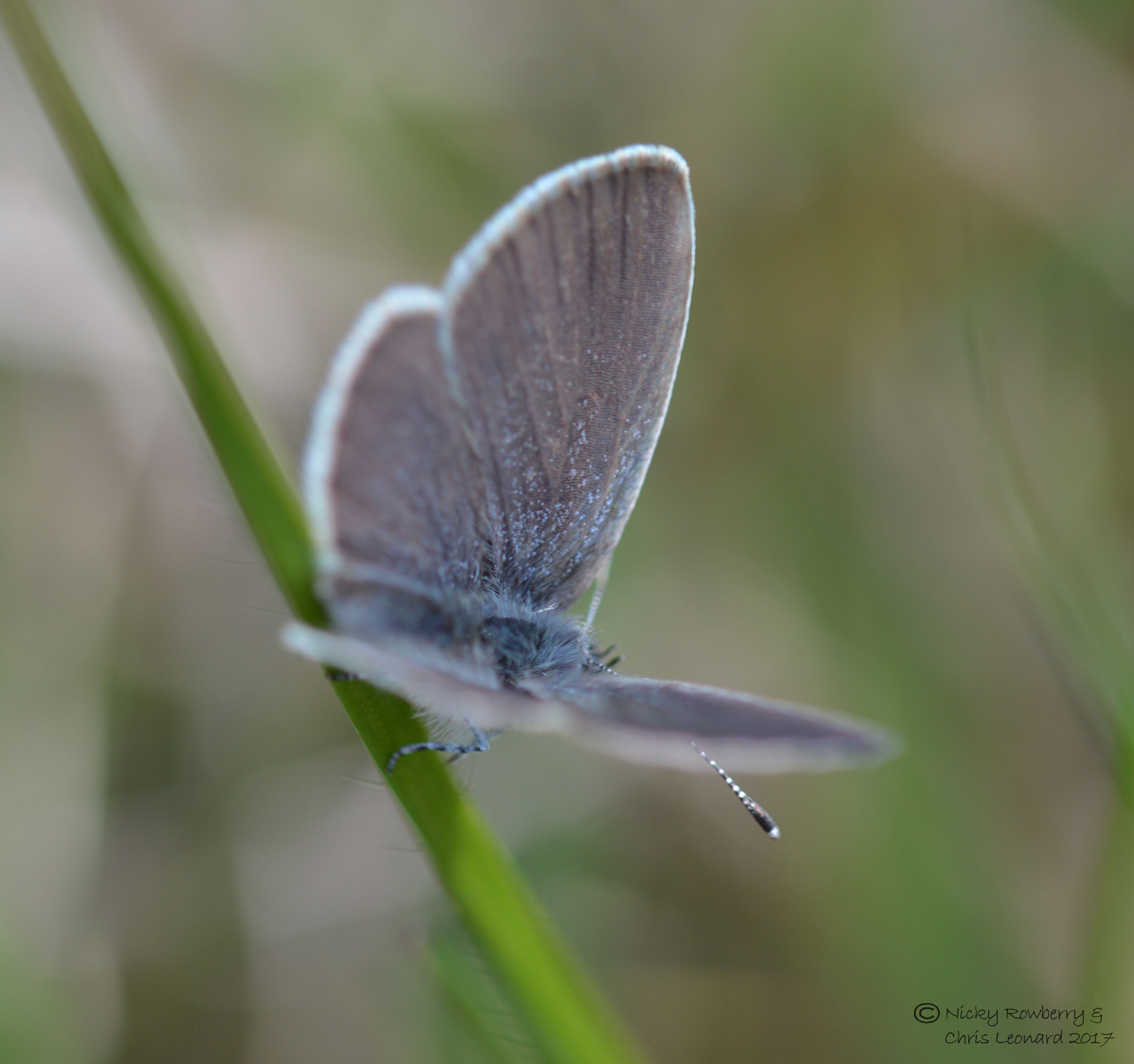
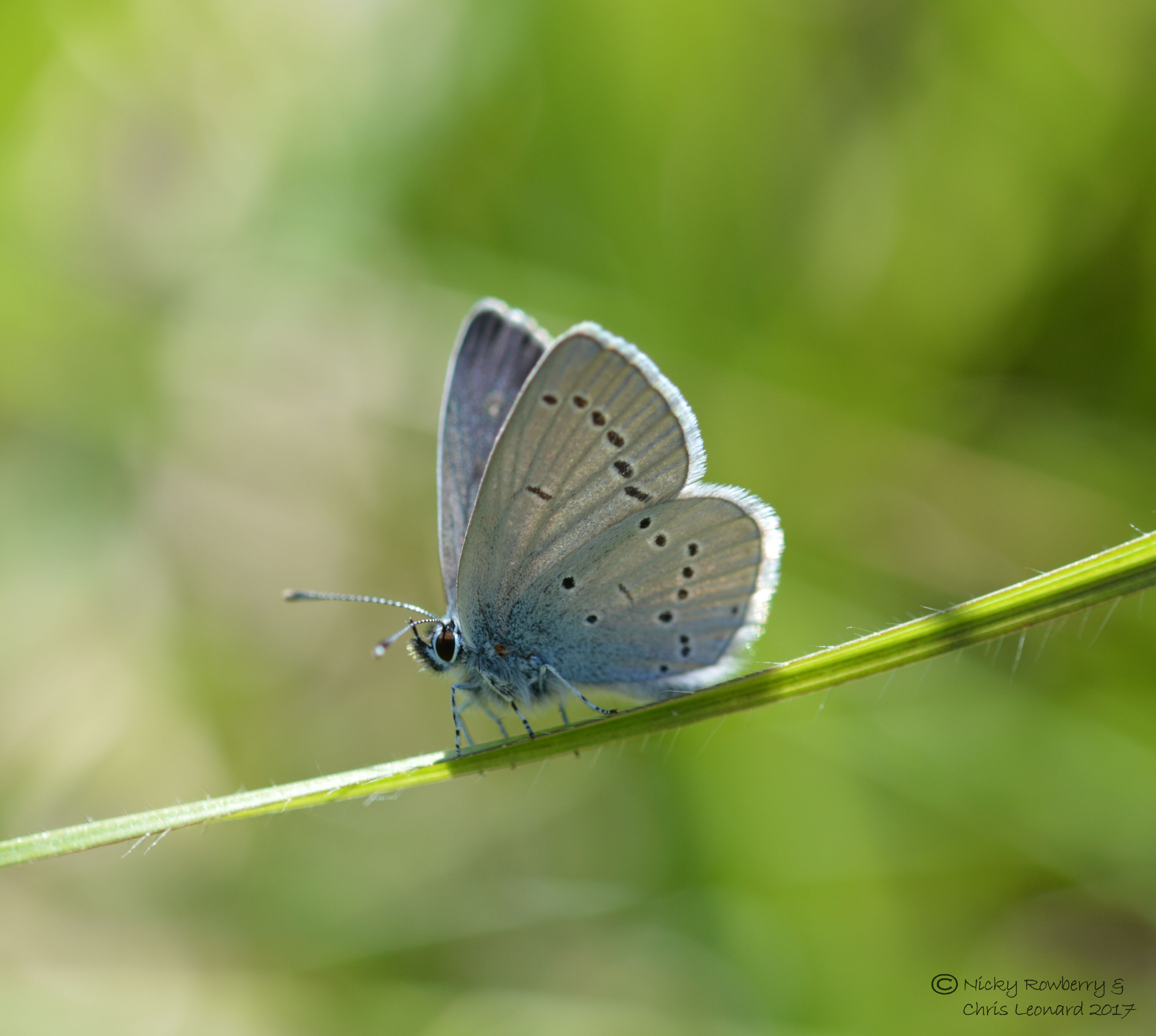
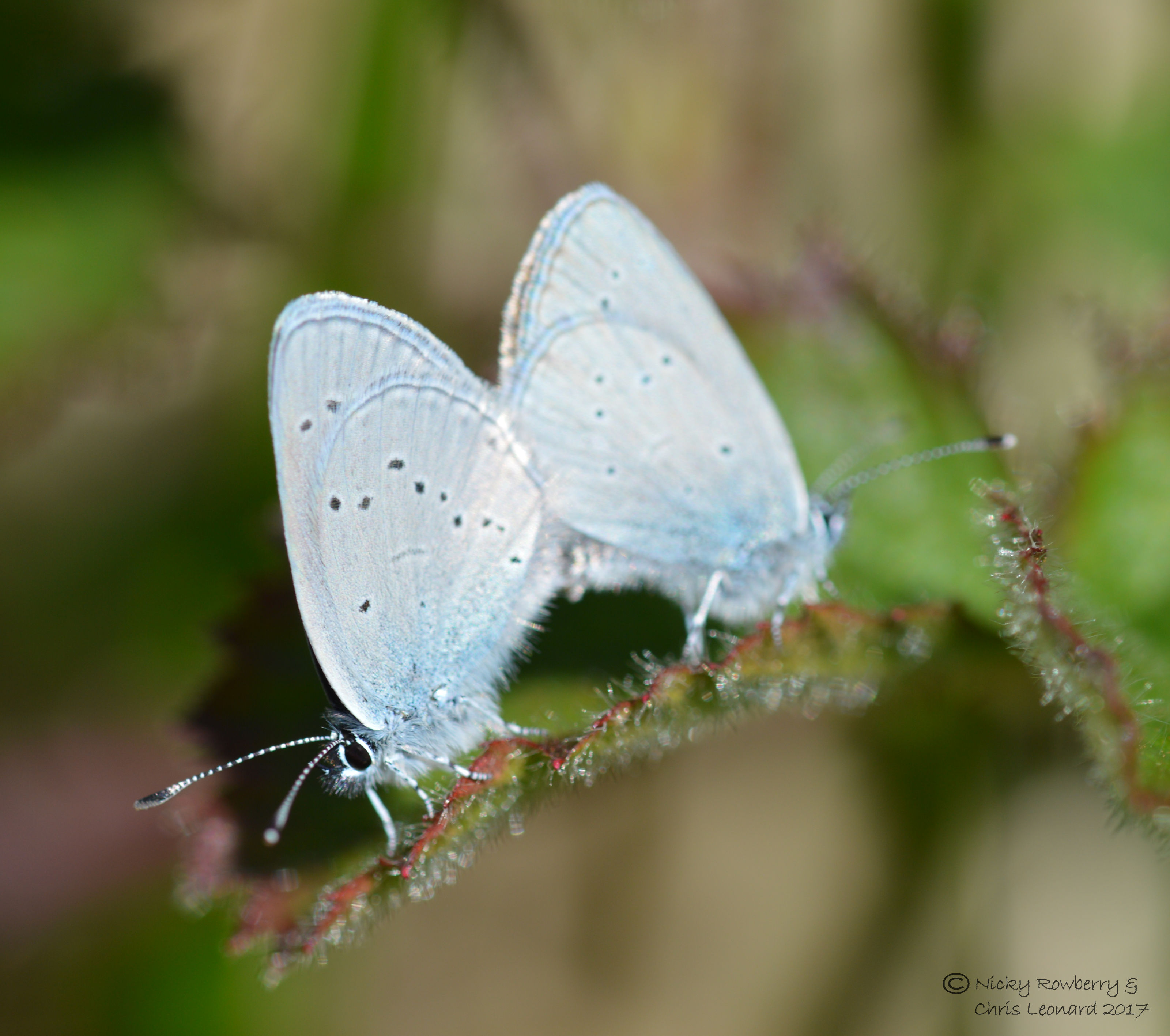
The other butterfly we’d hoped to see at Prestbury on this visit was the Small Blue. I had glimpsed one once before, so it wasn’t a new one for the list, but we wanted to get a proper look. Again we were lucky and there were plenty of Small Blues around. They really are what it says on the tin – small and blue! They are Britain’s smallest species of butterfly and are absolutely tiny. Once we got our eye in though, we found loads at Prestbury. They’ve got a beautiful dusting of pale blue scales on the upperside of the wings, while the underside is almost all blue with a few black spots.

We even found a few pairs mating (so unlike the Dukes we can at least be sure we were seeing males and females!) The only trouble with them being so small and so shiny blue on the underside is that it makes it really difficult to photograph them – especially with the inevitable bits of grass blowing across the shot!


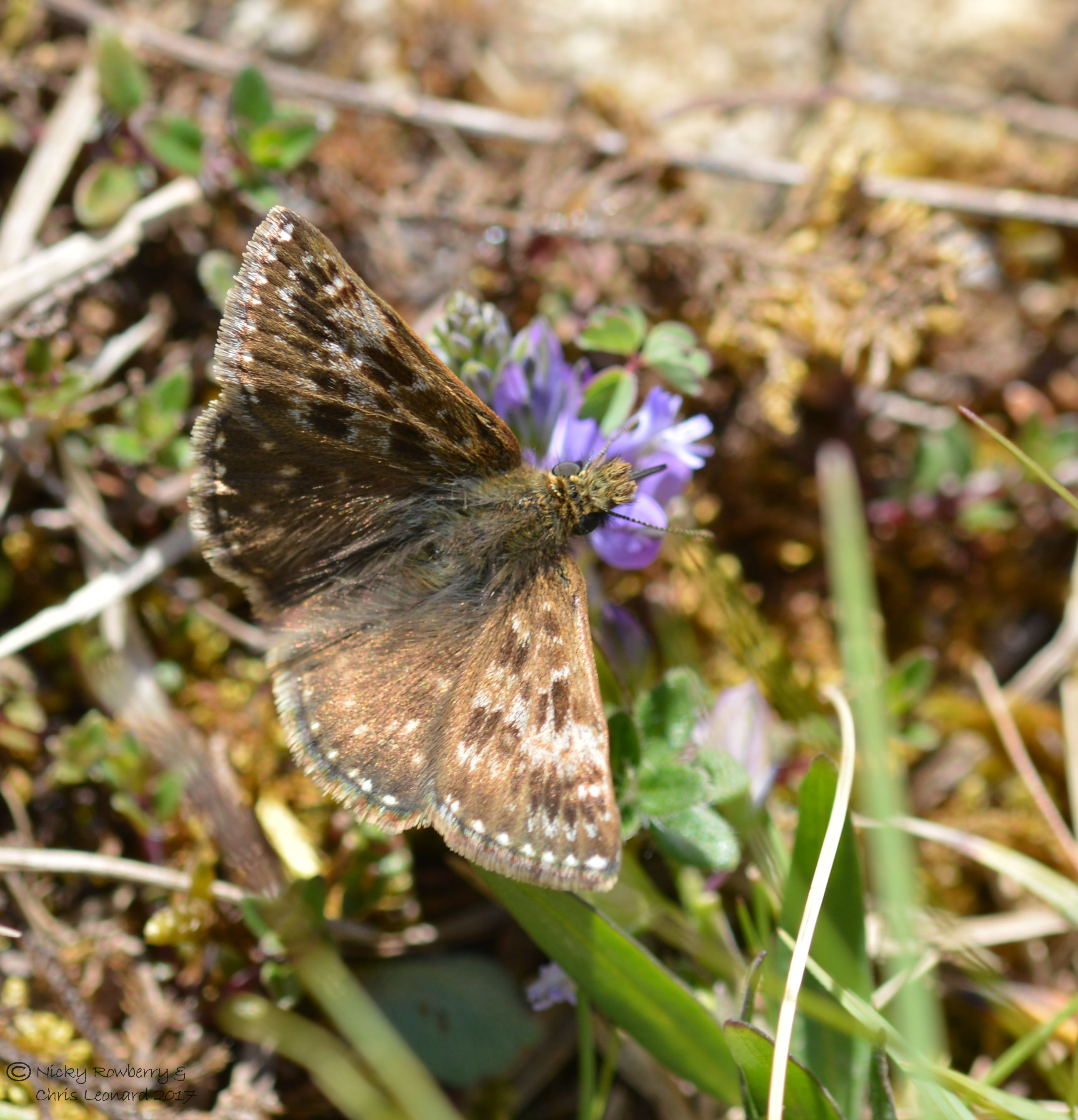
Prestbury is great for butterflies of lots of species so it was really nice to spot this Brown Argus and a lot of Dingy Skippers. I do feel sorry for the Dingy Skippers with their lowly sounding name next to the Duke of Burgundy!

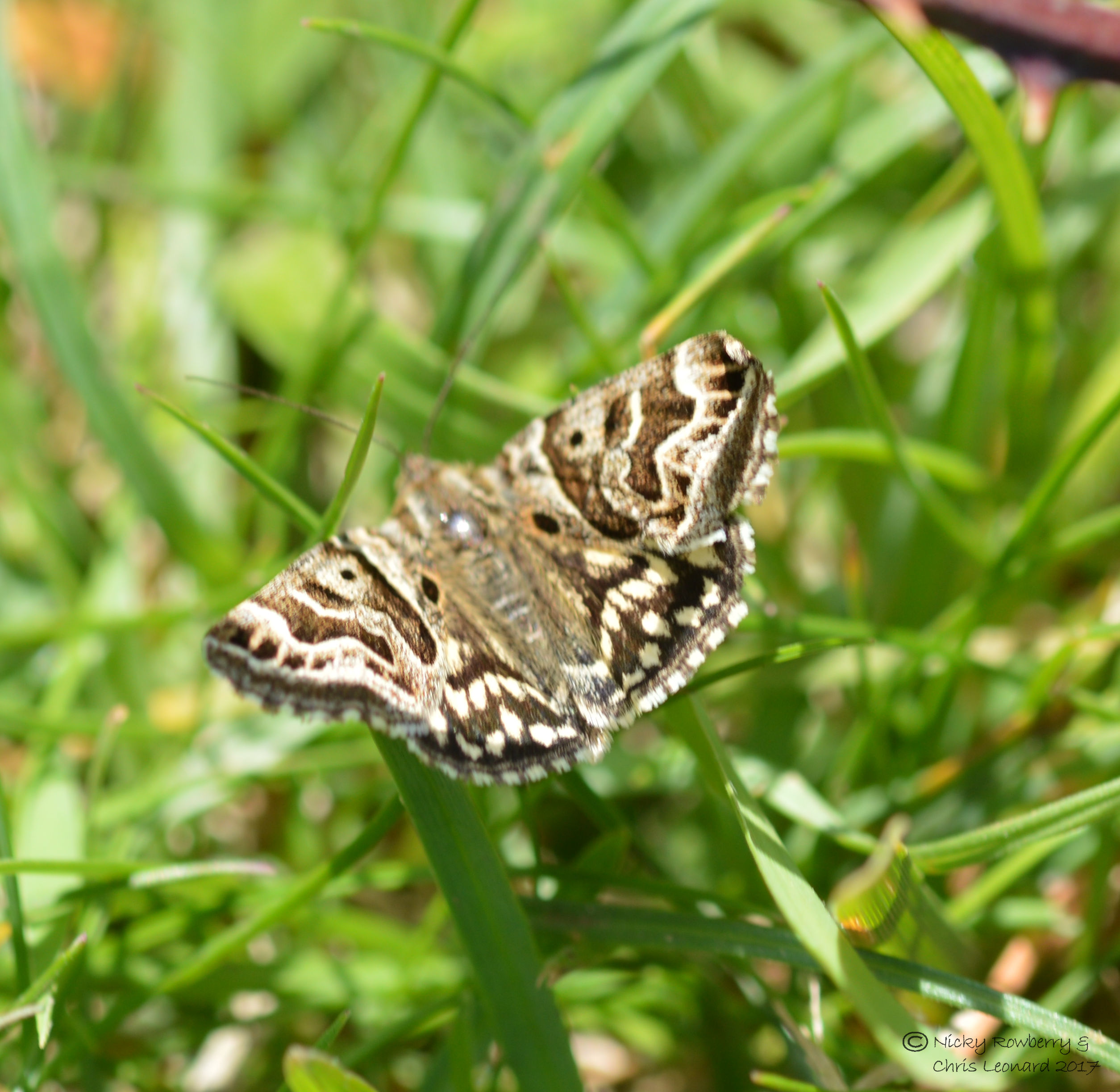
I also couldn’t resist taking photos of one of  my favourite moths – the Mother Shipton. I do at least know the origins of this name – the moth is named after a 16th century Yorkshire witch because its marking are supposed to resemble her with an eye and hooked nose and chin!

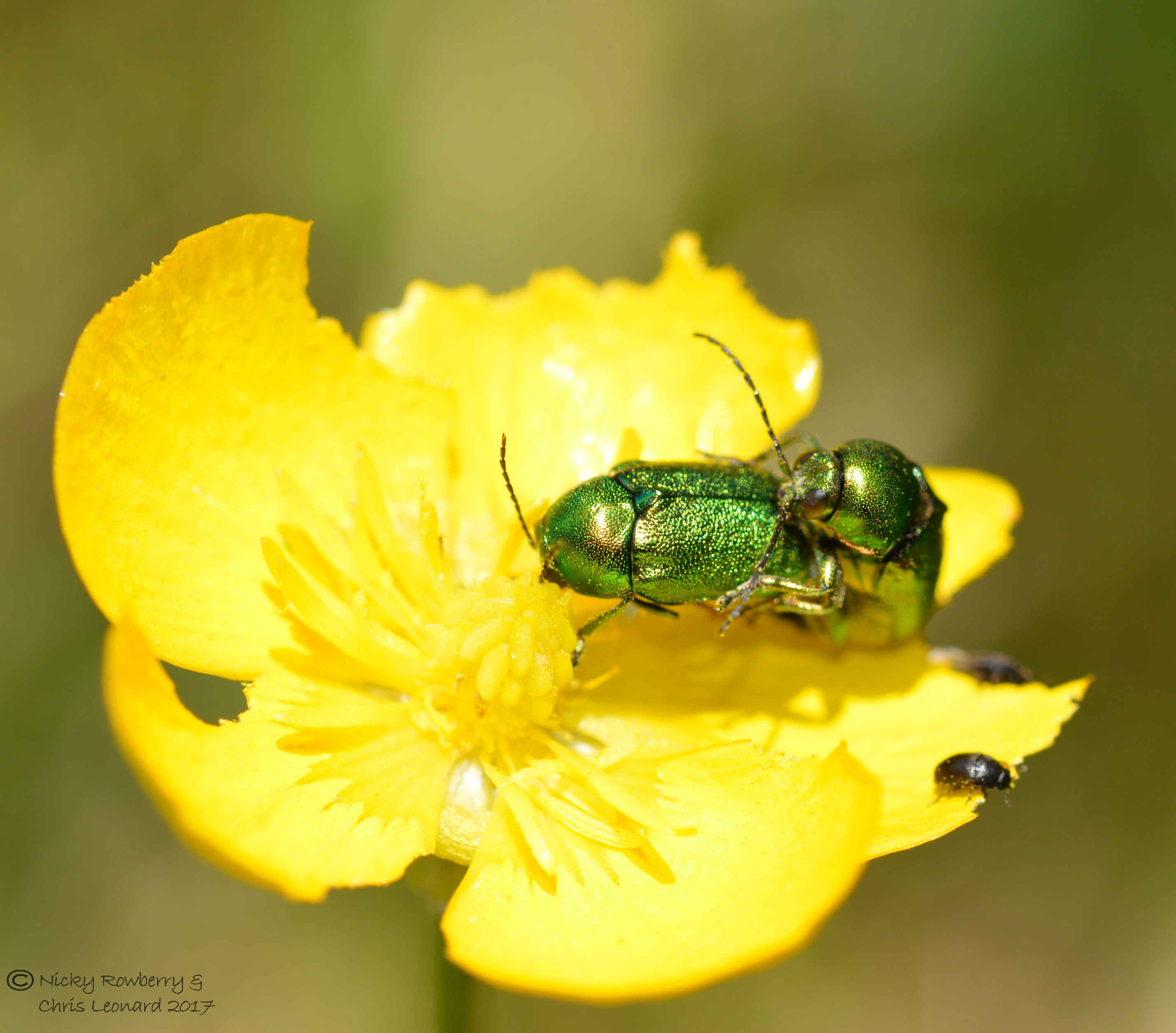
And finally Spring was clearly in the air for these beetles. I’ve no idea what they are, but they looked so shiny and green against the yellow buttercup, I just couldn’t resist.


Jubilee Bells

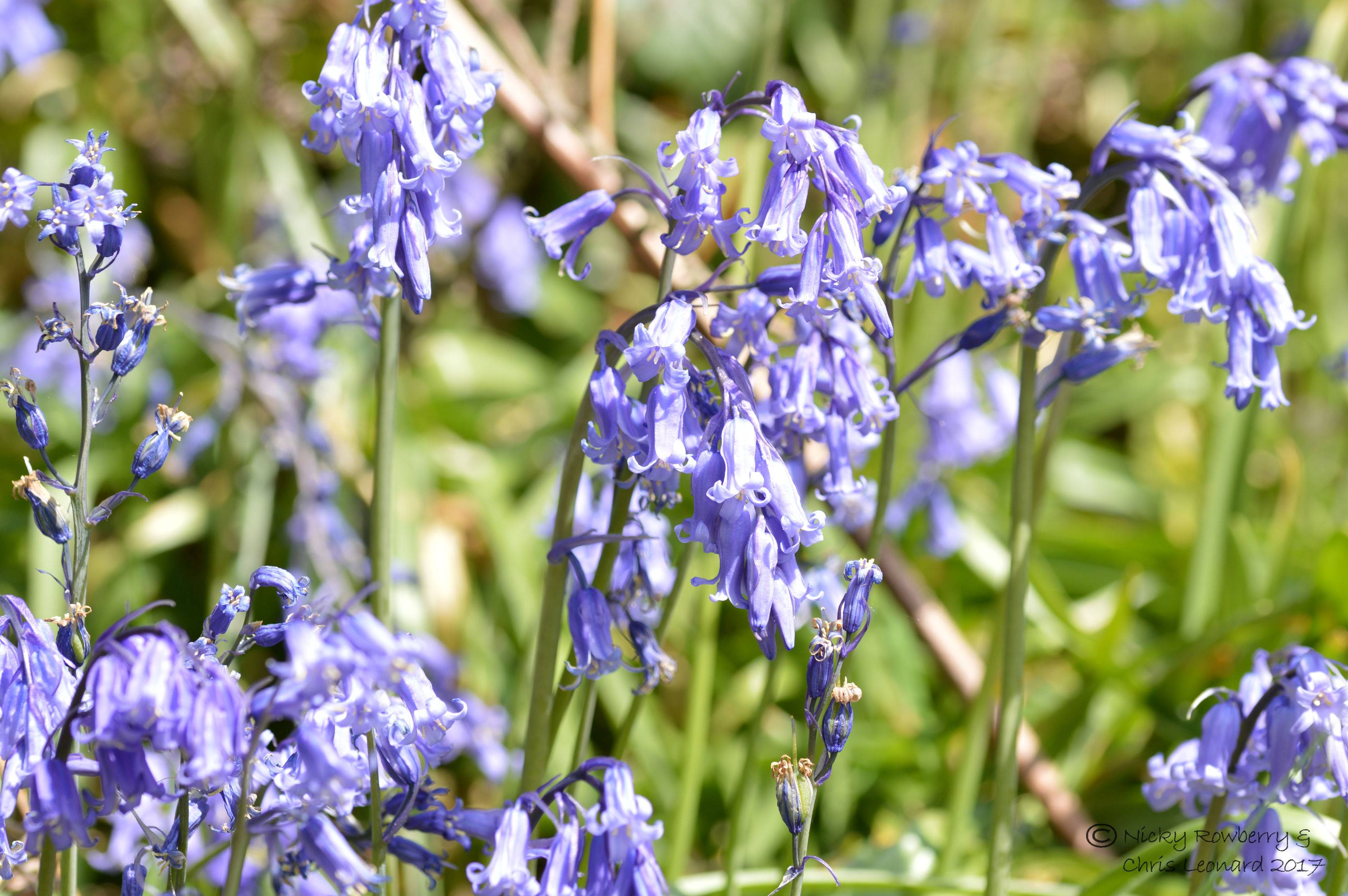
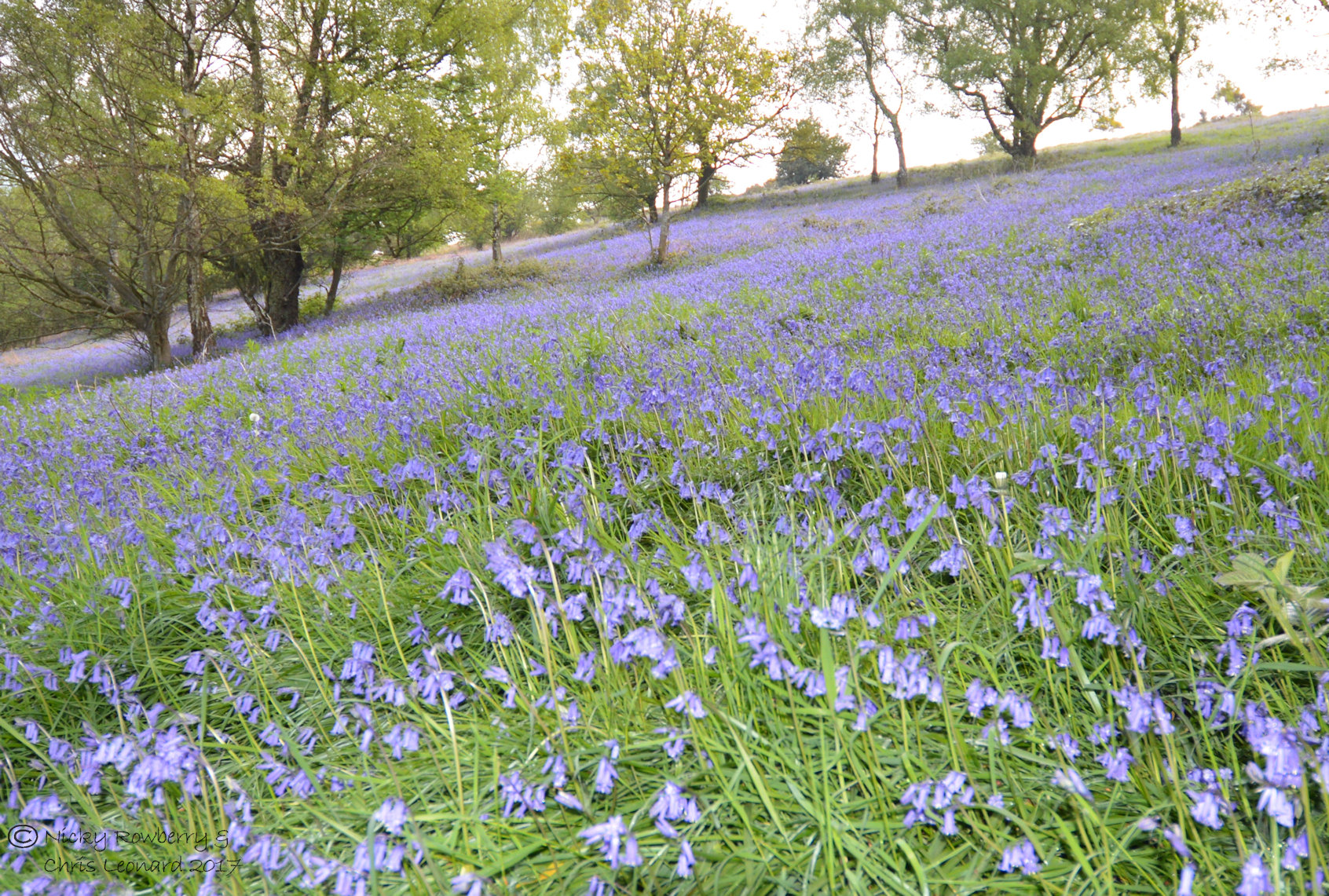
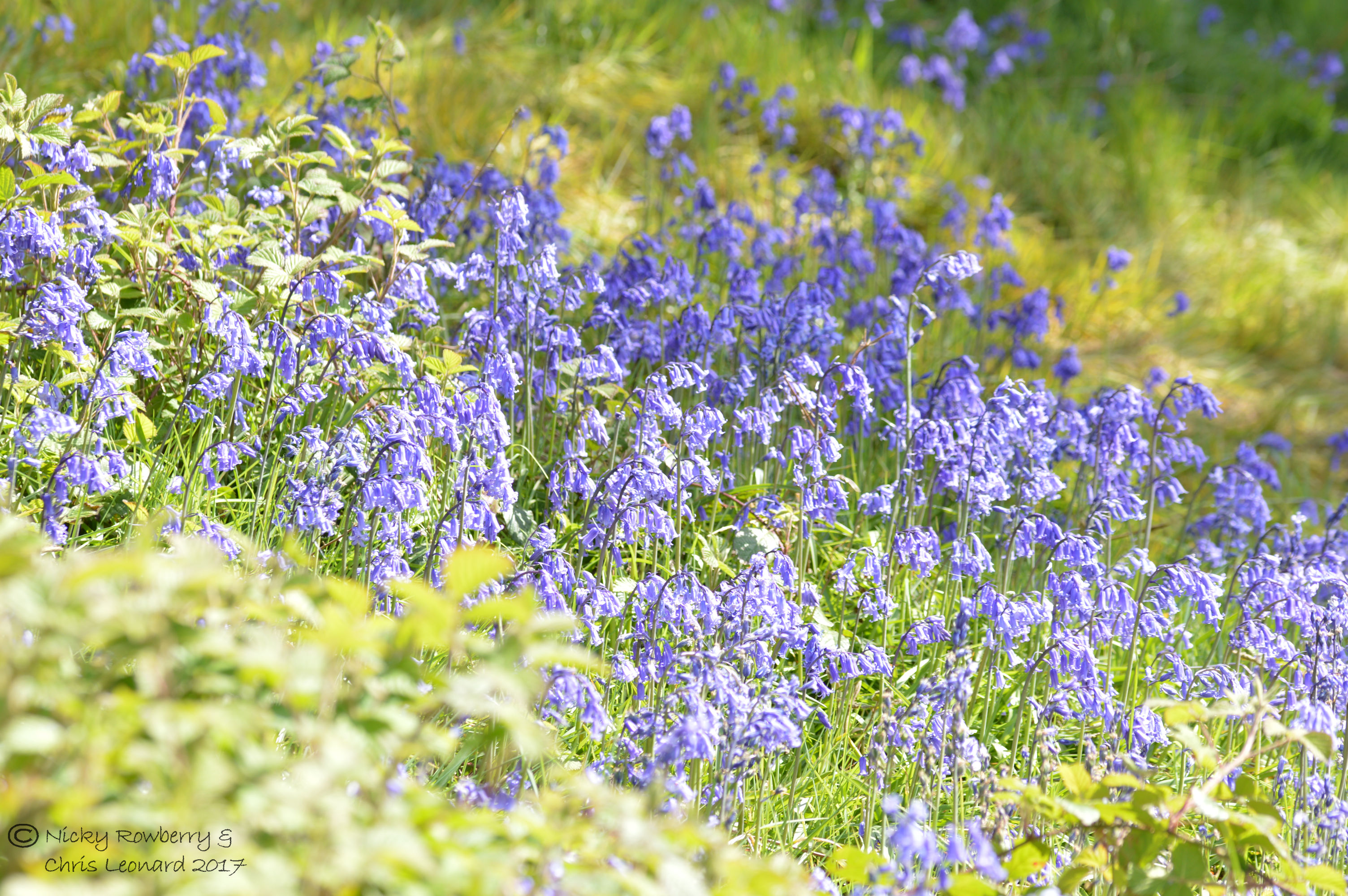
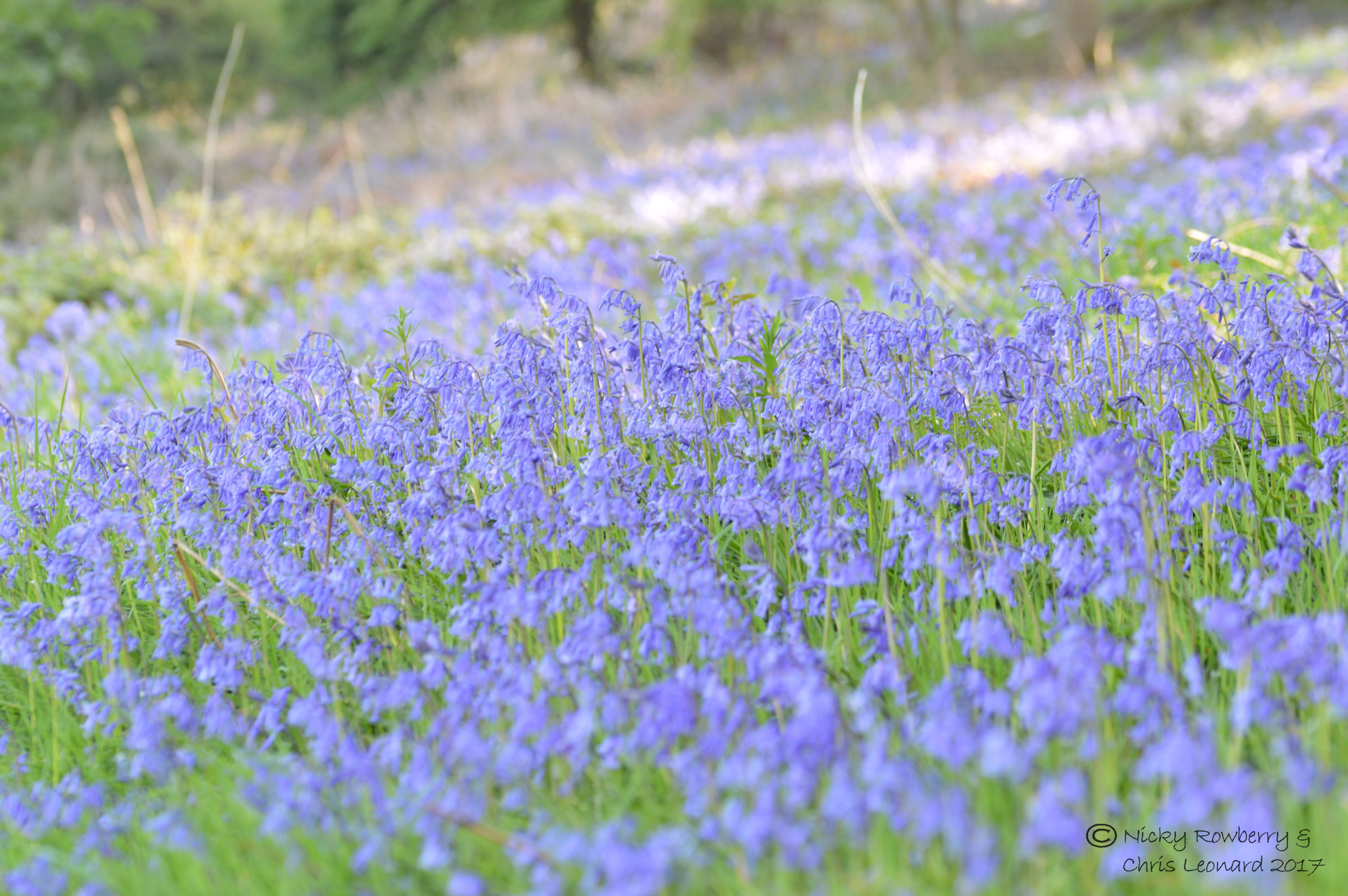
Every May I look forward to the bluebells appearing along Jubilee Drive in Malvern. Actually I start looking forward to them in April and find myself doing drive-bys on the off-chance that they’ve arrived early and the fear that I might miss them. Waiting for the bluebells is like waiting for the first strawberries in the garden or the first Orange Tip butterflies in the hedgerows. They’re all such pure pleasures, nothing showy, no monetary value, no prizes. And none of them ever disappoint, they all just make me happy! So please excuse me gushing over them, they are just so damned lovely.

They have been pretty much at their best over the last few weeks, so my drive-bys have turned to desperate hunts for parking spaces, as I make my now annual attempt to get decent photos of them. They grow in great swathes along Jubilee Drive and you’d think it would be easy to take photos, but somehow the pics never seem to do them justice. I can never seem to capture their full glory. I guess like so many things in nature they are best just witnessed for yourself. I usually give up after a while and just stare at them, enjoying the spectacle and the smell of thousands upon thousands of bluebells.

Inevitably I take hundreds of photos, most of which are rubbish, but here are a selection of some of the slightly better ones. There’s not a lot else I can say, other than if you get the chance to go and see bluebells where you live, then make the most of them before they disappear for another year.

A Grizzly Day Out

Yesterday we went out on our first butterfly bagging expedition of the year – our target the Grizzled Skipper. Using the excellent        Butterflies of the West Midlands book as our guide we headed down to the Doward in South Herefordshire. The woodlands of the Doward are part of an Area of Outstanding Beauty – always a good starting point for any day out!

The butterfly guide book had described the best route to take to see the Grizzled Skippers, start at the main entrance to the White Rocks Nature Reserve. In our usual disorganised way we managed to head off in completely the wrong direction and somehow started at the other entrance. This was no great disaster though as it took us into the woodland which was carpeted with wild garlic (you could smell it in the air) and looked stunning.

Our accidental route also meant that we stumbled across King Arthur’s Cave. The Doward lies on limestone rocks and the cave goes deep inside them (not that we ventured very far ourselves). It has apparently been used by humans since Palaeolithic times, with everything from flint tools to mammoth bones having been found in there.

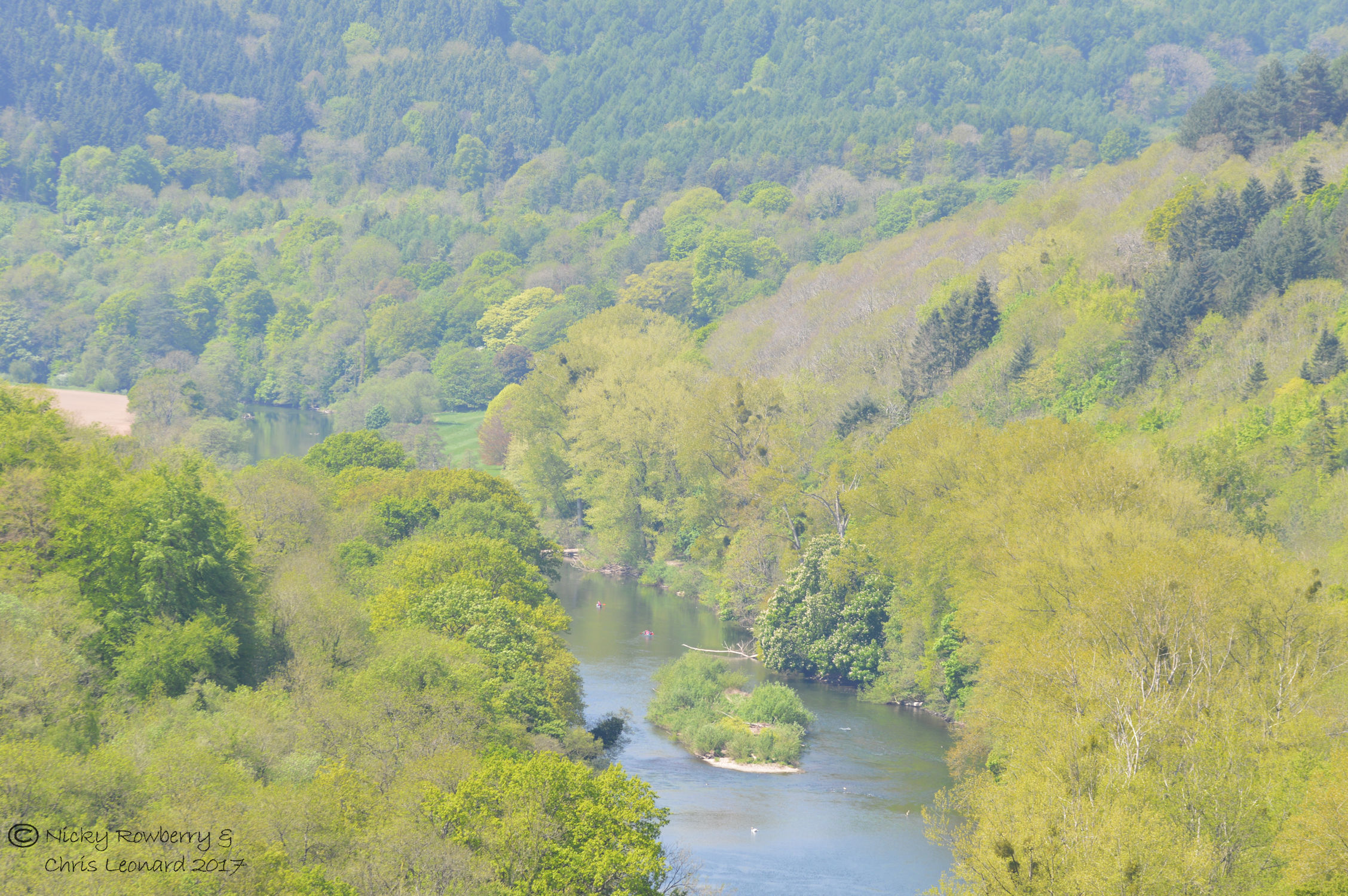
We carried on our erroneous path and came to a stunning view point looking over the River Wye.

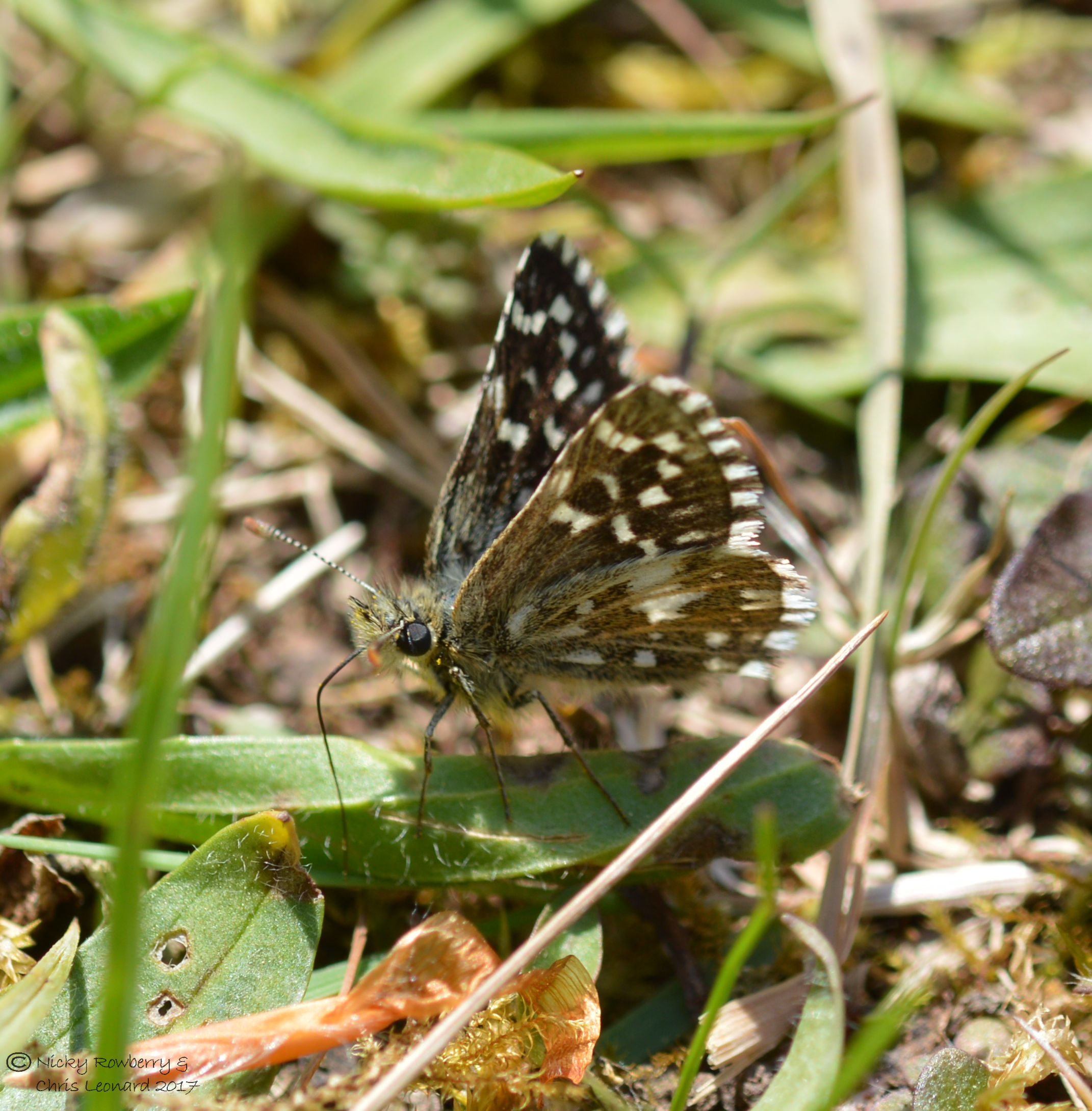
By this time we’d twigged that we were on the wrong path, so tried heading back up hill, stumbling upon a large quarry as we did. It was baking hot in the quarry, so I stayed at the edge. While I loitered by the gate, I spotted what I thought was a small moth darting about.  Closer inspection revealed it was actually a Grizzled Skipper – I’d found one by shear chance after all! I’d never realised that they would be so small, or so fast – it could disappear very quickly.

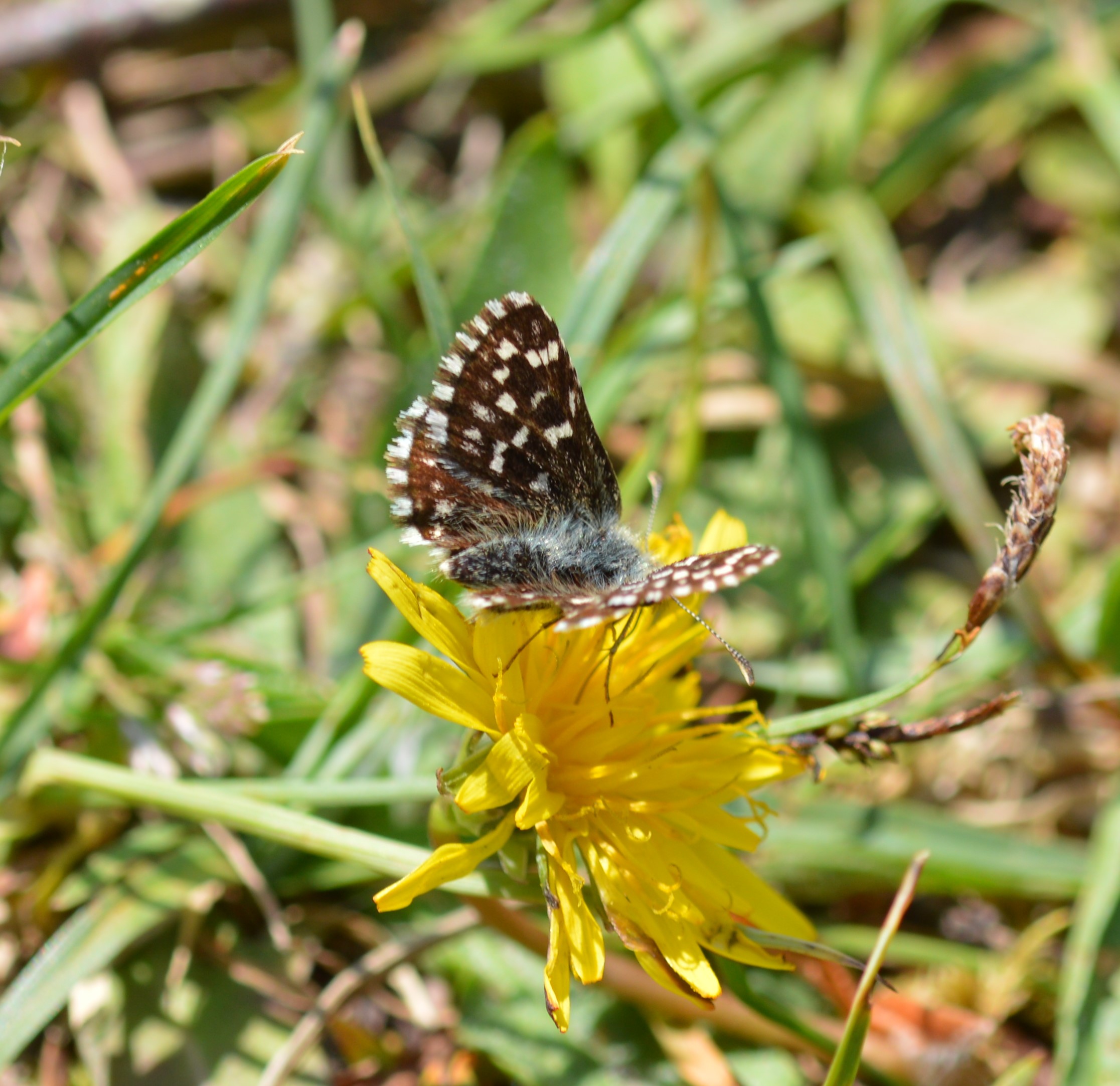
My first ever Grizzled Skipper wasn’t unfortunately a pristine specimen, looking a bit ragged at the edges, but it was what I came looking for, so I took loads of pictures.

He or she looks a bit more respectable from the side as you can’t see the missing bits of wing.

Flushed with success (and the heat of the quarry) I decided to head back to the car and start again on the proper route. Not too surprisingly on the proper route it was a lot easier to spot the skippers. I quickly found about half a dozen flitting around a sparse area of ground. They were so quick though it was difficult to track them – I think these were both of the same slightly slower specimen.

It is still relatively early in the “butterfly season”, but I did spot a few other species around the bluebells – this female orange tip and a large white.

The Grizzled Skipper is a delightful little butterfly, but it unfortunately becoming increasingly rare.  There are not many sites around us where we could have seen them, so we were very lucky to be able to add this species to our butterfly tally. Species number 39, only 20 more to go, but I have the feeling they are going to become increasingly difficult to find!

Hedgehog Awareness Week

Today marks the start of Hedgehog Awareness Week – an annual event focussed on all things hoggy, organised by the British Hedgehog Preservation Society. I’ve been saving up hedgehog related news for a few weeks now, in readiness for Awareness Week and I’ve got a surprising amount to report!

The big news for me personally was that I handed my notice in at my previous job and had planned to have a bit of time off. That was until I spotted an admin job going at the British Hedgehog Preservation Society (BHPS) – it was just too tempting to resist.  I applied and am absolutely thrilled to say I got the job! It’s only 2 days a week which is absolutely perfect for me as it gives me plenty of time to be not weeding the garden! So here is my new place of work:

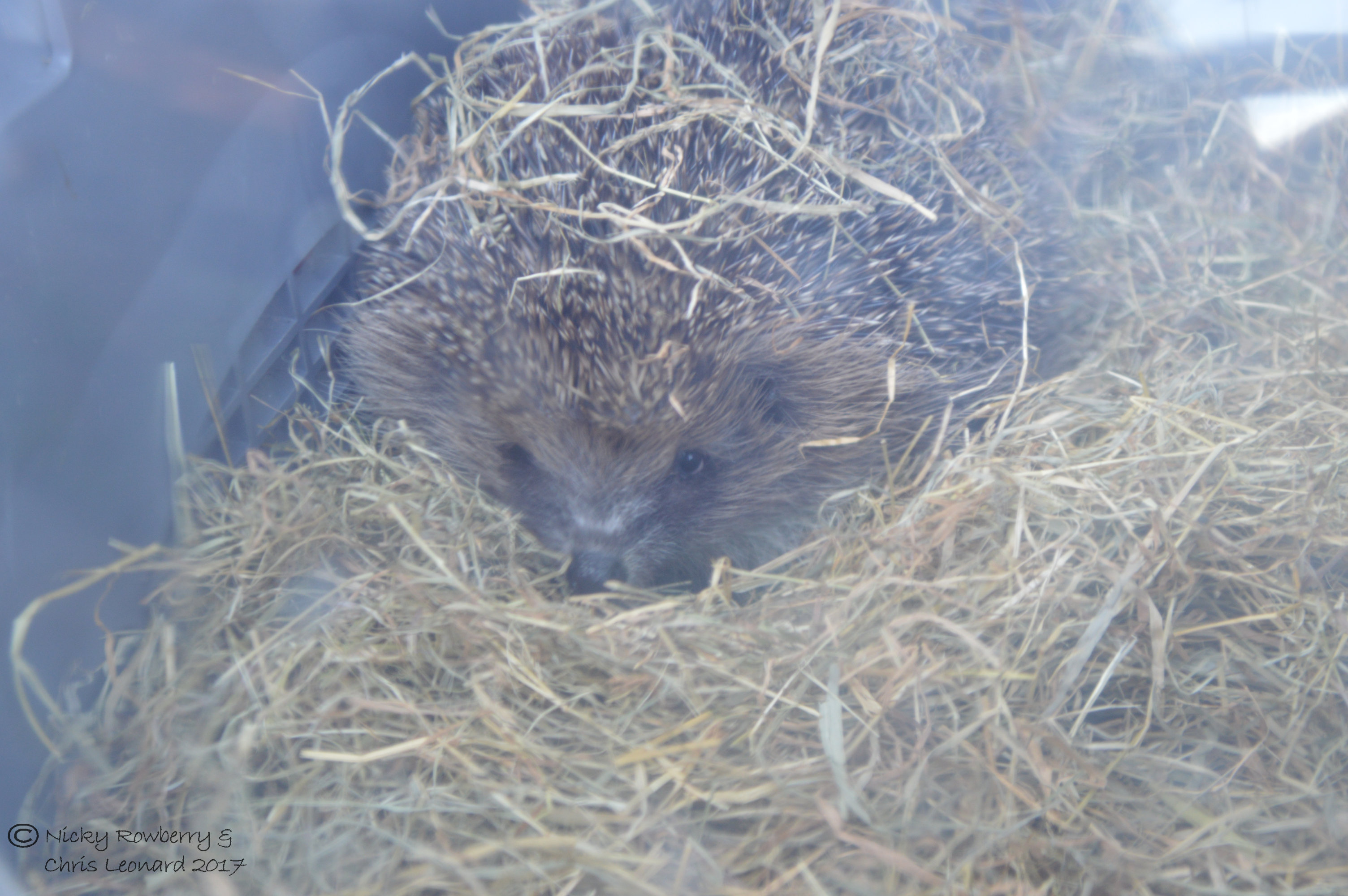
The next big piece of news is that Meadow our foster hedgehog has now been released into the Too Lazy To Weed garden. I took him back to be checked over by Viv at Malvern Hedgehog Rescue before we released him. This is him in the cat basket on the way there.

Viv checked his weight (he’d actually put on a lot of weight as apparently the catfood he’d been on for the last few weeks was a bit rich for him – I’ll know better next time) and then gave the go ahead for him to be released into our garden. He’d been with us since January and in a way I was sorry to see him go, although obviously it was the right thing to do. We waited until dusk, then put the cat basket out under the apple tree where there was plenty of cover for him and just let him come out whenever he was ready. (I was tempted to have the Born Free theme tune playing the background but resisted) This is him emerging from the cat box and taking his first steps in our garden.

I left the trail cam out for the next couple of nights and sure enough he appeared, making a beeline for the food I’d put out. I’m fairly sure it’s him in these next 2 clips as it’s a pretty big hedgehog so I reckon that’s our boy!

Assuming it is him, he seems to be doing well and has obviously found somewhere safe to rest during the day and knows where I put food and water out each night. Live long and prosper Meadow!

I’d been putting the trail camera out in the hope of getting hoggy videos for a few weeks before Meadow’s release. Most of the footage was of course taken in the dark, but I got this one short film of a hedgehog in the very early hours of the morning in daylight (I think the camera’s clock was out by an hour or two though as it wasn’t this light at 04:30am). Hopefully he or she was just getting a last minute snack before hiding away for the day somewhere.

It’s never easy to distinguish the hedgehogs in the garden (apart from Meadow’s currently distinctive chubby form), so it’s difficult to know how many we get. But a lot of trail cam footage shows a pair of hogs, so we know we’ve got at least 2 (3 now with Meadow).

The first time two appeared together it looked like a fight! Don’t know if it was a territorial dispute between 2 males or an overly aggressive male and female, but the one managed to shove the other half way across the lawn.

The following night though there were 2 hogs again. Not so aggressive this time, although the one did seem to be seriously annoying the other. They circled round like this for well over an hour – was it perhaps the start of mating, with the female playing hard to get initially. Have to admire his persistence if it was courtship, although he did seem to get distracted by the food bowl quite often!

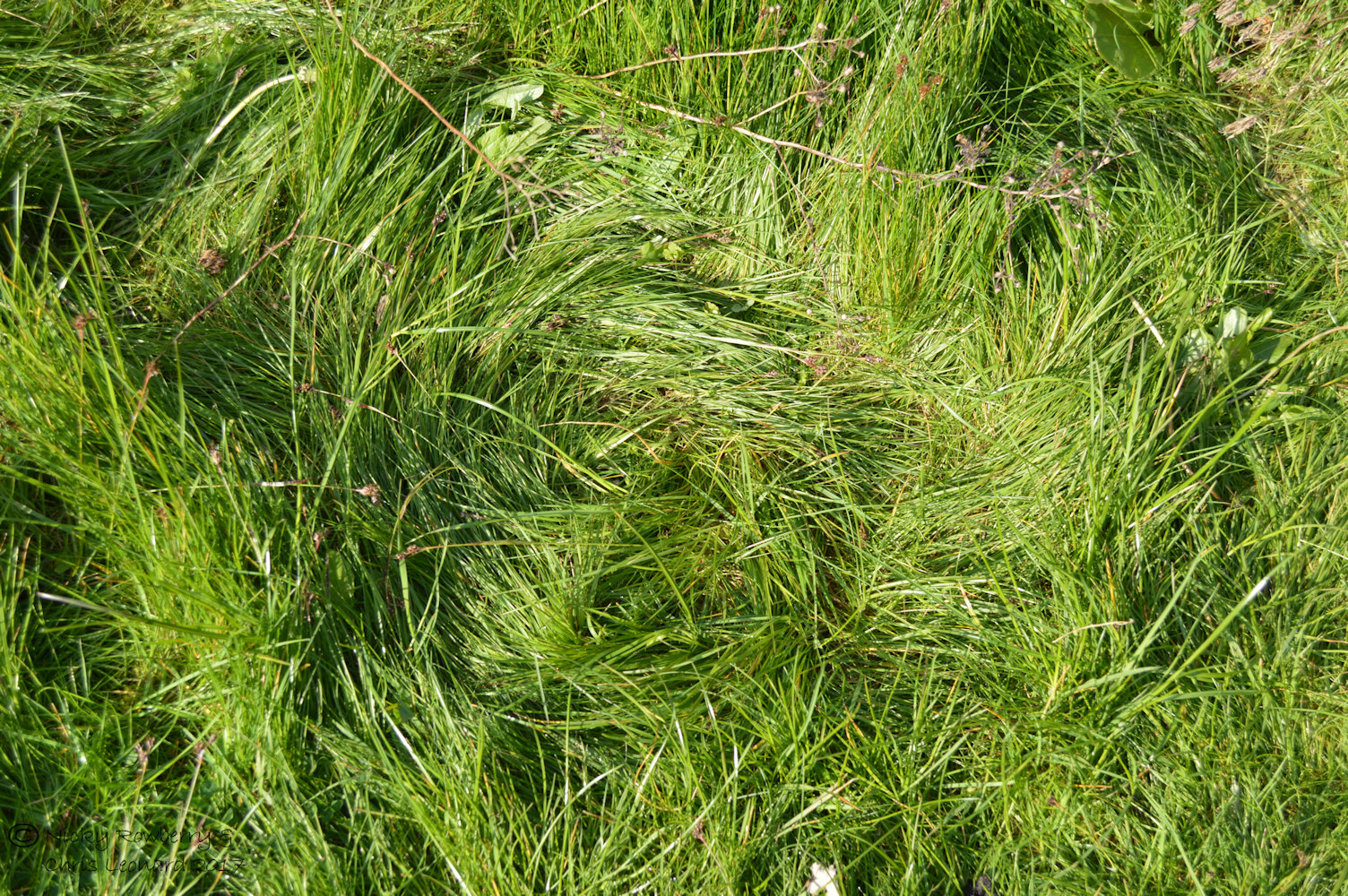
A few days after seeing the possible amorous antics on the trail cam, we spotted several areas of grass, flattened and twisted around – presumably the result of all the circling behaviour. You’ve heard of crop circles, we’ve got hedgehog circles!

So that’s all the news from our garden. If anyone wants to do something extra to support hedgehogs during Awareness Week, there are lots of things that can be done.

To support or encourage hedgehogs into your own garden, you can put out food (never bread or milk) and water. If you have a pond, make sure you install a ramp or some other means for hedgehogs to get out if they fall in. Make sure there are gaps in fences/walls so hedgehogs can come and go between gardens – they roam quite a bit during the night so ideally need a large network of gardens. Be super careful when mowing, particularly with strimmers which can inflict terrible injuries on hedgehogs.

If you don’t have a garden or at least don’t get hedgehogs in it, there are still lots of other ways of supporting them. You could join BHPS – your subscription will help support their work. Or you could simply Text HHOG17 to 70070 to donate £5 to the charity.

There are also hundreds of hedgehog volunteer carers around the country – you could do something to help your local one. Donations of cash or food or other general supplies are always welcome. Our local one is Malvern Hedgehog Rescue and Viv there does amazing work caring for up to 100 rescue hogs at a time. Her website has loads of useful information: http://www.malvernhedgehogrescue.co.uk/

Another great example is Little Silver Hedgehog run by Emma. Not only does she rescue & rehabilitate lots of hedgehogs, her blog https://littlesilverhedgehog.wordpress.com/ is full of useful hoggy advice. In addition she makes beautiful silver jewellery that she sells to raise funds for the hedgehogs – I treated myself to this cute pendant to celebrate getting the job with BHPS.

And finally you could always just tweet or post a message on Facebook (or go old school and talk to people) showing your support for these lovely animals – they need all the help they can get.

Bags of Bees and Blossom

I’ve not managed to blog anything in the last few weeks, but it’s not been for lack of things going on in the garden. Almost the opposite in fact – spring is here and so much wildlife in our garden is stirring, that I can hardly keep up with it!

The apple tree has been in full blossom the last few weeks. 2017 seems to be one of those years where the whole tree turns pinky white with flowers. Comparing this year’s photo (top) with 2016 (below), there is a huge difference in the amount of blossom. It is also in full flower a lot earlier – this year it peaked mid April, last year what little there was peaked in early May. Due to the mild winter or just a natural cycle?

With an apple tree full of blossom, you would of course expect a load of bees. What I hadn’t expected was this Girdle Snail sitting pretty in the middle of it all!

Apart from the stray molluscs though there were indeed plenty of bees. Honey bees were probably the most common. We get lots in the garden, I’d love to know if someone is keeping bees nearby (feel they owe us a pot of honey if they are!)

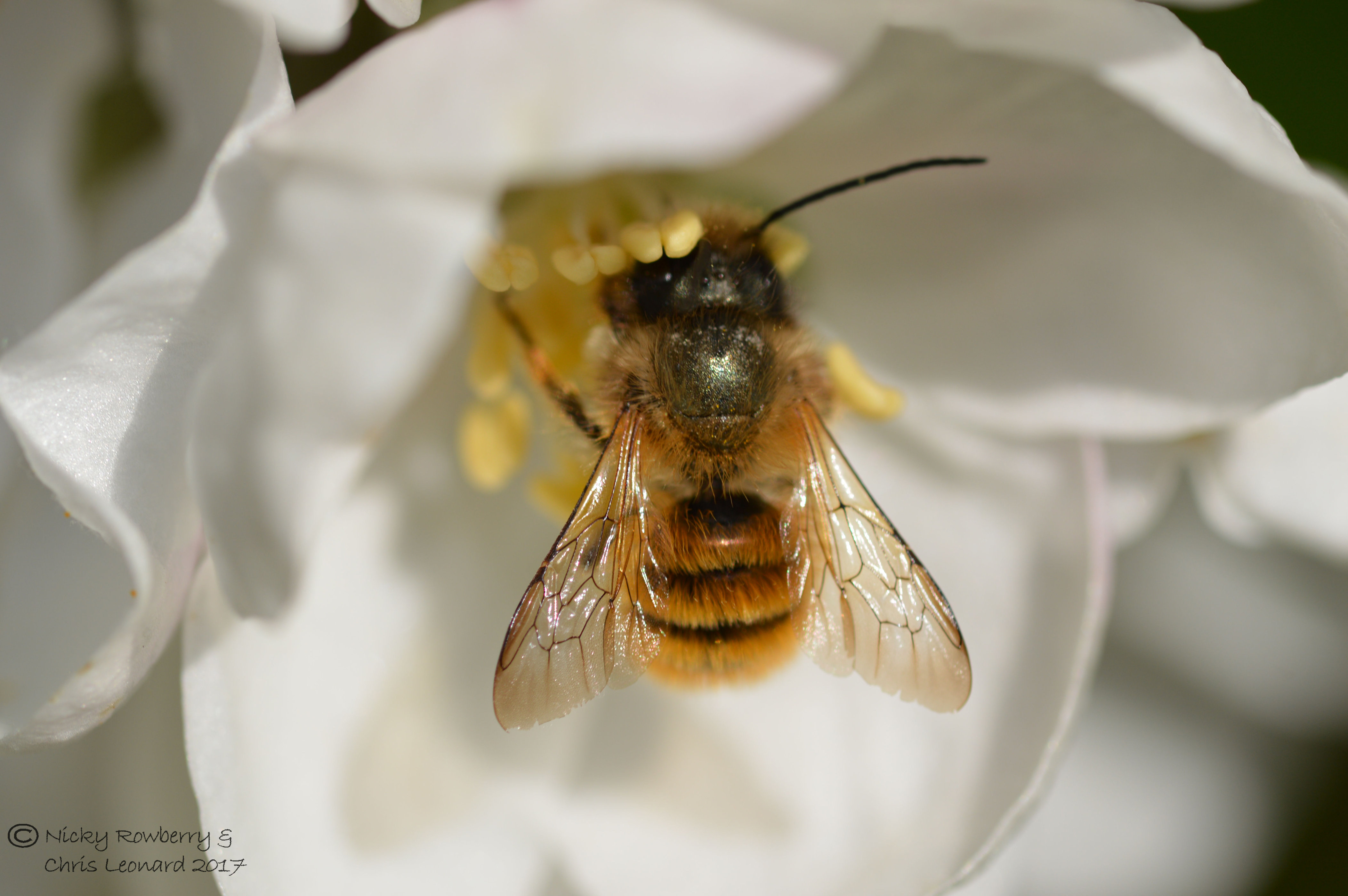
There have also been plenty of these small Red Mason Bees (Osmia bicornis)

and these slightly larger Buff-tailed Bumblebees (Bombus terrestris)

I usually only see these Ashy Mining Bees (Andrena cineraria) flying low around the grass, so it was nice to catch one up in the tree. I’ve got a soft spot for this species – probably because it’s one of only two Andrena species I can identify at a glance with its distinctive black and white colouration.

The other Andrena species I know easily is this female Tawny Mining Bee (Andrena fulva). The females have this amazing bright red bushy appearance. I thought we had them in the garden last year, but never managed a photo to confirm. This year I finally snapped one, which made it the 27th confirmed bee species for the garden (actually now at 28, but more on that in another blog post).

As well as the above, I’ve also spotted Hairy Footed Flower Bees, Red-tailed Bumblebees and at least one other Andrena species making the most of the blossom. The final one that I actually managed to get a (bad) photo of was this Tree Bumblebee (Bombus hypnorum). These relative newcomers to the UK are one of our most frequent and distinctive bumblebees in the garden.

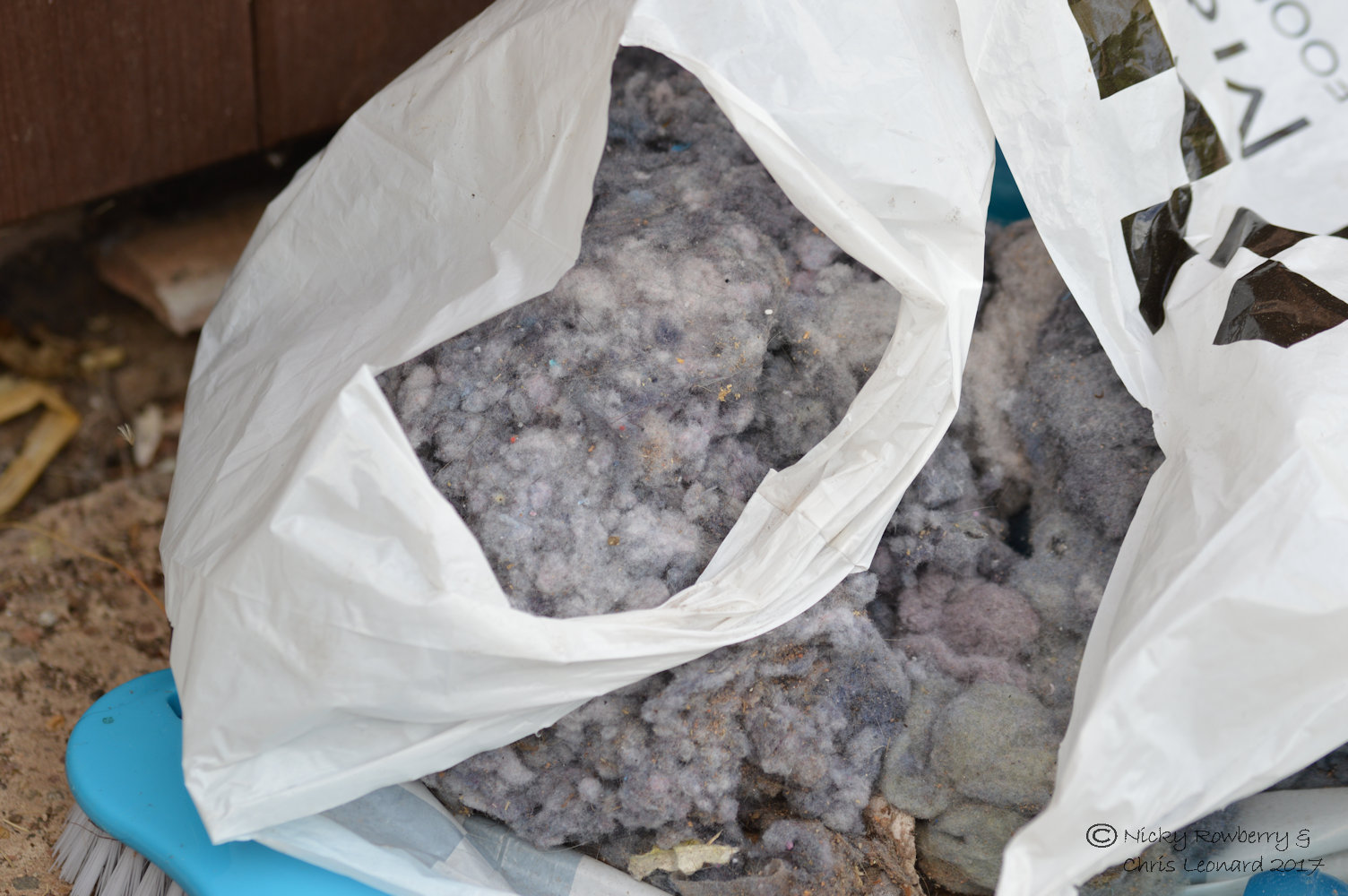
The Tree Bumblebees have also turned up in a most unlikely place this last week. Our next door neighbour was clearing out his garage when he moved a bag of waste fluff from the tumble dryer. Much to his surprise the bag was full of bees! A colony of Tree Bumblebees had decided that a bag of tumble dryer fluff was the perfect place to nest and they weren’t happy at being moved. I offered to take the fluffy bag of bees, but with hindsight I should maybe have thought it through first. I put the bag under a lean-to cover we’ve got, where we sit out if it’s raining.  Unfortunately this is probably where it’s going to have to stay. I can’t leave it out in the open, as the fluff will probably set like cement if it gets wet and I don’t want to entomb the bees in their nest. I also daren’t move it again as it might crush the nest. So we’ll have to share the lean-to with a bag of bees for the summer.

I then spent about an hour yesterday lying flat on the floor trying to get photos of the bees coming and going from the bag. As it happens they seem to be accessing the nest right next to a small smiley face sticker that’s somehow ended up in there amongst the fluff. It makes me smile every time I look at these photos!

The Tree Bumblebees aren’t the only ones to have been popping up in unexpected places. The new nest box that we put up back in January has unfortunately not attracted any nesting birds yet. But I was surprised to spot this large bumblebee bouncing about inside it a few weeks ago. I’d have settled for a bee nest in the absence of a birdy one, but after a few minutes clumsily wandering around, it buzzed off.

So it’s only April and we already have, quite literally, bags of bees in the garden!