Out and About – Grimley Brick and Gravel Pits

The weekend brought some gloriously sunny weather – forget spring, it felt like we had skipped ahead to summer. So we ventured forth, if not very far, to Grimley which is just north of Worcester. Grimley has several old flooded gravel extraction pits, which now form important wildfowl sites for the county. There are 2 main areas – each situated conveniently next to a pub! Unfortunately I didn’t really have the right lens for birdie photos, so the best I could manage was some blurry distance shots for most of the birds I saw.

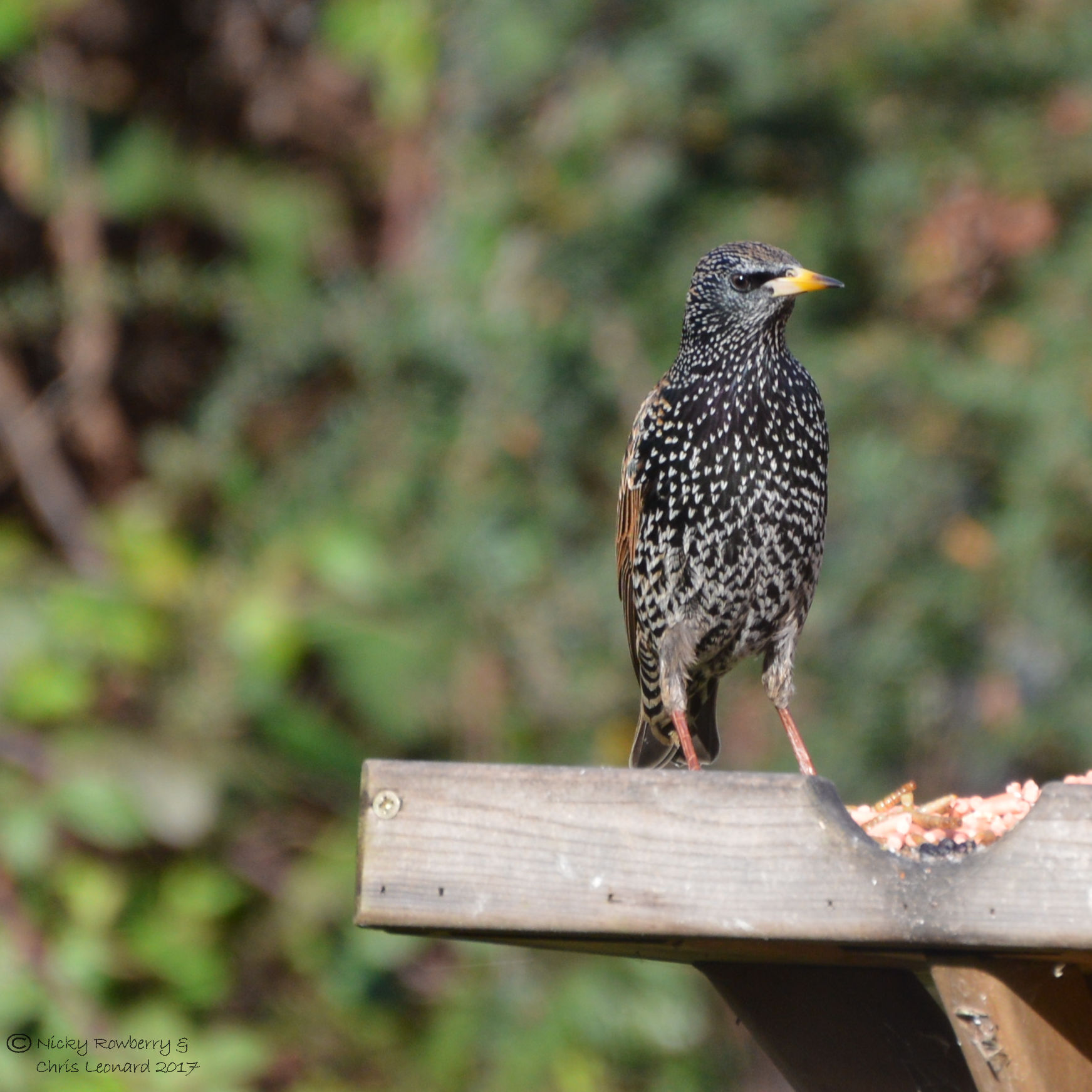
The first pit we went to was off Wagon Wheel Lane. The Worcester Birding twitter feed had been full of news that an American wigeon had been spotted amongst our British wigeons. Having never seen a wigeon of any nationality, I hoped to see some. Having said that, it would probably have helped if I’d googled what a wigeon looked like before setting off! All I really knew was that they were ducks, so I snapped photos of anything vaguely duck like.  Fortunately when I got back and studied the photos, it turned out I had seen some of the British ones, although no sign of the elusive American. So I think this is a female Widgeon, although happy to be corrected.
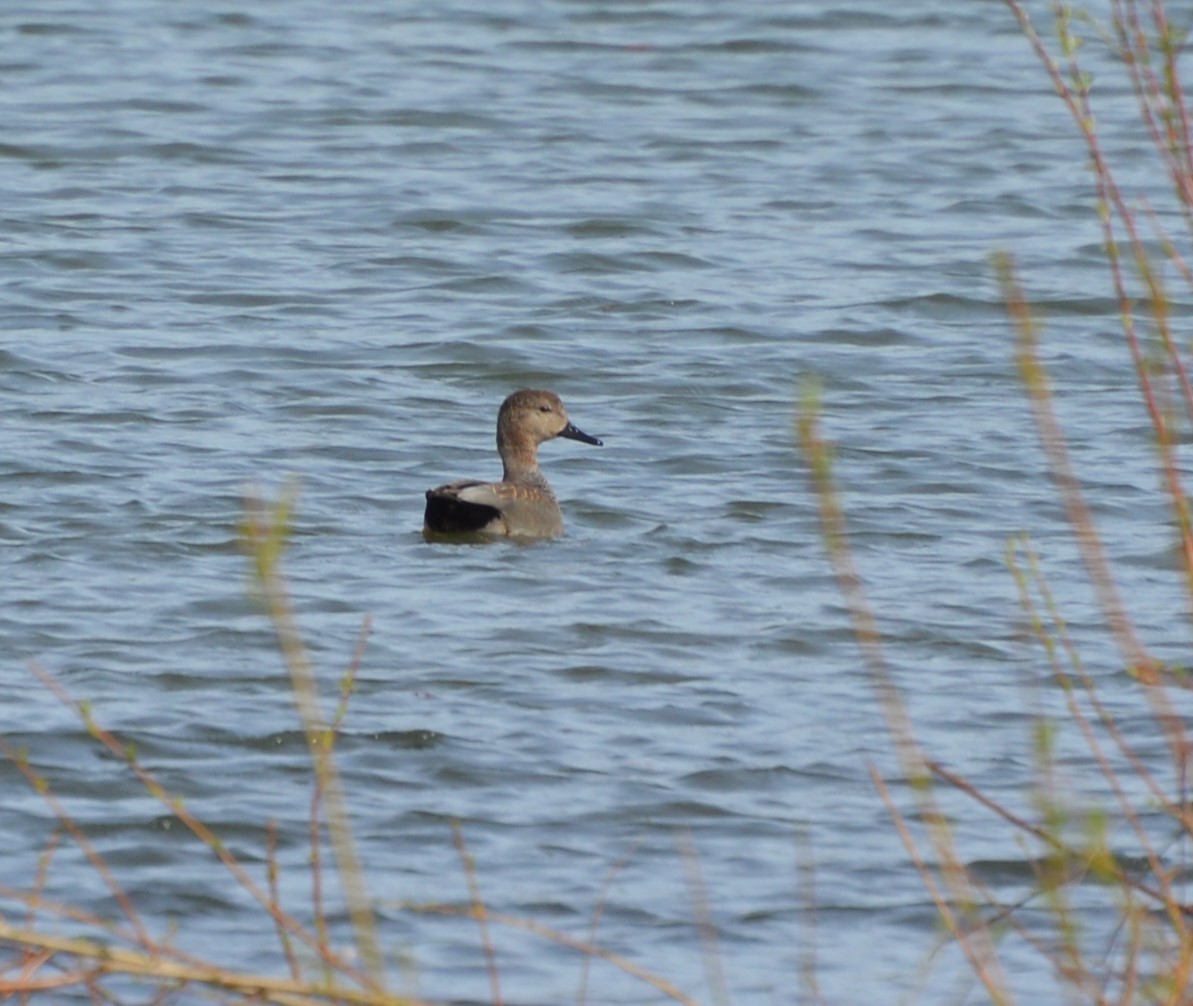
Of course while chasing anything duck like, I inevitably got pics of a few other species. This lucky female Northern Shoveller was accompanied by at least 4 males.

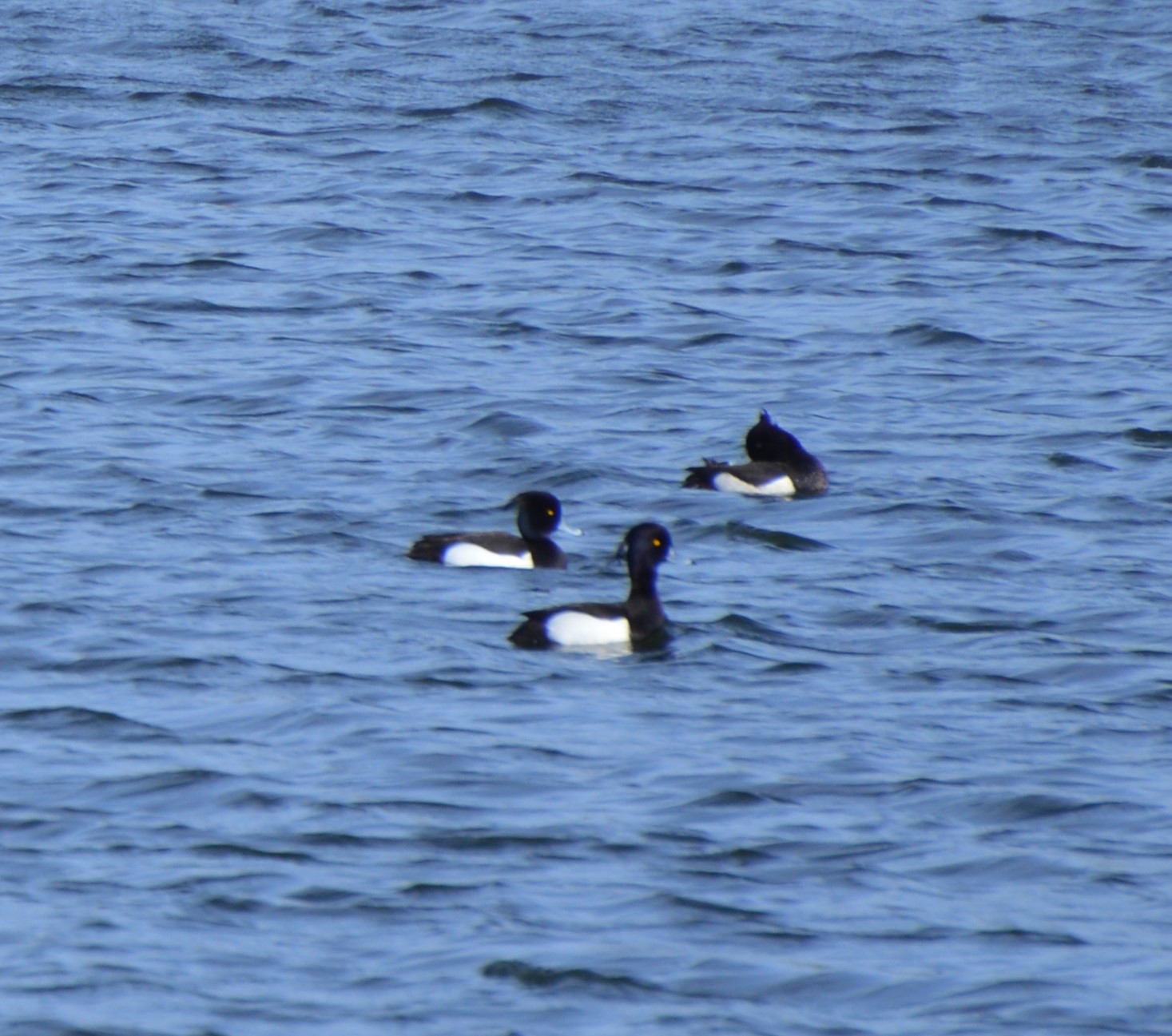
Tufted ducks were bobbing about everywhere. I love the clean lines of the black and white plumage and the bright golden eye of the males.
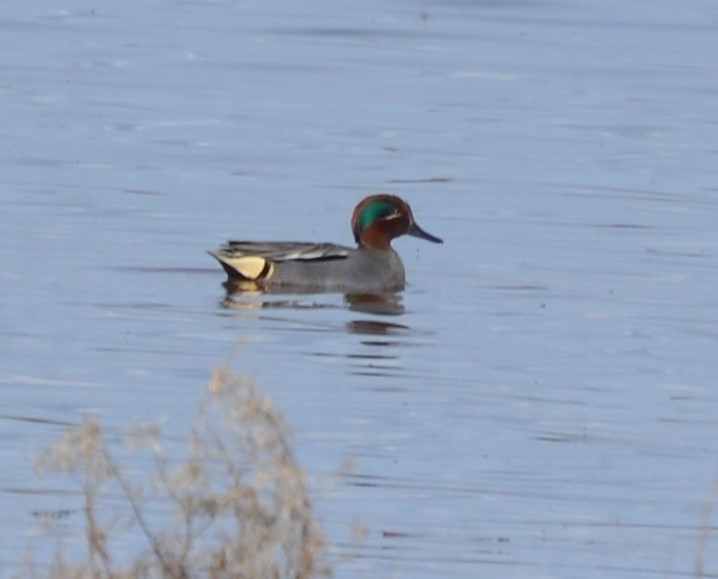
Another species that was new to me was the Common Teal. I didn’t manage to get very close and from a distance I thought initially these were just mallards, until I spotted the creamy yellow rump. From my distant viewpoint it hadn’t been possible to make out the beautiful red and green plumage on the head, but thanks to the power of the zoom on the computer I could appreciate it back home.
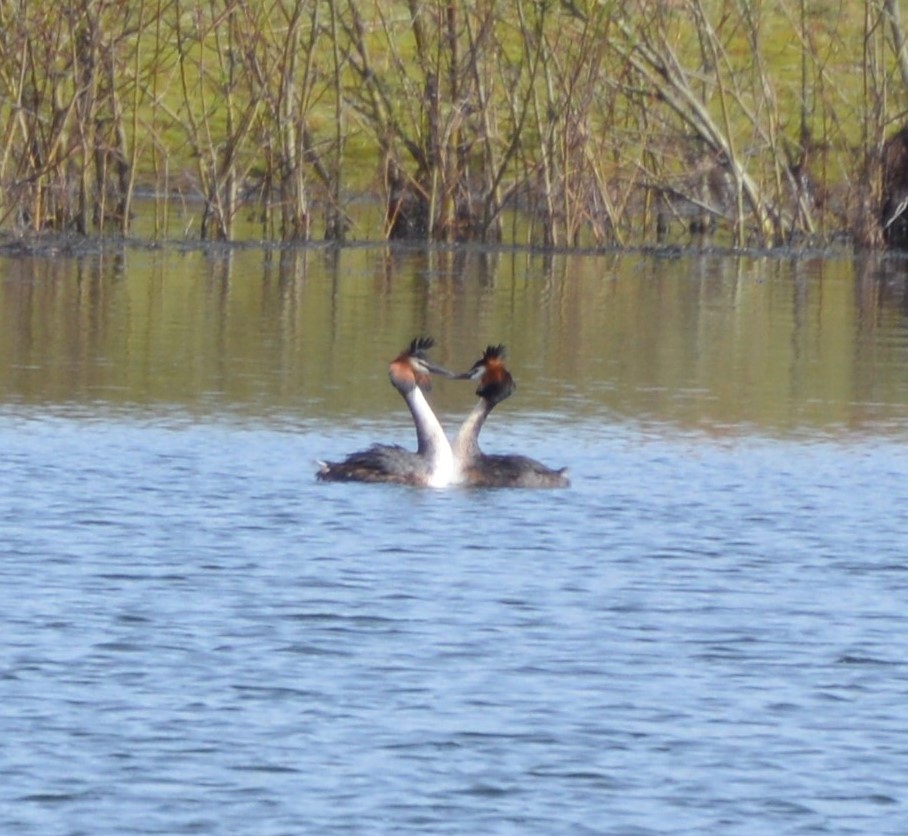
Possibly the stars of the show on this trip were the exotic looking Great Crested Grebes – birds that I’d only ever seen on Springwatch before.  There was a pair doing what looked like a courtship display on the far side of the lake. They bobbed up and down facing each other. If they’d been a bit closer I’d have tried videoing it, but they were just too far away for that.
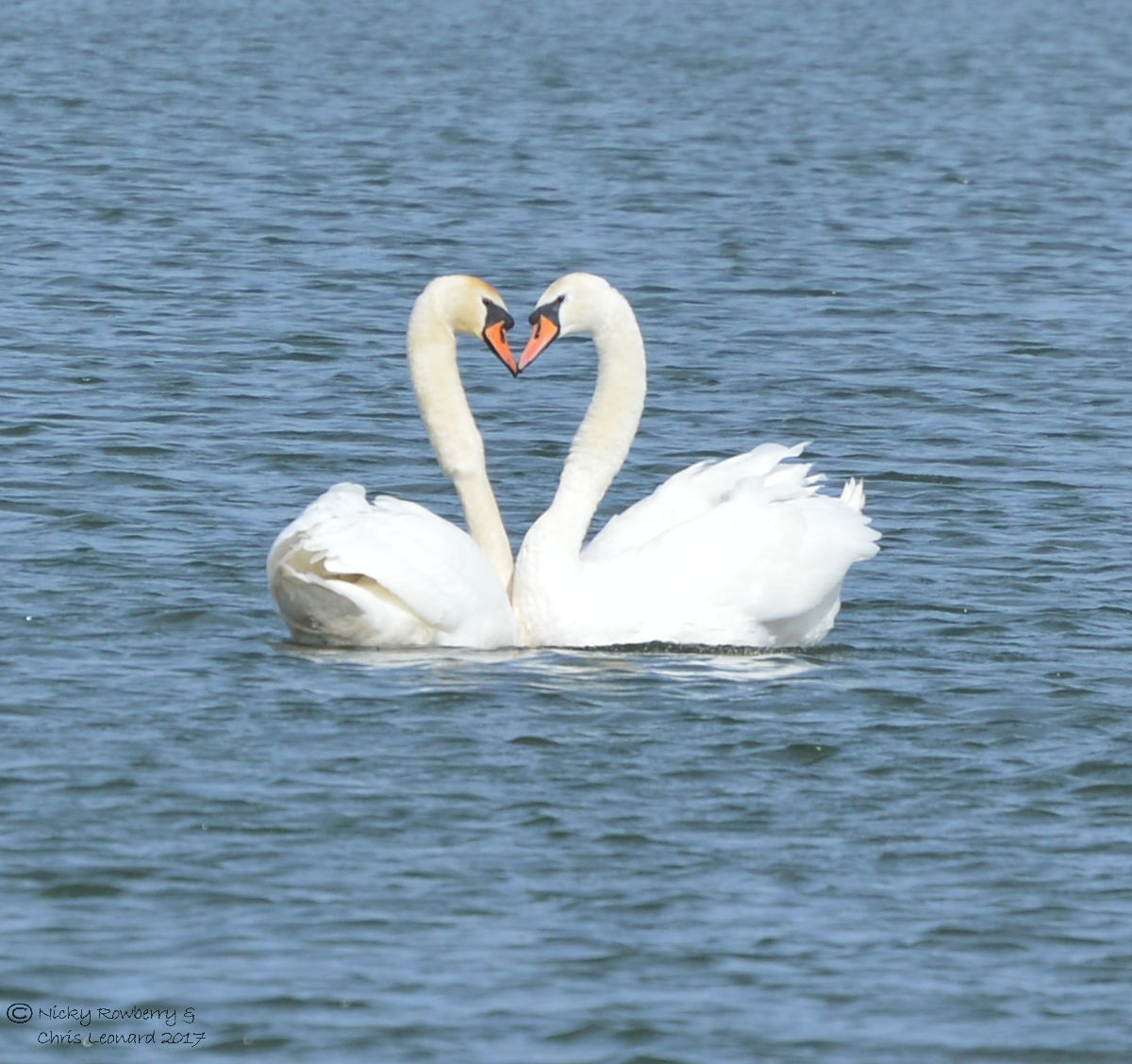
Love seemed to be in the air for a pair of swans too. One was already on the lake when another one landed further away. The first one spotted it and hurtled across the water – I thought at first it was an aggressive or territorial thing, but then they started entwining their necks around each other, so I guess they had other things in mind!
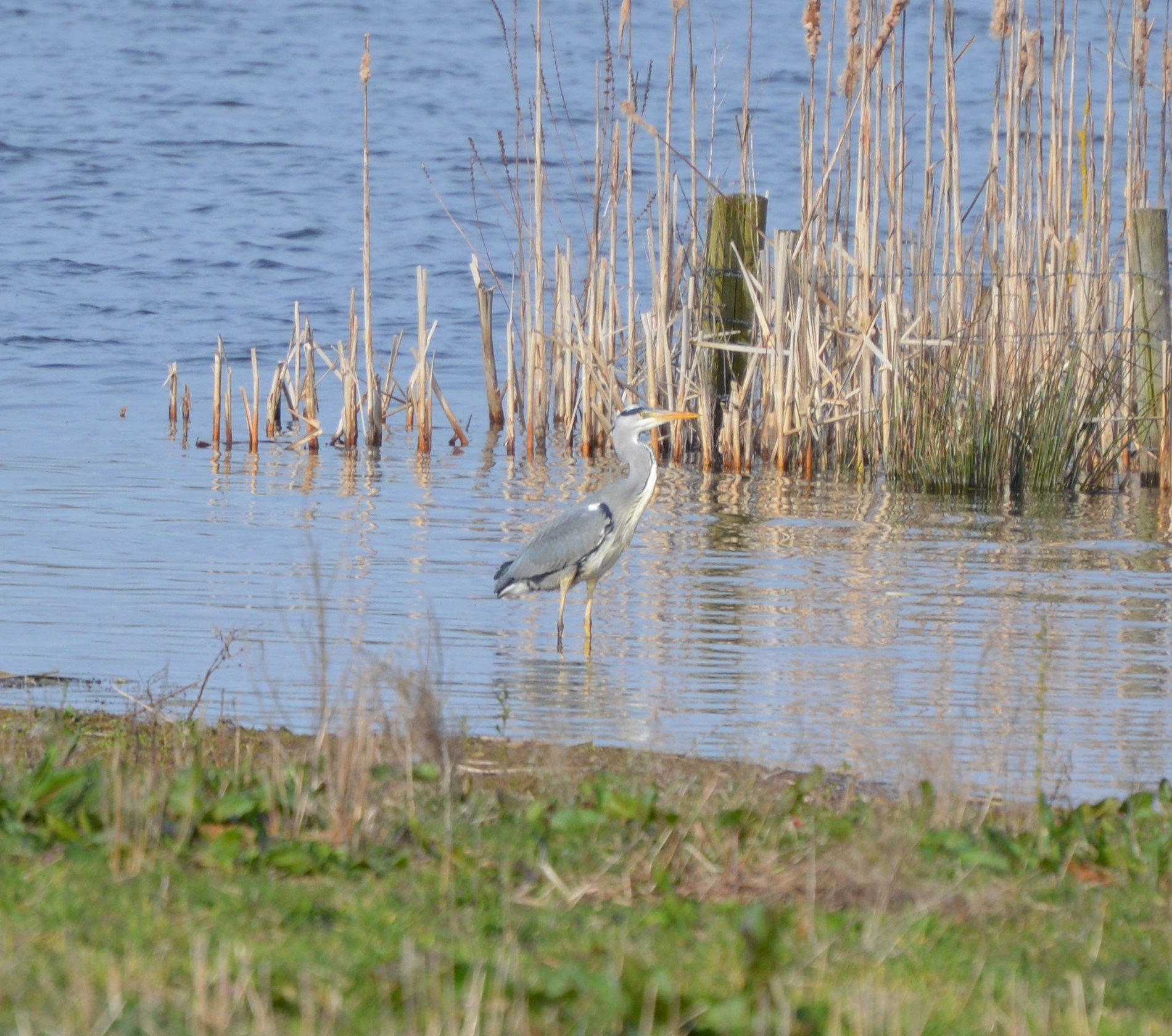
After a short pit stop at the Camp House Inn, I headed to the other set of pits nearby. First sight was this heron – I’d never studied one before and hadn’t realised just how large they were. I tried creeping closer to get a better shot, but as I was going across an open field, he spotted me straight away and flew off when he considered I was too close for comfort.
These lakes were clearly popular with a group of cormorants that were perched on fence posts in the middle and in trees. I still find it hard to get my head round seeing what I think of as sea birds this far in land!

While trying to concentrate on the birds, I kept getting side tracked by the insects. There were quite a few large bumblebees buzzing around and the pussy willow was provided much needed sustenance to several, like this Red Tailed Bumblebee.

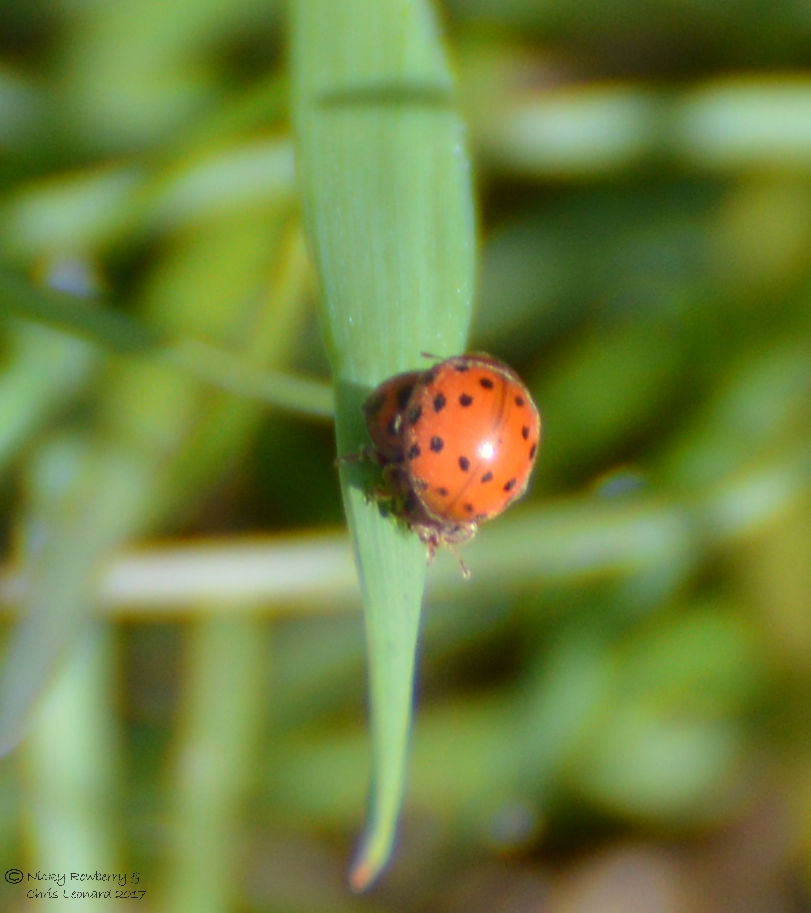
While trying to get a decent photo of a buff tailed bumblebee, I spotted (no pun intended) this pair of 24 spot ladybirds. They were very small and the grass they were on was waving around in the breeze, hence the less than perfect photo. They were slightly less shiny than other ladybirds and look as if they have a fine covering of downy hairs, which would make them the 24 spot ones  – a new one for me.
When I was looking at the red ladybirds above, I hadn’t noticed at the time that there was a pile of creamy coloured ones right next to them. Again they are not perfectly in focus, as I obviously wasn’t focussing on them as I didn’t know they were there! These ones turned out to be 16 spot ladybirds – another new species.

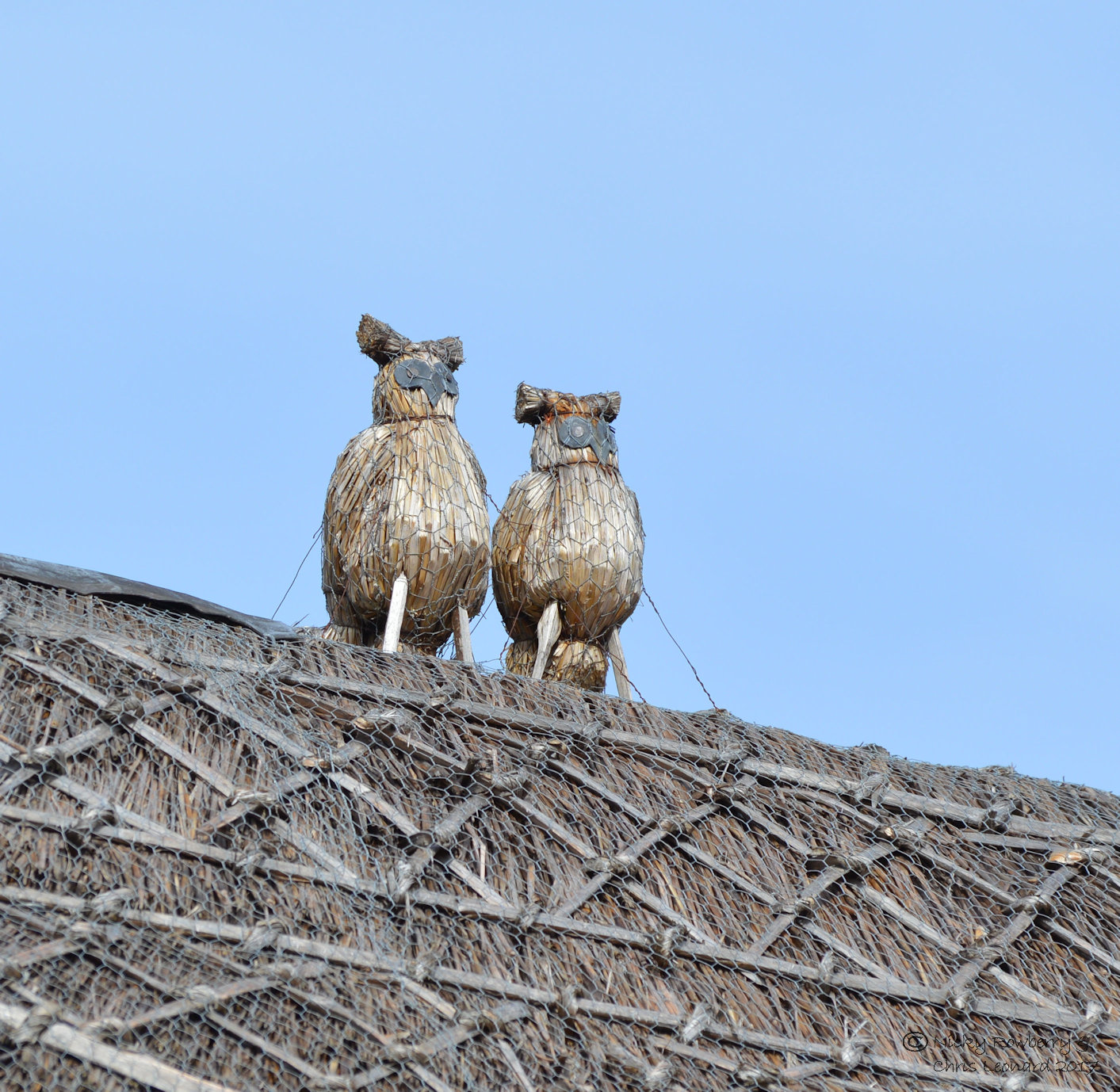
And finally, because I can never resist a comedy photo – here is the very rare 4 winged duck and a rather splendid pair of owls on top of the Wagon Wheel Inn’s thatched roof.

Hedgehog Housekeeping

Just a short post today with an update on our foster hedgehog Meadow. We’ve had him now since early January and I’m very relieved that’s he survived the winter with us! We’ve been weighing him every fortnight and although he’s lost a bit of weight, he is still a very healthy 800g or so – plenty heavy enough to see him through to the spring hopefully.

Since we last weighed him he has become increasingly active and has presumably decided he’s had enough of hibernation. For the first 2 months our care duties had consisted mainly of checking each day that he had fresh water and food, but while he was asleep, there was little else to do.

Now he is an eating and pooping machine! His food bowl is at best empty every morning and at worst he’s pooped in it! The water bowl is regularly slopped about soaking the newspapers and he has generally managed to poop in every corner of the hutch! So every day he needs fresh food, water and newspapers and a general clean of the hutch. We never see him though (apart from when we take him out to weigh), he’s always buried in the hay when we look in.

Invisible he may be, but since he is clearly very active when we’re not around, I had a go with the old trail camera in his hutch.  There’s not much space to position it without disturbing him, but I managed to get it wedged by the roof out of his way and he seemed blissfully unaware of it. The field of view is pretty small since it is so close up, but I got lots of clips of him doing what he’s good at – eating and pooping and rearranging his bedding. He clearly doesn’t approve of my style of housekeeping as he is constantly dragging the hay and/or the newspapers around to where he thinks they should be.

So below are a couple of stills taken from the video showing him a) eating of course and b) dragging the hay around. Then there is a compilation of video clips taken over roughly a 24 hour period. Note his food bowl starts of clean and full of food and ends up empty and covered in poop and hay! But he’s a little character and we will miss him when we eventually get the go ahead for releasing him in the spring.

Out and About – Upton Warren Wetlands

It’s March and I ventured Out and About properly last weekend for the first time this year. I’d joined Worcestershire Wildlife Trust a few months ago and decided to take advantage of this by visiting the Upton Warren Wetland Reserve.  It was so nice to get some fresh air and explore somewhere new. The reserve has a mixture of freshwater and saline pools (the result of previous brine extraction work), which attract a wide variety of birds. The reserve is pretty big, so I only managed to do about half of it on this first visit. It’s a fantastic site though, so I will definitely be back soon to try out the other half.

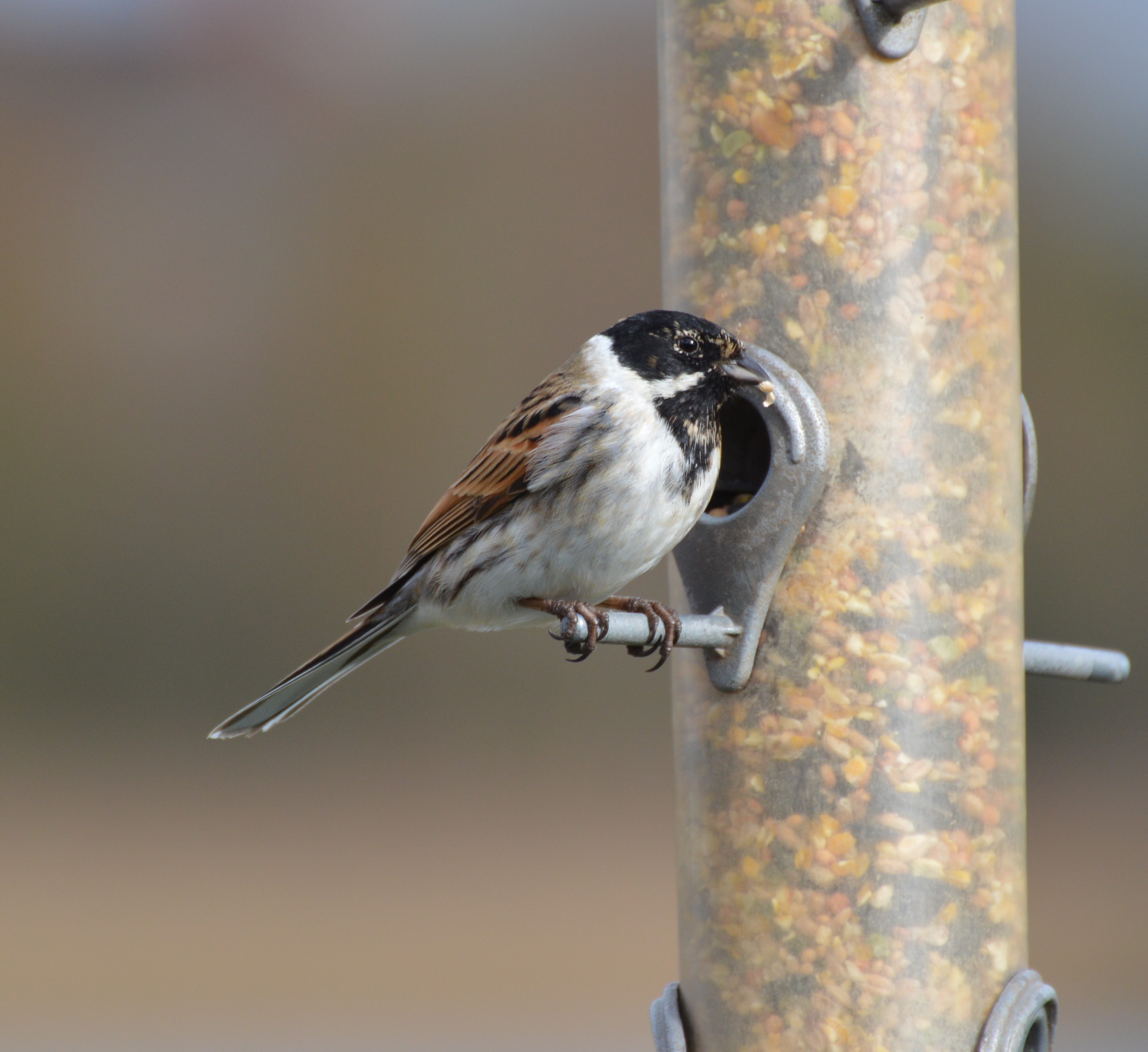
At the first hide, the Trust people had hung out a few bird feeders and I noticed a lot of small brownish birds that looked a bit like sparrows. Being a novice, I had to ask the helpful gentleman who was in the hide with me what they were – I was a bit worried he might just say that they were sparrows, then I really would look clueless, but fortunately it turned out they were reed buntings. I had sort of expected reed buntings to hang about in the reeds and be difficult to see, but I guess why would they do that when there were easy pickings from a feeder?  Top one here is a male and the bottom is the female (at least I think it is, unless it turns out to be an embarrassing sparrow).
reed-bunting-female

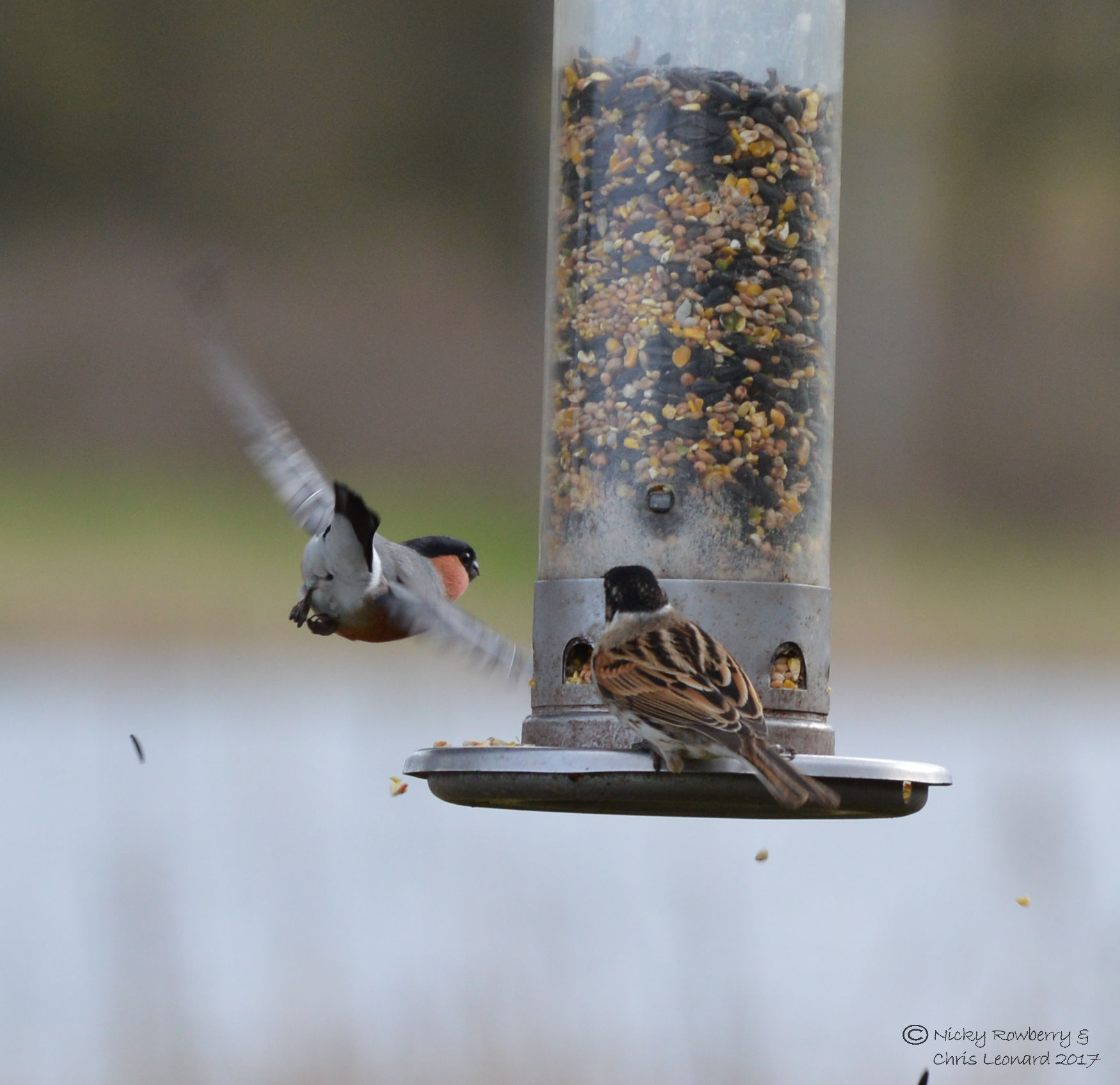
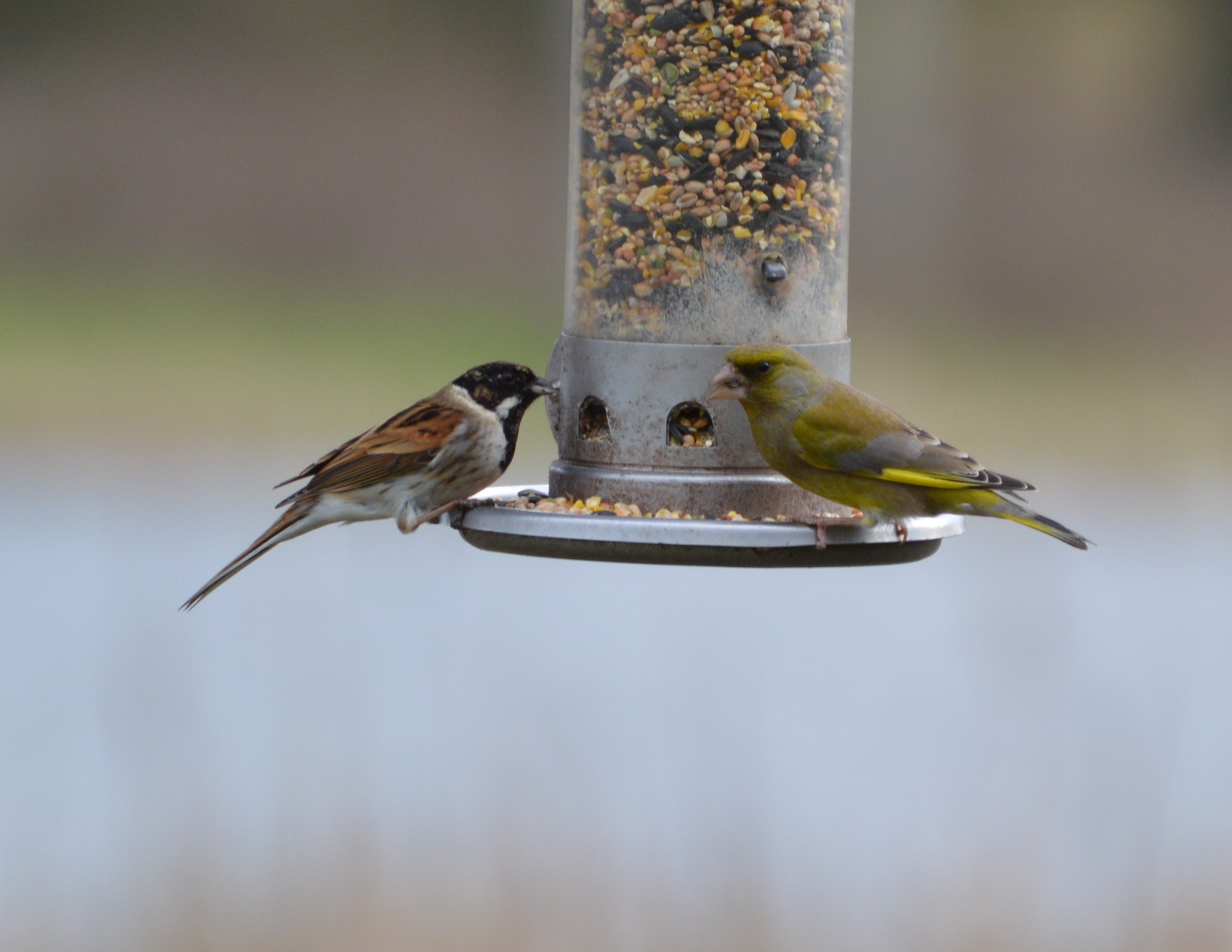
The reed buntings weren’t the only ones using the bird feeders; they had stiff competition from the bullfinches in particular, who in turn had to contend with the greenfinches.

bullfinch-bunting-2

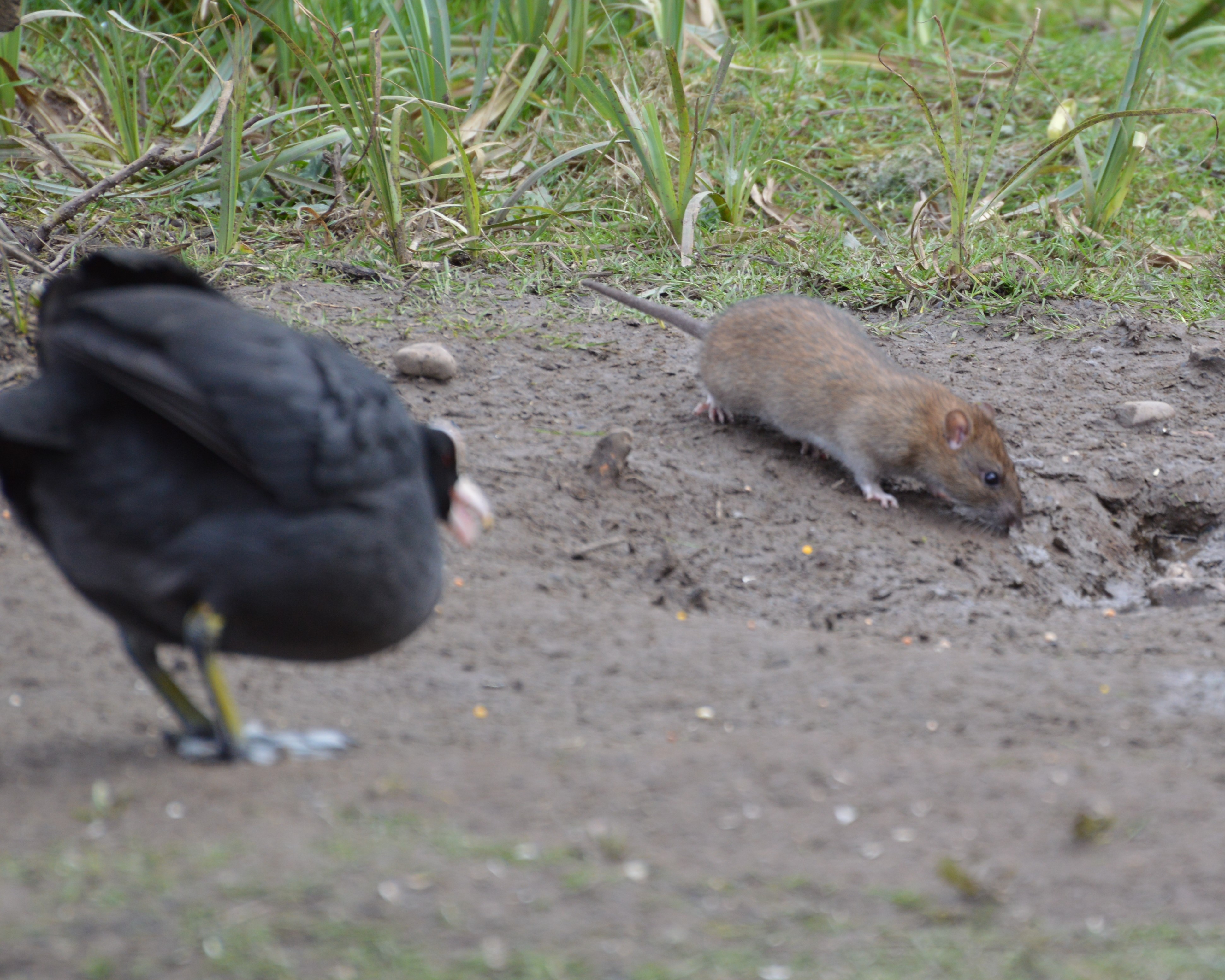
All the dropped seed of course attracted the inevitable rats, including this particularly bold one. Not the most welcome visitor to a bird reserve, but it was interesting to see a rat that close up in broad daylight – a first for me.

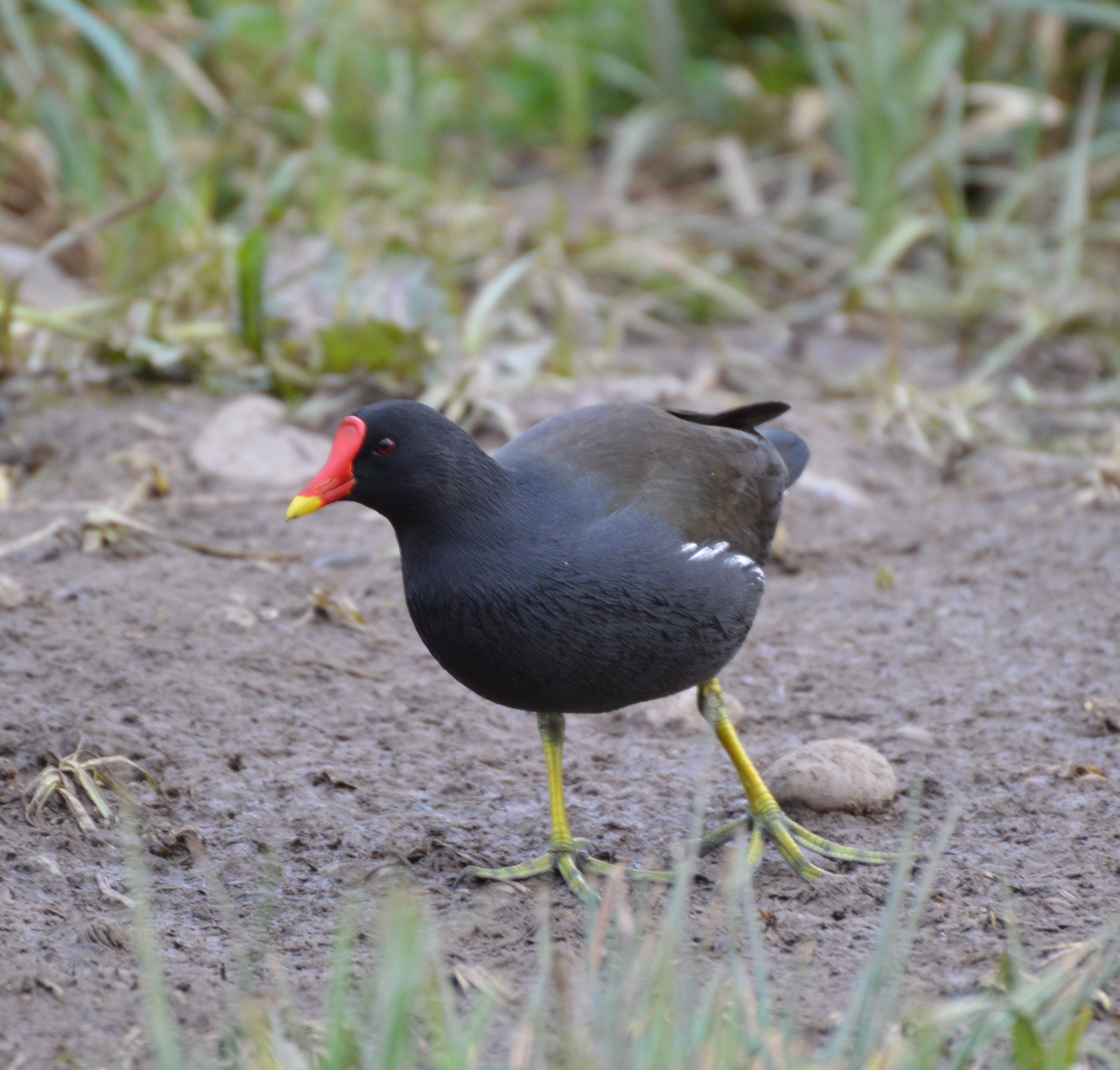
A portly looking moorhen was lazily scanning around for bird seed, while a coot cruised the nearby inlet.

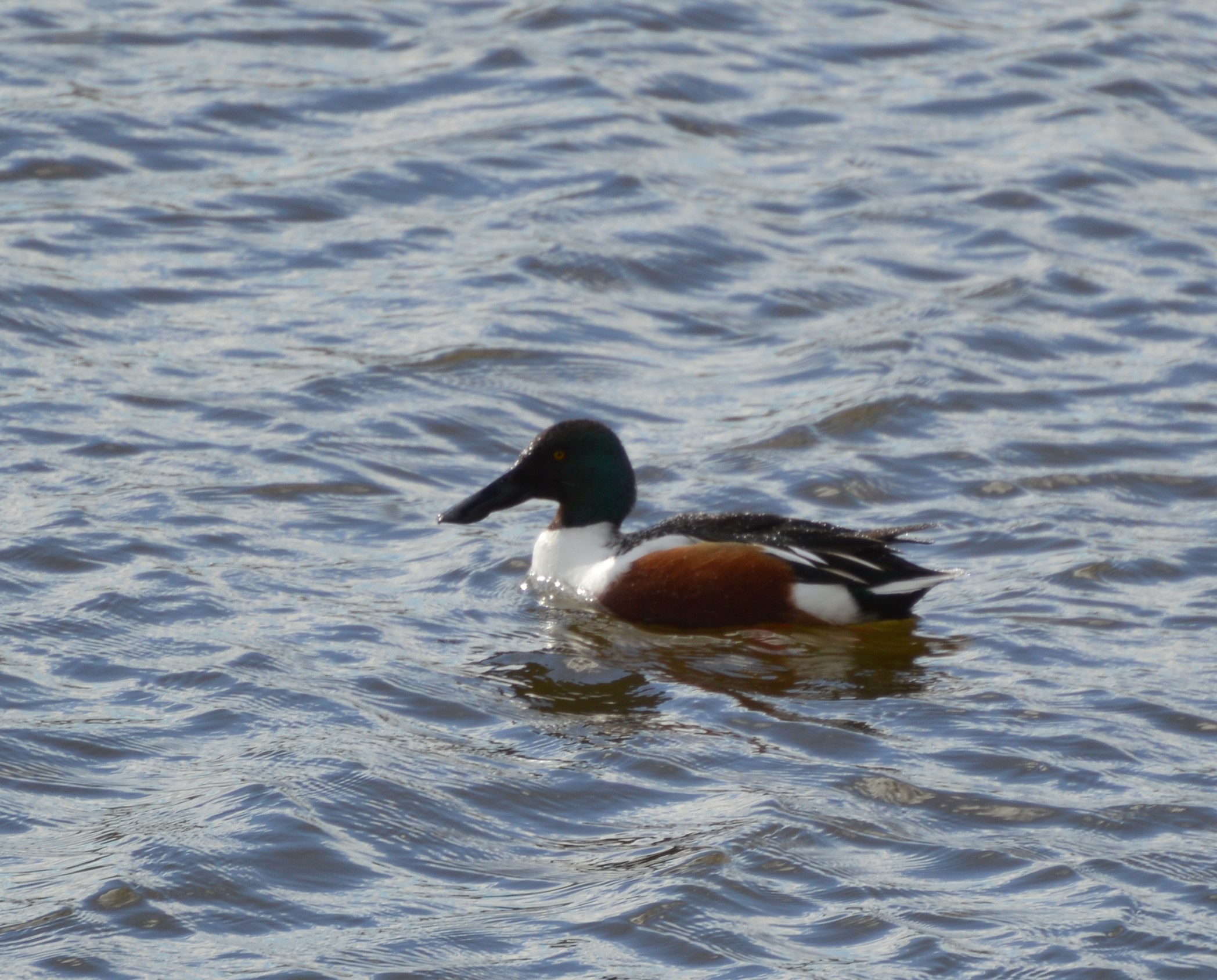
There were quite a few regular mallards about, but then a duck appeared that looked a bit different. Umpteen blurry photos later, I finally got one good enough to identify it as a Shoveler Duck. Turns out they are fairly common, but it was new to me.

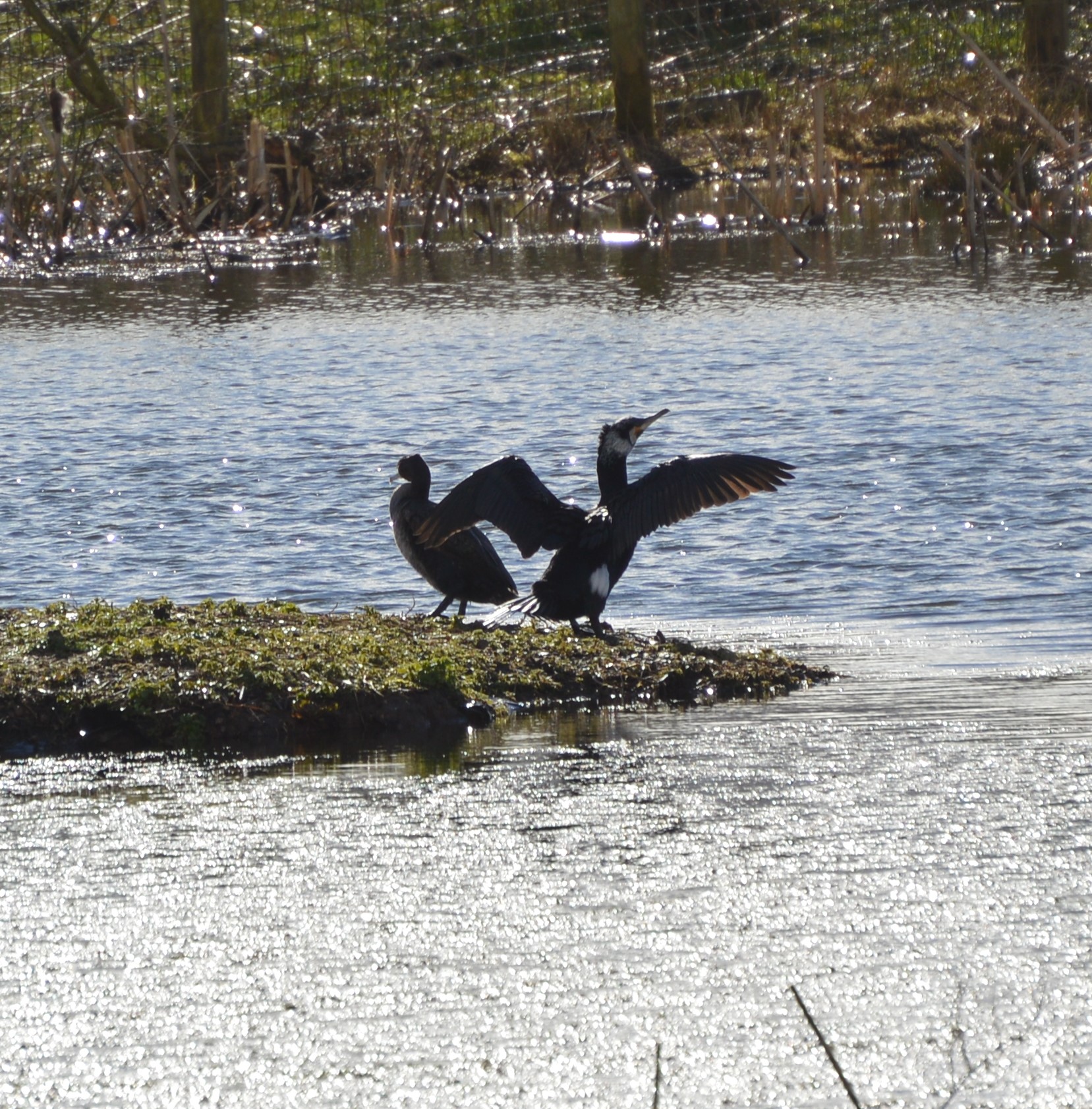
There were a few cormorants about – weird looking birds. Even the RSPSB website describes them as reptilian looking, which seems a tad unkind!

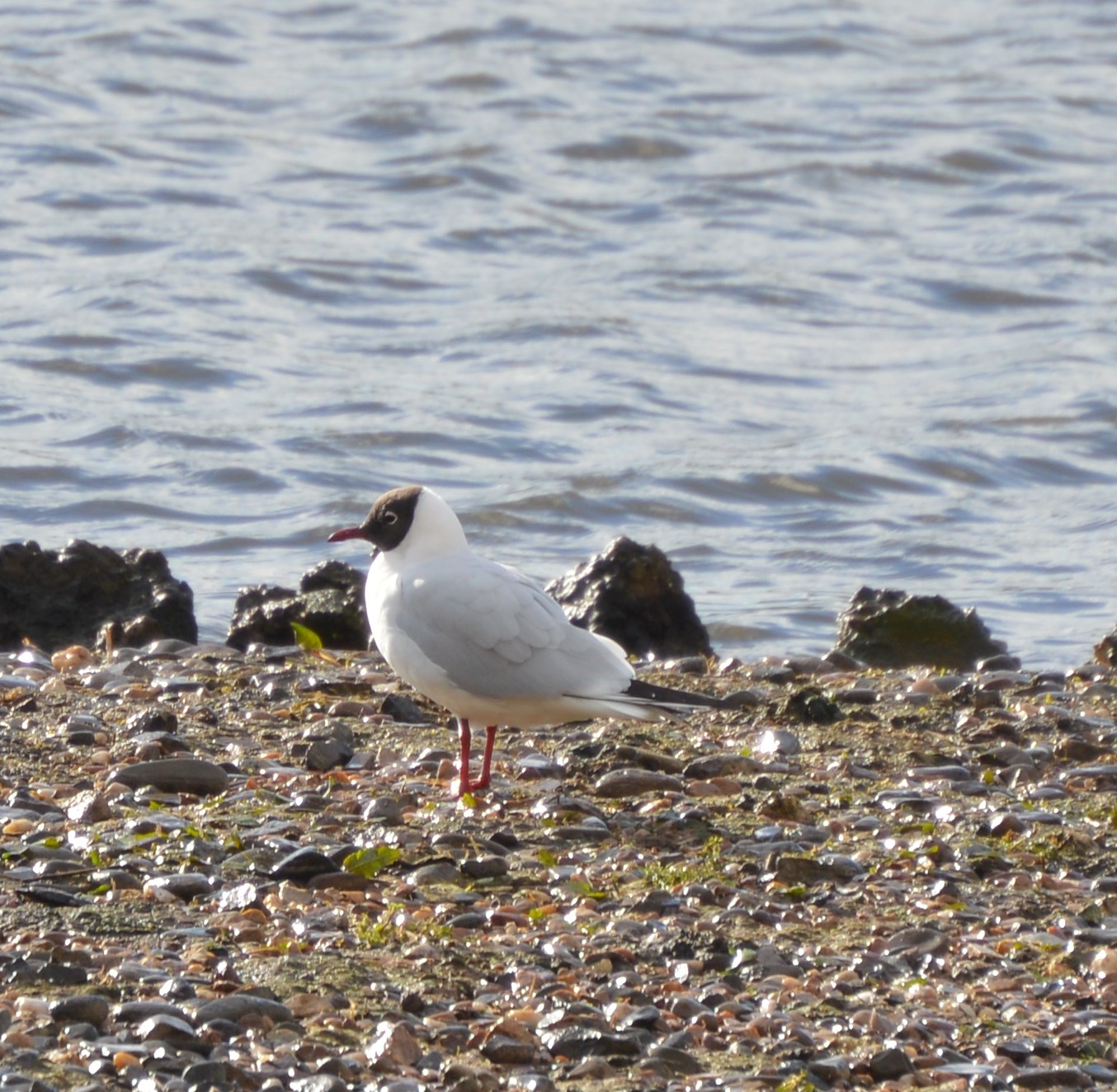
By far the most common birds I saw were these black-headed gulls, this one in his winter plumage still.

One species I was really pleased to see was the lapwing. I’d only ever seen these on TV (Springwatch most likely) and they are such characterful looking birds, I was really chuffed to find a small flock of them. They were a bit far away to get really good photos, although when they all took off I got a slightly better view.

Having lived by the coast for many years, one bird I was familiar with was the oystercatcher – never imagined I’d see them in the middle of Worcestershire though! I heard them at Upton before I saw them – that distinctive, fairly shrill call. A pair landed on a small island in front of me, easily recognisable with their bright red beaks and legs (I do like an obvious bird!) Again they were a bit far away to get really good photos.

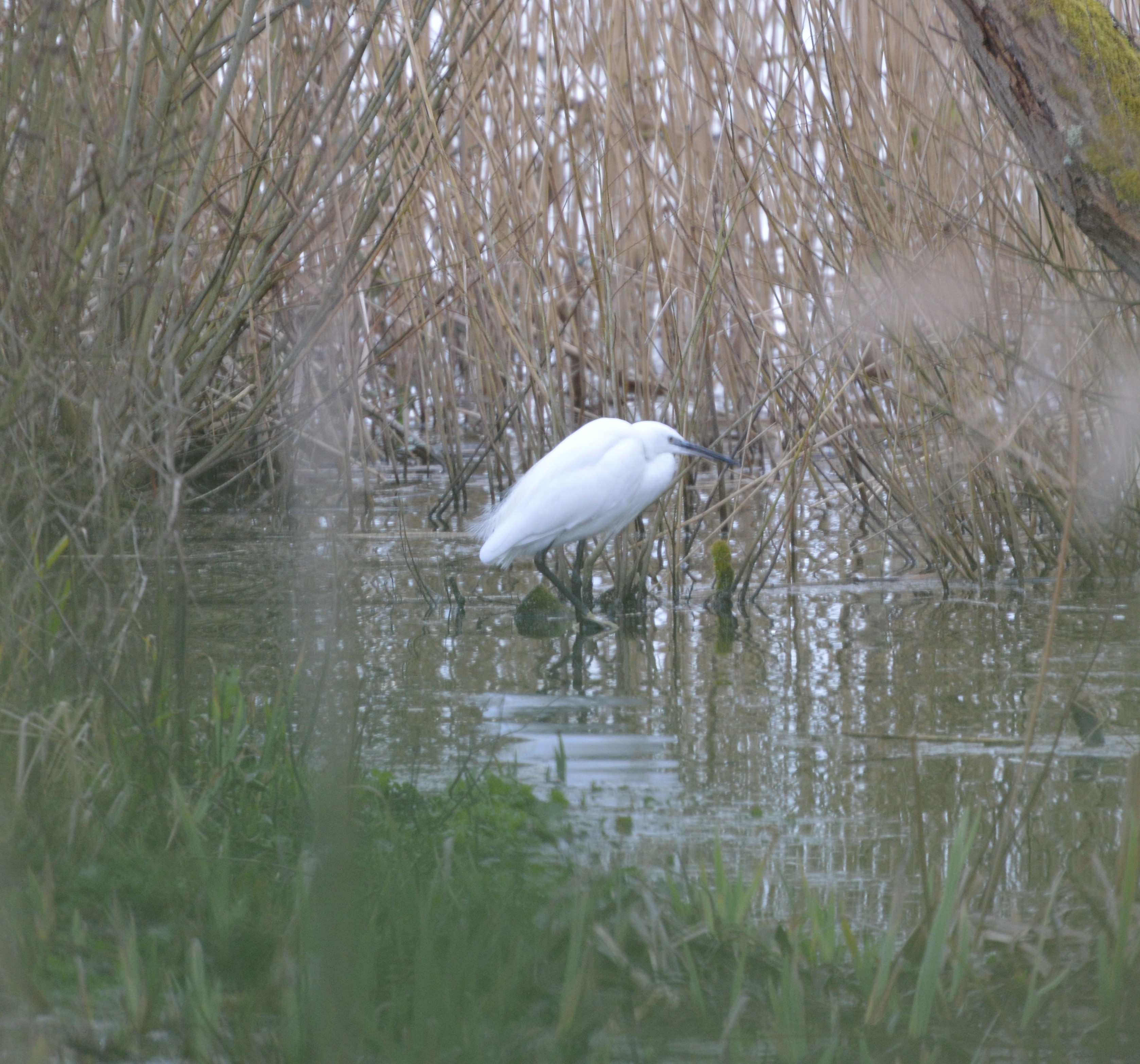
Without doubt the most beautiful bird we saw was this Little Egret,  spotted as I walked between hides. Almost ethereal with its pure white plumage, I watched it for a few minutes before it disappeared into the reeds.

All in all a great afternoon and although I was only there for a few hours, I still clocked up 18 species of bird, several of which were completely new to me. I heard another birdwatcher commenting that there was “nothing much showing” – he was no doubt much more experienced than I was and probably hoping for something unusual. Sometimes it’s good to be a novice, as I was absolutely delighted with everything I saw – lots of the birds were new to me, so it was all exciting and I was happy just watching what was there. For me there was plenty showing.

Patio Patch

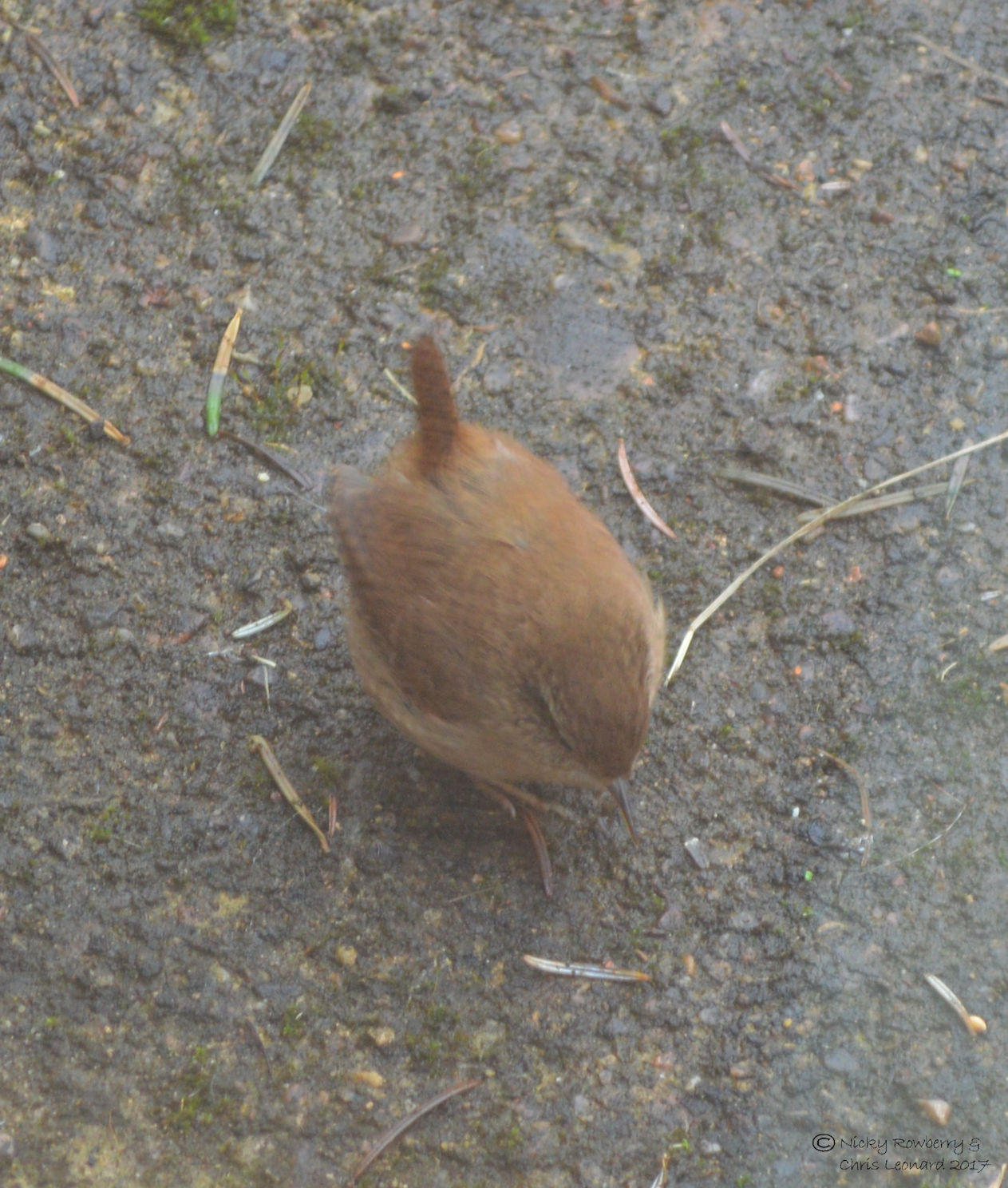
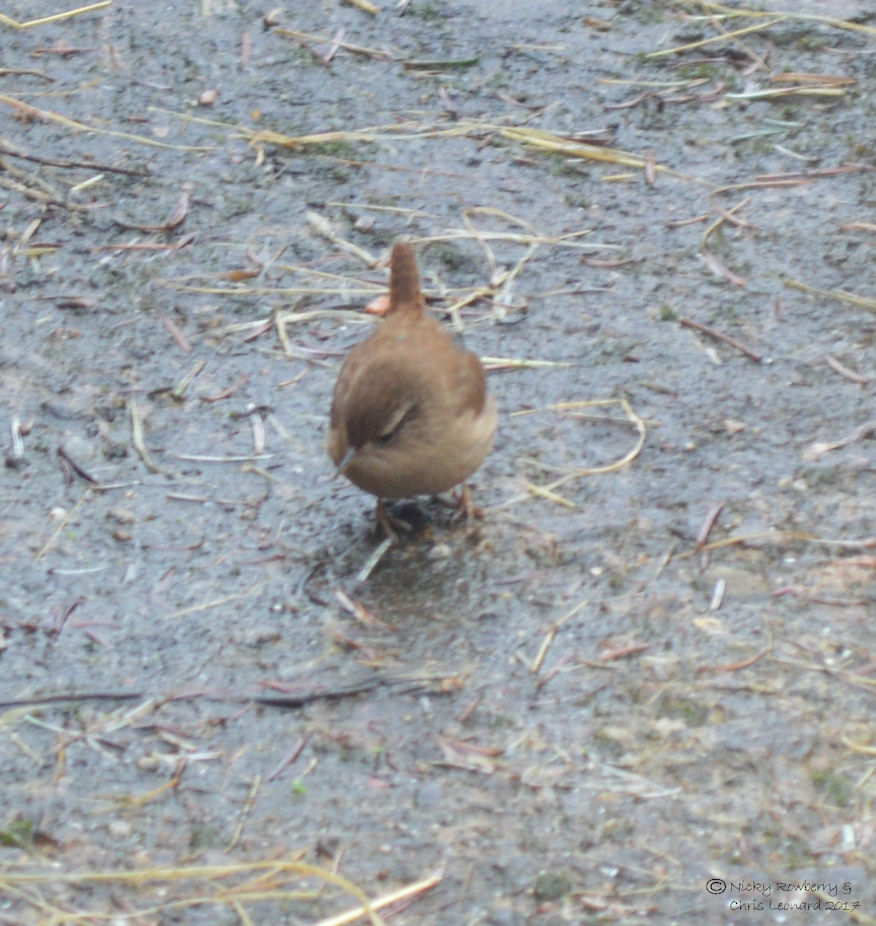
The weather seems to have been interminably grey lately and not at all tempting for venturing out, so I’ve been observing a very local patch – the patio right outside our living room windows. Part of the reason for this focus has been my ongoing battle with our resident wren. I love wrens but this one seems determined to taunt me and thwart my every attempt to get a decent photo. So when I spotted him bobbing up and down outside our patio doors, I thought I’d finally stand a chance. Forty to fifty photos later and I had another large array of blurry shots (admittedly some of the blur may actually be due to the less than sparkling state of my patio windows!) These are the best of a very bad selection.

wren-on-patio-7 wren-on-patio-6

wren-on-patio-5 wren-on-patio-3

Since he returned to the same spot several times, I came up with another cunning plan – leave the trail camera pointed at the patio area. Although he did do his best to avoid the area in front of the trail cam, I did eventually get the few indistinct video clips edited together below.

Further attempts at wren wrangling produced this one of the wren running along the fence (gleefully mocking as he goes no doubt).

wren-running

The upside of my on-going struggles was that I ended up filming quite a lot of other animals on the patio, at least one of which was a surprise. I’d been putting some bird food down (to further tempt the wren), but clearly birds aren’t the only ones partial to bird food. This mouse appeared several nights in a row, making the most of the free buffet. This area is literally right in front of our patio doors, but of course at night we have the lights on inside, so can’t see the mouse outside. It does however explain why our cat is always staring out at night!

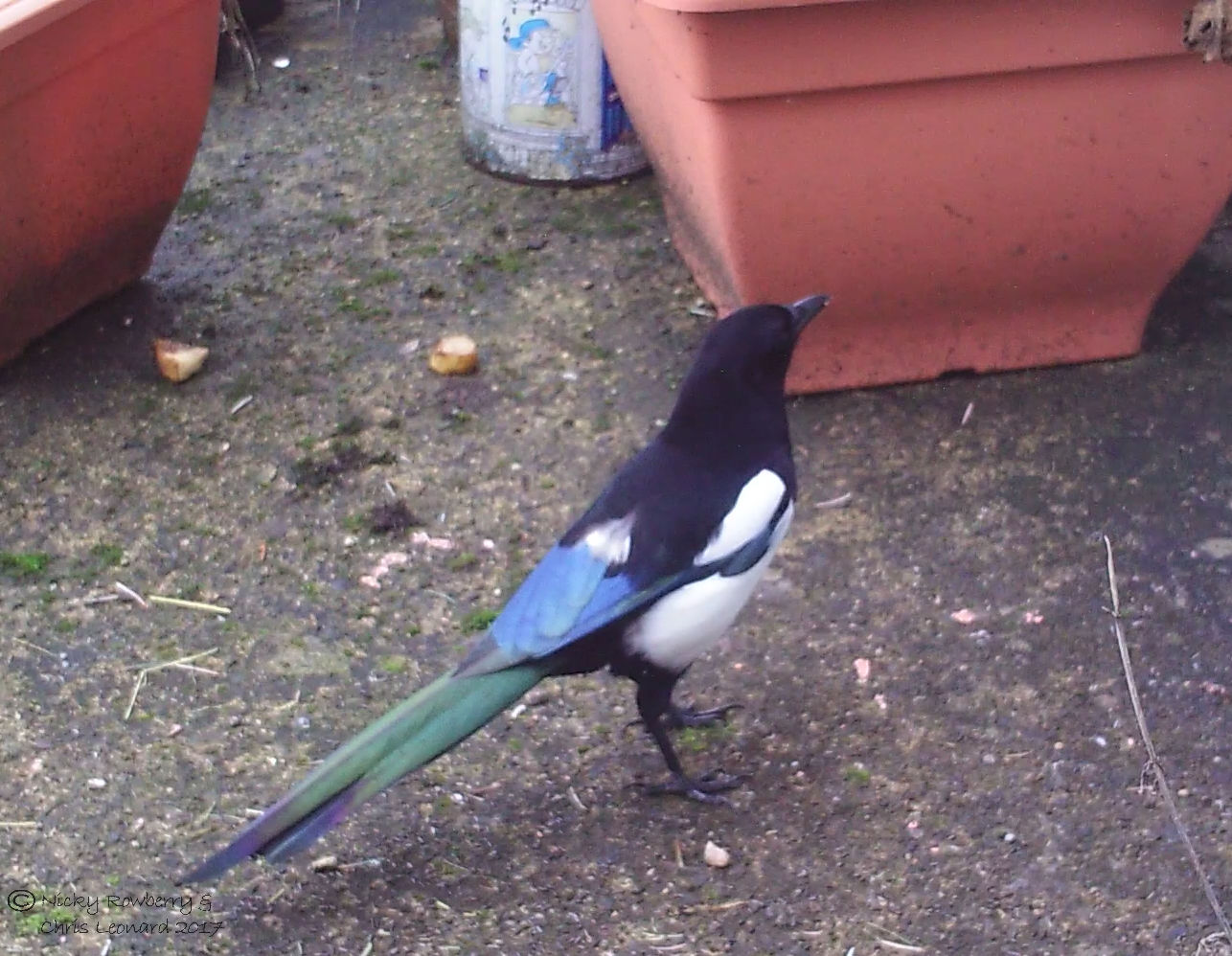
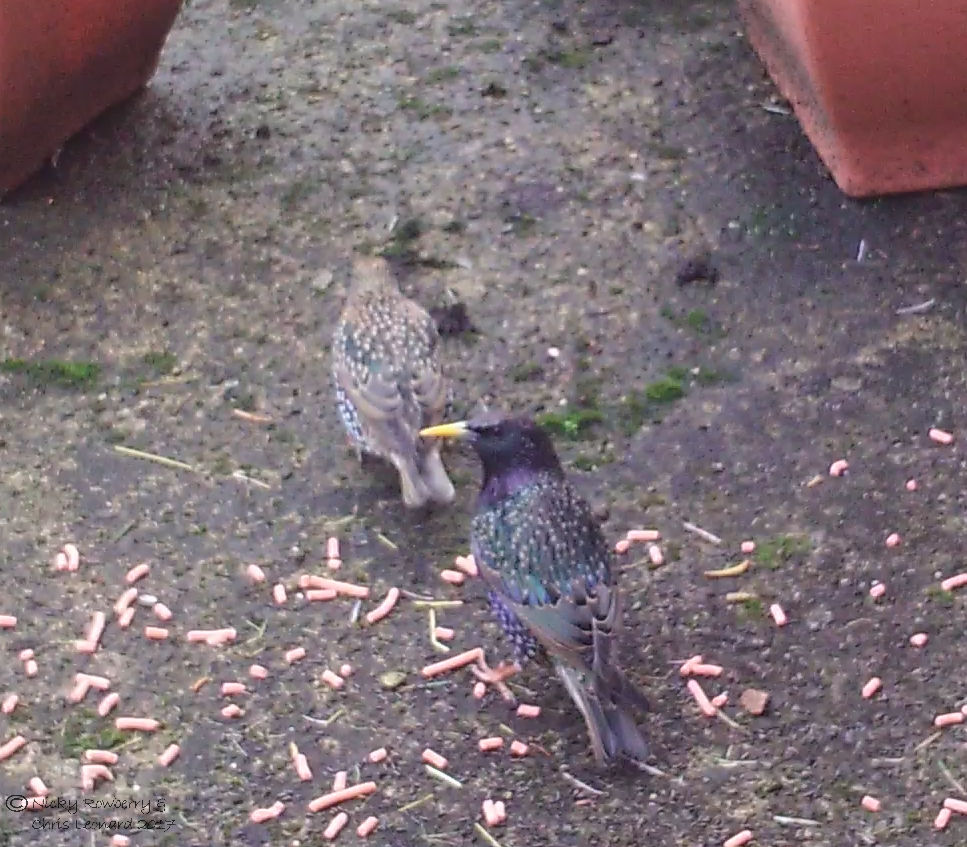
We’ve always had birds pecking about on the patio for insects, but with the bird food out, their numbers increased. Magpies, blackbirds, starlings, robins, blackcap (female only), sparrows and dunnocks all took advantage of the new food supply there and all got caught on the trail camera. Here are just a few stills taken from the videos.

patio-magpie

patio-starlings

patio-sparrows

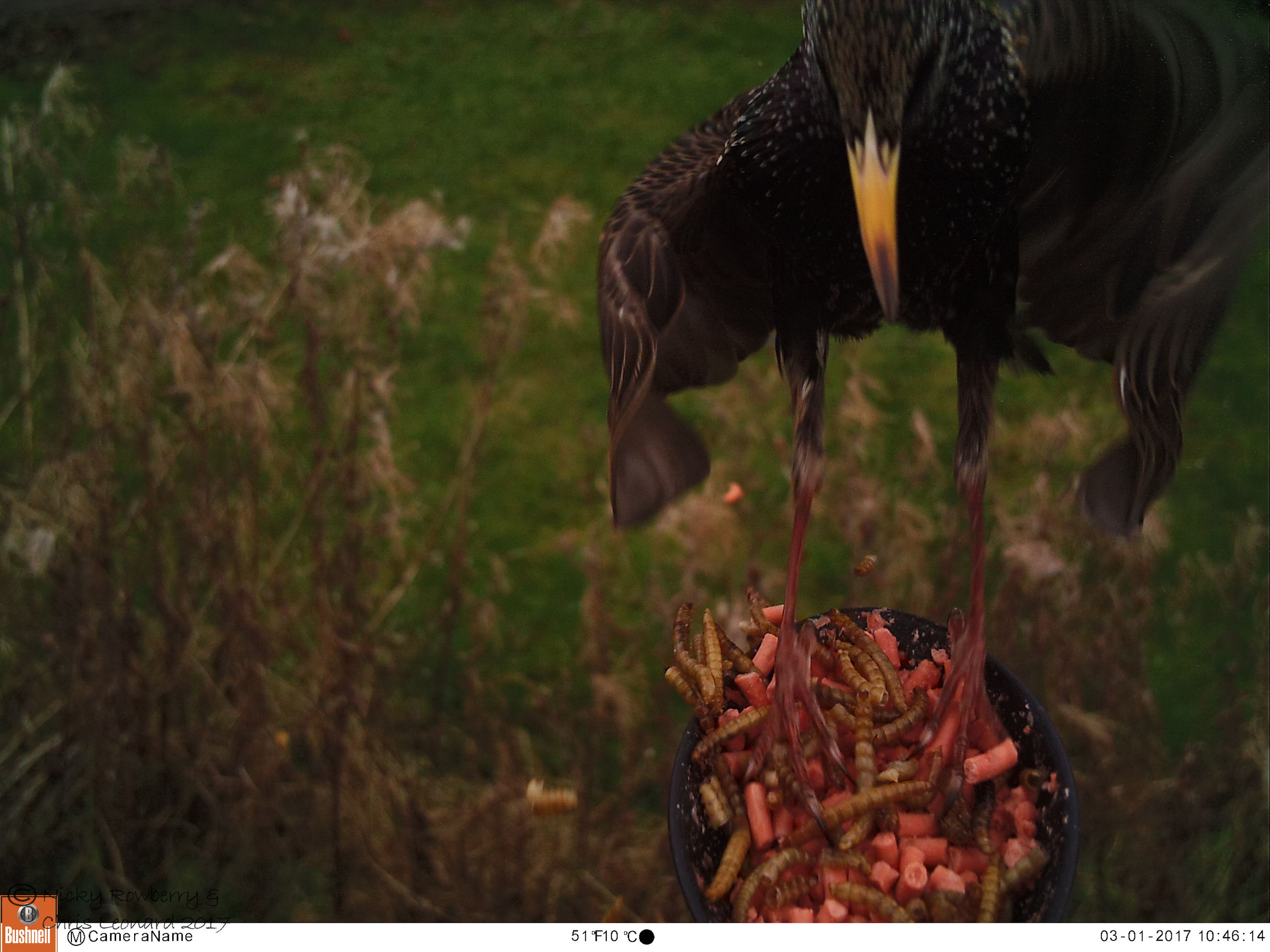
Since the birds were getting accustomed to coming closer to the house, it seemed the ideal time to try out something I’d seen on another blog. Wildlife Kate had set up an ingenious feeding platform using just a plastic ladle and her trail camera (For Kate’s amazing blog: http://www.wildlifekate.co.uk/my-blog/4588864364). She got such great photos, I thought I’d have a go.  So I set the ladle up on a post in the middle of the patio. Kate had got a lovely selection of dainty little birds – for the first few days all I got were hulking great jackdaws, who were really too big and too close for the camera to focus on properly. Still I do quite like some of the photos – after all you don’t often get the chance to be quite so eye-to-eye with a jackdaw.

Eventually the birds did start getting smaller, probably attracted by the flapping of the jackdaws. First came the blackbirds and starlings.

Starling on ladle

Then eventually a great tit, the female blackcap and the sparrows. The sparrows mainly benefitted from all the food the jackdaws tended to knock off the ladle onto the ground beneath; but a few did venture up to feed directly from it.

One final, slightly weird photo of a starling landing. I love the way its wings appear surreally wavy (and slightly nightmarish), presumably because it was moving faster than the camera shutter could cope with!

Thank you so much to Wildlife Kate for her idea of the ladle cam, which was brilliant in its simplicity and yet so effective. Kate’s images are far better than mine and well worth a look, but this is something anyone with a trail camera can try for themselves.

So all in all I managed to attract quite a lot into my patio patch with very little effort. And the real beauty of it all, now that the birds (and mice) are confident coming this close to the house, is that I can watch it all through the patio doors – quite literally from the comfort of my own sofa!

Finchy Firsts

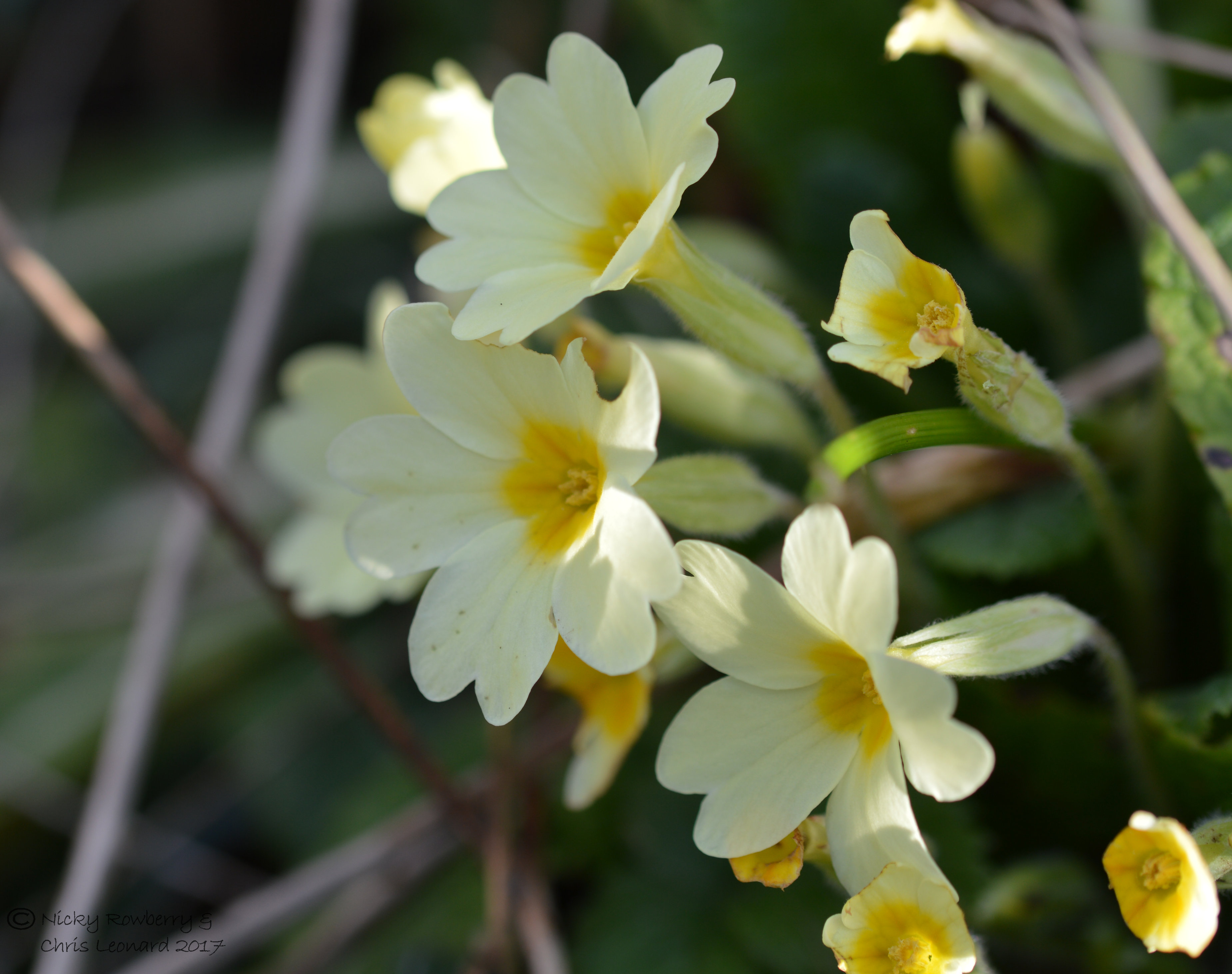
Yesterday there was a real feeling that spring was in the air. I know it’s technically still winter, but the day felt hopeful. The sun even made a (brief) appearance after what seems like weeks of grey skies here in Malvern. The primroses and crocuses were all out bringing a little cheer to the garden.

primroses

crocus

I had hoped there might be a few bees out and about, but was very happy instead to see my first hoverfly of the year. Eristalis tenax (also known rather unkindly as the Common Dronefly) was rather obligingly sunning itself on some large leaves. I’m very much a novice when it comes to hoverflies, but a very helpful man on Facebook ID’d it for me, with the top hoverfly tip that it is the only one like this that has enlarged hind tibia – which is probably the equivalent of fat calves on its back legs!

hoverfly-eristalis-tenax

I have been missing taking macro shots over the winter, so it was really nice to see at least one insect. I’ve tried the moth trap a few times over the last few weeks, but it has been completely empty each time – I need a mothy fix soon! The Garden Moth Scheme starts again in a few weeks, so I hope things pick up before then.

There may not have been many insects about lately, but there are always plenty of birds in the garden. This week we spotted both a chaffinch and a male bullfinch – neither of which we’d seen in the garden before. Sadly no photos of either, so you’ll just have to take my word for it.

I did however manage to see some goldfinches after spending an hour sitting behind a camouflage net in the garage peering through at the niger seed feeder. I was rewarded with a very brief glimpse and one dark and grainy shot of a goldfinch.

goldfinch

Just need a greenfinch now!


Hoggy Weight Watchers

Just a quick update on the newest member of our family – our foster hedgehog Meadow. He’s been with us now for over a month and I’m very relieved to say he seems to be doing fine.

We check on him every day to make sure he’s got plenty of food and water and that his newspapers don’t need changing, but other than that he is pretty low maintenance.  We think he’s been hibernating quite a bit as most days his food’s not been touched, although he does get up occasionally for a snack. We hardly ever see him as he is normally buried deep inside a nest of hay and we try to disturb him as little as possible.

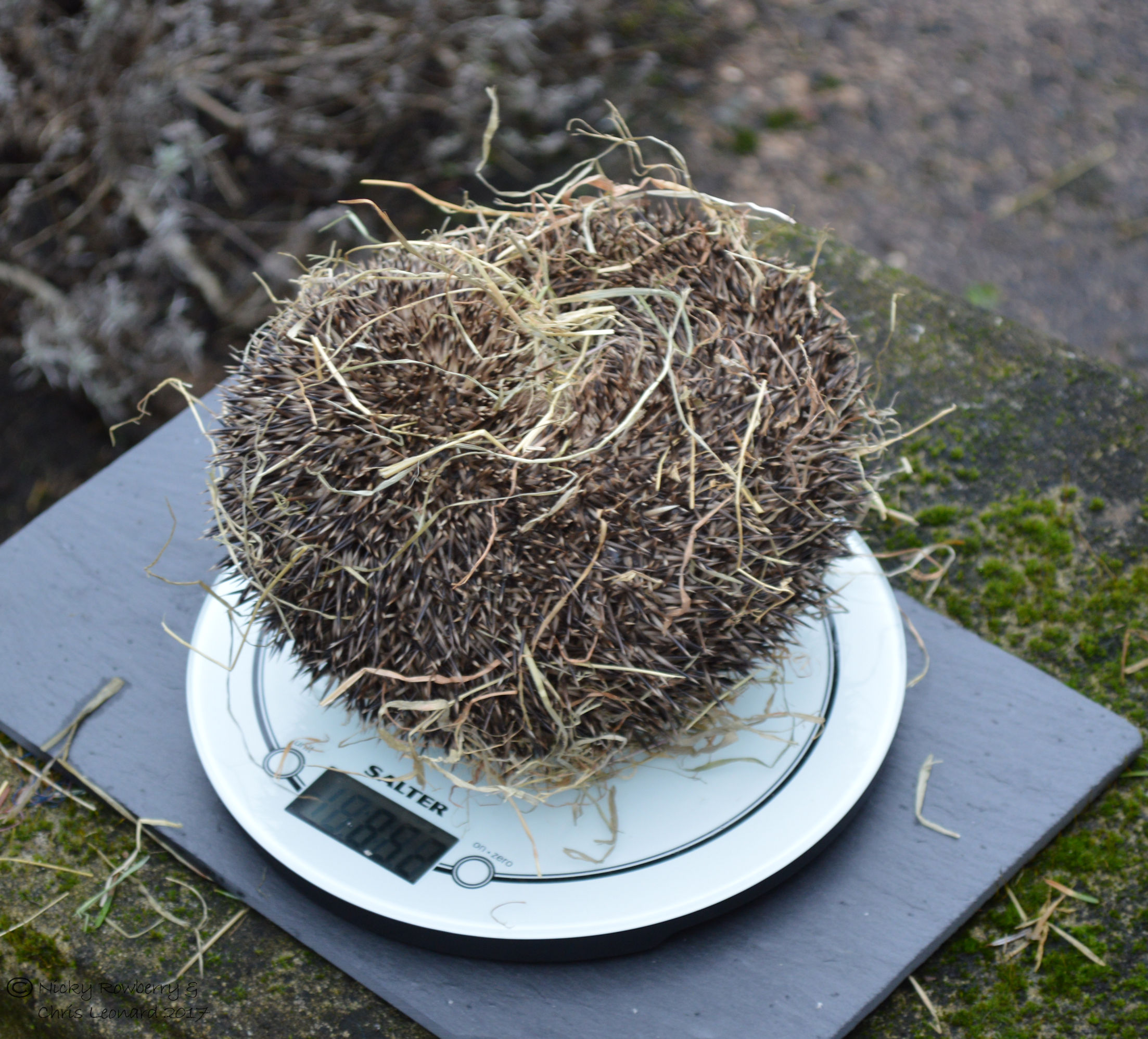
But Viv our hedgehog guru from Malvern Hedgehog Rescue has asked us to weigh him, initially every week, but now we do it fortnightly. So today was weigh-in day. Armed with a pair of gloves, a set of scales and a husband, I approached the hay stuffed sleeping bag he uses. I grabbed what I hoped was a ball of hay around a hedgehog.  There was a lot of huffing noises coming from the hay, so I knew he was in there. It took a while extract him , but eventually we cleared enough hay to reveal him and popped him on the scales.

meadow-on-scales

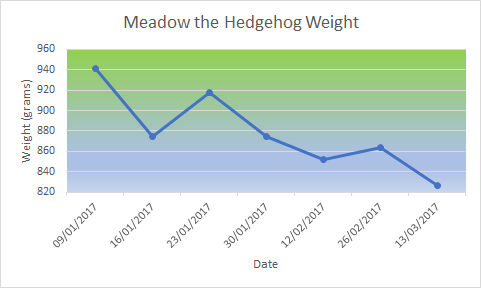
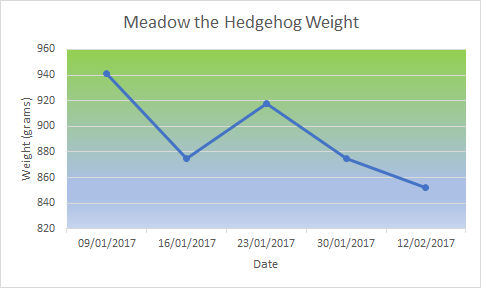
A respectable 852g (minus a few grams for stray hay perhaps). He was about 940g when he came to us, so he’s lost a bit in the last month. Considering he’s been hibernating most of the time, the weight loss isn’t cause for concern. He does after all always have food there if he wants it.

I do love a good graph, so Meadow’s weight provides the perfect excuse (of course I have a spreadsheet too, satisfying my inner geek!)

meadow-weight

He stayed curled in a ball while I cleaned out his hutch and put fresh food and water down.

meadow-in-hutch

We then repacked him into his hay filled sleeping bag.  We’ve probably not got it all arranged to his liking, so he may well come out tonight and drag things around a bit to get everything how he wants it. So that should be it and we hopefully won’t have to disturb him for another fortnight. Sleep well Meadow.

A Bird in the Box

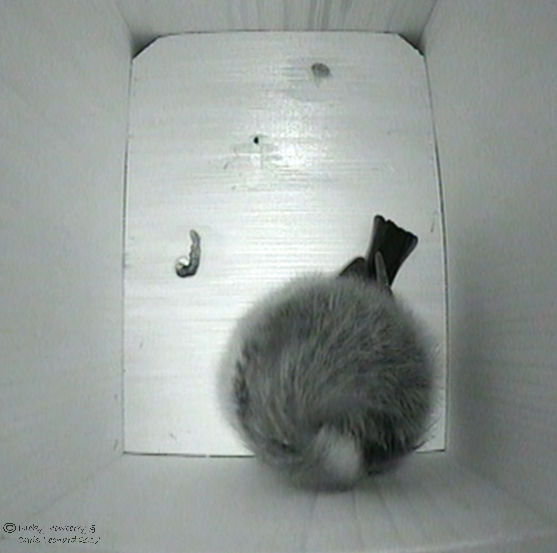
As the old saying goes (with just a minor adjustment) a bird in the box is worth two in the hand (although I’d be delighted if one landed on my hand too). So after blogging last Saturday about how excited I was that something had pooped in our new bird box, things got even better. I kept checking the box camera for more evidence of use, but didn’t really expect any more excitement. But at about 5pm, just as it got dark, the blue tit returned. I thought he or she was just going to check out the box again then leave, but it settled down in the corner and basically went to sleep!

I didn’t realise until I watched it just how much they fluff themselves up when they sleep. It looked like a totally different bird – just a small ball of fluff – it almost looked like a small mammal rather than a bird.

blue-tit-in-box

blue-tit-fluffed-up

It was still there when I went to bed, so I made a point of getting up early (on a Sunday!) the next day to check on our new lodger. It was still there so I sat with my finger poised over the record button ready to get a shot of it leaving. At about 07:30 as it was starting to get light, the blue tit started fidgeting and stretching its wings and then with little further ado, it was off.

I would have blogged about this sooner, but I’ve been hoping the blue tit would honour us with his presence again, so have been checking the camera as it got dark each night. No sign though of any return visits, so I’ve decided to blog with what I’ve got so far. After a bit of practice I’ve more or less mastered the new software enough to cut and splice assorted short clips together into one film. The Oscar candidates for editing have nothing to worry about though!

Since all the footage was shot after dark the camera had switched to infrared and the video is black and white. Hopefully if we can get a blue tit in during daylight we might actually get some colour footage, which would be nice. But in the meantime, here is the star of our show.

Big Garden Birdwatch 2017

Today has been all about the birds. It started when I switched on the tv to check our new nest box camera. I was amazed to discover something had left a “deposit” in the box  – clearly visible via the camera. Never have I been so excited by a poop in a box! Then it got even better – a blue tit appeared on screen in the box, had a look around and removed the poop. We hadn’t yet got the software to record the video feed (that arrived in the post about an hour later of course!) and I was too surprised to even grab the camera to take a photo of the telly. So you’ll just have to take my word for it. (I could post a photo of the stain left by the poop but that is probably more than anyone wants to see) Hopefully this is all a sign that the blue tits approve of the box and will start using it as more than a toilet in the next few weeks.

The main focus of this weekend though is the annual Big Garden Birdwatch – one of my favourite examples of citizen science. This birdwatch is also the world’s largest wildlife survey – an amazing achievement. We’ve been making sure the bird feeders have been well topped up the last few weeks and there have certainly been plenty of birds in the garden recently.

assorted-birds

So I sat down late morning in the garden to do my allotted hour of bird watching; camera and notepad at the ready. Although not everything showed up in the hour, I was really chuffed to record 14 species and 30 individuals – a significant improvement on last year when I only got 21 individuals of 7 species. I do love a graph and the RSPB sent me this little pie chart (well half a pie) of 10 of my species.

birdwatch-results

So topping the list was the house sparrow with 12 birds – I’m sure we actually have about 20, but I could only manage to count 12 at any one time. Last year I counted for the hour then took photos afterwards. This year I tried to get photos of everything as I counted them, although the best I could manage was 2 sparrows in one shot. I’d tucked myself away in the corner of a garden so that I disturbed the birds as little as possible, so I was actually a bit far away for taking photos – hence the dubious quality in some cases (excuses, excuses).

sparrows

The next most common bird today was the jackdaw – three appeared but only two ever seemed to land at the same time.

jackdaws

Collared doves and blackbirds both managed 2 individuals. The collared doves landed nicely together, the blackbirds of course kept their distance, so I’ve only got one.

collared-doves

blackbird

We’ve got a pair of blackcaps that regularly visit the garden and both male and female showed up within the hour. The female was more nervous though so I only got a shot of the male.

blackcap

The robin, a starling (one of 4 we sometimes get) and the song thrush all turned up on cue for a change.

robin

starling

song-thrush

Earlier in the morning I’d seen several long-tailed tits, a great tit and a pair of blue tits. Of these only a single blue tit deigned to put in an appearance during the hour.

blue-tit

I’d put up a new niger seed feeder just a couple of days ago and the goldfinches had found it almost immediately. I’d seen 3 or 4 of them on it yesterday, but today I was grateful when just one arrived. Unfortunately when positioning the niger seeds I hadn’t considered trying to take photos from the other side of the tree – so there’s a few too many twigs in the way!

goldfinch

A magpie, a dunnock and a wood pigeon all appeared briefly, but out of range of the camera. The final bird was a wren. This wren has been tormenting me for weeks. It has a tendency to appear whenever I’m in the garden without the camera. If I do have the camera, it appears but hides behind as many twigs/branches/weeds as it can find. So believe it or not this is probably the best photo I’ve ever managed to get of it – which isn’t saying much!

wren

I’d had the trail camera on while I was counting, just in case it could pick up something I’d missed. It didn’t spot anything different, but it did film this goldfinch – probably the same one I photographed from the other side of the tree.

Of course once the hour was up and I was back on the sofa, the birds returned en masse to taunt me. Leading the mockery was the woodpecker, which I haven’t seen for weeks but chose to land on the bird table just after I’d submitted my results. The long-tailed tits flew back in and the wren perched on the most photogenic spots possible – safe in the knowledge that I couldn’t get a photo from this distance!

Anyone thinking of taking part in the birdwatch has until Monday to have a go. Full details on: https://ww2.rspb.org.uk/get-involved/activities/birdwatch

As I now have the image capture software all loaded, I will probably be spending the rest of the weekend watching an empty nest box with only a dubious stain on the bottom!