A Frost , A Moth and A Snail

Finally this week, the frosty morning I’ve been waiting for! Jack Frost had visited my beloved teasels leaving them glinting in the early morning sunshine.  The asparagus fronds (long overdue for a haircut)  took on an almost ethereal blue hue, making them far more attractive than they are in their non-wintry state.
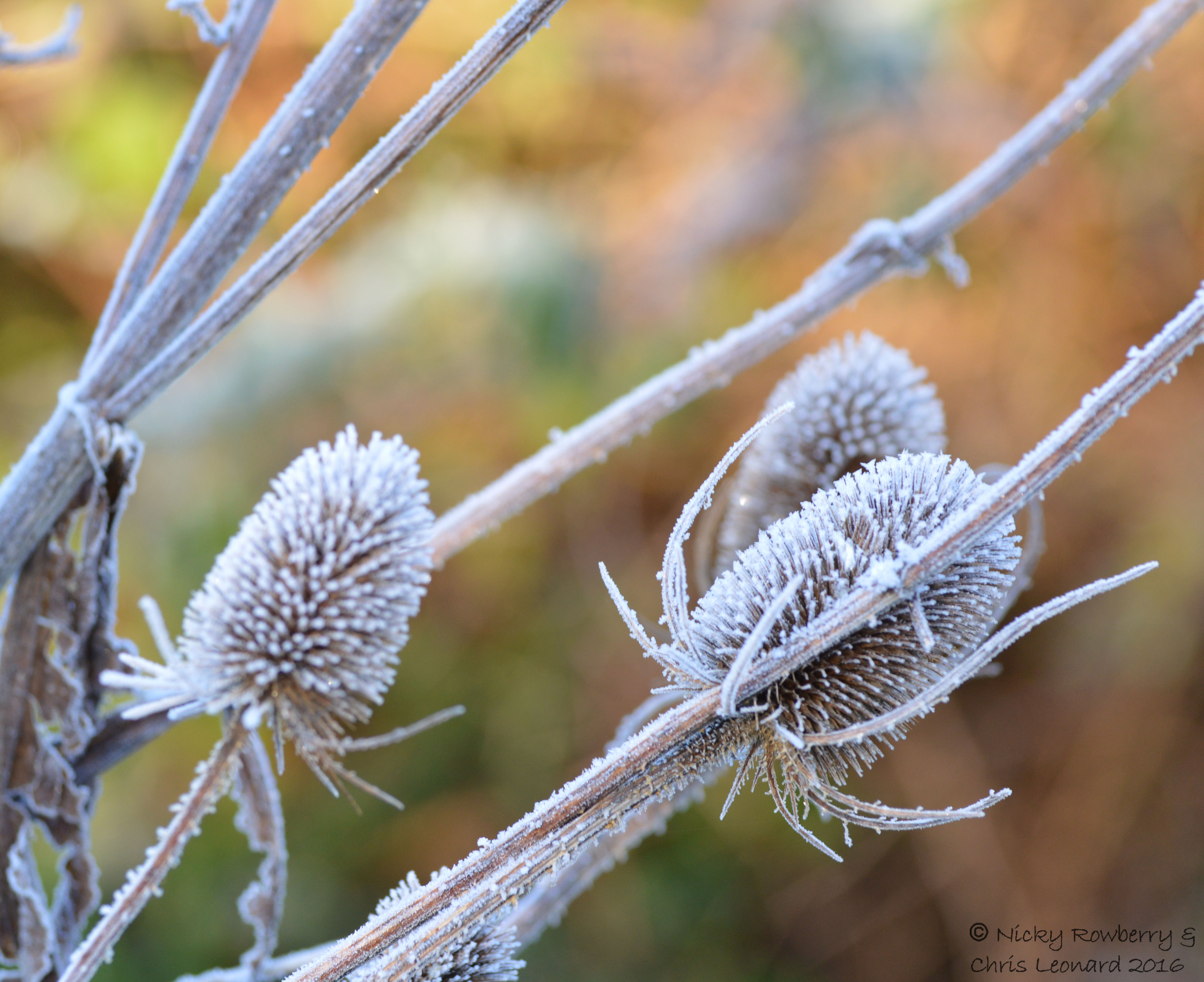
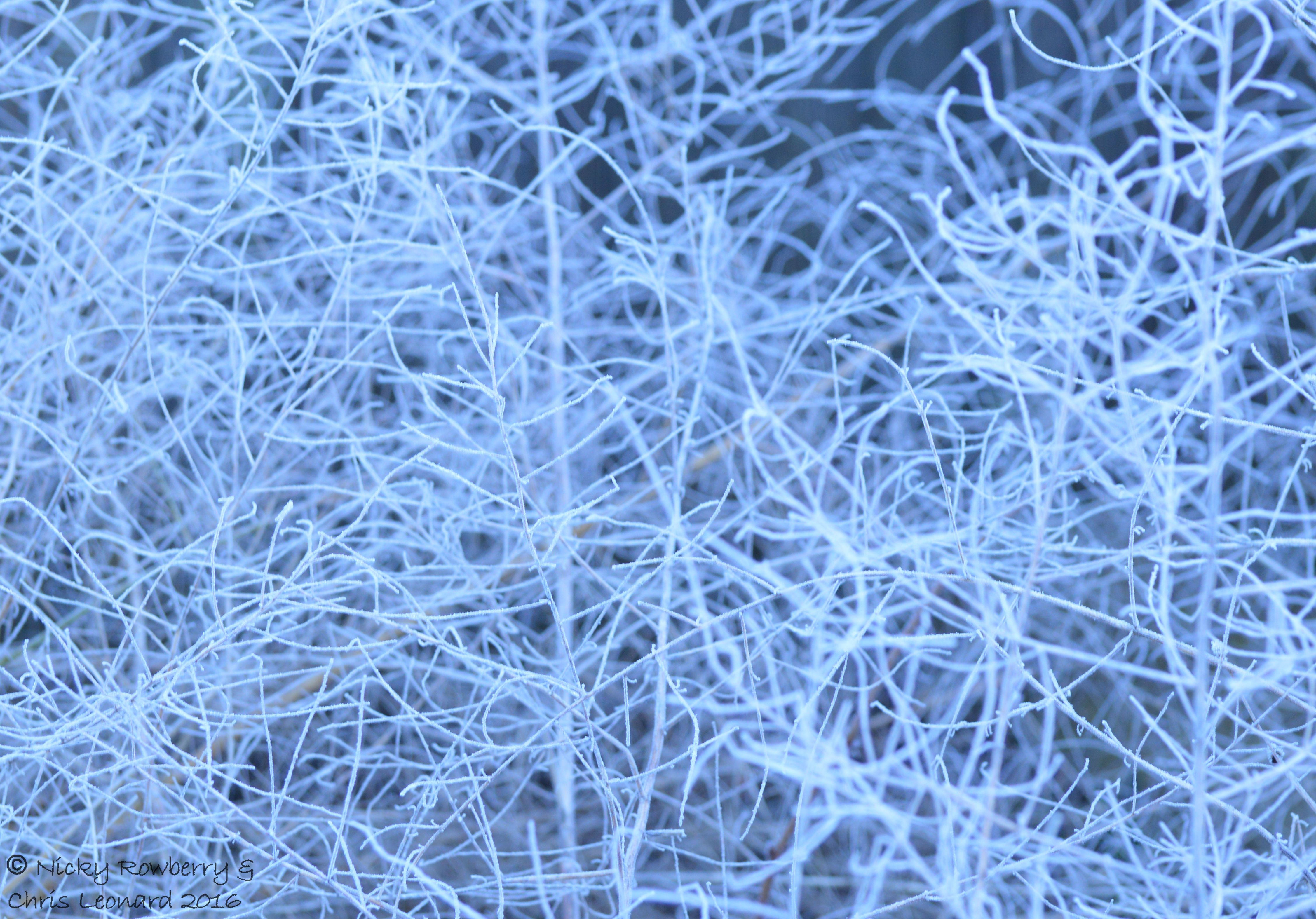
Frosty teaselFrosty asparagus

The cold snap didn’t last long though and last night was mild enough to put out the moth trap, although I didn’t hold out much hope. But I got up this morning to the triumphant catch of one moth and one caterpillar!

The caterpillar turned out to be that of an Angle Shades moth – one of my favourites (I’m conscious of sounding a bit like Bruce Forsyth now “You’re my favourite” to every moth I find!) The photo of the caterpillar was taken this morning; next to it is an adult Angle Shades moth snapped in warmer months.

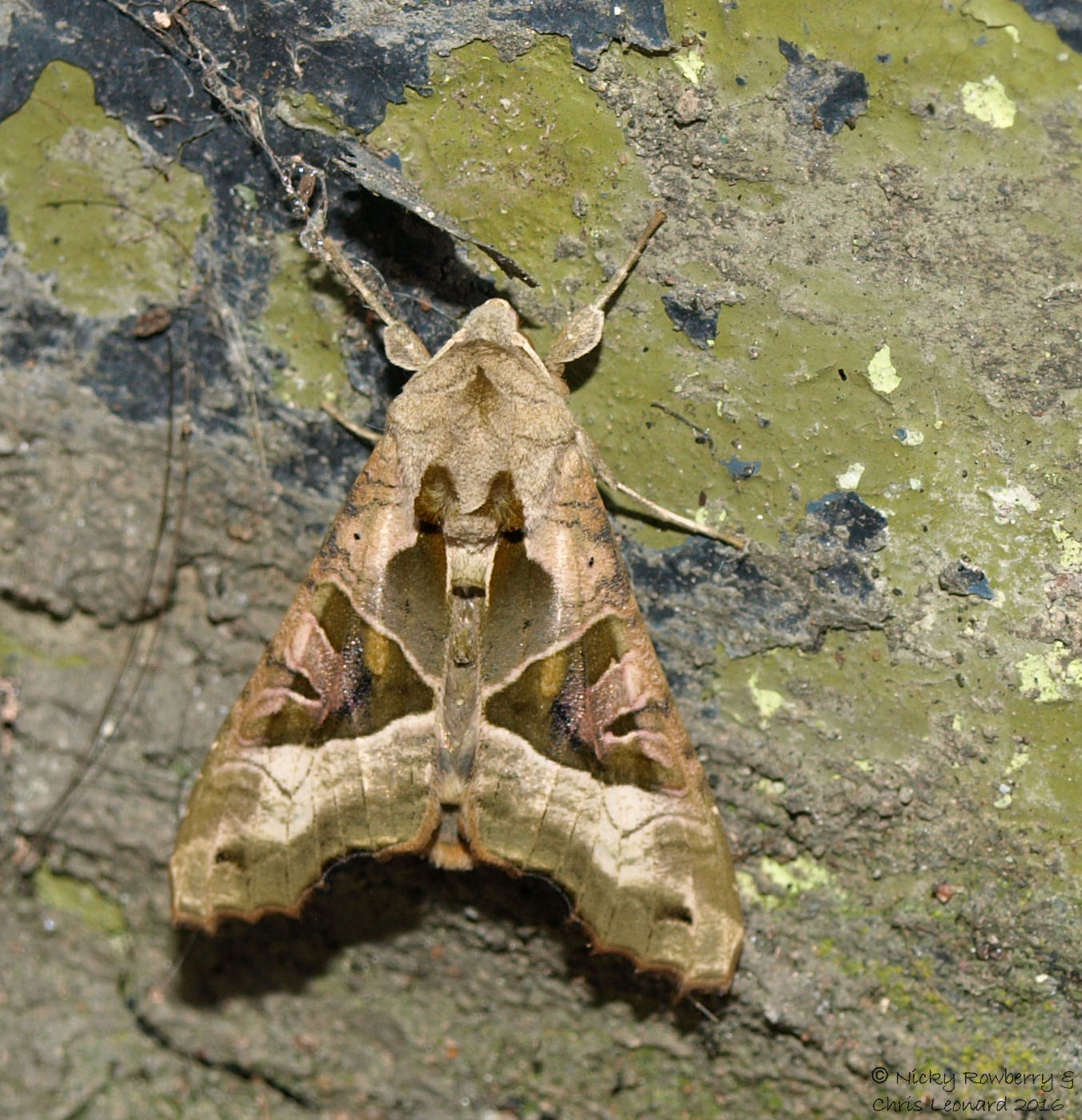
Angle Shades Caterpillar

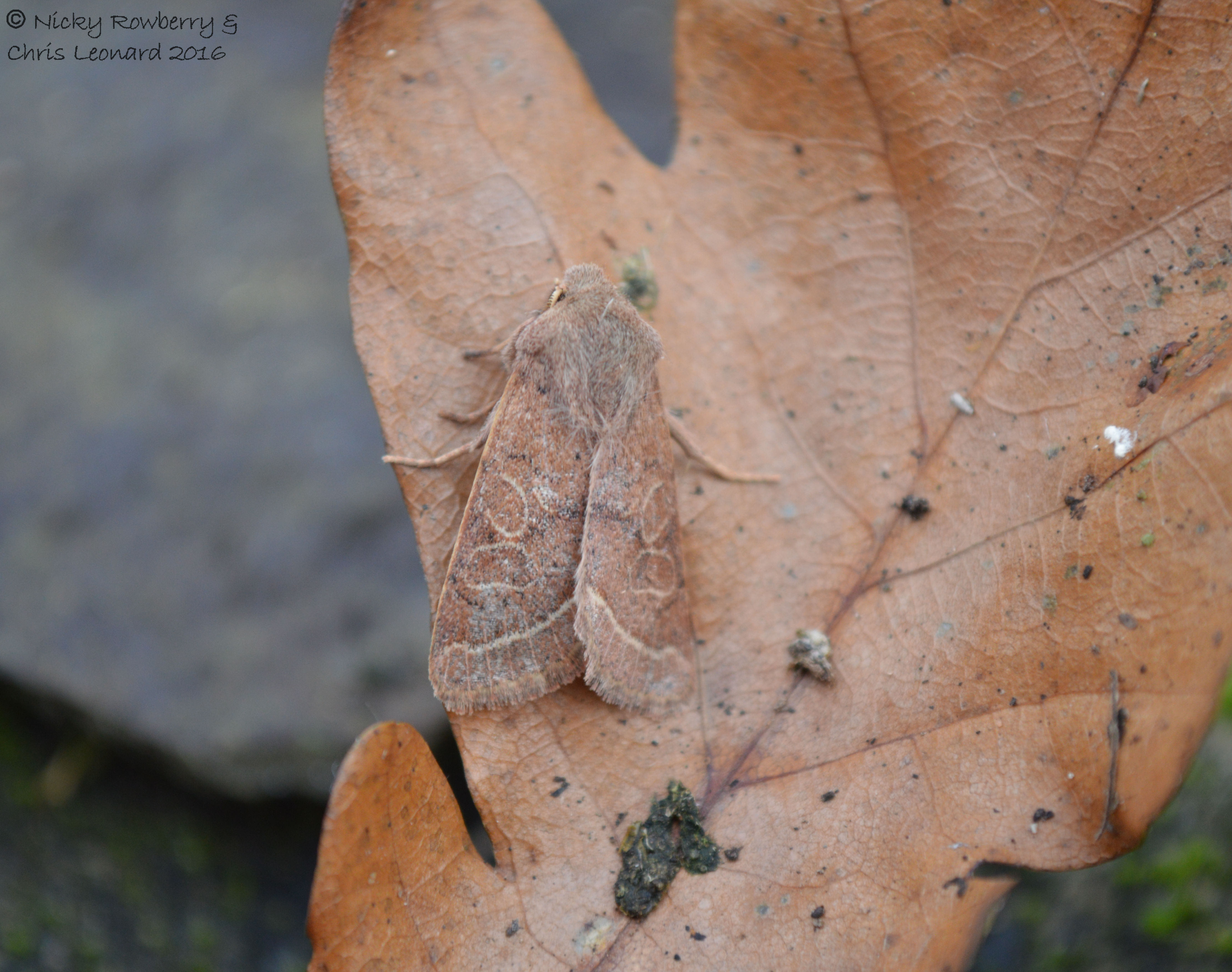
Common Quaker 2The moth turned out to be a Common Quaker – quite early in the year for this species, which I guess just shows how mild the winter has really been here in Malvern at least. In hunting round to find a suitable leaf for my Quaker to sit on for his photo shoot, I also found this teeny, tiny snail. It was only a couple of millimetres long, so apologies for the less than perfect photograph. I think it may be a Common Chrysalis Snail (Lauria cylindracea), Tiny Snailbut it was so small and I’m so not good at mollusc identification, that I can’t be sure. If anyone has any other ideas, I’m happy to be corrected. There are probably lots of other species of mollusc lurking in the garden – I clearly need to rummage around in the leaf litter more!


One final random fact  – it is apparently a Wolf Moon this weekend.  Not expecting too many wolves to be baying at the moon in Worcestershire this weekend, but I like the idea that each full moon of the year traditionally had its own name.

Golden Afternoon

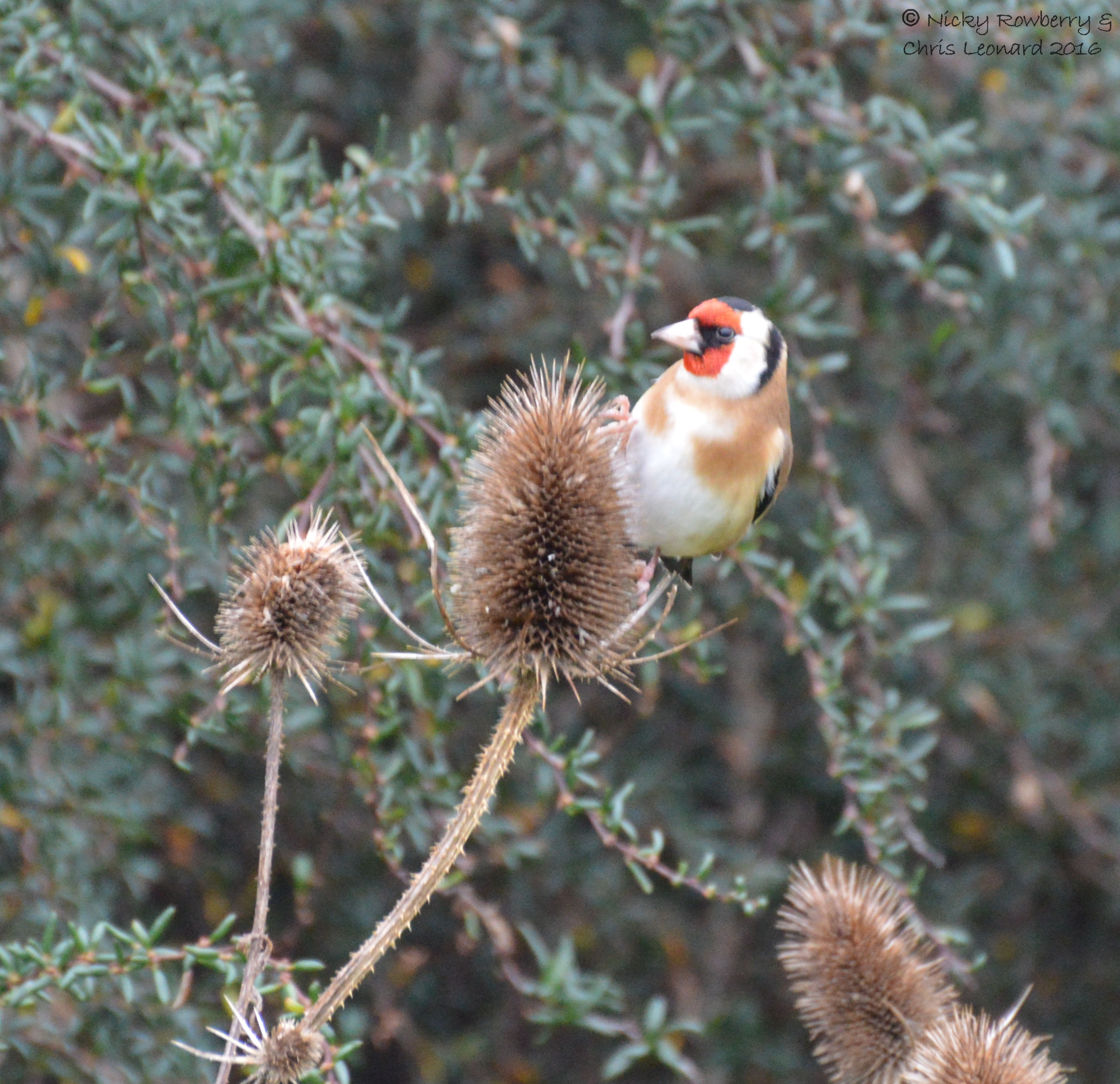
I’ve been waiting for the winter to bring cold, crisp mornings to get some nice frosty shots of the garden. No such luck. The damp December has given way to a cold but dull January – the garden bathed in grey mist not sparkly white frost.  So it was a welcome relief when something eventually flew into the garden worth photographing. A flash of gold this afternoon as a lone goldfinch finally decided that the giant teasels I had so lovingly grown were worthy of his attention.

Goldfinch 3I’d grown the teasels (or more accurately just left them to grow and do their own thing) specifically for goldfinches as they’re supposed to be one of their favourites. But despite them being munched on by other birds this is the first time they’ve attracted their target audience – result!

Unfortunately the grey day (and lack of stealth on my part) prevented me getting any really good shots. But the birds still looked stunning and were a very welcome flash of colour on a dreary January day.

Goldfinch 2 Goldfinch 1

New Year’s Resolutions

Well 2015 is over and I reckon it’s been a pretty good year for the wildlife in the garden. The final tally includes:

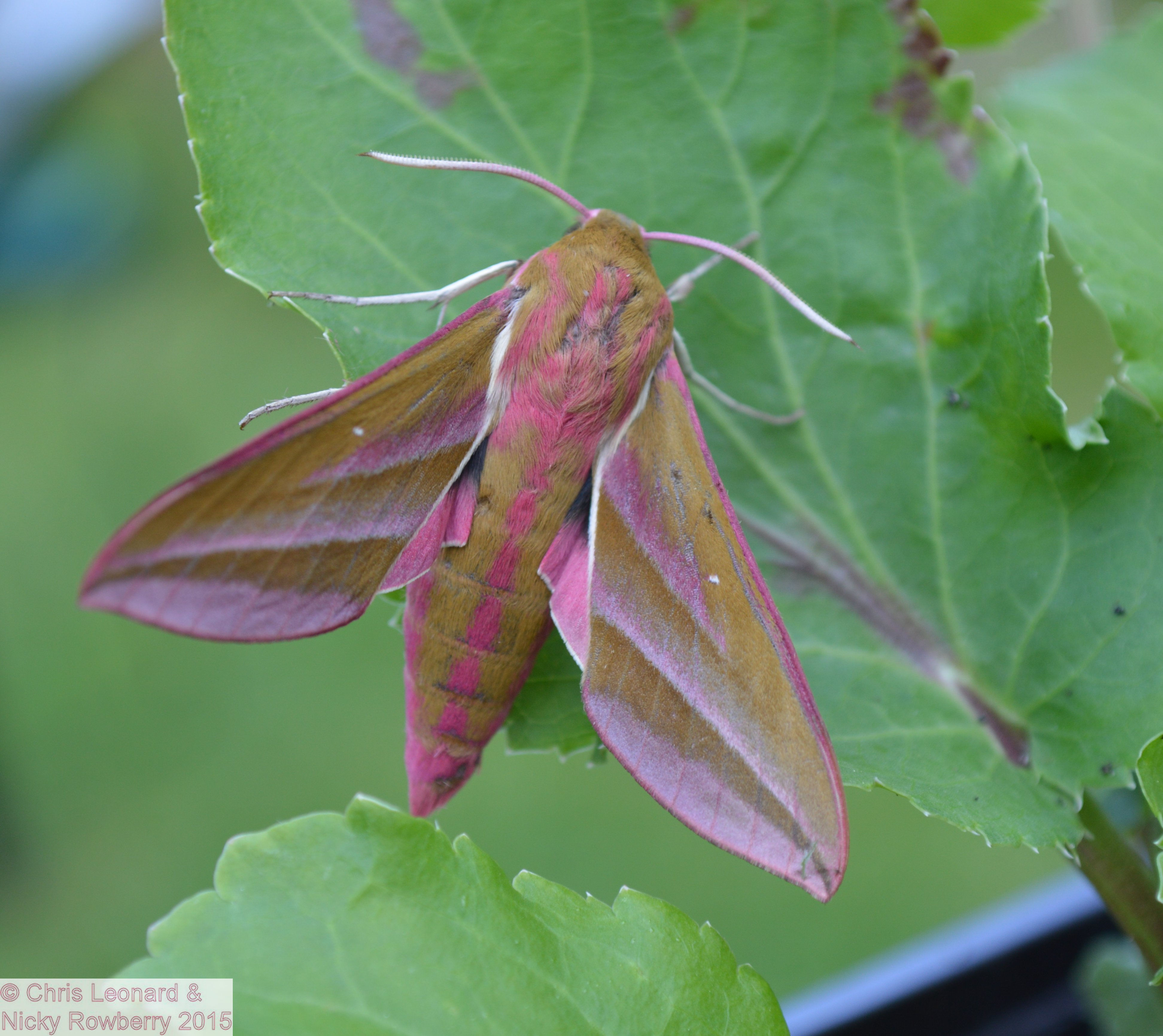
  • Elephant Hawk-moth155 species of moth recorded in the garden, plus about 6 more seen out and about. Most of the 155 came to the moth traps, but a few were more adventurous and made it as far as the bathroom!
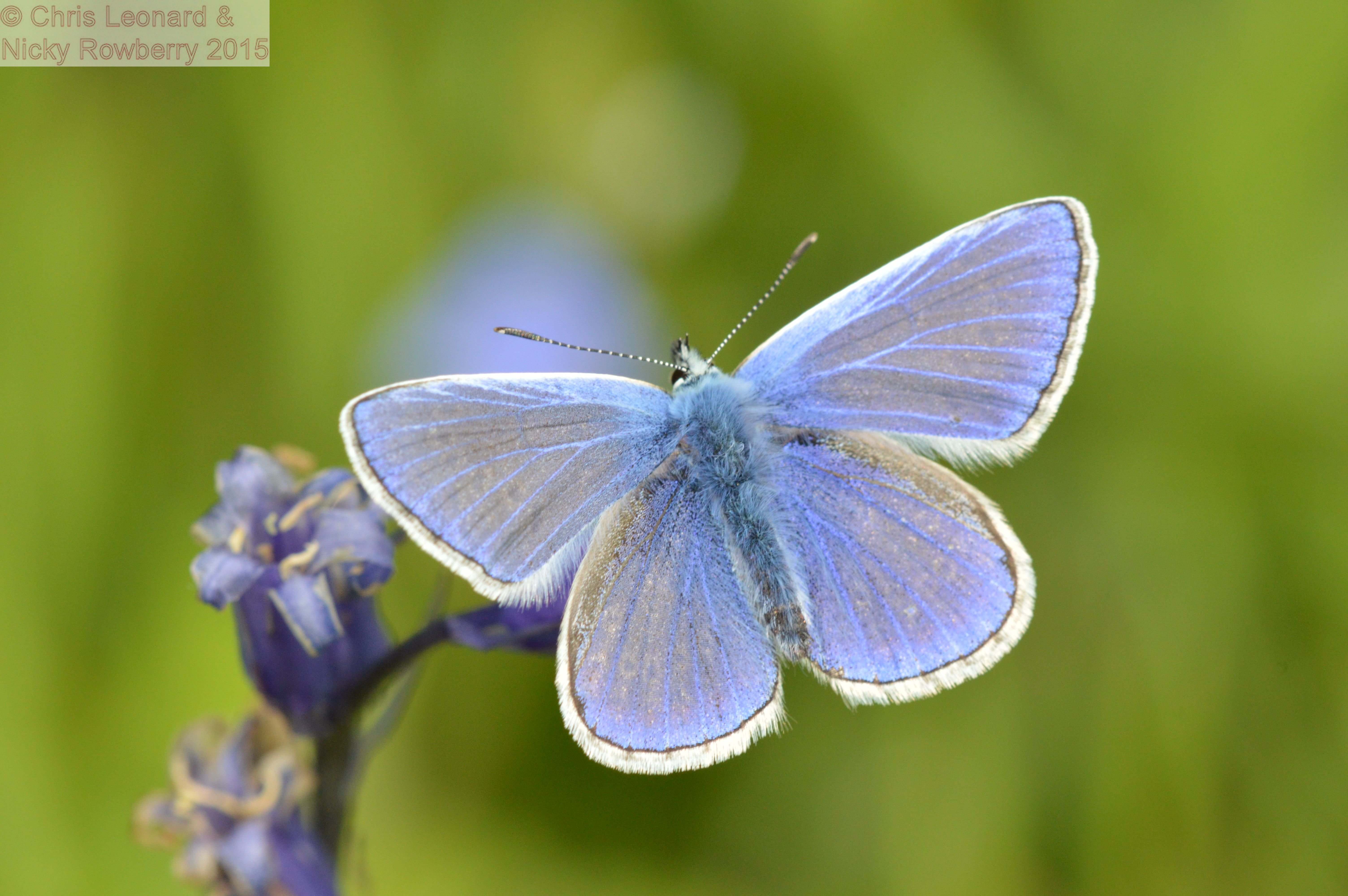
  • Common Blue28 species of butterfly bagged, of which 17 appeared in the garden at least once during the year.


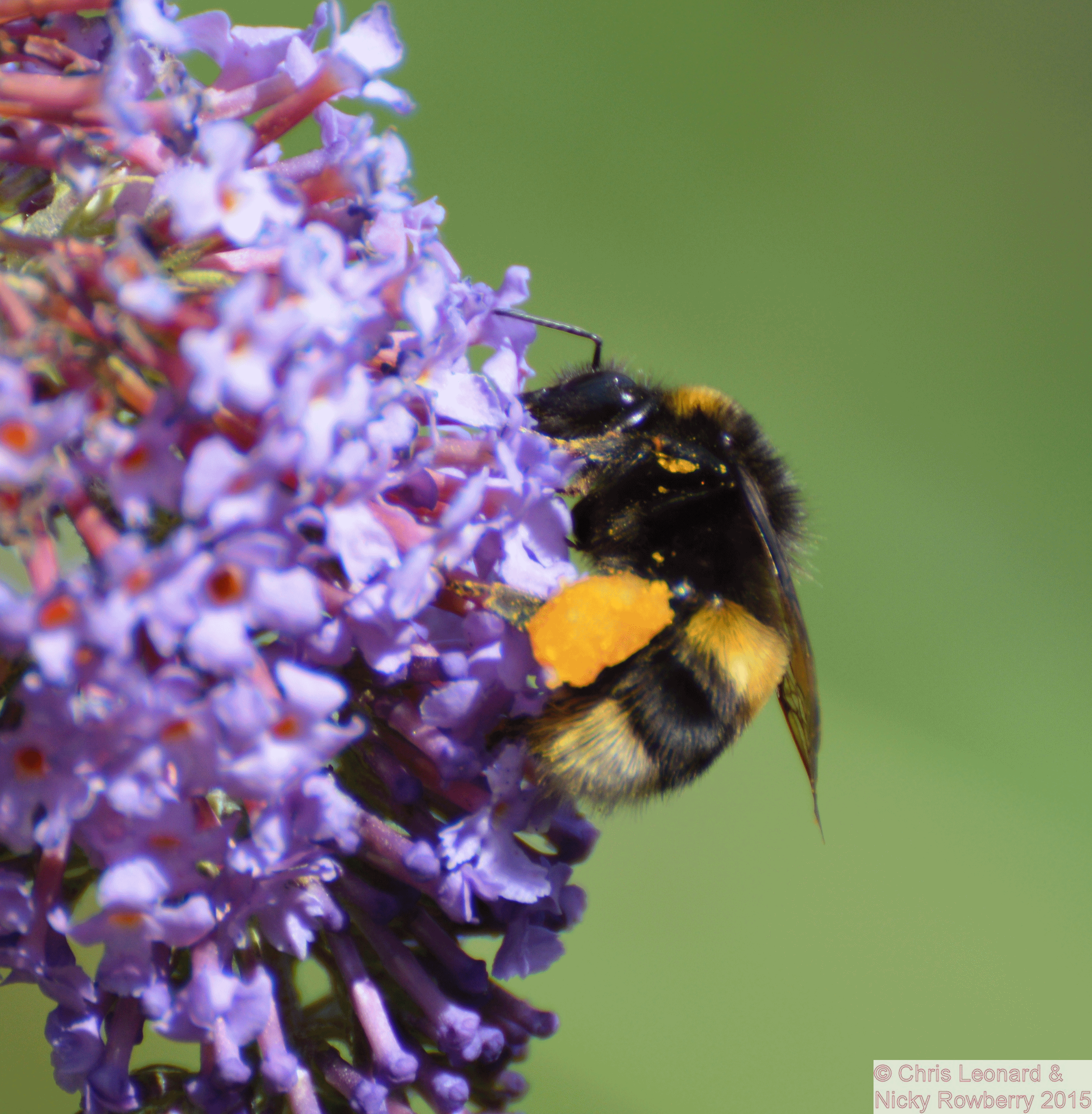
  • Bee on buddleia12 species of bee in the garden (which reminds me I must do a bee post soon). At the height of the summer (such as it was) the garden was buzzing with bee activity.


  • 7 species of shieldbug in the garden, including a rarity for Worcestershire – the Box Bug (which remains the only wildlife to have used our new bird bath!)


  • Hedgehog3 mammal species in the garden (grey squirrel, hedgehog and regular if unidentified bats) plus one family of mice living in the garage.


  • 3 amphibian species (toad, frog and common newt) visiting our pond/bog and surviving attacks from our garden furniture.


  • One sparrowhawk (and consequently one less sparrow) in the garden. Numerous other small birds though eating their way through a small fortune’s worth of bird seed.


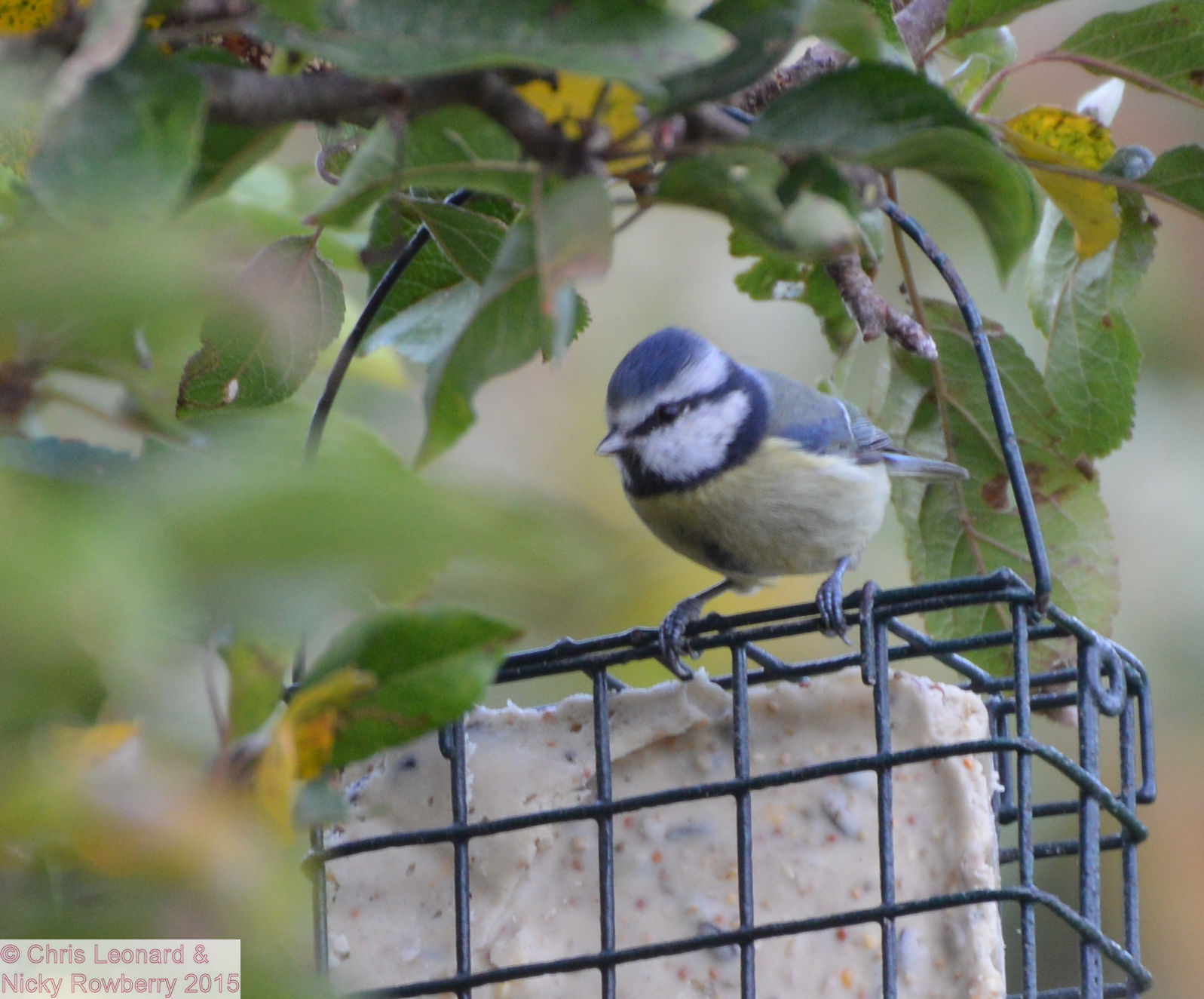
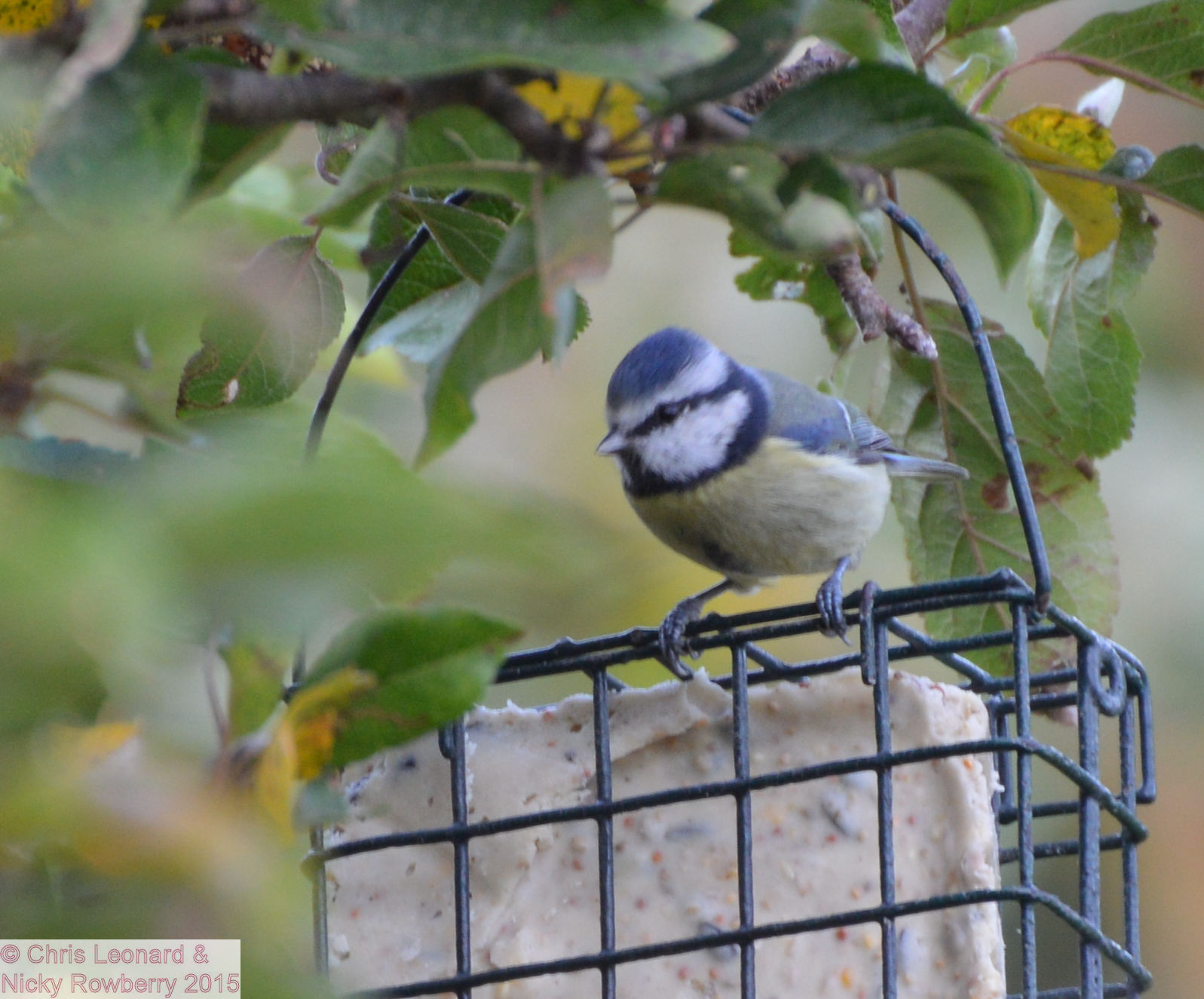
  • Blue Tit on Suet FeederOne family of blue tits successfully fledged from our bird box, after 6 years of it sitting empty. Fingers crossed for a repeat next year.


  • Swollen Thighed BeetlePlus numerous beetles (including my personal favourite – the swollen-thighed beetle), molluscs, ants, wasps, hoverflies and other assorted invertebrates.


  • TeaselsAnd finally of course to maintain the “too lazy” ethos – zero weeds were harmed in the making of this list!


So that brings me to 2016 and some New Year’s resolutions. As there is virtually no chance of me succeeding with any of my usual resolutions (cut down the drinking, lose weight, grow taller, read the classics, write a classic, stop fantasizing about George Clooney etc. etc. etc.) I thought I’d make an alternative list of things I might actually achieve.  So for 2016 I hope to:

  • Try and see at least 4 more species of butterfly – there are lots of great wildlife reserves within easy distance of Malvern, so hopefully we can bag at least some of the following: Grayling, Wood White, Purple Emperor, Small Pearl Bordered Fritillary, Silver-studded Blue and Green Hairstreak.
  • Have a go at beetle trapping. Having more or less got the hang of the moth traps, it would be good to expand our insect repertoire.
  • Dig a new pond – one that actually has water in, not just soggy mud.
  • Replace at least some of the overgrown weeds with more butterfly and bee flower beds.
  • Work out what species those unidentified bats are – it’s been bugging me for years!
  • Get that moth tattoo I’ve been toying with for ages!
  • Learn to photoshop convincingly so I can fabricate evidence of the above when I fail to achieve these resolutions too!

Wishing all lazy wildlife enthusiasts a happy, healthy and environmentally friendly 2016.

Fair Weather Friends

It’s finally feeling like November here today – it’s bloody freezing! Far too cold to contemplate going out in the garden; much better to stick to the safety of the sofa and trawl through this year’s photos looking for memories of warmer days. Butterflies must be the ultimate symbols of sunny weather and this year the other half and I set out to see as many of the British species as we could. We’re still only about half way, having now seen 28 of the fifty-something species. Well it’s sort of 28 and a half species, as we went looking for a Purple Emperor, but only managed to find one sad little wing lying on the ground!

We’re lucky living in Worcestershire to have access to so many great nature reserves. First stop was the Wyre Forest where we saw our first Pearl Bordered Fritillaries. This is one of the UK’s most threatened species and the Wyre Forest is managed to provide suitable habitat for them, with great success. We also managed to get our best photos yet of the Common Blue butterfly, thankfully not as endangered, but just as beautiful all the same.

Pearl Bordered Fritillary Common Blue

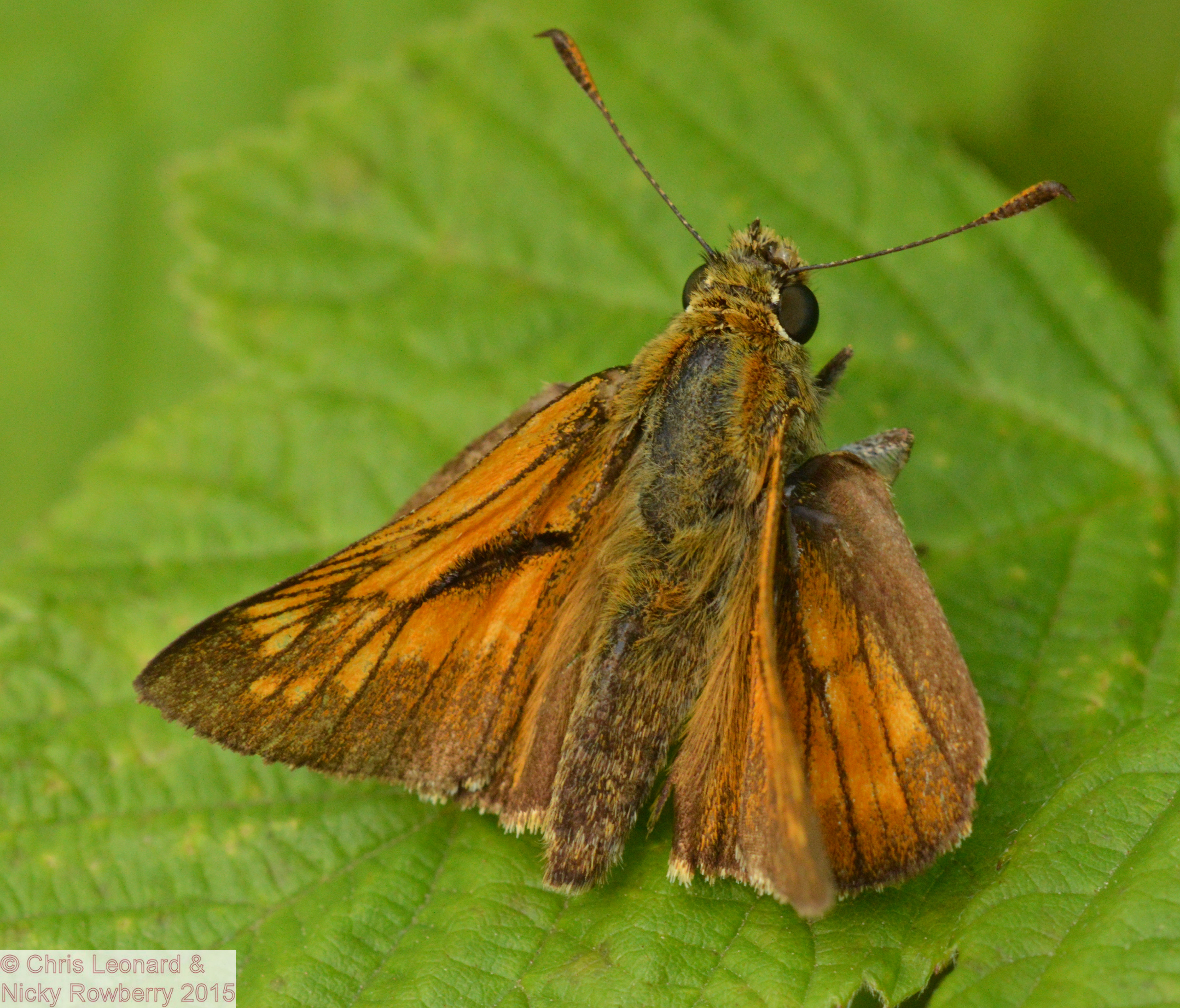
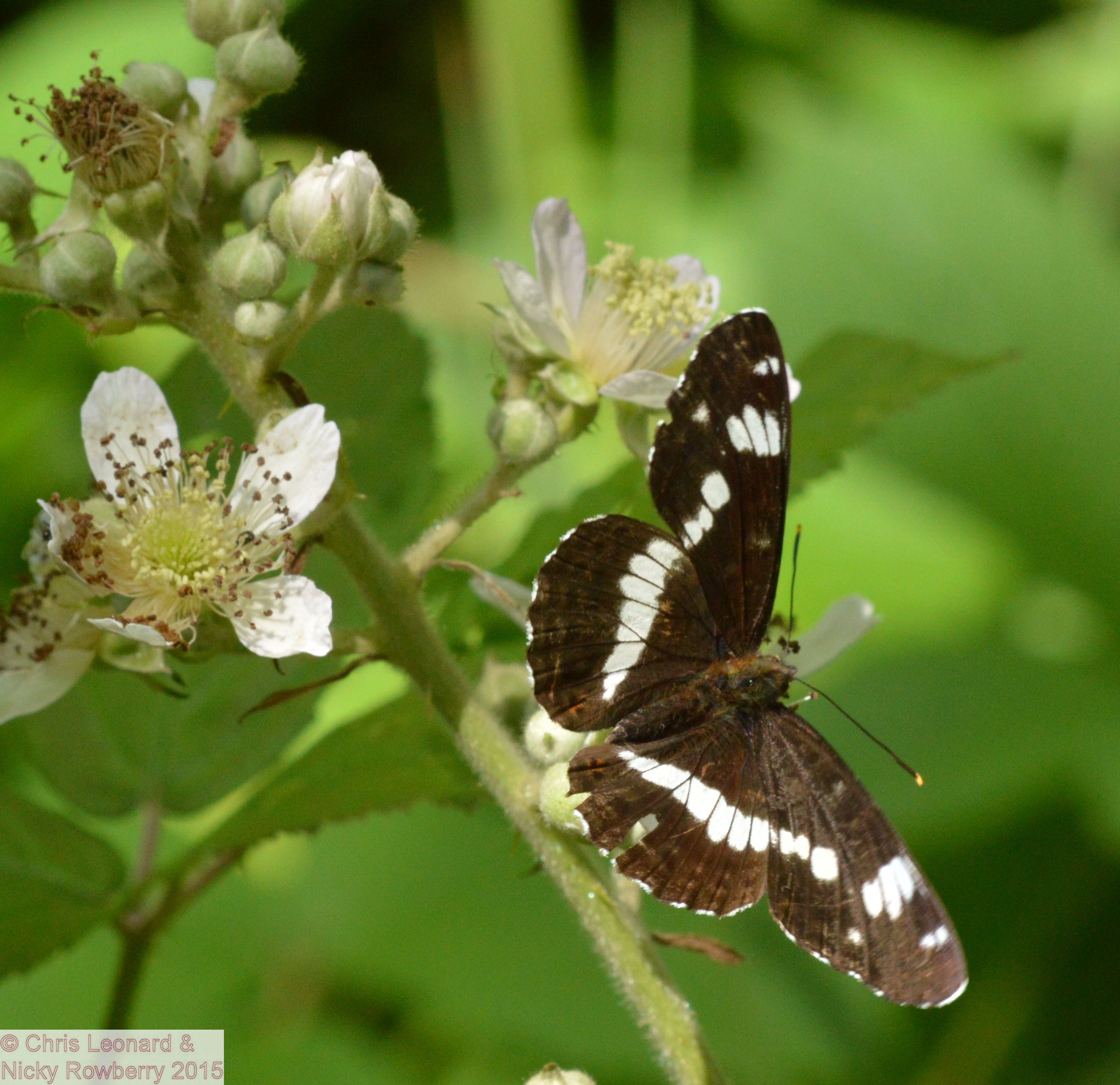
We’d hoped to see White Admirals at Monkwood, but figured it was a long shot; but as we got out of the car, two flew over our heads across the carpark. White Admirals are on the decline too, so we were really chuffed to have ticked them off the list. Spotting them turned out to be the easy bit, getting a photo a bit trickier. Fortunately Monkwood is full of other species that kept us snapping photos, such as some very obliging Large Skippers (left photo), who seemed so keen to be photographed they might as well have taken selfies. Eventually though one White Admiral settled long enough to get some decent shots.

Large Skipper White Admiral

Trench Wood provided our best views so far of Silver Washed Fritillaries – previously only seen in a pub carpark. These large stunning butterflies (photographed here with a Meadow Brown) are fairly common in Trench Wood and seem way to exotic for the Midlands!

Silver Washed Fritillary & Meadow Brown.jpg

Grafton Wood is a stronghold for the endangered Brown Hairstreak butterfly. This is a very small butterfly and notoriously difficult to see, let alone get a photo of, so we didn’t hold out much hope. What we hadn’t counted on was that you don’t have to spot the butterfly, you just have to spot the crowd of butterfly hunters, clustered round a particular bush. Sure enough a few polite questions later and we’d “bagged” our first brown hairstreak photos. It really is a beautiful creature, but has suffered greatly from habitat loss, so we’re very lucky to be able to see them at Grafton.


Top of the list for next season’s butterfly bagging – a complete and preferably living Purple Emperor!

Birdie Buffets

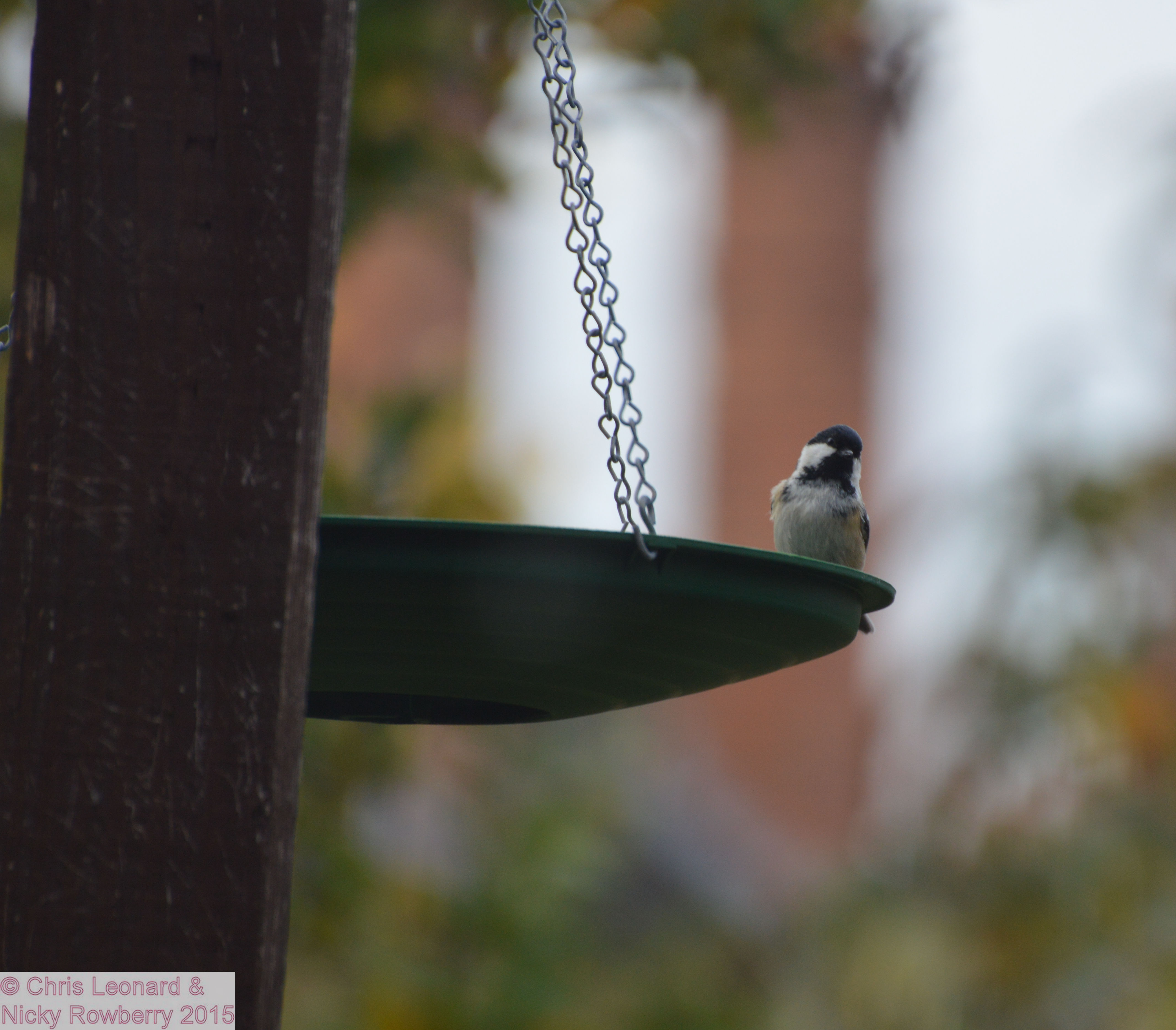
It’s getting to that time of year where, although the insect action might be dying down, the birds are still going strong and eating us out of house and home. We do our best by our feathered friends, putting out suet blocks and peanuts and ordering in bird seed by the sack load. We have a nice healthy flock of House Sparrows who gorge themselves on most of it, but lately the Blue Tits and Coal Tits seem to be elbowing (or winging) their way in a bit more.

Blue Tit on feeder 2

Although the birds no doubt appreciate the buffet we lay on, at this time of year though they probably benefit just as much from our lack of weeding and pruning. This strategy of laziness on our part means there’s plenty of seeds to be had on the abundant teasel heads and buddleia bushes. Even we will be forced to hack these back eventually, but until the spring the birds can enjoy them.

Coal Tit on Teasel

Our strategy of no weeding and pruning extends to no sweeping up too (if you’re going to have a strategy it’s best to be consistent!) So leaves and other general autumnal detritus are gradually accumulating, providing shelter for any insects still kicking about. The seeming security of dead leaves doesn’t protect them though from our resident Dunnock, who likes to rootle about on the patio for whatever he can find.

Bird on bird bath 2There’s always been water available via the pond, which we try to ensure doesn’t get totally iced up in winter. Many of the birds though prefer our wonky guttering, which collects water to form the perfect bird bath. Having attempted to fix the gutters, we put up a new bird bath last month, naively thinking the birds would appreciate our efforts. After a month of nothing landing in it besides a shieldbug, I was delighted when a coal tit finally took to washing in it last week, although I haven’t seen him since (probably wallowing in the guttering somewhere).

Bug Life

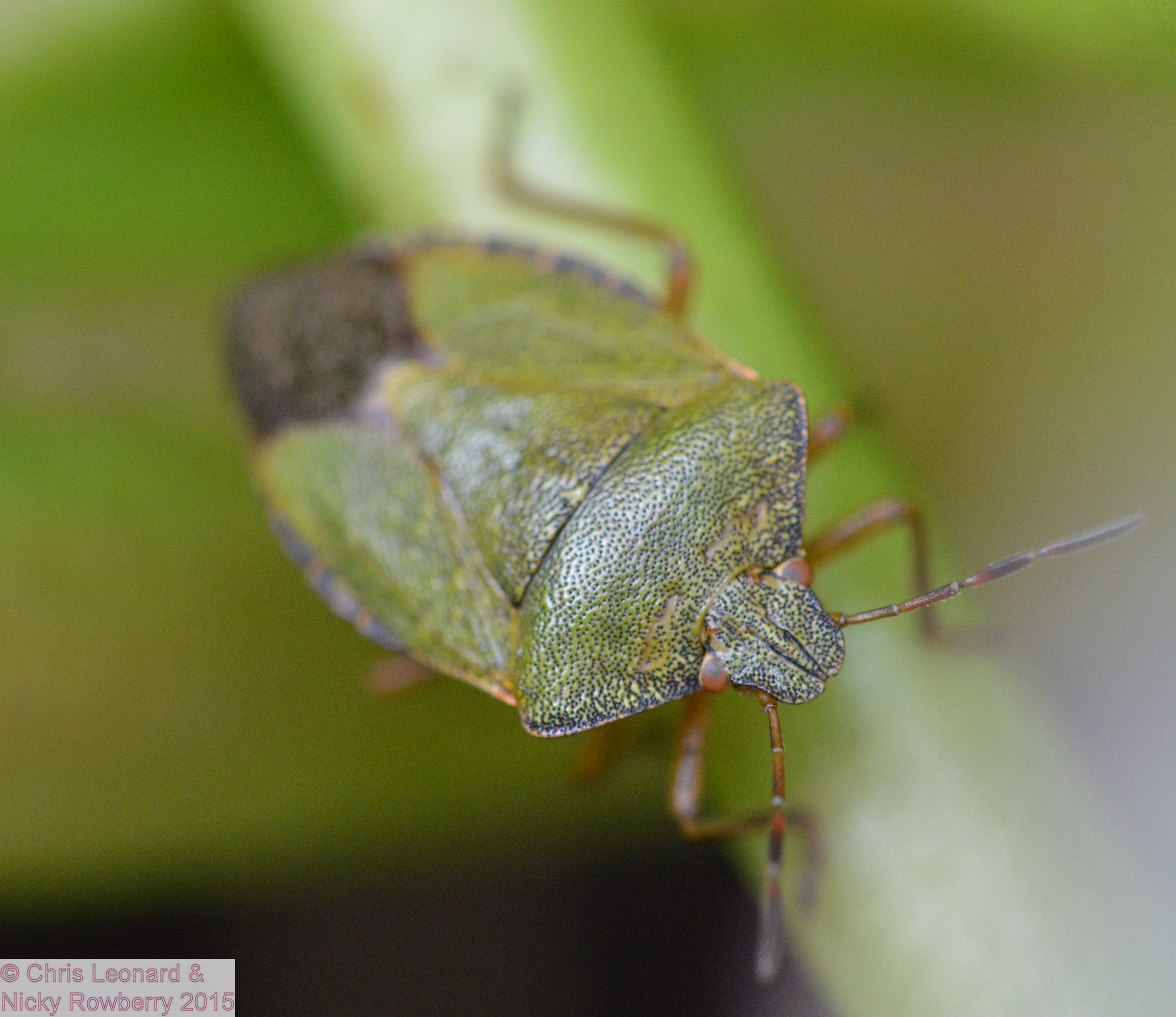
I think the shield bugs must be one of my favourite groups of insect. There’s something about them; they look so determined waddling around like minute clockwork toys. When they fly they make a loud whirring noise out of all proportion to their size and have a habit of landing on me if I wear green in the garden (must stop wearing that Robin Hood outfit!) Besides my prized Box Bug from a previous blog post, we’ve recorded 6 other species in the garden – all cute little characters in their own right. By far the most common is the Green Shield Bug. Their exoskeletons are leathery with small dark pits all over them. In the spring and summer they are green like the one below, but in the autumn and winter they turn a bronze colour.Green Shield BugThey start of as tiny nymphs and develop through various stages called instars before taking their adult form.  We had loads of these in the garden, dotted around like little green smarties.

The remaining 5 species have been less common in the garden, but all have put in an appearance at least once this year. The first is the Red Legged Shieldbug – named, not surprisingly, for its red legs. It’s a predatory shieldbug – in the world of predators, it may not rank as the most fearsome, but I guess if you’re a small caterpillar, then the Red Legged Shieldbug is perhaps your worst nightmare!

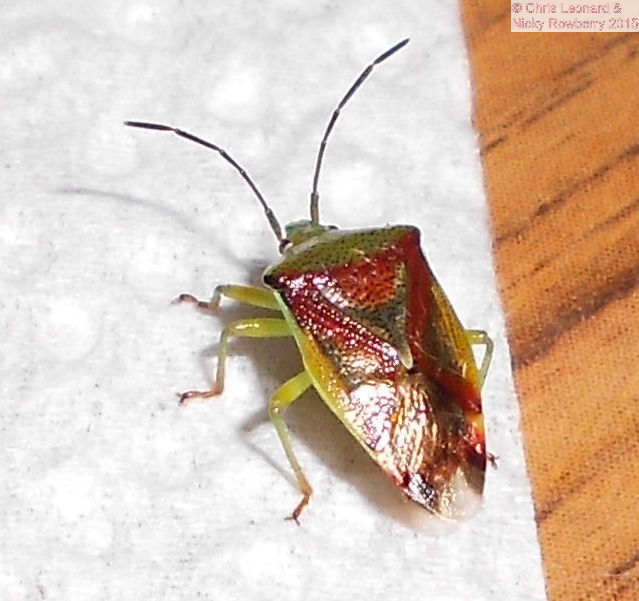
The Green Birch shieldbug is apparently more of a vegetarian and has a tendency to be attracted to lights – as this one was coming to the moth trap one night. Unfortunately it didn’t hang around long enough for me to get a more arty photo, hence him sitting on a bit of kitchen towel!  Green Birch ShieldbugThe remaining three species are the Sloe or Hairy Shieldbug, the Dock Bug and my favourite this adorable little Tortoise Shieldbug. I’m sure there must be other species in the garden waiting to be discovered – just need to fight through the weeds to find them next summer.


Tortoise bug

Wonder of the Day

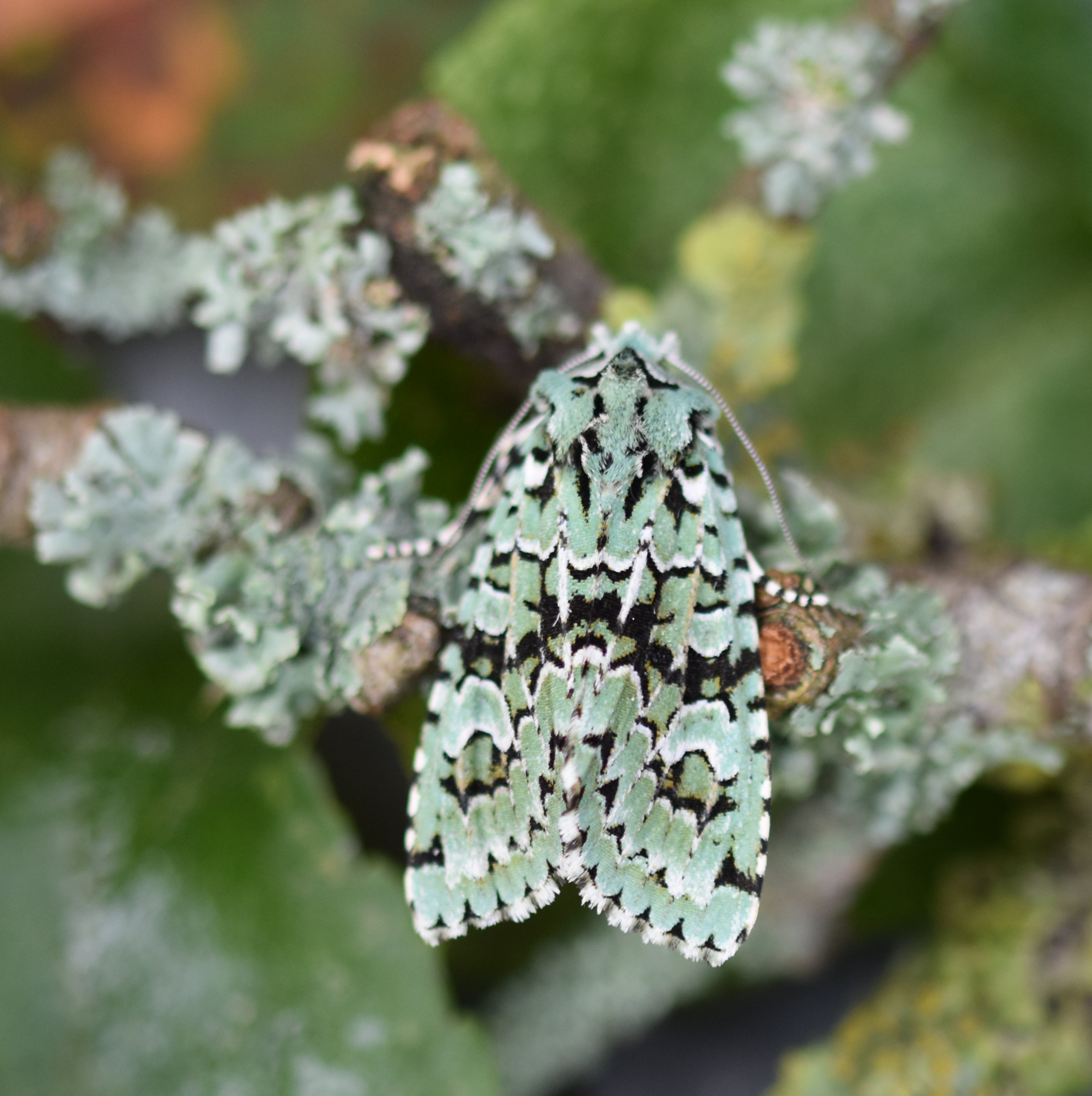
Emptying the moth trap last weekend at the crack of dawn, I could hear the frogs croaking in the half-light, while the garden was swathed in a light mist, spider webs draped around the trees glistening with dew – made me feel like I was deep in the Louisiana swamps (I have an active imagination at that time of day it seems). But the strange atmosphere was all forgotten when I spotted a Merveille du Jour; a French name for a beautiful British moth whose name means Wonder of the Day. I’d been wanting to see one of these little beauties for ages and been growing increasingly envious (moth envy is a terrible thing) of photos posted on Facebook showing Merveilles sitting beautifully camouflaged on green lichen. Of course my little wonder refused point blank to sit on the perfect bit of lichen I found on the apple tree, preferring instead to crawl up a brown twig – no sense of artistry!

The Merveille du Jour’s appearance had the added bonus of taking my moth species tally to 150 for the year – an arbitrary target I’d set myself. The trouble with setting yourself random targets is that as soon as you reach them, you set another one – so I now want 160 species this year! Fortunately my little wonder brought some of his mates along to the trap, so I bagged another 4 species taking the total to 154.

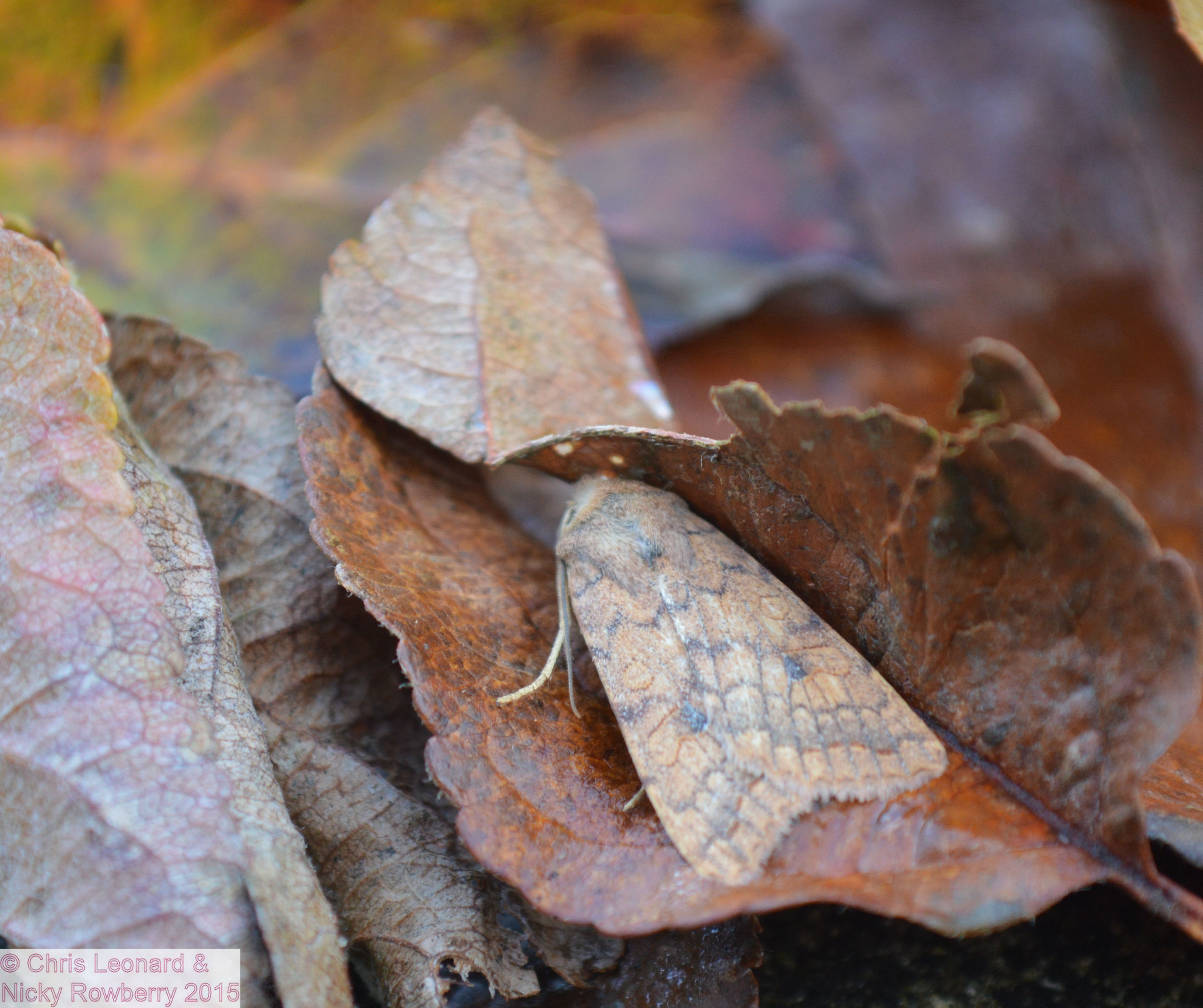
Several of these also displayed camouflage tendencies with subtle autumn colours, such as the Brick with its muted russet brown tones.

Brick

Beautiful Hook TipMy favourite though was perhaps this Beautiful Hook Tip, whose wings even had veins and curled slightly at the edges mimicking a dead leaf. Moths have a reputation of being dull grey or brown things, but I find these autumnal moths every bit as beautiful as their more showy cousins the butterflies.

The Humble (or not) Earthworm

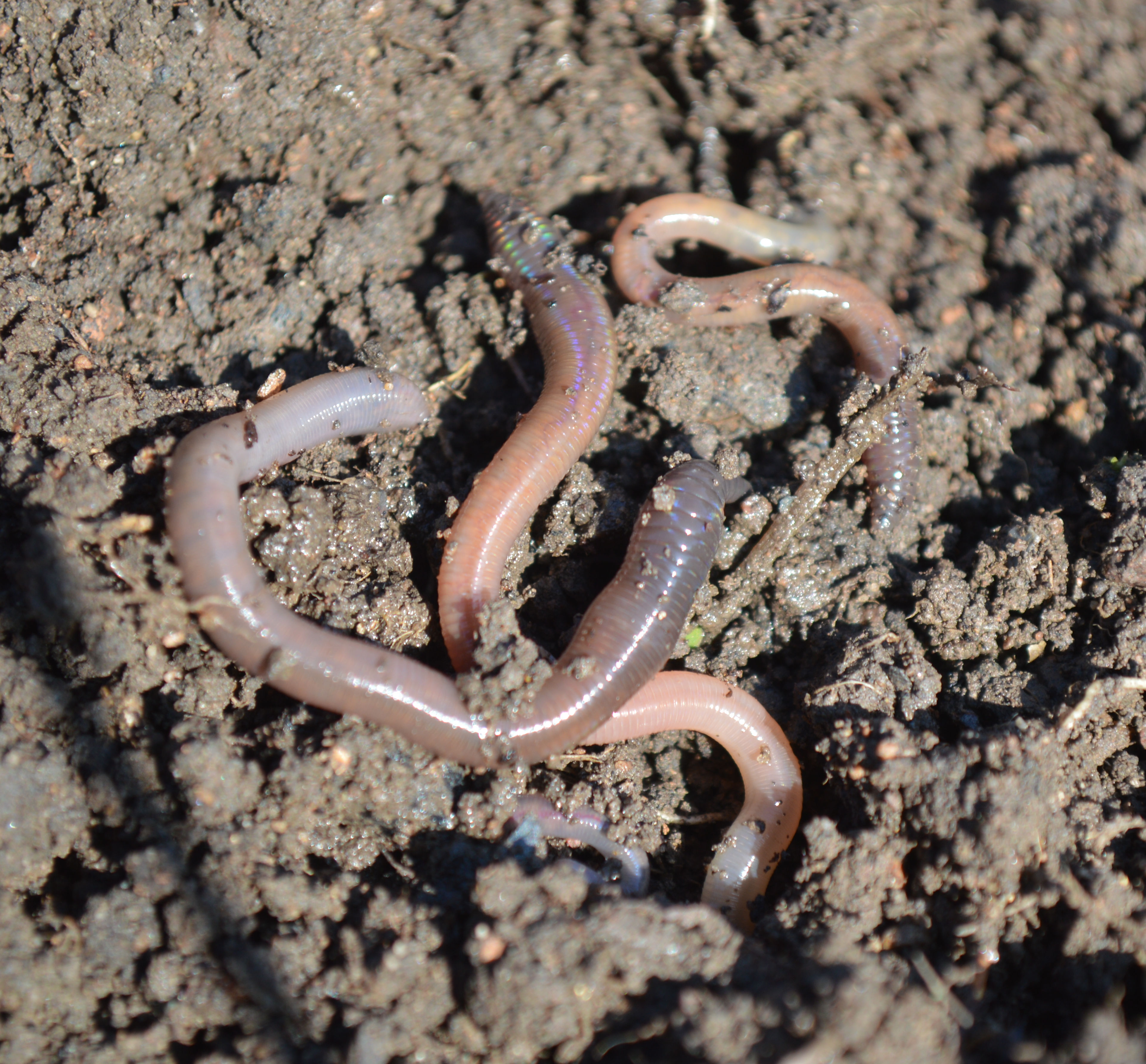
EarthwormThe Buglife charity’s Bug of the Month for September is the Common Earthworm. I know earthworms are probably at the lower end of the glamour scale when it comes to bugs – I also know that it may only be me that can possibly imagine a glamour scale of bugs! (butterflies would be near the top by the way) Nevertheless earthworms are probably some of our most important invertebrates, improving the structure of the soil and recycling nutrients. They’re not the most photogenic of creatures though and I’m not even 100% sure the worms I dug up here are Common Earthworms (Lumbricus terrestris), as it turns out there are quite a few similar species. But whatever they were, they were doing a good job of aerating our vegetable plots, enabling the weeds to grow even more enthusiastically.

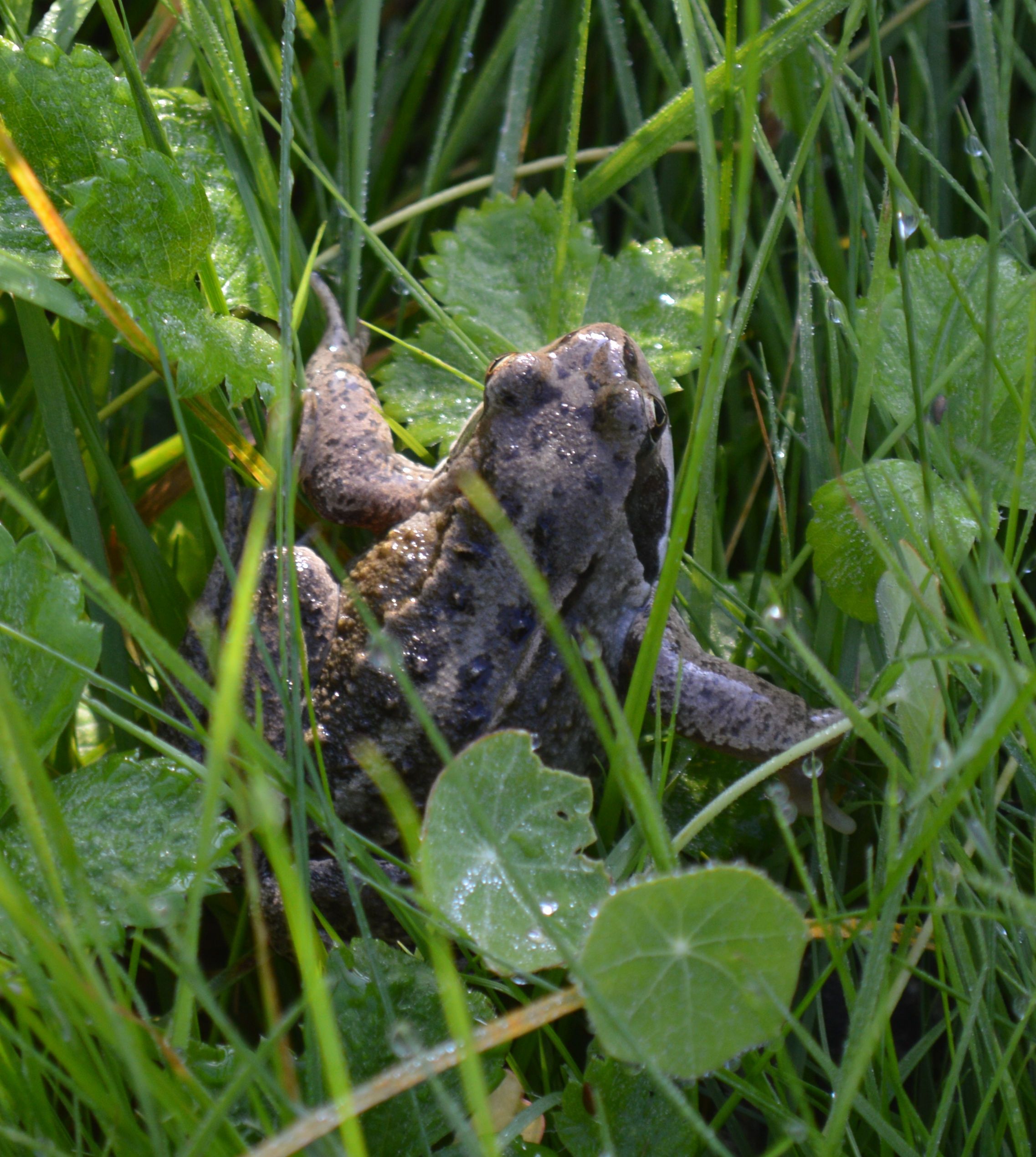
Toad 2While digging up the worms for the photo, I disturbed another toad who’d been minding his own business amongst the lush undergrowth growing where the veg should have been. Thankfully the garden fork missed him or we’d be getting a reputation in the amphibian world as toad harassers after last month’s incident with one of his comrades. Hopefully he forgave my intrusion when he found the pile of freshly dug worms – being bug of the month doesn’t save you from toady termination.