Big Lazy Review of the Year

Can’t believe 2016 is all but over. It’s been an awful year in many respects (depressing national and international voting outcomes, various terrorist atrocities, plus the loss of some truly great people), but our garden has provided welcome relief throughout. We may live in the middle of Malvern, but the garden is quiet and peaceful and the wildlife never fails to cheer me up. So here’s a bit of a round up of some of the highlights from 2016.

The year began with one of the many “citizen science” projects we try to participate in – the Big Garden Bird Survey. Throughout the year we also took part in the Big Butterfly Count, the Garden Bioblitz, the Garden Moth Scheme and Moth night as well as submitting assorted records for bees, ladybirds, dragonflies and even a glow worm.

30DAYSWILD_ID1 blackThe biggest project was taking part in the Wildlife Trusts 30 Days Wild Challenge. This ran throughout June and I managed to blog about something “wild” we’d done each of the 30 days. I was really chuffed when the blog made it to the final short list for the 30 Days Wild Blogger Awards. We didn’t win, but that didn’t matter as I had such fun doing it.


Scarlet TigerMoths were, as always, a big part of my year. The trap was out once a week throughout the summer for the Garden Moth Scheme. In the end we recorded 211 species in the garden – a new record total, which included many firsts for our garden. All beautiful, but none more so than this Tiger.

One of my resolutions from last year was to see more butterfly species. We may not be able to attract any more species to our garden, but when we were Out & About we managed to bag 10 more species – way more than I’d hoped for. This takes our lifetime tally to 38 – only about 20 more UK species to go! Every one was a delight, but ultimately you can’t beat the Purple Emperor!

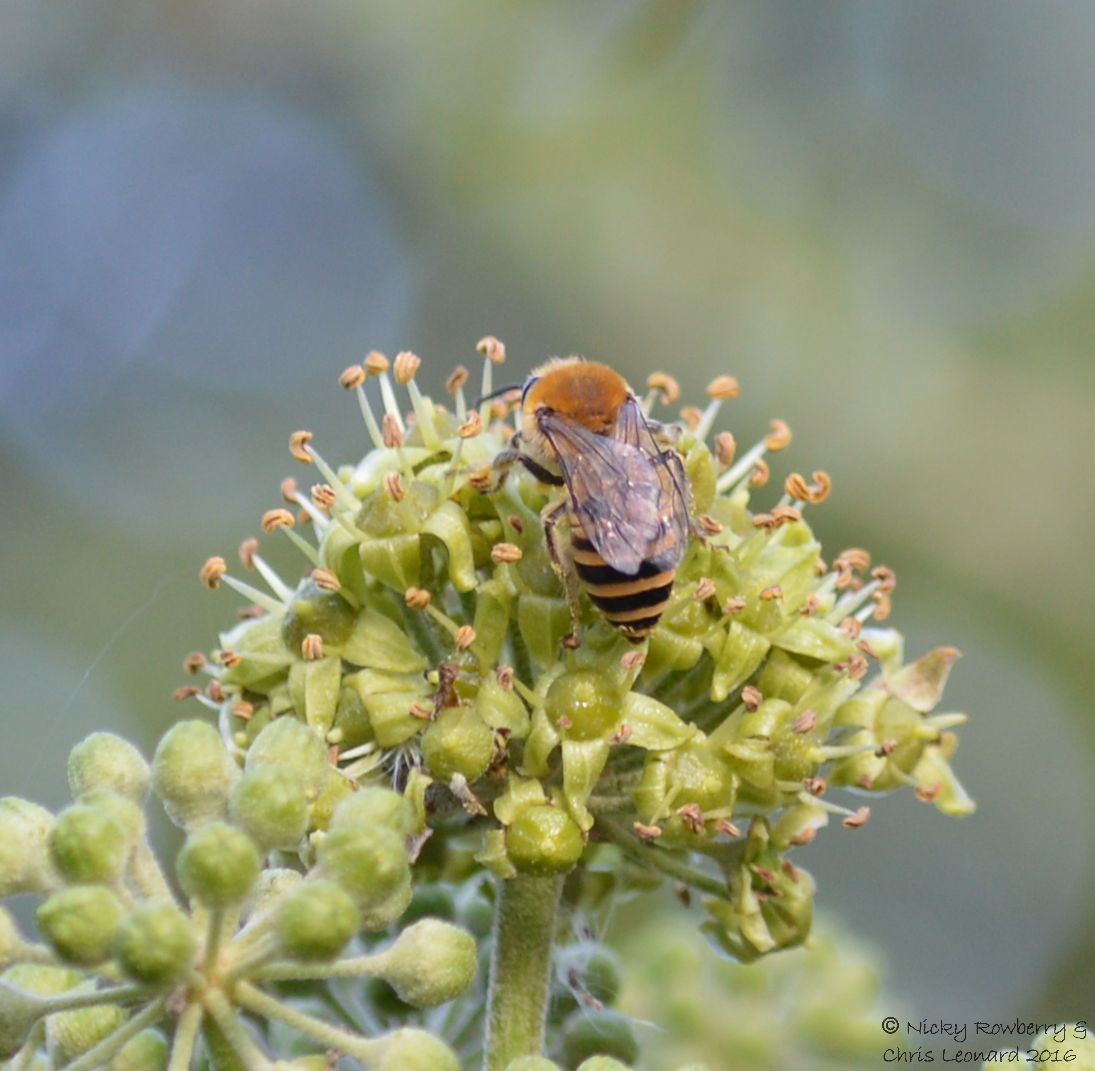
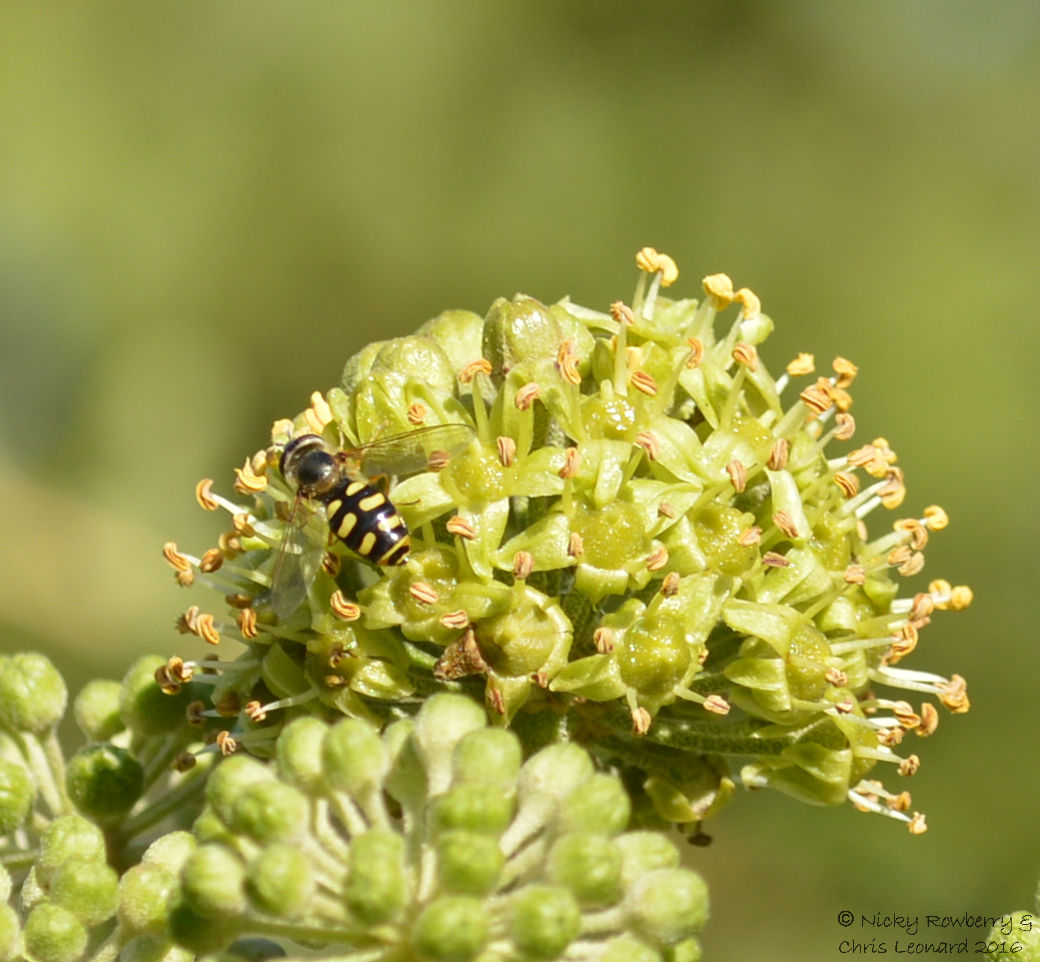
ivy-bee-7Last year we recorded 12 species of bee in the garden, which I’d thought was pretty good. This year we made it to 25! There may even have been more, but some require microscopic identification and as I don’t want to kill any, that was out. The final bee of the year was this Ivy Bee – new to Britain this species is gradually spreading north, so we were really excited to find it in our garden.
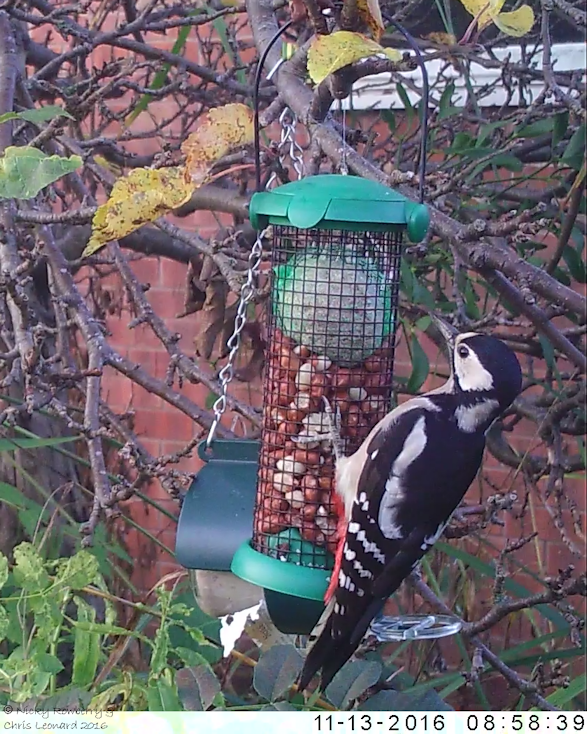
woodpecker-2One major innovation for the garden was our Trail Camera. Wish I’d bought one of these years ago as they are brilliant! We’ve been able to watch blue tits using the nest box, catch the squirrel stealing the bird food outside and mice stealing it in the garage, as well as watching the birds themselves feeding up close. We discovered we’d got Siskins and a Woodpecker that we’d never seen and followed Stumpy the magpie.


hedgehog-fredOne particular joy from the trail camera has been being able to watch our hedgehogs. We rescued 2 baby hedgehogs one boiling hot day in July, who were then cared for by our local hedgehog rescue lady. One of them (Fred) was returned to us and we watched him trundle around our garden with another older hog. We’ve now got 2 hedgehog houses and have learnt a lot about their behaviour from watching the video footage. Fingers crossed Fred and his friend survive the winter.
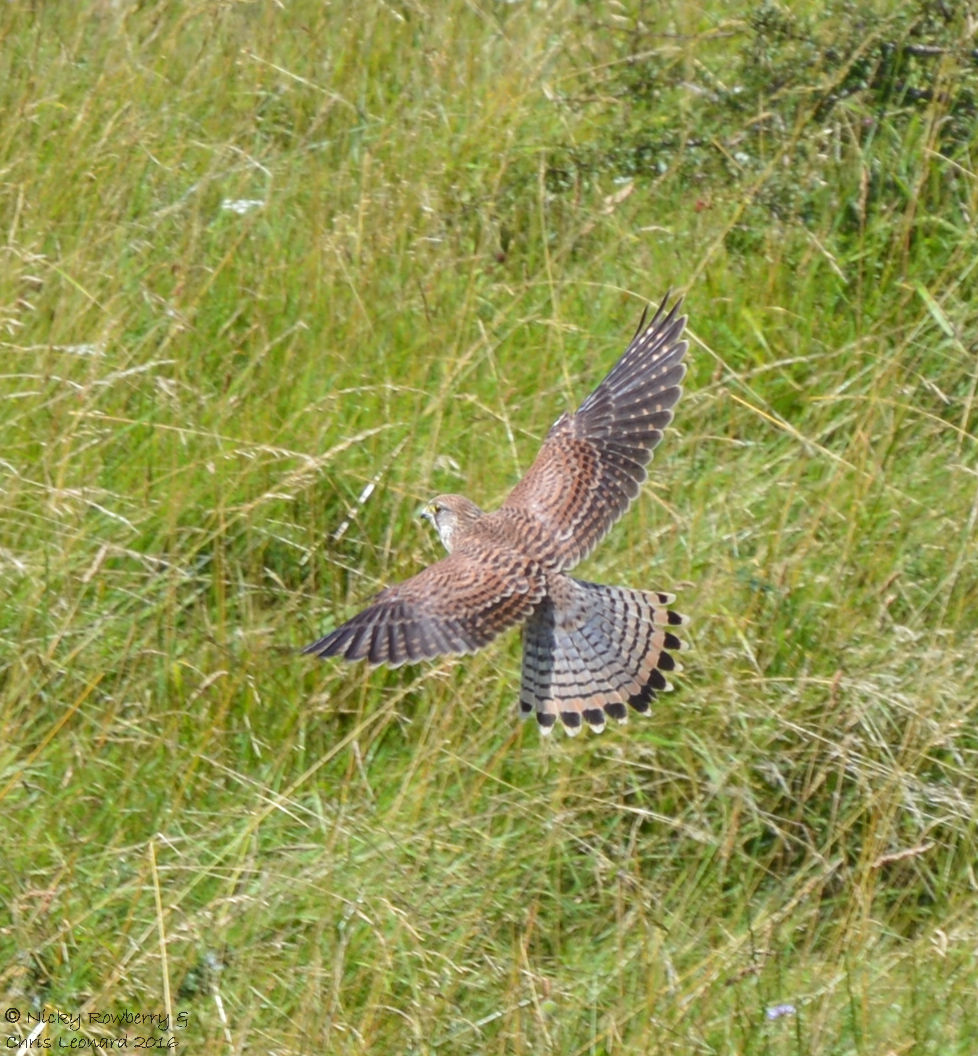
KestrelAs well as watching the wildlife in our garden, we were out and about quite a bit in the summer. We are lucky here to have so many wonderful nature reserves within easy distance. As well as the various new butterflies, we’ve seen slow worms and glow worms (the latter only as a larva unfortunately), kestrels, deer, puffins (admittedly we did have to go a bit further for these) and of course some beautiful countryside.

2016-12-31-14_39_48_315Last year I set out some wildlife resolutions and surprisingly we’ve actually managed to achieve some of them (wildlife resolutions are clearly much easier to follow than the ones about losing weight or cutting back on the Prosecco!) We did see more butterfly species, I did have a go at beetle trapping (not a huge success, but at least I tried), we did replace some of the naturally thriving weeds with specific butterfly/bee loving wildflowers. I even managed to identify the bats that come to the garden in the summer (Pipistrelles) thanks to another new toy, my bat detector.

We didn’t however manage to dig a new pond and the old one is getting increasingly silted up. I also haven’t got round to the new moth tattoo, although I have made some enquiries with various tattooed lorry drivers who come to my work as to where they got theirs done. (much to their bemusement I expect!)

So New Year’s resolutions for 2017?

  • The new pond has to be top of the list, before our frogs and newts give up on us totally.
  • Get video/photos of the blue tits fledging this time (assuming they nest in the garden again). Although we filmed the adults feeding, we somehow managed to miss the babies emerging, so really want to get that this year.
  • Try to bag a few more butterfly species – targets will be Small Pearl Bordered Fritillary, Duke of Burgundy and Grizzled Skipper, but more if we can manage.
  • Try and find Ivy bees at a few more sites. Don’t think there are many records for Herefordshire yet, so hopefully we can head over to my Dad’s and add a few more dots to the map.
  • Start compiling records for hoverflies in our garden – I know we get lots, but we’ve never really had a proper go at identifying them all. I feel a new obsession coming on!
  • 30 Days Wild for 2017.
  • Maybe that tattoo!

Thank you to all the people we met while out and about this year. We met some lovely people who helped us identify birds and butterflies and pointed us in the right direction when we were wandering aimlessly in search of this species or that. Thanks also to our local hedgehog lady Viv who does such an amazing job and let us have Fred back all fattened up and healthy. And thanks to everyone who’s been following the blog and to all the other bloggers that I follow and who are so inspiring. Wishing you all a happy, healthy and wildlife-filled 2017!

Autumn Flower Power

The colours in the garden are gradually changing from the bright floral ones to the more subtle leafy ones. While we can appreciate the change in the dynamics in the garden, it can be a really tough time for the insects that are still around. The leaves may look fabulous, but they don’t provide the nectar and pollen that the bees and other insects need to keep them going. Fortunately as the other flowers fade away, one comes into its own – the strange sputnik-like blooms of ivy.

ivy-flower

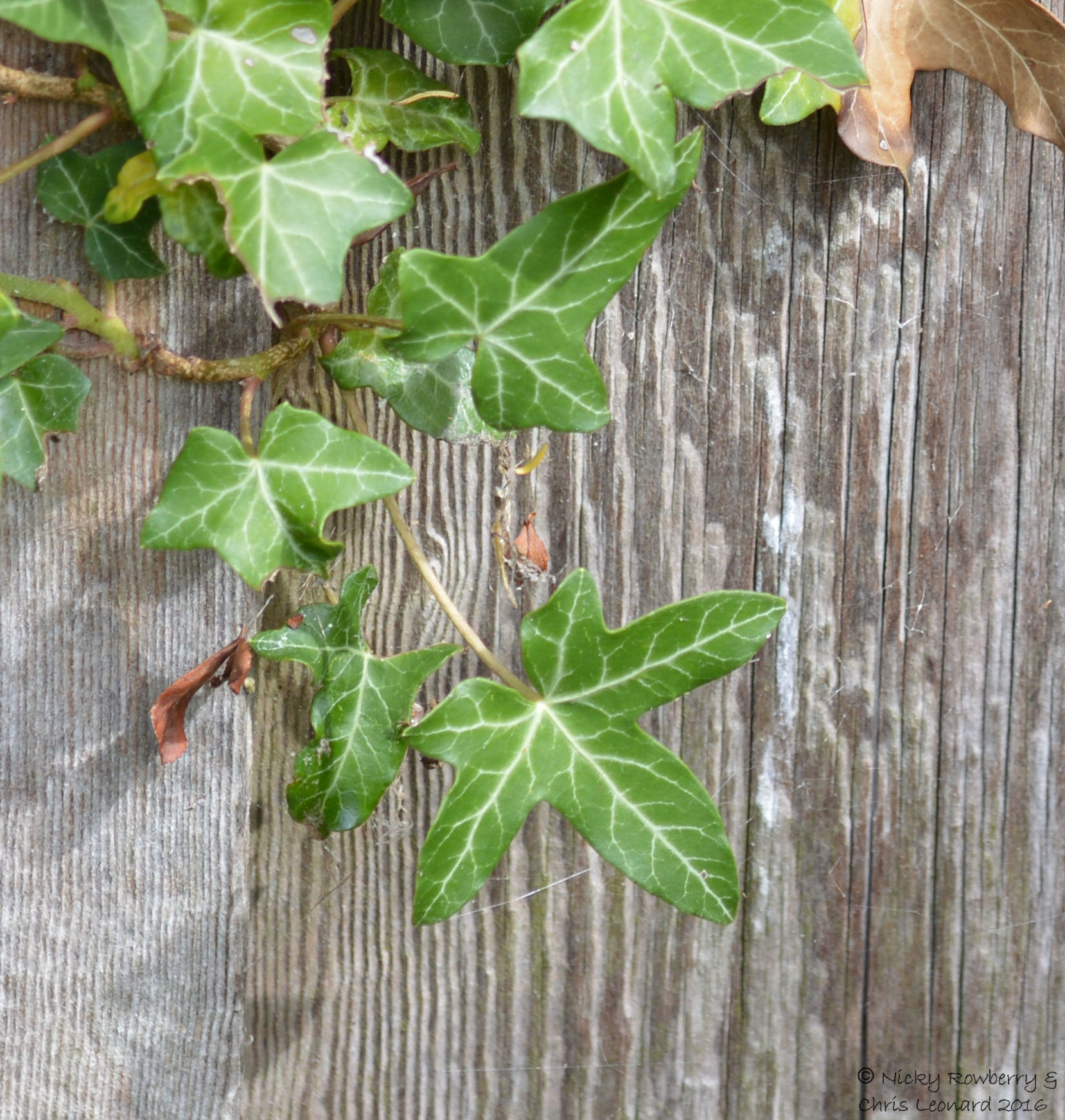
I am a relative newcomer to the ivy fan club, having not really appreciated their contribution until this year. We’ve had ivy growing along the fence for a long time, but I’d never noticed any flowers. Turns out this wasn’t just my short-sightedness, but the fact that ivy doesn’t flower until it is mature. Young ivy leaves are markedly lobed like the ones below.

young-ivy

On mature stems the leaves lose their lobes and have a more undefined wavy edged shape, like the ones below. The flowers only occur where there are mature stems. So it may be that it is only this year that our ivy has been old enough to flower, rather than me being spectacularly unobservant!

shieldbug-on-ivy

The leaves themselves are of course hugely beneficial habitats for a host of species. Our ivy has lots of the shieldbugs (as above), which are well camouflaged and can hide amongst the foliage. The ivy in our garden is confined to our fence and the ground immediately below it. The ground cover provides refuge for our resident frogs and the occasional toad. In places where the ivy is more extensive, it can apparently be a really good roosting place for bats (my dream house would be a big old one, covered in ivy and home to flocks of bats!!)

Ivy is of huge benefit to autumn insects – when most other flowers have faded, the ivy provides much needed pollen and nectar. One insect has based its whole life cycle on it – the Ivy Bee (below) even times the emergence of the adult bees to coincide with the ivy flowering.

ivy-bee

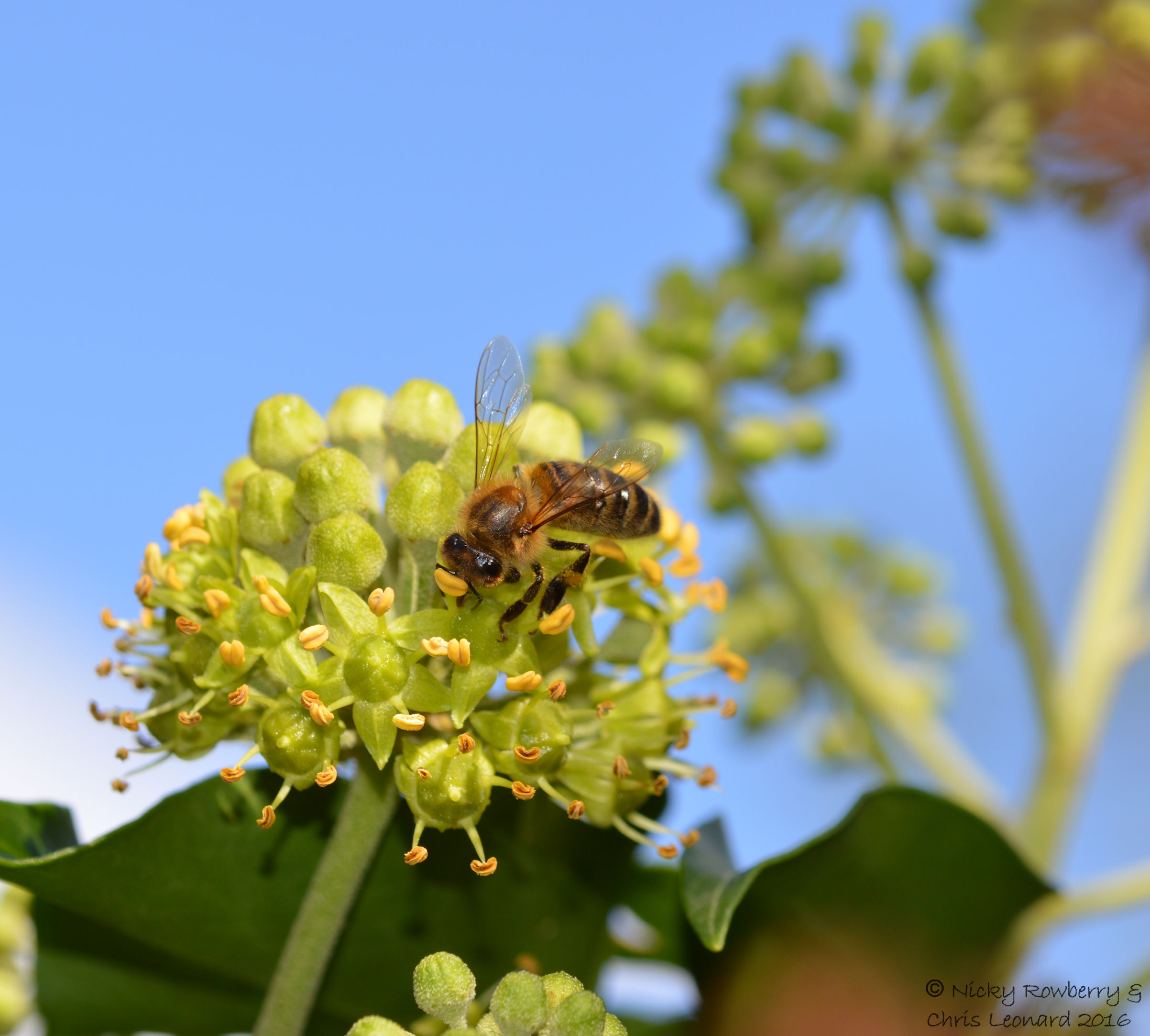
The Ivy Bee may feed specifically in ivy, but lots of other bees make good use of it too. In my quest to photograph the Ivy Bees, I’ve seen lots of other bees making the most of the flowers. A large patch of ivy can be absolutely buzzing with honey bees like the one below.

honey-bee-on-ivy-2

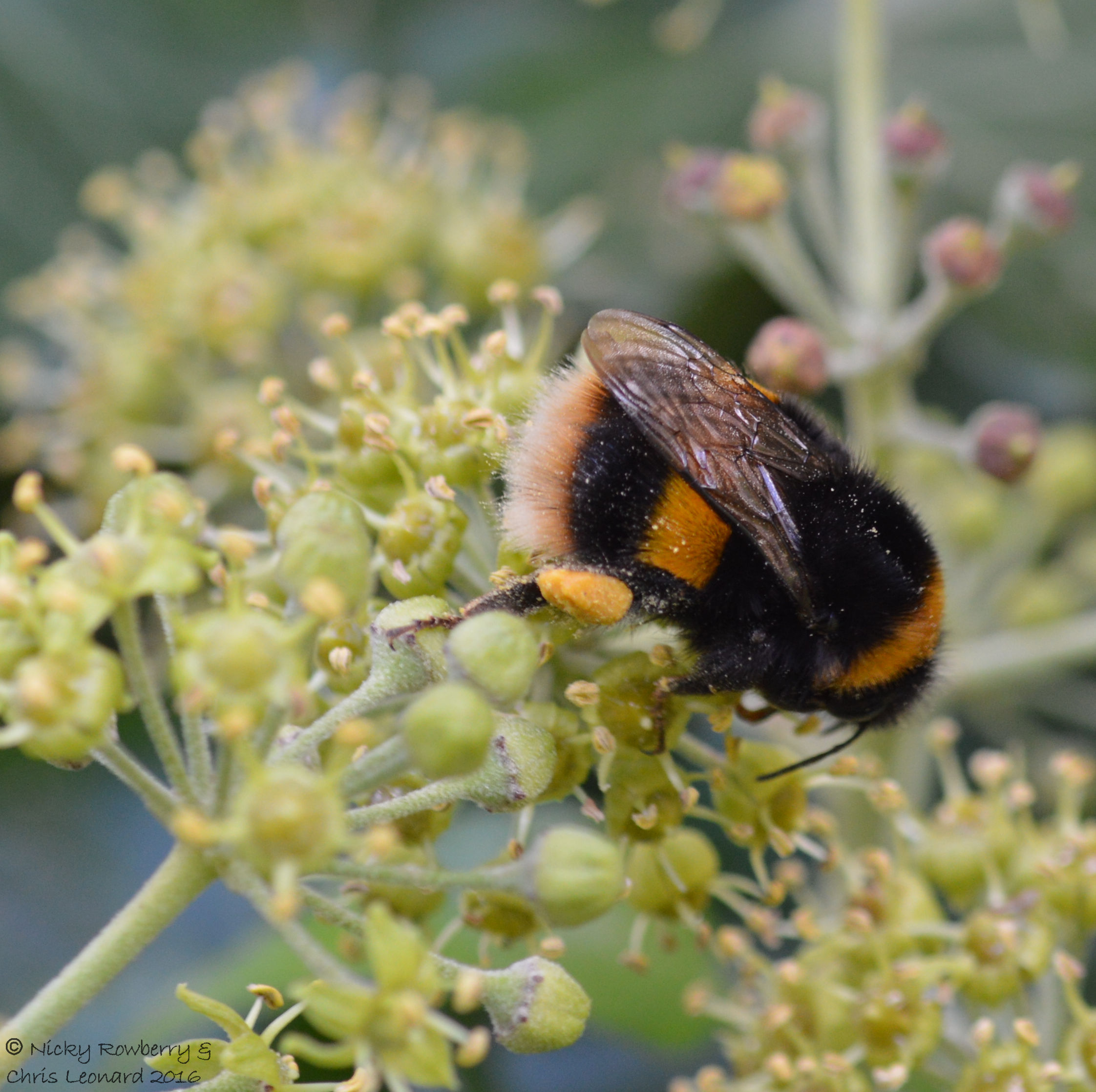
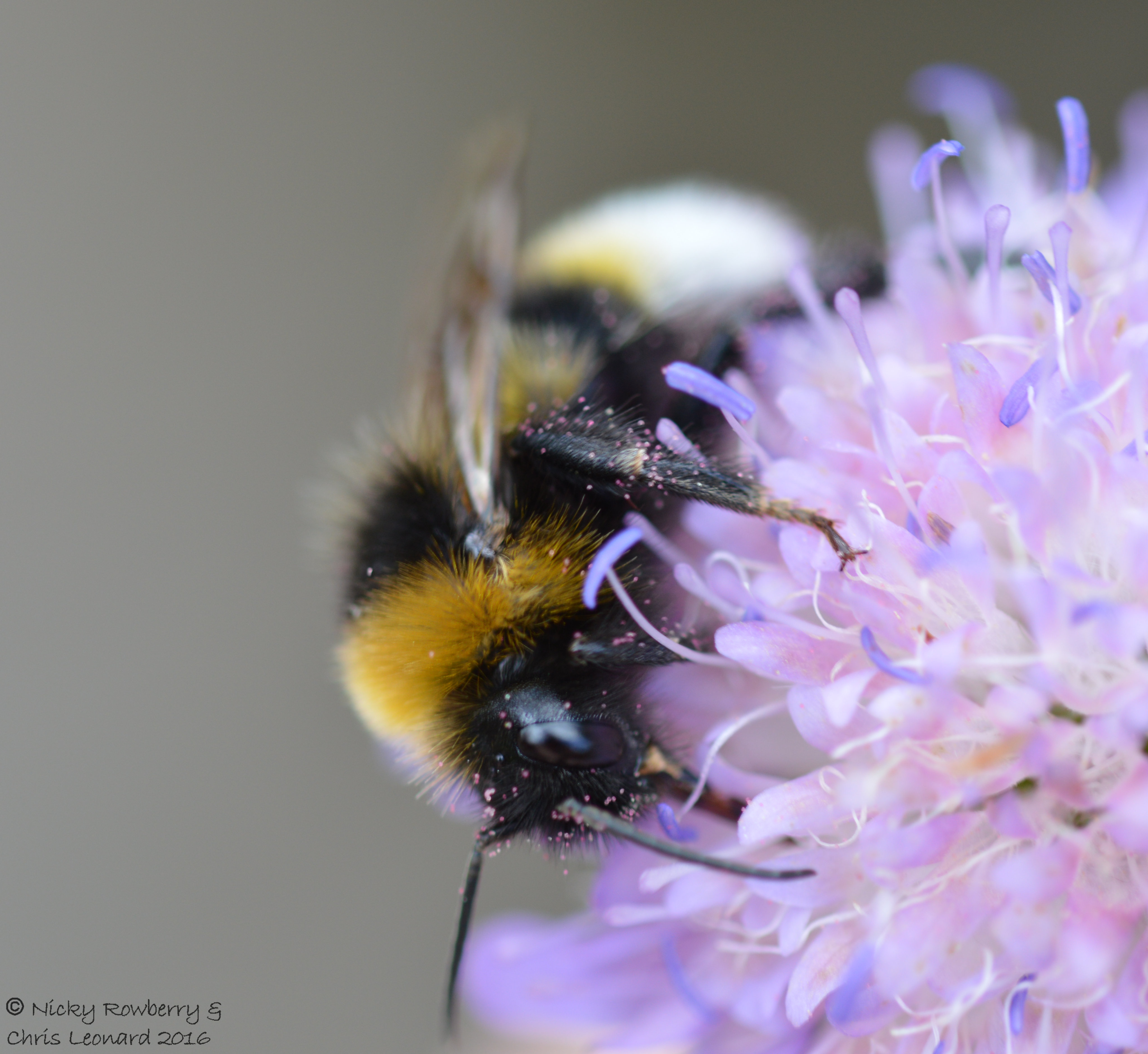
This queen Buff-tailed Bumblebee was loaded up with pollen and may have been preparing to start a new colony.

bumblebee

Some autumn butterflies will also make use of the ivy to build up energy reserves so they can hibernate over the winter. For weeks now I’ve been seeing other peoples’ photos of Red Admirals feeding on the ivy, but although we’ve had them fluttering around ours, they always seemed to land on the neighbour’s side of the fence, so I couldn’t get a photo! Finally last weekend I spotted this one in the churchyard in Bodenham and after a bit of chasing it settled down and let me take some pics.

red-admiral

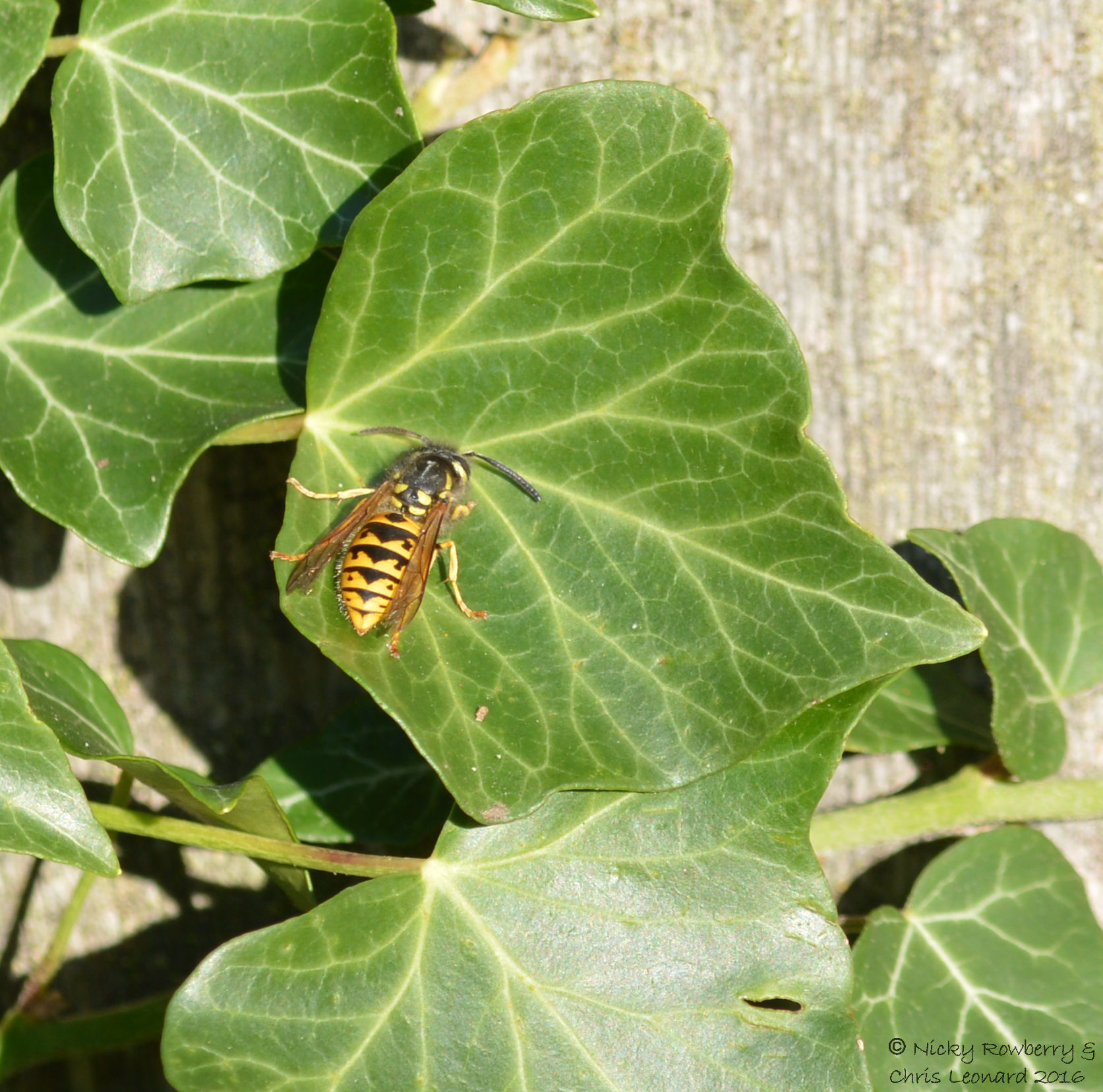
Our garden ivy gets a lot of wasps – probably more of them than the bees. They seem to like resting on the leaves in the sunshine, between bouts of feeding on the flowers.

wasp-on-ivy

wasp-v-vulgaris-on-ivy

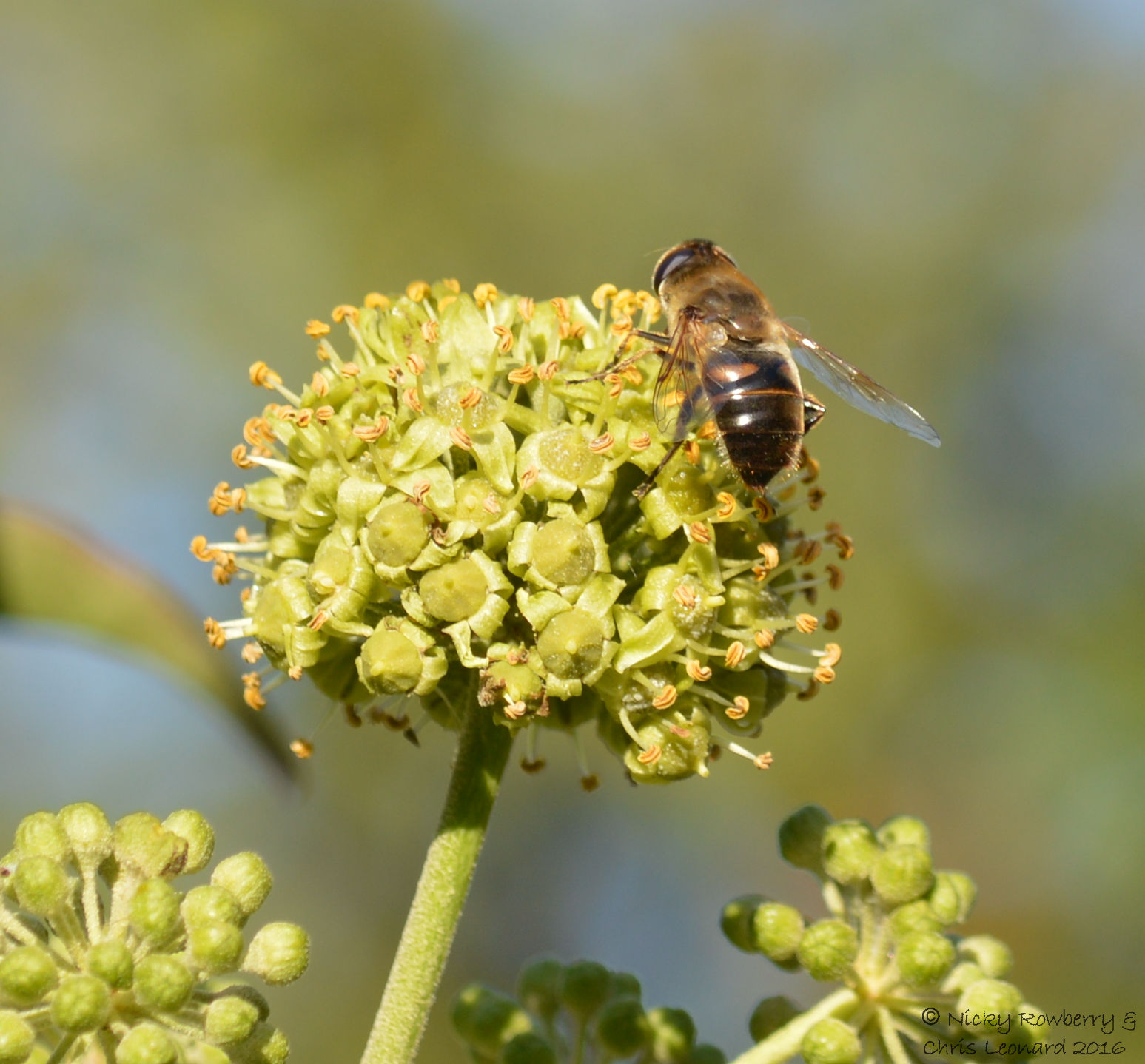
Hoverflies are also abundant on our ivy – here are just a couple – top a brightly coloured Eupeodes sp. and bottom an Eristalis sp.

hoverfly-on-ivy-3

hoverfly-on-ivy-2

Many other insects will make use of the ivy too. It is apparently an important source of food for many moths, although I’ve yet to successfully photograph one on ours. At the less glamourous end of the insect spectrum – the flies also enjoy a nice bit of ivy. This was one of the more attractive ones (I’d call it a Green Bottle, but no idea what its proper name is?).

fly-on-ivy

Once the flowering has finished, the ivy produces berries that are a valuable source of food for garden birds. The ivy berries last much better than some other fruit, so can provide food right through the winter, when hawthorn and rowanberries are long gone. Now that I have ivy flowers in the garden, I will hopefully get some berries – with a bit of luck I’ll be able to get some trail cam footage later in the winter of birds eating them!

Some gardeners consider ivy to be a nuisance, but for me the pros far out weigh the cons and now that I’m finally looking at it properly – it really is a beautiful plant!


Awesome Autumn

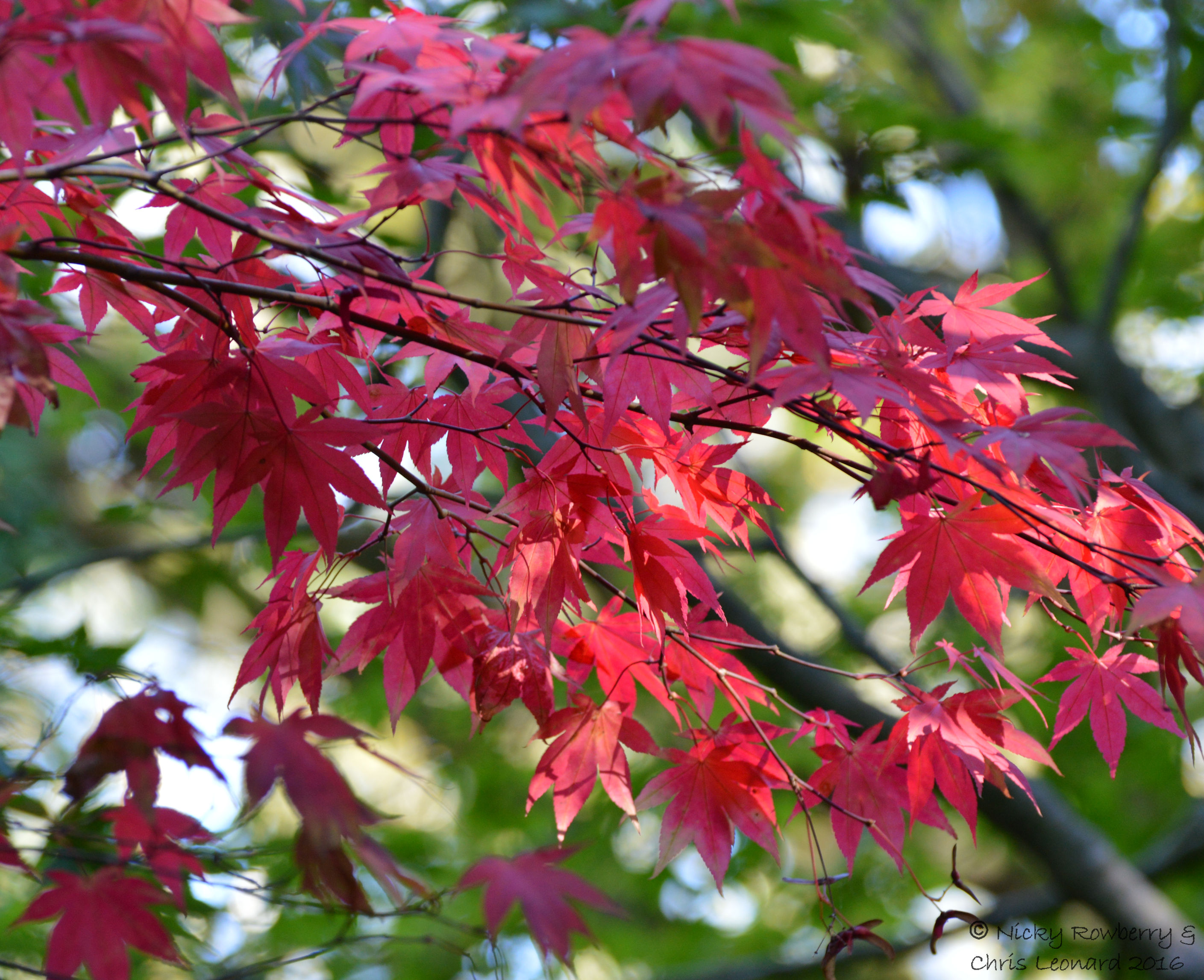
Feeling the need to get out and about at the weekend before the days got too cold, I headed over to Bodenham in Herefordshire. This is the village I grew up in – there’s something very comforting about an autumnal walk around childhood haunts. The area has beautiful woods, lakes, a small river & a pretty village – all the ingredients for the perfect walk. This post is mainly and unashamedly a celebration of autumnal colours.

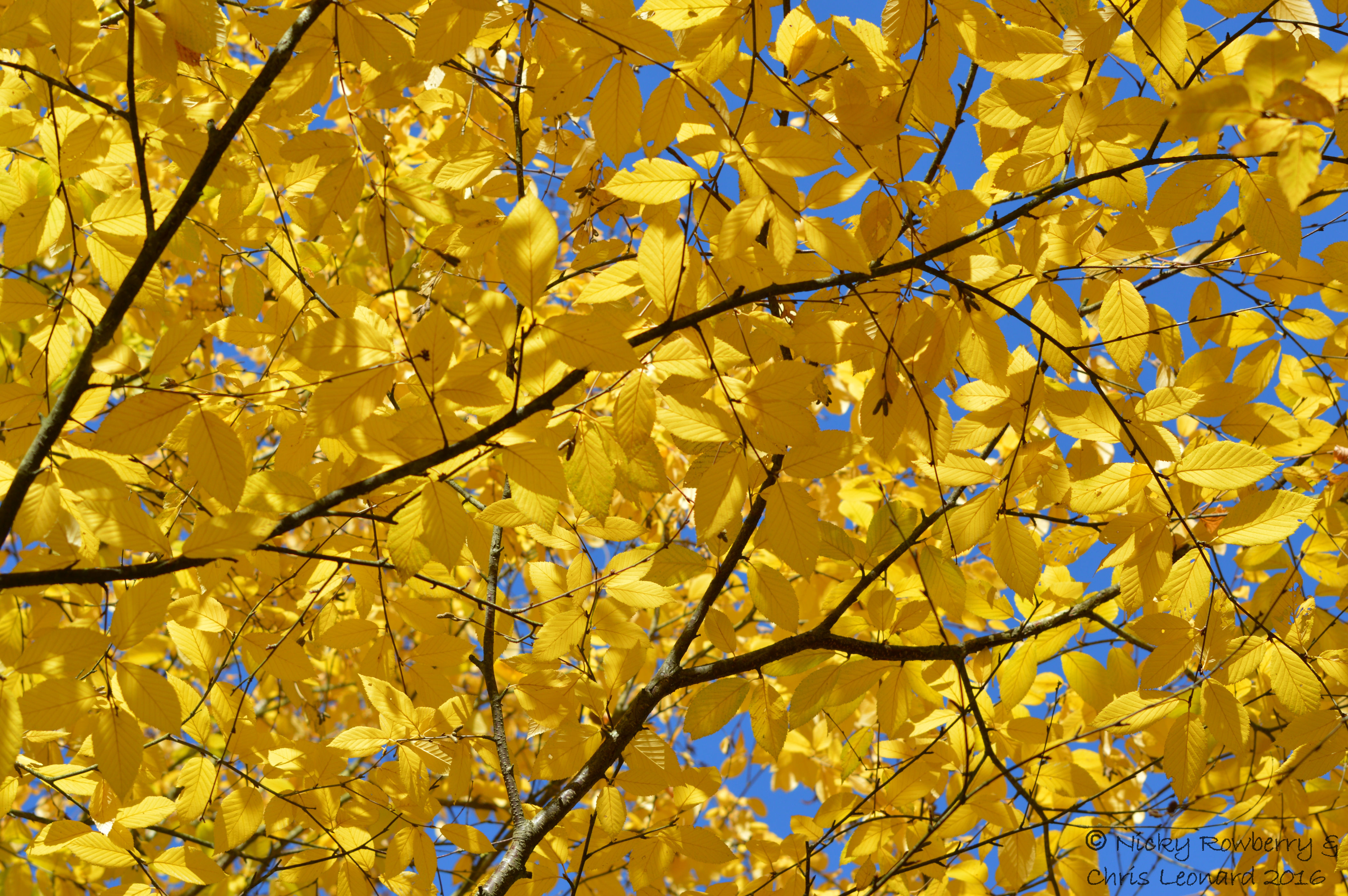
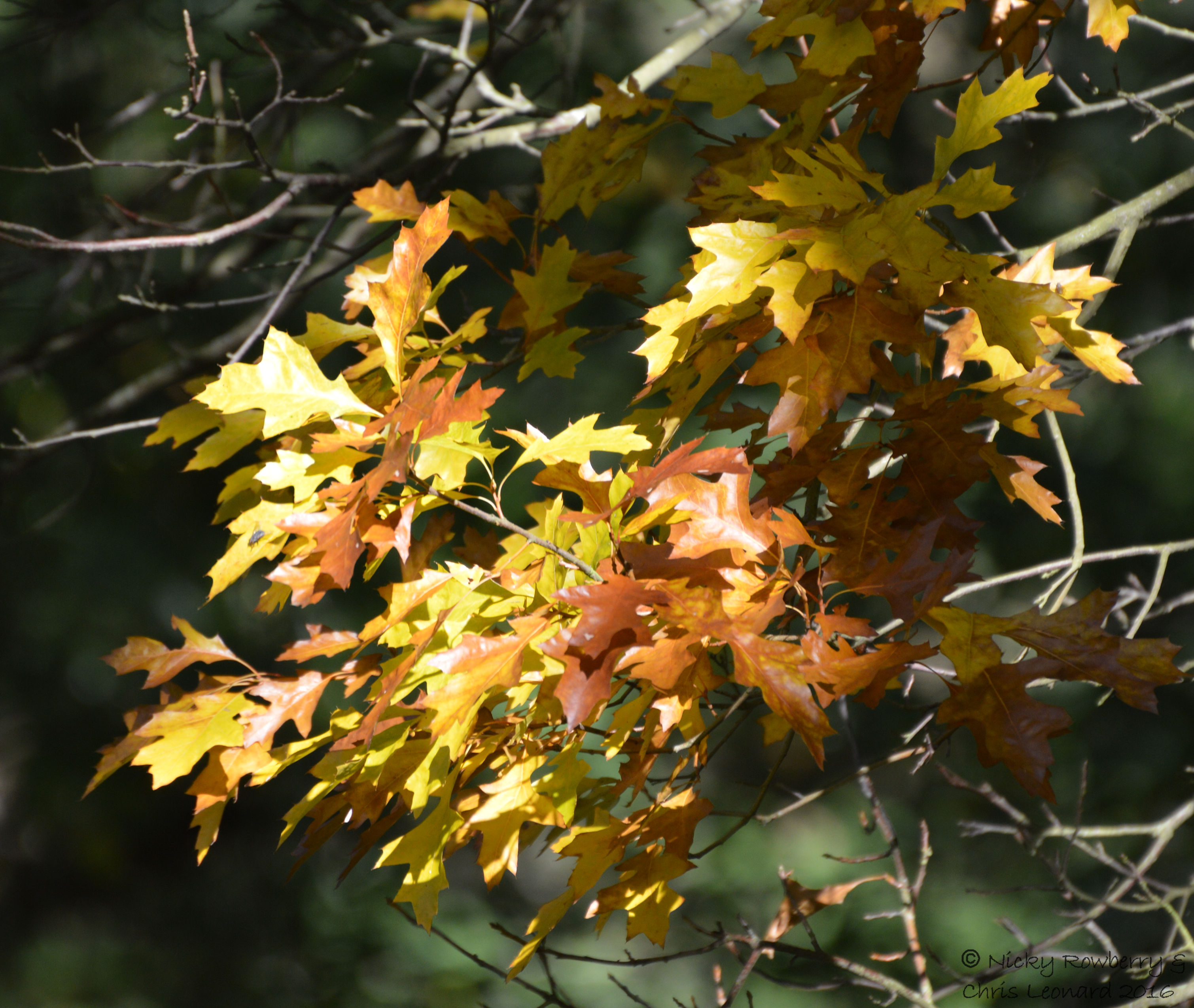
I started off in Queenswood Country Park. The trees were just starting to come into their full autumn glory. I’m not good on tree identification, but I really just loved the colours – it doesn’t really matter what the species are.

leaves-6

leaves-3

leaves-5

leaves-4

The leaves of course look great when you see them on a larger scale still on the trees. But they also look good if you focus in on just a few on the ground.

leaves-7

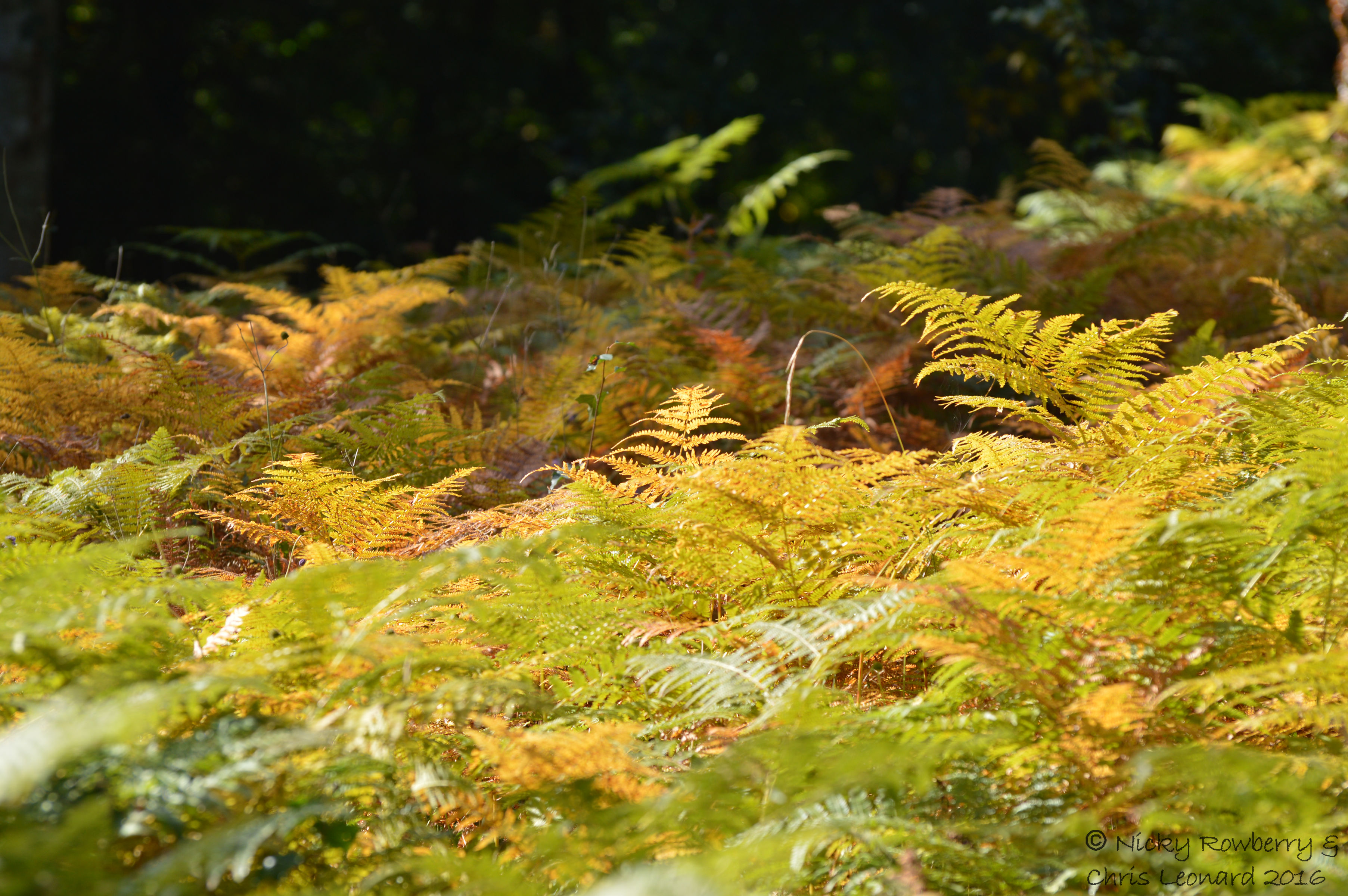
The trees weren’t the only plants turning colour – the ferns were looking splendid too, turning coppery gold in the sunshine.

ferns

ferns-3

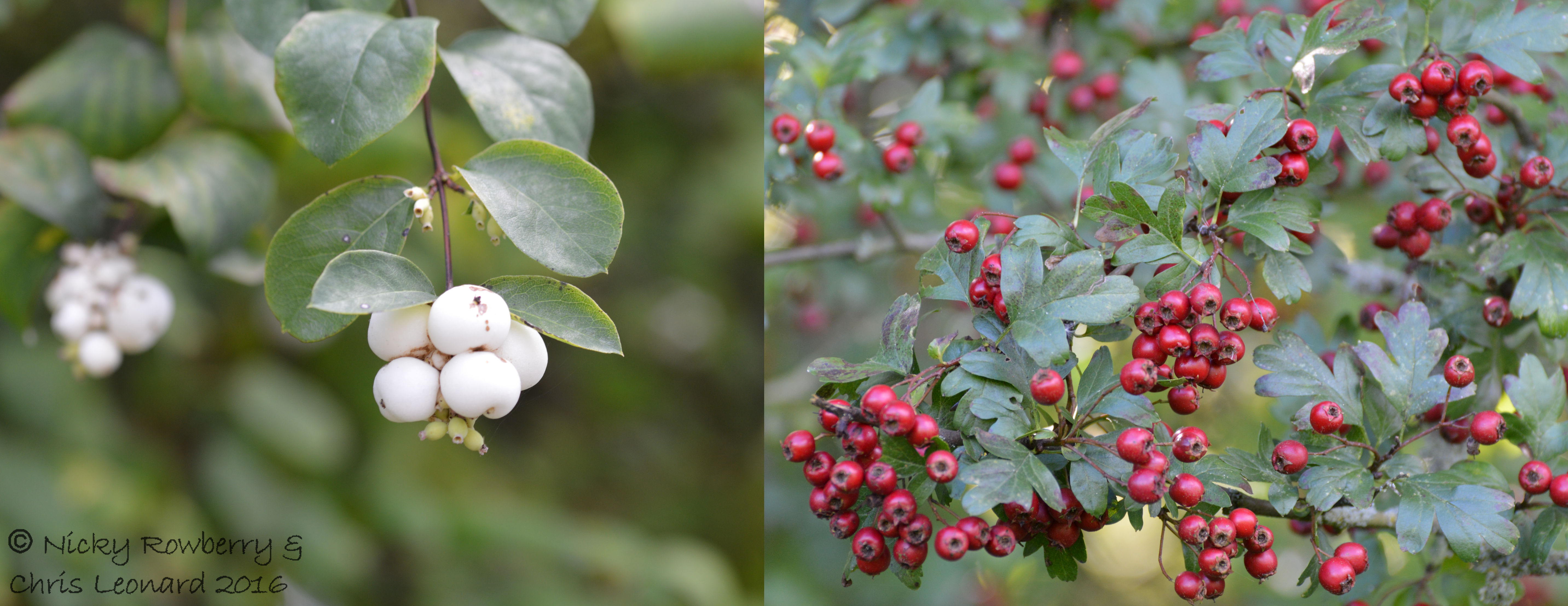
The woods and hedgerows were bursting with berries and fruit of all colours, which was great to see, although the holly did make me feel like Christmas was on its way!

berries

red-white-berries

black-rowanberry

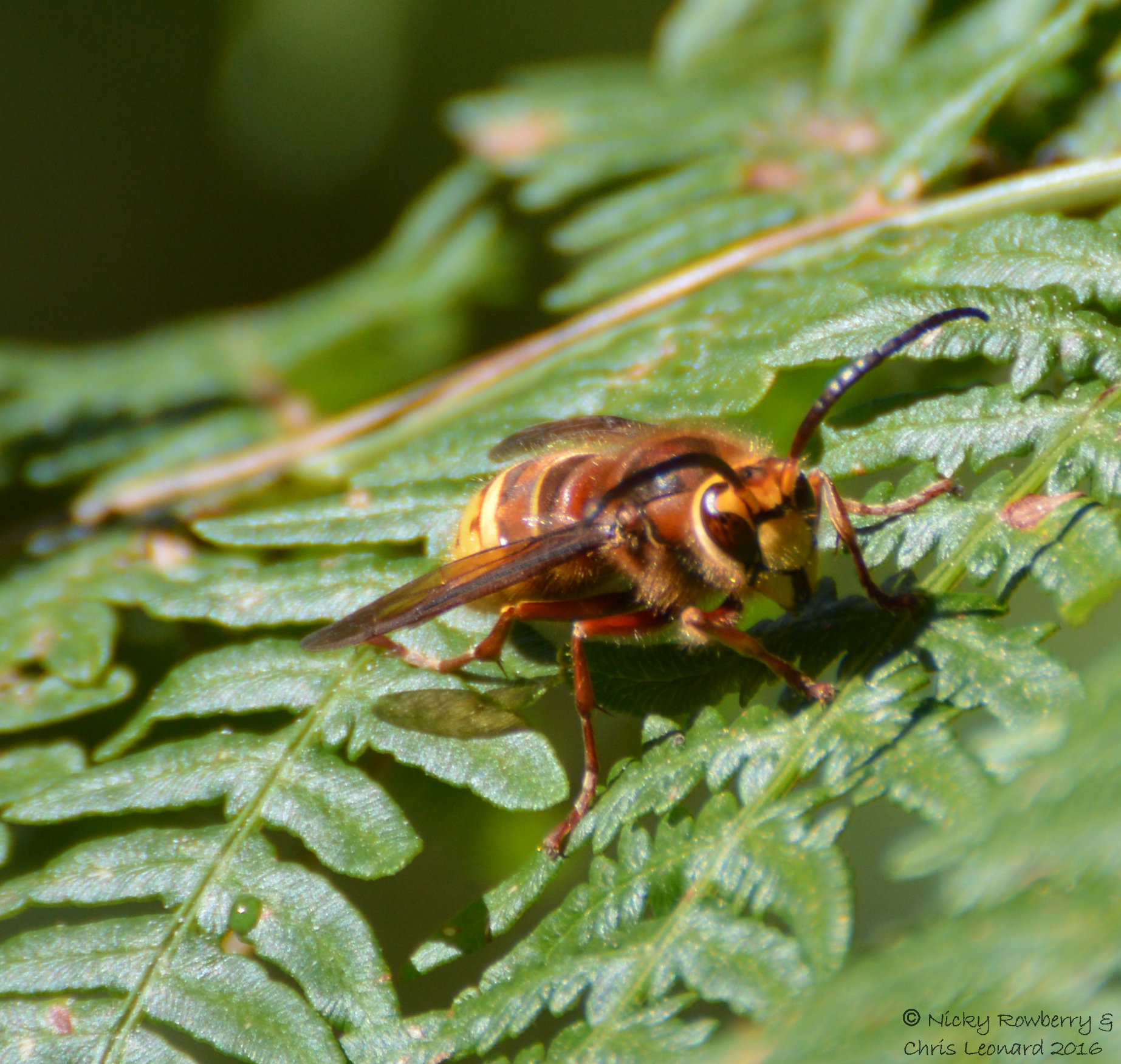
It may be late in the year, but there were still plenty of insects about. The ferns in the wood had several large hornets buzzing around (no need to panic, they were our normal hornets, not the dreaded Asian hornets). I’ve always rather liked hornets and if you don’t bother them, they don’t bother you!

hornet

There were also still a few bees around, like this Common Carder and a large Buff-tailed Bumblebee queen gathering pollen from the ivy.

carder-bee

bumblebee

The village has a lot of ivy and of course I couldn’t resist checking it for Ivy Bees. After chasing a lot of Honey Bees, I finally spotted a single Ivy Bee – good to know that this new British species has reached Bodenham (the record has been duly logged on iRecord for the Ivy Bee mapping project).

ivy-bee

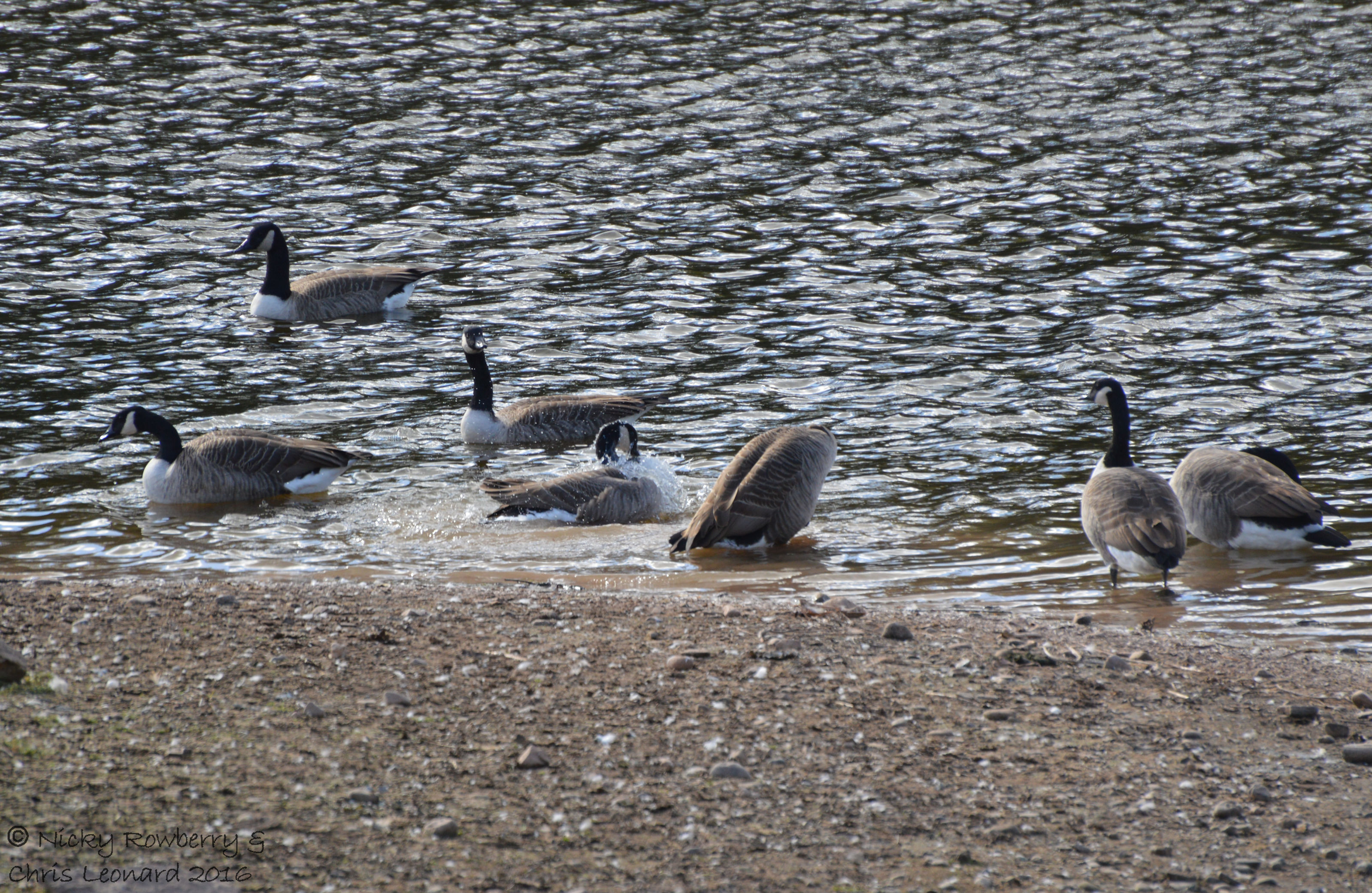
The woods of course had lots of birds and squirrels rustling about in the canopy, all making a point of staying out of clear shot of the camera. Fortunately Bodenham Lakes have a bird hide, so I whiled away some time watching a large flock of Canada Geese, splashing about in the shallows.

canada-geese

Autumn is a photographers dream – I wish my photos did it justice. It also makes me wish that I could paint to capture the subtle ochres and tawny russets that epitomise this time of year for me.


Ivy Stakeout

As stakeouts go, this may not have been the most action packed and I doubt they’ll make a movie of this one; but the end result for me was all the excitement I needed! We’d been seeing loads of posts on social media about Ivy Bees (Colletes hederae). This species of bee was only discovered in Britain in 2001, when they were spotted in Dorset. Since then they’ve been spreading north and have reached as far as Staffordshire.  They forage pretty much exclusively on ivy flowers, so the adults emerge in time to match the ivy flowering in September.

As usual bee envy set in and I wanted to see them too.  So this is how I came to be staking out the ivy in our garden today. It’s not a huge patch of ivy like the one down the road, but it is flowering, so I sat down to wait.

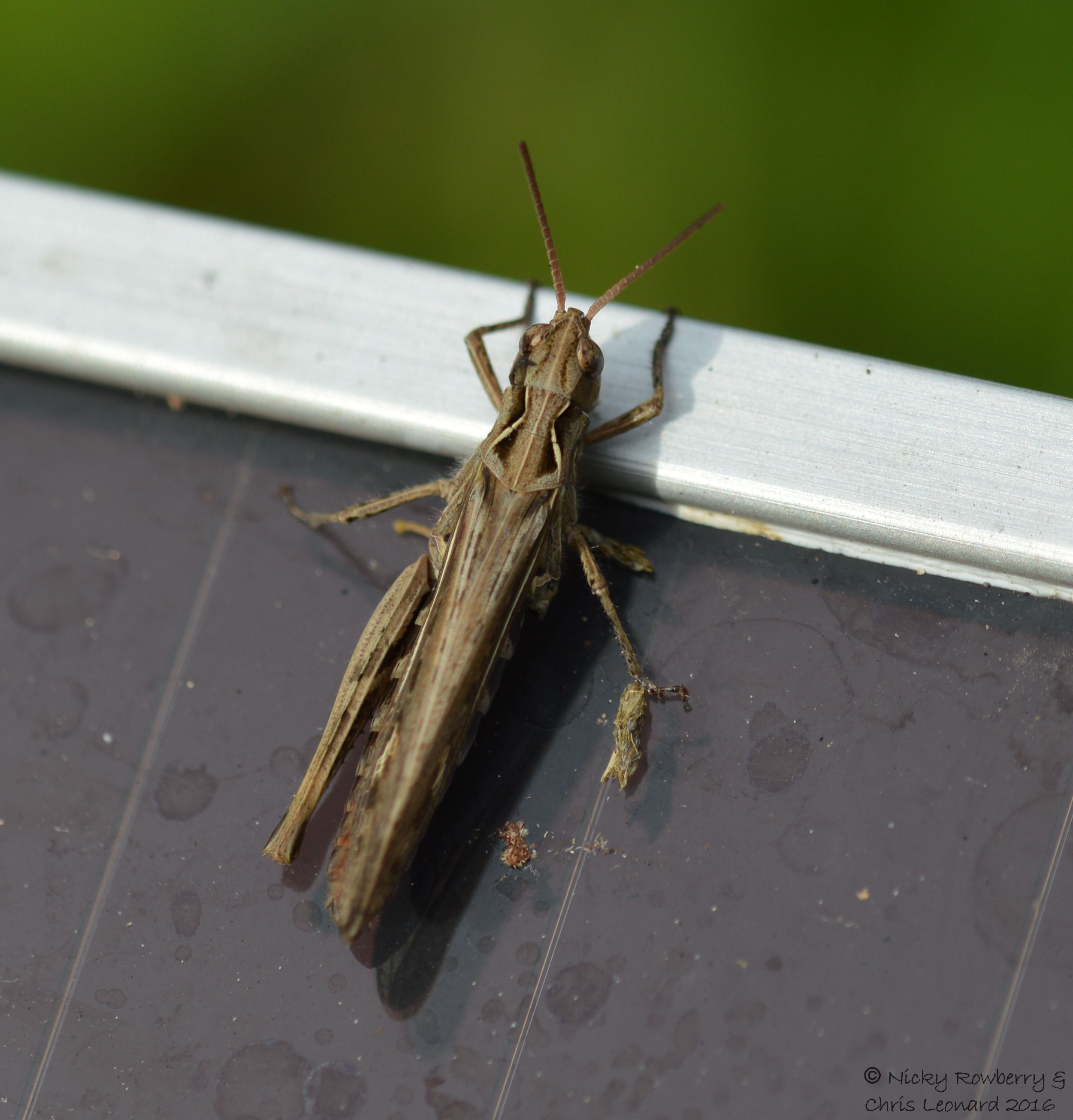
Since I wasn’t immediately inundated with the desired bees, I spent time observing the other insects. There was a surprising amount around considering it is now technically autumn. This grasshopper may have been missing one back leg, but it was making the most of the sunshine, sitting on top of one of the solar panels for the pond pumps.

grasshopper-on-solar-panel

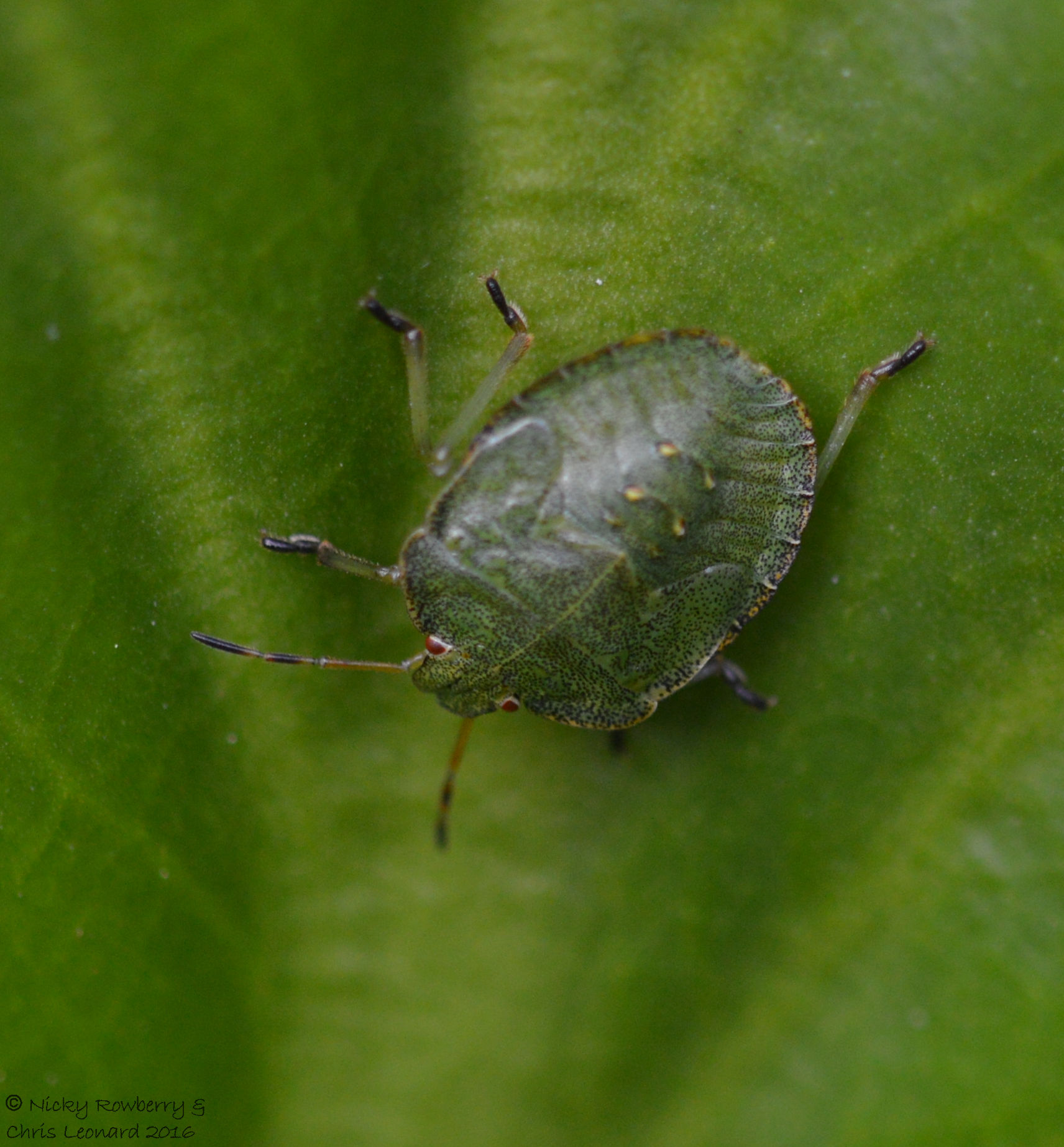
There were also a few Green Shieldbug nymphs, of varying stages, meandering about the leaves at my feet, with at least one adult visible but out of photographic range.

shieldbug-nymph

shieldbug-nymph-2

I got a bit excited when I spotted something on the ivy flowers, but it turned out to be just a Common Wasp.

wasp-v-vulgaris-on-ivy

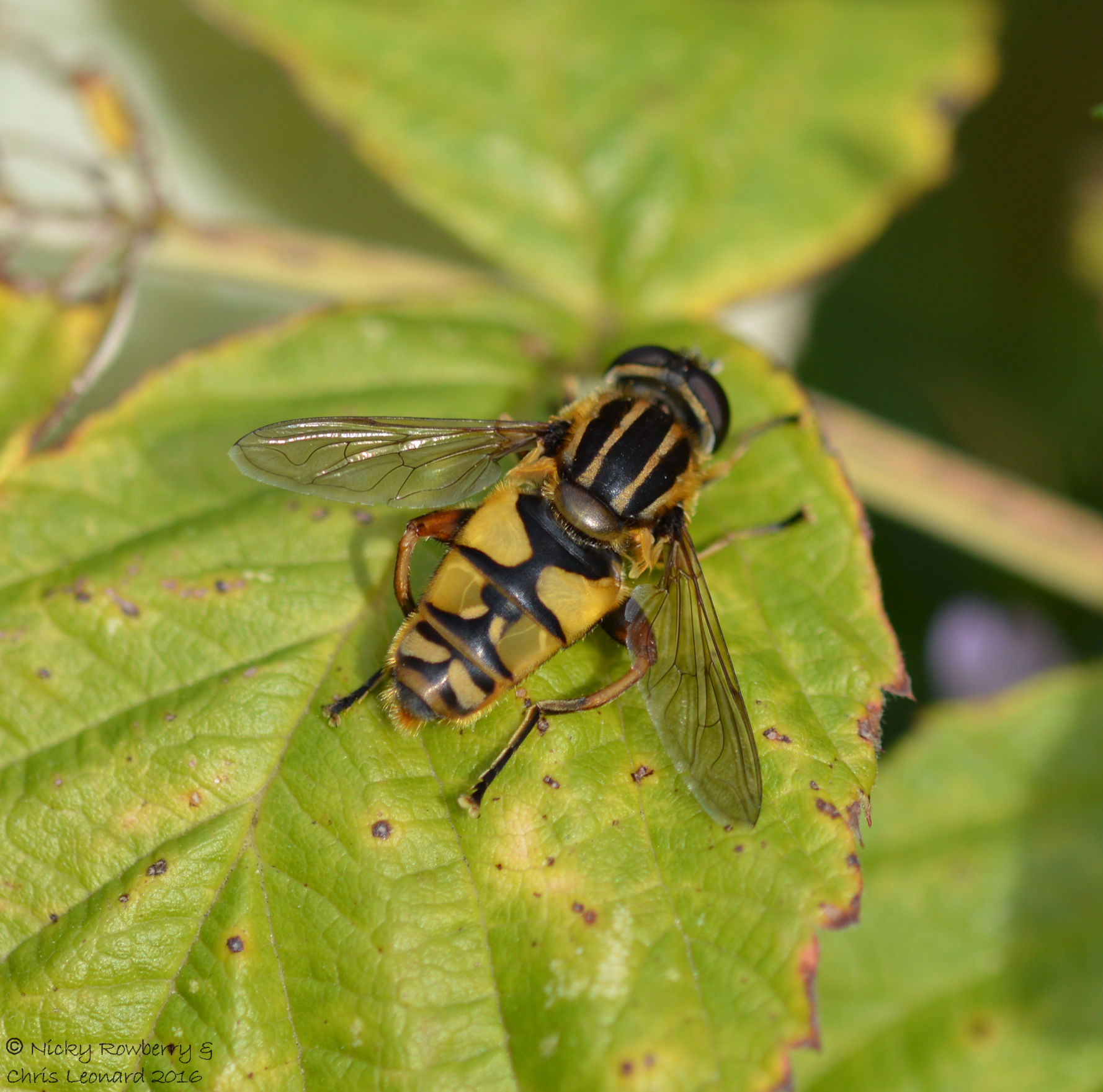
One of my favourite hoverflies clearly wanted in on the photo shoot too – this is Helophilus pendulus, which is sometimes known as The Footballer because his stripy thorax is supposed to look a bit like a football shirt!

hoverfly

There were quite a few bees about – such as this rather tatty looking Common Carder (top) and slightly fresher looking Honey Bee (bottom)

carder-bee

honey-bee

I was about to give up for the day, when a single bee landed next to the ivy.  It didn’t hang about long, so I didn’t get the chance for many photos, but at least I got enough to confirm it was an Ivy Bee – my stakeout had paid off!

ivy-bee-7


The Bees, Wasp & Ant Recording Society (BWARS) have got a mapping project going to record the spread of the Ivy Bees, so my sightings in the garden have been duly logged. If anyone else spots these distinctive bees, do please record them as well, so that they can build up a better picture of the current distribution. http://www.bwars.com/content/colletes-hederae-mapping-project

One Year Older and One Year Weedier

Just realised Too Lazy To Weed is one year old today! 13th July 2015 I first dipped my toe in the world of blogging; at the time I wasn’t sure if I had enough to share from my perspective of lazy non-gardening and wildlife watching. But as I think I said in my very first blog post – there’s something going on in the garden all the time. And if not in the garden, then there are things to discover in the wonderful countryside around us.

I started blogging on a wet Monday in mid July – one year later and it is now a wet Wednesday in mid July; the weather at least hasn’t improved over the year. A few things have progressed though – I think we’re getting better at the photography; still by no means experts, but at least producing recognisable photos (apart from some dubious bee in wall ones below). I’ve learnt how to use a Trail Camera and Bat detector and both my moth and bee identification skills have improved a bit. The garden itself is looking increasingly wild and woolly – some of the weeds are now reaching triffid proportions and we lost the greenhouse for a while until I hacked my way back to it!

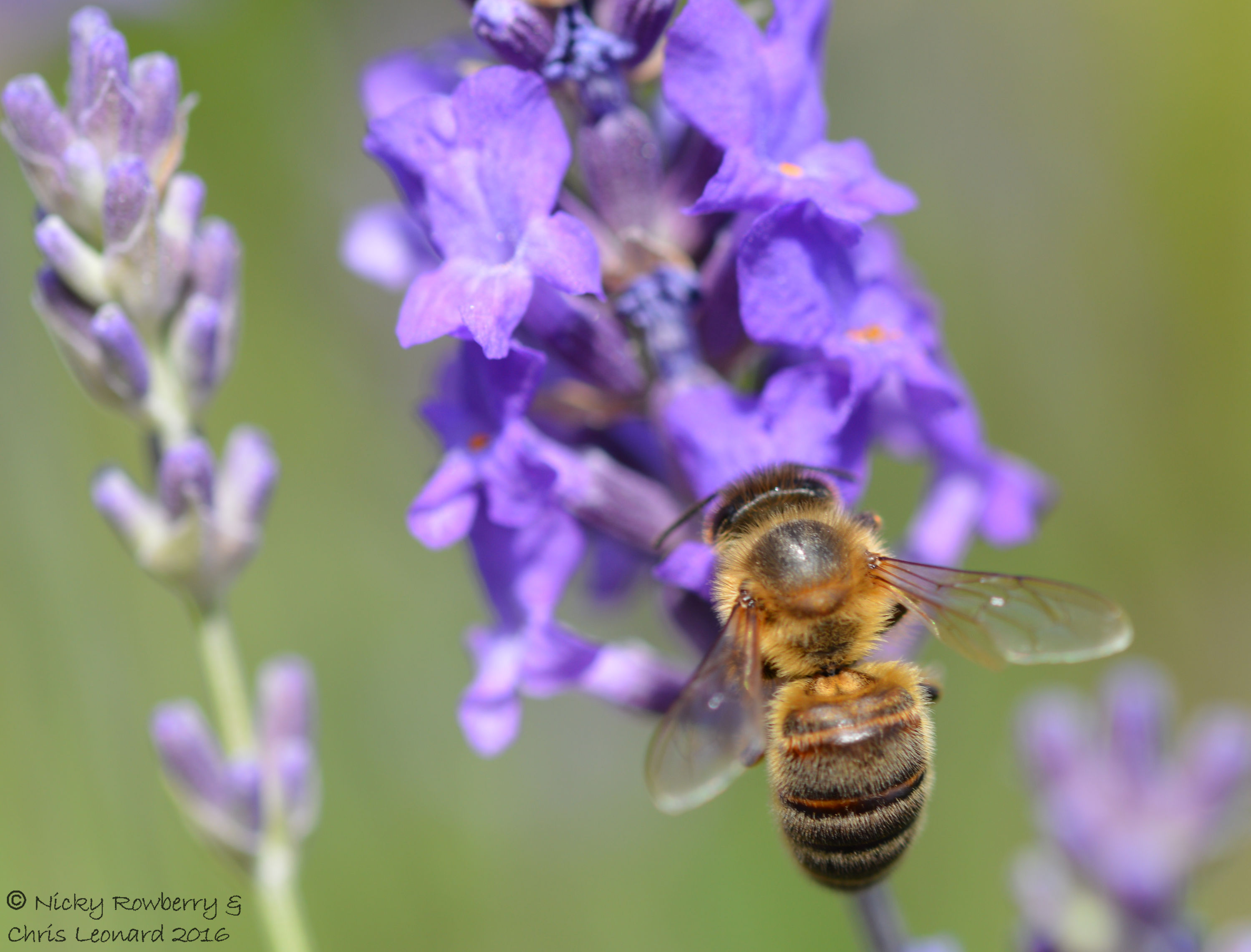
A year ago I was getting all excited at the prospect of the Big Butterfly Count and this year is no different. The Big Count starts again this weekend, so I  hope the weather perks up a bit. Quite a few of the blog posts lately have been about our trips out and about, but I thought for this anniversary post I should maybe focus back on what’s going on in the garden. The butterflies have so far been few and far between, but the bees have been out in force. The lavender is at its best right now and the bees absolutely love it.

Honey Bee 1

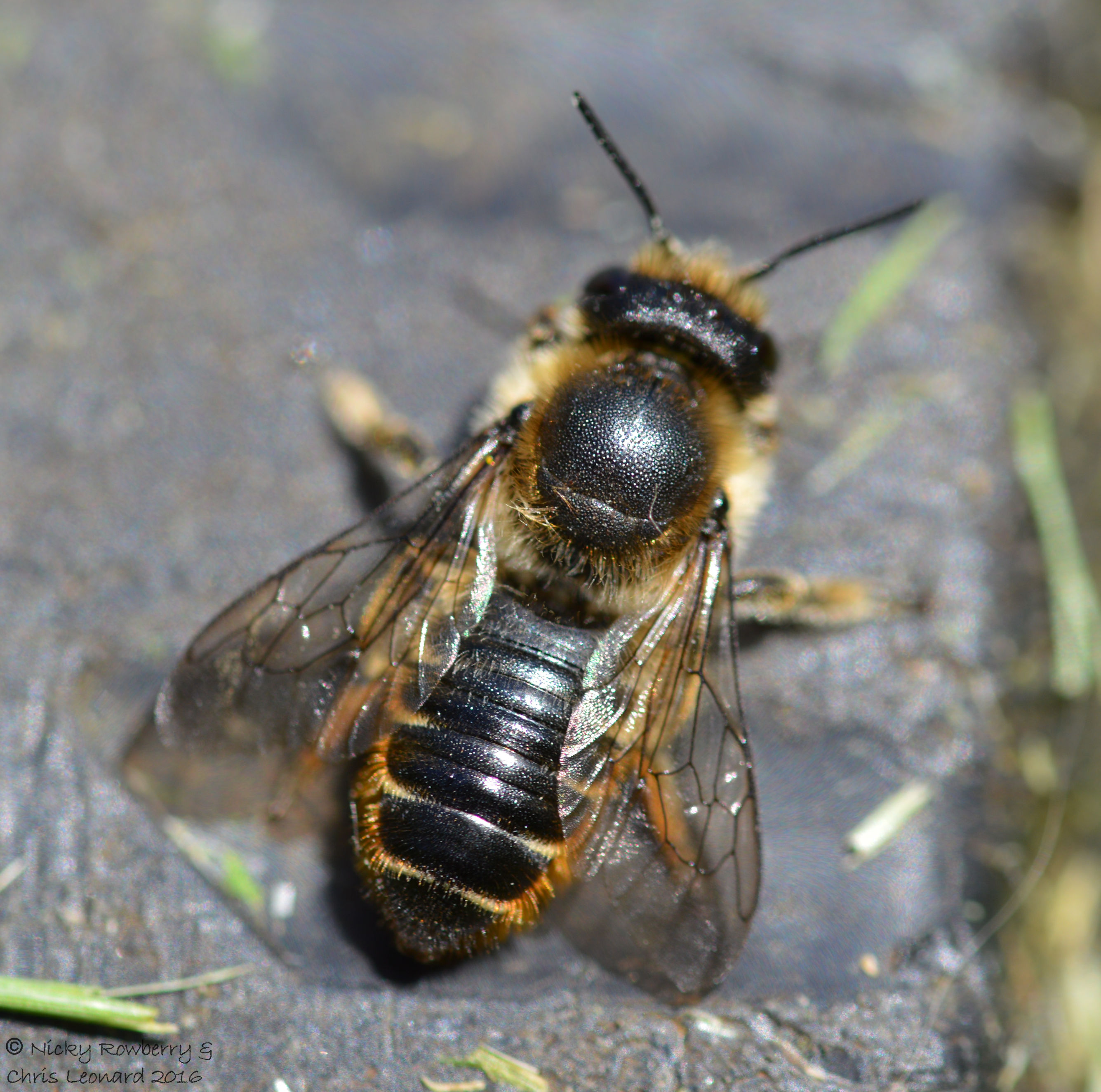
This week there was a particularly rare sighting in the Too Lazy To Weed garden – the lawnmower came out! This bee (a leafcutter) was perhaps so amazed it had to land on the wheel to have a closer look – a good excuse for me to stop work at least!

Megachile

I spent a lot of time at the weekend staring at our outside wall! We have a leafcutter bee (possibly even the one on the lawnmower above) nesting in there. I’ve seen on the internet wonderful photos that people have taken of bees emerging from holes in walls – all beautifully framed and in focus. Turns out it’s not that easy to do! The bee returned every 10-15 minutes so I was all set up with my tripod pointed at the hole. As soon as the bee appeared I clicked away, convinced I’d get award winning shots. Similarly as soon as it reappeared on its way back out I snapped away again. Not one perfectly focussed photo. Bees are apparently faster than either my camera and/or me. These blurry images were the best out of about 50 photos and an hour of my life staring at a wall!

Bee in wall 2

Bee in wall 1

One of my other bee recording efforts recently was to try and video them visiting the flowers in our mini meadow. We get plenty of bees there, so again I foolishly thought this would be easy. I set the trail camera up pointed at the flowers and left it for the day. As usual of course I’d forgotten to factor in the wind – blowing the flowers about and triggering the camera. 400 videos later of flailing flowers and I’d realised my mistake (I should have known this would happen, having had a similar problem with the bird feeder blowing in the wind earlier in the year). Amongst the flower flapping though the camera did at least manage to pick up a few bees – here are a couple of Buff Tailed Bumblebees enjoying the nectar buffet.

So one year on and I’m still getting just as much pleasure from watching the wildlife in our garden. Apart from the benefit to the wildlife itself of keeping an organic, natural (OK messy) garden, I find it beneficial to my own wellbeing. Coming home from work and watching the bees on the lavender, or the birds stuffing themselves on the birdfeeder, or the bats swooping in the evening  (even if they are after my beloved moths!) is a great way of unwinding. Maybe everyone should have a lazy garden!

30 Days Wild – Day 25

TWT 30 Days Wild_countdown_25


Day 25 of 30 Days Wild and I was up at the crack of dawn to empty the moth trap (thrilled by the way to get my first ever Shark moth, but I’ll do a moth blog another day). Since I was up and about on a Saturday morning long before the other half surfaced, I decided to spend an hour or so watching our wildflower “meadow” to see what if anything was using it. I did blog about our mini meadow a week or so ago, but I focused then mainly on the flowers, so this time I thought I’d look at the insect life. After all the whole point of it was to attract the insects.

So I watched for about an hour until the skies opened and it started chucking it down – I am a fair weather naturalist, so I retreated indoors at that point. I did pop out again later when the sun came out again and snapped a few more just to finish off.

So not too surprisingly the bees were the most abundant visitors and several species as well which was great. The Phacelia flowers were probably doing the most business, including both a Red and a Buff Tailed Bumblebee. I love the way the red one has co-ordinated his pollen sacs with his red bum!

Red tailed bumblebee

Bee on Phacelia

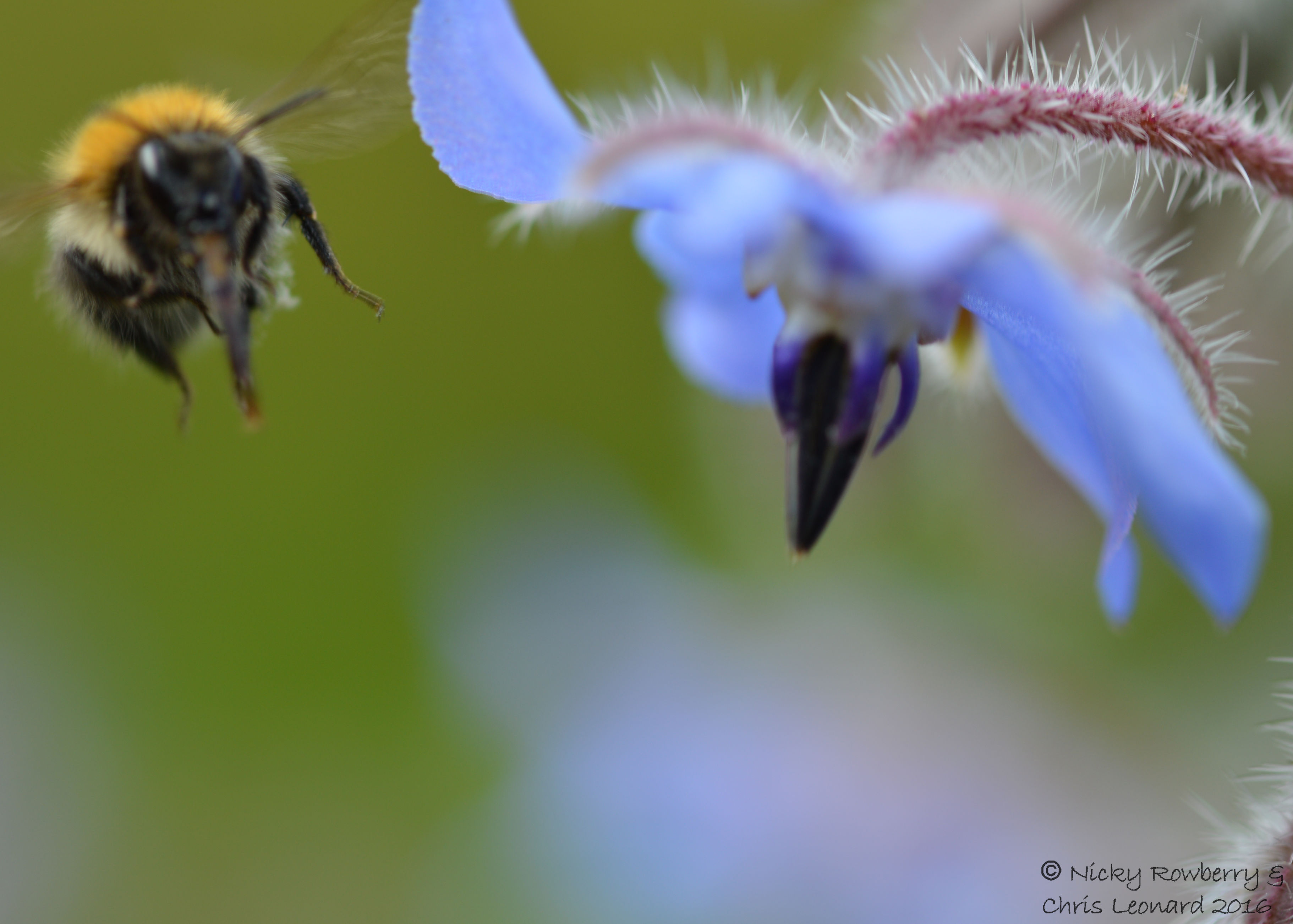
But the borage too was getting a fair few visitors. I think this is probably a Tree Bumblebee coming in to land.

Bee on Borage

I did at one point start to get “bee envy” when I noticed that this plant (no idea what it is?) in the neighbours garden was actually getting more bees than my patch. But then since it overhangs our fence, many of the bees were technically in our garden – so I’m counting them as ours!

Bee next door

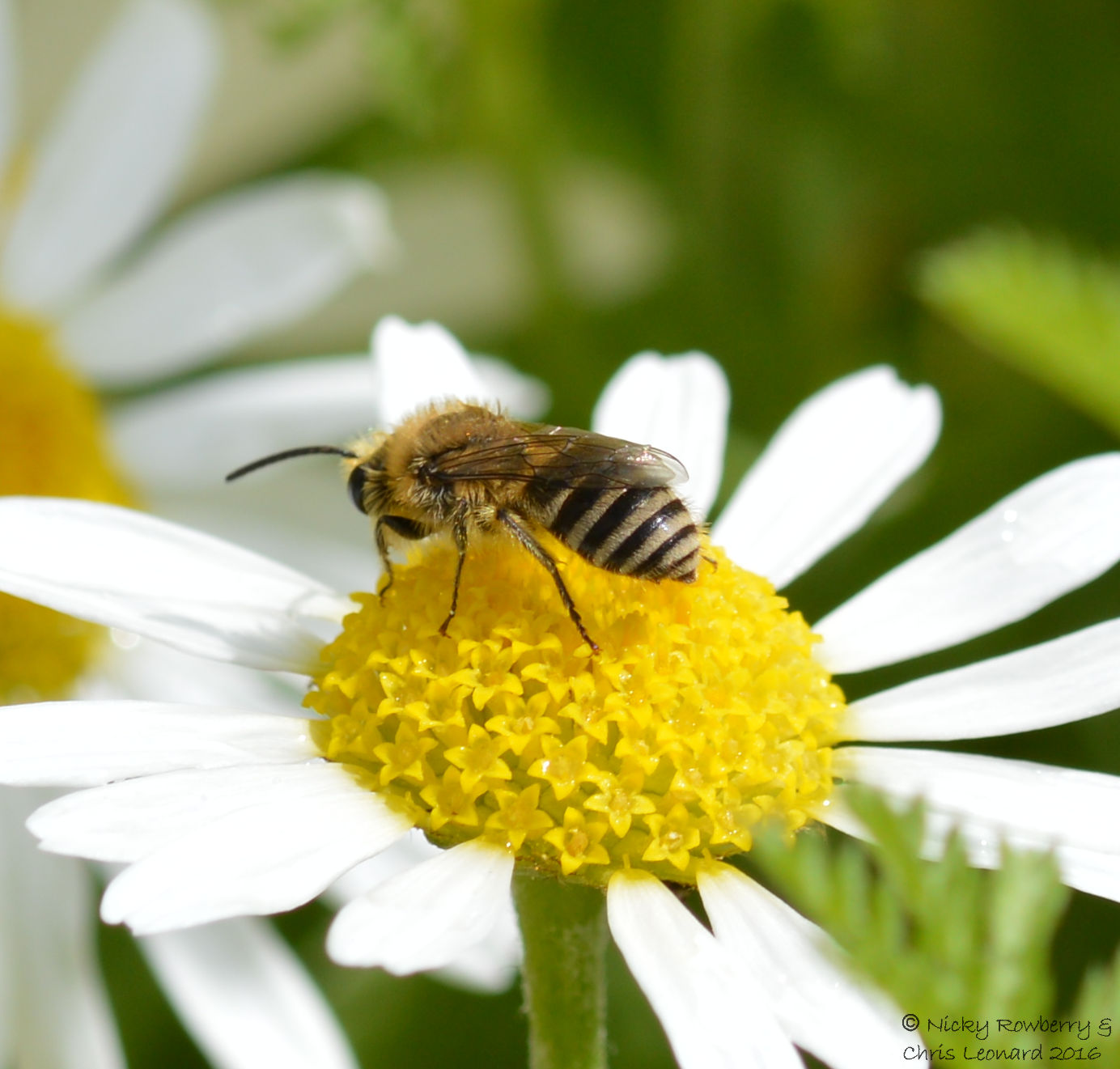
The bee highlight of the day was spotting this one on the chamomile flowers. It looked a bit different to others I’d seen so I stuck the photo on Facebook and someone kindly identified it as Colletes sp. for me – another new genus for the garden, taking our total to 23 this year. Colletes are known as the Plasterer bees, because of the way they line their nests with a secretion a bit like plaster!

Colletes sp.

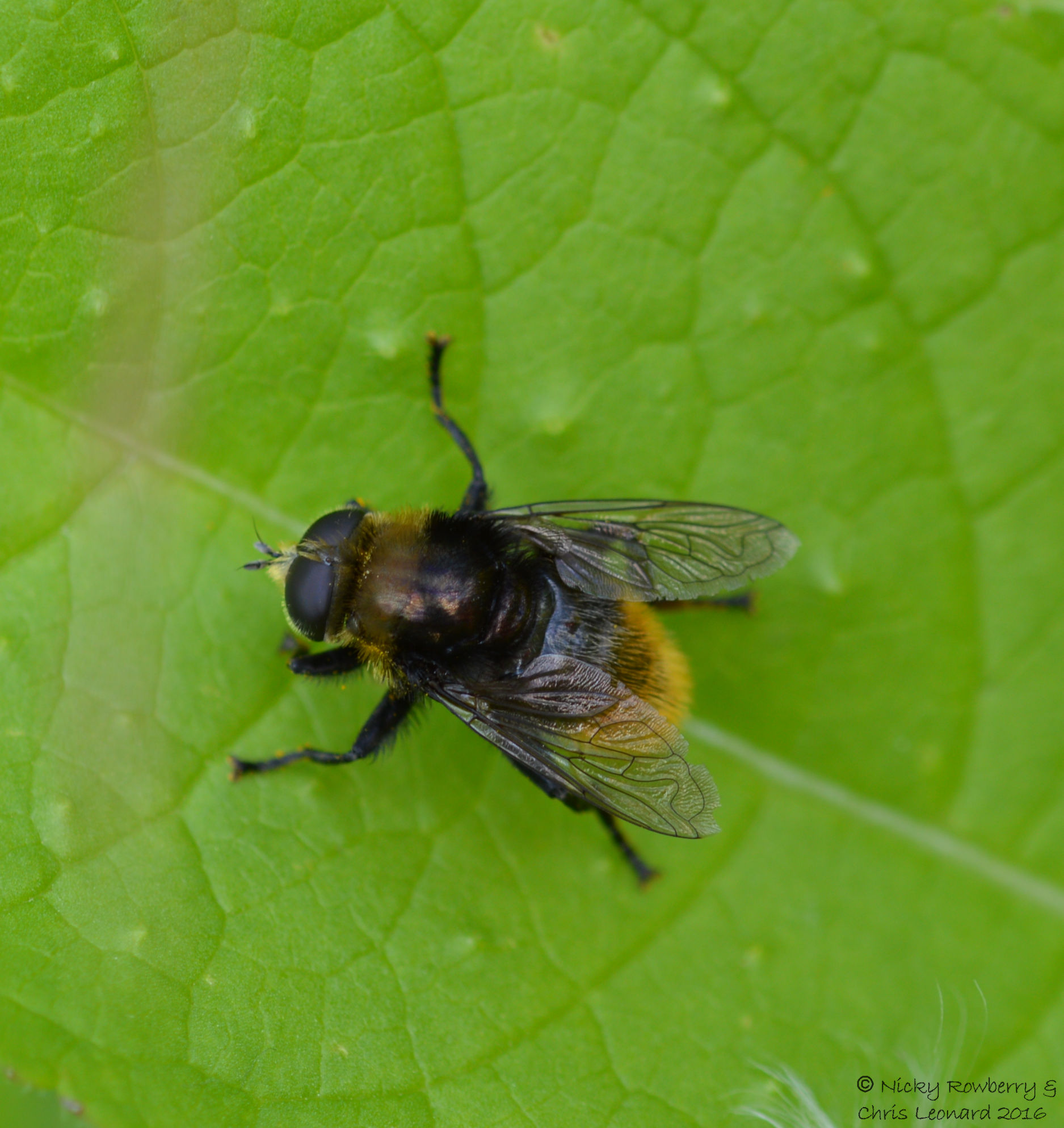
The next group of visitors was the hoverflies. I saw at least 3 species on the mini meadow (although there were plenty of others around the rest of the garden). Afraid I don’t know the species for these 3 yet, although the bottom one looks like it might be another bumblebee mimic.

Small Hoverfly

Small Hoverfly 2

Large Hoverfly 2

The Swollen-thighed Beetles of course couldn’t miss a photo opportunity and were flaunting their generous curves at every opportunity.

Swollen thighed

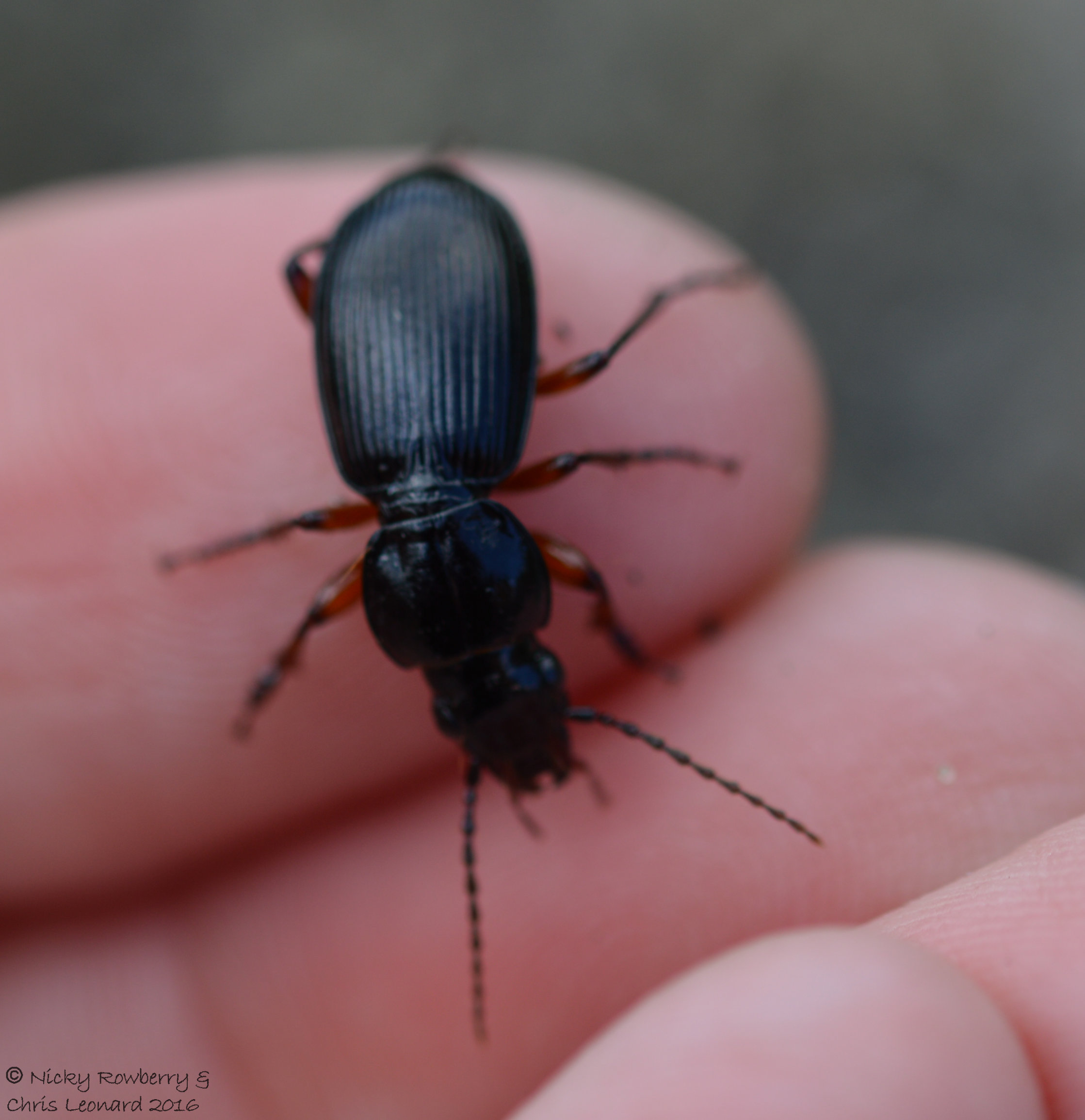
There were various other small beetles usually nestled right in the middle of the flowers and impossible to get a decent photo of. But this one decided to land on my arm and after a bit of contorting I managed to get a photo of it. Must have thought my lily-white skin was some kind of giant flower – a disappointment no doubt!

Beetle on arm

Spotted these interesting flies on one of the thistle leaves. There was a pair of them – possibly a mating pair – and this one kept sort of stepping back then raising and lowering its wings at the other one. Perhaps some kind of mating ritual or signalling. There is a group of flies called Signal Flies, so perhaps that is what these were?

Signal fly

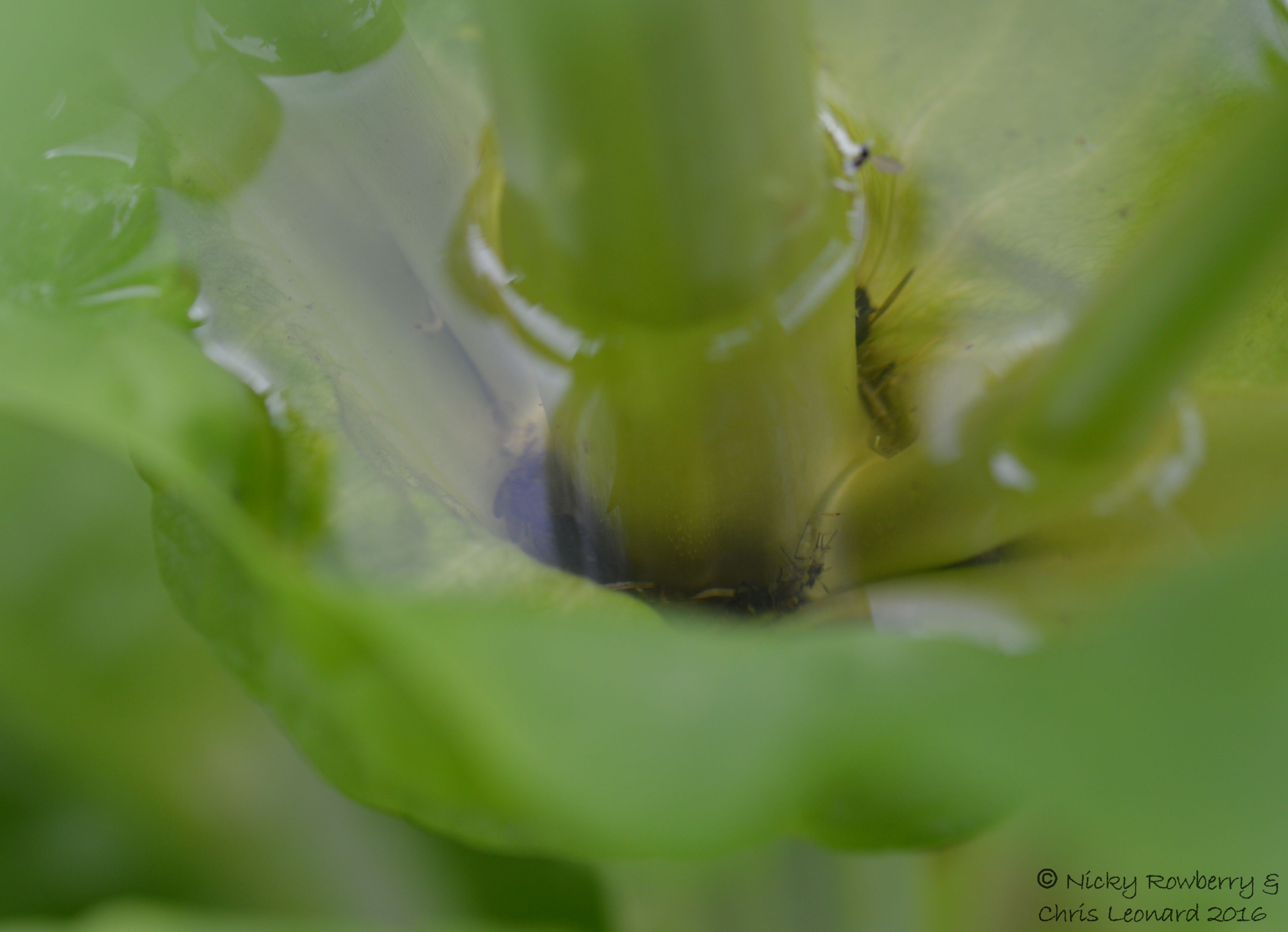
On the more gruesome side of things, the teasel leaves had formed mini pools at the point they joined the stem. These pools were full of dead and decaying insects – a bit like those tropical pitcher plants that drown animals then live off the nutrients! I don’t think the teasels were going that far, but other things were – there were clearly larvae of something (midges perhaps) in the water that were feeding off the dead insects. Sorry the photo doesn’t really capture that, with hindsight maybe I should have used some fancy polarising gizmo on the lens?

Mini pools

The final gruesome twist to my otherwise idyllic hour, was spotting this crab spider with his unfortunate victim – one of my beloved bees! The bee was still alive and I did consider rescuing it, but then I thought “What would Chris Packham do?” – almost certainly not save it! The crab spider has to eat too and it looked like he’d already got his fangs into the bee, so it was probably a goner anyway. Wasn’t expecting to witness “nature raw in tooth and claw” quite so vividly today!

Spider with bee

My hour by the flowers was very relaxing. The birds got accustomed to me sitting there and after a while came back to the bird feeders nearby, unbothered by my presence. A frog even started moving in the undergrowth near my feet. I guess I must be naturally very good at sitting still doing nothing for an hour!


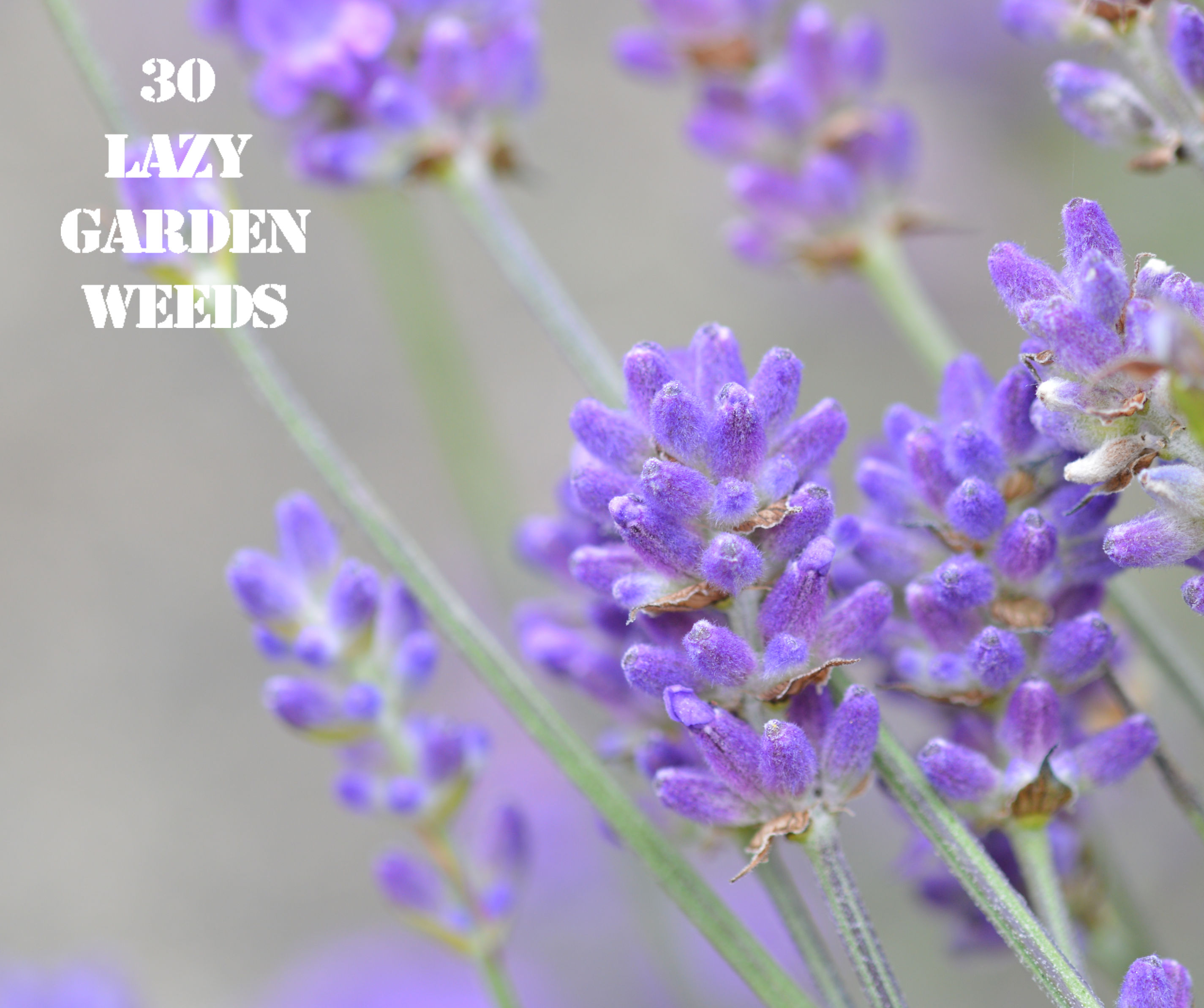
Lavender 30 WEEDS

And finally the weed for the day of my 30 Lazy Garden Weeds. Lavender – not a weed in the conventional sense, but it does keep seeding itself all over the garden and I have even been forced on occasion to weed some of it out (shock horror!) The smell and the colour are of course lovely and the bees go nuts for it. It’s just coming into flower about now. I did try a few years ago making Lavender essence – not a great success, I ended up with a jar of dingy looking liquid that somehow smelled of lavender but not in a good way. I tried a few drops in a macaroon mix and they ended up tasting like soap! But apart from my culinary failures, it is a lovely plant that would be welcome in most gardens.

30 Days Wild – Day 20

TWT 30 Days Wild_countdown_20Day 20 of 30 Days Wild and it’s the mid summer solstice – extra time to do something wild! It’s also the start of National Insect Week – a celebration of all things insect related. I could have marked the summer solstice by staying up all night, but since I’ve got work tomorrow, it seemed more prudent to celebrate National Insect Week instead!

NIW_Logo_FBWe’re lucky in that we get loads of insects in the garden, so I thought I’d have a look this afternoon and see how many of the different groups of insect I could find. Insects are an incredibly diverse group, but all have an exoskeleton, 3 pairs of legs and a three part body. It’s amazing how you can take that basic body scheme and turn it into such a wide variety of shapes and sizes!

So in no particular order here are some of the insects I found in the garden this afternoon. First up the ants, surely one of the most populous insect groups on earth. I’ve no idea what species we’ve got, forming an ant hill in our lawn, but we’ve got an awful lot of them!

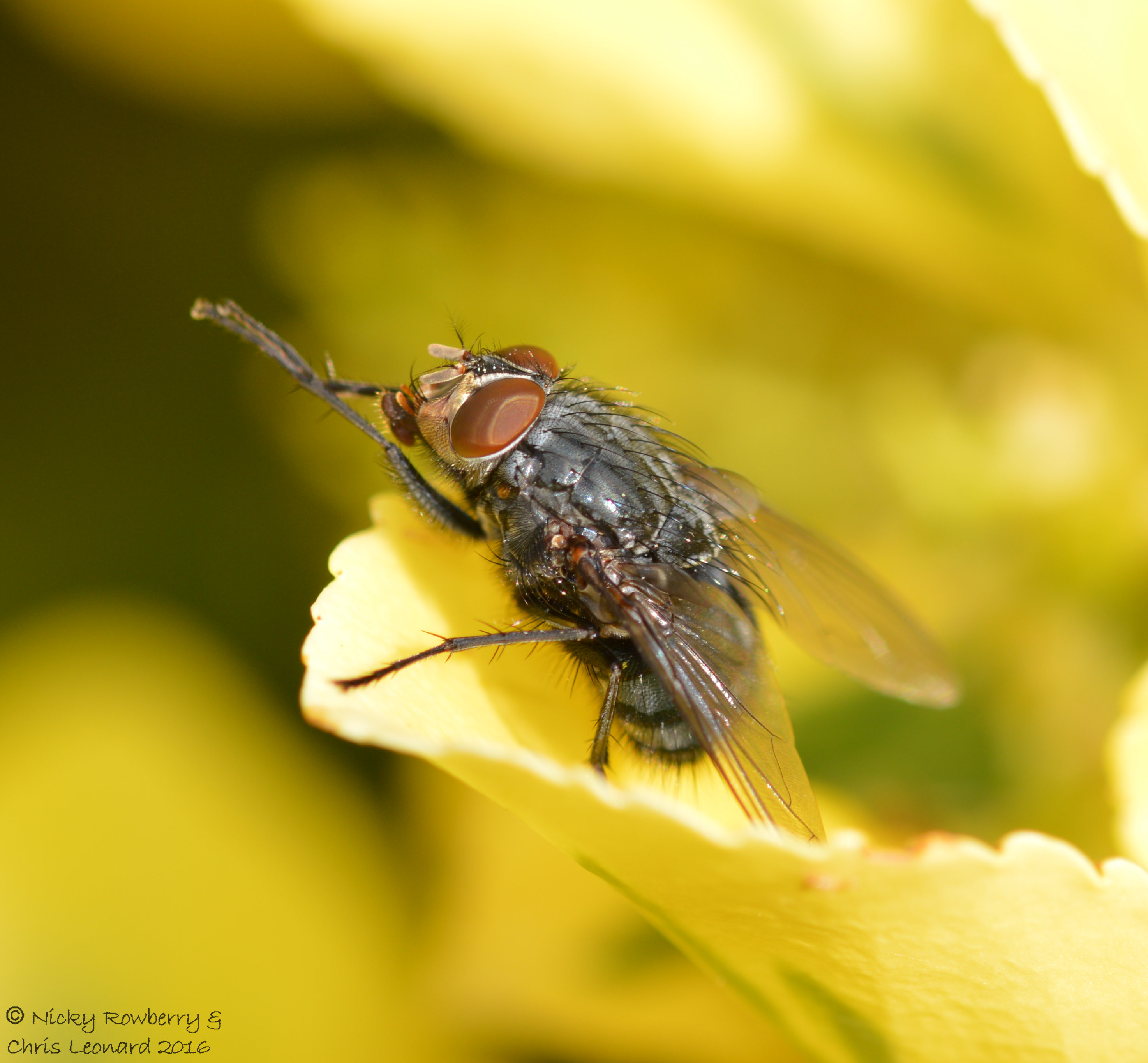
Flies may not be the most popular or the most attractive group of insects, but they are fascinating when you look at them close up like this. (Photos like this do always remind me of the Jeff Goldblum film The Fly though!)

Fly

Hoverflies belong in the same group (Diptera) as the fly above – they are all considered True Flies. We get loads of hoverflies in the garden, although of course few showed their faces tonight because I was looking for them. Some are small and skinny like this Sphaerophoria species.

Hoverfly Sphaerophoria

While others are bigger and chunkier like this Common Drone Fly (Eristalis tenax), which looks more like a bee.

Eristalis tenax

Aphids or greenfly are not true flies and are certainly the bane of many a gardeners’ life. But they all have their place in the food chain, being fodder for amongst other things the ladybirds.

Aphids


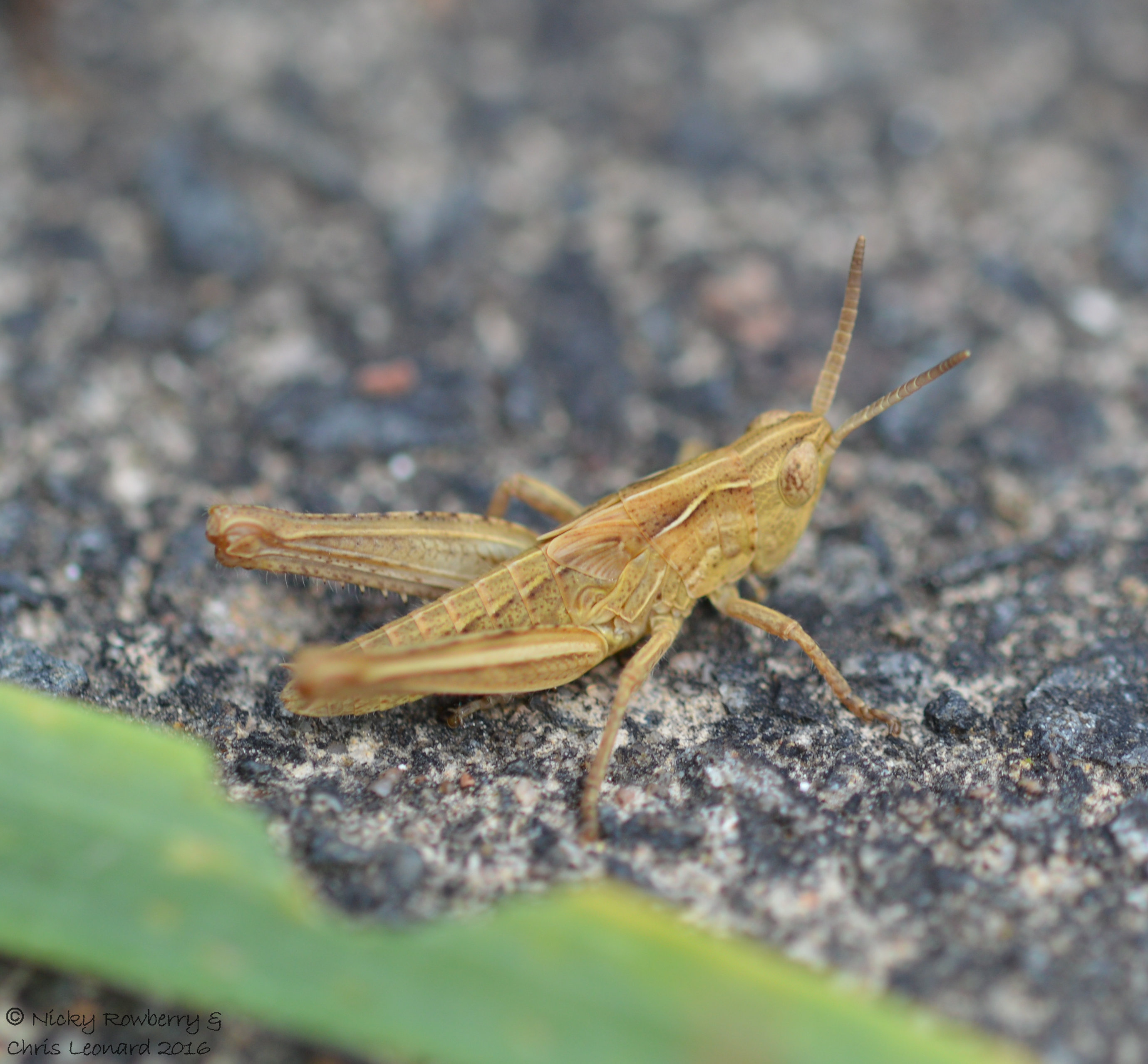
Crickets and grasshoppers are just starting to appear again in the garden. This grasshopper was pinging about our very weedy drive when I got home today.

Grasshopper

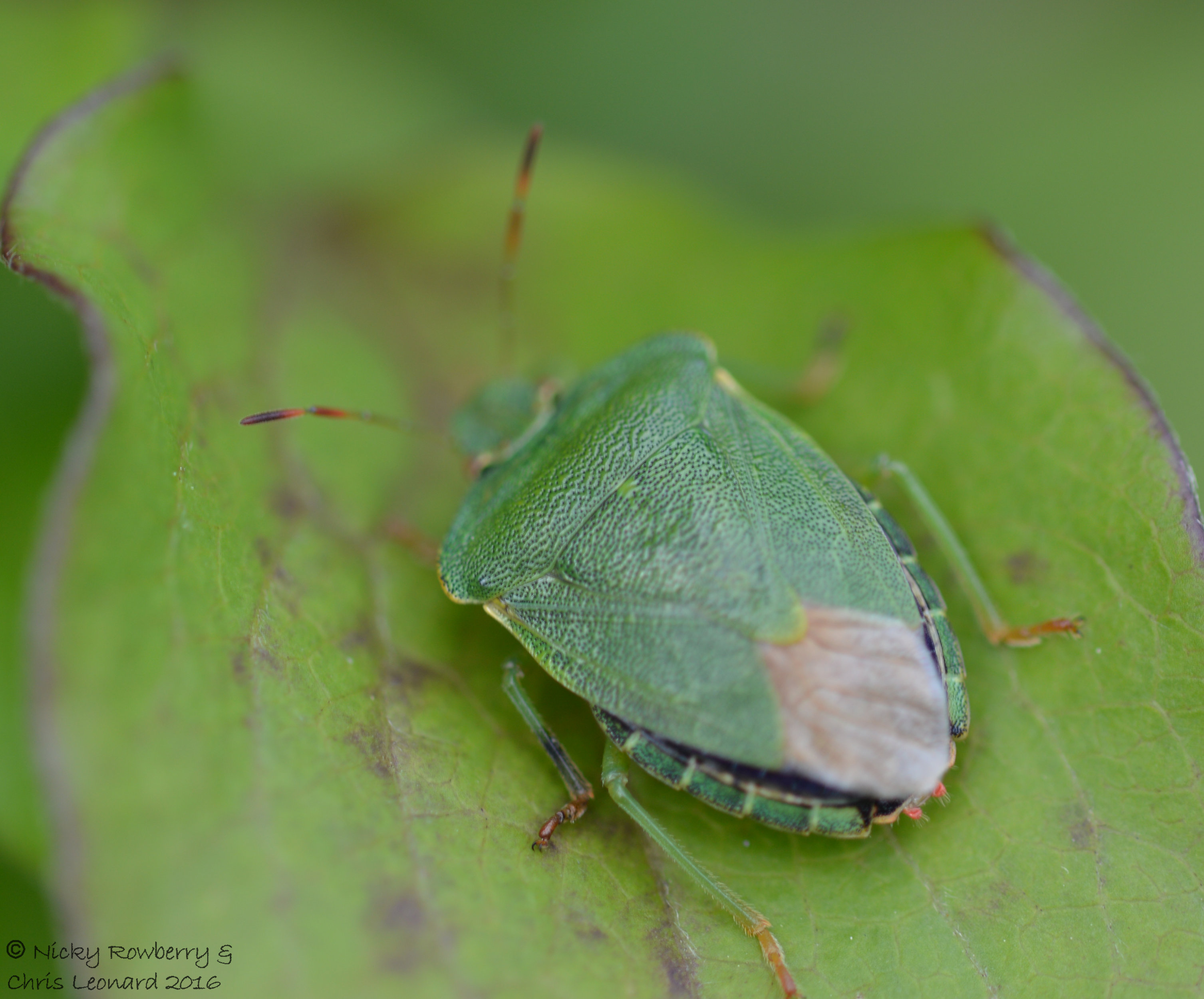
Shieldbugs like the one below are in the same super group of insects (Hemiptera) as the aphids, although they don’t look anything like each other.

Shieldbug

I had hoped a butterfly would make an appearance, but none obliged this afternoon. So the Lepidoptera today are represented by the only moth I could find – this Mint Moth. In the summer we have loads of these fluttering around the herbs – they don’t restrict themselves to just mint!

Mint moth

Of course I had to include a bee photo. Although there were plenty flying around this afternoon, it was a bit windy, so I had problems with the flowers blowing around as I tried to take photos. I think this is just about recognisable as a Buff-tailed Bumblebee though.

Bumblebee

Beetles make up the group Coleoptera and again are hugely diverse. I found this one in the pitfall trap this afternoon.

Beetle

So that’s all the insect groups I could find today in the garden. Not bad although there are of course lots of others not represented – dragonflies & damselflies, earwigs, ladybirds (although these are a type of beetle), froghoppers, lacewings, caddisflies – the list goes on. Over an average summer we’ll see examples of most of these in our garden – you just need to look and it’s surprising what you can find.

Foxglove 30 WEEDSAnd finally as usual another “weed” from our garden for my 30 Lazy Garden Weeds. This time the Foxglove. I was so pleased to find this growing under the apple tree this week. I’ve tried a few times to get them to grow in the garden – scattering seeds with no success. But this one seems to have seeded itself in here all by itself. Hopefully it will be the first of many. The bees love them and so do I!


30 Days Wild – Day 18

TWT 30 Days Wild_countdown_18Day 18 of 30 Days Wild and we’re Malvern bound as the car is in for its MOT, so no grand excursions today! So I decided to spend a bit of time in the garden and review how my “wildflower meadow” was progressing. Meadow is probably a bit of an exaggeration as it is very small – more of a meadowlet on what used to be one of our veg patches.
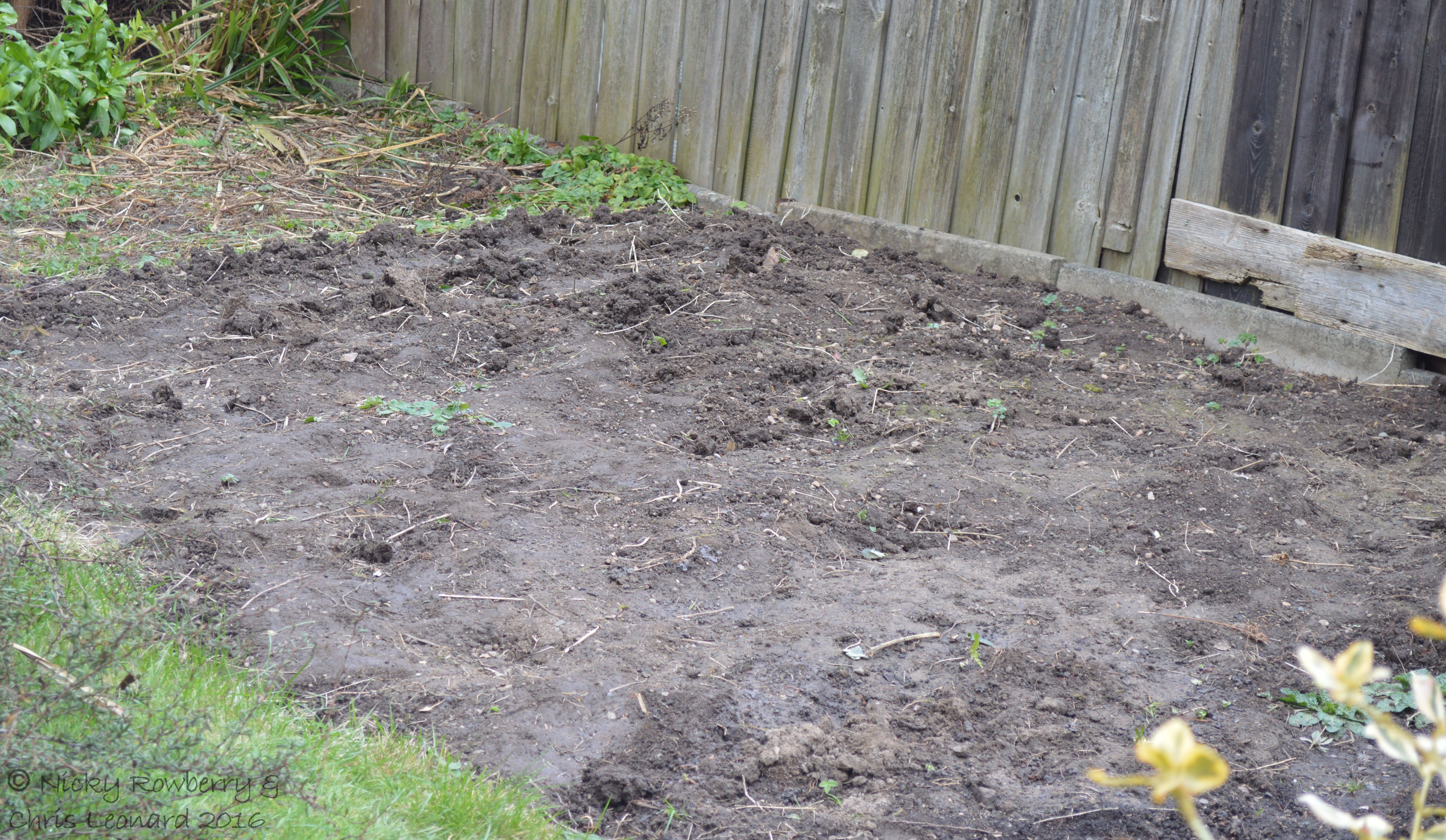
Back in March this is what the old veg patch looked like. We were rubbish at growing veg as we didn’t water or weed regularly enough, so we figured we might as well turn the patch into something more wildlife friendly.

Meadow before

And this is what it looks like today. Shame it wasn’t a sunnier morning for photographs, but it’s amazing what a difference a few short months have made.

Meadow 2

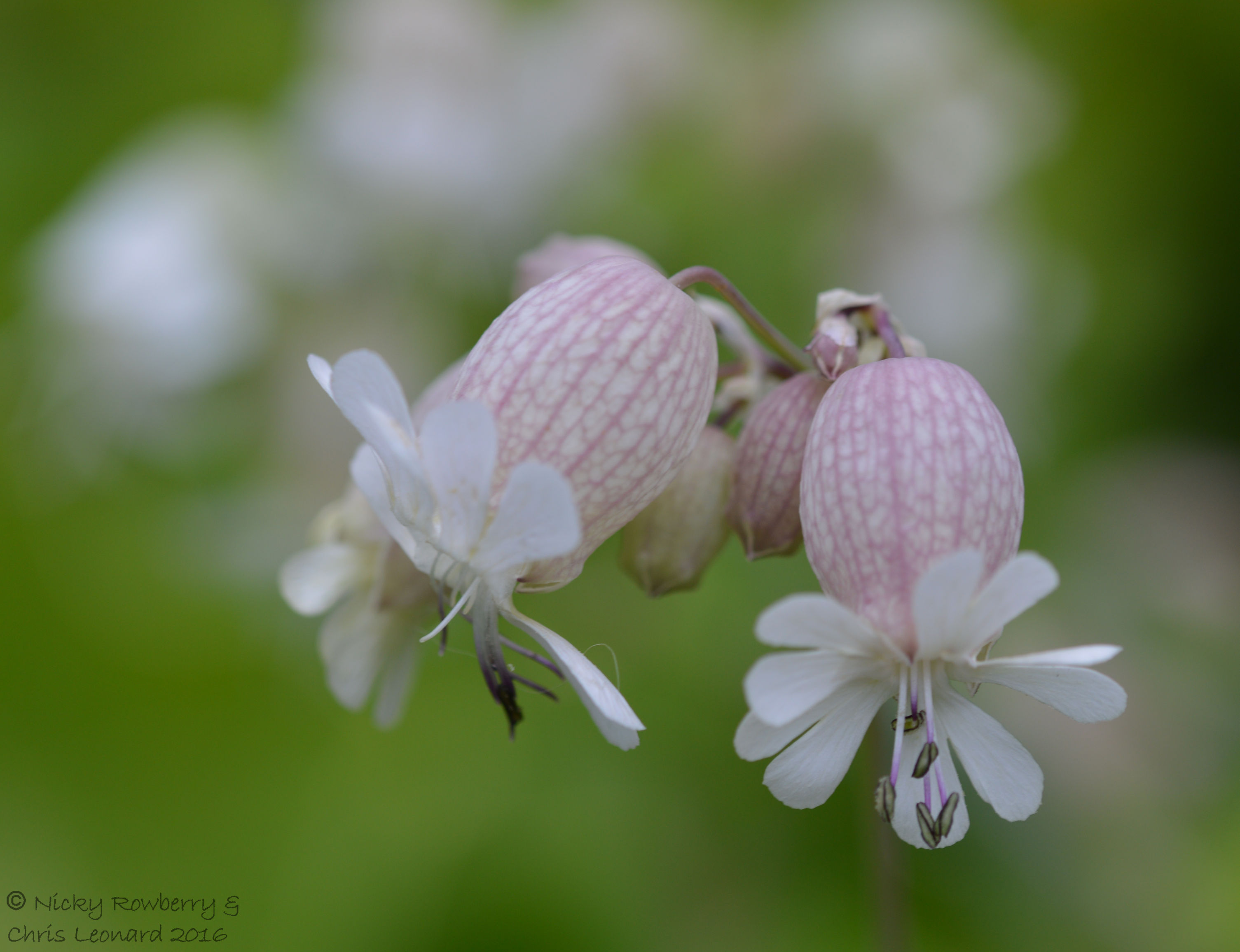
The “meadow” is still maturing – some flowers are at their peak and fully open, while others are still a way off. I’m not great on flower ID, but even worse when the flowers aren’t actually out and I’ve only got leaves to go on. So I’m not sure of all the species we’ve got. But here are a few I can manage. The first is the Bladder Campion with its unusual “swollen” flowers. This is supposed to attract froghoppers, although I’ve not actually seen any on it. It’s fragrance is apparently stronger in the evening and attracts moths – I must check it one night.

Bladder Campion

I think the next is Phacelia, which as you can see is already attracting plenty of bees.

Phacelia

Bee on Phacelia

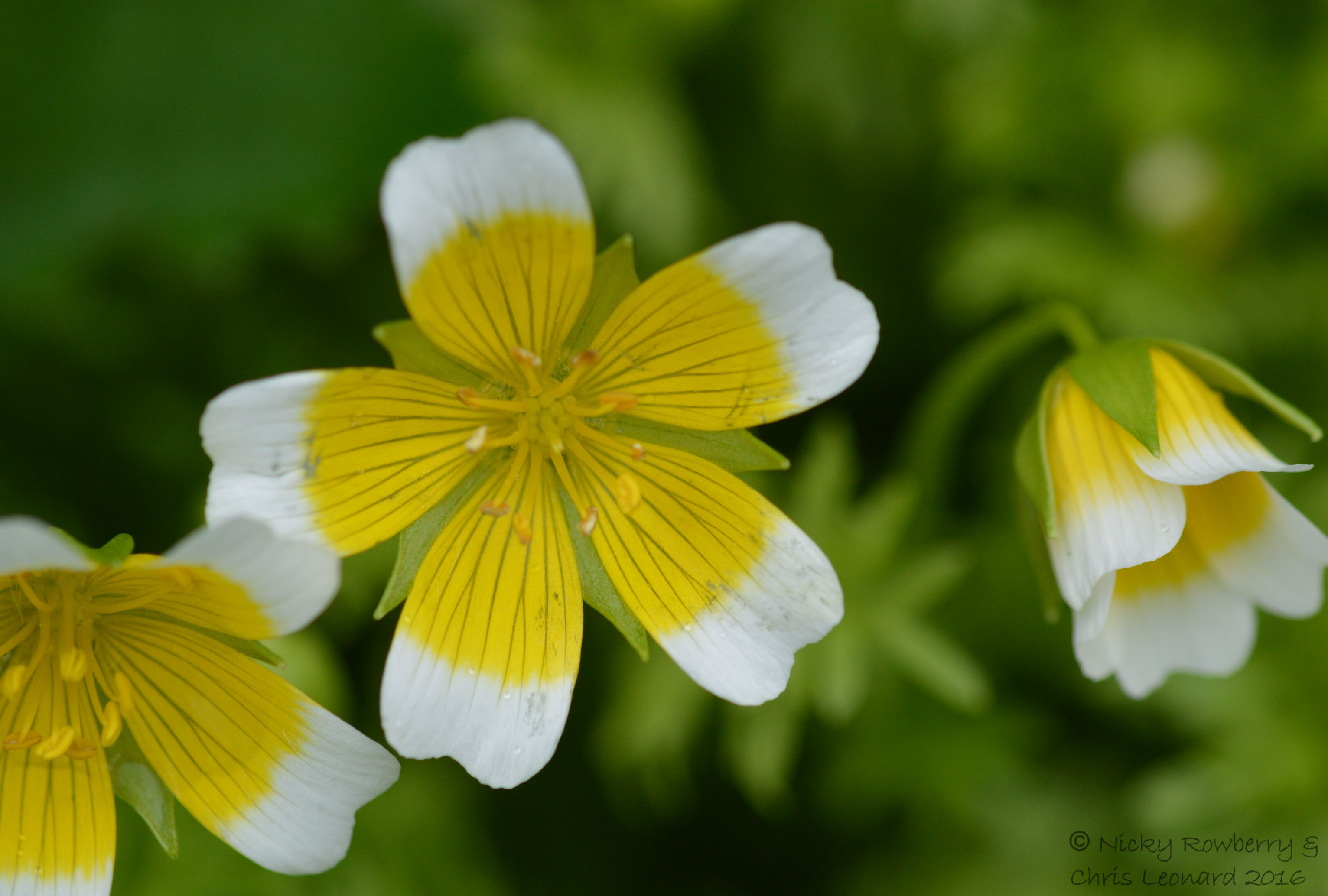
The Poached Egg Plant is a real cheery addition to the meadow. I bought this as I read on someone else’s blog (sorry I can’t remember who, but thank you whoever you were!) that it was particularly good for hoverflies. Not seen that many of them on it yet, but it’s only just come into flower and the weather’s not been great since then, but hopefully it will live up to its promise soon.

Poached egg plant

The corn chamomile has spread and formed a large patch which has been attracting hoverflies. Sod’s law being what it was though there weren’t any on it this morning – but if you sow it they will come!

Corn chamomile

The Borage is looking good and just starting to open its flowers and will hopefully be pulling in the bees soon.

Borage

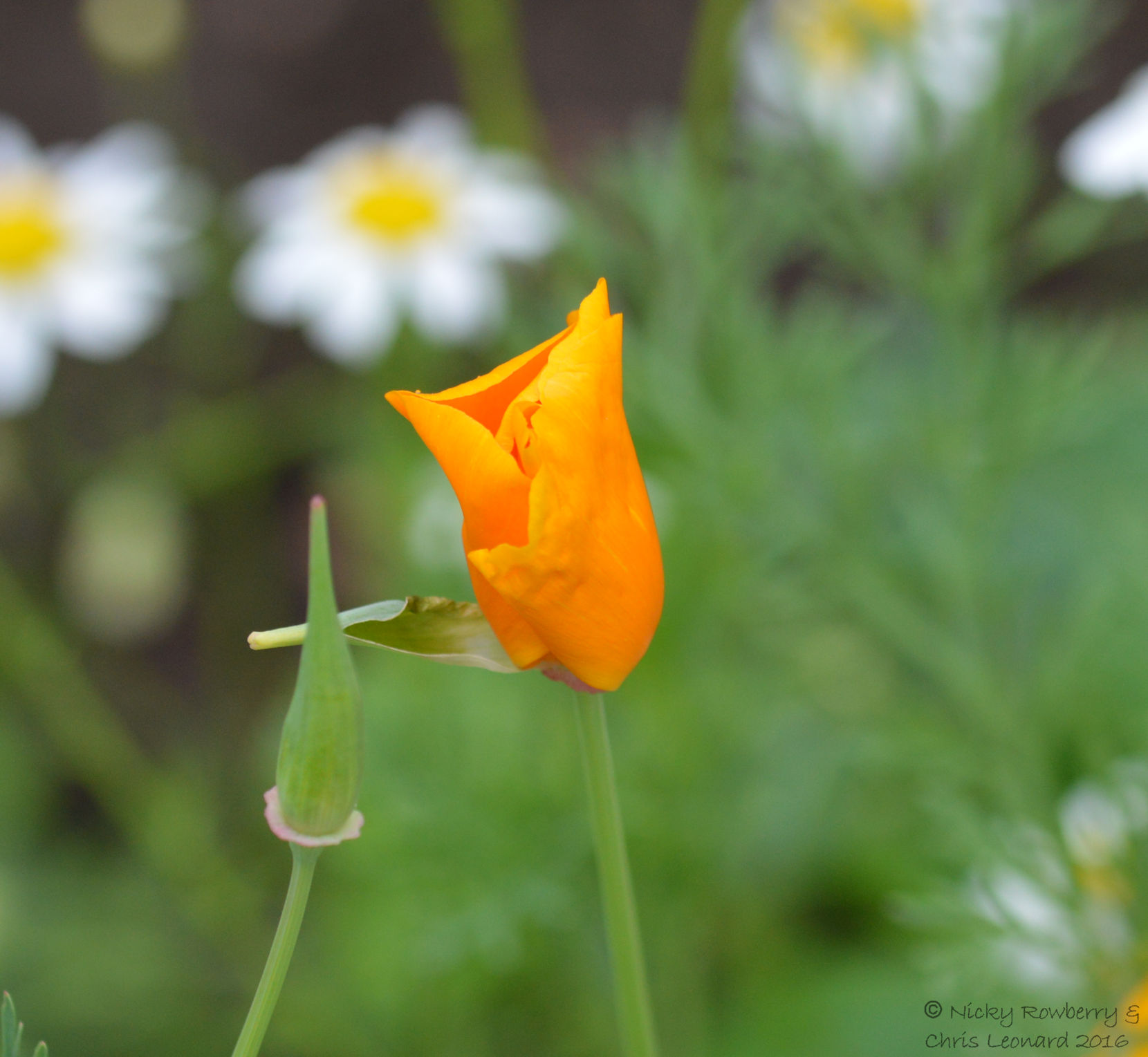
The next two haven’t really opened up yet, but I think they are a Cornflower and some kind of Poppy.

Cornflower bud

Californian Poppy

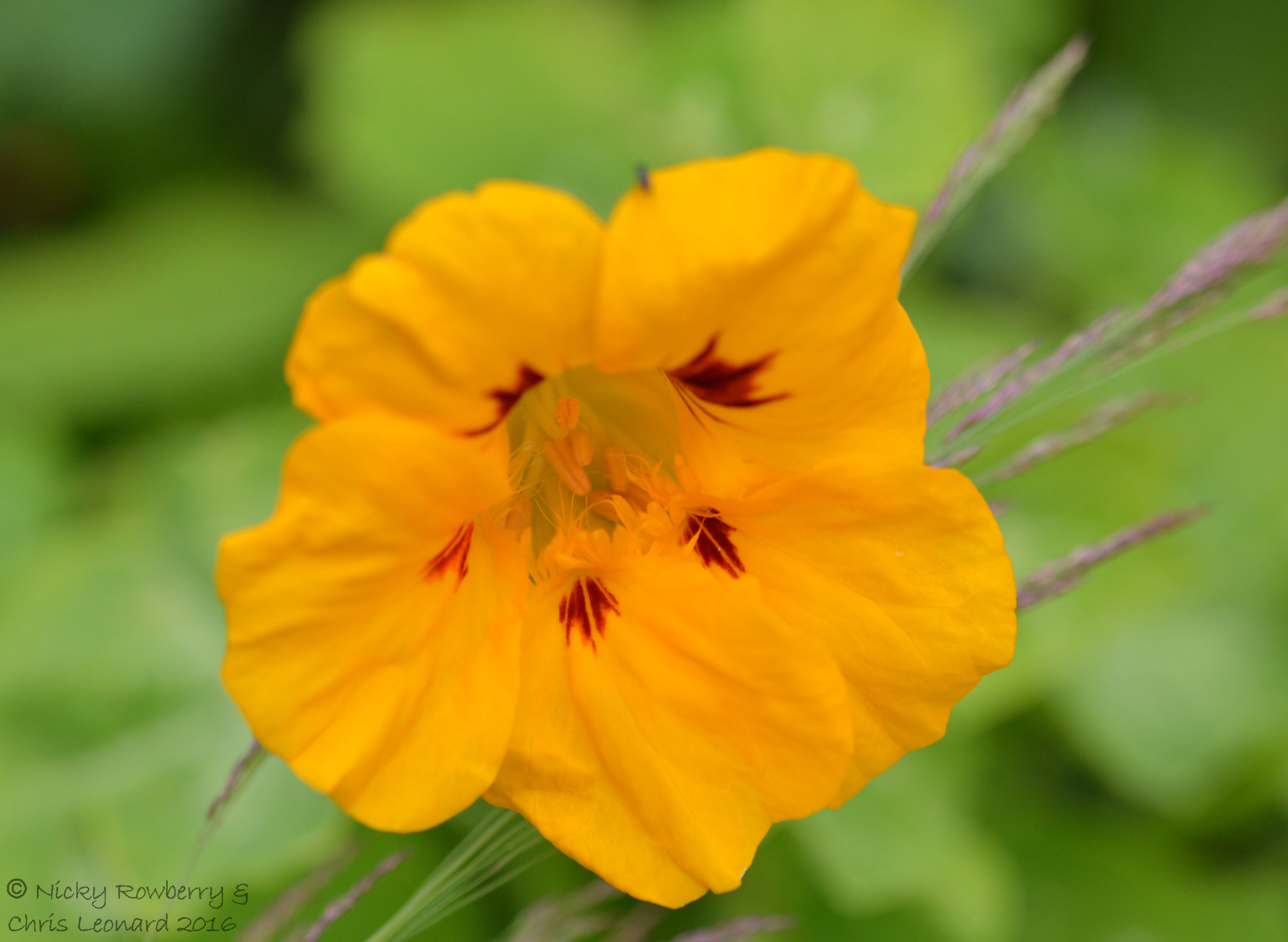
The Nasturtium wasn’t really planted as part of the meadow, but I’ve left them there as they’re good for insects too. We had a go at companion planting with them a few years ago and as they tend to produce masses of seeds, they’ve been popping up everywhere since!

Nasturtium

There are a few other things poking up through the meadow, but I’ll have to wait until they hopefully flower to work out what they are. I’m really pleased with the results so far though, so much better than a scruffy, ill-maintained veg plot!

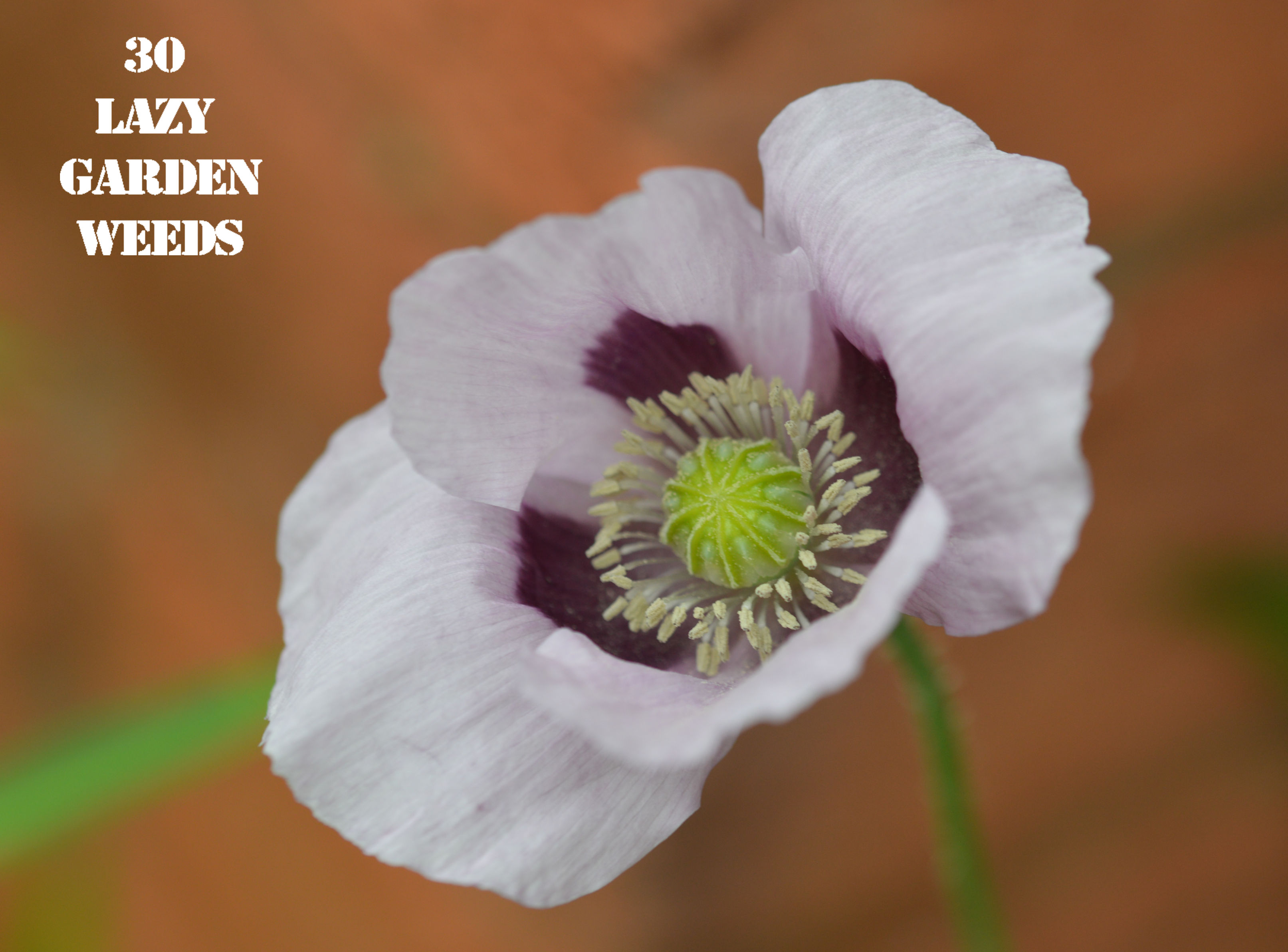
Poppy 30 WEEDS

And finally weed No. 18 in my 30 Lazy Garden Weeds is this Poppy. They are so delicate and ephemeral – each flower lasting barely a day, but that makes them all the more special. They pop up everywhere from cracks in the drive to the flower beds and remaining veg plot. Collecting seeds from their rattly seed heads reminds me of childhood – not that there’s really any need to collect the seeds – they’re doing a pretty good job of seeding themselves!