A Teasel’s Life

Bee

I don’t know how we originally came to have teasels – none of the immediate neighbours grow these giants, but the seeds must have blown in from somewhere (and we may not be popular as they blow out again each year!). They have become a bit of a fixture in our garden and a very welcome one for all sorts of wildlife.

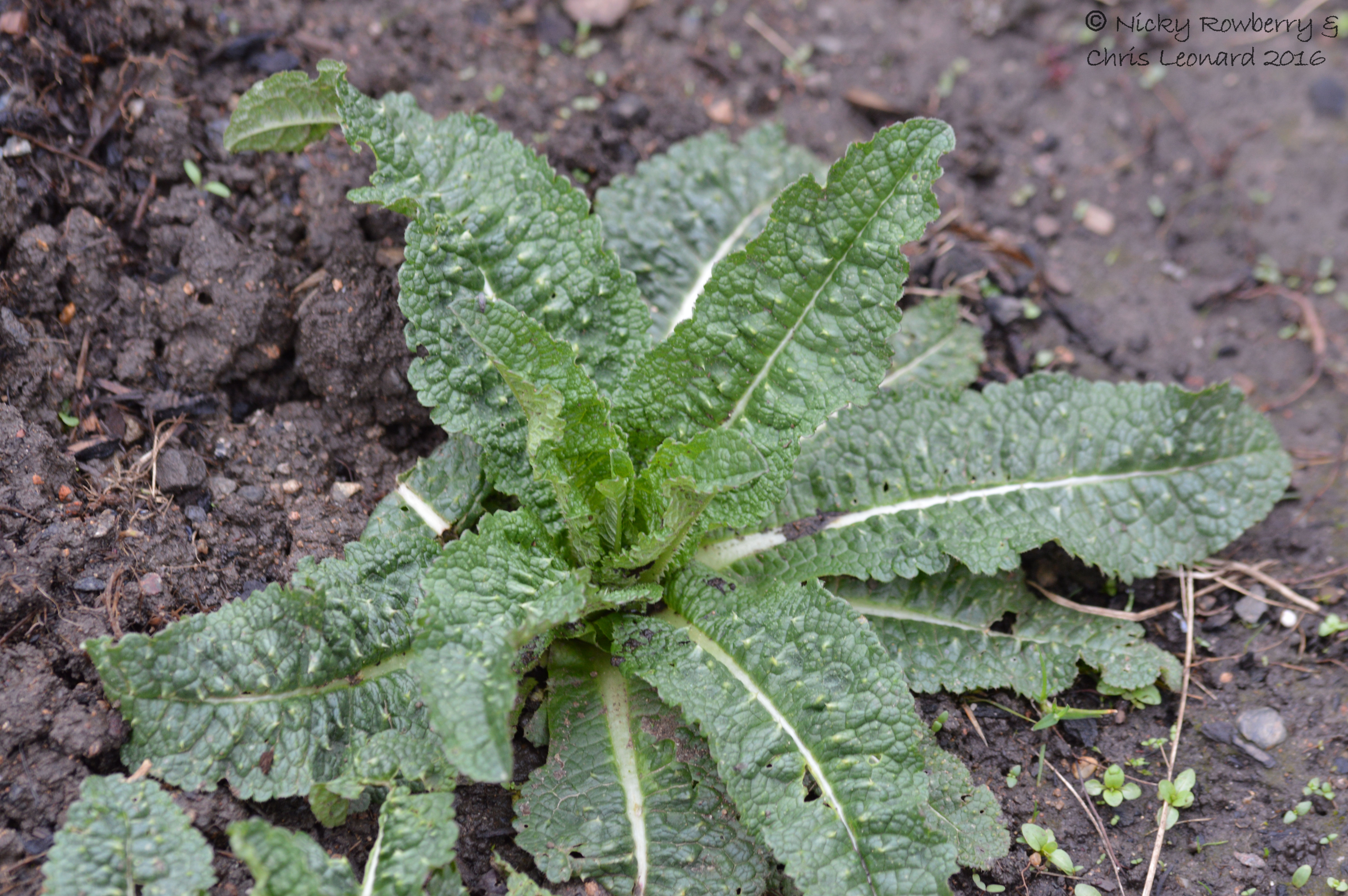
They start off as fairly non-descript plants, forming low growing rosettes that look like they might turn into at most a thistle type of thing. They only flower in their second year, so I’m hoping the ones below, that I think overwintered, will flower this summer.

Baby Teasels

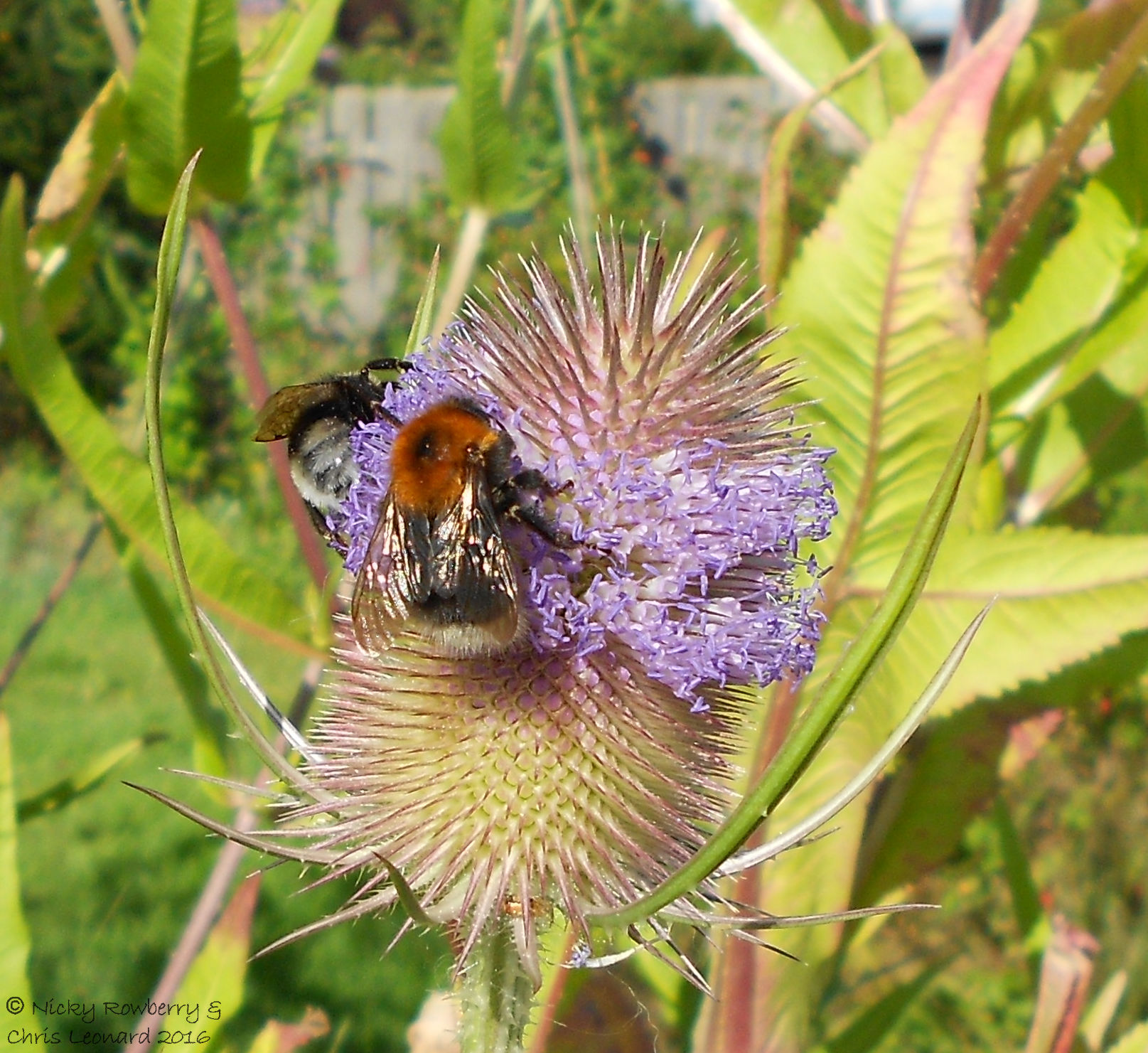
When they do put on their growth spurt, they are easily taller than me (I only manage a mere 5 foot 1 on a good day!) Their flowers are irresistible to the bees in the garden, which is the main reason we let them grow every year. These ones below are full grown ones from previous years

Bees on Teasels

Bees on Teasels 2

The stems and leaves provide homes for lots of other insects too, with water tending to collect at the base of each leaf.

We always leave them once they’ve finished flowering, as they still provide benefit right through the winter. For us humans they provide structure and interest in the garden.

Frosty teasel 2

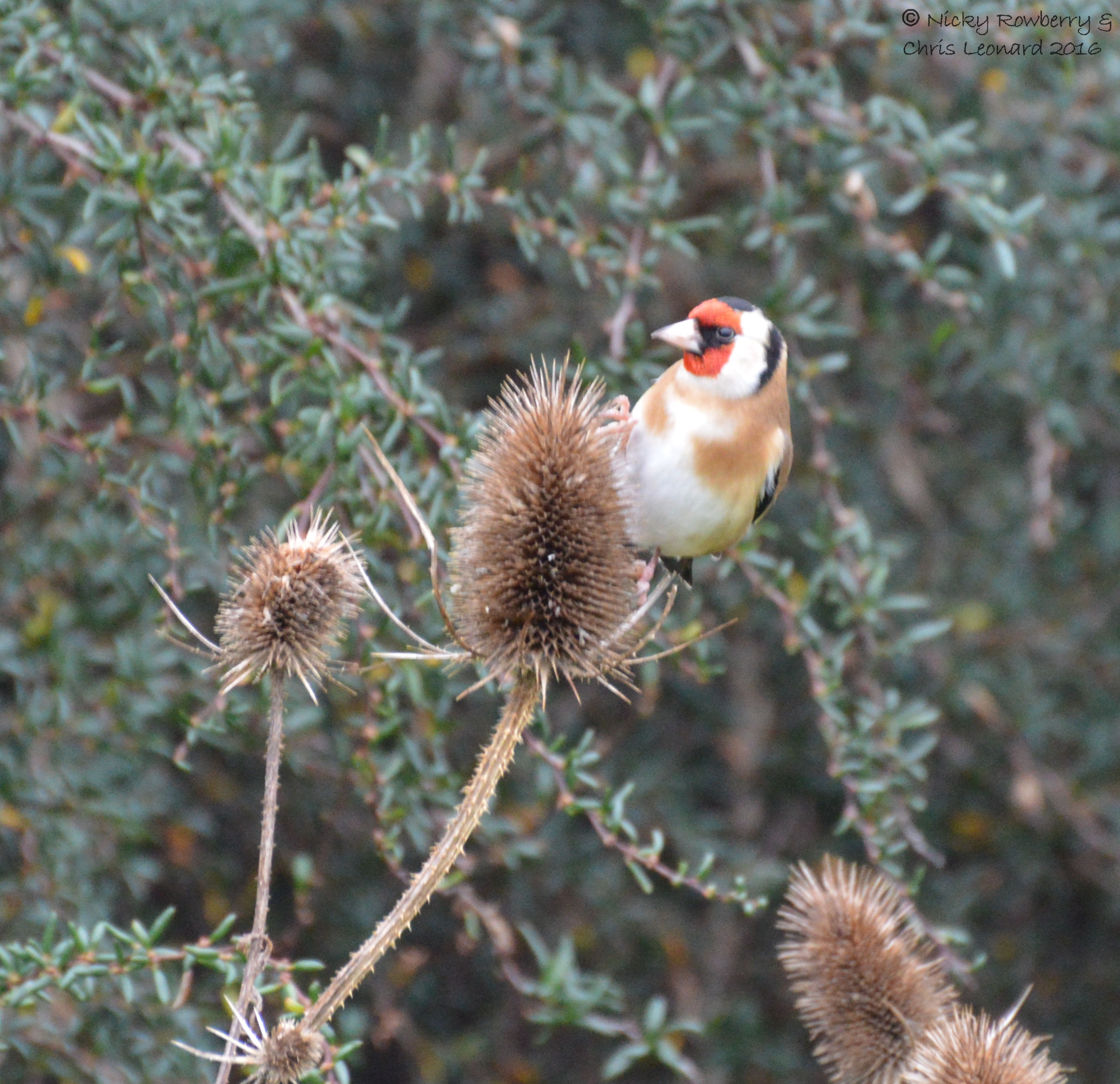
The teasels themselves are packed with seeds that the birds love. Goldfinches are well-known teasel fans, but we’ve seen several other species such as this Coal Tit making the most of them too.

Goldfinch 1

Coal Tit on Teasel

Of course we do eventually have to chop them down, if only to provide space for next year’s crop. This year we decided to save some of the hollow stems and turn them into something useful – a Bug Hotel. The RSPB are running a “Give Nature a Home” campaign, so a pile of teasel stems and an empty squash bottle later and we have hopefully made one small home. With a bit of luck we’ll be able to post photos later in the year of some new residents.

Teasel canes

Bee Hotel

So that’s the life of the teasels in our garden – the plant that keeps on giving to wildlife – even when it’s chopped up into pieces!


Bumblebee Bonanza

Never realised before I started writing a blog how much I enjoyed a good bit of alliteration, but  find myself unable to resist calling this post Bumblebee Bonanza. I started writing this post a few days ago when we reached a tally of 8 bee species for 2016. Since then we’ve been spotting a new one almost daily and are now up to 12. As we’re less than half way through April, I’m hopeful of further species to come, but thought I’d better finish this post off before it gets out of control!

I should point out that although we spotted all these different species, many of them were only identified with the help of several very kind and expert people on various Facebook groups – the power of social media!

So first bee of the year was of course my favourite the Hairy Footed Flower Bee (Anthophora plumipes).
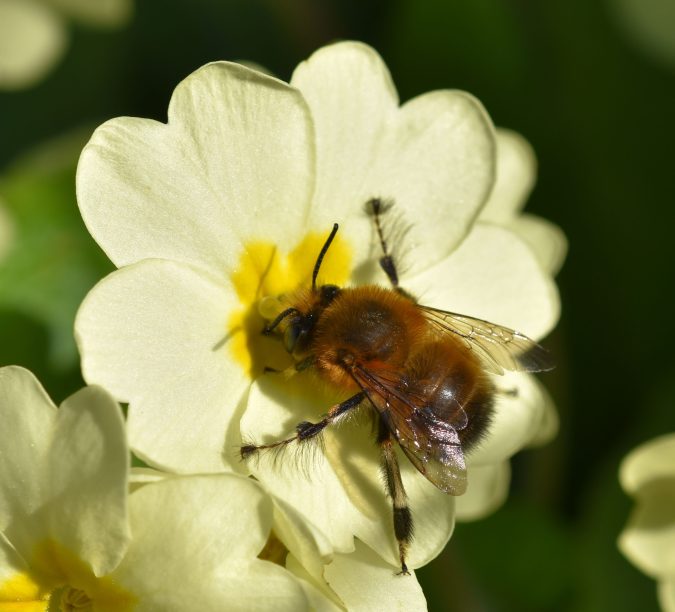
 

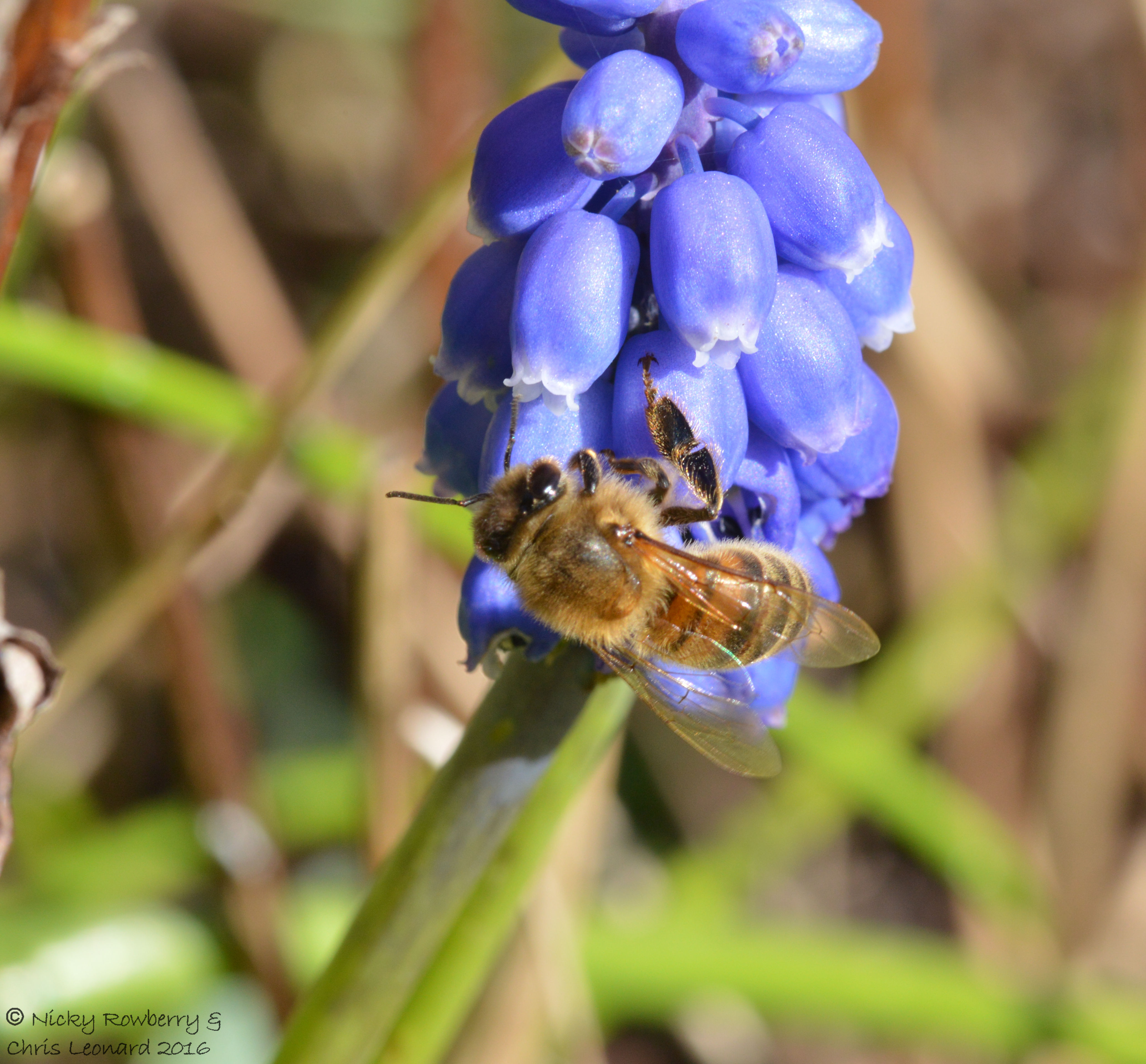
Next to show in the garden was the Honey Bee (Apis mellifera), in small numbers so far, but hopefully by the summer the garden will be buzzing with them as usual.
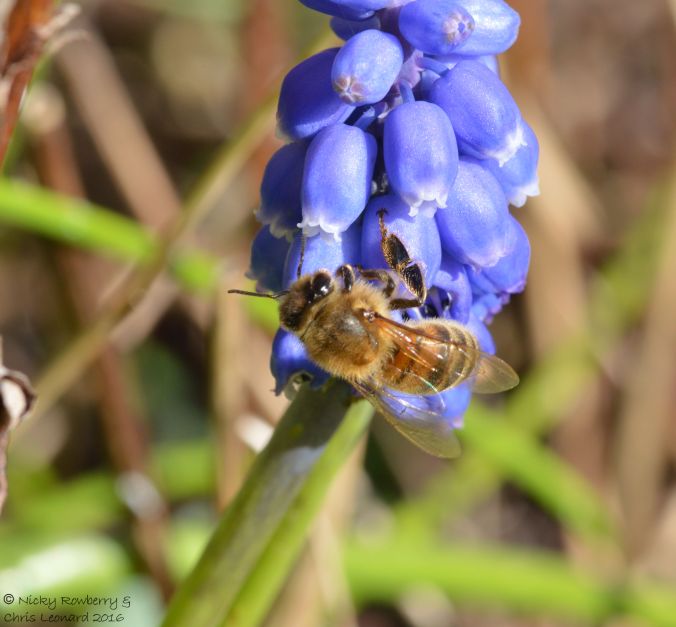
Honey Bee

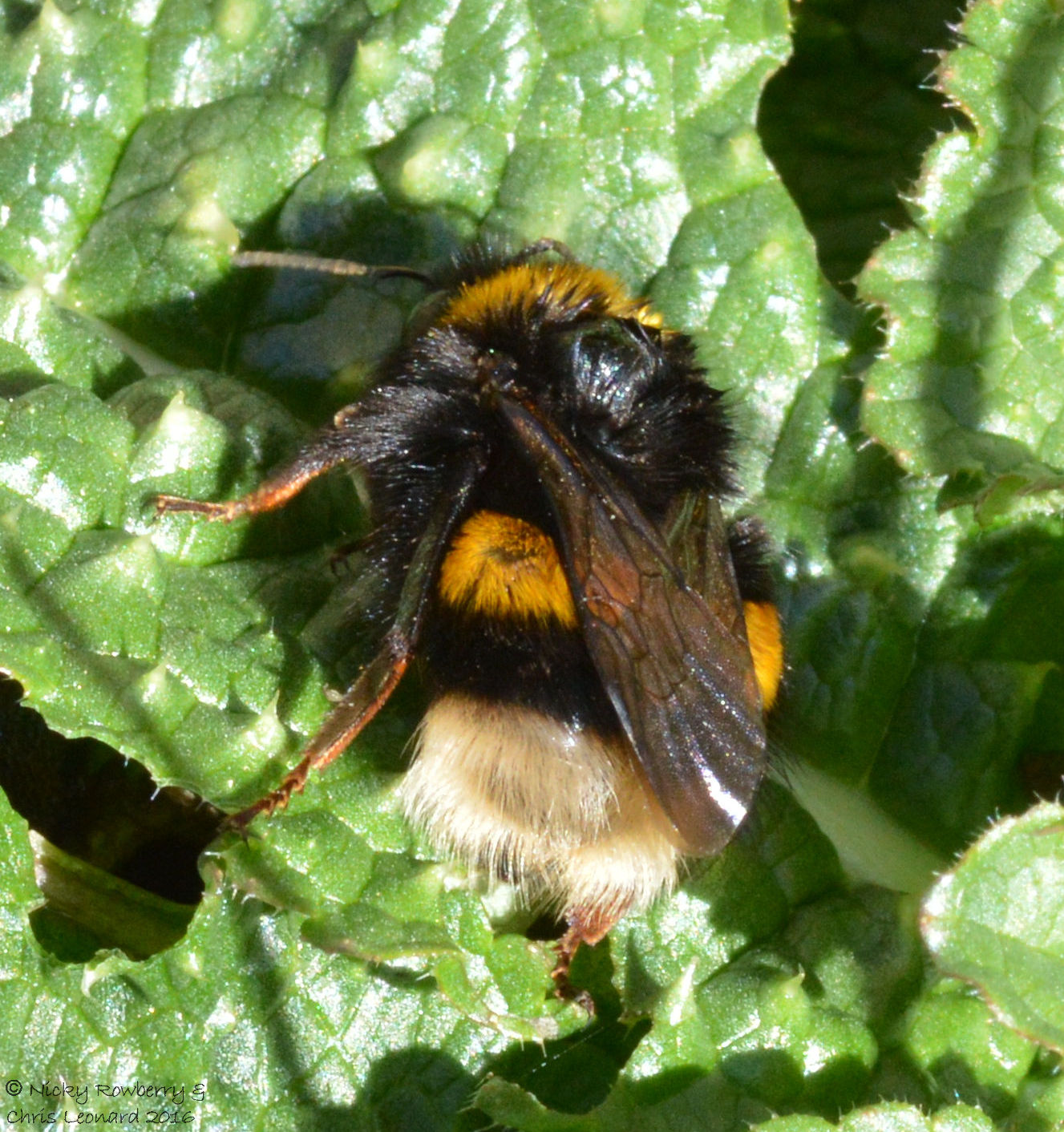
The next confirmed species was the first of the bumblebees – the Buff-tailed Bumblebee (Bombus terrestris). There have been quite a few of these buzzing about, but this slightly bedraggled looking specimen was the first one to slow down enough to get photographed.  It is a social bee living in colonies usually underground.

Buff tailed bumblebee

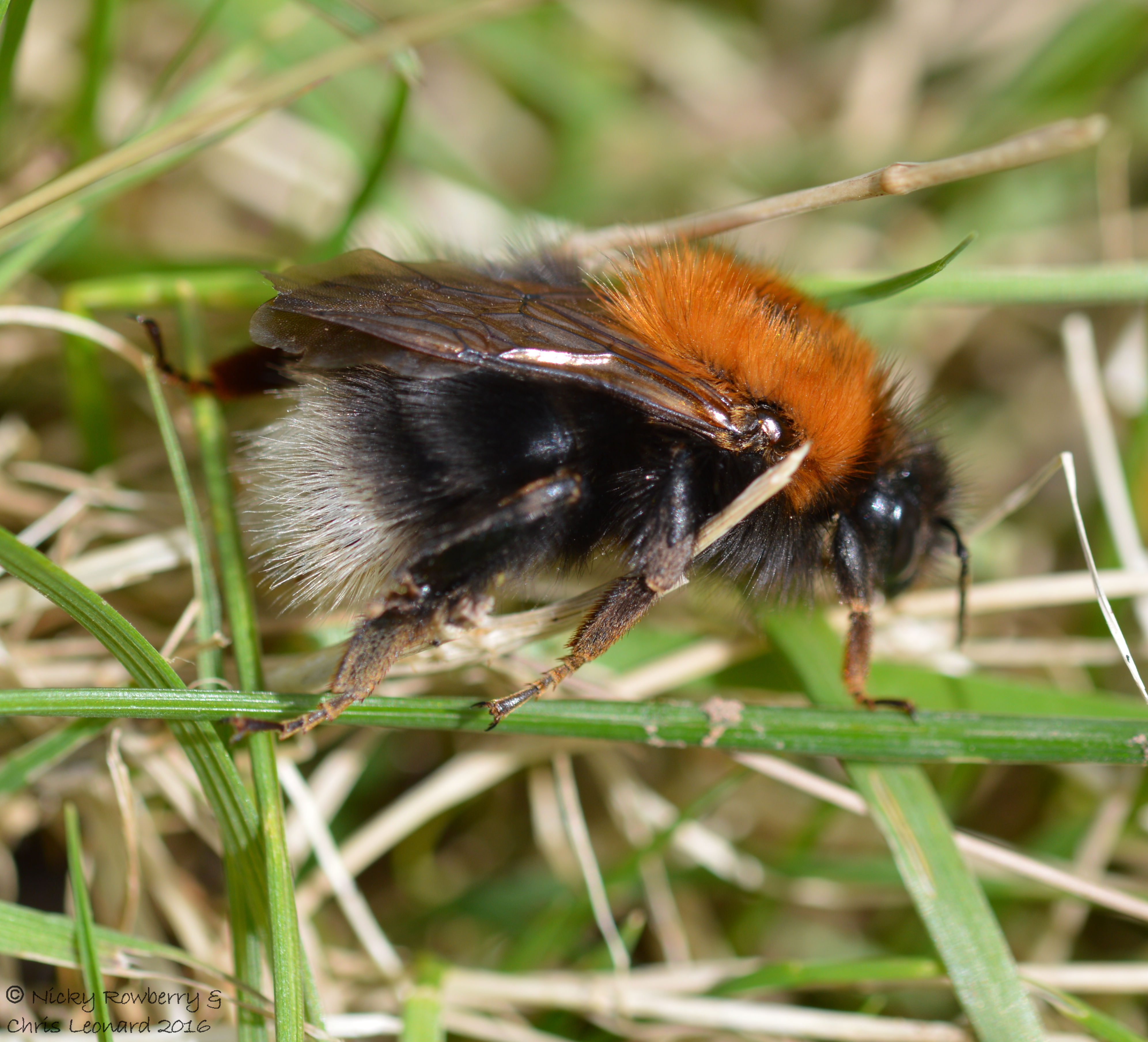
The 4th species, the Tree Bumblebee (Bombus hypnorum) is an interesting new comer, having only been recorded in the south of England since 2001. Well it has obviously reached Malvern now! There is a scheme for recording sightings of this species, so he has been duly logged.
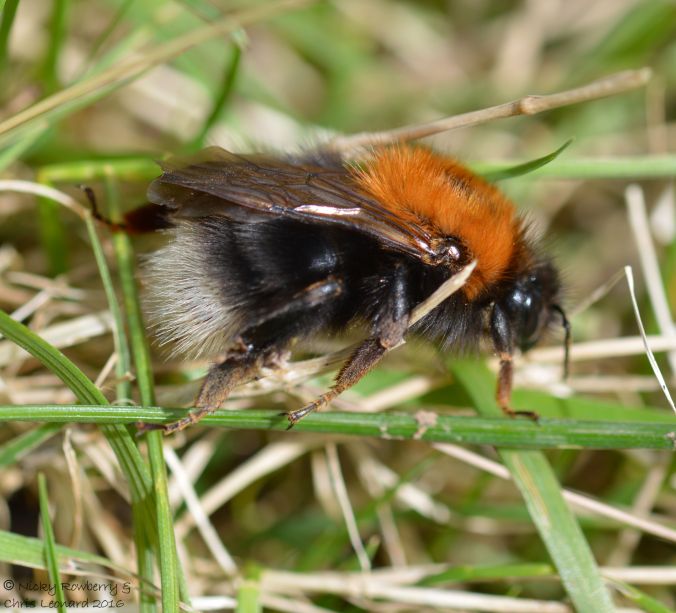
Tree Bumblebee

Another bumblebee to pop up in the garden this spring has been the Red Tailed Bumblebee (Bombus lapidarius). This is a big bumblebee, so you think it would be easy to get a decent photo. But although we’ve seen them regularly, they seldom sit still long and when they do, they seem to favour flowers at the top of the bushes out of reach of vertically challenged photographers!


The 6th bee species was the first of the mining bees to be positively identified – Andrena nitida – I’m not sure this one has a common name. Mining bees are solitary bees and there are a lot of British species.

Andrena nitida

The 7th species is from an interesting group known as Cuckoo bees – the one below is the Vestal Cuckoo Bee (Bombus vestalis). Cuckoo bees behave in a similar fashion to their namesake birds – they lay their eggs in the nest of other bees. In the case of the Vestal Cuckoo Bee, its chosen host tends to be the poor Buff Tailed Bumblebee. Cuckoo bees have no pollen sacs on their legs as they have no need to collect pollen for their young, as others do all the work for them.


The 8th bee is the only one we’ve not managed to get to species, but according to the good people of Facebook, it belongs to the Lasioglossum genus and is another mining bee. Lasioglossum species need either microscopic examination or at least better photos than the one below to get them to species.

Lasioglossum sp

The 9th bee is the smallest specimen so far – Fabricius’ Nomad Bee (Nomad fabriciana). This is also a cuckoo type of bee, laying its eggs in the nest of mining bees. It looks quite different to the other bees we had, to the point I wasn’t even sure it was a bee at first. The yellow spots on its orange abdomen (just about visible in our photo) identify it as Fabricius’.
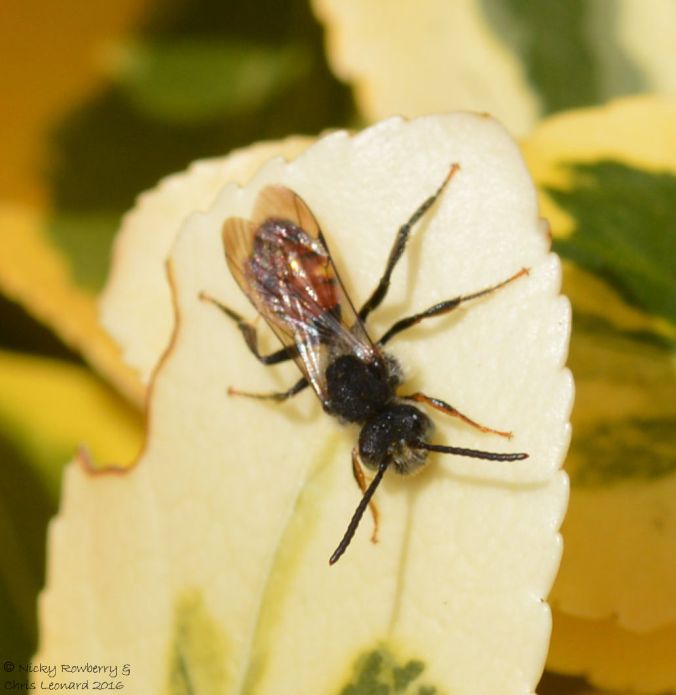
Fabricius Nomad Bee

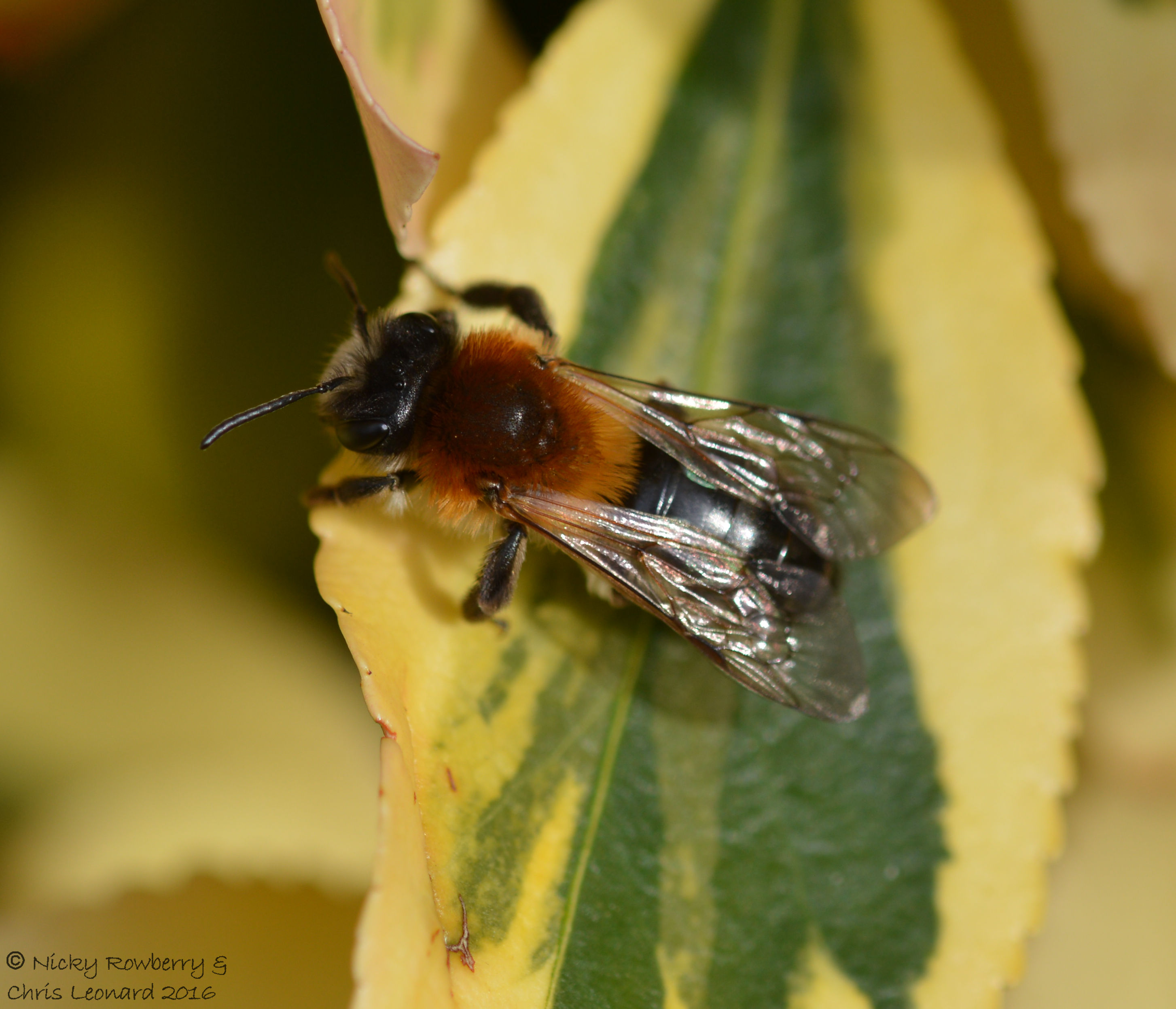
Bee no. 10 is the Ashy Mining Bee (Andrena cineraria). I could tell this one was a different species as it looked black and white. Determined to get a photo I spent a long time chasing it round the garden, before it finally gave in and settled on this leaf.

Ashy mining bee Andrena cineraria

11th species and another mining bee Andrena scotica. These are solitary bees, but nest in aggregates, so they effectively have communes, rather than being properly social like Honey Bees.
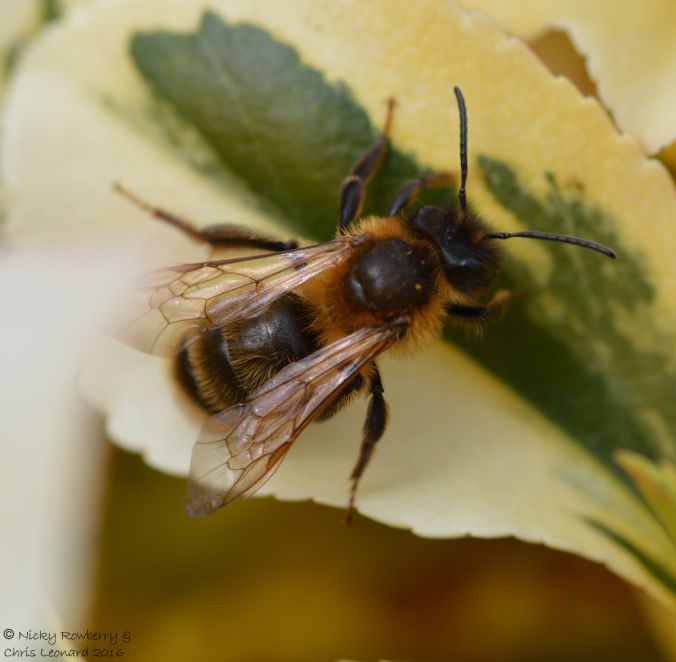
Andrena scotica

The 12th and final bee so far is the Common Carder Bee (Bombus pascuorum). This fluffy gingery brown bee is a social one (although not sociable with me, I had to clamber through the undergrowth to get even this poor photo).
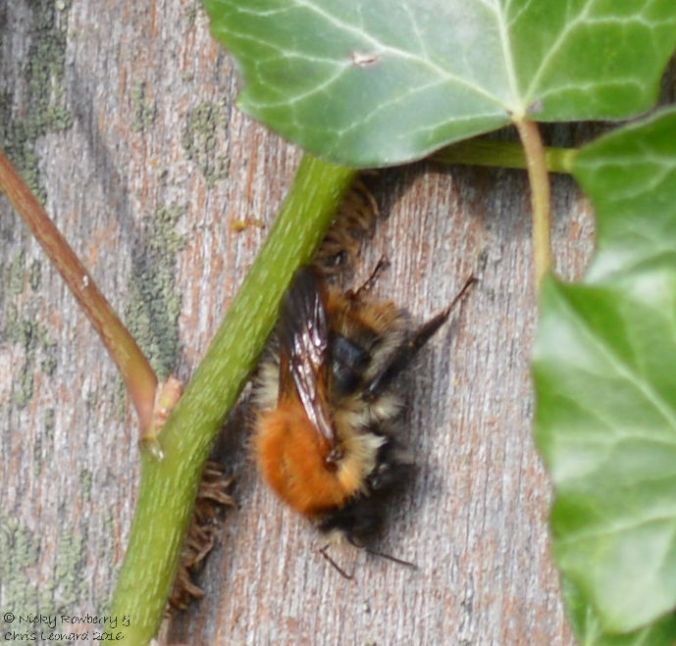
Common Carder Bee

So that’s our tally for the year so far. I know from previous years that there are at least 3 or 4 other species that we definitely get, so fingers crossed they reappear this year too. We garden organically at Too Lazy to Weed and I’d like to think this is contributing to the diversity of bees in our garden. That and of course the profusion of weeds!

Hairy Footed Love

A week or so ago I blogged about the delightfully named Hairy Footed Flower Bee (Anthophora plumipes), having spotted a male one buzzing around the garden. They are quite a loud bee, so much so, that I’m starting to recognise them by sound (going to be by new party trick – identifying bees blindfolded!) The males emerge in the Spring a bit earlier than the females so for the first week they were all we saw. The male below is a typical buff gingery colour, with of course hairy feet!

Hairy footed male

The females emerge a bit later and we saw our first one about a week after the males appeared. They look like a completely different species, being dark pretty much all over, with golden hairs on their back legs. For some reason all the females we saw seemed to be preferring the pink varieties of primrose, whereas the males had been going solely for the yellow (sexual stereotyping in bees???) In the photo below the female already has a male admirer.

Hairy footed female

I’d got the trail camera set up in the hope of catching some bee action, and could see from a distance a group of males chasing a female. I thought the trail cam was pointed right at them, but needless to say it was slightly off. So I’ve got several videos showing bits of the chase, but none capturing it completely. Hopefully the one clip below gives an idea of the action though.

To say the males were persistent would be an understatement. They harassed the long suffering female, who was only really interested in the flowers, not her admirers.

I did manage to take the freeze frame photo below from the videos – you can see one poor female, with a line of 4 males looking like they’re queuing for her attention.

Hairy footed pursuit

I also discovered that the Bees, Wasps and Ants Recording Society are running a Spring bee recording scheme and the Hairy Footed Flower Bee is one of the species they’re interested in. So our amorous little bees have been duly logged. If anyone wants to log their own records, go to http://www.bwars.com/content/submit-sighting-anthophora-plumipes-hairy-footed-flower-bee

The Bees Knees (or Feet)

This last week of sunshine (and showers) has brought the bees out in our garden – at least three species already, plus a massive unidentified one going like a bumblebee out of hell over the roof!

When it comes to identifying bees, it would seem a bee’s knees are hardly relevant at all. In the case of our first positively identified species this year, it was the feet that were key for the charmingly named Hairy Footed Flower Bee (Anthophora plumipes). This is one of the earliest bee species to appear in the spring and we had several merrily tucking into the primroses last weekend.

Hairy Footed Flower Bee

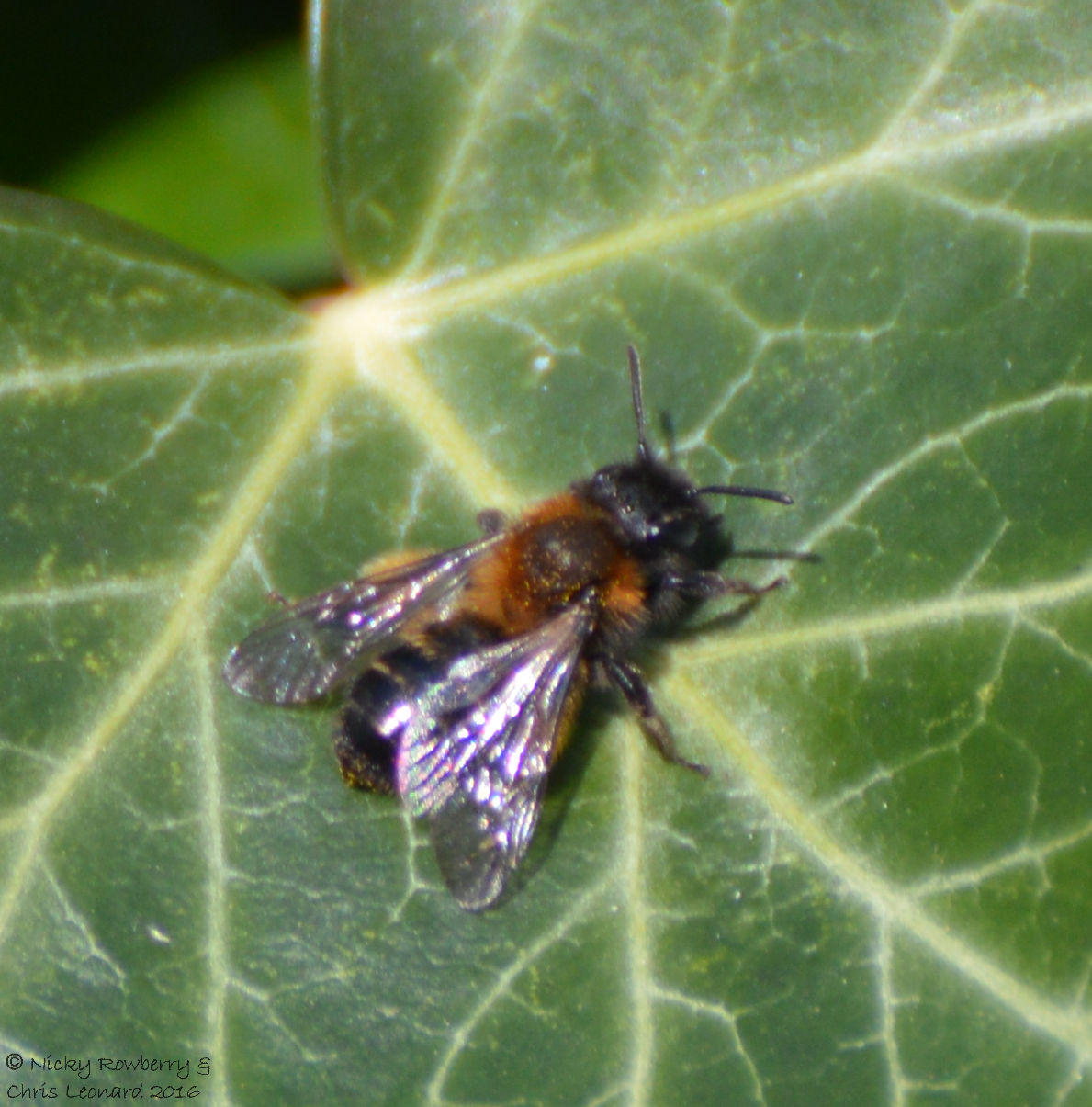
The second species to be spotted in the Lazy Garden was this little mining bee (Andrena sp.) seen basking on an ivy leaf in the sunshine. Unfortunately there are lots of species of mining bees and my photography wasn’t up to scratch enough to be able to identify this one. I did load it onto the ever-useful iSpot website, where several very helpful people discussed various possibilities (I would love to say “debate raged” over my bee, but that would be a bit over dramatic), before concluding that it was best to just stick with Andrena sp. rather than get it wrong. Hopefully our mining bee will reappear sometime and I can get a better photo to nail the identification.

Mining Bee Andrena sp

The final species this week was the humble, but oh so important, Honey Bee (Apis mellifera) seen here already sporting a fine set of pollen sacs. Bee populations in general are struggling so much at the moment, it was great to see 3 species at least surviving in our garden.

Honey Bee

And finally I’ve been having a go with the trail cam filming our bee friends. As per usual with the trail cam, I had to wade through quite a lot of footage of things blowing about in the wind (in this case mainly primroses) before finding this short film of our Hairy Footed Flower Bee, doing what he does best – landing on flowers with his hairy little feet!

New Year’s Resolutions

Well 2015 is over and I reckon it’s been a pretty good year for the wildlife in the garden. The final tally includes:

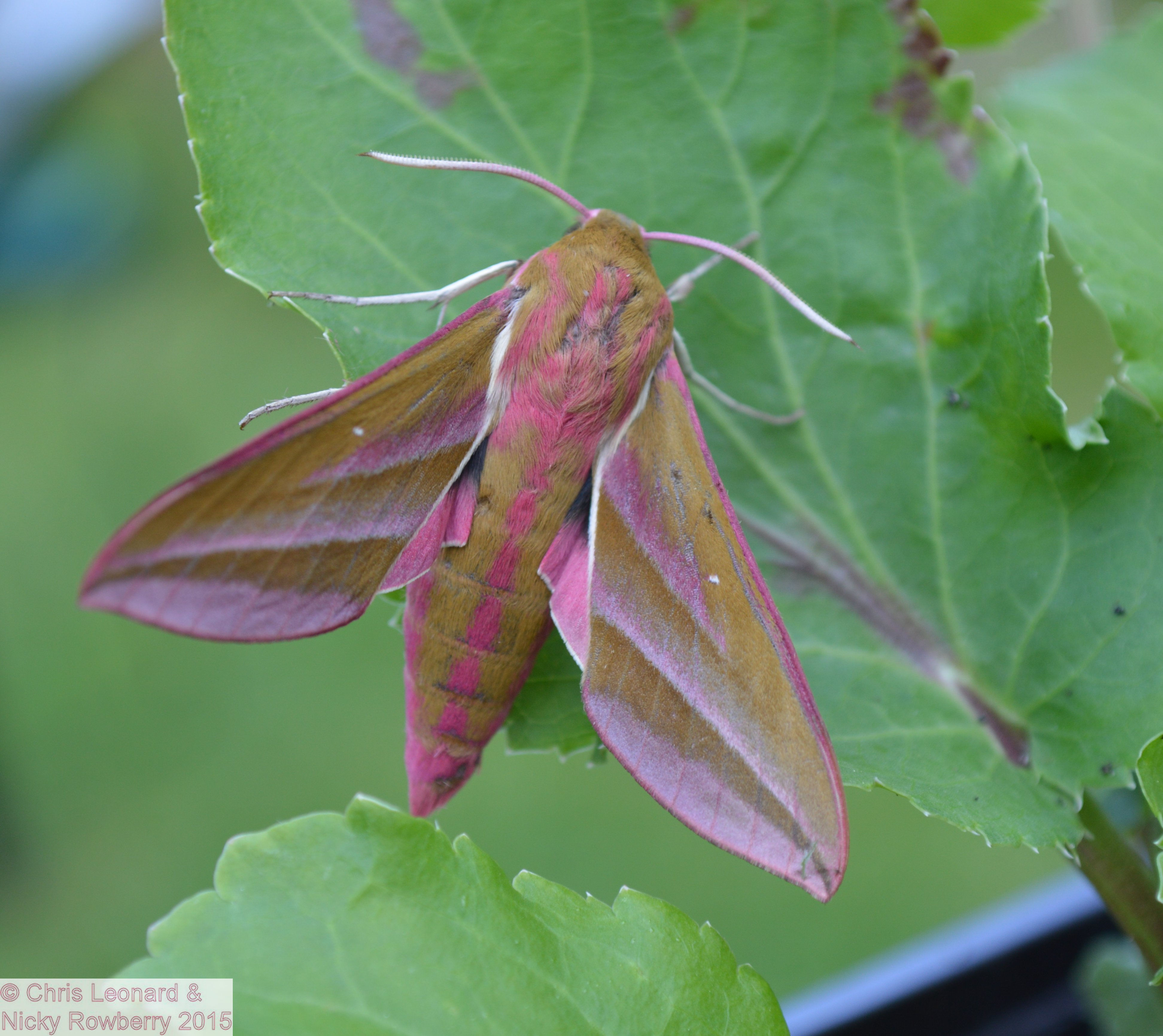
  • Elephant Hawk-moth155 species of moth recorded in the garden, plus about 6 more seen out and about. Most of the 155 came to the moth traps, but a few were more adventurous and made it as far as the bathroom!
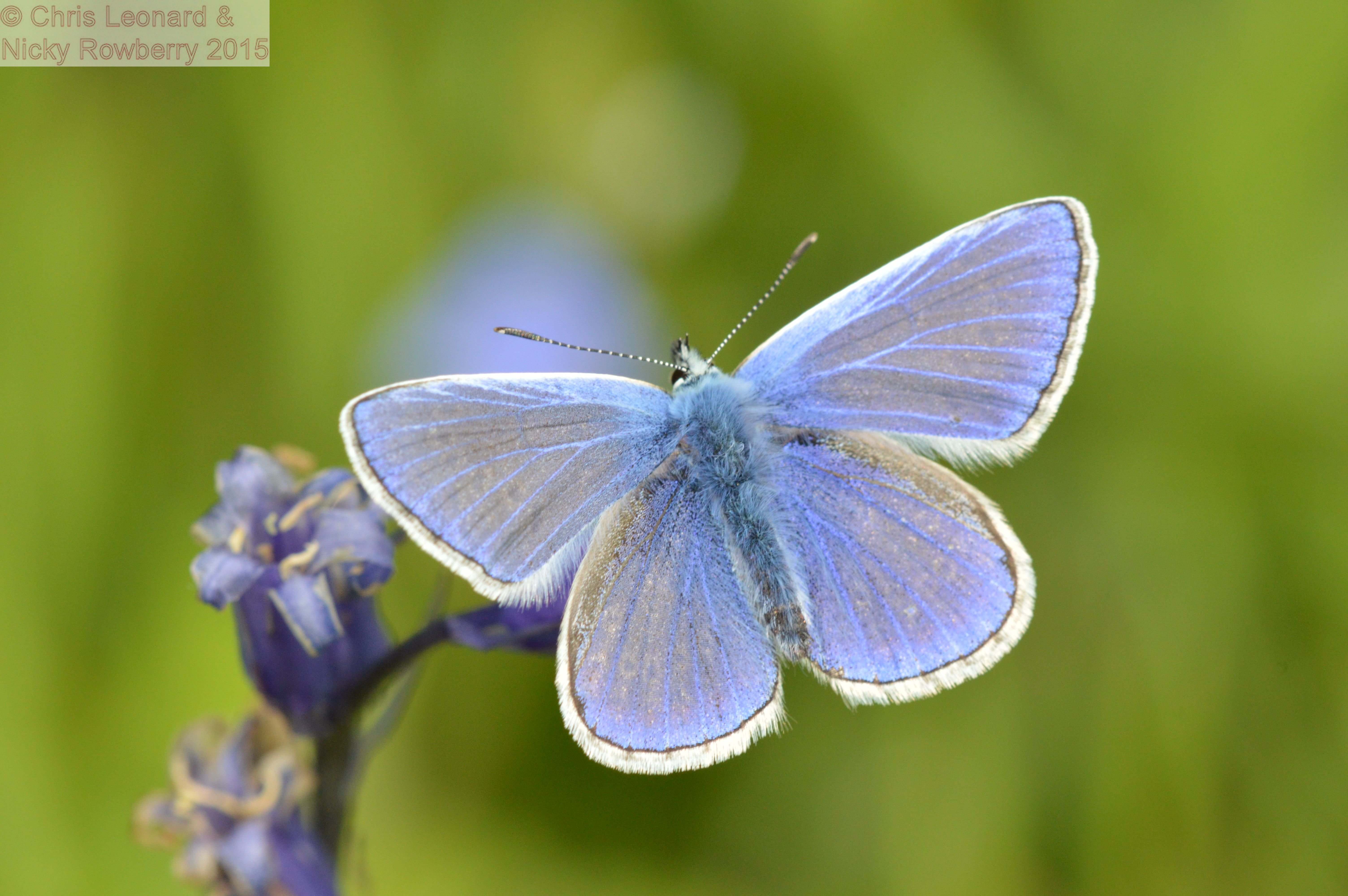
  • Common Blue28 species of butterfly bagged, of which 17 appeared in the garden at least once during the year.


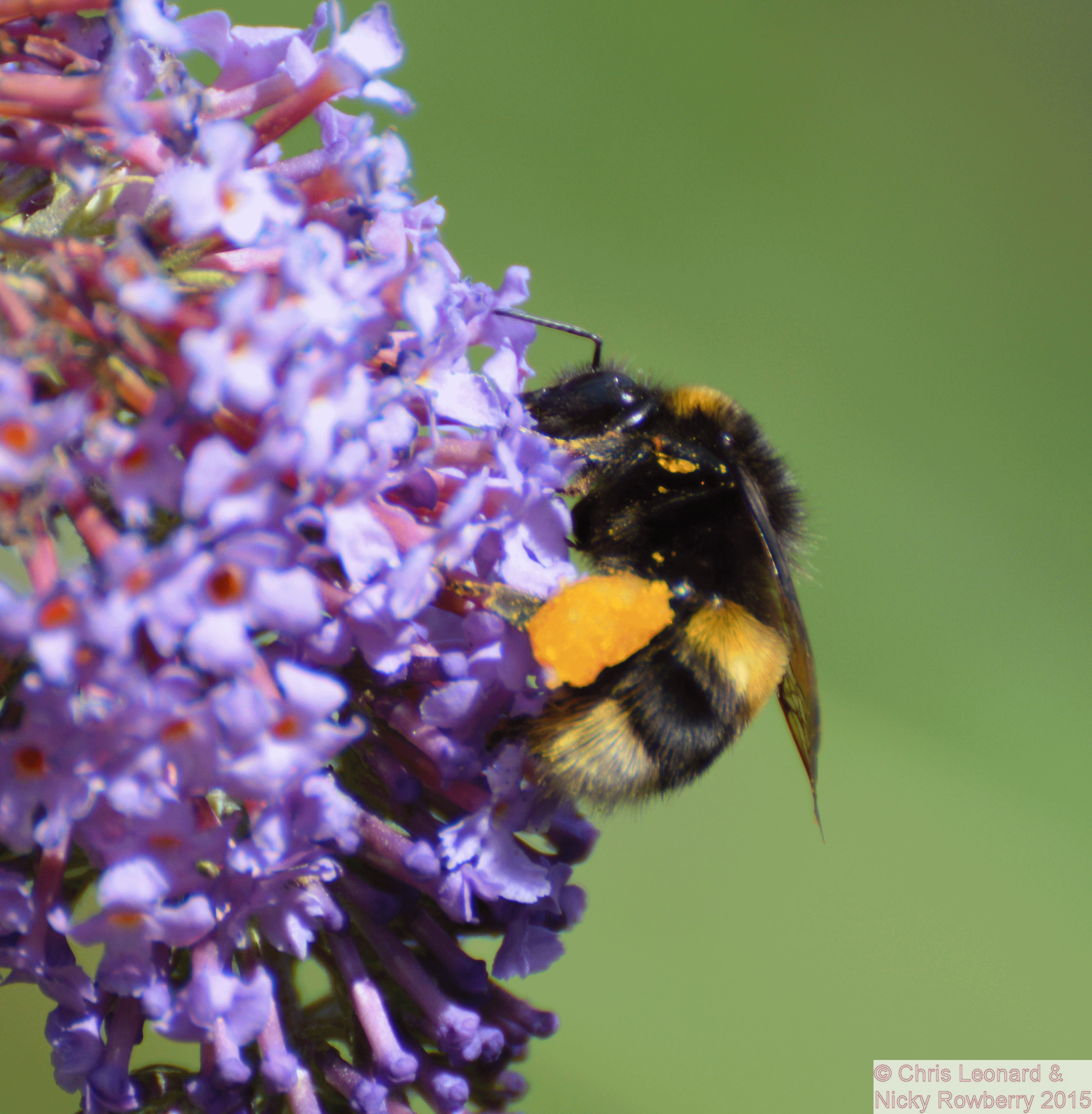
  • Bee on buddleia12 species of bee in the garden (which reminds me I must do a bee post soon). At the height of the summer (such as it was) the garden was buzzing with bee activity.


  • 7 species of shieldbug in the garden, including a rarity for Worcestershire – the Box Bug (which remains the only wildlife to have used our new bird bath!)


  • Hedgehog3 mammal species in the garden (grey squirrel, hedgehog and regular if unidentified bats) plus one family of mice living in the garage.


  • 3 amphibian species (toad, frog and common newt) visiting our pond/bog and surviving attacks from our garden furniture.


  • One sparrowhawk (and consequently one less sparrow) in the garden. Numerous other small birds though eating their way through a small fortune’s worth of bird seed.


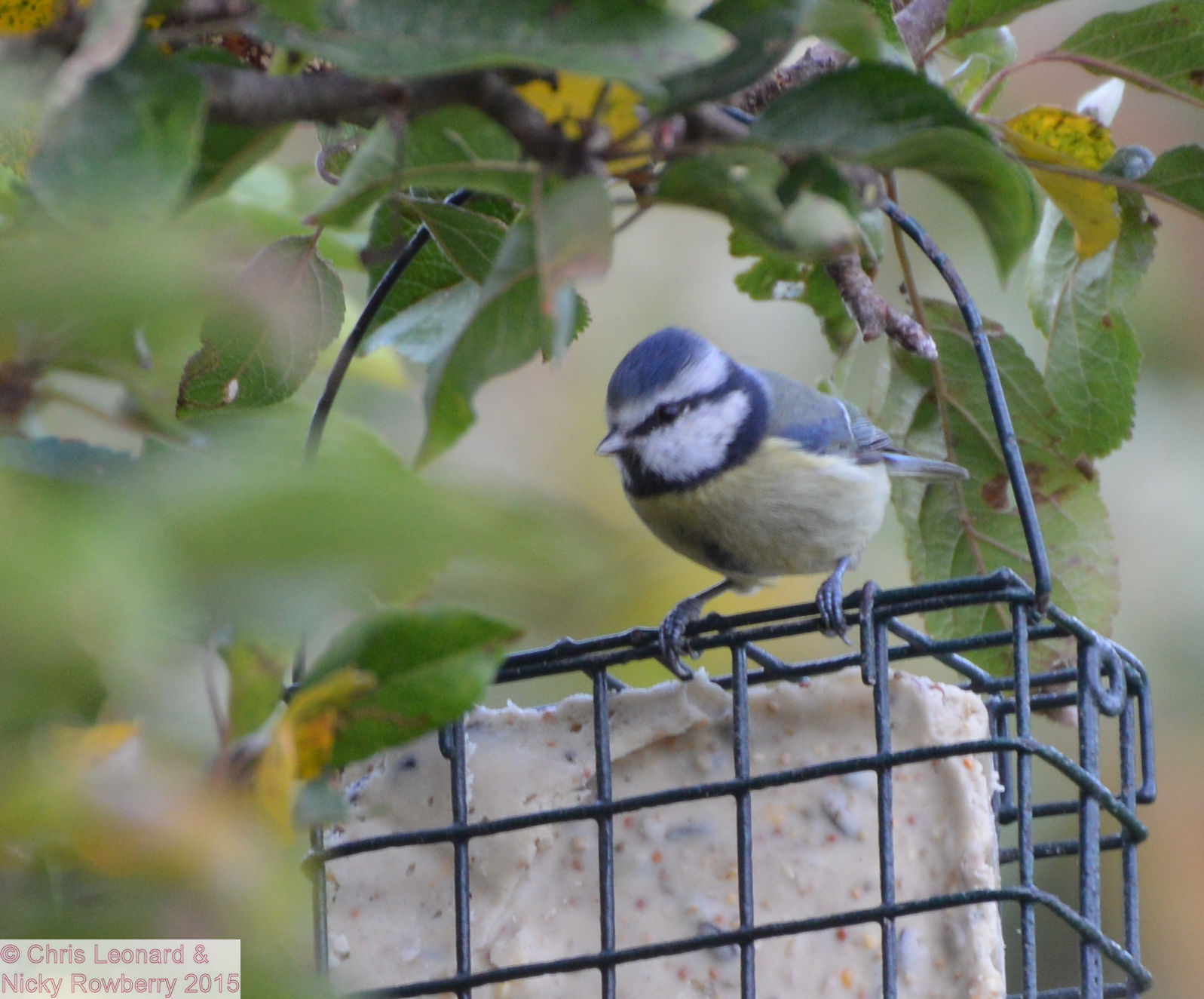
  • Blue Tit on Suet FeederOne family of blue tits successfully fledged from our bird box, after 6 years of it sitting empty. Fingers crossed for a repeat next year.


  • Swollen Thighed BeetlePlus numerous beetles (including my personal favourite – the swollen-thighed beetle), molluscs, ants, wasps, hoverflies and other assorted invertebrates.


  • TeaselsAnd finally of course to maintain the “too lazy” ethos – zero weeds were harmed in the making of this list!


So that brings me to 2016 and some New Year’s resolutions. As there is virtually no chance of me succeeding with any of my usual resolutions (cut down the drinking, lose weight, grow taller, read the classics, write a classic, stop fantasizing about George Clooney etc. etc. etc.) I thought I’d make an alternative list of things I might actually achieve.  So for 2016 I hope to:

  • Try and see at least 4 more species of butterfly – there are lots of great wildlife reserves within easy distance of Malvern, so hopefully we can bag at least some of the following: Grayling, Wood White, Purple Emperor, Small Pearl Bordered Fritillary, Silver-studded Blue and Green Hairstreak.
  • Have a go at beetle trapping. Having more or less got the hang of the moth traps, it would be good to expand our insect repertoire.
  • Dig a new pond – one that actually has water in, not just soggy mud.
  • Replace at least some of the overgrown weeds with more butterfly and bee flower beds.
  • Work out what species those unidentified bats are – it’s been bugging me for years!
  • Get that moth tattoo I’ve been toying with for ages!
  • Learn to photoshop convincingly so I can fabricate evidence of the above when I fail to achieve these resolutions too!

Wishing all lazy wildlife enthusiasts a happy, healthy and environmentally friendly 2016.

Wonky Carrots and Asparagus Forests

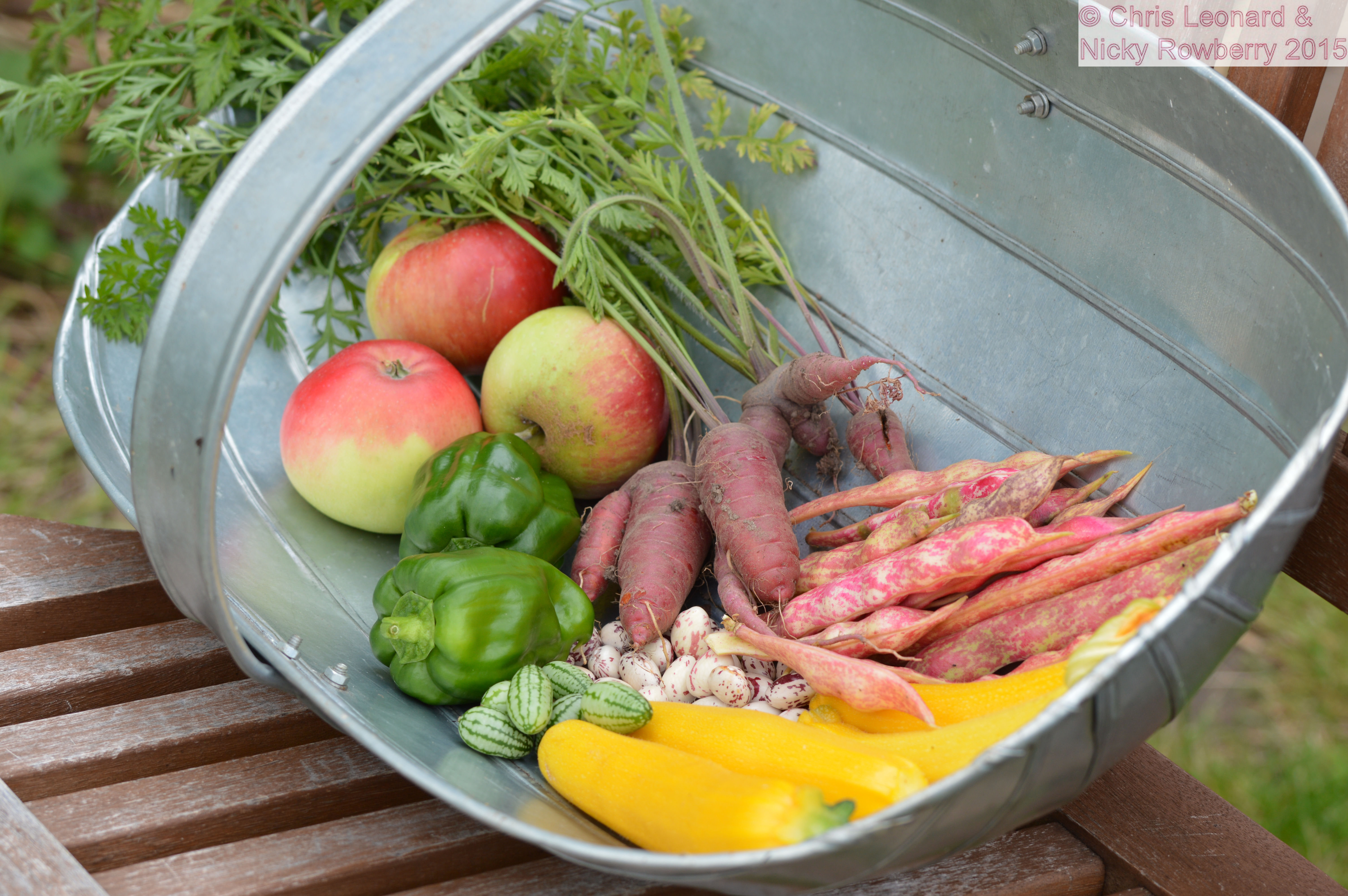
Harvest timeBehold the bounty from a lazy organic garden! We’re a long way from being self-sufficient and I’m not quite sure what we’re going to make out of this particular combo of apples, vaguely rude carrots, peppers, courgettes, borlotti beans and a handful of cucamelons, but it does go to show that you can still grow edible stuff without resorting to pesticides. Of course we are also growing a lot of greenfly, slugs and caterpillars (the Large White butterflies in particular have a penchant for kohlrabi it seems), but their need is probably greater than ours. We should also get a good crop of blackberries if the birds don’t beat us to it and chillies if I remember to water them in the greenhouse.

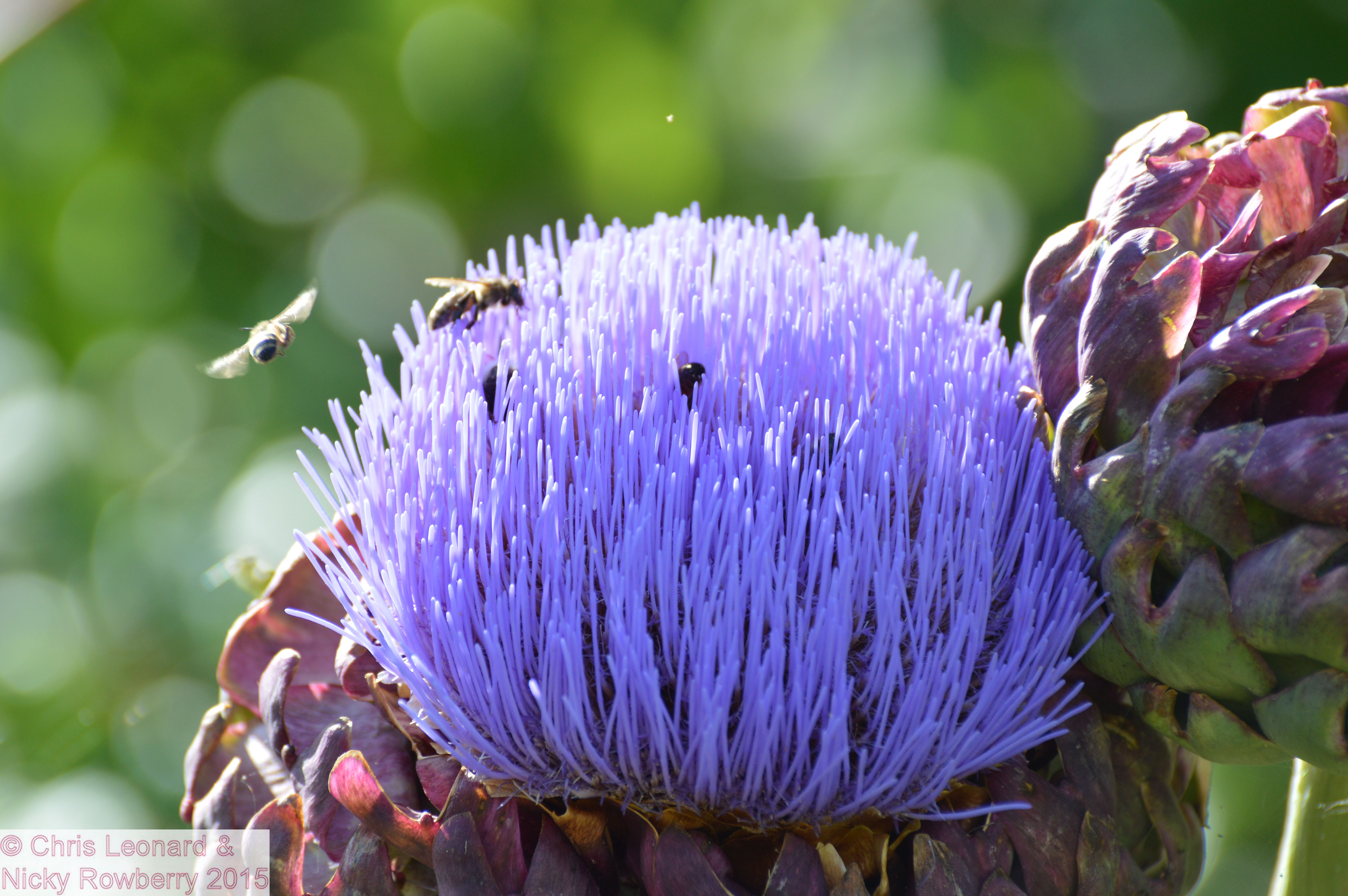
Artichoke flowersWe would also have had a lot of globe artichokes if, in true lazy fashion, we hadn’t let them get way too big. They would now be too tough to eat, but on the plus side, I think they look great like this with their crazy purple hairdos and the bees absolutely love them.

Asparagus ForestWe did get a good crop of asparagus this year – traditionally you stop harvesting this on the summer solstice, then leave the stems to grow to lay down nutrients for next year. The result is this fluffy asparagus forest, which the insects love too, although we could do without the asparagus beetles getting jiggy in it!

Asparagus Beetles