Well 2015 is over and I reckon it’s been a pretty good year for the wildlife in the garden. The final tally includes:
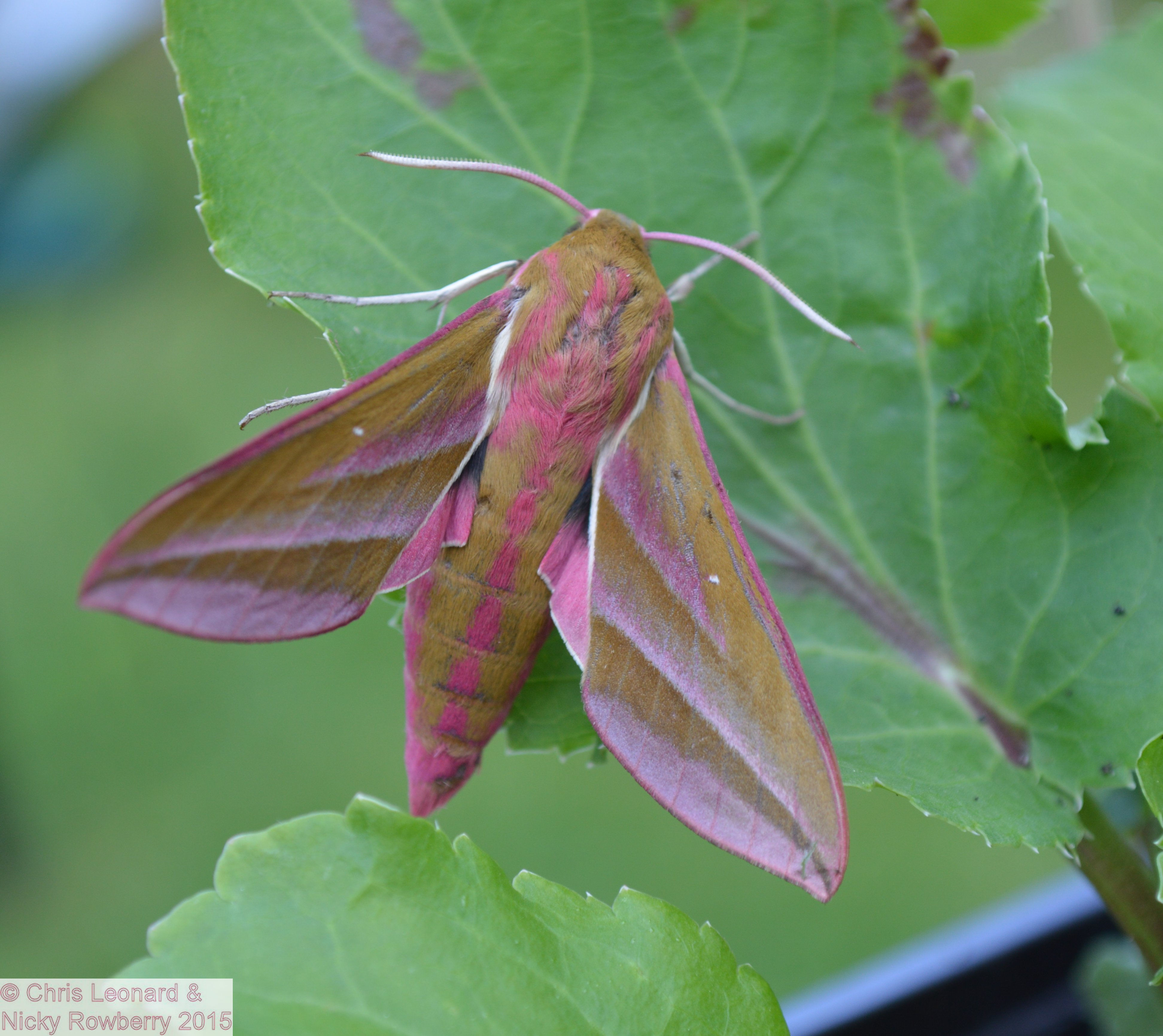
 155 species of moth recorded in the garden, plus about 6 more seen out and about. Most of the 155 came to the moth traps, but a few were more adventurous and made it as far as the bathroom!
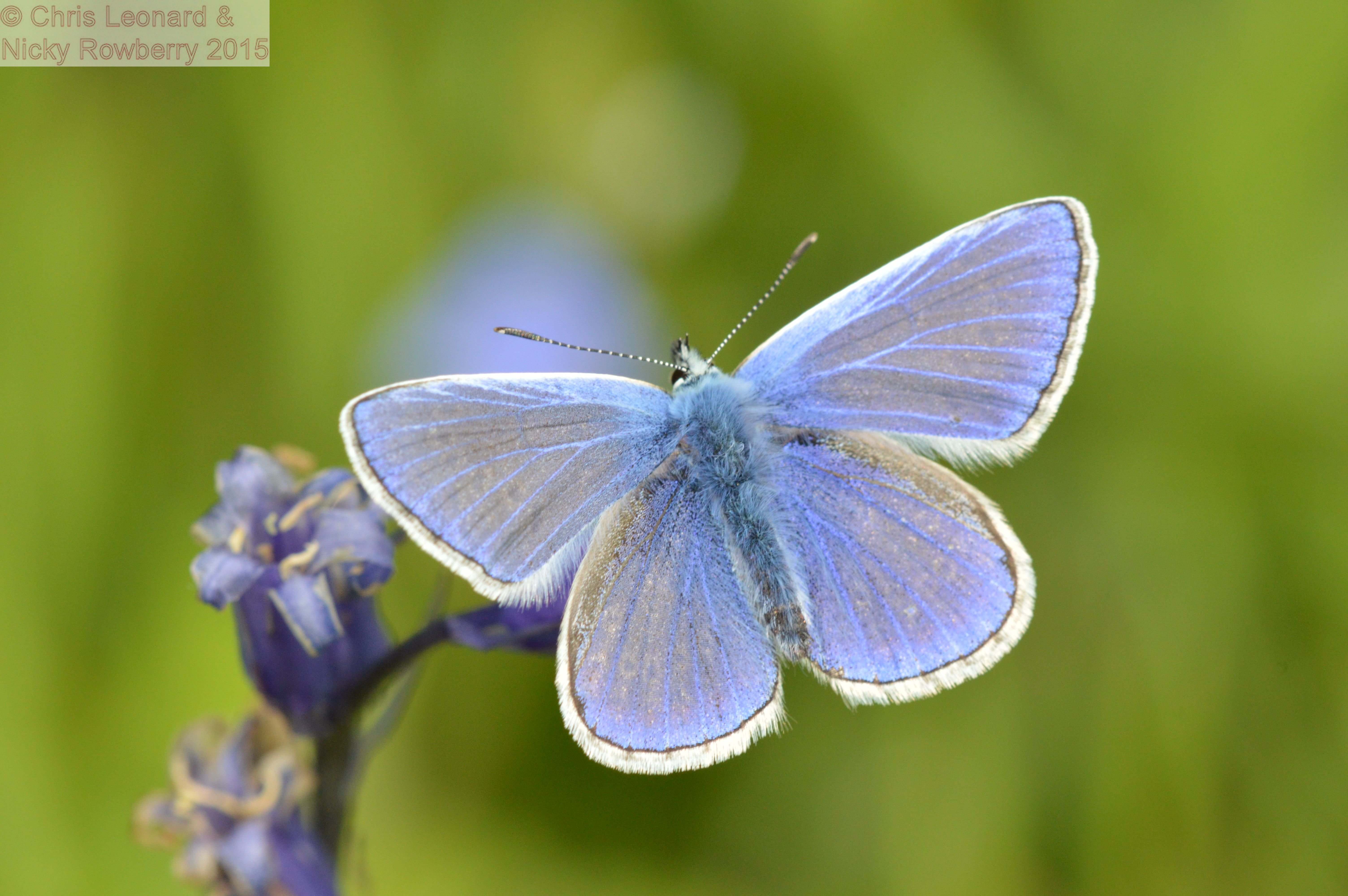
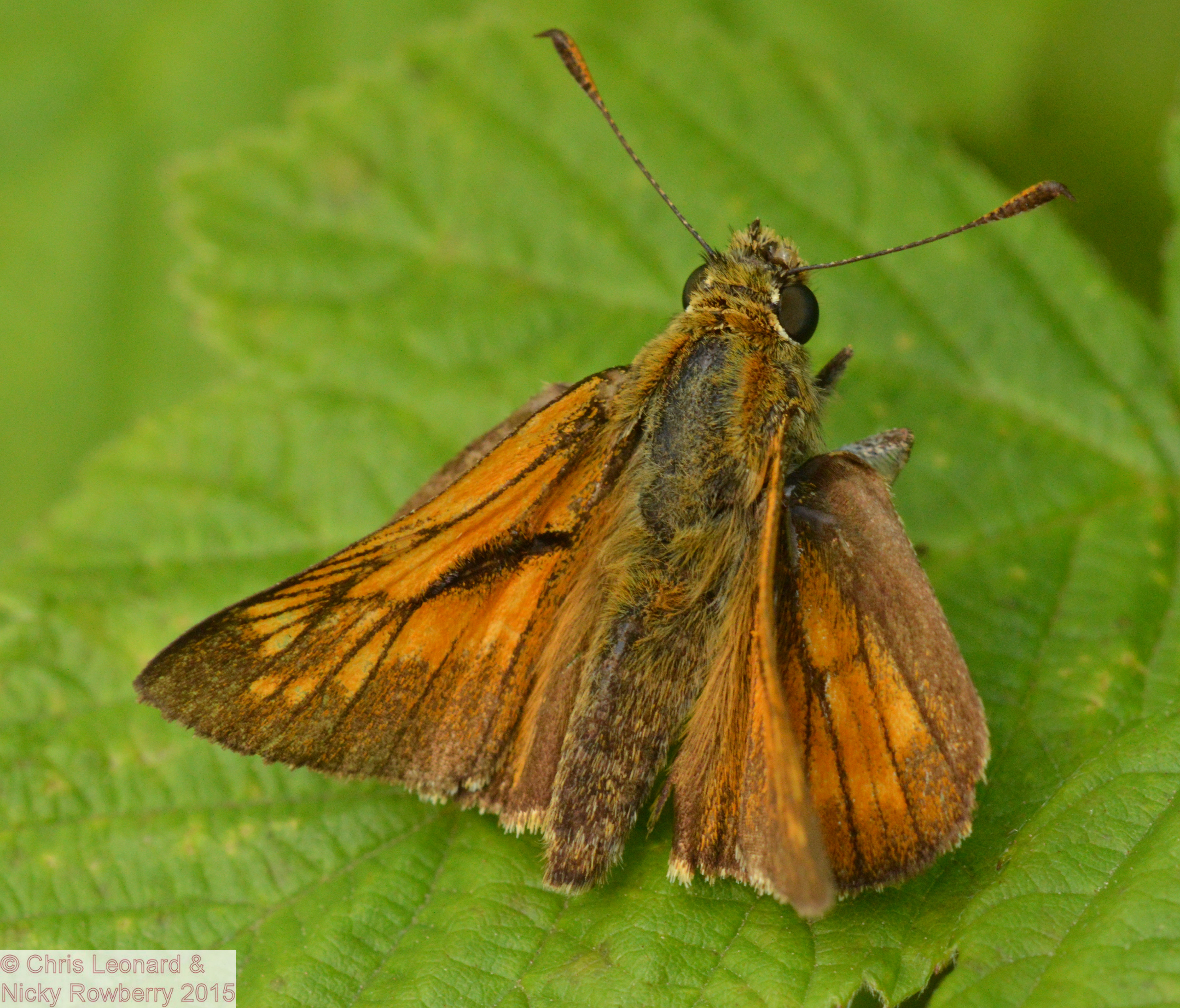
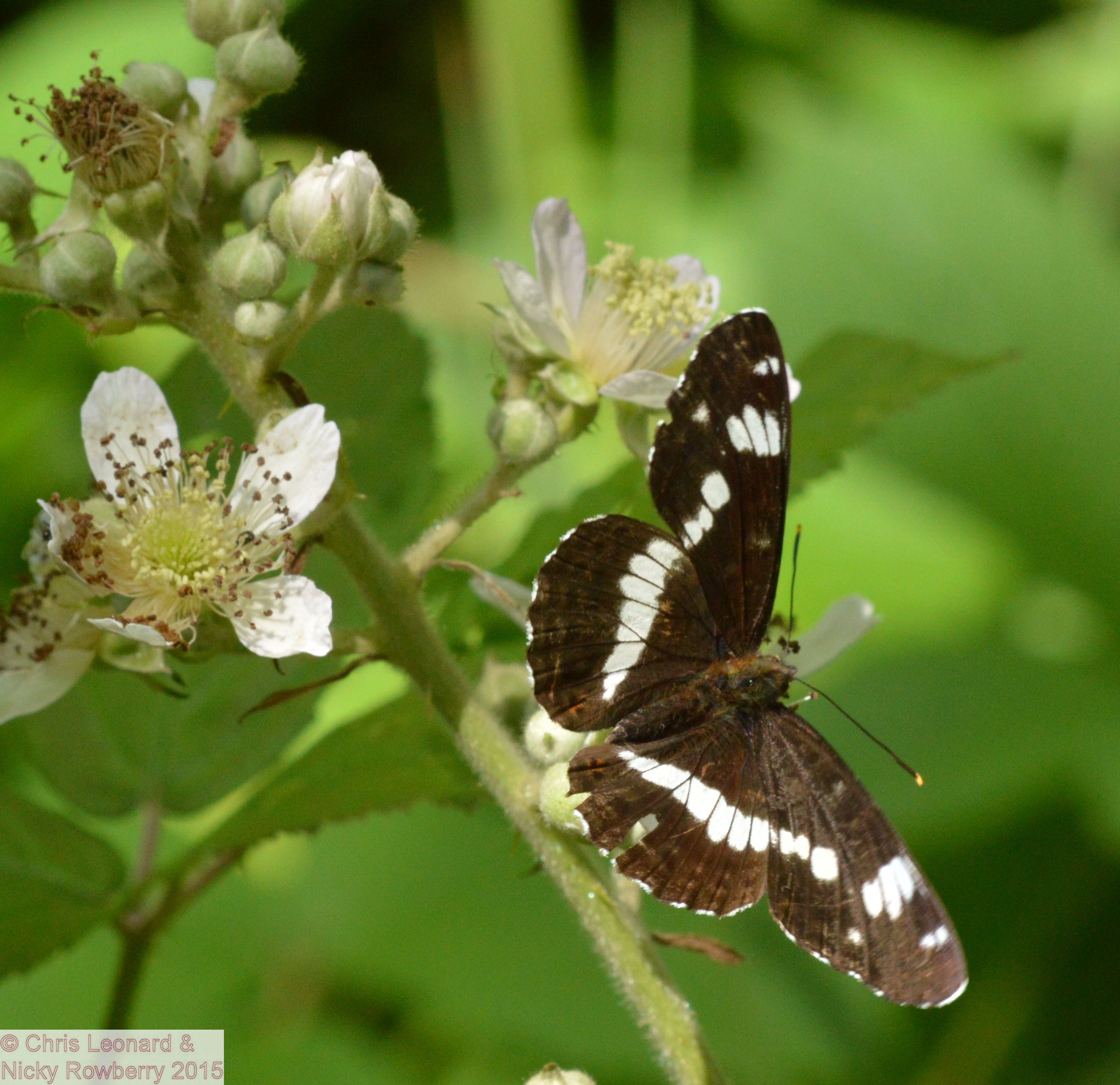
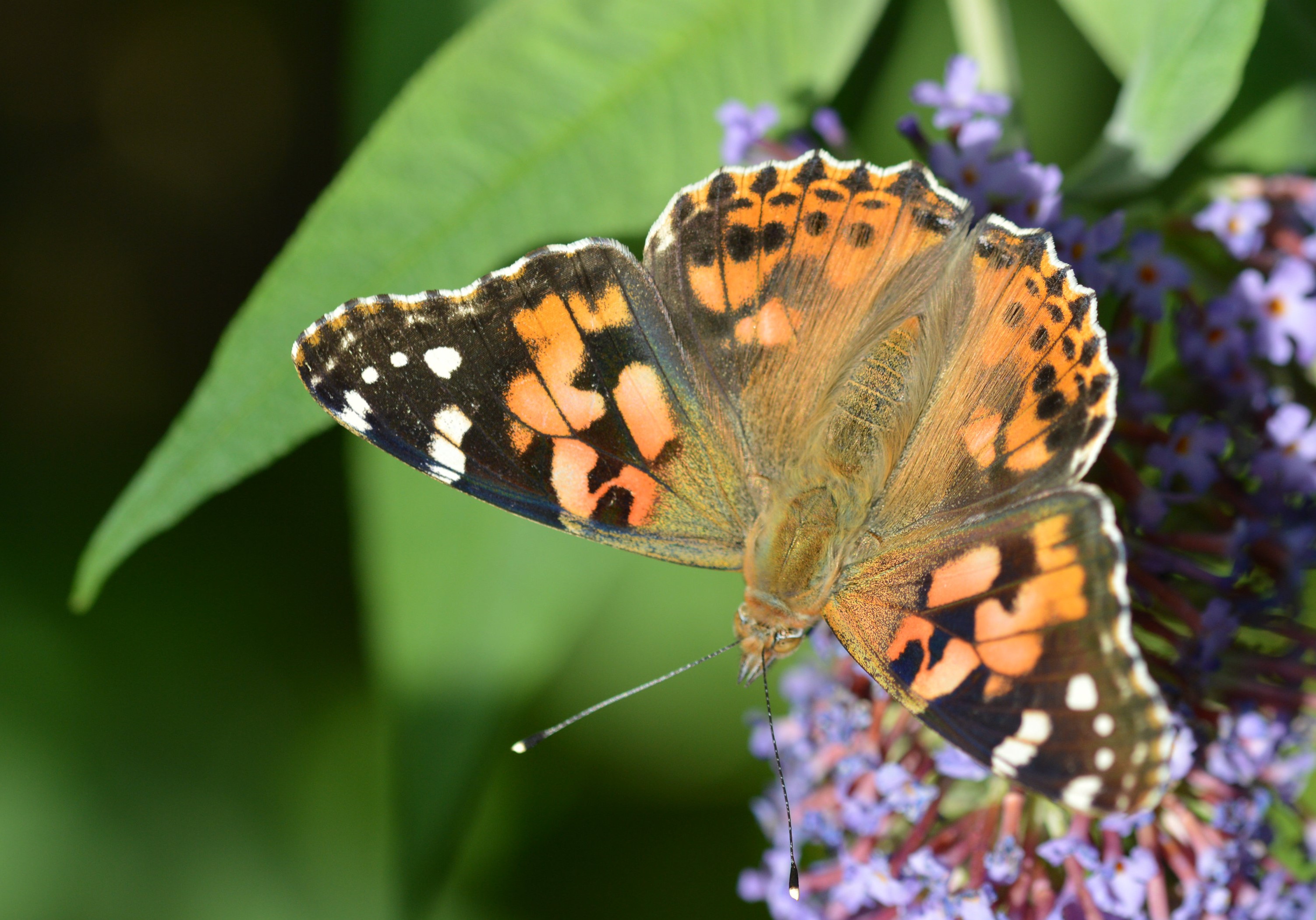
 28 species of butterfly bagged, of which 17 appeared in the garden at least once during the year.
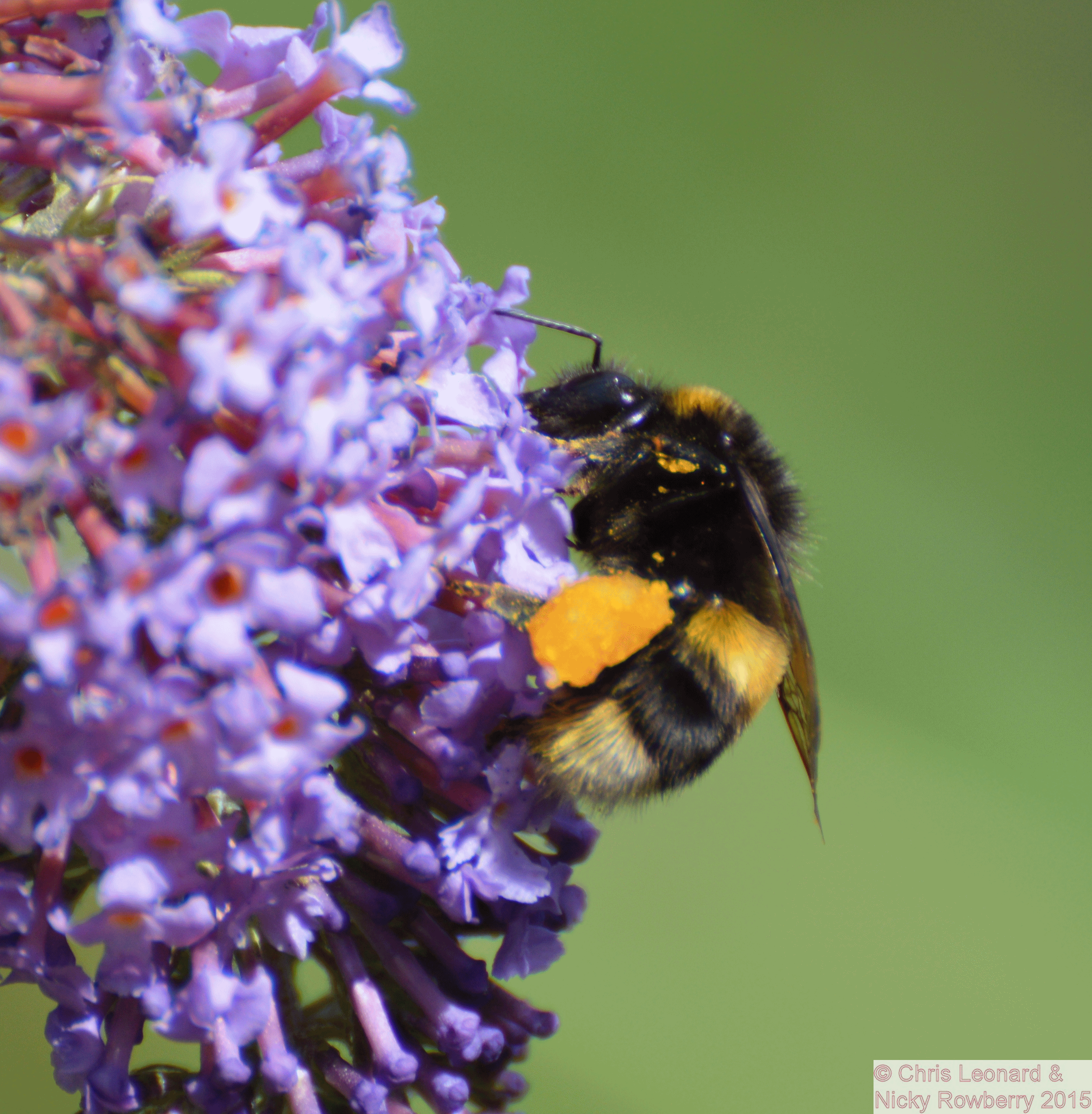
 12 species of bee in the garden (which reminds me I must do a bee post soon). At the height of the summer (such as it was) the garden was buzzing with bee activity.
- 7 species of shieldbug in the garden, including a rarity for Worcestershire – the Box Bug (which remains the only wildlife to have used our new bird bath!)
 3 mammal species in the garden (grey squirrel, hedgehog and regular if unidentified bats) plus one family of mice living in the garage.

 3 amphibian species (toad, frog and common newt) visiting our pond/bog and surviving attacks from our garden furniture.

- One sparrowhawk (and consequently one less sparrow) in the garden. Numerous other small birds though eating their way through a small fortune’s worth of bird seed.
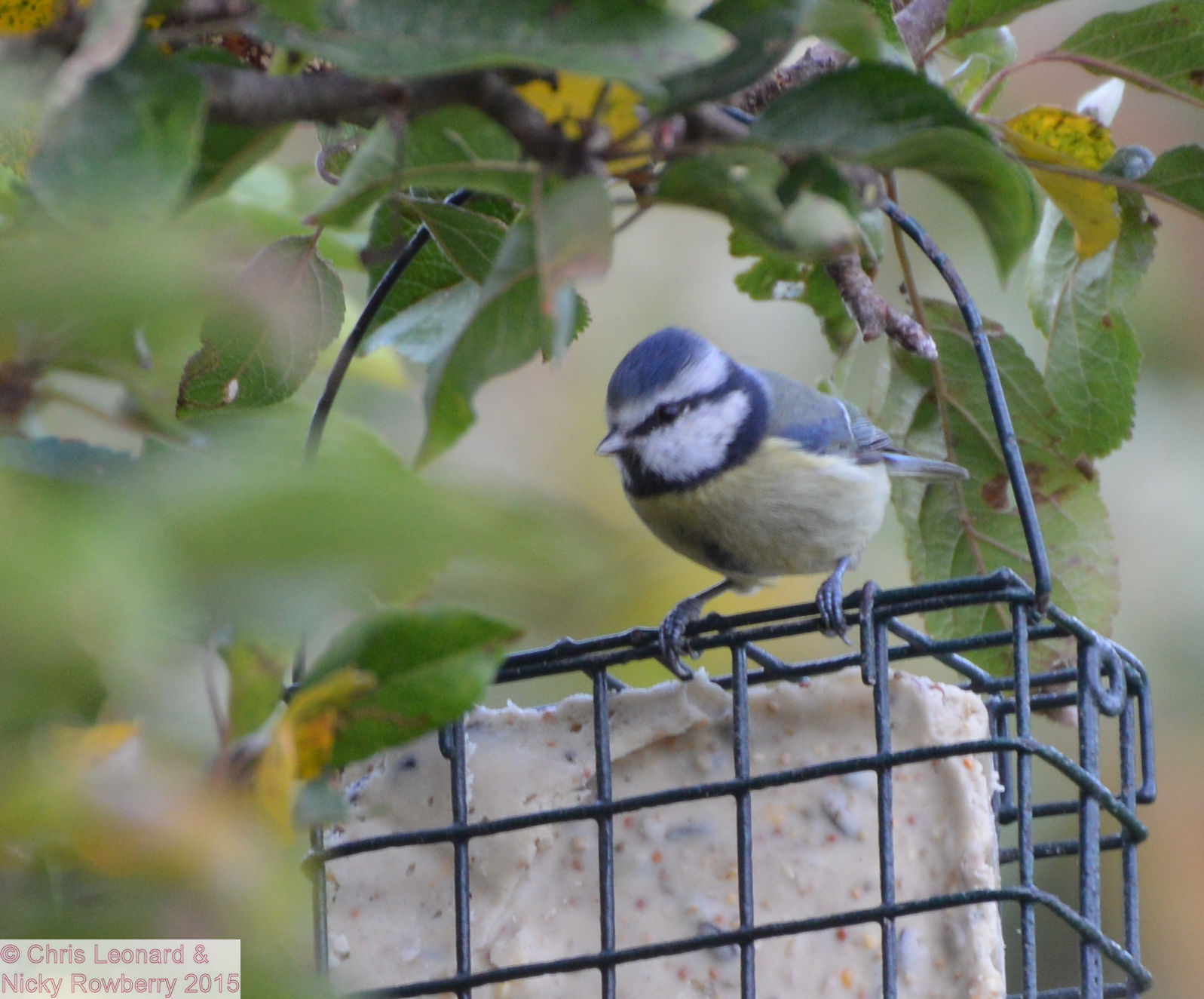
 One family of blue tits successfully fledged from our bird box, after 6 years of it sitting empty. Fingers crossed for a repeat next year.
 Plus numerous beetles (including my personal favourite – the swollen-thighed beetle), molluscs, ants, wasps, hoverflies and other assorted invertebrates.

 And finally of course to maintain the “too lazy” ethos – zero weeds were harmed in the making of this list!

So that brings me to 2016 and some New Year’s resolutions. As there is virtually no chance of me succeeding with any of my usual resolutions (cut down the drinking, lose weight, grow taller, read the classics, write a classic, stop fantasizing about George Clooney etc. etc. etc.) I thought I’d make an alternative list of things I might actually achieve. So for 2016 I hope to:
- Try and see at least 4 more species of butterfly – there are lots of great wildlife reserves within easy distance of Malvern, so hopefully we can bag at least some of the following: Grayling, Wood White, Purple Emperor, Small Pearl Bordered Fritillary, Silver-studded Blue and Green Hairstreak.
- Have a go at beetle trapping. Having more or less got the hang of the moth traps, it would be good to expand our insect repertoire.
- Dig a new pond – one that actually has water in, not just soggy mud.
- Replace at least some of the overgrown weeds with more butterfly and bee flower beds.
- Work out what species those unidentified bats are – it’s been bugging me for years!
- Get that moth tattoo I’ve been toying with for ages!
- Learn to photoshop convincingly so I can fabricate evidence of the above when I fail to achieve these resolutions too!
Wishing all lazy wildlife enthusiasts a happy, healthy and environmentally friendly 2016.



 Too Lazy To Weed