30 Days Wild – Day 18

TWT 30 Days Wild_countdown_18Day 18 of 30 Days Wild and we’re Malvern bound as the car is in for its MOT, so no grand excursions today! So I decided to spend a bit of time in the garden and review how my “wildflower meadow” was progressing. Meadow is probably a bit of an exaggeration as it is very small – more of a meadowlet on what used to be one of our veg patches.

Back in March this is what the old veg patch looked like. We were rubbish at growing veg as we didn’t water or weed regularly enough, so we figured we might as well turn the patch into something more wildlife friendly.
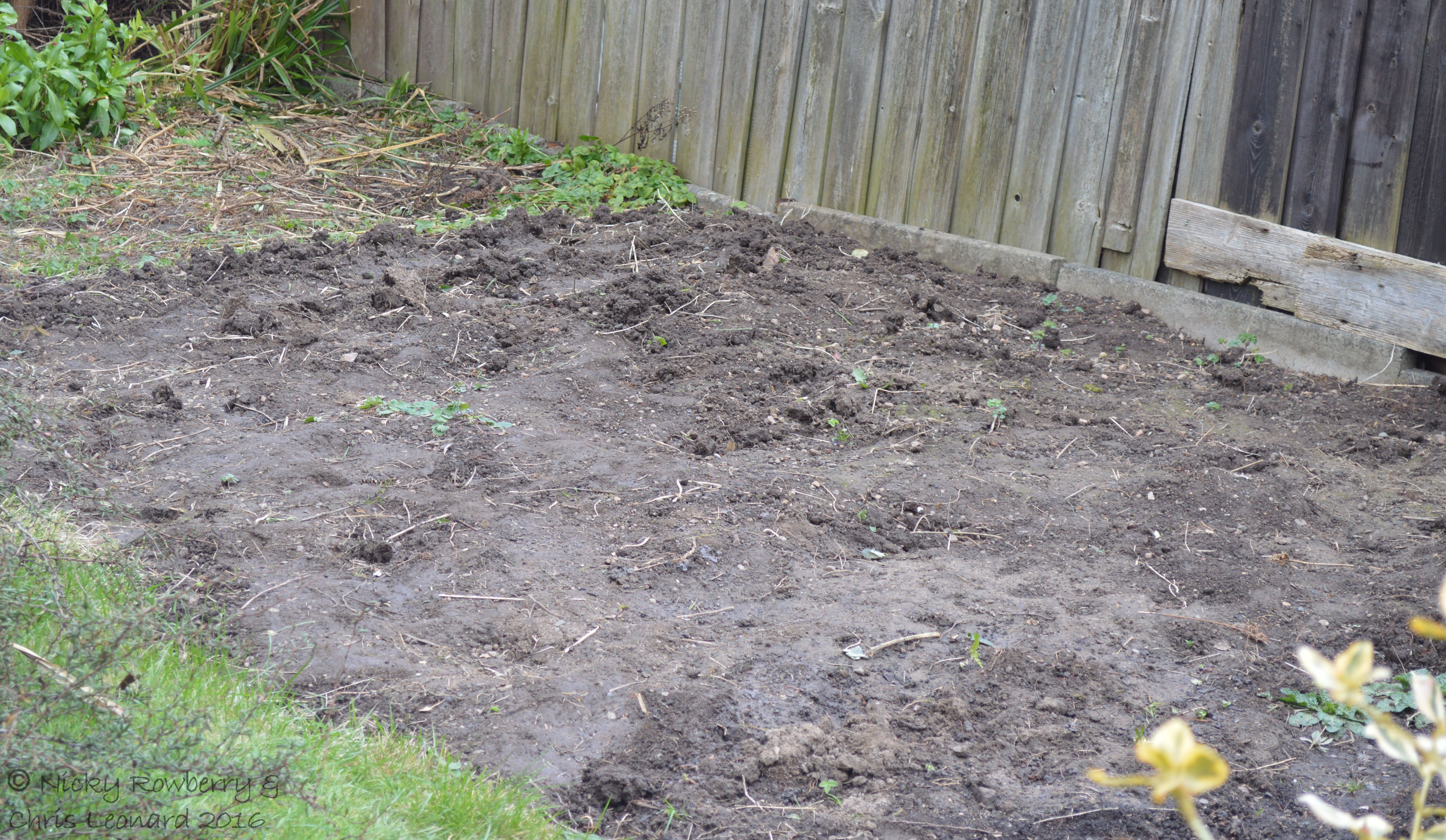
Meadow before

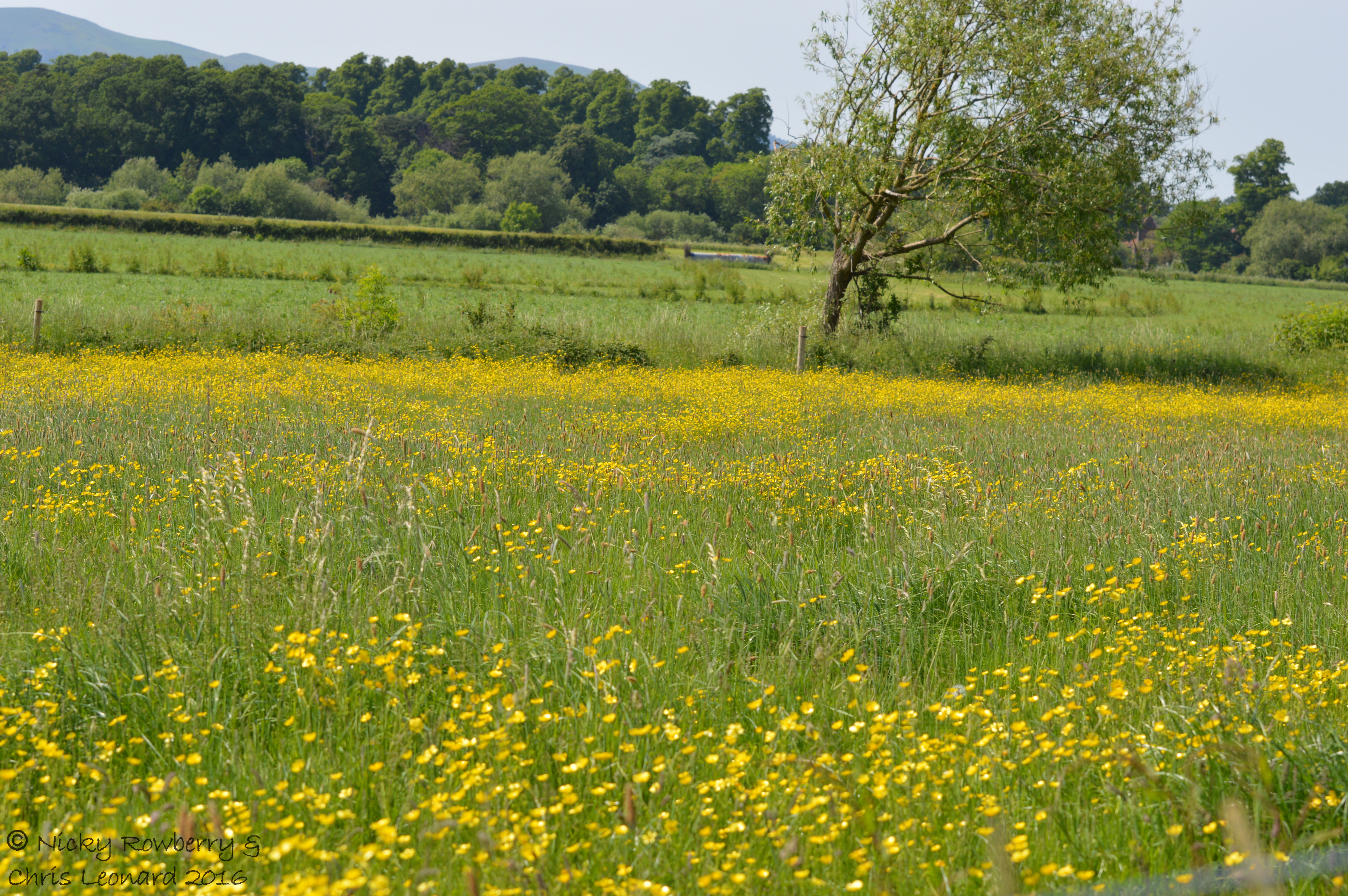
And this is what it looks like today. Shame it wasn’t a sunnier morning for photographs, but it’s amazing what a difference a few short months have made.

Meadow 2

The “meadow” is still maturing – some flowers are at their peak and fully open, while others are still a way off. I’m not great on flower ID, but even worse when the flowers aren’t actually out and I’ve only got leaves to go on. So I’m not sure of all the species we’ve got. But here are a few I can manage. The first is the Bladder Campion with its unusual “swollen” flowers. This is supposed to attract froghoppers, although I’ve not actually seen any on it. It’s fragrance is apparently stronger in the evening and attracts moths – I must check it one night.
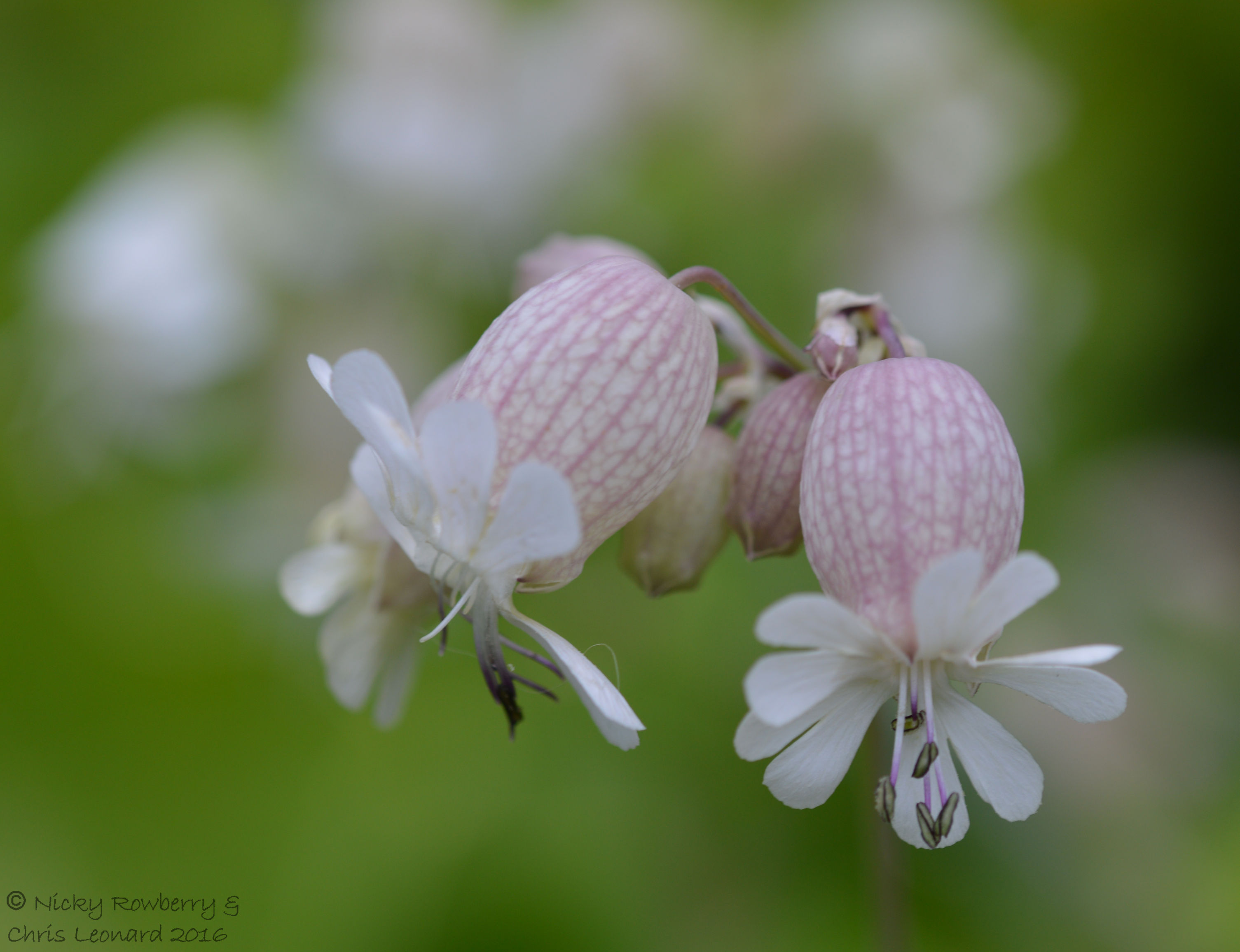
Bladder Campion

I think the next is Phacelia, which as you can see is already attracting plenty of bees.

Phacelia

Bee on Phacelia

The Poached Egg Plant is a real cheery addition to the meadow. I bought this as I read on someone else’s blog (sorry I can’t remember who, but thank you whoever you were!) that it was particularly good for hoverflies. Not seen that many of them on it yet, but it’s only just come into flower and the weather’s not been great since then, but hopefully it will live up to its promise soon.
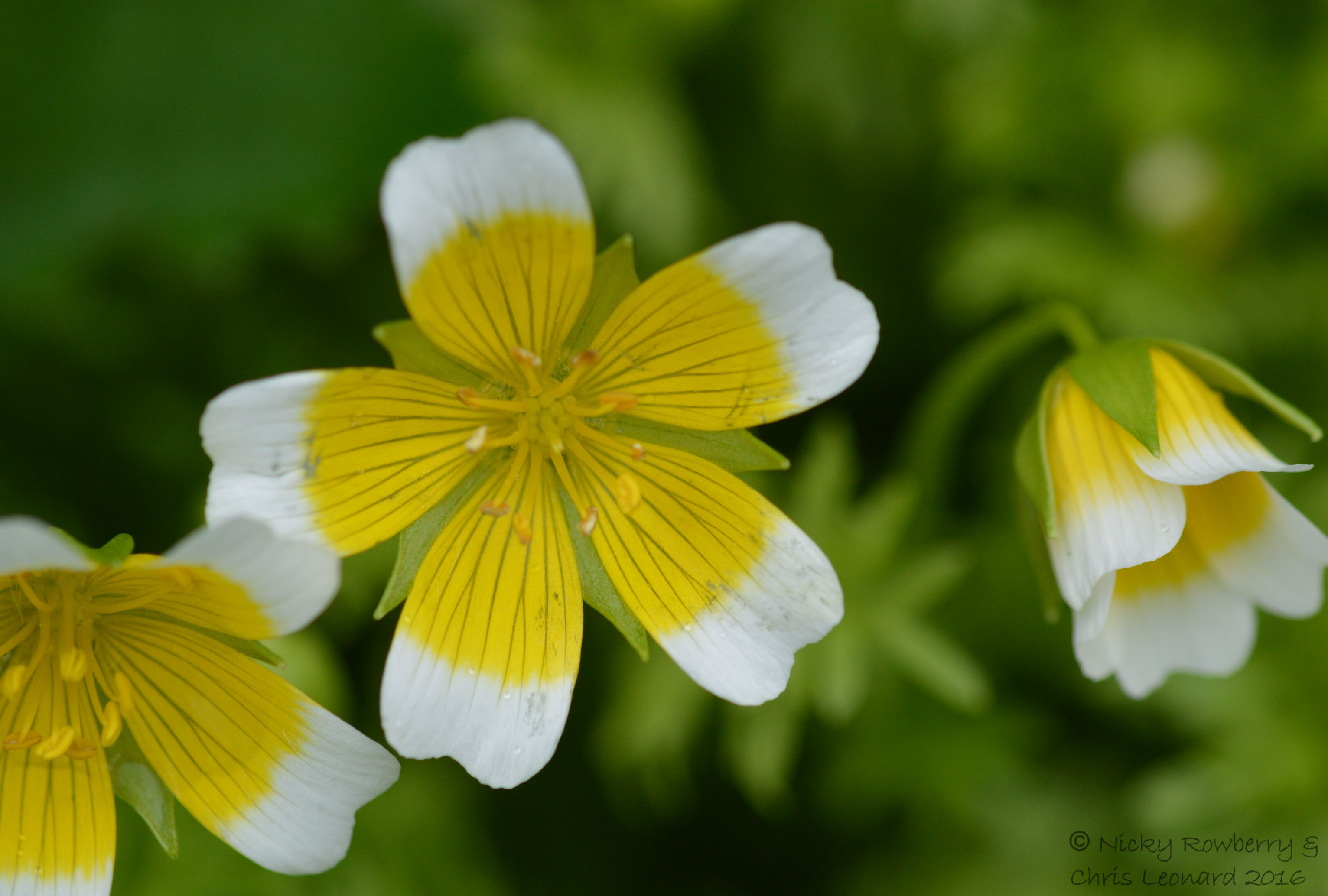
Poached egg plant

The corn chamomile has spread and formed a large patch which has been attracting hoverflies. Sod’s law being what it was though there weren’t any on it this morning – but if you sow it they will come!

Corn chamomile

The Borage is looking good and just starting to open its flowers and will hopefully be pulling in the bees soon.

Borage

The next two haven’t really opened up yet, but I think they are a Cornflower and some kind of Poppy.

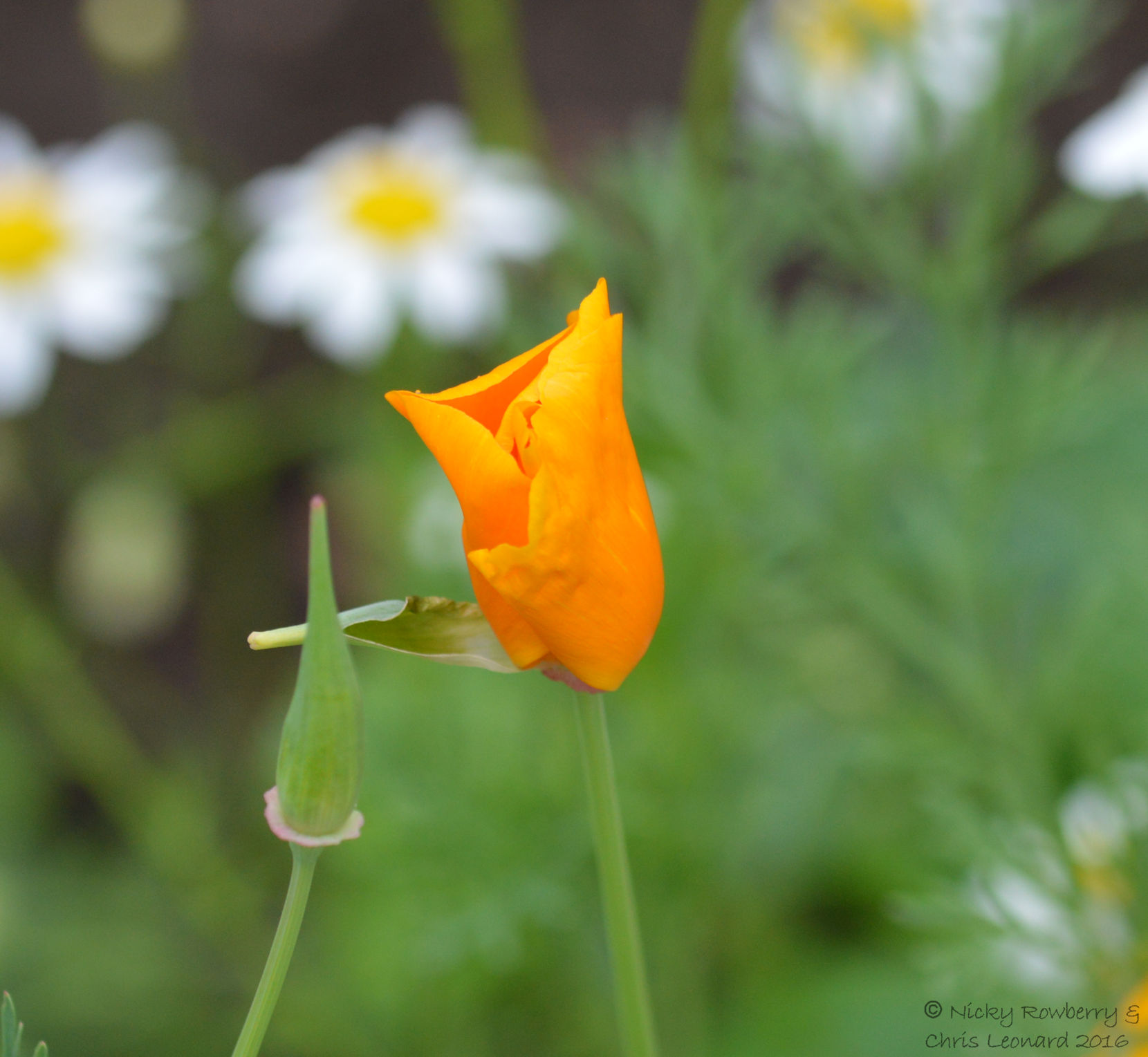
Cornflower bud

Californian Poppy

The Nasturtium wasn’t really planted as part of the meadow, but I’ve left them there as they’re good for insects too. We had a go at companion planting with them a few years ago and as they tend to produce masses of seeds, they’ve been popping up everywhere since!
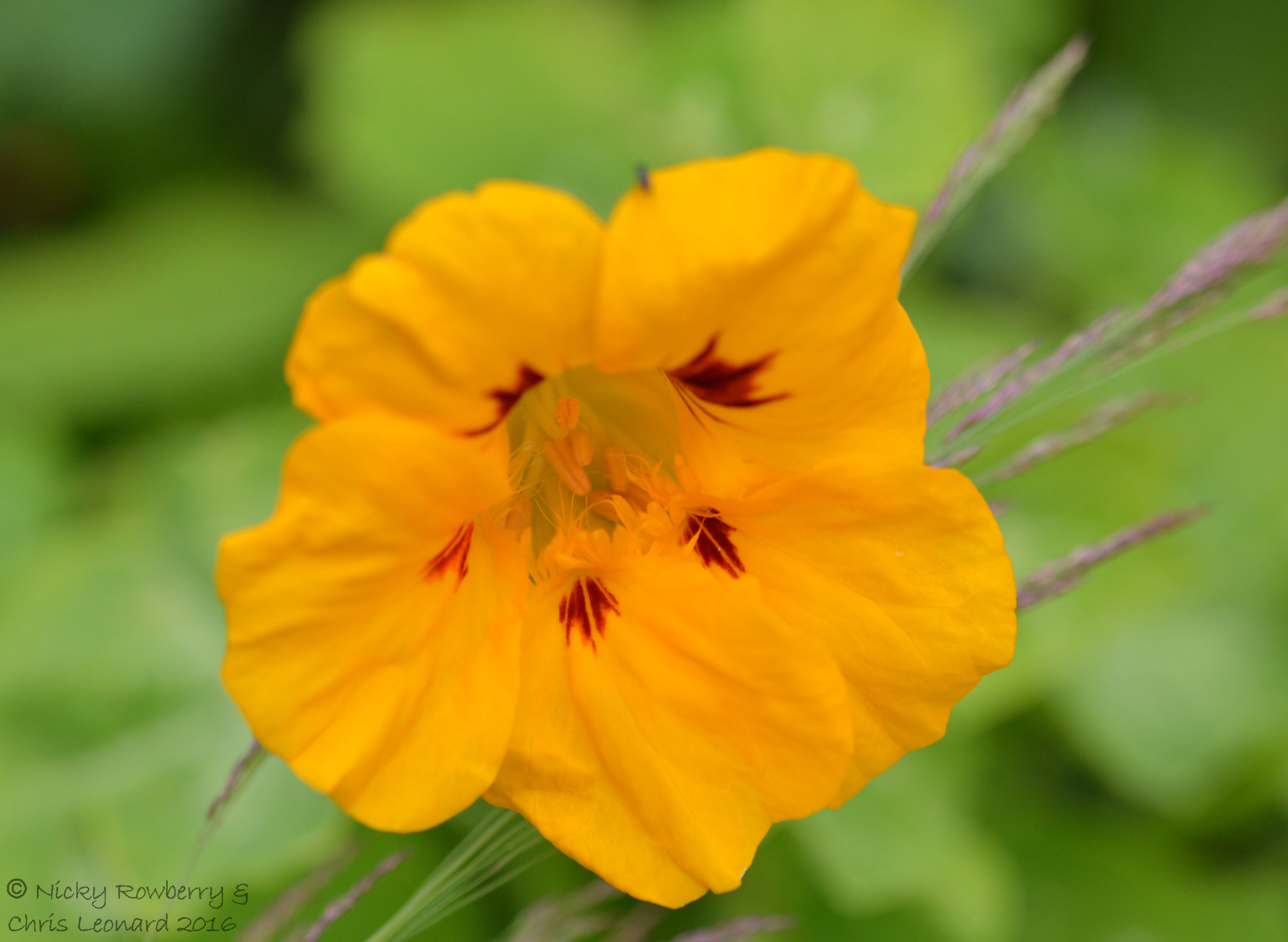
Nasturtium

There are a few other things poking up through the meadow, but I’ll have to wait until they hopefully flower to work out what they are. I’m really pleased with the results so far though, so much better than a scruffy, ill-maintained veg plot!
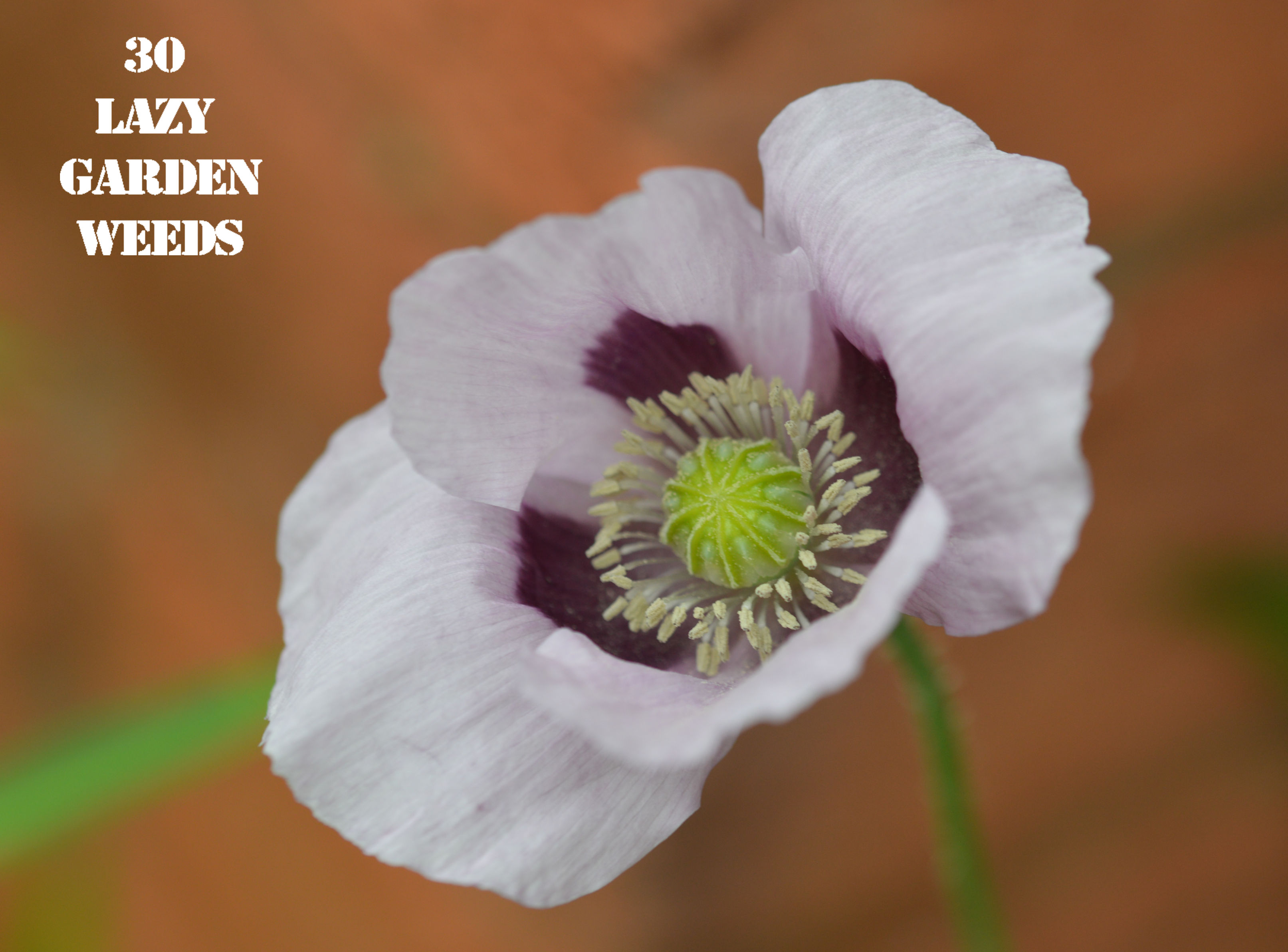
Poppy 30 WEEDS

And finally weed No. 18 in my 30 Lazy Garden Weeds is this Poppy. They are so delicate and ephemeral – each flower lasting barely a day, but that makes them all the more special. They pop up everywhere from cracks in the drive to the flower beds and remaining veg plot. Collecting seeds from their rattly seed heads reminds me of childhood – not that there’s really any need to collect the seeds – they’re doing a pretty good job of seeding themselves!

30 Days Wild – Day 13

TWT 30 Days Wild_countdown_13Day 13 and it’s Monday – never the most inspiring day of the week and today was a wet one to boot. So I was wondering what to do for 30 Days Wild to lift the spirits. On the way home I pass an open area that is basically just a very wide verge along the side of the road. As the sun finally came out at this point, I stopped to take a look. We went butterfly spotting here last year as it attracts a lot of species – Marbled Whites, Small Coppers, Blues, Skippers etc. So I hoped it might have something today too. It may not have been the perfect weather, but the area was buzzing with life.

View

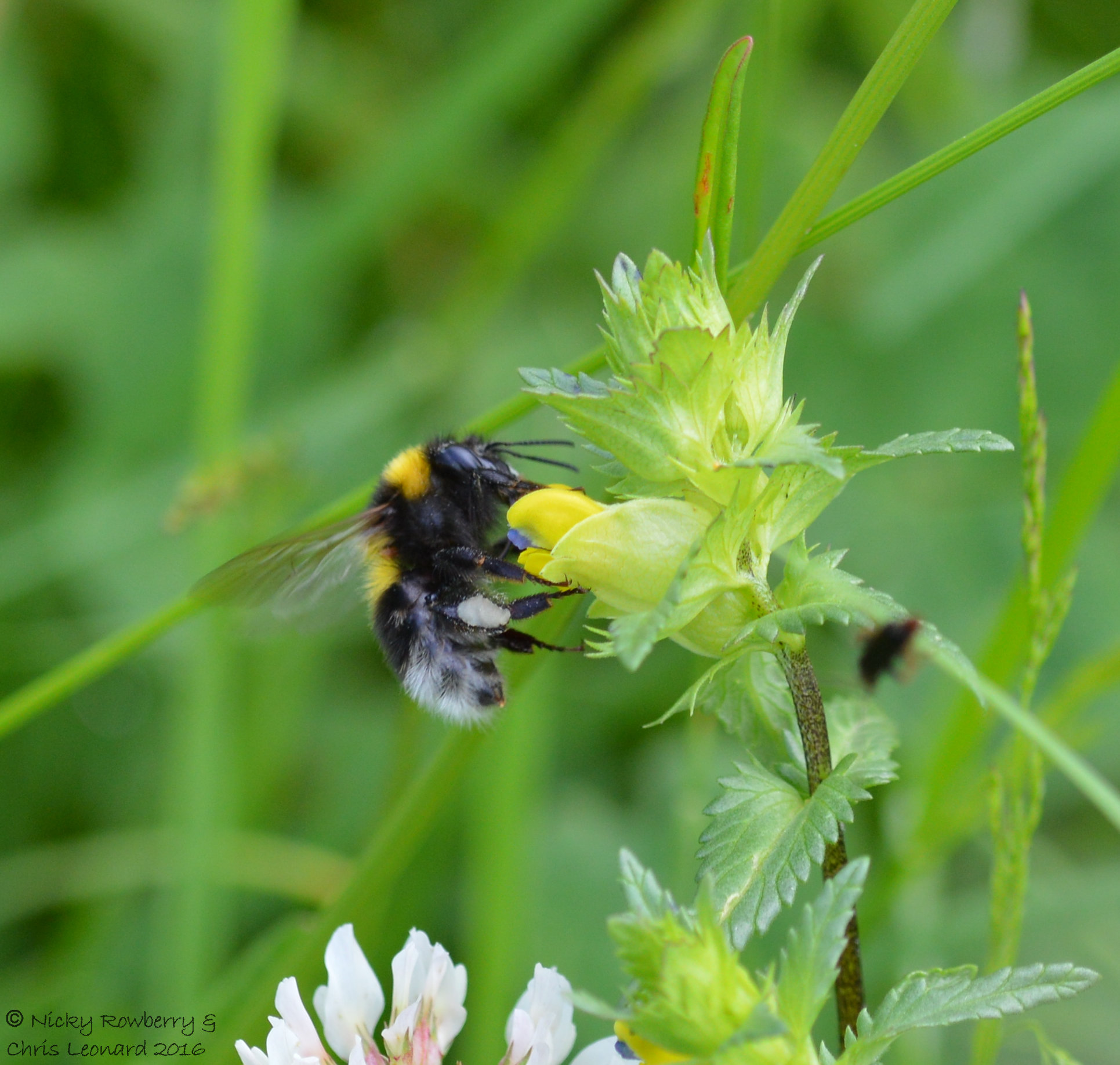
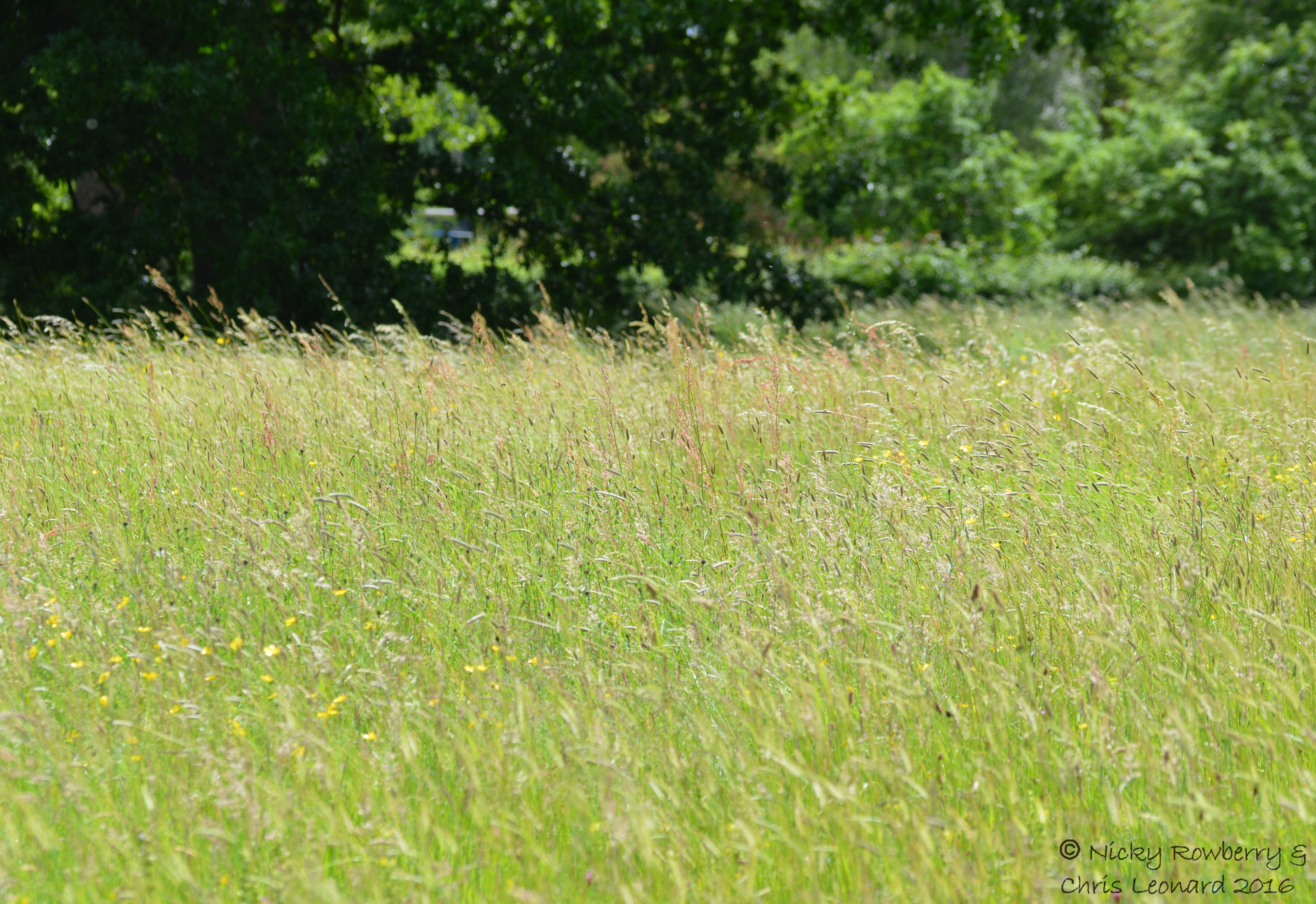
Malvern Council thankfully don’t cut the long grass here (apart from a stretch right next to the road) until after the summer, so there are lots of flowers and insects. Yellow Rattle (below) was a common plant, with lots red and white clover, buttercups and even an orchid.

Yellow Rattle

orchid

The first insect I spotted was an old favourite – the Seven Spot Ladybird (although it did seem to have a couple of extra spots down one side strangely).

7 spot ladybird

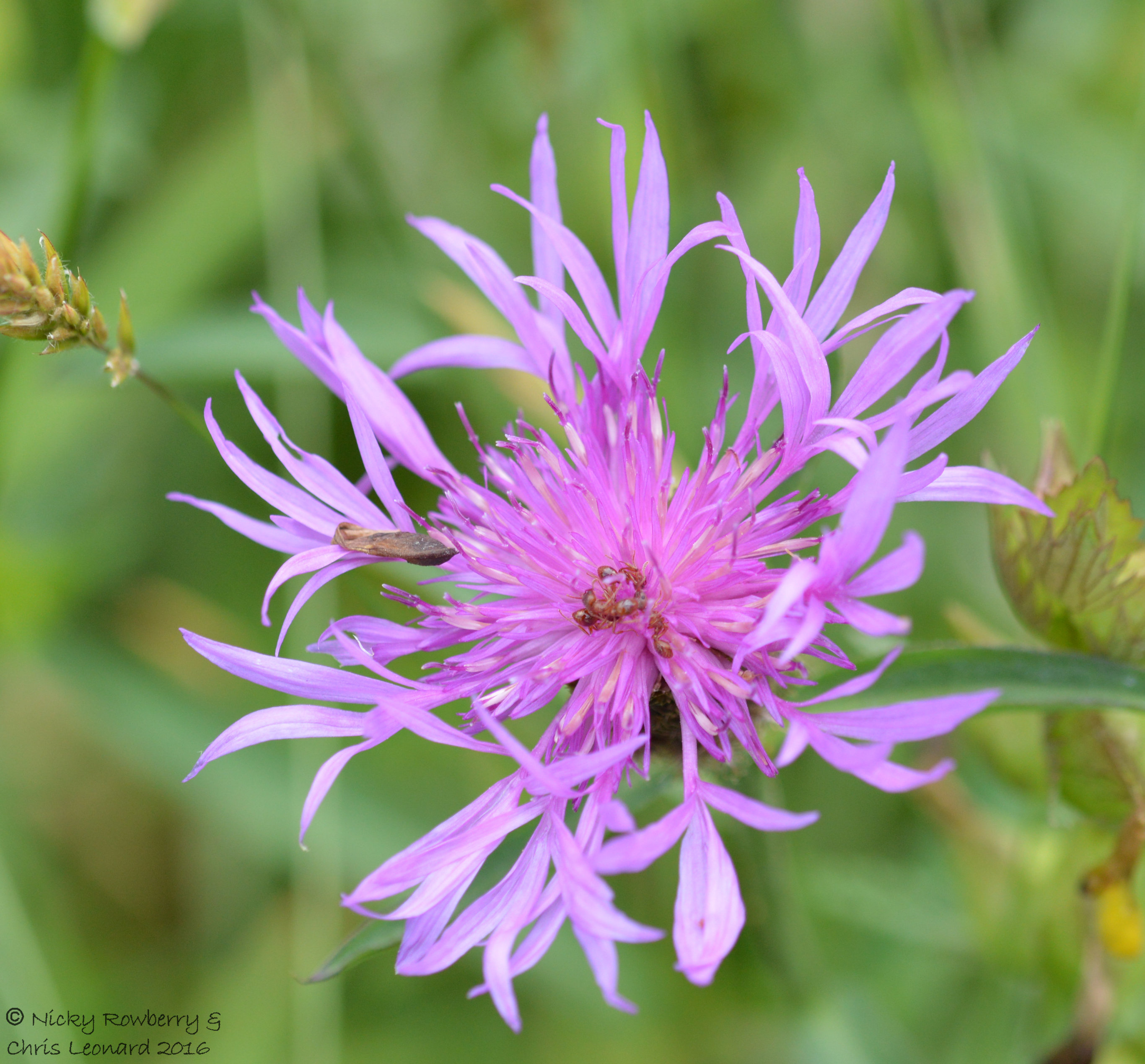
The cornflowers were all full of ants – you can just about make them out in the middle of the photo below.

cornflower

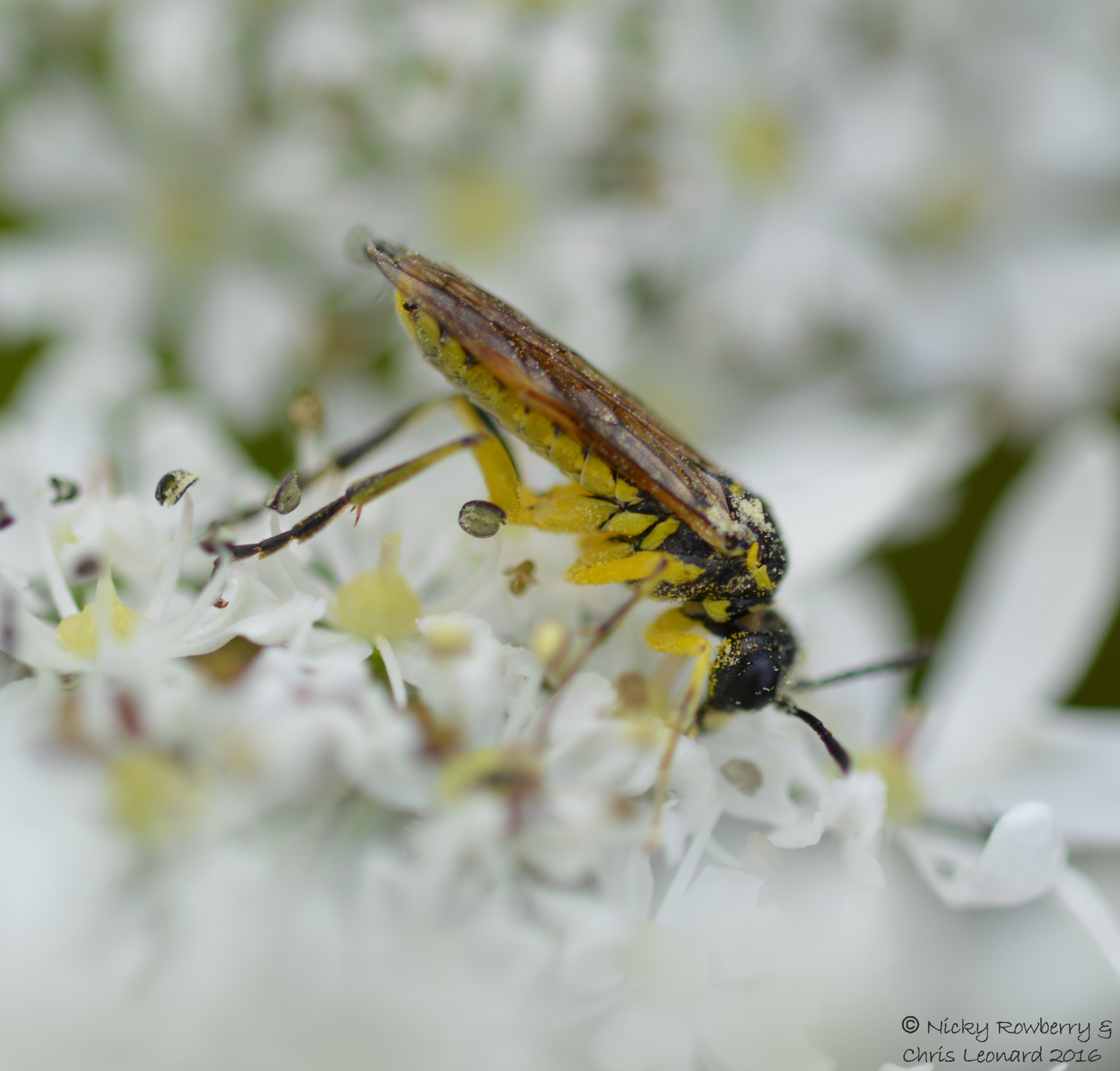
The cow parsley was particularly popular with the insects – like this large yellow sawfly and several day flying moths below.

sawfly

moth 2

The clover and yellow rattle were particularly popular with the bees.

red clover

DSC_5543

This elongated beetle was a new one for me – it is a Click Beetle. Apparently they make a clicking noise when disturbed. It’s probably a good job I didn’t realise this at the time or I might have been tempted to disturb the poor thing to get a click!

Click beetle

Each step I took through the grass seemed to produce movement as crickets leapt out of the way of my big feet. I find them really hard to take photos of, as they always seem to swivel around bits of grass so they are at the opposite side! But I finally found one whose legs seemed to be almost too long for him – he seemed to be struggling to control his gangly limbs, which made him easier to photograph. I’ve since learnt that he (or she) is probably a Roesel’s Bush Cricket.

cricket

Of all the insects I saw this afternoon, the one group that was a bit under-represented was the butterflies – perhaps the sun just hadn’t warmed things up enough. I only saw one in the time I was there – a Large Skipper. It was of course too fast for my slow Monday legs to catch, so you’ll just have to take my word for it.

So in the half hour I spent wandering around the verge (getting strange looks from the drivers going by no doubt) I saw a huge variety of insects – ladybirds, ants, beetles, crickets, moths, bees, sawflies and one butterfly! That half hour also revived my flagging Monday spirits and all from a roadside verge! It just shows what a benefit letting verges grow can be for wildlife. I know there are campaigns now to encourage councils to do just that and I couldn’t agree more.

Scarlet Pimpernel 30 WEEDSAnd finally as always the latest weed from our garden for my 30 Lazy Garden Weeds – The Scarlet Pimpernel. The flower itself is small, delicate and very pretty, but what I really like is the glorious name. Memories of cheesy movies  – and the rhyme “The seek him here, they seek him there…” I don’t know about being elusive, but the flower is certainly easily overlooked, but well worth looking out for.


30 Days Wild – Day 8

TWT 30 Days Wild_countdown_08Day 8 and I’m still ploughing my way through the IDs from the weekend’s bioblitz – maybe shouldn’t have taken quite so many photos! But it’s all good and discovering some new species for the garden list. It being Wednesday though, I dragged myself from the computer and headed over to take my Dad out for our weekly pub lunch – no hardship there!

Dad by riverAs it was a lovely hot day we decided to head to one of our favourite pubs The Riverside at Aymestrey in North Herefordshire – the pub is by the river Lugg and you can sit outside right next to it for your lunch. Today they had Herefordshire snails on the menu, so I went for those (with a big pile of chips of course!), while Dad went for some smoked salmon.

It is a fantastic spot and we go there quite often in the summer to watch the dragonflies, butterflies and once a kingfisher that darted down the river under the bridge and away. Sadly today all you get is a photo of the bridge!

River

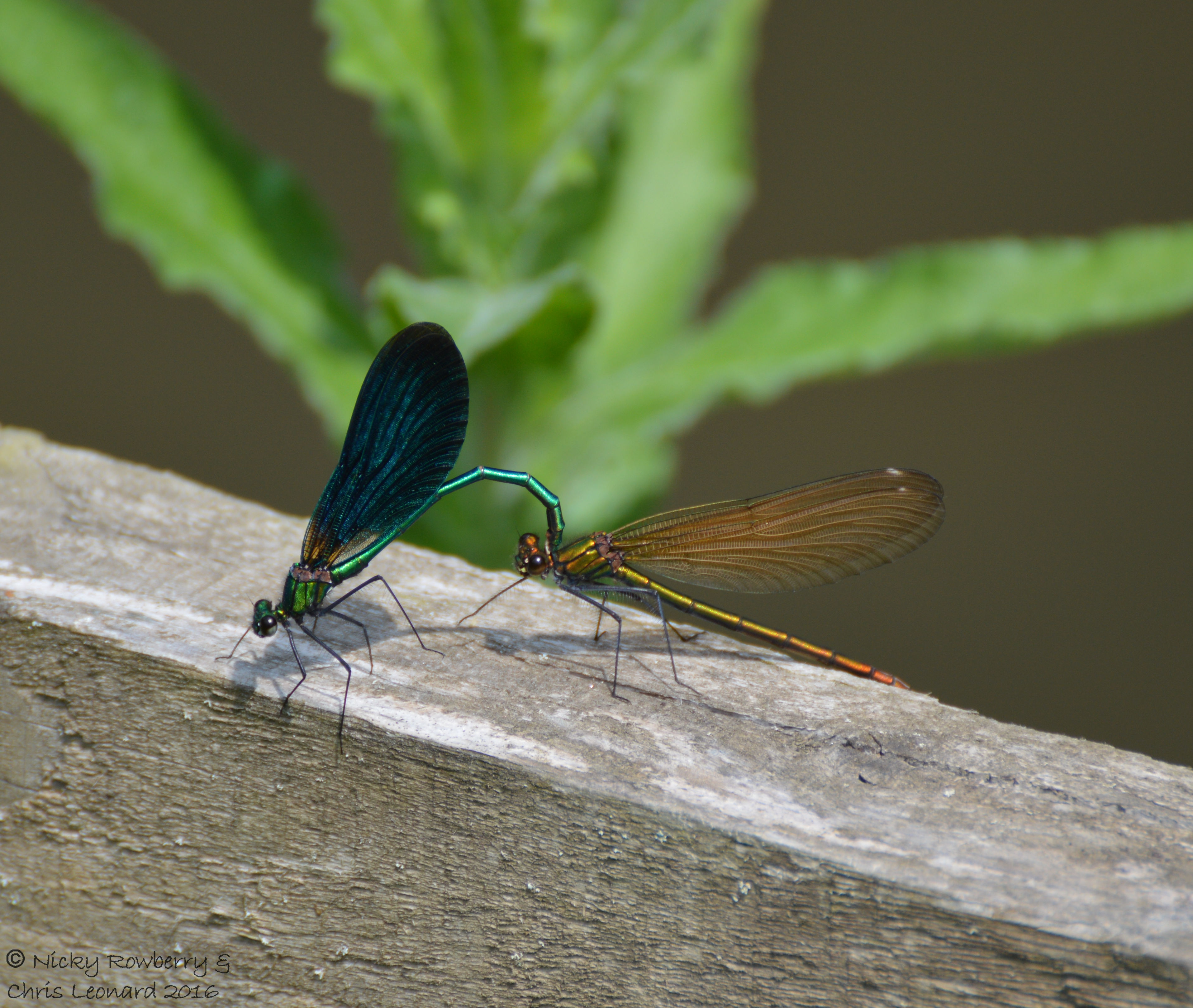
The little river has fish and lots of insects, which in turn attract plenty of birds. Today we saw nuthatches and yellow wagtails, plus lots of sparrows chirping non-stop. Today’s real prize was the Beautiful Demoiselles. Having chased them around for ages on Sunday at Knapp & Papermill reserve, here they were landing within feet of me, while I tucked happily into my snails. Not only that but there were mating pairs (the Demoiselles, not my snails!)

Beautiful Demoiselles Aymestrey

Feeling full and happy after lunch, I took Dad home, then decided to stretch my legs to work off those snails! I headed to Bodenham Lakes, which are about a mile from where I grew up, but once again I’m ashamed to say this is somewhere I’d never visited. Funny how you often don’t visit the things that are on your own doorstep! That’s one of the great things I’m finding about 30 Days Wild, that it’s getting me to do some of these things – finally!

Lake

Bodenham Lakes are actually old gravel pits that have been flooded and are now managed by Herefordshire Wildlife Trust. They are apparently very good for bird spotting and even have otters – not that I saw any of those today. I did though hear my first cuckoo not only of the year, but probably the first one I’d heard for about 30 years! I then managed to find the bird hide which has splendid views, in this case of the Canada Geese.

Geese

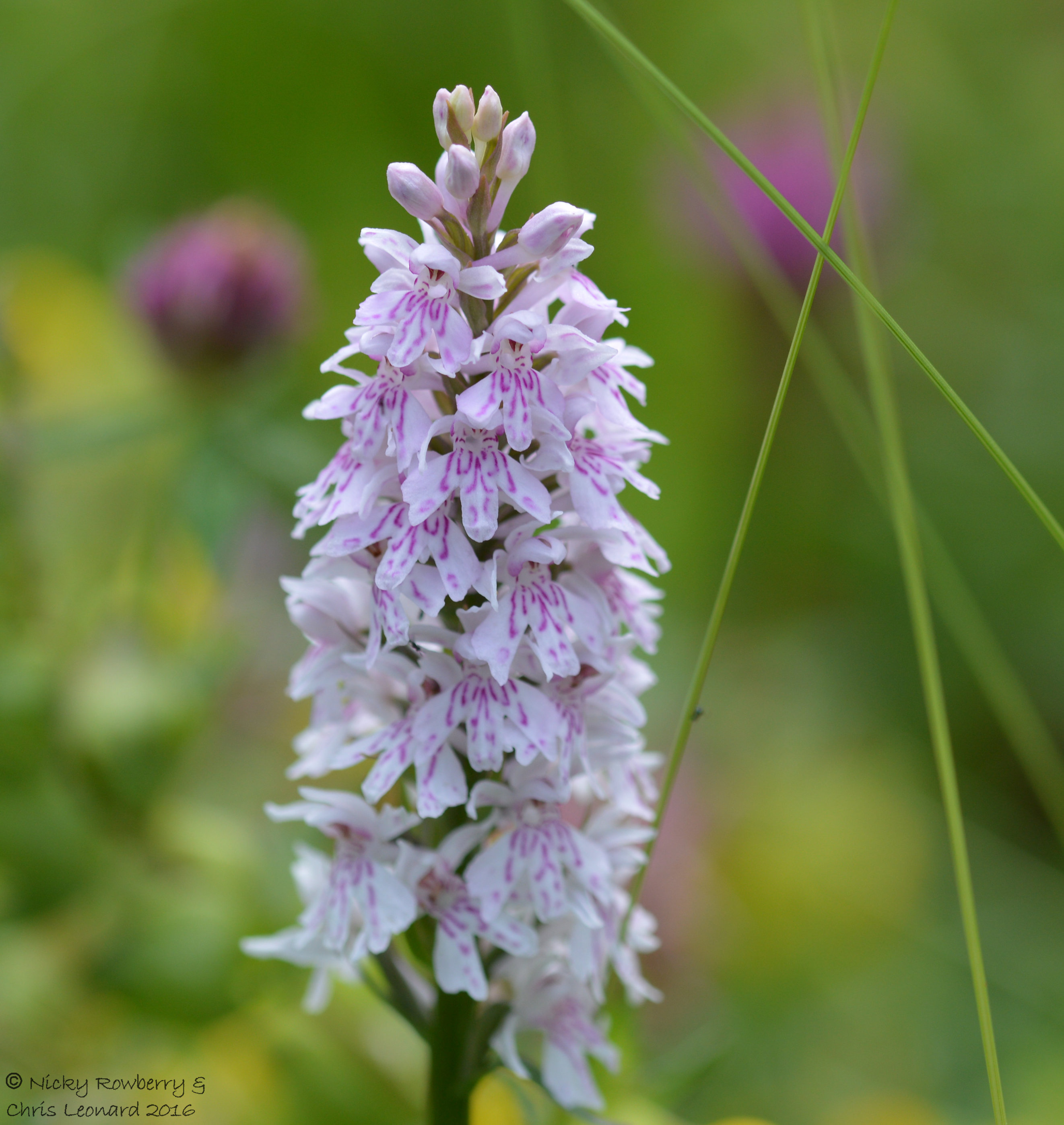
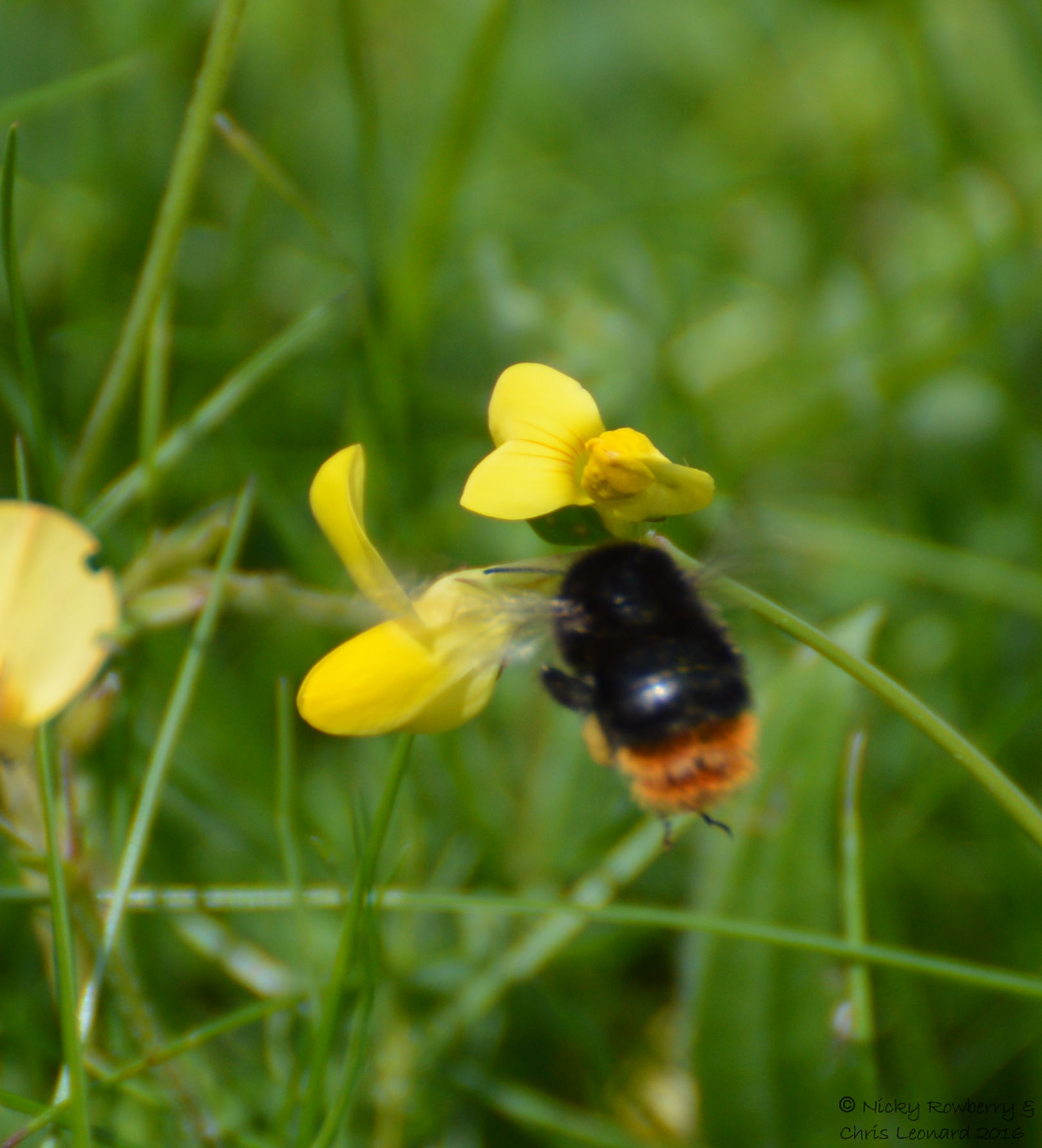
The meadows by the lake were full of flowers including these beautiful Common Spotted Orchids and the whole place was buzzing with bees, most notably these Red Tailed Bumblebees.

Orchid

Red tailed Bumblebee

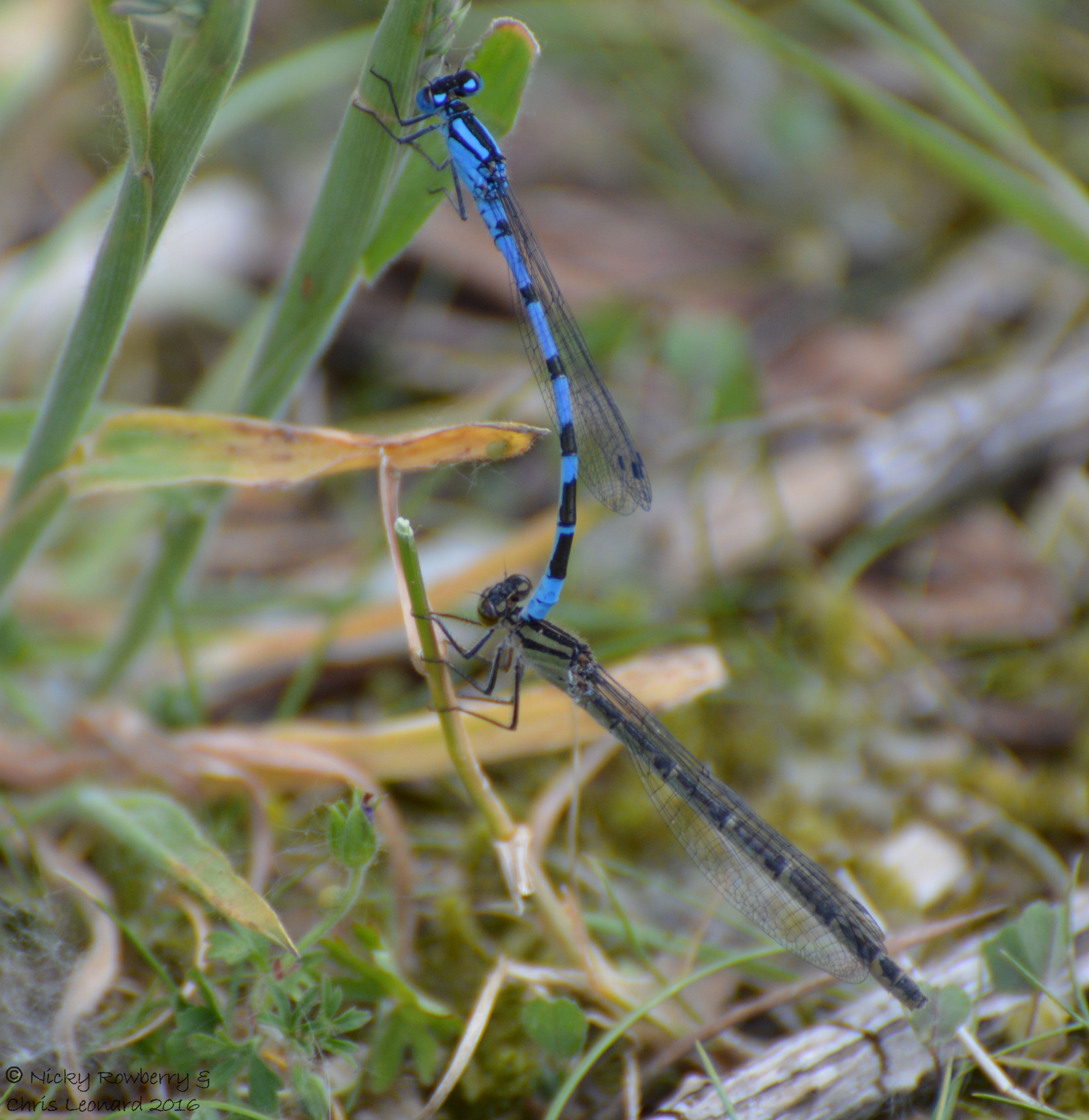
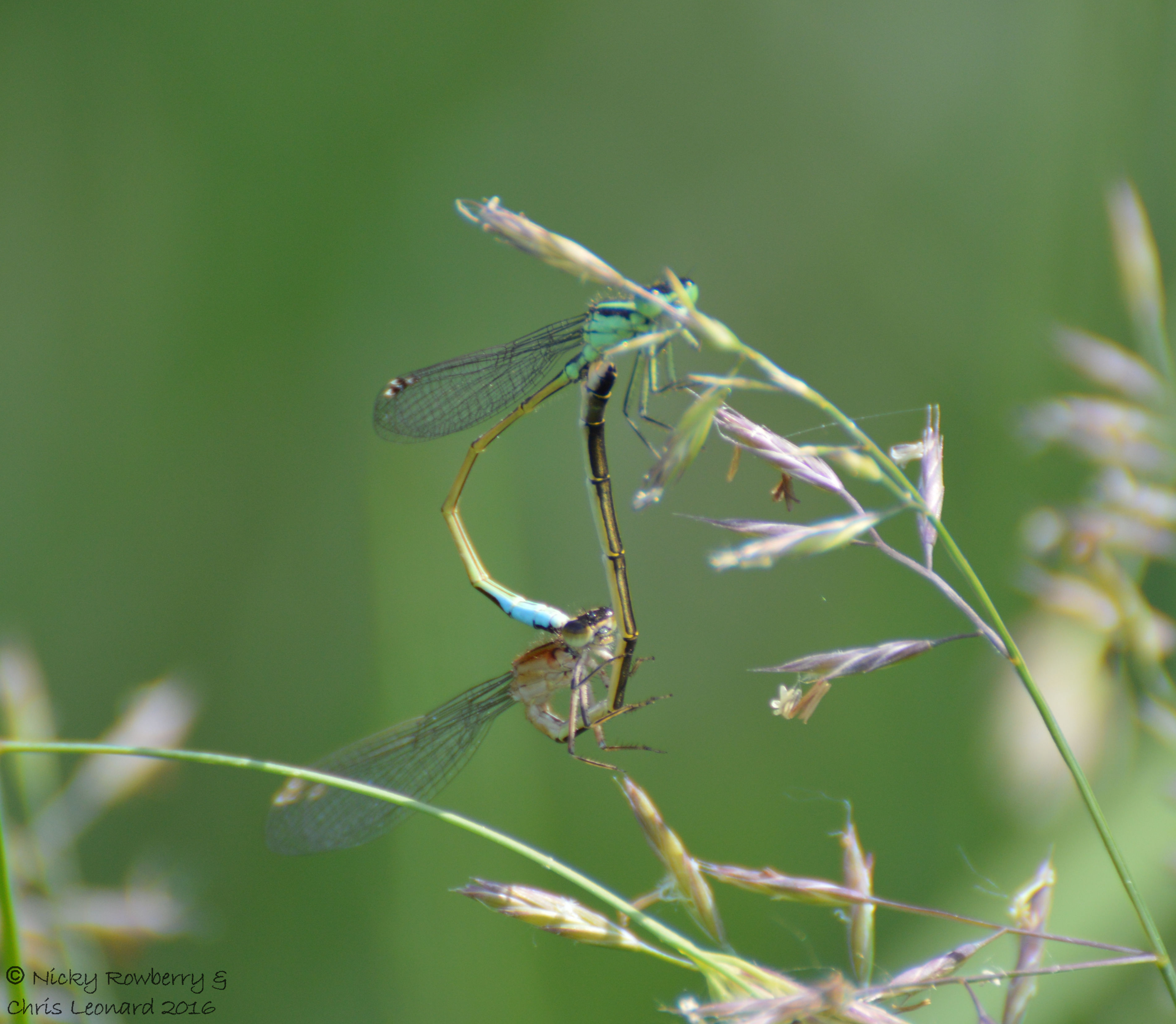
But the stars for me today of Bodenham Lakes were the damselflies and demoiselles. They were everywhere! It felt like I could hardly take a step without disturbing them – I kept seeing flashes of blue all around me. As at Aymestrey there were even mating pairs. I thought all of these below were Common Blue Damselflies, but I’ve already found out from the very helpful people on iSpot that the bottom ones are Blue-tailed Damselflies instead!

Common Blue Damselfly

Mating Damselflies 2

Mating Damselflies 1

Not only damselflies, but I also saw Banded Demoiselles (thereby completing the set of Demoiselles in one day – I think there are only 2 species – Beautiful and Banded). Didn’t manage to get a brilliant photo – I need a steadier hand for photography, but hopefully it is at least recognisable.

Banded Demoiselle

There weren’t that many butterflies around today, although I did see another Painted Lady, some speckled woods, what can only be described as a “brown one” and some Common Blues. The Common Blues were flighty as ever, but I did pursue one long enough to get this just about identifiable shot.

Common Blue Butterfly

So all in all a particularly good day today. I shall definitely be heading back to Bodenham Lakes soon and also no doubt back to the pub too!


Ladys MantleAnd finally as always the latest weed in my 30 Lazy Weeds from our garden – Lady’s Mantle. I like the subtlety of this gentle looking plant. I love the soft wavy pleated leaves, especially the way they catch droplets of water like this. They provide lots of ground cover and are quite happy in the shade as well as in sunnier spots, so suit pretty much any garden. Time to give room to less showy plants like Lady’s Mantle!


30 Days Wild – Day 7

TWT 30 Days Wild_countdown_07Day 7 of 30 Days Wild and after what for some reason felt like a long day at work, I thought I’d just chill out in the garden for a bit (much better than sitting in and looking at the housework!) The garden is looking particularly colourful at the moment and I thought it would be nice to celebrate the natural palette of colours you get when you just let whatever wants to, grow in your garden. While still pondering this, our first Painted Lady of the year flew into view, so I thought I’d include some animals in this too.
The childhood rhyme for remembering the colours of the rainbow has always stuck in my head – Richard Of York Gave Battle In Vain, for red, orange, yellow, green, blue, indigo and violet. Not sure this selection of 7 colours really has any foundation in optical science, but it seemed a good enough basis for today’s blog. Of course what would have been really good would have been an actual rainbow appearing at this point – but all I got was drizzle! So:

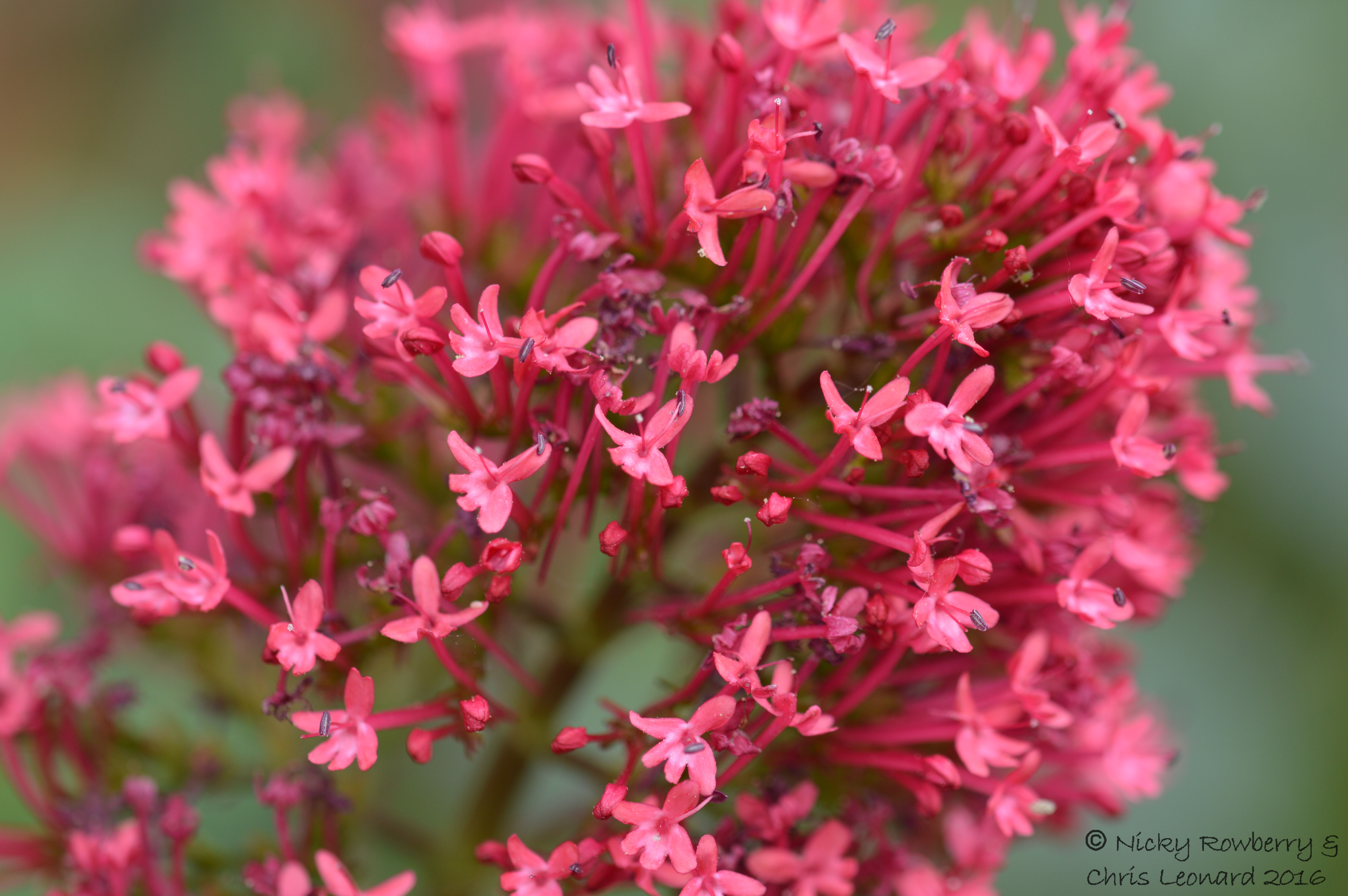
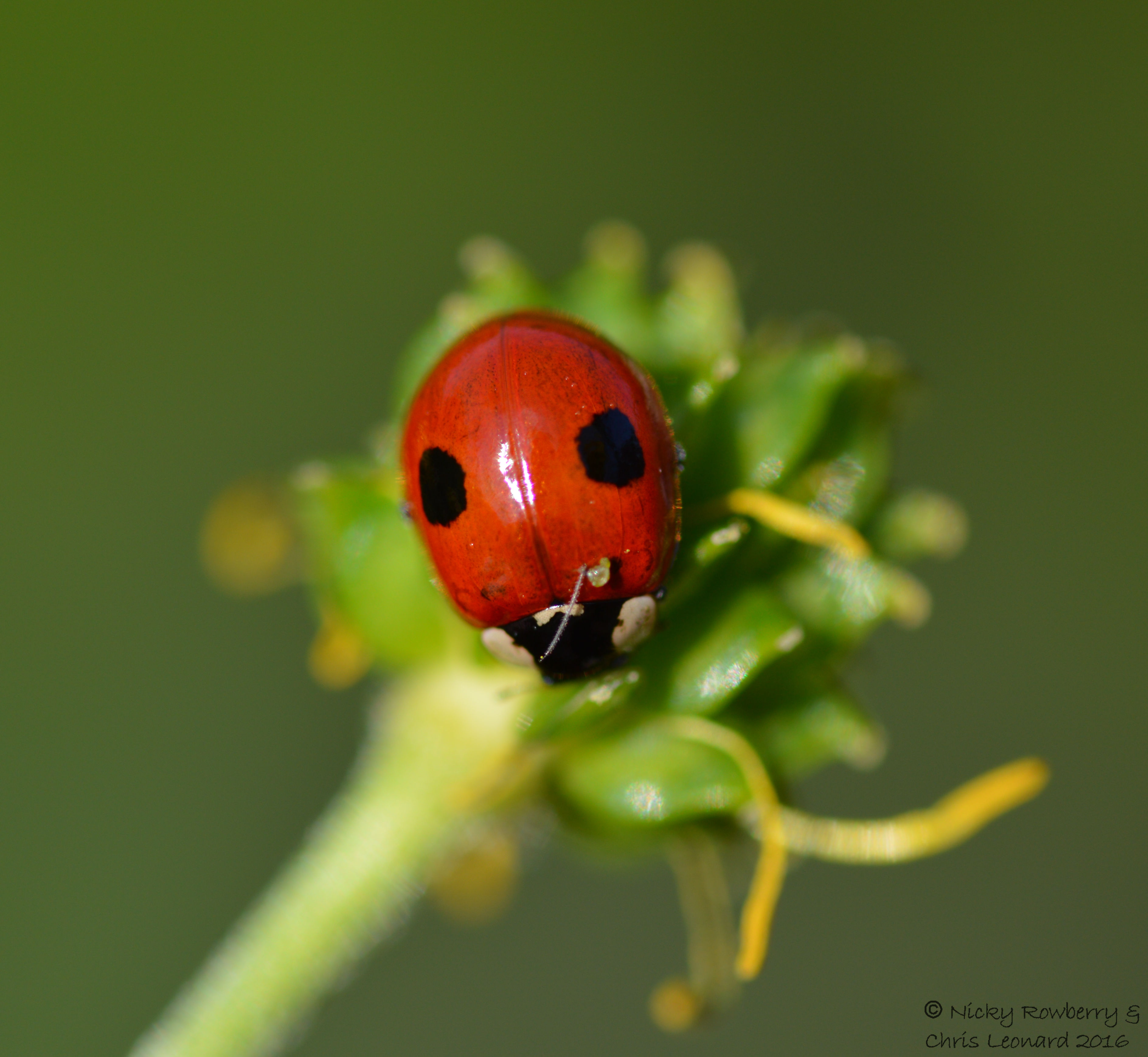
RED – Well the Red Valerian is pretty much dominating the garden at the moment. The flowers do vary in tone, from deep pink to this slightly redder version I found this afternoon. For a red animal it had to be a ladybird – I spotted (no pun intended) this lovely little 2-spot ladybird last week – first one of the year and nice to get a British one rather than the all conquering Harlequin ones.

Red - ValerianRed - Two Spot Ladybird

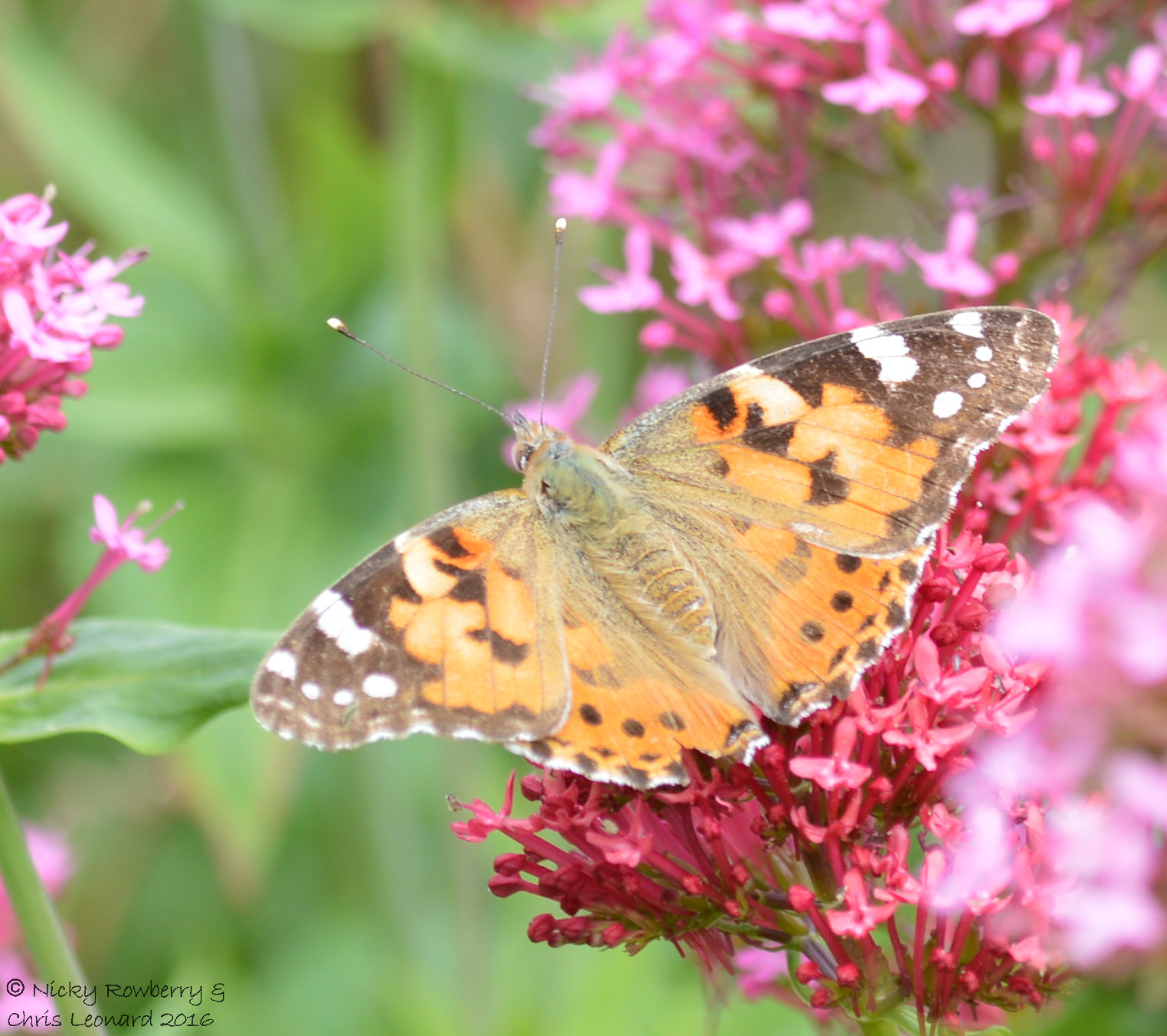
ORANGE – We’ve got these really striking orange poppies – I think they may be Californian Poppies. No idea where they came from, but they are a gorgeous deep orange colour. Today’s Painted Lady provides the animal orange – it was a slightly faded specimen – but then given how far it has probably travelled, I can forgive it a bit of wear and tear!

Orange - Californian PoppyOrange - Painted Lady

YELLOW. These bright yellow lilies have gradually been spreading round the garden. We make sure they’re nowhere near our cats as lilies are toxic to felines and they may be one plant that I do try and control for that reason. But they are beautiful and very definitely yellow. I would have liked to include a yellow Brimstone butterfly, but although we get them in the garden, they never pause long enough for a decent shot. So instead here’s a wasp – perhaps not as popular with some people as the butterflies, but they are to my mind quite stunning when you see them close up like this.

Yellow LilyCommon Wasp

GREEN. Well obviously there’s no shortage of green plants in the garden, but I’ve gone for one with a green flower – Petty Spurge. It’s easy to overlook this little plant with its nodding green heads of flowers, but I quite like it. It pops up all over the place, often between the cracks in the paving, so must be fairly adaptable. For a green animal, it had to be my favourite – the Swollen Thighed Beetle. Not only a fantastic name (only the males have swollen thighs by the way), but a glorious shiny green colour and there were loads of them flying around today.

Green - Petty SpurgeGreen - Swollen thighed beetle

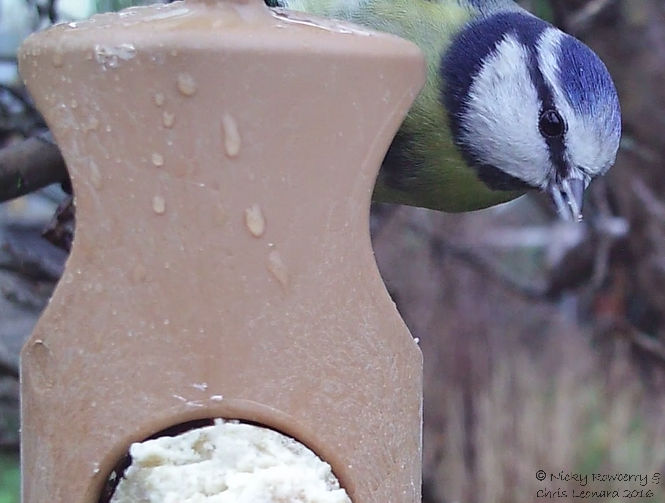
BLUE. The blue in the garden seems to be giving way to other colours now, but there are still small patches of my favourite Forget-me-nots cheering up what should be the veg patch. For an animal – well it had to be the Blue Tit (Holly Blue butterflies might have got a look in here if only they’d slow down a bit too).

Blue - forget me notBlue Tit trail cam photo

INDIGO. Now this is the point in the nursery rhyme where I started to struggle a bit. For a start I’ve never been quite sure what colour indigo is. I’m kind of hoping no-one else does either, so I can use a bit of artistic license. I’ve also got the problem that it’s really hard to find an indigo animal! So for the flower, I’ve gone for the Aquilegia’s which we get in a vast array of colours in the garden. I’ve picked one that is as close to indigo as I can imagine – I stand to be corrected though. For the animal, well I’ve just had to cheat and assume that a) indigo is close enough to Purple and b) that a Purple Thorn moth would count even though it’s not really purple!

Indigo - AquilegiaPurple - thorn

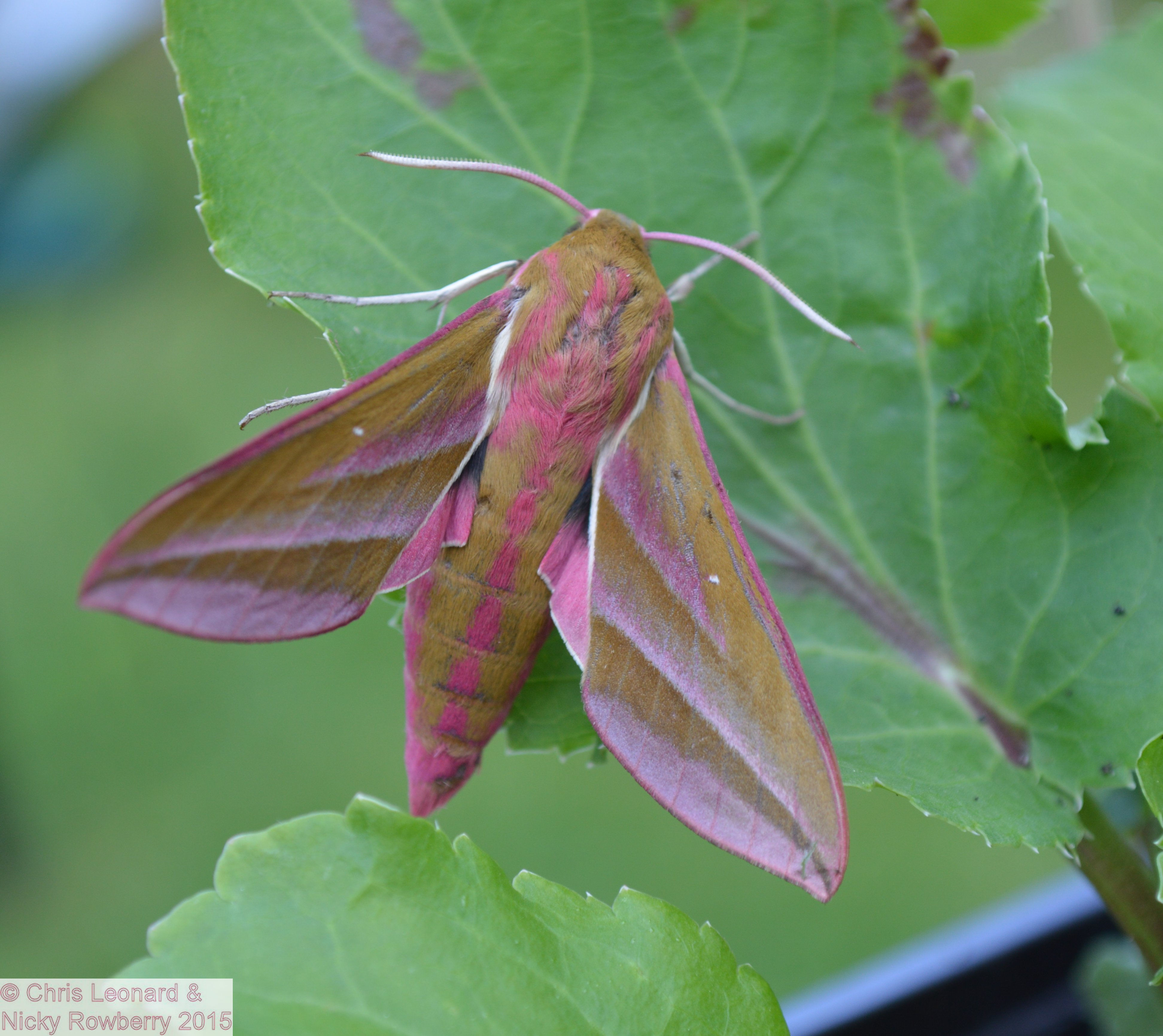
VIOLET. Well this would have been easier if the Viola’s were still in flower, but I couldn’t find any. So I’ve gone for a chive flower as we’ve got lots of those right now and they’re sort of violet coloured. The animal – well I’m really stretching the point now – you do get Violet Ground Beetles, but sadly none have ventured into our garden that I know of. Closest I could find a photo of is an Elephant Hawkmoth, which I’m trying to convince myself is a pale violet colour – I know it’s really pink, but am hoping that the beauty of the moth will outweigh my colour-blindness on this count.

Violet - Chive

So that’s my slightly contrived rainbow of colours from the garden. It was a very pleasant way of spending an hour or so pottering round the garden admiring the colours and thinking of possible (or impossible) animals to match!

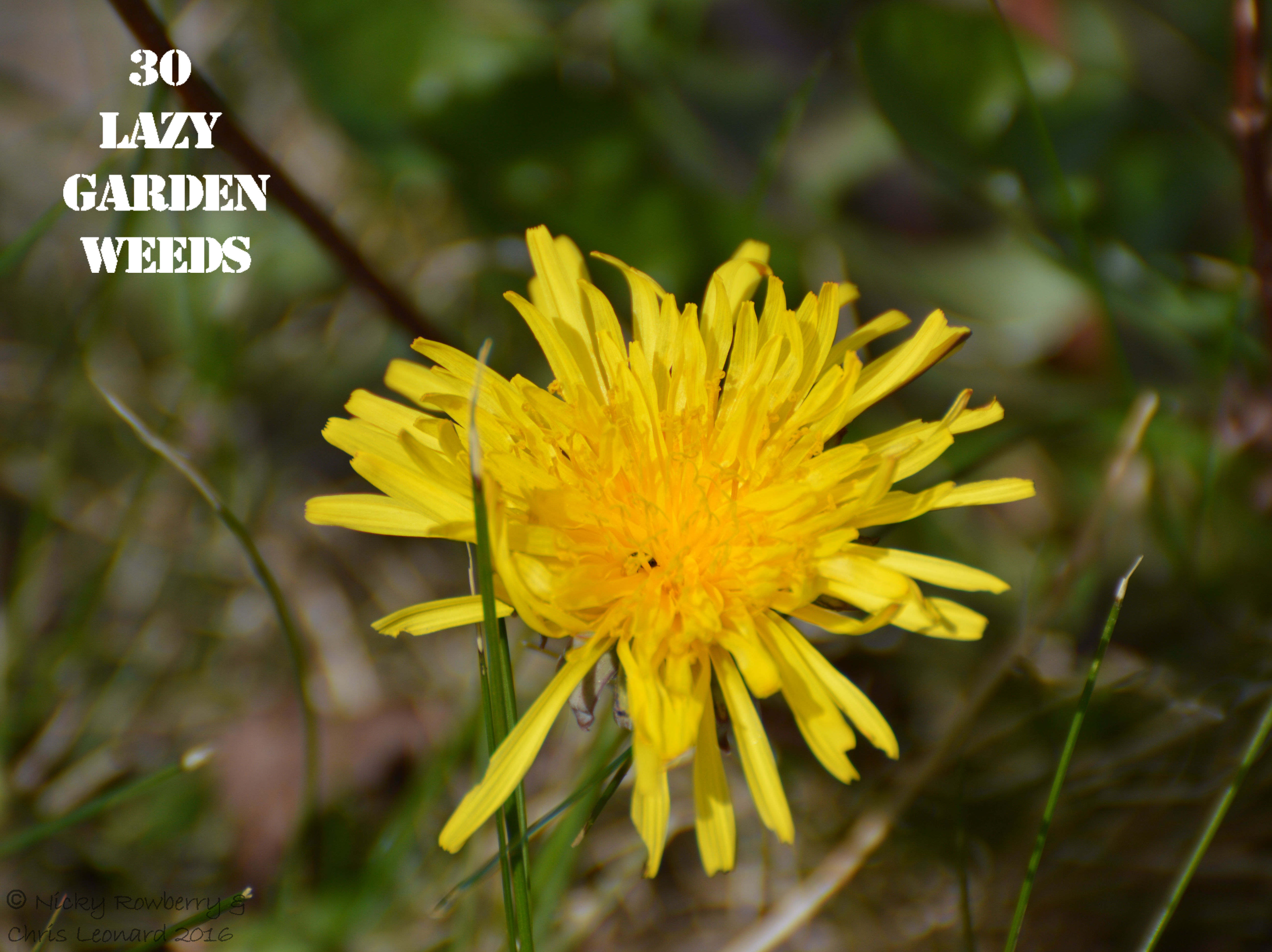
Dandelion 30 WEEDSSo to finish with the latest weed in my 30 Days of weeds series – the Dandelion. Loathed by many, but loved by bees and other insects. I’ve never quite understood why they are so despised – bright and cheerful and an early nectar source in the garden. There’s been a bit of a campaign this year not to chop them down, which is great – they’re certainly thriving in our garden.


30 Days Wild – Day 6

TWT 30 Days Wild_countdown_06

I am very lucky in that not only do I work on a farm, but it is an organic farm in an area of beautiful countryside – Upton-on-Severn to be precise. Despite having worked there nearly 5 years now, I’m ashamed to say I’d never actually gone for a walk to explore it. It took Day 6 of 30 Days Wild to get me up from my desk and out with my camera. With hindsight I maybe shouldn’t have picked the hottest day of the year to venture out – I did look a bit like a boiled lobster by the time I got back (much to the amusement of the other staff), but I had a lovely walk. I didn’t get as far as I intended, mainly due to the excessive heat, but I can explore other bits another day – I really should of course get down to the River Severn itself!

We have lovely views at work across the Severn towards the Malvern Hills, which were looking a bit hazy in the heat today.

DSC_4283

As you might expect on an organic farm, the fields and hedgerows are full of wildflowers and insects.

DSC_4298

DSC_4291

A lot of the flowers I was familiar with like the Cow Parsley and this Red Campion.

Red Campion

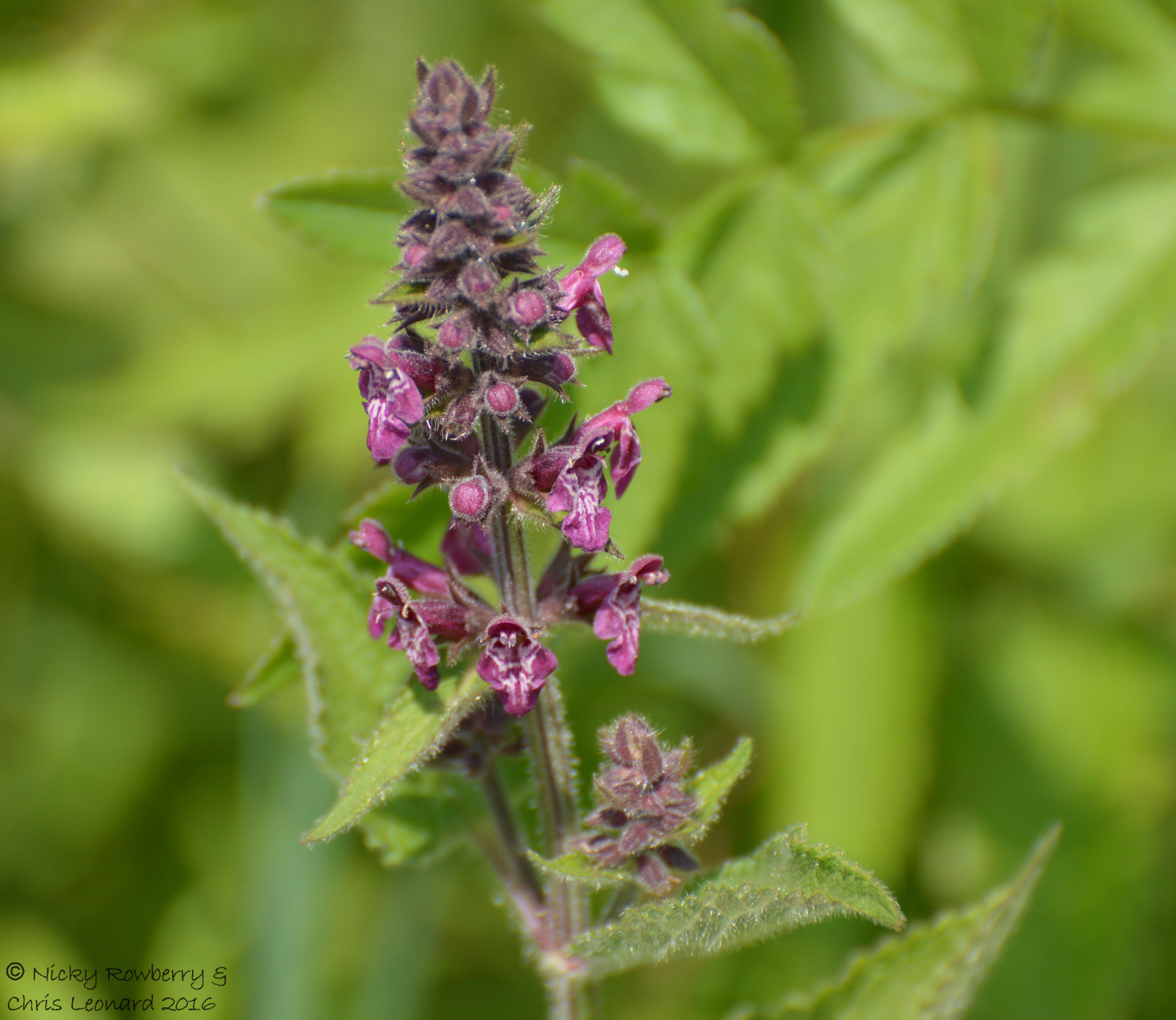
But others were new to me like this Hedge Woundwort and Black Medick – the power of Google and the good people of i-Spot were needed to identify these.

Hedge Woundwort

Black Medick

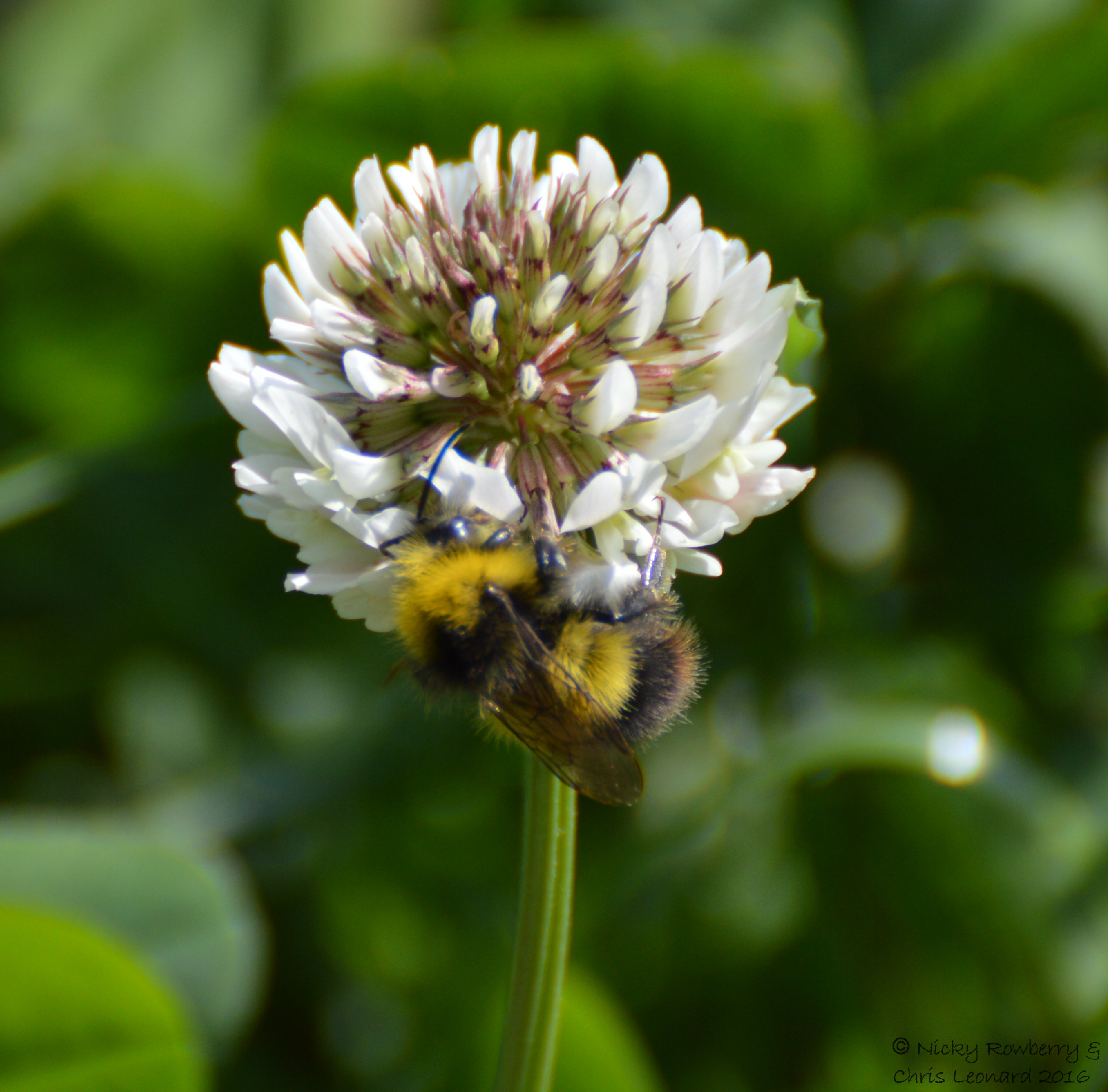
It was great to see so many bees making the most of the sunshine too. There were lots of different species about, but I only managed to get photos of 3 (what can I say, the bees were very quick and I was very slow in the heat!) The honey bees were fairly easy to identify straight off (famous last words, someone will probably tell me this is something else!)

Honey Bee

The cute little male Early Bumblebee I also managed to ID myself too. I love the second photo of him – I know the bee isn’t in focus, but somehow he’s got attitude as he flies off!
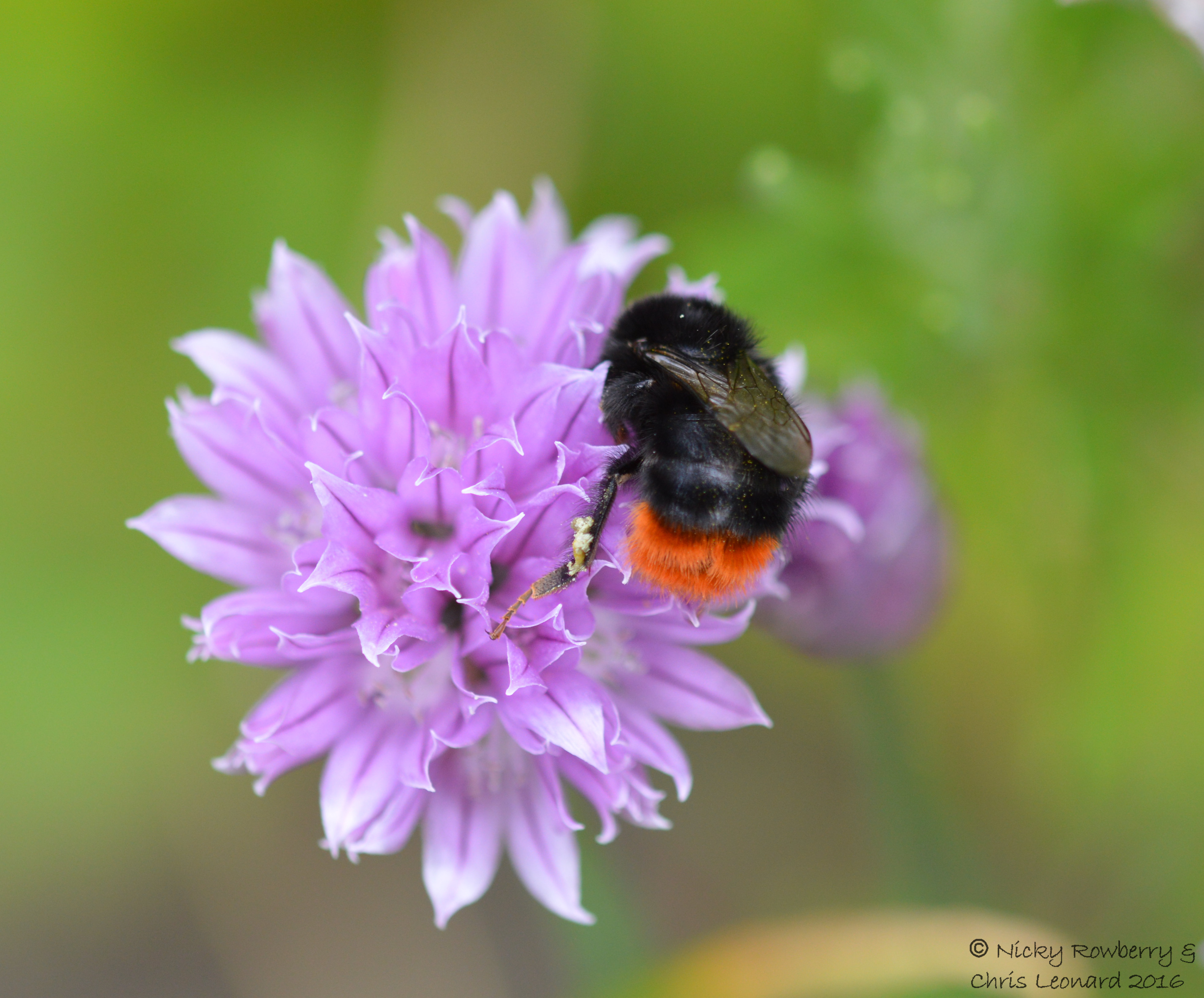
Early Bumblebee male 2

Early Bumblebee male

The final bee is a Grey Patched Mining Bee (Andrena nitida), which I needed the ever helpful Bee and Wasp Facebook group to identify for me.

Andrena nitida Grey patched mining bee

Butterflies were abundant too, although like the bees too fast to get many photos. Pretty sure though I saw Speckled Woods, Brimstones, Painted Lady and some really small Common Blues. I was particularly chuffed with the Common Blues as they’re the first I’ve seen this year. Again apologies for poor photo, I couldn’t get close enough to get a better one.

Common Blue (1)

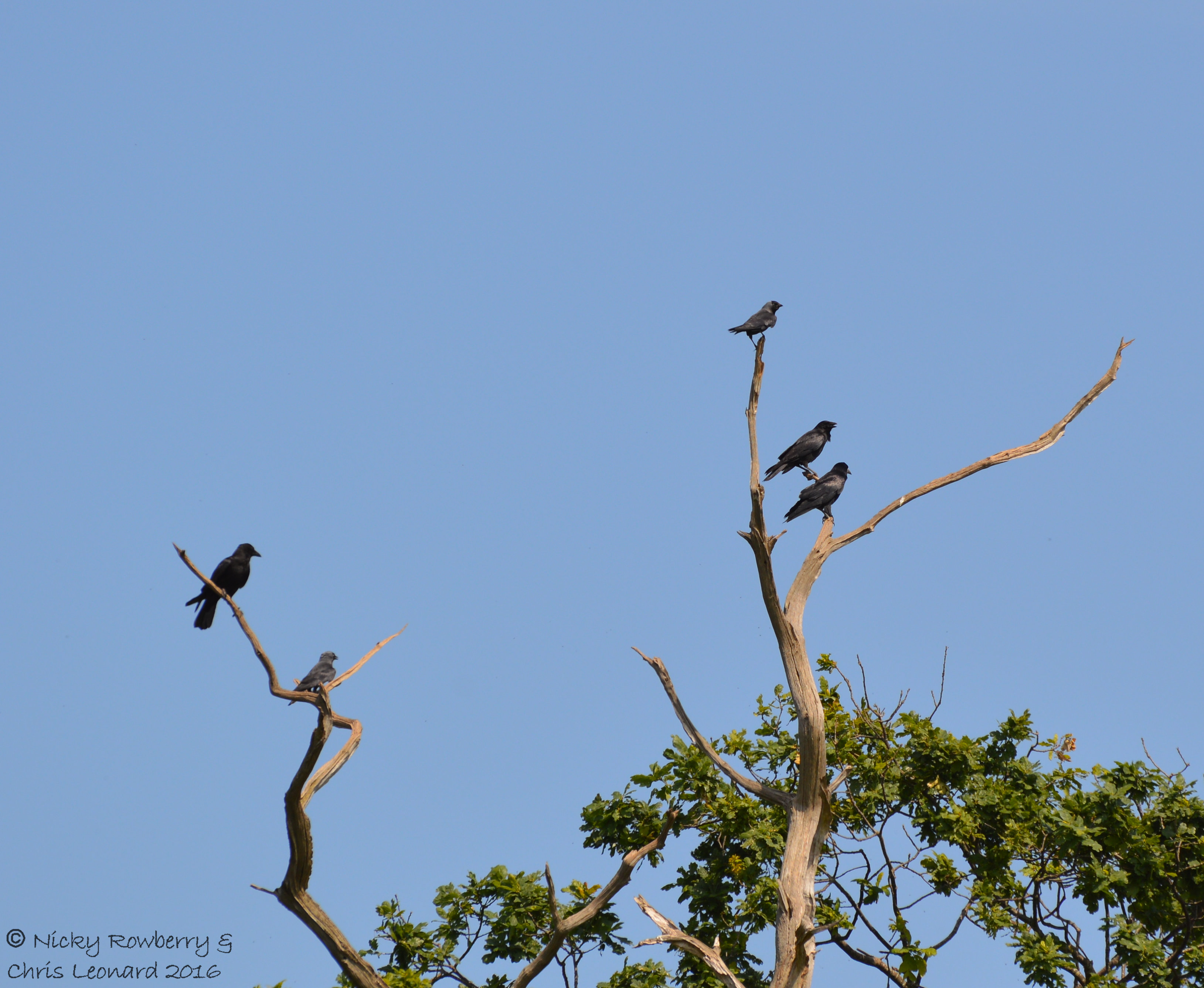
Although birds were abundant everywhere, the most obvious ones were the large members of the Crow family. Not being very good at bird ID, I snapped some photos with the plan of identifying them when I got home. Turns out I got three for the price of one in this photo. On the right hand side, there appears to be from top to bottom, a Jackdaw, a Carrion Crow and a Rook!

DSC_4305

While I was watching the crows/rooks/jackdaws, a Buzzard flew into the field, much to the annoyance of the other birds. I’m not sure which of the 3 species it was, but several of them chased the Buzzard until it flew off. They were really going for it, although they are clearly much smaller than the Buzzard.

DSC_4311

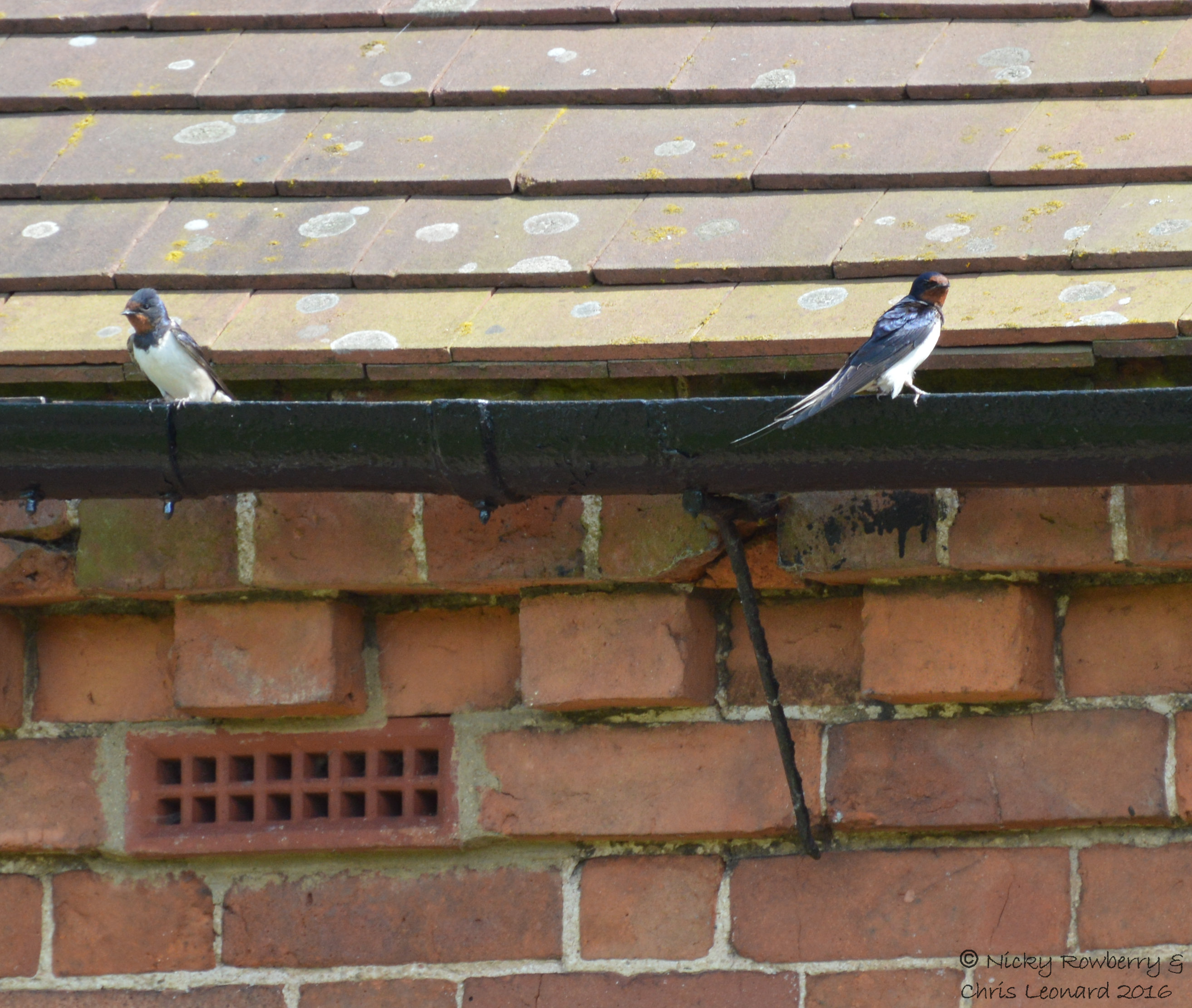
Finally as I headed back to the office, the Swallows were flying round the farm buildings and swooping over the field. Fortunately a couple of them landed on the roof long enough to get a snap.

Swallows

So Swallows in the farmyard and sunburn all over my face – can only mean summer is here! Really enjoyed my walk out and about on the farm and will definitely try and do it again soon. The farm has hares and foxes too, so maybe I’ll get up early and go for a walk before I start work next time, as more chance of seeing them that way – cooler too hopefully!

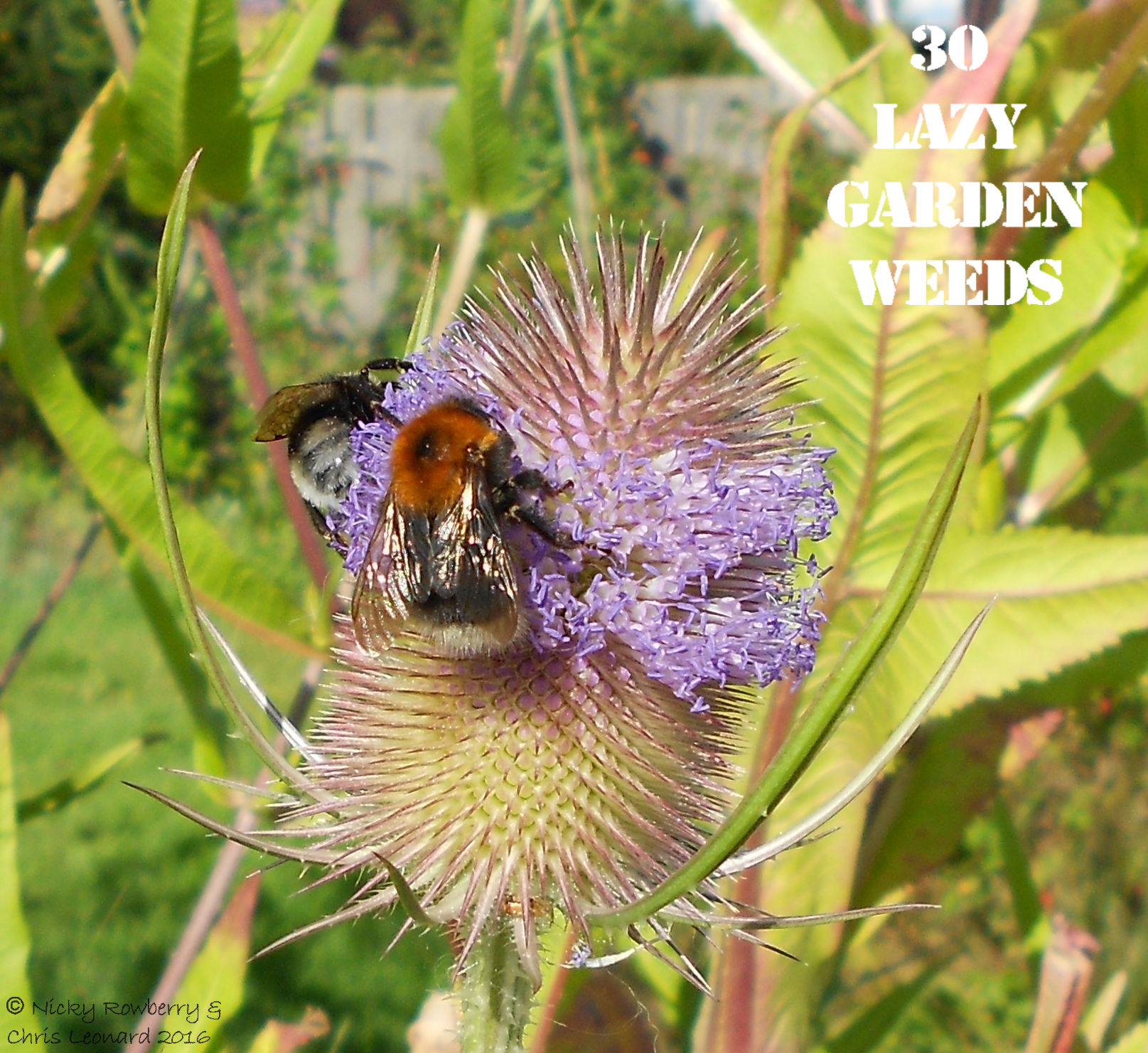
Teasel 30 WEEDS

And finally the latest weed in my 30 Lazy Garden Weeds – The Teasel. Undoubtedly the largest weed we get in the garden (easily taller than my paltry 5 foot 1!) The teasel has to be one of the best things in the garden for wildlife – the bees love them in the summer and the birds love the seeds through the winter and I love them all year round. They do take up a lot of room though, so perhaps only for serious weed fiends like us at Too Lazy To Weed!

30 Days Wild – Day 4

TWT 30 Days Wild_countdown_04Day 4 of 30 Days Wild and today we took part in another event – the National Garden Bioblitz, thereby ticking off two targets with one activity (in true Too Lazy fashion). The aim of the Garden Bioblitz is to find and record as many species of plants and animals as possible in the garden in 24 hours.  Since we’re always identifying things we find in the garden anyway, a bioblitz is just a natural extension of that.

Garden BioblitzLast time we did this a few years ago, we recorded about 120 species; but that was before we got into moth trapping and bee identifying, so hopefully we can beat that this time.  I’m writing this late evening – we’ve been busy in the garden all day, photographing and listing everything we could find. I’ve still got loads of things to identify from the photos and then everything has to get logged onto the i-record site.

It has pretty much been the perfect day. It started at about 4:30 am when I got up to empty the moth trap (to beat the cheeky robin to the catch). Then went back to bed for a bit more sleep (always good), before resuming the challenge at a more reasonable hour. For once the sun shone on the righteous (questionable I know) and we had the perfect conditions for trawling the garden for photo ops. Pretty much the whole day was spent crawling about the garden with the cameras. We finished off by cranking up the BBQ and cracking open a bottle of Prosecco – the perfect end to the perfect day.

During the day we tried every trick we could think of. Obviously the moth trap had been out over night and produced at least 20 species of moth – I’m still working through the photos, so this total may rise. Highlight was the always stunning Elephant Hawkmoth.

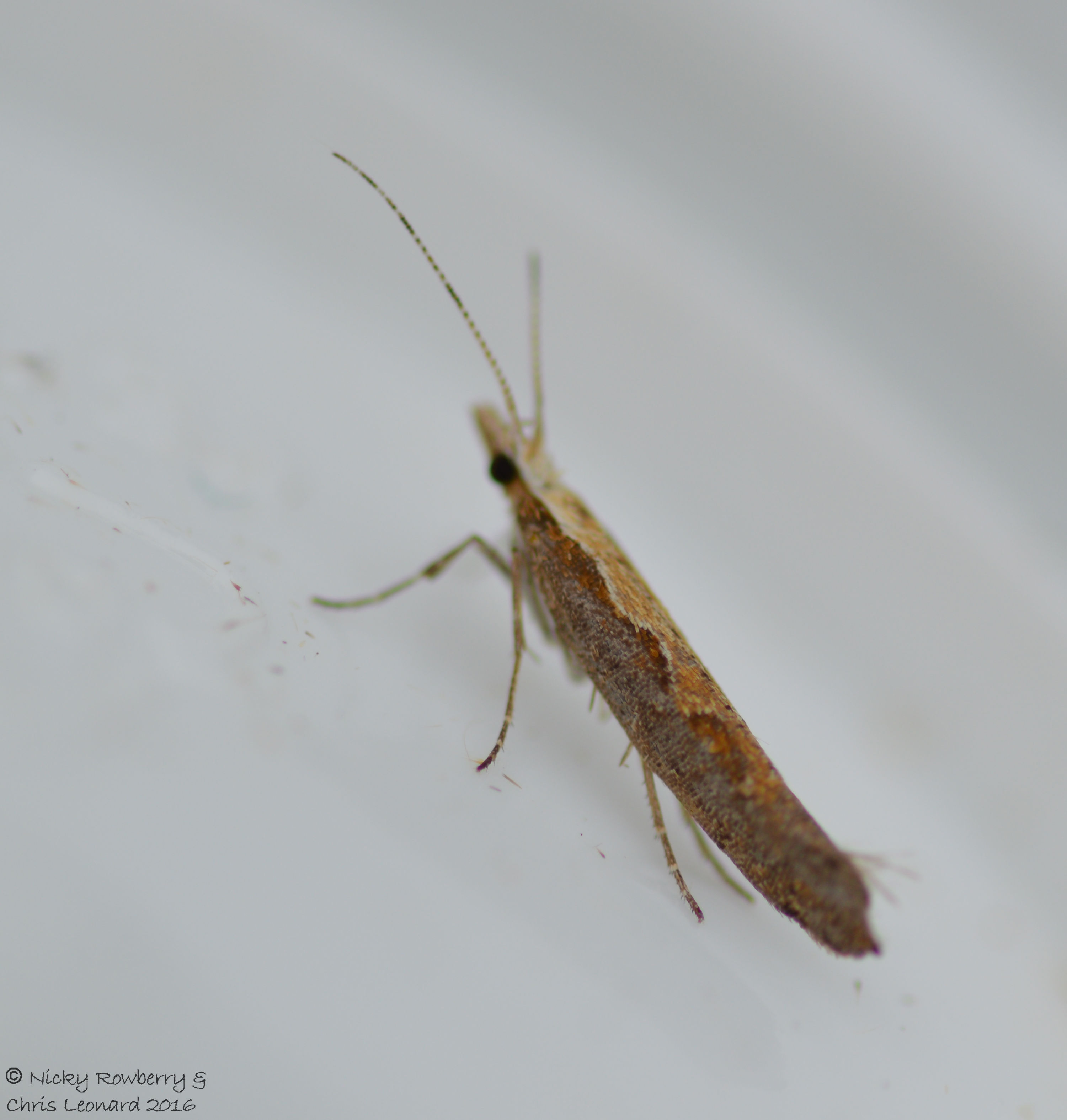
Diamond Back mothI was also really pleased to get several Diamond-back moths – tiny moths that migrate over from the Continent. They’d been mentioned on Springwatch and social media was full of people saying they’d had loads of them this week, so I felt ridiculously glad that Too Lazy’s garden hadn’t missed out. Moth envy is a terrible thing!

We also tried pitfall traps for the first time, using old plastic tubs buried in the ground. This produced this rather splendid (and still to be identified) beetle, plus a couple of woodlice and a spider (also still in need of ID). I suspect pitfall traps take a bit of practice in sussing the right location – we might try them again at other places in the garden.

We tried the “suspend an umbrella under a tree and wack the branches” technique as demonstrated by Chris Packham on Springwatch.  We only have the one mature tree (an apple) so this didn’t produce too much, but was interesting to try.

We dipped in the pond, which produced mainly duckweed, but also some leeches and water louse. It also meant we spotted one of our two amphibian species of the day – a Common Frog, watching us warily from his duckweed blanket.

NewtWe of course turned over stones and pieces of wood, which yielded our second amphibian – the Common Newt. We also found most of our molluscan species this way, both snails and slugs. We achieved a respectable 4 species of snail, but sadly the Girdled Snail, which I know we get in the garden, remained steadfastly hidden today.

The rest of the day was spent generally bird watching and chasing various bees and insects round the garden.  I haven’t tallied up the birds properly yet, but we managed at least 10 species including this Collared Dove. At least 6 bee species put in an appearance, with possibly a new one – we spotted some kind of leafcutter bee carrying (not surprisingly) a piece of leaf – hopefully we can get an ID on it soon, although the photo wasn’t brilliant. Fortunately other bees were more obliging.DSC_3856

Only 2 butterflies showed their faces today – a Small White and a Holly Blue. Assorted insects made up the remainder of the animal count, while the plant count is at least 25 species, with probably a few more to ID.

We’ve spent the whole day in the garden photographing our wildlife and it will probably take several days more to go through all the photos and get them loaded so that they count for the Bioblitz. But it’s been a thoroughly enjoyable experience and has got us rooting about bits of the garden, that we may otherwise ignore. We won’t know the final tally of species for a couple of days, but I’ll post an update when we do. I’d recommend having a go at a Garden Bioblitz for anyone – you don’t need to be especially skilled – just take it to whatever level  you can manage. You’re sure to learn something new and hopefully enjoy your garden all the more for it. There’s still time to do it for this year – http://www.gardenbioblitz.org/ for more information.

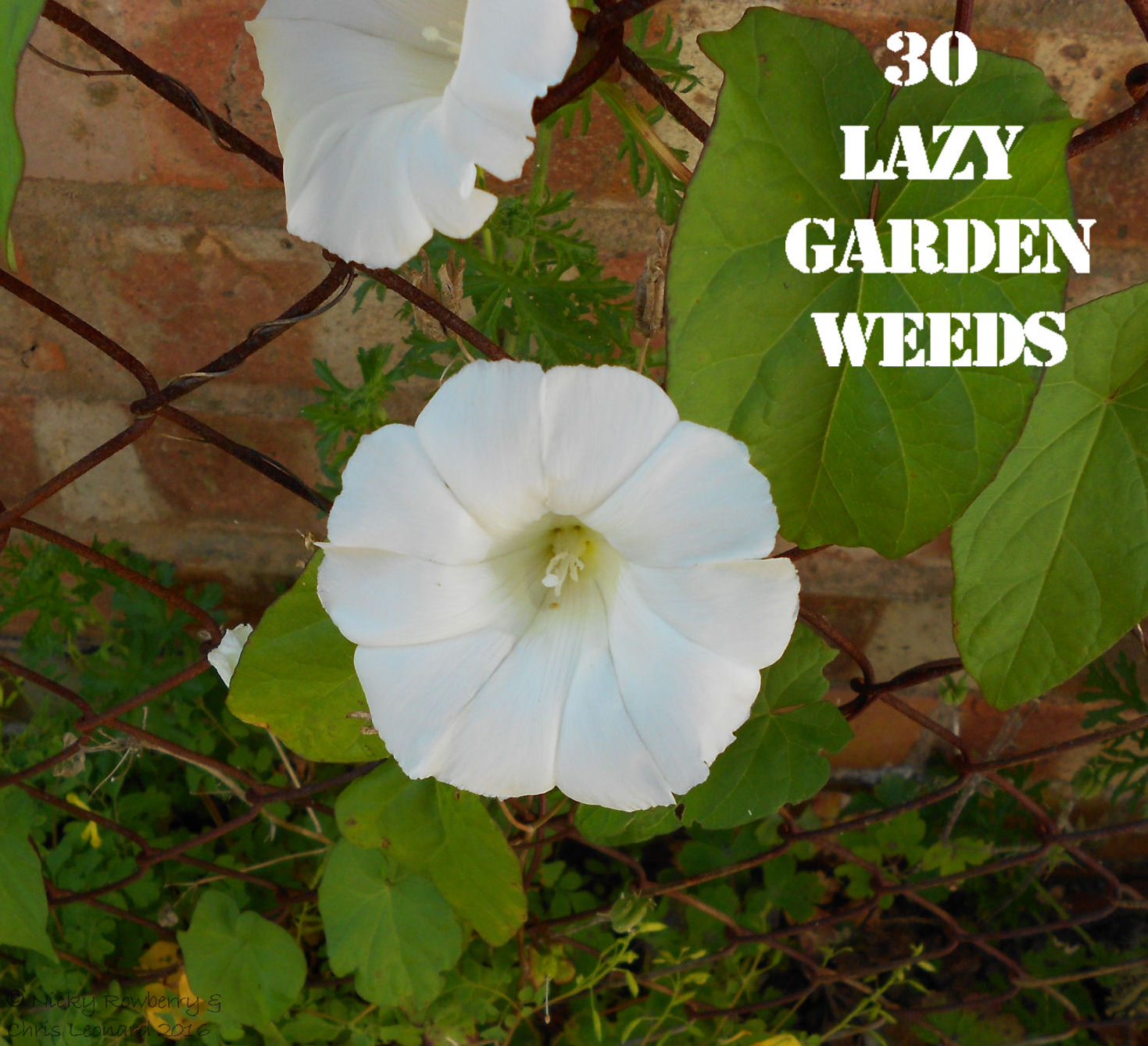
Bindweed 30 WEEDSDay 4 of 30 Lazy Weeds and a truly beautiful if sometimes bothersome flower – Bindweed. The bane of many a gardener, but if you take the time to look at the flower itself, it really is stunning. Pure white and beautiful in its simplicity. Gardeners will plant similar looking flowers, but weed out these, which seems a shame. I know their stems do wind themselves round pretty much everything, but for me the flowers more than make up for this.


30 Days Wild – Day 3

TWT 30 Days Wild_countdown_03Day 3 on the challenge and it’s Friday night. Having got up early yesterday for the dawn chorus, I’d gone for an activity at the opposite end of the day and stayed up late to hopefully catch some nocturnal action in the garden. Gone are the days when staying up late meant drinking or clubbing, now staying up late means getting the bat detector out and spying on hedgehogs. But it’s not a metaphorical school night, so that’s exactly what I’ve been doing – living on the edge!

All this week we’ve seen the bats dive bombing around the garden in the evenings – we can usually see them through the patio doors from the comfort of our sofas. So I thought tonight it would be a doddle to go out and record them. We have a Magenta bat detector, which we’ve used previously and determined that our bats are Pipistrelles, emitting their ultrasound clicks at around 45kHz.

Today has been a lovely warm sunny day, so it seemed ideal batty conditions in the garden. As it started to get dark I sat out with my detector and recorder – I was getting bombarded by moths, which seemed like a good omen, but there was no sign of any bats. I lay on the grass for quite a while – very relaxing as I could hear a bit of the evening chorus going on (felt like yesterday’s dawn chorus in reverse!) I did get a few “clicks” but didn’t actually see any bats  – they must have been swooping around next door’s garden behind the hedge. I stayed out for a good hour, but no joy.

So I’ve had to admit defeat for the night. But all is not lost – the bats will no doubt be back in the nights to come and I will try again. I did also get to spend a very relaxing hour watching the garden going to sleep. The warm evening bodes well for the moth trap which is now out, as it is Garden Moth Scheme night. I saw on Springwatch and various social media, that there is an influx of Diamond Back moths getting blown over from the Continent, so with a bit of luck I’ll get some of those.

In the absence of any batty recordings from tonight, here is one we recorded back at the beginning of May. I’m pretty sure the sounds match a Pipistrelle, but confirmation from anyone who knows about bats would be much appreciated.


Creeping wood sorrel 30 WEEDS

Day 3 of 30 Lazy Weeds and it’s Creeping Wood Sorrel or to give it the even better title – Procumbent Yellow Sorrel. We get the purple leaved variety a lot in our garden. It is a low growing plant with small but pretty yellow flowers. It does spread very easily and has a knack for growing in places where there doesn’t really seem to be any soil, like the one shown left. It’s small and often overlooked and some gardeners don’t like it because of its persistent nature. But I’d rather have an area covered in this, than bare earth – so as with so many “weeds” it is welcome in the Too Lazy Garden.

Out and About – Wyre Forest

The sun was still shining on the righteous at the weekend, so we decided to make the most of it and headed up to the Wyre Forest in search of the Pearl Bordered Fritillaries. We took a slightly circuitous route, via one of our favourite pubs – The Live and Let Live on Bringsty Common. Fabulous pub with great food and lots of wildlife around. Lots of bees and butterflies (Small Copper, Orange Tip, fast flying and therefore unidentifiable whites!) and birds, but only this little wren paused long enough to get its photo taken.

Live & Let Live

Wren at Live & Let Live2 Wren at Live & Let Live1

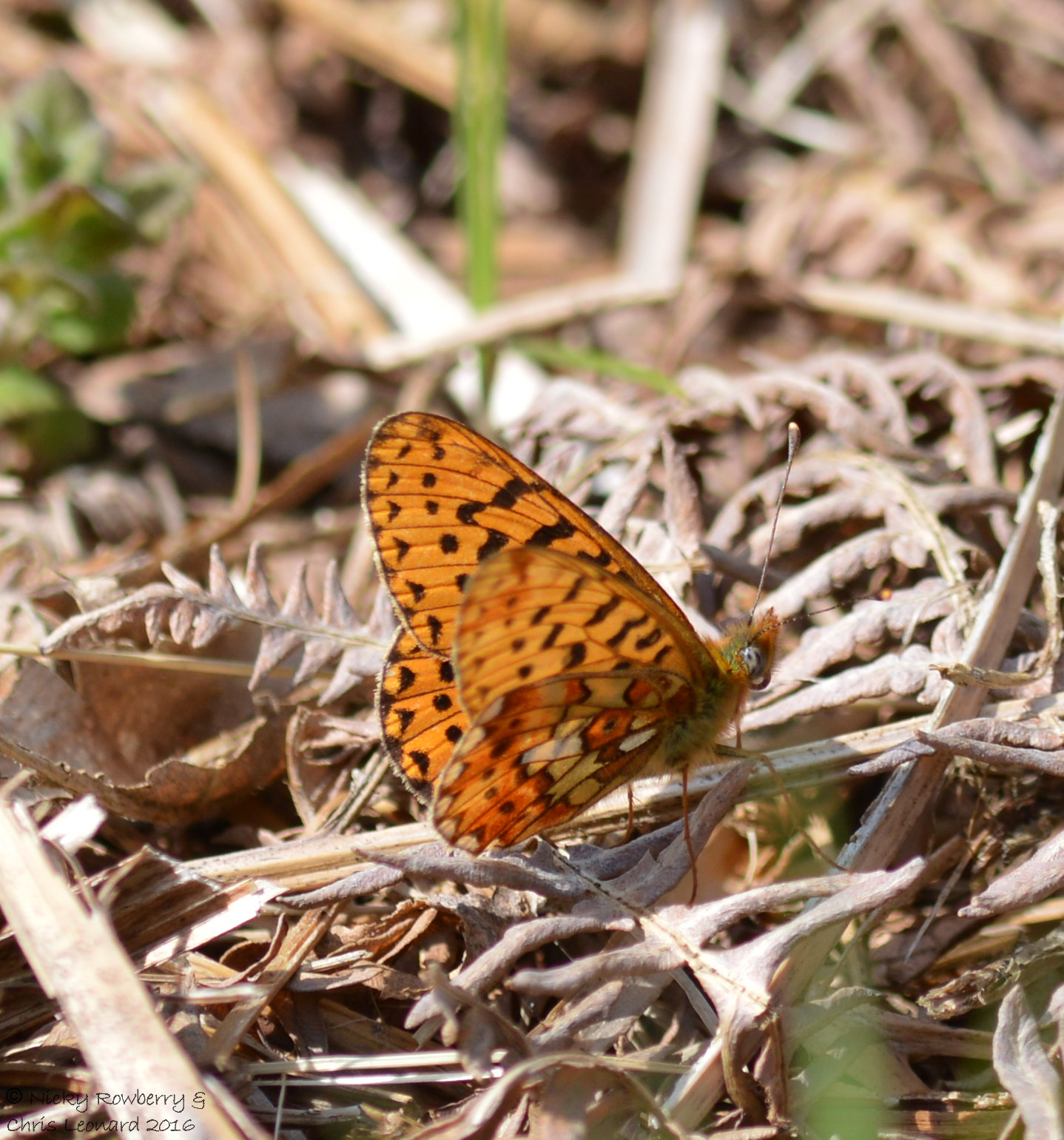
Suitably fuelled we headed off to the Wyre Forest. The Pearly Bordered Fritillaries were our main butterfly target of the day as the Wyre Forest is one of their strongholds in the West Midlands. The Wyre is managed by the Forestry Commission and Butterfly Conservation to restore a diverse woodland environment, providing the right habitats for many butterflies. It’s not only good for butterflies, but is a lovely place to just go for a walk.

Within minutes walking along the old railway track, we’d reached a gateway to a more open area where we’d seen the fritillaries last year. Sure enough, just yards from the gate we spotted our first one.


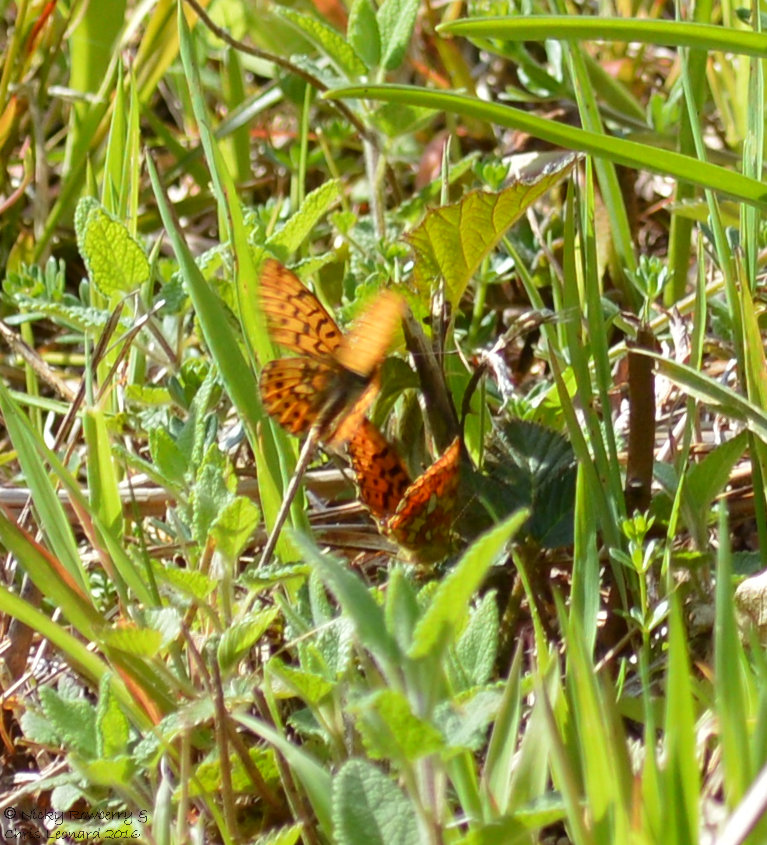
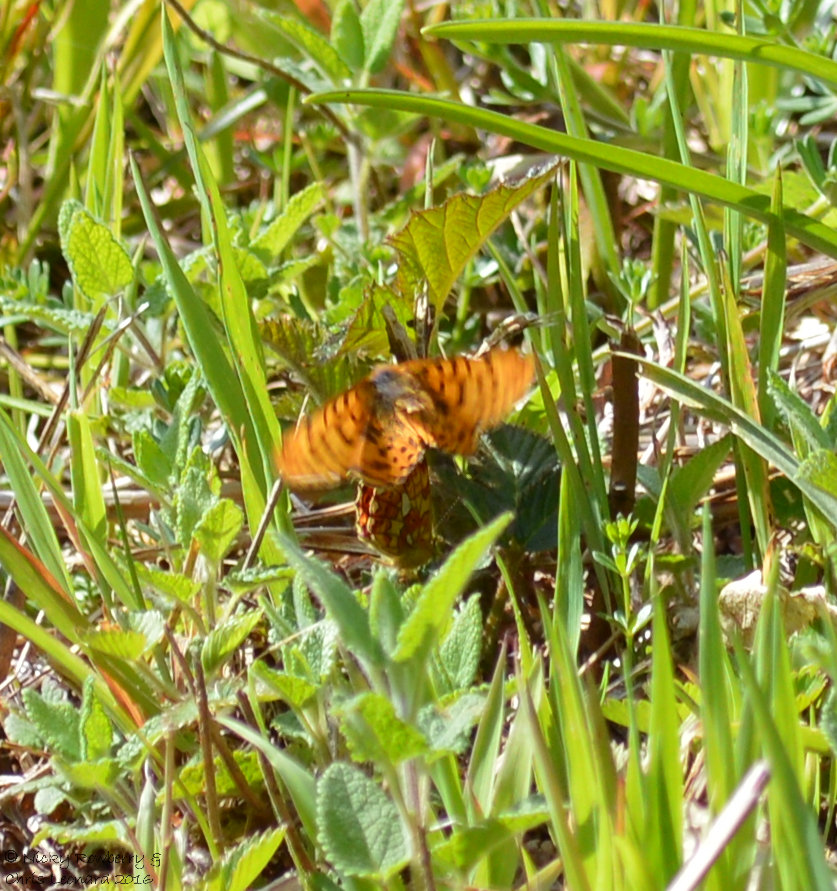
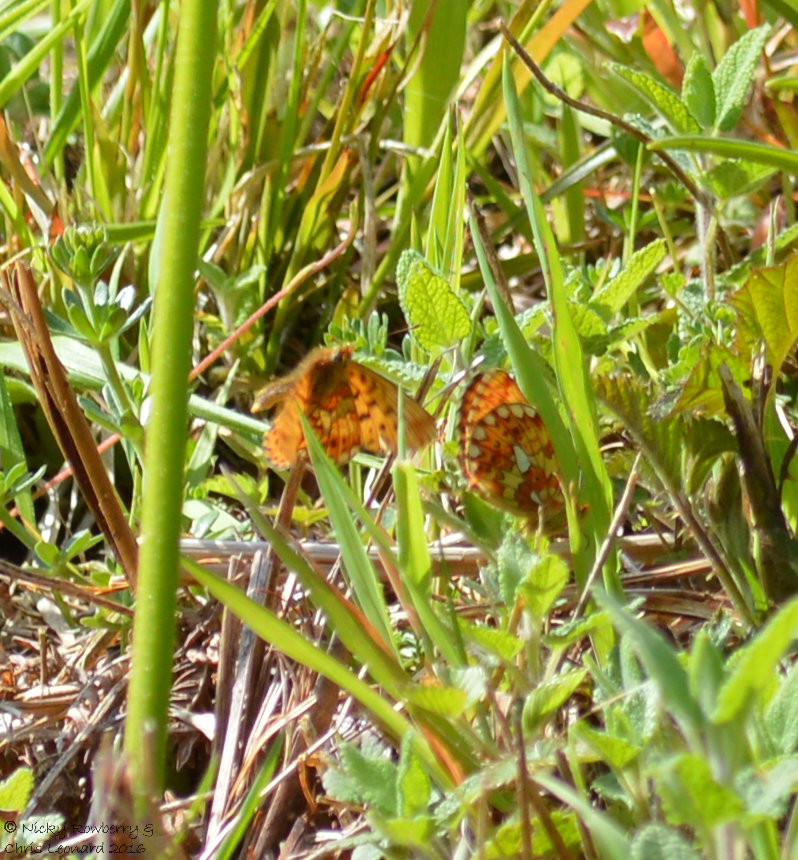
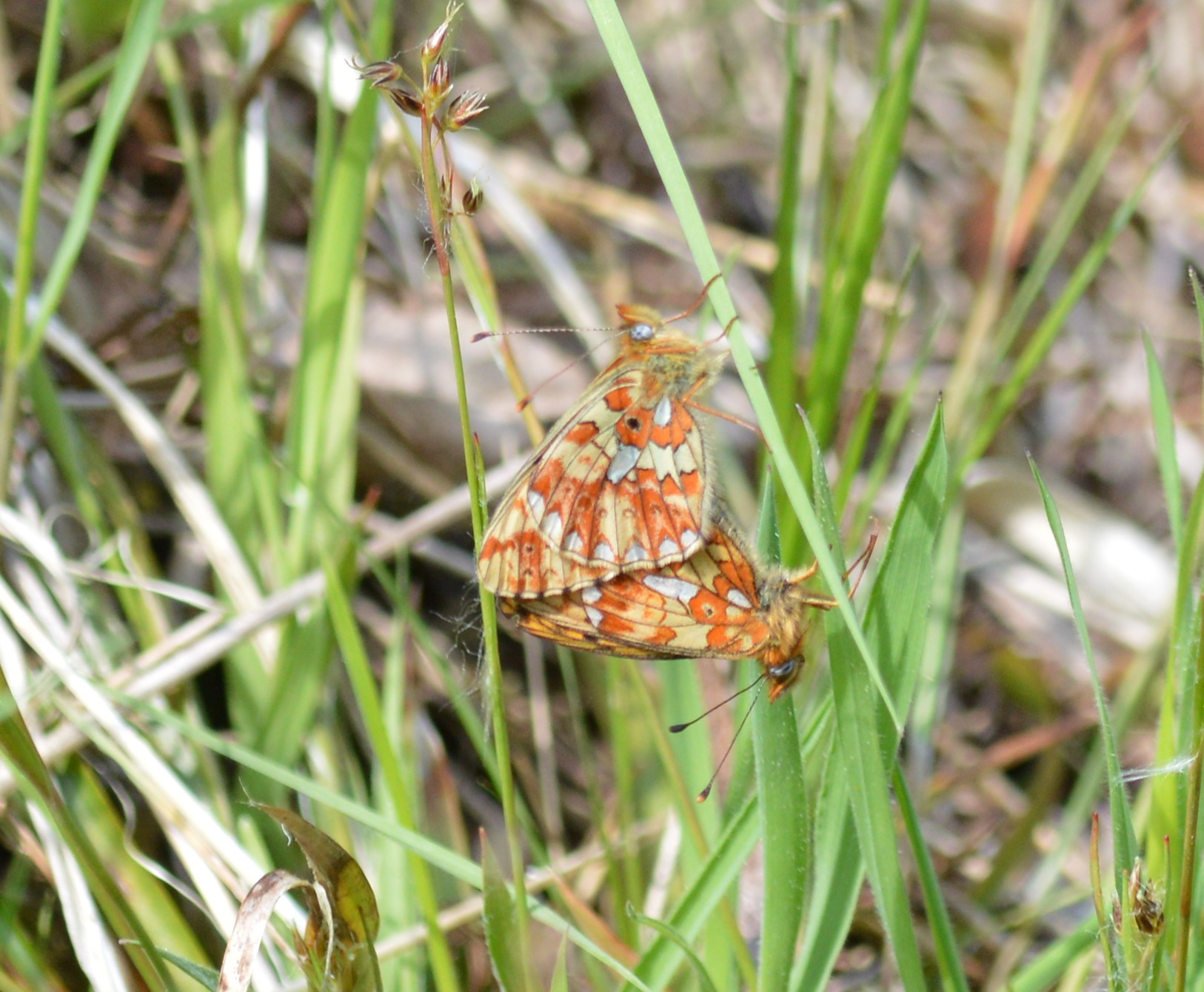
Needless to say it didn’t hang around to get many photos, so we went back to the track and headed along to an area with sunny sheltered banks. Here there were numerous Pearl Bordered Fritillaries fluttering in the sunshine. We were really chuffed initially to get these distant shots of a pair getting down to business.

Pearl Bordered Fritillaries (6) Pearl Bordered Fritillaries (5) Pearl Bordered Fritillaries (2)

But eventually we spotted a pair clearly too engrossed in what they were about to be bothered by us taking photos! I managed to get a few photos of them together. In the photo you can see how pearlescent the central white spot in particular is. I love the underside of their wings – like beautiful stained glass windows.

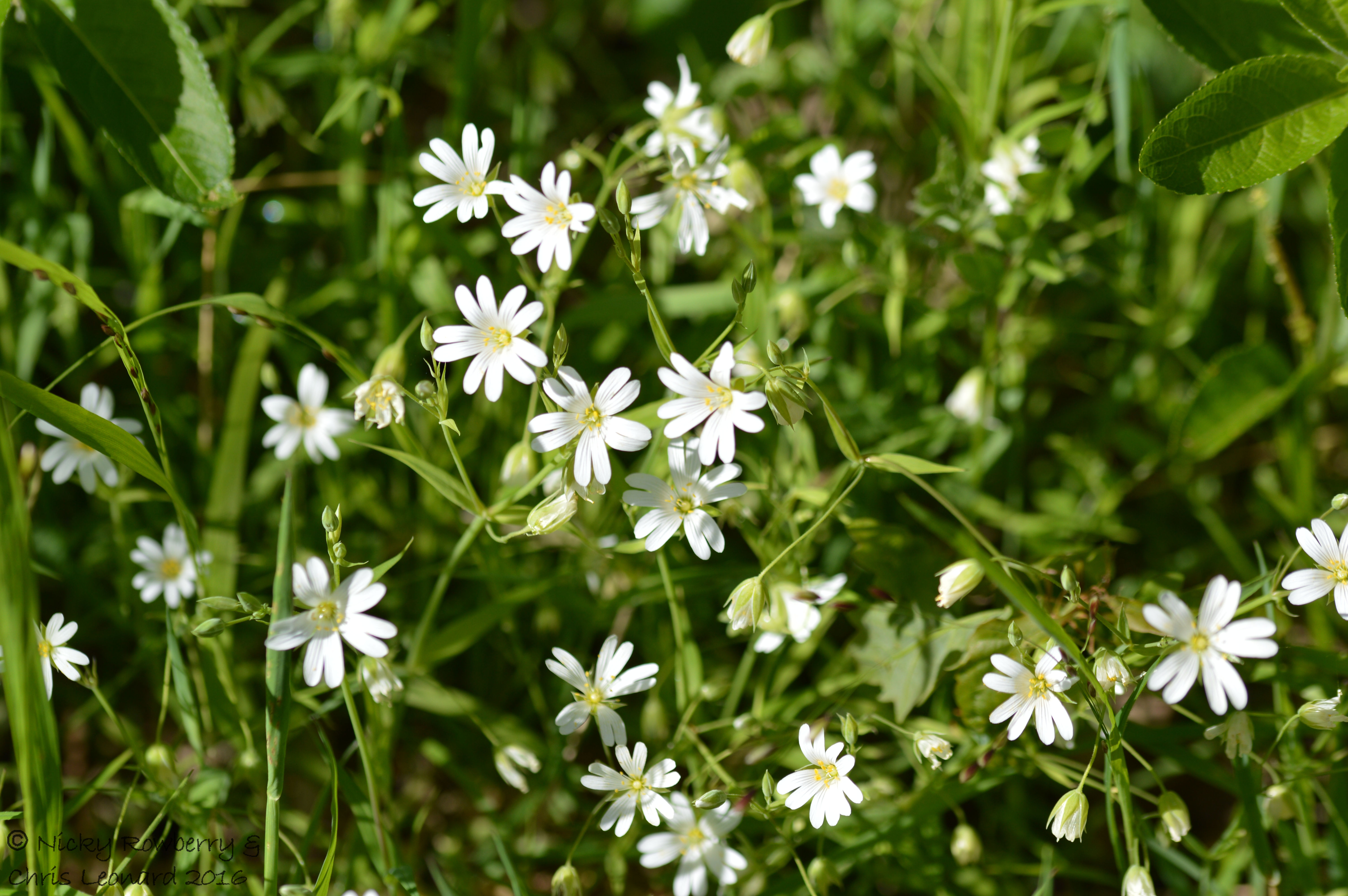
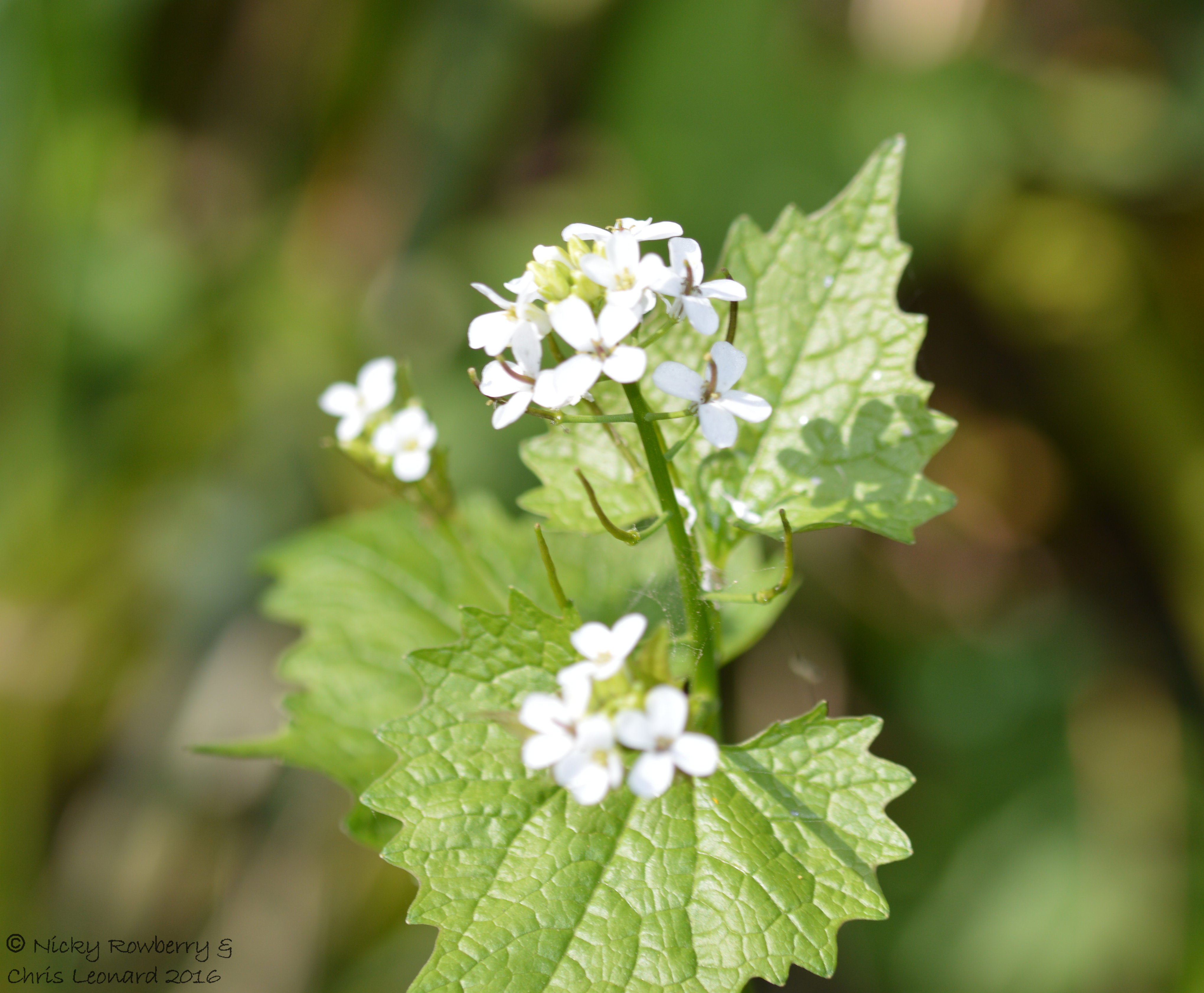
Of course although the fritillaries were the highlight, there was lots to see besides the butterflies. Spring flowers were abundant, attracting a variety of insects. I’m not too hot on wildflower ID, but I’m fairly sure the following are Greater Stitchwort, Jack-by-the-Hedge (aka Garlic Mustard) and Yellow Deadnettle.

Greater stitchwort

Jack by the hedge

Yellow Deadnettle

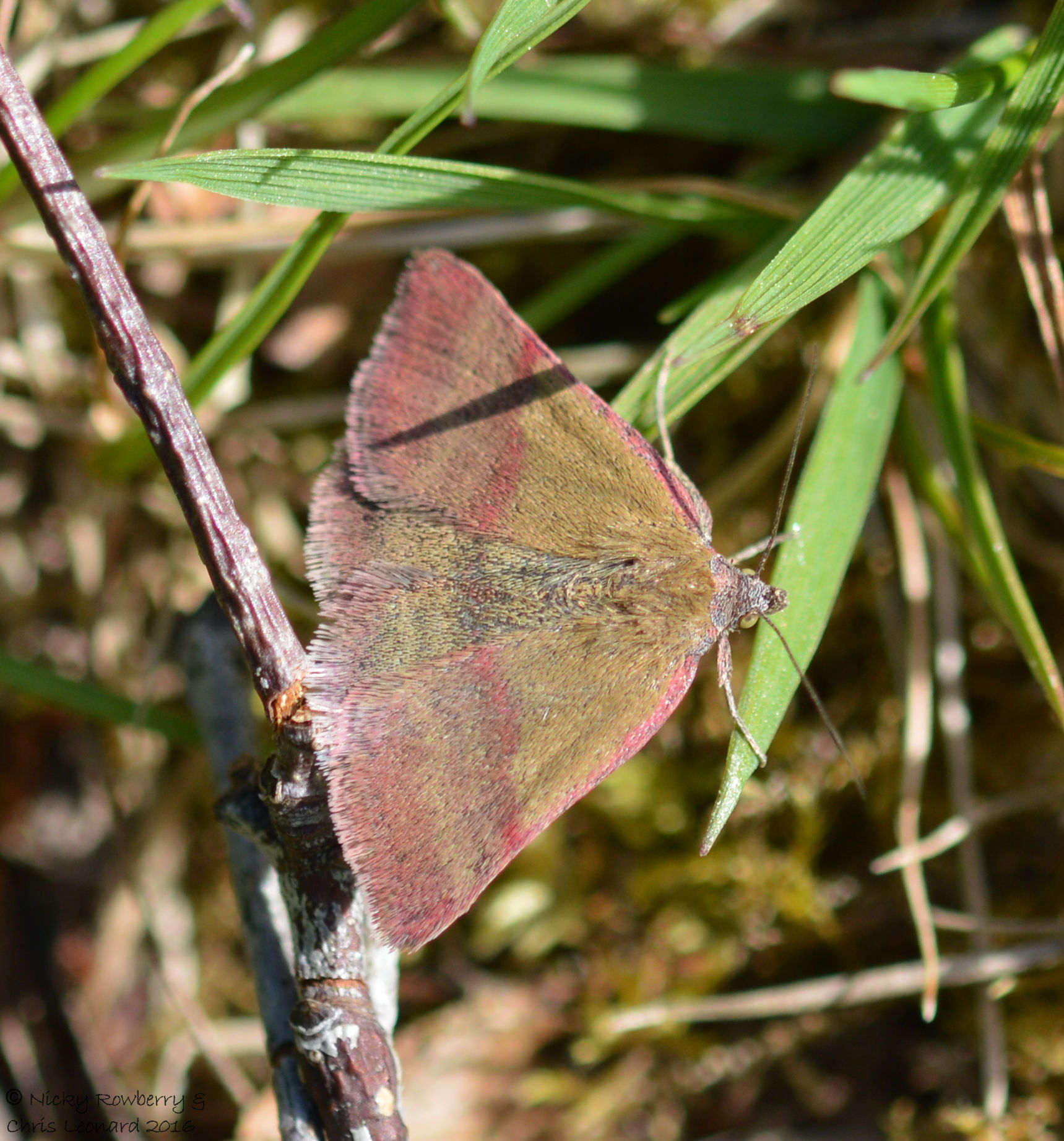
There were also a few day flying moths about, some of which I’d not seen before. The Small Purple-barred (Phytometra viridaria) was a new one, but was thankfully easy to identify.

Small Purple-barred


So all in all a very good day out. The Wyre Forest is definitely worth a visit for anyone wanting to see the beautiful Pearl Bordered Fritillaries.