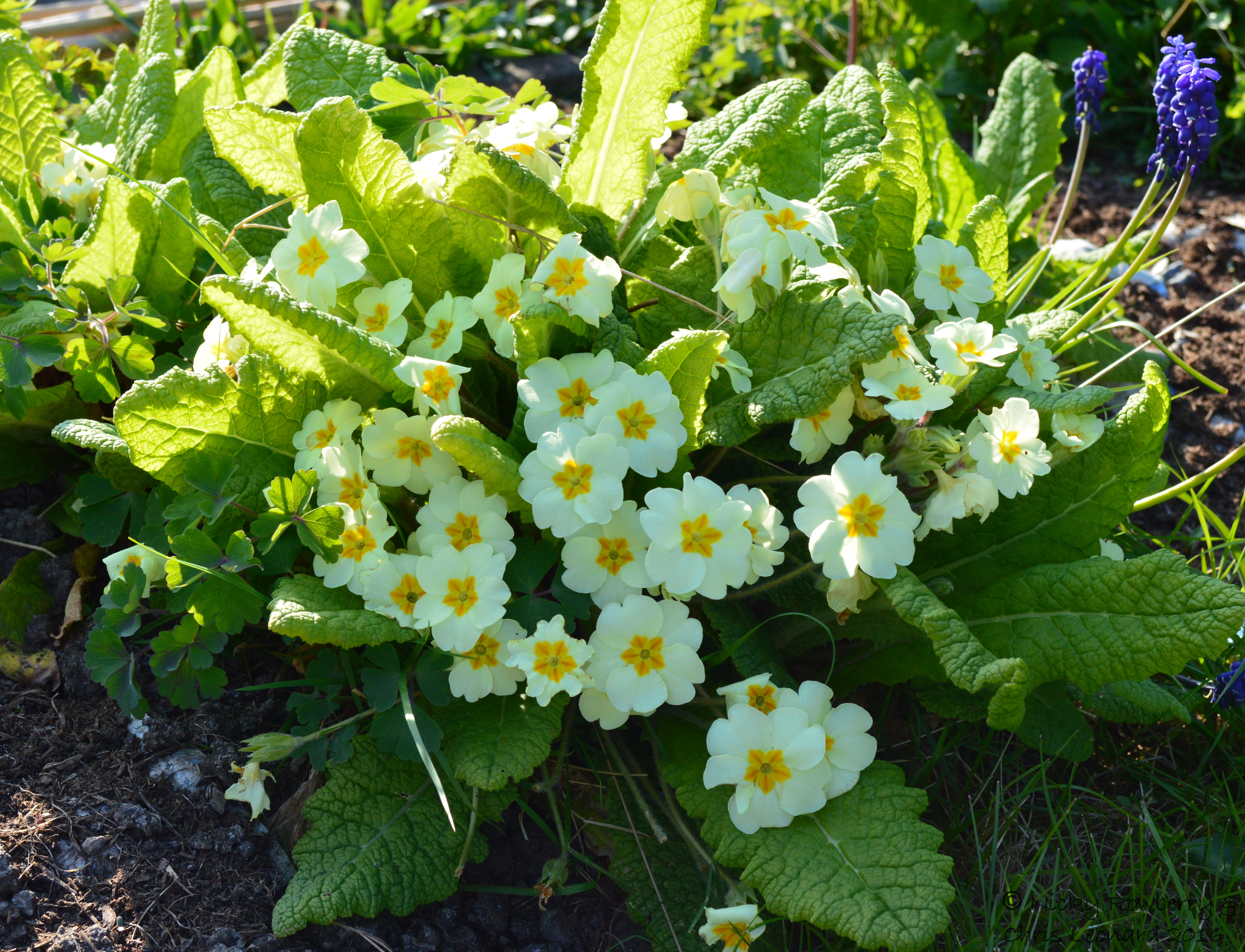
Out and About – Penny Hill Bank

You know how it is, you wait a lifetime to see a Green Hairstreak, then see them two days in a row! Flushed with success of finding them at Cannock Chase the day before, we ventured forth once more – this time to a small reserve in Worcestershire – Penny Hill Bank.
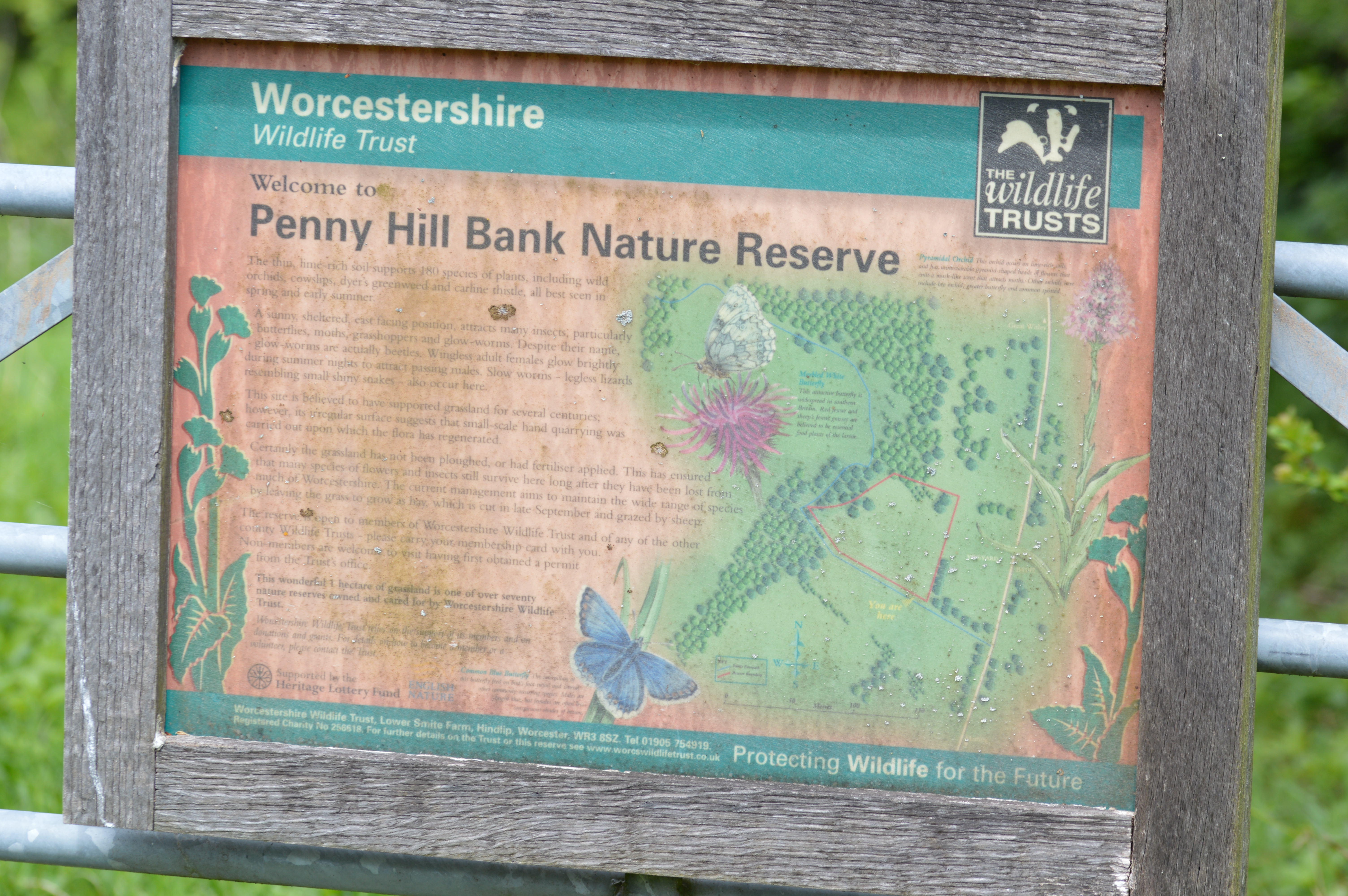
Penny Hill Sign

Penny Hill is an area of grassland that has apparently never had pesticides on it, so has a very diverse flora, including several types of orchid. We were probably there a bit early in the year to see many of them, but we did spot this Common Twayblade orchid (Listera ovata) and there were lots of pretty blue Bugle (Ajuga reptans) flowers.

Common Twayblade orchid (1)

Bugle (2)

The diverse flora of course in turn attracts a wide variety of insects, particularly butterflies. We’d only been there a couple of minutes before we spotted a Green Hairstreak. Perhaps now, having got our eye in with them at Cannock Chase, we’ll be finding them everywhere!

Green Hairstreak Penny Hill Bank

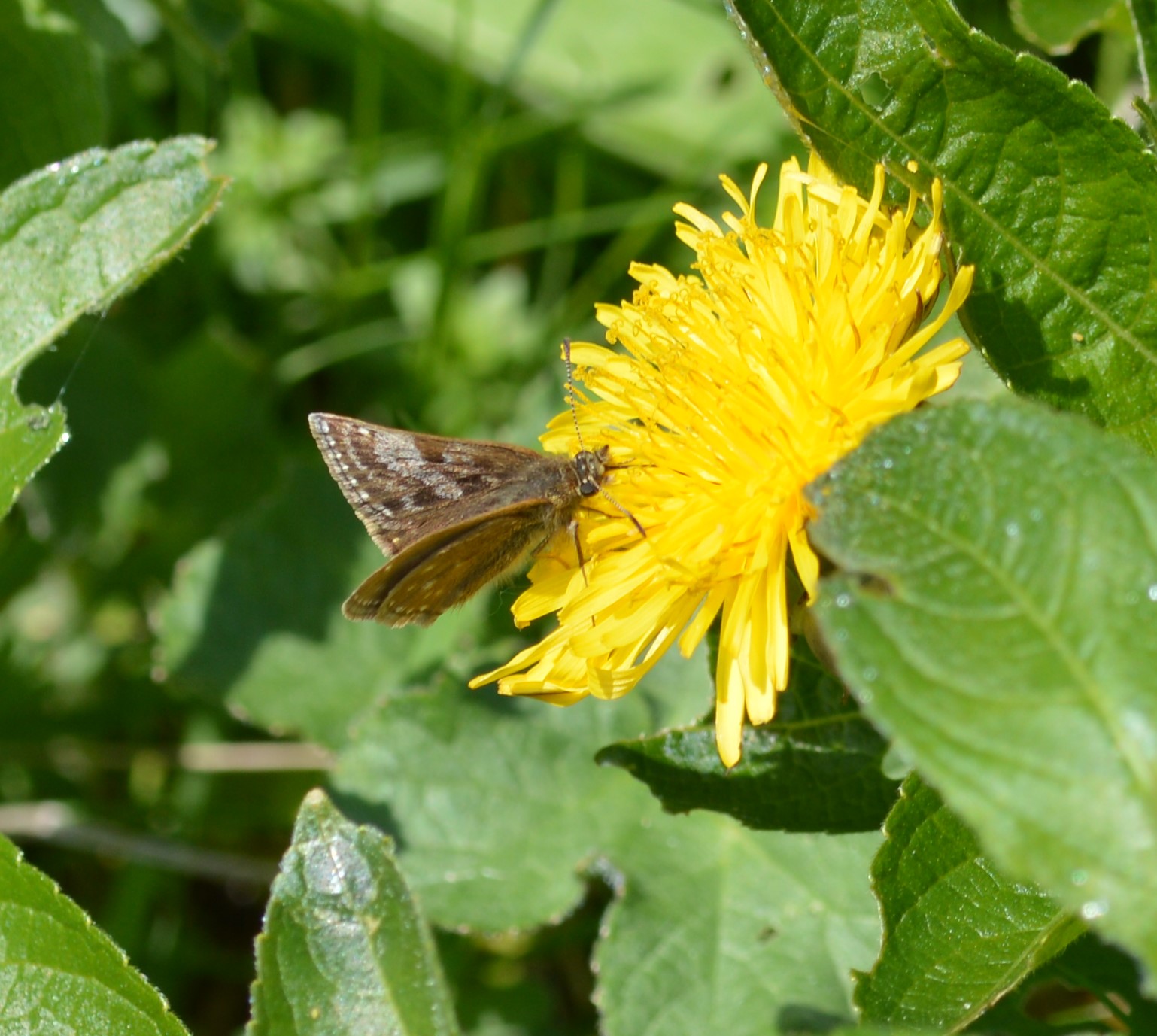
This was soon followed by another relatively unusual butterfly, the unfortunately named Dingy Skipper (Erynnis tages). The skippers look a bit more like moths than butterflies, but have the typical butterfly antennae – smooth with a slightly bulbous tip. The Dingy Skippers are actually quite pretty in a subtle kind of way. They were also quite flighty, so not easy to photograph – this was the best I could do.
We saw several other species of butterfly – Orange Tip, Green Veined White, and a possibly Large White, but none of them stopped long enough to get a photo.

The field was generally very tidy, with thankfully no rubbish, but there were a few old bits of farm debris lying around, so we checked underneath them. The first revealed a newt, but the highlight of our day though was finding another lifetime first – a slow worm! I had never seen one, so was squealing with excitement when we lifted an old metal sheet and found the slow worm underneath.

We hurriedly took a few photos, before carefully lowering his “roof” back down. As we’d been walking around Penny Hill, it had seemed like possibly adder territory, but the slow worm was a complete surprise. Penny Hill is also home to glow worms – so we may be back there one night in the hope of bagging another first!

The views from Penny Hill Bank were stunning, you could see for miles across Worcestershire. The photo below doesn’t really do it justice. It’s a small site tucked away off the beaten track and not that easy to find (thanks go to a local who pointed us in the right direction), but it’s a lovely, peaceful place to just sit and enjoy the view, whether you’re interested in plants and animals or not.
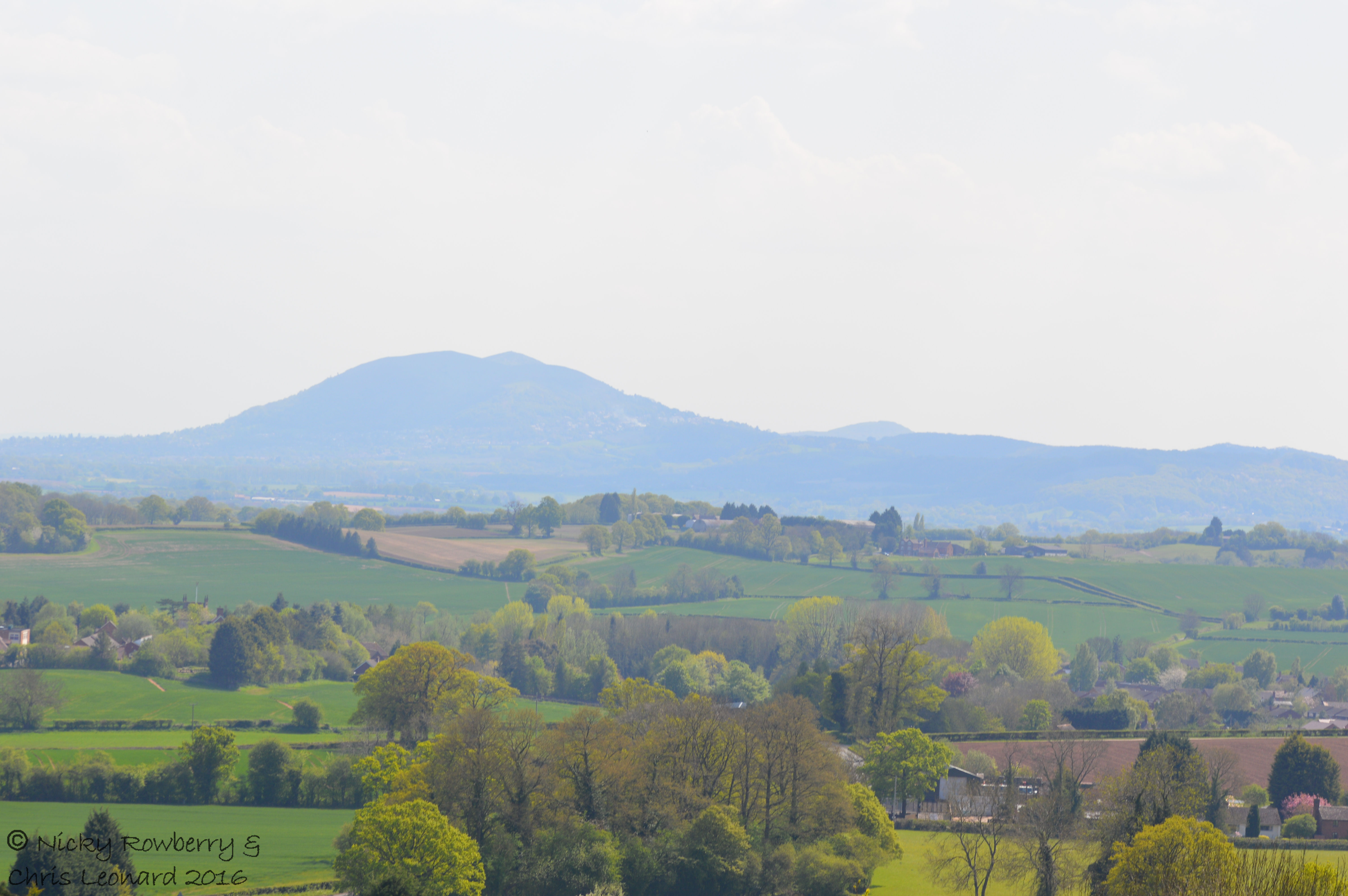
Penny Hill View

Out and About – Tiddesley Wood

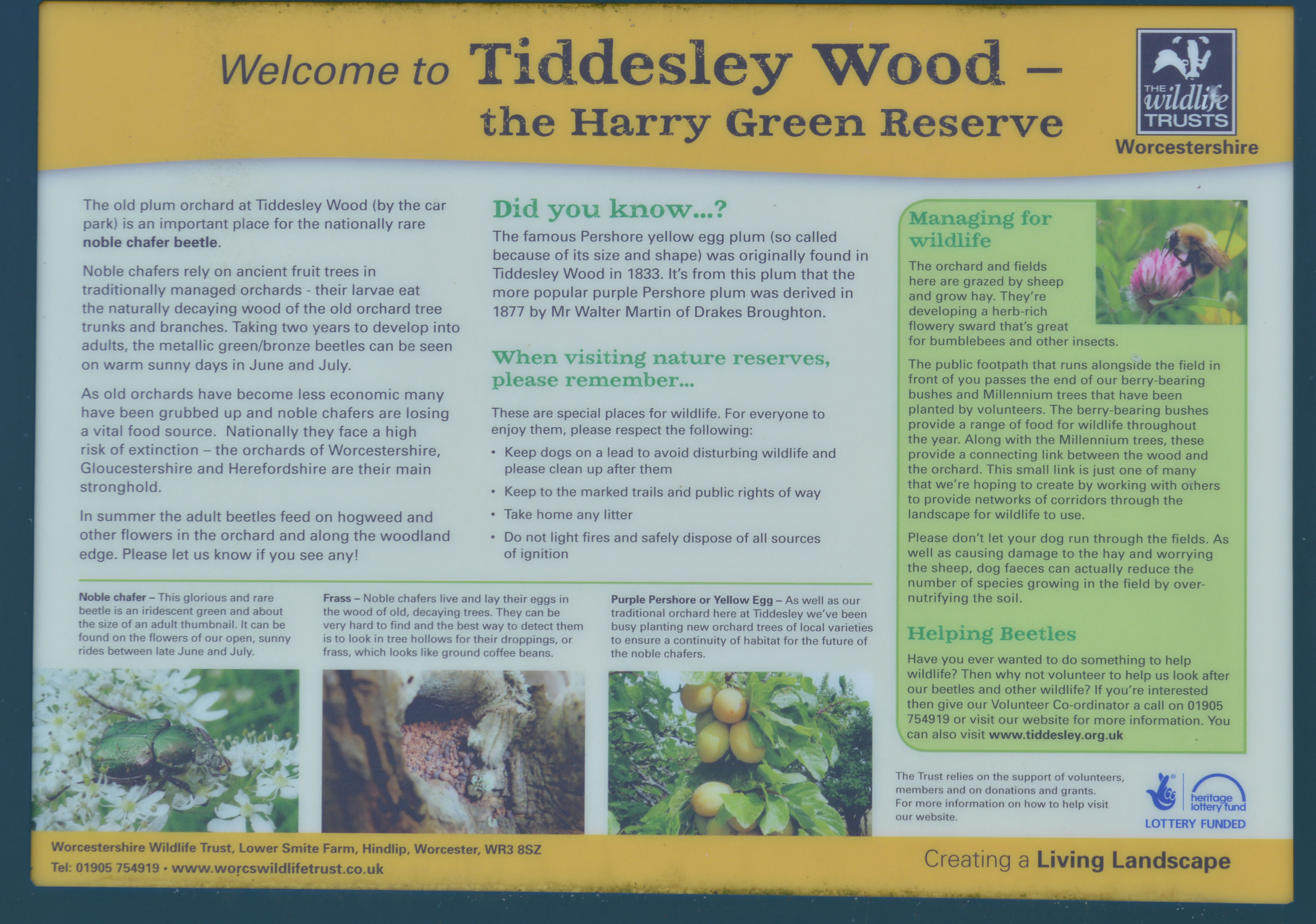
The Two Lazy Gardeners went crazy today, got off our sofa and went out and about! It’s the beginning of Bluebell season here in Worcestershire, so we headed out to some woods in hope and expectation. The wood of choice for today was Tiddesley near Pershore – a Wildlife Trust run reserve.

Signpost

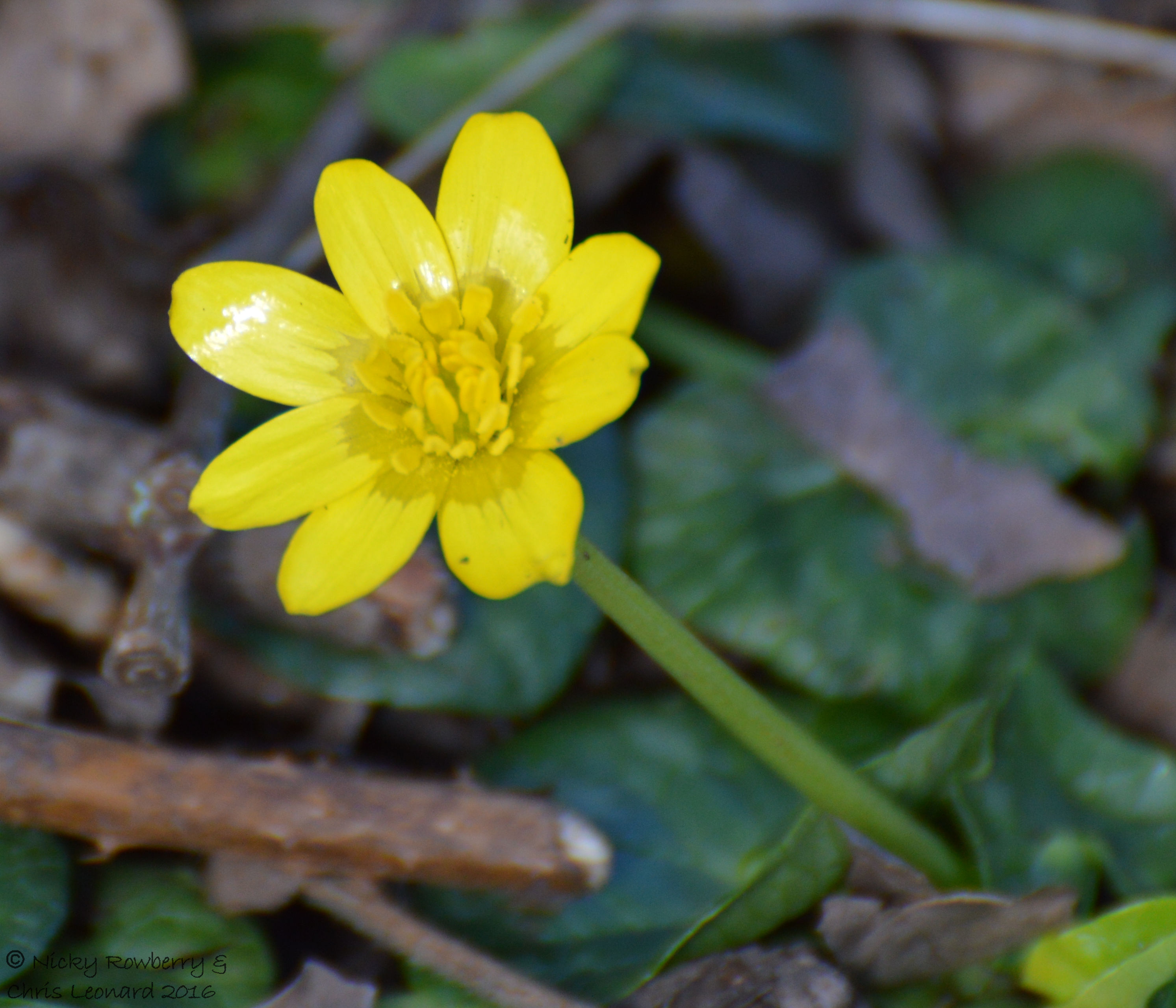
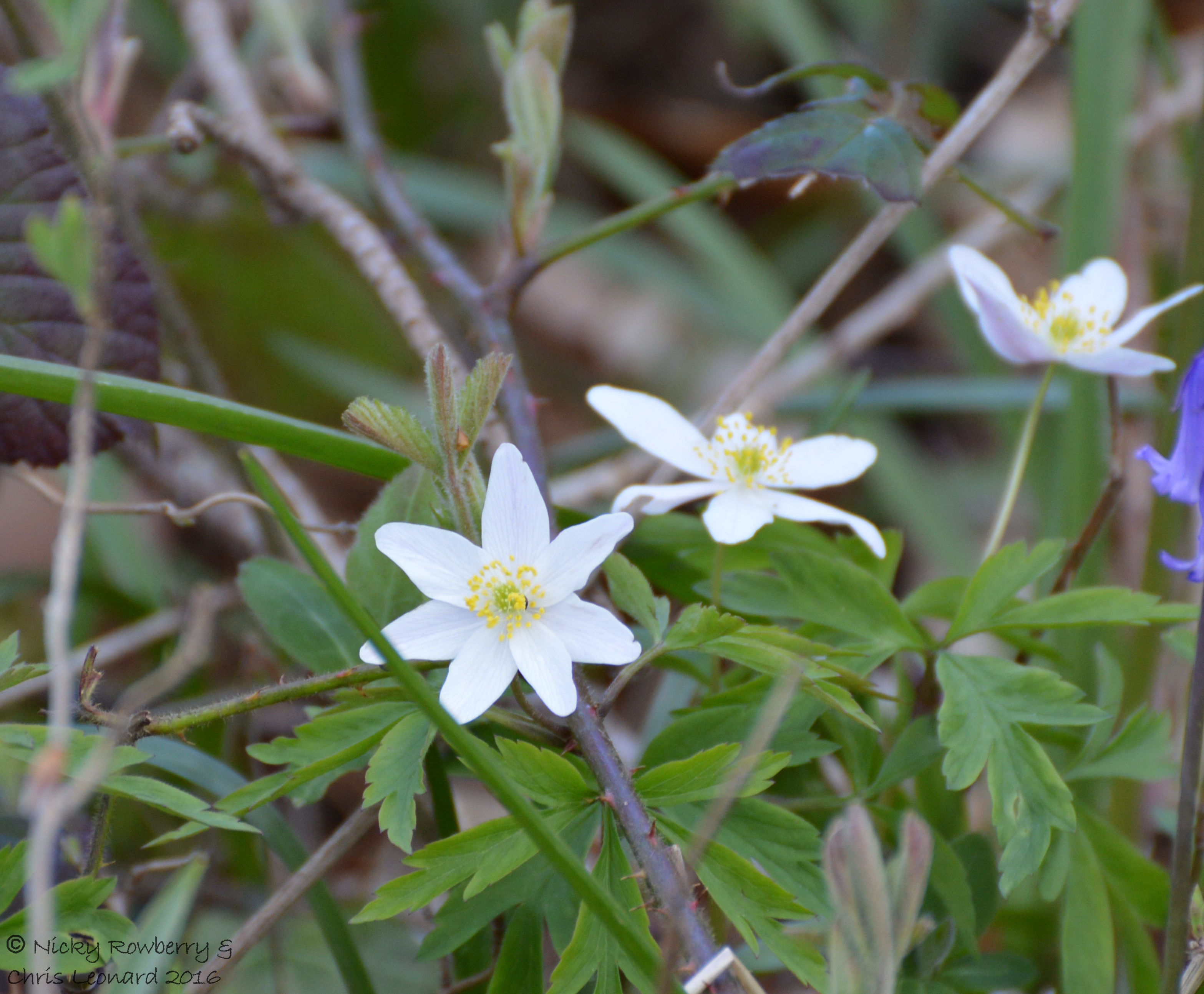
Bluebells were of course the main target, but lots of other spring flowers were about, such as these Lesser Celandines, Wood Anemones and Cowslips.

Lesser Celandine

Wood anemone

Cowslip

But of course the Bluebells were the stars of the show. Although they’re probably not quite at their peak yet, they were still stunning, carpeting areas of the wood in a beautiful purply blue. Photos never seem to really do them justice, but here are a few of our attempts.


Bluebells

Bluebells (10)

Bluebells (7)

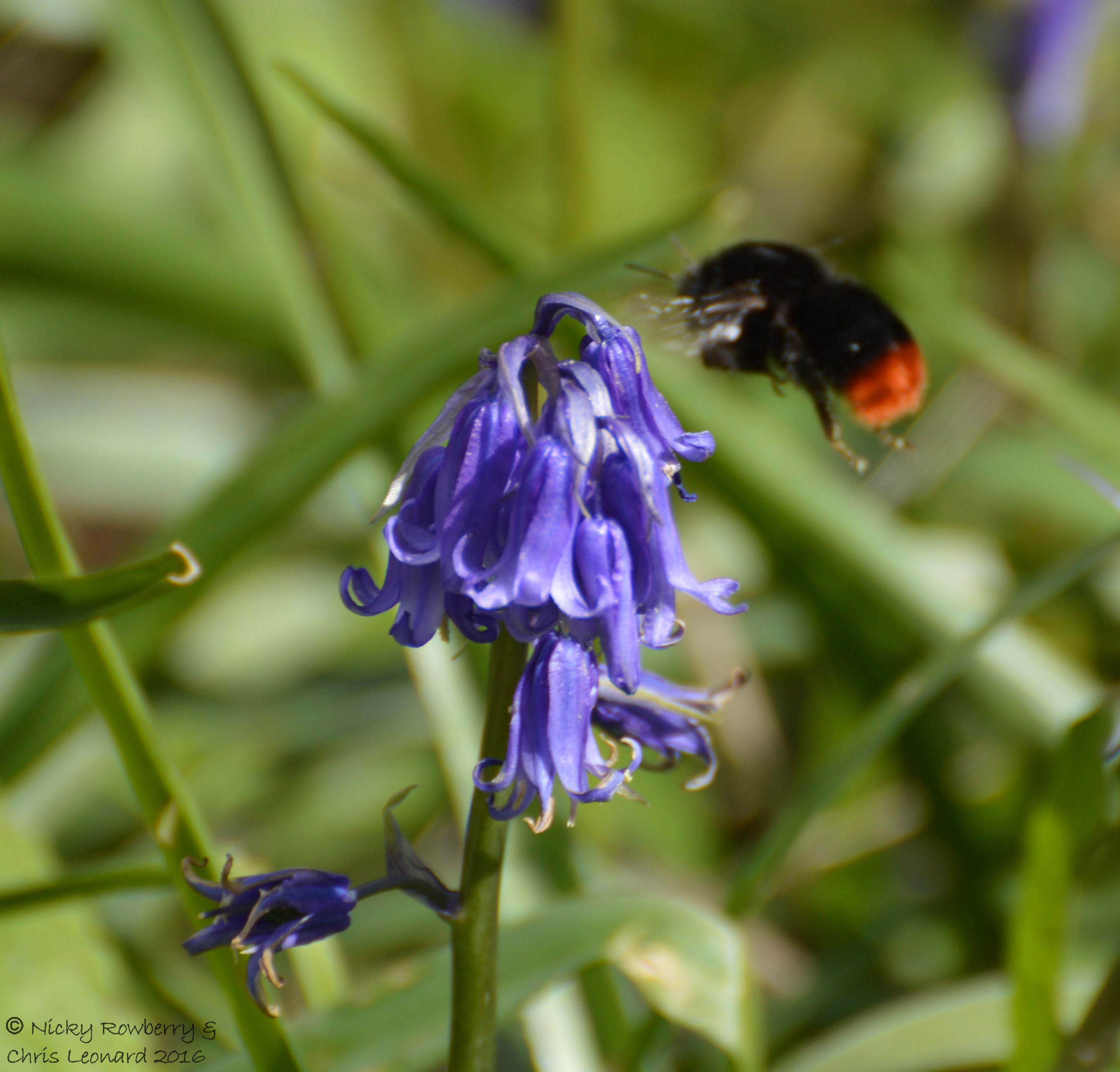
The spring flowers brought out the insects too – sadly no butterflies yet, but the bees were making the most of the bluebells.

Bee on bluebell (1)

Red tailed bee on bluebell


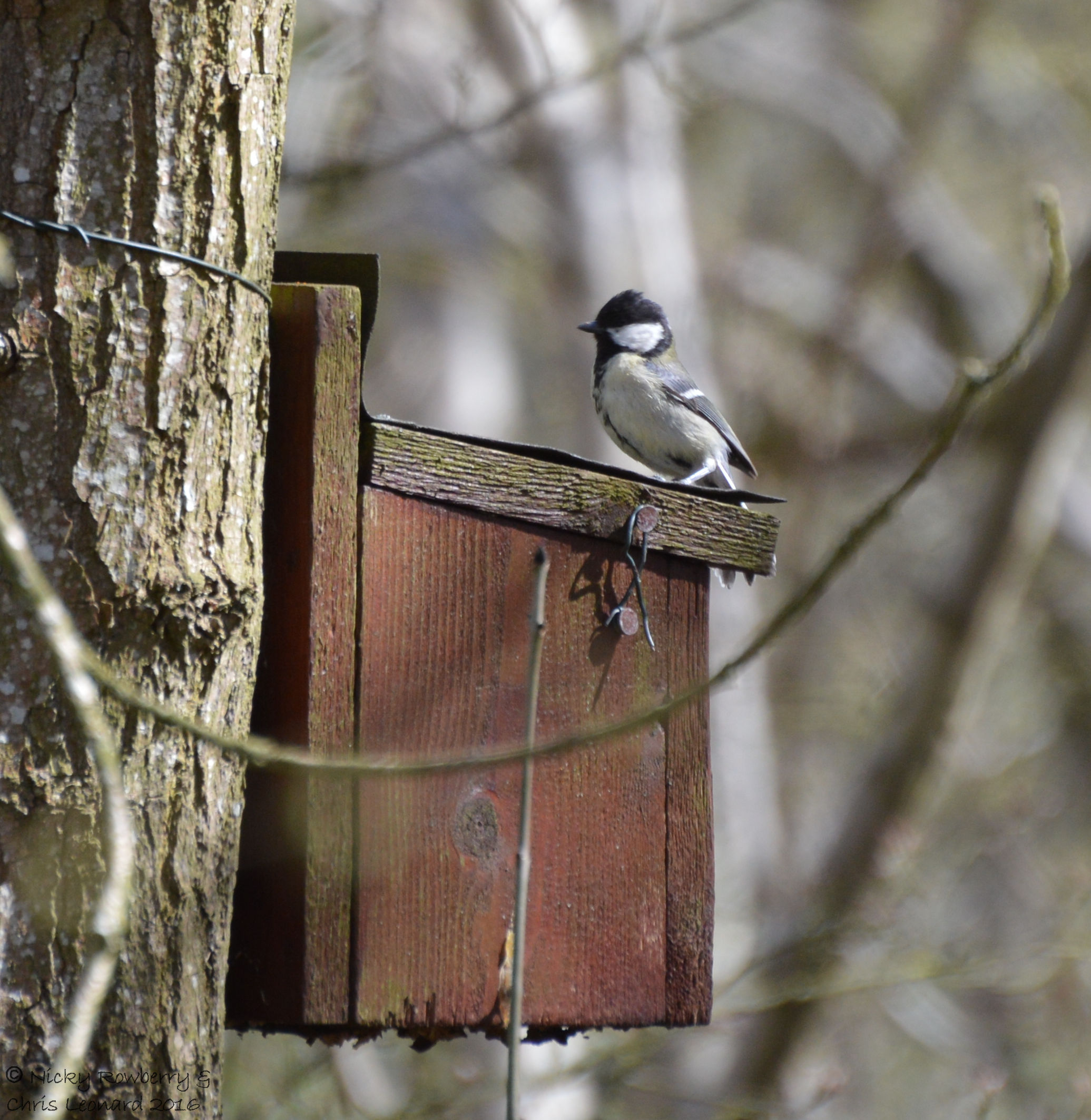
Birds were of course abundant too, although very definitely camera shy. We saw and heard a lot (including woodpeckers in the distance), but the only one we managed to get a recognisable shot of was this Tit on a nesting box.

Tit on nesting box

The wood was exceptionally muddy underfoot after all the recent heavy rain. This had one unexpected benefit – we came across loads of tadpoles in waterfilled footprints on the paths.

For all the bluebells were fantastic, the highlight for me was seeing a deer (a female Roe Deer I think) jumping through the wood right in front of us. Needless to say I was so surprised I didn’t even manage to raise the camera, let alone get a decent shot, so you’ll just have to take my word for it!


A Host of Golden Daffodils

Not sure how many daffodils you need to qualify for “a host”, but what few we’ve got are at their best in the garden right now. They seem to be a lot later than everyone else’s in Malvern, the neighbours daffodils were blooming marvellous about 6 weeks ago; but better late than never.

Daffodils

Yellow is definitely this season’s colour at the moment. Some is of course down to me choosing yellow, such as these crocuses, to brighten up the cold days.

Crocuses 2

But a lot of it is due to the more natural, self seeding “weeds” such as the primroses and dandelions that proliferate in our garden.

Dandelion PrimrosesAll these spring flowers are good news for the insects, which are now starting to arrive in the garden in moderate numbers. The yellowyness of Spring continued with the first butterfly in the garden – a Brimstone. In typical Brimstone fashion it was too fast to get a photo, but we think it was a male as it was bright yellow – the original “butter coloured fly” or butterfly. Hopefully soon one will hang around long enough to get his photo taken. But the good news was that it meant I could log it onto the new online garden butterfly survey – http://www.gardenbutterflysurvey.org/ – my first record for the year.

As well as the first butterflies and bees, the first wasp put in an appearance too. It was a bit dopey and hung about on the fence, warming itself in the spring sunshine for quite a while – good news for my photography attempts. I know wasps aren’t everyone’s favourites, but close up they really are quite stunning!

Common Wasp