30 Days Wild – Day 23

TWT 30 Days Wild_countdown_23Day 23 of 30 Days Wild and it’s starting to feel like we’re on the home run – only a week to go! Once again the car is in the garage, so I was restricted this afternoon to the home turf – quite literally. I decided to get down and see what we’d got in the grass! Not being ones for a pristine lawn, our “grassy areas” are far from a uniform monoculture of one species. We do mow them occasionally, so I’ve at least got somewhere to sit with a glass of wine, but generally they are left to do their own thing.

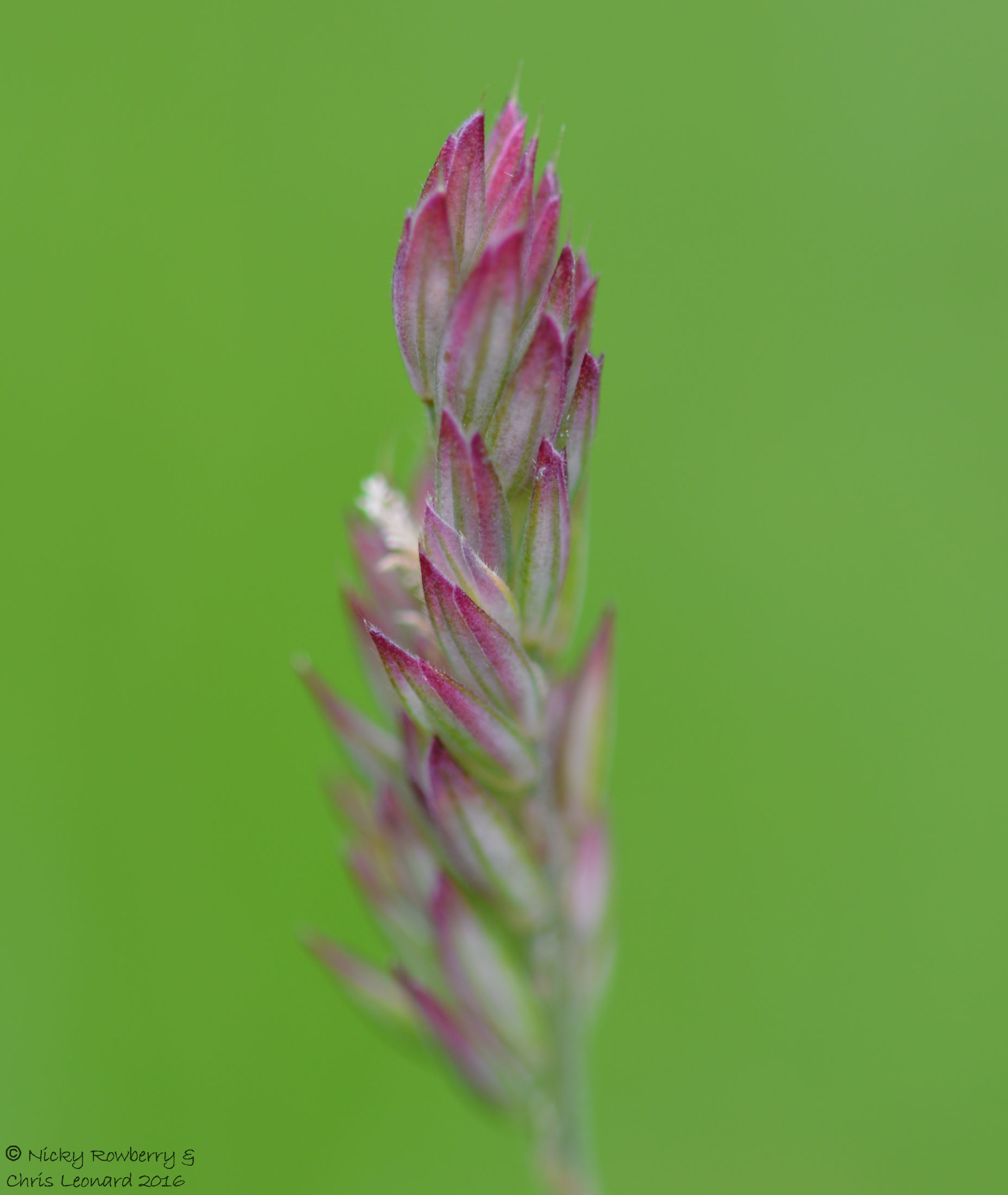
So first the grass itself – when I got down on my hands and knees and started looking at it properly, it is really rather beautiful. Because we’ve let it grow quite long, much of it is currently in flower – delicate and dainty grass flowers blowing in the wind. I’ve no idea whether the 3 photos below are different species, or the same species at different stages.
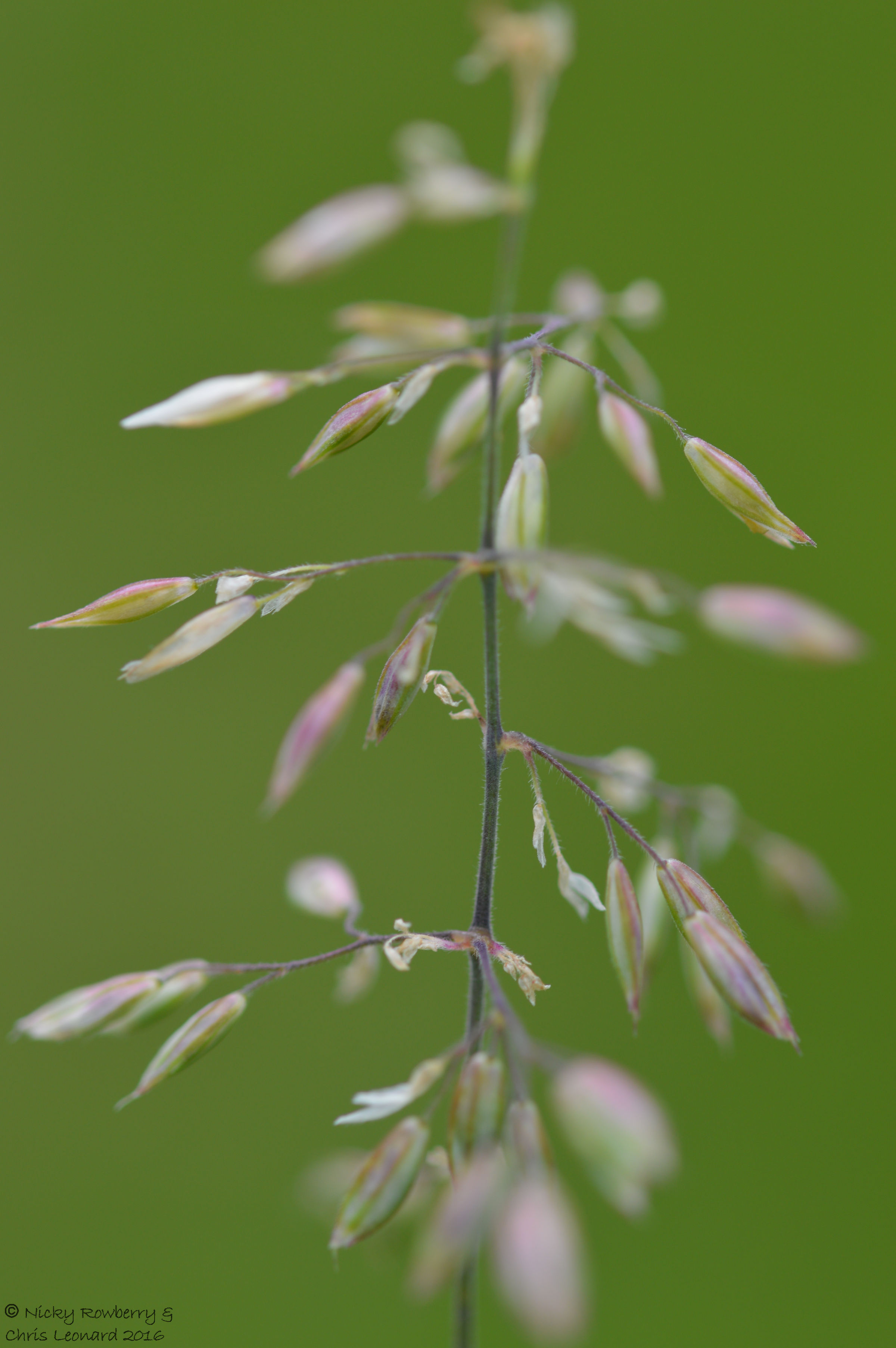
Grass 1

Grass 2

Grass 3

The grass is of course by no means the only green thing in our lawn – in fact I doubt it’s even the dominant plant. Clover covers pretty much the whole area. I know some gardeners do their best to rid themselves of it but why bother? It’s green, you can sit on it and the bees like it – that’s all I really require of a lawn, so if the clover fulfils this rather than the grass, it’s not the end of my world!

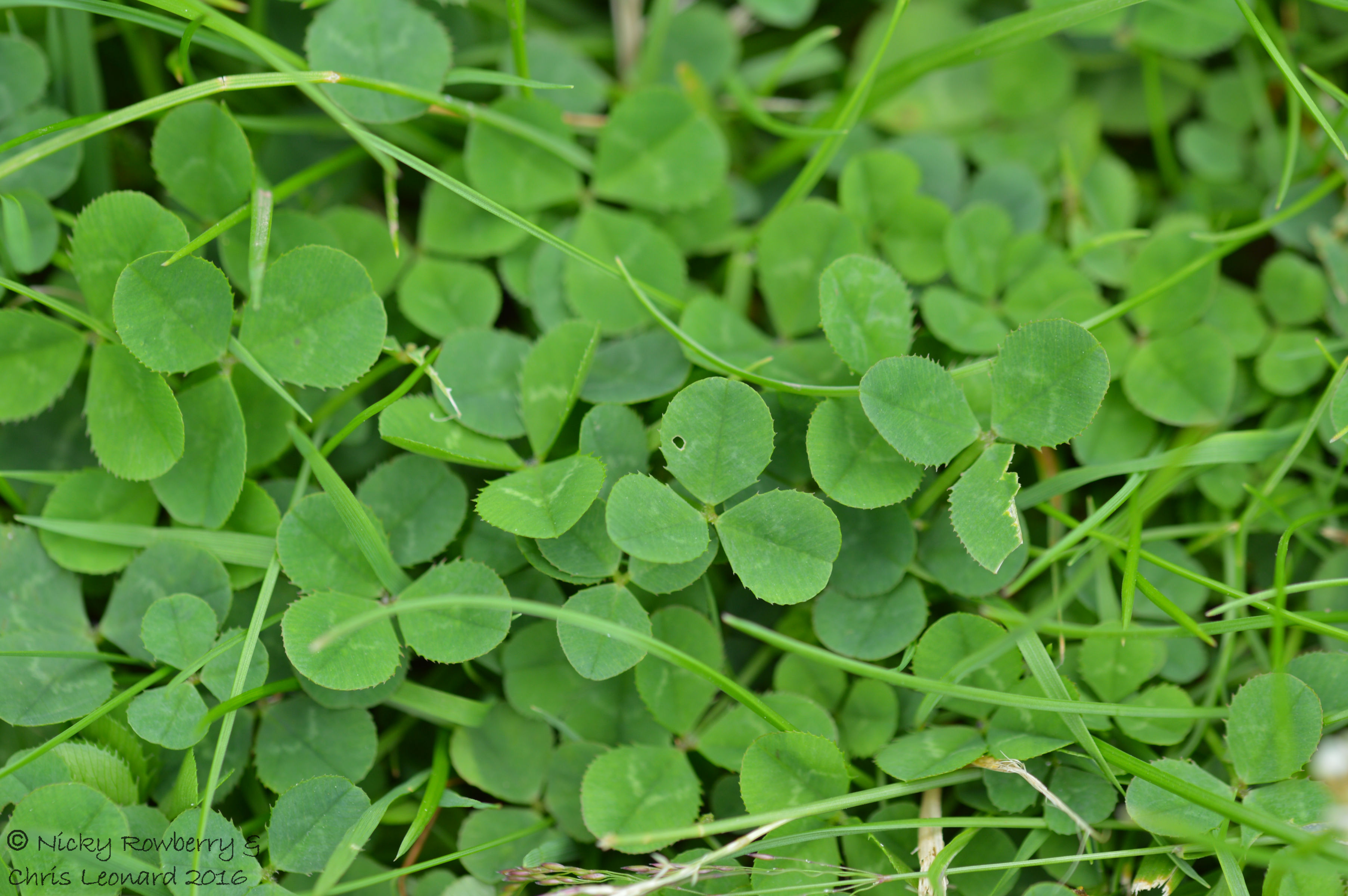
Clover 1

Clover 2

The clover itself is merely another layer, beneath which lies the moss – a lot of moss. The lawn almost feels like a mini forest with the grass providing the upper layer or tree canopy equivalent, the clover providing the intermediate bushes and the moss the low growing ground cover. Moss is not easy to photograph though as I discovered today, it grows at all angles so the camera struggles to focus (honest it’s the moss’s fault not mine for the poor photo!)
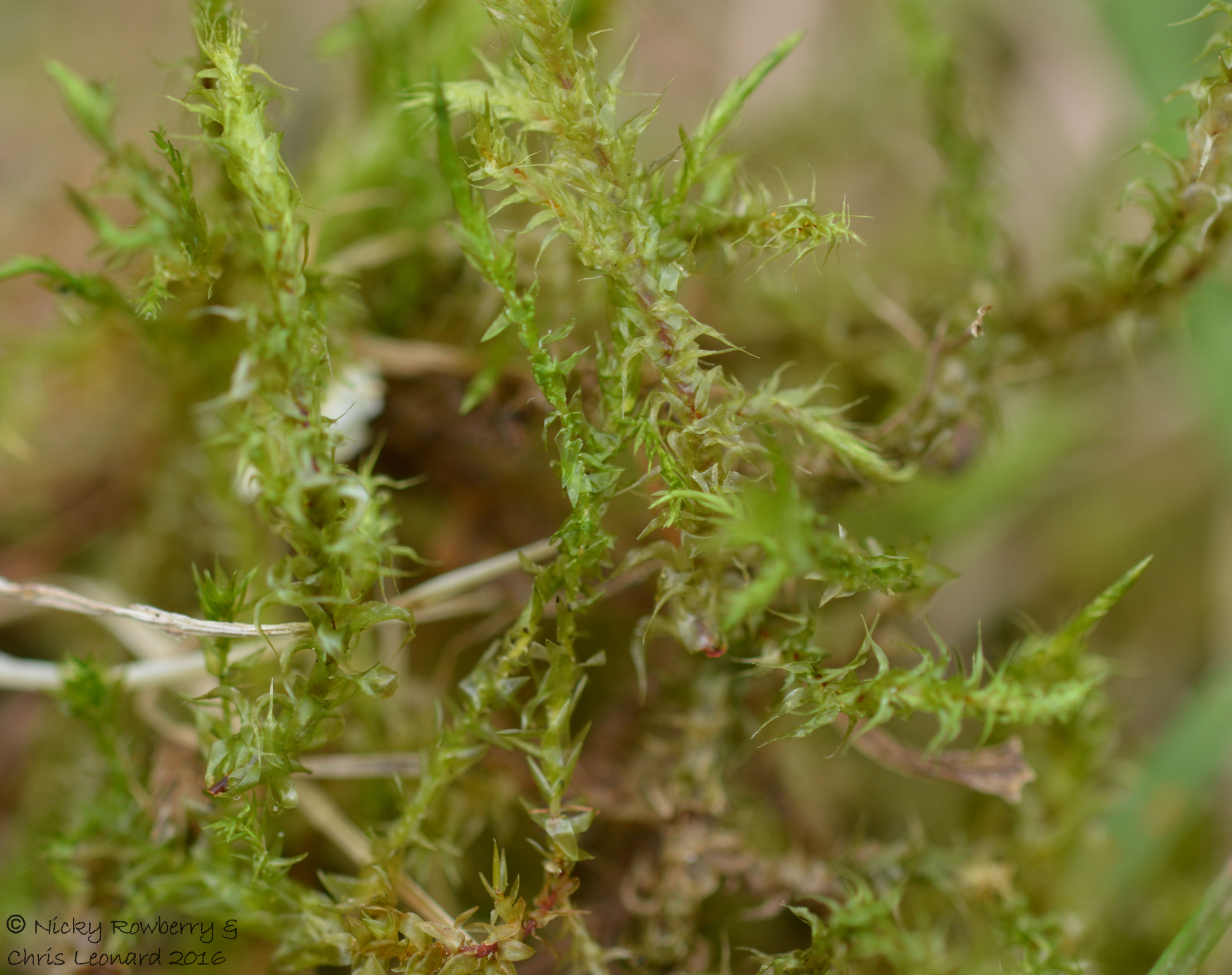
Moss

As well as the “green stuff”, there are of course flowers mixed in too. For some reason we don’t seem to have any daisies in our lawn – no idea why, I’d be quite happy to see them? But we do get Self Heal – a low growing plant with the reputation for healing wounds. It’s actually prettier than this photo indicates, but I couldn’t find any flowers that were properly in bloom yet.

Self Heal

Slightly more obvious are the large flat florets of the Catsear leaves, with their bright yellow dandelion like flowers sticking up.
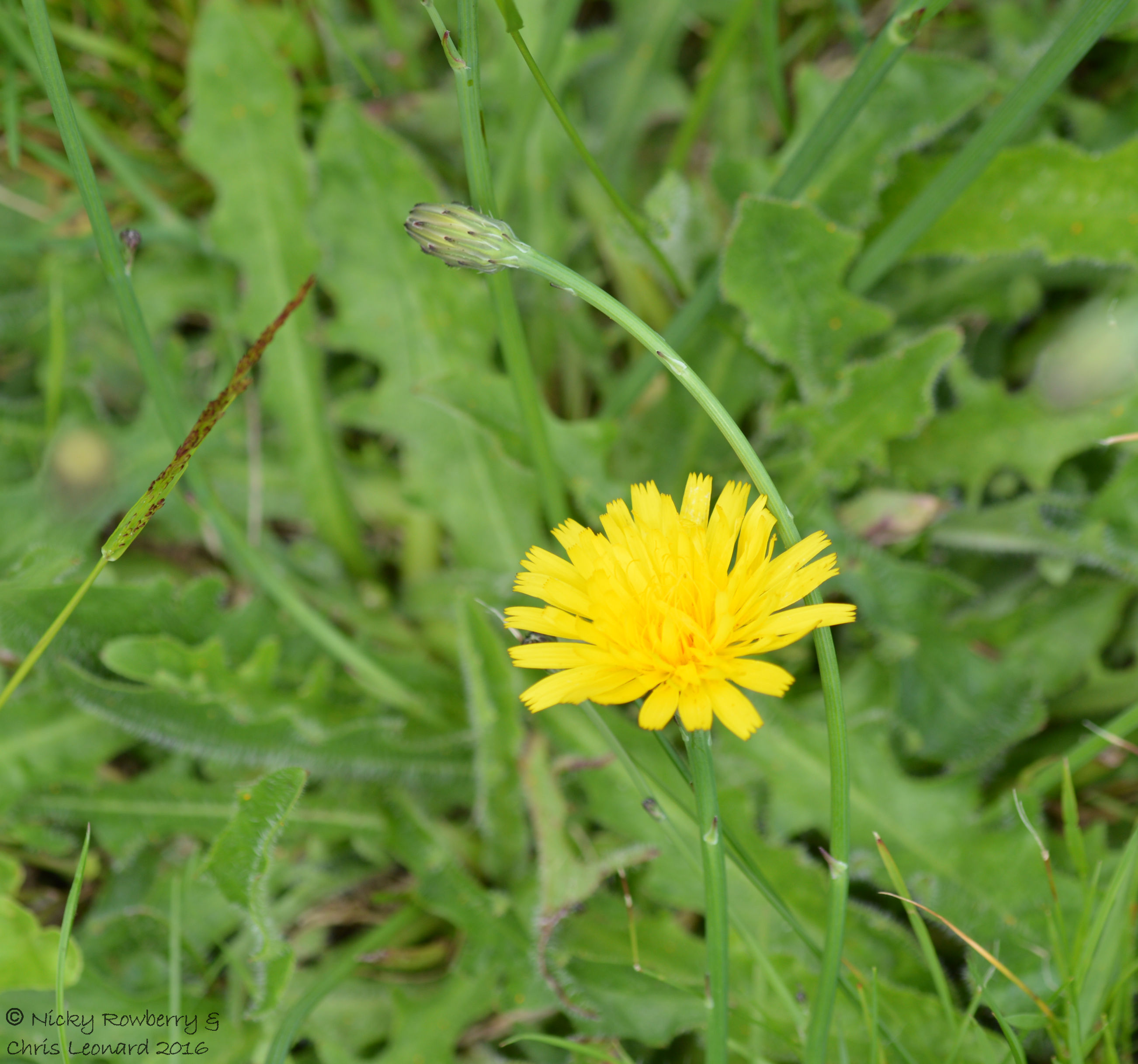
Catsear

I was surprised to find a patch of small mushrooms. Only small and presumably not edible – I certainly won’t be risking it. No idea whether they were “magic mushrooms” but they did look vaguely magical – sort of ethereal against the grass – the stuff of fairy tales perhaps!

Mushroom

The mini jungle that is the lawn has its fair share of fauna too. As I grovelled about trying to take photos – tiny grasshoppers were pinging left, right and centre.
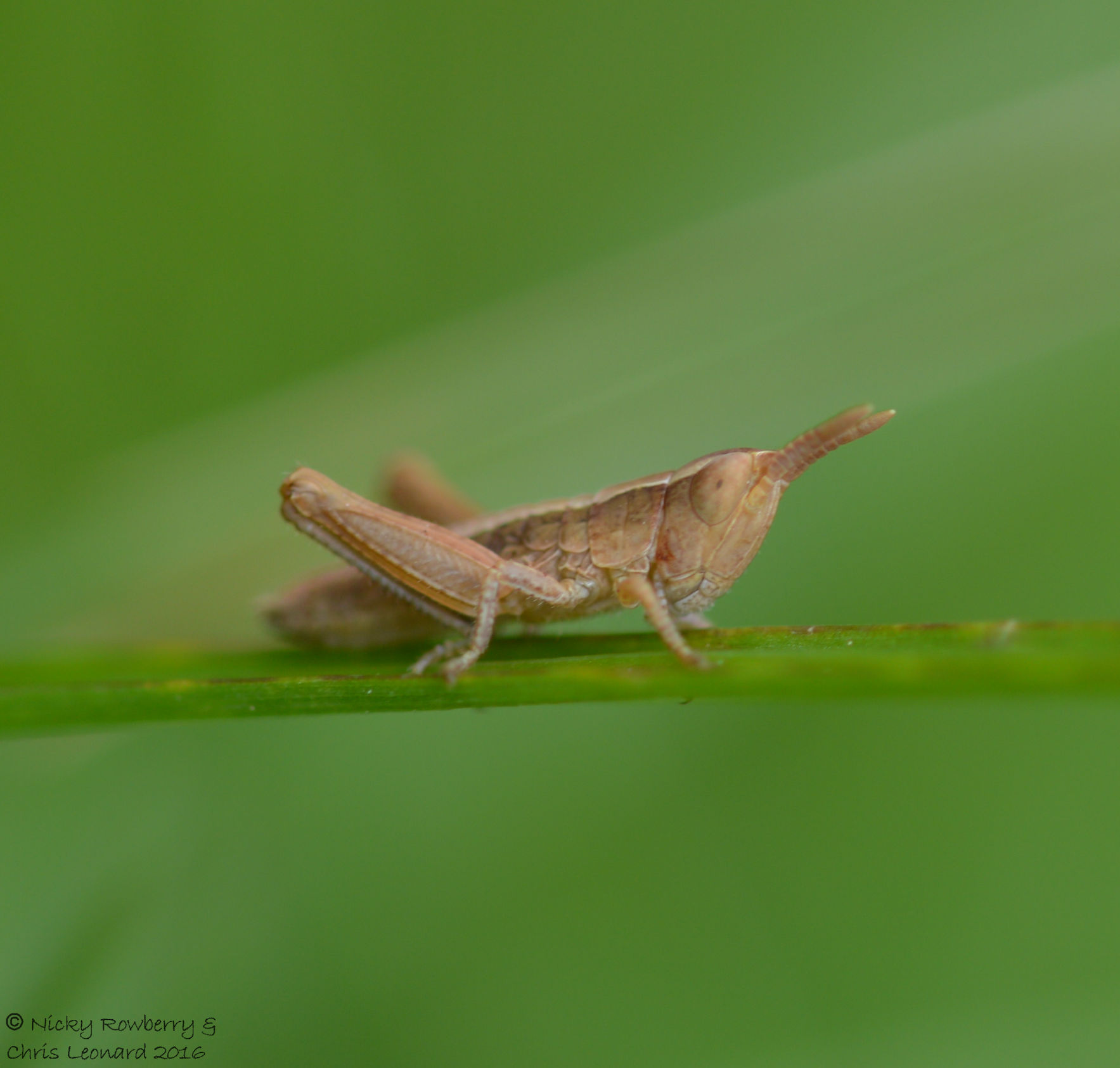
Grasshopper

The other animals leaping about were froghoppers – tiny little insects that can jump (or hop I suppose) a long way compared to their body size. It took several attempts chasing one round the grass to get this one even roughly in focus. They can be very brightly coloured, although this one is a more muted species.

Leaf hopper

Ants nests are a common feature of our lawn, but like the moss I found the ants virtually impossible to take photos of. Never realised how fast they moved, until I tried to focus in on one!
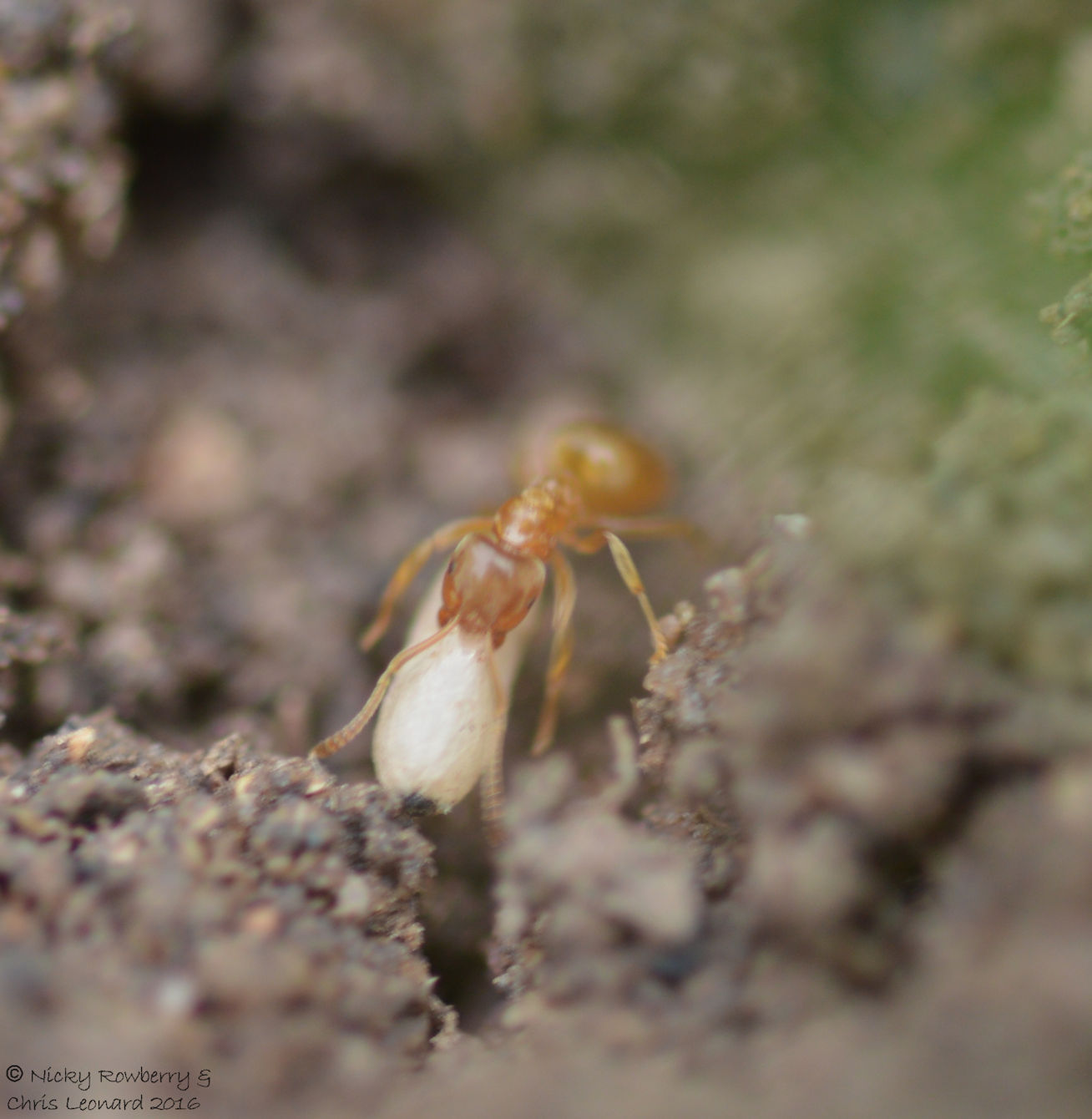
Ant

So that was my mini grass safari. Really interesting to get down to that level and see what you can find. It wasn’t all lovely though – I did come face to face with a mummified frog and quite a lot of hedgehog poo, but even that I suppose shows we’ve got frogs and hedgehogs in the garden, so I should be pleased!


Fox and Cubs 30 WEEDSAnd finally today’s weed for 30 Lazy Garden Weeds – the intriguingly named – Fox and Cubs. It is apparently called this because the unopened flowers (the cubs) hide behind the fully opened ones (presumably the fox). It’s a type of Hawkweed and related to the dandelion. We only seem to get it in our front garden for some reason, growing up through cracks in the paving. It’s a cheery looking little flower though and one of the few orange ones we get, so I’m happy for it to stay.


30 Days Wild – Day 22

TWT 30 Days Wild_countdown_22Day 22 of 30 Days Wild and it’s Wednesday, which means pub lunch with my Dad – today it was the delightful little town of Presteigne just over the Welsh border. It always feels like we’ve stepped back in time when we go there – Presteigne seems to run at a gentler, slower pace of life than anywhere else.
Anyway, don’t know if it was the Presteigne effect or what, but I decided to go back in time and explore Dad’s garden looking at things like I did when we were kids. My sister and I spent an awful lot of our childhood knee deep in mud and water in the stream that ran alongside our garden or just generally mucking about outside. The joys of a 1970s childhood!

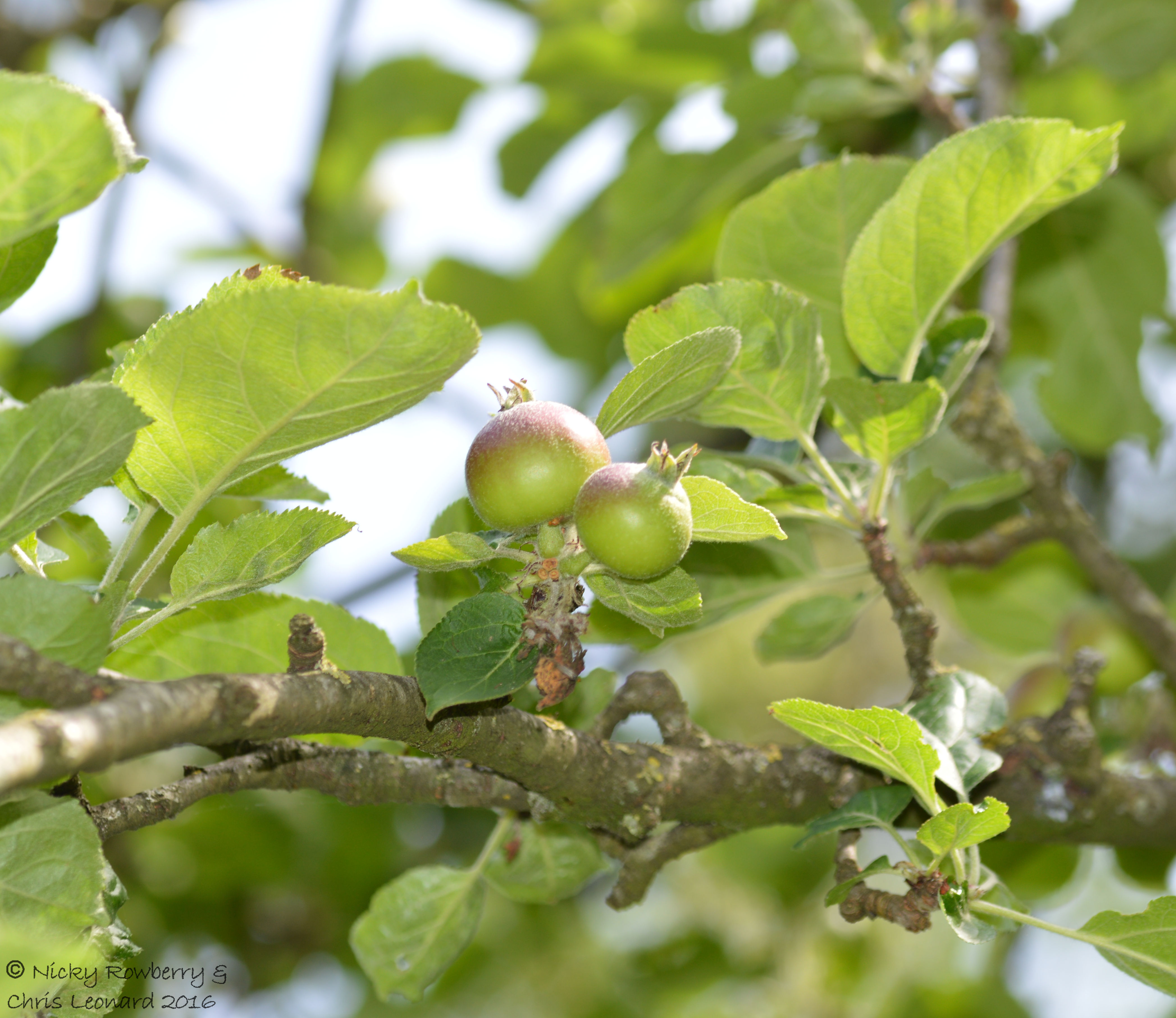
We grew up in Herefordshire in a small village in a house that had been built on an old orchard. Our garden still retained quite a few apple trees which, when we were kids, were still quite productive – we even earned money occasionally picking the apples and selling them to a local farmer; we probably only got a few quid, but as children it seemed like we’d made a fortune! Now (more years later than I care to calculate) most of the trees have gone – mainly fallen in high winds as they got too old and brittle. There are a few left, like this cider apple one, which is still fairly sound and producing apples.

Apple tree

Apples

Several of the others though are little more than tall hollow stumps. This one had bits of wool around the hole, so unless the local sheep have started climbing, I think the hollow trunks are being used for bird nests, which is great.

Hollow apple tree

Several of the trees have clearly been choked by ivy growing up them. It’s probably a good job they weren’t like this when we were kids, or we’d have tried to climb them. (I’m old enough and heavy enough now not to consider this today!)

Ivy on tree

All the apple trees are covered in mistletoe. It is a little family ritual still that every year we pick big bunches of mistletoe from the apple trees for Christmas – there’s something lovely about growing your own Christmas decorations!

Mistletoe

I was really pleased that the elderflower was in bloom in the garden. This too brought back childhood memories. We used to fill buckets with the flowers then turn them into “Elderflower Champagne”. No idea whether it was actually alcoholic, but we drank it as children (may explain a lot about my later life!) It was quite explosive – I seem to remember being woken in the night by bottles exploding in the kitchen on a fairly regular basis. As smaller children we used to make elderberry “pies” – basically a bowl of mushed up elderberries that no-one would eat.

Elderflower

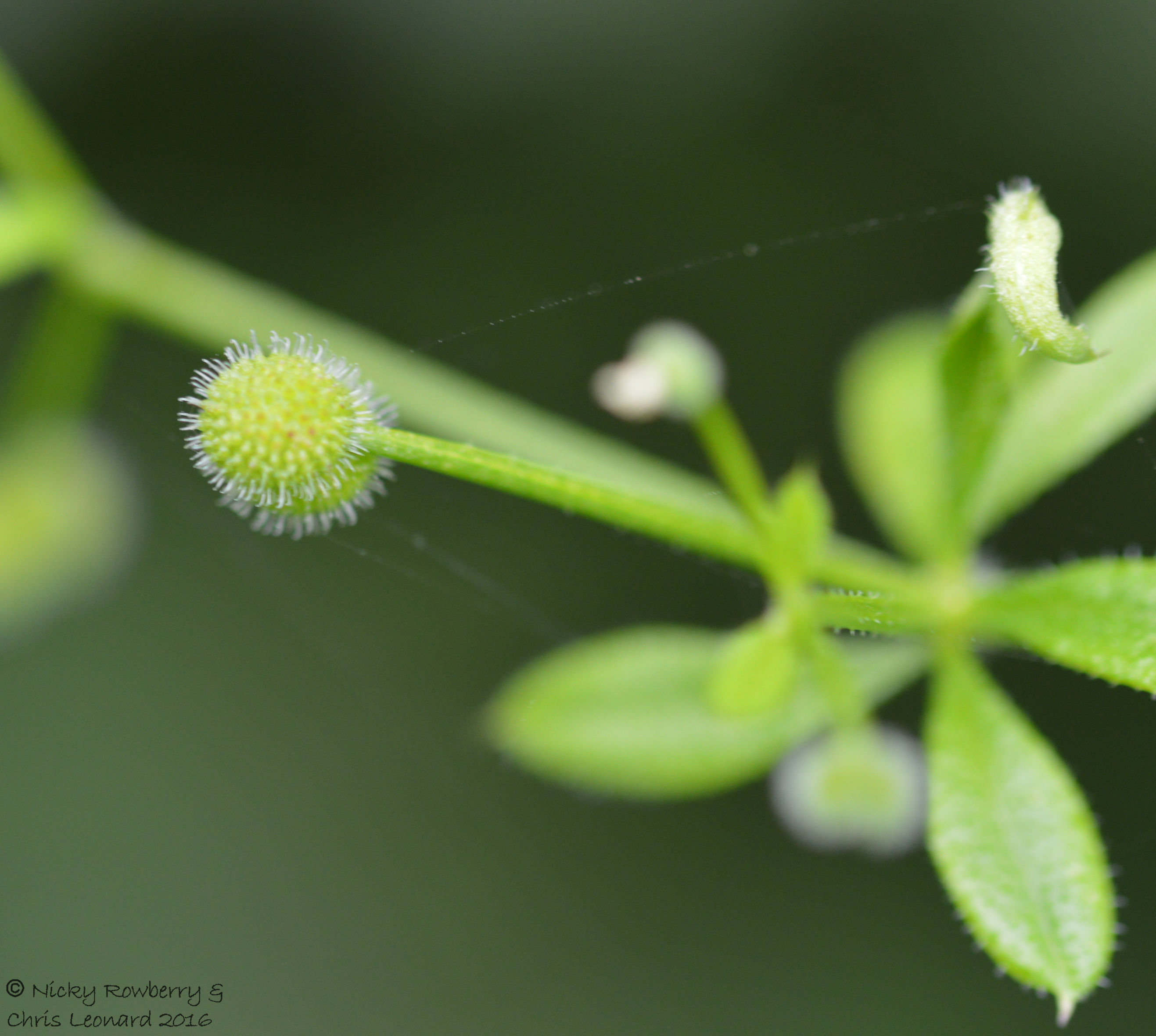
The bottom of the garden is a bit overgrown (just how I like my gardens). One plant that is doing particularly well is Cleavers – or as we called them as kids – sticky buds. Childhood days in the garden always ended up with both us and the cats coming back inside covered in these.

Sticky Buds

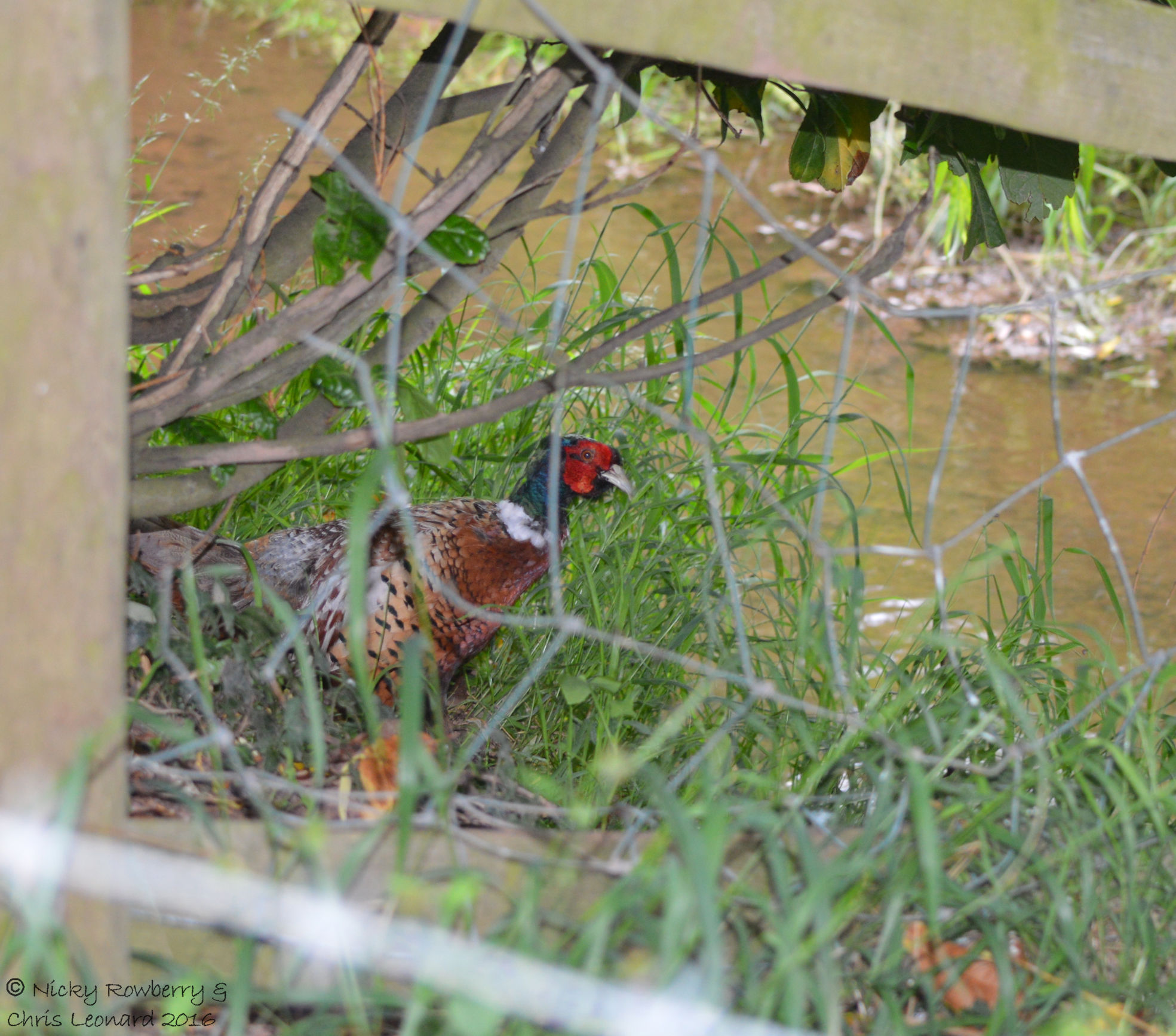
Dad’s garden is always full of birds and today was no exception. As I walked down to the bottom, a buzzard flew out of a tree – he’d clearly spotted me before I spotted him. Needless to say he was too quick for me to get a photo. I had more luck with a pheasant that was wandering by the stream, but they don’t feel like much of a challenge.

Pheasant

I could hear lots of the birds this afternoon in the garden, but there’s one that really evokes childhood for me. It’s nothing fancy or rare – just the sound of pigeons cooing at each other.  You can hear them on and off all day. Even now if I hear them in my own garden and close my eyes I am transported back to my parents’ house – for me it’s always been a very comforting sound.  One thing I noticed while trying to get a recording of them today, was that there’s a lot more traffic going past Dad’s house than there was in the 1970s – I suppose that’s inevitable, even though his house is pretty much out in the sticks. So it took several goes to record them without too much traffic noise in the background.


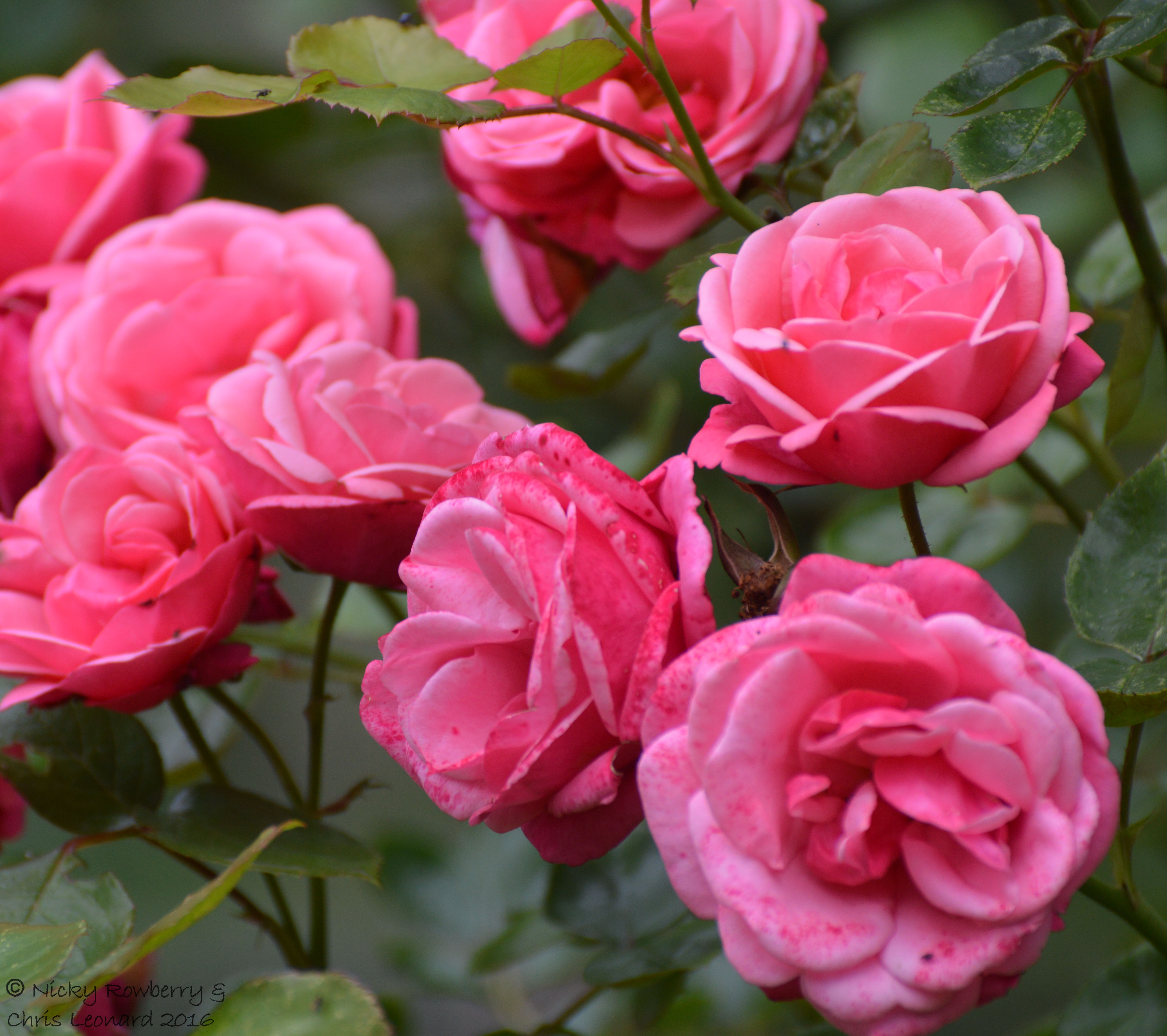
They say smell is a very evocative sense when it comes to recalling memories. Dad’s garden has a lot of old fashioned roses – ones that are actually scented and smell like roses should. They are big, blousy varieties – one of which Dad took from his mother’s garden back in the 1960s! Sniffing them today reminded me of the garden in summer’s past. Roses today from shops just don’t smell like this.

Roses

Roses 2

The stream that runs alongside the garden was one of the main sources of entertainment for us as children. The stream is still there, although it’s a bit harder to get to now. Of course it could just be that the middle-aged me is less flexible climbing through fences than the childhood me was! It is only a small stream that feeds into the River Lugg and it’s possibly not the most picturesque (the various deposits from the farm next door add to the ambience shall we say!), but for me it will always be a special place.

Stream

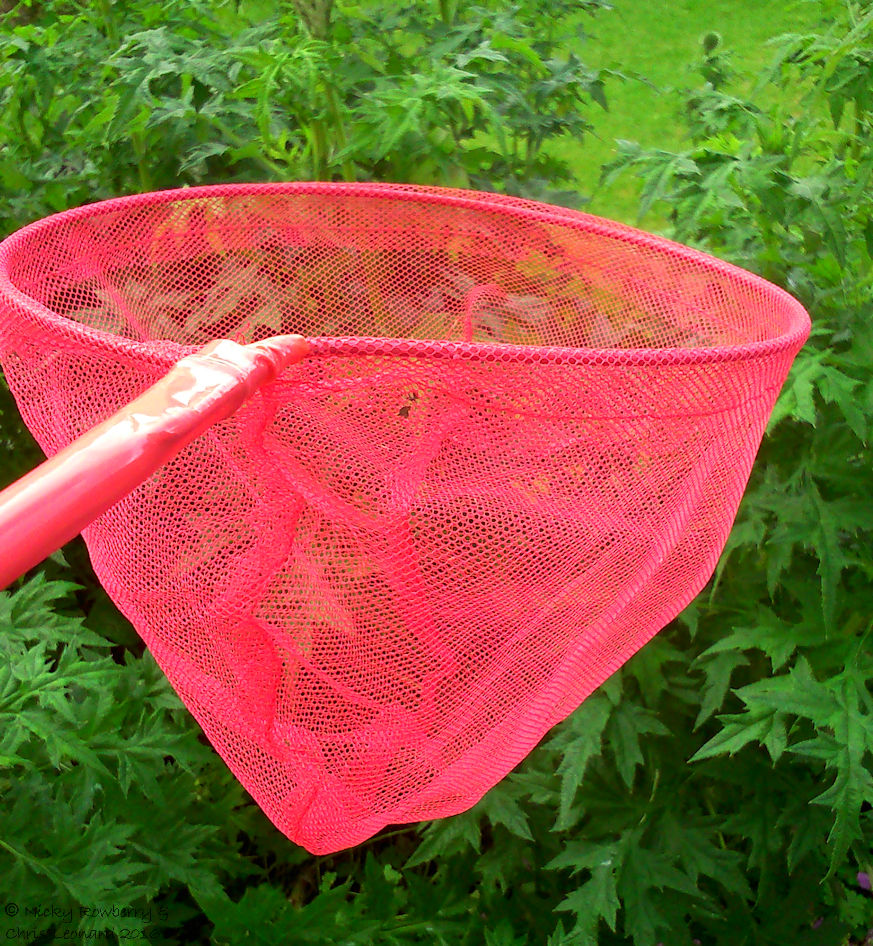
We used to spend endless hours fishing for minnows and sticklebacks, which we’d then keep in an old paddling pool. With hindsight the poor things probably didn’t enjoy the experience very much, but we (and the cats) were enthralled by them. So in honour of my childhood I borrowed a kid’s fishing net from my sister (who also kindly took a photo of it when I realised I’d forgotten to do so). It was quite a deluxe model compared to the ones we had as kids, which just had plain canes and nets that were always getting torn and having to be repaired!

net

Grabbing the net, I scrambled through the fence and down to the stream. Standing there, net in hand, peering into the water I was 10 years old again. Happy Days. And much to my surprise (and his) I caught a stickleback. A Spineless Si of my very own (if you didn’t watch Springwatch last year you won’t know what I’m on about here), except this one did indeed have spines. He didn’t look very impressed by the experience though.

Stickleback

Stickleback 2

This Spined Si was of course released back into the stream as soon as I’d photographed him (no overheated paddling pool for him!) and I hope the whole experience wasn’t too traumatic for him.

Of all the things I’ve done on 30 Days Wild – I think fishing in the stream today, with a cheap plastic net, catching a stickleback, is probably the best. It’s easy to view your childhood with rose tinted spectacles, but I do truly think we were very lucky to grow up where we did and how we did. It was things like this, that left me with a lifelong love of nature and set me on the path I’ve taken for the rest of my life – all thanks perhaps to a few small fish.

Bramble 30 WEEDSAnd to finish as always the latest weed in my 30 Lazy Garden Weeds – the Bramble, seen here with a Honey Bee making the most of it. We have a dense thicket of brambles at the end of our garden, separating us from the neighbours. When the brambles are in flower they are abuzz with bees. And of course in the late summer we are rewarded with a plentiful supply of blackberries – the beauty of organic gardening is we don’t need to worry about there being any chemicals on these – although I do make sure we only pick those out of reach of cat’s scent marking the garden!


30 Days Wild – Day 20

TWT 30 Days Wild_countdown_20Day 20 of 30 Days Wild and it’s the mid summer solstice – extra time to do something wild! It’s also the start of National Insect Week – a celebration of all things insect related. I could have marked the summer solstice by staying up all night, but since I’ve got work tomorrow, it seemed more prudent to celebrate National Insect Week instead!

NIW_Logo_FBWe’re lucky in that we get loads of insects in the garden, so I thought I’d have a look this afternoon and see how many of the different groups of insect I could find. Insects are an incredibly diverse group, but all have an exoskeleton, 3 pairs of legs and a three part body. It’s amazing how you can take that basic body scheme and turn it into such a wide variety of shapes and sizes!

So in no particular order here are some of the insects I found in the garden this afternoon. First up the ants, surely one of the most populous insect groups on earth. I’ve no idea what species we’ve got, forming an ant hill in our lawn, but we’ve got an awful lot of them!

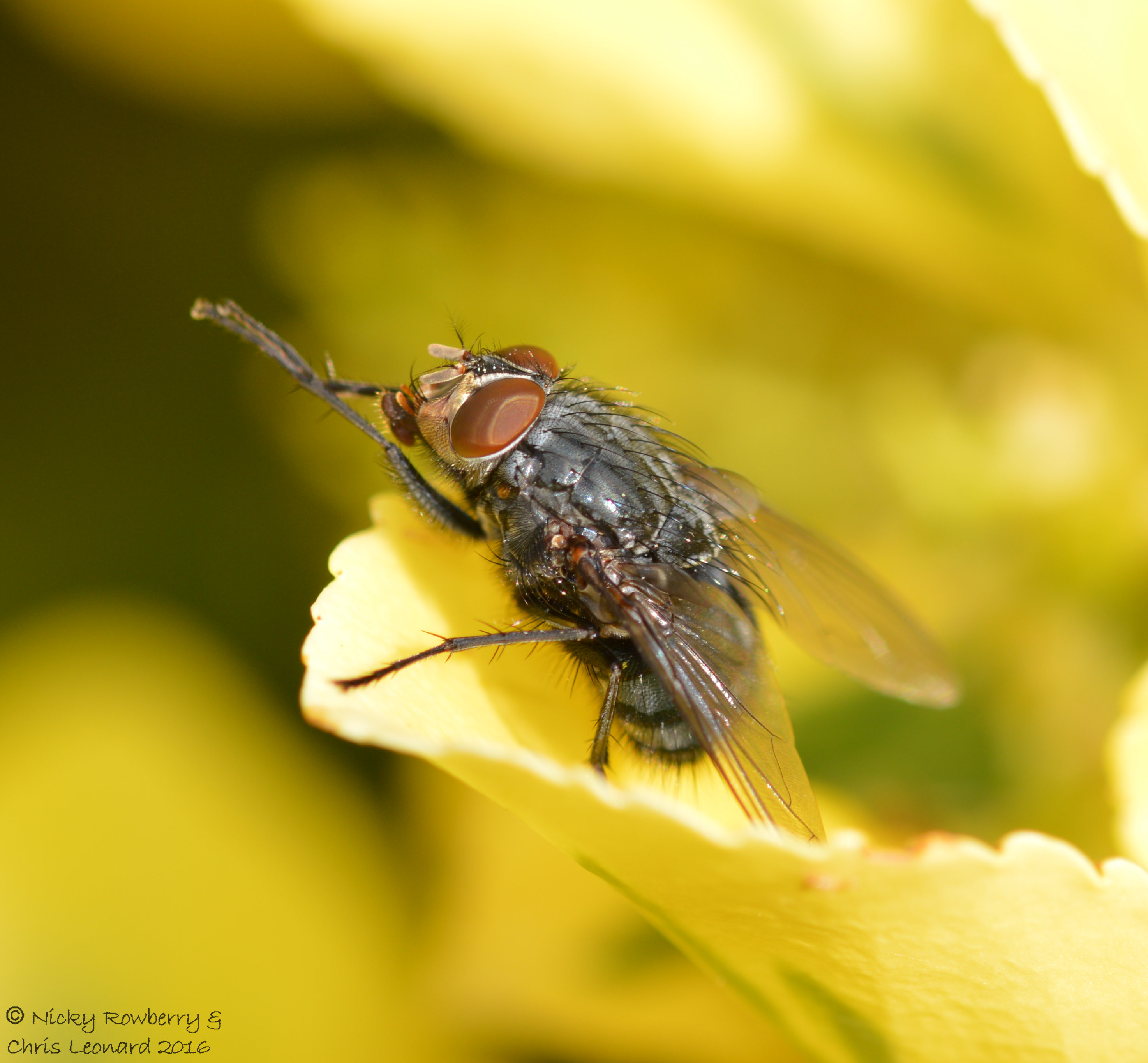
Flies may not be the most popular or the most attractive group of insects, but they are fascinating when you look at them close up like this. (Photos like this do always remind me of the Jeff Goldblum film The Fly though!)

Fly

Hoverflies belong in the same group (Diptera) as the fly above – they are all considered True Flies. We get loads of hoverflies in the garden, although of course few showed their faces tonight because I was looking for them. Some are small and skinny like this Sphaerophoria species.

Hoverfly Sphaerophoria

While others are bigger and chunkier like this Common Drone Fly (Eristalis tenax), which looks more like a bee.

Eristalis tenax

Aphids or greenfly are not true flies and are certainly the bane of many a gardeners’ life. But they all have their place in the food chain, being fodder for amongst other things the ladybirds.

Aphids


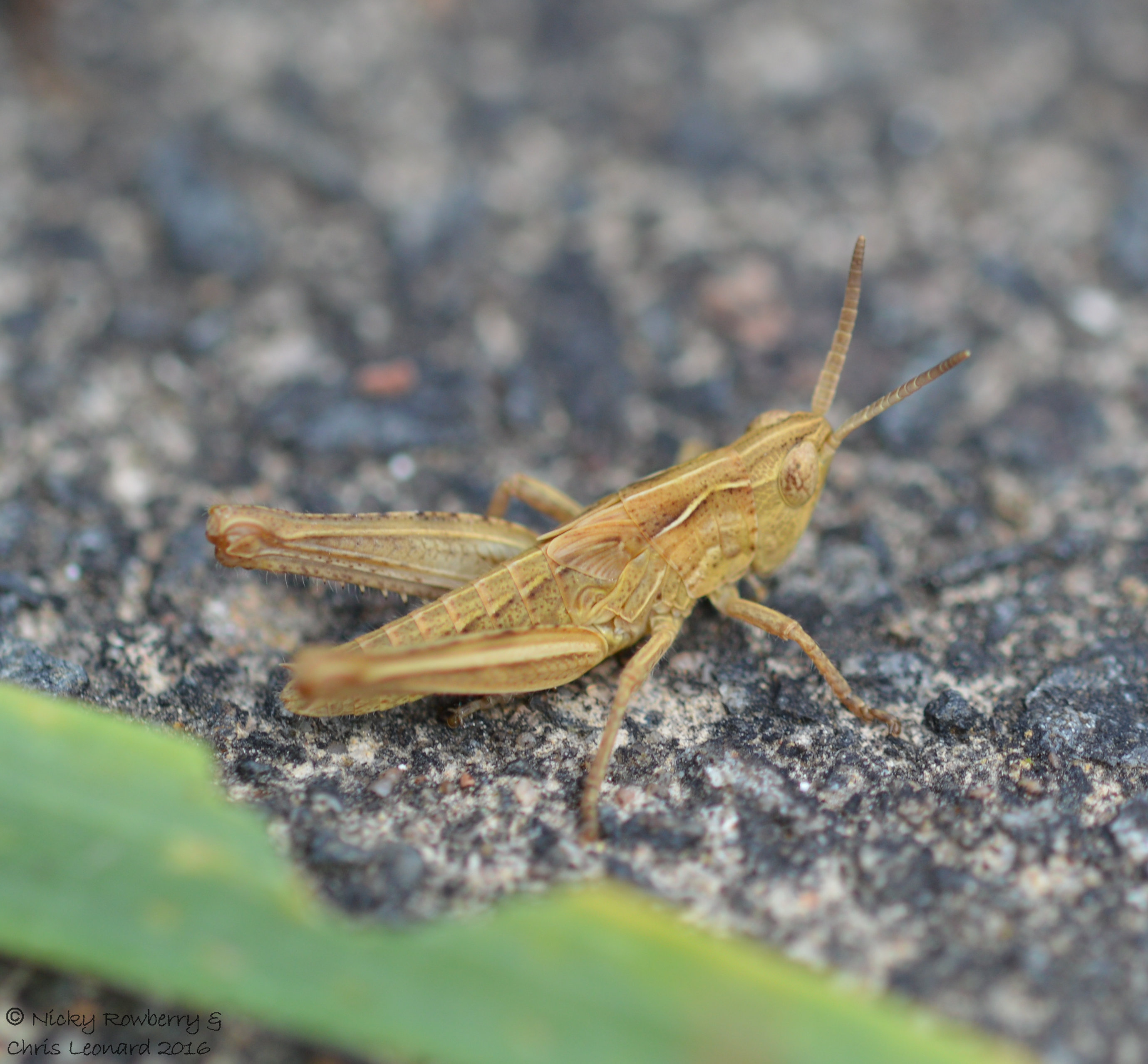
Crickets and grasshoppers are just starting to appear again in the garden. This grasshopper was pinging about our very weedy drive when I got home today.

Grasshopper

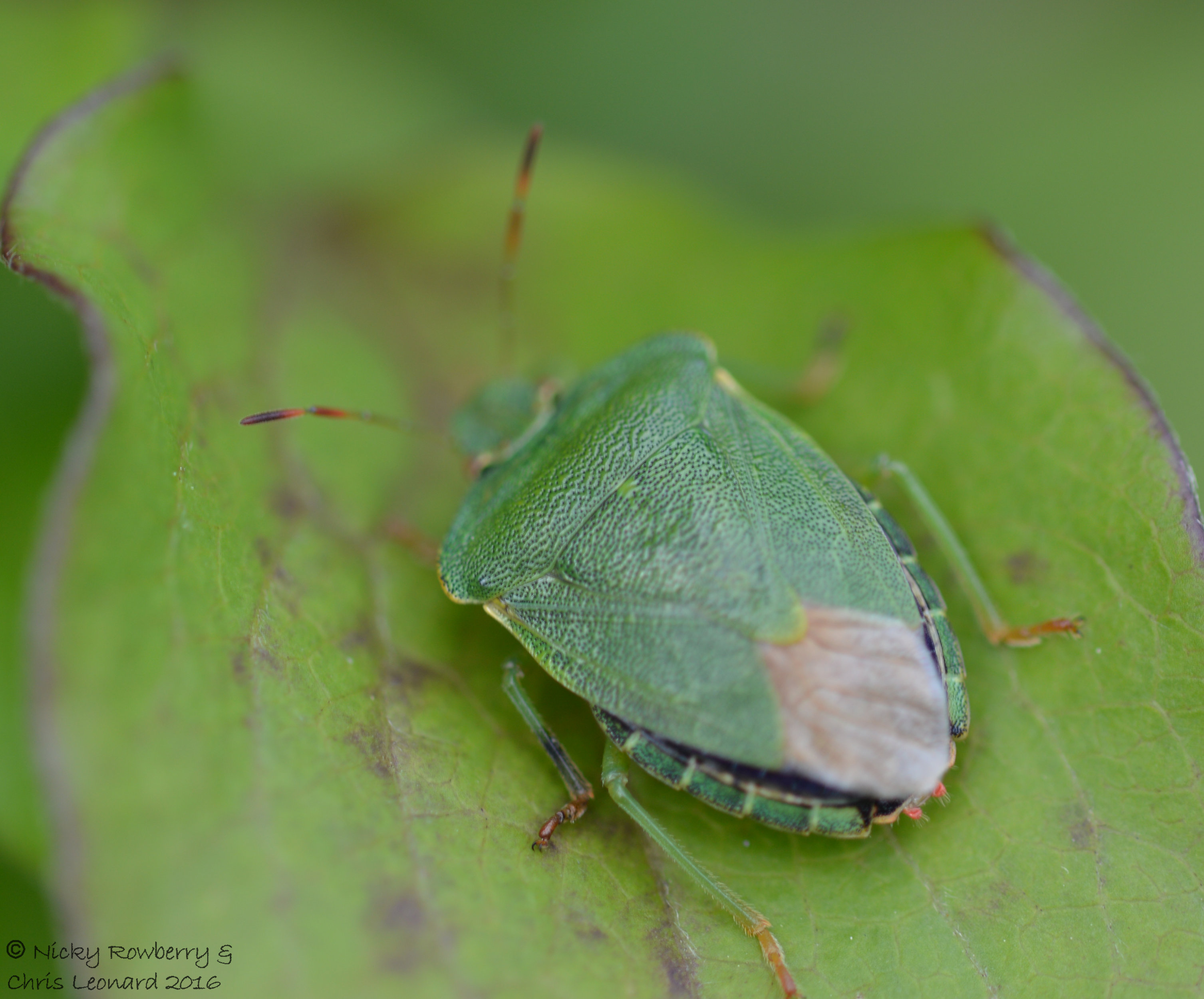
Shieldbugs like the one below are in the same super group of insects (Hemiptera) as the aphids, although they don’t look anything like each other.

Shieldbug

I had hoped a butterfly would make an appearance, but none obliged this afternoon. So the Lepidoptera today are represented by the only moth I could find – this Mint Moth. In the summer we have loads of these fluttering around the herbs – they don’t restrict themselves to just mint!

Mint moth

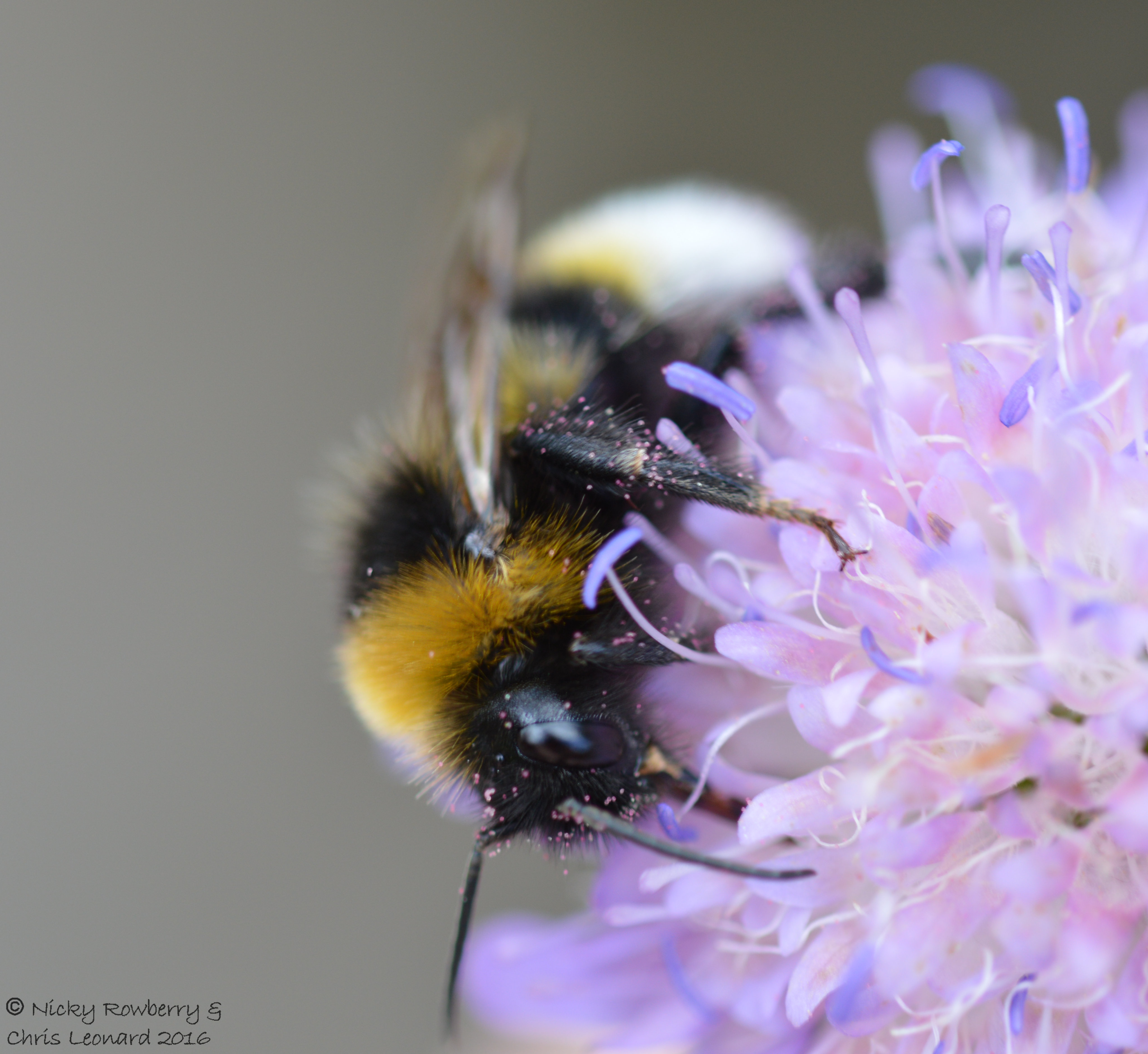
Of course I had to include a bee photo. Although there were plenty flying around this afternoon, it was a bit windy, so I had problems with the flowers blowing around as I tried to take photos. I think this is just about recognisable as a Buff-tailed Bumblebee though.

Bumblebee

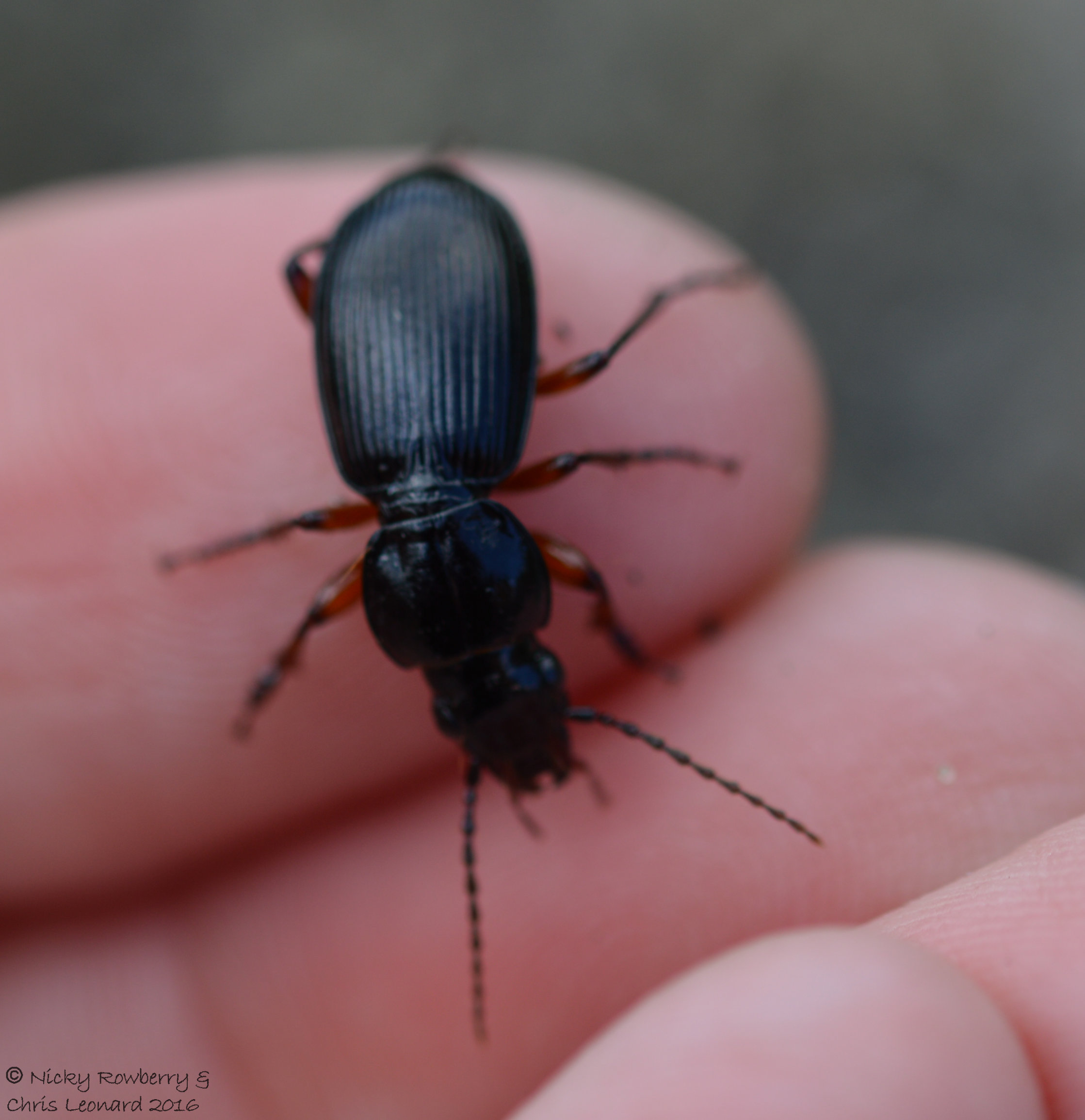
Beetles make up the group Coleoptera and again are hugely diverse. I found this one in the pitfall trap this afternoon.

Beetle

So that’s all the insect groups I could find today in the garden. Not bad although there are of course lots of others not represented – dragonflies & damselflies, earwigs, ladybirds (although these are a type of beetle), froghoppers, lacewings, caddisflies – the list goes on. Over an average summer we’ll see examples of most of these in our garden – you just need to look and it’s surprising what you can find.

Foxglove 30 WEEDSAnd finally as usual another “weed” from our garden for my 30 Lazy Garden Weeds. This time the Foxglove. I was so pleased to find this growing under the apple tree this week. I’ve tried a few times to get them to grow in the garden – scattering seeds with no success. But this one seems to have seeded itself in here all by itself. Hopefully it will be the first of many. The bees love them and so do I!


30 Days Wild – Day 18

TWT 30 Days Wild_countdown_18Day 18 of 30 Days Wild and we’re Malvern bound as the car is in for its MOT, so no grand excursions today! So I decided to spend a bit of time in the garden and review how my “wildflower meadow” was progressing. Meadow is probably a bit of an exaggeration as it is very small – more of a meadowlet on what used to be one of our veg patches.
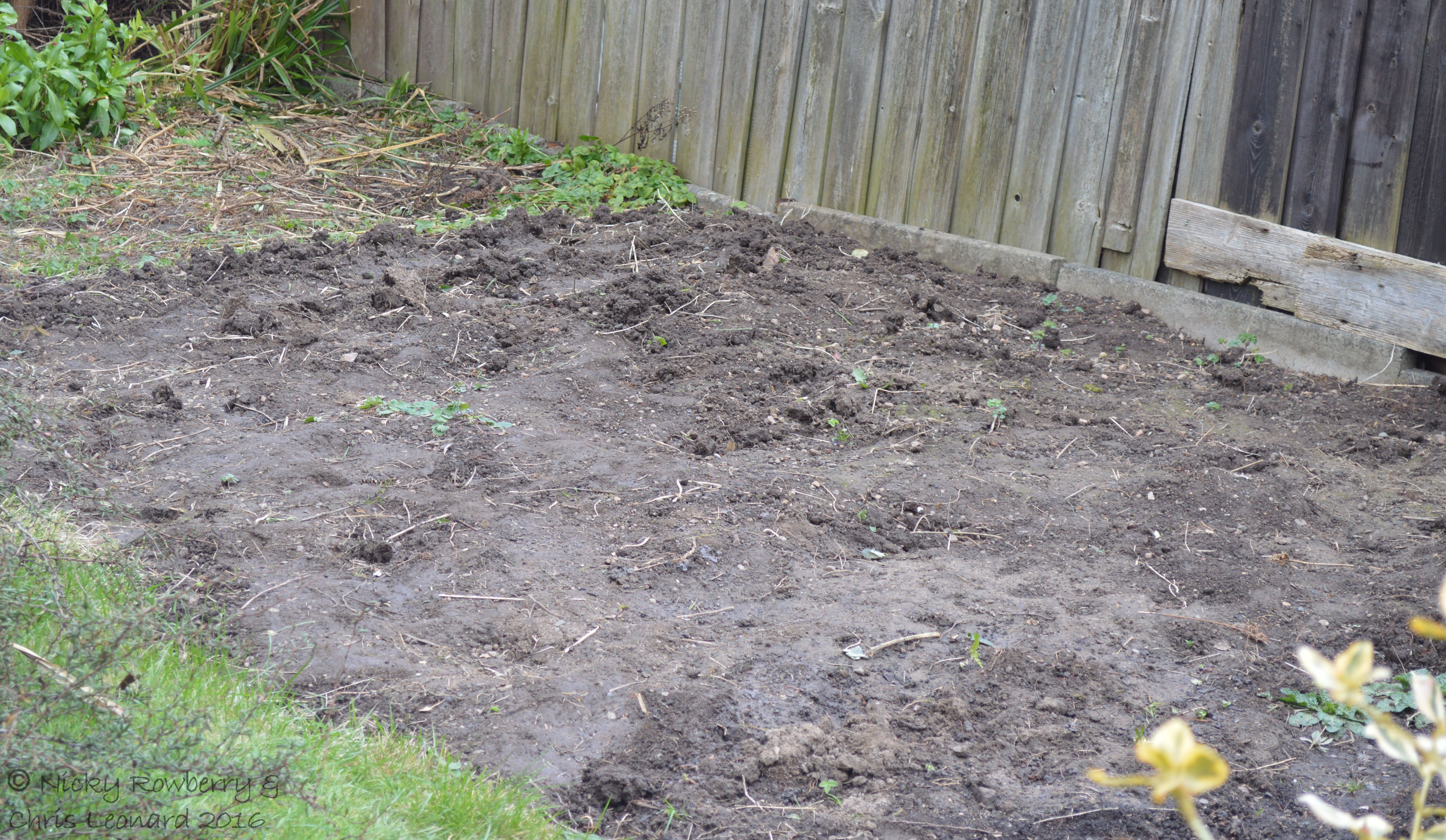
Back in March this is what the old veg patch looked like. We were rubbish at growing veg as we didn’t water or weed regularly enough, so we figured we might as well turn the patch into something more wildlife friendly.

Meadow before

And this is what it looks like today. Shame it wasn’t a sunnier morning for photographs, but it’s amazing what a difference a few short months have made.

Meadow 2

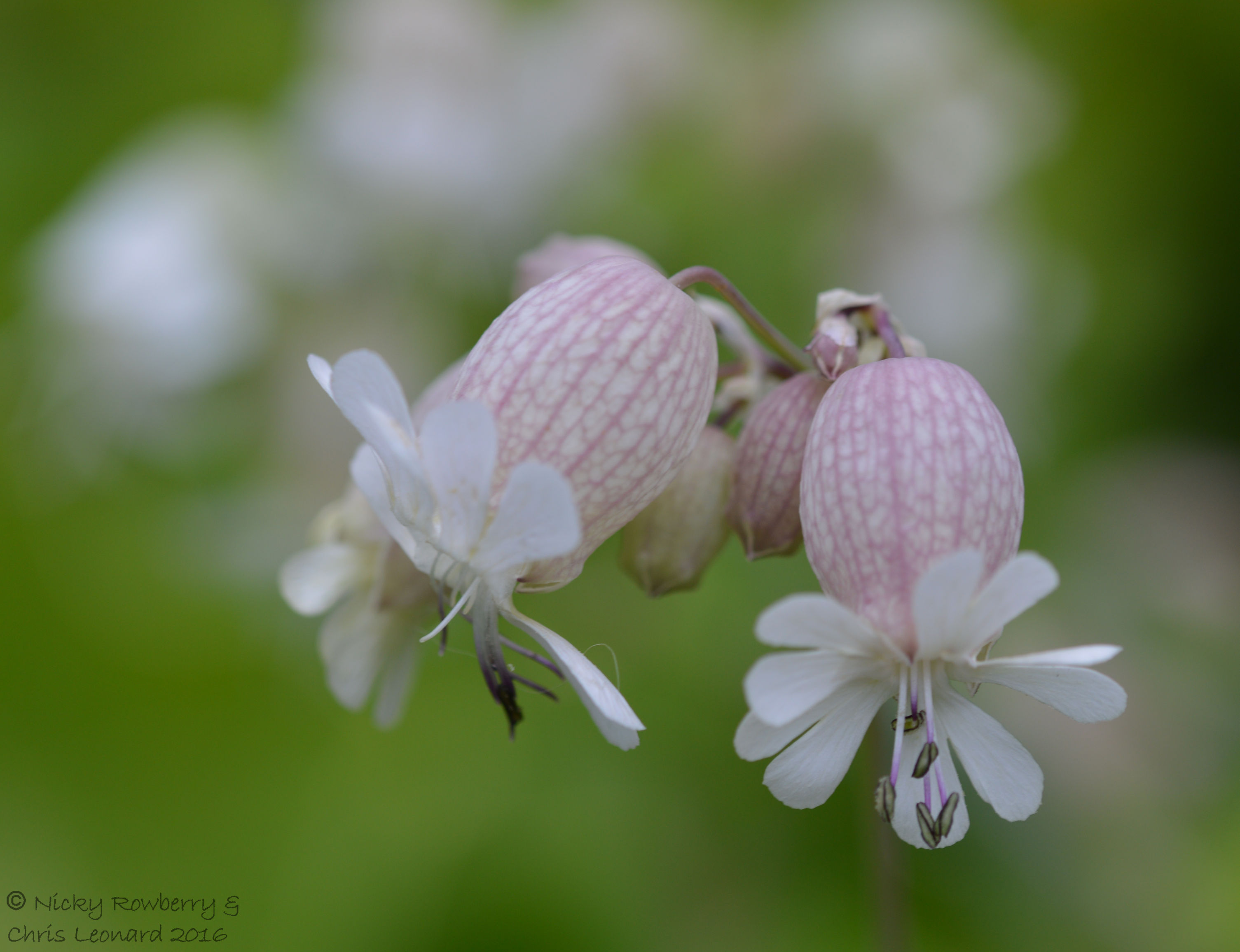
The “meadow” is still maturing – some flowers are at their peak and fully open, while others are still a way off. I’m not great on flower ID, but even worse when the flowers aren’t actually out and I’ve only got leaves to go on. So I’m not sure of all the species we’ve got. But here are a few I can manage. The first is the Bladder Campion with its unusual “swollen” flowers. This is supposed to attract froghoppers, although I’ve not actually seen any on it. It’s fragrance is apparently stronger in the evening and attracts moths – I must check it one night.

Bladder Campion

I think the next is Phacelia, which as you can see is already attracting plenty of bees.

Phacelia

Bee on Phacelia

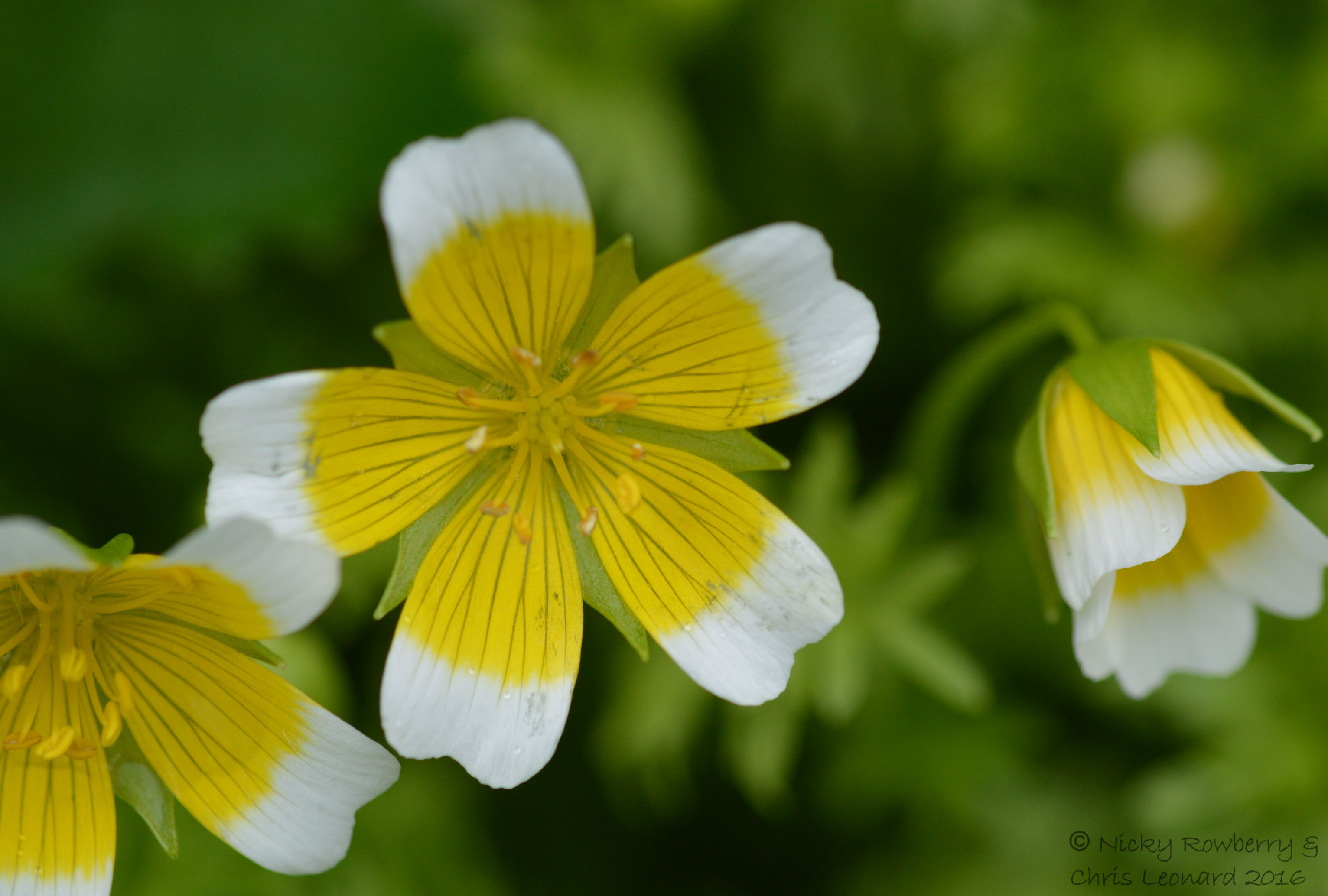
The Poached Egg Plant is a real cheery addition to the meadow. I bought this as I read on someone else’s blog (sorry I can’t remember who, but thank you whoever you were!) that it was particularly good for hoverflies. Not seen that many of them on it yet, but it’s only just come into flower and the weather’s not been great since then, but hopefully it will live up to its promise soon.

Poached egg plant

The corn chamomile has spread and formed a large patch which has been attracting hoverflies. Sod’s law being what it was though there weren’t any on it this morning – but if you sow it they will come!

Corn chamomile

The Borage is looking good and just starting to open its flowers and will hopefully be pulling in the bees soon.

Borage

The next two haven’t really opened up yet, but I think they are a Cornflower and some kind of Poppy.

Cornflower bud

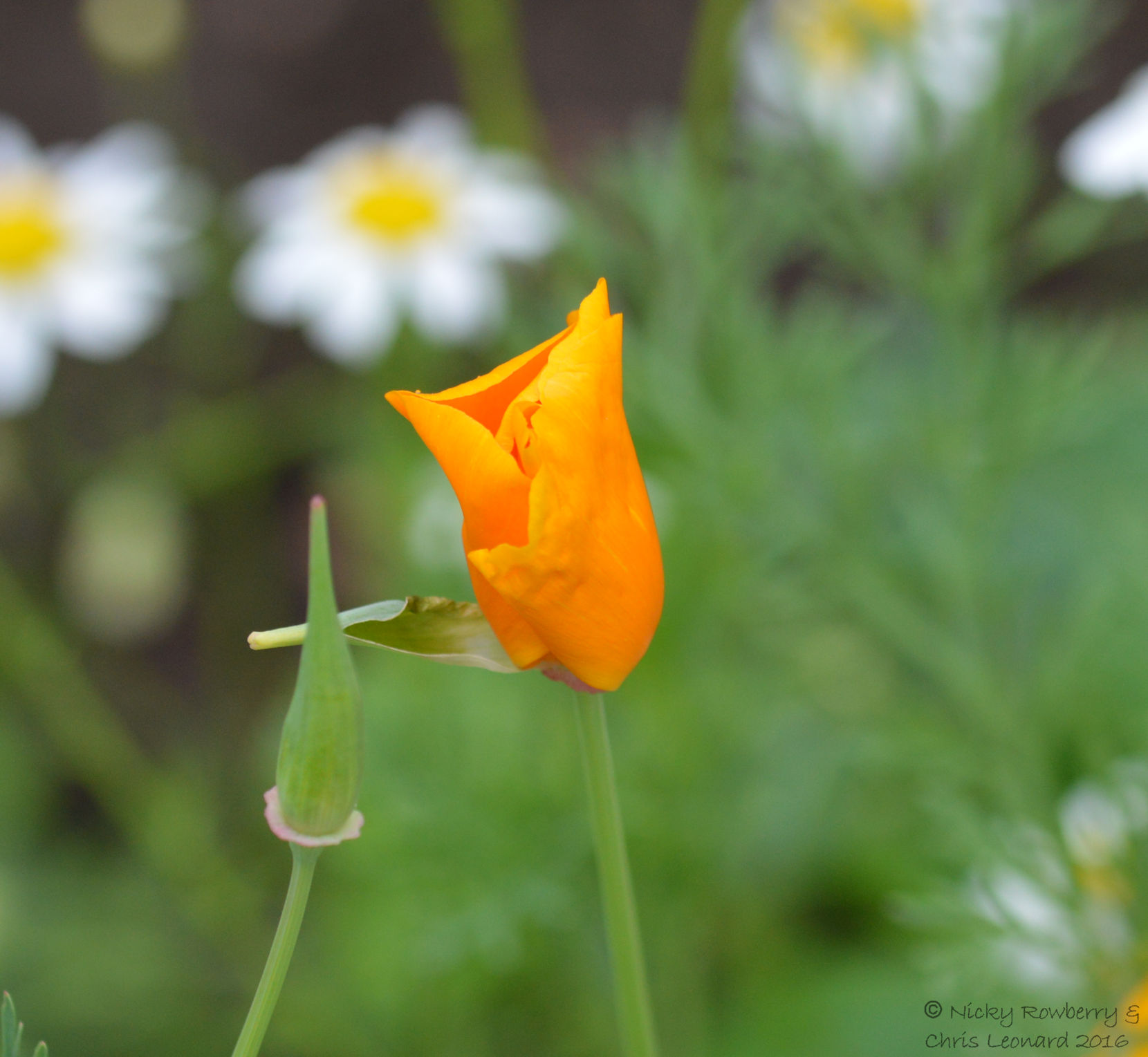
Californian Poppy

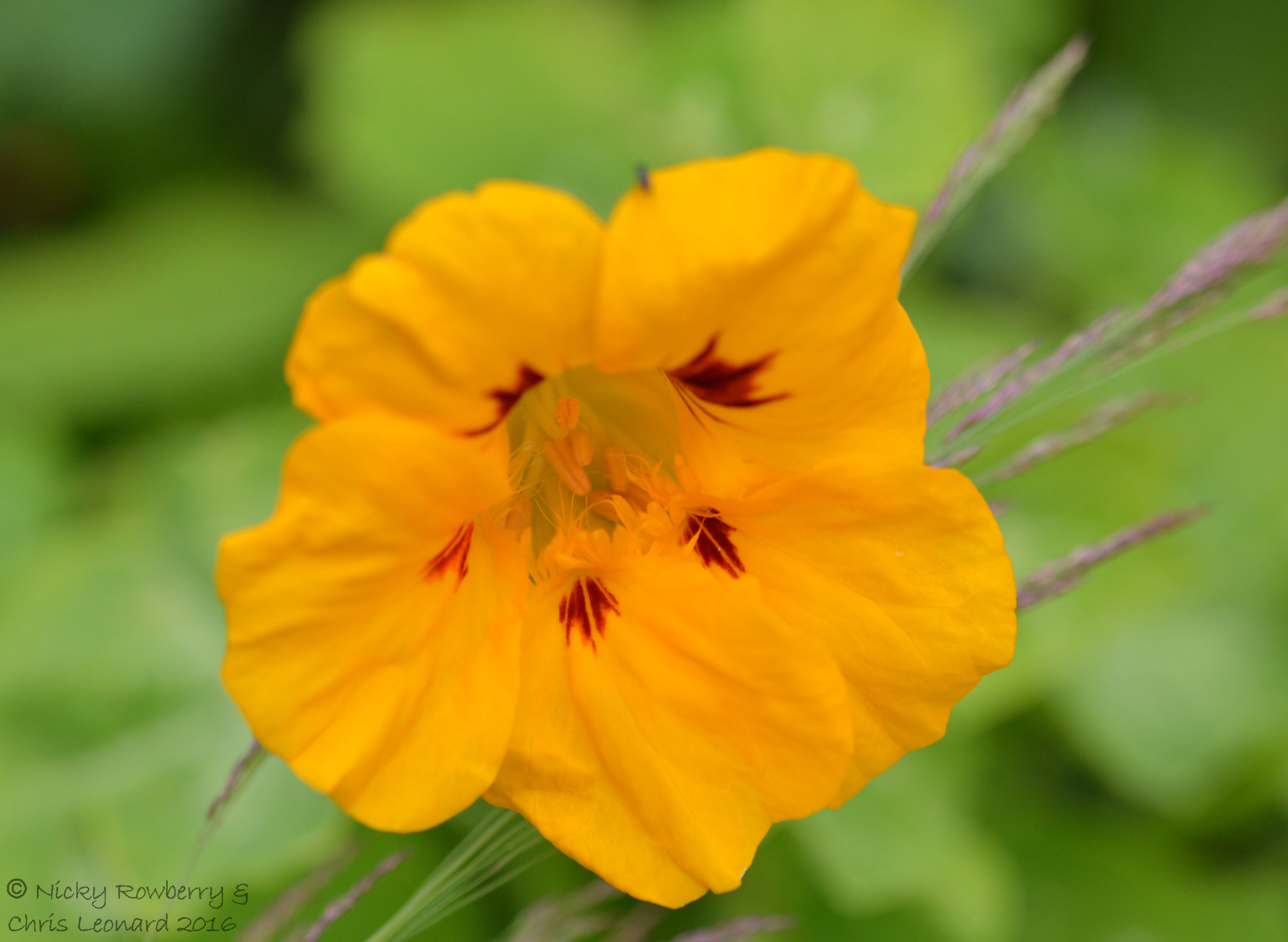
The Nasturtium wasn’t really planted as part of the meadow, but I’ve left them there as they’re good for insects too. We had a go at companion planting with them a few years ago and as they tend to produce masses of seeds, they’ve been popping up everywhere since!

Nasturtium

There are a few other things poking up through the meadow, but I’ll have to wait until they hopefully flower to work out what they are. I’m really pleased with the results so far though, so much better than a scruffy, ill-maintained veg plot!

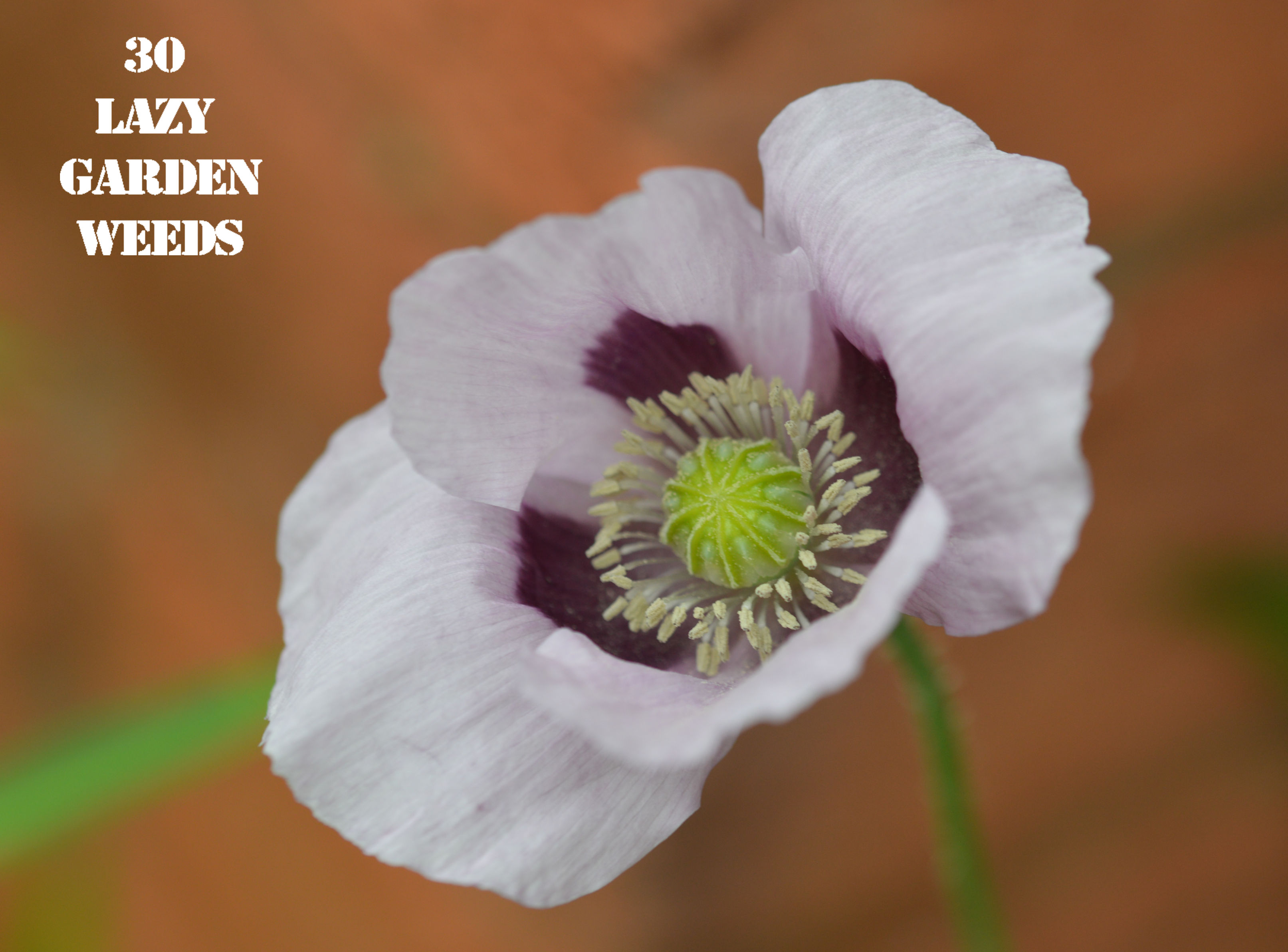
Poppy 30 WEEDS

And finally weed No. 18 in my 30 Lazy Garden Weeds is this Poppy. They are so delicate and ephemeral – each flower lasting barely a day, but that makes them all the more special. They pop up everywhere from cracks in the drive to the flower beds and remaining veg plot. Collecting seeds from their rattly seed heads reminds me of childhood – not that there’s really any need to collect the seeds – they’re doing a pretty good job of seeding themselves!

30 Days Wild – Day 16

TWT 30 Days Wild_countdown_16Day 16 of 30 Days Wild and I didn’t really have any idea of what I was going to do today. But as I got home from work a thunder storm started and I thought great, I can do a mean and moody storm post. The thunder was rumbling and the rain was pelting down, as I dashed about the house grabbing camera and sound recorder. Of course being the fickle thing that British weather is, it all stopped pretty much the second I stepped out the back door. The sun even came out, ruining my mean and moody plans!

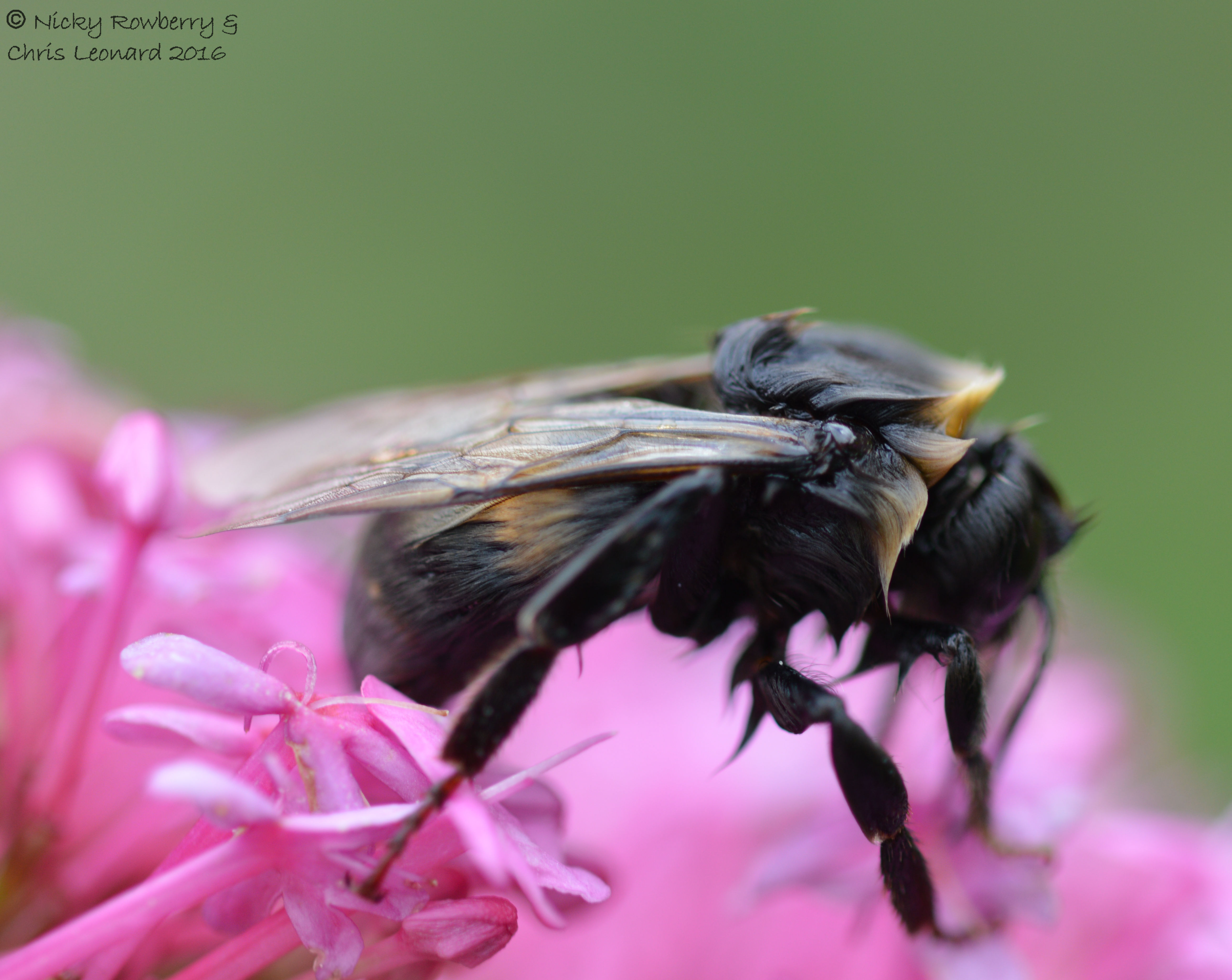
So I decided to switch to Plan B and photograph my little area of “meadow” that I’d planted earlier this year. Although it was now sunny all the plants were of course looking soggy and a bit limp. I was struck though at how quickly the bees reappeared once the rain had stopped. Within minutes the soggy flowers were buzzing again with all manner of bees. Most of the bees looked dry and fluffy, like a bee should. They must have been sheltering somewhere during the downpour. But if there was a wet bee contest, I think this poor mite would win hands down. I couldn’t even tell what species it was, he was so bedraggled. Don’t know why he hadn’t had the sense to find shelter like the rest of them, but his bad hair day didn’t seem to stop him getting the nectar!

Bedraggled bee

Feeling inspired by the bees (both wet and dry) I thought I’d move on to Plan C – lots of nice bee shots after the rain. Again the weather intervened and it started drizzling – not enough for my moody storm post but enough to spoil any bee photography. Feeling in a bee kind of mind now though, I decided to check on my bee species tally for the year. I realised we’d now recorded 21 species of bee in the garden this year already. I’d blogged about bees previously when we’d reached 12 species, but hadn’t done an update since. So Plan D – today’s post is really an update on the remaining 9 species of bee from our garden to date. Should anyone want to read the original post on bees 1 to 12, you can find it here: https://toolazytoweed.uk/2016/04/13/bumblebee-bonanza/

So bee No. 13 was Gooden’s Nomad Bee (Nomada goodeniana). This striking looking bee actually looks more like a wasp with its black and yellow abdomen. All the Nomada bees are parasitic on other bee species – they lay eggs in the hosts nest and their grubs then destroy the host’s eggs and eat the food. So not quite the adorable image of a classic bee!

Nomada goodeniana

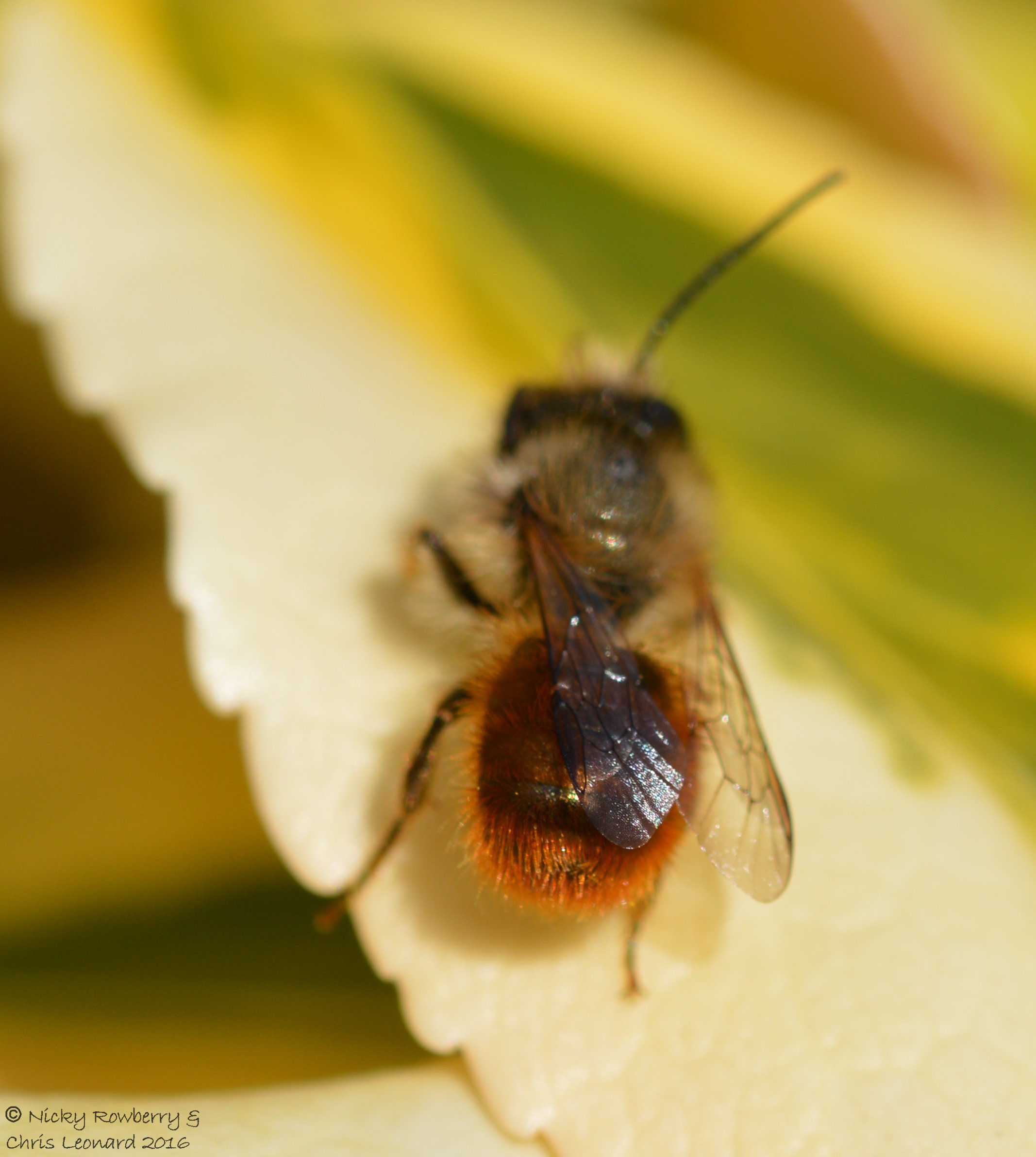
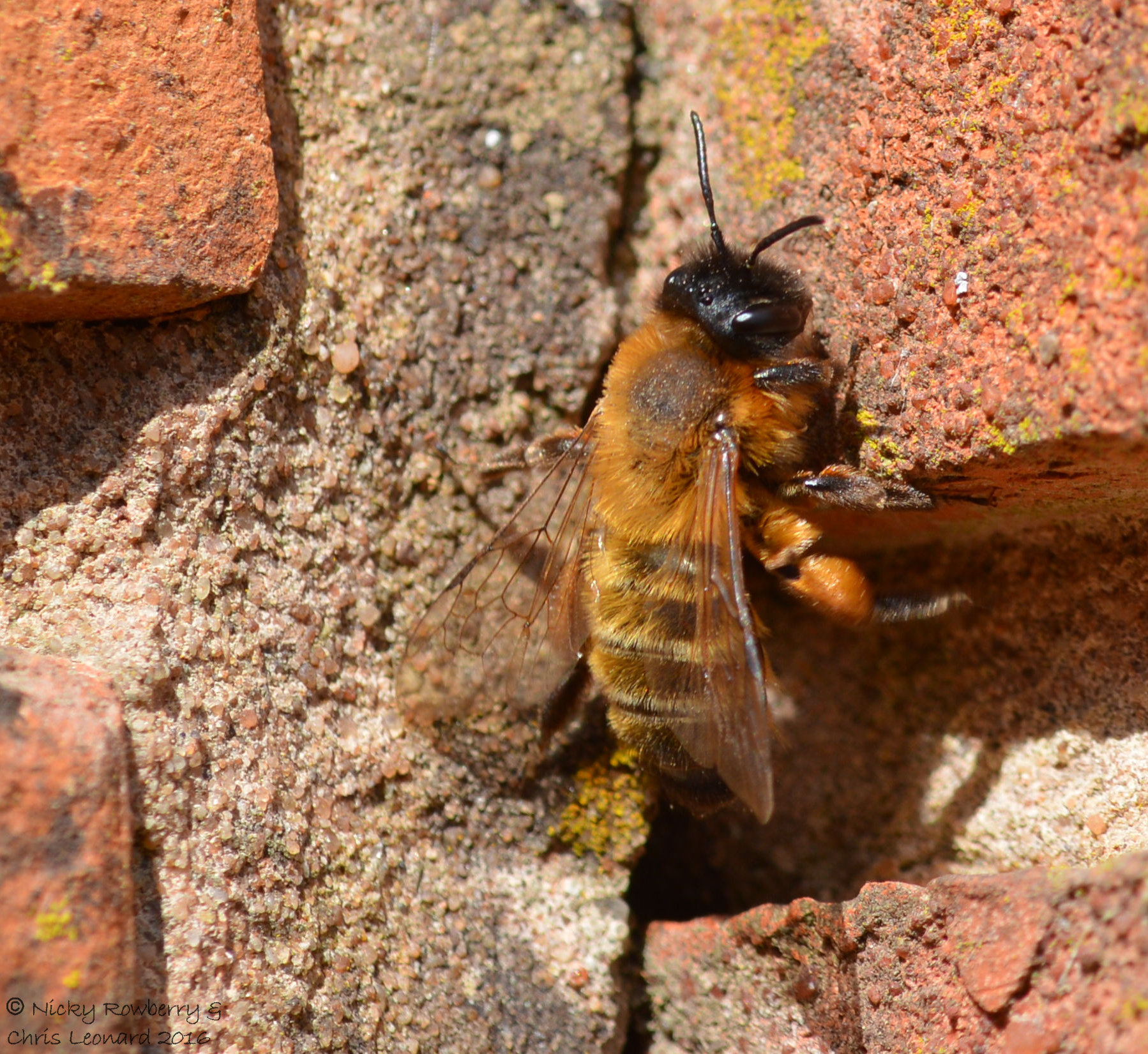
Next up bee No. 14 is the Red Mason Bee (Osmia bicornis). This one nests in pre-existing holes in walls, old wood, stems etc. and is supposedly a common one to make use of “bee hotels” – I’m not aware any having made use of ours though. They use wet mud to create cells for their grubs in these holes, which is presumably why they’re called Mason bees.

Red Mason Bee

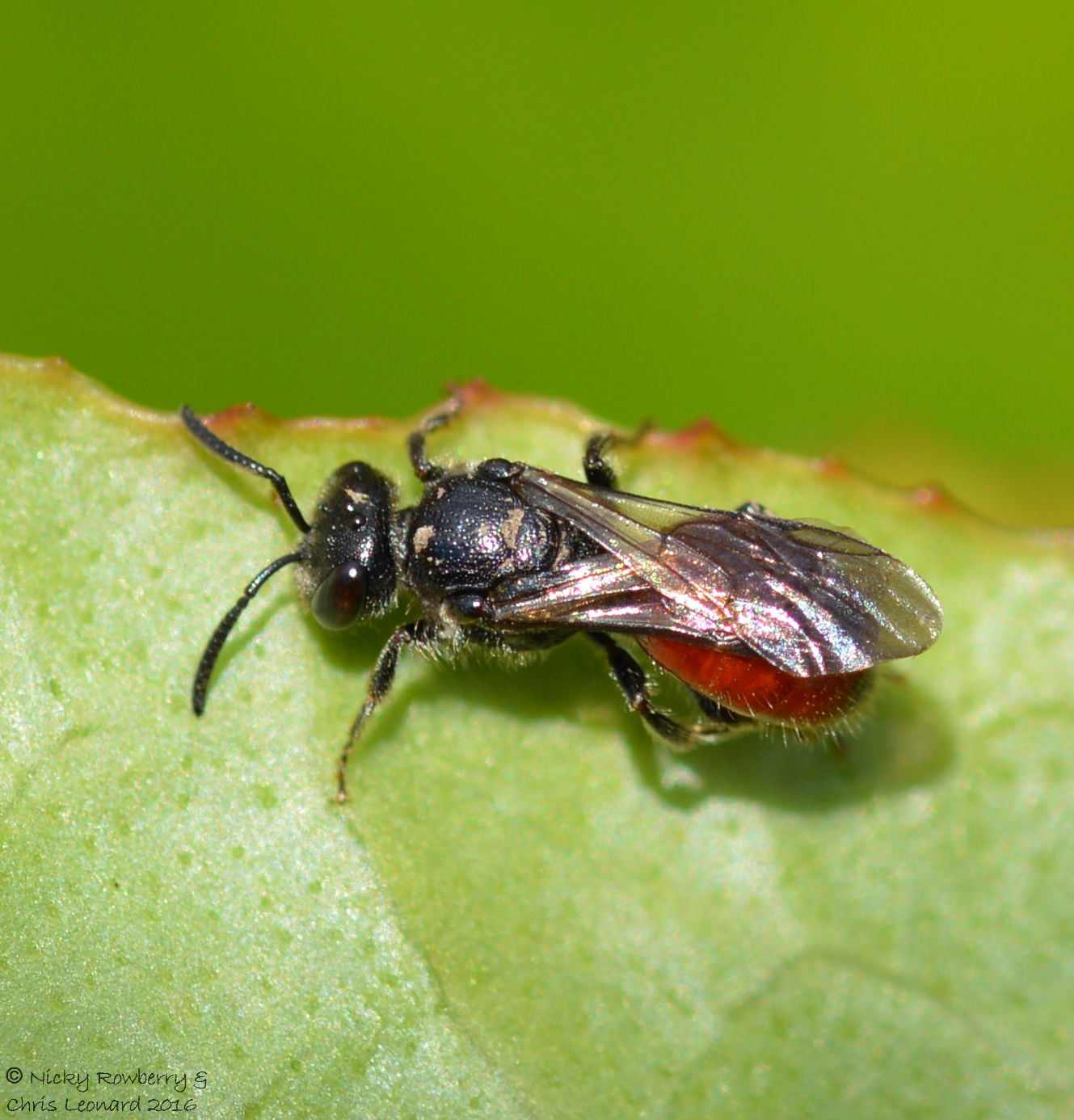
No 15. is a Blood Bee of the genus Sphecodes. I think they are so named because of the blood red abdomen, rather than any gruesome blood sucking habits. Having said that they are also parasitic, but I guess no-one is perfect! There are apparently lots of species of Sphecodes and they are not only very small, but very difficult to identify to species level just from a photo, so I can’t pinpoint the exact one without capturing it,

Sphecodes female poss monilicornis

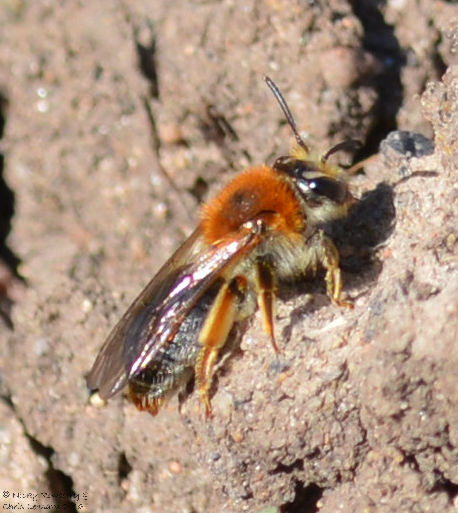
Bee No. 16 is the Orange Tailed Mining Bee (Andrena haemorrhoa). You can just about see the orange hairs at the end of its abdomen in the photo. We had a lot of these in the garden, burrowing into the dry ground around the strawberries.

Andrena haemorrhoa female

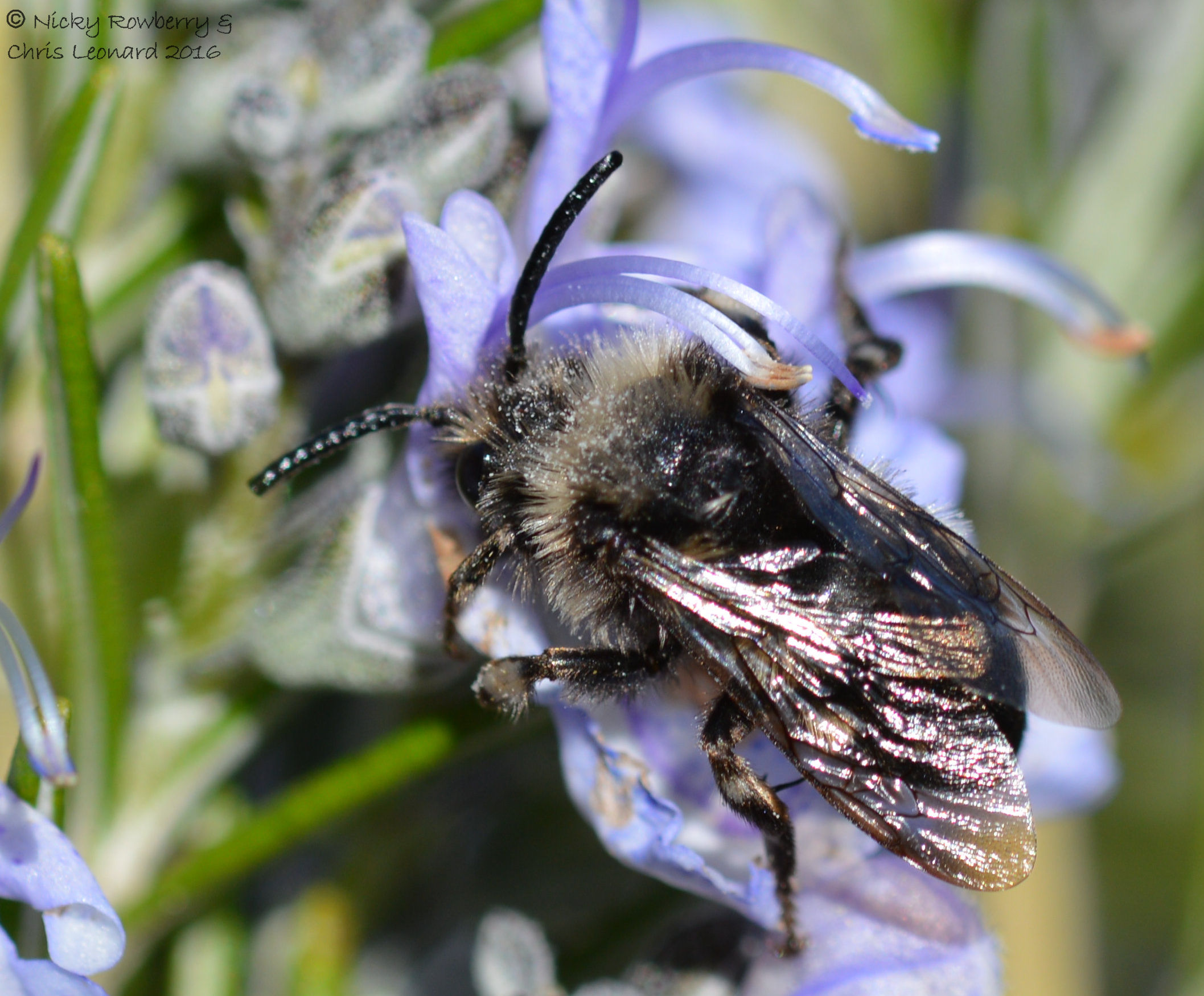
Bee No. 17 is the Common Mourning Bee (Melecta albifrons). This medium sized dark bee (I think they’re called mourning bees because they’re mainly black) is yet another parasitic one. We had quite a few feeding on the rosemary. You can’t really tell from the photo, but one of its identifying features is its white knees!

Mourning Bee

Bee No. 18 is the Buffish Mining Bee (Andrena nigroaenea). I love the fact that someone decided to call it Buffish rather than just Buff! I only saw this species once and fortunately happened to have the camera with me at the time. This species mainly nests in bare ground, although it will sometimes nest in soft mortar in walls – I hope this isn’t a sign that our garage wall here is crumbling!

Andrena nigroaenea

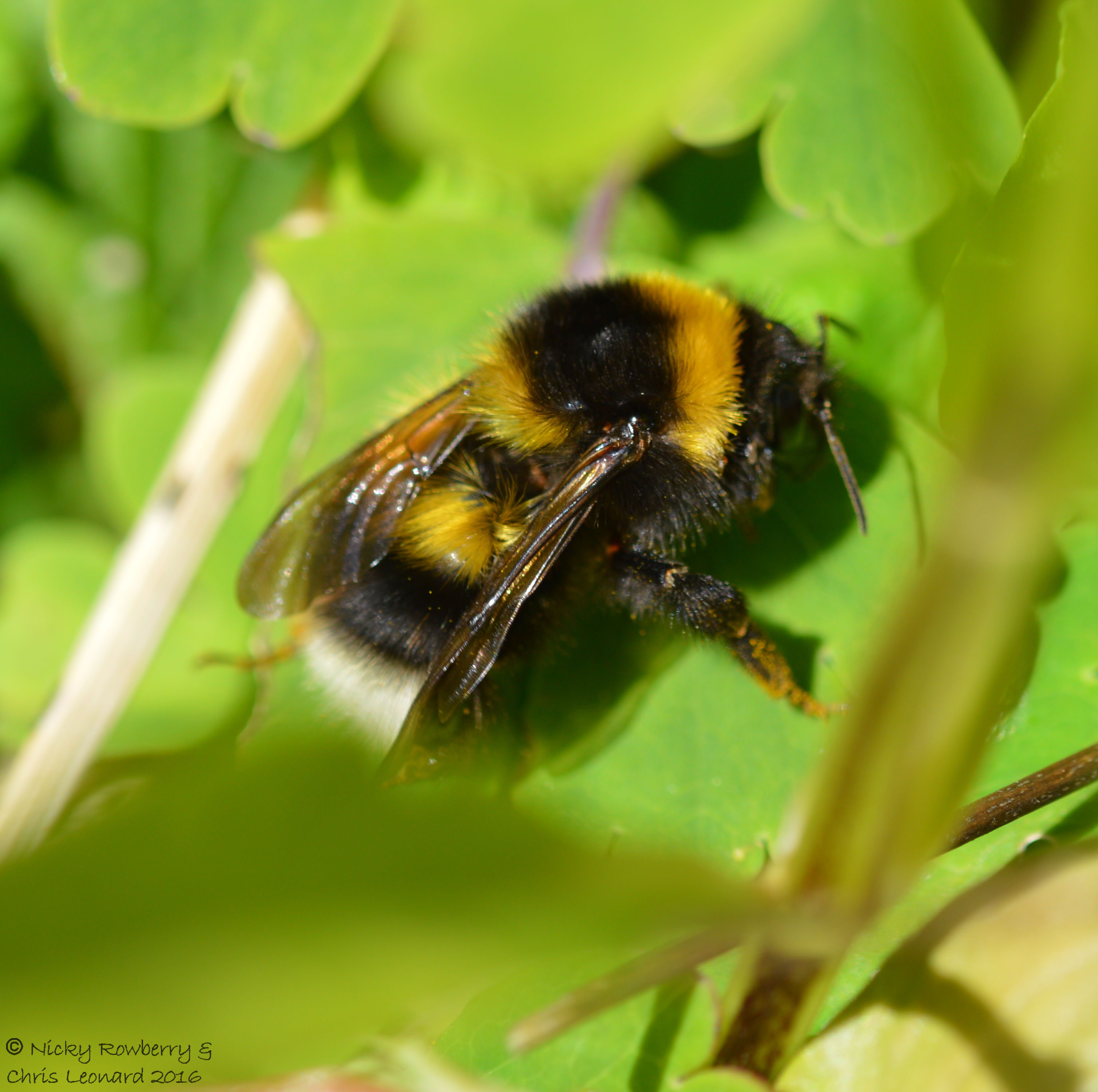
Bee No. 19 is the Garden Bumblebee (Bombus hortorum). This is a social bumblebee nesting in small colonies – at last a bee on this list that fits my “adorable bee” stereotype! These are particularly common in the garden right now.

Garden Bumblebee

Bee No. 20 is Barbut’s Cuckoo Bee (Bombus barbutellus). This one looks very much like the Garden Bumblebee above and for a good reason – it is a social parasite of the poor Garden Bumblebee – laying its eggs in the nest and allowing the host to feed and raise its grubs – real cuckoo behaviour!

Barbut's Cuckoo Bee (3)

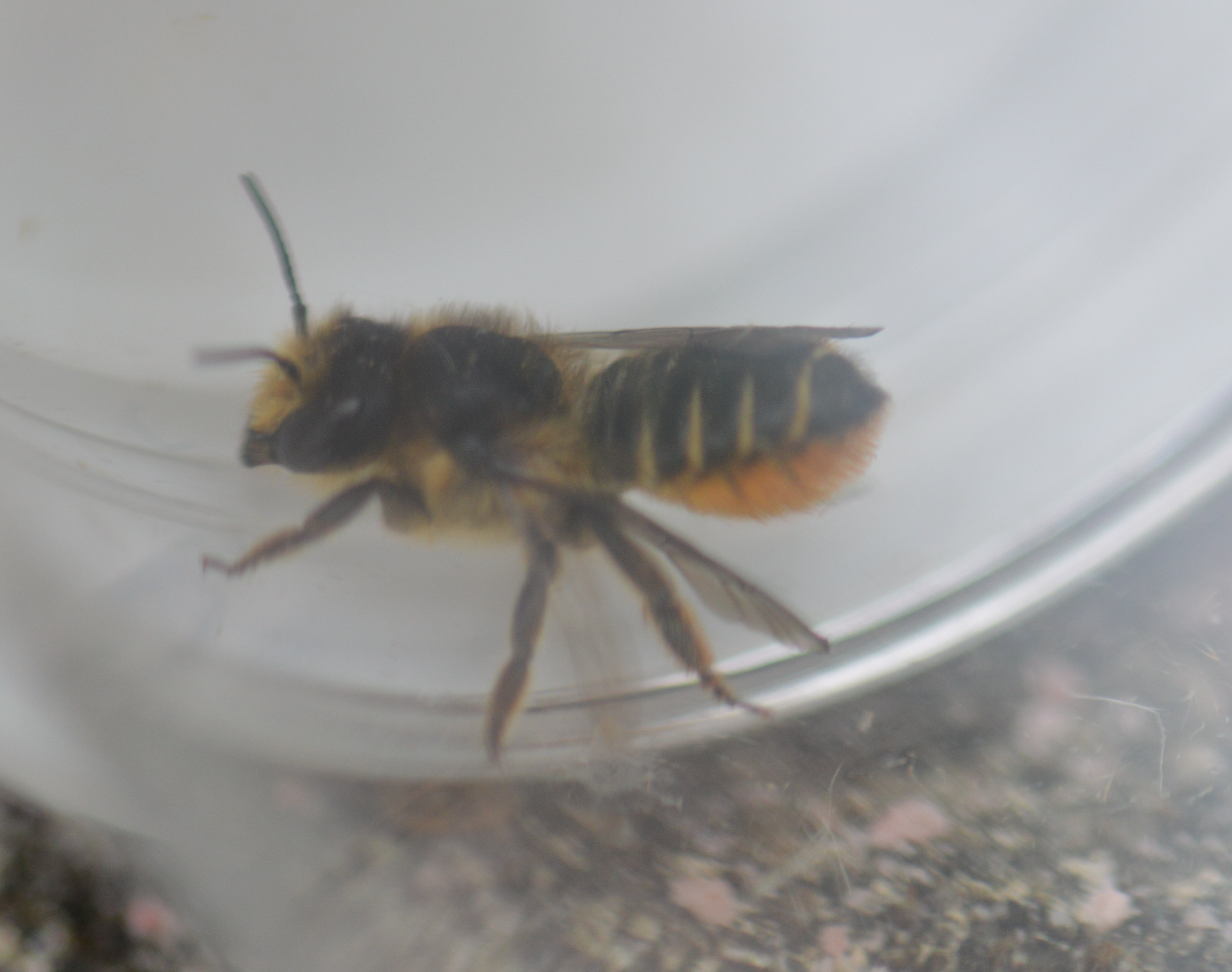
And finally Bee No. 21 the Patchwork Leafcutter Bee (Megachile centuncularis).  Not easy to get a good photo like that so we caught it (I feel guilty we made him drop his leaf!) to get a better one. Unfortunately as soon as we opened the pot it flew off, so this was the best we could do. You can at least see the thick orange pollen brushes on its abdomen.

Megachile centuncularis

So those are the nine bees which, with those in the earlier post,  make up the full 21 species from the garden. I must admit I am really pleased that our little garden has attracted so many species. There may well be more – I’m pretty sure I’ve seen a few others, but either not been able to get a photo, or they’ve been too difficult to ID without dissection (which I don’t want to do). Just goes to show what providing a variety of habitats and nectar sources can do for your bee biodiversity!


30 Days Wild – Day 12

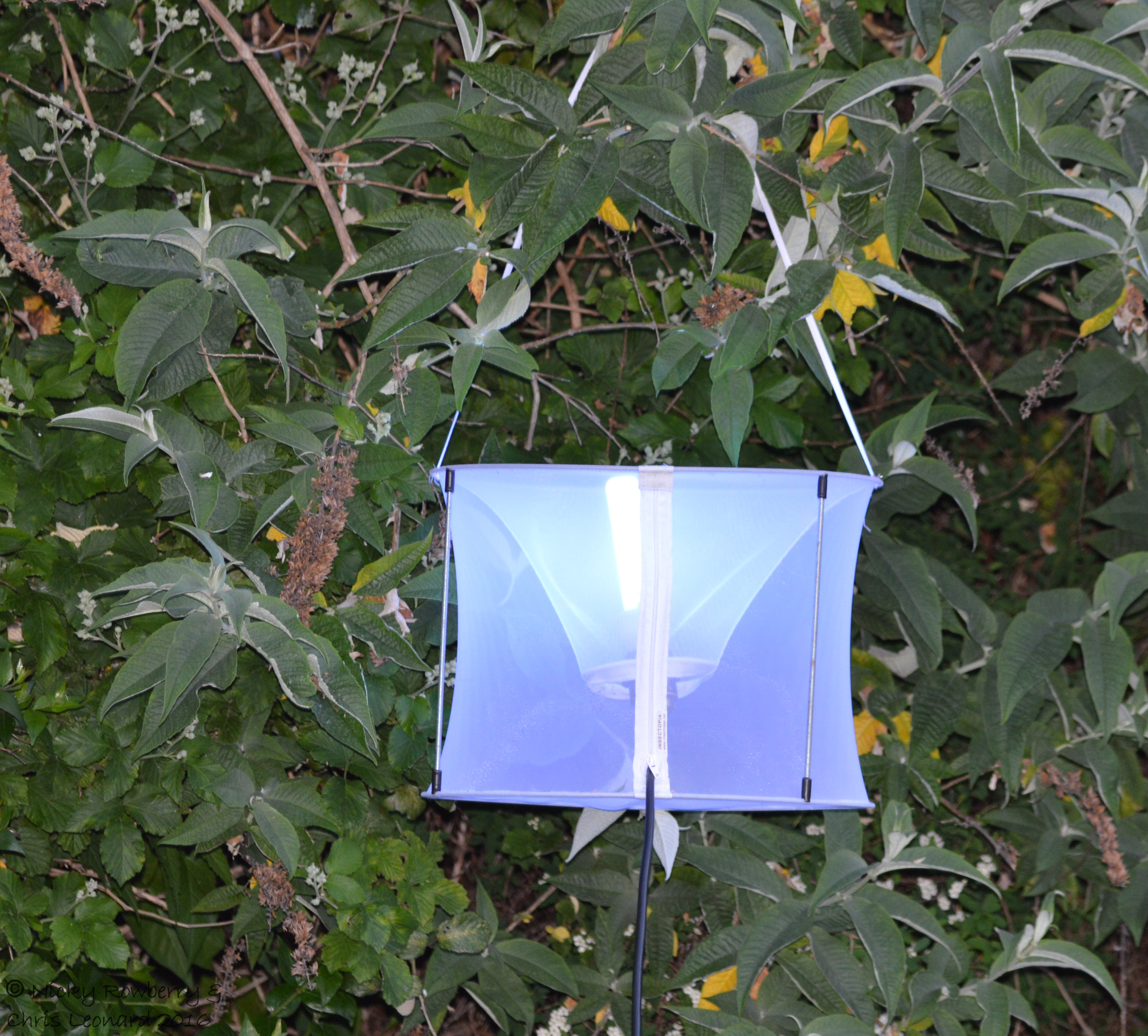
TWT 30 Days Wild_countdown_12Day 12 of 30 Days Wild and it’s been all about the moths. This weekend has been the annual Moth Night (which slightly confusingly has run for 3 nights) – a celebration of all things mothy. The theme of this year’s Moth Night was Hawkmoths, so I was really hoping I’d get some in the traps.

I had both moth traps out last night and was up at 4am this morning to empty them before the robin beat me to it. The last 2 days I’ve been pretty much eyeball to eyeball with this robin as he has clearly learnt that moth traps provide easy pickings! I only have to turn around for a second and he’s there sitting on the edge of the trap, peering in. If only he could tell me their names, he’d be a big help!

Skinner TrapI’d run one trap on Friday night as usual for my weekly Garden Moth Scheme count. So I could use those numbers for Moth Night too – great when the data can be used for 2 schemes at once!


Safari TrapLast night though I put the other trap out as well (I can only use the wooden one for the Garden Moth Scheme) to try and maximise my haul for Moth Night. Fortunately the rain held off last night until about 5:30am, by which time I had collected all the moths ready to photograph at a more civilised hour.

I’ve spent a large part of today identifying the moths I’d photographed this morning and yesterday. I’ve no idea yet how other moth trappers got on, but I was pretty pleased with my total count of 174 moths of 41 species over the 2 days. Interestingly the number of traps didn’t make much difference – I got 27 species the first night with one trap and 29 last night with the 2 traps.

I was really chuffed to get 2 species of Hawkmoth – the Elephant (on the left below) and the Small Elephant (on the right obviously!).  We get the bigger one quite often in June and the small one less frequently. It would have been nice to get some of the other big hawkmoths too, but that’s the way it goes.

Pair of elephants

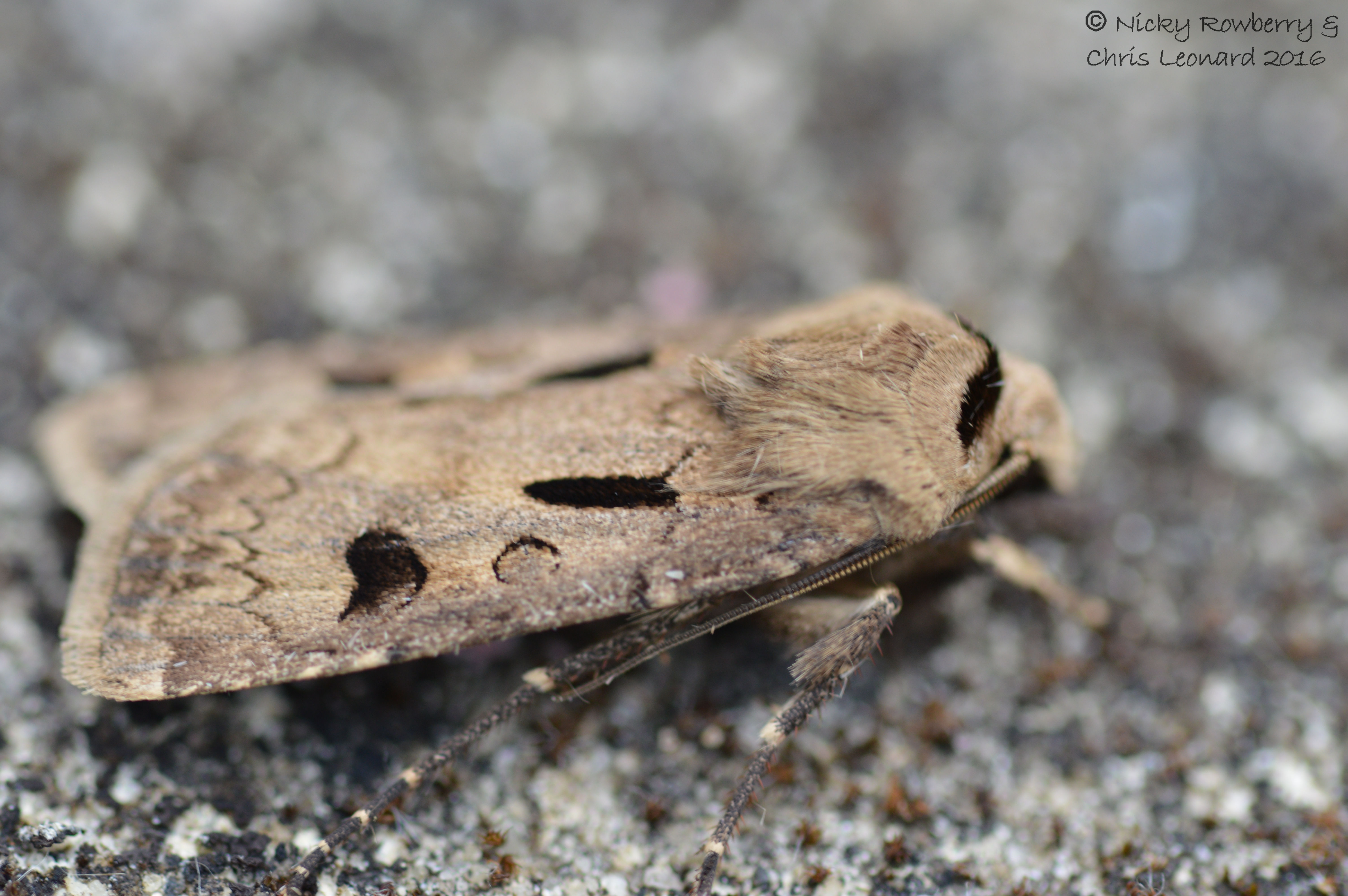
The dominant species in terms of sheer numbers was the Heart and Dart, which accounted for about a third of the total number of individuals. I love the way many of the moths are named – the Heart & Dart is so called because it has dark markings shaped like a heart and a dart! It does what it says on the tin!

Heart & Dart

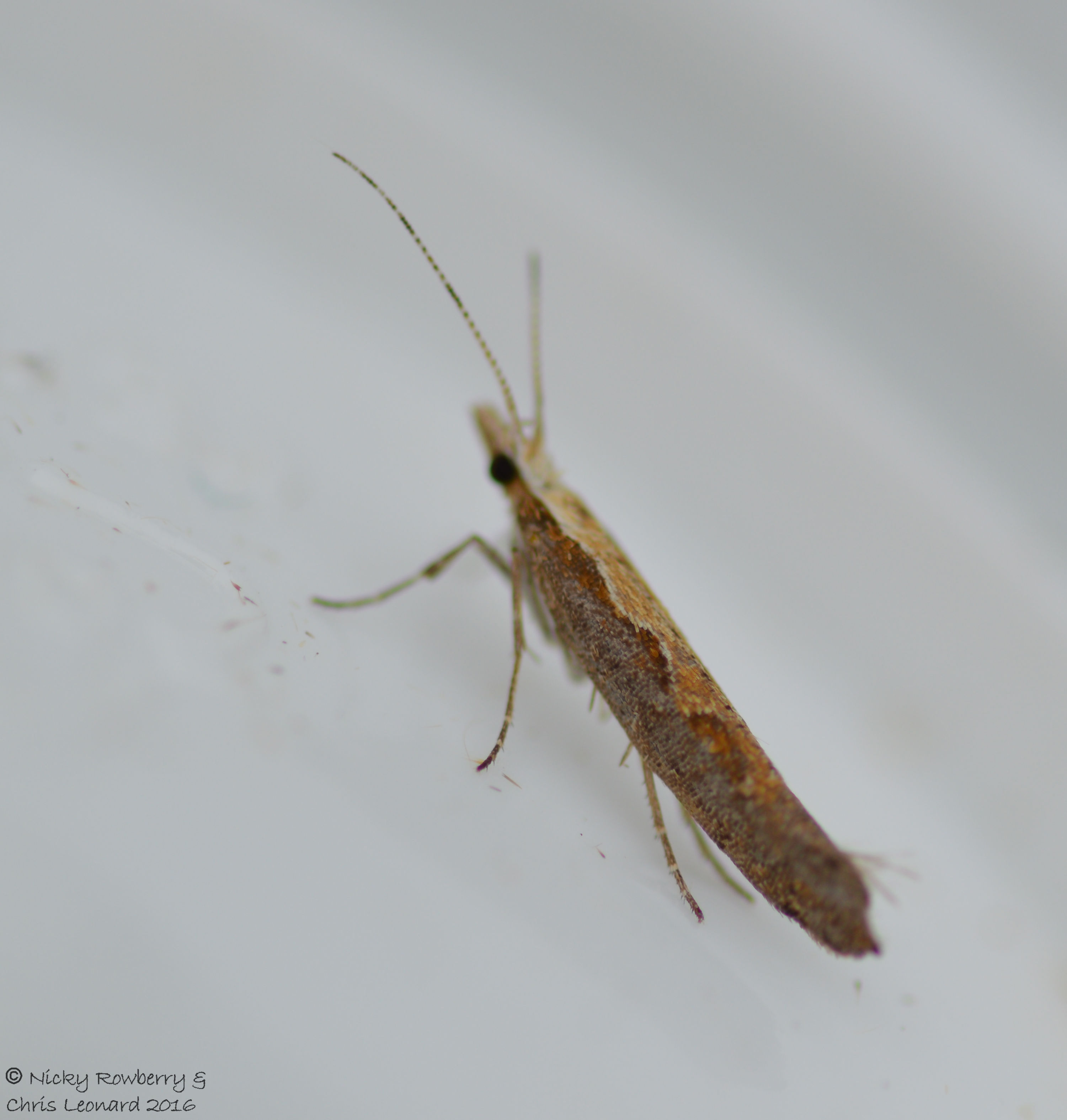
The other numerous moth in the trap was a micro one – the Diamond Back Moth – named for its diamond shaped pattern on its back! This tiny moth is actually an immigrant and they’ve been blown over to the UK in recent weeks in huge numbers – they even got a mention on Springwatch.

Diamond Back moth

The Diamond Back wasn’t the only incomer, I also trapped a Silver Y moth each night – again named for the silvery Y shape on its wing. The Silver Y is one of the more famous immigrants in the moth world and even got recorded as part of the Big Butterfly Count last year.

Silver Y

Moths can generally be split into Macro and Micro moths. I tend to prefer the Macro ones because not only are they bigger, but they are usually easier to identify. This weekend brought some particularly impressive ones. The Scarlet Tiger is so bright and colourful it is often mistaken for a butterfly. They regularly fly in sunshine, but this one came to the trap at the weekend.

Scarlet Tiger

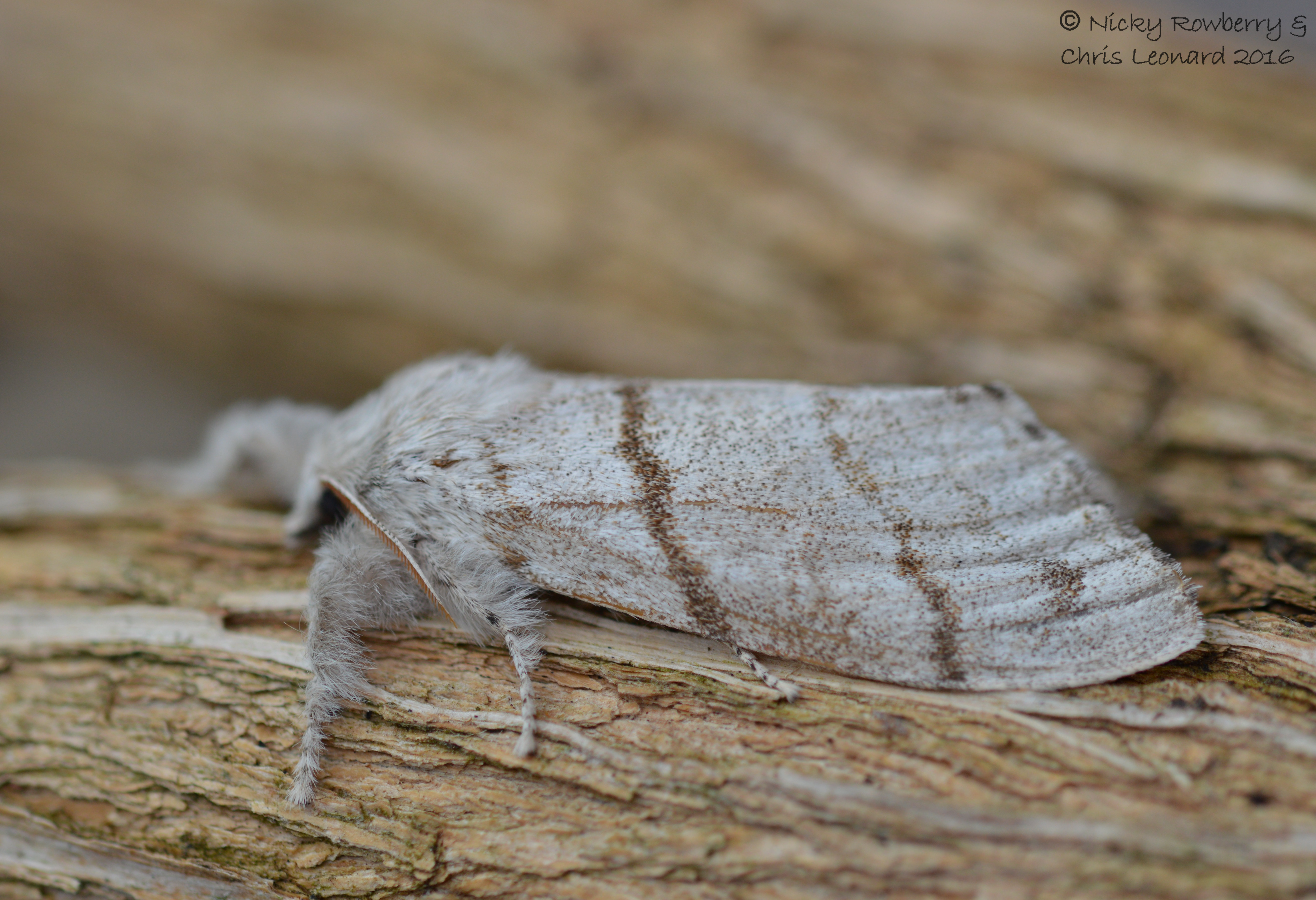
The Puss Moth and Pale Tussock are two other large species that turned up for Moth Night. I love the way the Puss sits with its front legs stretched out ahead.

Puss Moth

Pale Tussock

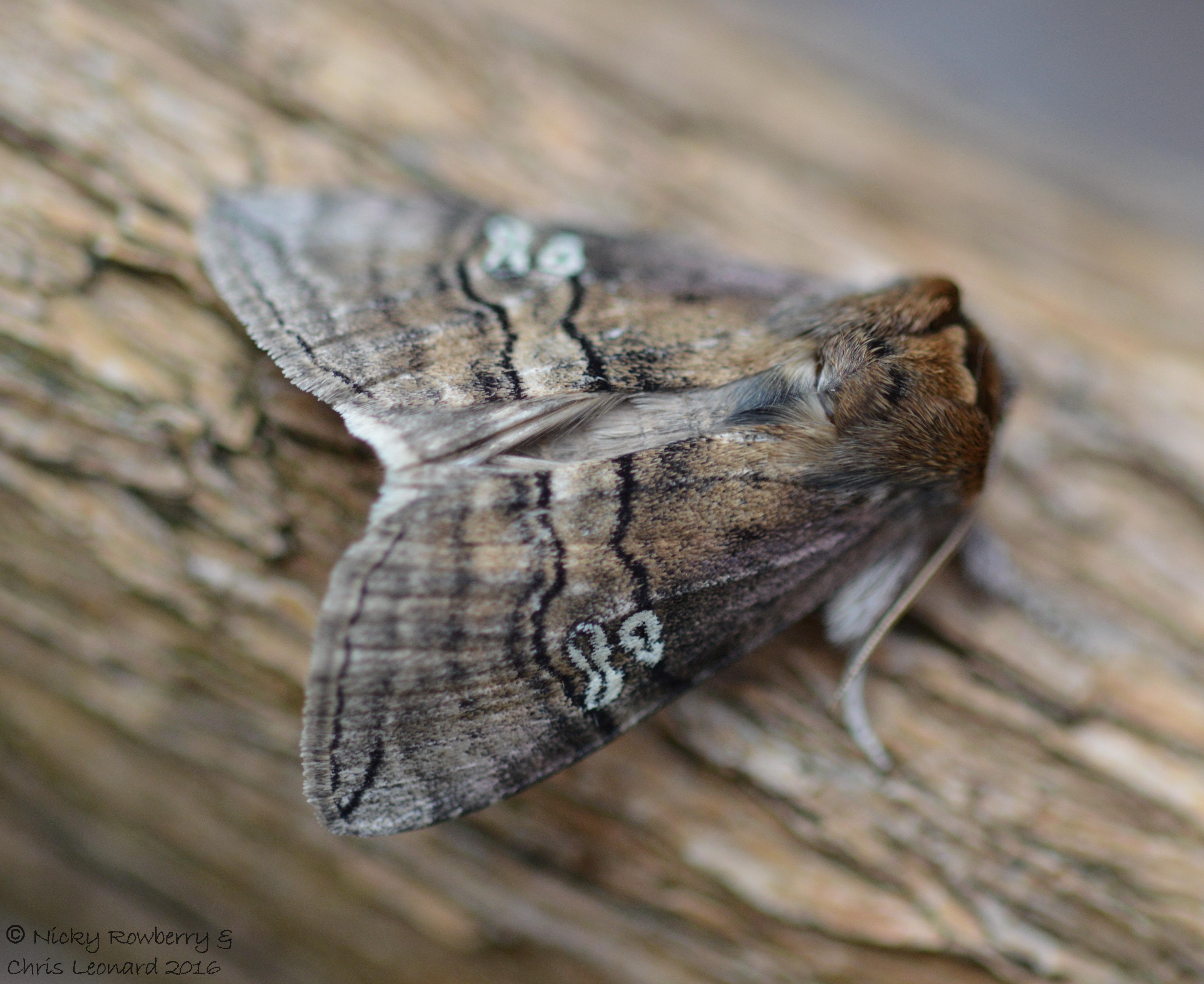
I was really pleased to find this next moth in the trap this morning as I’d only ever seen it in the books before – the Figure of 80 – so named because it looks like someone’s written 80 on each of its wings!

Figure of 80

Although the Micro moths are obviously smaller and so generally harder to ID, many of them are really quite stunning when you look at them close up, like this Cherry Bark Moth (top) and Barred Marble (below).  They’re both probably less than a centimetre long, but there’s such detail in their colouring.

Cherry Bark


Barred Marble

So that’s Moth Night over for another year. Hopefully they will have had lots of results submitted from all over the country and it will have raised the profile of moths generally.  I really enjoy taking part in projects like this; it’s great sharing the photos on social media and seeing what all the other moth-ers around the country are getting in their traps.

For more info have a look at their website:  http://www.mothnight.info/www/


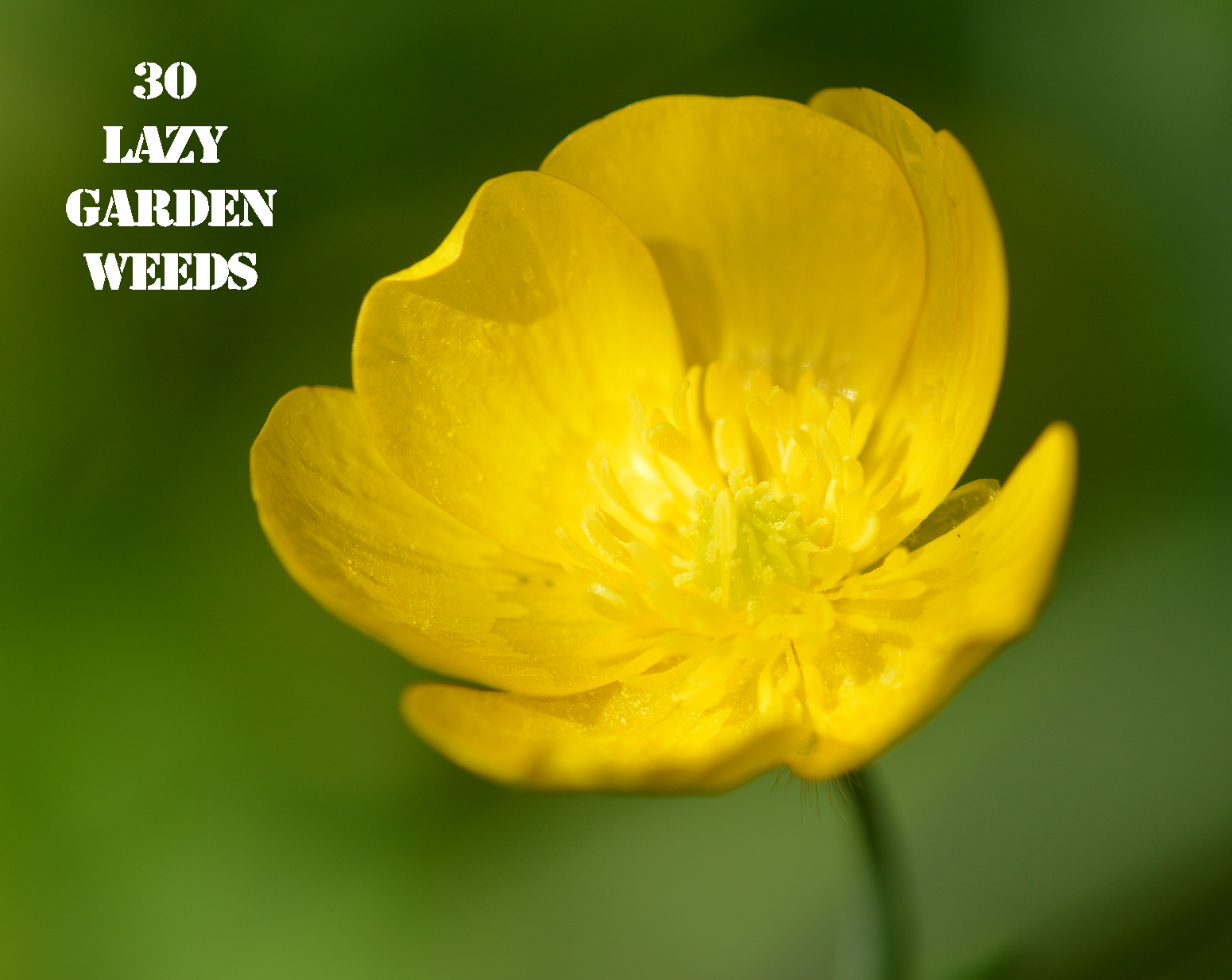
Buttercup 30 WEEDS

Weed no. 12 in my 30 Lazy Weeds from the garden and it’s the Buttercup. One of our most iconic flowers, that even children will recognise. Most kids will have tried the old custom where you hold a buttercup under your chin and if it reflects yellow, it means you like butter. Of course all it really proves is that the buttercup’s petals reflect light very well, but that’s not quite so romantic a thought! Maybe it is that old custom though, as buttercups hold an innocent charm for me that few of the other flowers do.

30 Days Wild – Day 11

TWT 30 Days Wild_countdown_11Day 11 of 30 Days Wild and last night’s drizzle has turned into today’s rain. We had planned on a trip to the Wyre Forest in the hope of seeing the Small Pearl Bordered Fritillaries – they would have been a new species for us. But no point going in the rain, not much likelihood of seeing butterflies on a day like this.

So thought I’d just go with the flow today – if it’s raining, find something to do with animals that like the rain! It may be nice weather for ducks, but our pond is too small for them. I did see a frog this morning when emptying the moth trap, but of course it was long gone by the time I decided on the wet weather plan. So what’s left? Well one thing our garden produces lots of is molluscs. And in the rain this morning it was heaving with snails and slugs.

A quick trawl round produced 5 species of snail (we have others, but they would have required more hunting than I was prepared to do in the rain).

Assorted snails

Garden SnailFirst up our largest species at Too Lazy To Weed – the Common Garden Snail (Cornu aspersum). Plenty of these today hiding amongst stones and a few intrepid individuals heading across the grass.


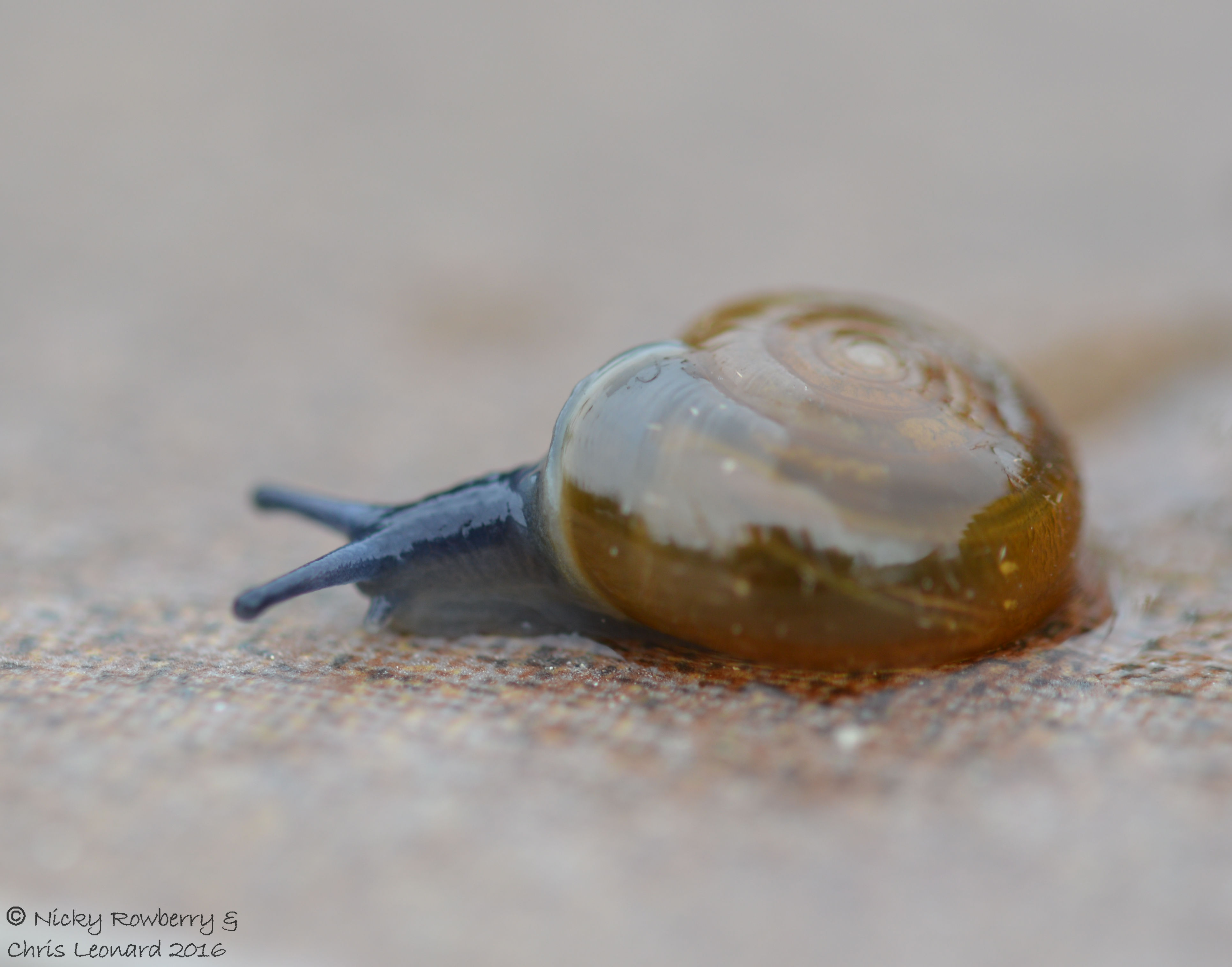
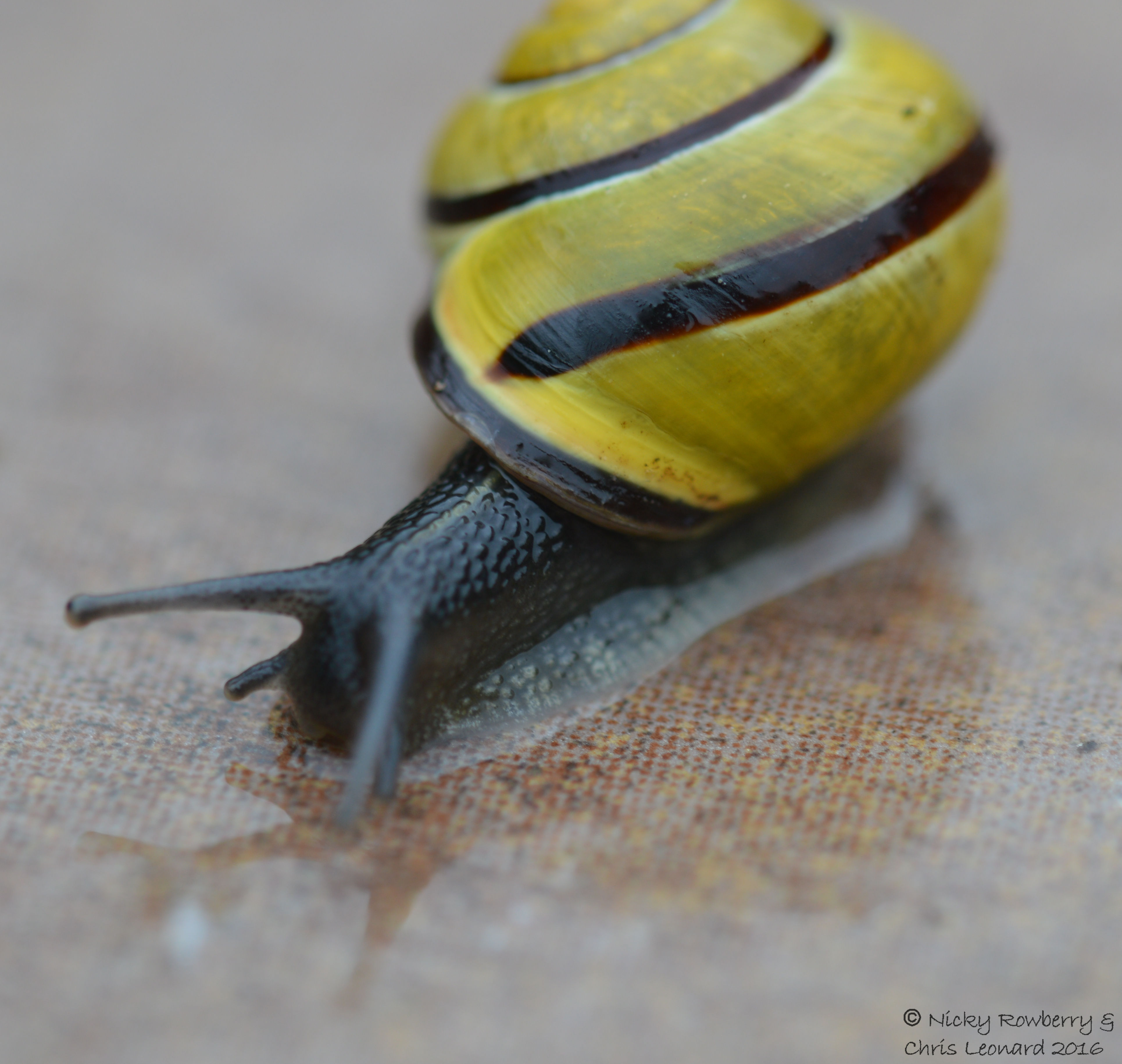
Next up two very similar species, the Brown Lipped Snail (Cepaea nemoralis) and the White Lipped Snail (Cepaea hortensis). The Brown Lipped has a brown band around the opening of the shell (top image below) and the White Lipped has (not too surprisingly) a white band at the opening (bottom image). Other than that the two species both vary hugely in colour patterns from near white, yellow, brown and all manner of stripes in between.

Brown lipped

White lipped

Fourth snail today was a Girdled Snail (Hygromia cinctella). This species is a relative newcomer to the UK, being first seen in the south in the 1950s – well it’s now reached Malvern. It has a keel or girdle round the middle, defined by a white line. (the photo below was actually taken a few months ago, because for some reason I couldn’t get today’s one to focus!)

Girdle Snail

And finally we found one of the Glass Snails (Oxychilus sp.) These glossy little snails have a blue/black body and some supposedly smell of garlic.

Glass snail

In addition to the snails, there were at least 2 slug species around. I think the big one is part of the Large Black Slug group (Arion ater agg.) When I moved it, it rolled up into almost a ball and started rocking from side to side – apparently a characteristic of this group. Not sure yet what the smaller slimmer slug is – any suggestions welcome.

Arion ater

Slug

Having assembled a selection of molluscs for the photos, I decided to do something I haven’t done since I was a child – have a snail race! My sister and I used to collect and race snails all the time (mainly when we were killing time with our friends on a Sunday afternoon in the pub garden while our parents were all inside!) I did consider inviting my sister down for the race, but figured she has probably sensibly moved on from such things, while clearly I have not!

When we were kids we would of course just race any snails. But since I am now older and if not wiser, at least a bit more knowledgeable about snails, I decided to pit one species against another. Oh yes the fun never ends in our garden! The girdled and glass snails were a bit small and the garden snail was too big, so the obvious choices for this gladiatorial contest was the Brown Lipped versus the White Lipped.

So I set up a track, with a finish line and “raced” 2 Brown Lipped against 2 White Lipped.

The finish line

Race 1

The snails of course did exactly what they used to do when we were kids – veered all over the place – they have no concept of sticking to their lanes!


It took a bit of time but eventually 2 snails did approach the other end of the course, although one was not technically between the finishing lines, but I decided not to be picky. In a nail biting finish, the White Lipped Snail won by an eye stalk!


After so much excitement, I thought perhaps it was only fair to let the garden snails have a go. Unfortunately though, they really didn’t seem to get the hang of racing and made the other racers look positively professional!


Don’t think you can draw too many conclusions from this non-scientific competition – pretty sure another time a Brown Lipped may well have raced ahead instead. But for today at least the White Lipped Snails were the fastest molluscs in Malvern and I was back being a kid again!

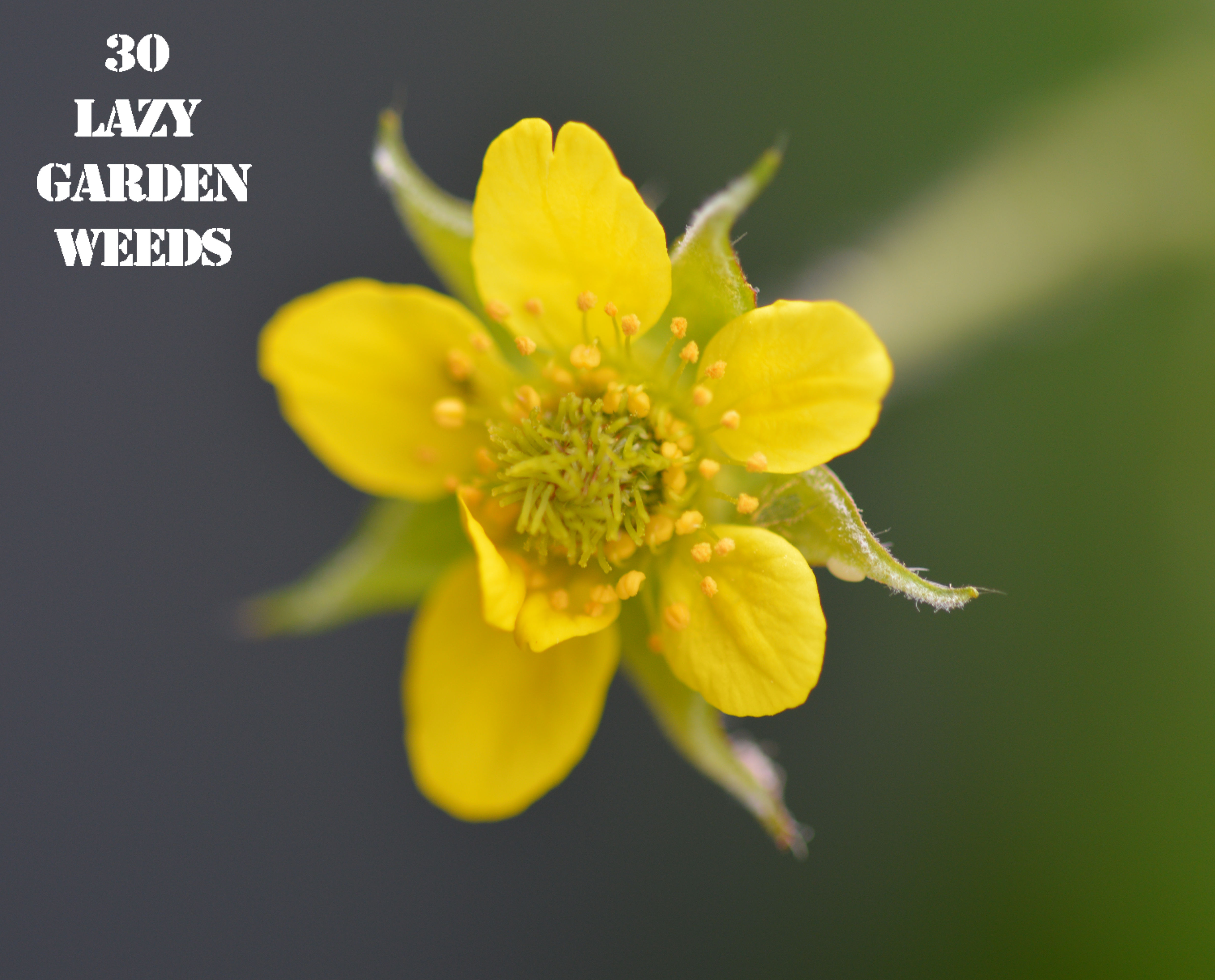
Herb Bennet 30 WEEDS

And finally today’s weed in my 30 Days of Lazy Garden Weeds is Herb Bennet or Wood Avens. I must admit I have a love-hate relationship with this one. I love 5 petals interspersed with the 5 sepals into form a star shape. But I hate the seeds – they form masses of curved or hooked seeds that are designed to stick in the fur of animals that pass by. They do of course stick in clothing (towelling dressing gowns in particular!) just as well, where they seem to burrow in only to emerge later to stick into you like a splinter! I guess no pain no gain though, so I’ll put up with the seeds for the sake of the flowers.

30 Days Wild – Day 10

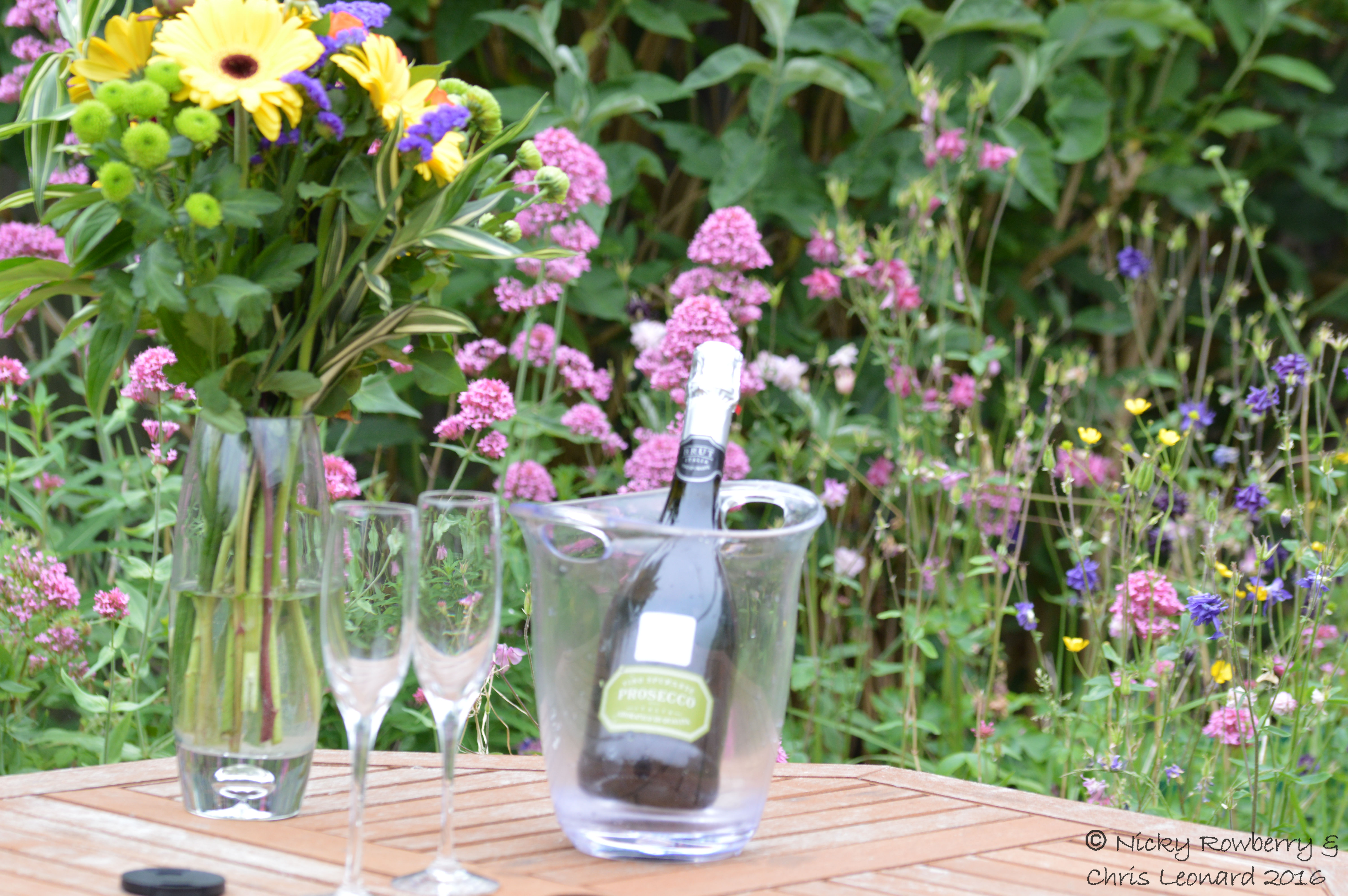
TWT 30 Days Wild_countdown_10Day 10 of 30 Days Wild and it’s our wedding anniversary! Seventeen (in)glorious years! 17 doesn’t seem to be one of those anniversaries where you buy something special – 2 for paper, 25 for silver etc., but my husband has just bought himself (sorry us!) a Pit BBQ, so I guess it’s become the BBQ anniversary.

ProseccoI had planned to eat outside this evening anyway – I’d ordered American crayfish (the ones you’re supposed to eat to protect out native ones) from our fish supplier at work, but sod’s law being what it is, they couldn’t get any this week. So it’s a burger instead – not quite got the same cache, but what can you do. I’m sitting typing outside while the coals heat up and it’s starting to drizzle – sometimes life just doesn’t quite live up to expectations. But it is at least warm drizzle and it’s Friday night and I’m outside, so not really complaining.

When we got married in Scotland all those moons ago, the dolphins in Aberdeen harbour appeared and put on a display that felt like it was just for us. 17 years later and we haven’t got anything quite so spectacular to help us celebrate, but I’m honestly just as happy watching the wildlife in our garden. There’s something special about knowing that the bees and the birds are all there in part at least because of our lazy attitude to weeding and organic approach to gardening.

Asparagus beetleWe decided to grill some of the asparagus from the garden, but first we had to remove its residents – the asparagus beetles. They are such striking beetles, it’s just a pity they have quite such a taste for our asparagus. Fortunately for them there was a lot of asparagus left that we’d let grow too big – so it was too tough for us to eat, but the beetles didn’t seem to mind.

Even though it was not exactly a sunny evening, the bees and hoverflies were out in force. I particularly liked this Early Bumblebee, such a brightly coloured  little guy.

Early bumblebee

Managed to get a photo of a small Marmalade Hoverfly.

Marmalade

My husband had bought me a large bunch of flowers, which we took outside to decorate the table for the BBQ. They were big, bold, beautiful flowers, but for all the time they were out in the garden, none of the bees or hoverflies came anywhere near them. They clearly preferred our native weeds, as they flew right past the vase even though it was very close to the natural flowers. Again it sort of justifies our decision to have a “wild” garden, as we’d much rather have the subtler British flowers buzzing with insects, than the showier cultivated varieties.

Corydalis 30 WEEDSAnd finally as always the latest weed in my 30 Lazy Weeds from our garden – Yellow Corydalis. This is apparently a garden escapee that originally grew in the Alps, but has now spread round Britain. I probably shouldn’t like it as it is a non-native plant, but it’s hard not to like. I’ve always been attracted to plants with more unusual shaped flowers or leaves and the little yellow trumpets fit into this category. It grows easily in shade and unloved areas of the garden, so brightens up our driveway no end.