30 Days Wild – Day 7

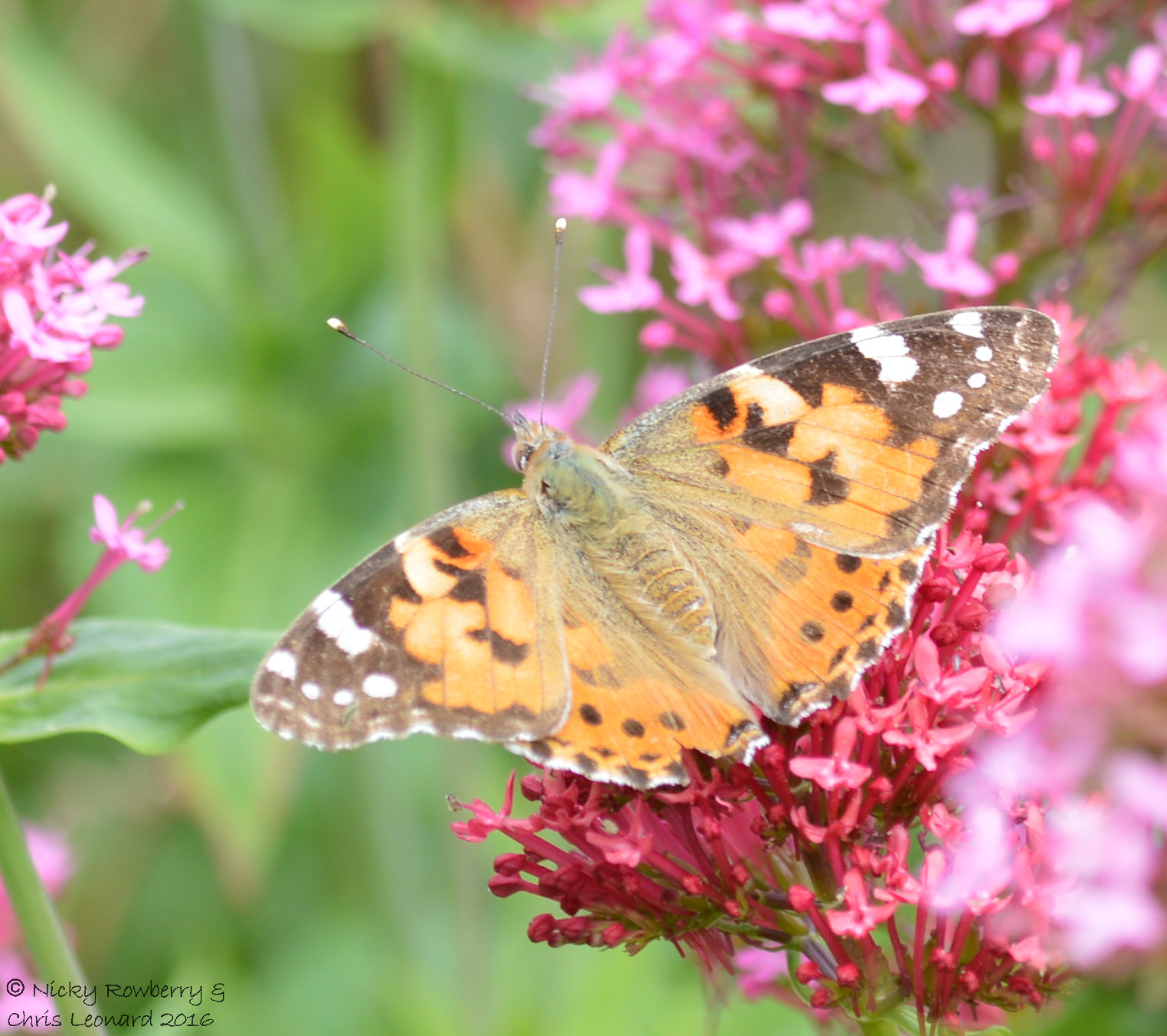
TWT 30 Days Wild_countdown_07Day 7 of 30 Days Wild and after what for some reason felt like a long day at work, I thought I’d just chill out in the garden for a bit (much better than sitting in and looking at the housework!) The garden is looking particularly colourful at the moment and I thought it would be nice to celebrate the natural palette of colours you get when you just let whatever wants to, grow in your garden. While still pondering this, our first Painted Lady of the year flew into view, so I thought I’d include some animals in this too.

The childhood rhyme for remembering the colours of the rainbow has always stuck in my head – Richard Of York Gave Battle In Vain, for red, orange, yellow, green, blue, indigo and violet. Not sure this selection of 7 colours really has any foundation in optical science, but it seemed a good enough basis for today’s blog. Of course what would have been really good would have been an actual rainbow appearing at this point – but all I got was drizzle! So:

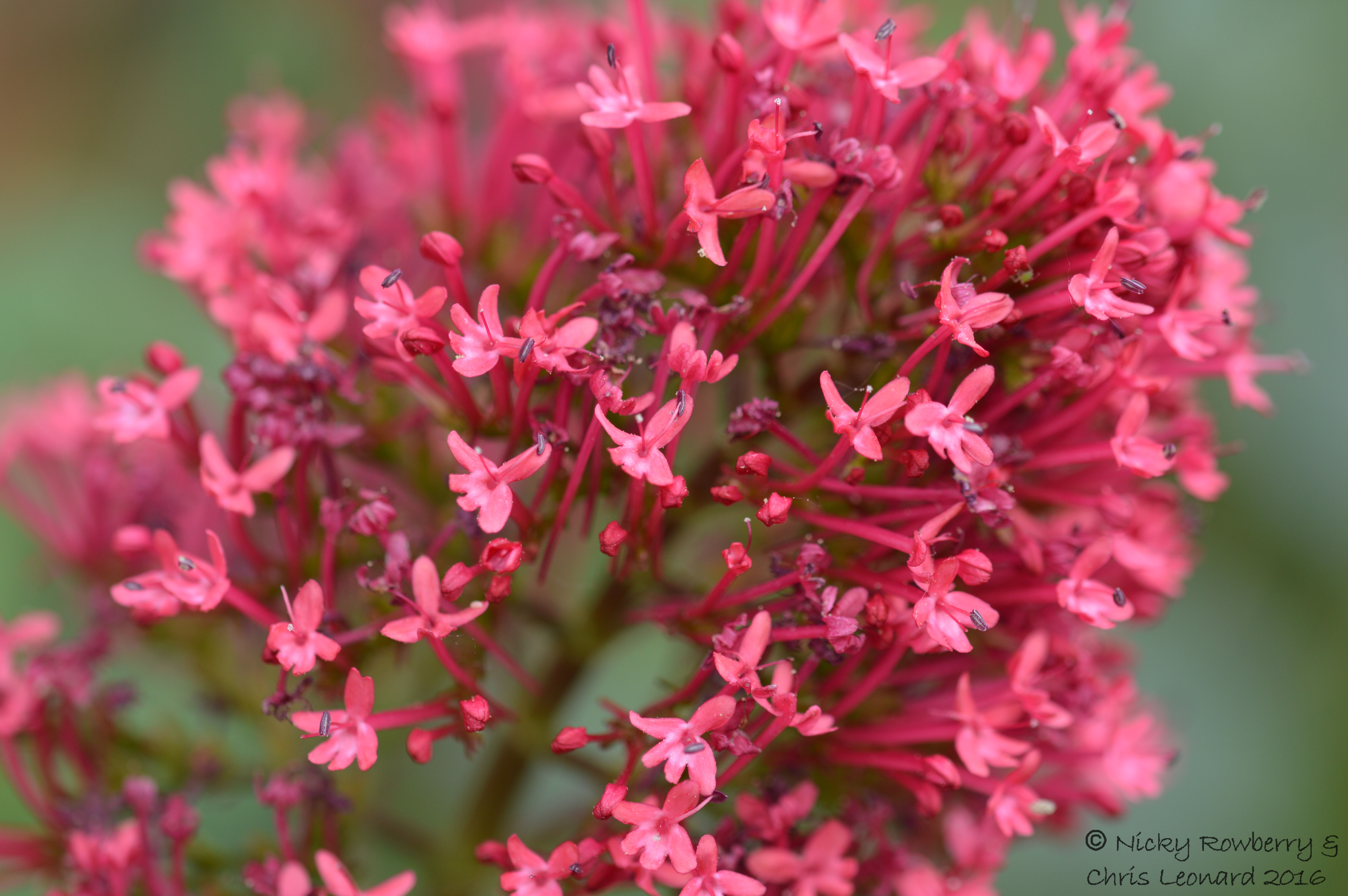
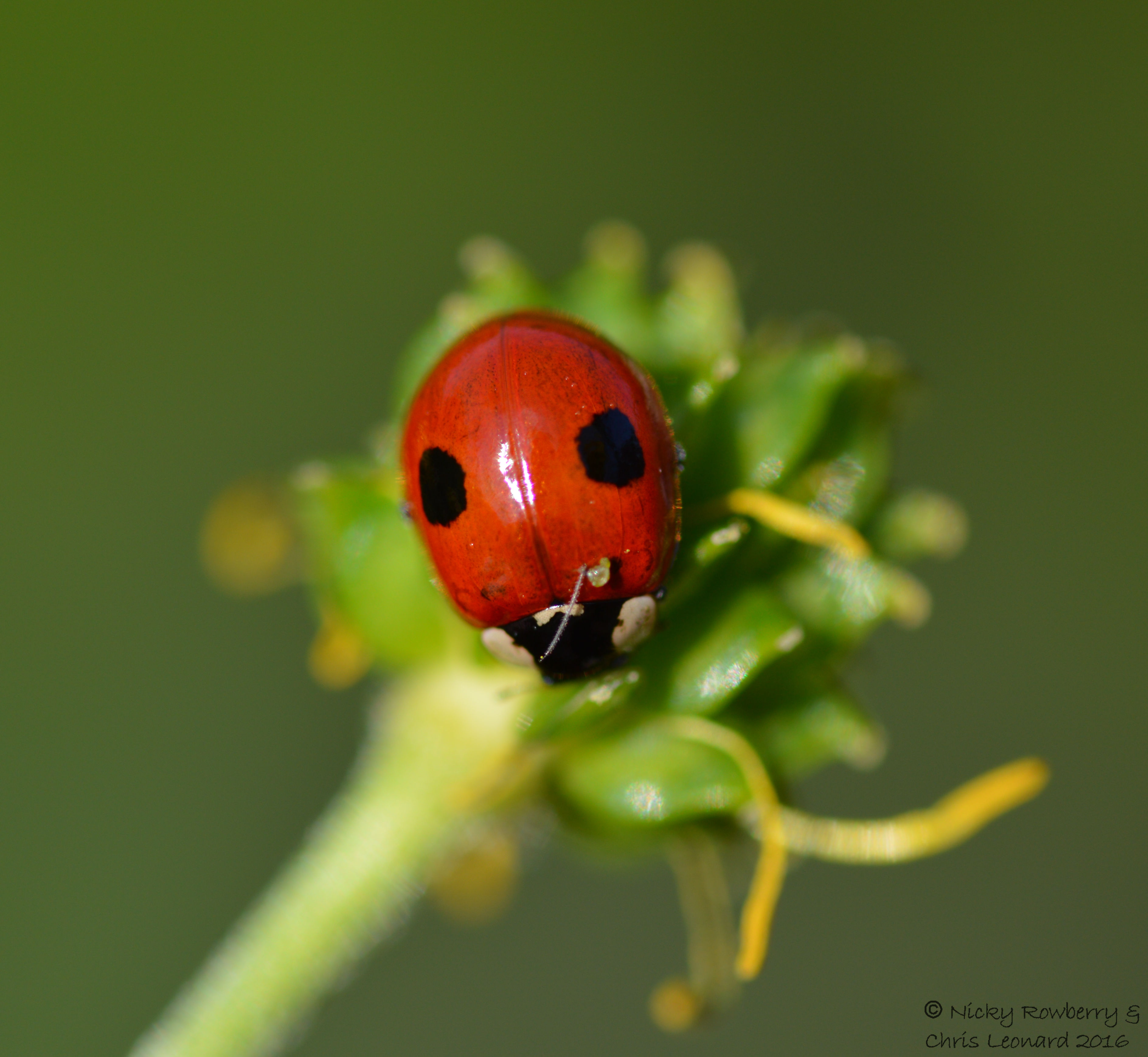
RED – Well the Red Valerian is pretty much dominating the garden at the moment. The flowers do vary in tone, from deep pink to this slightly redder version I found this afternoon. For a red animal it had to be a ladybird – I spotted (no pun intended) this lovely little 2-spot ladybird last week – first one of the year and nice to get a British one rather than the all conquering Harlequin ones.
Red - ValerianRed - Two Spot Ladybird

ORANGE – We’ve got these really striking orange poppies – I think they may be Californian Poppies. No idea where they came from, but they are a gorgeous deep orange colour. Today’s Painted Lady provides the animal orange – it was a slightly faded specimen – but then given how far it has probably travelled, I can forgive it a bit of wear and tear!

Orange - Californian PoppyOrange - Painted Lady

YELLOW. These bright yellow lilies have gradually been spreading round the garden. We make sure they’re nowhere near our cats as lilies are toxic to felines and they may be one plant that I do try and control for that reason. But they are beautiful and very definitely yellow. I would have liked to include a yellow Brimstone butterfly, but although we get them in the garden, they never pause long enough for a decent shot. So instead here’s a wasp – perhaps not as popular with some people as the butterflies, but they are to my mind quite stunning when you see them close up like this.

Yellow LilyCommon Wasp

GREEN. Well obviously there’s no shortage of green plants in the garden, but I’ve gone for one with a green flower – Petty Spurge. It’s easy to overlook this little plant with its nodding green heads of flowers, but I quite like it. It pops up all over the place, often between the cracks in the paving, so must be fairly adaptable. For a green animal, it had to be my favourite – the Swollen Thighed Beetle. Not only a fantastic name (only the males have swollen thighs by the way), but a glorious shiny green colour and there were loads of them flying around today.

Green - Petty SpurgeGreen - Swollen thighed beetle

BLUE. The blue in the garden seems to be giving way to other colours now, but there are still small patches of my favourite Forget-me-nots cheering up what should be the veg patch. For an animal – well it had to be the Blue Tit (Holly Blue butterflies might have got a look in here if only they’d slow down a bit too).

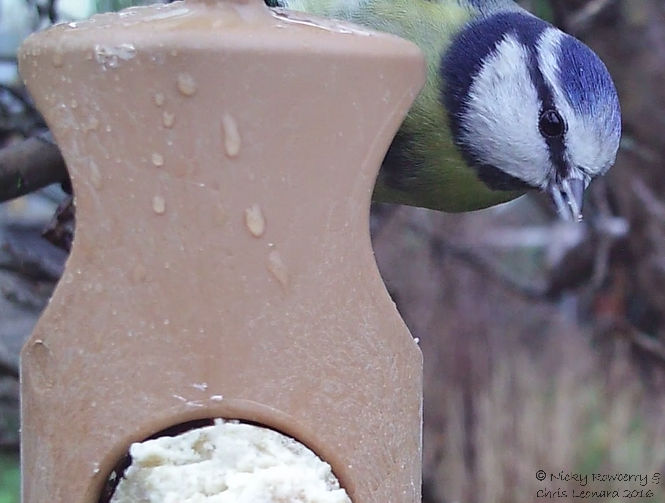
Blue - forget me notBlue Tit trail cam photo

INDIGO. Now this is the point in the nursery rhyme where I started to struggle a bit. For a start I’ve never been quite sure what colour indigo is. I’m kind of hoping no-one else does either, so I can use a bit of artistic license. I’ve also got the problem that it’s really hard to find an indigo animal! So for the flower, I’ve gone for the Aquilegia’s which we get in a vast array of colours in the garden. I’ve picked one that is as close to indigo as I can imagine – I stand to be corrected though. For the animal, well I’ve just had to cheat and assume that a) indigo is close enough to Purple and b) that a Purple Thorn moth would count even though it’s not really purple!

Indigo - AquilegiaPurple - thorn

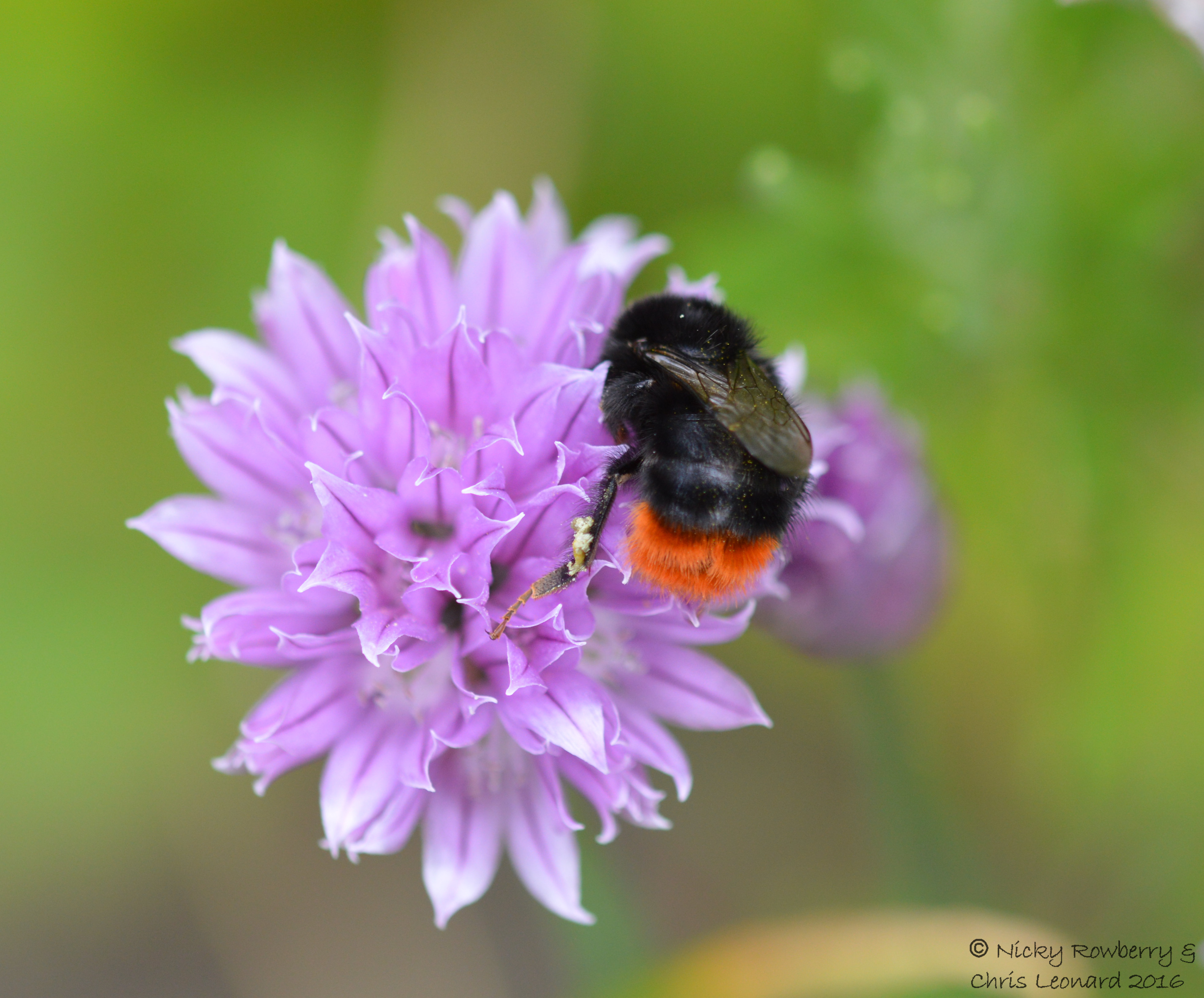
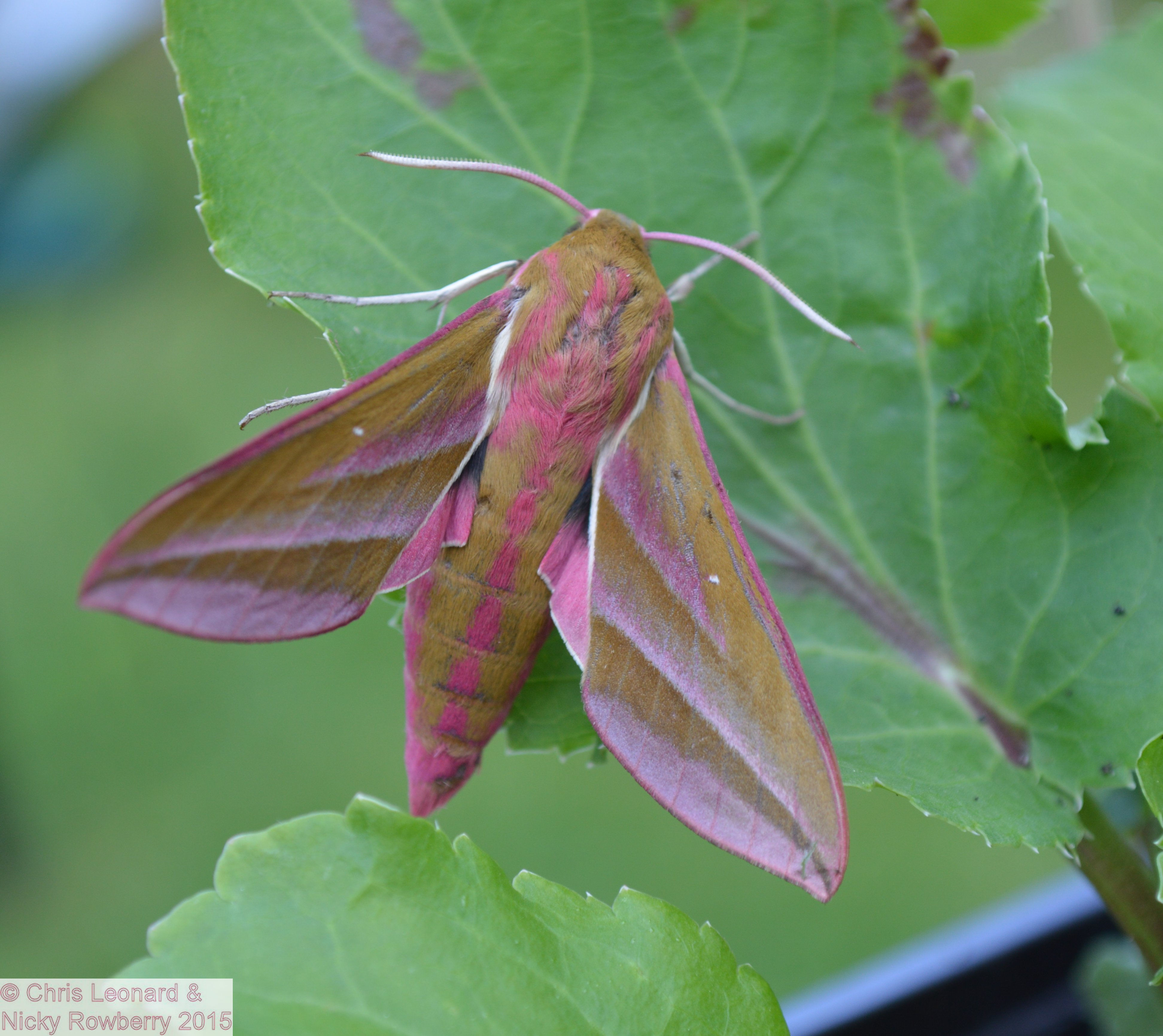
VIOLET. Well this would have been easier if the Viola’s were still in flower, but I couldn’t find any. So I’ve gone for a chive flower as we’ve got lots of those right now and they’re sort of violet coloured. The animal – well I’m really stretching the point now – you do get Violet Ground Beetles, but sadly none have ventured into our garden that I know of. Closest I could find a photo of is an Elephant Hawkmoth, which I’m trying to convince myself is a pale violet colour – I know it’s really pink, but am hoping that the beauty of the moth will outweigh my colour-blindness on this count.

Violet - Chive

So that’s my slightly contrived rainbow of colours from the garden. It was a very pleasant way of spending an hour or so pottering round the garden admiring the colours and thinking of possible (or impossible) animals to match!
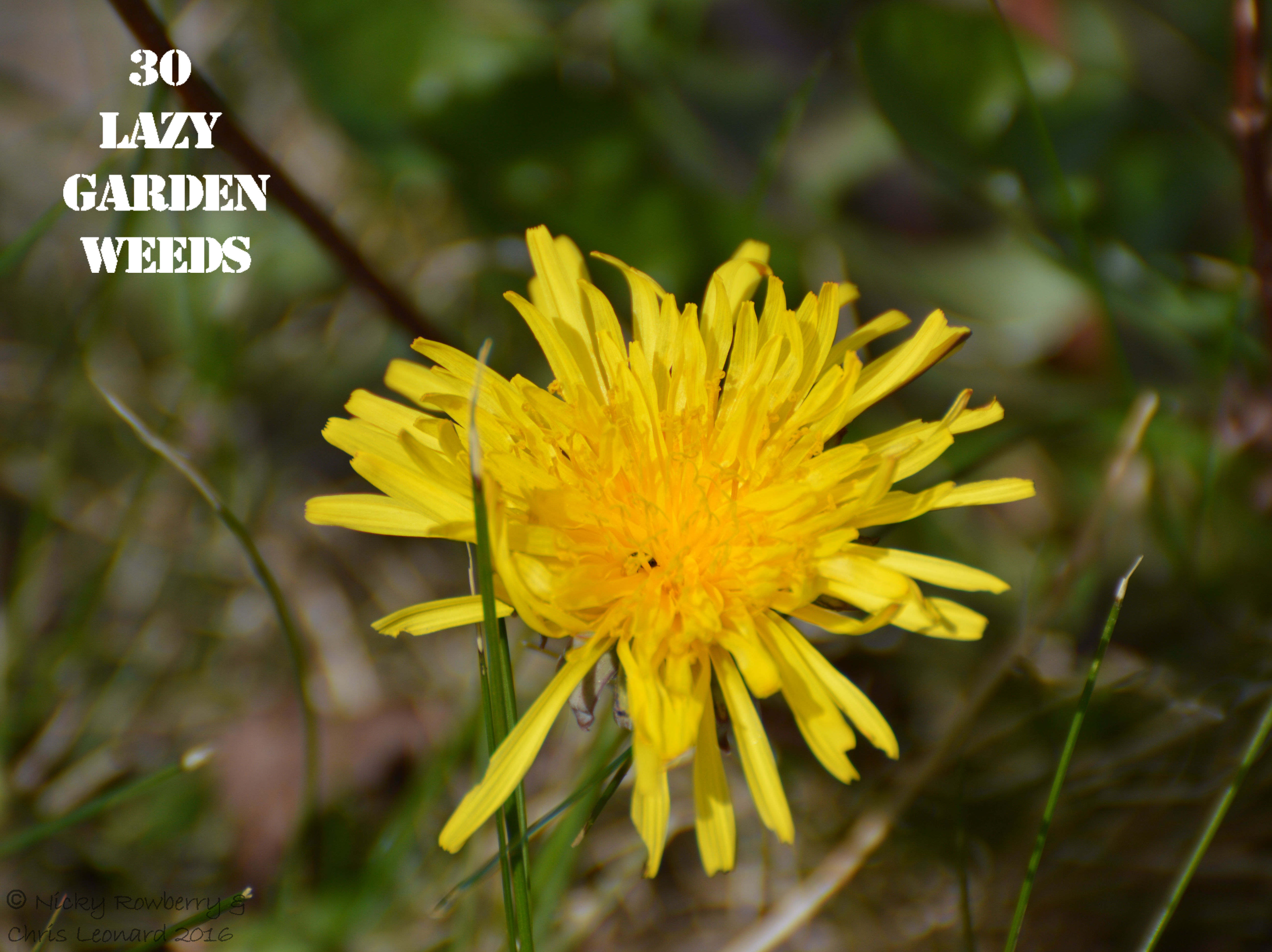
Dandelion 30 WEEDSSo to finish with the latest weed in my 30 Days of weeds series – the Dandelion. Loathed by many, but loved by bees and other insects. I’ve never quite understood why they are so despised – bright and cheerful and an early nectar source in the garden. There’s been a bit of a campaign this year not to chop them down, which is great – they’re certainly thriving in our garden.




30 Days Wild – Day 4

TWT 30 Days Wild_countdown_04Day 4 of 30 Days Wild and today we took part in another event – the National Garden Bioblitz, thereby ticking off two targets with one activity (in true Too Lazy fashion). The aim of the Garden Bioblitz is to find and record as many species of plants and animals as possible in the garden in 24 hours.  Since we’re always identifying things we find in the garden anyway, a bioblitz is just a natural extension of that.

Garden BioblitzLast time we did this a few years ago, we recorded about 120 species; but that was before we got into moth trapping and bee identifying, so hopefully we can beat that this time.  I’m writing this late evening – we’ve been busy in the garden all day, photographing and listing everything we could find. I’ve still got loads of things to identify from the photos and then everything has to get logged onto the i-record site.

It has pretty much been the perfect day. It started at about 4:30 am when I got up to empty the moth trap (to beat the cheeky robin to the catch). Then went back to bed for a bit more sleep (always good), before resuming the challenge at a more reasonable hour. For once the sun shone on the righteous (questionable I know) and we had the perfect conditions for trawling the garden for photo ops. Pretty much the whole day was spent crawling about the garden with the cameras. We finished off by cranking up the BBQ and cracking open a bottle of Prosecco – the perfect end to the perfect day.

During the day we tried every trick we could think of. Obviously the moth trap had been out over night and produced at least 20 species of moth – I’m still working through the photos, so this total may rise. Highlight was the always stunning Elephant Hawkmoth.

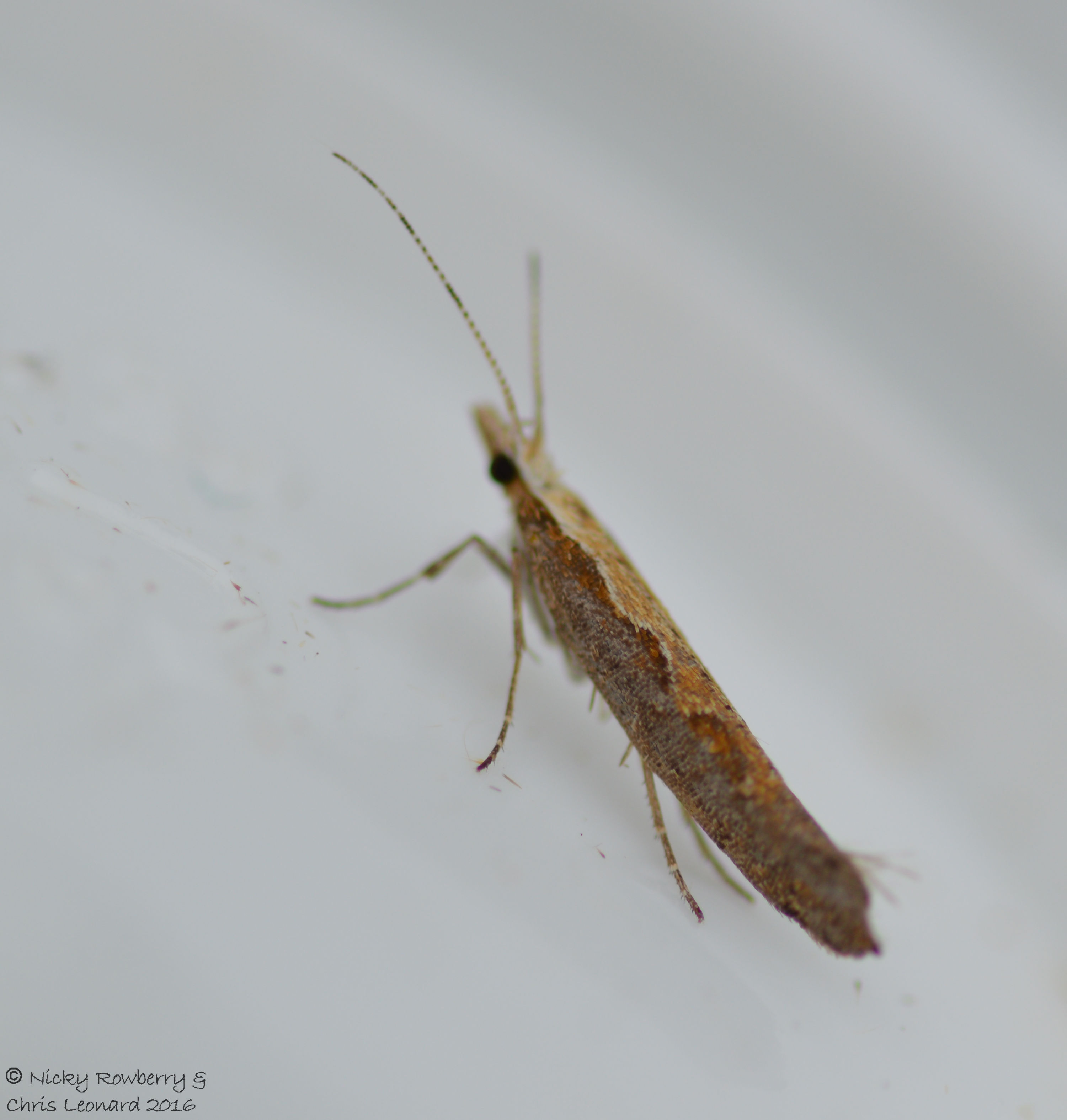
Diamond Back mothI was also really pleased to get several Diamond-back moths – tiny moths that migrate over from the Continent. They’d been mentioned on Springwatch and social media was full of people saying they’d had loads of them this week, so I felt ridiculously glad that Too Lazy’s garden hadn’t missed out. Moth envy is a terrible thing!

We also tried pitfall traps for the first time, using old plastic tubs buried in the ground. This produced this rather splendid (and still to be identified) beetle, plus a couple of woodlice and a spider (also still in need of ID). I suspect pitfall traps take a bit of practice in sussing the right location – we might try them again at other places in the garden.

We tried the “suspend an umbrella under a tree and wack the branches” technique as demonstrated by Chris Packham on Springwatch.  We only have the one mature tree (an apple) so this didn’t produce too much, but was interesting to try.

We dipped in the pond, which produced mainly duckweed, but also some leeches and water louse. It also meant we spotted one of our two amphibian species of the day – a Common Frog, watching us warily from his duckweed blanket.

NewtWe of course turned over stones and pieces of wood, which yielded our second amphibian – the Common Newt. We also found most of our molluscan species this way, both snails and slugs. We achieved a respectable 4 species of snail, but sadly the Girdled Snail, which I know we get in the garden, remained steadfastly hidden today.

The rest of the day was spent generally bird watching and chasing various bees and insects round the garden.  I haven’t tallied up the birds properly yet, but we managed at least 10 species including this Collared Dove. At least 6 bee species put in an appearance, with possibly a new one – we spotted some kind of leafcutter bee carrying (not surprisingly) a piece of leaf – hopefully we can get an ID on it soon, although the photo wasn’t brilliant. Fortunately other bees were more obliging.DSC_3856

Only 2 butterflies showed their faces today – a Small White and a Holly Blue. Assorted insects made up the remainder of the animal count, while the plant count is at least 25 species, with probably a few more to ID.

We’ve spent the whole day in the garden photographing our wildlife and it will probably take several days more to go through all the photos and get them loaded so that they count for the Bioblitz. But it’s been a thoroughly enjoyable experience and has got us rooting about bits of the garden, that we may otherwise ignore. We won’t know the final tally of species for a couple of days, but I’ll post an update when we do. I’d recommend having a go at a Garden Bioblitz for anyone – you don’t need to be especially skilled – just take it to whatever level  you can manage. You’re sure to learn something new and hopefully enjoy your garden all the more for it. There’s still time to do it for this year – http://www.gardenbioblitz.org/ for more information.

Bindweed 30 WEEDSDay 4 of 30 Lazy Weeds and a truly beautiful if sometimes bothersome flower – Bindweed. The bane of many a gardener, but if you take the time to look at the flower itself, it really is stunning. Pure white and beautiful in its simplicity. Gardeners will plant similar looking flowers, but weed out these, which seems a shame. I know their stems do wind themselves round pretty much everything, but for me the flowers more than make up for this.


30 Days Wild – Day 3

TWT 30 Days Wild_countdown_03Day 3 on the challenge and it’s Friday night. Having got up early yesterday for the dawn chorus, I’d gone for an activity at the opposite end of the day and stayed up late to hopefully catch some nocturnal action in the garden. Gone are the days when staying up late meant drinking or clubbing, now staying up late means getting the bat detector out and spying on hedgehogs. But it’s not a metaphorical school night, so that’s exactly what I’ve been doing – living on the edge!

All this week we’ve seen the bats dive bombing around the garden in the evenings – we can usually see them through the patio doors from the comfort of our sofas. So I thought tonight it would be a doddle to go out and record them. We have a Magenta bat detector, which we’ve used previously and determined that our bats are Pipistrelles, emitting their ultrasound clicks at around 45kHz.

Today has been a lovely warm sunny day, so it seemed ideal batty conditions in the garden. As it started to get dark I sat out with my detector and recorder – I was getting bombarded by moths, which seemed like a good omen, but there was no sign of any bats. I lay on the grass for quite a while – very relaxing as I could hear a bit of the evening chorus going on (felt like yesterday’s dawn chorus in reverse!) I did get a few “clicks” but didn’t actually see any bats  – they must have been swooping around next door’s garden behind the hedge. I stayed out for a good hour, but no joy.

So I’ve had to admit defeat for the night. But all is not lost – the bats will no doubt be back in the nights to come and I will try again. I did also get to spend a very relaxing hour watching the garden going to sleep. The warm evening bodes well for the moth trap which is now out, as it is Garden Moth Scheme night. I saw on Springwatch and various social media, that there is an influx of Diamond Back moths getting blown over from the Continent, so with a bit of luck I’ll get some of those.

In the absence of any batty recordings from tonight, here is one we recorded back at the beginning of May. I’m pretty sure the sounds match a Pipistrelle, but confirmation from anyone who knows about bats would be much appreciated.


Creeping wood sorrel 30 WEEDS

Day 3 of 30 Lazy Weeds and it’s Creeping Wood Sorrel or to give it the even better title – Procumbent Yellow Sorrel. We get the purple leaved variety a lot in our garden. It is a low growing plant with small but pretty yellow flowers. It does spread very easily and has a knack for growing in places where there doesn’t really seem to be any soil, like the one shown left. It’s small and often overlooked and some gardeners don’t like it because of its persistent nature. But I’d rather have an area covered in this, than bare earth – so as with so many “weeds” it is welcome in the Too Lazy Garden.

30 Days Wild – Day 2

TWT 30 Days Wild_countdown_02Day 2 on the challenge and I feel a bit like a marathon runner (actually I’ve no idea what that feels like and probably never will!) just getting going and setting my pace so I don’t run out of steam. So with that in mind, Day 2’s activity was none too strenuous and involved dragging my lazy bones only as far as the garden. I did however have to get up BEFORE the crack of dawn, so still feel deserving of some kind of medal.

So the reason for getting up at such an ungodly hour – to listen to the dawn chorus. This is something that always seemed such a lovely thing to do (memories of Bill Oddie enthusing about it on past TV programmes perhaps), but somehow I’ve never quite achieved – the lure of the duvet has always been too strong. So 30 Days Wild felt like the time to finally do it.

Unusually, I was organised. A digital dictation machine was borrowed well in advance (couldn’t think how else to record it as my phone is from the dark ages) and a few practice runs attempted – not at ridiculous o’clock in the morning of course, but in more civilised early evenings. We live in a pretty quiet street, but you don’t realise how much noise there actually is until you start trying to record something relatively quiet like bird song. First attempts resulted in 30 seconds of a neighbour hammering something. Next one a dog barked incessantly. Third one sounded as if the Hell’s Angels had decided to do wheelies down our street – all duly recorded (I might have kept that recording if he’d said we were having something that sounded a bit more glamorous and foodie than beans!) At least they proved the sound recording worked.

Sunrise this morning was supposed to be about 5am here in Malvern. According to the RSPB website the chorus begins about an hour before sunrise, so by 4am I was up and out and sitting in splendid isolation in the garden. Last night I’d been stressing a bit that I wouldn’t be able to identify the birds from their songs. I listened to various bird recordings online to try and memorise them – with little success. But as I got up this morning, I thought to hell with that – it’s way too early in the day to be stressing about anything, much better to sit back and just enjoy the birds as they come. I already pretty much know what birds we get in the garden and it seemed unlikely that a nightingale would suddenly start singing without me realising it!

Initially it seemed our garden was silent. I could hear birds singing in the distance but it was too faint to hear properly, let alone record. First noise that would have been audible on tape was a plane going over about 04:05 am – I didn’t even really think we were on a flightpath – just shows what you can notice when you’re alone in your garden in the dark! Gradually the bird song seemed to move closer – like a Mexican wave of tweeting washing over Malvern.

BlackbirdAbout 5 minutes later, the blackbird started up. I can say this with confidence as I could see him on top of next door’s roof. It was still pretty much dark, but he was singing his little socks off – and really loud. I know I’ve heard blackbirds sing before but I’ve never consciously sat and just listened to one – beautiful but definitely loud. Here’s a brief recording of him.

Once the blackbird had got going, more birds seemed to join in, although I couldn’t identify anything specific from the mix. I would have expected perhaps robins and the wren – if anyone can confirm whether these are on the next couple of audio clips, that would be great. Of course the main thing  you can still hear over-riding everything is the blackbird.


About 04:30 the bottom of the garden was filled with lots of cheaping voices – the sparrows had woken up. We are fortunate to have a lot of House Sparrows in the garden and they clearly all woke up together.


As I’m not normally up in the garden in the semi-gloom of pre-dawn, it had never occurred to me that bees might be up at that time too. I had always sort of assumed that they didn’t stir until it got warmer. But while wandering the garden with my microphone, I became aware of lots of buzzing around the raspberry canes – sure enough about half a dozen Tree Bumblebees were making the most of an early breakfast. They are just about audible on this clip.


The robin appeared on the fence about 04:45 and looked at me as if to ask “what on earth are you doing up at this time and does this mean  you’re going to feed me?” (and I did).

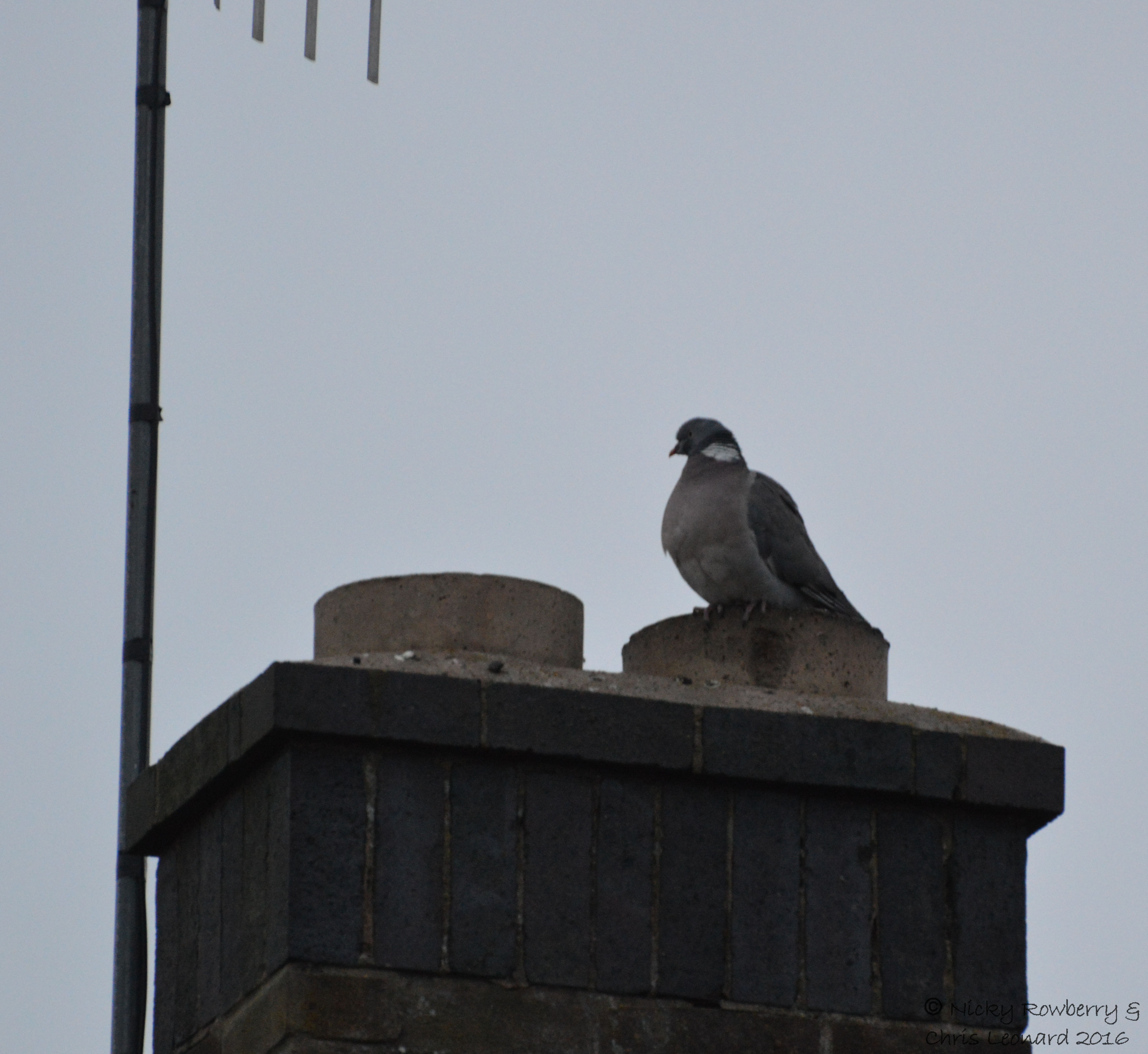
PigeonThe bigger birds were the last to get up. Just after I’d seen the Robin, I could hear the woodpigeons faintly in the distance. Just before 5am they finally came close enough to record, although their gentle cooing was rudely interrupted by a Jackdaw squawking.


As everyone in the garden now seemed to be up, I decided it was time for me to go back to bed. It was actually very relaxing sitting in the garden for an hour that early (once my body had got over the shock of being up!) With none of the usual modern day distractions, it was like some kind of sensory relaxation therapy to just sit and listen to the (mainly) natural sounds all around me. I might even be tempted to do it again!

Primroses 30 WEEDSIt’s Day 2 as well of my 30 Lazy Garden Weeds – this time the Primrose. It is a native plant and must surely be one of Britain’s most loved wildflowers and I doubt anyone weeds these out. Our garden in spring is a mass of these yellow clusters and the bees love them. They provide a much needed early season nectar source for the bees and they brighten up the garden no end. Even Shakespeare wrote about them in Midsummer Night’s Dream “And in the wood, where often you and I
Upon faint primrose-beds were wont to lie…”

Hedges and Maybe Fledges?

It’s been a mixed week with the trail cam this last week or so. We’ve either had two happy successes in the garden or one success and one disappointment and we can’t work out which.  The undecided is our baby blue tits.

We’ve been filming the adults going in and out for a few weeks now. They seemed to be doing a good job feeding the babies and we could hear chicks chirping. Then suddenly about 9am last Wednesday the adults started flying back to the box with caterpillars, stopping, peering in and looking confused. We’d had the trail cam on the box continuously and this was a very marked change in behaviour. For the first couple of mini video clips I thought great – because the adults were hanging around outside, clutching the food which made for much better shots. But after the 20th clip of the same thing, we started to worry. We also couldn’t hear the chicks tweeting any more. There was no evidence on any of the films of predation (next door’s cat had been a likely candidate, but couldn’t reach the box with the chicken wire over it). Could the chicks have all fledged and the camera just missed them leaving the box? Have they just died in the box – why would they, when the parents were doing a good job with the food?  Here are a couple of clips of the confused looking adults.

The adults seem to have stopped using the box now, so we could check to see if there are dead chicks in there, but while we don’t know for sure, there’s still hope that they did fledge and it’s a happy ending. The adults are still feeding in the garden and disappear into various trees, so it could be there are chicks hiding amongst the leaves. There’s a lot of general chirping in our apple tree and next door’s damson tree, so fingers crossed they made it.

The definite happy event is that our hedgehog is back! He or she may have been around for weeks, but as we’ve had the trail cam pointed up for bird activity rather than down on the grass we hadn’t realised. So the upside of the end of the bird box activity was that I tried filming downwards at night instead of up! And lo and behold the hedgehog trundled into view.  The first film is a bit blurry – wrong lens or LED setting or something technical (blame the operator!)

Second attempt is a bit sharper and I’d added a bowl of catfood as a bit of a temptation which seemed to do the trick.

Previous years we’ve had a pair of hedgehogs (but of course no trail cam to record them), so fingers crossed we have two this year too. So hopefully more hedgehog action to come.

If anyone can shed any light on the blue tit behaviour – any thoughts would be much appreciated. It will be disappointing if they’ve fledged and the camera missed it, but not as disappointing as if they didn’t make it at all. One final happy thought though – when up this morning before 5am to empty the moth trap and check the hedgehog cam, I spotted what looked like a pair of Long Tailed Tit chicks in the apple tree – so one happy little bird family in the garden at least.


Out and About – Penny Hill Bank

You know how it is, you wait a lifetime to see a Green Hairstreak, then see them two days in a row! Flushed with success of finding them at Cannock Chase the day before, we ventured forth once more – this time to a small reserve in Worcestershire – Penny Hill Bank.

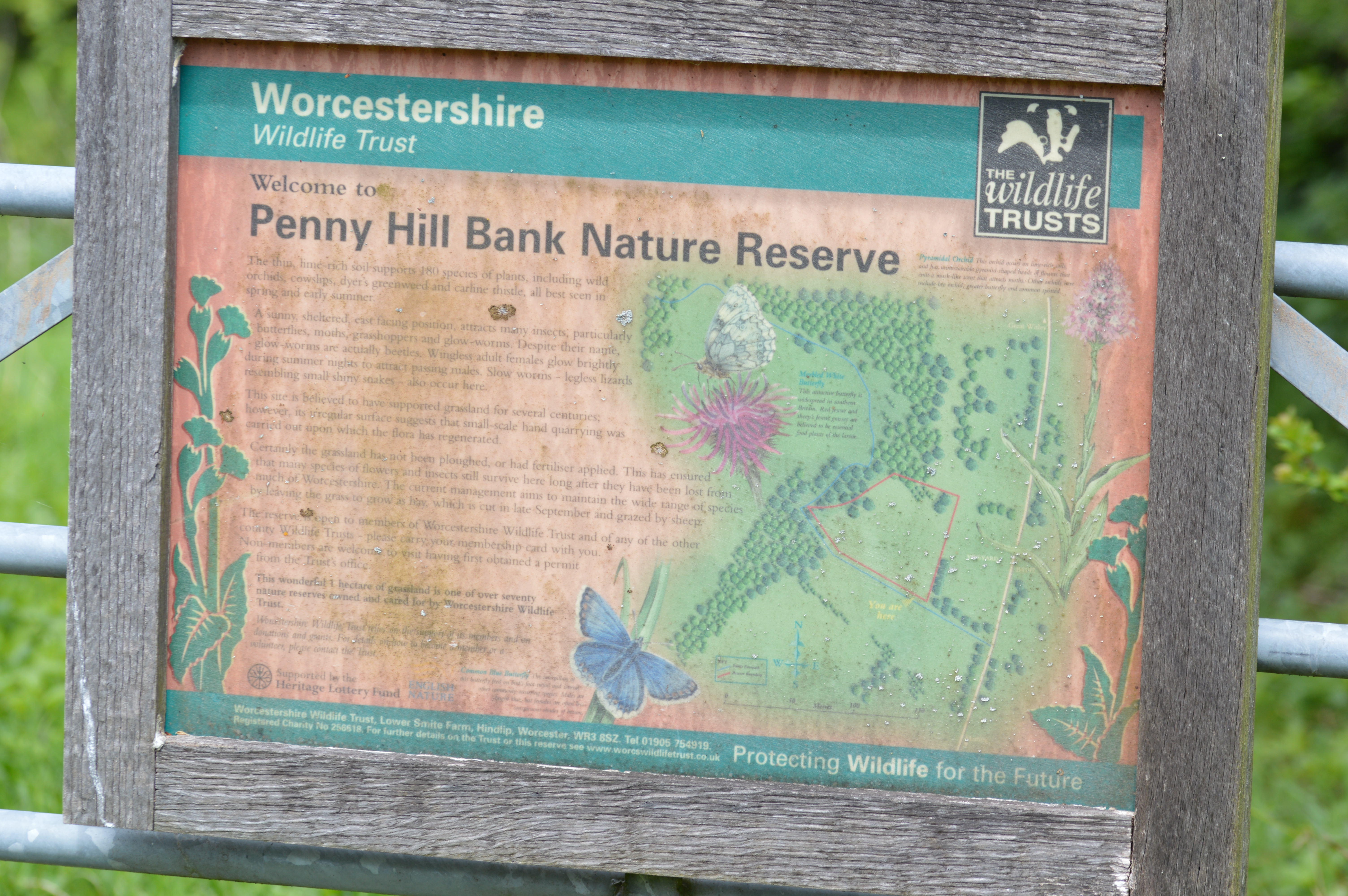
Penny Hill Sign

Penny Hill is an area of grassland that has apparently never had pesticides on it, so has a very diverse flora, including several types of orchid. We were probably there a bit early in the year to see many of them, but we did spot this Common Twayblade orchid (Listera ovata) and there were lots of pretty blue Bugle (Ajuga reptans) flowers.

Common Twayblade orchid (1)

Bugle (2)

The diverse flora of course in turn attracts a wide variety of insects, particularly butterflies. We’d only been there a couple of minutes before we spotted a Green Hairstreak. Perhaps now, having got our eye in with them at Cannock Chase, we’ll be finding them everywhere!

Green Hairstreak Penny Hill Bank

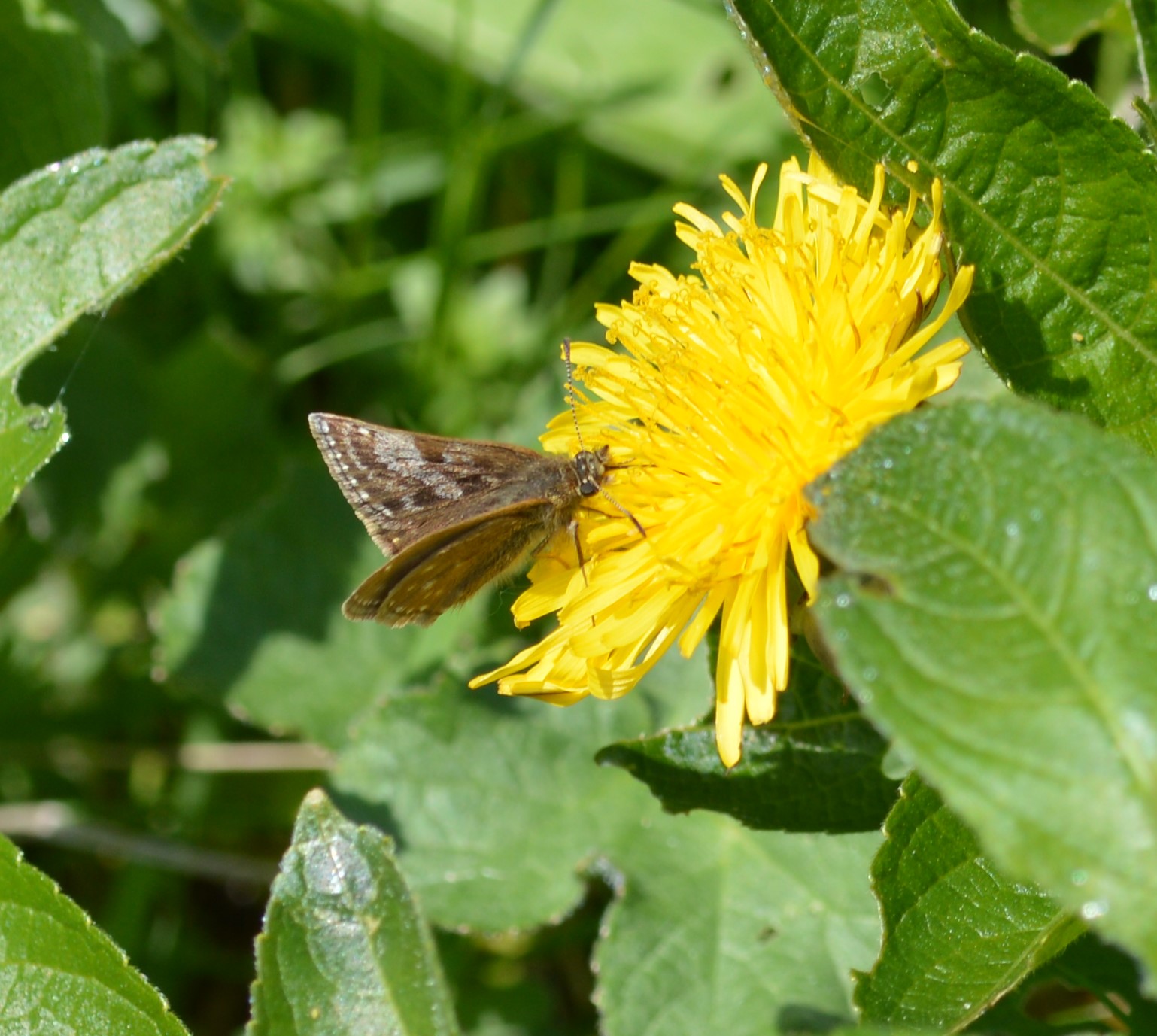
This was soon followed by another relatively unusual butterfly, the unfortunately named Dingy Skipper (Erynnis tages). The skippers look a bit more like moths than butterflies, but have the typical butterfly antennae – smooth with a slightly bulbous tip. The Dingy Skippers are actually quite pretty in a subtle kind of way. They were also quite flighty, so not easy to photograph – this was the best I could do.

We saw several other species of butterfly – Orange Tip, Green Veined White, and a possibly Large White, but none of them stopped long enough to get a photo.

The field was generally very tidy, with thankfully no rubbish, but there were a few old bits of farm debris lying around, so we checked underneath them. The first revealed a newt, but the highlight of our day though was finding another lifetime first – a slow worm! I had never seen one, so was squealing with excitement when we lifted an old metal sheet and found the slow worm underneath.

We hurriedly took a few photos, before carefully lowering his “roof” back down. As we’d been walking around Penny Hill, it had seemed like possibly adder territory, but the slow worm was a complete surprise. Penny Hill is also home to glow worms – so we may be back there one night in the hope of bagging another first!

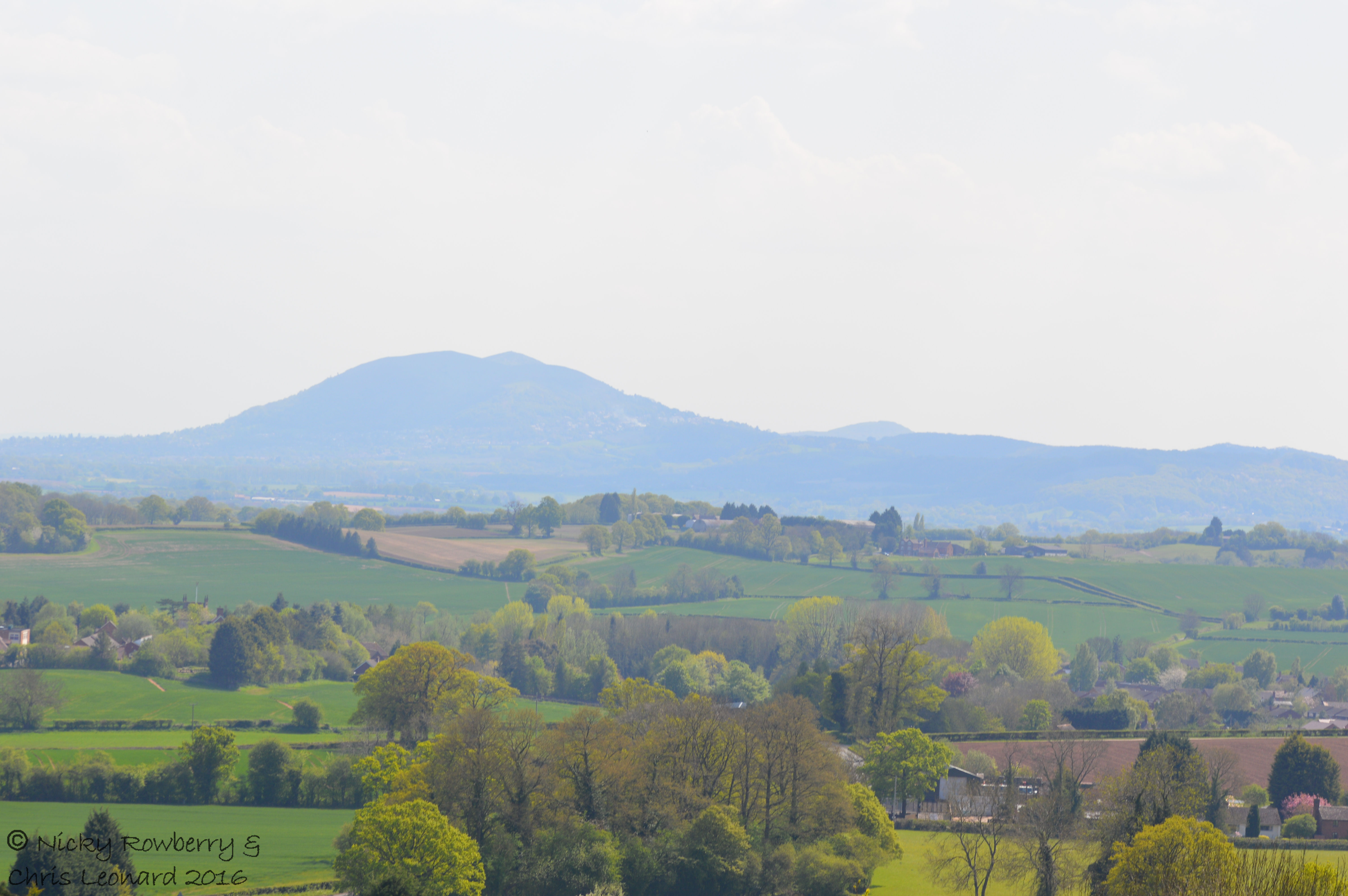
The views from Penny Hill Bank were stunning, you could see for miles across Worcestershire. The photo below doesn’t really do it justice. It’s a small site tucked away off the beaten track and not that easy to find (thanks go to a local who pointed us in the right direction), but it’s a lovely, peaceful place to just sit and enjoy the view, whether you’re interested in plants and animals or not.

Penny Hill View

Garden Moth Scheme

It’s the end of the first quarter of my first year participating in the Garden Moth Scheme. It’s not exactly been a flying start (no pun intended); the moths have been few and far between this spring. But I’m consoling myself with the fact that all data is useful, even if it shows disappointing numbers.

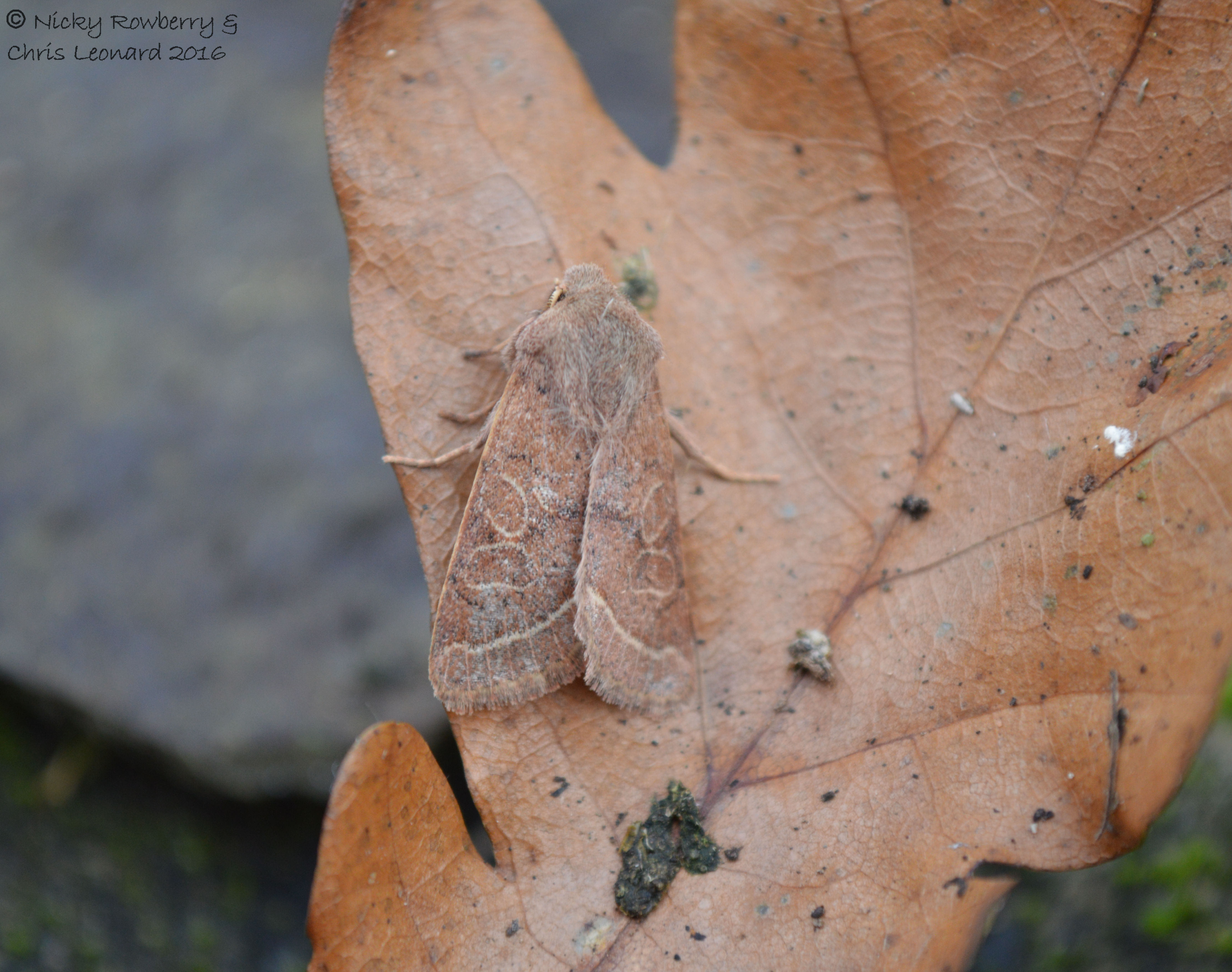
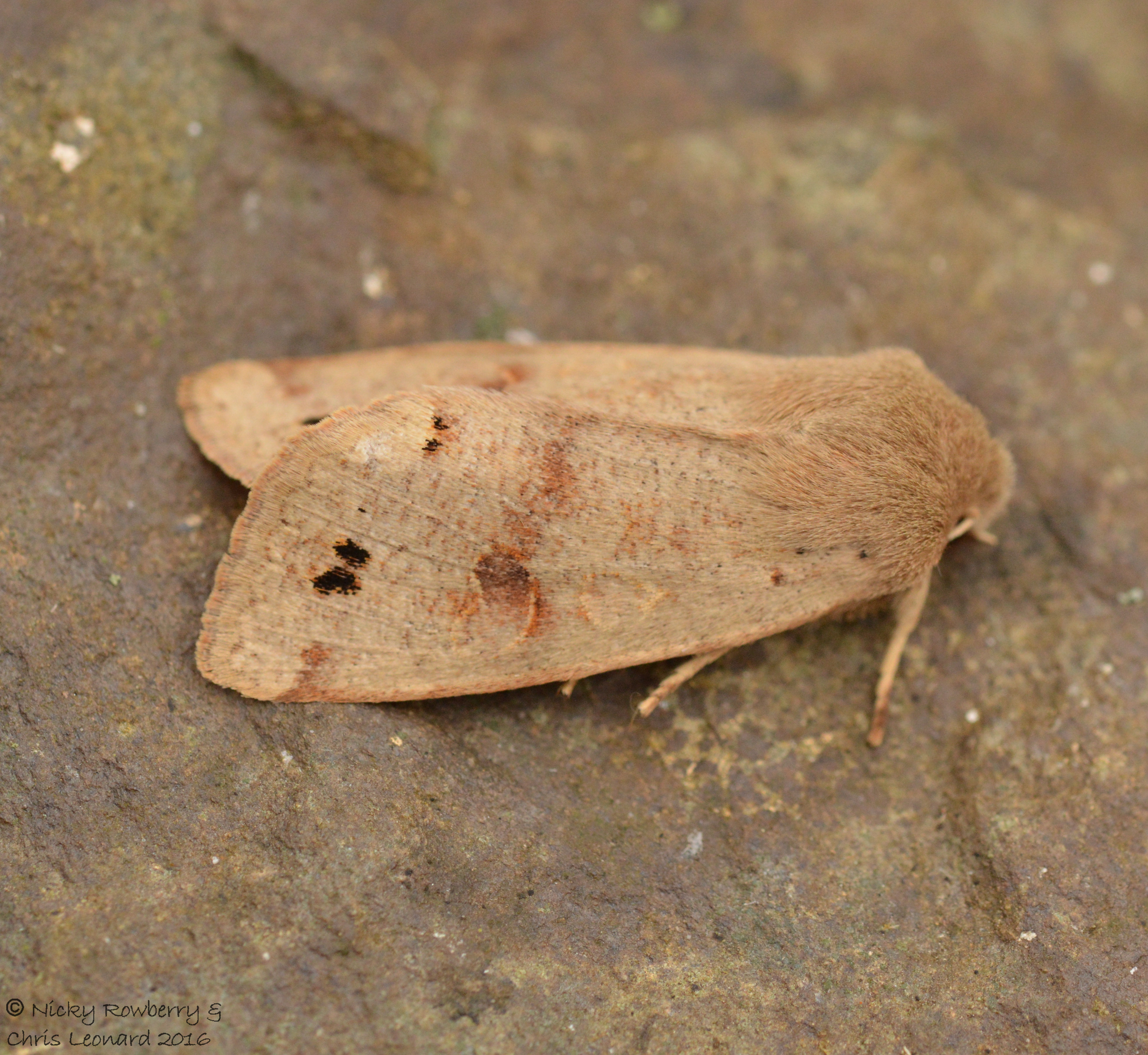
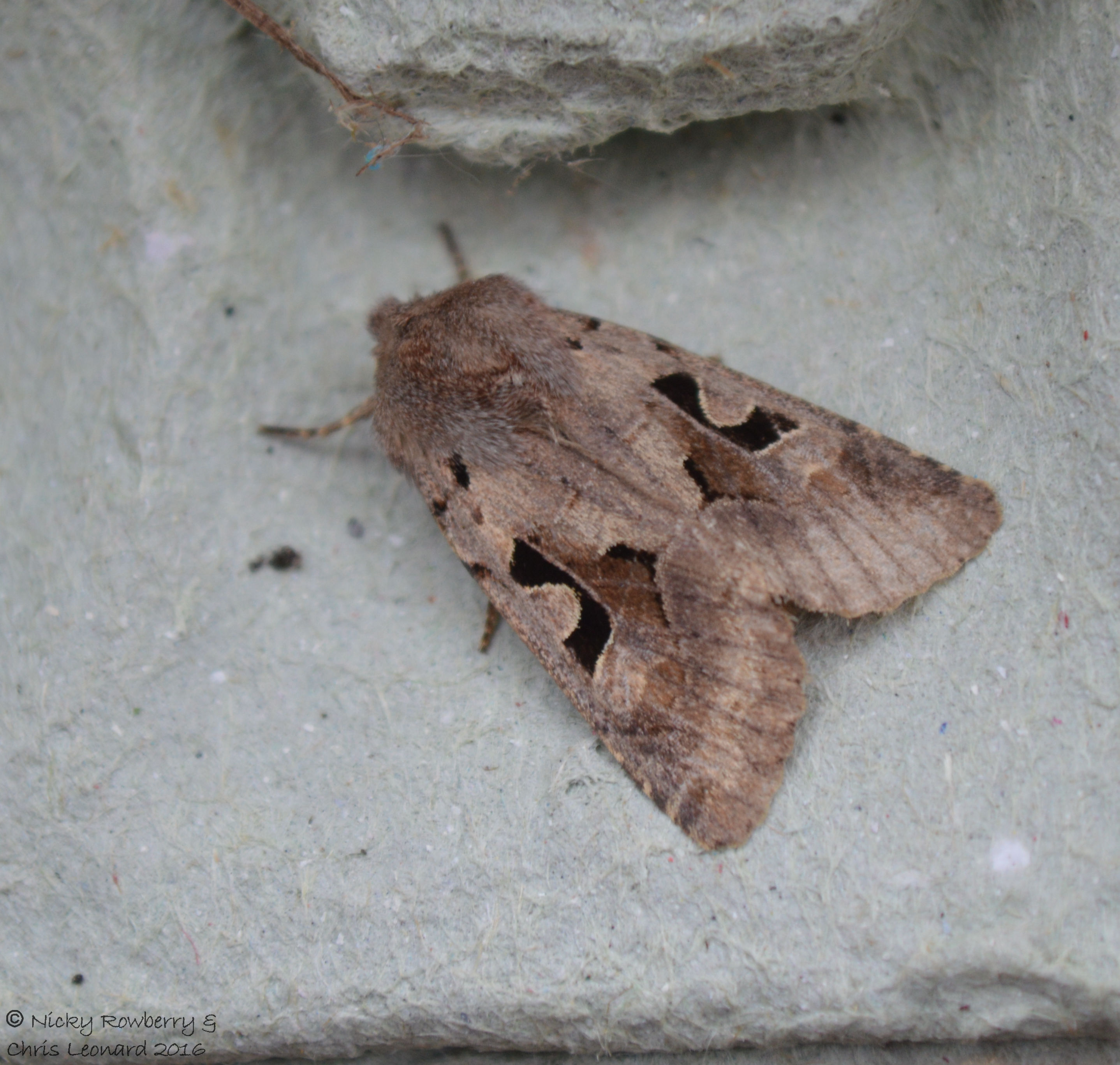
On the 9 nights the moth trap has been out for the scheme, only 46 moths have deigned to make an appearance. On two of the nights nothing showed up at all! The 46 moths represented individuals of 9 species. These 9 species were dominated by the Orthosia – 5 species of this genus; all typical spring moths.  I was particularly chuffed with the Twin-spotted Quaker record, as it was a new one for our garden. With the exception of the Hebrew Character, they are generally quite plain looking moths – see photos below.

Small Quaker (Orthosia cruda)

Small Quaker

Common Quaker (Orthosia cerasi)

Common Quaker 2

Clouded Drab (Orthosia incerta)

Clouded Drab

Twin Spotted Quaker (Orthosia munda)

Twin spot quaker (6)

Hebrew Character (Orthosia gothica)

Hebrew Character (2)

The GM scheme records 6 species of Orthosia  and the final species, Powdered Quaker (Orthosia gracilis), did indeed turn up in the trap, just not on a GMS night.

Powdered Quaker

 Besides the Orthosia moths, the other 4 species making up the 9 for the GM scheme were Common Plume (Emmelina monodactyla), Double Striped Pug (Gymnoscelis rufifasciata), Early Grey (Xylocampa areola) and a Brindled Beauty (Lycia hirtaria).

For the year to date though I’ve recorded 22 species – it’s just that most of them seem to appear on nights that aren’t official GM scheme nights so don’t get logged for the project, which is a bit of a shame. For some reason as well the non GMS nights seem to attract the more striking moths (not that they aren’t all lovely to my eyes!), such as the Herald, Oak Beauty and this  Early Thorn.


Early Thorn

Hopefully the next quarter will bring a greater variety and abundance of moths. The trap is out again tonight – it’s not a GMS night so I’ll probably get something huge and spectacular  – Mothra perhaps?

Hungry Mouths to Feed

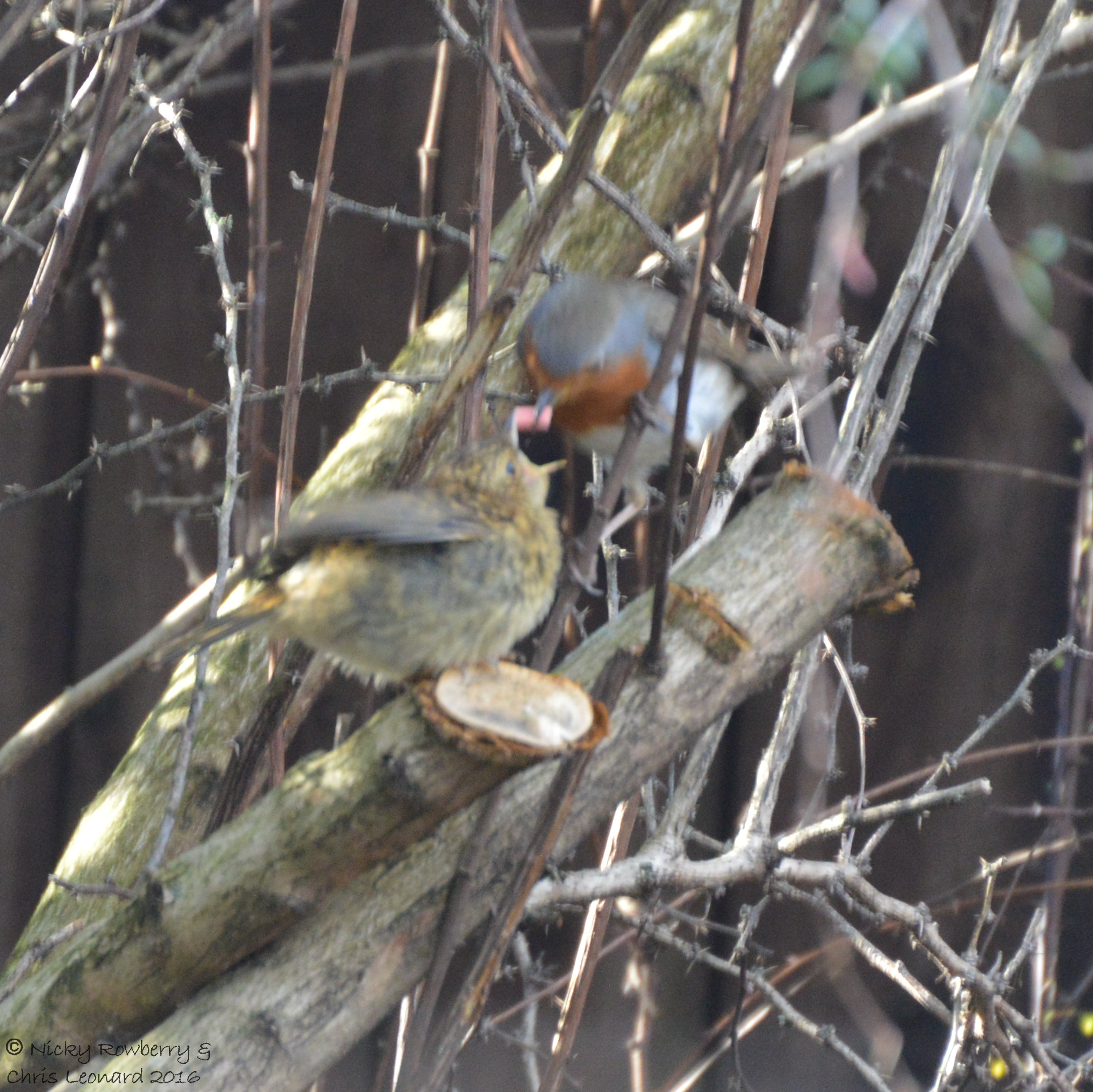
Hooray the robins in our garden have successfully fledged!! Two juvenile robins have been flitting around our garden all week, with the parents never very far away. They may be able to fly, but they still seem determined to sponge off Mum & Dad (typical teenagers) for as long as possible. So I’ve spent the week chasing them around the garden trying to get the perfect shot of them being fed by the doting parents. The results were mixed to say the least – if I got a perfectly focussed photo then they weren’t doing anything very interesting. If they started feeding the chicks, then in my excitement the photos came out blurred!

The adults were as always pretty easy to photograph – they seem to love the camera and pose happily on any available perch.

Robin

They’ve always taken a keen interest in whatever was out on the bird table and of late I’d seen them flying off with their bounty rather than eating it there and then, so I’d suspected chicks might have hatched. We’ve never spotted the robin nest, so perhaps they’re nesting in one of the neighbours gardens and just using us as a buffet?

Robin (3)

The fledglings appeared a week or so ago. Initially they were shy, keeping to the bushes, but have gradually got bolder. At first I thought it was just one – perhaps one fledged before the other. The one below looks particularly dejected as if it’s been told of by the adult, although it’s probably just fed up with the bank holiday weather like the rest of us!

Juvenile robins (7)

This weekend though, I started seeing two of them together (although this photo only shows one and a half fledglings!)

Juvenile robins (1)

Despite seeing the parents feed them several times, it took ages to catch them doing it somewhere where I could get a relatively clear shot with the camera. Of course when I did, the photos came out blurred – the excitement must have got to me! But you can at least see the parent is feeding a suet pellet to the eager juvenile.

Robin and baby (5)

Robin and baby (2)

They seemed to use this corner of the garden regularly to feed the young – perhaps the thorny Berberis twigs offer some protection from the neighbours cat? So I tried setting up the trail cam to capture the action – 163 videos of twigs blowing in the wind later and I got a few brief snippets of the young. They were indeed still using this area to feed them, but always it seemed just out of camera shot.

So I may not have got the perfect photo or perfect video, but the main thing is that we seem to have 2 healthy (and very greedy) fledgling robins in the garden. Fingers crossed we get the same success with the blue tits.