Freezing February Birds

It’s February and it’s freezing and being a bit of a fair weather nature watcher I’ve not been out much – other than to constantly top up the bird feeders and defrost the bird baths of course! So it’s been a month mainly of bird watching through the window or via the cameras in the garden. Our array of camera gadgets is slowly growing. Trouble is with each one you get, you tend to want more; or at least that’s how it seems in our house. No matter where we’ve got cameras pointed, there always seems to be something more interesting happening elsewhere in the garden!

Anyway like much of the country we’ve had snow yesterday and today – not a huge amount, but it’s never really got above freezing here.  So it was a nice surprise to download the trail cam in the afternoon and find a pair of goldfinches had visited our new niger seed feeder. Sorry the video is a bit dark, but it was snowing!

Inspired by our intrepid goldfinches, I got round to sorting through some videos we’d taken in the garden in the last week or so, to see what else I could find.

We’ve got a new GoPro camera which can be remotely activated using a phone. Perfect on a cold day for sitting on the sofa hitting record whenever something interesting appears. I’ve been trying out different angles and distances to see what works best. This video was shot with the camera only about a foot away from the action.

This next video compilation was the GoPro again, but this time filmed from a greater distance looking down. The greater distance does of course give a wider field of view and I think  the GoPro lens may be a wide-angle one too. You can still see lumps of ice in the bird bath although I had already taken two kettle loads of warm water out to defrost it.  Lots of different species of birds have been using the bird bath in this cold weather though, so it’s well worth thawing it out.

This next little compilation was filmed with the GoPro strapped to a branch next to some of the feeders. The GoPro has the advantage here over the old trail camera in that it is much smaller, making it easier to position closer to things. You can strap it to twigs that would be too thin to support the trail cam.

But I have not abandoned my old faithful Bushnell trail cam. I had it pointed at the same feeders, but from a different angle. I was really chuffed that it filmed a couple of the siskins that we’d been so excited to see the previous week. It also picked  up the female blackcap, although the male still eludes us. It was nice too, that between the two cameras, there was footage of 3 of the 4 species of tit we get in our garden – blue, great and coal. The long tailed tits as usual refused to perform for either camera.

One final surprise the cameras threw up was a visit from our squirrel – trying (but failing) to get into the peanut feeder.  I suspect he managed to get some of the other food out of shot.

Most of our regular bird species show up on one or other of the remote cameras but not all. So sometimes I just need to get off the sofa and sit in the garden with a “proper” camera. These jackdaws are regular visitors to the bird table and are particularly keen on the suet pellets. It does look slightly oddly like the one on the right is taking suet to the table rather than taking it away?

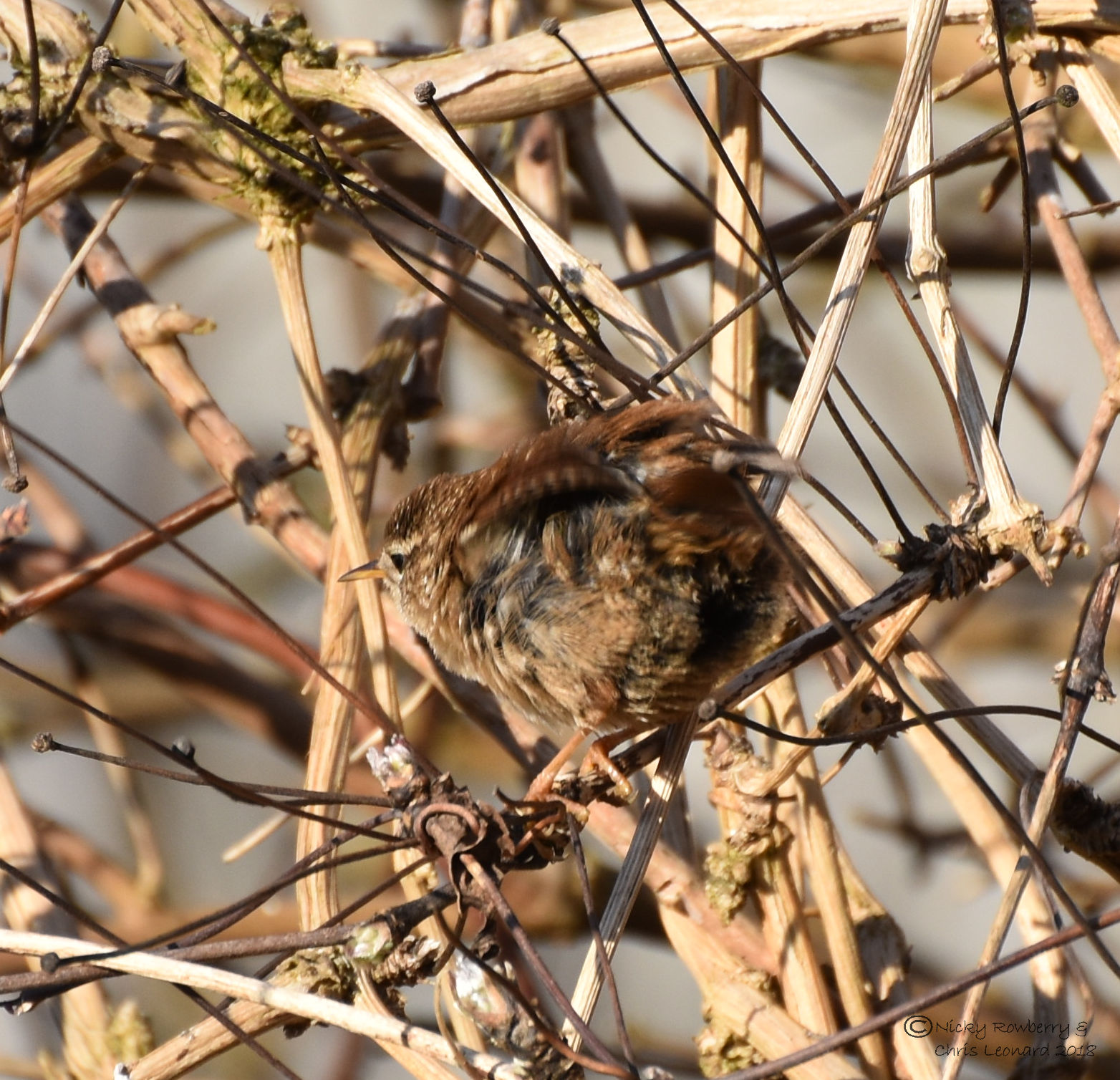
The wren of course seldom deigns to feature on the trail cam/GoPro videos. But this week he/she was more obliging than usual and did allow me to get a few shots. None perfect, but recognisable at least.

It even sat for a while preening itself, hence the next sequence of three “rumpled” looking photos.

So although it’s bloomin’ freezing, there’s plenty to watch in the garden. The bird feeders are busier than ever, so hopefully our garden birds will make it through this cold spell.
 

National Nest Box Week

Apparently it is National Nest Box Week, so it seemed only right to review our nest box endeavours in the garden and beyond. Not that our efforts to provide suitable des res’ in the garden have been entirely successful over the years, but we do try.  We had one old bird box on the garage wall for a few years and blue tits started nesting in it about 2014. Although we got photos and videos of the adults coming and going, we never managed to catch any of them fledging.

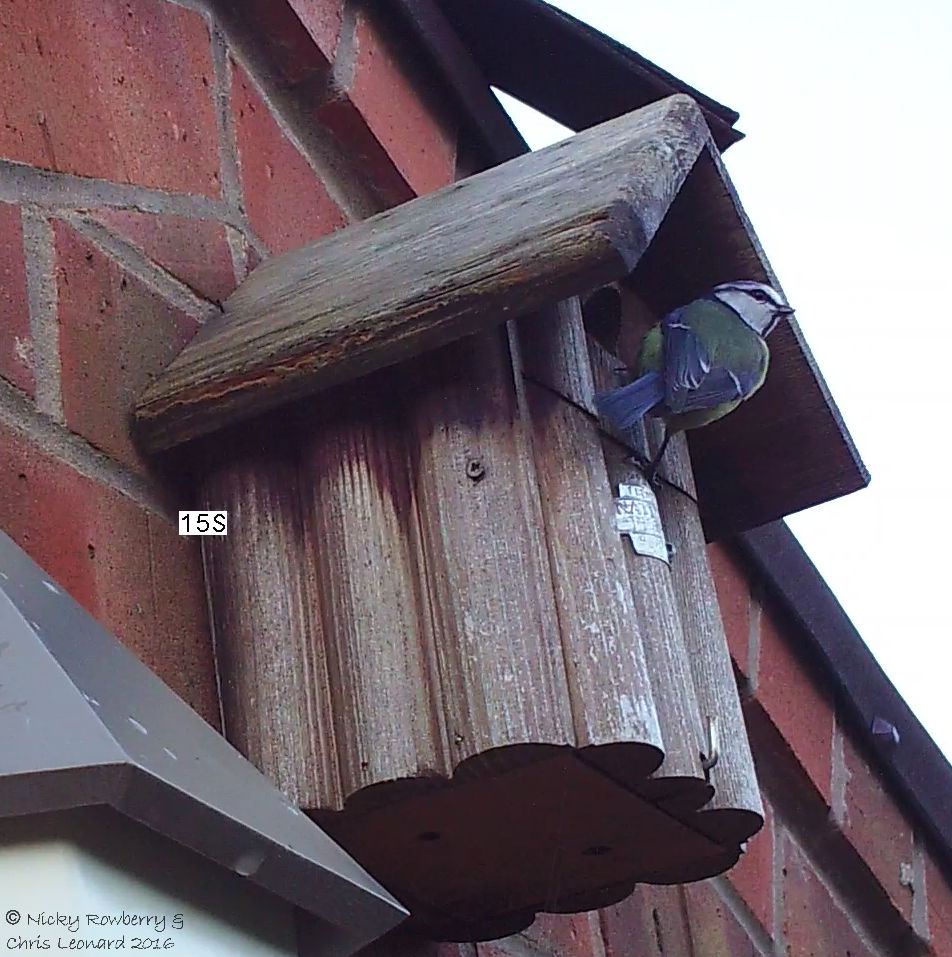
So last year we decided to replace the old bird box with a new one with integral camera. With hindsight perhaps we should have stuck with the old adage “if it ain’t broke don’t fix it”, because needless to say nothing nested in it.

We did get very excited when a blue tit roosted in it for a night within a week or putting the box up, but nothing else has used it since (apart from a spider which covered the camera with web!).

Anyway we’re living in hope that this year will be our year and we can have our very own Springwatch experience, but of course we may have to resort to just watching the real Springwatch again (no great hardship).

We also put up a wren/robin box last year, which also remained vacant. This open fronted box is on our fence, hidden by bushes and ivy. The ivy is starting to grow over the box, but we may well have to move this one anyway as the neighbours want to replace the fence this year.

So we may not have much luck on the home front when it comes to nest boxes, but we now have an interest slightly further afield. Worcestershire Wildlife Trust were advertising a “rent-a-nest” scheme to fund nest boxes on some of their reserves. So for Valentine’s Day last week, rather than muck about with flowers and chocolates, we sponsored a nest. You could choose between 4 of the local reserves, so we plumped for our nearest and one of our favourites – Knapp & Papermill.

Apparently we will get invited to view “our” nest box in the spring – fingers crossed something actually uses this one!

And finally, nothing really to do with nests, but thrilled to spot a small flock of siskins in the garden yesterday. I’ve only ever seen one in the garden once before (and then only on the trail camera, not actually “live”), so to see a whole flock was fantastic. There were at least 6 males, but we only saw one female – this could have been though because they are not as showy, so not as easy to spot. Unfortunately we were indoors and they were obviously outdoors, so no photos, but a delight to see nonetheless.


The Adventures of Tiny Tim the Hedgehog

I’ve been meaning to do an update on our garden hedgehogs for a while now, so today is finally the day. Although we haven’t seen a hedgehog in the garden since December 17th, we now have a resident foster hog – here’s his story. In my last hedgehoggy blog post, way back at the end of October, I mentioned that we had a large and a small hedgehog visiting the garden.

The two often appeared together, although they tended to arrive separately. The little one (Tiny Tim) generally seemed quite interested in the bigger one (Fat Sam as I’ve been calling him), but Fat Sam didn’t seem quite so impressed!

They would sometimes even go into the feeding station together. On one occasion the Tiny Tim got trapped in there for a few minutes when Fat Sam decided to plonk himself down just outside the entrance – effectively blocking the Tim in. The video below is a compilation of several short trail cam clips taken over a few minutes while he was trapped! Eventually Sam got bored and wandered off, freeing the youngster.

Although it was great to see the two together, I was worried  that Tiny Tim might not be big enough to get through the winter. The only way to be sure was to catch him and weigh him – hedgehogs need to be an absolute minimum of 450g to have enough fat reserves for hibernation.

Unfortunately our diminutive visitor didn’t come at a regular time, so the only way to catch him or her was to sit out and wait. After a couple of fruitless nights (my commitment to sitting outside in the dark didn’t extend beyond a few hours at a time) and a few false alarms (Fat Sam got himself weighed too – a very respectable 800g), I eventually got lucky at the beginning of November.  Fortunately he turned up at the feeding station at about 8:30pm and was no doubt a bit surprised to find me lurking nearby with a set of kitchen scales. The little guy only weighed about 400g so wouldn’t have made it through the winter without some help. So into the cat basket he went and along to Viv at Malvern Hedgehog Rescue.

Viv checked him over and found he had a cough, so he was treated for lungworm; a potentially fatal condition, so another good reason to rescue him besides his size. Viv was also able to confirm Tim was indeed a he!

A couple of months later and Tiny Tim is not so tiny any more – a very healthy 1100g, plenty big enough to survive hibernation now. So he’s come back to our garden to stay in the hutch until the Spring. I’ve not taken a photo of him, as I wanted to let him settle in and don’t want to disturb him any more than I have to. I will try and get the trail cam pointed at the hutch, to see if I can get any footage of him moving around at night. Hopefully though he’ll settle down and hibernate, but if not he’s got a des-res with food and water until it’s time to let him go. Many thanks to Viv (http://www.malvernhedgehogrescue.co.uk/) for getting him through the winter.

Tiny Tim may have spent most of the winter in the lap of luxury, but Fat Sam had to take his chances in our neighbourhood gardens. Fortunately  several of the neighbours like hedgehogs too and don’t mind having gaps in their fences so that the hogs can roam freely between the gardens at night. This footage shows Fat Sam squeezing himself under our fence and into next door’s garden.

We’ve put a couple of hedgehog houses out in the garden in hope of tempting Fat Sam to hibernate. I got my hopes up for a few days when the trail cam spotted him checking out one of the houses,

Unfortunately it didn’t impress him enough for him to make a nest in it. Hopefully he found somewhere more to his liking elsewhere in our garden or in one of the neighbours’ gardens. There are certainly plenty of wild untidy bits in ours that would hopefully make good nesting sites.

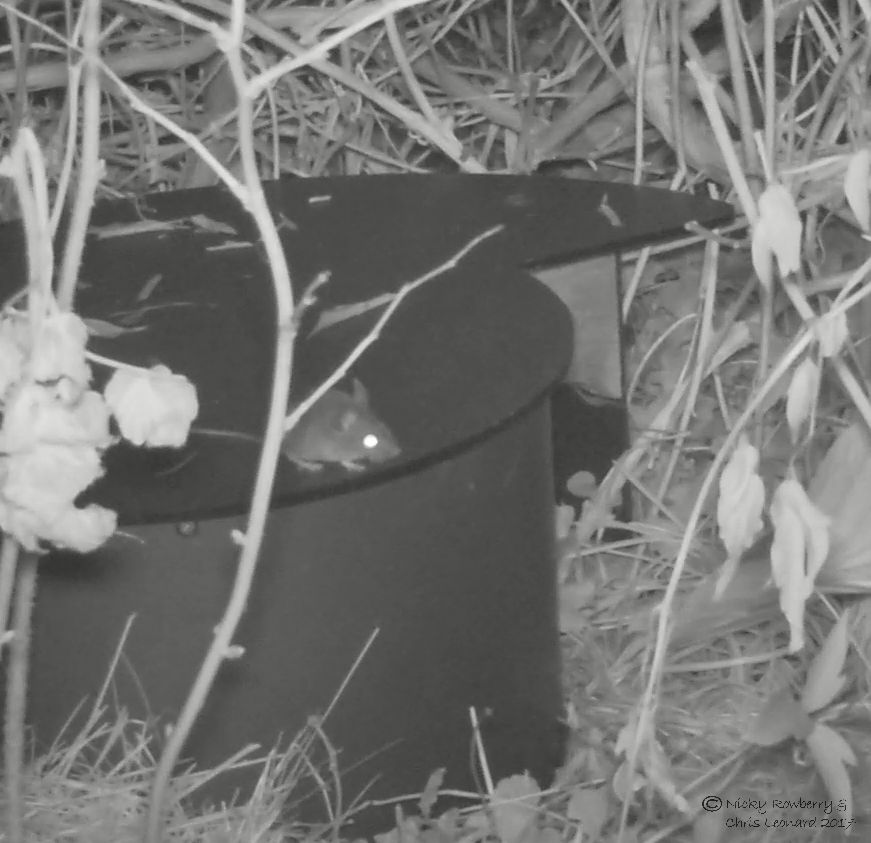
Fat Sam may not have made it his home, but the hedgehog house did attract some other visitors. This mouse appeared several times, clambering up the old clematis stems to sit on the box.

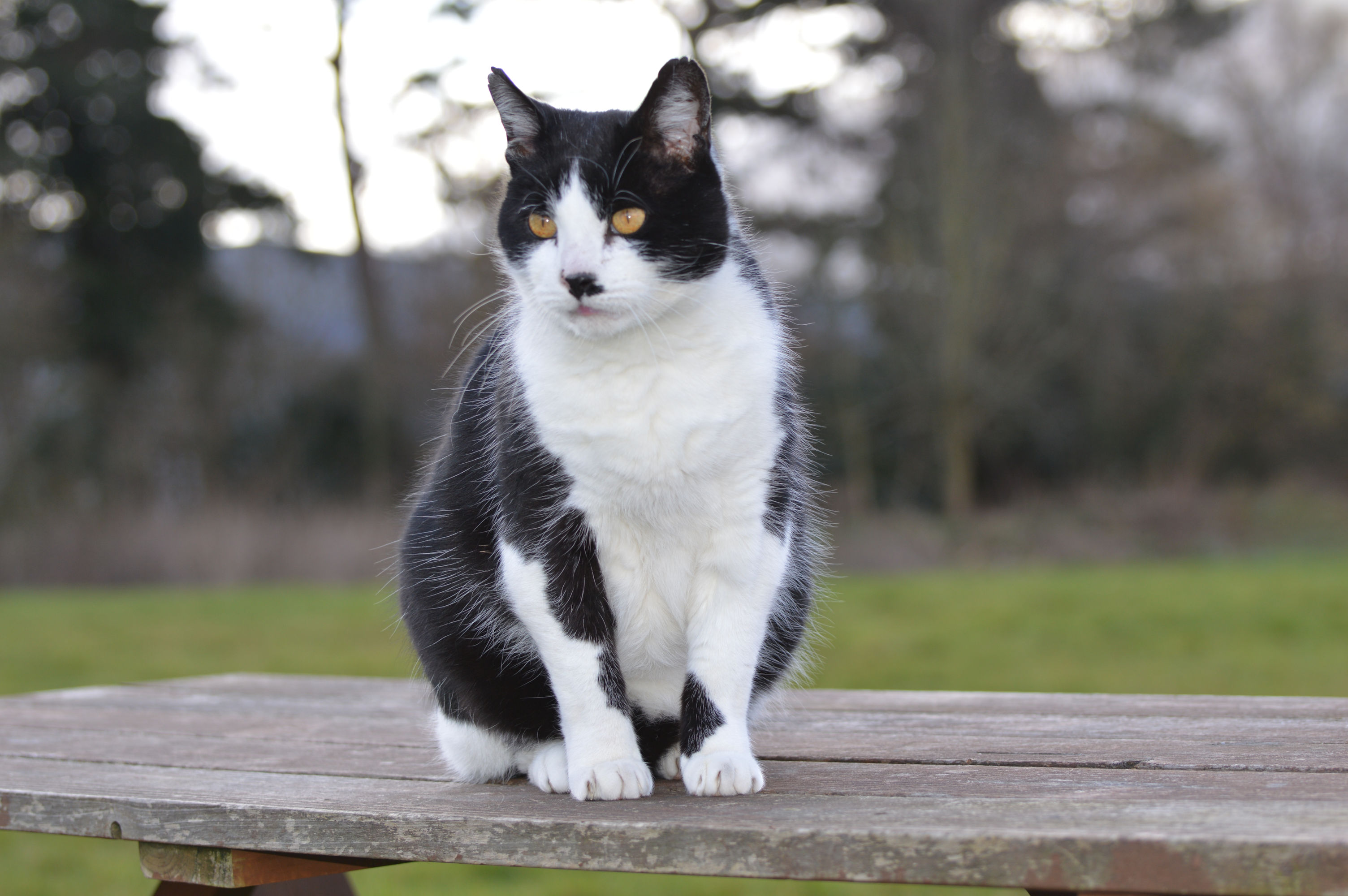
And this large fluffy cat (one of the neighbours’ not ours) also seemed to like sitting on top – perhaps knowing there were mice nearby?

Hopefully I’ll be able to post some videos of Tim in his hutch at night, but failing that I’ll post an update on Tiny Tim and Fat Sam in the spring when they come out of hibernation. Fingers crossed for a successful hibernation for hedgehogs everywhere.


2017 – The Year of the Hedgehog

It’s taken me a couple of weeks to get this written, mainly because 2017 was such an eventful year for us. I started compiling it and couldn’t believe how much we saw and did in one year; but it was lovely going through the old blog posts to refresh my memory.

First of all the successes and failures of last year’s New Year’s Resolutions. I think these definitely come under the “could do better” category, but we did at least try with most of our wildlife ones, which is more than can be said for my Cut Down on the Prosecco plan. So here’s the progress on our 7 resolutions for 2017.

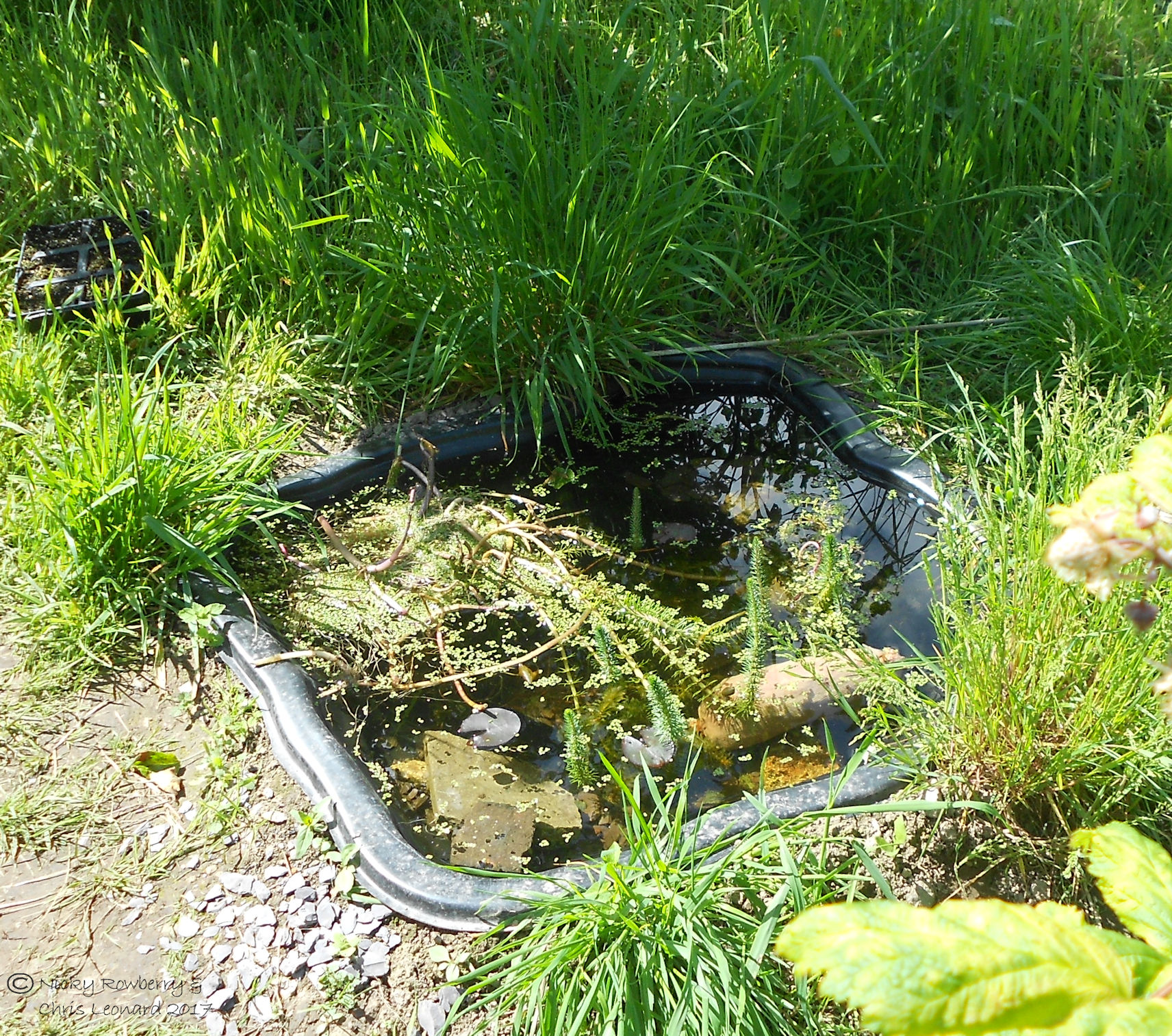
1.  Build new pond. Well I did achieve this, just not in the place I expected to. The plan was to put a new pond in the garden. That didn’t happen, but I did get an allotment (with my sister) and first job we did was put in a small pond. Within months we’d had frogs, newts and dragonflies, so well worth the effort.


2. Get footage of the blue tits fledging. Well this didn’t happen, but it wasn’t for want of trying. We put up a new box with integral camera. Things were looking good when we caught a blue tit checking it out almost immediately. Unfortunately they then decided to nest elsewhere this year. You can lead a blue tit to a nest box, but you cannot make it nest!

3. Seeing new species of butterfly – we actually over-achieved on this one! We managed to bag 5 new species: Duke of Burgundy, Wall, Small Pearl Bordered Fritillary, Grizzled Skipper and Large Blue. This takes us to a grand total of 43 species of British butterfly seen and photographed. Only about 16 to go.


4. Try and find ivy bees at more sites. Not only did I not manage to achieve this, I didn’t see a single ivy bee at all.
5. Start compiling a list of hoverfly species in the garden. I did take quite a lot of hoverfly pictures, (including this lovely Chrysotoxum species) but totally forgot that I was going to start listing them. I could probably retrospectively go back through the photos and list them all – but what are the chances of that happening?


6. Do 30 Days Wild again. Thankfully a big YES to this one. I had a fantastic time in June doing 30 Days Wild and was really chuffed to get shortlisted again for the Wildlife Trusts’ Blogger Awards. Not only that but Worcestershire Wildlife Trust were looking for someone to write about it – so I even got a magazine article published!

7. And finally my quest to get a moth tattoo has failed once again. No surprises there.

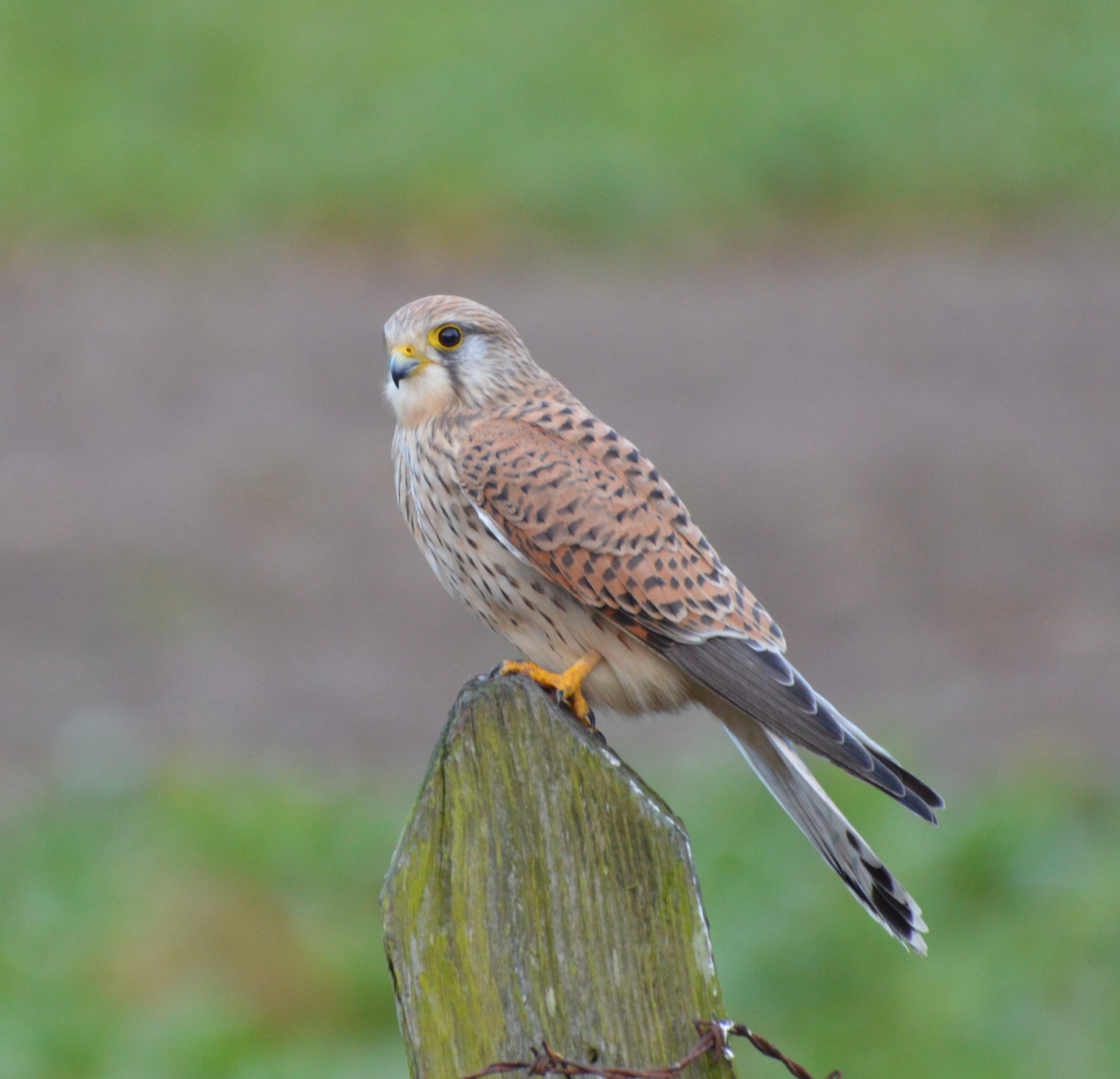
So on to the other things we got up to last year. 2017 started with the shocking realization that I’d hit 50! To lessen the pain, I had a day at some wildlife photography hides in Worcestershire. It was a fantastic bird-filled day watching kestrels, kingfishers and all sorts of other beautiful birds. Best birthday present ever!


The second big event was getting our allotment. Despite my “too lazy to weed” philosophy, I have always fancied an allotment and my sister and I now finally have one.  We are gardening it organically, feeding the birds, encouraging pollinators and of course we’ve put in our pond. Neighbouring plots even have slow worms, so we’re hoping we can attract a few of those over to ours soon too.

A big change for me in 2017 was that I swapped jobs. I now work 2 days a week at the British Hedgehog Preservation Society. We also fostered a hedgehog called Meadow last winter until his release in the spring.  We’ve rescued one poorly one found during the day and one juvenile that was too small to get through the winter and taken them to our local hedgehog carer Viv. Not only that but we had almost nightly visitations from other hedgehogs in the garden and got some great trail camera footage. So all in all 2017 has been my Year of the Hedgehog.

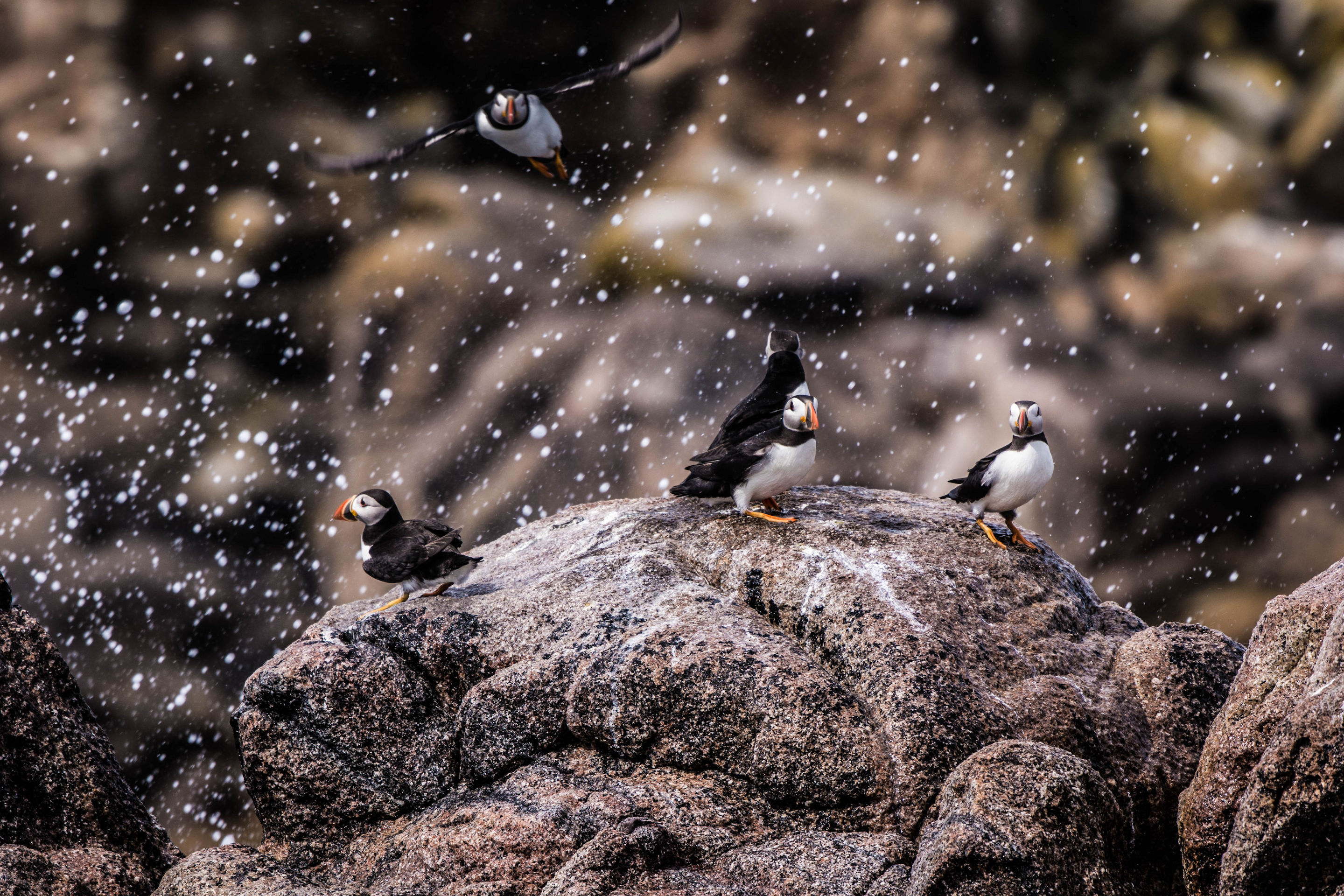
One of the highlights in the summer was a holiday in the beautiful Isles of Scilly. We had a fantastic week there, packed full of wildlife and wonderful scenery. Although we loved it all, probably the best thing was seeing puffins. We’d thought we might have been too late in the season, but luckily they were still there waiting for us.

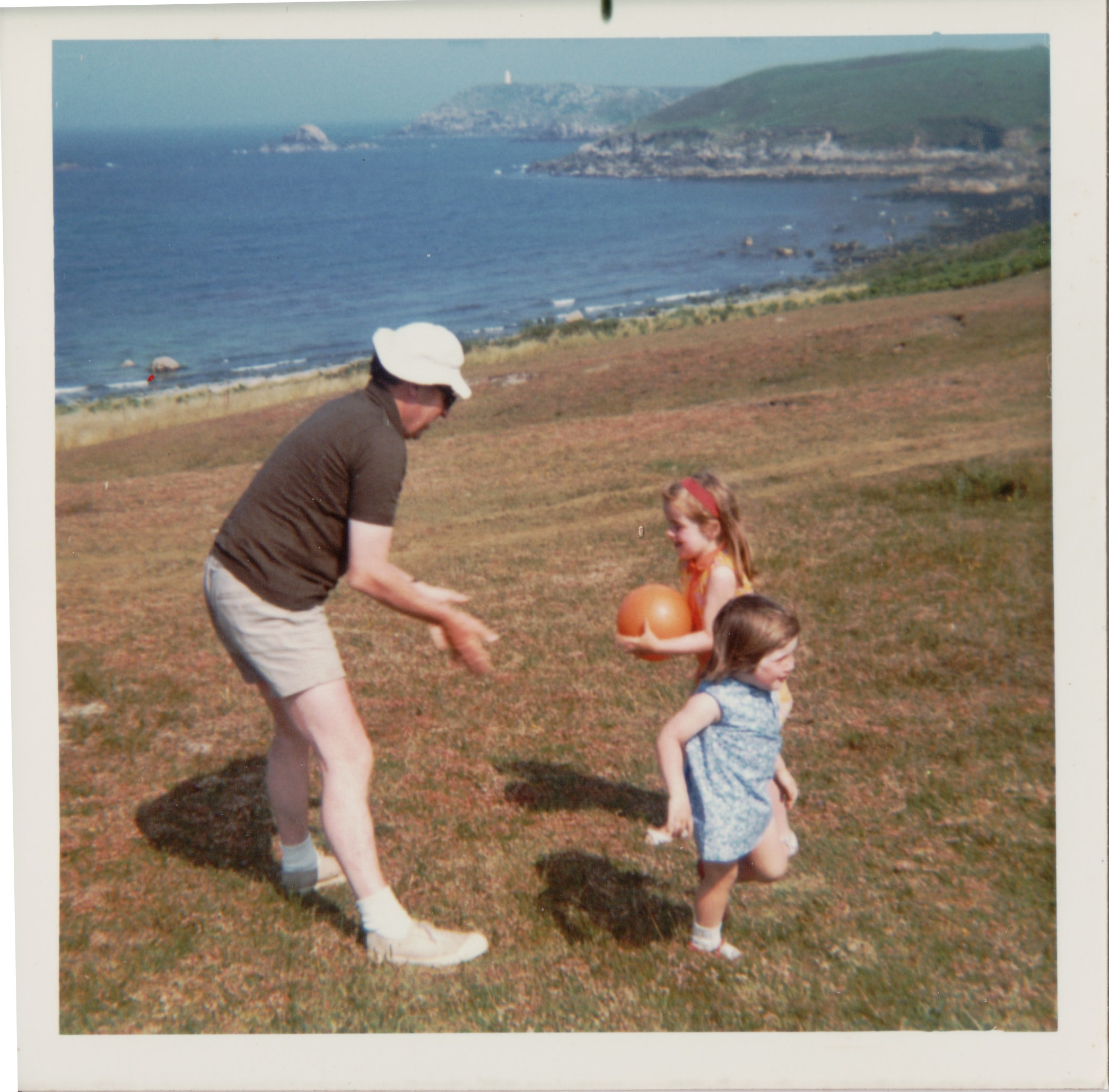
Not only did we get some great photos, but the one above even won us a mug in the Scilly Isles photo competition. In fact we won 2 mugs, the other being for an old photo of me, my sister and my Dad taken on St Martin’s in 1972. 

Of course we did all our usual things in 2017 – the Big Garden Bird Survey, the Big Butterfly Count, the Garden Bioblitz, Moth night and the annual pilgrimage to see the bluebells on the Malverns. We’ve visited lots of our old favourite haunts, Wyre Forest, Trench & Grafton Wood, Prestbury Hill & Brotheridge Green etc. But we’ve also found some new favourites: Daneway Banks, Upton Warren wetlands, Wenlock Edge and more.

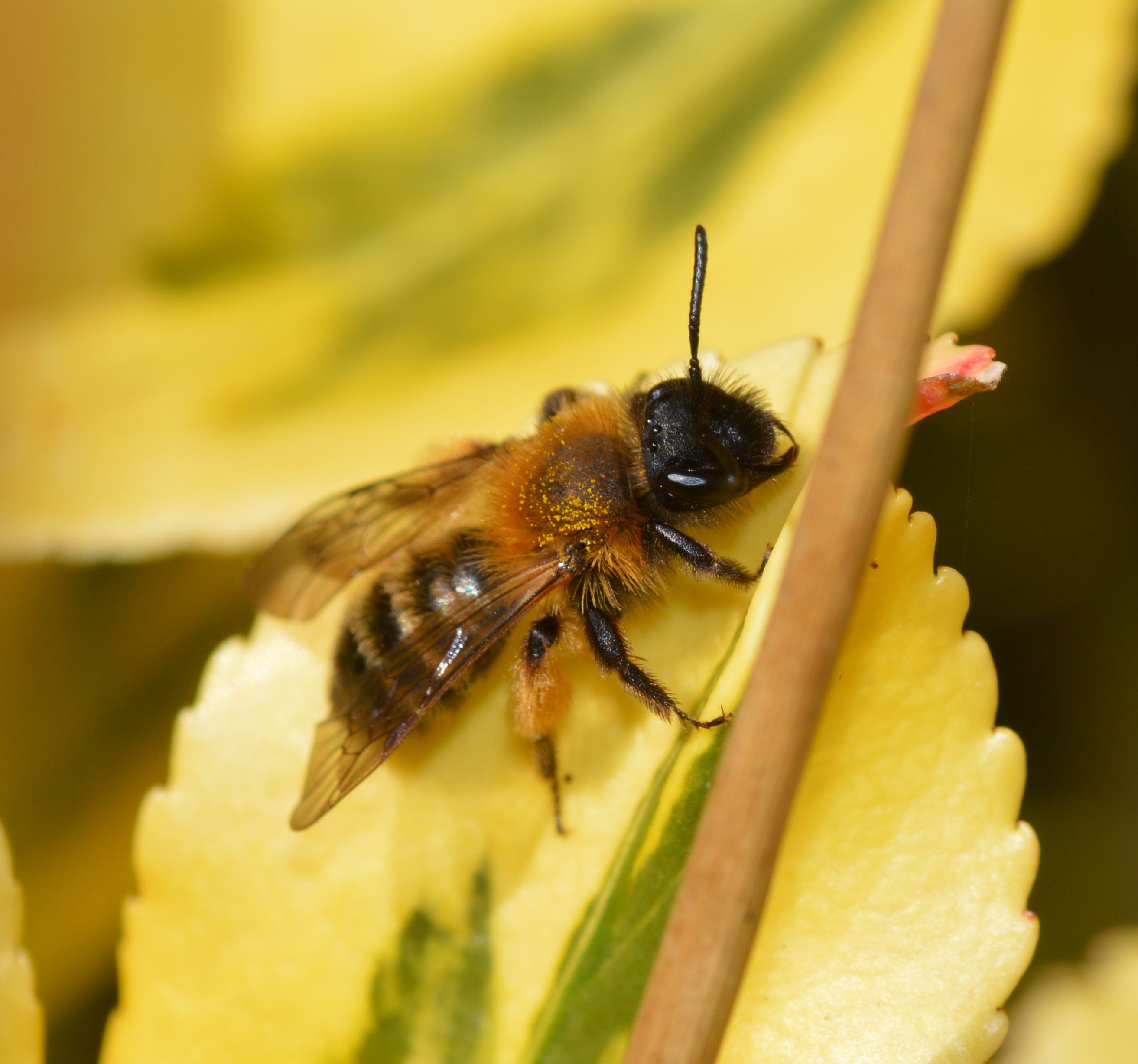
On the home front we have of course continued to let the weeds grow in the garden pretty much unchecked. The postman may soon need a machete to hack his way through the undergrowth to the front door, but it has brought us a wealth of insects and more. I’d thought we’d done well in 2016 when we recorded our 25th species of bee in the garden, but by the end of 2017’s summer we’d hit 31 species.

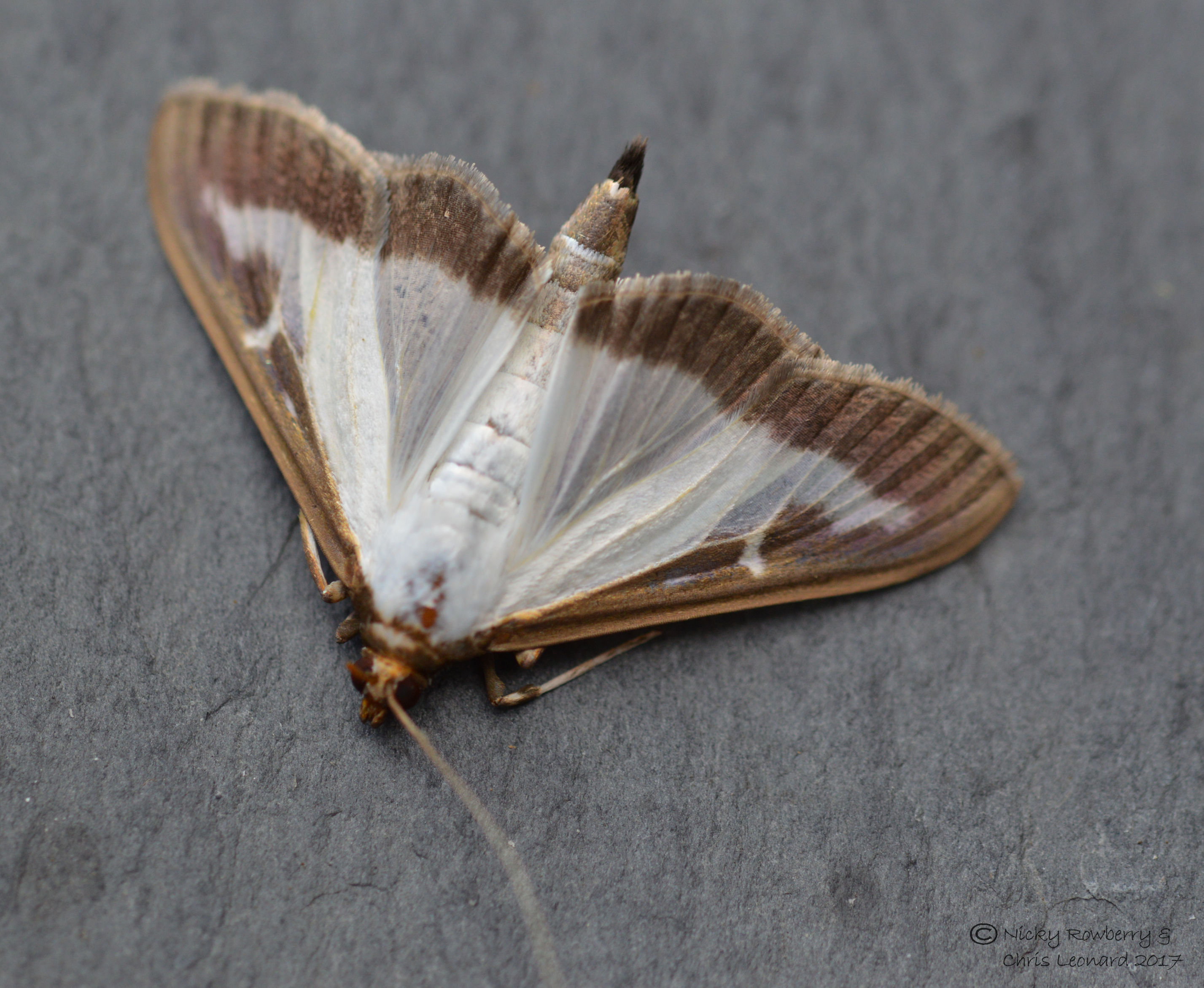
Moths continued to be my particular obsession throughout 2017. Overall it didn’t seem to be such a good year for moths in the garden – I only recorded 198 species compared to 211 in 2016. This might have been due to trapping effort, as I suffered a couple of stinking colds towards the end of the year and didn’t put the trap out for the last 2 months. Overall though we have now recorded 297 moth species in the garden – not bad for the middle of Malvern! The really exciting news though was that I recorded the first ever Box Tree Moth (Cydalima perspectalis) not only for Malvern, but for the whole of Worcestershire. This species is colonising northwards, so it was great to get the first record for our neck of the woods.

The sad news for 2017 was that we had to say goodbye to Bert. He was our elderly gentleman with a big voice (the loudest miaow ever!) and a big character. He spent most of his life outdoors, but came to us for his twilight years. We still miss him terribly.


So New Year’s Resolutions for 2018 – I might as well aim for a few then there’s a chance I might succeed with a couple at least!

  • Butterfly species – continue on my quest to see more of the British species – hopefully another 3 this year?
  • Film Blue tits fledging – the box and camera are still all set up, so we just have to hope they deign to nest in it this year.
  • Visit 5 new local nature reserves – we have such fantastic places around here, it will be good to explore some more.
  • Sort out the garden pond.
  • Have a go at a Hoverfly Lagoon – there’s a project looking at how to promote hoverflies in your garden, so it would be nice to contribute to that.
  • Of course that moth tattoo that never seems to get done!

Happy 2018 everyone!

From Green to White

What a difference a day makes. Since my Evergreen blog post our Malvern landscape has been transformed into a frosty white wonderland. It snowed all day on Sunday – the most snow we’ve had in years here and temperatures have barely got above zero. For the first day we couldn’t even see the Malvern Hills – the snow and fog completely blanketed them. But yesterday it cleared and our view was once again returned.

Our mistletoe, that was making me feel so festive, is now even more Christmassy with a frosting of snow.

I may not have been able to get to work, nor get the car out to go to the shops (chocolate supplies are getting dangerously low and I may have to start eating some wrapped Xmas presents!), but it has provided some great photo ops in the garden. I have spent a lot of the last few days freezing my proverbial off, sitting in the garden watching the birds. The bird feeders have needed constant topping up and the water baths have had to be defrosted regularly, but I have been rewarded with lots of bird activity.

As always I had the trail cam out in the garden. Although I didn’t get any particularly interesting footage during the day, that may have been because things were landing on it rather than in front of it!

Similarly my camouflage netting, that I hide behind to photograph the birds, got the same lack of respect from this blue tit.

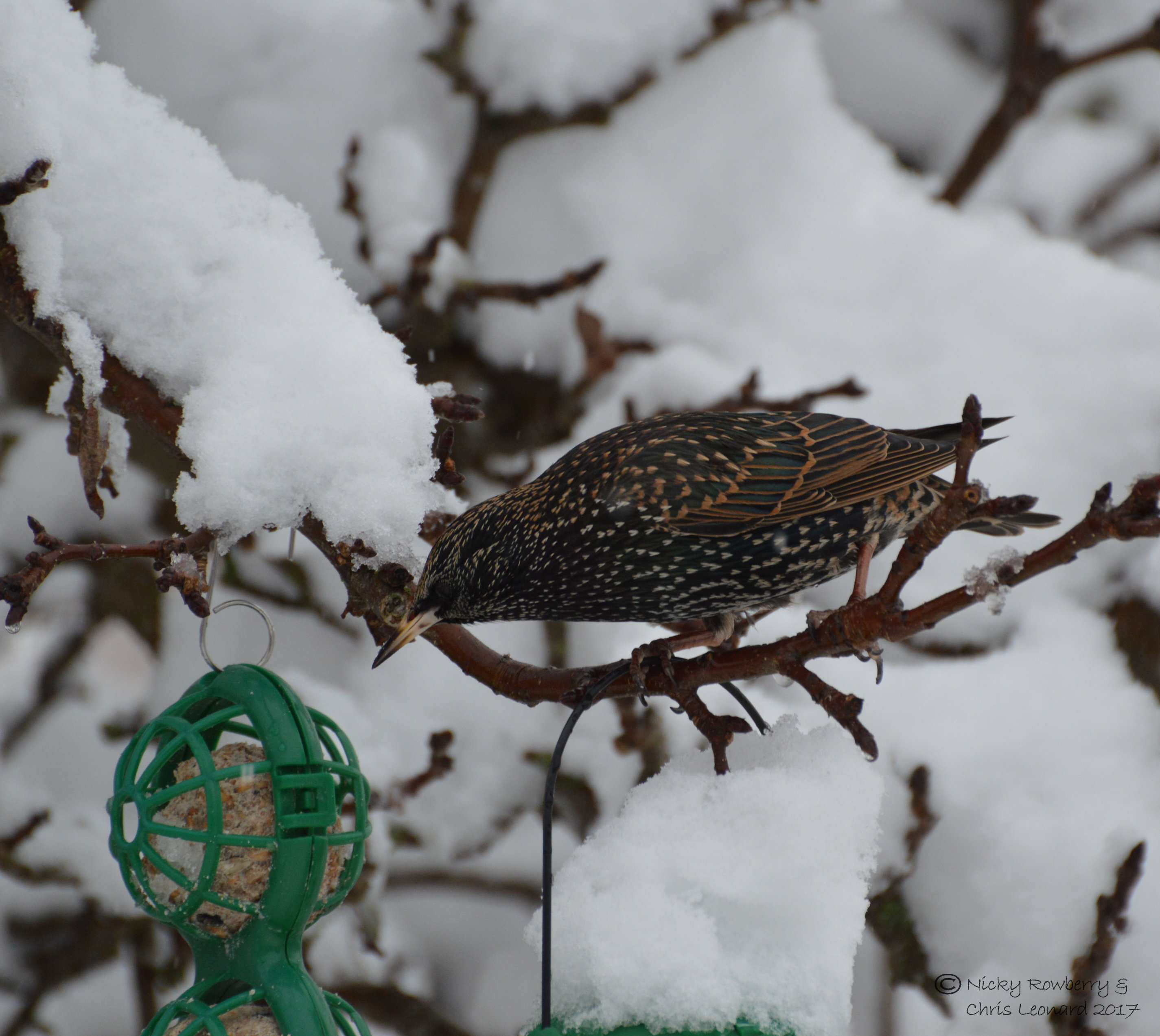
Most of our regular birds came out during my snowy vigil. Starlings, sparrows and blue tits were all abundant and didn’t seem bothered by me lurking behind my camouflage.

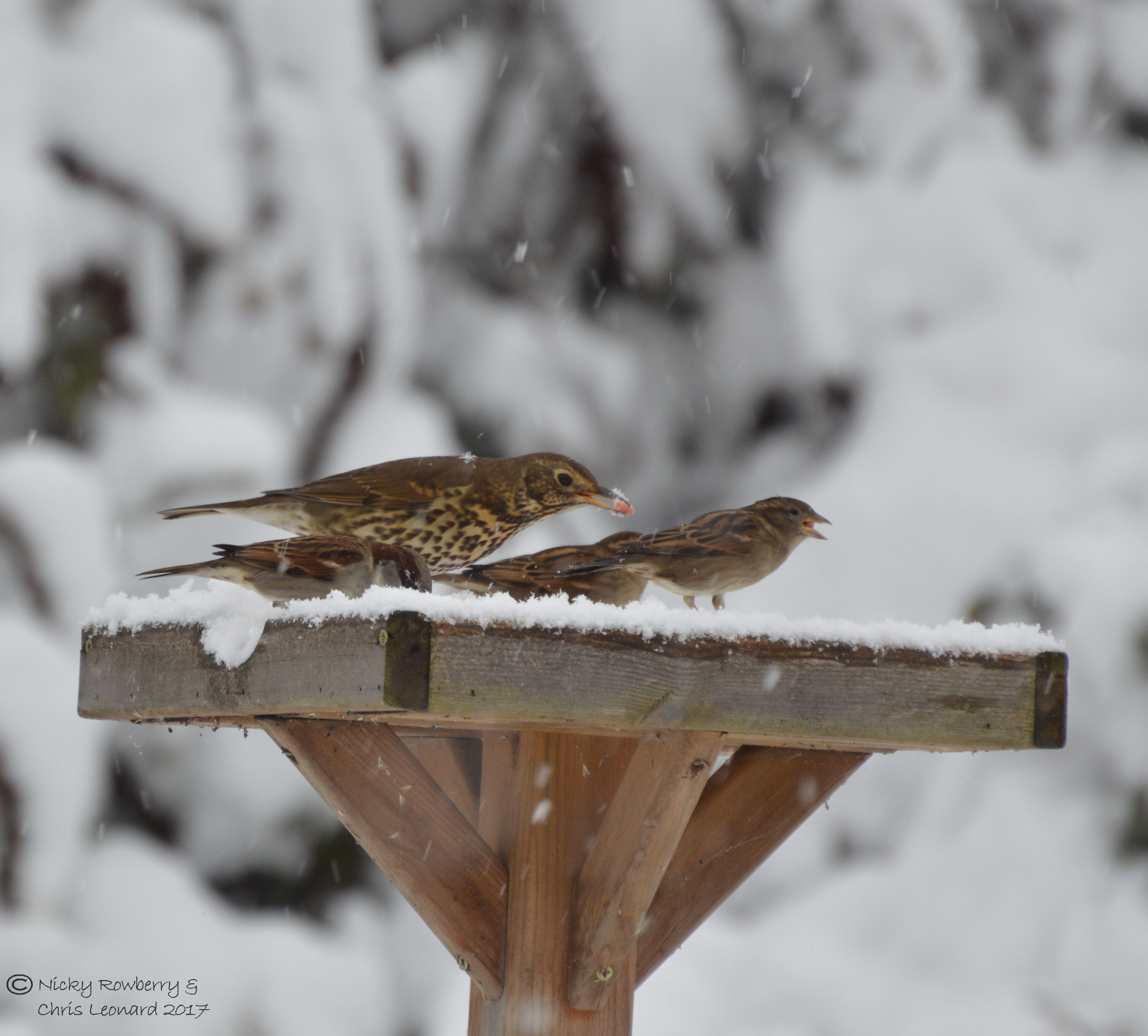
The wren was as elusive as always and the coal and great tits only came out when I went in. The blackbirds and jackdaws made the most of the food, but I struggled to get a decent photo of black birds against a white background. There were some surprises though – the benefit of sitting outside just watching meant that I saw birds I haven’t seen for a while in the garden. So it was great to see this thrush jostling for food amongst the sparrows on the bird table.

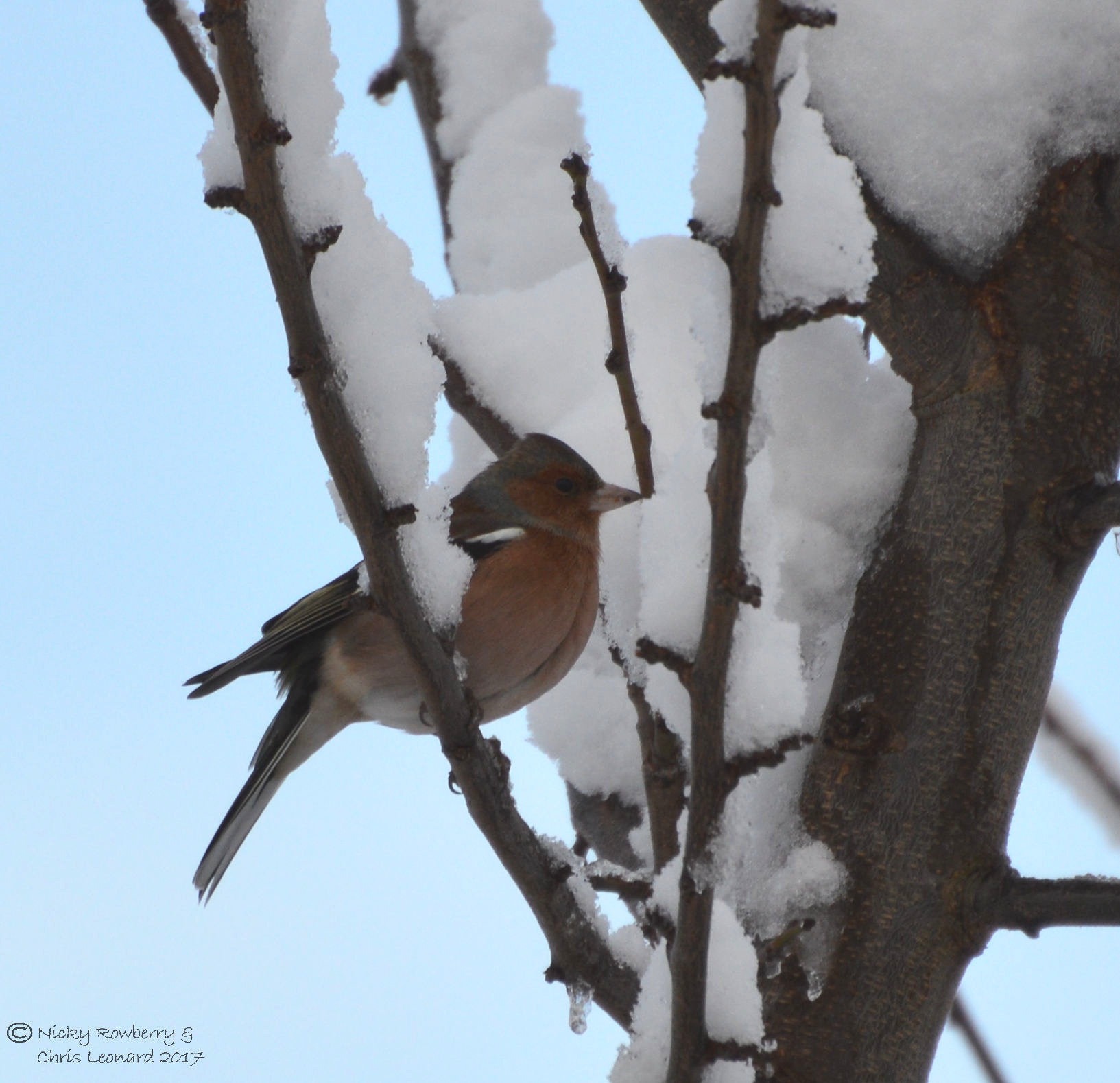
Even better a rare glimpse of a chaffinch – we hardly ever get these in the garden, so I was delighted to get even this distant shot of him.

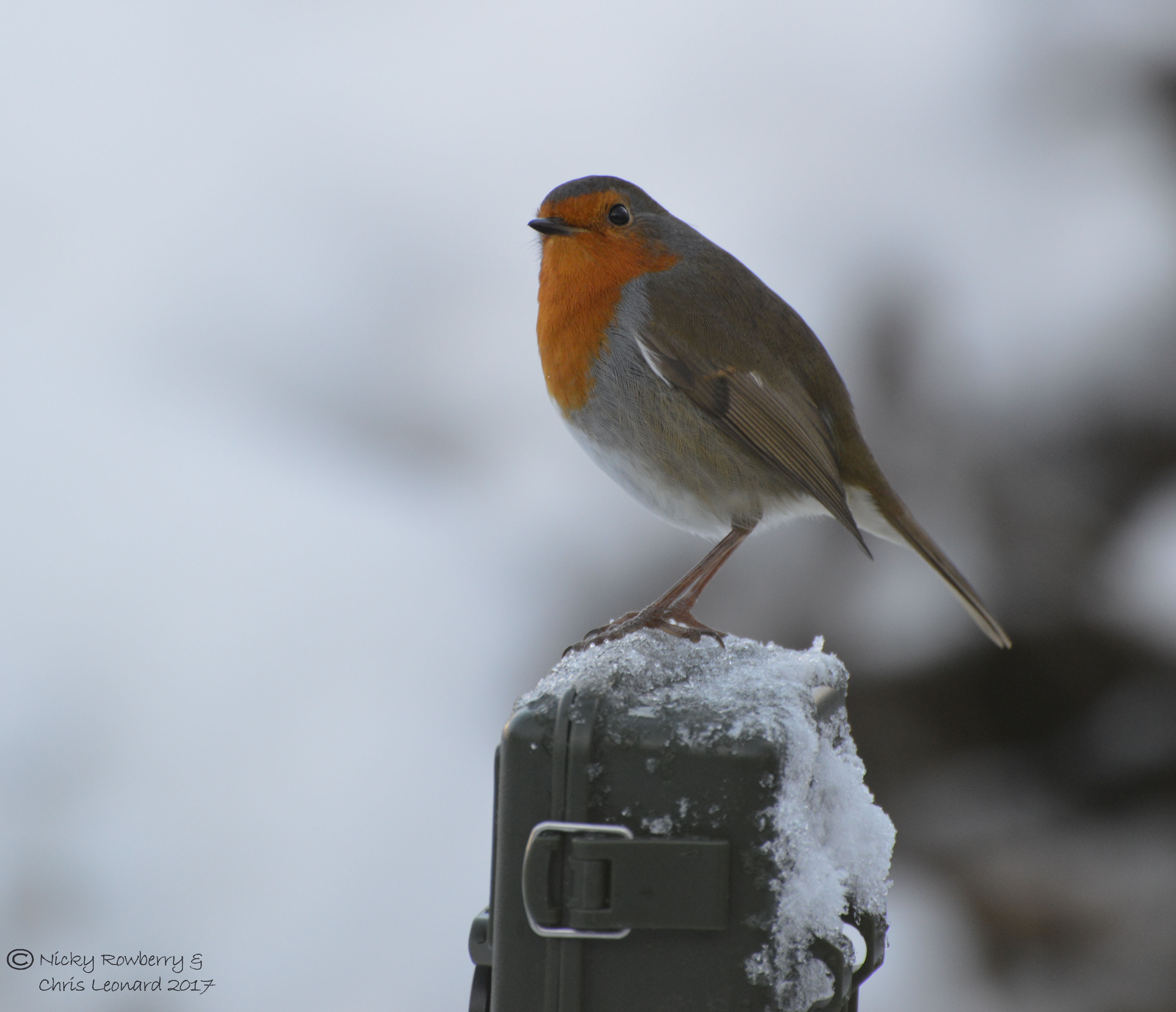
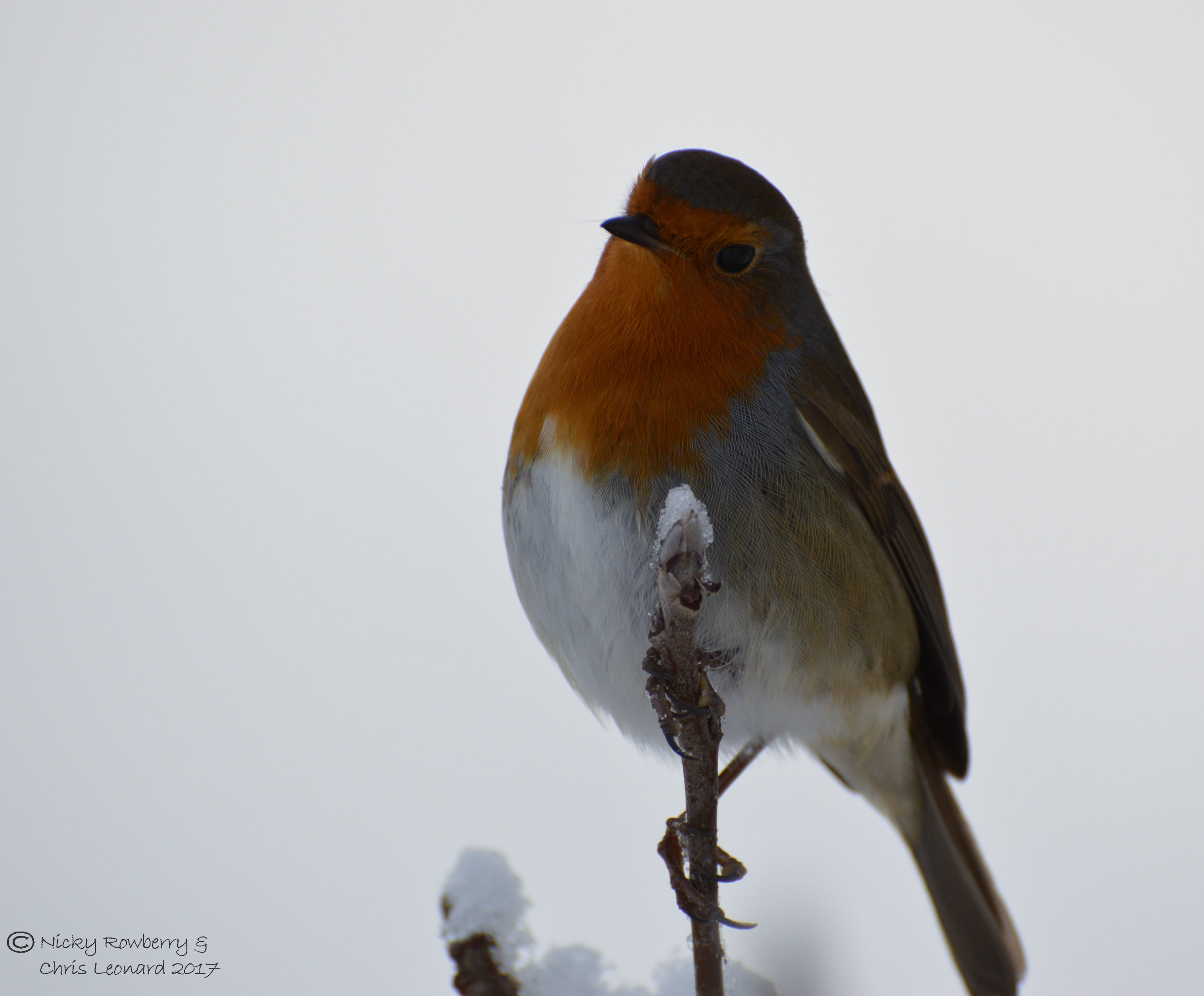
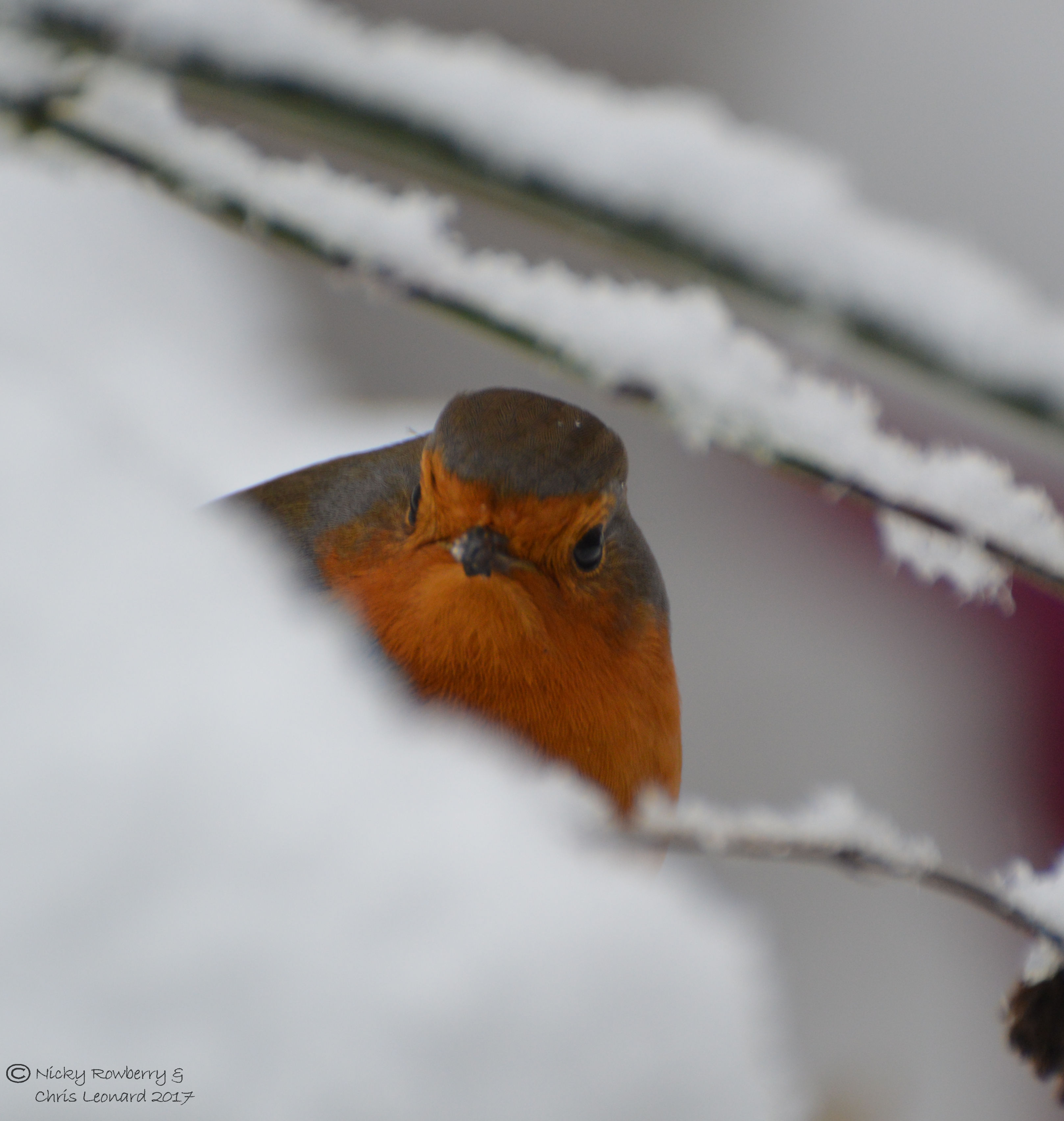
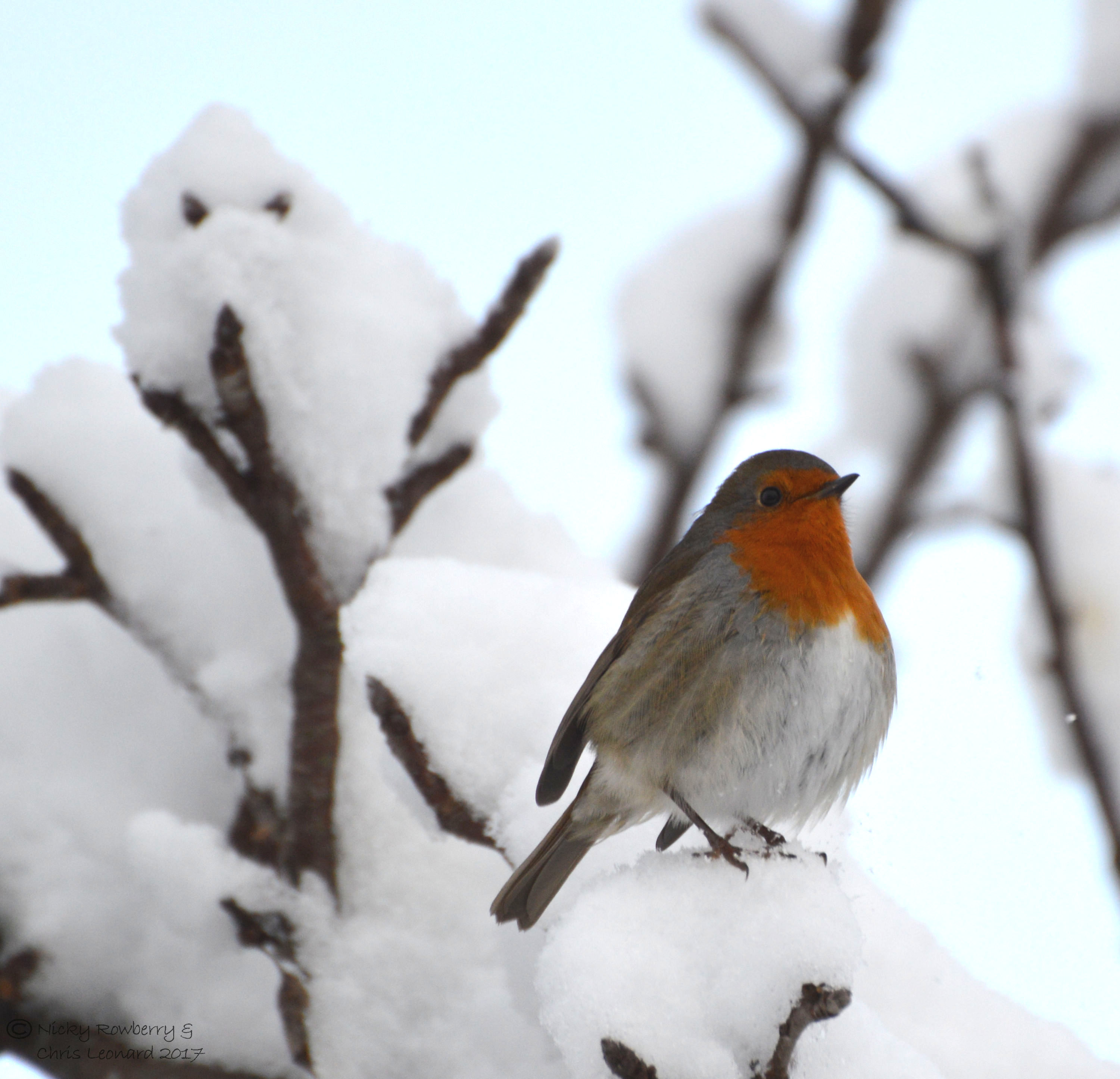
Of course the one bird I really wanted to get decent photos of in the snow was the robin. Fortunately we have two resident robins and one in particular is pretty brave and comes close up to me (not yet managed the holy grail of getting him to eat out of my hand yet, but I’m working on it). I took loads of photos of him – here are a few of my favourites. I think next year’s Christmas cards may be sorted!

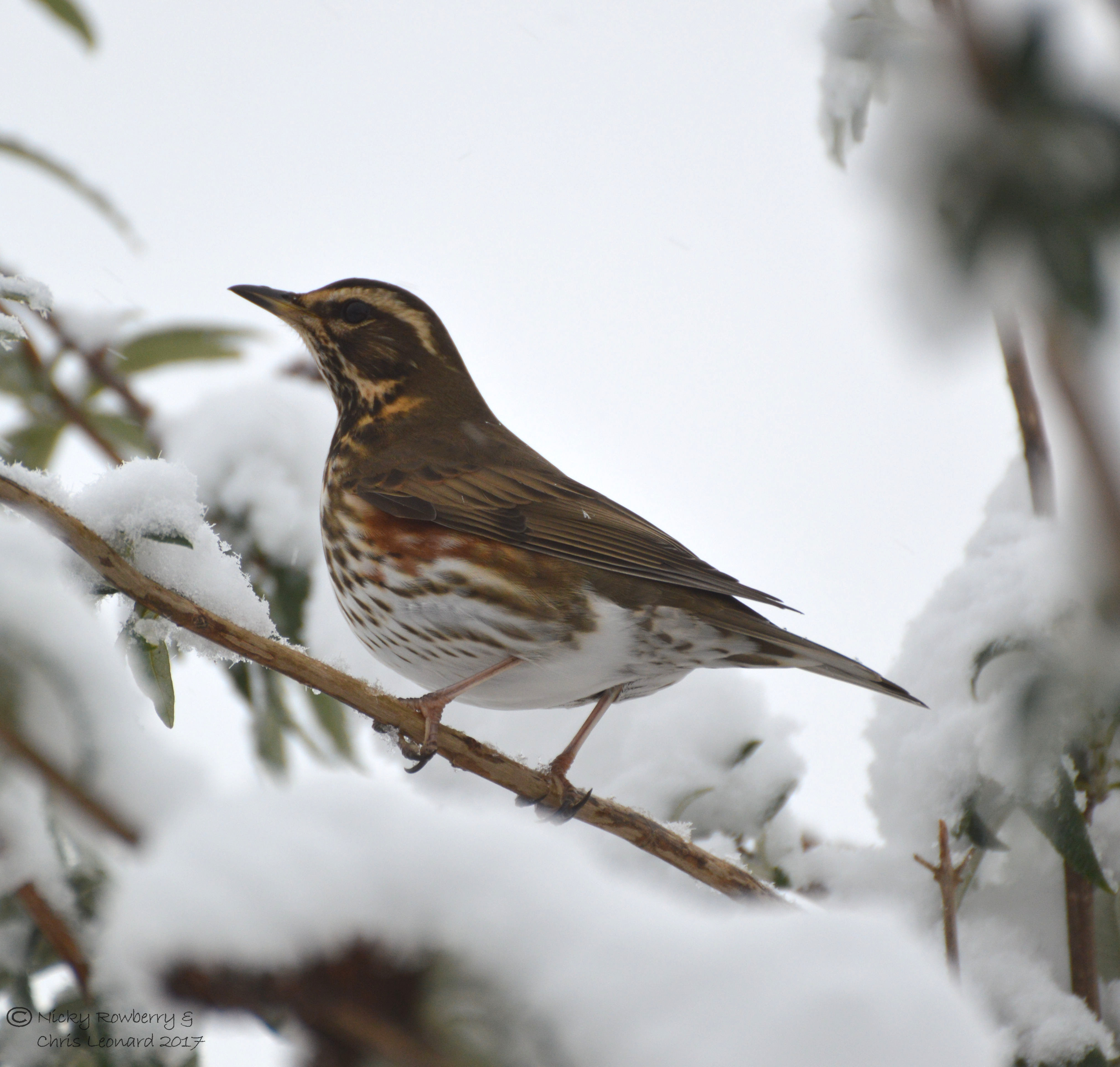
While chasing the robin round with the camera, I noticed something larger in the bush right next to me – a redwing. We haven’t seen any of these in the garden for a few years, so I snapped away quickly before he flew off.

And then it got even better! I was keeping an eye out in case the redwing returned and spotted a group of birds in next door’s tree. Unfortunately the tree was at the far side of their garden so I crept as close to our fence as I could get, peered over and discovered it was a small mixed flock of redwings and fieldfares.

They may not have actually been in our garden, but I’m counting them as I’m sure they must have passed through it at some point!

The final star of the show yesterday, although also not technically in the garden, was this magnificent Red Kite, drifting high above. I thought at first it was just the usual buzzard; it was only when I downloaded the photos I could see it was a kite. The perfect finale to my snowy birdwatching day.

Moth (and Mouse) Night

This weekend is Moth Night (it troubles me every year that Moth Night is actually a weekend!). It was supposed to be a fairly windy night and the various moth groups I follow were abuzz with prospects of exciting migrant moths being blown in from the Continent. One of the themes for this year’s Moth Night was the importance of ivy as an autumn food source. I cleared a path to our patch of ivy, so I could get close up for nocturnal photos and out my moth trap went in hope and anticipation. As anyone who reads my blog, or indeed anyone who has ever tried photographing wildlife knows, things rarely go to plan.

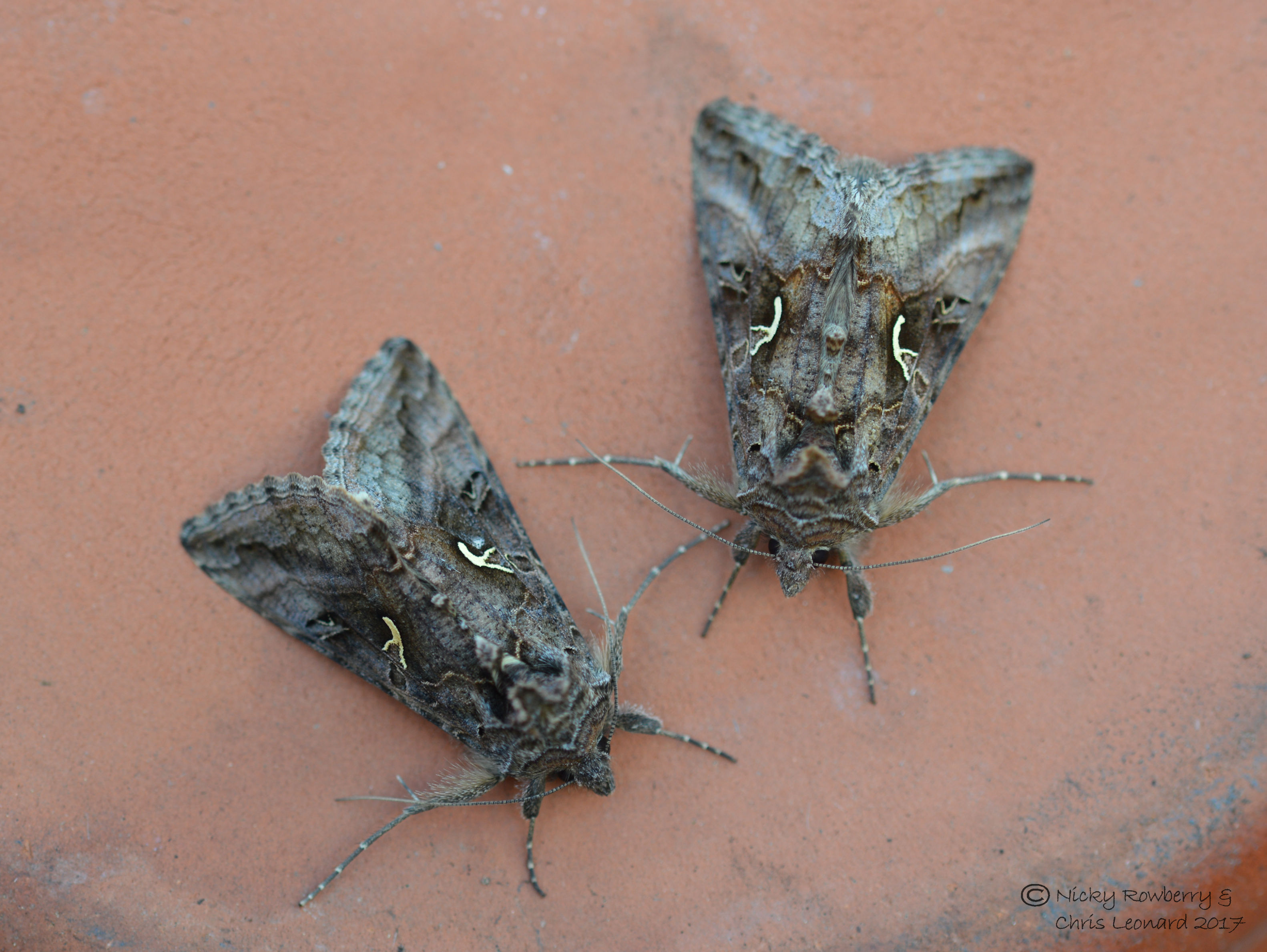
So the moth trap attracted just a measly 10 individuals of 8 species. October is getting near the end of moth season, so I was never going to get hundreds of moths, but I had hoped for a bit more of a selection. There are some lovely colourful autumn moth species, but none of them fancied my moth trap last night. I did get two migrants – both Silver Y moths – seen here with their distinctive y or gamma (hence their latin name Autographa gamma) marks on the wings.

The remaining 8 moths were made up of 2 Common Marbled Carpets, 1 Light Brown Apple Moth, 1 Blair’s Shoulder Knot, 1 Lesser Yellow Underwing, 1 Setaceous Hebrew Character, 1 Black Rustic and 1 Shuttle-shaped Dart. All lovely moths in their own right, but not the most exciting selection.

The ivy was also a complete wash out. Although it was in full flower, I didn’t see a single moth on it. Admittedly I didn’t sit in the bushes staring at it all night, but I did pop out for frequent spot checks. Maybe the light from the moth trap was doing too good a job attracting what few moths there were and keeping them away from the ivy? I’ll keep checking the ivy over the next few nights – it will be too late for Moth Night, but I’d like to get a photo of at least one moth on it. I did check out the ivy this morning and it was buzzing with bees (who had clearly got the memo the moths had missed about it being a good source of food in the autumn!). No sign of any Ivy Bees, but plenty of Honey Bees making the most of it.

One surprise find to finish off Moth Night was this mouse. As I was putting the moth trap away in the garage, I saw movement from the box with the birds’ peanuts in. A mouse had got stuck in there and looked just as surprised as me. A quick photo and he was running free in the garden again, although he may have preferred to stay in the garage with the bird food.

Table Manners

Our garden furniture doesn’t seem to have had much use this summer; we normally try and eat outside quite a lot, but the weather just hasn’t been tempting enough. Of course in true Too Lazy style, the garden table is still sitting out on the grass, where we left it a couple of months ago. Various things get dumped on it, including the occasional hedgehog feeding bowl, which fills up every time it rains. The sparrows had taken to using this as an impromptu bird bath, cramming themselves into the small dish with barely room to flap a wing.

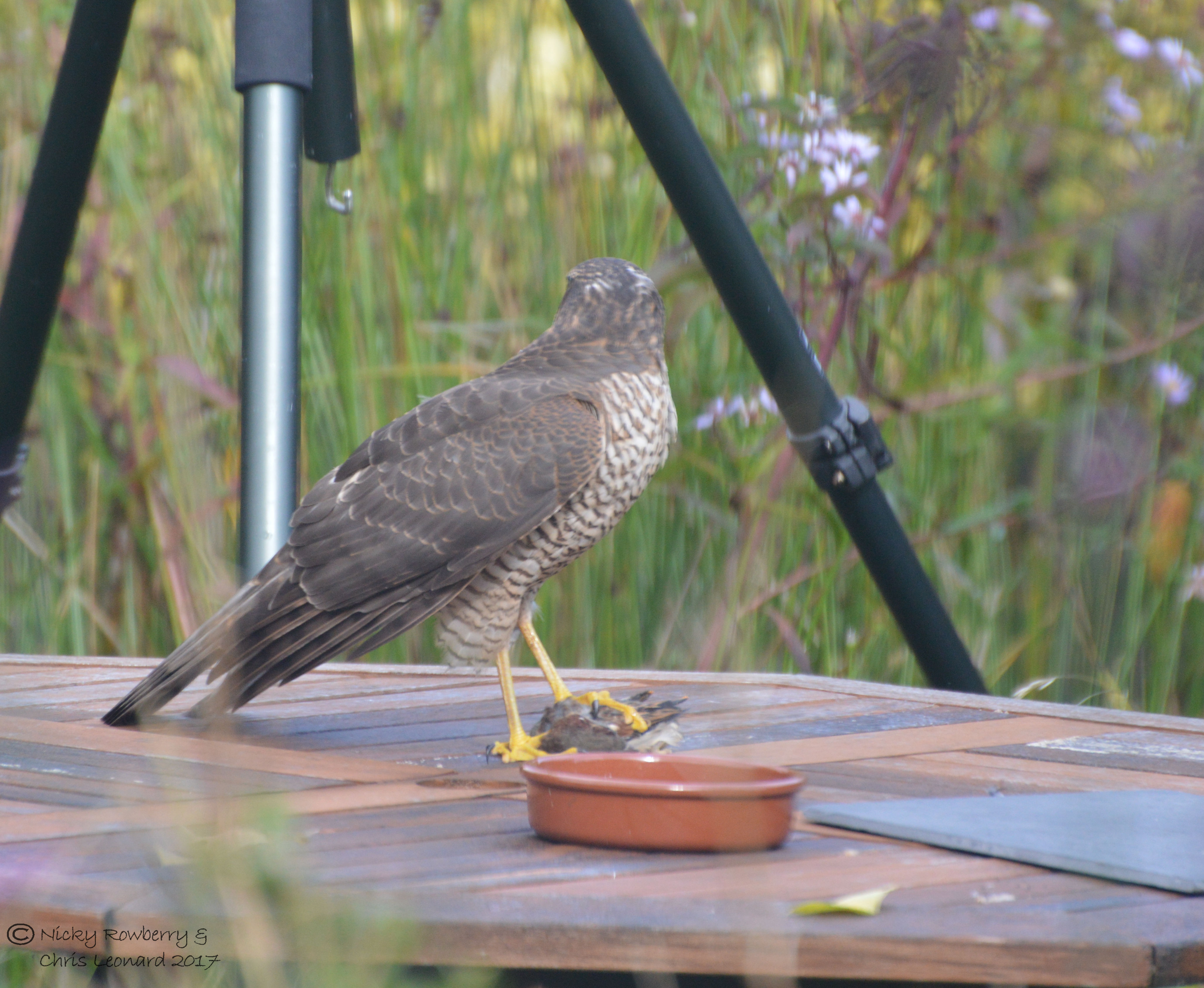
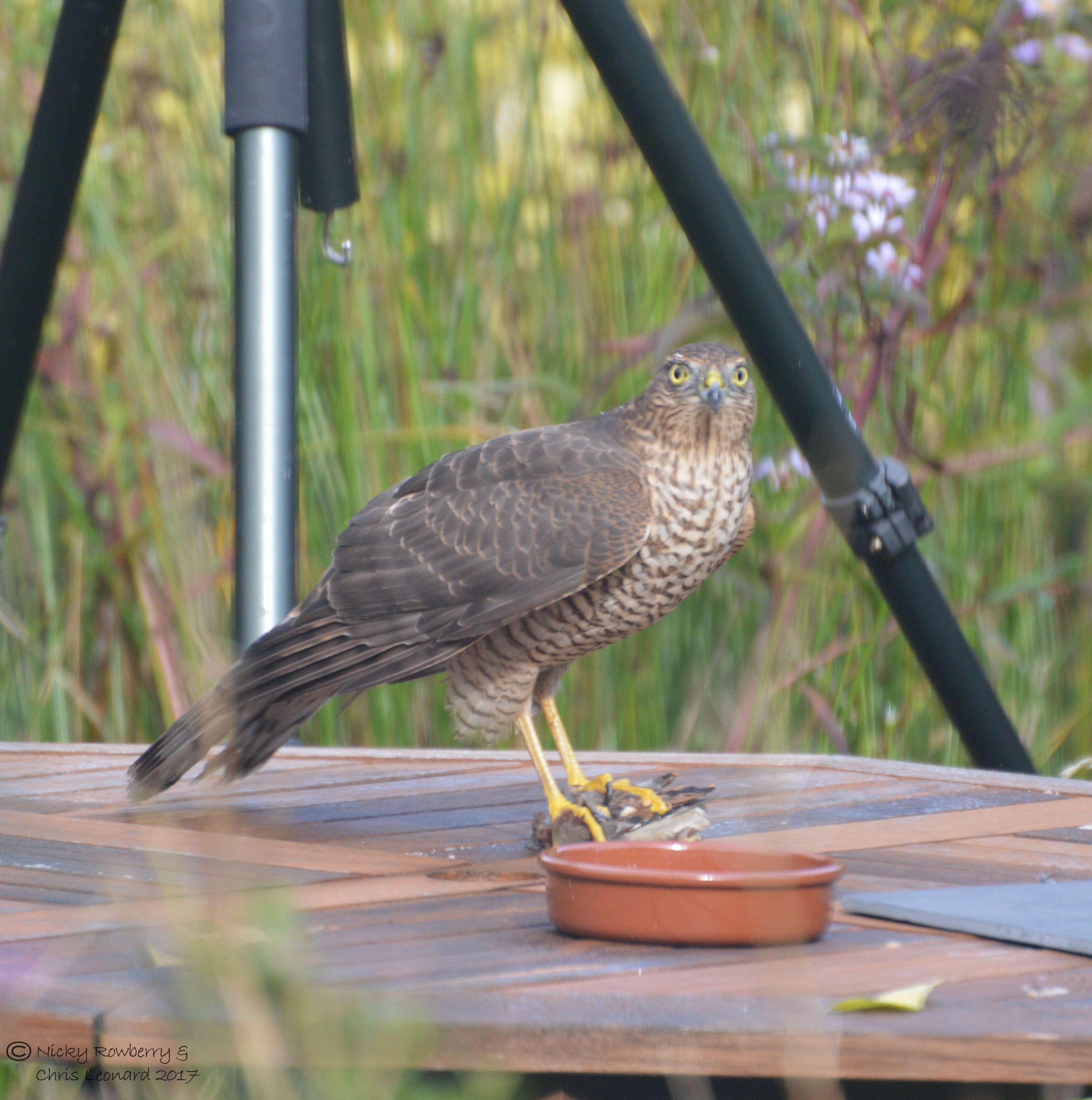
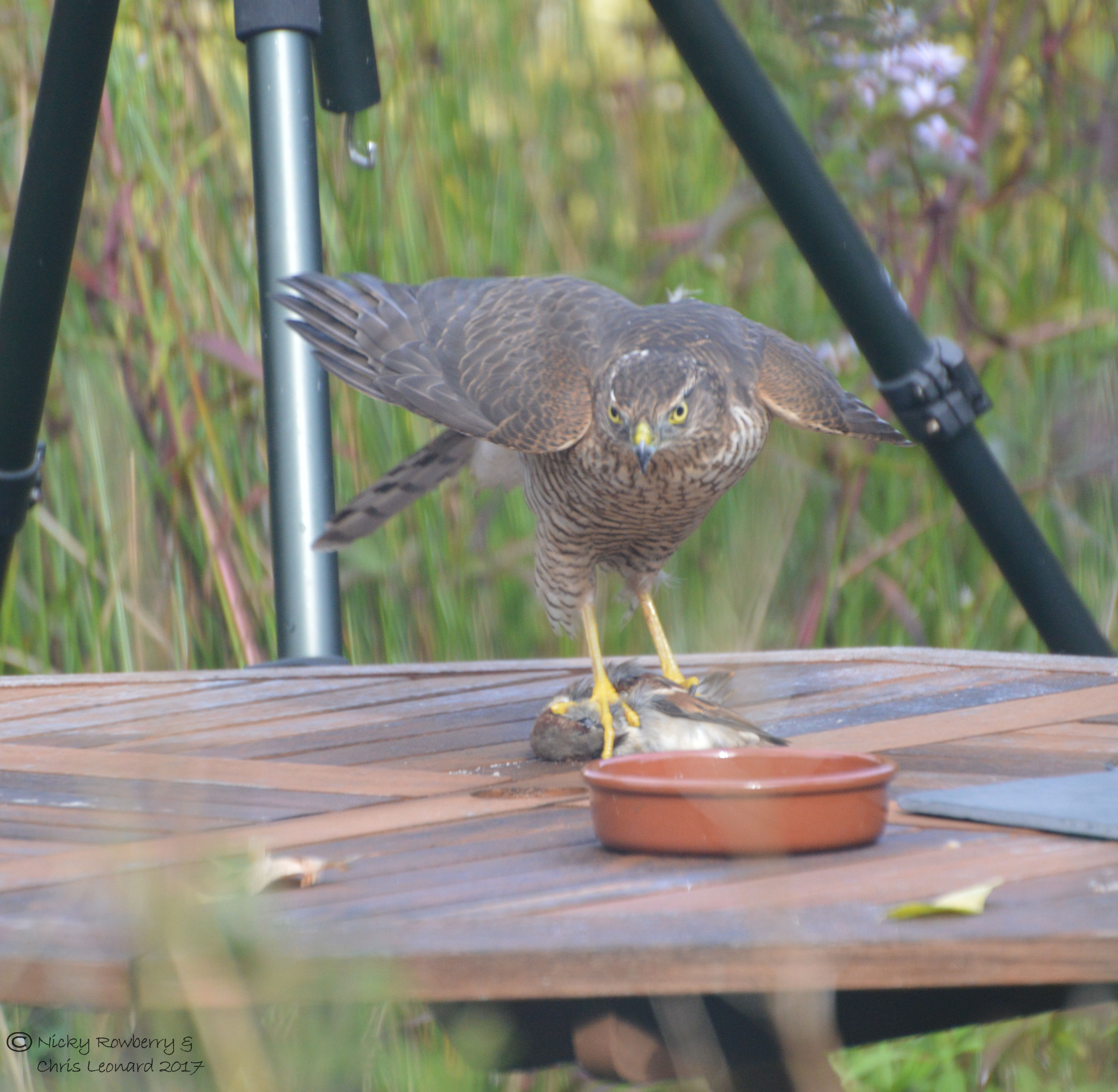
Today though I looked out to see that one of the unfortunate sparrows was suffering an altogether different experience on our table – he had become lunch for our local sparrowhawk. My first thought was guilt that I’d encouraged the sparrows, only for this one to become today’s special on the sparrowhawk menu. My second thought was can I get the camera in time? And for once I did. Not the finest set of photos; there was nothing I could do about the bits of grass and weeds obscuring the view, I just had to snap away getting as close as I could before the sparrowhawk spotted me. Thankfully the window cleaner had been literally an hour before, so I could at least see out of the patio door; the photos would have been a lot blurrier otherwise.

The black tripod visible behind the table had the trail camera set up on it. Needless to say, the trailcam was pointing in the opposite direction and missed all the action!

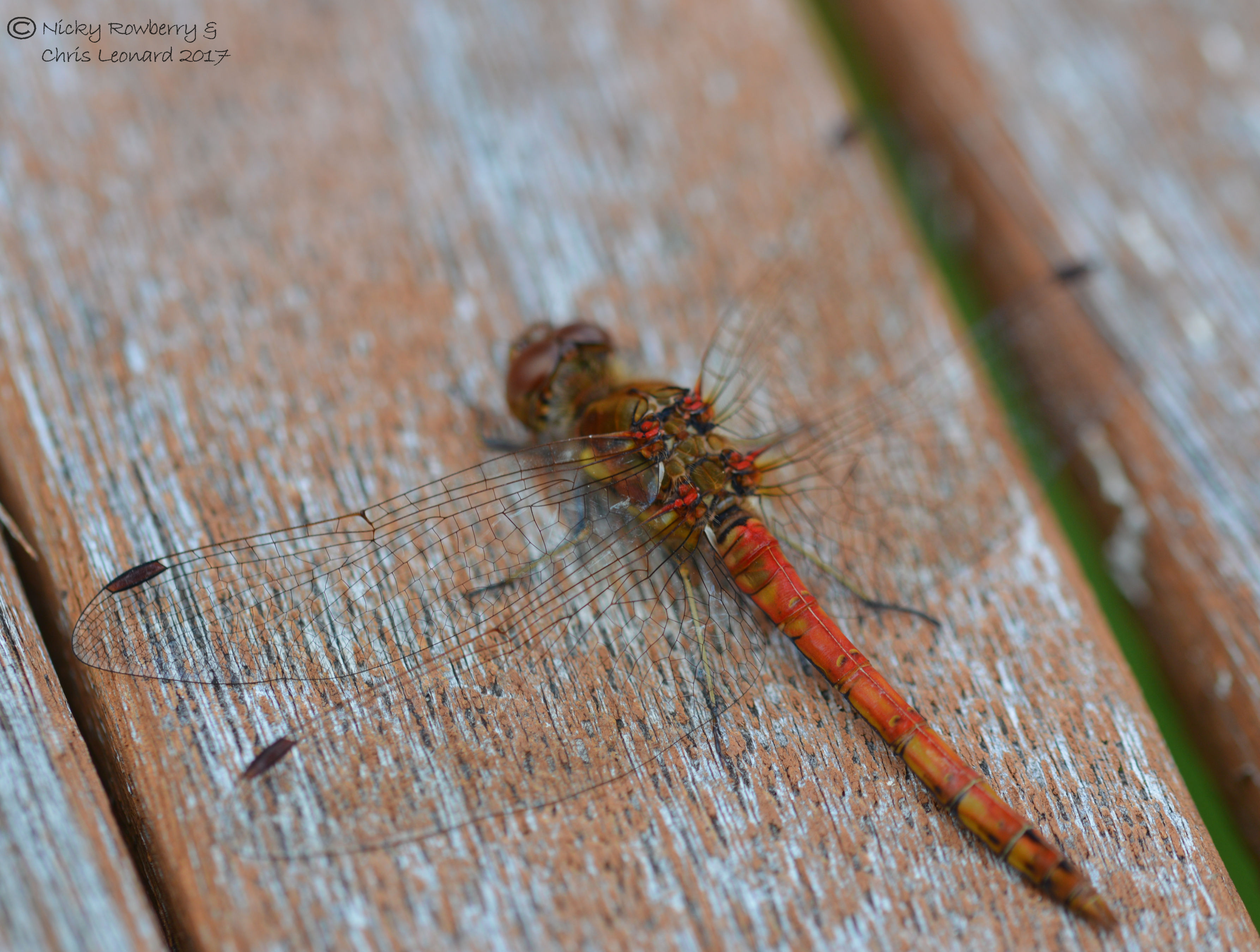
I headed out into the garden a bit later, not really expecting much after the excitement of the sparrowhawk. It may not have been quite so dramatic, but I was chuffed to find a Common Darter resting on the table – in almost the same spot the sparrow had met his unfortunate end. I never find it very easy to get all of a dragonfly in focus, so having failed a bit on the full body angle, I tried focussing on its head and the amazing compound eyes.

The sparrows don’t actually need to be using the tiny terracotta bowl as a bird bath. Having seen them all squashed in there, I had bought them a more spacious bird bath and put it right next to the table. They don’t seem that keen on it and are a bit wary of the slippery sides. I’ve yet to see one bathing in it, although they did have a tentative paddle a few weeks ago.

Our robin however has taken to the new bathing facilities quite happily, maybe because he doesn’t get jostled for space by the sparrows.

While I was gathering together these clips and photos of goings on around the table, I remembered that last year I’d videoed a wasp eating chicken on the table – not a chicken with an appetite for wasps, but a wasp tucking into some cooked chicken that we’d left out. I’d never got round to adding this to the blog before, so here are a few clips now:

So our garden table may not have seen much of me this year, but it’s still getting plenty of use from an assortment of winged wildlife!

Rehab Time

Yesterday must be right up there as one of the most interesting days this year. I got to spend the whole day at Vale Wildlife Hospital & Rehabilitation Centre near Tewkesbury. It was a one day course learning about hedgehog first aid, care & rehabilitation and the whole thing was fascinating!

The day started in the classroom with introductions – the other participants on the course included some experienced hedgehog carers, some planning on starting hedgehog rehabilitation and some who just loved the hedgehogs in their gardens and wanted to learn more.

Caroline, the charity founder, started with an overview of the legal issues surrounding wildlife rescue, which were much more complicated than I had realised. Then we had an introduction to some of the diseases/parasites that hedgehogs can suffer from; many of which can be transferred to humans, so careful hygiene is essential when handling hedgehogs (as it is with any animal).

We then ran through everything associated with the successful care and rehabilitation of hedgehogs. This covered everything from initial “is the rescue really necessary”, to examination & diagnosis, first aid, rehydration of dehydrated animals, feeding, care of hoglets,  treatments of parasites and other diseases, common injuries, record keeping, rehabilitation & release and sadly euthanasia.

In the afternoon we had two practical sessions. First looking down a microscope to examine hedgehog poo for signs of parasites. Not as easy as it sounds and it must take a while to get your eye in with this. Second was practising giving subcutaneous fluids to a hedgehog. Obviously we couldn’t practise on a live animal, but we all got to have a go on a deceased individual (sad to think that not all the hedgehogs could be saved, but at least we got to learn something from a couple of those that didn’t make it). Dehydration is a major problem for many rescued hedgehogs, so learning to do this properly is vital for anyone considering their rehabilitation, but not something that should be tried without proper instruction.

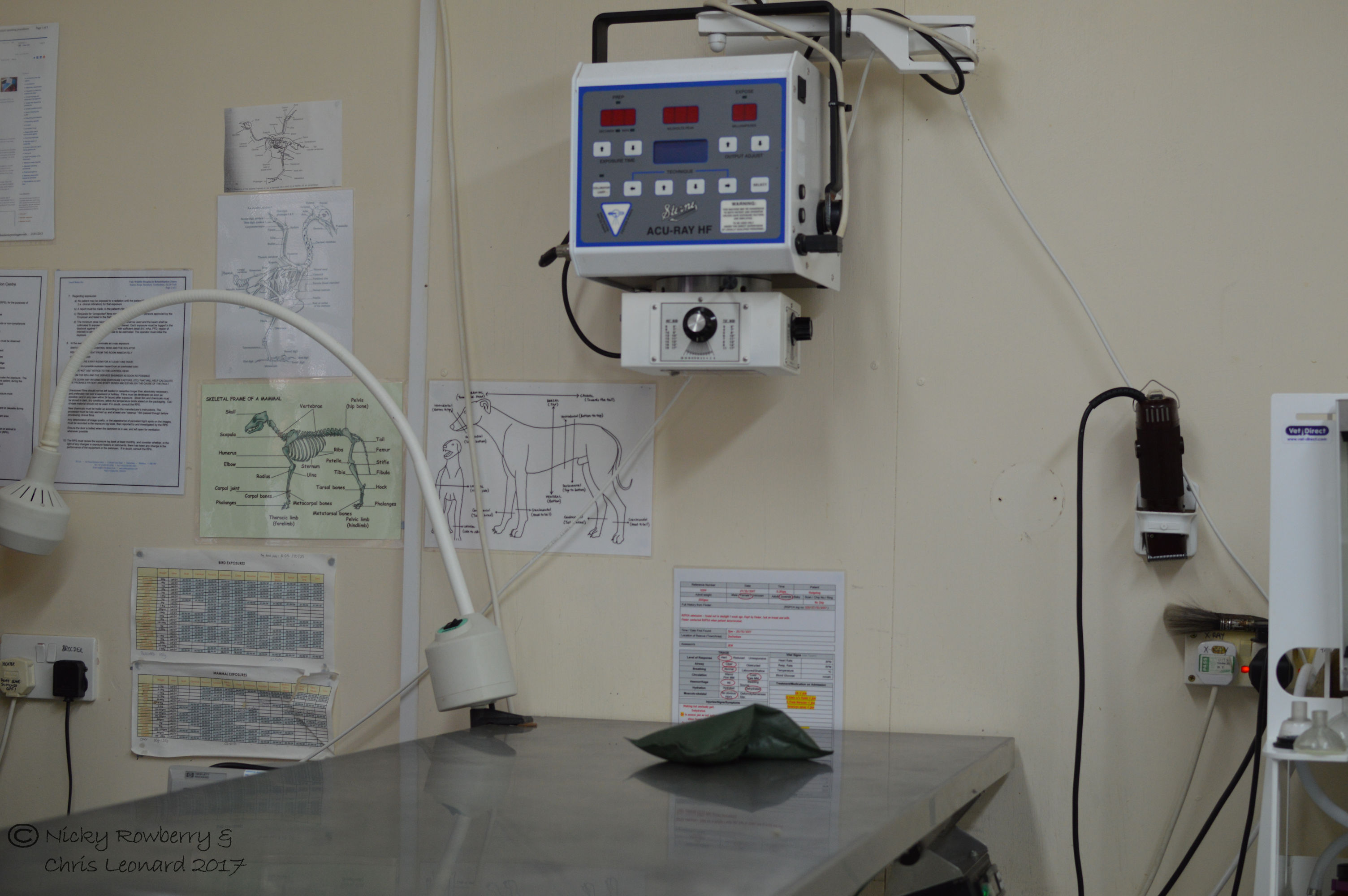
The Vale Centre cares for all manner of wildlife, not just hedgehogs. As part of the course we got a guided tour of their facilities. Just seeing the scale of simple things like food prep or laundry (an awful lot of dirty animal bedding) really brought it home how much work they do. There is of course a lot of much more technical equipment, like this heated x-ray table.

Warmth is often a critical factor in the survival of the rescued animals, particularly for baby ones. Brooders such as this one, allow them to be kept constantly warm, until they are big enough to regulate their own body temperatures.

The small mammal and hedgehog wards are fitted out with row upon row of cages, each with their own patient records on clipboards, just as you would find in a human hospital.

Each animal patient has a unique identifying number and the staff record daily weights and observations, flagging up any that are cause for concern. Colour coded tabs allow instant identification of those needing fluids, or medication, or assessment, or samples etc.

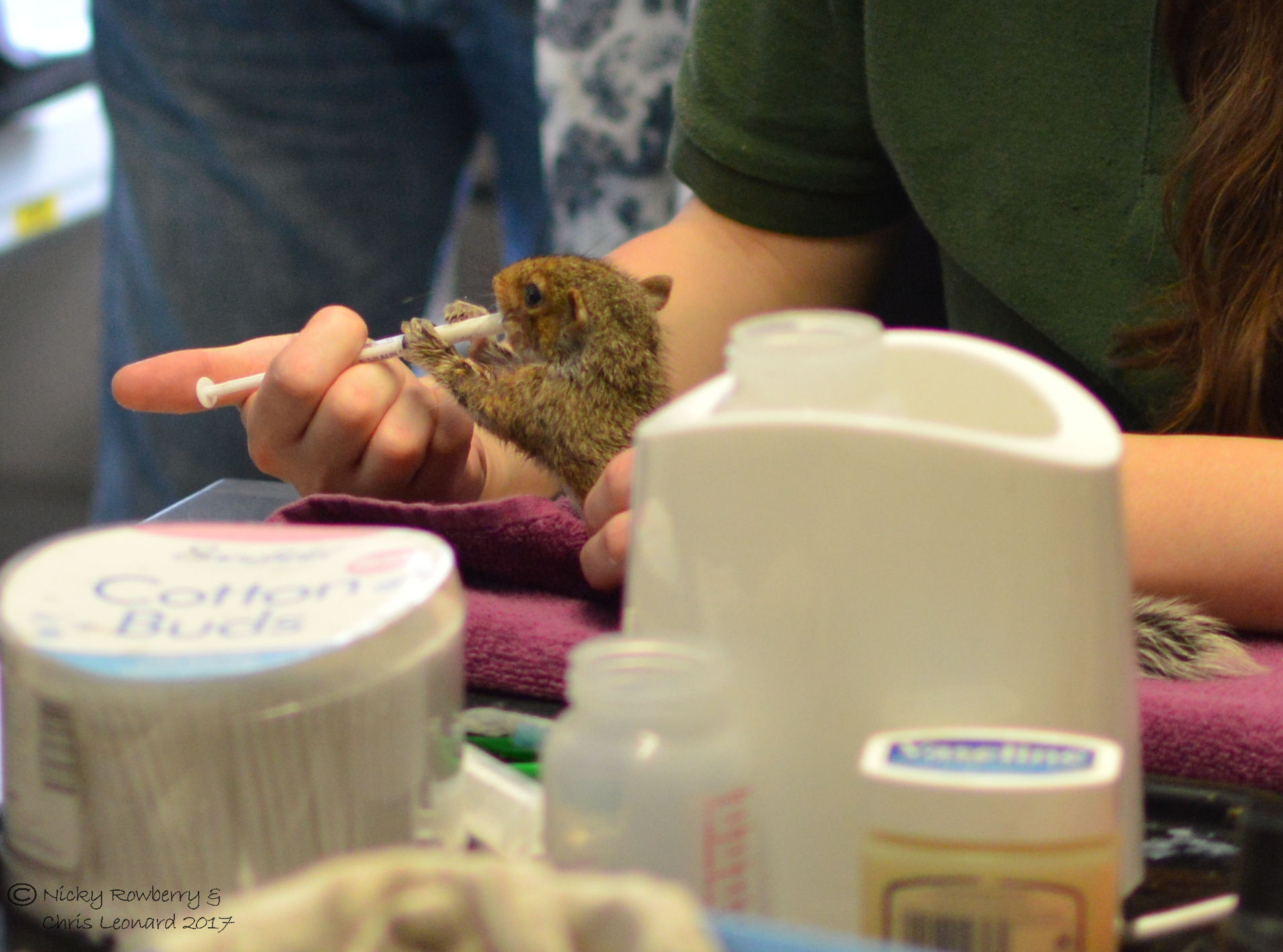
While we were getting our tour a young squirrel was being syringe fed (although we were supposed to all be objective and unsentimental, a collective “awwh” went up in the room).

A more adult looking squirrel was either interested in the syringe food, or interested in us – not sure which.

Hedgehogs account for a large proportion of the animals admitted to Vale. Last year of the approximate 4500 animals admitted, over 1000 were hedgehogs. This year they look to be getting similar numbers and the wards certainly had plenty of hoggy patients. Of course being nocturnal animals most of them were fast asleep in their cages, burrowed into nests of shredded newspaper. But I did spot one venturing out of his sleeping chamber. The hedgehog cages are split into two connecting “rooms”, one a sleeping chamber and one for the food and water.

Birds account for about 70% of Vale’s admissions, many of them baby ones. A young sparrowhawk and a duck were admitted while we were there. These baby pigeons were just two in the indoor bird ward yesterday.

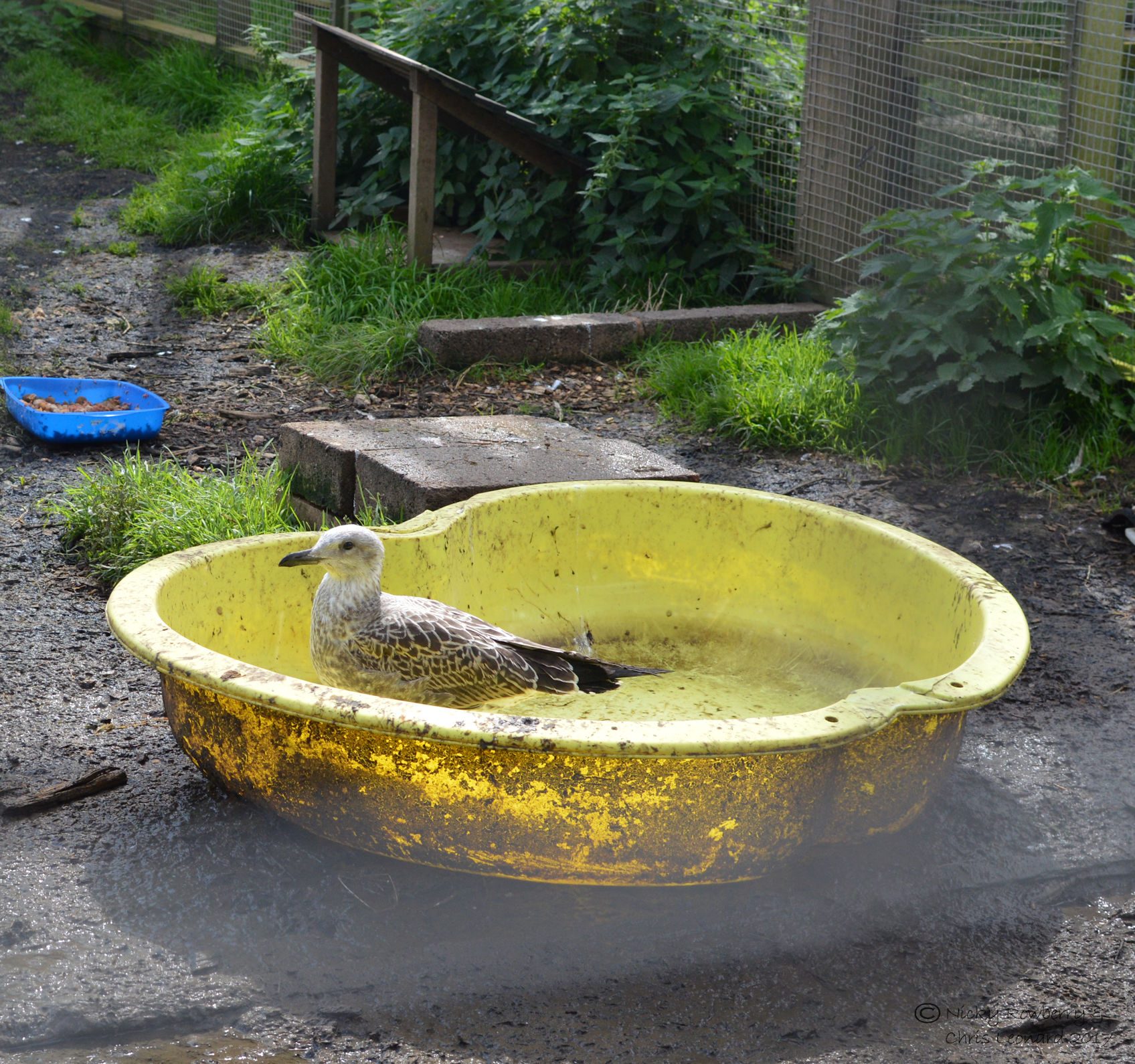
Outdoors there were yet more birds, from small birds like sparrows and pigeons, up to swans and gulls. All waiting to be strong enough to be rehabilitated – it is vital that they regain the strength in their flight muscles before being released.

Vale’s ethos is very much about rehabilitation. Animals are nursed back to health so that they can not only be released again, but be released with quality of life equivalent to what they would have naturally.  If this can’t be achieved, then sadly euthanasia may be the only option.

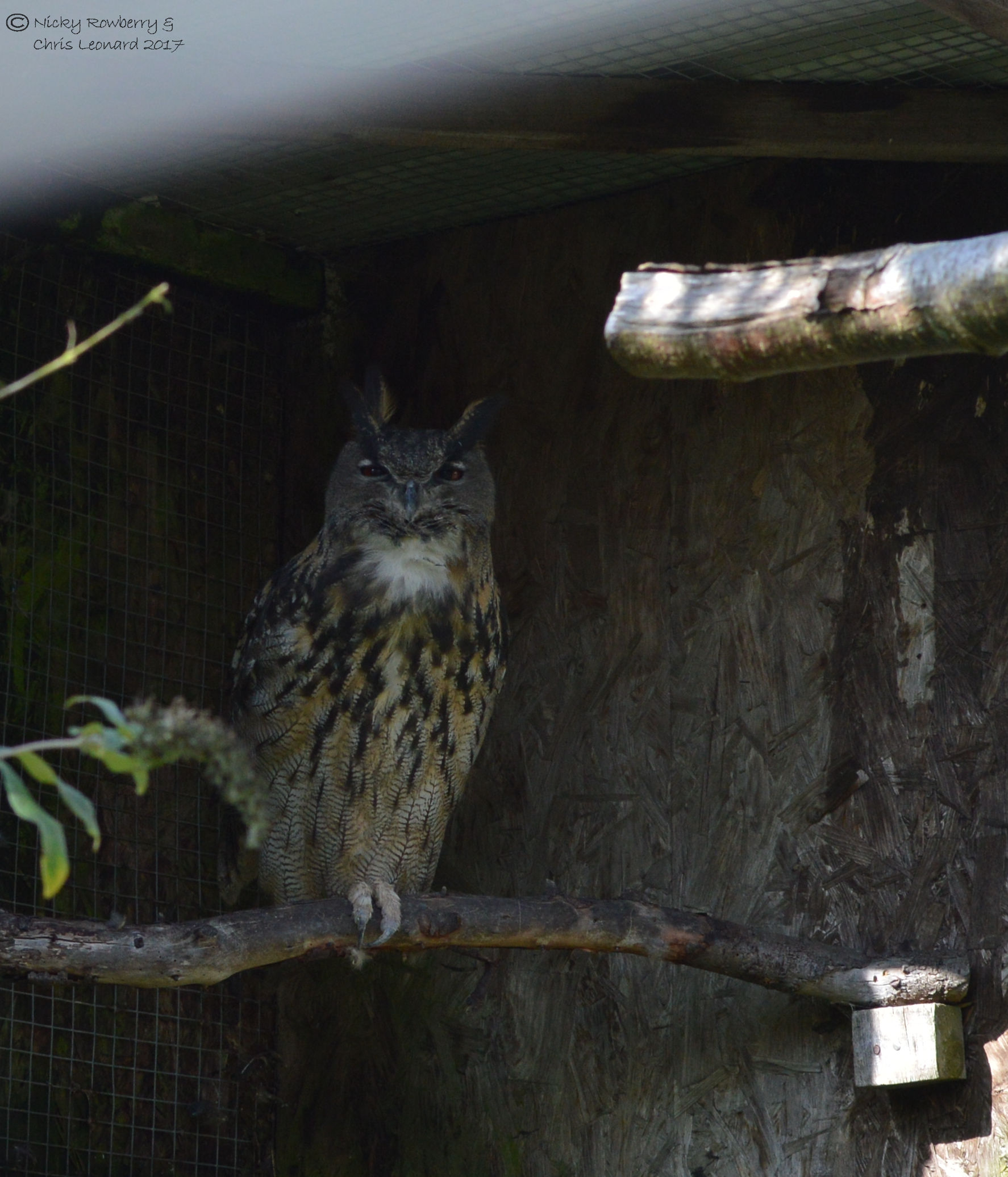
There are one or two exceptions, such as this stunning European Eagle Owl. This bird is not native to Britain so cannot be released into the wild here.

And finally an unlikely looking trio of a fallow deer, an emu and a rhea, all of which will be living out their natural days at Vale.

Although our course was aimed primarily at hedgehogs, it was great to see some of the other work the centre does too. I would recommend this course to anyone considering caring for one or more hedgehogs. This and of course getting some practical volunteering experience with an already established hedgehog rescuer if you can.

When I was a little girl I wanted to be a vet, but was probably way too lazy to study hard enough. I realise now with hindsight that I probably wouldn’t have had the emotional strength to make a very good vet, even if I had worked hard enough. People who work with animals, like the amazing staff at Vale, have to care for the animals whilst at the same time making really difficult decisions on a day to day basis. It would be so easy to make choices for an animal to make the person choosing feel better, rather than thinking what is really right for the animal. The staff at Vale always put the interests of the animals first and I have huge respect for them.

To find out more about Vale Wildlife Hospital and the work they do, check out their website: http://www.valewildlife.org.uk/     Charities like this cost a fortune to run, but do such an amazing job – any and all donations would be very welcome.