Big Garden Birdwatch 2018

Last weekend was the annual Big Garden Birdwatch – one of my favourite bits of citizen science to participate in. Unfortunately it was one of those dull, grey January days where the sun just doesn’t come out – and nor did many of the birds. Coupled with that, my camera was in for repairs so I couldn’t even take photos of the ones that did appear. I persevered though as it would have been a shame to miss out on it this year, having done it for the last few years.

So I spent an hour crouched behind my camouflage netting hoping neither the birds nor the neighbours could see me (neighbours think we’re mad enough as it is without seeing the camouflage!). As always seems to be the case, the birds which moments before had seemed so plentiful, all disappeared as soon as I got my notepad out. But my masterplan worked as I’d topped up all the bird feeders just before and they couldn’t resist indefinitely.

The sparrows were abundant as usual. I’ve no idea how many we really have visiting the garden, but I’m sure it’s much more than the 13 I managed to count in one go. I suspect we have closer to 25 or even 30, but they’re impossible to count all together, so I stuck with the 13 definite that I could see at once.  Next largest presence was the jackdaws – 5 of whom put in an appearance on the bird table. These are at least big enough and obvious enough to be much easier to count.

The rest of the birds came in just ones and twos: blue tits, robin, blackbird, goldfinches, starlings, woodpigeons, crow, dunnock, blackcap (female) and magpie. A total of 32 birds of 12 species. As usual I had several no shows – birds that have graced our garden in the days before and days after the count. These include the wren, great tits, coal tits, long-tailed tits and chaffinch – all of whom I’ve seen today.

The RSPB give you a nice little pie chart when you upload your results. It only shows 10 species, so misses out the crow and the blackcap, but at least represents 30 out of the 32 birds I saw.
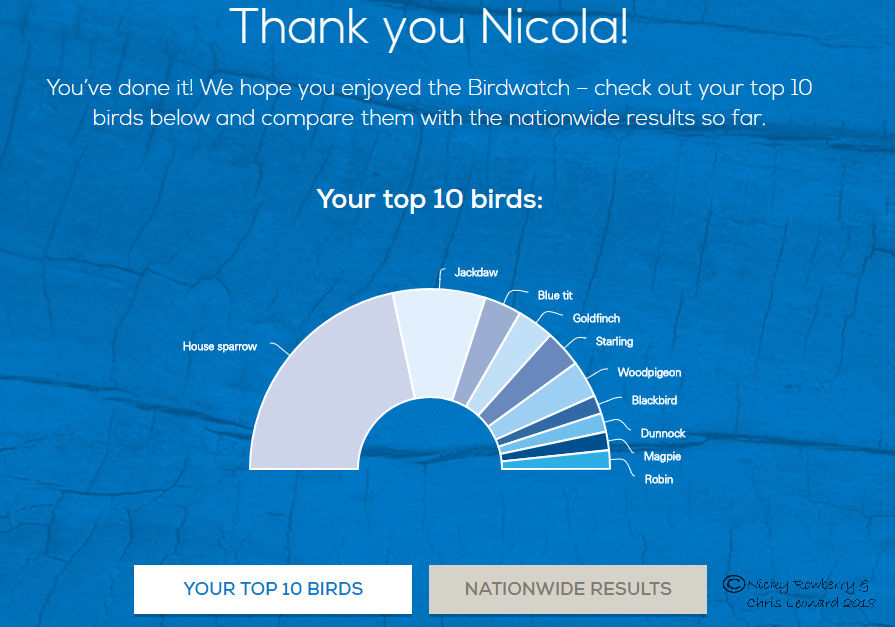
You can also get a similar representation of the national results so far. So as of this afternoon, sparrows were leading the way nationally, as they were in our garden. But there was no sign of our second most abundant bird, the jackdaw, in the nation’s top 10. Perhaps we are just in a hotspot for jackdaws, or they particularly like the selection of bird food we put out here?

This year’s results for our garden were very similar to last year’s (https://toolazytoweed.uk/2017/01/28/big-garden-birdwatch-2017/). So it’s good to know there are no dreadful declines here at least – keep putting out the bird food and they will come!

So a bit of birdy citizen science – a weekend well spent I reckon.
The Duke of Prestbury Hill

Flushed with the success of finding the Grizzled Skipper the previous weekend, we headed out again on Sunday in search of our next target butterfly – the grandly named Duke Of Burgundy. The nearest place we could find with a colony of Dukes was Prestbury Hill near Cheltenham – a fantastic site that we’d already visited at other times of the year.

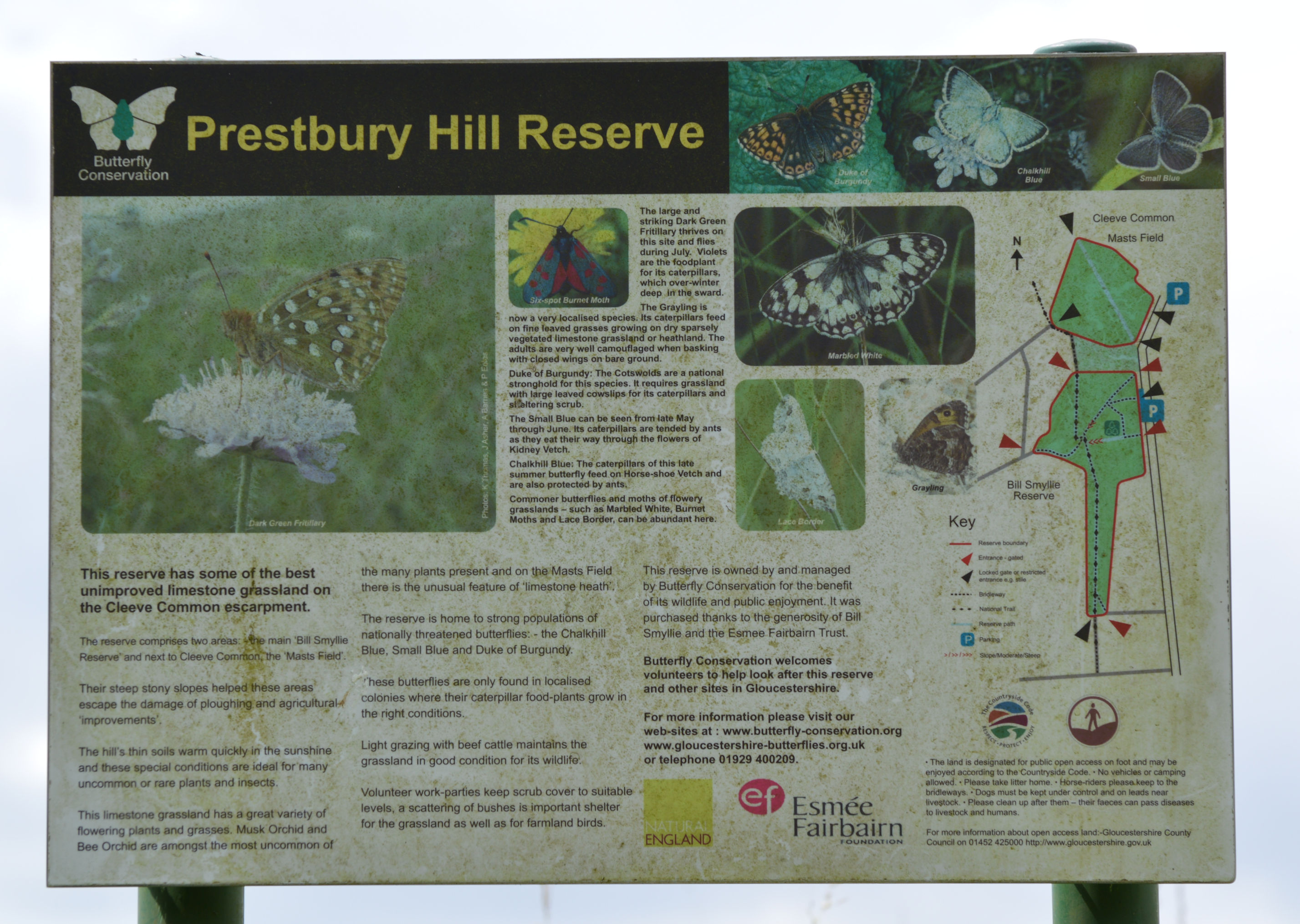
Prestbury Hill reserve consists of 2 areas joined by a section of the Cotswold Way. We started off at the top of Masts Field which has amazing views out over Cheltenham and for miles around. It also has a convenient bench near the top for lunch. While we were sitting there, a pair of kestrels were hovering almost at eye level in front of us. Although they were more or less stationary in the air, they were still impossible to get decent shots of.

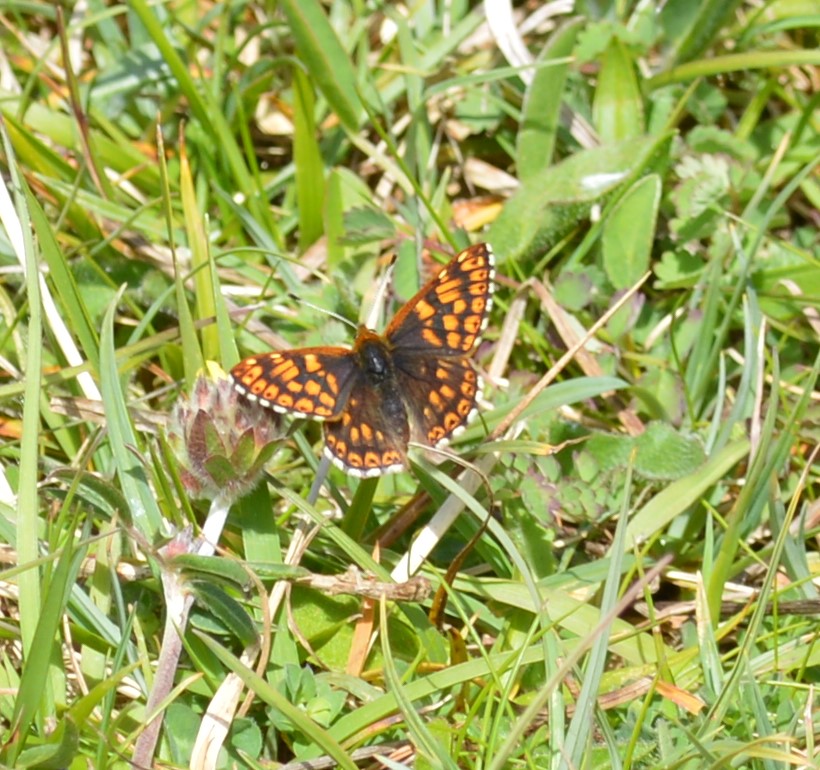
We spotted our first Duke almost immediately as we entered the field – it’s not often we get so lucky. Considering it is one of Britain’s most threatened butterflies, it seemed almost too easy! It’s quite a small butterfly, looking like a miniature fritillary.  In fact it used to be called Mr Vernon’s Small Fritillary – I’ve no idea who Mr Vernon was, nor why it is now named after a duke! (if anyone knows I’d love to find out?)


His Grace (I’ve googled the proper term for addressing a duke!) is small but perfectly formed, with lovely stripy antennae and pretty orange and brown/black patterned wings.


The males are territorial and like to display themselves on prominent leaves or grasses. The Duke of Burgundy is really unusual in that the female has 6 legs, but the male only has 4.  So I reckon the one in the photo below must be a male – showing off!

Although we saw quite a few Dukes on the day, I didn’t know at the time about counting the legs, so don’t know if any of our Dukes were actually Duchesses!

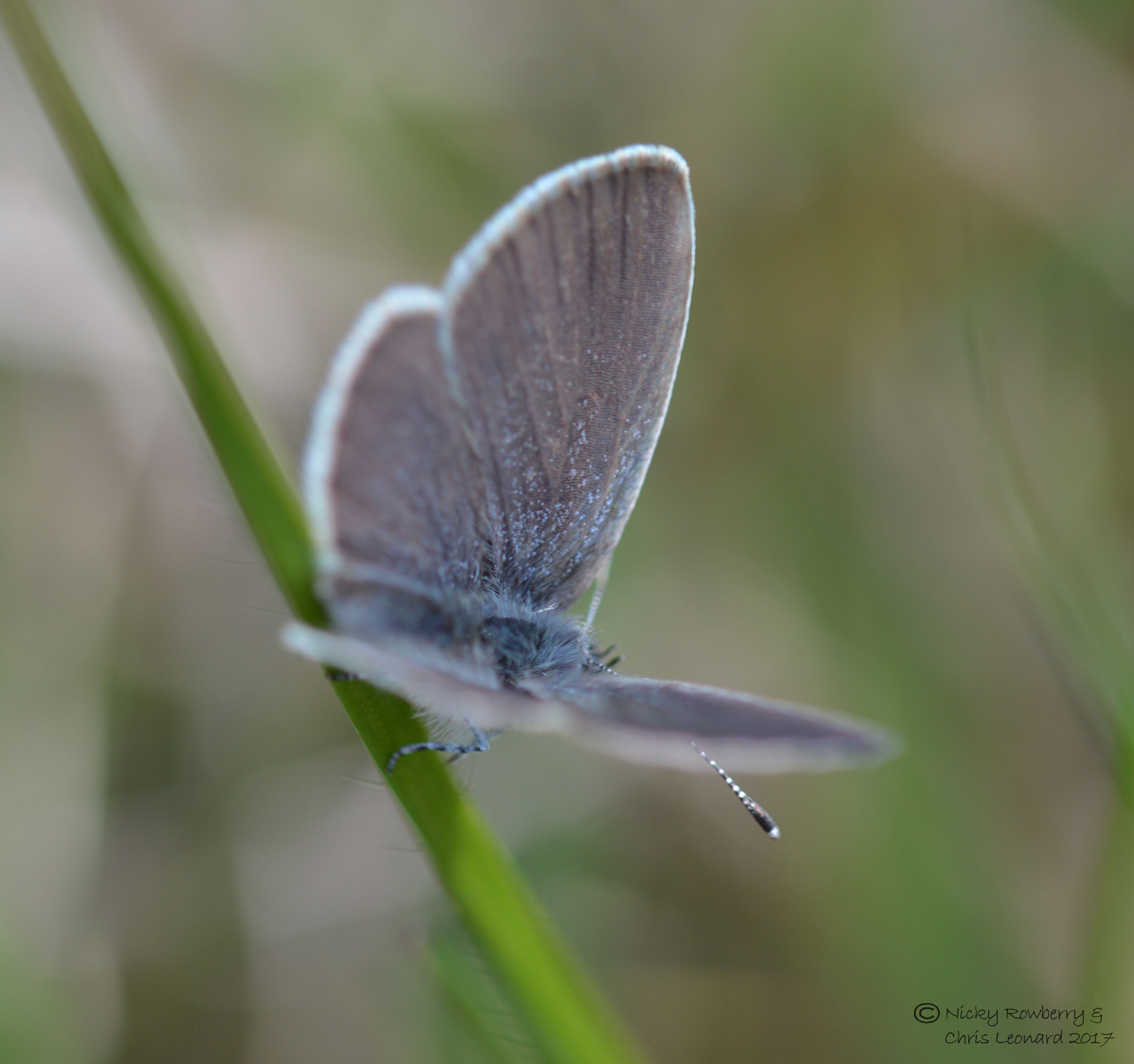
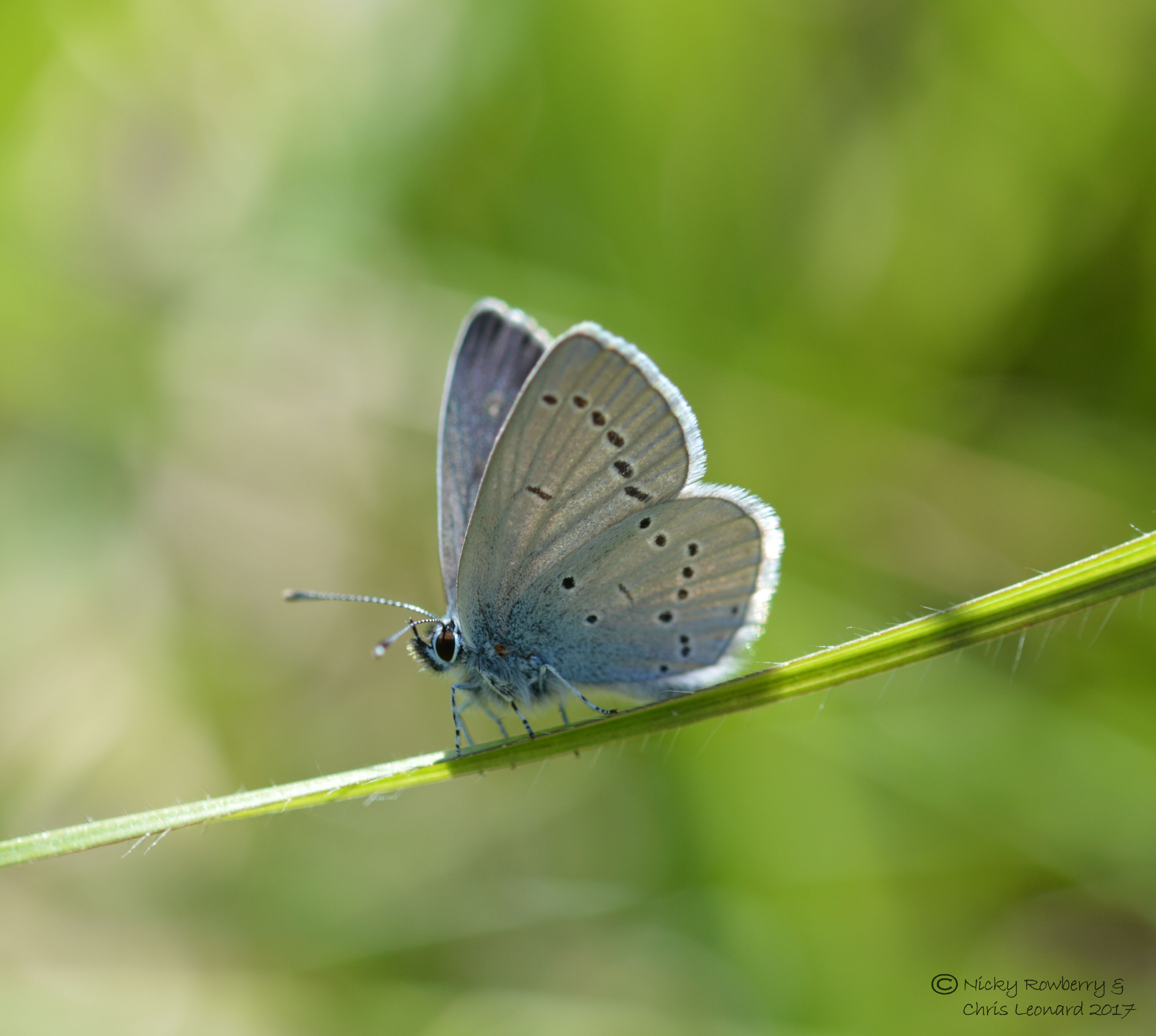
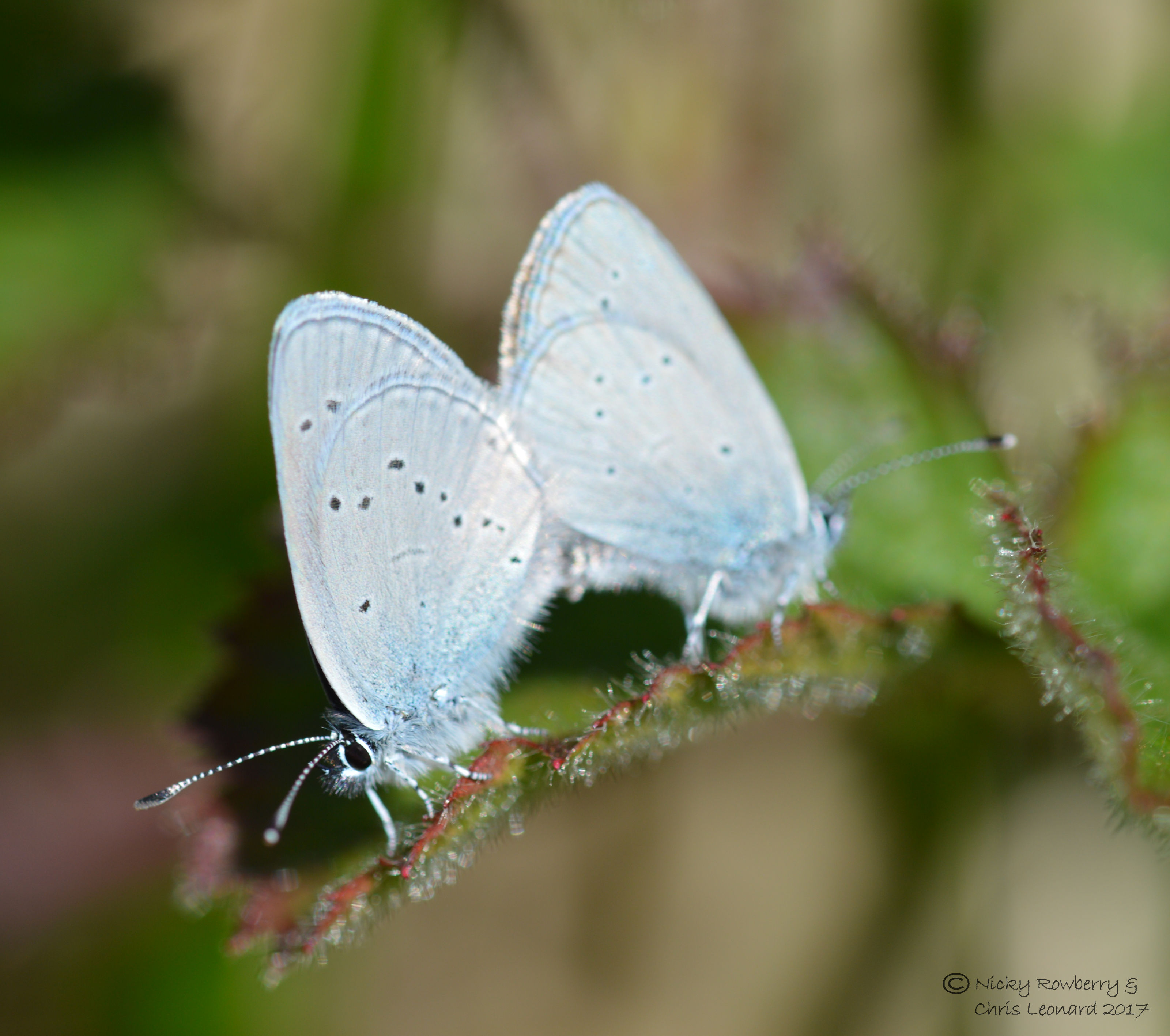
The other butterfly we’d hoped to see at Prestbury on this visit was the Small Blue. I had glimpsed one once before, so it wasn’t a new one for the list, but we wanted to get a proper look. Again we were lucky and there were plenty of Small Blues around. They really are what it says on the tin – small and blue! They are Britain’s smallest species of butterfly and are absolutely tiny. Once we got our eye in though, we found loads at Prestbury. They’ve got a beautiful dusting of pale blue scales on the upperside of the wings, while the underside is almost all blue with a few black spots.

We even found a few pairs mating (so unlike the Dukes we can at least be sure we were seeing males and females!) The only trouble with them being so small and so shiny blue on the underside is that it makes it really difficult to photograph them – especially with the inevitable bits of grass blowing across the shot!


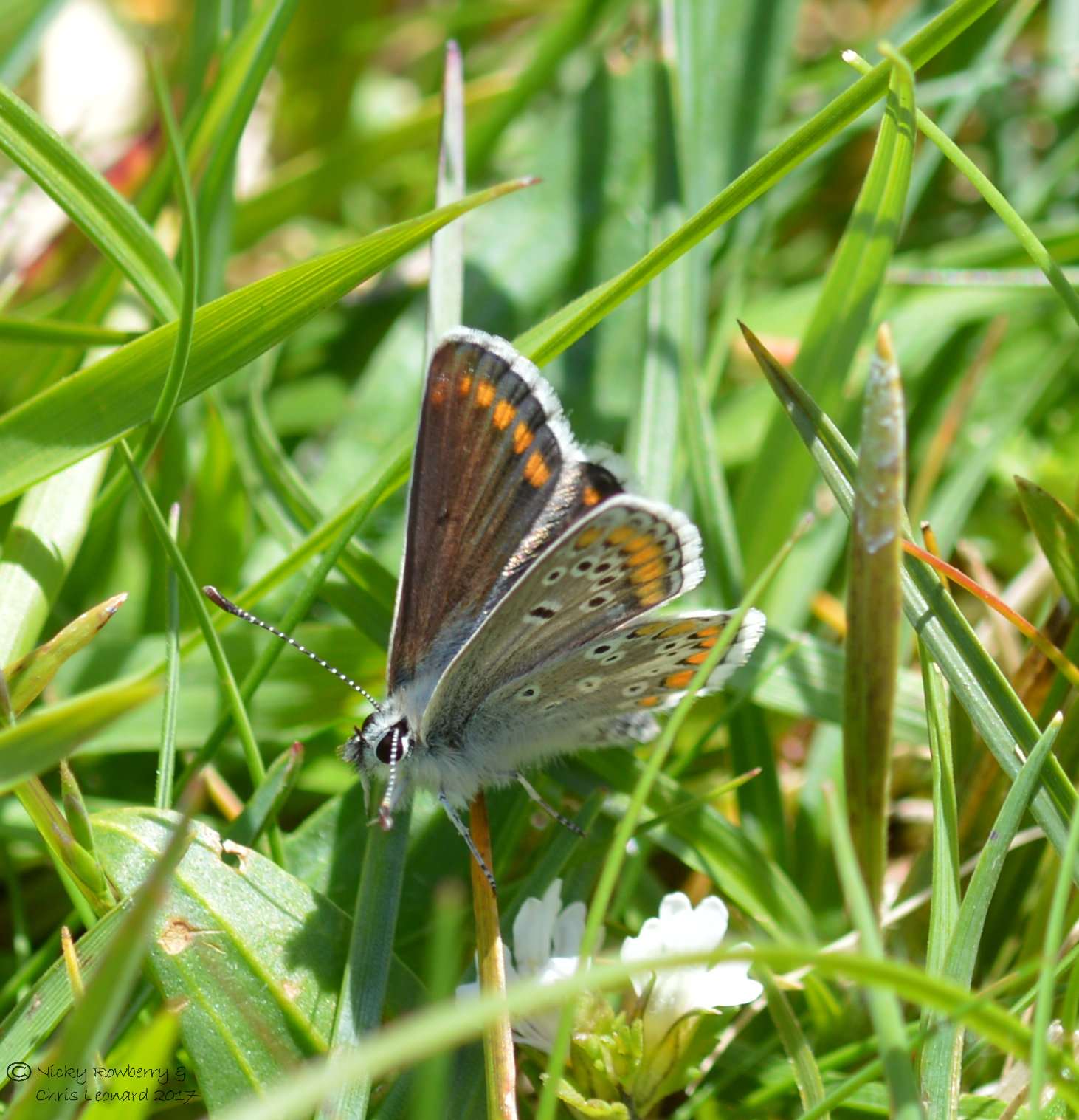
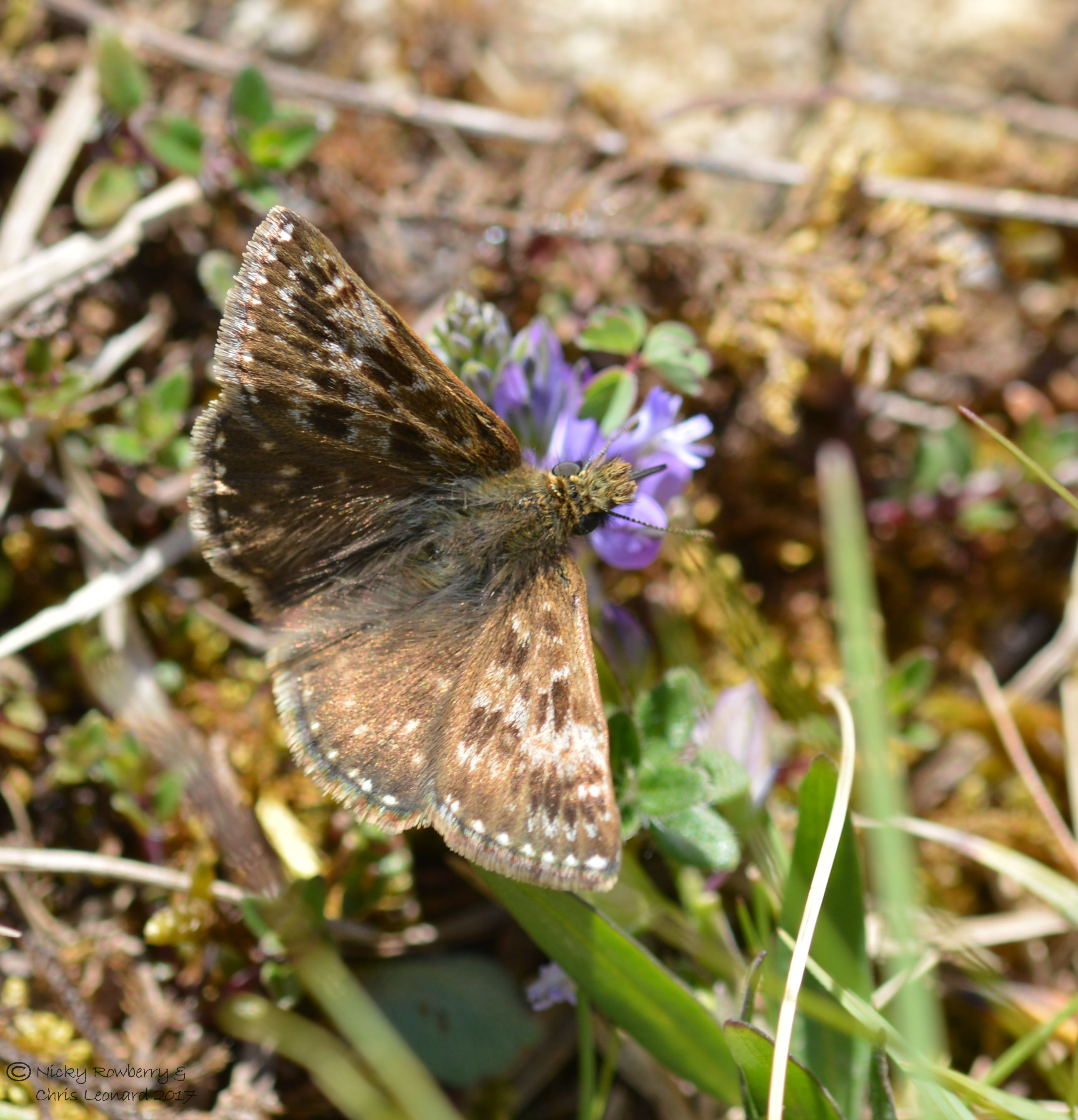
Prestbury is great for butterflies of lots of species so it was really nice to spot this Brown Argus and a lot of Dingy Skippers. I do feel sorry for the Dingy Skippers with their lowly sounding name next to the Duke of Burgundy!

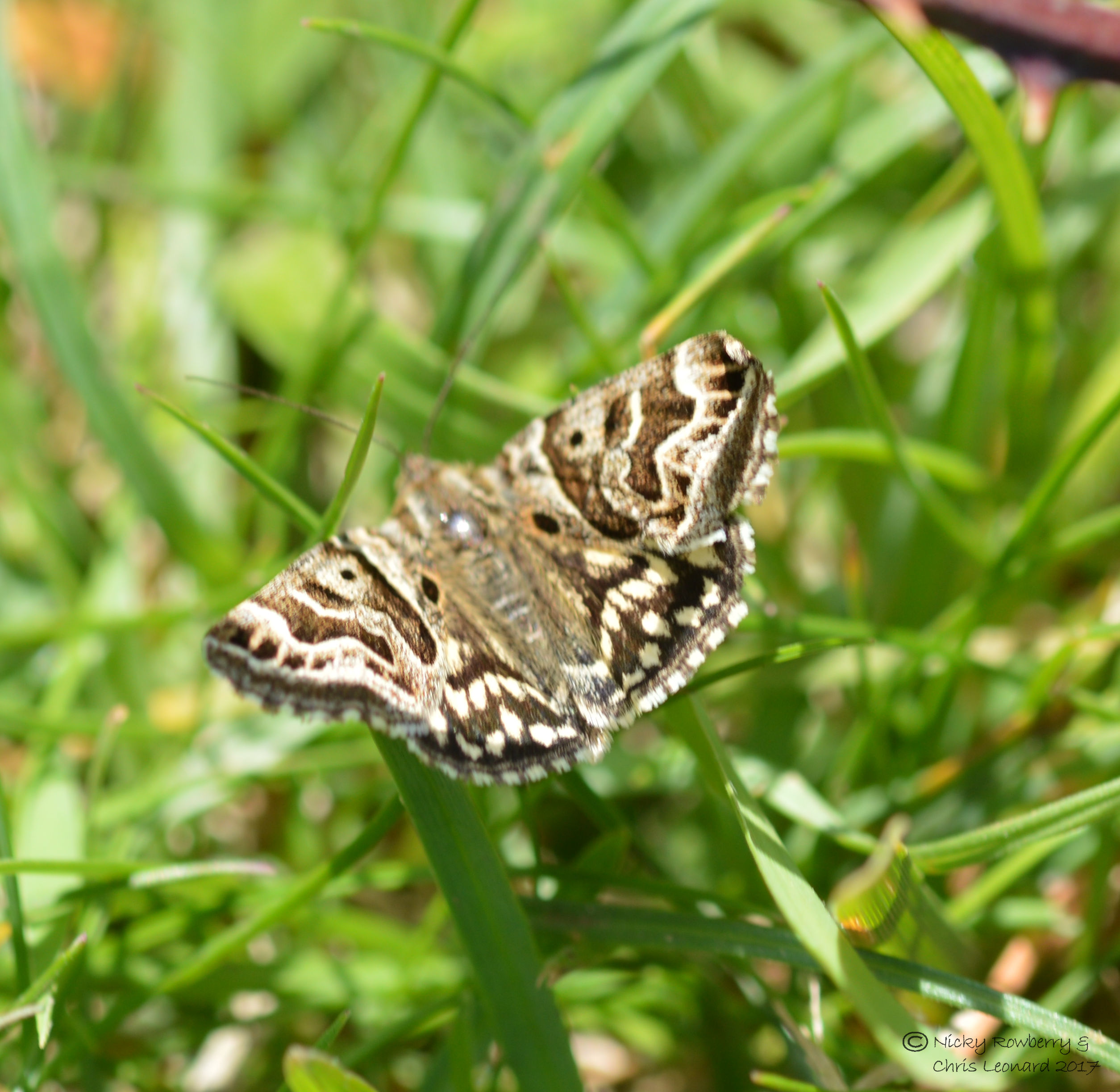
I also couldn’t resist taking photos of one of  my favourite moths – the Mother Shipton. I do at least know the origins of this name – the moth is named after a 16th century Yorkshire witch because its marking are supposed to resemble her with an eye and hooked nose and chin!

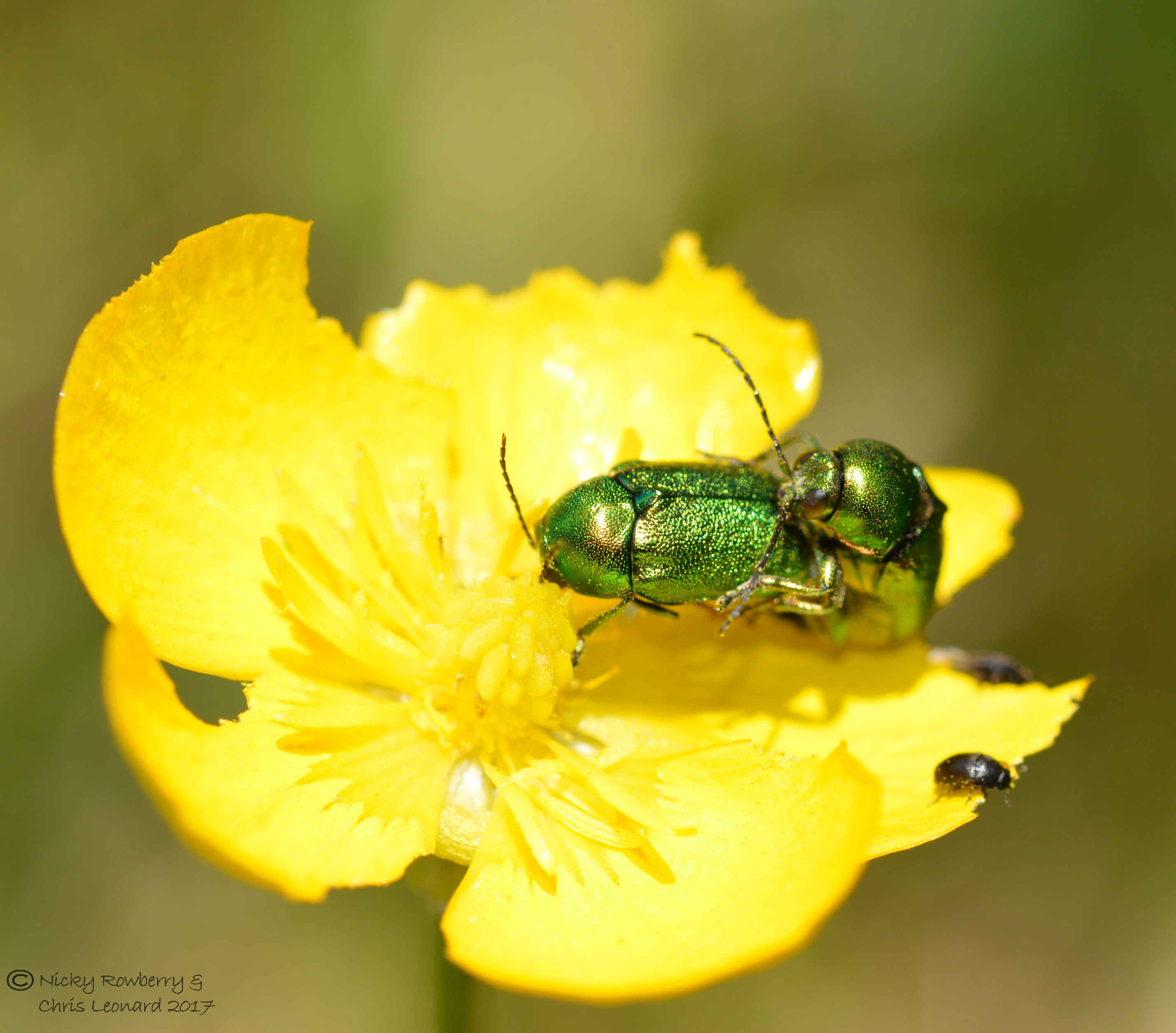
And finally Spring was clearly in the air for these beetles. I’ve no idea what they are, but they looked so shiny and green against the yellow buttercup, I just couldn’t resist.
 

Wildlife Hides – Part 3 The Kestrel

This is the third and final part of the blog about our wonderful day spent at the Wildlife Hides near Droitwich. Our last hide of the day was the Kestrel one. Once again we were a bit worried when the previous 2 groups had all seen kestrels feeding – would they be too full to fly down for us?

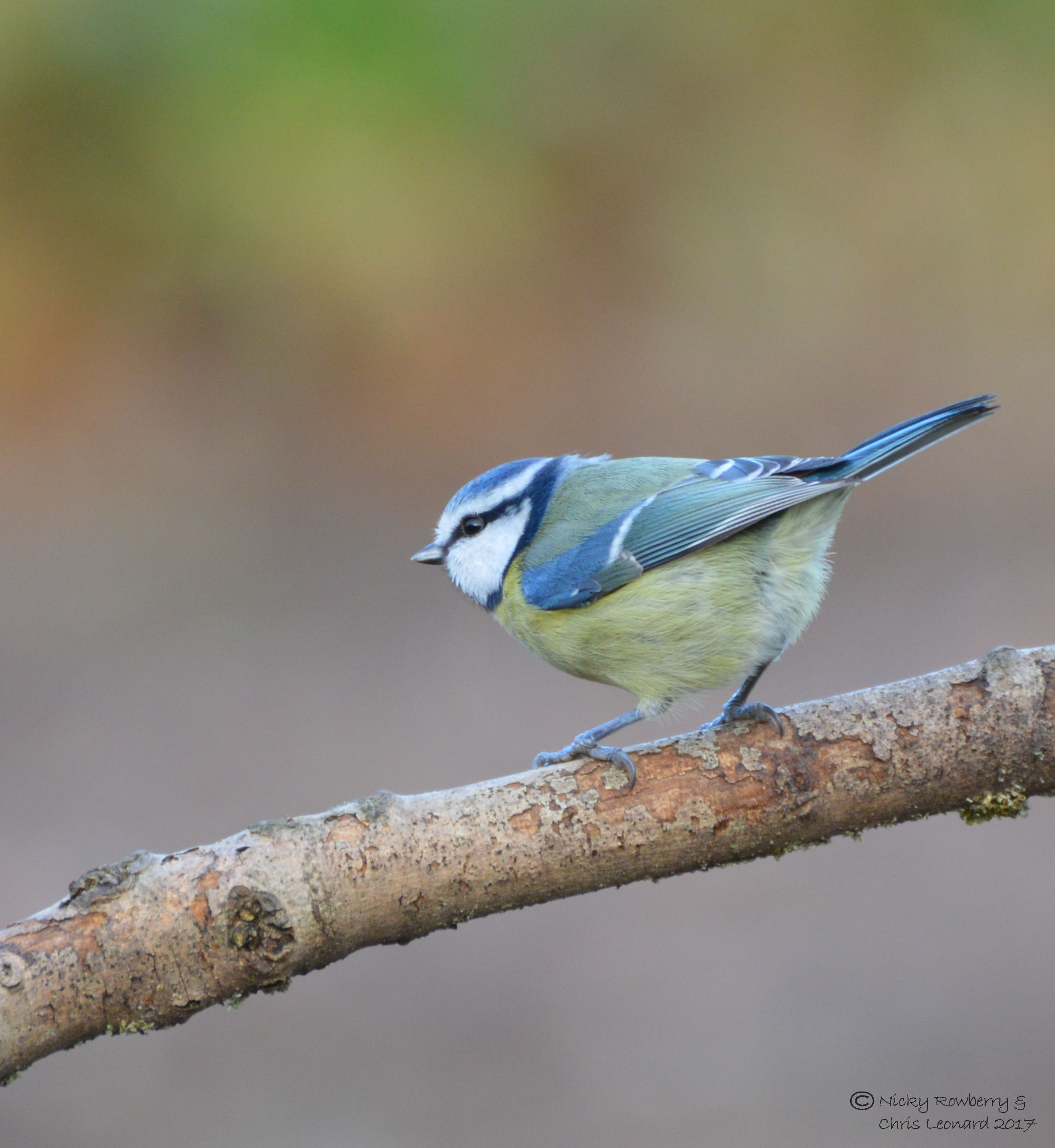
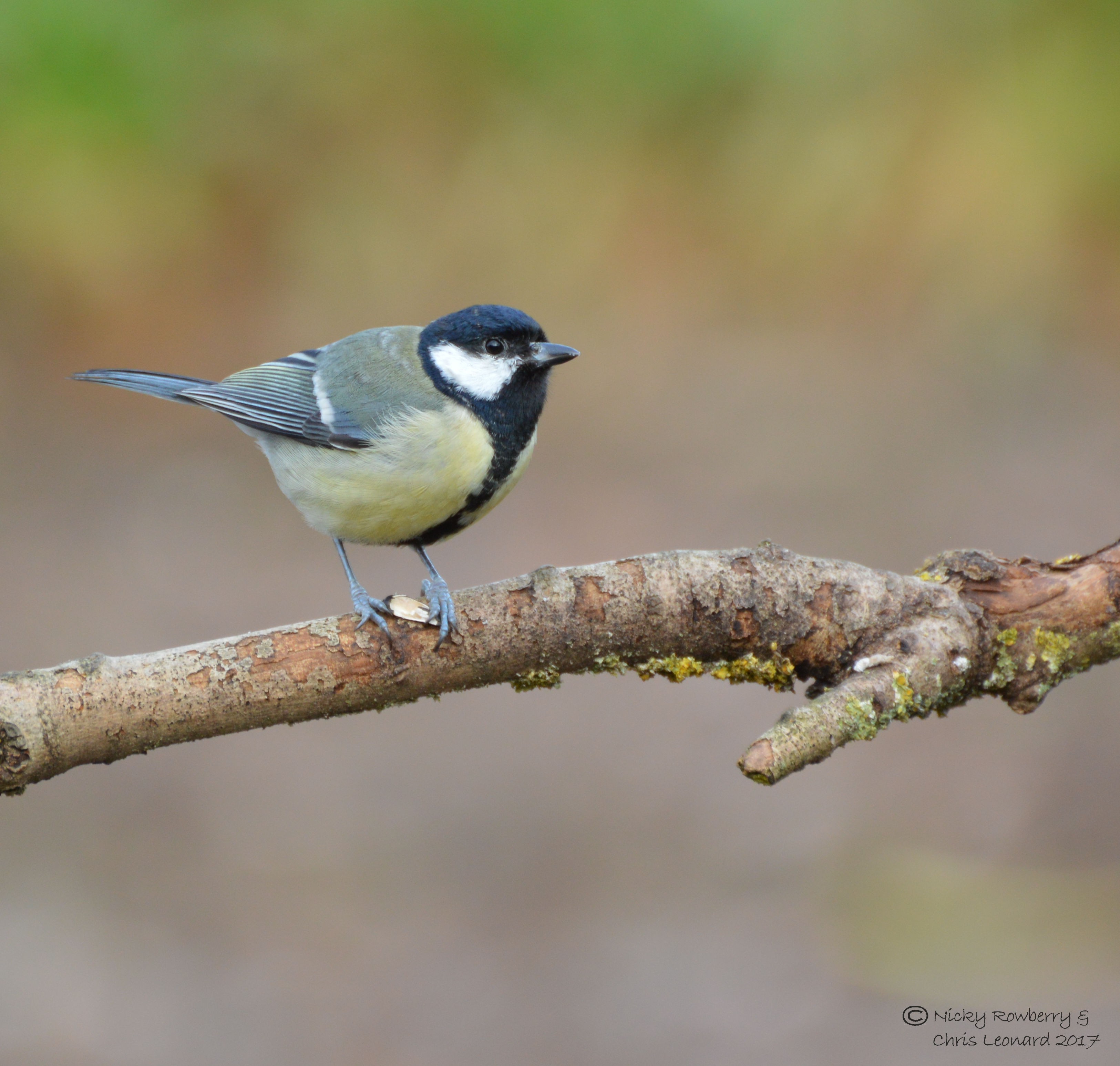
Initially all we could see was a very distant kestrel perched on a telegraph pole way across the field. Dead mice were positioned in front of our hide, so we just had to hope she was still hungry. While we waited (with everything crossed) for her to fly down, we could at least enjoy lots of the small birds that were flitting about. The blue tits and great tits posed obligingly on a branch in front of us and a chaffinch was poking about in the mud on the field. A wagtail and an absolutely stunning bullfinch also made appearances, but we didn’t manage to get decent photos of either.

blue-tit

great-tit

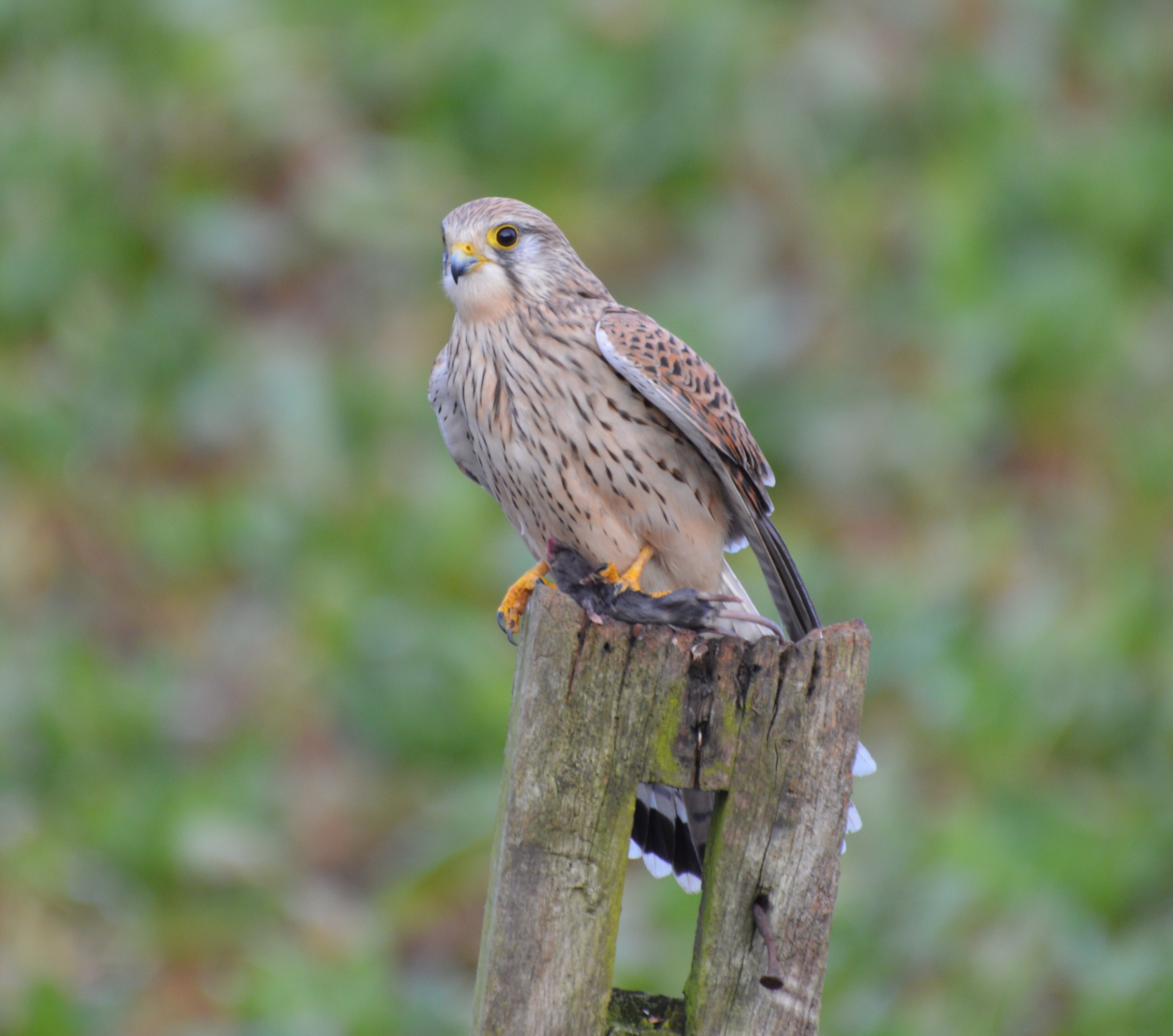
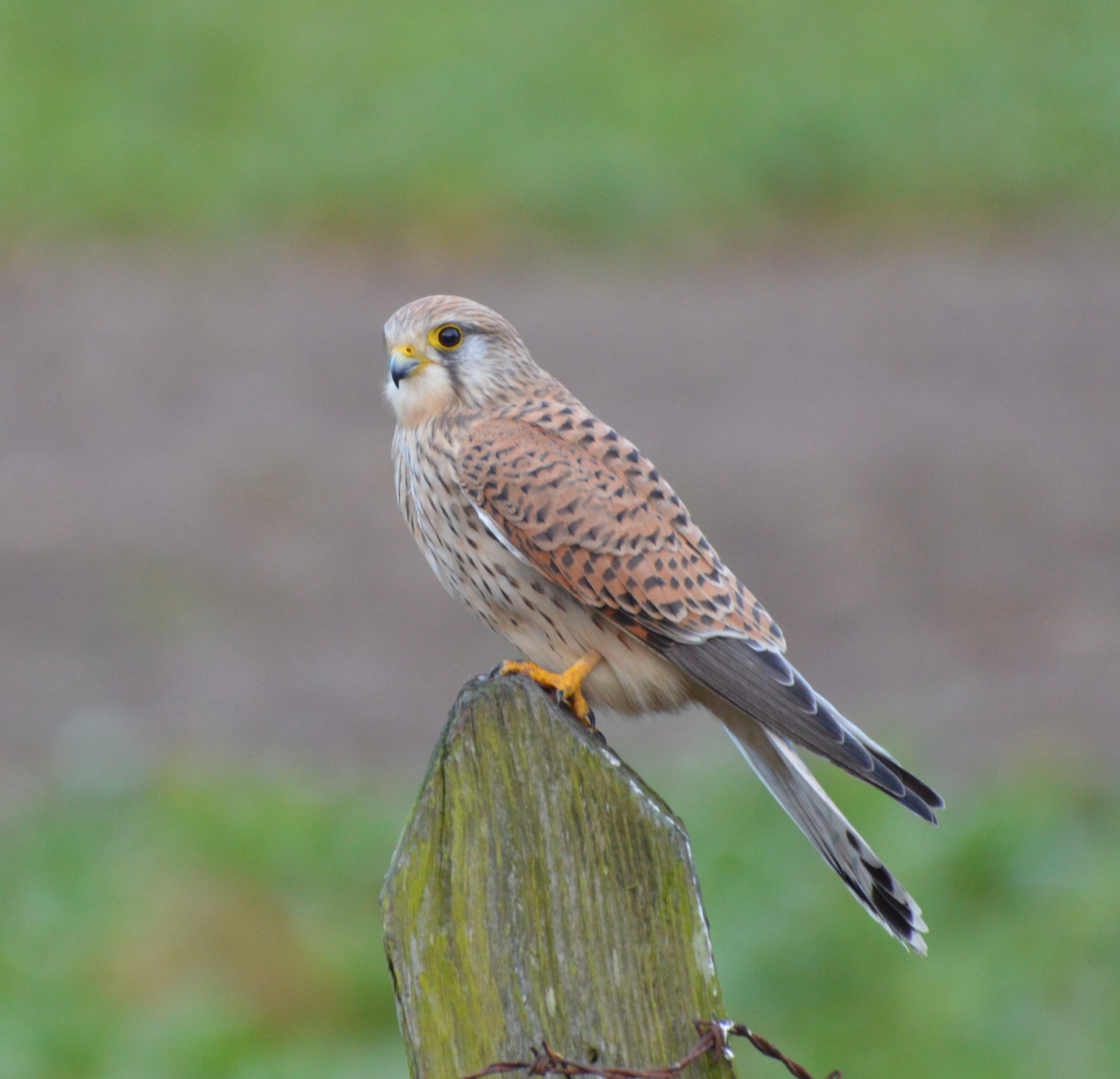
While we’d been watching the small birds, the female kestrel had been joined by the male on top of the telegraph pole. After what seemed like an age they eventually both took off and after a bit of hunting about, the female landed on one of the posts in front of us. All 3 of us clicked away frenziedly, to the point that we didn’t even notice the male had landed until it took off again – doh! So we only got photos of the female, but she was stunning. I’d never been so close to a kestrel before and hadn’t realised just how beautiful they were.

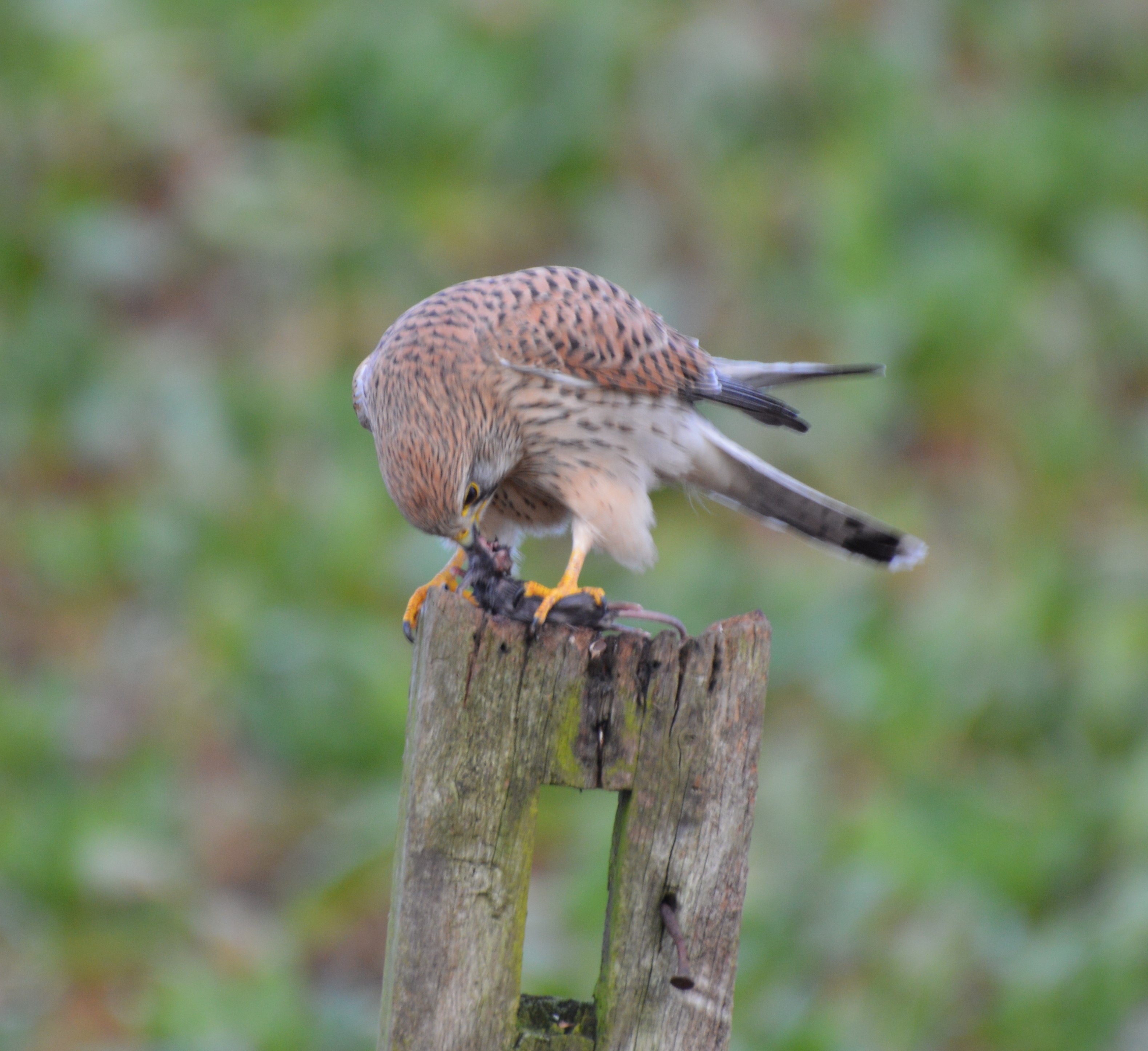
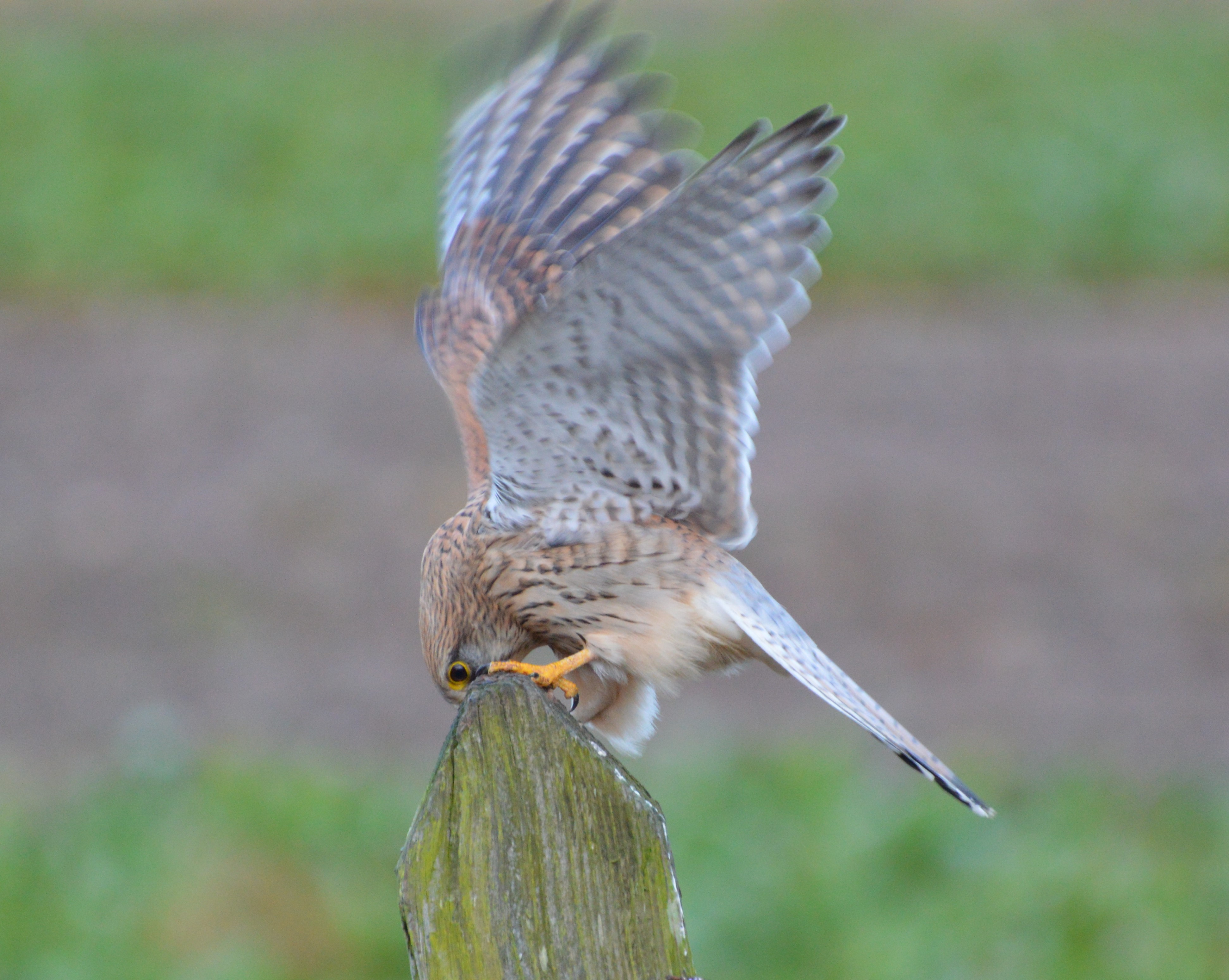
I think we made a bit too much noise and spooked her (and the male) off, but it wasn’t long before she returned. As we stayed put in the hide and kept quiet, she decided to have another go for the mice.

We could have happily stayed and watched the kestrels for a lot longer, but by now the light was starting to go. Before we packed up for the day though we had one final visitor – an inquisitive squirrel. I know it’s not a red one, but I still can’t resist them.

squirrel

I also had a go at videoing. They are such beautiful birds to watch, but you get a real sense of their strength when you see her pulling at the mouse. I wouldn’t want to be at the wrong end of those claws or beak!

All the hides featured in these last 3 blog posts were at Nature Photography’s site near Droitwich, which is only a half hour’s drive from Malvern – brilliant! Other hide rental sites are no doubt available, but we were very happy with our day and couldn’t have asked for better views of the birds. If anyone’s interested in trying something like this for themselves, here’s their website: http://www.naturephotographyhides.co.uk/  They also have hides in Scotland for red squirrel and mountain hares – very tempted for next year!!

I know in an ideal world we would have gone out and found these animals for ourselves, but when you have limited time and resources, sometimes it’s good to take a short cut. The birds were all still wild and there were no guarantees of seeing anything, so it was a big thrill for us just being able to watch them. For beginners like us, it was also a good way of practising taking birdy photos – it’s very hard to practice if there’s nothing there to photograph!

Wildlife Hides – Part 1 Reflections

We ventured out from the Too Lazy garden yesterday and had an absolutely fabulous day at Nature Photography’s wildlife hides near Droitwich. I hate to admit it, but the big five oh is looming for me, so this was my birthday present – a day freezing my proverbial off while clutching a camera – but I couldn’t have asked for better. We’d gone for one of their “multi hide” days where you get to try out 3 different hides. We took so many photos that I’m going to have to split this blog post into three – one part for each hide we tried.

So first up a section on the Reflection Pool. We did actually start off at the Fieldfare Hide, but the fieldfares weren’t playing ball. There were lots in the field, but none of them came anywhere near the hide. The best we managed were some very distant shots – so far away in fact that we didn’t realise there were redwings amongst the fieldfares until we downloaded the photos at home.

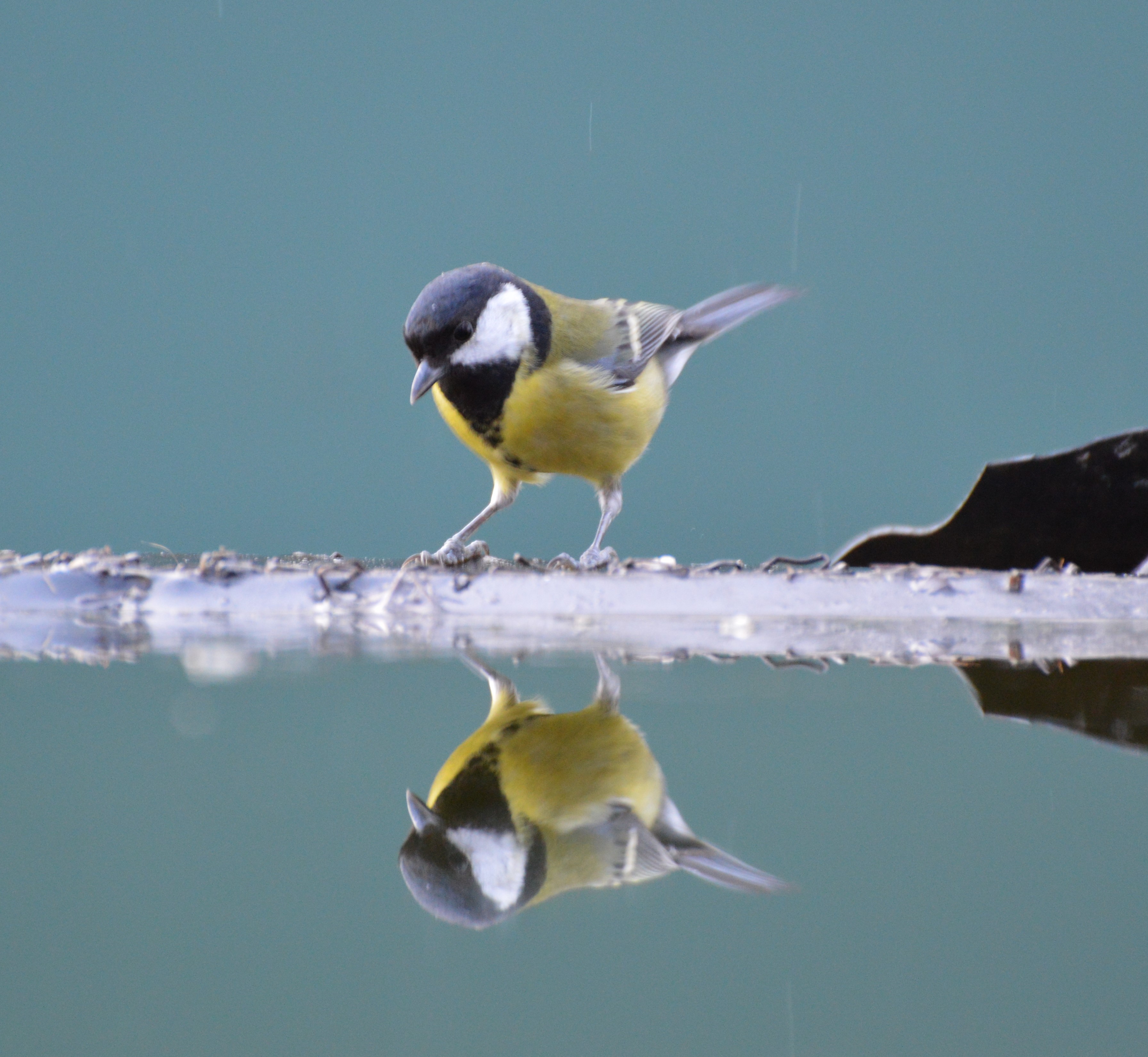
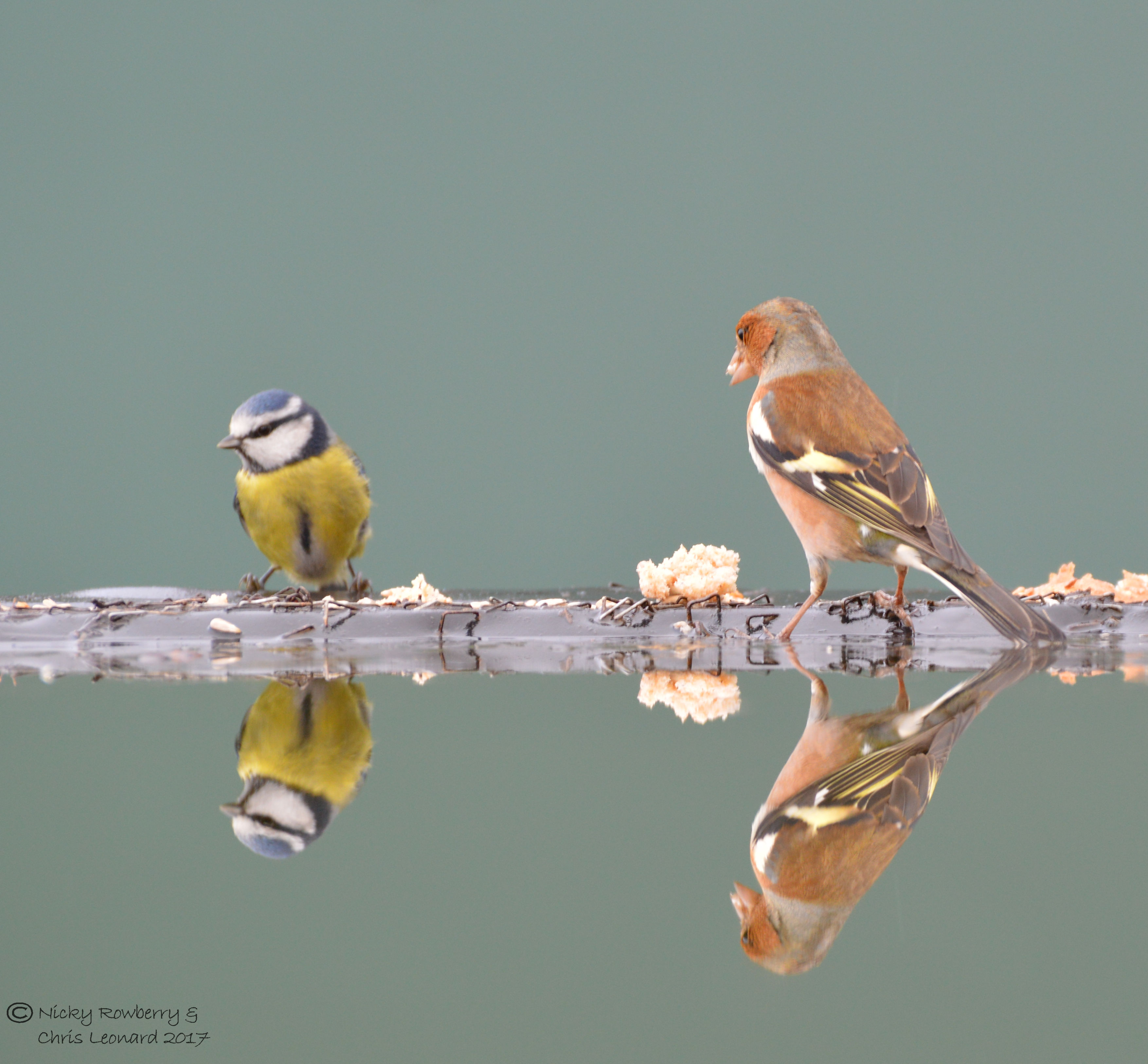
The Reflection Pool Hide was right behind the fieldfare one, so we cheated a bit and moved to that instead. The pool is set up so that you’re at water level to get the best reflection shots. In total we took over 1000 photos between us yesterday. A new record even for us. Here are some of my favourites from the pool – I have included quite a few (apologies) but there were just so many to choose from – even after I’d deleted several hundred rejects!

The great tits probably frequented the pool the most while we were there. You had to be quick to get a photo though and we ended up with a lot of photos of pool with no bird!

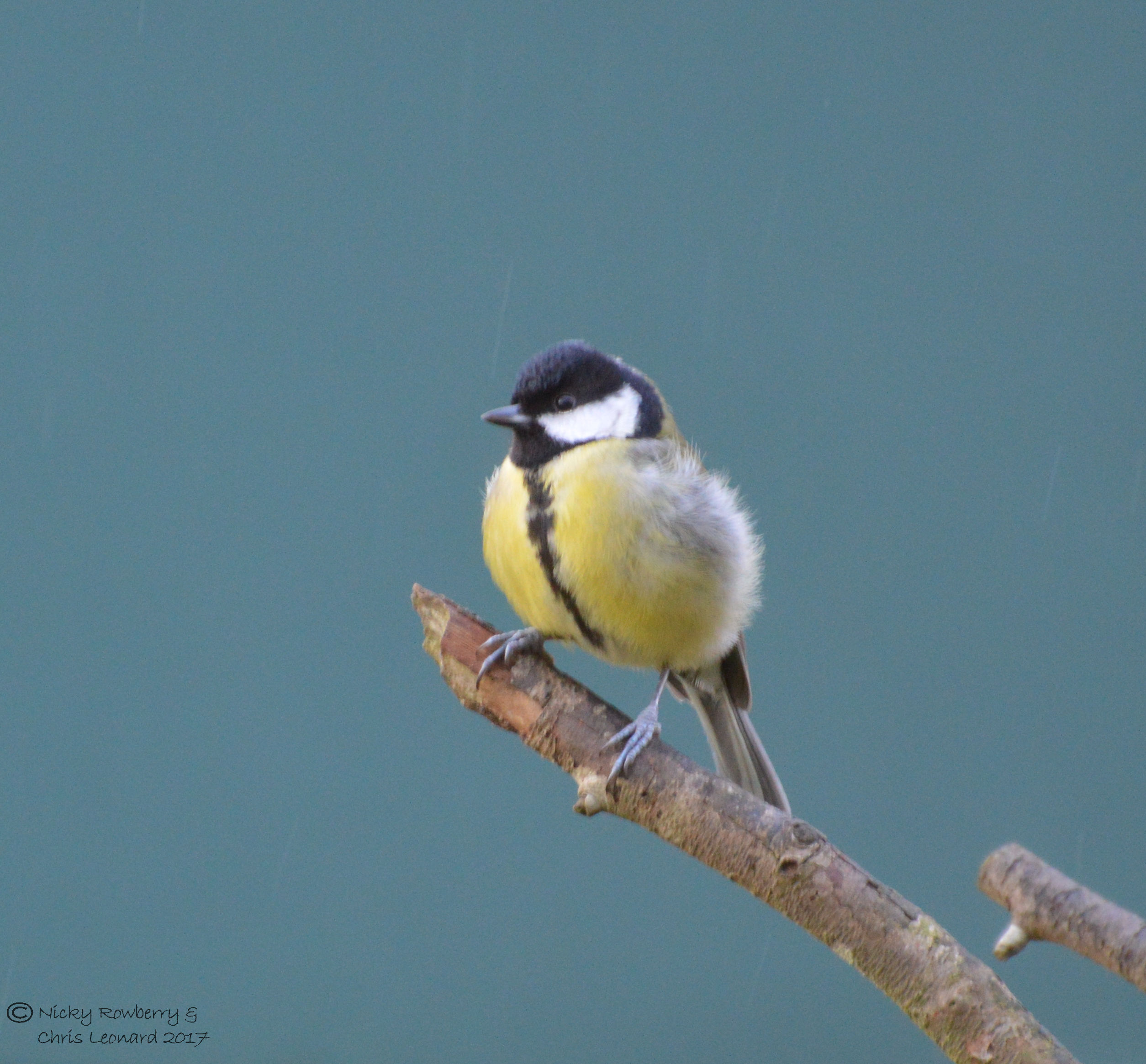
Between visits to the pool, the birds sat on branches nearby waiting their turn it seemed. This great tit was particularly fluffed up against the cold.

great-tit-4

The robins’ red breasts were of course very photogenic reflected in the water; but even the blackbird looked good with his upside down twin!

robin

blackbird

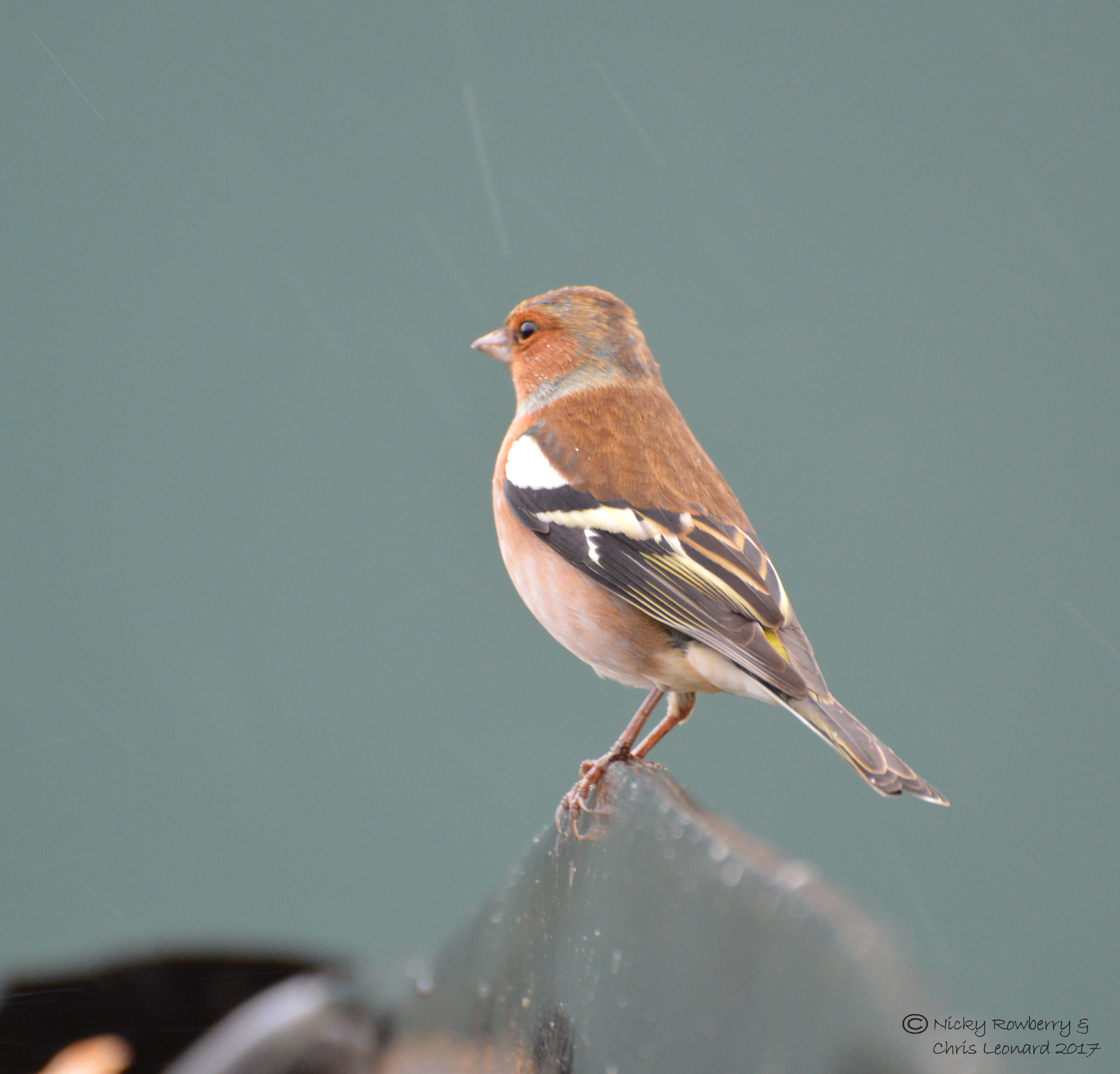
There was a large group of chaffinches in the hedgerow next to us. Initially they were very timid, but once they’d settled a bit they came down and posed for the cameras. We never seem to get chaffinches in our garden for some reason, so we got a bit carried away (again) with the photos.

mixed

chaffinch-6

chaffinch-5

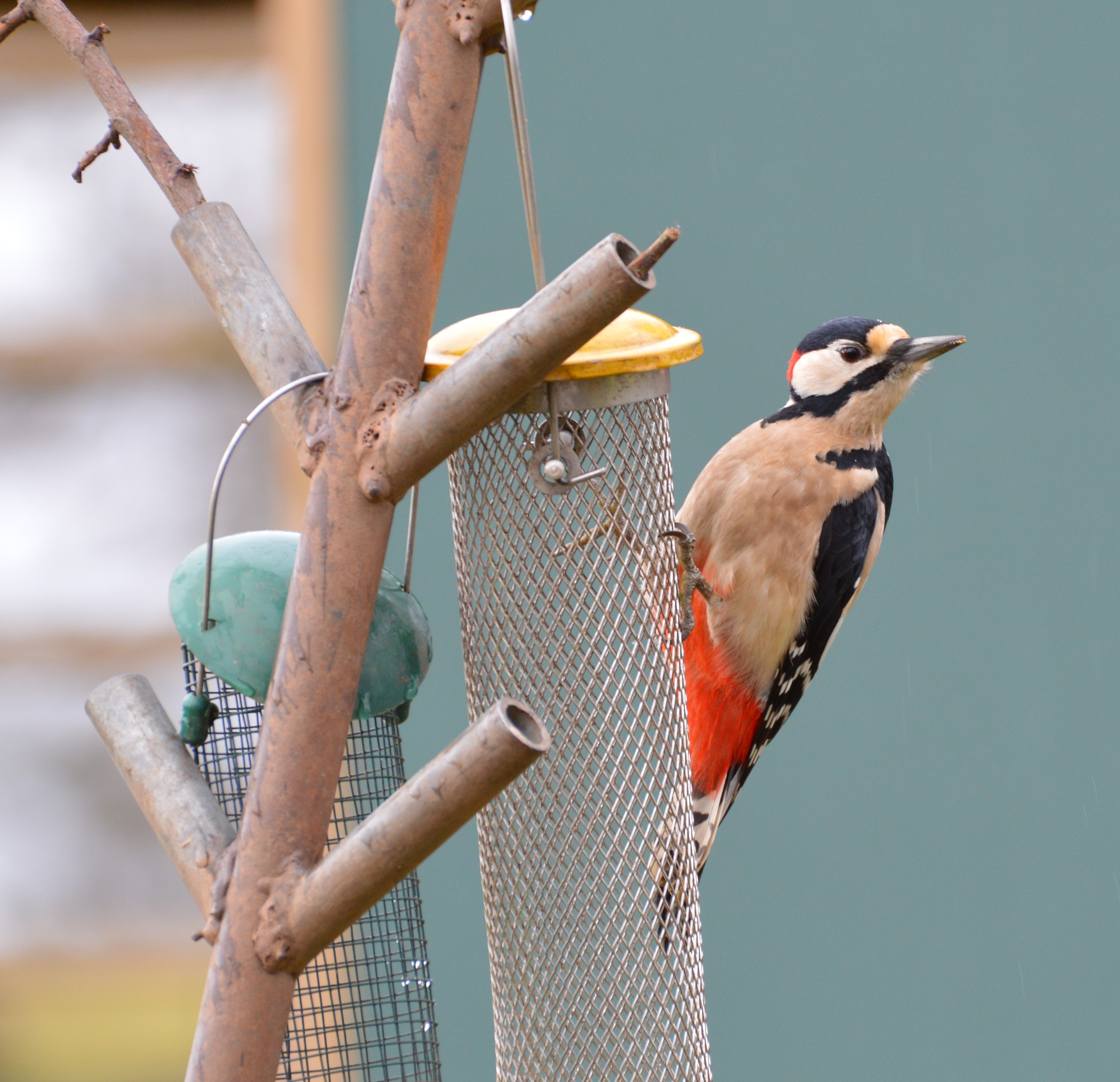
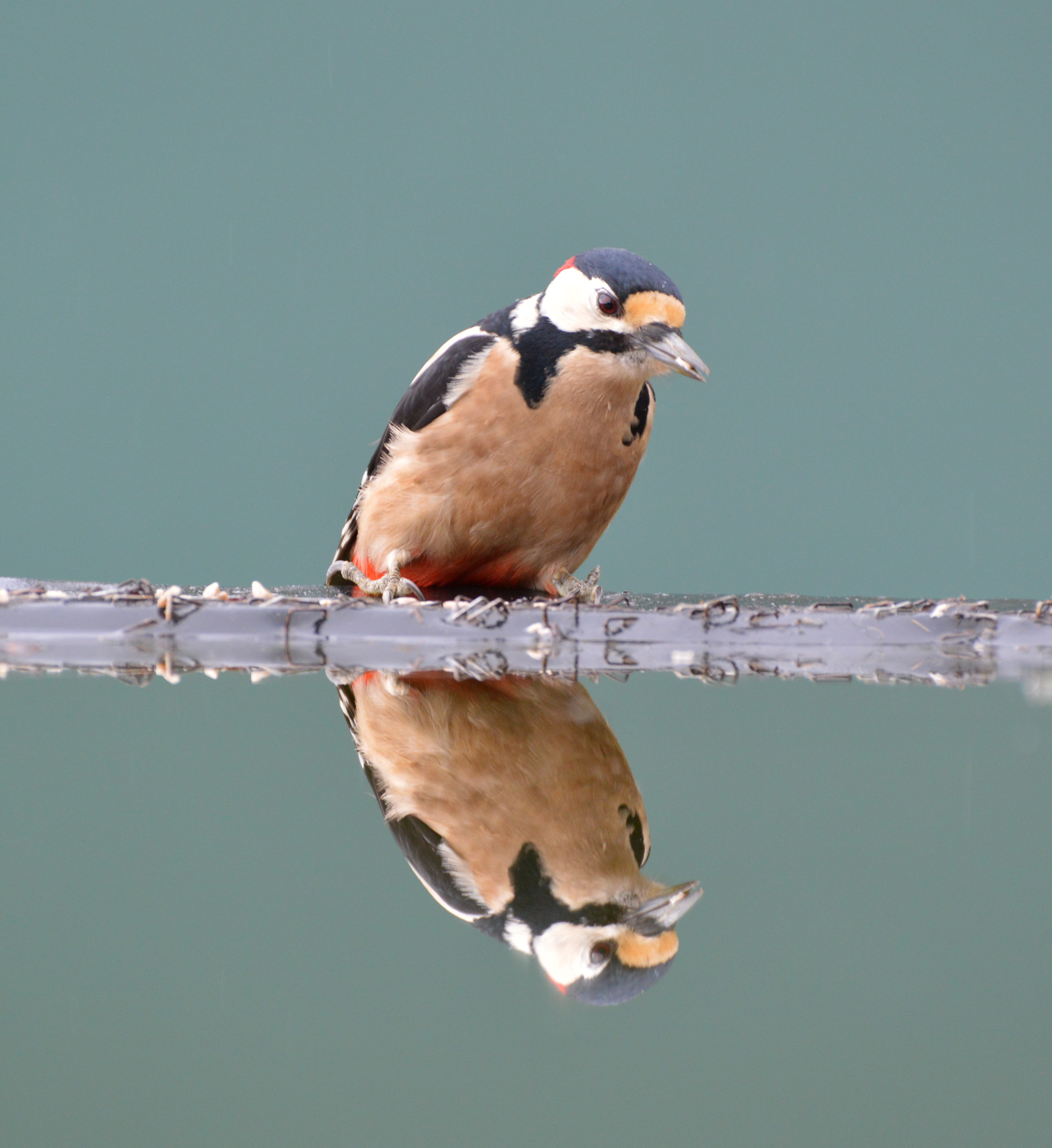
The prize of our time at this hide though was undoubtedly this Greater Spotted Woodpecker. We spotted him in the trees initially and we watched as he gradually got closer.

woodpecker

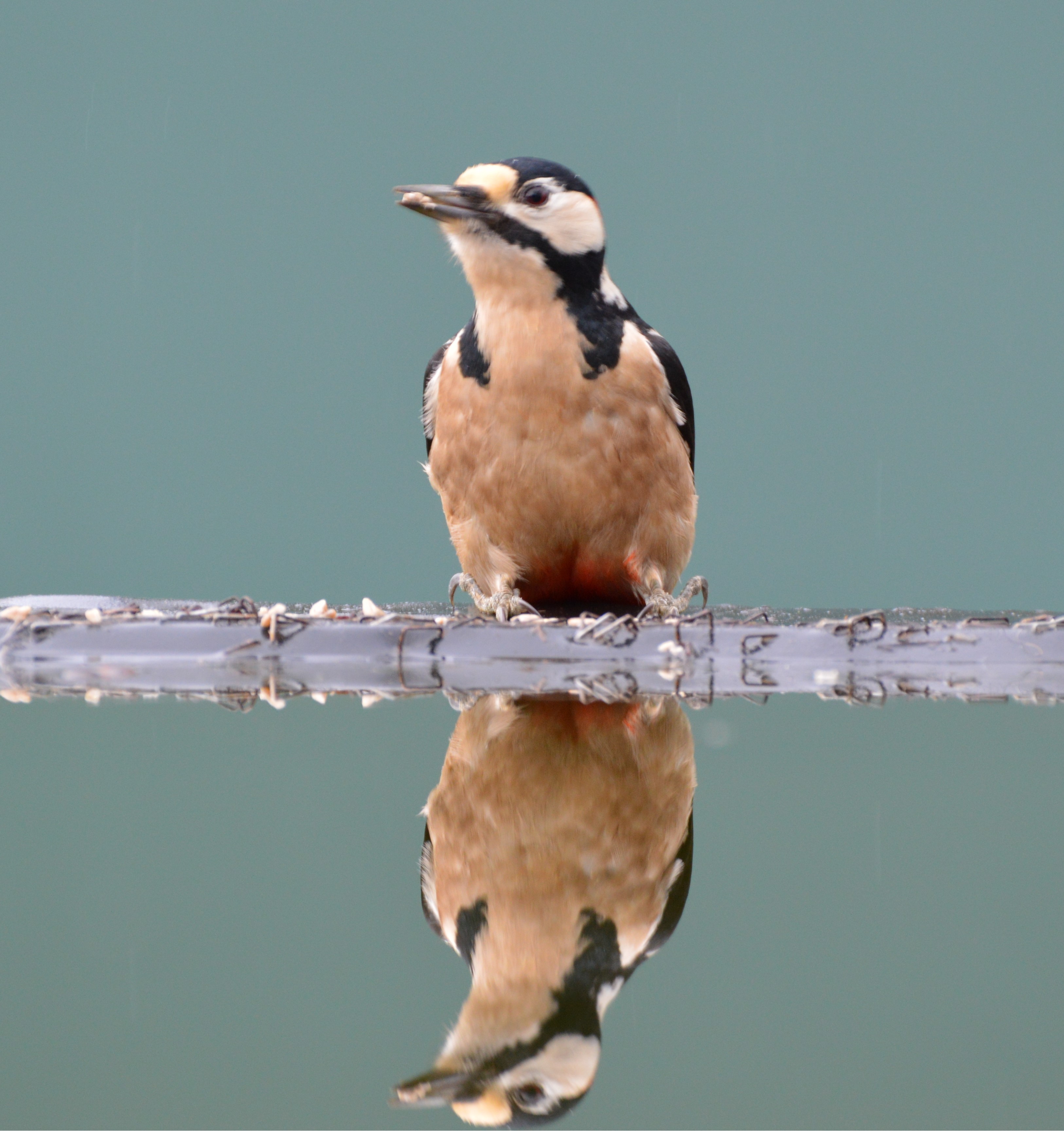
Once he’d reached the bird feeder, we held our breath as he got closer to the pool – everything crossed that he’d land there. And he did! An absolutely gorgeous bird looking back at himself.

You can’t really go wrong with the reflection pool. Whilst not necessarily always technically brilliant (often far from it), all the photos here had some appeal. I even love the photos that weren’t really in focus, like this one of a blue tit taking off. The colours and the reflection make up for the lack of everything else (like focus) you’d normally look for in a photo!

blue-tit-2

So that was the first part of our day in the wildlife hides. We were already really chuffed with it all and it was only 11:30am at this point!

Parts 2 and 3 to follow as soon as I’ve waded through the next set of photos. We’d thought things were going well already, but then we went to the Kingfisher Hide…..


Out and About – Prestbury Hill – The Return!

I’m not normally given to the expression OMG, but OMG Prestbury Hill is an amazing place! We made a return trip today to see the Chalkhill Blue butterflies that we didn’t see a few weeks ago (because I’d got their season wrong!) We ended up seeing 15 species of butterfly, a beautiful bird of prey, some moths and a new snail! Pretty amazing for a few hours walking in beautiful countryside.

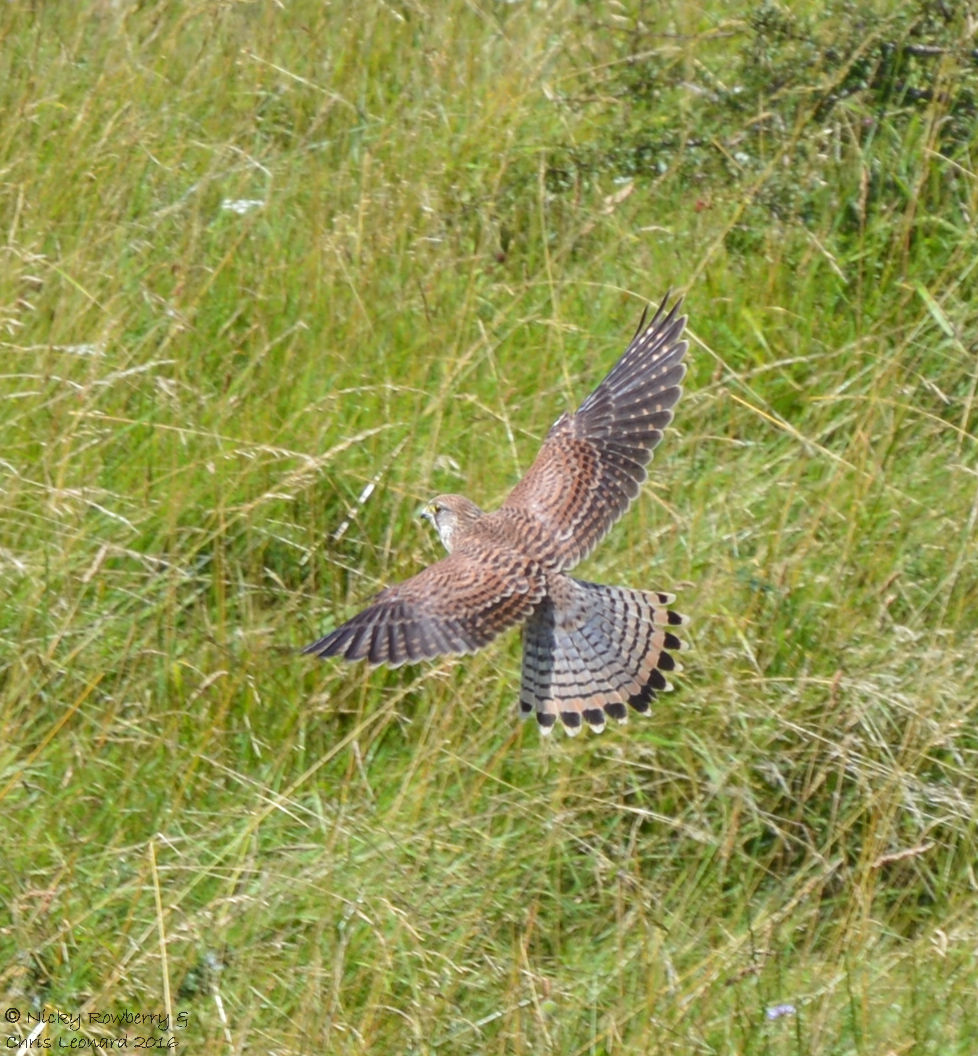
We started leisurely by heading to a bench for a picnic (I’d love to be able to claim that I’d loving crafted cucumber sandwiches and other home-made delights, but actually it was left-over fried chicken from the night before!) We spotted our first Chalkhill Blues before we even reached the bench, but decided to eat first then take photos later. Said bench has glorious views out over Cheltenham and beyond and is the perfect place for a picnic. We could see a bird of prey hovering over fields below – turned out it was this beautiful kestrel. We couldn’t get very close, so this is taken zoomed in from a fair distance, but you can still see what a stunning bird it is.

Kestrel

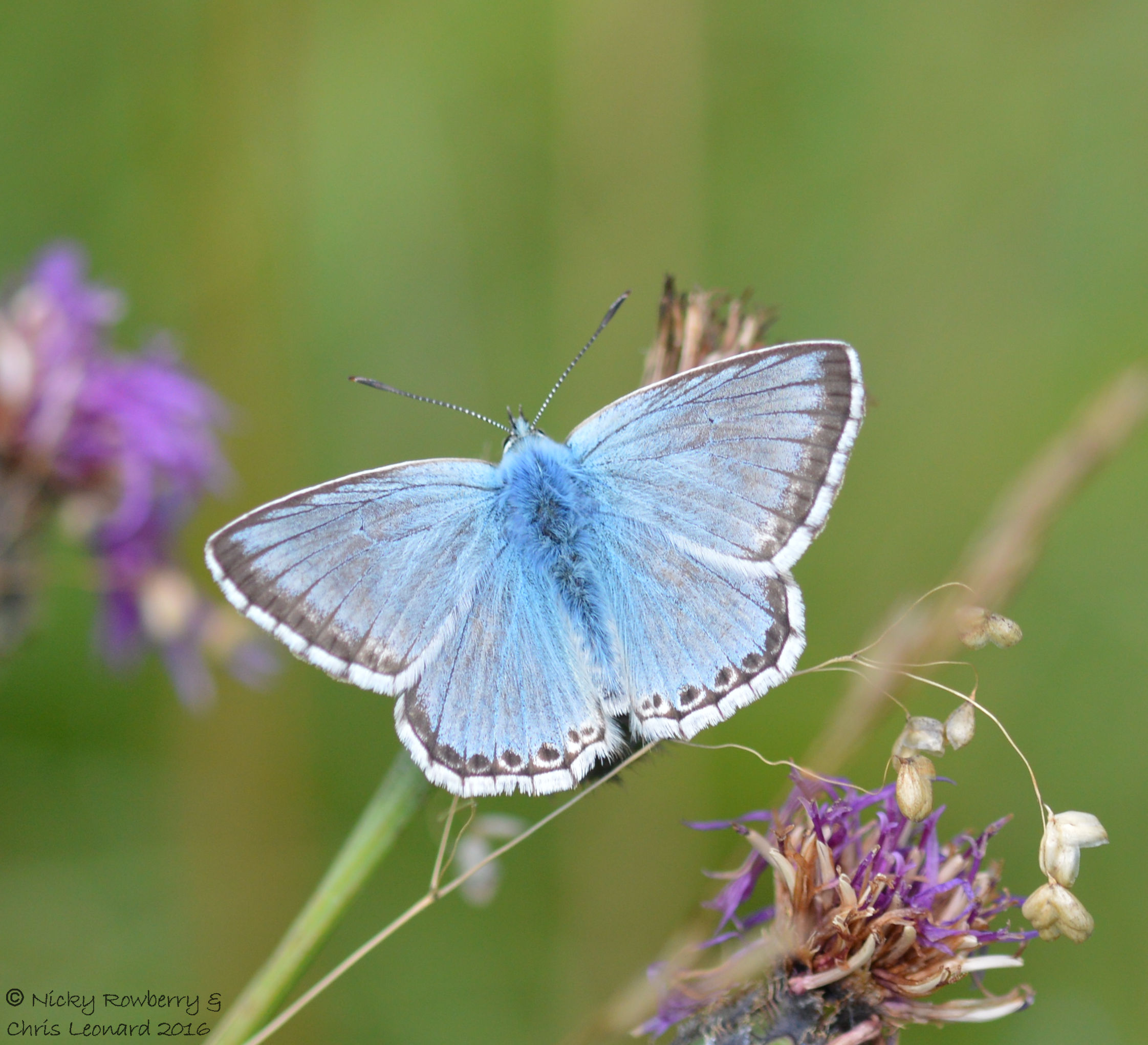
It hovered round about for much of our visit, never coming close enough for a better photo though. But by then we were distracted by the object of our desires – the Chalkhill Blues. The beautiful blue butterflies need either chalk or limestone grassland (Prestbury is limestone) and are one of the last species to appear each year. The males have gorgeous bright blue upper wings edged with black.

Chalkhill Blue

The underneath of the wings have a pattern of dots quite similar to the Common Blue.

As is so often the case with butterflies, the female is much drabber. We saw mainly males today, but that could be just that they are easier to spot with their bright colouring. The few females we did see were often being pursued by more than one admirer.

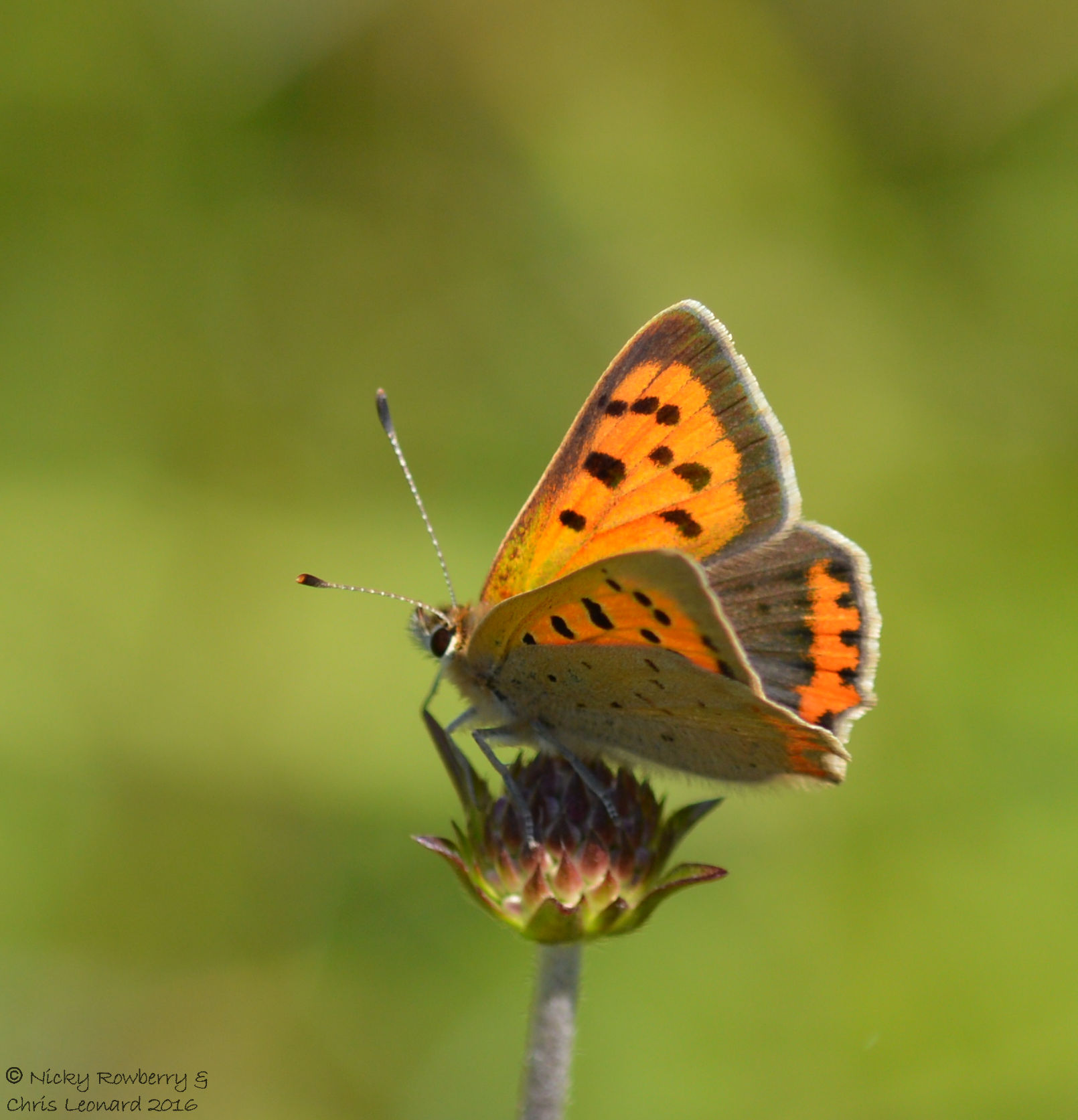
Already delighted with having bagged our Chalkhills we got chatting to some fellow butterfly twitchers, who knew much more about the area than we did and were very helpful. They mentioned that they’d seen Brown Argus further up the slope – a species that we’d never seen before. Needless to say we puffed our way back up the hill to the area they’d described in the hope of a second prize for the day. We caught a glimpse of something different, which turned out though to be some lovely Small Coppers. My photo doesn’t really do them justice, but they were positively glowing a coppery red in the sunshine today.

Small Copper

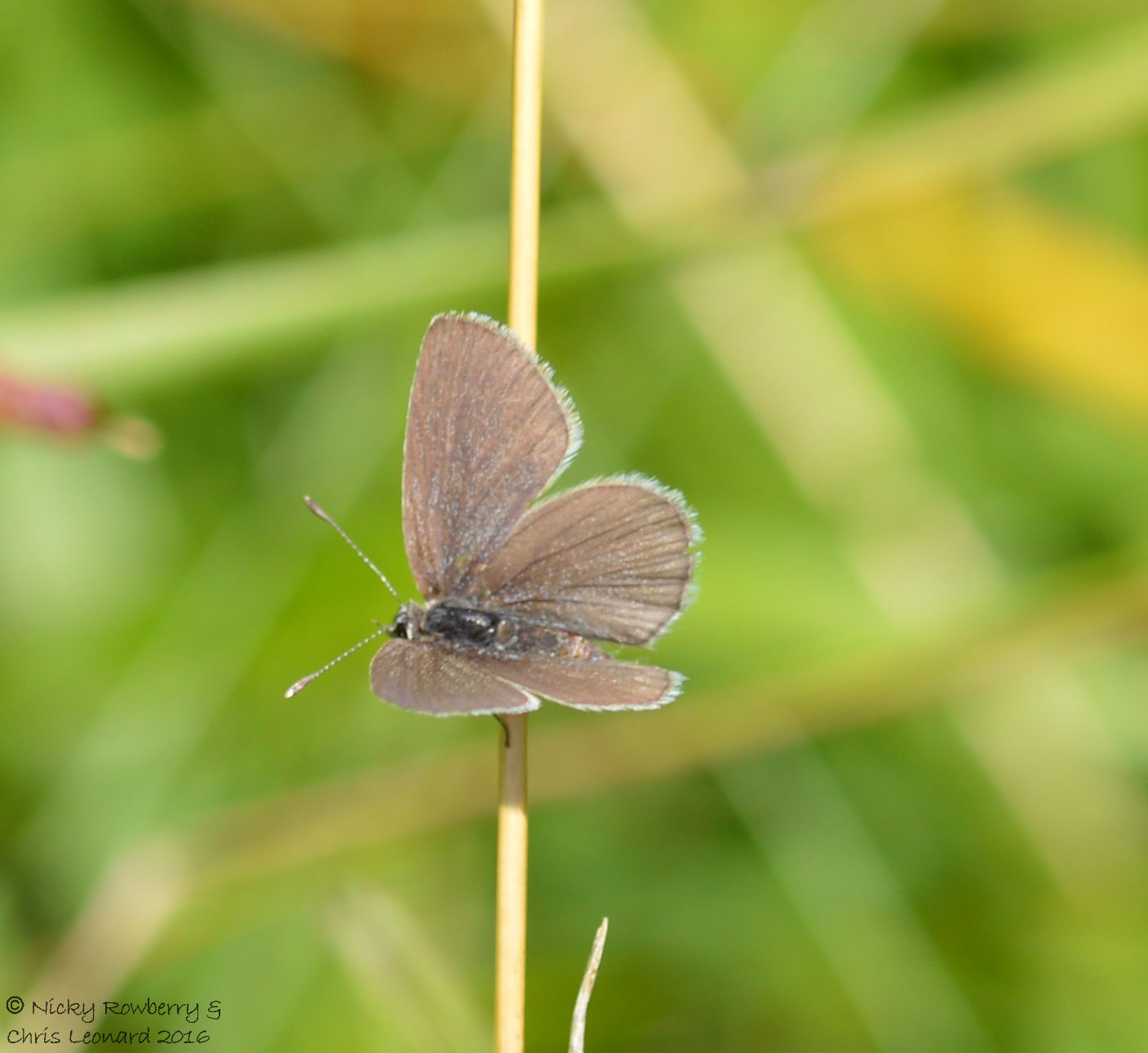
I then noticed a tiny, fairly plain little butterfly, so took a few quick photos thinking it would probably turn out to be a Common Blue. So we were amazed when I downloaded the photos later and realised it had actually been a Small Blue! Another new species for us – two in one day!

Small Blue open

We carried on back up the hill and about half way up saw another small butterfly. This time we’d found it – a male Brown Argus. Our third new species of the day! Again they look quite similar to the female Common Blues, but have the orange dots going right the way to the end of each wing.

Brown Argus male

Obviously seeing three brand new ones was the highlight of the day, but we also saw 12 other species, including our first Small Skipper of the year and some nice fresh looking Gatekeepers.

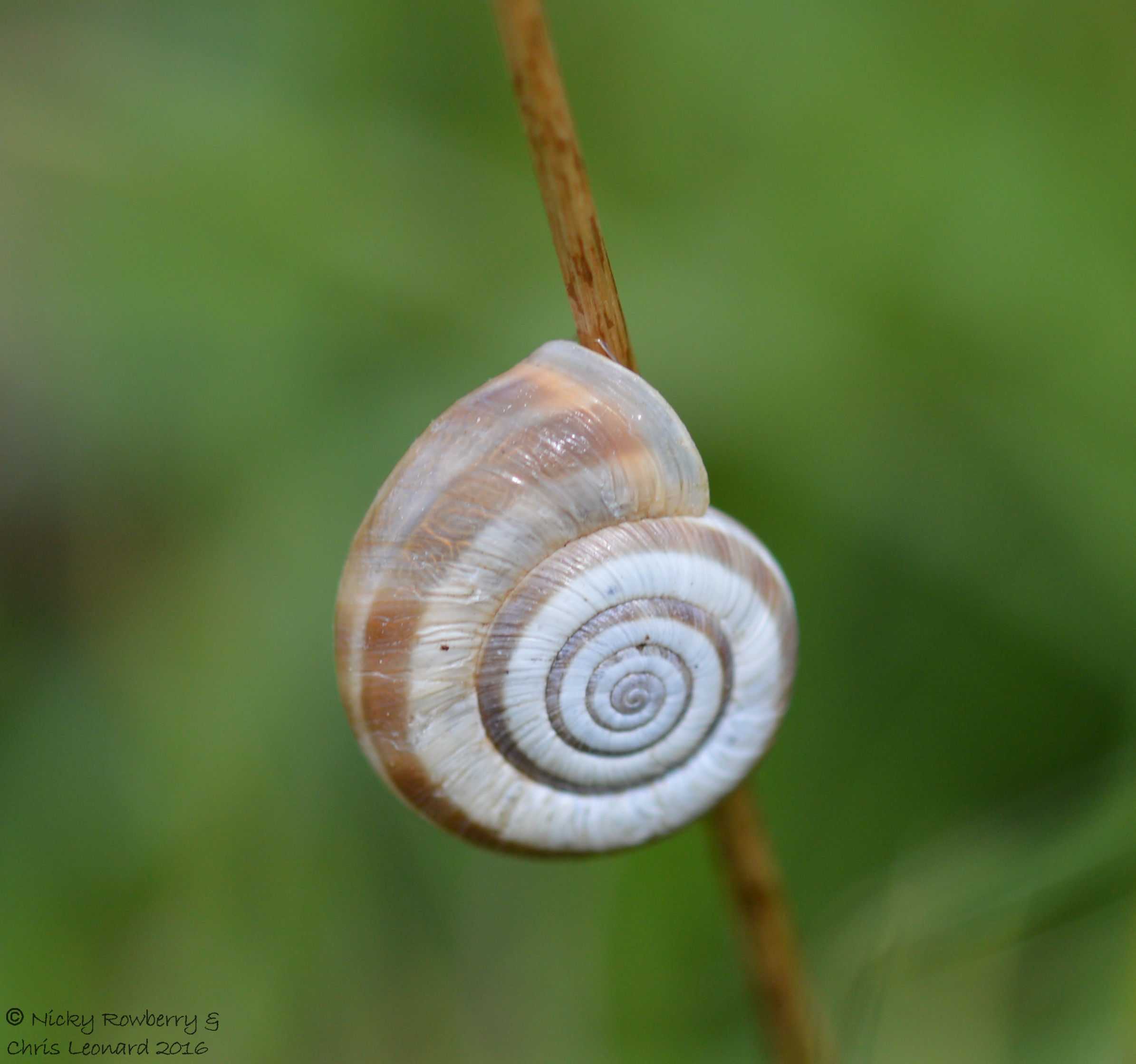
We also saw lots of these interesting snails. They are Heath Snails (Helicella itala) and seemed to have the habit of climbing grass stems like this.

Heath Snail

And finally we couldn’t have a day out without finding a moth – this time a Shaded Broad-Bar as we headed back to the car.

Moth

So if you want to see butterflies, I can’t think of many places better to go than Prestbury Hill. And it still has more to offer – Duke of Burgundy butterflies in the early summer apparently, so we’ll be back again next year.