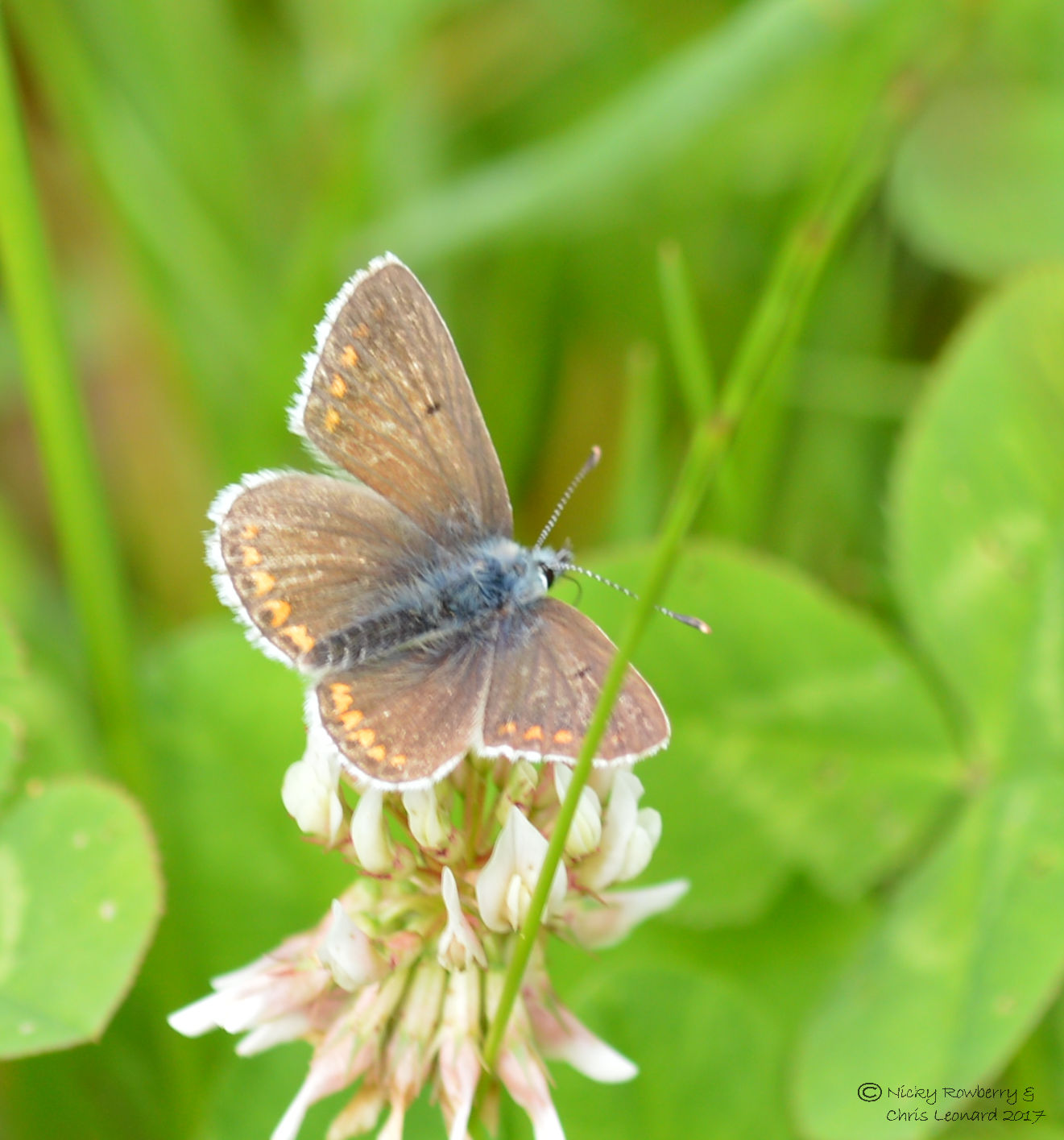
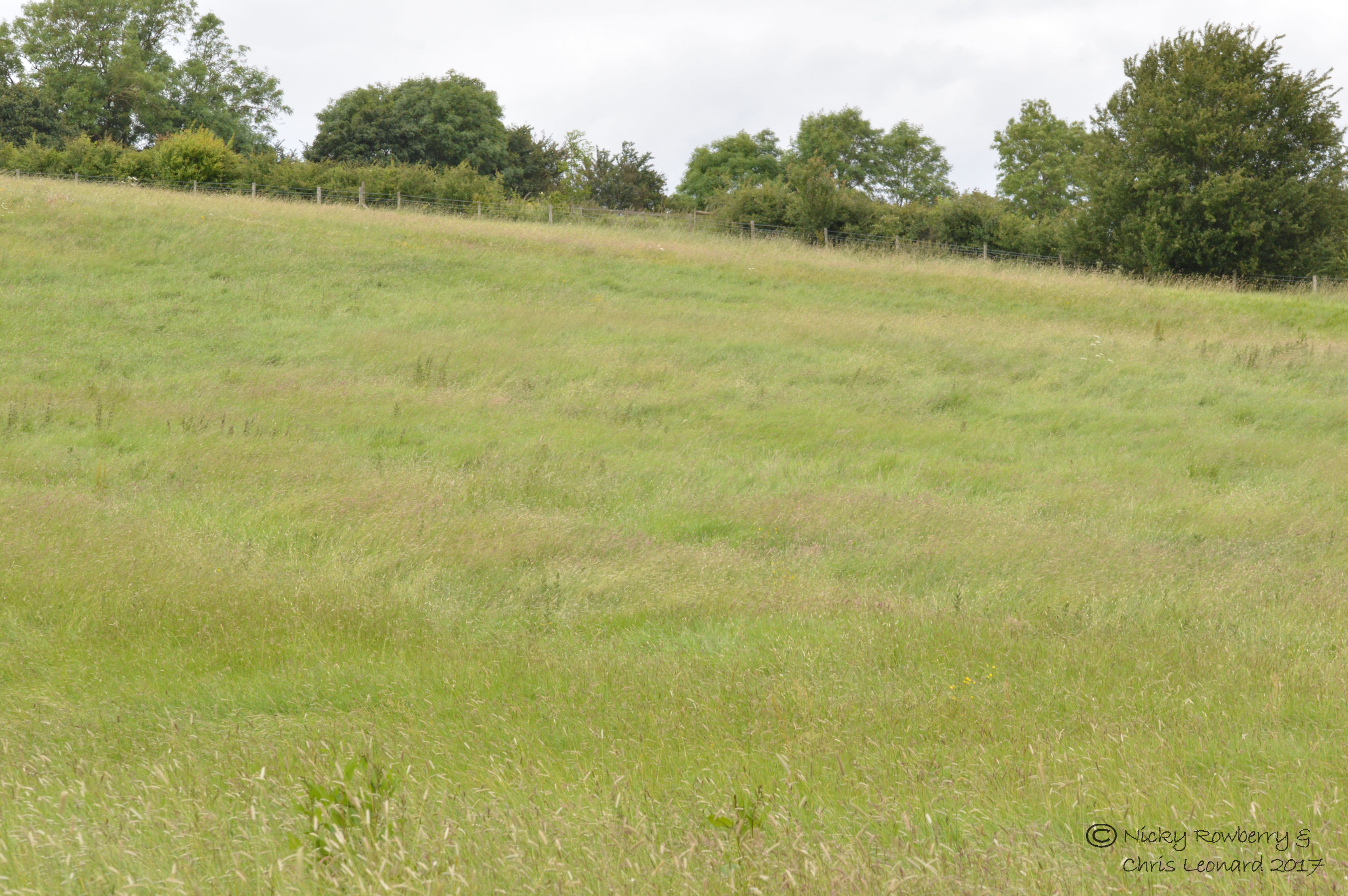
30 Days Wild – Day 25 – Marbled Marvels

It’s Day 25 of 30 Days Wild and after recent visits to canals, wetlands and woodland, I thought a walk through a meadow might be nice. They’re usually good places for butterfly spotting, although it was a bit windy so getting good shots was going to be tricky wherever I went. Being a bit short of time today, I headed to one of our local ones and a particular favourite – Boynes Coppice just outside Malvern.

Boynes Coppice and Meadows reserve is made up of 4 fields, plus a wooded area and is rich in plant and insect life. It was nice and sunny as I arrived and the butterflies were bobbing about over the fields in great numbers. Initial thoughts were that it was going to be easy to get some good shots; that was before I realised the butterflies were in frisky mood and just wouldn’t stop moving!

The fields have a diverse flora and looked lovely today. They are deliberately managed to maintain this, being cut for hay only after the seeds have set.
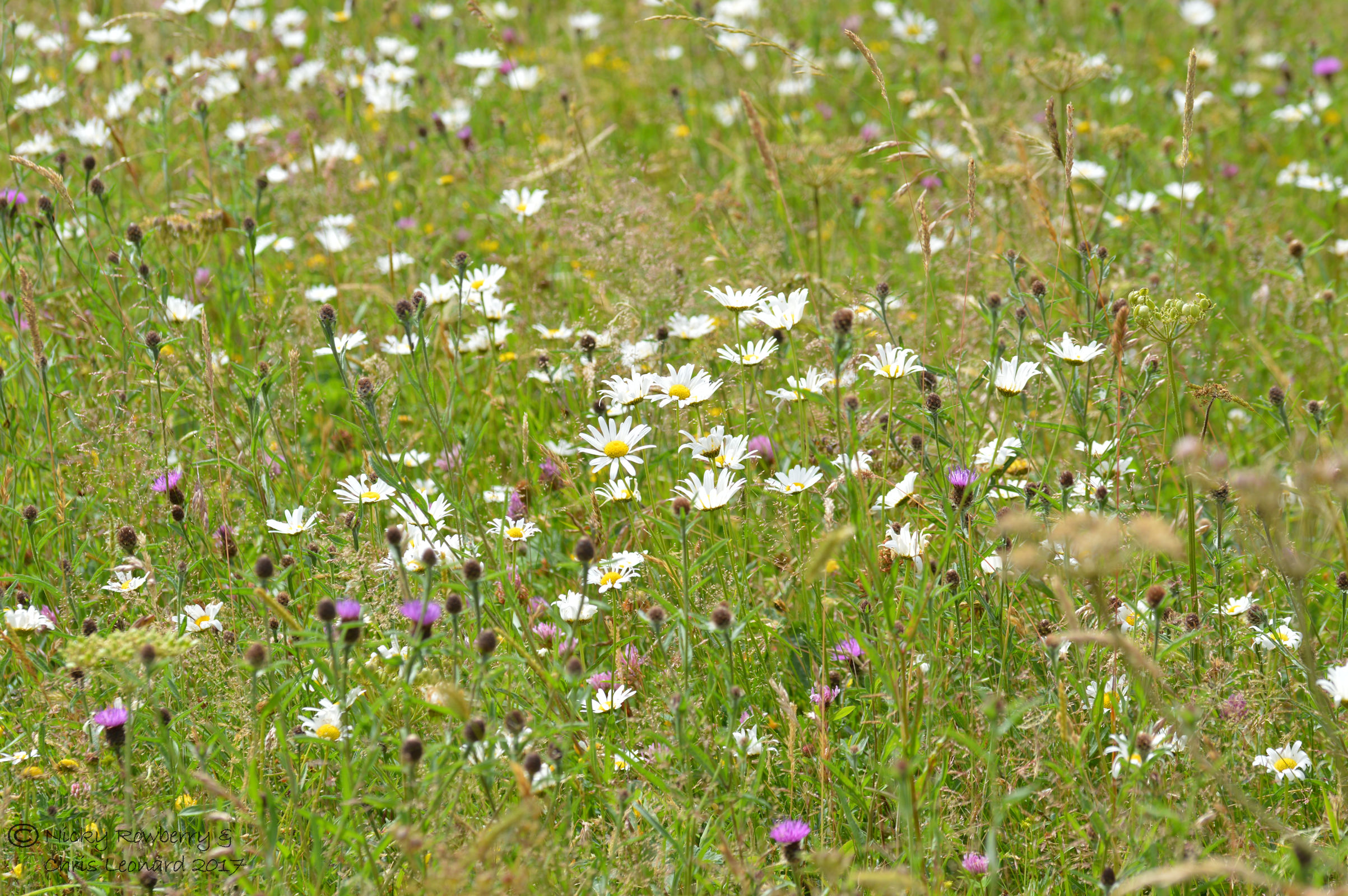
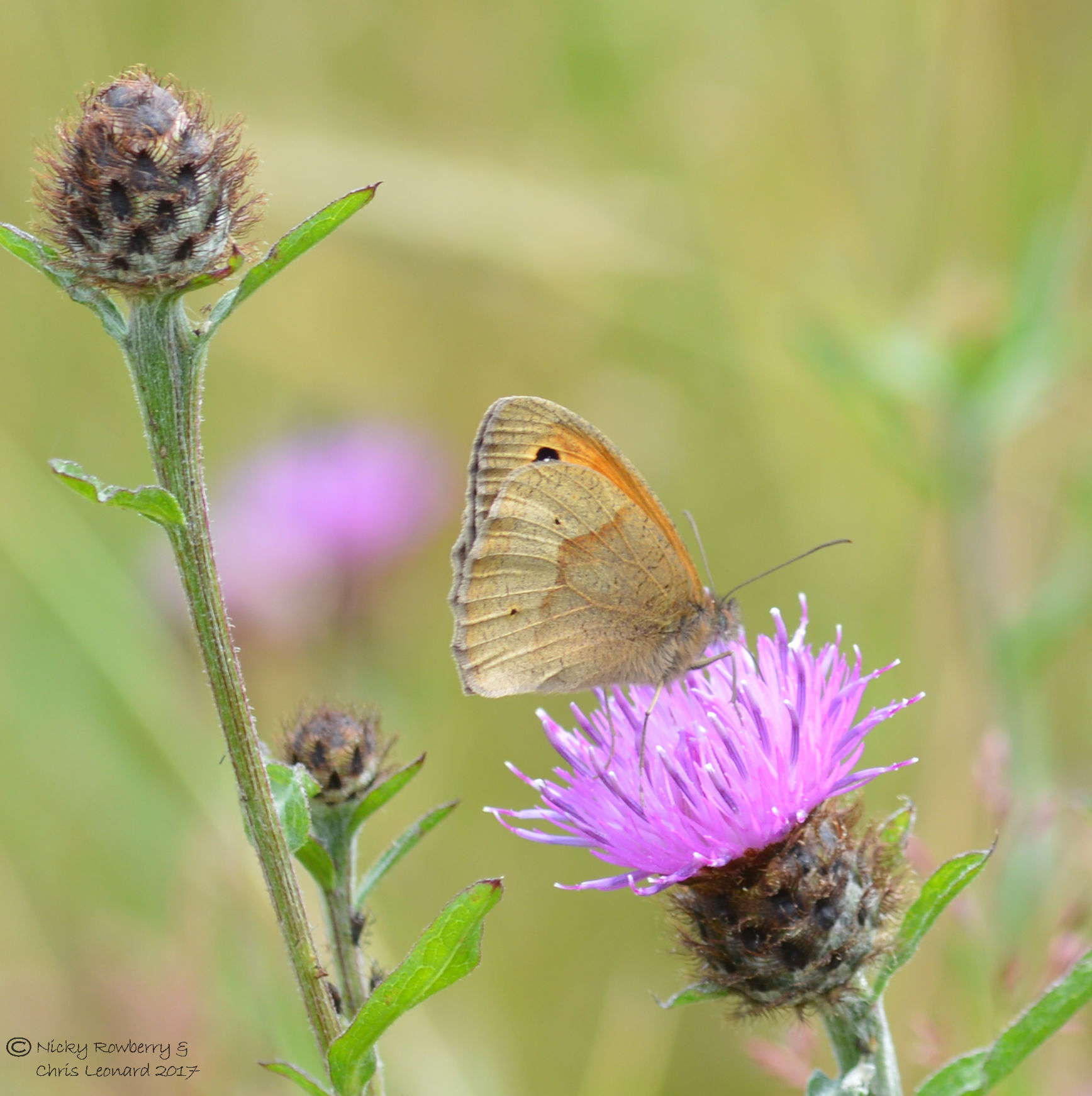
The two most abundant butterfly species I saw today were the Meadow Brown and Marbled Whites, both of which were present in large numbers and neither of which stopped flying to start with. Occasionally I’d see one land, but always too far away for a photo (you have to stick to the path to avoid trampling the plants, so can’t go chasing through the grass to get closer to a butterfly).

Eventually though a couple of Meadow Browns deigned to land close enough for me to get some photos of both wings up and wings down.
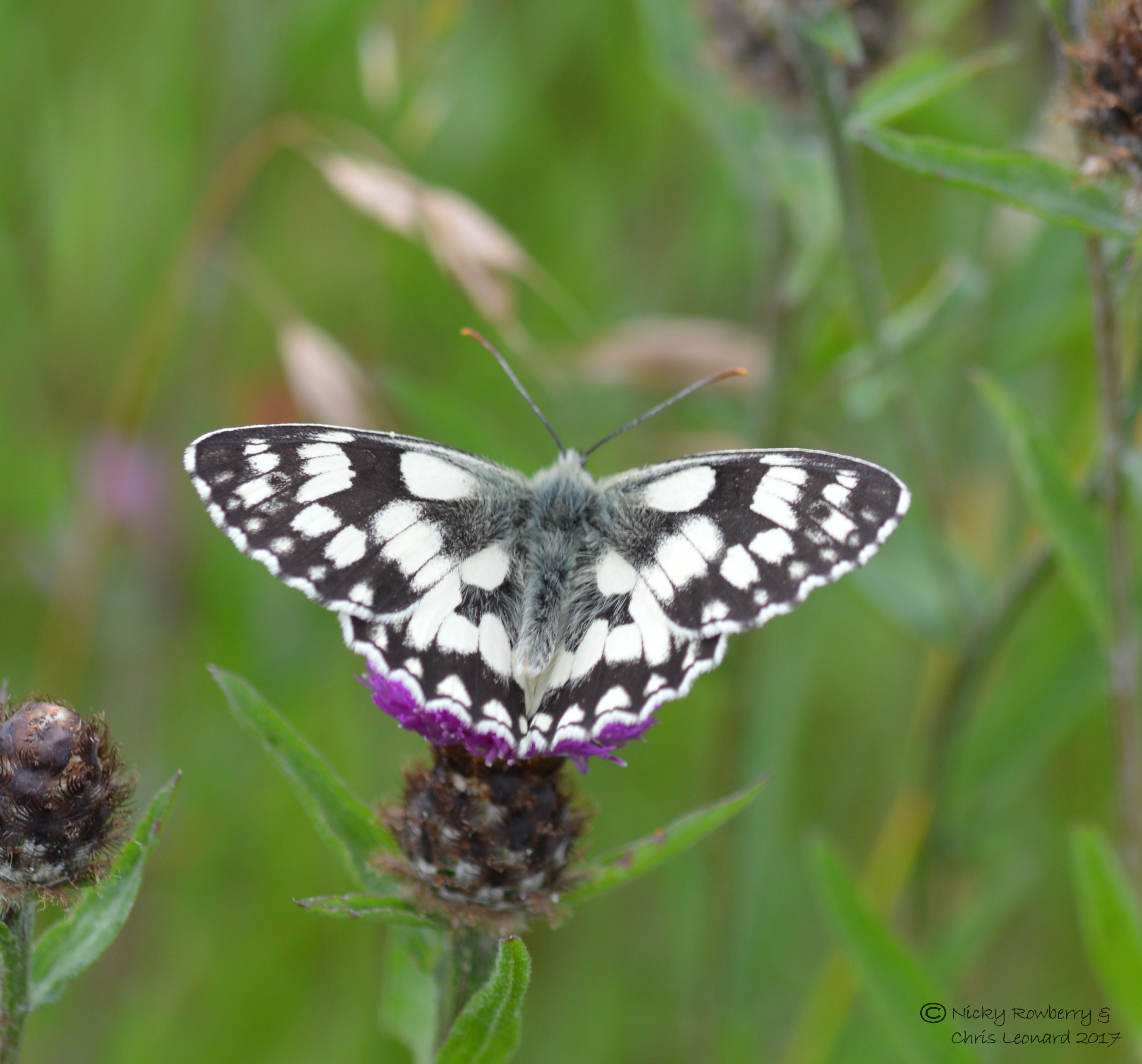
The marbled whites proved trickier at first – there were plenty of them, but I couldn’t get close. As I walked along the path, I occasionally looked back to see several dancing in my wake; but if I turned back they all flew off again. Eventually though, either I got my eye in, or they got slower (probably the latter) and I managed a few photos. The marbled whites look great from any angle, having beautifully patterned wings both from above and below.
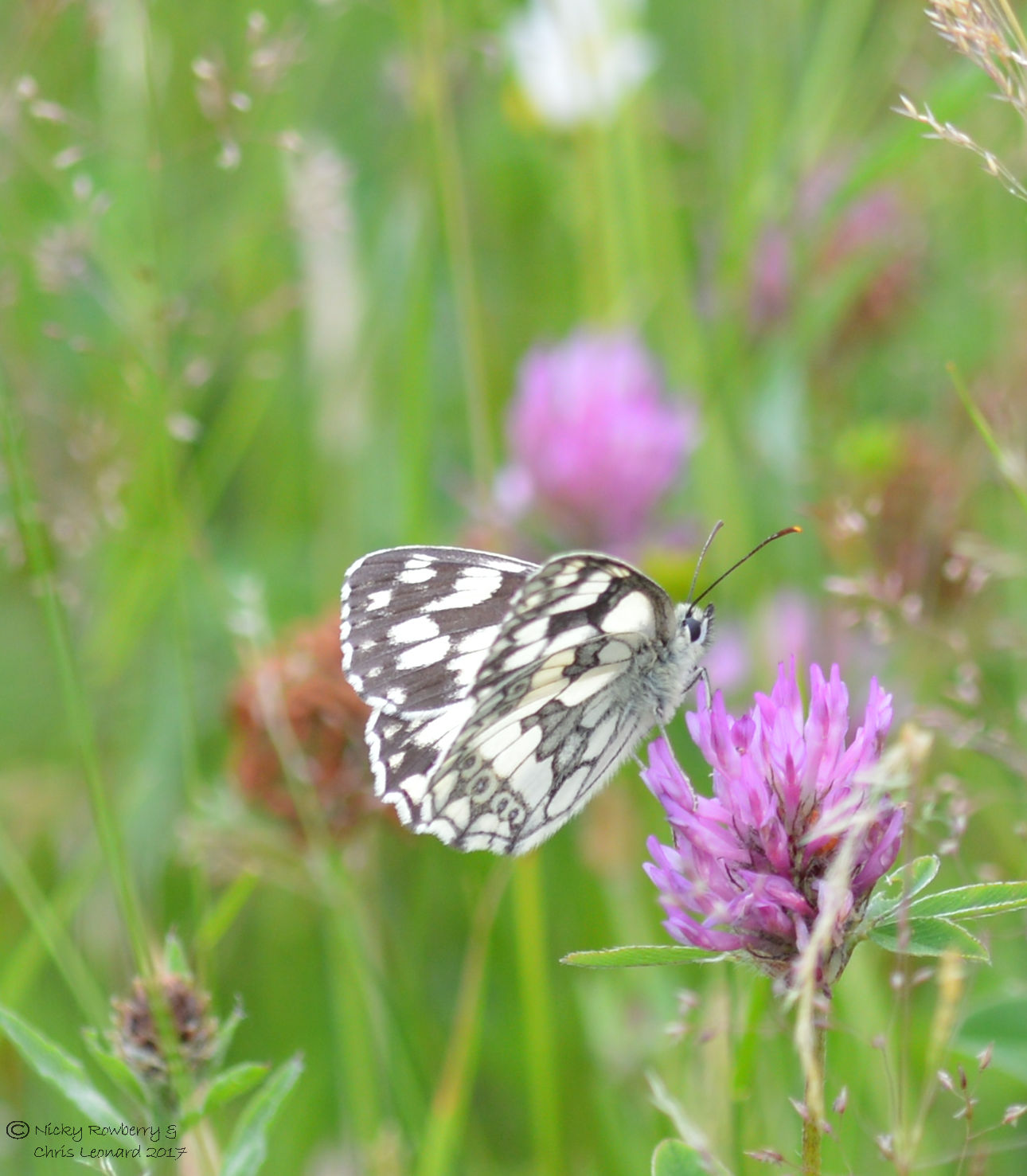
Of course the trouble with taking photos of butterflies on grassland, is the grass! Nearly every time they landed, there was a bit of grass in the way of the perfect shot – like this one below.
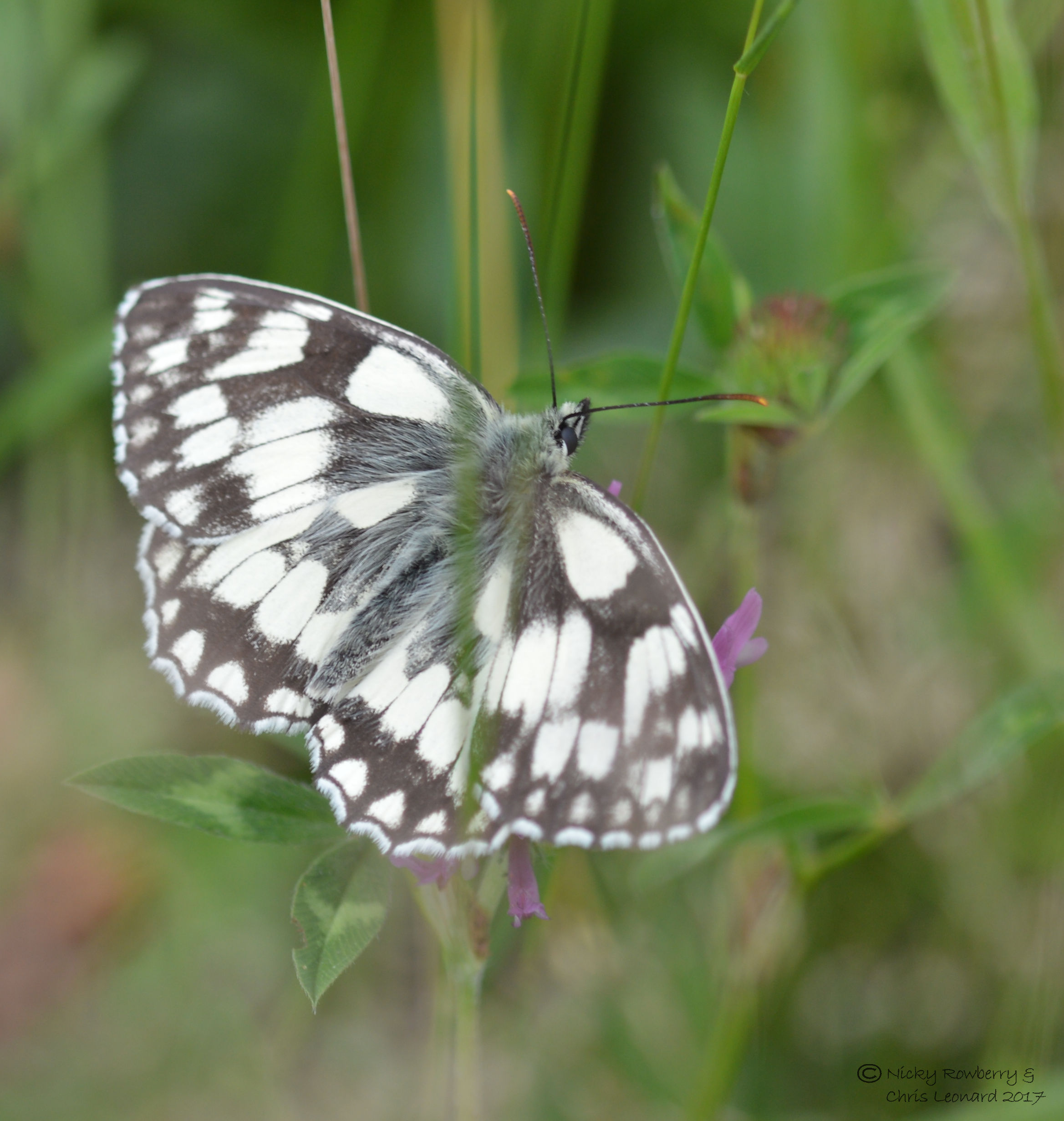
Occasionally though I would get a clear shot.
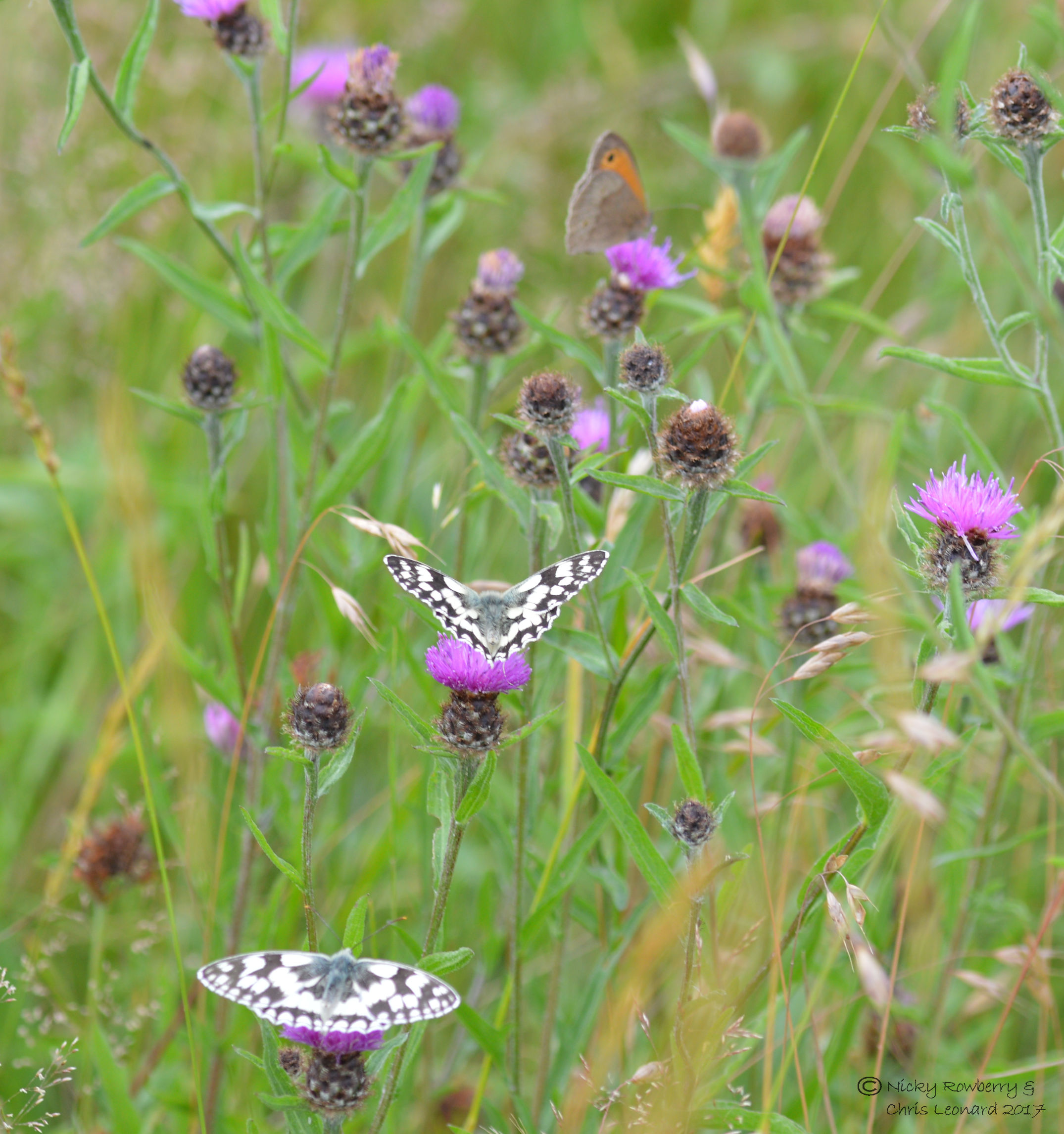
Towards the end of my visit is started to drizzle and that definitely did slow the butterflies down. As I headed back to the car I could see quite a few of them sitting out the rain resting on flowers. I was really pleased when I found two close enough to get in one shot; when I downloaded the photos I then realised there was a third butterfly in the same frame – a meadow brown at the top.
Since the butterflies were a bit less flighty in the drizzle, I tried for a close up shot. Still not easy as I had to hold the camera out as far as my arms could reach, so that I didn’t stray from the path. So by no means a perfect photo, but it does show up just how furry they are, something that is not so obvious when they are flying around.
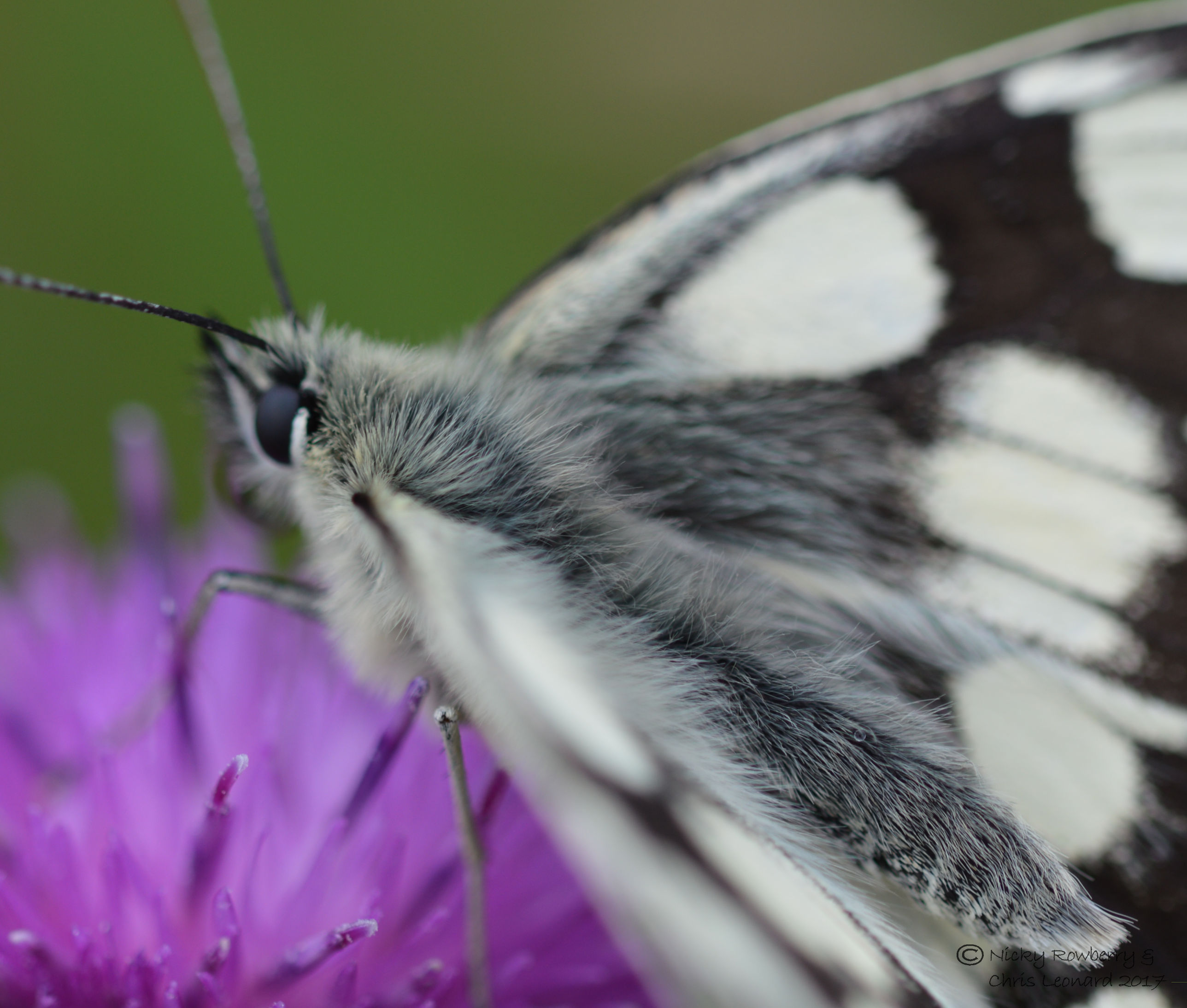
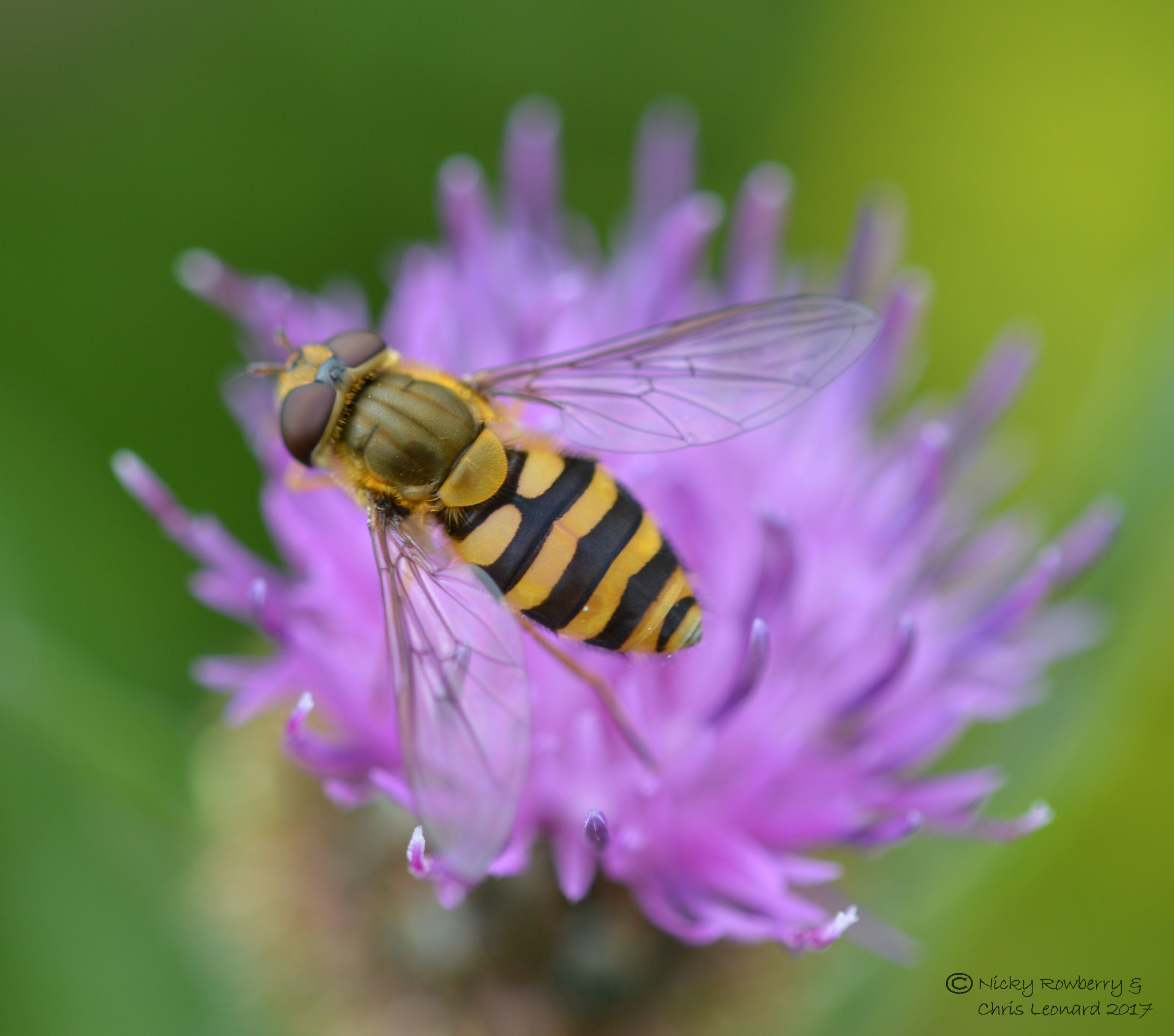
There were of course plenty of other insects around besides the butterflies, like this Red-Tailed Bumblebee and a beautiful hoverfly.

I also spotted (no pun intended) this ladybird on a thistle. The photo is by no means great, but I liked that the ladybird was so shiny that you can see my reflection in his back as I’m hunched over trying to take his photo!

I love going to Boynes meadow, it is one of the most peaceful places I know. It is only a small reserve and most times I go, I’m the only one there – as I was today. It is set back off a road, that is itself set back off any busy roads, so you can forget about the rest of the world. The perfect place to unwind and enjoy those marbled marvels dancing above the grasses.

30 Days Wild – Day 22 – Summer Moths

It’s Day 22 of 30 Days Wild and by the time I got home from work (via the allotment to pick yet more raspberries and blackcurrants!), it was a bit late to get out and about to do something wild. So for today’s act of wildness, I decided to do a much needed update and review of this year’s moth records. I’ve been so busy with other things, that I’ve not updated my spreadsheets for the Garden Moth Scheme and I’ve still got loads of photos taken but not identified. So sitting on the sofa with the laptop may not be the conventional idea of wild, but anyone who knows me, will know how much I love my moths – so I think I can get away with this as my nature fix for the day.

So far this year I’m just short of 100 species; this is about 10 less than the same time last year. It does feel like it’s been a generally quiet year for the moths, maybe because the weather hasn’t been great. The hot weather this last week though has started to bring them out in numbers, so hopefully things will pick up. For the Garden Moth Scheme I have to trap at least once a week in the same spot in the garden and submit the results quarterly. No great hardship as I love doing this and often trap more than once a week (although I do like to give the moths a rest so they can go about their business most nights!)

Most of the moths have been the larger macro ones, but about 20% have been the micros. I’m not so good at identifying the micros – much harder usually because they are just so small. But some of them are easy and also really beautiful, like this pretty Small Magpie moth.

Moths come in all shapes and sizes – for some reason the most striking ones tend to be the less common in our trap. The current most numerous visitor is the Heart and Dart – a relatively plain moth apart from its dark markings that are supposed to look not surprisingly like a heart and dart. There is a 3rd blob, but I guess calling it the Heart and Dart and Blob would be a bit much!

They also come in all sorts of colours; this one is an Orange Footman

and this one is a Ruby Tiger. If these ones are really fresh specimens and the light catches them right, they really do look bright red.

The rubies are not the only tigers I’ve had recently, these 3 Scarlet Tigers turned up in the trap a couple of days ago. They are supposed to be day flying moths and we have occasionally seen a group of them flying round the garden in bright sunshine. These 3 also flew off soon after I photographed them. I think the “scarlet” bit comes from their underwings, which you can just about glimpse peaking out from under the black upper wings.

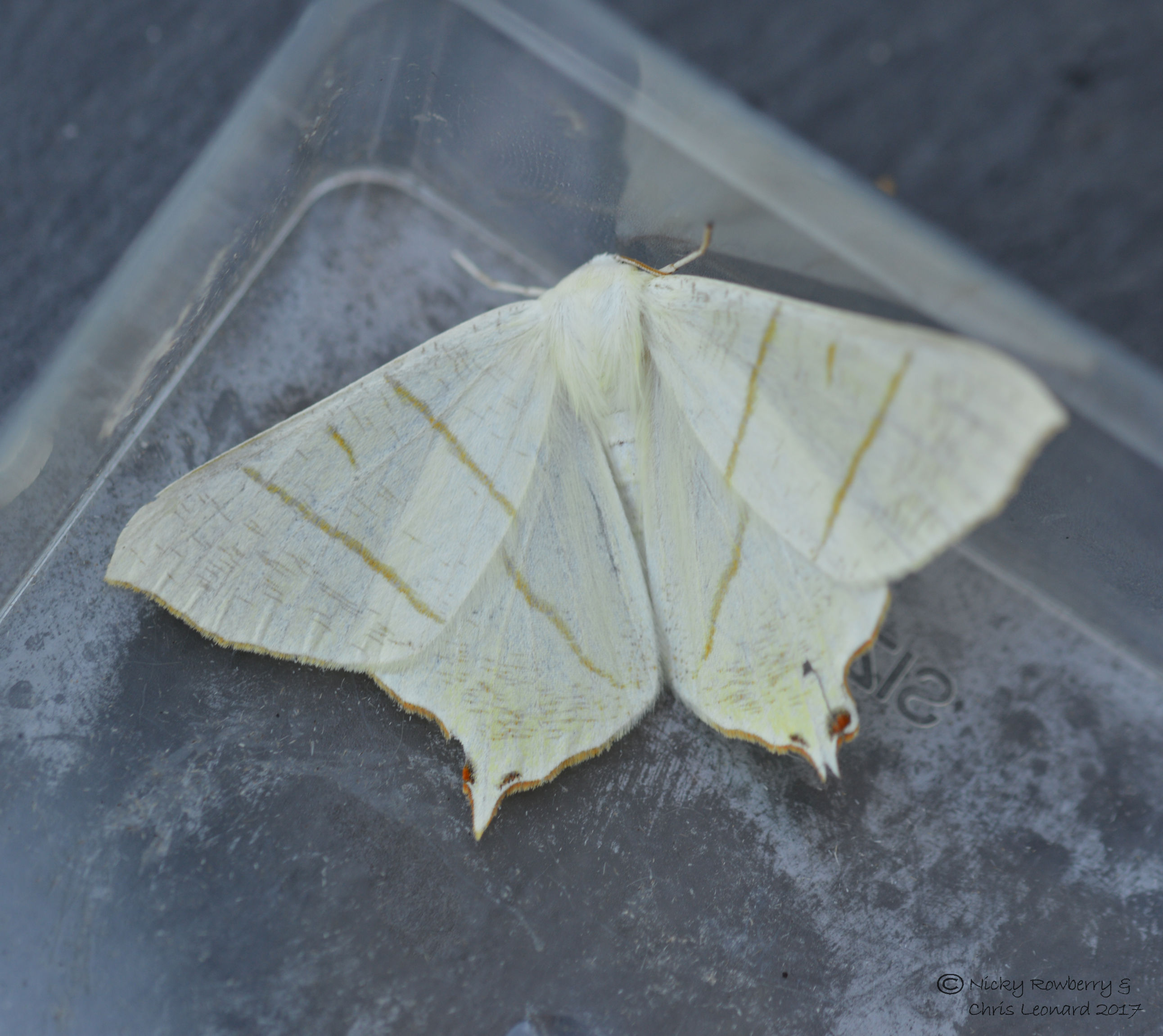
Another favourite that turned up in the last week was this exotic looking Swallowtail moth. These are large moths with thin, delicate wings that seem to flap slowly, although they put on a fair turn of speed when they are trying to escape me and my camera!

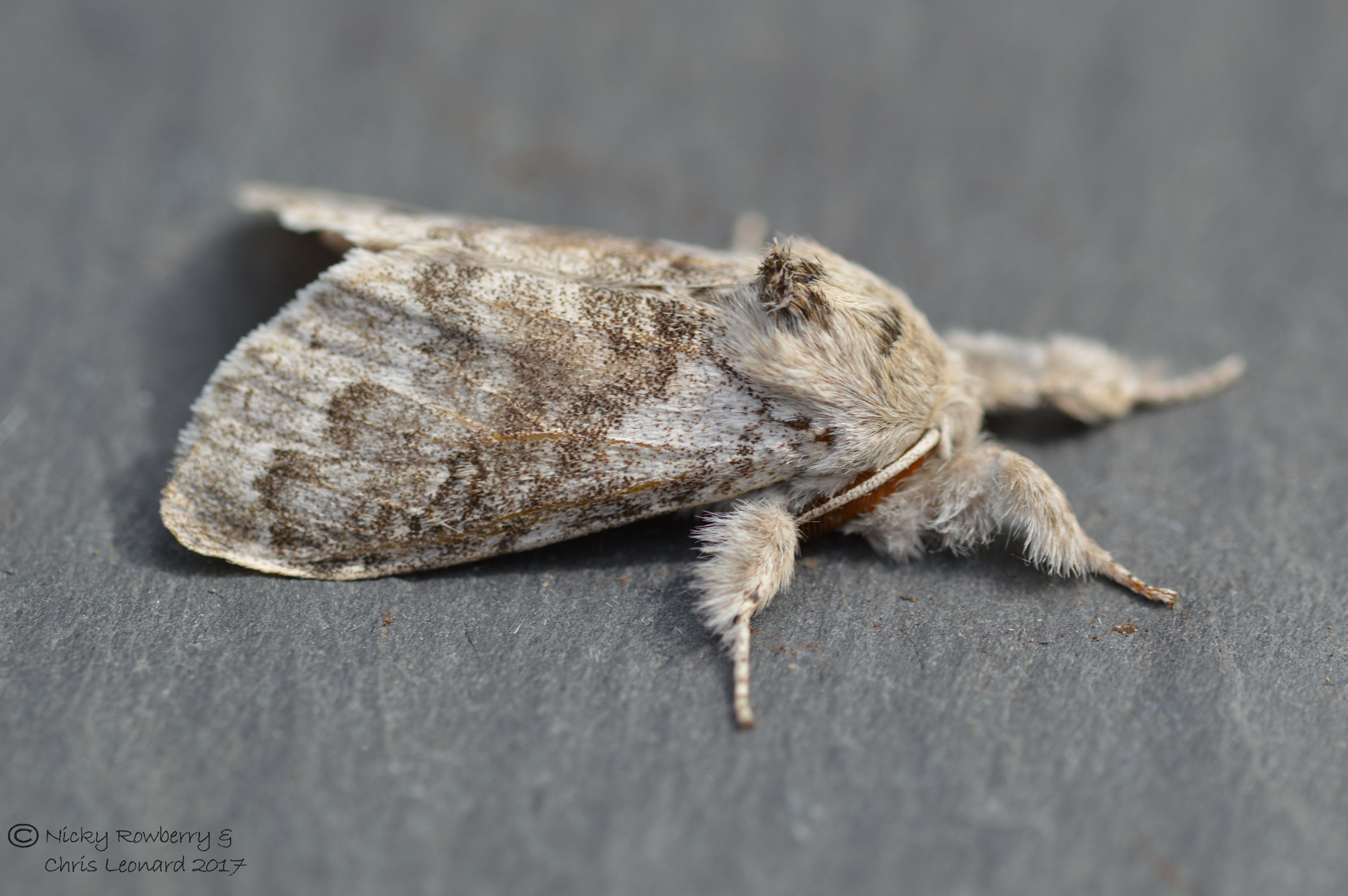
With a completely different body form is this Pale Tussock moth, with its furry legs sticking out in front in characteristic pose. This species is generally much less flighty and happy to pose for photographs.

I’ve had a couple of “new for the garden” species (or NFG as us mothy nerds call them) this year. I was thrilled to get this Ghost Moth a few weeks ago.

I was really excited to see a Hummingbird Hawkmoth on the red valerian flowers a couple of weeks ago – needless to say it wouldn’t stop for a photo shoot. These 2 Lime Hawkmoths were much more obliging and were also NFG.

I couldn’t do a mothy post without mentioning everyone’s favourite the bright pink Elephant Hawkmoth. Normally I’d post a photo, but I recently had a go at videoing one as it warmed up its wings – so here’s a short film instead.

Last year I got 211 species of moth, it would be lovely to top that this year, but I fear it might be a struggle. I’ve never made a definitive list of all the species I’ve ever recorded in the garden – some turn up one year only to never be seen again. I suspect the total list would therefore be much higher than 211. A project for a quiet winter night perhaps to tally them all up.

I love the surprise element of moth trapping. I never know what I’m going to get (if anything) when I open the trap in the morning. There’s always that sense of anticipation – maybe I’ll find something new, or an old favourite will appear. Until I started trapping, I had no idea of the diversity of moths we got in our average garden, I suspect most people are the same.

30 Days Wild – Day 20 – Chasing Admirals

It’s Day 20 of 30 Days Wild and the day started early and hot. I got up at the crack of dawn to empty the moth trap and the temperature had only dropped to 18.3C – at 4 o’clock in the morning! Not surprisingly it had been a great night for moths and the trap was stuffed with them including 7 elephant hawkmoths! Prize for me though were these 3 gorgeous Scarlet Tigers (hawkmoths were so last week!).

Next surprise was a racing or homing pigeon, which turned up outside the patio doors, while I was planning what to do for the day. It had rings on its legs, which I presume would be traceable. It didn’t seem injured or unduly bothered and eventually flew off, although it returned in the afternoon.  If it reappears, I’ll maybe see how you go about reporting a stray homing pigeon.

Anyway, clearly having learnt nothing about how hot it was from yesterday’s trip, I headed out again – this time to Monkwood Nature Reserve near Worcester. I went there a couple of years ago and saw my first ever White Admirals, so I hoped for a repeat performance.

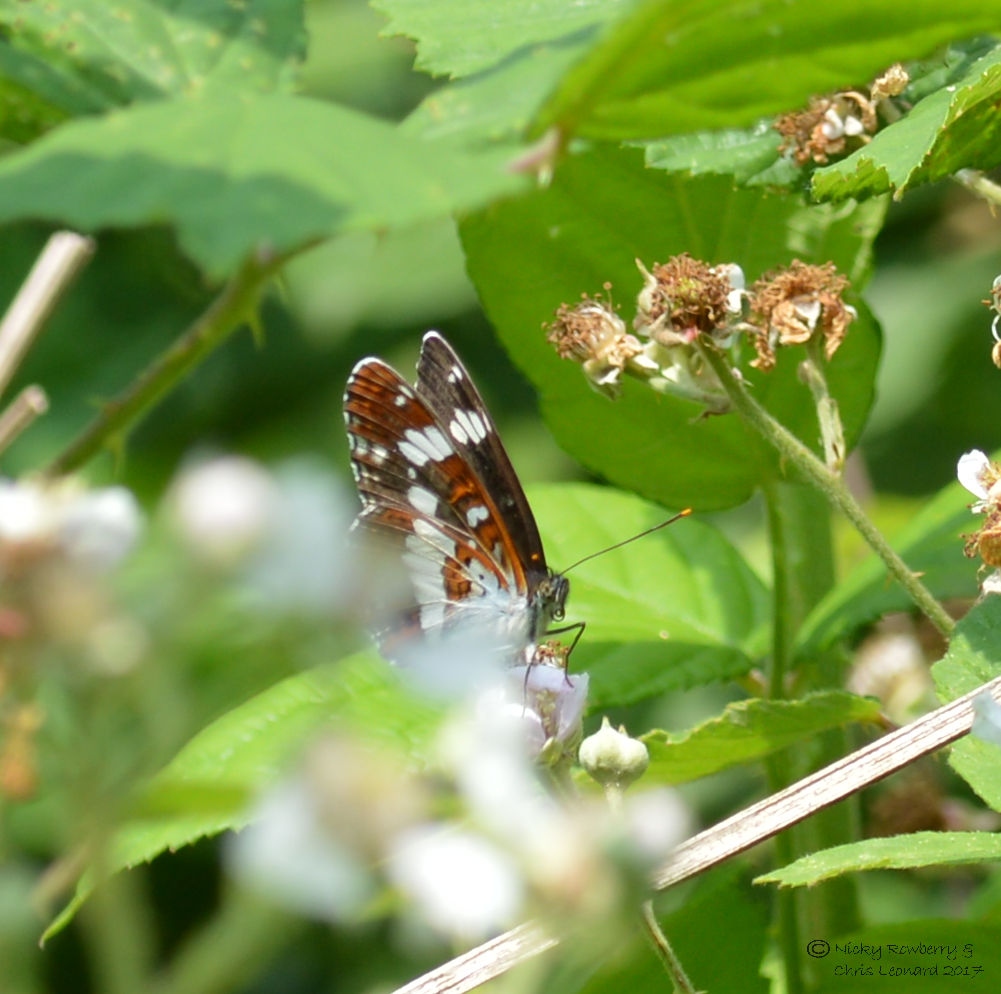
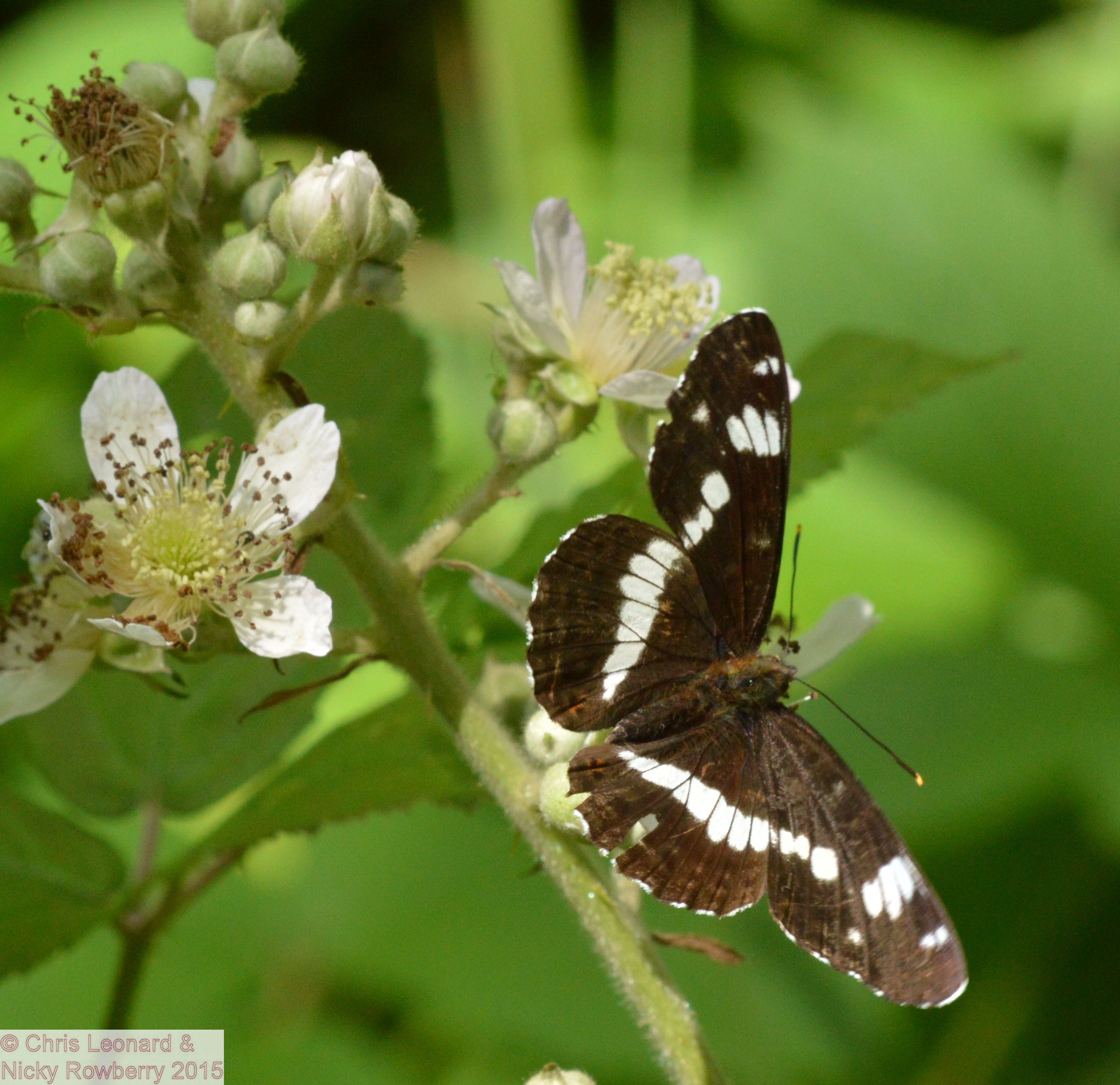
As on the previous trip I was amazed to spot some White Admirals as I got out of the car. There were a couple flying high in the trees around the carpark, too far away to get a photo though – this turned out to be how they behaved all morning. The butterflies of all species were very flighty in the heat (unlike myself!) The only White Admiral I saw land was this one, which flew off before I could get any closer.

So in a kind of “this is what you could have won” way – here’s the photo I’d hoped to take – one from 2 years ago!

I had a bit more luck with a Red Admiral that landed delightfully on  a dog poo.

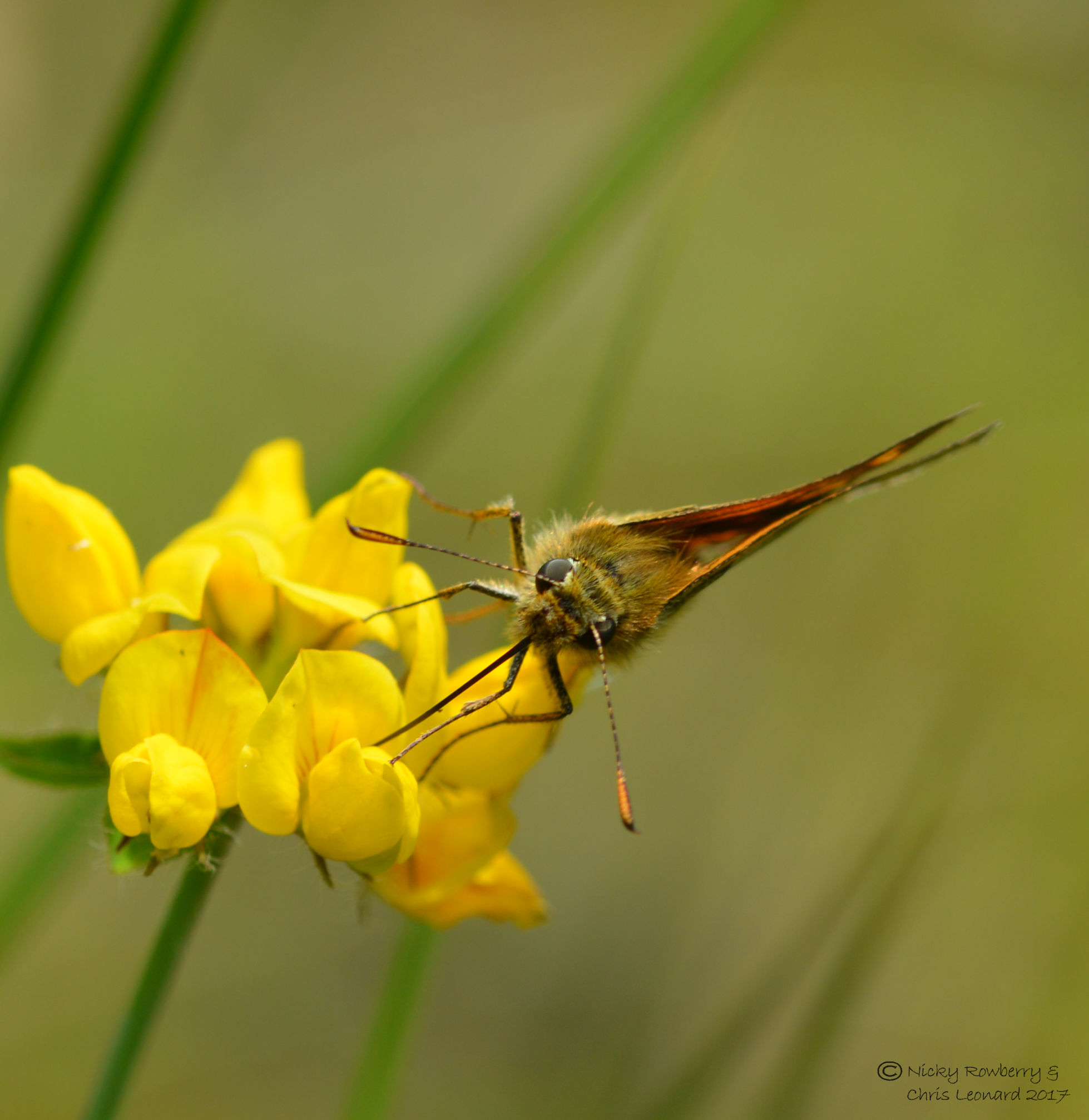
There were lots of Skippers about, I had thought I’d seen both Large and Small ones, but on examining the photos at home, I decided they were all Large ones.
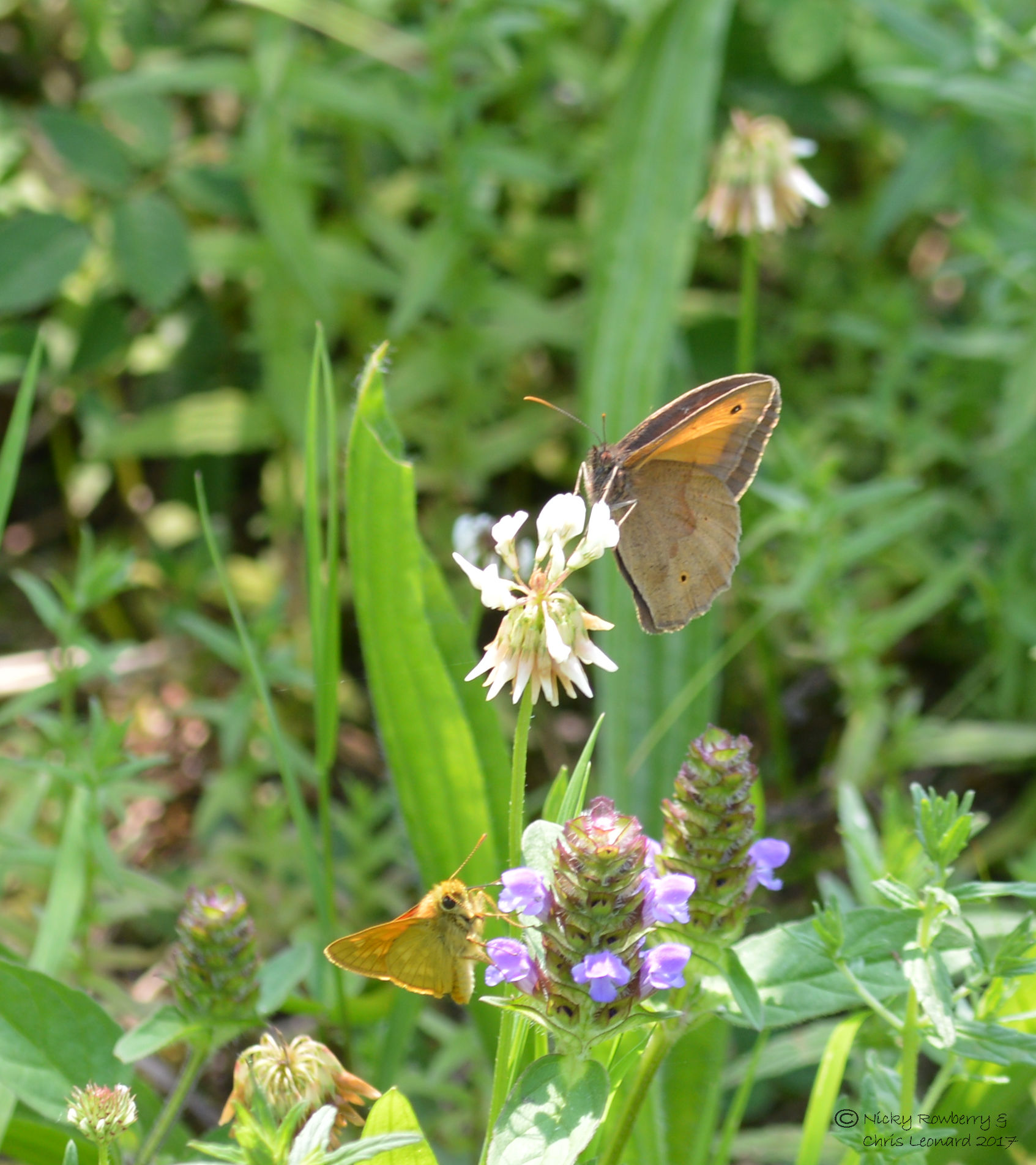
The skippers even photobombed my attempt at a Meadow Brown.

I saw several other species, none of which would stop for photos – Speckled Wood, Ringlet, Silver Washed Fritillary and Commas.

The guide book said to look out for the ponds and seeing as I seem to be getting a bit obsessed with dragonflies lately, I checked them out. They were full of dragonflies, but also lots of these adorable water boatman – flapping through the water with their built in paddles. Best spot of the day though was this Broad Bodied Chaser, which was hunting over a pond, but kept coming back to this twig to rest.
There was another large dragonfly buzzing over the pond. It refused to settle for a photo, but kept dipping its abdomen in the water – I can only assume it was a female laying eggs, but if anyone can correct me, please do. The best I could manage was one of my short shaky videos.

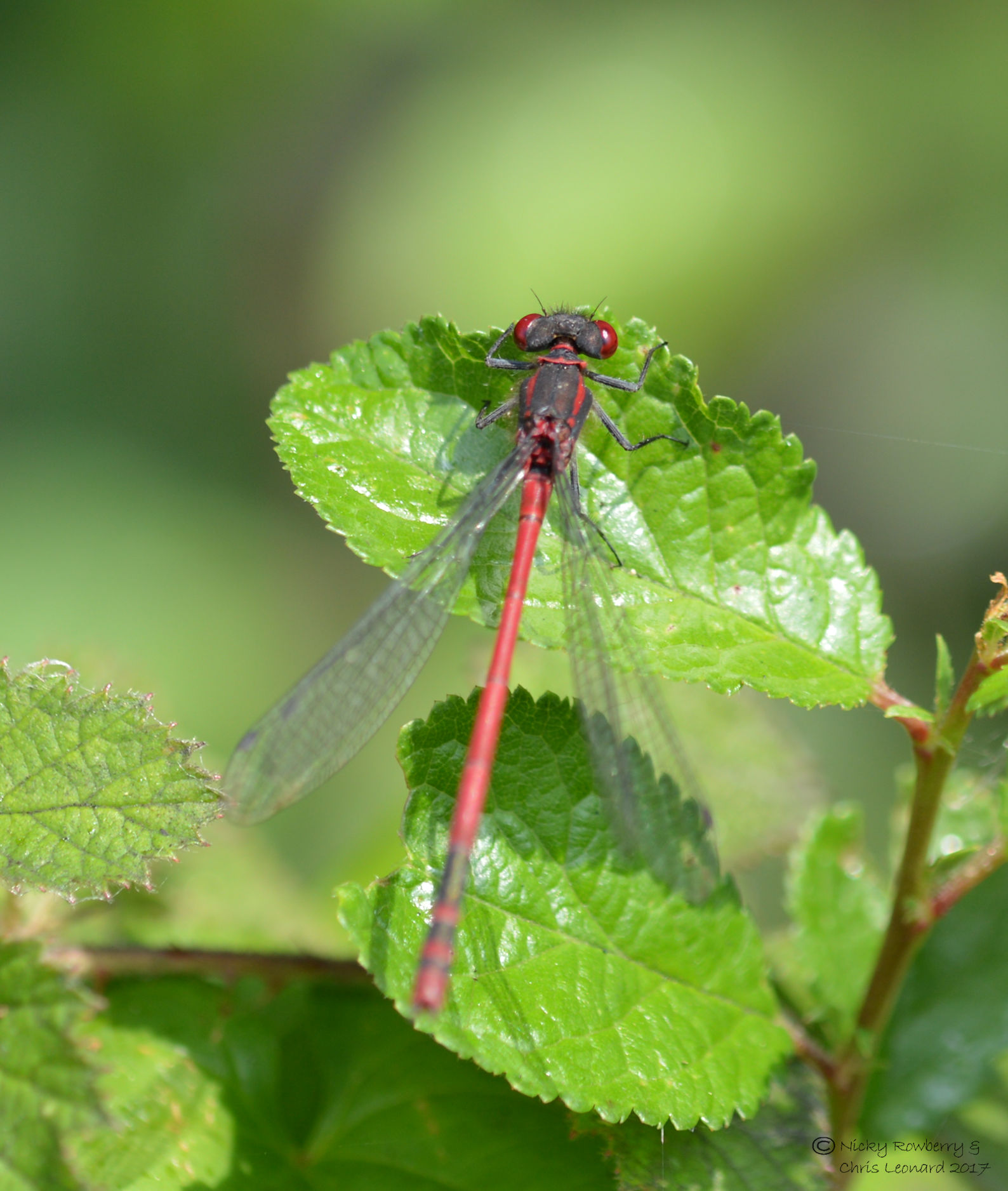
Final photo of the day is this Large Red Damselfly. I’d never realised before just how red their eyes are.

I could have spent longer in Monkwood and on a cooler day, I would have been happy to do so. It is a beautiful wood and full of butterflies; birds too no doubt if butterflies aren’t your bag! We are very lucky living in Malvern to have beautiful woods like this, the Wyre Forest, Grafton and Trench Wood, all within an hour’s drive.

30 Days Wild – Day 19 – Upton Warren Wetlands

It’s Day 19 of 30 Days Wild and after yesterday’s lethargy, I was determined to get out and about. So I headed out to Upton Warren Wetlands Reserve. For some reason I thought it might be cooler near water and I fondly imagined bird hides would also be oases of calm in the heat. How wrong can you be? It was of course hot and humid there like everywhere else and the bird hides were more like ovens than fridges!

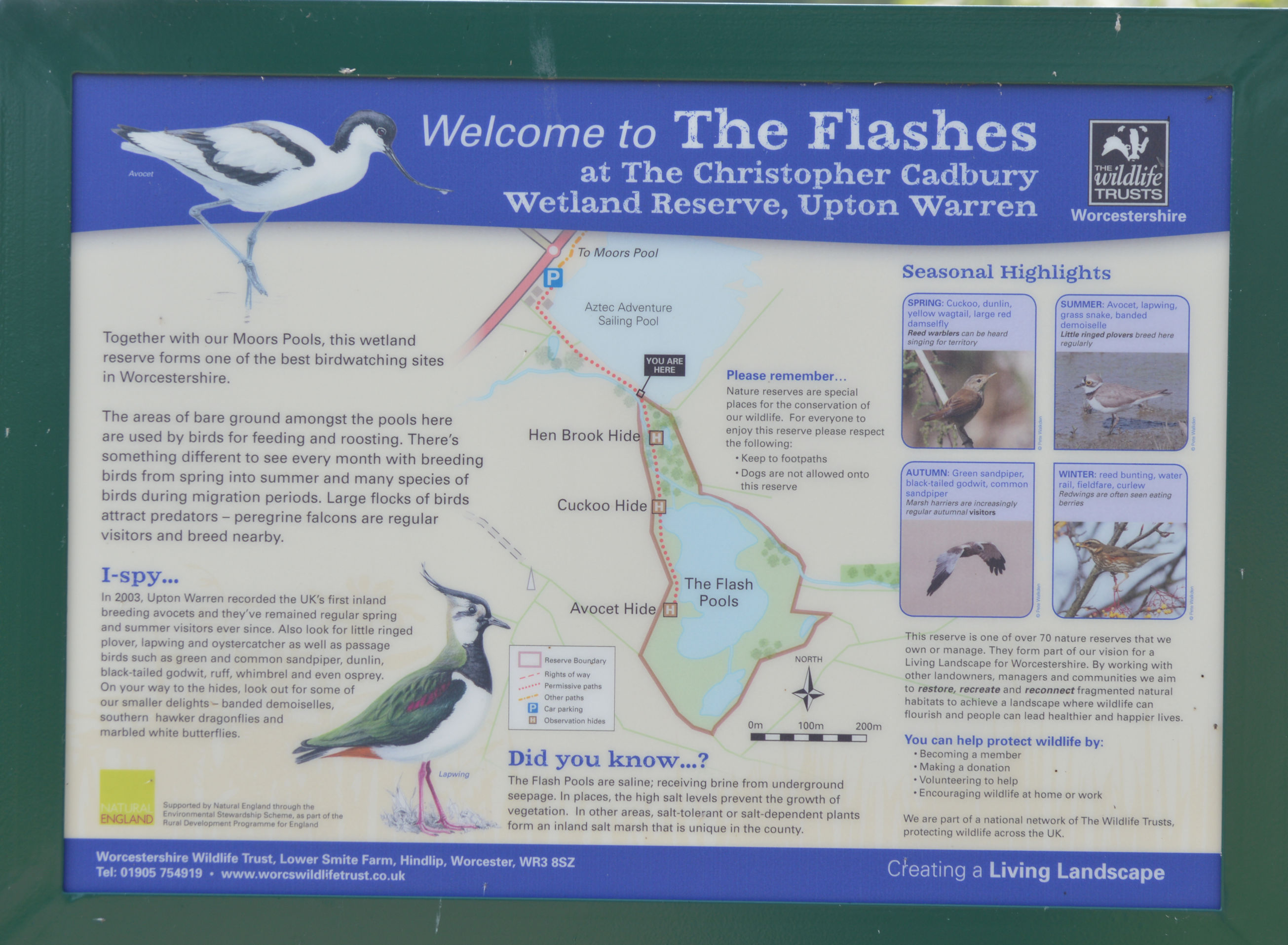
I had been to Upton Warren a couple of months ago, but had only had time to visit the Moors section of the reserve. So this time I headed for The Flashes, which are saline pools and so attract an interesting array of birds, especially for such an inland location. Since I was expecting to photograph birds, I left the macro lens at home – with hindsight another error of judgment for today! Fortunately the lens I did take, wasn’t too bad for insects (although I couldn’t get as close as I would have liked), because the place was alive with damselfies, demoiselles and dragonflies.

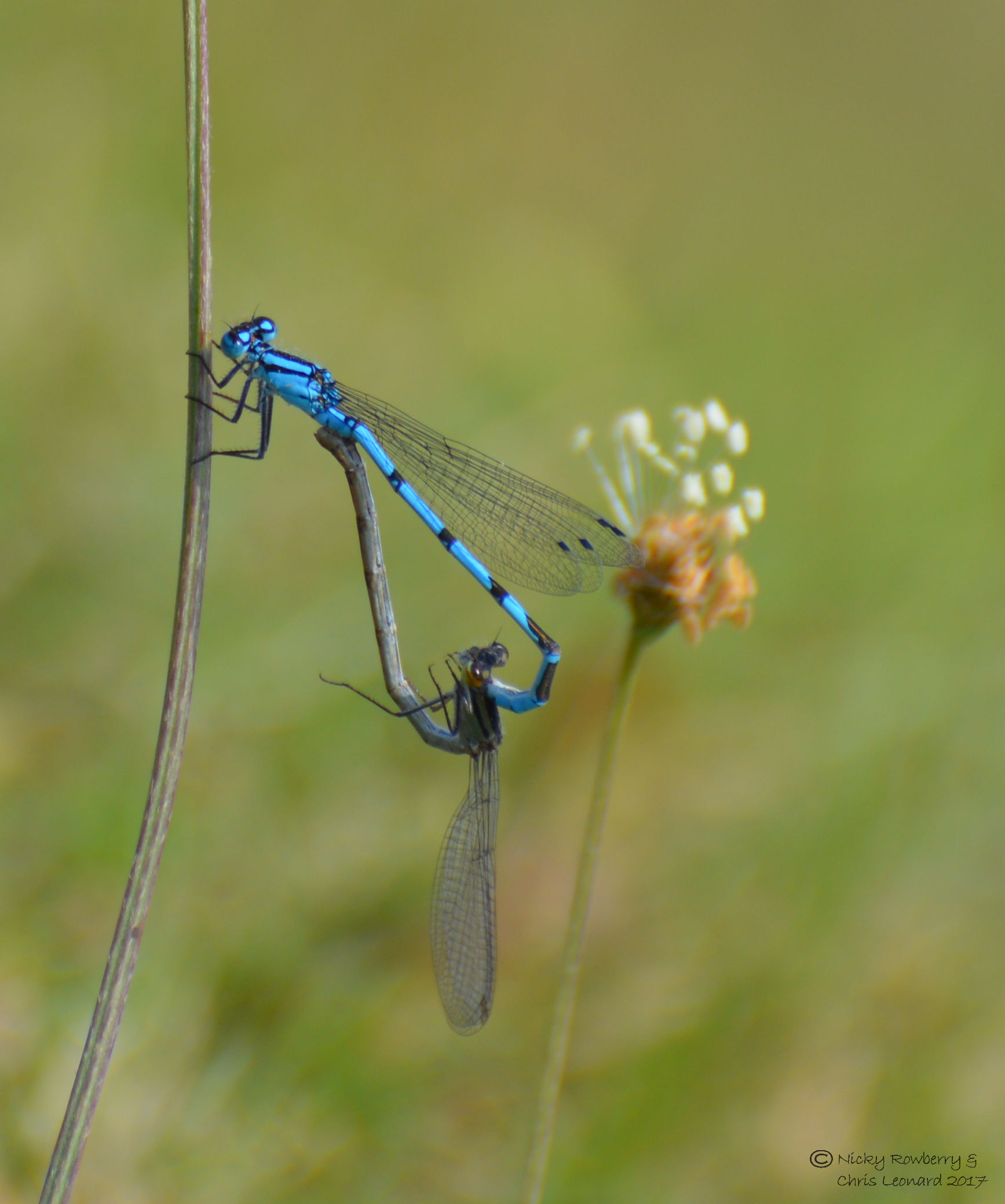
The sailing pool was absolutely awash with Common Blue damselflies – they were everywhere. They certainly lived up to their name today – they were very common and very blue. There were so many I was afraid of treading on one.

Then I spotted something bigger, which fortunately settled on a landing platform. I think it is a Black Tailed Skimmer. It was certainly skimming low over the water.

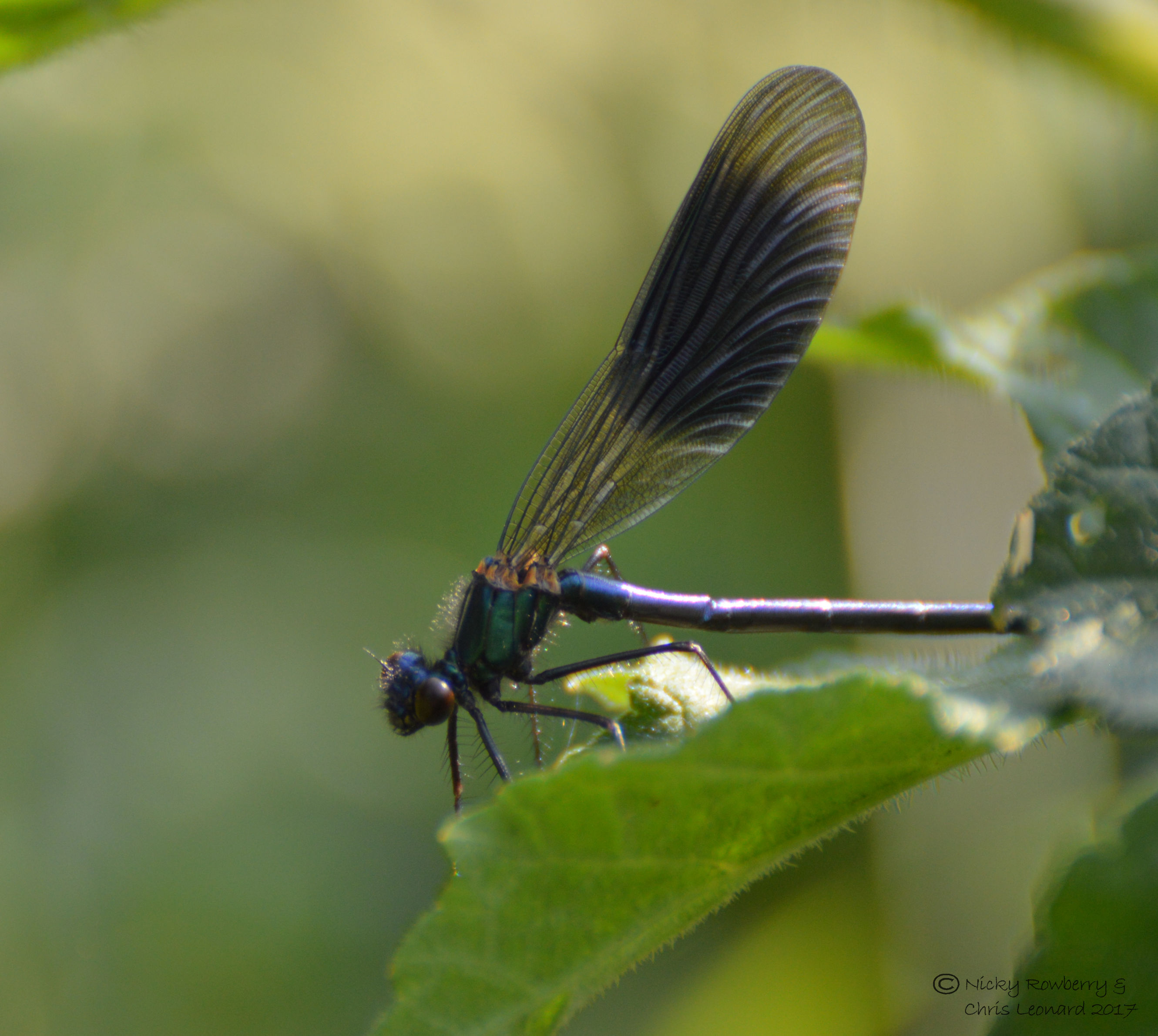
Next up was a Banded Demoiselle; my second demoiselle species of the year.

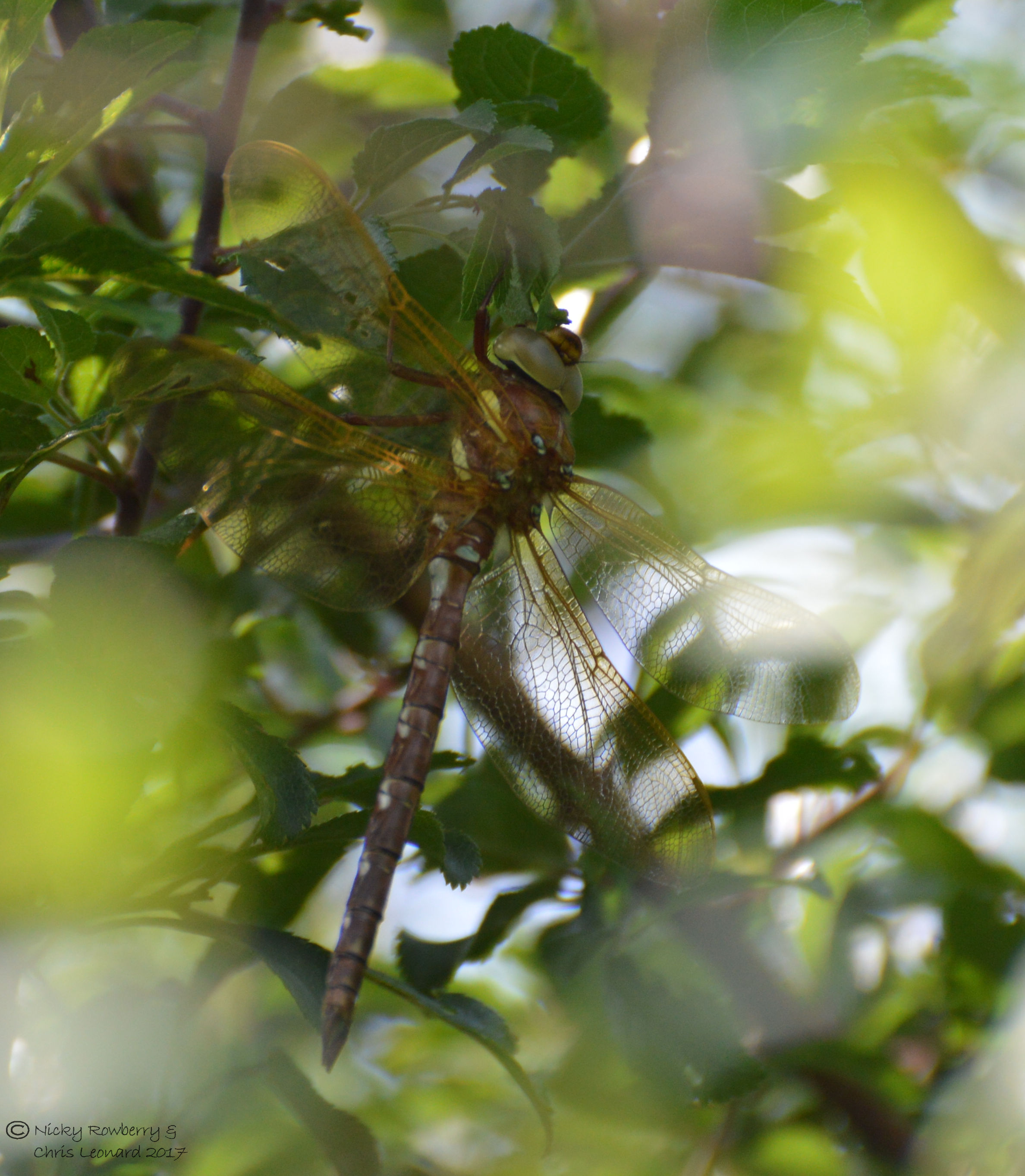
The final one was this huge dragonfly I spotted as I finished up for the morning. I say spotted, but actually I heard it first. It was so big that when it flew off, its wings made such a noise, I actually thought I’d disturbed a small bird and turned round to see what it was. I think it is some kind of hawker dragonfly.

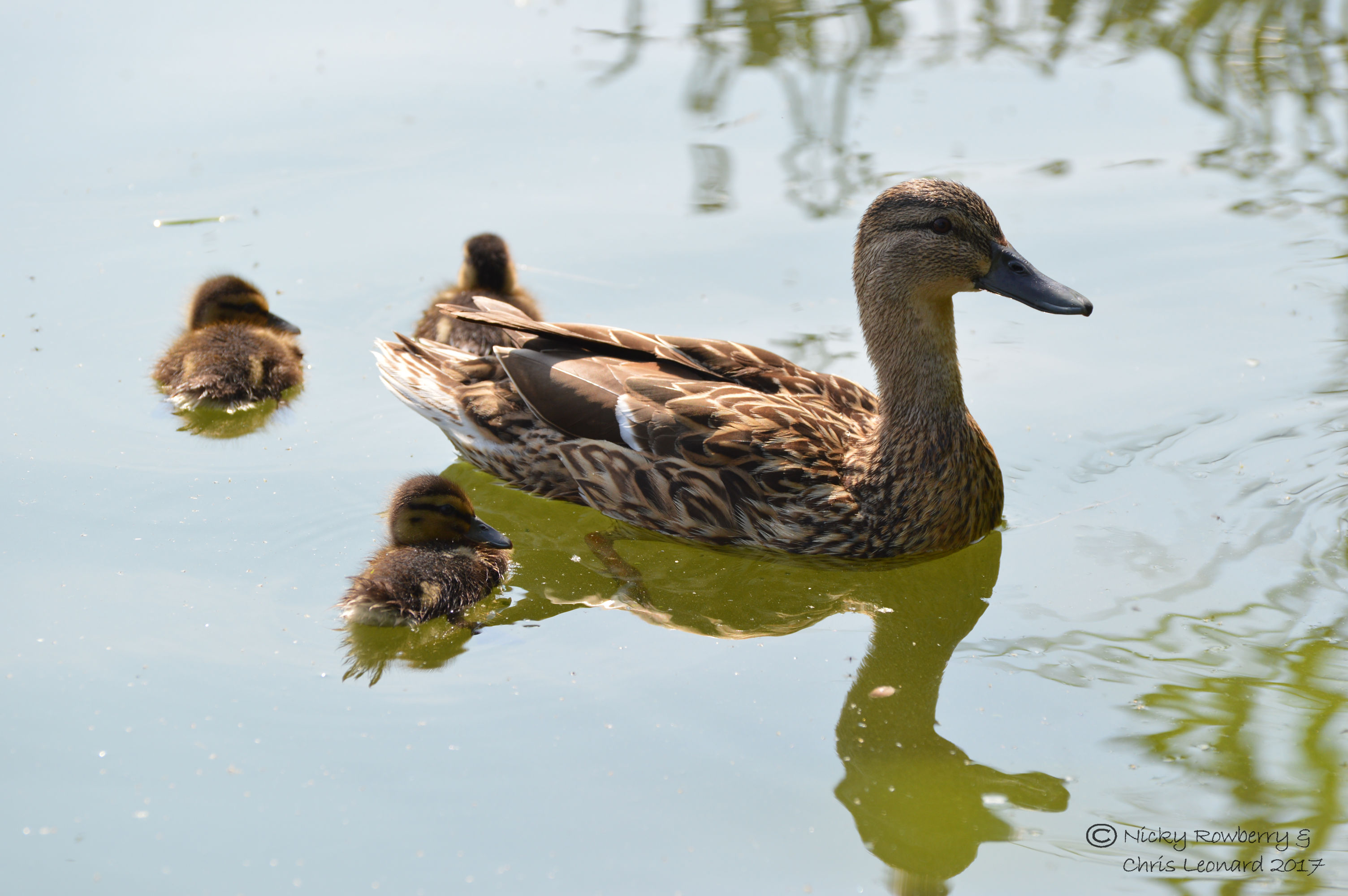
Anyway on to the birds – there were of course plenty there, despite me being distracted by the dragonflies. First happy sighting was this mother duck with her ducklings.

Moving on, probably the most common bird I saw this morning was the Black Headed Gull – again it does what it says on the tin – a gull with a black head! This one is an adult in breeding plumage.

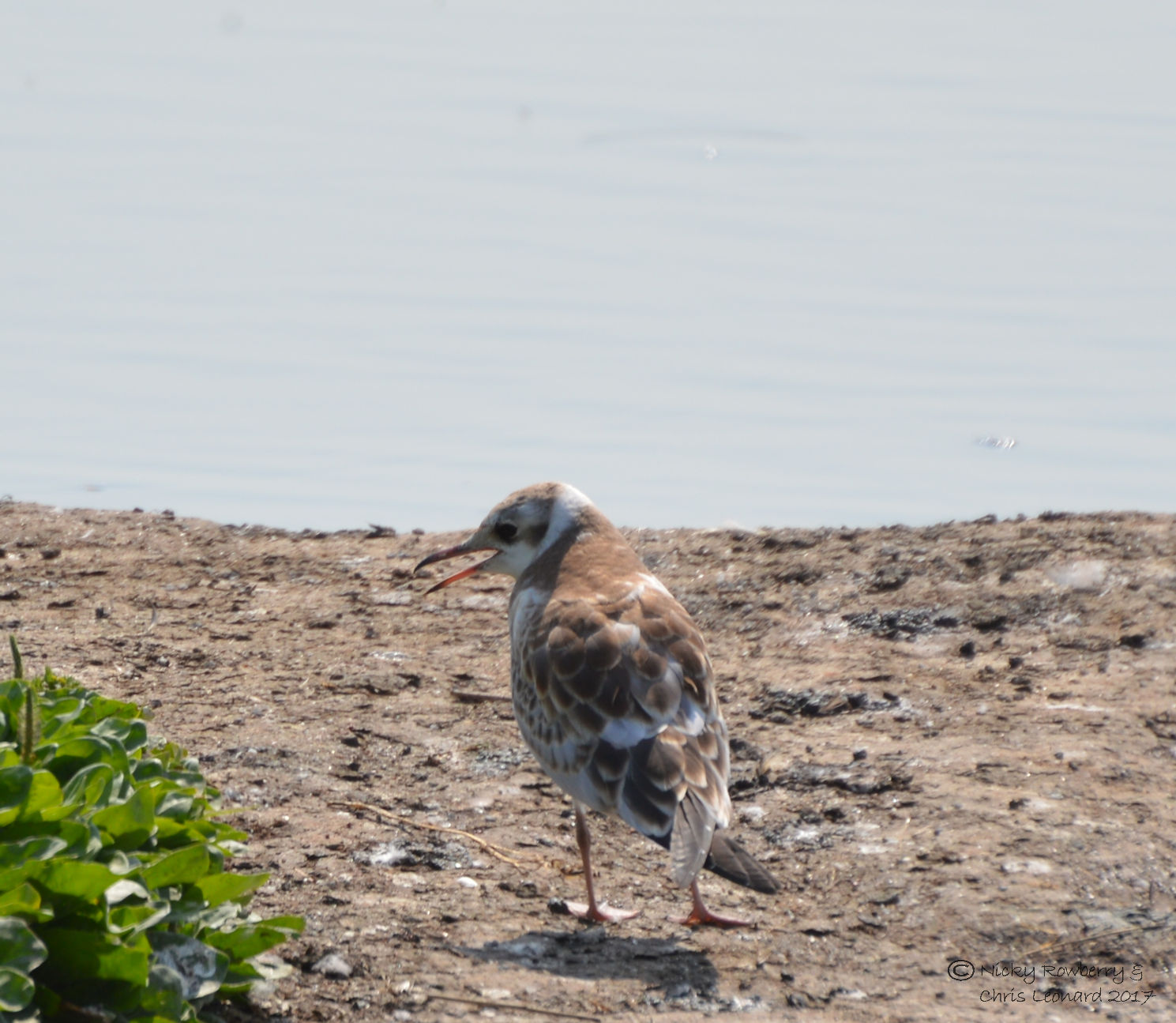
Although this one looks completely different, I think it is also a black headed gull, but a juvenile this time.

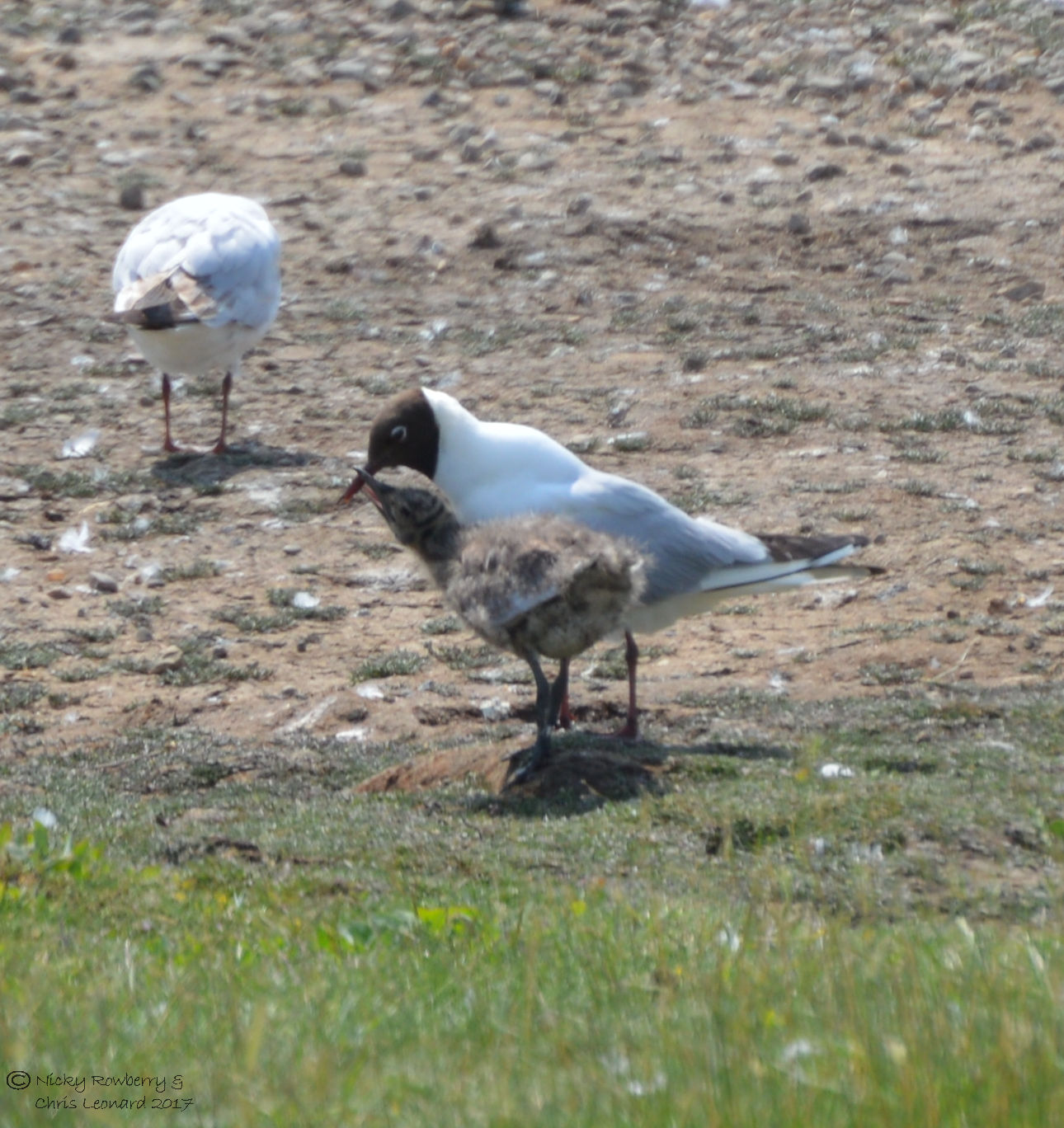
And to confirm the difference in plumage, here is a poor photo of an adult feeding an even younger one.

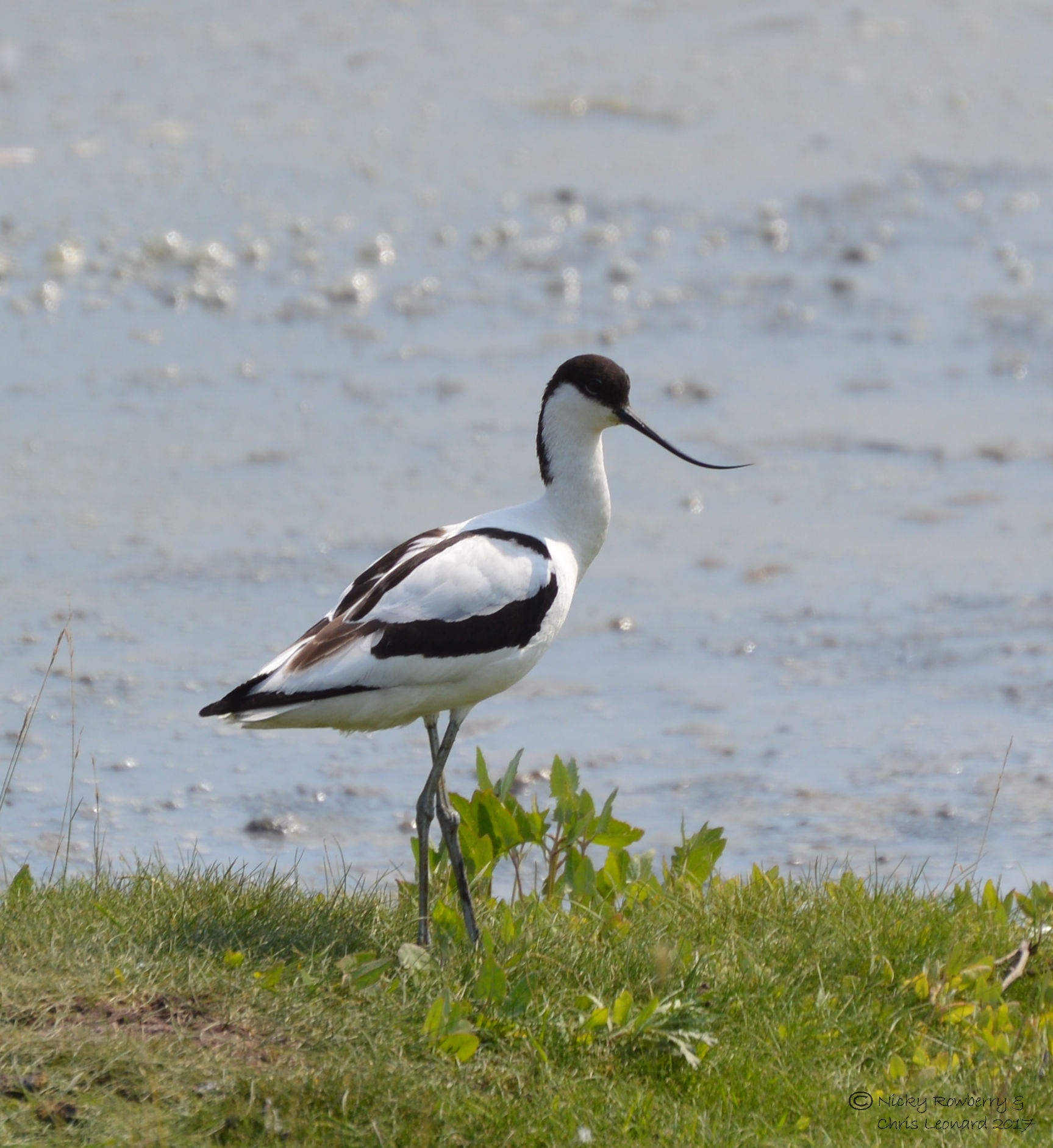
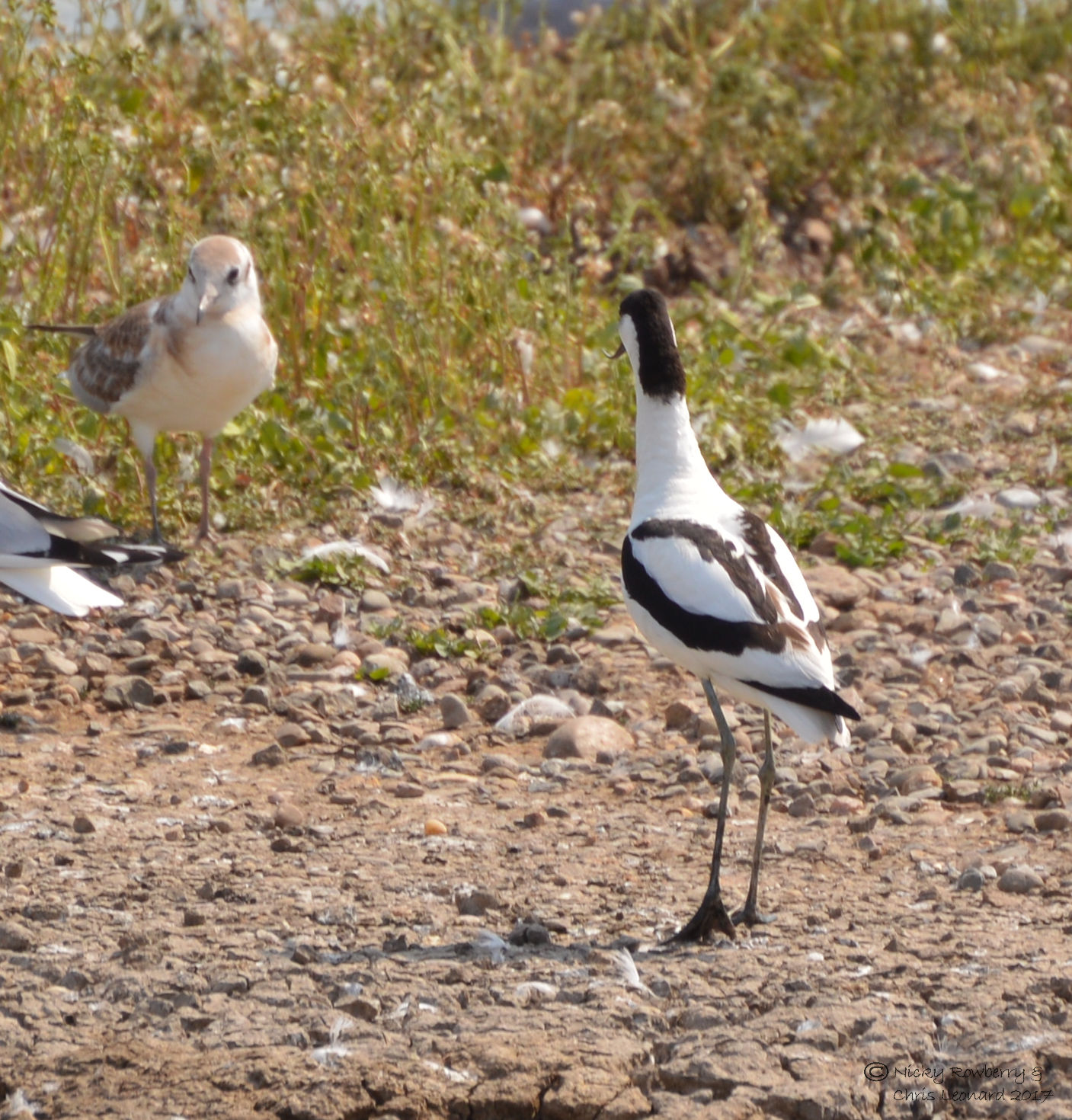
My favourite bird from today, and the one I went hoping to see, was the Avocet. Absolutely stunning black and white birds with long curved bills. I couldn’t help but take loads of photos! They seemed very territorial, chasing off anything that came within their patch, regardless of size of the intruder.

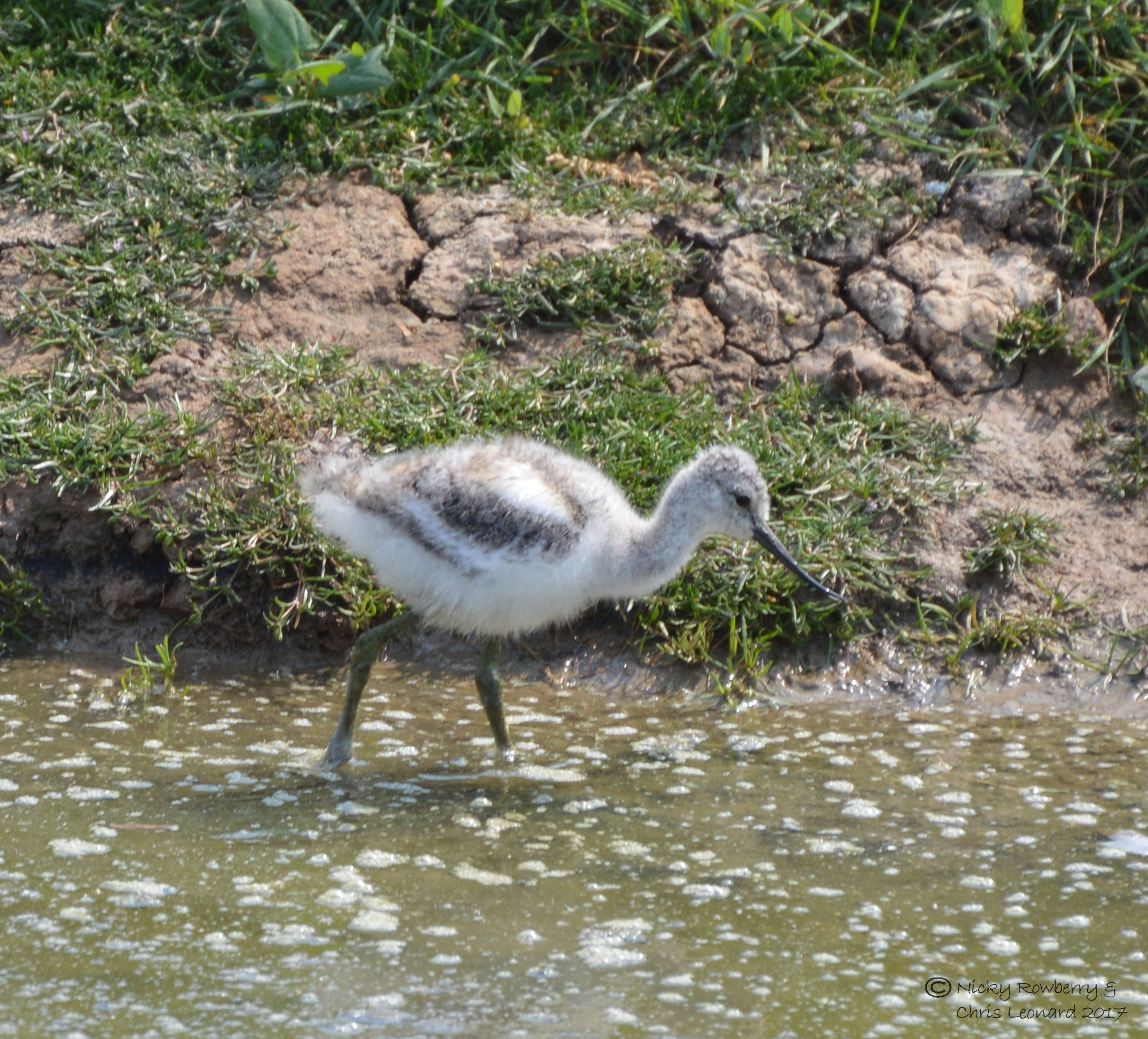
And this I think is an avocet chick. It’s not got the adult plumage yet, but the beak is the same and it was behaving the same.

Both adult and young avocets behaved the same way – poking about through the water with their long bills looking for food. I managed a couple of shaky videos of them doing this. You can tell from the noise in the background, just how many birds were around today.


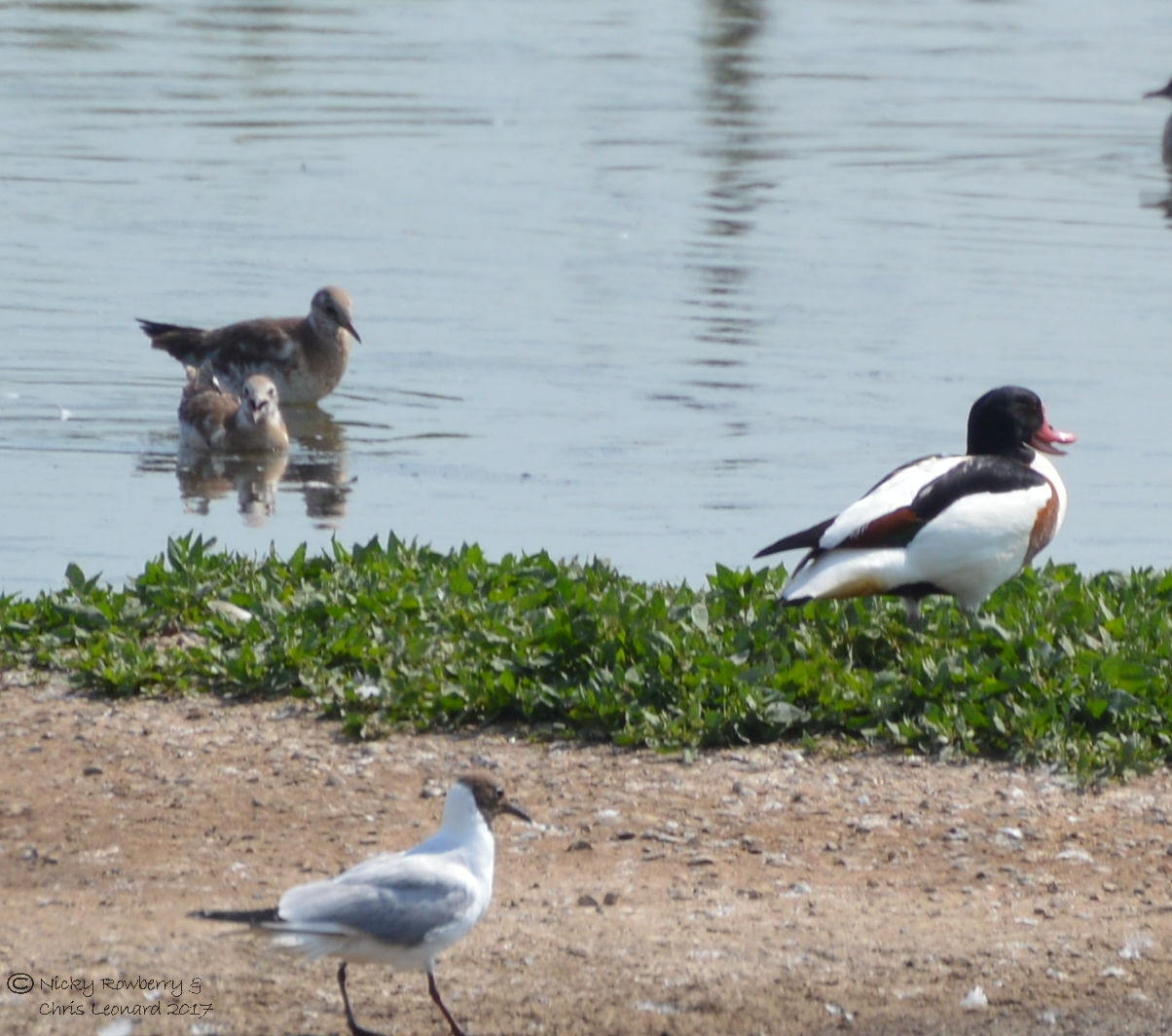
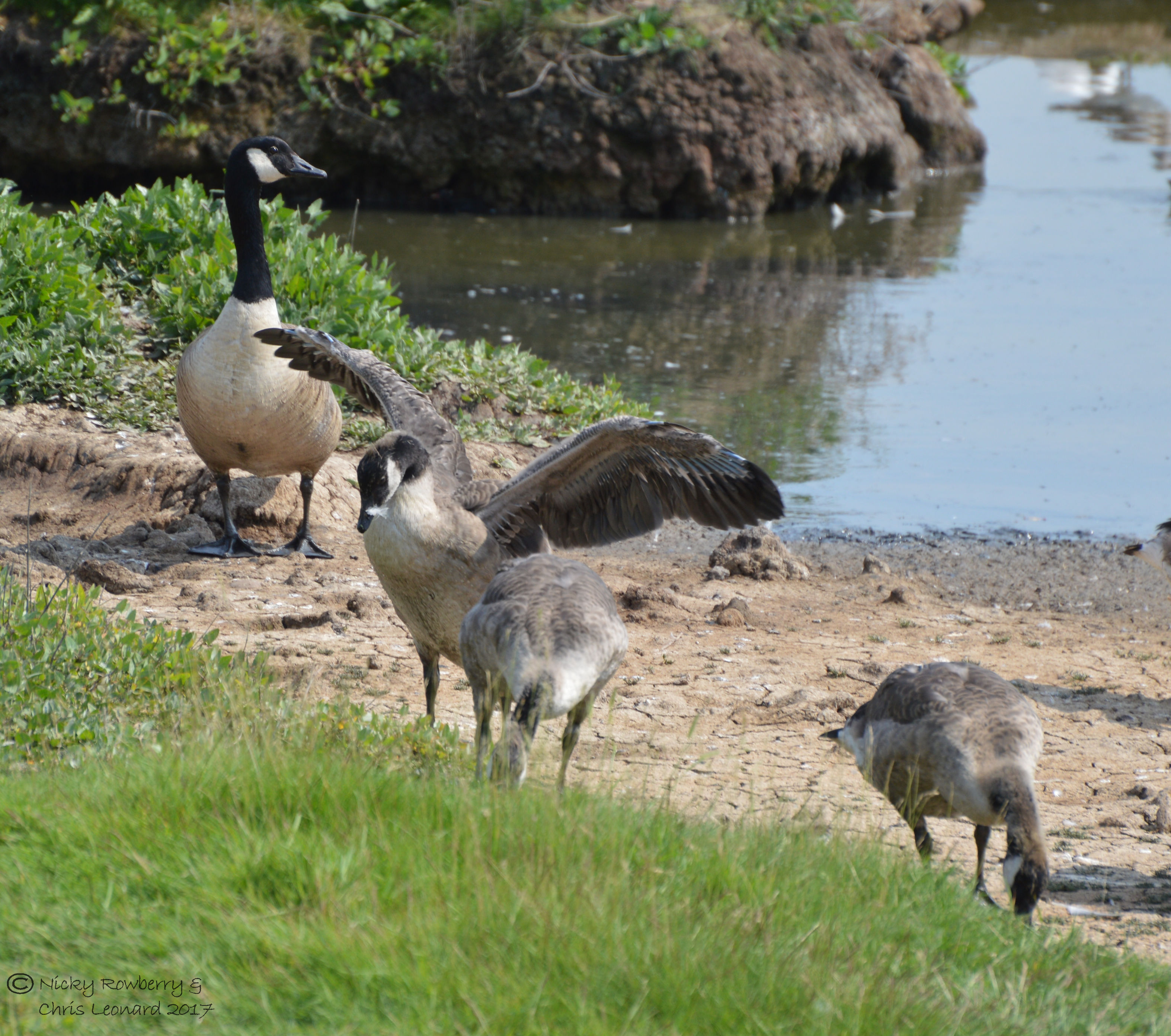
There was a real cacophony of bird sound all morning, most of which was unidentifiable to me, although I did think that perhaps there were some warblers near the hides – something definitely seemed to be warbling! Although there were birds everywhere, the only other species I really took photos of were this Shelduck and some Canadian Geese.

I no doubt missed lots of other species. Someone in one of the sweltering bird hides told me they’d seen a Mediterranean Gull from the next hide. I don’t think I saw one of those, but then I’m not sure I’d have been able to tell the difference if I did! Although it would be nice to be more knowledgeable about the birds, I don’t really mind going to places like Upton Warren as a novice. Just seeing so many birds, species I’d only ever seen on the telly (thank you Springwatch), is glorious. Upton Warren is a delight and I’m already looking forward to going back again – although I might wait for a cooler day!


30 Days Wild – Day 18 – Flaming June

They say be careful what you wish for – last week I was wishing the wind would drop and it would get warmer. Well it’s certainly flaming June now and I’m regretting last week’s wishes, as we swelter here in Malvern! It’s Day 18 of 30 Days Wild and it’s so hot it’s hard to find the energy to do anything. I haven’t ventured further than the garden, so today’s post is pretty much restricted to what is going on there. All I really managed was a gentle bit of garden bird watching, but there are worse ways to spend your day!

We have assorted feeders all over the garden, but I was restricted to photographing those I could see from the shade! I think perhaps it was too hot even for the birds as not that many showed themselves, despite me putting out several bowls of water. I even poured a load of water into the wheelbarrow to give them an impromptu pond (our other pond being more silt than water).

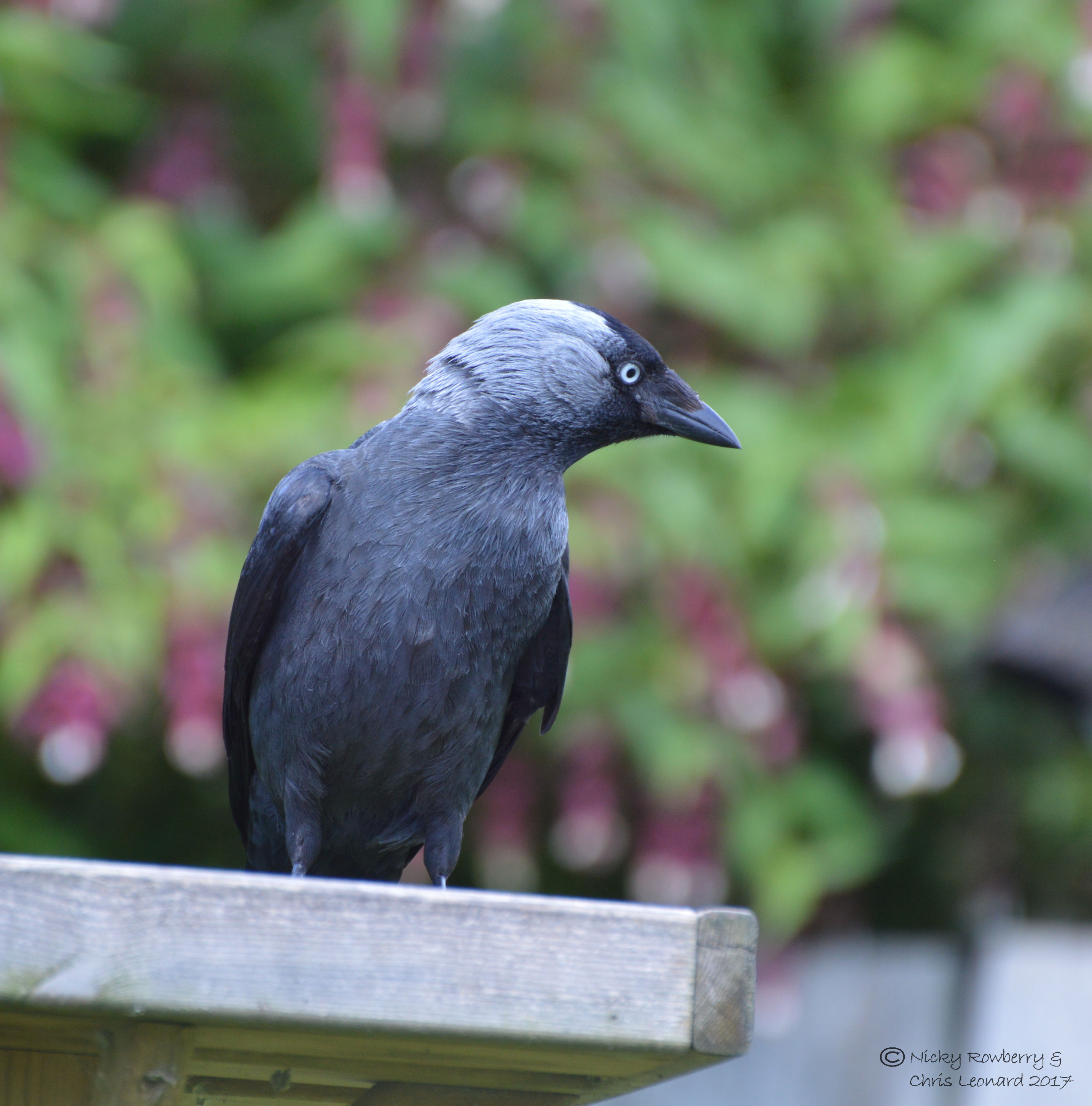
The old faithfuls the jackdaws did of course appear when I put out some suet shreds. They are always first down to the bird table – they must have good eyesight to spot me putting out food from wherever they are. I know they get a bit of a bad press, but they are beautiful birds really.

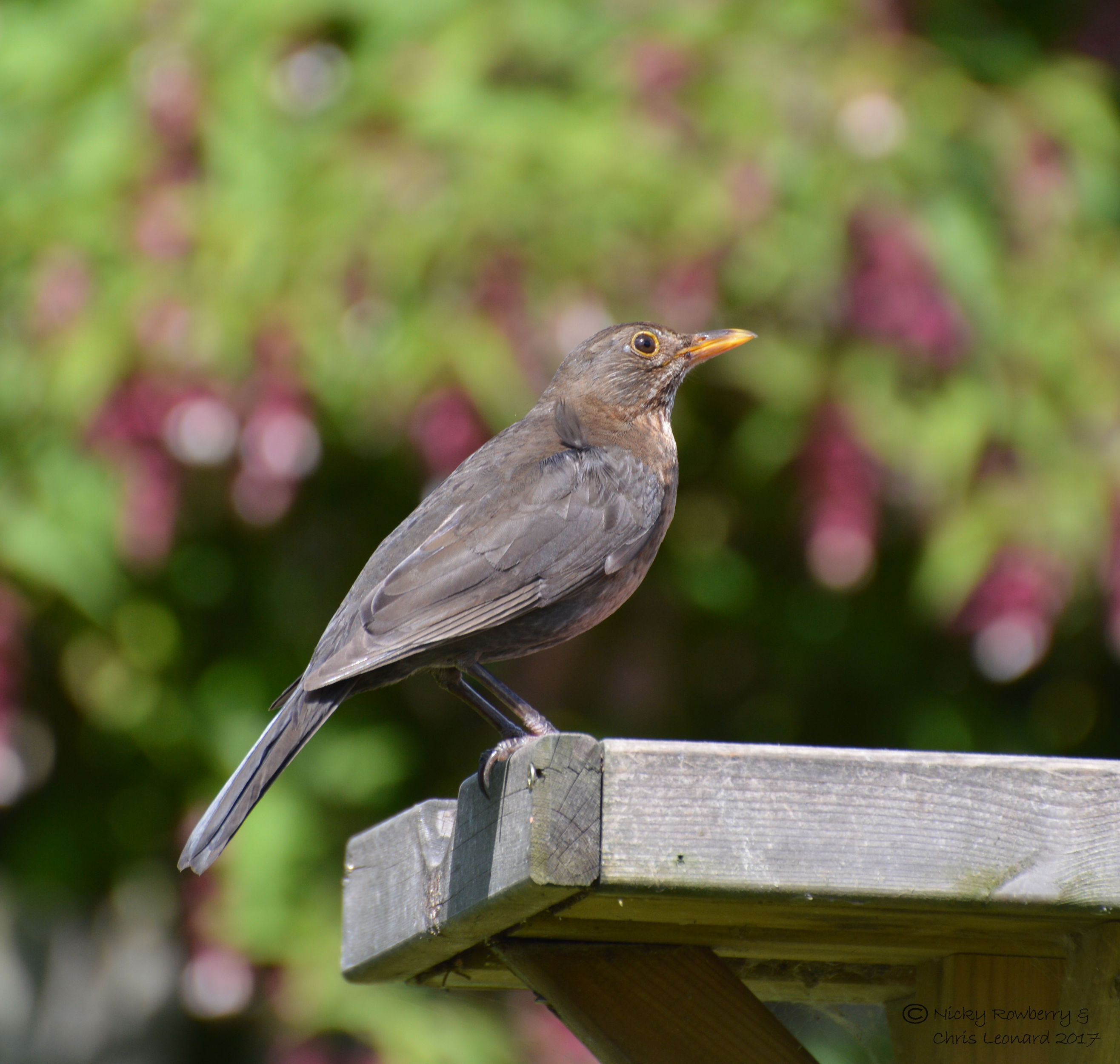
Next down to the table was this blackbird – more cautious than the jackdaws.

The only other birds I saw in abundance while I watched were the sparrows. They were everywhere, but too nervy to get a good photo. I kept seeing adults feeding fledglings, it looks as if it’s been a good year for sparrow babies in our garden at least. I never seemed to be able to get a clear shot though and in the end the best I managed was this blurry one – from a distance and through our grubby patio doors, so not ideal.

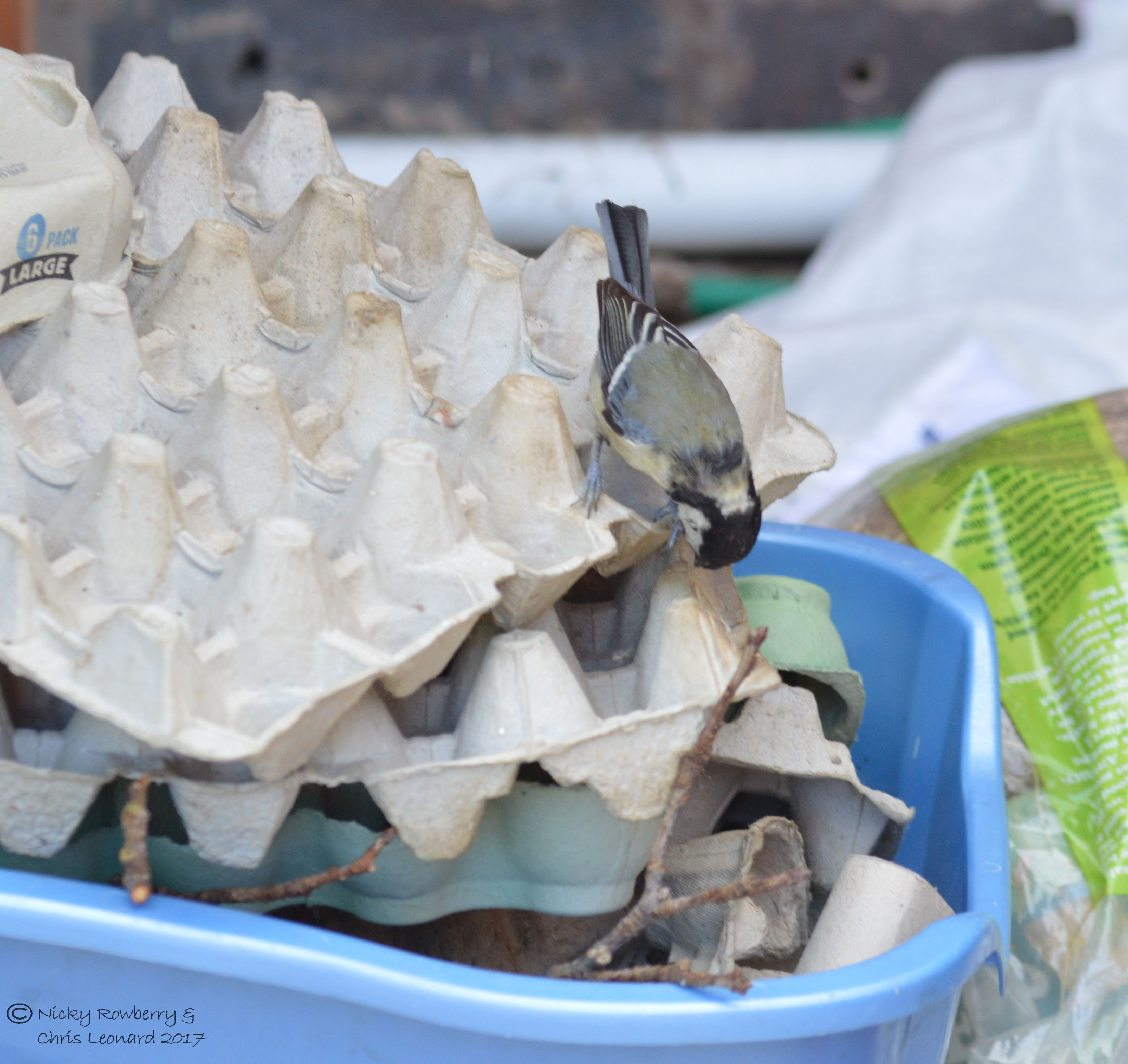
Of course you can put out all the intentional bird food you like, but sometimes the birds are just canny enough to help themselves to things you don’t want. This morning a Great Tit found the box full of egg trays that I’d put the moths in from last night’s trap, ready for them to fly off when it gets dark. He must have thought Christmas had come early until I moved it inside the boxes inside the old hedgehog hutch. Even then he managed to squeeze through the bars to get more until I blocked it up. Hard to be cross though, as he needs to feed his family too.

So not my most productive wildlife day, but very enjoyable all the same.


30 Days Wild – Day 17 – Blue is the Colour!

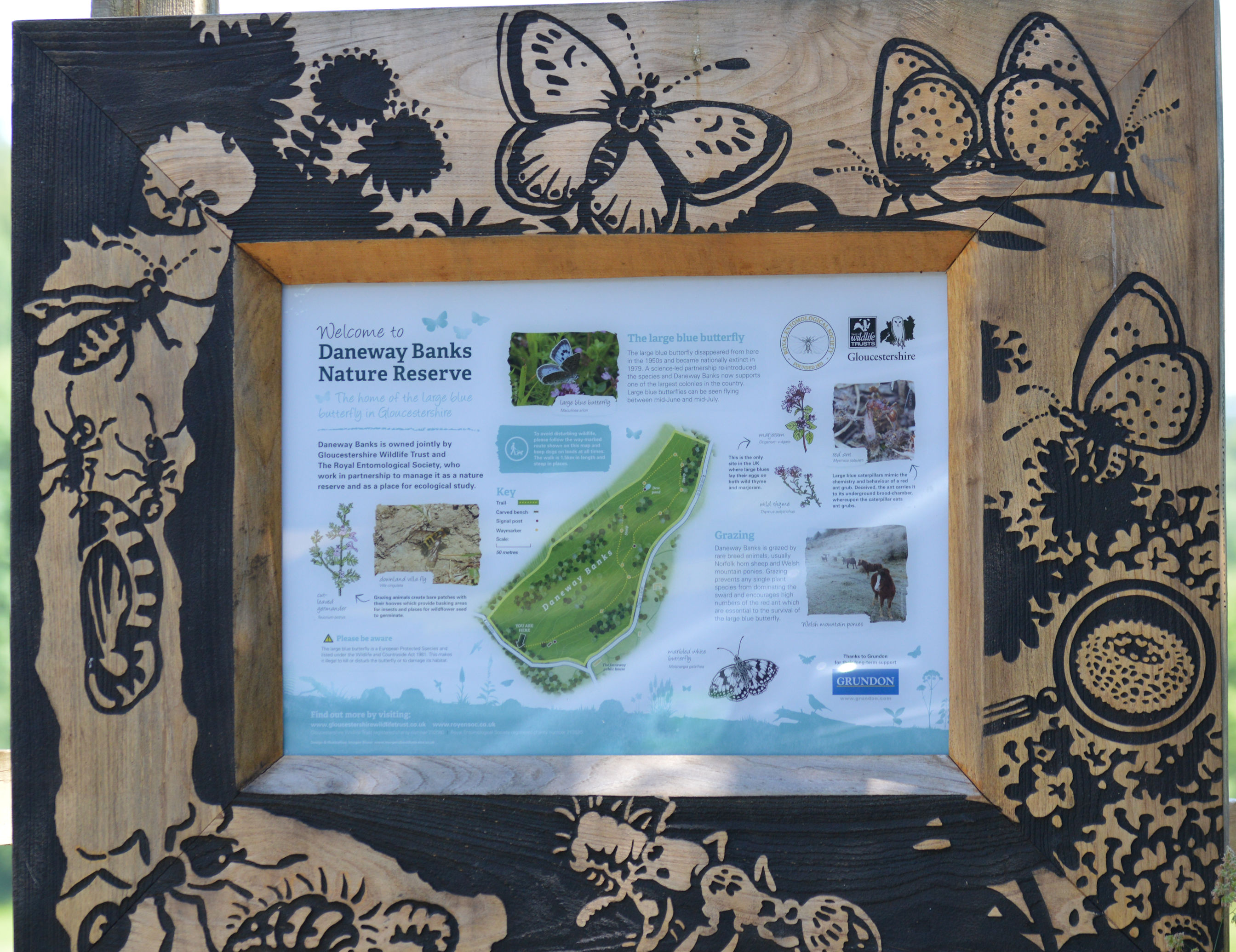
It’s Day 17 of 30 Days Wild and with blue skies above we went in search of the Large Blue Butterfly. The Large Blue is probably Britain’s rarest butterfly. It actually went extinct here in the 1970s, but thanks to great efforts by conservation bodies, it was reintroduced to a few sites in 1984. One of these sites is Daneway Banks in Gloucestershire and that’s where we headed today. Butterfly Conservation’s Gloucestershire Branch had an organised walk on and very kindly let us tag along.

Large Blues have a really intriguing life cycle. The eggs are laid on wild thyme or marjoram. The tiny caterpillars hatch and secret a substance that attracts a particular species of red ant. The ants carry them to their nests, where the caterpillars feed on the ant grubs. Eventually the new adults emerge and have to crawl out of the ants’ nests before they can open their wings!

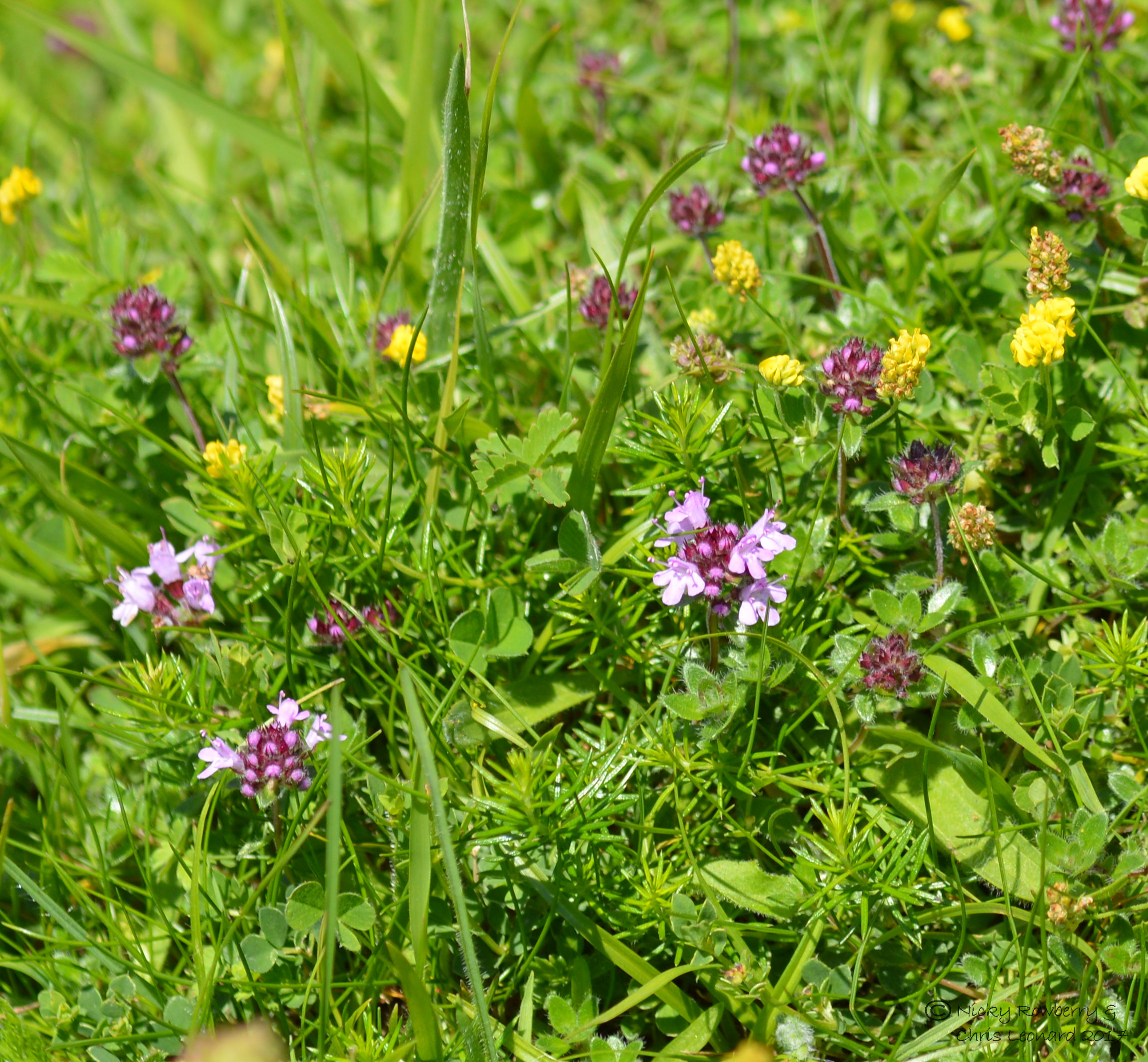
Daneway Banks consists of limestone grassland that is carefully managed by the Wildlife Trusts, to support the Large Blue butterfly, which of course has the side effect of supporting lots of other wildlife too. It is up a steep bank and looked stunning today in the sunshine, with wildflowers and butterflies galore!

Apart from the chatter of excited would-be Large Blue spotters, the predominant sound for me was the chirruping of grasshoppers. There must be hundreds there judging by the noise, which I love – it is one of the true sounds of summer for me.

So two whole posses of us set off in search of the Large Blue. There is quite a camaraderie about going out with a bunch of people all interested in seeing the same thing! Over the day we saw about 13 species in total, but initially the Large Blue remained elusive. But there were other blues to tempt our fancy. There were several Common Blues and small Blues were also reasonably common, although very difficult to get a decent shot of – the photo below was the best I managed.

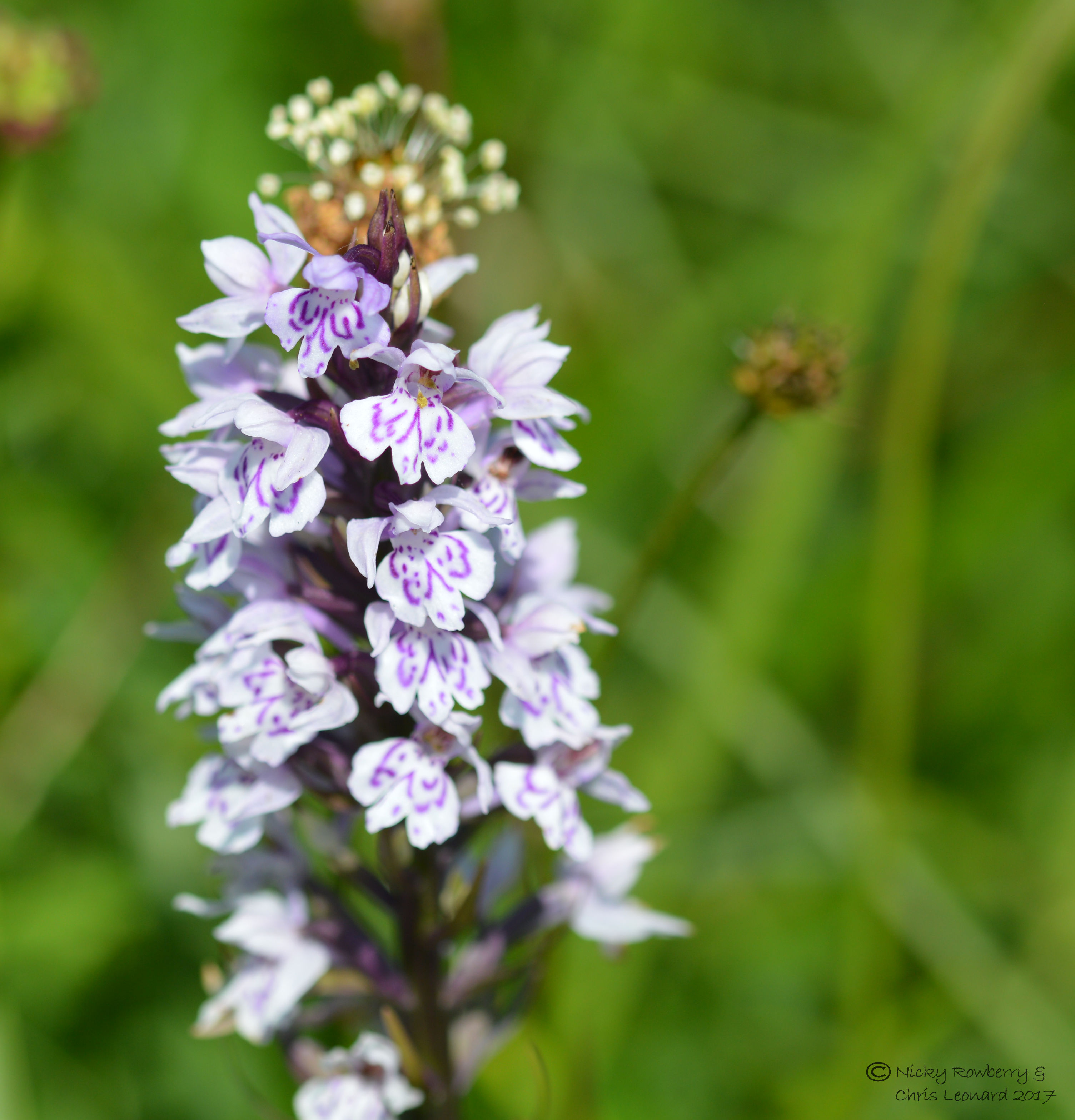
While we searched for our elusive target we saw plenty of beautiful orchids, which at least don’t fly off! Most were these ones (possibly Common Spotted Orchids).

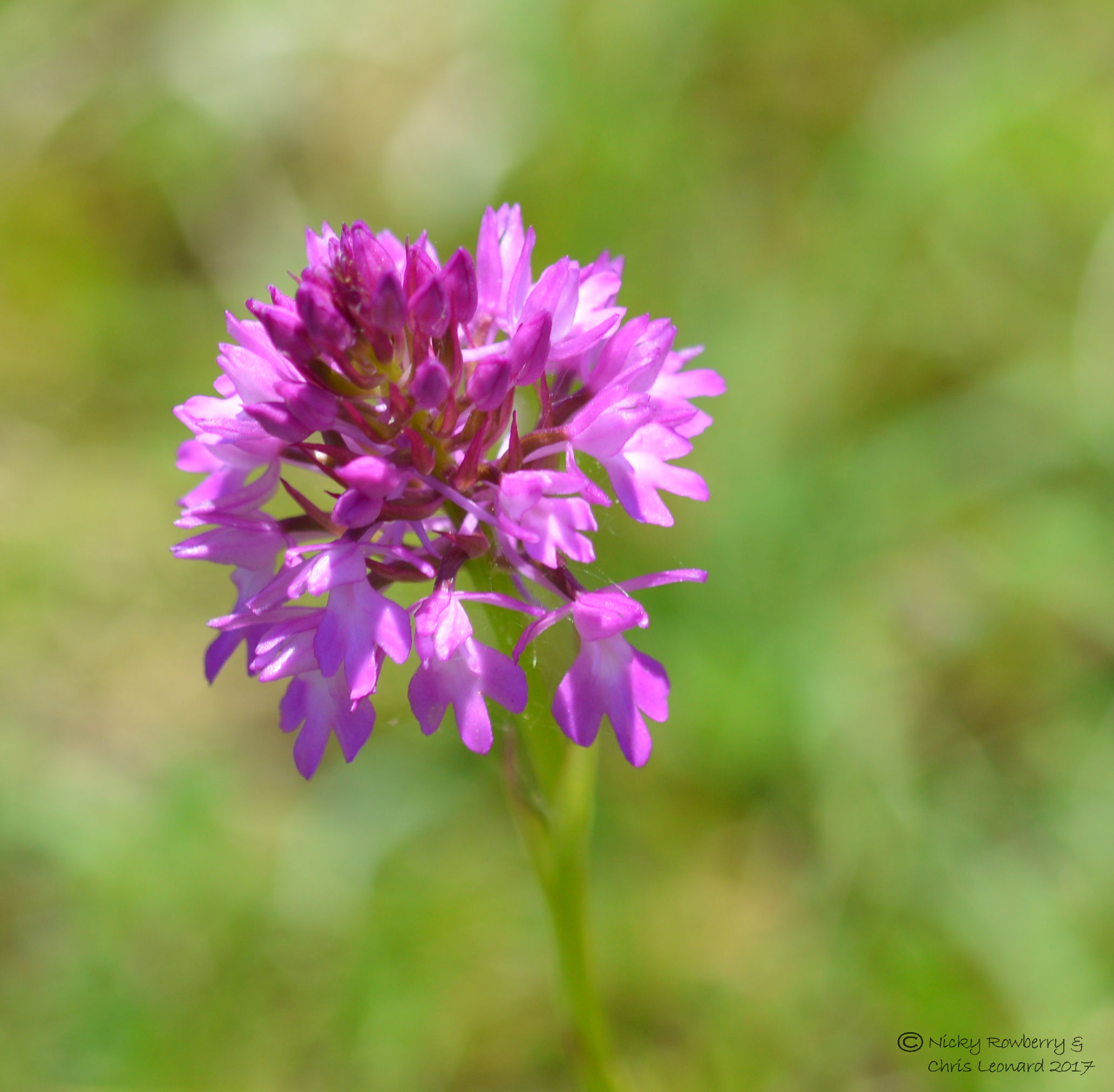
There were a few of these pretty purple ones, which I think may be Pyramidal Orchids?

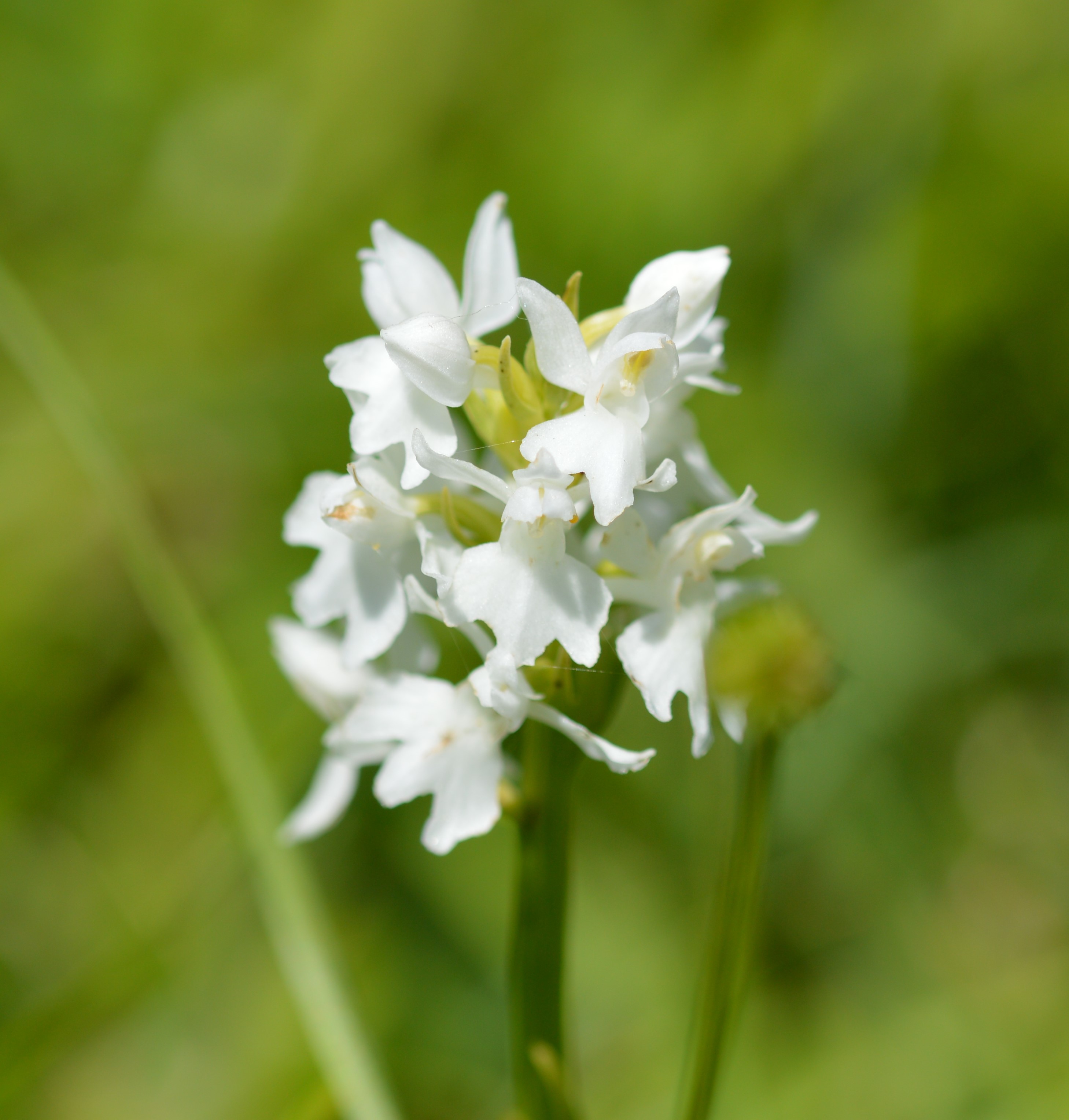
There was also a white orchid – I don’t know if this is a different species, or just a colour variation of the Pyramidal one.

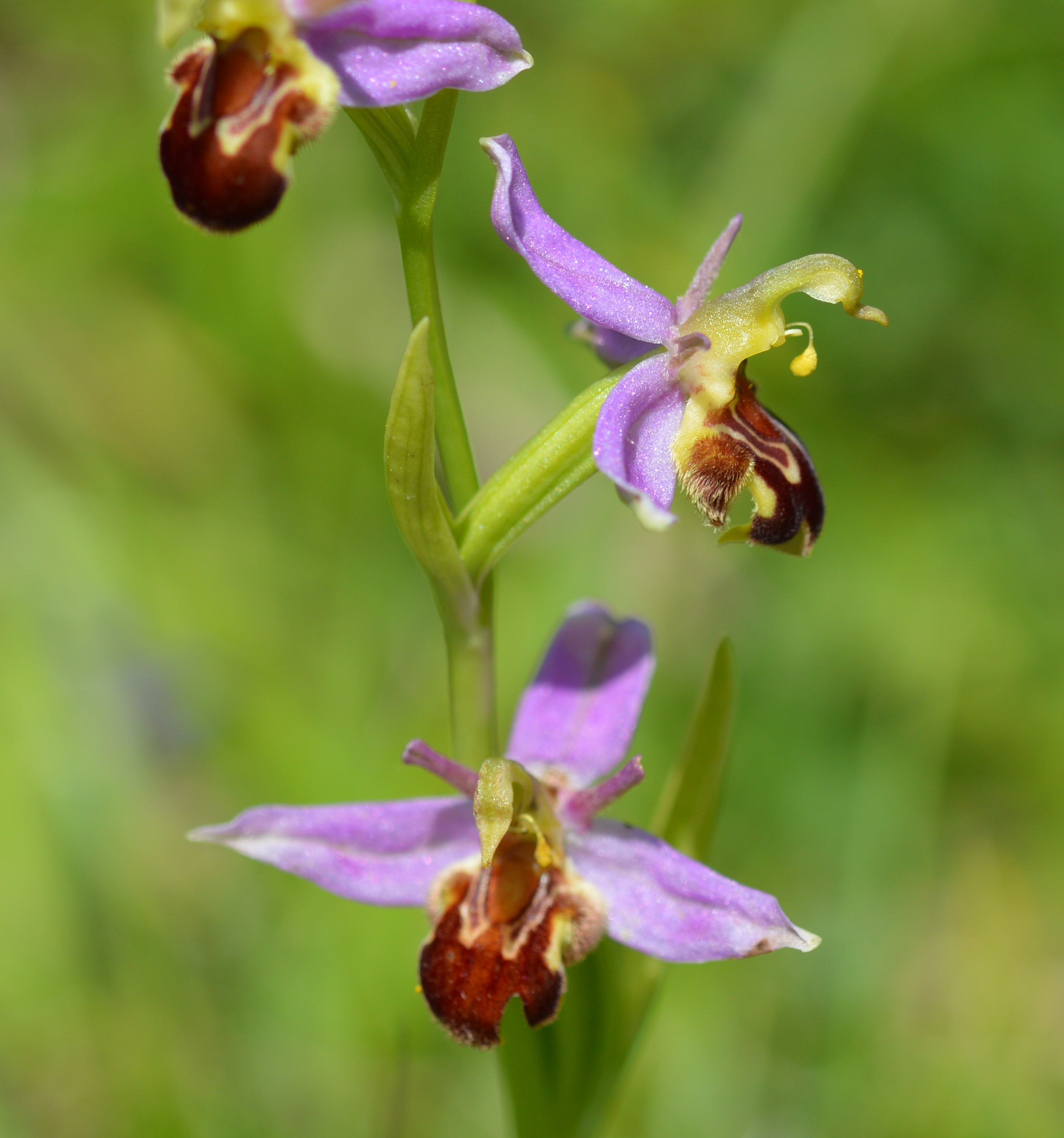
Prize of the day went to this Bee Orchid though – absolutely gorgeous and unlike any we’d seen before.


But back to the butterflies – Meadow Browns & Marbled Whites were present in abundance, but none would pose for a photo. This Ringlet and Small Heath were more agreeable to it, although still a bit flighty.

We eventually spotted a blue butterfly that looked larger than the rest. It flew off towards another enthusiast who was much more knowledgeable than us and confirmed it was indeed a Large Blue. We set off after it, joined by others as we hurried, only to lose it over a grassy bank. But at least we’d seen one, so that was progress!

Eventually we saw Andy – the group leader – waving us over. Unbelievably a mating pair of Large Blues had been found!  I hurried over to join the excited throng. None of us wanted to get too close to disturb the loved up pair, but we did manage to take some photos at least. So here are our Large Blues.

We saw a couple more Large Blues over the next hour, but despite our spirited pursuits, none stopped long enough to be photographed. So unfortunately we never got a shot of one with its wings open  – perhaps that’s something for next time.

I’d say seeing the Large Blues was the perfect end to the trip, but actually the cold drink in the very nice pub (Daneway Inn), finished off a boiling hot day just perfectly too.

So that’s the 42nd species of butterfly and one of the most interesting ones to boot! Huge thanks to Butterfly Conservation Gloucestershire for letting us midlanders tag along. I hadn’t really dared hope that I’d ever see a Large Blue, but to see a mating pair is simply amazing. Fingers crossed it was a successful union and that Daneway Banks is blessed with many more generations of blues to come!


30 Days Wild – Day 16 – Plant Pots for Pollinators

It’s Day 16 of 30 Days Wild and this evening I’ve been Planting a Pot for Pollinators. This isn’t just me randomly planting up a pot with more flowers, but part of a nationwide scheme to encourage people to do their bit for pollinating bees, hoverflies and butterflies etc.

It’s being organised by the Butterfly Conservation Society – for more information go to: http://www.plantpotsforpollinators.org The aim is simple – to get as many people as possible to plant up at least one pot in their garden with flowers that are good for our insect pollinators.

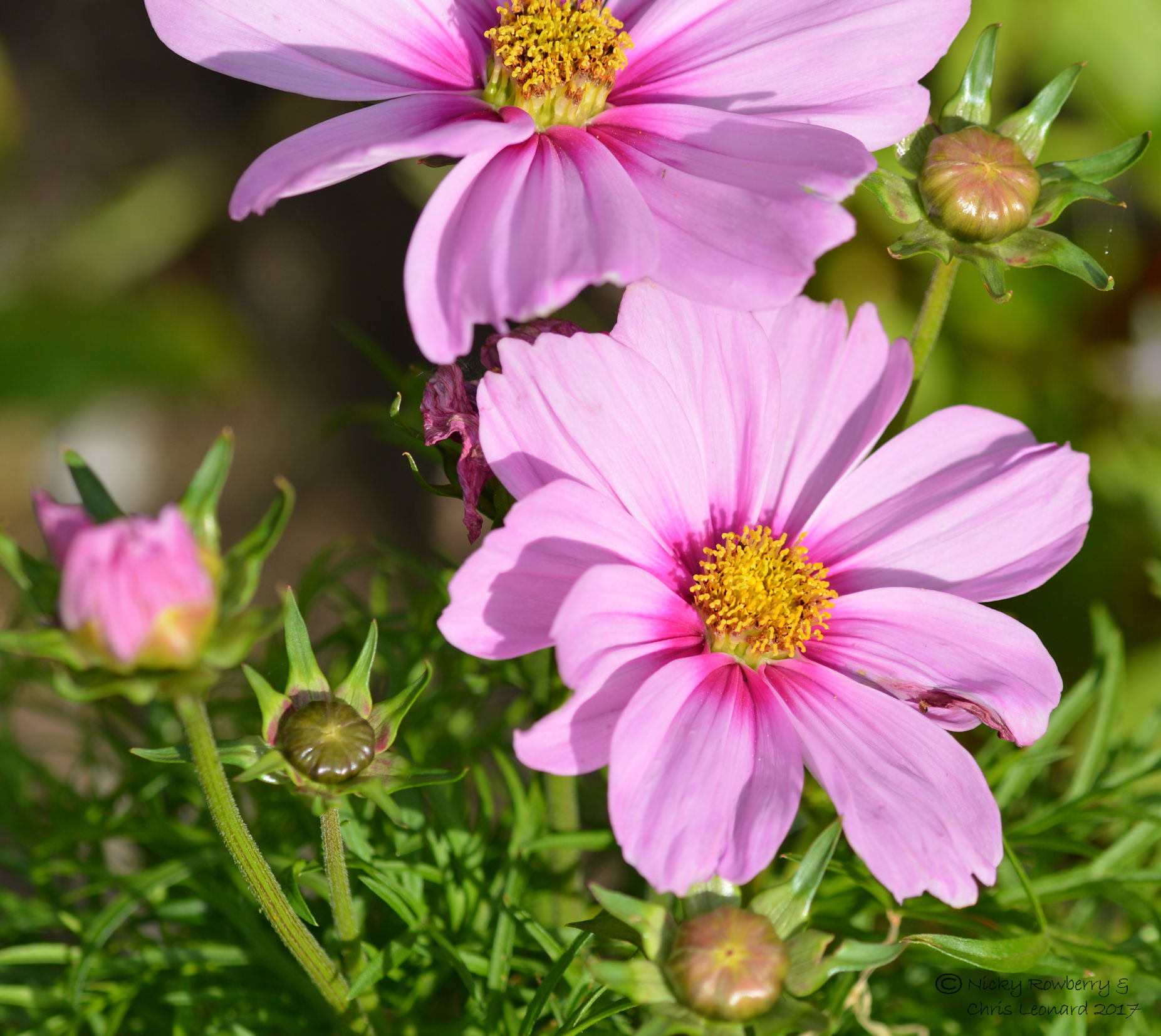
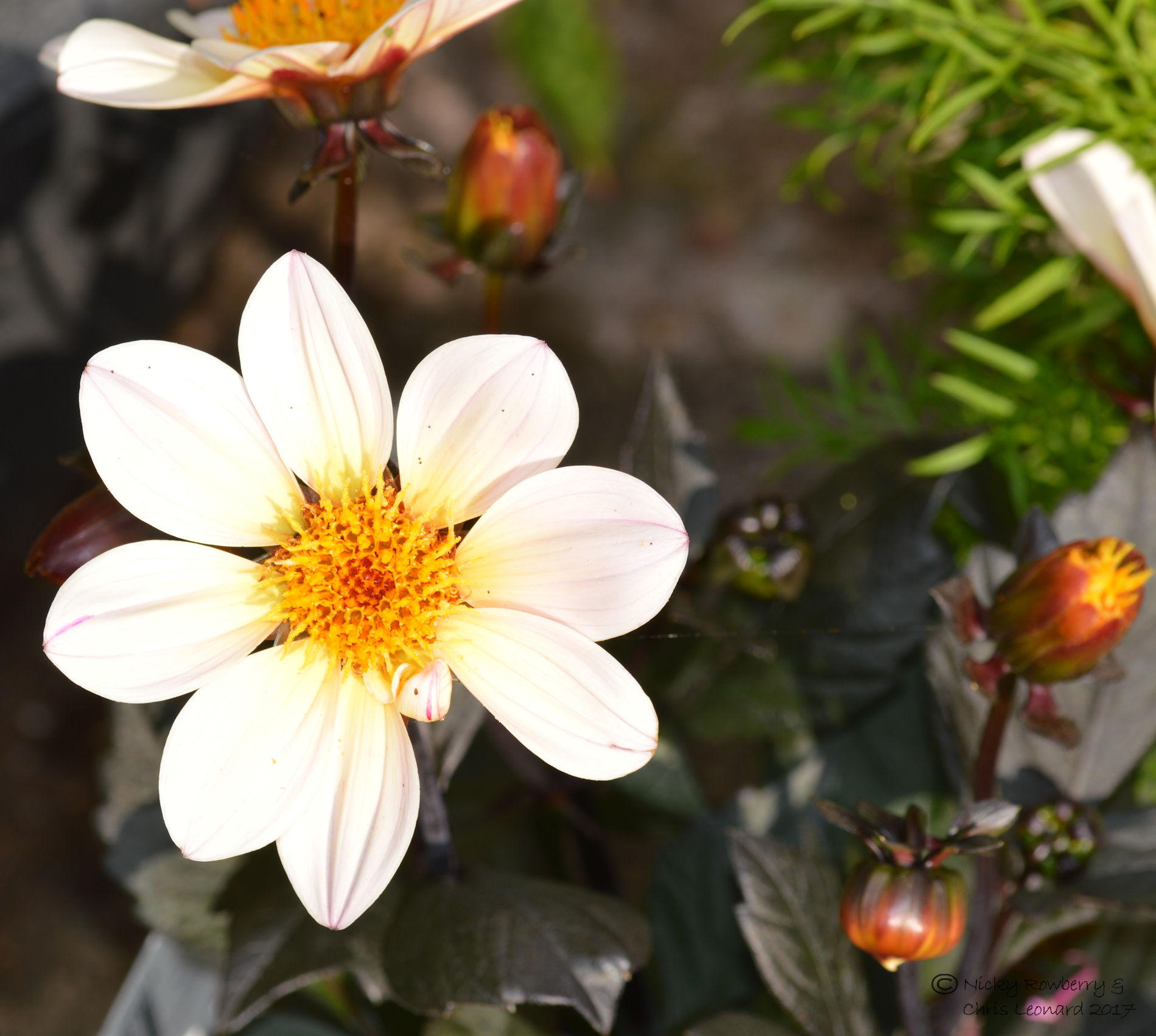
If you go to their website you can download instructions, but basically all you need is a big pot, some peat-free compost and some flowers. There’s a list of 6 suggestions – calendula, catmint, cosmos, French marigolds, Shasta daisies and dahlias (but only the single flowered varieties as these have pollen that is easy for the bees to get at).  You can of course choose others, provided they are good for pollinators.

Of the 6, I bought, Cosmos (left), French marigolds and a Dahlia – all of which had bees on in the garden centre when I bought them – a good sign! I also supplemented these with some wildflower plants that I’d had sitting waiting to plant on for a while – Verbena bonariensis, Anthemis and Achillea.


It only took 5 minutes to fill the pot with compost and stick the 6 plants in. With hindsight I could probably have squeezed a couple more in and I may well do so at the weekend. Even if I don’t buy more, hopefully those that are there will bush out to fill the pot up a bit more. Hopefully the mix of different colours and shapes will attract a variety of pollinating insects.

So here is the (sort of) finished article, nothing fancy, but hopefully the bees will appreciate it. Ideally I would have liked to include some photos of insects actually on the pot, but since I did this after work, it was getting a bit late and there was not much buzzing about. Assuming I get something on them, I will add more photos when I can.

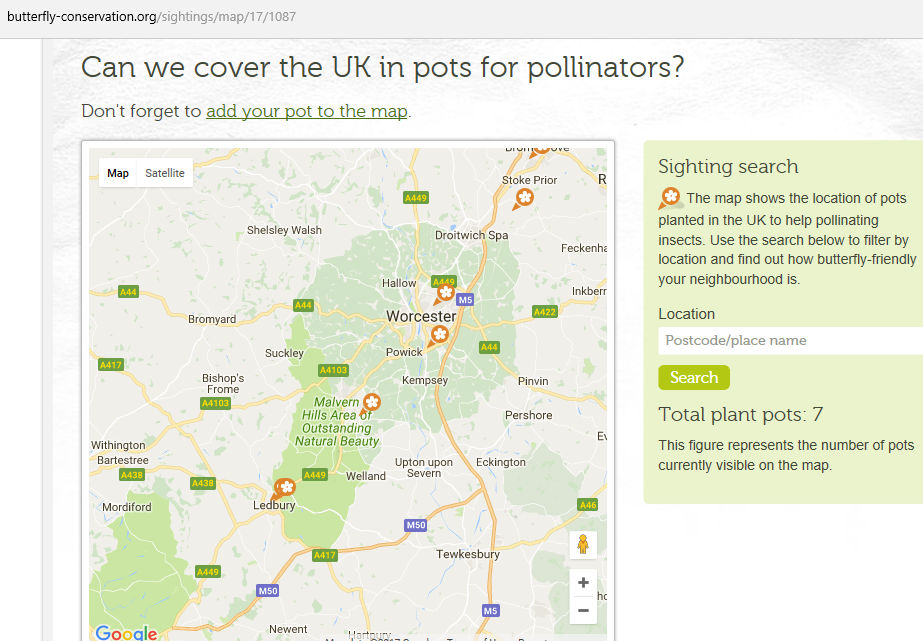
Having planted a pot, the website encourages you to plot your pot on their map. Butterfly Conservation hope to cover the UK in pots for pollinators. So being a good citizen scientist, I plotted my pot on the map. It is reassuring to see that ours isn’t the only one in Worcestershire!

Of course our garden being a weedfilled paradise for insects, you could argue that it didn’t really need another pot of flowers for pollinators. But you can never have too many, so why not? And by participating in a scheme like this, we are hopefully helping to spread the good word.

30 Days Wild – Day 12 – Lower Smite Farm

It’s Day 12 of 30 Days Wild and I headed to Worcestershire Wildlife Trust’s headquarters – Lower Smite Farm. It is, as its name suggests, a working farm  – but  one that is managed with the wildlife in mind in everything that’s done. The Trust have created a nature trail that encompasses a range of habitats and that’s what I followed today.

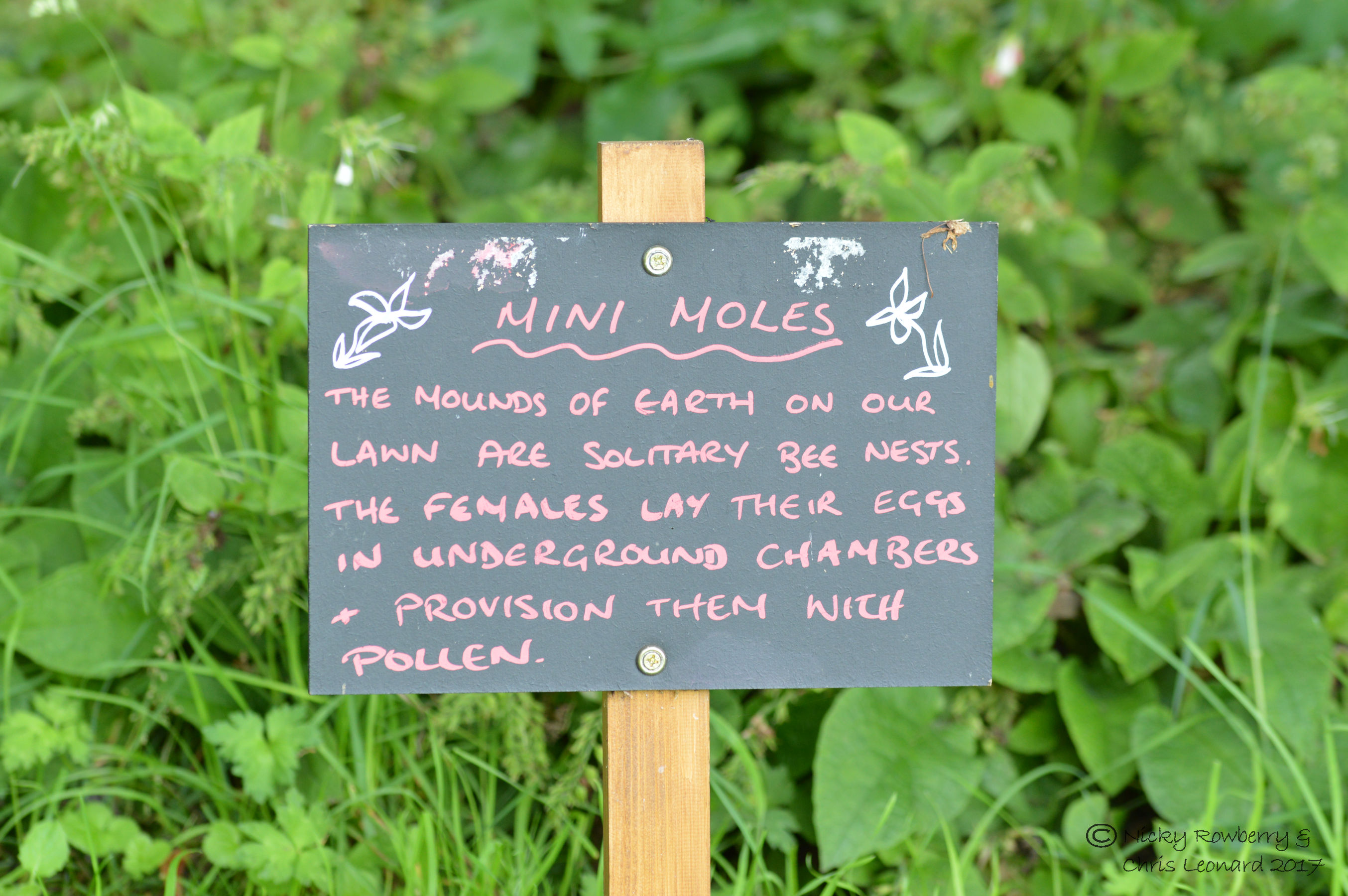
The trail started in the wildlife garden, which was an absolute delight. There were lots of ideas for wildlife gardening and plenty of information. I loved the little blackboards that were dotted around explaining things, like this one about solitary bee nests.

Not too surprisingly the whole site was a-buzz with bees, both in the garden and in the fields beyond. Every time I see a bee or a butterfly on the bird’s foot trefoil, it makes me think – we really must plant some of that in our own garden!

From the wildlife garden, the trail took me to the Granary; a 300 year old barn that is apparently full of bats.

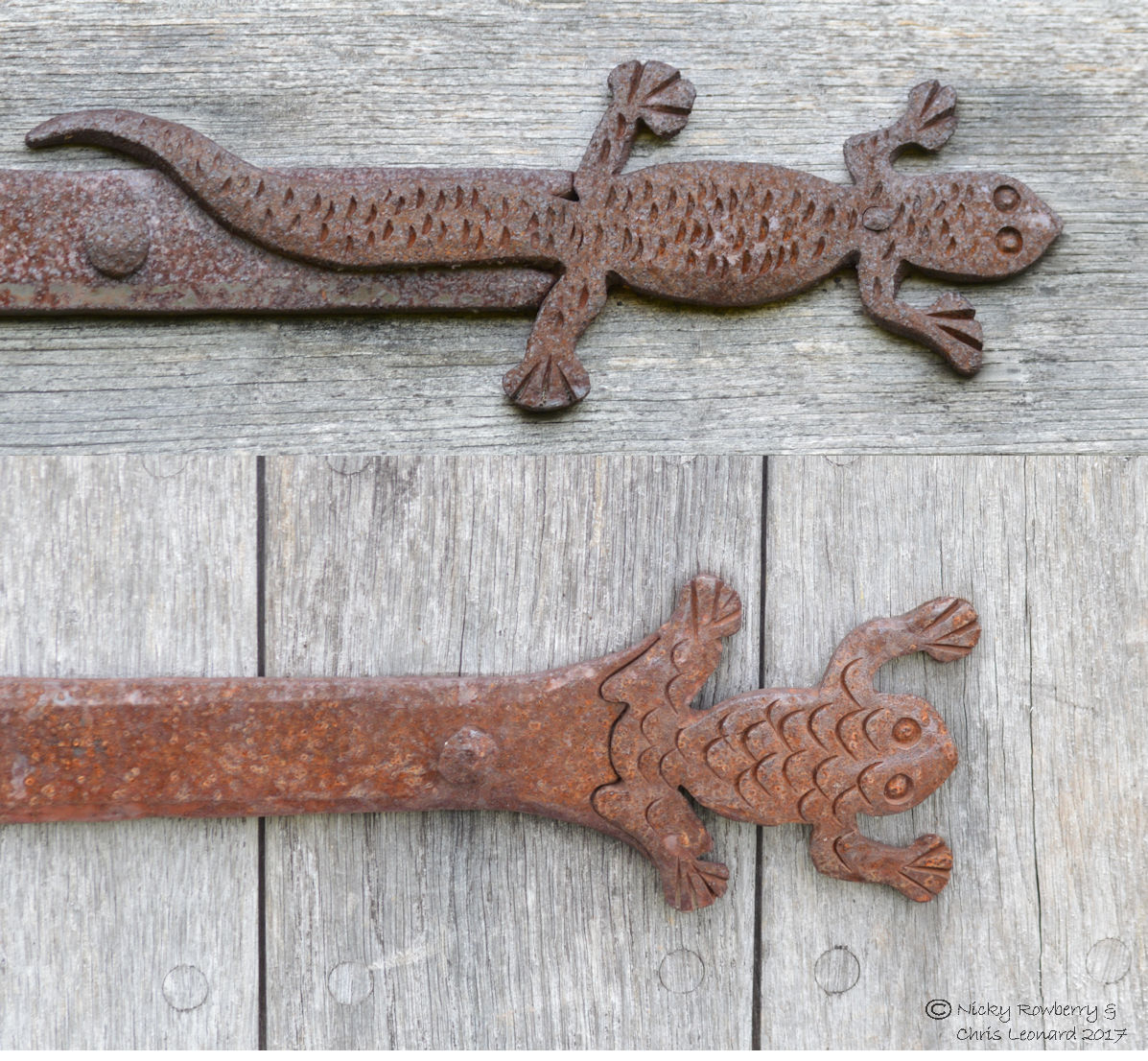
The building had these wonderful ironmongery lizard and frog on the doors – don’t know if they are original features or later additions, but if I’m ever lucky enough to own an old house, I want a pair of these!

The trail led from the Granary past a pond and wetland area. I thought I got a glimpse of a reed bunting, but it was too fleeting to get a photo.  After the pond the path turned into a field and followed the hedgerow. The margins of the field were full of wildflowers, such as these stunning poppies.

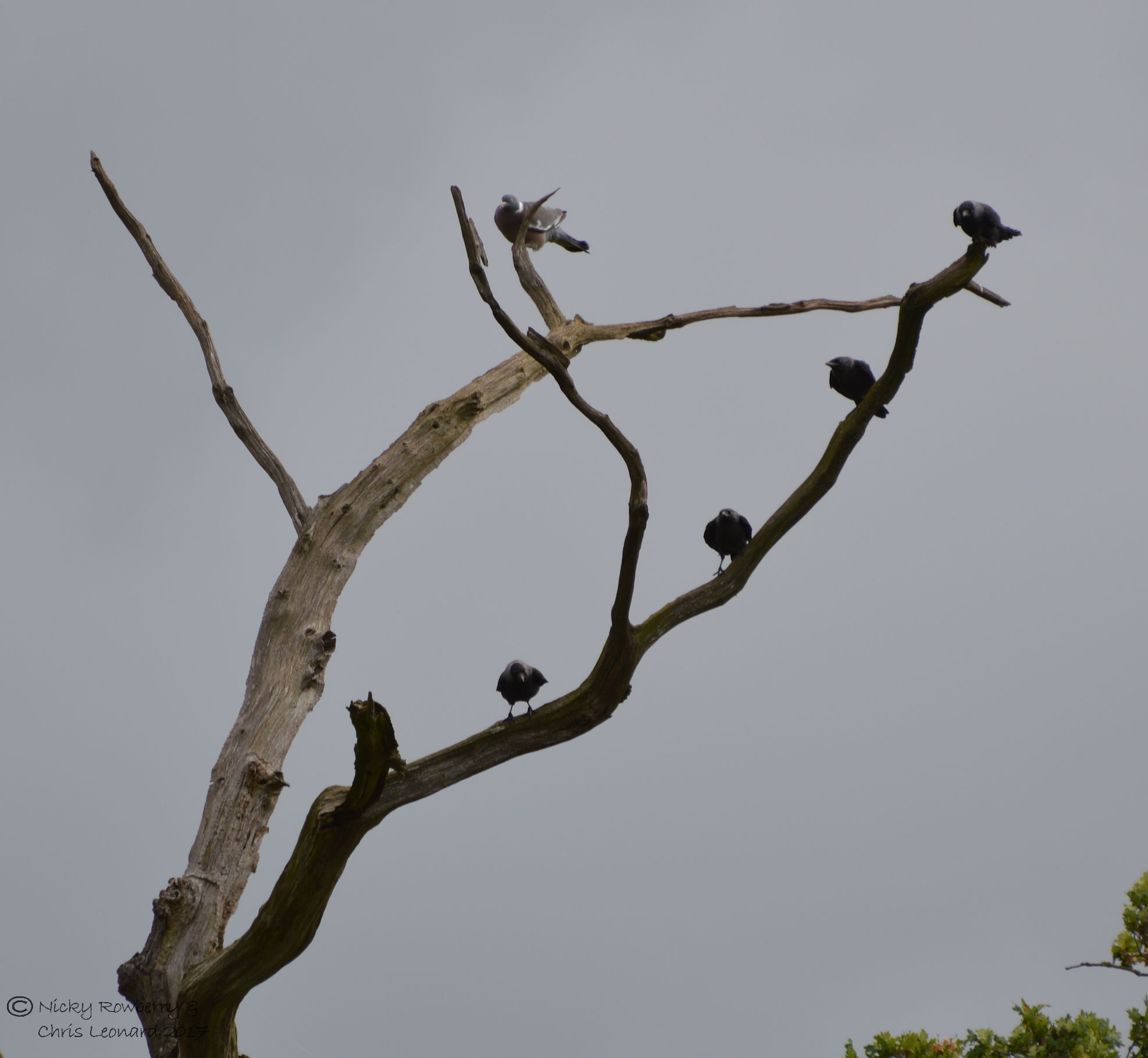
All morning I could hear lots of birds, but most of the time they remained hidden. So I loved finding this tree with a bunch of jackdaws, spaced out perfectly along the branch with a single pigeon lording it above them!

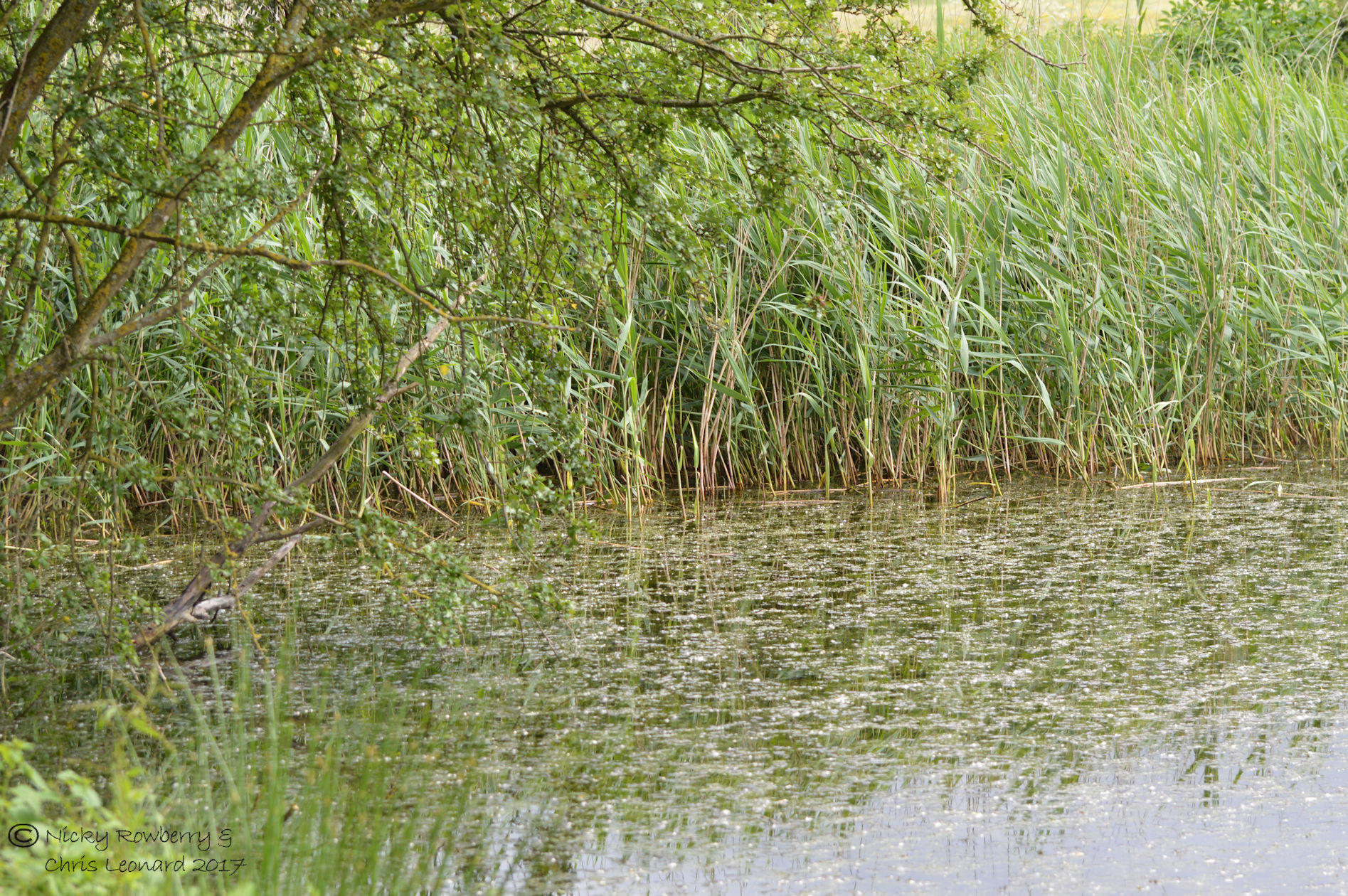
The next pond area had lots of rustling noises coming from the reeds, but presumably I had made too much noise approaching and nothing would show its face.

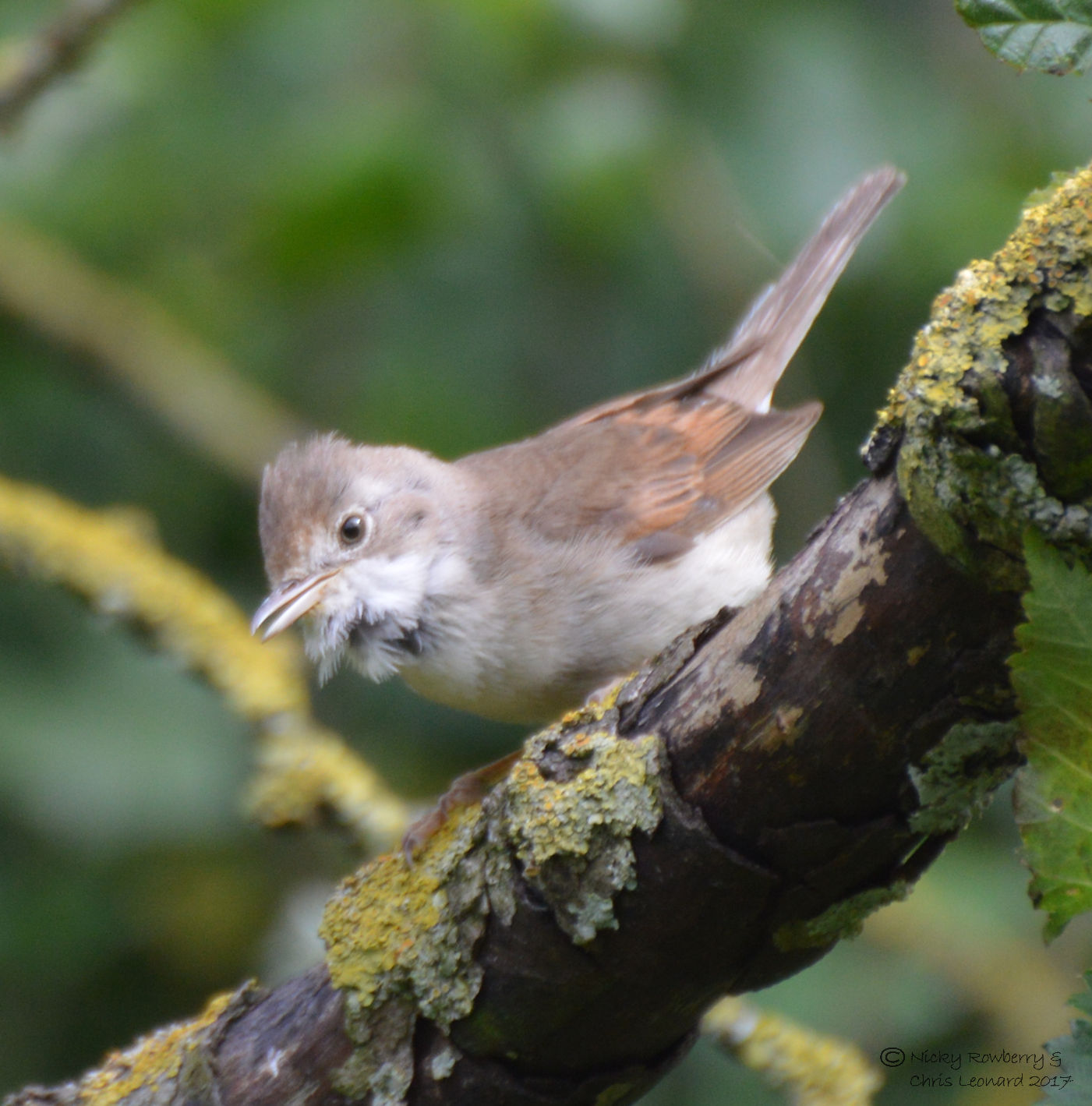
But as I started to leave the pond, I could hear a strange bird call – almost like a squeaking cough! This little bird turned out to be the source of the strange noise. A bit of googling back home and I think it was a Whitethroat.

Apparently they make this call when they have young – if it was trying to warn me off though, it had the opposite effect as I stopped to find out what it was! As it called it puffed up the white feathers on its throat – maybe also intended to scare me off?

I tried videoing it to record the call, in case I couldn’t identify it when I got back home. The video is not a great success as mainly what you can hear is the wind (will it ever stop blowing this June?), but you can just about see the bird and make out its short staccato call.

Leaving the irate Whitethroat behind, I followed the path into some fields. It was lovely to see lots of Meadow Brown butterflies. As I walked I kept flushing them up from the path, but I never seemed to be able to spot them before they took off and were gone. So the best Meadow Brown photo I managed all day was this poor one taken from an odd angle!

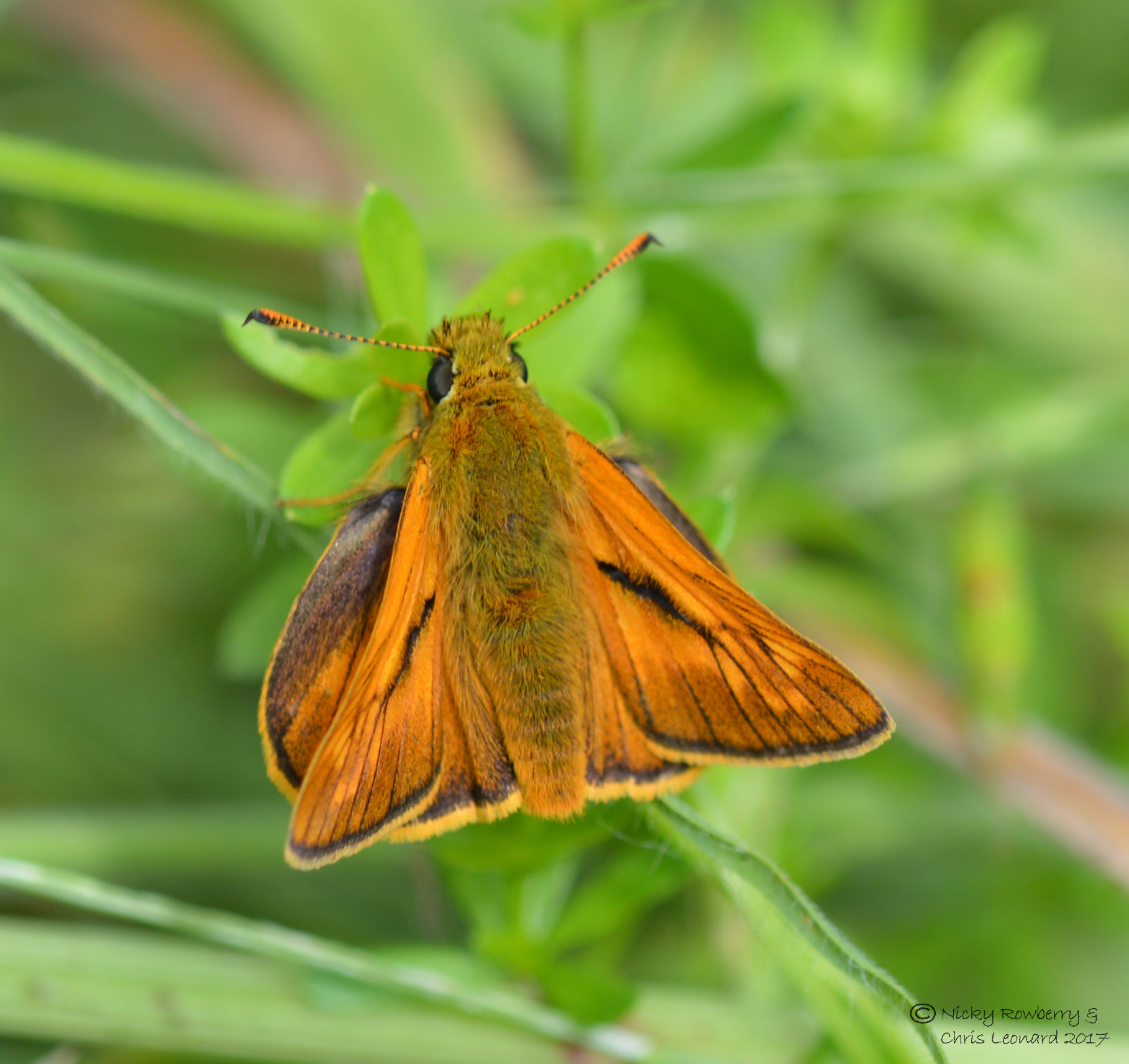
I had more luck with the Large Skippers which were also fairly common today. They looked lovely fresh specimens and were bright orange, with their distinctive hook tipped antennae.

I was also really pleased to see my first Common Blue butterflies of the year, feeding on clover.

One insect which I kept spotting and which I would have loved to get a decent photo of was a Scorpion fly. The key thing about a Scorpion fly is that it has a tail like a scorpion – so guess which bit was hidden by bits of grass in all my photos?

There is a convenient bench at the top of one of the fields where you can sit and look out over the farm across Worcestershire. This photo reminded me of one of my Mum’s paintings – she often used to paint views with flowers in the foreground like this.

Heading down hill back towards the farm, the trail leaflet mentioned that you could see ridge and furrow marks in the field. This indicates that this field was farmed as far back as the middle ages, when ploughing techniques meant the soil built up into these ridges. You can just about make it out in this photo – wonderful to see a part of living history like this.

So that was my morning spent meandering around Lower Smite Farm. It’s another place that is definitely going on my return visit list – preferably on a sunnier day with no wind though (should we ever get such a day again!) I loved the mix of natural history and cultural history that this place has, with its remnants of old farm buildings and fields. Perfect place for the trust’s HQ!