30 Days Wild – Day 29

TWT 30 Days Wild_countdown_29

Day 29 of 30 Days Wild and we were down on the beach enjoying the seaside atmosphere. First up a brunch sitting outside at a café that we’ve been going to for about 30 years – think the menu was pretty much the same as it had been all those years ago too, although there was now a Specials board with exotica like Houmous wraps!

StarlingsWe sat outside and were joined by a greedy flock of starlings, who clearly understood café culture. The adults were initiating the young ones into the delights of eating alfresco and watched us keenly to see if we were going to give them anything. They had competition from a couple of seagulls, but thankfully the gulls didn’t actually join us on the chairs like the starlings did.

The view out to sea was the same as I remembered too. Oil supply vessels sitting out at sea, were lined along the horizon.

View

The North-East of Scotland has miles of sandy beaches stretching past Aberdeen up into the sand dunes further north.  We were lucky in that the sun was shining and we had more or less blue skies, with just a bit of a breeze to liven up the waves.

Today was a much more relaxed, lazy day than some of our previous ones and it was really nice just to chill out down at the beach and recharge out batteries.

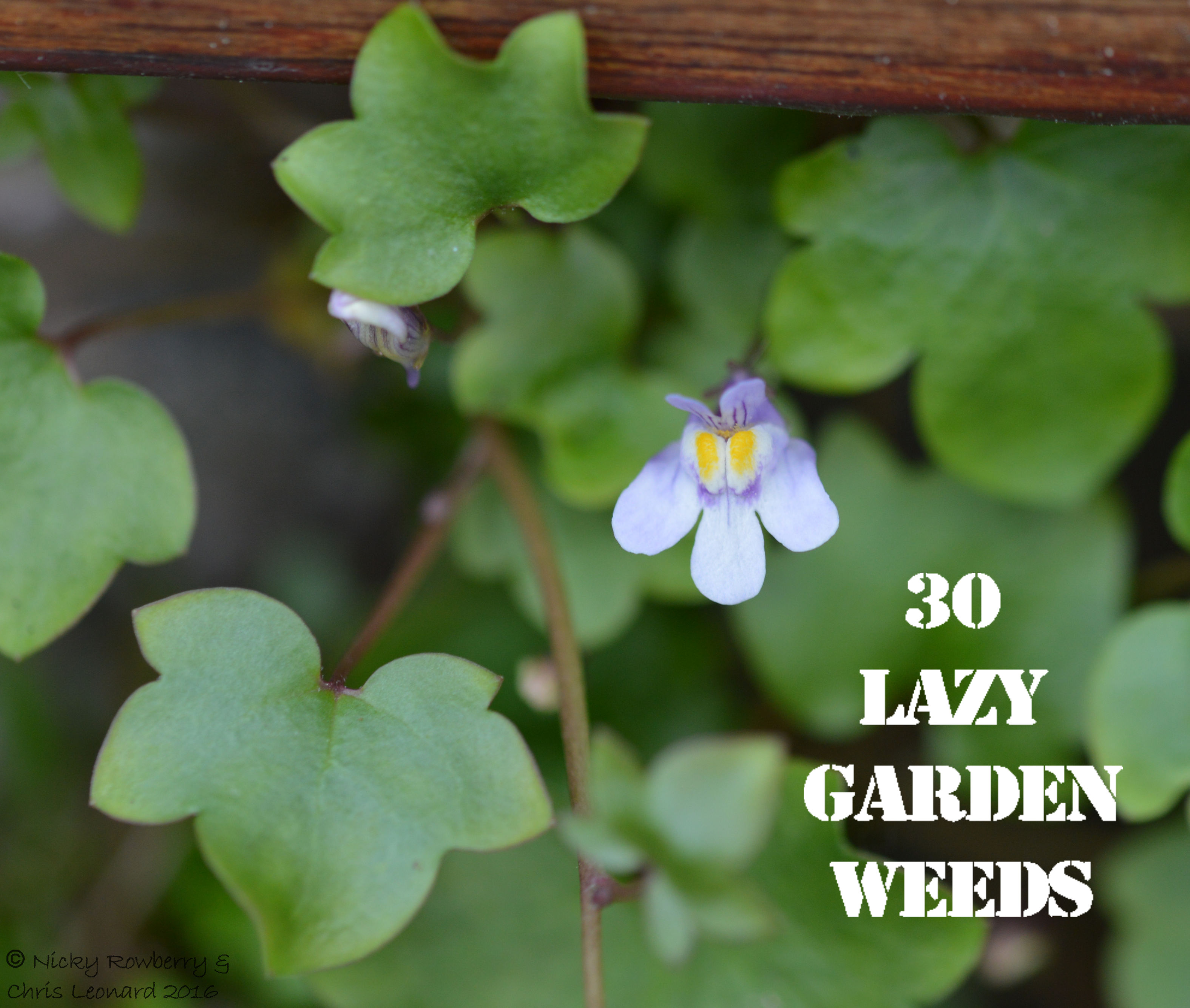
Ivy leaved toadflax 30 WEEDS

And finally the second last weed in 30 Lazy Garden Weeds – the Ivy Leaved Toadflax. This pretty little flower grows out of our walls at home. For some reason the name Toadflax makes me think of the names of Hobbits in Lord of the Rings, or of some of the rabbits in Watership Down (no idea if the name Toadflax was actually used in either of these of course). The flowers are like little purpley blue snap dragons. They have a clever mechanism whereby they face the sun until they have been fertilised and then they face back to the wall, so that the seeds when they form get embedded in cracks more easily. A clever little plant!

30 Days Wild – Day 27

TWT 30 Days Wild_countdown_27Day 27 of 30 Days Wild and we’re by the sea. It’s been ages since we’ve seen the sea – we used to live on the coast and I used to be a marine biologist, so it’s really good to be back listening to the waves and smelling the sea air! I’d forgotten about the wind though – bracing!

When you haven’t seen the sea for a while, even watching the waves holds a lazy attraction. I could sit and watch them coming in for ages. I must admit part of me would have liked a great big storm, with waves crashing dramatically, but gentle lapping was all they were doing today.

Waves

I definitely knew I’d been away from the sea for too long, when I got all excited at my first sight of limpets, barnacles and seaweed. I used to spend a large part of my working life identifying things like this. Now I’m happy to just admire them without stressing over exactly which Fucus species it is!

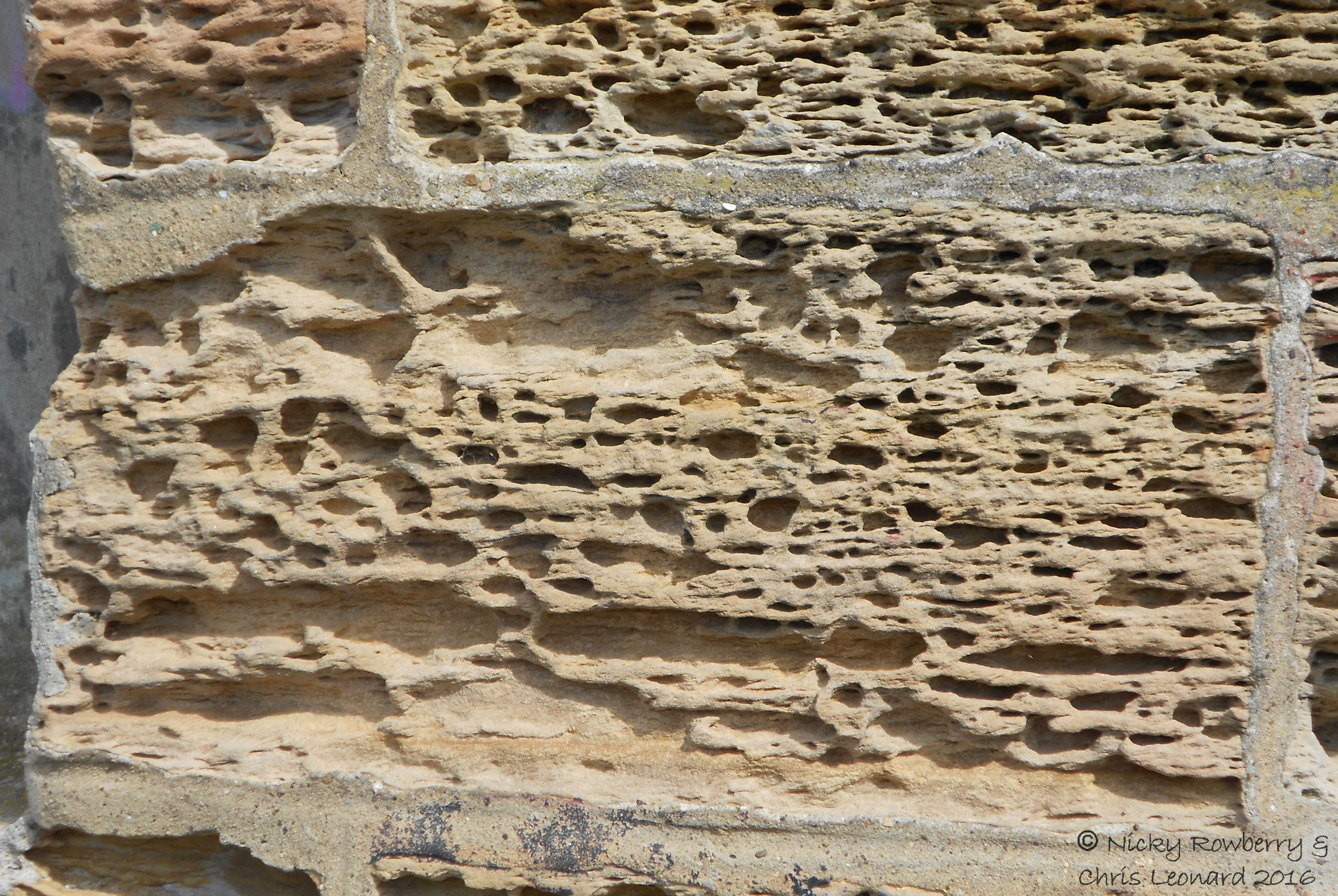
I love the way the sandstone walls have become pitted and carved by the sea breeze and salt air. There’s something really tactile about the texture of the stone.

Sandstone

We were really at the edge of a harbour today, so not ideal for diversity of plantlife, but we did spot some pretty little yellow succulent growing out of the rocks.

The birds were of course the highlight of this morning’s walk. As always there were ducks – they seem to be everywhere we go at the moment. I love the way they sail across the water, completely unfazed by the waves.

Gulls were inevitably flying around – there are quite a lot of food outlets here, so easy picking for greedy gulls. It was a bit early for the tourists to be dropping food though, so the gulls weren’t really landing.

Our favourite though was a Tern – we think a Common Tern. It was stunningly graceful flying round the little harbour, diving into the water for fish. Its aerial acrobatics were truly amazing – it turned in the air so fast and with such precision – breath-taking to watch.

We only had time for a short walk today on a busy schedule, but hopefully I’ll be able to indulge my inner marine biologist a bit more tomorrow!

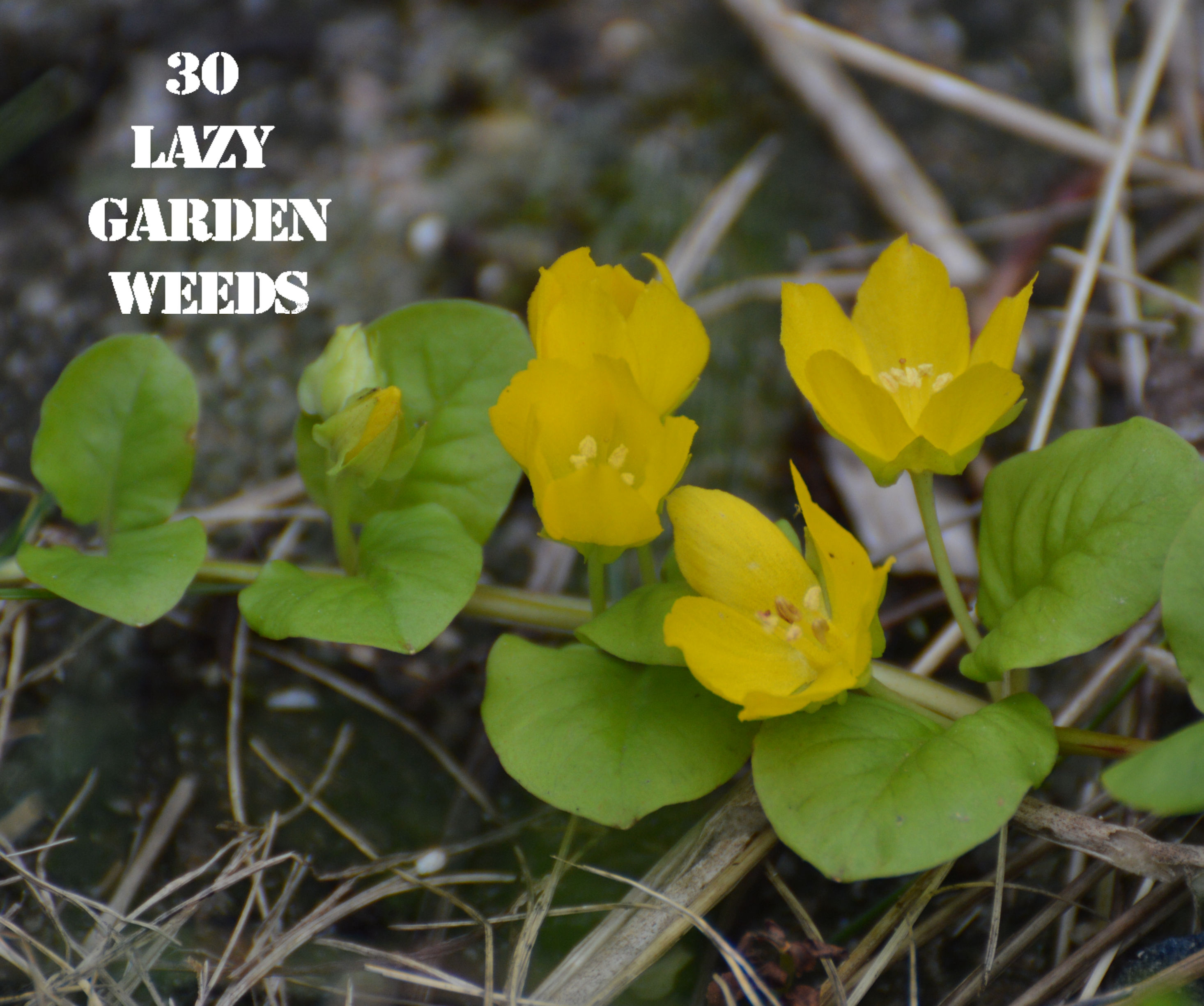
Creeping Jenny 30 WEEDS

And finally today’s weed for 30 Lazy Garden Weeds is Creeping Jenny. This little weed has, as its name suggests, a creeping habit and spreads horizontally around the garden. If you’re not bothered about a tidy garden (we certainly are not) then it’s actually very good at just providing ground cover. The flowers are a lovely bright yellow and it seems much better to let this fill an empty patch than use imported and expensive plants to do the same job.

30 Days Wild – Day 26

TWT 30 Days Wild_countdown_26Day 26 of 30 Days Wild and we were driving about quite a bit today, which can restrict the opportunities for nature spotting. But, if you choose the right spots, there’s wildlife to be found all over the place. We stopped at two motorway service stations – deliberately picking ones we knew had some kind of water feature and slightly more environmental credentials. The result was a couple of very pleasant interludes to break up the monotony of driving.

First stop just had a small pond, but it still attracted quite a few birds – mainly ducks. There were also a few of these striking Black Headed Gulls. They were clearly totally used to the crowds of humans around them and let us get quite close up.

The second stop had more of a lake and grasslands surrounding it. Full marks to them as they’d left a large area un-mowed and it was full of butterflies. We saw  three species – Ringlet, Meadow Brown and Small Heath, plus lots of damselflies and bees.

Swallows were flying about over the water and we caught this one having a bit of a rest. There was a nest a few yards away with another one sitting in – perhaps incubating eggs?

There was one majestic swan gliding about – he came really close to us, we could have reached out and touched him, although I suspect he would expect food from us if we had taken such a liberty. We saw him again later from a distance, stretching his wings. I’d forgotten what beautiful birds they are.

Our final species was a new one that required a quick google to identify as a Tufted Duck, although with hindsight he was a duck with a tuft, so perhaps we could have worked that out for ourselves!

So not bad at all for wildlife in the short time it took us to stretch our legs. Just shows that with a bit of effort these motorway services don’t have to be sterile environments. Shame more of them don’t make that effort.

Prickly Sow Thistle 30 WEEDS

And finally the latest weed in my 30 Lazy Garden Weeds – the Prickly Sow Thistle. I can see why it’s called Prickly and I can see that it looks like a Thistle, but I’ve no idea where the Sow bit comes in? They can grow really big – we have a massive one under our apple tree that is about as tall as me (admittedly that is only about 5 foot tall). Their prickles may not endear them to some people, but under our apple tree it is not a problem and they brighten up what would otherwise be quite a dull shady spot in the garden. So they’ve redeemed themselves in my book.

30 Days Wild – Day 25

TWT 30 Days Wild_countdown_25


Day 25 of 30 Days Wild and I was up at the crack of dawn to empty the moth trap (thrilled by the way to get my first ever Shark moth, but I’ll do a moth blog another day). Since I was up and about on a Saturday morning long before the other half surfaced, I decided to spend an hour or so watching our wildflower “meadow” to see what if anything was using it. I did blog about our mini meadow a week or so ago, but I focused then mainly on the flowers, so this time I thought I’d look at the insect life. After all the whole point of it was to attract the insects.

So I watched for about an hour until the skies opened and it started chucking it down – I am a fair weather naturalist, so I retreated indoors at that point. I did pop out again later when the sun came out again and snapped a few more just to finish off.

So not too surprisingly the bees were the most abundant visitors and several species as well which was great. The Phacelia flowers were probably doing the most business, including both a Red and a Buff Tailed Bumblebee. I love the way the red one has co-ordinated his pollen sacs with his red bum!

Red tailed bumblebee

Bee on Phacelia

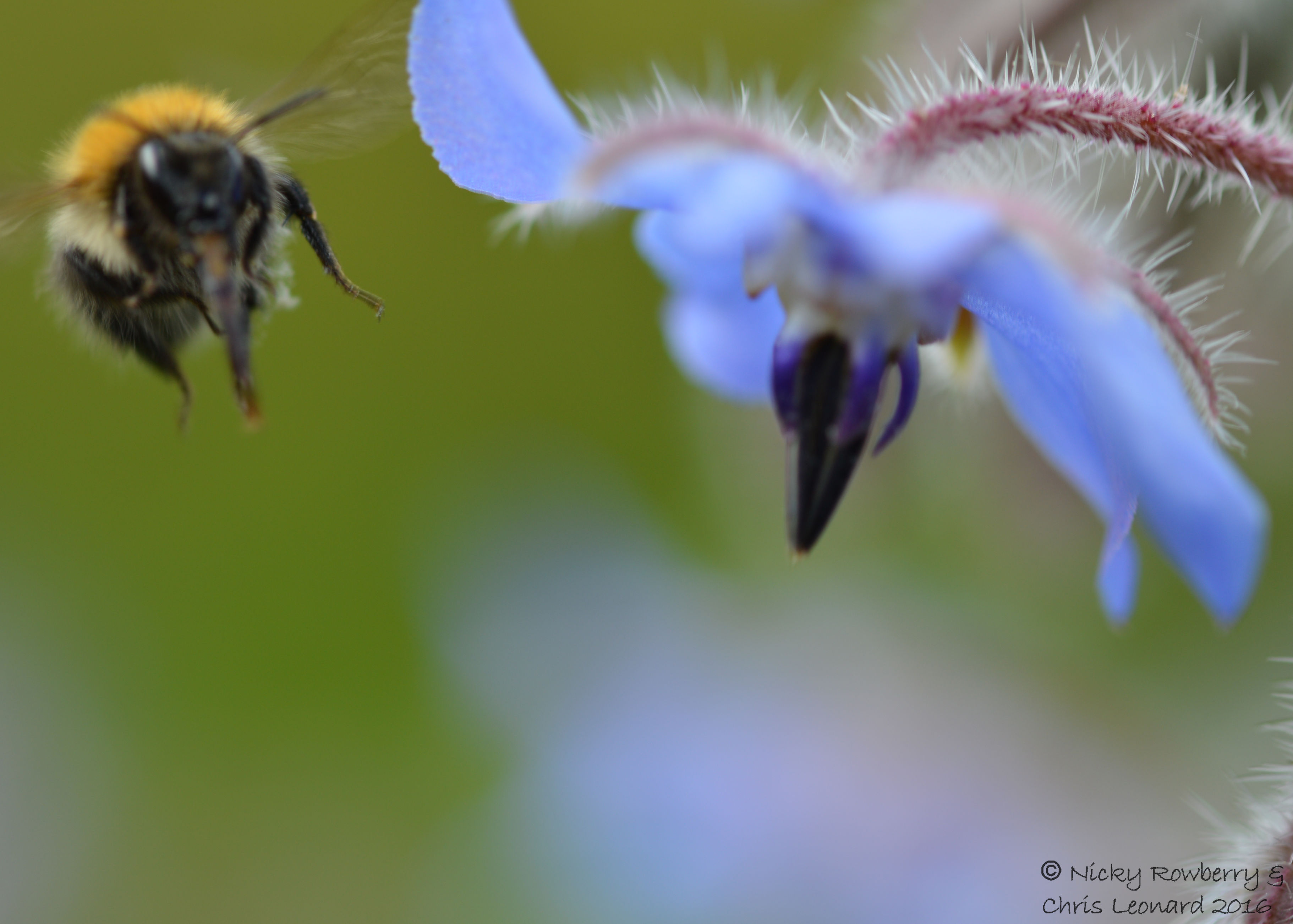
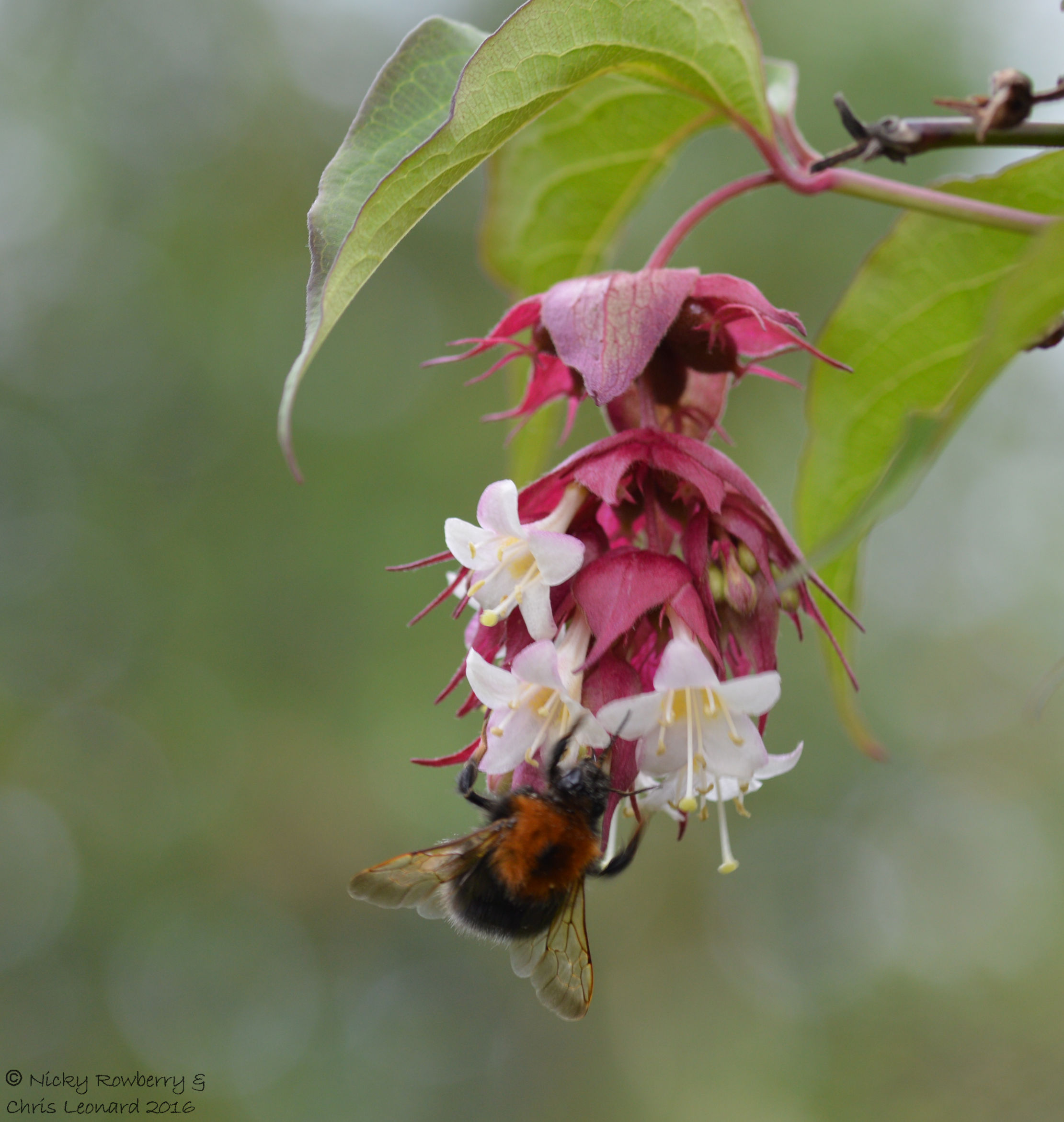
But the borage too was getting a fair few visitors. I think this is probably a Tree Bumblebee coming in to land.

Bee on Borage

I did at one point start to get “bee envy” when I noticed that this plant (no idea what it is?) in the neighbours garden was actually getting more bees than my patch. But then since it overhangs our fence, many of the bees were technically in our garden – so I’m counting them as ours!

Bee next door

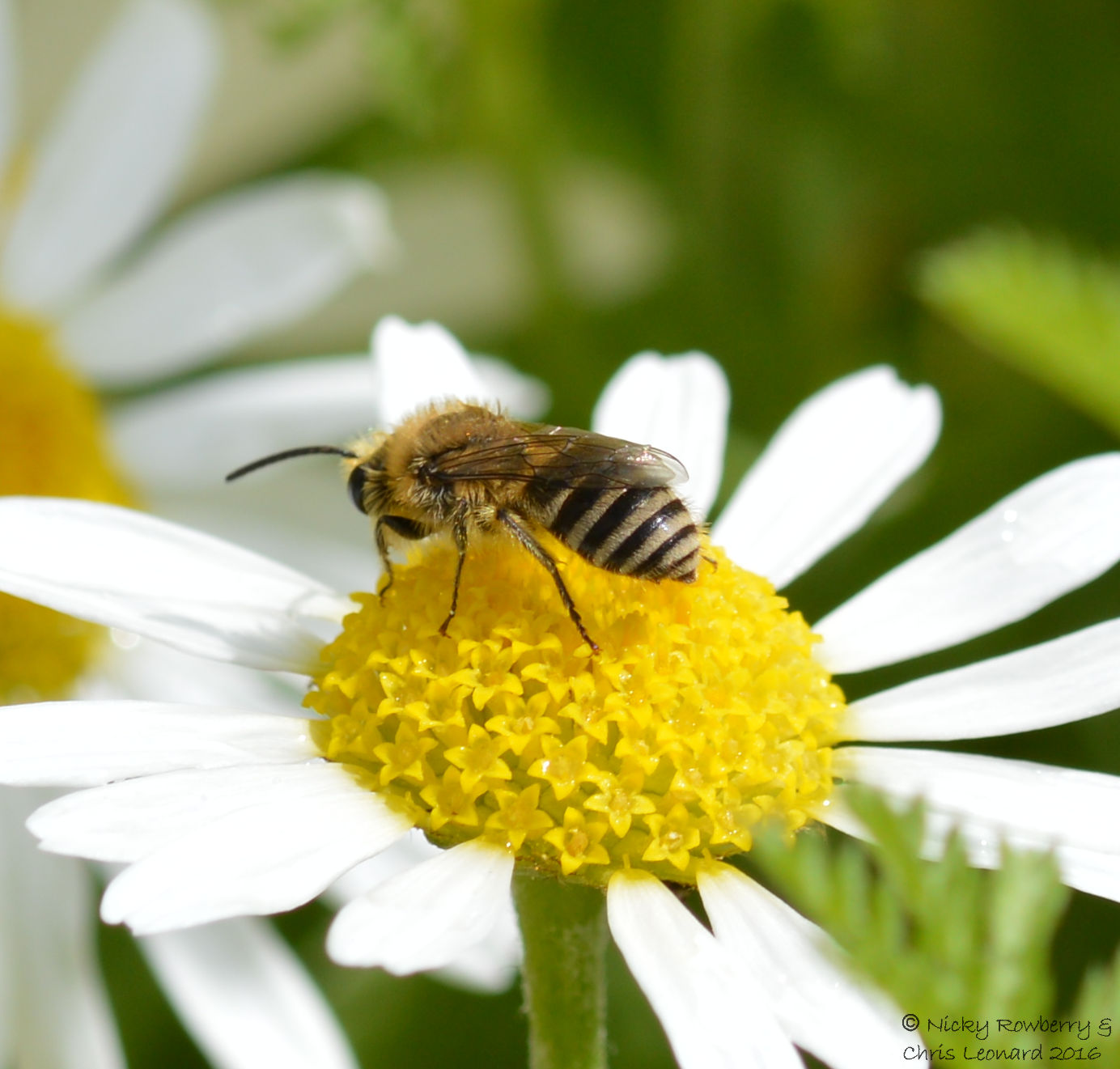
The bee highlight of the day was spotting this one on the chamomile flowers. It looked a bit different to others I’d seen so I stuck the photo on Facebook and someone kindly identified it as Colletes sp. for me – another new genus for the garden, taking our total to 23 this year. Colletes are known as the Plasterer bees, because of the way they line their nests with a secretion a bit like plaster!

Colletes sp.

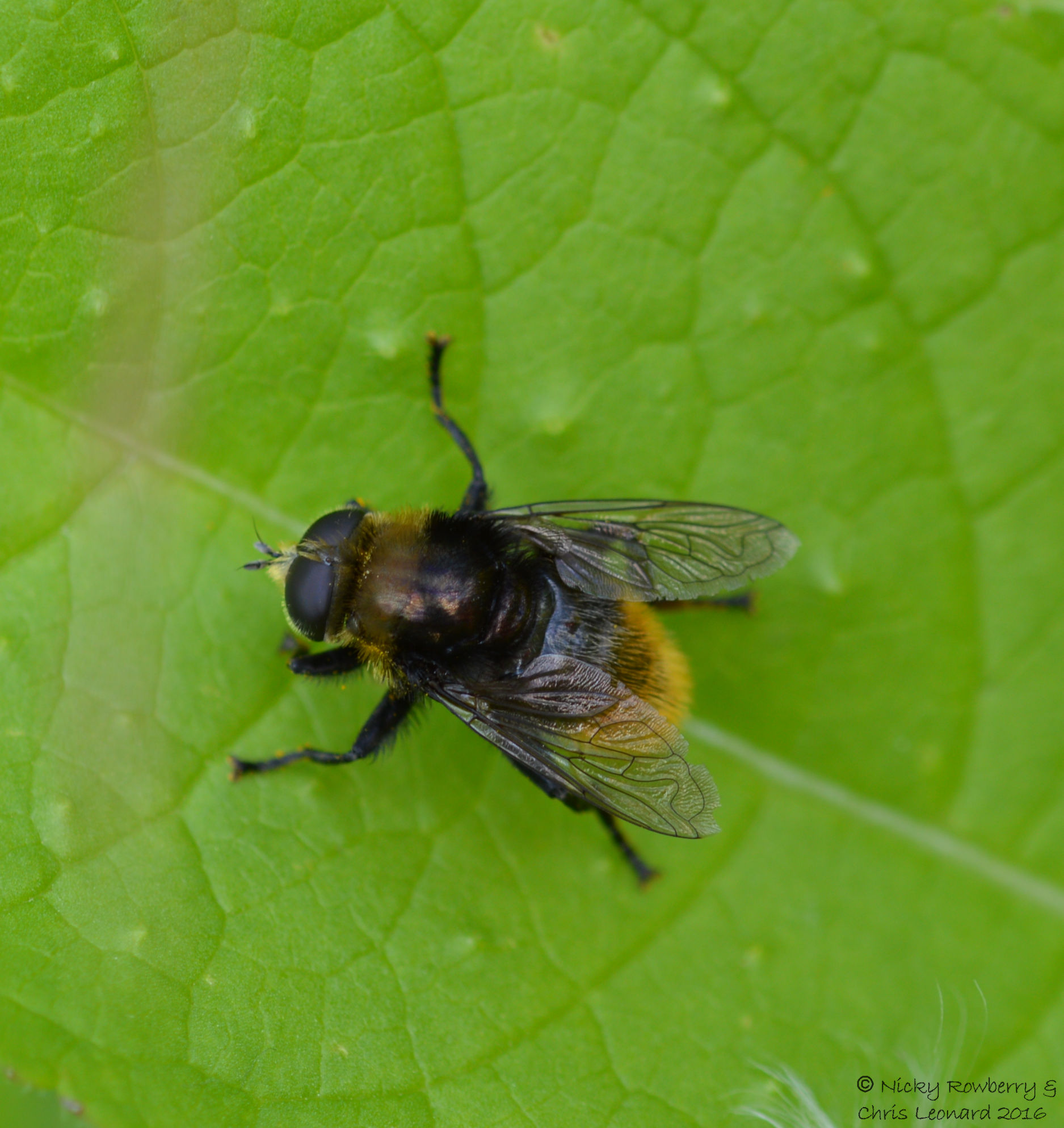
The next group of visitors was the hoverflies. I saw at least 3 species on the mini meadow (although there were plenty of others around the rest of the garden). Afraid I don’t know the species for these 3 yet, although the bottom one looks like it might be another bumblebee mimic.

Small Hoverfly

Small Hoverfly 2

Large Hoverfly 2

The Swollen-thighed Beetles of course couldn’t miss a photo opportunity and were flaunting their generous curves at every opportunity.

Swollen thighed

There were various other small beetles usually nestled right in the middle of the flowers and impossible to get a decent photo of. But this one decided to land on my arm and after a bit of contorting I managed to get a photo of it. Must have thought my lily-white skin was some kind of giant flower – a disappointment no doubt!

Beetle on arm

Spotted these interesting flies on one of the thistle leaves. There was a pair of them – possibly a mating pair – and this one kept sort of stepping back then raising and lowering its wings at the other one. Perhaps some kind of mating ritual or signalling. There is a group of flies called Signal Flies, so perhaps that is what these were?

Signal fly

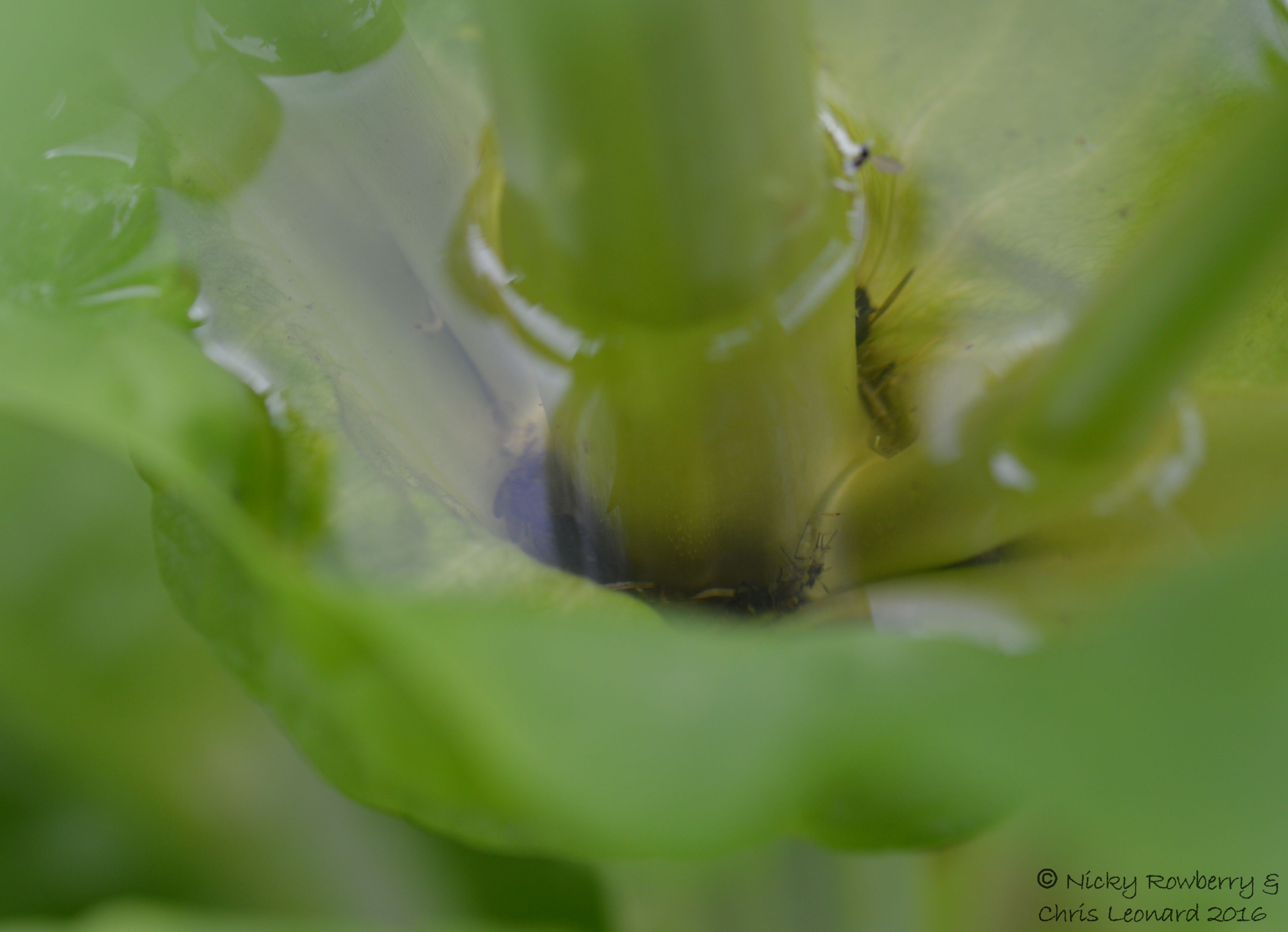
On the more gruesome side of things, the teasel leaves had formed mini pools at the point they joined the stem. These pools were full of dead and decaying insects – a bit like those tropical pitcher plants that drown animals then live off the nutrients! I don’t think the teasels were going that far, but other things were – there were clearly larvae of something (midges perhaps) in the water that were feeding off the dead insects. Sorry the photo doesn’t really capture that, with hindsight maybe I should have used some fancy polarising gizmo on the lens?

Mini pools

The final gruesome twist to my otherwise idyllic hour, was spotting this crab spider with his unfortunate victim – one of my beloved bees! The bee was still alive and I did consider rescuing it, but then I thought “What would Chris Packham do?” – almost certainly not save it! The crab spider has to eat too and it looked like he’d already got his fangs into the bee, so it was probably a goner anyway. Wasn’t expecting to witness “nature raw in tooth and claw” quite so vividly today!

Spider with bee

My hour by the flowers was very relaxing. The birds got accustomed to me sitting there and after a while came back to the bird feeders nearby, unbothered by my presence. A frog even started moving in the undergrowth near my feet. I guess I must be naturally very good at sitting still doing nothing for an hour!


Lavender 30 WEEDS

And finally the weed for the day of my 30 Lazy Garden Weeds. Lavender – not a weed in the conventional sense, but it does keep seeding itself all over the garden and I have even been forced on occasion to weed some of it out (shock horror!) The smell and the colour are of course lovely and the bees go nuts for it. It’s just coming into flower about now. I did try a few years ago making Lavender essence – not a great success, I ended up with a jar of dingy looking liquid that somehow smelled of lavender but not in a good way. I tried a few drops in a macaroon mix and they ended up tasting like soap! But apart from my culinary failures, it is a lovely plant that would be welcome in most gardens.

30 Days Wild – Day 24

TWT 30 Days Wild_countdown_24Day 24 of 30 Days Wild and this is the first day I haven’t really had chance to get out and about doing something wild. Instead, having got home from a trying day at work (not to mention the vote!), I thought I’d spend the evening on the sofa (with very large glass of wine) and analyse the results from our Garden Bioblitz of a couple of weeks ago. It took me a couple of weeks to get all the photos identified and logged onto the Bioblitz website and I’ve been so busy since, that I’ve not really had chance to sit back and really see what we found. So tonight’s the night.

All the results had to be logged by last Monday. So I got as many on the database as I could. There were still quite a few things that I’d got photos of but couldn’t identify – either due to my lack of skills in ID or my lack of skills as a photographer! So we potentially had a few more than the final tally shows. But equally I may have got some things wrong, so they won’t be allowed when the experts check everything, so perhaps that balances it out? So our grand total was 119 species and I was thrilled to discover that our little garden is currently 13th in the Recorders League table. I took this screenshot from the Bioblitz website – just in case no-one believed me! I’ve obscured the names of the people ahead of me – not in some jealous pique (although I am jealous), but in case I was breaching anyone’s privacy by leaving in the full names.

Trending

119 species isn’t bad for an ordinary town garden like ours, so I’m really pleased. Of course if we’d had more time, we could have raised this figure, but then that was the whole point of the Bioblitz – it was what you could find in 24 hours.

So our 119 species covered a pretty broad spectrum of flora and fauna. Maybe not surprisingly the moths represented our biggest group – 42 species in total. This probably reflects our experience with moths – we’ve been moth trapping for a few years, so can identify most of the common species. There were probably just as many fly species in the garden that day, but we didn’t have the skills to ID them.
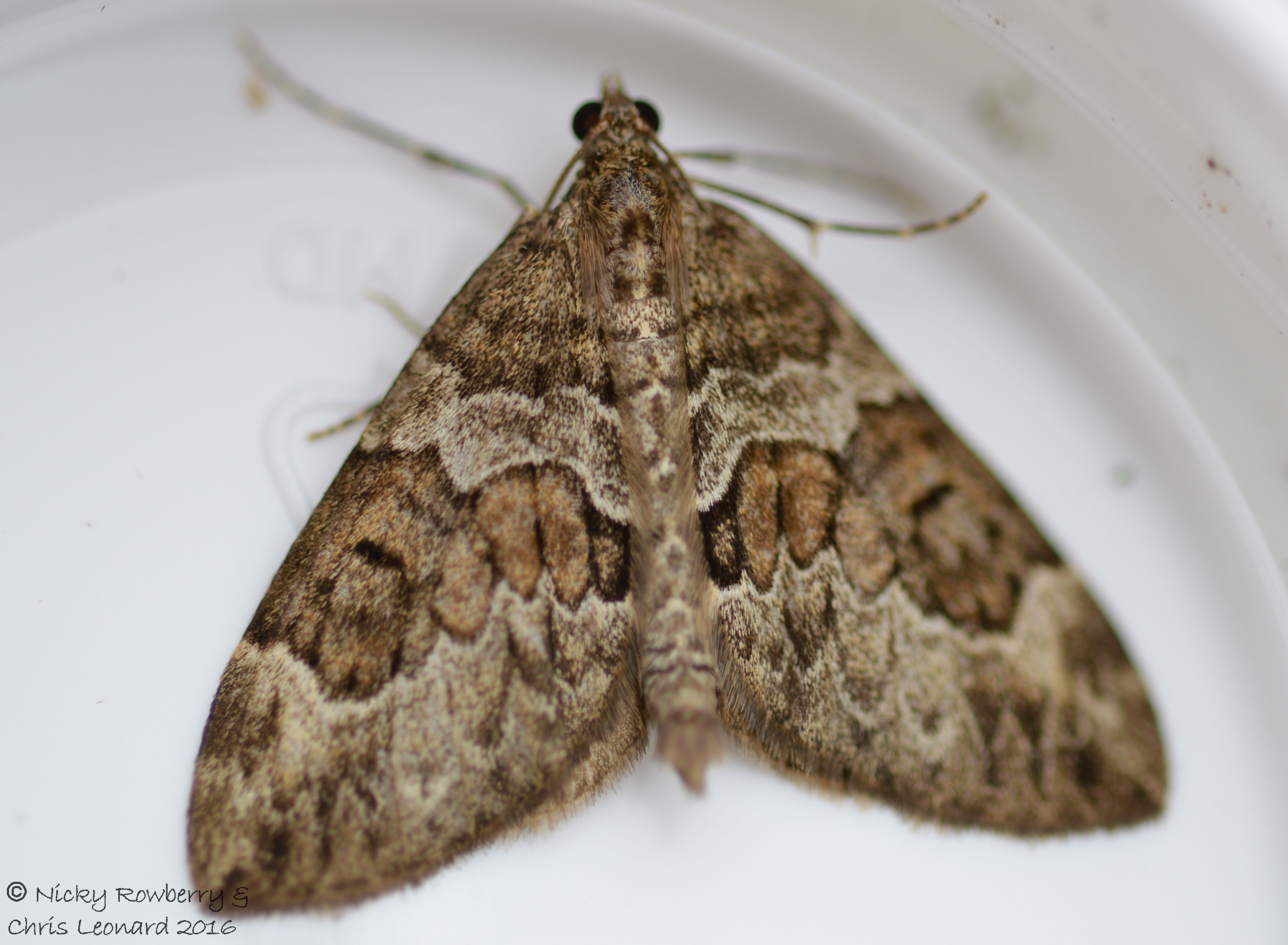
Spruce CarpetOf the 42 species of moth some were perennial favourites and spectacular ones like the Elephant Hawkmoth, but others were just as exciting as they were “firsts” for our garden – like this Spruce Carpet. (Our moth list for 2016 to date is currently 97 species!)

Bees were of course one of our prime targets and I was pleased we spotted 8 species that day. We’ve actually found 22 species this year, but to get 8 in the one day wasn’t bad. But the bee highlight was seeing a little chap flying around carrying his precious leaf – a Leaf Cutter Bee and a first for the garden.

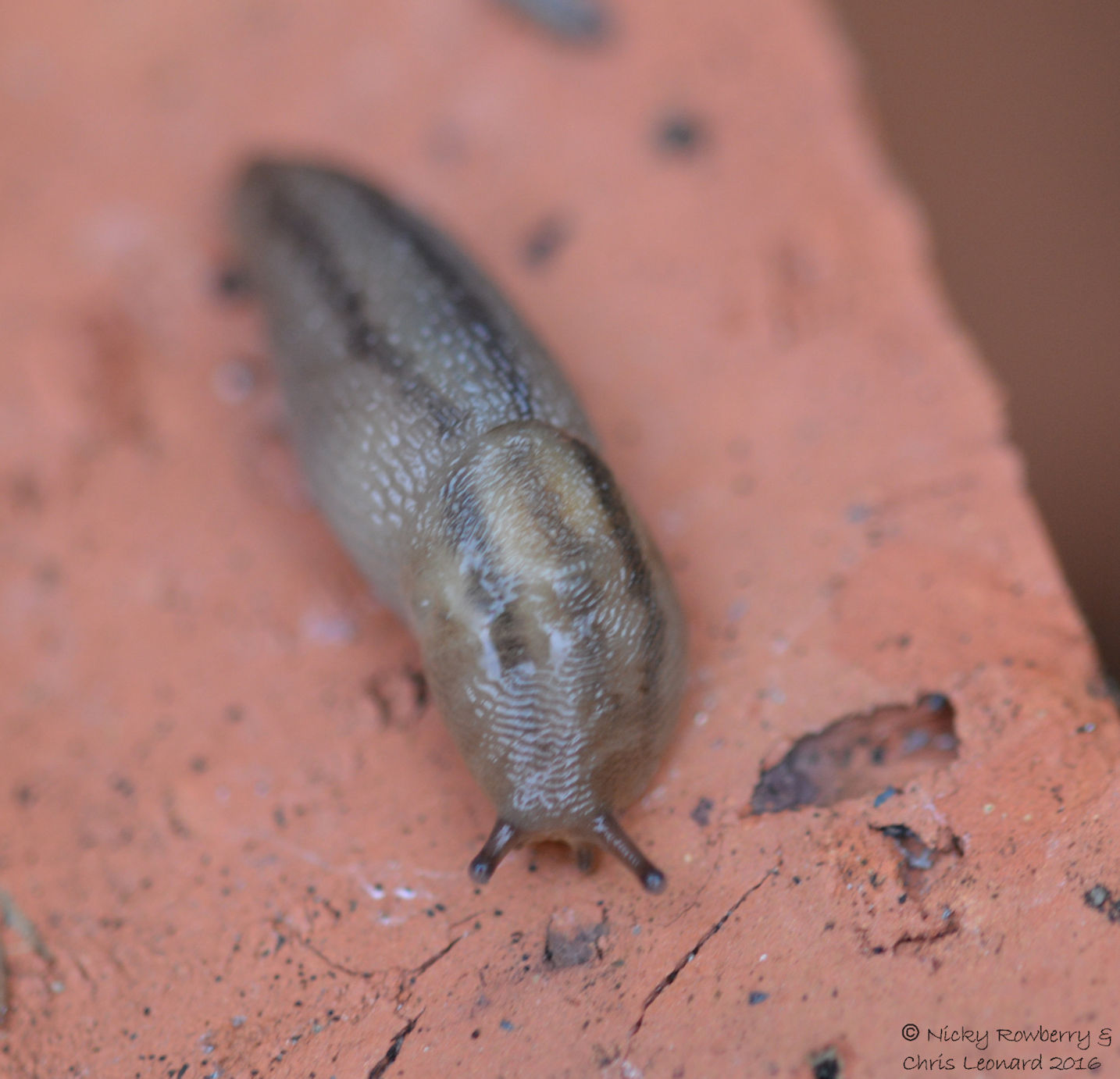
Iberian SlugMolluscs might have done better if it had been a rainier day (if we’d done the bioblitz the following week, we’d have done really well by that reckoning!) But we still managed a respectable 7 species – 4 snails and 3 slugs. One of the slugs was even a new one for the garden, although I suspect they’ve been around for ages and we’ve just not bothered to identify them. It was this Striped Slug – Ambigolimax valentianus no less!
Bordered Shieldbug

We got two species of Shieldbug on the day, but again one of them was new to us – this Bordered Shieldbug, which I initially thought was just a small beetle, until I enlarged the photo. Really chuffed to be able to add this species to our Shieldbug list – currently 8 now I think.
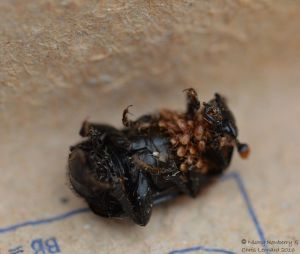
 

Sexton beetleBeetles came in at 8 species (11 species actually if you include the ladybirds which I had counted separately). Beetles are a group that we’re just getting in to, trying out pitfall traps to see what we’ve got. This one however flew into the moth trap. It is a Black Sexton Beetle and was absolutely covered in these mites. It looks lifeless in this photo, but honest it was just playing dead, because as soon as I turned away it was off. The mites are apparently harmless and just hitch a ride to the next dead animal that they and the beetle feed off. Can’t help thinking that so many mites must be really irritating though and affect his flight?
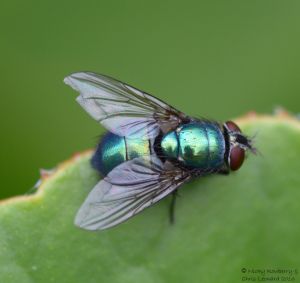
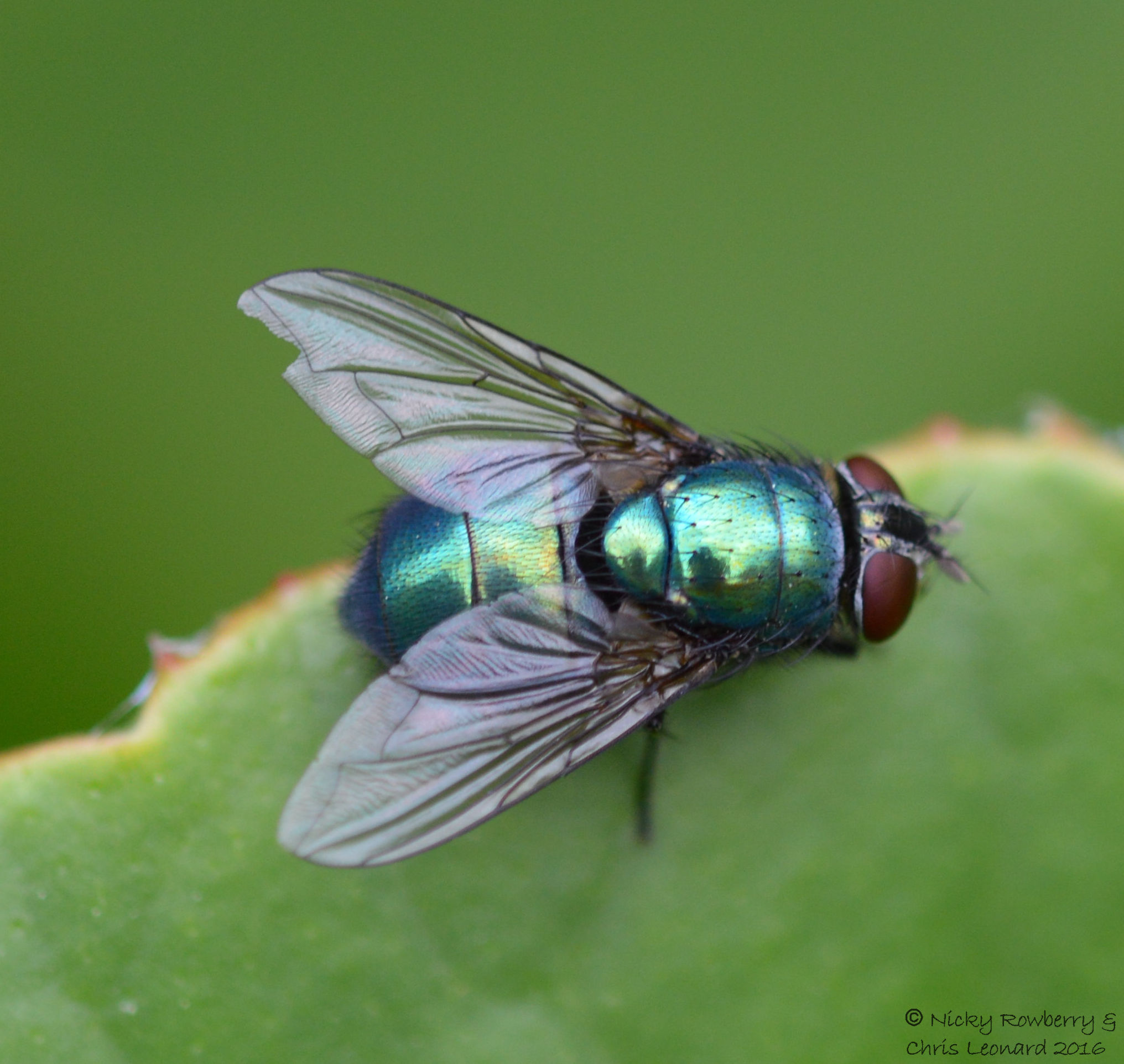
Lucilia green bottleThere were of course flies buzzing about all the time, but with virtually no knowledge of this group we didn’t pay them too much attention. This big Greenbottle though was quite photogenic and the good people of iSpot identified it to genus for us – Lucilia sp. We did manage to get 2 other fly species to genus as well, but they weren’t as “pretty” as this one!

Frog hopperOne of my favourite finds of the day was this Red & Black Leafhopper, which I’d previously only seen in photos. Not seen it in the garden before or since, but I’m glad it chose that day to make an appearance! It was a stunning little insect, so I hope we see more of them.


For the birds we only managed a slightly disappointing 8, all of which were the usual suspects like robins, blue tits and a Jackdaw. We do get quite a few other species, but I suppose it was a bit much to expect the Sparrowhawk to make an appearance within those 24 hours!

And finally for the animals, we managed a grand total of 3 vertebrates – a frog, a newt and the hedgehog.  The bats were around, but we didn’t actually see them in our garden and without photographic evidence (still not worked out how to get a photo of one flying), I’m not sure the Bioblitz database would accept them.

PimpernelOf course the Bioblitz included plants as well as animals. I did originally intend to go around the garden the week before and pre-identify all the plants, then all I’d have to do on the day was take a quick snap of each. But of course that didn’t happen, so instead we zigzagged about the garden photographing everything in sight with no real plan. But we still managed to record 24 species. With hindsight I realised we didn’t make any attempt at the grasses, the mosses, the lichens – oops!

Beside all of the above we also saw 1 butterfly, 2 crustaceans (woodlouse and water louse), 1 hoverfly, 2 spiders, 1 earwig, 1 weevil, 1 cranefly and 1 leech (from the pond), which round off our 119 species.

This is the second time we’ve done the Bioblitz and I find it a really interesting thing to do. I think lots of people would be amazed at how much is going on in their gardens if they just took a day to have a look!

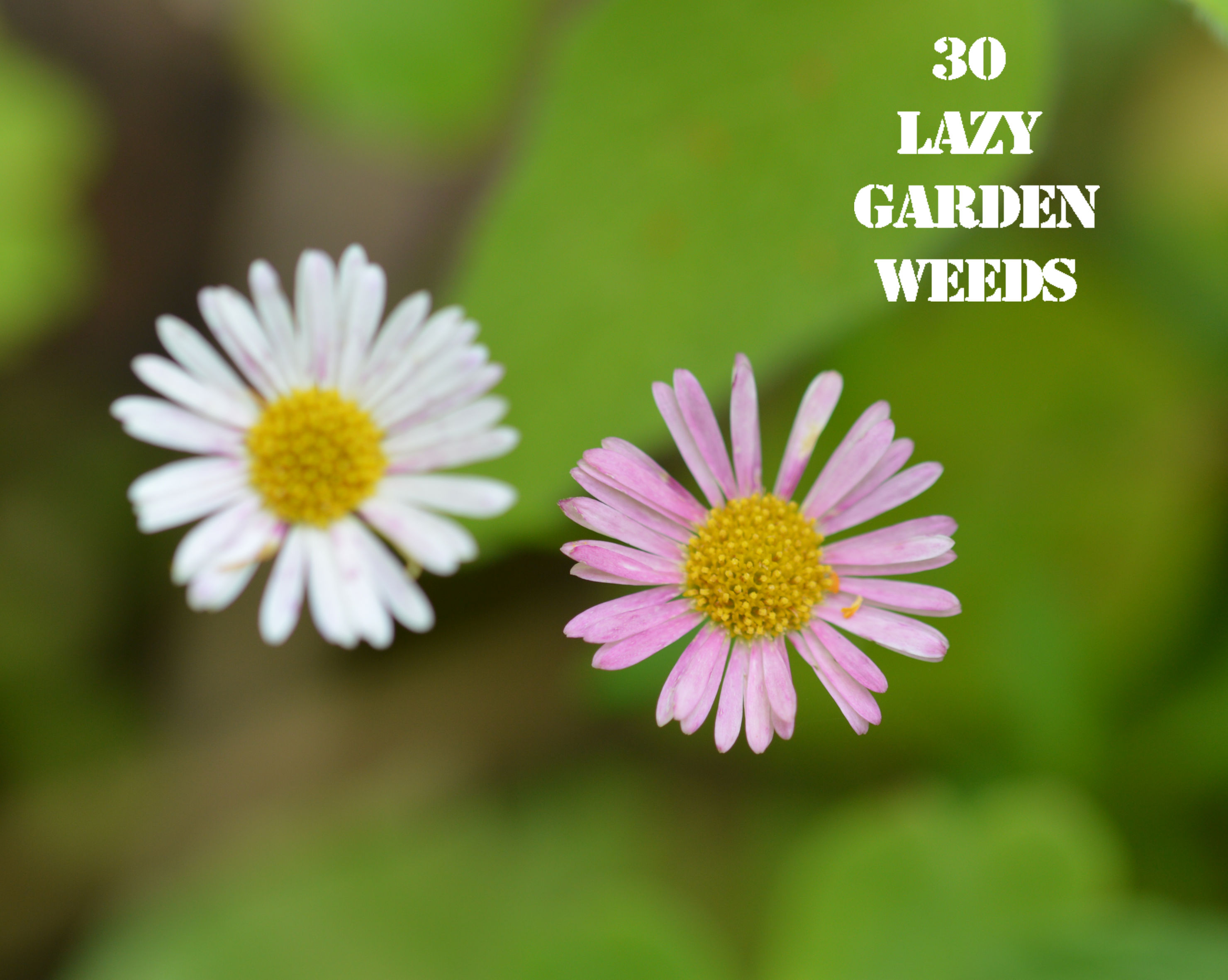
Daisy Fleabane 30 WEEDSAnd finally as always the latest weed in 30 Lazy Garden Weeds – this daisy like flower is, I think, Fleabane. Unfortunately I didn’t manage to spot it during the Bioblitz, although it was almost certainly growing in the garden at the time, so that’s another species missed. These little flowers always remind me of kids’ drawings – what an archetypal flower looks like – petals sticking out all round a central disc. There’s something charming about them, so as always they are welcome in the Too Lazy garden!

30 Days Wild – Day 23

TWT 30 Days Wild_countdown_23Day 23 of 30 Days Wild and it’s starting to feel like we’re on the home run – only a week to go! Once again the car is in the garage, so I was restricted this afternoon to the home turf – quite literally. I decided to get down and see what we’d got in the grass! Not being ones for a pristine lawn, our “grassy areas” are far from a uniform monoculture of one species. We do mow them occasionally, so I’ve at least got somewhere to sit with a glass of wine, but generally they are left to do their own thing.
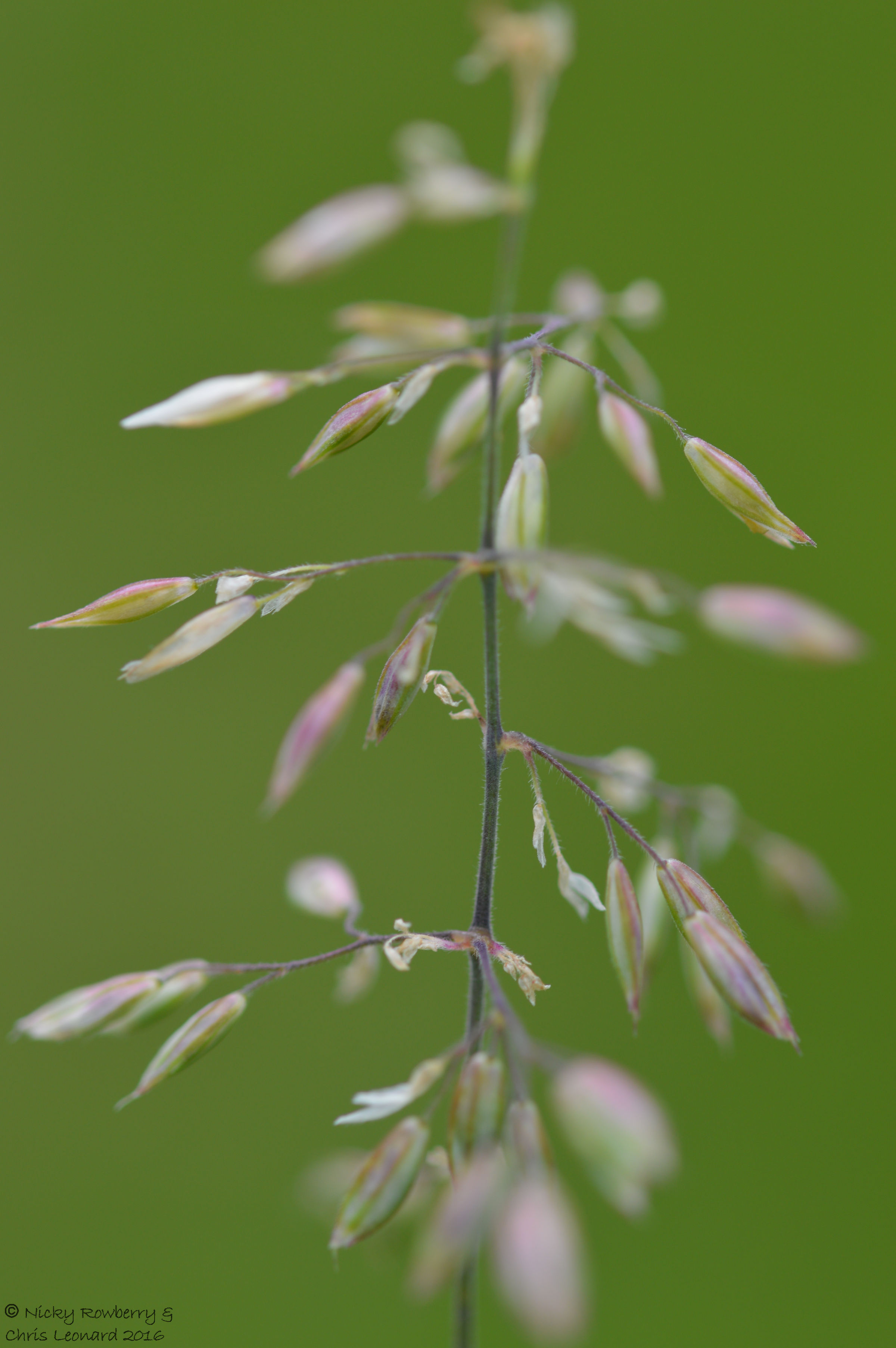
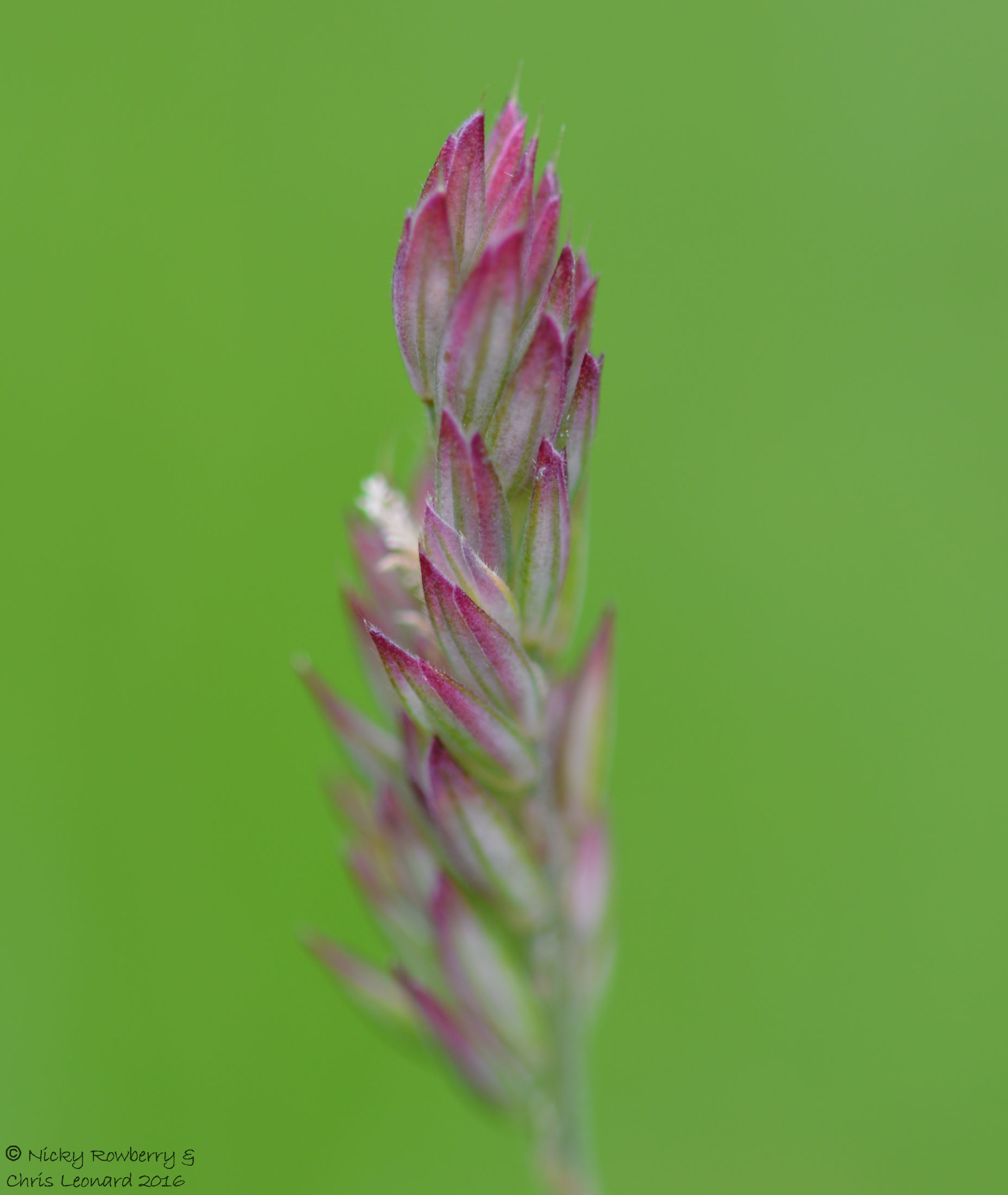
So first the grass itself – when I got down on my hands and knees and started looking at it properly, it is really rather beautiful. Because we’ve let it grow quite long, much of it is currently in flower – delicate and dainty grass flowers blowing in the wind. I’ve no idea whether the 3 photos below are different species, or the same species at different stages.

Grass 1

Grass 2

Grass 3

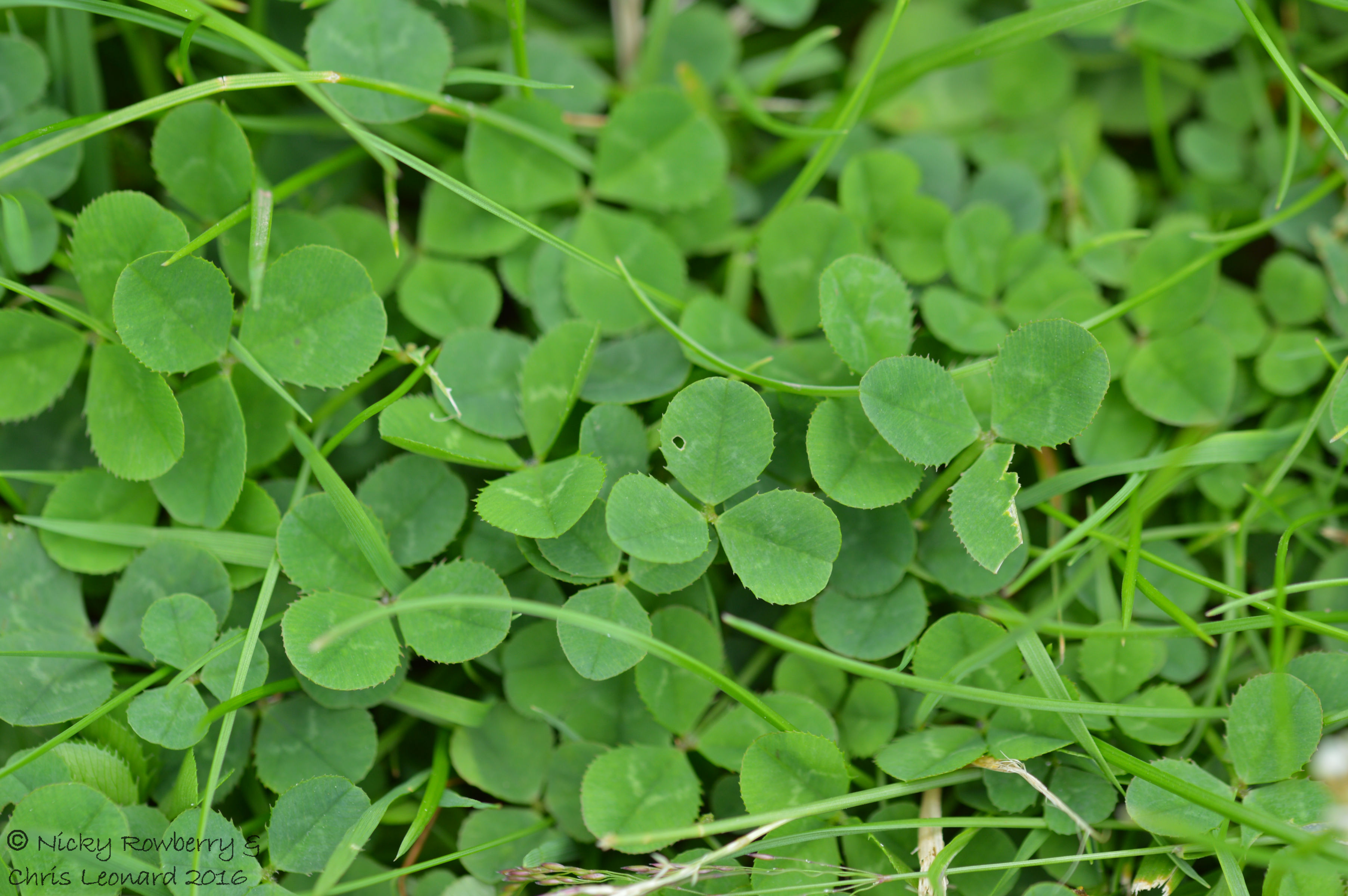
The grass is of course by no means the only green thing in our lawn – in fact I doubt it’s even the dominant plant. Clover covers pretty much the whole area. I know some gardeners do their best to rid themselves of it but why bother? It’s green, you can sit on it and the bees like it – that’s all I really require of a lawn, so if the clover fulfils this rather than the grass, it’s not the end of my world!

Clover 1

Clover 2

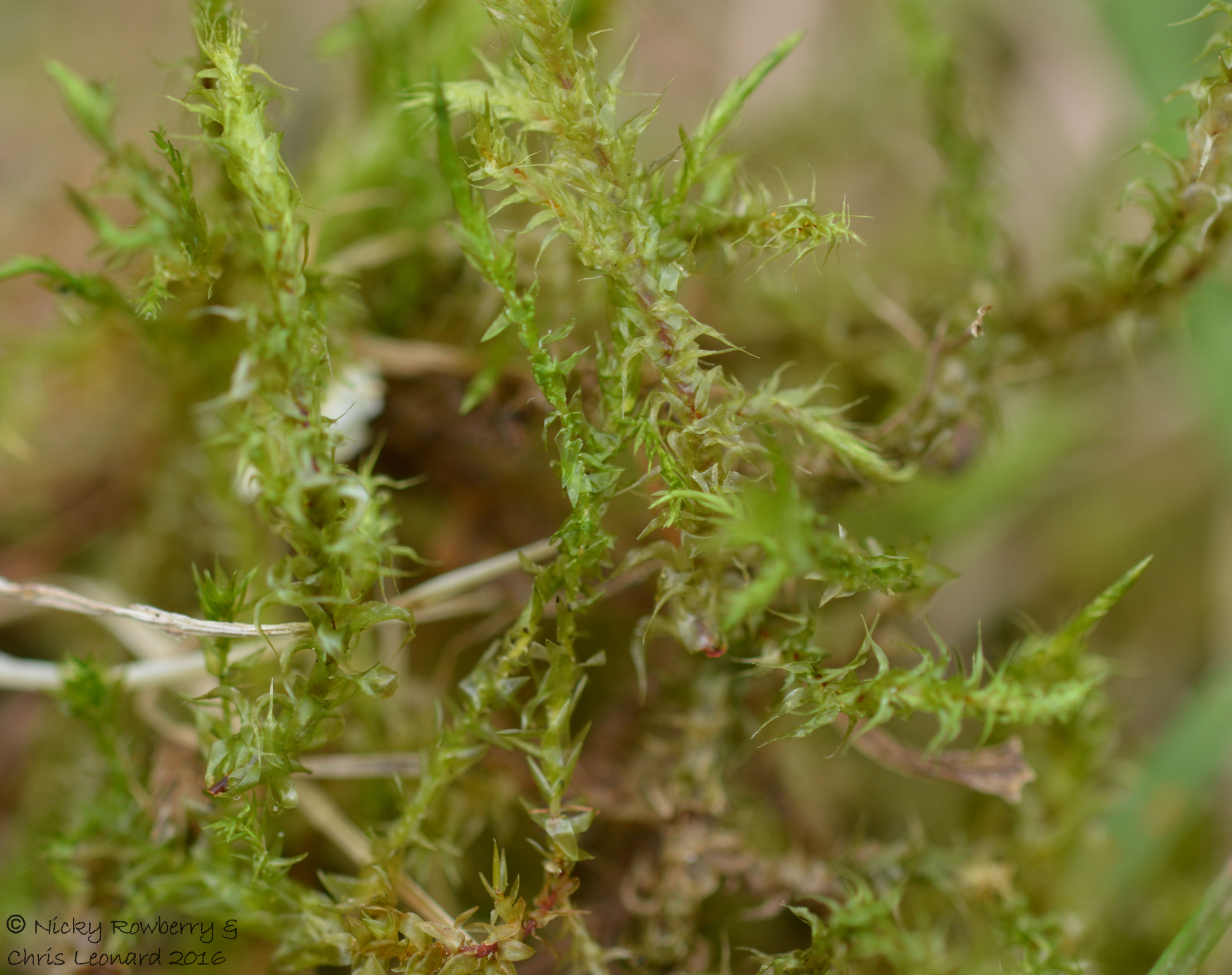
The clover itself is merely another layer, beneath which lies the moss – a lot of moss. The lawn almost feels like a mini forest with the grass providing the upper layer or tree canopy equivalent, the clover providing the intermediate bushes and the moss the low growing ground cover. Moss is not easy to photograph though as I discovered today, it grows at all angles so the camera struggles to focus (honest it’s the moss’s fault not mine for the poor photo!)

Moss

As well as the “green stuff”, there are of course flowers mixed in too. For some reason we don’t seem to have any daisies in our lawn – no idea why, I’d be quite happy to see them? But we do get Self Heal – a low growing plant with the reputation for healing wounds. It’s actually prettier than this photo indicates, but I couldn’t find any flowers that were properly in bloom yet.

Self Heal

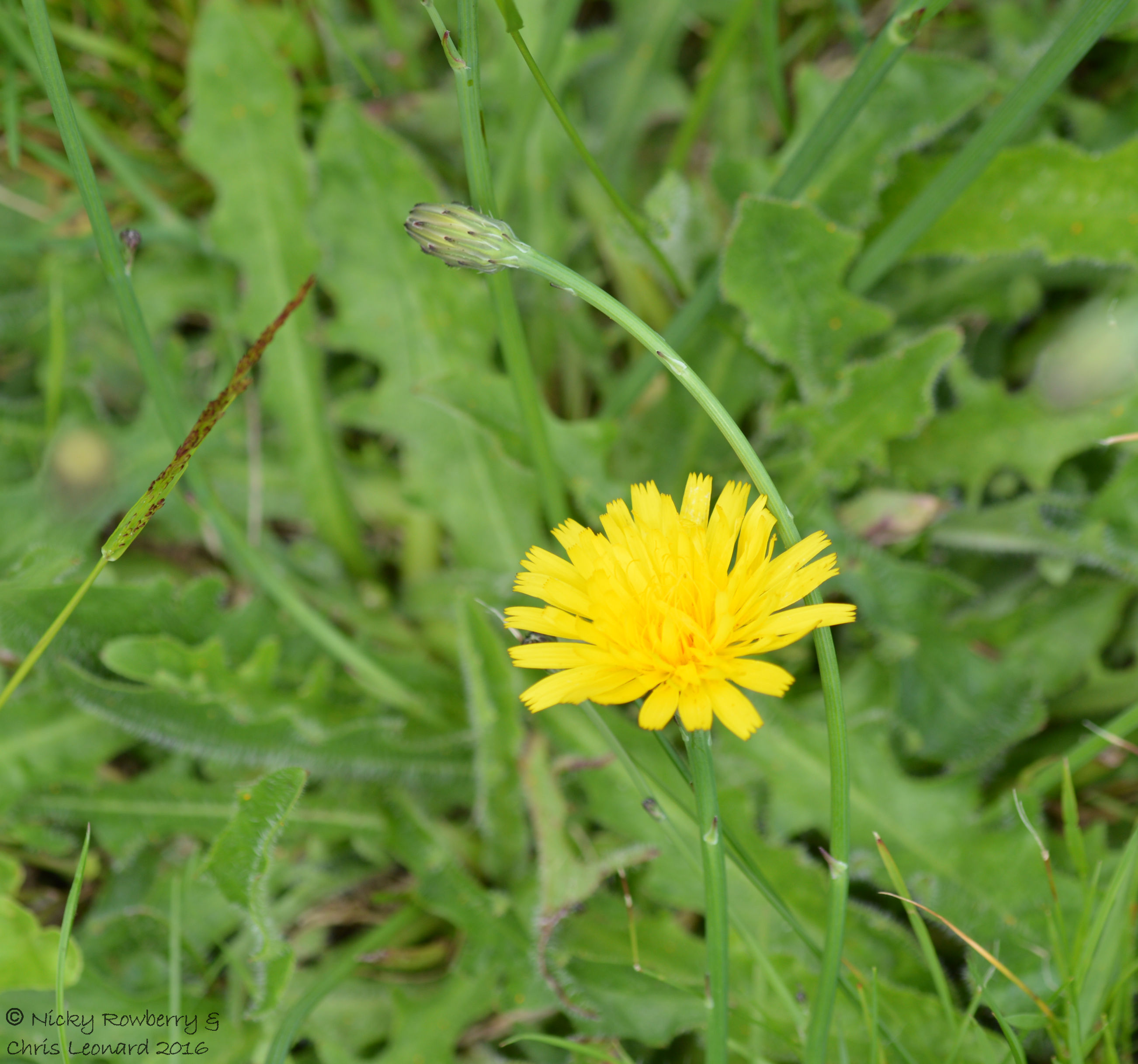
Slightly more obvious are the large flat florets of the Catsear leaves, with their bright yellow dandelion like flowers sticking up.

Catsear

I was surprised to find a patch of small mushrooms. Only small and presumably not edible – I certainly won’t be risking it. No idea whether they were “magic mushrooms” but they did look vaguely magical – sort of ethereal against the grass – the stuff of fairy tales perhaps!

Mushroom

The mini jungle that is the lawn has its fair share of fauna too. As I grovelled about trying to take photos – tiny grasshoppers were pinging left, right and centre.

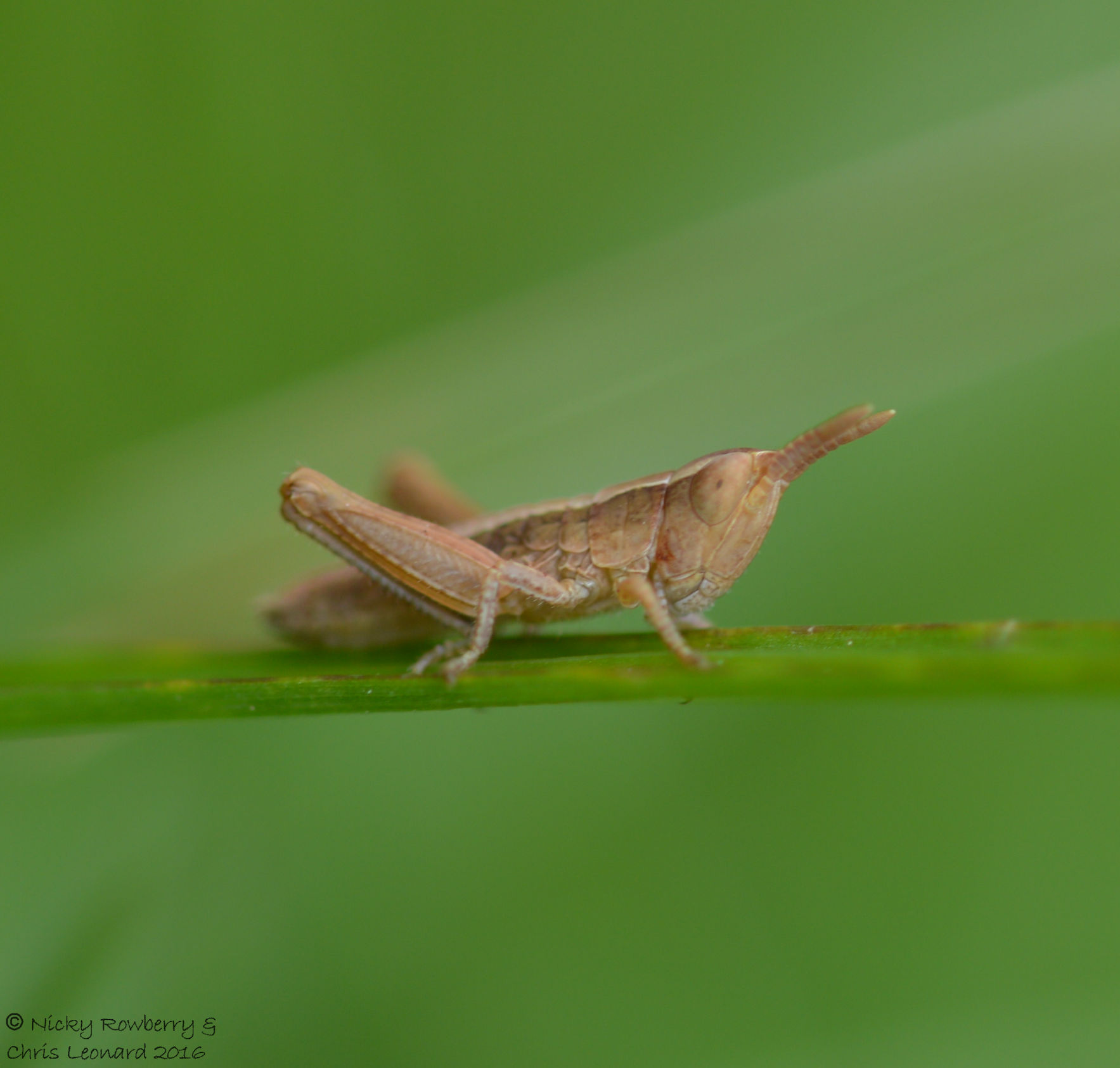
Grasshopper

The other animals leaping about were froghoppers – tiny little insects that can jump (or hop I suppose) a long way compared to their body size. It took several attempts chasing one round the grass to get this one even roughly in focus. They can be very brightly coloured, although this one is a more muted species.

Leaf hopper

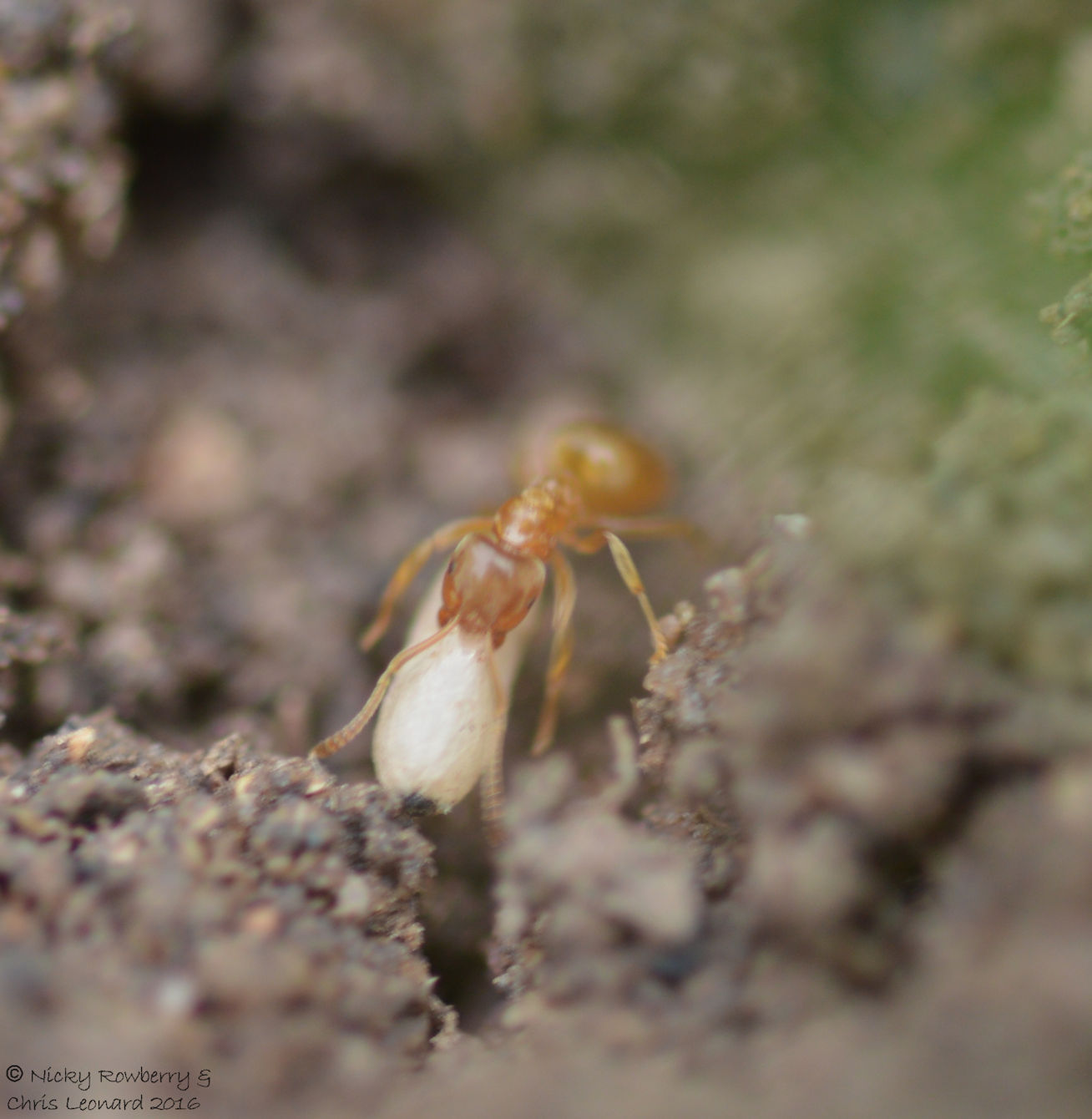
Ants nests are a common feature of our lawn, but like the moss I found the ants virtually impossible to take photos of. Never realised how fast they moved, until I tried to focus in on one!

Ant

So that was my mini grass safari. Really interesting to get down to that level and see what you can find. It wasn’t all lovely though – I did come face to face with a mummified frog and quite a lot of hedgehog poo, but even that I suppose shows we’ve got frogs and hedgehogs in the garden, so I should be pleased!


Fox and Cubs 30 WEEDSAnd finally today’s weed for 30 Lazy Garden Weeds – the intriguingly named – Fox and Cubs. It is apparently called this because the unopened flowers (the cubs) hide behind the fully opened ones (presumably the fox). It’s a type of Hawkweed and related to the dandelion. We only seem to get it in our front garden for some reason, growing up through cracks in the paving. It’s a cheery looking little flower though and one of the few orange ones we get, so I’m happy for it to stay.


30 Days Wild – Day 22

TWT 30 Days Wild_countdown_22Day 22 of 30 Days Wild and it’s Wednesday, which means pub lunch with my Dad – today it was the delightful little town of Presteigne just over the Welsh border. It always feels like we’ve stepped back in time when we go there – Presteigne seems to run at a gentler, slower pace of life than anywhere else.
Anyway, don’t know if it was the Presteigne effect or what, but I decided to go back in time and explore Dad’s garden looking at things like I did when we were kids. My sister and I spent an awful lot of our childhood knee deep in mud and water in the stream that ran alongside our garden or just generally mucking about outside. The joys of a 1970s childhood!

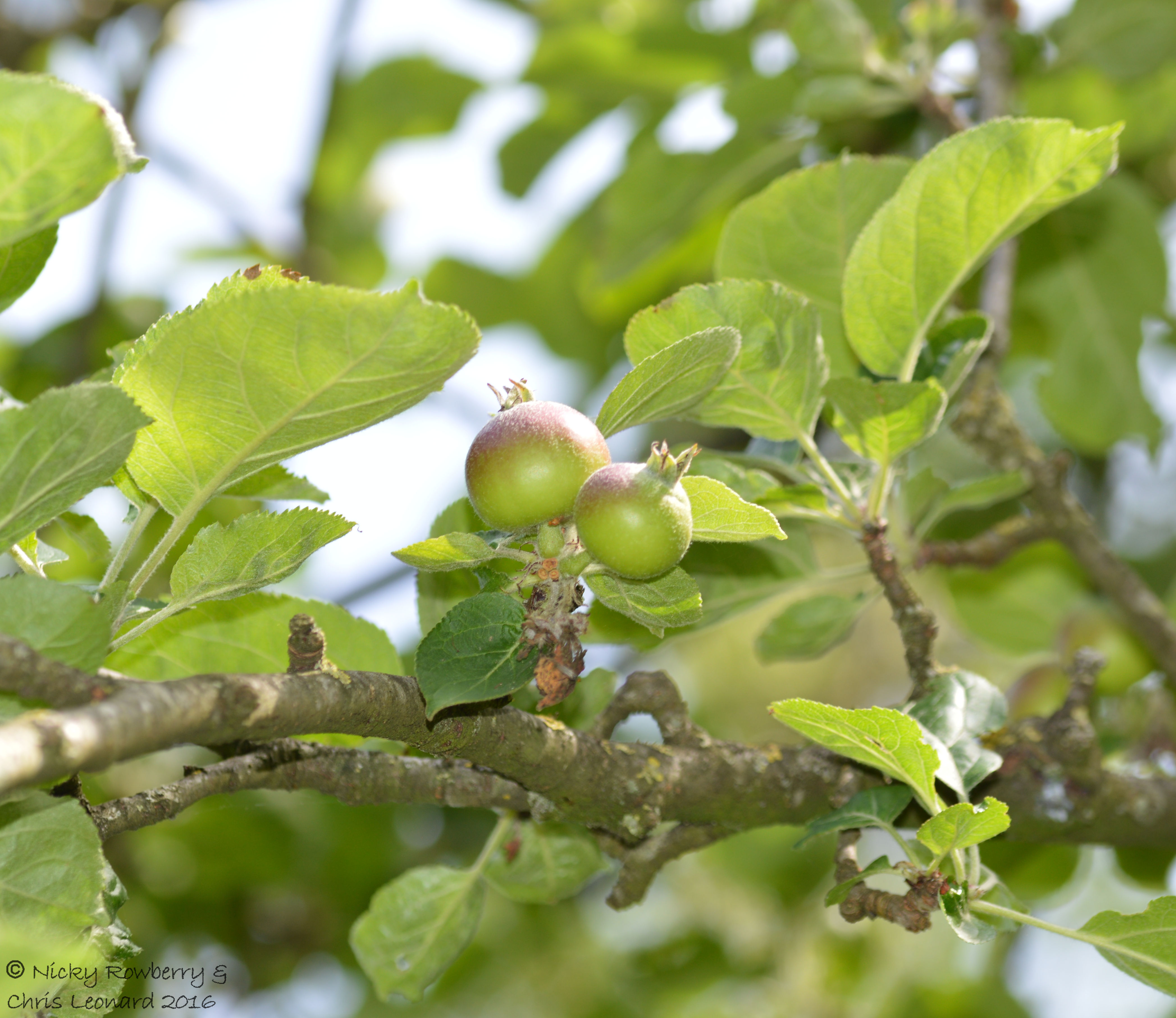
We grew up in Herefordshire in a small village in a house that had been built on an old orchard. Our garden still retained quite a few apple trees which, when we were kids, were still quite productive – we even earned money occasionally picking the apples and selling them to a local farmer; we probably only got a few quid, but as children it seemed like we’d made a fortune! Now (more years later than I care to calculate) most of the trees have gone – mainly fallen in high winds as they got too old and brittle. There are a few left, like this cider apple one, which is still fairly sound and producing apples.

Apple tree

Apples

Several of the others though are little more than tall hollow stumps. This one had bits of wool around the hole, so unless the local sheep have started climbing, I think the hollow trunks are being used for bird nests, which is great.

Hollow apple tree

Several of the trees have clearly been choked by ivy growing up them. It’s probably a good job they weren’t like this when we were kids, or we’d have tried to climb them. (I’m old enough and heavy enough now not to consider this today!)

Ivy on tree

All the apple trees are covered in mistletoe. It is a little family ritual still that every year we pick big bunches of mistletoe from the apple trees for Christmas – there’s something lovely about growing your own Christmas decorations!

Mistletoe

I was really pleased that the elderflower was in bloom in the garden. This too brought back childhood memories. We used to fill buckets with the flowers then turn them into “Elderflower Champagne”. No idea whether it was actually alcoholic, but we drank it as children (may explain a lot about my later life!) It was quite explosive – I seem to remember being woken in the night by bottles exploding in the kitchen on a fairly regular basis. As smaller children we used to make elderberry “pies” – basically a bowl of mushed up elderberries that no-one would eat.

Elderflower

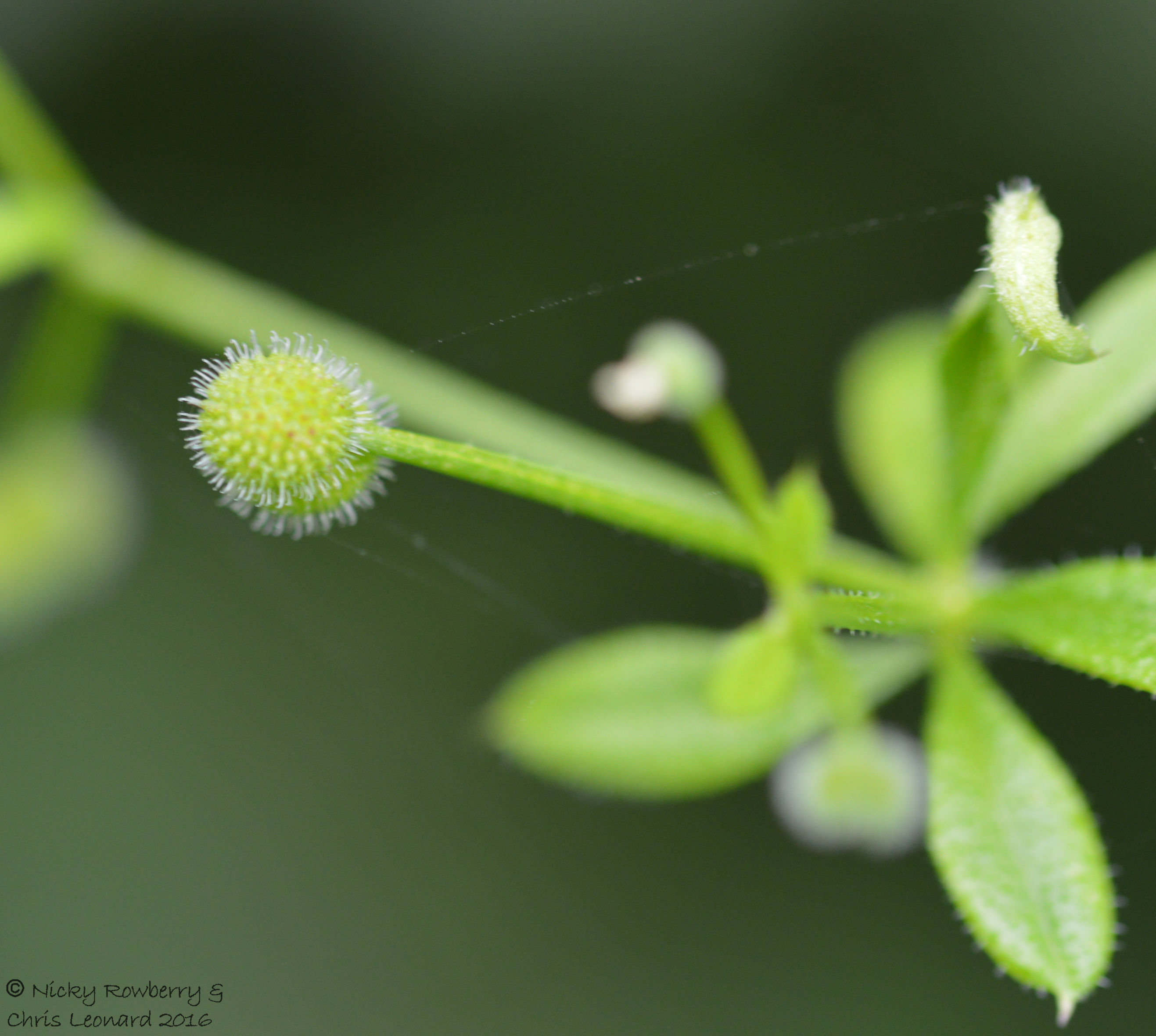
The bottom of the garden is a bit overgrown (just how I like my gardens). One plant that is doing particularly well is Cleavers – or as we called them as kids – sticky buds. Childhood days in the garden always ended up with both us and the cats coming back inside covered in these.

Sticky Buds

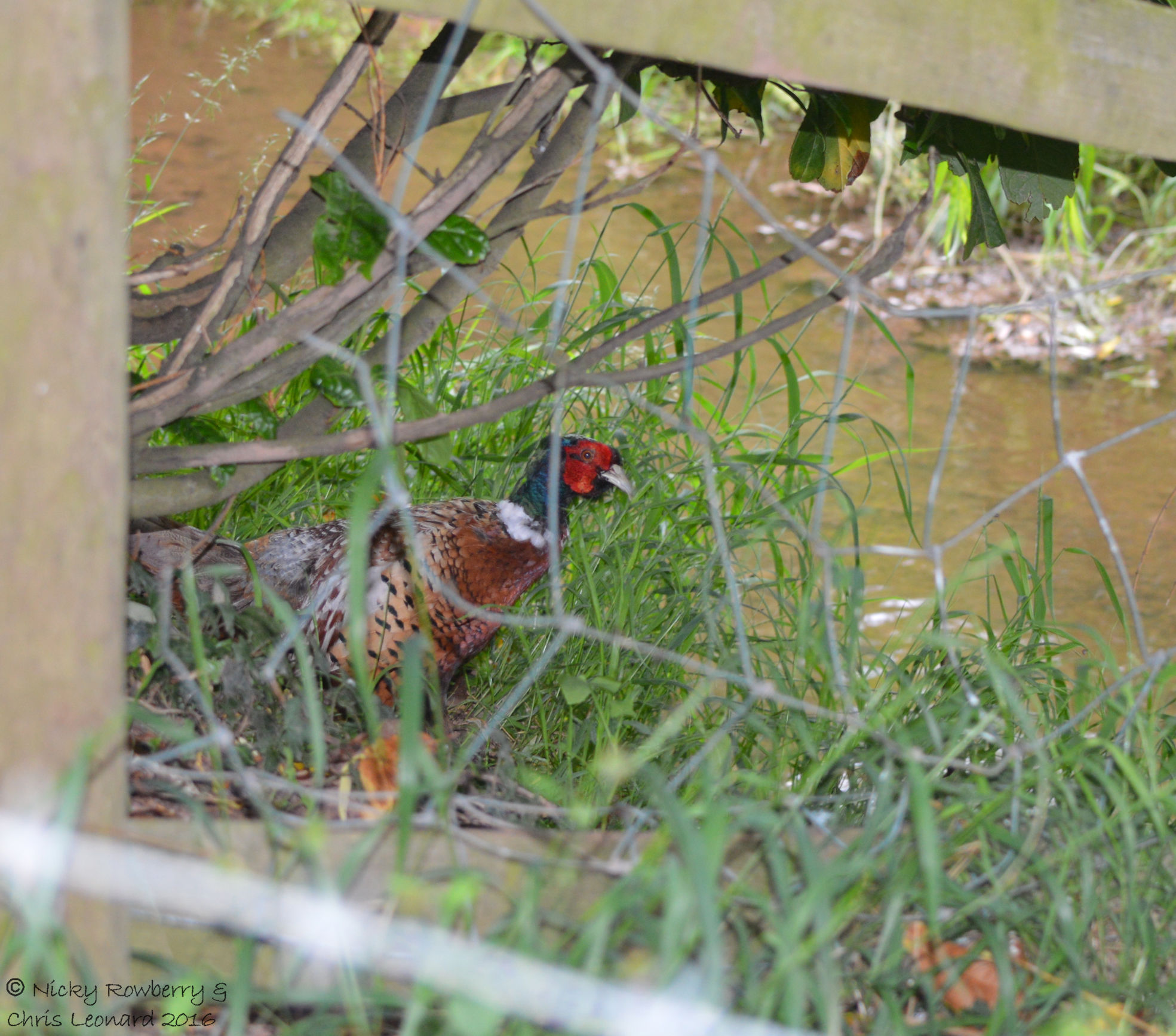
Dad’s garden is always full of birds and today was no exception. As I walked down to the bottom, a buzzard flew out of a tree – he’d clearly spotted me before I spotted him. Needless to say he was too quick for me to get a photo. I had more luck with a pheasant that was wandering by the stream, but they don’t feel like much of a challenge.

Pheasant

I could hear lots of the birds this afternoon in the garden, but there’s one that really evokes childhood for me. It’s nothing fancy or rare – just the sound of pigeons cooing at each other.  You can hear them on and off all day. Even now if I hear them in my own garden and close my eyes I am transported back to my parents’ house – for me it’s always been a very comforting sound.  One thing I noticed while trying to get a recording of them today, was that there’s a lot more traffic going past Dad’s house than there was in the 1970s – I suppose that’s inevitable, even though his house is pretty much out in the sticks. So it took several goes to record them without too much traffic noise in the background.


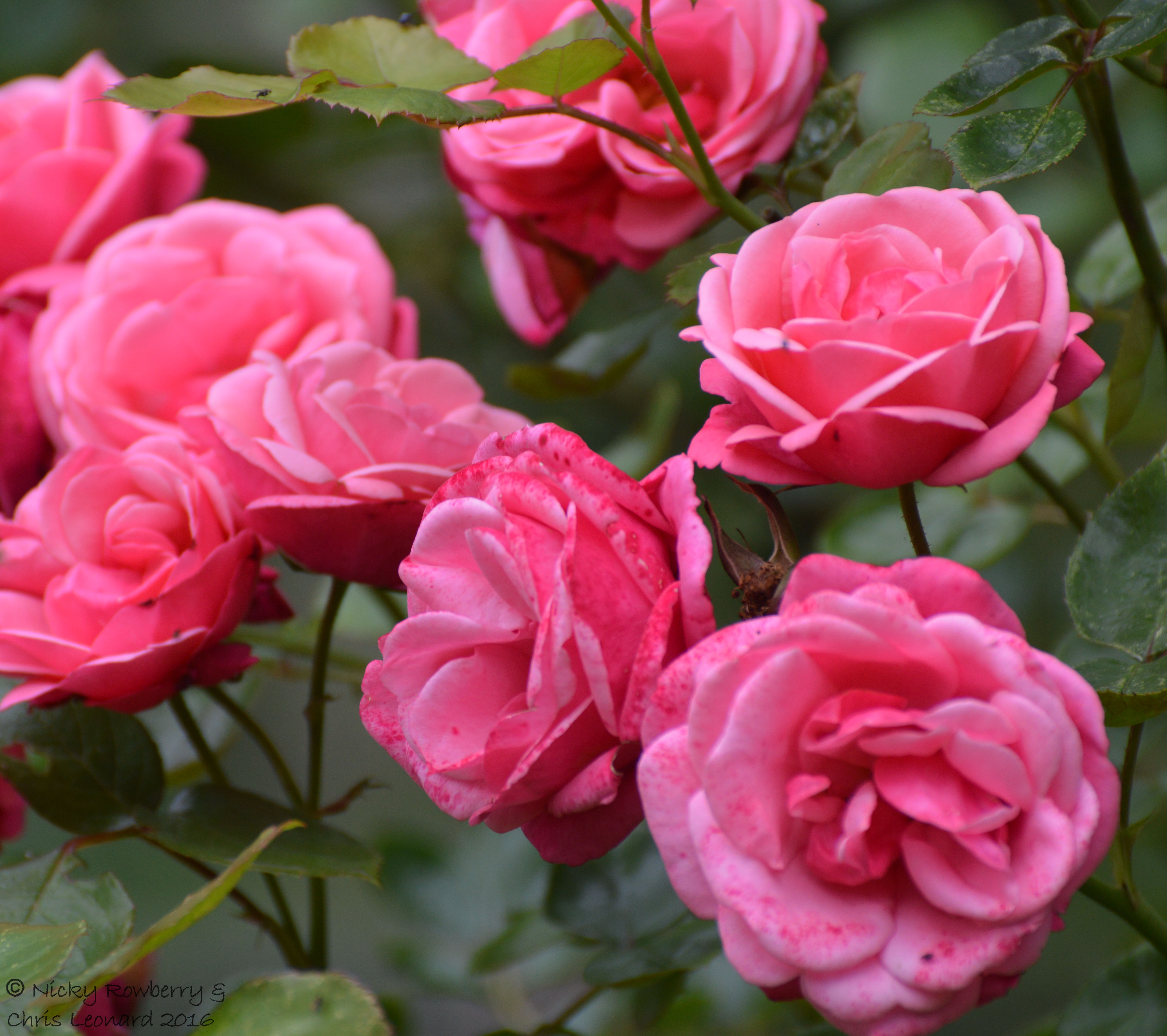
They say smell is a very evocative sense when it comes to recalling memories. Dad’s garden has a lot of old fashioned roses – ones that are actually scented and smell like roses should. They are big, blousy varieties – one of which Dad took from his mother’s garden back in the 1960s! Sniffing them today reminded me of the garden in summer’s past. Roses today from shops just don’t smell like this.

Roses

Roses 2

The stream that runs alongside the garden was one of the main sources of entertainment for us as children. The stream is still there, although it’s a bit harder to get to now. Of course it could just be that the middle-aged me is less flexible climbing through fences than the childhood me was! It is only a small stream that feeds into the River Lugg and it’s possibly not the most picturesque (the various deposits from the farm next door add to the ambience shall we say!), but for me it will always be a special place.

Stream

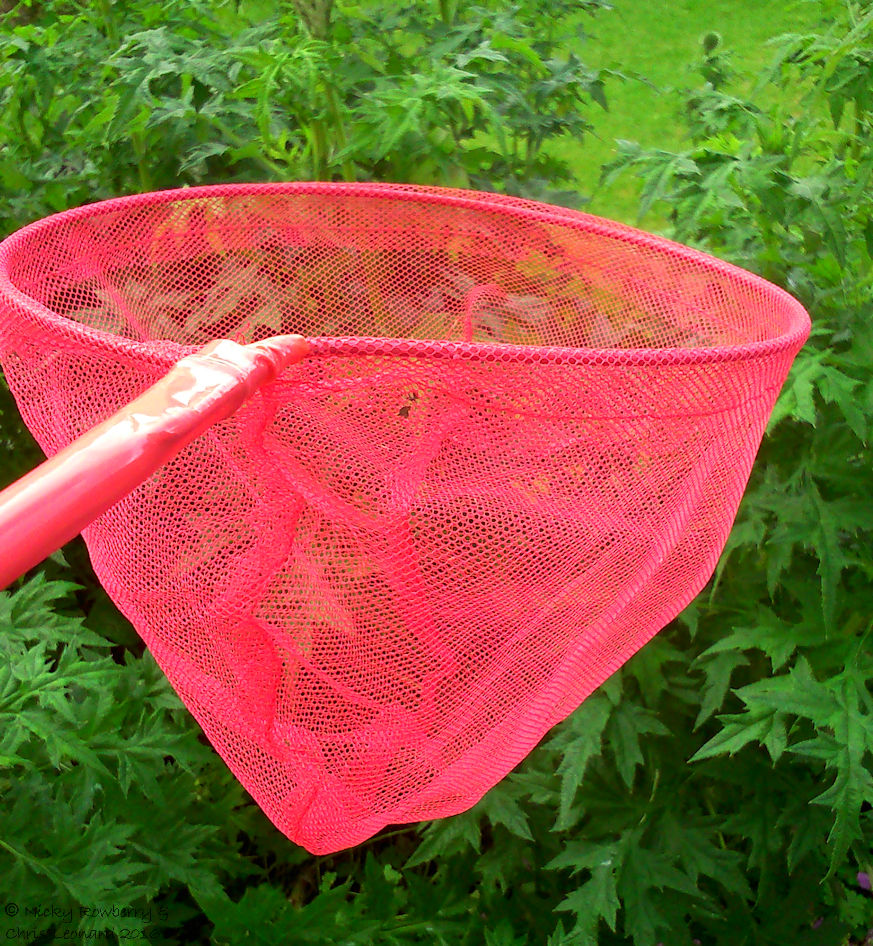
We used to spend endless hours fishing for minnows and sticklebacks, which we’d then keep in an old paddling pool. With hindsight the poor things probably didn’t enjoy the experience very much, but we (and the cats) were enthralled by them. So in honour of my childhood I borrowed a kid’s fishing net from my sister (who also kindly took a photo of it when I realised I’d forgotten to do so). It was quite a deluxe model compared to the ones we had as kids, which just had plain canes and nets that were always getting torn and having to be repaired!

net

Grabbing the net, I scrambled through the fence and down to the stream. Standing there, net in hand, peering into the water I was 10 years old again. Happy Days. And much to my surprise (and his) I caught a stickleback. A Spineless Si of my very own (if you didn’t watch Springwatch last year you won’t know what I’m on about here), except this one did indeed have spines. He didn’t look very impressed by the experience though.

Stickleback

Stickleback 2

This Spined Si was of course released back into the stream as soon as I’d photographed him (no overheated paddling pool for him!) and I hope the whole experience wasn’t too traumatic for him.

Of all the things I’ve done on 30 Days Wild – I think fishing in the stream today, with a cheap plastic net, catching a stickleback, is probably the best. It’s easy to view your childhood with rose tinted spectacles, but I do truly think we were very lucky to grow up where we did and how we did. It was things like this, that left me with a lifelong love of nature and set me on the path I’ve taken for the rest of my life – all thanks perhaps to a few small fish.

Bramble 30 WEEDSAnd to finish as always the latest weed in my 30 Lazy Garden Weeds – the Bramble, seen here with a Honey Bee making the most of it. We have a dense thicket of brambles at the end of our garden, separating us from the neighbours. When the brambles are in flower they are abuzz with bees. And of course in the late summer we are rewarded with a plentiful supply of blackberries – the beauty of organic gardening is we don’t need to worry about there being any chemicals on these – although I do make sure we only pick those out of reach of cat’s scent marking the garden!


30 Days Wild – Day 21

TWT 30 Days Wild_countdown_21Can’t believe it’s Day 21 of 30 Days Wild already! Not only that, but we’re beyond the longest day of the year so winter is officially on its way! Fortunately it didn’t feel like winter today and I went for a really nice relaxing walk to Melrose Farm Meadows nature reserve. Well I say I went on a walk there, I think I may actually have got lost and been wandering round some random field instead – but it was still very nice.

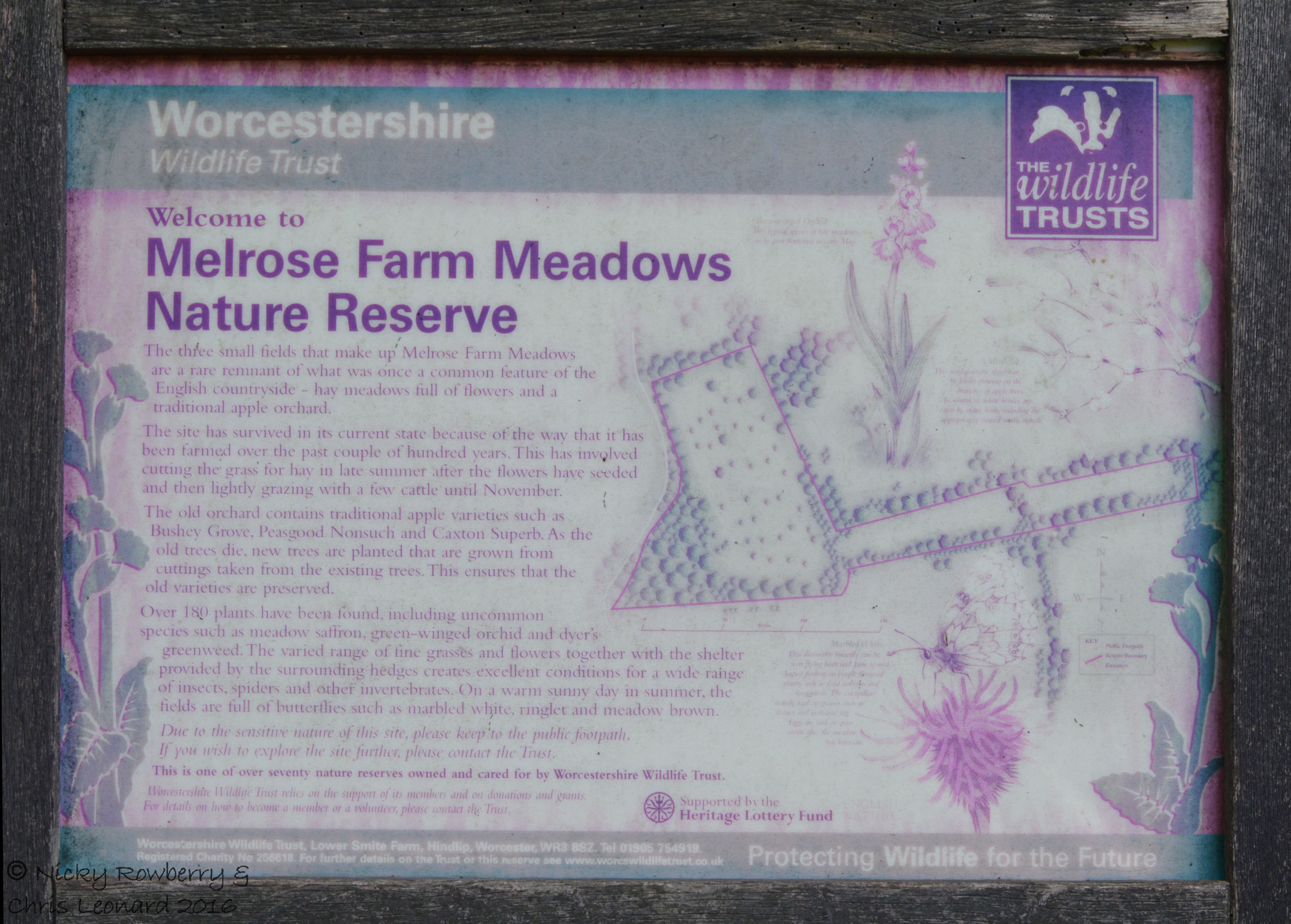
SignMelrose Farm Meadows is a small reserve consisting an old orchard and 2 small meadows. I definitely found the entrance as I saw this sign, but I think I maybe took the wrong footpath as I ended up in a big field with few trees – certainly not an orchard. As you’re supposed to keep to the paths here, I didn’t want to risk straying into the wrong bit, but I do at least think I know where I took the wrong turn, so I’ll hopefully find the orchard next time. Doh!

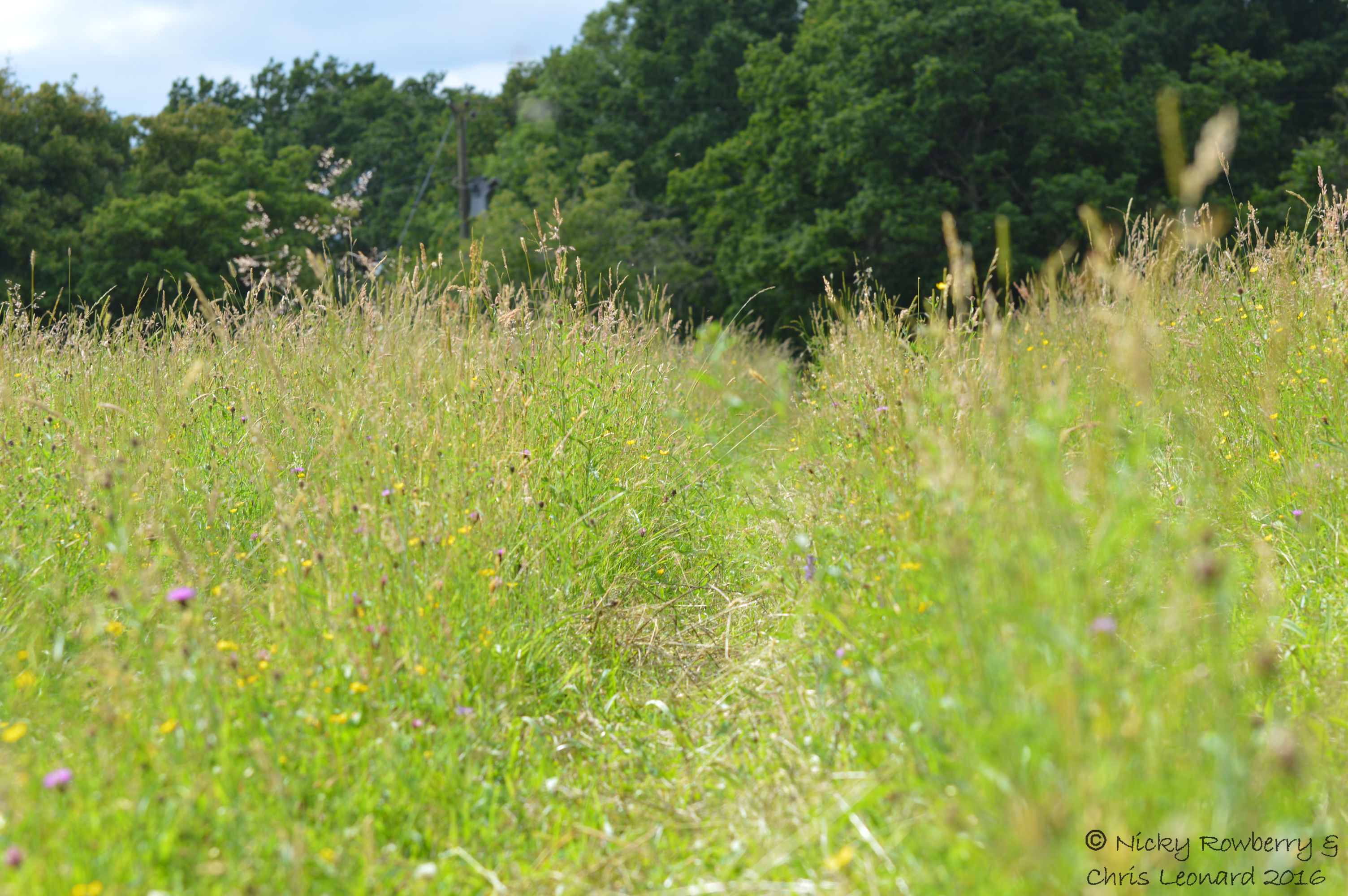
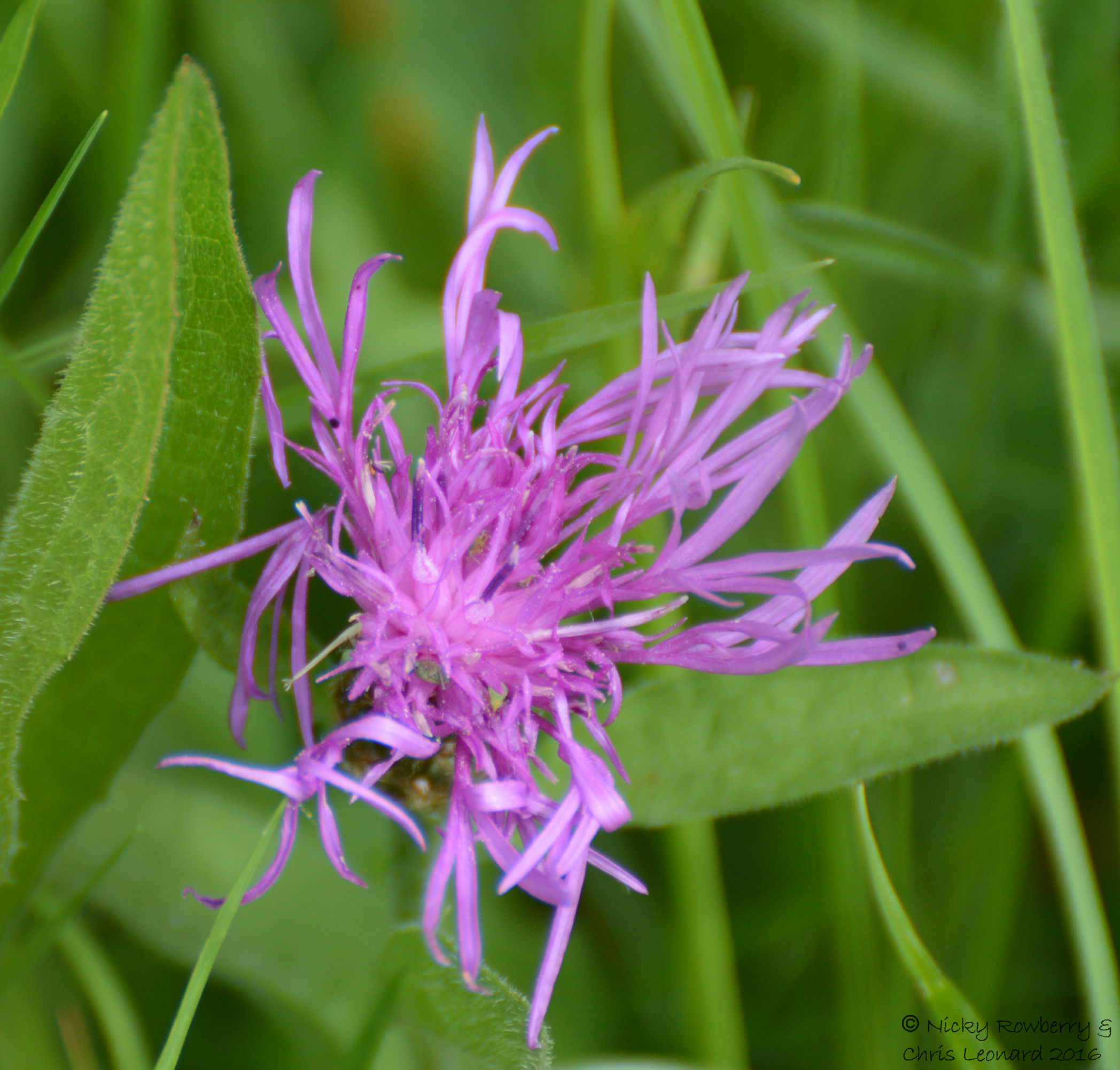
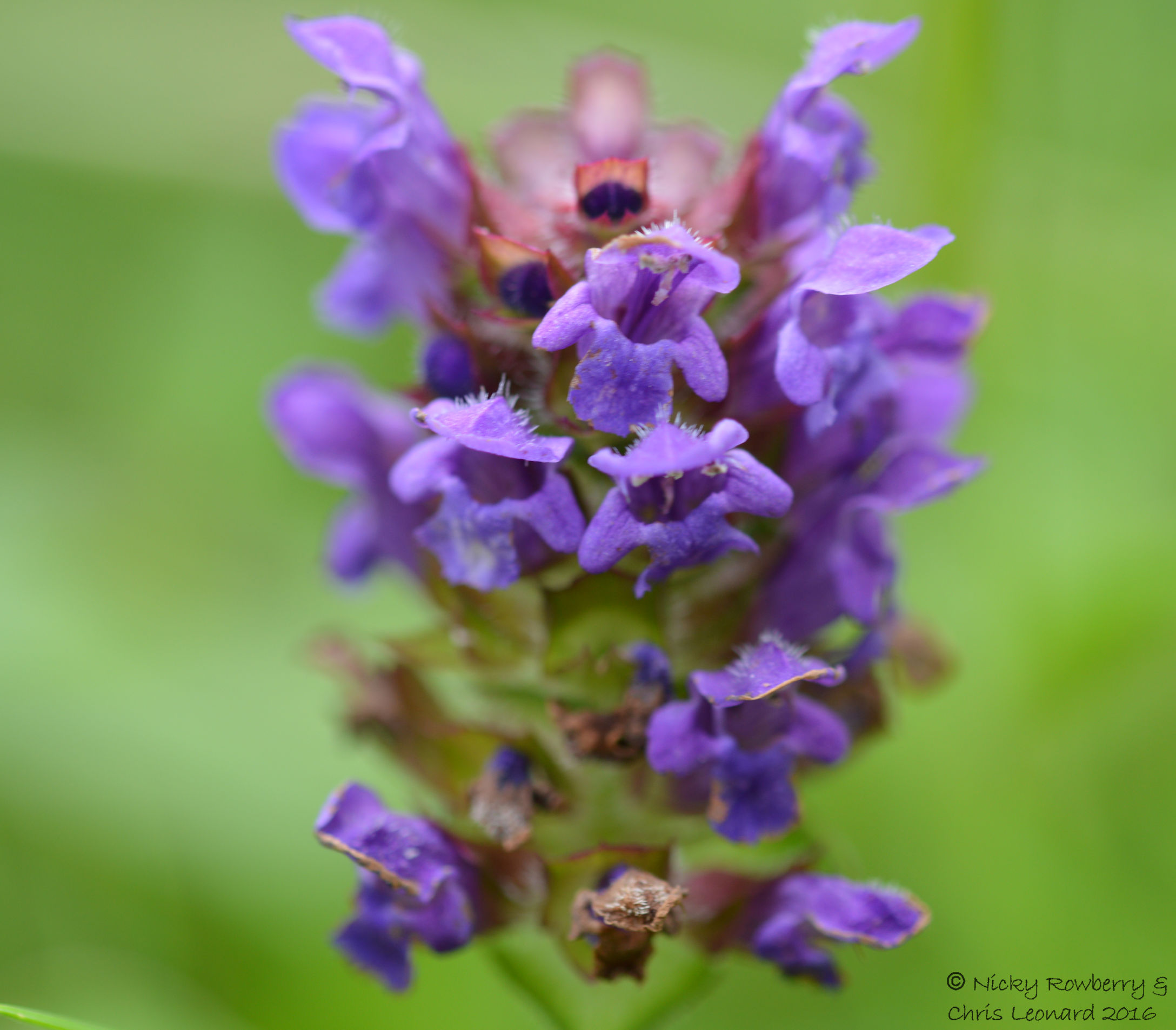
MeadowAnyway, wherever I was, the sun was shining and there were plenty of butterflies, so it was a result in my book! The fields were full of wildflowers which I think included Knapweed, Ragged Robin (although this might have been just a ragged Knapweed), Self Heal, as well of course as the usual buttercups and cow parsley.

Knapweed

Ragged Robin

Self Heal

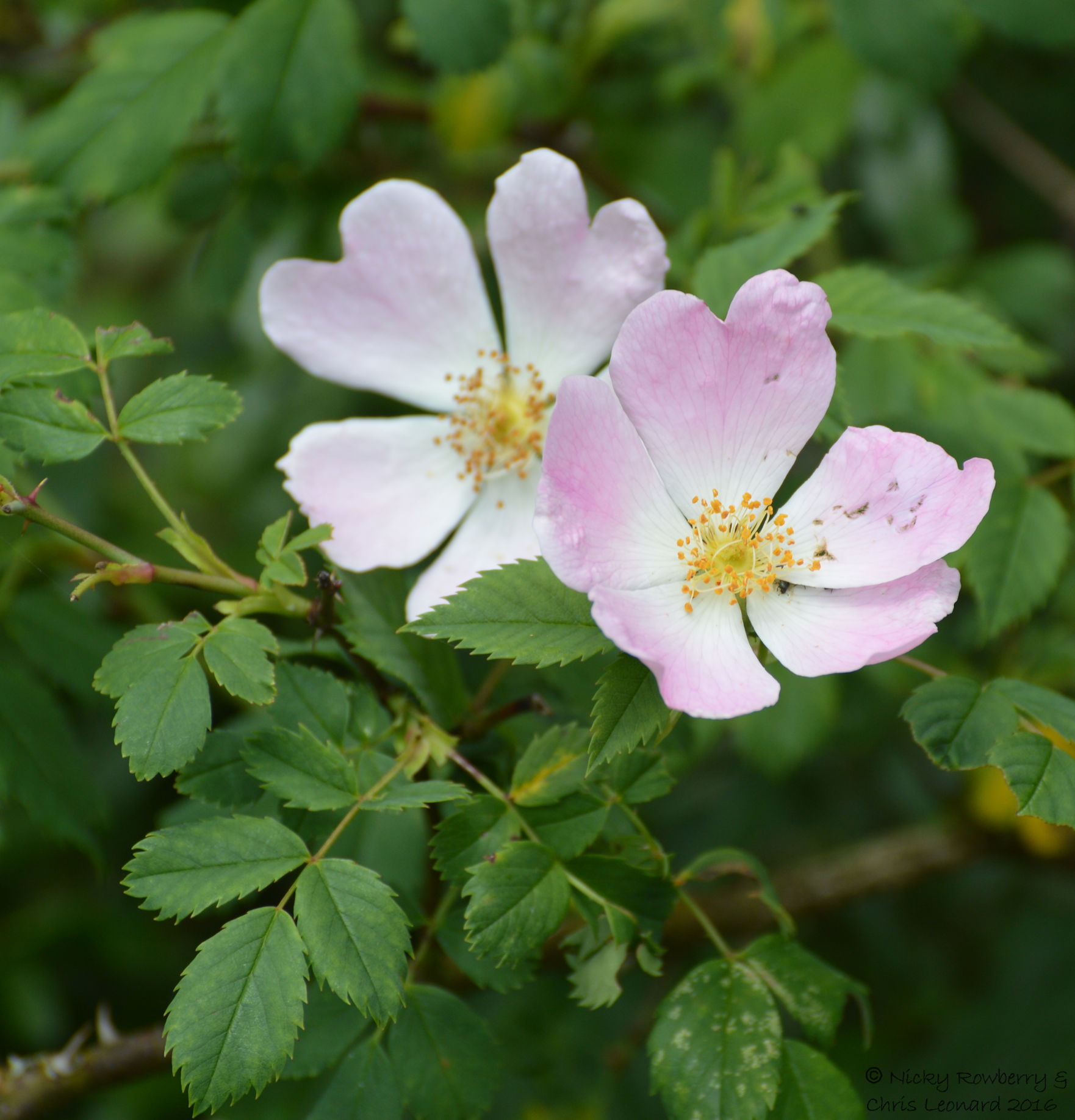
Wild RoseThe hedgerows were full of brambles and wild roses, both of which were attracting large numbers of bees and hoverflies. There was one particularly dense thicket of brambles, that was also covered in butterflies, jostling with the bees for position. I thought at first they were all Meadow Browns, but then I spotted a darker one which turned out to be my first Ringlet of the year. Shame about the thorn from the brambles obscuring part of the butterfly though!

Ringlet

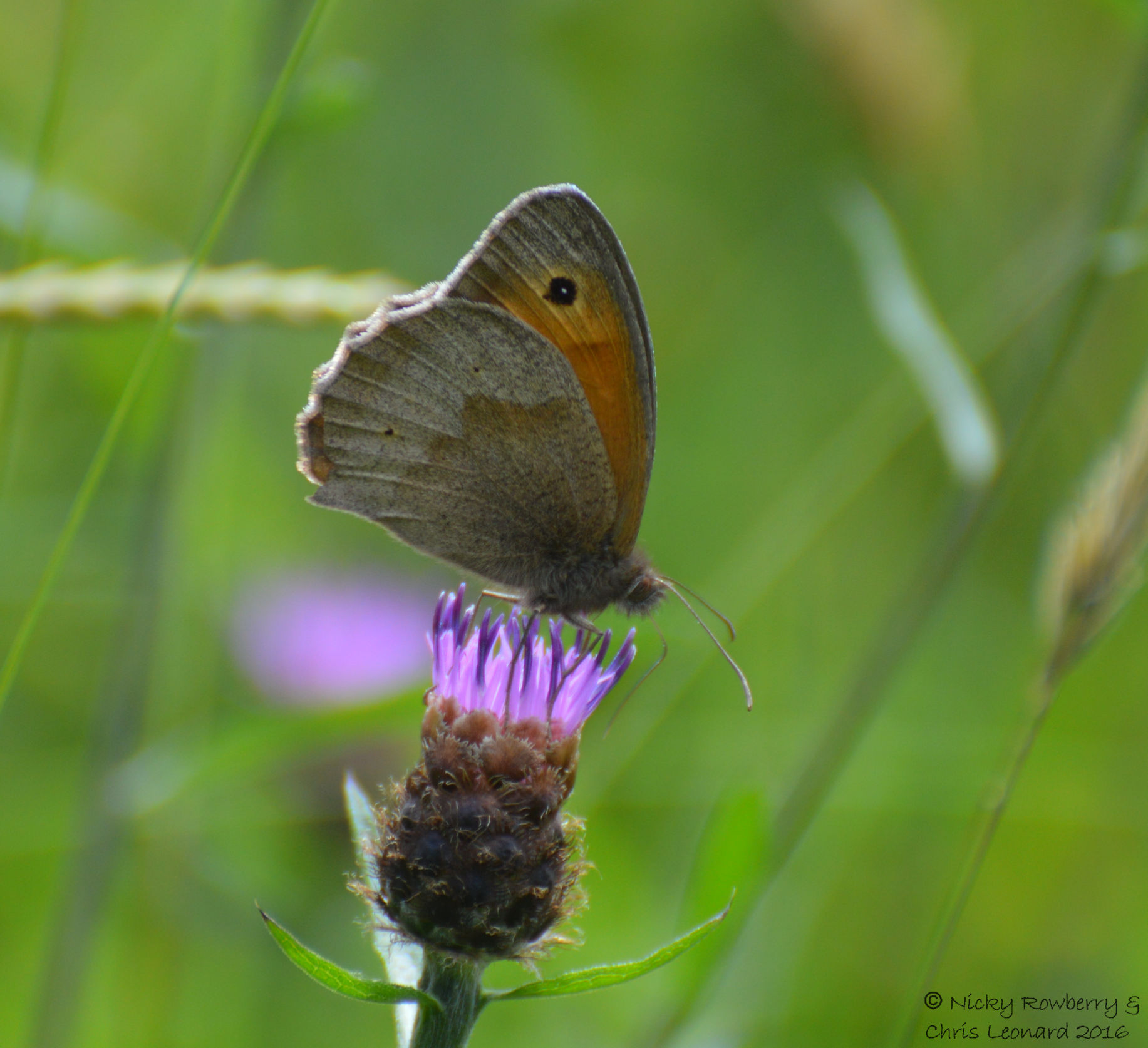
The fields themselves were full of Meadow Browns. At one point with the sun shining, they were floating up and down over the grasses as far as I could see. It was an incredibly peaceful thing to watch and was sort of how I feel meadows should be – bathed in sunlight with butterflies flitting lazily around. It felt like a taste of bygone times.

Meadow Brown

Speckled Woods tended to stick to the hedgerows rather than the open fields and I saw several patrolling the brambles.

Speckled Wood

A couple of Large Skipper butterflies were darting around the field too – they have a much faster more erratic flight than the Meadow Browns and were harder to get a photo of.

Large Skipper

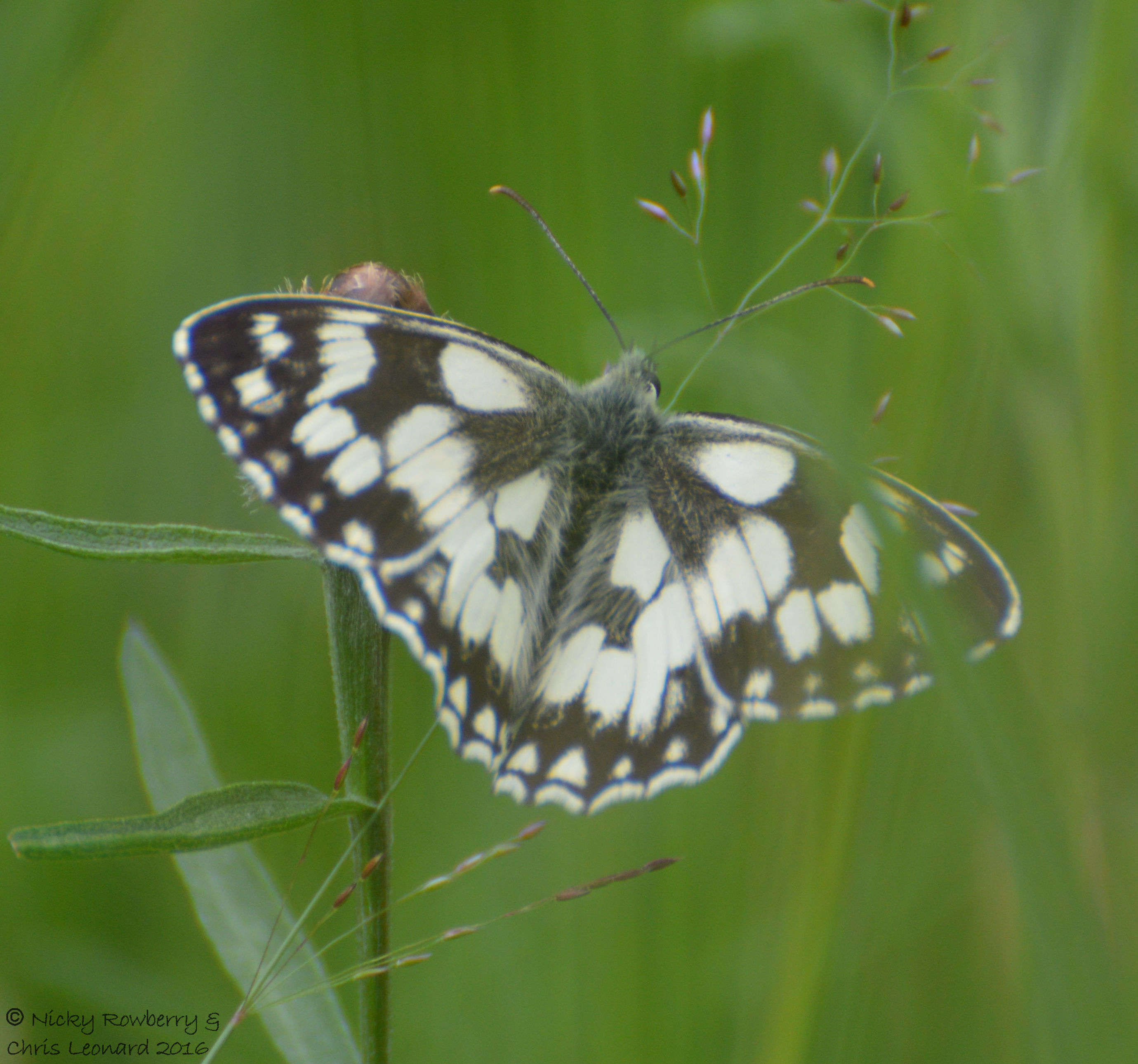
The highlight of the afternoon though was spotting my first Marbled White of the year. As is always the way, I had the wrong camera lens on when it first appeared, then there was grass in the way, then I got greedy and tried to get too close and of course it flew off. So these less than perfect photos were the best I could manage.

Marbled White 2

Marbled White

Marbled Whites have always been one of my favourites. When we first started butterfly watching they were the first species we actively went out looking for. I can still remember how excited we were when we spotted our first one at Knapp & Papermill reserve – at the time I thought we’d never get a decent photo of one. Looking at today’s efforts, it seems nothing much has changed there!

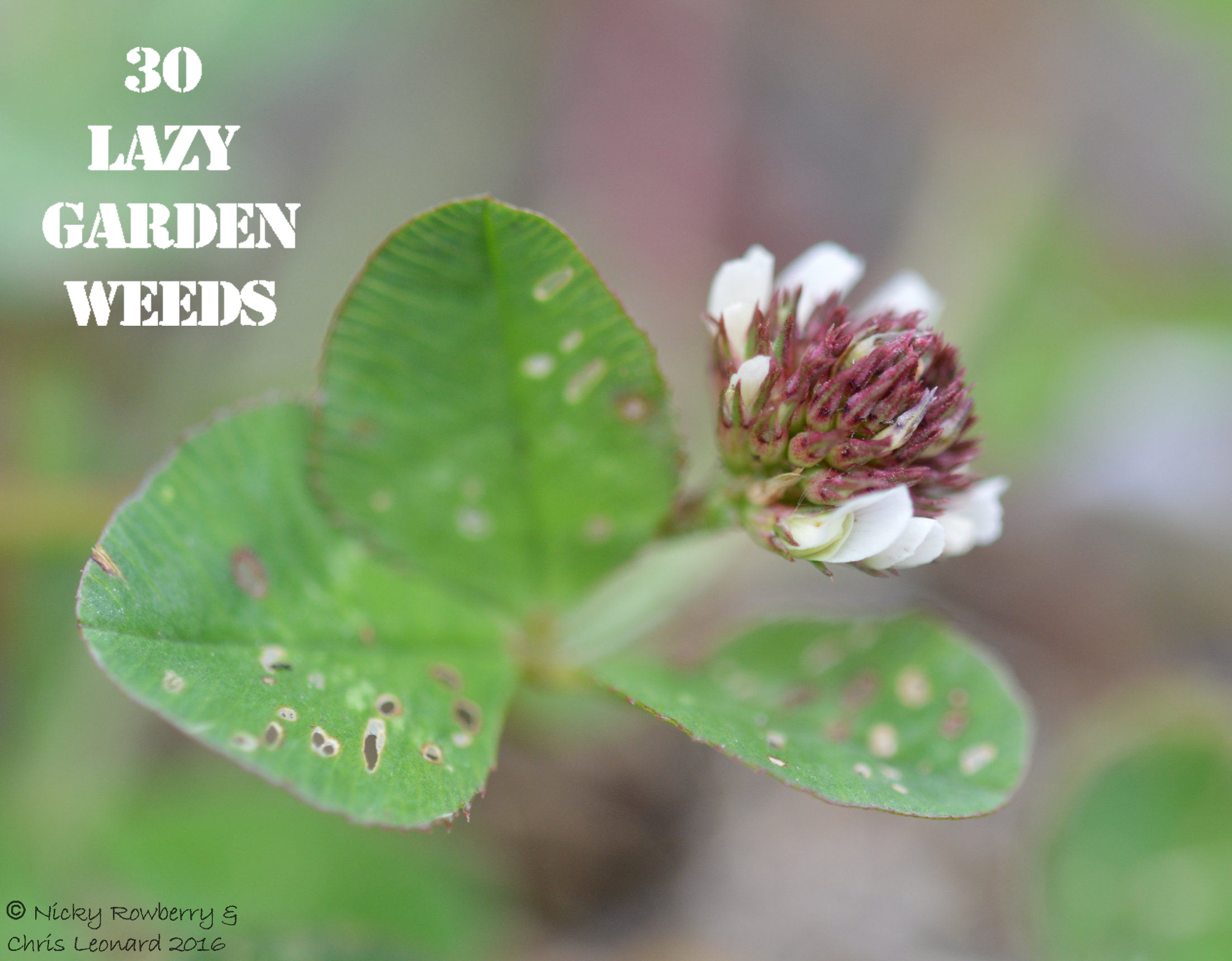
Clover 30 WEEDSAnd finally today’s weed in my 30 Lazy Garden Weeds – is the Clover. If you want a pristine garden lawn then I understand that clover is probably the enemy. But why would you want a pristine lawn when you can have one full of flowers and wildlife. The bees like the clover, so it’s fine by me. Clover is actually very good for the soil – it fixes nitrogen, so is good for green composting. Clovers famously have 3 leaves, unless of course you are lucky enough to find the elusive 4 leaved clover – a real prize when I was a child to find such a thing.