After the rush of 30 Days Wild in June, I thought July would be a quiet month and I’d be able to blog at a leisurely pace. Somehow that doesn’t seem to have happened and we are now two thirds through the month! The good news is that we managed to squeeze in a fantastic holiday in the beautiful Scilly Isles. We took so many photos (over 2000!) that I’ll split them (not all of them obviously!) into blog posts for the different islands we visited.
So first up are some of the many things we saw on the main island – St Mary’s. We were staying on St Mary’s, so spent our first full day getting to know it (via some crazy golf buggy driving thanks to my brother-in-law), before taking boat trips to the other islands later in the week.
The Scilly Isles are off the southern tip of Cornwall and have a much more tropical climate than we get back home in Malvern. This was immediately apparent from the lush vegetation – palm trees, giant Echiums and Agapanthus everywhere. The rocky walls were generally covered in all manner of stunning flowers and the hedgerows were overflowing.
As we trundled around St Mary’s at the breakneck speed of 12mph on the buggy, the views were pretty much stunning from all angles. Beautiful beaches and some amazing rock formations.

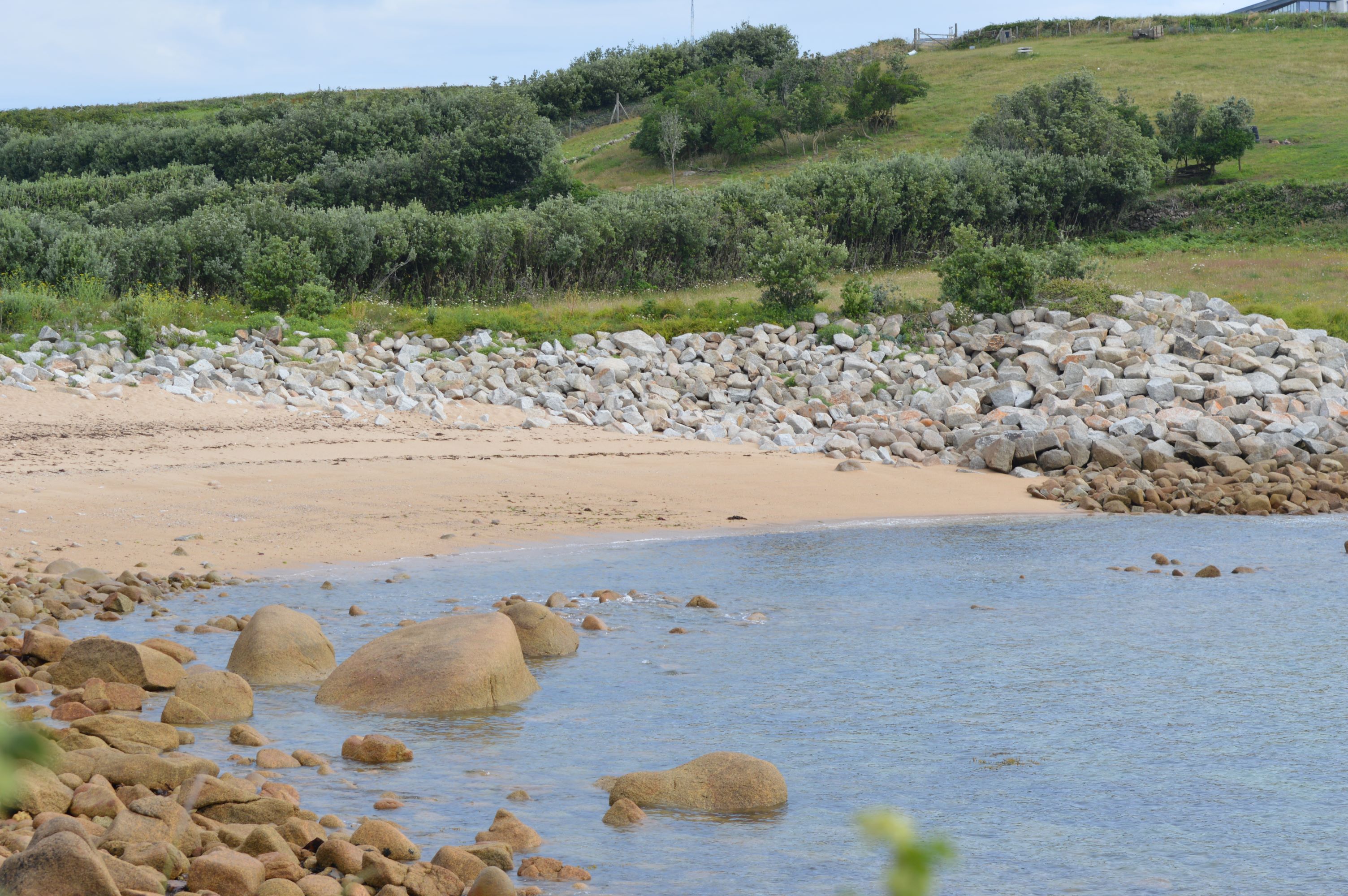
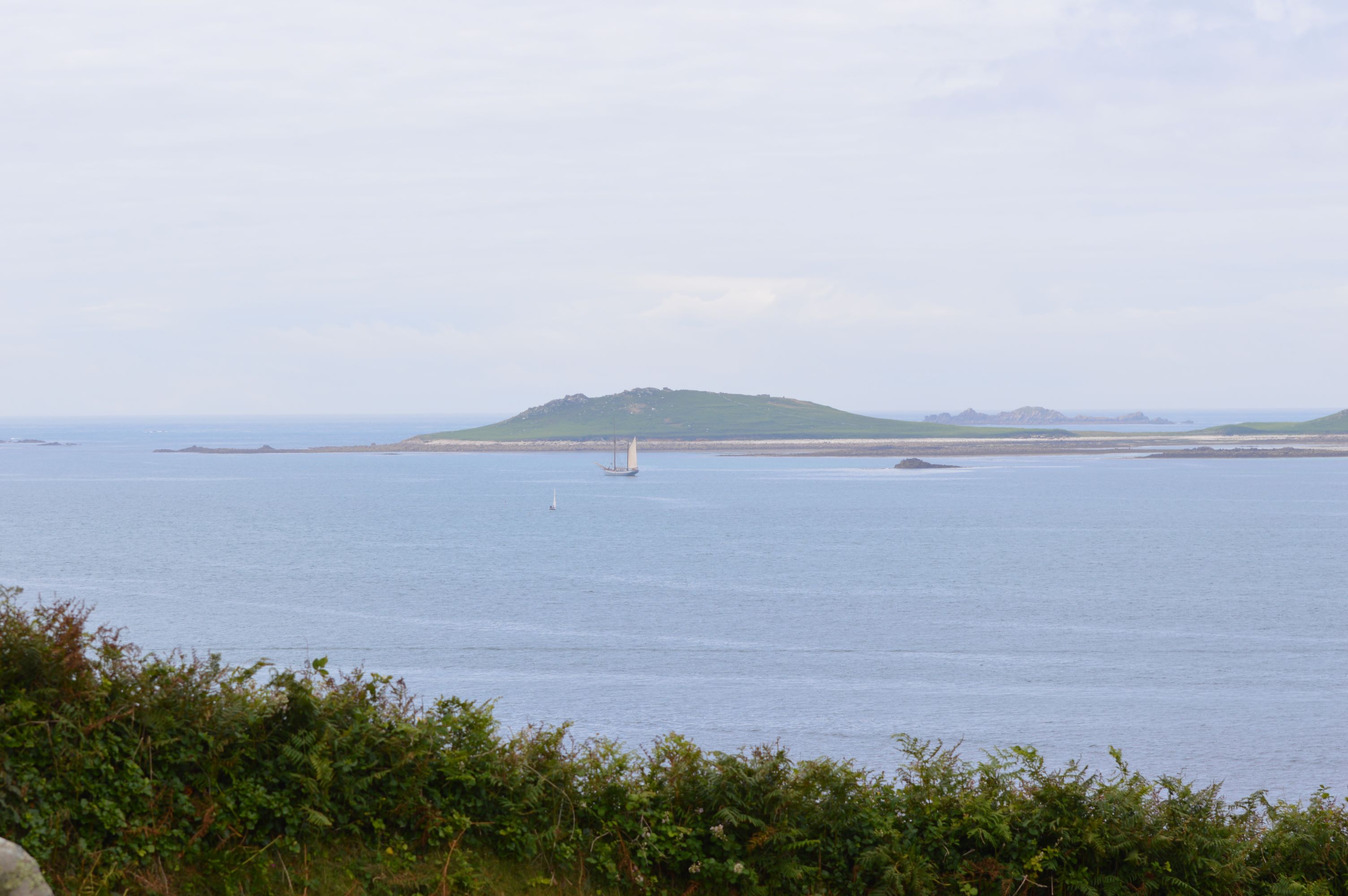


I tried one of my usual shaky videos to give some idea of the panorama of islands all around us:
Normally I focus on the natural history, but the Scilly Isles have been inhabited since Neolithic times, so it would have been rude not to pay a visit to at least one site. This is Halangy Down; a village inhabited from the Iron Age through to the early Medieval period when it was abandoned as the area got buried in sand.
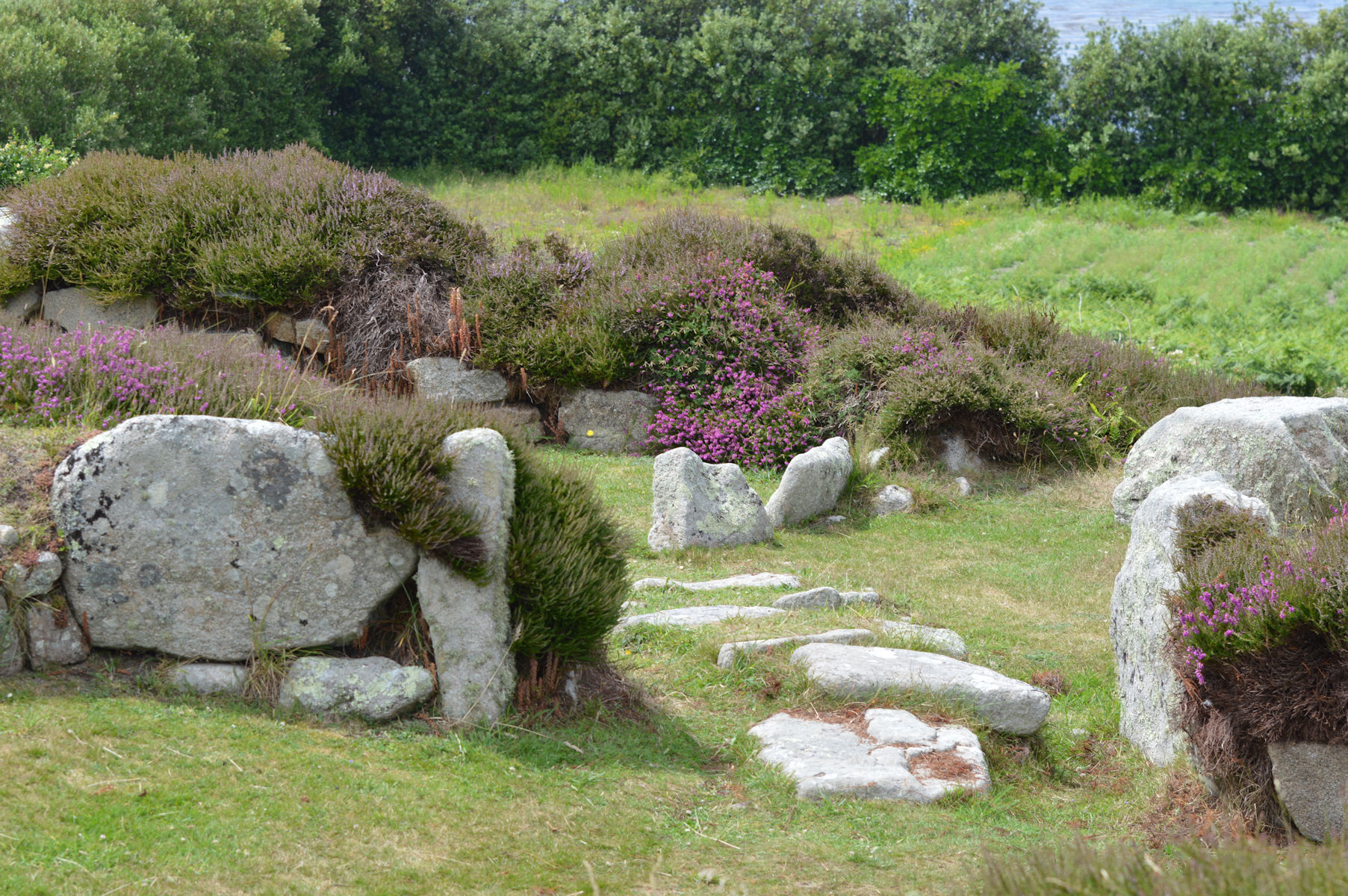
And this is Bant’s Carn – a 4000 year old burial chamber, just up the hill from the ancient village. I did actually go inside, but obviously couldn’t take a photo of myself!

Fascinating as the ancient history is, I always end up looking for the wildlife. The islands are of course full of birds, who have not only adapted to island life but to tourist life as well. The sparrows in particular had learnt that tourists were easy picking and wherever we went to eat they were there – greedy opportunists, making the most of us greedy visitors. I even managed a bit of sparrow whispering and got them to land on my hand by sacrificing a bit of my lunch to my new friends. If only I could get the robin on our allotment to do the same, I’d be very happy.
Of course we saw lots of other birds besides the sparrows. First new species for us was this Rock Pipit seen down on the shore near the Old Town area – please someone tell me if this is actually just another sparrow!

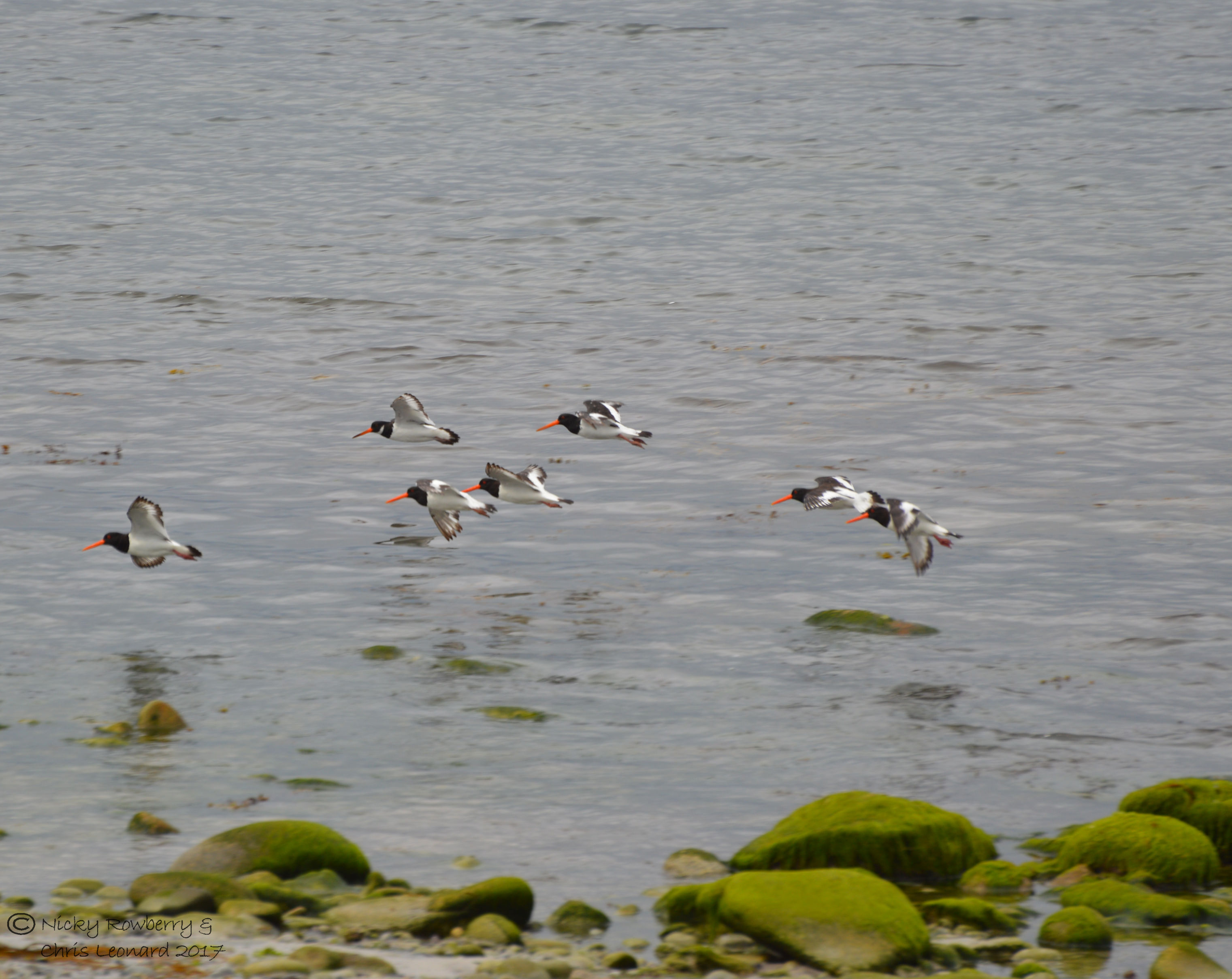
We saw lots of our perennial favourites – oystercatchers. I’m not sure I’d ever noticed before how disproportionately long their beaks are – although they are clearly well evolved to successfully fill the biological niche that would require such a beak!

We got one fleeting glimpse of a gannet, although they do occur all round the islands. I always struggle to tell cormorants from shags, but apparently the latter are much more common on the Scillies.
Gulls were of course present pretty much everywhere. We saw a lot of Great Black-Backed Gull – the largest gull in the world. The Scilly Isles have over 10% of the UK’s breeding population of this gull. Apparently they can swallow puffins whole, but the one we saw was making do with pecking at a crab shell it had probably nicked from a local restaurant.
I had been tempted to take the moth trap to the Scillies, but common sense prevailed and I was reduced to looking for day flying ones. Fortunately six spot burnett moths were sufficiently common around the islands to satisfy the mothy nerd in me.
As St Mary’s is the main island and therefore the most populous, we hadn’t really expected to see too much wildlife. We thought St Mary’s would be our foodie base and we’d use the outer islands for serious wildlife watching. But without really looking we stumbled upon loads of plants and animals that caught our interest – most of which was accessible from a golf buggy. Who knows what we might have seen if we’d got out and explored on foot!
More soon, when I’ve ploughed through the next 500 or so photos from our trip to the Scilly Isles! xx
 Too Lazy To Weed
Your shrub with orange flowers is Brugmansia sanguinea, sometimes called Red Angel’s Trumpet. Not fully hardy. I did grow it years ago in London but it would get blackened by frost but shoot from the base again the following year so would never attain the magnificent stature of the Scilly plants. Have seen them there- magical!
LikeLike
Hi Neil. Thanks so much for the ID – great to know what they are now. I’m tempted to have a go at growing them here in Malvern, but I’d guess they’d suffer from the frost the same way yours did. They certainly were magical in Scilly!
LikeLike
The bell shaped flowers are Angel’s Trumpets. Great photos – looking forward to the next post.
LikeLike
Thanks Jo, glad you liked our Scilly trip so far – plenty more to come! Great to have an ID on the flowers – many thanks. x
LikeLike
Love visiting burial chambers. That one looked impressive!
LikeLike
Yes it was and in a wonderful setting.
LikeLike