30 Days Wild – Day 19 – Upton Warren Wetlands

It’s Day 19 of 30 Days Wild and after yesterday’s lethargy, I was determined to get out and about. So I headed out to Upton Warren Wetlands Reserve. For some reason I thought it might be cooler near water and I fondly imagined bird hides would also be oases of calm in the heat. How wrong can you be? It was of course hot and humid there like everywhere else and the bird hides were more like ovens than fridges!
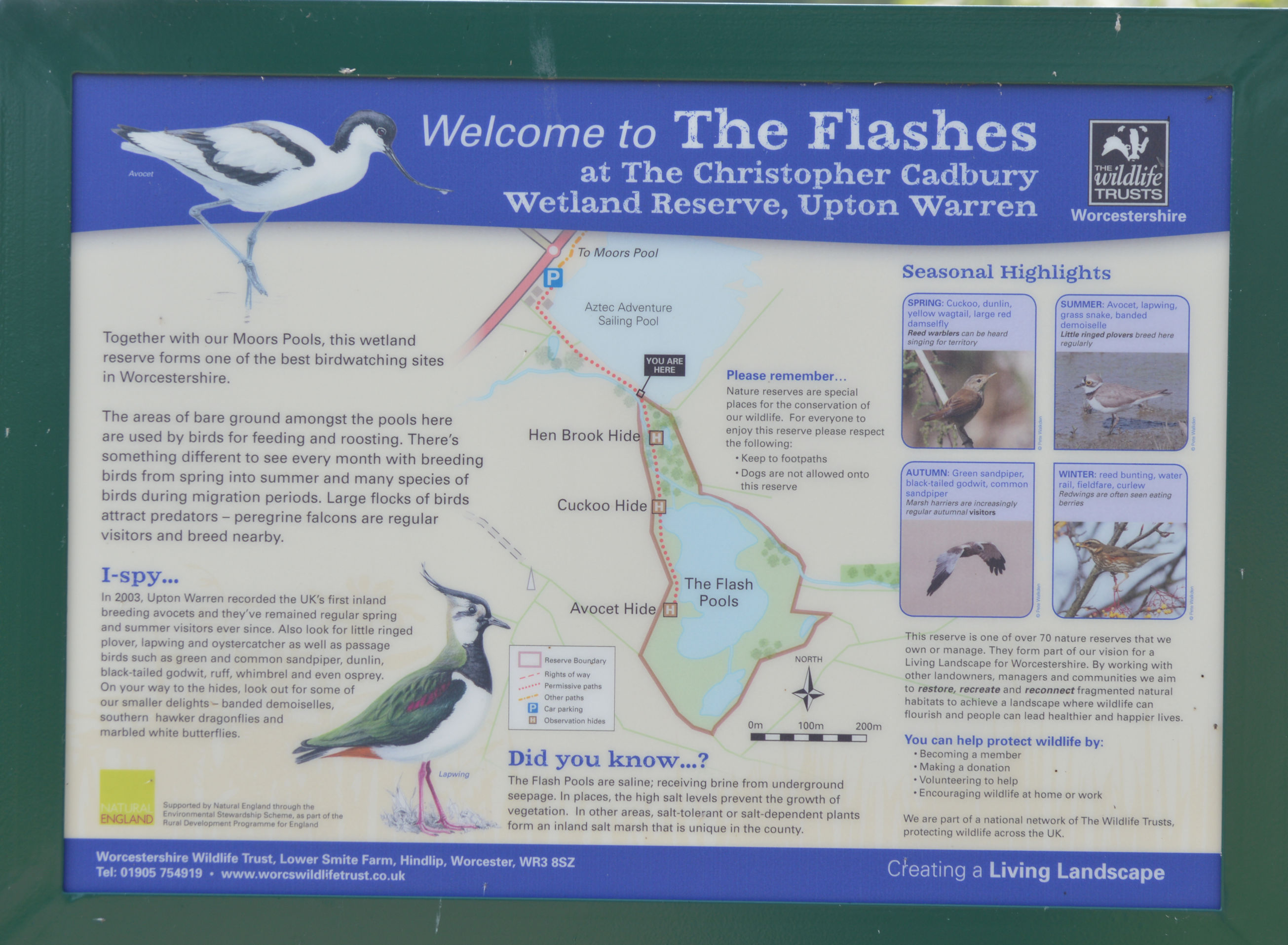
I had been to Upton Warren a couple of months ago, but had only had time to visit the Moors section of the reserve. So this time I headed for The Flashes, which are saline pools and so attract an interesting array of birds, especially for such an inland location. Since I was expecting to photograph birds, I left the macro lens at home – with hindsight another error of judgment for today! Fortunately the lens I did take, wasn’t too bad for insects (although I couldn’t get as close as I would have liked), because the place was alive with damselfies, demoiselles and dragonflies.

The sailing pool was absolutely awash with Common Blue damselflies – they were everywhere. They certainly lived up to their name today – they were very common and very blue. There were so many I was afraid of treading on one.
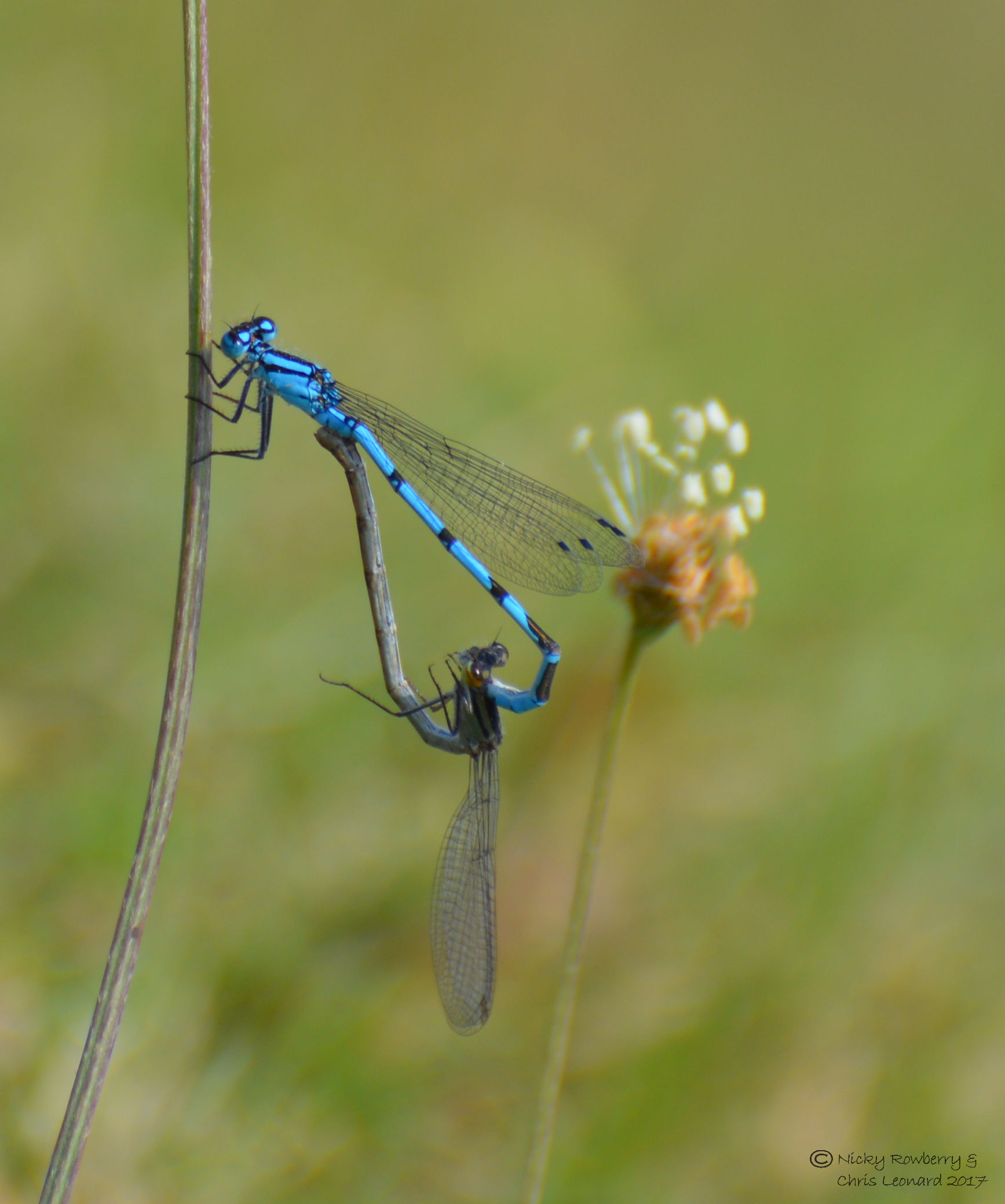
Then I spotted something bigger, which fortunately settled on a landing platform. I think it is a Black Tailed Skimmer. It was certainly skimming low over the water.

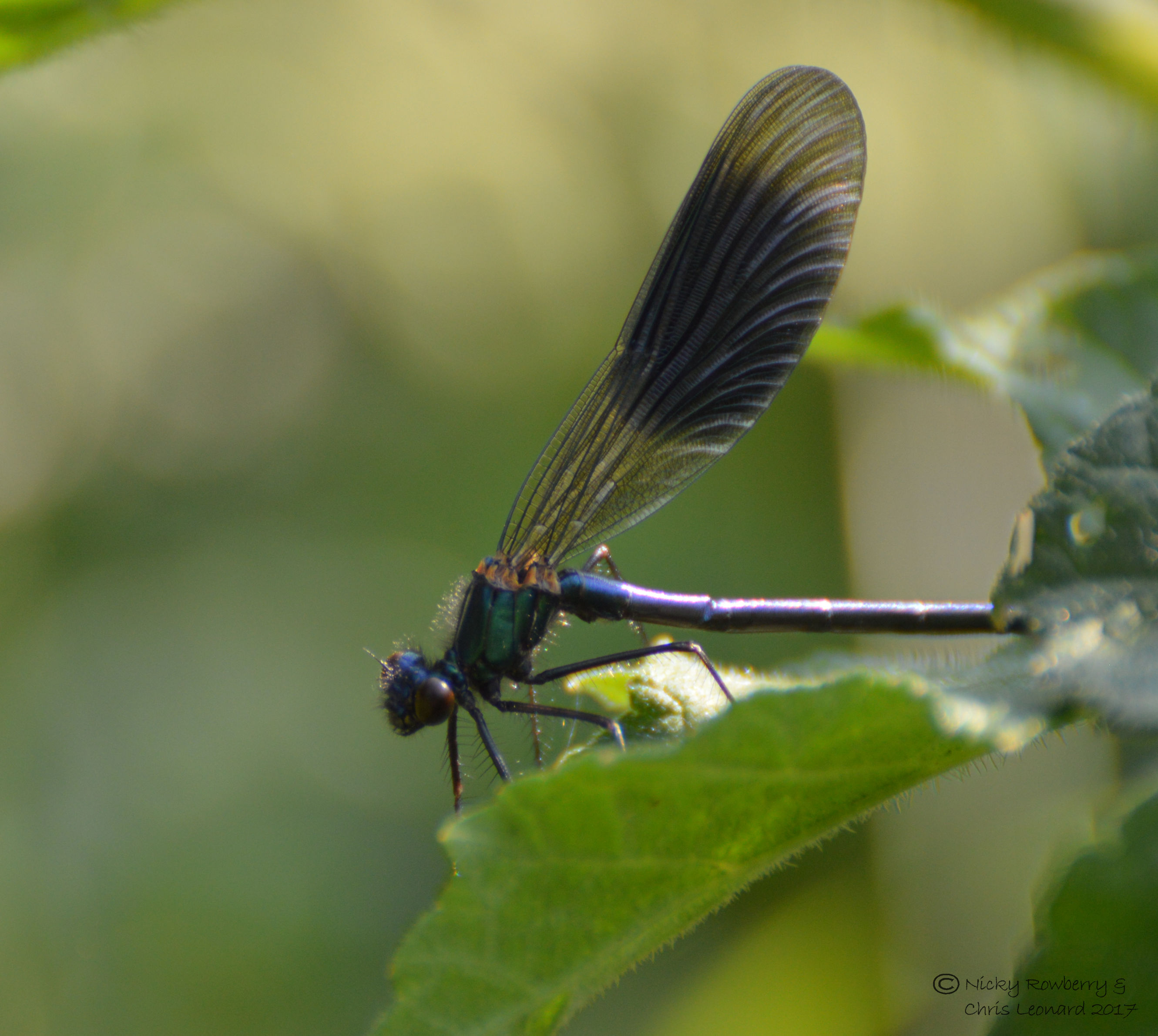
Next up was a Banded Demoiselle; my second demoiselle species of the year.
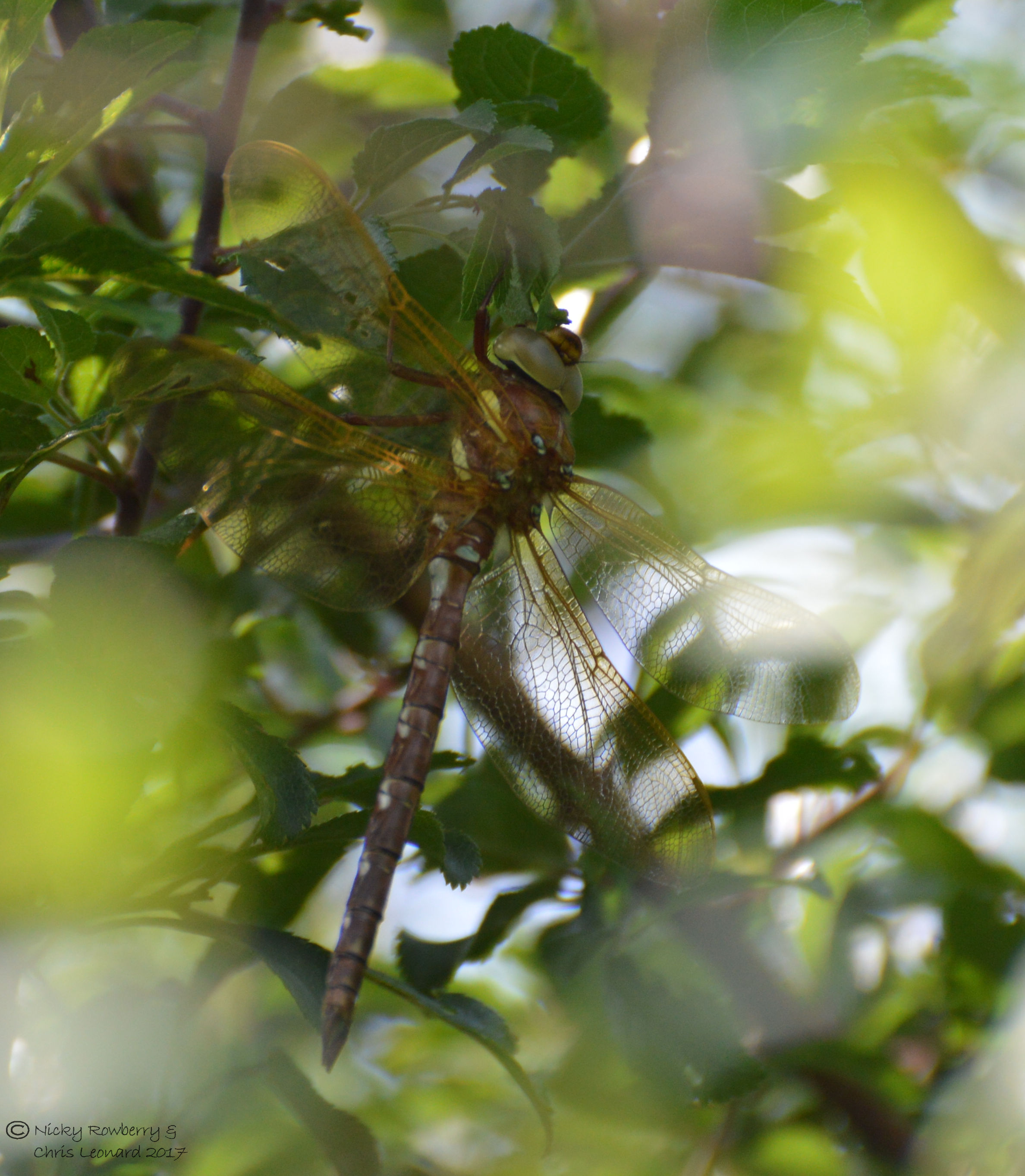
The final one was this huge dragonfly I spotted as I finished up for the morning. I say spotted, but actually I heard it first. It was so big that when it flew off, its wings made such a noise, I actually thought I’d disturbed a small bird and turned round to see what it was. I think it is some kind of hawker dragonfly.
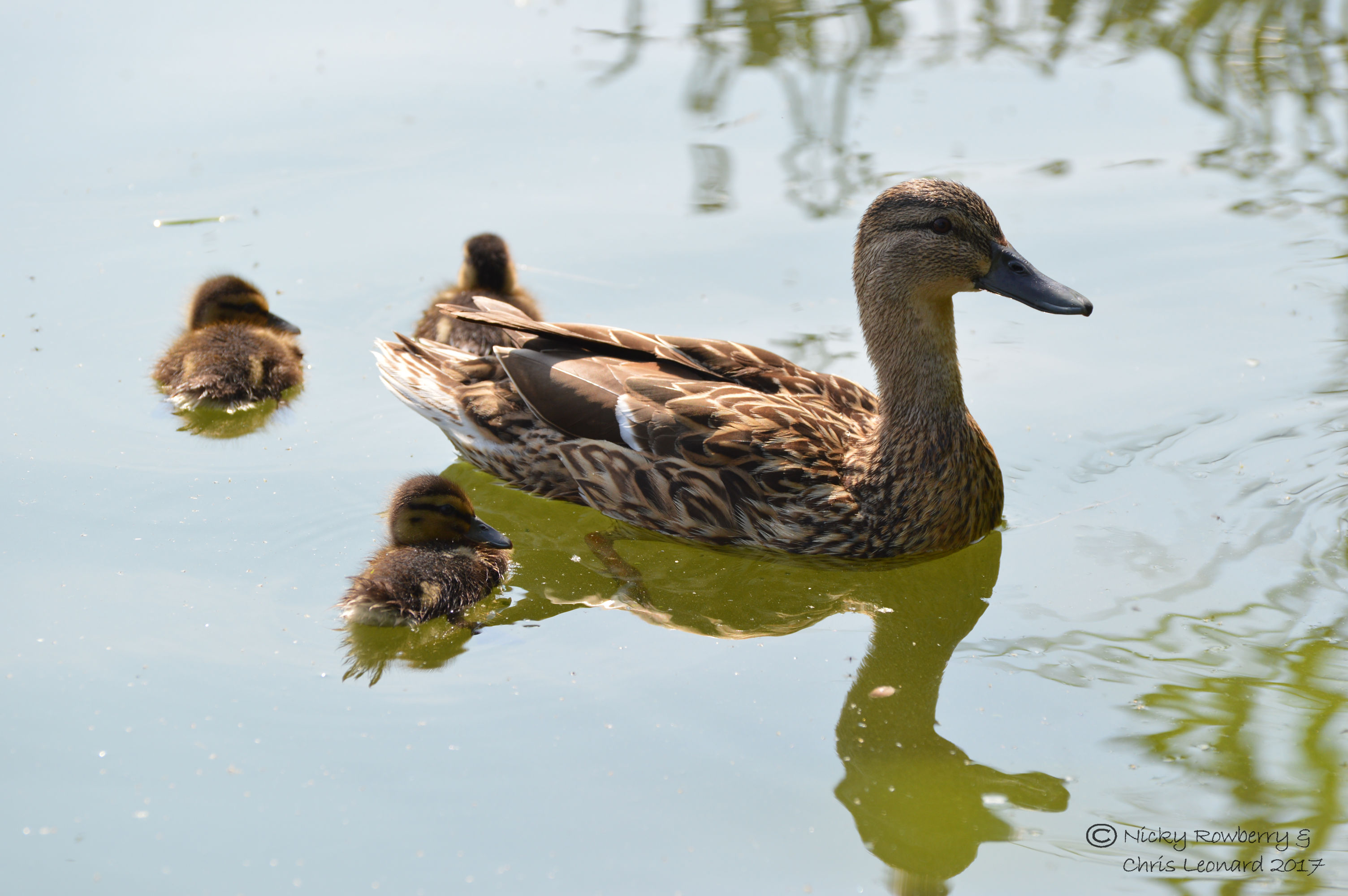
Anyway on to the birds – there were of course plenty there, despite me being distracted by the dragonflies. First happy sighting was this mother duck with her ducklings.
Moving on, probably the most common bird I saw this morning was the Black Headed Gull – again it does what it says on the tin – a gull with a black head! This one is an adult in breeding plumage.

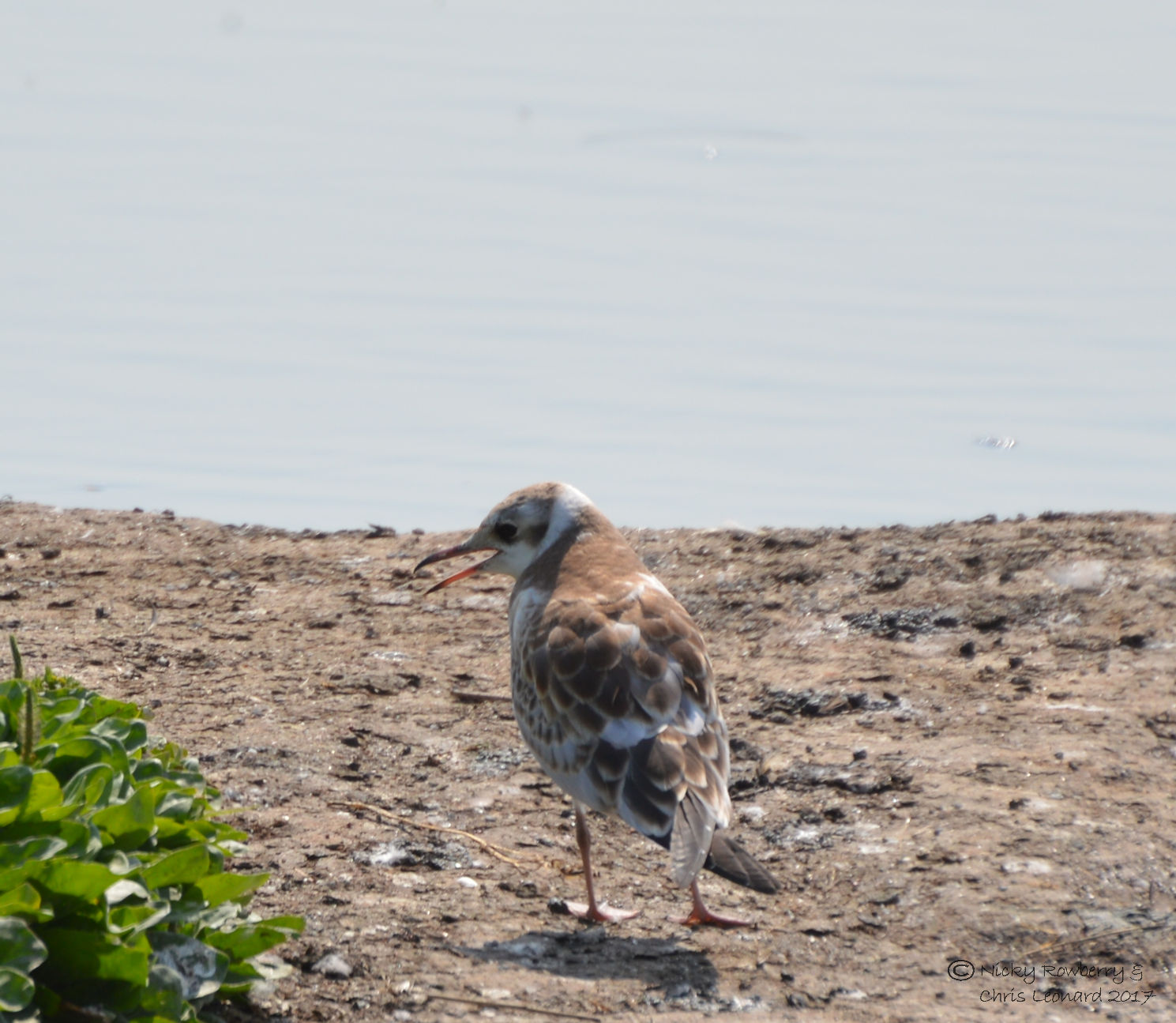
Although this one looks completely different, I think it is also a black headed gull, but a juvenile this time.
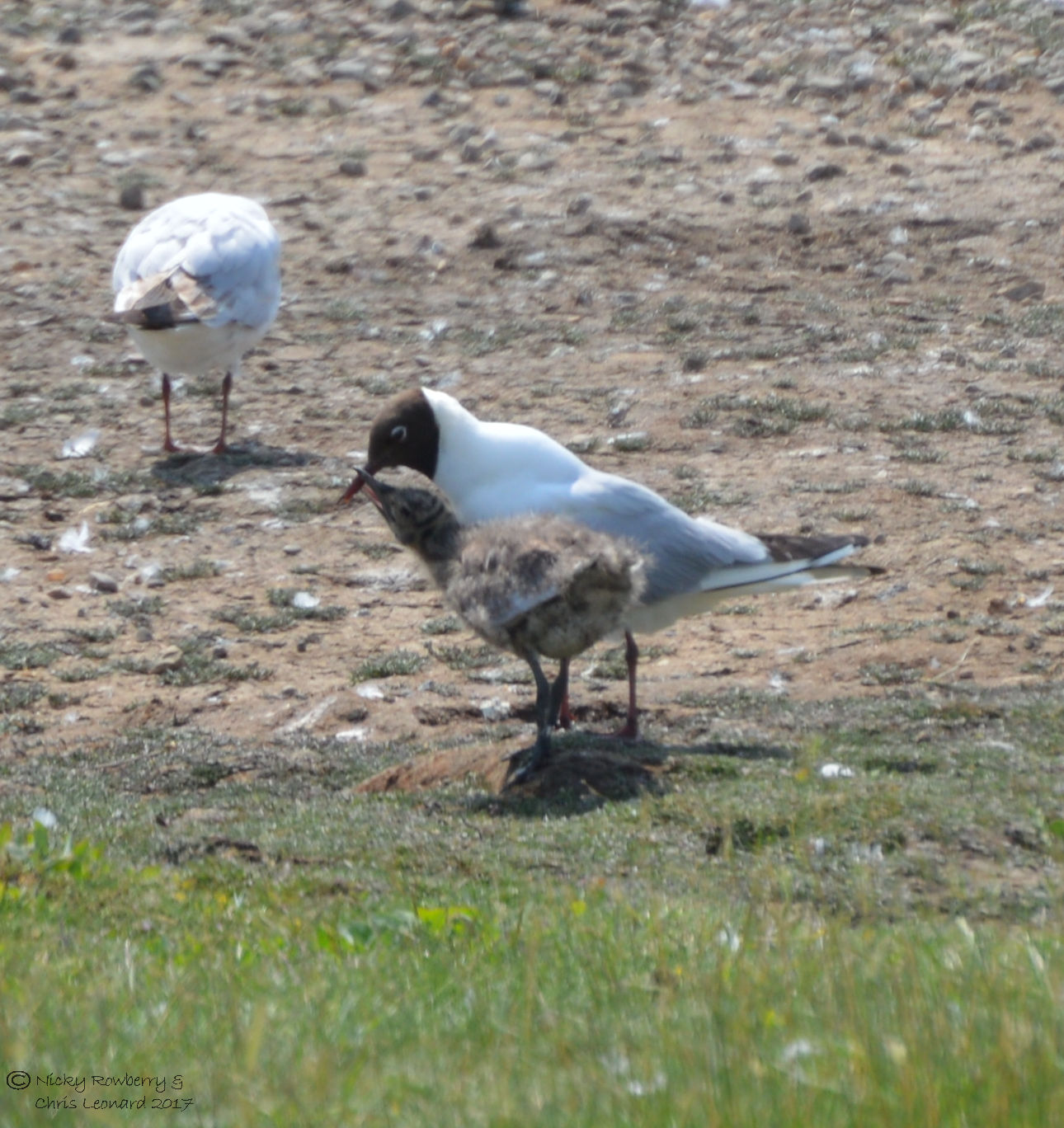
And to confirm the difference in plumage, here is a poor photo of an adult feeding an even younger one.
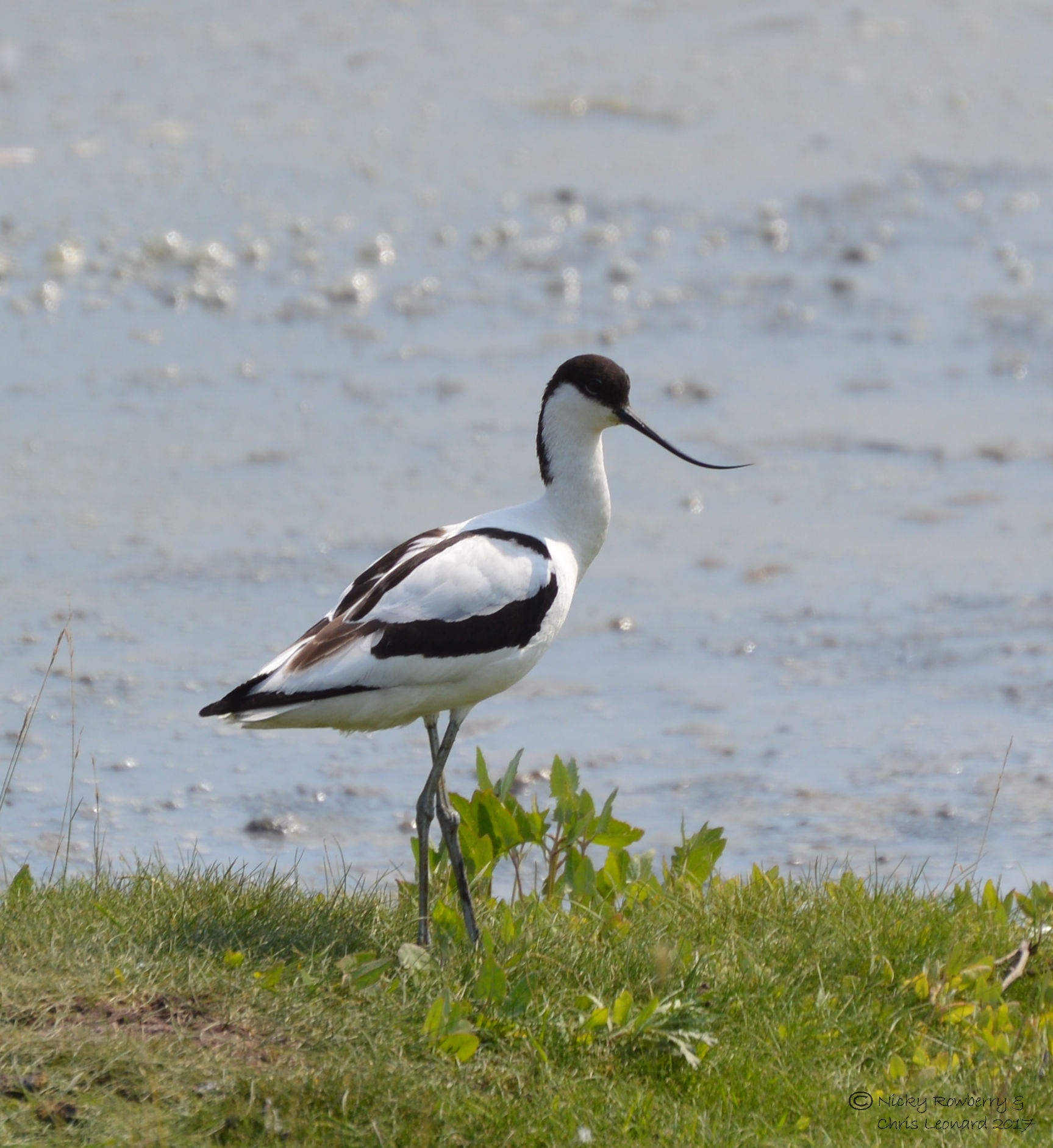
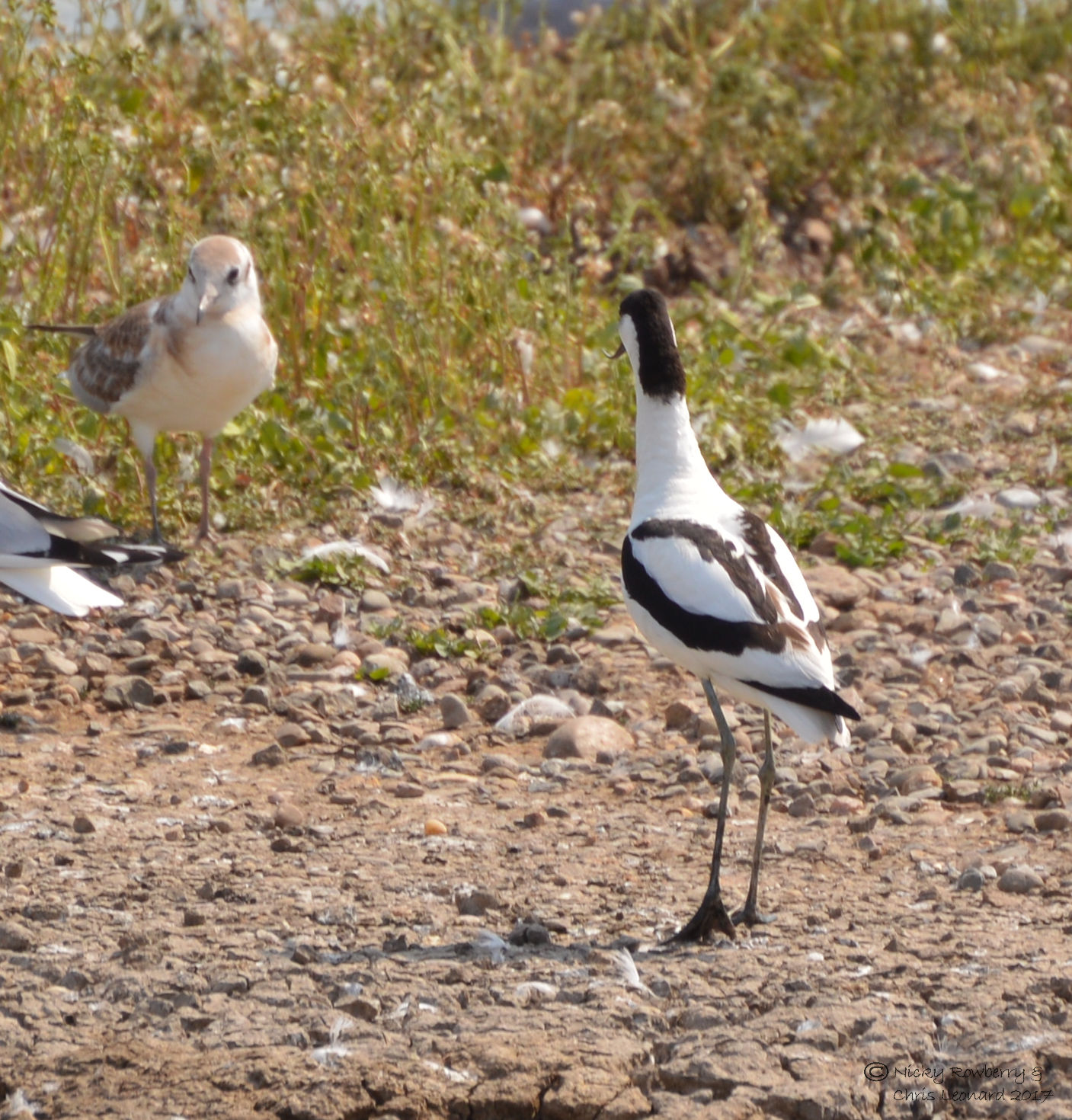
My favourite bird from today, and the one I went hoping to see, was the Avocet. Absolutely stunning black and white birds with long curved bills. I couldn’t help but take loads of photos! They seemed very territorial, chasing off anything that came within their patch, regardless of size of the intruder.
And this I think is an avocet chick. It’s not got the adult plumage yet, but the beak is the same and it was behaving the same.
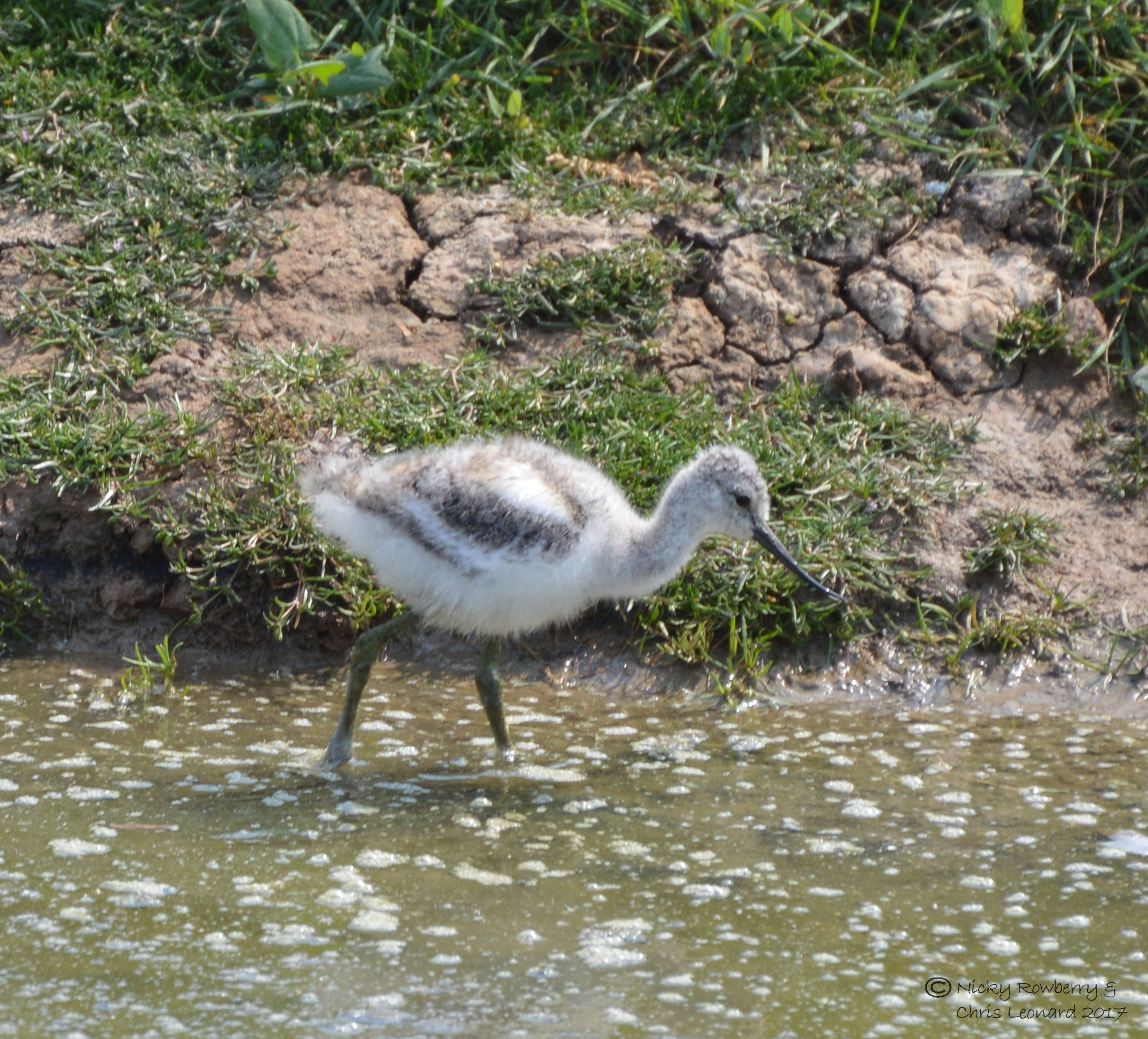
Both adult and young avocets behaved the same way – poking about through the water with their long bills looking for food. I managed a couple of shaky videos of them doing this. You can tell from the noise in the background, just how many birds were around today.


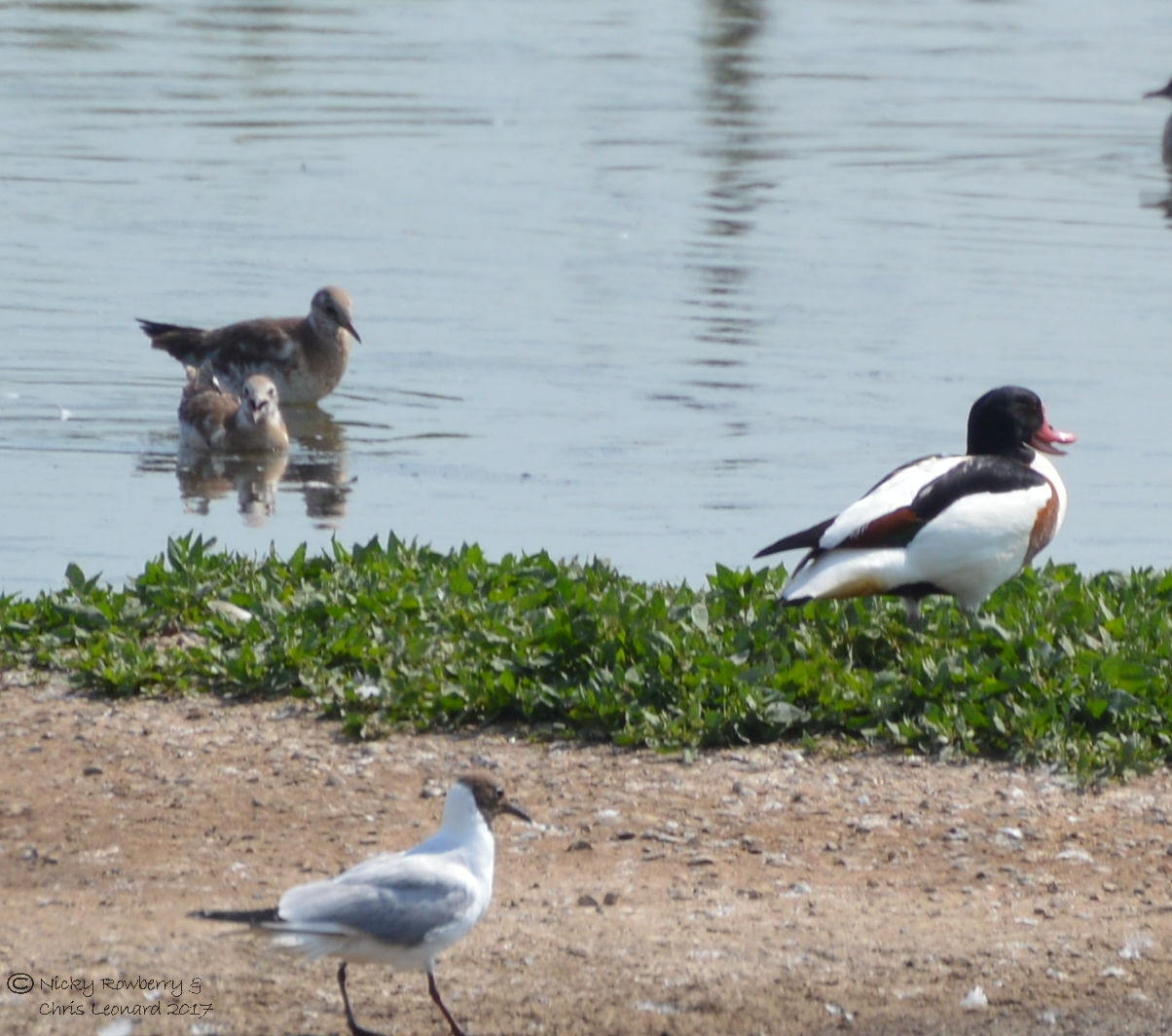
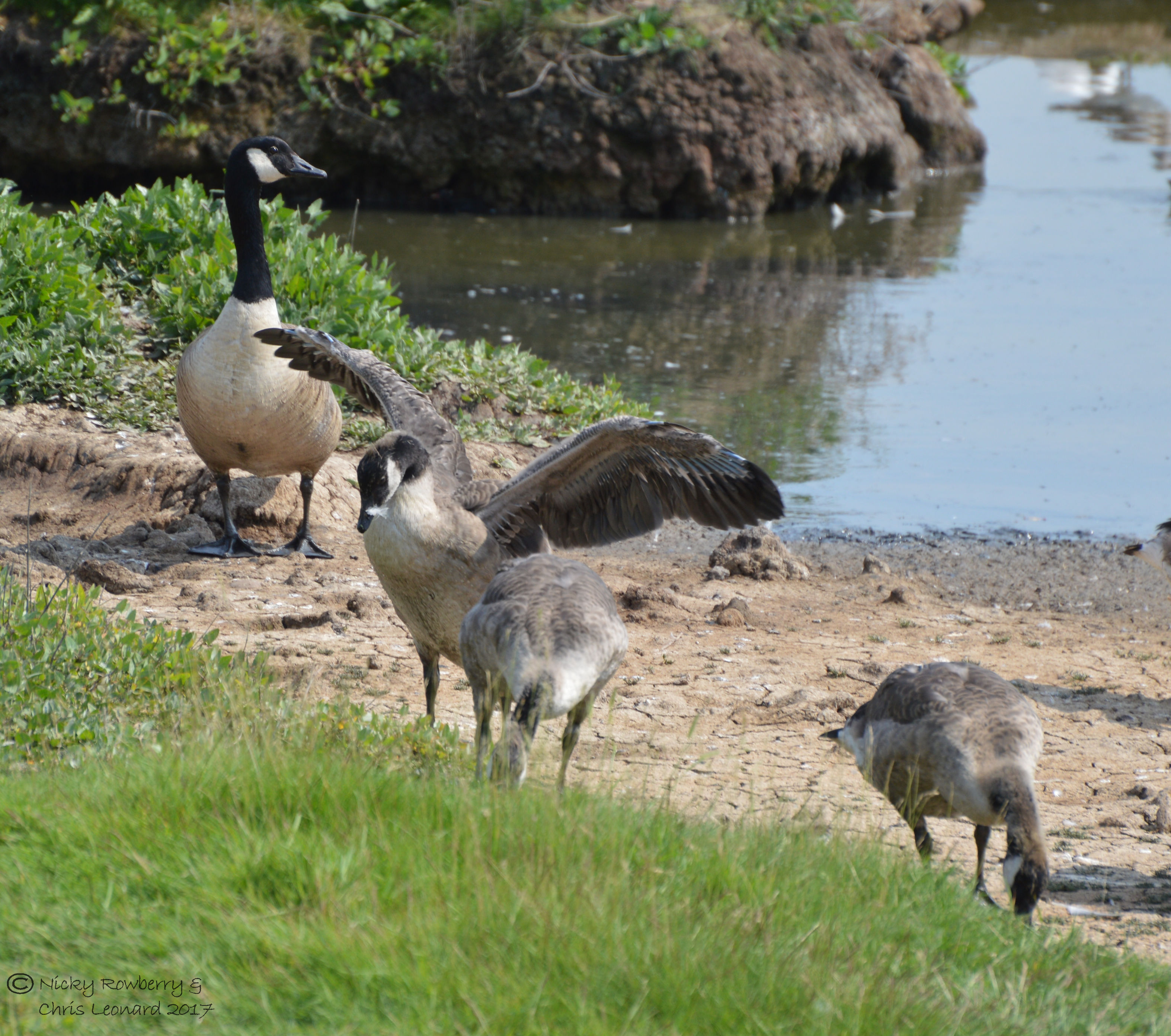
There was a real cacophony of bird sound all morning, most of which was unidentifiable to me, although I did think that perhaps there were some warblers near the hides – something definitely seemed to be warbling! Although there were birds everywhere, the only other species I really took photos of were this Shelduck and some Canadian Geese.
I no doubt missed lots of other species. Someone in one of the sweltering bird hides told me they’d seen a Mediterranean Gull from the next hide. I don’t think I saw one of those, but then I’m not sure I’d have been able to tell the difference if I did! Although it would be nice to be more knowledgeable about the birds, I don’t really mind going to places like Upton Warren as a novice. Just seeing so many birds, species I’d only ever seen on the telly (thank you Springwatch), is glorious. Upton Warren is a delight and I’m already looking forward to going back again – although I might wait for a cooler day!

 

30 Days Wild – Day 18 – Flaming June

They say be careful what you wish for – last week I was wishing the wind would drop and it would get warmer. Well it’s certainly flaming June now and I’m regretting last week’s wishes, as we swelter here in Malvern! It’s Day 18 of 30 Days Wild and it’s so hot it’s hard to find the energy to do anything. I haven’t ventured further than the garden, so today’s post is pretty much restricted to what is going on there. All I really managed was a gentle bit of garden bird watching, but there are worse ways to spend your day!

We have assorted feeders all over the garden, but I was restricted to photographing those I could see from the shade! I think perhaps it was too hot even for the birds as not that many showed themselves, despite me putting out several bowls of water. I even poured a load of water into the wheelbarrow to give them an impromptu pond (our other pond being more silt than water).

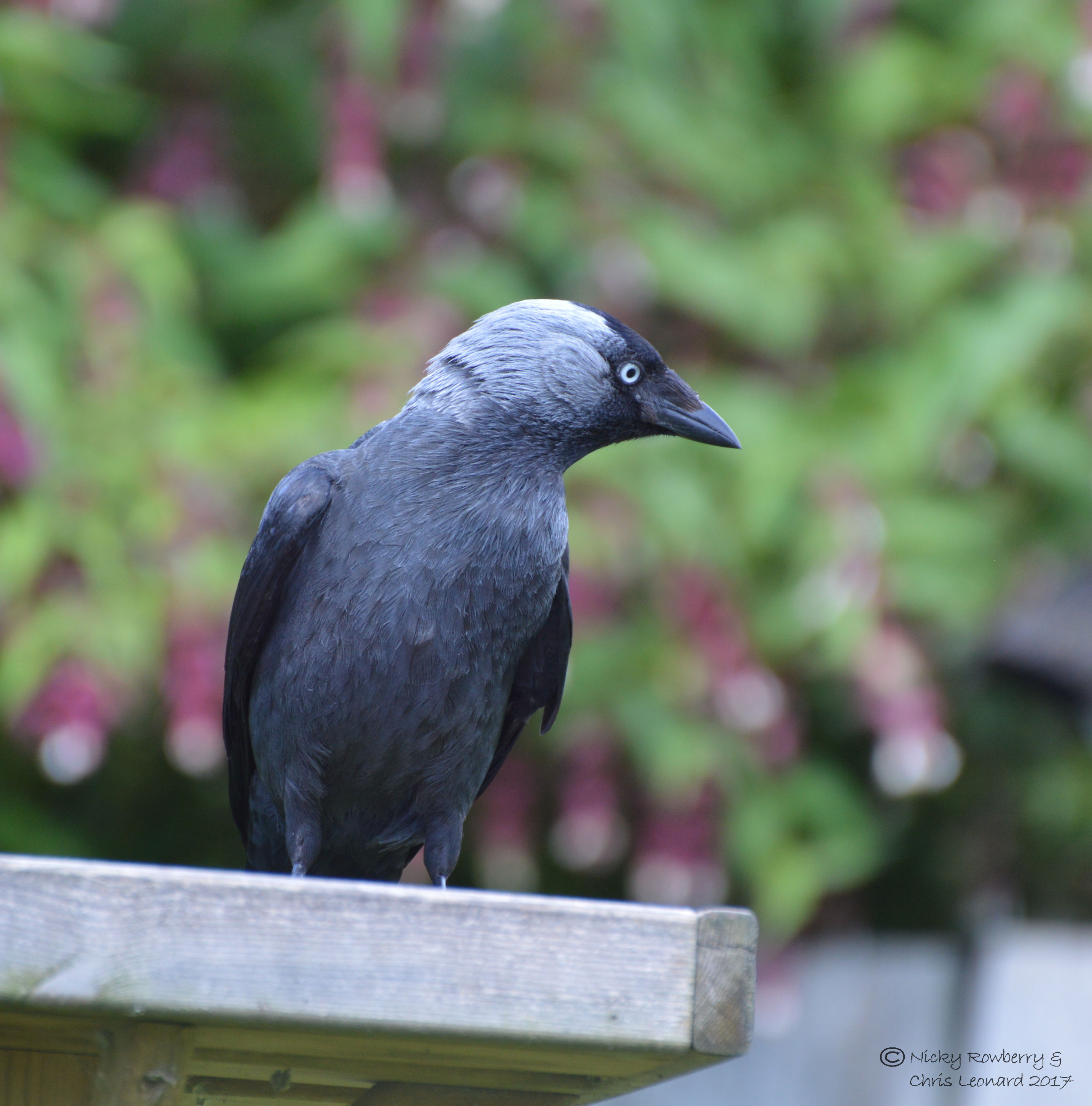
The old faithfuls the jackdaws did of course appear when I put out some suet shreds. They are always first down to the bird table – they must have good eyesight to spot me putting out food from wherever they are. I know they get a bit of a bad press, but they are beautiful birds really.

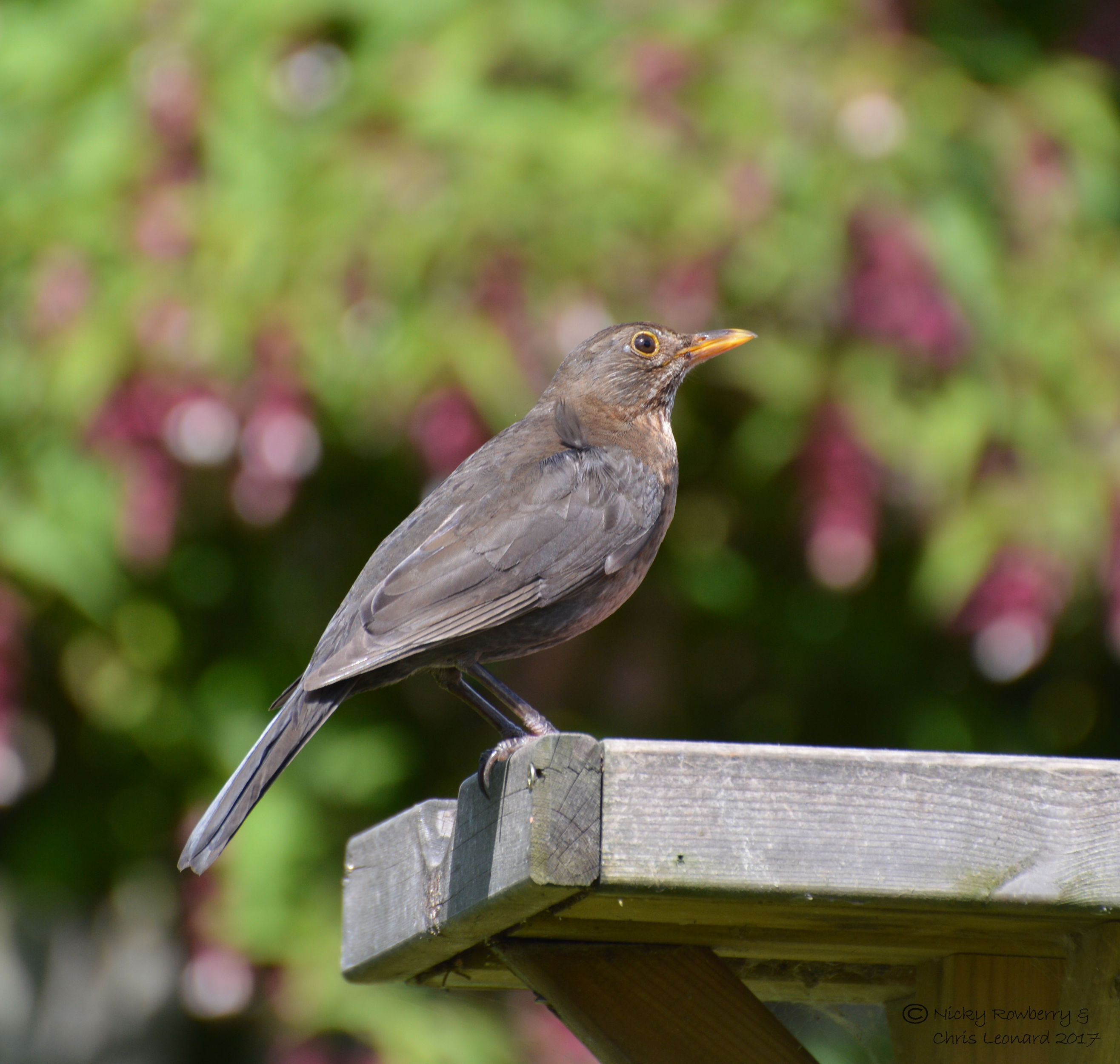
Next down to the table was this blackbird – more cautious than the jackdaws.

The only other birds I saw in abundance while I watched were the sparrows. They were everywhere, but too nervy to get a good photo. I kept seeing adults feeding fledglings, it looks as if it’s been a good year for sparrow babies in our garden at least. I never seemed to be able to get a clear shot though and in the end the best I managed was this blurry one – from a distance and through our grubby patio doors, so not ideal.

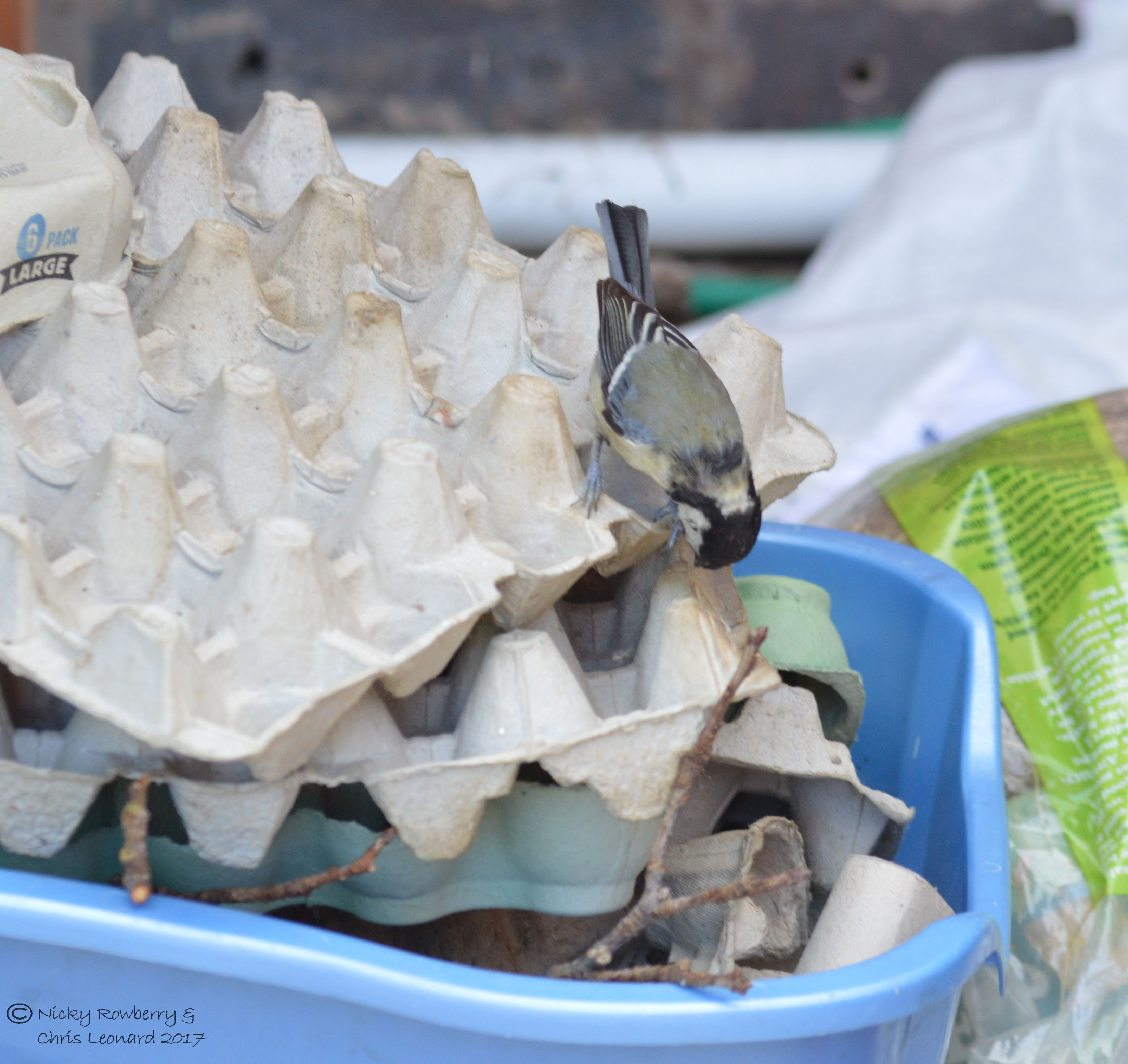
Of course you can put out all the intentional bird food you like, but sometimes the birds are just canny enough to help themselves to things you don’t want. This morning a Great Tit found the box full of egg trays that I’d put the moths in from last night’s trap, ready for them to fly off when it gets dark. He must have thought Christmas had come early until I moved it inside the boxes inside the old hedgehog hutch. Even then he managed to squeeze through the bars to get more until I blocked it up. Hard to be cross though, as he needs to feed his family too.

So not my most productive wildlife day, but very enjoyable all the same.


30 Days Wild – Day 12 – Lower Smite Farm

It’s Day 12 of 30 Days Wild and I headed to Worcestershire Wildlife Trust’s headquarters – Lower Smite Farm. It is, as its name suggests, a working farm  – but  one that is managed with the wildlife in mind in everything that’s done. The Trust have created a nature trail that encompasses a range of habitats and that’s what I followed today.

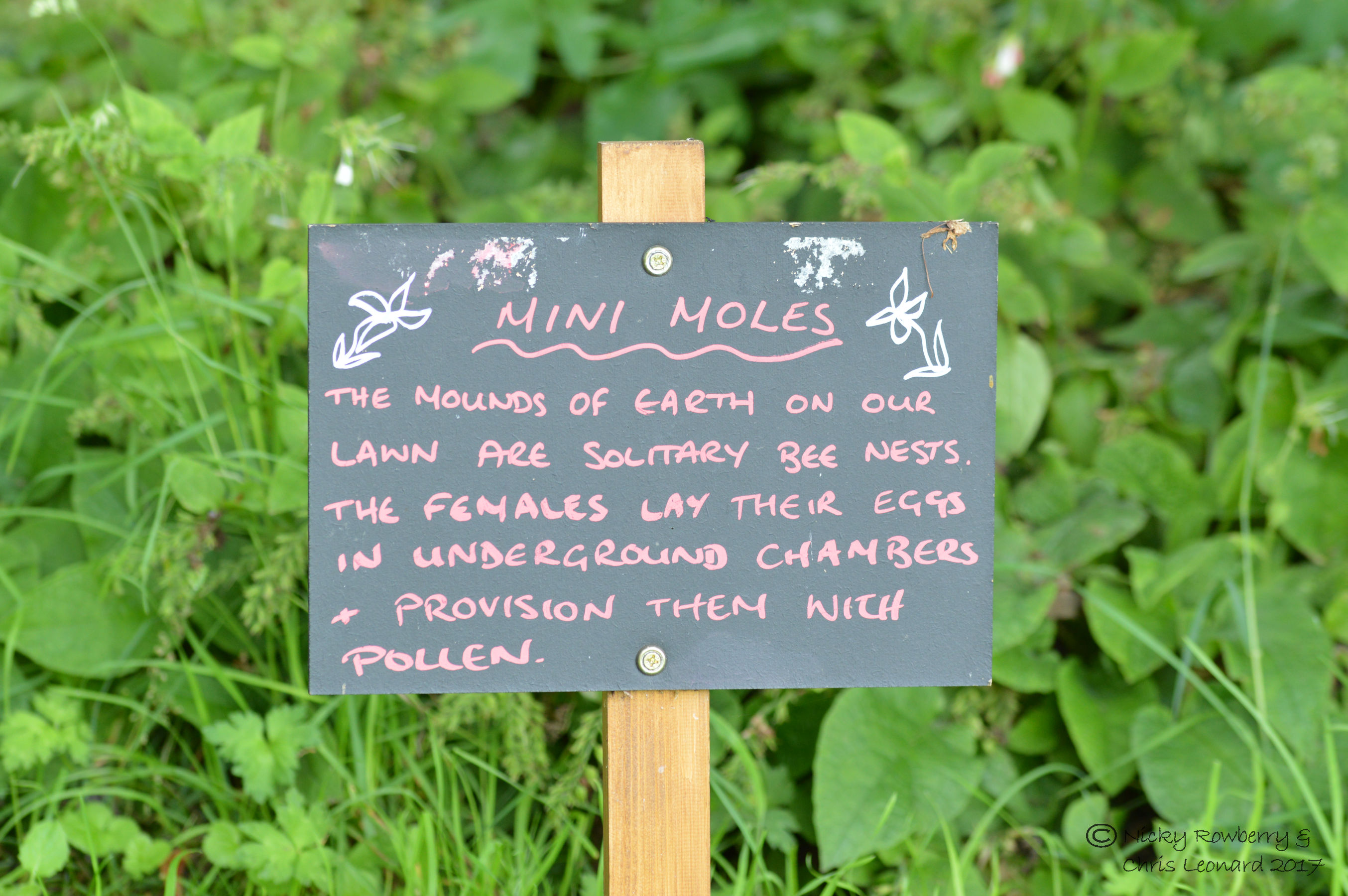
The trail started in the wildlife garden, which was an absolute delight. There were lots of ideas for wildlife gardening and plenty of information. I loved the little blackboards that were dotted around explaining things, like this one about solitary bee nests.

Not too surprisingly the whole site was a-buzz with bees, both in the garden and in the fields beyond. Every time I see a bee or a butterfly on the bird’s foot trefoil, it makes me think – we really must plant some of that in our own garden!

From the wildlife garden, the trail took me to the Granary; a 300 year old barn that is apparently full of bats.

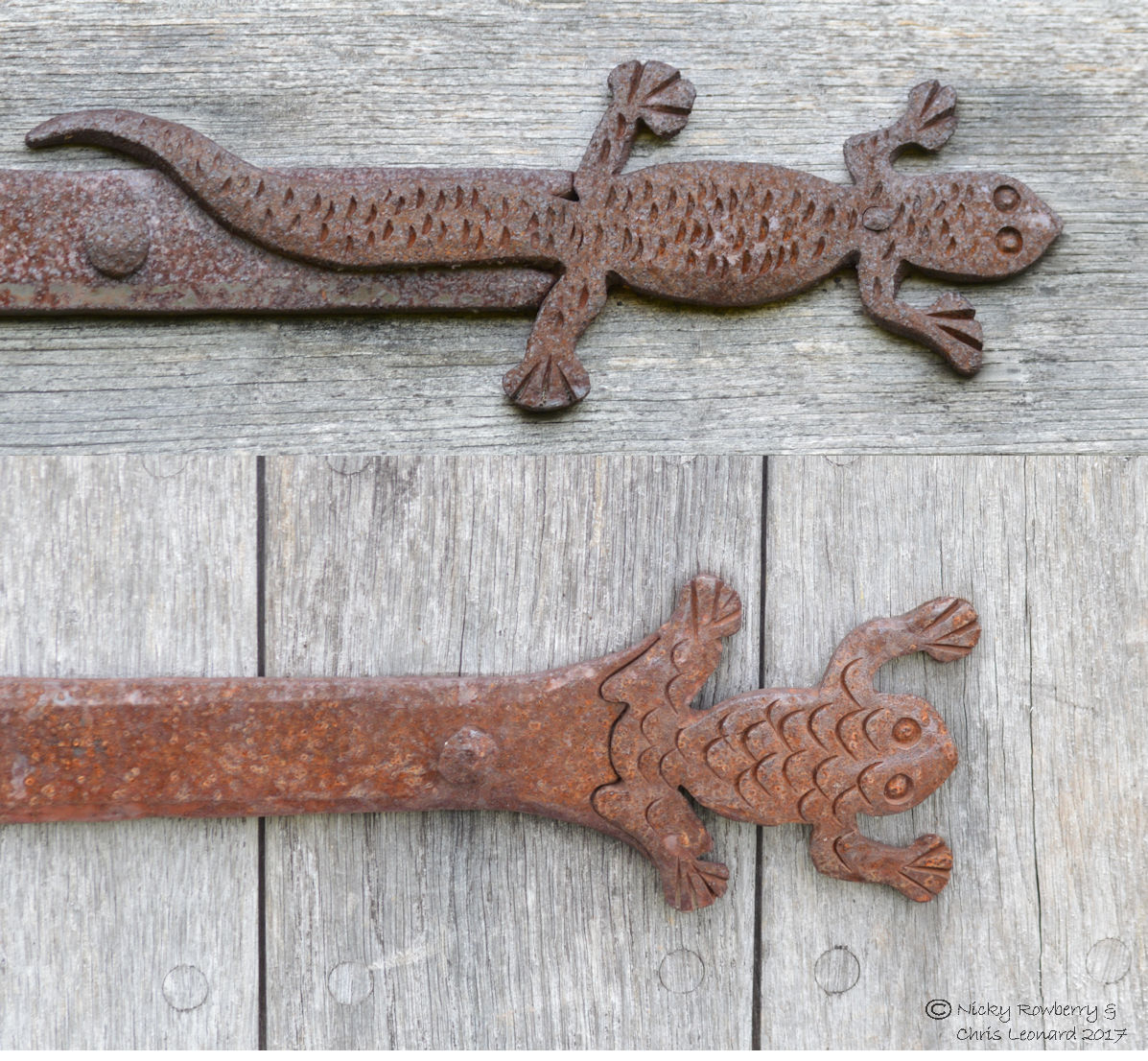
The building had these wonderful ironmongery lizard and frog on the doors – don’t know if they are original features or later additions, but if I’m ever lucky enough to own an old house, I want a pair of these!

The trail led from the Granary past a pond and wetland area. I thought I got a glimpse of a reed bunting, but it was too fleeting to get a photo.  After the pond the path turned into a field and followed the hedgerow. The margins of the field were full of wildflowers, such as these stunning poppies.

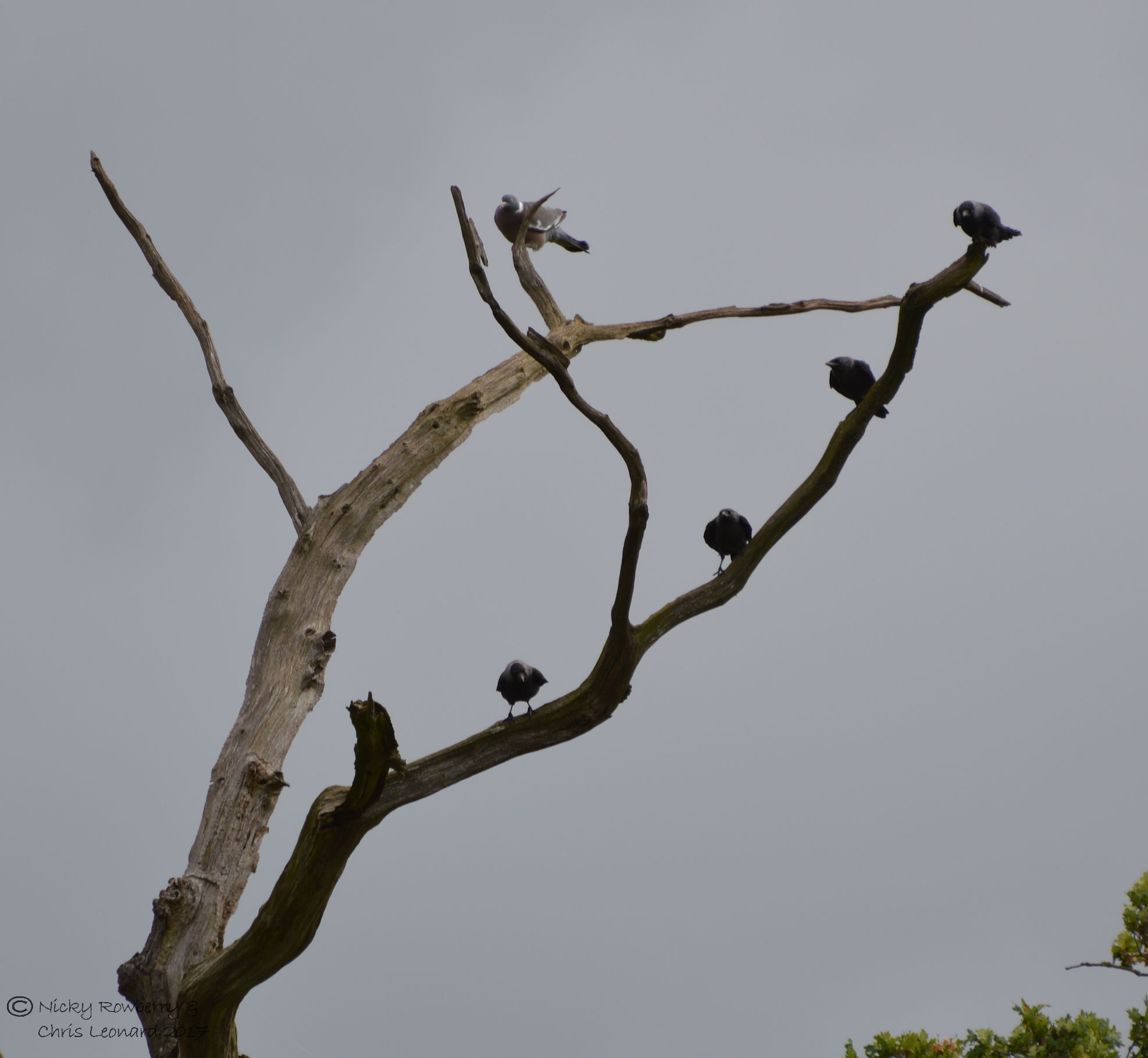
All morning I could hear lots of birds, but most of the time they remained hidden. So I loved finding this tree with a bunch of jackdaws, spaced out perfectly along the branch with a single pigeon lording it above them!

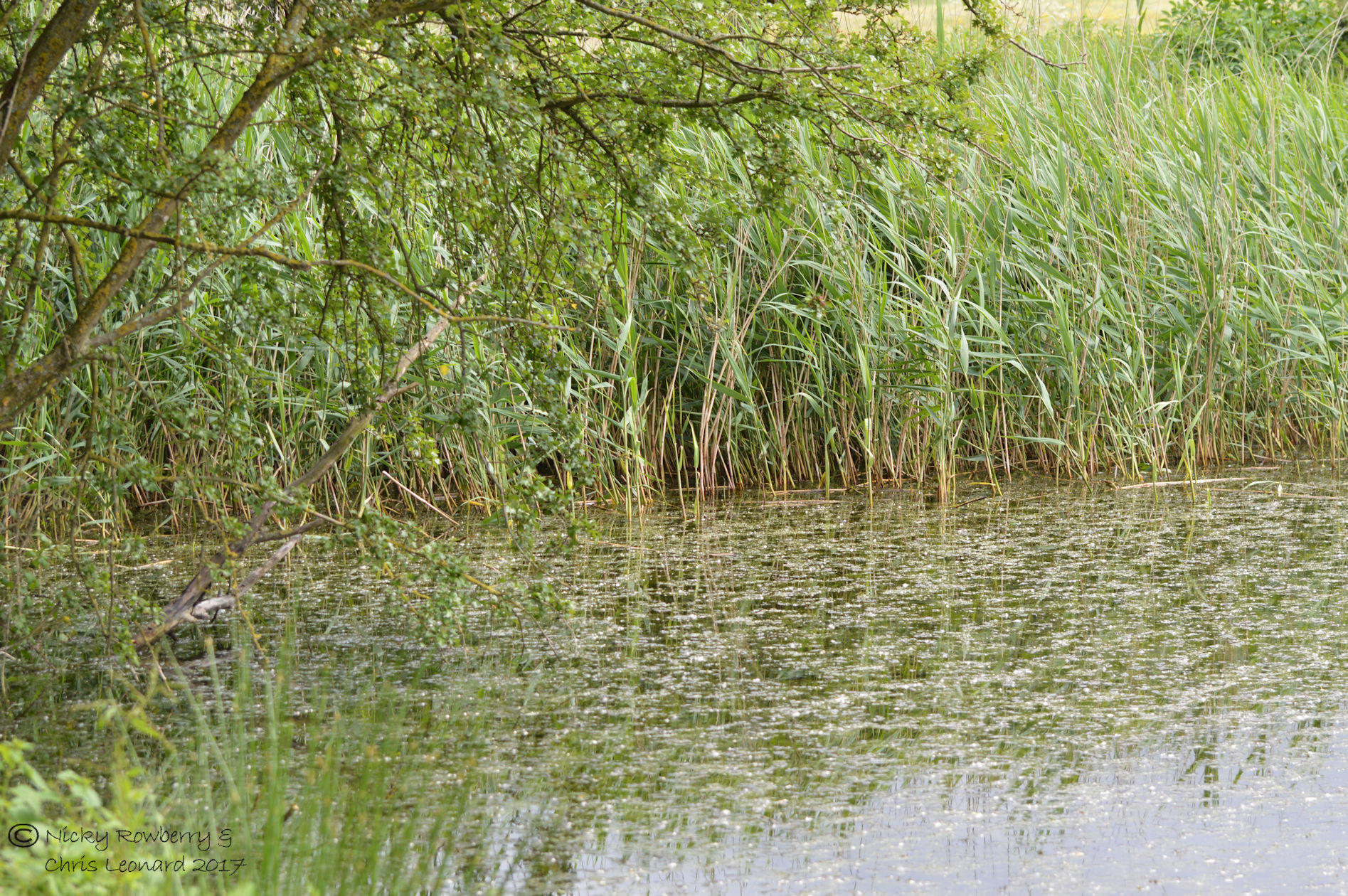
The next pond area had lots of rustling noises coming from the reeds, but presumably I had made too much noise approaching and nothing would show its face.

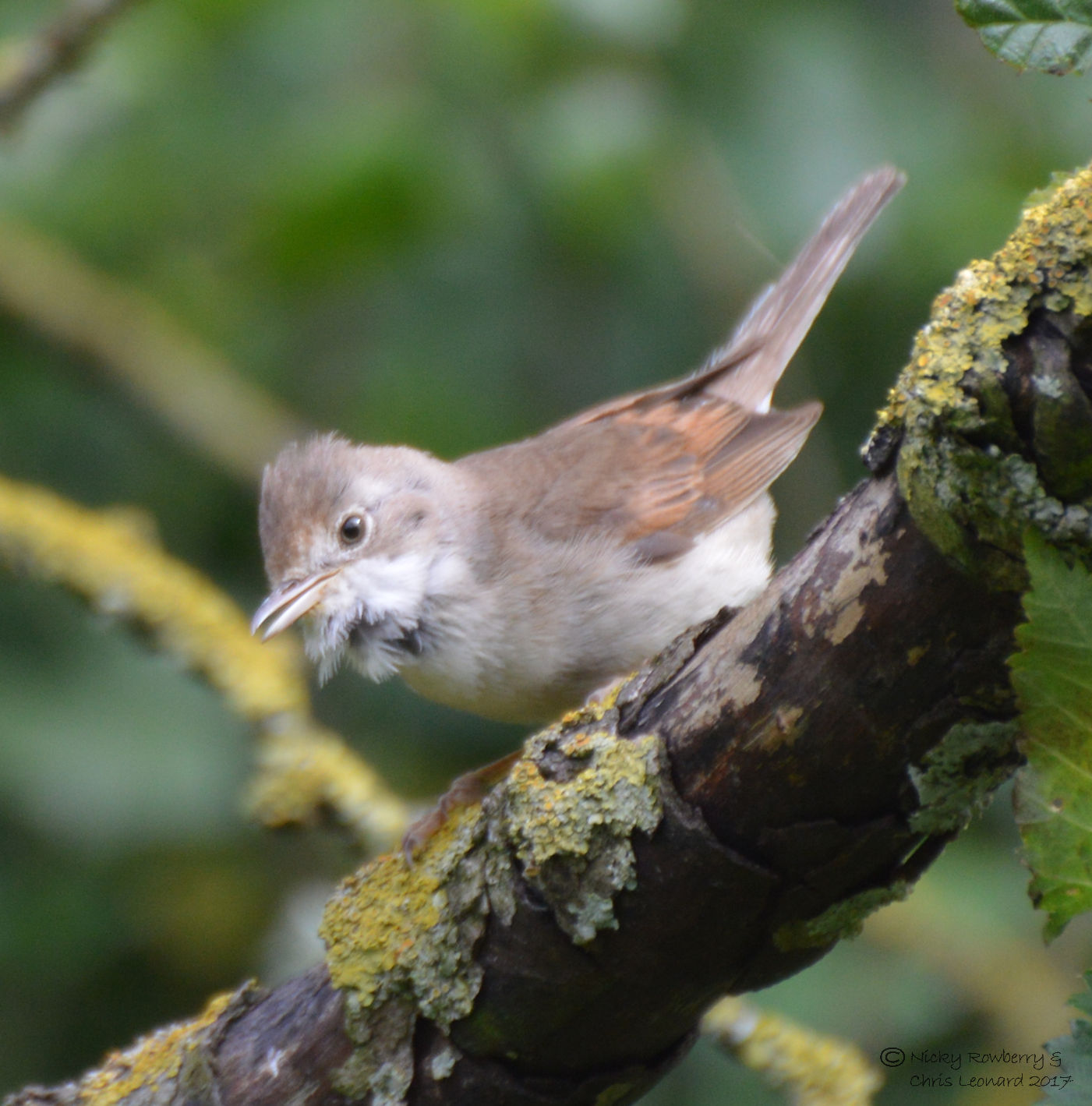
But as I started to leave the pond, I could hear a strange bird call – almost like a squeaking cough! This little bird turned out to be the source of the strange noise. A bit of googling back home and I think it was a Whitethroat.

Apparently they make this call when they have young – if it was trying to warn me off though, it had the opposite effect as I stopped to find out what it was! As it called it puffed up the white feathers on its throat – maybe also intended to scare me off?

I tried videoing it to record the call, in case I couldn’t identify it when I got back home. The video is not a great success as mainly what you can hear is the wind (will it ever stop blowing this June?), but you can just about see the bird and make out its short staccato call.

Leaving the irate Whitethroat behind, I followed the path into some fields. It was lovely to see lots of Meadow Brown butterflies. As I walked I kept flushing them up from the path, but I never seemed to be able to spot them before they took off and were gone. So the best Meadow Brown photo I managed all day was this poor one taken from an odd angle!

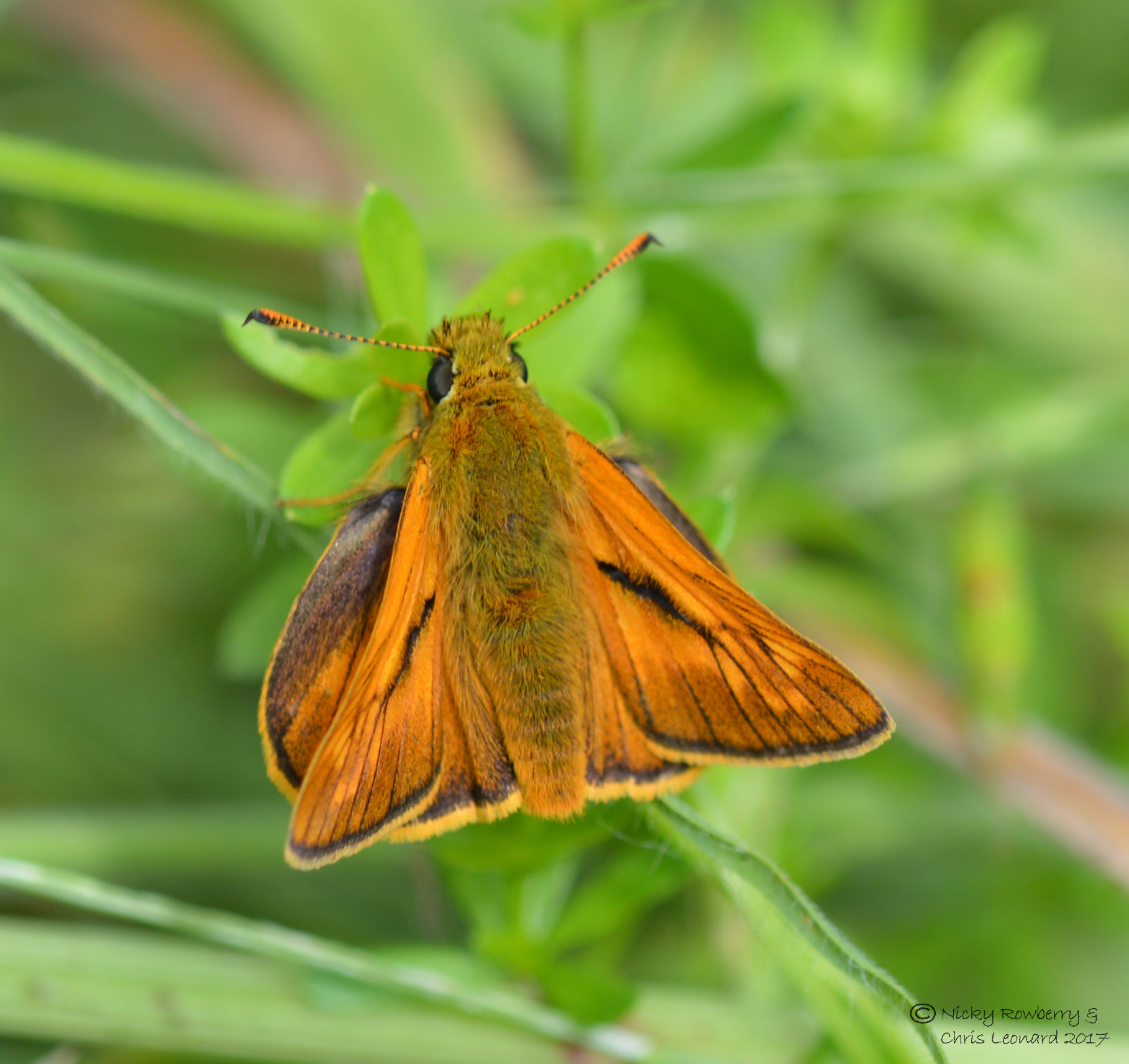
I had more luck with the Large Skippers which were also fairly common today. They looked lovely fresh specimens and were bright orange, with their distinctive hook tipped antennae.

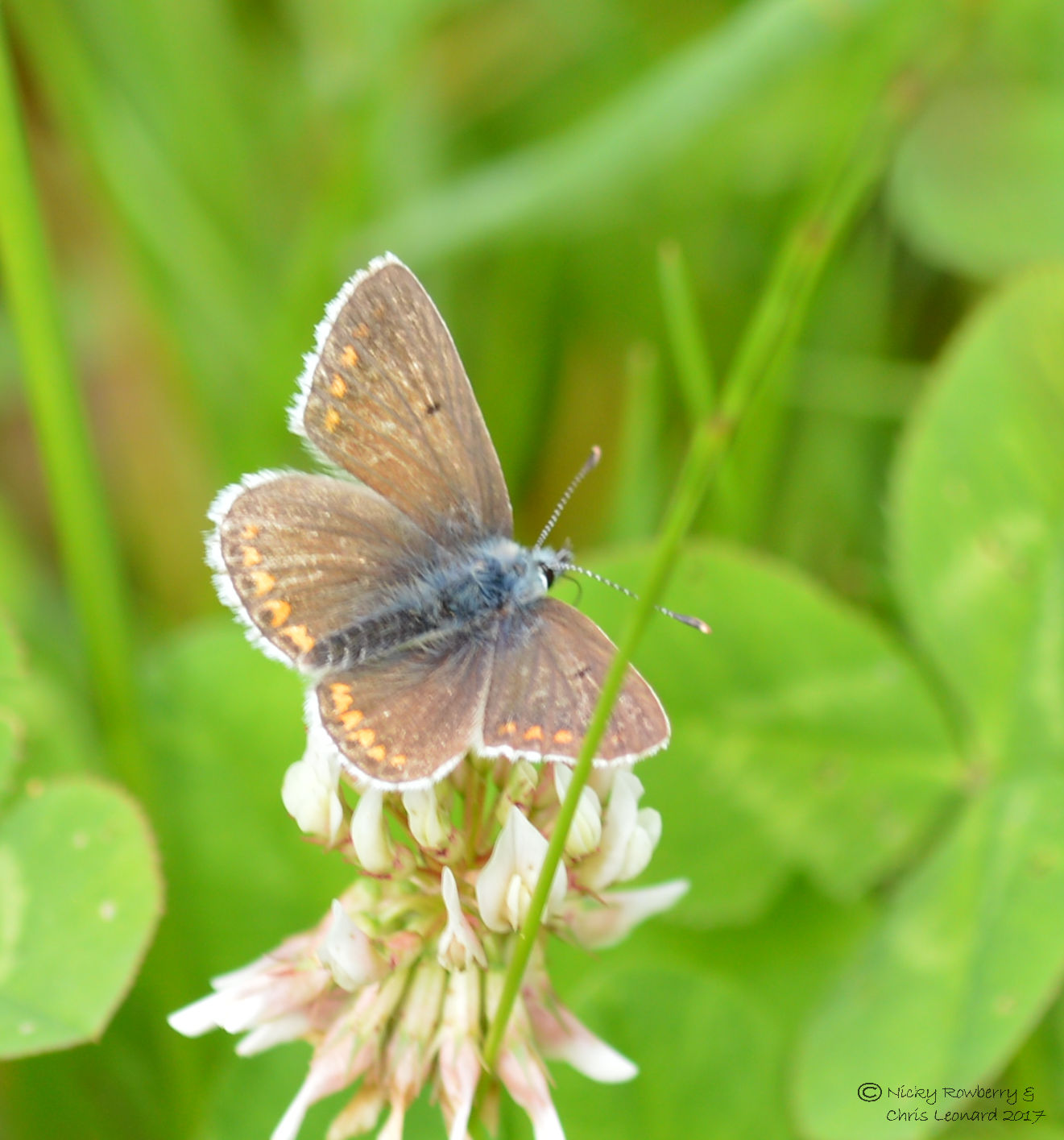
I was also really pleased to see my first Common Blue butterflies of the year, feeding on clover.

One insect which I kept spotting and which I would have loved to get a decent photo of was a Scorpion fly. The key thing about a Scorpion fly is that it has a tail like a scorpion – so guess which bit was hidden by bits of grass in all my photos?

There is a convenient bench at the top of one of the fields where you can sit and look out over the farm across Worcestershire. This photo reminded me of one of my Mum’s paintings – she often used to paint views with flowers in the foreground like this.

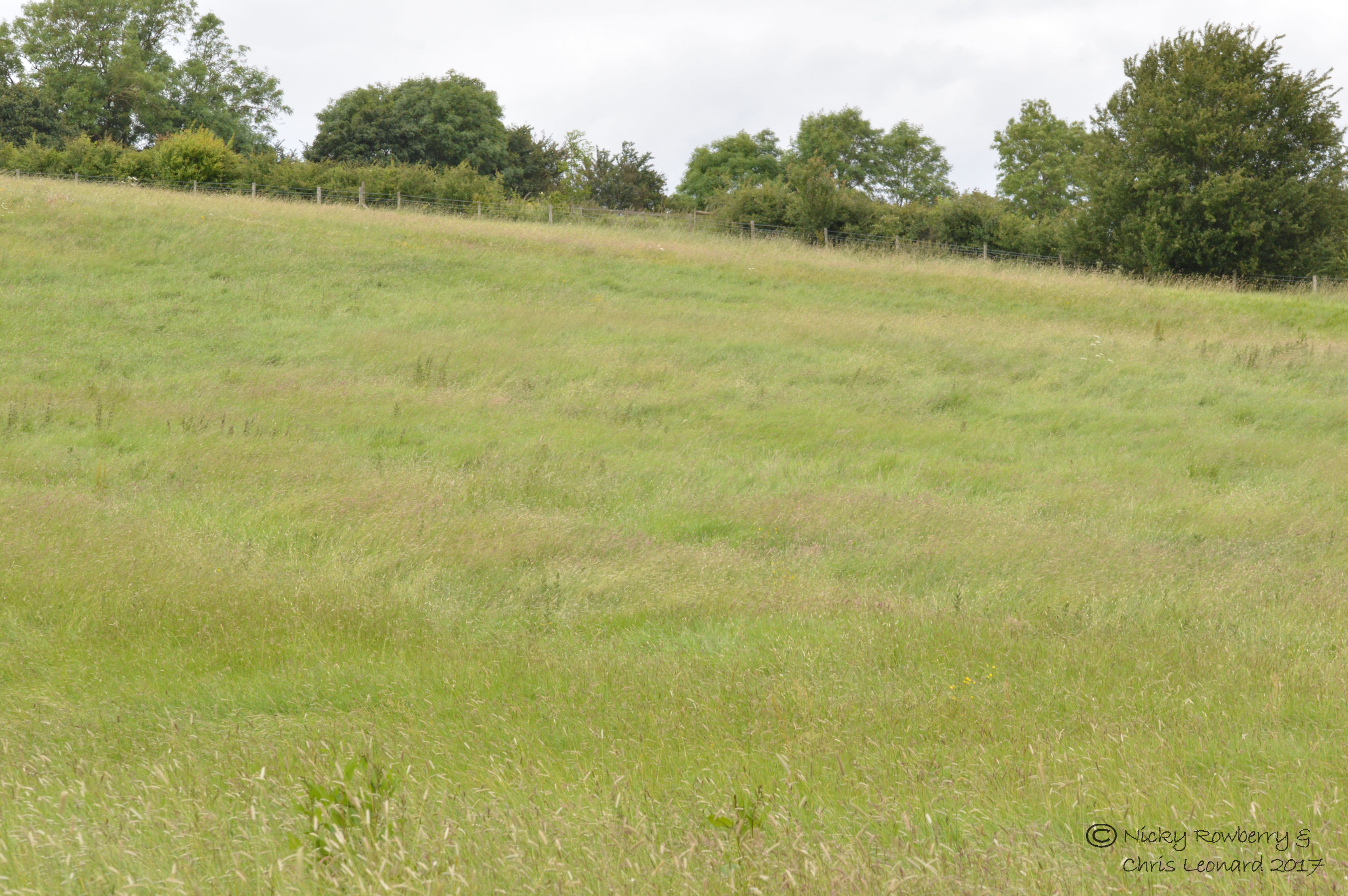
Heading down hill back towards the farm, the trail leaflet mentioned that you could see ridge and furrow marks in the field. This indicates that this field was farmed as far back as the middle ages, when ploughing techniques meant the soil built up into these ridges. You can just about make it out in this photo – wonderful to see a part of living history like this.

So that was my morning spent meandering around Lower Smite Farm. It’s another place that is definitely going on my return visit list – preferably on a sunnier day with no wind though (should we ever get such a day again!) I loved the mix of natural history and cultural history that this place has, with its remnants of old farm buildings and fields. Perfect place for the trust’s HQ!


30 Days Wild – Day 7 – Birdwatching Surprise

Day 7 of 30 Days Wild and I was at my Dad’s house in rural Herefordshire. I spent the morning doing a bit of cleaning in his kitchen and while doing so, observed that his garden was full of birds (clearly I wasn’t 100% focussed on my cleaning duties!) Since I’d got the camera with me it seemed the ideal thing for today’s bit of wildness – a spot of birdwatching in his garden. First of course we had to have our pub lunch – there are certain priorities in life after all! Needless to say by the time we got back and I got myself set up in the garden, all the birds had decided they’d got better places to be!

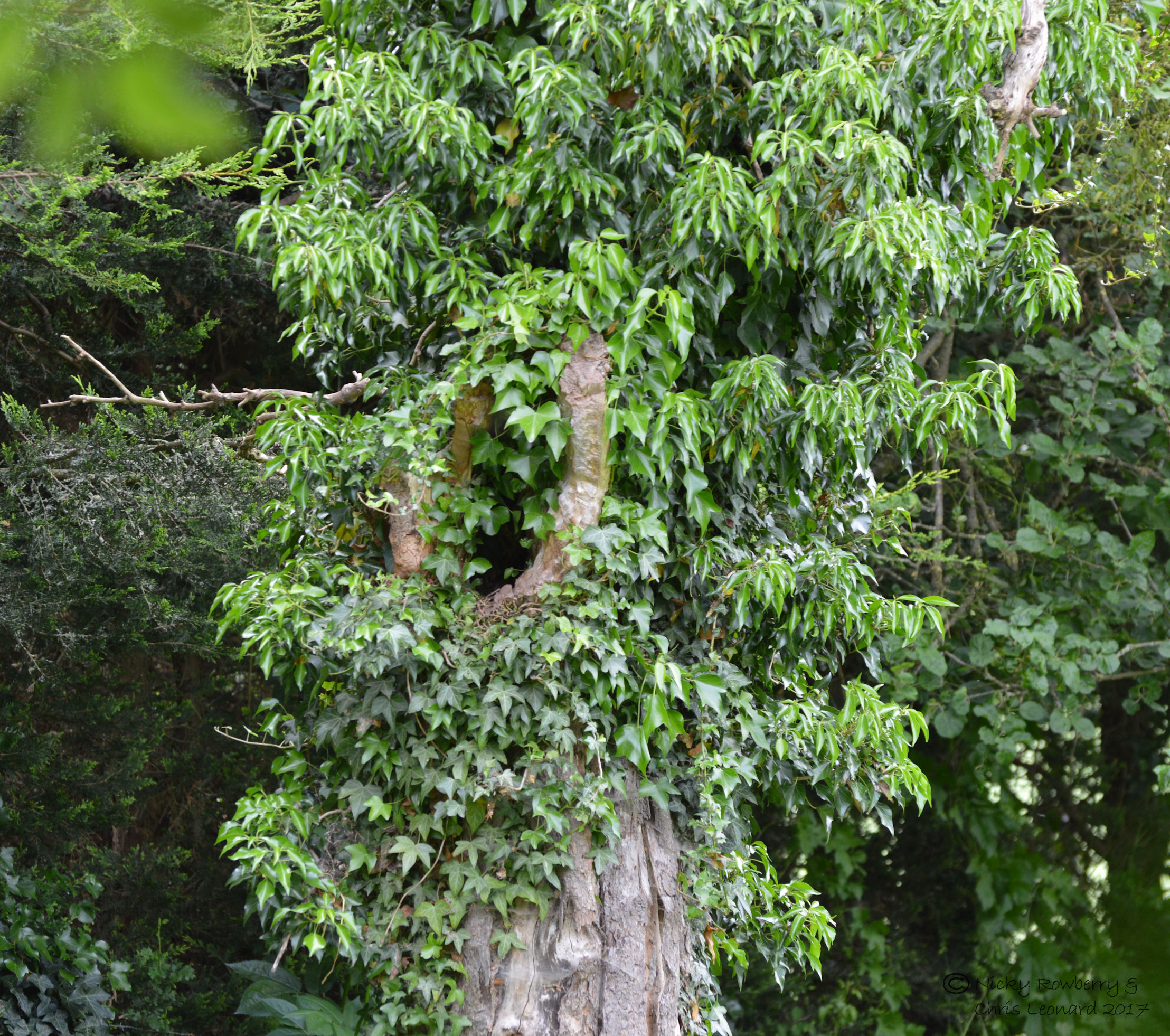
In the morning there had been several large black birds (too far away to see if they were crows or jackdaws) going in and out of this hole in an old apple tree. They must have been too smart to do so while I was watching, as not one appeared while I waited, although I could hear them in the trees nearby. I might take my trail cam down and leave it pointed at the tree sometime, but in the meantime I drew a blank.

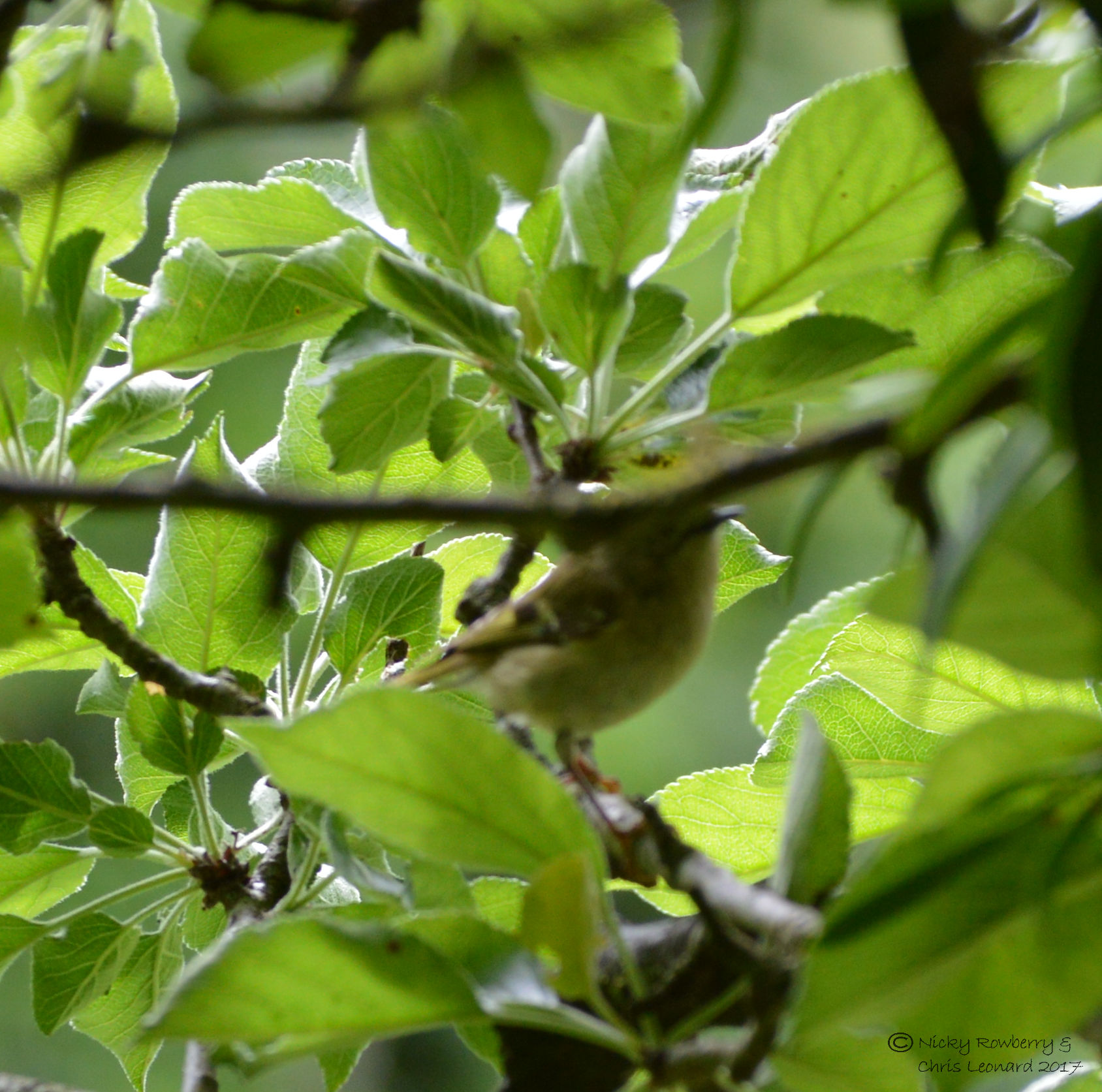
In the morning I had also seen magpies, wrens, robins, blue tits and pigeons – in the afternoon – zilch, zippo, nada! Then just as I was about to give up on them all –  a total surprise. I was leaning against another old apple tree (Dad’s house was built in an old orchard) when a Gold Crest suddenly appeared just a few feet in front of me. By the time my brain registered what it was, it had already spotted me and started to move, so I only managed this one rubbish shot. You’ll probably have to take my word for it that he was indeed a gold crest, since the key bit – i.e. his crest, is hidden by a twig. Still his appearance made up for the absence of everything else. I grew up in that garden and don’t ever remember seeing a gold crest before, so it was a real treat.

Loitering under various trees did have the unplanned benefit of letting me admire the tree canopies. There is a beautiful large copper beech tree overhanging Dad’s garden and the leaves were stunning from below (or indeed from any angle).

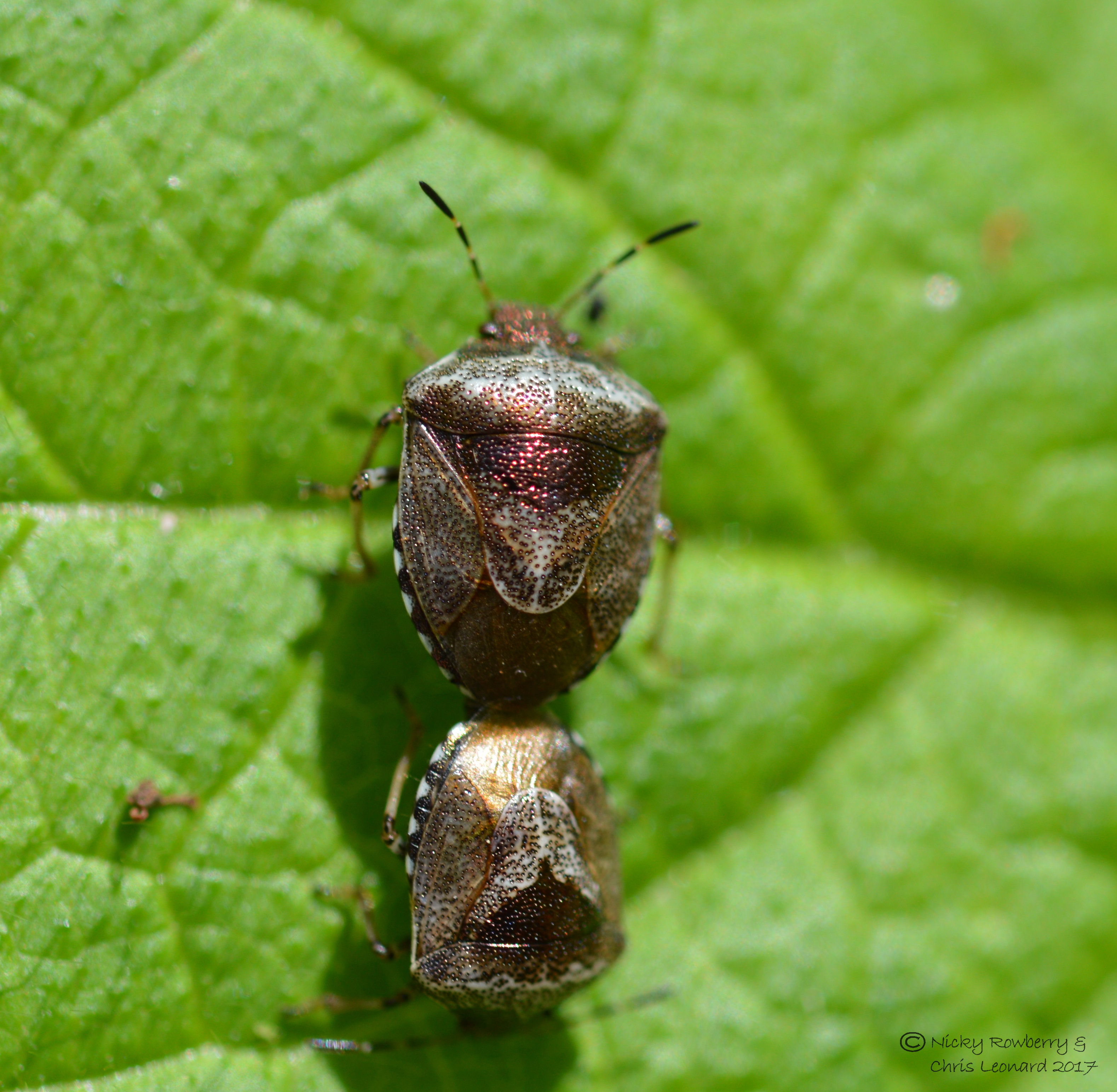
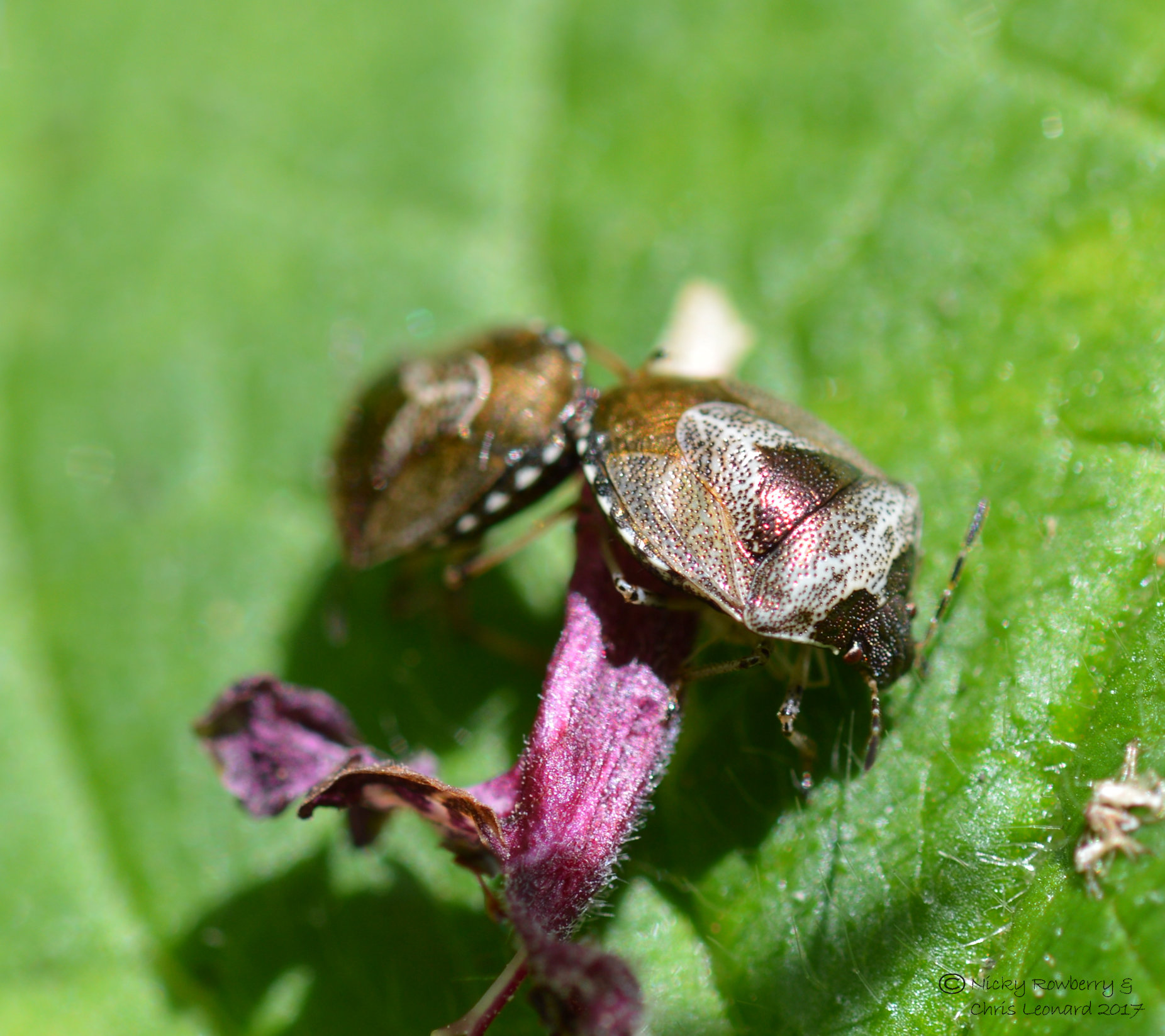
The birds may have been a bit contrary today, but fortunately a few insects were a bit more obliging. I spotted several pairs of these adorable little Woundwort Shieldbugs, all feeling the love in one of Dad’s flower beds. Not a species I’d come across before and smaller than other species I’ve seen.

A rather striking fly – the grandly named Pellucid Fly (Volucella pellucens) is one of Britain’s largest flies, but was a welcome sight given the lack of birds to photograph.

Although the garden was once part of an orchard, most of the apple trees have got too old and fallen. Those that are still there are covered in ivy and mistletoe. The hedges are full of hawthorn and other native plants, notably elderflower. All great habitats for wildlife. Seeing the elderflower in bloom reminds me of my childhood and the smell takes me right back.

I think I’ve seen a few other people on 30 Days Wild making elderflower champagne. We used to make this as children too, so I picked a load and took them home. This is as far as they’ve got at the moment. I’ll have to dig out a recipe and hopefully turn  them into something drinkable over the next few days – fingers crossed.

So as is so often the case with my 30 Days Wild acts, things didn’t go quite as planned. But who cares – a pub lunch and an enjoyable hour or so spent in Dad’s garden, listening to, if not seeing a lot of birds. There are worse ways to spend your day!

30 Days Wild – Day 5 – Apptastic

It’s Day 5 of 30 Days Wild and it’s been a bit of a miserable one weather wise – grey skies with intermittent drizzle all day here in Malvern. Add to that frequent gusts of wind, making any attempts at photography almost impossible. So I thought I’d try something new for me – I’d get all techy! I don’t really do apps on phones (must be an age thing!), but today I thought I’d go crazy and download a few wildlife ones, to see what it was all about. I picked half a dozen or so that seemed vaguely relevant and equally important – that were free!

It was easy enough to install the basic app for each of them, but actually using them proved a different matter in some cases.

First up the Great British Bee Count app. Run by Friends of the Earth, this app is for use between the middle of May and end of June – ideal for 30 Days Wild. You can either just record spot sightings of individual bees or do a timed count of a particular species on a particular plant. It was easy to use and would be great for kids. The only problem I found was that if you did the timed count you had to decide what bee you were looking for on what plant. I did a couple of 60 second counts of first honey bees on red valerian and then tree bumblebees on alliums. Needless to say the correct bee species never appeared on the correct plant in the relevant 60 seconds, so I recorded several zero counts. Admittedly this wasn’t helped by the fact that I was trying this on a dull day with not that many bees about.

I had more luck just recording spot sightings of individual bees. You could even add photos from your phone, which I presume they can use for verification purposes. Unfortunately me and my phone are rubbish at photos – see left, but I can’t blame the app for that. I particularly liked that you could choose different habitat types including allotments – not least because we have just got one and I was down there practising with the app! All in all this was an easy, fun app to use – just pick a sunny day though!

Next one I tried was Birdtracker from the British Trust for Ornithology. This one I did struggle with a bit. I put food out on the bird table and started the app up. But first I had to register with BTO, which it turns out I’d done years ago and forgotten my password. So then I had to wait for them to send me a password reset e-mail. By the time I’d done that the birds had eaten all the food, so I had to put out more. You then had to select a site you would be recording from – I was trying it in the garden, so tried to pick that – but the image on the phone screen was so small, I ended up having to go back inside to do it. It seems the smallest area you can pick is a kilometre square – seemed a bit excessive for our modest garden (wish it was that big!). By the time I’d sorted that, more food was required on the bird table. There is so much information on this app that the writing is very small (to my middle aged eyes). I know I could zoom in, but then I could only see a tiny part of the info and had to keep zooming back out. By the time I’d worked it out, yet more food was needed on the bird table (the birds at least must like this app!) Finally I managed to submit a few sightings. It did seem like this was intended for someone who had already collected their sightings and so had a list already written out – they could then input the data relatively easily. On the plus side, if you did it regularly it would be a good way of keeping track of what you saw in your garden. Also I did manage to see both the robin and the collared doves that had refused to appear for the yesterday’s bioblitz!

I tried out two apps from the Wildlife Trusts – both of which were very good and easy to use. The 30 Days Wild one gives you random acts of wildness to try out. If you don’t fancy the one it suggests, just click again and it comes up with something else – ideal on a dull day when you’re lacking inspiration.

The Nature Finder app was probably my favourite one today and I expect will be the one we use most. You can use it to find nature reserves near where you are – particularly useful if you’re on holiday. Or you can use it to suggest Events that are coming up – I found a couple that we might go to in the coming months. Or you can use it to find information on a particular species. All really useful tools in an app that was easy to use – perfect!

Next up was the Dragon Finder app – not as you might expect for dragonflies, but for amphibians and reptiles and run by Froglife. We’ve put in a tiny pond at the allotment, which has already attracted lots of wildlife, so I tried out the app there. Again this app is easy to use and didn’t require any special ID or techy skills. I managed to log one common newt and one sadly deceased common frog.

I did also download a butterfly and a dragonfly app. Thanks to the soggy weather I didn’t see any of these to be able to try out the apps properly. The butterfly app looked fairly straightforward and the dragonfly one a bit more complicated, but that may just be because I am more familiar with former than the latter.

Most of these apps have the common purposes of gathering data from people all over the country. Citizen science like this can hopefully provide lots of useful data for the scientists studying the particular group. These apps will also hopefully engage people who might not otherwise consider submitting sightings and get more people interested in the wildlife around them. So even if technophobes like me struggle a bit with some of them, they can only really be a good thing. And after all I can always go back to a pen and paper if necessary!

30 Days Wild – Day 4 – Garden Bioblitz Part 2

It’s day 4 of 30 Days Wild and I spent the morning taking more photos of the wildlife for our Garden Bioblitz. I’d started the bioblitz at about 09:30 yesterday, so I was trying to cram in as many more species as I could before 09:30 this morning. This wasn’t helped by the fact that my camera has packed in, so apologies for the lack of photos in this post.

The day started at 04:30 to beat the birds to the contents of the moth trap. I had hoped for a good haul to boost my species tally, but the trap was fairly quiet – possibly because it had been quite windy last night. Still there were some nice moths including a few of the beautiful and distinctive Angle Shades – virtually impossible to mistake these for anything else, which I like in a moth!


Star of the moth show was an Elephant Hawkmoth making a timely debut for the year in our garden. I’ll never tire of these stunning moths with their bright pink bodies. If you were to make a toy moth, I reckon this would be it.


I put a specimen of each moth in the fridge (it does no harm but keeps them calm until  you can photograph them) and went back to bed for a couple of hours. 8 o’clock though and I was back up photographing said moths, then scouring the garden for more wildlife. I hadn’t managed to photograph any birds yesterday, so I topped up the feeders and waited expectantly to see what would show up. As usual the sparrows were the first to show, landing on last year’s teasels to check things out before heading to the bird table.


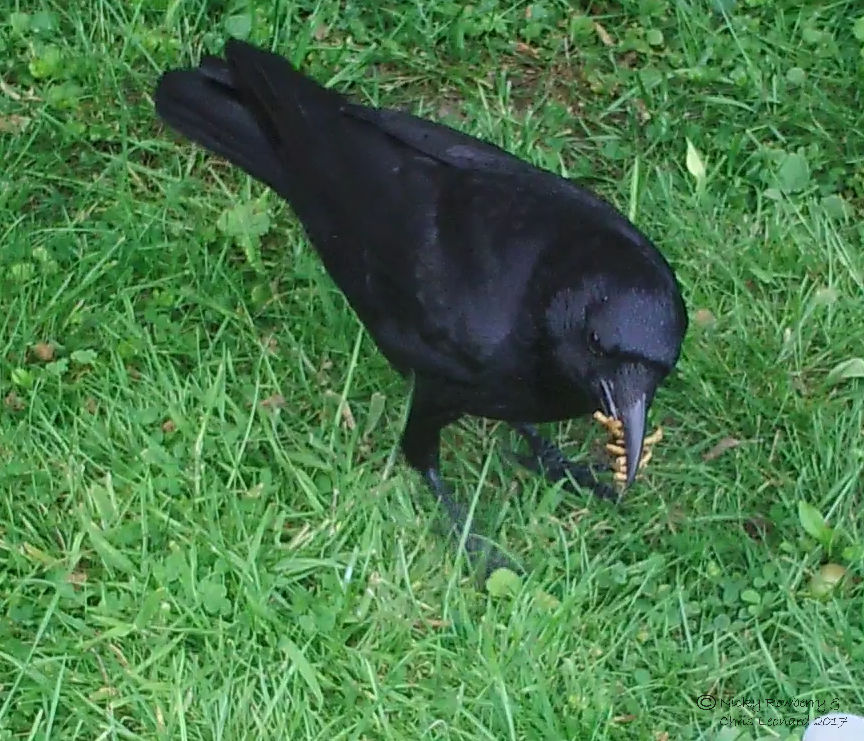
The starlings and jackdaws came next, followed by the blackbirds and pigeons. There were several no shows for birds that normally frequent the garden – no sign of the robin, wren, collared doves, great tits or gold finches. A blue tit just appeared in the last minutes to scrape into the bioblitz total. For the last few days I’d been seeing a big black bird, bigger then the jackdaws, so was disappointed initially when it didn’t show for the camera. But then I downloaded the trail camera which had been running for the last couple of days and there he was – a carrion crow.

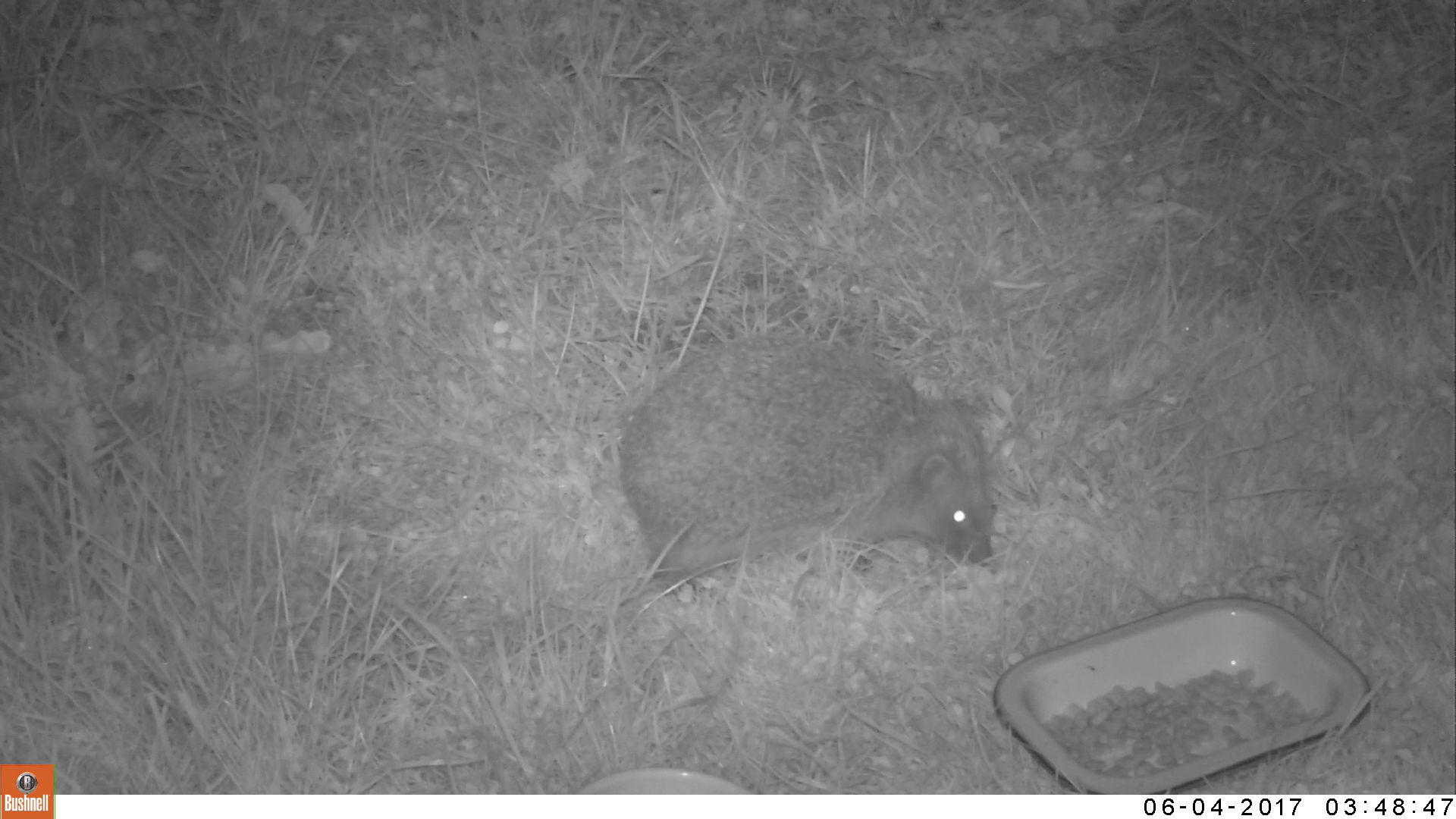
The trail cam also picked up a couple of hedgehogs – one of which looks like our old foster hedgehog Meadow – i.e. it was a big chunky looking hog!

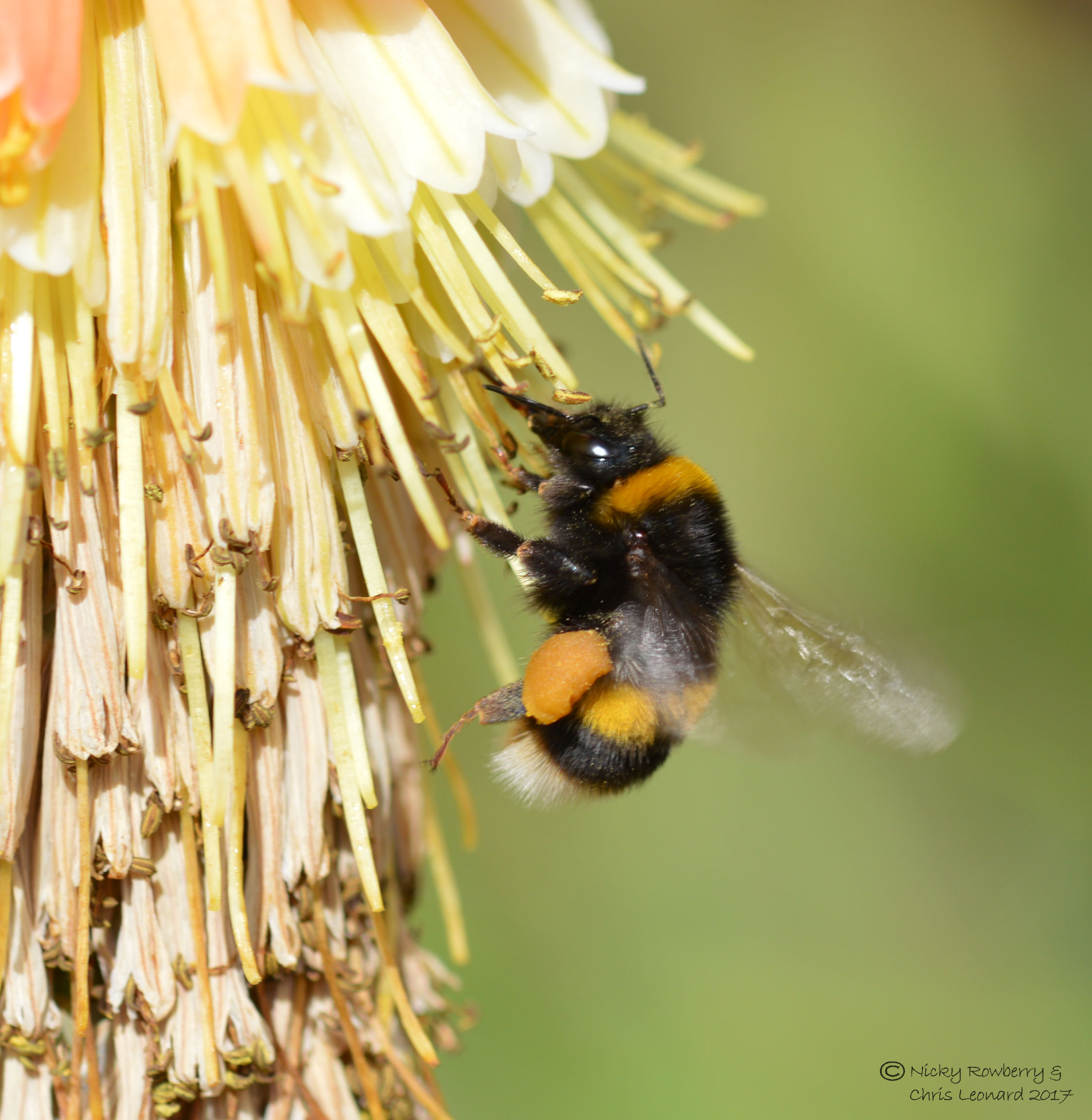
There were of course bees in the garden, although being a busy bee myself chasing everything else around I didn’t actually manage to get that many photos of them. But here’s one of my favourites – a Buff-tailed Bumblebee.


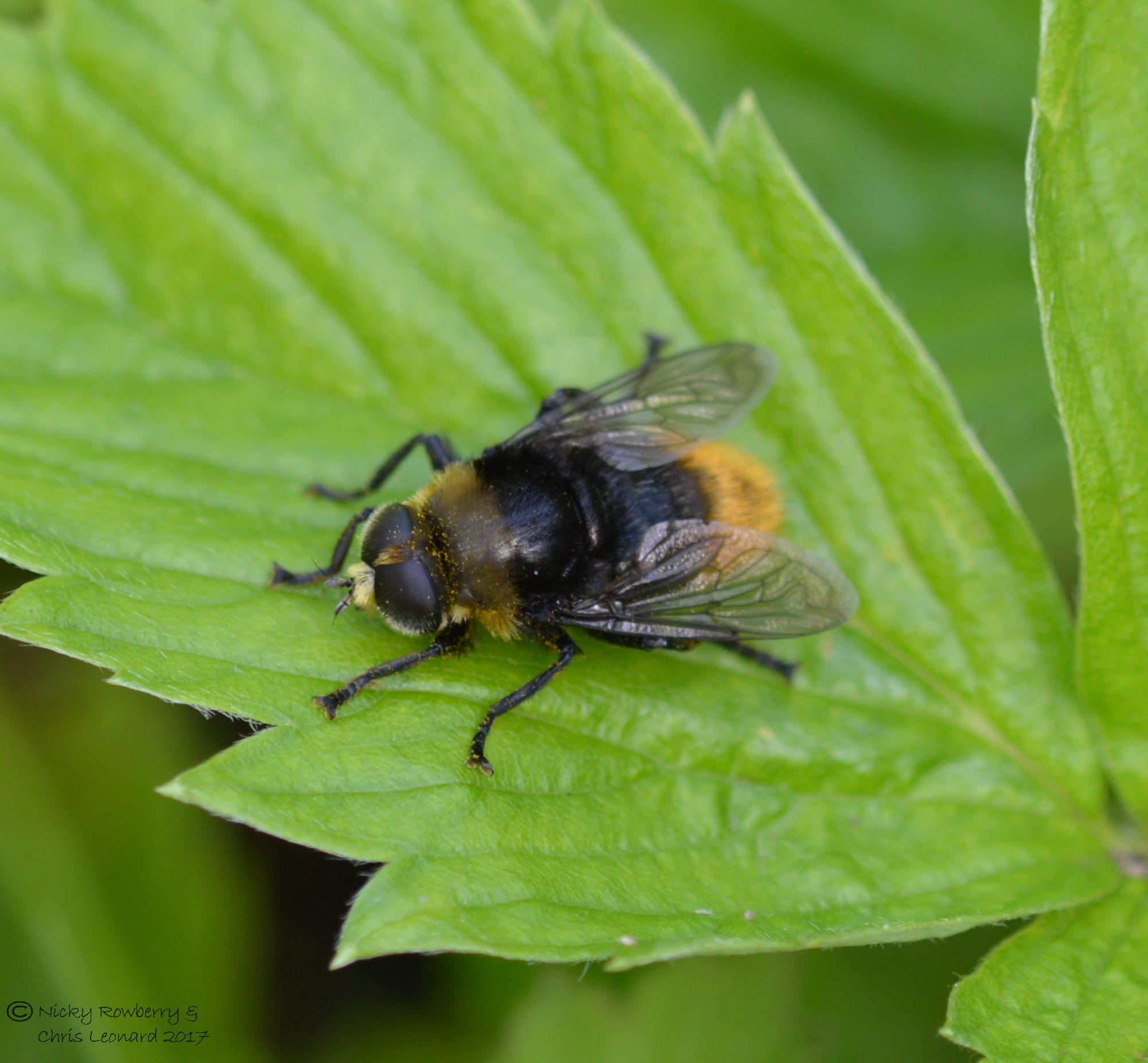
There was also this bumblebee mimicking hoverfly (Merodon equestris).

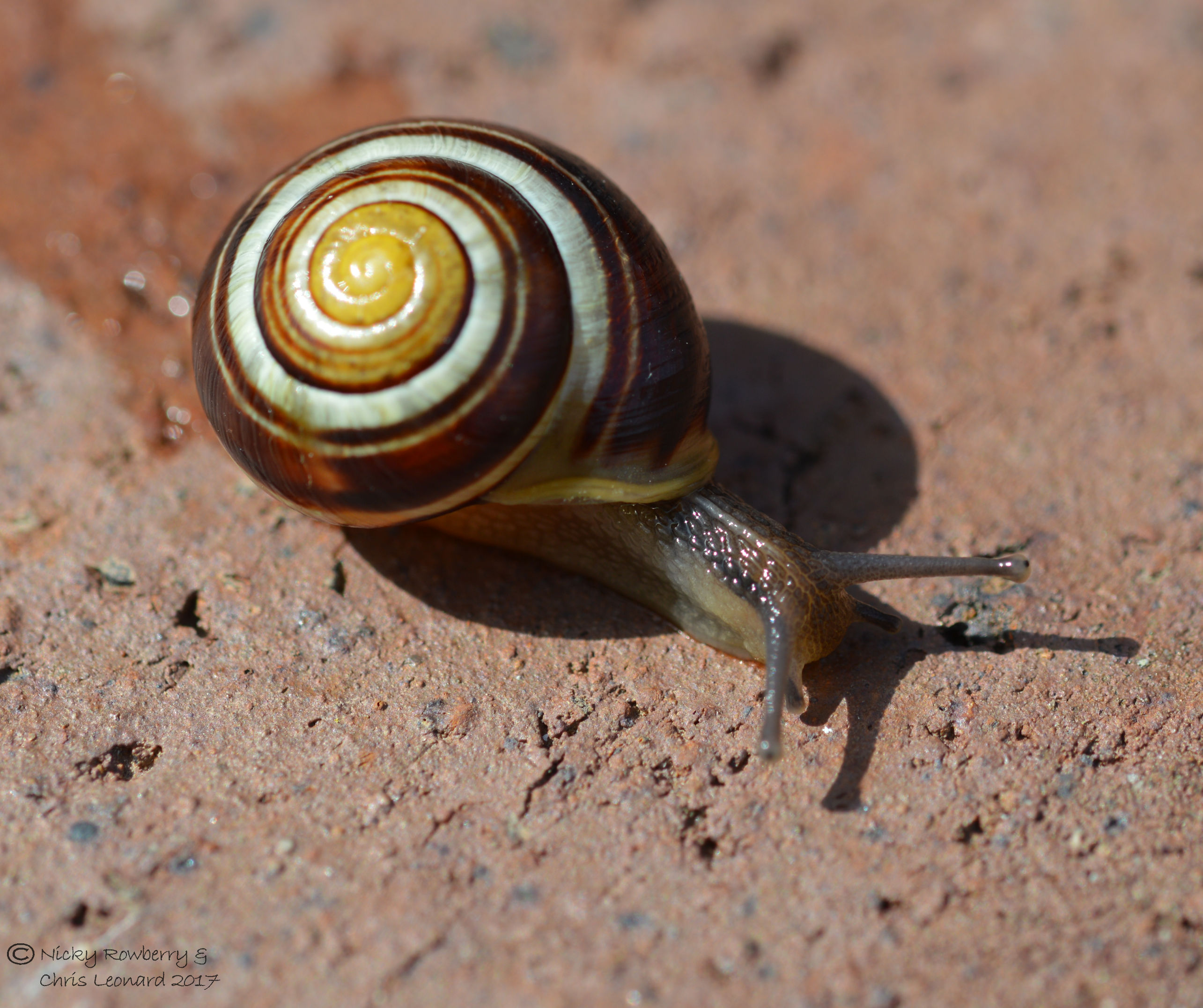
Our snails were also being sneeky and hiding away over the last 24 hours – several species that I know we get refused to show. Fortunately both the White Lipped (photo below) and a Brown Lipped appeared out of the Pendulous Sedge to get their photos taken.


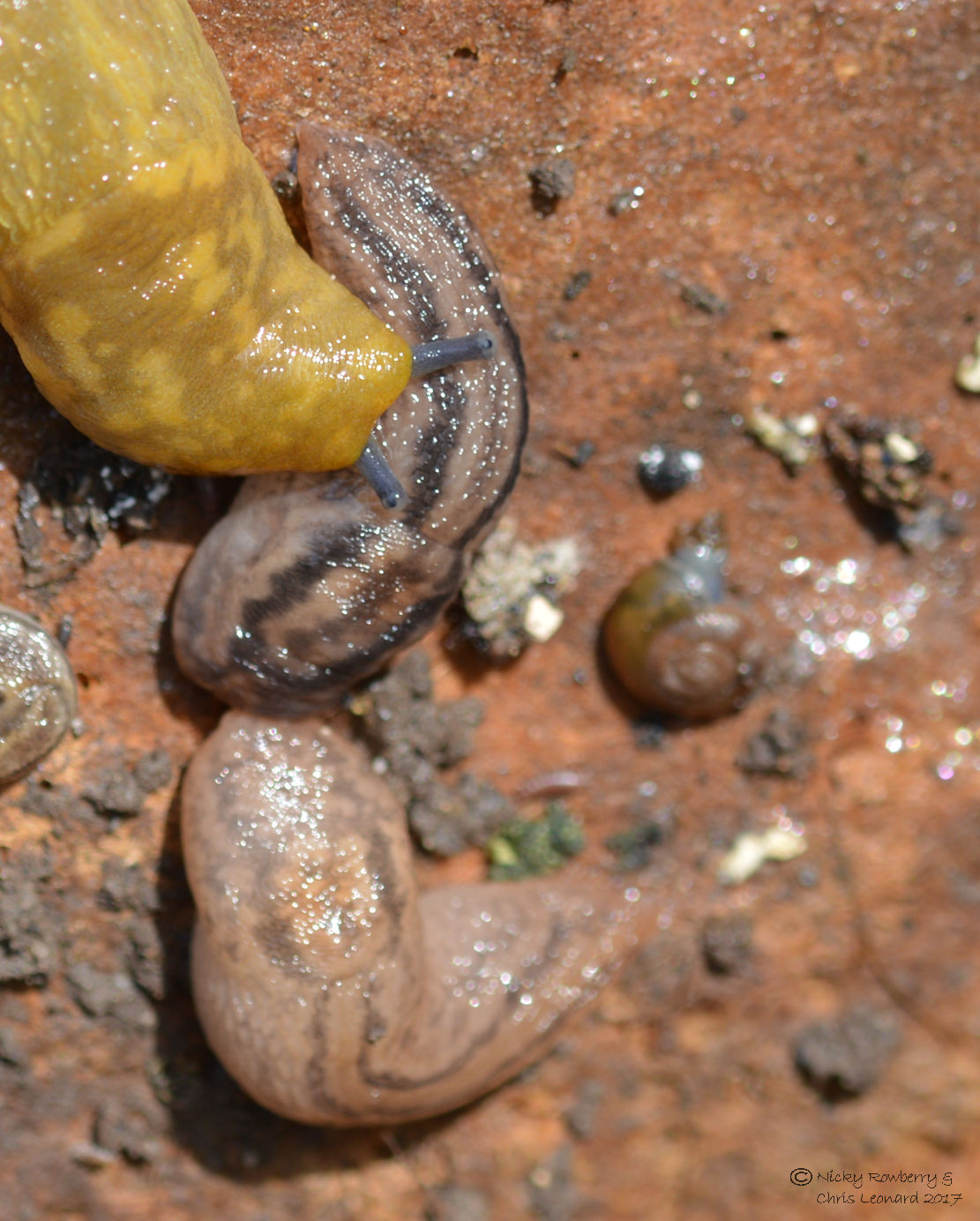
I also found three species of slug including this large yellow one and the stripy ones which I think are Iberian slugs.

I spotted this tiny nymph of the Speckled Bush Cricket, when I saw its antennae poking over the edge of a buttercup. Unfortunately the buttercup was blowing about in the wind a bit – hence the less than perfect focussing!

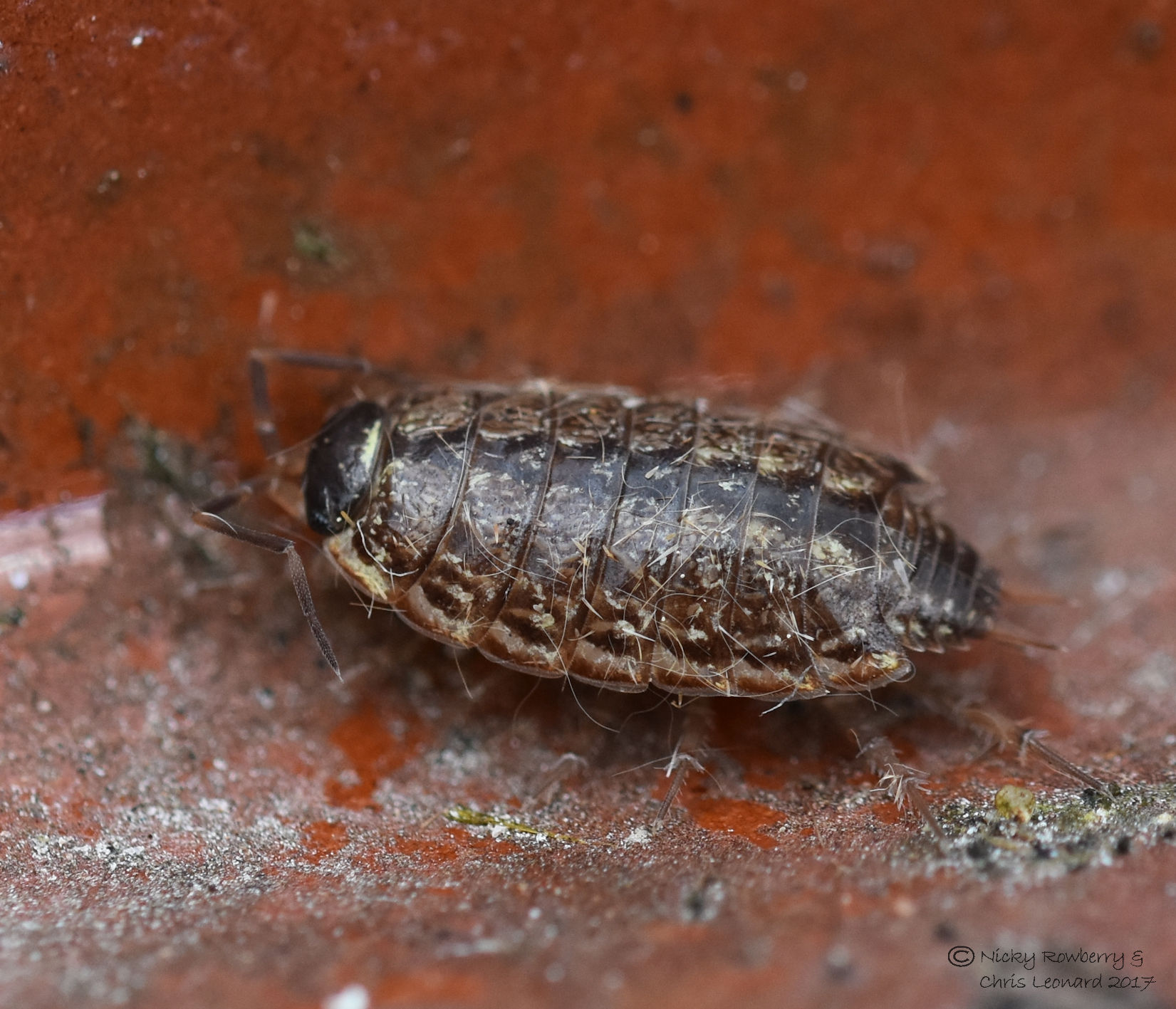
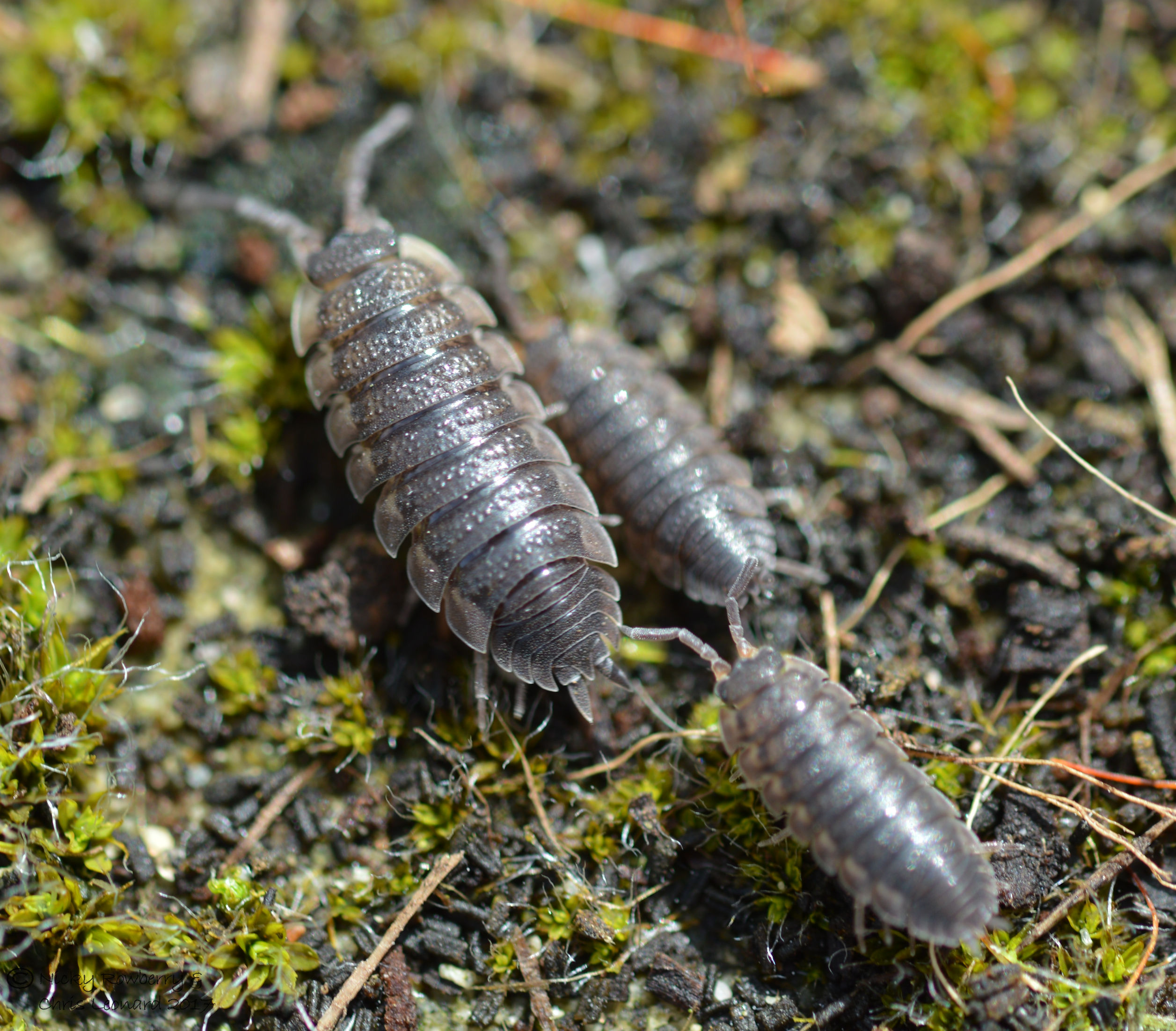
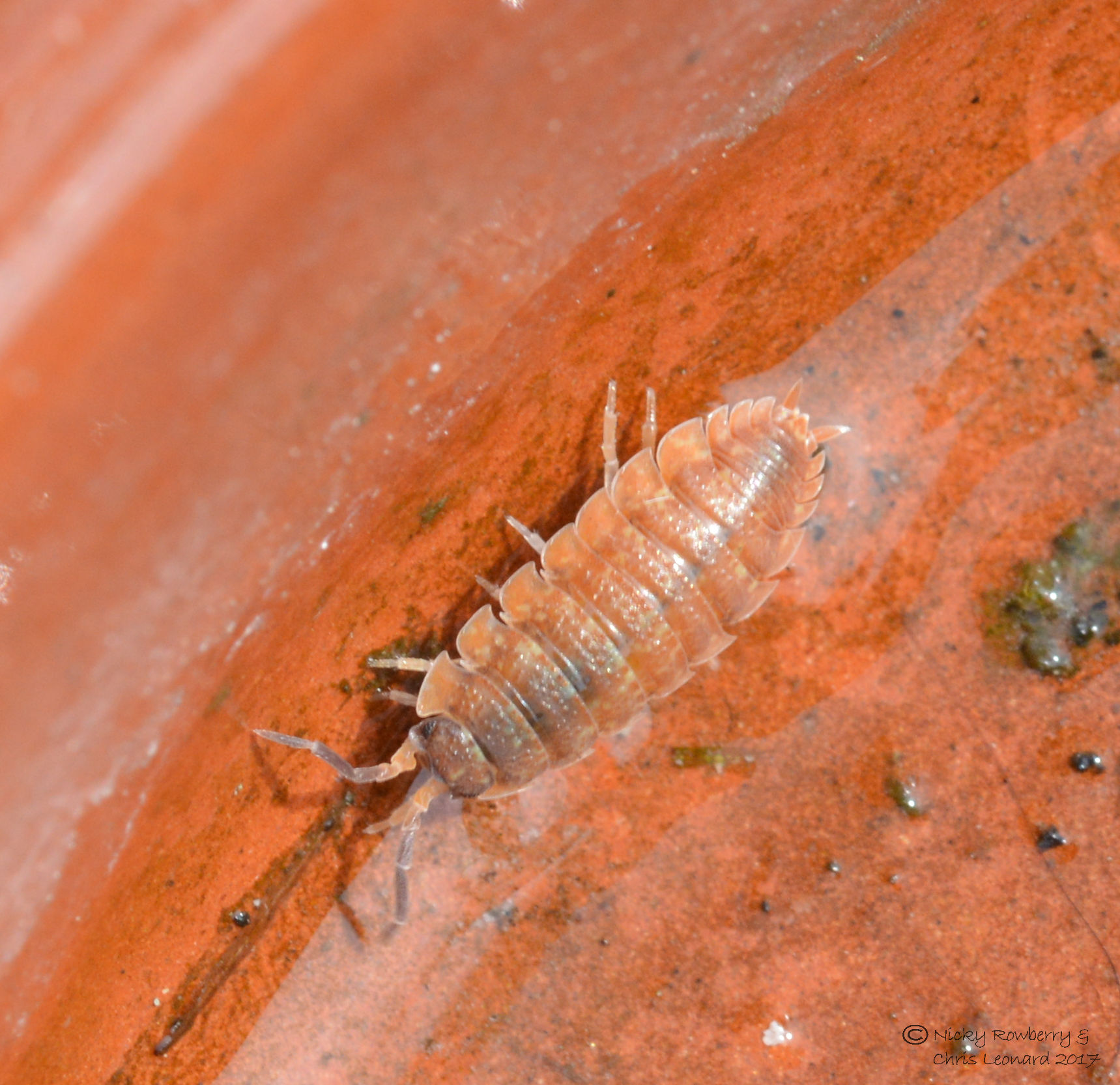
While turning over stones, I disturbed loads of woodlice. There were Common Striped Woodlice and the ones below that are Common Rough Woodlice. The bottom pinky one may just be a variant of the latter, but I hoping it might be a 3rd species – just waiting for someone on i-Spot to confirm one way or another.


Beetles are the largest insect group in the world, so it would have been a bit weird if I hadn’t found any in the garden. My favourite Swollen-thighed beetle of course appeared, as did a lovely shiny Black Clock Beetle.


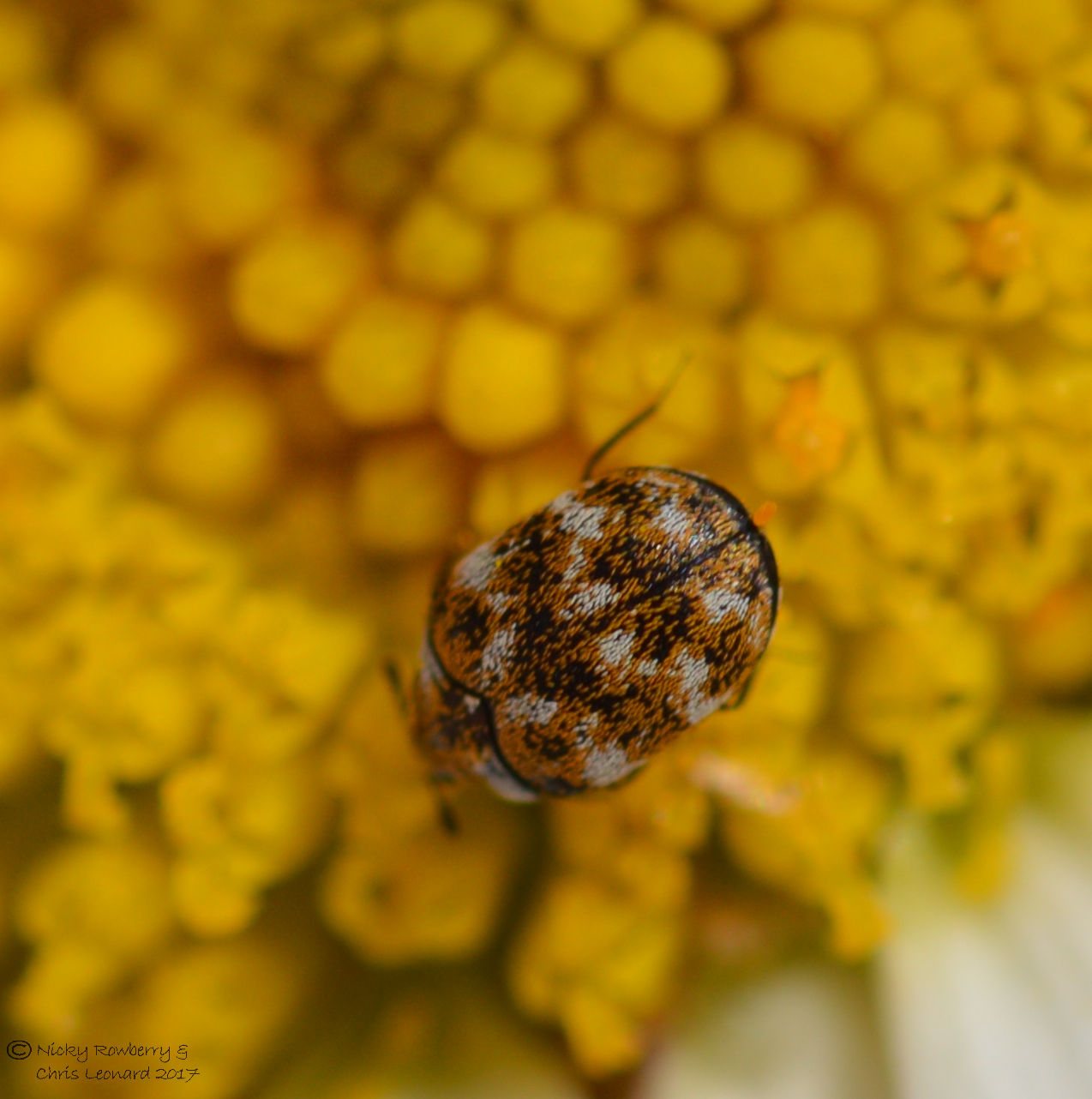
This tiny carpet beetle was making the most of the flowers.

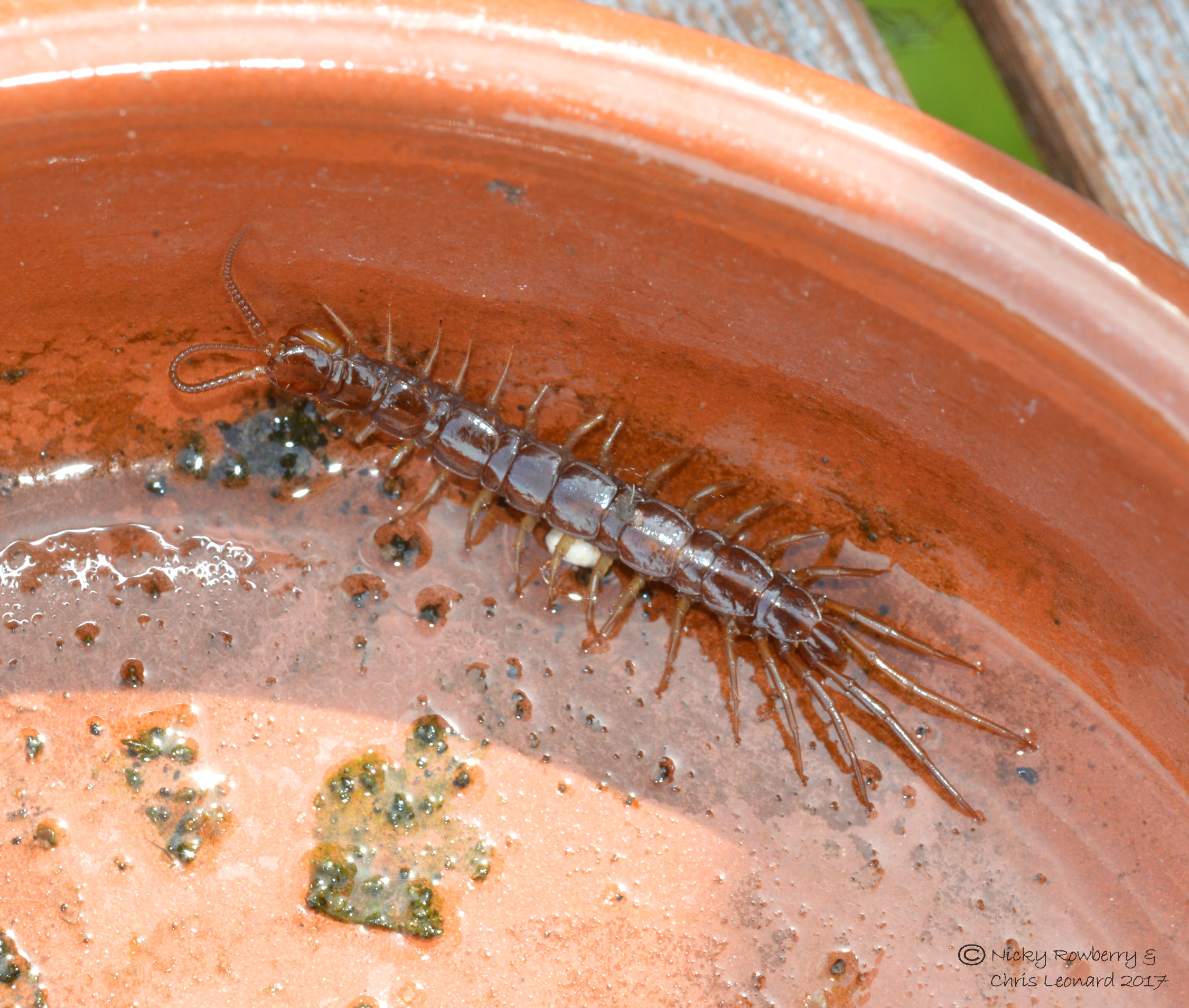
One group I’ve never really studied is the centipedes/millipedes. This beauty turned up under an old piece of wood. I’ve yet to work out the species though (suggestions gratefully received).

So that’s a selection of our bioblitz species for 2017. As always I ran out of time, so didn’t manage to root about in the pond, or look for ants, flies, grass moths and a host of other things. It was also a bit disappointing that no butterflies or shieldbugs or ladybirds appeared in the last 24 hours, but then that’s the way it goes. The bioblitz is just a snapshot of what you can find in the garden over a day. I love that it gets me looking for groups that I don’t normally study (easy to get in a bit of a rut with the bees and moths and butterflies and forget the others sometimes) – always good to broaden my wildlife horizons.

I’m still identifying photos and gradually uploading them to the i-Record website, so I won’t know the final tally for a while yet. So far I’ve only managed to load 32 species, which apparently puts me 10th on the bioblitz league table. Sounds good until I realised the person in the top spot at the moment has 167 species – I’ve got a way to go yet!


Out and About – Grimley Brick and Gravel Pits

The weekend brought some gloriously sunny weather – forget spring, it felt like we had skipped ahead to summer. So we ventured forth, if not very far, to Grimley which is just north of Worcester. Grimley has several old flooded gravel extraction pits, which now form important wildfowl sites for the county. There are 2 main areas – each situated conveniently next to a pub! Unfortunately I didn’t really have the right lens for birdie photos, so the best I could manage was some blurry distance shots for most of the birds I saw.

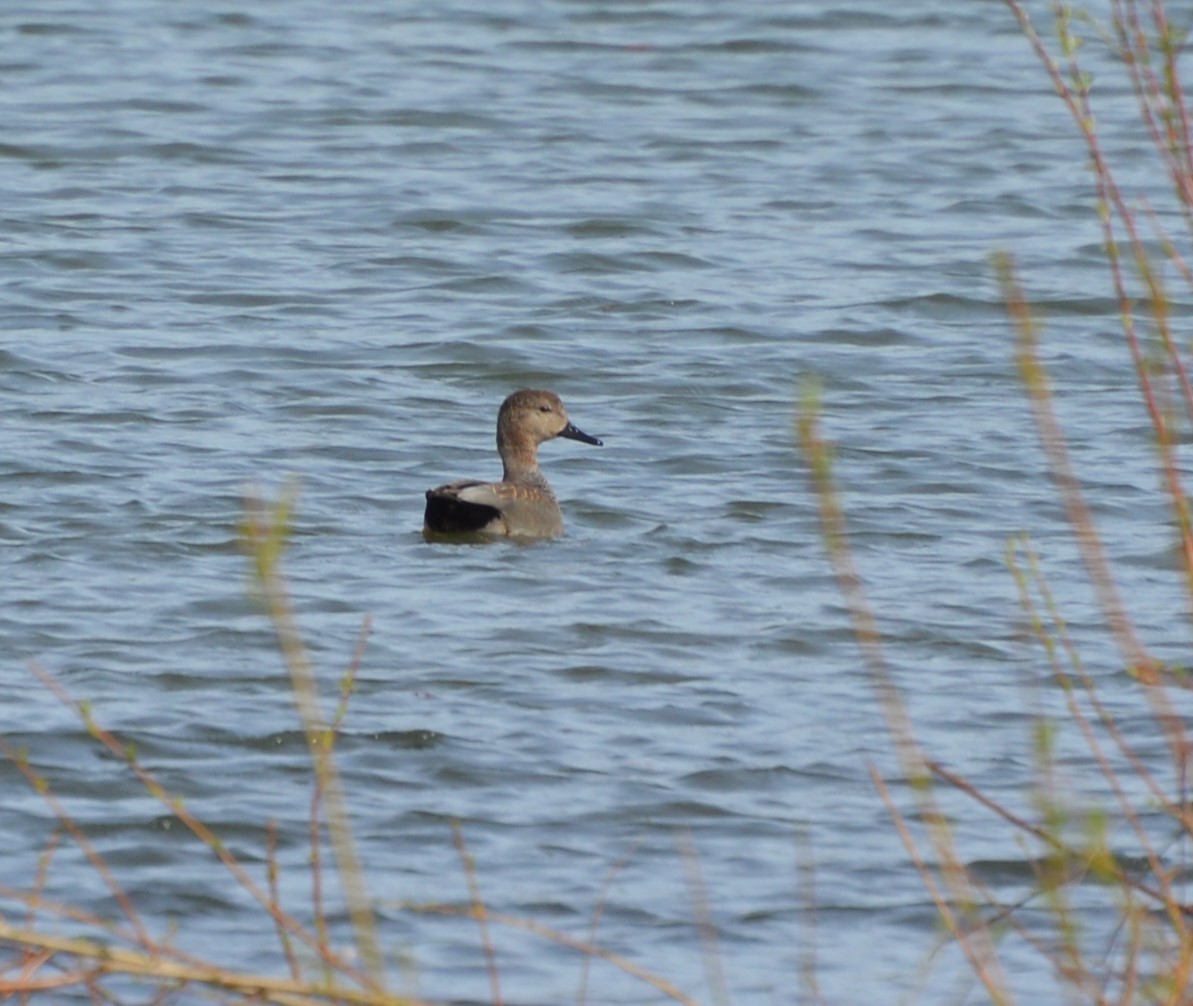
The first pit we went to was off Wagon Wheel Lane. The Worcester Birding twitter feed had been full of news that an American wigeon had been spotted amongst our British wigeons. Having never seen a wigeon of any nationality, I hoped to see some. Having said that, it would probably have helped if I’d googled what a wigeon looked like before setting off! All I really knew was that they were ducks, so I snapped photos of anything vaguely duck like.  Fortunately when I got back and studied the photos, it turned out I had seen some of the British ones, although no sign of the elusive American. So I think this is a female Widgeon, although happy to be corrected.

Of course while chasing anything duck like, I inevitably got pics of a few other species. This lucky female Northern Shoveller was accompanied by at least 4 males.

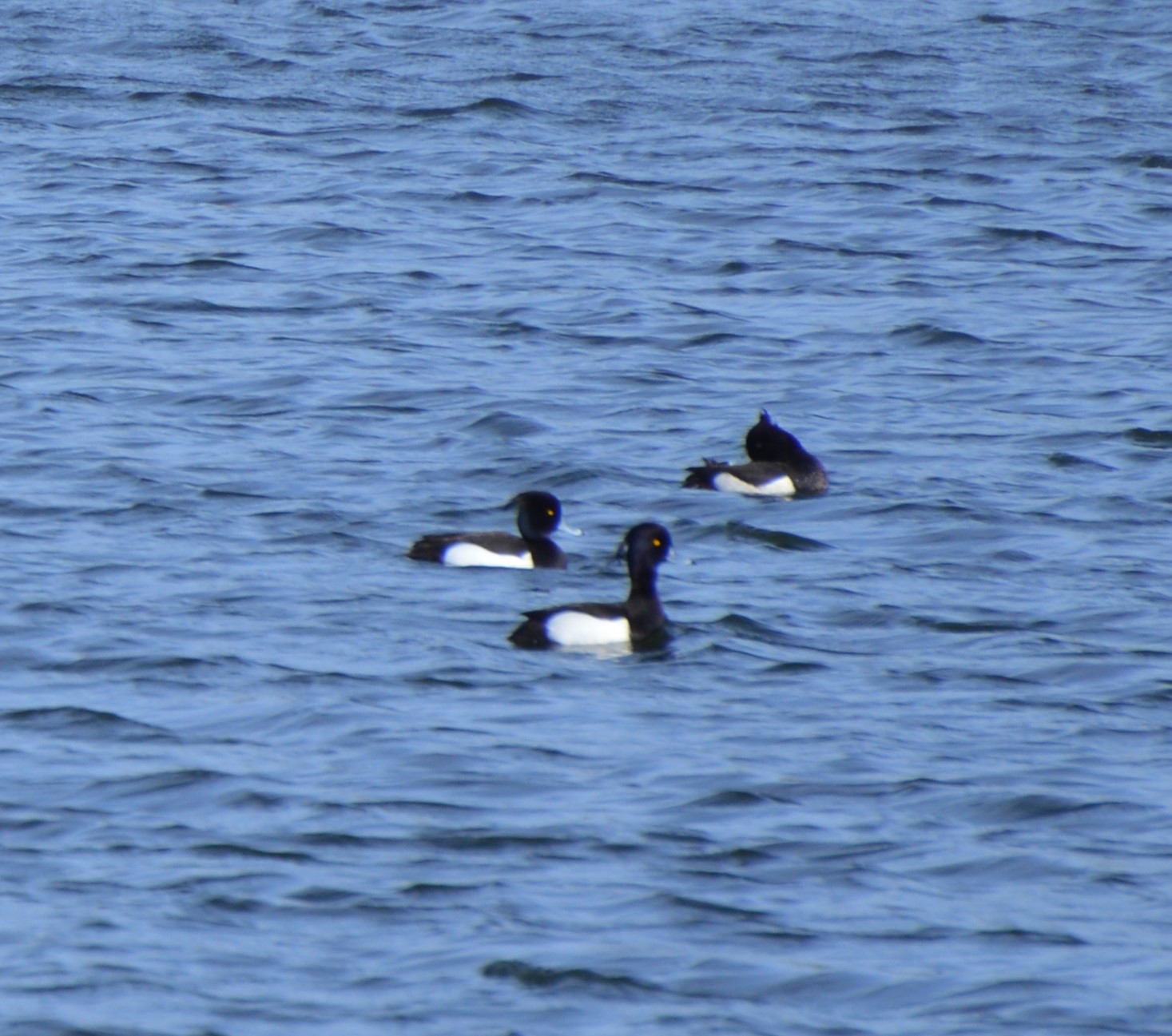
Tufted ducks were bobbing about everywhere. I love the clean lines of the black and white plumage and the bright golden eye of the males.

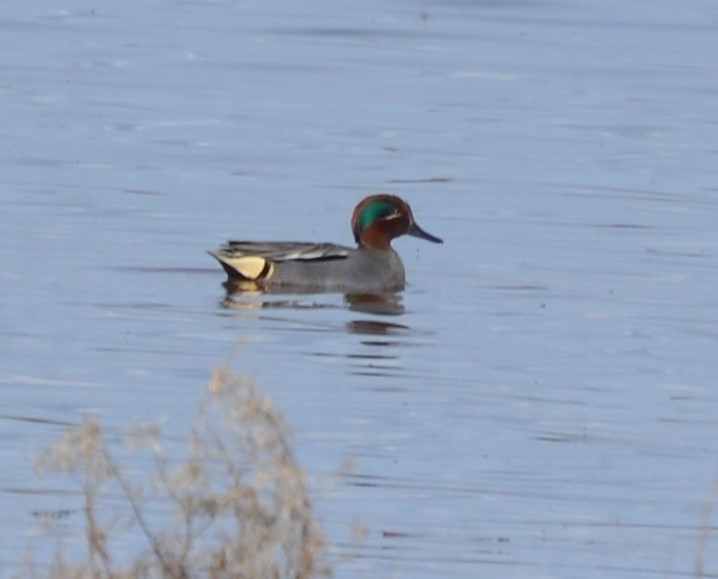
Another species that was new to me was the Common Teal. I didn’t manage to get very close and from a distance I thought initially these were just mallards, until I spotted the creamy yellow rump. From my distant viewpoint it hadn’t been possible to make out the beautiful red and green plumage on the head, but thanks to the power of the zoom on the computer I could appreciate it back home.

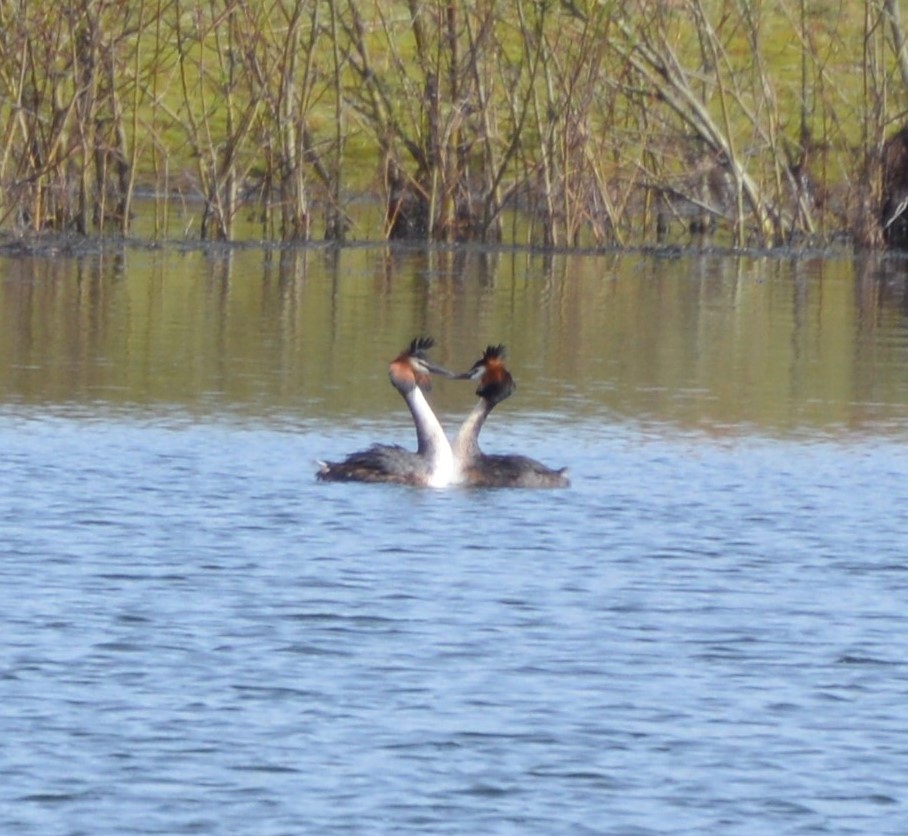
Possibly the stars of the show on this trip were the exotic looking Great Crested Grebes – birds that I’d only ever seen on Springwatch before.  There was a pair doing what looked like a courtship display on the far side of the lake. They bobbed up and down facing each other. If they’d been a bit closer I’d have tried videoing it, but they were just too far away for that.

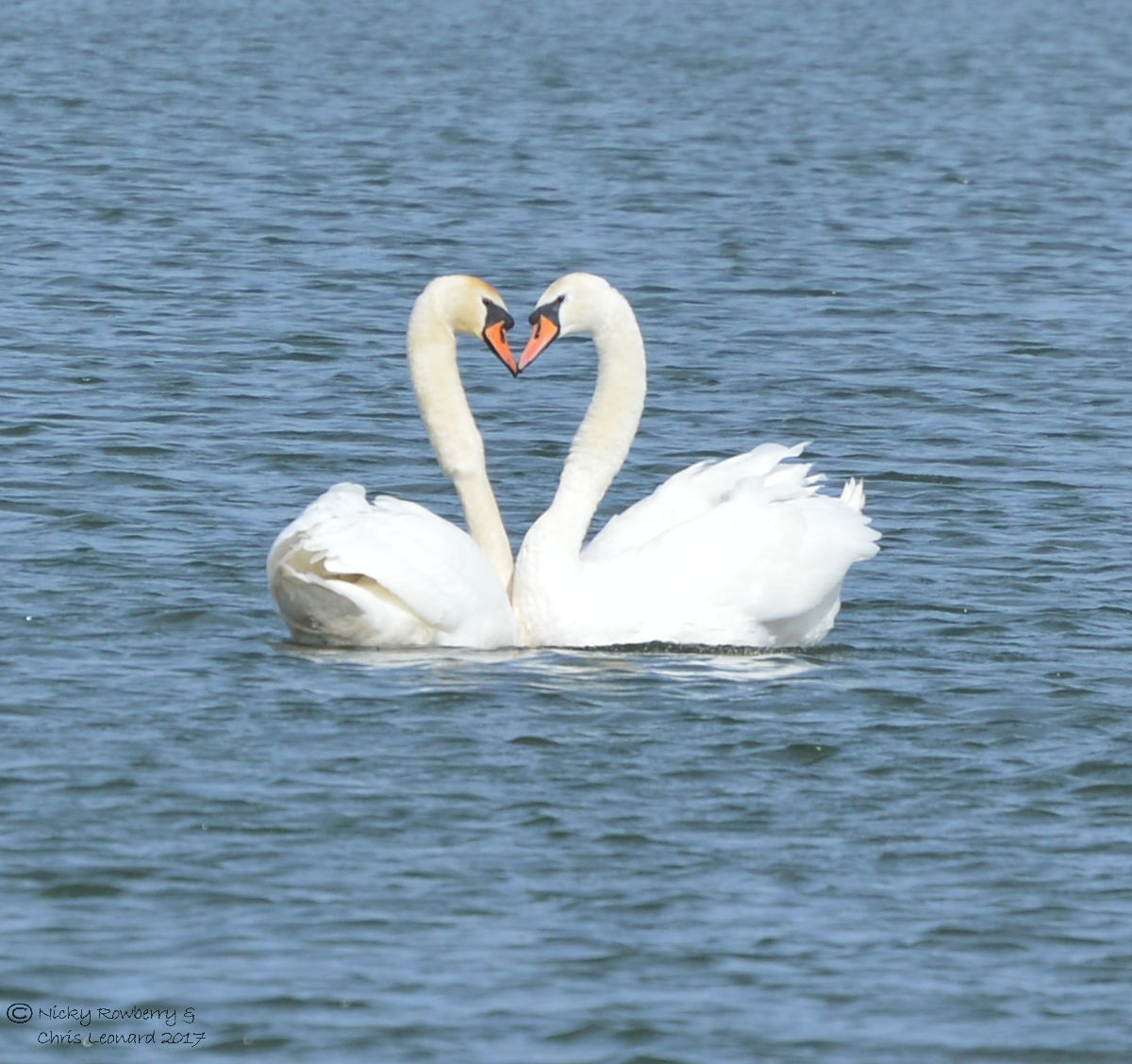
Love seemed to be in the air for a pair of swans too. One was already on the lake when another one landed further away. The first one spotted it and hurtled across the water – I thought at first it was an aggressive or territorial thing, but then they started entwining their necks around each other, so I guess they had other things in mind!

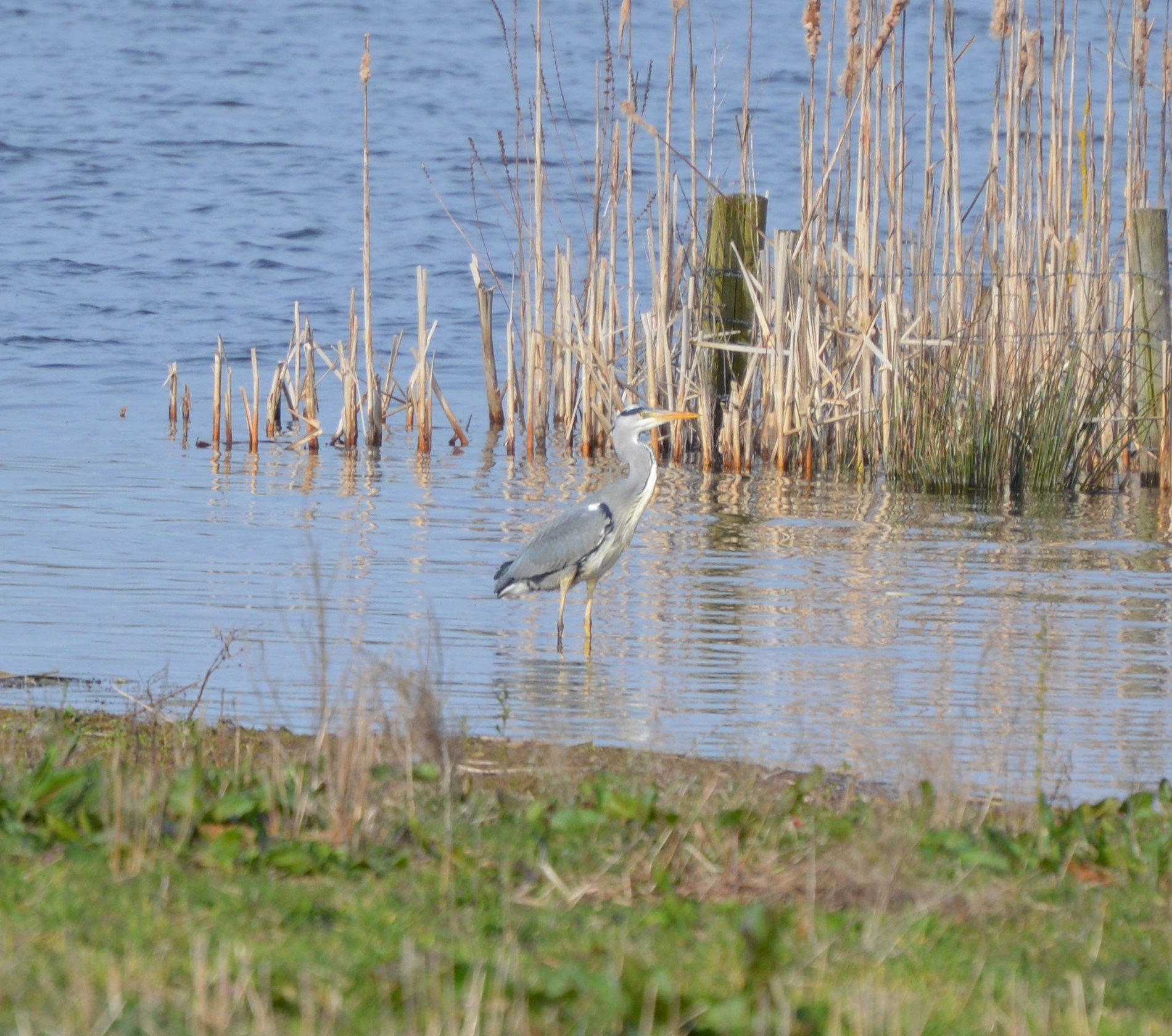
After a short pit stop at the Camp House Inn, I headed to the other set of pits nearby. First sight was this heron – I’d never studied one before and hadn’t realised just how large they were. I tried creeping closer to get a better shot, but as I was going across an open field, he spotted me straight away and flew off when he considered I was too close for comfort.

These lakes were clearly popular with a group of cormorants that were perched on fence posts in the middle and in trees. I still find it hard to get my head round seeing what I think of as sea birds this far in land!

While trying to concentrate on the birds, I kept getting side tracked by the insects. There were quite a few large bumblebees buzzing around and the pussy willow was provided much needed sustenance to several, like this Red Tailed Bumblebee.

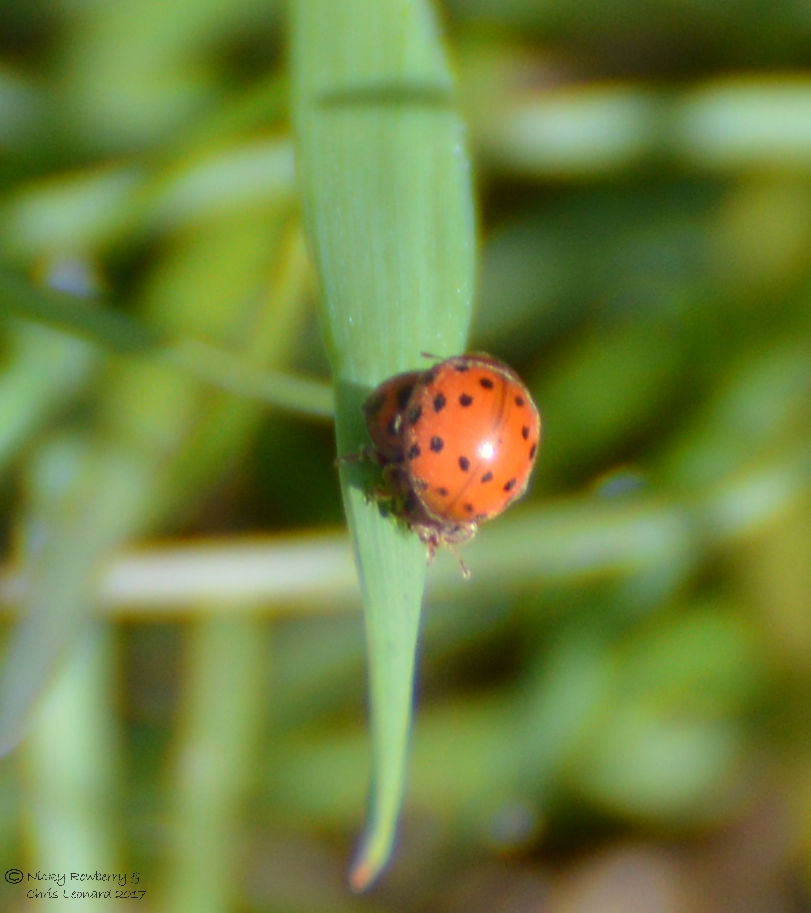
While trying to get a decent photo of a buff tailed bumblebee, I spotted (no pun intended) this pair of 24 spot ladybirds. They were very small and the grass they were on was waving around in the breeze, hence the less than perfect photo. They were slightly less shiny than other ladybirds and look as if they have a fine covering of downy hairs, which would make them the 24 spot ones  – a new one for me.

When I was looking at the red ladybirds above, I hadn’t noticed at the time that there was a pile of creamy coloured ones right next to them. Again they are not perfectly in focus, as I obviously wasn’t focussing on them as I didn’t know they were there! These ones turned out to be 16 spot ladybirds – another new species.

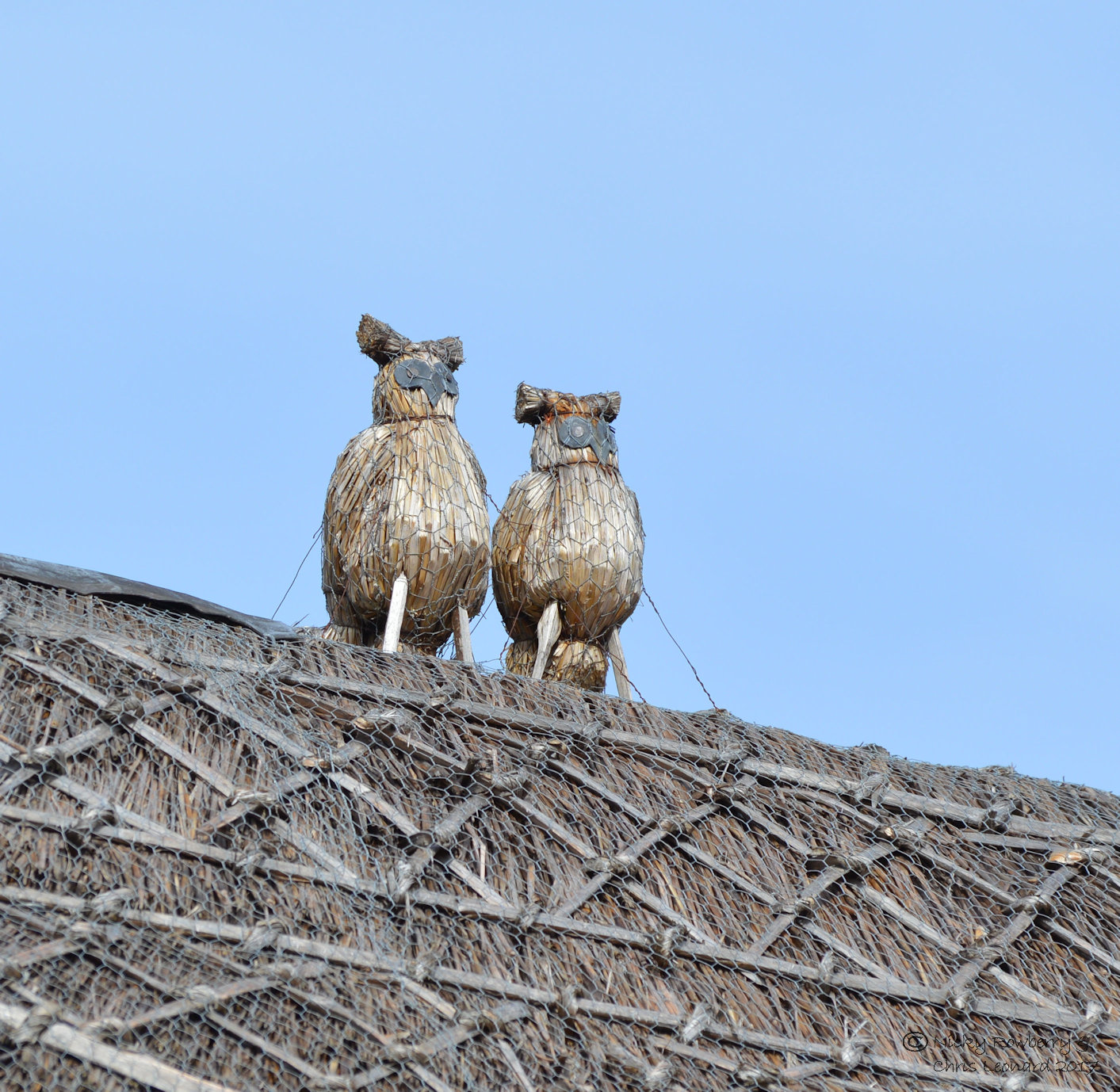
And finally, because I can never resist a comedy photo – here is the very rare 4 winged duck and a rather splendid pair of owls on top of the Wagon Wheel Inn’s thatched roof.

Out and About – Upton Warren Wetlands

It’s March and I ventured Out and About properly last weekend for the first time this year. I’d joined Worcestershire Wildlife Trust a few months ago and decided to take advantage of this by visiting the Upton Warren Wetland Reserve.  It was so nice to get some fresh air and explore somewhere new. The reserve has a mixture of freshwater and saline pools (the result of previous brine extraction work), which attract a wide variety of birds. The reserve is pretty big, so I only managed to do about half of it on this first visit. It’s a fantastic site though, so I will definitely be back soon to try out the other half.

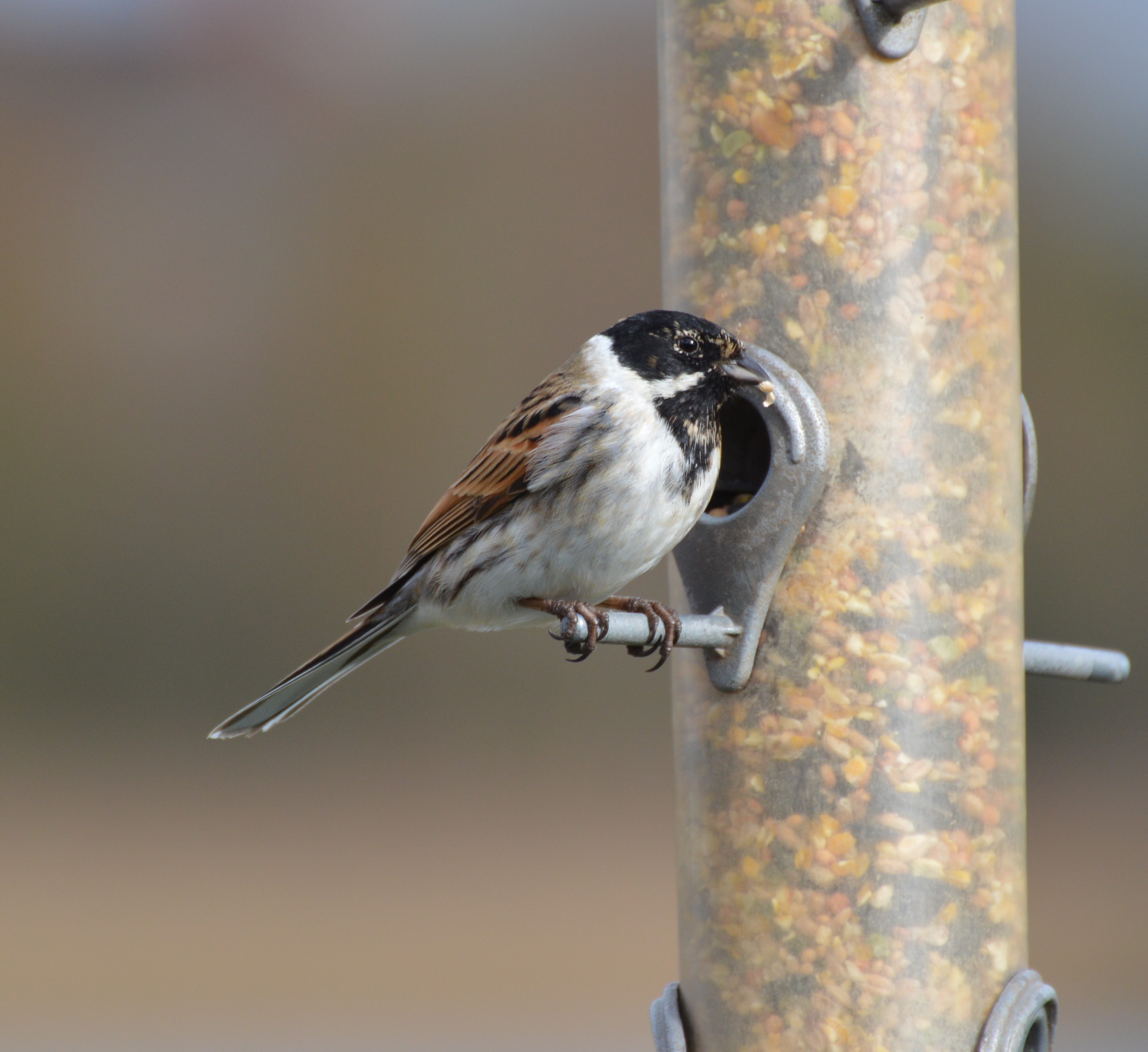
At the first hide, the Trust people had hung out a few bird feeders and I noticed a lot of small brownish birds that looked a bit like sparrows. Being a novice, I had to ask the helpful gentleman who was in the hide with me what they were – I was a bit worried he might just say that they were sparrows, then I really would look clueless, but fortunately it turned out they were reed buntings. I had sort of expected reed buntings to hang about in the reeds and be difficult to see, but I guess why would they do that when there were easy pickings from a feeder?  Top one here is a male and the bottom is the female (at least I think it is, unless it turns out to be an embarrassing sparrow).

reed-bunting-female

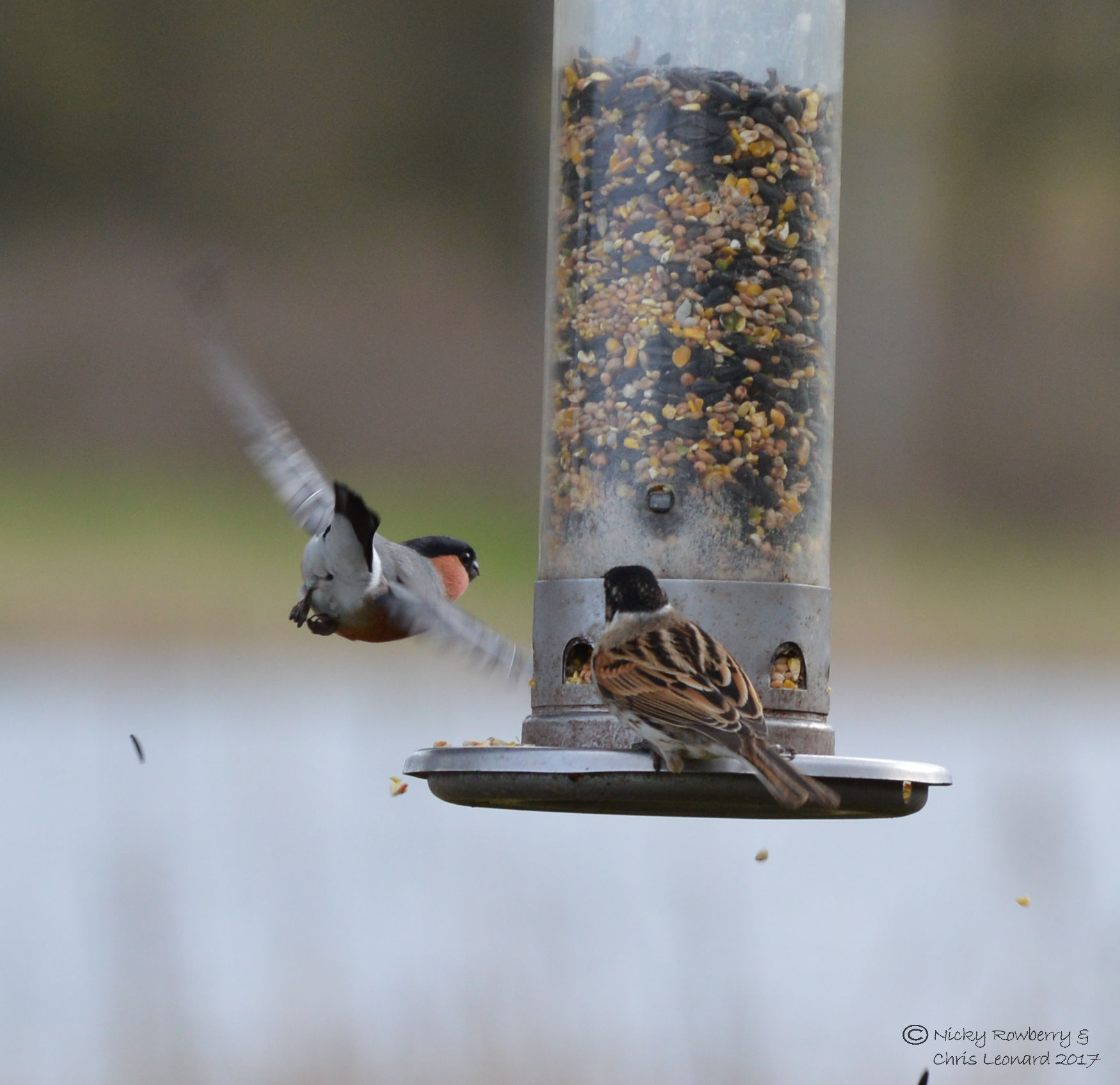
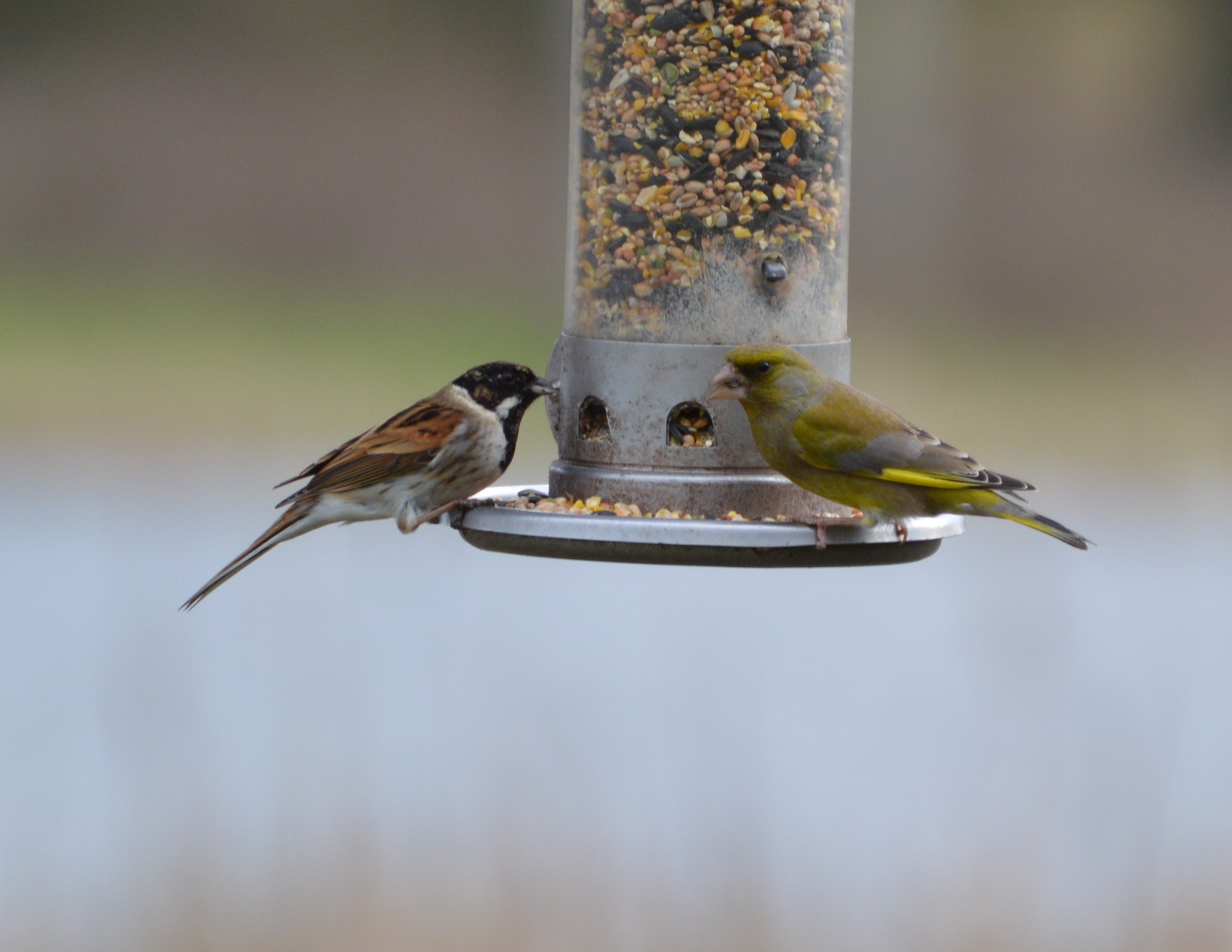
The reed buntings weren’t the only ones using the bird feeders; they had stiff competition from the bullfinches in particular, who in turn had to contend with the greenfinches.

bullfinch-bunting-2

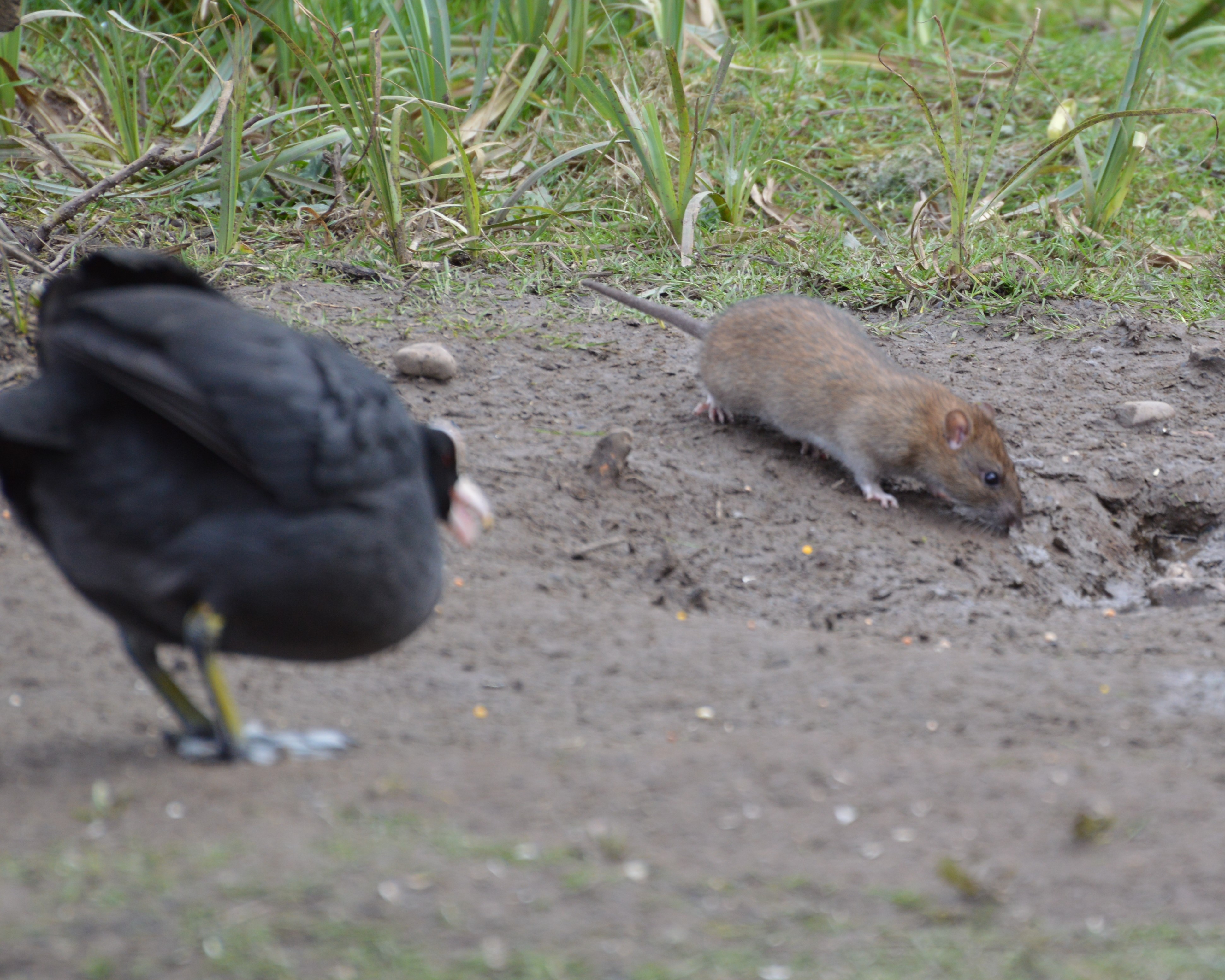
All the dropped seed of course attracted the inevitable rats, including this particularly bold one. Not the most welcome visitor to a bird reserve, but it was interesting to see a rat that close up in broad daylight – a first for me.

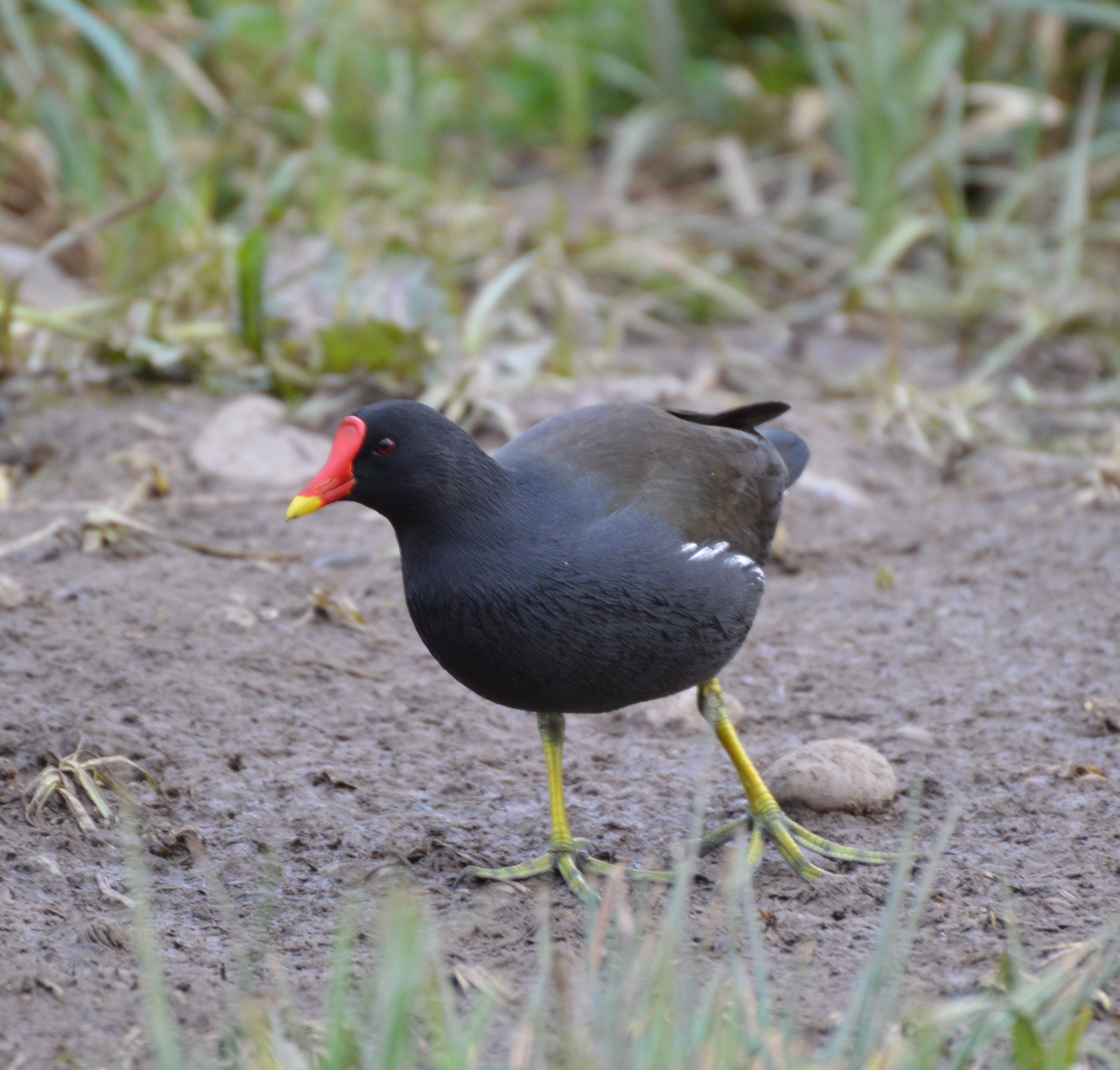
A portly looking moorhen was lazily scanning around for bird seed, while a coot cruised the nearby inlet.

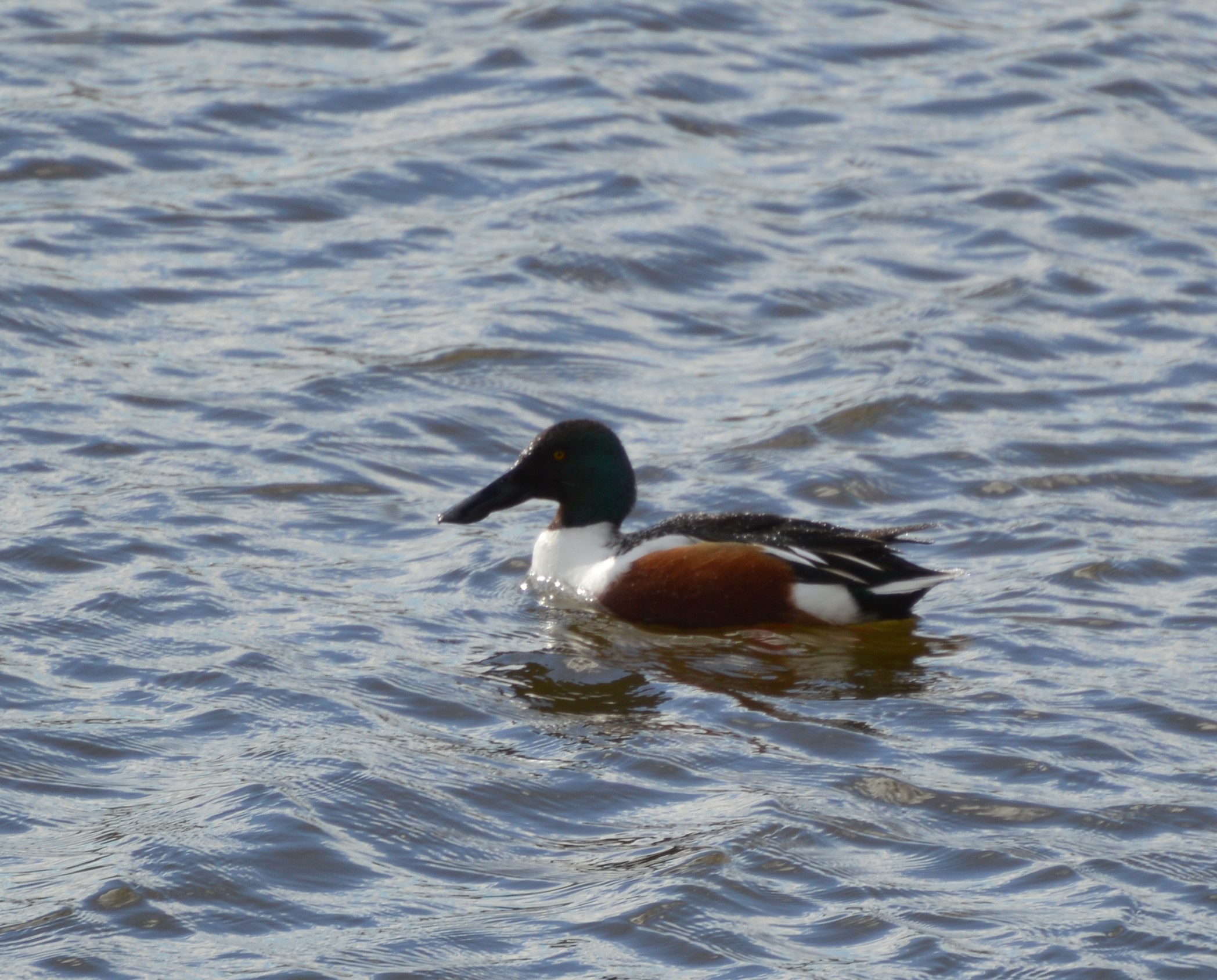
There were quite a few regular mallards about, but then a duck appeared that looked a bit different. Umpteen blurry photos later, I finally got one good enough to identify it as a Shoveler Duck. Turns out they are fairly common, but it was new to me.

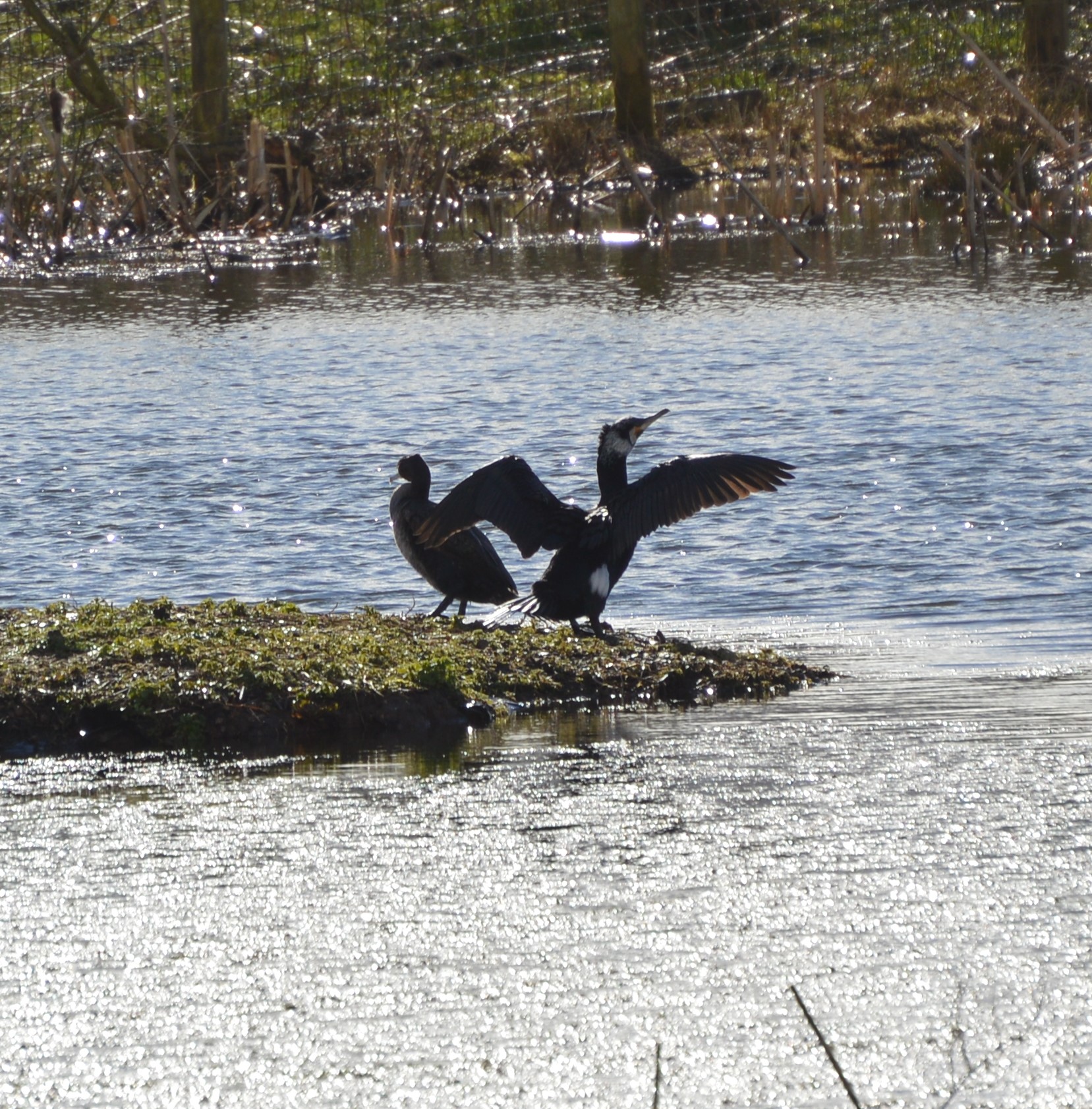
There were a few cormorants about – weird looking birds. Even the RSPSB website describes them as reptilian looking, which seems a tad unkind!

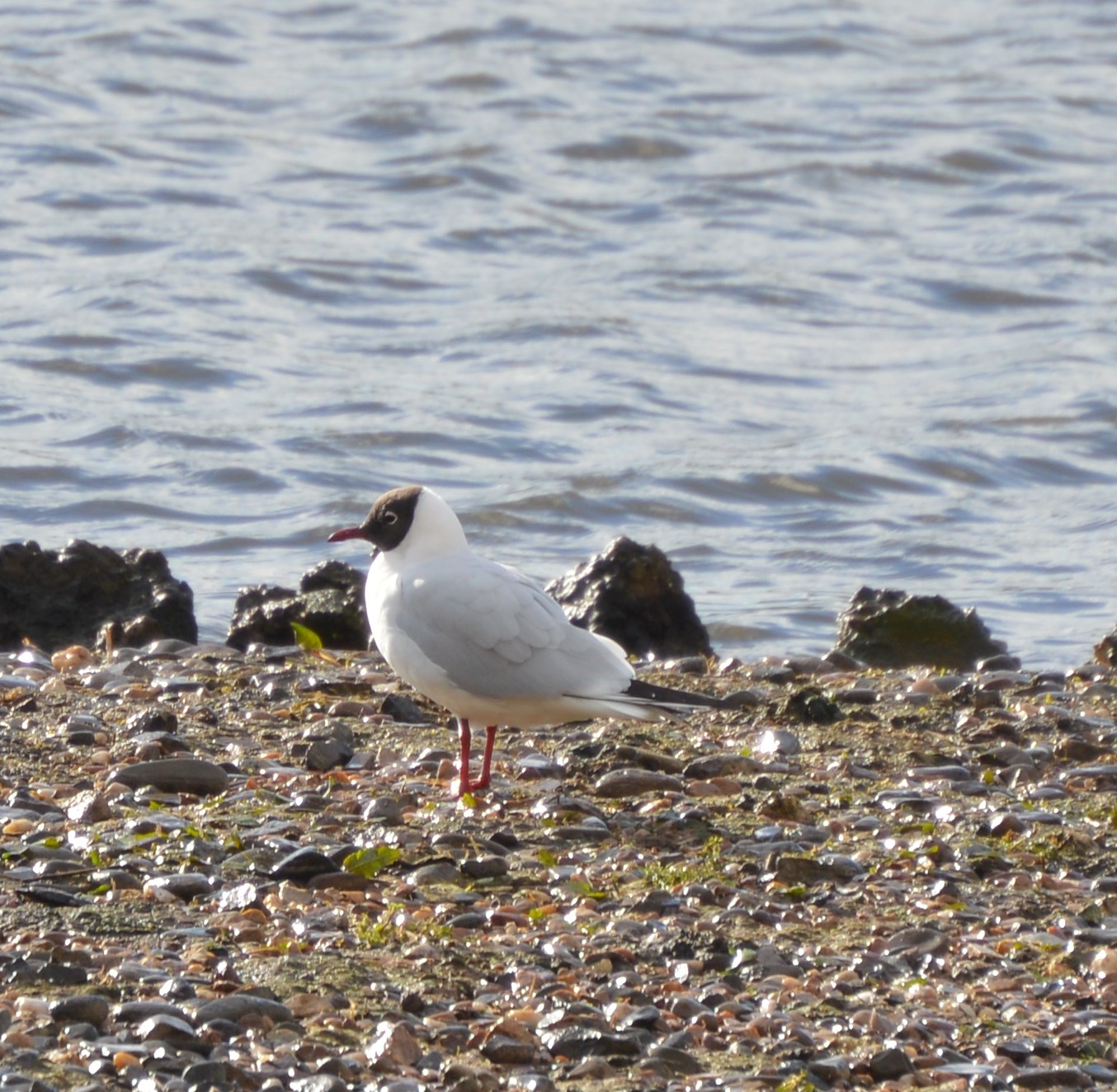
By far the most common birds I saw were these black-headed gulls, this one in his winter plumage still.

One species I was really pleased to see was the lapwing. I’d only ever seen these on TV (Springwatch most likely) and they are such characterful looking birds, I was really chuffed to find a small flock of them. They were a bit far away to get really good photos, although when they all took off I got a slightly better view.

Having lived by the coast for many years, one bird I was familiar with was the oystercatcher – never imagined I’d see them in the middle of Worcestershire though! I heard them at Upton before I saw them – that distinctive, fairly shrill call. A pair landed on a small island in front of me, easily recognisable with their bright red beaks and legs (I do like an obvious bird!) Again they were a bit far away to get really good photos.

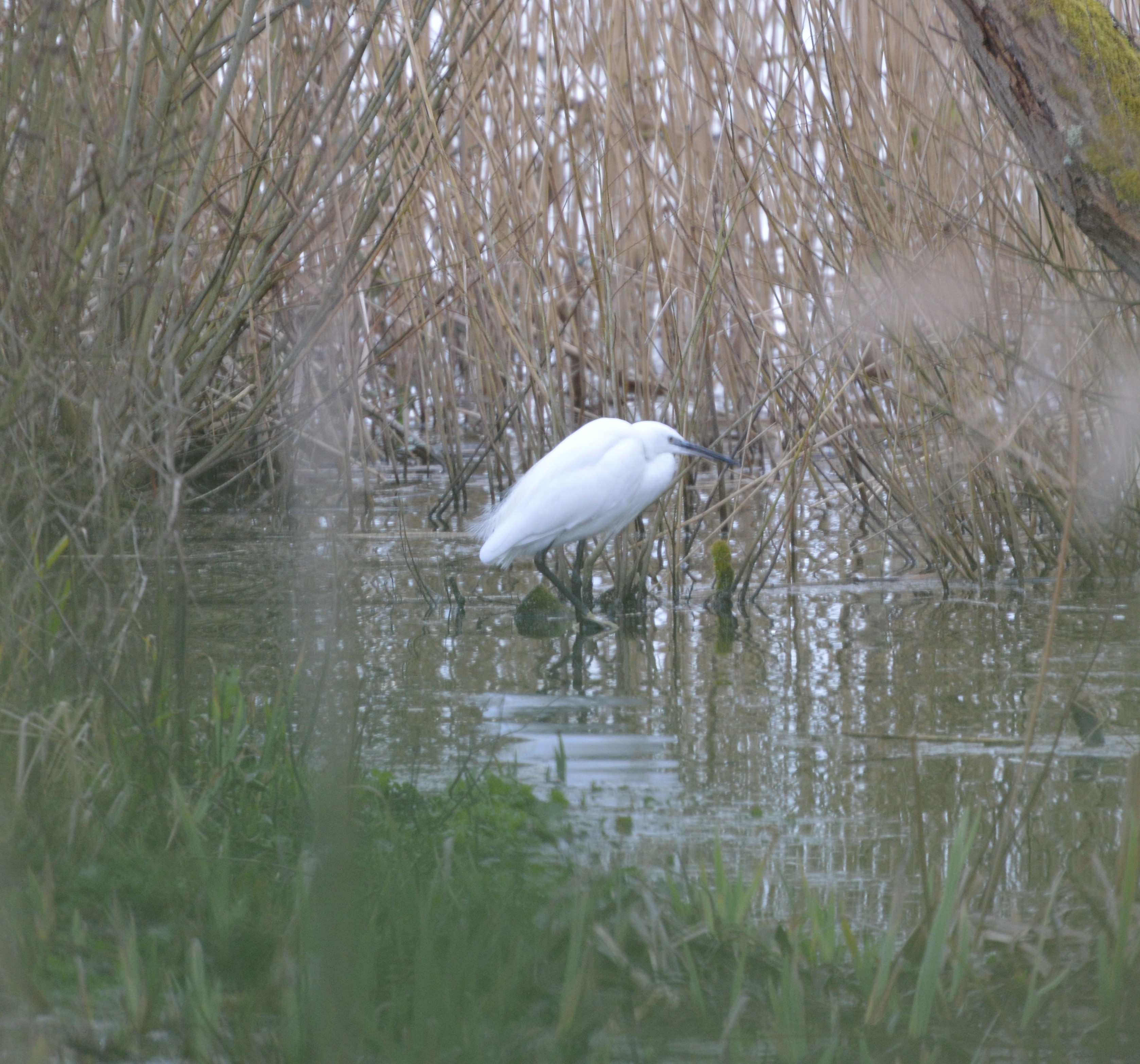
Without doubt the most beautiful bird we saw was this Little Egret,  spotted as I walked between hides. Almost ethereal with its pure white plumage, I watched it for a few minutes before it disappeared into the reeds.

All in all a great afternoon and although I was only there for a few hours, I still clocked up 18 species of bird, several of which were completely new to me. I heard another birdwatcher commenting that there was “nothing much showing” – he was no doubt much more experienced than I was and probably hoping for something unusual. Sometimes it’s good to be a novice, as I was absolutely delighted with everything I saw – lots of the birds were new to me, so it was all exciting and I was happy just watching what was there. For me there was plenty showing.