With the Big Garden Birdwatch coming up this weekend, it got me thinking about the other forms of Citizen Science (Citizen Smith’s nerdy cousin!) that the other half and I get involved with from the comfort of our own garden. For amateur biologists like us, these projects are a great way of indulging our hobbies and hopefully contributing something useful with the information at the same time. Most of the ones we participate in require no specialist knowledge (phew!), no specialist equipment and often very little time. Yet when enough people contribute, they can provide significant amounts of information that the scientists couldn’t get any other way.
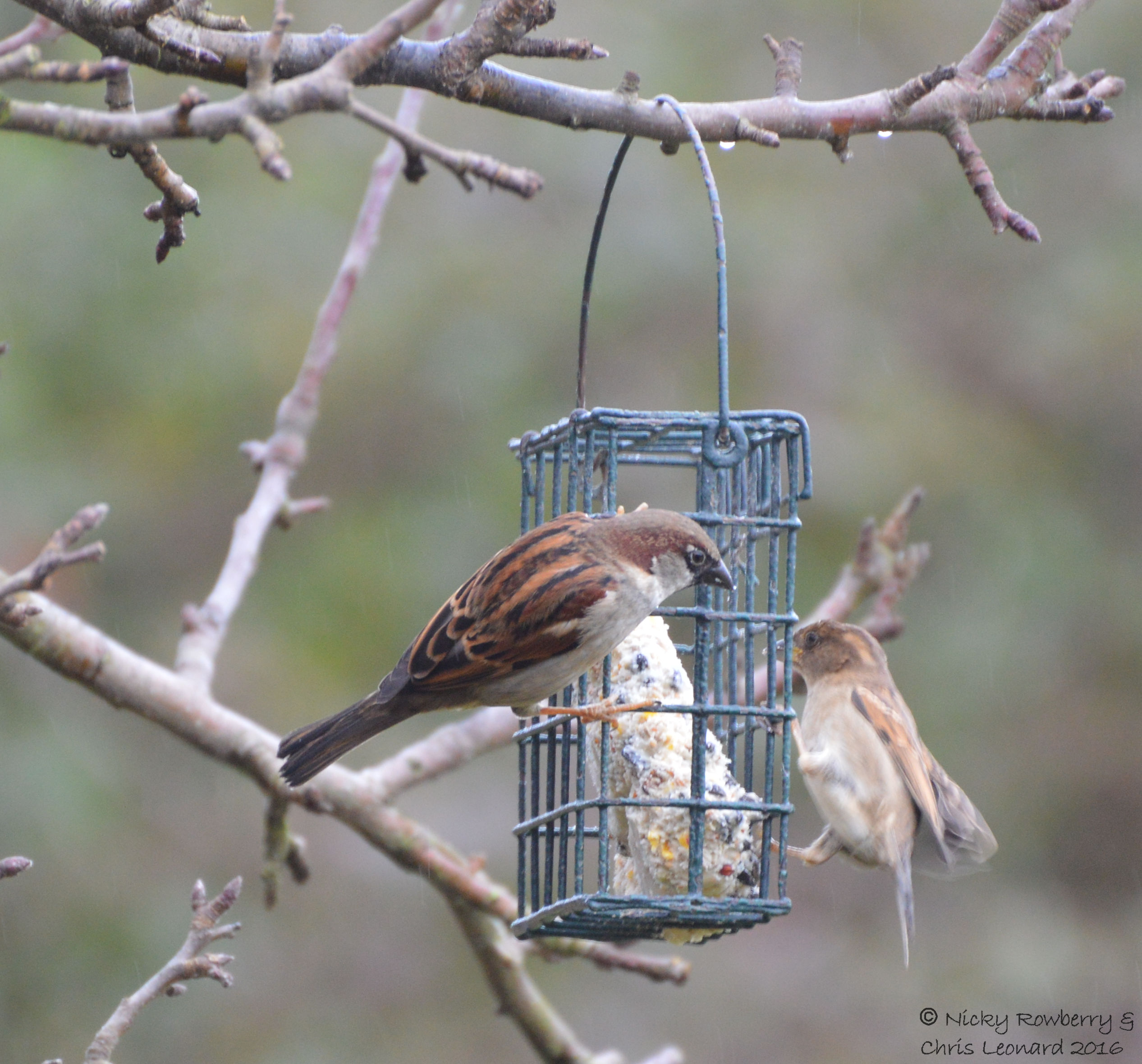
 The Big Garden Birdwatch is one of the oldest projects and has been going for over 30 years, allowing the RSPB to monitor long term trends in our garden bird populations. You just need to watch the birds in your garden for an hour and count the maximum number of each species you see. For more information go to: https://ww2.rspb.org.uk/discoverandenjoynature/discoverandlearn/birdwatch
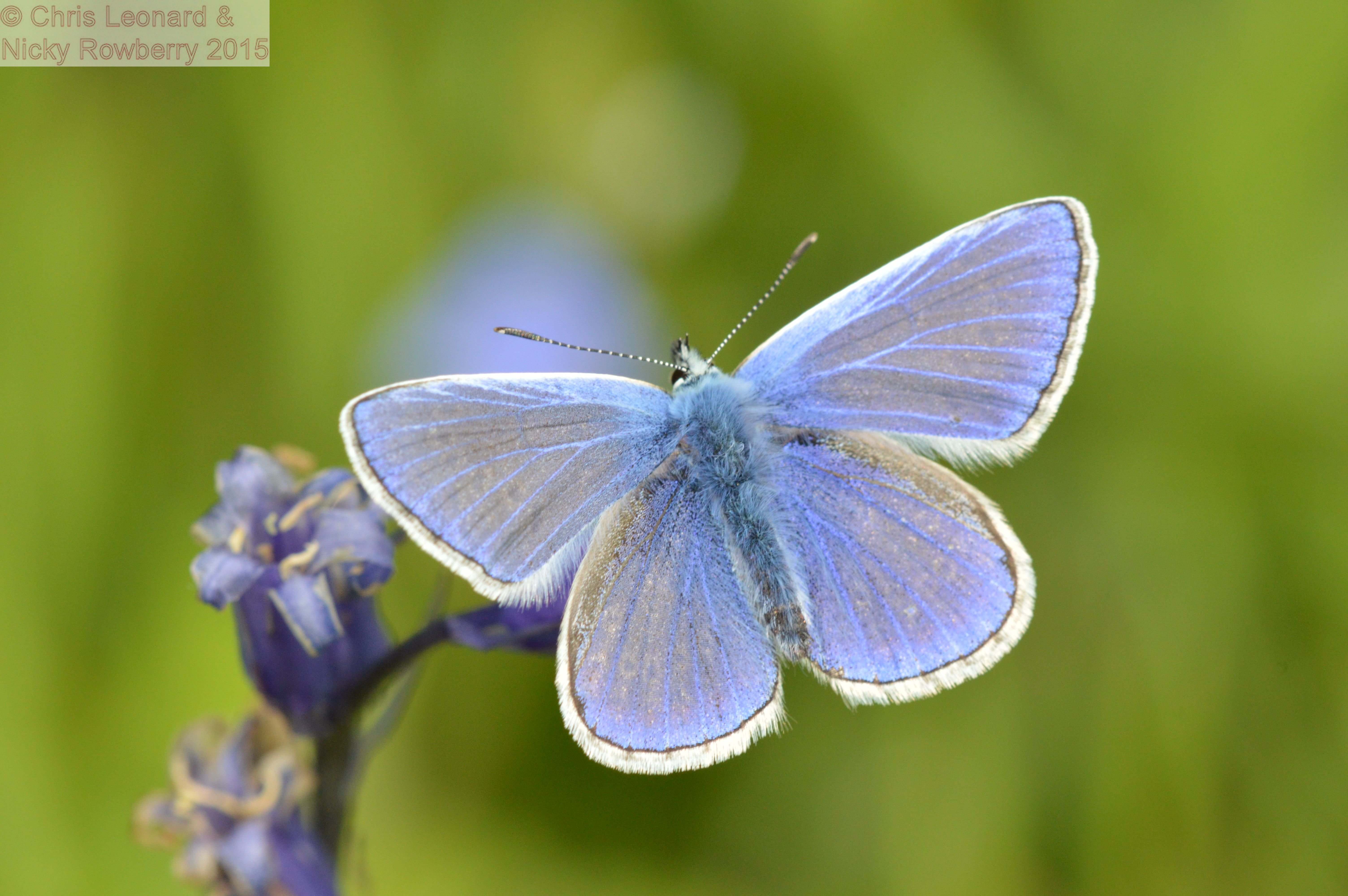
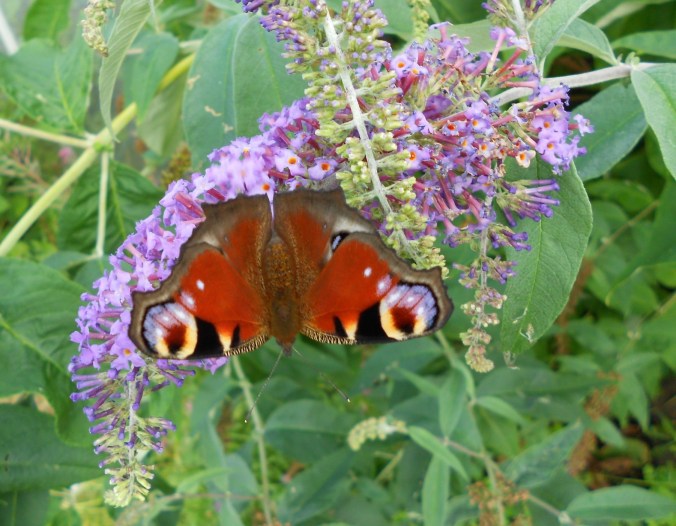 The Big Butterfly Count is a relative newcomer, having only started in 2010, but already it’s become the biggest butterfly survey in the world. Last year over half a million butterflies were recorded in over 50,000 counts – you couldn’t pay for that amount of data! For this project all you need to do is record the maximum number of each of the target species you see in just 15 minutes during the 3 weeks the project runs each summer. For more information go to: http://www.bigbutterflycount.org/
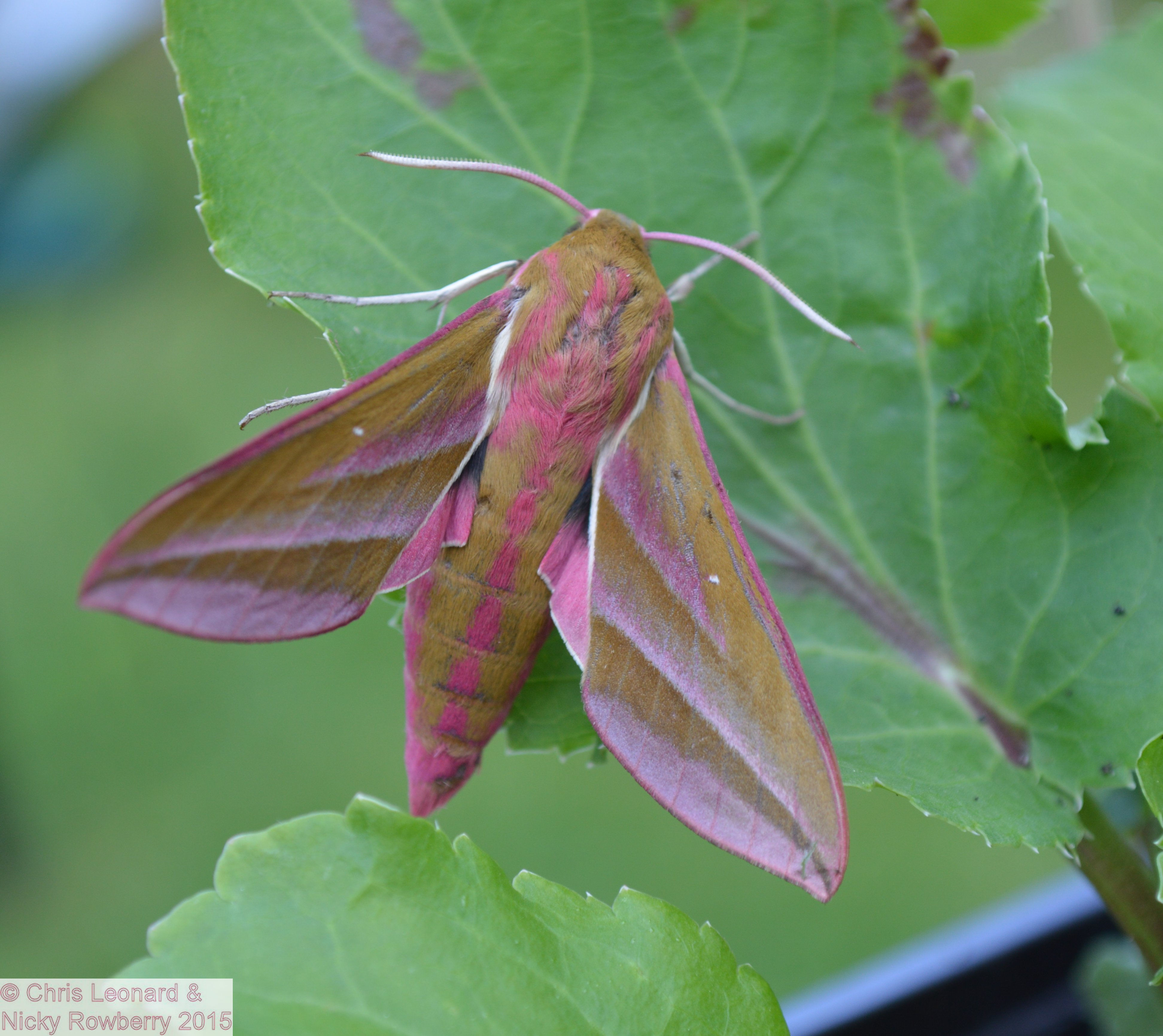
I’ve been monitoring the moths in our garden for a while now and last year took part in Moth Night in September. Moth night runs for a different weekend each year with a different theme each time (this year it will be Hawk-moths). You can either run a moth trap in your own garden or go to one of their public events. For more information go to: http://www.mothnight.info/www/ This year I’ve decided to go one step further and joined the Garden Moth Scheme. This project gets volunteers to put out moth traps in the garden once a week over the summer months and log their findings. Since I’ve been more or less doing this anyway, joining the scheme seemed like the logical thing to do. For more information go to: http://www.gardenmoths.org.uk/
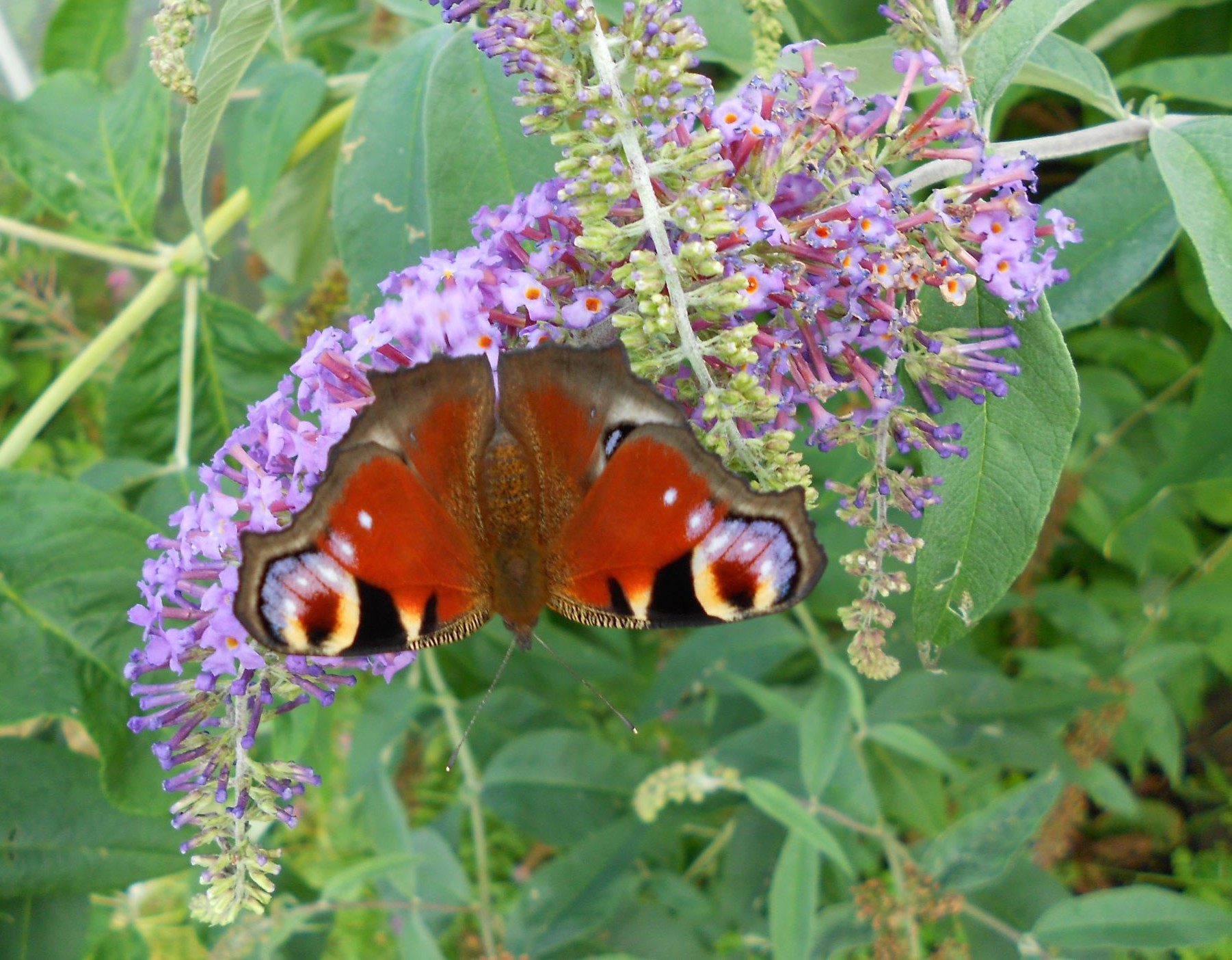
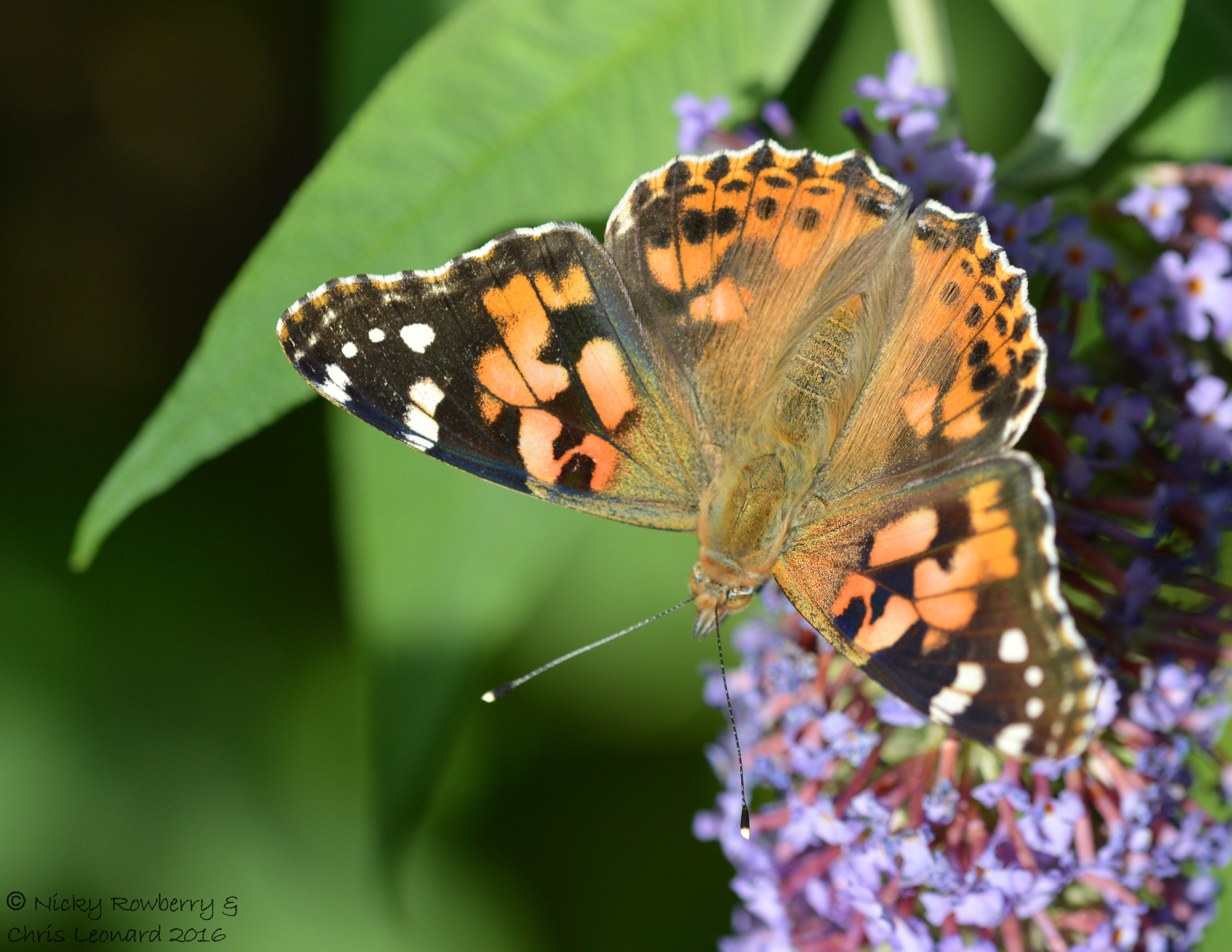
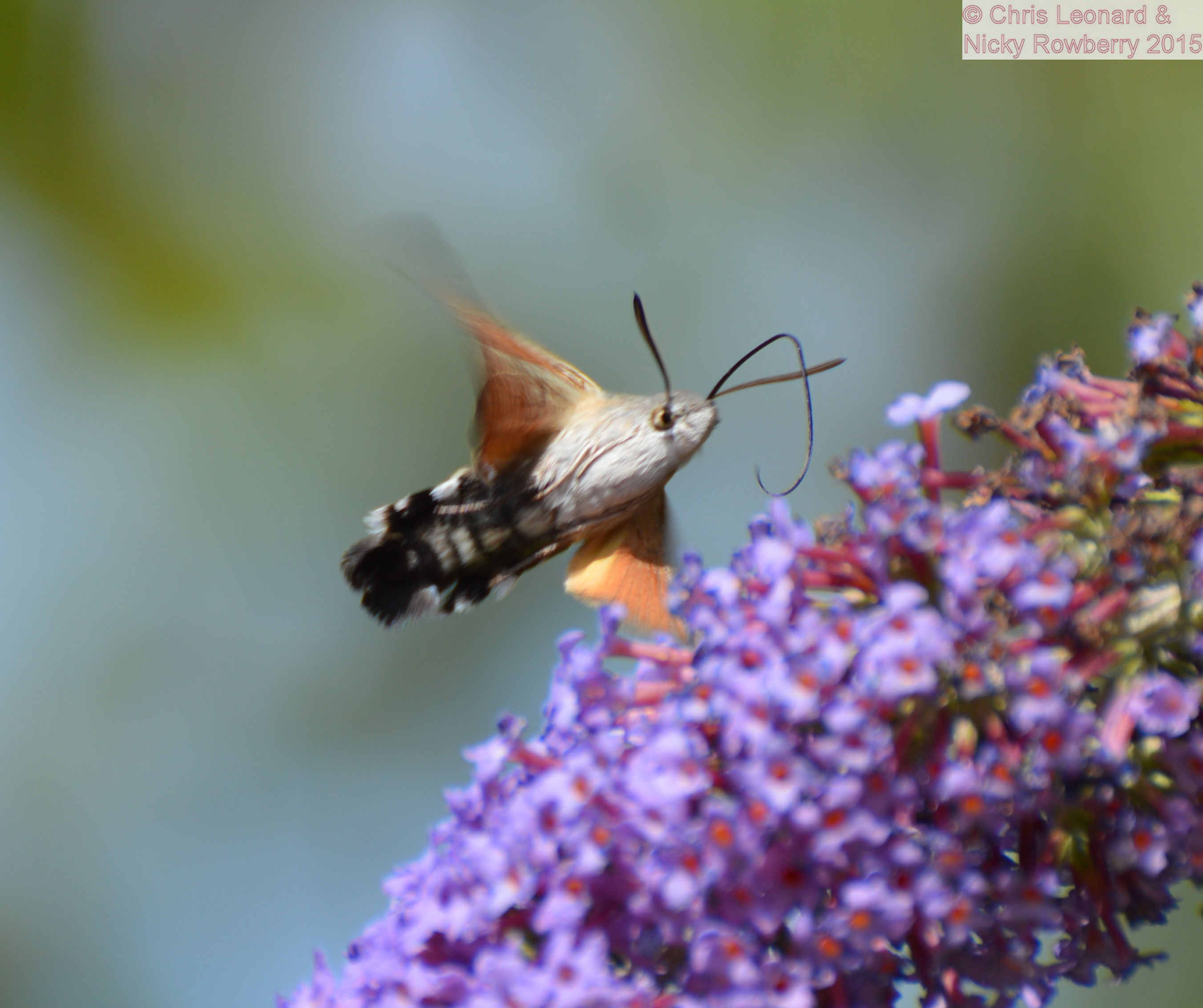
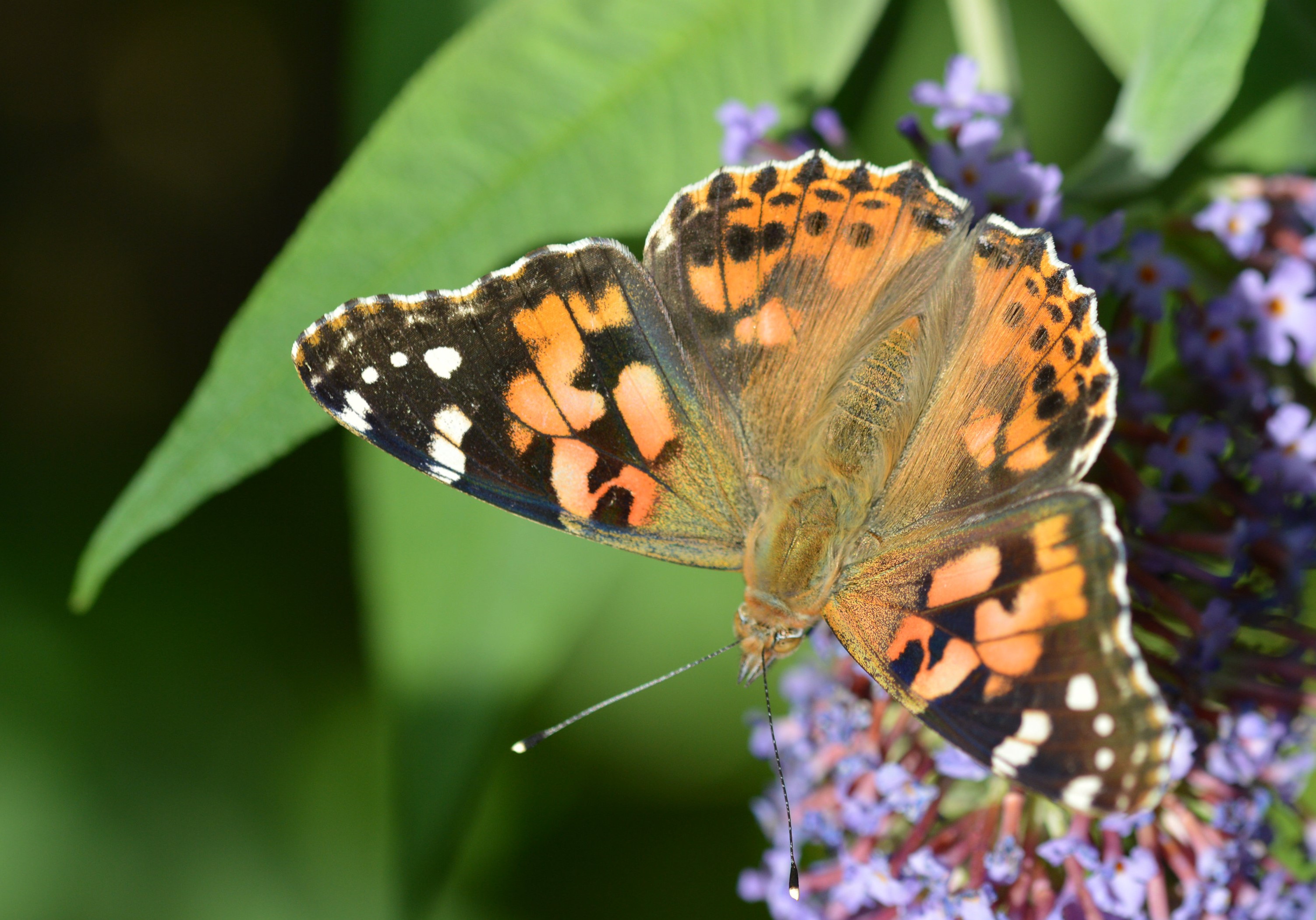
 If you don’t want to get involved in anything too formal, some schemes just require you to log certain species as and when you see them. Butterfly Conservation runs a Migrant Watch for Painted Lady butterflies and Hummingbird Hawk-moths. These species are becoming increasingly common in the UK and may be indicative of climate change. You can help monitor this by simply logging any sightings of them (at home, work wherever you see them).
  For more information go to: http://butterfly-conservation.org/612/migrant-watch.html
 There are schemes for all sorts of species – we’ve logged dragonflies and damselflies at http://www.british-dragonflies.org.uk/ and reptiles and lizards at http://www.recordpool.org.uk/index.php You name it there is probably a recording scheme for it somewhere.
Although I’ve always been interested in encouraging wildlife into the garden (hence the abundance of wilderness areas – honest that’s the reason!), it was taking part in a Garden Bioblitz a few years ago that really fired my enthusiasm. In a Garden Bioblitz you simply record all the species (plants and animals) you can find in your garden over a 24 hour period. The first time we did it, the other half and I recorded 119 species – and that was before we had a moth trap! Hopefully this year we can improve on that. If you fancy having a go – http://www.gardenbioblitz.org/
In short (after rambling on longer than I meant to), if you’re interested in wildlife and observing it anyway, why not put those observations to good use and submit them to one of these schemes?


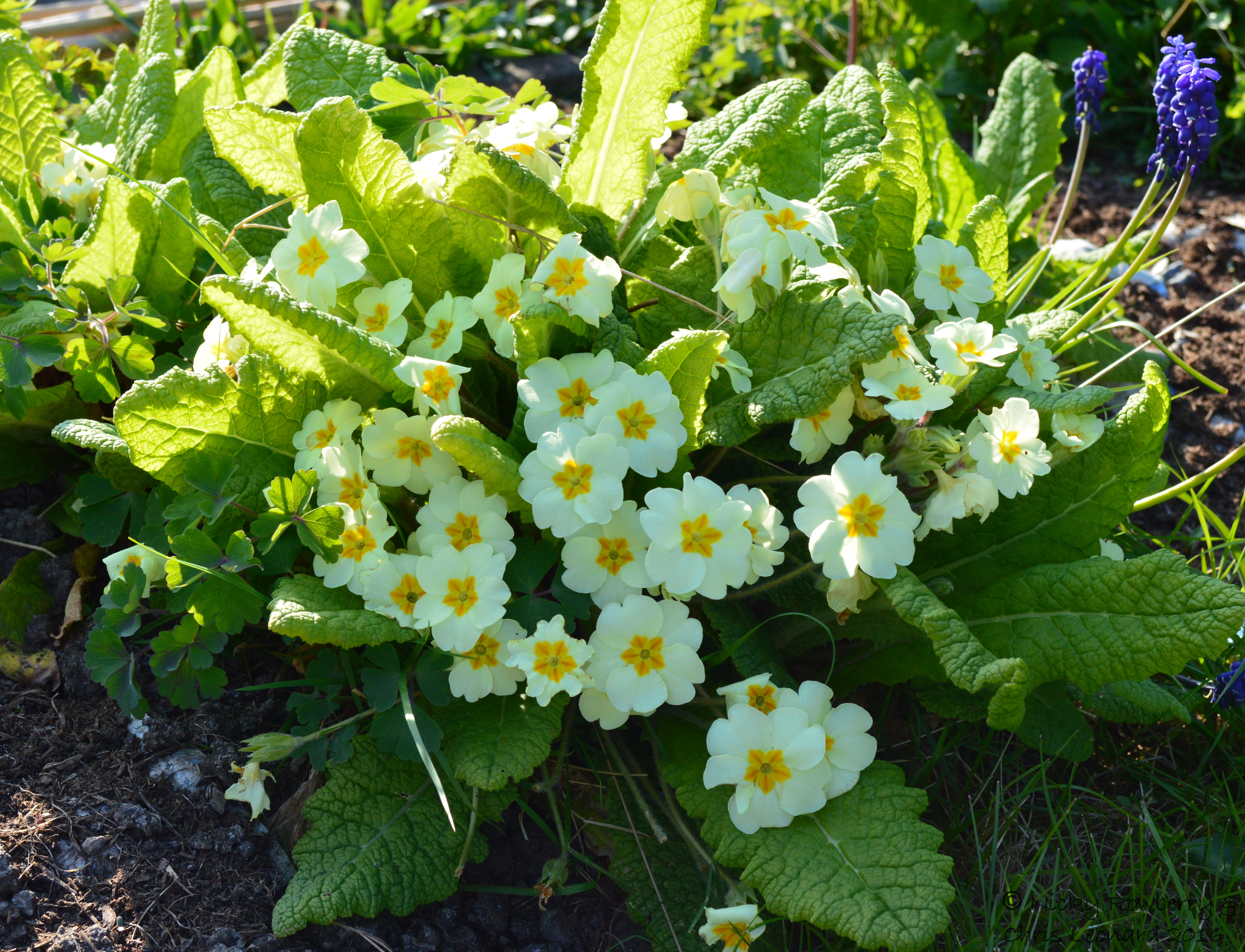 All these spring flowers are good news for the insects, which are now starting to arrive in the garden in moderate numbers. The yellowyness of Spring continued with the first butterfly in the garden – a Brimstone. In typical Brimstone fashion it was too fast to get a photo, but we think it was a male as it was bright yellow – the original “butter coloured fly” or butterfly. Hopefully soon one will hang around long enough to get his photo taken. But the good news was that it meant I could log it onto the new online garden butterfly survey – http://www.gardenbutterflysurvey.org/ – my first record for the year.







 Too Lazy To Weed