Isle of Wight – Part 3 Butterflies at Last!

It’s taken me a full week to whittle down the 600+ photos we took on our second full day on the Isle of Wight to a manageable number to post. We went looking for butterflies and found so many to photograph I think we got a bit carried away! Our main targets were the Glanville Fritillary (pretty much only found on the Isle of Wight) and the Adonis Blue – two new ones to add to our tally of British species. After our usual struggle getting lost before finding the right carpark, we set off on the “Paradise on the Isle of Wight Butterfly Trail” over Compton Down. The walk was only supposed to take 2 to 2½ hours, but we spent so long taking photos, it took nearly 5! But it was well worth it, not only for the butterflies, but for the fabulous views of the white cliffs.
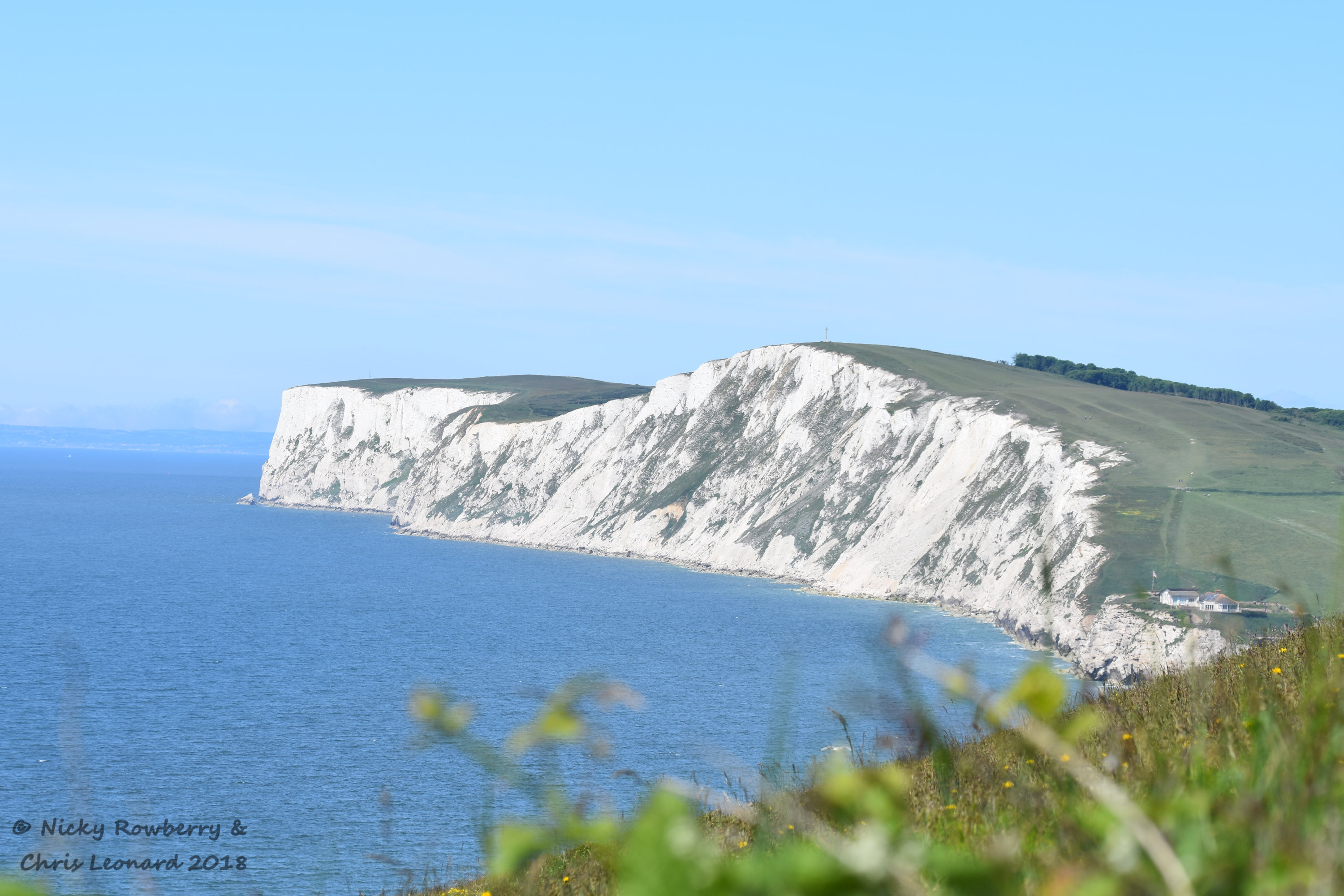
The day started sunny and bright, but then the fog rolled in incredibly quickly and the cliffs (and butterflies disappeared). It was amazing watching the fog come, it seemed to chase us along the path until we were completely enveloped. Fortunately it didn’t stay too long, the sun came out again and we resumed out wildlife watching. There were butterflies and moths everywhere. Although our main targets were the butterflies, as usual we couldn’t resist the moths either. There were Silver Y moths everywhere (when we got home to Malvern the next day there were well over a dozen of them in the garden too, there must have been a big influx of them from abroad that weekend).
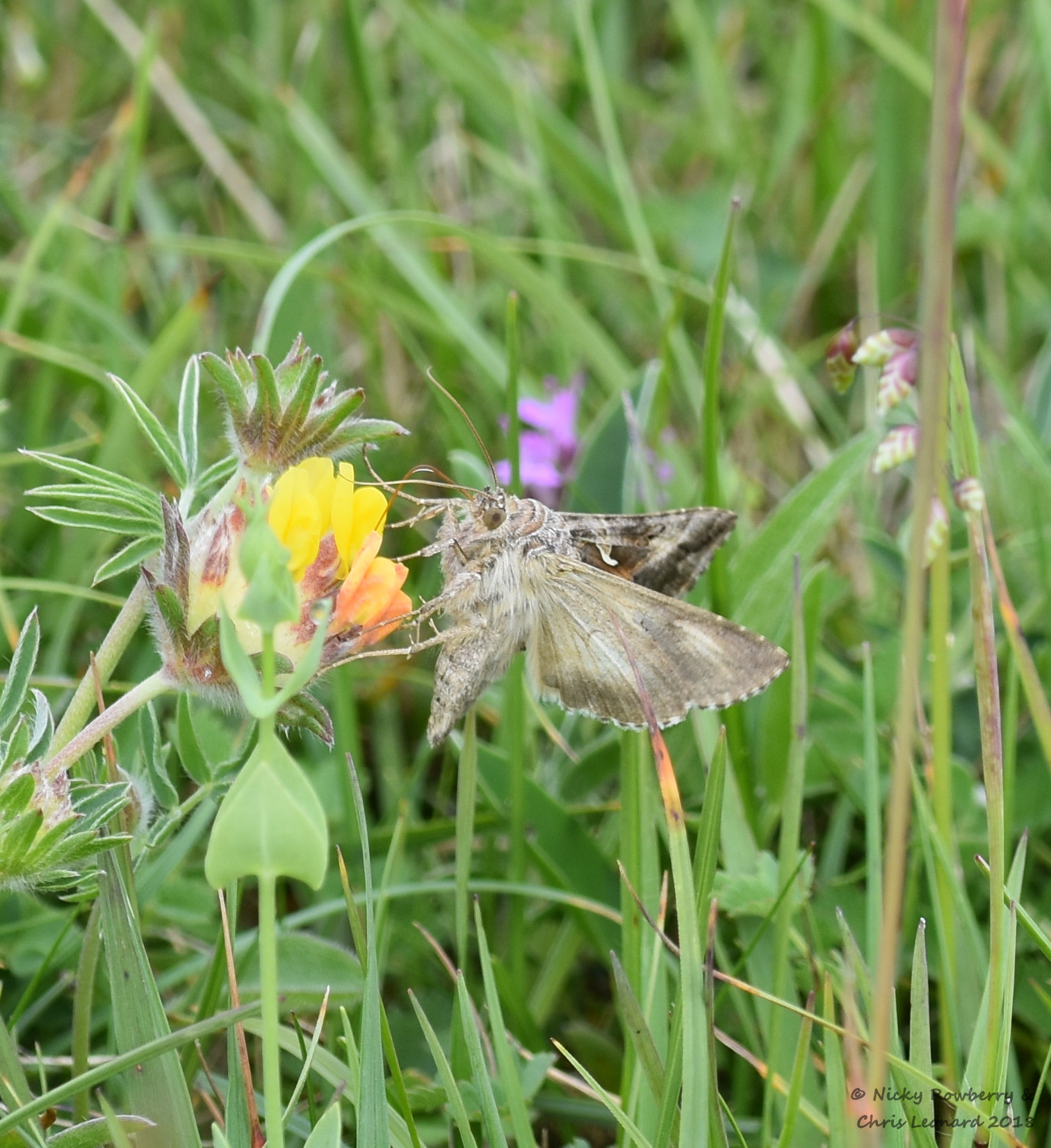
One we don’t see so often is the Burnet Companion – a subtly pretty day flying moth. A more showy day moth was the Cinnabar – flashes of red underwings catching our eyes as we walked over the downs, although we never managed to catch one in flight to show this.

But on to the butterflies – the walk certainly lived up to its name, they were everywhere. In total we counted 14 species of butterfly, which maybe our highest count ever for one walk.  Some were fairly common ones we were familiar with, but a couple of others I’d previously only seen on one occasion, such as this Grizzled Skipper. This was another species that I’d only seen for the first time last year in South Herefordshire.
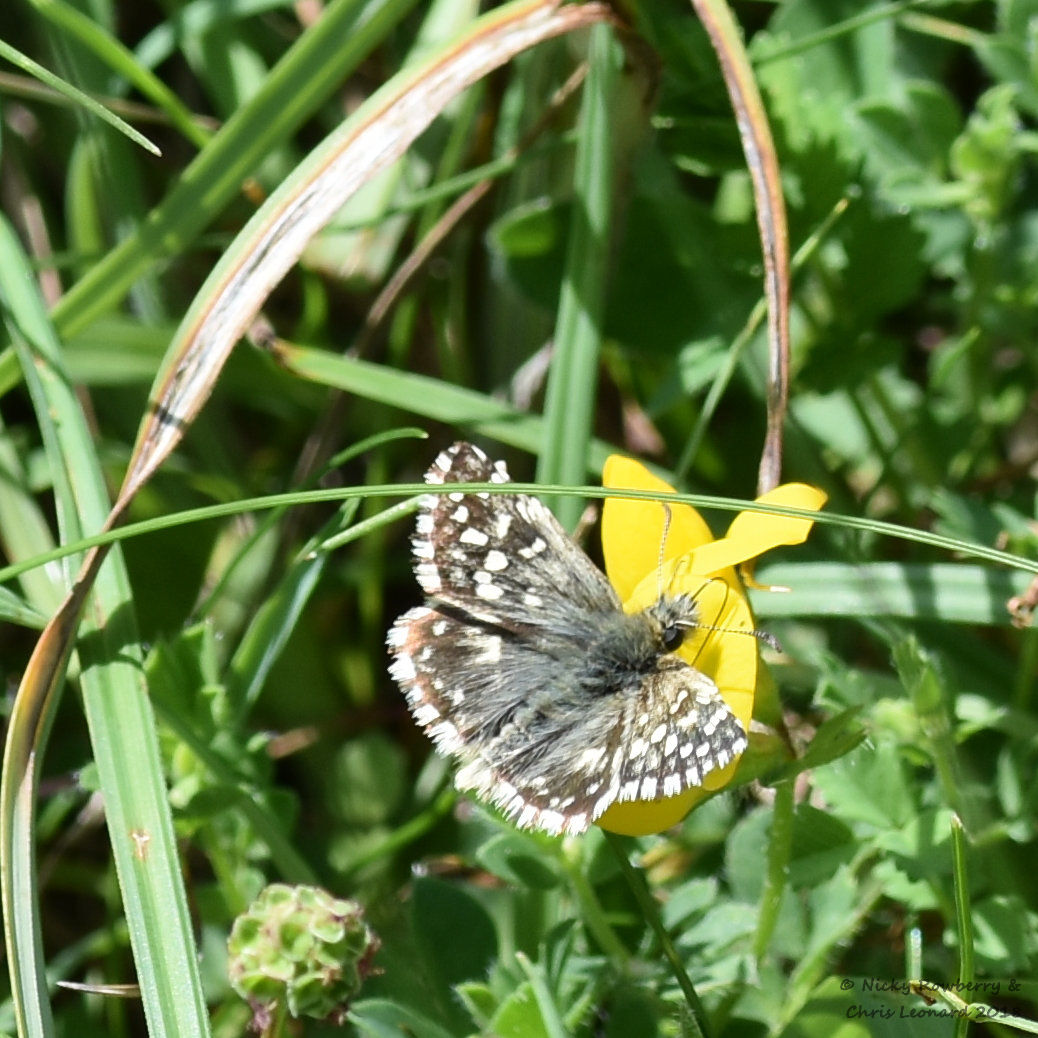
Grizzleds weren’t the only Skippers around though, one of the most common butterflies we saw here was the Dingy Skipper, a species we’ve seen in a few places before, but is always nice to see again. We were almost tripping over them as they seemed to like sitting on the path.

Another find was a Large Skipper. We saw a few of these, but not nearly as many as the Dingys.

Small Heath butterflies were also reasonably common. Not as showy as some of the others, but a lovely butterfly nonetheless.

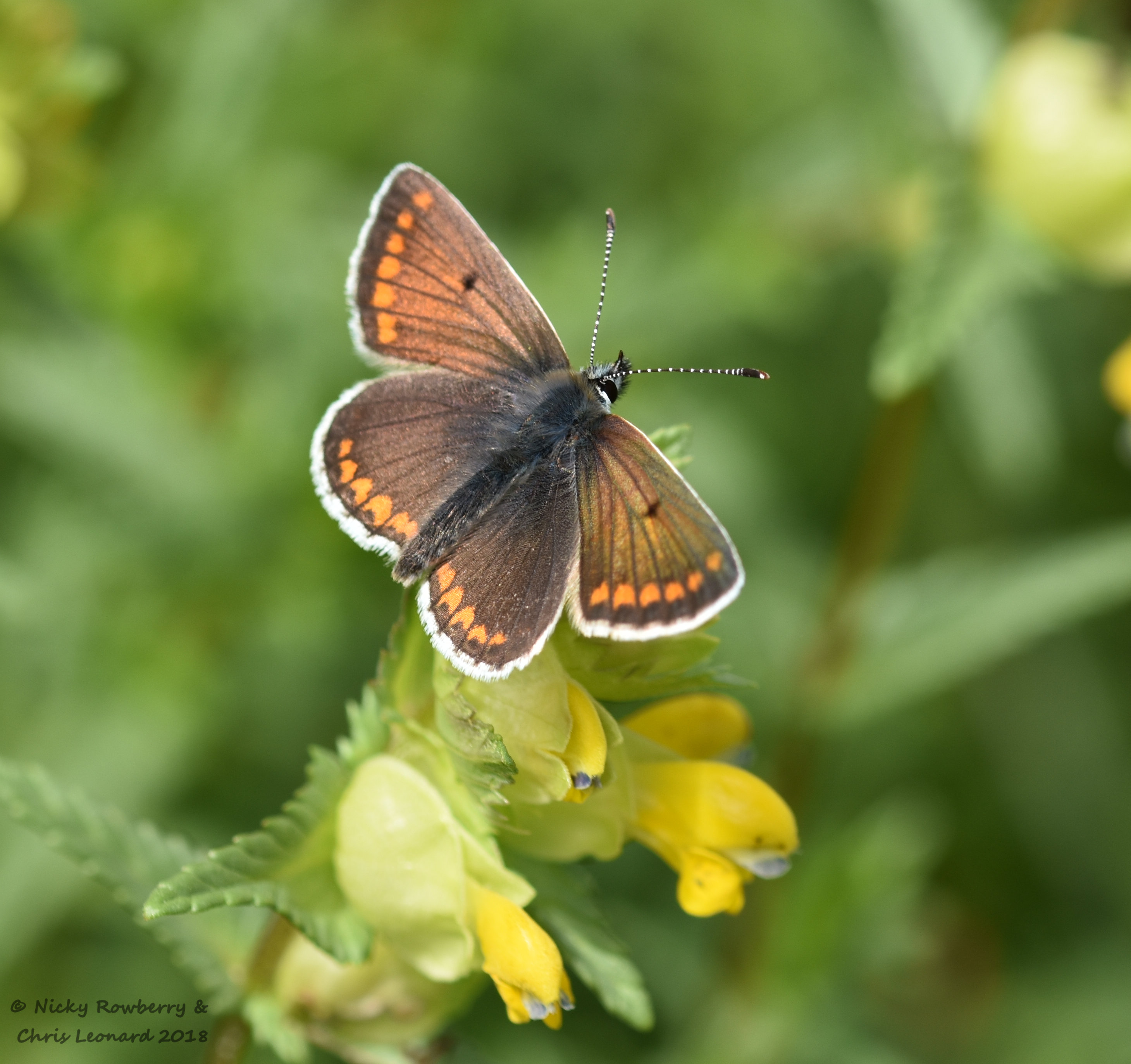
So on to the blue butterflies – there were blues flying everywhere almost as soon as we set off, but it quickly became apparent that there were several species. So in an effort to ensure we didn’t accidentally miss the Adonis, we took photos of virtually every blue thing moving! In the end we got 4 of the “blues” including a few of these Brown Argus which aren’t really blue at all but fall into the same group.
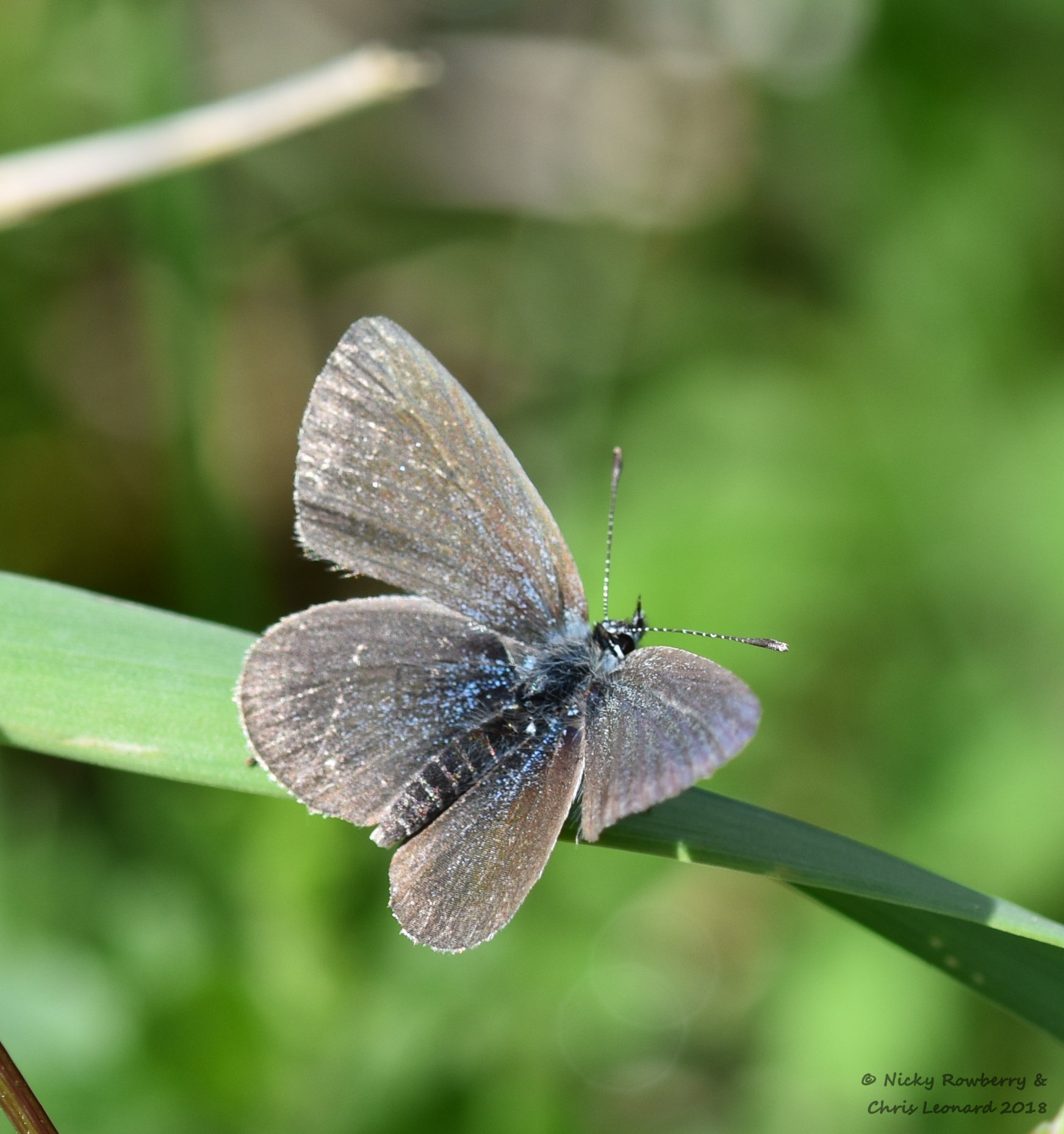
Of the true blues, we got 3 species. The small blue is as its name suggests very small – Britain’s smallest butterfly in fact. They may be small but they are very quick, so it took a while to get a half decent photo. They’re not as blue as the other species, but there is a definite dusting of blue scales near the body.
Perhaps not too surprisingly, the most common blue butterfly was the Common Blue Butterfly! We saw loads of these and photographed many of them in the hope they would turn out to be Adonis. The males are a beautiful bright blue with a plain white fringe around the edge of the wings.

The females are duller – more of a brown colour but with a row of orange spots around the wings.

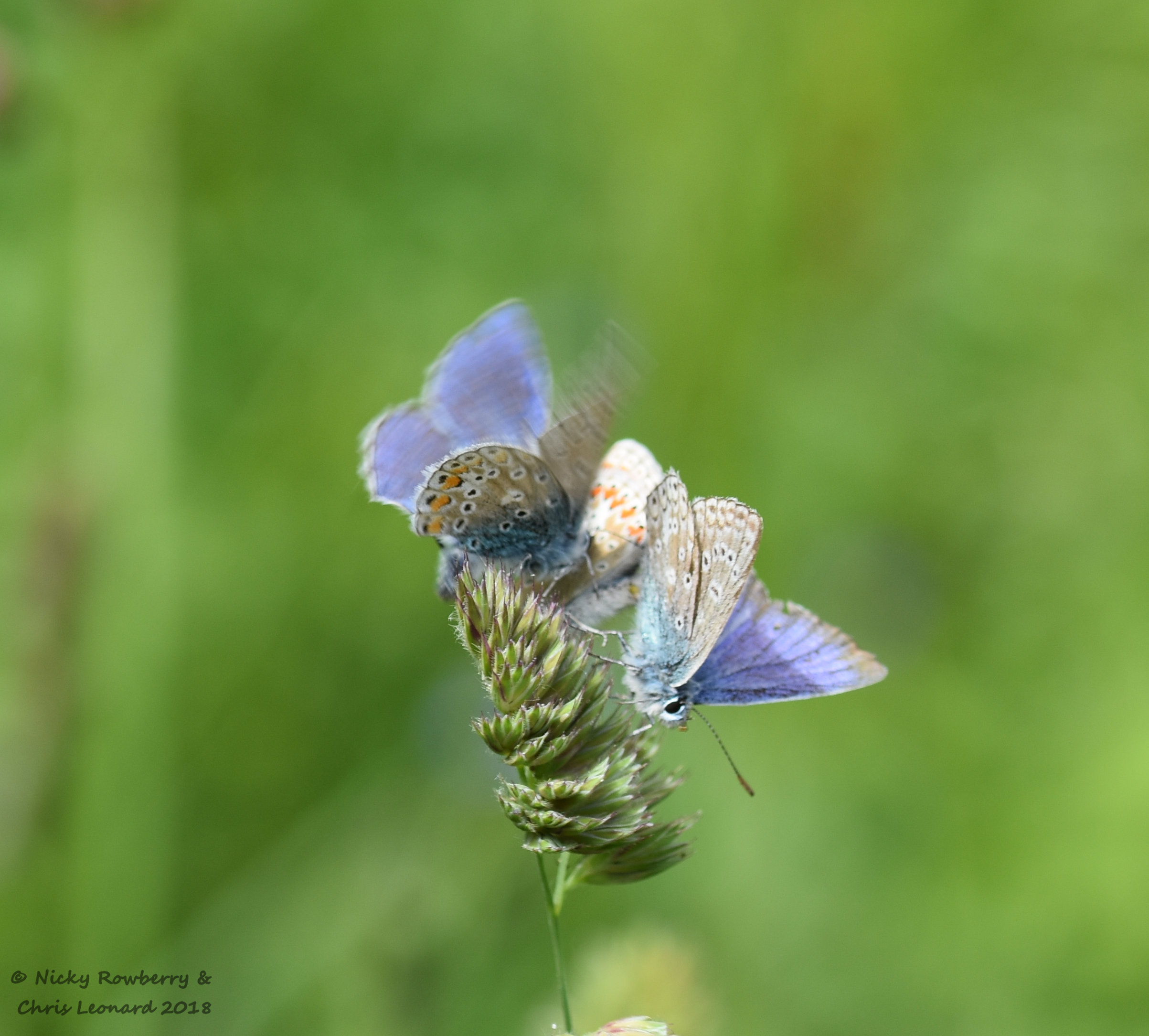
We even saw a pair of these mating, although at the time we weren’t sure which species they were as its hard to tell from the underside (a kind soul on Facebook confirmed them as Common Blues).

Although obviously only 2 can mate, a third one (a male) did try and get in on the act, perhaps hoping to drive the first male away so he could have his way with the female.
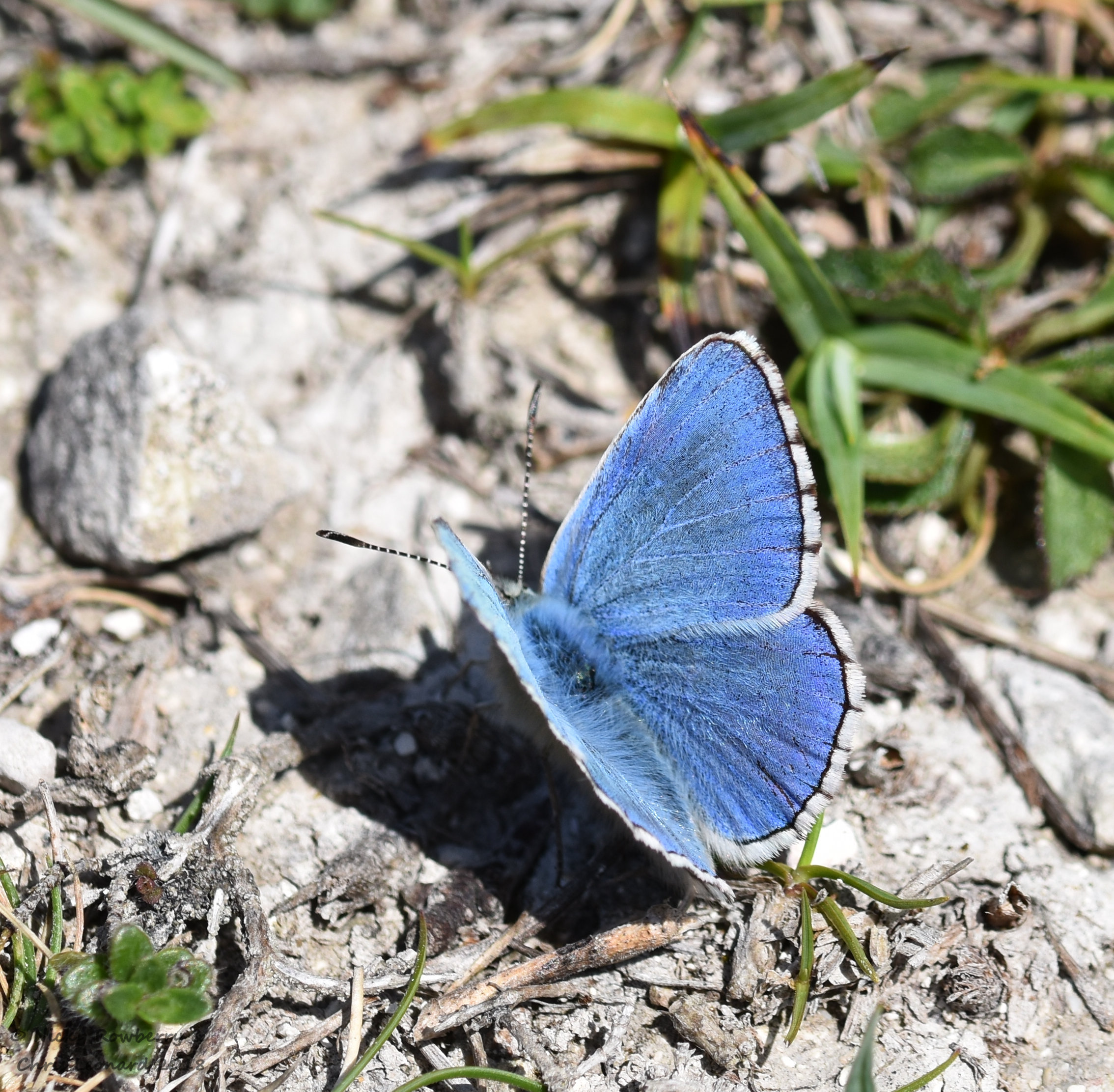
But of course the blue we really wanted to see was the Adonis. Adonis Blues are found other places than the Isle of Wight, but this was the first time we’d been to a site with the right habitat, so while we were here we were keen to see one. We took a lot of Common Blue photos before we got one we were sure was an Adonis. Thankfully there was another couple of butterfly enthusiasts on the same walk as us and they confirmed we had finally bagged our target photo. The Adonis can be distinguished from the Common Blue by the presence of black marks crossing the white fringe around the wings. They also seemed to us to be a much more vivid, azure blue than the common ones.
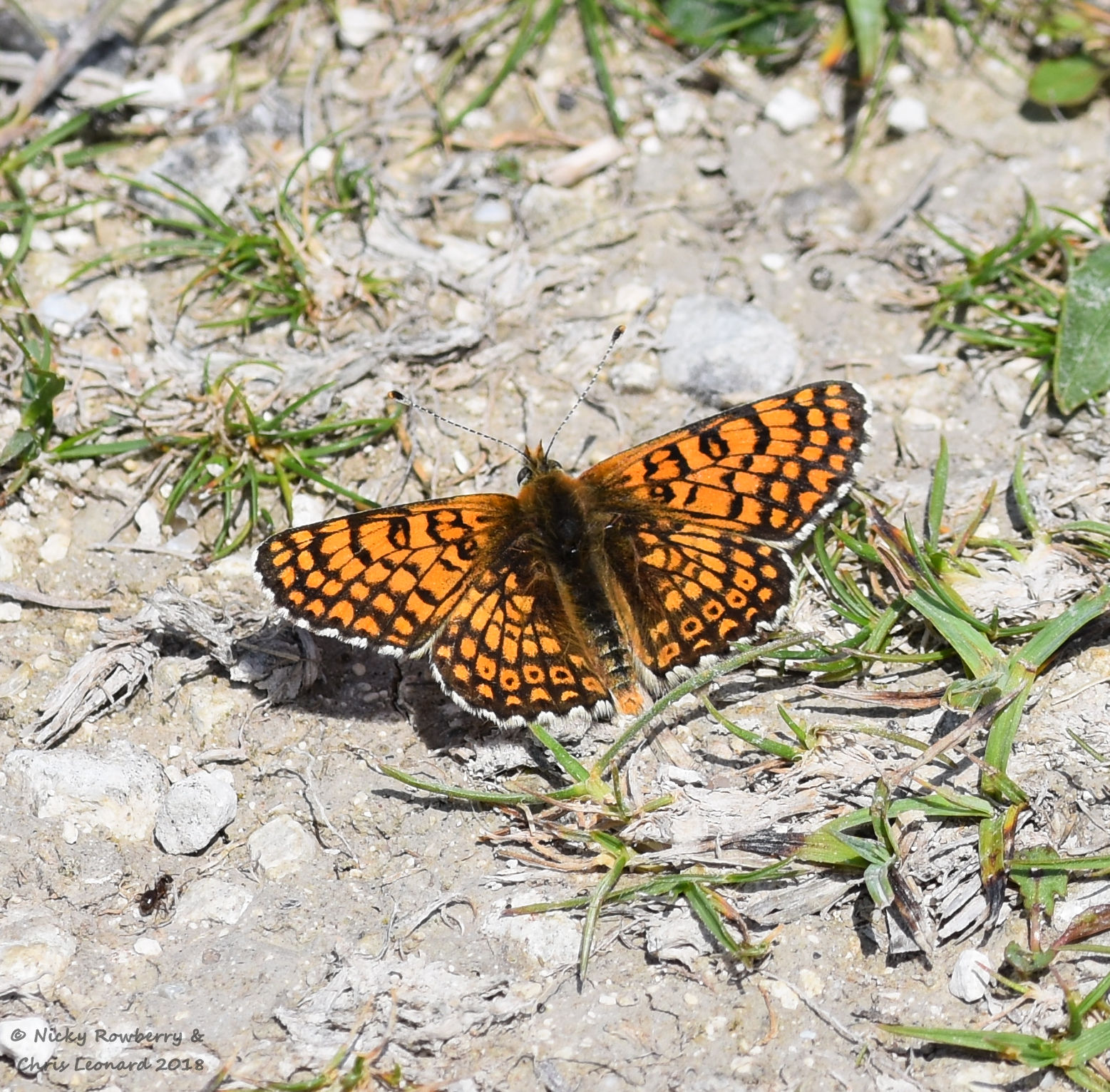
The real priority for us that day was to see a Glanville Fritillary. Restricted to south facing chalk downs, it is now only found on the Isle of Wight, although it used to be more widely spread. They only fly when it’s sunny, so were lucky the weather was good and we saw one almost immediately as we set off on the path. It was a bit of a scruffy specimen, but we didn’t care – it was a result!

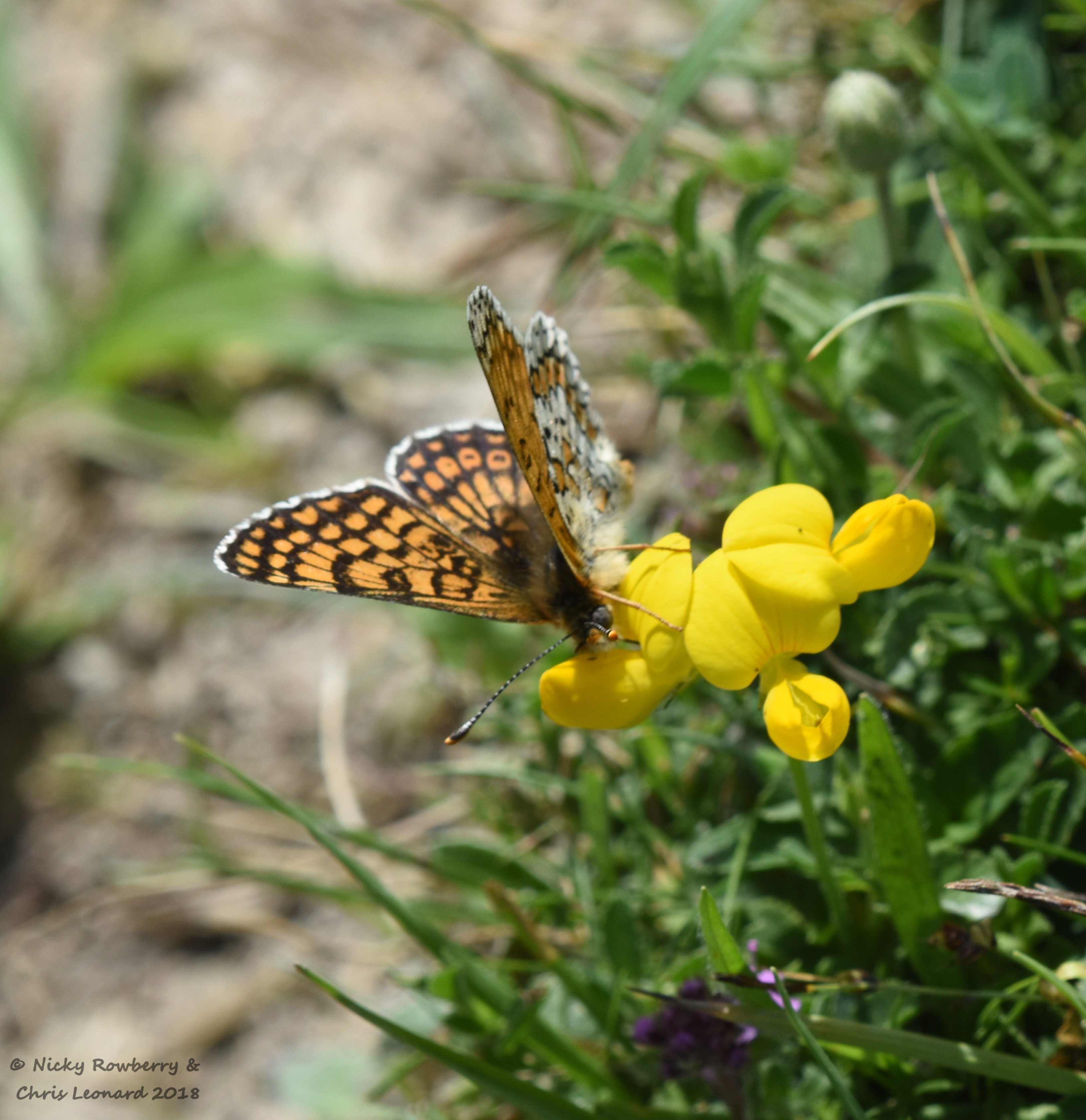
Fortunately as we walked on we saw lots more, most of which were in much better condition. They are small but beautifully patterned butterflies with orange and brown chequered markings on the uppersides of the wings.
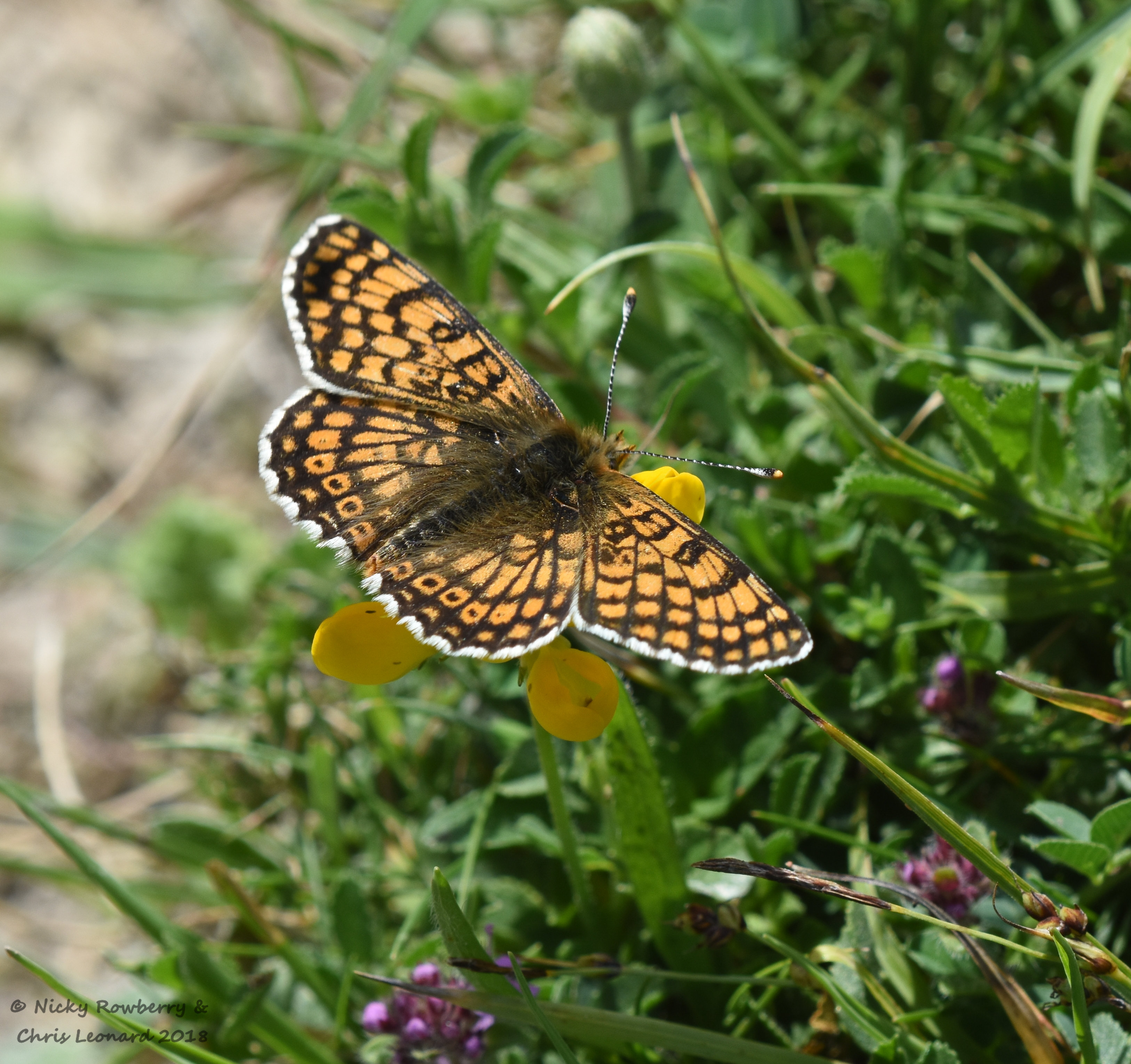
The underneath of the wings are even more striking with a stained glass window effect of cream , orange and black markings. We had hoped to get the classic shot of one posed with its wings upright to show this off, but none of them would oblige. The best we managed were these two shots partially showing the undersides.
So that was it, two more species added to our list to bring us up to 45 out of the 59 British species seen and photographed.  Only 14 more to go, although I think they may get harder and harder to find.

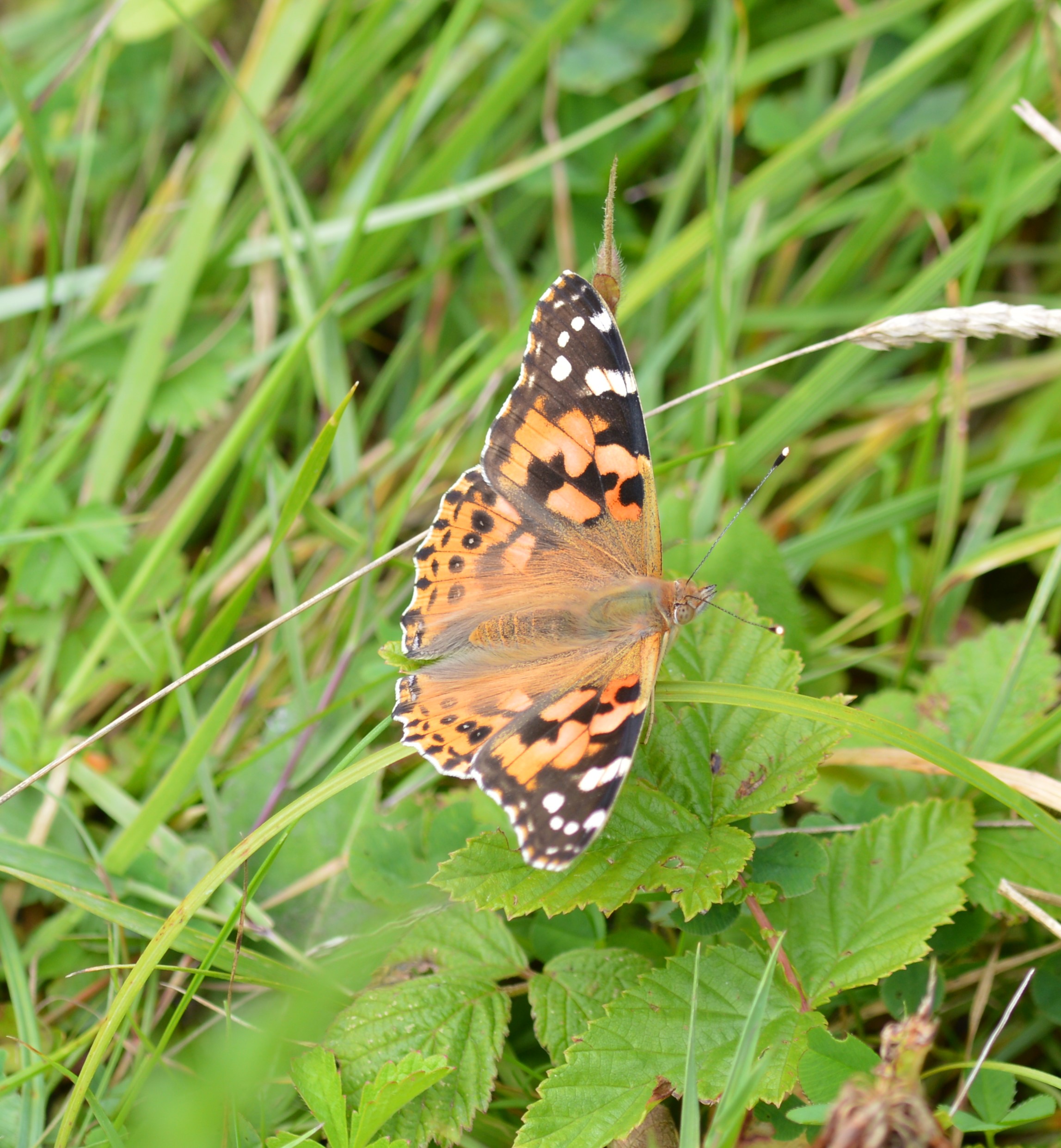
Other species seen that day included Large Whites, Speckled Woods, a Peacock and a Painted Lady to make up our total of 14 species in one day. The walk certainly lived up to its name, as the area was a complete paradise for butterfly enthusiasts – the perfect end to our mini break to the Isle of Wight.
Isle of Wight – Part 1 Chalet Life

We’ve just got back from a fantastic few days in the Isle of Wight. It was our first visit to the island and our first experience of the Airbnb way of holidaying – and we were very happy with both. We’d decided to go to the Isle of Wight to try and tick off a couple more butterflies on our quest to see all the British species. The Glanville Fritillary can pretty much only be seen on the island and we hoped to spot the Adonis Blue too while we were at it. We picked a self contained chalet on the south side of the island. It proved to be the perfect location – remote and peaceful and surrounded by so much wildlife it almost felt like we didn’t need to go anywhere else. The lovely host even had bird feeders and left us food to put out for them – a real home from home for us.

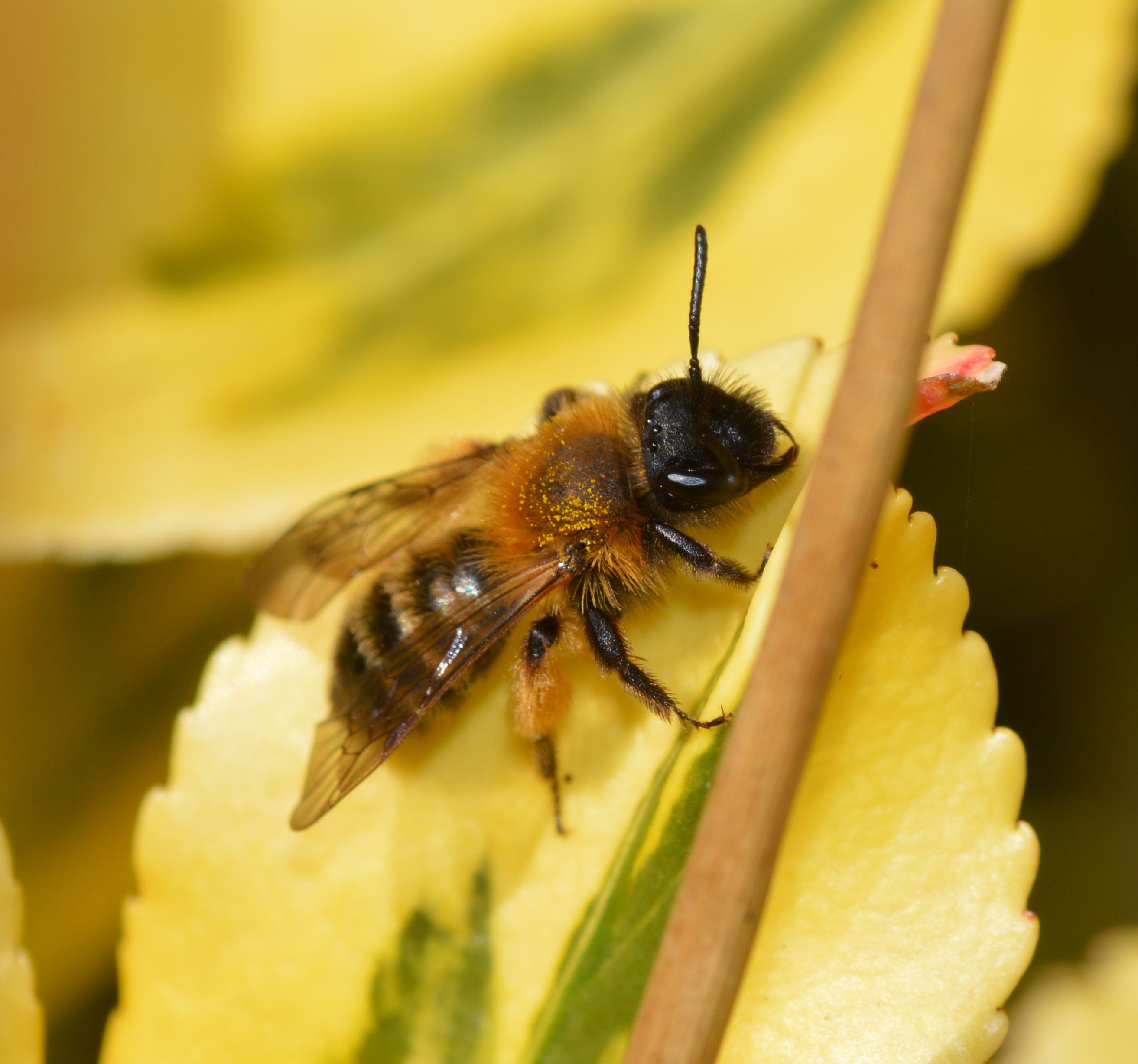
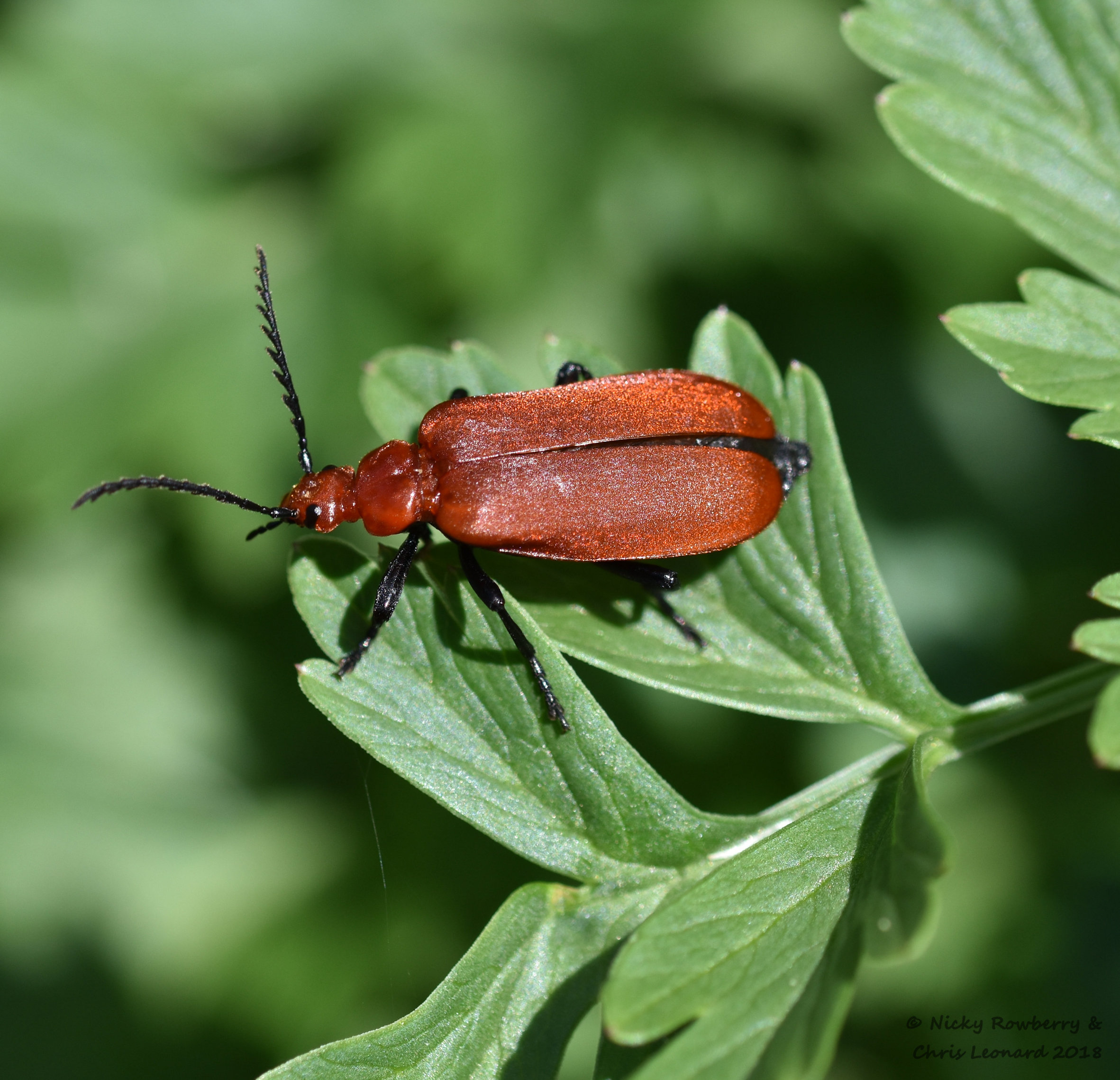
Normal people when they get to a holiday destination probably go about unpacking and then start sight-seeing. We started peering around in the bushes to see what was there. The place was buzzing with bees and lots of butterflies flitted around, but almost immediately this Cardinal Beetle caught my eye. A gorgeous jewel like beetle it spent quite a lot of time around our little terrace and made a great start to our wildlife watching holiday.

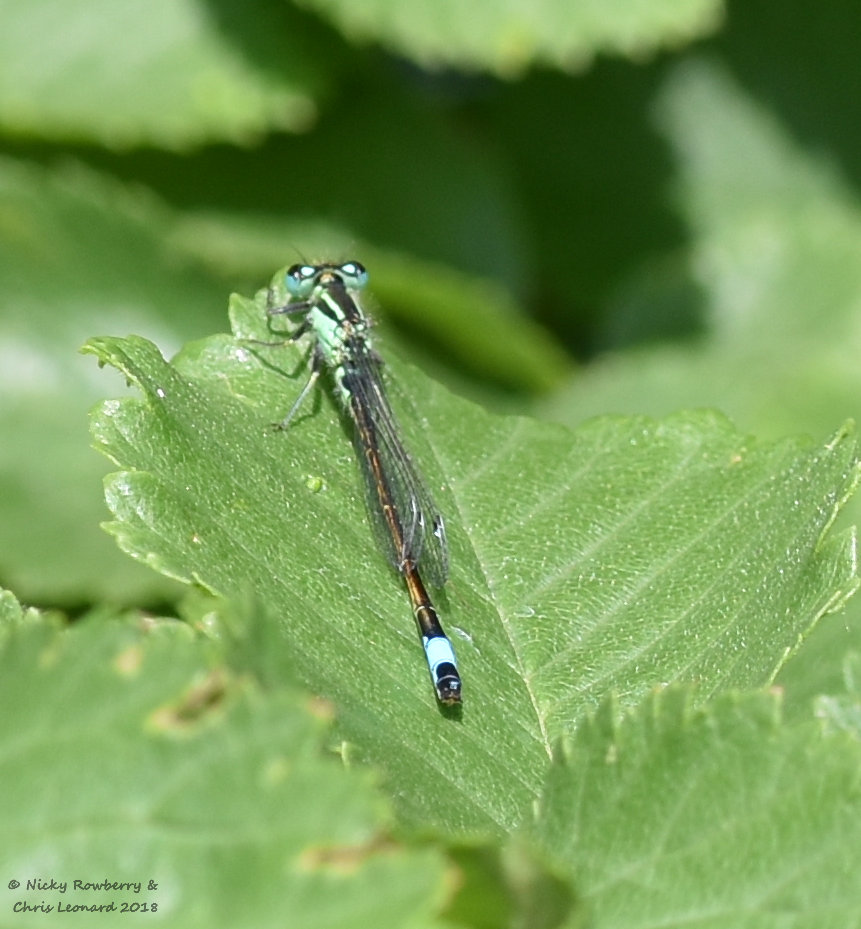
We also kept seeing this nice damselfly, although it tended to land a bit too high up for me to get really good photos.

The bird feeders attracted plenty of birds, including what looked like a rock pipit, although it flew off too quickly for me to get a photo. The surrounding hedgerows were full of bird song, one of which proved to be one of my favourites, the wren.


Normal people  also probably pack sensible things like swimming costumes or holiday guides – I packed my moth trap and moth book! I had hopes of getting something a  bit different to the usual moths in our garden – perhaps some fabulously interesting migrant moth. I may not have got that, but I was amazed by the number of White Ermine moths. I’m usually lucky back in Malvern if I get 1 or 2 of these, but there in the Isle of Wight I got at least a dozen in the trap in one go.

There were also lots of the other usual suspects, but I was most pleased to see my first Elephant Hawkmoth of the year (my top moth if you read my previous blog post).

So our little chalet proved the perfect starting point for our short holiday. I’ll blog more about the butterflies and other animals we saw in the next couple of posts, but the chalet had one more final surprise for us. As we drove off to catch the ferry back on the final day, I spotted a butterfly in the field near the entrance to our site. We stopped and looked closer – it was a Glanville Fritillary – the very butterfly we’d come to see! We had already been lucky enough to see them the previous day on a (very) long walk, but it seems we could probably just have sat on our terrace and waited and the Glanville would have come to us!

300 moths and counting

In autumn last year I did a tally up of the number of moth species I’d recorded in the garden since I began looking about 5 years ago. I was amazed to find it was over 290, but then of course I started thinking, wouldn’t it be wonderful to get to 300. I thought I was sure to hit the magic number by the end of the year, but as the months rolled on I got stuck at 297.

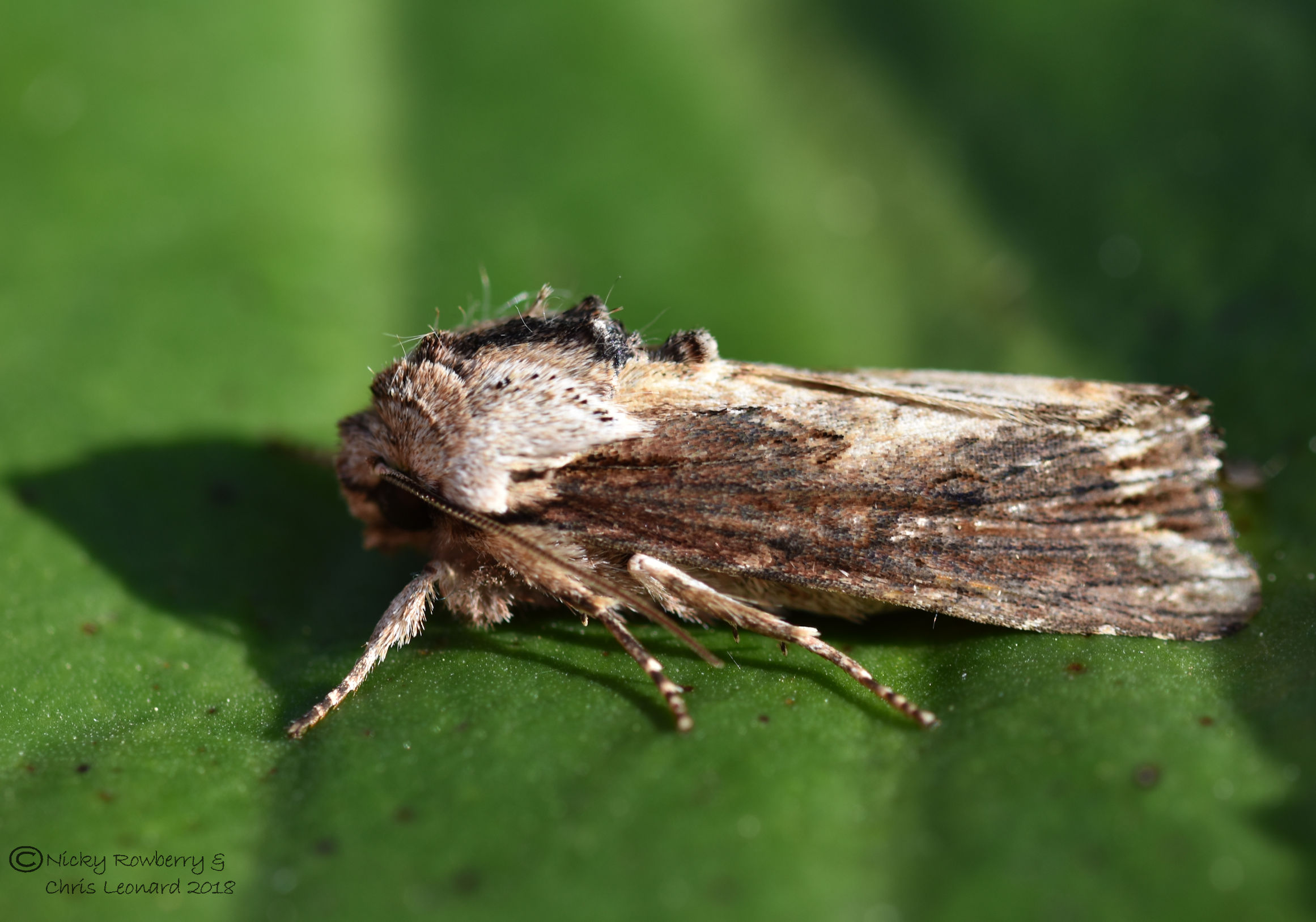
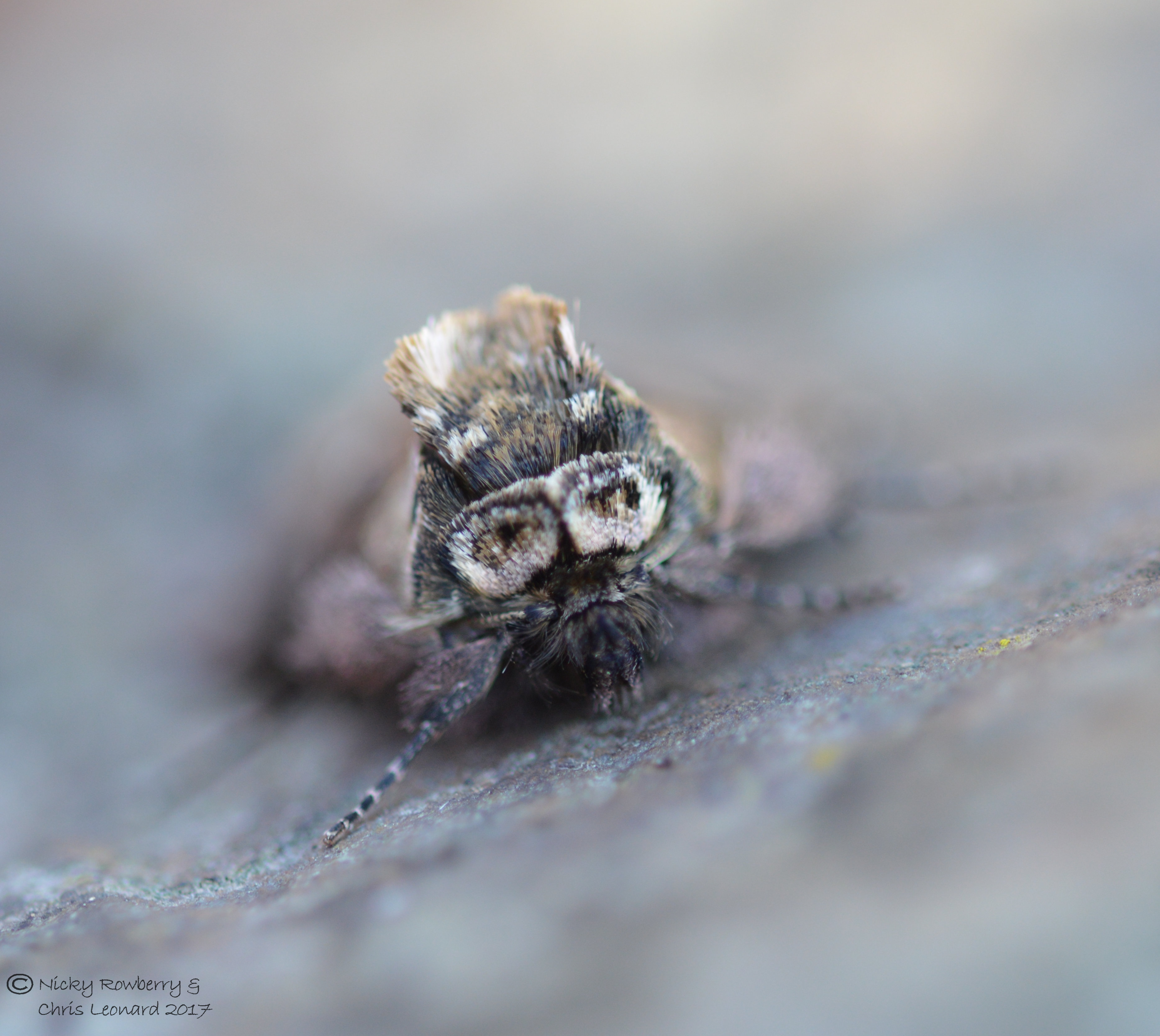
So as the spring moths started appearing this year, I started ticking the new ones off – no. 298 the Satellite, no. 299 the Early Tooth Striped. No. 300 was tantalisingly close, but what was it going to be? Sod’s law being what it is, around this time I got a bit behind identifying some of my moth catch. I’d taken loads of photos, but not gone through them all properly. So the next moth I identified was a little micro moth called the Sulphur Tubic (Esperia sulphurella) – moth no. 300 had arrived. But then this week I went back through some of the photos from earlier in the month and found another new one – the Silver Cloud (Egira conspicillaris). As I’d technically caught the Silver Cloud first, it took the noteworthy no. 300 spot and the poor old Sulphur Tubic got bumped to no. 301. So here it is, proud no. 300 – the Silver Cloud. This moth has quite a restricted distribution in the UK, so I’m lucky to get it here in Malvern.

Having been pipped at the post for the glory of being no. 300, I felt the Sulphur tubic deserved a photo too. So here it is, a pretty little moth only a few millimetres long.

Having hit the magic number 300, I thought I’d have a look through my records and share my top 10 favourite moths. This proved harder than I expected, because I just like all of them! So in the end, here are my top 12, just because I couldn’t whittle it down any further.

So in reverse order  – at No. 12 is the Scarce Silver Lines (Bena bicolorana). I’ve included this one because it is just too beautiful not to.

At No. 11 another moth that is so perfectly marked, it’s hard to believe it’s real – the Black Arches (Lymantria monacha).

At No. 10 the first day flying moth on this list – the Six Spot Burnet (Zygaena filipendulae). It’s a beautiful glossy black moth, with 6 clearly defined red spots – I always like a moth that fits its name.

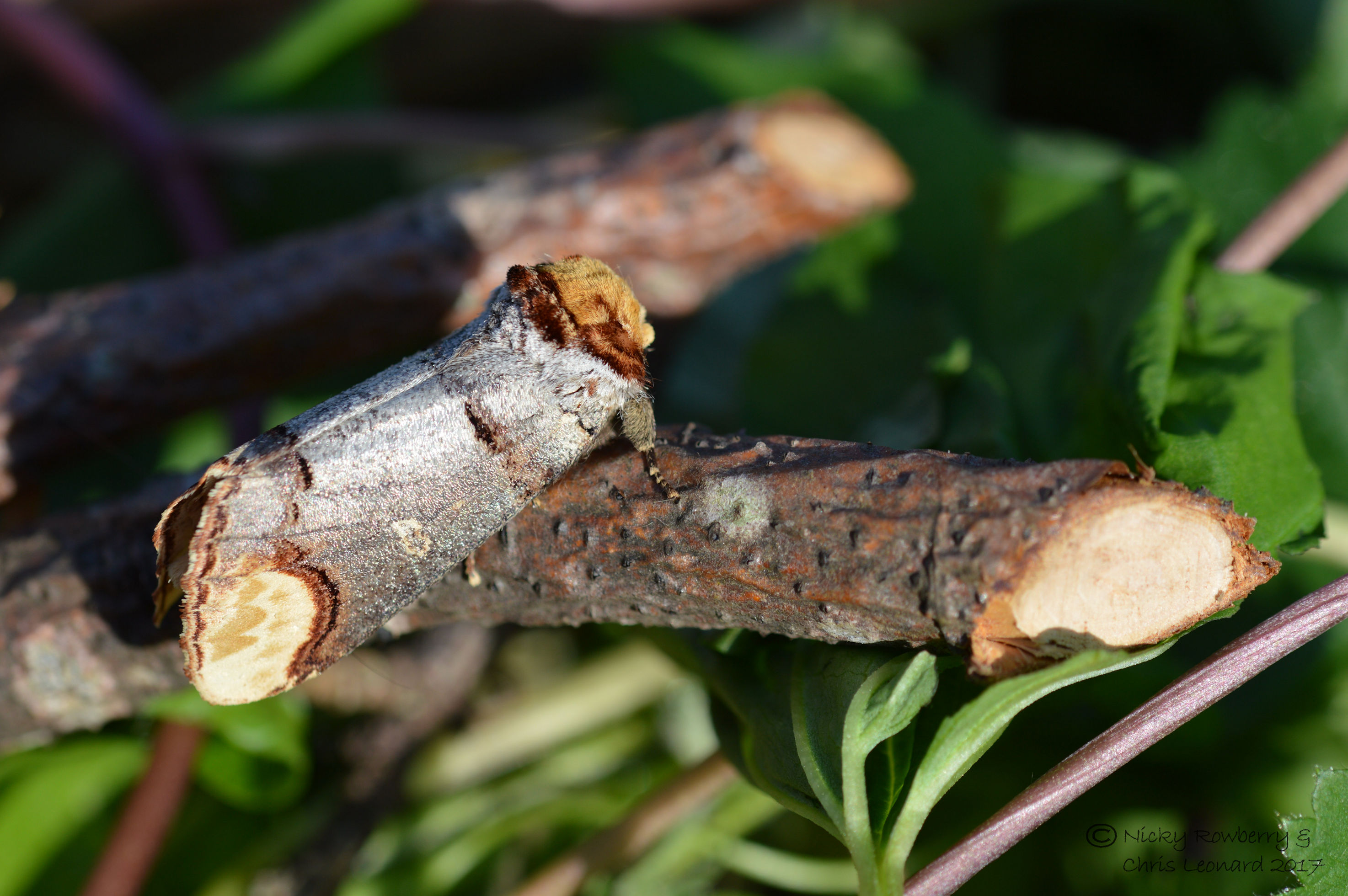
At No. 9, a moth that gets my vote for its mastery of camouflage – the Buff Tip (Phalera bucephala). It looks just like a broken twig, particularly of a silver birch tree, but it even blends in pretty well with this apple tree twig I used for the photo.

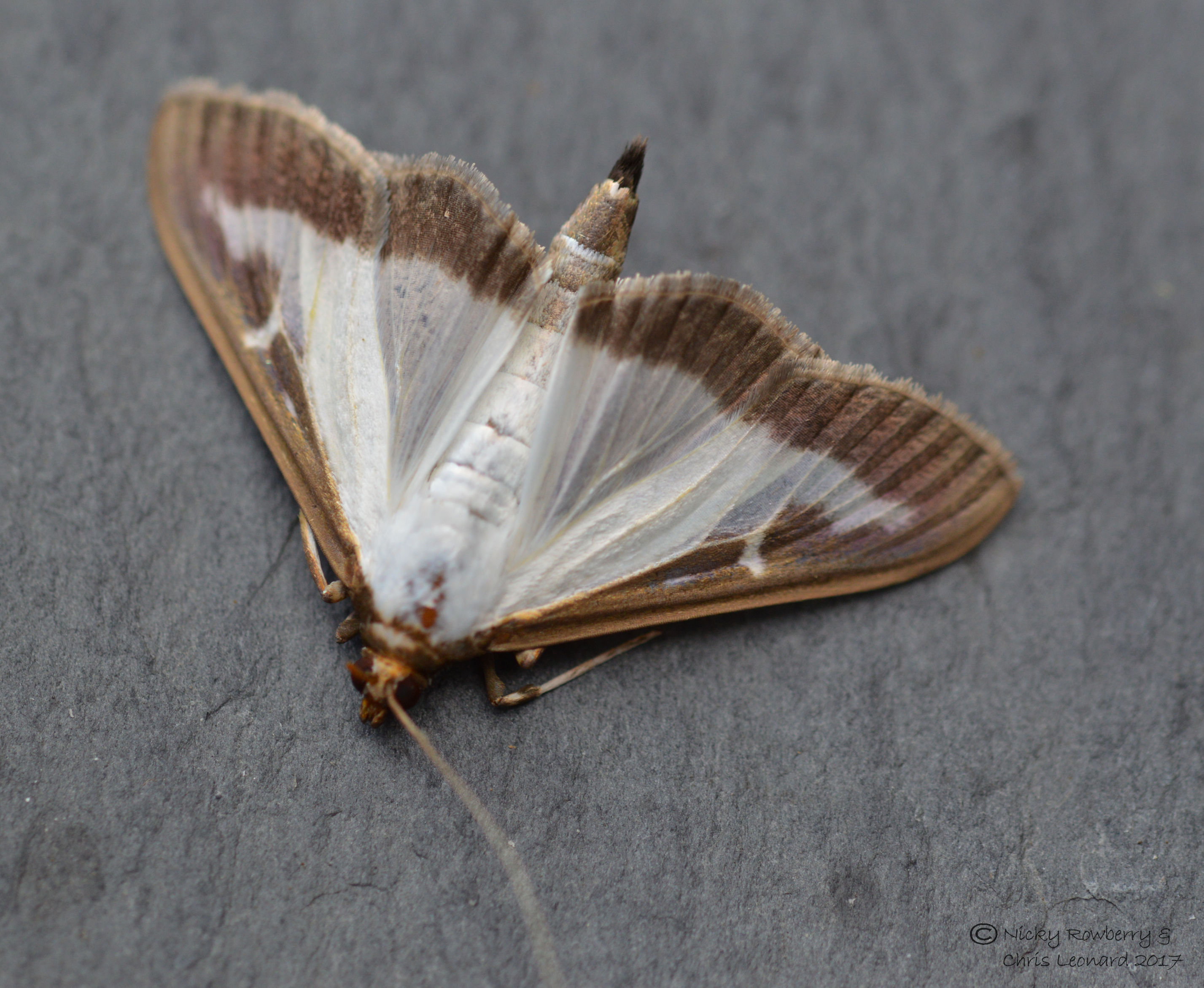
At No. 8, not my favourite looking moth, but it makes the list because the individual I caught was the first record of this species in Worcestershire – the Box Tree Moth (Cydalima perspectalis). I felt quite proud to have caught the first one, although it’s not good news for anyone growing box trees, as it is a pest. It is an introduced species having only been recorded in the UK from 2007.

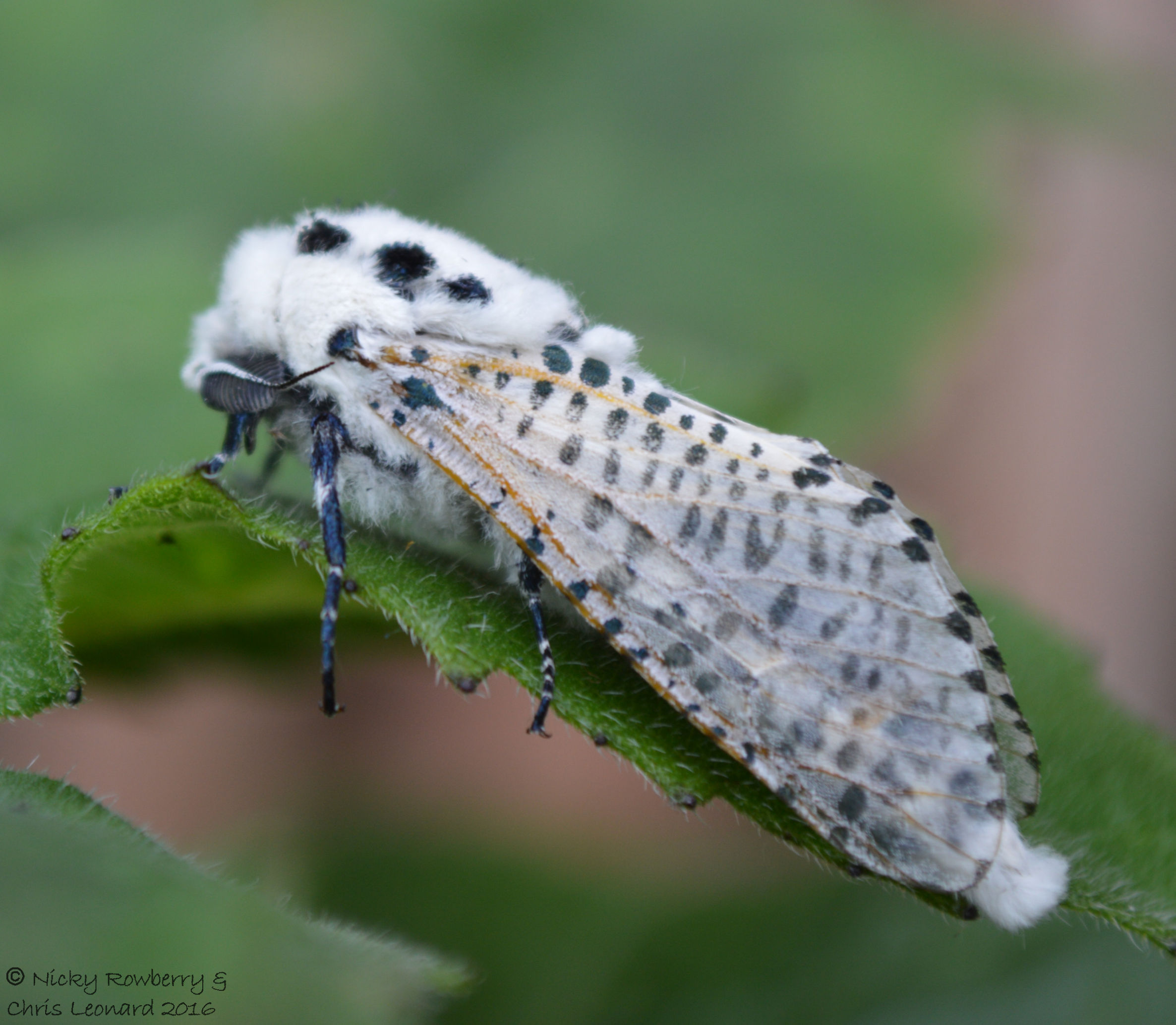
At No. 7, a moth that is not only striking in appearance, but has a great name – the Leopard Moth (Zeuzera pyrina). I like moths and I like cats, so put the two together and it’s bound to be a winner for me (although on that principle I could also have included the Puss Moth or one of the Kitten moths).

At No. 6, the second day flying moth on this list – the Scarlet Tiger. Stunningly colourful moths that fly on sunny days and are often mistaken for butterflies. We were lucky enough to have a whole flock of them come into the garden one afternoon.

At No. 5, a cute moth that looks like it’s got a pair of glasses on its head – the appropriately named Spectacle (Abrostola tripartita). I’ve spent a lot of time photographing these moths, always focussing on the heads to get their funny specs and tufted topknot in.

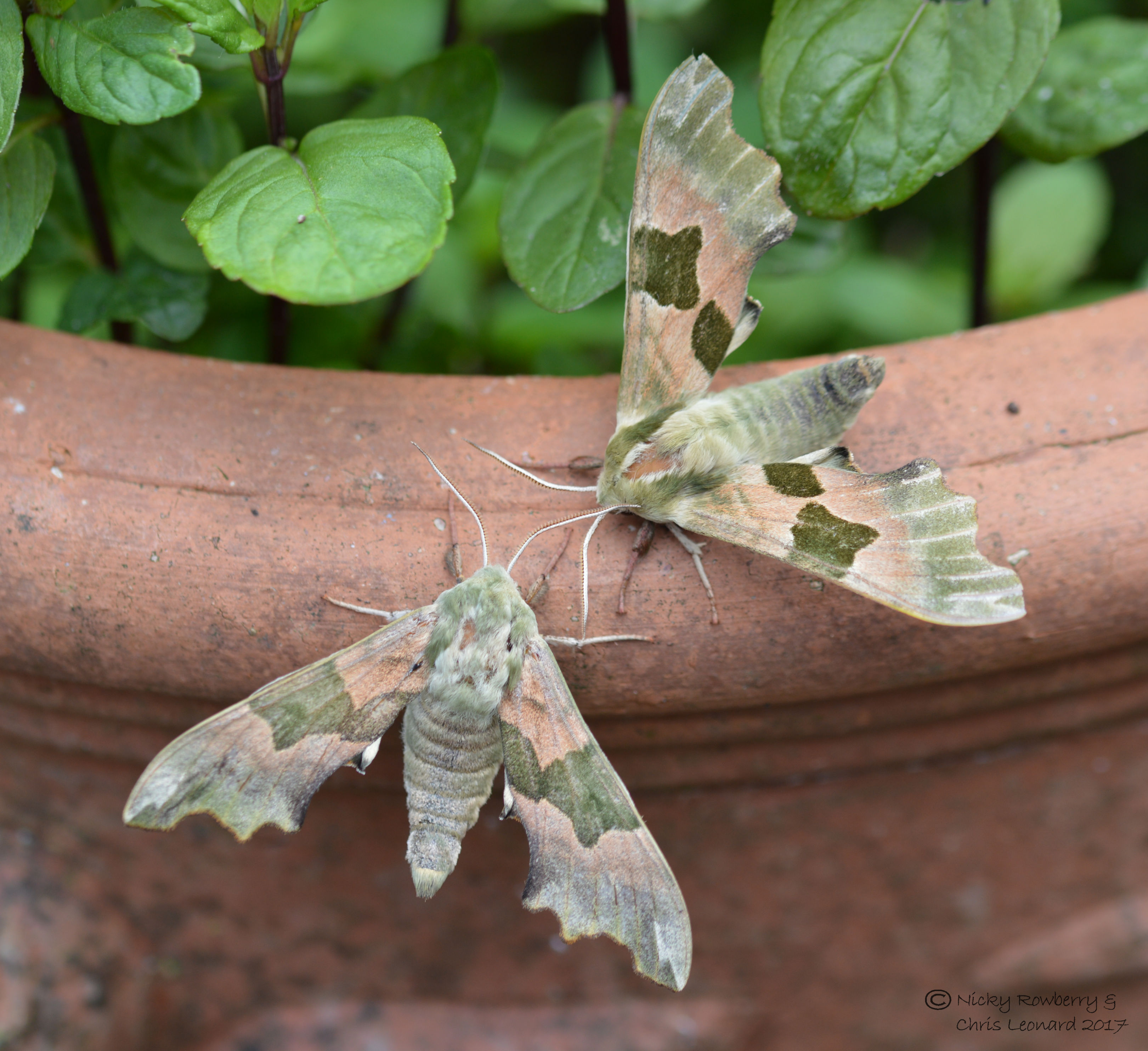
At No. 4, the first of the big guns moths – the Lime Hawk-Moth (Mimas tiliae). These are great big moths (up to 7 or 8 cm across) and seem almost too heavy to fly.

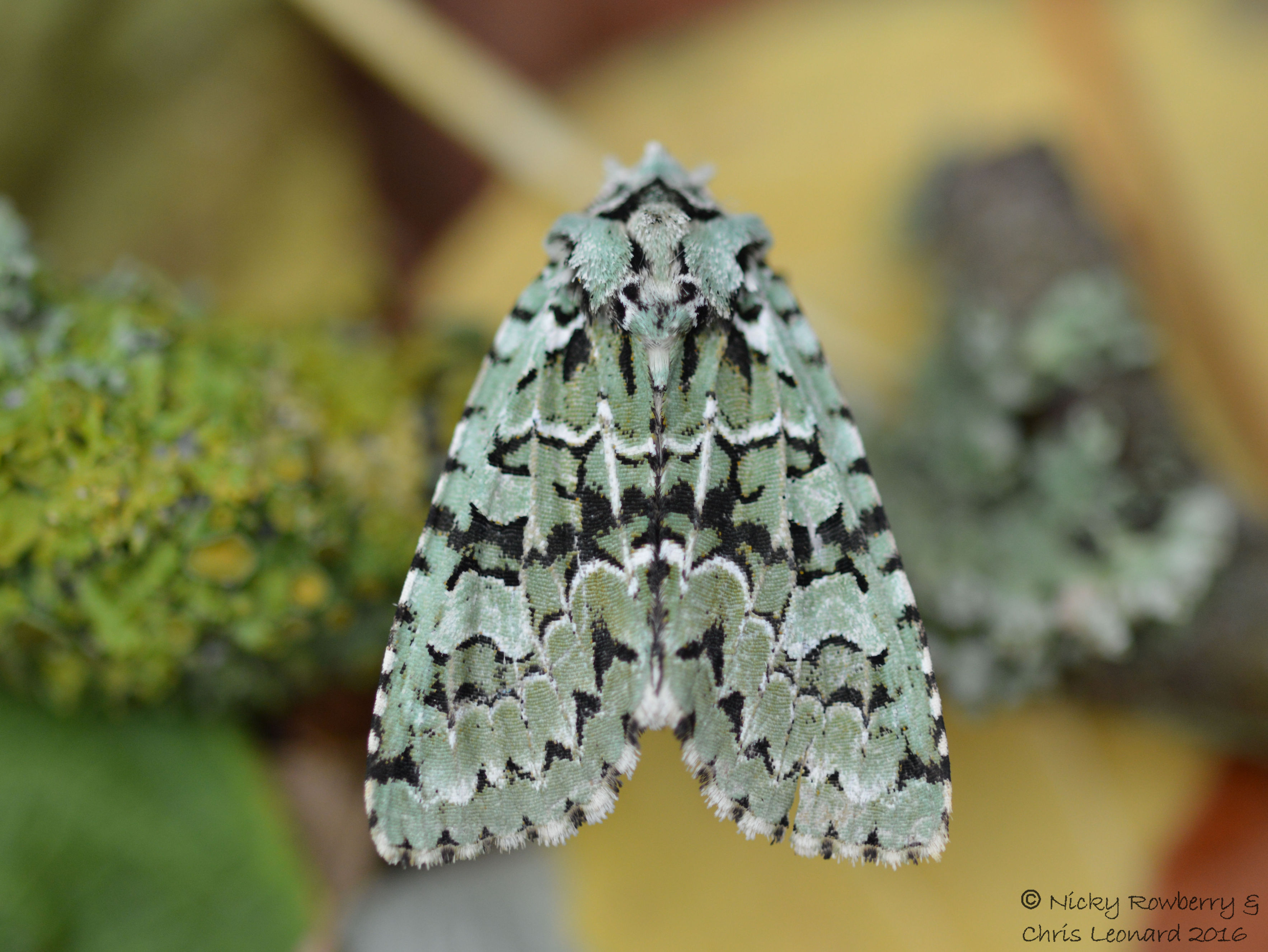
At No 3, probably one of the most beautiful moths of all and with another fantastic name – the Merveille du Jour (Dichonia aprilina). Despite its Latin name it flies in September/October and is always a joy to find in the trap at the end of the summer. The name means Marvel of the Day in French and it certainly is.

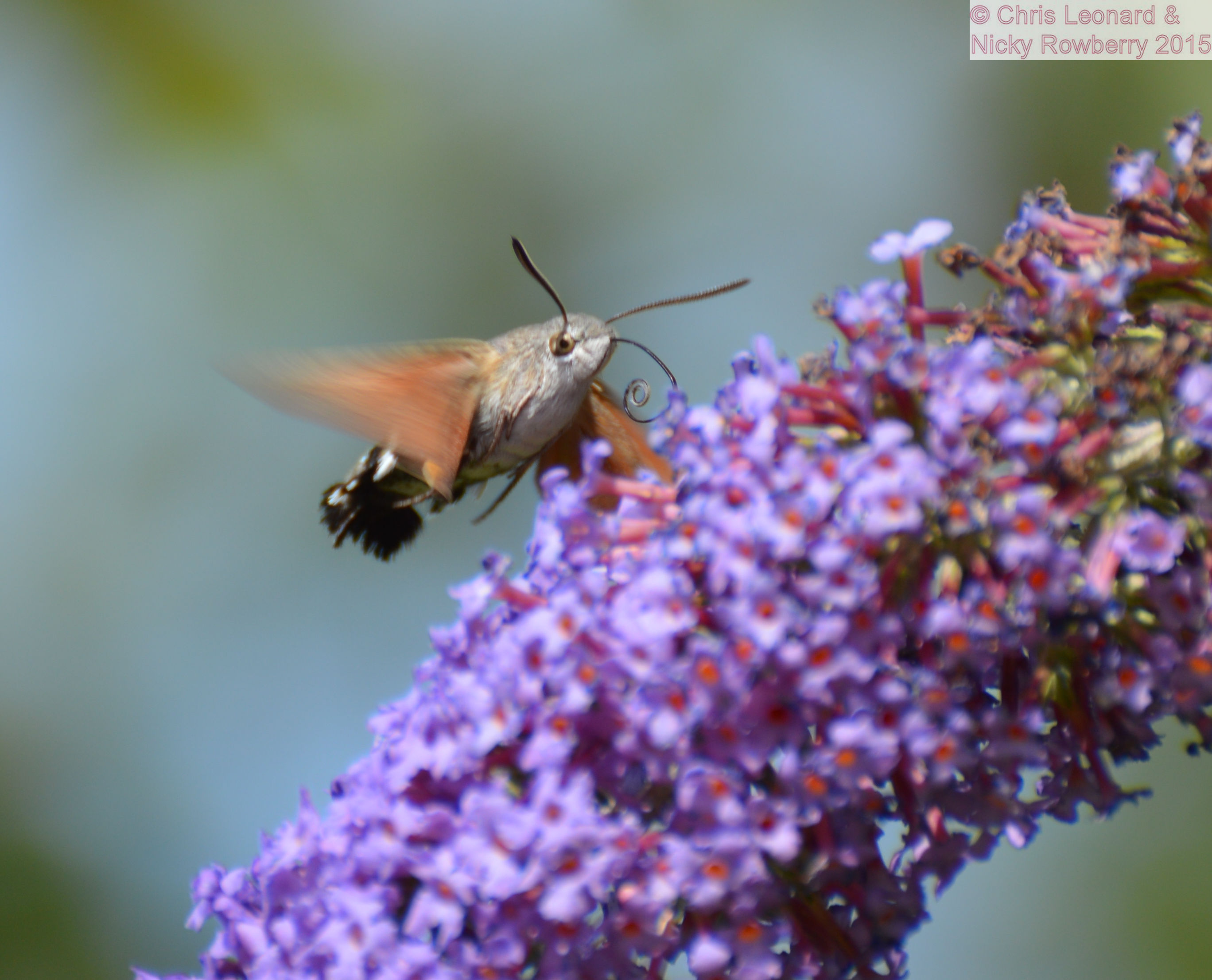
My second all time favourite moth has to be the amazing Hummingbird Hawk-moth (Macroglossum stellatarum). A medium sized moth, it hovers over flowers so well it often gets mistaken for an actual hummingbird. It is actually an immigrant moth from as far away as Africa, but nearly every year we get at least one in our garden. They are so quick, it is virtually impossible to get a sharp photo of them, so I’ve often resorted to videoing them instead.


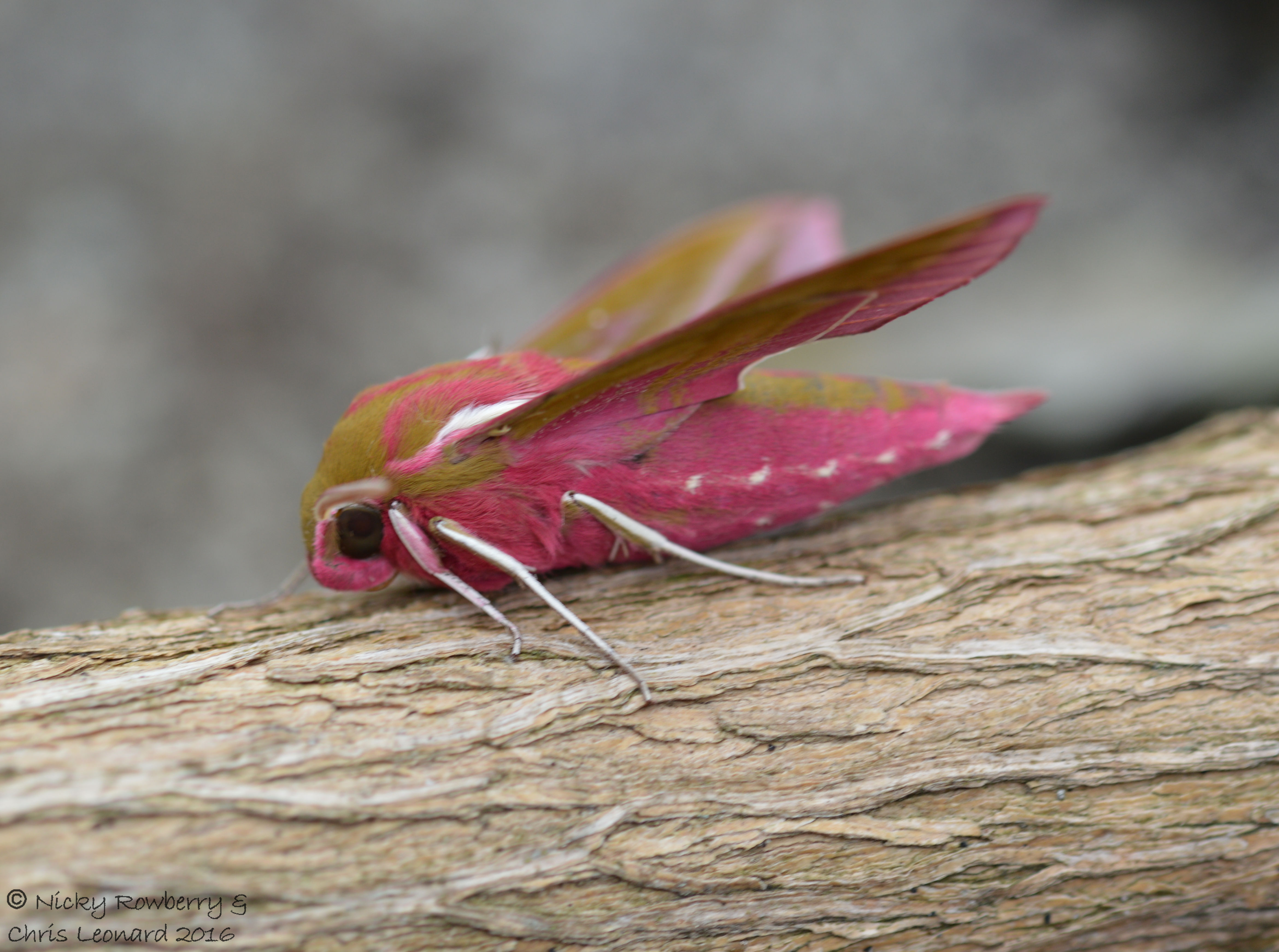
But finally there could only ever have been one moth that was my No. 1 favourite – the biggest, the pinkest and the best – the Elephant Hawk-moth (Deilephila elpenor). I can still remember my utter amazement the first time I caught one of these. And they still thrill me today whenever one appears. They just don’t look real – big fat pink bodies with pink and green wings. If I were to make up a moth this would be it and I will never tire of seeing them.

Elephant Hawk-moth

Luring an Emperor

Having missed most of last week’s sunny spell, (due to the considerable inconvenience of having to work for a living!) we headed out on Sunday to Hartlebury Common. Almost exactly 2 years ago we’d gone to Hartlebury in search of the Emperor Moth – with zero success that time. But this time we had a secret weapon – a pheromone lure!

Male emperor moths fly during the day looking for females. The females fly at night, but during the day they sit in the undergrowth wafting irresistible pheromones out to the males. The males pick up the scent with their feathered antennae and home in on the object of their desire. You can now buy pheromone lures that will fool the poor males into thinking you are a desirable female. This does feel a  bit like cheating and a bit mean to deceive the males this way. But since it was probably the only way we were going to see this beautiful moth, I’m afraid we went for it – although making sure we didn’t leave the pheromone lure out for too long to disrupt their normal behaviour. Please note as pointed out in the comments below that you shouldn’t use the lures for Emperor moths with a pheromone trap as the moths are too large and may get damaged when trying to get into the trap. Better to suspend the lure in a muslin cloth or similar that they can’t hurt themselves on.

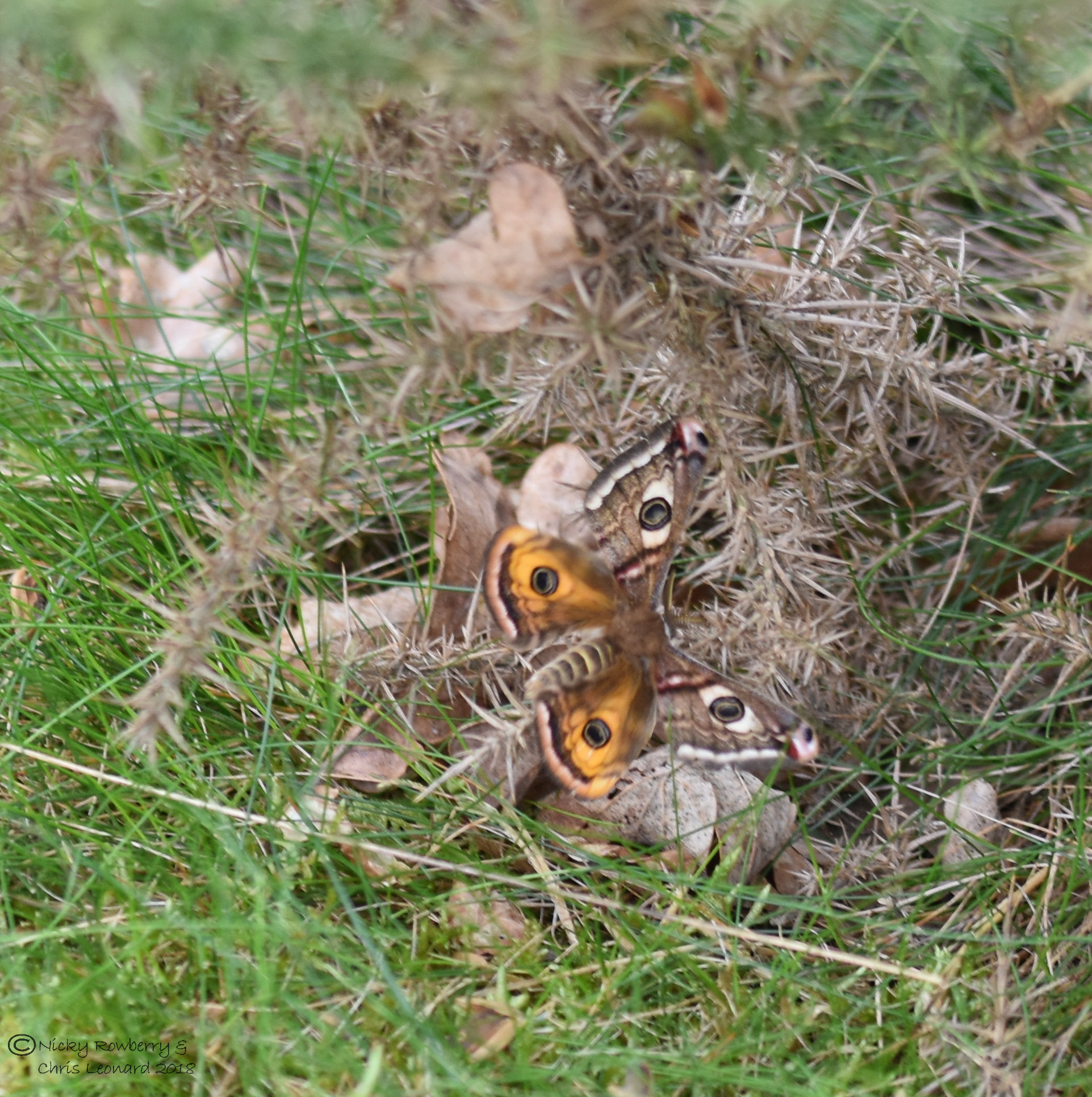
So we wandered about for a bit before selecting what seemed a suitable spot to put the lure down. We’d barely got set up when the first male came hurtling over the gorse. It shot over the lure and landed on a gorse bush nearby, where he then stayed. They are big moths, so you’d think they’d be easy to spot, but it was surprisingly difficult even when we knew roughly where he’d landed. When we did find him, he was hanging on a twig with his underside towards us – so here’s one of our first photos.

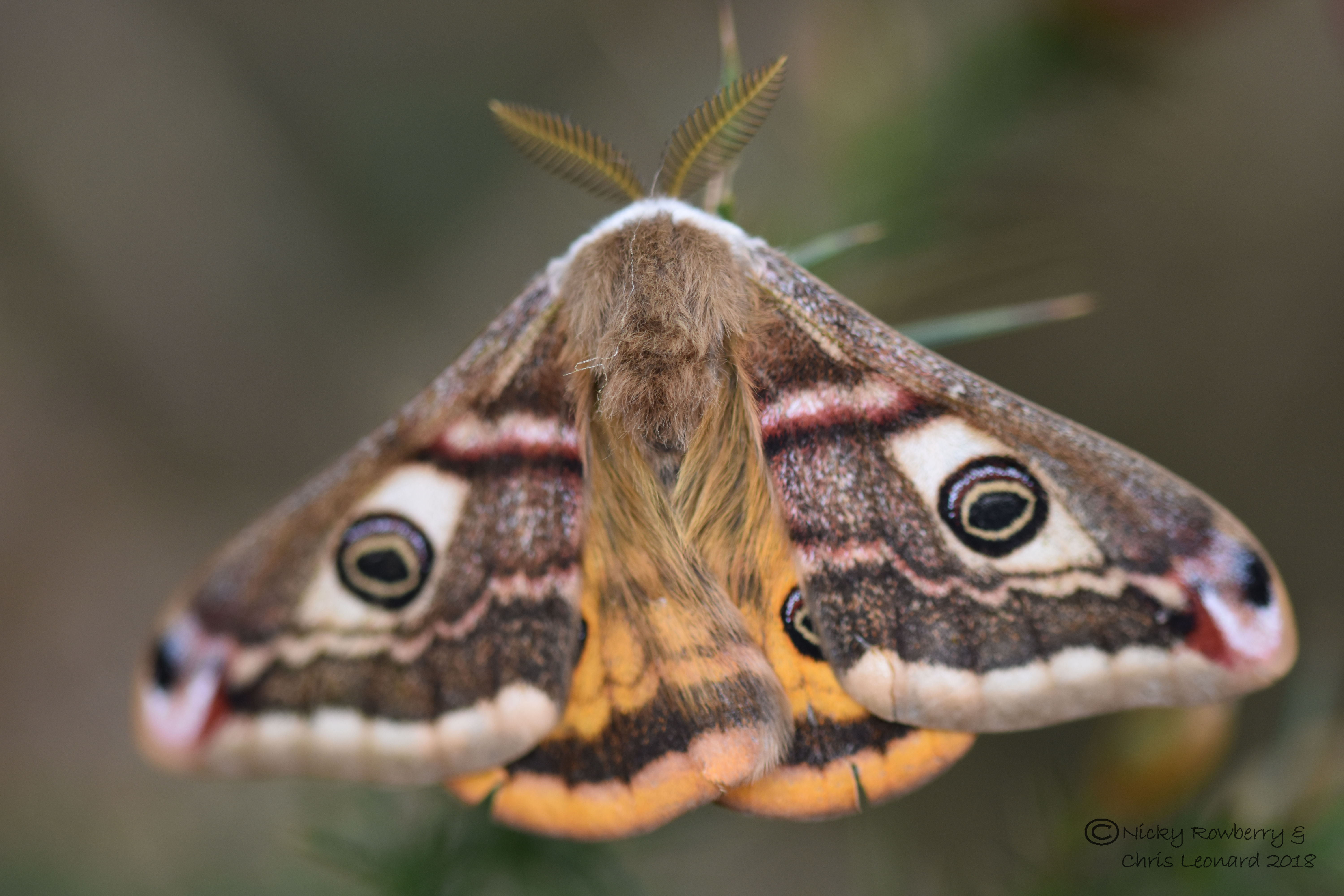
They are really quite furry/hairy moths with very impressive big eye spots on the wings. The males’ antennae are very large and feathery to pick up the female pheromones. Not easy to focus on, but here’s my best effort.

Almost immediately a second male came bombing in towards the lure. This one however refused to settle. It seemed (not surprisingly) confused by the lure and flew around excitedly looking for a female.

While he hovered around the lure looking for the female, I hovered around him trying to get a decent photo. As he didn’t settle, the best I managed of him was this flying shot. Not great, but at least you can see the lovely yellow underwings and all four peacock-like eyespots.

This second male eventually gave up and disappeared back into the gorse. The original male though eventually shifted position, so that we could now see his other side. So we finally got the classic Emperor moth shots we were looking for.

Having got the photos we wanted, we packed up to leave the males in peace to pursue genuine females. The moths weren’t the only animals with love on their minds though – these bloody-nosed beetles were clearly feeling spring in the air.

Hartlebury Common is very busy with birds. Last year we’d seen a small bird that was new to us and had identified it as either a Chiffchaff or a Willow Warbler. They are only distinguishable by their song and since we didn’t know to pay attention to this until it was too late, we couldn’t identify the bird. But this year we were definitely hearing Chiffchaffs all around us, so I’m reasonably confident that the previous one was too.

The most obvious animals on the common were cows with resplendent horns. No idea of the breed, but they were pretty impressive. They appeared to be free to roam, so were presumably used to maintain the status quo of the vegetation.

So all in all we were very happy with our latest trip to Hartlebury. The pheromone lure worked a treat and the moths were every bit as stunning as we’d hoped. I’ve also bought the pheromone for the currant clearwing moth. These moths won’t come to regular moth traps, but like the emperors, the males are attracted to pheromones. So I’m hoping in the summer to try this out around our currant bushes on the allotment. Fingers crossed.

2017 – The Year of the Hedgehog

It’s taken me a couple of weeks to get this written, mainly because 2017 was such an eventful year for us. I started compiling it and couldn’t believe how much we saw and did in one year; but it was lovely going through the old blog posts to refresh my memory.

First of all the successes and failures of last year’s New Year’s Resolutions. I think these definitely come under the “could do better” category, but we did at least try with most of our wildlife ones, which is more than can be said for my Cut Down on the Prosecco plan. So here’s the progress on our 7 resolutions for 2017.

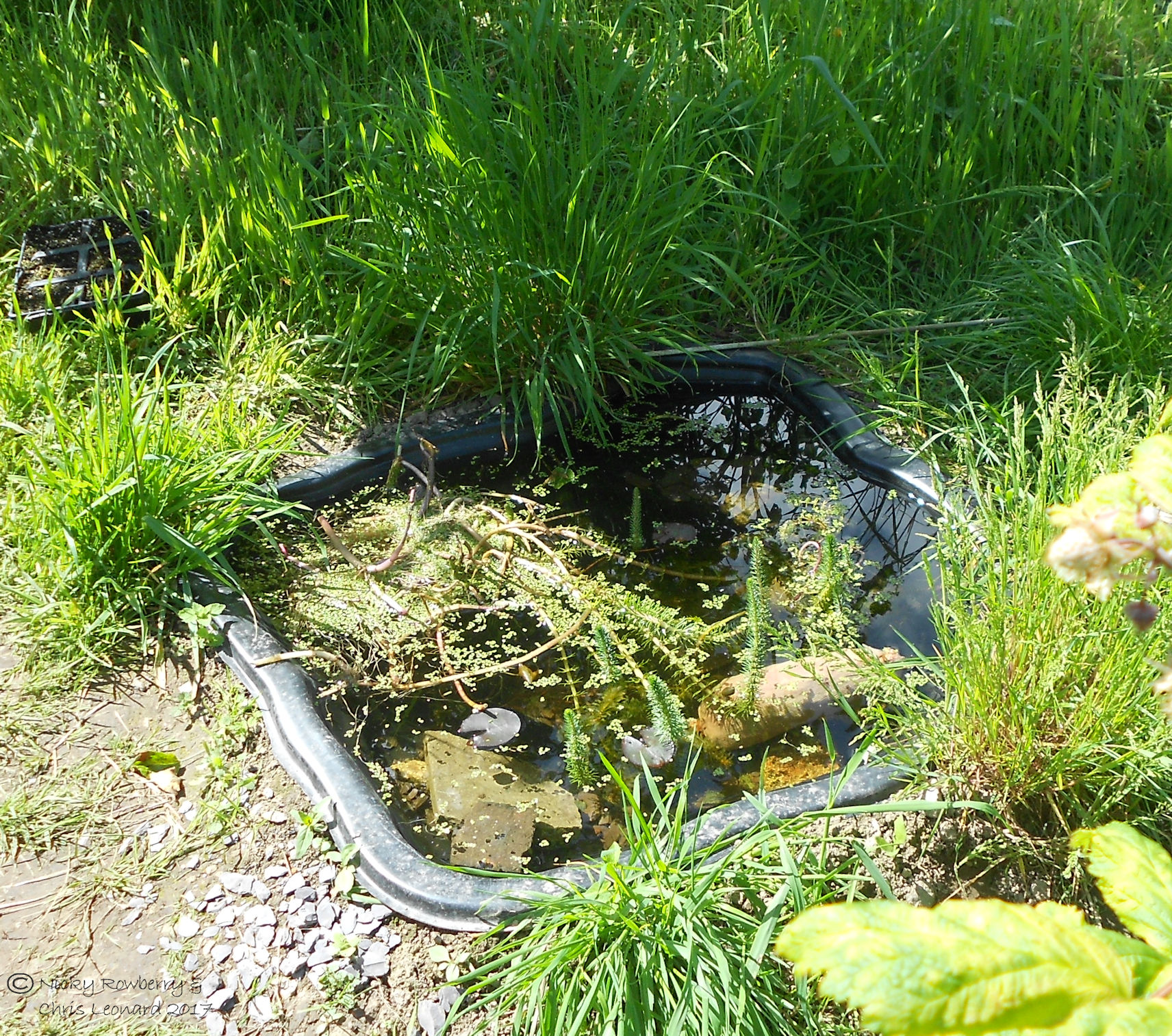
1.  Build new pond. Well I did achieve this, just not in the place I expected to. The plan was to put a new pond in the garden. That didn’t happen, but I did get an allotment (with my sister) and first job we did was put in a small pond. Within months we’d had frogs, newts and dragonflies, so well worth the effort.


2. Get footage of the blue tits fledging. Well this didn’t happen, but it wasn’t for want of trying. We put up a new box with integral camera. Things were looking good when we caught a blue tit checking it out almost immediately. Unfortunately they then decided to nest elsewhere this year. You can lead a blue tit to a nest box, but you cannot make it nest!

3. Seeing new species of butterfly – we actually over-achieved on this one! We managed to bag 5 new species: Duke of Burgundy, Wall, Small Pearl Bordered Fritillary, Grizzled Skipper and Large Blue. This takes us to a grand total of 43 species of British butterfly seen and photographed. Only about 16 to go.


4. Try and find ivy bees at more sites. Not only did I not manage to achieve this, I didn’t see a single ivy bee at all.

5. Start compiling a list of hoverfly species in the garden. I did take quite a lot of hoverfly pictures, (including this lovely Chrysotoxum species) but totally forgot that I was going to start listing them. I could probably retrospectively go back through the photos and list them all – but what are the chances of that happening?


6. Do 30 Days Wild again. Thankfully a big YES to this one. I had a fantastic time in June doing 30 Days Wild and was really chuffed to get shortlisted again for the Wildlife Trusts’ Blogger Awards. Not only that but Worcestershire Wildlife Trust were looking for someone to write about it – so I even got a magazine article published!

7. And finally my quest to get a moth tattoo has failed once again. No surprises there.

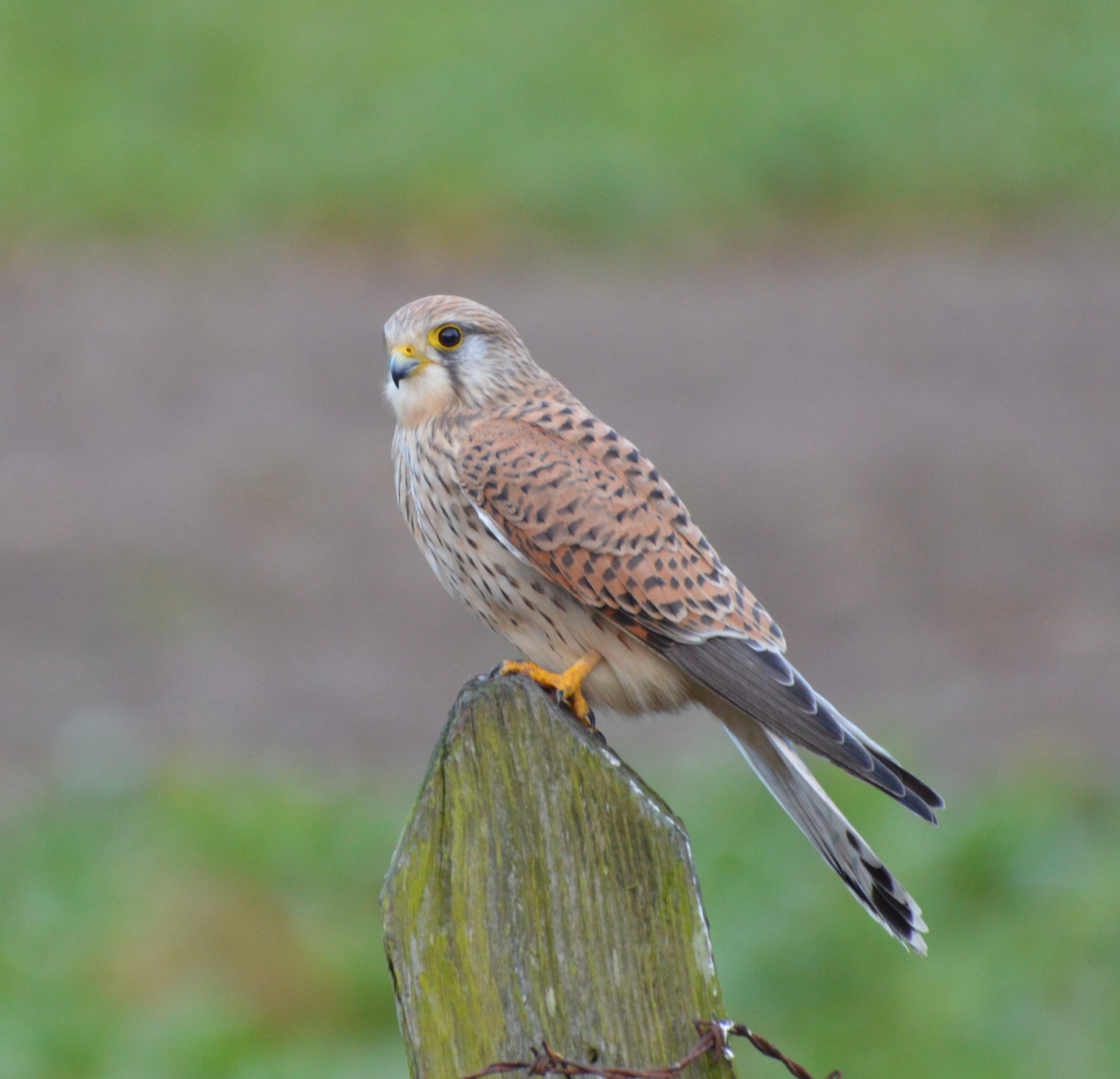
So on to the other things we got up to last year. 2017 started with the shocking realization that I’d hit 50! To lessen the pain, I had a day at some wildlife photography hides in Worcestershire. It was a fantastic bird-filled day watching kestrels, kingfishers and all sorts of other beautiful birds. Best birthday present ever!


The second big event was getting our allotment. Despite my “too lazy to weed” philosophy, I have always fancied an allotment and my sister and I now finally have one.  We are gardening it organically, feeding the birds, encouraging pollinators and of course we’ve put in our pond. Neighbouring plots even have slow worms, so we’re hoping we can attract a few of those over to ours soon too.

A big change for me in 2017 was that I swapped jobs. I now work 2 days a week at the British Hedgehog Preservation Society. We also fostered a hedgehog called Meadow last winter until his release in the spring.  We’ve rescued one poorly one found during the day and one juvenile that was too small to get through the winter and taken them to our local hedgehog carer Viv. Not only that but we had almost nightly visitations from other hedgehogs in the garden and got some great trail camera footage. So all in all 2017 has been my Year of the Hedgehog.

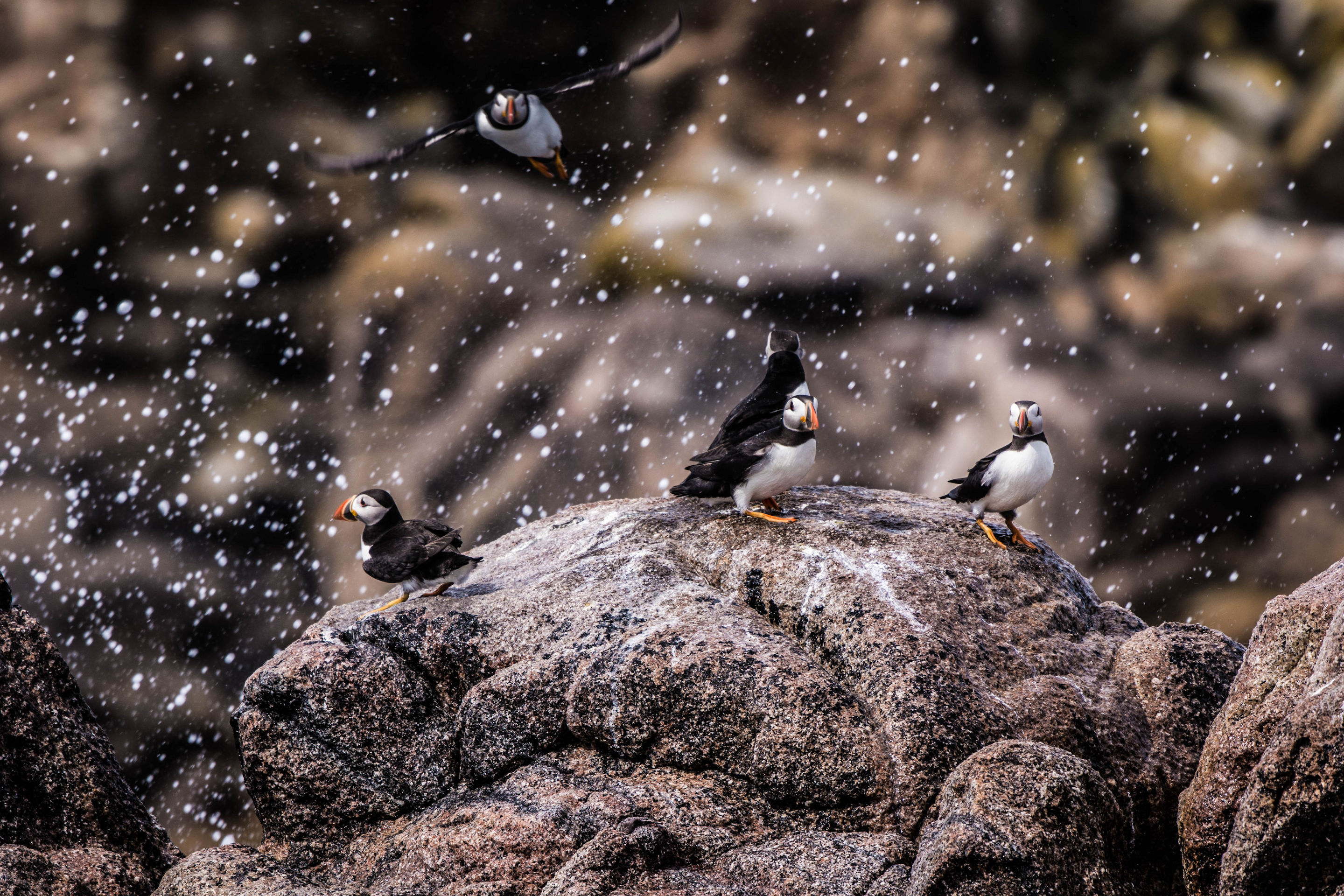
One of the highlights in the summer was a holiday in the beautiful Isles of Scilly. We had a fantastic week there, packed full of wildlife and wonderful scenery. Although we loved it all, probably the best thing was seeing puffins. We’d thought we might have been too late in the season, but luckily they were still there waiting for us.

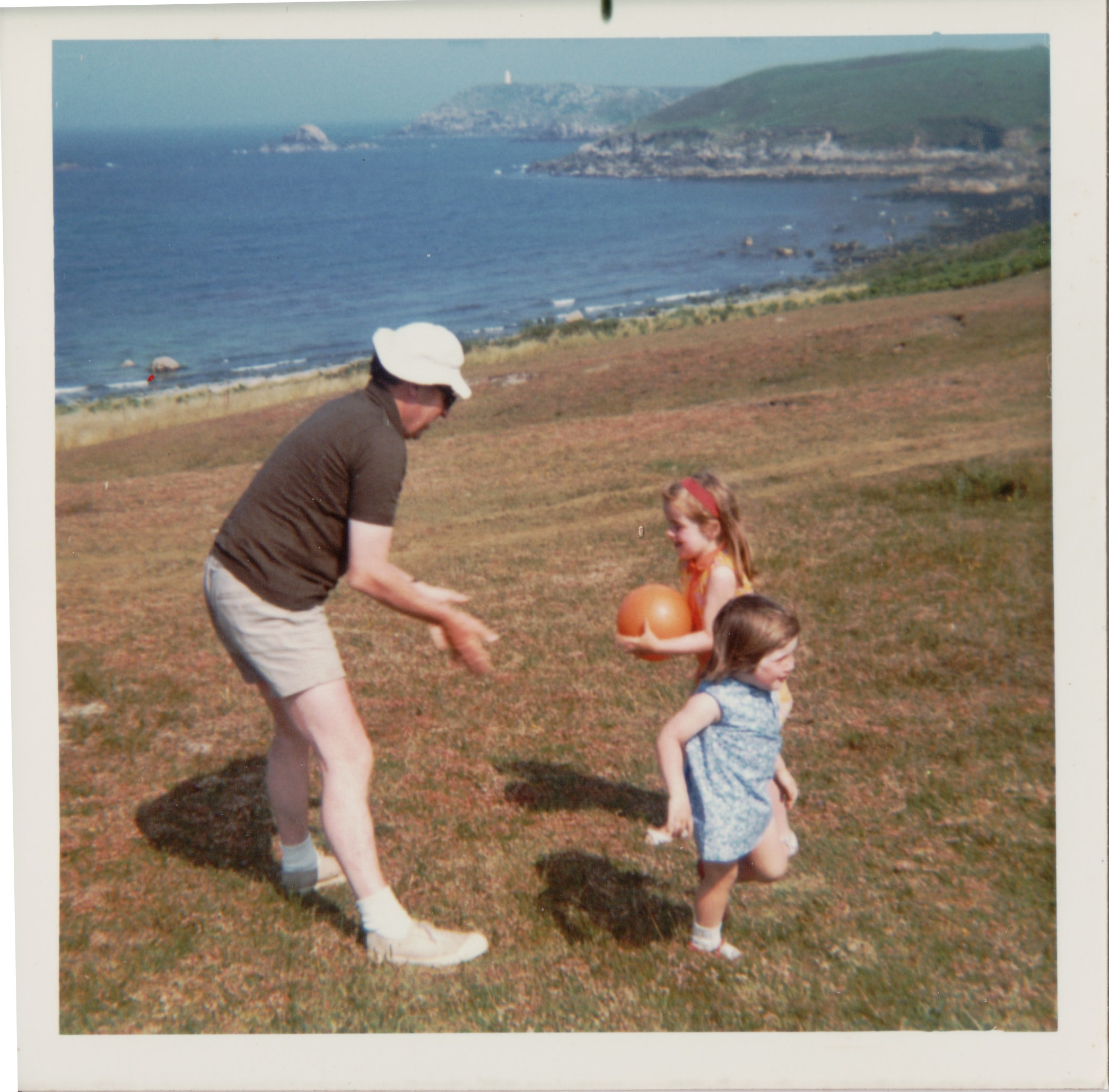
Not only did we get some great photos, but the one above even won us a mug in the Scilly Isles photo competition. In fact we won 2 mugs, the other being for an old photo of me, my sister and my Dad taken on St Martin’s in 1972. 

Of course we did all our usual things in 2017 – the Big Garden Bird Survey, the Big Butterfly Count, the Garden Bioblitz, Moth night and the annual pilgrimage to see the bluebells on the Malverns. We’ve visited lots of our old favourite haunts, Wyre Forest, Trench & Grafton Wood, Prestbury Hill & Brotheridge Green etc. But we’ve also found some new favourites: Daneway Banks, Upton Warren wetlands, Wenlock Edge and more.

On the home front we have of course continued to let the weeds grow in the garden pretty much unchecked. The postman may soon need a machete to hack his way through the undergrowth to the front door, but it has brought us a wealth of insects and more. I’d thought we’d done well in 2016 when we recorded our 25th species of bee in the garden, but by the end of 2017’s summer we’d hit 31 species.

Moths continued to be my particular obsession throughout 2017. Overall it didn’t seem to be such a good year for moths in the garden – I only recorded 198 species compared to 211 in 2016. This might have been due to trapping effort, as I suffered a couple of stinking colds towards the end of the year and didn’t put the trap out for the last 2 months. Overall though we have now recorded 297 moth species in the garden – not bad for the middle of Malvern! The really exciting news though was that I recorded the first ever Box Tree Moth (Cydalima perspectalis) not only for Malvern, but for the whole of Worcestershire. This species is colonising northwards, so it was great to get the first record for our neck of the woods.

The sad news for 2017 was that we had to say goodbye to Bert. He was our elderly gentleman with a big voice (the loudest miaow ever!) and a big character. He spent most of his life outdoors, but came to us for his twilight years. We still miss him terribly.


So New Year’s Resolutions for 2018 – I might as well aim for a few then there’s a chance I might succeed with a couple at least!

  • Butterfly species – continue on my quest to see more of the British species – hopefully another 3 this year?
  • Film Blue tits fledging – the box and camera are still all set up, so we just have to hope they deign to nest in it this year.
  • Visit 5 new local nature reserves – we have such fantastic places around here, it will be good to explore some more.
  • Sort out the garden pond.
  • Have a go at a Hoverfly Lagoon – there’s a project looking at how to promote hoverflies in your garden, so it would be nice to contribute to that.
  • Of course that moth tattoo that never seems to get done!

Happy 2018 everyone!

Moth (and Mouse) Night

This weekend is Moth Night (it troubles me every year that Moth Night is actually a weekend!). It was supposed to be a fairly windy night and the various moth groups I follow were abuzz with prospects of exciting migrant moths being blown in from the Continent. One of the themes for this year’s Moth Night was the importance of ivy as an autumn food source. I cleared a path to our patch of ivy, so I could get close up for nocturnal photos and out my moth trap went in hope and anticipation. As anyone who reads my blog, or indeed anyone who has ever tried photographing wildlife knows, things rarely go to plan.

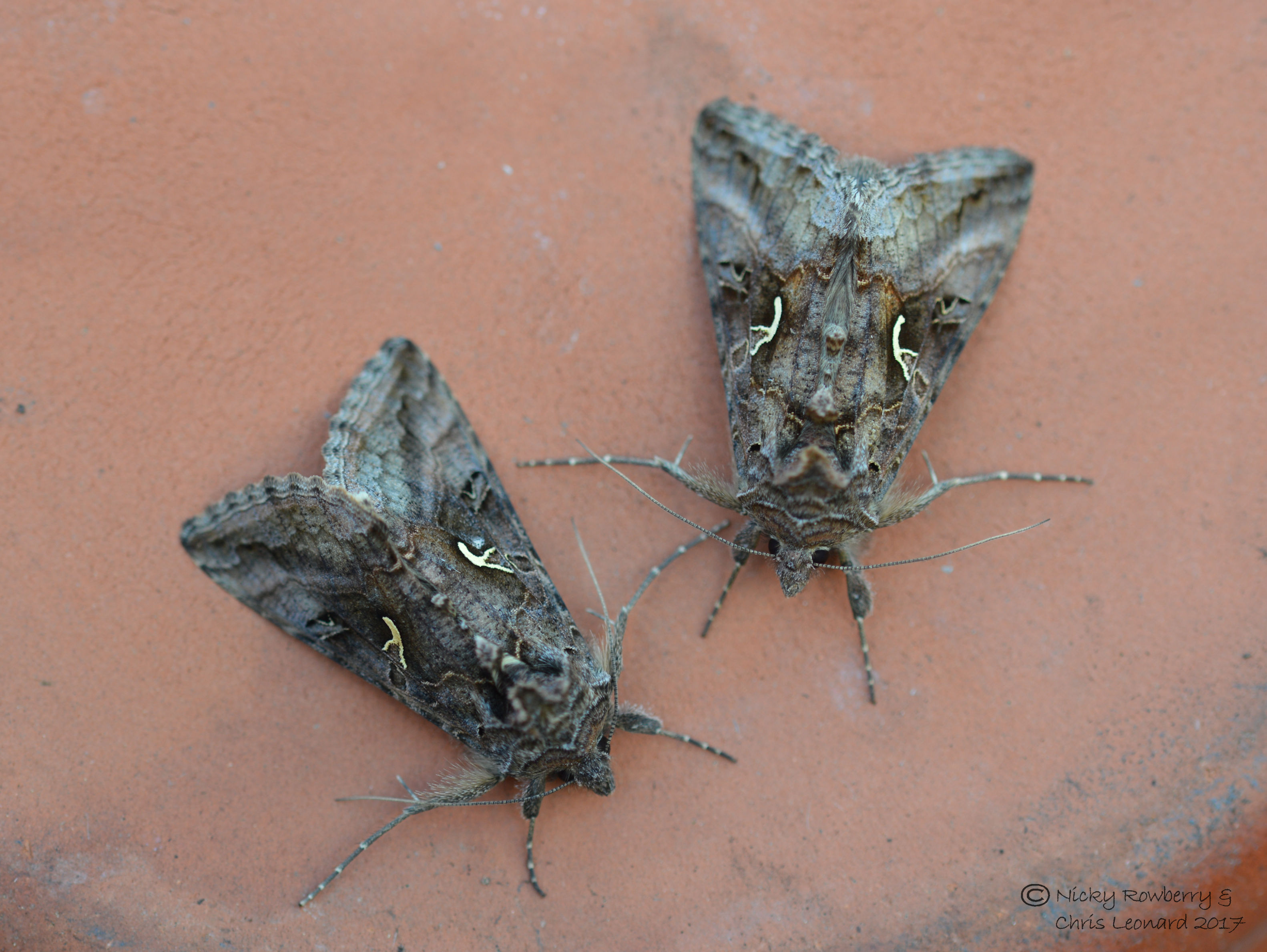
So the moth trap attracted just a measly 10 individuals of 8 species. October is getting near the end of moth season, so I was never going to get hundreds of moths, but I had hoped for a bit more of a selection. There are some lovely colourful autumn moth species, but none of them fancied my moth trap last night. I did get two migrants – both Silver Y moths – seen here with their distinctive y or gamma (hence their latin name Autographa gamma) marks on the wings.

The remaining 8 moths were made up of 2 Common Marbled Carpets, 1 Light Brown Apple Moth, 1 Blair’s Shoulder Knot, 1 Lesser Yellow Underwing, 1 Setaceous Hebrew Character, 1 Black Rustic and 1 Shuttle-shaped Dart. All lovely moths in their own right, but not the most exciting selection.
The ivy was also a complete wash out. Although it was in full flower, I didn’t see a single moth on it. Admittedly I didn’t sit in the bushes staring at it all night, but I did pop out for frequent spot checks. Maybe the light from the moth trap was doing too good a job attracting what few moths there were and keeping them away from the ivy? I’ll keep checking the ivy over the next few nights – it will be too late for Moth Night, but I’d like to get a photo of at least one moth on it. I did check out the ivy this morning and it was buzzing with bees (who had clearly got the memo the moths had missed about it being a good source of food in the autumn!). No sign of any Ivy Bees, but plenty of Honey Bees making the most of it.

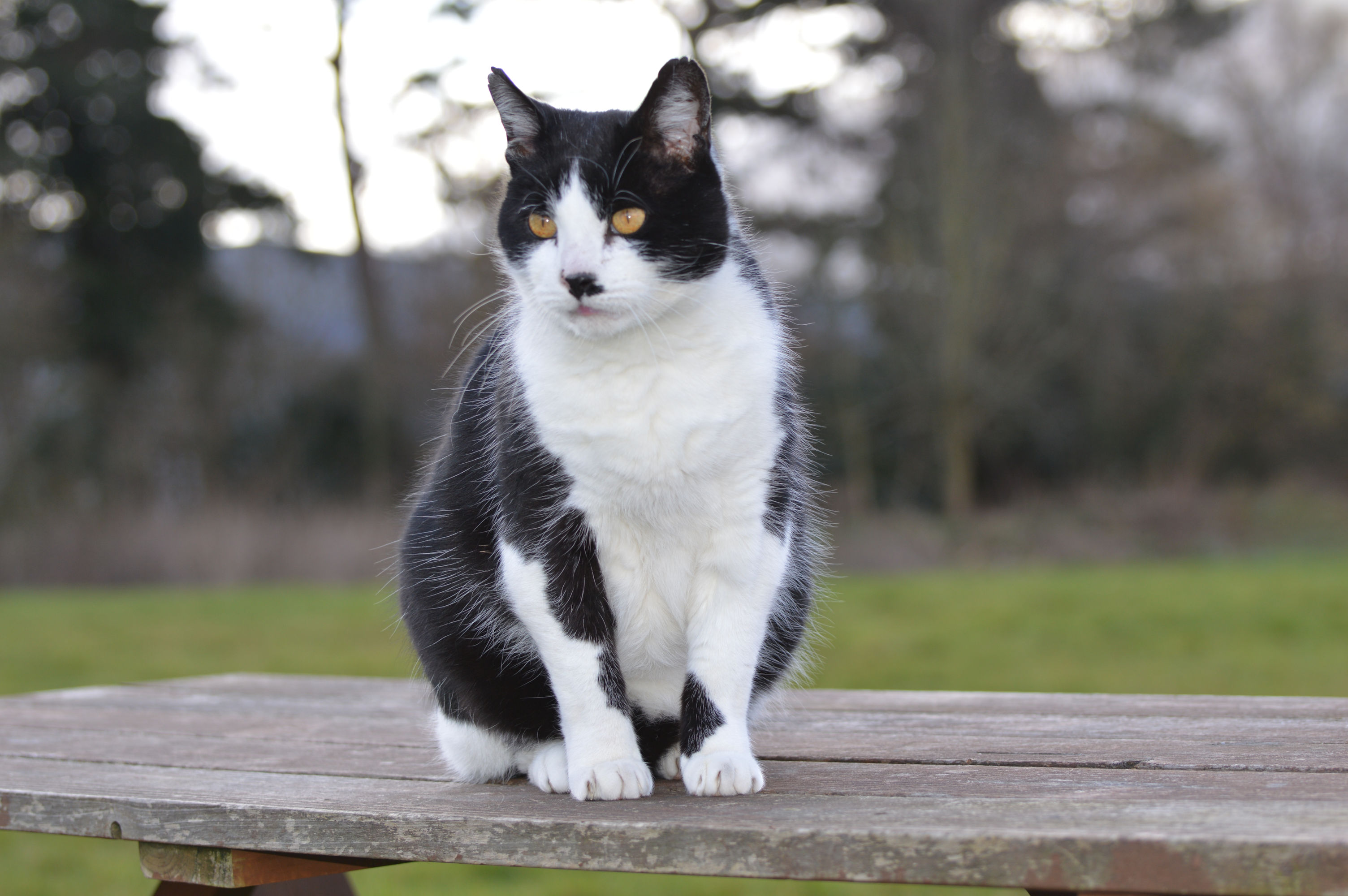
One surprise find to finish off Moth Night was this mouse. As I was putting the moth trap away in the garage, I saw movement from the box with the birds’ peanuts in. A mouse had got stuck in there and looked just as surprised as me. A quick photo and he was running free in the garden again, although he may have preferred to stay in the garage with the bird food.

Photo Shoot

Today’s post is a bit of a flash back in time to late May, when our lovely friend Anna came to stay. Anna and I have known each other for more years than I care to admit and her enthusiasm is just as inspiring now as it was when we were kids. Not only that though, but she just happens to be an amazing professional photographer.  So what do you do when you’ve got a talented photographer staying – family portraits? stunning landscapes? No you get the moth trap out! Anna’s just sent me some of the photos she took while she was here – hence me harking back to May with this post. If you can’t make the most of your talented friends and use them as a guest blog, well it would seem such a waste!

It’s not every guest that is keen to get up at 5am to inspect the moth trap (to date Anna is the only one who’s shown any inclination to do so!), but that’s what we did, with fingers crossed for some decent moths. Luckily we got a fine assortment to show for our efforts. Anna’s kindly given me permission to share some of her photos, so most of these are hers apart from a couple of dodgy ones of mine for comparison!

Anna teaches digital photography, so I was really lucky that she gave me some top tips to improve my own measly photographic skills. I’d like to think we swapped mothy knowledge with photographic knowledge, but I definitely got the better half of the deal as I learnt far more than she did I’m sure.

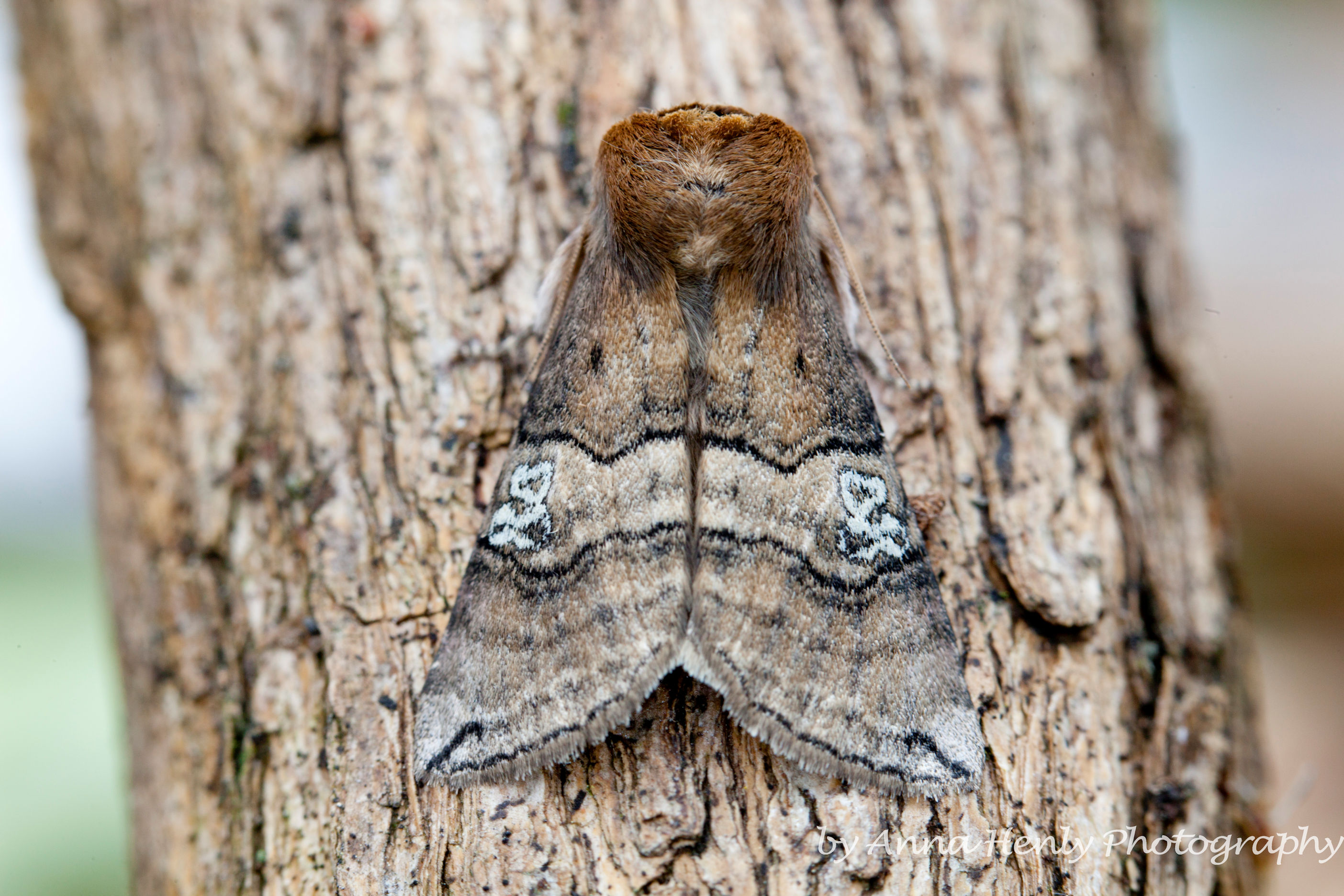
First up the amazing Figure of 80 moth, which pretty much does what it says on the tin – it has the number 80 clearly marked on its wings.  I think this was only the second time we’ve had one of these in the garden so it was a real treat.

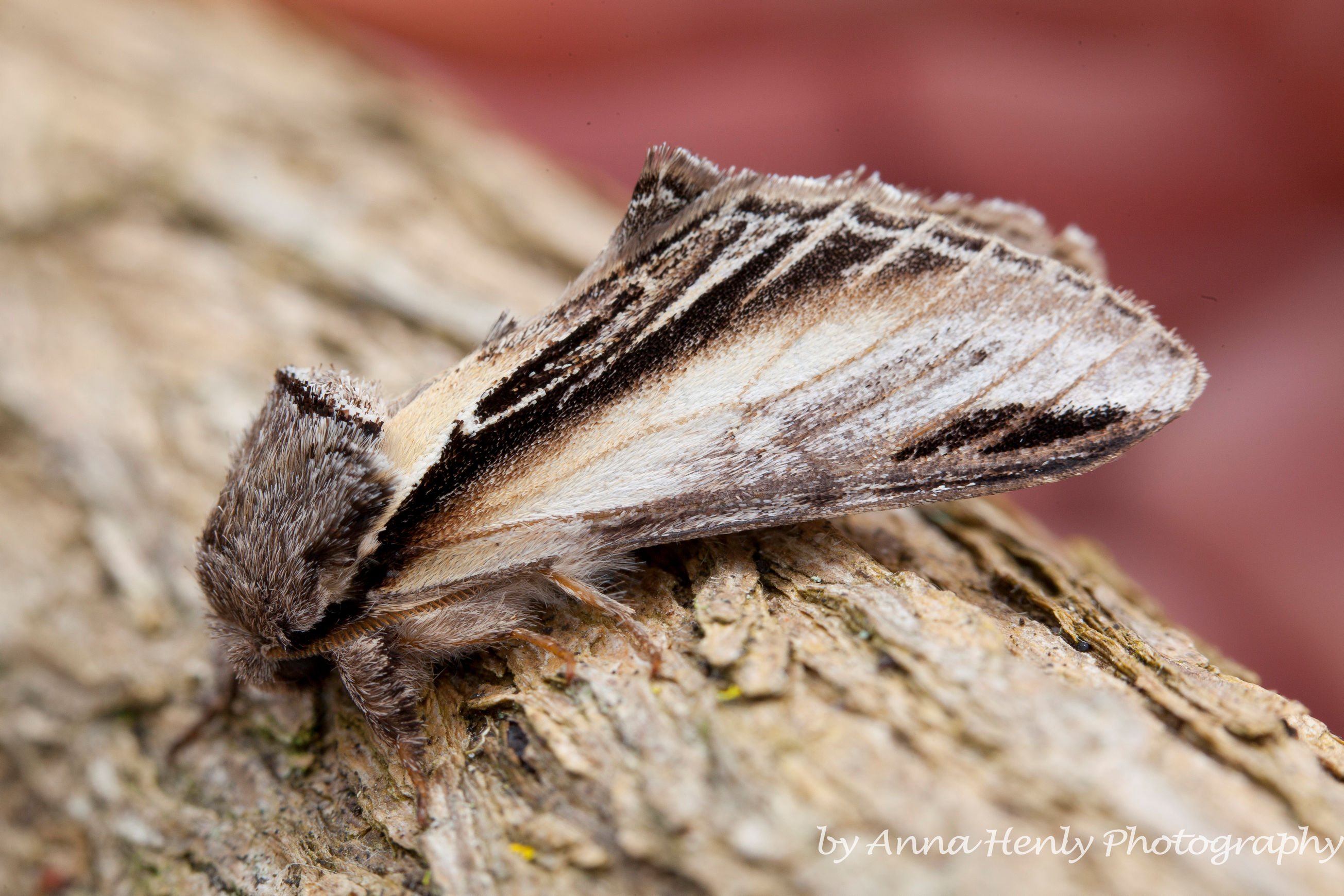
Another nice find was this Swallow Prominent – not so clear how this one got its name though!

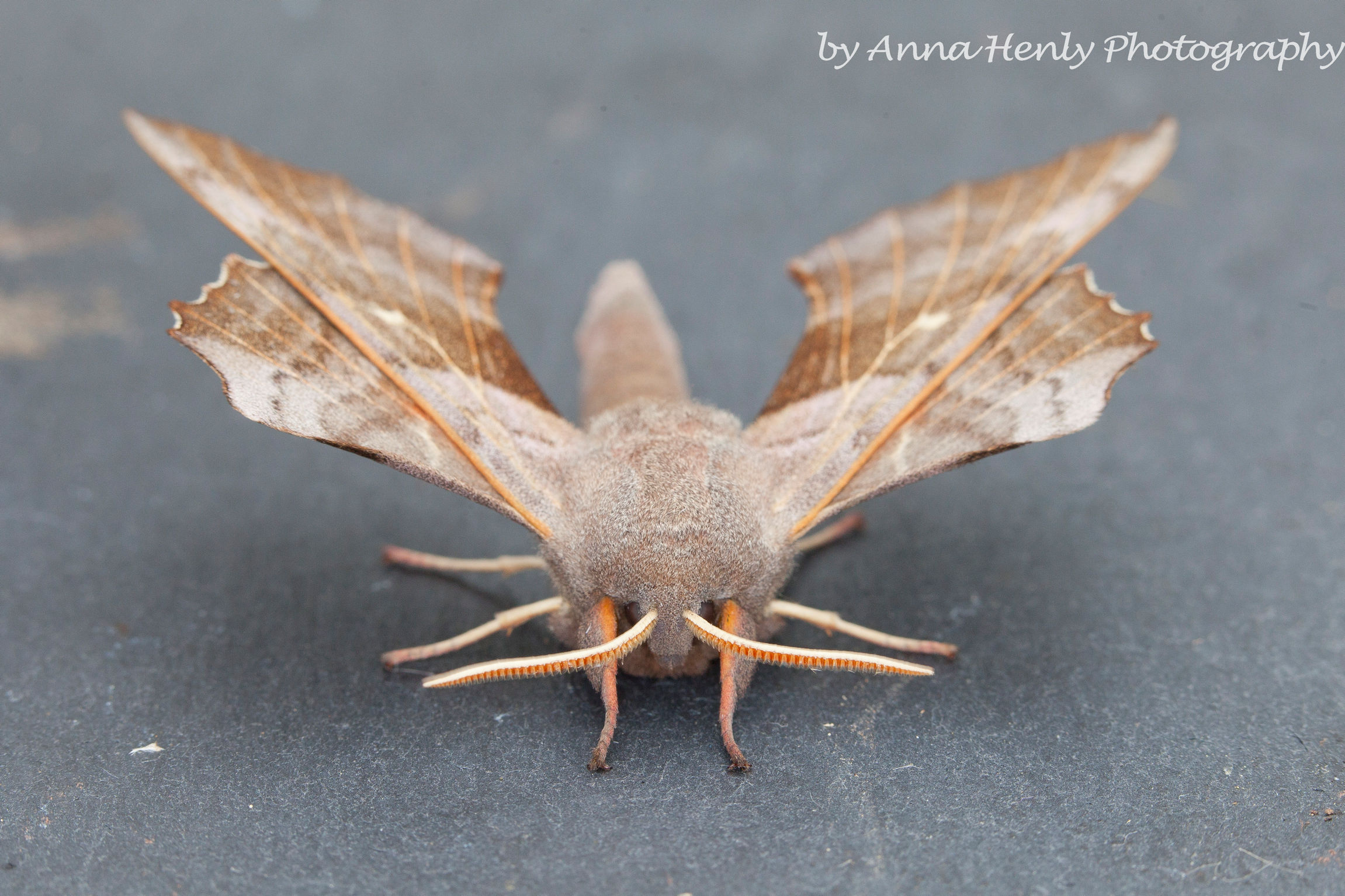
The stars of any mothy shows are usually the hawkmoths, so I was really pleased we got a Poplar one.

When photographing big moths like this, it can be really difficult to get enough depth of field. Clearly not a problem when you know what you’re doing though. The colours and definition all seem so much better than anything I ever manage.

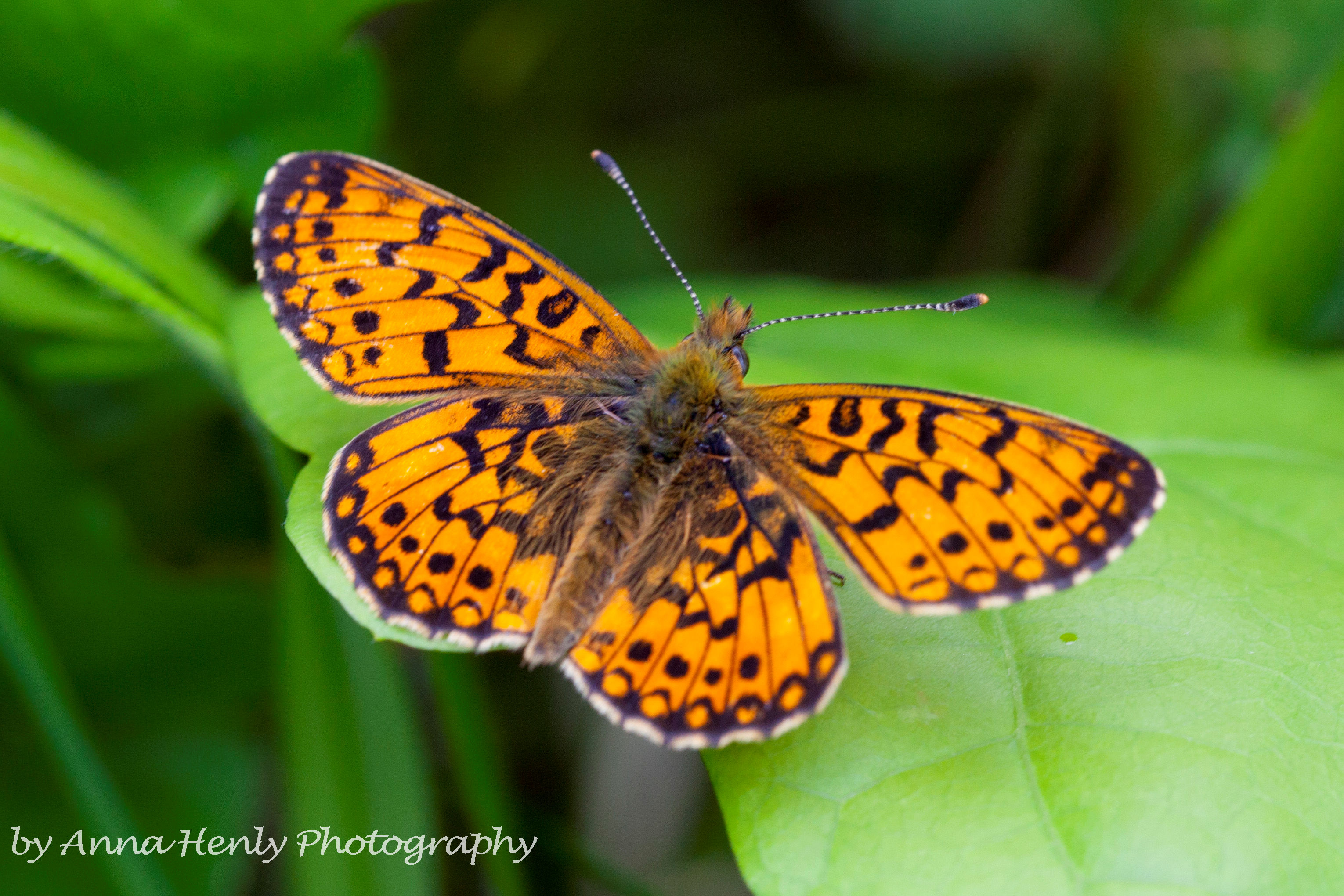
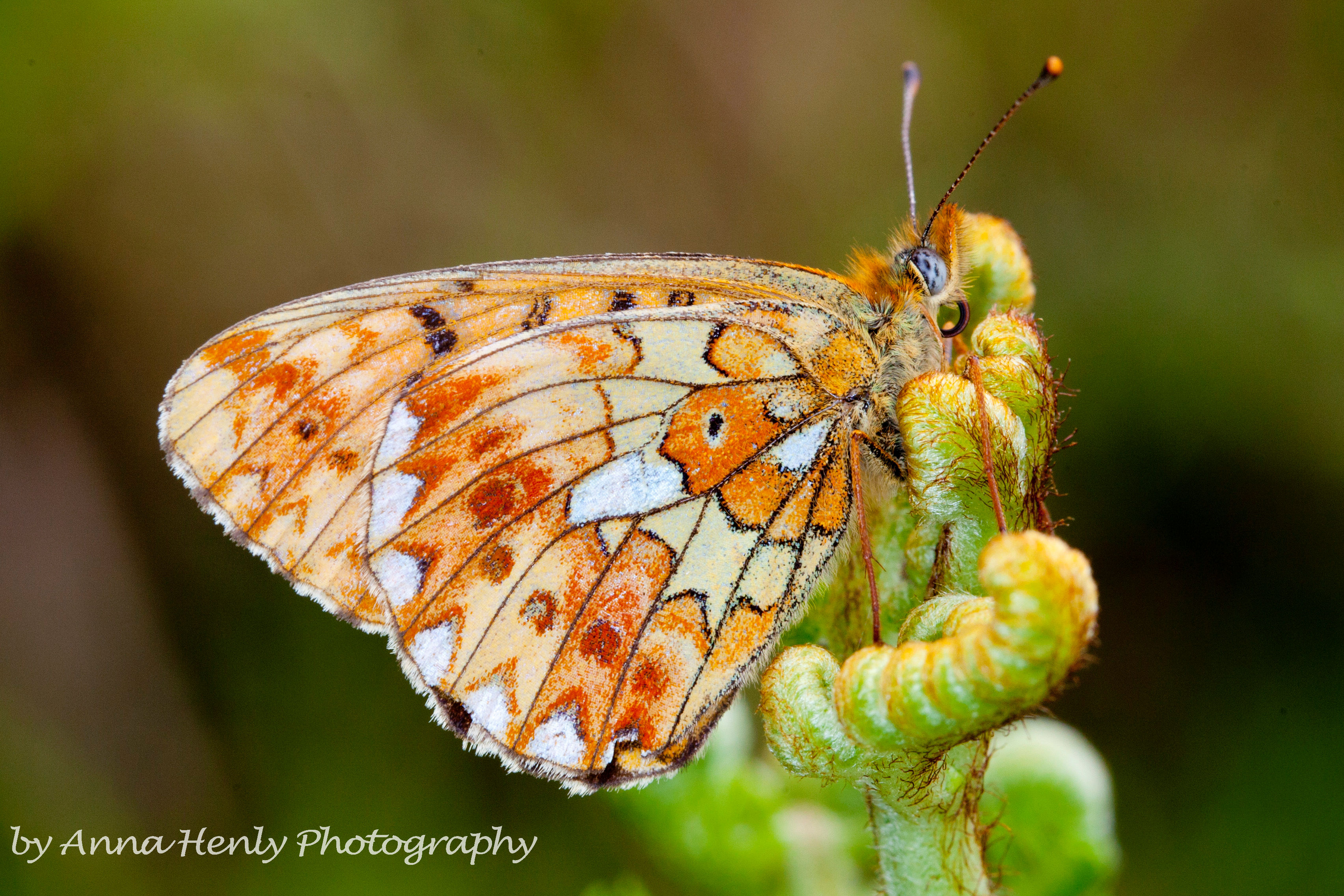
Not content with moths we then headed out to the Wyre Forest in search of butterflies – the Small Pearl Bordered Fritillary to be precise. You can read my original post from the day here  https://toolazytoweed.uk/2017/05/31/butterfly-no-41/  Here are two of Anna’s shots of said SPBFs.

The colours that Anna’s managed to capture are brilliant. My efforts from the day look very washed out in comparison:

We were also lucky enough to see the other species – the Pearl Bordered Fritillary. Again here’s one of Anna’s vibrant photos.

It’s amazing seeing Anna’s photos compared to our own. It really does highlight the difference between using your camera properly and being stuck on auto as I am for so much of the time. The vibrancy of Anna’s photos says it all.

You can see more of Anna’s fantastic (and award winning) photography on her website http://www.annahenly.co.uk/ or if you live in Scotland why not sign up for one of her classes on https://www.goingdigital.co.uk/photography-courses-in/scotland and get yourself off “auto” too.

Grafton Wood

Lovely day yesterday out and about at Grafton Wood, one of my favourite butterfly hunting spots. Forecast was for sunny spells in the morning so I headed over, hopeful of a good day’s butterfly spotting. The sunny spells were slow to materialise and for the first hour there were hardly any butterflies. Nor did we see anyone else, it was as if everyone else knew the butterflies were having a day off! Eventually though the butterflies started to appear – a slightly dopey Common Blue was the first to pose for us.


After the initial dozy one, more blues arrived plus Green-Veined Whites and our first Painted Lady of the year.  All in all we tallied up 11 species – not bad after such an unpromising start.

The one butterfly we’d particularly hoped to see though, the Brown Hairstreak, eluded us. They are notoriously tricky to find and I’ve only ever seen one, right here at Grafton Wood in 2015. So it was no great surprise not to find one yesterday. We did however meet  a very helpful gentleman who gave us some top tips for spotting them and showed us some new areas of the wood to look for them in future.  So butterfly-wise we were very happy.

But Grafton Wood is buzzing with more than just butterflies, there are plenty of other insects to enjoy. We kept seeing beautiful big hornets – either Grafton has lots of them or we were being stalked by the same one everywhere we went.

There were lots of small moths flying about in the grass, but the mothy highlight was spotting a group of Buff Tip moth caterpillars that had almost stripped a young tree bare.

We also saw a few shieldbugs, including this nice specimen of a Box Bug.

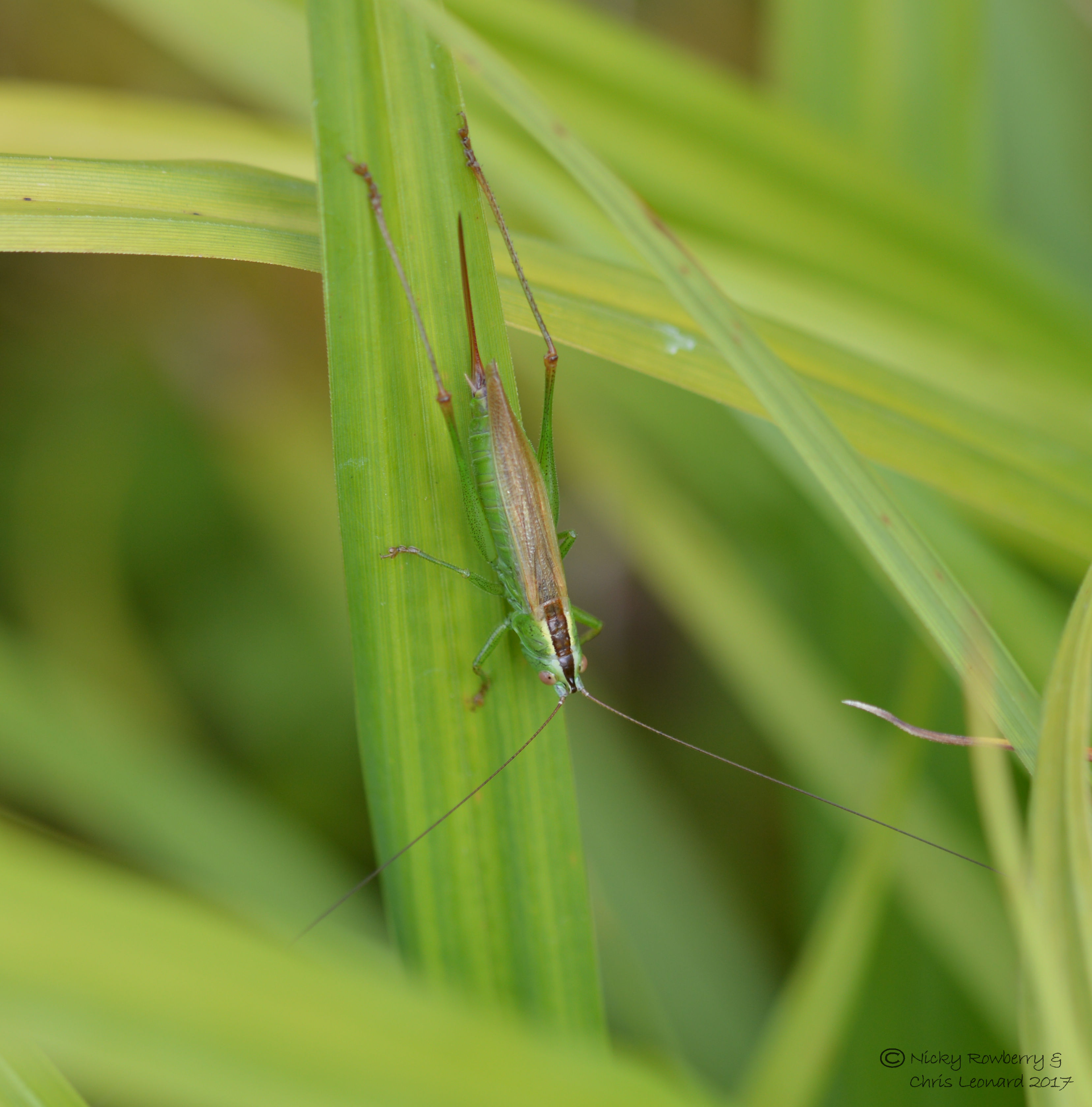
In the sunnier periods we could hear crickets chirruping in the grass. We saw several of these particularly large ones, which turned out to be a new species for us  – the Long-winged Conehead (Conocephalus discolour).

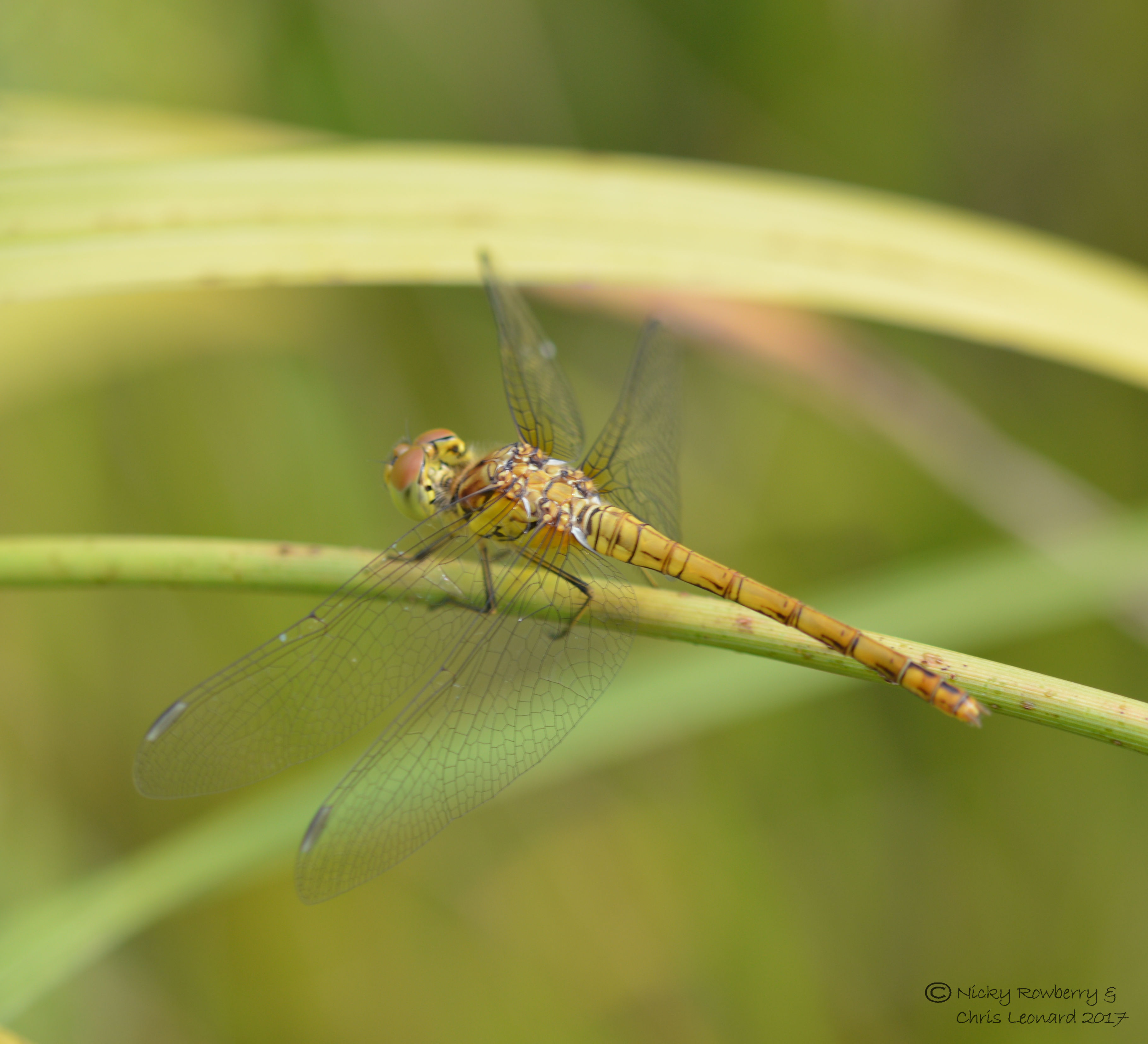
Grafton is also a great place to go for dragonflies and damselflies. Darters (like this female Common Darter (thanks to Neil for ID)) were reasonably common all over the wood.

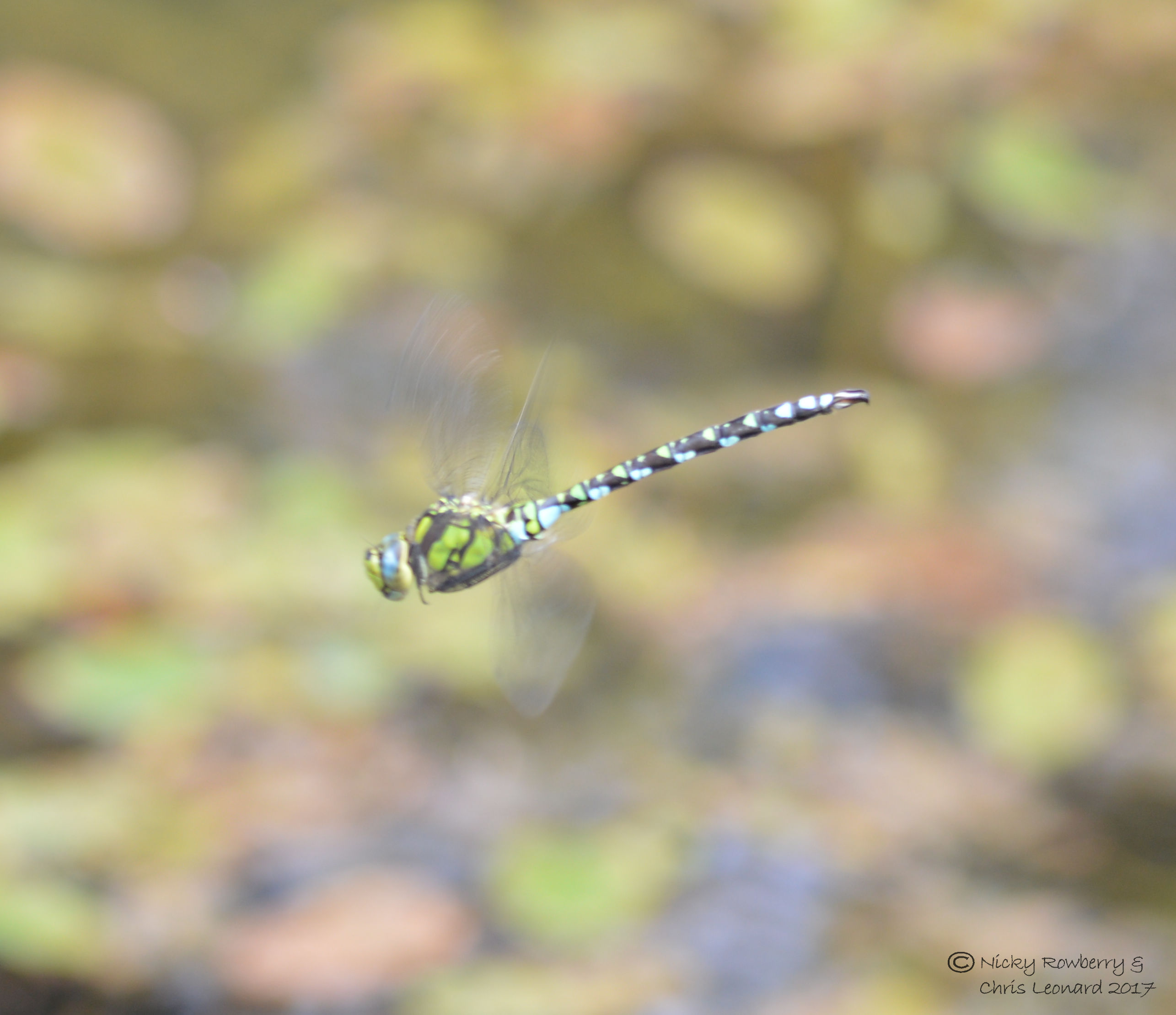
We also saw several of the much larger Southern Hawker dragonflies, particularly around the small pond. They seemed to be inexhaustible though and never once did we see one land. Both of us spent ages trying to get a photo of one in flight over the pond; this blurry shot was the best we managed.

Damselflies were also common around the pond – again another new species for us – the White-legged Damselfly (Platycnemis pennipes), which has, as the name suggests, white legs!

I found one individual sitting on a flower, seemingly staring straight at me. It stayed so long and I spent so long trying to get the perfect photo, it ended up feeling like we were having a bit of a staring contest – if we were then he won!

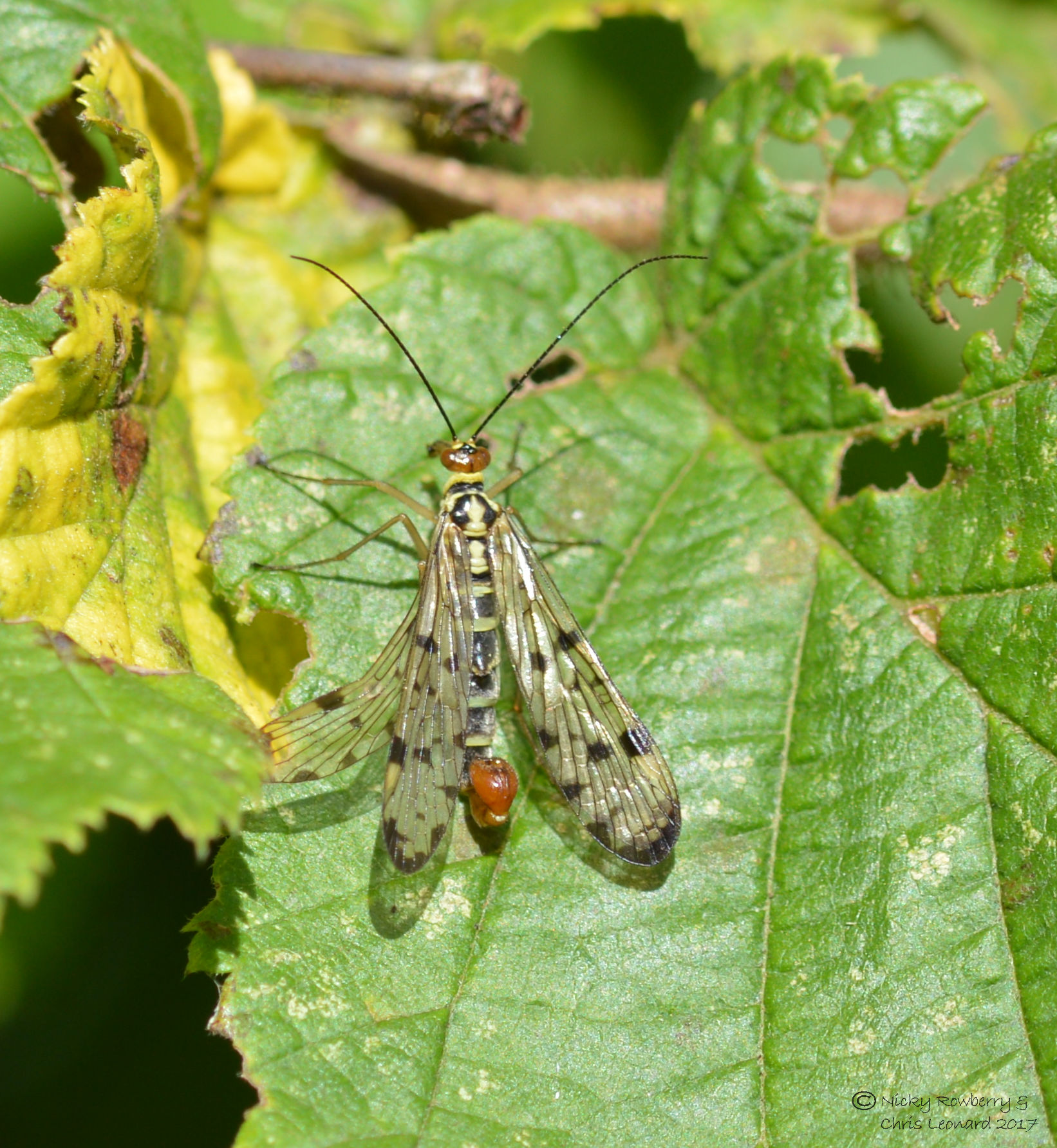
One insect we’d been trying to get a photo of all summer, was a scorpion fly.  These are seriously weird looking insects, with a long beak like structure on the head and a scorpion style tail on the males. We’d seen lots of them at Trench Wood a few months ago, but then only the females which don’t have the scorpion bit. Grafton Wood however was buzzing with males. It still wasn’t easy to get a photo of the tail as the wings kept getting in the way, but here are our best efforts.

Grafton Wood has never disappointed us and this weekend was no exception.