Scilly Isles – St Mary’s

After the rush of 30 Days Wild in June, I thought July would be a quiet month and I’d be able to blog at a leisurely pace. Somehow that doesn’t seem to have happened and we are now two thirds through the month! The good news is that we managed to squeeze in a fantastic holiday in the beautiful Scilly Isles. We took so many photos (over 2000!) that I’ll split them (not all of them obviously!) into blog posts for the different islands we visited.

So first up are some of the many things we saw on the main island – St Mary’s. We were staying on St Mary’s, so spent our first full day getting to know it (via some crazy golf buggy driving thanks to my brother-in-law), before taking boat trips to the other islands later in the week.

The Scilly Isles are off the southern tip of Cornwall and have a much more tropical climate than we get back home in Malvern. This was immediately apparent from the lush vegetation – palm trees, giant Echiums and Agapanthus everywhere. The rocky walls were generally covered in all manner of stunning flowers and the hedgerows were overflowing.

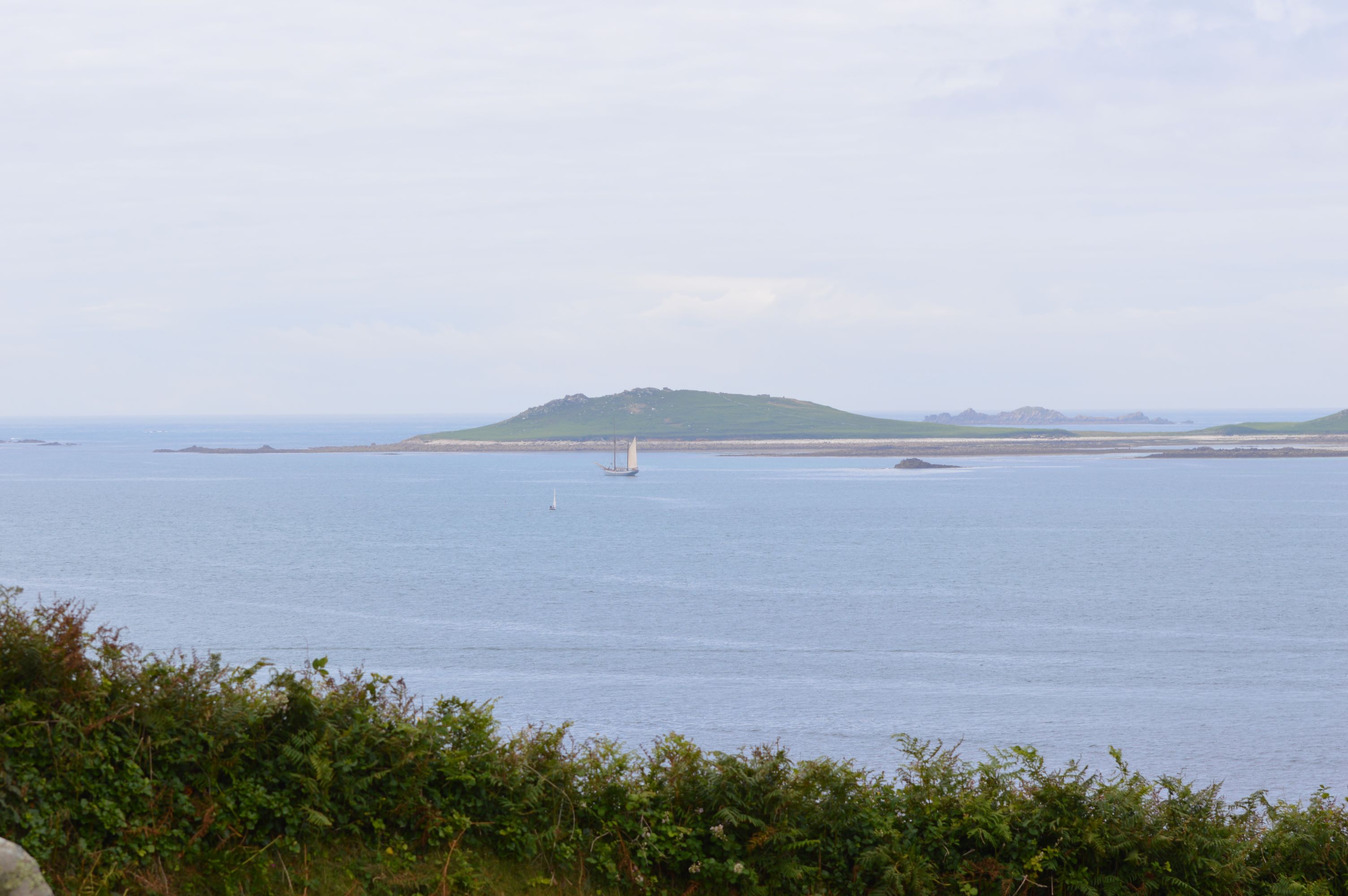
As we trundled around St Mary’s at the breakneck speed of 12mph on the buggy, the views were pretty much stunning from all angles. Beautiful beaches and some amazing rock formations.

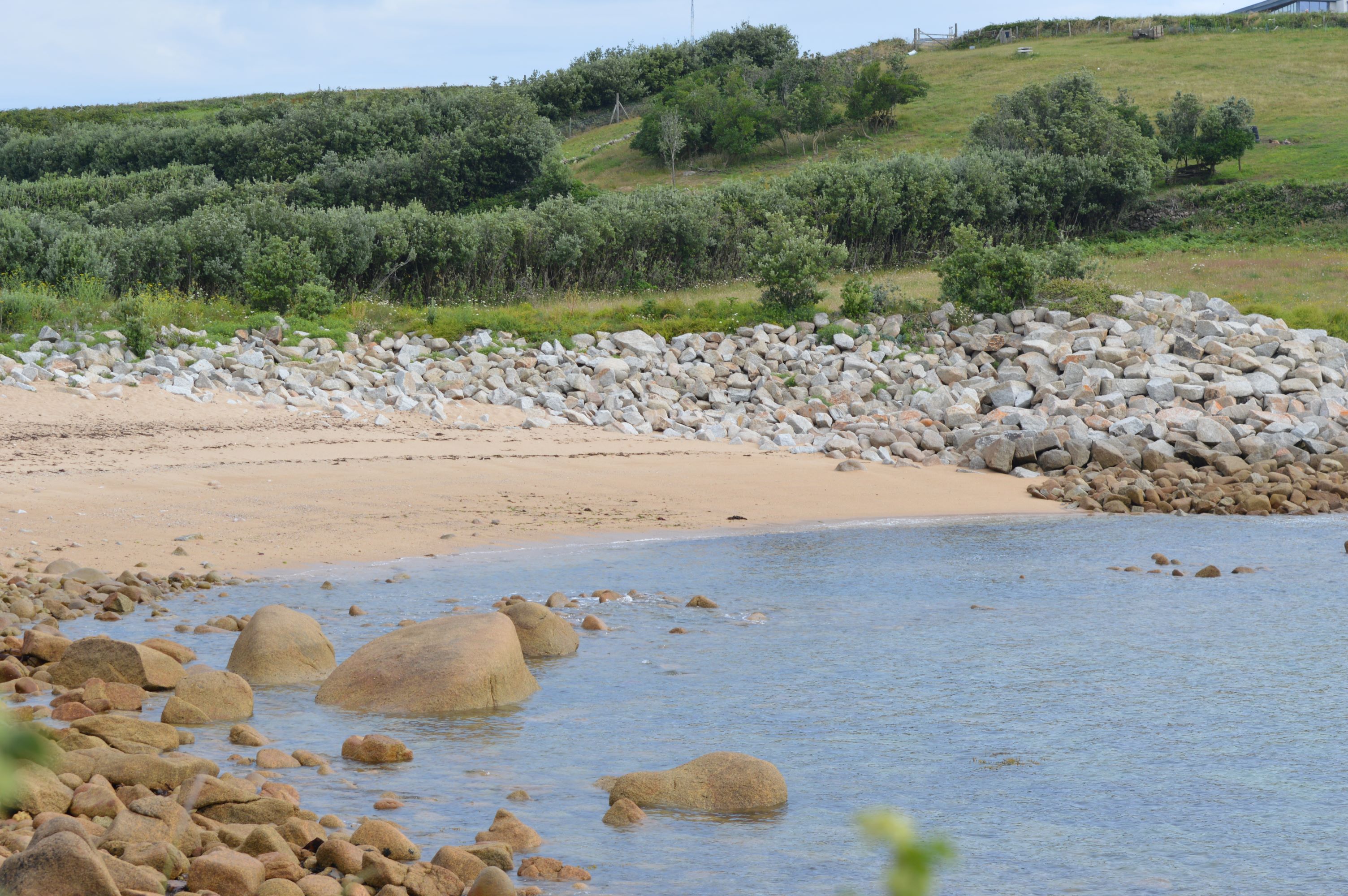
I tried one of my usual shaky videos to give some idea of the panorama of islands all around us:

Normally  I focus on the natural history, but the Scilly Isles have been inhabited since Neolithic times, so it would have been rude not to pay a visit to at least one site.  This is Halangy Down; a village inhabited from the Iron Age through to the early Medieval period when it was abandoned as the area got buried in sand.
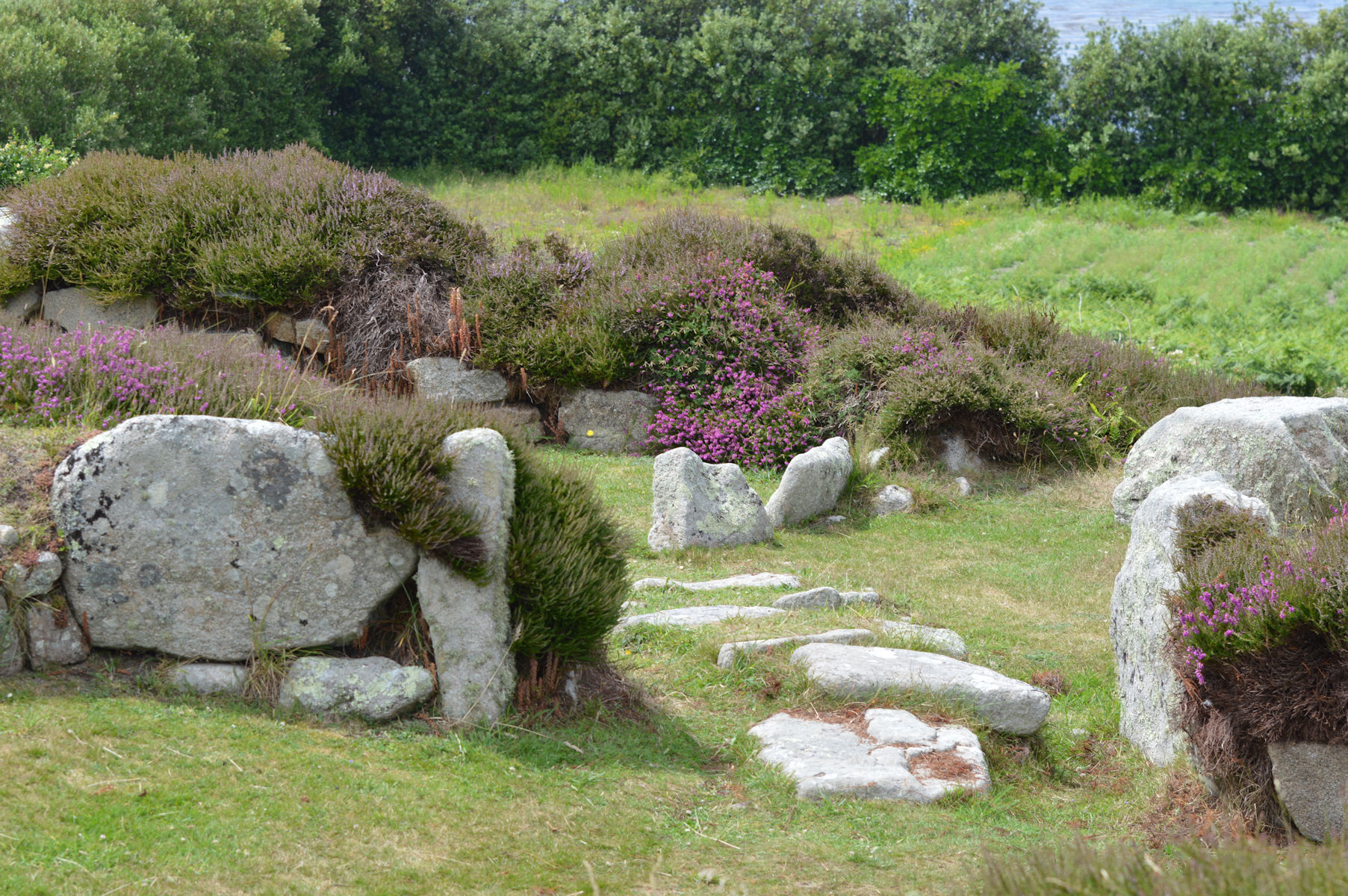
And this is Bant’s Carn – a 4000 year old burial chamber, just up the hill from the ancient village. I did actually go inside, but obviously couldn’t take a photo of myself!

Fascinating as the ancient history is, I always end up looking for the wildlife. The islands are of course full of birds, who have not only adapted to island life but to tourist life as well. The sparrows in particular had learnt that tourists were easy picking and wherever we went to eat they were there – greedy opportunists, making the most of us greedy visitors. I even managed a bit of sparrow whispering and got them to land on my hand by sacrificing a bit of my lunch to my new friends. If only I could get the robin on our allotment to do the same, I’d be very happy.

Of course we saw lots of other birds besides the sparrows. First new species for us was this Rock Pipit seen down on the shore near the Old Town area – please someone tell me if this is actually just another sparrow!

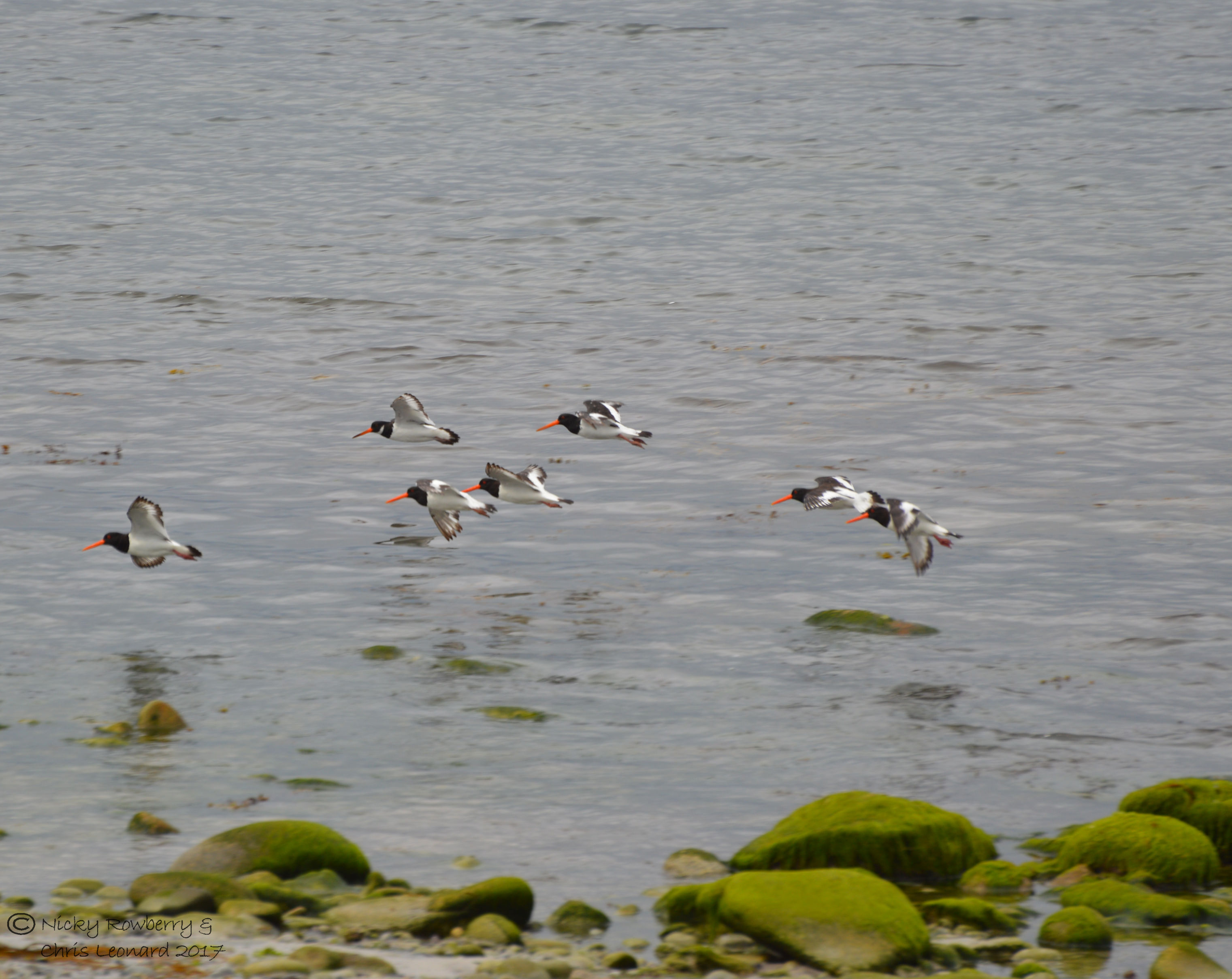
We saw lots of our perennial favourites – oystercatchers. I’m not sure I’d ever noticed before how disproportionately long their beaks are – although they are clearly well evolved to successfully fill the biological niche that would require such a beak!

 

We got one fleeting glimpse of a gannet, although they do occur all round the islands. I always struggle to tell cormorants from shags, but apparently the latter are much more common on the Scillies.

Gulls were of course present pretty much everywhere. We saw a lot of Great Black-Backed Gull – the largest gull in the world. The Scilly Isles have over 10% of the UK’s breeding population of this gull. Apparently they can swallow puffins whole, but the one we saw was making do with pecking at a crab shell it had probably nicked from a local restaurant.

I had been tempted to take the moth trap to the Scillies, but common sense prevailed and I was reduced to looking for day flying ones. Fortunately six spot burnett moths were sufficiently common around the islands to satisfy the mothy nerd in me.

As St Mary’s is the main island and therefore the most populous, we hadn’t really expected to see too much wildlife. We thought St Mary’s would be our foodie base and we’d use the outer islands for serious wildlife watching. But without really looking we stumbled upon loads of plants and animals that caught our interest – most of which was accessible from a golf buggy. Who knows what we might have seen if we’d got out and explored on foot!

More soon, when I’ve ploughed through the next 500 or so photos from our trip to the Scilly Isles! xx

30 Days Wild – Day 30 – Night and Day

I’m running late with the blog, so this is for yesterday’s Day 30 of 30 Days Wild! I’d thought it would be nice to push the 30 days to the limit and be looking at wildlife right up to midnight on the last day. So the plan was to set the trap for moths, the trail camera for hedgehogs and sit out looking for bats. As it turned out, with a few glasses of G&T and our friend to talk to as we sat outside, midnight came and went and it was 2:30am before we packed up. Not surprisingly then it’s taken a while to get going on the blog today!

All week we’ve been seeing bats in the garden, swooping around hoovering up our plentiful insects. They’ve come really close to the house as they circle around a large buddleia. But last night of course as we sat there waiting for them with bat detector in hand – none at all! It was a bit windy, but other than that the conditions seemed OK, but they were a no-show. Somewhere in Malvern someone else was probably enjoying “our” bat show! So all I can really say is that we normally get pipistrelles, which click on our bat detector at about 45 kHz.

Similarly with the hedgehogs, all week we’ve had a pair snuffling round the garden at night. It’s been great to be able to show our human friend our hoggy friends. So I was sure we’d pick them up on the trail camera last night – but again nothing! This absence can probably be explained though by our gin-swigging presence in the garden until 2.30. If I were a hedgehog I probably wouldn’t want to listen to 3 humans laughing loudly at their own jokes and clinking glasses either! So I’ve no video to show from last night, but fortunately I can do one we filmed earlier in the week (in true blue peter fashion) of our resident pair. It looks like the larger male is trying to woo the smaller female – with very little success!

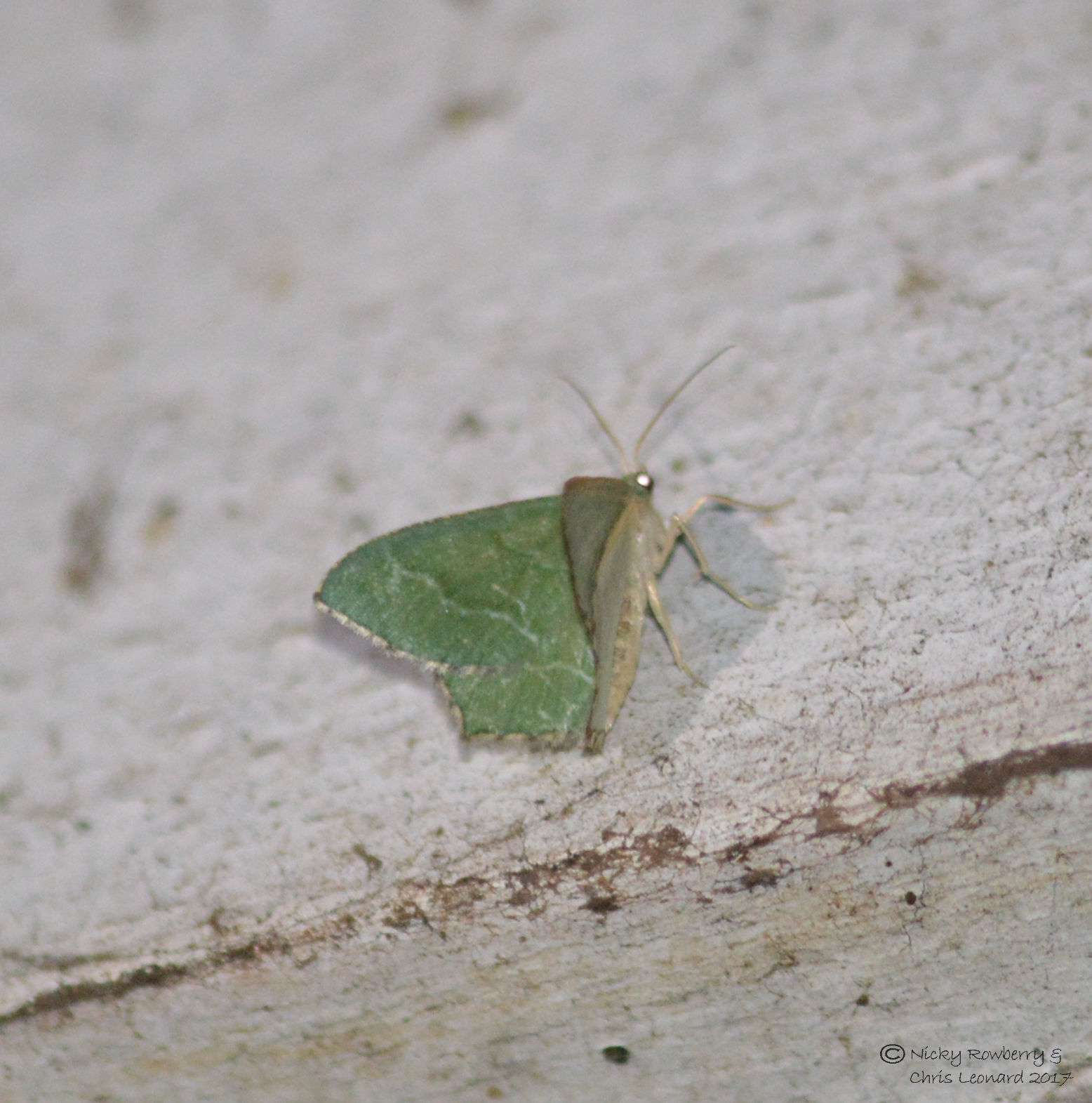
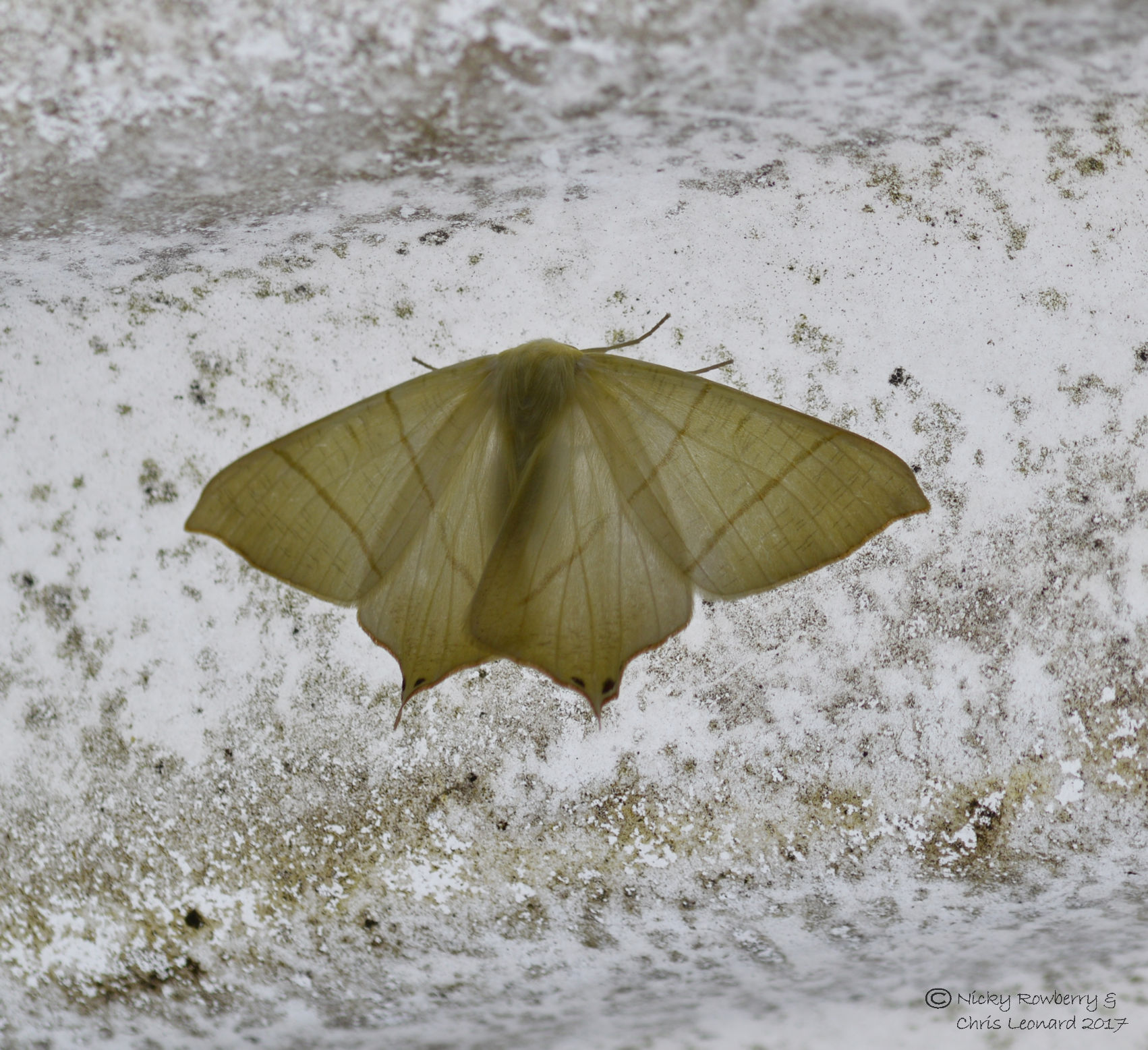
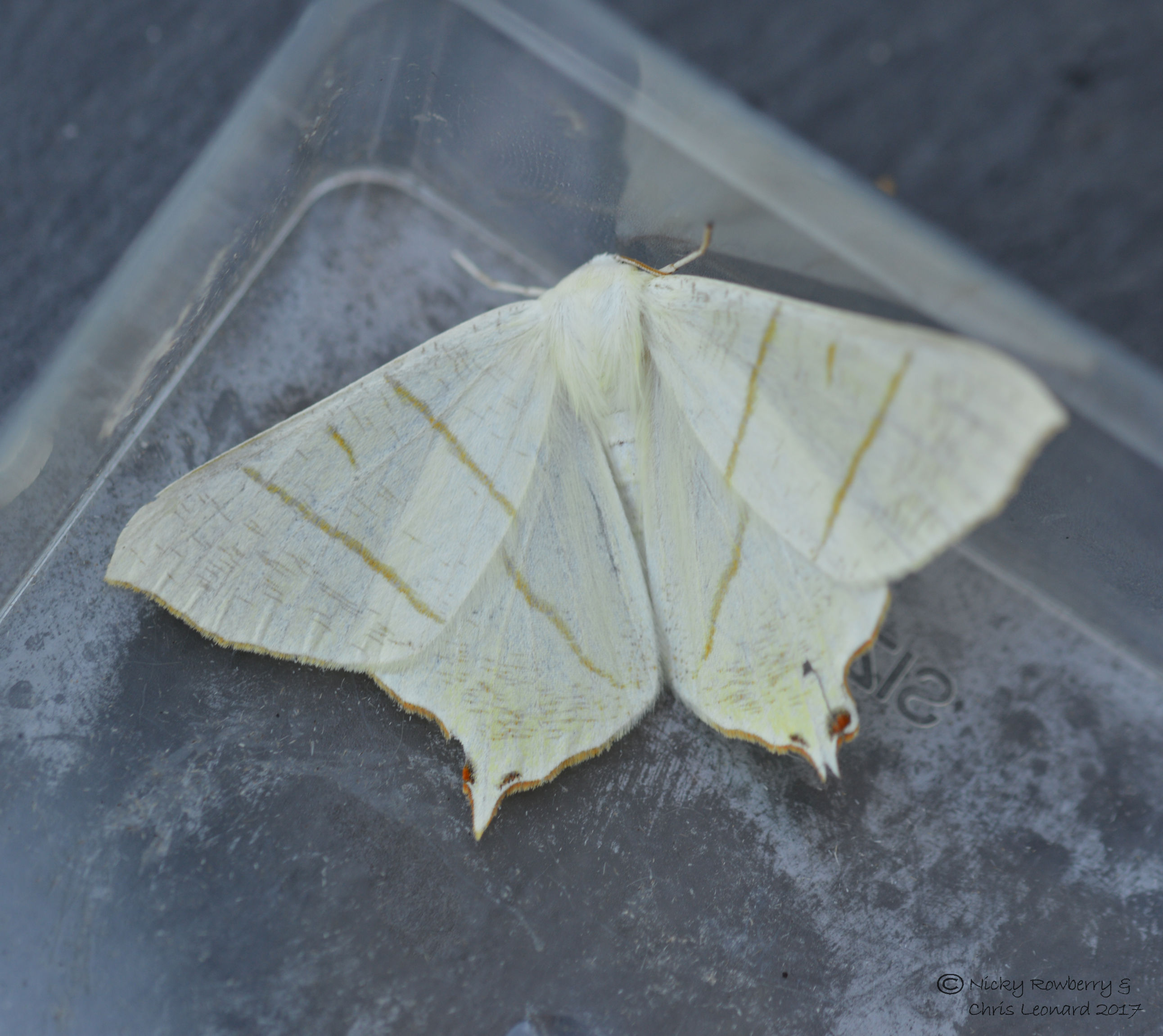
So that left the moth trap to deliver the goods for our nocturnal nature-fest. But even the moths were few and far between (maybe that was why there were no bats?) A few came while we were still sitting there, but refused to actually go in the trap. This pretty green Common Emerald fluttered about and two Swallowtail moths entertained us by flapping somewhat ungracefully around us for a while. One of the Swallowtails was even still there in the morning.

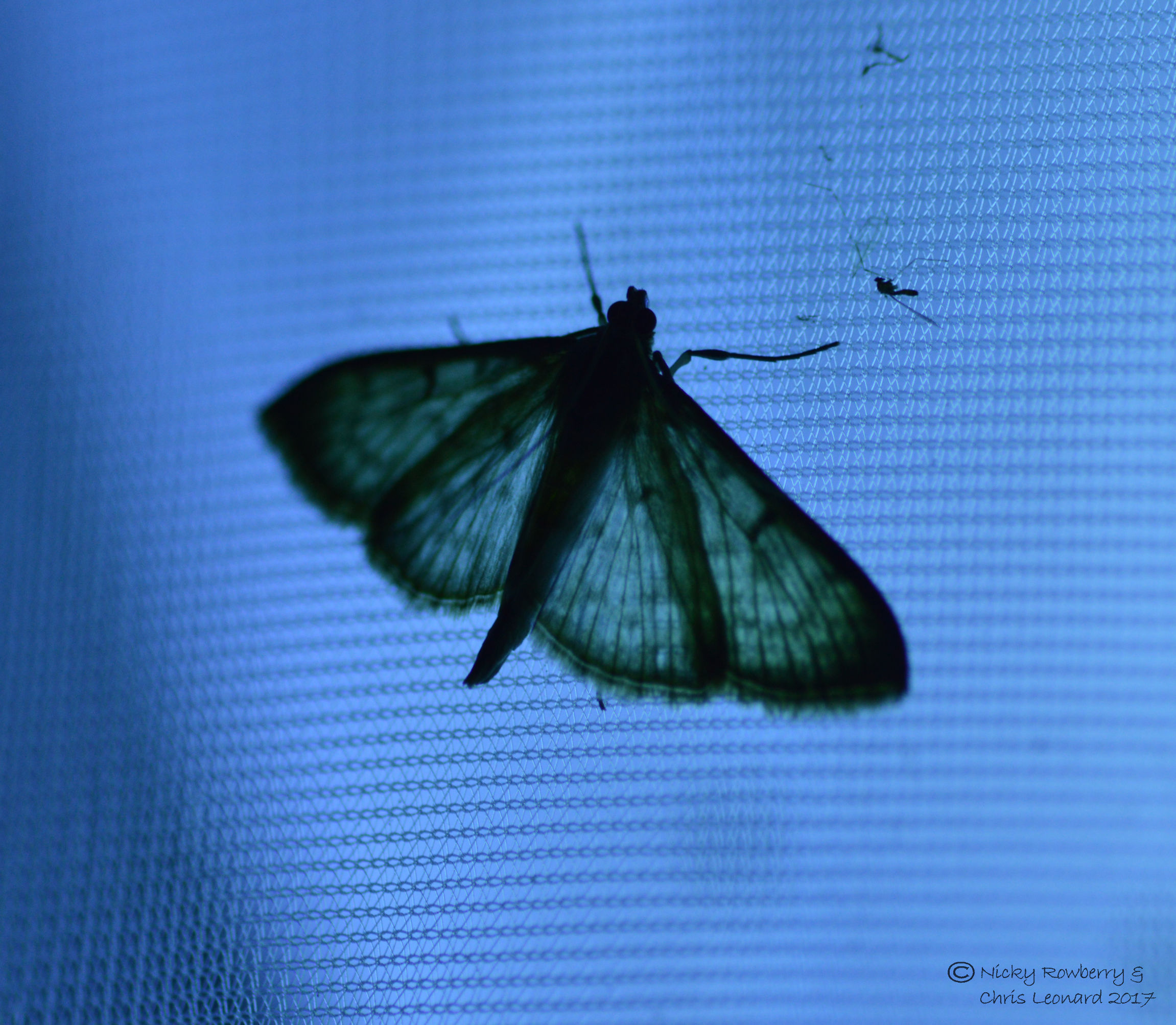
My first Mother of Pearl of the year sat on the outside of the trap but didn’t go in – hence the shadowy photo lit up by the blue bulb from the moth trap.

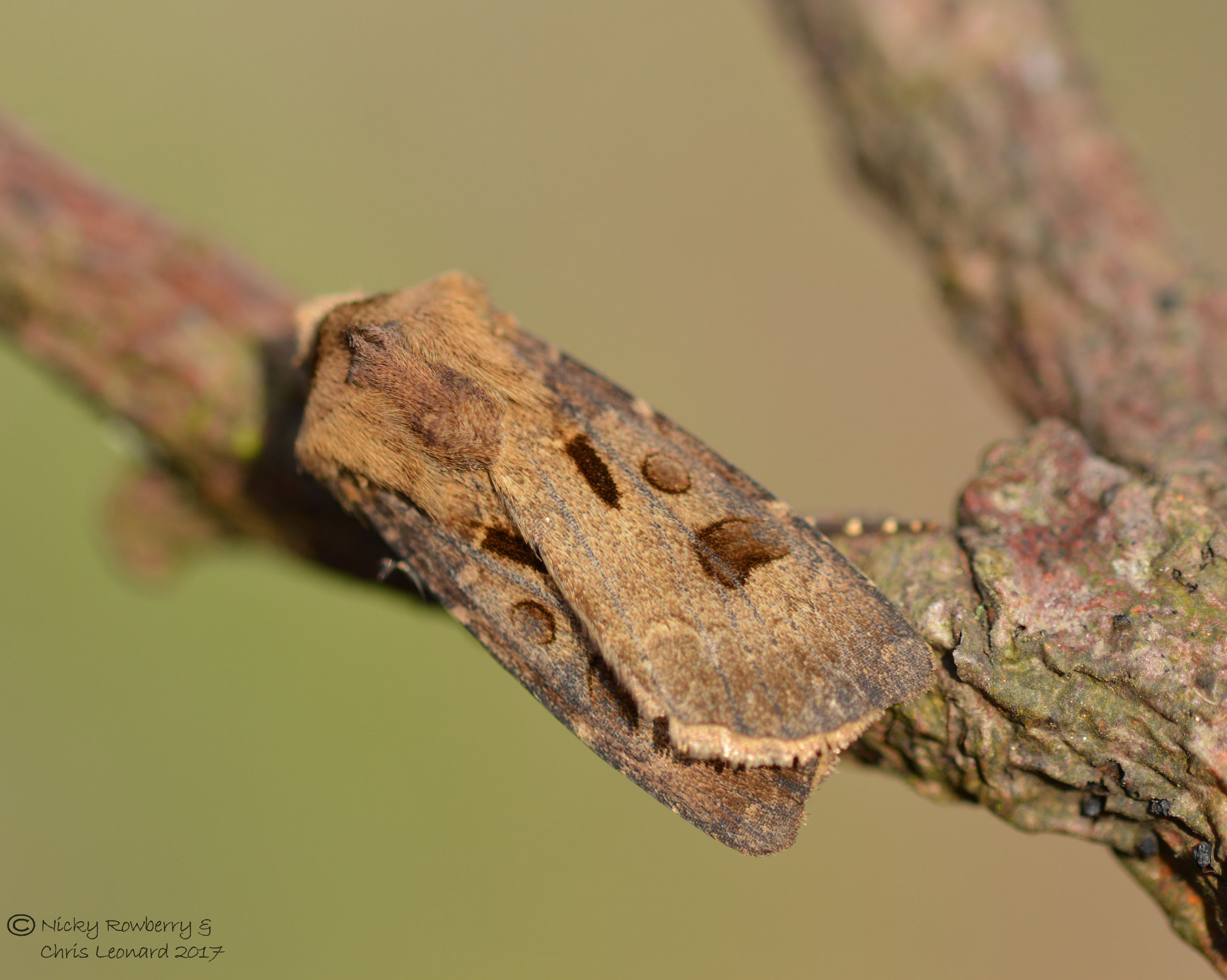
There were a few Heart & Darts and a couple of other species in the trap when I emptied it this morning. None made for great photos apart from this Garden Grass Veneer.

There was one final mothy visitor – our friend spotted movement in the bushes this morning and found a Common Footman.

So our nocturnal safari of wildlife round the garden didn’t quite go as planned – when do things ever? But it didn’t matter at all. We had a thoroughly enjoyable evening sitting out in the garden until all hours, making the most of just being outside.

So that would have been the end of the blog post for Day 30, except that this morning as we photographed the last of the moths, suddenly the garden filled with butterflies (maybe wanting to get in on the act as Day Moths?). We’ve had hardly any butterflies lately but today we had 7 species fly in all within the space of an hour or two.

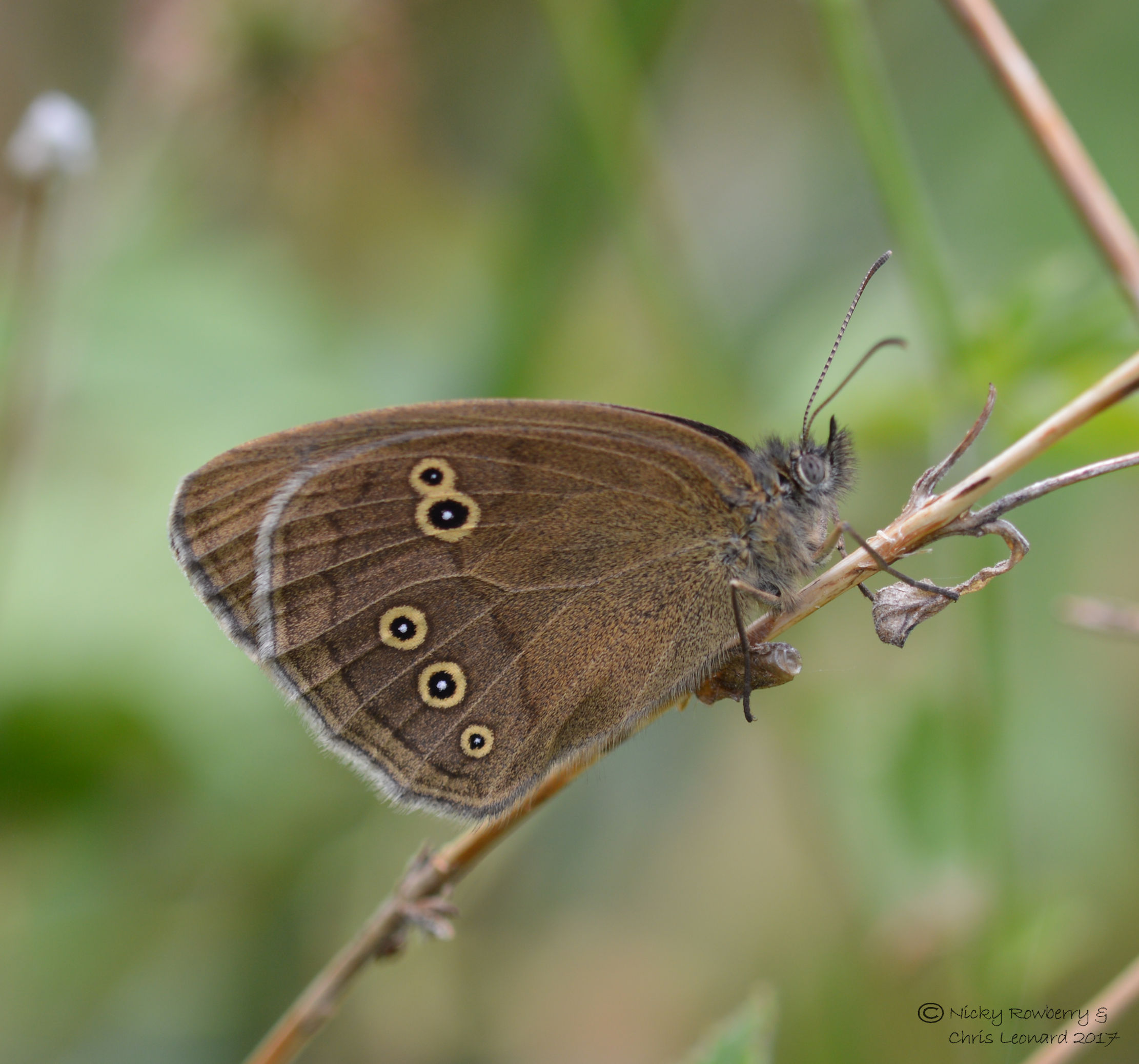
Every year we seem to get a pair of ringlets and sure enough they turned up today. One even chased off a Meadow Brown from his patch!

Then the first Red Admiral we’ve had for ages flew in and out, stopping to feed on the buddleia for a bit.

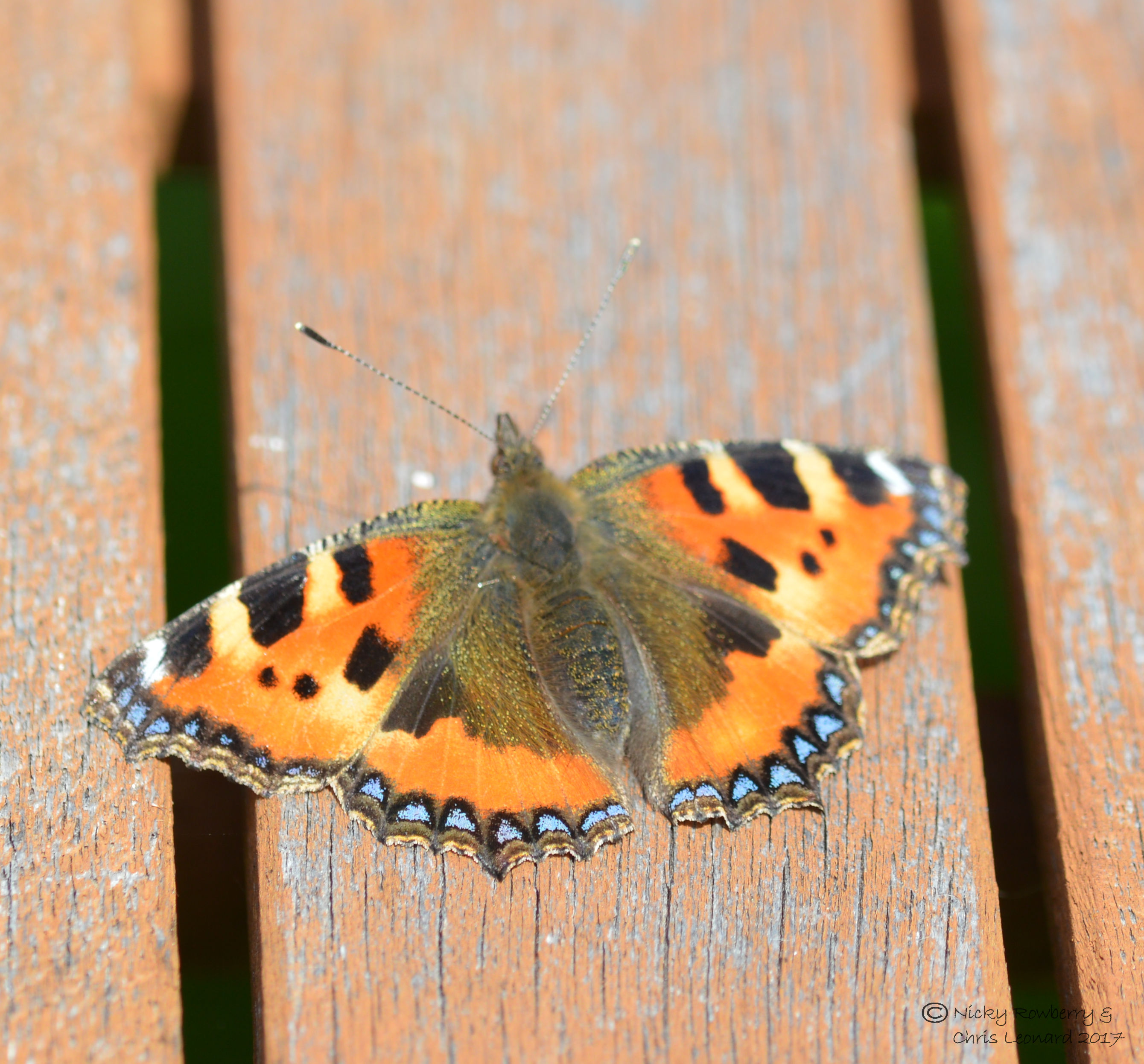
We also saw Large Whites, one Small White and a fleeting Comma. Two Small Tortoiseshells completed the day’s sightings. They fed on the buddleia (too high up for photos), the red valerian (waving about in the wind too much for decent photos) and thankfully one settled on the stationary table for an easy photo.

So it would have seemed rude not to include the day flyers with our night time ones. So what if it extended 30 Days Wild by a few hours – why wouldn’t you want to do that? In fact why wouldn’t you want to go a bit wild and get a bit of nature into your life every day? Stay Wild!

30 Days Wild – Day 22 – Summer Moths

It’s Day 22 of 30 Days Wild and by the time I got home from work (via the allotment to pick yet more raspberries and blackcurrants!), it was a bit late to get out and about to do something wild. So for today’s act of wildness, I decided to do a much needed update and review of this year’s moth records. I’ve been so busy with other things, that I’ve not updated my spreadsheets for the Garden Moth Scheme and I’ve still got loads of photos taken but not identified. So sitting on the sofa with the laptop may not be the conventional idea of wild, but anyone who knows me, will know how much I love my moths – so I think I can get away with this as my nature fix for the day.
So far this year I’m just short of 100 species; this is about 10 less than the same time last year. It does feel like it’s been a generally quiet year for the moths, maybe because the weather hasn’t been great. The hot weather this last week though has started to bring them out in numbers, so hopefully things will pick up. For the Garden Moth Scheme I have to trap at least once a week in the same spot in the garden and submit the results quarterly. No great hardship as I love doing this and often trap more than once a week (although I do like to give the moths a rest so they can go about their business most nights!)

Most of the moths have been the larger macro ones, but about 20% have been the micros. I’m not so good at identifying the micros – much harder usually because they are just so small. But some of them are easy and also really beautiful, like this pretty Small Magpie moth.

Moths come in all shapes and sizes – for some reason the most striking ones tend to be the less common in our trap. The current most numerous visitor is the Heart and Dart – a relatively plain moth apart from its dark markings that are supposed to look not surprisingly like a heart and dart. There is a 3rd blob, but I guess calling it the Heart and Dart and Blob would be a bit much!

They also come in all sorts of colours; this one is an Orange Footman

and this one is a Ruby Tiger. If these ones are really fresh specimens and the light catches them right, they really do look bright red.

The rubies are not the only tigers I’ve had recently, these 3 Scarlet Tigers turned up in the trap a couple of days ago. They are supposed to be day flying moths and we have occasionally seen a group of them flying round the garden in bright sunshine. These 3 also flew off soon after I photographed them. I think the “scarlet” bit comes from their underwings, which you can just about glimpse peaking out from under the black upper wings.

Another favourite that turned up in the last week was this exotic looking Swallowtail moth. These are large moths with thin, delicate wings that seem to flap slowly, although they put on a fair turn of speed when they are trying to escape me and my camera!

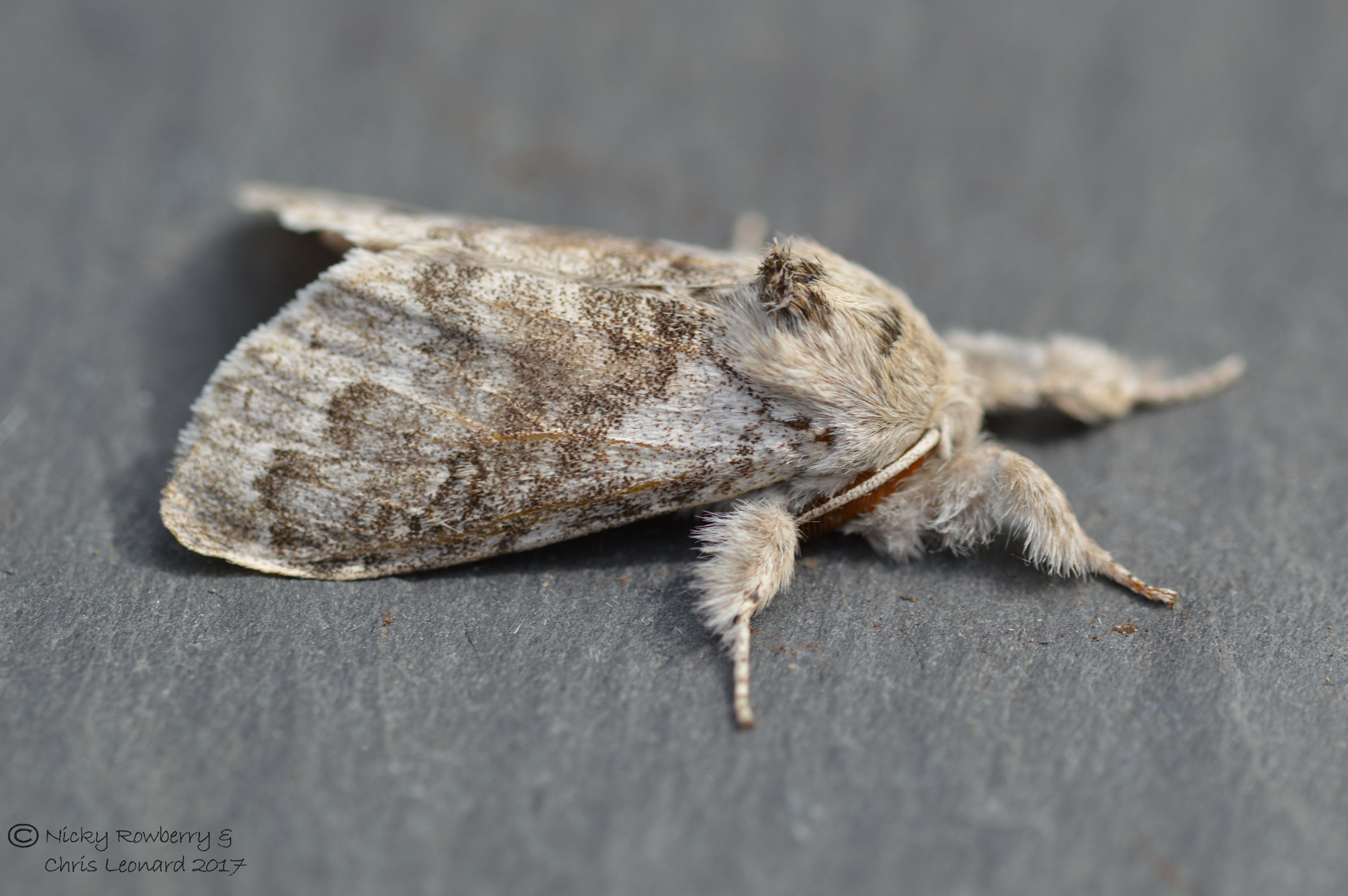
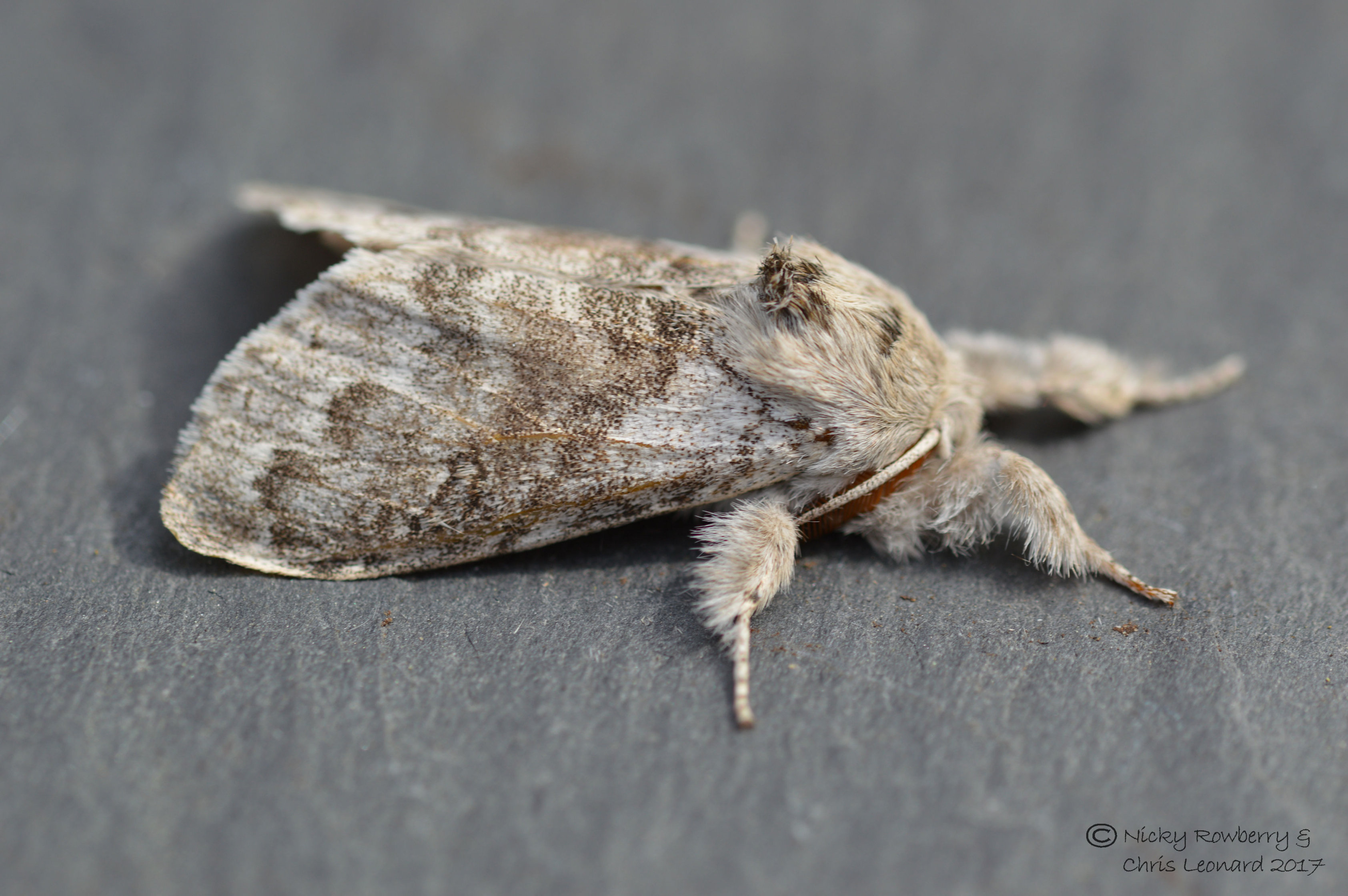
With a completely different body form is this Pale Tussock moth, with its furry legs sticking out in front in characteristic pose. This species is generally much less flighty and happy to pose for photographs.

I’ve had a couple of “new for the garden” species (or NFG as us mothy nerds call them) this year. I was thrilled to get this Ghost Moth a few weeks ago.

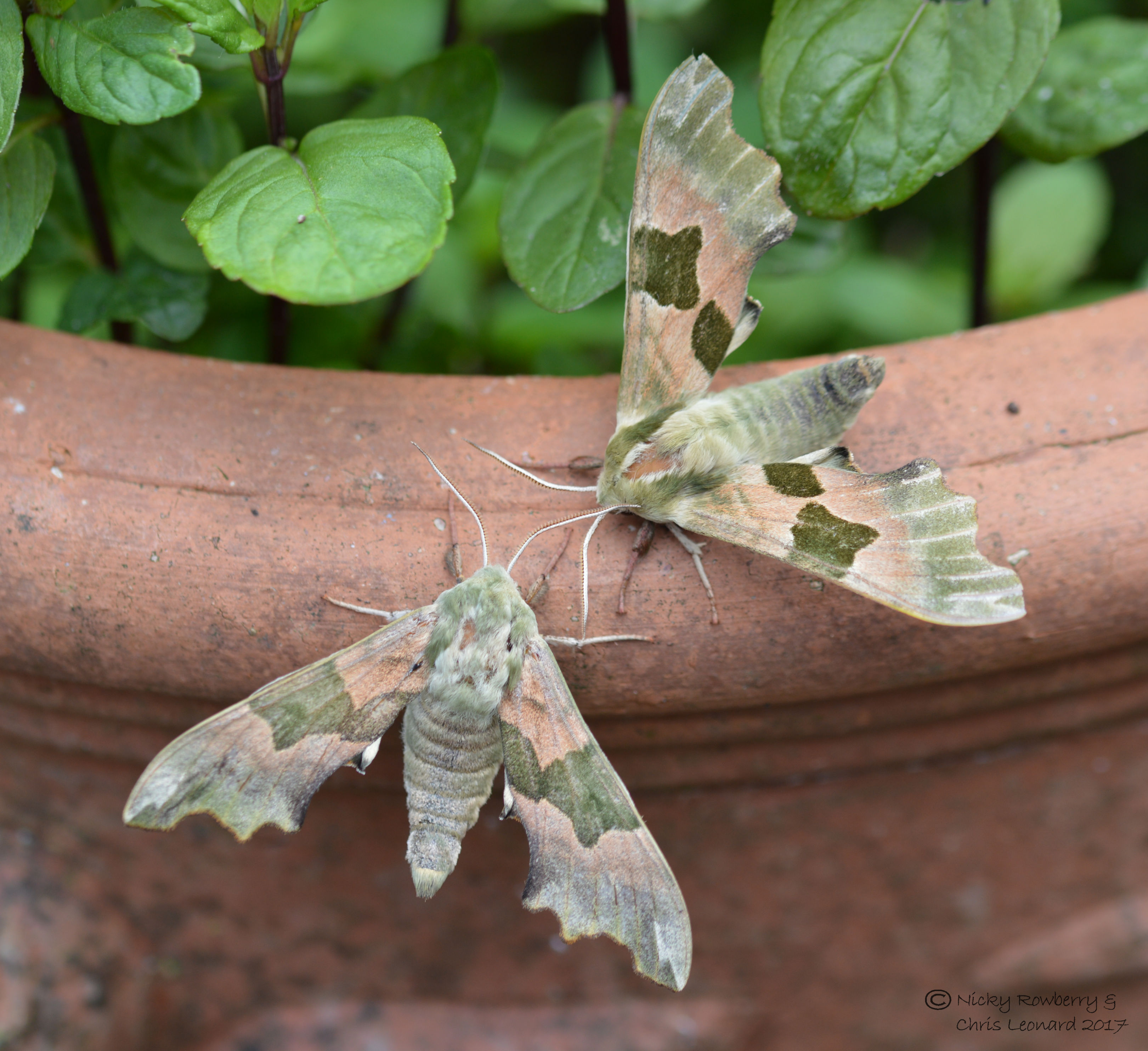
I was really excited to see a Hummingbird Hawkmoth on the red valerian flowers a couple of weeks ago – needless to say it wouldn’t stop for a photo shoot. These 2 Lime Hawkmoths were much more obliging and were also NFG.

I couldn’t do a mothy post without mentioning everyone’s favourite the bright pink Elephant Hawkmoth. Normally I’d post a photo, but I recently had a go at videoing one as it warmed up its wings – so here’s a short film instead.

Last year I got 211 species of moth, it would be lovely to top that this year, but I fear it might be a struggle. I’ve never made a definitive list of all the species I’ve ever recorded in the garden – some turn up one year only to never be seen again. I suspect the total list would therefore be much higher than 211. A project for a quiet winter night perhaps to tally them all up.

I love the surprise element of moth trapping. I never know what I’m going to get (if anything) when I open the trap in the morning. There’s always that sense of anticipation – maybe I’ll find something new, or an old favourite will appear. Until I started trapping, I had no idea of the diversity of moths we got in our average garden, I suspect most people are the same.

30 Days Wild – Day 20 – Chasing Admirals

It’s Day 20 of 30 Days Wild and the day started early and hot. I got up at the crack of dawn to empty the moth trap and the temperature had only dropped to 18.3C – at 4 o’clock in the morning! Not surprisingly it had been a great night for moths and the trap was stuffed with them including 7 elephant hawkmoths! Prize for me though were these 3 gorgeous Scarlet Tigers (hawkmoths were so last week!).

Next surprise was a racing or homing pigeon, which turned up outside the patio doors, while I was planning what to do for the day. It had rings on its legs, which I presume would be traceable. It didn’t seem injured or unduly bothered and eventually flew off, although it returned in the afternoon.  If it reappears, I’ll maybe see how you go about reporting a stray homing pigeon.

Anyway, clearly having learnt nothing about how hot it was from yesterday’s trip, I headed out again – this time to Monkwood Nature Reserve near Worcester. I went there a couple of years ago and saw my first ever White Admirals, so I hoped for a repeat performance.

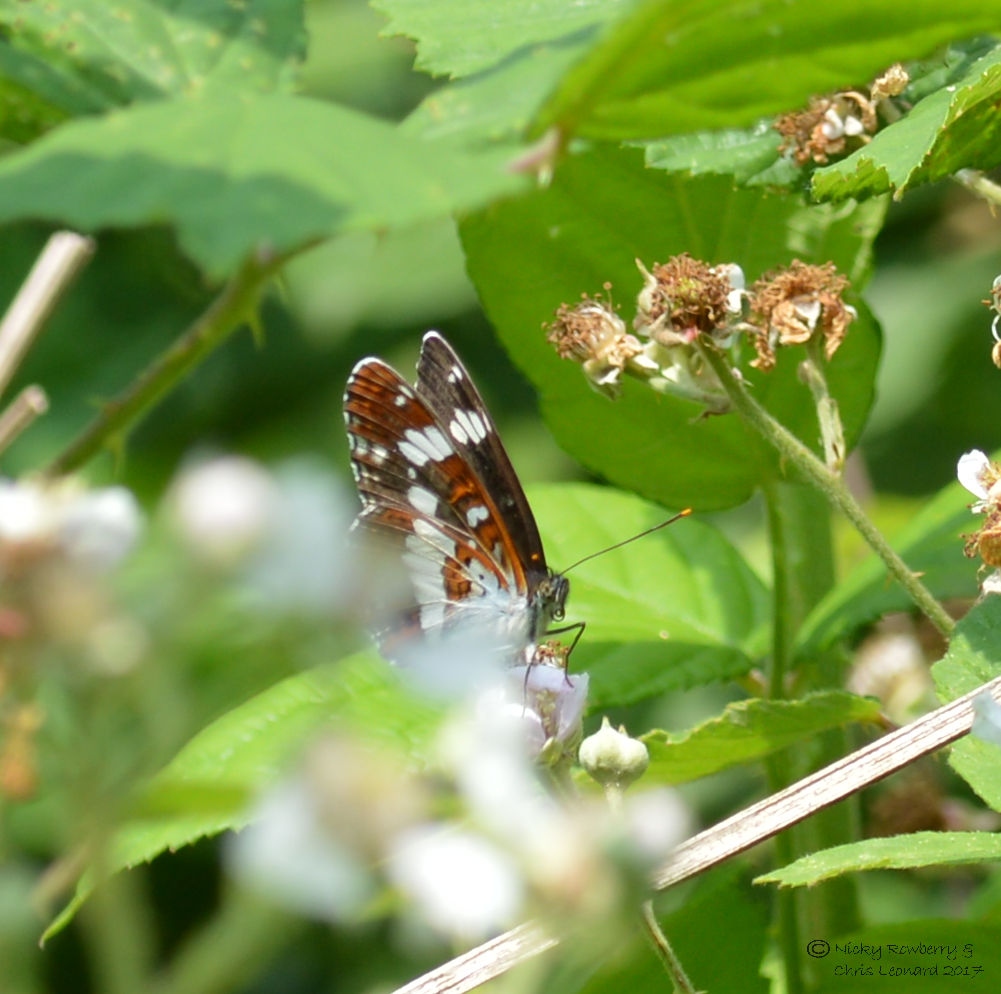
As on the previous trip I was amazed to spot some White Admirals as I got out of the car. There were a couple flying high in the trees around the carpark, too far away to get a photo though – this turned out to be how they behaved all morning. The butterflies of all species were very flighty in the heat (unlike myself!) The only White Admiral I saw land was this one, which flew off before I could get any closer.

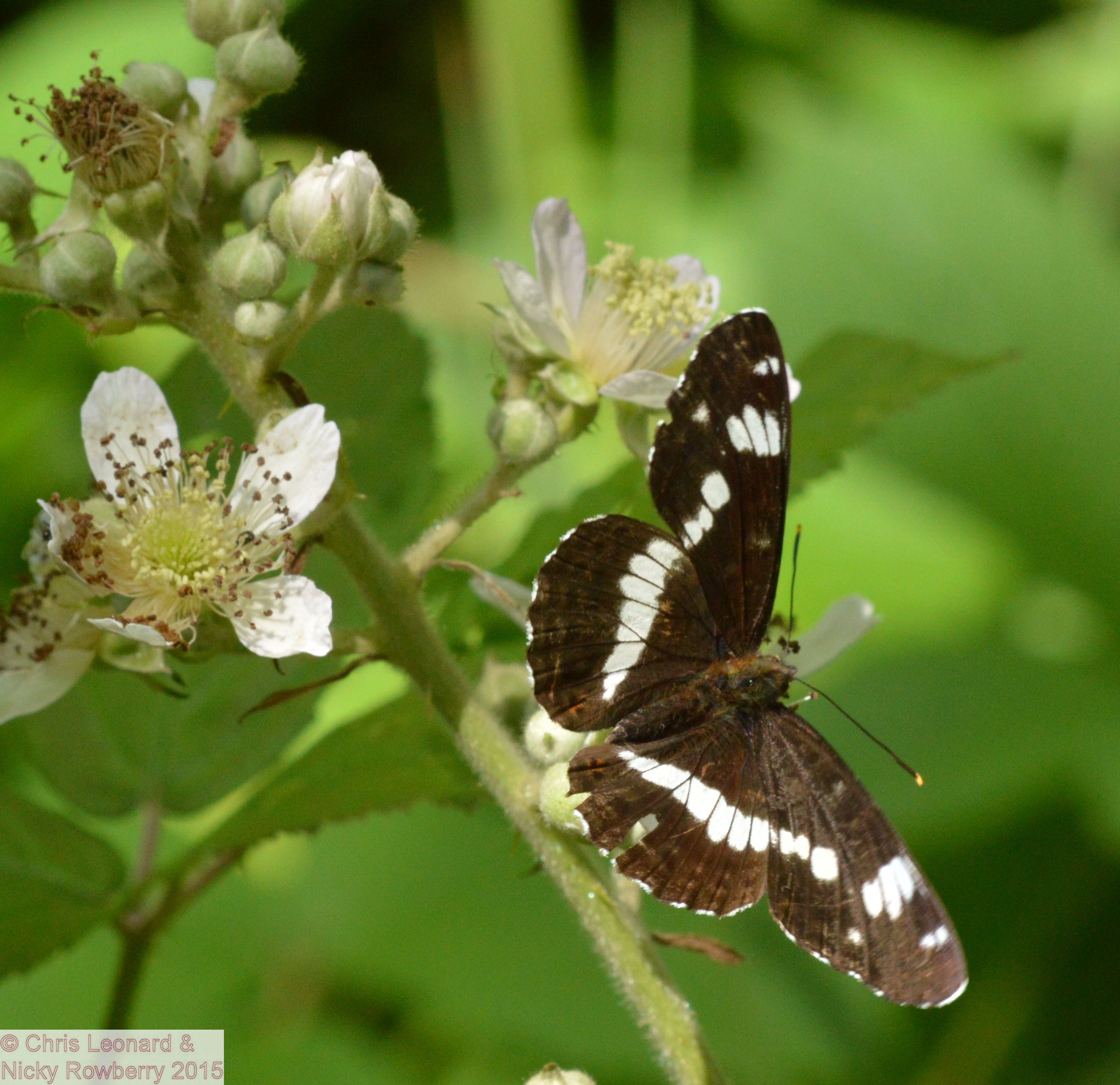
So in a kind of “this is what you could have won” way – here’s the photo I’d hoped to take – one from 2 years ago!

I had a bit more luck with a Red Admiral that landed delightfully on  a dog poo.

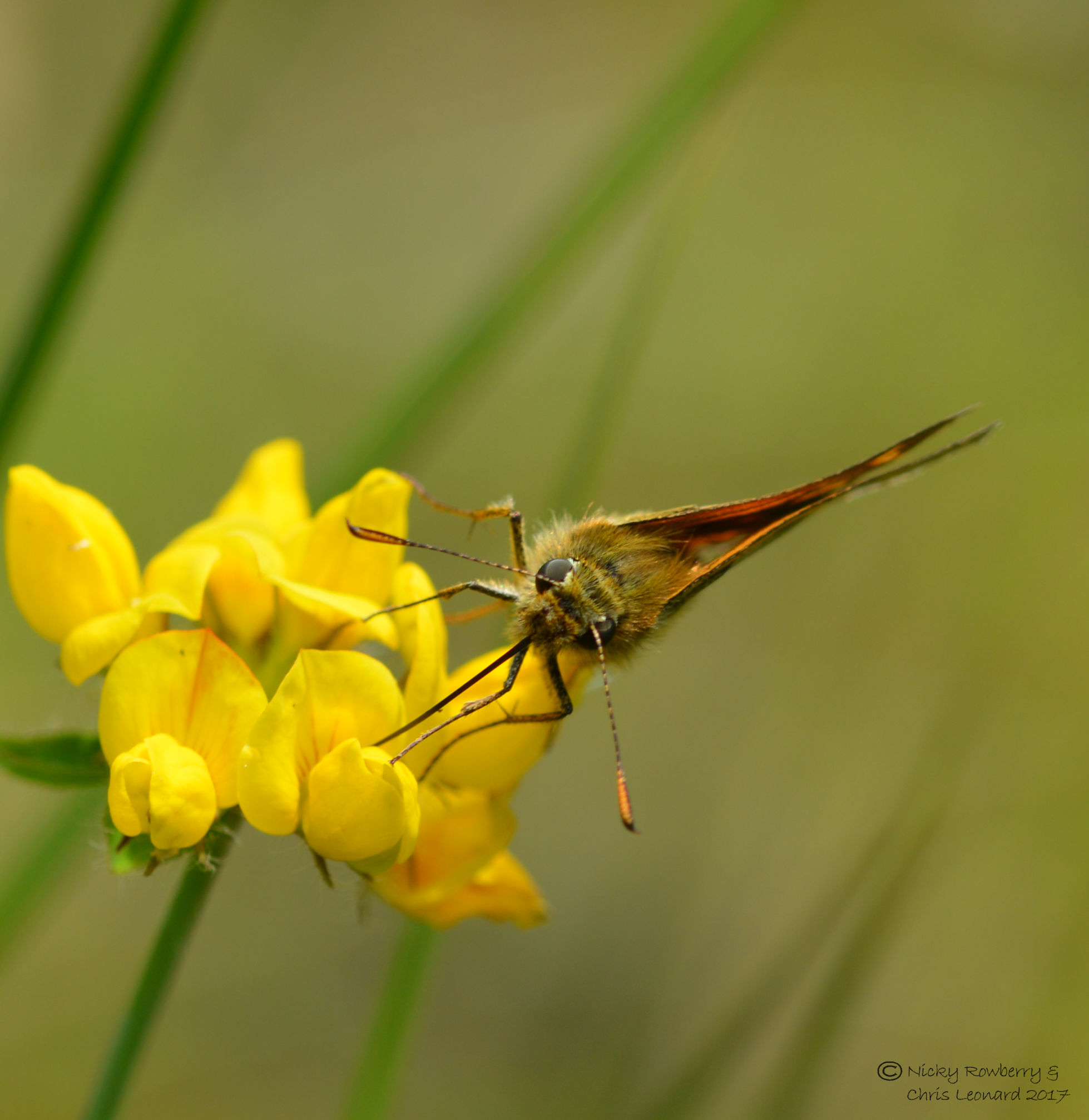
There were lots of Skippers about, I had thought I’d seen both Large and Small ones, but on examining the photos at home, I decided they were all Large ones.

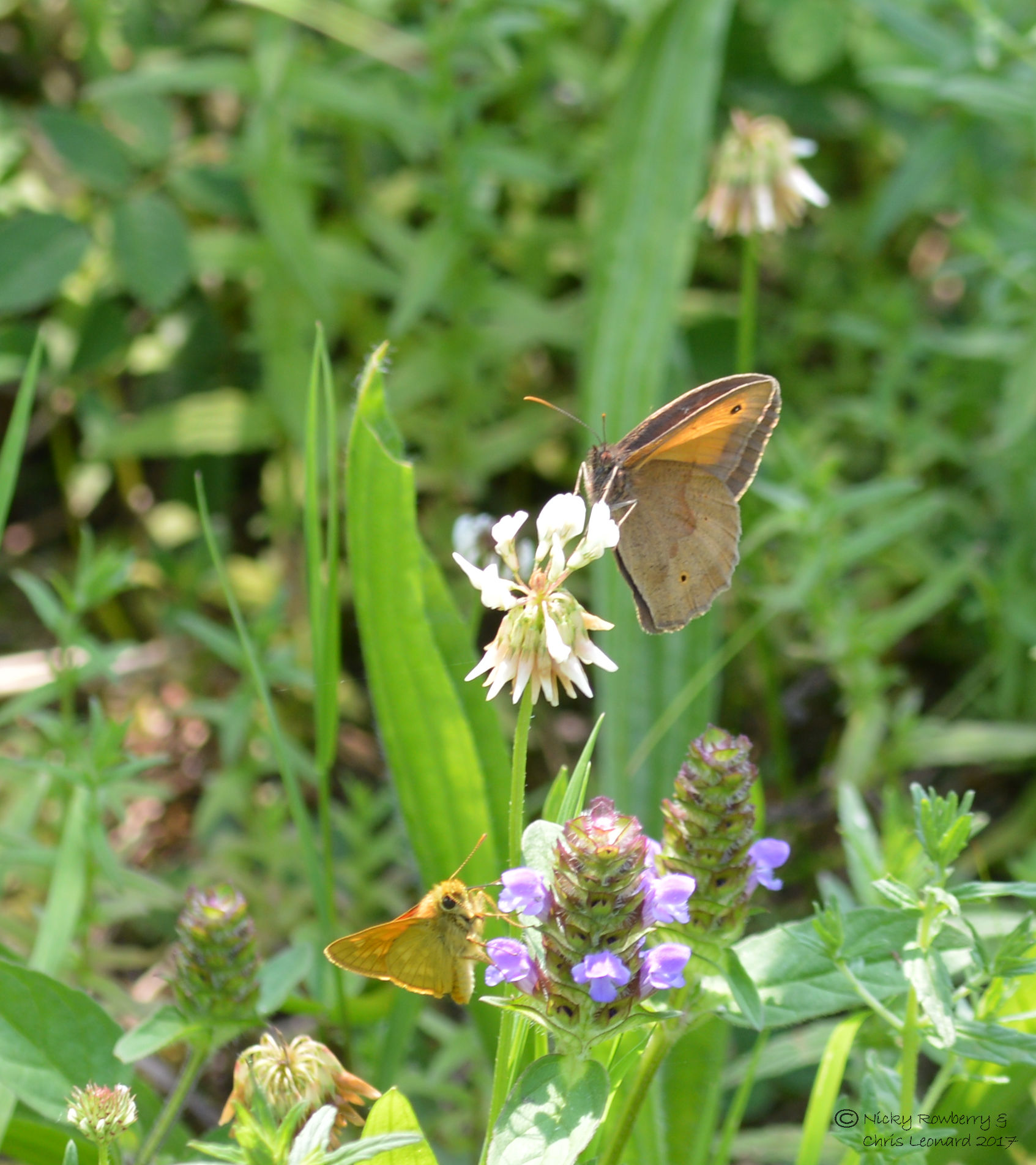
The skippers even photobombed my attempt at a Meadow Brown.

I saw several other species, none of which would stop for photos – Speckled Wood, Ringlet, Silver Washed Fritillary and Commas.

The guide book said to look out for the ponds and seeing as I seem to be getting a bit obsessed with dragonflies lately, I checked them out. They were full of dragonflies, but also lots of these adorable water boatman – flapping through the water with their built in paddles. Best spot of the day though was this Broad Bodied Chaser, which was hunting over a pond, but kept coming back to this twig to rest.

There was another large dragonfly buzzing over the pond. It refused to settle for a photo, but kept dipping its abdomen in the water – I can only assume it was a female laying eggs, but if anyone can correct me, please do. The best I could manage was one of my short shaky videos.

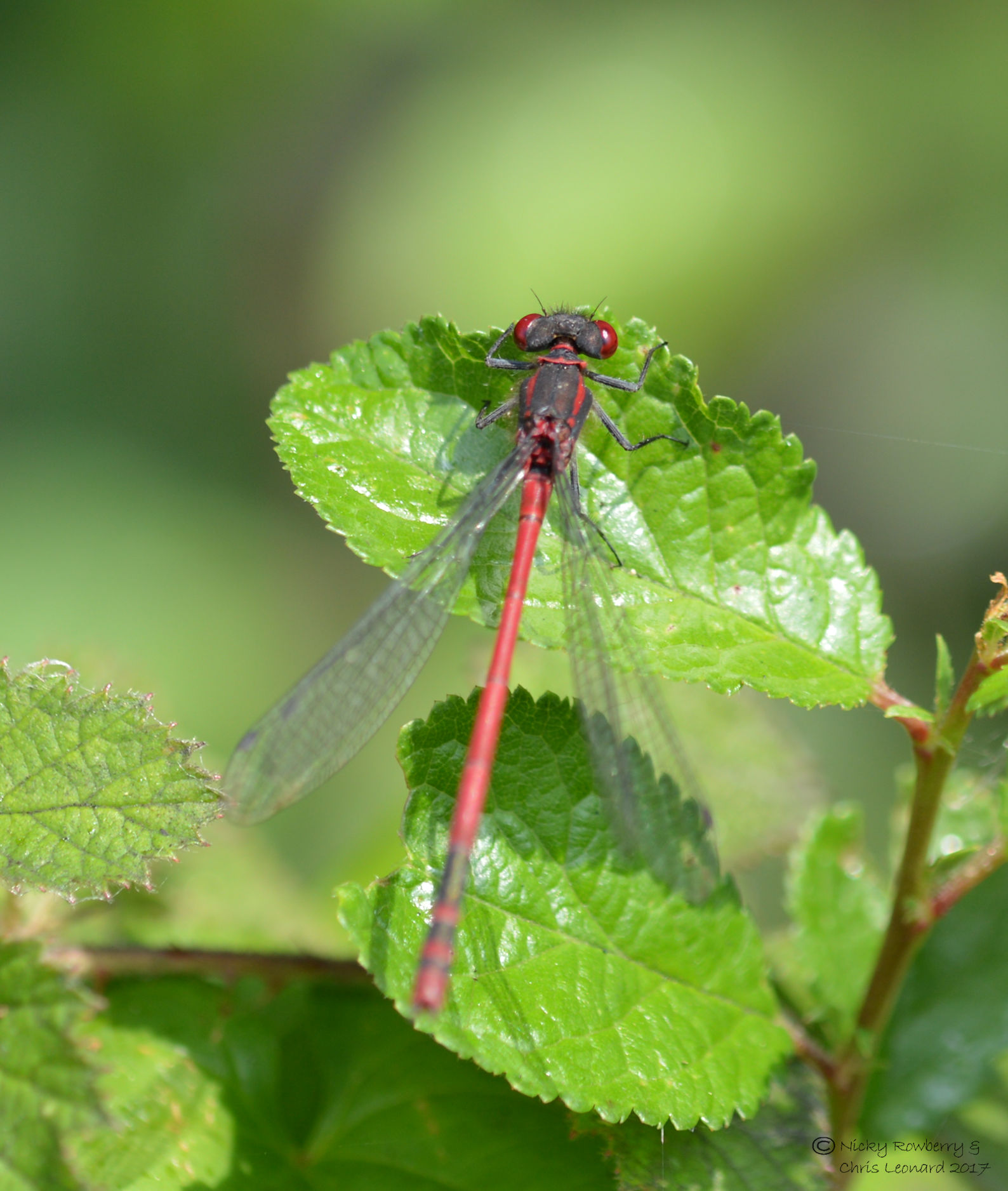
Final photo of the day is this Large Red Damselfly. I’d never realised before just how red their eyes are.

I could have spent longer in Monkwood and on a cooler day, I would have been happy to do so. It is a beautiful wood and full of butterflies; birds too no doubt if butterflies aren’t your bag! We are very lucky living in Malvern to have beautiful woods like this, the Wyre Forest, Grafton and Trench Wood, all within an hour’s drive.

30 Days Wild – Day 13 – Harvest Time


It’s Day 13 of 30 Days Wild and I really don’t know where the time has gone today! I haven’t ended up doing any of the things I intended to, but have done a few things on the spur of the moment instead. Nothing monumental, just a quiet, pottering kind of day.

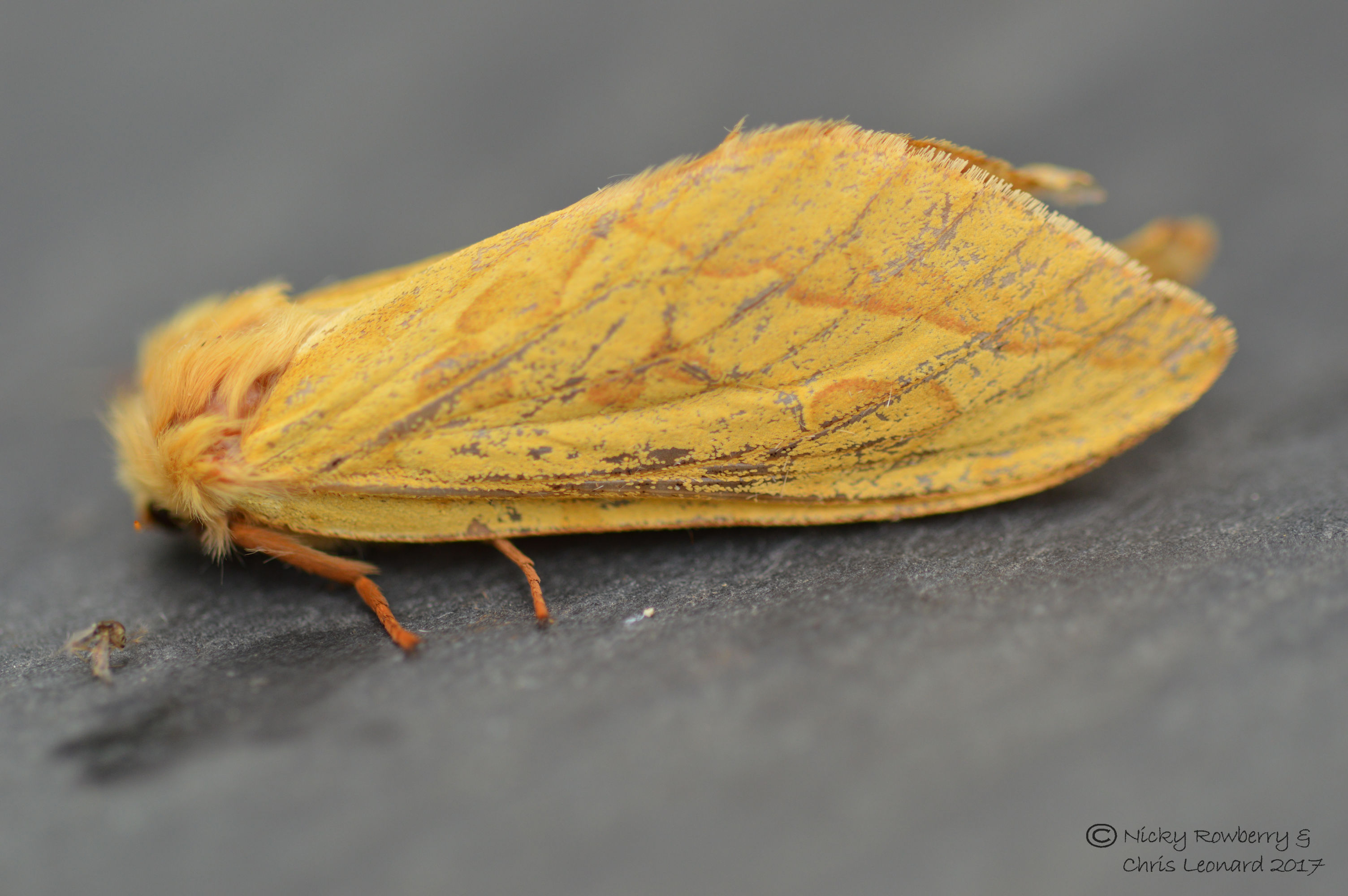
It started off well (albeit at 04:30 in the morning) when I found a Ghost Moth in the trap. I’ve wanted to find one of these for ages, especially after I saw a couple on a Wildlife Trust “moth breakfast” last year. This is also one of the few species where I can say with confidence that I’ve caught a female one. The females are yellow like this and the males are a more ghost like white (although they both have the same Trump-like yellow wig on the head!).

After that the day seemed to slow down a bit, partly due to a couple of trips to the vet with our elderly diabetic cat Bert (all well, just routine check up).  Hanging around waiting to pick Bert up again gave me time to finally get round to starting the elderflower champagne, with the now slightly elderly elderflower heads I’d picked last week. Many thanks to Christine Lucas for her recipe (https://redpanda08.wordpress.com/2017/06/07/30-days-wild-2017-week-1/) which I’ve tweeked only slightly because we happened to have an orange in the fridge! Fingers crossed it produces something resembling the stuff I remember from childhood.

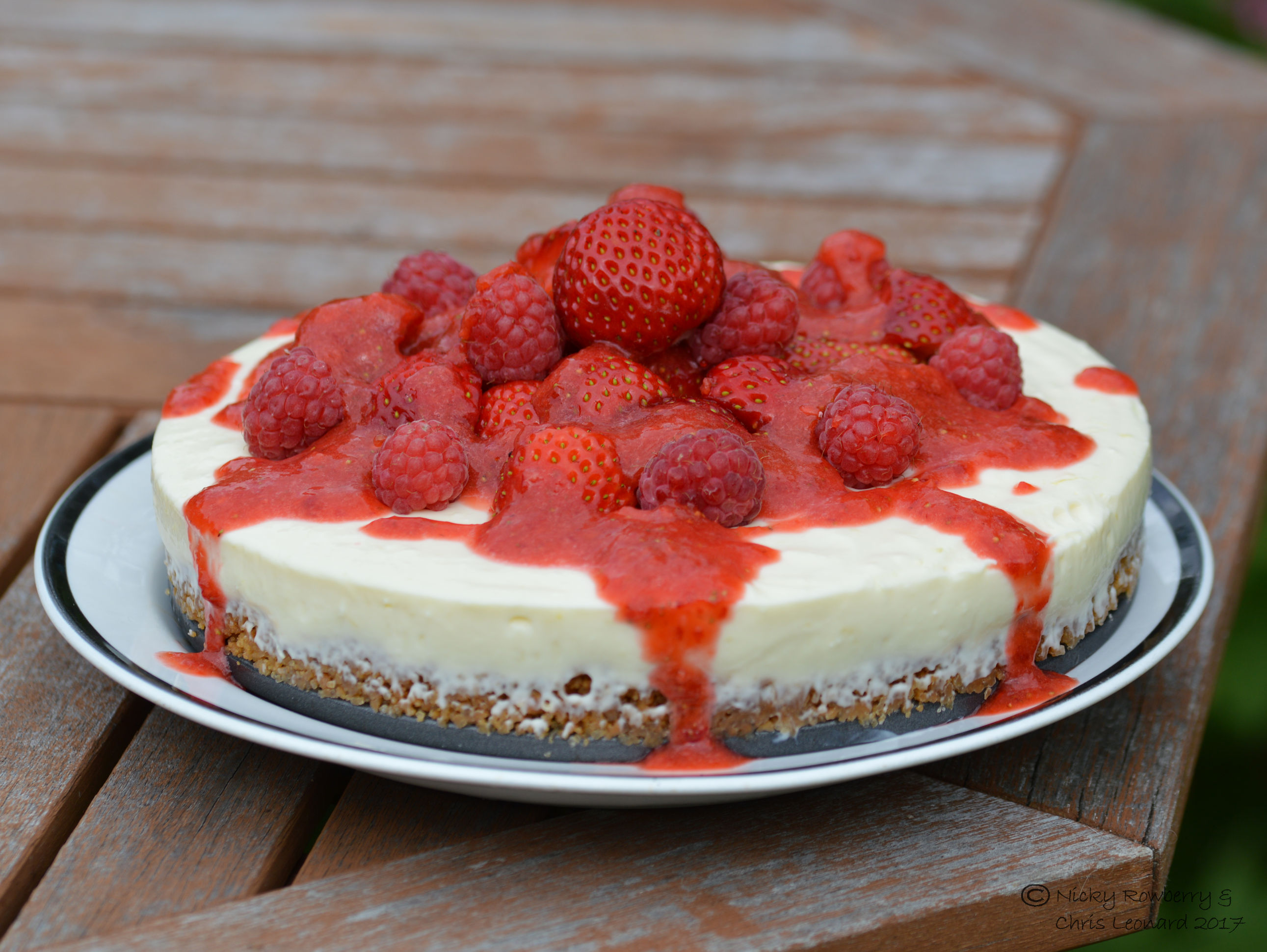
Feeling like I was on a roll, I checked the fridge to see what else needed using up. We’ve got a glut of strawberries & raspberries from the allotment at the moment and there’s only so many bowls of them you can eat just straight. So in a rare fit of baking enthusiasm (although this was actually a no-bake recipe) I made a strawberry cheesecake. There’s something really satisfying about making something with fruit you’ve not only picked but grown yourself! Although by the end of the summer when we’ve had strawberries every night, I might not be quite so enthusiastic about them!

Once Bert was safely back home, I headed down the allotment to do a bit of the never ending weeding. Things are really coming along down on the lottie now. Latest addition were these pak choi – I seem to be incapable of going into a garden centre (or in this case a certain well known DIY store) without coming out with more vegetable seedlings – hence the tub of these.

We’ve also got a couple of tubs of mixed salad leaves, grown from seed and doing remarkably well. No idea what any of it is, but there’s plenty so it’s a bowl of side salad again for dinner tonight!

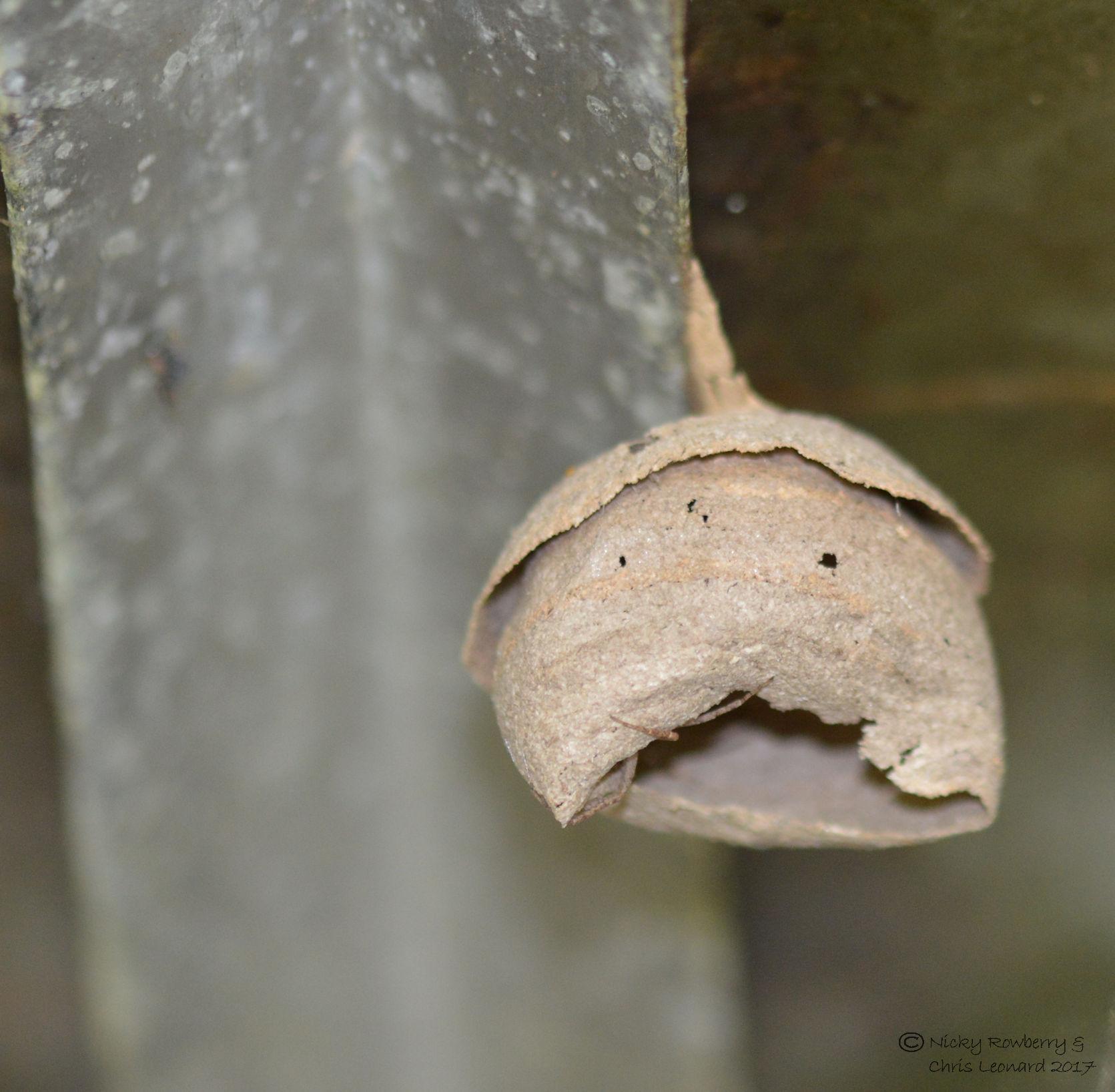
Back from the lottie and into the greenhouse to water the motley assortment of plants I’ve got in there. I spotted this wasp’s nest that has clearly been there some time, but for some reason I’ve never noticed it before.

If the weather’s still OK by the evening, I may manage to eat the salad and cheesecake outside, otherwise it’s dinner in front of Springwatch as usual! It may not have been the “wildest” of days, but spending a few hours in the fresh air pottering down the lottie and tinkering about in the kitchen using things I’ve picked myself, is a great way of recharging the batteries.


30 Days Wild – Day 4 – Garden Bioblitz Part 2

It’s day 4 of 30 Days Wild and I spent the morning taking more photos of the wildlife for our Garden Bioblitz. I’d started the bioblitz at about 09:30 yesterday, so I was trying to cram in as many more species as I could before 09:30 this morning. This wasn’t helped by the fact that my camera has packed in, so apologies for the lack of photos in this post.

The day started at 04:30 to beat the birds to the contents of the moth trap. I had hoped for a good haul to boost my species tally, but the trap was fairly quiet – possibly because it had been quite windy last night. Still there were some nice moths including a few of the beautiful and distinctive Angle Shades – virtually impossible to mistake these for anything else, which I like in a moth!


Star of the moth show was an Elephant Hawkmoth making a timely debut for the year in our garden. I’ll never tire of these stunning moths with their bright pink bodies. If you were to make a toy moth, I reckon this would be it.


I put a specimen of each moth in the fridge (it does no harm but keeps them calm until  you can photograph them) and went back to bed for a couple of hours. 8 o’clock though and I was back up photographing said moths, then scouring the garden for more wildlife. I hadn’t managed to photograph any birds yesterday, so I topped up the feeders and waited expectantly to see what would show up. As usual the sparrows were the first to show, landing on last year’s teasels to check things out before heading to the bird table.


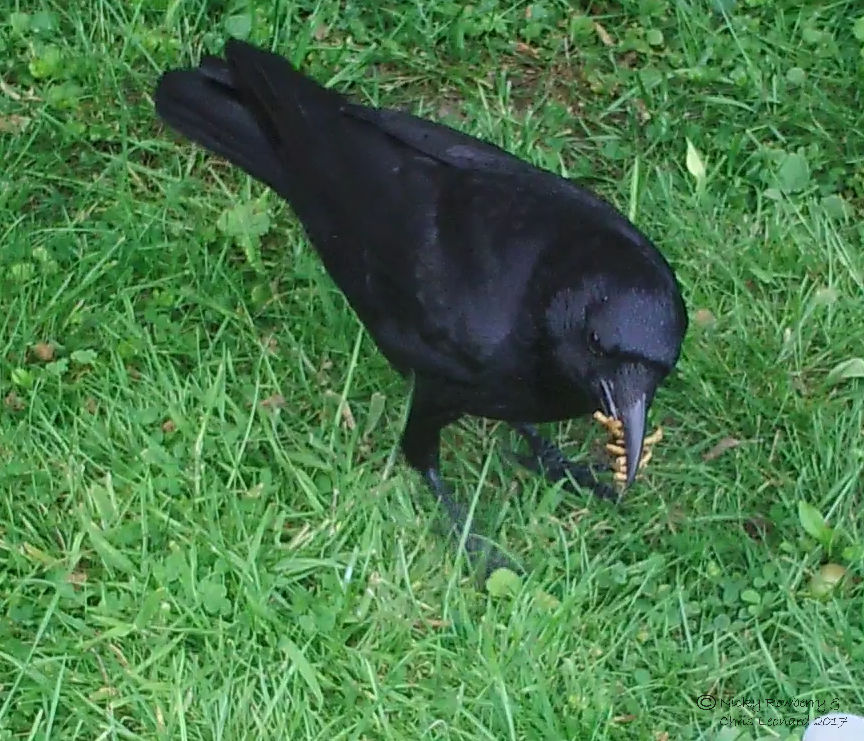
The starlings and jackdaws came next, followed by the blackbirds and pigeons. There were several no shows for birds that normally frequent the garden – no sign of the robin, wren, collared doves, great tits or gold finches. A blue tit just appeared in the last minutes to scrape into the bioblitz total. For the last few days I’d been seeing a big black bird, bigger then the jackdaws, so was disappointed initially when it didn’t show for the camera. But then I downloaded the trail camera which had been running for the last couple of days and there he was – a carrion crow.

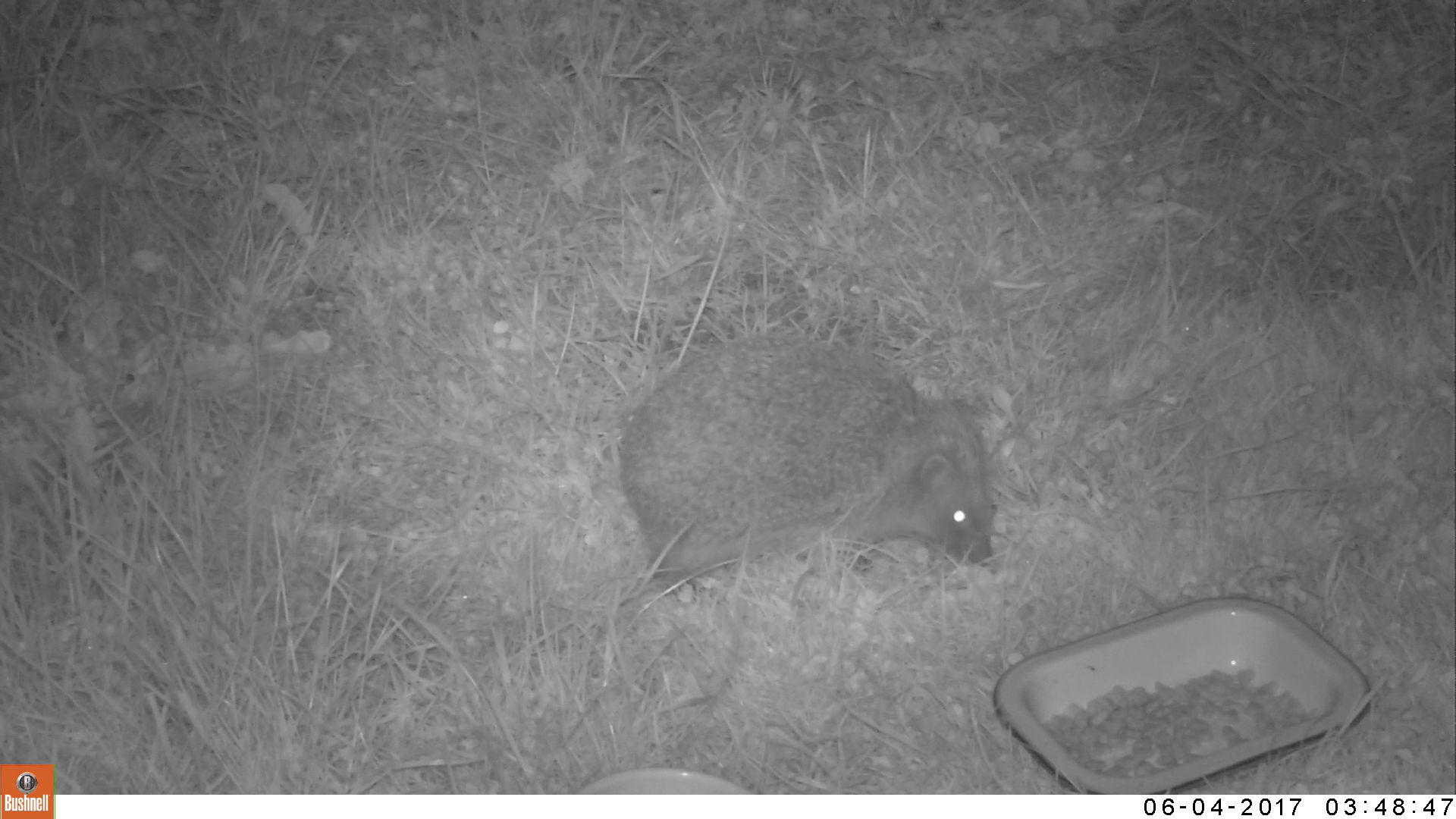
The trail cam also picked up a couple of hedgehogs – one of which looks like our old foster hedgehog Meadow – i.e. it was a big chunky looking hog!

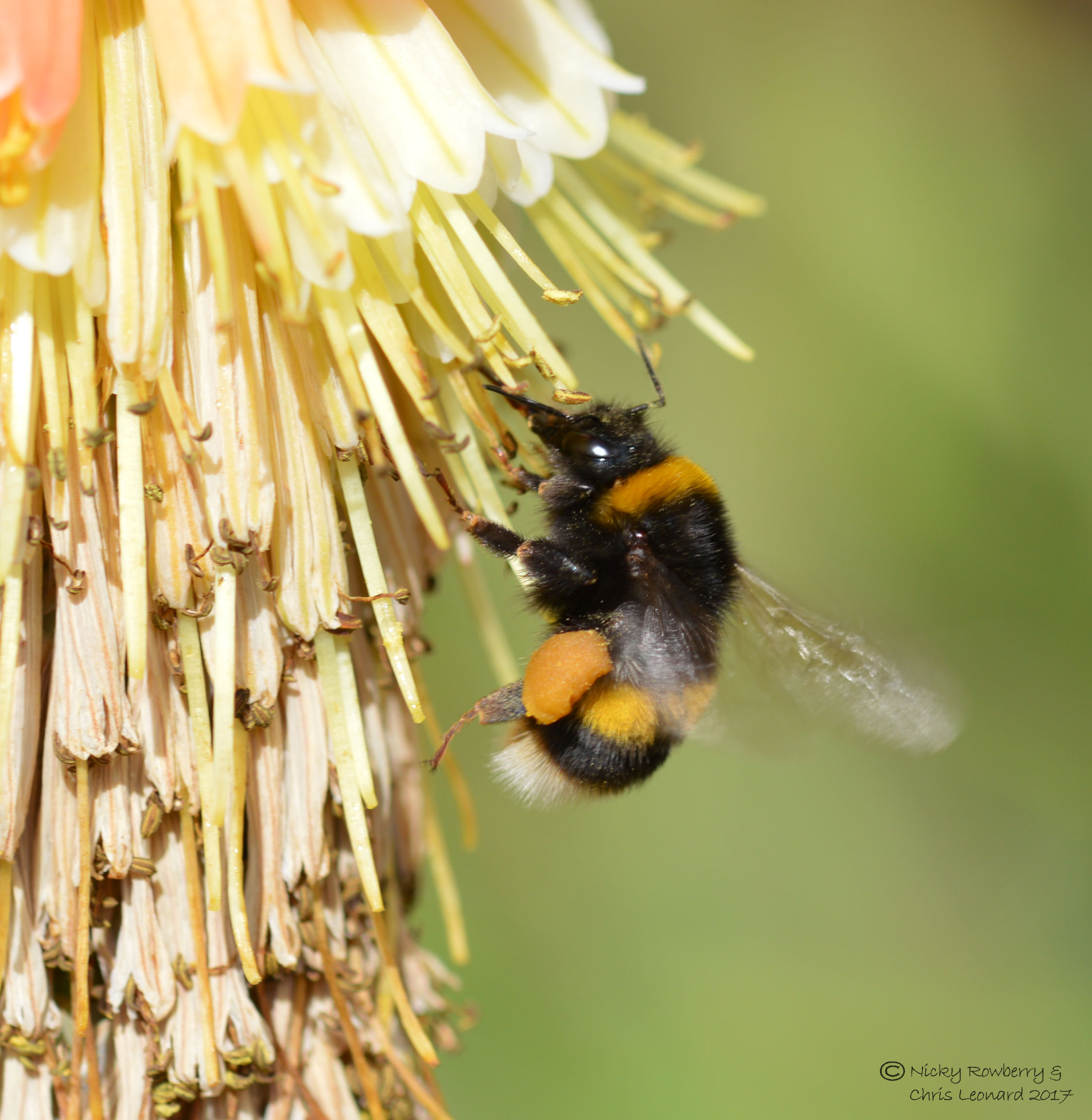
There were of course bees in the garden, although being a busy bee myself chasing everything else around I didn’t actually manage to get that many photos of them. But here’s one of my favourites – a Buff-tailed Bumblebee.


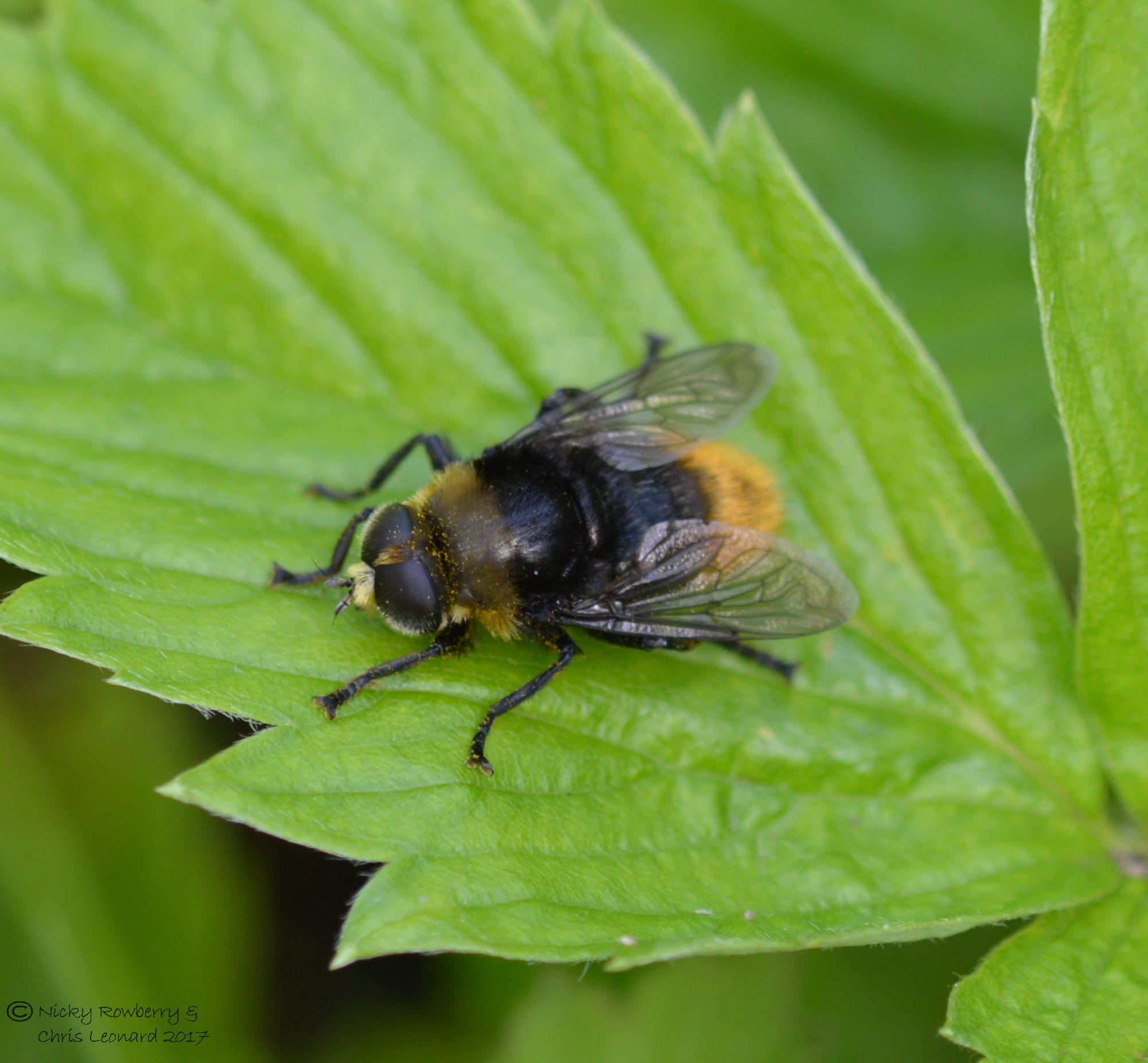
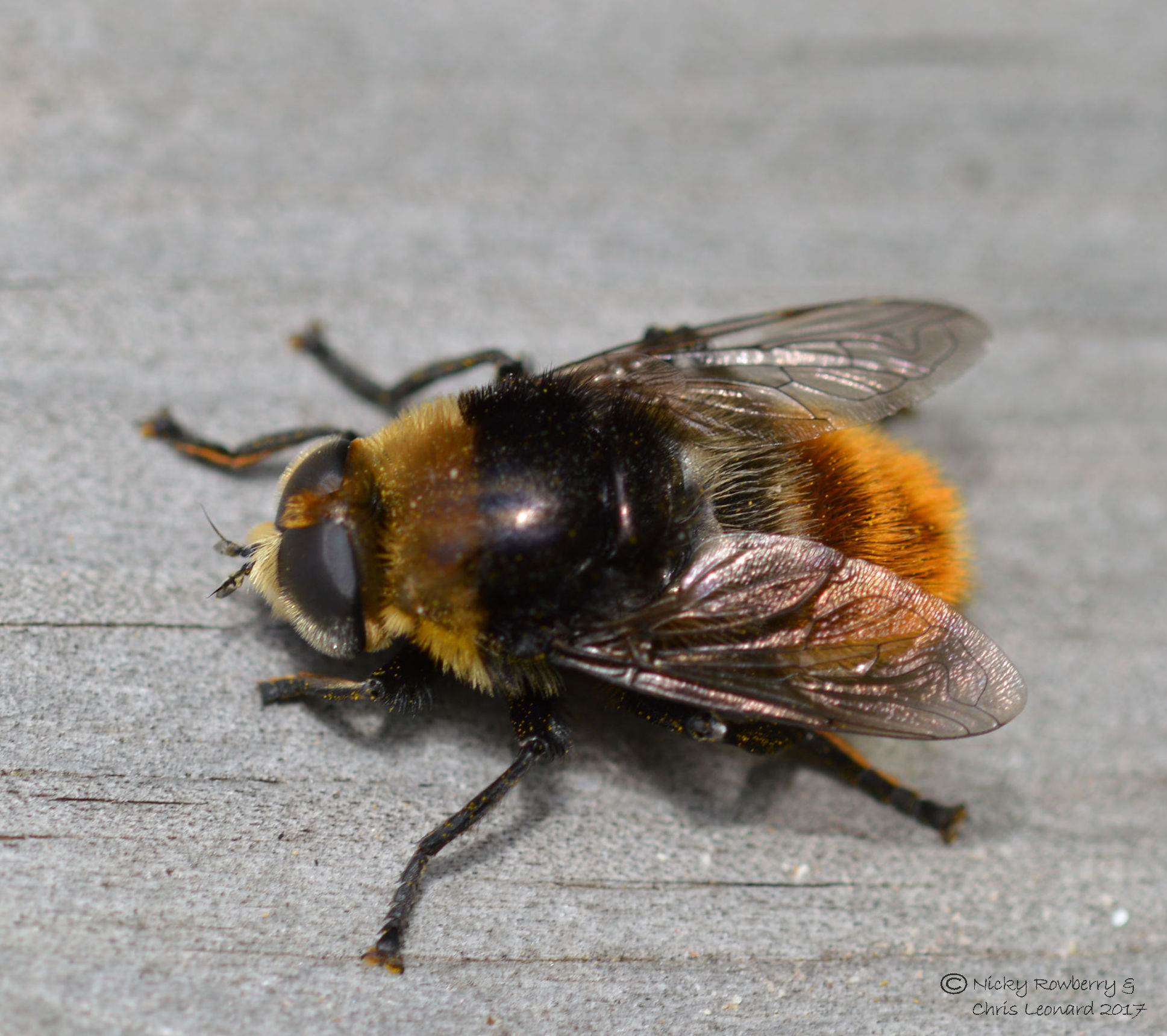
There was also this bumblebee mimicking hoverfly (Merodon equestris).

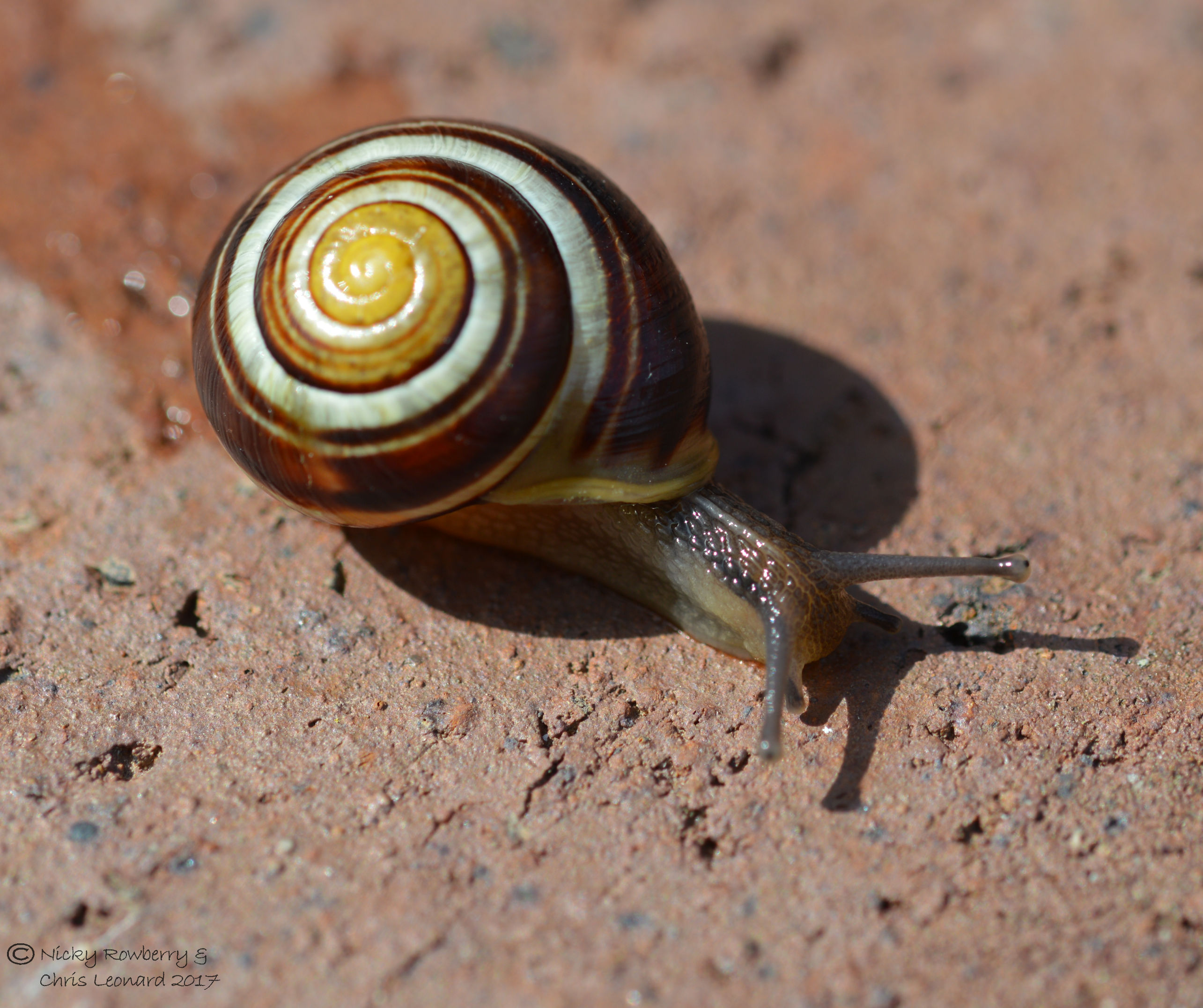
Our snails were also being sneeky and hiding away over the last 24 hours – several species that I know we get refused to show. Fortunately both the White Lipped (photo below) and a Brown Lipped appeared out of the Pendulous Sedge to get their photos taken.


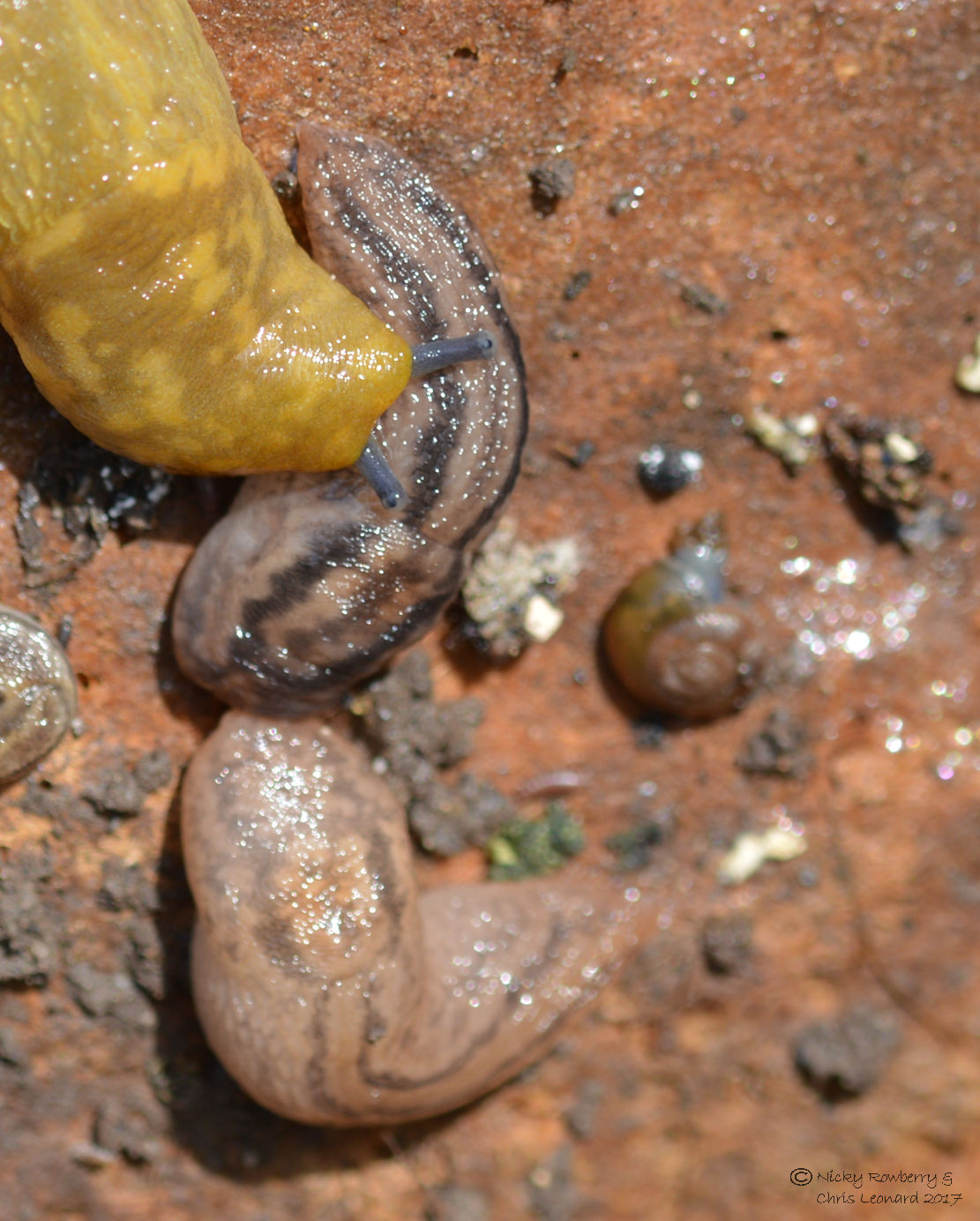
I also found three species of slug including this large yellow one and the stripy ones which I think are Iberian slugs.

I spotted this tiny nymph of the Speckled Bush Cricket, when I saw its antennae poking over the edge of a buttercup. Unfortunately the buttercup was blowing about in the wind a bit – hence the less than perfect focussing!

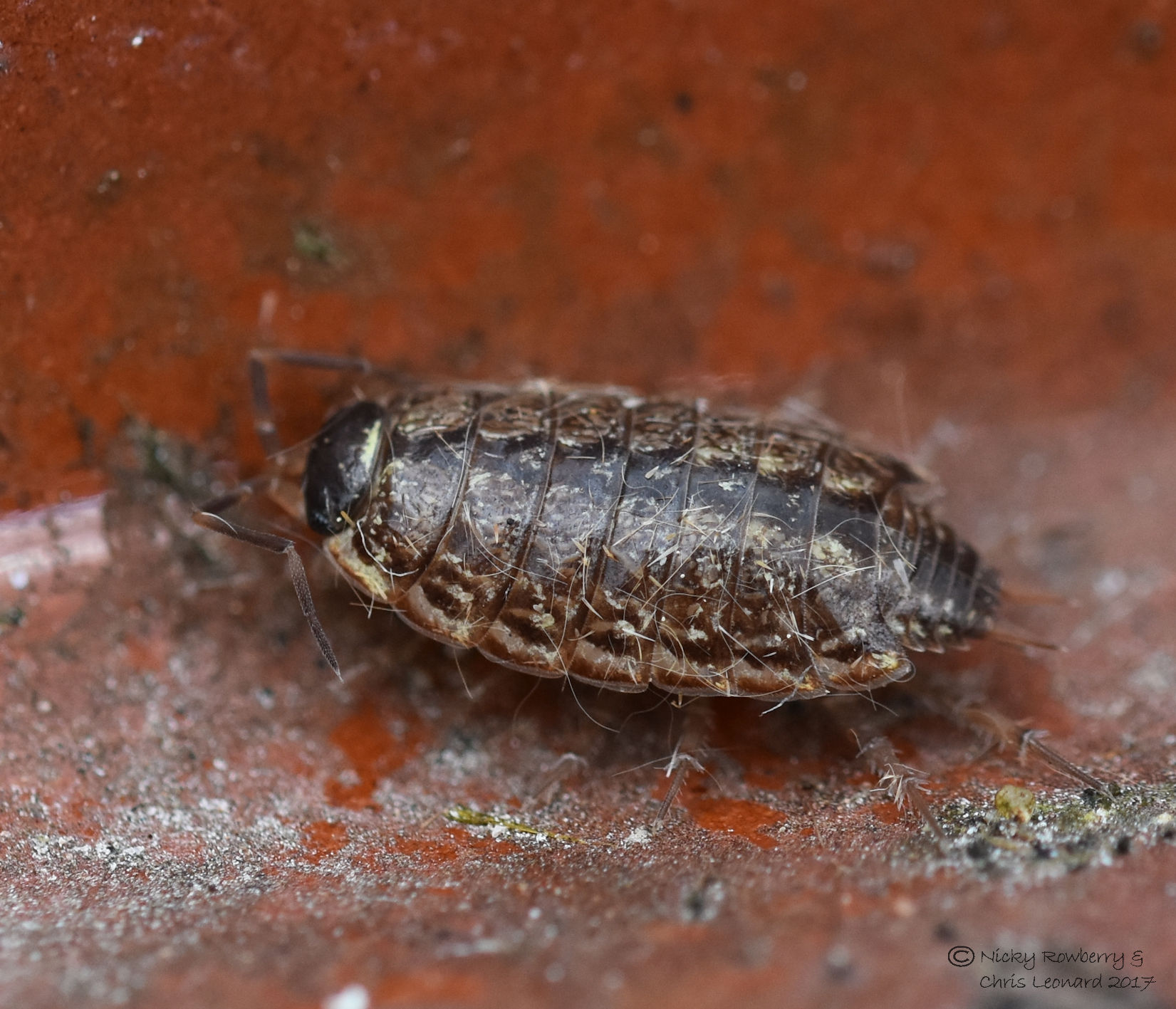
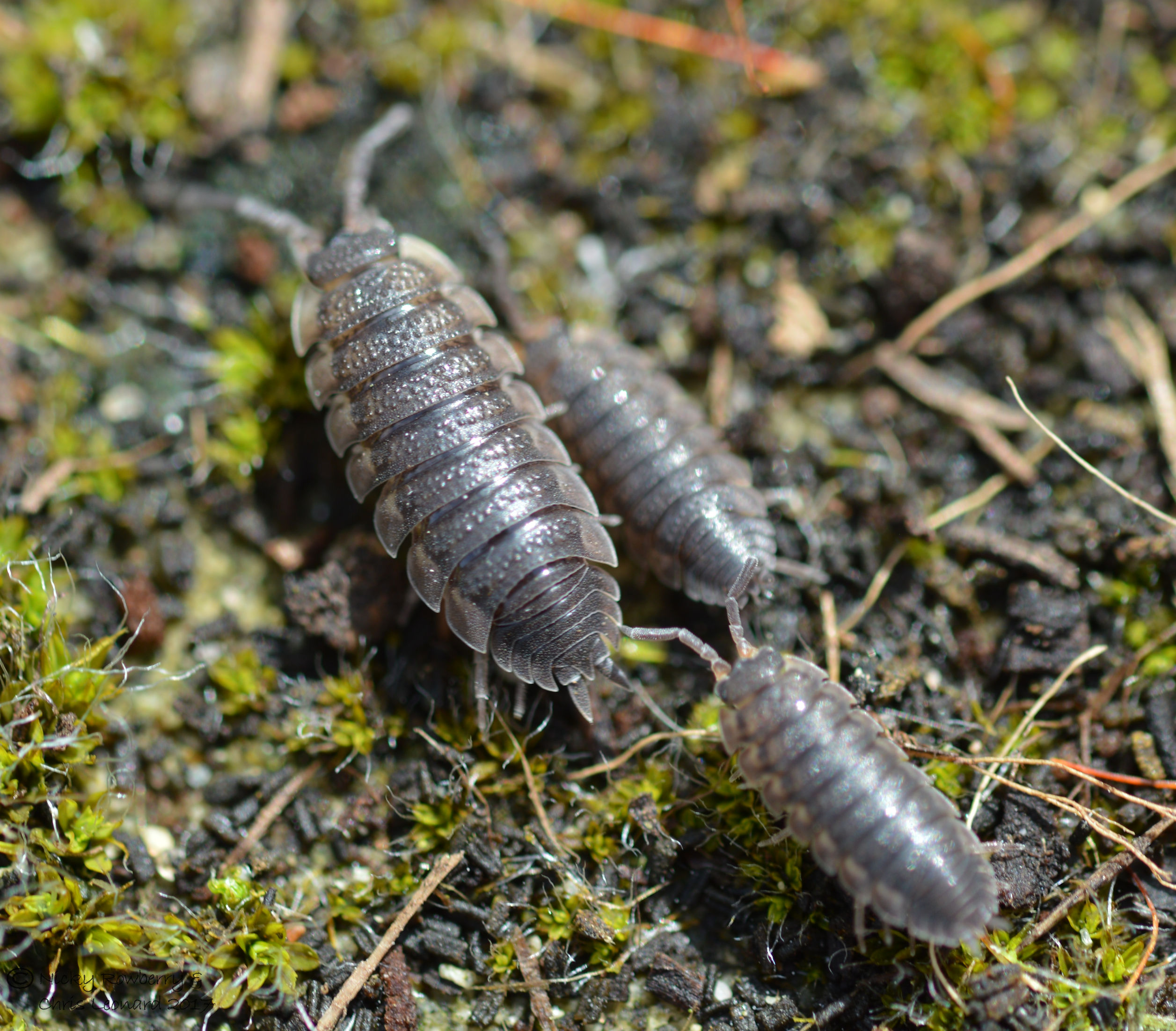
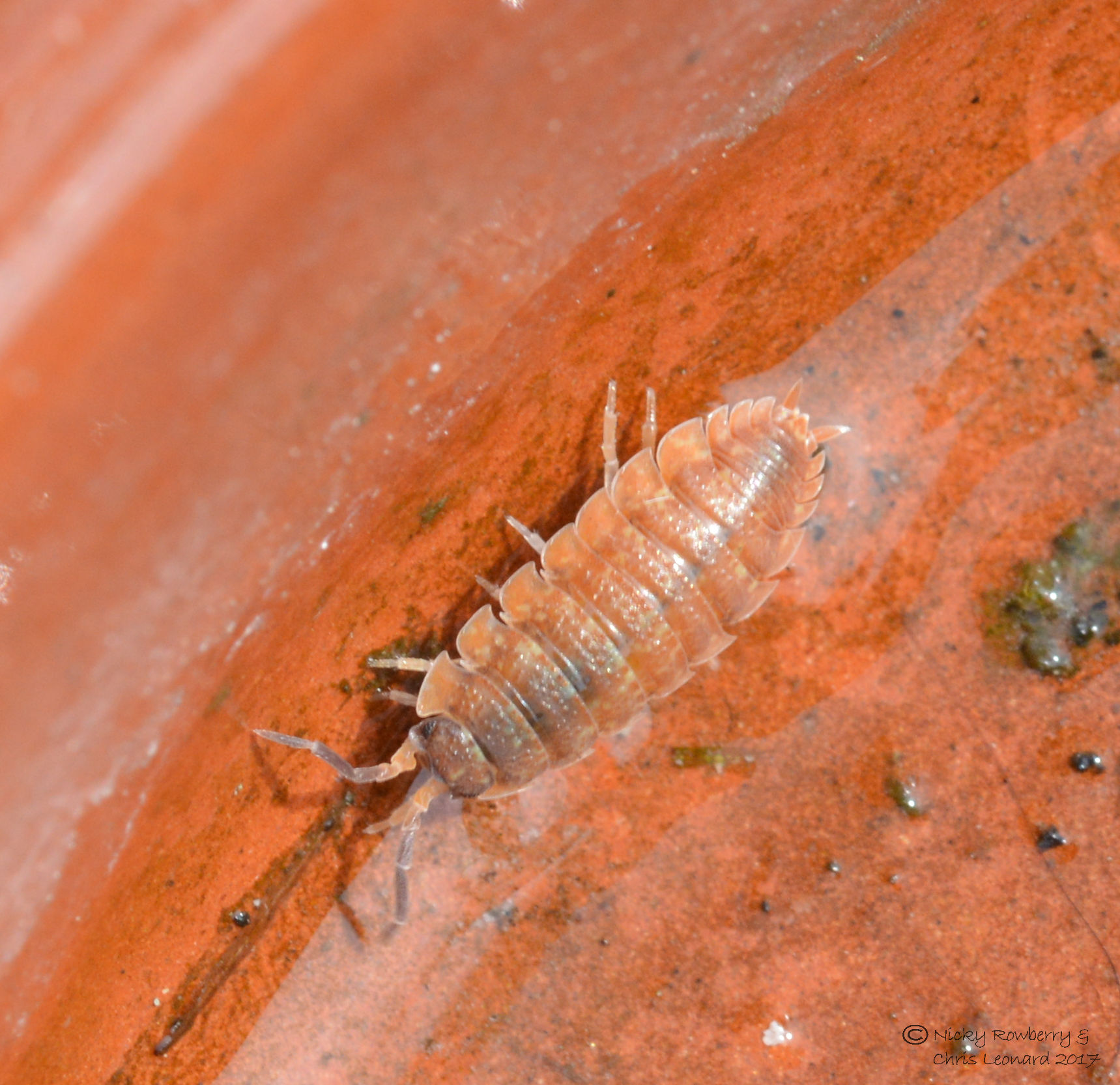
While turning over stones, I disturbed loads of woodlice. There were Common Striped Woodlice and the ones below that are Common Rough Woodlice. The bottom pinky one may just be a variant of the latter, but I hoping it might be a 3rd species – just waiting for someone on i-Spot to confirm one way or another.


Beetles are the largest insect group in the world, so it would have been a bit weird if I hadn’t found any in the garden. My favourite Swollen-thighed beetle of course appeared, as did a lovely shiny Black Clock Beetle.


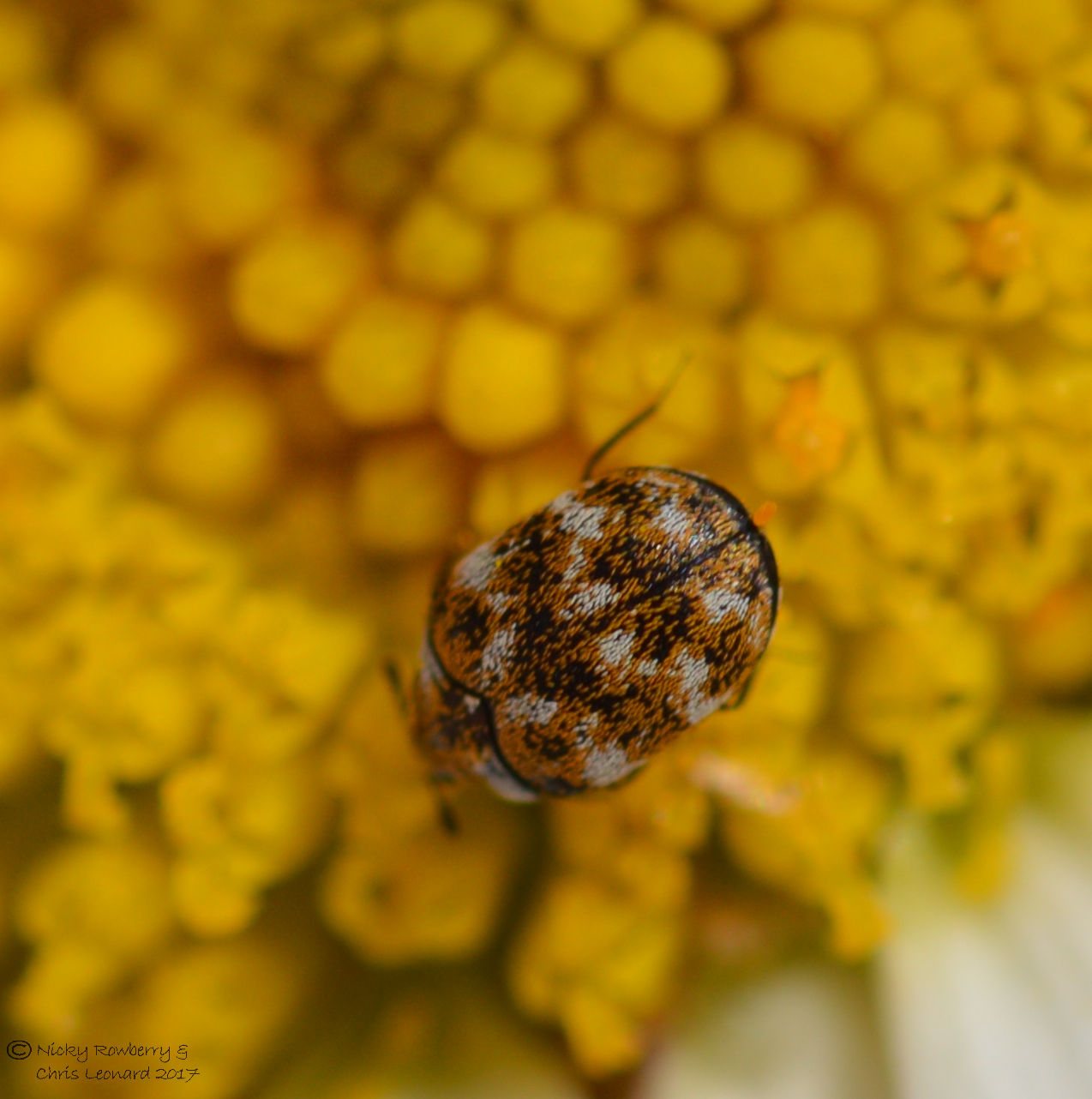
This tiny carpet beetle was making the most of the flowers.

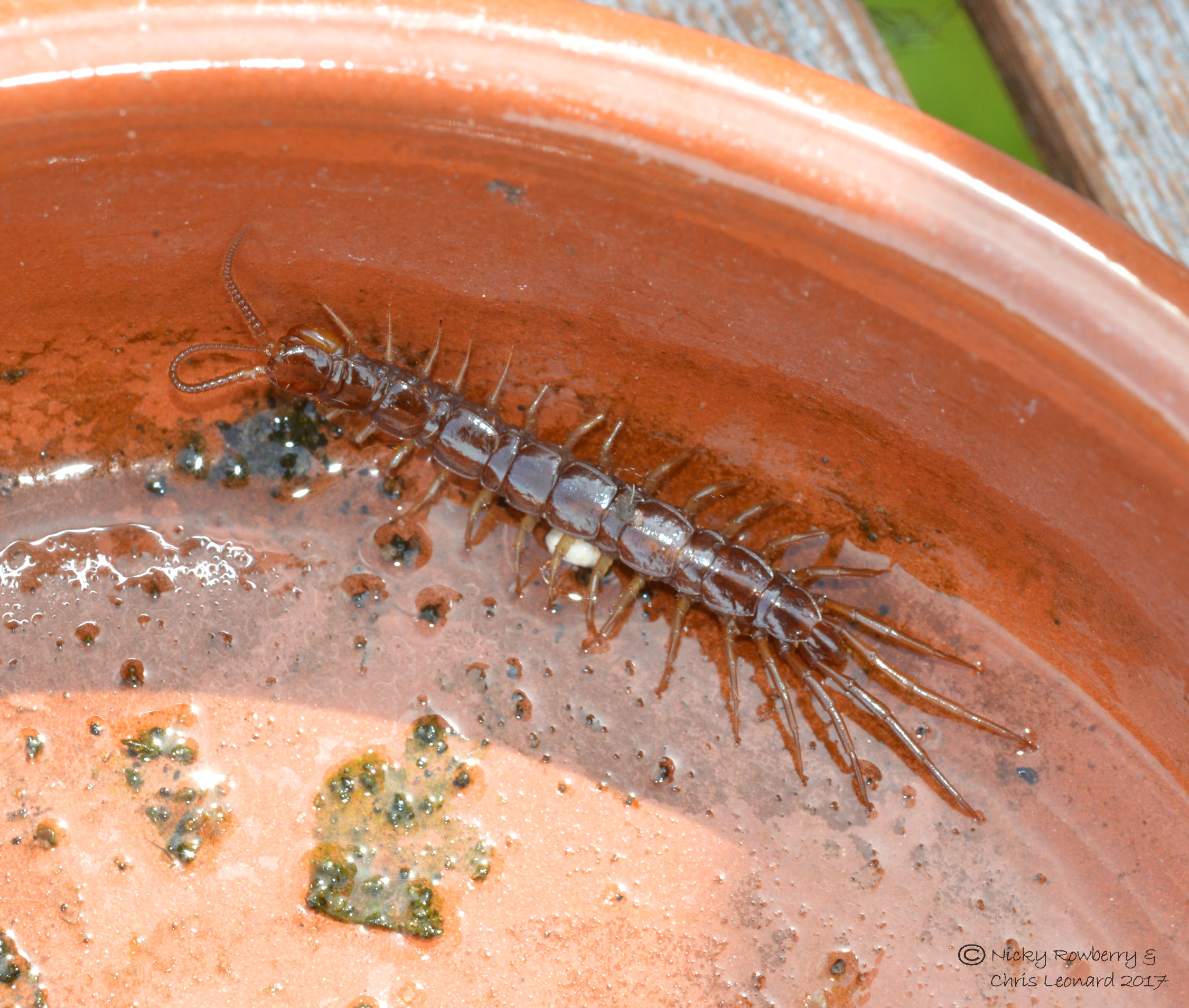
One group I’ve never really studied is the centipedes/millipedes. This beauty turned up under an old piece of wood. I’ve yet to work out the species though (suggestions gratefully received).

So that’s a selection of our bioblitz species for 2017. As always I ran out of time, so didn’t manage to root about in the pond, or look for ants, flies, grass moths and a host of other things. It was also a bit disappointing that no butterflies or shieldbugs or ladybirds appeared in the last 24 hours, but then that’s the way it goes. The bioblitz is just a snapshot of what you can find in the garden over a day. I love that it gets me looking for groups that I don’t normally study (easy to get in a bit of a rut with the bees and moths and butterflies and forget the others sometimes) – always good to broaden my wildlife horizons.

I’m still identifying photos and gradually uploading them to the i-Record website, so I won’t know the final tally for a while yet. So far I’ve only managed to load 32 species, which apparently puts me 10th on the bioblitz league table. Sounds good until I realised the person in the top spot at the moment has 167 species – I’ve got a way to go yet!


The Darling Bugs Of May

Apologies for the title, couldn’t resist a bad pun! After the quiet winter and early spring months, all the insects are suddenly emerging in May. It feels like our garden is gearing itself up again ready for the 30 Days Wild in June. Everywhere I look there is something buzzing (everywhere except the bee hotel I’ve put up which is of course silent!)

May wouldn’t be May with out the arrival of the May Bugs in the moth trap. These huge beetles can apparently be a pest for farmers, but I love seeing them. They are fascinating animals and I can still remember my amazement the first time I found one in the moth trap a few years ago.

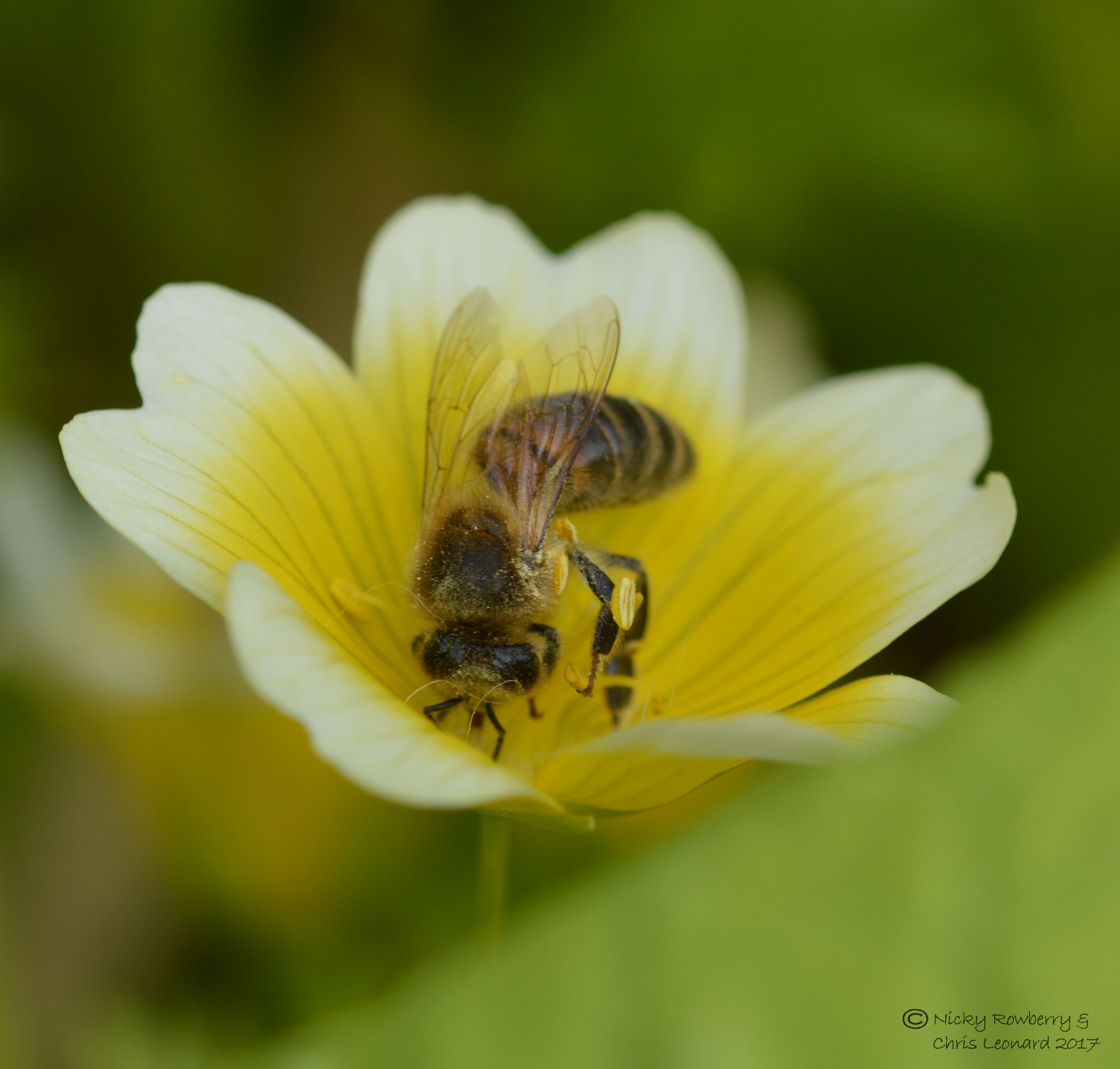
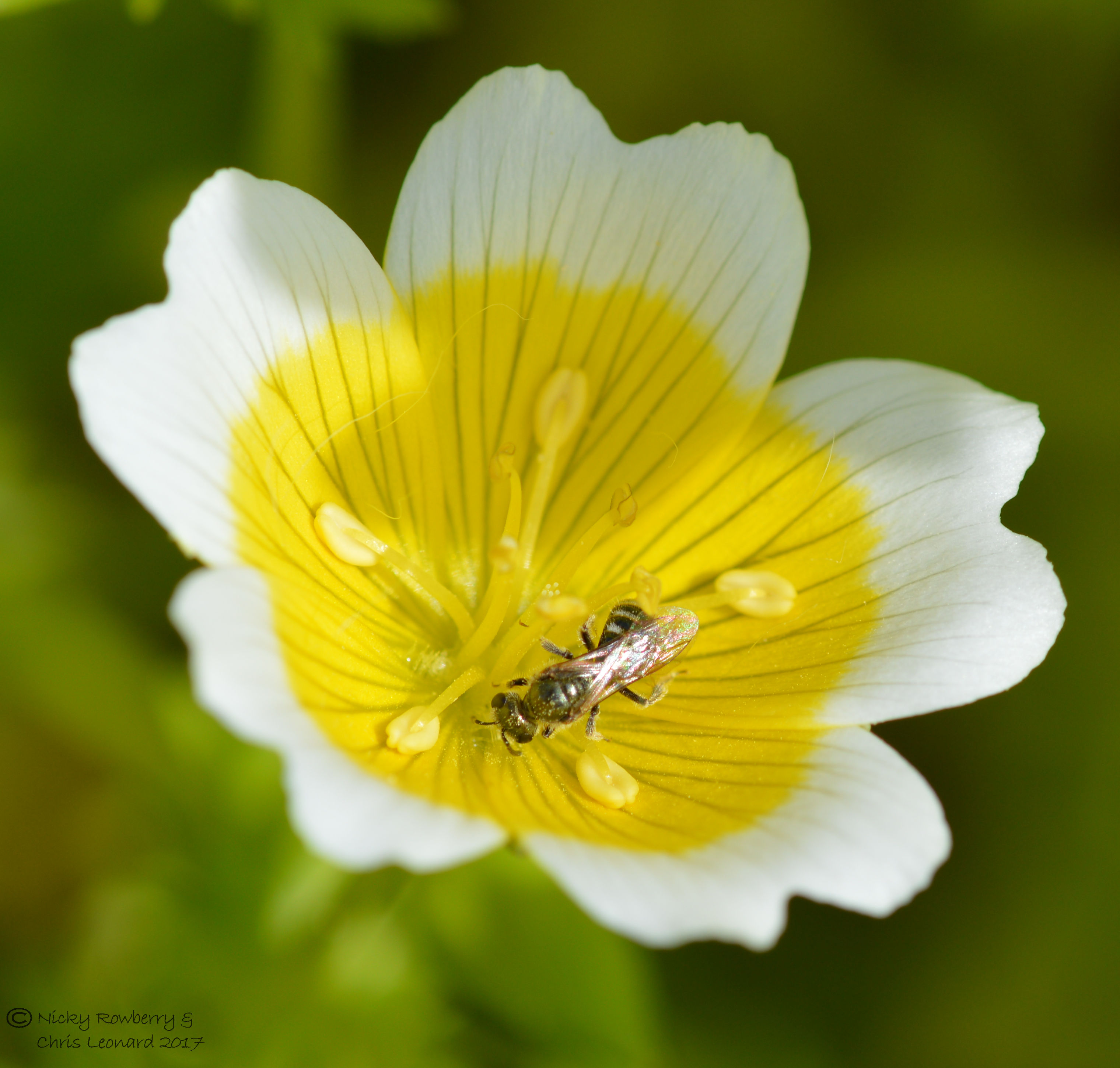
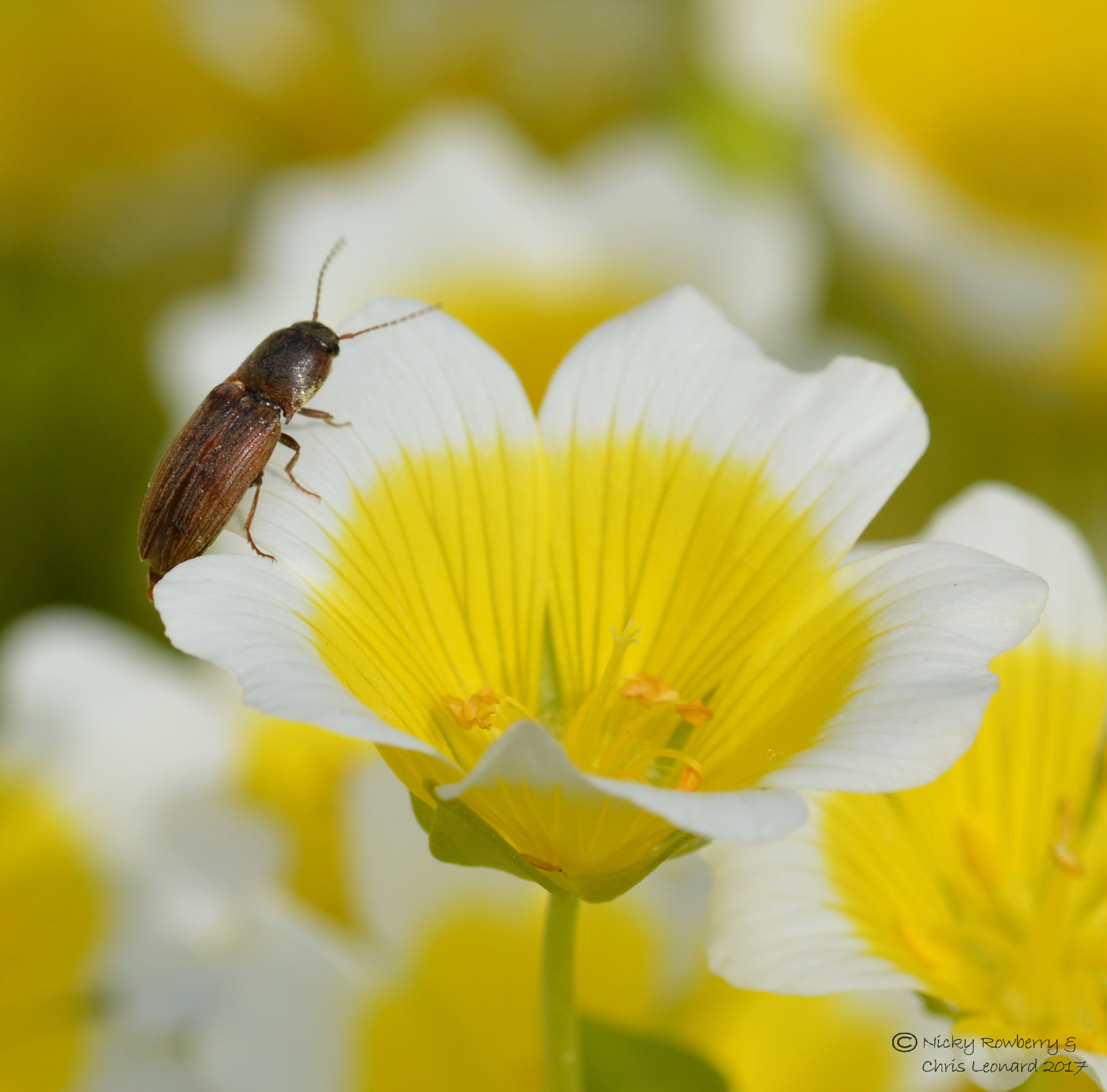
One of the areas particularly buzzing at the moment is a patch of poached egg flowers that I’d sown last year. I’d forgotten about them, but they all popped back again this year and look fantastic. I’d grown them originally as I’d read they were good for hoverflies – not sure about that but the bees love them!

Most of the bees are plain old honey bees (very welcome all the same of course).

There were also a few of these very small furrow bees Lasioglossum sp. It’s virtually impossible to get this one to species level without killing and examining it, which I’m not prepared to do, so it will have to remain a sp.

This next bee is one of the yellow faced bees – Hylaeus sp. Unfortunately since I didn’t manage to get a shot of its face, I also can’t identify this one to species. But since I’ve not recorded any other Hylaeus, I’ve counted this as bee species number 30 for the garden!

This next one did get identified to species (not by me but by a kind soul on facebook) as Osmia caerulescens – the Blue Mason Bee. This was also a new species for the garden, making 31 in total now over the last 2 years!

The bees weren’t the only ones enjoying a poached egg. This beetle (some kind of click beetle I think) spent a long time perusing the flowers.

This Hairy Shieldbug didn’t move much, just seemed to be using the flowers as a vantage point to survey the garden!

And of course my favourite – the Swollen Thighed Beetle had to get in on the act, displaying his fat thighs nicely.

The poached egg plants weren’t favoured by all the bees; some preferred other flowers like this Early Bumblebee on the alliums

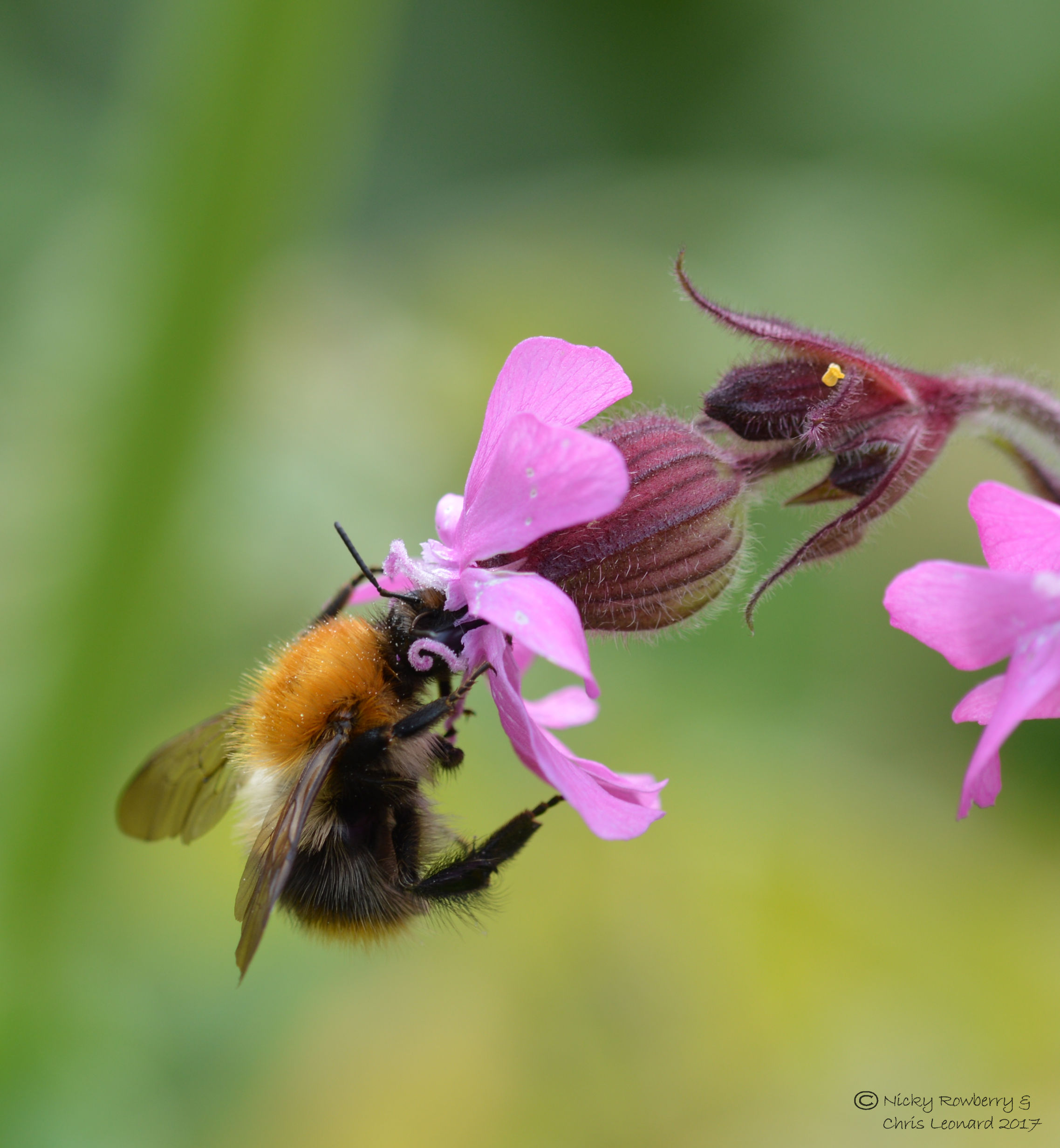
and this Common Carder bee on a campion.

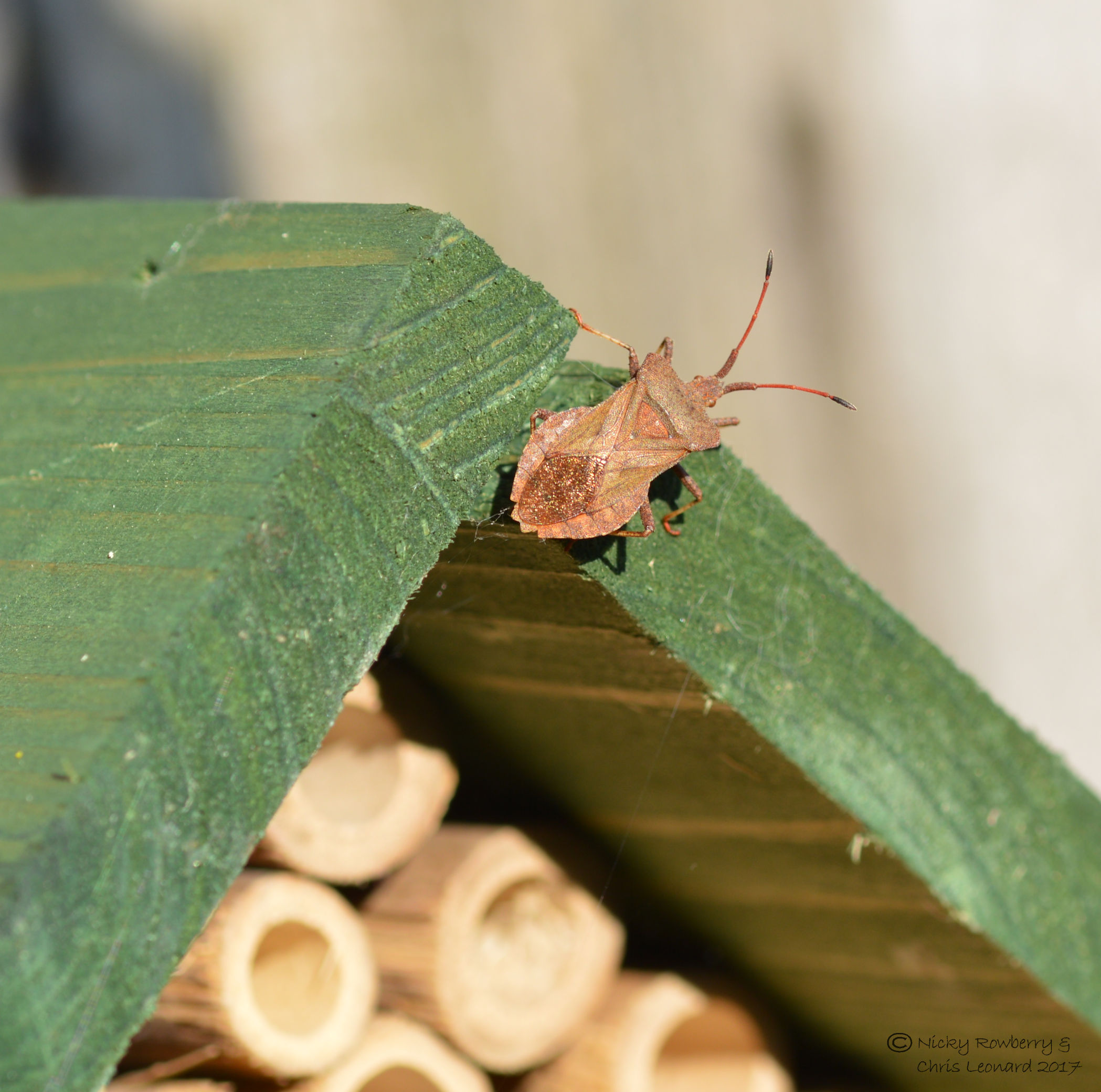
Somewhat inevitably the new bee hotel that I put up in the spring has been virtually ignored by all the bees. But at least it provided a resting place for this shieldbug.

The hoverflies were supposed to be interested in the poached egg flowers, but like most things in the garden, they never do what I expect! This little marmalade hoverfly preferred this small yellow flower to the slightly brash poached eggs.

This large fat bumblebee-mimicking hoverfly (Merodon equestris) preferred just to perch on the leg of the bird table. Even when I had to move the bird table to a different part of the garden, the hoverfly followed it over – no idea why?

After a very quiet spring moth-wise, May has finally brought an increase in their numbers to the moth trap. The moths of winter and early spring are generally fairly subdued looking, so it’s always nice when some of the more interesting species start emerging. I love this Pale Tussock with its lovely furry legs.

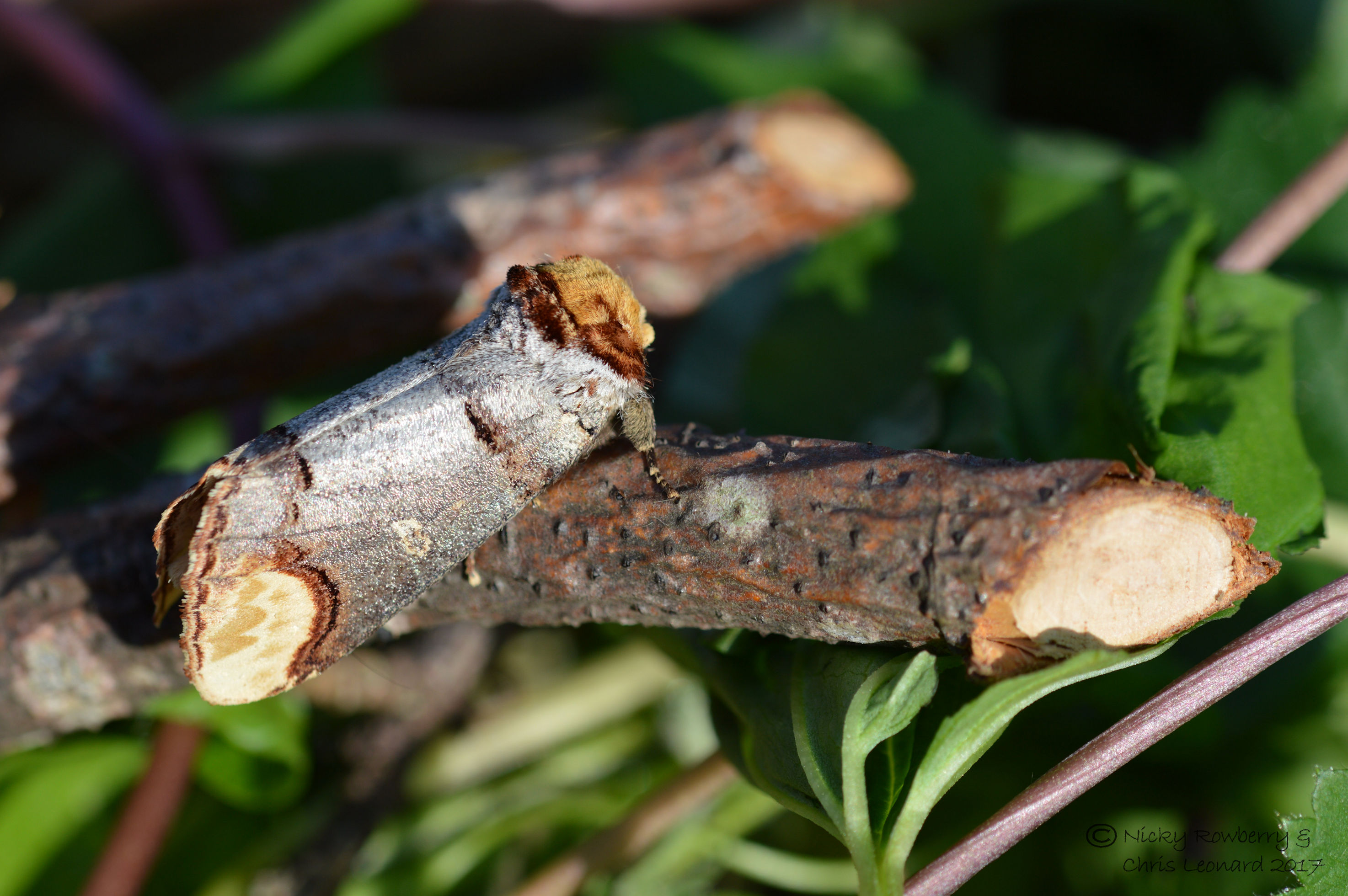
The Buff Tip is a regular visitor to our garden – it has the amazing ability to look just like a broken twig.

The hawkmoths are the biggest of our native species. Over the years we’ve had Elephants, Small Elephants, Eyed and Poplar Hawk-moths but never a Lime one. So I was thrilled when not one but two turned up last night!

With more moths emerging, more of their foes have emerged too. This beautiful but deadly (if you’re a moth of the wrong species) wasp Ichneumon stramentor parasitizes moth caterpillars.

As well as all of the above, there have been plenty of beetles, flies, caddis flies, daddy longlegs and other insects buzzing around this May, I just haven’t managed to take any photos of those. Something for another blog post maybe. But finally one of my favourite images from the month, a ladybird, even if it is a Harlequin rather than one of our native ones.

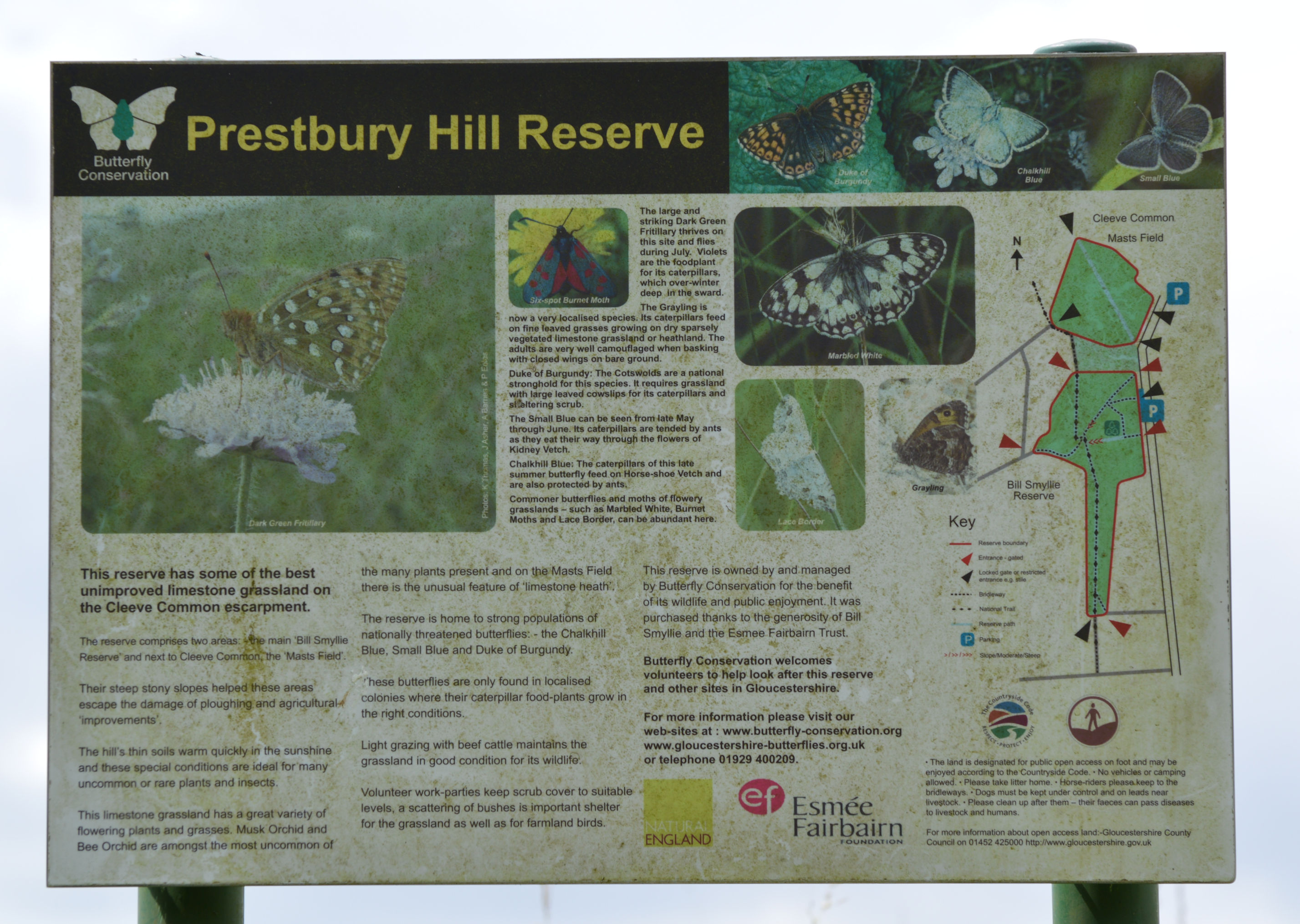
The Duke of Prestbury Hill

Flushed with the success of finding the Grizzled Skipper the previous weekend, we headed out again on Sunday in search of our next target butterfly – the grandly named Duke Of Burgundy. The nearest place we could find with a colony of Dukes was Prestbury Hill near Cheltenham – a fantastic site that we’d already visited at other times of the year.

Prestbury Hill reserve consists of 2 areas joined by a section of the Cotswold Way. We started off at the top of Masts Field which has amazing views out over Cheltenham and for miles around. It also has a convenient bench near the top for lunch. While we were sitting there, a pair of kestrels were hovering almost at eye level in front of us. Although they were more or less stationary in the air, they were still impossible to get decent shots of.

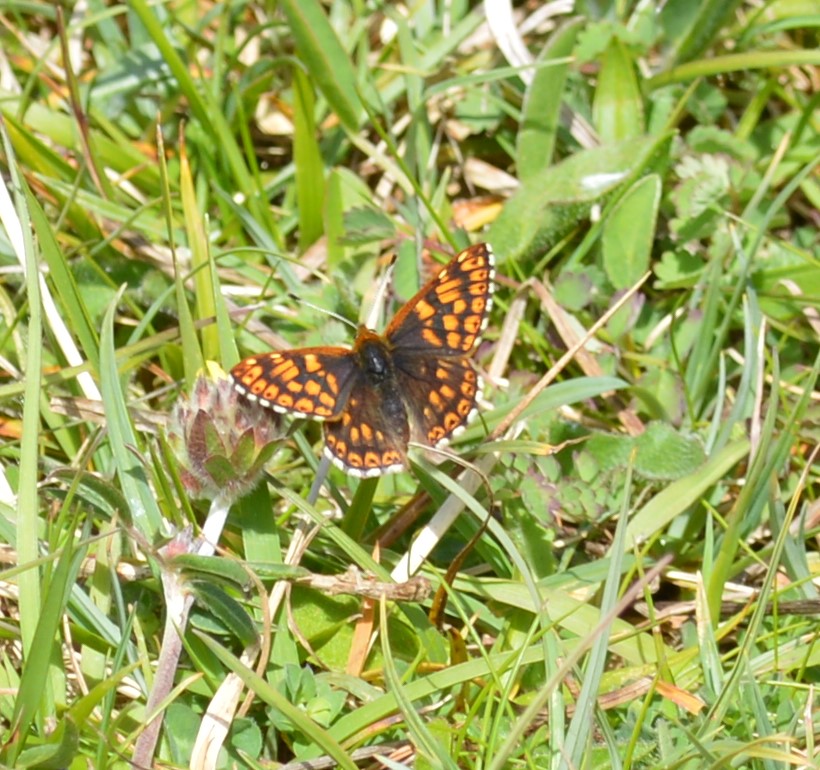
We spotted our first Duke almost immediately as we entered the field – it’s not often we get so lucky. Considering it is one of Britain’s most threatened butterflies, it seemed almost too easy! It’s quite a small butterfly, looking like a miniature fritillary.  In fact it used to be called Mr Vernon’s Small Fritillary – I’ve no idea who Mr Vernon was, nor why it is now named after a duke! (if anyone knows I’d love to find out?)


His Grace (I’ve googled the proper term for addressing a duke!) is small but perfectly formed, with lovely stripy antennae and pretty orange and brown/black patterned wings.


The males are territorial and like to display themselves on prominent leaves or grasses. The Duke of Burgundy is really unusual in that the female has 6 legs, but the male only has 4.  So I reckon the one in the photo below must be a male – showing off!

Although we saw quite a few Dukes on the day, I didn’t know at the time about counting the legs, so don’t know if any of our Dukes were actually Duchesses!

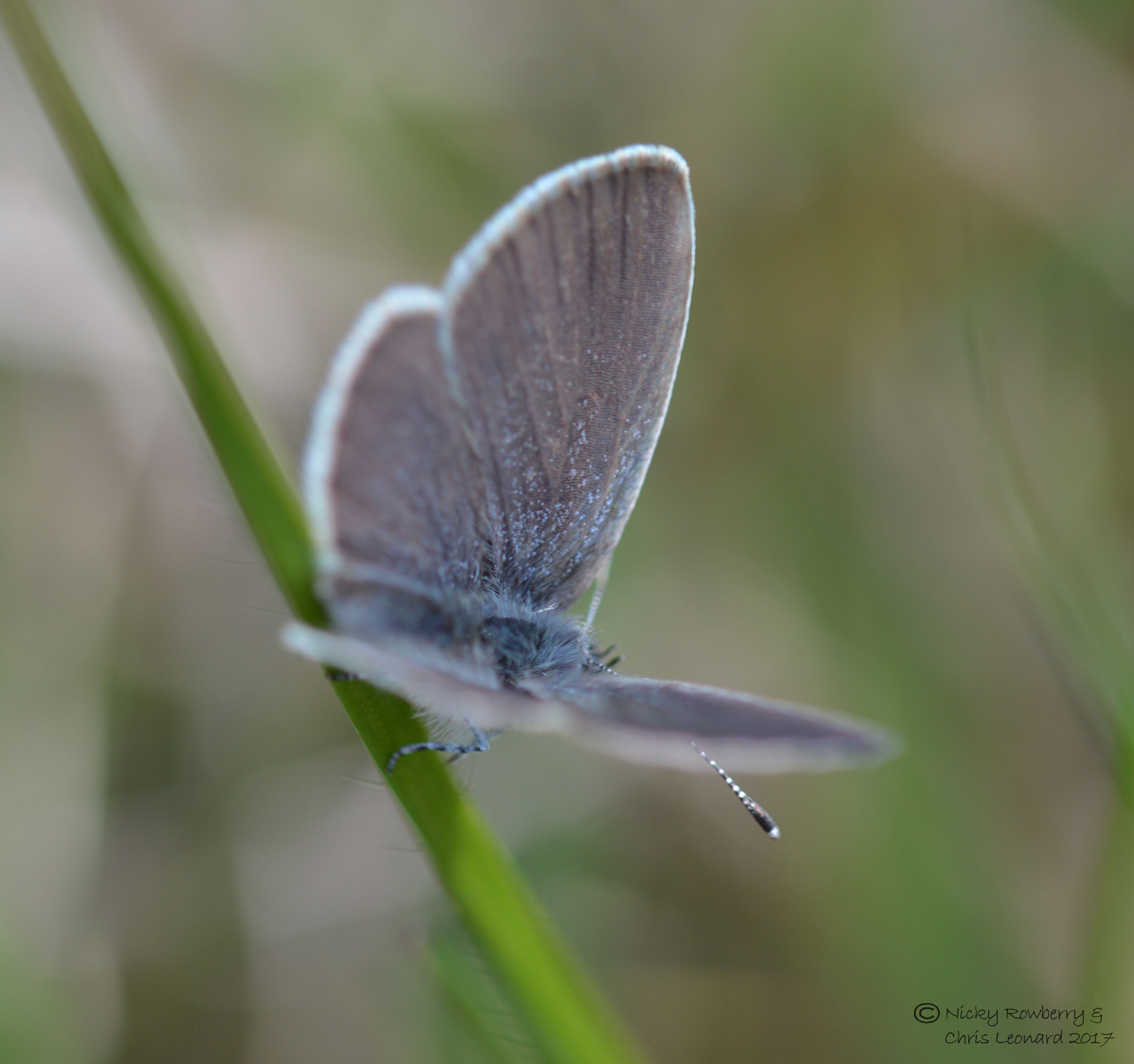
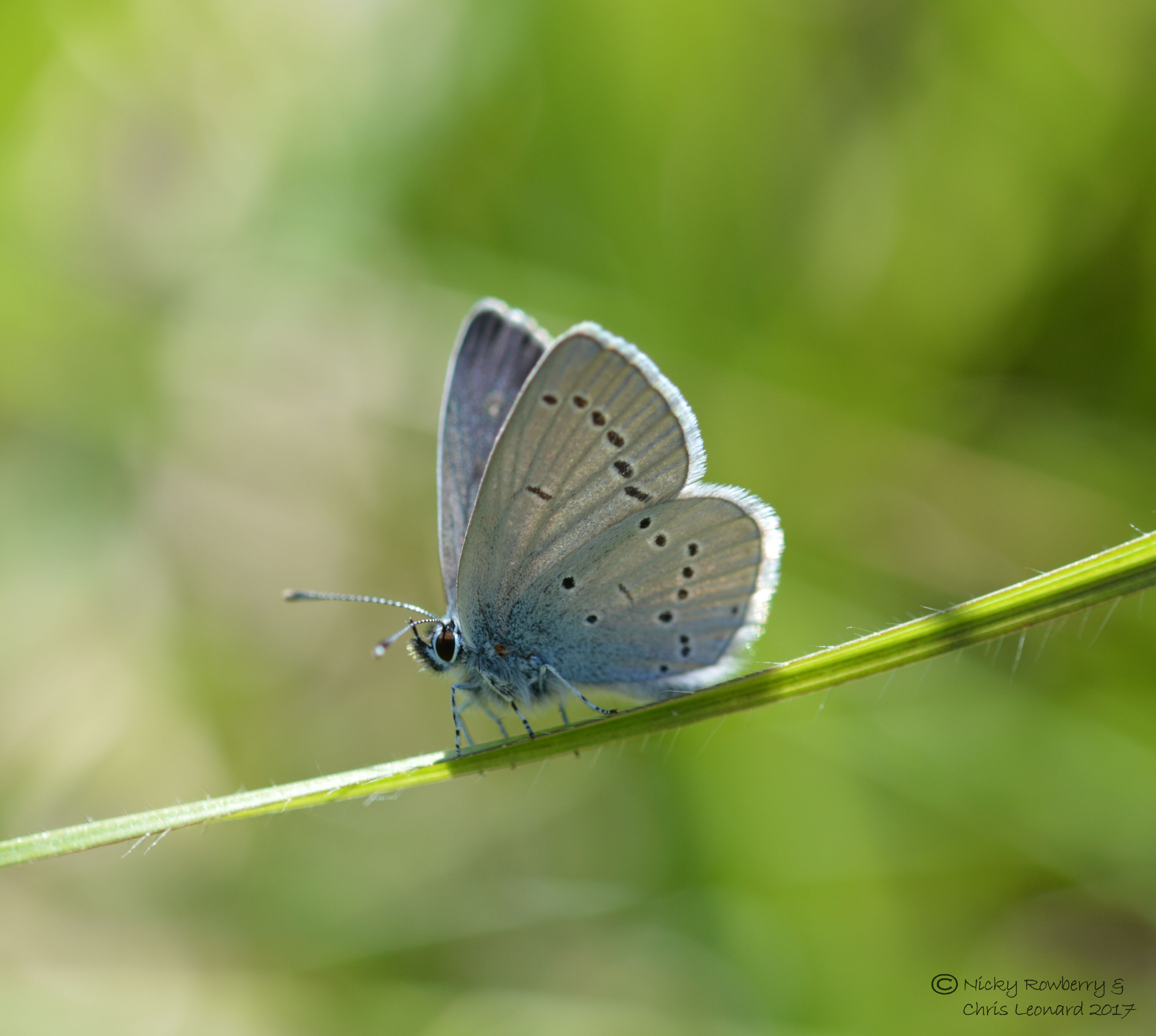
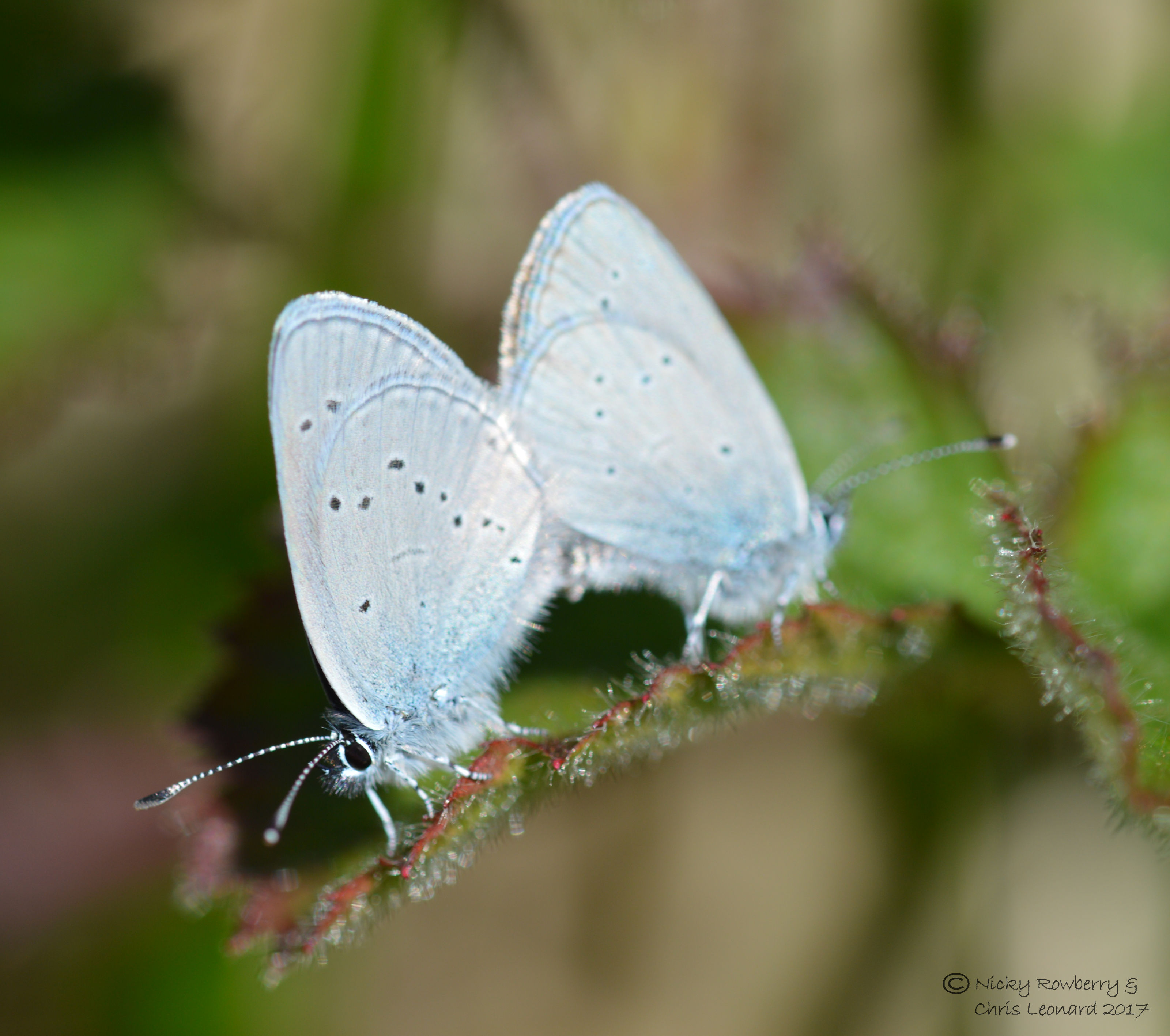
The other butterfly we’d hoped to see at Prestbury on this visit was the Small Blue. I had glimpsed one once before, so it wasn’t a new one for the list, but we wanted to get a proper look. Again we were lucky and there were plenty of Small Blues around. They really are what it says on the tin – small and blue! They are Britain’s smallest species of butterfly and are absolutely tiny. Once we got our eye in though, we found loads at Prestbury. They’ve got a beautiful dusting of pale blue scales on the upperside of the wings, while the underside is almost all blue with a few black spots.

We even found a few pairs mating (so unlike the Dukes we can at least be sure we were seeing males and females!) The only trouble with them being so small and so shiny blue on the underside is that it makes it really difficult to photograph them – especially with the inevitable bits of grass blowing across the shot!


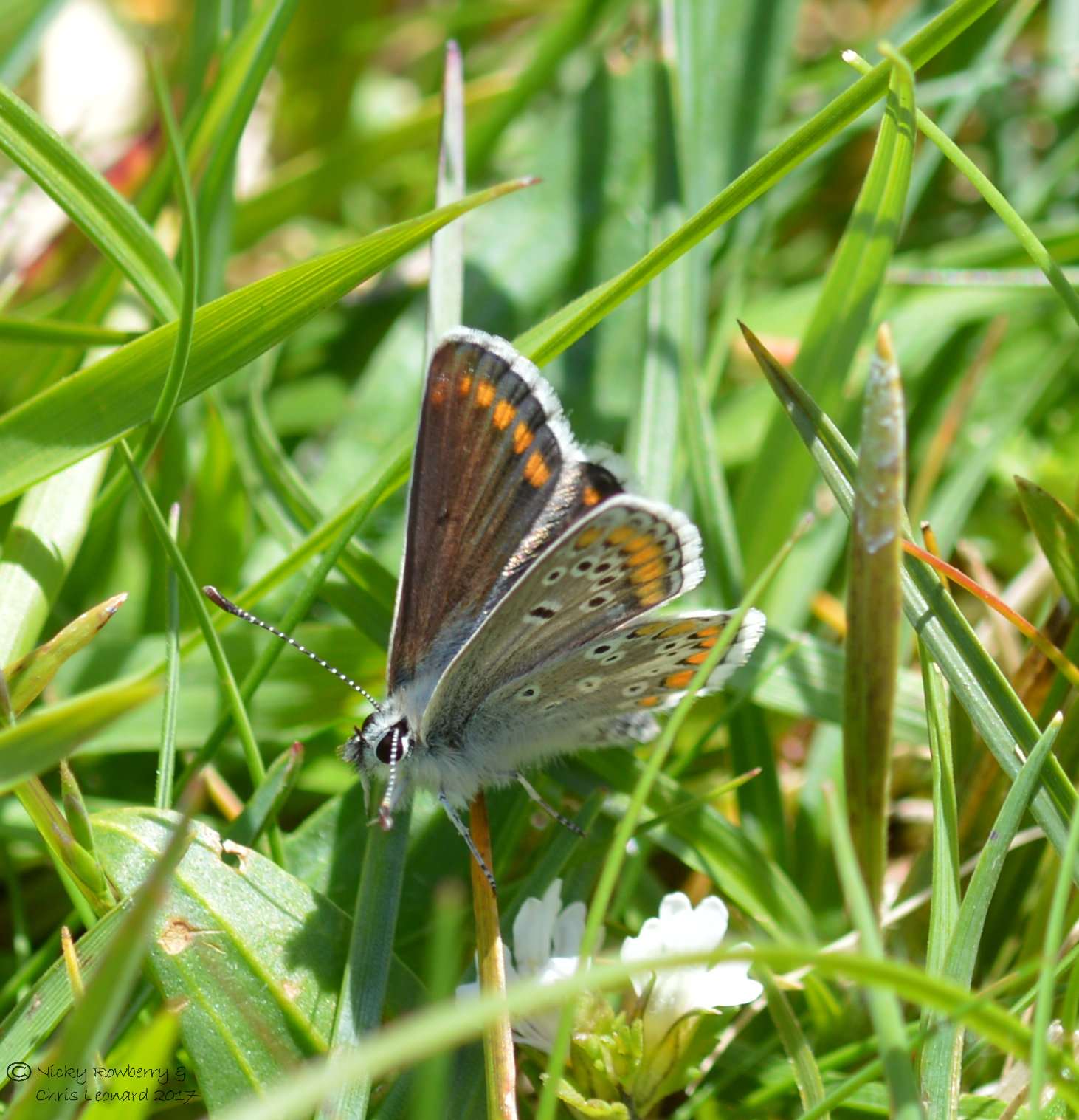
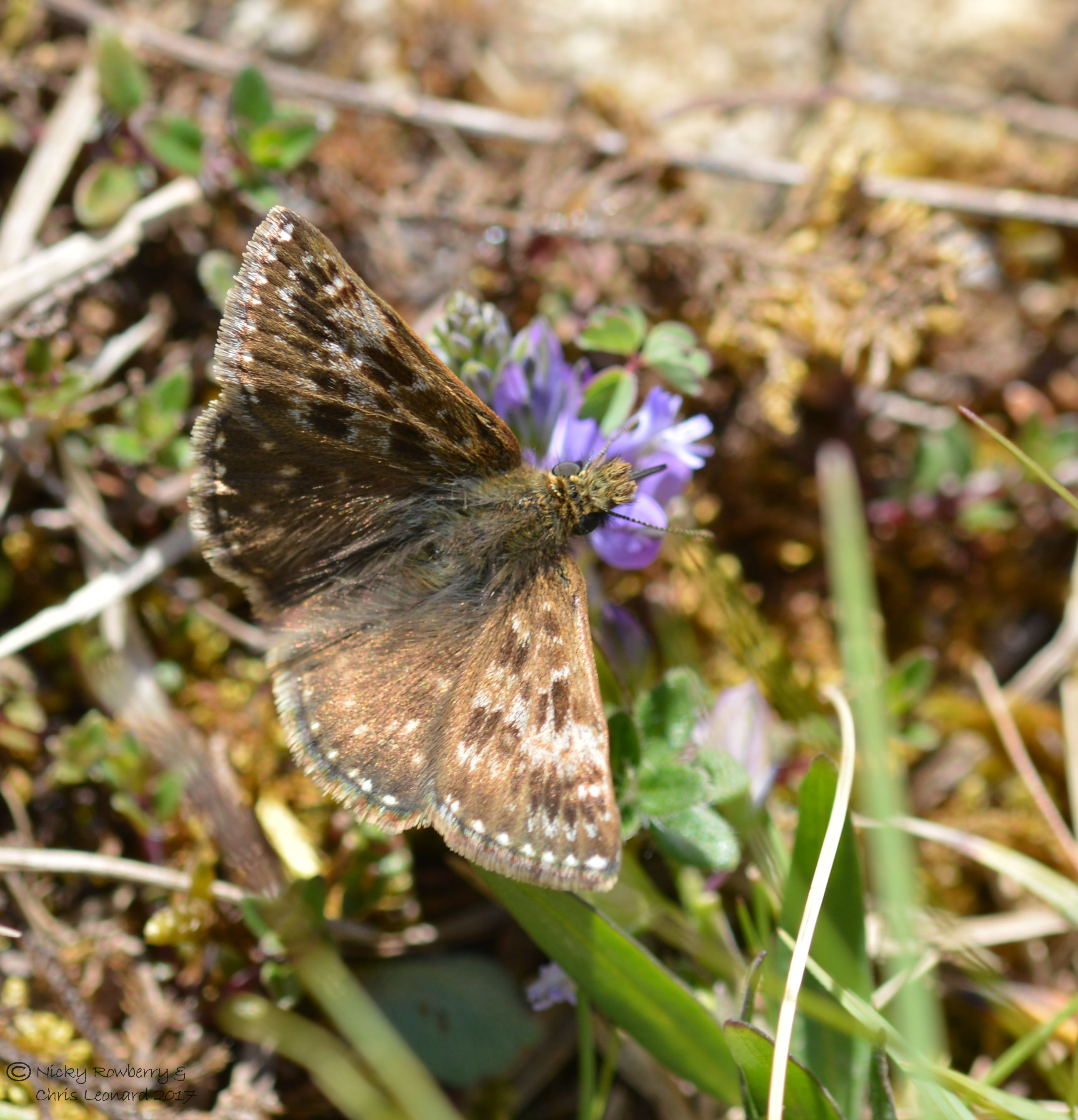
Prestbury is great for butterflies of lots of species so it was really nice to spot this Brown Argus and a lot of Dingy Skippers. I do feel sorry for the Dingy Skippers with their lowly sounding name next to the Duke of Burgundy!

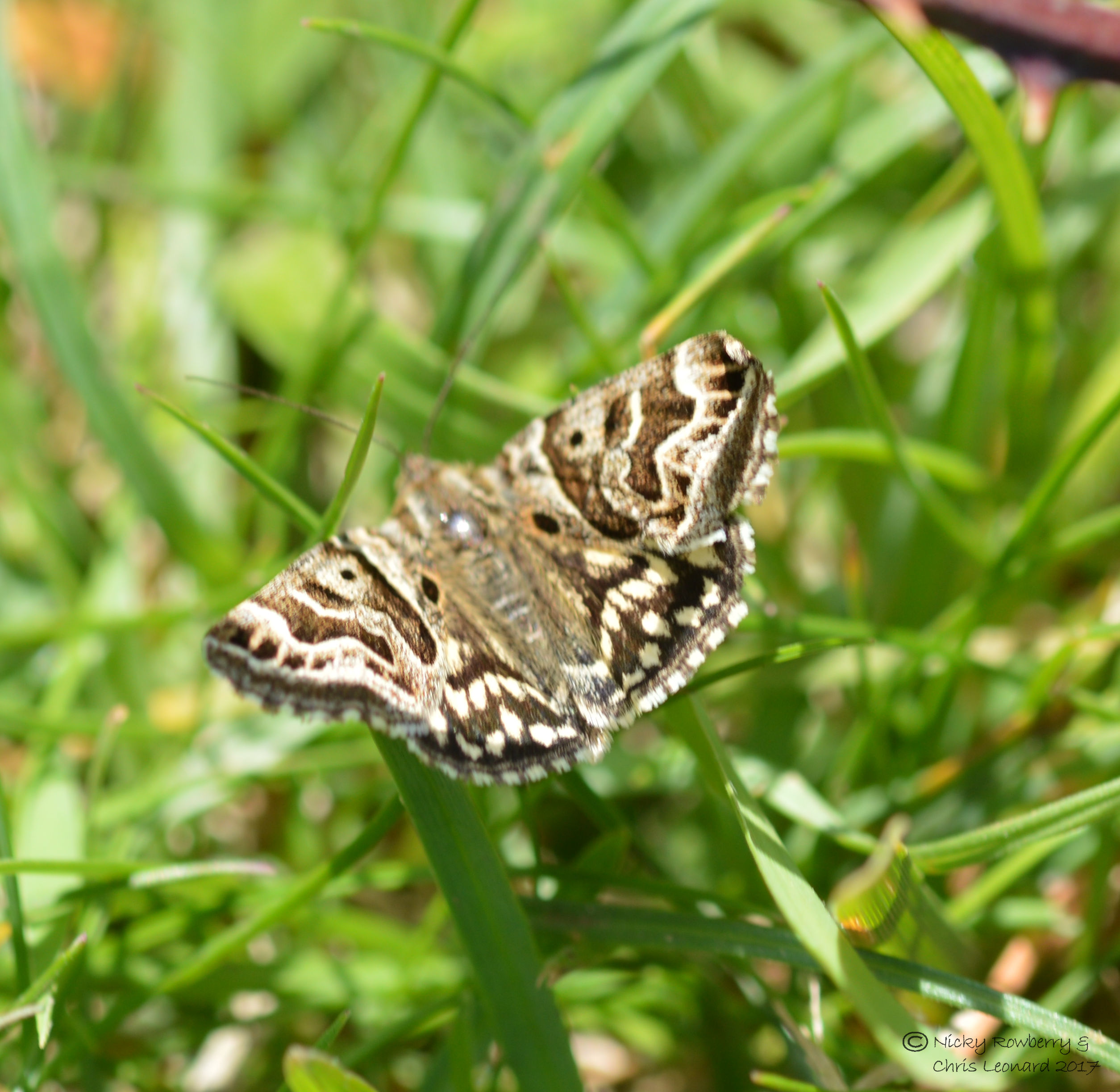
I also couldn’t resist taking photos of one of  my favourite moths – the Mother Shipton. I do at least know the origins of this name – the moth is named after a 16th century Yorkshire witch because its marking are supposed to resemble her with an eye and hooked nose and chin!

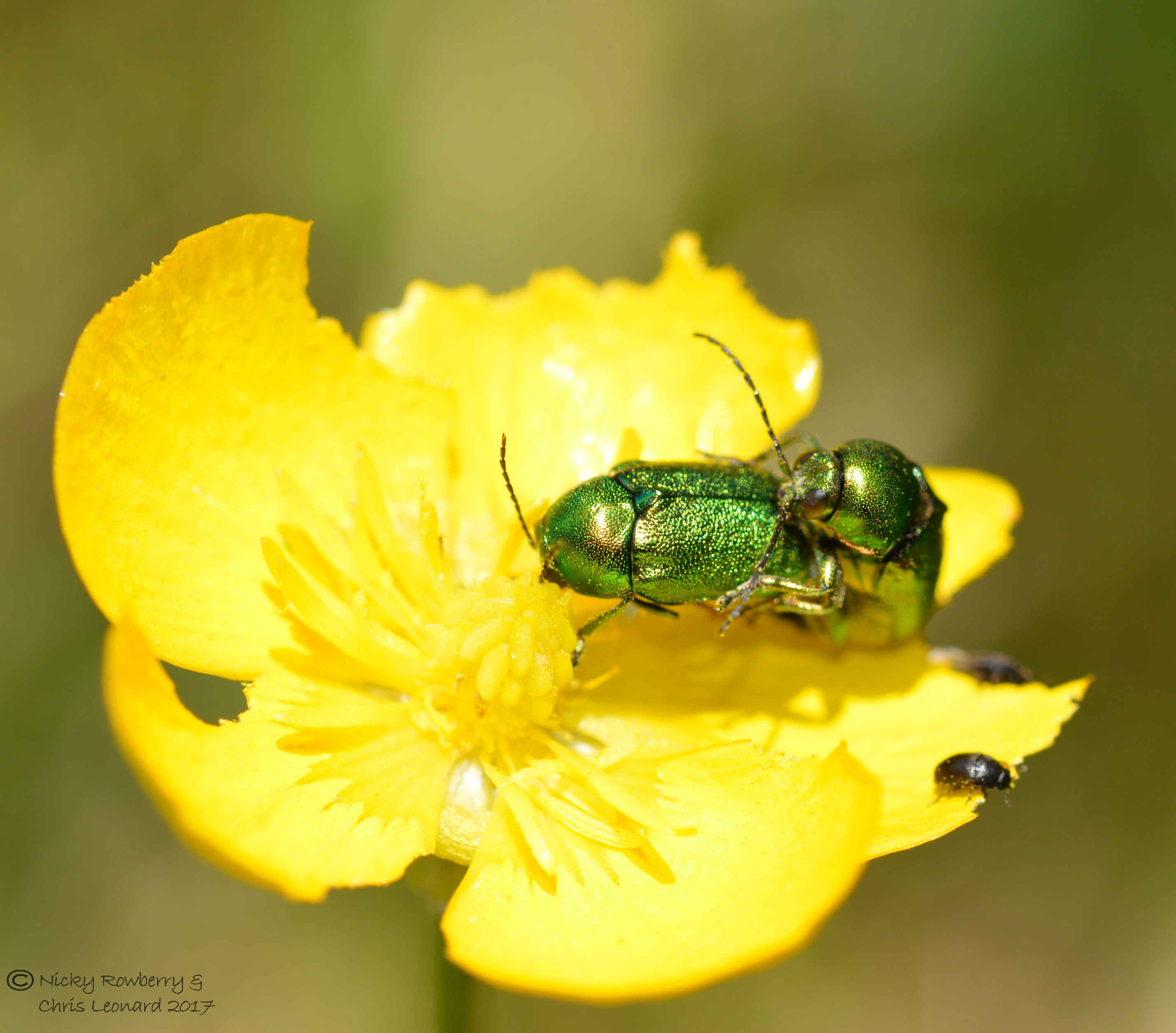
And finally Spring was clearly in the air for these beetles. I’ve no idea what they are, but they looked so shiny and green against the yellow buttercup, I just couldn’t resist.