30 Days Wild – Day 4

TWT 30 Days Wild_countdown_04Day 4 of 30 Days Wild and today we took part in another event – the National Garden Bioblitz, thereby ticking off two targets with one activity (in true Too Lazy fashion). The aim of the Garden Bioblitz is to find and record as many species of plants and animals as possible in the garden in 24 hours.  Since we’re always identifying things we find in the garden anyway, a bioblitz is just a natural extension of that.

Garden BioblitzLast time we did this a few years ago, we recorded about 120 species; but that was before we got into moth trapping and bee identifying, so hopefully we can beat that this time.  I’m writing this late evening – we’ve been busy in the garden all day, photographing and listing everything we could find. I’ve still got loads of things to identify from the photos and then everything has to get logged onto the i-record site.

It has pretty much been the perfect day. It started at about 4:30 am when I got up to empty the moth trap (to beat the cheeky robin to the catch). Then went back to bed for a bit more sleep (always good), before resuming the challenge at a more reasonable hour. For once the sun shone on the righteous (questionable I know) and we had the perfect conditions for trawling the garden for photo ops. Pretty much the whole day was spent crawling about the garden with the cameras. We finished off by cranking up the BBQ and cracking open a bottle of Prosecco – the perfect end to the perfect day.

During the day we tried every trick we could think of. Obviously the moth trap had been out over night and produced at least 20 species of moth – I’m still working through the photos, so this total may rise. Highlight was the always stunning Elephant Hawkmoth.
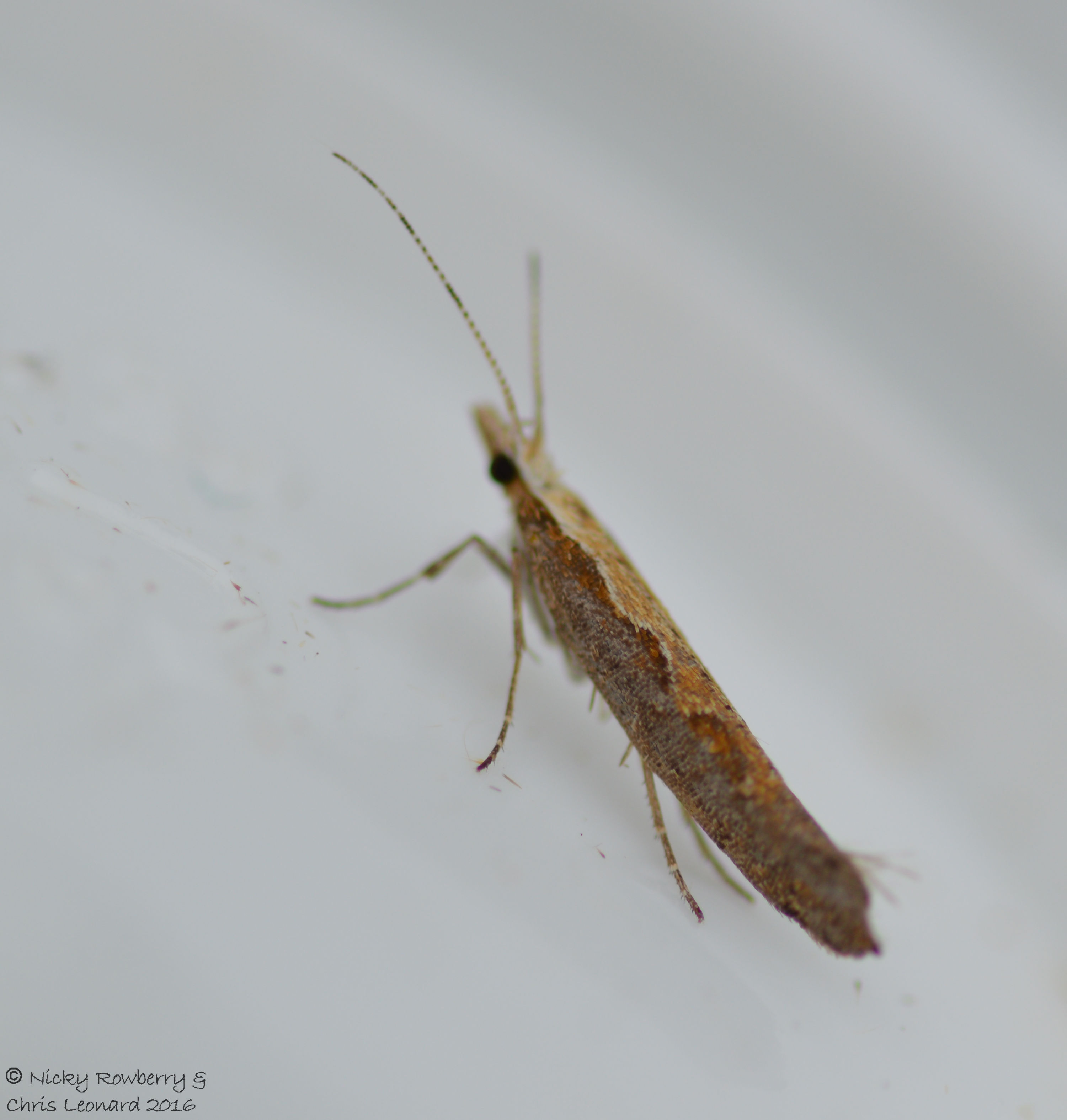
Diamond Back mothI was also really pleased to get several Diamond-back moths – tiny moths that migrate over from the Continent. They’d been mentioned on Springwatch and social media was full of people saying they’d had loads of them this week, so I felt ridiculously glad that Too Lazy’s garden hadn’t missed out. Moth envy is a terrible thing!

We also tried pitfall traps for the first time, using old plastic tubs buried in the ground. This produced this rather splendid (and still to be identified) beetle, plus a couple of woodlice and a spider (also still in need of ID). I suspect pitfall traps take a bit of practice in sussing the right location – we might try them again at other places in the garden.

We tried the “suspend an umbrella under a tree and wack the branches” technique as demonstrated by Chris Packham on Springwatch.  We only have the one mature tree (an apple) so this didn’t produce too much, but was interesting to try.

We dipped in the pond, which produced mainly duckweed, but also some leeches and water louse. It also meant we spotted one of our two amphibian species of the day – a Common Frog, watching us warily from his duckweed blanket.

NewtWe of course turned over stones and pieces of wood, which yielded our second amphibian – the Common Newt. We also found most of our molluscan species this way, both snails and slugs. We achieved a respectable 4 species of snail, but sadly the Girdled Snail, which I know we get in the garden, remained steadfastly hidden today.

The rest of the day was spent generally bird watching and chasing various bees and insects round the garden.  I haven’t tallied up the birds properly yet, but we managed at least 10 species including this Collared Dove. At least 6 bee species put in an appearance, with possibly a new one – we spotted some kind of leafcutter bee carrying (not surprisingly) a piece of leaf – hopefully we can get an ID on it soon, although the photo wasn’t brilliant. Fortunately other bees were more obliging.DSC_3856
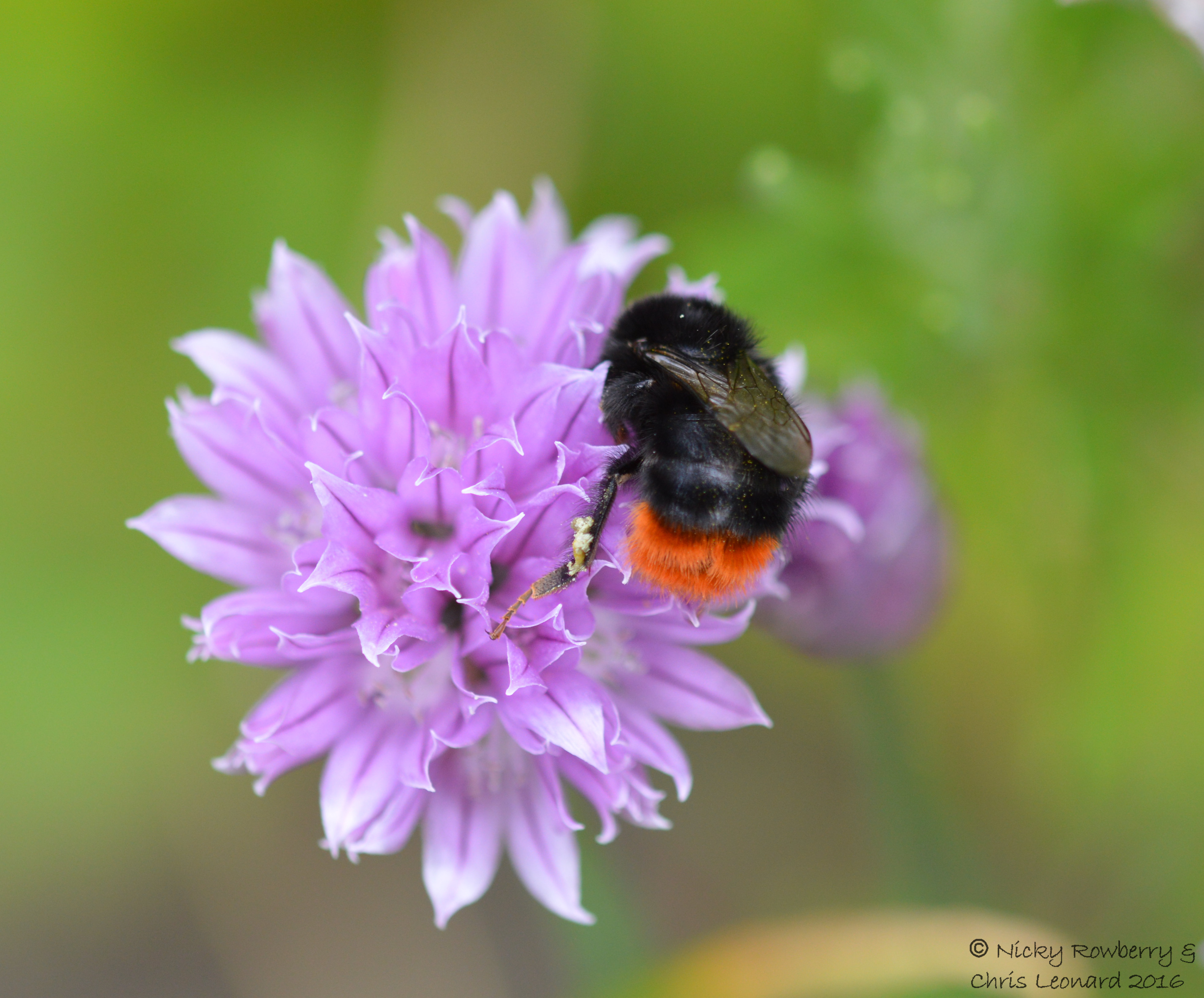
Only 2 butterflies showed their faces today – a Small White and a Holly Blue. Assorted insects made up the remainder of the animal count, while the plant count is at least 25 species, with probably a few more to ID.

We’ve spent the whole day in the garden photographing our wildlife and it will probably take several days more to go through all the photos and get them loaded so that they count for the Bioblitz. But it’s been a thoroughly enjoyable experience and has got us rooting about bits of the garden, that we may otherwise ignore. We won’t know the final tally of species for a couple of days, but I’ll post an update when we do. I’d recommend having a go at a Garden Bioblitz for anyone – you don’t need to be especially skilled – just take it to whatever level  you can manage. You’re sure to learn something new and hopefully enjoy your garden all the more for it. There’s still time to do it for this year – http://www.gardenbioblitz.org/ for more information.

Bindweed 30 WEEDSDay 4 of 30 Lazy Weeds and a truly beautiful if sometimes bothersome flower – Bindweed. The bane of many a gardener, but if you take the time to look at the flower itself, it really is stunning. Pure white and beautiful in its simplicity. Gardeners will plant similar looking flowers, but weed out these, which seems a shame. I know their stems do wind themselves round pretty much everything, but for me the flowers more than make up for this.


30 Days Wild – Day 3

TWT 30 Days Wild_countdown_03Day 3 on the challenge and it’s Friday night. Having got up early yesterday for the dawn chorus, I’d gone for an activity at the opposite end of the day and stayed up late to hopefully catch some nocturnal action in the garden. Gone are the days when staying up late meant drinking or clubbing, now staying up late means getting the bat detector out and spying on hedgehogs. But it’s not a metaphorical school night, so that’s exactly what I’ve been doing – living on the edge!

All this week we’ve seen the bats dive bombing around the garden in the evenings – we can usually see them through the patio doors from the comfort of our sofas. So I thought tonight it would be a doddle to go out and record them. We have a Magenta bat detector, which we’ve used previously and determined that our bats are Pipistrelles, emitting their ultrasound clicks at around 45kHz.

Today has been a lovely warm sunny day, so it seemed ideal batty conditions in the garden. As it started to get dark I sat out with my detector and recorder – I was getting bombarded by moths, which seemed like a good omen, but there was no sign of any bats. I lay on the grass for quite a while – very relaxing as I could hear a bit of the evening chorus going on (felt like yesterday’s dawn chorus in reverse!) I did get a few “clicks” but didn’t actually see any bats  – they must have been swooping around next door’s garden behind the hedge. I stayed out for a good hour, but no joy.

So I’ve had to admit defeat for the night. But all is not lost – the bats will no doubt be back in the nights to come and I will try again. I did also get to spend a very relaxing hour watching the garden going to sleep. The warm evening bodes well for the moth trap which is now out, as it is Garden Moth Scheme night. I saw on Springwatch and various social media, that there is an influx of Diamond Back moths getting blown over from the Continent, so with a bit of luck I’ll get some of those.

In the absence of any batty recordings from tonight, here is one we recorded back at the beginning of May. I’m pretty sure the sounds match a Pipistrelle, but confirmation from anyone who knows about bats would be much appreciated.


Creeping wood sorrel 30 WEEDS

Day 3 of 30 Lazy Weeds and it’s Creeping Wood Sorrel or to give it the even better title – Procumbent Yellow Sorrel. We get the purple leaved variety a lot in our garden. It is a low growing plant with small but pretty yellow flowers. It does spread very easily and has a knack for growing in places where there doesn’t really seem to be any soil, like the one shown left. It’s small and often overlooked and some gardeners don’t like it because of its persistent nature. But I’d rather have an area covered in this, than bare earth – so as with so many “weeds” it is welcome in the Too Lazy Garden.

Out and About – Wyre Forest

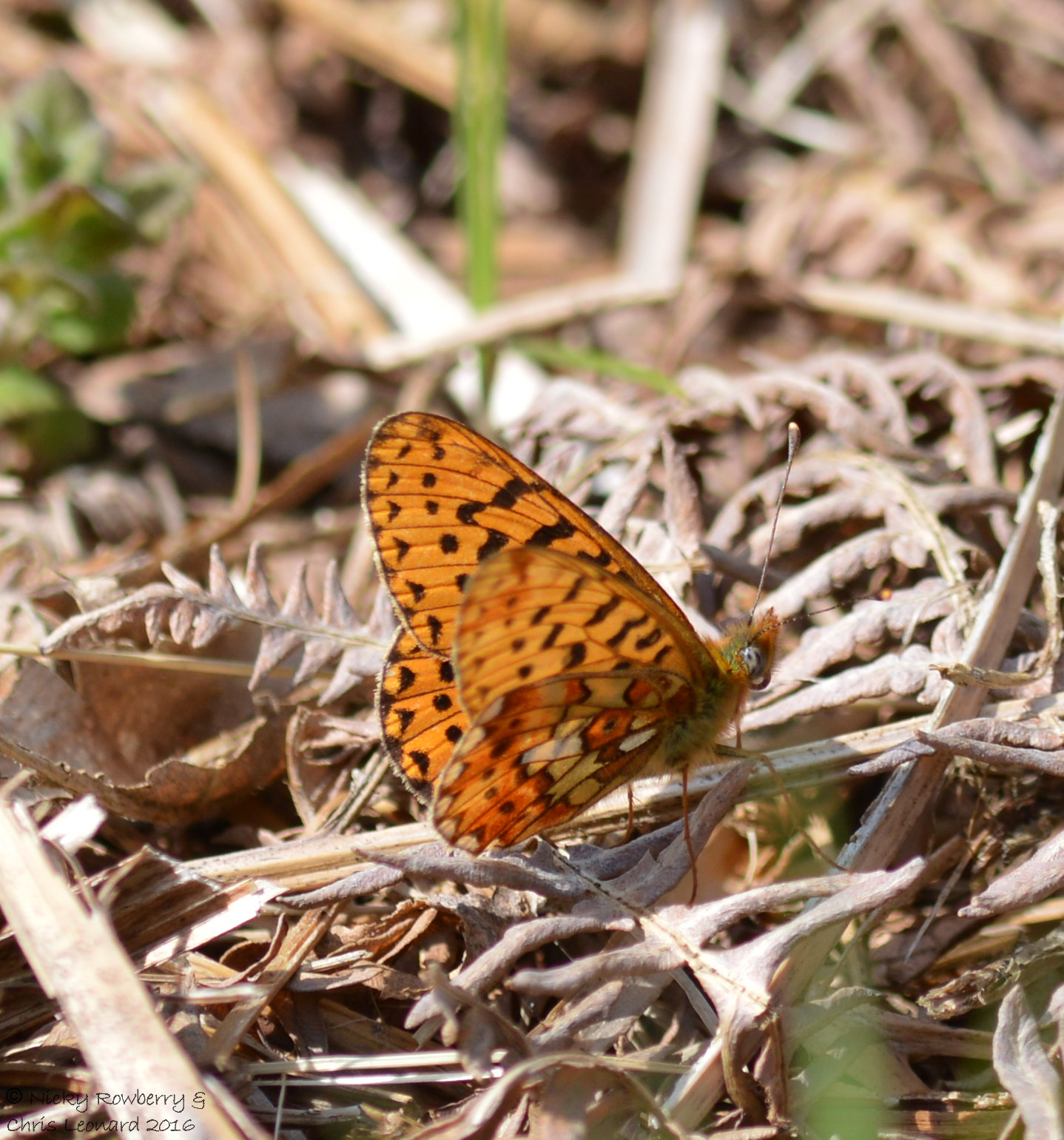
The sun was still shining on the righteous at the weekend, so we decided to make the most of it and headed up to the Wyre Forest in search of the Pearl Bordered Fritillaries. We took a slightly circuitous route, via one of our favourite pubs – The Live and Let Live on Bringsty Common. Fabulous pub with great food and lots of wildlife around. Lots of bees and butterflies (Small Copper, Orange Tip, fast flying and therefore unidentifiable whites!) and birds, but only this little wren paused long enough to get its photo taken.

Live & Let Live

Wren at Live & Let Live2 Wren at Live & Let Live1

Suitably fuelled we headed off to the Wyre Forest. The Pearly Bordered Fritillaries were our main butterfly target of the day as the Wyre Forest is one of their strongholds in the West Midlands. The Wyre is managed by the Forestry Commission and Butterfly Conservation to restore a diverse woodland environment, providing the right habitats for many butterflies. It’s not only good for butterflies, but is a lovely place to just go for a walk.

Within minutes walking along the old railway track, we’d reached a gateway to a more open area where we’d seen the fritillaries last year. Sure enough, just yards from the gate we spotted our first one.


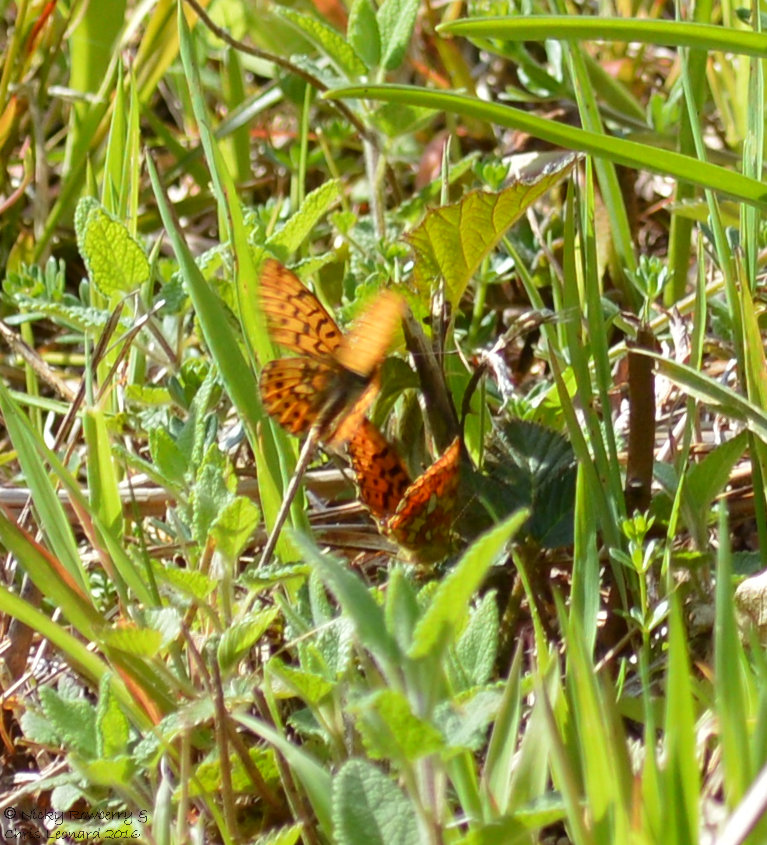
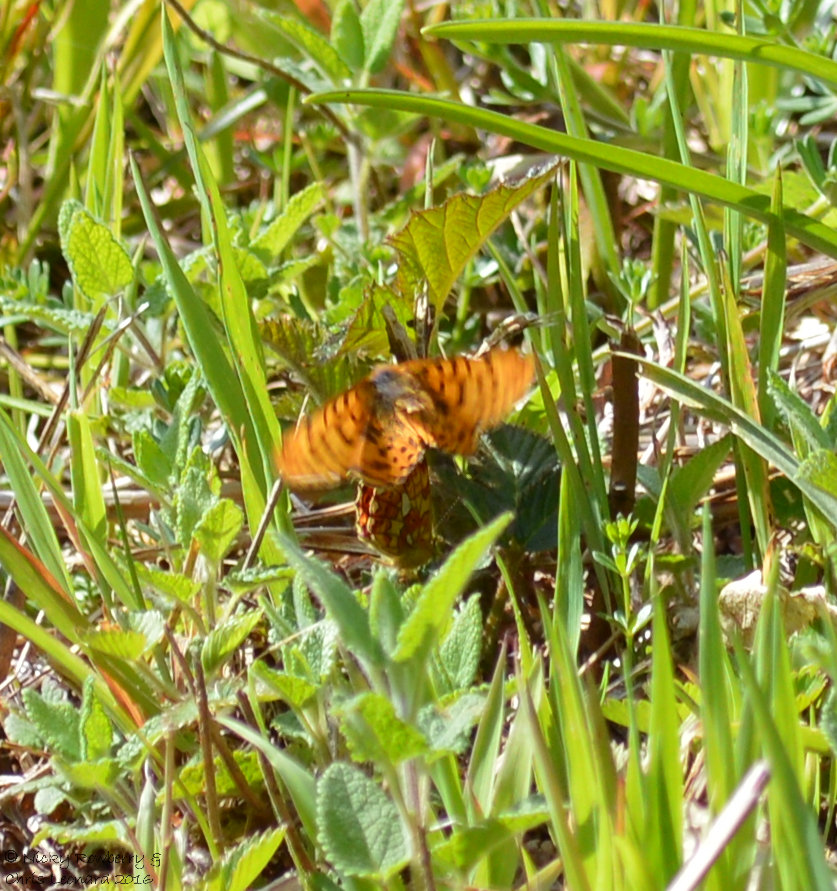
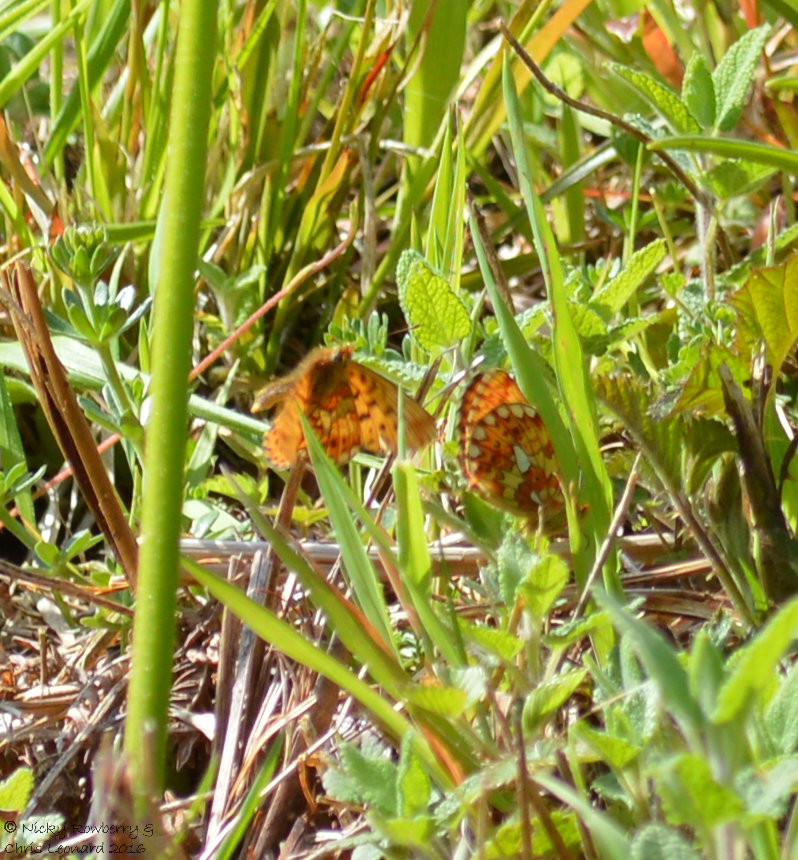
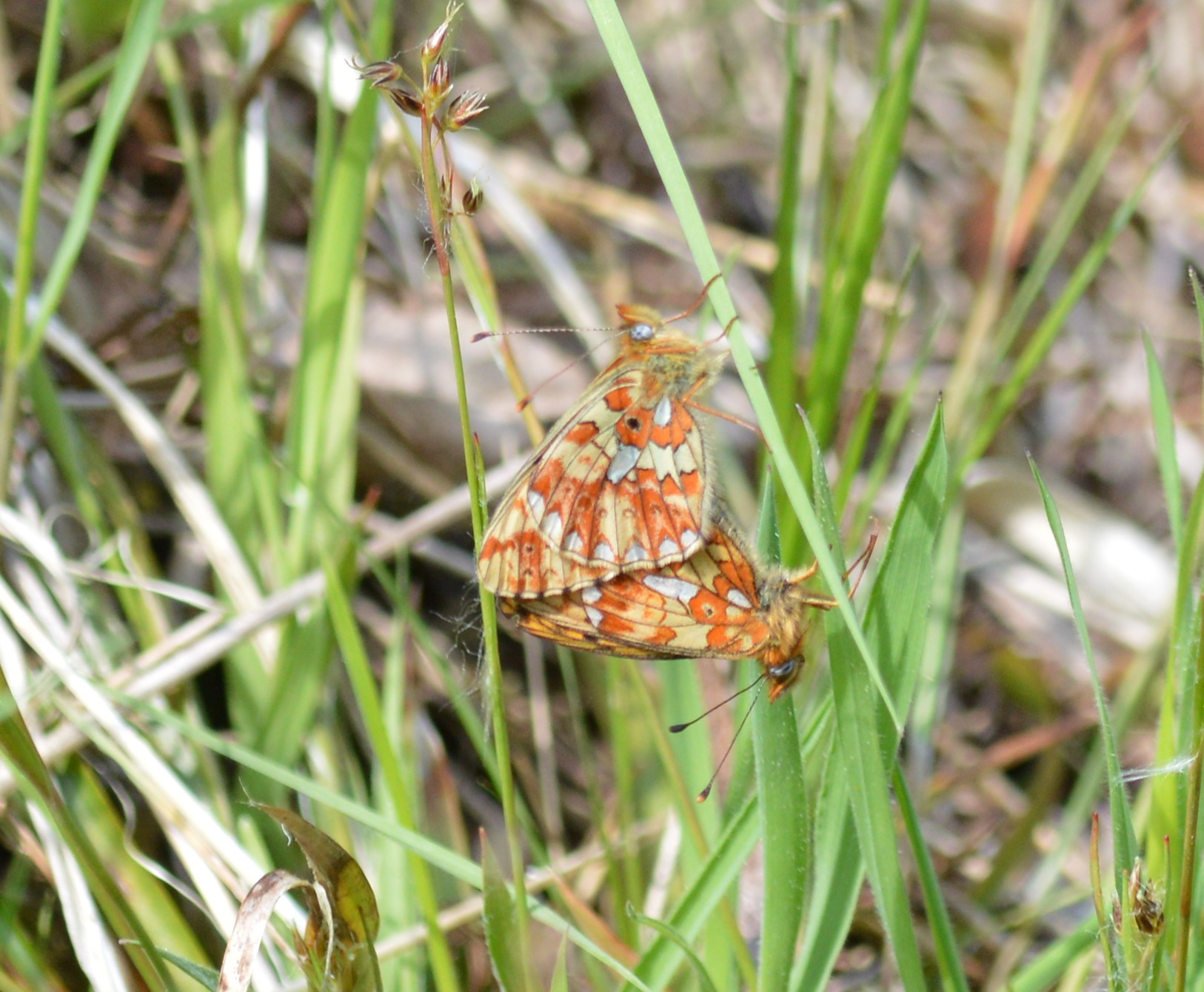
Needless to say it didn’t hang around to get many photos, so we went back to the track and headed along to an area with sunny sheltered banks. Here there were numerous Pearl Bordered Fritillaries fluttering in the sunshine. We were really chuffed initially to get these distant shots of a pair getting down to business.

Pearl Bordered Fritillaries (6) Pearl Bordered Fritillaries (5) Pearl Bordered Fritillaries (2)

But eventually we spotted a pair clearly too engrossed in what they were about to be bothered by us taking photos! I managed to get a few photos of them together. In the photo you can see how pearlescent the central white spot in particular is. I love the underside of their wings – like beautiful stained glass windows.

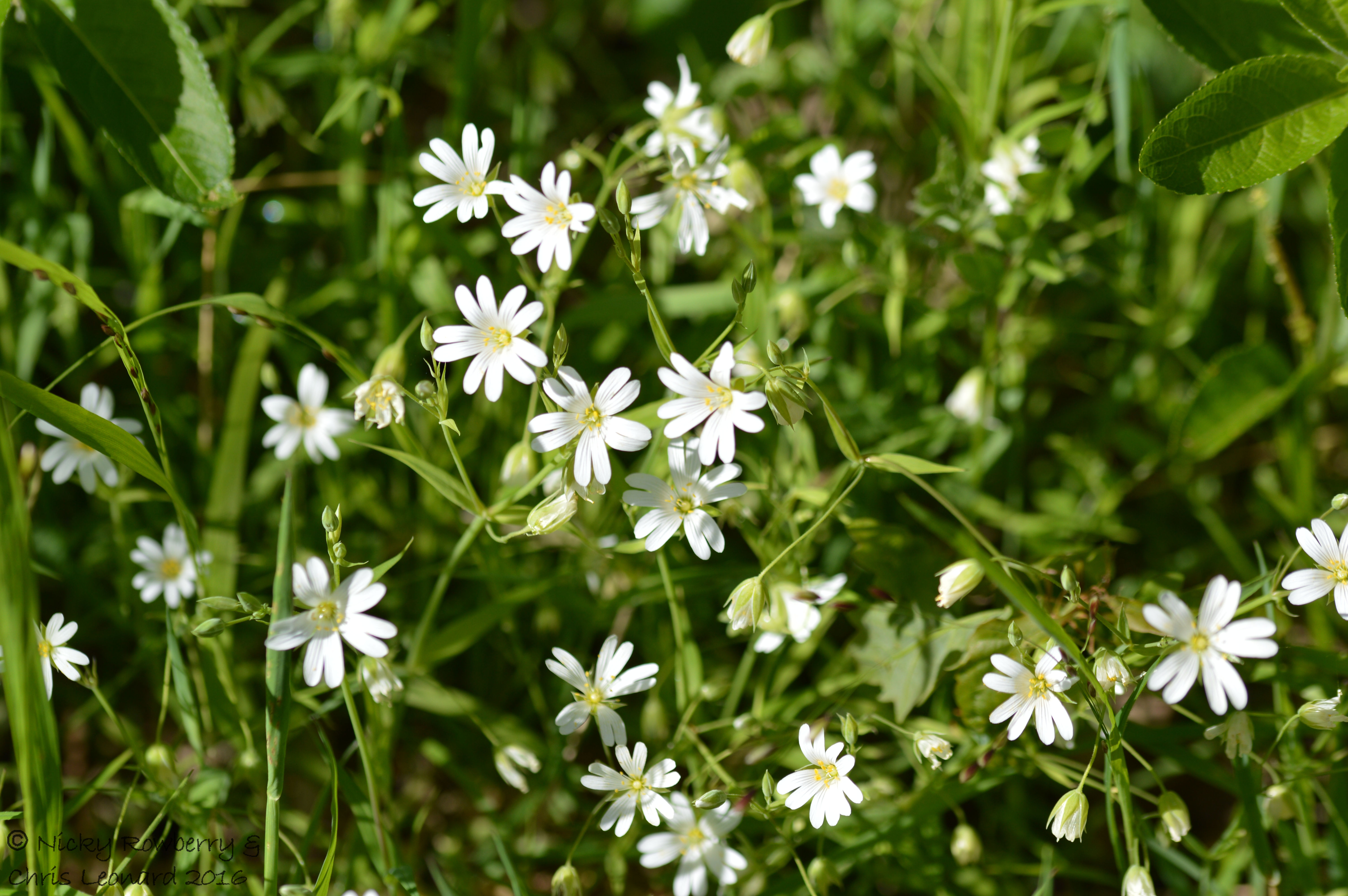
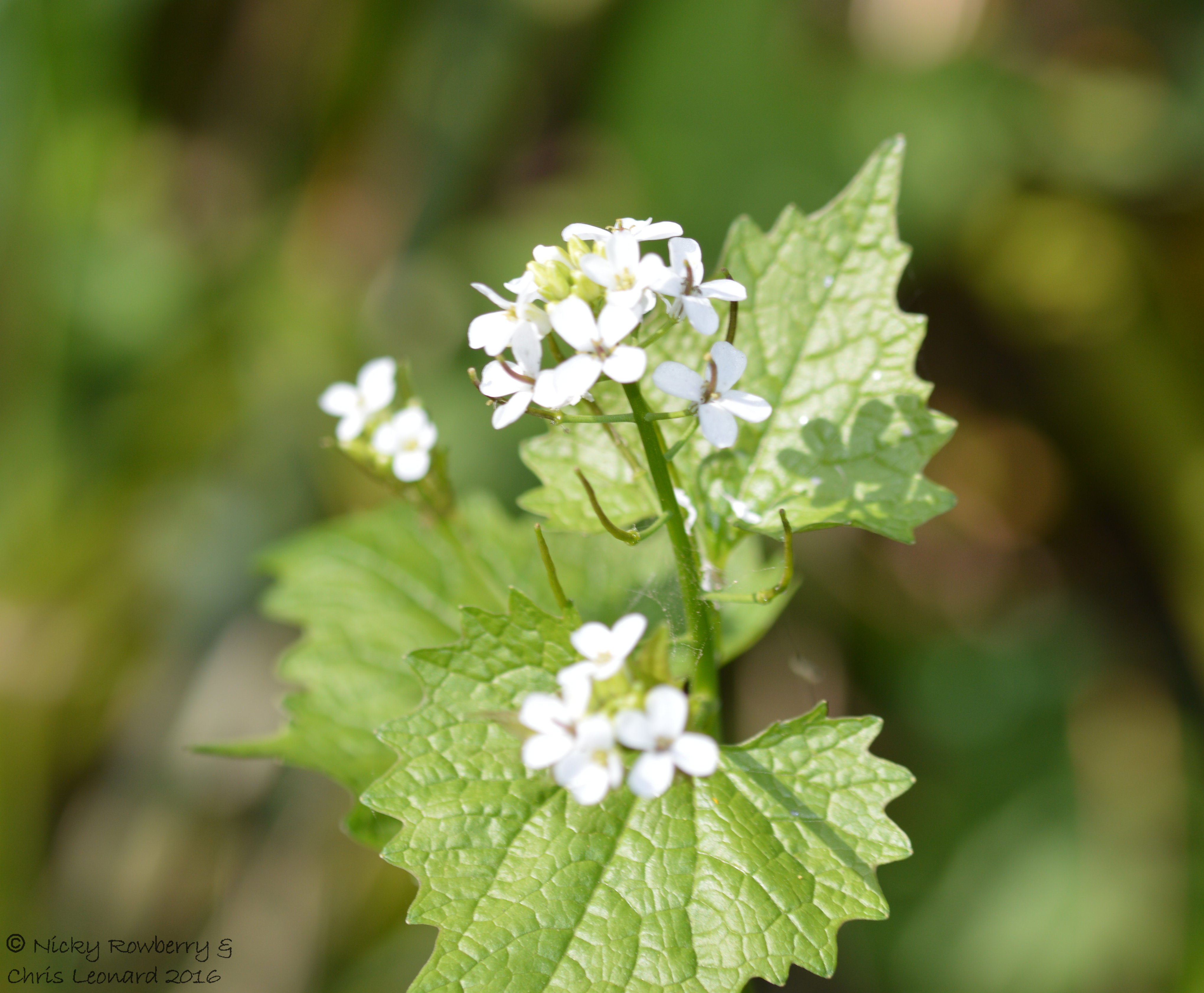
Of course although the fritillaries were the highlight, there was lots to see besides the butterflies. Spring flowers were abundant, attracting a variety of insects. I’m not too hot on wildflower ID, but I’m fairly sure the following are Greater Stitchwort, Jack-by-the-Hedge (aka Garlic Mustard) and Yellow Deadnettle.

Greater stitchwort

Jack by the hedge

Yellow Deadnettle

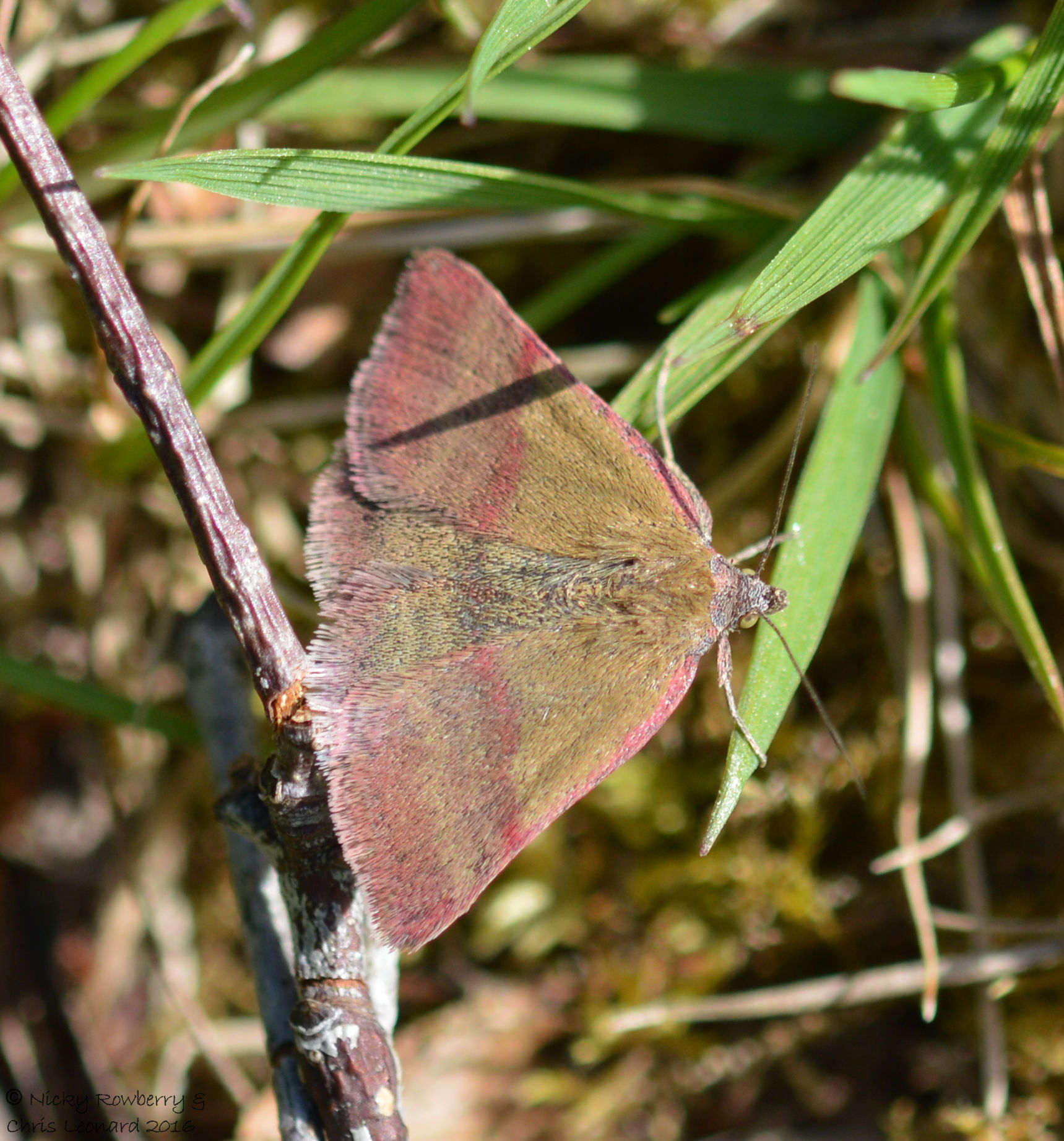
There were also a few day flying moths about, some of which I’d not seen before. The Small Purple-barred (Phytometra viridaria) was a new one, but was thankfully easy to identify.

Small Purple-barred


So all in all a very good day out. The Wyre Forest is definitely worth a visit for anyone wanting to see the beautiful Pearl Bordered Fritillaries.


Garden Moth Scheme

It’s the end of the first quarter of my first year participating in the Garden Moth Scheme. It’s not exactly been a flying start (no pun intended); the moths have been few and far between this spring. But I’m consoling myself with the fact that all data is useful, even if it shows disappointing numbers.

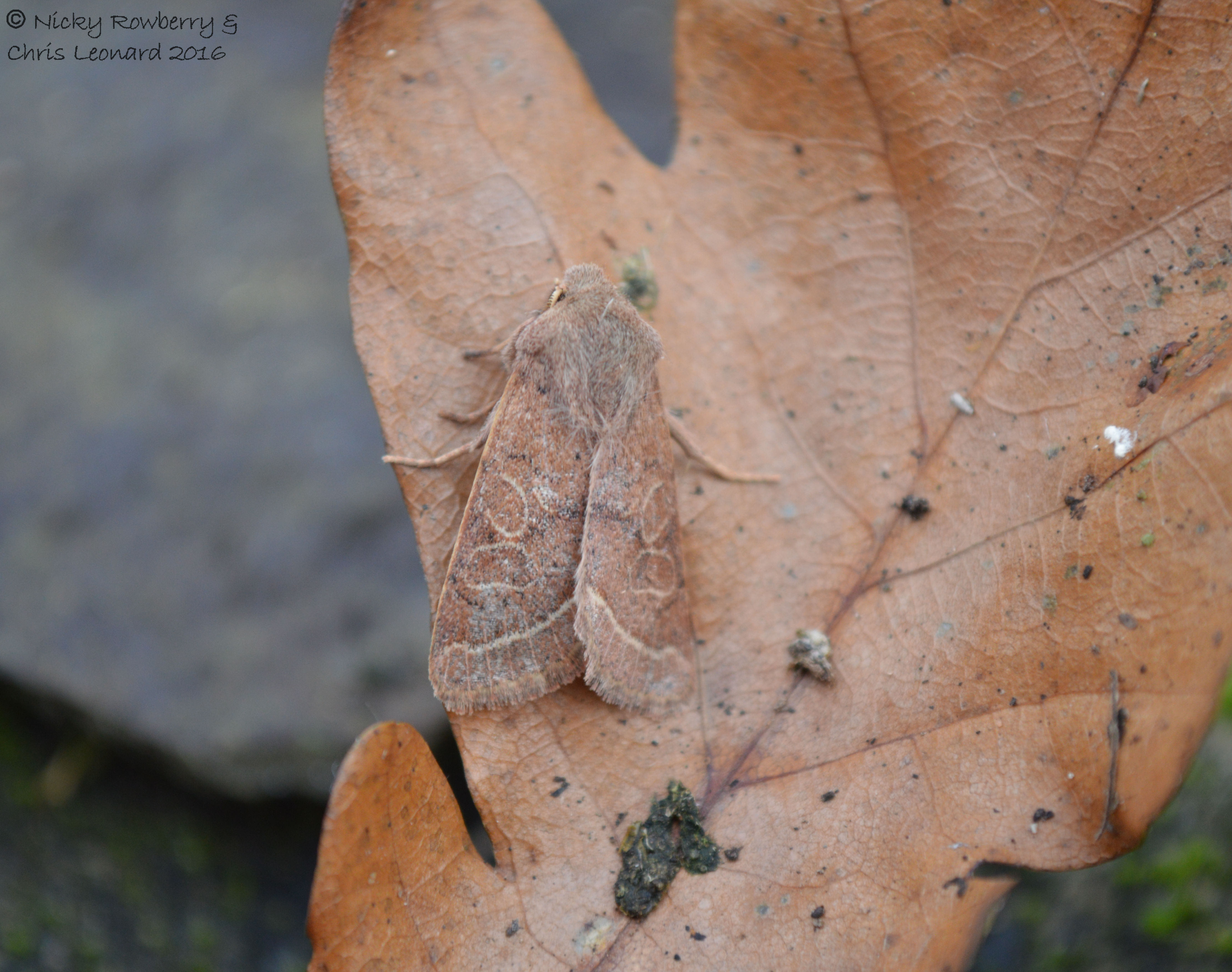
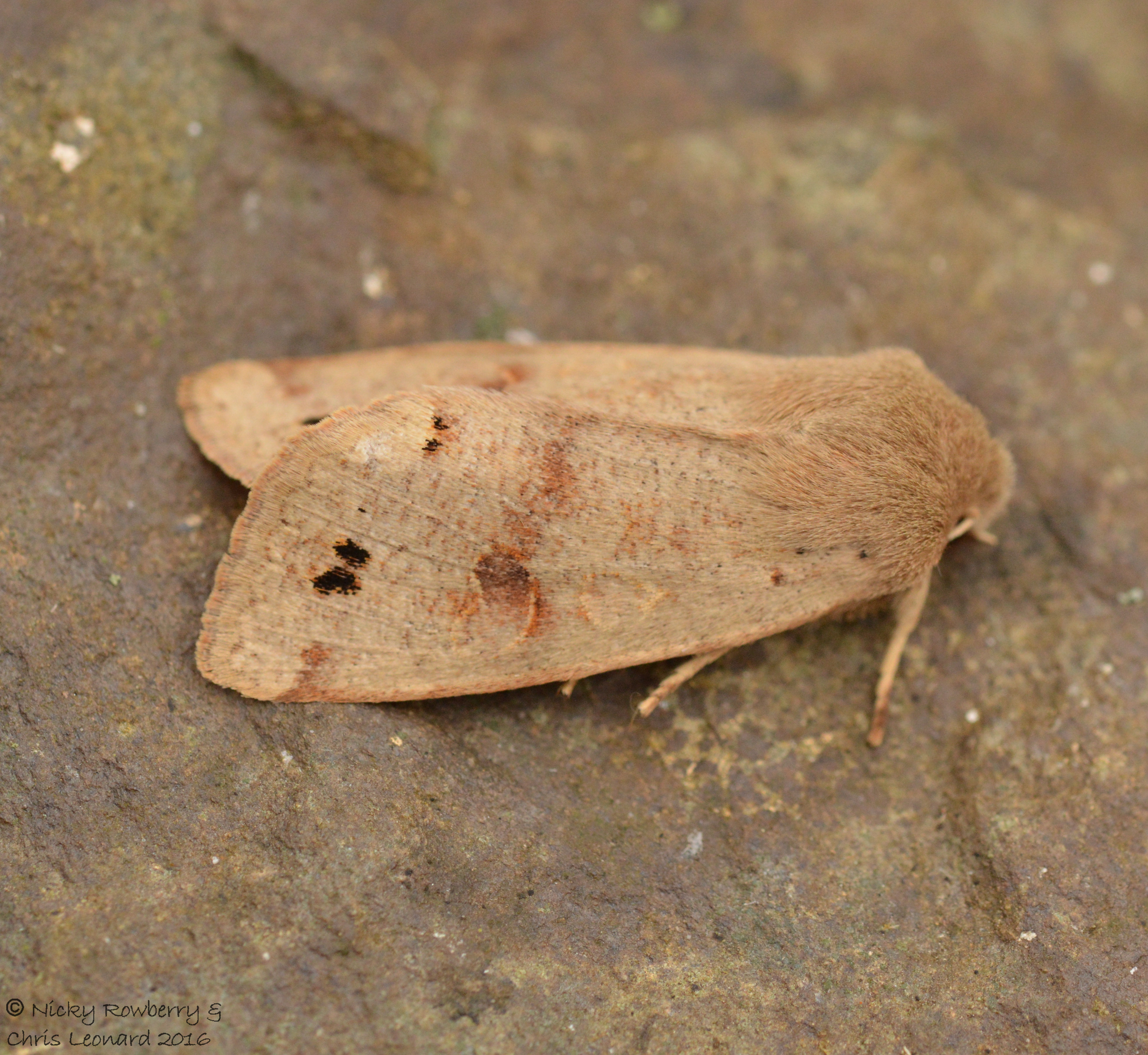
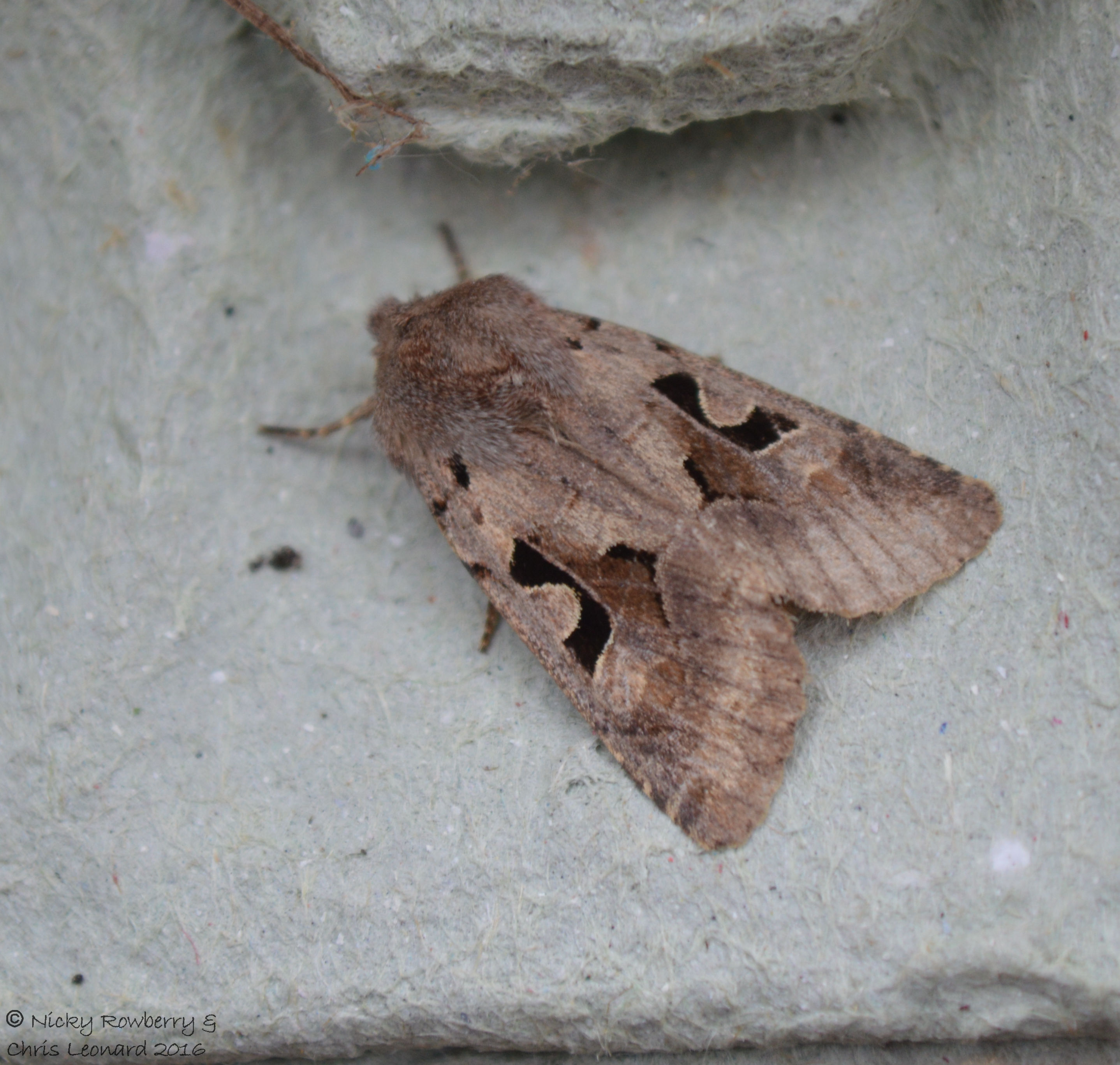
On the 9 nights the moth trap has been out for the scheme, only 46 moths have deigned to make an appearance. On two of the nights nothing showed up at all! The 46 moths represented individuals of 9 species. These 9 species were dominated by the Orthosia – 5 species of this genus; all typical spring moths.  I was particularly chuffed with the Twin-spotted Quaker record, as it was a new one for our garden. With the exception of the Hebrew Character, they are generally quite plain looking moths – see photos below.

Small Quaker (Orthosia cruda)

Small Quaker

Common Quaker (Orthosia cerasi)

Common Quaker 2

Clouded Drab (Orthosia incerta)

Clouded Drab

Twin Spotted Quaker (Orthosia munda)

Twin spot quaker (6)

Hebrew Character (Orthosia gothica)

Hebrew Character (2)

The GM scheme records 6 species of Orthosia  and the final species, Powdered Quaker (Orthosia gracilis), did indeed turn up in the trap, just not on a GMS night.

Powdered Quaker

 Besides the Orthosia moths, the other 4 species making up the 9 for the GM scheme were Common Plume (Emmelina monodactyla), Double Striped Pug (Gymnoscelis rufifasciata), Early Grey (Xylocampa areola) and a Brindled Beauty (Lycia hirtaria).

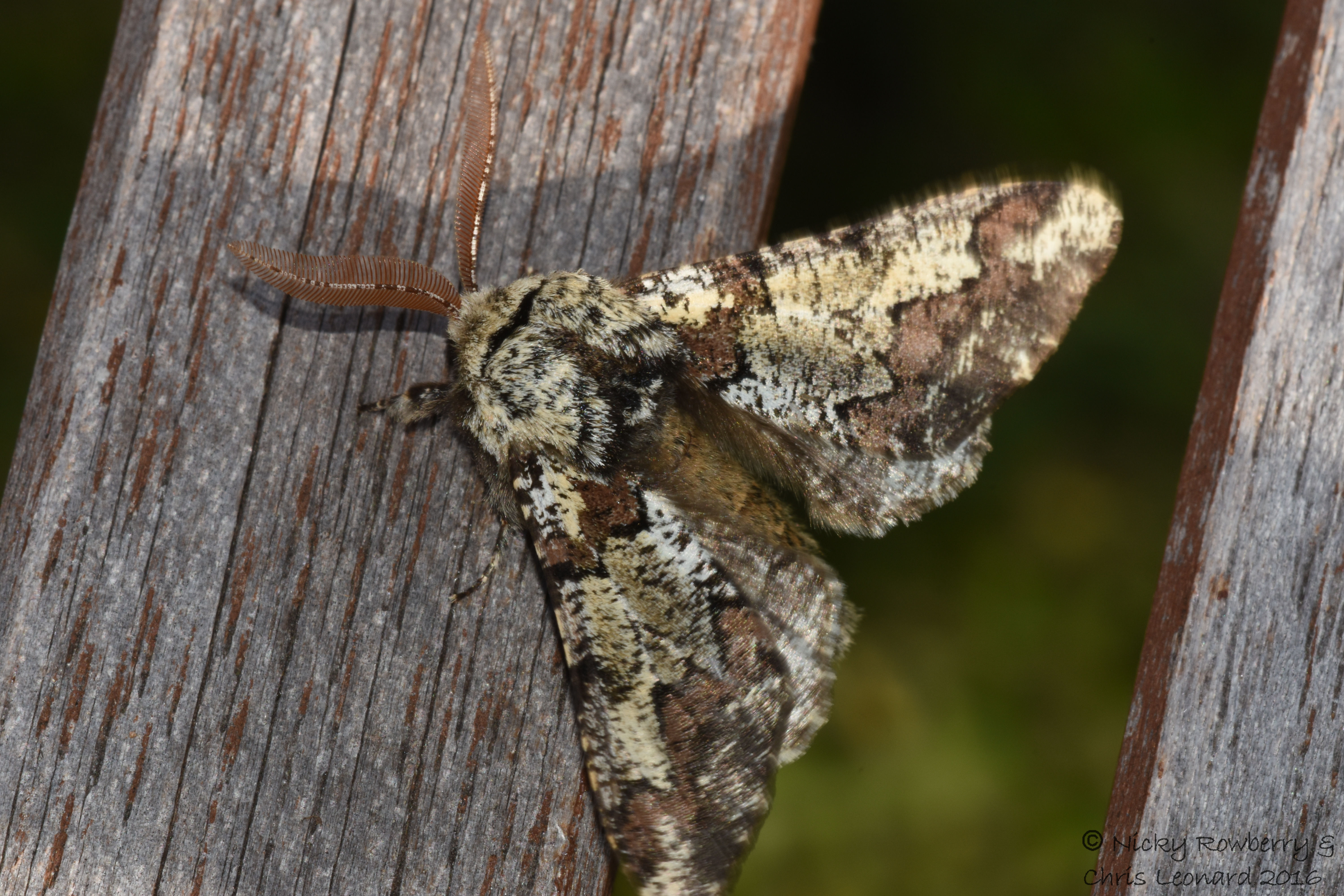
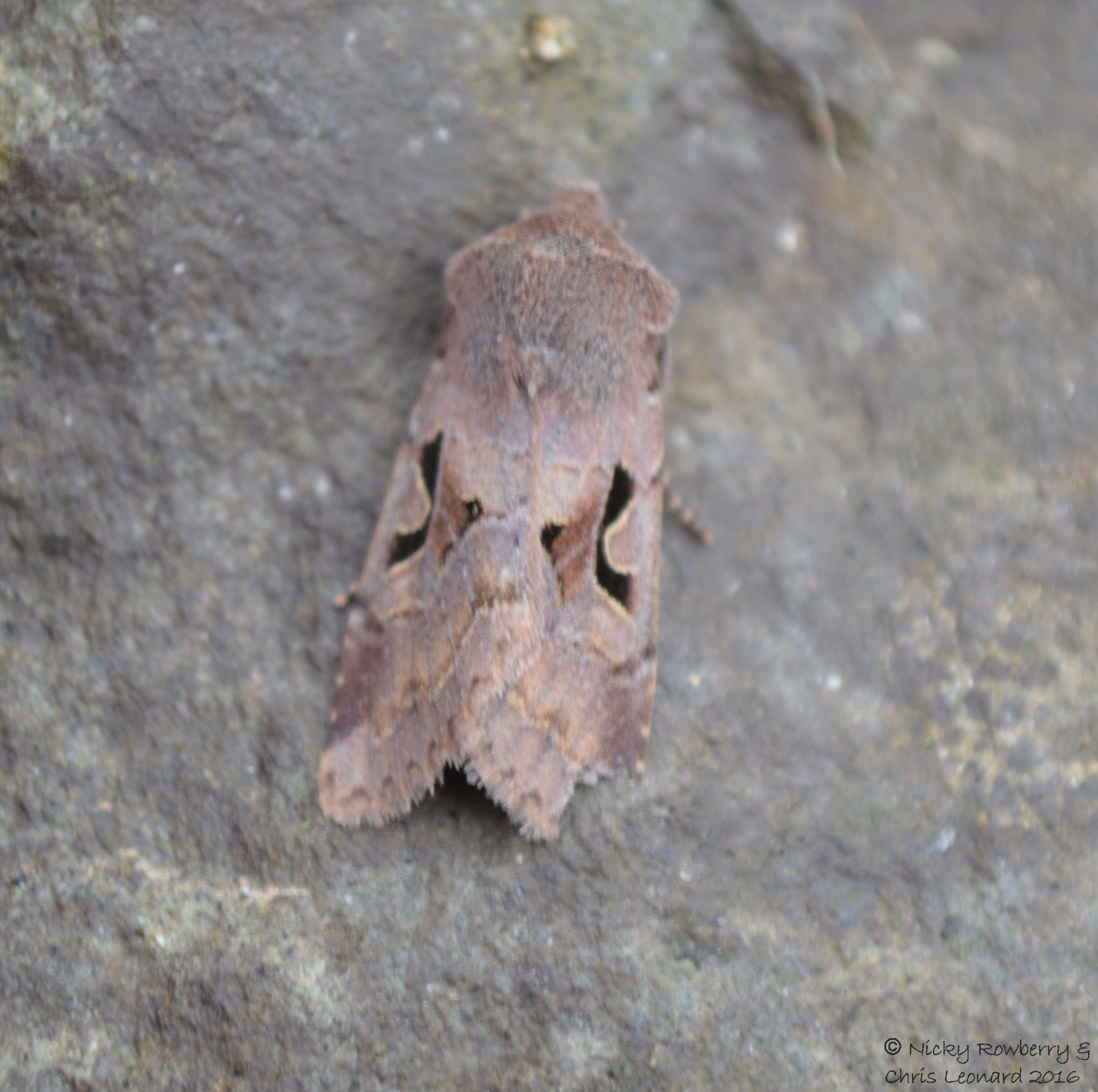
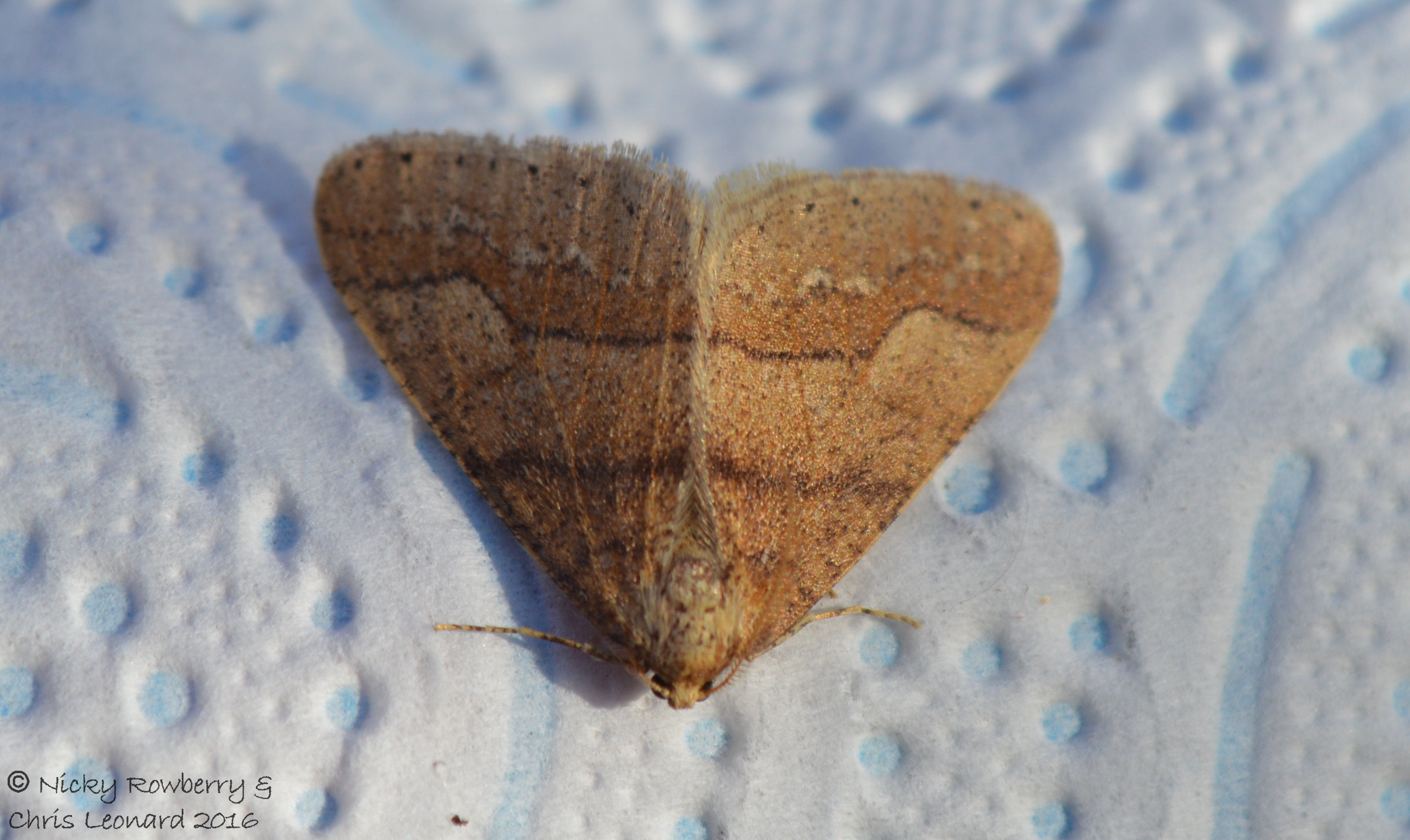
For the year to date though I’ve recorded 22 species – it’s just that most of them seem to appear on nights that aren’t official GM scheme nights so don’t get logged for the project, which is a bit of a shame. For some reason as well the non GMS nights seem to attract the more striking moths (not that they aren’t all lovely to my eyes!), such as the Herald, Oak Beauty and this  Early Thorn.


Early Thorn

Hopefully the next quarter will bring a greater variety and abundance of moths. The trap is out again tonight – it’s not a GMS night so I’ll probably get something huge and spectacular  – Mothra perhaps?

Jurassic Monster!

When you think of Jurassic, you tend to think of T. rex and possibly Richard Attenborough. Most of us don’t picture a minute micro moth, barely 2 millimetres long, but the Too Lazy garden has just that – Mompha jurassicella – a very long name for a very small moth. What’s exciting about this little moth, is that it is the first known record for Malvern.

Mompha jurasicella

We spotted it at the weekend on a primrose stem – which looks huge by comparison. You’d think being so small it would be easy to get it all in focus, but not so; it took 4 photos to get all the relevant bits sharp enough to identify it. Not that we managed to do that ourselves. Identification was courtesy of a very kind man on Facebook and an equally kind County Moth Recorder to confirm it.

Although this tiny moth has been recorded in Worcestershire, it is apparently the first record for the Malvern area, so we’re really chuffed with it. Being so small though, it’s likely lots of the local gardens have it, just that their owners don’t go grubbing about in the undergrowth looking for it! Does make you wonder what else is lurking amongst our weeds?

Doomed Beauty

It was week two of the Garden Moth Scheme last weekend – I put the trap out twice – once for the official GMS count and once just because I probably need to get out more! Needless to say the non-GMS night produced more moths than the official night, but then it was several degrees warmer. I was tempted to log the better of the two results, but decided to be a good citizen scientist – after all the aim of the scheme is to find out about moth numbers on average nights, not just on the best ones!

The official night still produced 6 moths of 4 species, including a small Double Striped Pug (Gymnoscelis rufifasciata), which landed on the garage wall next to the trap at the beginning of the night and stayed there until dawn.


The trap also attracted a Common Plume (Emmelina monodactyla) – a funny stick like micro moth, shaped like a capital T, hence its other common name T-moth.

Emmelina

The second trapping night produced 24 moths of 8 species, including a new species for our garden the March Tubic (Diurnea fagella).


Another first for the garden was this much more attractive (apologies to the above March Tubic) Herald moth (Scoliopteryx libatrix). I’d been wanting to find one of these in the garden for a while (having previously only seen it when I’d rescued a few from a friend’s building site of a garage). Herald moths overwinter as adults, so this was probably one that had been hibernating somewhere nearby and emerged on one of the first warm nights.


But the star of the show was this magnificent Oak Beauty (Biston strataria) – a large moth with fantastic feathered antennae. We have had them in the garden before, but this was a lovely fresh specimen, looking his or her best. Sadly this beauty was doomed. Before I could move him to the safety of a quiet corner, he took off, flapping towards the apple tree. Unfortunately hubby and I weren’t the only ones watching him go and before we knew it, a robin swooped down and had our bright beauty for breakfast. It must have made a big fat treat for the robin, but I must admit I felt more than a little guilty at our part in this poor moth’s short life!

Oak Beauty

So the two nights trapping brings the total species count for the year to 12, which includes 4 new records for the garden – not a bad start to the year at all. Sadly the Oak Beauty can’t say the same!

Moth Count Down

Less than a week to go until the summer Garden Moth Scheme starts, so I’ve been dusting off the trap and my ID skills, such as they are. Although I’ve been moth trapping for a couple of years now, this will be the first time I’ve submitted my results to any study like this and I’m really looking forward to it.

So on Friday night I put the moth trap out as a sort of a dry run,  in the site I’ll be using through the summer for the scheme.  It was a slightly warmer night than it has been recently (a balmy 2.3°C) and virtually no wind, so I was reasonably optimistic about catching something at least. Sure enough, my optimism was rewarded with the grand total of 7 moths of 4 species; more moths than I’ve had in all the other trap nights this year put together. I even had one species I’ve never recorded in the garden before (probably because I don’t normally trap in February). The Grey Shoulder-knot (Lithophane ornitopus) below most probably hibernated as an adult moth over winter to emerge in the spring.

Grey Shoulder Knot

The remaining 3 species all belonged to the Orthosia genus of moths, which would have spent the winter as pupae. The first of these was the Common Quaker (Orthosia cerasi) which I’d already caught this year and mentioned in earlier blog posts.  The second was the unfortunately named Clouded Drab (Orthosia incerta) seen below camouflaged very well against a stone background.

Clouded Drab

The final species was the much more interestingly titled Hebrew Character (Orthosia gothica), named apparently because the dark mark on its wing looks like the Hebrew character Nun: It’s not a perfect match, but you can see what they were getting at, when whoever it was named this moth.

Hebrew Character

So 6 species of moth under my belt for this year so far and looking forward to seeing what the garden holds in the coming months. Having the discipline of having to put the moth trap out every week for the scheme, will hopefully yield a few extra species that I would otherwise miss. And it’s nice to know that our Malvern moths are in some small way contributing to the wider knowledge of the UK moth fauna.


A Down-trodden Female and a Bit of a Puritan

Whilst waiting for my trail camera skills to miraculously perfect themselves, I decided to run the moth trap at the weekend. It was cold but dry at least, so I ran the trap both Friday and Saturday night. Friday drew a complete blank, but Saturday produced the huge haul of 2 moths, bringing my grand total for the year so far to 3 moths – at this rate I should hit double figures by about June! The Garden Moth Scheme starts in a few weeks’ time, so I hope numbers pick up a bit by then.

One of my 2 prize specimens this weekend was another Common Quaker (also the one moth to be trapped in January). The Quaker moths are apparently so-named because they’re supposed to look dowdy and dull and not given to flashy colours – appearances of which the religious Quakers would have approved. But looking at the photos I think they have a more subtle charm and aren’t deserving of their drab reputation. Admittedly the one on the left isn’t looking his or her best on a bit of kitchen paper, but I’m to blame for the aesthetics of this photo, not the moth. Once it had flown down onto the soil, the camouflage potential of its subtle colouring becomes clearer as it blends in with the dead leaves – bright colours are all very well, unless they get you eaten!

Common QuakerCommon Quaker on soil

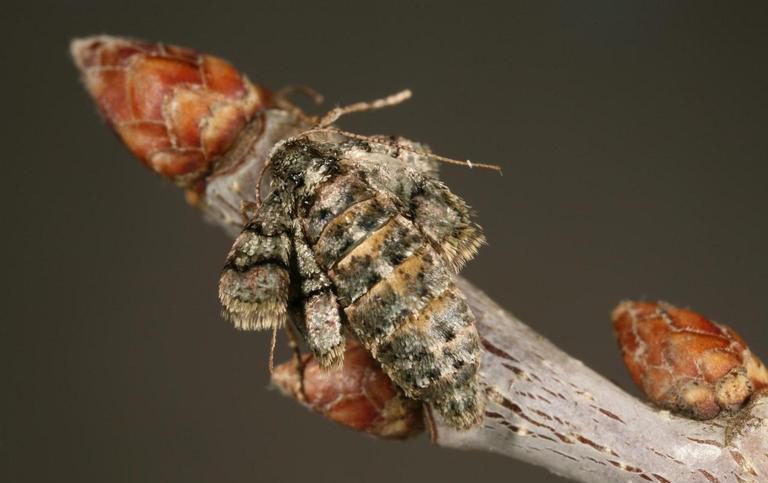
The second intrepid February moth was a male Dotted Border. I’m not usually so confident at sexing my moths, but with this one it is easy, as the female of the species has got a really duff deal. The Dotted Border is one of the relatively few British species where the female is flightless – they have only stumpy vestigial wings. This seems wholly unfair to me – surely the great joy of being a moth (on the slightly romantic assumption that moths can experience great joy!) is being able to fly! The poor down-trodden females just have to sit and wait for the Mr Dotted Border to come and visit. The moth on the left is my lucky male (again apologies for lack of aesthetic photo, he blew away before I could get better) and the one on the right is the female. This photo comes courtesy of the Wikimedia Commons website (so free to copy here), as I’ve yet to find a female in the garden here.

Dotted BorderAgriopis_marginaria_fem