Garden Moth Scheme

It’s the end of the first quarter of my first year participating in the Garden Moth Scheme. It’s not exactly been a flying start (no pun intended); the moths have been few and far between this spring. But I’m consoling myself with the fact that all data is useful, even if it shows disappointing numbers.

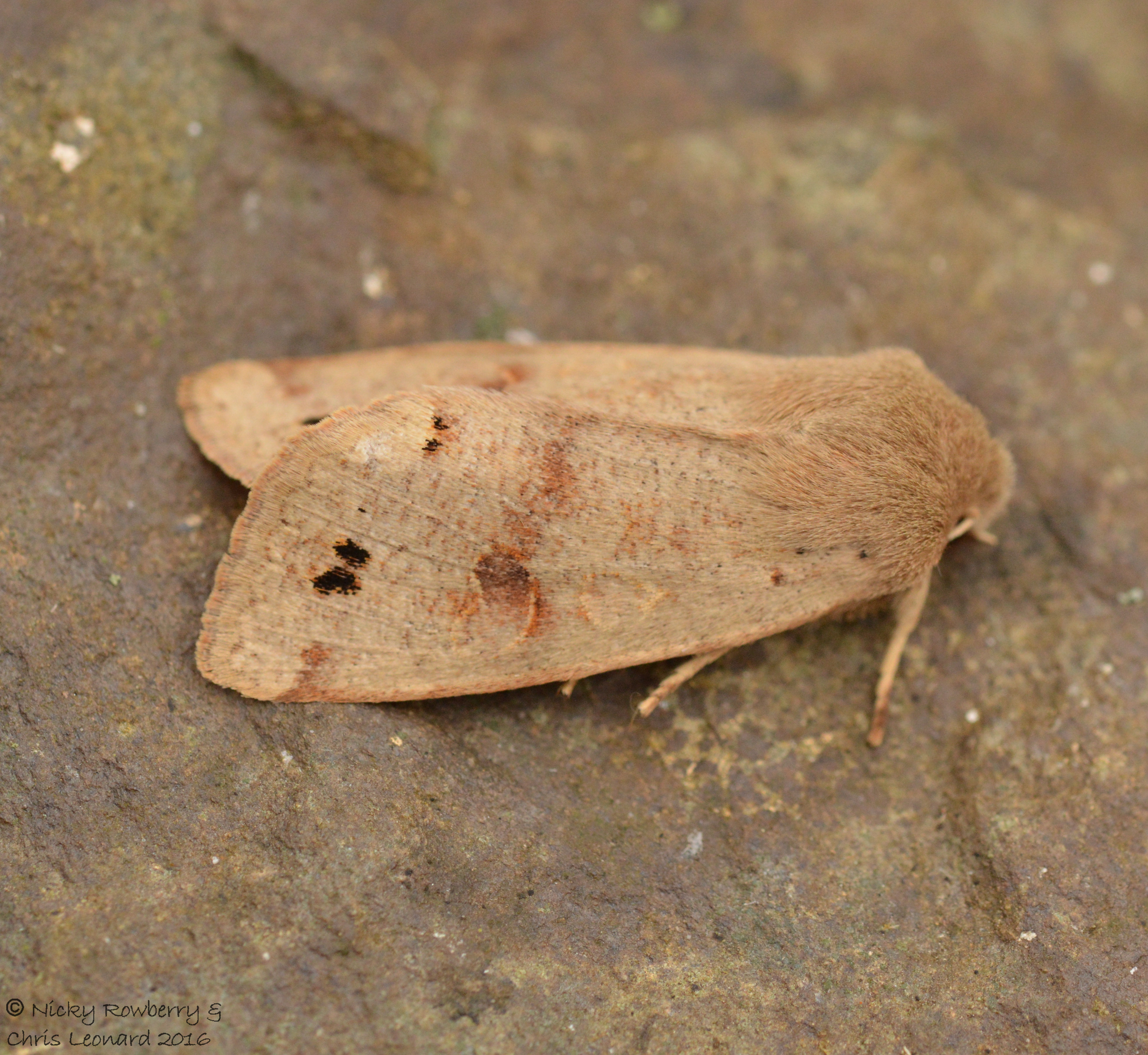
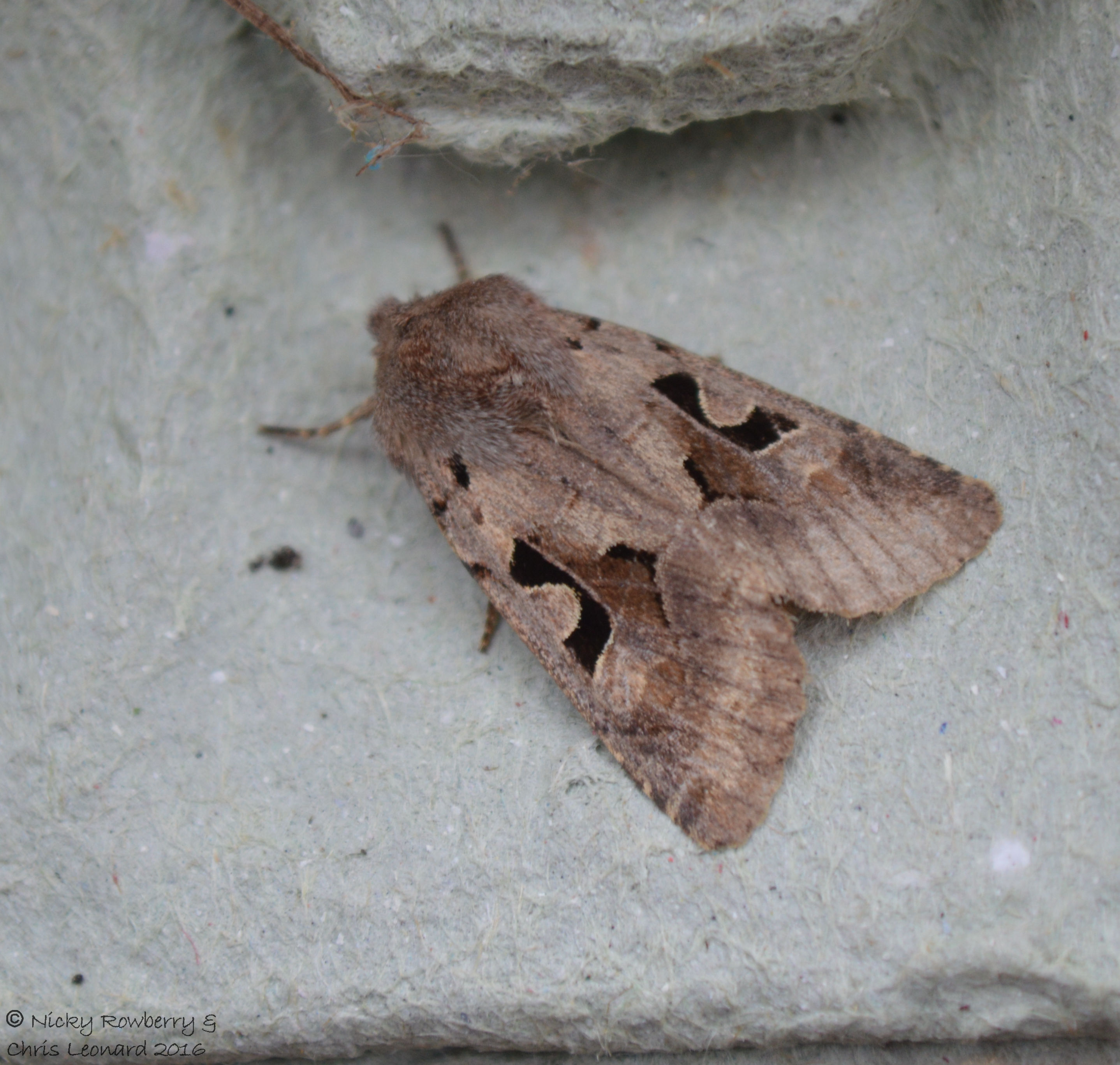
On the 9 nights the moth trap has been out for the scheme, only 46 moths have deigned to make an appearance. On two of the nights nothing showed up at all! The 46 moths represented individuals of 9 species. These 9 species were dominated by the Orthosia – 5 species of this genus; all typical spring moths.  I was particularly chuffed with the Twin-spotted Quaker record, as it was a new one for our garden. With the exception of the Hebrew Character, they are generally quite plain looking moths – see photos below.

Small Quaker (Orthosia cruda)

Small Quaker

Common Quaker (Orthosia cerasi)

Common Quaker 2

Clouded Drab (Orthosia incerta)

Clouded Drab

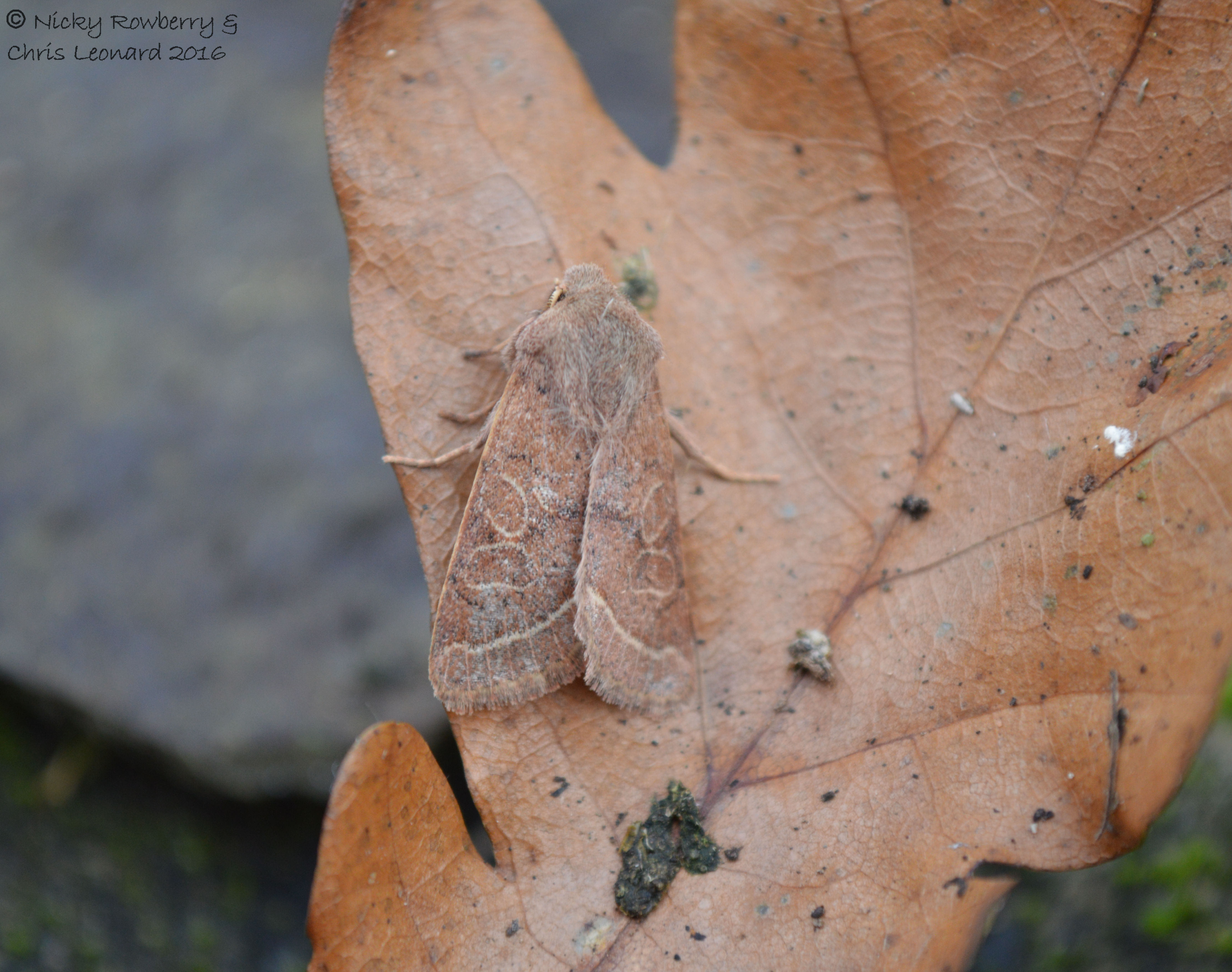
Twin Spotted Quaker (Orthosia munda)

Twin spot quaker (6)

Hebrew Character (Orthosia gothica)

Hebrew Character (2)

The GM scheme records 6 species of Orthosia  and the final species, Powdered Quaker (Orthosia gracilis), did indeed turn up in the trap, just not on a GMS night.

Powdered Quaker

 Besides the Orthosia moths, the other 4 species making up the 9 for the GM scheme were Common Plume (Emmelina monodactyla), Double Striped Pug (Gymnoscelis rufifasciata), Early Grey (Xylocampa areola) and a Brindled Beauty (Lycia hirtaria).

For the year to date though I’ve recorded 22 species – it’s just that most of them seem to appear on nights that aren’t official GM scheme nights so don’t get logged for the project, which is a bit of a shame. For some reason as well the non GMS nights seem to attract the more striking moths (not that they aren’t all lovely to my eyes!), such as the Herald, Oak Beauty and this  Early Thorn.


Early Thorn

Hopefully the next quarter will bring a greater variety and abundance of moths. The trap is out again tonight – it’s not a GMS night so I’ll probably get something huge and spectacular  – Mothra perhaps?

Hungry Mouths to Feed

Hooray the robins in our garden have successfully fledged!! Two juvenile robins have been flitting around our garden all week, with the parents never very far away. They may be able to fly, but they still seem determined to sponge off Mum & Dad (typical teenagers) for as long as possible. So I’ve spent the week chasing them around the garden trying to get the perfect shot of them being fed by the doting parents. The results were mixed to say the least – if I got a perfectly focussed photo then they weren’t doing anything very interesting. If they started feeding the chicks, then in my excitement the photos came out blurred!

The adults were as always pretty easy to photograph – they seem to love the camera and pose happily on any available perch.

Robin

They’ve always taken a keen interest in whatever was out on the bird table and of late I’d seen them flying off with their bounty rather than eating it there and then, so I’d suspected chicks might have hatched. We’ve never spotted the robin nest, so perhaps they’re nesting in one of the neighbours gardens and just using us as a buffet?

Robin (3)

The fledglings appeared a week or so ago. Initially they were shy, keeping to the bushes, but have gradually got bolder. At first I thought it was just one – perhaps one fledged before the other. The one below looks particularly dejected as if it’s been told of by the adult, although it’s probably just fed up with the bank holiday weather like the rest of us!

Juvenile robins (7)

This weekend though, I started seeing two of them together (although this photo only shows one and a half fledglings!)

Juvenile robins (1)

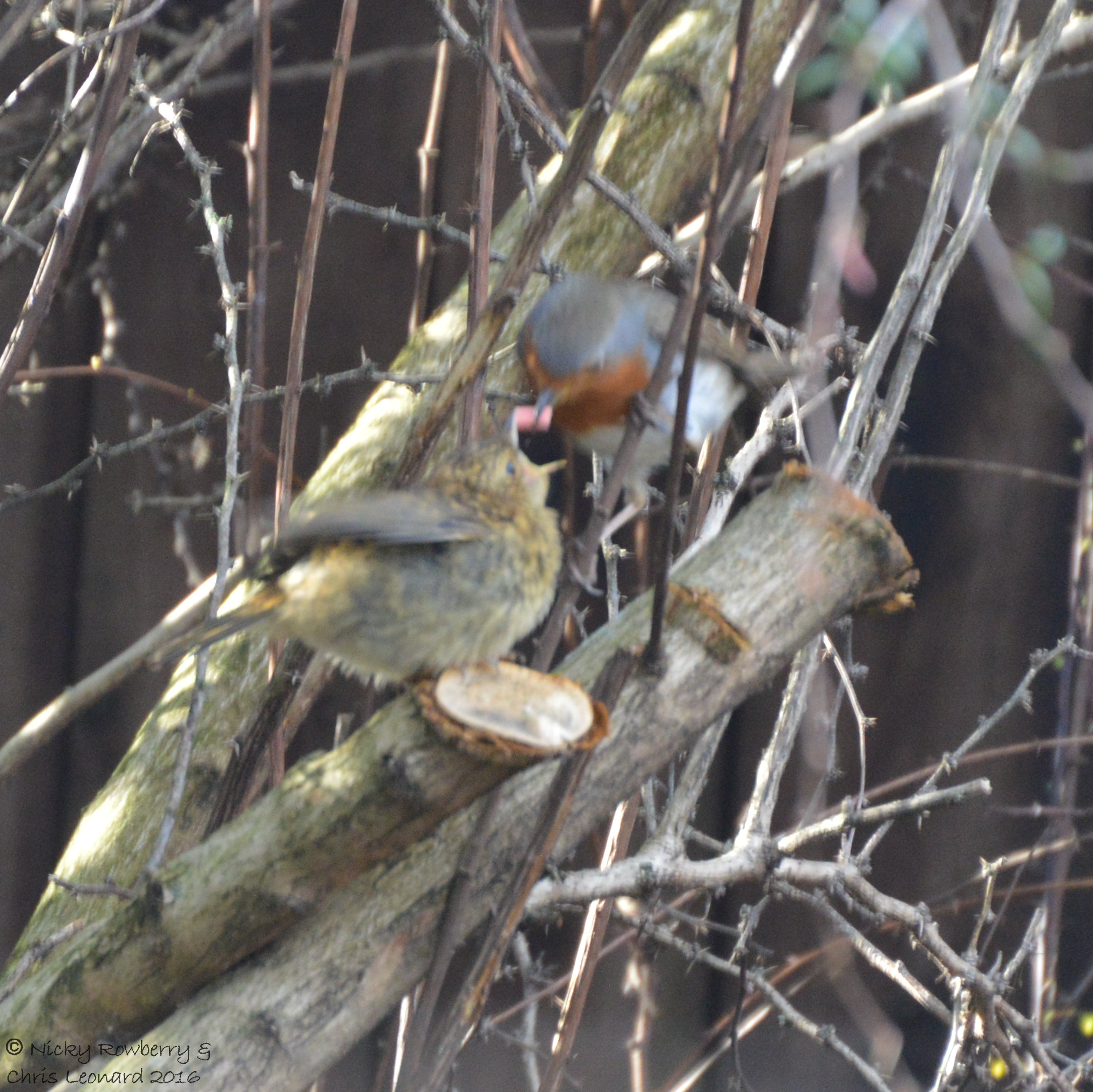
Despite seeing the parents feed them several times, it took ages to catch them doing it somewhere where I could get a relatively clear shot with the camera. Of course when I did, the photos came out blurred – the excitement must have got to me! But you can at least see the parent is feeding a suet pellet to the eager juvenile.

Robin and baby (5)

Robin and baby (2)

They seemed to use this corner of the garden regularly to feed the young – perhaps the thorny Berberis twigs offer some protection from the neighbours cat? So I tried setting up the trail cam to capture the action – 163 videos of twigs blowing in the wind later and I got a few brief snippets of the young. They were indeed still using this area to feed them, but always it seemed just out of camera shot.

So I may not have got the perfect photo or perfect video, but the main thing is that we seem to have 2 healthy (and very greedy) fledgling robins in the garden. Fingers crossed we get the same success with the blue tits.

Busy Birds

The birds are certainly busy in Malvern at the moment (as no doubt they are all across the country of course). There is a constant buzz of activity in the garden, be it gathering nesting material or just a feeding frenzy over the food we put out. The sparrows in particular have been keen on last year’s artichoke flowers for nesting material. It’s amazing how much they can stuff into their beaks, ending up with  ludicrously oversized moustaches!

Sparrow nesting material

In true Too Lazy fashion, we had left the old flowers standing thinking they would provide seeds for birds and maybe shelter for overwintering insects. I hadn’t realised they would make such good nesting material, but clearly the sparrows knew better. I’ve seen them plucking at the flowers in all weather, even when the high winds rock them about in the video below.

I already knew the blue tits had been checking out the bird box, so it was really nice to see this one taking nesting material in, although he or she did seem to be struggling a bit to get it all through the hole!

Birds of all sorts have been eating us out of house and home in the garden, hopefully building up their energy reserves for nesting. The blue tits regularly perform for the trail camera, but it was nice recently to get footage of the starlings and sparrows who have tended to be more camera shy. Being able to see the starlings close up like this you can appreciate what beautiful and colourful birds they really are – not just the plain black they can sometimes appear from a distance.

Starling on suet

The sparrows gather round the suet feeder in groups of up to about 8, although they can rarely manage to squeeze more than 3 or 4 on it at any one time.

There are still several species that have so far refused to be filmed although we see them regularly in the garden – Great Tits, Coal Tits, Goldfinches and of course the Sparrowhawk.


Out and About – Hartlebury Common

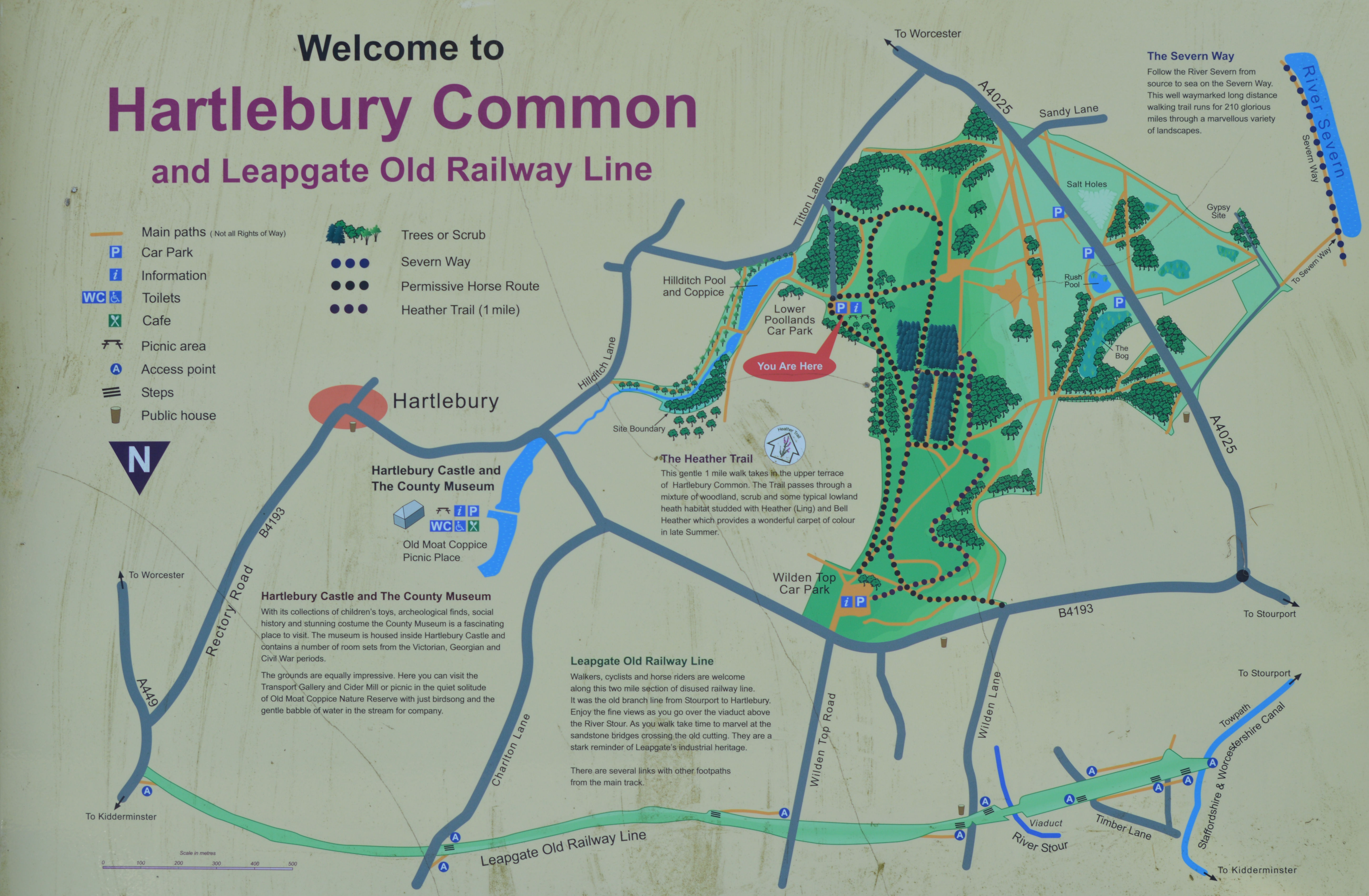
Once again we ventured forth from our sofas and hit the outside world in search of adventure – or more precisely moths! We’d heard that Hartlebury Common in North Worcestershire might have Emperor Moths – large day flying moths that we’ve always wanted to see. Hartlebury Common is an SSSI, consisting of lowland heath and supposedly good for Emperors.

Hartlebury Map

Needless to say after several hours tramping about in intermittent sunshine, there were no signs of the regal Emperors. Fortunately Hartlebury  provided other wildlife of interest. Insect-wise there were lots of bees feeding on the gorse and broom. A single Tortoiseshell butterfly provided fleeting hope that we’d spotted an Emperor; but a Bloody-nosed Beetle (Timarcha tenebricosa) stopped us in our tracks as he trundled across the path. When we tried to gently move him to one side, he secreted his trademark blood red liquid from his mouth, which made identifying him later a hell of a lot easier!

The gorse bushes also offered up a Gorse Shieldbug (Piezodorus lituratus) – a species we’d never seen before, so nice to bag another one.

The birds were abundant and singing all round us. A green woodpecker taunted us all morning, but remained steadfastly out of camera range. A tree creeper posed on a tree trunk just long enough for us to spot him, but not long enough for us to focus and get a photo. Fortunately a wren was slightly more accommodating, although a bit far away to get a really good shot.

Wren at Hartlebury

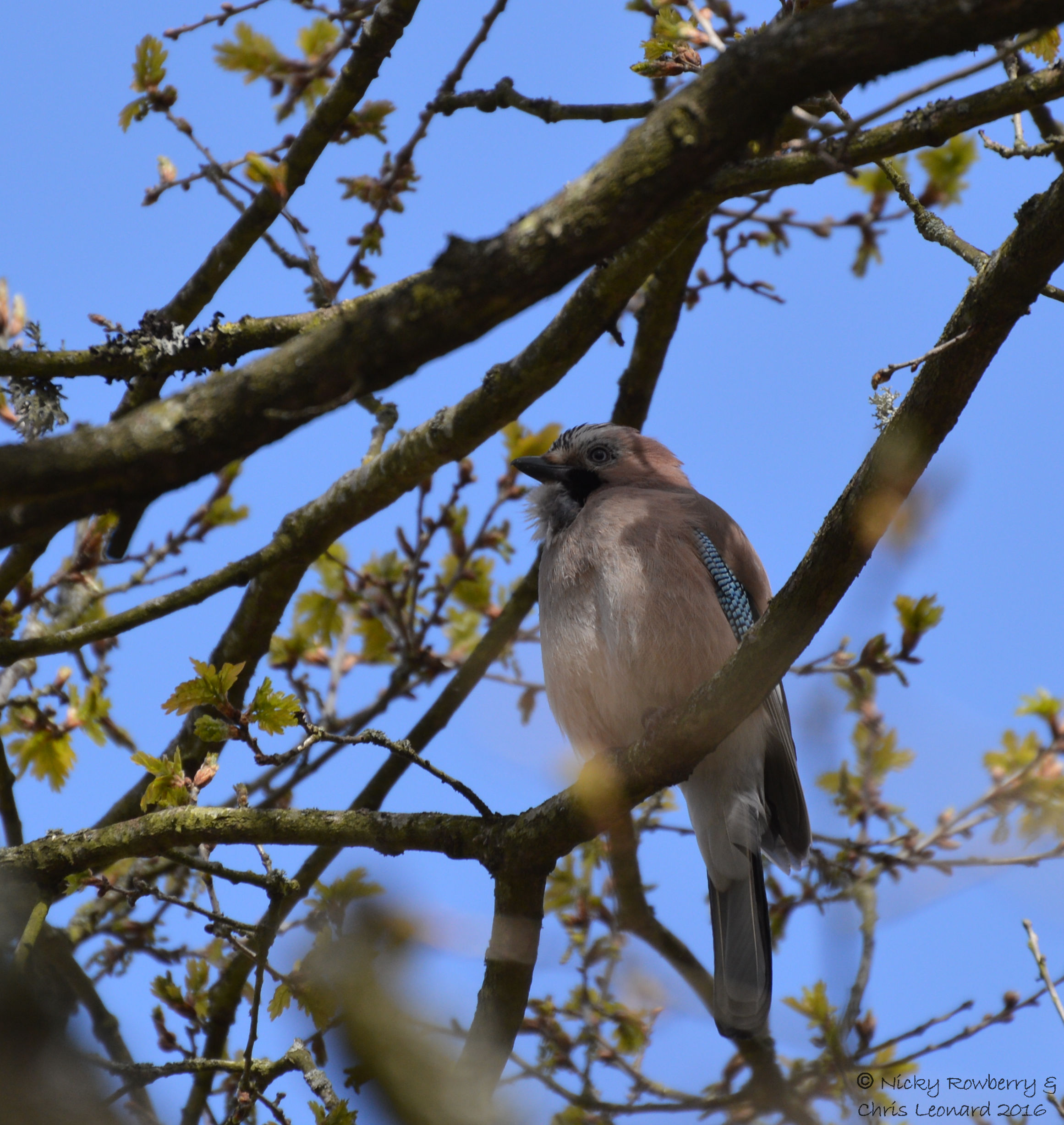
A pair of Jays made the trip all worthwhile though. I’d previously only seen glimpses of these beautiful birds, so to see them as clearly as this made my day.

Jay at Hartlebury 2

Jay at Hartlebury

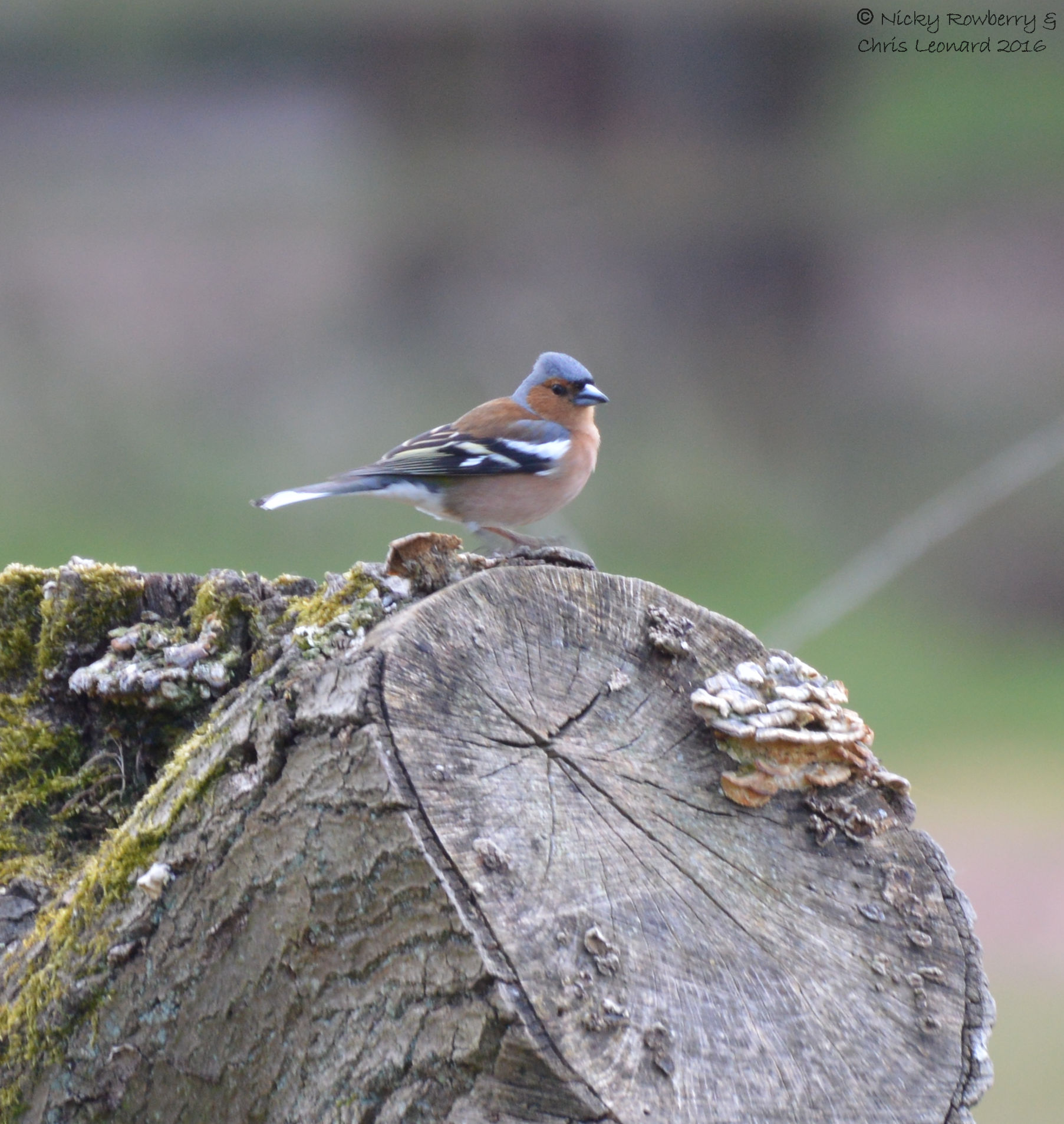
A chaffinch also posed perfectly on an old tree stump.

Chaffinch at Hartlebury (2)

The final bird of the day was either a Chiffchaff or a Willow Warbler. Apparently the two are very similar and the best way to tell them apart is by their songs. Of course we were so intent on taking photos, that we didn’t really pay much attention to the songs. Back at home and listening to sample bird songs on “tinternet”, I still couldn’t decide if we’d heard a Chiffchaff or a Warbler. So if anyone can confirm the bird by appearance alone and settle it, that would be great.

Chiffchaff (11)

Having never before stood under a pylon (slightly incongruous in the middle of the Common), I thought I’d attempt an arty shot – not sure I’ve really got the hang of art though!

Pylon at Hartlebury

So Hartlebury Common may not have offered up any Imperial sightings, but there was plenty of interest to while away a few hours.


Out and About – Tiddesley Wood

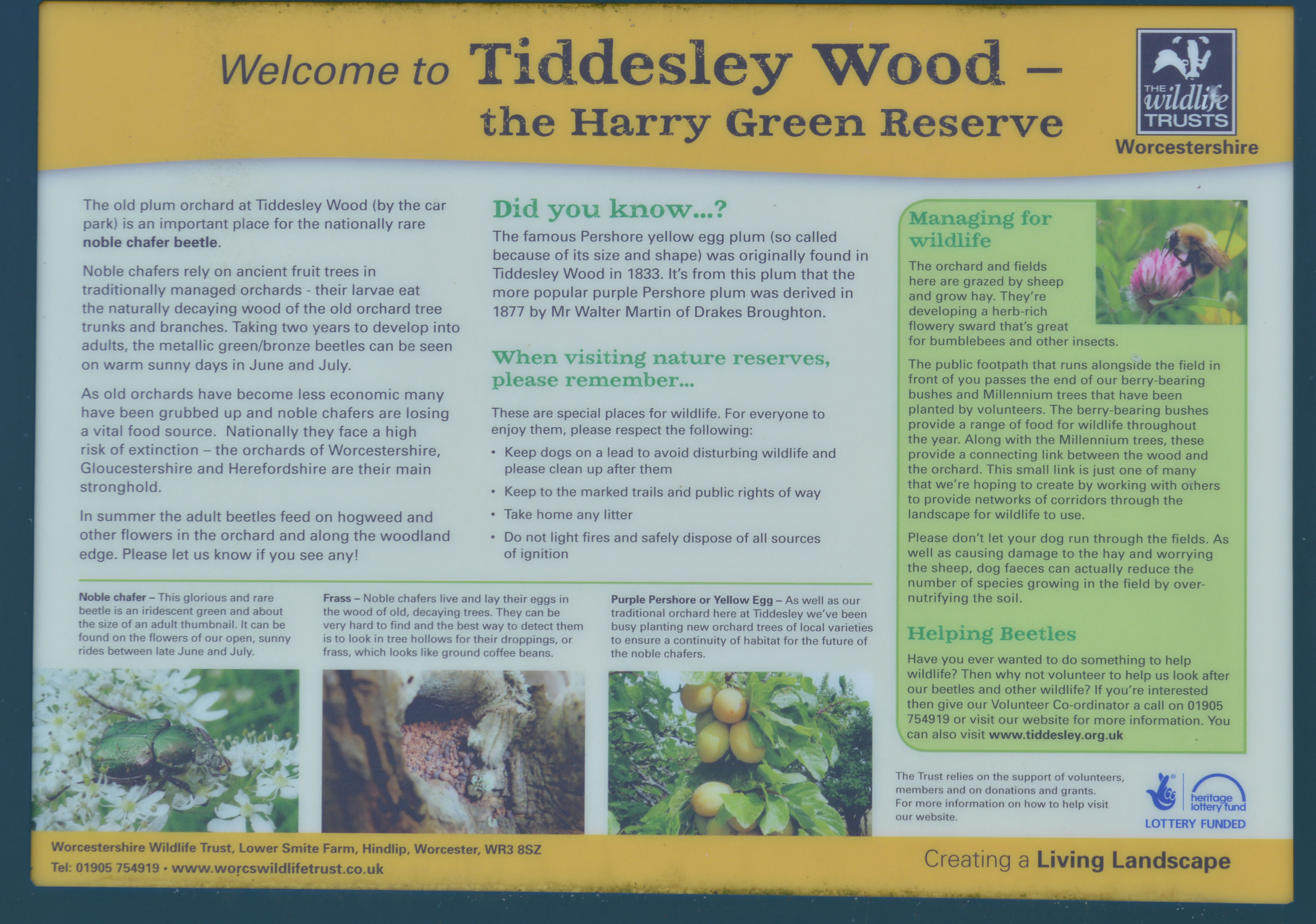
The Two Lazy Gardeners went crazy today, got off our sofa and went out and about! It’s the beginning of Bluebell season here in Worcestershire, so we headed out to some woods in hope and expectation. The wood of choice for today was Tiddesley near Pershore – a Wildlife Trust run reserve.

Signpost

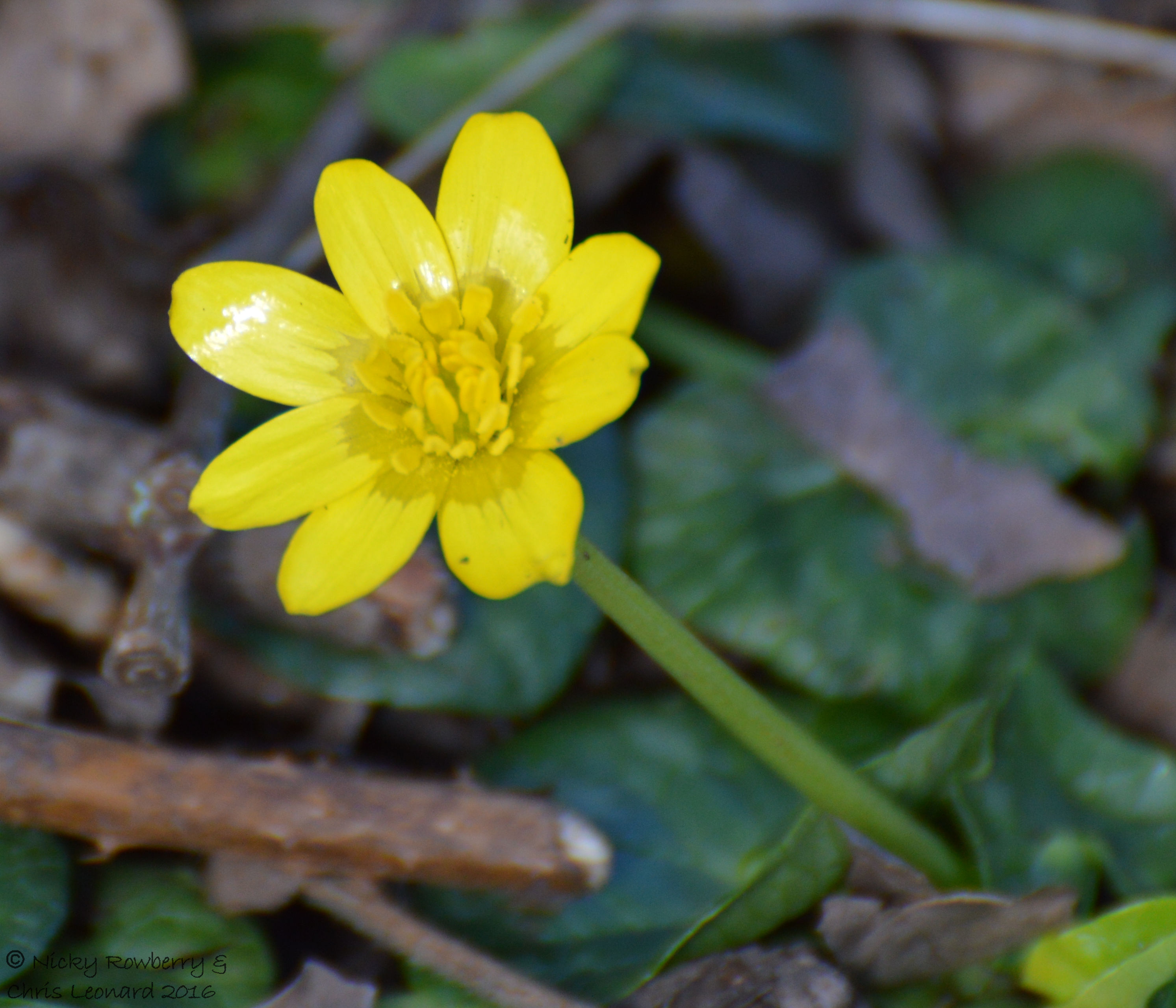
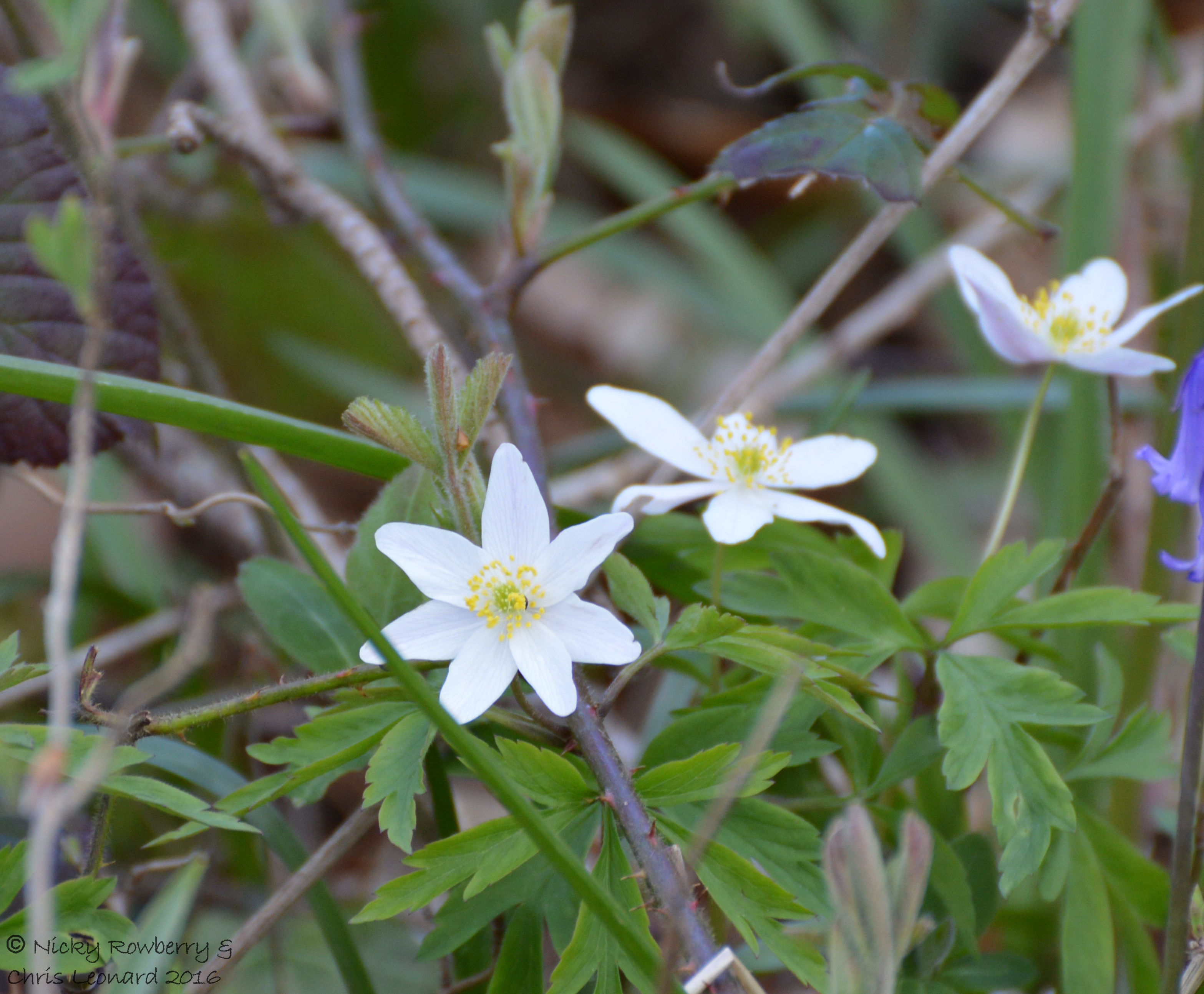
Bluebells were of course the main target, but lots of other spring flowers were about, such as these Lesser Celandines, Wood Anemones and Cowslips.

Lesser Celandine

Wood anemone

Cowslip

But of course the Bluebells were the stars of the show. Although they’re probably not quite at their peak yet, they were still stunning, carpeting areas of the wood in a beautiful purply blue. Photos never seem to really do them justice, but here are a few of our attempts.


Bluebells

Bluebells (10)

Bluebells (7)

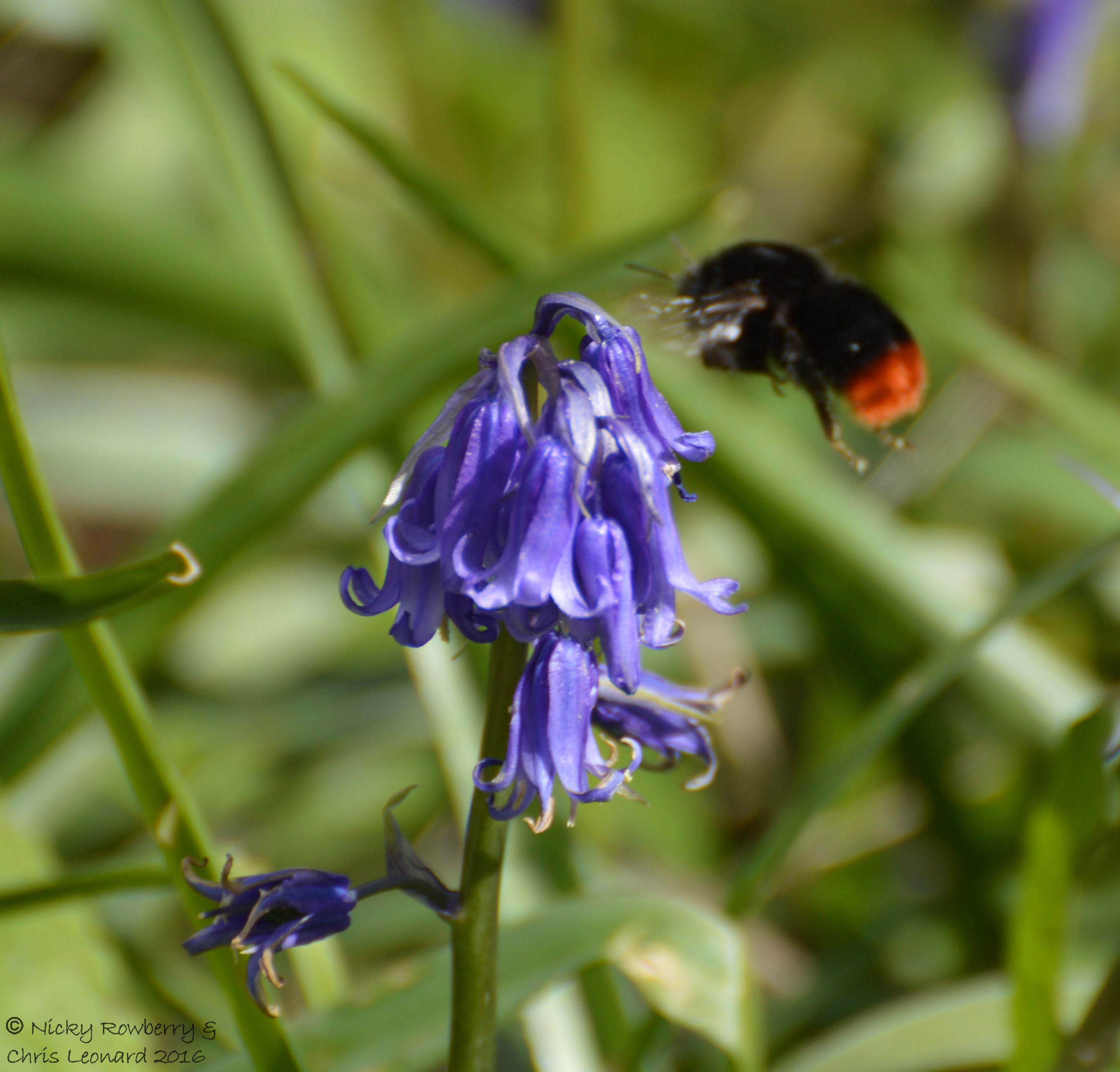
The spring flowers brought out the insects too – sadly no butterflies yet, but the bees were making the most of the bluebells.

Bee on bluebell (1)

Red tailed bee on bluebell


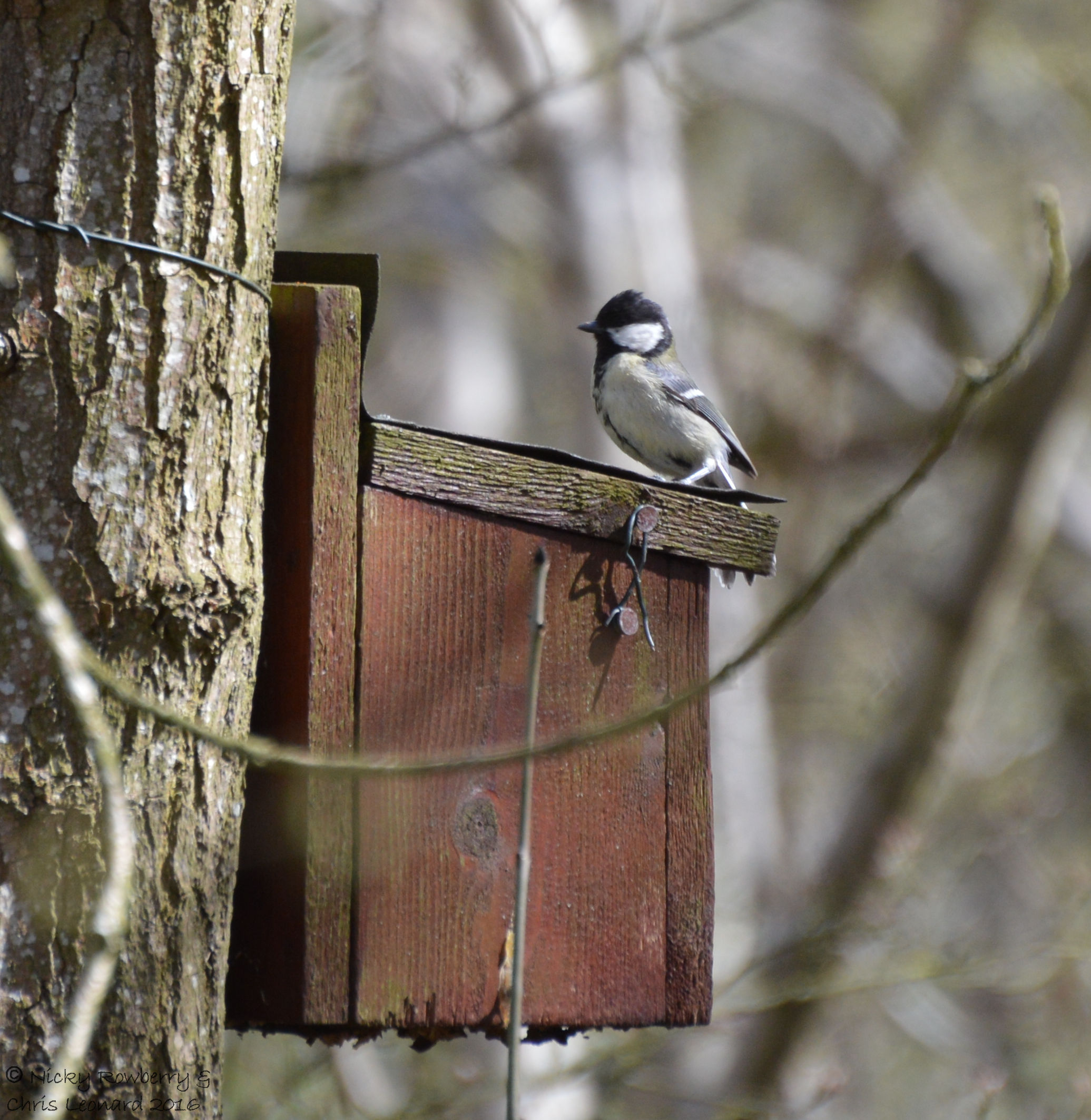
Birds were of course abundant too, although very definitely camera shy. We saw and heard a lot (including woodpeckers in the distance), but the only one we managed to get a recognisable shot of was this Tit on a nesting box.

Tit on nesting box

The wood was exceptionally muddy underfoot after all the recent heavy rain. This had one unexpected benefit – we came across loads of tadpoles in waterfilled footprints on the paths.

For all the bluebells were fantastic, the highlight for me was seeing a deer (a female Roe Deer I think) jumping through the wood right in front of us. Needless to say I was so surprised I didn’t even manage to raise the camera, let alone get a decent shot, so you’ll just have to take my word for it!


A Teasel’s Life

Bee

I don’t know how we originally came to have teasels – none of the immediate neighbours grow these giants, but the seeds must have blown in from somewhere (and we may not be popular as they blow out again each year!). They have become a bit of a fixture in our garden and a very welcome one for all sorts of wildlife.

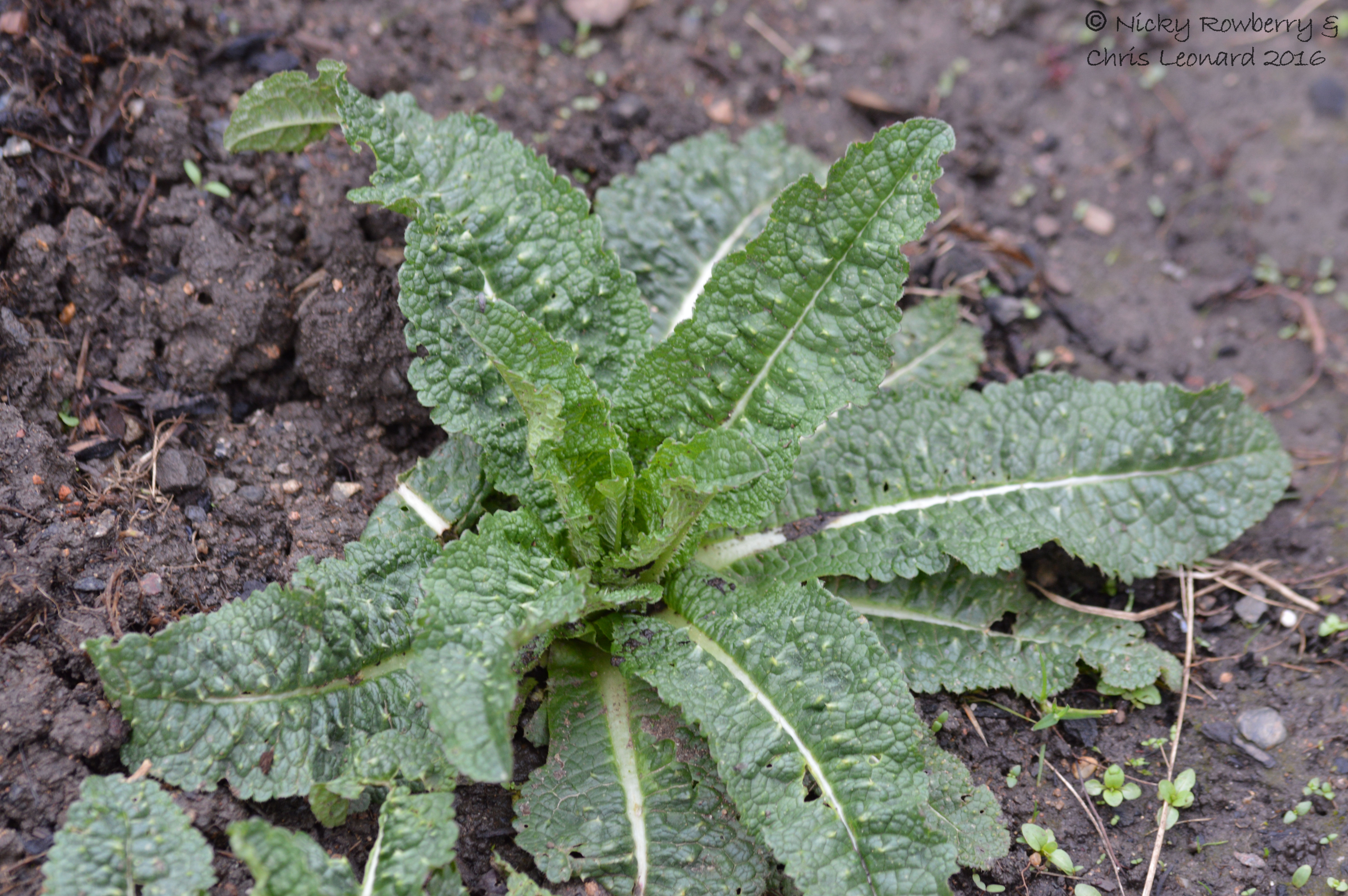
They start off as fairly non-descript plants, forming low growing rosettes that look like they might turn into at most a thistle type of thing. They only flower in their second year, so I’m hoping the ones below, that I think overwintered, will flower this summer.

Baby Teasels

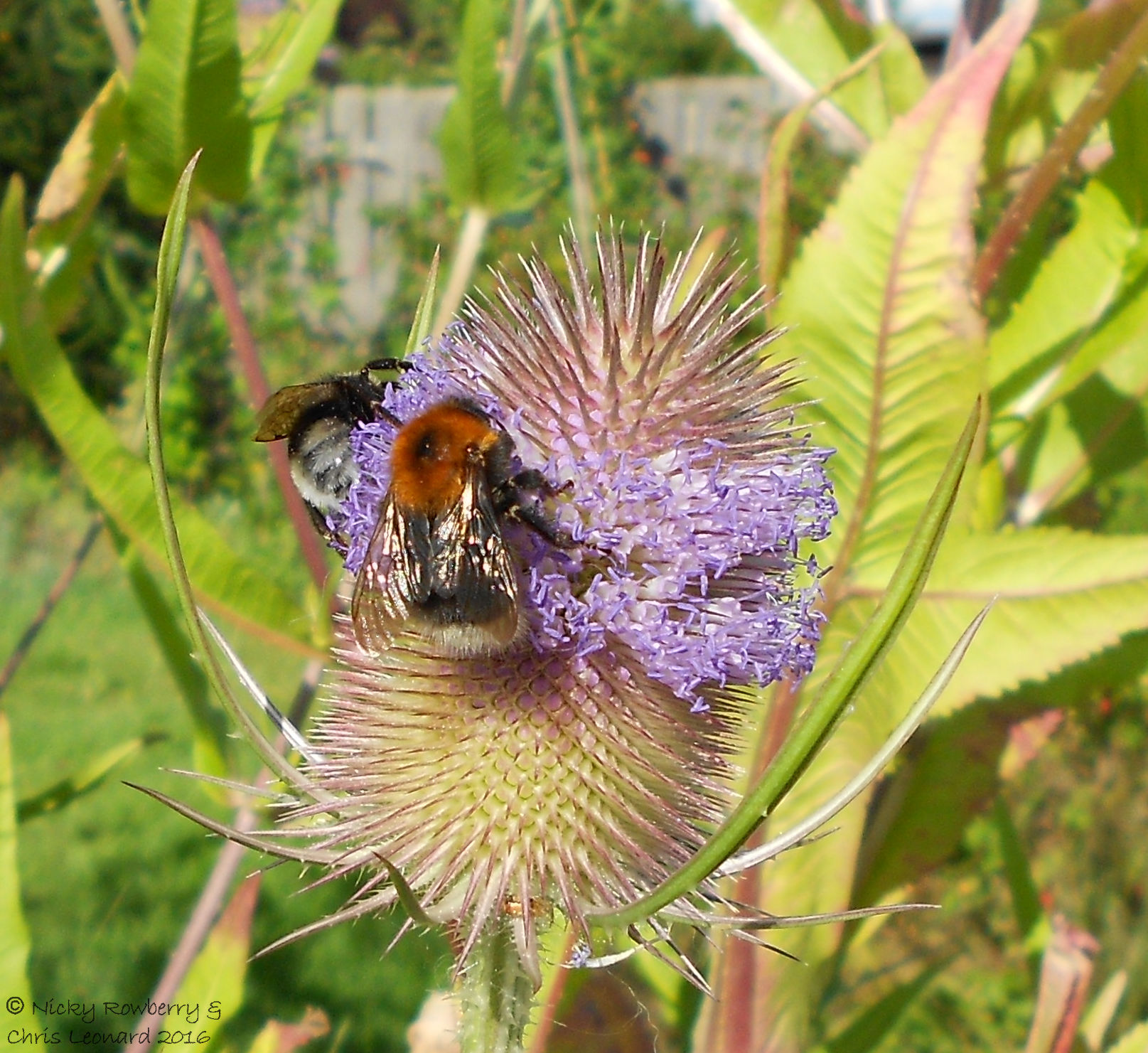
When they do put on their growth spurt, they are easily taller than me (I only manage a mere 5 foot 1 on a good day!) Their flowers are irresistible to the bees in the garden, which is the main reason we let them grow every year. These ones below are full grown ones from previous years

Bees on Teasels

Bees on Teasels 2

The stems and leaves provide homes for lots of other insects too, with water tending to collect at the base of each leaf.

We always leave them once they’ve finished flowering, as they still provide benefit right through the winter. For us humans they provide structure and interest in the garden.

Frosty teasel 2

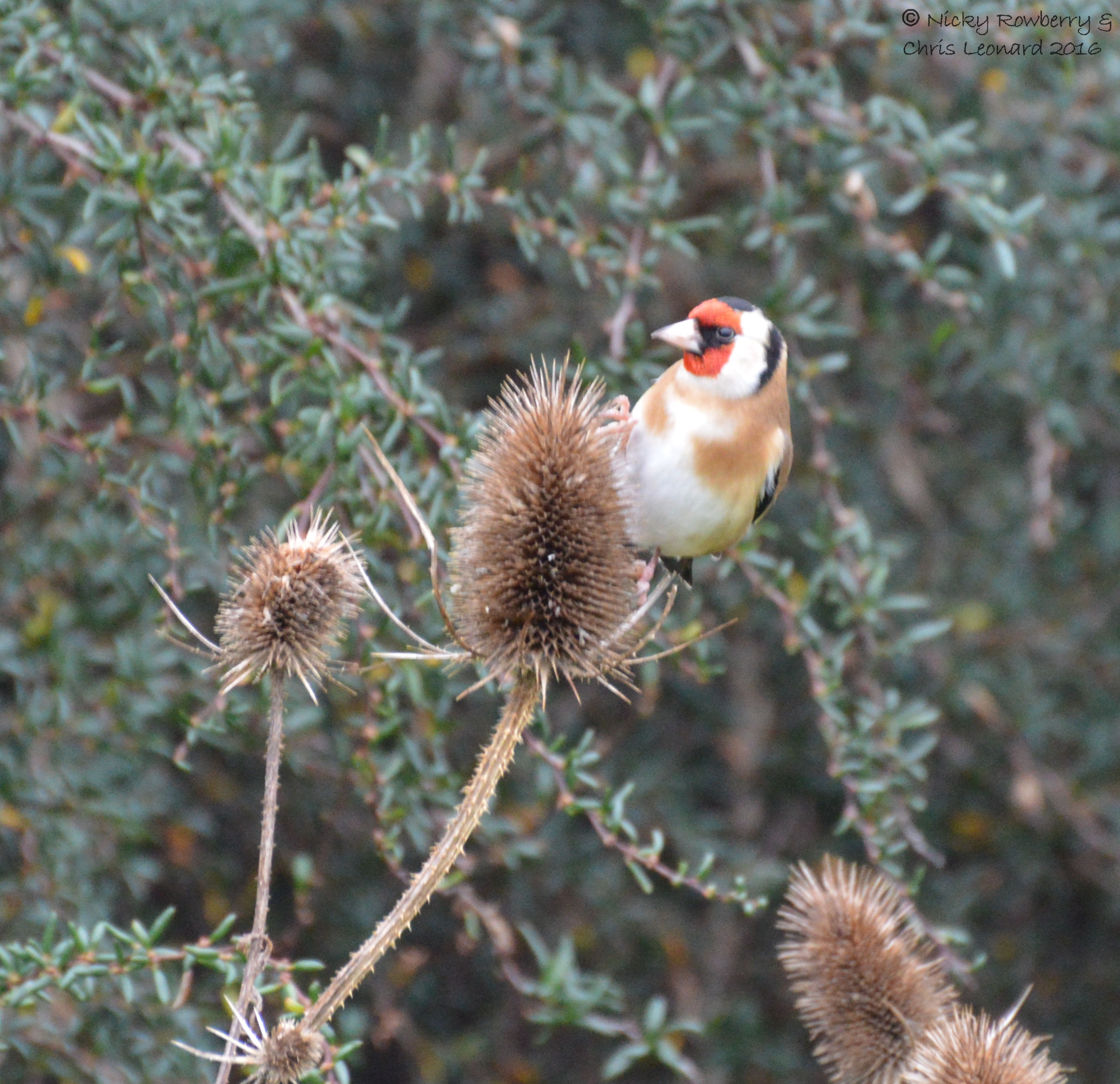
The teasels themselves are packed with seeds that the birds love. Goldfinches are well-known teasel fans, but we’ve seen several other species such as this Coal Tit making the most of them too.

Goldfinch 1

Coal Tit on Teasel

Of course we do eventually have to chop them down, if only to provide space for next year’s crop. This year we decided to save some of the hollow stems and turn them into something useful – a Bug Hotel. The RSPB are running a “Give Nature a Home” campaign, so a pile of teasel stems and an empty squash bottle later and we have hopefully made one small home. With a bit of luck we’ll be able to post photos later in the year of some new residents.

Teasel canes

Bee Hotel

So that’s the life of the teasels in our garden – the plant that keeps on giving to wildlife – even when it’s chopped up into pieces!


Bumblebee Bonanza

Never realised before I started writing a blog how much I enjoyed a good bit of alliteration, but  find myself unable to resist calling this post Bumblebee Bonanza. I started writing this post a few days ago when we reached a tally of 8 bee species for 2016. Since then we’ve been spotting a new one almost daily and are now up to 12. As we’re less than half way through April, I’m hopeful of further species to come, but thought I’d better finish this post off before it gets out of control!

I should point out that although we spotted all these different species, many of them were only identified with the help of several very kind and expert people on various Facebook groups – the power of social media!

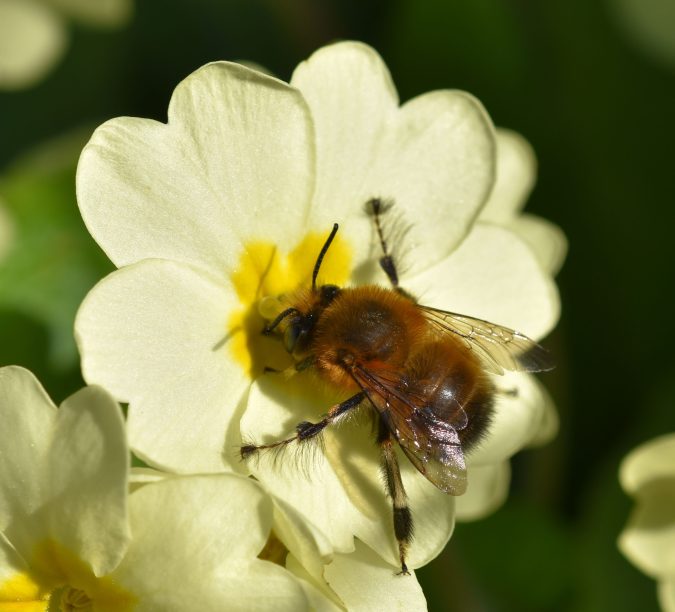
So first bee of the year was of course my favourite the Hairy Footed Flower Bee (Anthophora plumipes).
 

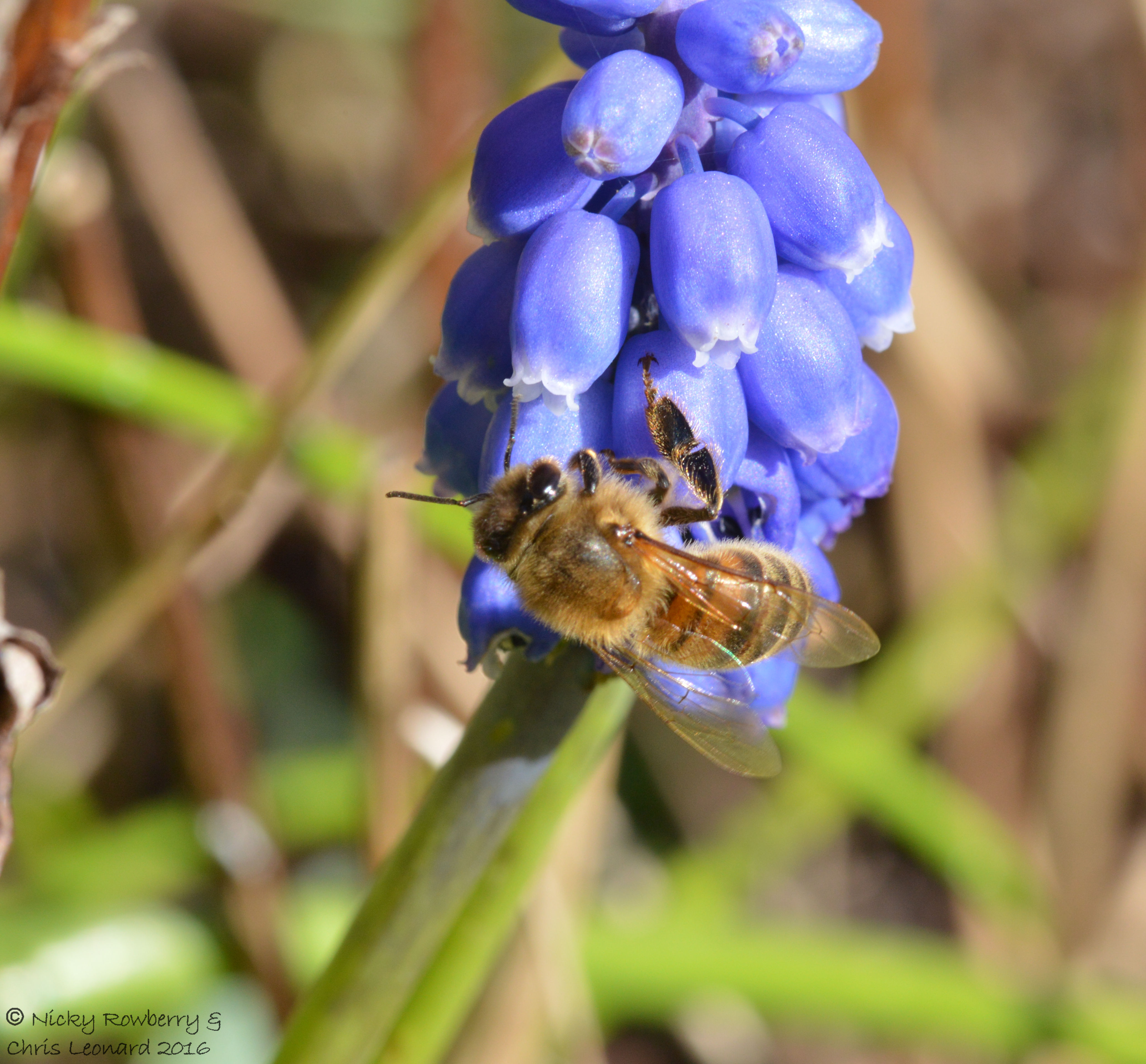
Next to show in the garden was the Honey Bee (Apis mellifera), in small numbers so far, but hopefully by the summer the garden will be buzzing with them as usual.
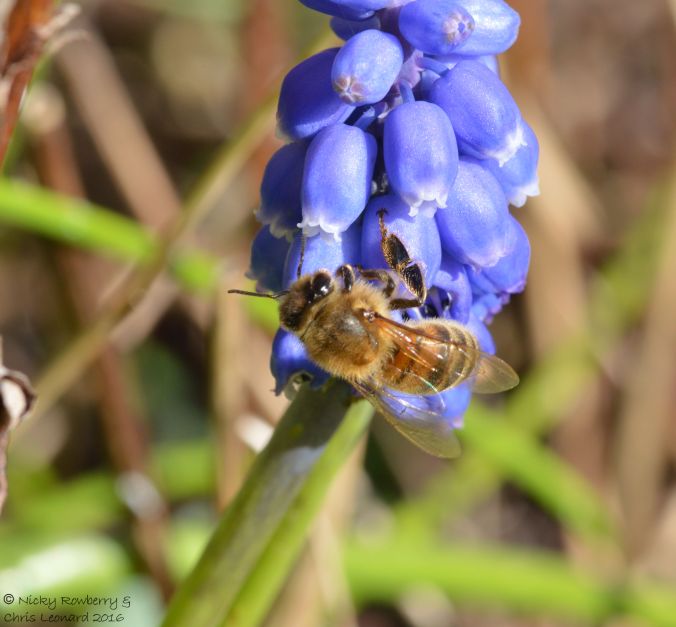
Honey Bee

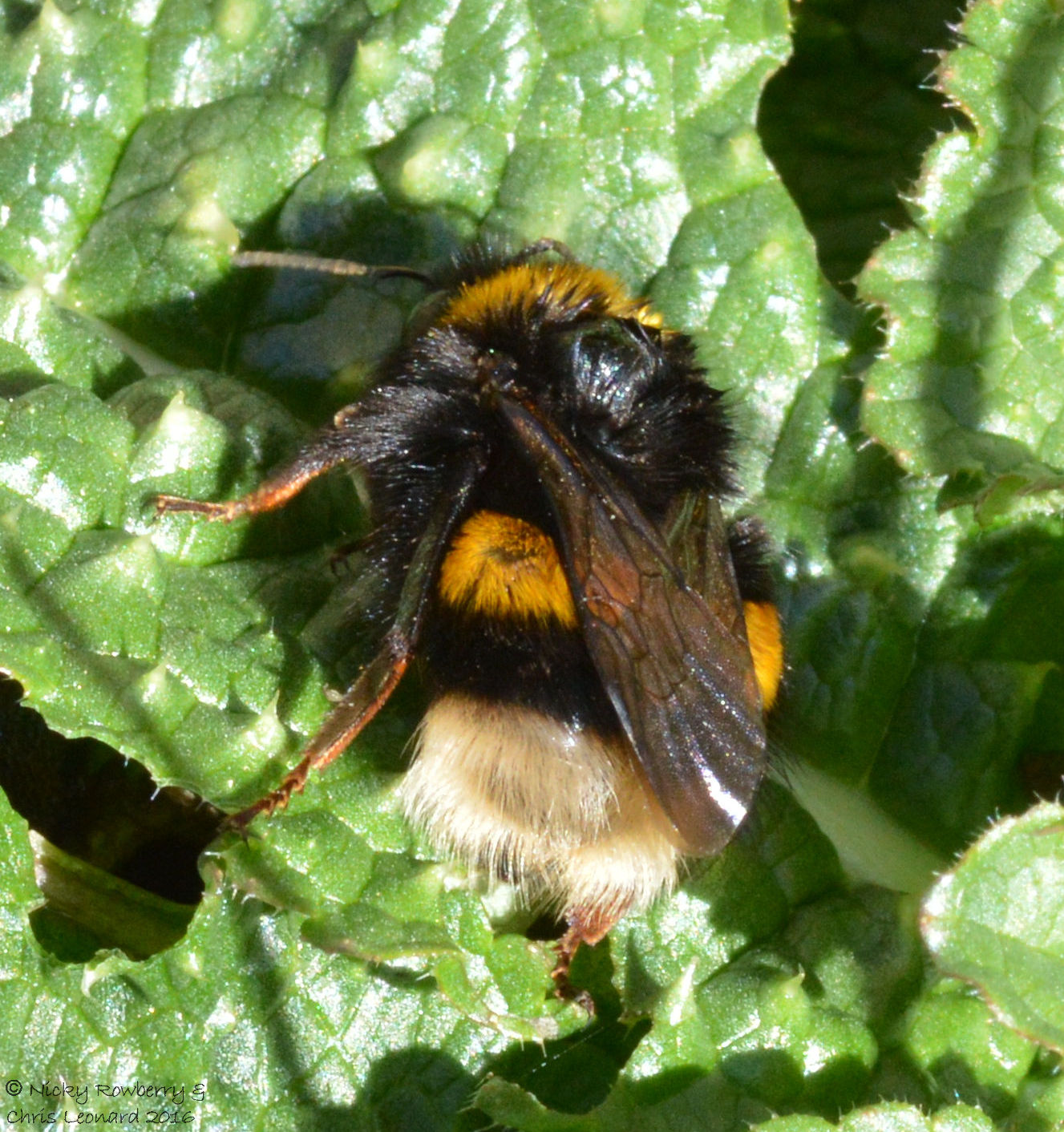
The next confirmed species was the first of the bumblebees – the Buff-tailed Bumblebee (Bombus terrestris). There have been quite a few of these buzzing about, but this slightly bedraggled looking specimen was the first one to slow down enough to get photographed.  It is a social bee living in colonies usually underground.

Buff tailed bumblebee

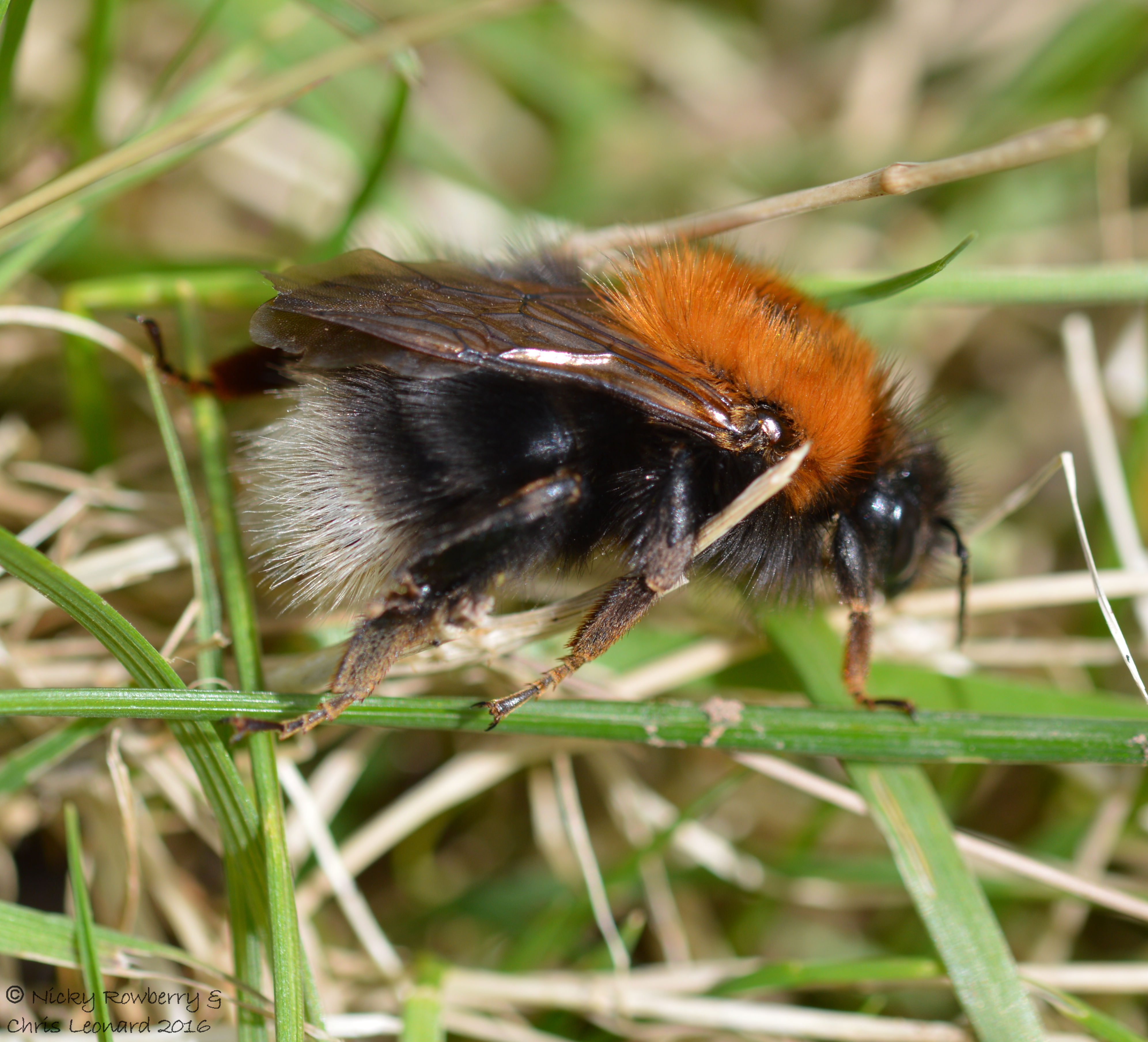
The 4th species, the Tree Bumblebee (Bombus hypnorum) is an interesting new comer, having only been recorded in the south of England since 2001. Well it has obviously reached Malvern now! There is a scheme for recording sightings of this species, so he has been duly logged.
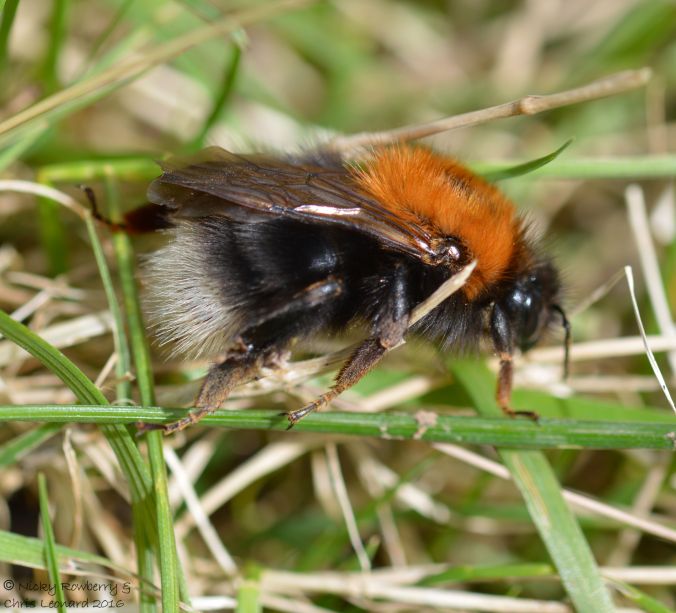
Tree Bumblebee

Another bumblebee to pop up in the garden this spring has been the Red Tailed Bumblebee (Bombus lapidarius). This is a big bumblebee, so you think it would be easy to get a decent photo. But although we’ve seen them regularly, they seldom sit still long and when they do, they seem to favour flowers at the top of the bushes out of reach of vertically challenged photographers!


The 6th bee species was the first of the mining bees to be positively identified – Andrena nitida – I’m not sure this one has a common name. Mining bees are solitary bees and there are a lot of British species.

Andrena nitida

The 7th species is from an interesting group known as Cuckoo bees – the one below is the Vestal Cuckoo Bee (Bombus vestalis). Cuckoo bees behave in a similar fashion to their namesake birds – they lay their eggs in the nest of other bees. In the case of the Vestal Cuckoo Bee, its chosen host tends to be the poor Buff Tailed Bumblebee. Cuckoo bees have no pollen sacs on their legs as they have no need to collect pollen for their young, as others do all the work for them.


The 8th bee is the only one we’ve not managed to get to species, but according to the good people of Facebook, it belongs to the Lasioglossum genus and is another mining bee. Lasioglossum species need either microscopic examination or at least better photos than the one below to get them to species.

Lasioglossum sp

The 9th bee is the smallest specimen so far – Fabricius’ Nomad Bee (Nomad fabriciana). This is also a cuckoo type of bee, laying its eggs in the nest of mining bees. It looks quite different to the other bees we had, to the point I wasn’t even sure it was a bee at first. The yellow spots on its orange abdomen (just about visible in our photo) identify it as Fabricius’.
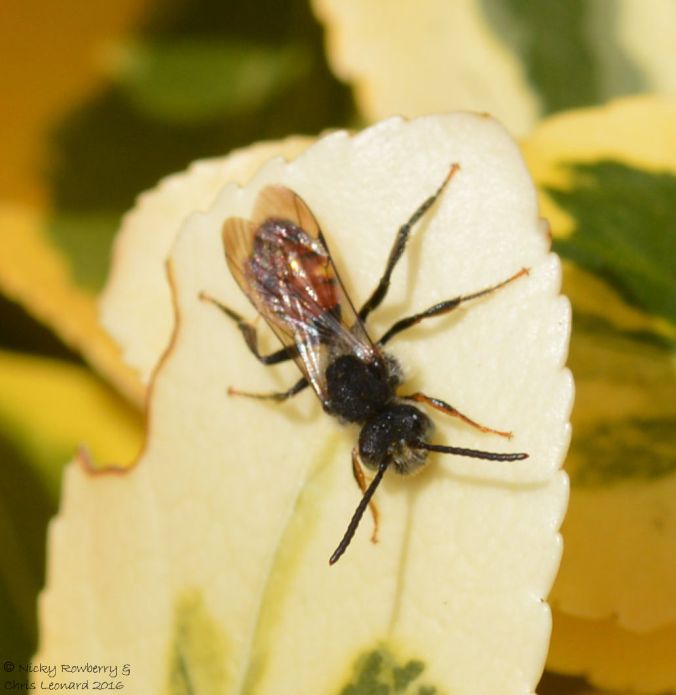
Fabricius Nomad Bee

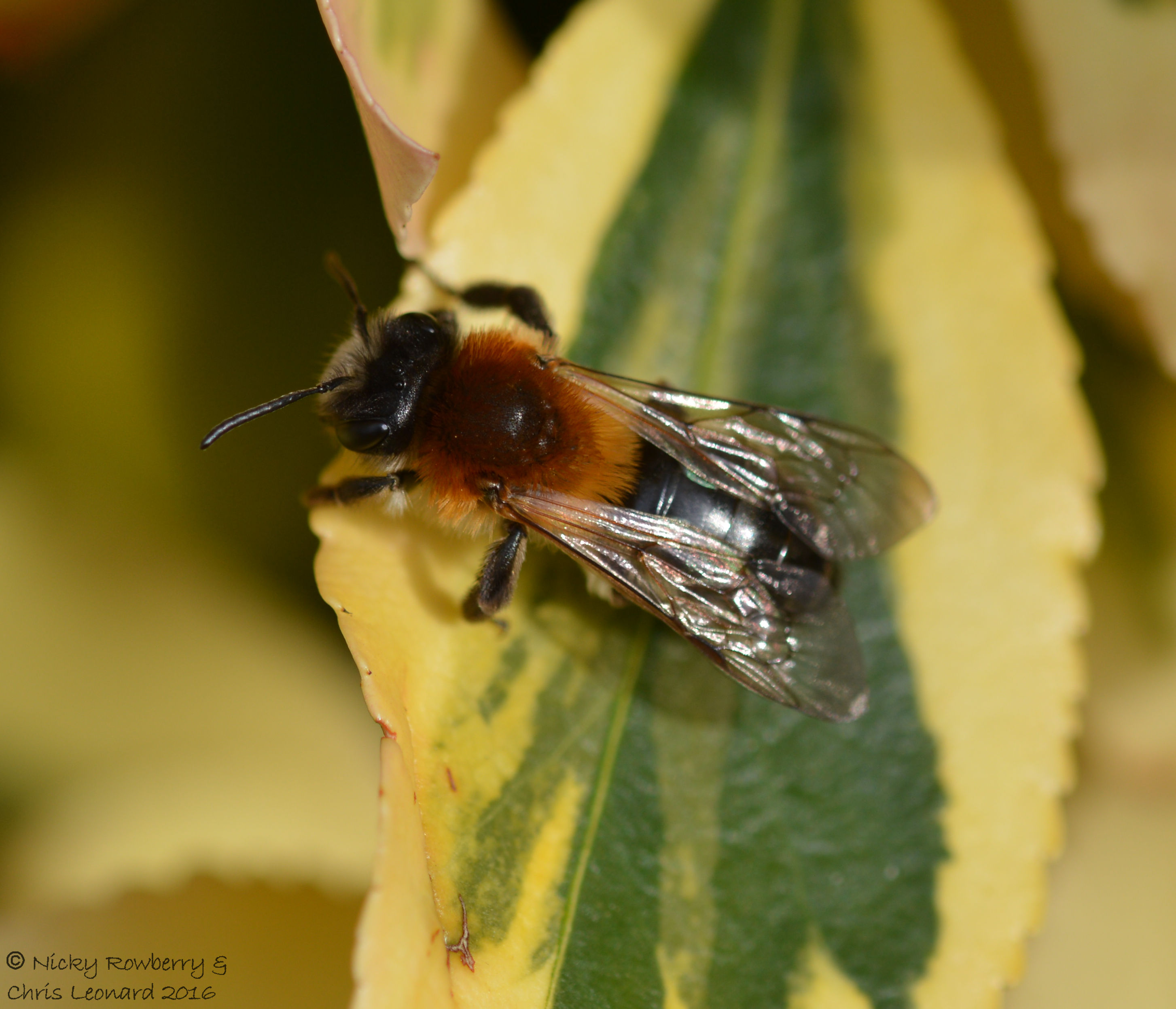
Bee no. 10 is the Ashy Mining Bee (Andrena cineraria). I could tell this one was a different species as it looked black and white. Determined to get a photo I spent a long time chasing it round the garden, before it finally gave in and settled on this leaf.

Ashy mining bee Andrena cineraria

11th species and another mining bee Andrena scotica. These are solitary bees, but nest in aggregates, so they effectively have communes, rather than being properly social like Honey Bees.
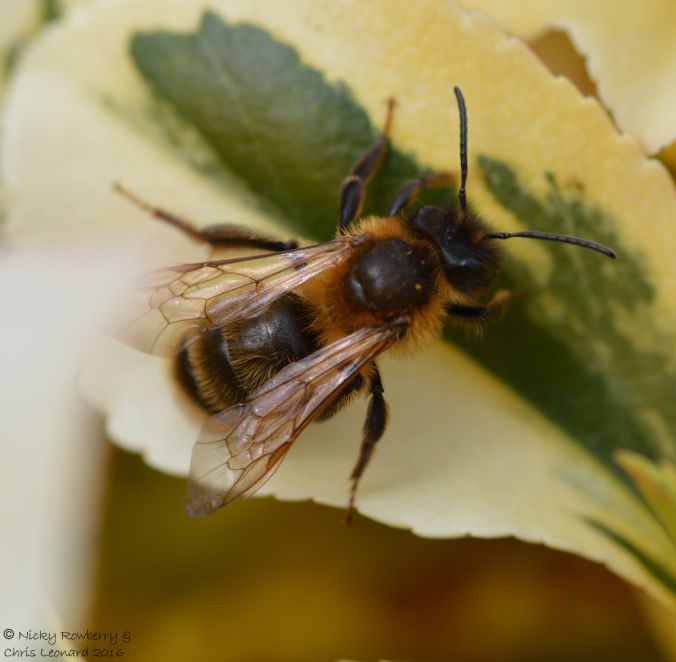
Andrena scotica

The 12th and final bee so far is the Common Carder Bee (Bombus pascuorum). This fluffy gingery brown bee is a social one (although not sociable with me, I had to clamber through the undergrowth to get even this poor photo).
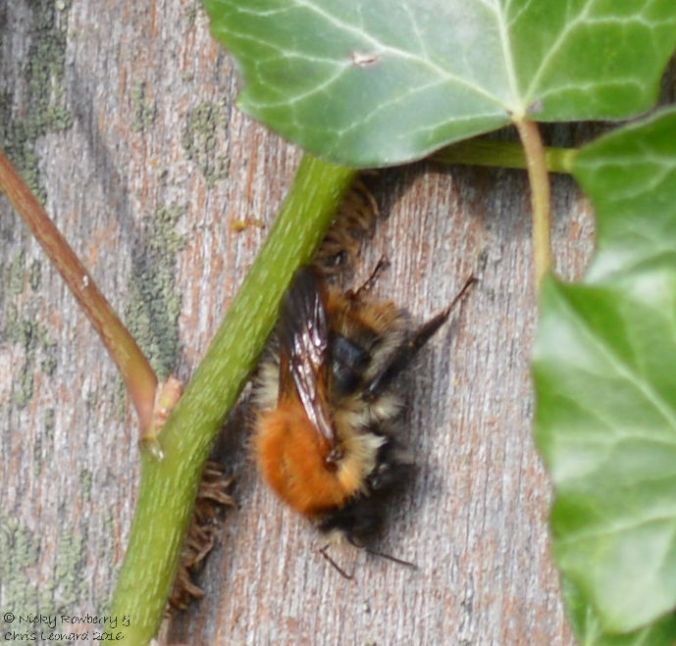
Common Carder Bee

So that’s our tally for the year so far. I know from previous years that there are at least 3 or 4 other species that we definitely get, so fingers crossed they reappear this year too. We garden organically at Too Lazy to Weed and I’d like to think this is contributing to the diversity of bees in our garden. That and of course the profusion of weeds!

Dunnock Dating

The dunnocks in our garden are clearly getting frisky. They’re normally quite shy birds staying out of sight in our plentiful undergrowth, but this week I caught them displaying in a quite amazing fashion. (Look away now if you don’t want to see parts of a dunnock that are maybe best left to the imagination!)

I caught this pair outside the patio doors while I lolled on the sofa – fortunately for once a camera was within reach. As I hadn’t been anticipating a photo shoot, conditions weren’t ideal – I had to try and focus over the coffee table and dodge the cat’s scratch post; both of which obscured my view a bit, but I didn’t want to move and alert the dunnocks to my presence. So apologies if the photos aren’t quite as sharp as I’d have liked.

Dunnock pair

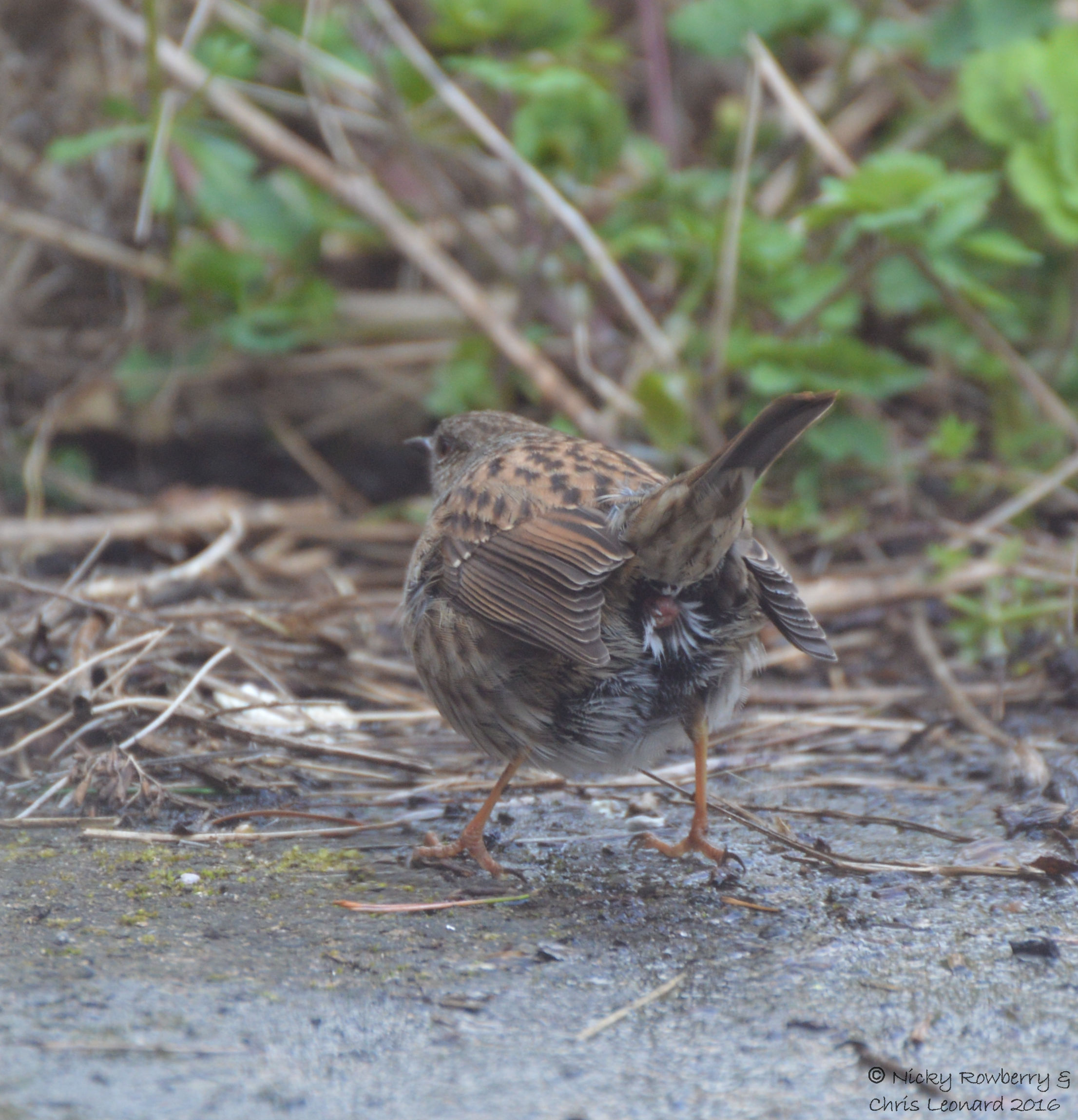
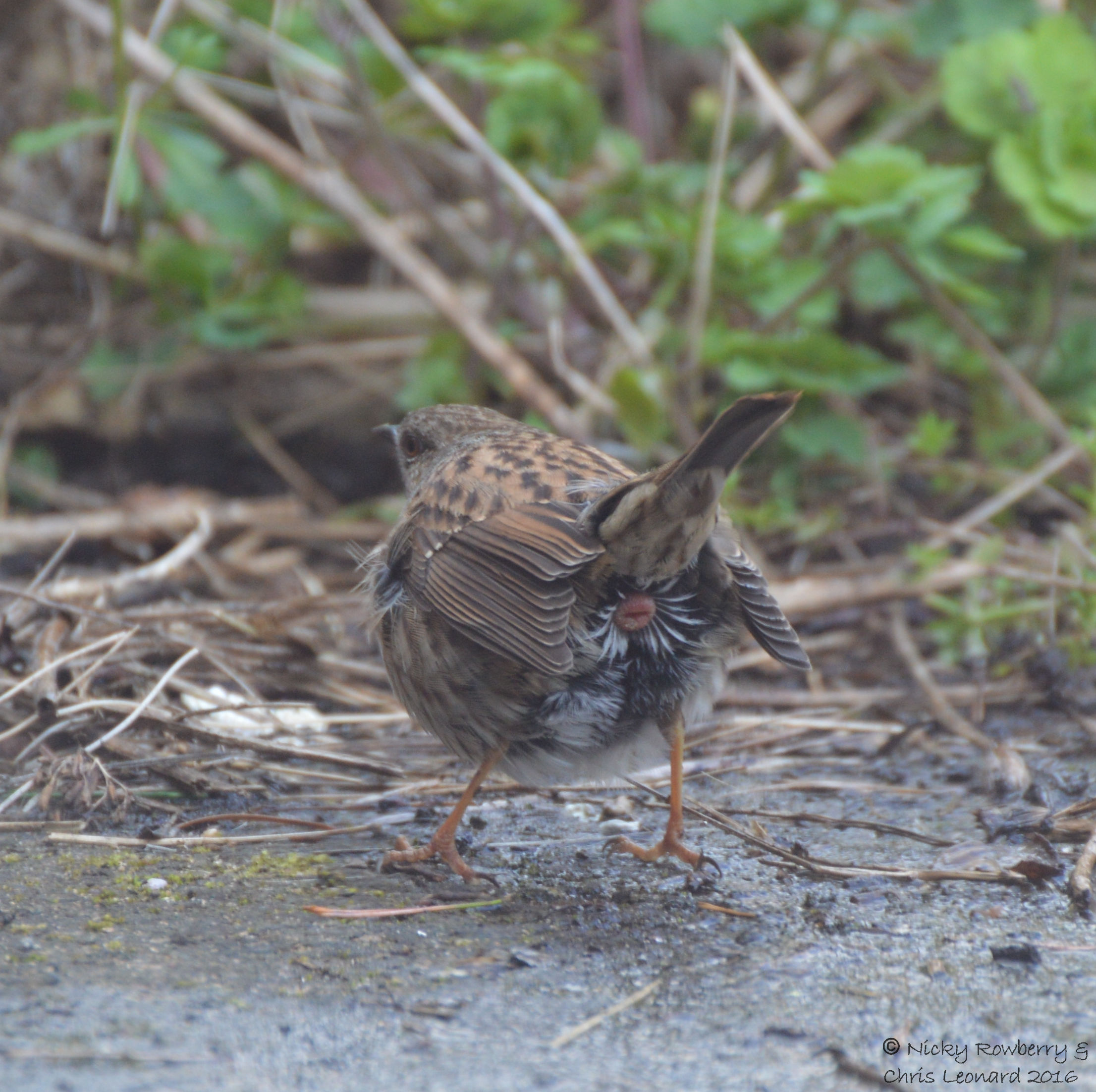
I thought at first the pair were just rooting about for food – and indeed that did seem to be what the male was mainly interested in. But the female started behaving very oddly. I thought at first there was something wrong with her – she seemed to be repeatedly straining her rear end (cloaca as I’ve since found out) while fluffing her feathers at the male. He didn’t seem particularly interested in her antics – can’t say I blame him, it wasn’t an attractive dance she did! The photos show her rear end in various stages of flexing (I did warn you to look away!)

Dunnock closed

Dunnock half open

Dunnock open

A quick bit of googling revealed that female dunnocks may mate with more than one male and that the males will peck at her cloaca to get her to eject the previous male’s sperm. This female seemed to be actively encouraging him to do so. I’d never heard of this behaviour, let alone seen it.  So you learn something new every day – even when just lolling about on your sofa!