Wildlife Hides – Part 2 The King of Fishers

This is the second part of the blog on our amazing day out on Saturday at the Nature Photography Hides. After the Reflection Pool Hide we moved to the Kingfisher Hide. The group before us reported seeing the kingfisher feeding about half a dozen times, so we were a bit worried that it might be full and not visit while we were there! We were joined in the hide by another photographer (nice to meet you Dave) and the three of us settled down to wait.

First bird to appear was not the hoped for kingfisher, but a rather round looking robin. I took a photo of him anyway, just in case this was all we were going to see!
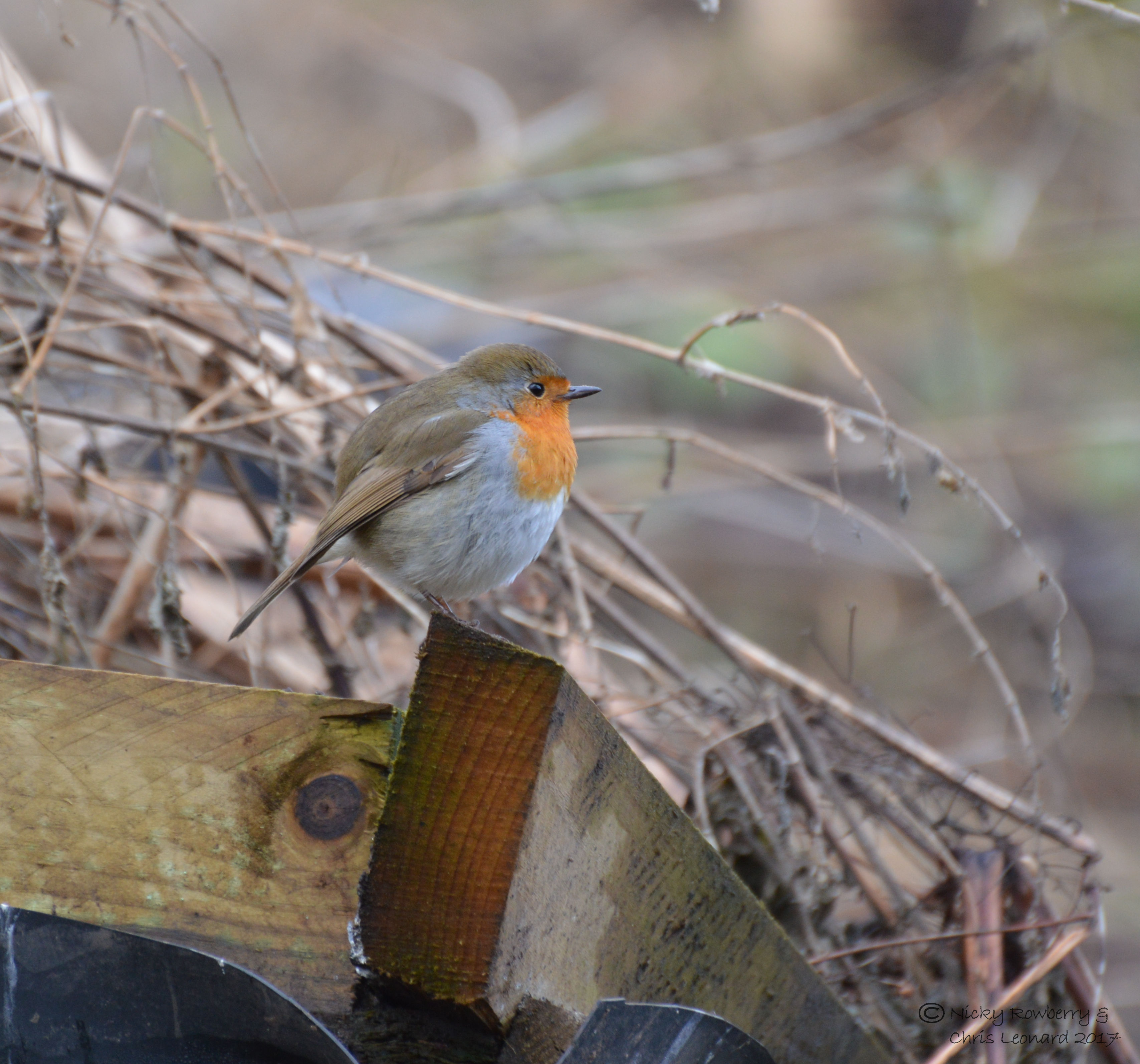
robin

Turns out I needn’t have worried. An absolutely stunning kingfisher arrived fairly quickly and sat on the bulrush perch. It then moved to one side to sit on the reeds. He (or she) then proceeded to sit in the same spot for about 25 minutes. It was there so long, we actually started to get  a bit tired waiting for it to do something different! (never could have imagined before that I might tire watching a kingfisher, not that I’m complaining) But it gave us plenty of chance to take loads of photos – here’s just a very small percentage of the ones we took.
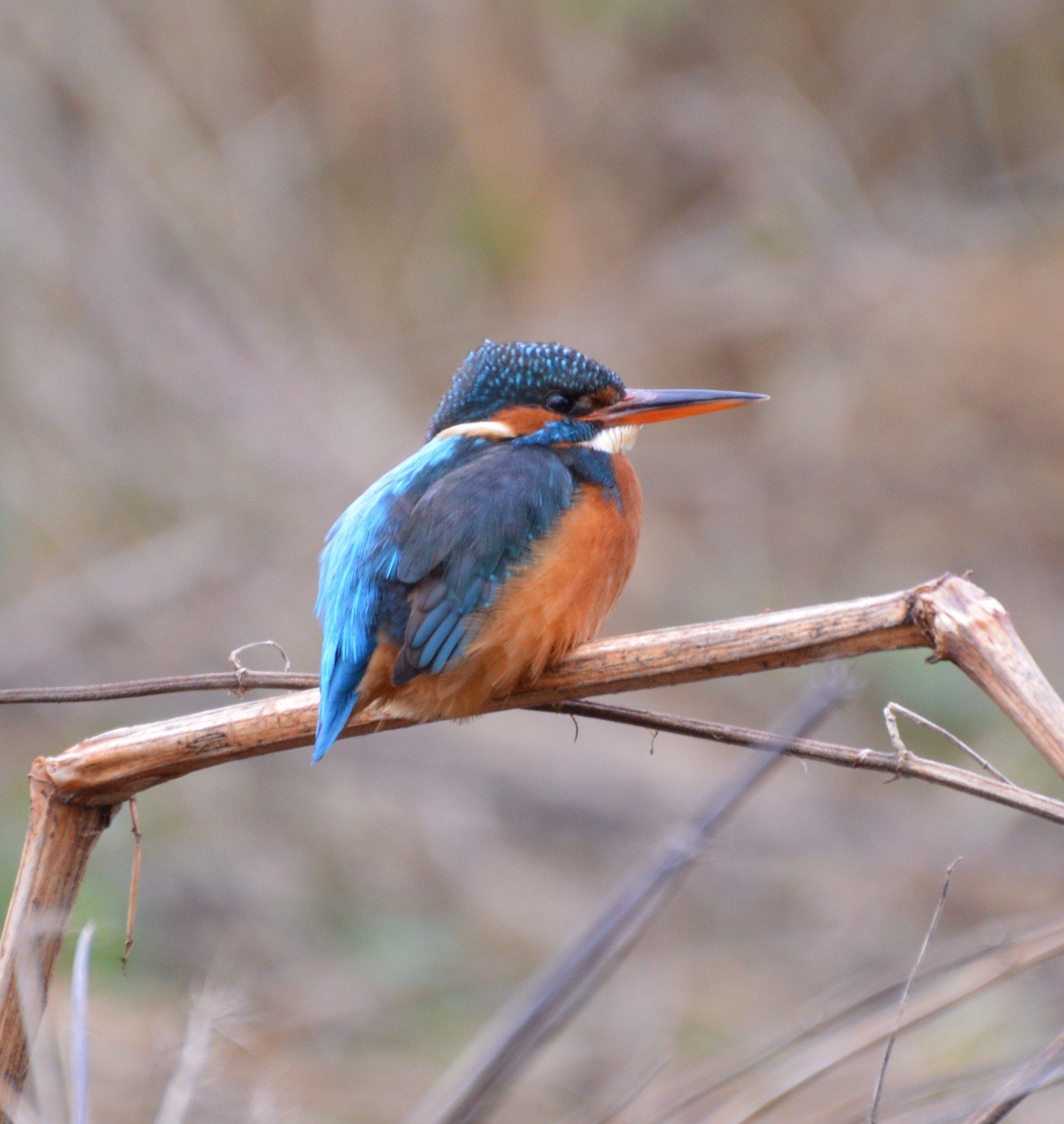
It then regurgitated a pellet of presumably unwanted fish bits. This was something I had never heard of and was fascinating to see. It also explained how it had managed to scoff so many fish earlier that morning. It only digests the good bits and spits out the rest! I just about managed to catch the fishy pellet being expelled.

Once the fishy waste had been disposed of, it obviously felt it now had room for more fish, so flew back to the bulrush perch.

The bulrush was positioned over a tub containing small live fish. After a while bobbing up and down to judge distance through the water, we finally got what we’d been waiting for – it dived for a fish. Once caught the still wriggling fish was flown back to the perch. The kingfisher then manoeuvred the fish around to get a good grip, before bashing it repeatedly to kill it and then of course eventually swallow it.
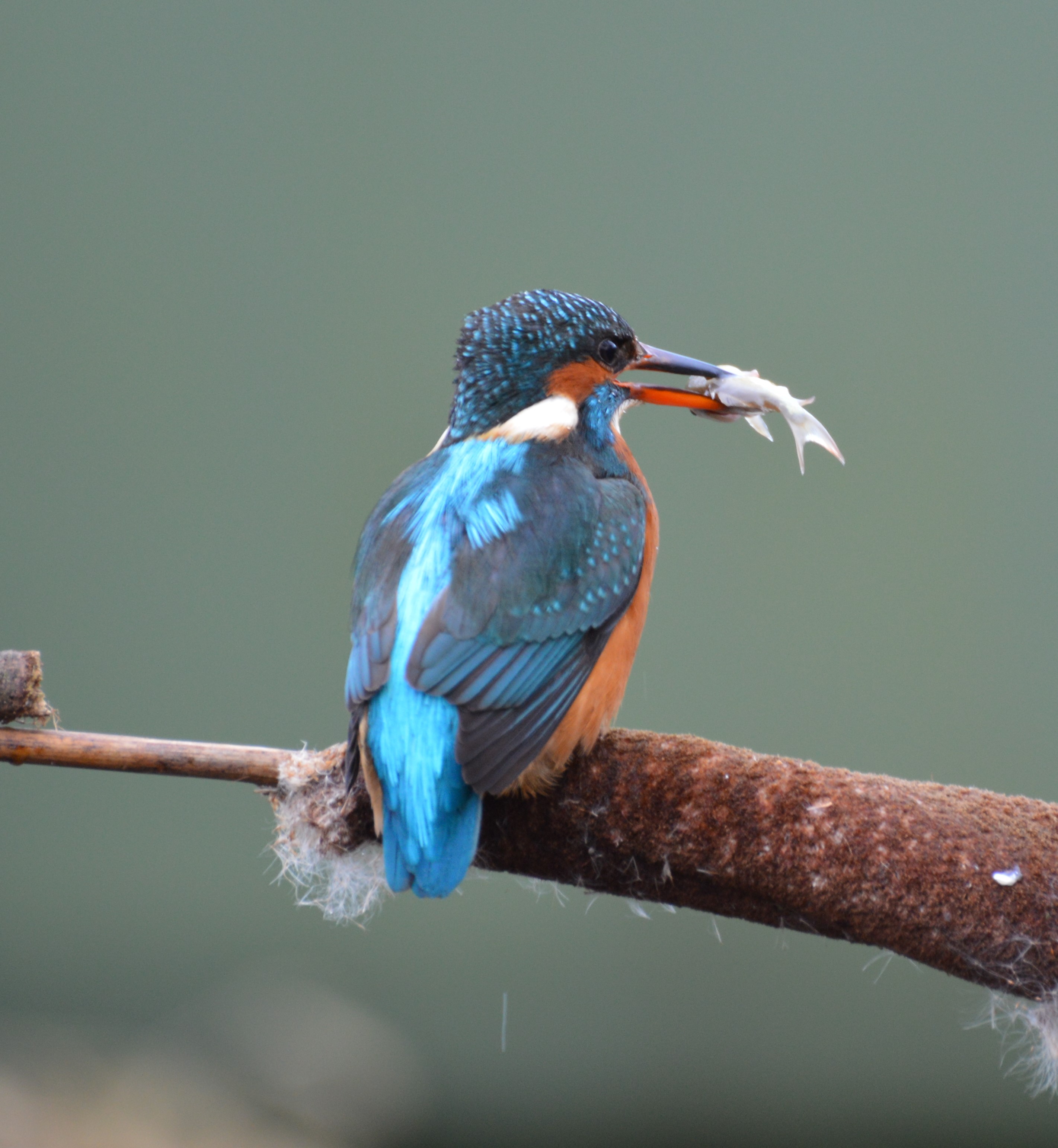
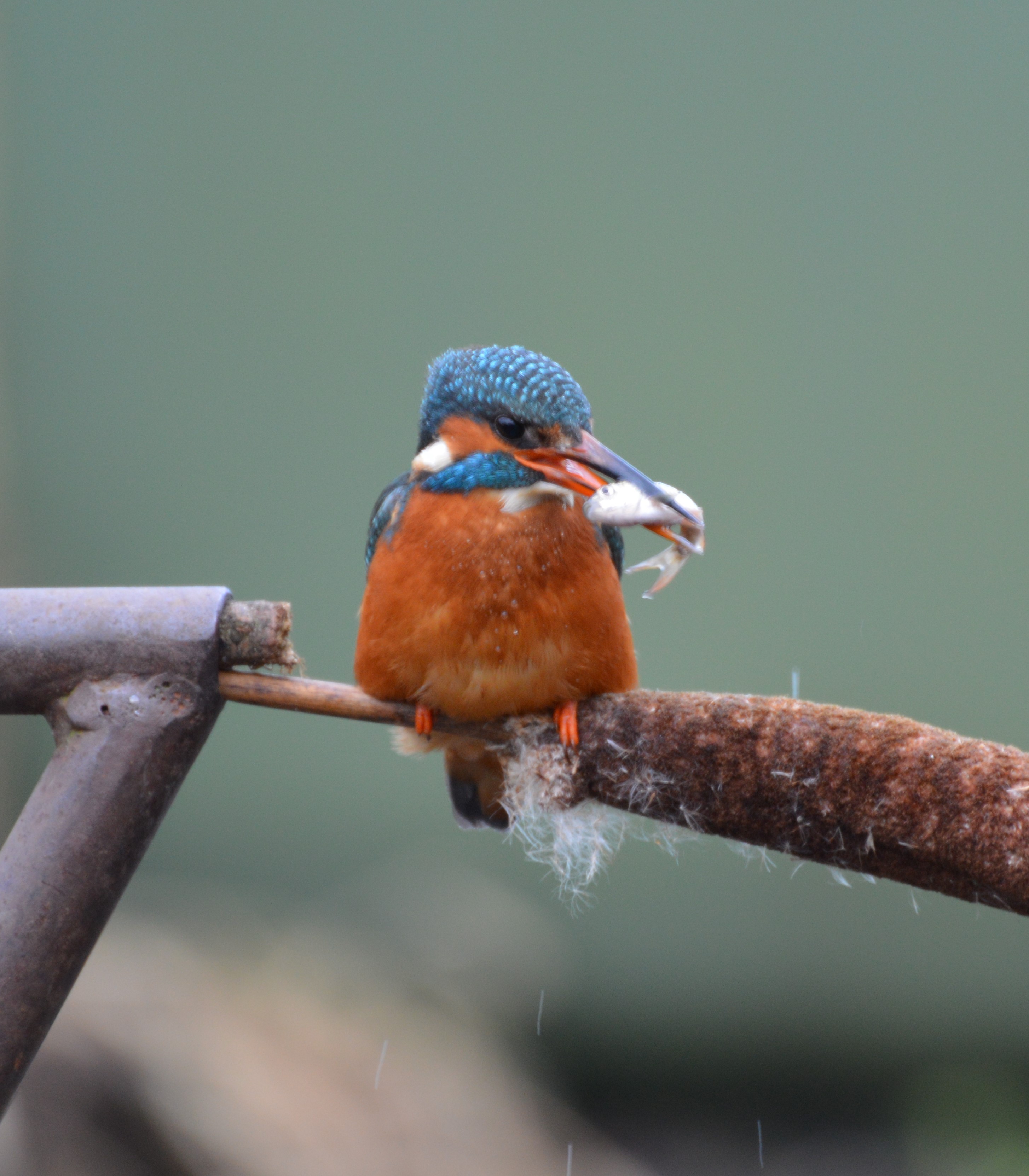
It tended to fly away for a few minutes between fish, but came back and repeated the process a couple of times. It didn’t always catch a fish when it dived, but was successful more often than not.

The thing about taking wildlife photos is that it makes you greedy. Before we started, we thought we’d be happy just to see one. Once we’d seen one, we thought we’d be happy to get a few good photos. Then we wanted to see and photograph it catching fish. Then the ultimate goal became to catch it diving down towards the water. They are incredibly fast and I clearly don’t have quick enough reflexes as this is the closest I got – the split second before the dive!

Since I’m not a quick enough photographer, I had a go at videoing the kingfisher instead. I took several short video clips, so here’s just a selection of our beautiful bird in action. (the clicking noises on some of the videos are the sound of camera shutters frantically going in the hide!)

The hide was so close to the kingfisher we got stunning views for the couple of hours we spent there. It was so much better than I had dared to hope. Kingfishers must be one of the most sought after subjects for any British wildlife enthusiast and to have spent 2 hours watching one like this was a dream come true.

Wildlife Hides – Part 1 Reflections

We ventured out from the Too Lazy garden yesterday and had an absolutely fabulous day at Nature Photography’s wildlife hides near Droitwich. I hate to admit it, but the big five oh is looming for me, so this was my birthday present – a day freezing my proverbial off while clutching a camera – but I couldn’t have asked for better. We’d gone for one of their “multi hide” days where you get to try out 3 different hides. We took so many photos that I’m going to have to split this blog post into three – one part for each hide we tried.

So first up a section on the Reflection Pool. We did actually start off at the Fieldfare Hide, but the fieldfares weren’t playing ball. There were lots in the field, but none of them came anywhere near the hide. The best we managed were some very distant shots – so far away in fact that we didn’t realise there were redwings amongst the fieldfares until we downloaded the photos at home.
The Reflection Pool Hide was right behind the fieldfare one, so we cheated a bit and moved to that instead. The pool is set up so that you’re at water level to get the best reflection shots. In total we took over 1000 photos between us yesterday. A new record even for us. Here are some of my favourites from the pool – I have included quite a few (apologies) but there were just so many to choose from – even after I’d deleted several hundred rejects!

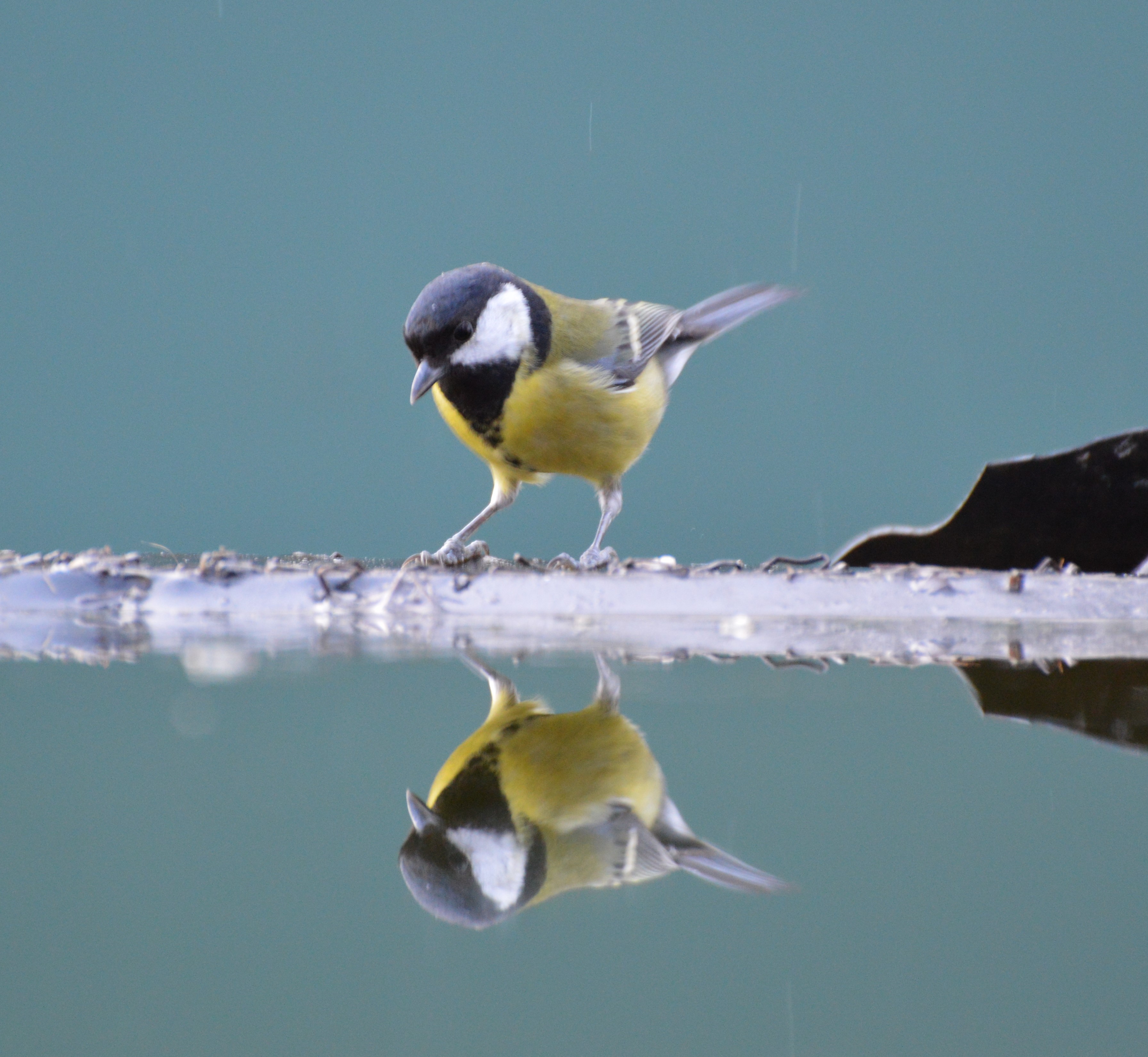
The great tits probably frequented the pool the most while we were there. You had to be quick to get a photo though and we ended up with a lot of photos of pool with no bird!

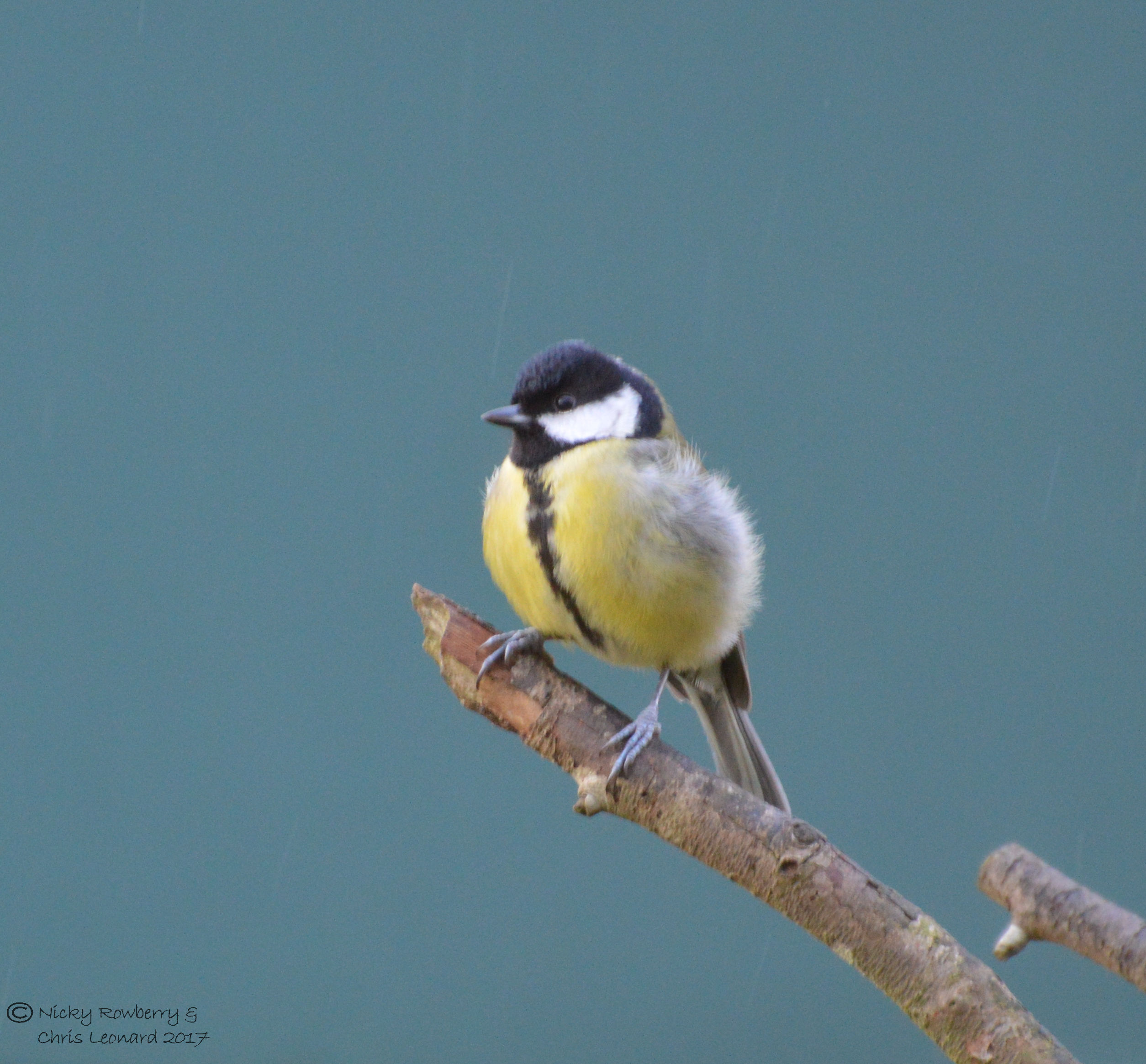
Between visits to the pool, the birds sat on branches nearby waiting their turn it seemed. This great tit was particularly fluffed up against the cold.

great-tit-4

The robins’ red breasts were of course very photogenic reflected in the water; but even the blackbird looked good with his upside down twin!

robin

blackbird

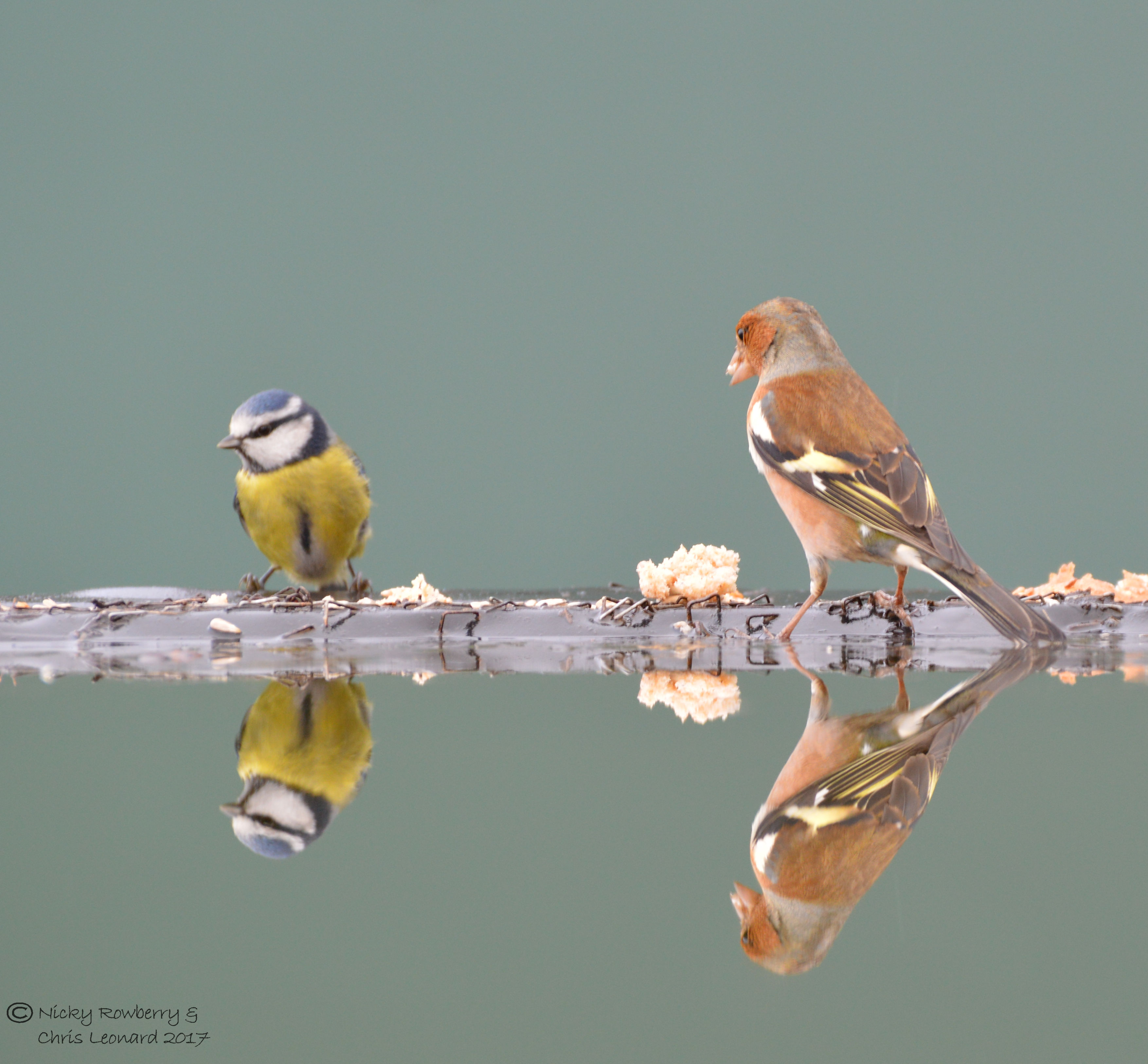
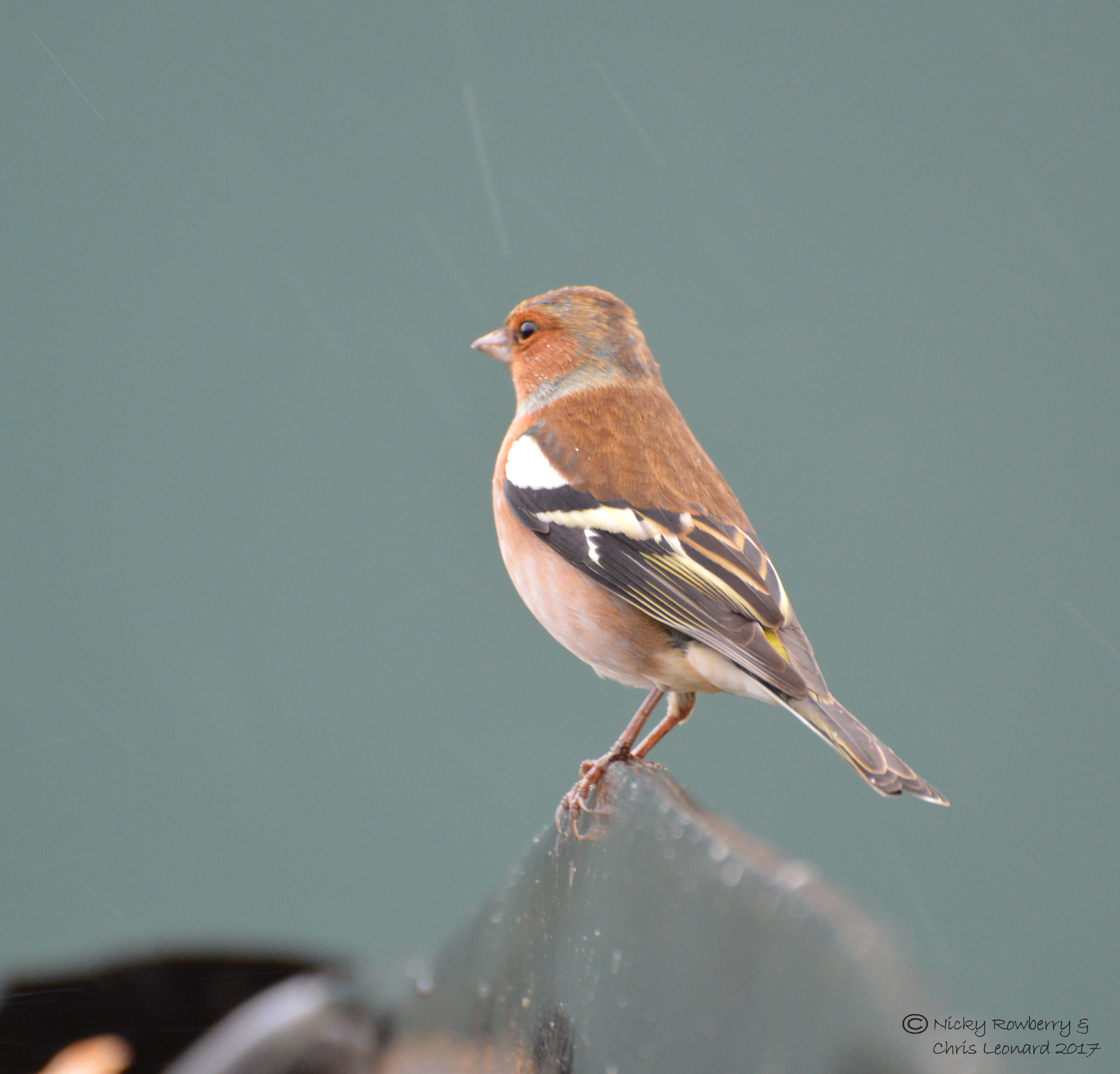
There was a large group of chaffinches in the hedgerow next to us. Initially they were very timid, but once they’d settled a bit they came down and posed for the cameras. We never seem to get chaffinches in our garden for some reason, so we got a bit carried away (again) with the photos.

mixed

chaffinch-6

chaffinch-5

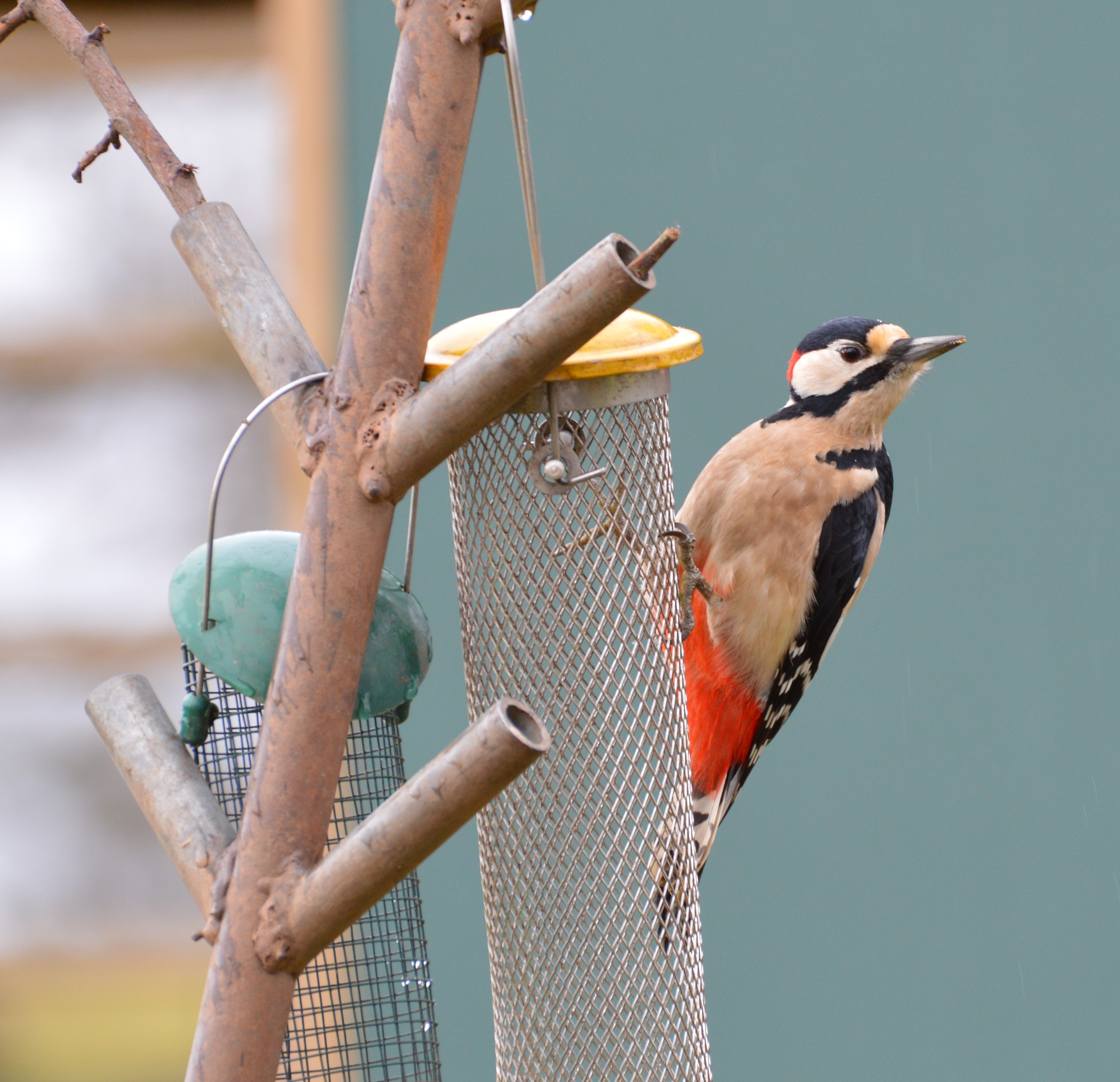
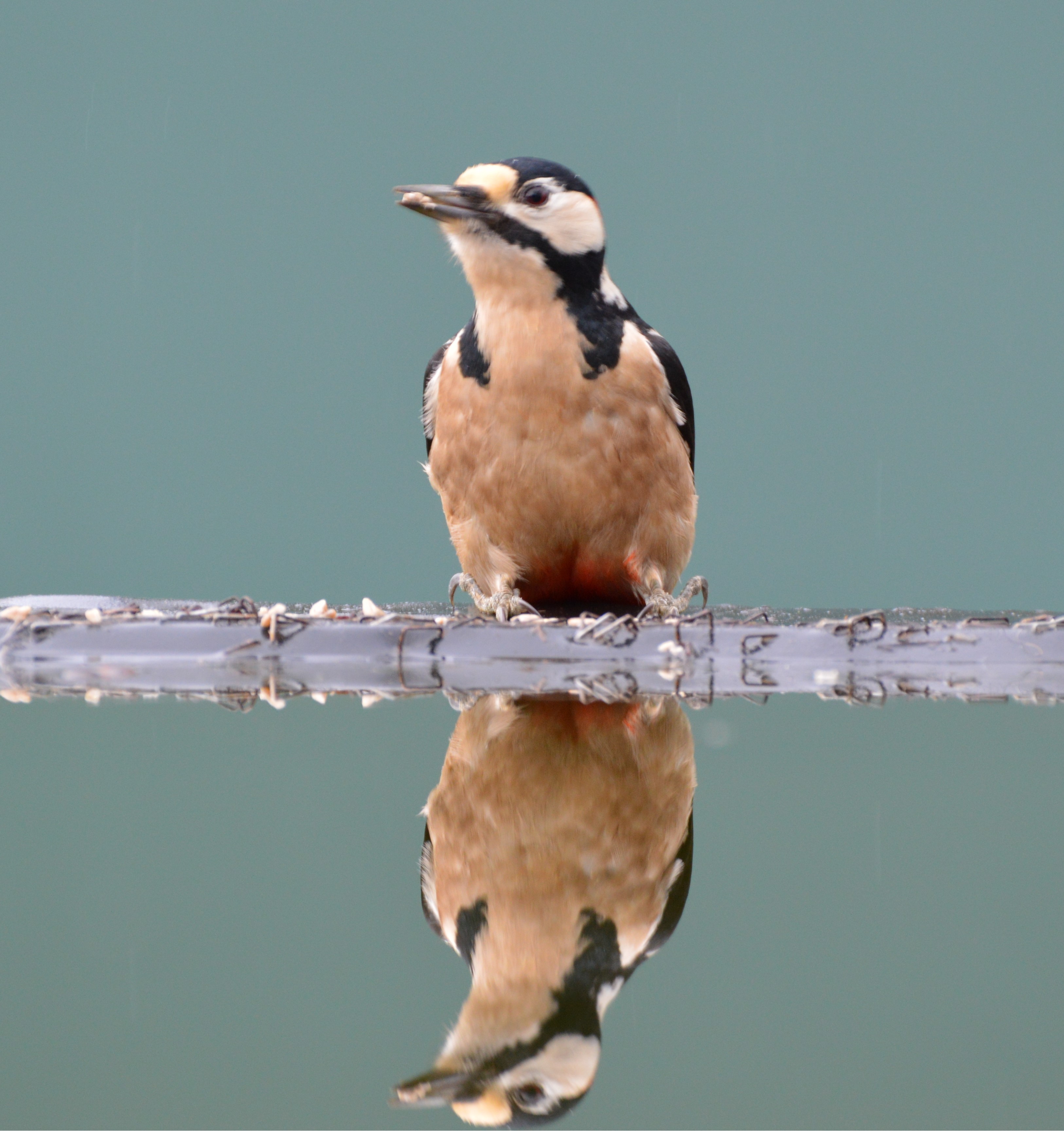
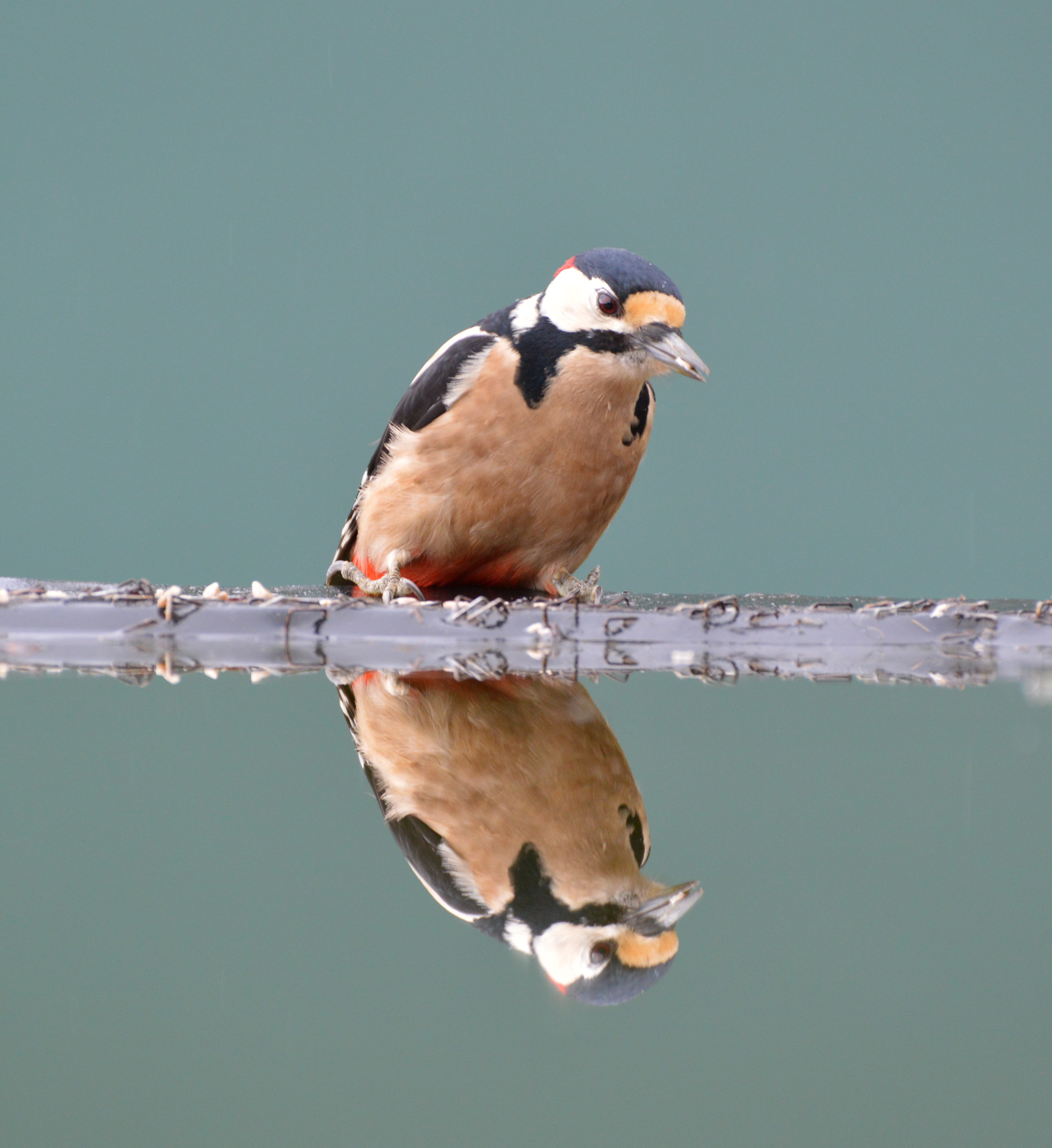
The prize of our time at this hide though was undoubtedly this Greater Spotted Woodpecker. We spotted him in the trees initially and we watched as he gradually got closer.

woodpecker

Once he’d reached the bird feeder, we held our breath as he got closer to the pool – everything crossed that he’d land there. And he did! An absolutely gorgeous bird looking back at himself.

You can’t really go wrong with the reflection pool. Whilst not necessarily always technically brilliant (often far from it), all the photos here had some appeal. I even love the photos that weren’t really in focus, like this one of a blue tit taking off. The colours and the reflection make up for the lack of everything else (like focus) you’d normally look for in a photo!

blue-tit-2

So that was the first part of our day in the wildlife hides. We were already really chuffed with it all and it was only 11:30am at this point!

Parts 2 and 3 to follow as soon as I’ve waded through the next set of photos. We’d thought things were going well already, but then we went to the Kingfisher Hide…..


Proud Hedgehog Foster Parents!

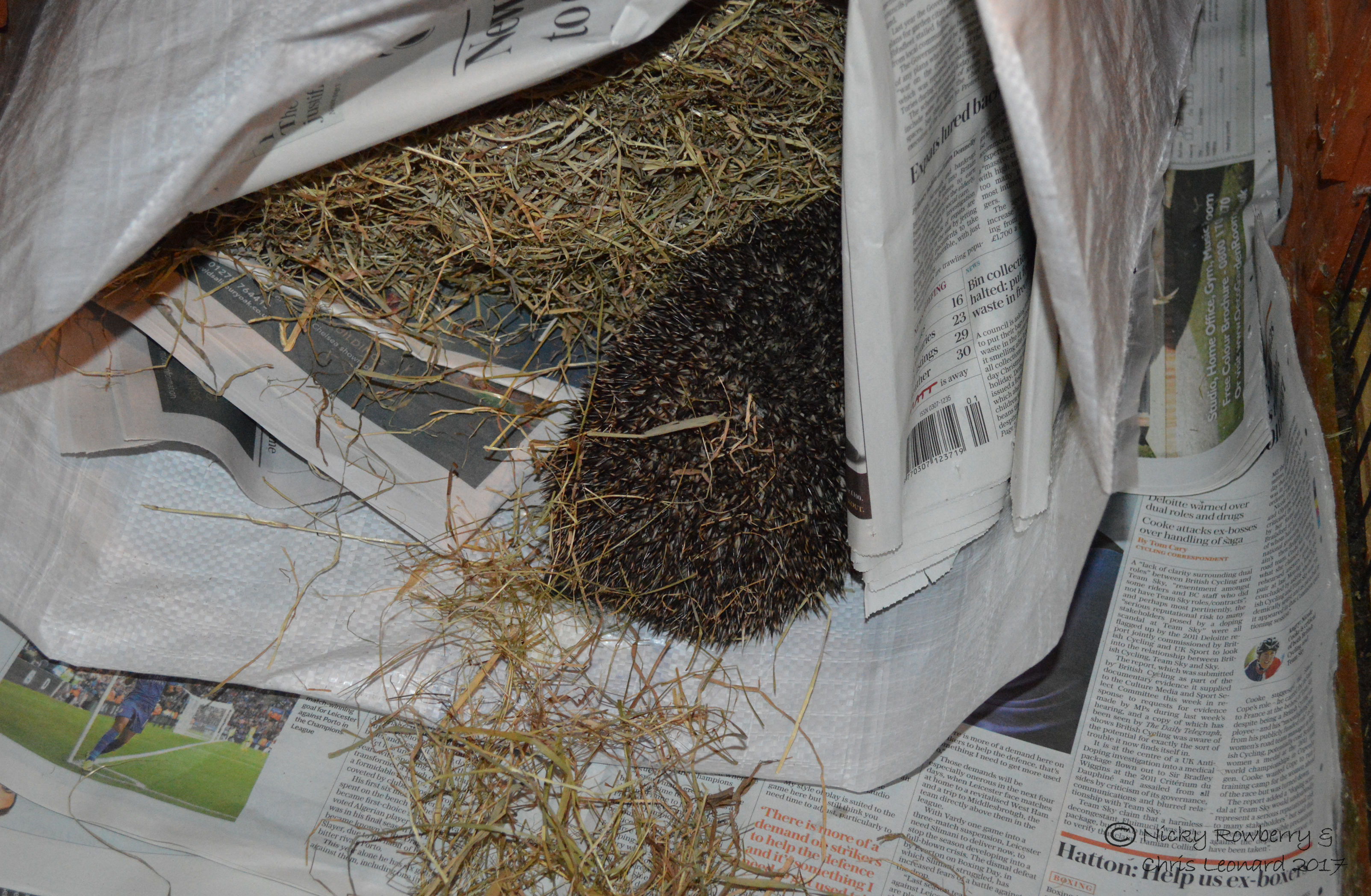
We’ve become parents! Albeit to a hedgehog and only temporarily at that. But I couldn’t be more proud of our new addition to the family. So here he is – Meadow the Hedgehog.

meadow-arrival

Meadow was found as a baby in Worcester and has been cared for by Viv at Malvern Hedgehog Rescue ever since. Viv has nearly 100 rescued hedgehogs in her care at the moment, so was looking for volunteers to foster some until the spring; at which point they can be released. So this is how Meadow came to be living with us.

Never having looked after a hedgehog before, we had to scrounge a rabbit hutch – many thanks to Michael Reece for the donation. We’re on a bit of a learning curve at the moment, so hopefully Meadow will put up with his novice carers. Under instructions from Viv, he now has a hay filled bedding area, plenty of newspaper and of course food and water. He initially made a bee-line for the hay, but has since chosen to bury himself under the newspapers.

meadow-hedgehog

Other than feeding him and changing any damp newspaper/hay, we will be leaving him pretty much alone. He is not a pet, so we don’t want to treat him as such. Viv has asked us to weigh him once a week though. He is currently 941g. We’re supposed to try and maintain it around that. We don’t want him losing weight, but apparently we don’t want him to put on any more either. If hedgehogs get too fat they can’t curl up properly into a ball (I have the same problem myself!), which makes them vulnerable to predators.

Hopefully if we get a cold spell Meadow will go into hibernation. Viv has told us what to look out for so we don’t panic if he stops moving! I’ll try and give updates on his progress over the next few months, although there may not be many photos, as we will try and handle him as little as possible and generally leave him in peace.

For information on Malvern Hedgehog Rescue go to http://www.malvernhedgehogrescue.co.uk/  Like so many hedgehog rescue centres, Viv gets no funding and relies totally on donations. Please consider helping your local rescue centre – help with food, vets bills, equipment or even just donating old newspapers will all make a difference.

Apple Tree Life Cycle

I haven’t managed to blog much lately – the tail end of 2016 seems to have been way to busy (social whirl darhhhlings!) As the year draws to a close though, I feel a few reviewing posts coming on. One little project I started back at the beginning of the year was to try and document the life and times of our garden apple tree. I had originally planned to take a photo of the tree once a week throughout the year, but a) I kept forgetting and b) no-one would really want to look at 52 photos of the same tree! So although this post is full of photos, there’s hopefully a bit more variety.

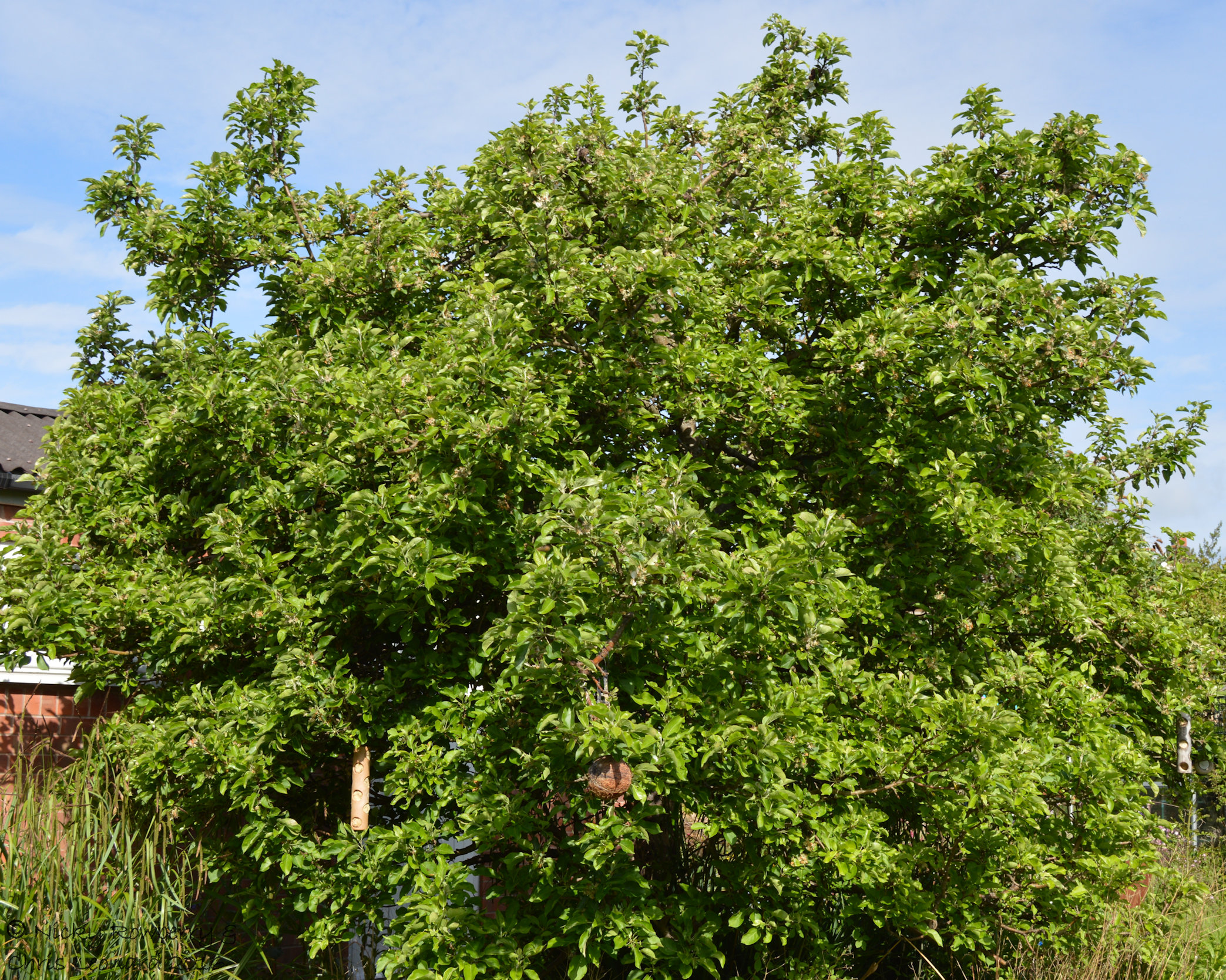
Our apple tree is a medium sized, but fairly productive one, that gives us loads of delicious Discovery apples most years. At the beginning of the year though the tree was of course completely bare and remained so right up until the end of March.

apple-tree-mar-27

A couple of weeks later in mid April and the leaf buds were just about visible and starting to open up.

apple-tree-april-16

Two more weeks and the leaves were filling out. I much prefer it when the tree is in leaf as it provides more privacy in the garden (not that our neighbours I’m sure have any interest in what we get up to in our garden!)

apple-tree-april-30

A mere 8 days later still and not only was the tree almost completely greened out, but the blossom was open too. The blossom seems to go on a two yearly cycle – one year it will completely cover the tree, the next year we don’t get very much – this year was one of the not very much years. It still looked beautiful though and was buzzing with bees for the short time it was out. The blossom never lasts long and this year it all got knocked off by a torrential downpour just a couple of days after this photo was taken.

apple-tree-may-8

Two weeks later at the end of May and the blossom was gone and the tree was fully green. The birds appreciate the cover provided by the leaves, although they never seem to actually nest in it.

apple-tree-may-22

By mid June small apples were visible. Although there hadn’t seemed like there was much blossom, we still had a lot of apples, so I guess the bees did a good job on what was there. On years where there is a huge amount of blossom, there can actually be too many apples. They crowd together on the branches, with not enough room to grow properly and many end up dropping off, so we don’t really get any more apples than on a poor blossom year.

By August the apples had turned the characteristic shiny red of the Discovery. The ones that get most sun turn the brightest red – they always remind me of the apple the witch uses to tempt Snow White!

apple-tree-aug-07

We always end up with far too many apples for our own use, but we have a friend who makes cider, so he comes and clears the tree for us. Not only do the apples get put to good use, but it saves us having to pick up loads of rotting ones off the grass. So by September the apples were all gone and just a few of the leaves were starting to turn yellow.

apple-tree-sept-24

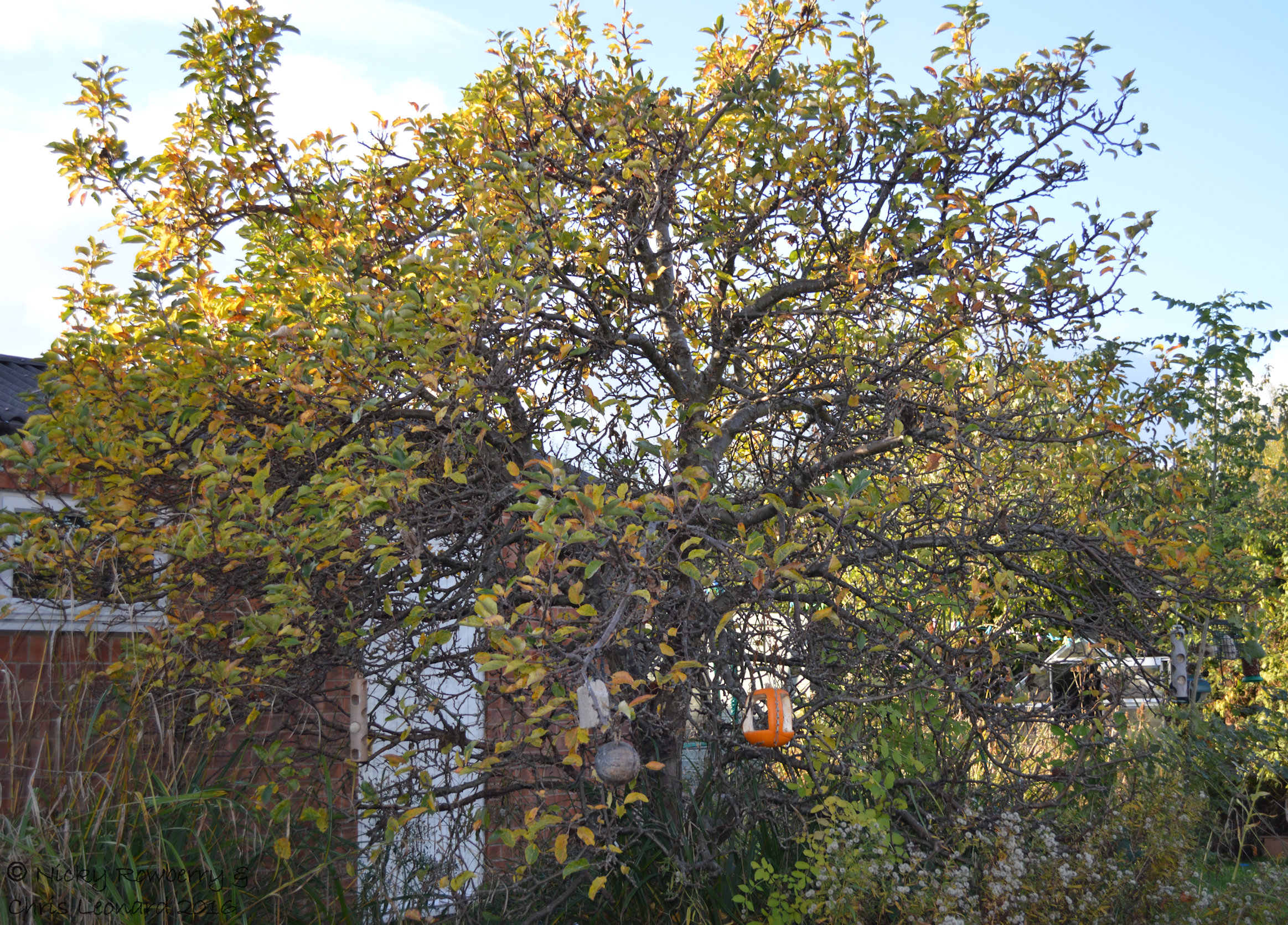
By October the leaves were still all there but were definitely wearing their autumnal colours

apple-tree-oct-29

A few windy days at the end of October and most of the leaves had gone by November.

apple-tree-nov-7

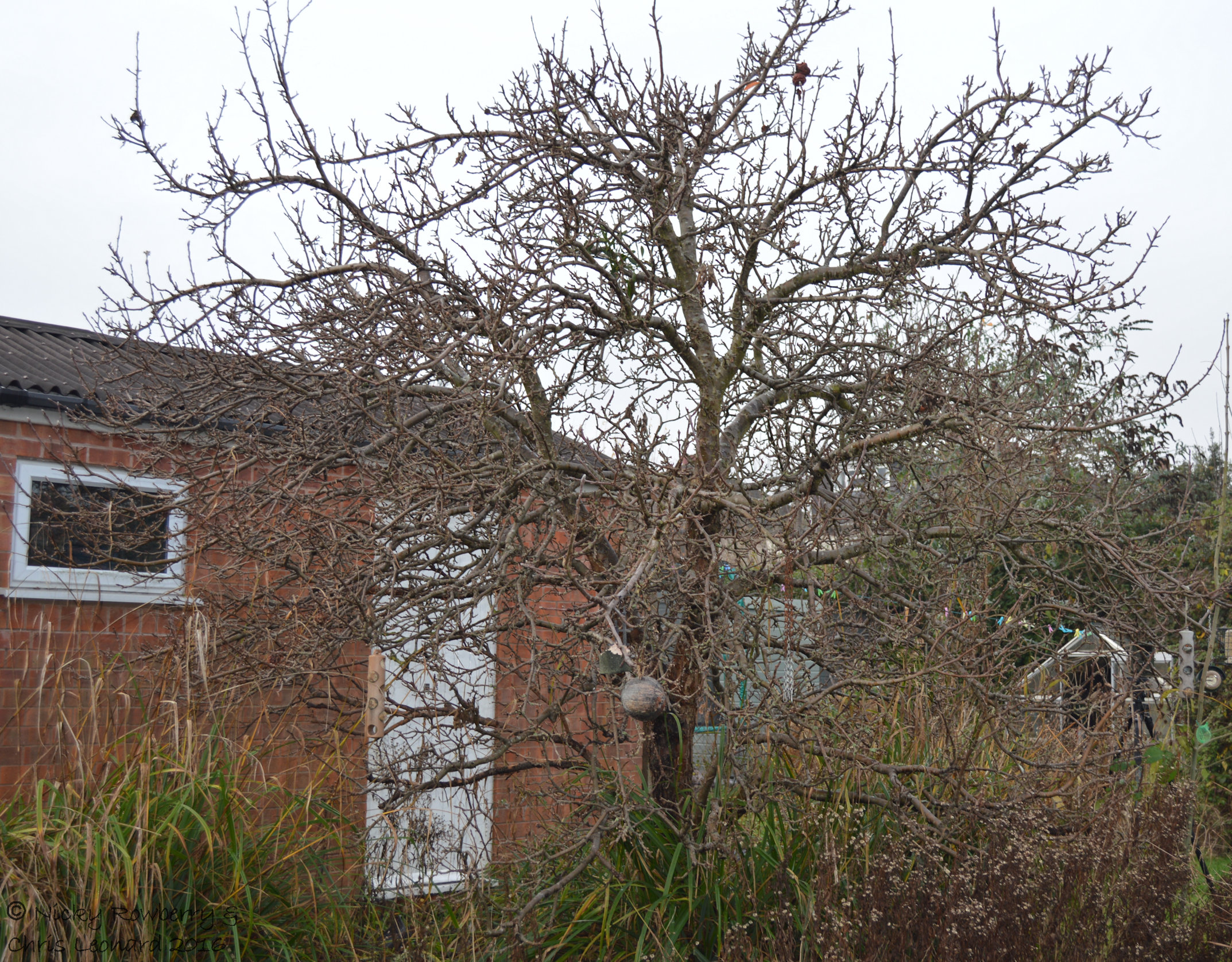
And by yesterday the tree was back to square one – the only green left a few clumps of mistletoe that has recently colonised it.

apple-tree-dec-17

As well as taking general shots of the whole tree, I tried to capture close ups of some of the individual parts. The leaf buds at the beginning of the year were brown and tightly furled but by mid April the young leaves had emerged, looking lovely and fresh green.

leaf-bud-2

The blossom is of course effortlessly photogenic. It starts of a gorgeous deep pink before the flowers unfurl to almost pure white with just a hint of a blush. We’re very lucky to live in the Herefordshire/Worcestershire area, where in the spring there are orchards all around filled with apple blossom. It looks great on just our single tree, but when you see whole orchards in bloom it really is stunning.

blossombuds

blossom

blossom-4

The whole point of an apple tree (from a human point of view at least) is of course the apples.  The  young apples were green and had a downy fuzz (I’d never noticed the fuzziness before until I took these photos!) In May as the apples first form you could still see the remnants of the blossom flowers sticking out at the top.

baby-apples

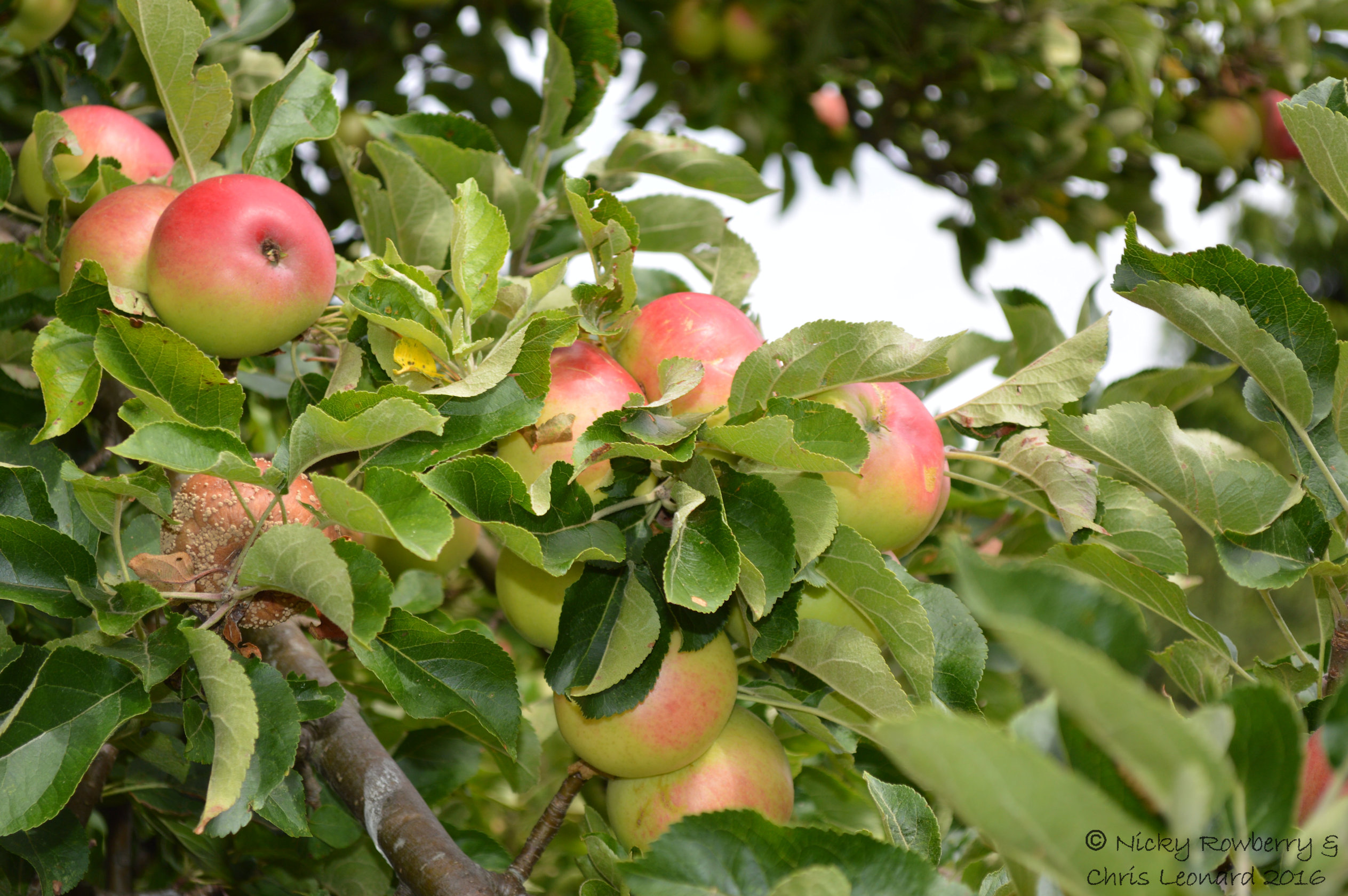
As the apples matured they lost their fuzziness and turned shiny and red; the upper sides almost always turning red first as they got the most sunshine.

apples-on-tree

Most of the apples were of course turned into cider. They didn’t all get picked though and the few remaining ended up as food for wasps on the ground.

rotten-apple

Every year I do pick a few for our own use before the cider makers take the main crop.

apple-bowl

Discovery apples aren’t particularly good for storage, so you either have to eat them quickly or find some other use for them. Fortunately I’ve found they make very good mincemeat, courtesy of an excellent Delia (who else) recipe.

mincemeat-bowl

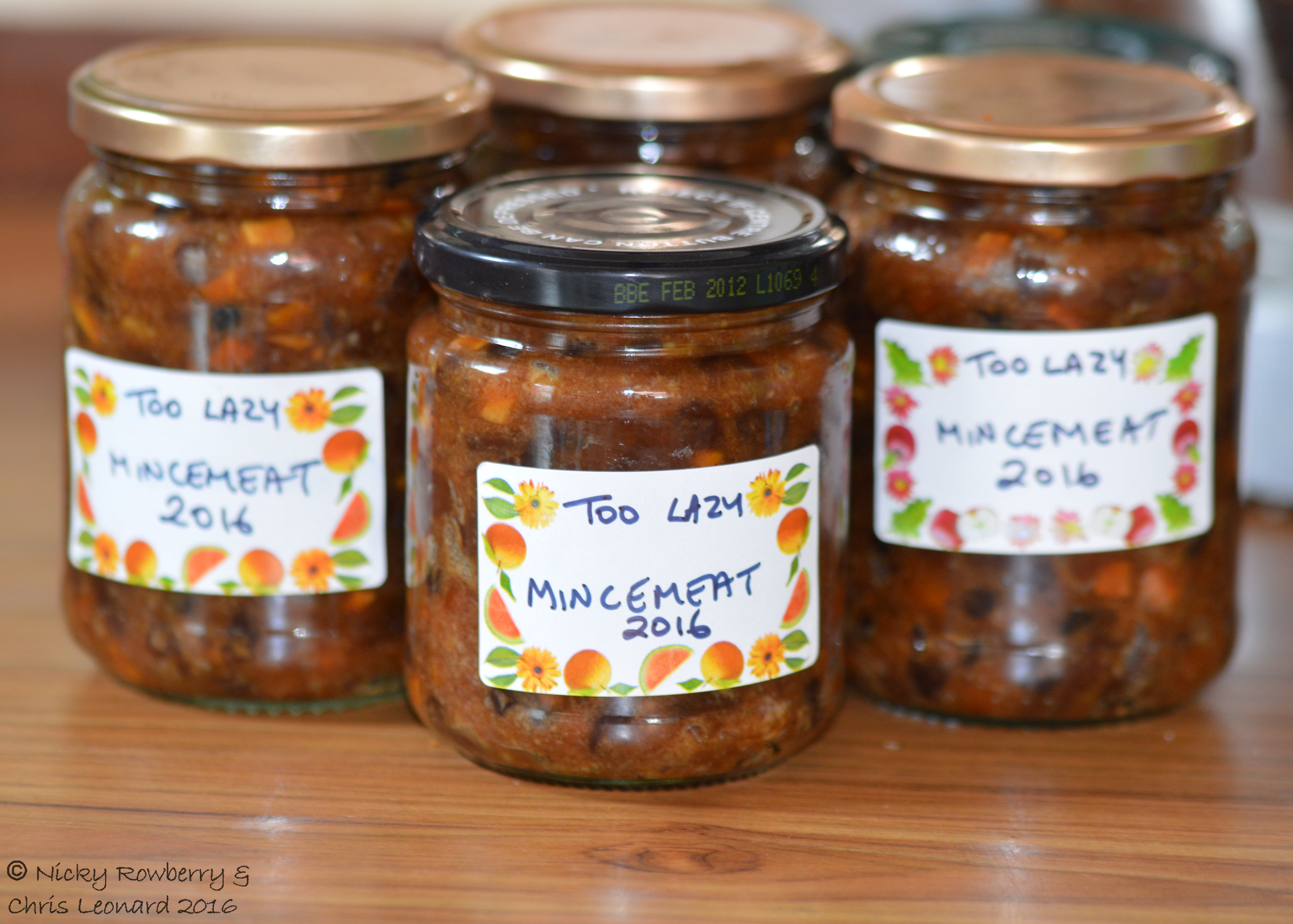
So the final stage in the life of our apples – jars of homemade mincemeat. It is nearly Christmas after all!

mincemeat-jar

A Cold and Frosty Morning

I always love the first good frosts of the year. They transform the garden into something magical, giving everything a crystalline coating that sparkles in the sunshine. Last year we hardly had any decent frosts, but this week November’s wintery breath has dressed our garden in delicate white lace. Winter is coming!

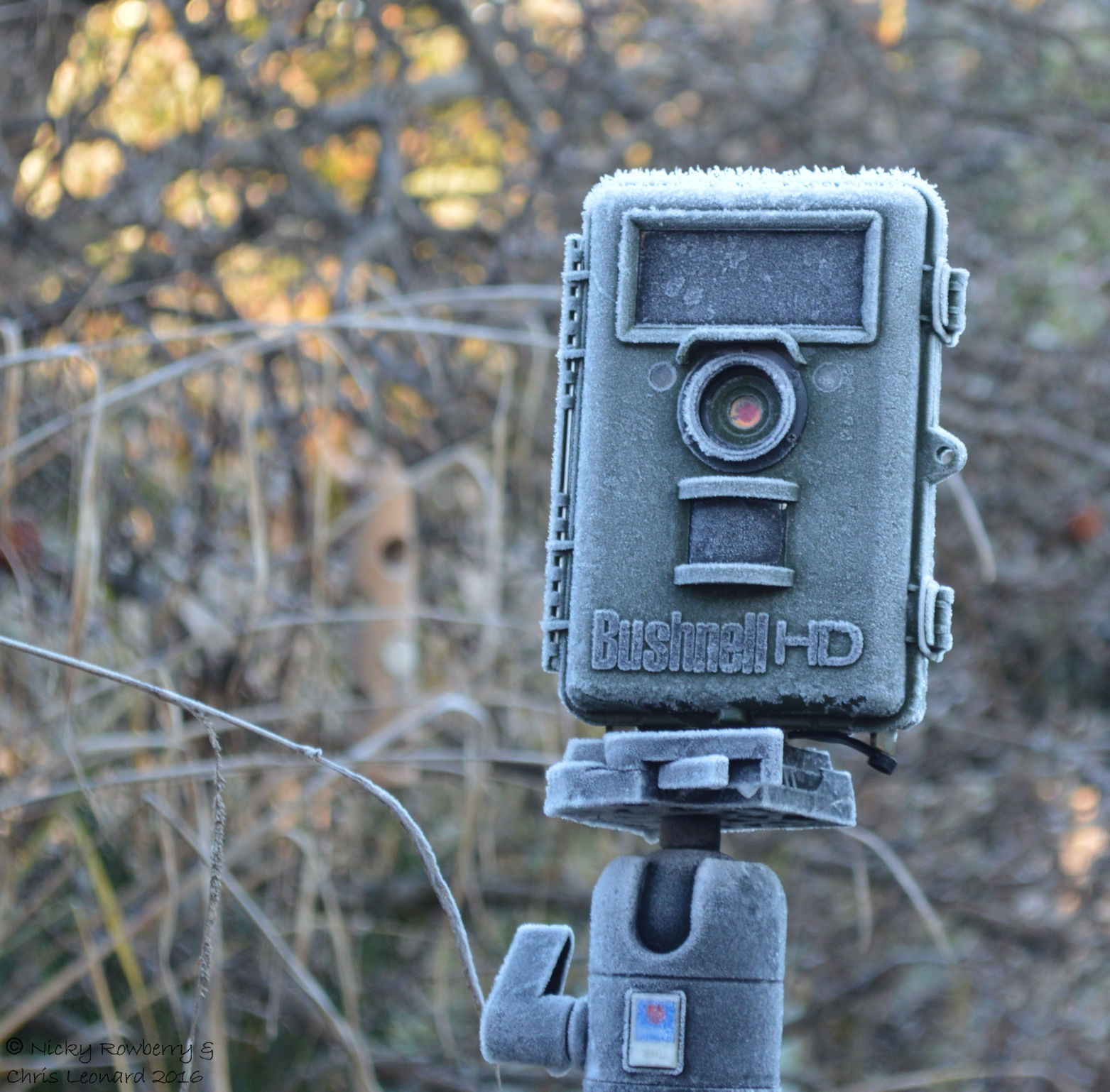
The thermometer registered that it had dropped to -4.7C in the garden last night, so I went out this morning armed with multiple layers of clothing and a thick woolly bobble hat. The trail camera had been foolishly left out overnight and was not only frosted, but the tripod was frozen solid to the ground. After a brief but strenuous battle I managed to wrest it from the garden’s icy grip, so that I could use the tripod for my frosty photos.

trail-cam-frost

I’d gone out into the garden hoping for spiders’ webs glistening with icy beads, or red berries frosted on the bushes, or icicles dripping from a branch. Of course I couldn’t find any of these things, but what I did find was just as good.

We have a small flimsy porch type thing around our back door with single layers of glass. These were covered in beautiful “fern frost”. Window frost like this used to be much more common before the advent of double glazing. Double glazing restricts the contrasting temperatures needed either side of the glass for the formation of this type of frost. Our tatty little porch is not normally a thing of beauty, but this morning Jack Frost had transformed it with these feathery fractal patterns.

window-frost-2

A wooden garden chair had also been left out last night and was now covered in hoar frost. Hoar frost forms white crystals of ice that coat everything with a sugar-like dusting. The frost on the chair was really quite thick – up to a centimetre in places, looking like icy white fur.

chair-1

chair-3

I loved the way on one side of the chair the frost had started to melt and sparkled like golden glitter, while on the other side it was still silvery white.

chair-2

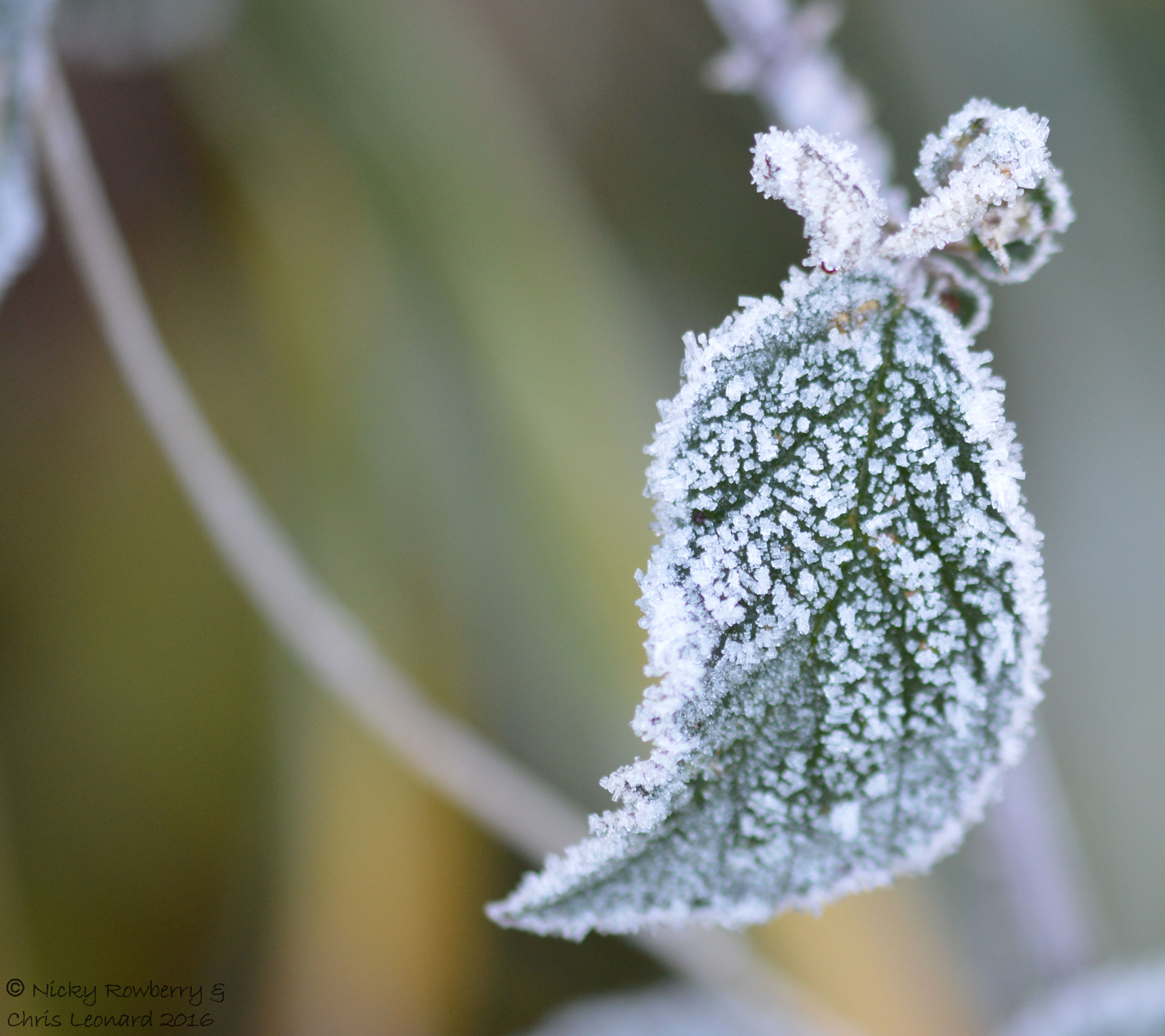
The grass was lovely and crunchy under foot; it seemed a shame almost to trample it as I snooped around the garden. Leaves everywhere were of course covered in the ice crystals, looking like they’d been dipped in some frenzied attempt to candy coat the whole garden.

leaf-5leaf-1

leaf-3ivy

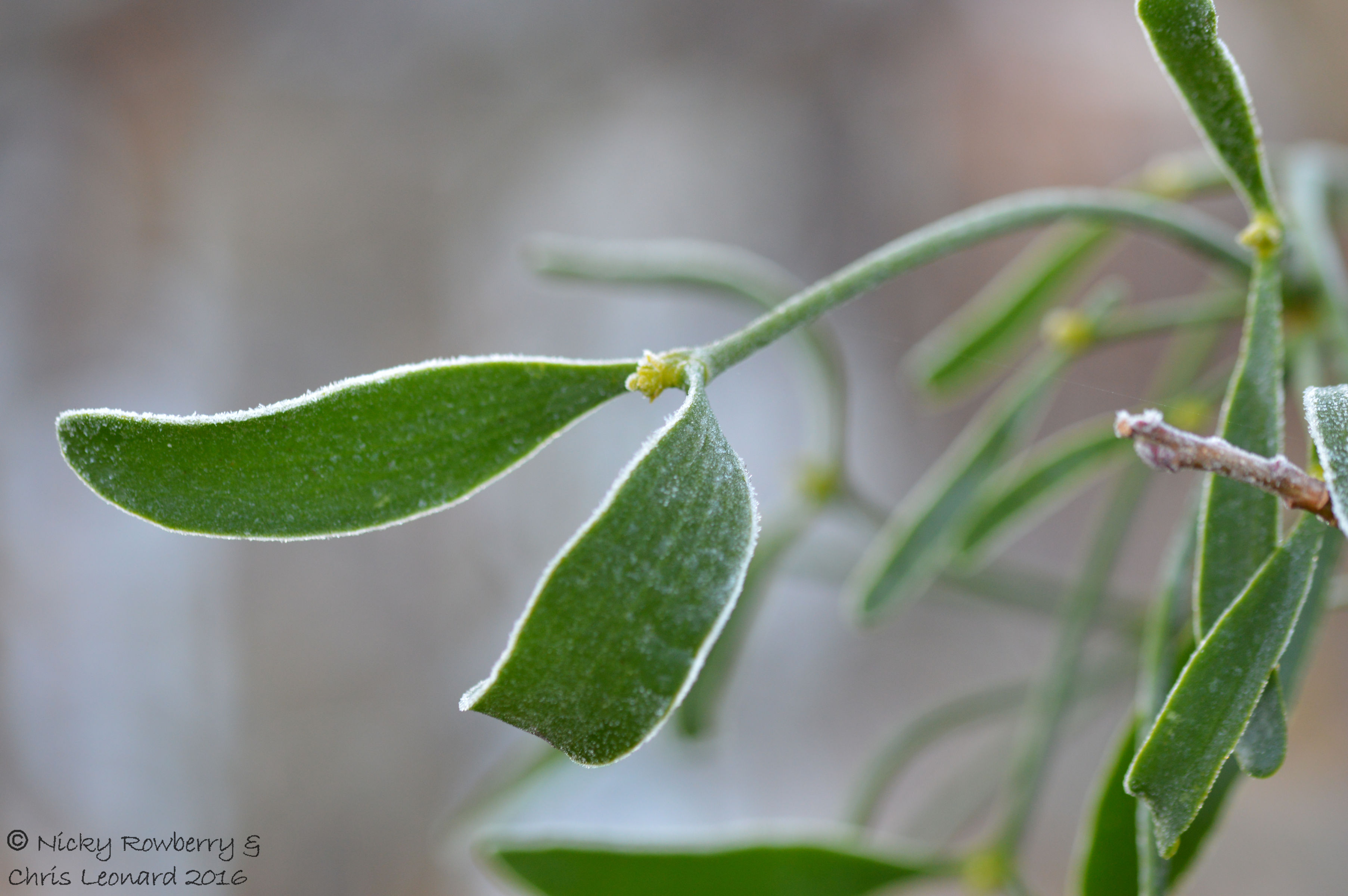
The presence of the mistletoe (visible again now the leaves have fallen off the apple tree), made it feel quite Christmassy (reminding me that I need to go in and give the Christmas cake another good soaking of brandy!).

mistletoe

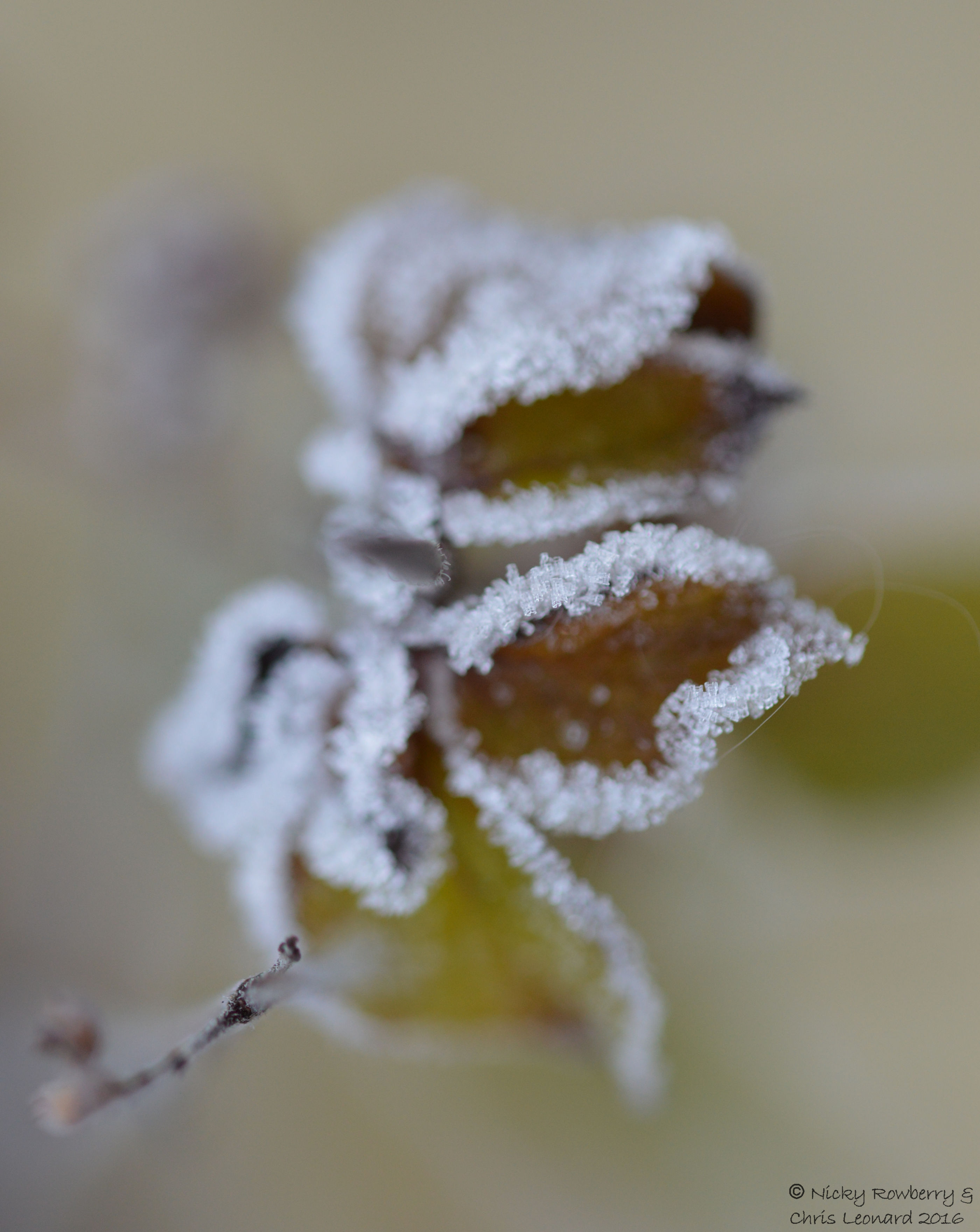
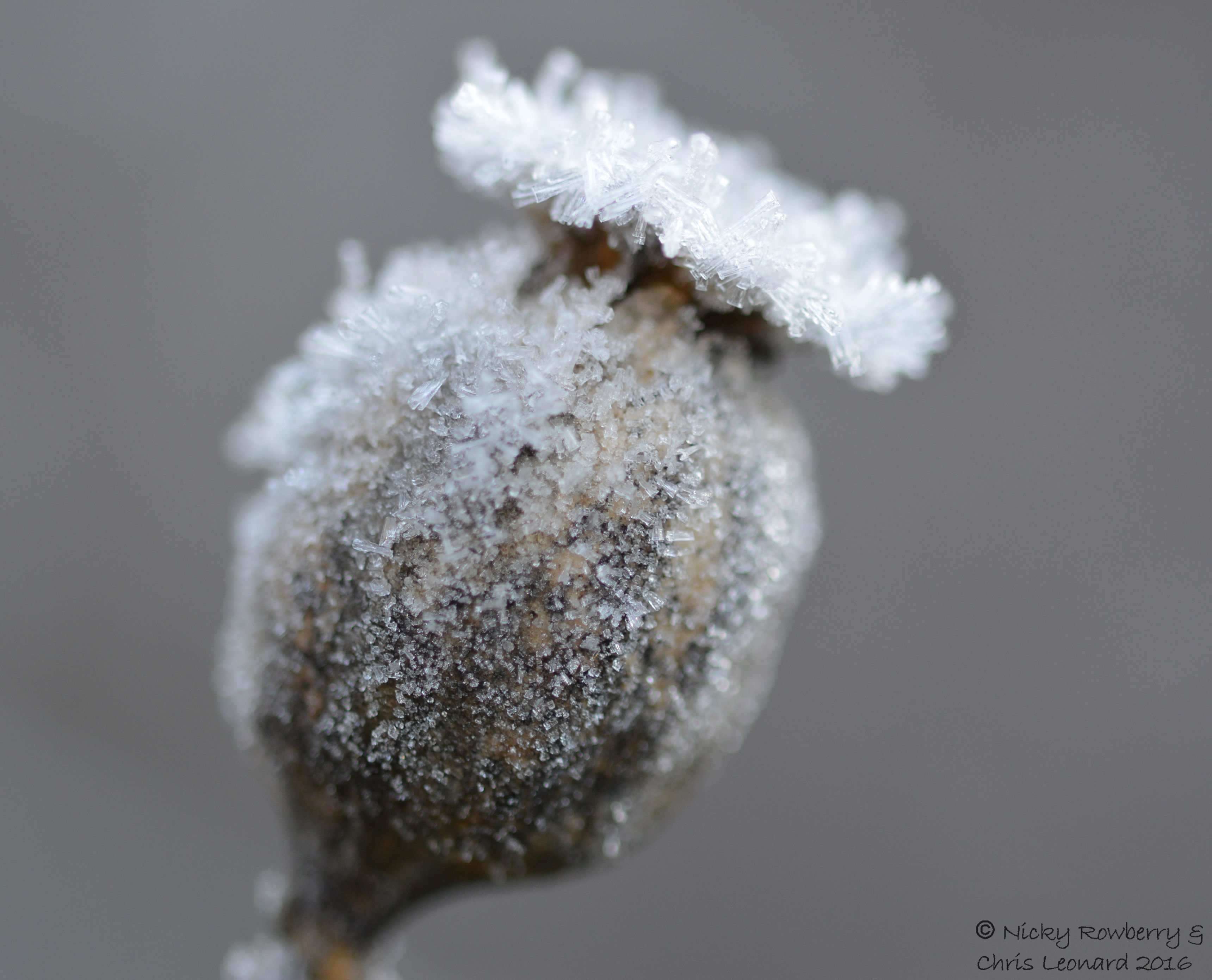
I found a poppy seed head, which looked great from the side, but even better from above – like a tiny diamond encrusted crown.

poppy-frost

poppy-frost-2

I can never resist taking a photo of the teasels. The frost on them actually looked more like snow, being much finer for some reason than that around the rest of the garden.

teasel-1

There were a few splashes of colour amongst the wintery white. We have one patch of lavender that had still been flowering, long after the rest in the garden had finished. I suspect the frost will have put an end to that though.

lavender

The Verbena bonariensis that I grow in the hope of attracting butterflies (with little success) was clearly a frost magnet. Chunky little crystals were stacked up all over the old flower heads.

verbena-2

Possibly my favourite snap of the day was of this brave little flower, still glowing yellow in the morning sun despite its diamond coating.

yellow-frosted-flower

I thought it would only take me a few minutes this morning to photograph the frost, but when I came back in I found I’d been out there for an hour. It was just so beautiful and peaceful, I hadn’t noticed the time go by.

I did have a moment of panic while I was downloading the photos, when I realised there were absolutely no birds to be seen in the garden. We normally have hoards of them, especially as I’d topped up the bird feeders while I was out there. I had this sudden irrational fear that the frost had killed them all off! (I know it made no sense, as there’d be no birds anywhere if one frost could kill them that easily!) Very quickly though they reappeared – they’d probably all just been traumatised by the sight of me and my bobble hat so early in the morning and taken a few minutes to get their nerves back!!


Pumpkin Feeder

It may have been over a week ago now, but Halloween is still featuring in our garden in the form of our pumpkin bird feeder. I got the idea from the brilliant Wildlife Gadget Man (http://wildlifegadgetman.com/) who posted this on Twitter and I shamelessly copied it.

pumpkin-birdfeeder

Of course as is always the way, the wildlife didn’t appreciate it was Halloween and nothing visited it until the date was long gone. With hindsight, I think I initially hung the pumpkin too close to the house, but it wasn’t helped by the miserable foggy weather around the end of October which seemed to deter all but the hardiest of wildlife in our garden. Eventually though the squirrel appeared to check it out and I got a couple of very grainy grey videos of him, which really aren’t worth uploading so I’ve just taken this still from them.

squirrel-pumpkin

So the pumpkin got moved to the apple tree instead and after a cautious start, the birds have now taken to it (just as the pumpkin itself is starting to show its age and look a bit green around the gills). So far we’ve had sparrows, dunnocks, robins, blue tits and great tits, as you can see from the assorted short videos below.

We left the trail camera running over night quite often. As the birds don’t always go to bed as soon as it gets dark, nor wait until it is fully light to get up, it meant that we got some footage of them feeding in the dark. The robin in particular didn’t seem to be bothered by the light levels and I love the spooky look the infrared camera gives him – maybe he’s channelling the Halloween vibe after all?

Beautiful Pea-Green Moths

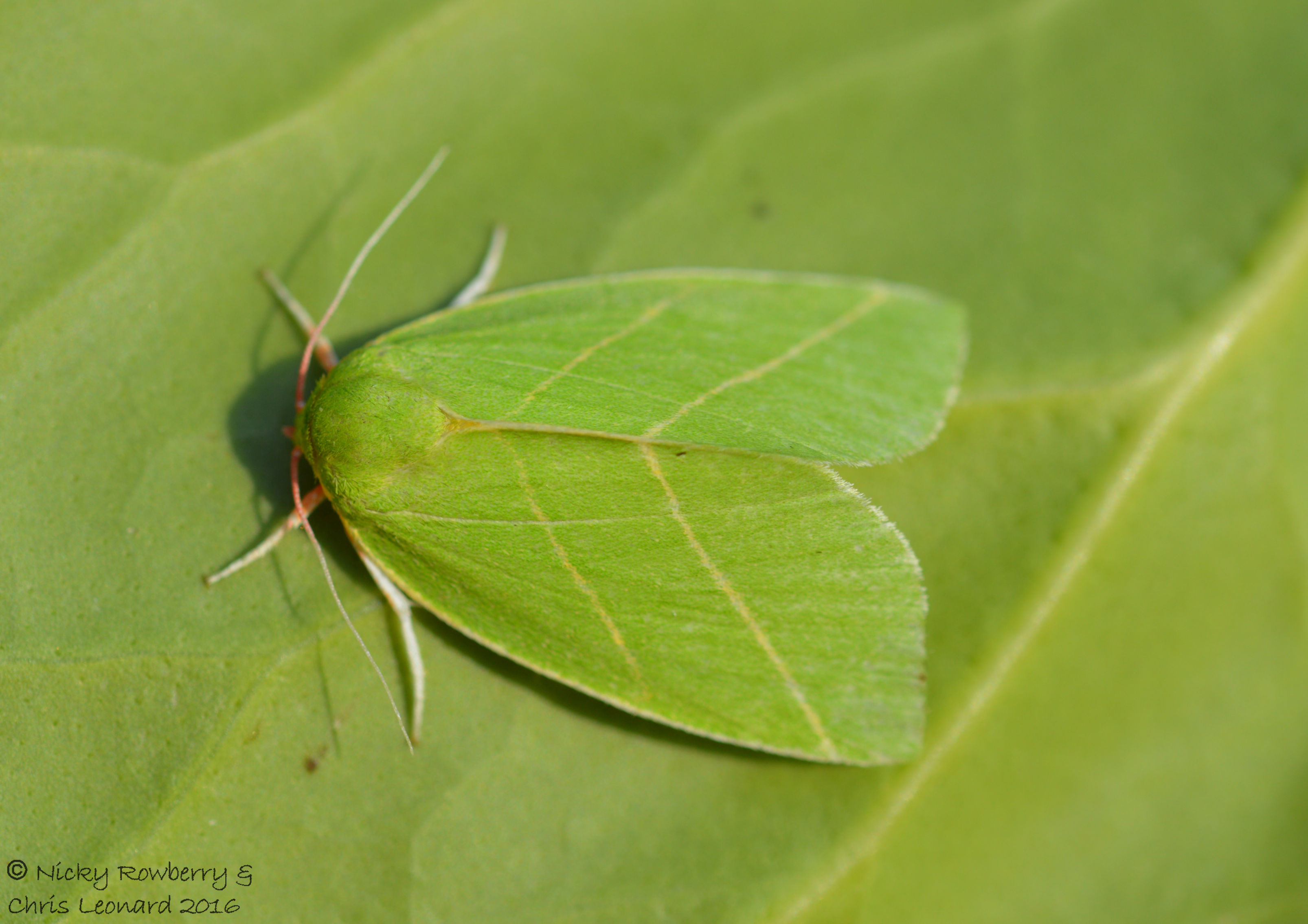
The end of the annual Garden Moth Scheme is nigh, so I’ve been checking my moth records ready to submit them to the scheme coordinator. I’ve posted previously about the autumn colours of moths – how the various Sallows mimic piles of dead leaves etc. But looking at the moth list from the last few weeks, the colour that stood out was green. When people think of moths, they don’t tend to picture green ones, but there are some stunning ones out there. So this week’s blog is in praise of the beautiful pea-green (and other verdant shades) moths I’ve found in the garden.

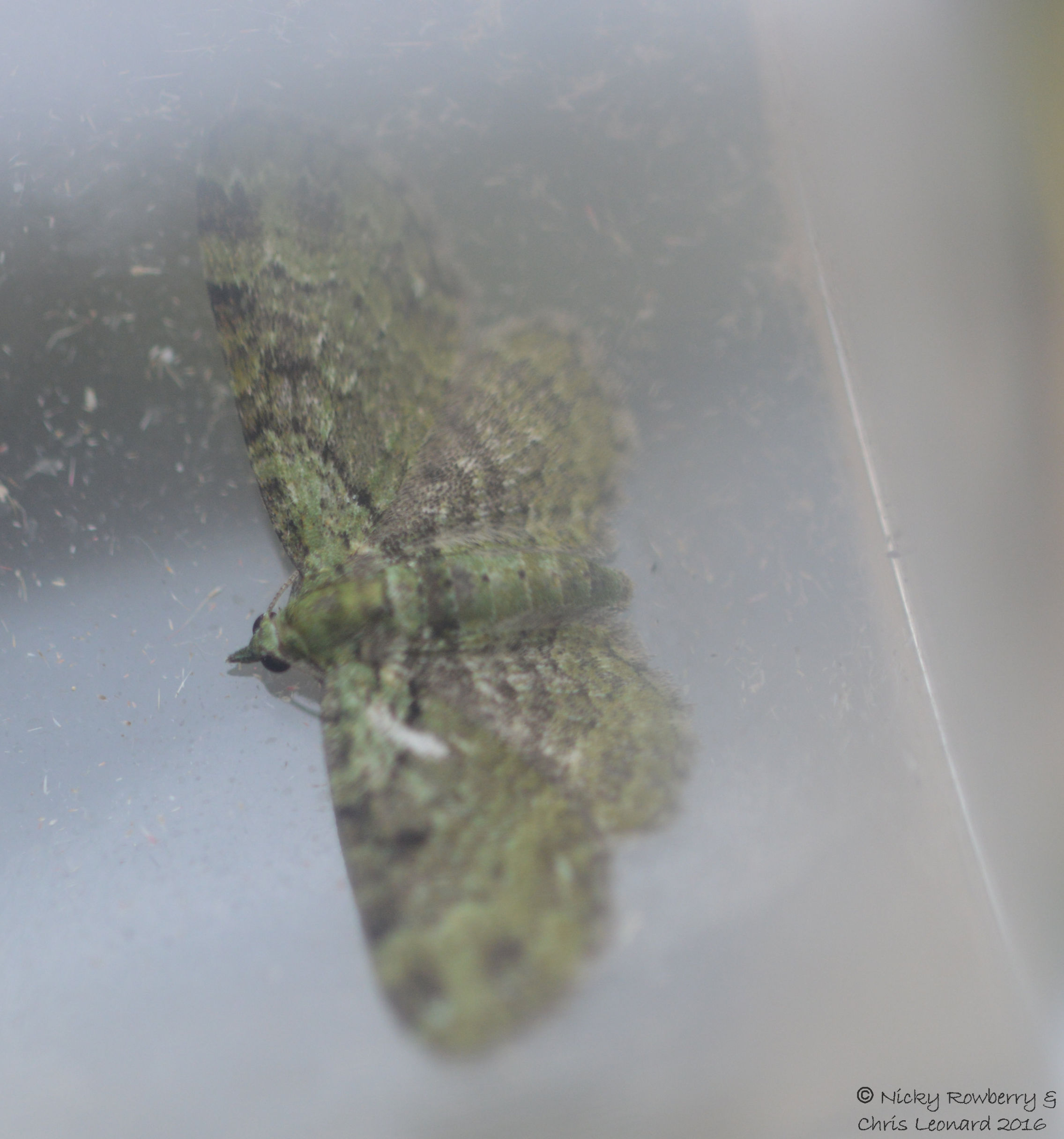
I’ll start though with my most rubbish photo – the Green Pug. I’ve caught these several times, but all the Pug moths tend to be really flighty and as soon as you open the collecting pot, they fly off. So despite repeated efforts this shot through the plastic pot is the best I’ve managed for a Green Pug. You can at least see that it is green and, if you’re into moths, you’d see that it is the typical pug shape.

green-pug

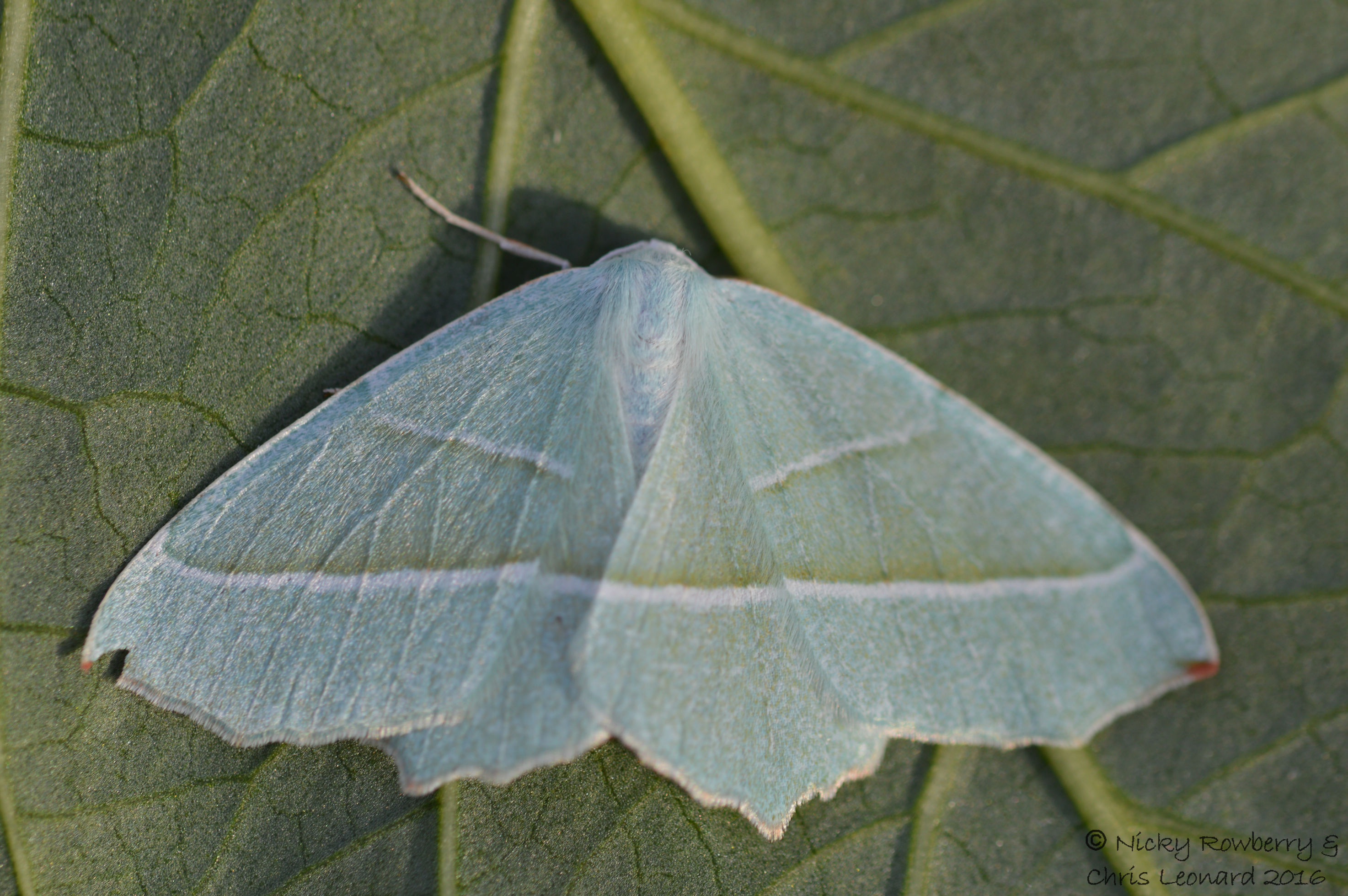
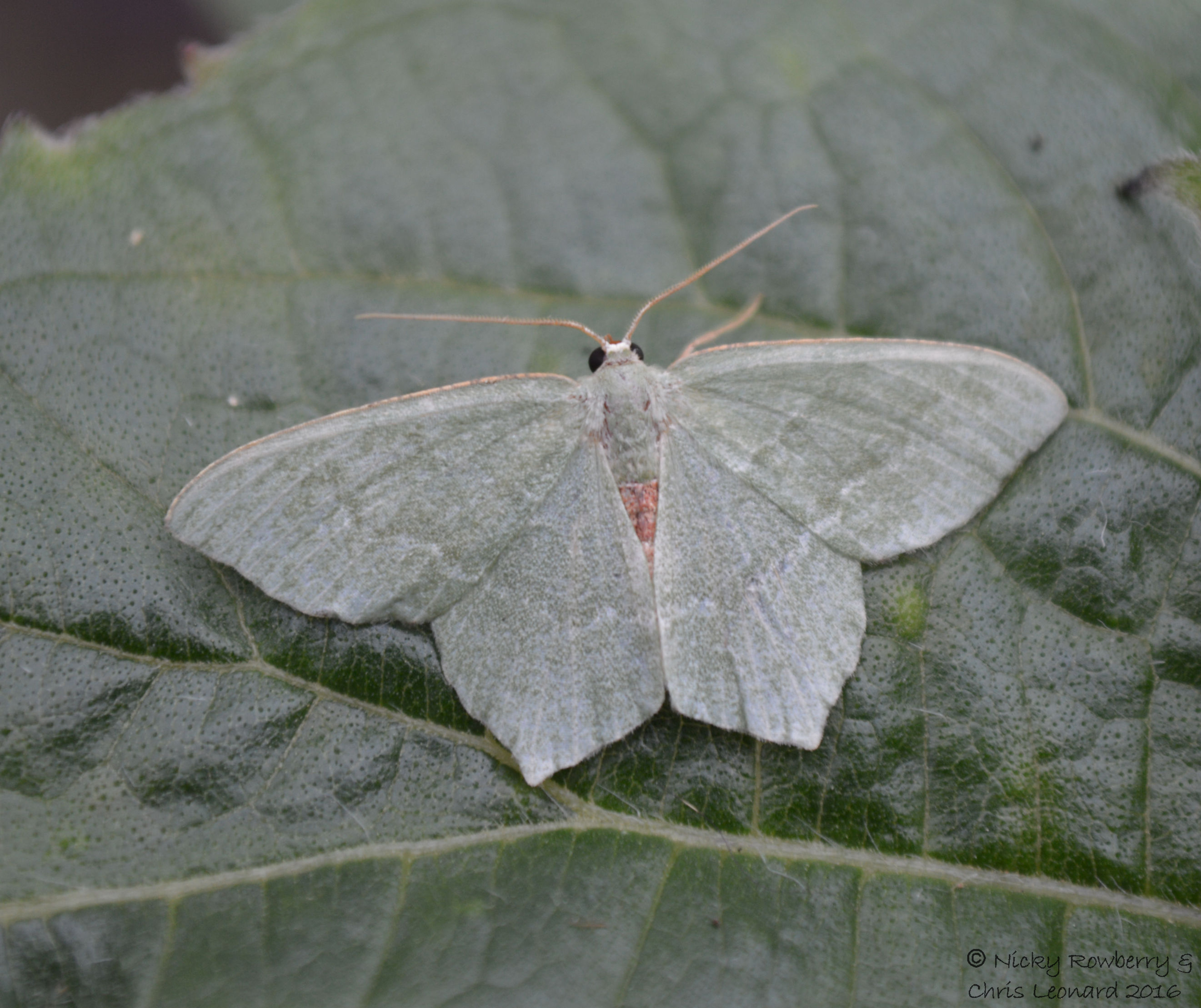
There’s a whole group of moths called the Emeralds – a great name for these gorgeous green moths.  We’re lucky to get at least three species in the garden. The palest green one is the Light Emerald (a name that does what it says on the tin!) This is the largest of the emeralds we get here and has reddish tips to the end of its wings (although this one has lost one where something’s taken a bite out of it).

light-emerald

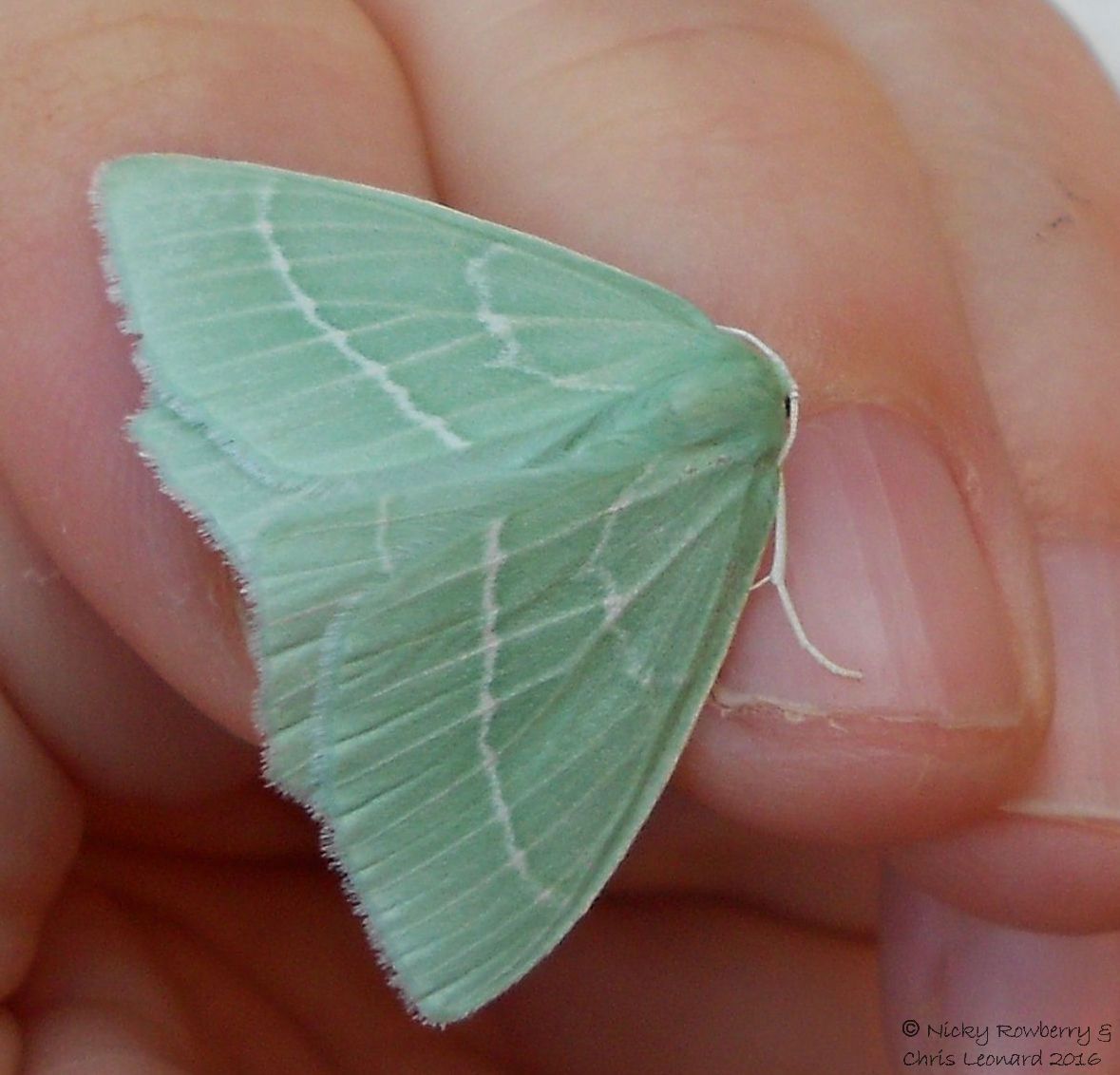
Next up is the Small Emerald, which is the brightest green of the three. For some reason the best photo I could find of this one was of it sitting on my fingers. (not to self, get manicure before posting photos of scruffy finger nails!)

small-emerald

The third one is a Common Emerald which didn’t actually put in an appearance in the garden this year (perhaps it’s not that common?), but we’ve had it previously. Confusingly it is smaller than the Small Emerald!

common-emerald

From a “Common” moth that didn’t appear this year to a “Scarce” moth that did – the Scarce Silver Lines. This is a stunning moth with pales lines across a green background that are presumably intended to resemble veins on a leaf.

scarce-silver-lines

The Red-Green Carpet moth below is quite common in our garden right now. These carpet moths have nothing to do with the ones that eat your carpets indoors. They are definitely outdoor moths and are named because the patterning supposedly reminded the Victorians of their intricate carpets.

red-green-carpet

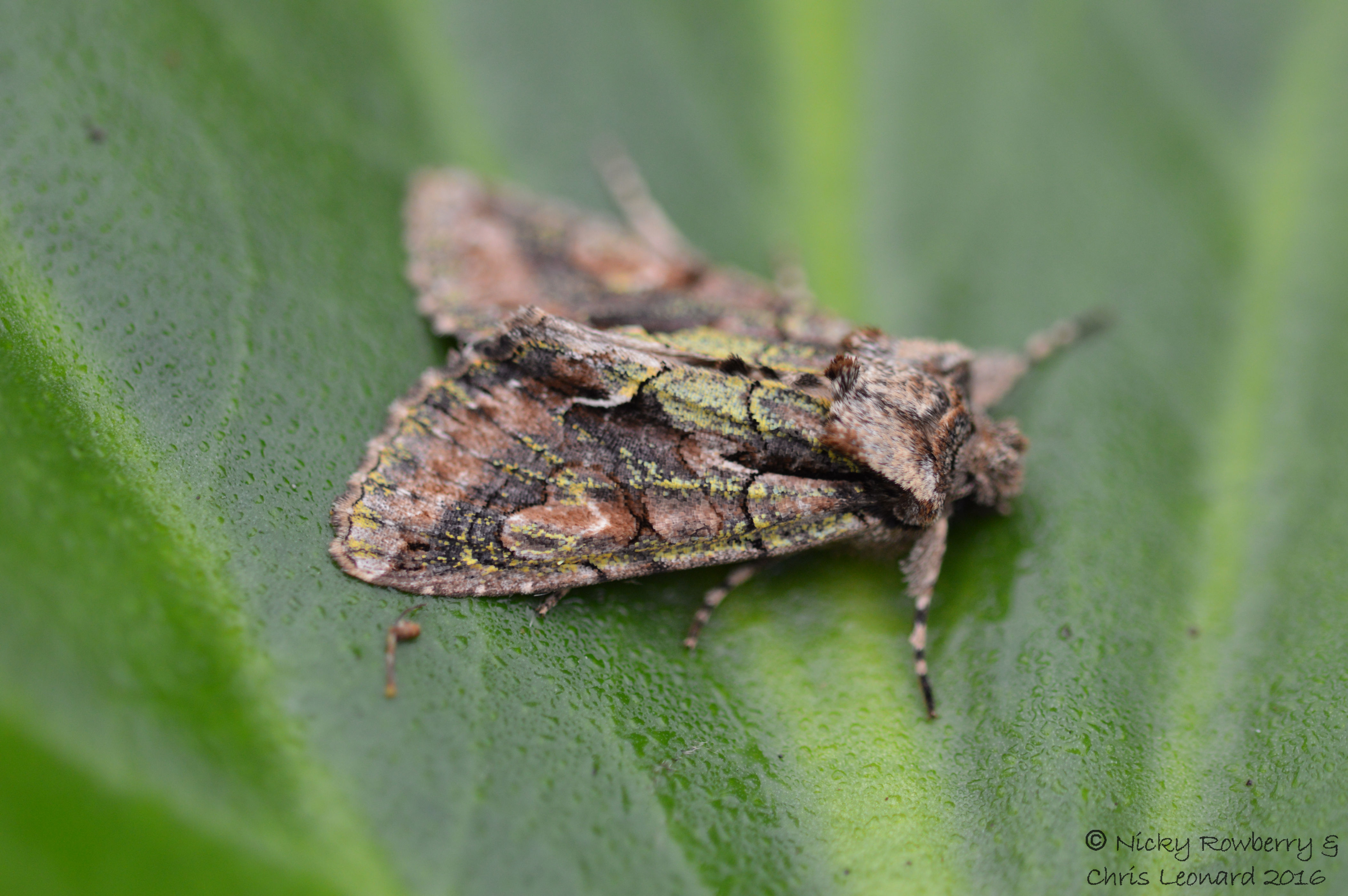
The base colour of the Green-brindled Crescent is a fairly dull mottled brown. But is has areas of metallic green scales (close up below) that shimmer in the right light to give it a beautiful green sheen. There have been a few of these in the trap recently, the new ones almost glitter green, but later in the season they lose the green scales and become much duller.

green-brindled-crescent

moth-scales

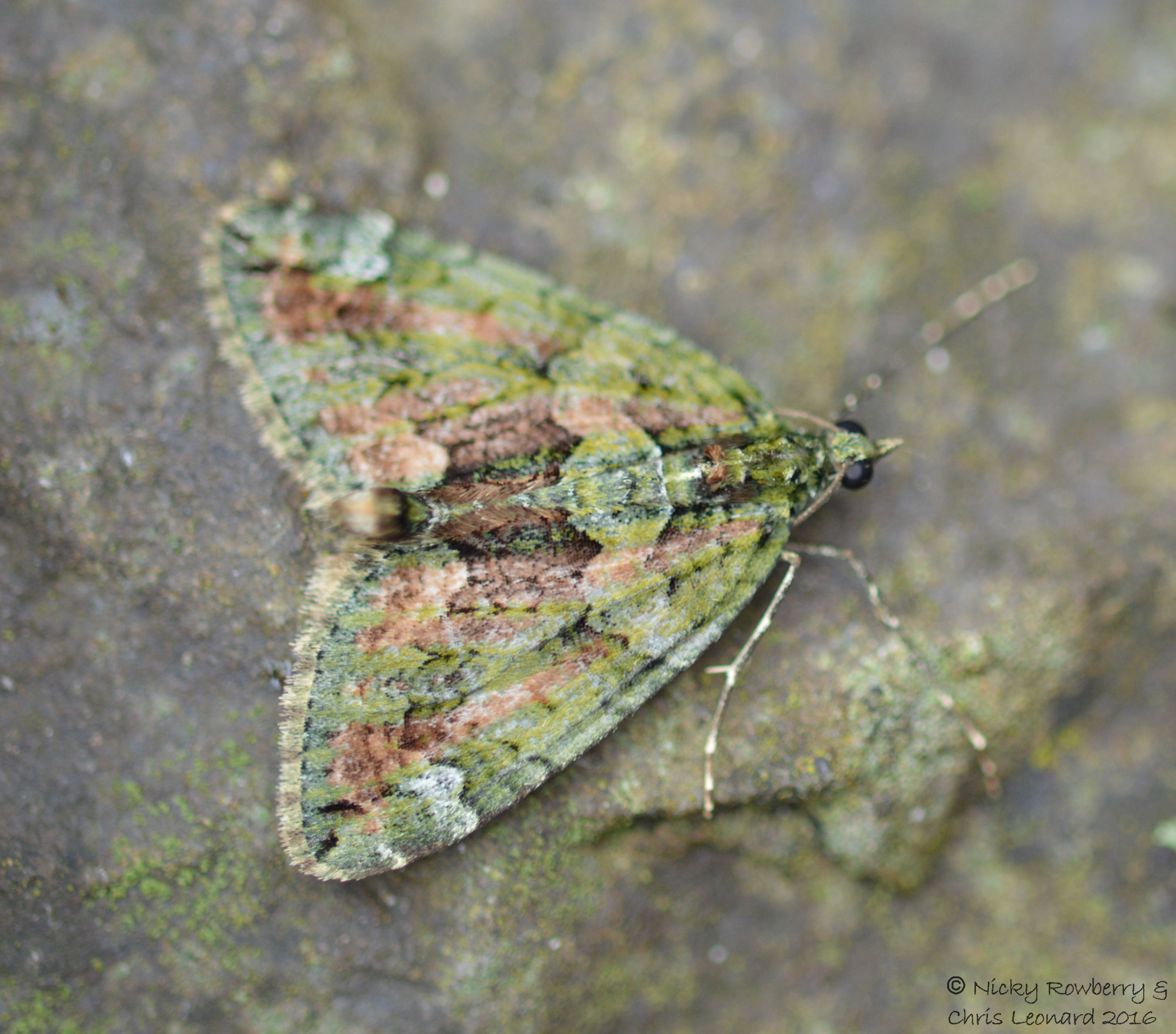
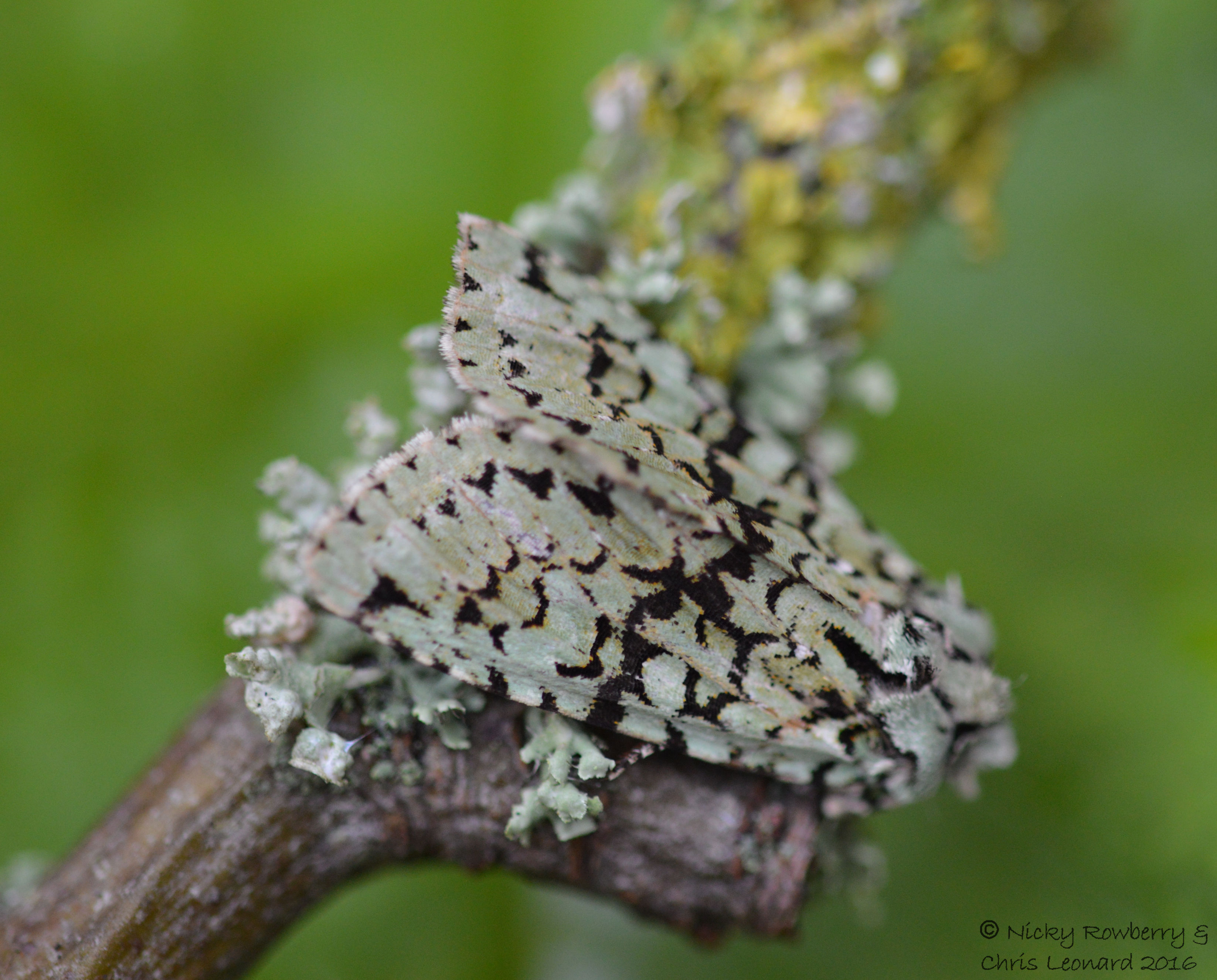
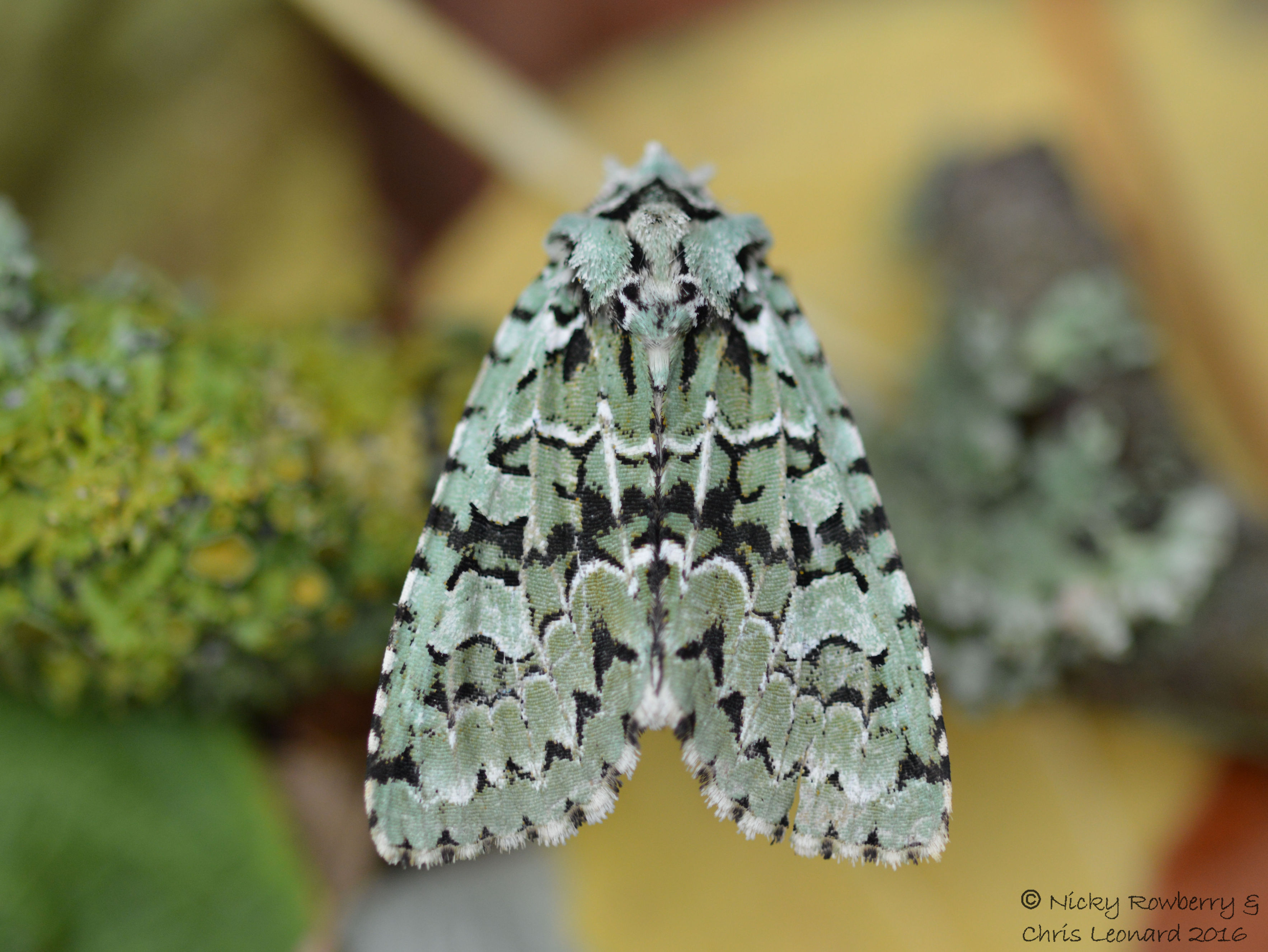
I have saved my favourite to last – the absolutely stunning Merveille du Jour. I love everything about these moths – their marvellous (or should that be mervellous – sorry!!) name, their fabulous colours and even the fact that they tend to be really docile and patient while I try and take photos. This gorgeous moth mimics lichens on tree branches, which means I’ve spent an awful lot of time trying to get the perfect shot of one doing just that. The following are by no means perfect, but they do at least hopefully show what I’m on about.

merveille-du-jour

merveille

There are lots of other green moths out there, so hopefully I can add to this collection as the years go by. There is even one called the Scarce Merveille du Jour – I can but dream!!

Out and About – Symonds Yat

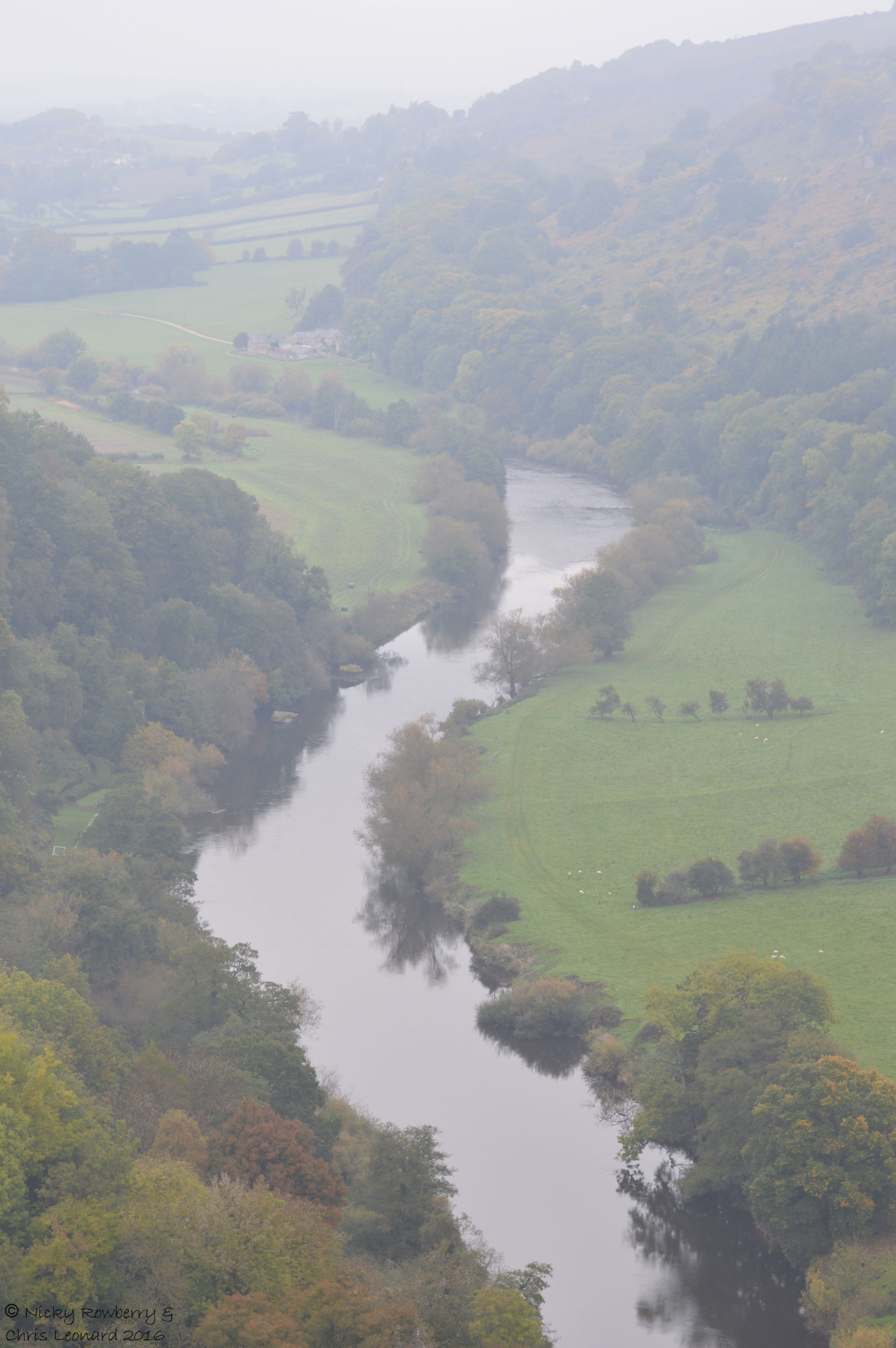
We had what seemed like a brilliant idea yesterday to head down to Symonds Yat to see the trees there in all their autumn splendour. As usual of course we didn’t really see what we’d aimed to see, but as is so often the case with our wildlife days out, what we did see more than made up for it. For a start the glorious autumn sunshine we’d hoped for had been replaced with a dull grey mist. Secondly the trees down at Symonds Yat must be a bit behind the ones in Malvern, as they’d not really changed colour yet. So what we could see through the mist wasn’t really the autumn spectacle we’d hoped for. Still we headed to Symonds Yat Rock which sits high up overlooking the horseshoe bend in the River Wye.  The trees below may not all have been golden brown but the view was still stunning.

river

We could see the cliffs where Peregrine Falcons nest and thanks to some very kind people who let us use their telescopic sights, we even saw one of the birds in a hole in the rocks. It was way too far away for us to get a photo – but at least we can say we saw a falcon!

The same helpful couple informed us that the strange noises we could hear were rutting Fallow Deer in the woods below (I’d thought the sound was Wild Boar, so  good job we met people who knew what they were talking about!) We didn’t see the deer but were reliably informed by our new-found friends that they do sometimes appear and go down to the river.

We may not have managed to see the deer or get photos of the falcons, but fortunately there was plenty of smaller animals that were much more obliging. Volunteers (possibly our two helpers from above) regularly put out bird food at the viewing point on the rock. This was attracting plenty of smaller birds who were clearly used to the flocks of visitors clicking away with their cameras (actually mainly phones of course, apart from us old fogies with actual cameras!) The highlight was a gorgeous Nuthatch – the closest either of us had ever been to one.

Various members of the Tit family were also making the most of the bird food. Coal Tits, Blue Tits & Great Tits were all completely unfazed by the visitors. Apparently Marsh Tits frequented the area too, but unfortunately not while we were there. A Chaffinch completed the array of small birds we saw up on the rock.

One final surprise though was a visitor on the ground beneath all the bird seed. The Bank Vole had clearly learnt that there were easy pickings to be had here and was also relatively unbothered by all the people.

We could have spent a lot longer up at the rock, but we’d booked lunch in one of the pubs down by the river in Symonds Yat East, so headed back down. Symonds Yat East is on the Gloucestershire side of the river, while Symonds Yat West is in Herefordshire. You can get a tiny hand-pulled passenger ferry between the two – the lad pulling the ferry across must have biceps of steel, as he never stopped going back and forth all the time we were there!

As we stood watching the river and the canoeists braving the rapids, we spotted the unmistakable flash of a kingfisher. Of course we’d left the camera back in the car while we had lunch,  and by the time the camera was retrieved, the kingfisher was long gone. A lovely flock of Long Tailed Tits flew in though to complete our small bird collection for the day.

So the day may not have provided an autumn spectacle, but we saw a kingfisher, heard some deer, just about saw a falcon, met some nice people and watched a vole – I’d call that a result!