Autumn Flower Power

The colours in the garden are gradually changing from the bright floral ones to the more subtle leafy ones. While we can appreciate the change in the dynamics in the garden, it can be a really tough time for the insects that are still around. The leaves may look fabulous, but they don’t provide the nectar and pollen that the bees and other insects need to keep them going. Fortunately as the other flowers fade away, one comes into its own – the strange sputnik-like blooms of ivy.

ivy-flower

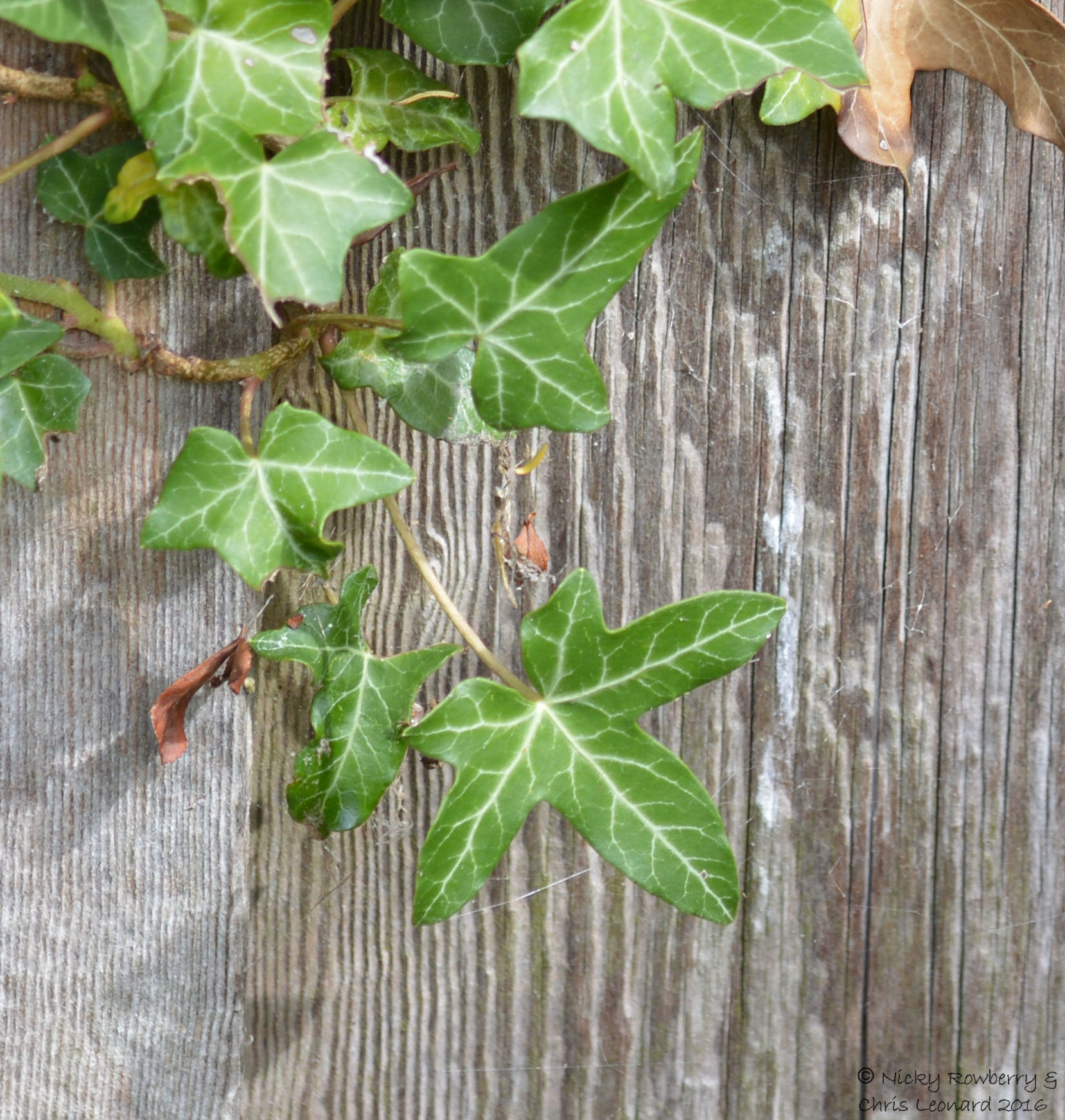
I am a relative newcomer to the ivy fan club, having not really appreciated their contribution until this year. We’ve had ivy growing along the fence for a long time, but I’d never noticed any flowers. Turns out this wasn’t just my short-sightedness, but the fact that ivy doesn’t flower until it is mature. Young ivy leaves are markedly lobed like the ones below.
young-ivy

On mature stems the leaves lose their lobes and have a more undefined wavy edged shape, like the ones below. The flowers only occur where there are mature stems. So it may be that it is only this year that our ivy has been old enough to flower, rather than me being spectacularly unobservant!

shieldbug-on-ivy

The leaves themselves are of course hugely beneficial habitats for a host of species. Our ivy has lots of the shieldbugs (as above), which are well camouflaged and can hide amongst the foliage. The ivy in our garden is confined to our fence and the ground immediately below it. The ground cover provides refuge for our resident frogs and the occasional toad. In places where the ivy is more extensive, it can apparently be a really good roosting place for bats (my dream house would be a big old one, covered in ivy and home to flocks of bats!!)

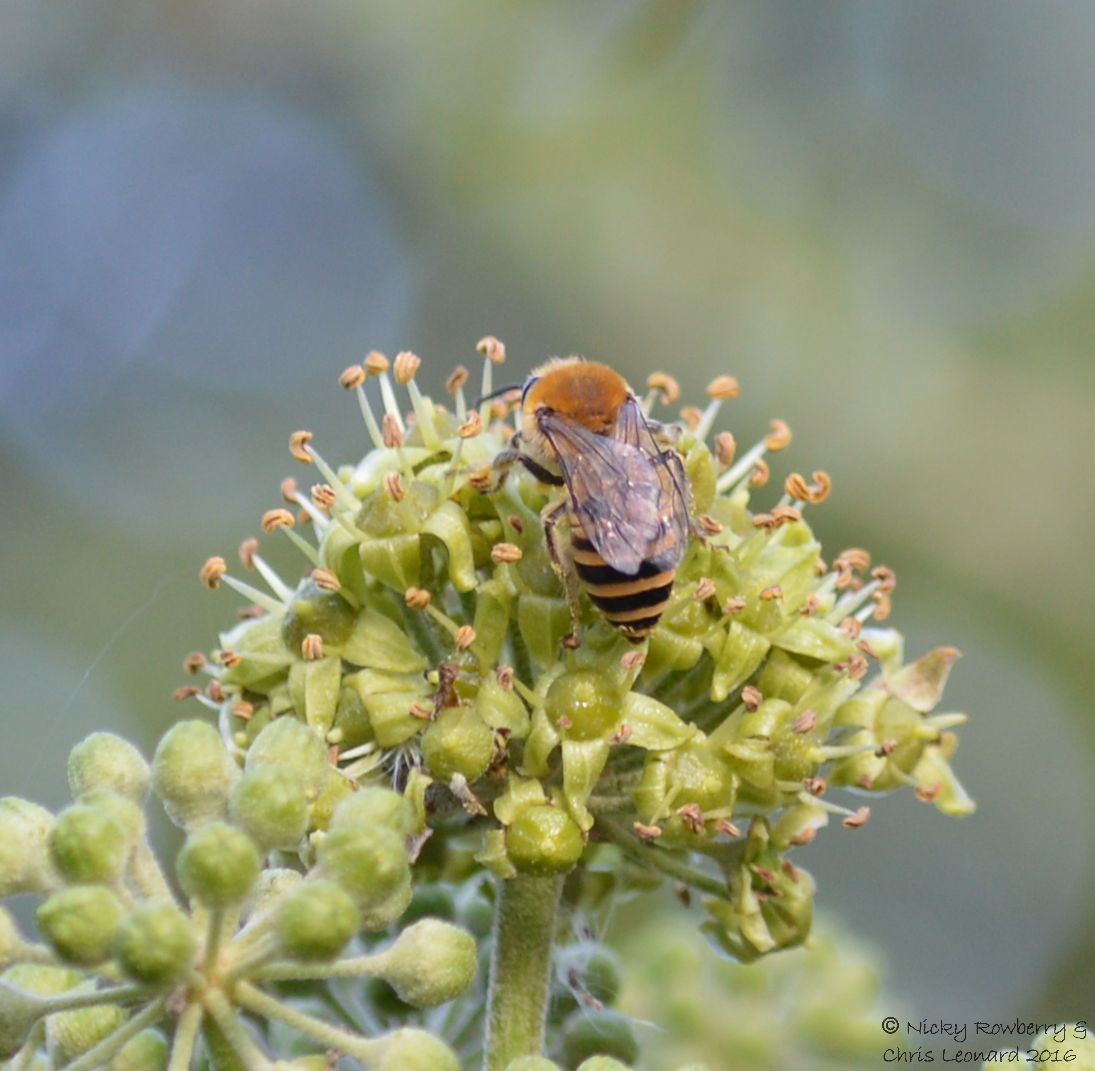
Ivy is of huge benefit to autumn insects – when most other flowers have faded, the ivy provides much needed pollen and nectar. One insect has based its whole life cycle on it – the Ivy Bee (below) even times the emergence of the adult bees to coincide with the ivy flowering.
ivy-bee

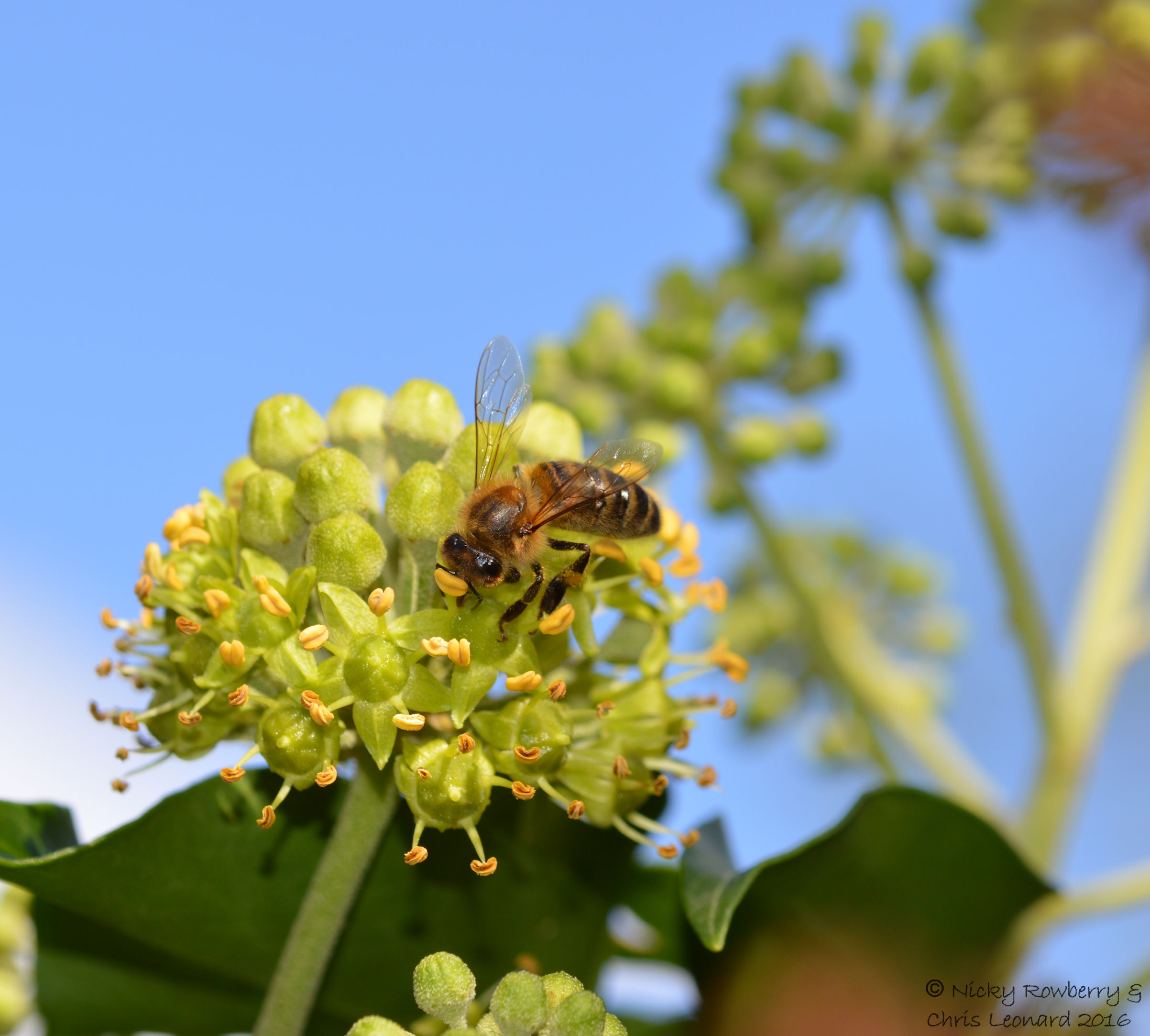
The Ivy Bee may feed specifically in ivy, but lots of other bees make good use of it too. In my quest to photograph the Ivy Bees, I’ve seen lots of other bees making the most of the flowers. A large patch of ivy can be absolutely buzzing with honey bees like the one below.
honey-bee-on-ivy-2

This queen Buff-tailed Bumblebee was loaded up with pollen and may have been preparing to start a new colony.
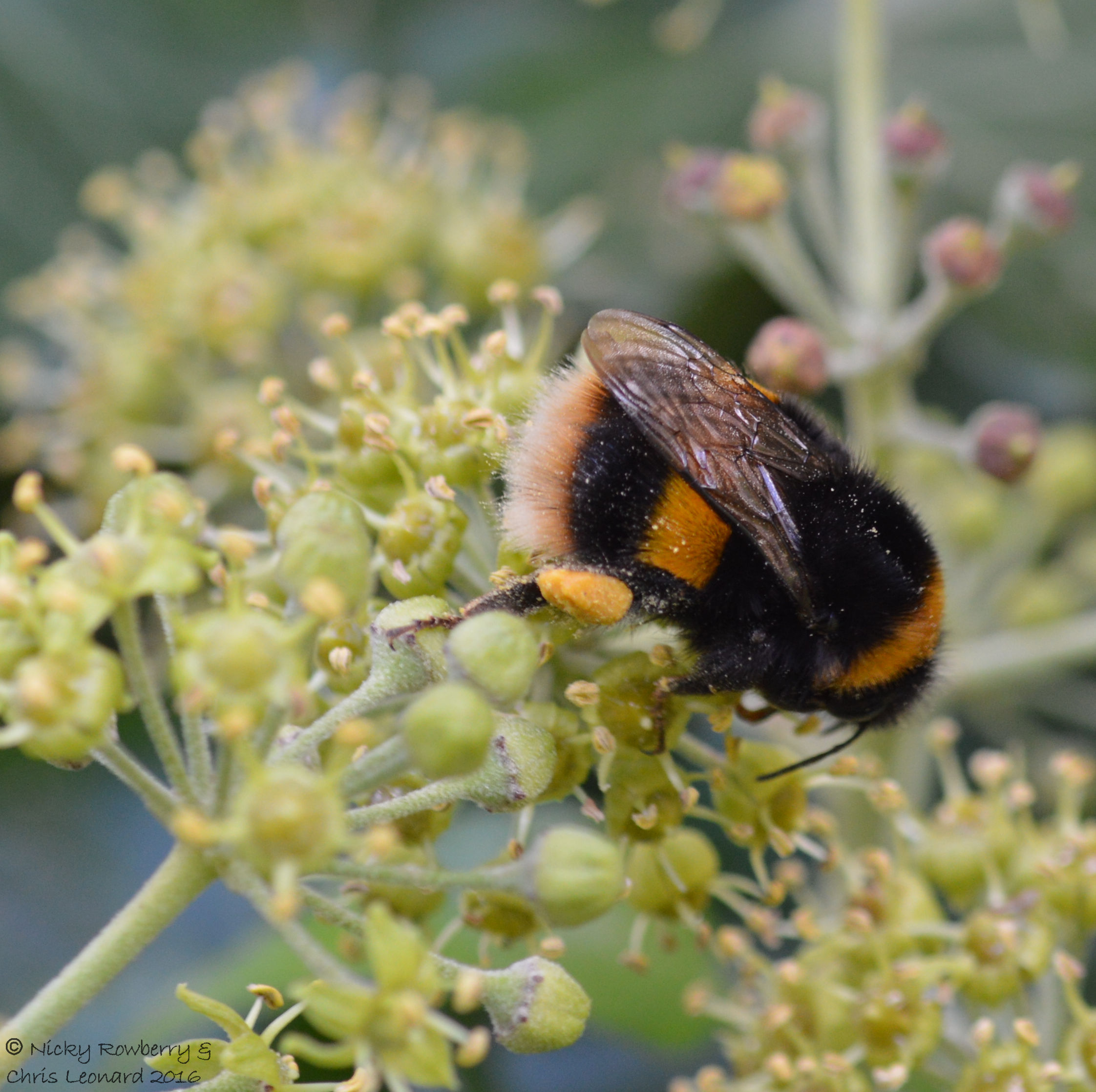
bumblebee

Some autumn butterflies will also make use of the ivy to build up energy reserves so they can hibernate over the winter. For weeks now I’ve been seeing other peoples’ photos of Red Admirals feeding on the ivy, but although we’ve had them fluttering around ours, they always seemed to land on the neighbour’s side of the fence, so I couldn’t get a photo! Finally last weekend I spotted this one in the churchyard in Bodenham and after a bit of chasing it settled down and let me take some pics.

red-admiral

Our garden ivy gets a lot of wasps – probably more of them than the bees. They seem to like resting on the leaves in the sunshine, between bouts of feeding on the flowers.
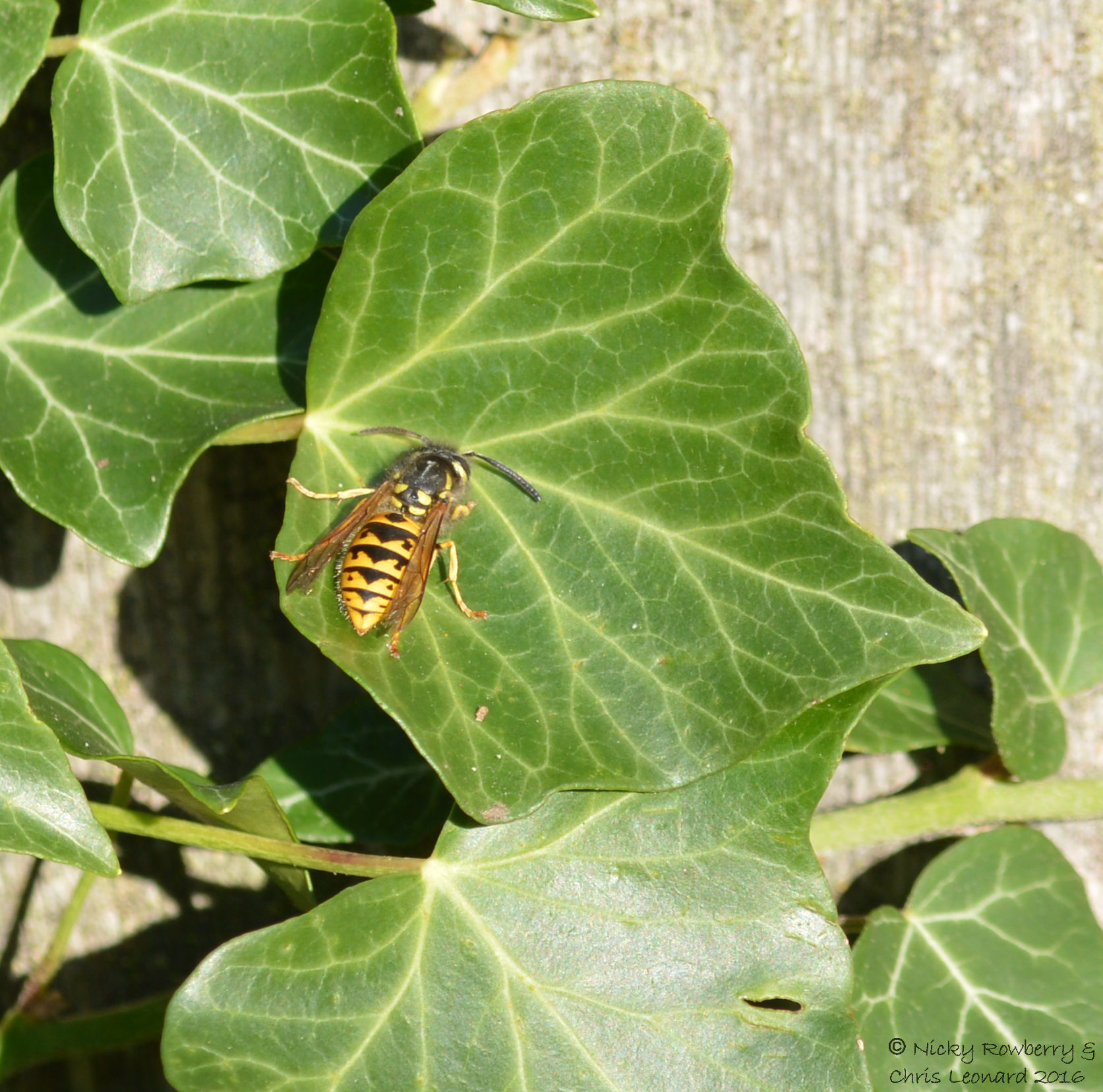
wasp-on-ivy

wasp-v-vulgaris-on-ivy

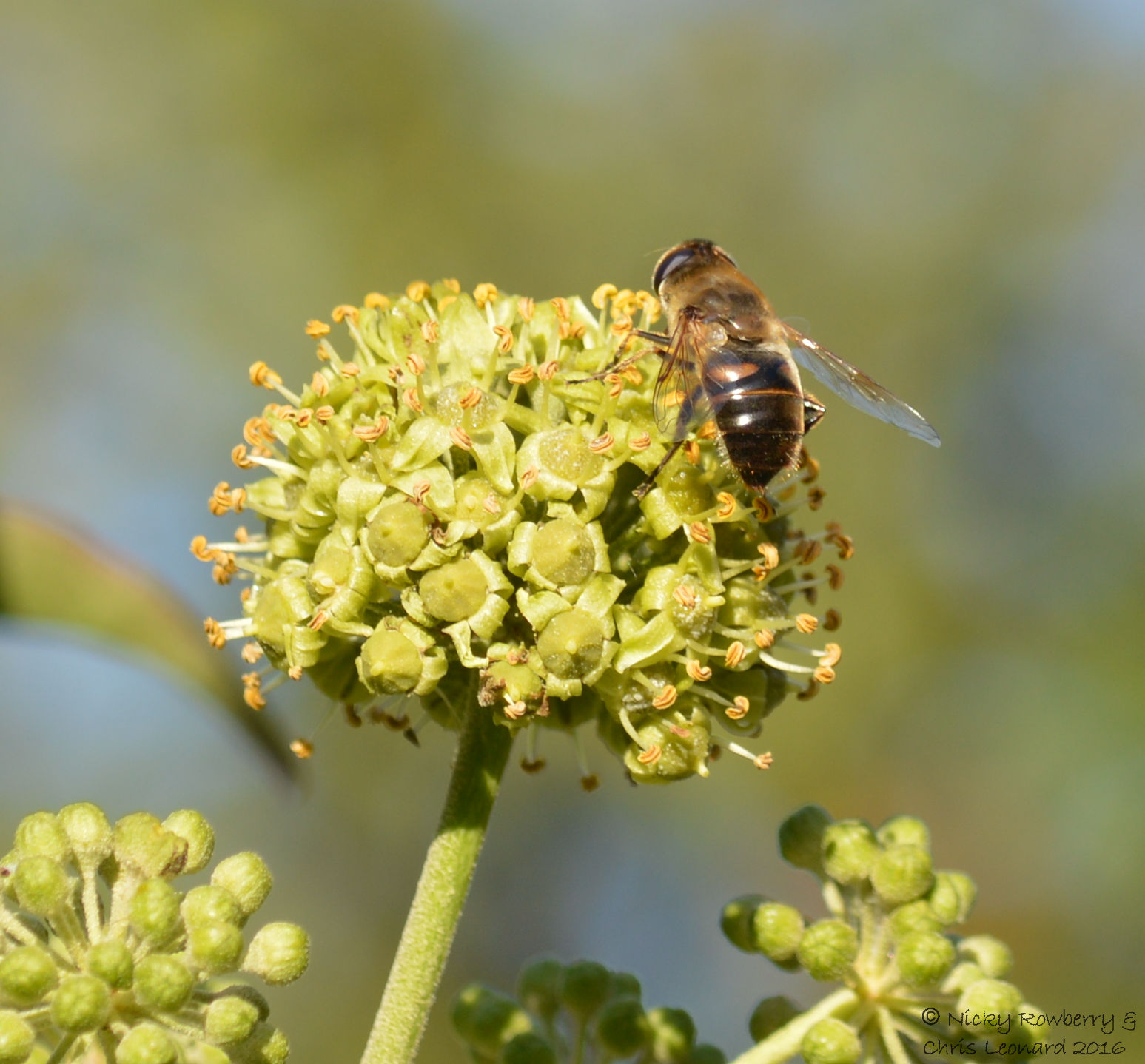
Hoverflies are also abundant on our ivy – here are just a couple – top a brightly coloured Eupeodes sp. and bottom an Eristalis sp.
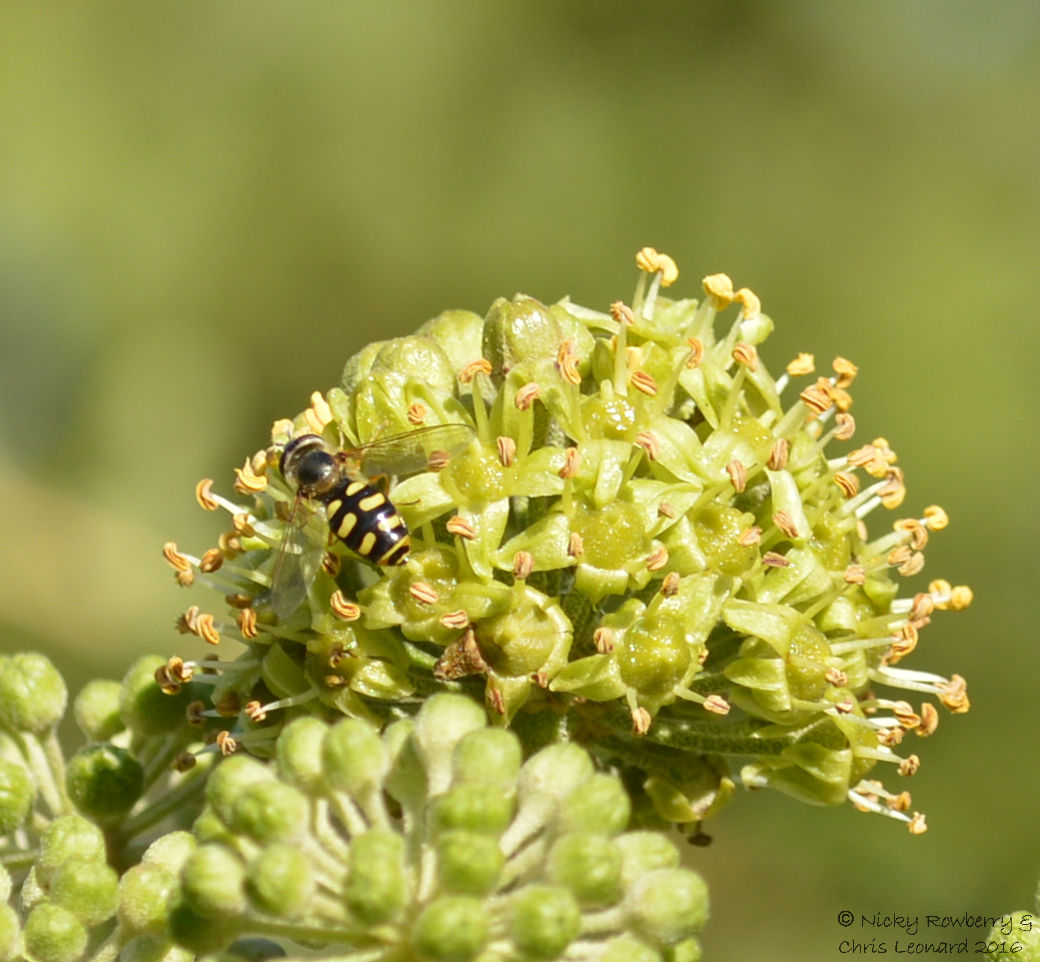
hoverfly-on-ivy-3

hoverfly-on-ivy-2

Many other insects will make use of the ivy too. It is apparently an important source of food for many moths, although I’ve yet to successfully photograph one on ours. At the less glamourous end of the insect spectrum – the flies also enjoy a nice bit of ivy. This was one of the more attractive ones (I’d call it a Green Bottle, but no idea what its proper name is?).

fly-on-ivy

Once the flowering has finished, the ivy produces berries that are a valuable source of food for garden birds. The ivy berries last much better than some other fruit, so can provide food right through the winter, when hawthorn and rowanberries are long gone. Now that I have ivy flowers in the garden, I will hopefully get some berries – with a bit of luck I’ll be able to get some trail cam footage later in the winter of birds eating them!

Some gardeners consider ivy to be a nuisance, but for me the pros far out weigh the cons and now that I’m finally looking at it properly – it really is a beautiful plant!
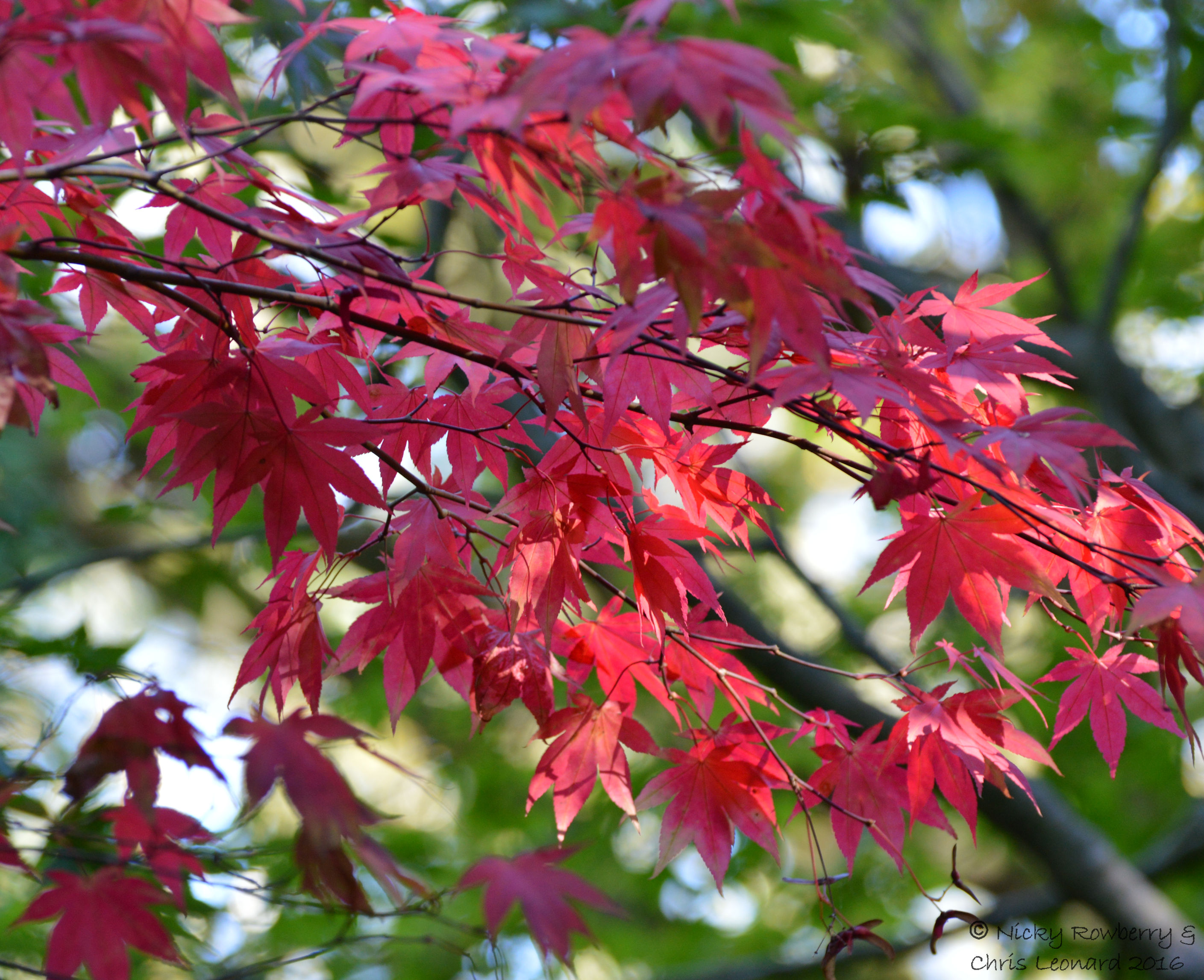
 

Awesome Autumn

Feeling the need to get out and about at the weekend before the days got too cold, I headed over to Bodenham in Herefordshire. This is the village I grew up in – there’s something very comforting about an autumnal walk around childhood haunts. The area has beautiful woods, lakes, a small river & a pretty village – all the ingredients for the perfect walk. This post is mainly and unashamedly a celebration of autumnal colours.

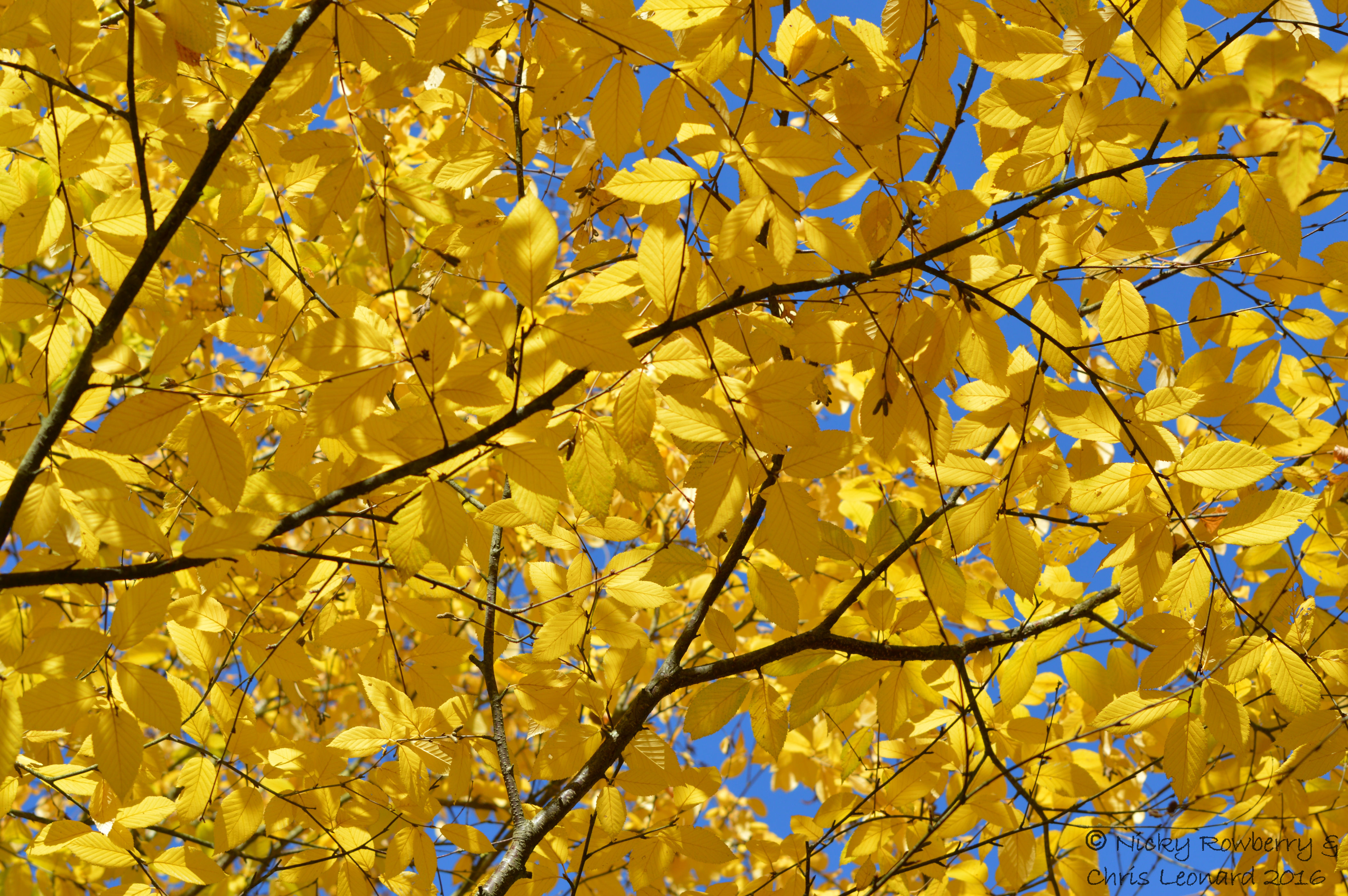
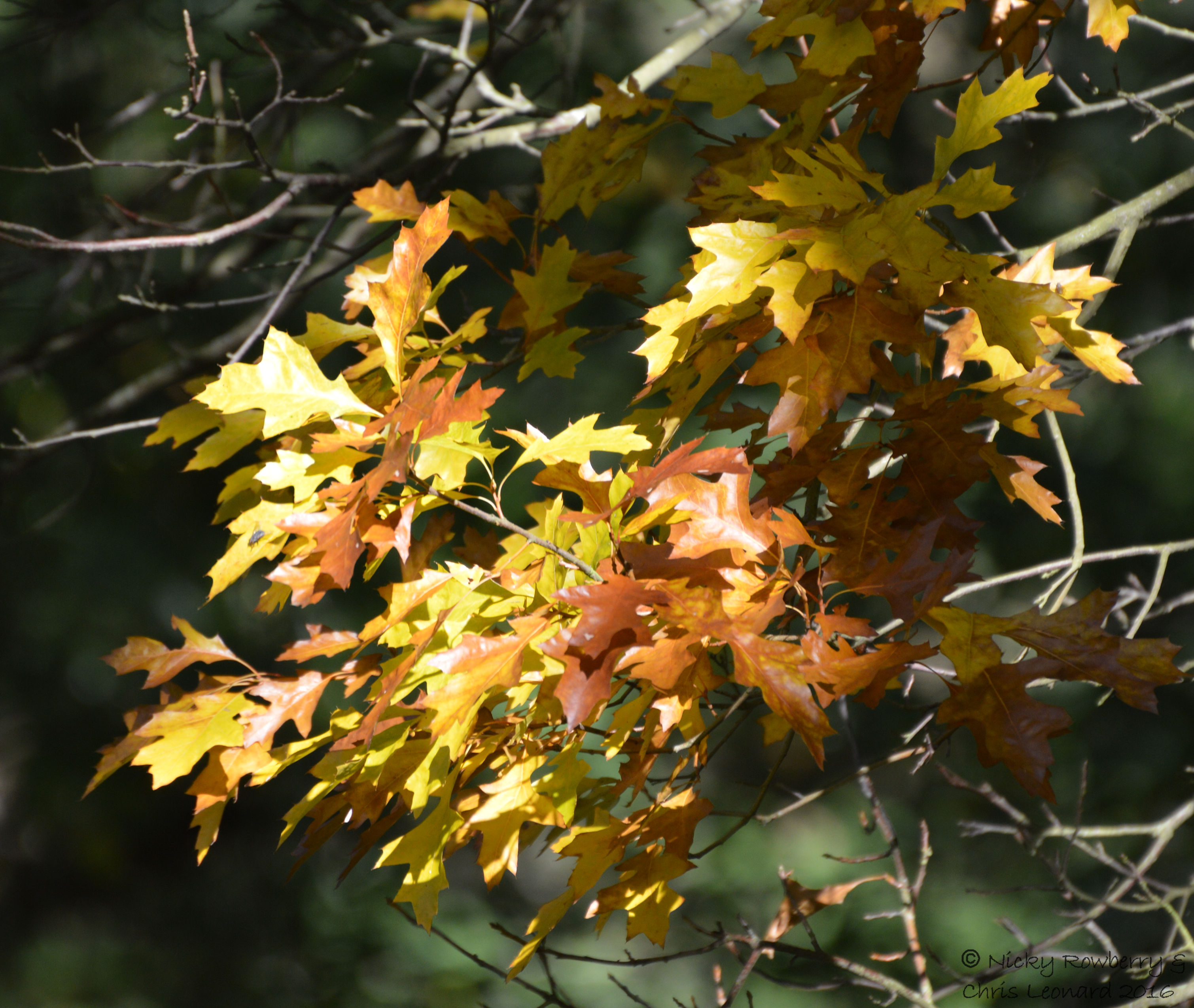
I started off in Queenswood Country Park. The trees were just starting to come into their full autumn glory. I’m not good on tree identification, but I really just loved the colours – it doesn’t really matter what the species are.

leaves-6

leaves-3

leaves-5

leaves-4

The leaves of course look great when you see them on a larger scale still on the trees. But they also look good if you focus in on just a few on the ground.

leaves-7

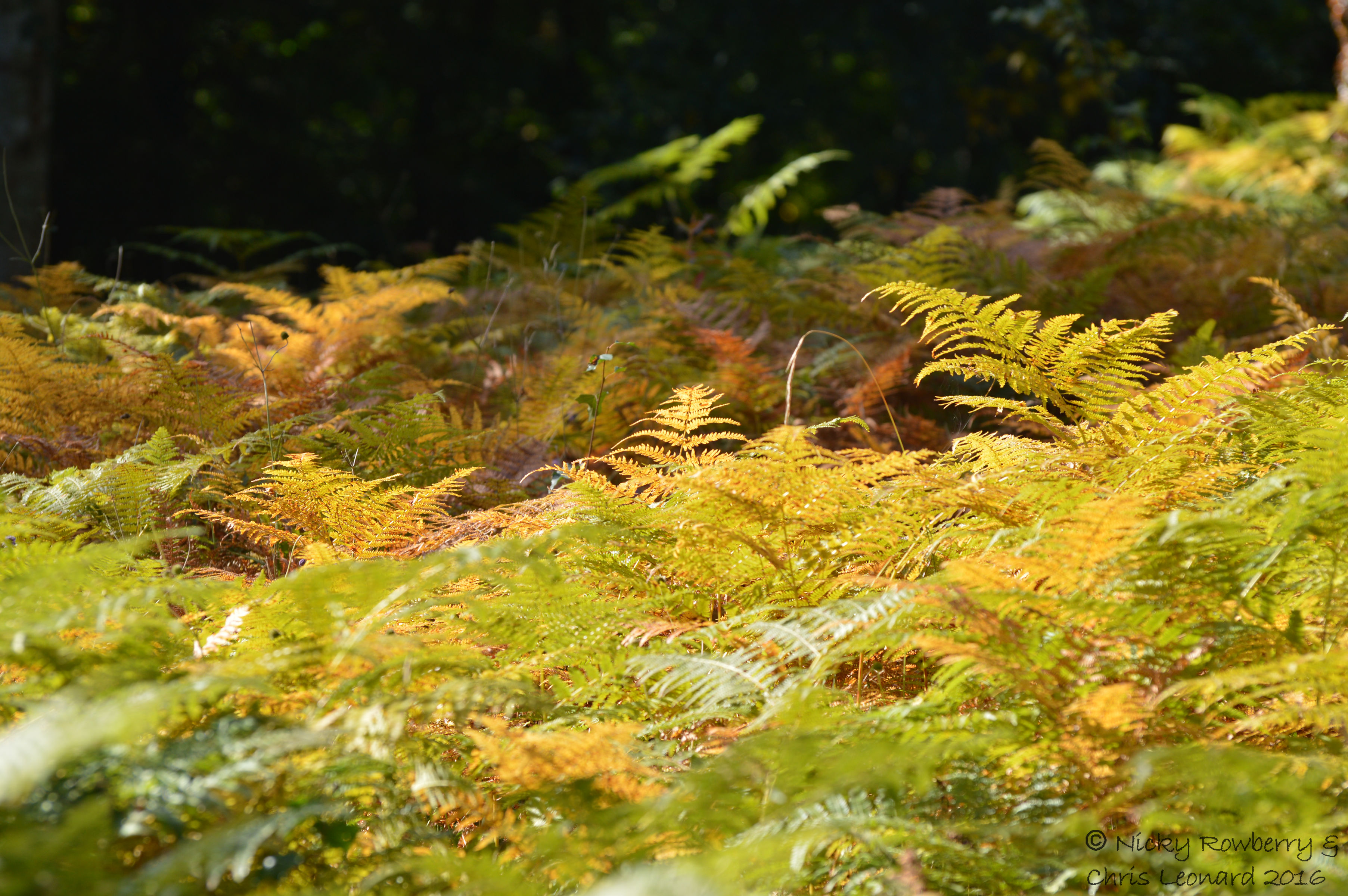
The trees weren’t the only plants turning colour – the ferns were looking splendid too, turning coppery gold in the sunshine.

ferns

ferns-3

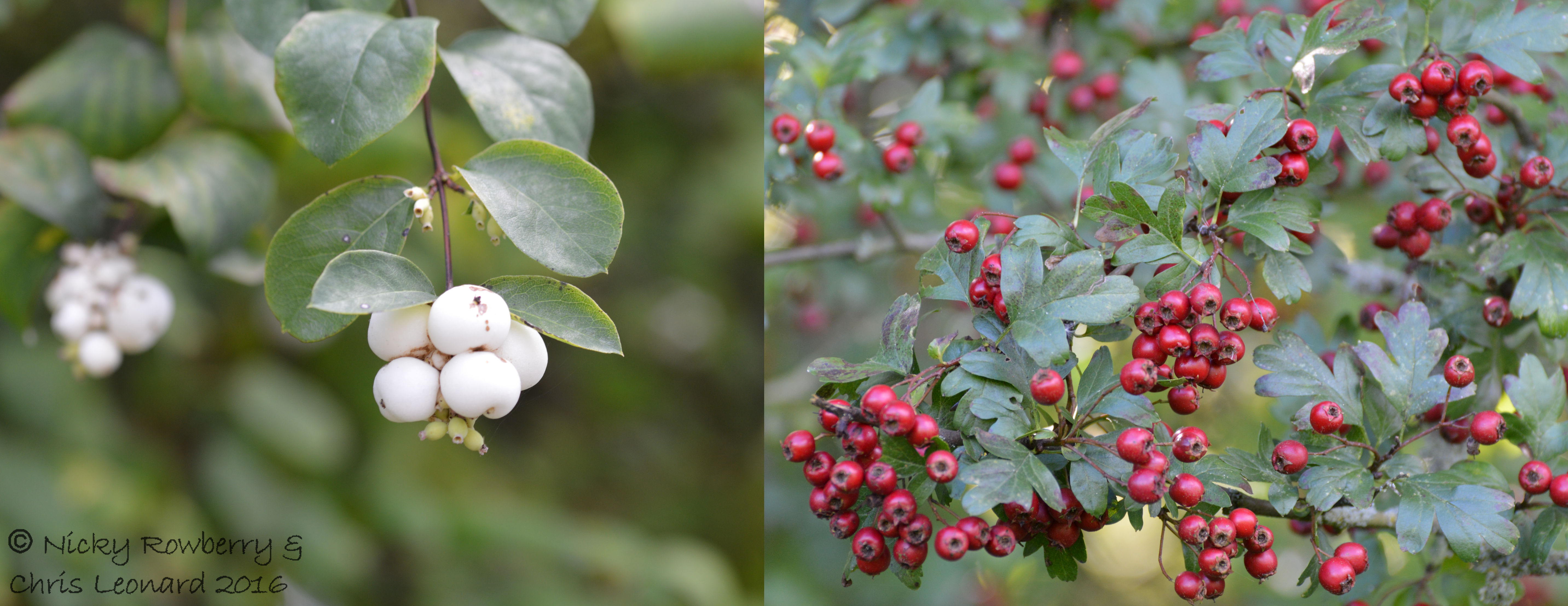
The woods and hedgerows were bursting with berries and fruit of all colours, which was great to see, although the holly did make me feel like Christmas was on its way!

berries

red-white-berries

black-rowanberry

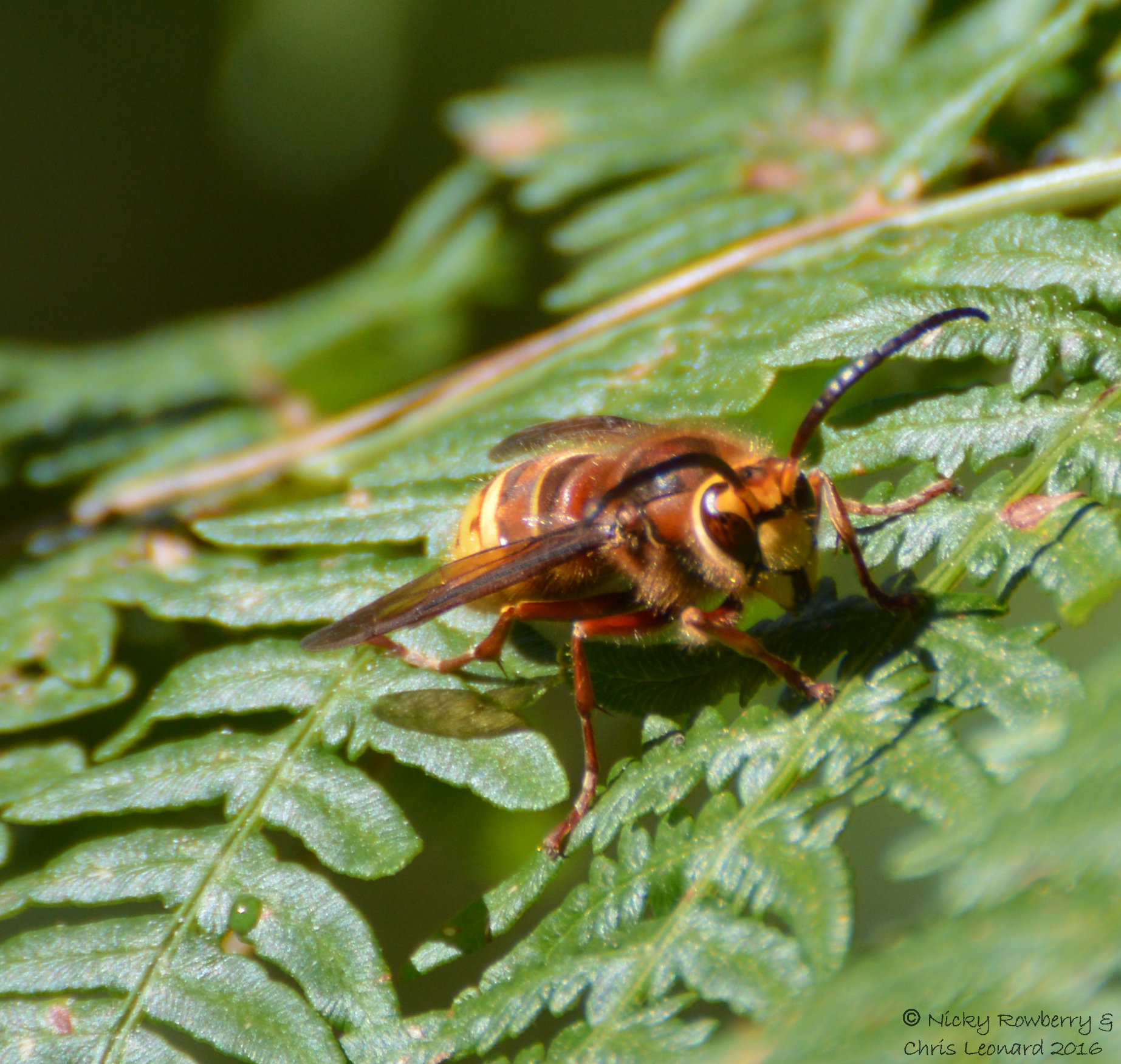
It may be late in the year, but there were still plenty of insects about. The ferns in the wood had several large hornets buzzing around (no need to panic, they were our normal hornets, not the dreaded Asian hornets). I’ve always rather liked hornets and if you don’t bother them, they don’t bother you!

hornet

There were also still a few bees around, like this Common Carder and a large Buff-tailed Bumblebee queen gathering pollen from the ivy.

carder-bee

bumblebee

The village has a lot of ivy and of course I couldn’t resist checking it for Ivy Bees. After chasing a lot of Honey Bees, I finally spotted a single Ivy Bee – good to know that this new British species has reached Bodenham (the record has been duly logged on iRecord for the Ivy Bee mapping project).

ivy-bee

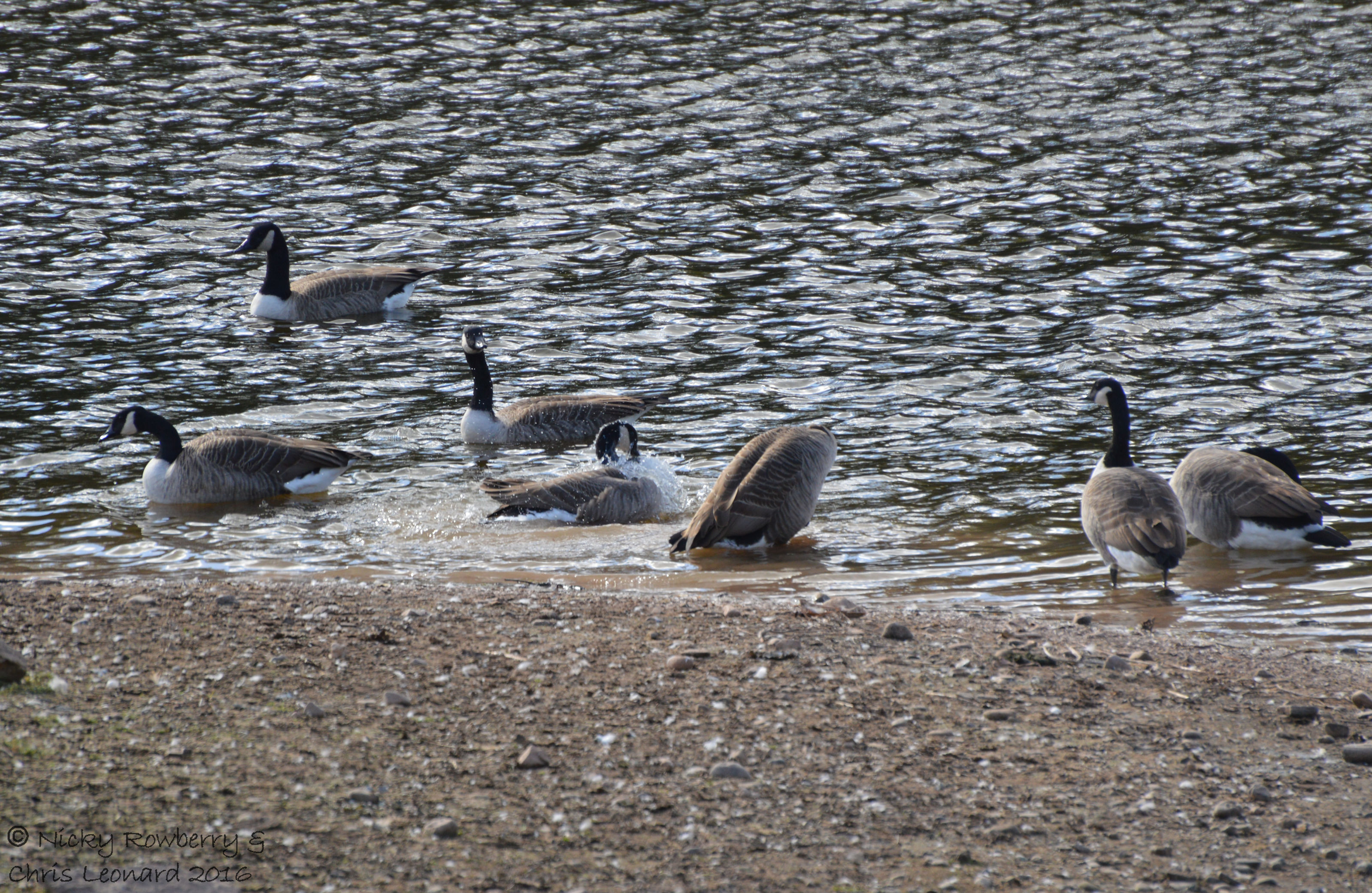
The woods of course had lots of birds and squirrels rustling about in the canopy, all making a point of staying out of clear shot of the camera. Fortunately Bodenham Lakes have a bird hide, so I whiled away some time watching a large flock of Canada Geese, splashing about in the shallows.

canada-geese

Autumn is a photographers dream – I wish my photos did it justice. It also makes me wish that I could paint to capture the subtle ochres and tawny russets that epitomise this time of year for me.


Hedgehog Self-Anointing

The hedgehogs have been busy in our garden and I’ve been busy watching them over the last few weeks. I could spend hours watching them – which is fortunate as I’ve ended up with a lot of trail cam footage – mainly of them stuffing their faces with the food I’m putting out. But amongst all the scoffing, there’s been some really interesting behaviour; so here’s another hoggy update.

If you’ve read some of my recent blog posts, you might remember that a few weeks ago  we took custody again of Fred, one of two young hedgehogs we’d rescued from a hot lawn earlier in the summer. Fred had been cared for by Malvern Hedgehog Rescue until he was old enough and big enough to come back to our garden. He seems to have settled in well and appears regularly on the trail cam. He’s now been seen several times doing this to the older, larger hedgehog:

Initially we had no idea what was going on, but thanks to Little Silver Hedgehog (https://littlesilverhedgehog.wordpress.com/) we now know that Fred was probably self-anointing. A bit of googling revealed that this slightly odd behaviour is common in hedgehogs. If they find a smell that they find particularly interesting (not necessarily a pleasant one!) they will lick or chew at the source of the smell and then twist round to lick themselves with frothy saliva. It’s not clear why they do this – perhaps trying to blend in with the smell of their surroundings? If this is the case it seems Fred was finding the smell of the larger hog really interesting and either wanted to smell the same (hedgehoggy equivalent to wanting to smell like a celebrity’s perfume!) or was just trying to fit in with the local hedgehogs?

Whatever the reason, he was very persistent to the point that he really started to annoy the larger hog (who I am now calling Fred Senior). Fred Senior initially starts to curl into a ball, perhaps thinking he’s under attack.

But once he realises it is only a smaller hedgehog he spins round and snaps at poor Fred with an annoyed squeak.

Fred is undeterred though and continues rooting about in the adult’s spines before wriggling about to lick the smell onto his own spines.

Without the trail cam we would never have known about self-anointing, let alone witnessed it in our own garden. Hopefully we’ll get more interesting behaviour from our prickly friends over time.

With autumn fast approaching (technically already here as we’re passed the equinox), we decided to provide a (hopefully) des res for our hoggy friends. We could have built one ourselves, but this is after all a Lazy Garden, so an online purchase did the job instead. New residence features an entrance tunnel, which hopefully the hogs can get in but the cats can’t. Runners beneath the box and ventilation gap in the top allow air to circulate and prevent condensation.

hedgehog-box

The box has been tucked away in a corner of the garden and following advice from the good people of Twitter, has been provided with straw bedding and a plastic sheet on top to prevent the lid getting cold and wet. I’m also trying to gather up leaves in the garden as they fall to dry out and provide further bedding.

Of course having put the box out, I couldn’t resist setting up the camera to see if it would get any action. I put some food out near the box to tempt them into the corner of the garden. Really chuffed that within the first couple of nights Fred headed into the box to check it out. I don’t expect him to set up residence in it just yet, but it seems a good sign that he’s investigating it.

Fred senior has been making the most of the food and sniffing round the box, but I’ve not actually caught him going in it yet. But I was really pleased last night when a beetle had fallen in the food bowl (beetle was probably not so pleased) and got stuck – Fred senior was munching the regular food when he clearly spots the black beetle and snaps it up. Beetles are apparently a favourite food, so it was great to catch this on camera.

One extra thing I’ve been trying to do was to get some footprints.  I’d seen on other blogs that you can get ink sheets for recording animal footprints – so another internet purchase later and our hogs are immortalised in ink! The pads contain harmless black ink which the animals simply walk through then leave footprints on the attached cards. Of course they don’t just walk neatly where you want them to and most of the prints were either smudged or crisscrossed over each other. But I did get at least the couple of clear prints in the photo below. They’re really quite sweet little footprints. You can just about see a few dots which are the tips of their claws in front of the toe pad prints.

hedgehog-footprint

As a final bonus in this mainly hedgehoggy post, a different mammalian video. I tend to leave the trail cam running during the day after a night hog filming (mainly because I don’t have time in the mornings to go out and switch it off). Most of the time I just get clips of grass swaying or pigeons rooting about, but last week I was surprised to find a squirrel! Of course it’s a grey not a red squirrel, but it was still nice to watch.

In The Pink

This week I managed to combine a visit to Slimbridge Wetland Centre with meeting friends for lunch – a win-win day out in my book! Slimbridge is only an hour’s drive from us and is the most amazing wetland reserve, overflowing with birds both native and from abroad. If you’re into bird watching, it must be one of the top UK sites to visit. In the few hours we were there, we only managed to get round maybe less than half of it (probably due to too much time scoffing sandwiches and yapping in the café!)

I was trying to take photos as we meandered around, but there’s almost too much to take in and I kept forgetting to actually snap away. For some reason, when I got back and looked at the photos, I appear to have got a bit obsessed by flamingos! Nearly half the day’s photos seem to feature them. There are apparently 6 species, although I think I’ve only got 3 here (which vaguely irritates my OCD that having unwittingly got a bit obsessed, I didn’t then photograph them all!)

These first ones are Caribbean Flamingos – the brightest pink ones we saw. The colour always seems unnatural to me, but logically I know that it’s due to their food and that Slimbridge aren’t dying their flamingos for our gratification!

caribbean-flamingos

This next one is an Andean Flamingo and possibly my favourite of the ones we saw. The feathers are absolutely stunning. Unfortunately this species is classed as Threatened – mainly by hunting, mining activities and habitat loss.

andean-flamingo

The next two photos are of Lesser Flamingos. In the upper photo you can see the teeth or serrations along the edge of the beak that it uses to filter the food out of the water. The lower photo I included just because I like the way they sinuously wrap their necks around – it’s hard to tell where one bird ends and the next begins.

flamingo-head

flamingo-knot

Besides flamingos, there were birds everywhere – particularly geese and ducks. Many had clearly learnt that visitors = food, but this Bar-headed Goose was way too dignified for that and just sailed serenely by.

barr-headed-goose

There were lots of quite showy birds, but for some reason I really liked this South Georgian Pintail Duck. Nothing flashy, just quintessentially ducky!

south-georgian-pintail

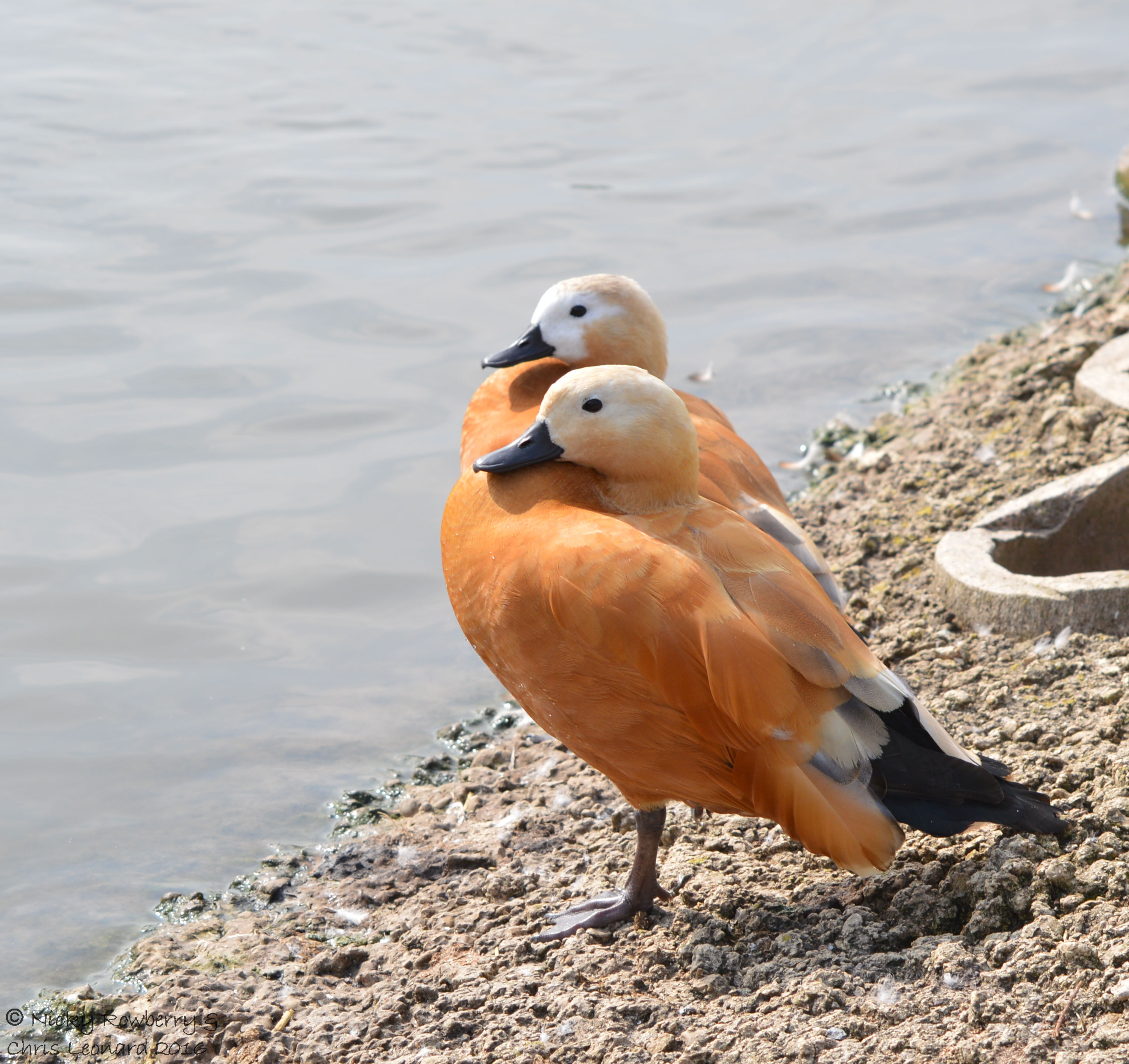
Probably my favourite photo of the day is this seemingly two headed duck! (Ruddy Eider Ducks I think)

two-headed-duck

We listened to a very interesting talk by one of the WWT volunteers, all about the Great Cranes. Slimbridge has been heavily involved in a project to reintroduce these majestic birds into Britain. It’s hard to believe but these huge birds were once common here until they were hunted to extinction. Fortunately they survived in Europe and thanks to the efforts of the WWT, they have got a toehold back in Britain.

cranes

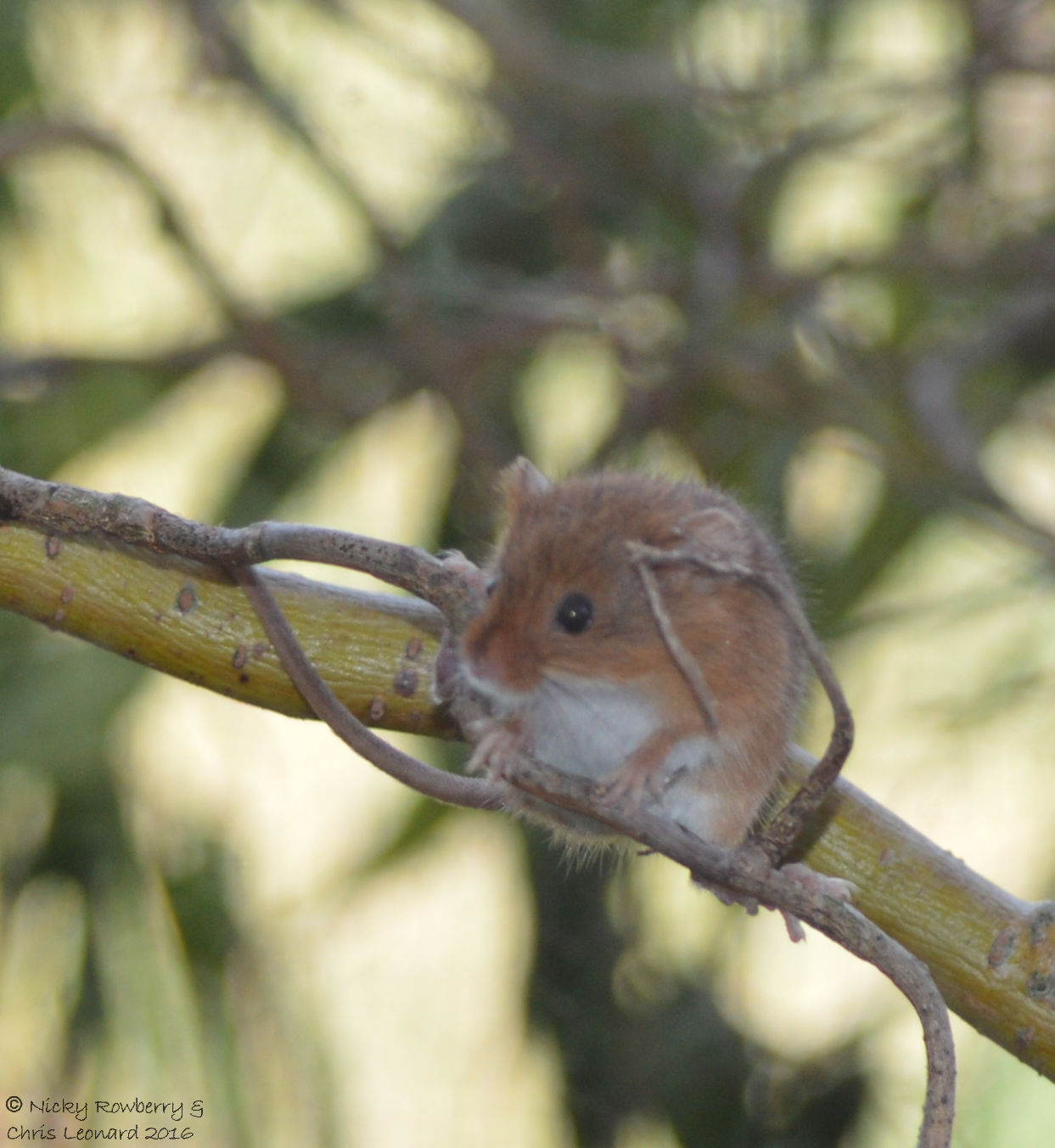
It’s not all birds at the wetland centre though. They have several mammals, including otters, a beaver, voles, shrews and these adorable harvest mice – the only ones who would pose nicely for photographs. Unfortunately they were behind glass, so the images aren’t great, but they were wonderful to watch – such quick inquisitive little creatures.

harvest-mouse

harvest-mouse-2

Final bird of the day though was this Spoon-billed Sandpiper – made entirely of Lego. They were setting up giant Lego animals while we were there for a children’s trail opening this Saturday. The lady who gave us the Crane talk had told us about these little birds (in non-Lego reality they are apparently tiny) and how the WWT is doing such valuable work to try and save them. This was the closest we got to seeing one though!

spoon-billed-sandpiper

You don’t have to be into birdwatching to enjoy Slimbridge, although it is obviously a bonus if you are. I’d definitely recommend it as a day out for anyone even remotely interested in wildlife and conservation. For more information go to: http://www.wwt.org.uk/wetland-centres/slimbridge/

Hedgehog Comes Home

Happiness is a Hedgehog come Home! Very happy to report that this evening the male hedgehog that we’d rescued from our baking hot lawn a couple of months ago has recovered and been returned to the Too Lazy garden. We picked him up tonight from the Malvern Hedgehog Rescue, where he’d been cared for by the wonderful Viv. Viv had named him Fred (and his sister is Freda).

When we found the babies in July they were too small to survive on their own and at the time we feared that something must have happened to the parents. You can read about their initial rescue on the original blog post here: https://toolazytoweed.uk/2016/07/19/too-hot-for-hedgehogs/

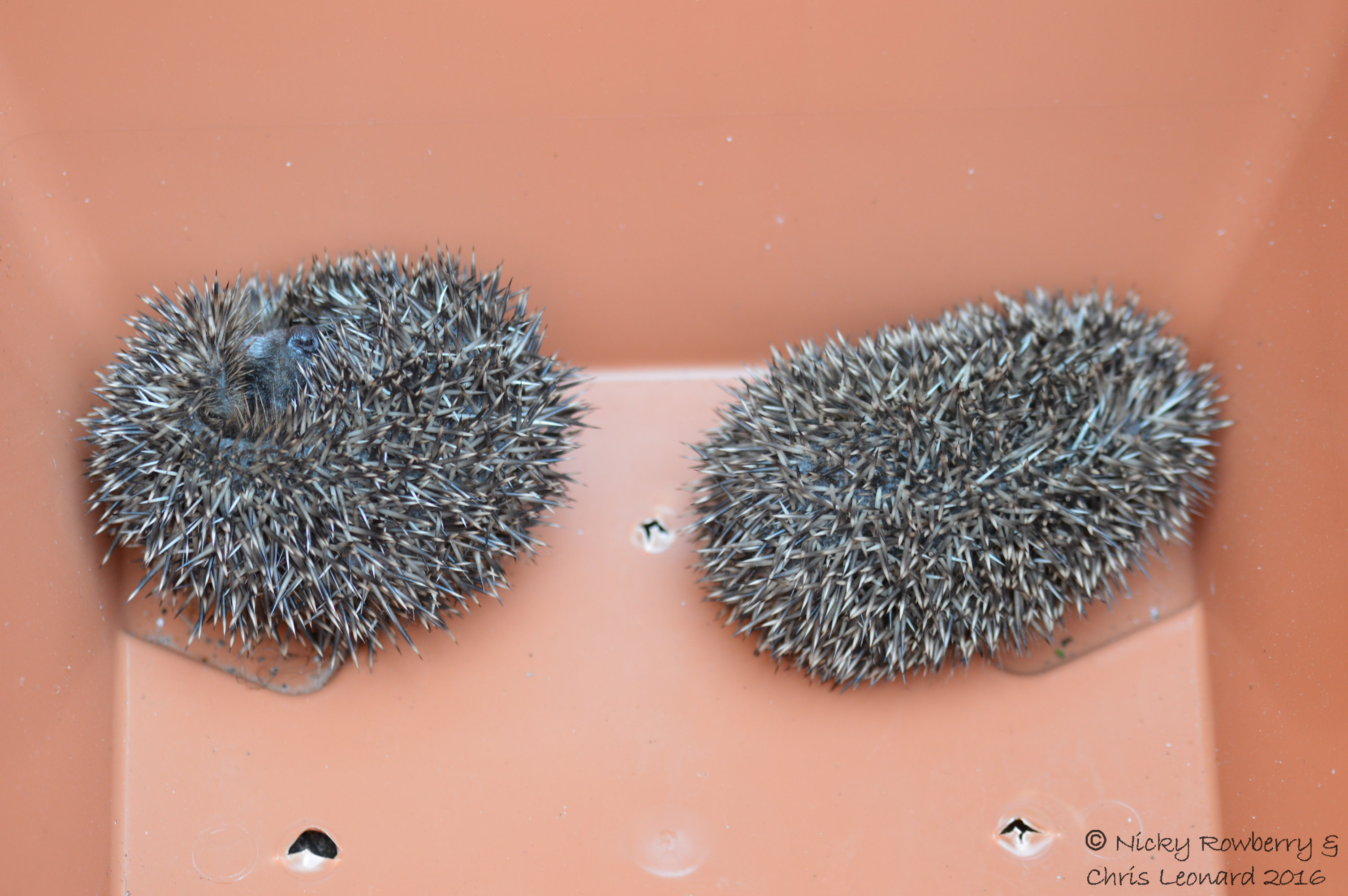
This is what the babies looked like when we found them in July – way too small to be out on their own.

DSC_8935

And this is what Fred looks like now, admittedly looking a bit sulky in the cat box we brought him back in tonight.

hedgehog-basket

He is now big and round and weighs a healthy 600g or so, compared to only about 90g when we found him. His sister is still not quite big enough to be released, but even when she is, she will probably go to another garden. Instead we will get a different rescued female back – so that we don’t end up with brother and sister – we don’t want any dodgy soap type plots going on in our garden! Fred has also been microchipped, so that should he decide our garden is not desirable enough (maybe he’ll want a tidier garden?) and is found in trouble elsewhere, Viv at Malvern Hedgehog Rescue will know his history.

We brought him home early evening but had to wait until dusk to release him. I opened the cat basket next to a positive buffet of hoggy food and waited for him to come out. I was so excited with this, I even missed the first half of Great British Bake Off to wait for him to emerge! If I could have got hold of the Born Free music, I would have been tempted to go for it. Half an hour later he emerged, had a bit of a scratch and headed straight for the food. This bodes well for his future! It was too dark for decent photos with the camera, but I did manage to get one with a flash (didn’t want to take many with the flash though and frighten him on his first night back).

hedgehog-fred

Fortunately for once I’d got the trail camera pointed in roughly the right direction, so it picked up Fred’s first forays back out in the wild.

He didn’t hang around for long before he headed off into our abundant weeds. With a bit of luck, Fred will settle back into our neighbourhood. We still have at least one other adult hedgehog using the garden – possibly even one of Fred’s parents. Hopefully there won’t be any family agro between them!

If anyone finds a hedgehog in need of help in Malvern the rescue centre details can be found at http://www.malvernhedgehogrescue.co.uk/ It is run on a completely voluntary basis and relies on donations, so if anyone can help towards her running costs, please donate – either as a direct donation or by donating foods, cleaning materials, help towards vet bills etc.

Mellow Fruitfulness

It may only be September, but it is starting to seriously feel like autumn in the garden now and has been for a few weeks! The nights are drawing in and the garden is starting to mellow into autumn, plant by plant. I’m hoping our resident hedgehogs are doing enough to fatten themselves up for the winter; but judging by the amount of time this one spent at the food bowl the other night, I think he or she at least has got the right idea!


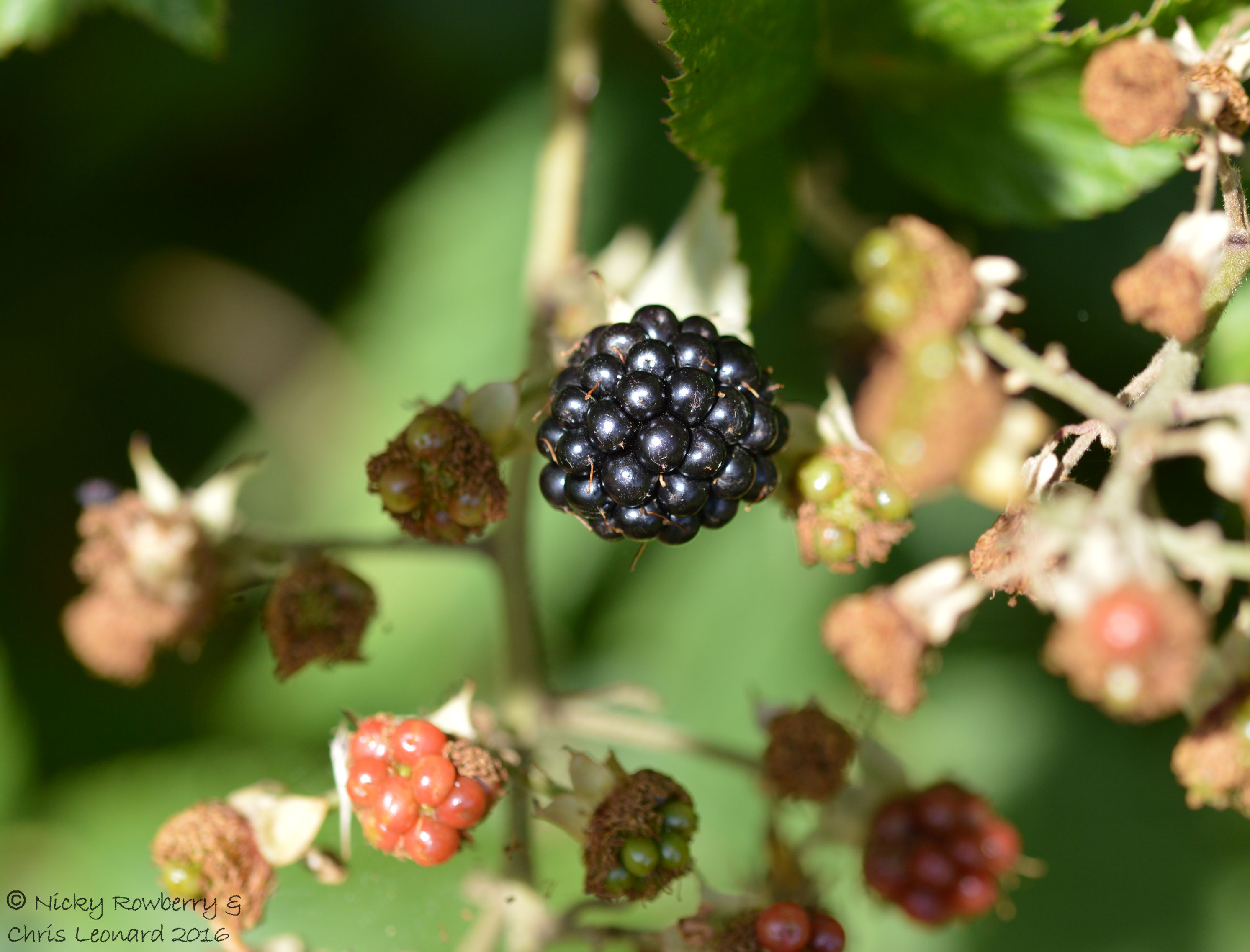
We’re planning on getting a hedgehog nest box this year to help them out a bit further. Hopefully we can find a suitable spot for it under the brambles that are gradually taking over the back end of the garden.  Said brambles have been fruiting for weeks now – lovely fat juicy berries.

Blackberry

The beauty of picking blackberries from your own garden, especially if you garden organically, is that you know there’s nothing untoward been sprayed on them (with the possible exception of the lower ones which may fall foul of neighbourhood cats scent marking!)

Blackberries

I’ve picked some, but there are too many for us really, so I’m hoping the birds will take their fill, although they seem at the moment to prefer the suet bird food provided and are spurning the healthy fruit option!

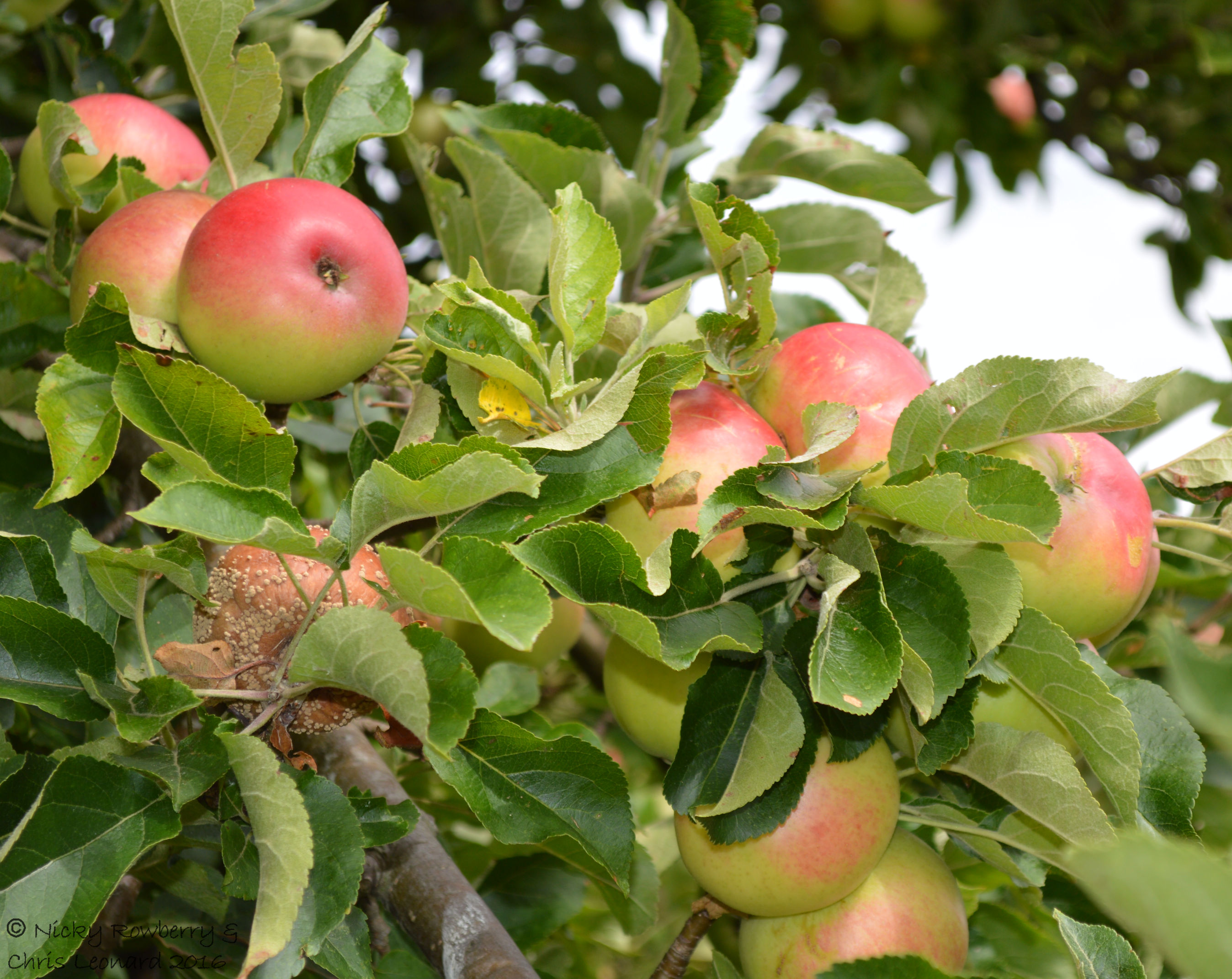
Our other fruit crop is from our Discovery apple tree, which is an early cropping variety with lovely red sweet apples.

Apples

The tree a few weeks ago looked like this – laden with apples that were already starting to drop on our shoddy attempt at a lawn.

Apple tree with apples

Again there were too many apples for the two of us, but fortunately we have a cider-making friend who kindly came round and cleared most of them for us. Hopefully we’ll get some of the finished product! So a day’s apple picking and a few weeks later the tree is looking like this – leaves just starting to change colour from green to yellow in places.
Apple tree without apples

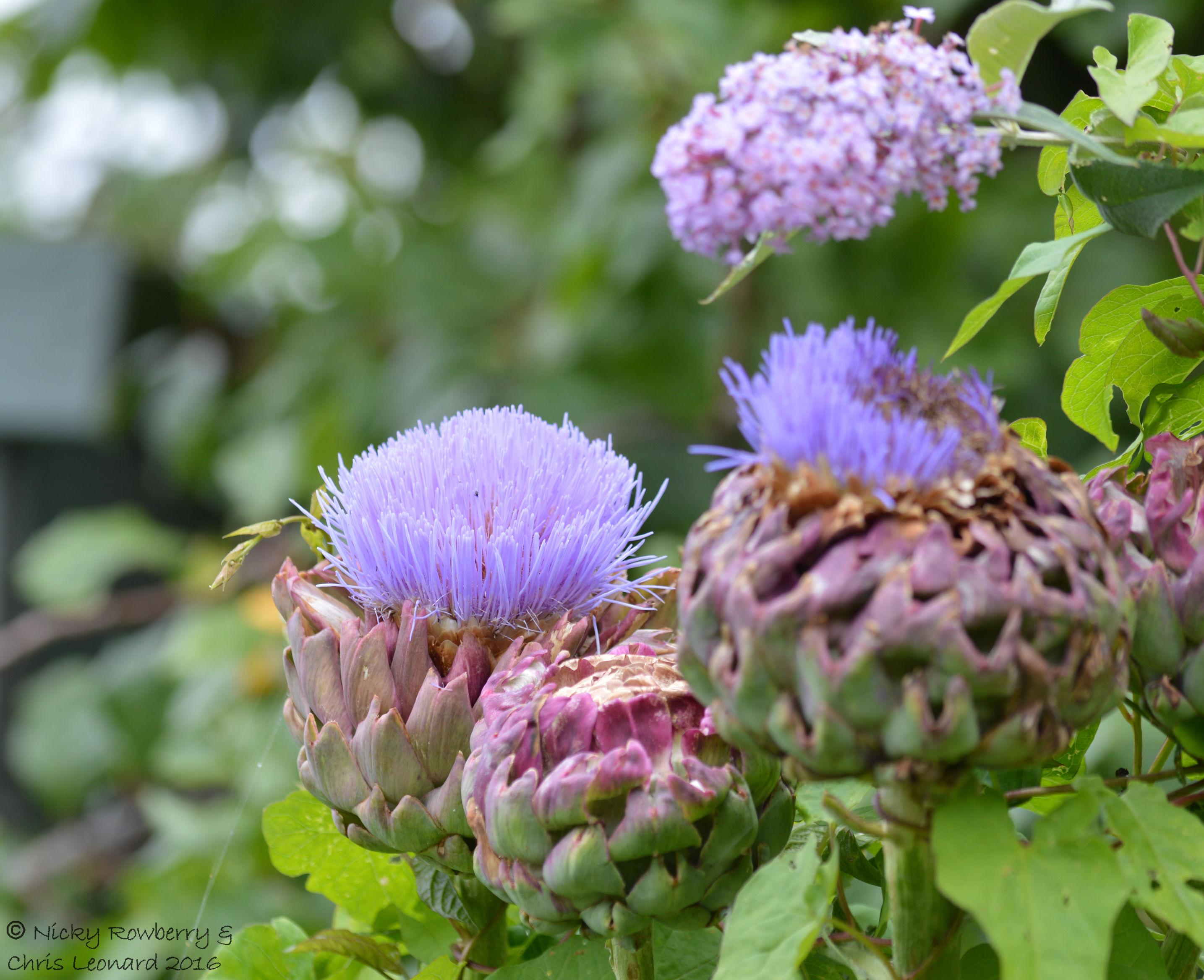
Another “crop” from the garden are the artichokes – Globe ones. To be honest they don’t really get harvested as I always leave them until they’re too big and tough. And anyway, I love the purple flowers which the bees go crazy for and they give fantastic structural interest amongst the prevailing weeds!

Artichoke flowers

Small mushrooms are also popping up now in the “lawn” – another autumnal sign. I’ve no idea what species they are or whether they are edible, so they’ll stay where they are amongst the grass.

mushroom

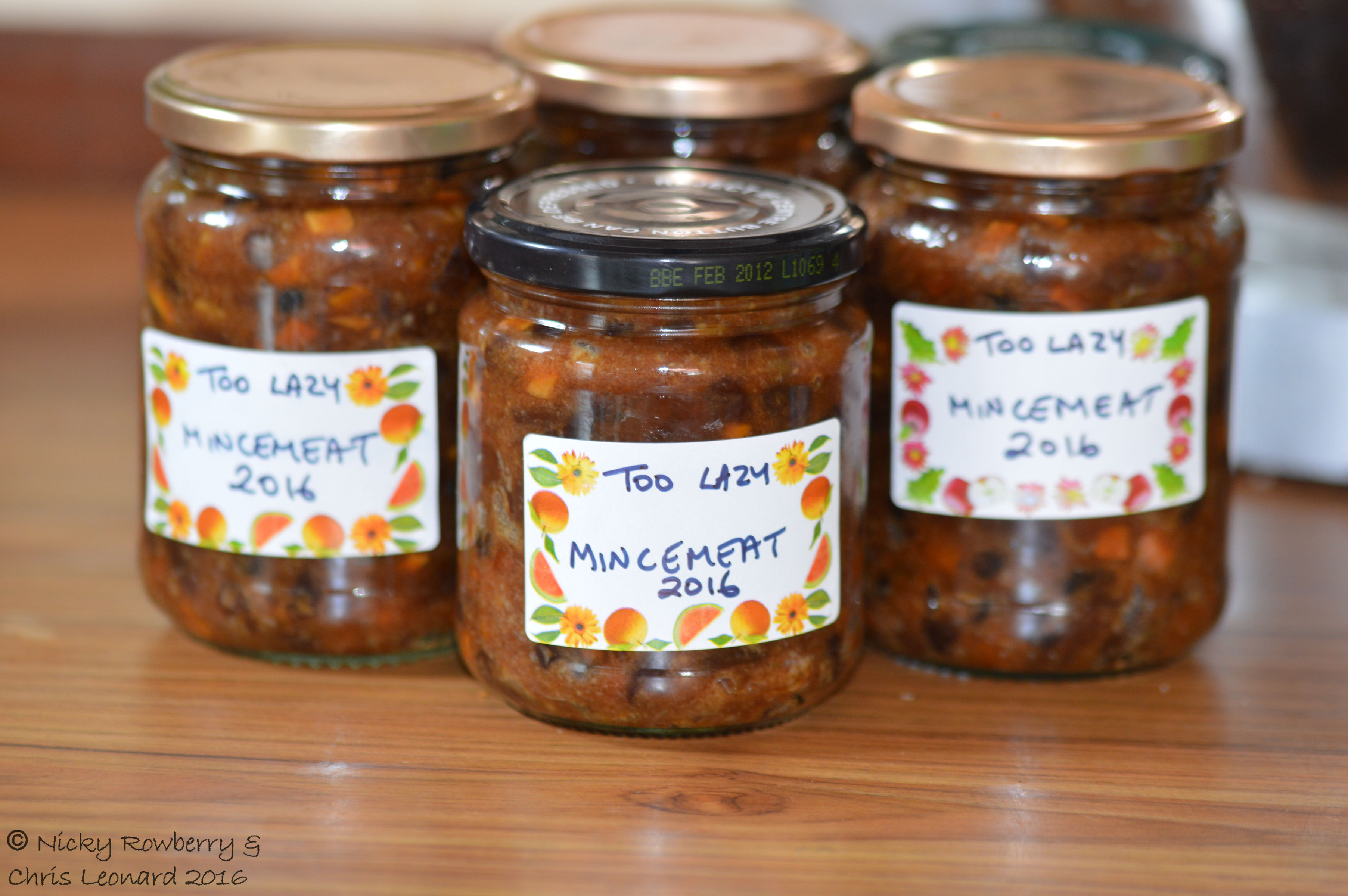
One final thought – as if the approach of autumn wasn’t daunting enough, some of the apples from the tree have already made their way into this – Christmas is coming!

Mincemeat

Harlequins and Hoppers

It’s been an interesting few nights for the moth trap this week. The moths themselves have been fairly unremarkable, but for some reason the trap has been attracting all sorts of other insects. Not that I mind – it’s all good news for the biodiversity of the garden. Well mainly good news – one of the surprises of the moth trap this week was an influx of Harlequin Ladybirds (Harmonia axyridis). I found at least 12 of them in the trap from Tuesday night.

The Harlequin is a non-native ladybird, originating from Eastern Asia. The species was first found in the UK in 2004. It’s got a wider range of food preferences and a longer breeding season and is basically out-competing our native species and spreading rapidly across the country. So finding 12 in my trap in one go, probably isn’t good news for the other ladybird species in our garden. Especially as this pair seemed keen on producing more Harlequins.

DSC_1597

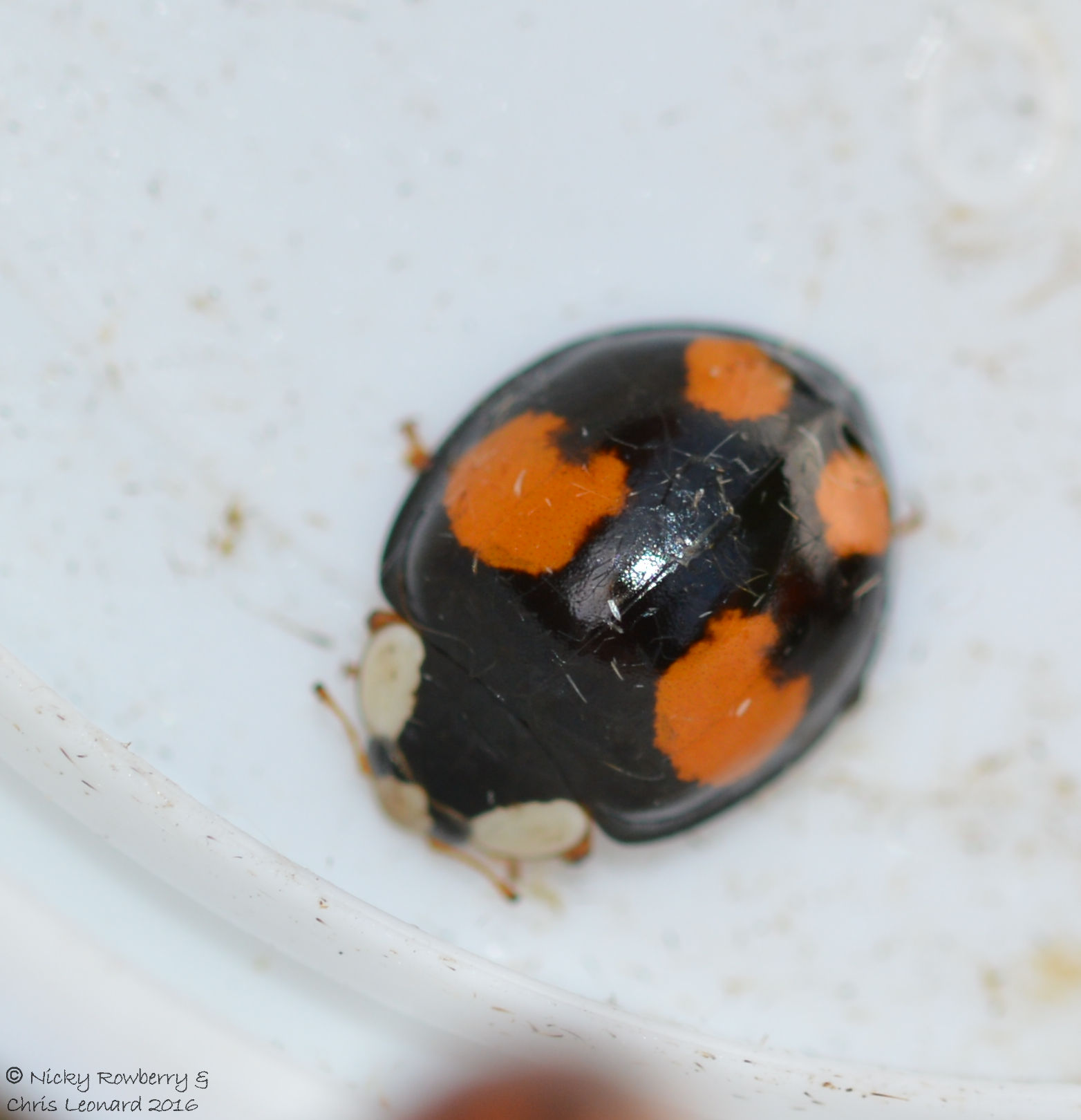
The Harlequin ladybirds have a huge variety of colour variations, making them difficult sometimes to distinguish from our native species. (one of the reasons the Ladybird survey people don’t advocate killing the Harlequins – just in case you’ve got it wrong!) Most of the ones from the trap were red, but there were a couple of these black ones too.

Harlequins

The only thing to do with them was submit my sightings to the Harlequin Ladybird Survey.

Fortunately Harlequins weren’t the only non moth species in the trap. There were the usual selection of wasps, diving beetles (which surprised me no end the first time they turned up in the trap!), caddis flies, daddy-long-legs and assorted flies. But most interesting were a selection of Leafhoppers and Froghoppers – subsequent IDs revealed 4 species.

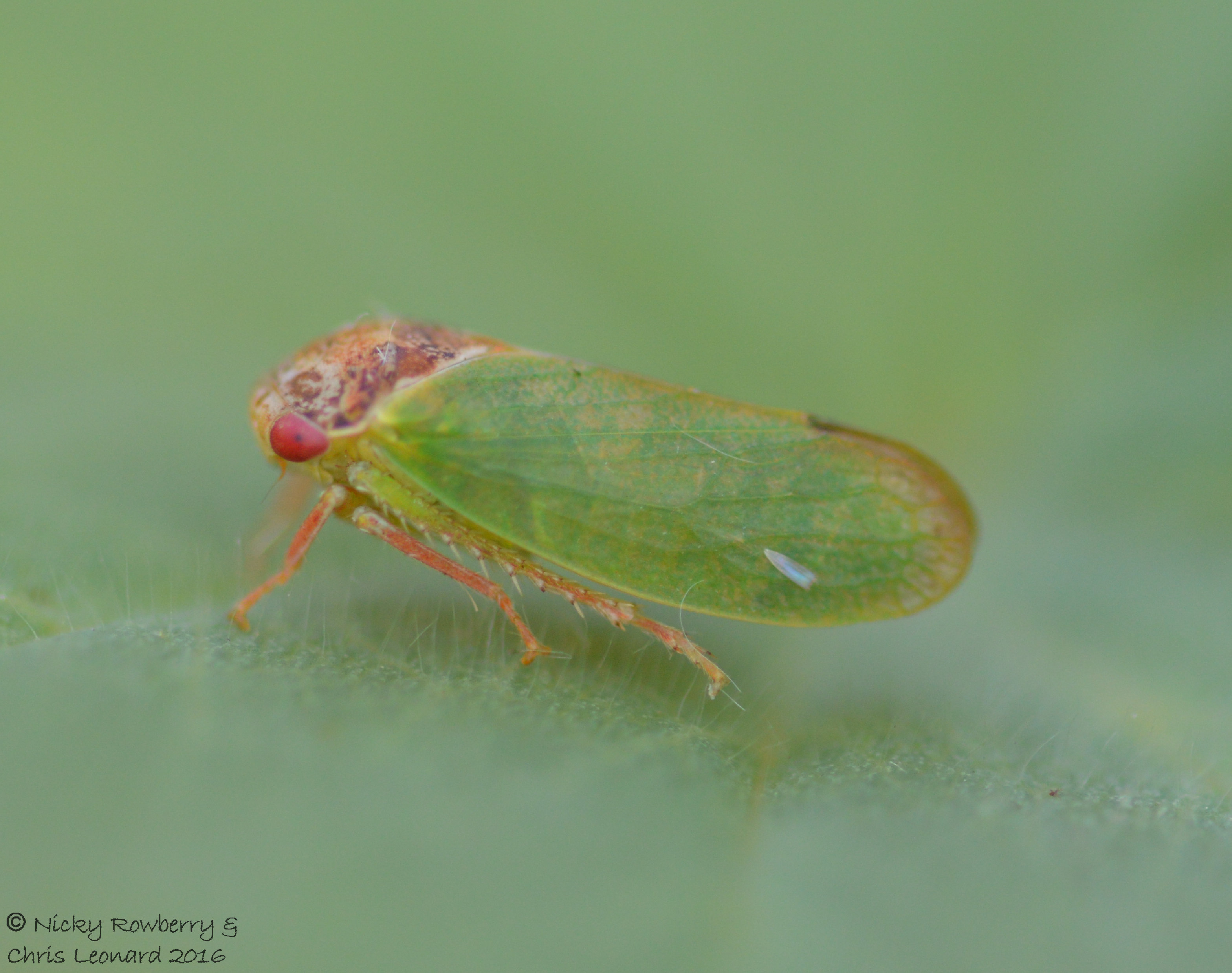
These first two are Leaf Hoppers (I’m still not sure what makes a Hopper a leafy one or a froggy one). I can’t find common names for either of them although they are apparently quite common species. I guess not enough people look at these tiny insects for anyone to have bothered giving them English names. The first one was a lovely green insect with red eyes (maybe I should invent common names – the Ruby-eyed Emerald Leafhopper!) called Iassus lanio.

Iassus lanio

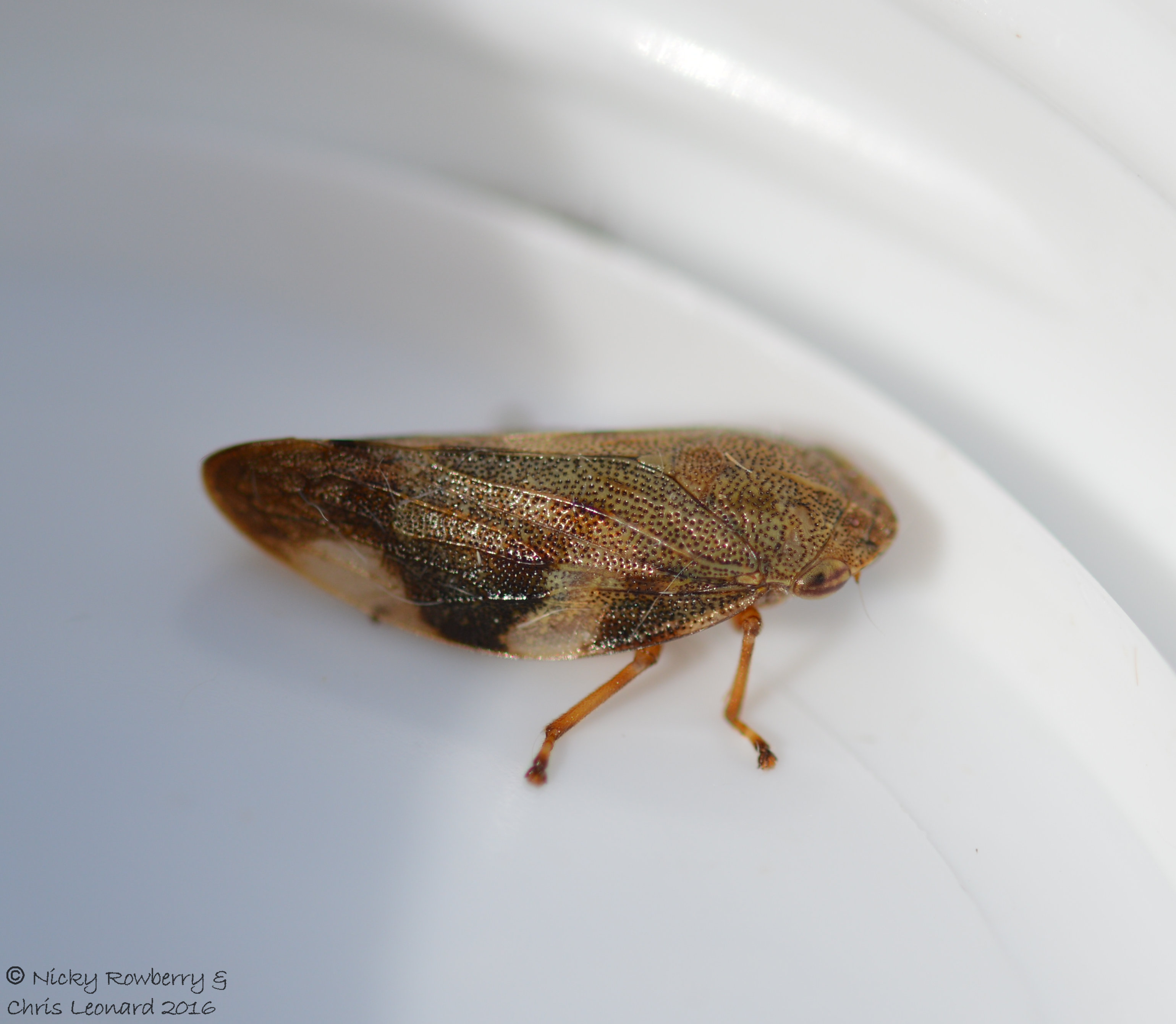
The second was a slightly subtler individual called Allygus sp. (my name – Mottled Brown Leafhopper!)

Allygus mixtus

One thing I’ve found all these Hoppers have in common is the ability to ping away in a split second as you try and photograph them. They seem quite sedentary lazy creatures one minute, then suddenly ping – they’ve gone. So I didn’t get much time to compose and focus beautiful photographs!

The next one is a froghopper and has actually managed to get itself a common name – the Alder Spittlebug (Aphrophora alni). The immature stages of these bugs form foamy nests on plants (frog spit or cuckoo spit) which help them regulate moisture and temperature.

Alder Spittlebug

The final one was a very large leafhopper, the largest British species in fact – Ledra aurita. It’s common name on one website was given as Eared Leafhopper, although Horned Leafhopper would seem more accurate to me. It is normally very well camouflaged on trees, but stands out a bit in a moth trap.

Ledra aurita

All these insects appeared in the moth trap on Tuesday night, but on Friday night the same trap in the same location didn’t catch anything but moths!

Out and About – Grafton Wood

Grafton Wood in Worcestershire is one of our favourite butterfly spotting locations and at only a half hour drive away provided the perfect day out yesterday. We went seeking the Brown Hairstreak, as we’d seen them there before. This is Worcestershire’s rarest butterfly and Grafton Wood is its stronghold, but unfortunately yesterday the Brown Hairstreak refused to put in an appearance. Hopefully we’ll have chance to go back later in the month, but in the meantime here’s one we photographed last year.

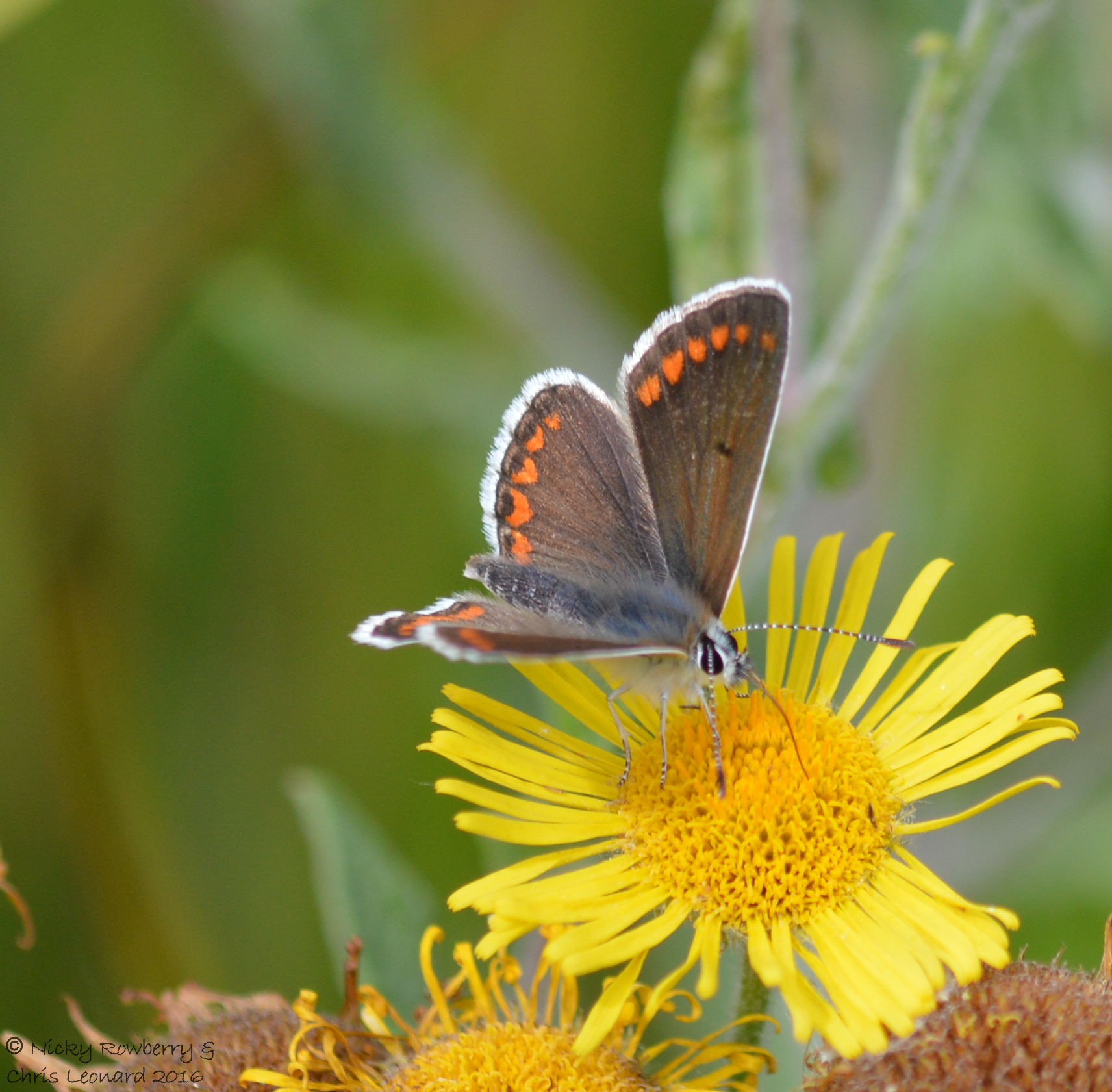
We may not have seen the Brown Hairstreak yesterday, but we did manage 14 other butterfly species, so we’re not complaining. One of the highlights was our second ever Brown Argus, having only seen these for the first time last week at Prestbury Hill.

Brown Argus

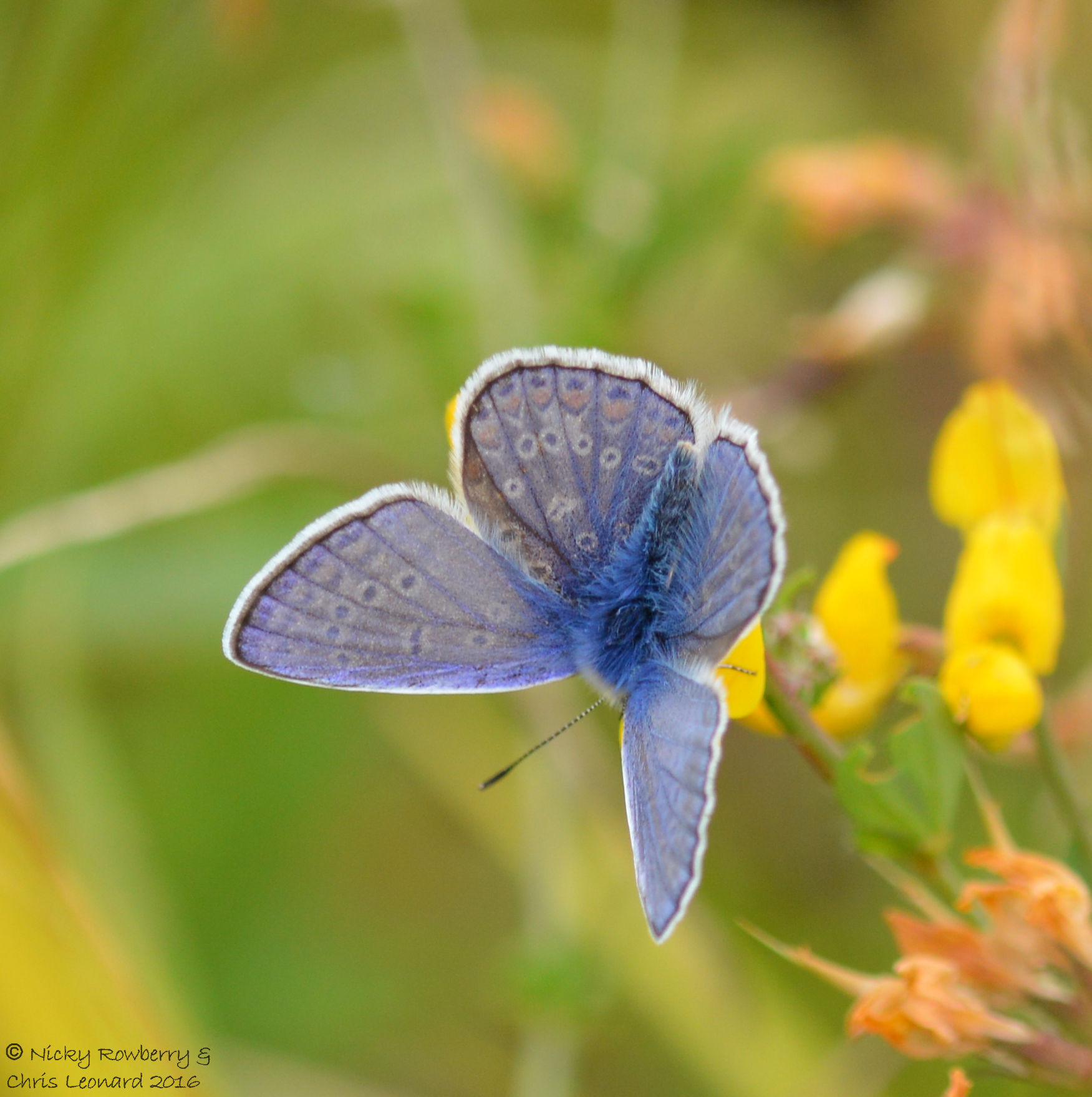
Common Blues were abundant as well. The name implies somehow that by being common they are maybe ordinary, but when the light shines on the males in the right way (like this one below sharing a flower with another favourite of mine, the Swollen Thighed Beetle), they are simply stunning.

Common Blue 3

The colours in the next photo aren’t quite as vibrant, but I love the way you can see the spots from the underside showing through.

Common Blue 4

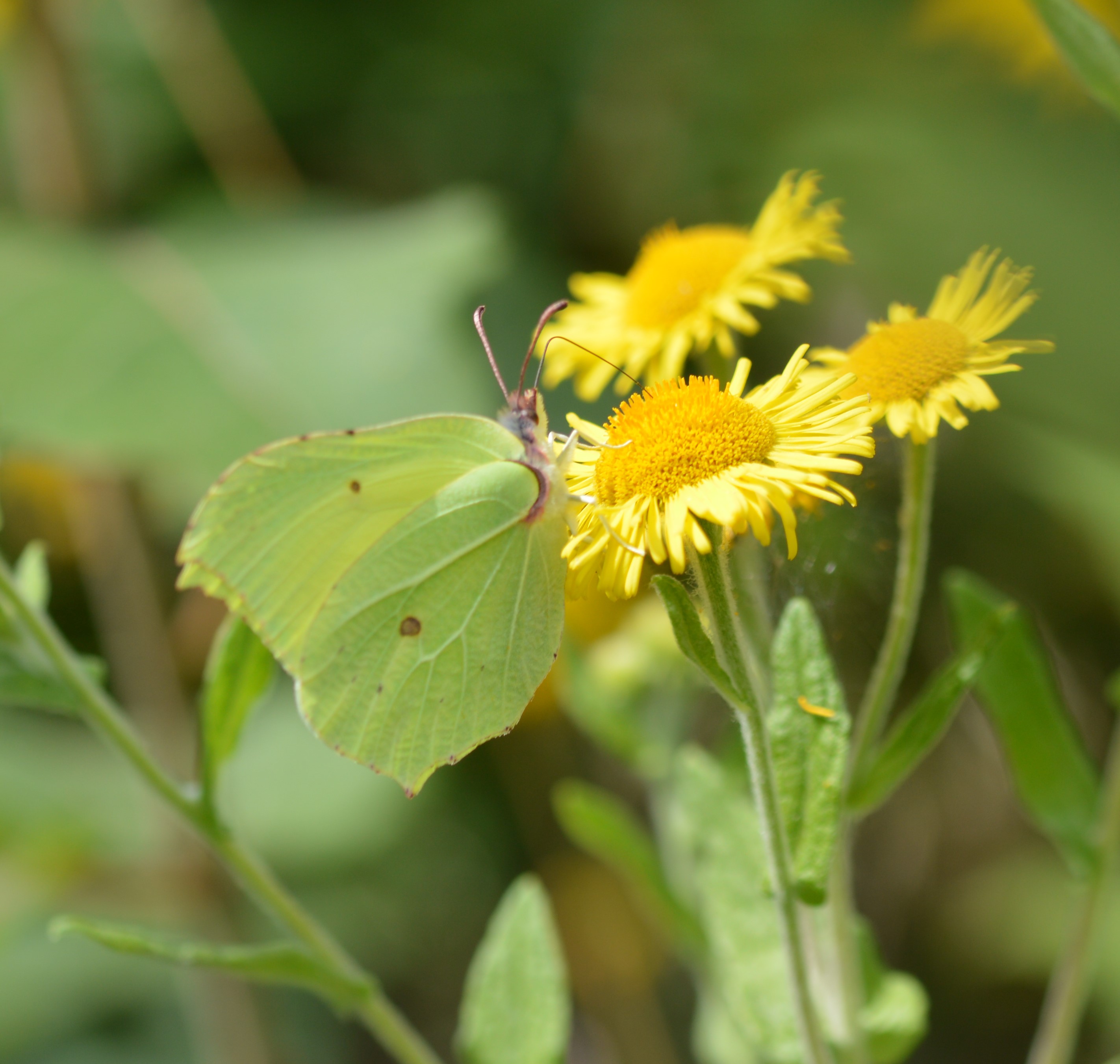
I think we get a bit hung up sometimes seeking out the new species of butterfly, so it was nice yesterday at Grafton to see some of the old favourite species and have time to appreciate them in their own right. So in no particular order of preference – Red Admiral, Brimstone, Peacock and Small Copper.

Small Copper 2

The Red Admiral and Small Copper can both be seen feeding on Hemp Agrimony. This plant seems to be a butterfly magnet and is the one we saw the Brown Hairstreak on last year.

Butterflies weren’t the only insects of interest yesterday though – the dragonflies and damselflies were abundant too. Highlight was probably an Emperor dragonfly, but the swine thing wouldn’t land, so no photo of that. Next best was a Southern Hawker, which was almost as magnificent, but equally difficult to photograph.

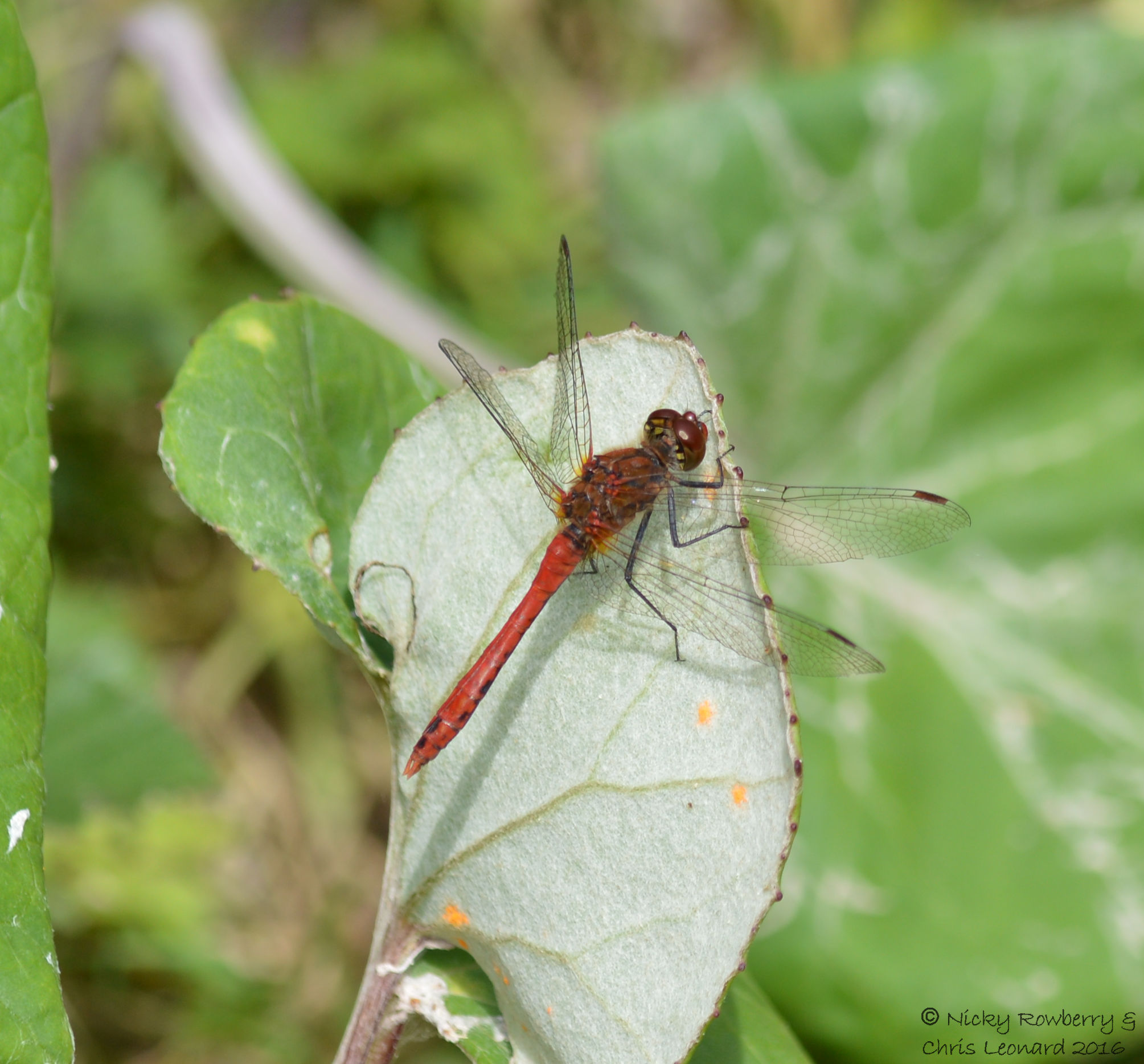
There were lots of Darters about too. At first I thought they were all Common Darters, but closer inspection of the photos back home revealed a Ruddy Darter too. The Ruddy one is a slightly brighter red, but the most diagnostic difference is the colour of the legs – the Ruddy’s legs are all black, whereas the Common has paler segments.

Ruddy Darter

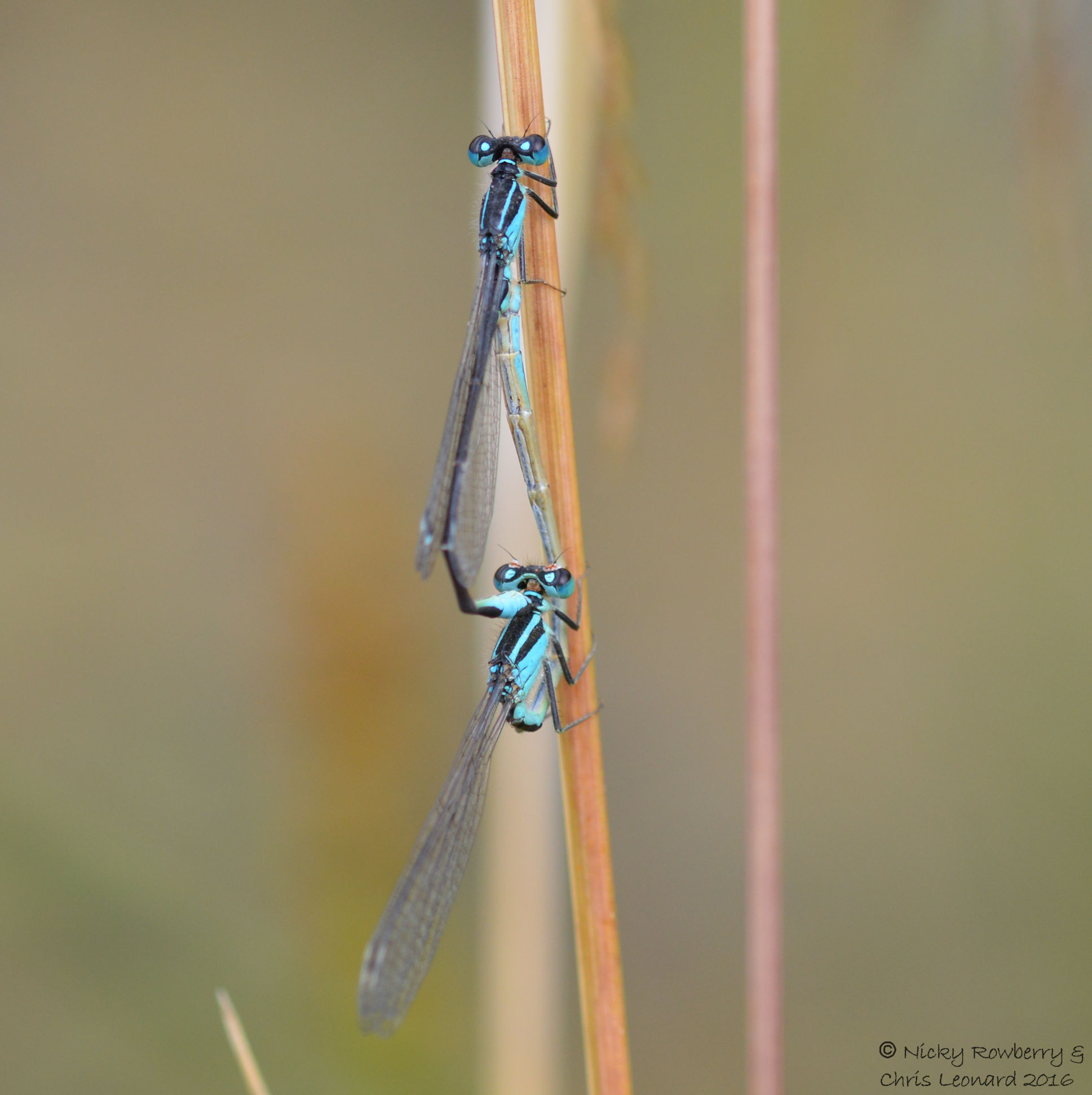
At a small pond we spotted this mating pair of Blue-tailed Damselfies – a new species for us I think. The male is the one at the top and he’s holding onto the back of the neck of the female below, while she curves her body up to his to receive the sperm. They can stay locked like this for quite a while!

Blue Tailed Damselflies 2

Back at the carpark by Grafton church, we rounded off the day by finding our first ever geocache! Not the greatest level of difficulty, but we were pleased with our success on the first attempt. Another thing to get addicted to “bagging”!