Out and About – Wyre Forest

The sun was still shining on the righteous at the weekend, so we decided to make the most of it and headed up to the Wyre Forest in search of the Pearl Bordered Fritillaries. We took a slightly circuitous route, via one of our favourite pubs – The Live and Let Live on Bringsty Common. Fabulous pub with great food and lots of wildlife around. Lots of bees and butterflies (Small Copper, Orange Tip, fast flying and therefore unidentifiable whites!) and birds, but only this little wren paused long enough to get its photo taken.

Live & Let Live

Wren at Live & Let Live2 Wren at Live & Let Live1

Suitably fuelled we headed off to the Wyre Forest. The Pearly Bordered Fritillaries were our main butterfly target of the day as the Wyre Forest is one of their strongholds in the West Midlands. The Wyre is managed by the Forestry Commission and Butterfly Conservation to restore a diverse woodland environment, providing the right habitats for many butterflies. It’s not only good for butterflies, but is a lovely place to just go for a walk.

Within minutes walking along the old railway track, we’d reached a gateway to a more open area where we’d seen the fritillaries last year. Sure enough, just yards from the gate we spotted our first one.
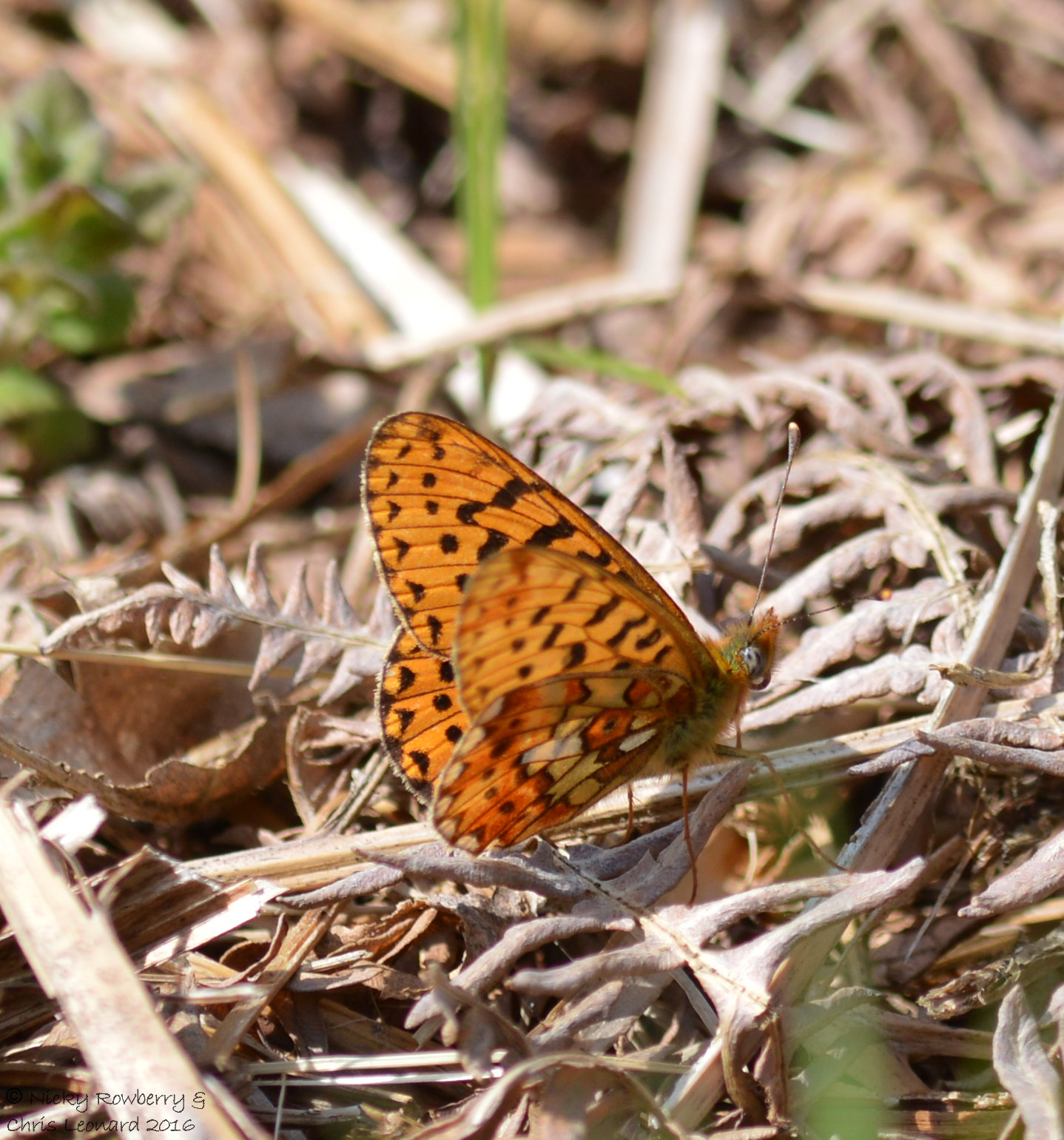
 

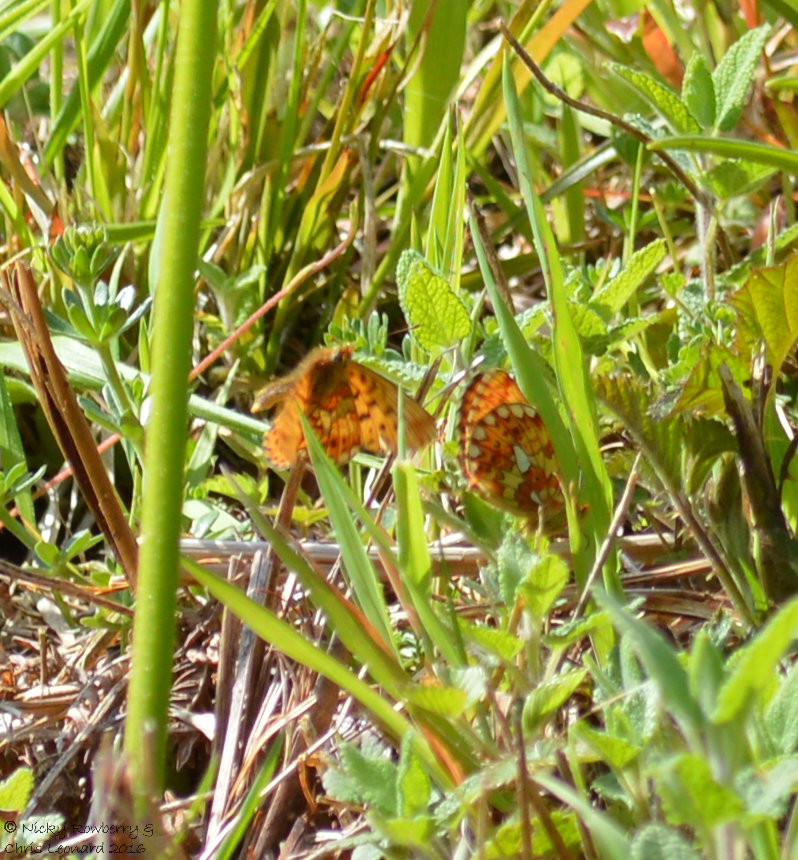
Needless to say it didn’t hang around to get many photos, so we went back to the track and headed along to an area with sunny sheltered banks. Here there were numerous Pearl Bordered Fritillaries fluttering in the sunshine. We were really chuffed initially to get these distant shots of a pair getting down to business.
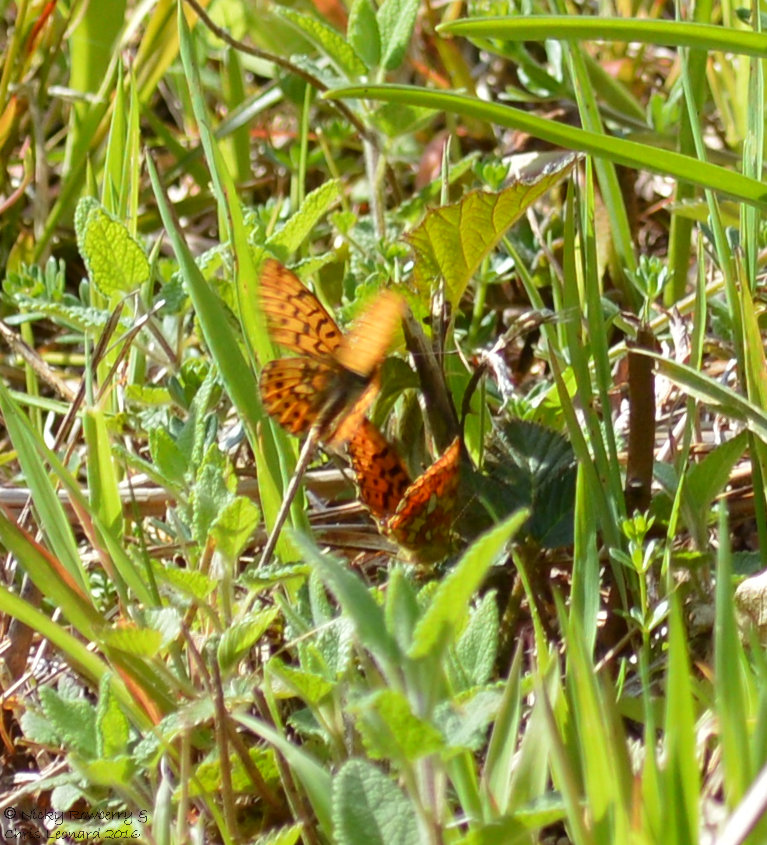
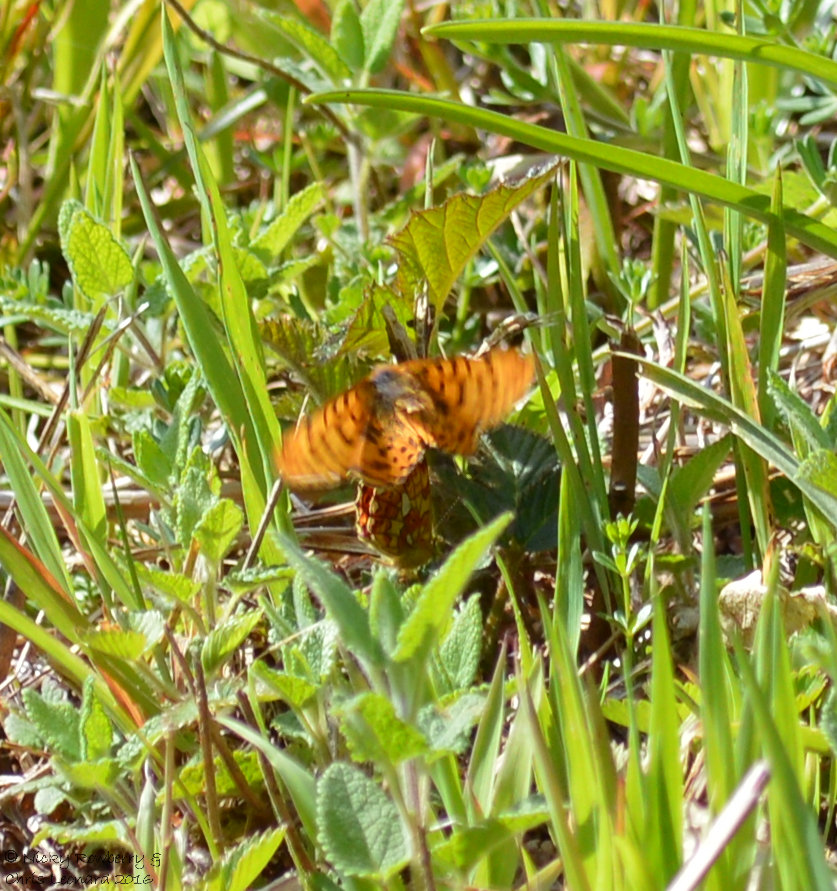
Pearl Bordered Fritillaries (6) Pearl Bordered Fritillaries (5) Pearl Bordered Fritillaries (2)

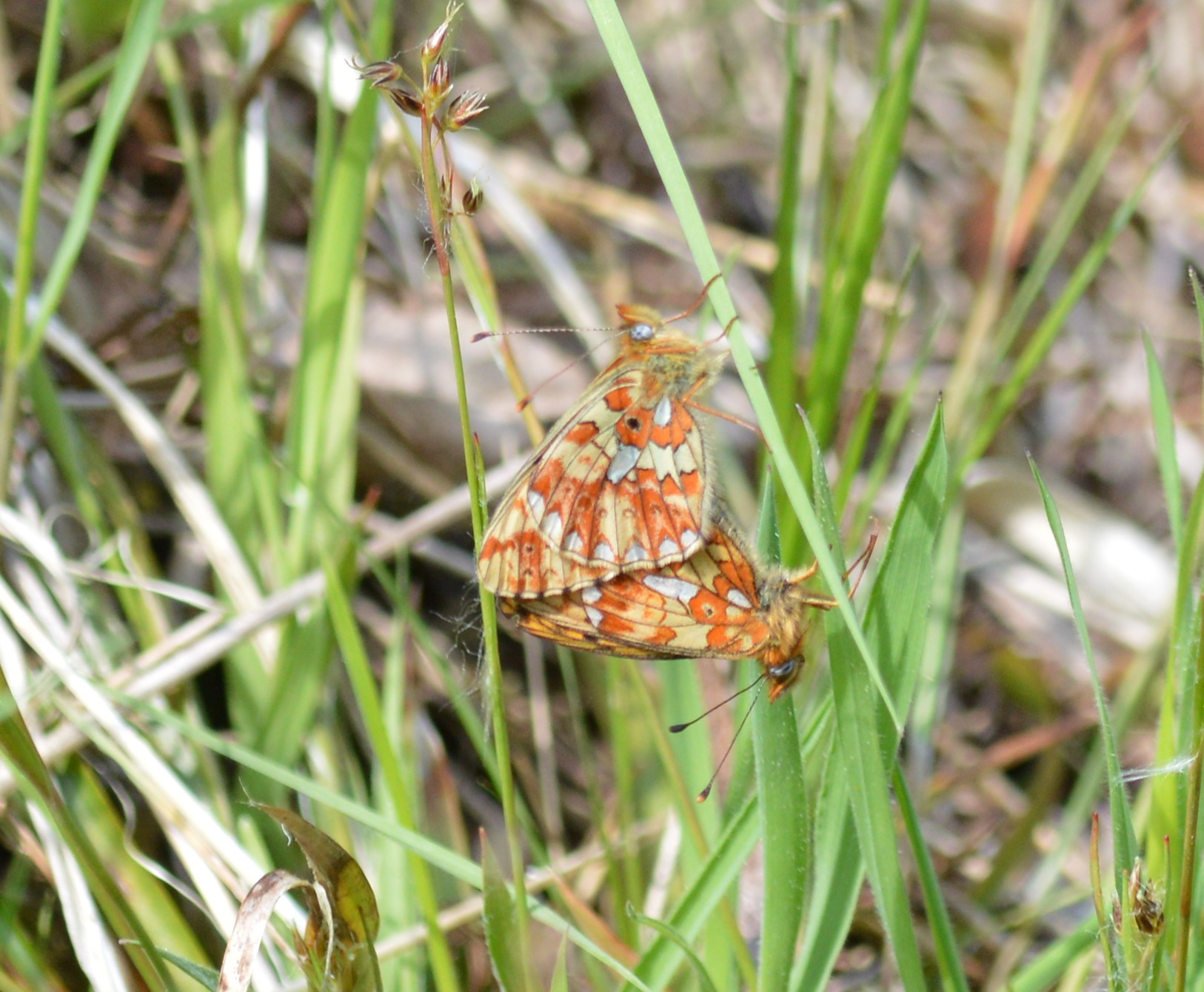
But eventually we spotted a pair clearly too engrossed in what they were about to be bothered by us taking photos! I managed to get a few photos of them together. In the photo you can see how pearlescent the central white spot in particular is. I love the underside of their wings – like beautiful stained glass windows.
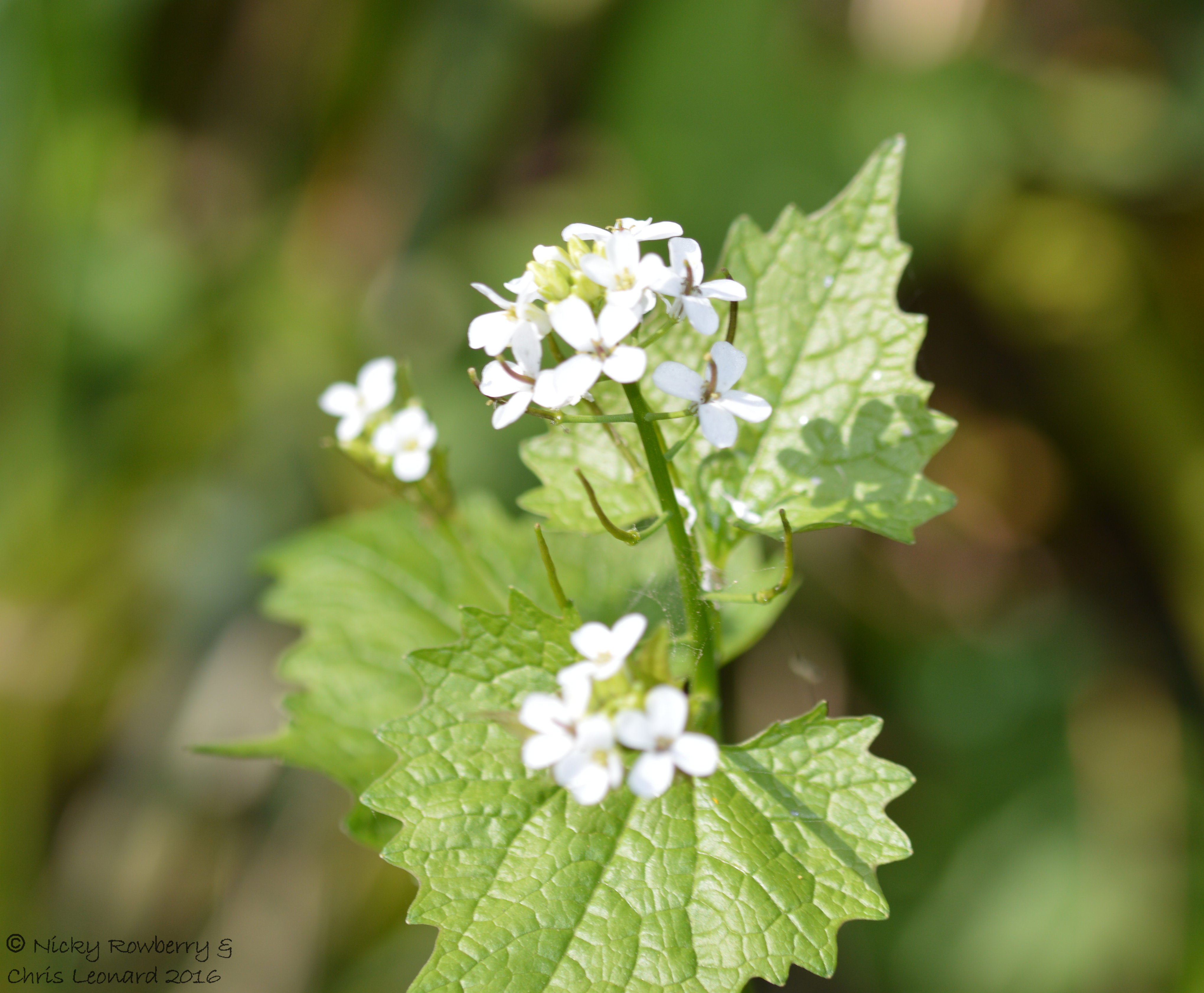
Of course although the fritillaries were the highlight, there was lots to see besides the butterflies. Spring flowers were abundant, attracting a variety of insects. I’m not too hot on wildflower ID, but I’m fairly sure the following are Greater Stitchwort, Jack-by-the-Hedge (aka Garlic Mustard) and Yellow Deadnettle.
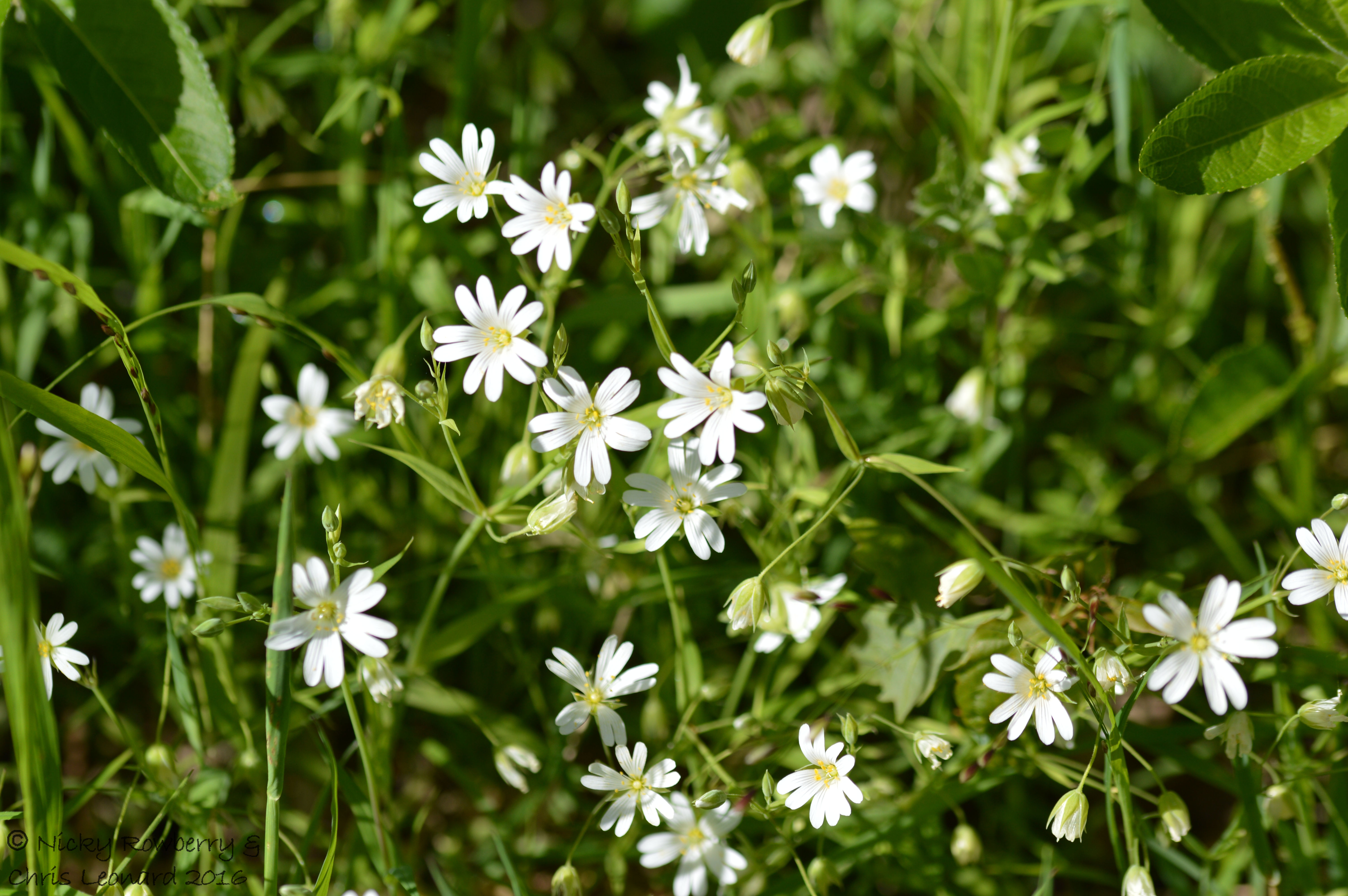
Greater stitchwort

Jack by the hedge

Yellow Deadnettle

There were also a few day flying moths about, some of which I’d not seen before. The Small Purple-barred (Phytometra viridaria) was a new one, but was thankfully easy to identify.
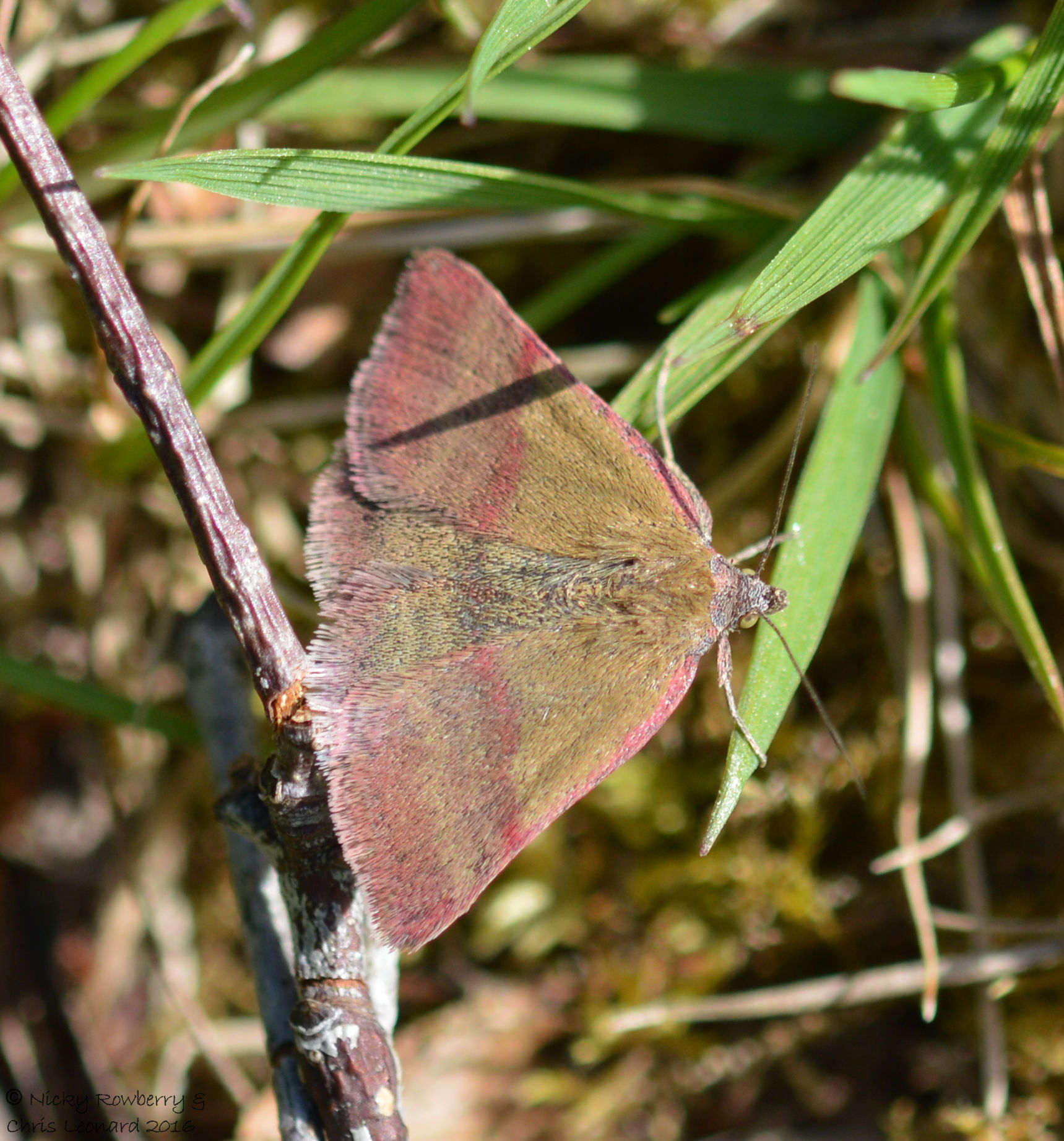
Small Purple-barred


So all in all a very good day out. The Wyre Forest is definitely worth a visit for anyone wanting to see the beautiful Pearl Bordered Fritillaries.


Out and About – Penny Hill Bank

You know how it is, you wait a lifetime to see a Green Hairstreak, then see them two days in a row! Flushed with success of finding them at Cannock Chase the day before, we ventured forth once more – this time to a small reserve in Worcestershire – Penny Hill Bank.

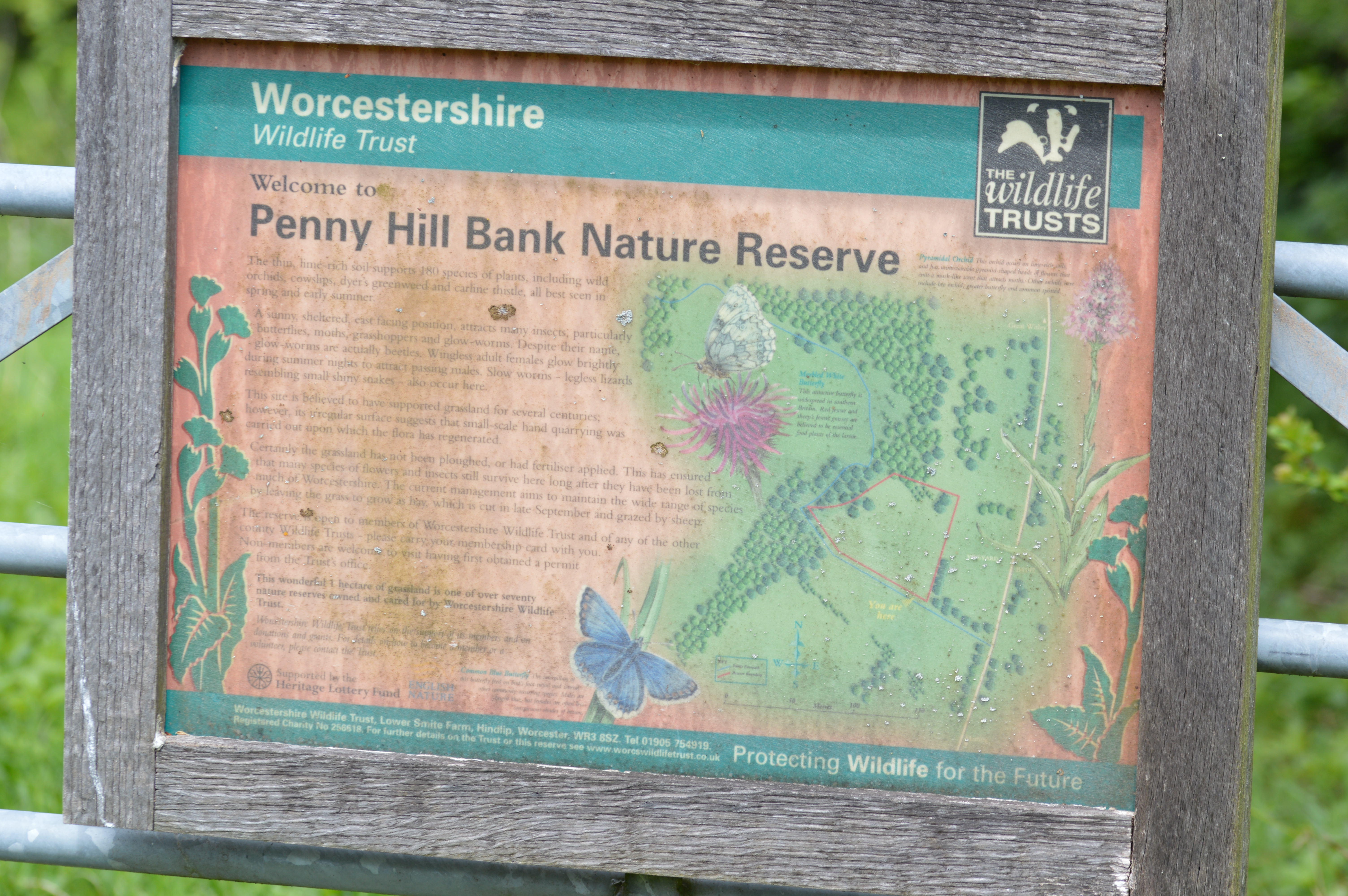
Penny Hill Sign

Penny Hill is an area of grassland that has apparently never had pesticides on it, so has a very diverse flora, including several types of orchid. We were probably there a bit early in the year to see many of them, but we did spot this Common Twayblade orchid (Listera ovata) and there were lots of pretty blue Bugle (Ajuga reptans) flowers.

Common Twayblade orchid (1)

Bugle (2)

The diverse flora of course in turn attracts a wide variety of insects, particularly butterflies. We’d only been there a couple of minutes before we spotted a Green Hairstreak. Perhaps now, having got our eye in with them at Cannock Chase, we’ll be finding them everywhere!

Green Hairstreak Penny Hill Bank

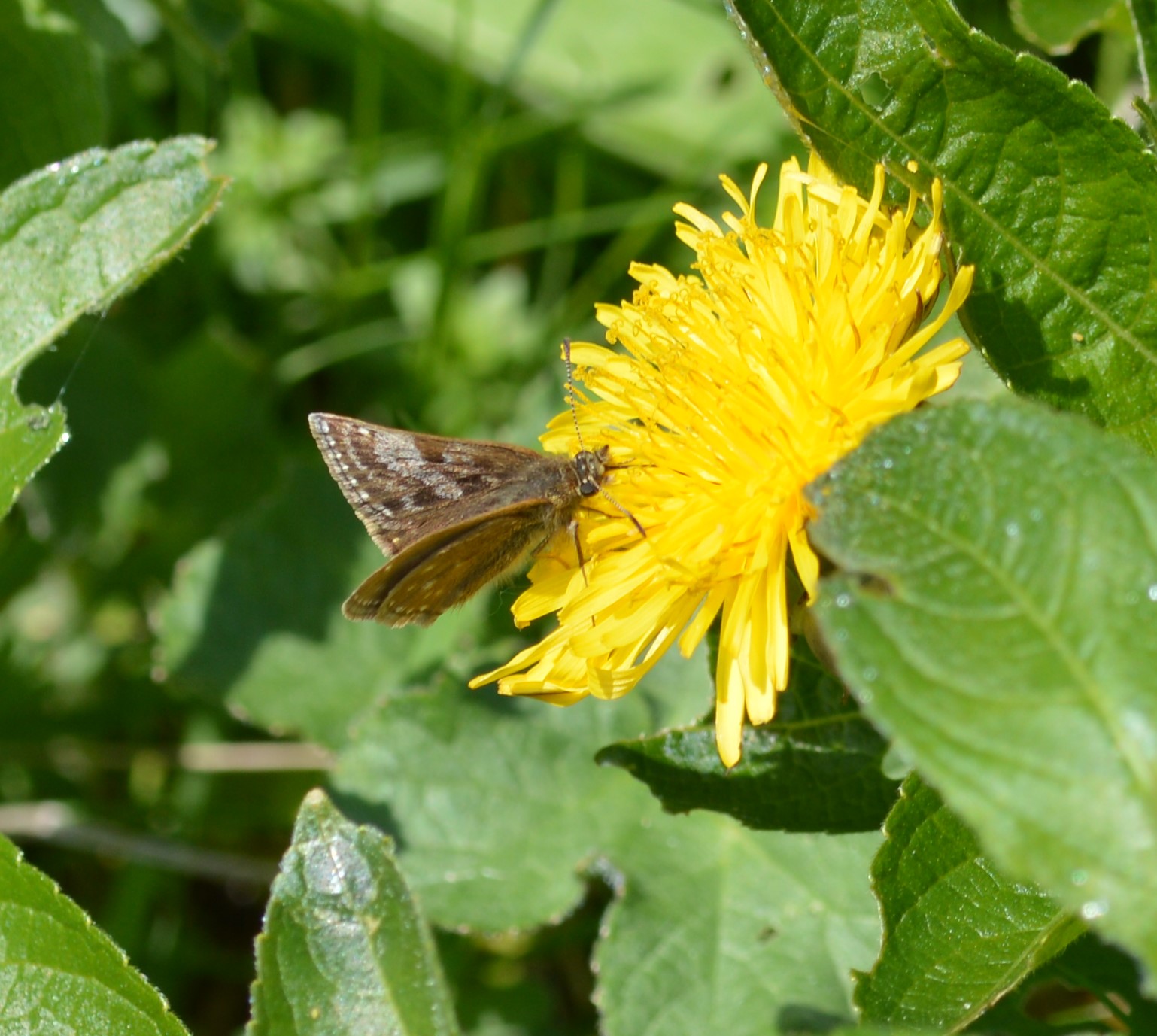
This was soon followed by another relatively unusual butterfly, the unfortunately named Dingy Skipper (Erynnis tages). The skippers look a bit more like moths than butterflies, but have the typical butterfly antennae – smooth with a slightly bulbous tip. The Dingy Skippers are actually quite pretty in a subtle kind of way. They were also quite flighty, so not easy to photograph – this was the best I could do.

We saw several other species of butterfly – Orange Tip, Green Veined White, and a possibly Large White, but none of them stopped long enough to get a photo.

The field was generally very tidy, with thankfully no rubbish, but there were a few old bits of farm debris lying around, so we checked underneath them. The first revealed a newt, but the highlight of our day though was finding another lifetime first – a slow worm! I had never seen one, so was squealing with excitement when we lifted an old metal sheet and found the slow worm underneath.

We hurriedly took a few photos, before carefully lowering his “roof” back down. As we’d been walking around Penny Hill, it had seemed like possibly adder territory, but the slow worm was a complete surprise. Penny Hill is also home to glow worms – so we may be back there one night in the hope of bagging another first!

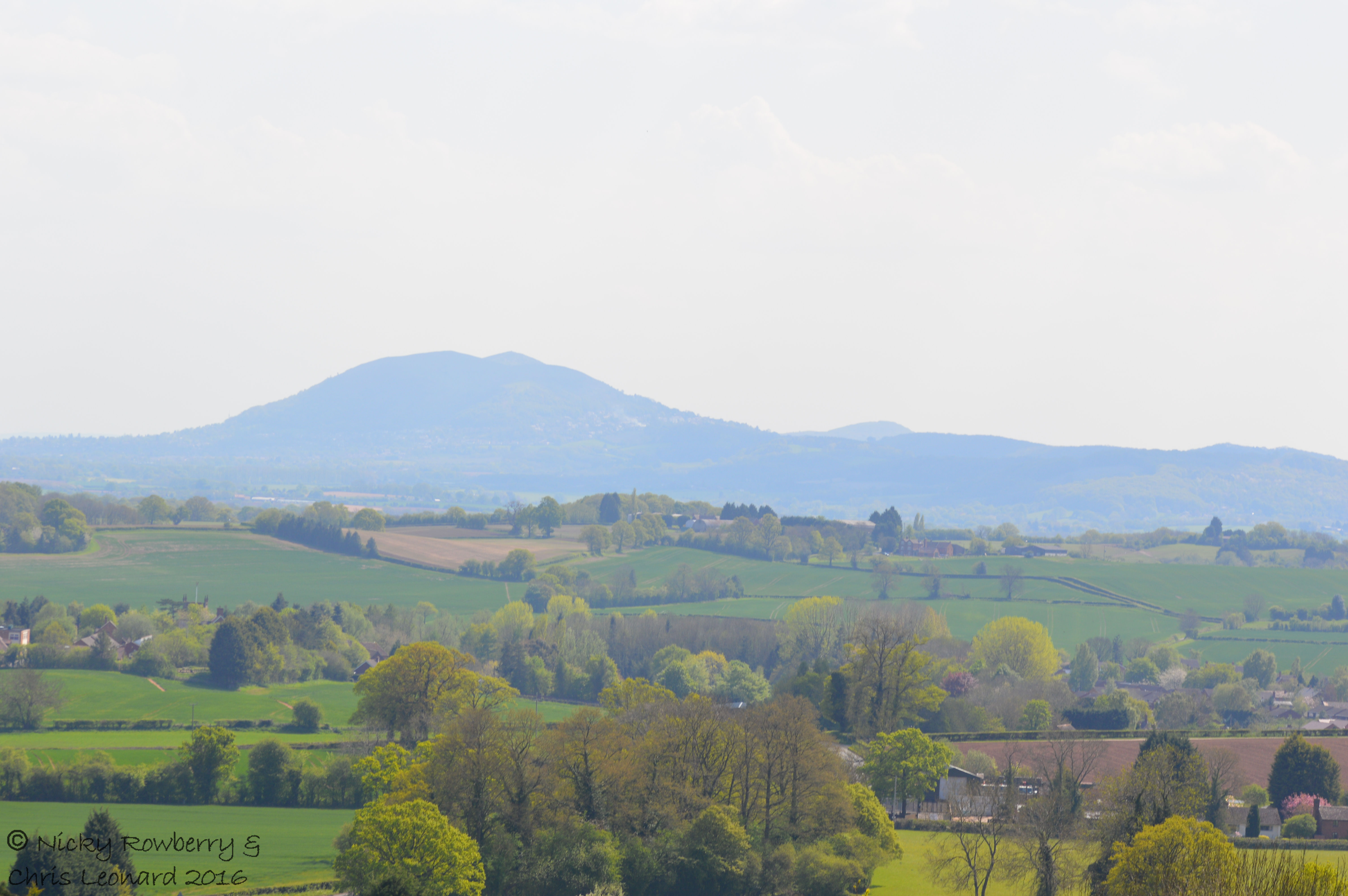
The views from Penny Hill Bank were stunning, you could see for miles across Worcestershire. The photo below doesn’t really do it justice. It’s a small site tucked away off the beaten track and not that easy to find (thanks go to a local who pointed us in the right direction), but it’s a lovely, peaceful place to just sit and enjoy the view, whether you’re interested in plants and animals or not.

Penny Hill View

Chasing Butterflies

We went further afield this weekend chasing elusive butterflies – Cannock Chase for Green Hairstreaks (Callophrys rubi) to be precise. Cannock Chase is an Area of Outstanding Natural Beauty (AONB) with large areas of heathland and woodland. Several areas within it are protected further as Sites of Special Scientific Interest (SSSI).

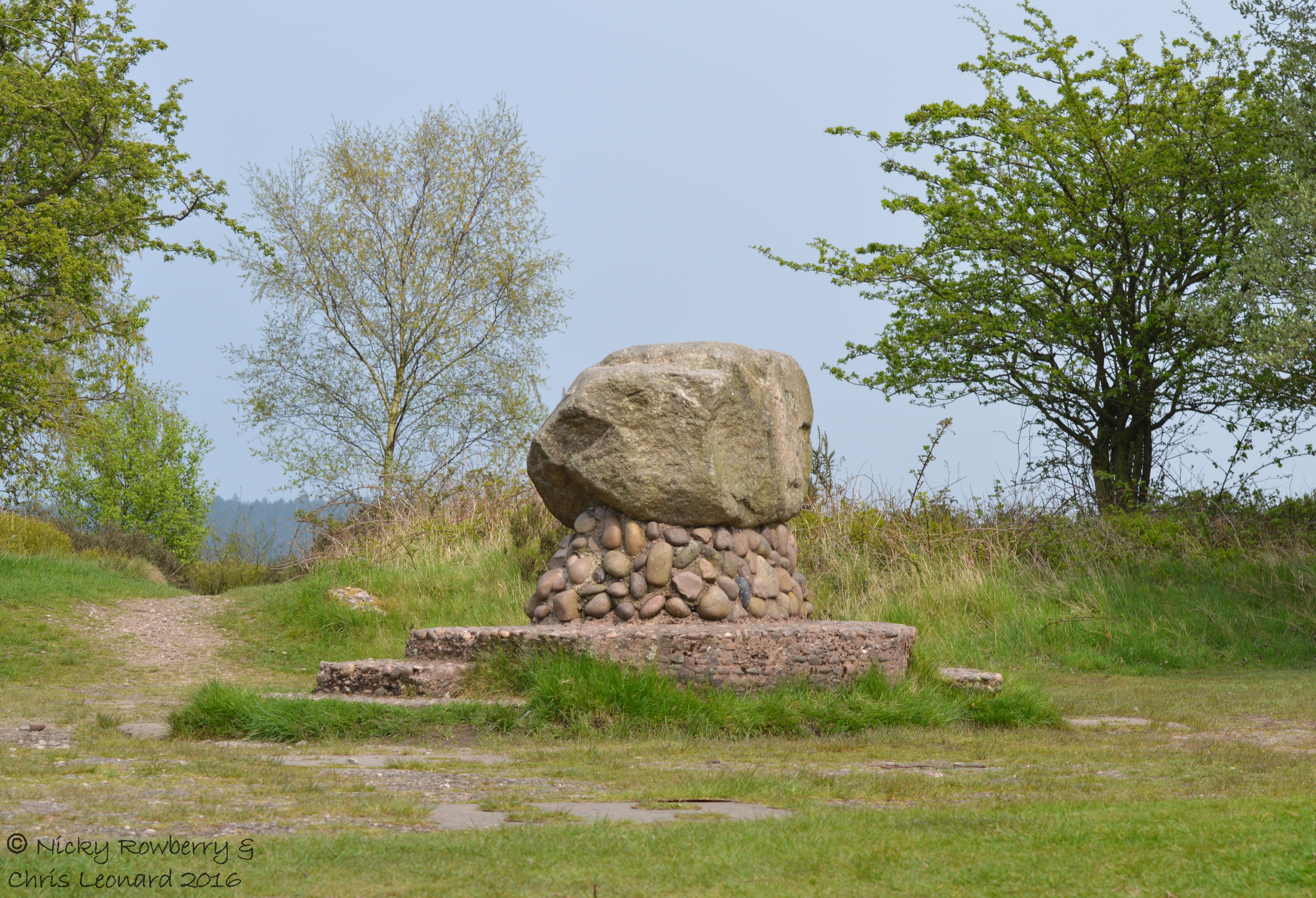
We follow the West Midlands Branch of Butterfly Conservation on Facebook and had been jealously viewing lots of stunning photos on there of Green Hairstreak butterflies – a species that was on our “hit list” of ones to see for the first time. Many of these photos on Facebook had been taken on Cannock Chase, so we decided to head to Staffordshire. Clues gleaned from Facebook and Butterfly Conservation’s booklet on Butterflies of the West Midlands indicated that the carpark near the Glacial Boulder (seen below) would be a good place to start.

Glacial Boulder

So we headed out in hope and expectation, starting at the carpark just a few metres from the boulder. About a minute’s walk from the boulder we found this overgrown ditch which was warm and sheltered – an ideal spot for both us and the butterflies we hoped to see.

Hairstreak alley

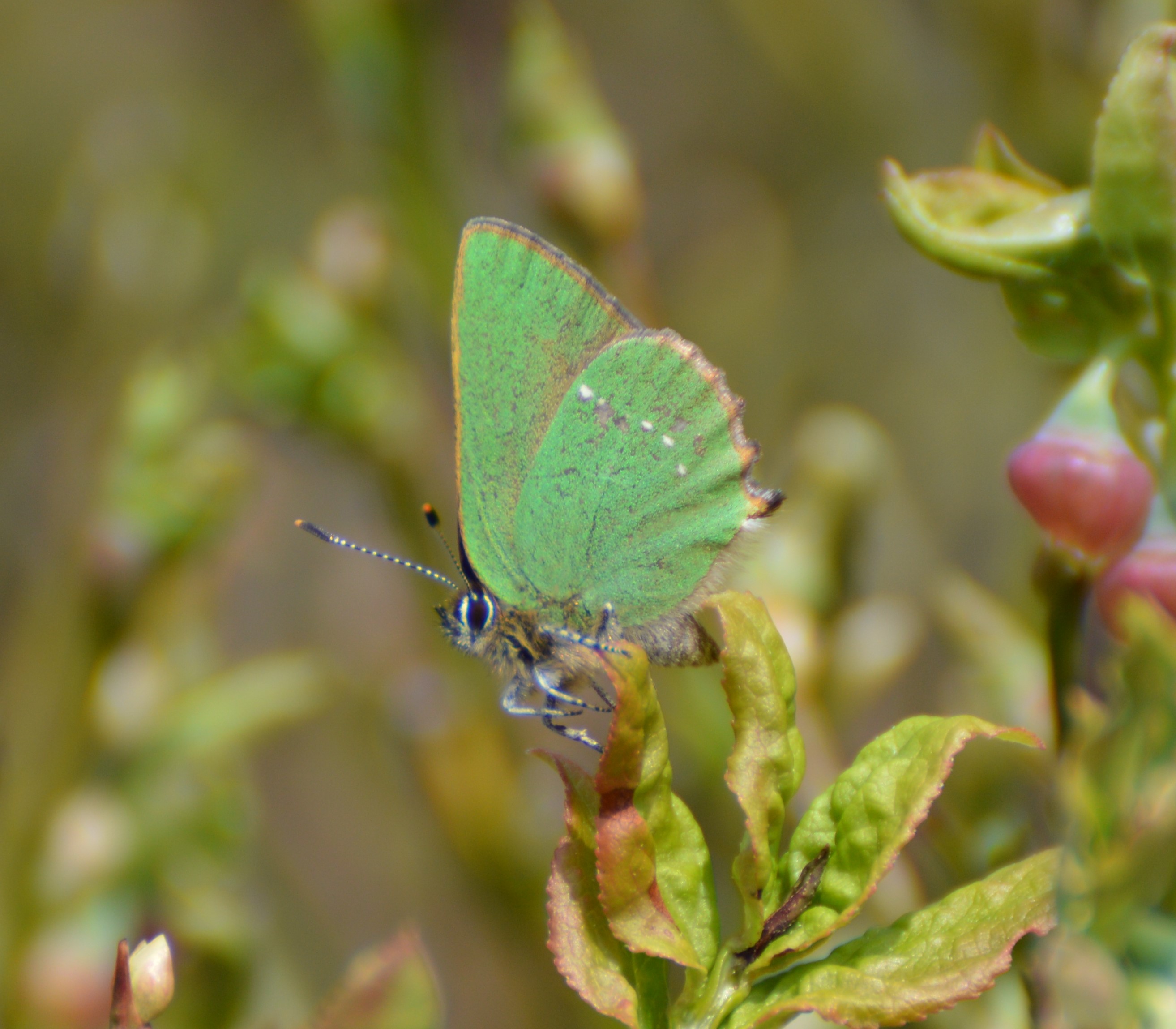
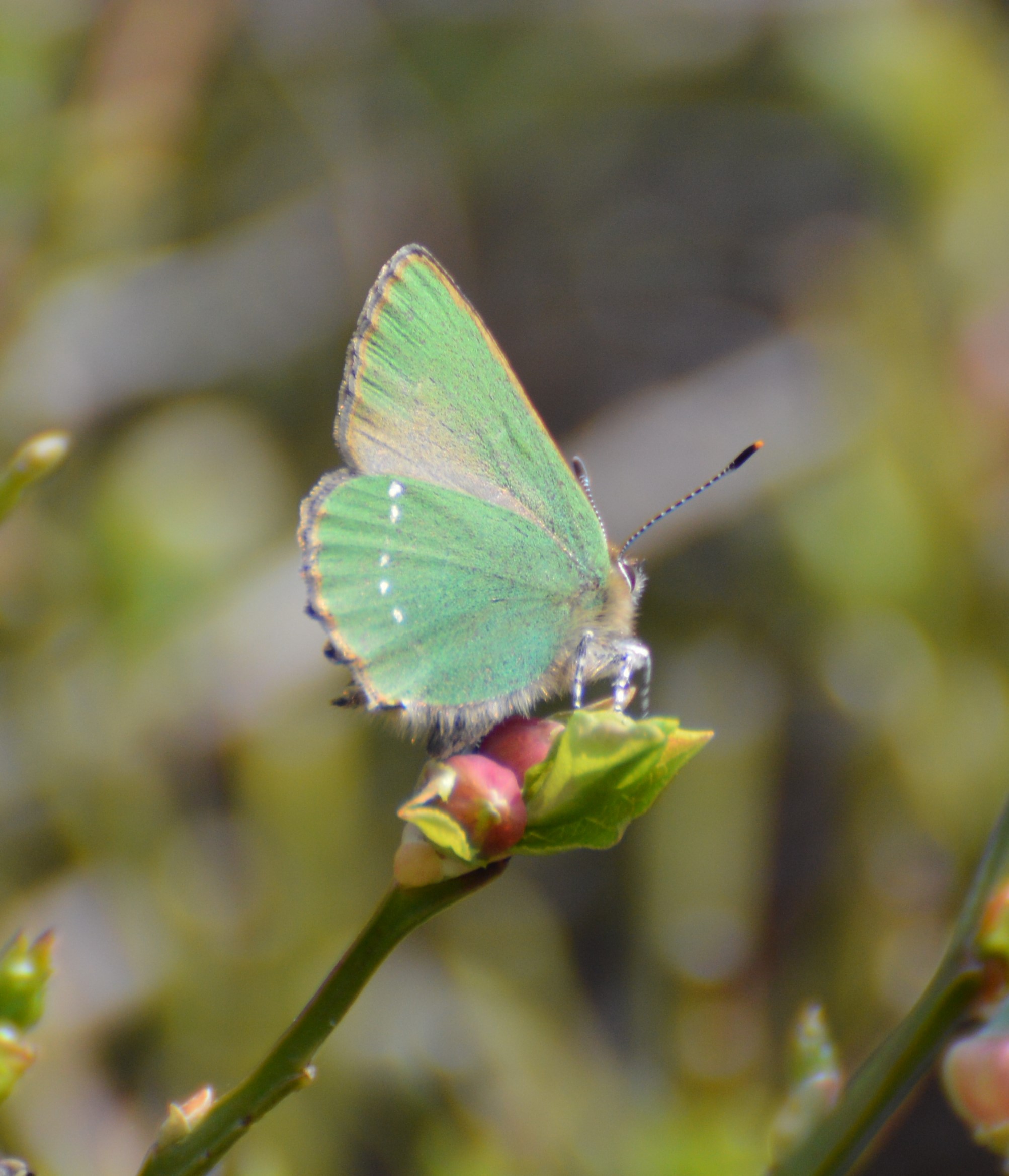
Almost immediately I spotted one, then another and  we realised we’d hit gold – or perhaps green! There were maybe half a dozen Green Hairstreaks flitting around the bilberry bushes. Some pairs were chasing up into the air – presumably mating couples. The Green Hairstreaks are really small with green undersides with a white streak on. The uppersides of the wings are brown, but we only saw those in flight as they never settle with their wings open. In butterfly heaven we took loads (and I mean loads – thank god for the delete option with digital). So here are a selection of the best of my efforts.
 

Whilst happily snapping away at our prize butterflies, we met the very man (Terry) who had posted the photos on Facebook in the first place! He was extremely helpful (as have been all the butterfly enthusiasts we’ve met on our walks) and gave us tips as to what else we might see. Thanks to Terry we found a pond we would never otherwise have seen and subsequently spotted a new (for us) bird species too – a Reed Bunting. Apologies for rubbish photo, but they kept their distance, so this was the best I could manage. They looked like large sparrows with a white collar and were grabbing insects out of the air over the reeds.

Reed Bunting

All in all a very successful trip to Cannock Chase – far better than I’d dared hope for. The Green Hairstreaks are absolutely gorgeous little butterflies and well worth going that extra mile to see.


Simply Beautiful Bluebells

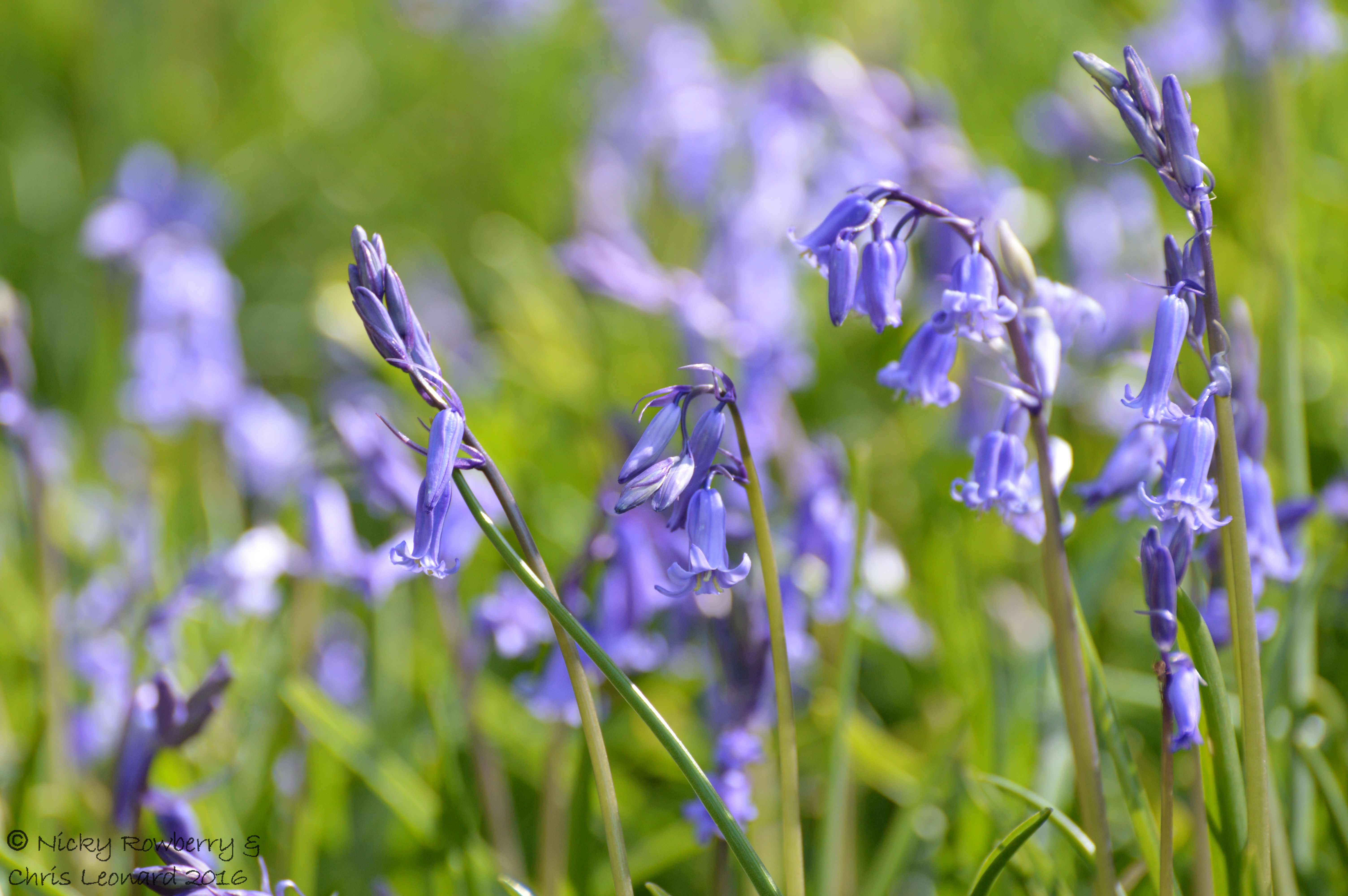
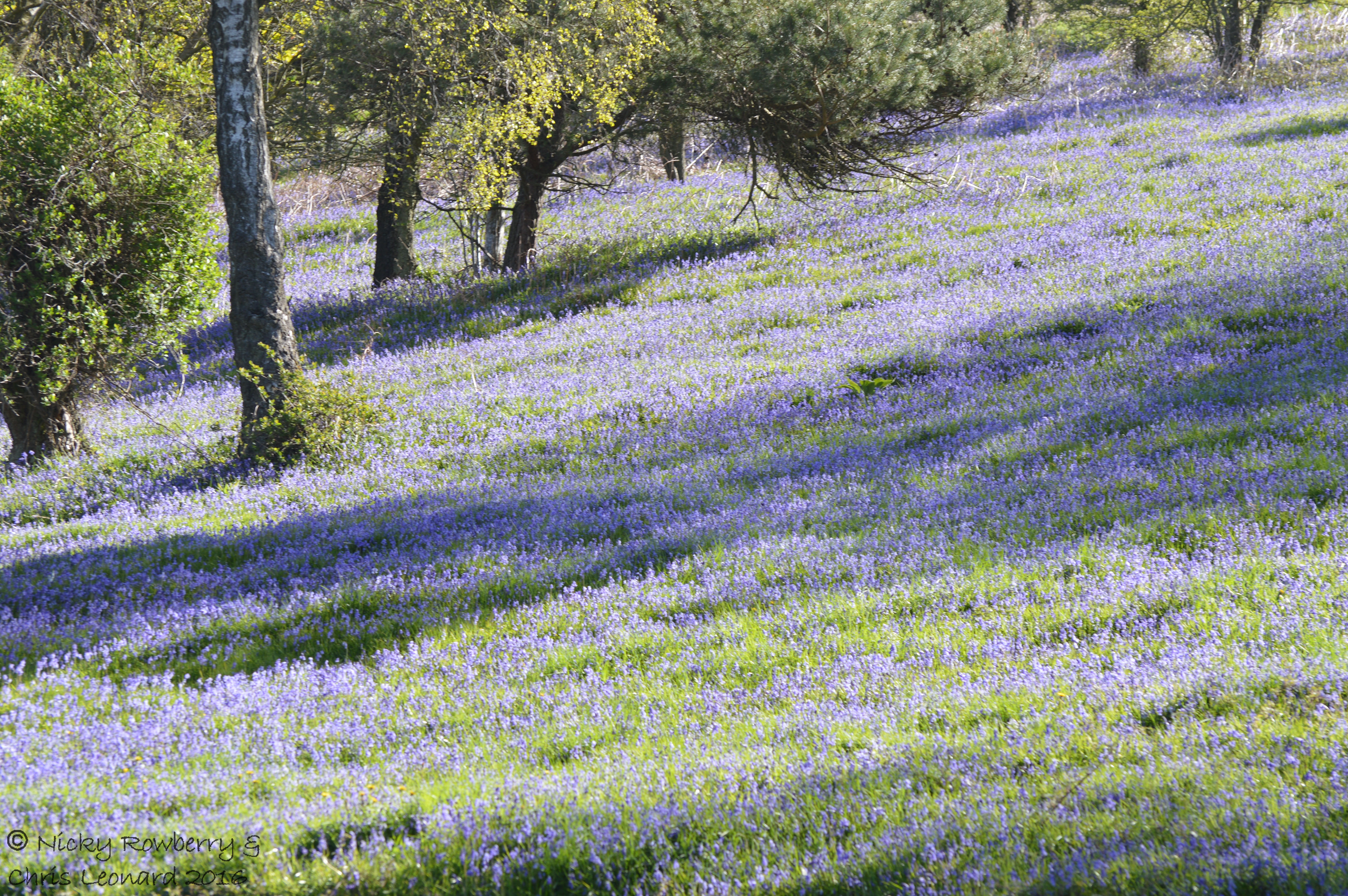
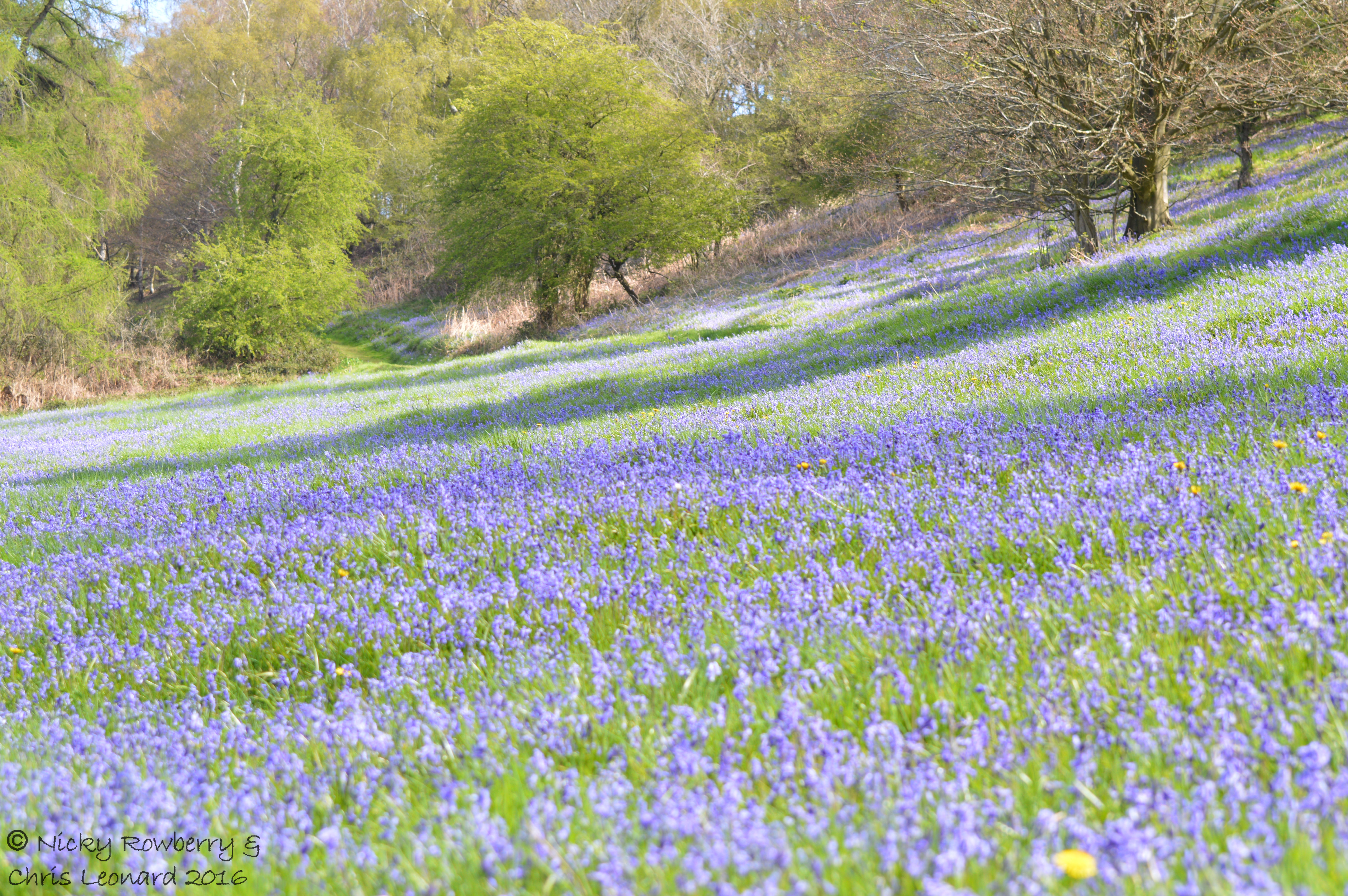
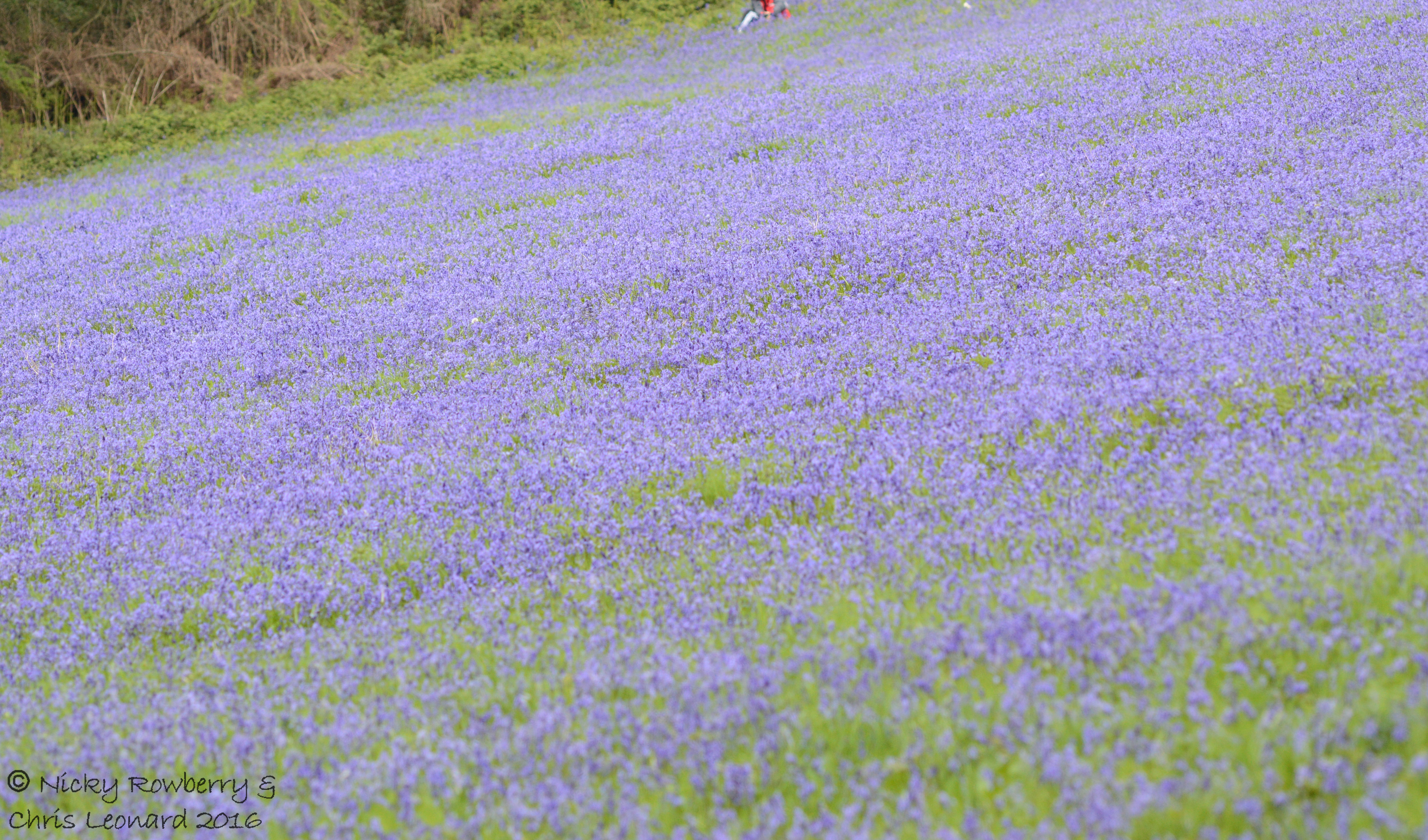
This post is going to be big on photos and for once not much rambling on from me – when you’ve got bluebells this beautiful, there’s really no need to say very much.  I went for a walk this week on the Malvern Hills to see the bluebells, which are approaching their peak right now. They grow all over the hills, but there is one area where they have really formed a beautiful dense blue carpet. They were, as always, simply stunning.

Bluebells on Malvern 4

Bluebells on Malvern 5

Bluebells on Malvern 3

Bluebells on Malvern 2

Bluebells on Malvern

Bluebells on Malvern 6

We went to the same spot last year too. We were a few days later in May and I think the bluebell show then was possibly even more spectacular, so I’ve included a couple of photos below from 2015.

Bluebells 2015

Bluebells 2015 2

We are so lucky to live in this beautiful part of the world.

Garden Moth Scheme

It’s the end of the first quarter of my first year participating in the Garden Moth Scheme. It’s not exactly been a flying start (no pun intended); the moths have been few and far between this spring. But I’m consoling myself with the fact that all data is useful, even if it shows disappointing numbers.

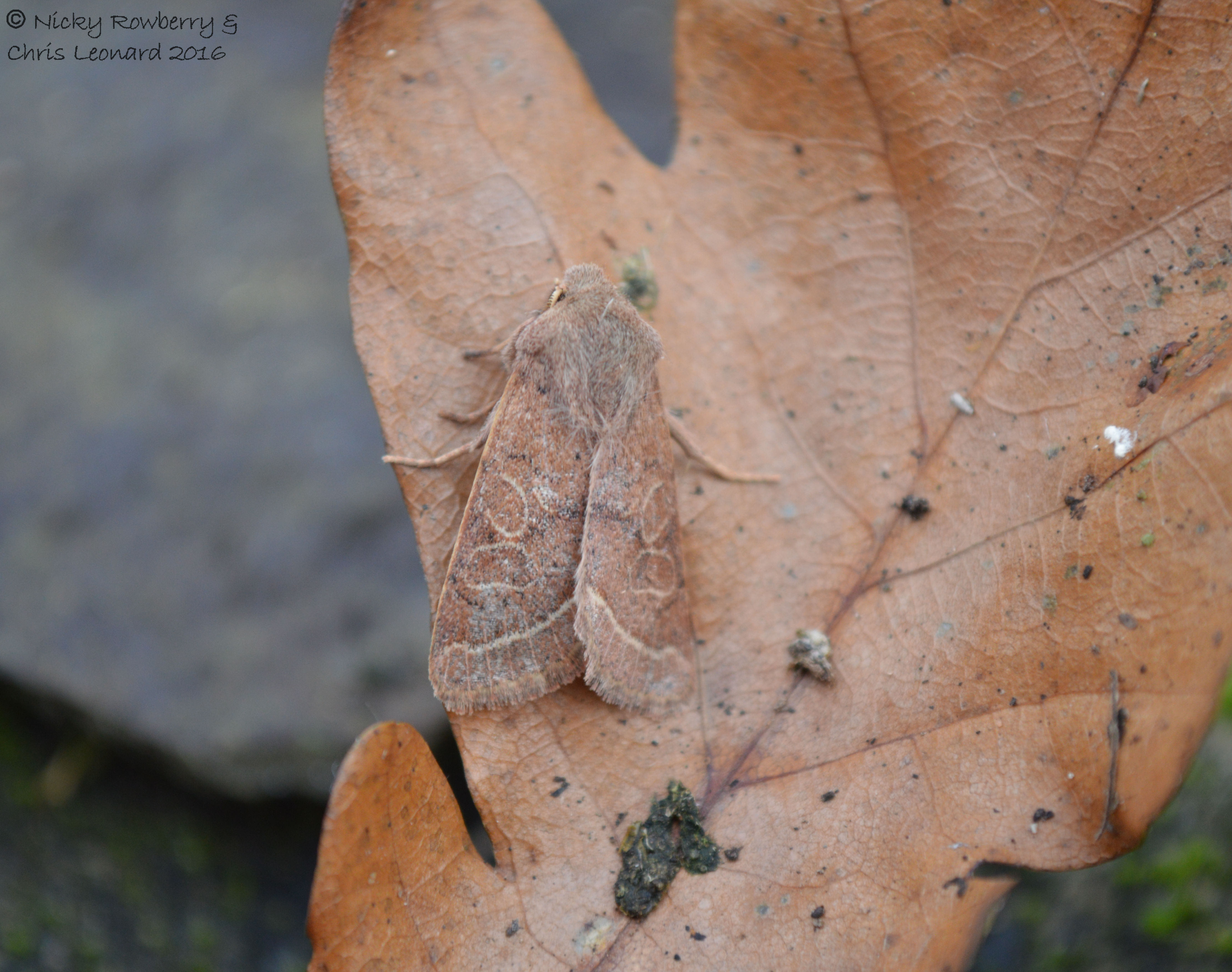
On the 9 nights the moth trap has been out for the scheme, only 46 moths have deigned to make an appearance. On two of the nights nothing showed up at all! The 46 moths represented individuals of 9 species. These 9 species were dominated by the Orthosia – 5 species of this genus; all typical spring moths.  I was particularly chuffed with the Twin-spotted Quaker record, as it was a new one for our garden. With the exception of the Hebrew Character, they are generally quite plain looking moths – see photos below.

Small Quaker (Orthosia cruda)

Small Quaker

Common Quaker (Orthosia cerasi)

Common Quaker 2

Clouded Drab (Orthosia incerta)

Clouded Drab

Twin Spotted Quaker (Orthosia munda)

Twin spot quaker (6)

Hebrew Character (Orthosia gothica)

Hebrew Character (2)

The GM scheme records 6 species of Orthosia  and the final species, Powdered Quaker (Orthosia gracilis), did indeed turn up in the trap, just not on a GMS night.

Powdered Quaker

 Besides the Orthosia moths, the other 4 species making up the 9 for the GM scheme were Common Plume (Emmelina monodactyla), Double Striped Pug (Gymnoscelis rufifasciata), Early Grey (Xylocampa areola) and a Brindled Beauty (Lycia hirtaria).

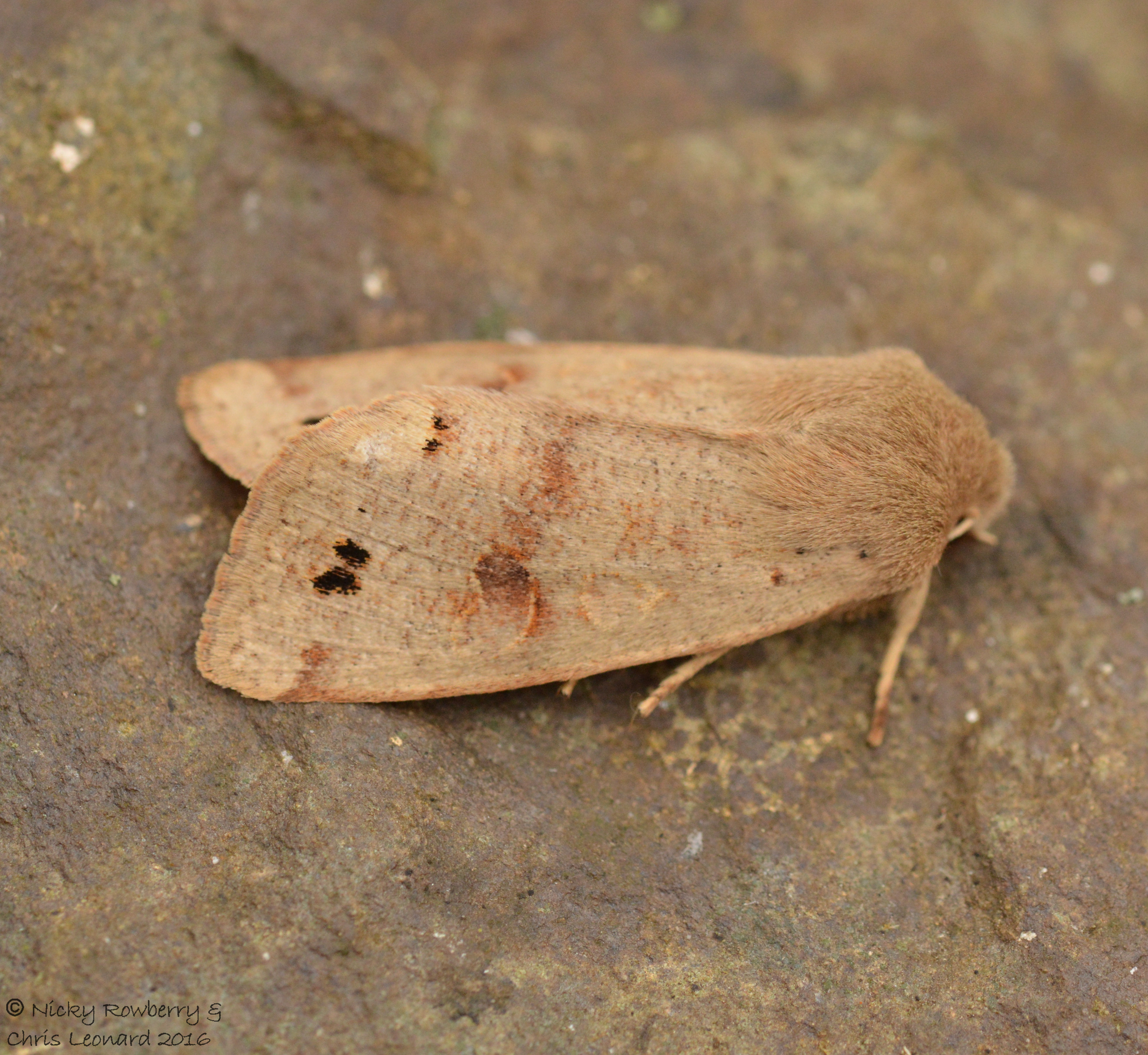
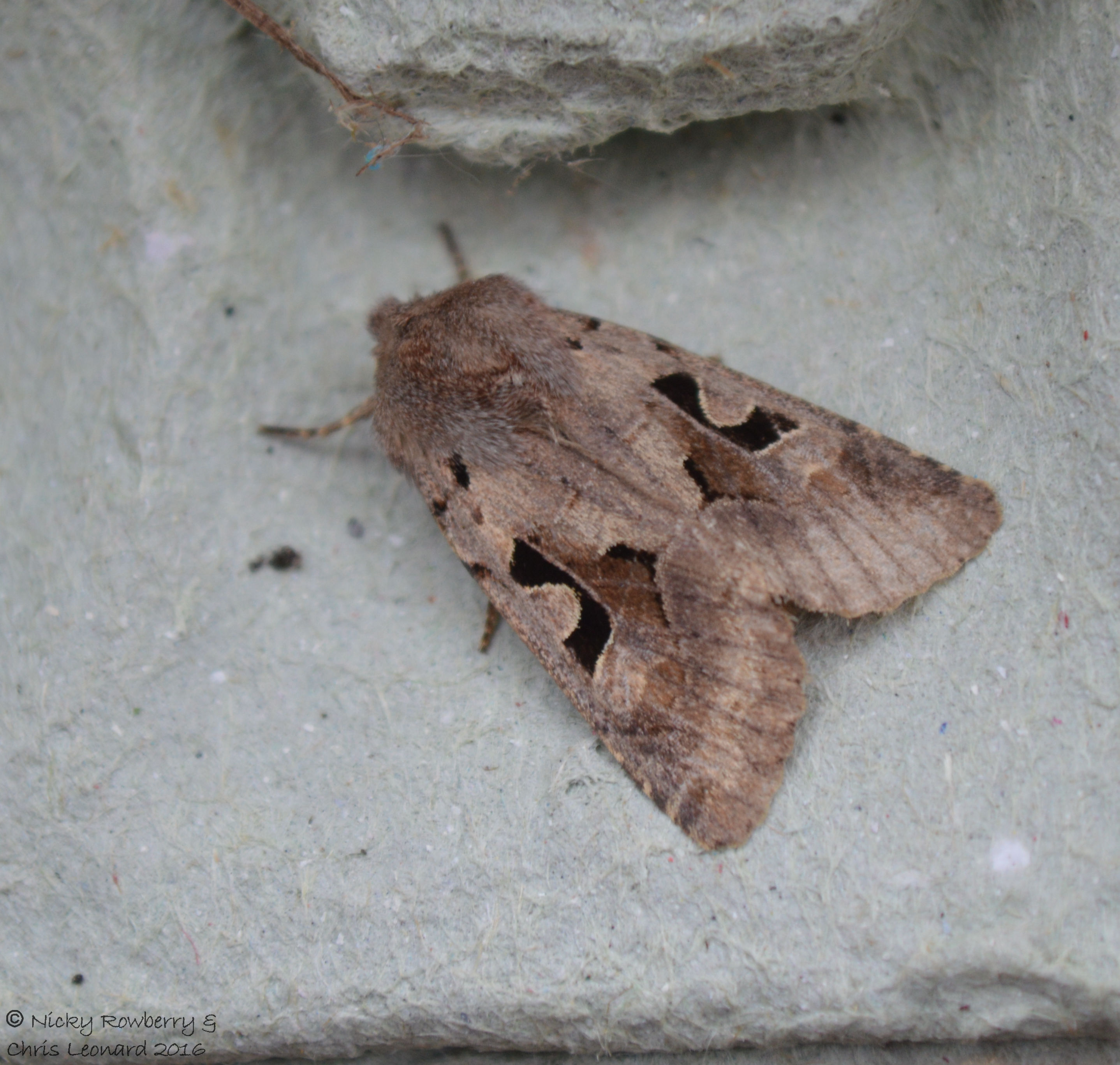
For the year to date though I’ve recorded 22 species – it’s just that most of them seem to appear on nights that aren’t official GM scheme nights so don’t get logged for the project, which is a bit of a shame. For some reason as well the non GMS nights seem to attract the more striking moths (not that they aren’t all lovely to my eyes!), such as the Herald, Oak Beauty and this  Early Thorn.


Early Thorn

Hopefully the next quarter will bring a greater variety and abundance of moths. The trap is out again tonight – it’s not a GMS night so I’ll probably get something huge and spectacular  – Mothra perhaps?

Hungry Mouths to Feed

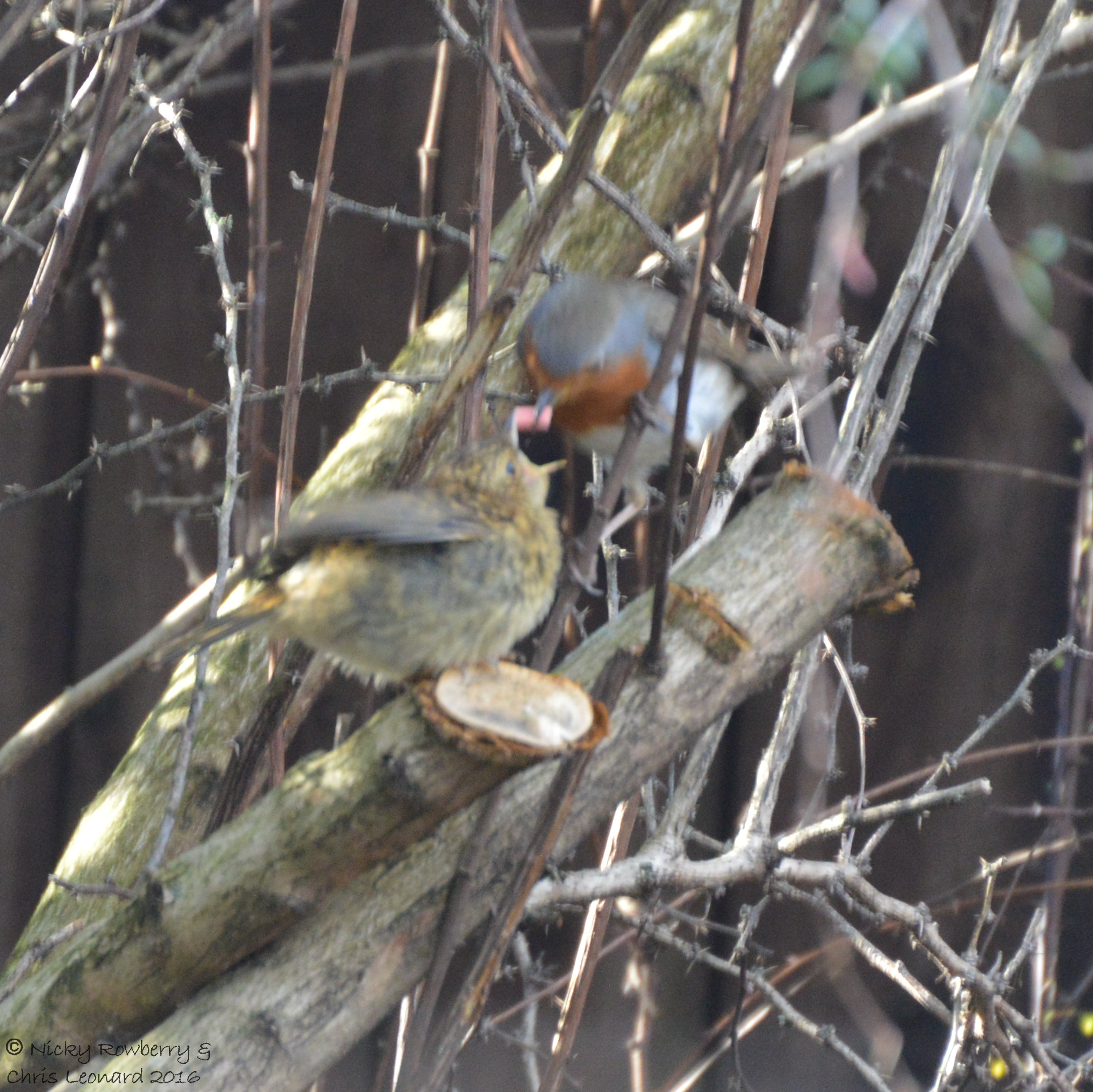
Hooray the robins in our garden have successfully fledged!! Two juvenile robins have been flitting around our garden all week, with the parents never very far away. They may be able to fly, but they still seem determined to sponge off Mum & Dad (typical teenagers) for as long as possible. So I’ve spent the week chasing them around the garden trying to get the perfect shot of them being fed by the doting parents. The results were mixed to say the least – if I got a perfectly focussed photo then they weren’t doing anything very interesting. If they started feeding the chicks, then in my excitement the photos came out blurred!

The adults were as always pretty easy to photograph – they seem to love the camera and pose happily on any available perch.

Robin

They’ve always taken a keen interest in whatever was out on the bird table and of late I’d seen them flying off with their bounty rather than eating it there and then, so I’d suspected chicks might have hatched. We’ve never spotted the robin nest, so perhaps they’re nesting in one of the neighbours gardens and just using us as a buffet?

Robin (3)

The fledglings appeared a week or so ago. Initially they were shy, keeping to the bushes, but have gradually got bolder. At first I thought it was just one – perhaps one fledged before the other. The one below looks particularly dejected as if it’s been told of by the adult, although it’s probably just fed up with the bank holiday weather like the rest of us!

Juvenile robins (7)

This weekend though, I started seeing two of them together (although this photo only shows one and a half fledglings!)

Juvenile robins (1)

Despite seeing the parents feed them several times, it took ages to catch them doing it somewhere where I could get a relatively clear shot with the camera. Of course when I did, the photos came out blurred – the excitement must have got to me! But you can at least see the parent is feeding a suet pellet to the eager juvenile.

Robin and baby (5)

Robin and baby (2)

They seemed to use this corner of the garden regularly to feed the young – perhaps the thorny Berberis twigs offer some protection from the neighbours cat? So I tried setting up the trail cam to capture the action – 163 videos of twigs blowing in the wind later and I got a few brief snippets of the young. They were indeed still using this area to feed them, but always it seemed just out of camera shot.

So I may not have got the perfect photo or perfect video, but the main thing is that we seem to have 2 healthy (and very greedy) fledgling robins in the garden. Fingers crossed we get the same success with the blue tits.

Busy Birds

The birds are certainly busy in Malvern at the moment (as no doubt they are all across the country of course). There is a constant buzz of activity in the garden, be it gathering nesting material or just a feeding frenzy over the food we put out. The sparrows in particular have been keen on last year’s artichoke flowers for nesting material. It’s amazing how much they can stuff into their beaks, ending up with  ludicrously oversized moustaches!

Sparrow nesting material

In true Too Lazy fashion, we had left the old flowers standing thinking they would provide seeds for birds and maybe shelter for overwintering insects. I hadn’t realised they would make such good nesting material, but clearly the sparrows knew better. I’ve seen them plucking at the flowers in all weather, even when the high winds rock them about in the video below.

I already knew the blue tits had been checking out the bird box, so it was really nice to see this one taking nesting material in, although he or she did seem to be struggling a bit to get it all through the hole!

Birds of all sorts have been eating us out of house and home in the garden, hopefully building up their energy reserves for nesting. The blue tits regularly perform for the trail camera, but it was nice recently to get footage of the starlings and sparrows who have tended to be more camera shy. Being able to see the starlings close up like this you can appreciate what beautiful and colourful birds they really are – not just the plain black they can sometimes appear from a distance.

Starling on suet

The sparrows gather round the suet feeder in groups of up to about 8, although they can rarely manage to squeeze more than 3 or 4 on it at any one time.

There are still several species that have so far refused to be filmed although we see them regularly in the garden – Great Tits, Coal Tits, Goldfinches and of course the Sparrowhawk.


Out and About – Hartlebury Common

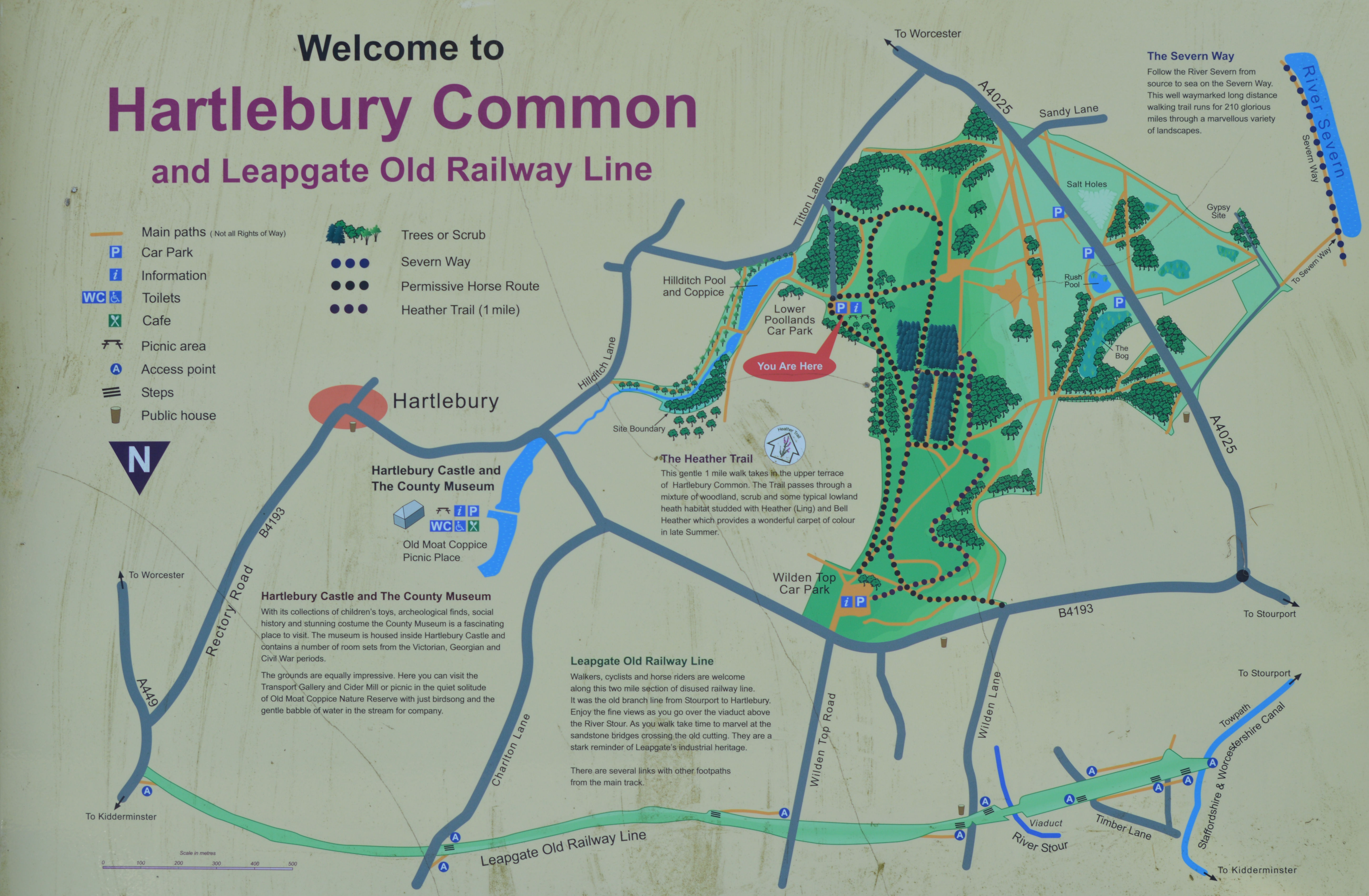
Once again we ventured forth from our sofas and hit the outside world in search of adventure – or more precisely moths! We’d heard that Hartlebury Common in North Worcestershire might have Emperor Moths – large day flying moths that we’ve always wanted to see. Hartlebury Common is an SSSI, consisting of lowland heath and supposedly good for Emperors.

Hartlebury Map

Needless to say after several hours tramping about in intermittent sunshine, there were no signs of the regal Emperors. Fortunately Hartlebury  provided other wildlife of interest. Insect-wise there were lots of bees feeding on the gorse and broom. A single Tortoiseshell butterfly provided fleeting hope that we’d spotted an Emperor; but a Bloody-nosed Beetle (Timarcha tenebricosa) stopped us in our tracks as he trundled across the path. When we tried to gently move him to one side, he secreted his trademark blood red liquid from his mouth, which made identifying him later a hell of a lot easier!

The gorse bushes also offered up a Gorse Shieldbug (Piezodorus lituratus) – a species we’d never seen before, so nice to bag another one.

The birds were abundant and singing all round us. A green woodpecker taunted us all morning, but remained steadfastly out of camera range. A tree creeper posed on a tree trunk just long enough for us to spot him, but not long enough for us to focus and get a photo. Fortunately a wren was slightly more accommodating, although a bit far away to get a really good shot.

Wren at Hartlebury

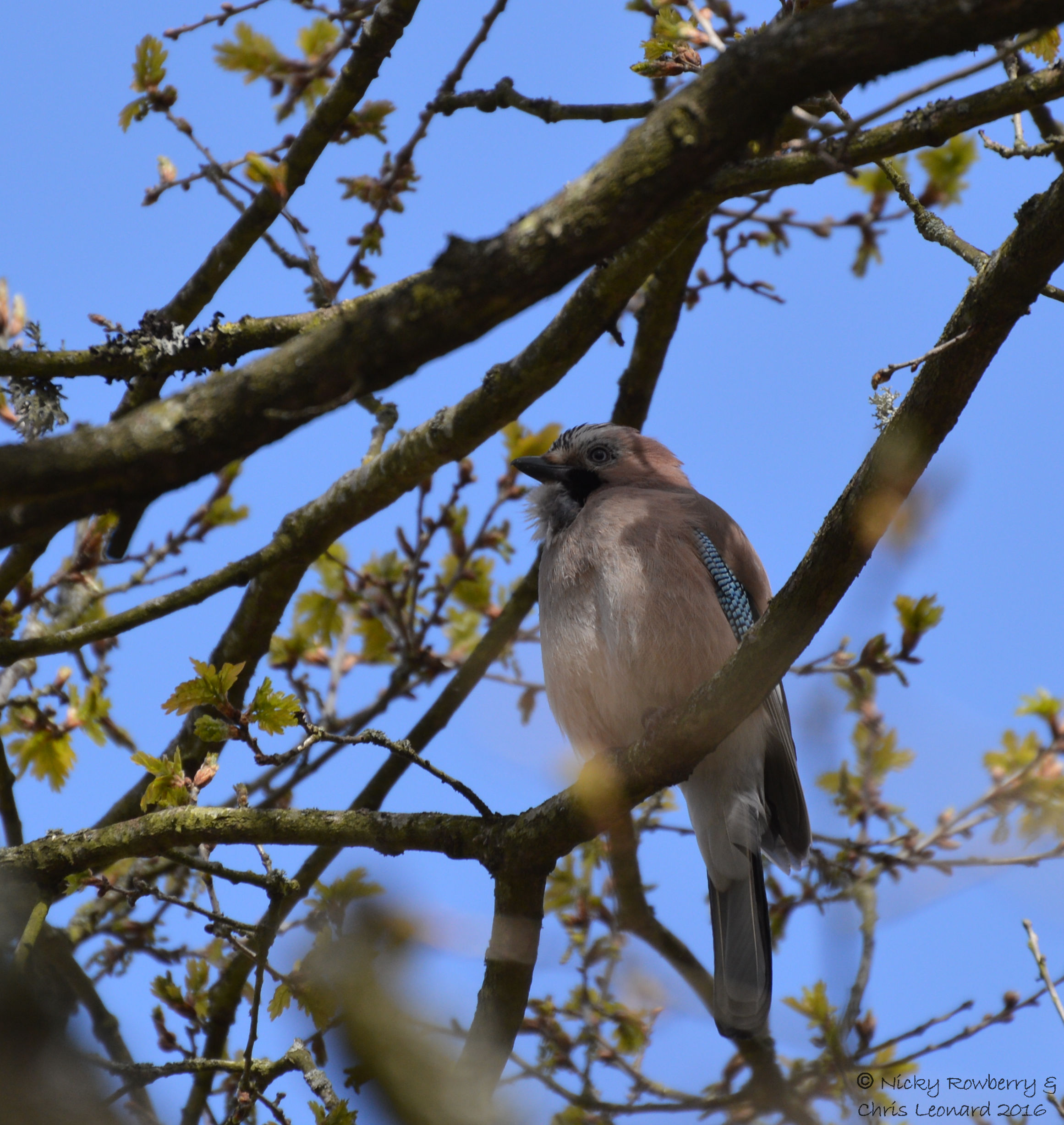
A pair of Jays made the trip all worthwhile though. I’d previously only seen glimpses of these beautiful birds, so to see them as clearly as this made my day.

Jay at Hartlebury 2

Jay at Hartlebury

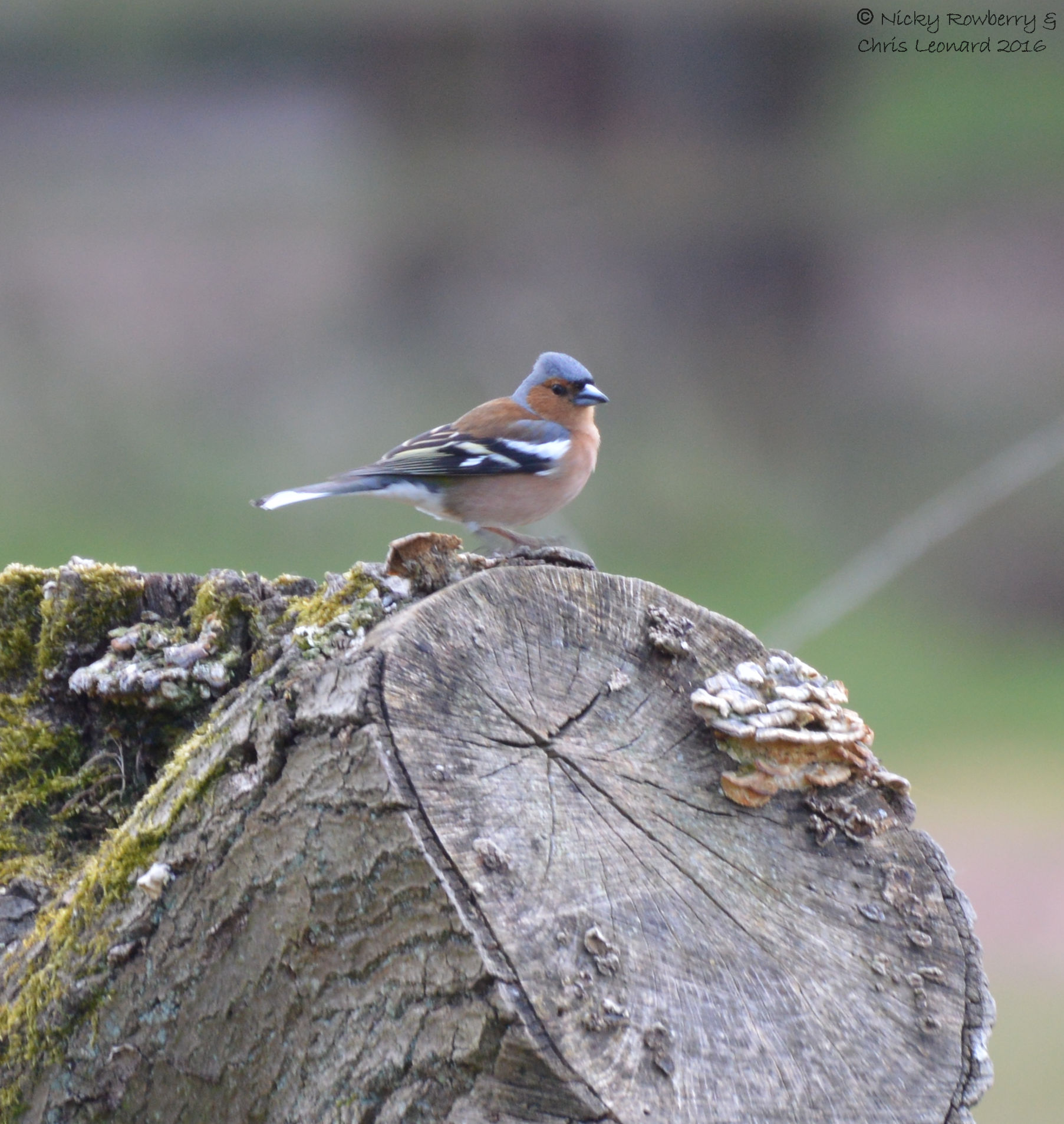
A chaffinch also posed perfectly on an old tree stump.

Chaffinch at Hartlebury (2)

The final bird of the day was either a Chiffchaff or a Willow Warbler. Apparently the two are very similar and the best way to tell them apart is by their songs. Of course we were so intent on taking photos, that we didn’t really pay much attention to the songs. Back at home and listening to sample bird songs on “tinternet”, I still couldn’t decide if we’d heard a Chiffchaff or a Warbler. So if anyone can confirm the bird by appearance alone and settle it, that would be great.

Chiffchaff (11)

Having never before stood under a pylon (slightly incongruous in the middle of the Common), I thought I’d attempt an arty shot – not sure I’ve really got the hang of art though!

Pylon at Hartlebury

So Hartlebury Common may not have offered up any Imperial sightings, but there was plenty of interest to while away a few hours.