Siskin Surprise

The wildlife interest in our garden seems to be swinging at the moment to and fro between the moth traps and the trail cam. Last weekend the trail cam definitely came out on top though, when it threw up a complete surprise in the garden. I guess many of us put out these cameras with the vague hope that they will reveal something unexpected and this weekend ours did. It may not have captured anything super rare, but it did film a Siskin – a bird which we didn’t even know we had in the garden. Of course it would have been nice to see the Siskin in the flesh rather than just on film, but at least we know now to look out for it!

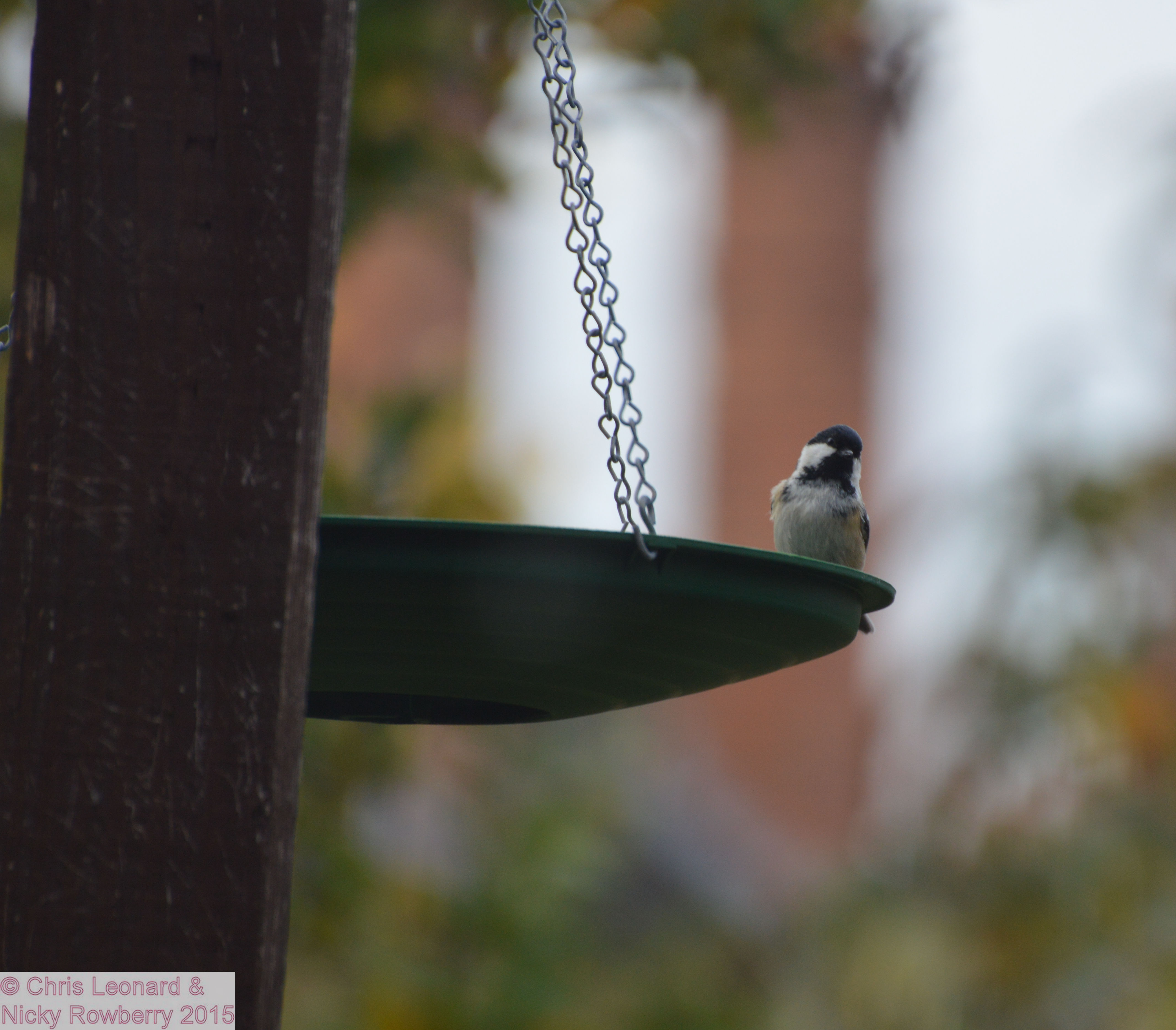
We’d hung this bird table out a week or so ago and were initially a bit annoyed that its design meant it immediately swivelled, tipping all the seeds into one corner.  But this jaunty angle actually appears to be working to our advantage, as the slope (and general instability) seems to be deterring the pigeons and larger birds and allowing the smaller ones to get a look in.

The Siskin is an attractive bird, so I tried to get some correspondingly attractive still images from the film. Unfortunately it was so intent on scoffing the sunflower seeds, that it was difficult to get an image without food hanging from its mouth, so these were the best I could do.

Siskin 1

Siskin 2

The sloping feeder attracted several other species that afternoon, although none stayed as long, or were quite so fond of their food, as the Siskin – a bird after my own heart!

Great Tit

Robin 3


Birds in Focus

At last I’m finally getting some photos that are not only in focus (just about), but have real live animals in them – a dream come true after a couple of weeks struggling with the new trail cam!

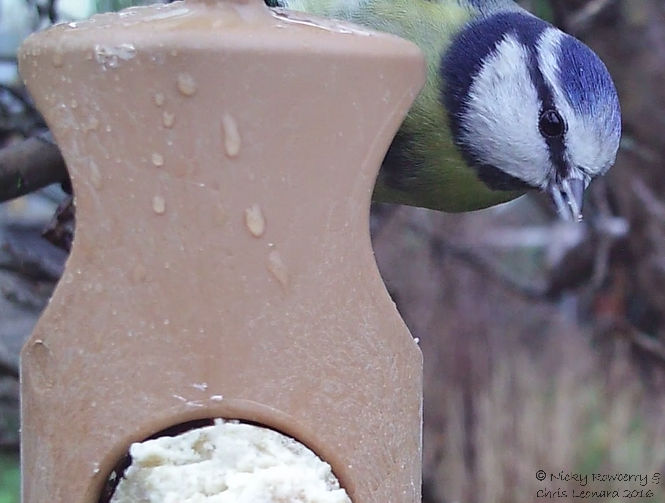
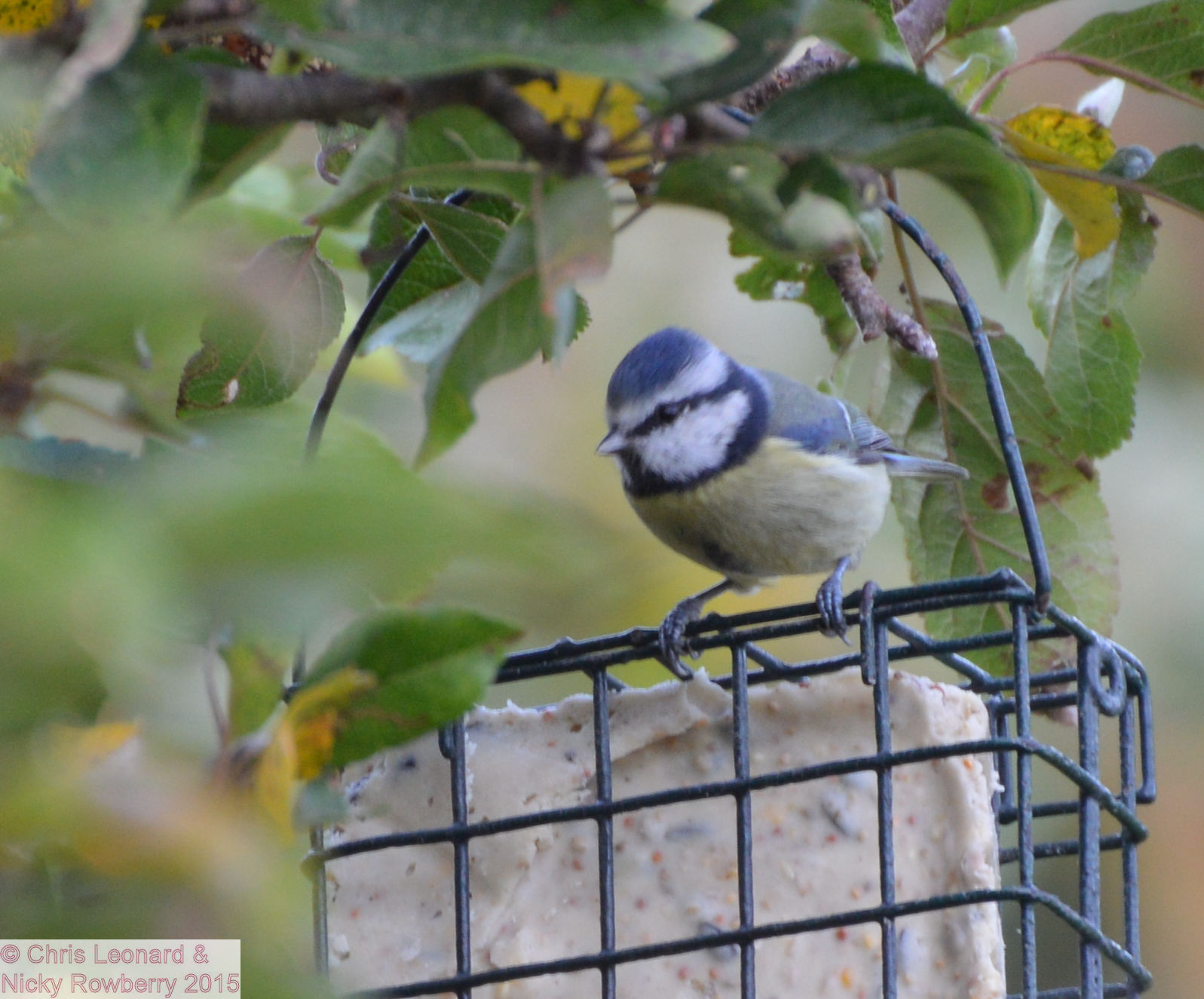
Blue Tit trail cam photoI still wouldn’t claim to have mastered it, but the learning curve is definitely on the up. My new 250mm close up lens has certainly helped get (not surprisingly) closer images. The downside of using this lens is that your field of view shrinks dramatically, so you’ve got to be sure you’re pointing somewhere where there’s going to be some action. For some reason I seem to nearly always position the camera slightly too low, so I’ve got lots of clips now of bird feet, while their heads tuck into the bird food out of sight of the lens! I’ve also got a lot of clips of branches shaking, as something lands just above the field of view – I swear sometimes the birds are just sitting there, rattling the twigs to torment me. This underestimation of the required lens height may have something to do with my own height (or lack of), but I can hopefully train myself out of this one.

I’ve been much more impressed with the quality of the video clips than the still photos. But what I have found is that I can often get pretty good snapshots from the videos and turn them into photos. The images of the blue tit above and long-tail tit below were both taken this way.

Long tail tit 250mm lens


I tried the new lens out in the garage on the mice and was delighted when it captured two of them for the first time.

Two mice trail cam imageAt least I think I’m delighted, although maybe I won’t be so keen when 2 mice become 4 become 8 etc. They are getting through a lot of bird food as it is. Putting out the trail cam these last few weeks has incurred incidental expenses that I hadn’t anticipated when I first got it. In order to maximise photo ops in the garden, I’ve increased the numbers of bird feeders, so have of course needed more bird food too. There’s also been the additional lens, plus a new ground spike for the trail cam that I hope to try out at the weekend, to get photos of some of the ground feeding birds.

I’ve also been forced for the first time in ages to do a bit of judicious pruning round the garden to get clear shots of the feeders – that tree has just too many twigs growing specifically it seems with the intent of ruining my photos! I’ve been down on my knees trimming bits of grass out of the way of that elusive perfect shot and moving stones and other debris that spoiled the look. At this rate I may even find myself weeding the garden!

But I’m sure it will all be worth it come the spring. We’re really hoping that the blue tits will nest in the bird box again this year – in which case I will be poised ready with my new trail cam skills to capture the moment. Not sure when blue tits start nesting, but spring feels like it’s on its way. Despite a very cold night last night (-4.2°C according to my latest toy – a max/min thermometer for the Garden Moth Scheme), I heard the first froggy croak in the garden this afternoon and the daffodils are almost out, so hopefully the blue tits will feel it too.

In the meantime, here’s a couple of short films of the ever-adorable Long-tailed Tits in the garden today. First film is taken with the 460mm lens and second with the 250mm.


Of Mice and Apples

I decided to play dirty this week in my ongoing attempts to capture wildlife footage with the trail camera, so offered bribes to the mice in the garage. We had a load of apples and some cheapo cake from the supermarket,  so I thought I’d see what the mice made of them. The mice clearly don’t take after their garage owner, as they went straight for the apples first and only ate the cake once all the fruit had gone. They must have been really keen on the apples too, as they triggered the camera within 5 minutes of me putting the food out. The first film shows one determined to drag a piece of prize fruit back to his nest – it took him 4 attempts before he managed to carry one off. I am slightly worried that this now means I’ve got a stash of rotting apples somewhere in the garage, so I hope they eat all they’ve carried off.

The video was shot using the 460mm lens and isn’t quite as sharp as I’d like (having seen other bloggers’ much better images), but it’s not too bad.  I’m still practicing getting the camera set at just the right distance and angle. I did find a very useful video tutorial from Wildlife Gadgetman, which suggested tying a piece of string to the camera, with a knot at the correct distance to aid positioning. A simple trick, but very effective.

The second video I liked just because of the mouse’s nonchalant flick of his back foot as he trundled through the food. Both videos suffer slightly from glare at the beginning of each film as the infrared light flares before it settles down – I have at least seen this on other people’s videos though, so it’s not just our camera!

The third video shows how good (to my mind at least) the colours are on the daytime shots. This clip was taking earlier today on a very grey morning, but the colours are still good. The pink bits are some berry flavoured suet pellets (not sure the colour is entirely natural though) that the blackbird seems to be particularly enjoying.

Today the postman delivered my new 250mm lens, so I have high hopes for better close-up shots. The camera’s out with the new lens as I type, so hopefully by tomorrow I’ll be able to post some better videos and/or photos – although it may depend on what I find in the cupboards to bribe the mice with tonight!

Big Garden Birdwatch

The Big Garden Birdwatch weekend is here!

As usual the garden has been aflutter with birds in the days leading up to the Birdwatch, but come the day itself, everything went quiet! I had been dutifully keeping all the feeders topped up for the last couple of weeks, in the hope of establishing some kind of loyalty amongst the local bird populations. They may be loyal, but they are not very punctual, most refusing to do their turn in the allotted hour.

Fortunately some did eventually grace the garden with their presence; a total of 21 individuals of 7 species. So here’s the final tally:

  • 11 House Sparrows
  • 2 Blackcaps
  • 2 Blackbirds
  • 2 Blue Tits
  • 2 Long-tailed Tits
  • 1 Great Tit
  • 1 Robin

I only managed to count 11 sparrows in one go, but I reckon there were a lot more lurking in the bushes, just taking it in turn to make an appearance. The goldfinch, wren, pigeons, dunnocks, coal tits and starlings, that have been seen in recent weeks, all got shy and refused to show (they were probably doing the conga in next door’s garden out of sight of me and my notebook).

Long-tailed titHaving done the actual count, I thought it would be nice to take photos of all the species that had featured (give them their 15 minutes of fame). I could of course have counted and snapped at the same time, but wielding a pen and a camera simultaneously, just seemed like too much effort! Needless to say not all of the magnificent 7 chose to return for their photo op. The long-tailed tits were obliging, just too damn fast to get shots that did them justice – this was about as good as I could manage.

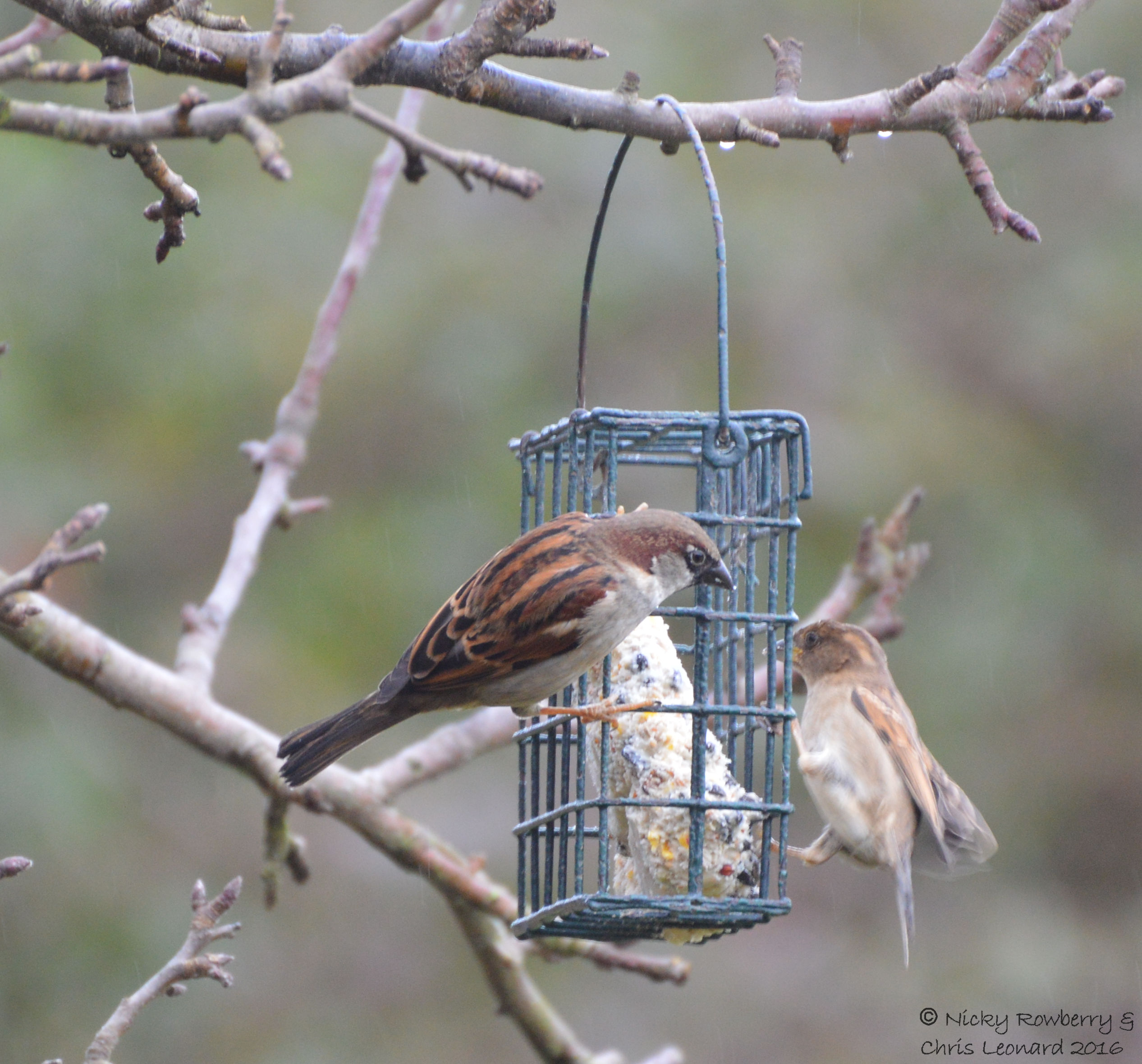
The blue tits are of course always photogenic and the sparrows squabbled to get themselves in the best shot.

Blue TitSparrows

I had seen both a male and a female blackcap during the count, but only the female returned to get her photo taken – eye to eye as it happens with the great tit.

Blackcap and Great Tit

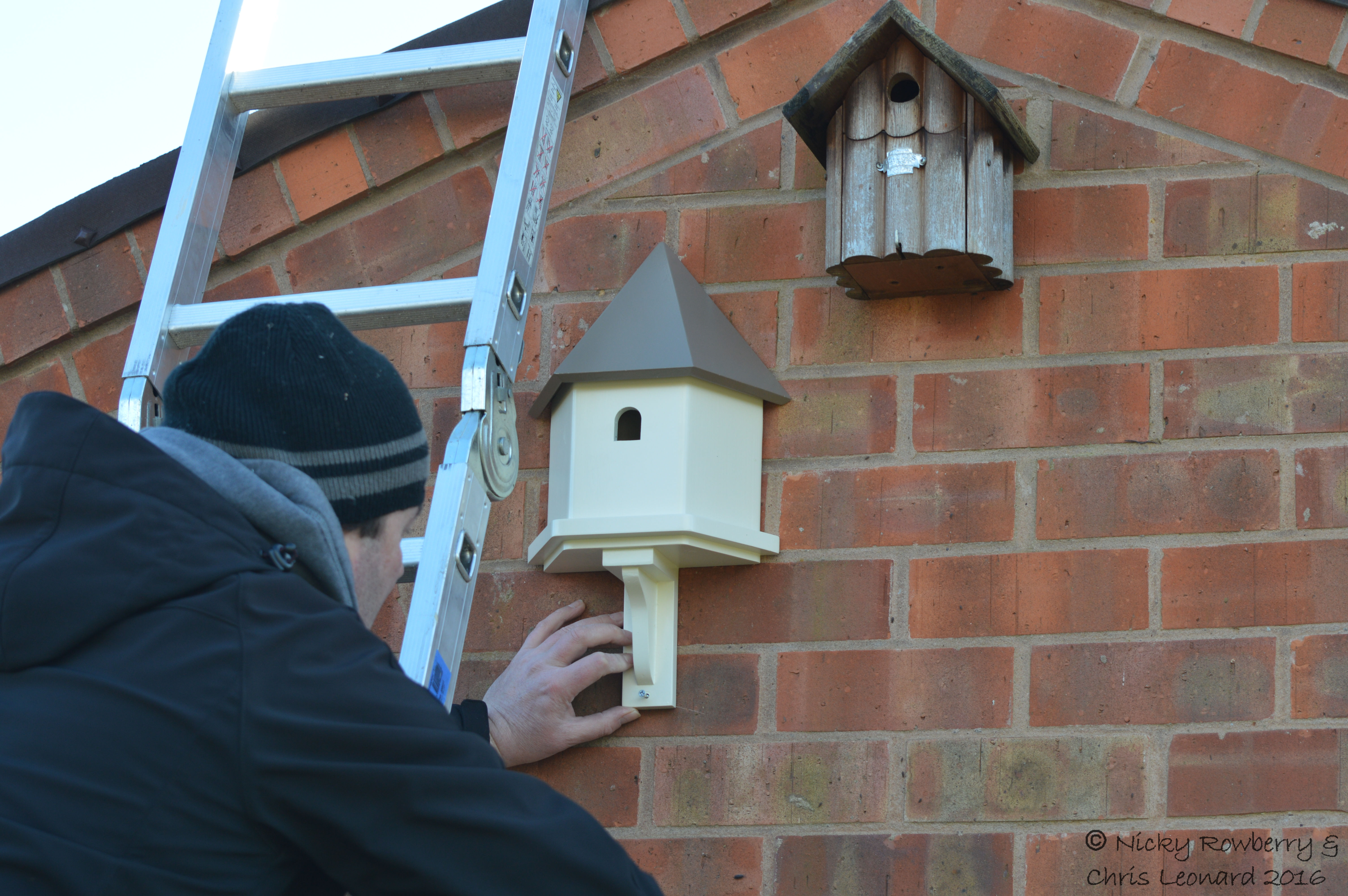
Bird boxesSince the birdwatch had got us in an avian frame of mind, we decided it was time to put up the new birdbox the other half had bought me for Christmas (no sparkly jewels for me!)  New box duly installed on side of garage next to old one. We were really chuffed last year to get a family of Blue Tits in the old one (which got cleaned out today too while he was up the ladder), so fingers crossed they like the new des res (it’s not just a bird box, it’s an M&S birdbox!)

There’s still time to do a count for the Big Garden Birdwatch if you haven’t already. When I looked at their webpage just before posting this, they’d already had over 2 millions birds recorded by nearly 100,000 people. Why not join in? https://ww2.rspb.org.uk/discoverandenjoynature/discoverandlearn/birdwatch


Golden Afternoon

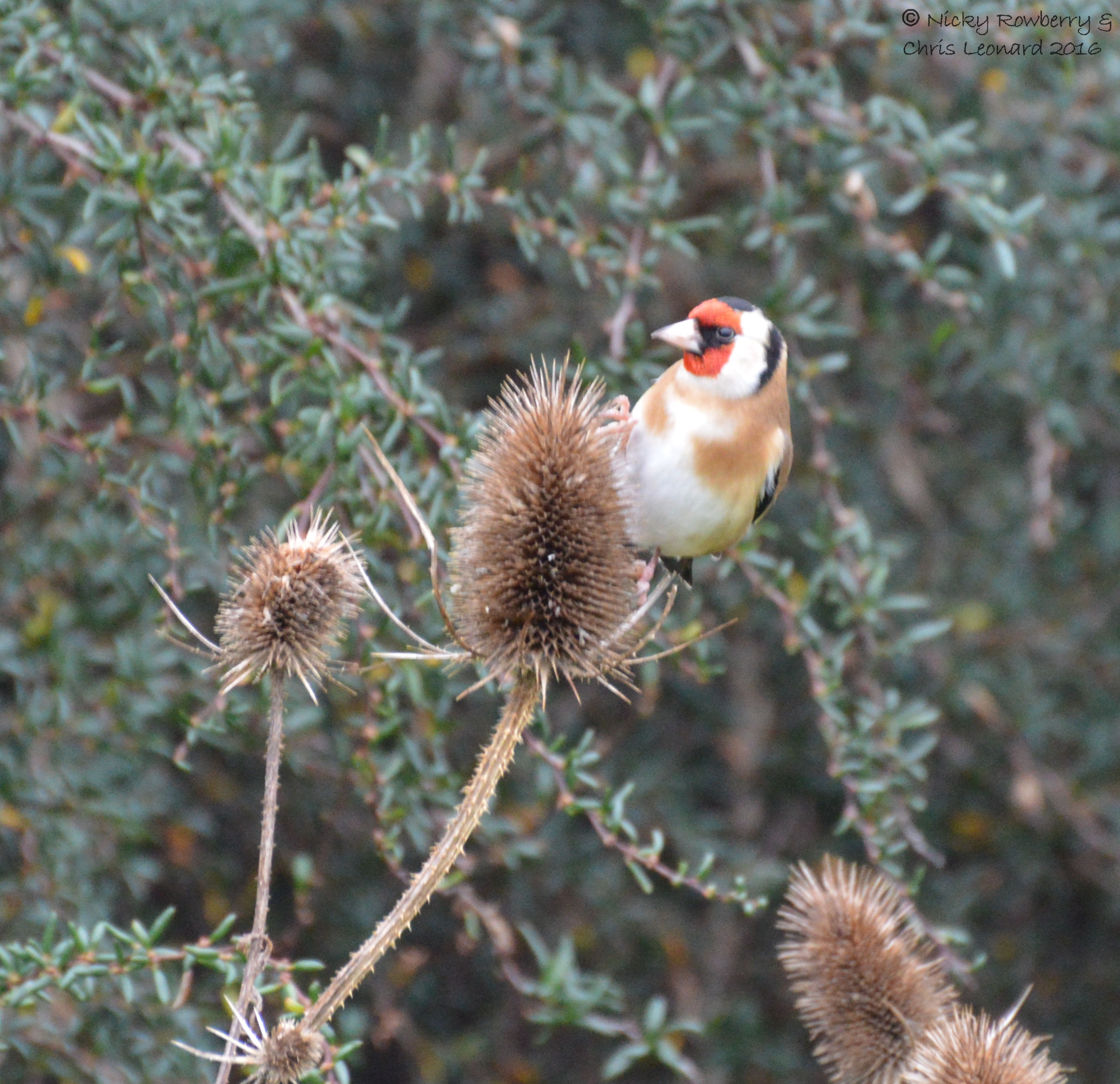
I’ve been waiting for the winter to bring cold, crisp mornings to get some nice frosty shots of the garden. No such luck. The damp December has given way to a cold but dull January – the garden bathed in grey mist not sparkly white frost.  So it was a welcome relief when something eventually flew into the garden worth photographing. A flash of gold this afternoon as a lone goldfinch finally decided that the giant teasels I had so lovingly grown were worthy of his attention.

Goldfinch 3I’d grown the teasels (or more accurately just left them to grow and do their own thing) specifically for goldfinches as they’re supposed to be one of their favourites. But despite them being munched on by other birds this is the first time they’ve attracted their target audience – result!

Unfortunately the grey day (and lack of stealth on my part) prevented me getting any really good shots. But the birds still looked stunning and were a very welcome flash of colour on a dreary January day.

Goldfinch 2 Goldfinch 1

Fair Weather Friends

It’s finally feeling like November here today – it’s bloody freezing! Far too cold to contemplate going out in the garden; much better to stick to the safety of the sofa and trawl through this year’s photos looking for memories of warmer days. Butterflies must be the ultimate symbols of sunny weather and this year the other half and I set out to see as many of the British species as we could. We’re still only about half way, having now seen 28 of the fifty-something species. Well it’s sort of 28 and a half species, as we went looking for a Purple Emperor, but only managed to find one sad little wing lying on the ground!

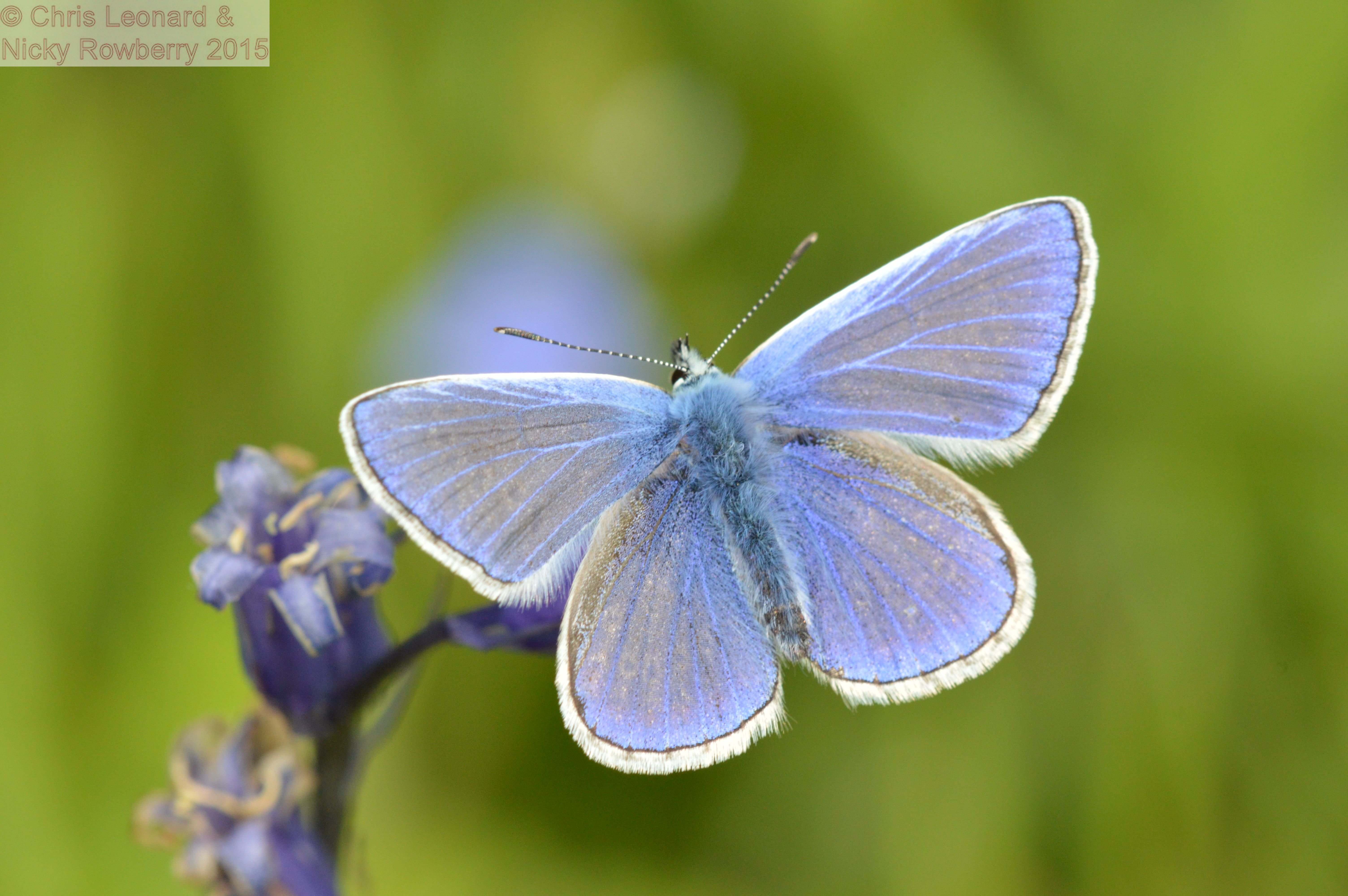
We’re lucky living in Worcestershire to have access to so many great nature reserves. First stop was the Wyre Forest where we saw our first Pearl Bordered Fritillaries. This is one of the UK’s most threatened species and the Wyre Forest is managed to provide suitable habitat for them, with great success. We also managed to get our best photos yet of the Common Blue butterfly, thankfully not as endangered, but just as beautiful all the same.

Pearl Bordered Fritillary Common Blue

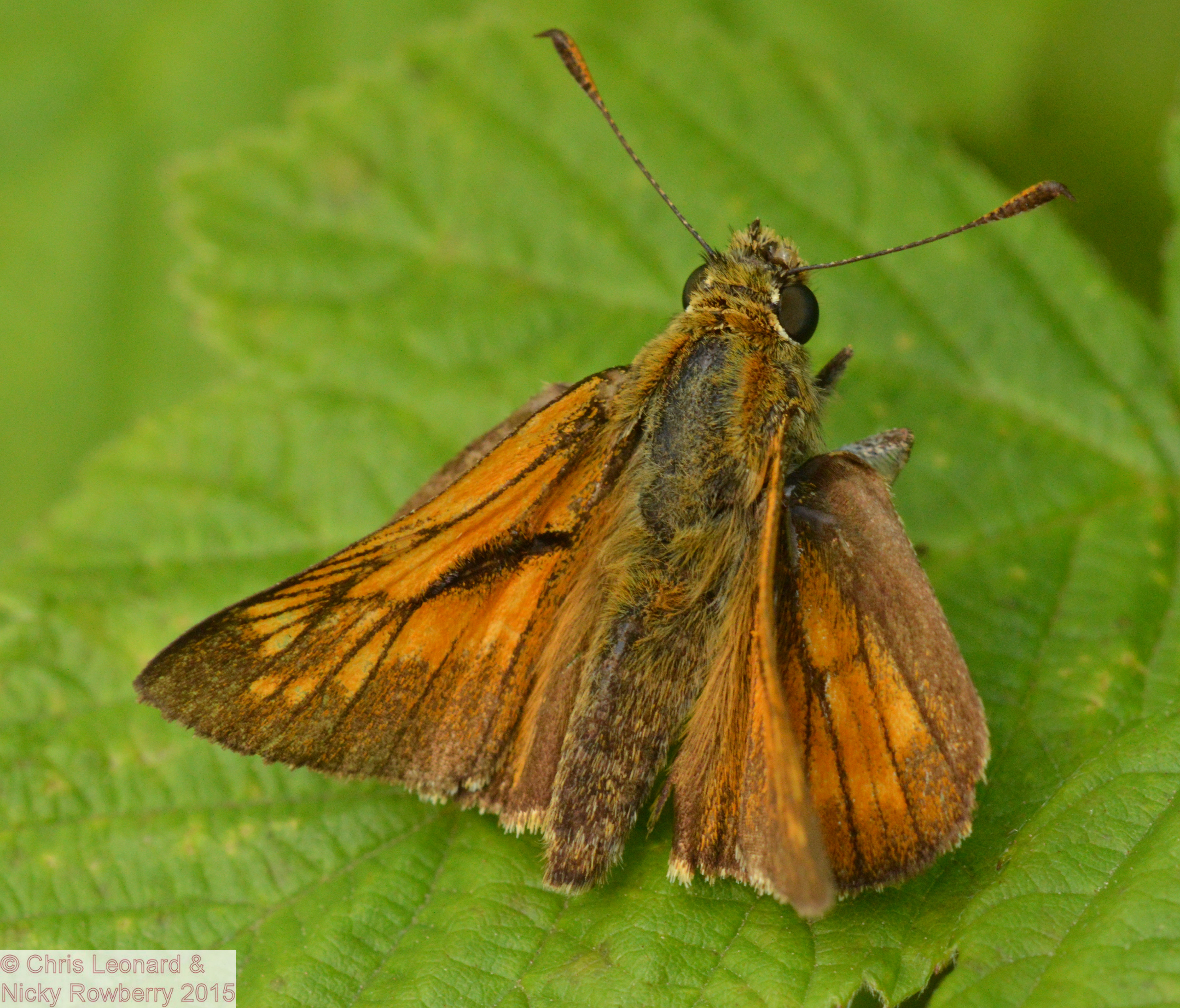
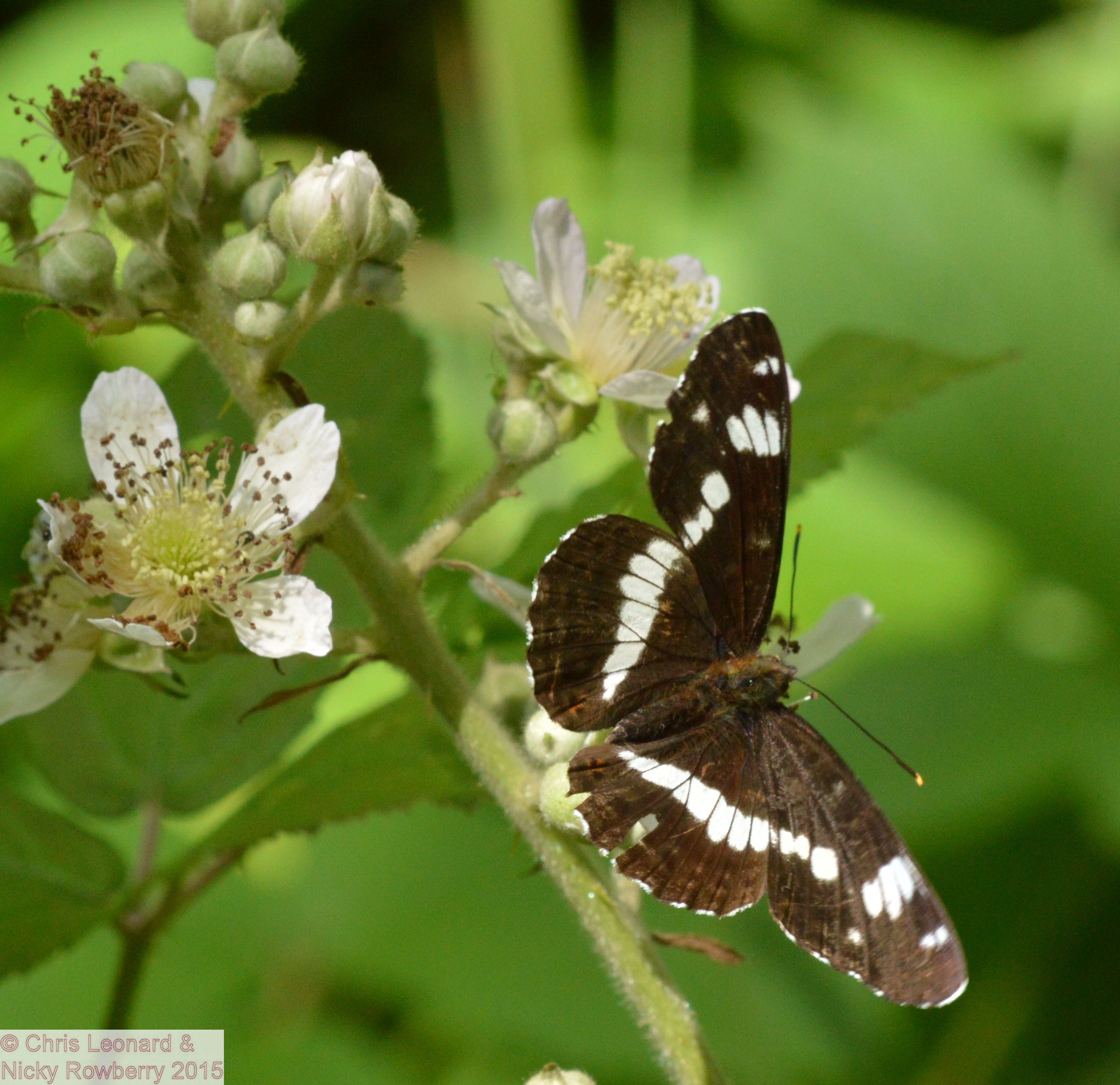
We’d hoped to see White Admirals at Monkwood, but figured it was a long shot; but as we got out of the car, two flew over our heads across the carpark. White Admirals are on the decline too, so we were really chuffed to have ticked them off the list. Spotting them turned out to be the easy bit, getting a photo a bit trickier. Fortunately Monkwood is full of other species that kept us snapping photos, such as some very obliging Large Skippers (left photo), who seemed so keen to be photographed they might as well have taken selfies. Eventually though one White Admiral settled long enough to get some decent shots.

Large Skipper White Admiral

Trench Wood provided our best views so far of Silver Washed Fritillaries – previously only seen in a pub carpark. These large stunning butterflies (photographed here with a Meadow Brown) are fairly common in Trench Wood and seem way to exotic for the Midlands!

Silver Washed Fritillary & Meadow Brown.jpg

Grafton Wood is a stronghold for the endangered Brown Hairstreak butterfly. This is a very small butterfly and notoriously difficult to see, let alone get a photo of, so we didn’t hold out much hope. What we hadn’t counted on was that you don’t have to spot the butterfly, you just have to spot the crowd of butterfly hunters, clustered round a particular bush. Sure enough a few polite questions later and we’d “bagged” our first brown hairstreak photos. It really is a beautiful creature, but has suffered greatly from habitat loss, so we’re very lucky to be able to see them at Grafton.


Top of the list for next season’s butterfly bagging – a complete and preferably living Purple Emperor!

Birdie Buffets

It’s getting to that time of year where, although the insect action might be dying down, the birds are still going strong and eating us out of house and home. We do our best by our feathered friends, putting out suet blocks and peanuts and ordering in bird seed by the sack load. We have a nice healthy flock of House Sparrows who gorge themselves on most of it, but lately the Blue Tits and Coal Tits seem to be elbowing (or winging) their way in a bit more.

Blue Tit on feeder 2

Although the birds no doubt appreciate the buffet we lay on, at this time of year though they probably benefit just as much from our lack of weeding and pruning. This strategy of laziness on our part means there’s plenty of seeds to be had on the abundant teasel heads and buddleia bushes. Even we will be forced to hack these back eventually, but until the spring the birds can enjoy them.

Coal Tit on Teasel

Our strategy of no weeding and pruning extends to no sweeping up too (if you’re going to have a strategy it’s best to be consistent!) So leaves and other general autumnal detritus are gradually accumulating, providing shelter for any insects still kicking about. The seeming security of dead leaves doesn’t protect them though from our resident Dunnock, who likes to rootle about on the patio for whatever he can find.

Bird on bird bath 2There’s always been water available via the pond, which we try to ensure doesn’t get totally iced up in winter. Many of the birds though prefer our wonky guttering, which collects water to form the perfect bird bath. Having attempted to fix the gutters, we put up a new bird bath last month, naively thinking the birds would appreciate our efforts. After a month of nothing landing in it besides a shieldbug, I was delighted when a coal tit finally took to washing in it last week, although I haven’t seen him since (probably wallowing in the guttering somewhere).

Bug Life

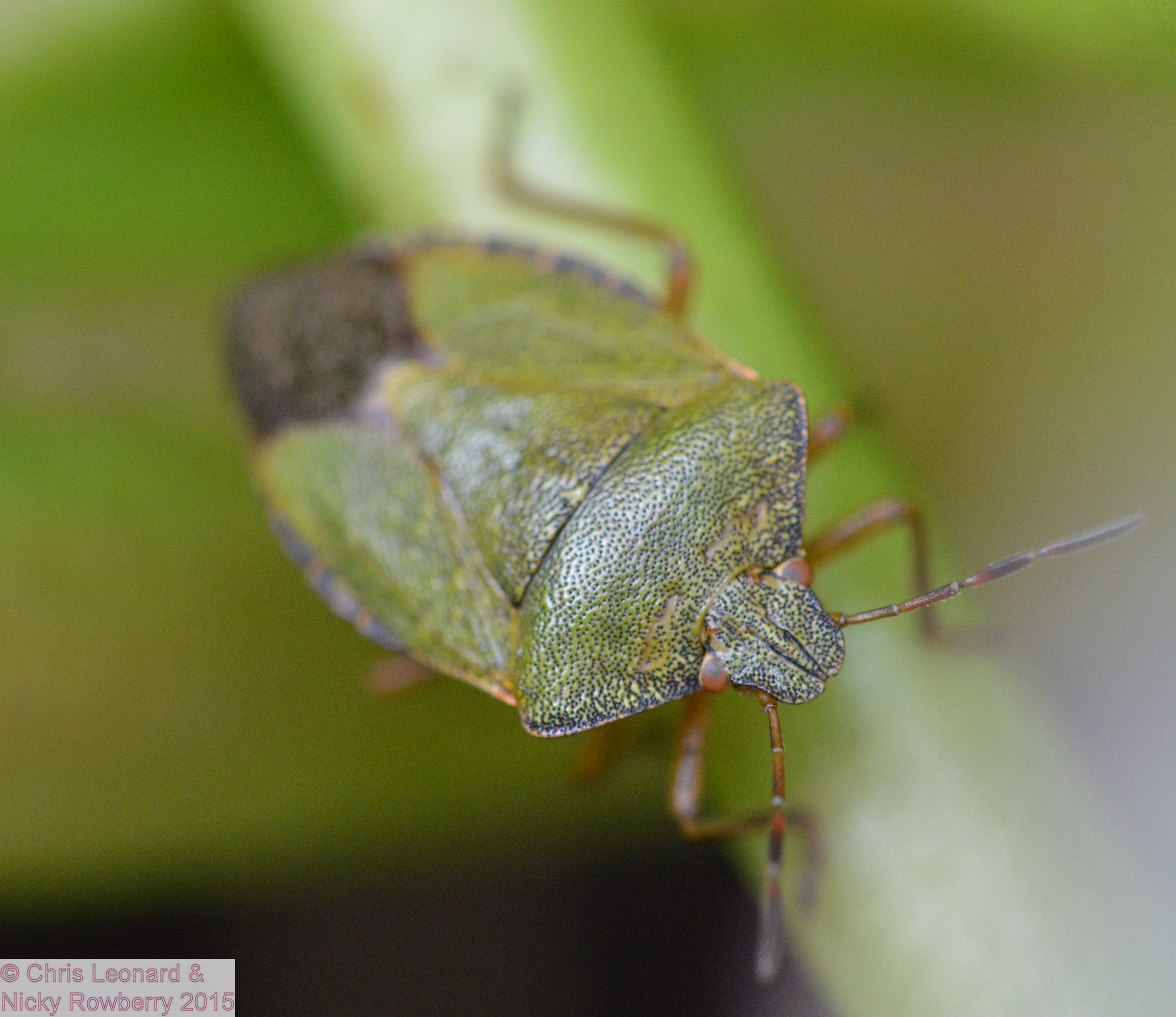
I think the shield bugs must be one of my favourite groups of insect. There’s something about them; they look so determined waddling around like minute clockwork toys. When they fly they make a loud whirring noise out of all proportion to their size and have a habit of landing on me if I wear green in the garden (must stop wearing that Robin Hood outfit!) Besides my prized Box Bug from a previous blog post, we’ve recorded 6 other species in the garden – all cute little characters in their own right. By far the most common is the Green Shield Bug. Their exoskeletons are leathery with small dark pits all over them. In the spring and summer they are green like the one below, but in the autumn and winter they turn a bronze colour.Green Shield BugThey start of as tiny nymphs and develop through various stages called instars before taking their adult form.  We had loads of these in the garden, dotted around like little green smarties.

The remaining 5 species have been less common in the garden, but all have put in an appearance at least once this year. The first is the Red Legged Shieldbug – named, not surprisingly, for its red legs. It’s a predatory shieldbug – in the world of predators, it may not rank as the most fearsome, but I guess if you’re a small caterpillar, then the Red Legged Shieldbug is perhaps your worst nightmare!

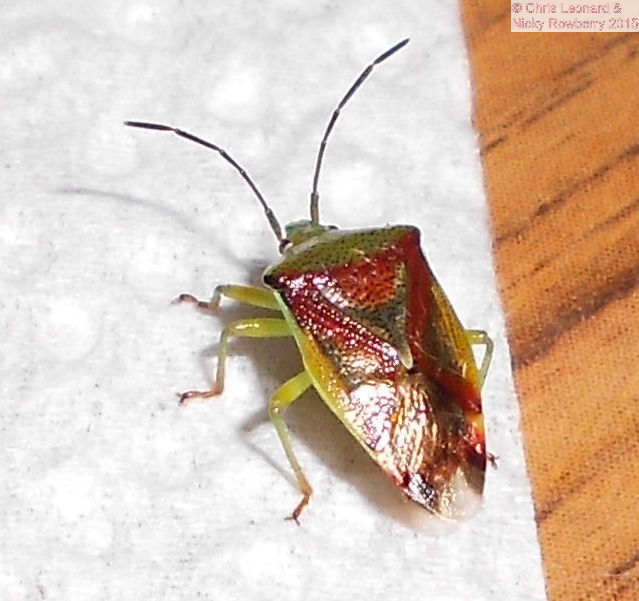
The Green Birch shieldbug is apparently more of a vegetarian and has a tendency to be attracted to lights – as this one was coming to the moth trap one night. Unfortunately it didn’t hang around long enough for me to get a more arty photo, hence him sitting on a bit of kitchen towel!  Green Birch ShieldbugThe remaining three species are the Sloe or Hairy Shieldbug, the Dock Bug and my favourite this adorable little Tortoise Shieldbug. I’m sure there must be other species in the garden waiting to be discovered – just need to fight through the weeds to find them next summer.


Tortoise bug