30 Days Wild – Day 16 – Plant Pots for Pollinators

It’s Day 16 of 30 Days Wild and this evening I’ve been Planting a Pot for Pollinators. This isn’t just me randomly planting up a pot with more flowers, but part of a nationwide scheme to encourage people to do their bit for pollinating bees, hoverflies and butterflies etc.

It’s being organised by the Butterfly Conservation Society – for more information go to: http://www.plantpotsforpollinators.org The aim is simple – to get as many people as possible to plant up at least one pot in their garden with flowers that are good for our insect pollinators.

If you go to their website you can download instructions, but basically all you need is a big pot, some peat-free compost and some flowers. There’s a list of 6 suggestions – calendula, catmint, cosmos, French marigolds, Shasta daisies and dahlias (but only the single flowered varieties as these have pollen that is easy for the bees to get at).  You can of course choose others, provided they are good for pollinators.
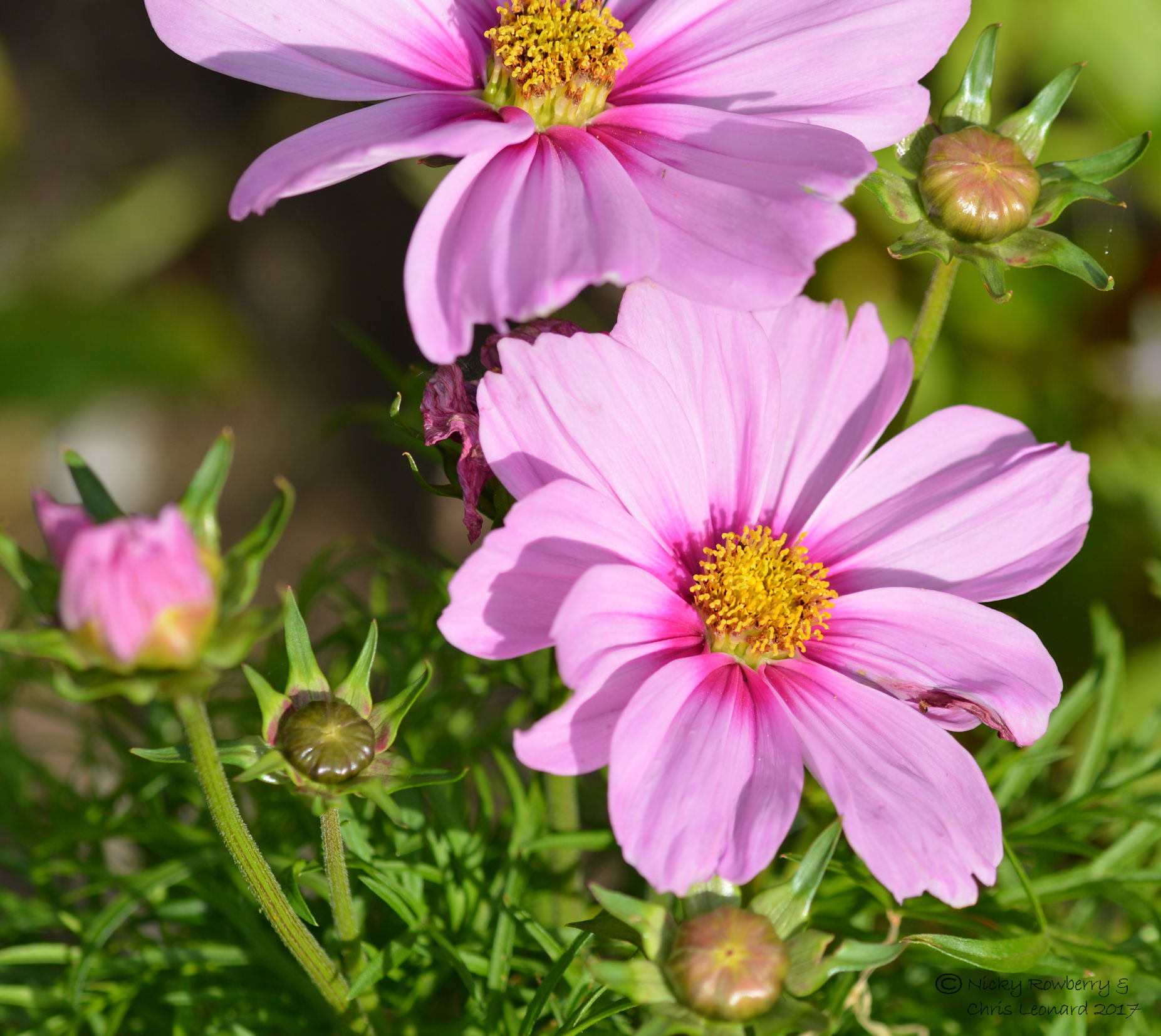
Of the 6, I bought, Cosmos (left), French marigolds and a Dahlia – all of which had bees on in the garden centre when I bought them – a good sign! I also supplemented these with some wildflower plants that I’d had sitting waiting to plant on for a while – Verbena bonariensis, Anthemis and Achillea.
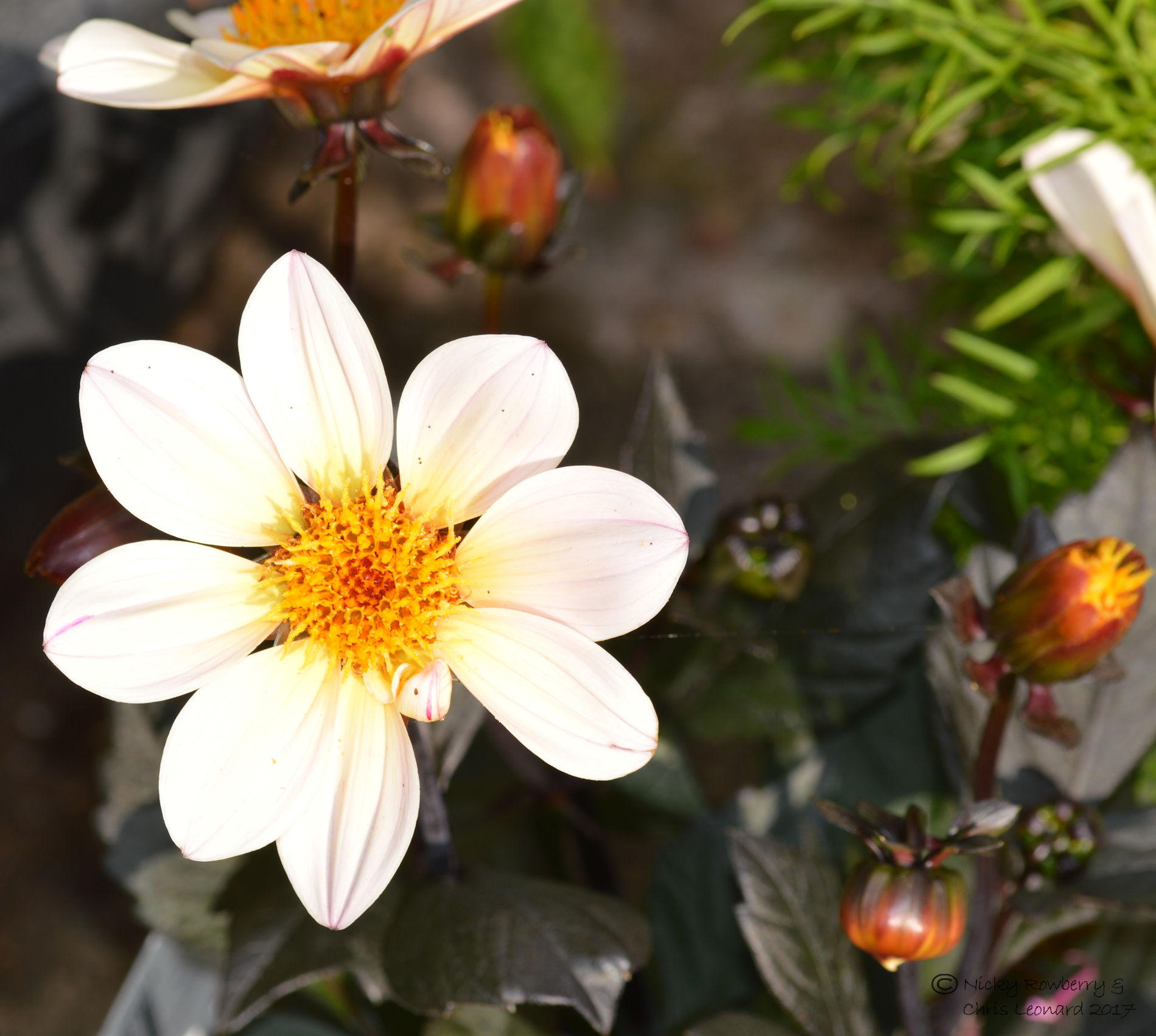
 

It only took 5 minutes to fill the pot with compost and stick the 6 plants in. With hindsight I could probably have squeezed a couple more in and I may well do so at the weekend. Even if I don’t buy more, hopefully those that are there will bush out to fill the pot up a bit more. Hopefully the mix of different colours and shapes will attract a variety of pollinating insects.

So here is the (sort of) finished article, nothing fancy, but hopefully the bees will appreciate it. Ideally I would have liked to include some photos of insects actually on the pot, but since I did this after work, it was getting a bit late and there was not much buzzing about. Assuming I get something on them, I will add more photos when I can.

Having planted a pot, the website encourages you to plot your pot on their map. Butterfly Conservation hope to cover the UK in pots for pollinators. So being a good citizen scientist, I plotted my pot on the map. It is reassuring to see that ours isn’t the only one in Worcestershire!
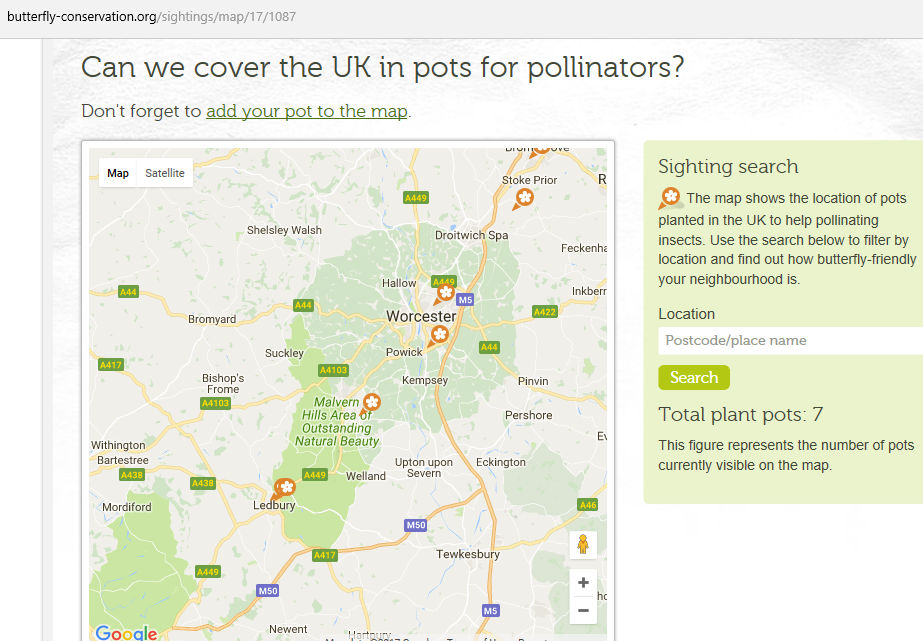
Of course our garden being a weedfilled paradise for insects, you could argue that it didn’t really need another pot of flowers for pollinators. But you can never have too many, so why not? And by participating in a scheme like this, we are hopefully helping to spread the good word.

30 Days Wild – Day 12 – Lower Smite Farm

It’s Day 12 of 30 Days Wild and I headed to Worcestershire Wildlife Trust’s headquarters – Lower Smite Farm. It is, as its name suggests, a working farm  – but  one that is managed with the wildlife in mind in everything that’s done. The Trust have created a nature trail that encompasses a range of habitats and that’s what I followed today.

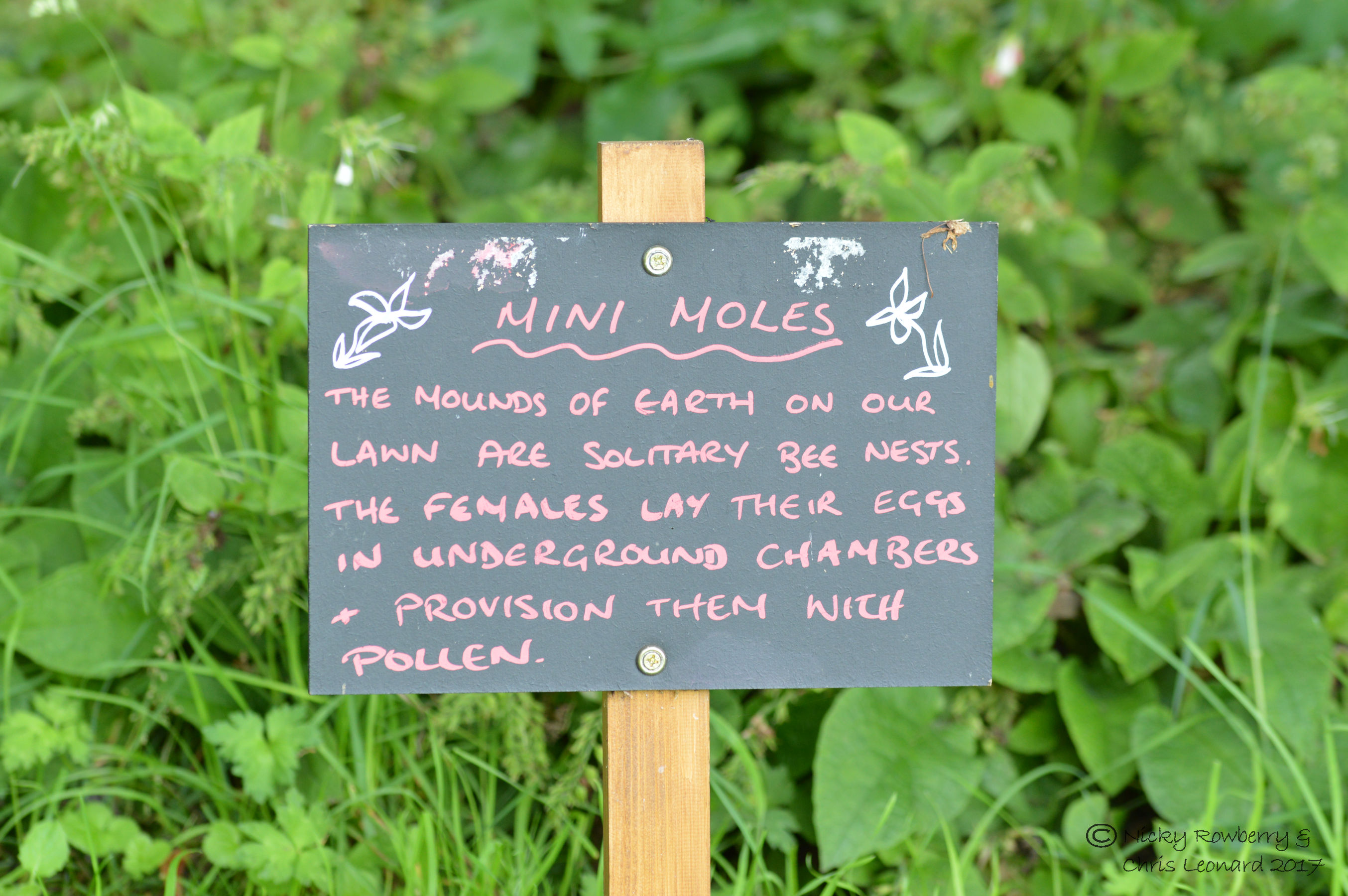
The trail started in the wildlife garden, which was an absolute delight. There were lots of ideas for wildlife gardening and plenty of information. I loved the little blackboards that were dotted around explaining things, like this one about solitary bee nests.

Not too surprisingly the whole site was a-buzz with bees, both in the garden and in the fields beyond. Every time I see a bee or a butterfly on the bird’s foot trefoil, it makes me think – we really must plant some of that in our own garden!

From the wildlife garden, the trail took me to the Granary; a 300 year old barn that is apparently full of bats.

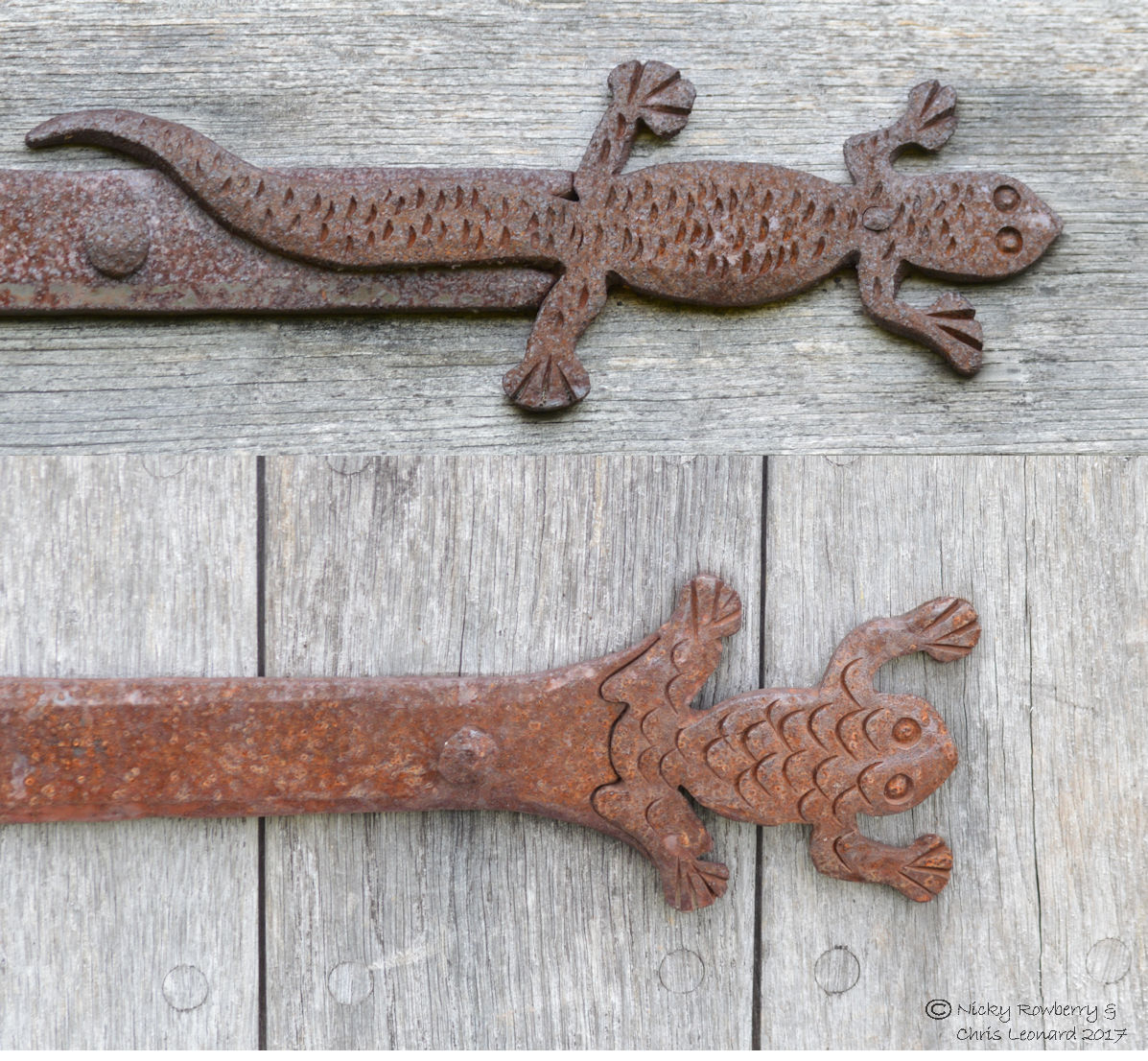
The building had these wonderful ironmongery lizard and frog on the doors – don’t know if they are original features or later additions, but if I’m ever lucky enough to own an old house, I want a pair of these!

The trail led from the Granary past a pond and wetland area. I thought I got a glimpse of a reed bunting, but it was too fleeting to get a photo.  After the pond the path turned into a field and followed the hedgerow. The margins of the field were full of wildflowers, such as these stunning poppies.

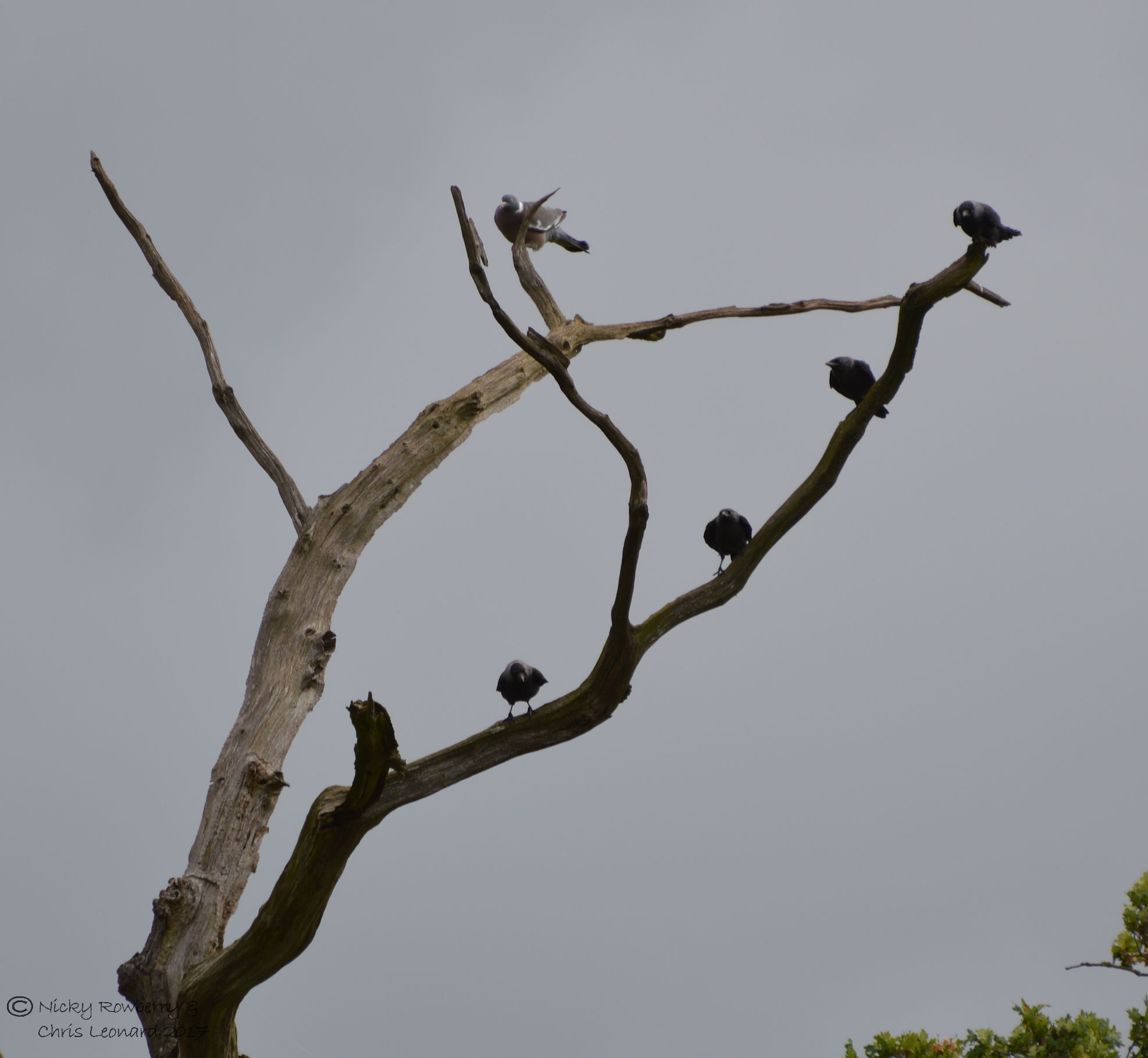
All morning I could hear lots of birds, but most of the time they remained hidden. So I loved finding this tree with a bunch of jackdaws, spaced out perfectly along the branch with a single pigeon lording it above them!

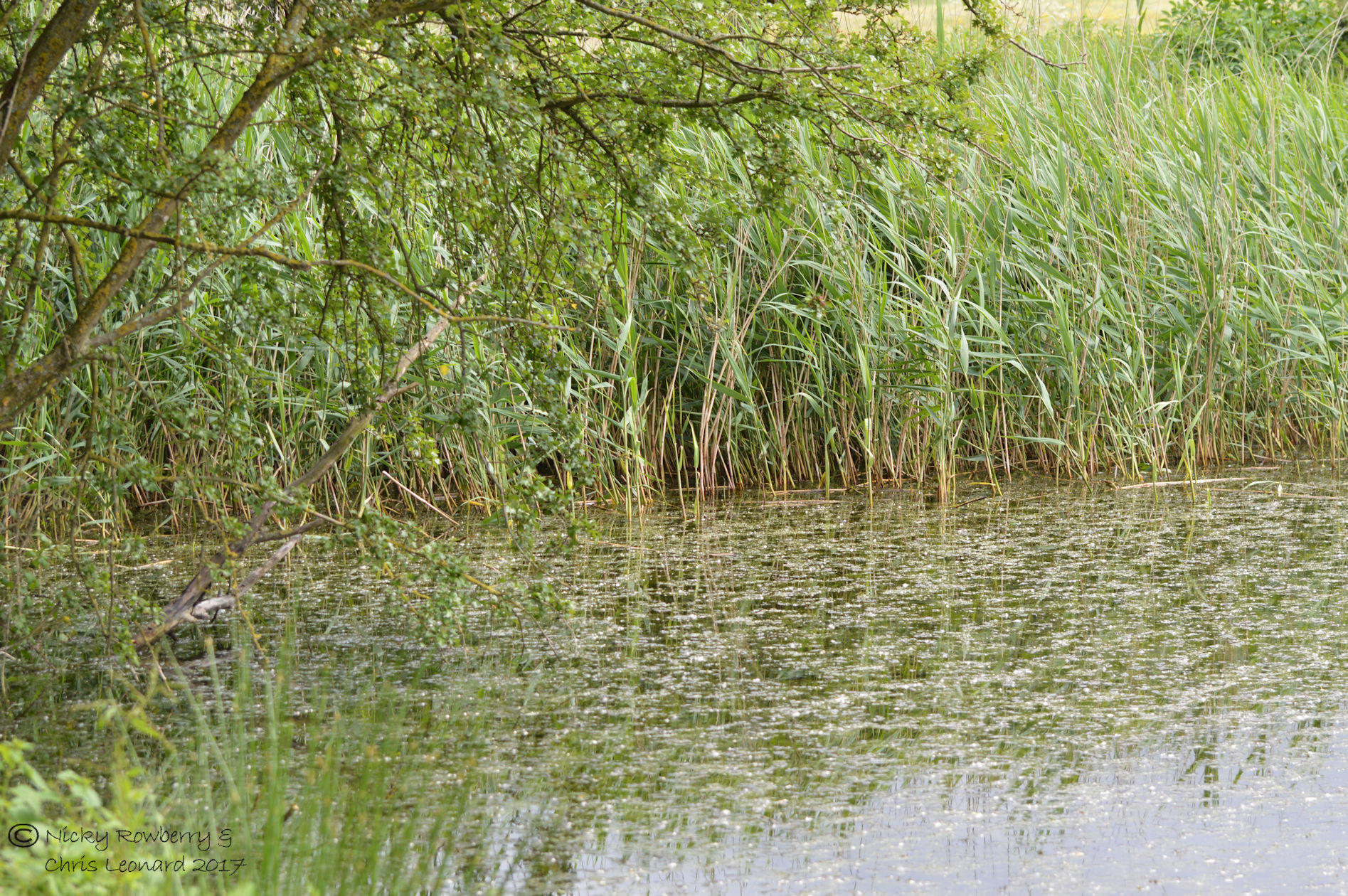
The next pond area had lots of rustling noises coming from the reeds, but presumably I had made too much noise approaching and nothing would show its face.

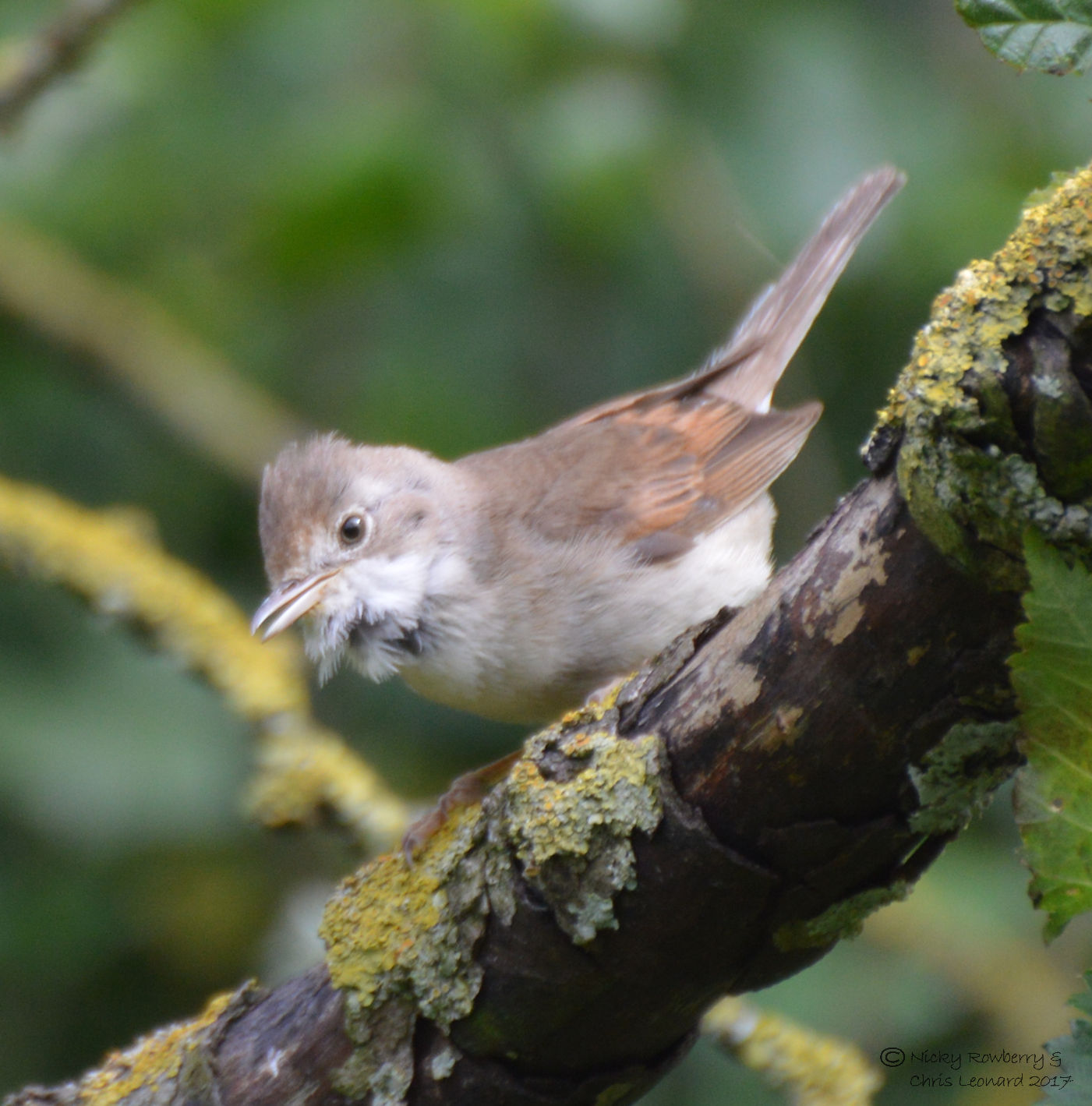
But as I started to leave the pond, I could hear a strange bird call – almost like a squeaking cough! This little bird turned out to be the source of the strange noise. A bit of googling back home and I think it was a Whitethroat.

Apparently they make this call when they have young – if it was trying to warn me off though, it had the opposite effect as I stopped to find out what it was! As it called it puffed up the white feathers on its throat – maybe also intended to scare me off?

I tried videoing it to record the call, in case I couldn’t identify it when I got back home. The video is not a great success as mainly what you can hear is the wind (will it ever stop blowing this June?), but you can just about see the bird and make out its short staccato call.

Leaving the irate Whitethroat behind, I followed the path into some fields. It was lovely to see lots of Meadow Brown butterflies. As I walked I kept flushing them up from the path, but I never seemed to be able to spot them before they took off and were gone. So the best Meadow Brown photo I managed all day was this poor one taken from an odd angle!

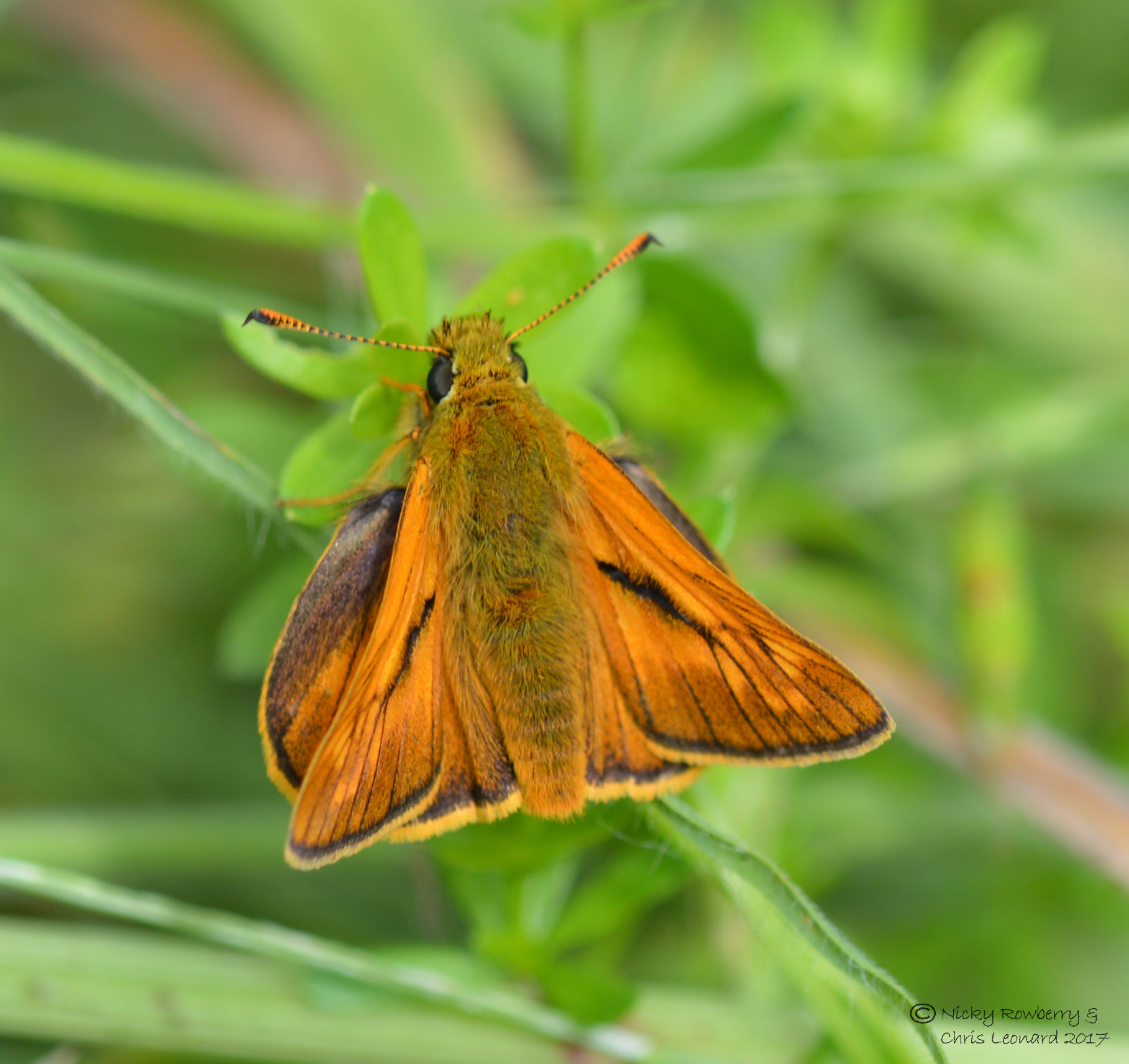
I had more luck with the Large Skippers which were also fairly common today. They looked lovely fresh specimens and were bright orange, with their distinctive hook tipped antennae.

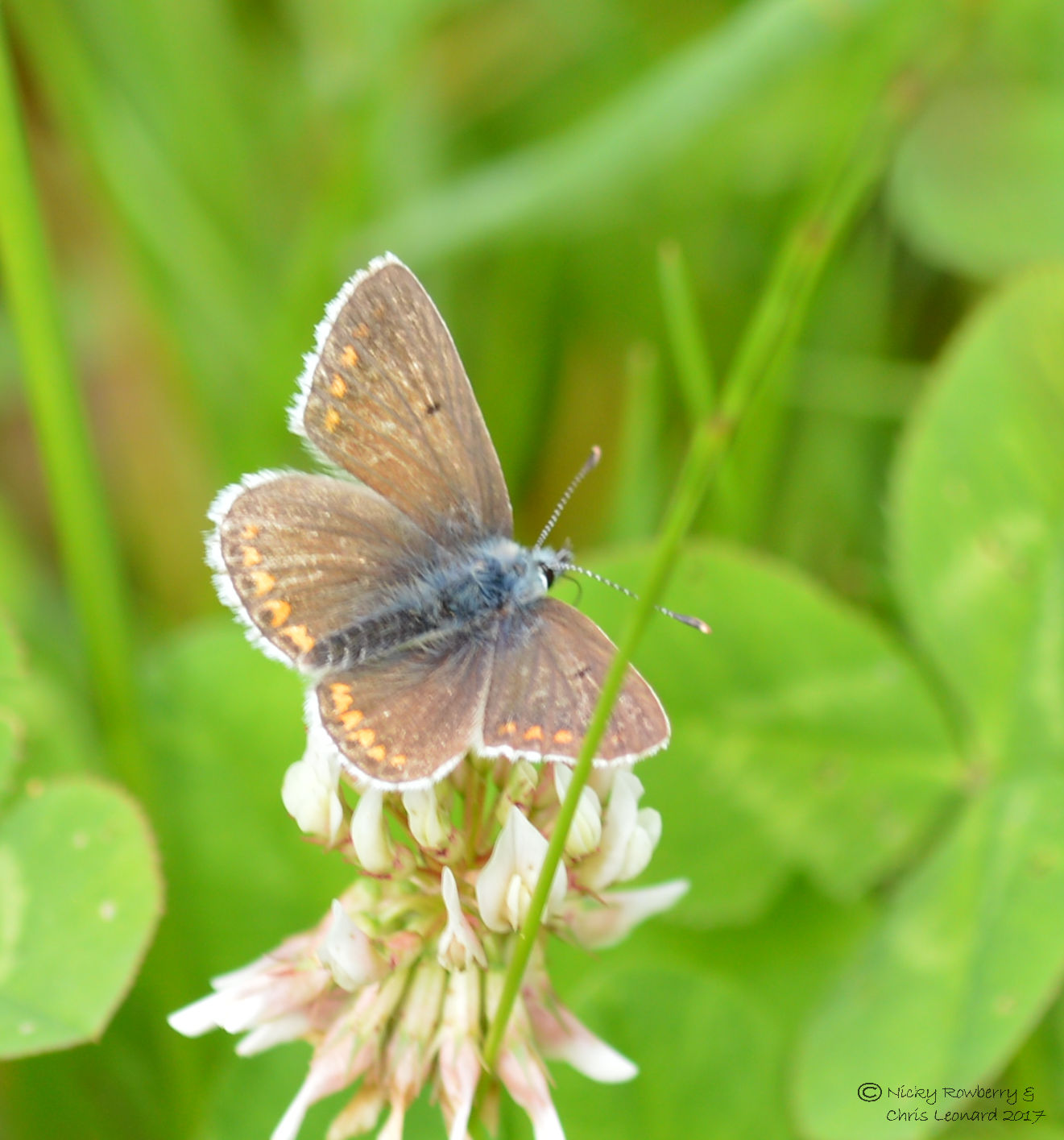
I was also really pleased to see my first Common Blue butterflies of the year, feeding on clover.

One insect which I kept spotting and which I would have loved to get a decent photo of was a Scorpion fly. The key thing about a Scorpion fly is that it has a tail like a scorpion – so guess which bit was hidden by bits of grass in all my photos?

There is a convenient bench at the top of one of the fields where you can sit and look out over the farm across Worcestershire. This photo reminded me of one of my Mum’s paintings – she often used to paint views with flowers in the foreground like this.

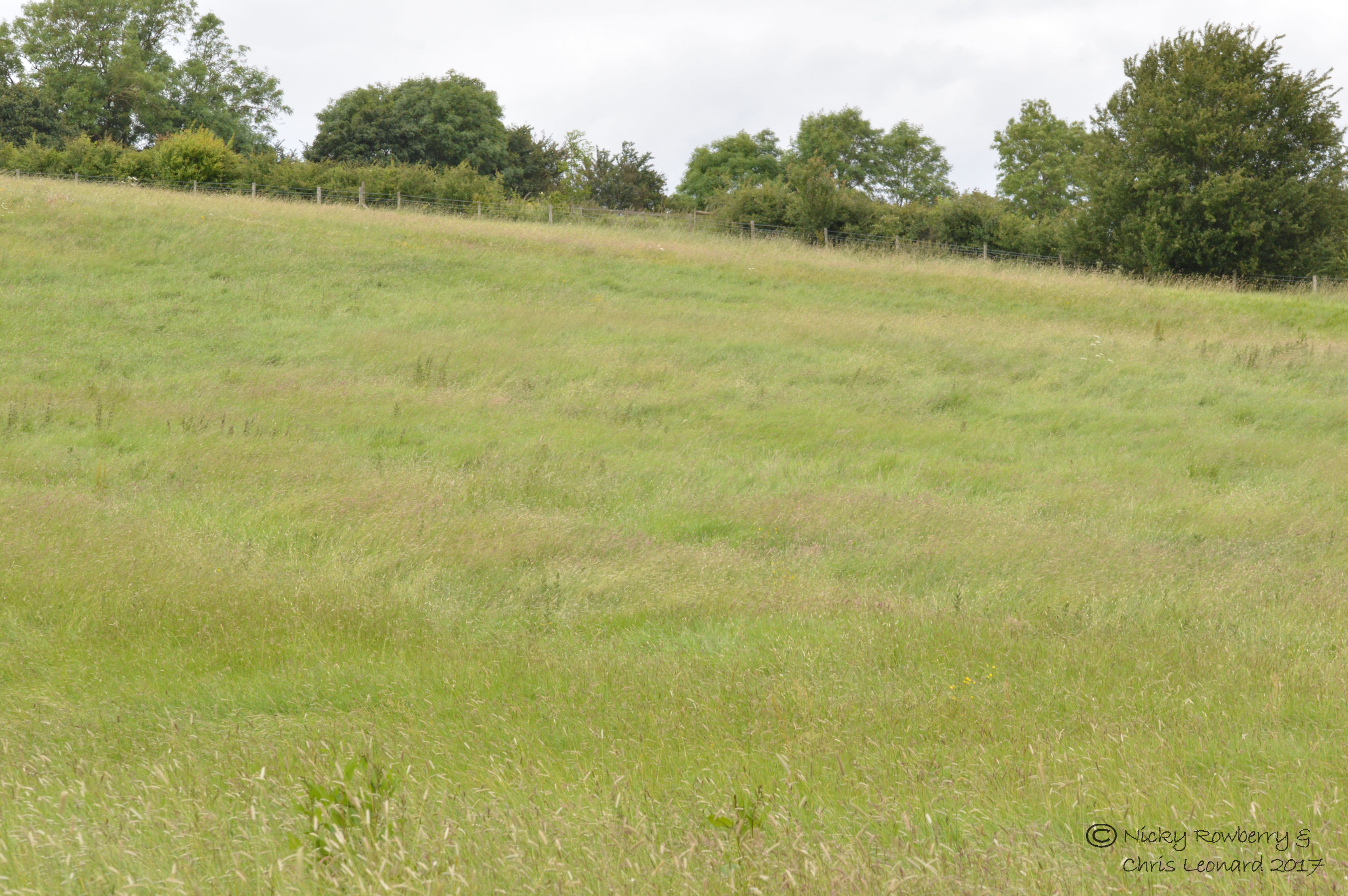
Heading down hill back towards the farm, the trail leaflet mentioned that you could see ridge and furrow marks in the field. This indicates that this field was farmed as far back as the middle ages, when ploughing techniques meant the soil built up into these ridges. You can just about make it out in this photo – wonderful to see a part of living history like this.

So that was my morning spent meandering around Lower Smite Farm. It’s another place that is definitely going on my return visit list – preferably on a sunnier day with no wind though (should we ever get such a day again!) I loved the mix of natural history and cultural history that this place has, with its remnants of old farm buildings and fields. Perfect place for the trust’s HQ!


30 Days Wild – Day 5 – Apptastic

It’s Day 5 of 30 Days Wild and it’s been a bit of a miserable one weather wise – grey skies with intermittent drizzle all day here in Malvern. Add to that frequent gusts of wind, making any attempts at photography almost impossible. So I thought I’d try something new for me – I’d get all techy! I don’t really do apps on phones (must be an age thing!), but today I thought I’d go crazy and download a few wildlife ones, to see what it was all about. I picked half a dozen or so that seemed vaguely relevant and equally important – that were free!

It was easy enough to install the basic app for each of them, but actually using them proved a different matter in some cases.

First up the Great British Bee Count app. Run by Friends of the Earth, this app is for use between the middle of May and end of June – ideal for 30 Days Wild. You can either just record spot sightings of individual bees or do a timed count of a particular species on a particular plant. It was easy to use and would be great for kids. The only problem I found was that if you did the timed count you had to decide what bee you were looking for on what plant. I did a couple of 60 second counts of first honey bees on red valerian and then tree bumblebees on alliums. Needless to say the correct bee species never appeared on the correct plant in the relevant 60 seconds, so I recorded several zero counts. Admittedly this wasn’t helped by the fact that I was trying this on a dull day with not that many bees about.

I had more luck just recording spot sightings of individual bees. You could even add photos from your phone, which I presume they can use for verification purposes. Unfortunately me and my phone are rubbish at photos – see left, but I can’t blame the app for that. I particularly liked that you could choose different habitat types including allotments – not least because we have just got one and I was down there practising with the app! All in all this was an easy, fun app to use – just pick a sunny day though!

Next one I tried was Birdtracker from the British Trust for Ornithology. This one I did struggle with a bit. I put food out on the bird table and started the app up. But first I had to register with BTO, which it turns out I’d done years ago and forgotten my password. So then I had to wait for them to send me a password reset e-mail. By the time I’d done that the birds had eaten all the food, so I had to put out more. You then had to select a site you would be recording from – I was trying it in the garden, so tried to pick that – but the image on the phone screen was so small, I ended up having to go back inside to do it. It seems the smallest area you can pick is a kilometre square – seemed a bit excessive for our modest garden (wish it was that big!). By the time I’d sorted that, more food was required on the bird table. There is so much information on this app that the writing is very small (to my middle aged eyes). I know I could zoom in, but then I could only see a tiny part of the info and had to keep zooming back out. By the time I’d worked it out, yet more food was needed on the bird table (the birds at least must like this app!) Finally I managed to submit a few sightings. It did seem like this was intended for someone who had already collected their sightings and so had a list already written out – they could then input the data relatively easily. On the plus side, if you did it regularly it would be a good way of keeping track of what you saw in your garden. Also I did manage to see both the robin and the collared doves that had refused to appear for the yesterday’s bioblitz!

I tried out two apps from the Wildlife Trusts – both of which were very good and easy to use. The 30 Days Wild one gives you random acts of wildness to try out. If you don’t fancy the one it suggests, just click again and it comes up with something else – ideal on a dull day when you’re lacking inspiration.

The Nature Finder app was probably my favourite one today and I expect will be the one we use most. You can use it to find nature reserves near where you are – particularly useful if you’re on holiday. Or you can use it to suggest Events that are coming up – I found a couple that we might go to in the coming months. Or you can use it to find information on a particular species. All really useful tools in an app that was easy to use – perfect!

Next up was the Dragon Finder app – not as you might expect for dragonflies, but for amphibians and reptiles and run by Froglife. We’ve put in a tiny pond at the allotment, which has already attracted lots of wildlife, so I tried out the app there. Again this app is easy to use and didn’t require any special ID or techy skills. I managed to log one common newt and one sadly deceased common frog.

I did also download a butterfly and a dragonfly app. Thanks to the soggy weather I didn’t see any of these to be able to try out the apps properly. The butterfly app looked fairly straightforward and the dragonfly one a bit more complicated, but that may just be because I am more familiar with former than the latter.

Most of these apps have the common purposes of gathering data from people all over the country. Citizen science like this can hopefully provide lots of useful data for the scientists studying the particular group. These apps will also hopefully engage people who might not otherwise consider submitting sightings and get more people interested in the wildlife around them. So even if technophobes like me struggle a bit with some of them, they can only really be a good thing. And after all I can always go back to a pen and paper if necessary!

Butterfly No. 41!

May finished in fine style with a trip to the Wyre Forest and the hunt for another new (to me) species of butterfly. I was joined by my friend Anna who was visiting from Scotland and didn’t mind being dragged out into the woods in search of butterflies. Not only did she not mind, but she is a photographer, who is generous enough with her expertise to give lots of tips and hints (not that they all went in!)

I parked in the usual spot at the end of Dry Mill Lane and we headed off down the old railway track. First stop was an ornately carved bench with a lovely gentleman and his robin friend, who he fed with mealworms regularly.

After a brief chat, we headed on down the track towards a long open area with banks either side –  looked like perfect butterfly ground!

Our primary target was the Small Pearl-Bordered Fritillary which should be out at the end of May/early June. We all got very excited by the first fritillary type butterfly we found, but then realised it was a Pearl-Bordered, not a Small Pearl-Bordered. The former are coming to the end of their season, but there were still a few about. It was still a beautiful butterfly all the same.
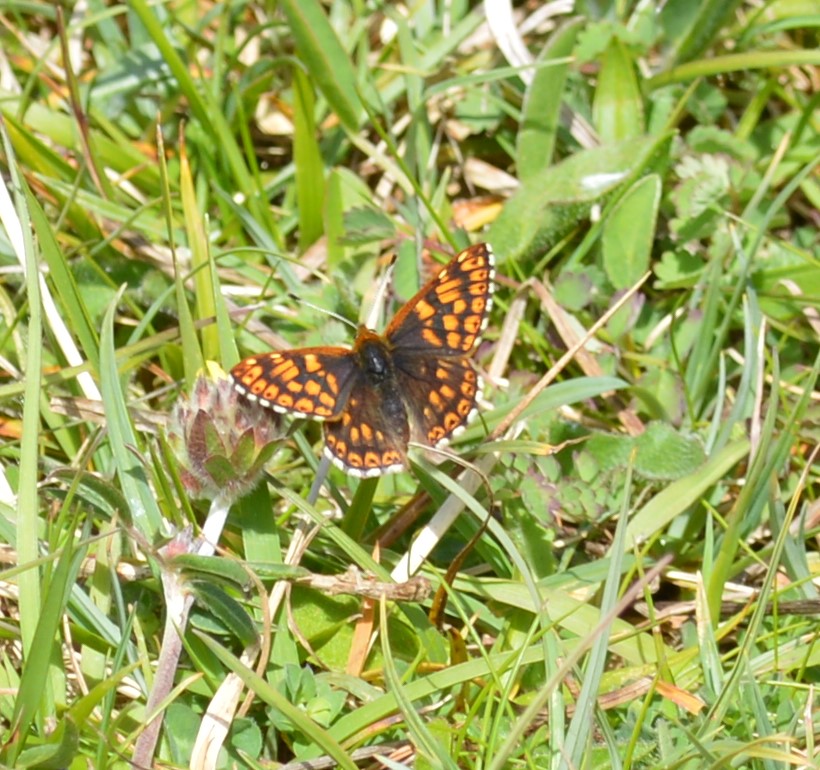
We saw lots of the Pearl-Bordered Fritillaries last year (more photos of those on a previous blog post https://toolazytoweed.uk/2016/05/18/out-and-about-wyre-forest/), so we continued with our hunt for the small ones.

The sun came out about 3pm and suddenly the Small PBFs all started flying. It was hard to count as they don’t really stay still or all show themselves at the same time, but there were probably at least half a dozen. Eventually a few slowed down enough to get some pics.

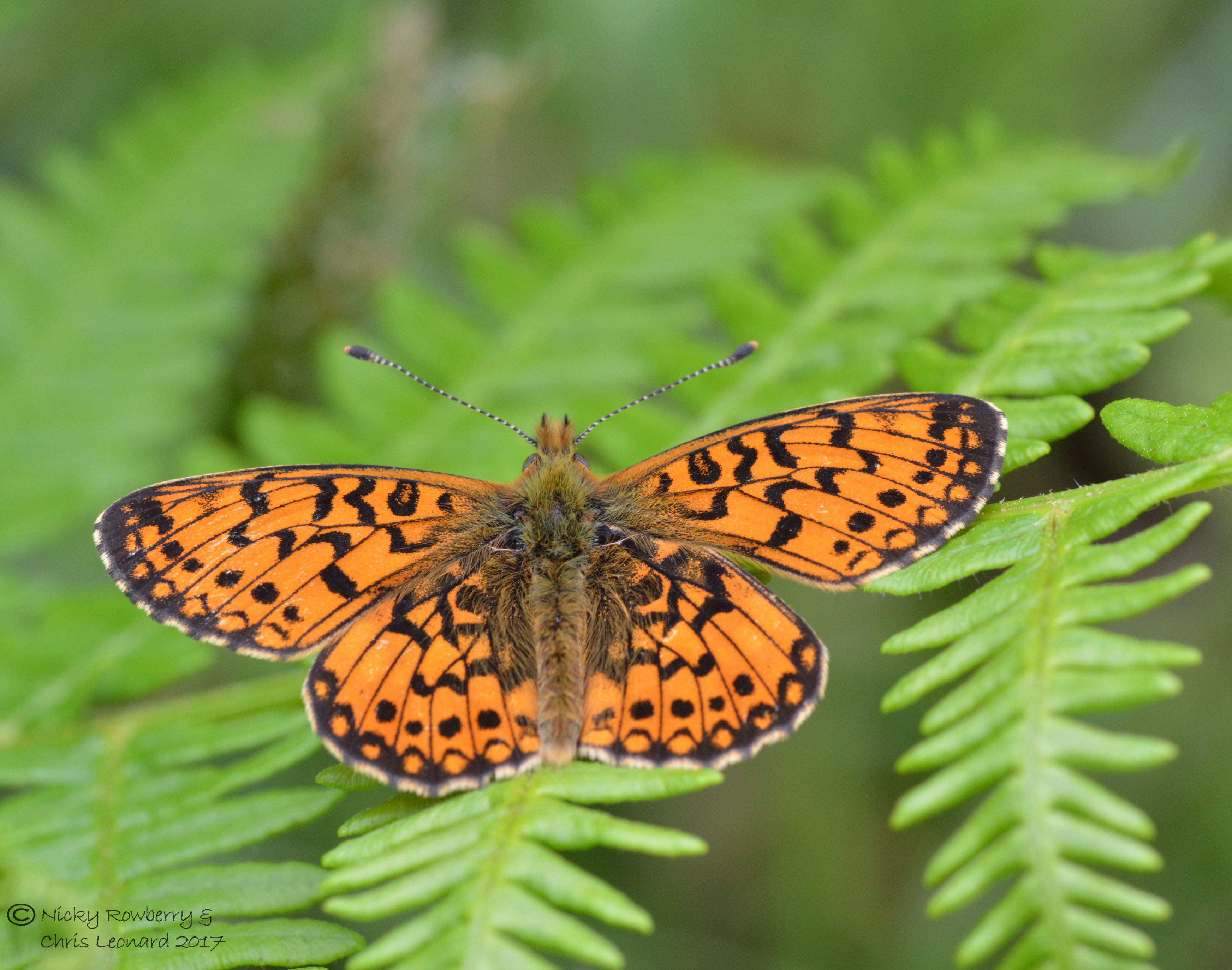
They are beautiful bright orange little butterflies. To be honest we weren’t totally sure we were seeing both species, although the presence of black marks resembling “730” is supposed be diagnostic of the small ones – see close up photo below.

Thankfully the good people on Butterfly Conservation West Midlands Facebook page confirmed we’d got both species.

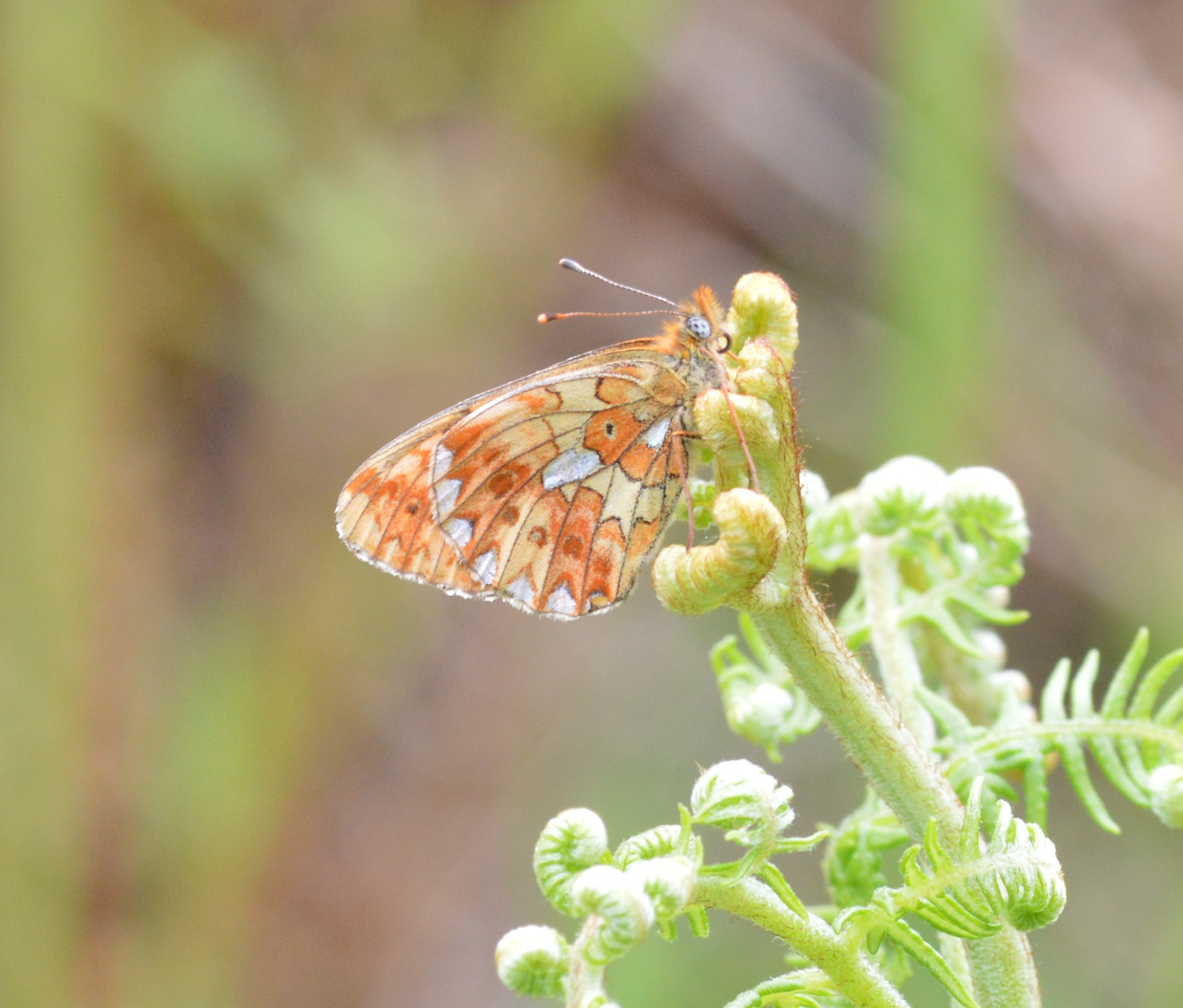
We had hoped to get photos of the underside of the Small PBF wings, which are beautifully marked like stained glass windows, but they wouldn’t oblige and settle with wings  up. The best we managed was this shot taken while crouching down lower than the butterfly – it gives a glimpse of the underside, but is far from ideal.

Heading back to the car, we spotted a couple of Large Skippers (or possibly one that was just following us!) The Large Skippers were a bit more obliging than the fritillaries and posed on some bird’s foot trefoil flowers.

The Small Pearl-Bordered Fritillary is the 41st species of British butterfly we’ve managed to see since we started butterfly spotting. It is the 3rd “new” species that we’ve found in the Wyre Forest, highlighting what a fantastic place the Wyre is for butterflies!

The Duke of Prestbury Hill

Flushed with the success of finding the Grizzled Skipper the previous weekend, we headed out again on Sunday in search of our next target butterfly – the grandly named Duke Of Burgundy. The nearest place we could find with a colony of Dukes was Prestbury Hill near Cheltenham – a fantastic site that we’d already visited at other times of the year.

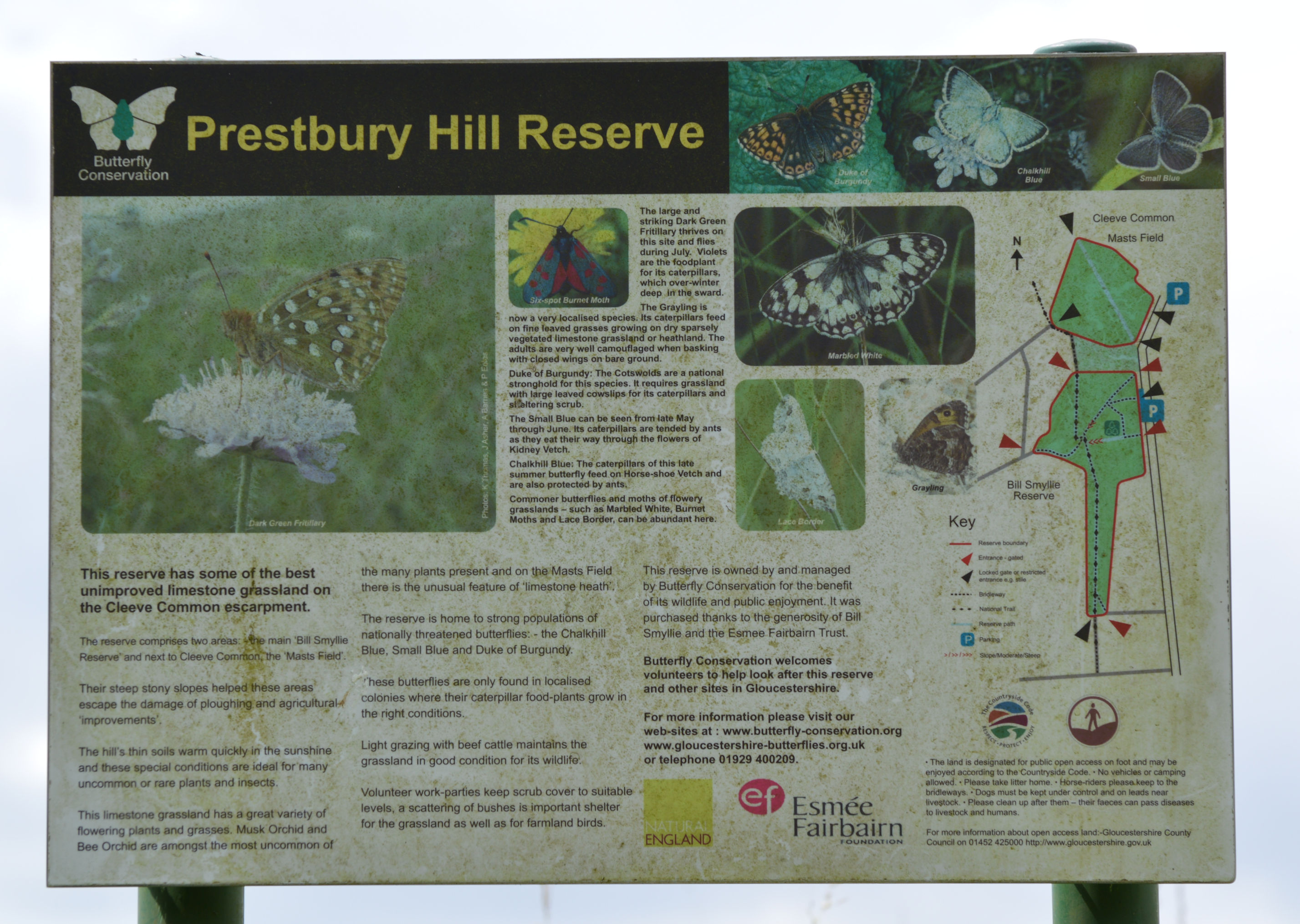
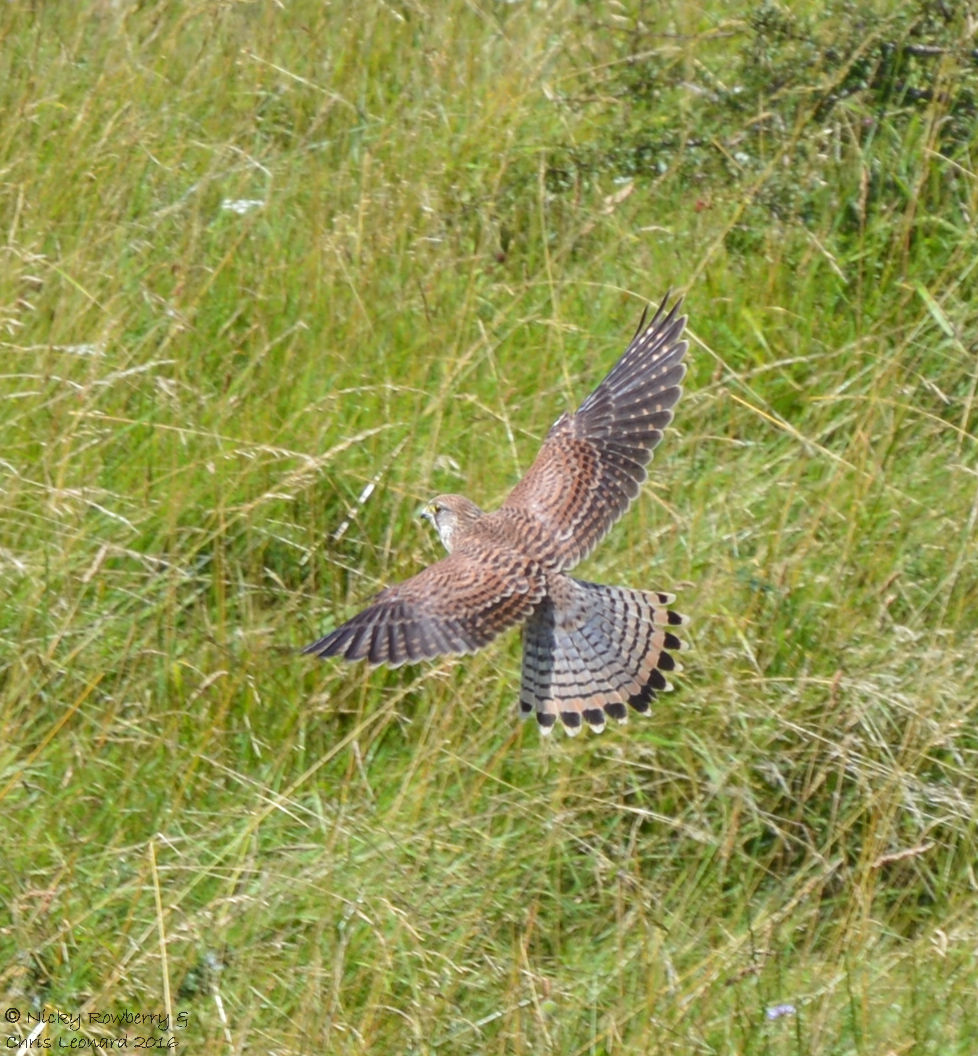
Prestbury Hill reserve consists of 2 areas joined by a section of the Cotswold Way. We started off at the top of Masts Field which has amazing views out over Cheltenham and for miles around. It also has a convenient bench near the top for lunch. While we were sitting there, a pair of kestrels were hovering almost at eye level in front of us. Although they were more or less stationary in the air, they were still impossible to get decent shots of.

We spotted our first Duke almost immediately as we entered the field – it’s not often we get so lucky. Considering it is one of Britain’s most threatened butterflies, it seemed almost too easy! It’s quite a small butterfly, looking like a miniature fritillary.  In fact it used to be called Mr Vernon’s Small Fritillary – I’ve no idea who Mr Vernon was, nor why it is now named after a duke! (if anyone knows I’d love to find out?)


His Grace (I’ve googled the proper term for addressing a duke!) is small but perfectly formed, with lovely stripy antennae and pretty orange and brown/black patterned wings.


The males are territorial and like to display themselves on prominent leaves or grasses. The Duke of Burgundy is really unusual in that the female has 6 legs, but the male only has 4.  So I reckon the one in the photo below must be a male – showing off!

Although we saw quite a few Dukes on the day, I didn’t know at the time about counting the legs, so don’t know if any of our Dukes were actually Duchesses!

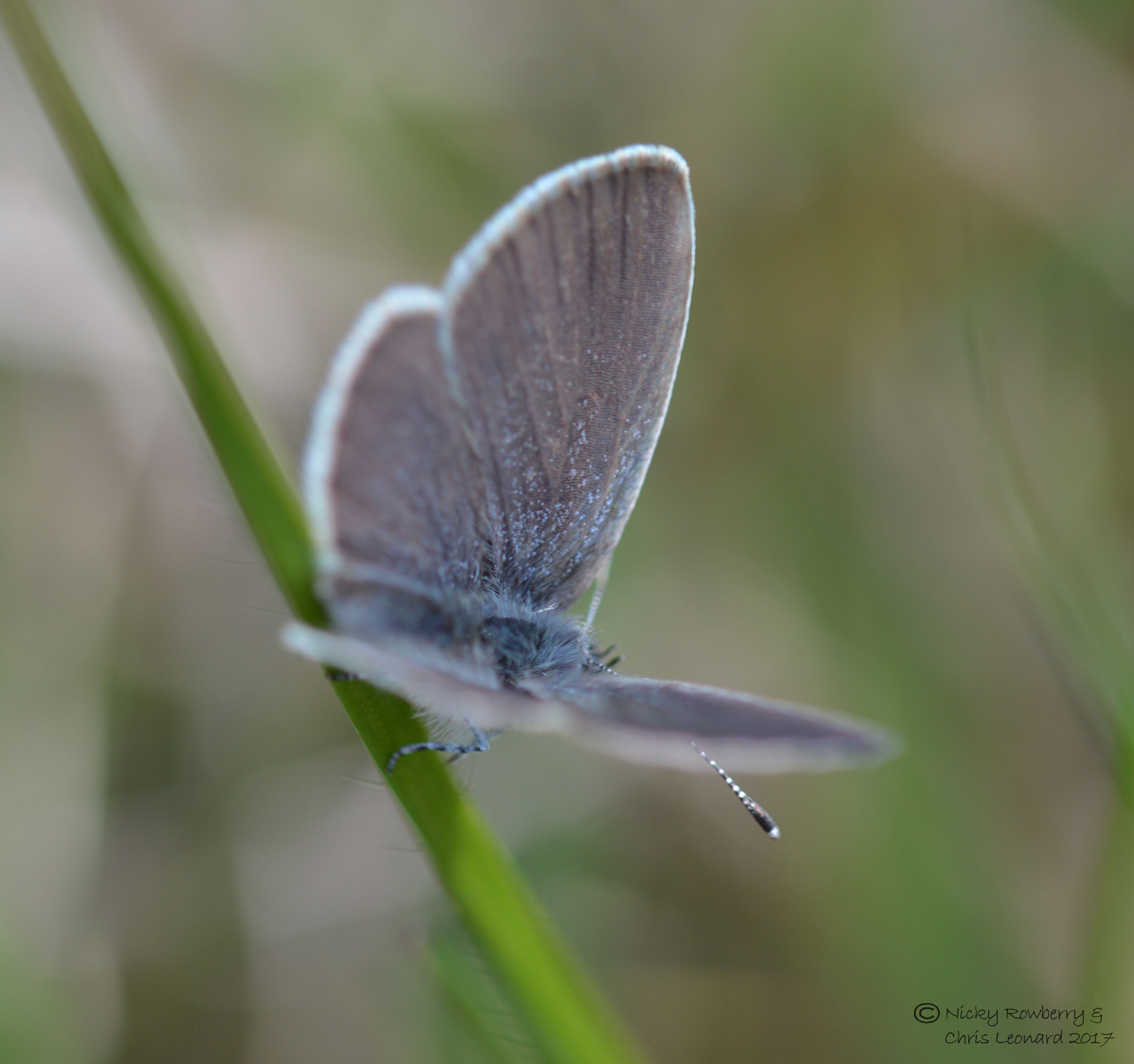
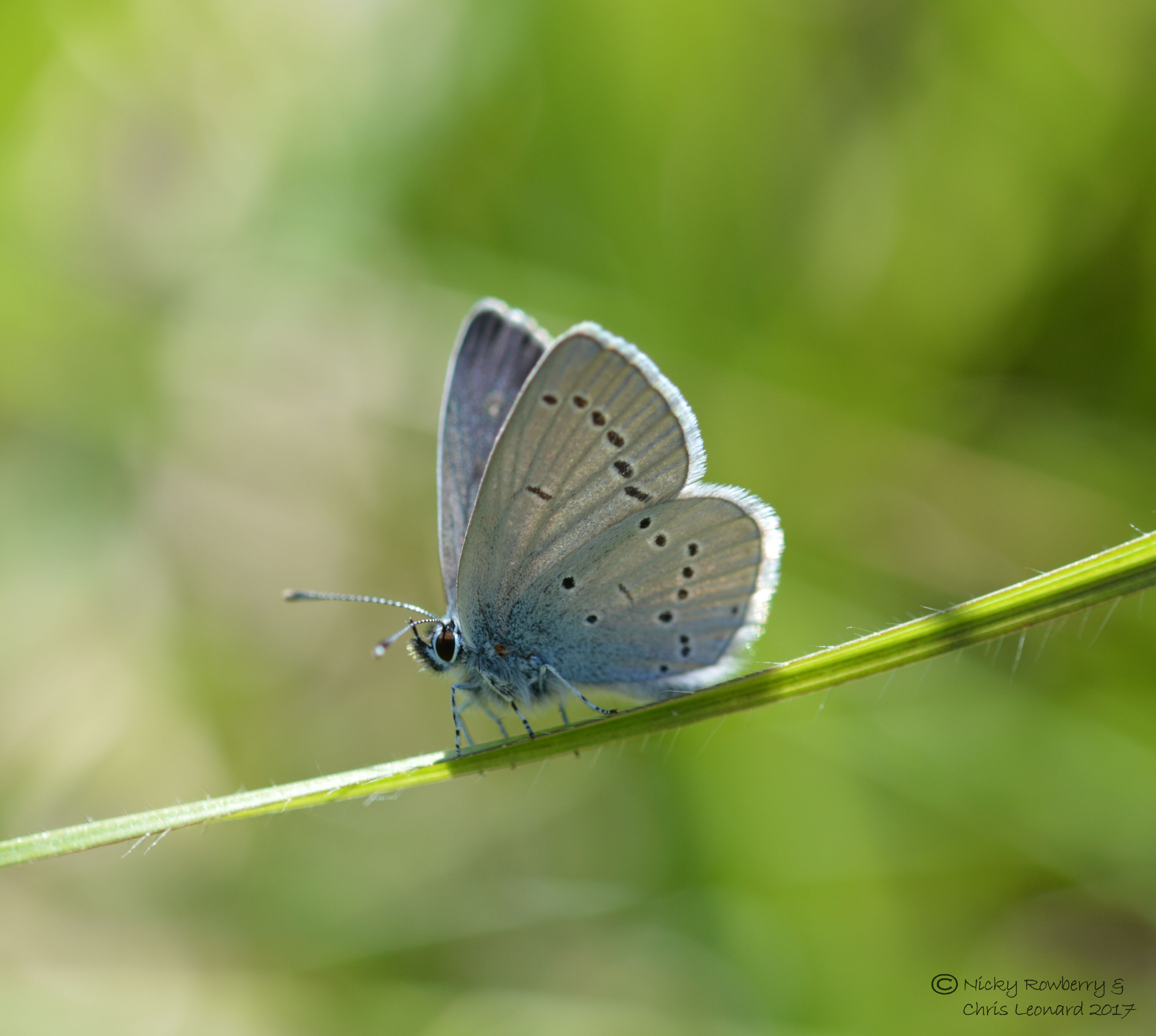
The other butterfly we’d hoped to see at Prestbury on this visit was the Small Blue. I had glimpsed one once before, so it wasn’t a new one for the list, but we wanted to get a proper look. Again we were lucky and there were plenty of Small Blues around. They really are what it says on the tin – small and blue! They are Britain’s smallest species of butterfly and are absolutely tiny. Once we got our eye in though, we found loads at Prestbury. They’ve got a beautiful dusting of pale blue scales on the upperside of the wings, while the underside is almost all blue with a few black spots.

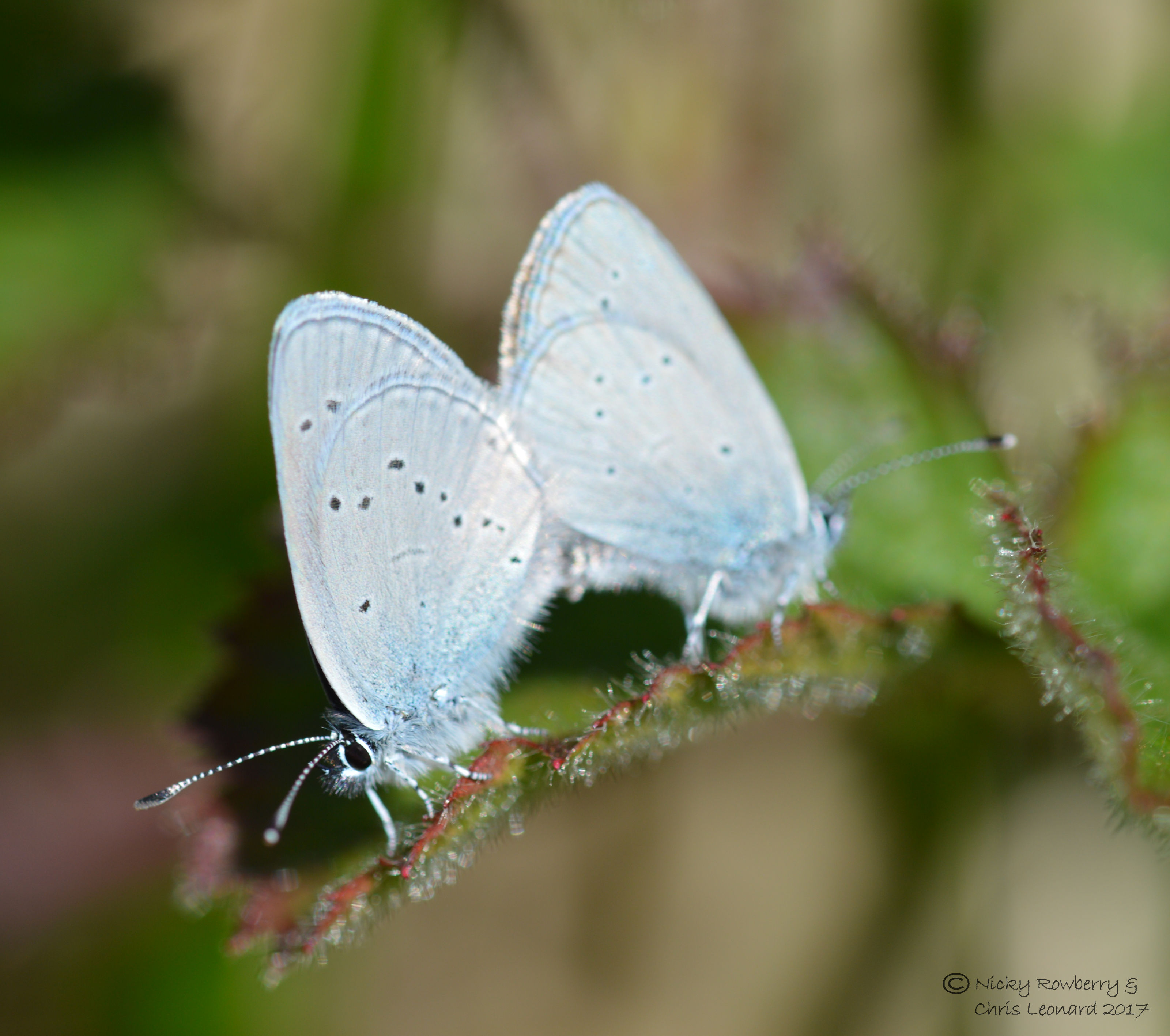
We even found a few pairs mating (so unlike the Dukes we can at least be sure we were seeing males and females!) The only trouble with them being so small and so shiny blue on the underside is that it makes it really difficult to photograph them – especially with the inevitable bits of grass blowing across the shot!


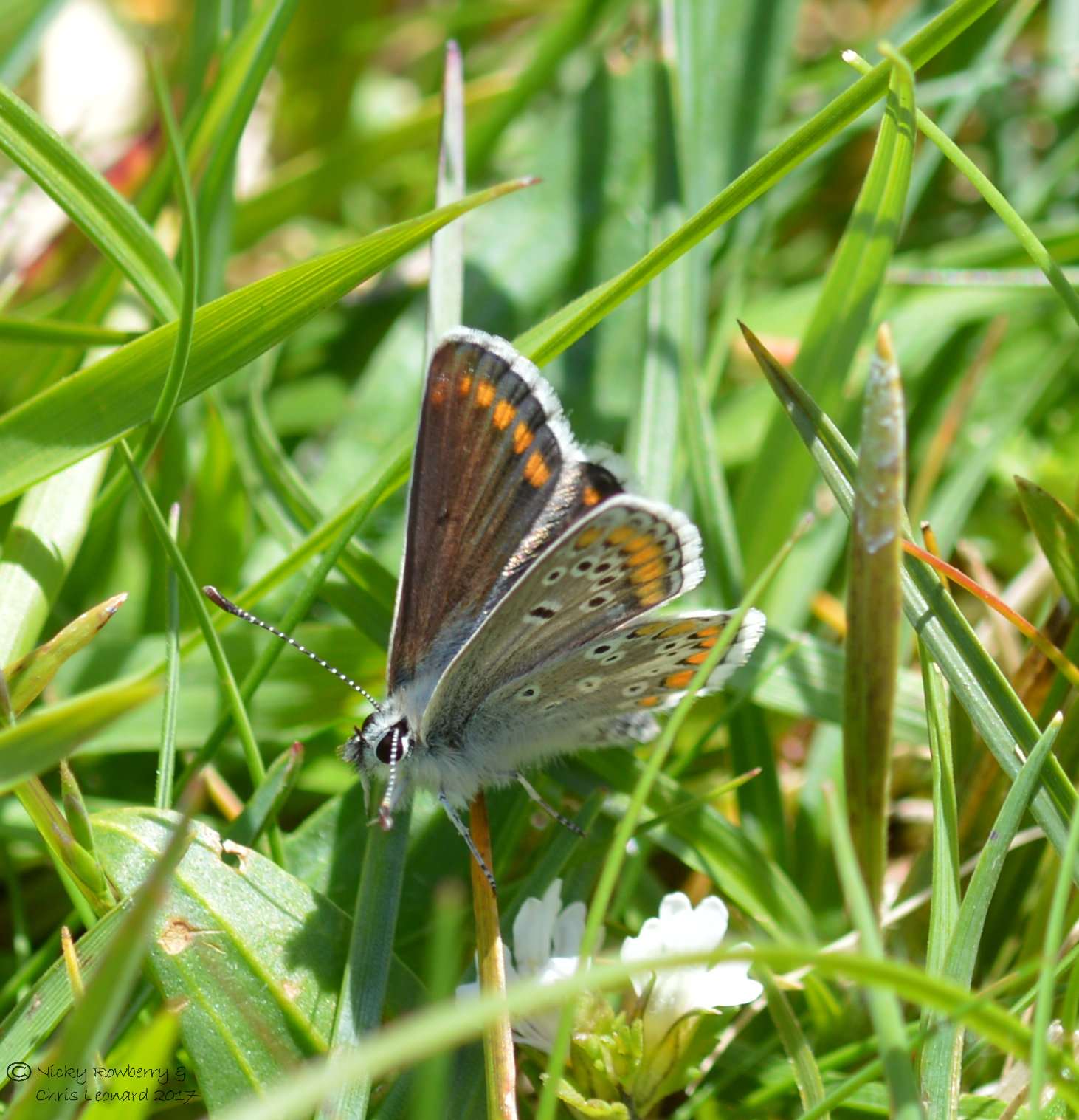
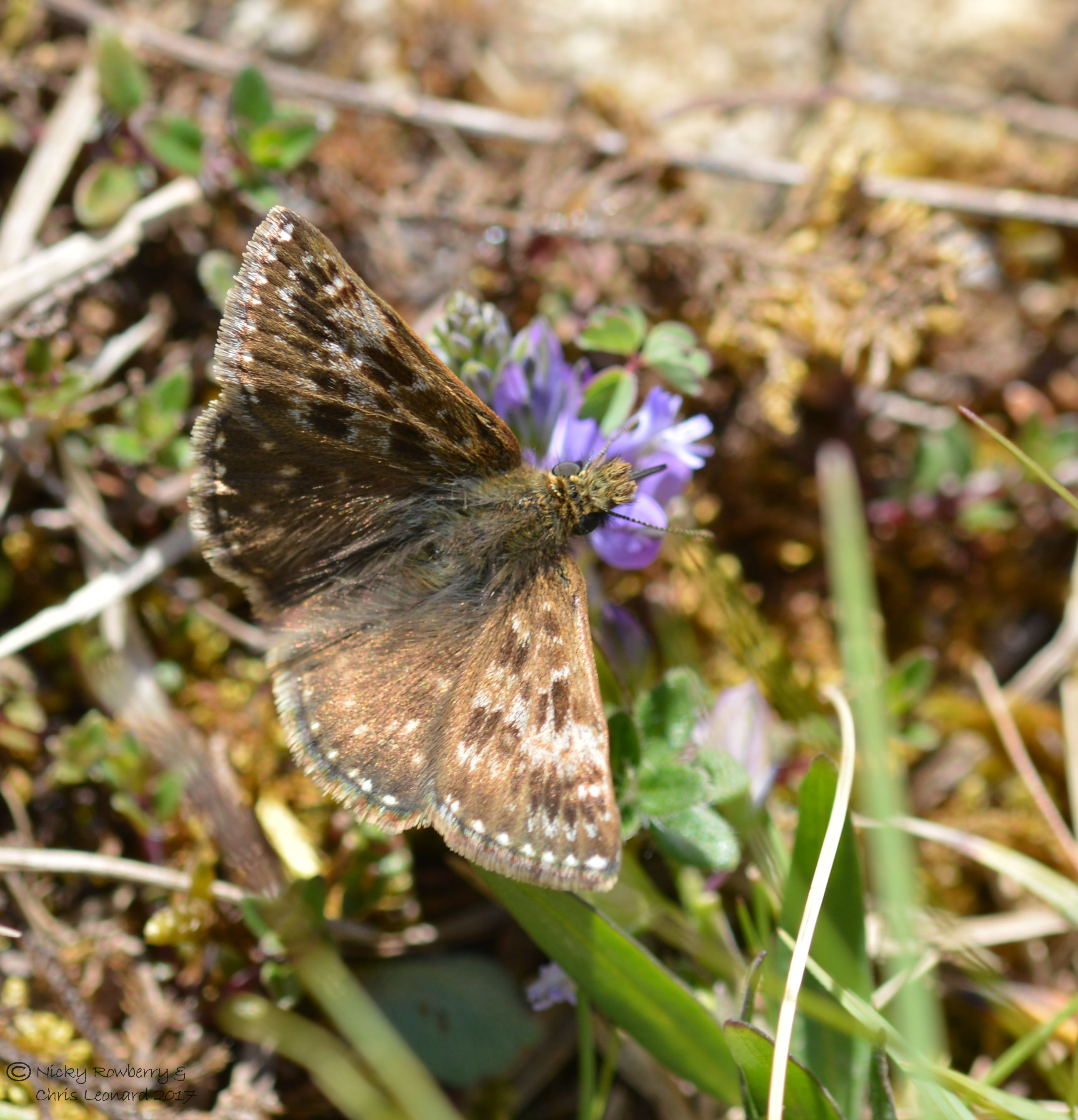
Prestbury is great for butterflies of lots of species so it was really nice to spot this Brown Argus and a lot of Dingy Skippers. I do feel sorry for the Dingy Skippers with their lowly sounding name next to the Duke of Burgundy!

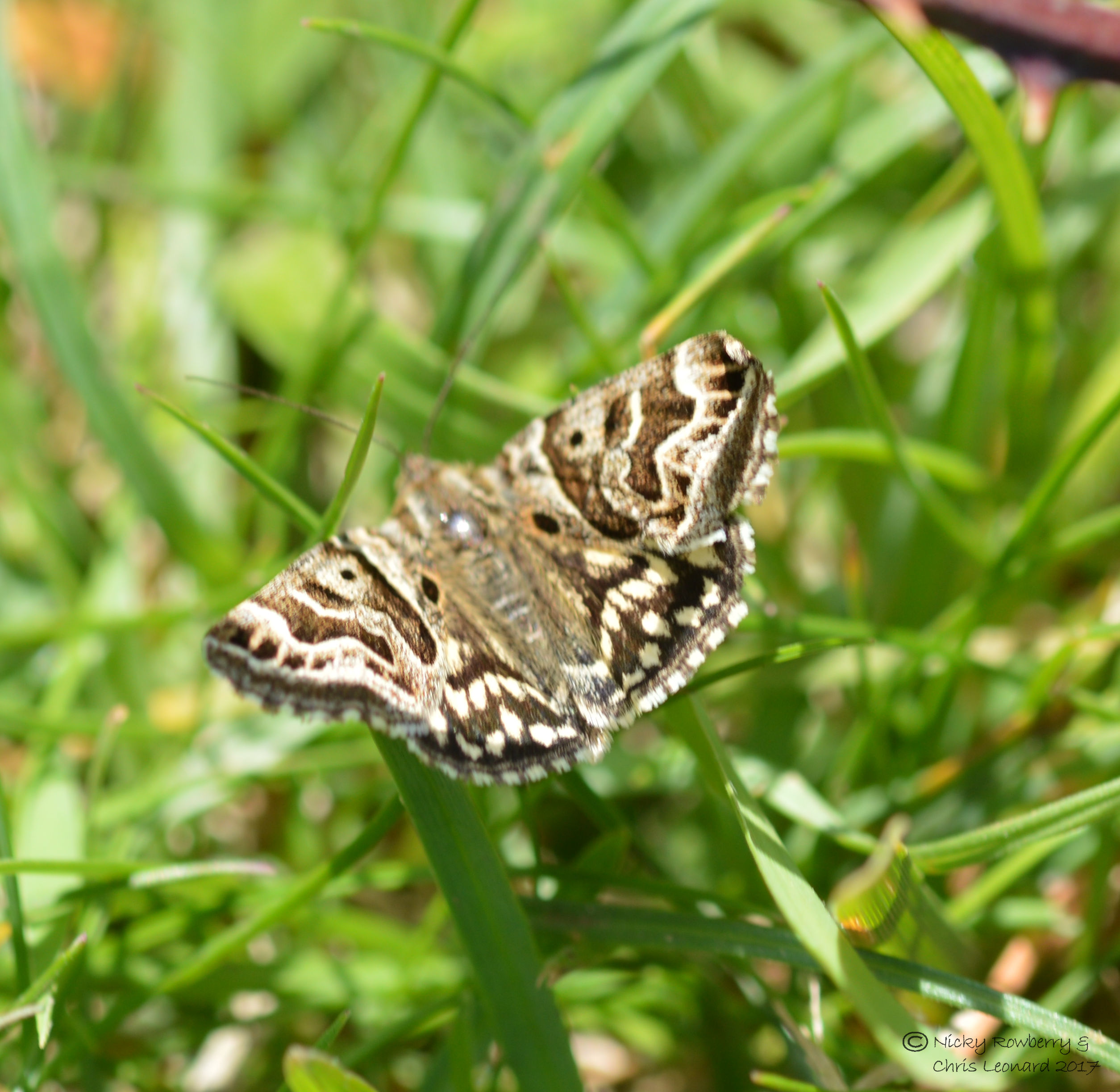
I also couldn’t resist taking photos of one of  my favourite moths – the Mother Shipton. I do at least know the origins of this name – the moth is named after a 16th century Yorkshire witch because its marking are supposed to resemble her with an eye and hooked nose and chin!

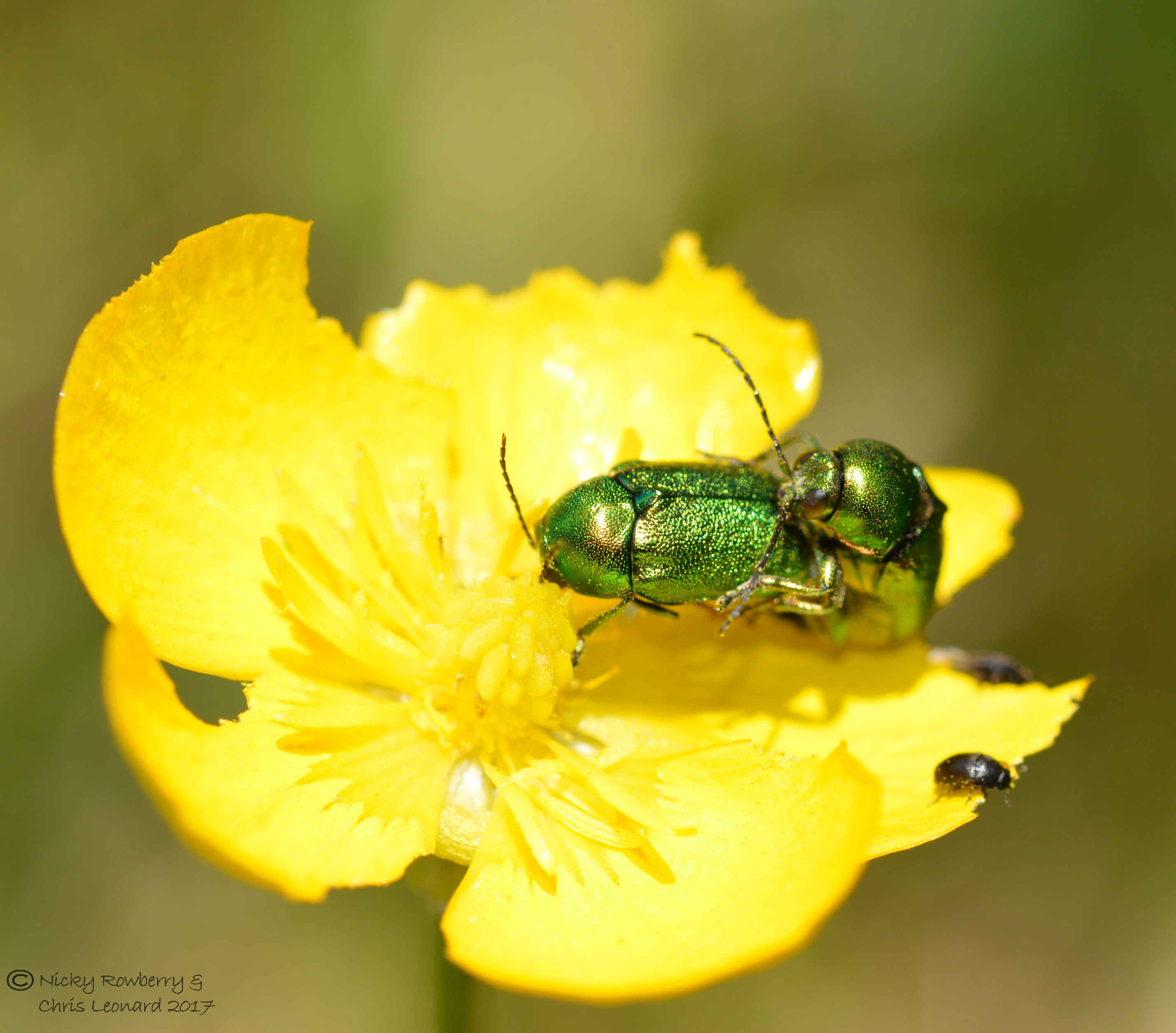
And finally Spring was clearly in the air for these beetles. I’ve no idea what they are, but they looked so shiny and green against the yellow buttercup, I just couldn’t resist.


A Grizzly Day Out

Yesterday we went out on our first butterfly bagging expedition of the year – our target the Grizzled Skipper. Using the excellent        Butterflies of the West Midlands book as our guide we headed down to the Doward in South Herefordshire. The woodlands of the Doward are part of an Area of Outstanding Beauty – always a good starting point for any day out!

The butterfly guide book had described the best route to take to see the Grizzled Skippers, start at the main entrance to the White Rocks Nature Reserve. In our usual disorganised way we managed to head off in completely the wrong direction and somehow started at the other entrance. This was no great disaster though as it took us into the woodland which was carpeted with wild garlic (you could smell it in the air) and looked stunning.

Our accidental route also meant that we stumbled across King Arthur’s Cave. The Doward lies on limestone rocks and the cave goes deep inside them (not that we ventured very far ourselves). It has apparently been used by humans since Palaeolithic times, with everything from flint tools to mammoth bones having been found in there.

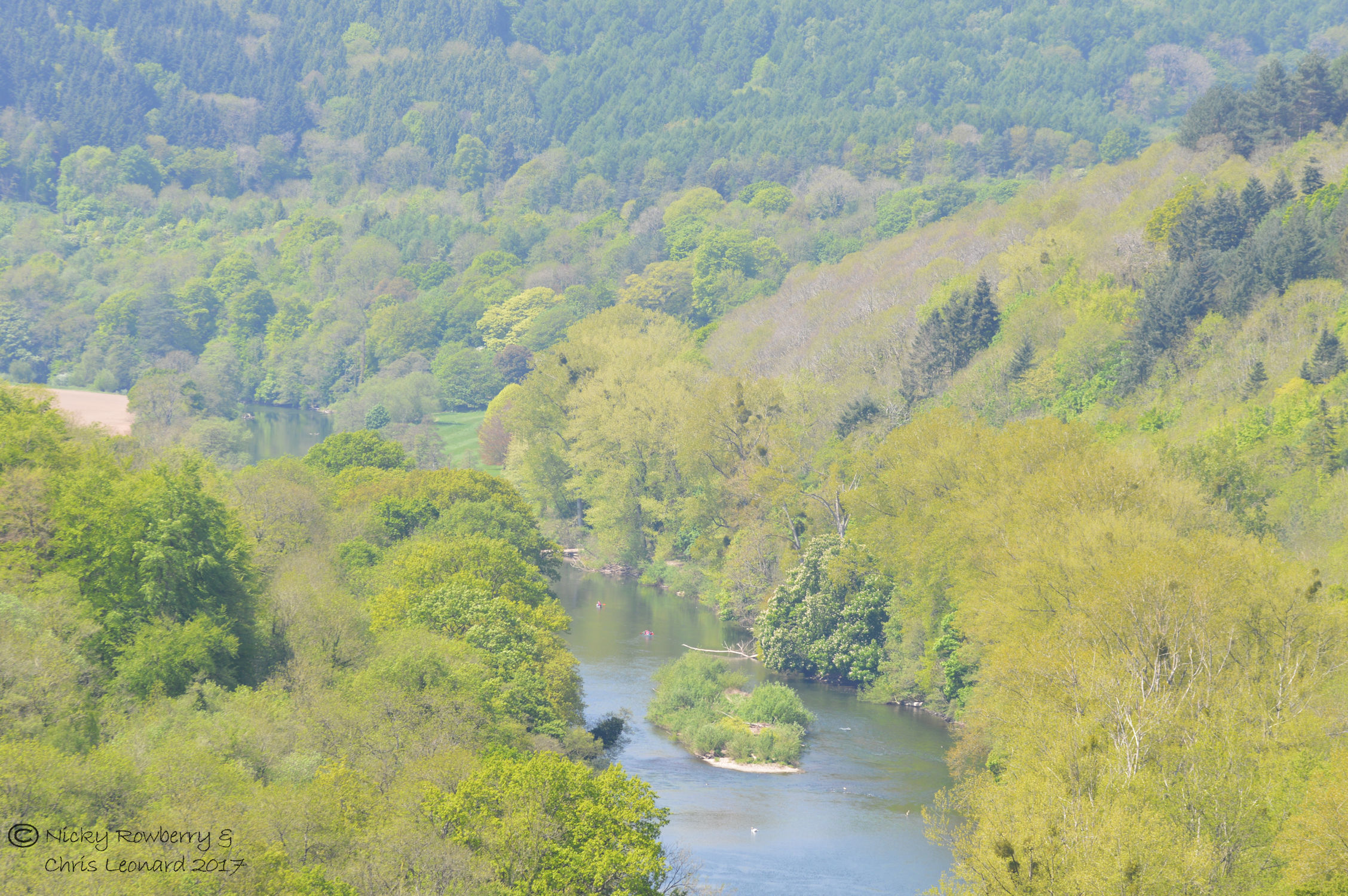
We carried on our erroneous path and came to a stunning view point looking over the River Wye.

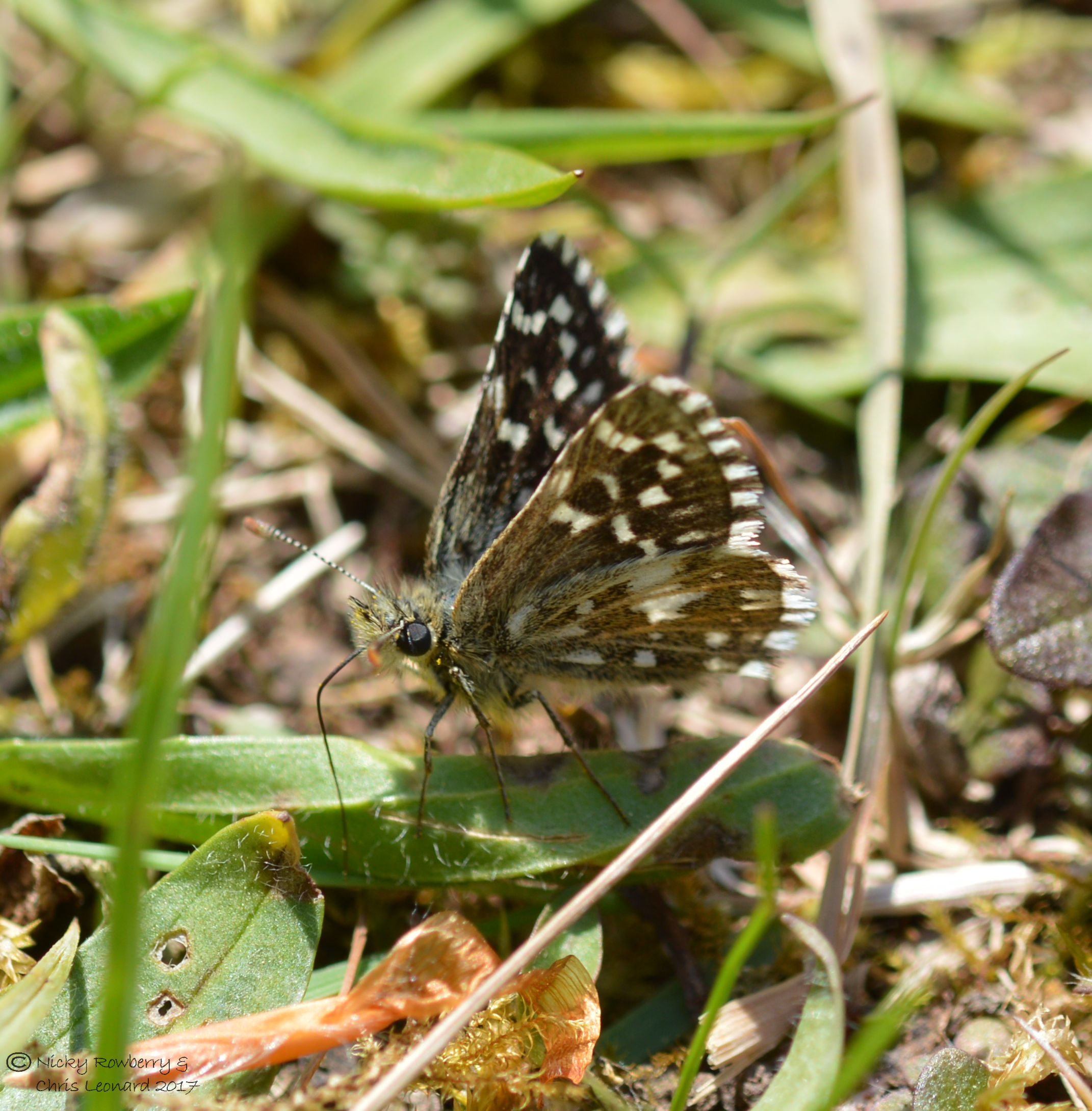
By this time we’d twigged that we were on the wrong path, so tried heading back up hill, stumbling upon a large quarry as we did. It was baking hot in the quarry, so I stayed at the edge. While I loitered by the gate, I spotted what I thought was a small moth darting about.  Closer inspection revealed it was actually a Grizzled Skipper – I’d found one by shear chance after all! I’d never realised that they would be so small, or so fast – it could disappear very quickly.

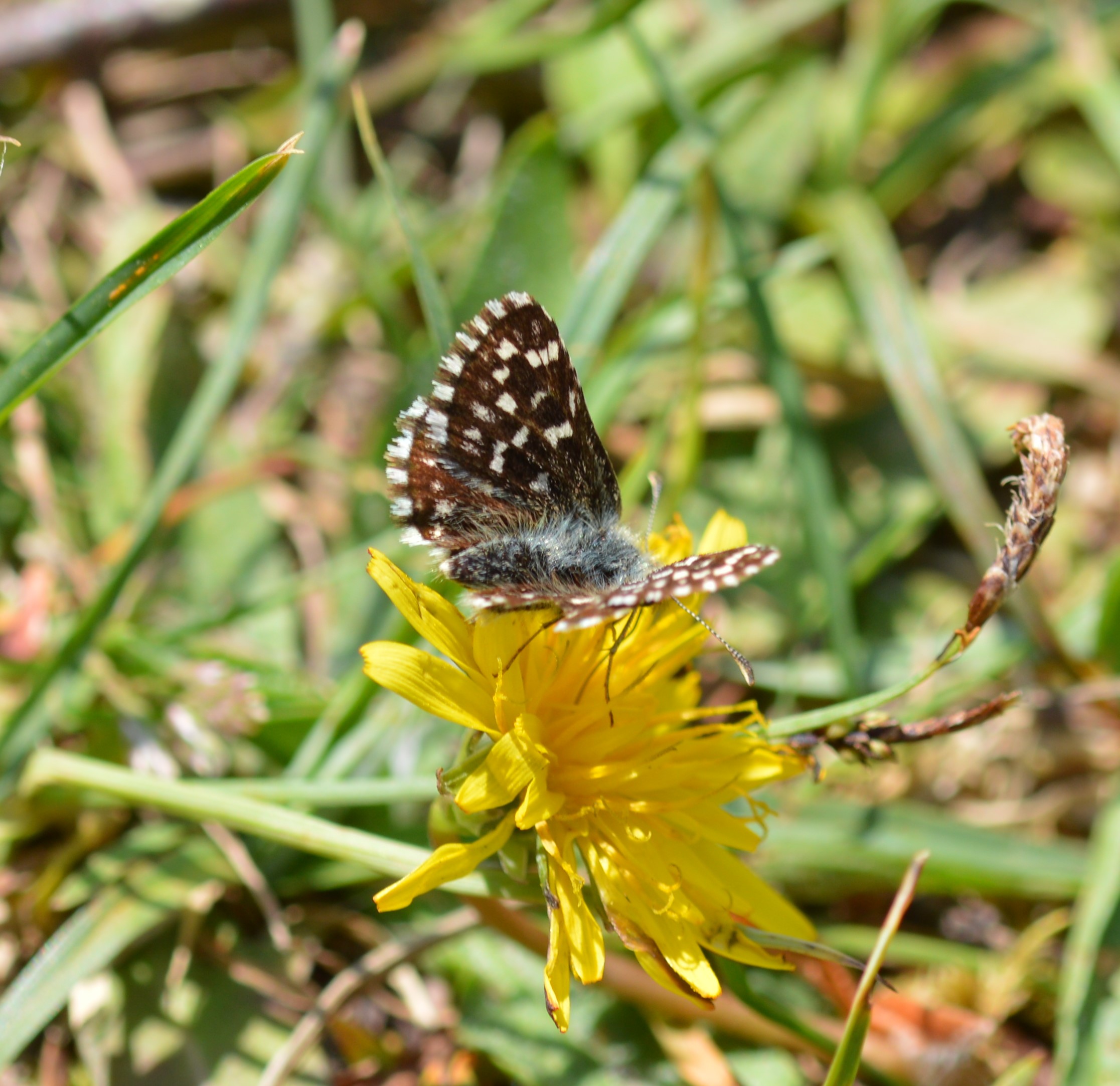
My first ever Grizzled Skipper wasn’t unfortunately a pristine specimen, looking a bit ragged at the edges, but it was what I came looking for, so I took loads of pictures.

He or she looks a bit more respectable from the side as you can’t see the missing bits of wing.

Flushed with success (and the heat of the quarry) I decided to head back to the car and start again on the proper route. Not too surprisingly on the proper route it was a lot easier to spot the skippers. I quickly found about half a dozen flitting around a sparse area of ground. They were so quick though it was difficult to track them – I think these were both of the same slightly slower specimen.

It is still relatively early in the “butterfly season”, but I did spot a few other species around the bluebells – this female orange tip and a large white.

The Grizzled Skipper is a delightful little butterfly, but it unfortunately becoming increasingly rare.  There are not many sites around us where we could have seen them, so we were very lucky to be able to add this species to our butterfly tally. Species number 39, only 20 more to go, but I have the feeling they are going to become increasingly difficult to find!

Big Lazy Review of the Year

Can’t believe 2016 is all but over. It’s been an awful year in many respects (depressing national and international voting outcomes, various terrorist atrocities, plus the loss of some truly great people), but our garden has provided welcome relief throughout. We may live in the middle of Malvern, but the garden is quiet and peaceful and the wildlife never fails to cheer me up. So here’s a bit of a round up of some of the highlights from 2016.

The year began with one of the many “citizen science” projects we try to participate in – the Big Garden Bird Survey. Throughout the year we also took part in the Big Butterfly Count, the Garden Bioblitz, the Garden Moth Scheme and Moth night as well as submitting assorted records for bees, ladybirds, dragonflies and even a glow worm.

30DAYSWILD_ID1 blackThe biggest project was taking part in the Wildlife Trusts 30 Days Wild Challenge. This ran throughout June and I managed to blog about something “wild” we’d done each of the 30 days. I was really chuffed when the blog made it to the final short list for the 30 Days Wild Blogger Awards. We didn’t win, but that didn’t matter as I had such fun doing it.


Scarlet TigerMoths were, as always, a big part of my year. The trap was out once a week throughout the summer for the Garden Moth Scheme. In the end we recorded 211 species in the garden – a new record total, which included many firsts for our garden. All beautiful, but none more so than this Tiger.

One of my resolutions from last year was to see more butterfly species. We may not be able to attract any more species to our garden, but when we were Out & About we managed to bag 10 more species – way more than I’d hoped for. This takes our lifetime tally to 38 – only about 20 more UK species to go! Every one was a delight, but ultimately you can’t beat the Purple Emperor!

ivy-bee-7Last year we recorded 12 species of bee in the garden, which I’d thought was pretty good. This year we made it to 25! There may even have been more, but some require microscopic identification and as I don’t want to kill any, that was out. The final bee of the year was this Ivy Bee – new to Britain this species is gradually spreading north, so we were really excited to find it in our garden.

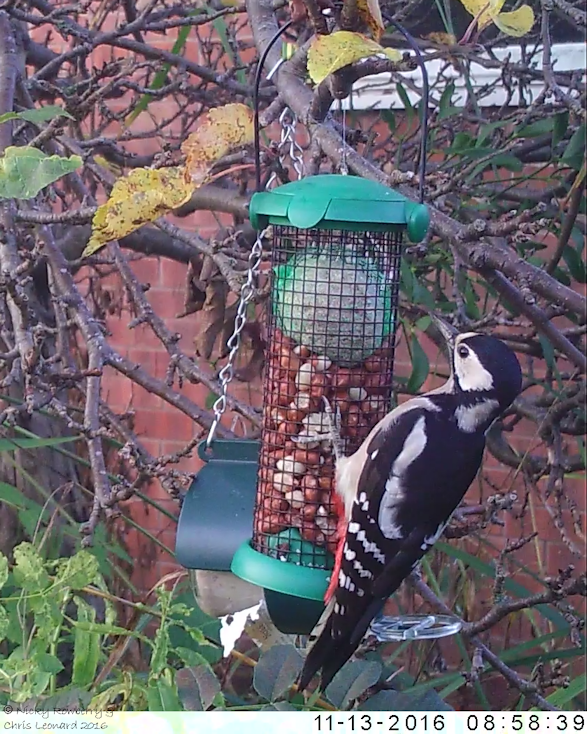
woodpecker-2One major innovation for the garden was our Trail Camera. Wish I’d bought one of these years ago as they are brilliant! We’ve been able to watch blue tits using the nest box, catch the squirrel stealing the bird food outside and mice stealing it in the garage, as well as watching the birds themselves feeding up close. We discovered we’d got Siskins and a Woodpecker that we’d never seen and followed Stumpy the magpie.


hedgehog-fredOne particular joy from the trail camera has been being able to watch our hedgehogs. We rescued 2 baby hedgehogs one boiling hot day in July, who were then cared for by our local hedgehog rescue lady. One of them (Fred) was returned to us and we watched him trundle around our garden with another older hog. We’ve now got 2 hedgehog houses and have learnt a lot about their behaviour from watching the video footage. Fingers crossed Fred and his friend survive the winter.

KestrelAs well as watching the wildlife in our garden, we were out and about quite a bit in the summer. We are lucky here to have so many wonderful nature reserves within easy distance. As well as the various new butterflies, we’ve seen slow worms and glow worms (the latter only as a larva unfortunately), kestrels, deer, puffins (admittedly we did have to go a bit further for these) and of course some beautiful countryside.

2016-12-31-14_39_48_315Last year I set out some wildlife resolutions and surprisingly we’ve actually managed to achieve some of them (wildlife resolutions are clearly much easier to follow than the ones about losing weight or cutting back on the Prosecco!) We did see more butterfly species, I did have a go at beetle trapping (not a huge success, but at least I tried), we did replace some of the naturally thriving weeds with specific butterfly/bee loving wildflowers. I even managed to identify the bats that come to the garden in the summer (Pipistrelles) thanks to another new toy, my bat detector.

We didn’t however manage to dig a new pond and the old one is getting increasingly silted up. I also haven’t got round to the new moth tattoo, although I have made some enquiries with various tattooed lorry drivers who come to my work as to where they got theirs done. (much to their bemusement I expect!)

So New Year’s resolutions for 2017?

  • The new pond has to be top of the list, before our frogs and newts give up on us totally.
  • Get video/photos of the blue tits fledging this time (assuming they nest in the garden again). Although we filmed the adults feeding, we somehow managed to miss the babies emerging, so really want to get that this year.
  • Try to bag a few more butterfly species – targets will be Small Pearl Bordered Fritillary, Duke of Burgundy and Grizzled Skipper, but more if we can manage.
  • Try and find Ivy bees at a few more sites. Don’t think there are many records for Herefordshire yet, so hopefully we can head over to my Dad’s and add a few more dots to the map.
  • Start compiling records for hoverflies in our garden – I know we get lots, but we’ve never really had a proper go at identifying them all. I feel a new obsession coming on!
  • 30 Days Wild for 2017.
  • Maybe that tattoo!

Thank you to all the people we met while out and about this year. We met some lovely people who helped us identify birds and butterflies and pointed us in the right direction when we were wandering aimlessly in search of this species or that. Thanks also to our local hedgehog lady Viv who does such an amazing job and let us have Fred back all fattened up and healthy. And thanks to everyone who’s been following the blog and to all the other bloggers that I follow and who are so inspiring. Wishing you all a happy, healthy and wildlife-filled 2017!

Autumn Flower Power

The colours in the garden are gradually changing from the bright floral ones to the more subtle leafy ones. While we can appreciate the change in the dynamics in the garden, it can be a really tough time for the insects that are still around. The leaves may look fabulous, but they don’t provide the nectar and pollen that the bees and other insects need to keep them going. Fortunately as the other flowers fade away, one comes into its own – the strange sputnik-like blooms of ivy.

ivy-flower

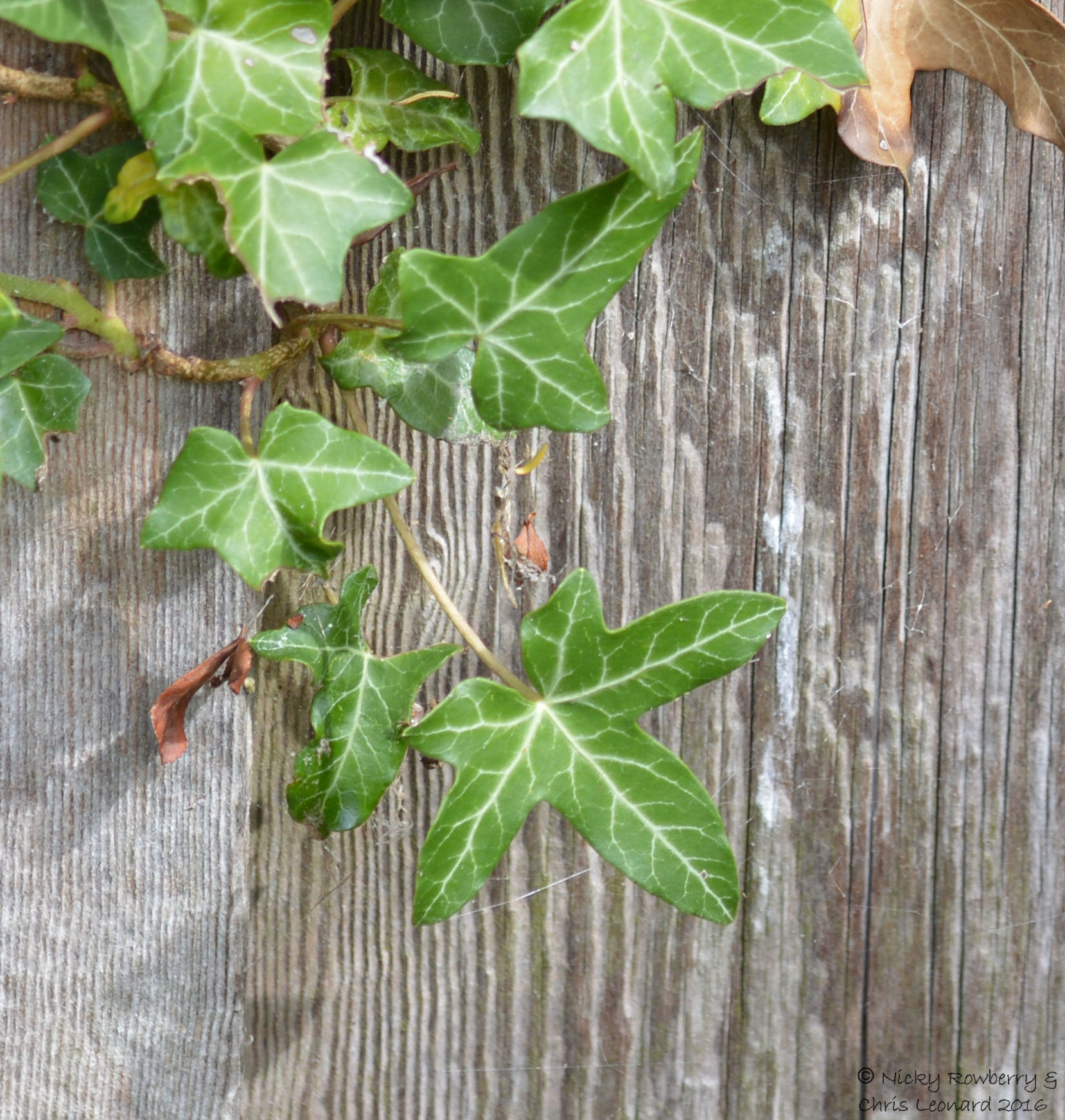
I am a relative newcomer to the ivy fan club, having not really appreciated their contribution until this year. We’ve had ivy growing along the fence for a long time, but I’d never noticed any flowers. Turns out this wasn’t just my short-sightedness, but the fact that ivy doesn’t flower until it is mature. Young ivy leaves are markedly lobed like the ones below.

young-ivy

On mature stems the leaves lose their lobes and have a more undefined wavy edged shape, like the ones below. The flowers only occur where there are mature stems. So it may be that it is only this year that our ivy has been old enough to flower, rather than me being spectacularly unobservant!

shieldbug-on-ivy

The leaves themselves are of course hugely beneficial habitats for a host of species. Our ivy has lots of the shieldbugs (as above), which are well camouflaged and can hide amongst the foliage. The ivy in our garden is confined to our fence and the ground immediately below it. The ground cover provides refuge for our resident frogs and the occasional toad. In places where the ivy is more extensive, it can apparently be a really good roosting place for bats (my dream house would be a big old one, covered in ivy and home to flocks of bats!!)

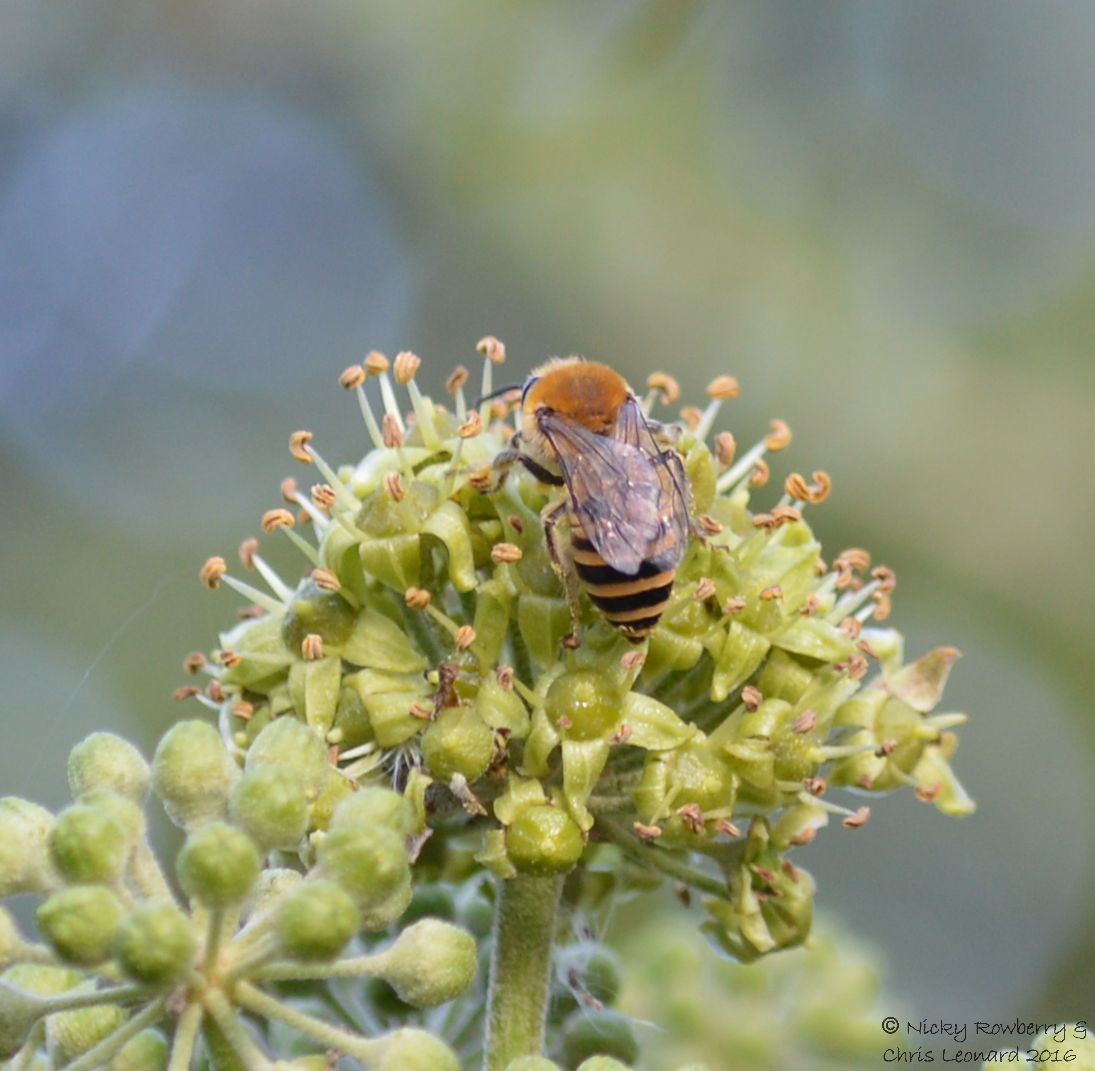
Ivy is of huge benefit to autumn insects – when most other flowers have faded, the ivy provides much needed pollen and nectar. One insect has based its whole life cycle on it – the Ivy Bee (below) even times the emergence of the adult bees to coincide with the ivy flowering.

ivy-bee

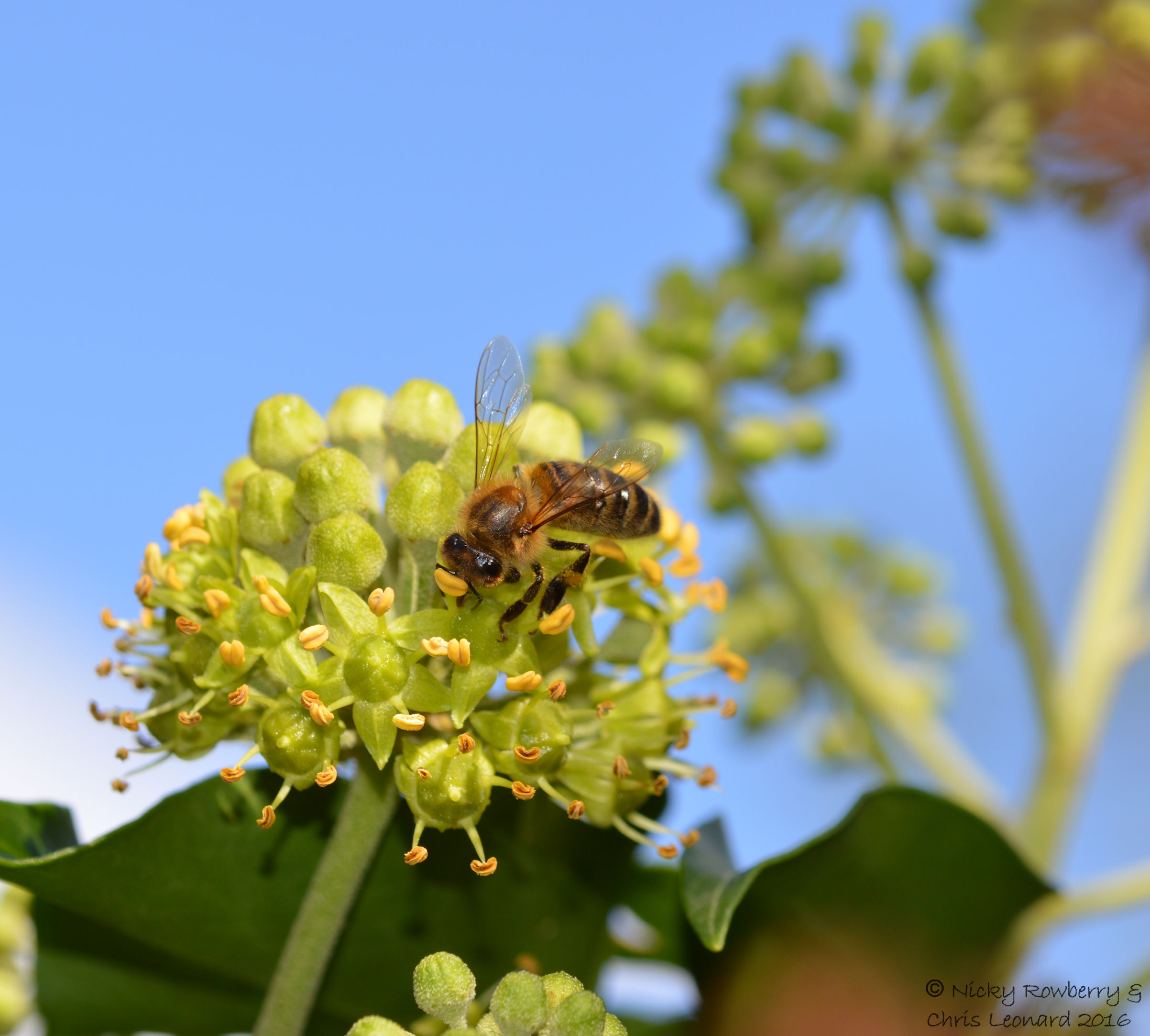
The Ivy Bee may feed specifically in ivy, but lots of other bees make good use of it too. In my quest to photograph the Ivy Bees, I’ve seen lots of other bees making the most of the flowers. A large patch of ivy can be absolutely buzzing with honey bees like the one below.

honey-bee-on-ivy-2

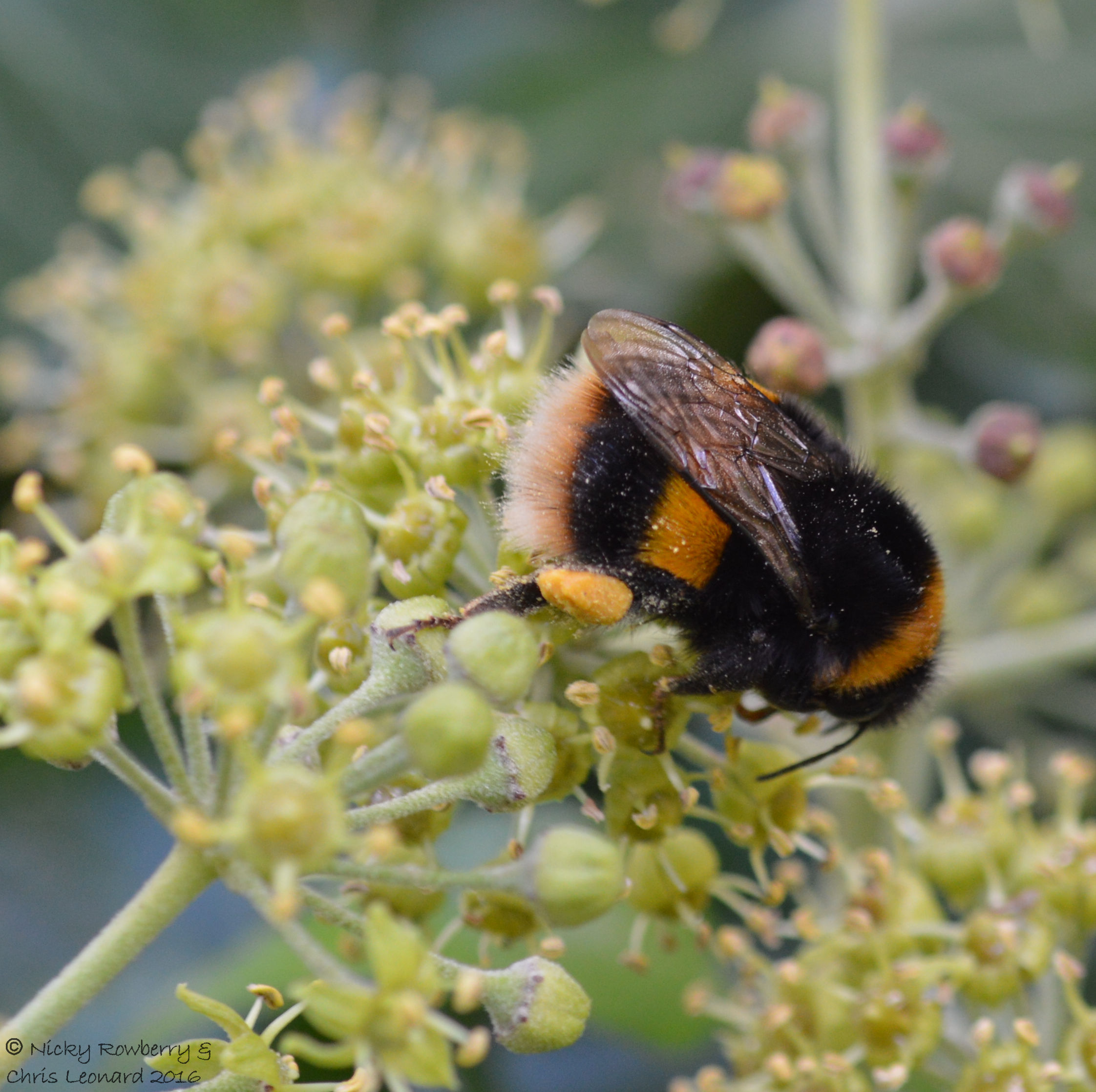
This queen Buff-tailed Bumblebee was loaded up with pollen and may have been preparing to start a new colony.

bumblebee

Some autumn butterflies will also make use of the ivy to build up energy reserves so they can hibernate over the winter. For weeks now I’ve been seeing other peoples’ photos of Red Admirals feeding on the ivy, but although we’ve had them fluttering around ours, they always seemed to land on the neighbour’s side of the fence, so I couldn’t get a photo! Finally last weekend I spotted this one in the churchyard in Bodenham and after a bit of chasing it settled down and let me take some pics.

red-admiral

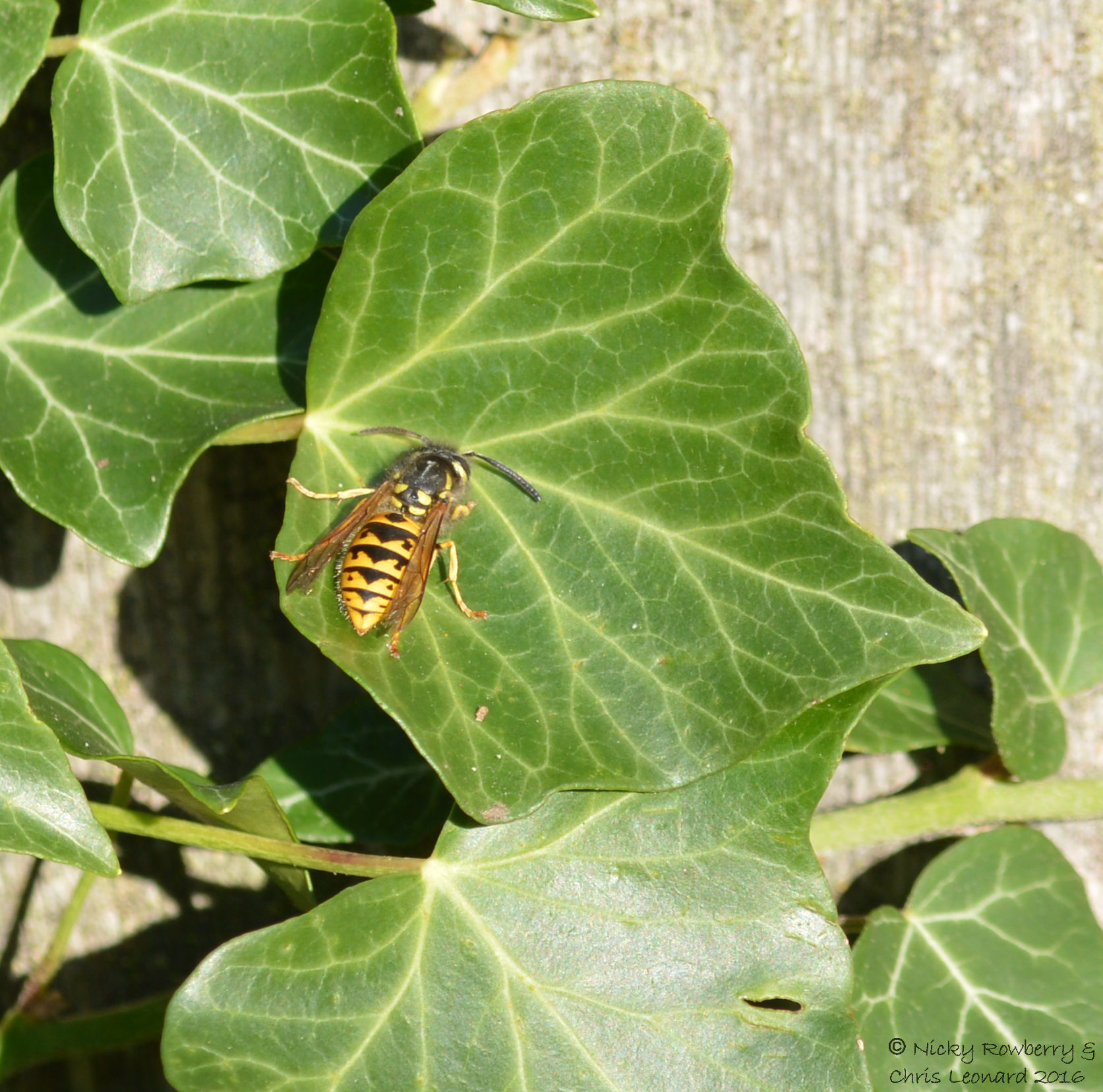
Our garden ivy gets a lot of wasps – probably more of them than the bees. They seem to like resting on the leaves in the sunshine, between bouts of feeding on the flowers.

wasp-on-ivy

wasp-v-vulgaris-on-ivy

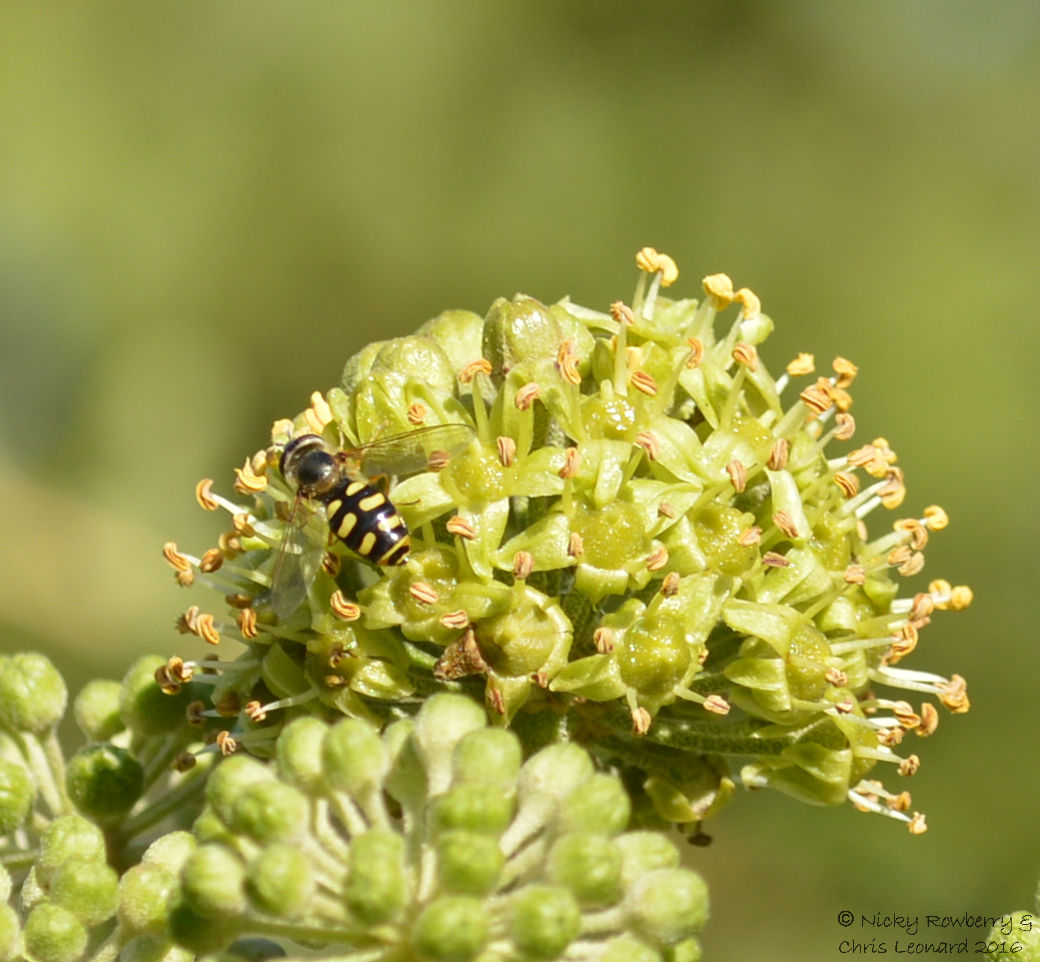
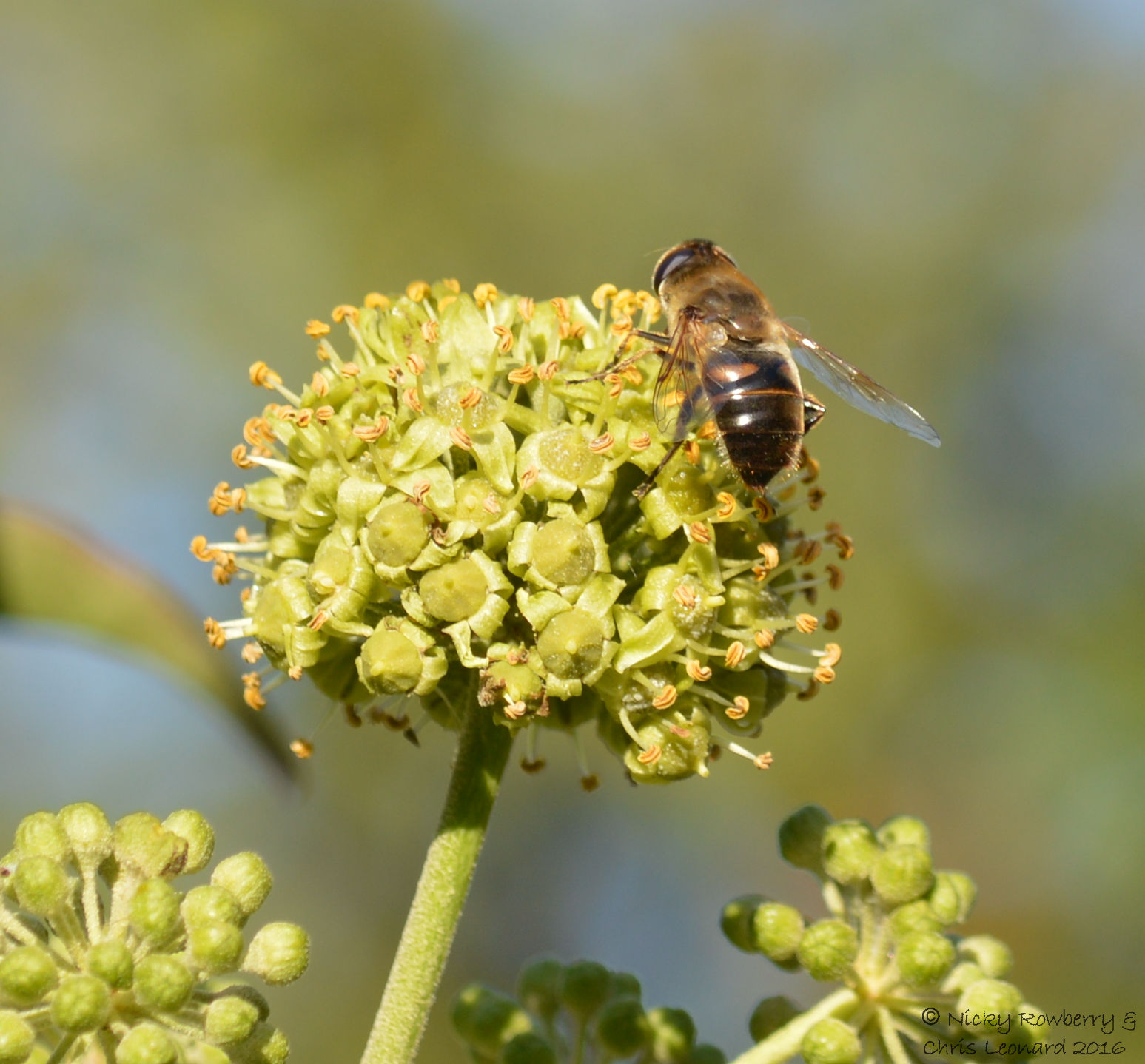
Hoverflies are also abundant on our ivy – here are just a couple – top a brightly coloured Eupeodes sp. and bottom an Eristalis sp.

hoverfly-on-ivy-3

hoverfly-on-ivy-2

Many other insects will make use of the ivy too. It is apparently an important source of food for many moths, although I’ve yet to successfully photograph one on ours. At the less glamourous end of the insect spectrum – the flies also enjoy a nice bit of ivy. This was one of the more attractive ones (I’d call it a Green Bottle, but no idea what its proper name is?).

fly-on-ivy

Once the flowering has finished, the ivy produces berries that are a valuable source of food for garden birds. The ivy berries last much better than some other fruit, so can provide food right through the winter, when hawthorn and rowanberries are long gone. Now that I have ivy flowers in the garden, I will hopefully get some berries – with a bit of luck I’ll be able to get some trail cam footage later in the winter of birds eating them!

Some gardeners consider ivy to be a nuisance, but for me the pros far out weigh the cons and now that I’m finally looking at it properly – it really is a beautiful plant!