Out and About – Grafton Wood

Grafton Wood in Worcestershire is one of our favourite butterfly spotting locations and at only a half hour drive away provided the perfect day out yesterday. We went seeking the Brown Hairstreak, as we’d seen them there before. This is Worcestershire’s rarest butterfly and Grafton Wood is its stronghold, but unfortunately yesterday the Brown Hairstreak refused to put in an appearance. Hopefully we’ll have chance to go back later in the month, but in the meantime here’s one we photographed last year.

We may not have seen the Brown Hairstreak yesterday, but we did manage 14 other butterfly species, so we’re not complaining. One of the highlights was our second ever Brown Argus, having only seen these for the first time last week at Prestbury Hill.
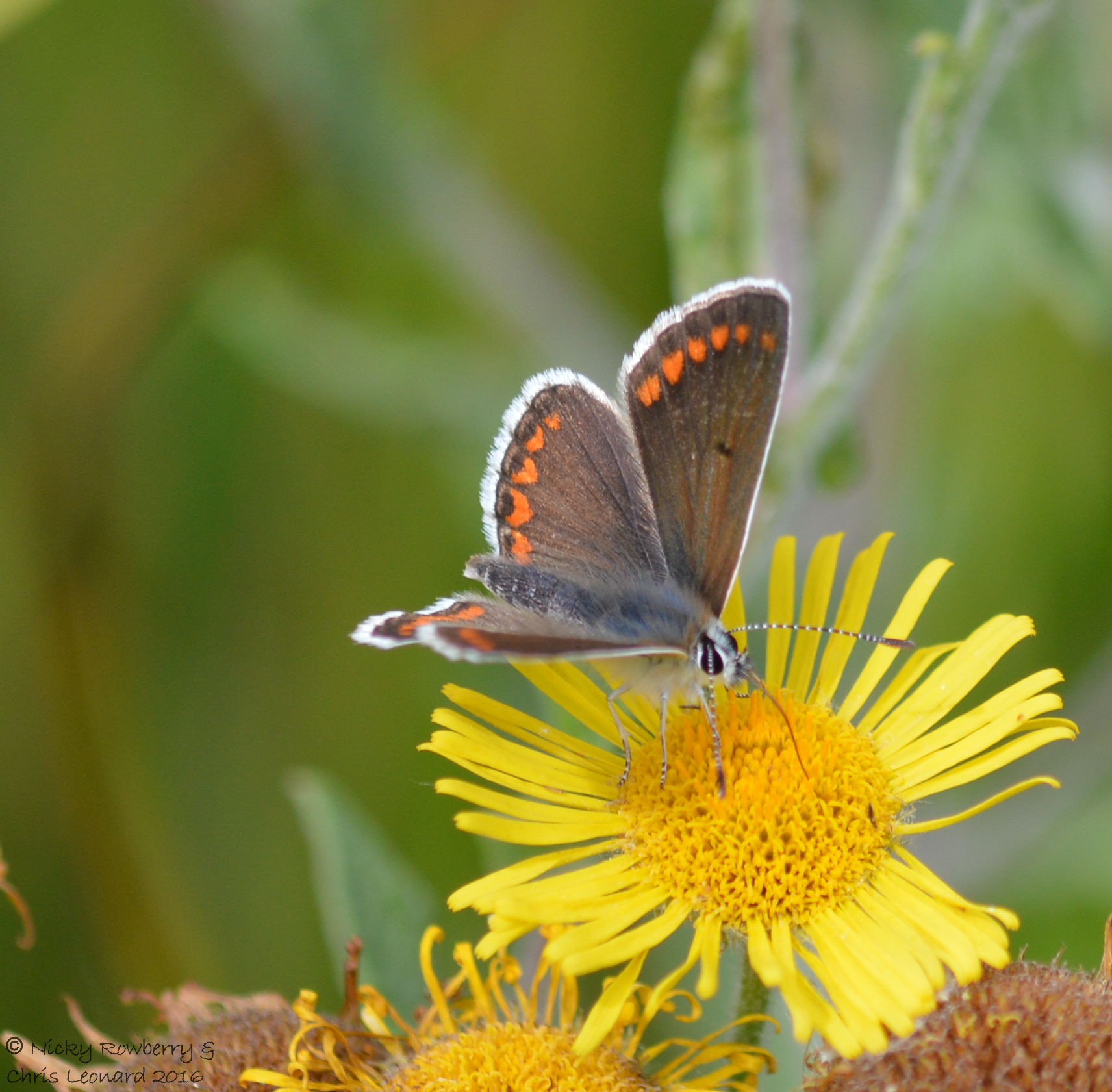
Brown Argus

Common Blues were abundant as well. The name implies somehow that by being common they are maybe ordinary, but when the light shines on the males in the right way (like this one below sharing a flower with another favourite of mine, the Swollen Thighed Beetle), they are simply stunning.

Common Blue 3

The colours in the next photo aren’t quite as vibrant, but I love the way you can see the spots from the underside showing through.
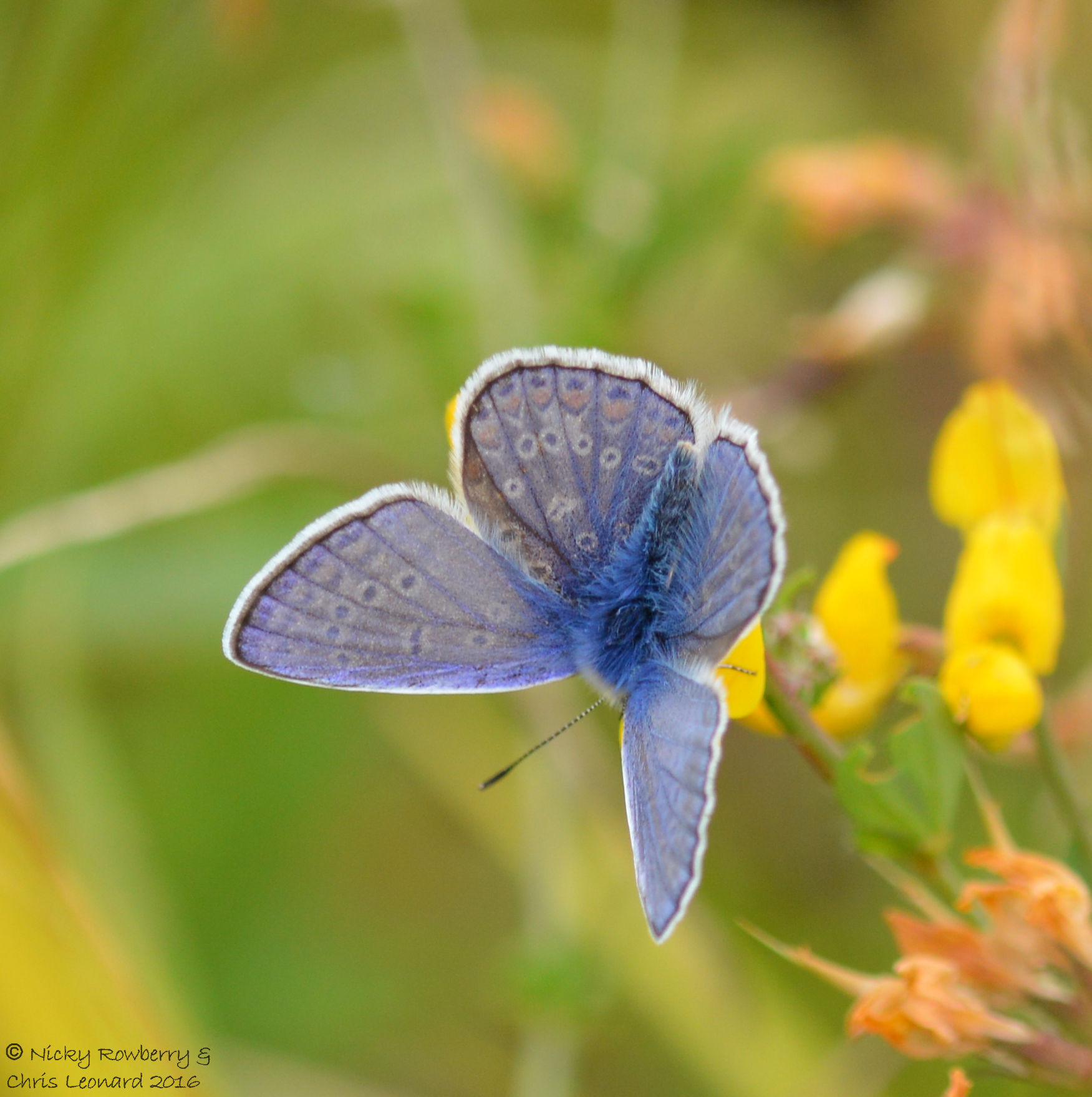
Common Blue 4

I think we get a bit hung up sometimes seeking out the new species of butterfly, so it was nice yesterday at Grafton to see some of the old favourite species and have time to appreciate them in their own right. So in no particular order of preference – Red Admiral, Brimstone, Peacock and Small Copper.

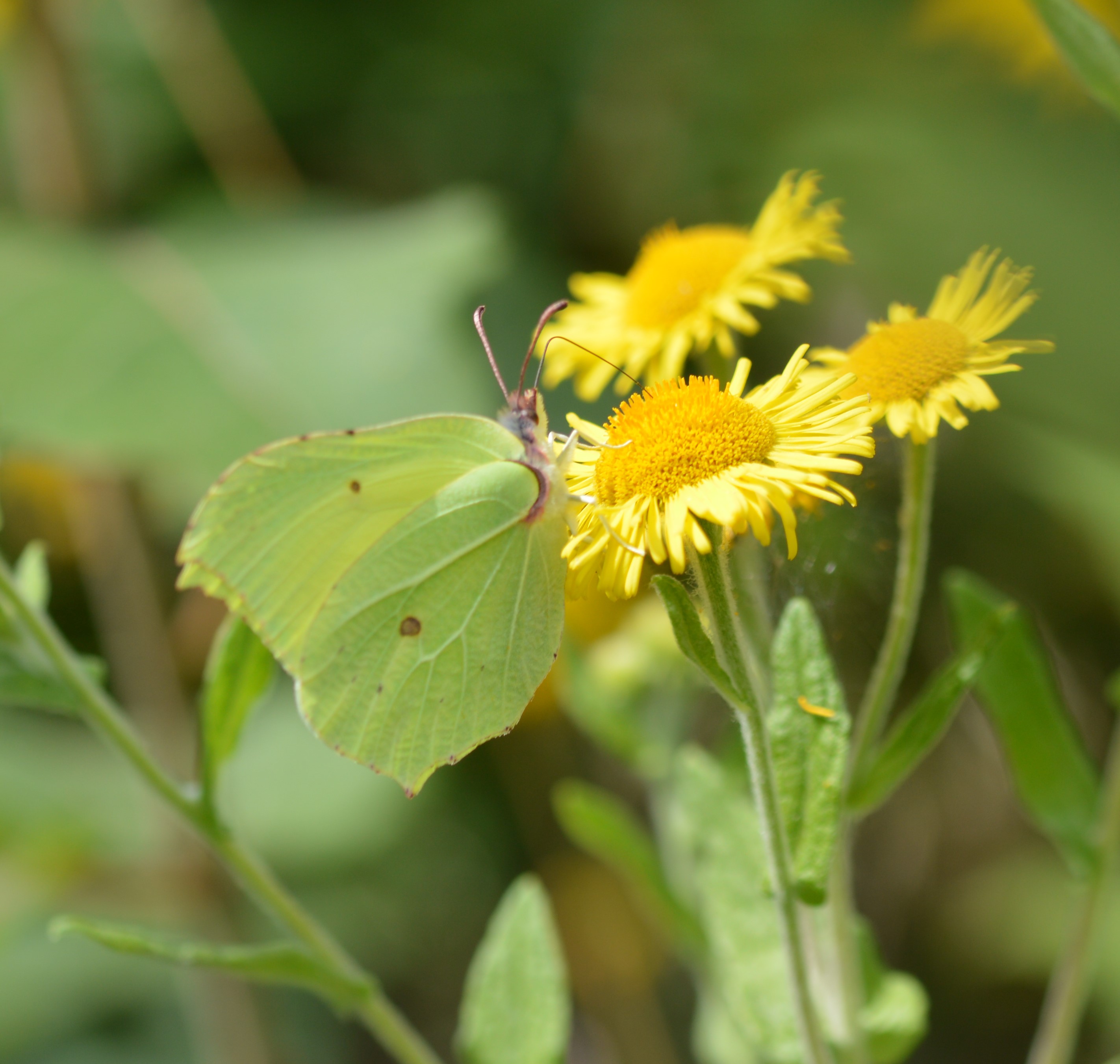
Small Copper 2

The Red Admiral and Small Copper can both be seen feeding on Hemp Agrimony. This plant seems to be a butterfly magnet and is the one we saw the Brown Hairstreak on last year.

Butterflies weren’t the only insects of interest yesterday though – the dragonflies and damselflies were abundant too. Highlight was probably an Emperor dragonfly, but the swine thing wouldn’t land, so no photo of that. Next best was a Southern Hawker, which was almost as magnificent, but equally difficult to photograph.

There were lots of Darters about too. At first I thought they were all Common Darters, but closer inspection of the photos back home revealed a Ruddy Darter too. The Ruddy one is a slightly brighter red, but the most diagnostic difference is the colour of the legs – the Ruddy’s legs are all black, whereas the Common has paler segments.
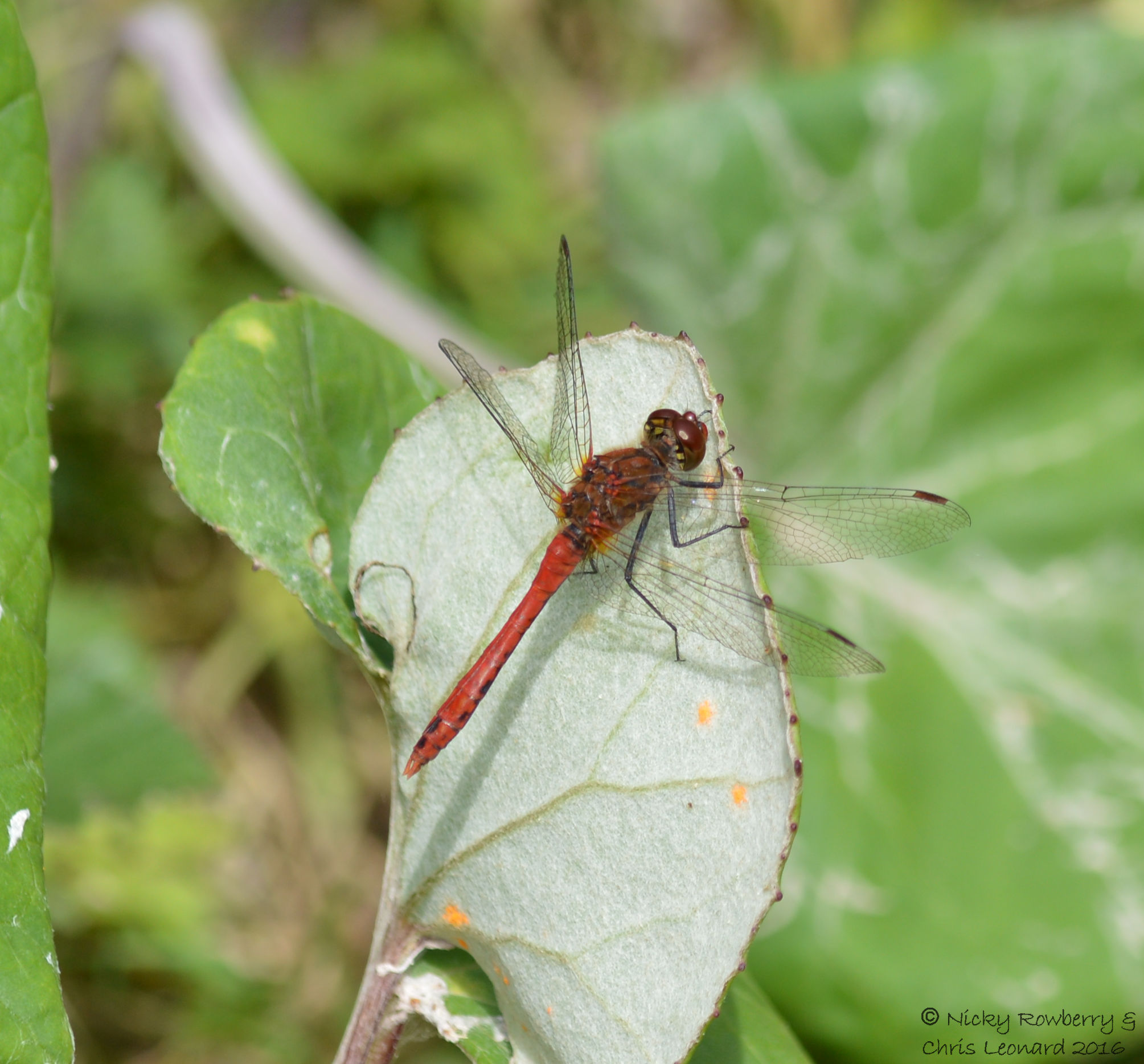
Ruddy Darter

At a small pond we spotted this mating pair of Blue-tailed Damselfies – a new species for us I think. The male is the one at the top and he’s holding onto the back of the neck of the female below, while she curves her body up to his to receive the sperm. They can stay locked like this for quite a while!
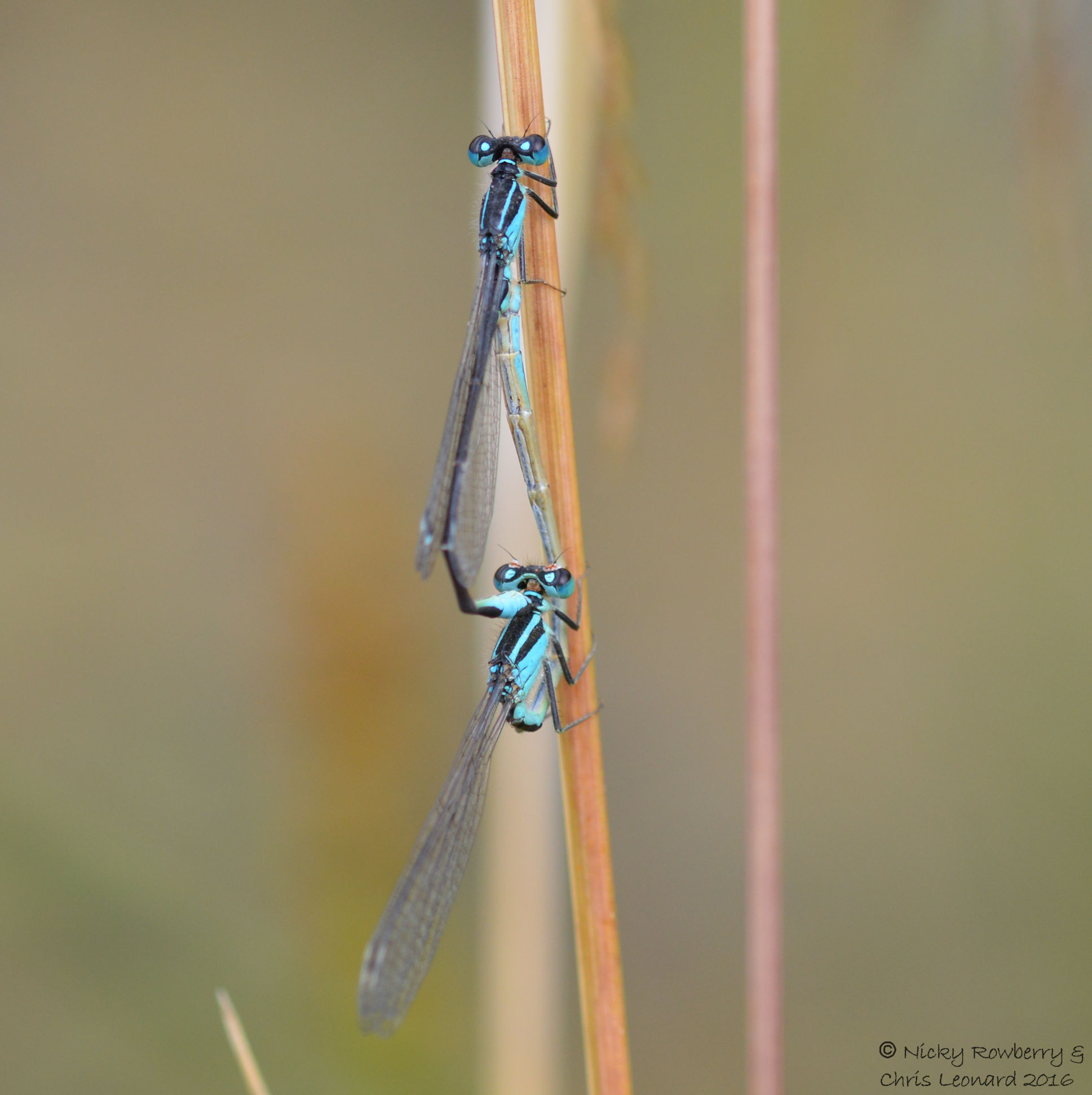
Blue Tailed Damselflies 2

Back at the carpark by Grafton church, we rounded off the day by finding our first ever geocache! Not the greatest level of difficulty, but we were pleased with our success on the first attempt. Another thing to get addicted to “bagging”!
Out and About – Prestbury Hill – The Return!

I’m not normally given to the expression OMG, but OMG Prestbury Hill is an amazing place! We made a return trip today to see the Chalkhill Blue butterflies that we didn’t see a few weeks ago (because I’d got their season wrong!) We ended up seeing 15 species of butterfly, a beautiful bird of prey, some moths and a new snail! Pretty amazing for a few hours walking in beautiful countryside.

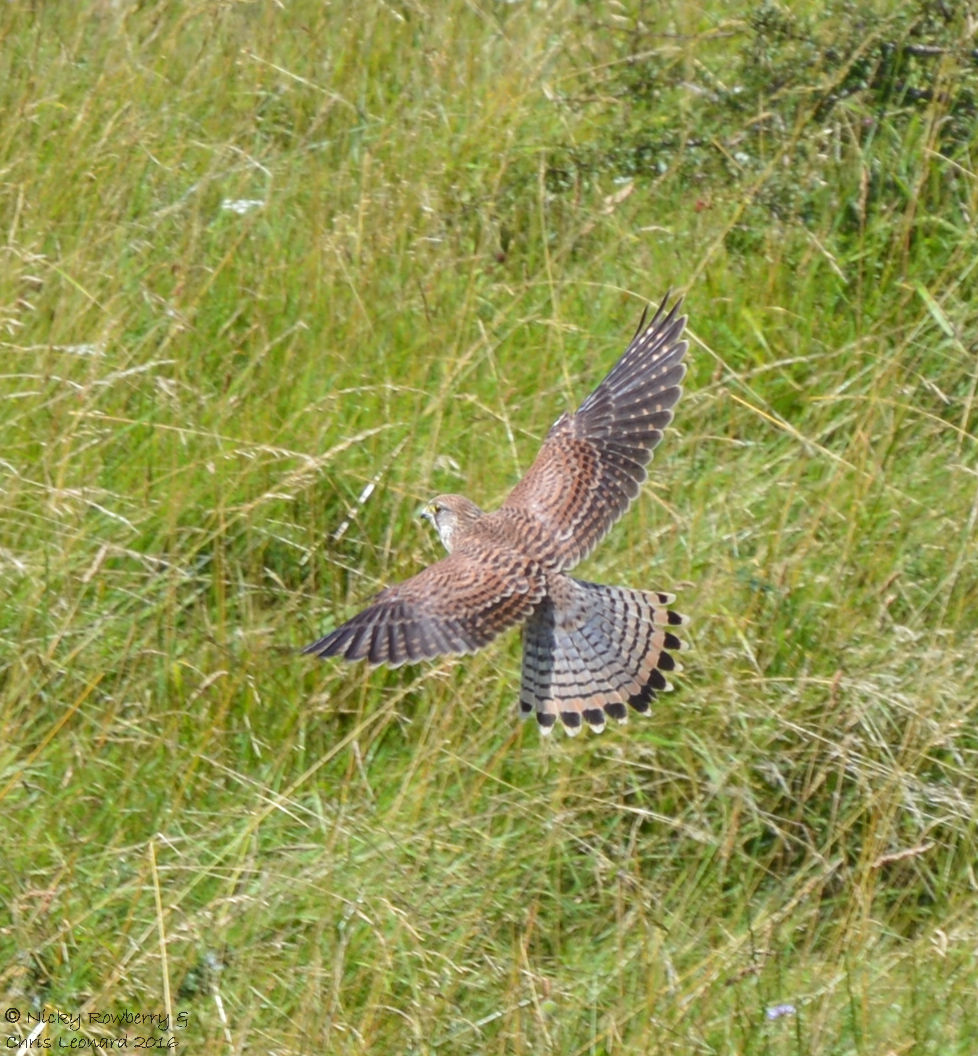
We started leisurely by heading to a bench for a picnic (I’d love to be able to claim that I’d loving crafted cucumber sandwiches and other home-made delights, but actually it was left-over fried chicken from the night before!) We spotted our first Chalkhill Blues before we even reached the bench, but decided to eat first then take photos later. Said bench has glorious views out over Cheltenham and beyond and is the perfect place for a picnic. We could see a bird of prey hovering over fields below – turned out it was this beautiful kestrel. We couldn’t get very close, so this is taken zoomed in from a fair distance, but you can still see what a stunning bird it is.

Kestrel

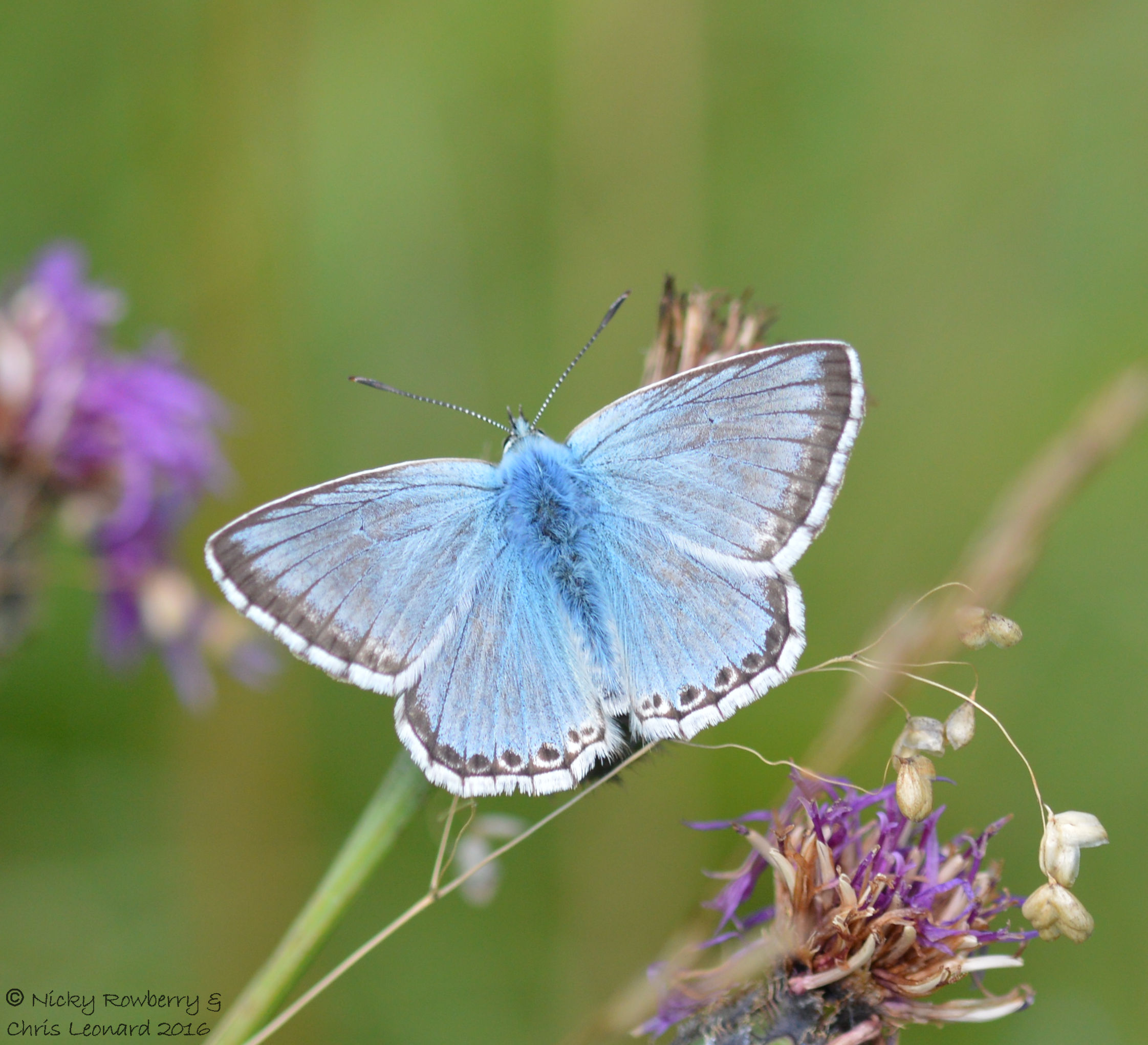
It hovered round about for much of our visit, never coming close enough for a better photo though. But by then we were distracted by the object of our desires – the Chalkhill Blues. The beautiful blue butterflies need either chalk or limestone grassland (Prestbury is limestone) and are one of the last species to appear each year. The males have gorgeous bright blue upper wings edged with black.

Chalkhill Blue

The underneath of the wings have a pattern of dots quite similar to the Common Blue.

As is so often the case with butterflies, the female is much drabber. We saw mainly males today, but that could be just that they are easier to spot with their bright colouring. The few females we did see were often being pursued by more than one admirer.

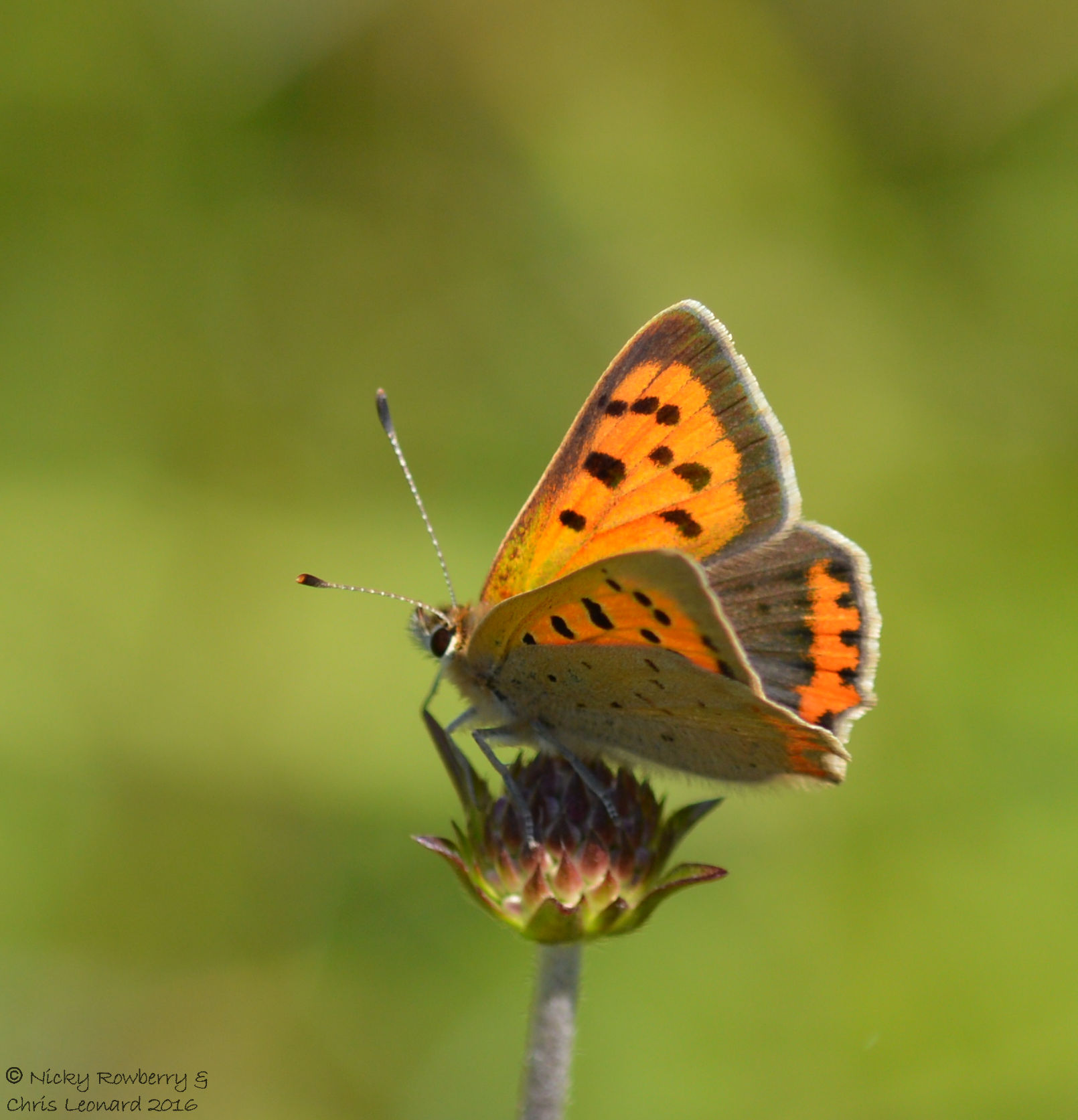
Already delighted with having bagged our Chalkhills we got chatting to some fellow butterfly twitchers, who knew much more about the area than we did and were very helpful. They mentioned that they’d seen Brown Argus further up the slope – a species that we’d never seen before. Needless to say we puffed our way back up the hill to the area they’d described in the hope of a second prize for the day. We caught a glimpse of something different, which turned out though to be some lovely Small Coppers. My photo doesn’t really do them justice, but they were positively glowing a coppery red in the sunshine today.

Small Copper

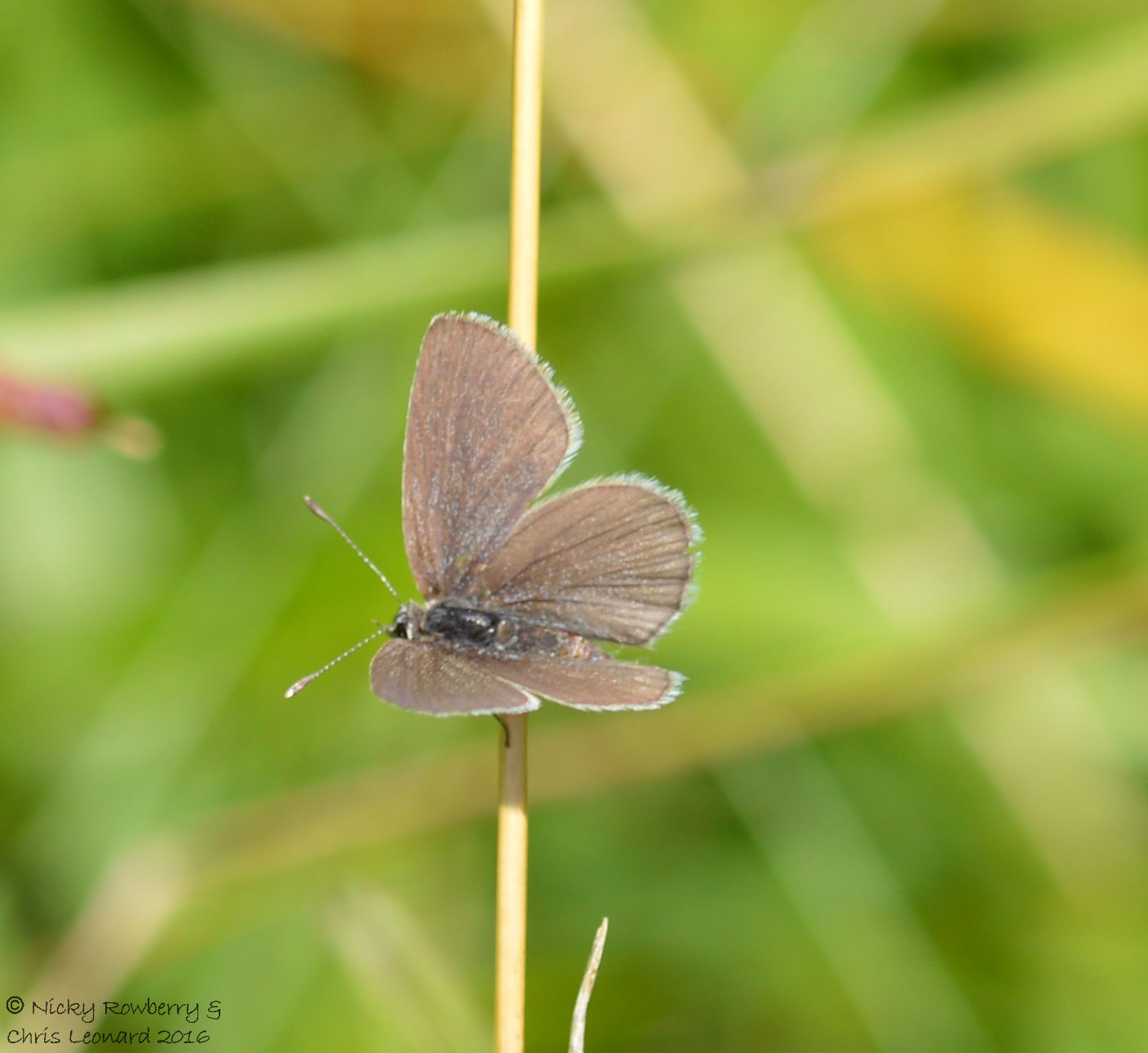
I then noticed a tiny, fairly plain little butterfly, so took a few quick photos thinking it would probably turn out to be a Common Blue. So we were amazed when I downloaded the photos later and realised it had actually been a Small Blue! Another new species for us – two in one day!

Small Blue open

We carried on back up the hill and about half way up saw another small butterfly. This time we’d found it – a male Brown Argus. Our third new species of the day! Again they look quite similar to the female Common Blues, but have the orange dots going right the way to the end of each wing.

Brown Argus male

Obviously seeing three brand new ones was the highlight of the day, but we also saw 12 other species, including our first Small Skipper of the year and some nice fresh looking Gatekeepers.

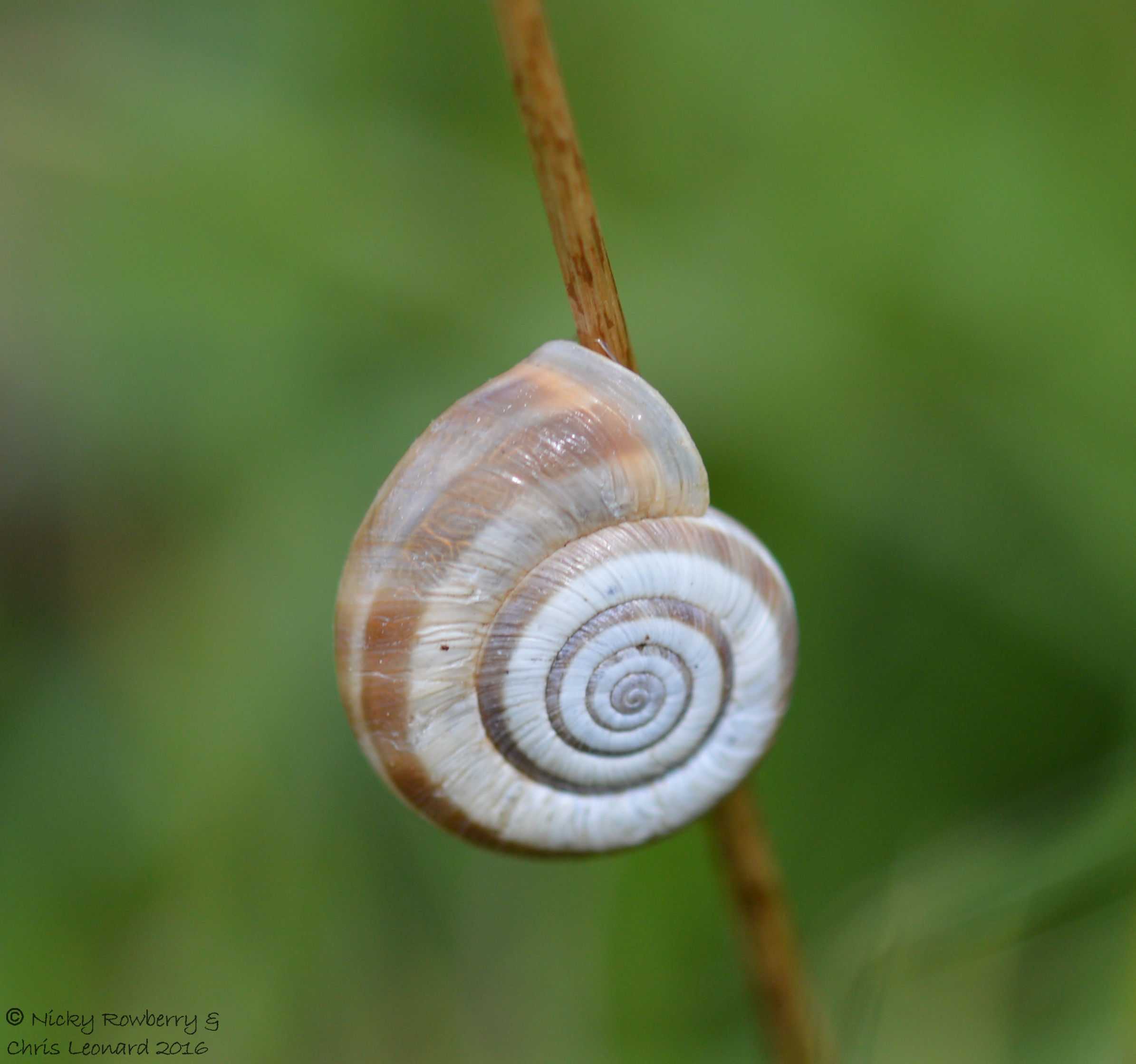
We also saw lots of these interesting snails. They are Heath Snails (Helicella itala) and seemed to have the habit of climbing grass stems like this.

Heath Snail

And finally we couldn’t have a day out without finding a moth – this time a Shaded Broad-Bar as we headed back to the car.

Moth

So if you want to see butterflies, I can’t think of many places better to go than Prestbury Hill. And it still has more to offer – Duke of Burgundy butterflies in the early summer apparently, so we’ll be back again next year.

Out and About – Prestbury Hill

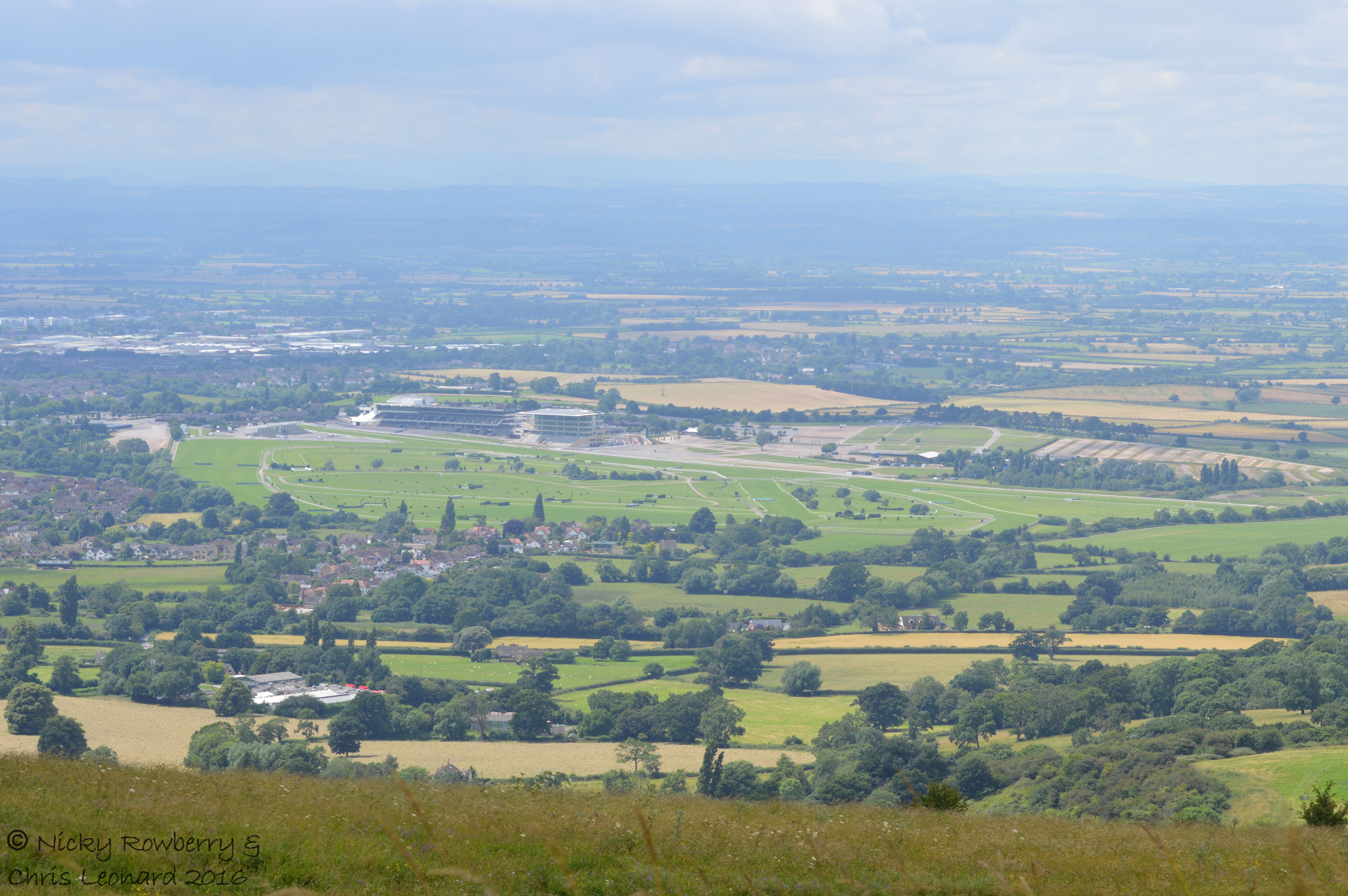
It’s taken me over a week to write this latest post, partly because I’ve kept getting side-tracked by things in the garden and partly because we’ve had friends staying – so I had to spend time tidying the house (although I doubt they could tell that) and drinking Prosecco! But over a week ago now, I headed down to Prestbury Hill, near Cheltenham in search of the Chalkhill Blue and Dark Green Fritillary butterflies. Prestbury Hill is, as its name suggests, high up, with stunning views over Cheltenham racecourse.

View 1

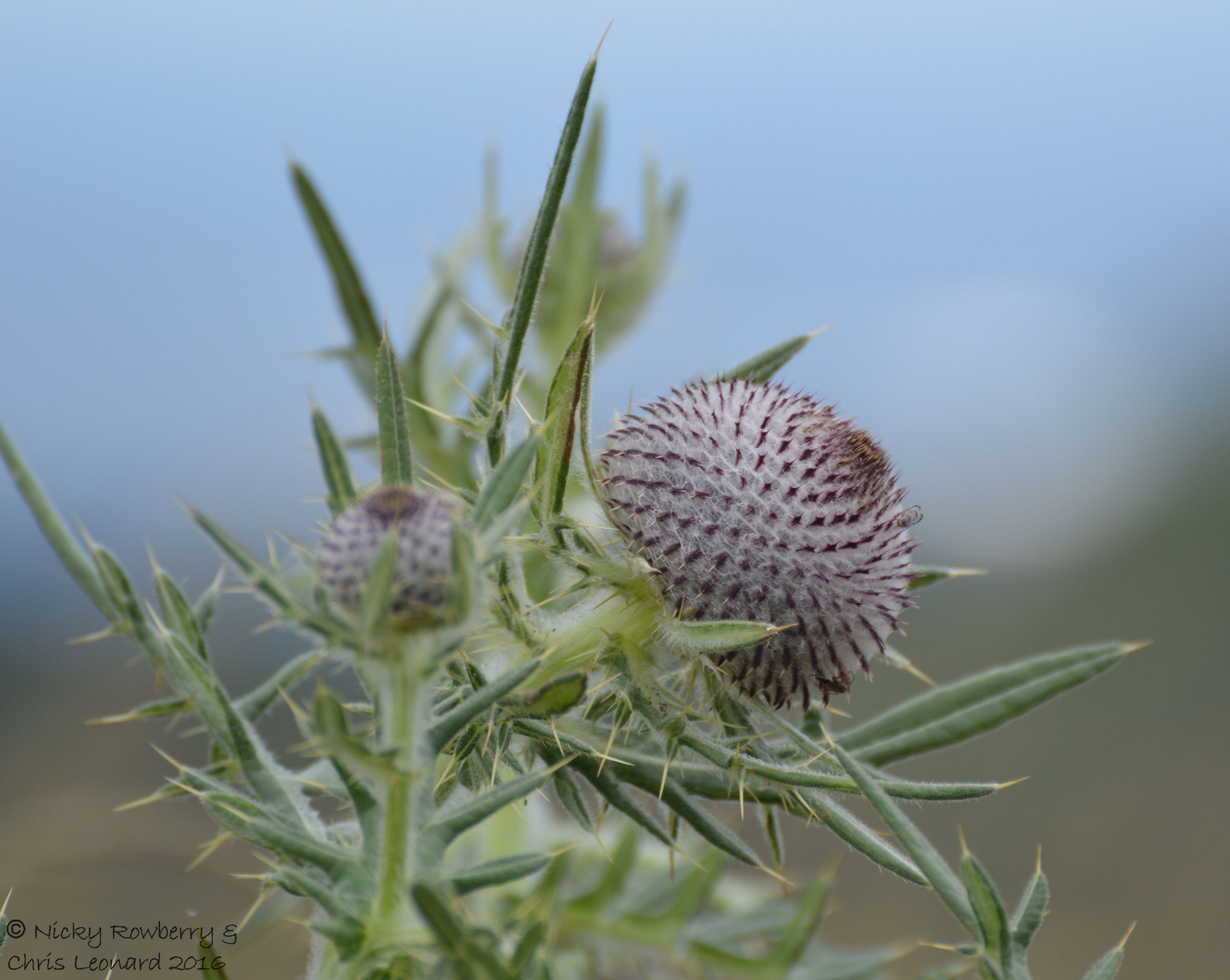
The reserve is run by Butterfly Conservation and consists of 2 areas of limestone grassland. The sloping grasslands are full of wildflowers and insects and would be a lovely place to walk even if you weren’t into butterflies. I particularly liked these Cotton Thistles, with their huge spiralling flower heads.

Thistle

Although we went looking for butterflies, the first insect of interest we spotted was a beautiful Brassy Longhorn moth – I’ve no idea how they manage to fly with such long antennae?

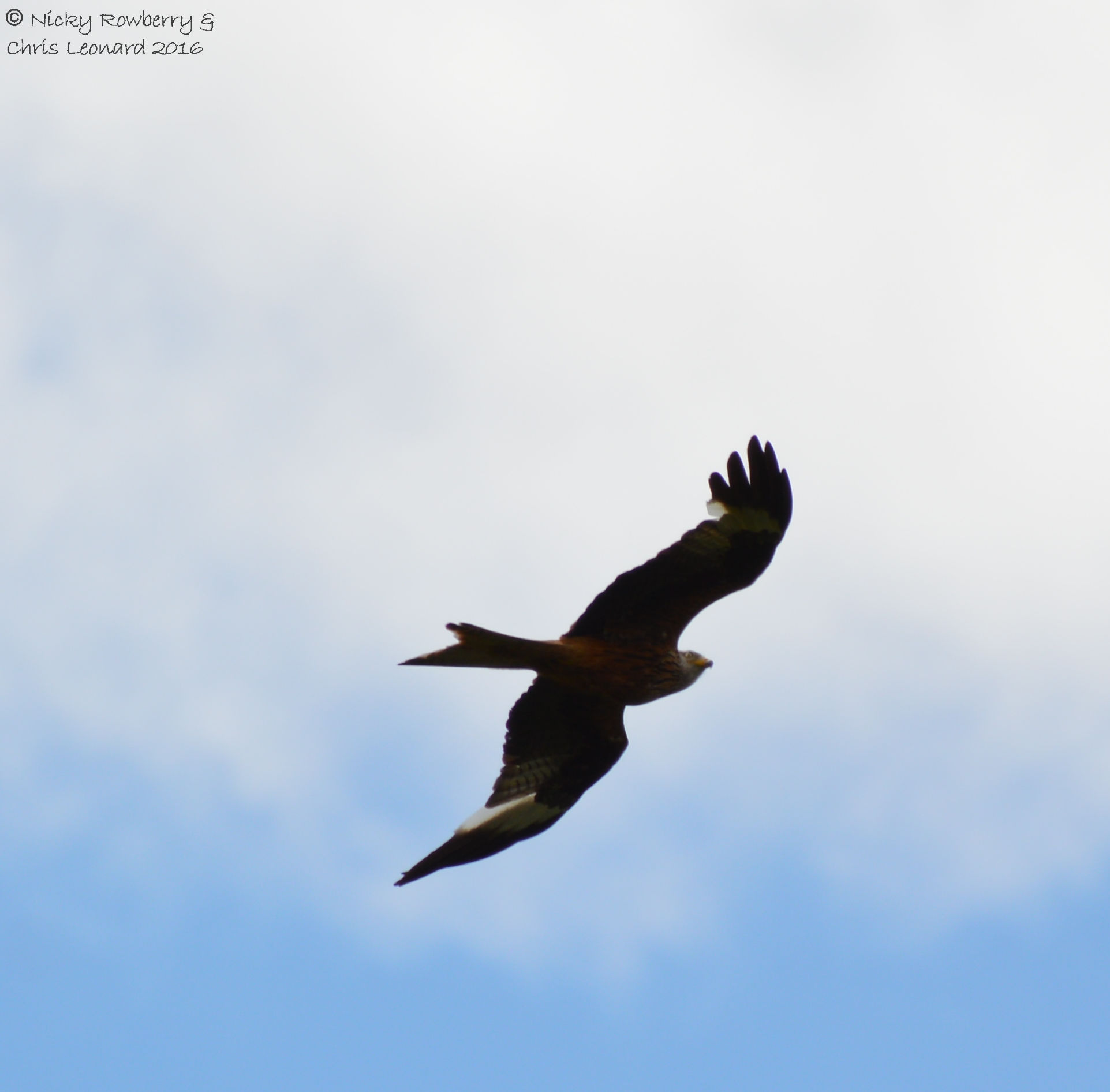
Although on these walks we tend to be looking down, or at least across for butterflies, we did look up long enough to spot this Red Kite soaring above us. Not a great photo as it was difficult to do against the bright sky. There were buzzards too, but as we see those fairly regularly at home, the kite got all the attention.

Kite 2

We followed the paths for quite a while, spotting lots of Marbled Whites and Large Skippers, while we searched for the blues and fritillaries.

Marbled White

Eventually though we found the first prize of the day – a Dark Green Fritillary. It then took about 20 minutes of chasing about to get a photo to confirm that it was indeed our target photo. And then longer still to get another photo of it with its wings open, but it was well worth the hunt as it is a gorgeous butterfly.

Dark Green fritillary

The reserve is divided into 2 sections, so having “bagged” our fritillary we headed over to the other half to look for the Chalkhill Blues. Turns out though our researcher (i.e. me) had got a bit ahead of herself as we were apparently a couple of weeks too early for these. Fortunately we met some butterfly enthusiasts who put us right before we spent hours pointlessly searching for them.

We did see some more fritillaries though, which we initially assumed were more of the Dark Green ones. It was only when we got back and downloaded the photos, that we realised these ones were actually Silver Washed Fritillaries. They look very similar when they’re flying around.

One final treat was finding several Small Heath butterflies. This had been a new species for us a few weeks ago and now they’re popping up everywhere!

So another great day out and another butterfly species ticked off the list. We will hopefully make it back to Prestbury sometime soon to see the Chalkhill Blues – so watch this space!

Big Butterfly Count

Big Butterfly CountYesterday was the start of the 2016 Big Butterfly Count. One of my favourite “citizen science” projects; we’ve been doing this in the Too Lazy garden for a few years now. All you have to do is sit for 15 minutes and count the butterflies you see (only record the maximum number of a species you can see at any one time, so you don’t count the same individuals twice). You can do as many counts as you like in as many locations over the 3 week period the count runs.

So this afternoon I sat in the garden and counted the butterflies. Not a huge number; it was a bit of a dull day as so often seems to happen when the Butterfly Count is on. But I did see 5 individuals of three species – Large White, Meadow Brown and Ringlet. Best of all I saw a pair of Ringlets mating. This bodes well for future little Ringlets (would that make them Ringletlets?) in our garden.

Mating Ringlets

The meadow brown just whizzed through the garden and the Large Whites were way too flighty to get photos as usual. They may be one of the commonest species, but I find them the hardest to photograph.

So maybe not a spectacular start, but then the count isn’t about recording the highest numbers of butterflies. It’s about gathering long term data to assess the health of the UK’s butterfly populations. So my 5 butterflies still provide useful data.

More information on the Big Butterfly Count at: http://www.bigbutterflycount.org/


One Year Older and One Year Weedier

Just realised Too Lazy To Weed is one year old today! 13th July 2015 I first dipped my toe in the world of blogging; at the time I wasn’t sure if I had enough to share from my perspective of lazy non-gardening and wildlife watching. But as I think I said in my very first blog post – there’s something going on in the garden all the time. And if not in the garden, then there are things to discover in the wonderful countryside around us.

I started blogging on a wet Monday in mid July – one year later and it is now a wet Wednesday in mid July; the weather at least hasn’t improved over the year. A few things have progressed though – I think we’re getting better at the photography; still by no means experts, but at least producing recognisable photos (apart from some dubious bee in wall ones below). I’ve learnt how to use a Trail Camera and Bat detector and both my moth and bee identification skills have improved a bit. The garden itself is looking increasingly wild and woolly – some of the weeds are now reaching triffid proportions and we lost the greenhouse for a while until I hacked my way back to it!

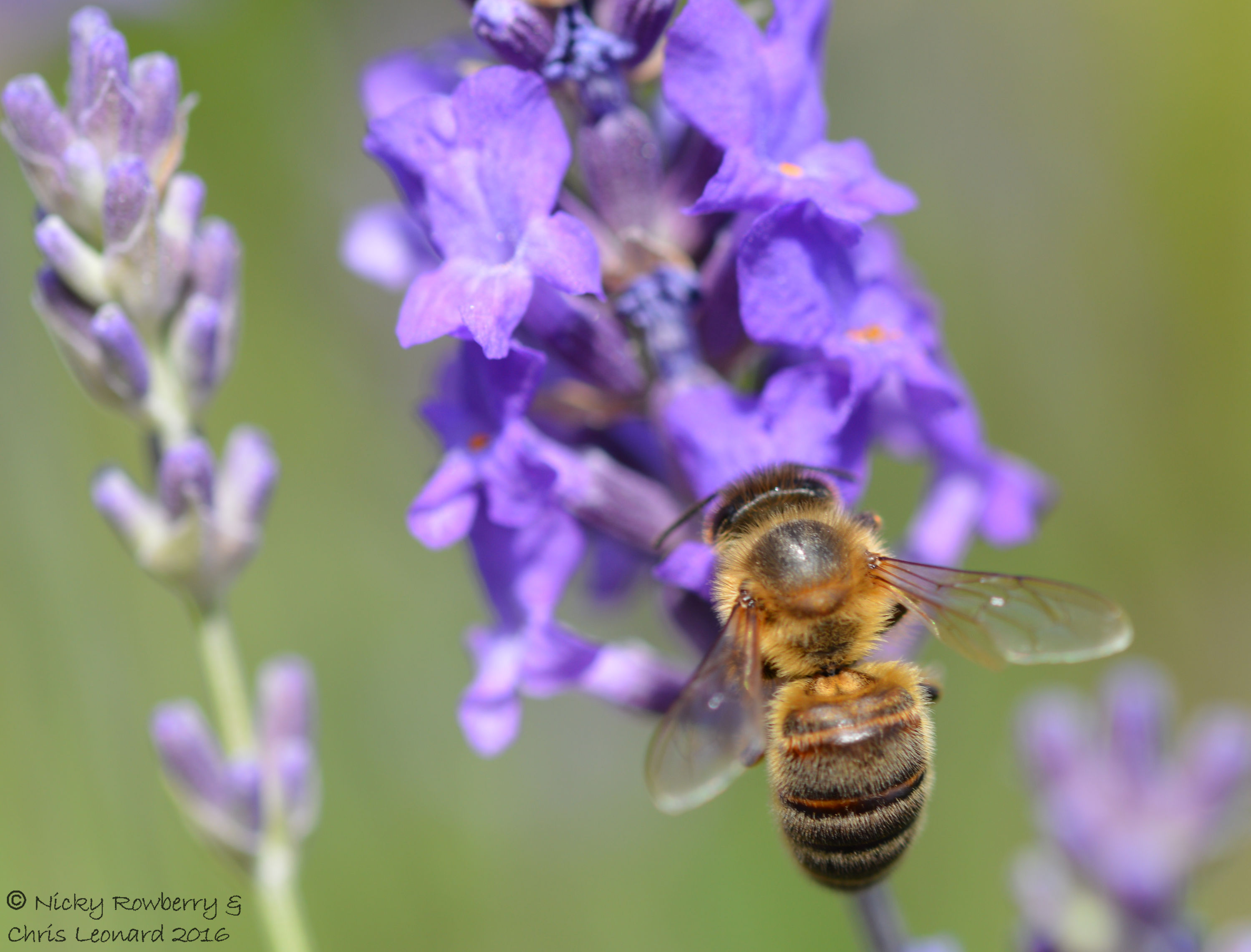
A year ago I was getting all excited at the prospect of the Big Butterfly Count and this year is no different. The Big Count starts again this weekend, so I  hope the weather perks up a bit. Quite a few of the blog posts lately have been about our trips out and about, but I thought for this anniversary post I should maybe focus back on what’s going on in the garden. The butterflies have so far been few and far between, but the bees have been out in force. The lavender is at its best right now and the bees absolutely love it.

Honey Bee 1

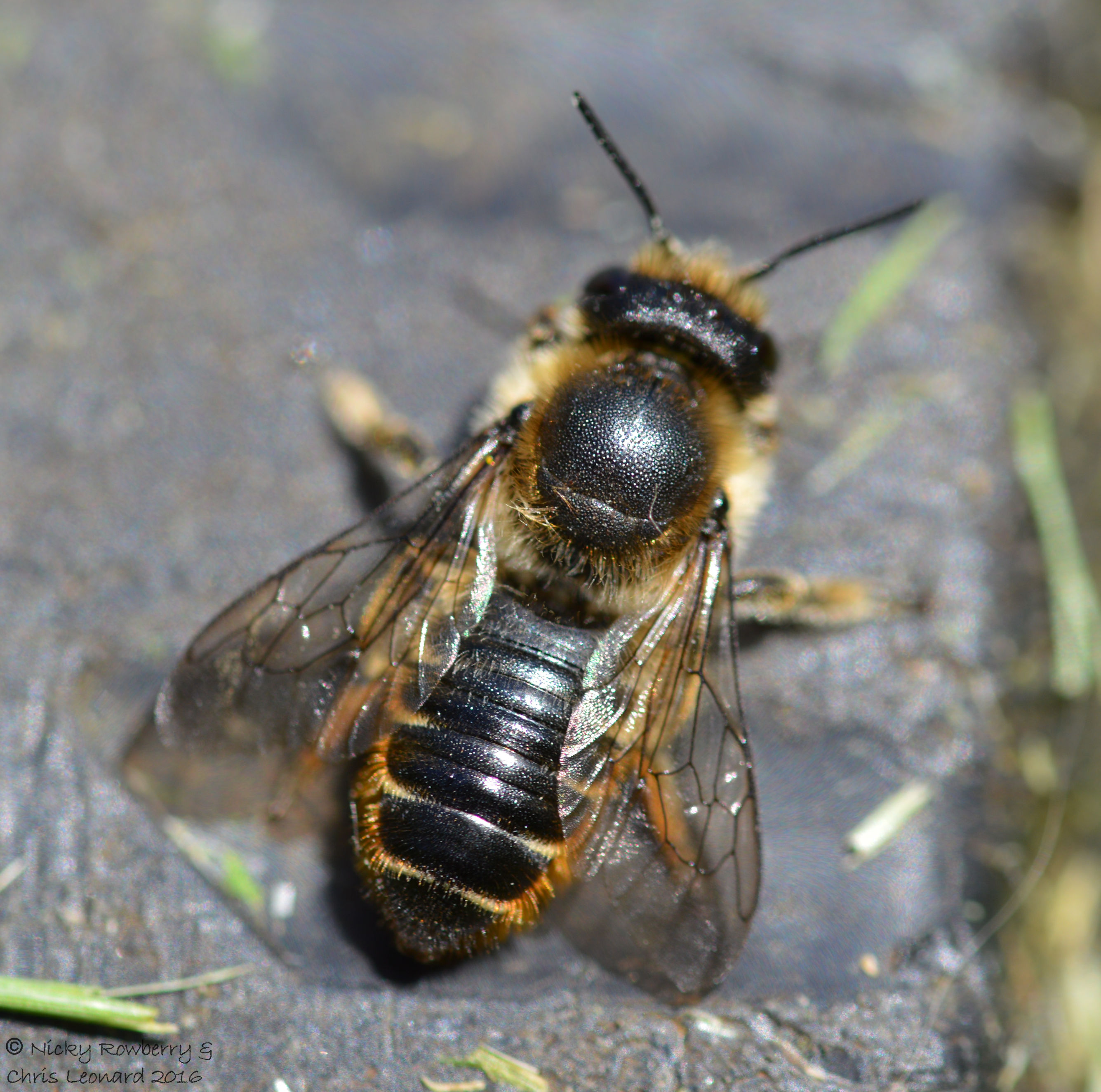
This week there was a particularly rare sighting in the Too Lazy To Weed garden – the lawnmower came out! This bee (a leafcutter) was perhaps so amazed it had to land on the wheel to have a closer look – a good excuse for me to stop work at least!

Megachile

I spent a lot of time at the weekend staring at our outside wall! We have a leafcutter bee (possibly even the one on the lawnmower above) nesting in there. I’ve seen on the internet wonderful photos that people have taken of bees emerging from holes in walls – all beautifully framed and in focus. Turns out it’s not that easy to do! The bee returned every 10-15 minutes so I was all set up with my tripod pointed at the hole. As soon as the bee appeared I clicked away, convinced I’d get award winning shots. Similarly as soon as it reappeared on its way back out I snapped away again. Not one perfectly focussed photo. Bees are apparently faster than either my camera and/or me. These blurry images were the best out of about 50 photos and an hour of my life staring at a wall!

Bee in wall 2

Bee in wall 1

One of my other bee recording efforts recently was to try and video them visiting the flowers in our mini meadow. We get plenty of bees there, so again I foolishly thought this would be easy. I set the trail camera up pointed at the flowers and left it for the day. As usual of course I’d forgotten to factor in the wind – blowing the flowers about and triggering the camera. 400 videos later of flailing flowers and I’d realised my mistake (I should have known this would happen, having had a similar problem with the bird feeder blowing in the wind earlier in the year). Amongst the flower flapping though the camera did at least manage to pick up a few bees – here are a couple of Buff Tailed Bumblebees enjoying the nectar buffet.

So one year on and I’m still getting just as much pleasure from watching the wildlife in our garden. Apart from the benefit to the wildlife itself of keeping an organic, natural (OK messy) garden, I find it beneficial to my own wellbeing. Coming home from work and watching the bees on the lavender, or the birds stuffing themselves on the birdfeeder, or the bats swooping in the evening  (even if they are after my beloved moths!) is a great way of unwinding. Maybe everyone should have a lazy garden!

Malvern Meanderings

Today we decided to explore our local patch – so often it’s your local stuff that you ignore, thinking somehow that the grass is always greener (or the wildlife more exciting) elsewhere. But the Malvern Hills are not only beautiful, but a fantastic location for wildlife. We forget sometimes how lucky we are to live here.

We’ve been concentrating a bit lately on “bagging” some new butterfly species and had so far added 5 this year to our lifetime list. But there is one species we’d never seen that has a colony almost literally on our doorstep – the Grayling butterfly is found on the Malvern Hills, less than a mile from our house. The Grayling is now a priority species for conservation as it is in decline over much of its former range. The Malvern Hills Conservators are making great efforts to protect our local population and improve the habitat. So we set off today in the hope of seeing our local speciality.

The Grayling likes areas of bare rock and short grass. We headed up the hills following the path recommended by the West Midlands Butterfly Conservation guide and having reached the favoured location, we spotted one almost immediately sunbathing on the rocks.

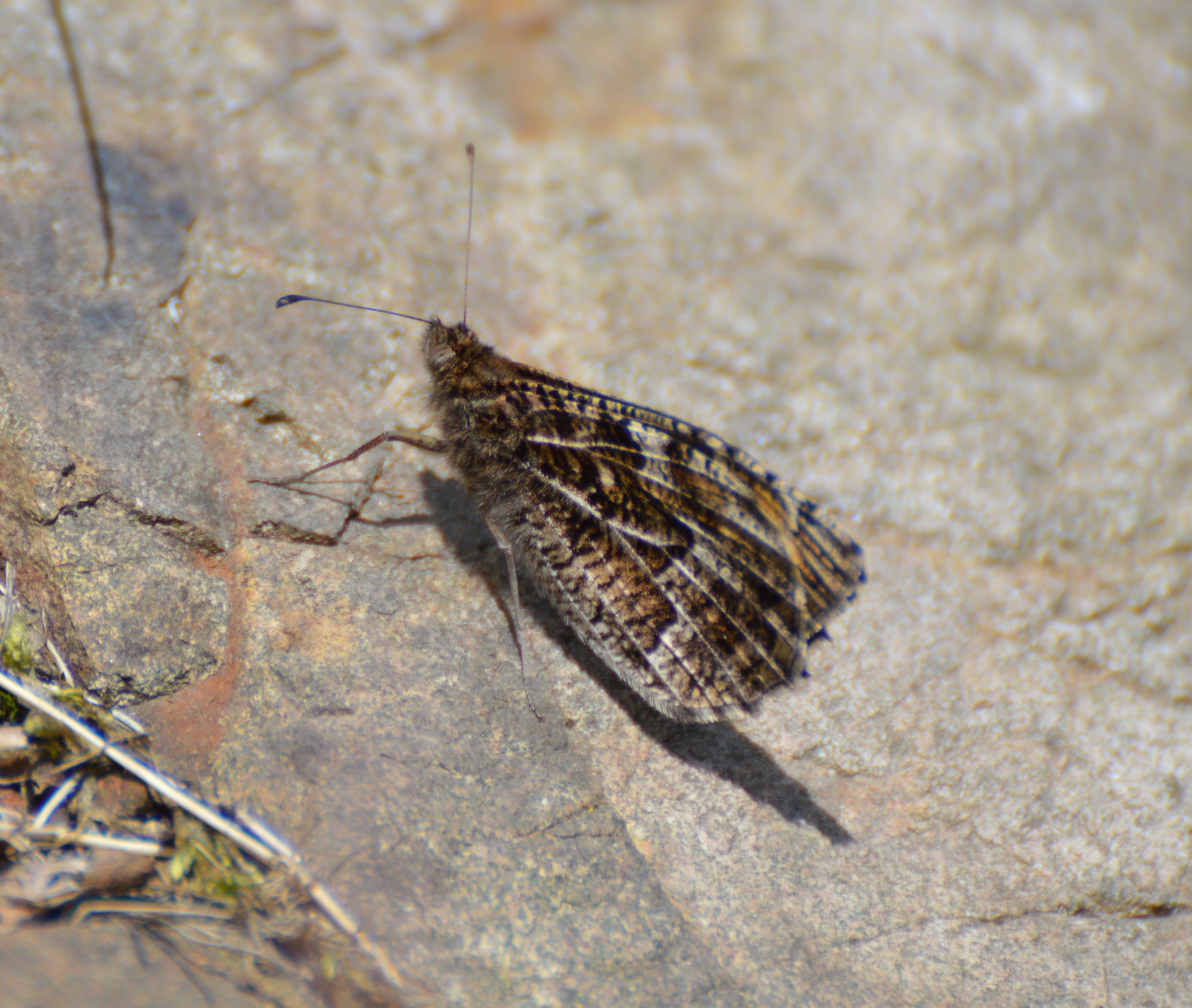
The Graylings aren’t as flashy as the Purple Emperors we saw earlier in the week, they are more subtly beautiful. They are also masters of disguise and when they keep still they blend into the surroundings extremely well. We were lucky to spot this one. Fortunately it was intent on sunbathing and was also close to the path, so we got our usual bucket-load of photos.

The Graylings almost always sit with their wings upright with the forewing tucked behind the hindwing, which makes them look much smaller than they really are. We watched this one for ages and eventually while it was shifting position, we managed to get a shot with its forewing at least partially showing.

Grayling 2

We saw at least 2 other individuals on our walk, all basking on rocks. Lots of people walked by us and the butterflies while we were there, but I don’t suppose many of them realised what they were missing!

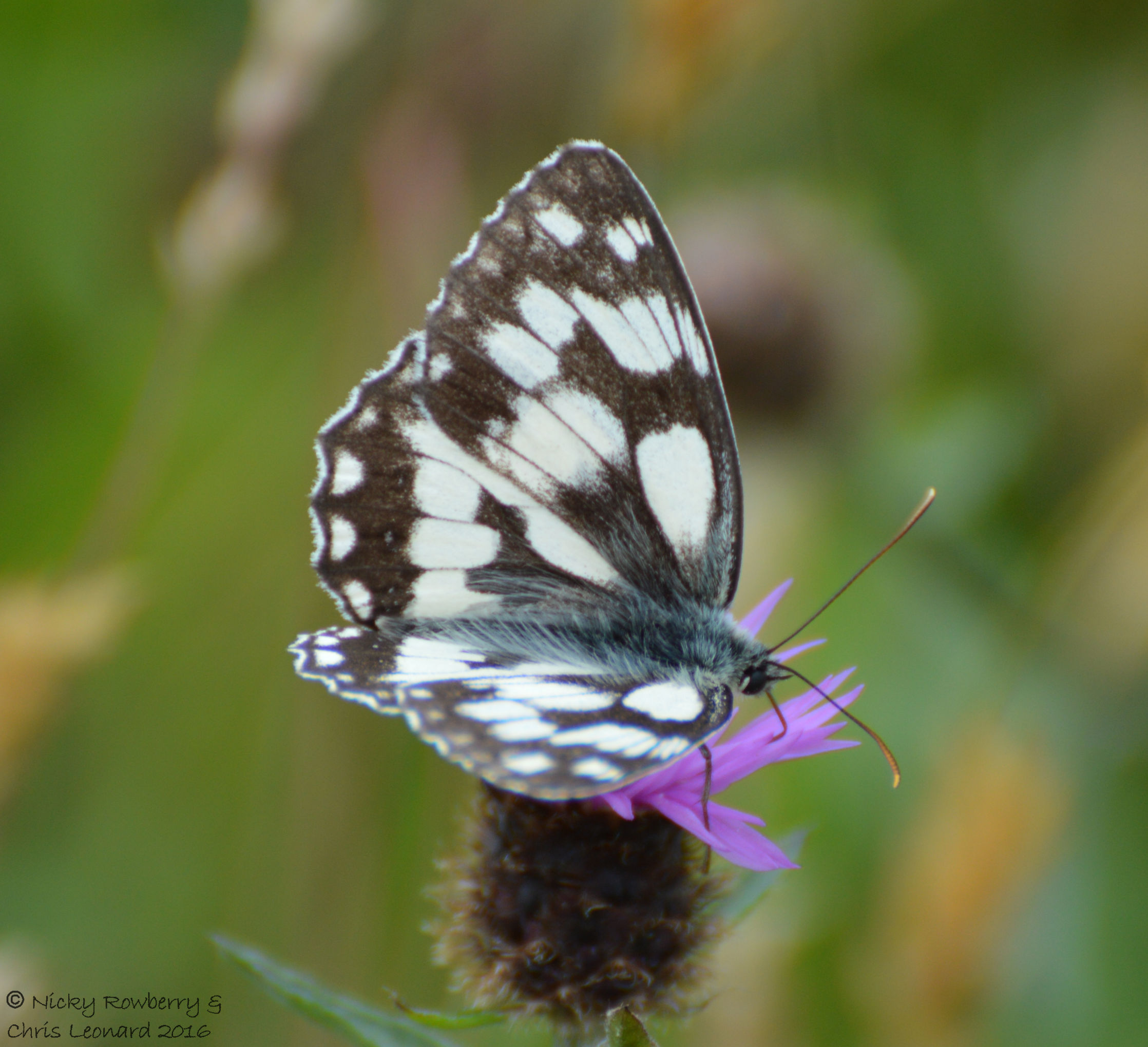
Feeling flushed with success (and also a good lunch at our local), we decided to try our luck back down on the flat ground at the edge of Malvern. There’s an area of rough ground by the road that is always good for butterflies and today was no exception. The Marbled Whites were out in force. Unfortunately it was extremely windy so although they were landing close by, the grass was blowing about so much it was hard to get decent photos. Here are a few of my better efforts.

Marbled White 2

Marbled White 3

There were several pairs dancing about in the wind, so I had hoped to get a mating pair. This was the closest I managed – not ideal, but at least there are two of them in one shot!

Marbled Whites

Marbled Whites weren’t the only butterflies around – Meadow Browns were particularly abundant.

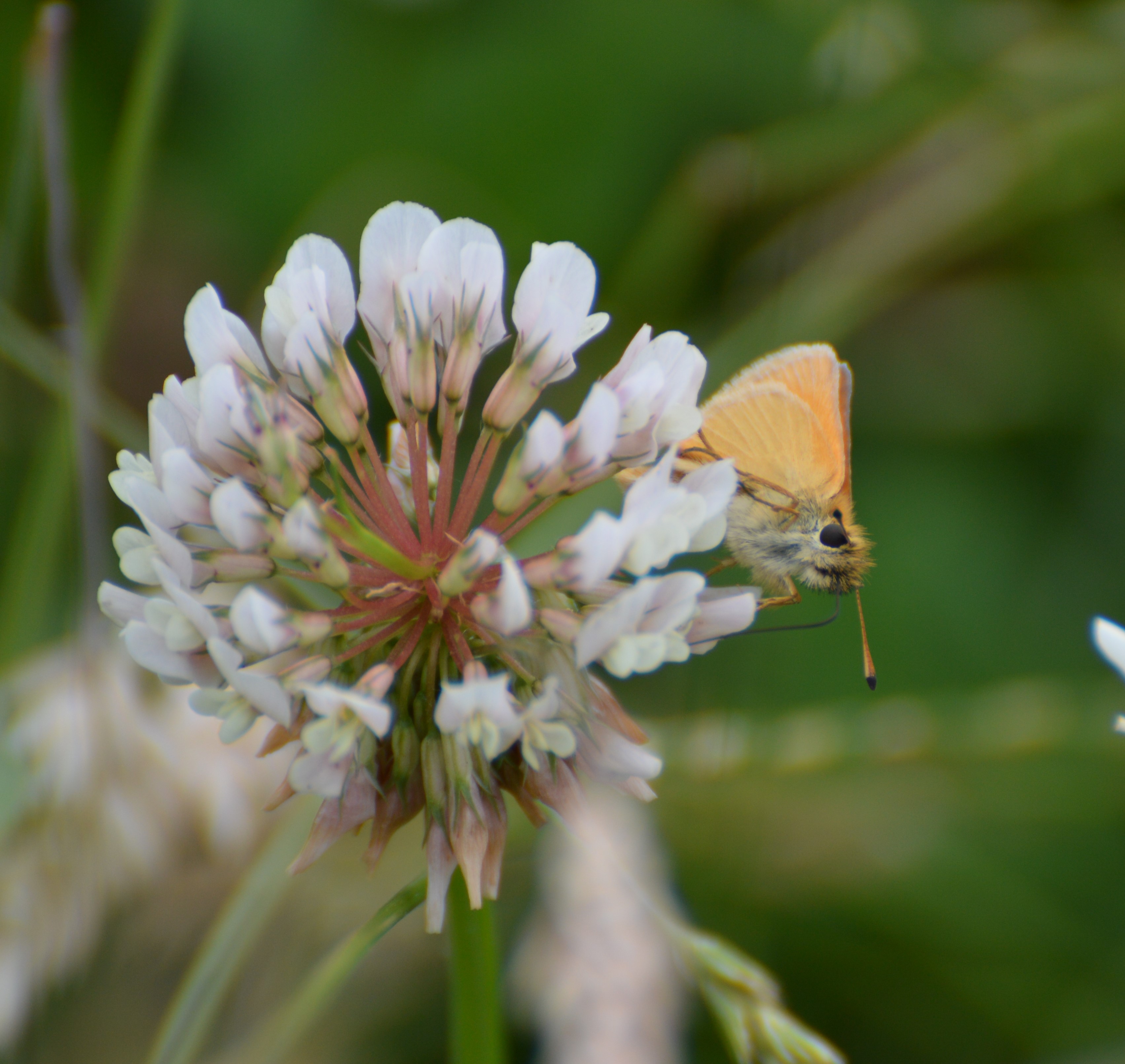
There were also lots of Skippers – I think this is an Essex Skipper. Again the wind was blowing them about an awful lot, making the photography tricky. (excuses, excuses!)

As we headed back to the car, we spotted a day flying moth – a Mother Shipton. Really pleased to see this, as I’m pretty sure I’ve only seen it in books before. It is named after a 16th century witch because its wing markings look like an old crone with hooked nose and chin!


His Imperial Majesty – The Purple Emperor

Today was all about the colour purple! We went in search of the Purple Emperor butterfly (affectionately known as His Imperial Majesty by butterfly enthusiasts) and found not only him but Purple Hairstreaks too! Since we first got into butterflies, the Emperor has been one of the species we’ve most wanted to see. It is not only one of our largest British butterflies, but arguably one of the most beautiful. We did go looking for it last year, but sadly saw just one lonely little wing on the ground, so today we set off hoping for better and all our butterfly dreams came true.

We’d seen that Butterfly Conservation Warwickshire had an organised walk at a site with Purple Emperors today, so we went along with fingers crossed. Almost immediately the walk leader announced there were a pair of Emperors up the path. Our group charged into the wood, but as usual we got side-tracked by other species (Purple Hairstreaks and Silver-washed Fritillaries), so missed them. Our expert though soon spotted another one in a tree and we got a few distant grainy photos. Our very nice walk leader then suggested that we could either stay where we were and would likely see some Emperors or we could go with him on the official walk. We decided to take our chances and stay put. (it wasn’t just laziness, honest!) No sooner had the group disappeared over the horizon into the wood, but a Purple Emperor landed right by my feet. Once we got over the shock,  we then took a lot (and I mean a lot) of photos. So here are some of our best, starting with a wobbly video of His Majesty.

The males come down in the mornings to gets salts and minerals from wet mud or in this case dog poo (not sounding so imperial now!) This one was so into his breakfast that he stayed for ages while we snapped away.

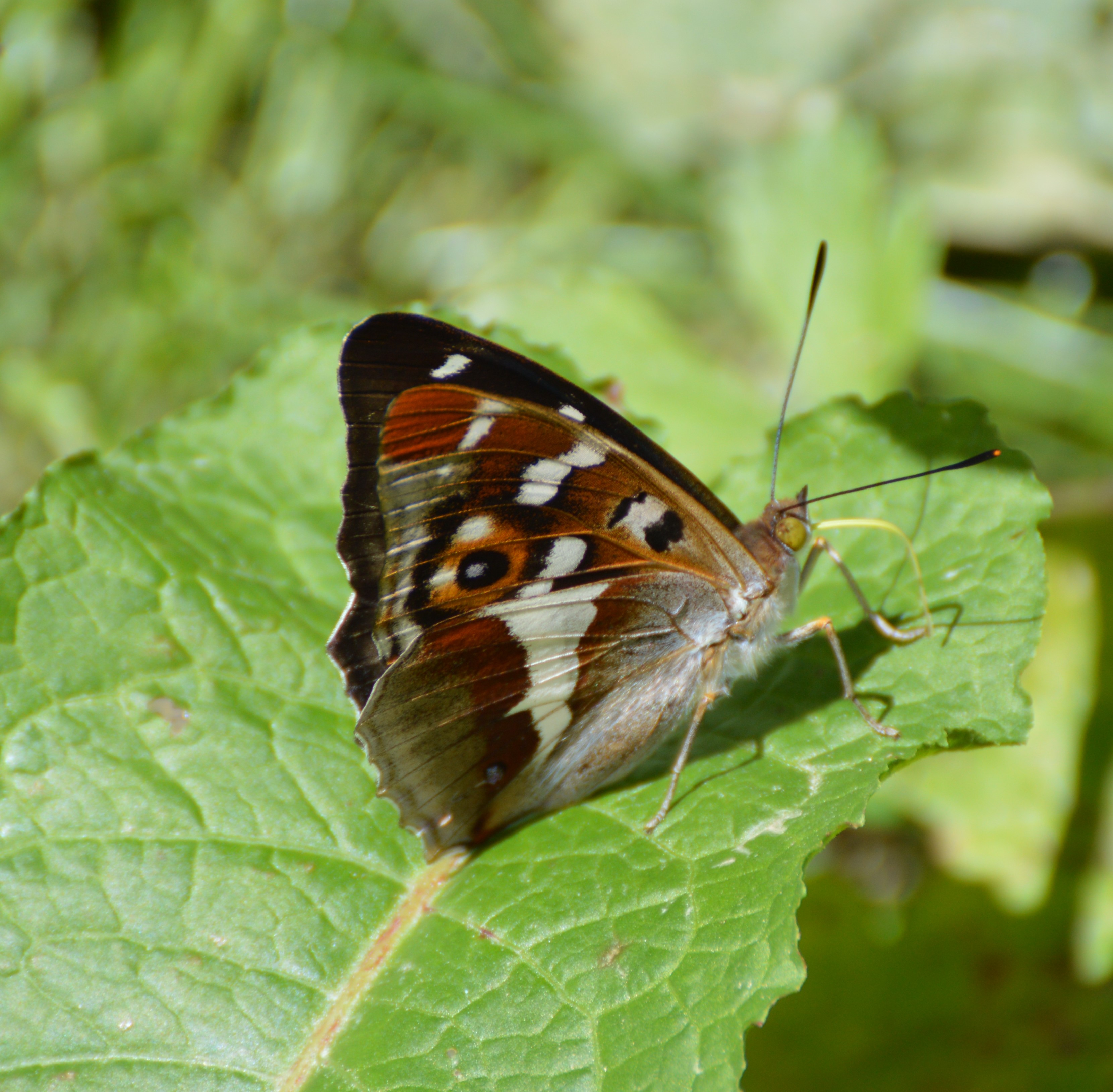
Only the males have the purple sheen to the wings and even then it depends on how the light catches them. Sometimes the wings look almost black, other times just one wing glows blue and just occasionally when the angle is right both wings shine gloriously.

Purple Emperor

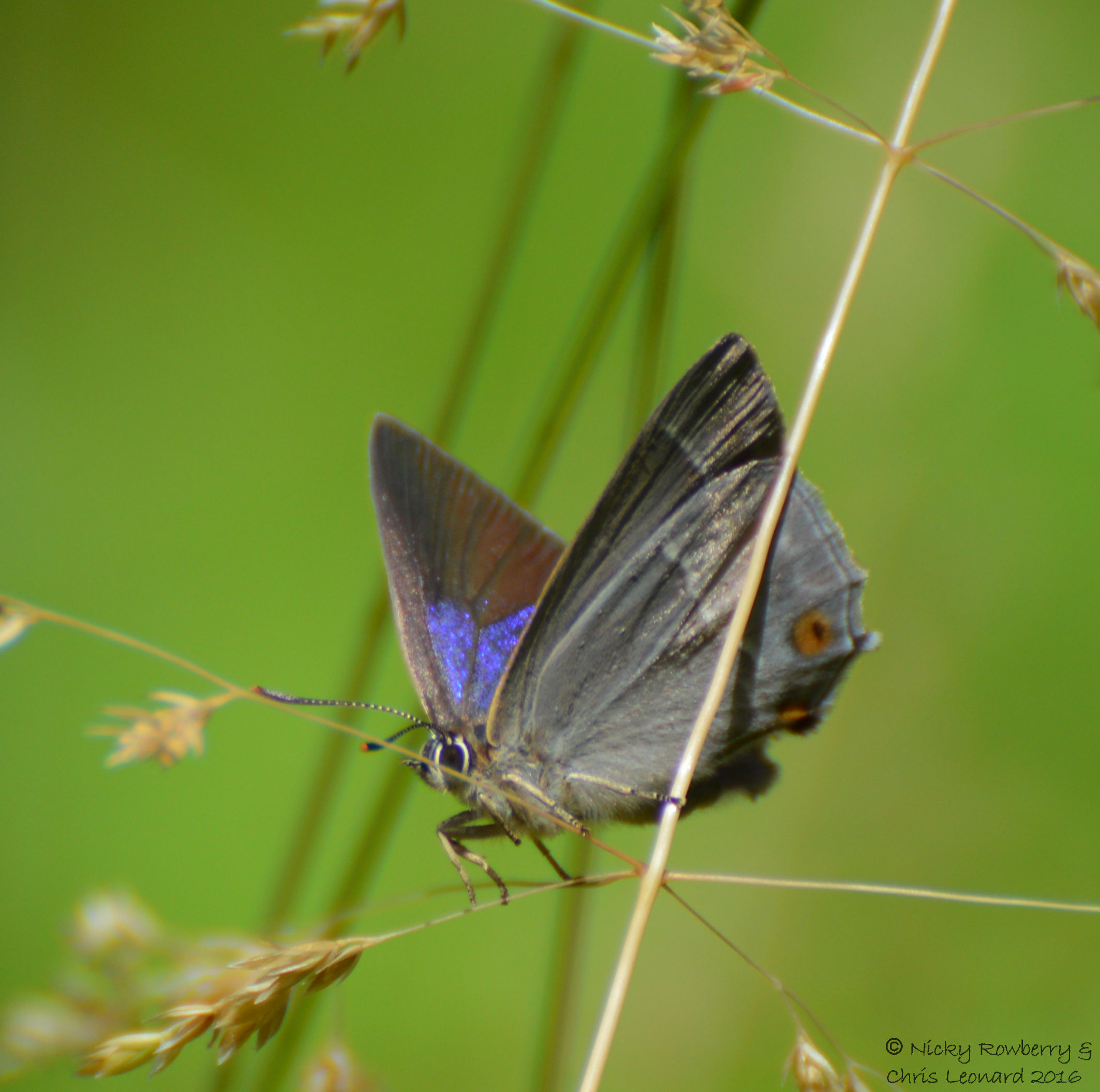
We’d spotted a Purple Hairstreak as we first entered the wood and got a few typical shots of it with its wings vertical. This is a very small butterfly compared to the Emperor and spends most of its time up in the trees, so is easy to miss.

Purple Hairstreak

On the way back to the car, we spotted another one. We were delighted when it opened its wings and then even better settled on the ground allowing us to snap away. We’ve never seen these with their wings open before, so this was a real treat.

Purple Hairstreak 2

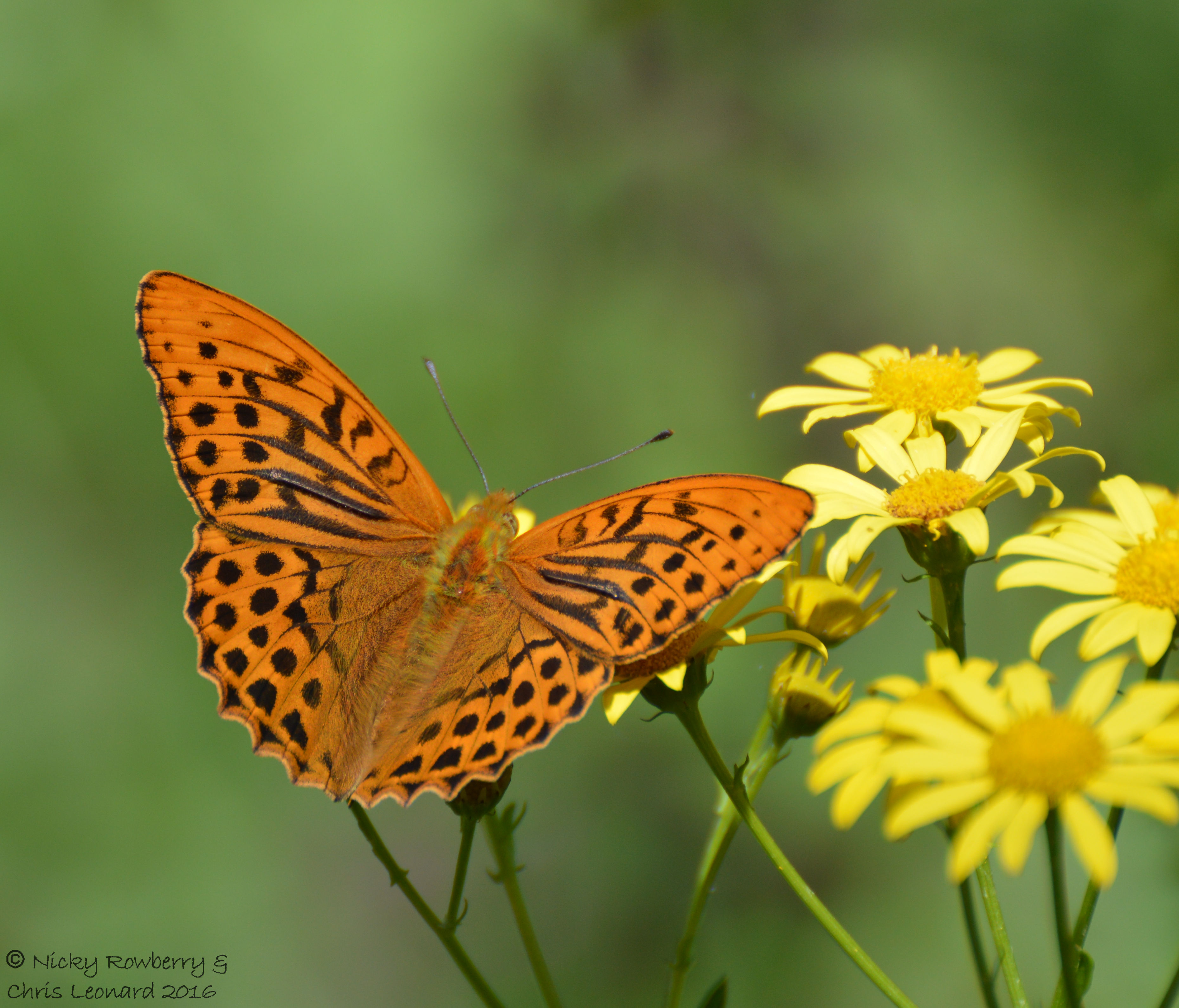
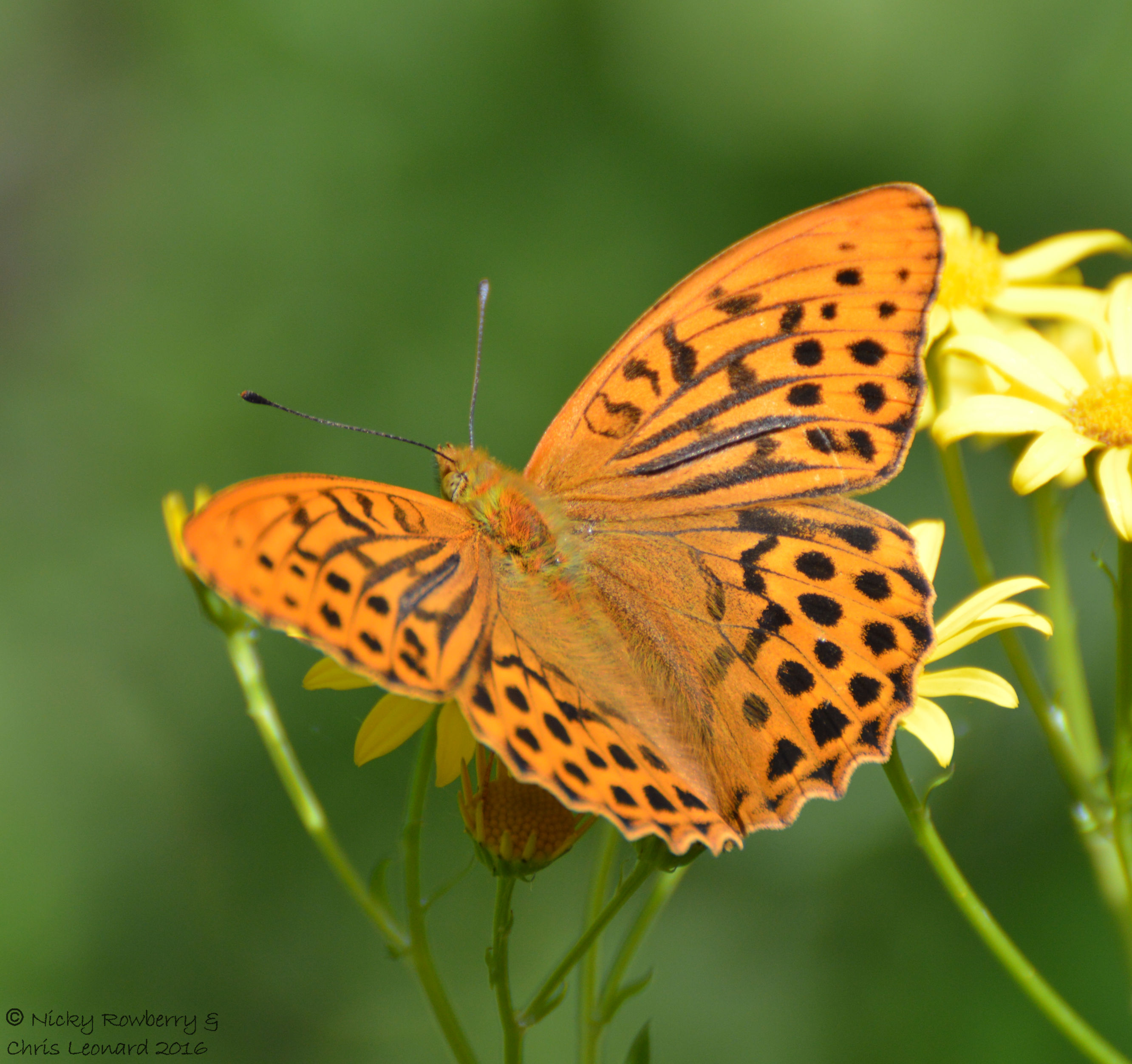
But all these purple beauties weren’t the only butterflies around today. We saw lots of Silver-washed Fritillaries, most of which were bombing about way too fast to get a photo, but one or two did settle long enough.

Silver washed fritillary

Silver washed fritillary 2

Just before we’d spotted our Purple Emperor we saw some White Admirals. We got all excited thinking it was the Emperor as they are pretty similar, although obviously lacking the purple sheen. Brambles must be the Admiral’s favourite flower, as we often see them on these.

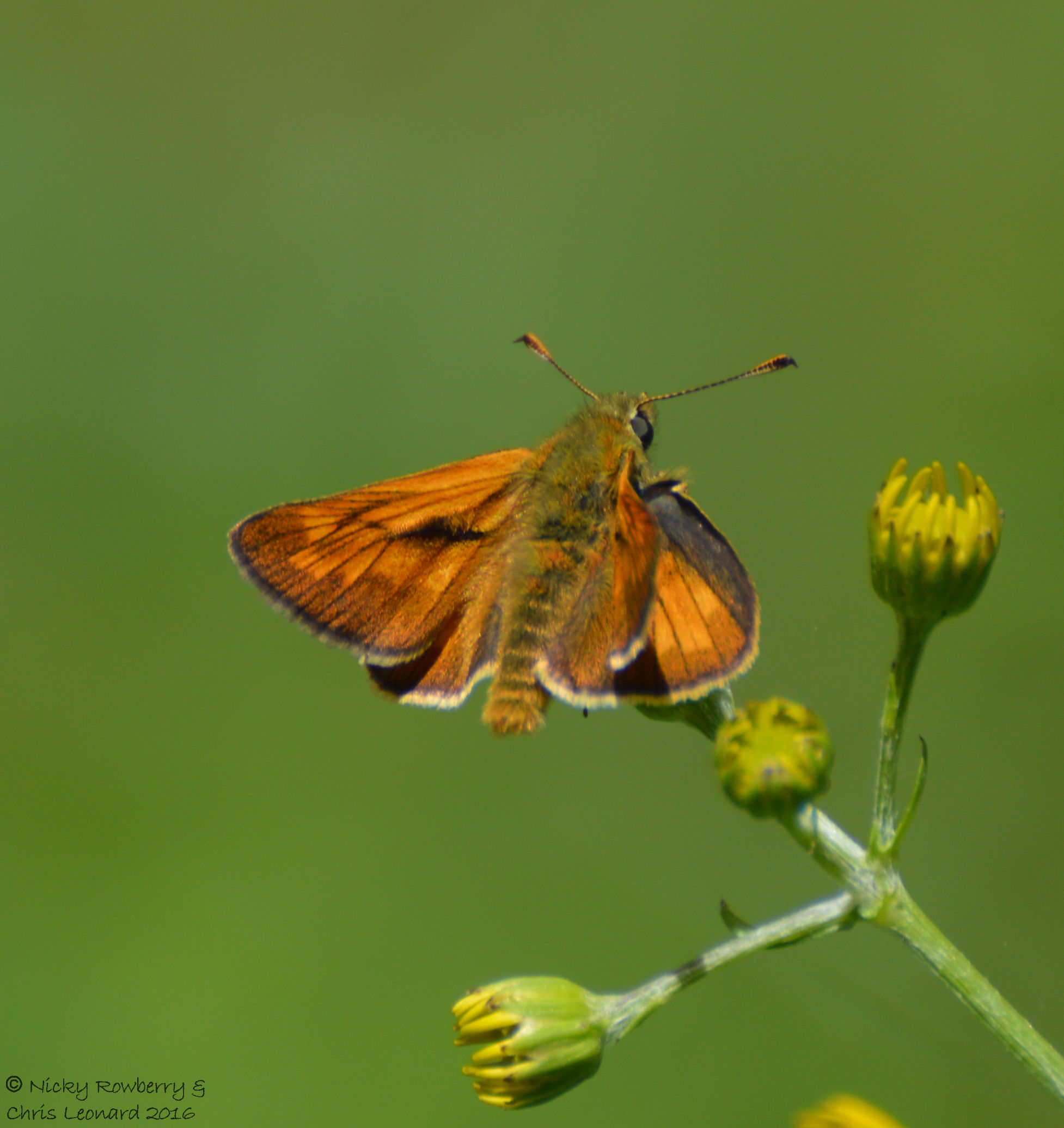
Also spotted today were lots of Ringlets, Speckled Woods, some kind of very fast and consequently unidentified white and last but not least several of these Large Skippers.

Large Skipper 2

I think today will go down as one of our most successful butterfly walks ever! Thank you Butterfly Conservation Warwickshire for organising the walk and making our Imperial dreams come true!

30 Days Wild – The Highs and well actually there were no lows!

It’s been a couple of days now since the 30 Days Wild Challenge finished, so I thought I’d have a bit of a look back at all the mini adventures I’ve had over the month. It really was a very inspiring thing to do. Not only was it great doing all the things myself, but it was so nice to read what all the other bloggers were up to and see so many positive posts on Twitter. With so much negativity in the world (particularly towards the end of June with the sad news re the EU vote) 30 Days Wild provided a much needed lift.

Roe DeerSo the month started with a visit to a 3000 year old Yew tree and finished watching wild Roe deer in Scotland. I may not have seen “attack ships on fire off the shoulder of Orion”, but it feels like I’ve seen pretty much everything else. It’s amazing what you can pack into 30 days and how much there is to see and do around Britain.


The finish lineThese are just a few of the things, I’ve been up to over the month. I’ve got up early to listen to the dawn chorus and stayed up late trying to record bats and watch hedgehogs. I did a Garden Bioblitz and participated in National Insect Week.  I’ve raced snails and fished for sticklebacks – reminiscing over a childhood long gone but bringing back many happy memories.

Pair of elephantsI took part in National Moth night and went on a Moth breakfast, as well of course as the usual weekly Garden Moth Scheme nights. We’ve had both elephants and tigers (of the mothy varieties) in the garden and envied Ghosts and Hawks in other peoples traps.


PuffinsI heard my first cuckoo in 30 years and watched Puffins in Scotland. I’ve seen baby ducklings and razorbills and watched buzzards being mobbed by crows. I’ve sat in meadows and by rivers and lakes and we’ve walked along beaches and cliffs full of the most amazing seabirds.


Signal crayfishWe’ve eaten American crayfish and British strawberries. I’ve dined al fresco in meadows, in pubs and in our garden. We’ve been to official nature reserves and roadside verges, gardens, harbours and beaches. Followed (and got lost on) footpaths and tracks, climbed stiles and fences and hopefully not trespassed anywhere we shouldn’t have.

Silver studded BlueThe month has added 2 species of butterfly to our all time list and 3 species of bee to the garden. The garden bioblitz alone recorded 119 species from our Lazy Garden (which meant we came 13th in terms of numbers of species amongst those taking part) and our moth tally for the year is now well over 100 species.


In short, I’ve photographed, videoed, recorded, listened, watched, touched, sniffed and tasted – 30 Days Wild has been a feast for all the senses and I really can’t recommend it enough. Hopefully we can now keep going and continue to go wild through the rest of 2016 and beyond. Thank you to everyone who has been reading the blog over the last month.