Patio Patch

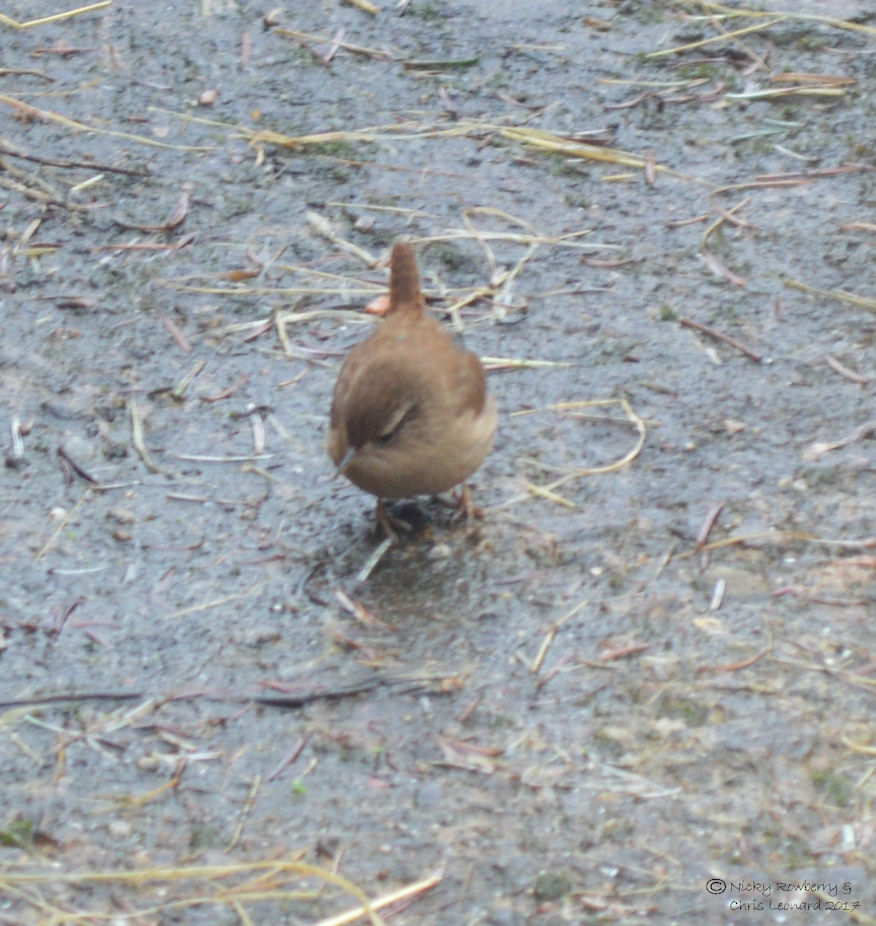
The weather seems to have been interminably grey lately and not at all tempting for venturing out, so I’ve been observing a very local patch – the patio right outside our living room windows. Part of the reason for this focus has been my ongoing battle with our resident wren. I love wrens but this one seems determined to taunt me and thwart my every attempt to get a decent photo. So when I spotted him bobbing up and down outside our patio doors, I thought I’d finally stand a chance. Forty to fifty photos later and I had another large array of blurry shots (admittedly some of the blur may actually be due to the less than sparkling state of my patio windows!) These are the best of a very bad selection.
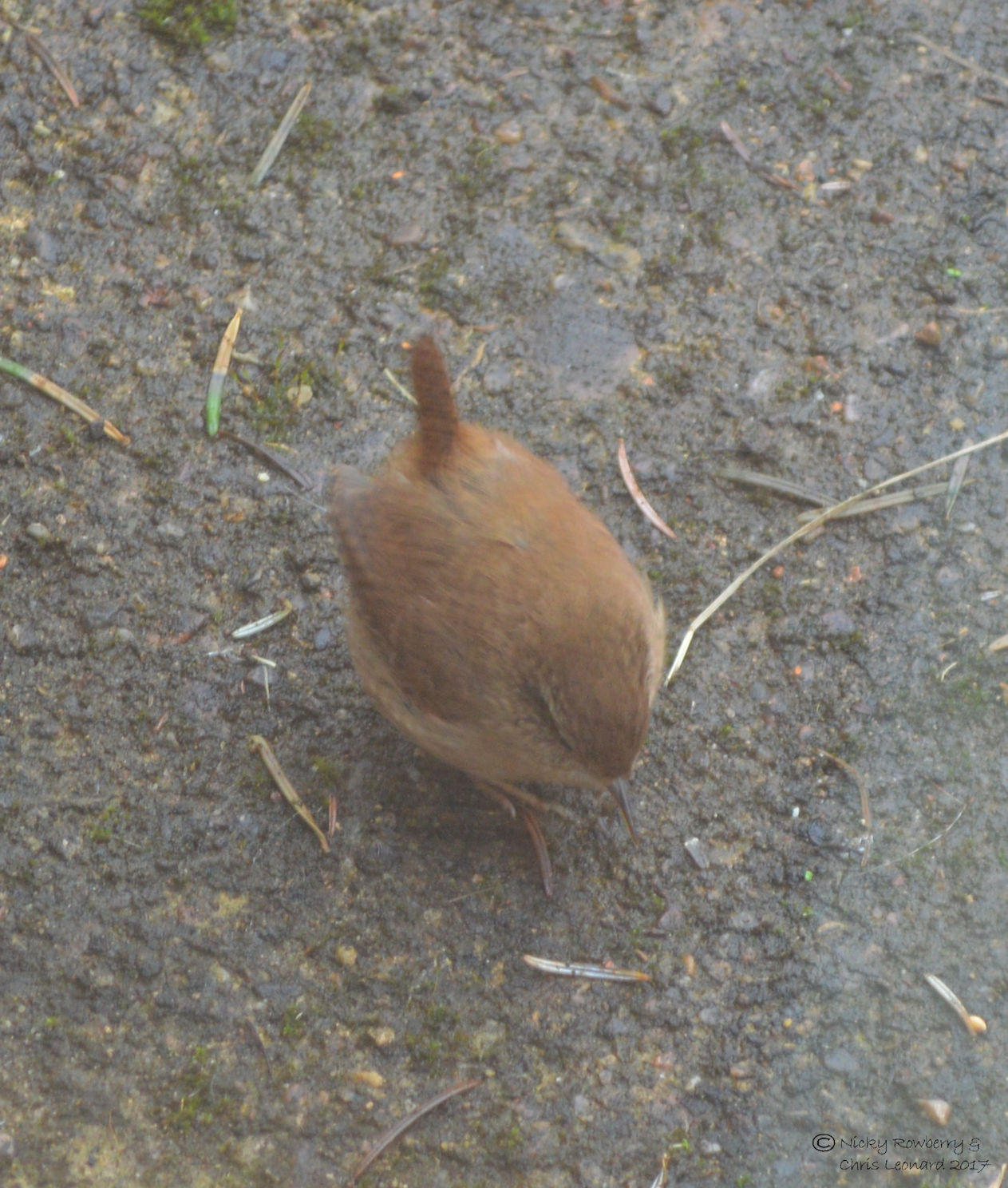
wren-on-patio-7 wren-on-patio-6

wren-on-patio-5 wren-on-patio-3

Since he returned to the same spot several times, I came up with another cunning plan – leave the trail camera pointed at the patio area. Although he did do his best to avoid the area in front of the trail cam, I did eventually get the few indistinct video clips edited together below.

Further attempts at wren wrangling produced this one of the wren running along the fence (gleefully mocking as he goes no doubt).

wren-running

The upside of my on-going struggles was that I ended up filming quite a lot of other animals on the patio, at least one of which was a surprise. I’d been putting some bird food down (to further tempt the wren), but clearly birds aren’t the only ones partial to bird food. This mouse appeared several nights in a row, making the most of the free buffet. This area is literally right in front of our patio doors, but of course at night we have the lights on inside, so can’t see the mouse outside. It does however explain why our cat is always staring out at night!

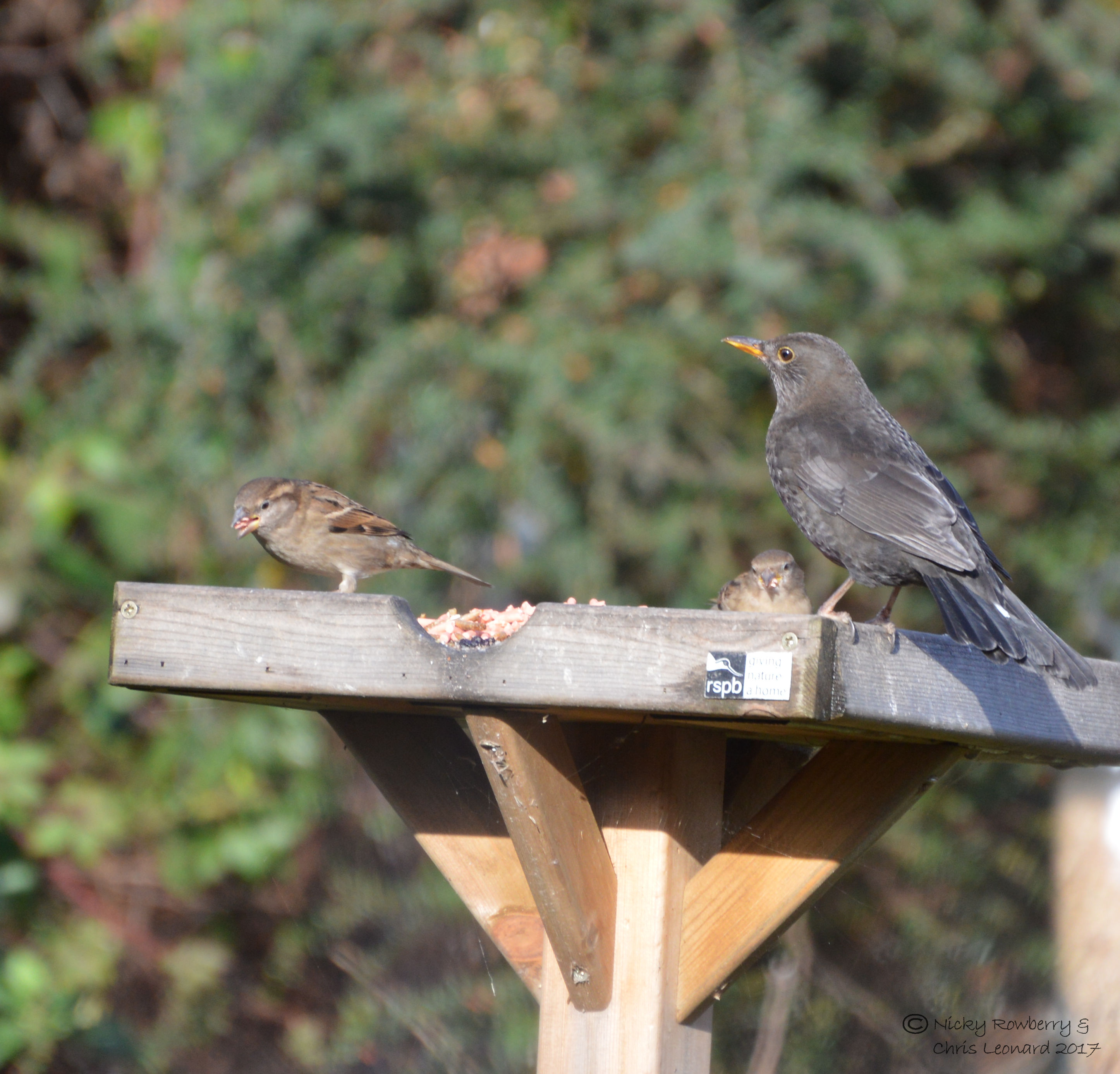
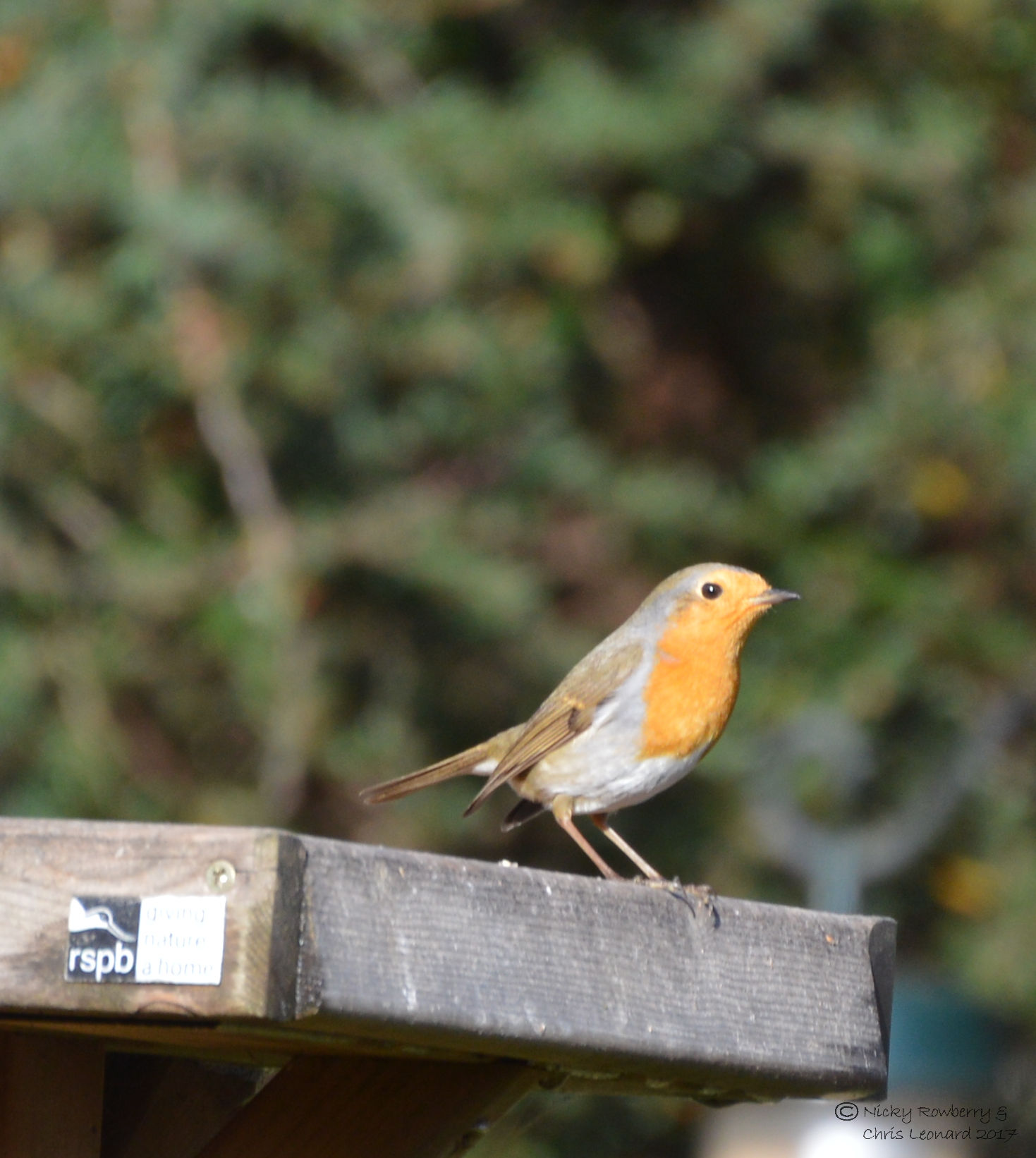
We’ve always had birds pecking about on the patio for insects, but with the bird food out, their numbers increased. Magpies, blackbirds, starlings, robins, blackcap (female only), sparrows and dunnocks all took advantage of the new food supply there and all got caught on the trail camera. Here are just a few stills taken from the videos.
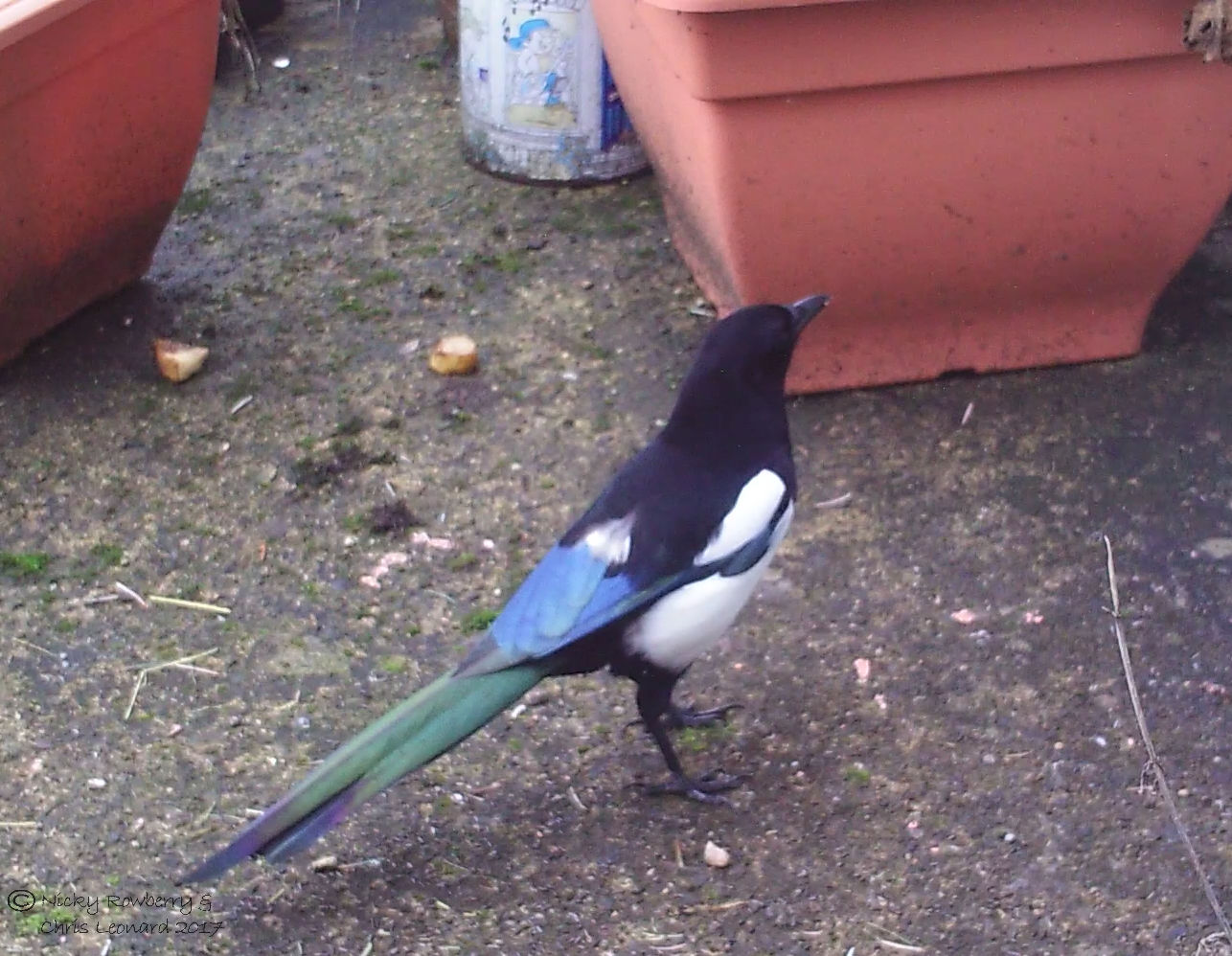
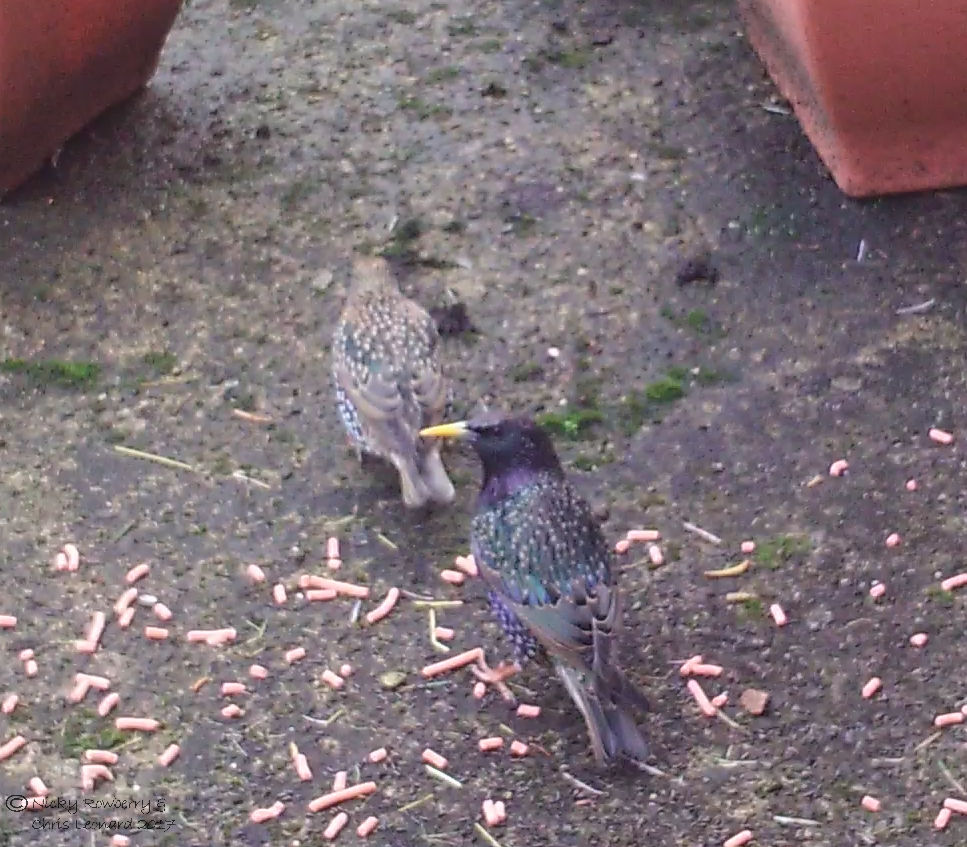
patio-magpie

patio-starlings

patio-sparrows

Since the birds were getting accustomed to coming closer to the house, it seemed the ideal time to try out something I’d seen on another blog. Wildlife Kate had set up an ingenious feeding platform using just a plastic ladle and her trail camera (For Kate’s amazing blog: http://www.wildlifekate.co.uk/my-blog/4588864364). She got such great photos, I thought I’d have a go.  So I set the ladle up on a post in the middle of the patio. Kate had got a lovely selection of dainty little birds – for the first few days all I got were hulking great jackdaws, who were really too big and too close for the camera to focus on properly. Still I do quite like some of the photos – after all you don’t often get the chance to be quite so eye-to-eye with a jackdaw.

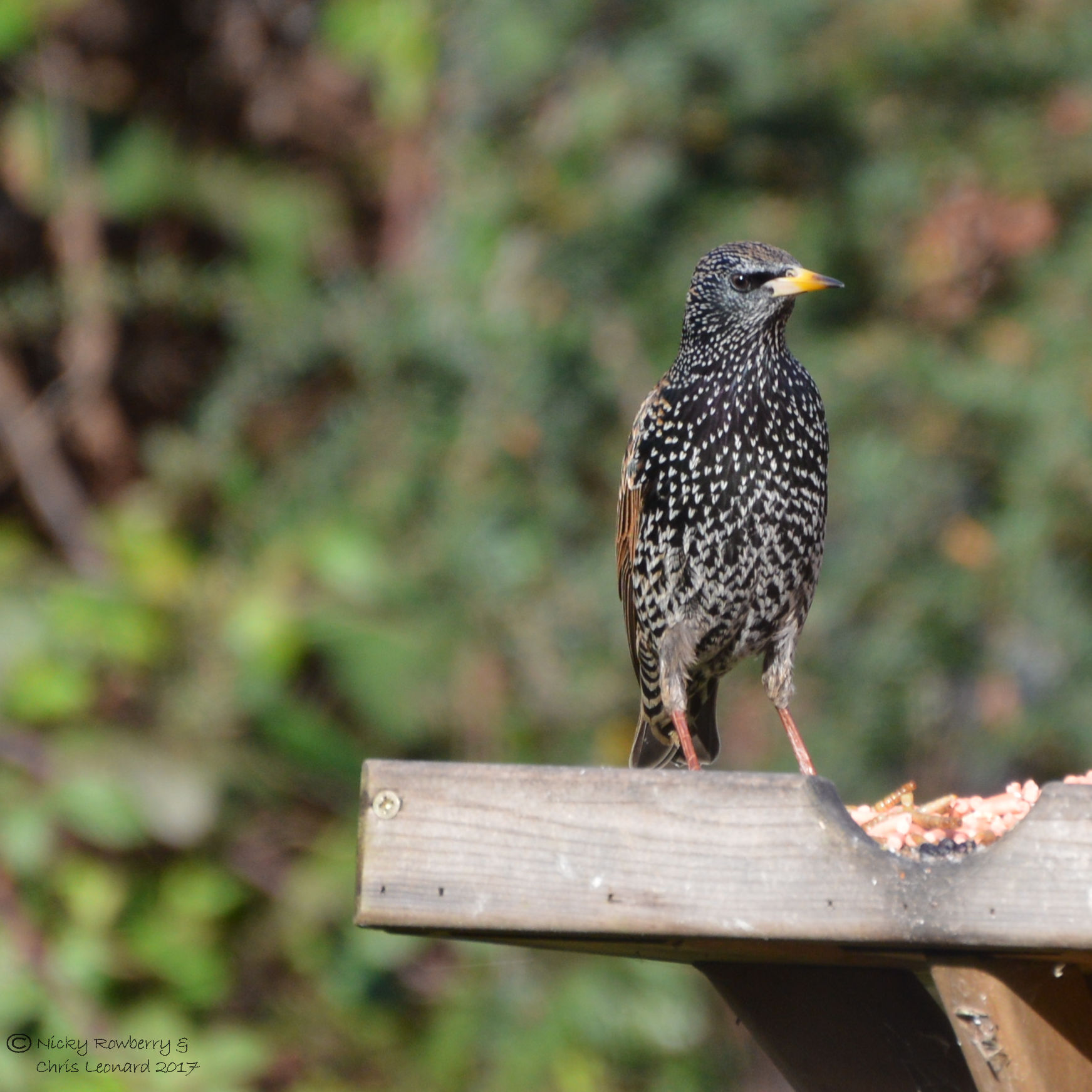
Eventually the birds did start getting smaller, probably attracted by the flapping of the jackdaws. First came the blackbirds and starlings.

Starling on ladle

Then eventually a great tit, the female blackcap and the sparrows. The sparrows mainly benefitted from all the food the jackdaws tended to knock off the ladle onto the ground beneath; but a few did venture up to feed directly from it.

One final, slightly weird photo of a starling landing. I love the way its wings appear surreally wavy (and slightly nightmarish), presumably because it was moving faster than the camera shutter could cope with!
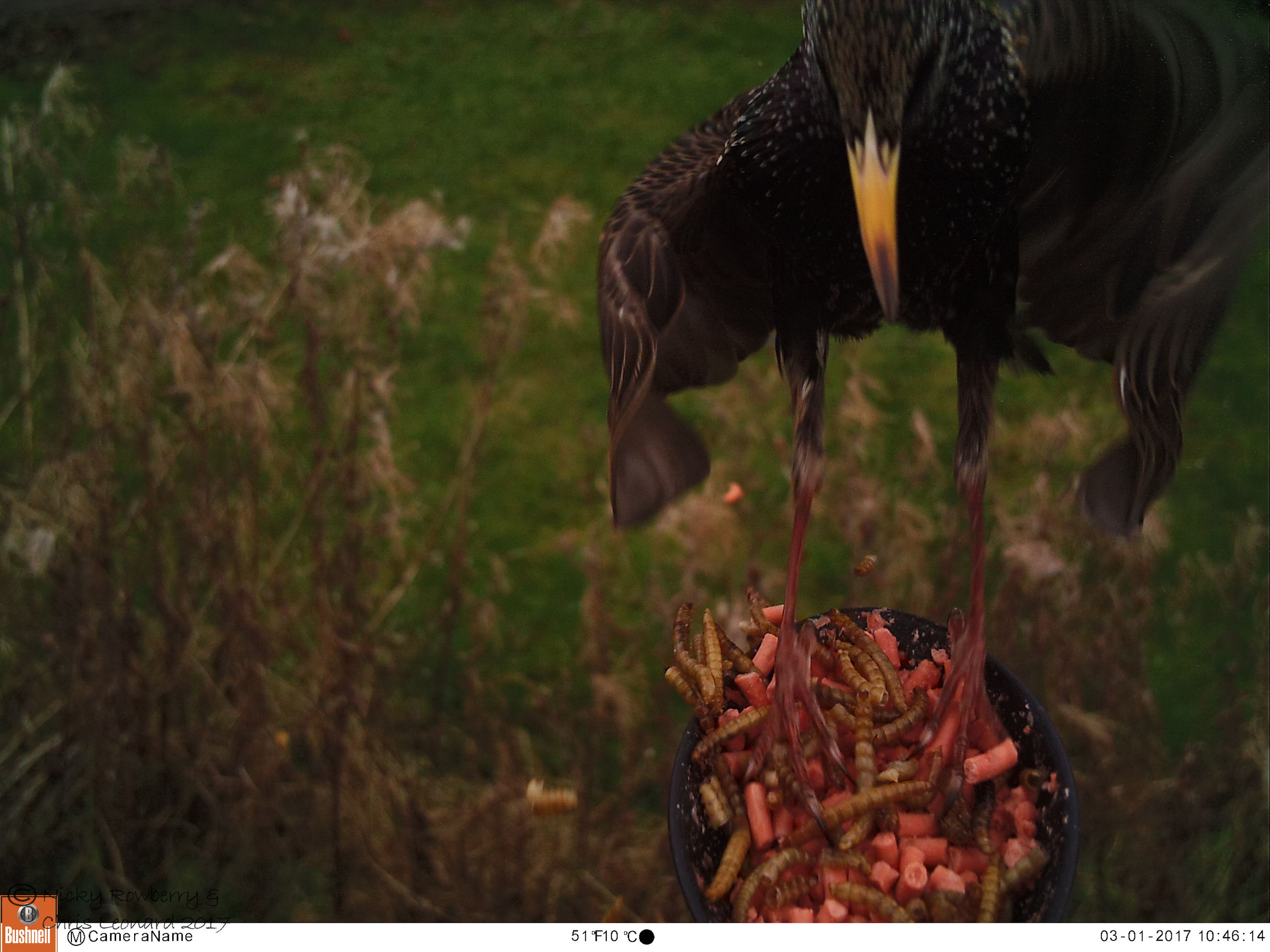
Thank you so much to Wildlife Kate for her idea of the ladle cam, which was brilliant in its simplicity and yet so effective. Kate’s images are far better than mine and well worth a look, but this is something anyone with a trail camera can try for themselves.

So all in all I managed to attract quite a lot into my patio patch with very little effort. And the real beauty of it all, now that the birds (and mice) are confident coming this close to the house, is that I can watch it all through the patio doors – quite literally from the comfort of my own sofa!
Finchy Firsts

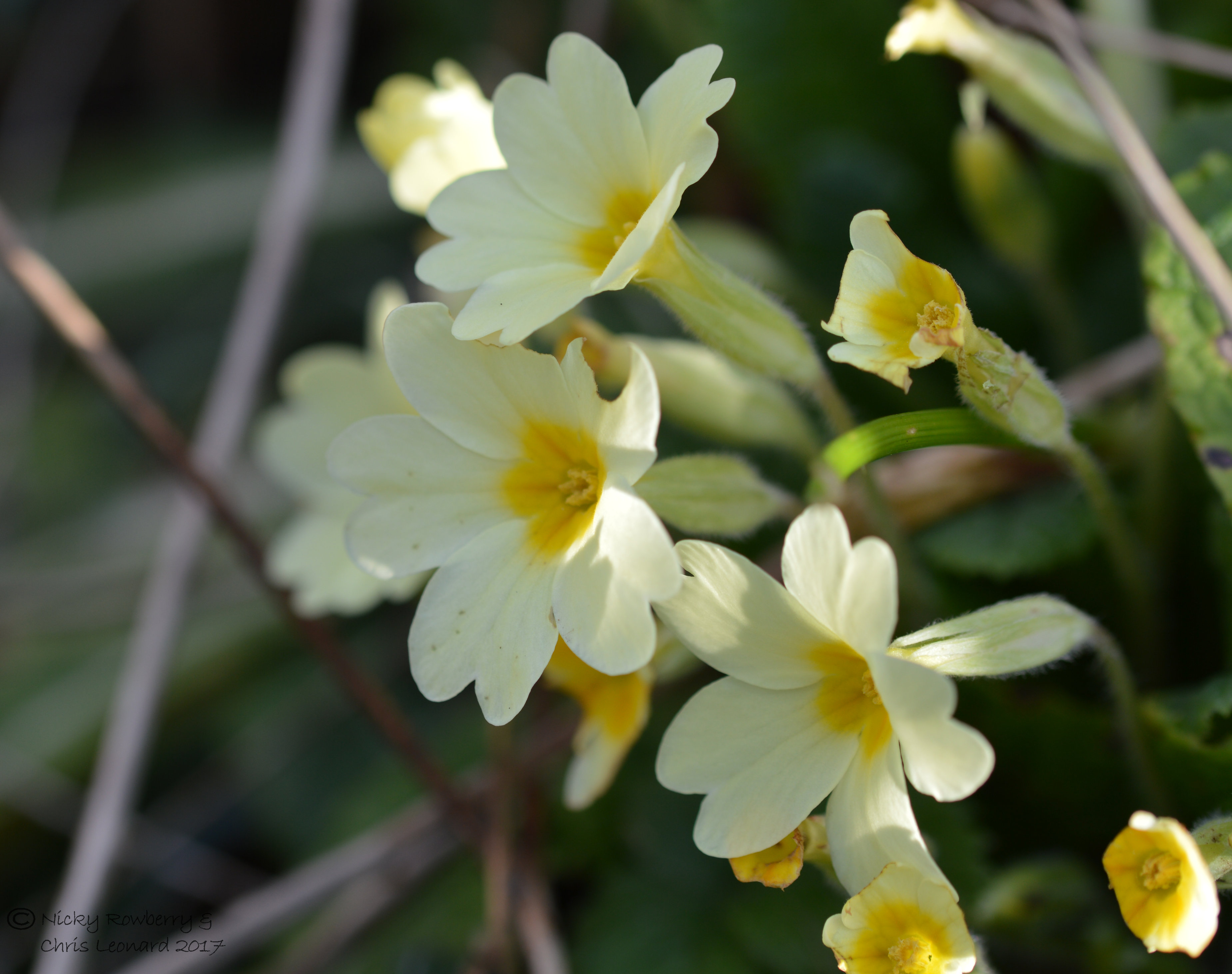
Yesterday there was a real feeling that spring was in the air. I know it’s technically still winter, but the day felt hopeful. The sun even made a (brief) appearance after what seems like weeks of grey skies here in Malvern. The primroses and crocuses were all out bringing a little cheer to the garden.

primroses

crocus

I had hoped there might be a few bees out and about, but was very happy instead to see my first hoverfly of the year. Eristalis tenax (also known rather unkindly as the Common Dronefly) was rather obligingly sunning itself on some large leaves. I’m very much a novice when it comes to hoverflies, but a very helpful man on Facebook ID’d it for me, with the top hoverfly tip that it is the only one like this that has enlarged hind tibia – which is probably the equivalent of fat calves on its back legs!

hoverfly-eristalis-tenax

I have been missing taking macro shots over the winter, so it was really nice to see at least one insect. I’ve tried the moth trap a few times over the last few weeks, but it has been completely empty each time – I need a mothy fix soon! The Garden Moth Scheme starts again in a few weeks, so I hope things pick up before then.

There may not have been many insects about lately, but there are always plenty of birds in the garden. This week we spotted both a chaffinch and a male bullfinch – neither of which we’d seen in the garden before. Sadly no photos of either, so you’ll just have to take my word for it.

I did however manage to see some goldfinches after spending an hour sitting behind a camouflage net in the garage peering through at the niger seed feeder. I was rewarded with a very brief glimpse and one dark and grainy shot of a goldfinch.

goldfinch

Just need a greenfinch now!


Hoggy Weight Watchers

Just a quick update on the newest member of our family – our foster hedgehog Meadow. He’s been with us now for over a month and I’m very relieved to say he seems to be doing fine.

We check on him every day to make sure he’s got plenty of food and water and that his newspapers don’t need changing, but other than that he is pretty low maintenance.  We think he’s been hibernating quite a bit as most days his food’s not been touched, although he does get up occasionally for a snack. We hardly ever see him as he is normally buried deep inside a nest of hay and we try to disturb him as little as possible.

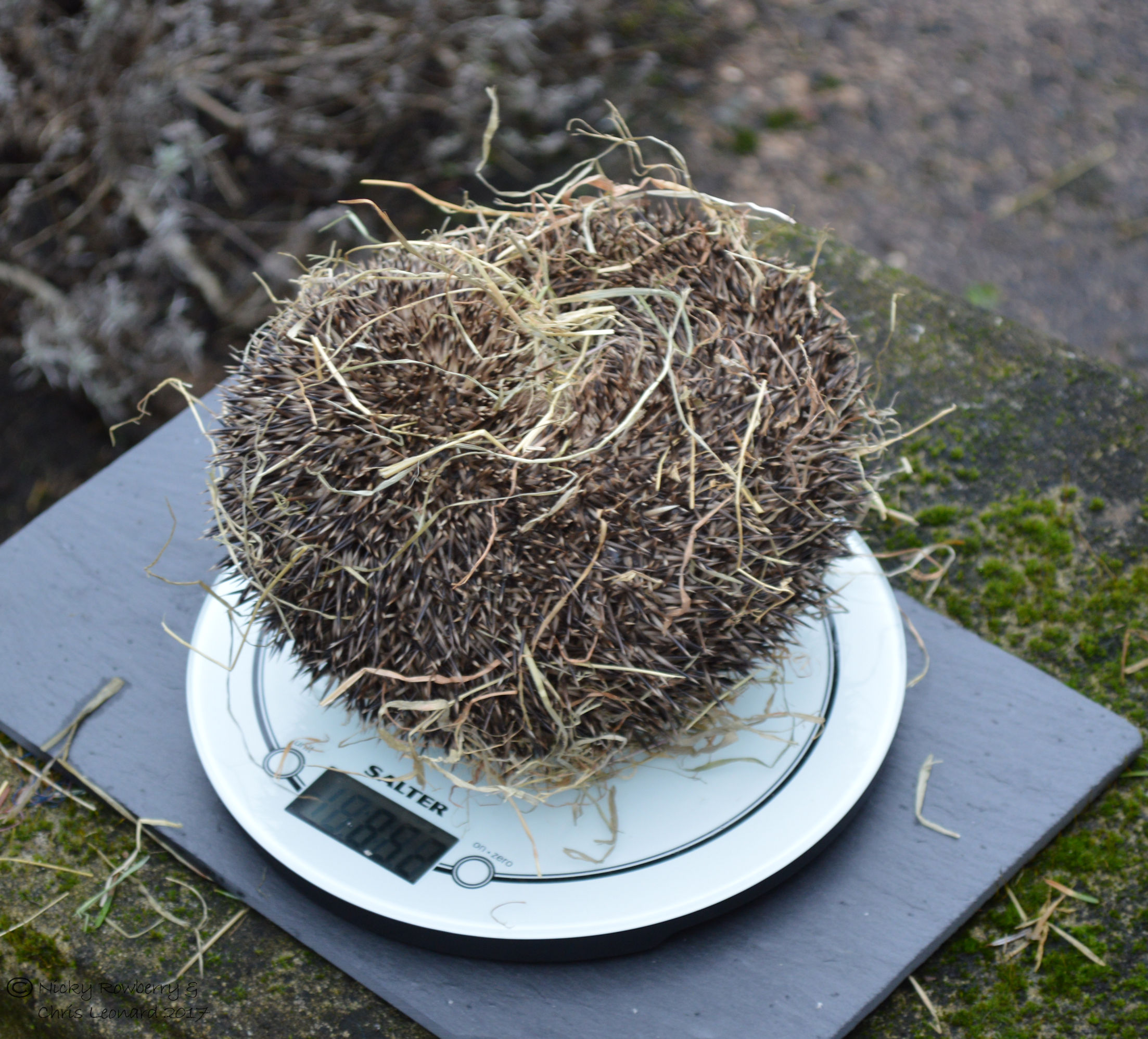
But Viv our hedgehog guru from Malvern Hedgehog Rescue has asked us to weigh him, initially every week, but now we do it fortnightly. So today was weigh-in day. Armed with a pair of gloves, a set of scales and a husband, I approached the hay stuffed sleeping bag he uses. I grabbed what I hoped was a ball of hay around a hedgehog.  There was a lot of huffing noises coming from the hay, so I knew he was in there. It took a while extract him , but eventually we cleared enough hay to reveal him and popped him on the scales.

meadow-on-scales

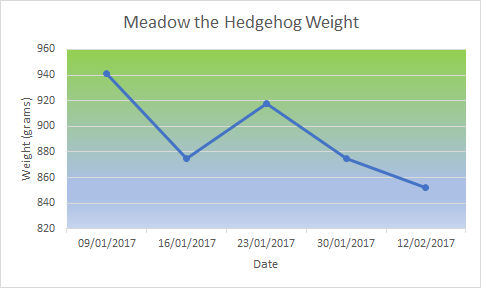
A respectable 852g (minus a few grams for stray hay perhaps). He was about 940g when he came to us, so he’s lost a bit in the last month. Considering he’s been hibernating most of the time, the weight loss isn’t cause for concern. He does after all always have food there if he wants it.

I do love a good graph, so Meadow’s weight provides the perfect excuse (of course I have a spreadsheet too, satisfying my inner geek!)

meadow-weight

He stayed curled in a ball while I cleaned out his hutch and put fresh food and water down.

meadow-in-hutch

We then repacked him into his hay filled sleeping bag.  We’ve probably not got it all arranged to his liking, so he may well come out tonight and drag things around a bit to get everything how he wants it. So that should be it and we hopefully won’t have to disturb him for another fortnight. Sleep well Meadow.

A Bird in the Box

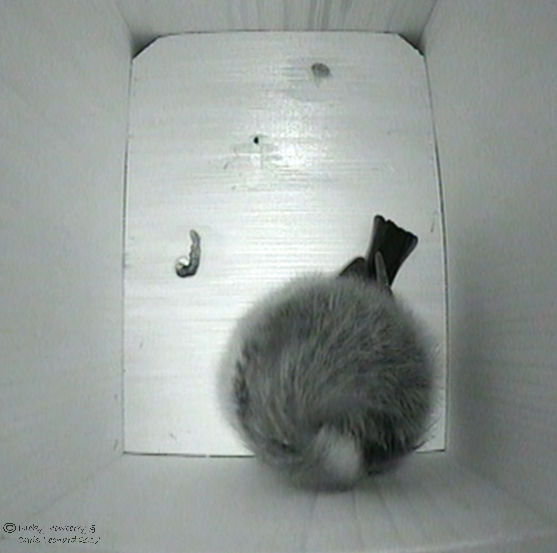
As the old saying goes (with just a minor adjustment) a bird in the box is worth two in the hand (although I’d be delighted if one landed on my hand too). So after blogging last Saturday about how excited I was that something had pooped in our new bird box, things got even better. I kept checking the box camera for more evidence of use, but didn’t really expect any more excitement. But at about 5pm, just as it got dark, the blue tit returned. I thought he or she was just going to check out the box again then leave, but it settled down in the corner and basically went to sleep!

I didn’t realise until I watched it just how much they fluff themselves up when they sleep. It looked like a totally different bird – just a small ball of fluff – it almost looked like a small mammal rather than a bird.

blue-tit-in-box

blue-tit-fluffed-up

It was still there when I went to bed, so I made a point of getting up early (on a Sunday!) the next day to check on our new lodger. It was still there so I sat with my finger poised over the record button ready to get a shot of it leaving. At about 07:30 as it was starting to get light, the blue tit started fidgeting and stretching its wings and then with little further ado, it was off.

I would have blogged about this sooner, but I’ve been hoping the blue tit would honour us with his presence again, so have been checking the camera as it got dark each night. No sign though of any return visits, so I’ve decided to blog with what I’ve got so far. After a bit of practice I’ve more or less mastered the new software enough to cut and splice assorted short clips together into one film. The Oscar candidates for editing have nothing to worry about though!

Since all the footage was shot after dark the camera had switched to infrared and the video is black and white. Hopefully if we can get a blue tit in during daylight we might actually get some colour footage, which would be nice. But in the meantime, here is the star of our show.

Big Garden Birdwatch 2017

Today has been all about the birds. It started when I switched on the tv to check our new nest box camera. I was amazed to discover something had left a “deposit” in the box  – clearly visible via the camera. Never have I been so excited by a poop in a box! Then it got even better – a blue tit appeared on screen in the box, had a look around and removed the poop. We hadn’t yet got the software to record the video feed (that arrived in the post about an hour later of course!) and I was too surprised to even grab the camera to take a photo of the telly. So you’ll just have to take my word for it. (I could post a photo of the stain left by the poop but that is probably more than anyone wants to see) Hopefully this is all a sign that the blue tits approve of the box and will start using it as more than a toilet in the next few weeks.

The main focus of this weekend though is the annual Big Garden Birdwatch – one of my favourite examples of citizen science. This birdwatch is also the world’s largest wildlife survey – an amazing achievement. We’ve been making sure the bird feeders have been well topped up the last few weeks and there have certainly been plenty of birds in the garden recently.

assorted-birds

So I sat down late morning in the garden to do my allotted hour of bird watching; camera and notepad at the ready. Although not everything showed up in the hour, I was really chuffed to record 14 species and 30 individuals – a significant improvement on last year when I only got 21 individuals of 7 species. I do love a graph and the RSPB sent me this little pie chart (well half a pie) of 10 of my species.

birdwatch-results

So topping the list was the house sparrow with 12 birds – I’m sure we actually have about 20, but I could only manage to count 12 at any one time. Last year I counted for the hour then took photos afterwards. This year I tried to get photos of everything as I counted them, although the best I could manage was 2 sparrows in one shot. I’d tucked myself away in the corner of a garden so that I disturbed the birds as little as possible, so I was actually a bit far away for taking photos – hence the dubious quality in some cases (excuses, excuses).

sparrows

The next most common bird today was the jackdaw – three appeared but only two ever seemed to land at the same time.

jackdaws

Collared doves and blackbirds both managed 2 individuals. The collared doves landed nicely together, the blackbirds of course kept their distance, so I’ve only got one.

collared-doves

blackbird

We’ve got a pair of blackcaps that regularly visit the garden and both male and female showed up within the hour. The female was more nervous though so I only got a shot of the male.

blackcap

The robin, a starling (one of 4 we sometimes get) and the song thrush all turned up on cue for a change.

robin

starling

song-thrush

Earlier in the morning I’d seen several long-tailed tits, a great tit and a pair of blue tits. Of these only a single blue tit deigned to put in an appearance during the hour.

blue-tit

I’d put up a new niger seed feeder just a couple of days ago and the goldfinches had found it almost immediately. I’d seen 3 or 4 of them on it yesterday, but today I was grateful when just one arrived. Unfortunately when positioning the niger seeds I hadn’t considered trying to take photos from the other side of the tree – so there’s a few too many twigs in the way!

goldfinch

A magpie, a dunnock and a wood pigeon all appeared briefly, but out of range of the camera. The final bird was a wren. This wren has been tormenting me for weeks. It has a tendency to appear whenever I’m in the garden without the camera. If I do have the camera, it appears but hides behind as many twigs/branches/weeds as it can find. So believe it or not this is probably the best photo I’ve ever managed to get of it – which isn’t saying much!

wren

I’d had the trail camera on while I was counting, just in case it could pick up something I’d missed. It didn’t spot anything different, but it did film this goldfinch – probably the same one I photographed from the other side of the tree.

Of course once the hour was up and I was back on the sofa, the birds returned en masse to taunt me. Leading the mockery was the woodpecker, which I haven’t seen for weeks but chose to land on the bird table just after I’d submitted my results. The long-tailed tits flew back in and the wren perched on the most photogenic spots possible – safe in the knowledge that I couldn’t get a photo from this distance!

Anyone thinking of taking part in the birdwatch has until Monday to have a go. Full details on: https://ww2.rspb.org.uk/get-involved/activities/birdwatch

As I now have the image capture software all loaded, I will probably be spending the rest of the weekend watching an empty nest box with only a dubious stain on the bottom!


New Nest Box

With the Big Garden Birdwatch just around the corner, we’ve been reviewing what we could do to attract more birds into the garden. We already get quite a lot, but the more the merrier!  So I’ve added a few more bird feeders and have been keeping the existing ones well topped up. Spring will hopefully be here before too long, so we’ve also been looking at the nest boxes.

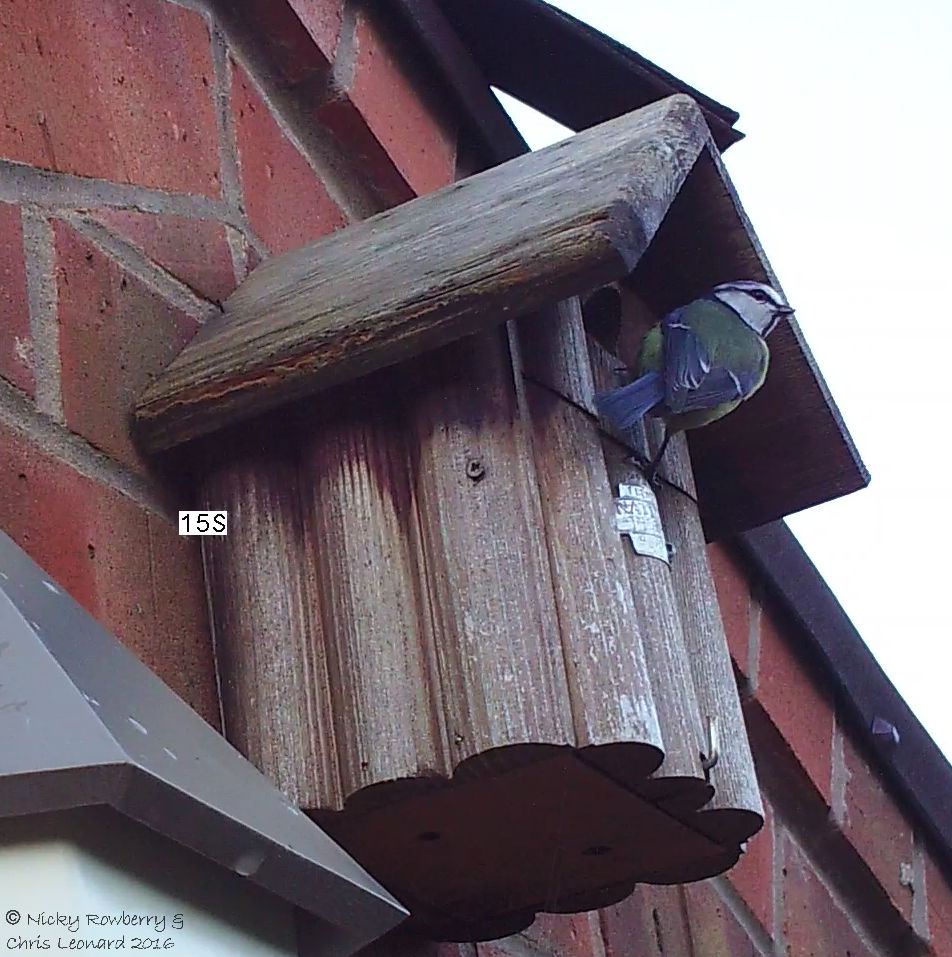
It may just be that we’ve been watching too much Spring/Autumn/Winterwatch, but we (well mainly I) have been longing to get footage from inside a nest box. Last year we were delighted to get shots like this of our blue tits using the old nest box.

Blue Tit on Bird Box

Of course as soon as we have a bit of success with one thing, we want more. Last year we could only film the adults coming and going, so this year we’re hoping to get the action from inside the box. So we’ve gone wild and bought a new bird box complete with fitted camera. We’ve only a limited number of places where we can put a bird box, so decided to take the old one down and replace it with the new one. We may of course regret this if the blue tits reject the new one and we get no nesting activity at all! So first job was to take down the old box. On opening it up we found last year’s nest still pretty much intact inside. It’s the first time I’ve ever really had the chance to look at a nest up close like this. It was very well made and still held together firmly. We were intrigued by the bright green stuff, which looks remarkably like the green fluff you get off a tennis ball – they certainly didn’t get that from our garden. The rest was made up of bits of grass, moss and possibly wool.

blue-tit-nest

There was still one tiny perfect intact egg inside – not even the size of a 5 pence coin.

blue-tit-egg

Slightly less attractive was a couple of tiny skeletons – presumably chicks that didn’t make it to fledging. Blue tits can lay large clutches of eggs, so we just hope that these skeletons and unhatched egg, were just the unlucky ones and most made it to adulthood last year.

blue-tit-skeleton

The new nest box is now up (still complete with wire netting to prevent next door’s cat getting an easy meal) and all ready to go. The new box has Perspex panels each side to increase the amount of light getting in for the camera. The transmitter is the black box to the right.

birdbox-system

The whole thing came pretty much set up and was all very easy to install. So we can in theory now watch all the action – assuming there is any – from the comfort of our living room. This is the current view of the empty box. Hopefully we won’t still be looking at an empty box in a few months time!

tv-view-of-birdbox

We’ve got plenty of blue tits (as well as great, coal and long-tailed tits) using the garden at the moment, so hopefully some of them are from last year’s brood and will remember what a great place our garage wall was to grow up!!

blue-tits

While searching for information on nest boxes, I discovered that the British Trust for Ornithology runs a survey called the Nest Box Challenge. They want people to submit observations on nests/nest boxes in their gardens. Since I can never resist filling in a form and a bit of citizen science, I have registered our new nest box. Fingers crossed it gets occupied and I don’t end up just submitting “empty” as my observation each time – although even that would apparently be useful data. Anyone interested in registering their own nests can find all the info at: https://www.bto.org/volunteer-surveys/nbc

Proud Hedgehog Foster Parents!

We’ve become parents! Albeit to a hedgehog and only temporarily at that. But I couldn’t be more proud of our new addition to the family. So here he is – Meadow the Hedgehog.

meadow-arrival

Meadow was found as a baby in Worcester and has been cared for by Viv at Malvern Hedgehog Rescue ever since. Viv has nearly 100 rescued hedgehogs in her care at the moment, so was looking for volunteers to foster some until the spring; at which point they can be released. So this is how Meadow came to be living with us.

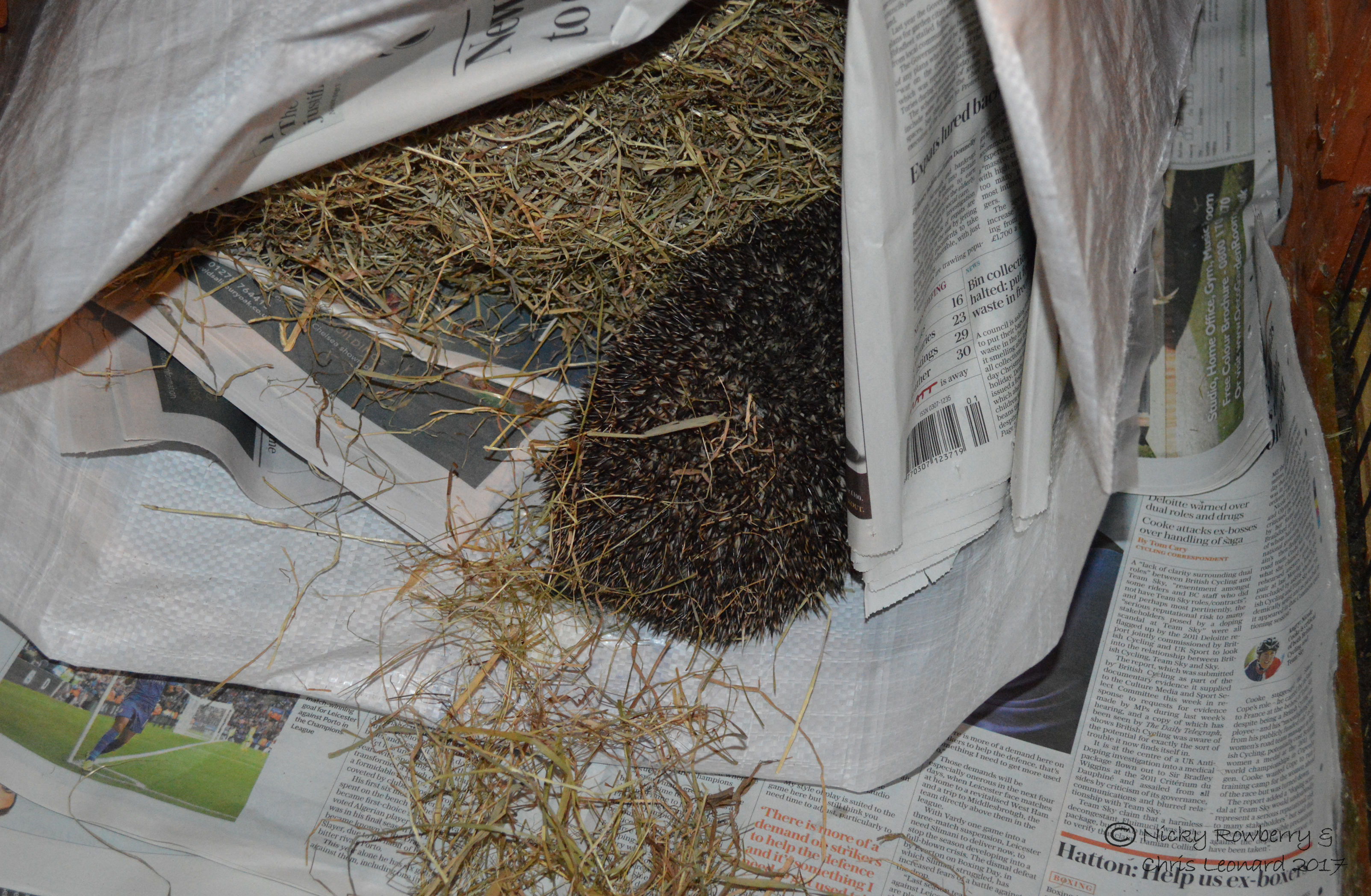
Never having looked after a hedgehog before, we had to scrounge a rabbit hutch – many thanks to Michael Reece for the donation. We’re on a bit of a learning curve at the moment, so hopefully Meadow will put up with his novice carers. Under instructions from Viv, he now has a hay filled bedding area, plenty of newspaper and of course food and water. He initially made a bee-line for the hay, but has since chosen to bury himself under the newspapers.

meadow-hedgehog

Other than feeding him and changing any damp newspaper/hay, we will be leaving him pretty much alone. He is not a pet, so we don’t want to treat him as such. Viv has asked us to weigh him once a week though. He is currently 941g. We’re supposed to try and maintain it around that. We don’t want him losing weight, but apparently we don’t want him to put on any more either. If hedgehogs get too fat they can’t curl up properly into a ball (I have the same problem myself!), which makes them vulnerable to predators.

Hopefully if we get a cold spell Meadow will go into hibernation. Viv has told us what to look out for so we don’t panic if he stops moving! I’ll try and give updates on his progress over the next few months, although there may not be many photos, as we will try and handle him as little as possible and generally leave him in peace.

For information on Malvern Hedgehog Rescue go to http://www.malvernhedgehogrescue.co.uk/  Like so many hedgehog rescue centres, Viv gets no funding and relies totally on donations. Please consider helping your local rescue centre – help with food, vets bills, equipment or even just donating old newspapers will all make a difference.

Big Lazy Review of the Year

Can’t believe 2016 is all but over. It’s been an awful year in many respects (depressing national and international voting outcomes, various terrorist atrocities, plus the loss of some truly great people), but our garden has provided welcome relief throughout. We may live in the middle of Malvern, but the garden is quiet and peaceful and the wildlife never fails to cheer me up. So here’s a bit of a round up of some of the highlights from 2016.

The year began with one of the many “citizen science” projects we try to participate in – the Big Garden Bird Survey. Throughout the year we also took part in the Big Butterfly Count, the Garden Bioblitz, the Garden Moth Scheme and Moth night as well as submitting assorted records for bees, ladybirds, dragonflies and even a glow worm.

30DAYSWILD_ID1 blackThe biggest project was taking part in the Wildlife Trusts 30 Days Wild Challenge. This ran throughout June and I managed to blog about something “wild” we’d done each of the 30 days. I was really chuffed when the blog made it to the final short list for the 30 Days Wild Blogger Awards. We didn’t win, but that didn’t matter as I had such fun doing it.


Scarlet TigerMoths were, as always, a big part of my year. The trap was out once a week throughout the summer for the Garden Moth Scheme. In the end we recorded 211 species in the garden – a new record total, which included many firsts for our garden. All beautiful, but none more so than this Tiger.

One of my resolutions from last year was to see more butterfly species. We may not be able to attract any more species to our garden, but when we were Out & About we managed to bag 10 more species – way more than I’d hoped for. This takes our lifetime tally to 38 – only about 20 more UK species to go! Every one was a delight, but ultimately you can’t beat the Purple Emperor!

ivy-bee-7Last year we recorded 12 species of bee in the garden, which I’d thought was pretty good. This year we made it to 25! There may even have been more, but some require microscopic identification and as I don’t want to kill any, that was out. The final bee of the year was this Ivy Bee – new to Britain this species is gradually spreading north, so we were really excited to find it in our garden.

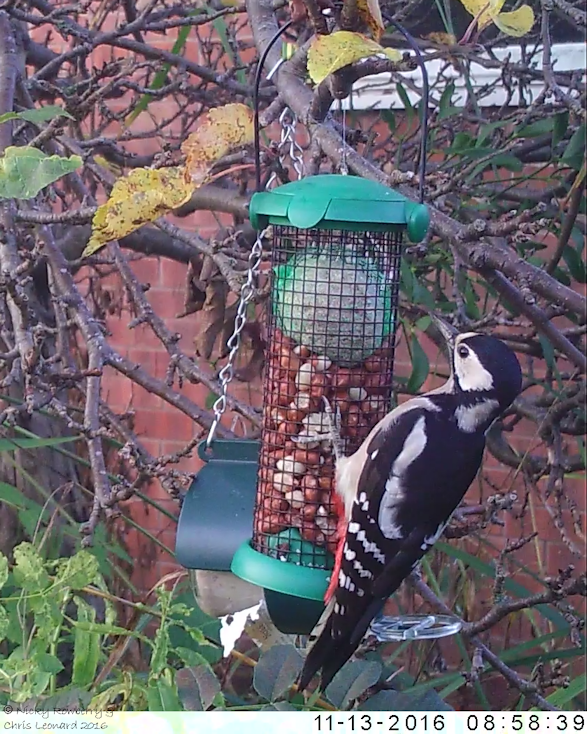
woodpecker-2One major innovation for the garden was our Trail Camera. Wish I’d bought one of these years ago as they are brilliant! We’ve been able to watch blue tits using the nest box, catch the squirrel stealing the bird food outside and mice stealing it in the garage, as well as watching the birds themselves feeding up close. We discovered we’d got Siskins and a Woodpecker that we’d never seen and followed Stumpy the magpie.


hedgehog-fredOne particular joy from the trail camera has been being able to watch our hedgehogs. We rescued 2 baby hedgehogs one boiling hot day in July, who were then cared for by our local hedgehog rescue lady. One of them (Fred) was returned to us and we watched him trundle around our garden with another older hog. We’ve now got 2 hedgehog houses and have learnt a lot about their behaviour from watching the video footage. Fingers crossed Fred and his friend survive the winter.

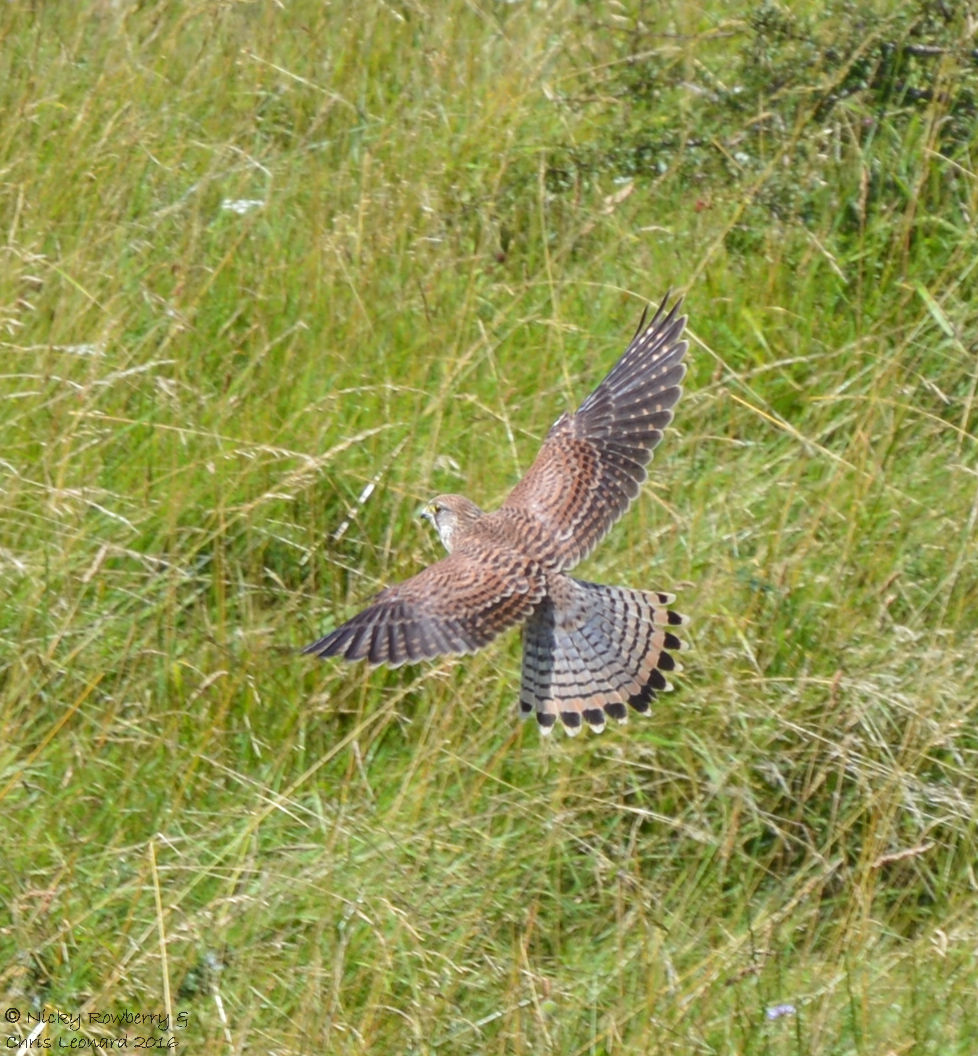
KestrelAs well as watching the wildlife in our garden, we were out and about quite a bit in the summer. We are lucky here to have so many wonderful nature reserves within easy distance. As well as the various new butterflies, we’ve seen slow worms and glow worms (the latter only as a larva unfortunately), kestrels, deer, puffins (admittedly we did have to go a bit further for these) and of course some beautiful countryside.

2016-12-31-14_39_48_315Last year I set out some wildlife resolutions and surprisingly we’ve actually managed to achieve some of them (wildlife resolutions are clearly much easier to follow than the ones about losing weight or cutting back on the Prosecco!) We did see more butterfly species, I did have a go at beetle trapping (not a huge success, but at least I tried), we did replace some of the naturally thriving weeds with specific butterfly/bee loving wildflowers. I even managed to identify the bats that come to the garden in the summer (Pipistrelles) thanks to another new toy, my bat detector.

We didn’t however manage to dig a new pond and the old one is getting increasingly silted up. I also haven’t got round to the new moth tattoo, although I have made some enquiries with various tattooed lorry drivers who come to my work as to where they got theirs done. (much to their bemusement I expect!)

So New Year’s resolutions for 2017?

  • The new pond has to be top of the list, before our frogs and newts give up on us totally.
  • Get video/photos of the blue tits fledging this time (assuming they nest in the garden again). Although we filmed the adults feeding, we somehow managed to miss the babies emerging, so really want to get that this year.
  • Try to bag a few more butterfly species – targets will be Small Pearl Bordered Fritillary, Duke of Burgundy and Grizzled Skipper, but more if we can manage.
  • Try and find Ivy bees at a few more sites. Don’t think there are many records for Herefordshire yet, so hopefully we can head over to my Dad’s and add a few more dots to the map.
  • Start compiling records for hoverflies in our garden – I know we get lots, but we’ve never really had a proper go at identifying them all. I feel a new obsession coming on!
  • 30 Days Wild for 2017.
  • Maybe that tattoo!

Thank you to all the people we met while out and about this year. We met some lovely people who helped us identify birds and butterflies and pointed us in the right direction when we were wandering aimlessly in search of this species or that. Thanks also to our local hedgehog lady Viv who does such an amazing job and let us have Fred back all fattened up and healthy. And thanks to everyone who’s been following the blog and to all the other bloggers that I follow and who are so inspiring. Wishing you all a happy, healthy and wildlife-filled 2017!