Malvern Meanderings

Today we decided to explore our local patch – so often it’s your local stuff that you ignore, thinking somehow that the grass is always greener (or the wildlife more exciting) elsewhere. But the Malvern Hills are not only beautiful, but a fantastic location for wildlife. We forget sometimes how lucky we are to live here.

We’ve been concentrating a bit lately on “bagging” some new butterfly species and had so far added 5 this year to our lifetime list. But there is one species we’d never seen that has a colony almost literally on our doorstep – the Grayling butterfly is found on the Malvern Hills, less than a mile from our house. The Grayling is now a priority species for conservation as it is in decline over much of its former range. The Malvern Hills Conservators are making great efforts to protect our local population and improve the habitat. So we set off today in the hope of seeing our local speciality.

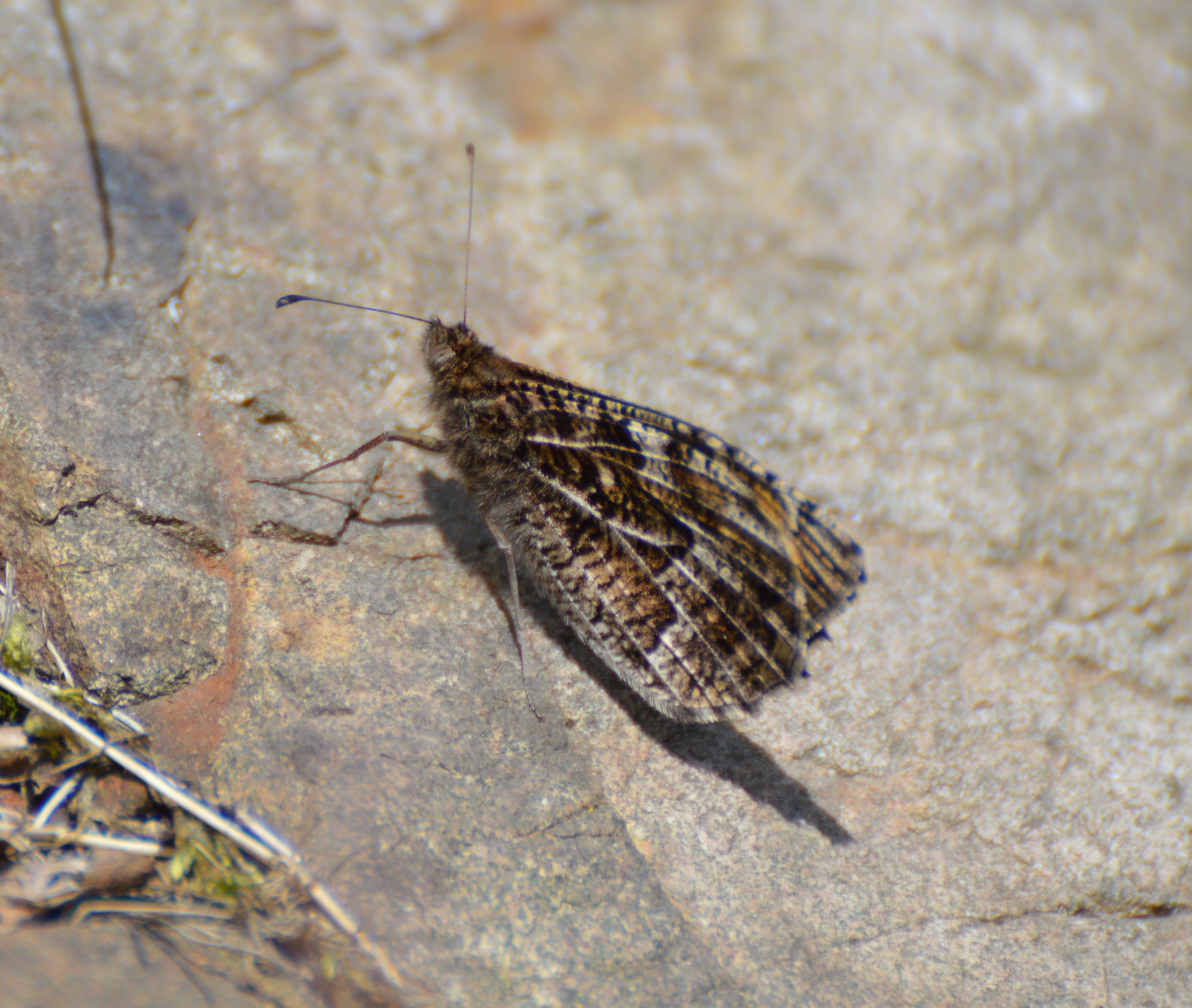
The Grayling likes areas of bare rock and short grass. We headed up the hills following the path recommended by the West Midlands Butterfly Conservation guide and having reached the favoured location, we spotted one almost immediately sunbathing on the rocks.

The Graylings aren’t as flashy as the Purple Emperors we saw earlier in the week, they are more subtly beautiful. They are also masters of disguise and when they keep still they blend into the surroundings extremely well. We were lucky to spot this one. Fortunately it was intent on sunbathing and was also close to the path, so we got our usual bucket-load of photos.

The Graylings almost always sit with their wings upright with the forewing tucked behind the hindwing, which makes them look much smaller than they really are. We watched this one for ages and eventually while it was shifting position, we managed to get a shot with its forewing at least partially showing.

Grayling 2

We saw at least 2 other individuals on our walk, all basking on rocks. Lots of people walked by us and the butterflies while we were there, but I don’t suppose many of them realised what they were missing!

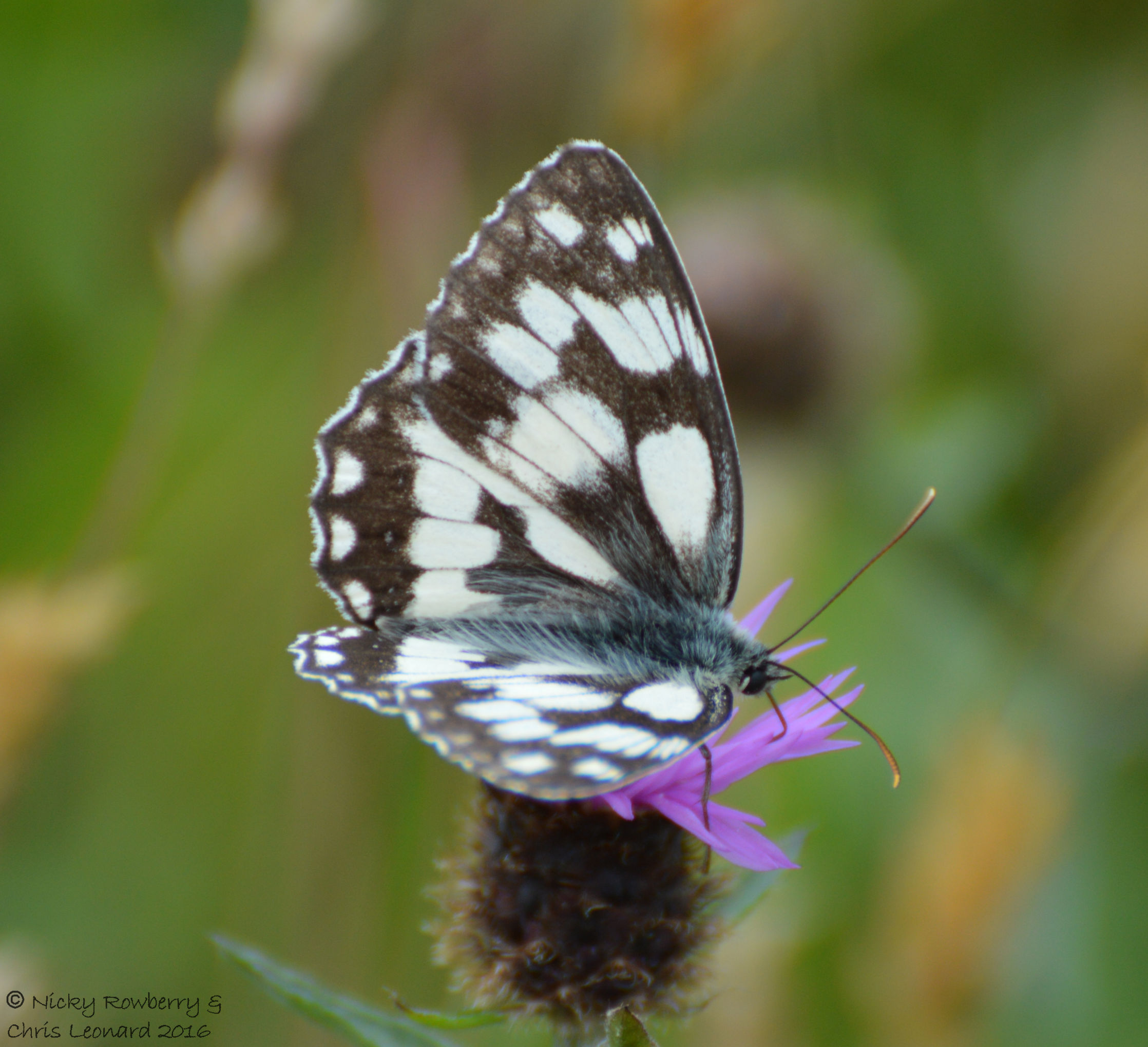
Feeling flushed with success (and also a good lunch at our local), we decided to try our luck back down on the flat ground at the edge of Malvern. There’s an area of rough ground by the road that is always good for butterflies and today was no exception. The Marbled Whites were out in force. Unfortunately it was extremely windy so although they were landing close by, the grass was blowing about so much it was hard to get decent photos. Here are a few of my better efforts.

Marbled White 2

Marbled White 3

There were several pairs dancing about in the wind, so I had hoped to get a mating pair. This was the closest I managed – not ideal, but at least there are two of them in one shot!

Marbled Whites

Marbled Whites weren’t the only butterflies around – Meadow Browns were particularly abundant.

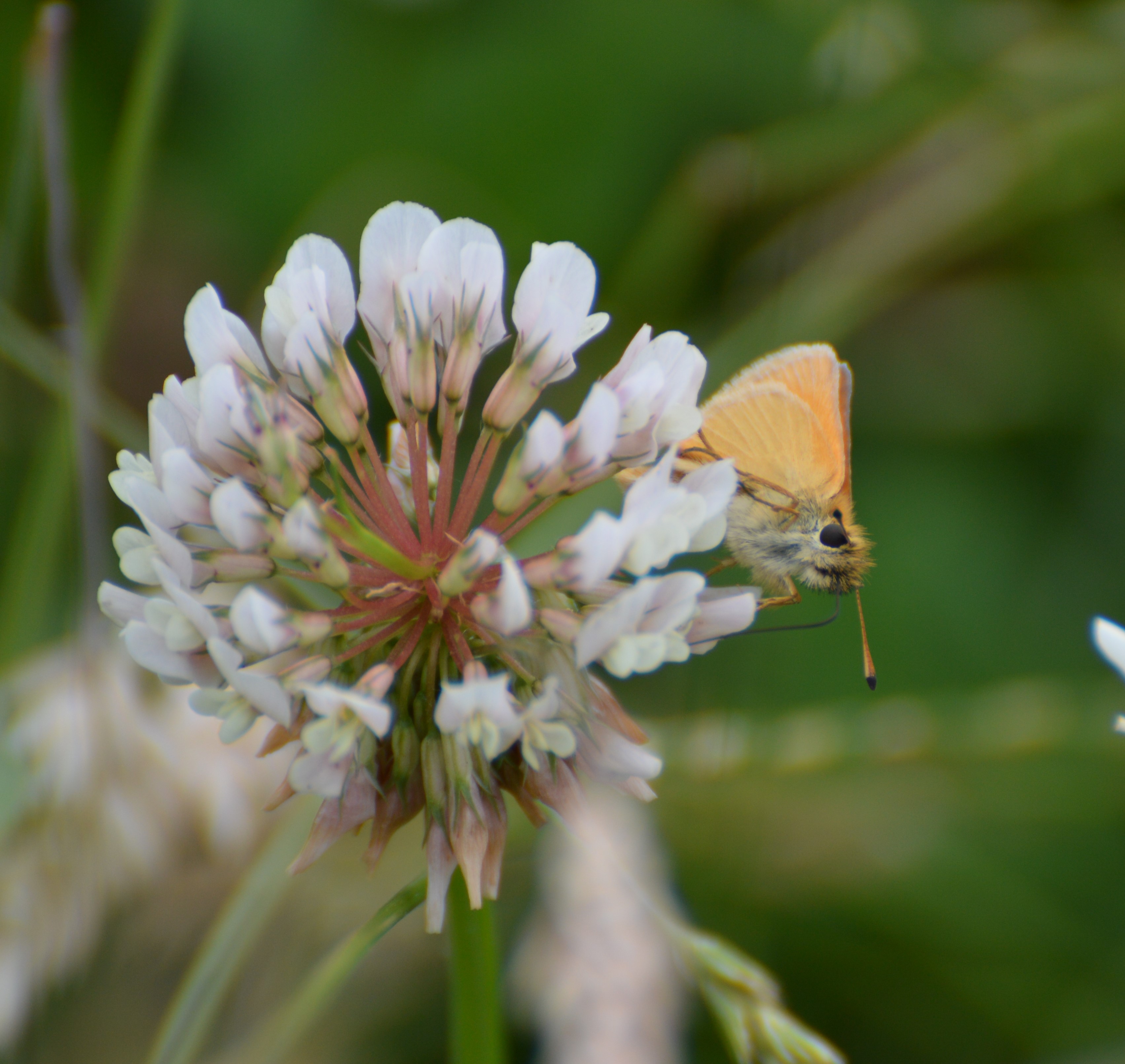
There were also lots of Skippers – I think this is an Essex Skipper. Again the wind was blowing them about an awful lot, making the photography tricky. (excuses, excuses!)

As we headed back to the car, we spotted a day flying moth – a Mother Shipton. Really pleased to see this, as I’m pretty sure I’ve only seen it in books before. It is named after a 16th century witch because its wing markings look like an old crone with hooked nose and chin!


Mid Moth Season Update

It’s the end of the second quarter for the Garden Moth Scheme (GMS), so I thought I’d review some of the mothy highlights from the last couple of months. I trap once a week for the GMS but also occasionally trap on other nights too and last weekend tried trapping at my Dad’s house in Herefordshire for a change – so the photos below are from a mixture of all three. The first quarter of the GMS was dominated by the fairly plain Quaker type moths, so I’ll make no excuse for deliberately picking the more colourful and exciting moths (yes I do find moths exciting!) for this selection! Having said that I’ve just realised I’m starting with a grey one – but it is a particularly cute grey one!

These first three photos are all part of the Ermine group of moths, although the top ones are actually called Muslin Moths. These are grey male Muslins – the females being white. We seem to get a lot more of the males than the females in our garden for some reason.

Muslin Moths

This next one is I think a White Ermine although it could just be a female Muslin moth which are very similar. The White Ermines are so named because they look a bit like the fur that used to be used to trim rich people’s clothes (I’ve got an image now of Henry VIII covered in White Ermine moths!)

White Ermine

The final one of this little trio is a Buff Ermine – making beige look good.

Buff Ermine

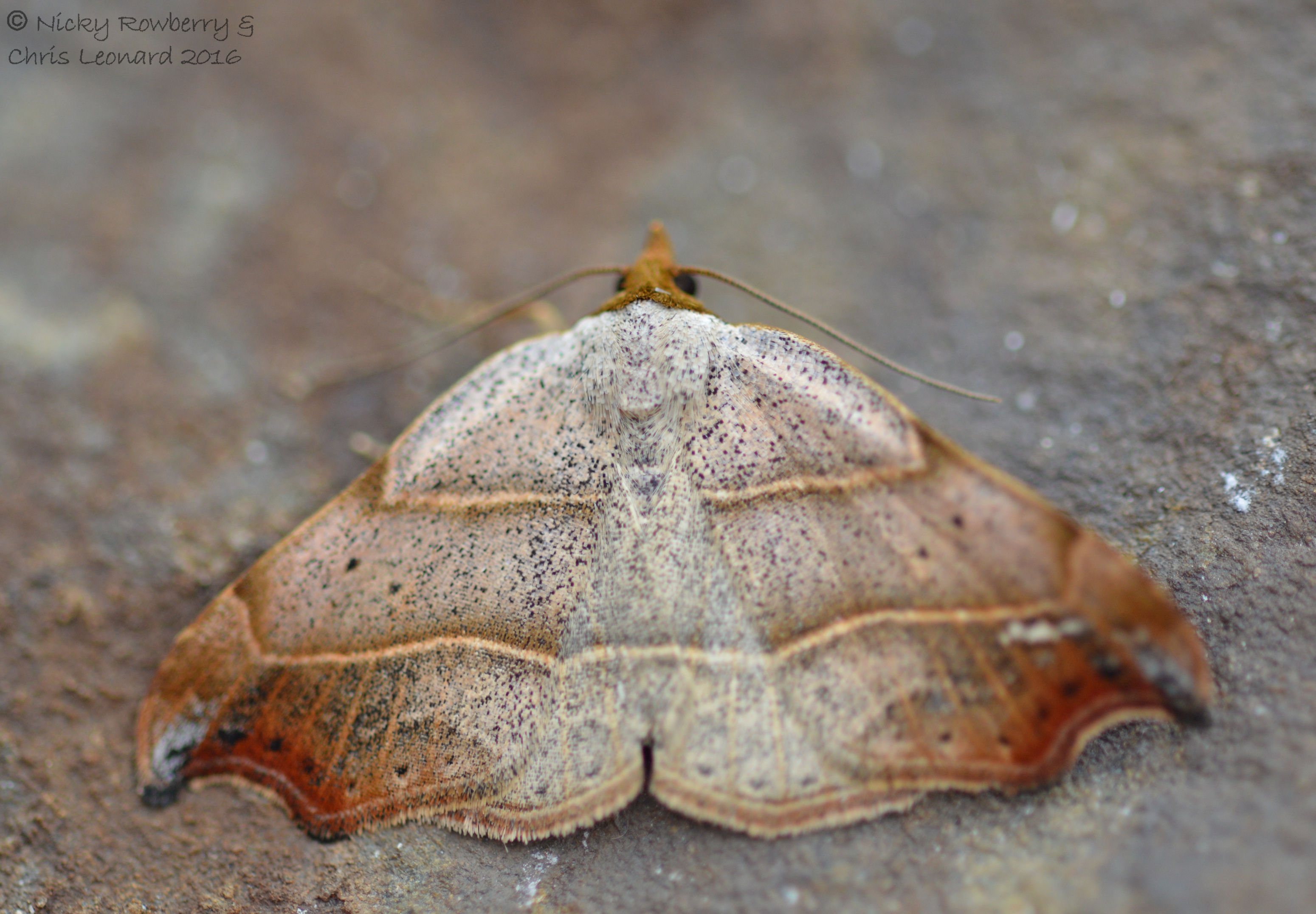
The next four I’ve only grouped together on the basis of how beautiful they are. The first is even called the Beautiful Hook Tip!

Beautiful Hook Tip

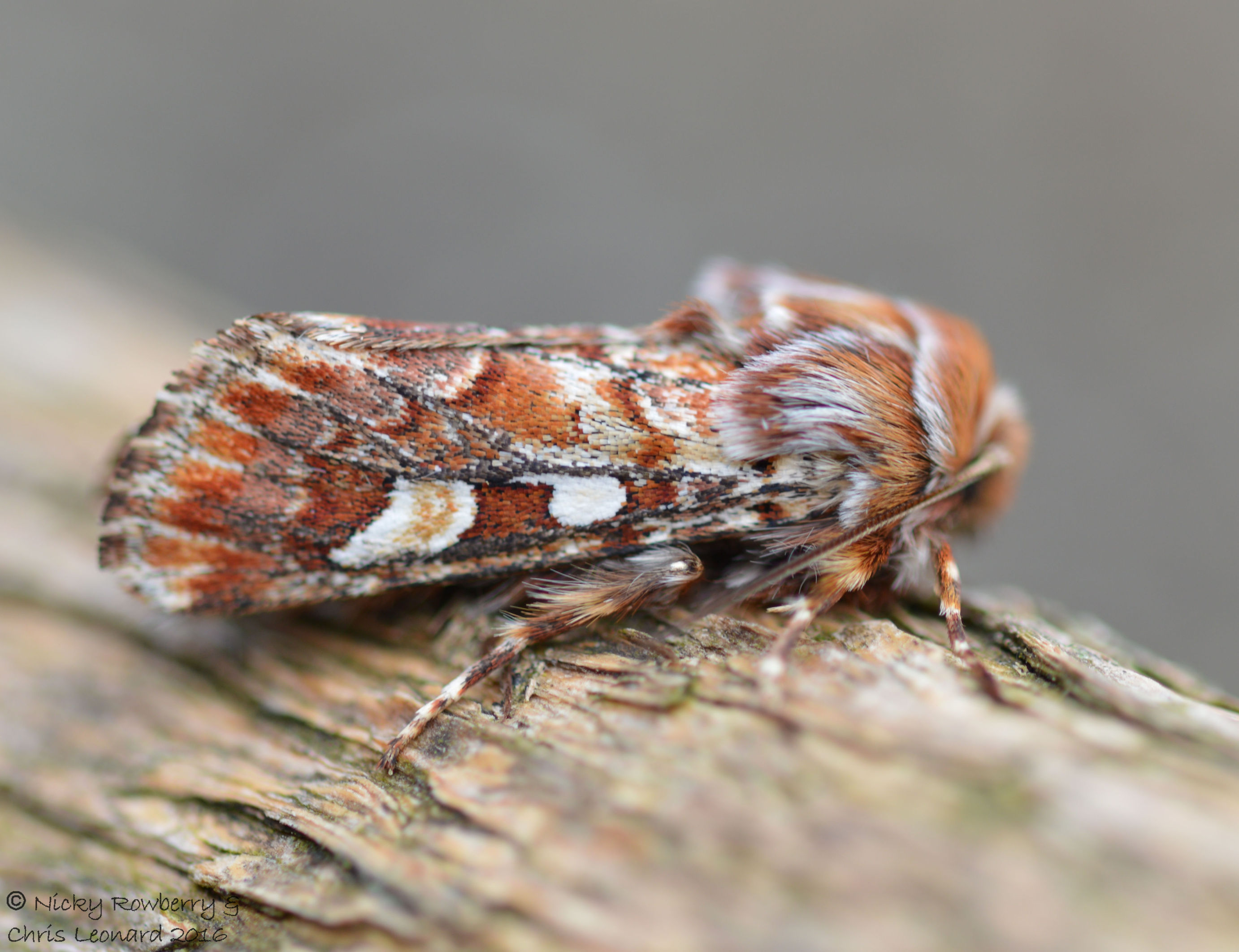
The next is a Pine Beauty – a stunningly patterned small moth.

Pine Beauty

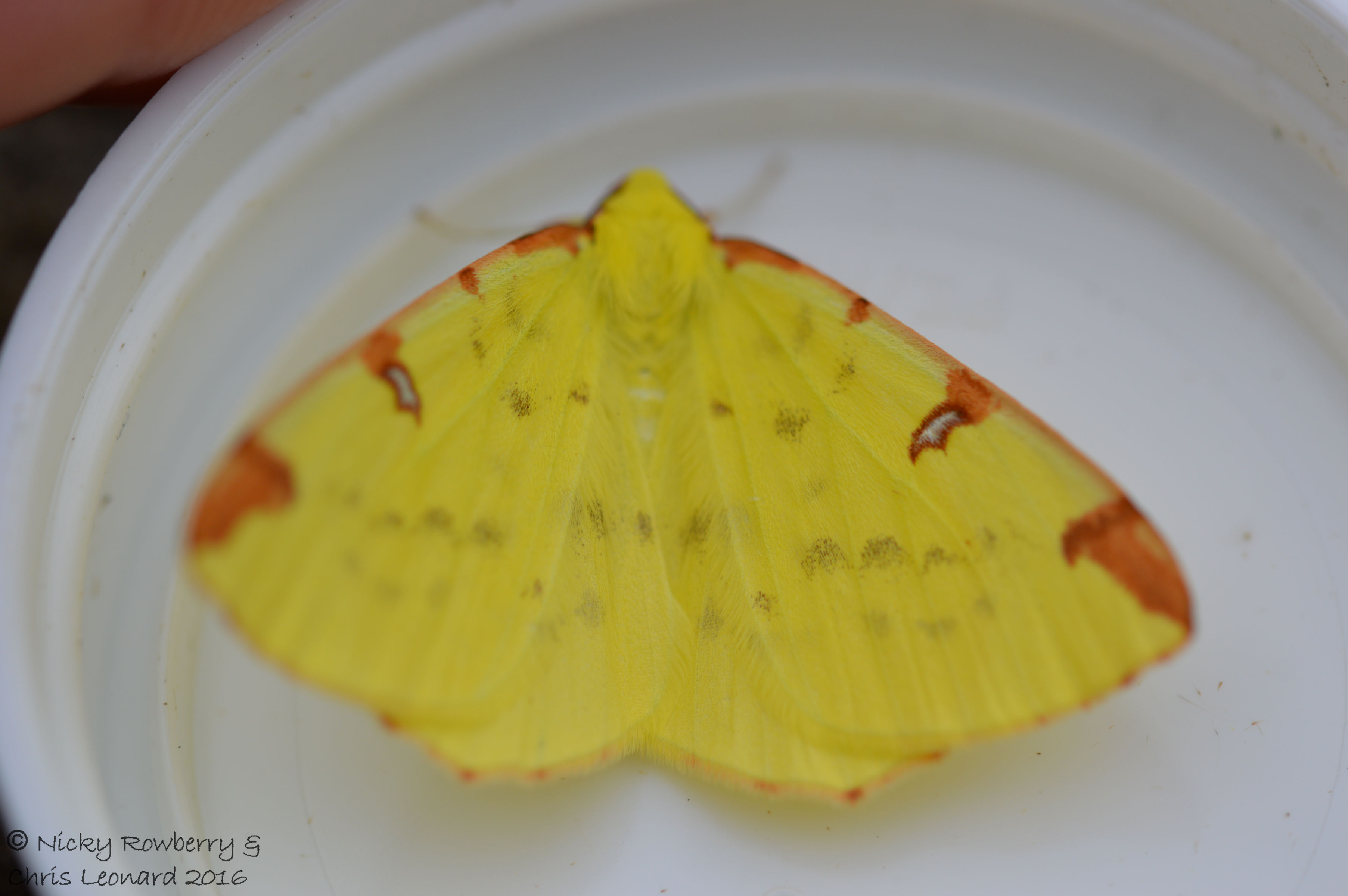
The next two may not have beautiful names, but they could rival any butterfly for its stunning colours. The Brimstone is named because it is yellow like sulphur.

Brimstone

The Scarlet Tiger is simply stunning and flies by day as well as by night – this one we caught in the moth trap, but on occasion we’ve seen a small flock of them flying in the afternoon.

Scarlet Tiger

The next one is a Peppered Moth – I’ve included this as it reminds me of biology lessons at school on the power of natural selection. The Peppered Moths are famous for the swing in the population’s colour during the Industrial Revolution when the whiter forms like this one, stood out against the trees blackened by soot and were therefore easy pickings for birds. The darker forms were better camouflaged at this time and so had higher survival rates and so came to dominate the populations. Since environmental standards have improved, there’s less soot and the white forms are once again the more common. We only ever seem to get the whiter ones in our garden – guess we’re soot-free!

Peppered Moth

The next few, I’ve chosen simply because of their interesting adaptations to avoiding being eaten. This Buff Tip manages to look remarkably like a broken twig. It matches even better on a Silver Birch twig, but this apple stick was the best I could do. If they keep still on the Birch, they must be virtually impossible to detect.

Buff Tip

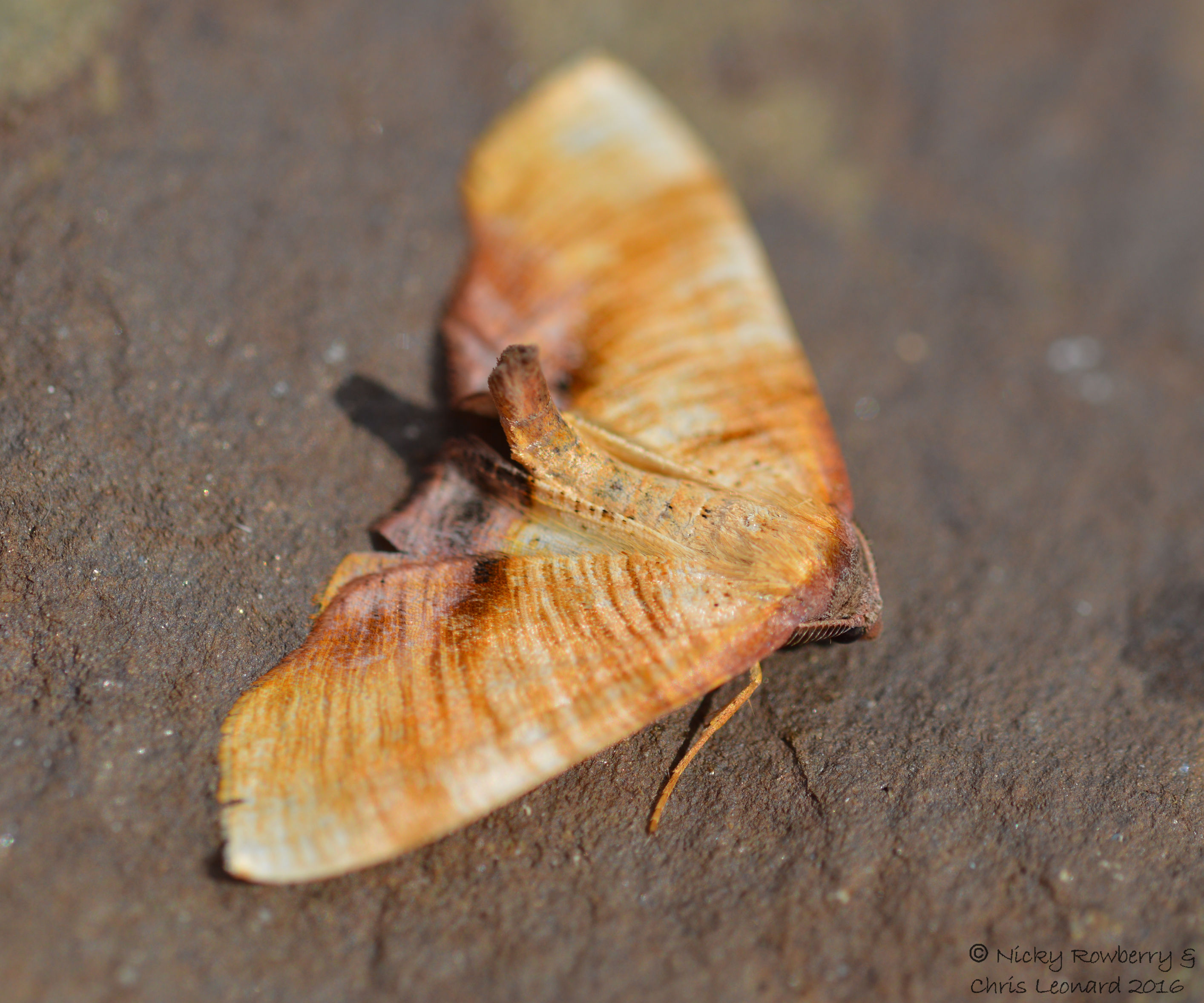
This Scorched Wing uses its colouration to avoid looking like a moth at all. The fading lines are supposed to break up its outline to make it harder to detect. No idea why it sticks its bum in the air though?

Scorched Wing

This Spectacle is one of my favourites. For a start it is very easy to identify – no other moth has a pair of specs on its head like this and secondly I find it adorable. It’s possible these “specs” are used to startle birds by looking like a large pair of eyes – several other moth and butterfly species use eye-like markings to shock birds, but as far as I know none of them look quite like this!

Spectacle

The Shark moth I chose really just so I can claim we have sharks in the garden! I think it’s the triangular pointy head that gives it the name. I’ve been wanting to find one for years, so was really chuffed to spot this in the trap in June.

Shark

The next two I’ve included partly because I like their names – Puss Moth (top) and Sallow Kitten (bottom). I’ve always assumed they were called Puss and Kitten because of their furry legs. I also like the way they have a tendency to sit with their front legs stretched out ahead of them – again a bit like a cat does.

Puss Moth

Sallow Kitten

And finally for this update the Hawk-moths. The biggest most spectacular moths we get in the UK. I’ve seen 4 species over the last couple of months, 3 in our garden and one at my Dad’s place. The first two are the ever-popular Elephant Hawk-moth (left) and Small Elephant Hawk-moth (right). It still amazes me that they are even real – they have bright pink bodies and just seem like a moth a child would draw if left with a load of bright pink crayons!

Pair of elephants

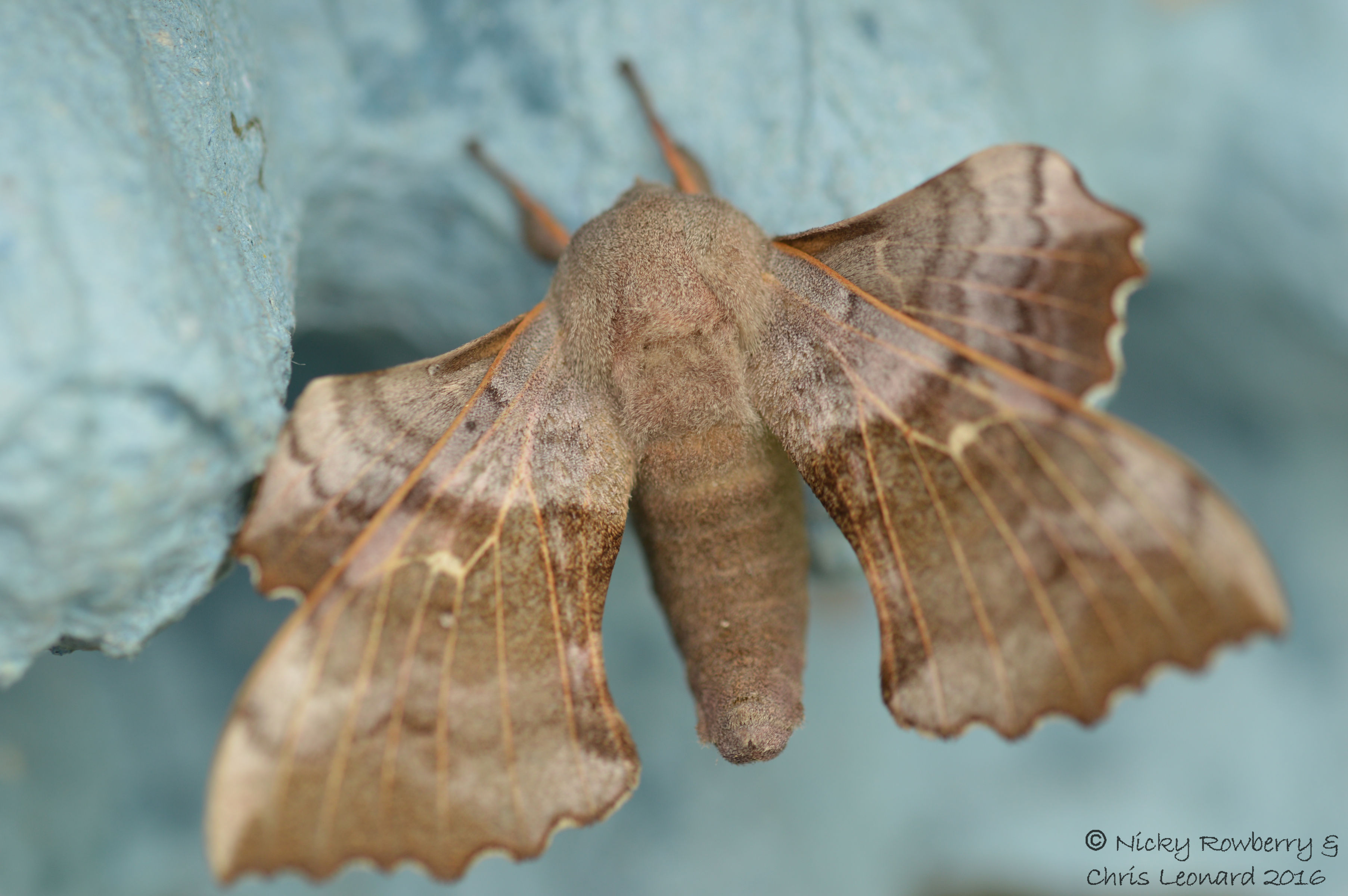
The next one is a Poplar Hawk-moth which is even bigger than the Elephants above. It always holds its wings at this awkward looking angle and flies in quite an ungainly way.

Poplar Hawkmoth

The final one is an Eyed Hawk-moth – we have had them in our own garden, but so far this year we’ve only seen this species at my Dad’s in Herefordshire. They have these bright “eyes” on the hindwings which they flash when disturbed to try and scare off predators.

Eyed Hawkmoth 2

So those are some of my mothy highlights from the last couple of months. Apologies to those species that I’ve not included – it would have been a very long blog post if I’d rambled on about them all – we’re up to 108 species for the garden already this year. But I do love them all – each new species that we find is a treasure and it’s wonderful to know just how diverse the moth fauna is in our garden.

30 Days Wild – Day 25

TWT 30 Days Wild_countdown_25


Day 25 of 30 Days Wild and I was up at the crack of dawn to empty the moth trap (thrilled by the way to get my first ever Shark moth, but I’ll do a moth blog another day). Since I was up and about on a Saturday morning long before the other half surfaced, I decided to spend an hour or so watching our wildflower “meadow” to see what if anything was using it. I did blog about our mini meadow a week or so ago, but I focused then mainly on the flowers, so this time I thought I’d look at the insect life. After all the whole point of it was to attract the insects.

So I watched for about an hour until the skies opened and it started chucking it down – I am a fair weather naturalist, so I retreated indoors at that point. I did pop out again later when the sun came out again and snapped a few more just to finish off.

So not too surprisingly the bees were the most abundant visitors and several species as well which was great. The Phacelia flowers were probably doing the most business, including both a Red and a Buff Tailed Bumblebee. I love the way the red one has co-ordinated his pollen sacs with his red bum!

Red tailed bumblebee

Bee on Phacelia

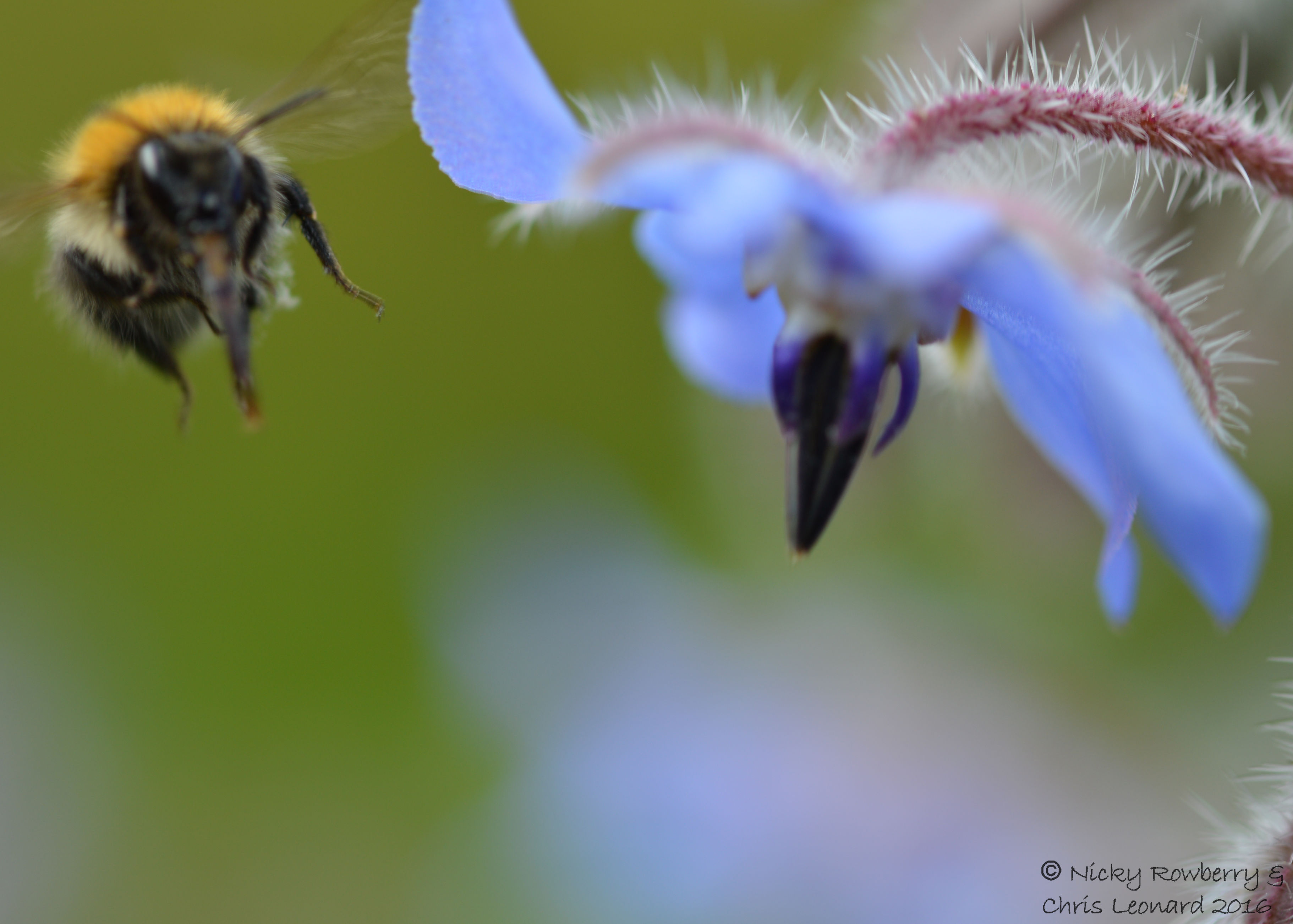
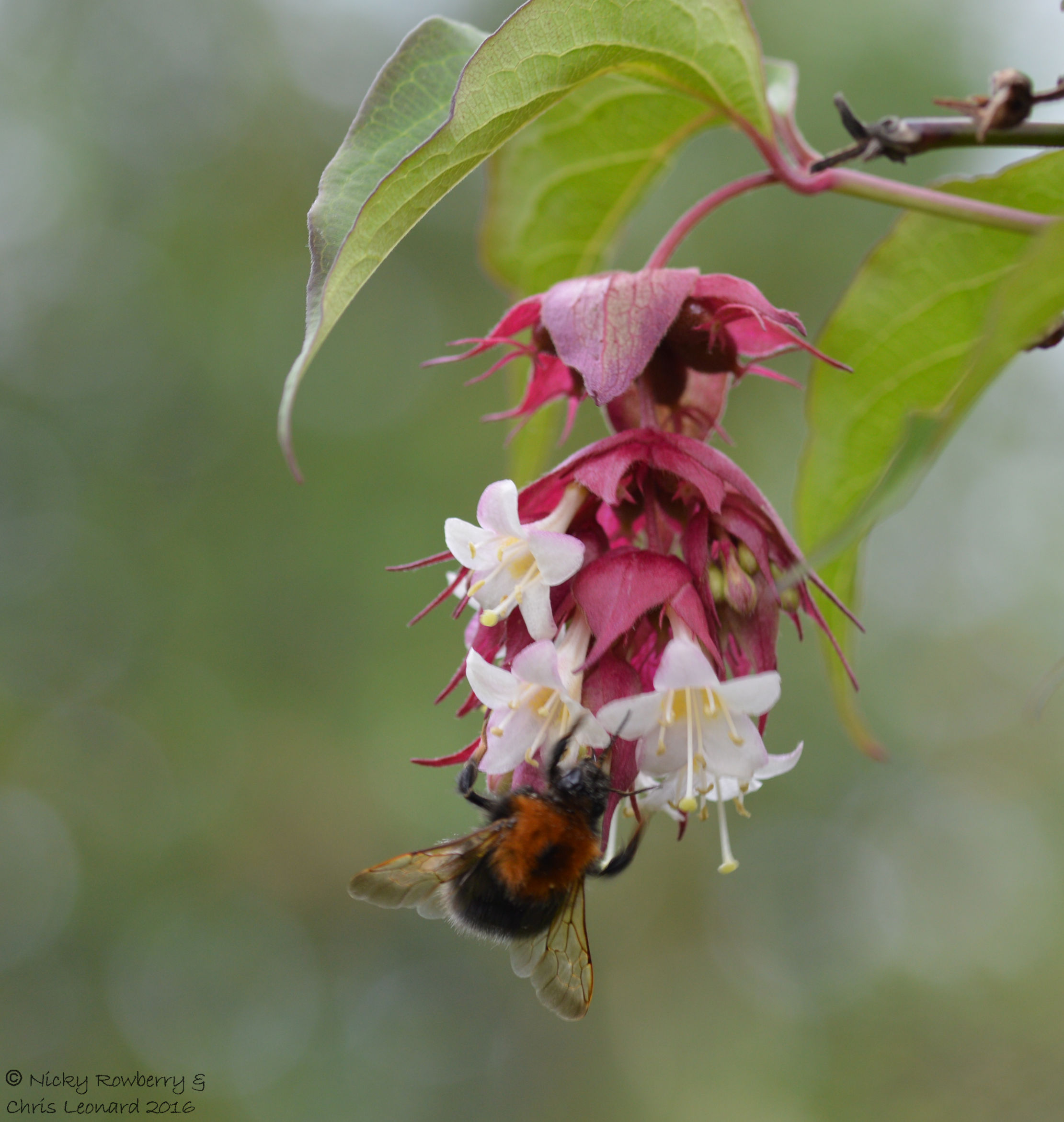
But the borage too was getting a fair few visitors. I think this is probably a Tree Bumblebee coming in to land.

Bee on Borage

I did at one point start to get “bee envy” when I noticed that this plant (no idea what it is?) in the neighbours garden was actually getting more bees than my patch. But then since it overhangs our fence, many of the bees were technically in our garden – so I’m counting them as ours!

Bee next door

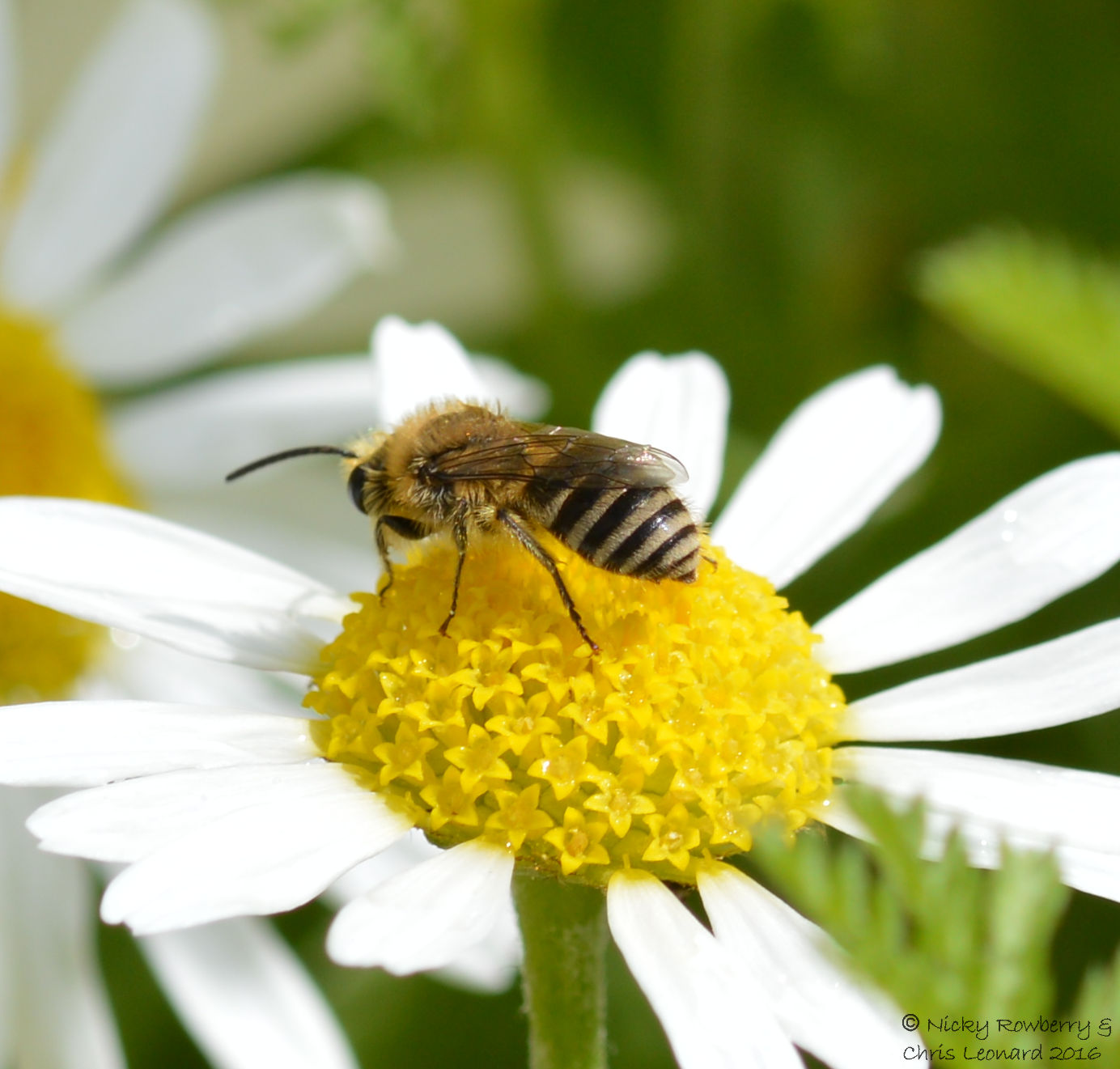
The bee highlight of the day was spotting this one on the chamomile flowers. It looked a bit different to others I’d seen so I stuck the photo on Facebook and someone kindly identified it as Colletes sp. for me – another new genus for the garden, taking our total to 23 this year. Colletes are known as the Plasterer bees, because of the way they line their nests with a secretion a bit like plaster!

Colletes sp.

The next group of visitors was the hoverflies. I saw at least 3 species on the mini meadow (although there were plenty of others around the rest of the garden). Afraid I don’t know the species for these 3 yet, although the bottom one looks like it might be another bumblebee mimic.

Small Hoverfly

Small Hoverfly 2

Large Hoverfly 2

The Swollen-thighed Beetles of course couldn’t miss a photo opportunity and were flaunting their generous curves at every opportunity.

Swollen thighed

There were various other small beetles usually nestled right in the middle of the flowers and impossible to get a decent photo of. But this one decided to land on my arm and after a bit of contorting I managed to get a photo of it. Must have thought my lily-white skin was some kind of giant flower – a disappointment no doubt!

Beetle on arm

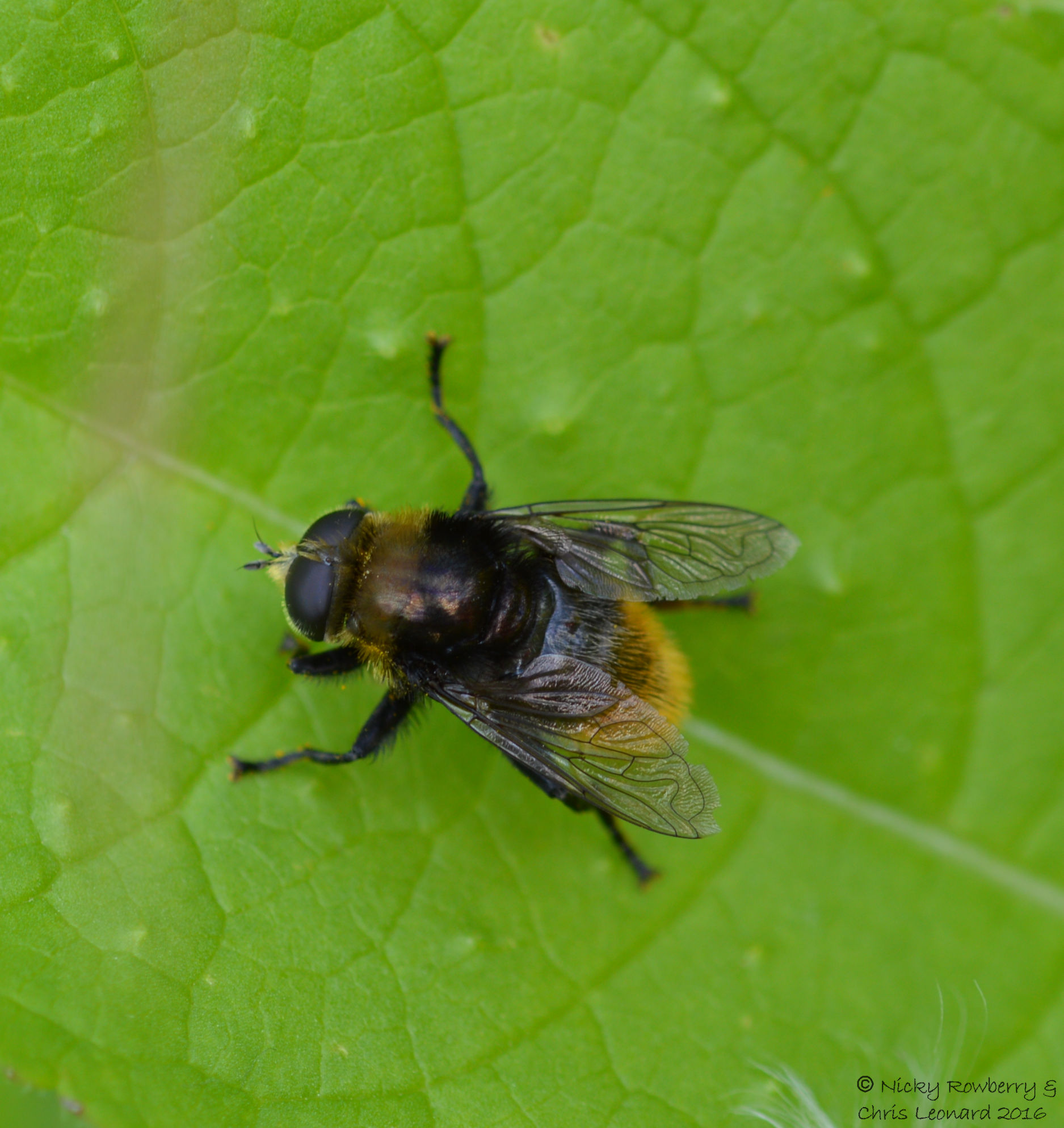
Spotted these interesting flies on one of the thistle leaves. There was a pair of them – possibly a mating pair – and this one kept sort of stepping back then raising and lowering its wings at the other one. Perhaps some kind of mating ritual or signalling. There is a group of flies called Signal Flies, so perhaps that is what these were?

Signal fly

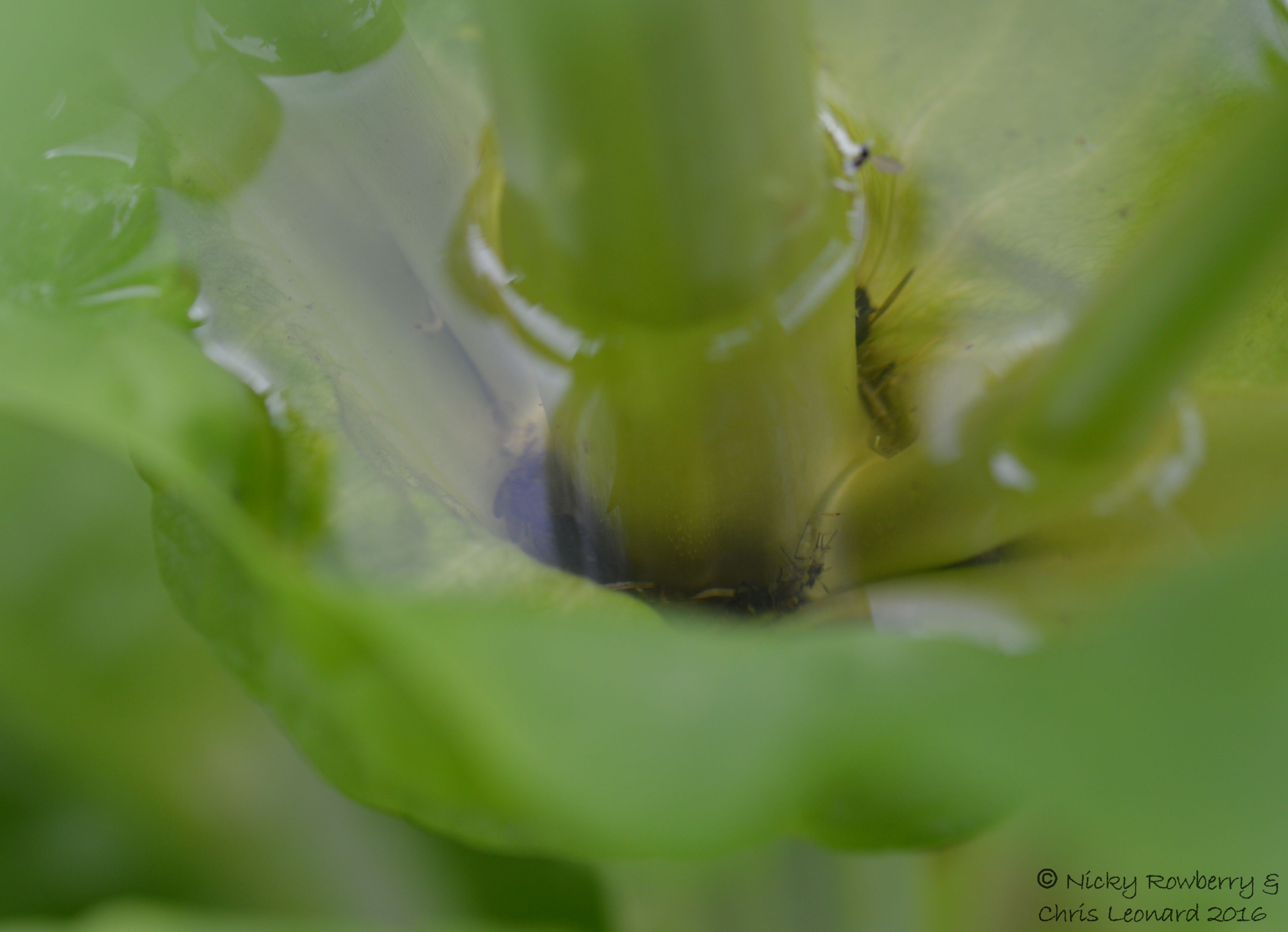
On the more gruesome side of things, the teasel leaves had formed mini pools at the point they joined the stem. These pools were full of dead and decaying insects – a bit like those tropical pitcher plants that drown animals then live off the nutrients! I don’t think the teasels were going that far, but other things were – there were clearly larvae of something (midges perhaps) in the water that were feeding off the dead insects. Sorry the photo doesn’t really capture that, with hindsight maybe I should have used some fancy polarising gizmo on the lens?

Mini pools

The final gruesome twist to my otherwise idyllic hour, was spotting this crab spider with his unfortunate victim – one of my beloved bees! The bee was still alive and I did consider rescuing it, but then I thought “What would Chris Packham do?” – almost certainly not save it! The crab spider has to eat too and it looked like he’d already got his fangs into the bee, so it was probably a goner anyway. Wasn’t expecting to witness “nature raw in tooth and claw” quite so vividly today!

Spider with bee

My hour by the flowers was very relaxing. The birds got accustomed to me sitting there and after a while came back to the bird feeders nearby, unbothered by my presence. A frog even started moving in the undergrowth near my feet. I guess I must be naturally very good at sitting still doing nothing for an hour!


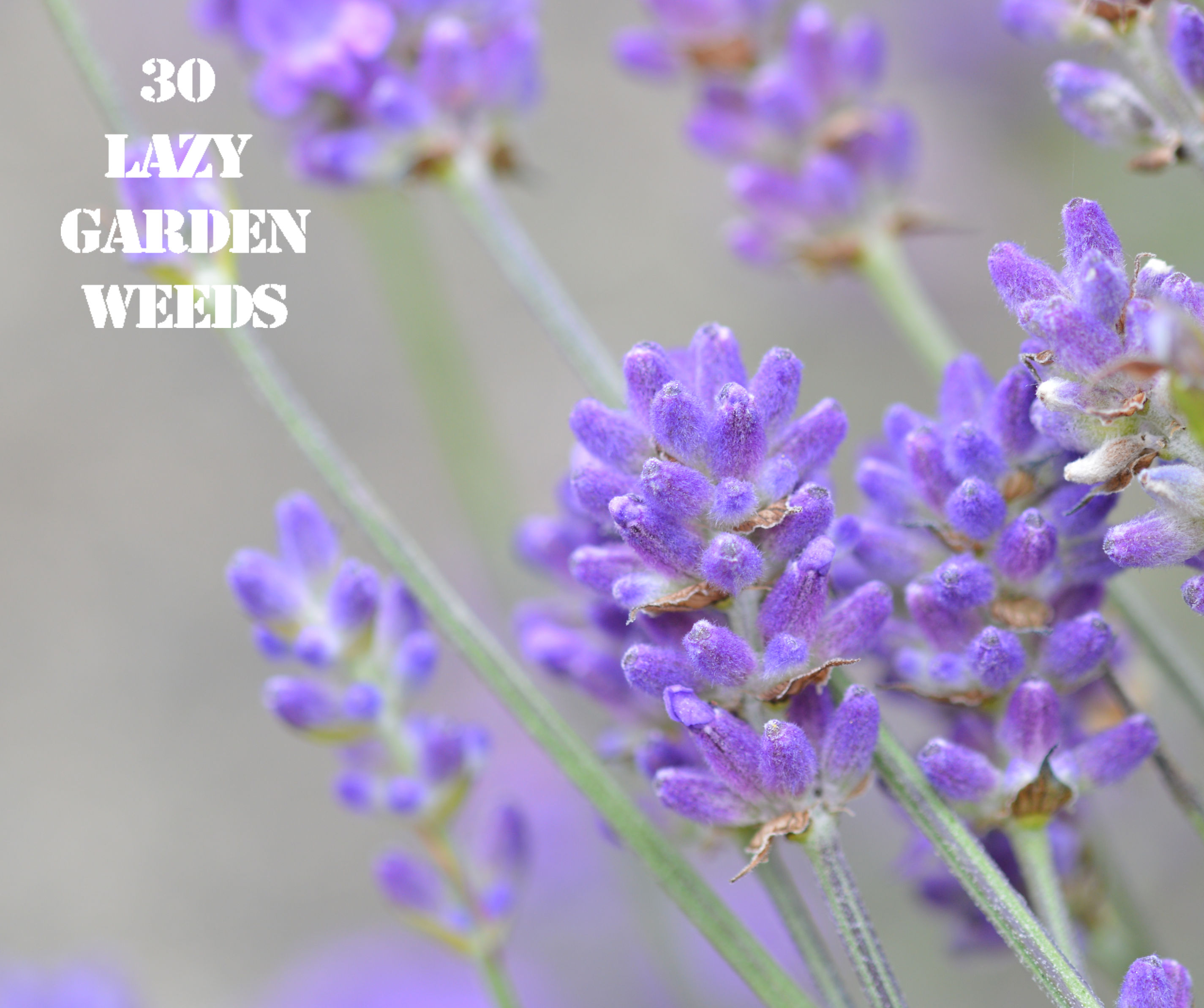
Lavender 30 WEEDS

And finally the weed for the day of my 30 Lazy Garden Weeds. Lavender – not a weed in the conventional sense, but it does keep seeding itself all over the garden and I have even been forced on occasion to weed some of it out (shock horror!) The smell and the colour are of course lovely and the bees go nuts for it. It’s just coming into flower about now. I did try a few years ago making Lavender essence – not a great success, I ended up with a jar of dingy looking liquid that somehow smelled of lavender but not in a good way. I tried a few drops in a macaroon mix and they ended up tasting like soap! But apart from my culinary failures, it is a lovely plant that would be welcome in most gardens.

30 Days Wild – Day 24

TWT 30 Days Wild_countdown_24Day 24 of 30 Days Wild and this is the first day I haven’t really had chance to get out and about doing something wild. Instead, having got home from a trying day at work (not to mention the vote!), I thought I’d spend the evening on the sofa (with very large glass of wine) and analyse the results from our Garden Bioblitz of a couple of weeks ago. It took me a couple of weeks to get all the photos identified and logged onto the Bioblitz website and I’ve been so busy since, that I’ve not really had chance to sit back and really see what we found. So tonight’s the night.

All the results had to be logged by last Monday. So I got as many on the database as I could. There were still quite a few things that I’d got photos of but couldn’t identify – either due to my lack of skills in ID or my lack of skills as a photographer! So we potentially had a few more than the final tally shows. But equally I may have got some things wrong, so they won’t be allowed when the experts check everything, so perhaps that balances it out? So our grand total was 119 species and I was thrilled to discover that our little garden is currently 13th in the Recorders League table. I took this screenshot from the Bioblitz website – just in case no-one believed me! I’ve obscured the names of the people ahead of me – not in some jealous pique (although I am jealous), but in case I was breaching anyone’s privacy by leaving in the full names.

Trending

119 species isn’t bad for an ordinary town garden like ours, so I’m really pleased. Of course if we’d had more time, we could have raised this figure, but then that was the whole point of the Bioblitz – it was what you could find in 24 hours.

So our 119 species covered a pretty broad spectrum of flora and fauna. Maybe not surprisingly the moths represented our biggest group – 42 species in total. This probably reflects our experience with moths – we’ve been moth trapping for a few years, so can identify most of the common species. There were probably just as many fly species in the garden that day, but we didn’t have the skills to ID them.
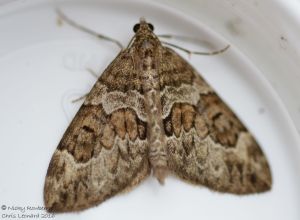
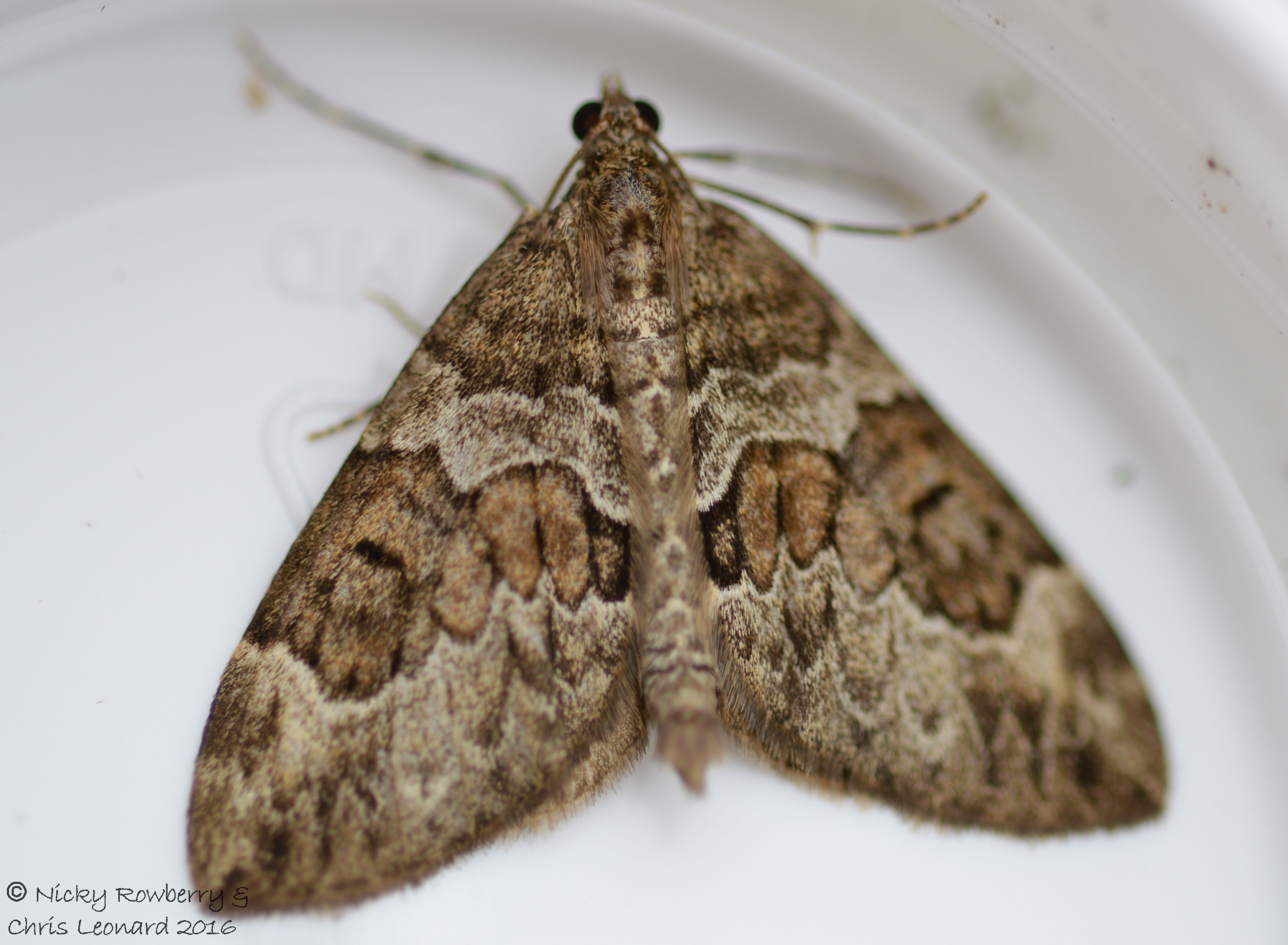
Spruce CarpetOf the 42 species of moth some were perennial favourites and spectacular ones like the Elephant Hawkmoth, but others were just as exciting as they were “firsts” for our garden – like this Spruce Carpet. (Our moth list for 2016 to date is currently 97 species!)

Bees were of course one of our prime targets and I was pleased we spotted 8 species that day. We’ve actually found 22 species this year, but to get 8 in the one day wasn’t bad. But the bee highlight was seeing a little chap flying around carrying his precious leaf – a Leaf Cutter Bee and a first for the garden.

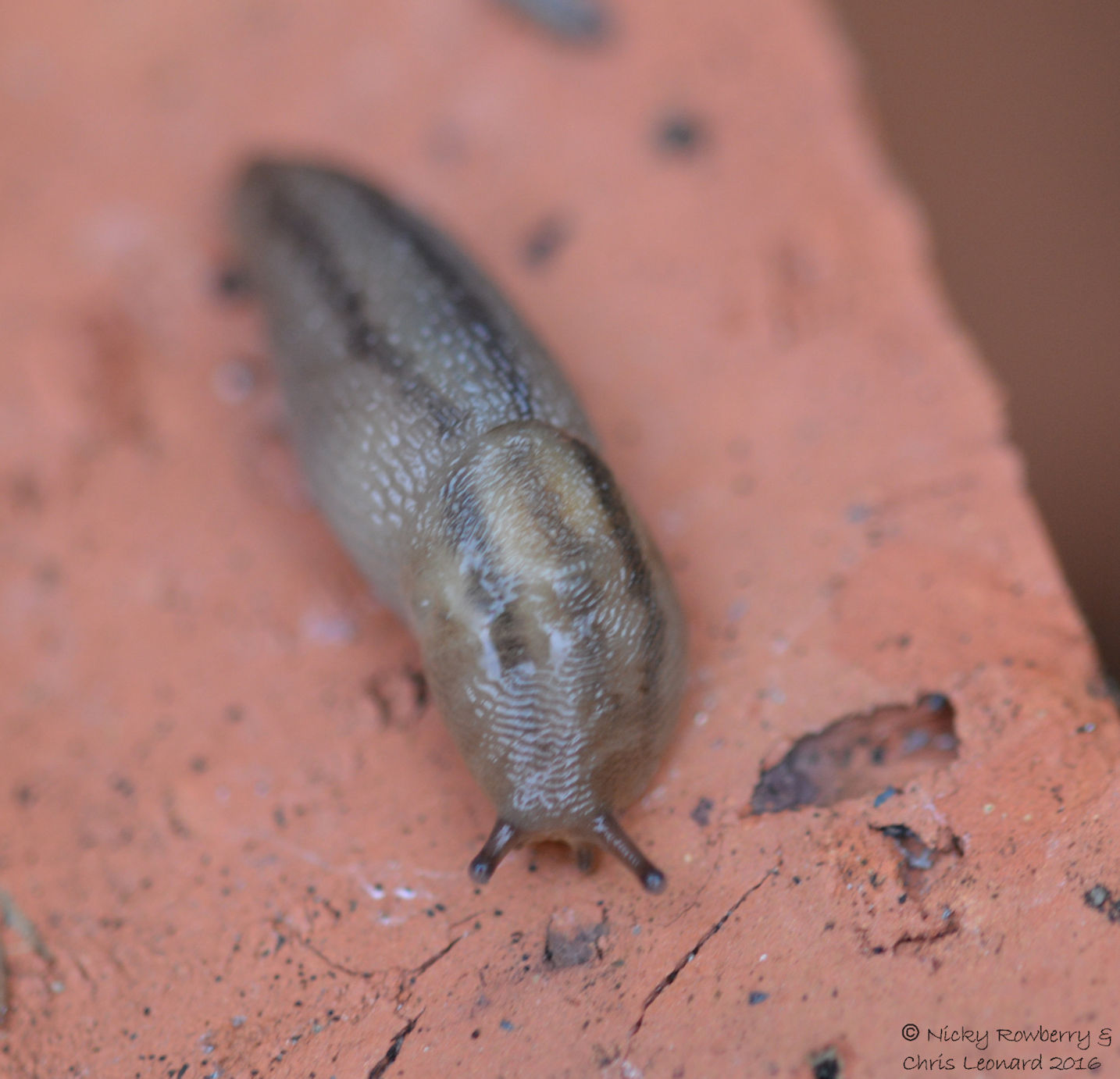
Iberian SlugMolluscs might have done better if it had been a rainier day (if we’d done the bioblitz the following week, we’d have done really well by that reckoning!) But we still managed a respectable 7 species – 4 snails and 3 slugs. One of the slugs was even a new one for the garden, although I suspect they’ve been around for ages and we’ve just not bothered to identify them. It was this Striped Slug – Ambigolimax valentianus no less!
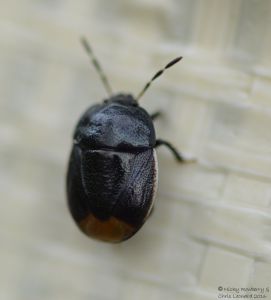
Bordered Shieldbug

We got two species of Shieldbug on the day, but again one of them was new to us – this Bordered Shieldbug, which I initially thought was just a small beetle, until I enlarged the photo. Really chuffed to be able to add this species to our Shieldbug list – currently 8 now I think.
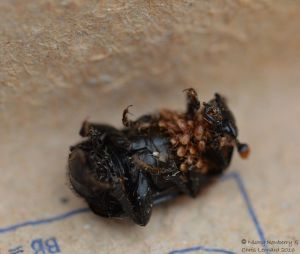
 

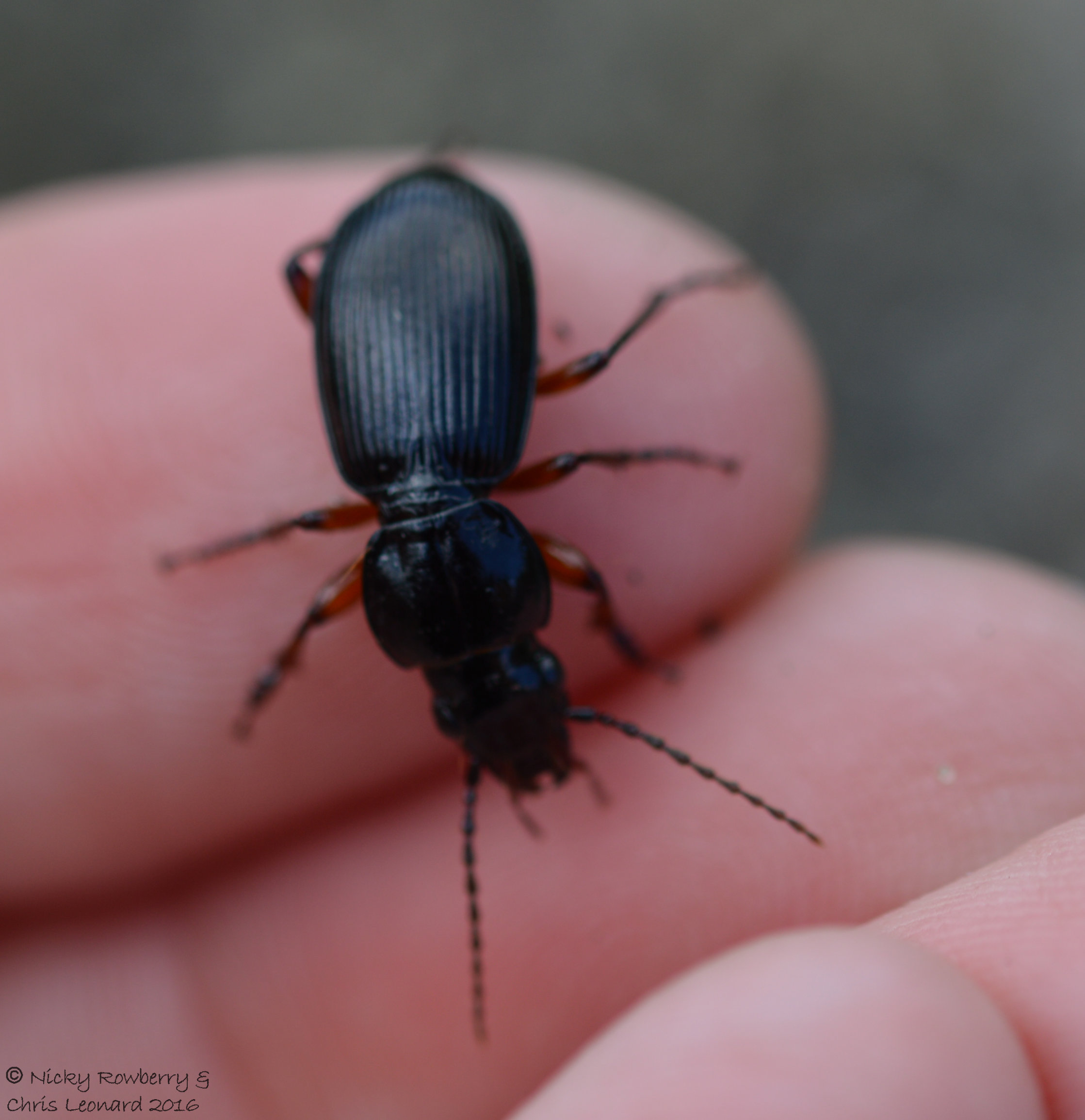
Sexton beetleBeetles came in at 8 species (11 species actually if you include the ladybirds which I had counted separately). Beetles are a group that we’re just getting in to, trying out pitfall traps to see what we’ve got. This one however flew into the moth trap. It is a Black Sexton Beetle and was absolutely covered in these mites. It looks lifeless in this photo, but honest it was just playing dead, because as soon as I turned away it was off. The mites are apparently harmless and just hitch a ride to the next dead animal that they and the beetle feed off. Can’t help thinking that so many mites must be really irritating though and affect his flight?
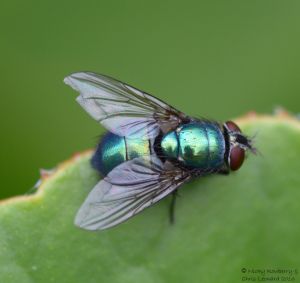
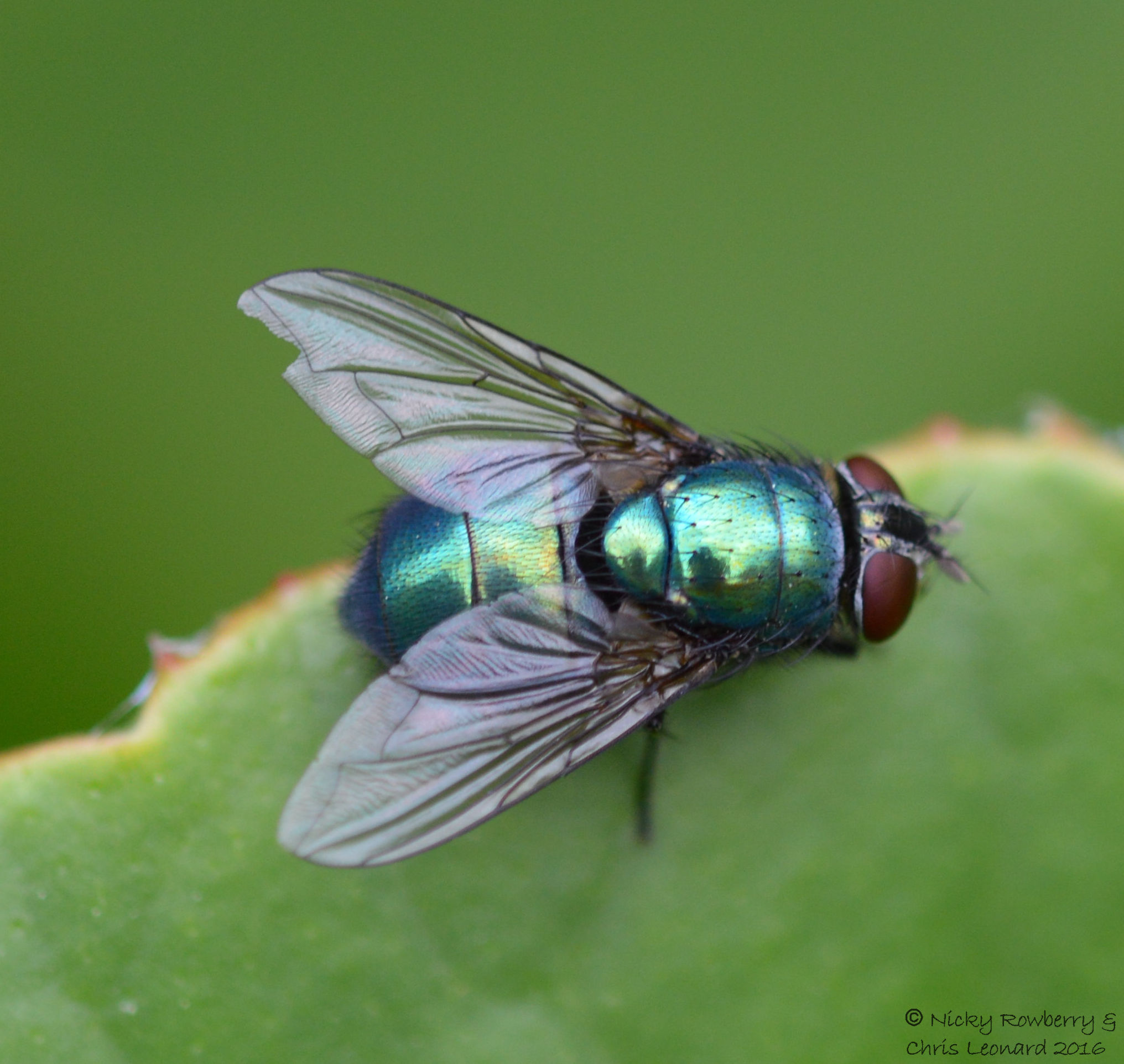
Lucilia green bottleThere were of course flies buzzing about all the time, but with virtually no knowledge of this group we didn’t pay them too much attention. This big Greenbottle though was quite photogenic and the good people of iSpot identified it to genus for us – Lucilia sp. We did manage to get 2 other fly species to genus as well, but they weren’t as “pretty” as this one!

Frog hopperOne of my favourite finds of the day was this Red & Black Leafhopper, which I’d previously only seen in photos. Not seen it in the garden before or since, but I’m glad it chose that day to make an appearance! It was a stunning little insect, so I hope we see more of them.


For the birds we only managed a slightly disappointing 8, all of which were the usual suspects like robins, blue tits and a Jackdaw. We do get quite a few other species, but I suppose it was a bit much to expect the Sparrowhawk to make an appearance within those 24 hours!

And finally for the animals, we managed a grand total of 3 vertebrates – a frog, a newt and the hedgehog.  The bats were around, but we didn’t actually see them in our garden and without photographic evidence (still not worked out how to get a photo of one flying), I’m not sure the Bioblitz database would accept them.

PimpernelOf course the Bioblitz included plants as well as animals. I did originally intend to go around the garden the week before and pre-identify all the plants, then all I’d have to do on the day was take a quick snap of each. But of course that didn’t happen, so instead we zigzagged about the garden photographing everything in sight with no real plan. But we still managed to record 24 species. With hindsight I realised we didn’t make any attempt at the grasses, the mosses, the lichens – oops!

Beside all of the above we also saw 1 butterfly, 2 crustaceans (woodlouse and water louse), 1 hoverfly, 2 spiders, 1 earwig, 1 weevil, 1 cranefly and 1 leech (from the pond), which round off our 119 species.

This is the second time we’ve done the Bioblitz and I find it a really interesting thing to do. I think lots of people would be amazed at how much is going on in their gardens if they just took a day to have a look!

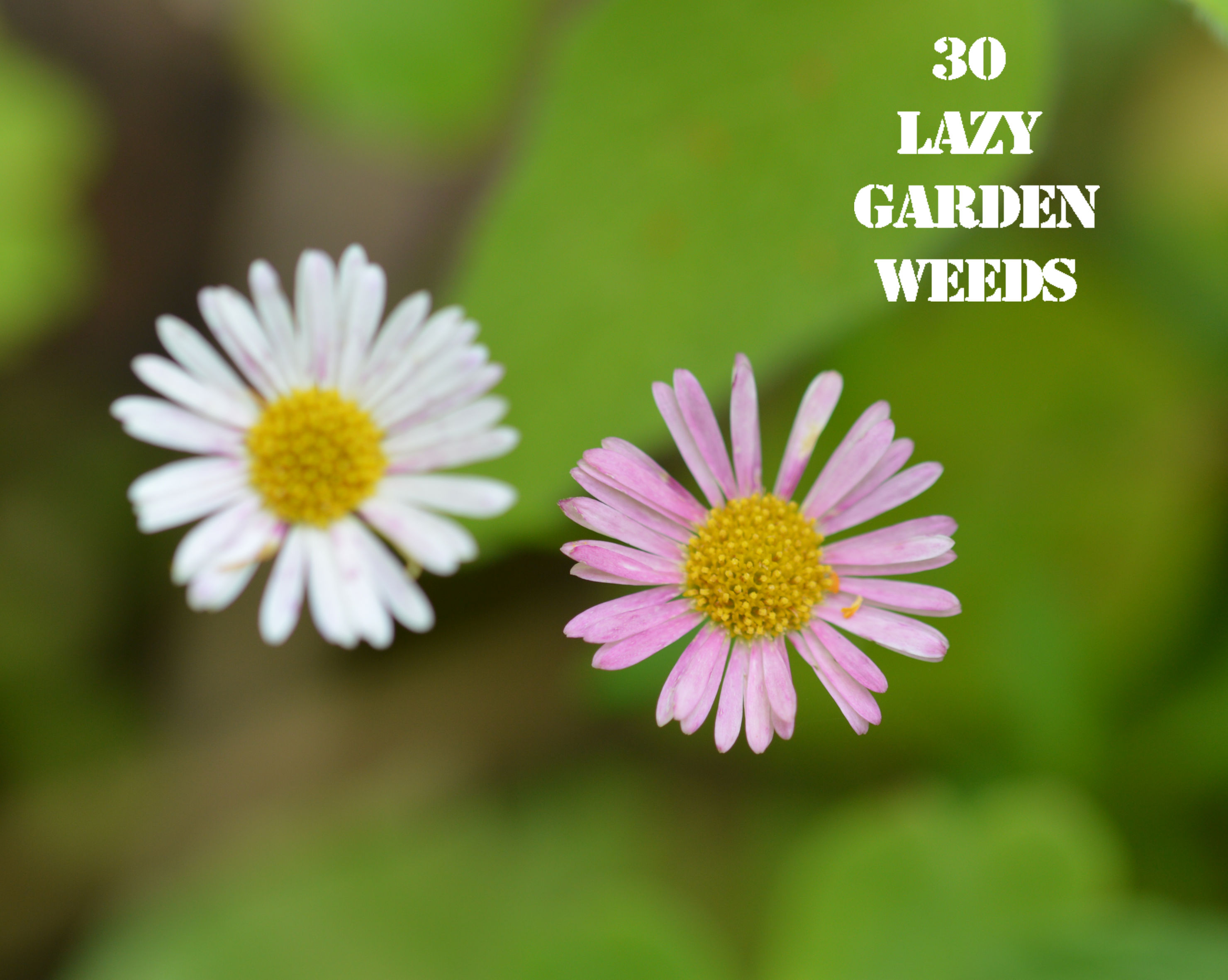
Daisy Fleabane 30 WEEDSAnd finally as always the latest weed in 30 Lazy Garden Weeds – this daisy like flower is, I think, Fleabane. Unfortunately I didn’t manage to spot it during the Bioblitz, although it was almost certainly growing in the garden at the time, so that’s another species missed. These little flowers always remind me of kids’ drawings – what an archetypal flower looks like – petals sticking out all round a central disc. There’s something charming about them, so as always they are welcome in the Too Lazy garden!
30 Days Wild – Day 23

TWT 30 Days Wild_countdown_23Day 23 of 30 Days Wild and it’s starting to feel like we’re on the home run – only a week to go! Once again the car is in the garage, so I was restricted this afternoon to the home turf – quite literally. I decided to get down and see what we’d got in the grass! Not being ones for a pristine lawn, our “grassy areas” are far from a uniform monoculture of one species. We do mow them occasionally, so I’ve at least got somewhere to sit with a glass of wine, but generally they are left to do their own thing.

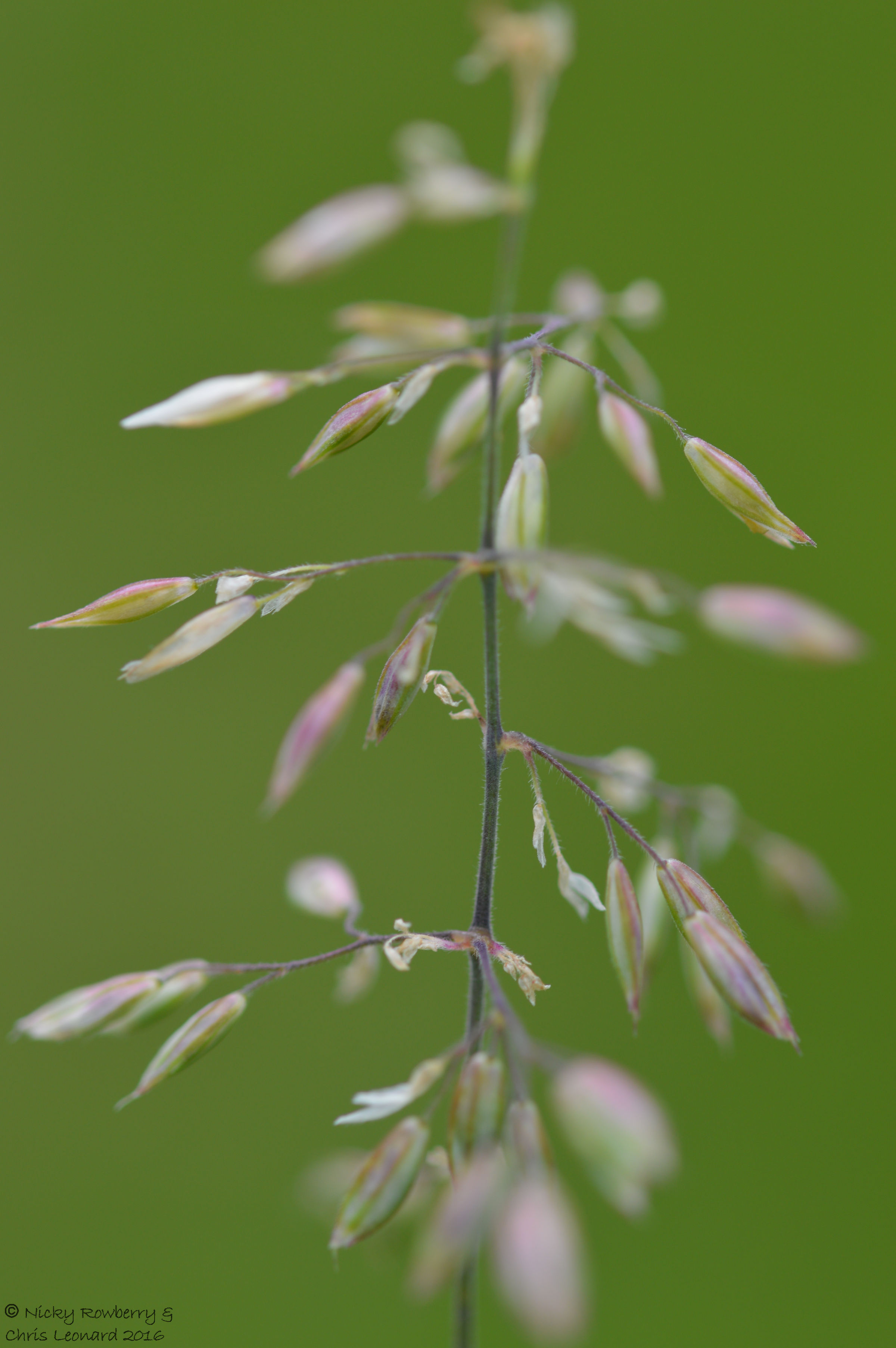
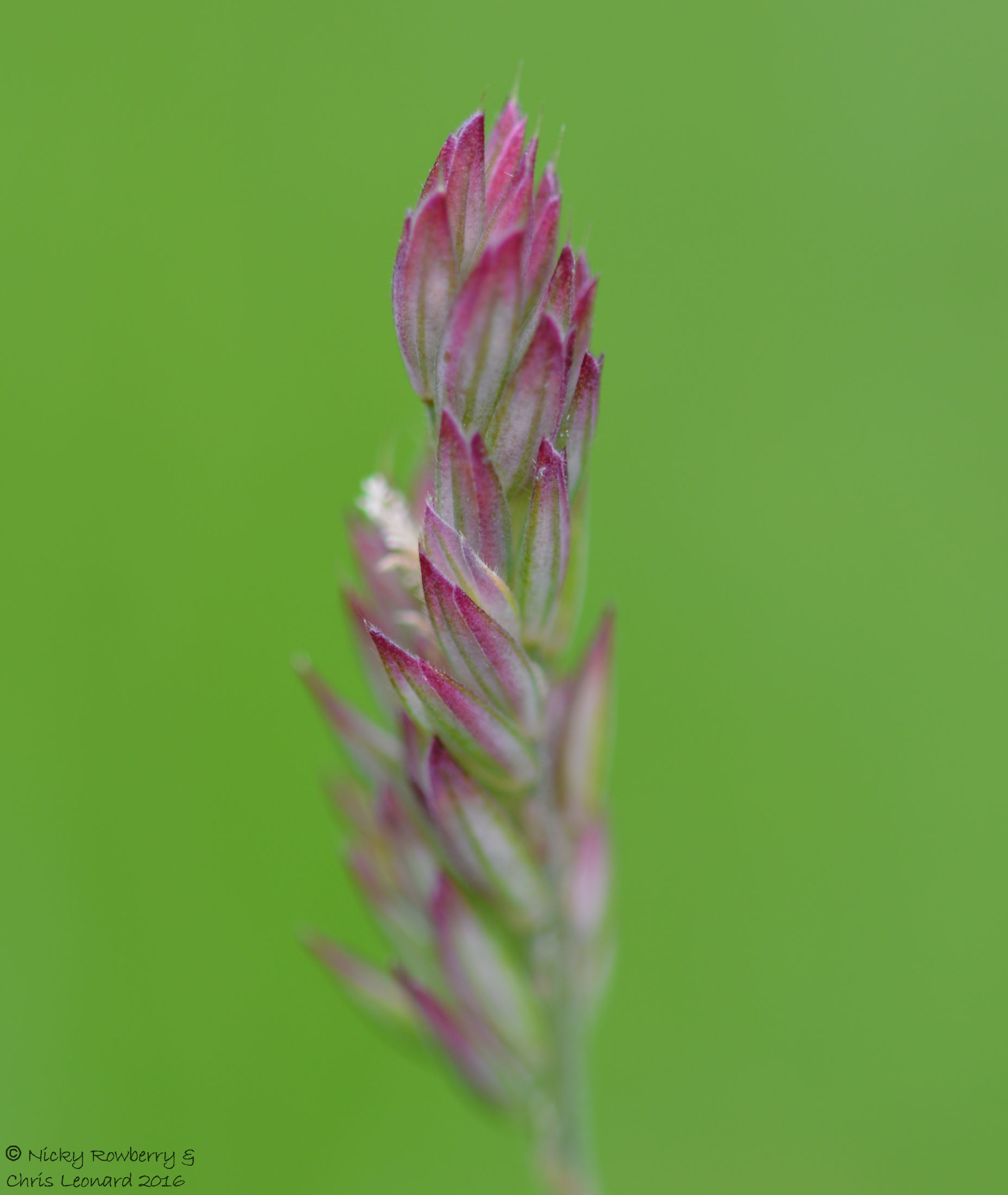
So first the grass itself – when I got down on my hands and knees and started looking at it properly, it is really rather beautiful. Because we’ve let it grow quite long, much of it is currently in flower – delicate and dainty grass flowers blowing in the wind. I’ve no idea whether the 3 photos below are different species, or the same species at different stages.

Grass 1

Grass 2

Grass 3

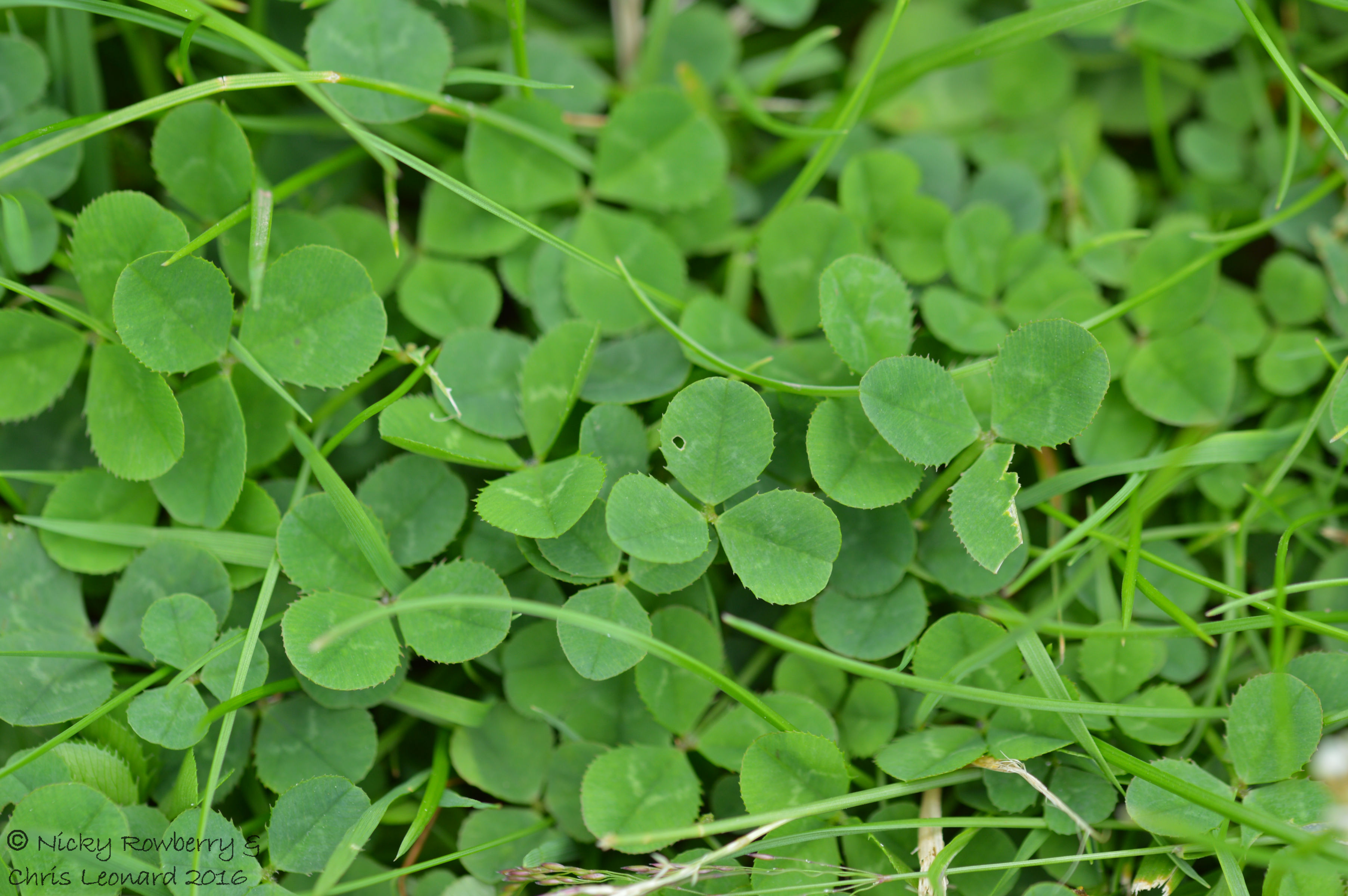
The grass is of course by no means the only green thing in our lawn – in fact I doubt it’s even the dominant plant. Clover covers pretty much the whole area. I know some gardeners do their best to rid themselves of it but why bother? It’s green, you can sit on it and the bees like it – that’s all I really require of a lawn, so if the clover fulfils this rather than the grass, it’s not the end of my world!

Clover 1

Clover 2

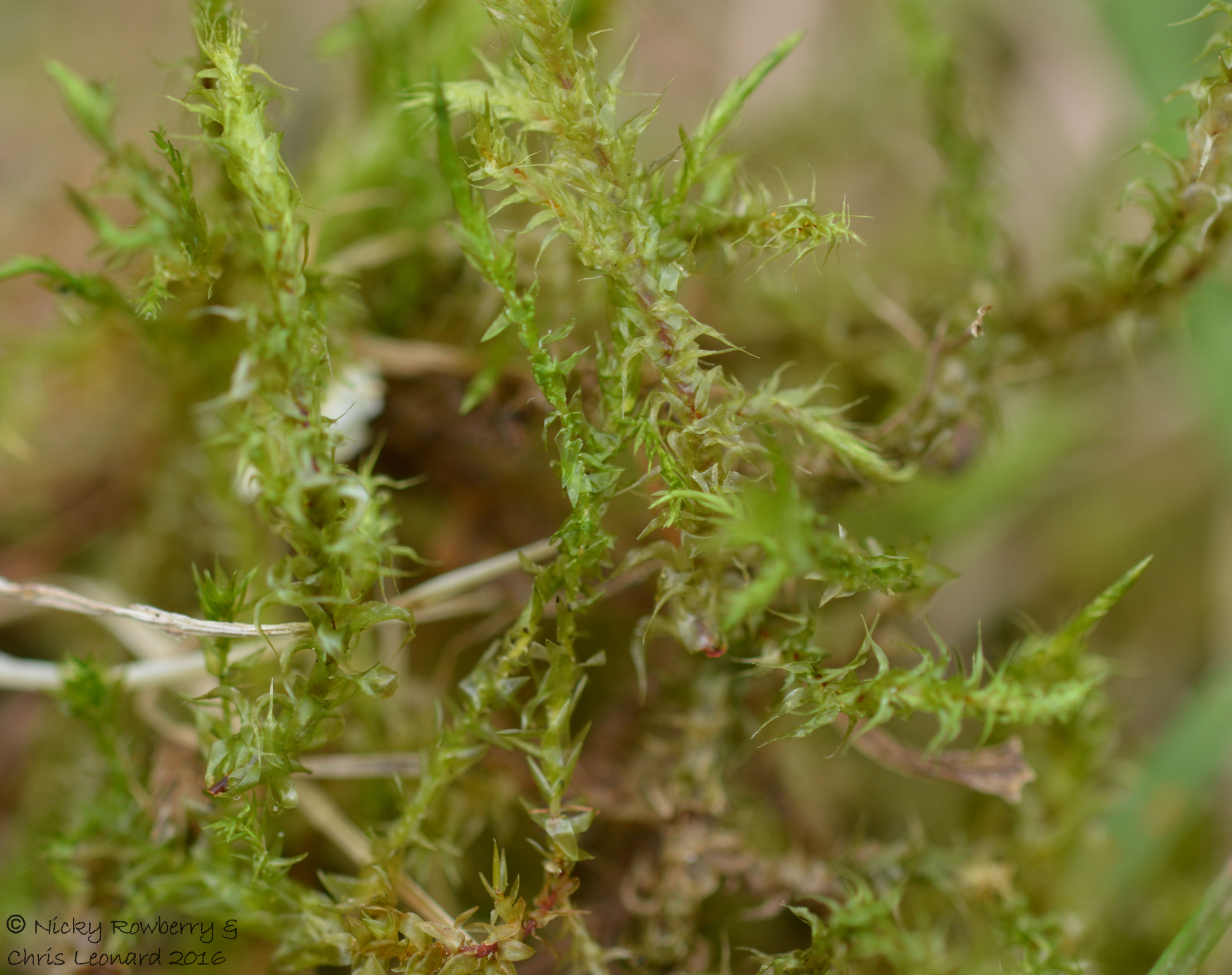
The clover itself is merely another layer, beneath which lies the moss – a lot of moss. The lawn almost feels like a mini forest with the grass providing the upper layer or tree canopy equivalent, the clover providing the intermediate bushes and the moss the low growing ground cover. Moss is not easy to photograph though as I discovered today, it grows at all angles so the camera struggles to focus (honest it’s the moss’s fault not mine for the poor photo!)

Moss

As well as the “green stuff”, there are of course flowers mixed in too. For some reason we don’t seem to have any daisies in our lawn – no idea why, I’d be quite happy to see them? But we do get Self Heal – a low growing plant with the reputation for healing wounds. It’s actually prettier than this photo indicates, but I couldn’t find any flowers that were properly in bloom yet.

Self Heal

Slightly more obvious are the large flat florets of the Catsear leaves, with their bright yellow dandelion like flowers sticking up.

Catsear

I was surprised to find a patch of small mushrooms. Only small and presumably not edible – I certainly won’t be risking it. No idea whether they were “magic mushrooms” but they did look vaguely magical – sort of ethereal against the grass – the stuff of fairy tales perhaps!

Mushroom

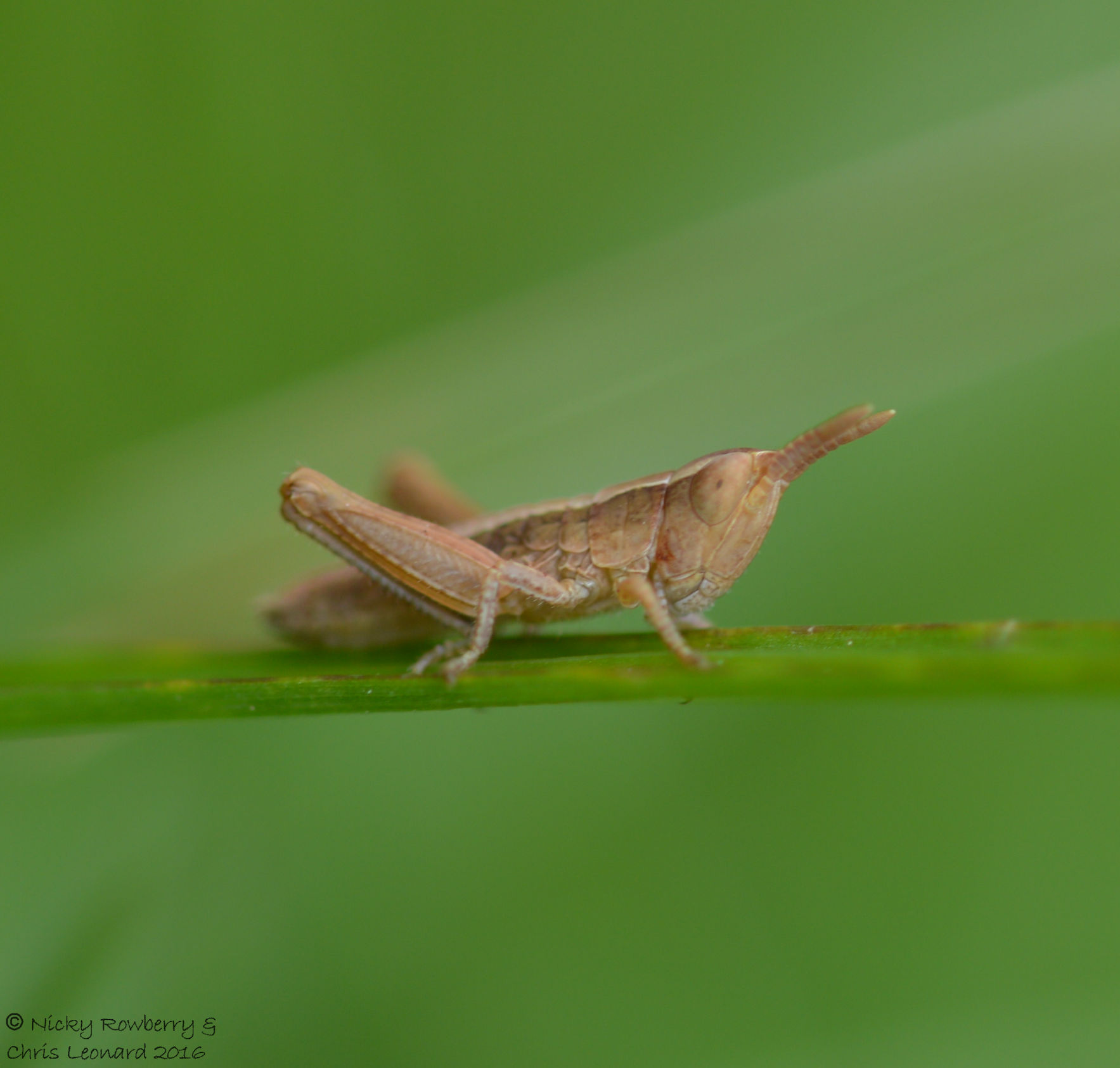
The mini jungle that is the lawn has its fair share of fauna too. As I grovelled about trying to take photos – tiny grasshoppers were pinging left, right and centre.

Grasshopper

The other animals leaping about were froghoppers – tiny little insects that can jump (or hop I suppose) a long way compared to their body size. It took several attempts chasing one round the grass to get this one even roughly in focus. They can be very brightly coloured, although this one is a more muted species.

Leaf hopper

Ants nests are a common feature of our lawn, but like the moss I found the ants virtually impossible to take photos of. Never realised how fast they moved, until I tried to focus in on one!

Ant

So that was my mini grass safari. Really interesting to get down to that level and see what you can find. It wasn’t all lovely though – I did come face to face with a mummified frog and quite a lot of hedgehog poo, but even that I suppose shows we’ve got frogs and hedgehogs in the garden, so I should be pleased!


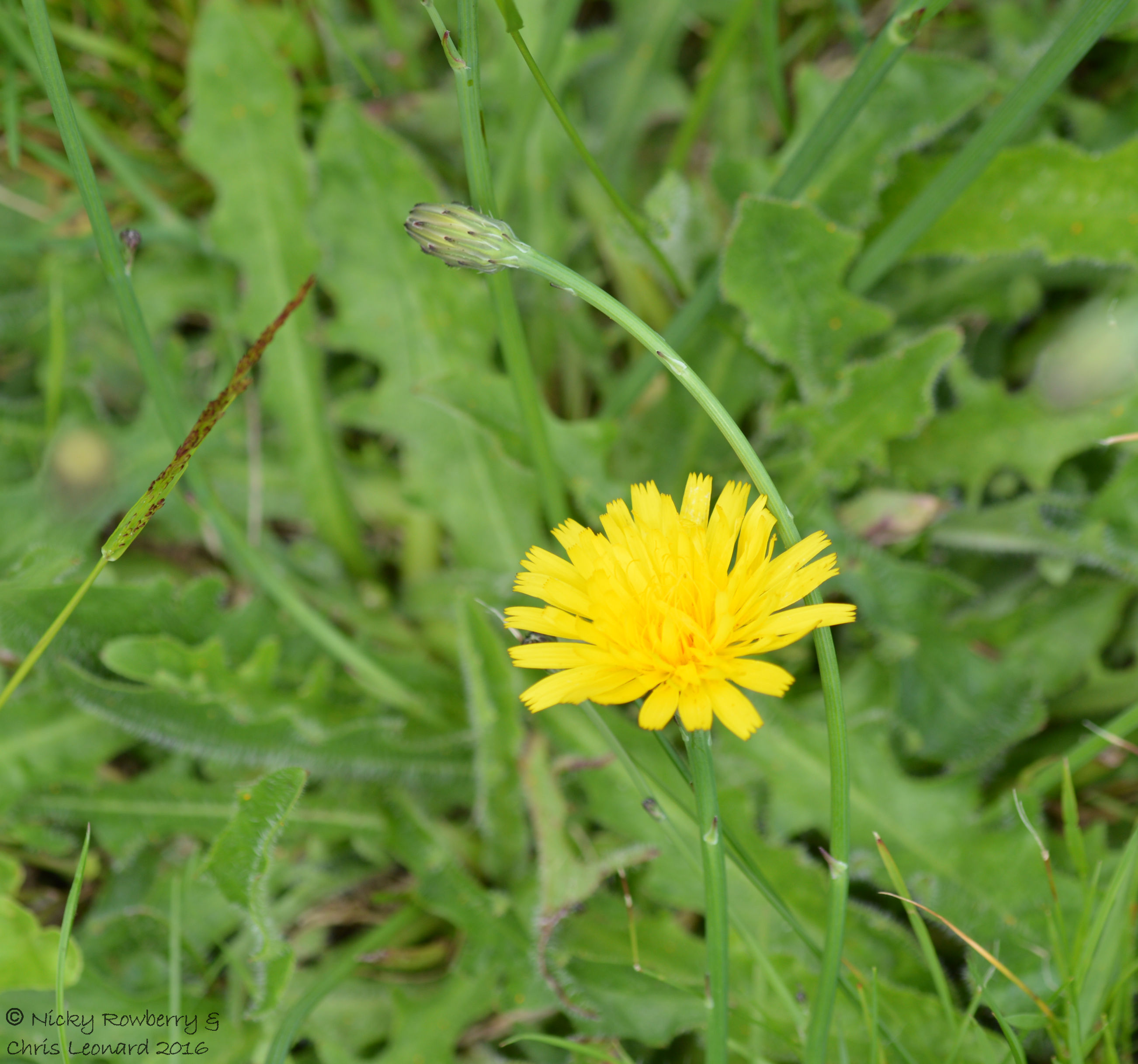
Fox and Cubs 30 WEEDSAnd finally today’s weed for 30 Lazy Garden Weeds – the intriguingly named – Fox and Cubs. It is apparently called this because the unopened flowers (the cubs) hide behind the fully opened ones (presumably the fox). It’s a type of Hawkweed and related to the dandelion. We only seem to get it in our front garden for some reason, growing up through cracks in the paving. It’s a cheery looking little flower though and one of the few orange ones we get, so I’m happy for it to stay.


30 Days Wild – Day 20

TWT 30 Days Wild_countdown_20Day 20 of 30 Days Wild and it’s the mid summer solstice – extra time to do something wild! It’s also the start of National Insect Week – a celebration of all things insect related. I could have marked the summer solstice by staying up all night, but since I’ve got work tomorrow, it seemed more prudent to celebrate National Insect Week instead!

NIW_Logo_FBWe’re lucky in that we get loads of insects in the garden, so I thought I’d have a look this afternoon and see how many of the different groups of insect I could find. Insects are an incredibly diverse group, but all have an exoskeleton, 3 pairs of legs and a three part body. It’s amazing how you can take that basic body scheme and turn it into such a wide variety of shapes and sizes!

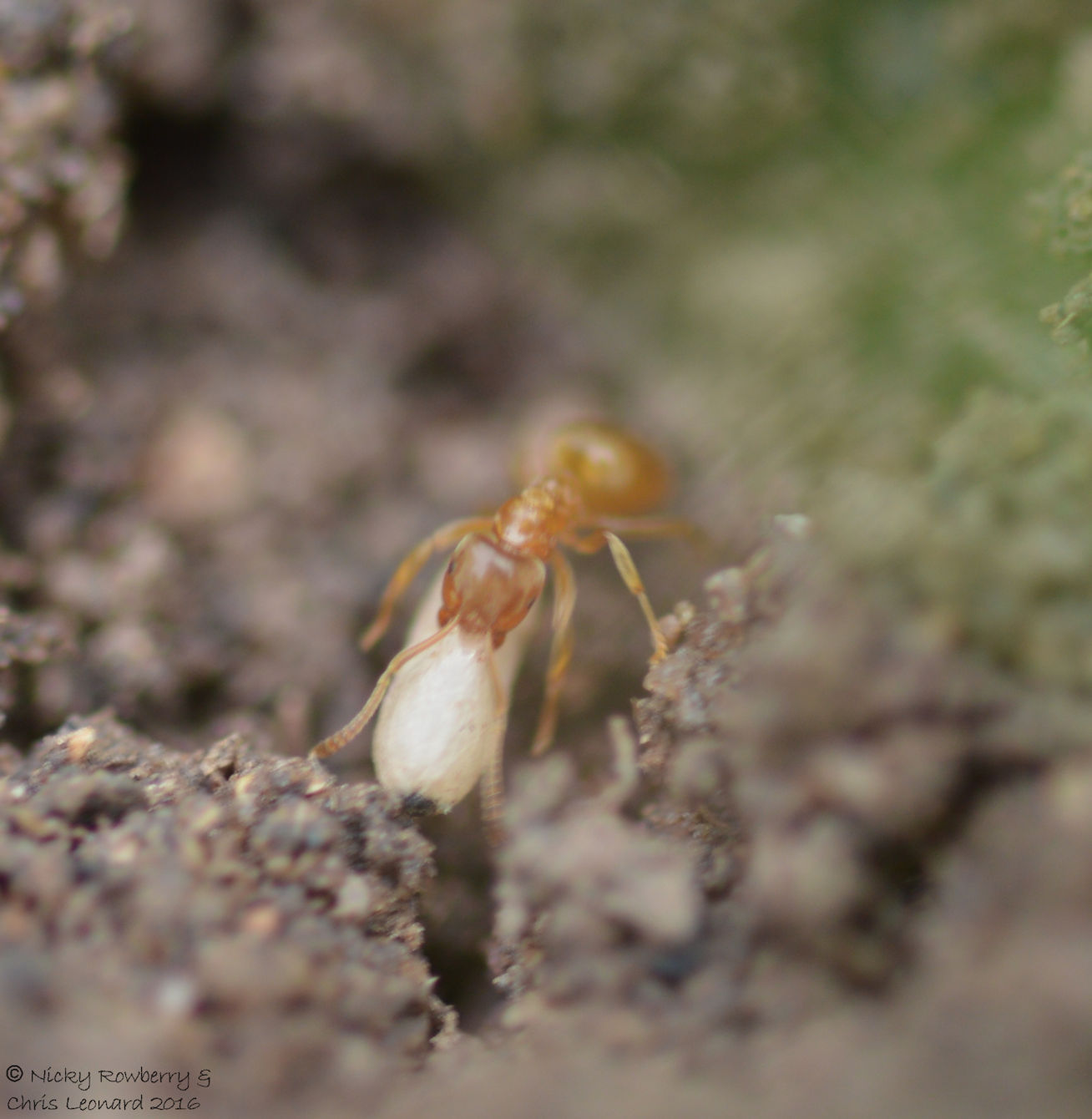
So in no particular order here are some of the insects I found in the garden this afternoon. First up the ants, surely one of the most populous insect groups on earth. I’ve no idea what species we’ve got, forming an ant hill in our lawn, but we’ve got an awful lot of them!

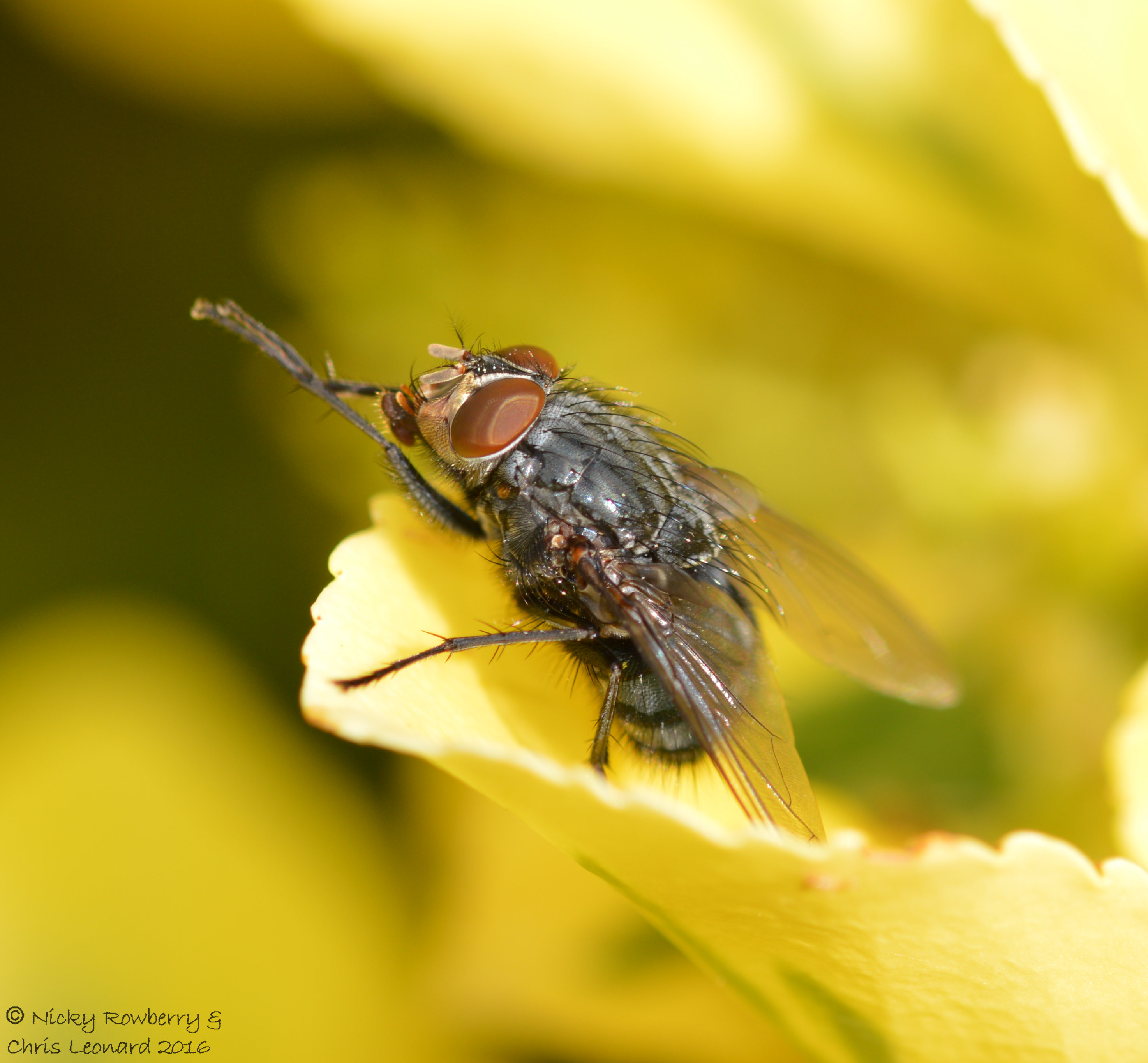
Flies may not be the most popular or the most attractive group of insects, but they are fascinating when you look at them close up like this. (Photos like this do always remind me of the Jeff Goldblum film The Fly though!)

Fly

Hoverflies belong in the same group (Diptera) as the fly above – they are all considered True Flies. We get loads of hoverflies in the garden, although of course few showed their faces tonight because I was looking for them. Some are small and skinny like this Sphaerophoria species.

Hoverfly Sphaerophoria

While others are bigger and chunkier like this Common Drone Fly (Eristalis tenax), which looks more like a bee.

Eristalis tenax

Aphids or greenfly are not true flies and are certainly the bane of many a gardeners’ life. But they all have their place in the food chain, being fodder for amongst other things the ladybirds.

Aphids


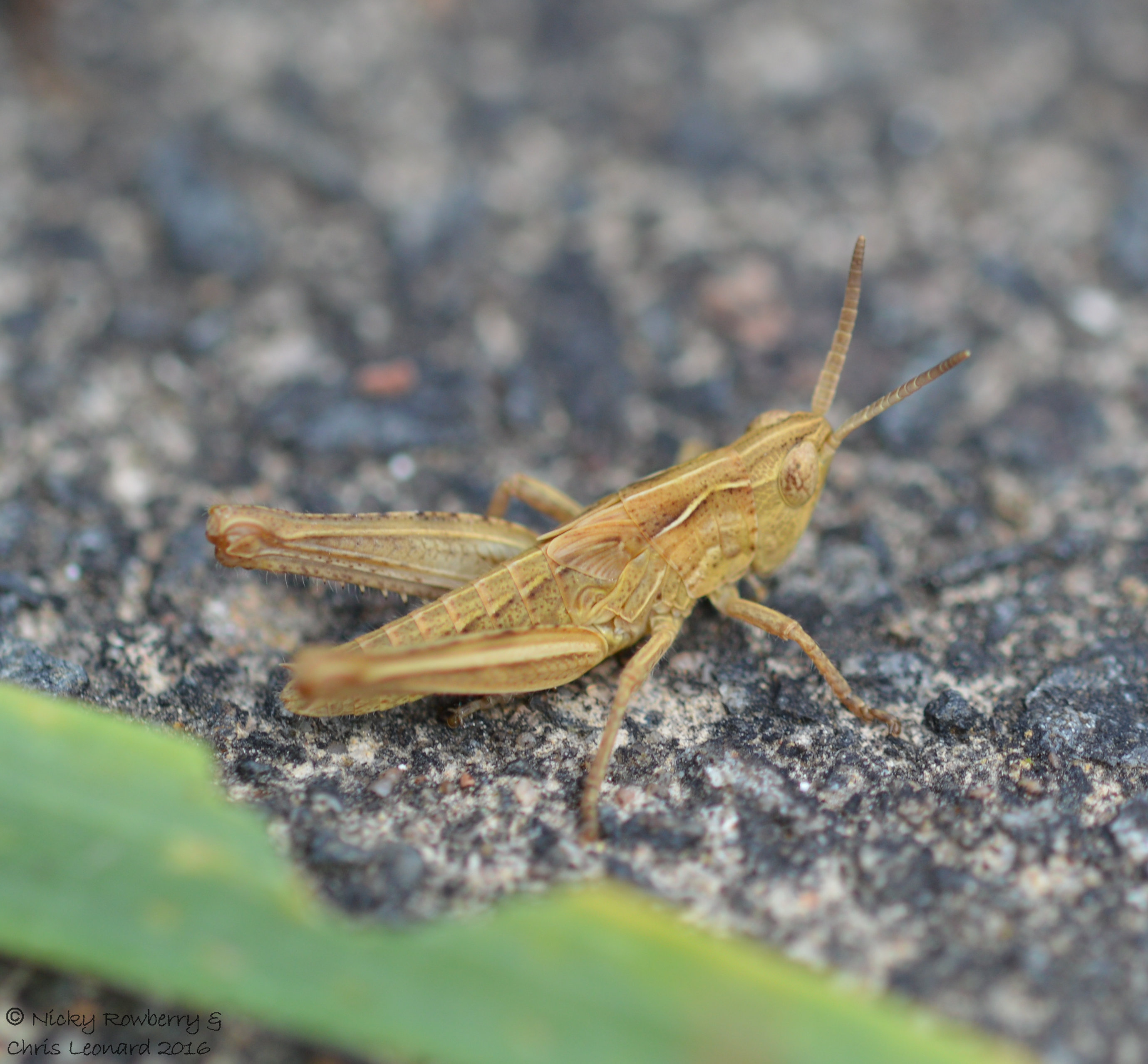
Crickets and grasshoppers are just starting to appear again in the garden. This grasshopper was pinging about our very weedy drive when I got home today.

Grasshopper

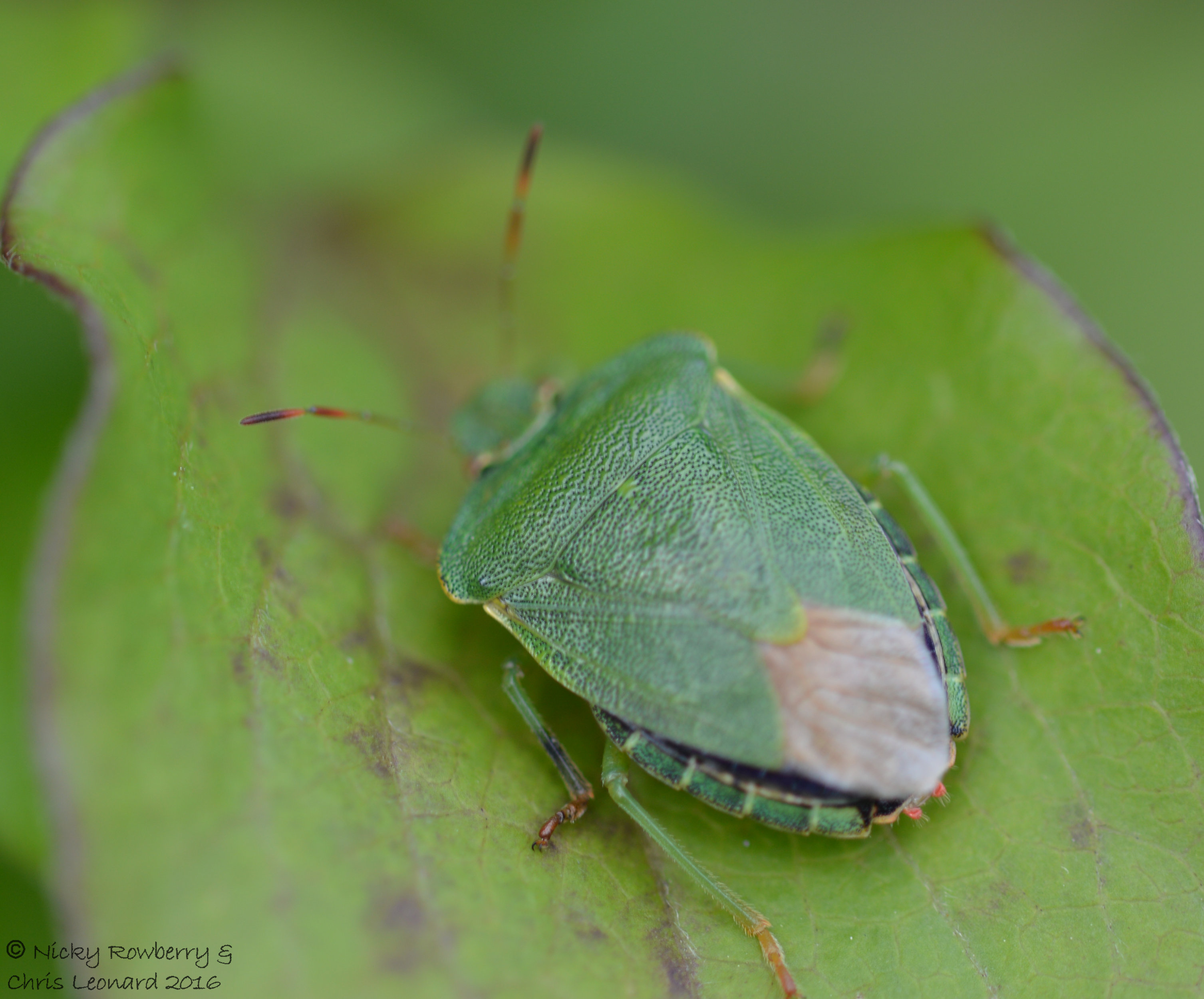
Shieldbugs like the one below are in the same super group of insects (Hemiptera) as the aphids, although they don’t look anything like each other.

Shieldbug

I had hoped a butterfly would make an appearance, but none obliged this afternoon. So the Lepidoptera today are represented by the only moth I could find – this Mint Moth. In the summer we have loads of these fluttering around the herbs – they don’t restrict themselves to just mint!

Mint moth

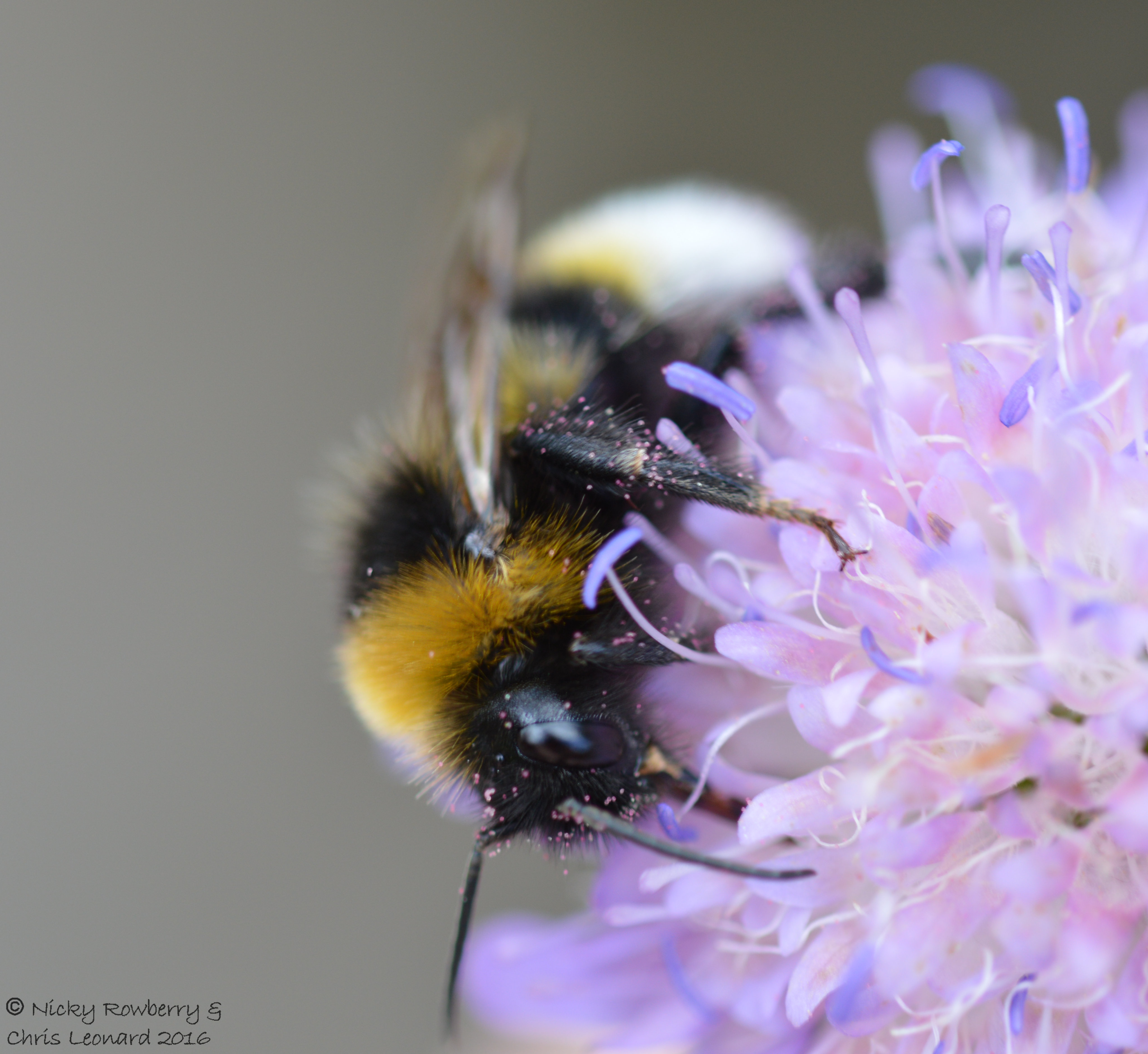
Of course I had to include a bee photo. Although there were plenty flying around this afternoon, it was a bit windy, so I had problems with the flowers blowing around as I tried to take photos. I think this is just about recognisable as a Buff-tailed Bumblebee though.

Bumblebee

Beetles make up the group Coleoptera and again are hugely diverse. I found this one in the pitfall trap this afternoon.

Beetle

So that’s all the insect groups I could find today in the garden. Not bad although there are of course lots of others not represented – dragonflies & damselflies, earwigs, ladybirds (although these are a type of beetle), froghoppers, lacewings, caddisflies – the list goes on. Over an average summer we’ll see examples of most of these in our garden – you just need to look and it’s surprising what you can find.

Foxglove 30 WEEDSAnd finally as usual another “weed” from our garden for my 30 Lazy Garden Weeds. This time the Foxglove. I was so pleased to find this growing under the apple tree this week. I’ve tried a few times to get them to grow in the garden – scattering seeds with no success. But this one seems to have seeded itself in here all by itself. Hopefully it will be the first of many. The bees love them and so do I!


30 Days Wild – Day 15

TWT 30 Days Wild_countdown_15Day 15 of 30 Days Wild and we’re half way through already! Today was a first for me – a Moth Breakfast! Fortunately the only thing that was actually consumed was a very nice Pain au Chocolat, but the moth demonstration was also excellent. Herefordshire Wildlife Trust had organised the moth breakfast and had put moth traps out the night before to give us a taste of what can be found on a typical night. By typical night it turns out that meant a bit of a wet one, but there were still plenty of moths to look at. I think about 12 of us turned up and were privileged to get the benefit of two moth aficionados for a couple of hours.

The breakfast was held at Herefordshire Wildlife Trust’s Headquarters on the edge of Hereford next to Lugg Meadows. A gorgeous old building (second oldest in Hereford apparently) in a beautiful setting.

WT House

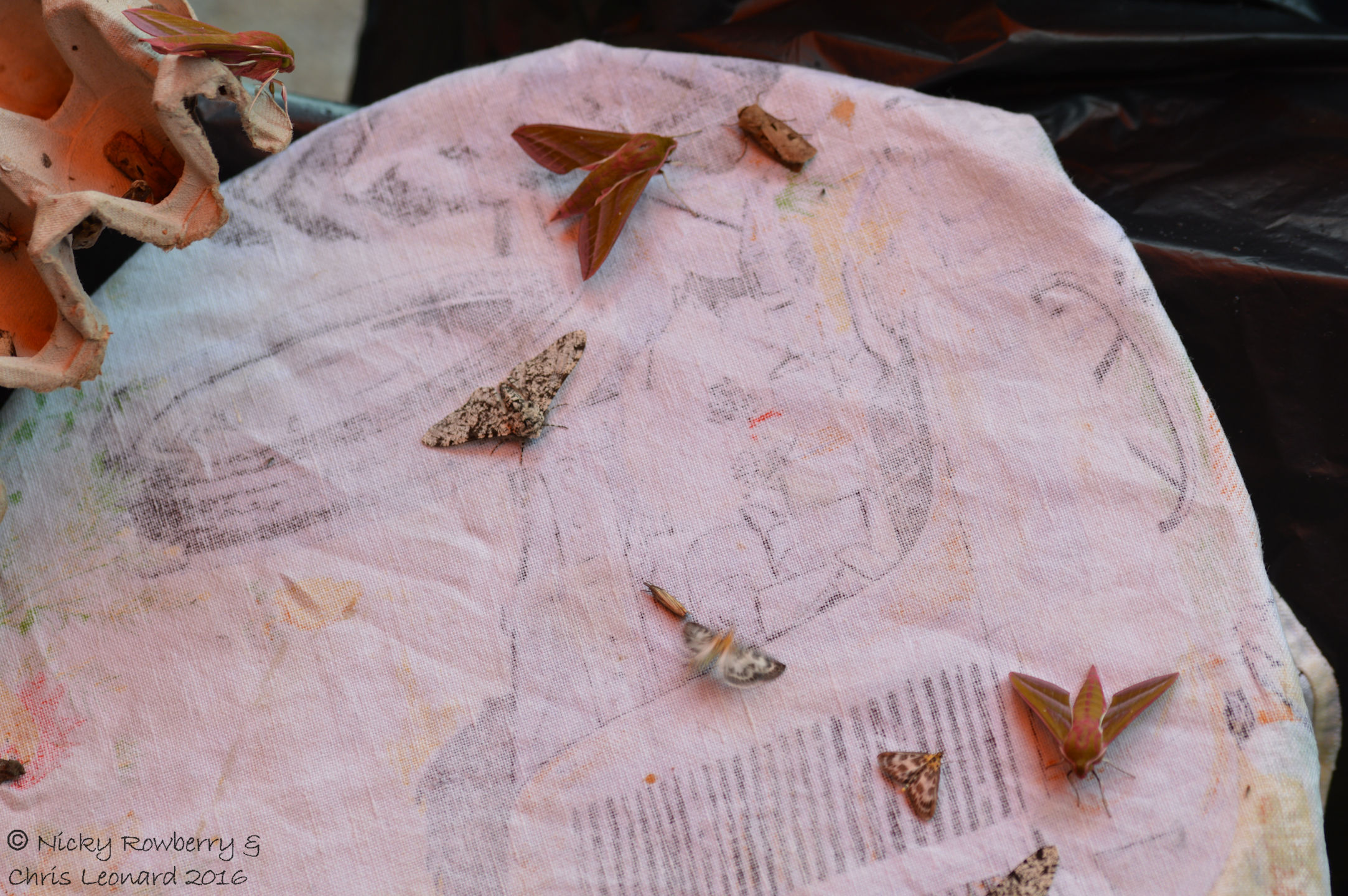
TrapThe contents of various moth traps were examined avoiding the rain under a bright orange gazebo – hence the slight orange hue to some of my photos! Our two experts talked us through the moths and were really helpful answering all our questions. I’d really recommend going to one of these events if you want to get a taster of what moth trapping is all about. The photo below shows the abundance of moths found just on the tea towel that was used to cover the trap – let alone those that were actually inside it. Just about visible are Elephant Hawkmoth, Peppered Moth, Heart and Dart and Small Magpies.

Moth Selection

Other highlights were this gorgeous shiny Burnished Brass (my photo doesn’t do his glossy sheen justice – I blame the orange reflection from the awning!!)

Burnished Brass

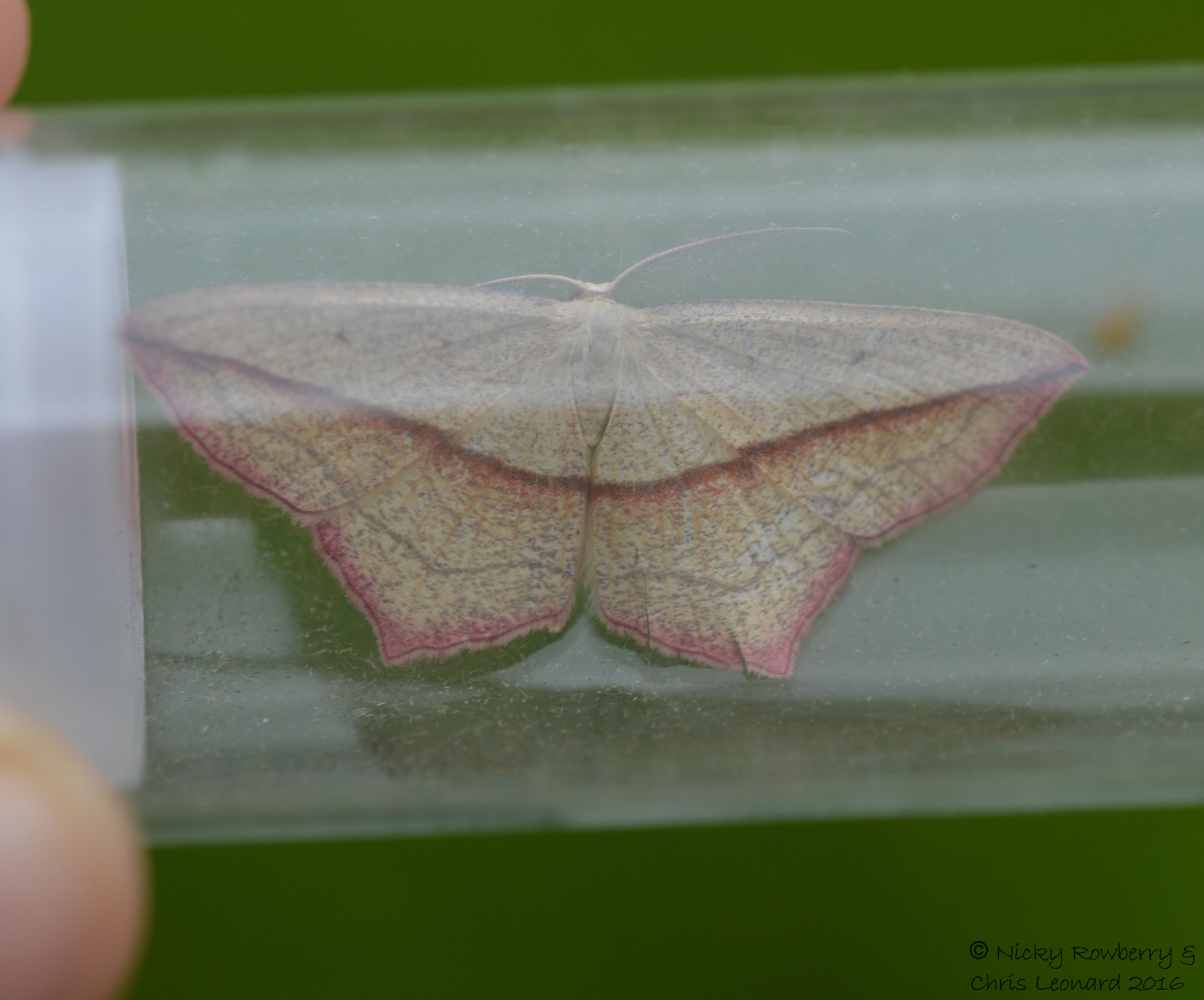
Also this stunning Leopard Moth (top), Buff Tip and Blood Vein (bottom).

Leopard Moth

Buff Tip

Blood Vein

The undoubted headliners though had to be the Hawkmoths – in particular for me the Poplar Hawkmoths, as I haven’t managed to trap any of those in the garden yet this year.

Poplar Moth

There were several other species in the traps that I’ve never seen at all and I could feel moth envy taking over. Ghost Moths, Dog’s Tooth, Oak Hook Tip – I can but dream of catching these in the garden!

Once we’d finished oohing and ahhing over the moths, I decided to go for a walk. The Trust sits at the edge of Lugg Meadows – ancient meadows that date back to the time of Domesday. It would have seemed rude not to have a walk around while I was there. They are rich in plantlife – I love the way the plantlife is so rich it is partly obscuring the  Plantlife information board!

Lugg meadow sign

Lugg Meadows are famous for their Snake’s Head Fritillaries. Of course I was too late in the year to see those, but there was plenty else to admire. As with yesterday’s walk along the River Severn at Upton, today I was tormented by House Martin’s swooping past me hunting for insects. Once again they were so close and yet so far in terms of getting a decent photograph – believe it or not the dark blob in the middle of the photo below is the closest I got to capturing a pic of one!

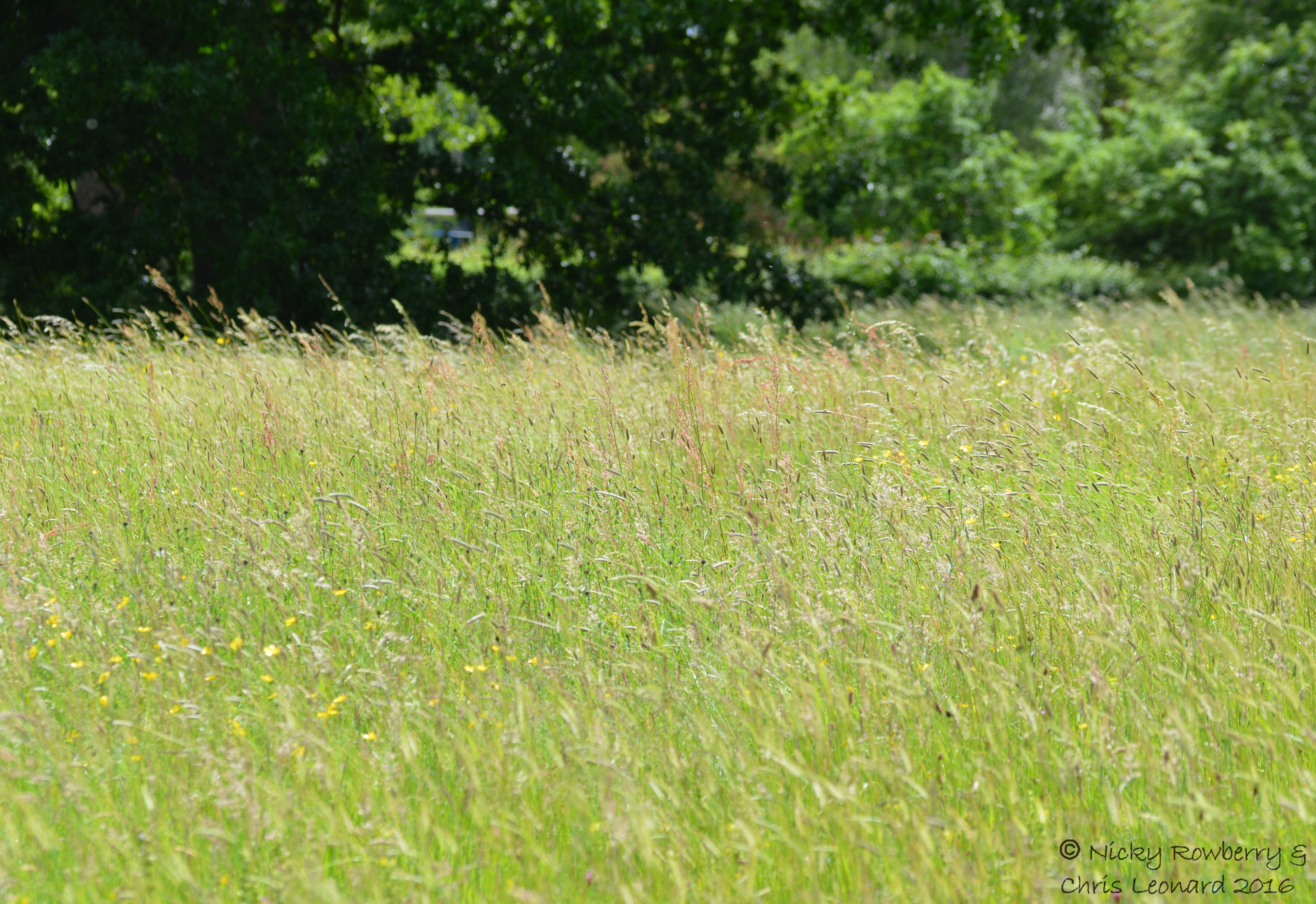
Meadow

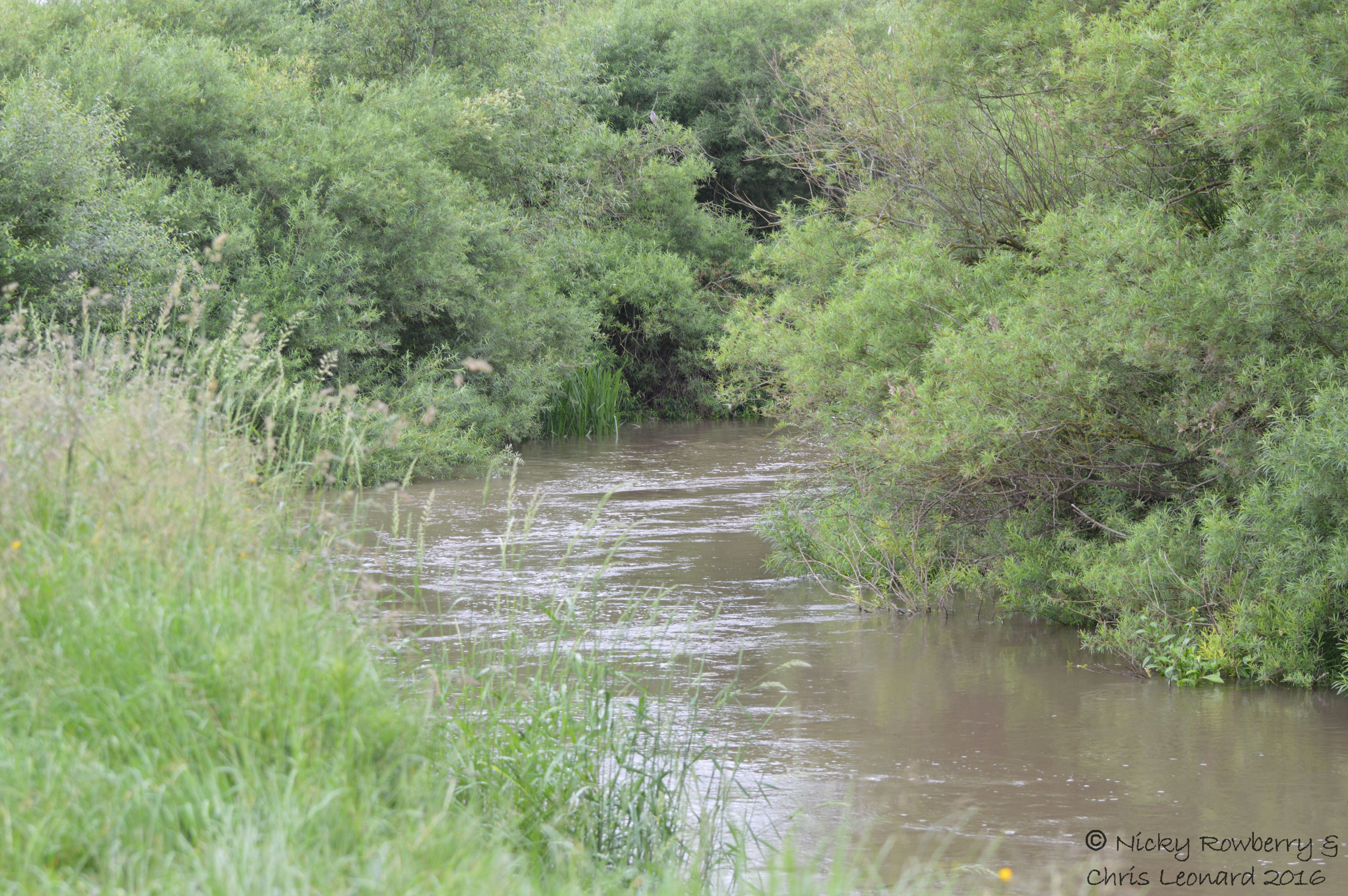
The River Lugg itself is for me a reminder of childhood. I grew up in Bodenham close to the Lugg and remember sunny days spent mucking about in the water down by the church. I’ve had a soft spot for the Lugg ever since – the River Severn is all very magnificent and grand, but the lazy Lugg suits me better.

Lugg

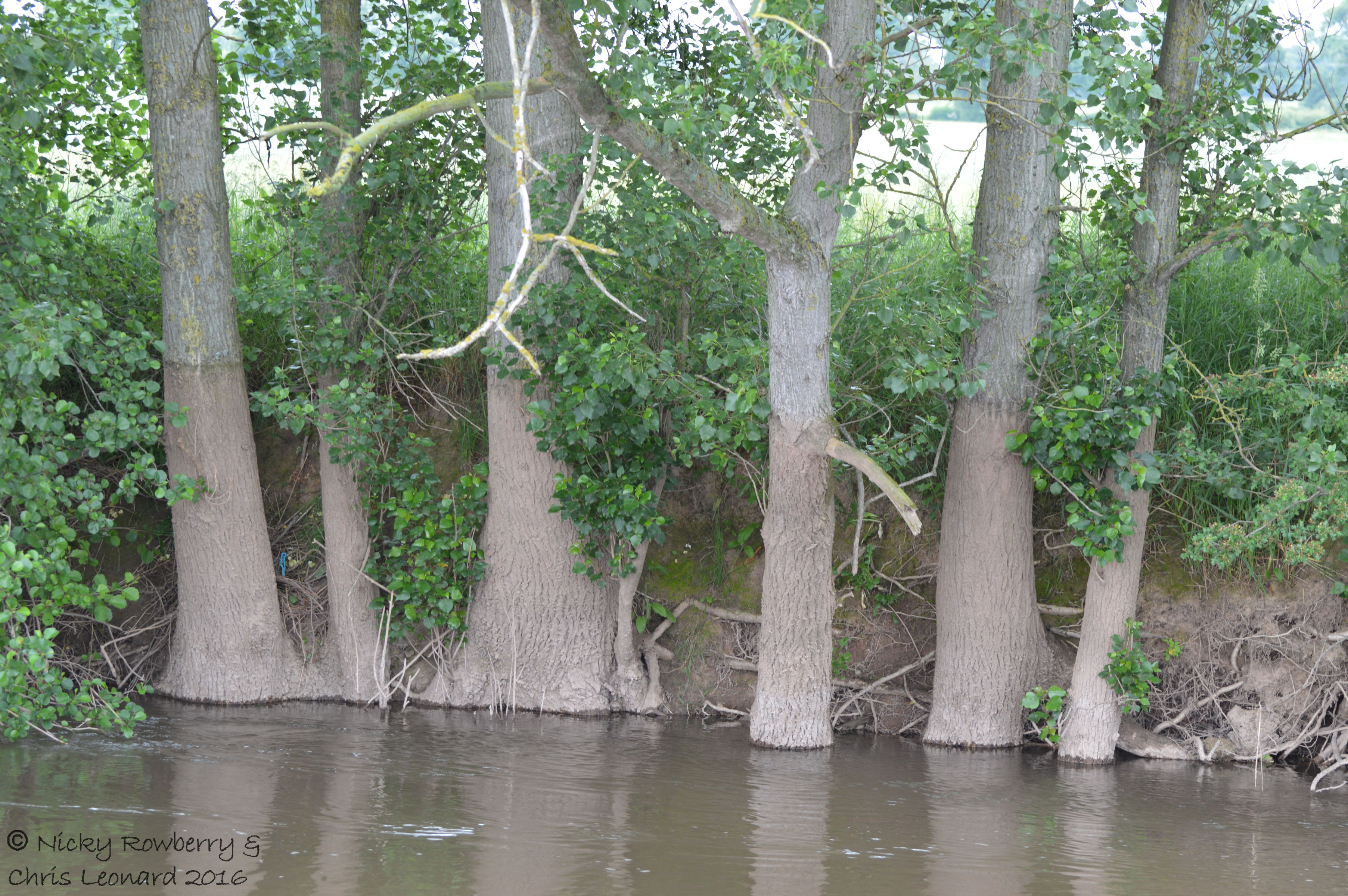
The trees along this section of the river show a clear flood line marking where the muddy water must have reached during the last floods. It is several feet above the current river level, showing how much this normally placid water must swell during flood conditions.

Trees with flood mark

The river banks were aflutter with Banded Demoiselles, so of course I couldn’t resist taking yet more photos – they are just so photogenic, I wish my skills did them justice.

Banded Demoiselle

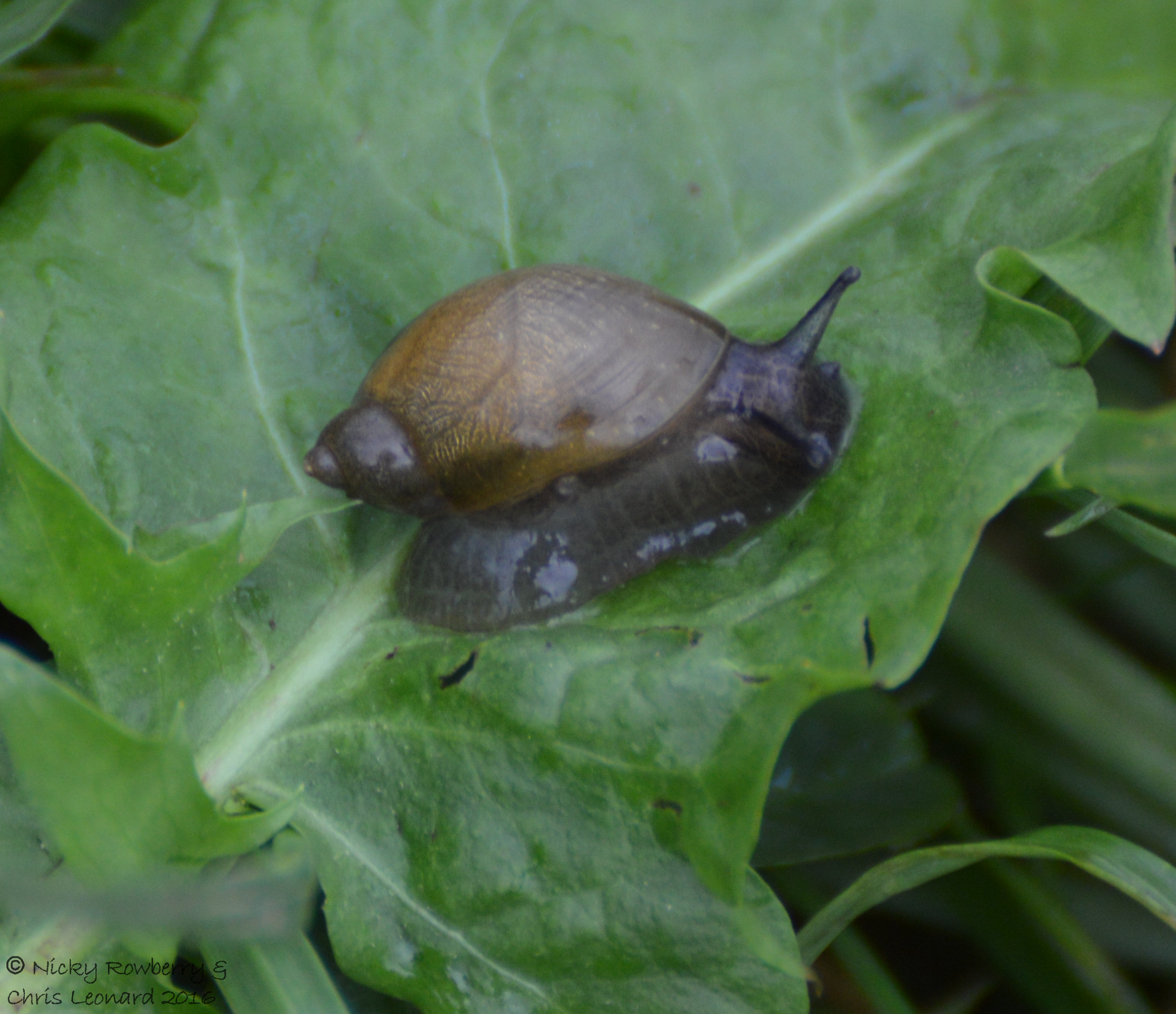
While walking back I spotted a few snails that I’d never seen before. I think they are Amber Snails – assuming they are, these snails are common in damp meadows – which these certainly were today.

Snail

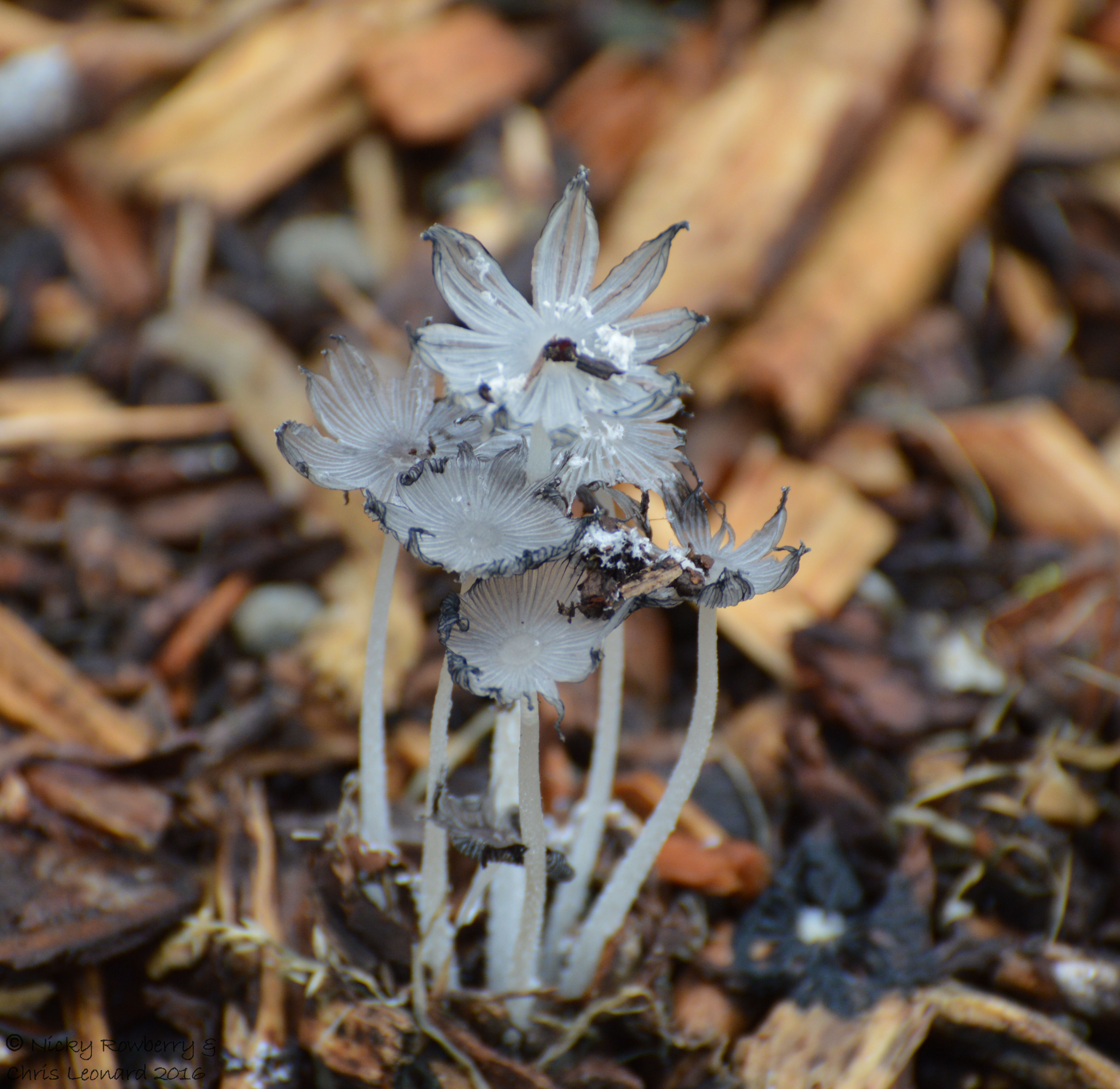
And finally as I got back to the Trust HQ I spotted these pretty little fungi growing in a pile of wood cuttings. They were pale and ethereal, glistening in the rain. No idea what species they were, but they looked like they were out of some kind of imaginary fairy kingdom.

Fungi

Thank you to the Herefordshire Wildlife Trust for a really great morning. It’s got me all fired up for more moth hunting and for a trip back to Lugg Meadows next year to see the Snake’s Head Fritillaries.
 

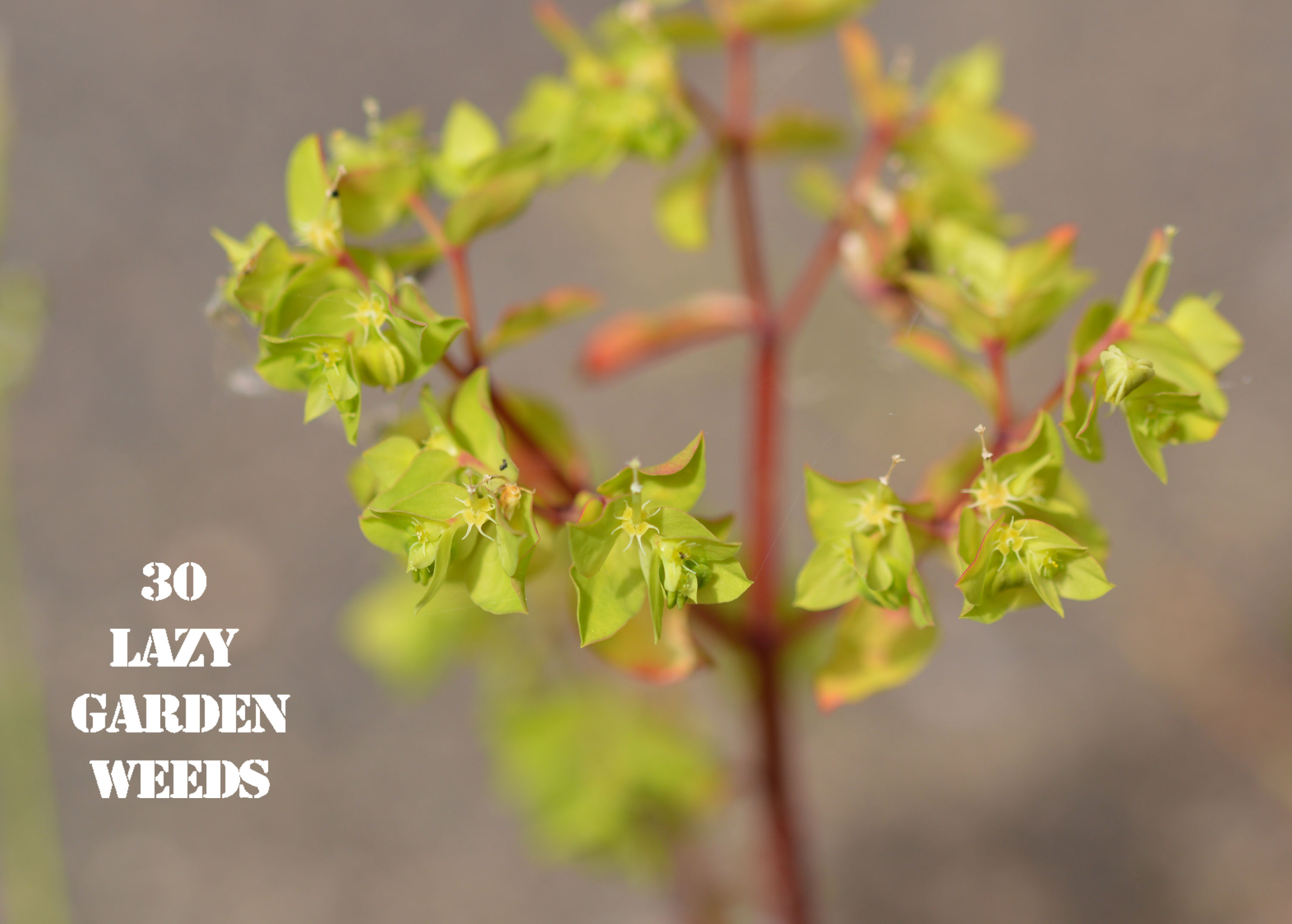
Petty Spurge 30 WEEDS

And to finish off as always the latest weed from my garden for 30 Lazy Garden Weeds – this time the Petty Spurge. These little green flowers pop up all over the garden, but particularly for some reason on our drive (I call it a drive, but you can barely squeeze a car onto it!) I presume the Petty bit is so called because it is small rather than petty minded. I like the unusual formation of the flowers – a sort of deconstructed flower arrangement!

30 Days Wild – Day 13

TWT 30 Days Wild_countdown_13Day 13 and it’s Monday – never the most inspiring day of the week and today was a wet one to boot. So I was wondering what to do for 30 Days Wild to lift the spirits. On the way home I pass an open area that is basically just a very wide verge along the side of the road. As the sun finally came out at this point, I stopped to take a look. We went butterfly spotting here last year as it attracts a lot of species – Marbled Whites, Small Coppers, Blues, Skippers etc. So I hoped it might have something today too. It may not have been the perfect weather, but the area was buzzing with life.

View

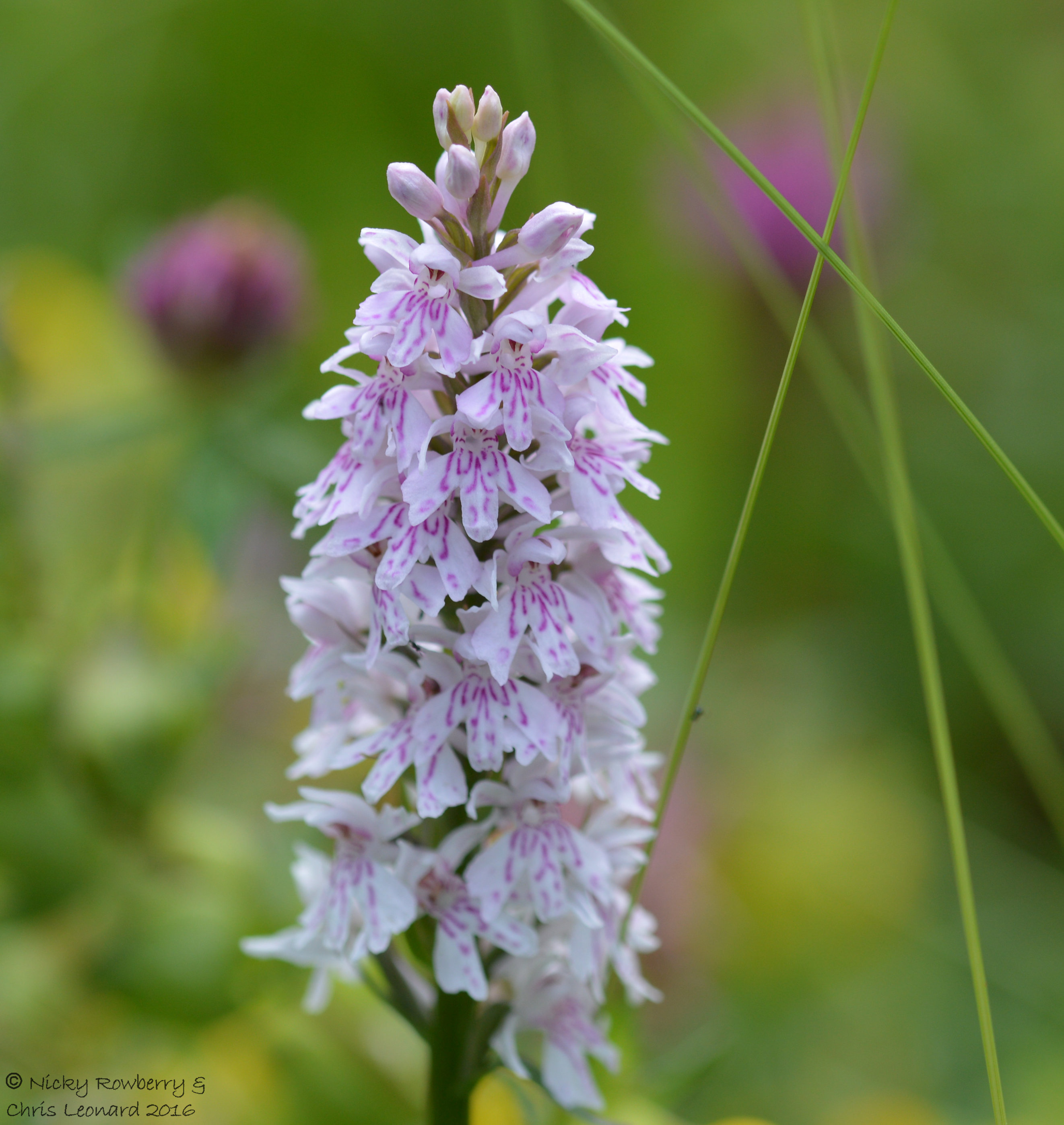
Malvern Council thankfully don’t cut the long grass here (apart from a stretch right next to the road) until after the summer, so there are lots of flowers and insects. Yellow Rattle (below) was a common plant, with lots red and white clover, buttercups and even an orchid.

Yellow Rattle

orchid

The first insect I spotted was an old favourite – the Seven Spot Ladybird (although it did seem to have a couple of extra spots down one side strangely).

7 spot ladybird

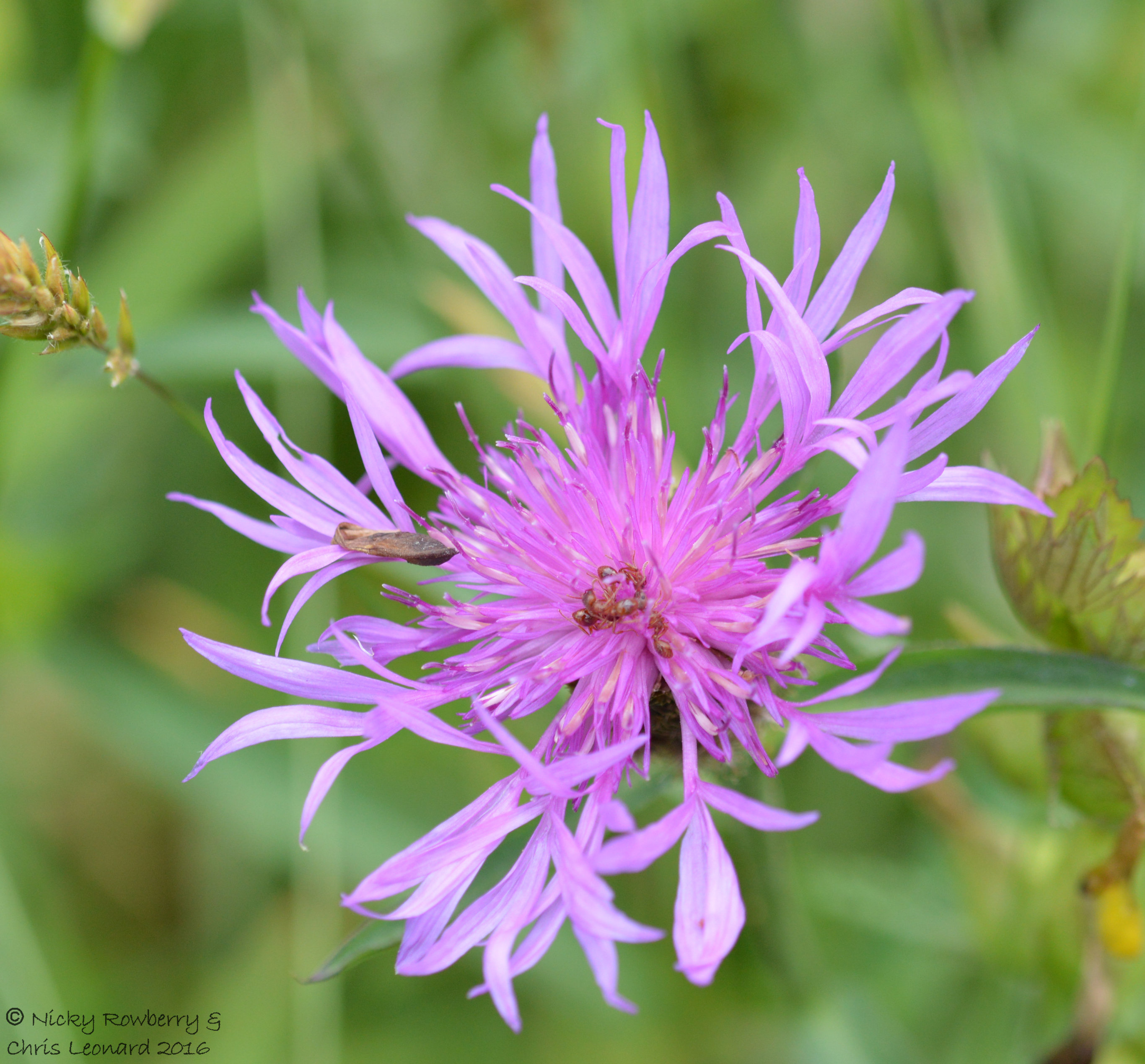
The cornflowers were all full of ants – you can just about make them out in the middle of the photo below.

cornflower

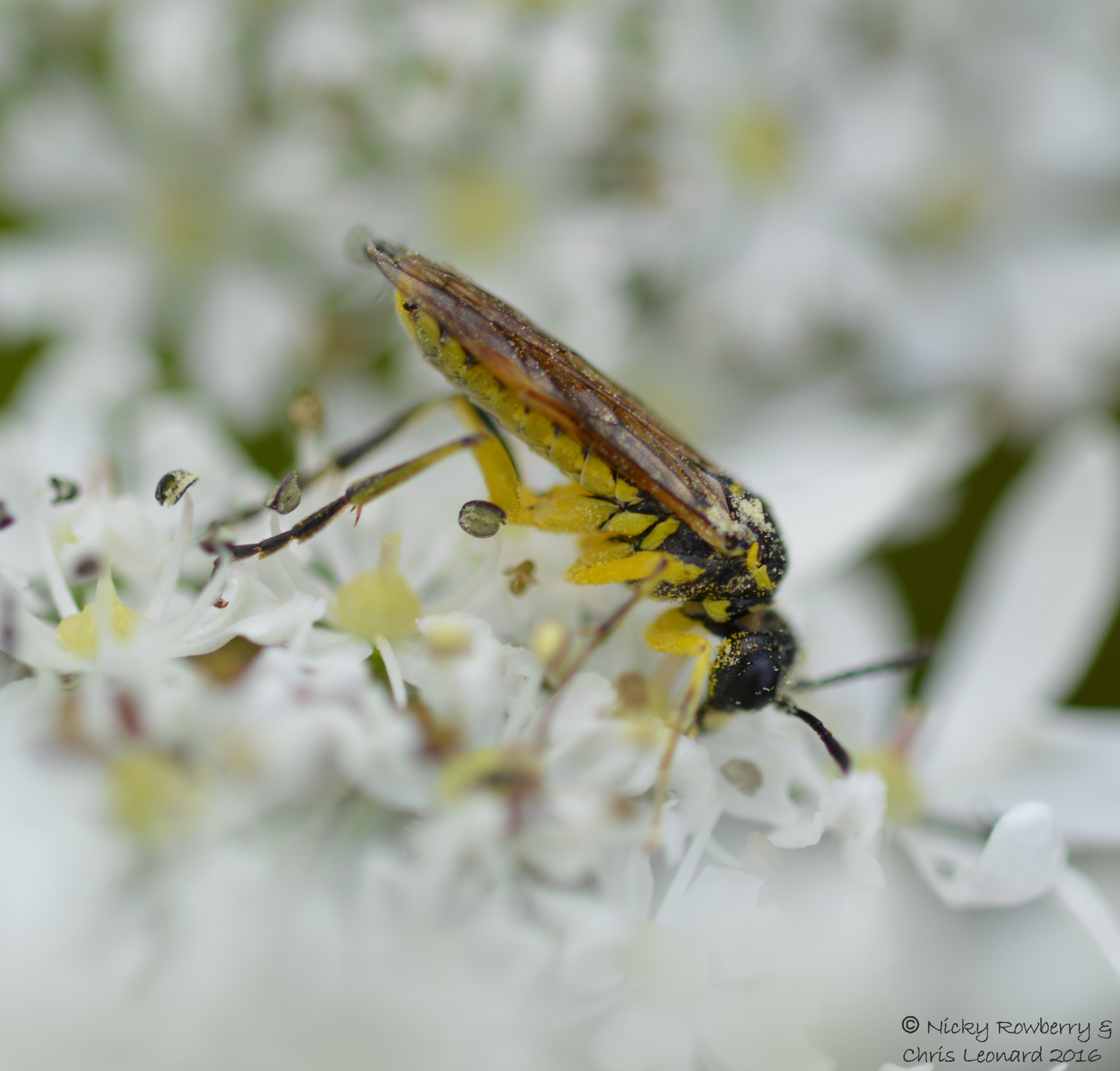
The cow parsley was particularly popular with the insects – like this large yellow sawfly and several day flying moths below.

sawfly

moth 2

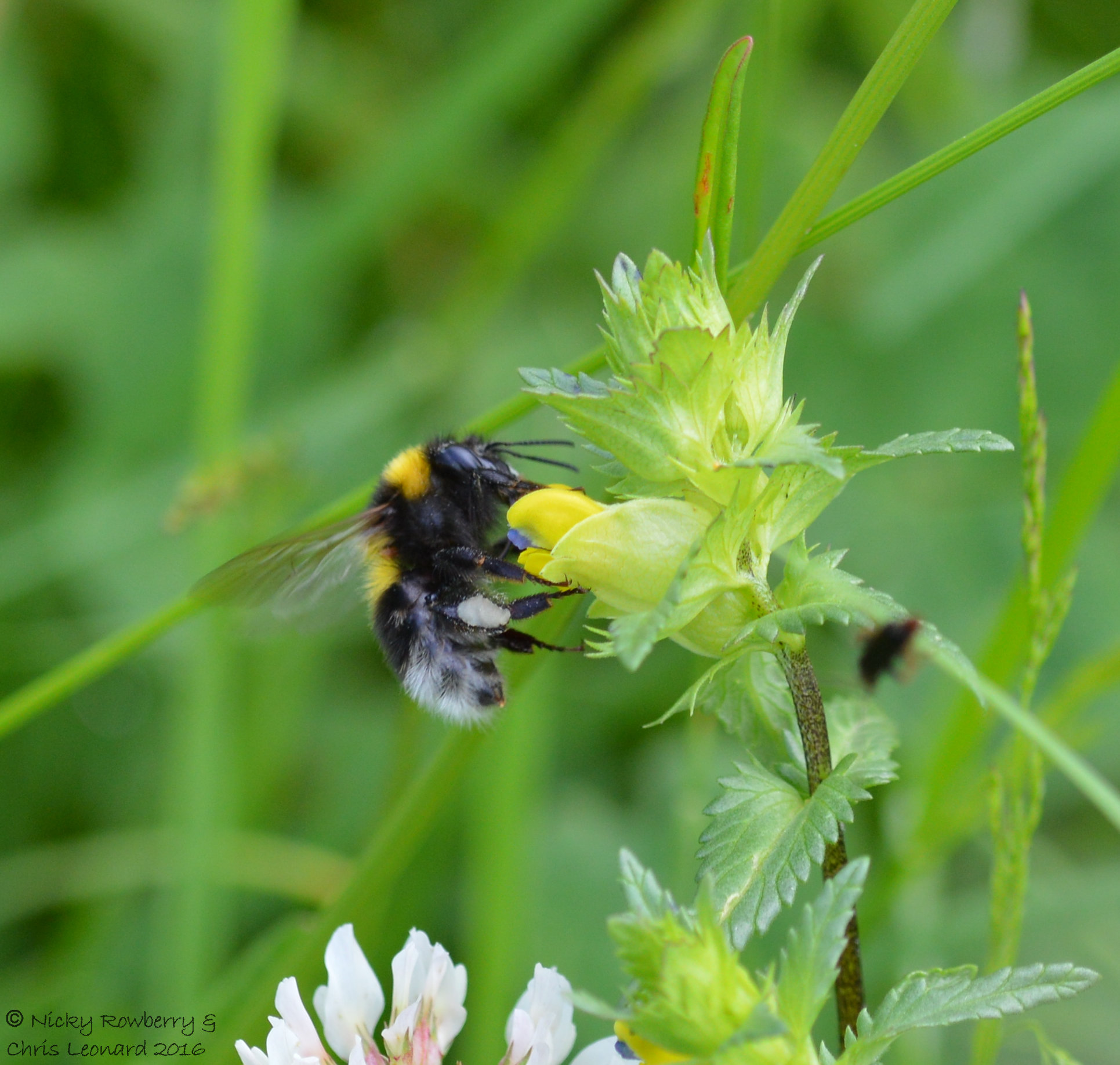
The clover and yellow rattle were particularly popular with the bees.

red clover

DSC_5543

This elongated beetle was a new one for me – it is a Click Beetle. Apparently they make a clicking noise when disturbed. It’s probably a good job I didn’t realise this at the time or I might have been tempted to disturb the poor thing to get a click!

Click beetle

Each step I took through the grass seemed to produce movement as crickets leapt out of the way of my big feet. I find them really hard to take photos of, as they always seem to swivel around bits of grass so they are at the opposite side! But I finally found one whose legs seemed to be almost too long for him – he seemed to be struggling to control his gangly limbs, which made him easier to photograph. I’ve since learnt that he (or she) is probably a Roesel’s Bush Cricket.

cricket

Of all the insects I saw this afternoon, the one group that was a bit under-represented was the butterflies – perhaps the sun just hadn’t warmed things up enough. I only saw one in the time I was there – a Large Skipper. It was of course too fast for my slow Monday legs to catch, so you’ll just have to take my word for it.

So in the half hour I spent wandering around the verge (getting strange looks from the drivers going by no doubt) I saw a huge variety of insects – ladybirds, ants, beetles, crickets, moths, bees, sawflies and one butterfly! That half hour also revived my flagging Monday spirits and all from a roadside verge! It just shows what a benefit letting verges grow can be for wildlife. I know there are campaigns now to encourage councils to do just that and I couldn’t agree more.

Scarlet Pimpernel 30 WEEDSAnd finally as always the latest weed from our garden for my 30 Lazy Garden Weeds – The Scarlet Pimpernel. The flower itself is small, delicate and very pretty, but what I really like is the glorious name. Memories of cheesy movies  – and the rhyme “The seek him here, they seek him there…” I don’t know about being elusive, but the flower is certainly easily overlooked, but well worth looking out for.