Moths – A Whiter Shade of Pale

It’s apparently been National Moth Week this last week, although I’ve only just realised that today – a bit late. Fortunately I’d run the moth trap at the weekend anyway, so I was sort of participating in Moth Week, albeit unwittingly!

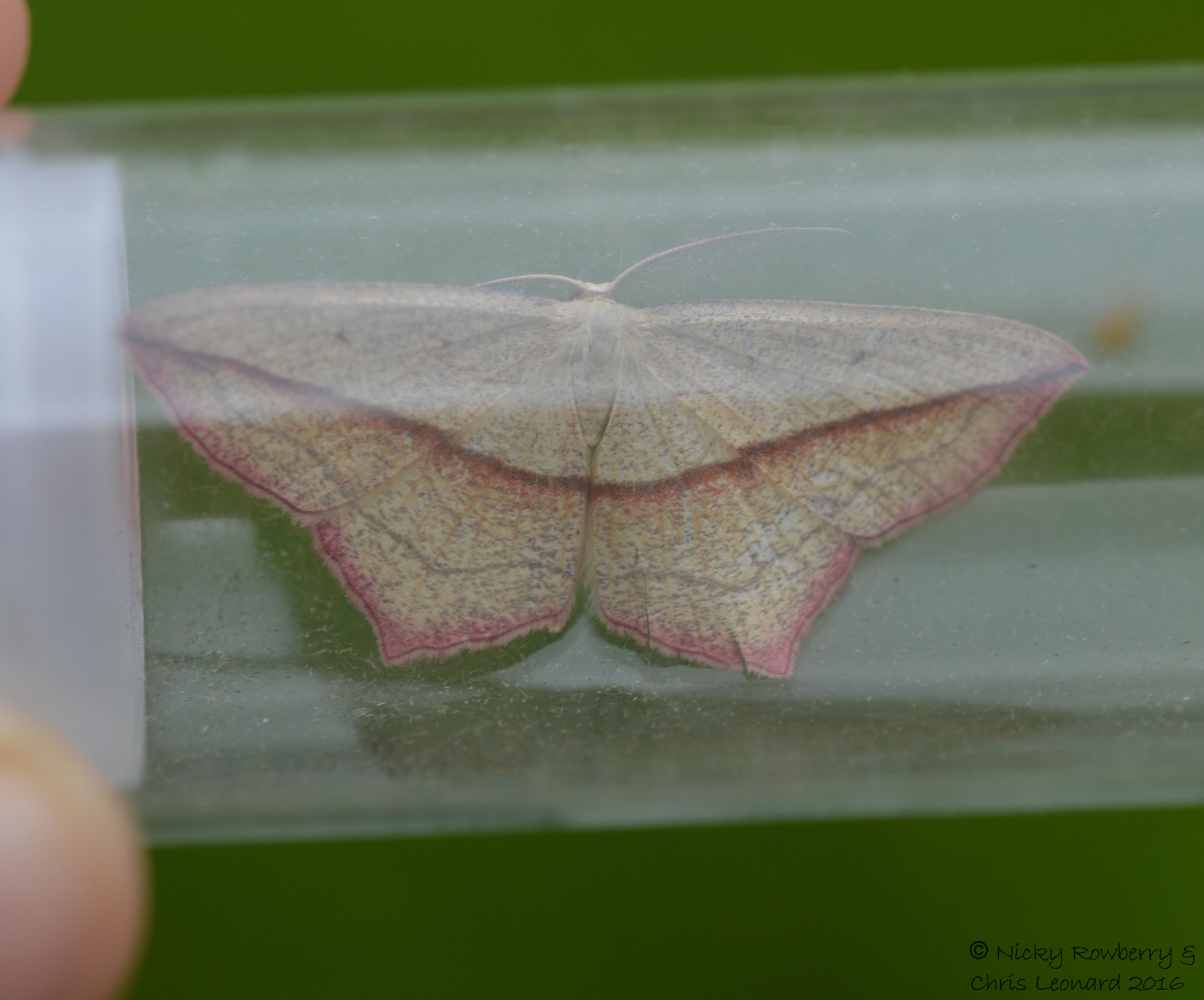
My star moth from this weekend was this beautiful white one – the Yellow Tail. It does have a yellow abdomen which it sticks out when disturbed, but personally I’d have called it something that described its beautiful white wings a bit better. But whatever the name, it’s a lovely moth and I was so happy to finally get one in our garden.

Yellow Tail

Two weeks ago I’d got another first for the garden which I’d initially thought was a Yellow Tail, until I realised it didn’t have one! Closer inspection revealed it to be a White Satin (whoever named this one was more on my wavelength), which has a lovely sheen to its wings and stripy little front legs.

White Satin

Feeling on a bit of a roll with the white moths, I raided the photos to see what other ones we’ve had. The most obvious was the White Ermine. We get these most summers and they really are stunning – and easy to identify making them the perfect moth in my book!

White Ermine

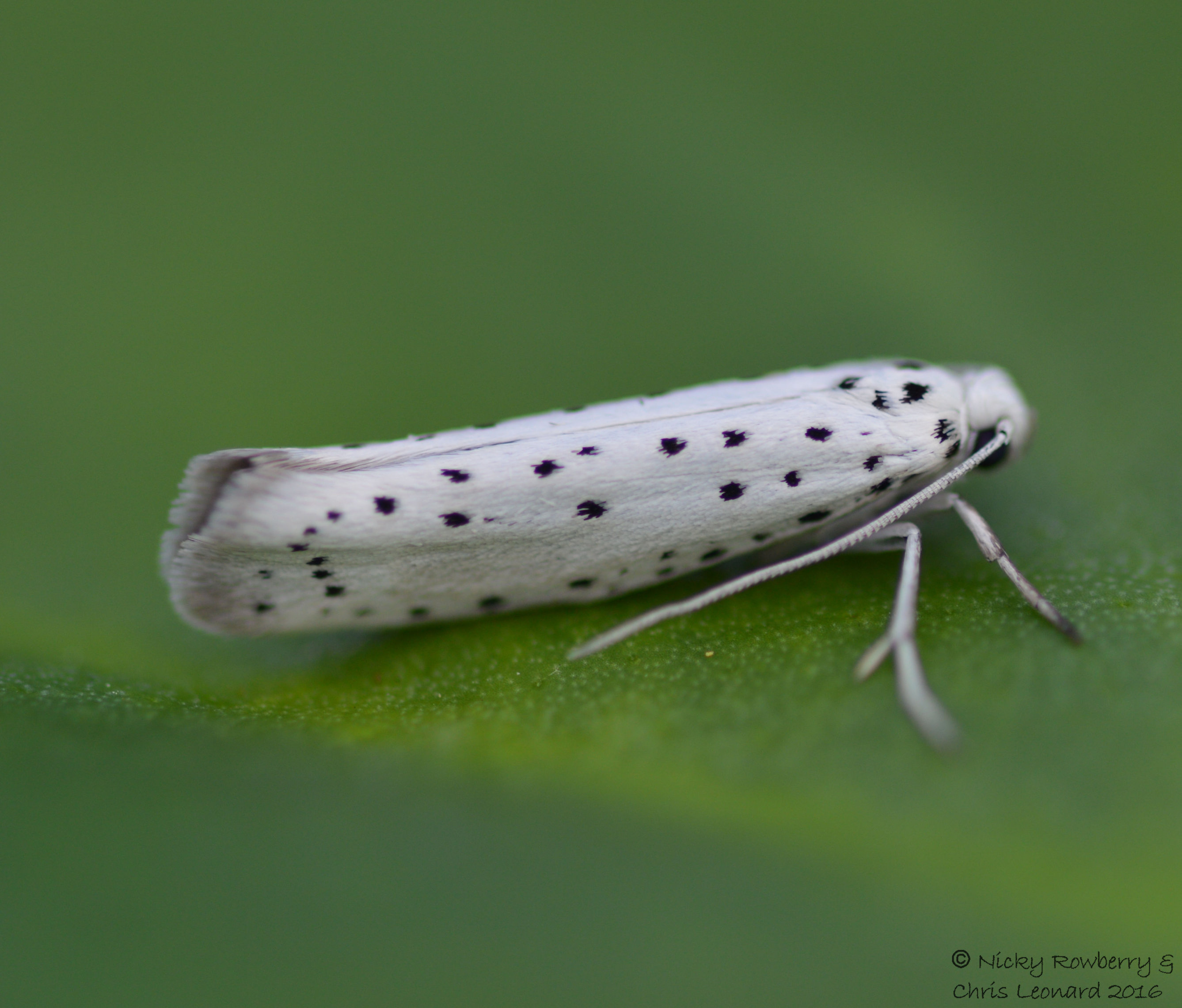
The next white moth I could think of was the other type of Ermines we get. These tiny micro moths feed on fruit trees and turn up in the moth trap regularly, but they are really difficult to identify. The books advise that you should breed them up from the food plant to be certain of the species, but that doesn’t help when you’ve just caught one in a trap. The trap was right next to our apple tree, so this maybe an Apple Ermine, but we have plum trees nearby too, so it could be an Orchard Ermine. We may even be getting both species.

Apple Ermine

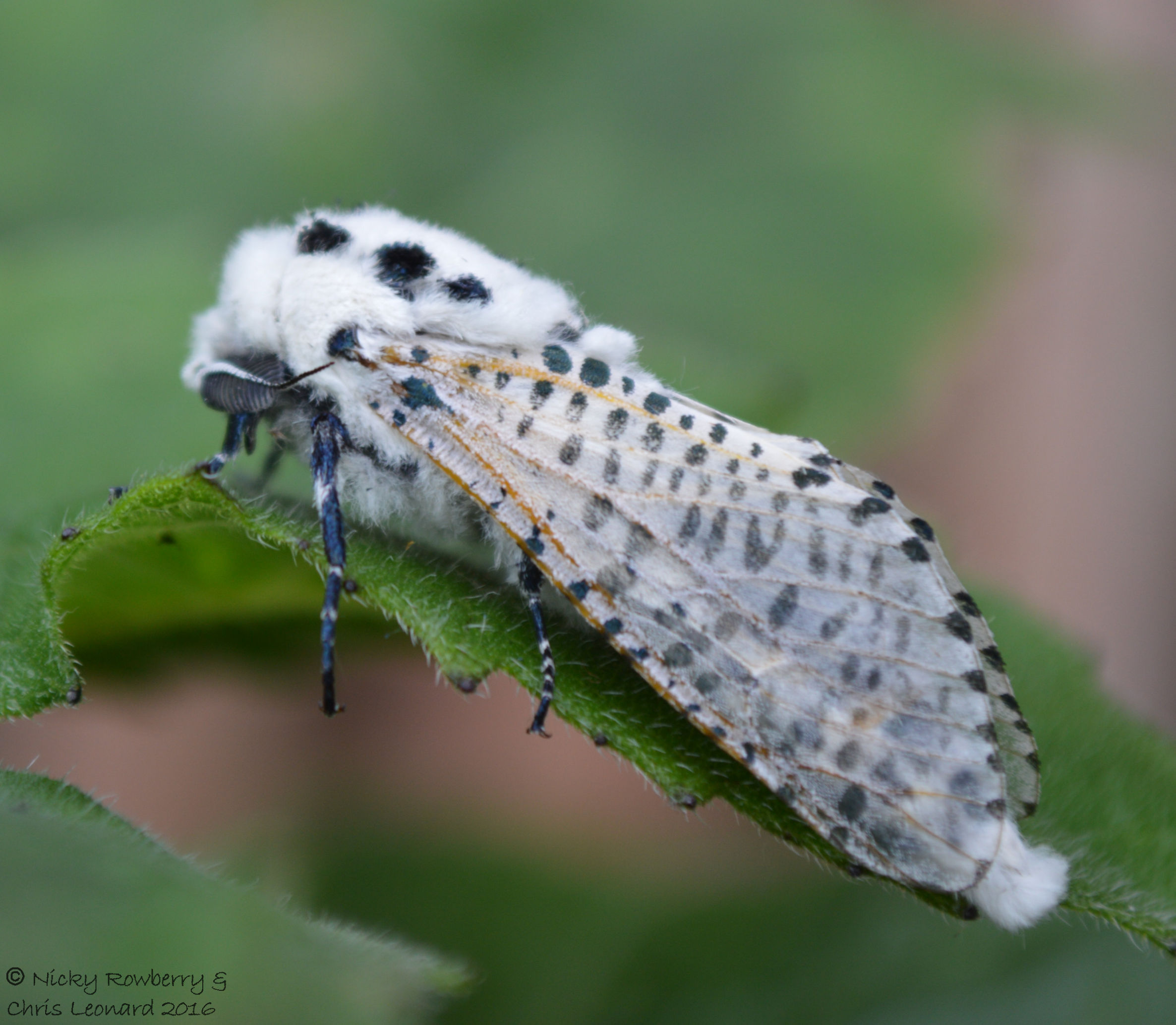
The final white moth of the day is the Leopard Moth. I’ve not seen one in the garden yet this year (although I did see one on the Wildlife Trust’s Moth Breakfast back in June), so this is a photo from last year. These are crazy unmistakable looking moths.

Leopard

I find these white moths really hard to photograph, mainly because I’m no good with camera settings so do most of it on auto. Trouble with using auto on white moths is that it struggles with the exposure as they are often too white against whatever background they’re on and the photos can look blown. The White Satin was particularly awkward as it flew out of the pot and landed on the black tripod leg. The only way to photograph it was to take the camera off the tripod – adding my shakiness to the equation. So that’s today’s excuses dealt with!

Out and About – Prestbury Hill

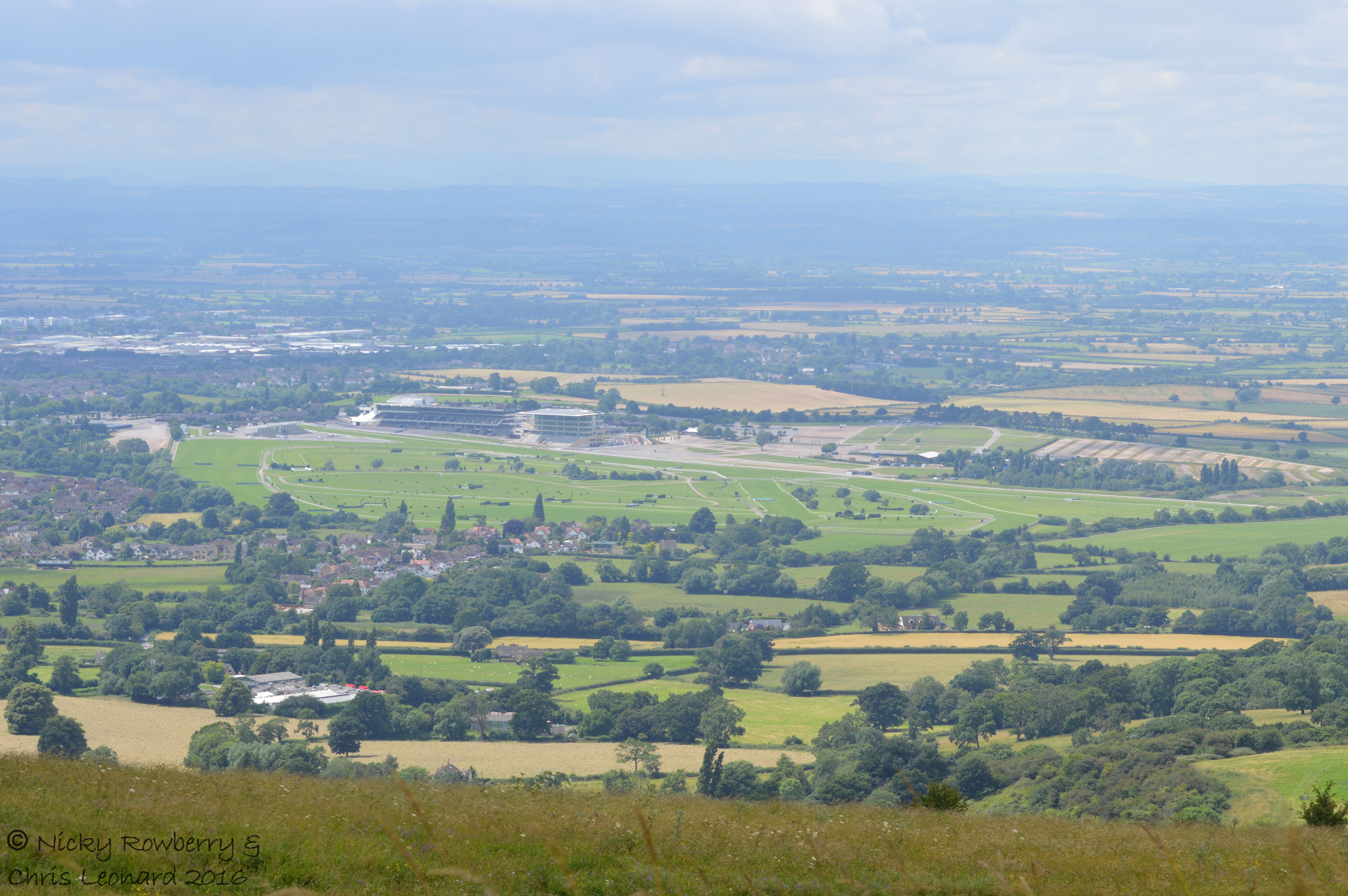
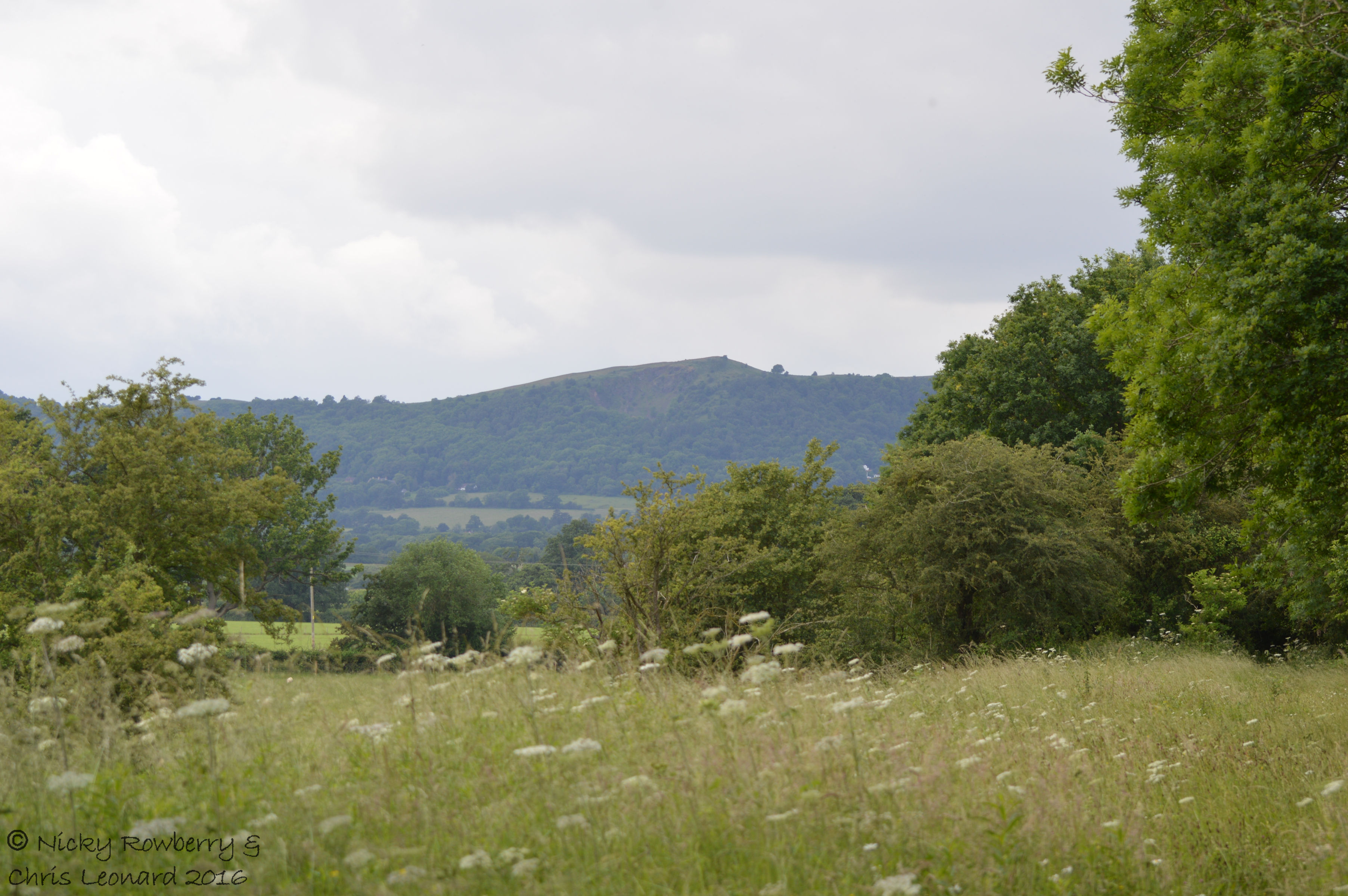
It’s taken me over a week to write this latest post, partly because I’ve kept getting side-tracked by things in the garden and partly because we’ve had friends staying – so I had to spend time tidying the house (although I doubt they could tell that) and drinking Prosecco! But over a week ago now, I headed down to Prestbury Hill, near Cheltenham in search of the Chalkhill Blue and Dark Green Fritillary butterflies. Prestbury Hill is, as its name suggests, high up, with stunning views over Cheltenham racecourse.

View 1

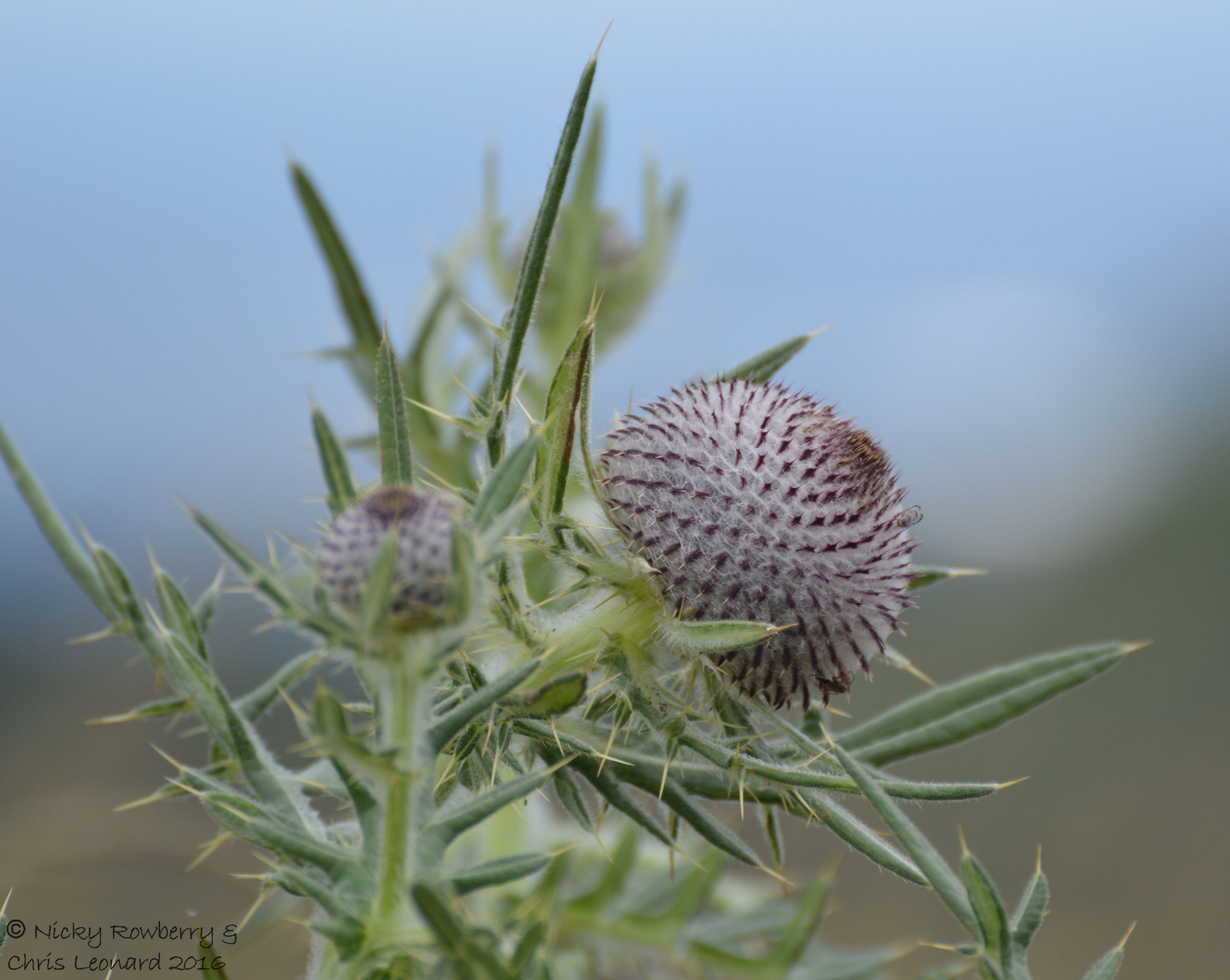
The reserve is run by Butterfly Conservation and consists of 2 areas of limestone grassland. The sloping grasslands are full of wildflowers and insects and would be a lovely place to walk even if you weren’t into butterflies. I particularly liked these Cotton Thistles, with their huge spiralling flower heads.

Thistle

Although we went looking for butterflies, the first insect of interest we spotted was a beautiful Brassy Longhorn moth – I’ve no idea how they manage to fly with such long antennae?

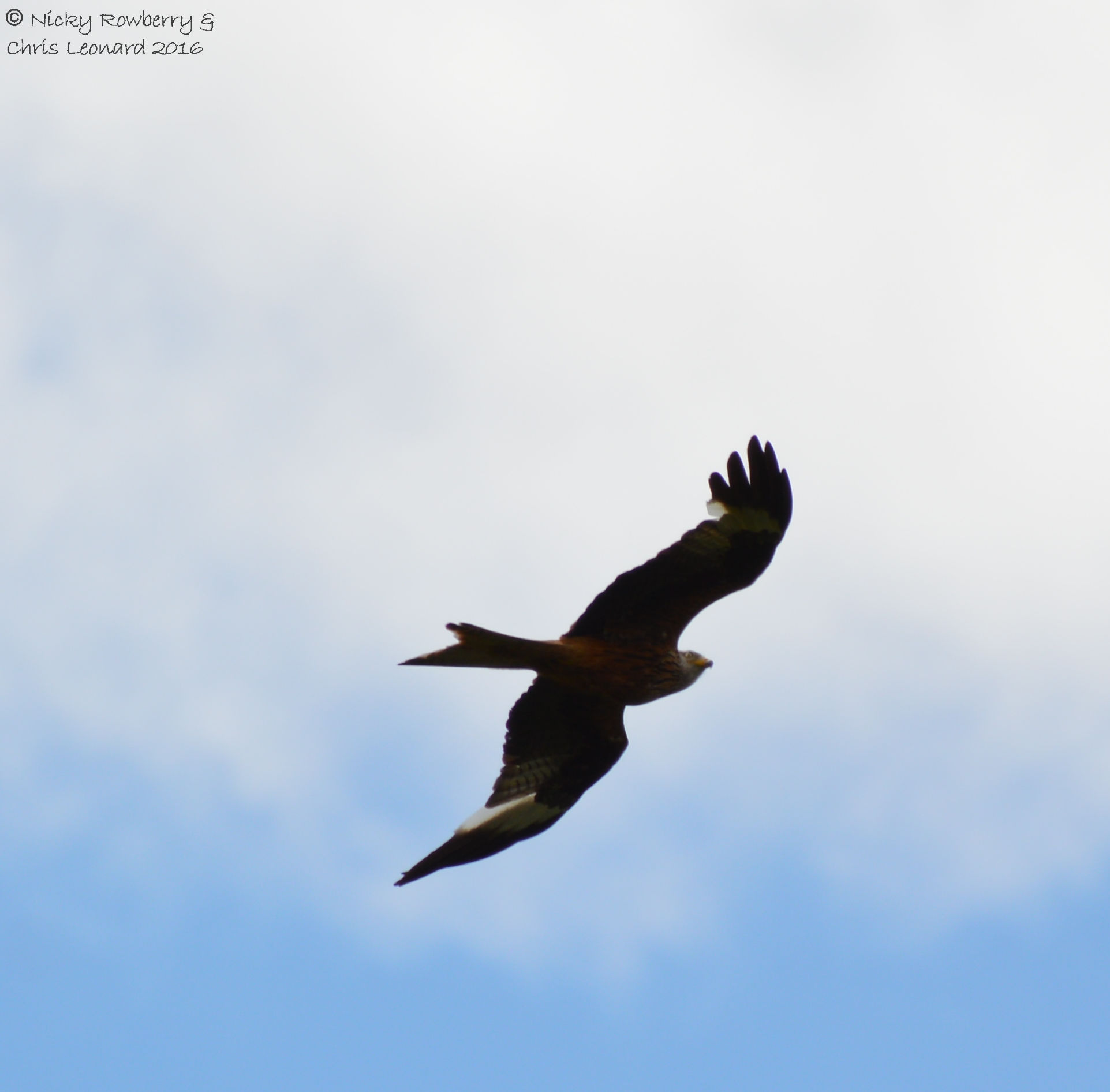
Although on these walks we tend to be looking down, or at least across for butterflies, we did look up long enough to spot this Red Kite soaring above us. Not a great photo as it was difficult to do against the bright sky. There were buzzards too, but as we see those fairly regularly at home, the kite got all the attention.

Kite 2

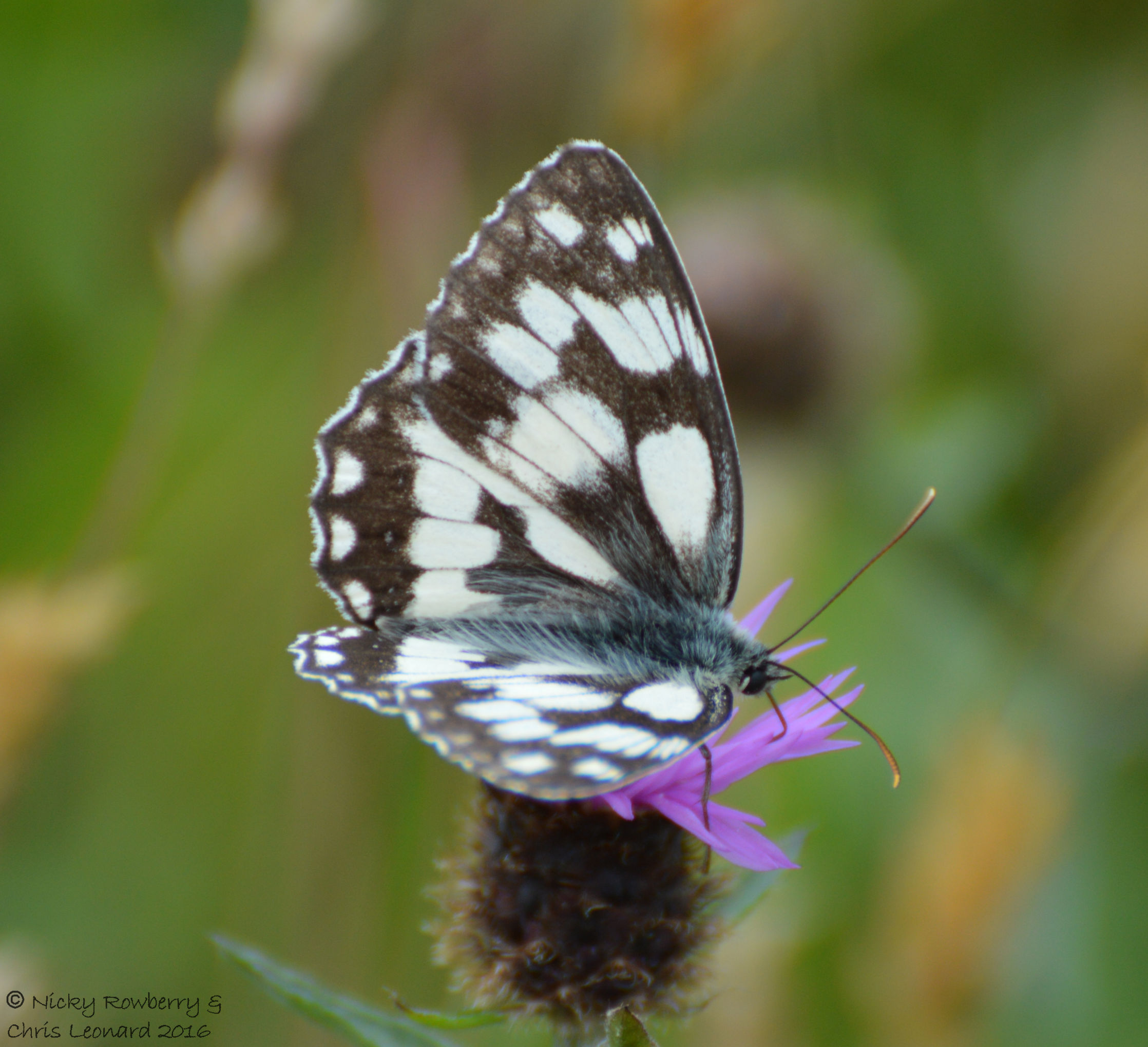
We followed the paths for quite a while, spotting lots of Marbled Whites and Large Skippers, while we searched for the blues and fritillaries.

Marbled White

Eventually though we found the first prize of the day – a Dark Green Fritillary. It then took about 20 minutes of chasing about to get a photo to confirm that it was indeed our target photo. And then longer still to get another photo of it with its wings open, but it was well worth the hunt as it is a gorgeous butterfly.

Dark Green fritillary

The reserve is divided into 2 sections, so having “bagged” our fritillary we headed over to the other half to look for the Chalkhill Blues. Turns out though our researcher (i.e. me) had got a bit ahead of herself as we were apparently a couple of weeks too early for these. Fortunately we met some butterfly enthusiasts who put us right before we spent hours pointlessly searching for them.

We did see some more fritillaries though, which we initially assumed were more of the Dark Green ones. It was only when we got back and downloaded the photos, that we realised these ones were actually Silver Washed Fritillaries. They look very similar when they’re flying around.

One final treat was finding several Small Heath butterflies. This had been a new species for us a few weeks ago and now they’re popping up everywhere!

So another great day out and another butterfly species ticked off the list. We will hopefully make it back to Prestbury sometime soon to see the Chalkhill Blues – so watch this space!

Malvern Meanderings

Today we decided to explore our local patch – so often it’s your local stuff that you ignore, thinking somehow that the grass is always greener (or the wildlife more exciting) elsewhere. But the Malvern Hills are not only beautiful, but a fantastic location for wildlife. We forget sometimes how lucky we are to live here.

We’ve been concentrating a bit lately on “bagging” some new butterfly species and had so far added 5 this year to our lifetime list. But there is one species we’d never seen that has a colony almost literally on our doorstep – the Grayling butterfly is found on the Malvern Hills, less than a mile from our house. The Grayling is now a priority species for conservation as it is in decline over much of its former range. The Malvern Hills Conservators are making great efforts to protect our local population and improve the habitat. So we set off today in the hope of seeing our local speciality.

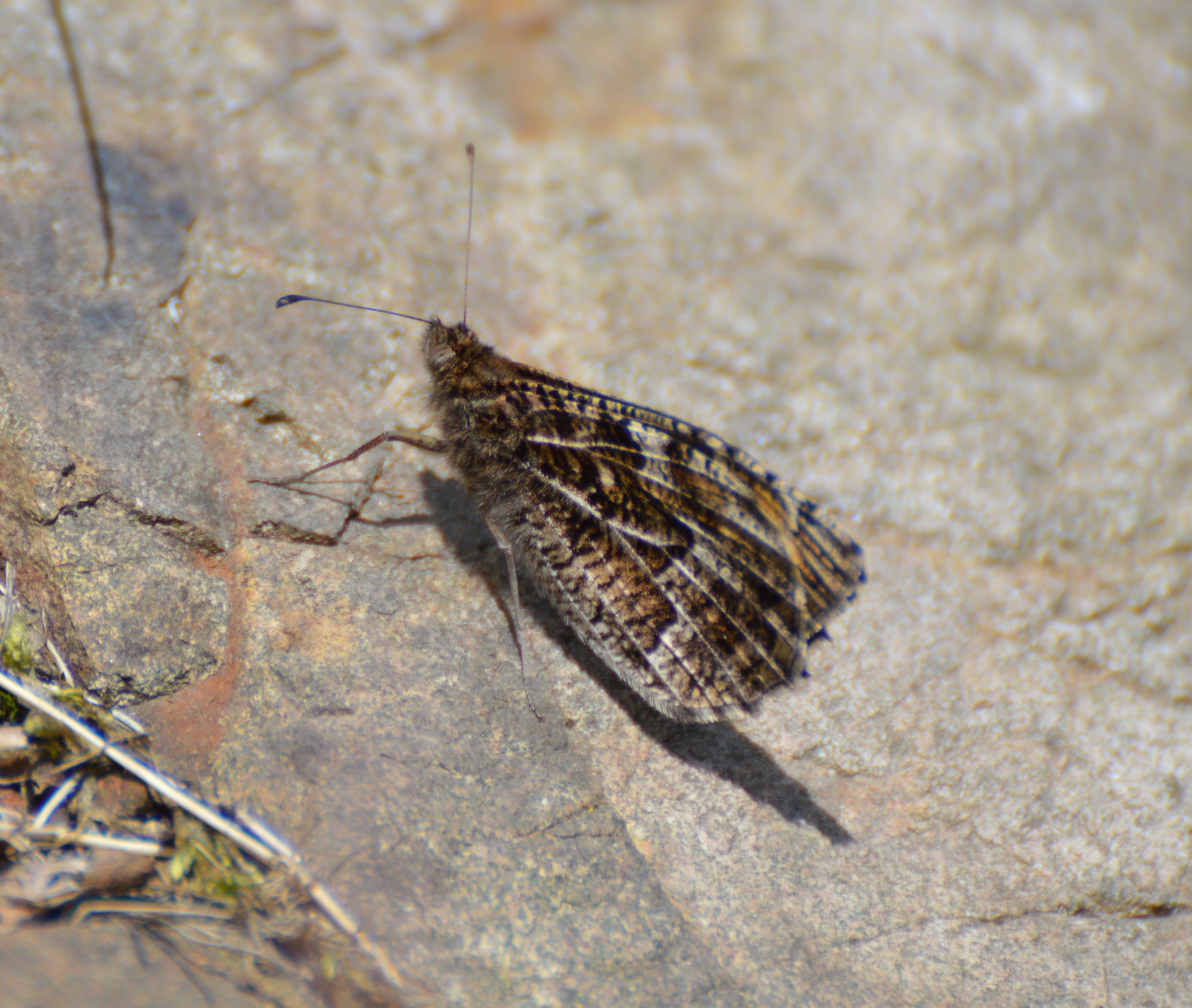
The Grayling likes areas of bare rock and short grass. We headed up the hills following the path recommended by the West Midlands Butterfly Conservation guide and having reached the favoured location, we spotted one almost immediately sunbathing on the rocks.

The Graylings aren’t as flashy as the Purple Emperors we saw earlier in the week, they are more subtly beautiful. They are also masters of disguise and when they keep still they blend into the surroundings extremely well. We were lucky to spot this one. Fortunately it was intent on sunbathing and was also close to the path, so we got our usual bucket-load of photos.

The Graylings almost always sit with their wings upright with the forewing tucked behind the hindwing, which makes them look much smaller than they really are. We watched this one for ages and eventually while it was shifting position, we managed to get a shot with its forewing at least partially showing.

Grayling 2

We saw at least 2 other individuals on our walk, all basking on rocks. Lots of people walked by us and the butterflies while we were there, but I don’t suppose many of them realised what they were missing!

Feeling flushed with success (and also a good lunch at our local), we decided to try our luck back down on the flat ground at the edge of Malvern. There’s an area of rough ground by the road that is always good for butterflies and today was no exception. The Marbled Whites were out in force. Unfortunately it was extremely windy so although they were landing close by, the grass was blowing about so much it was hard to get decent photos. Here are a few of my better efforts.

Marbled White 2

Marbled White 3

There were several pairs dancing about in the wind, so I had hoped to get a mating pair. This was the closest I managed – not ideal, but at least there are two of them in one shot!

Marbled Whites

Marbled Whites weren’t the only butterflies around – Meadow Browns were particularly abundant.

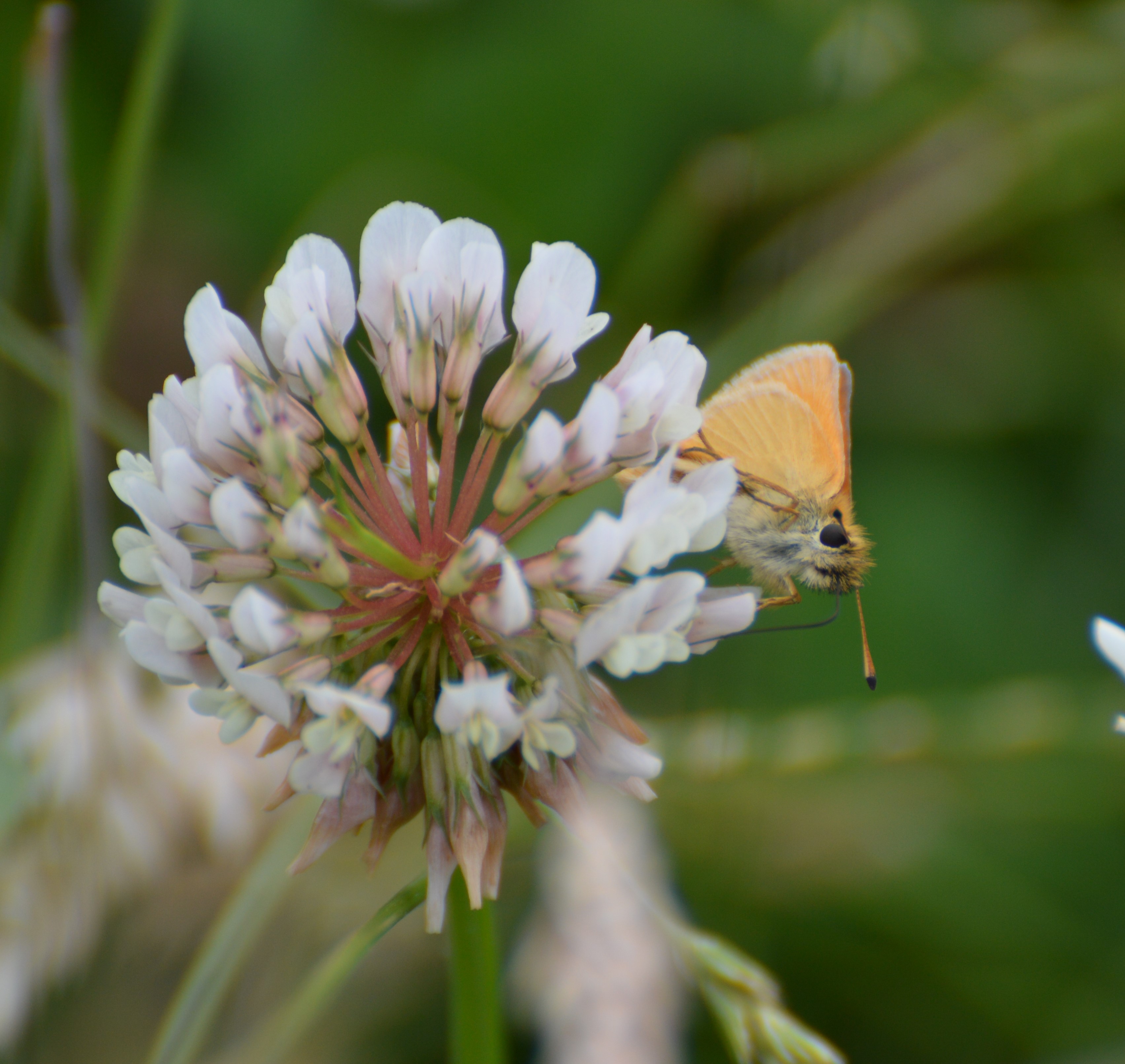
There were also lots of Skippers – I think this is an Essex Skipper. Again the wind was blowing them about an awful lot, making the photography tricky. (excuses, excuses!)

As we headed back to the car, we spotted a day flying moth – a Mother Shipton. Really pleased to see this, as I’m pretty sure I’ve only seen it in books before. It is named after a 16th century witch because its wing markings look like an old crone with hooked nose and chin!


Mid Moth Season Update

It’s the end of the second quarter for the Garden Moth Scheme (GMS), so I thought I’d review some of the mothy highlights from the last couple of months. I trap once a week for the GMS but also occasionally trap on other nights too and last weekend tried trapping at my Dad’s house in Herefordshire for a change – so the photos below are from a mixture of all three. The first quarter of the GMS was dominated by the fairly plain Quaker type moths, so I’ll make no excuse for deliberately picking the more colourful and exciting moths (yes I do find moths exciting!) for this selection! Having said that I’ve just realised I’m starting with a grey one – but it is a particularly cute grey one!

These first three photos are all part of the Ermine group of moths, although the top ones are actually called Muslin Moths. These are grey male Muslins – the females being white. We seem to get a lot more of the males than the females in our garden for some reason.

Muslin Moths

This next one is I think a White Ermine although it could just be a female Muslin moth which are very similar. The White Ermines are so named because they look a bit like the fur that used to be used to trim rich people’s clothes (I’ve got an image now of Henry VIII covered in White Ermine moths!)
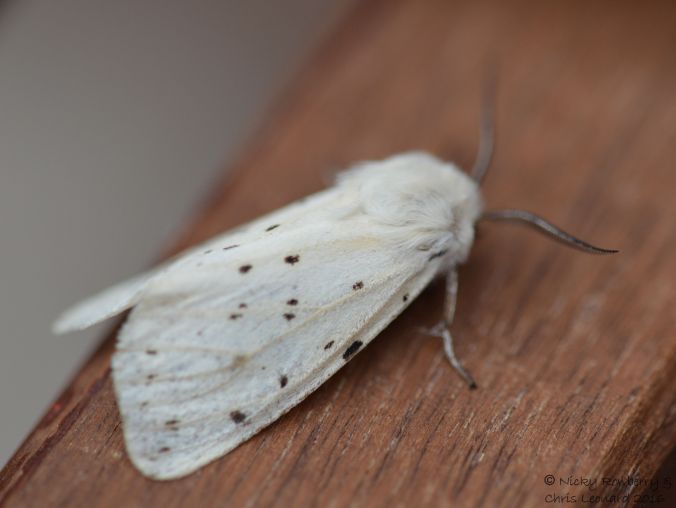
White Ermine

The final one of this little trio is a Buff Ermine – making beige look good.

Buff Ermine

The next four I’ve only grouped together on the basis of how beautiful they are. The first is even called the Beautiful Hook Tip!

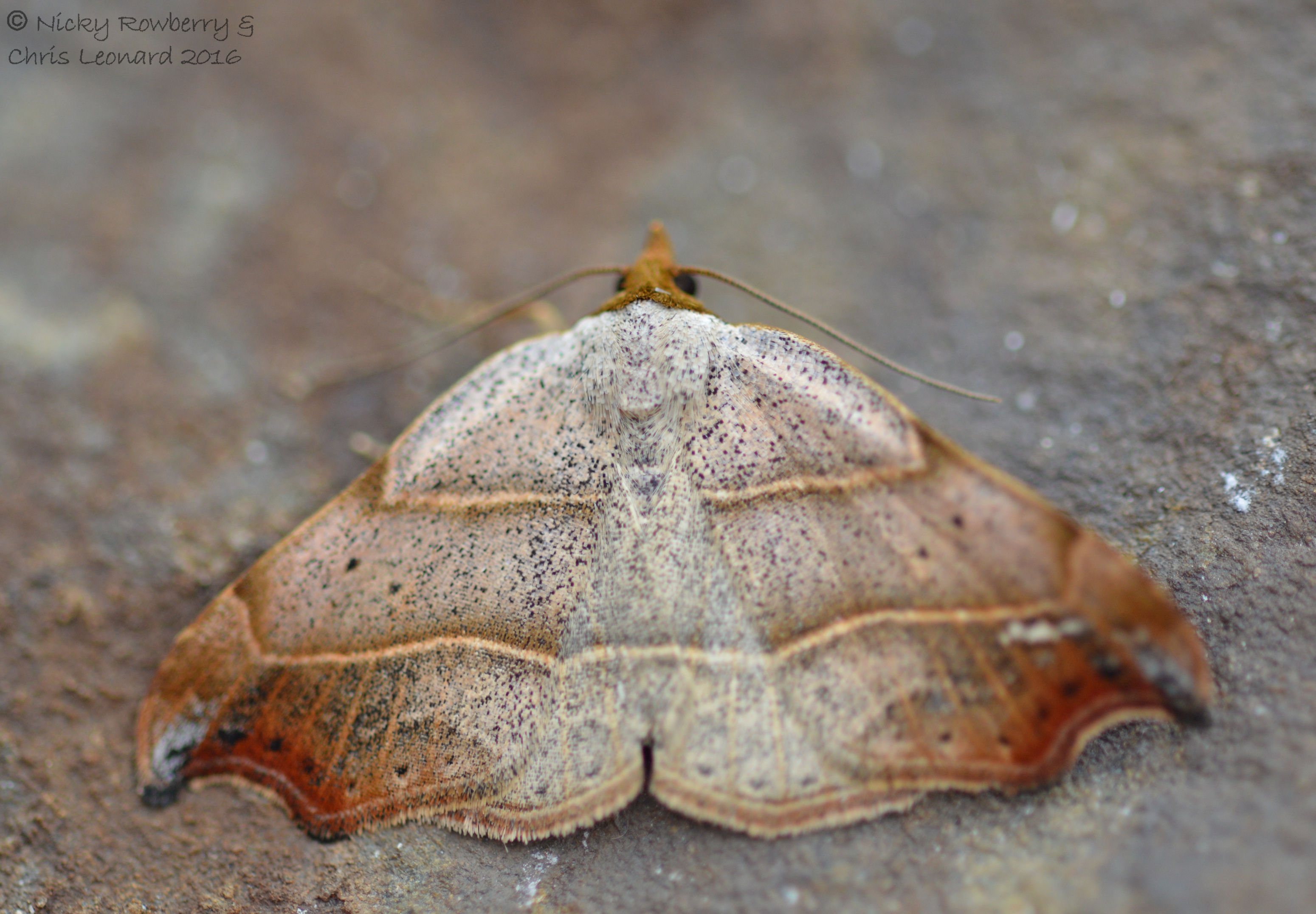
Beautiful Hook Tip

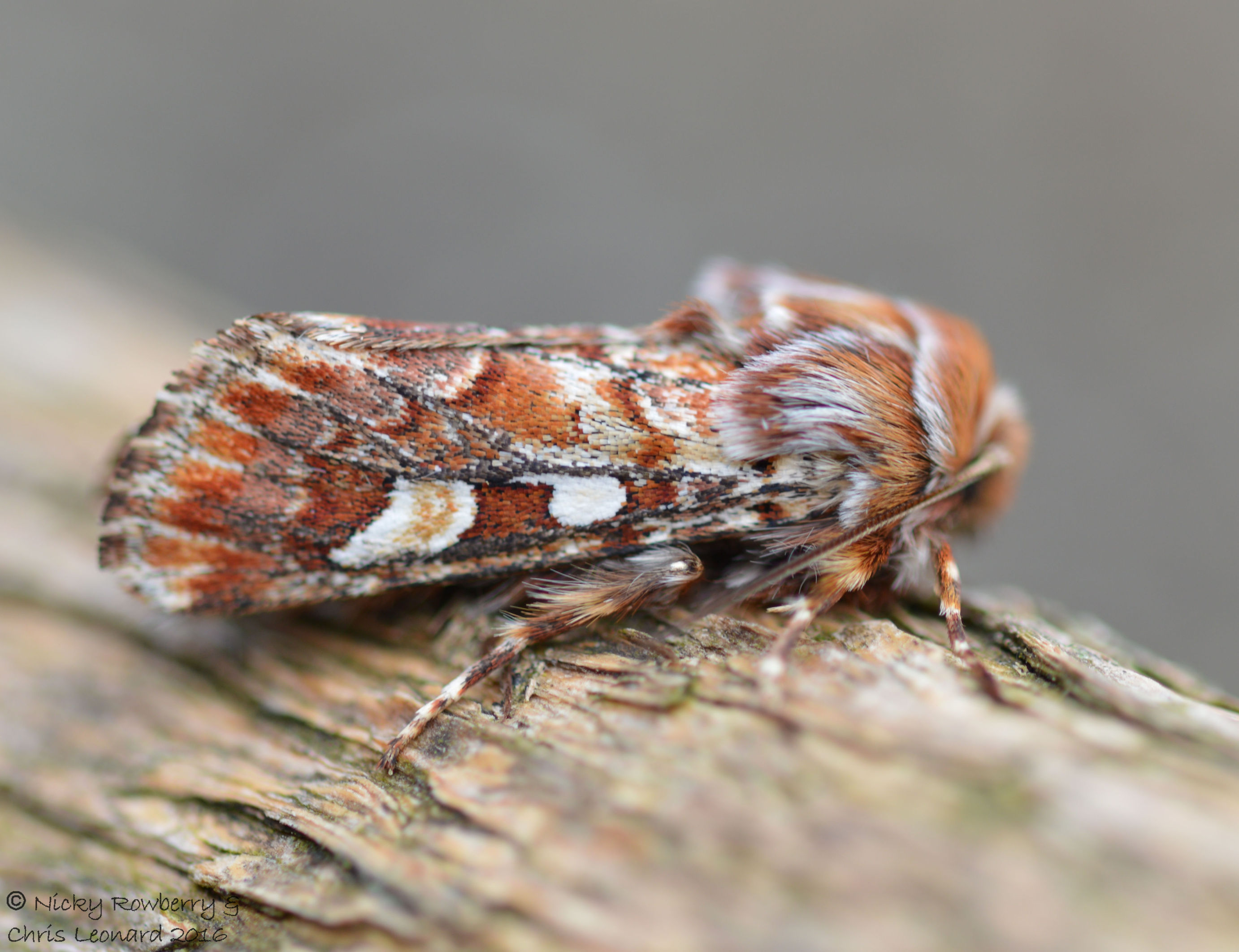
The next is a Pine Beauty – a stunningly patterned small moth.

Pine Beauty

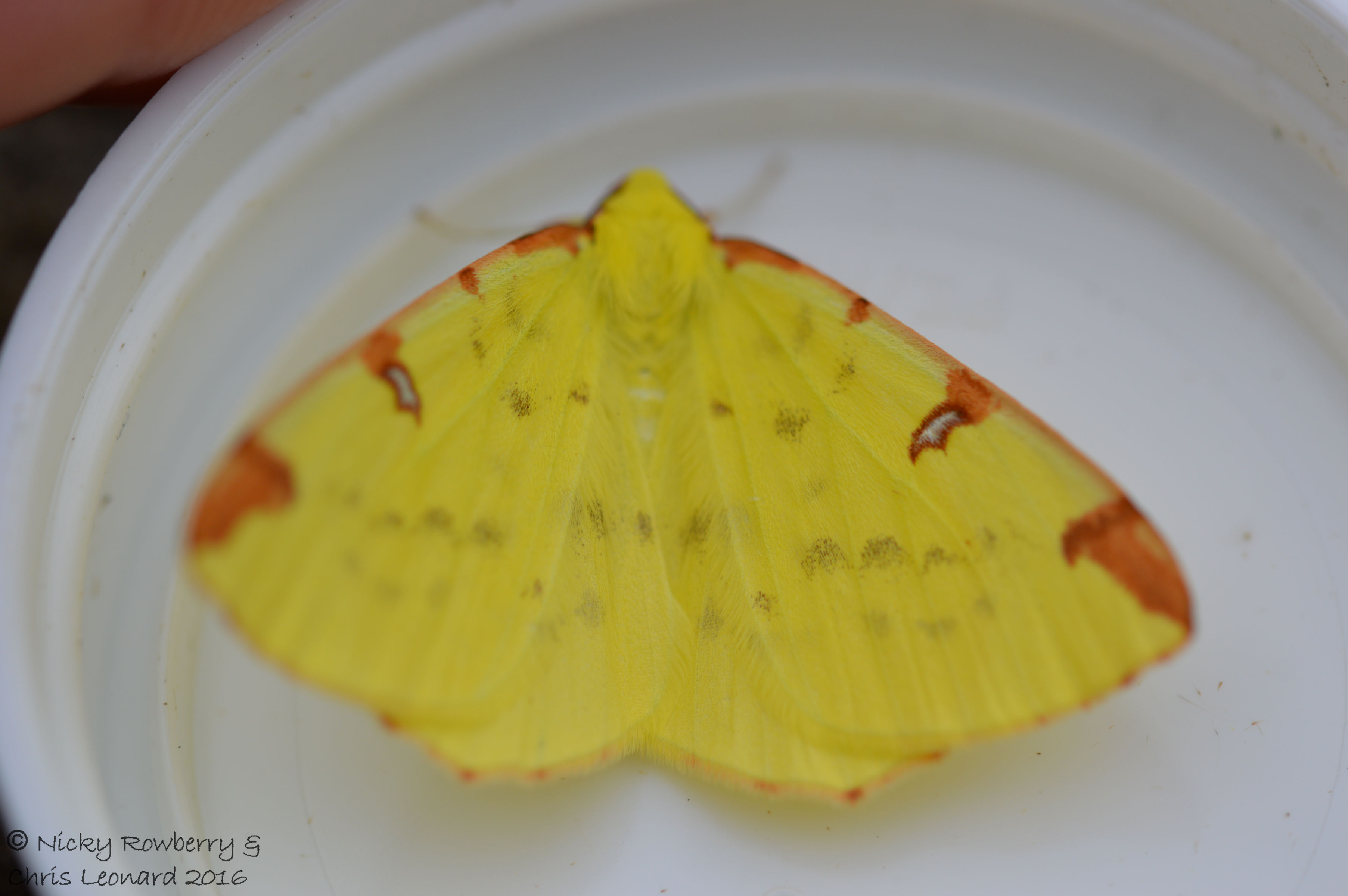
The next two may not have beautiful names, but they could rival any butterfly for its stunning colours. The Brimstone is named because it is yellow like sulphur.
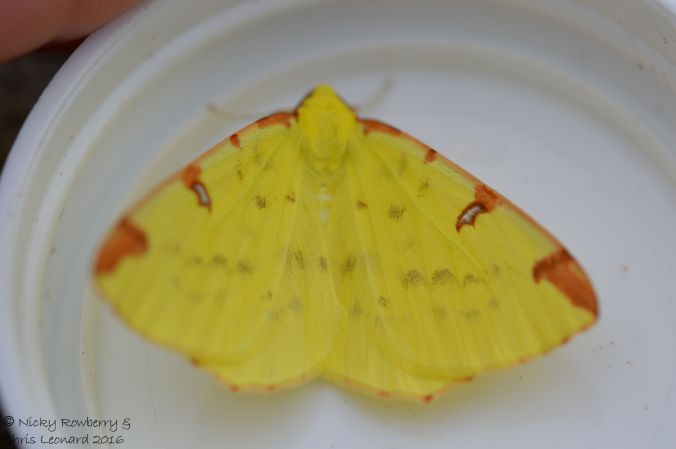
Brimstone

The Scarlet Tiger is simply stunning and flies by day as well as by night – this one we caught in the moth trap, but on occasion we’ve seen a small flock of them flying in the afternoon.
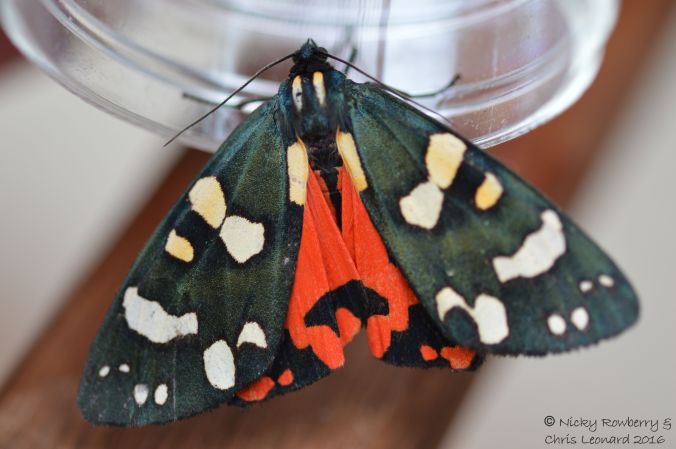
Scarlet Tiger

The next one is a Peppered Moth – I’ve included this as it reminds me of biology lessons at school on the power of natural selection. The Peppered Moths are famous for the swing in the population’s colour during the Industrial Revolution when the whiter forms like this one, stood out against the trees blackened by soot and were therefore easy pickings for birds. The darker forms were better camouflaged at this time and so had higher survival rates and so came to dominate the populations. Since environmental standards have improved, there’s less soot and the white forms are once again the more common. We only ever seem to get the whiter ones in our garden – guess we’re soot-free!

Peppered Moth

The next few, I’ve chosen simply because of their interesting adaptations to avoiding being eaten. This Buff Tip manages to look remarkably like a broken twig. It matches even better on a Silver Birch twig, but this apple stick was the best I could do. If they keep still on the Birch, they must be virtually impossible to detect.
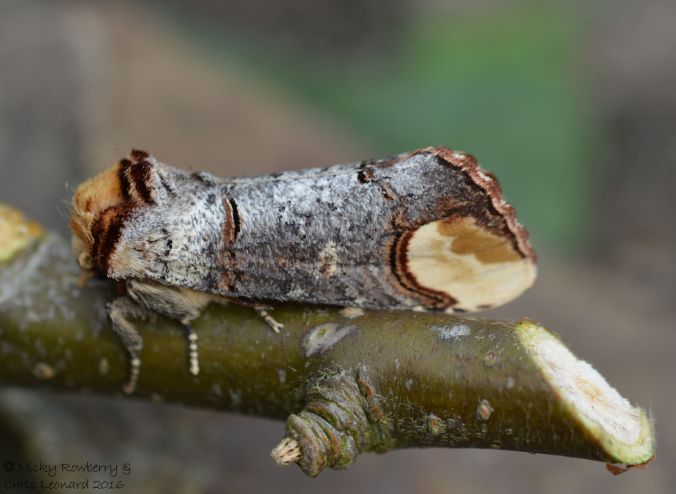
Buff Tip

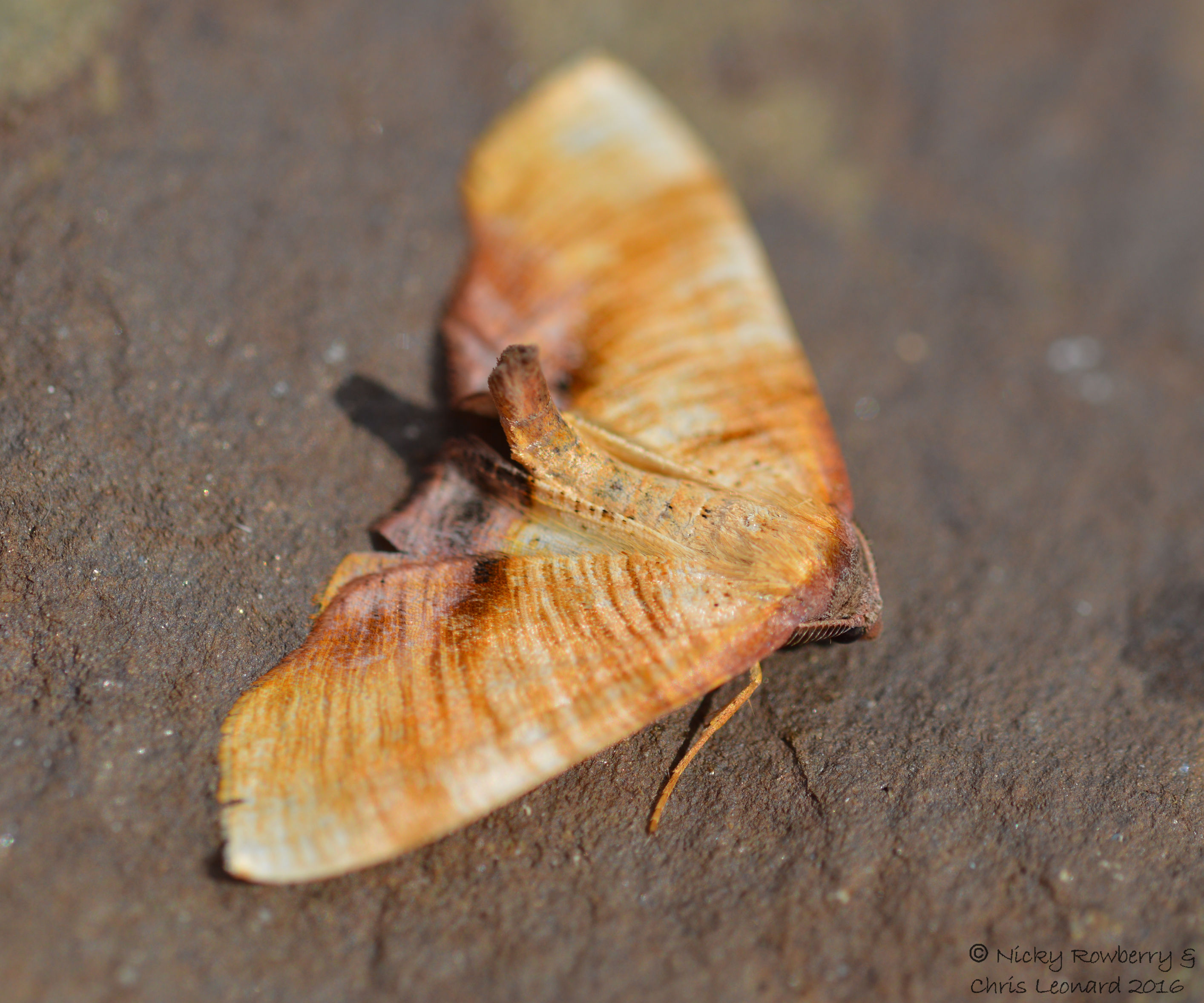
This Scorched Wing uses its colouration to avoid looking like a moth at all. The fading lines are supposed to break up its outline to make it harder to detect. No idea why it sticks its bum in the air though?

Scorched Wing

This Spectacle is one of my favourites. For a start it is very easy to identify – no other moth has a pair of specs on its head like this and secondly I find it adorable. It’s possible these “specs” are used to startle birds by looking like a large pair of eyes – several other moth and butterfly species use eye-like markings to shock birds, but as far as I know none of them look quite like this!

Spectacle

The Shark moth I chose really just so I can claim we have sharks in the garden! I think it’s the triangular pointy head that gives it the name. I’ve been wanting to find one for years, so was really chuffed to spot this in the trap in June.
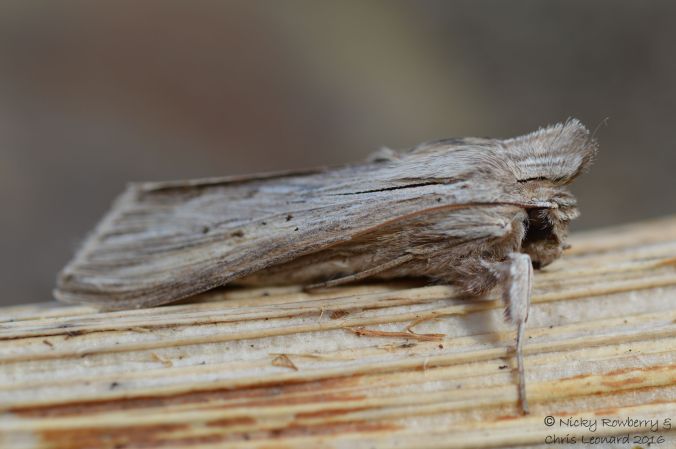
Shark

The next two I’ve included partly because I like their names – Puss Moth (top) and Sallow Kitten (bottom). I’ve always assumed they were called Puss and Kitten because of their furry legs. I also like the way they have a tendency to sit with their front legs stretched out ahead of them – again a bit like a cat does.

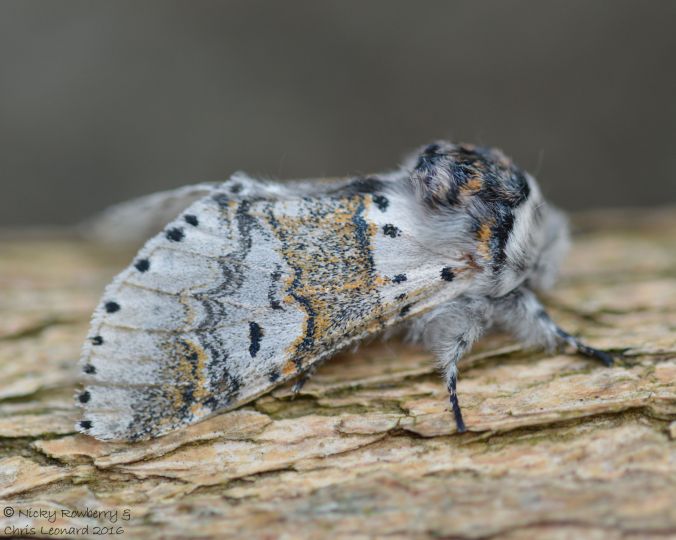
Puss Moth

Sallow Kitten

And finally for this update the Hawk-moths. The biggest most spectacular moths we get in the UK. I’ve seen 4 species over the last couple of months, 3 in our garden and one at my Dad’s place. The first two are the ever-popular Elephant Hawk-moth (left) and Small Elephant Hawk-moth (right). It still amazes me that they are even real – they have bright pink bodies and just seem like a moth a child would draw if left with a load of bright pink crayons!

Pair of elephants

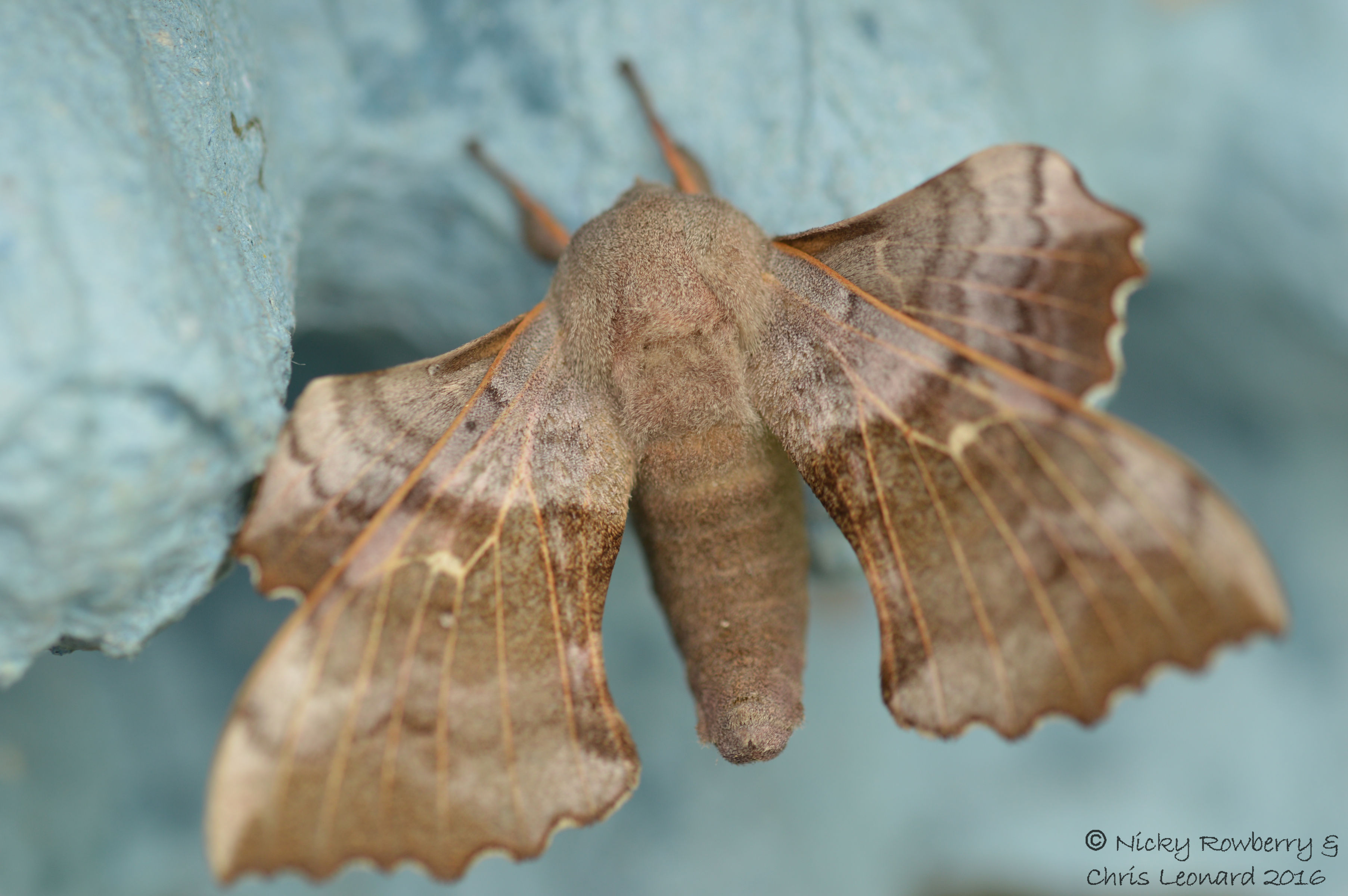
The next one is a Poplar Hawk-moth which is even bigger than the Elephants above. It always holds its wings at this awkward looking angle and flies in quite an ungainly way.

Poplar Hawkmoth

The final one is an Eyed Hawk-moth – we have had them in our own garden, but so far this year we’ve only seen this species at my Dad’s in Herefordshire. They have these bright “eyes” on the hindwings which they flash when disturbed to try and scare off predators.

Eyed Hawkmoth 2

So those are some of my mothy highlights from the last couple of months. Apologies to those species that I’ve not included – it would have been a very long blog post if I’d rambled on about them all – we’re up to 108 species for the garden already this year. But I do love them all – each new species that we find is a treasure and it’s wonderful to know just how diverse the moth fauna is in our garden.

30 Days Wild – Day 20

TWT 30 Days Wild_countdown_20Day 20 of 30 Days Wild and it’s the mid summer solstice – extra time to do something wild! It’s also the start of National Insect Week – a celebration of all things insect related. I could have marked the summer solstice by staying up all night, but since I’ve got work tomorrow, it seemed more prudent to celebrate National Insect Week instead!

NIW_Logo_FBWe’re lucky in that we get loads of insects in the garden, so I thought I’d have a look this afternoon and see how many of the different groups of insect I could find. Insects are an incredibly diverse group, but all have an exoskeleton, 3 pairs of legs and a three part body. It’s amazing how you can take that basic body scheme and turn it into such a wide variety of shapes and sizes!

So in no particular order here are some of the insects I found in the garden this afternoon. First up the ants, surely one of the most populous insect groups on earth. I’ve no idea what species we’ve got, forming an ant hill in our lawn, but we’ve got an awful lot of them!

Flies may not be the most popular or the most attractive group of insects, but they are fascinating when you look at them close up like this. (Photos like this do always remind me of the Jeff Goldblum film The Fly though!)

Fly

Hoverflies belong in the same group (Diptera) as the fly above – they are all considered True Flies. We get loads of hoverflies in the garden, although of course few showed their faces tonight because I was looking for them. Some are small and skinny like this Sphaerophoria species.

Hoverfly Sphaerophoria

While others are bigger and chunkier like this Common Drone Fly (Eristalis tenax), which looks more like a bee.

Eristalis tenax

Aphids or greenfly are not true flies and are certainly the bane of many a gardeners’ life. But they all have their place in the food chain, being fodder for amongst other things the ladybirds.

Aphids


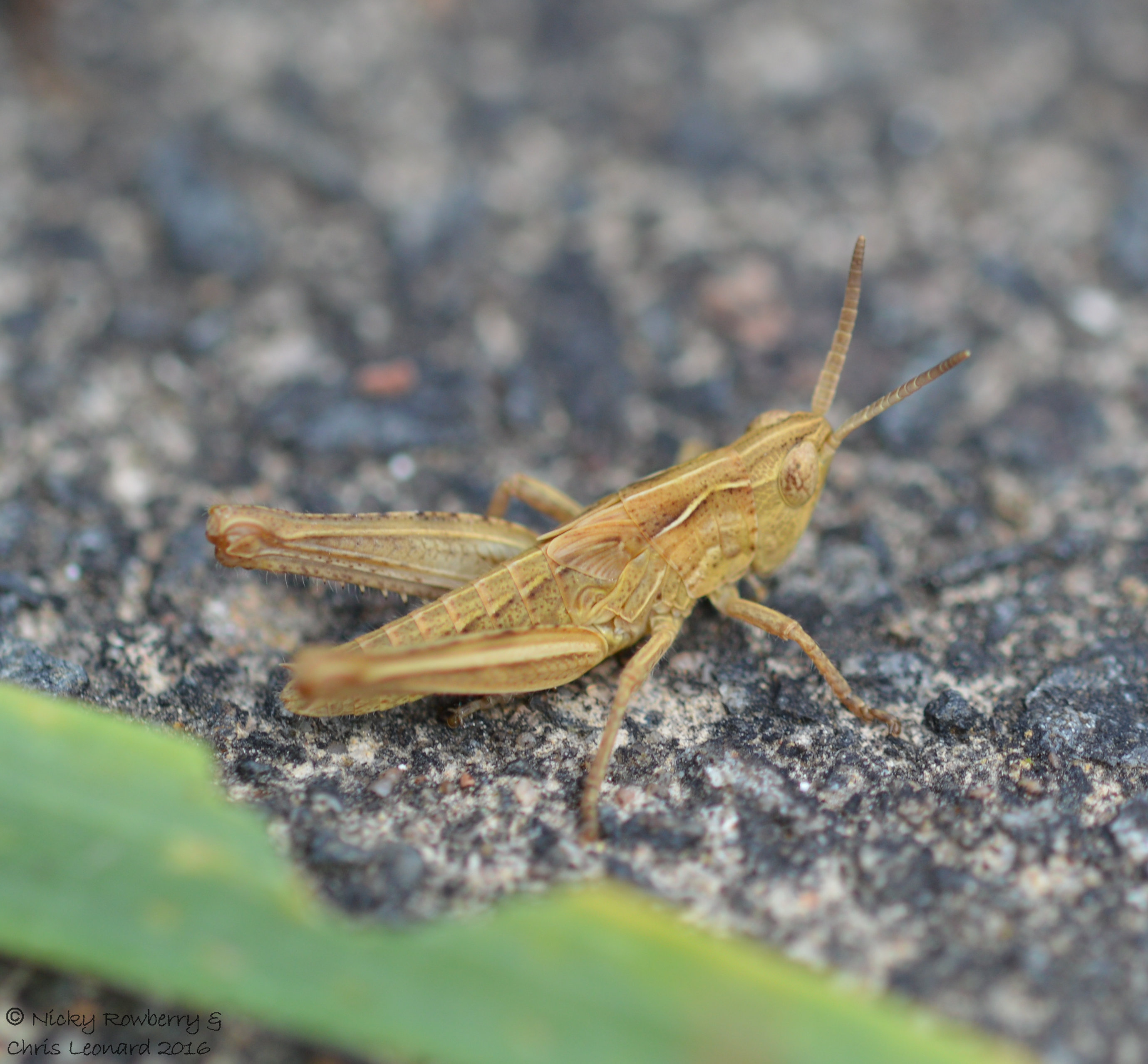
Crickets and grasshoppers are just starting to appear again in the garden. This grasshopper was pinging about our very weedy drive when I got home today.

Grasshopper

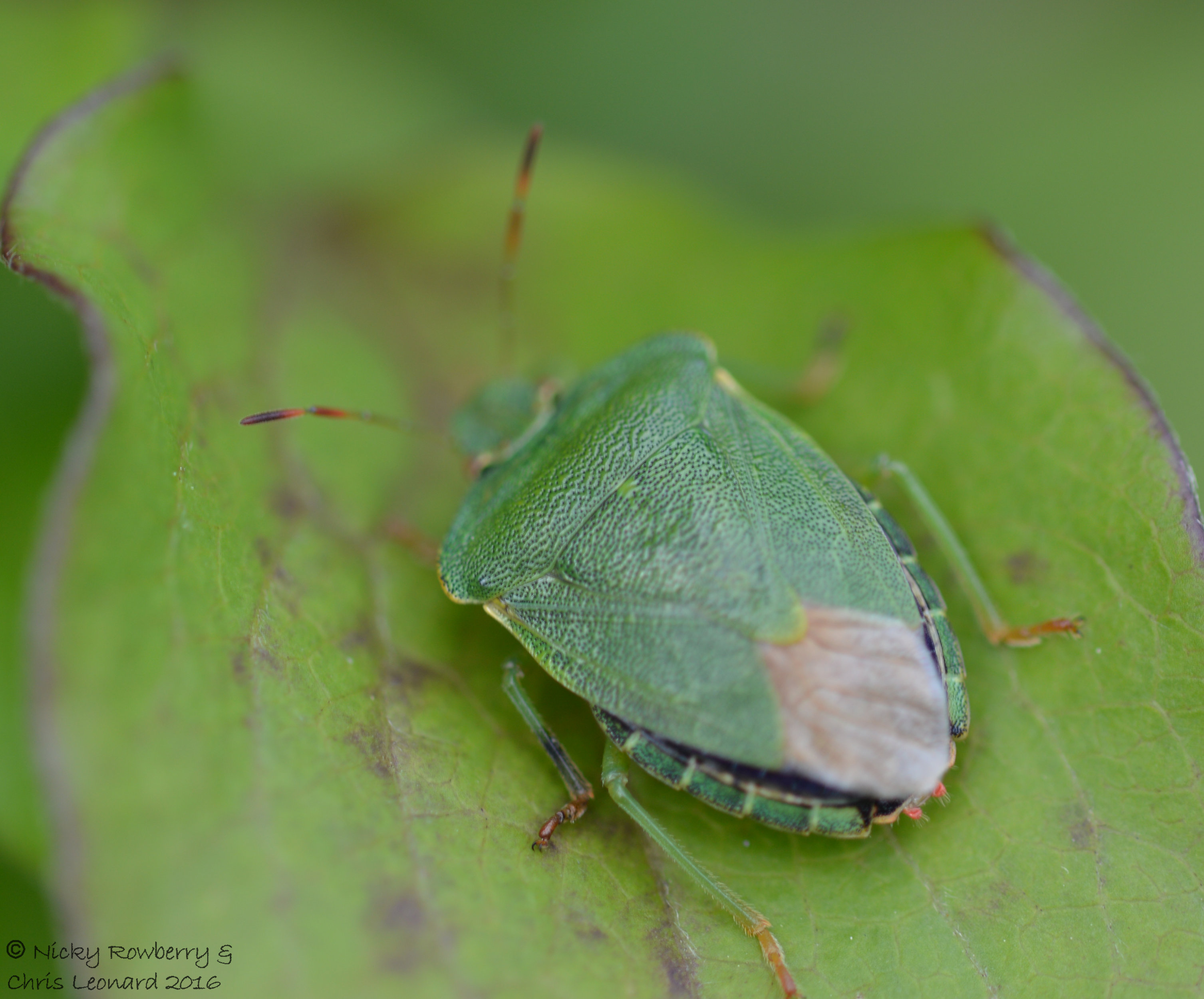
Shieldbugs like the one below are in the same super group of insects (Hemiptera) as the aphids, although they don’t look anything like each other.

Shieldbug

I had hoped a butterfly would make an appearance, but none obliged this afternoon. So the Lepidoptera today are represented by the only moth I could find – this Mint Moth. In the summer we have loads of these fluttering around the herbs – they don’t restrict themselves to just mint!

Mint moth

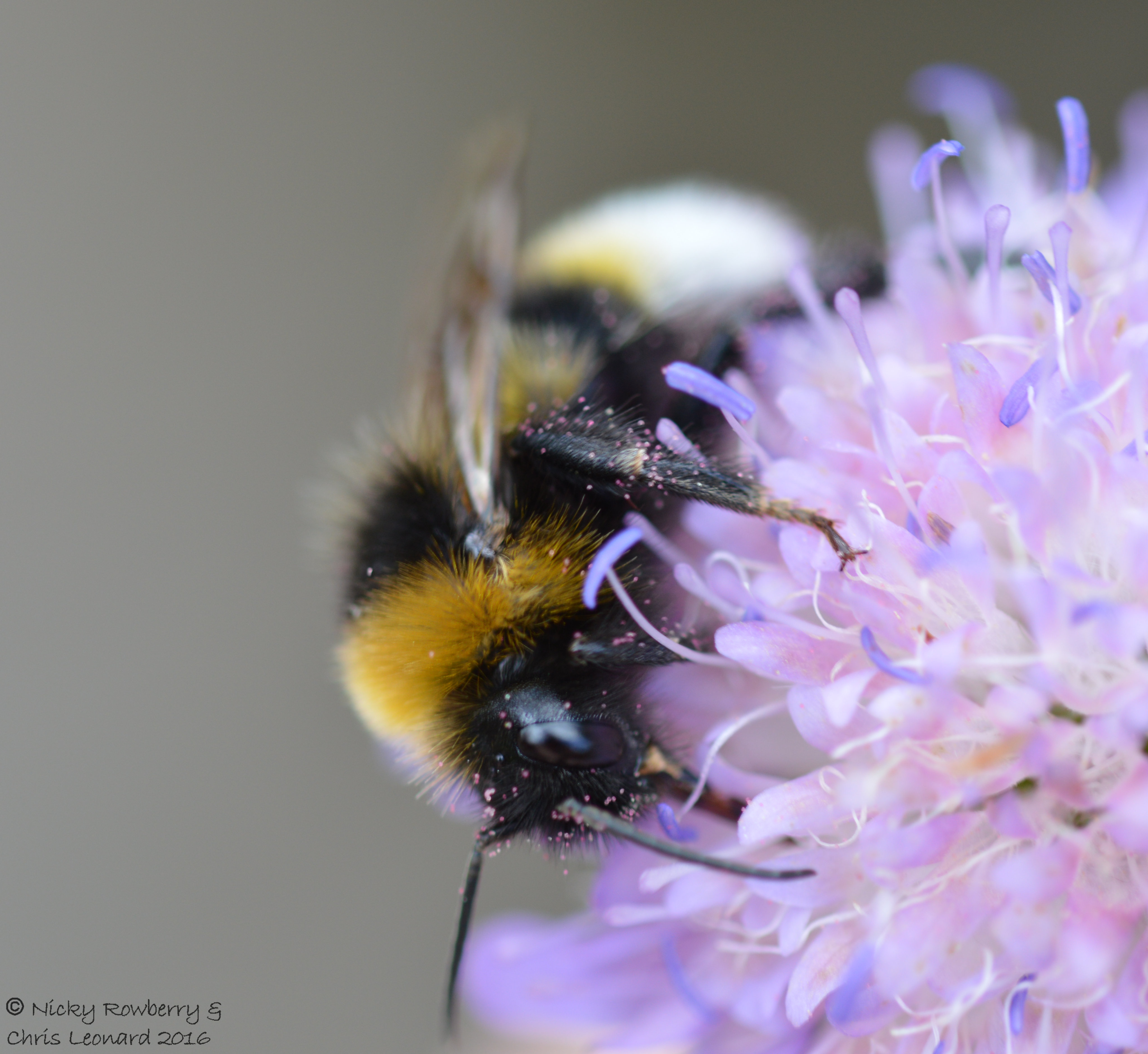
Of course I had to include a bee photo. Although there were plenty flying around this afternoon, it was a bit windy, so I had problems with the flowers blowing around as I tried to take photos. I think this is just about recognisable as a Buff-tailed Bumblebee though.

Bumblebee

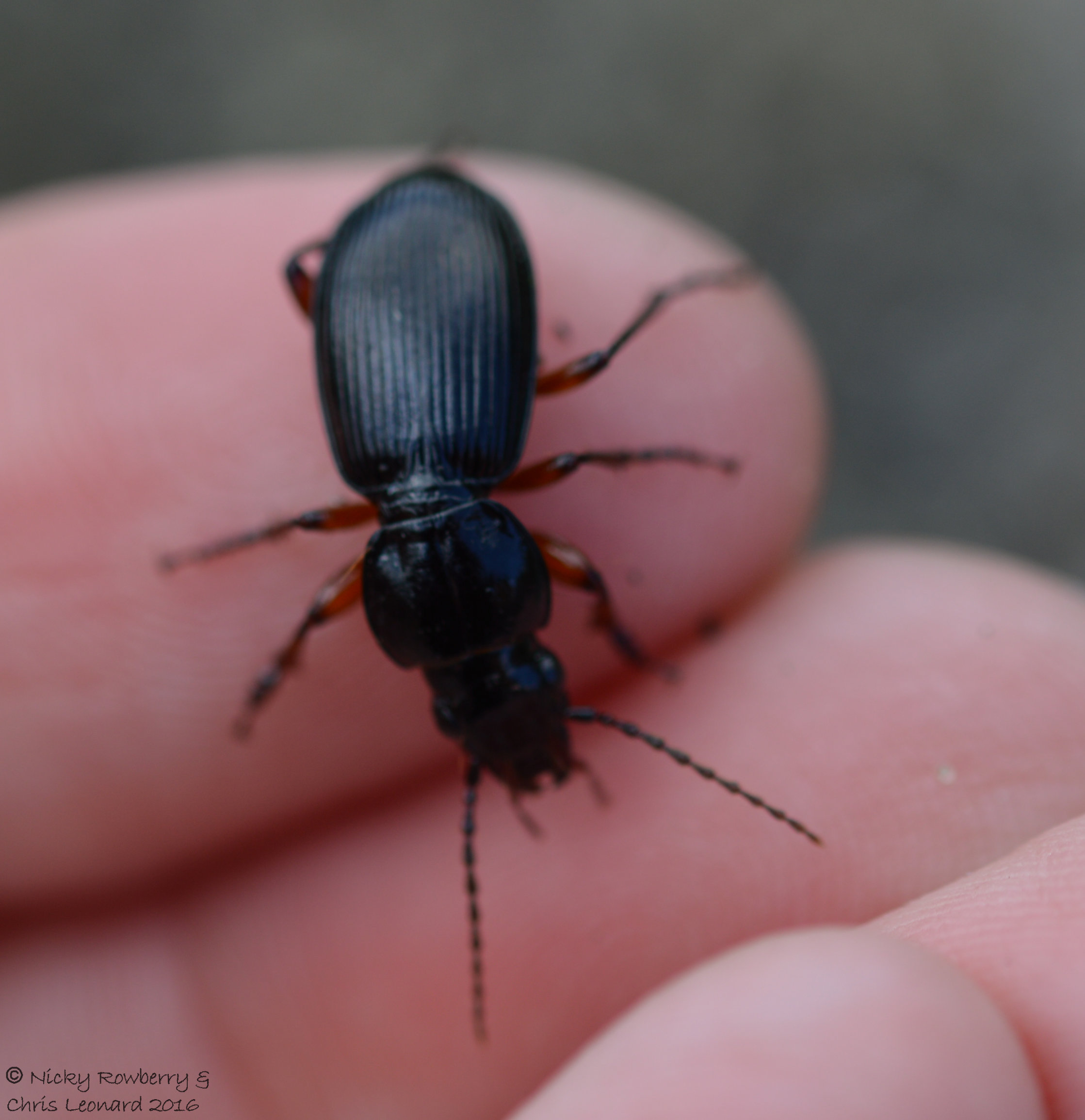
Beetles make up the group Coleoptera and again are hugely diverse. I found this one in the pitfall trap this afternoon.

Beetle

So that’s all the insect groups I could find today in the garden. Not bad although there are of course lots of others not represented – dragonflies & damselflies, earwigs, ladybirds (although these are a type of beetle), froghoppers, lacewings, caddisflies – the list goes on. Over an average summer we’ll see examples of most of these in our garden – you just need to look and it’s surprising what you can find.

Foxglove 30 WEEDSAnd finally as usual another “weed” from our garden for my 30 Lazy Garden Weeds. This time the Foxglove. I was so pleased to find this growing under the apple tree this week. I’ve tried a few times to get them to grow in the garden – scattering seeds with no success. But this one seems to have seeded itself in here all by itself. Hopefully it will be the first of many. The bees love them and so do I!


30 Days Wild – Day 17

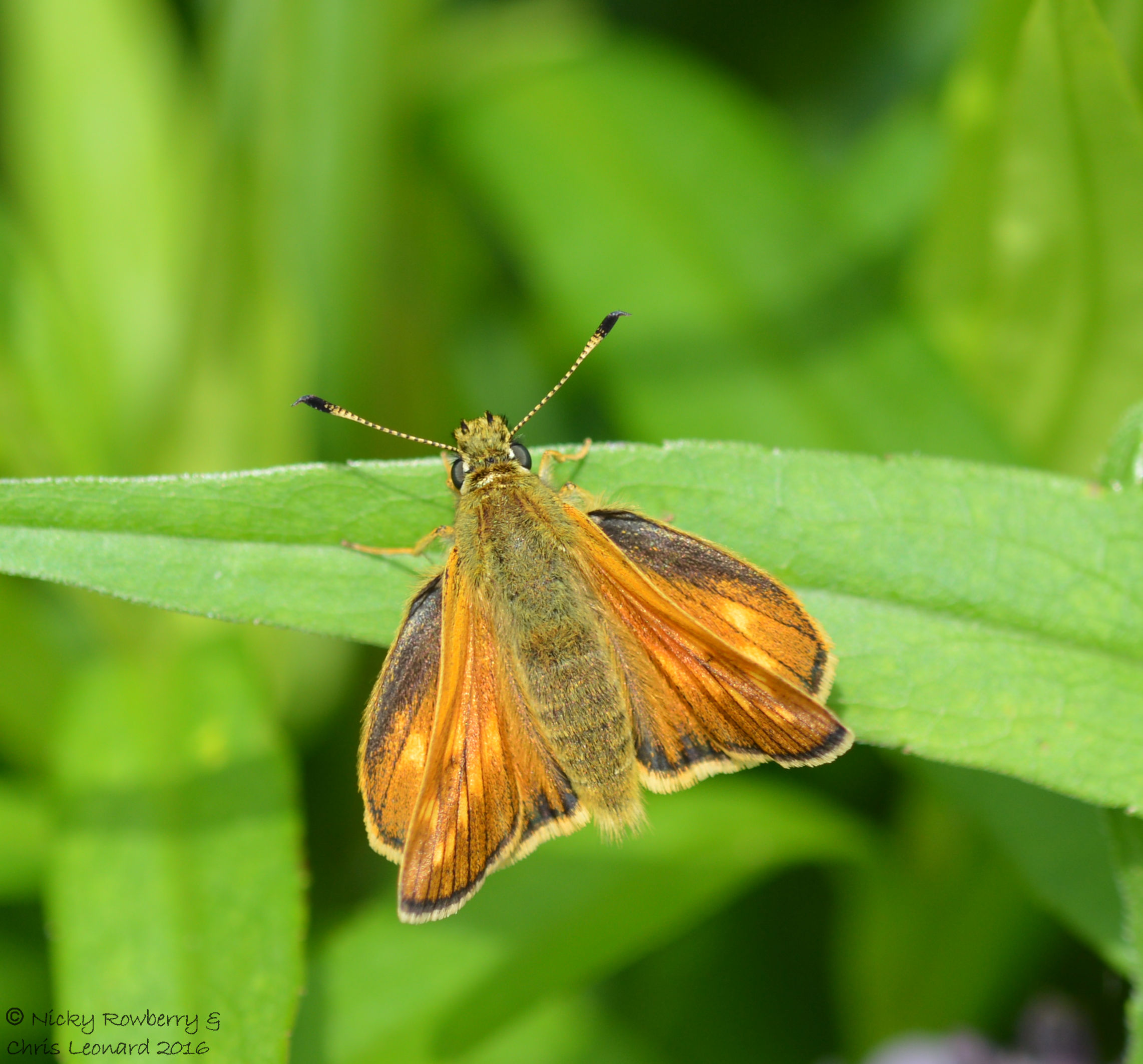
TWT 30 Days Wild_countdown_17Day 17 of 30 Days Wild and it’s Friday again! It started off dull and grey, but by early afternoon the sun was out and the weekend beckoned. It felt like a great start to the weekend when I spotted this Large Skipper before I’d even left work – the benefits of working on an organic farm!

Large Skipper at work

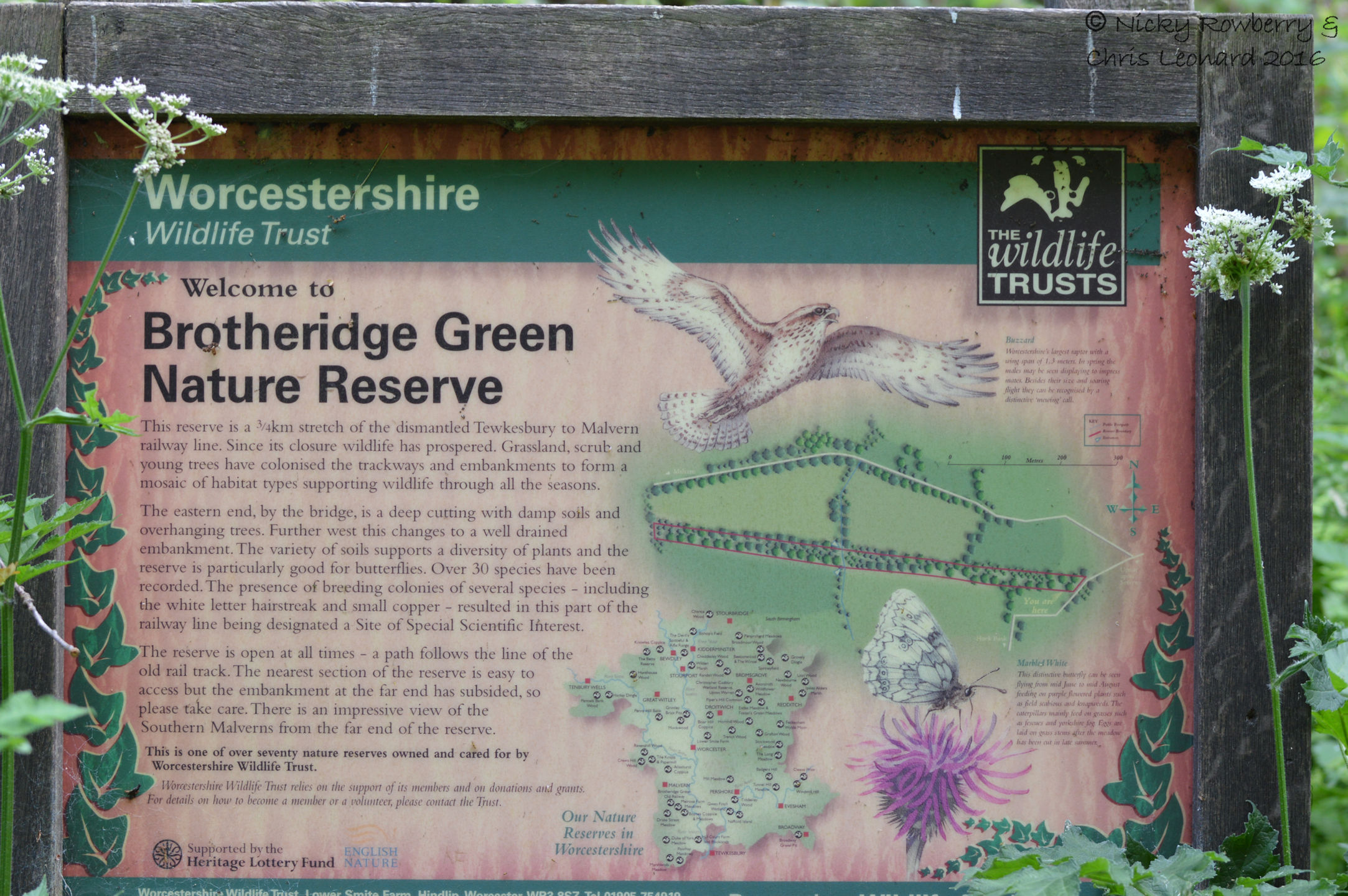
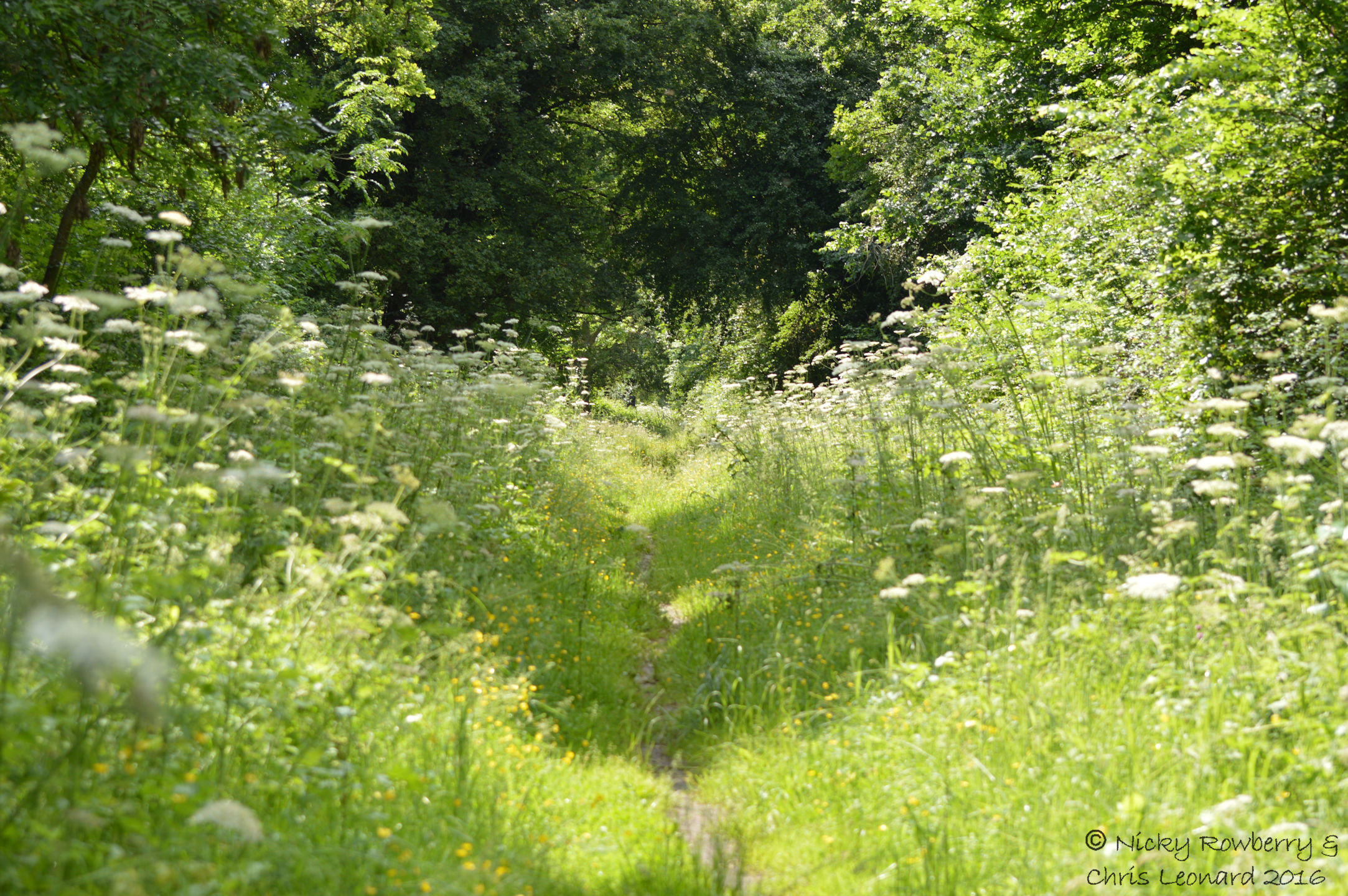
SignI decided to stop off at one of the local nature reserves on the way home – Brotheridge Green, which was once part of an old railway line. I’ve been there a few times before, but this was the first visit for 2016. The reserve is basically a long narrow strip, formed from the railway cutting at one end and a railway embankment at the other. It’s always been great for butterflies and is another place that is really secluded and makes you feel like you’re the only one who knows about it! At the cutting end the path is bordered both sides by trees and wildflowers. As usual I could hear loads of birds, but my lack of birdsong skills meant I’d no idea what (apart from a pair of Bullfinches that I did actually see).

View down track

There were a few butterflies here in the sunny patches. A Speckled Wood, a Red Admiral and some kind of white – it may have been a Green-Veined but I didn’t get a good look at the underside to be sure.

Speckled Wood

Red Admiral

White Butterfly

There was the usual abundance of buttercups, cow parsley and what might have been Giant Hogweed (I gave it a wide berth just in case!), but also Deadly Nightshade – I gave that a wide berth too!

Nightshade

As the cutting opened up into the embankment, I got lovely views of the Malvern Hills. I also freaked out two squirrels (greys of course) who raced ahead of me in the trees. At one point it felt like I was herding squirrels, as every time I moved forward so did they.

Malvern Hills

The wider grassy strip here has always been particularly good for butterflies (I’ve seen Marbled Whites here before, but think I was a week or two too early today). And today I was rewarded with my first Meadow Browns of the year. There must have been half a dozen of them fluttering about in the late afternoon sunshine.

Meadow Brown

As I turned back, I spotted a flash of red in the grass – I think it was a 6 Spot Burnet Moth, although I can’t be sure as it was at an odd angle.

Six spot Burnett

The final insect treat of the walk was this amazing hoverfly that looked just like a bumblebee. I’ve since found out that it is Volucella bombylans var. plumata – there are apparently 2 variations of this bumblebee mimicking hoverfly, the one I found with a white tail and one with an orange tail – amazing creatures.

Hoverfly Volucella bombylans

So today was a day of butterflies. It was great to see 5 species of butterfly in one afternoon – don’t think I’ve seen that many since last year. It bodes well for the summer months to come!

Grape Hyacinth 30 WEEDS

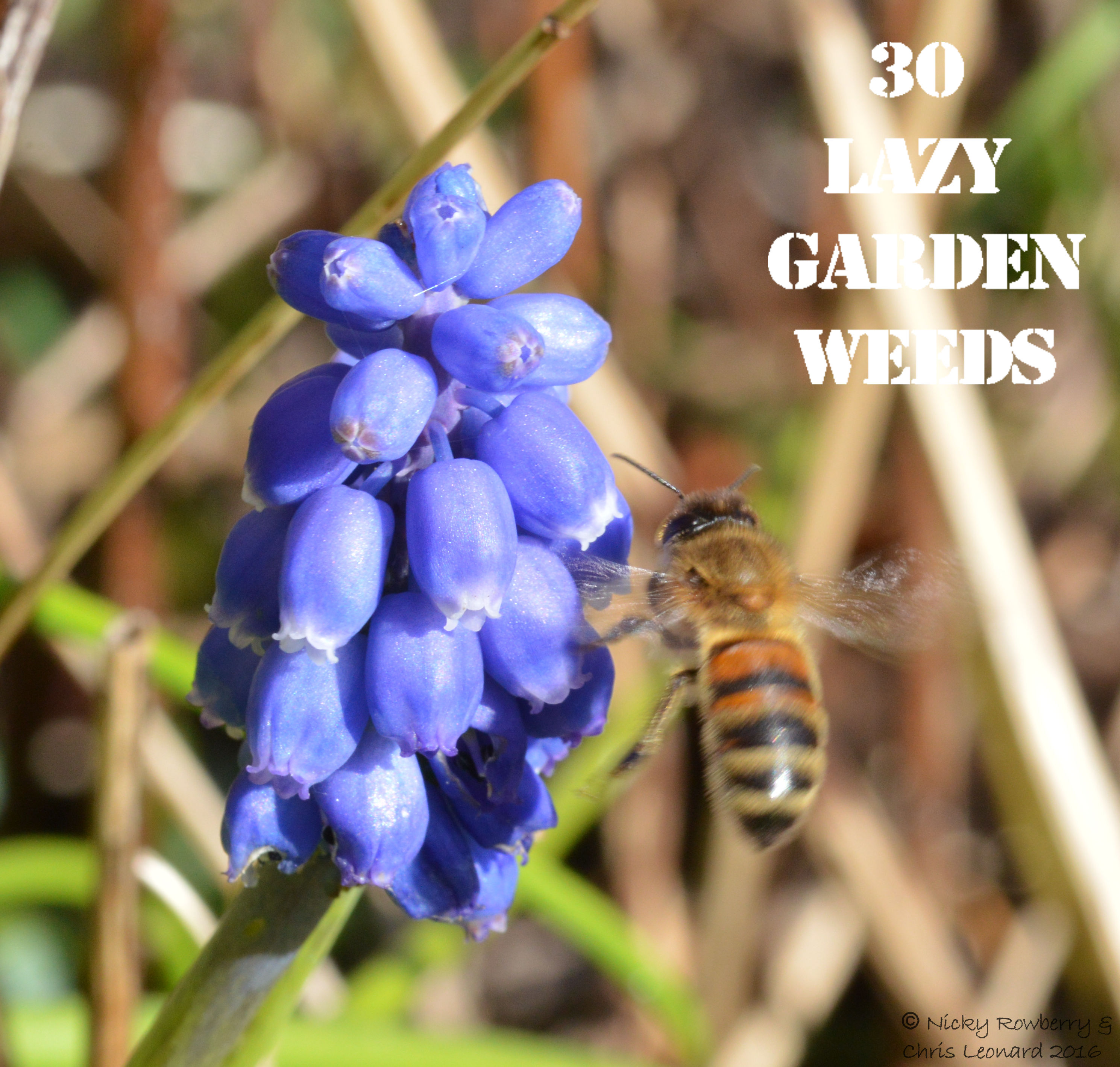
And finally week 17 in my 30 Lazy Garden Weeds – The Grape Hyacinth. Not sure this would be classed as a weed, but they certainly grow like a weed in our garden. In early spring they seem to be everywhere. I always think they look particularly good in the evenings, they almost seem to glow. The bees of course absolutely love them and they must be a significant source of nectar for them early on in the year.


30 Days Wild – Day 15

TWT 30 Days Wild_countdown_15Day 15 of 30 Days Wild and we’re half way through already! Today was a first for me – a Moth Breakfast! Fortunately the only thing that was actually consumed was a very nice Pain au Chocolat, but the moth demonstration was also excellent. Herefordshire Wildlife Trust had organised the moth breakfast and had put moth traps out the night before to give us a taste of what can be found on a typical night. By typical night it turns out that meant a bit of a wet one, but there were still plenty of moths to look at. I think about 12 of us turned up and were privileged to get the benefit of two moth aficionados for a couple of hours.

The breakfast was held at Herefordshire Wildlife Trust’s Headquarters on the edge of Hereford next to Lugg Meadows. A gorgeous old building (second oldest in Hereford apparently) in a beautiful setting.

WT House

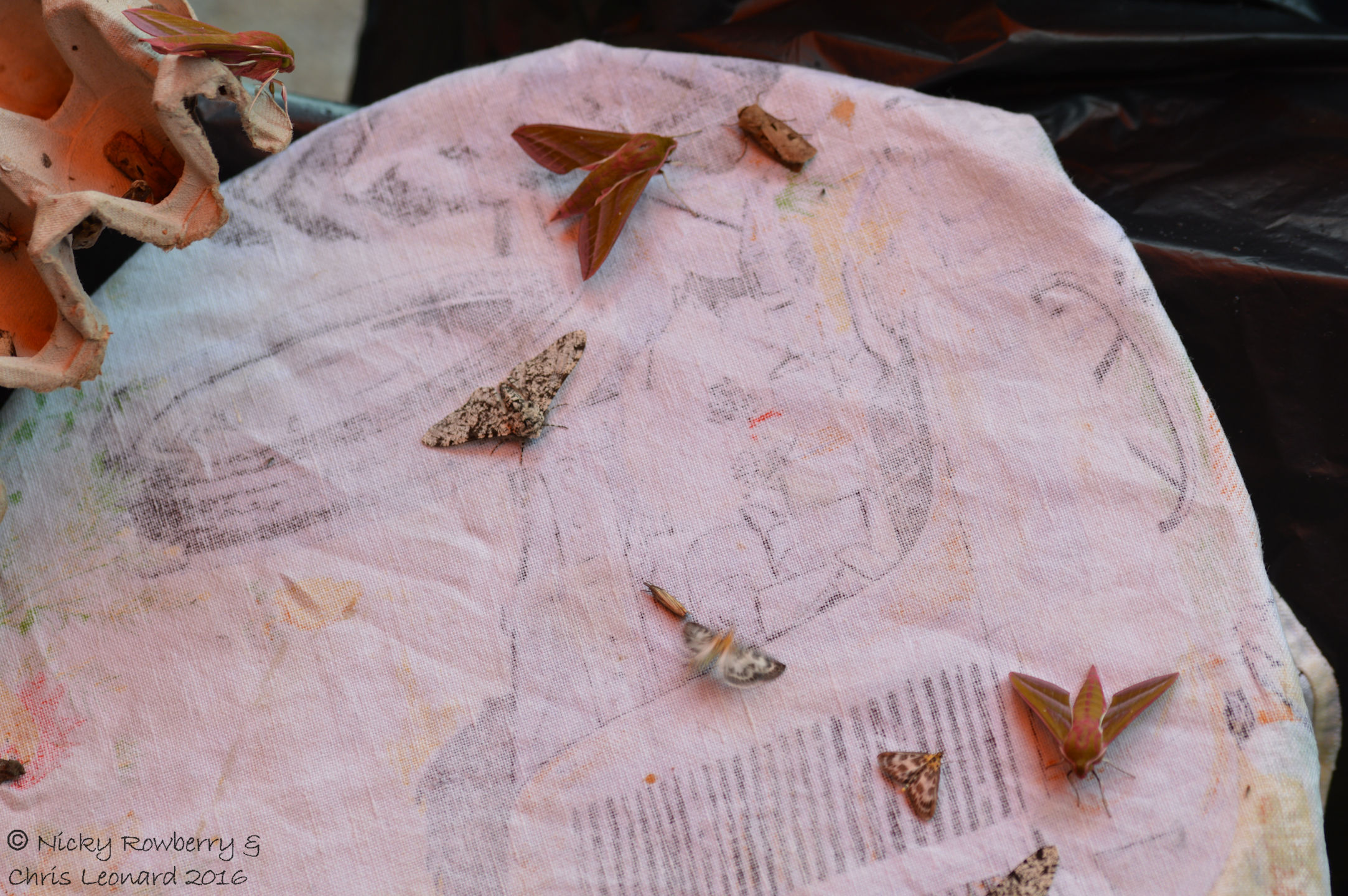
TrapThe contents of various moth traps were examined avoiding the rain under a bright orange gazebo – hence the slight orange hue to some of my photos! Our two experts talked us through the moths and were really helpful answering all our questions. I’d really recommend going to one of these events if you want to get a taster of what moth trapping is all about. The photo below shows the abundance of moths found just on the tea towel that was used to cover the trap – let alone those that were actually inside it. Just about visible are Elephant Hawkmoth, Peppered Moth, Heart and Dart and Small Magpies.

Moth Selection

Other highlights were this gorgeous shiny Burnished Brass (my photo doesn’t do his glossy sheen justice – I blame the orange reflection from the awning!!)

Burnished Brass

Also this stunning Leopard Moth (top), Buff Tip and Blood Vein (bottom).

Leopard Moth

Buff Tip

Blood Vein

The undoubted headliners though had to be the Hawkmoths – in particular for me the Poplar Hawkmoths, as I haven’t managed to trap any of those in the garden yet this year.

Poplar Moth

There were several other species in the traps that I’ve never seen at all and I could feel moth envy taking over. Ghost Moths, Dog’s Tooth, Oak Hook Tip – I can but dream of catching these in the garden!

Once we’d finished oohing and ahhing over the moths, I decided to go for a walk. The Trust sits at the edge of Lugg Meadows – ancient meadows that date back to the time of Domesday. It would have seemed rude not to have a walk around while I was there. They are rich in plantlife – I love the way the plantlife is so rich it is partly obscuring the  Plantlife information board!

Lugg meadow sign

Lugg Meadows are famous for their Snake’s Head Fritillaries. Of course I was too late in the year to see those, but there was plenty else to admire. As with yesterday’s walk along the River Severn at Upton, today I was tormented by House Martin’s swooping past me hunting for insects. Once again they were so close and yet so far in terms of getting a decent photograph – believe it or not the dark blob in the middle of the photo below is the closest I got to capturing a pic of one!

Meadow

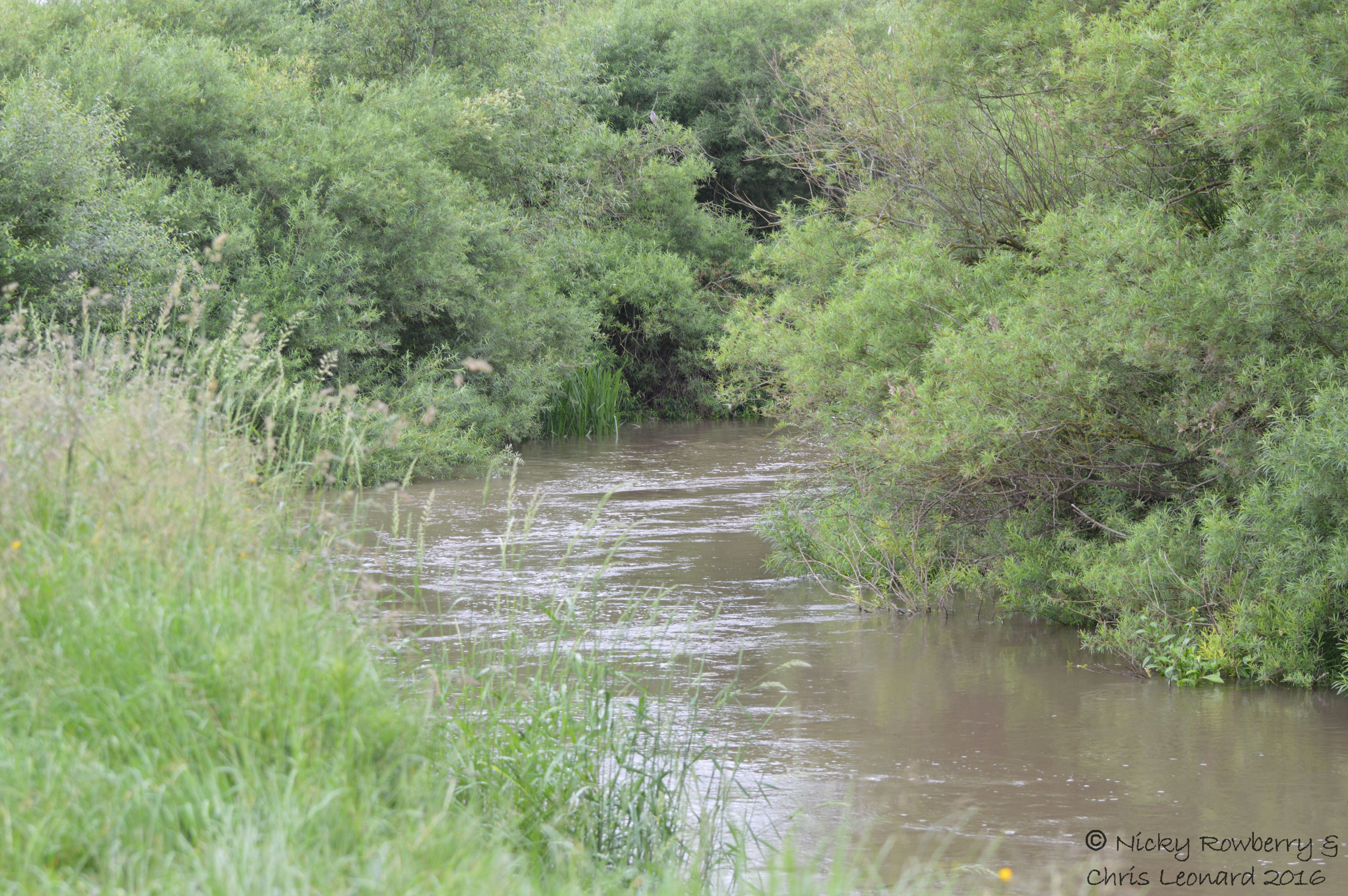
The River Lugg itself is for me a reminder of childhood. I grew up in Bodenham close to the Lugg and remember sunny days spent mucking about in the water down by the church. I’ve had a soft spot for the Lugg ever since – the River Severn is all very magnificent and grand, but the lazy Lugg suits me better.

Lugg

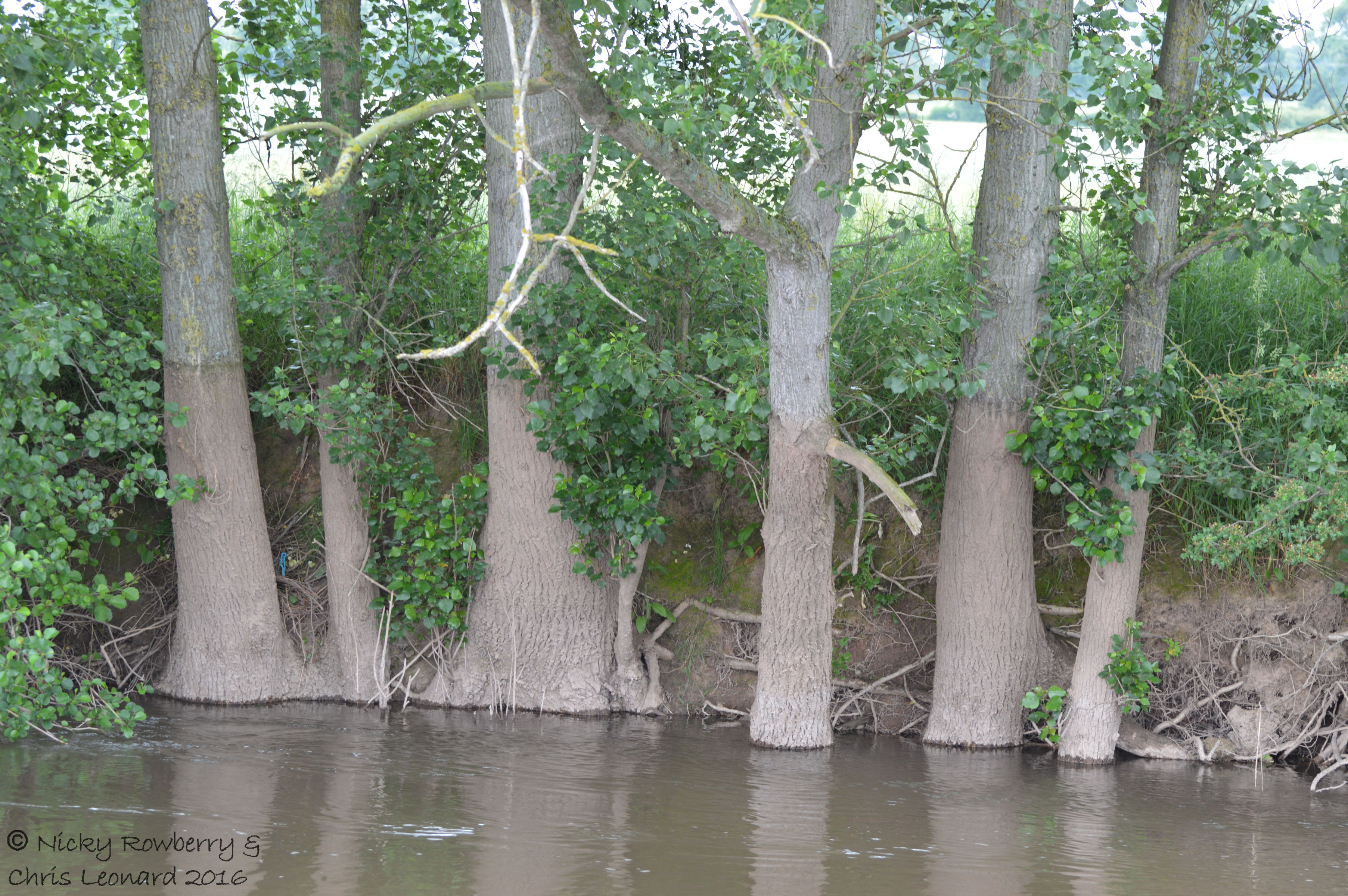
The trees along this section of the river show a clear flood line marking where the muddy water must have reached during the last floods. It is several feet above the current river level, showing how much this normally placid water must swell during flood conditions.

Trees with flood mark

The river banks were aflutter with Banded Demoiselles, so of course I couldn’t resist taking yet more photos – they are just so photogenic, I wish my skills did them justice.

Banded Demoiselle

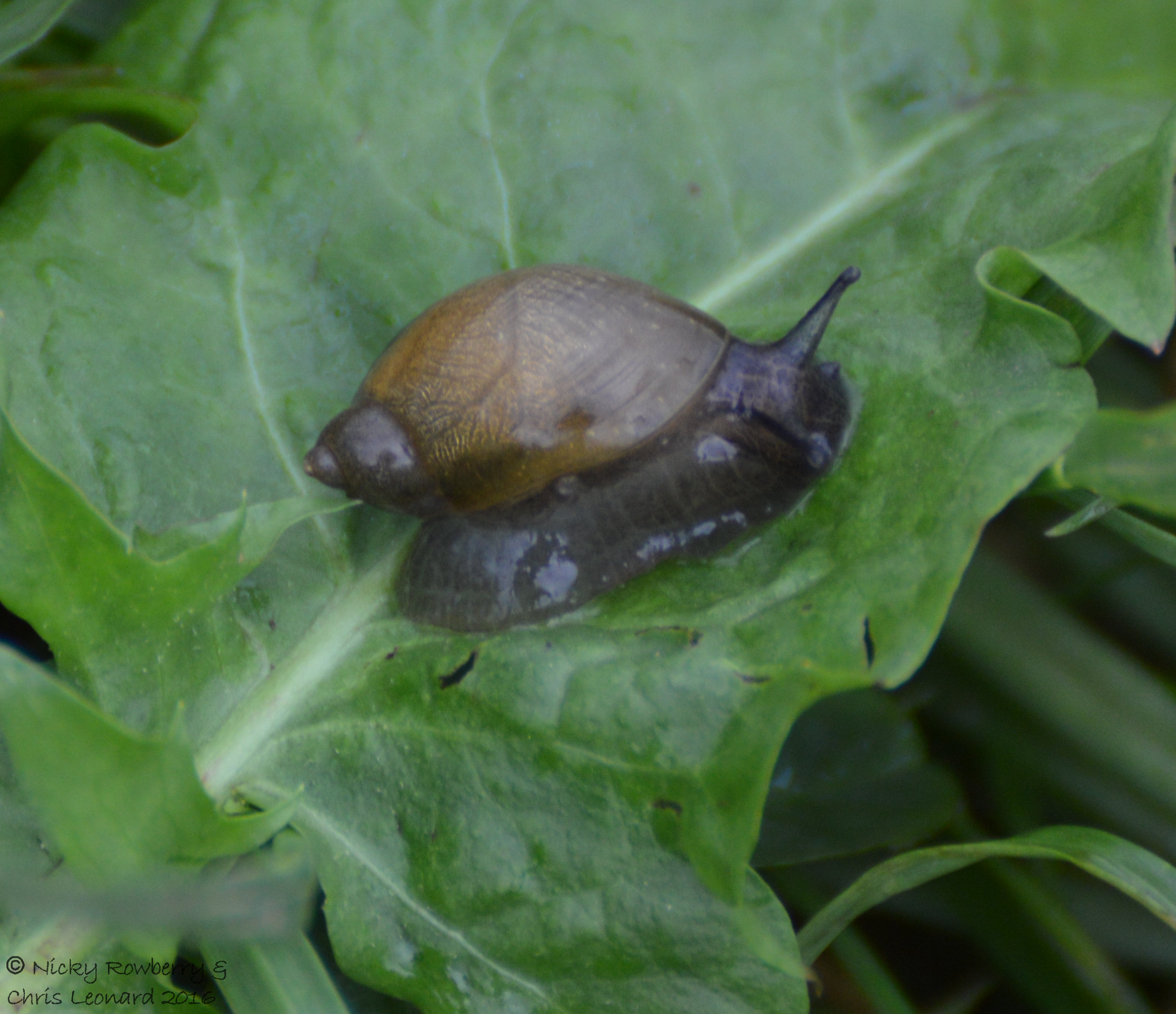
While walking back I spotted a few snails that I’d never seen before. I think they are Amber Snails – assuming they are, these snails are common in damp meadows – which these certainly were today.

Snail

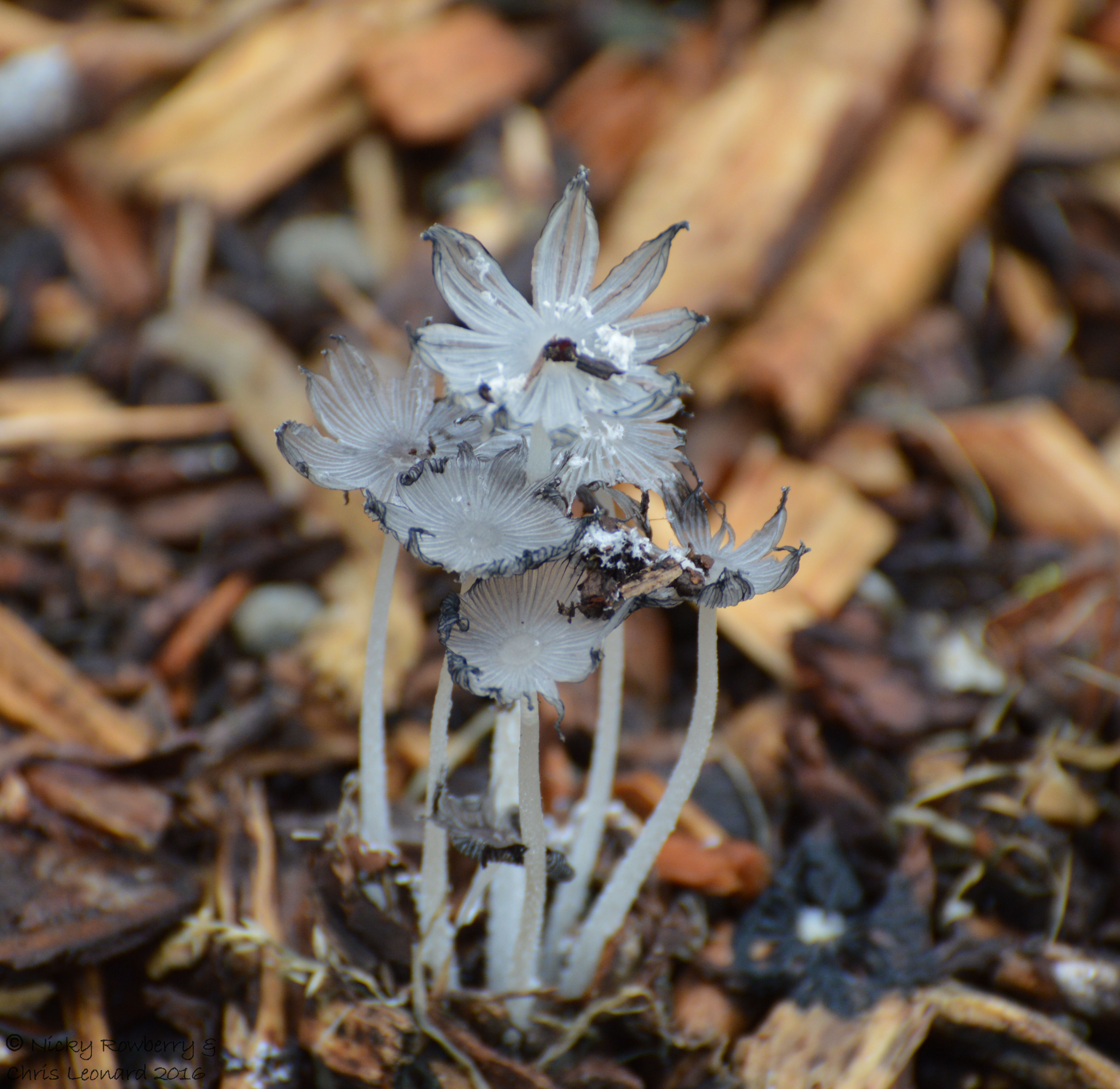
And finally as I got back to the Trust HQ I spotted these pretty little fungi growing in a pile of wood cuttings. They were pale and ethereal, glistening in the rain. No idea what species they were, but they looked like they were out of some kind of imaginary fairy kingdom.
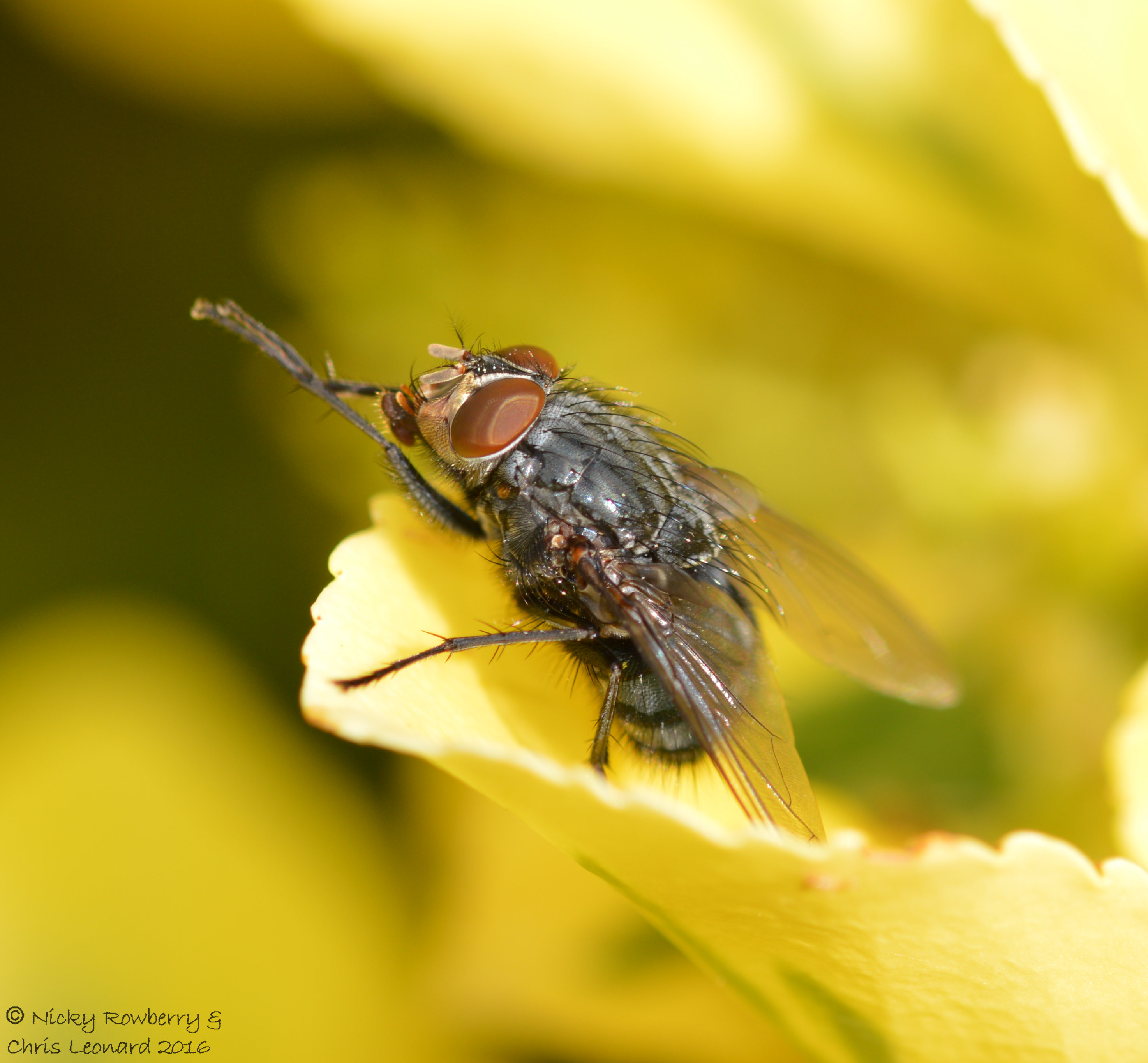
Fungi

Thank you to the Herefordshire Wildlife Trust for a really great morning. It’s got me all fired up for more moth hunting and for a trip back to Lugg Meadows next year to see the Snake’s Head Fritillaries.


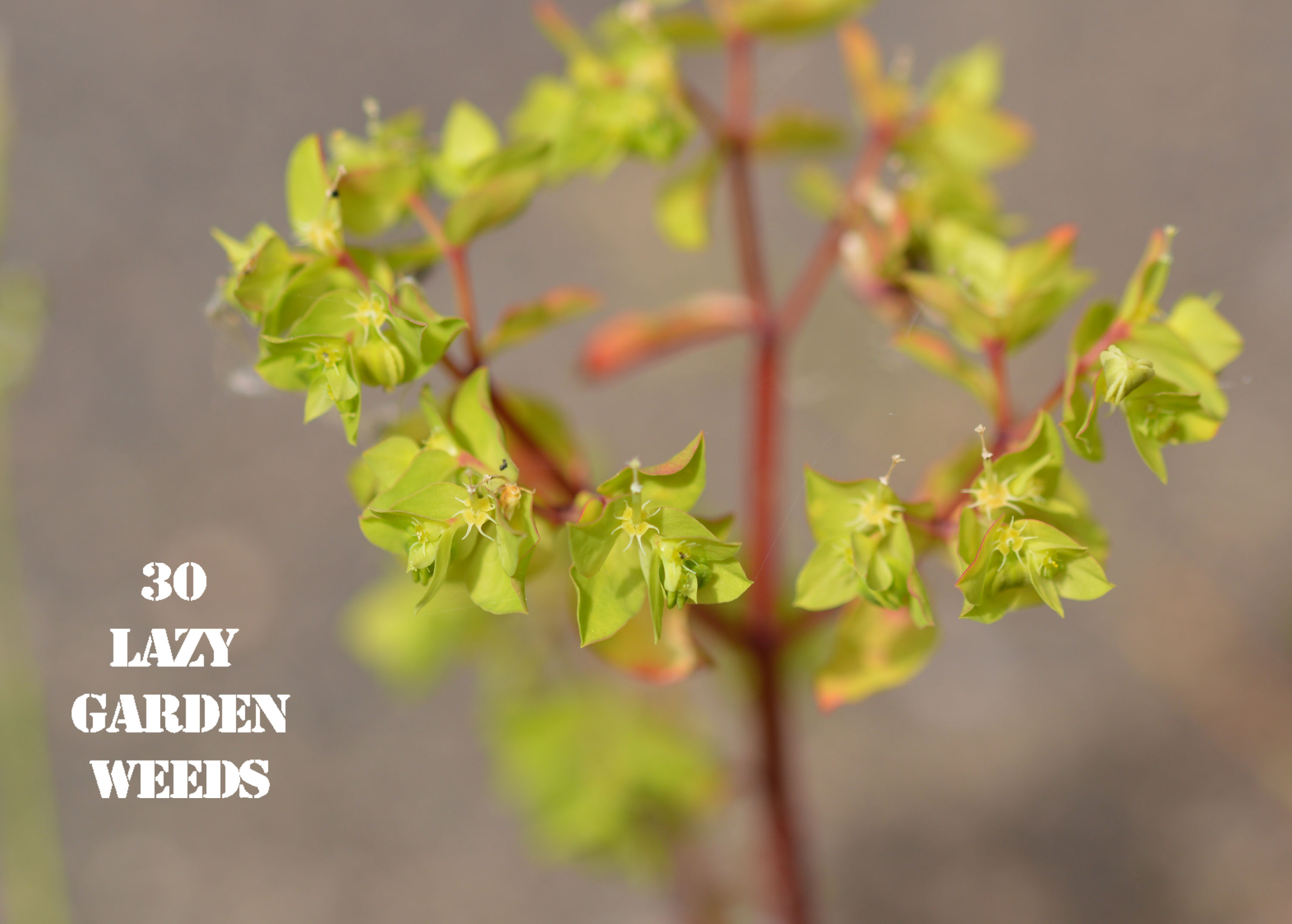
Petty Spurge 30 WEEDS

And to finish off as always the latest weed from my garden for 30 Lazy Garden Weeds – this time the Petty Spurge. These little green flowers pop up all over the garden, but particularly for some reason on our drive (I call it a drive, but you can barely squeeze a car onto it!) I presume the Petty bit is so called because it is small rather than petty minded. I like the unusual formation of the flowers – a sort of deconstructed flower arrangement!

30 Days Wild – Day 12

TWT 30 Days Wild_countdown_12Day 12 of 30 Days Wild and it’s been all about the moths. This weekend has been the annual Moth Night (which slightly confusingly has run for 3 nights) – a celebration of all things mothy. The theme of this year’s Moth Night was Hawkmoths, so I was really hoping I’d get some in the traps.

I had both moth traps out last night and was up at 4am this morning to empty them before the robin beat me to it. The last 2 days I’ve been pretty much eyeball to eyeball with this robin as he has clearly learnt that moth traps provide easy pickings! I only have to turn around for a second and he’s there sitting on the edge of the trap, peering in. If only he could tell me their names, he’d be a big help!

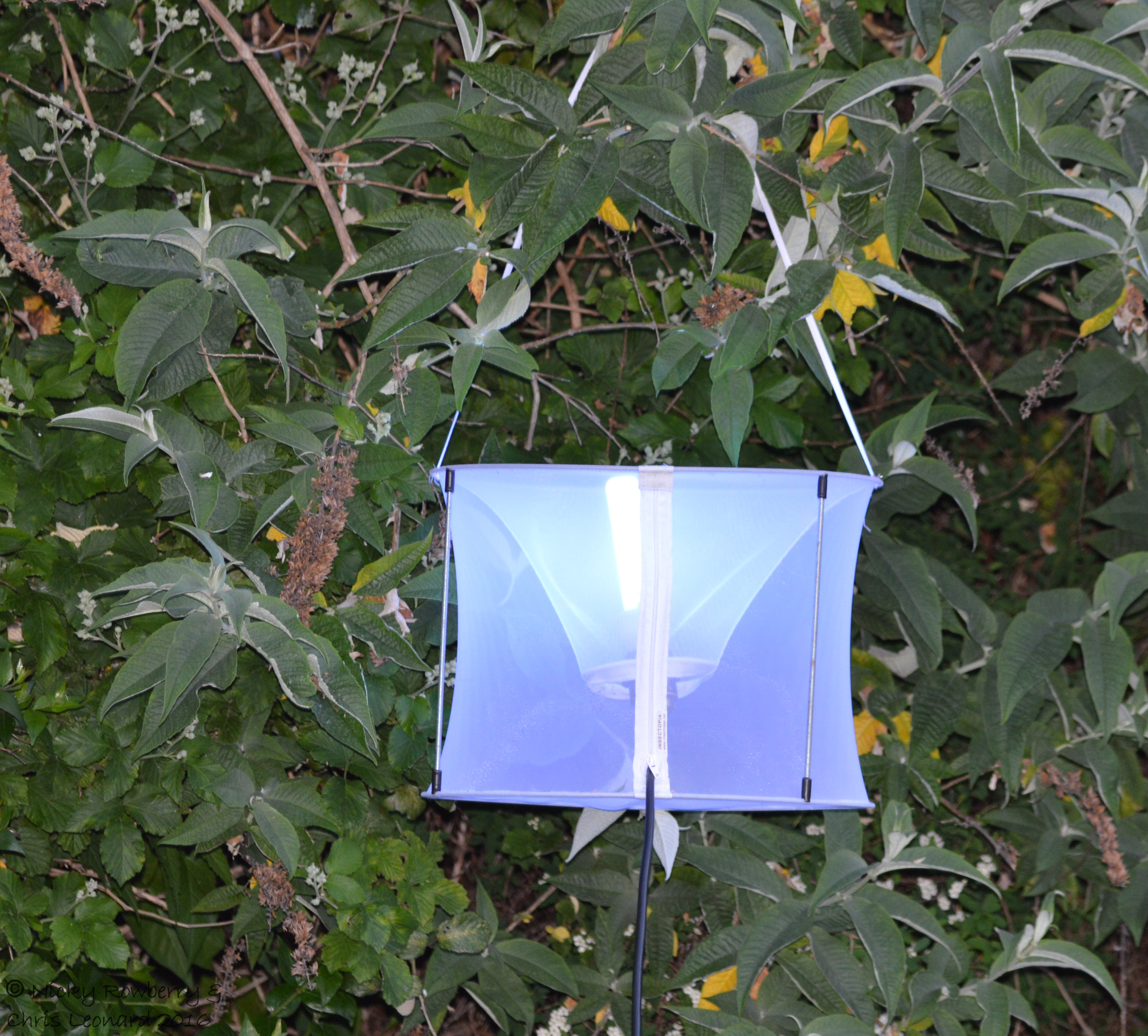
Skinner TrapI’d run one trap on Friday night as usual for my weekly Garden Moth Scheme count. So I could use those numbers for Moth Night too – great when the data can be used for 2 schemes at once!


Safari TrapLast night though I put the other trap out as well (I can only use the wooden one for the Garden Moth Scheme) to try and maximise my haul for Moth Night. Fortunately the rain held off last night until about 5:30am, by which time I had collected all the moths ready to photograph at a more civilised hour.

I’ve spent a large part of today identifying the moths I’d photographed this morning and yesterday. I’ve no idea yet how other moth trappers got on, but I was pretty pleased with my total count of 174 moths of 41 species over the 2 days. Interestingly the number of traps didn’t make much difference – I got 27 species the first night with one trap and 29 last night with the 2 traps.

I was really chuffed to get 2 species of Hawkmoth – the Elephant (on the left below) and the Small Elephant (on the right obviously!).  We get the bigger one quite often in June and the small one less frequently. It would have been nice to get some of the other big hawkmoths too, but that’s the way it goes.

Pair of elephants

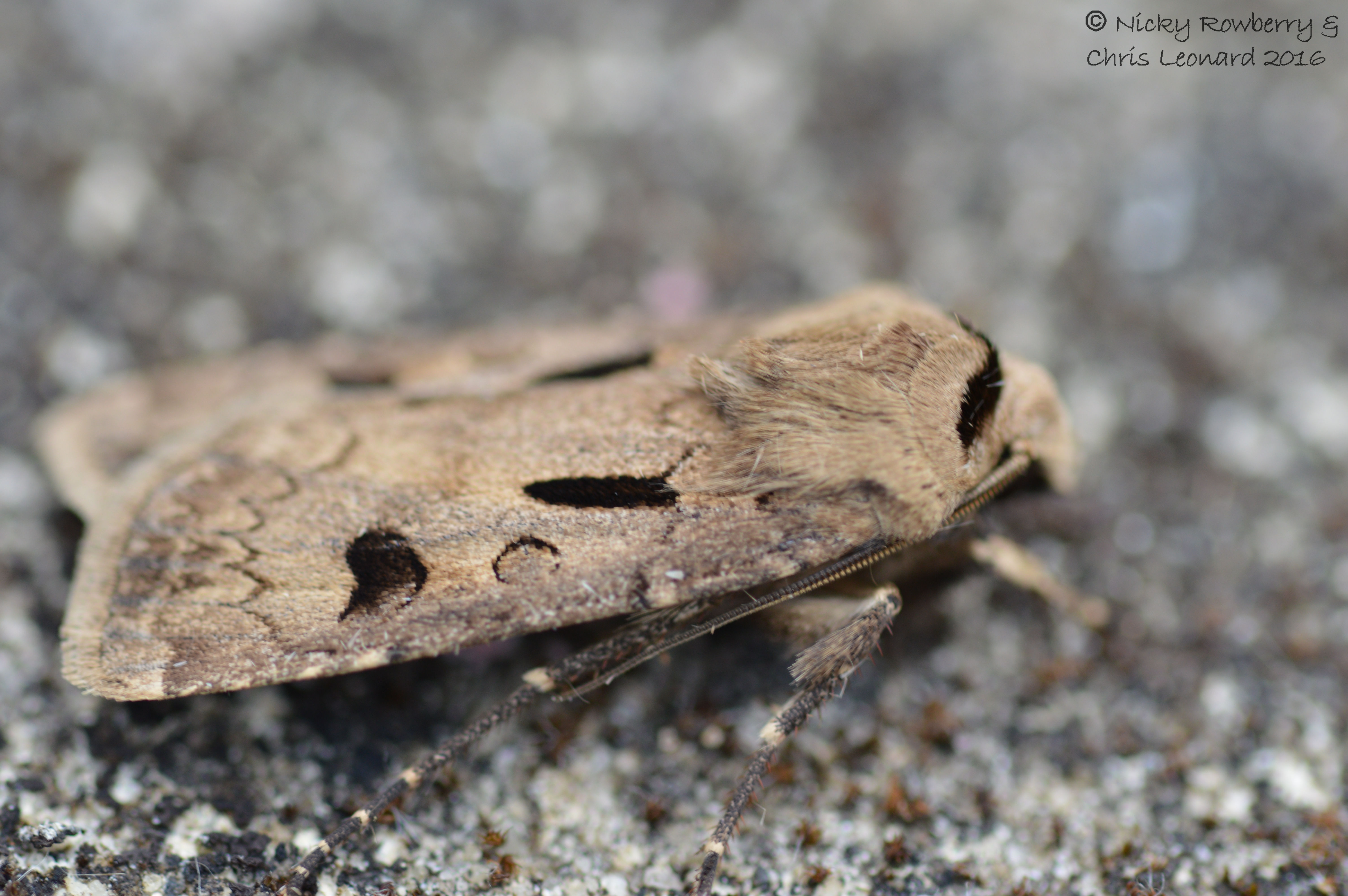
The dominant species in terms of sheer numbers was the Heart and Dart, which accounted for about a third of the total number of individuals. I love the way many of the moths are named – the Heart & Dart is so called because it has dark markings shaped like a heart and a dart! It does what it says on the tin!

Heart & Dart

The other numerous moth in the trap was a micro one – the Diamond Back Moth – named for its diamond shaped pattern on its back! This tiny moth is actually an immigrant and they’ve been blown over to the UK in recent weeks in huge numbers – they even got a mention on Springwatch.

Diamond Back moth

The Diamond Back wasn’t the only incomer, I also trapped a Silver Y moth each night – again named for the silvery Y shape on its wing. The Silver Y is one of the more famous immigrants in the moth world and even got recorded as part of the Big Butterfly Count last year.

Silver Y

Moths can generally be split into Macro and Micro moths. I tend to prefer the Macro ones because not only are they bigger, but they are usually easier to identify. This weekend brought some particularly impressive ones. The Scarlet Tiger is so bright and colourful it is often mistaken for a butterfly. They regularly fly in sunshine, but this one came to the trap at the weekend.

Scarlet Tiger

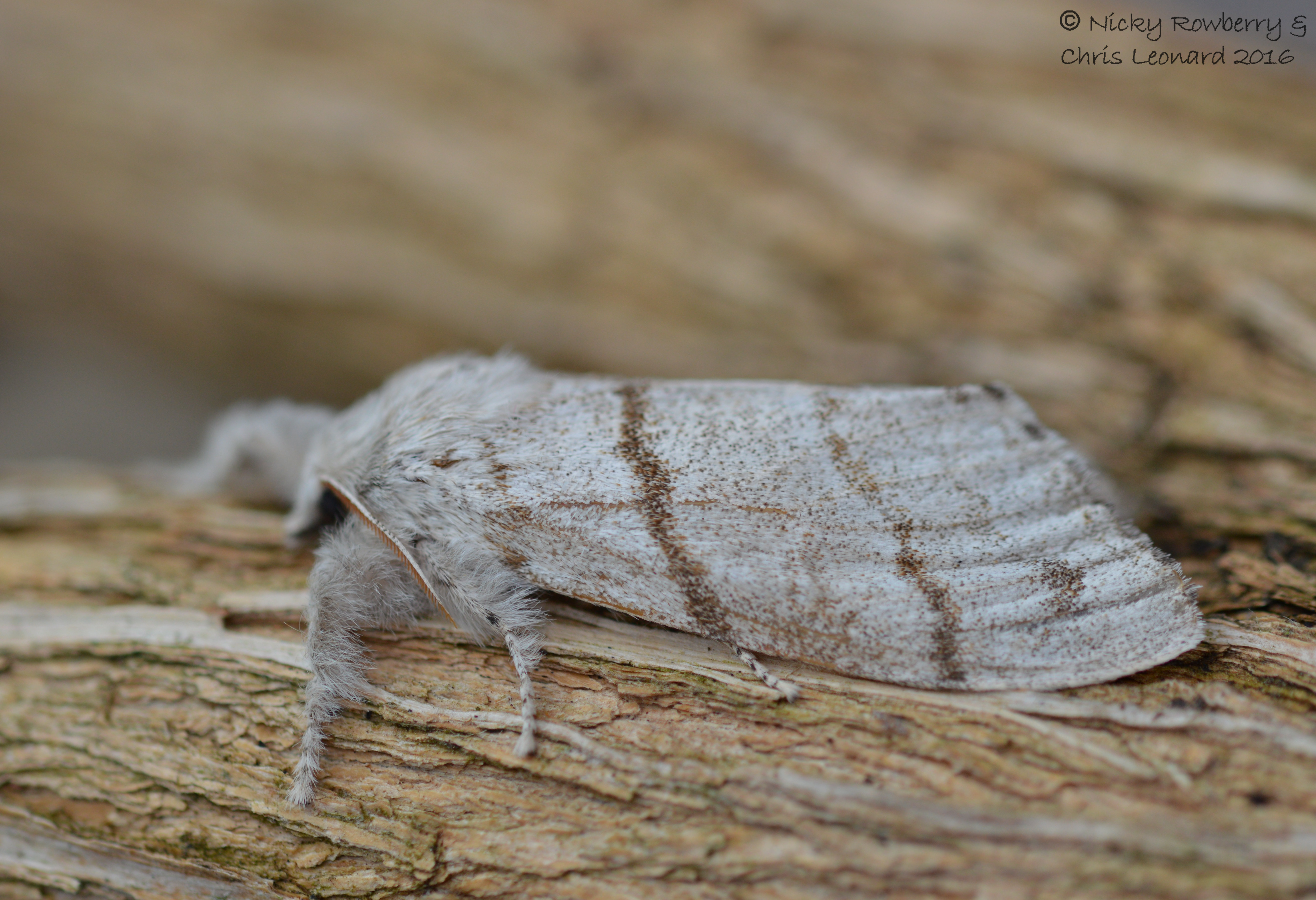
The Puss Moth and Pale Tussock are two other large species that turned up for Moth Night. I love the way the Puss sits with its front legs stretched out ahead.

Puss Moth

Pale Tussock

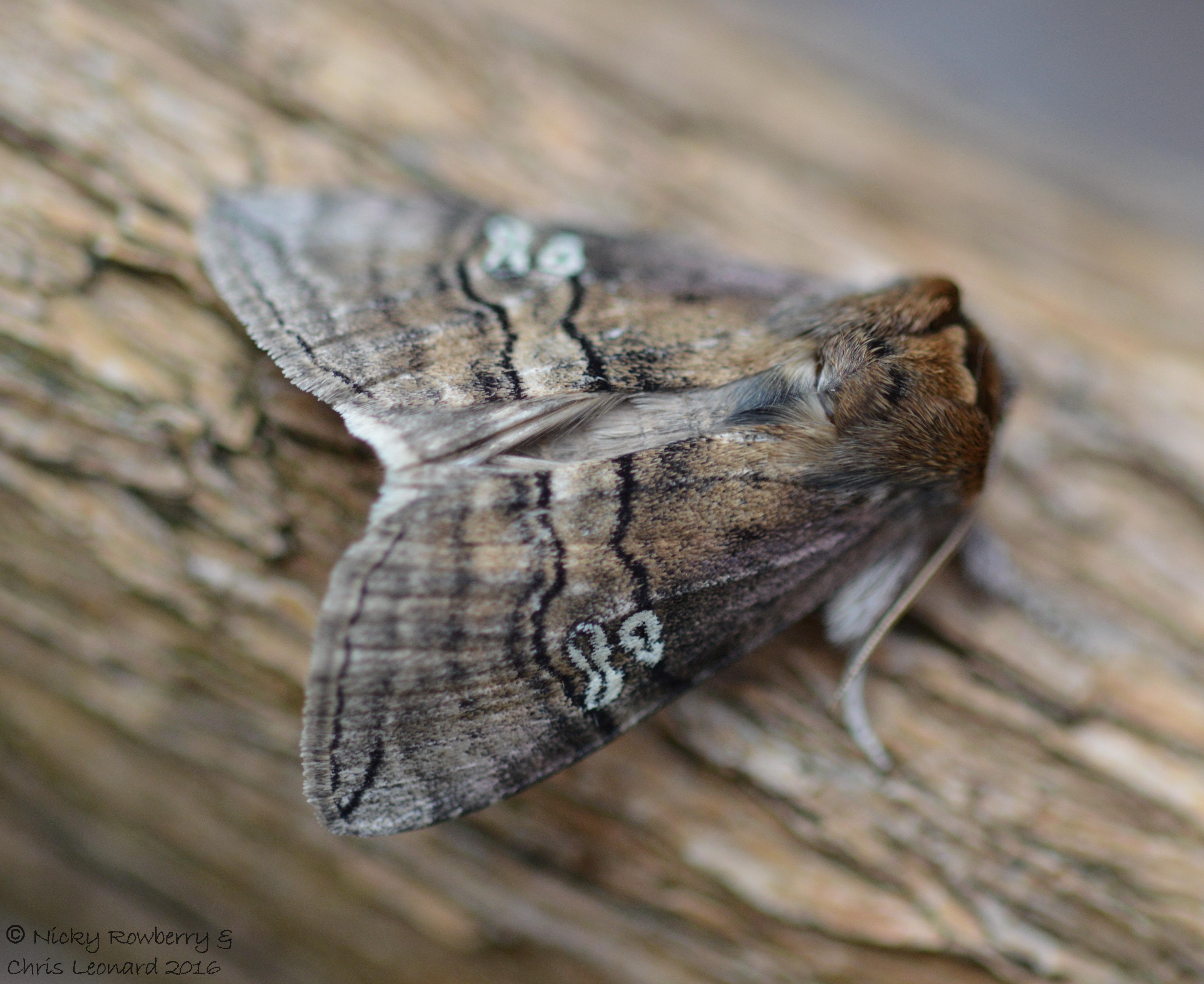
I was really pleased to find this next moth in the trap this morning as I’d only ever seen it in the books before – the Figure of 80 – so named because it looks like someone’s written 80 on each of its wings!

Figure of 80

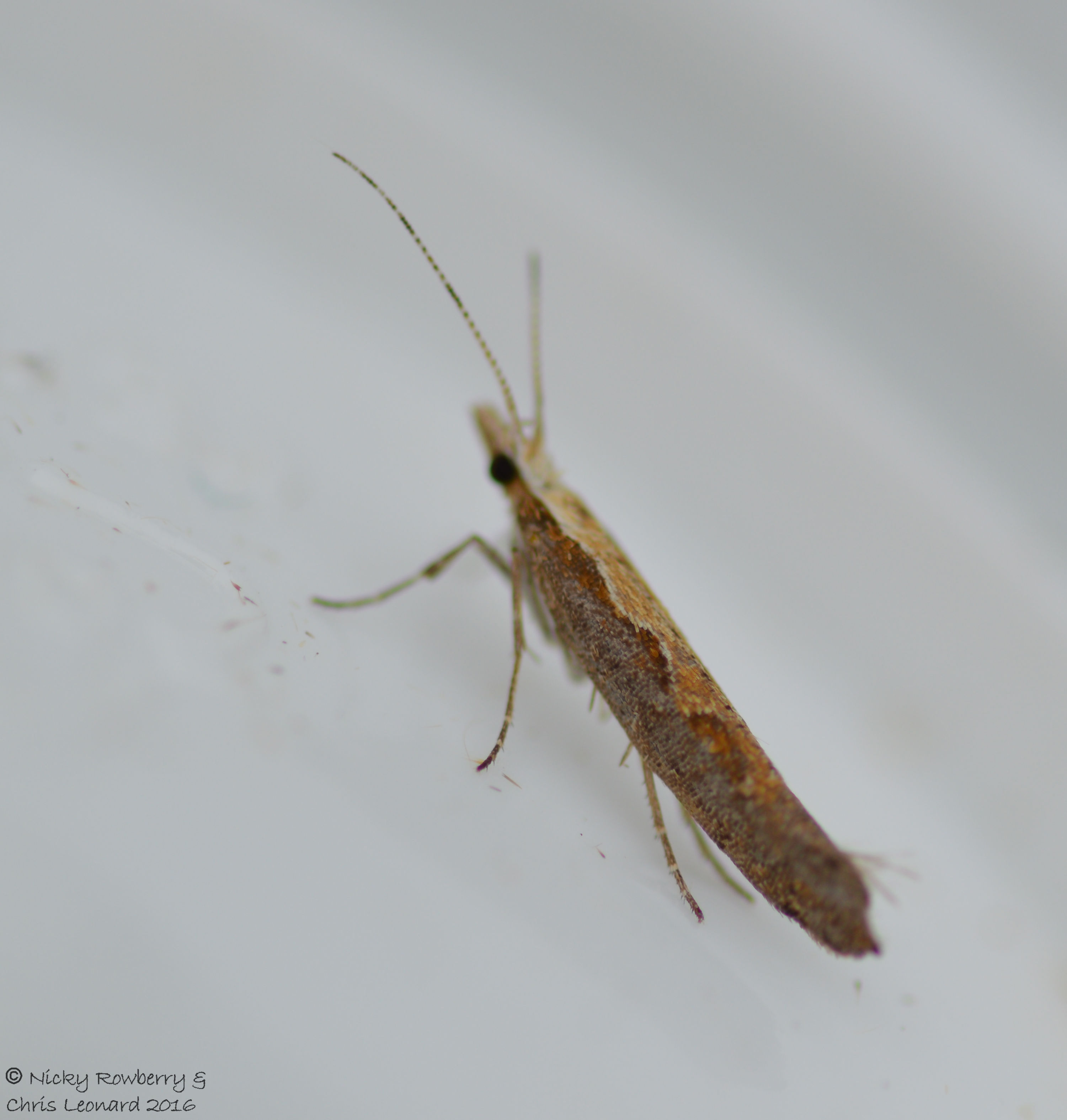
Although the Micro moths are obviously smaller and so generally harder to ID, many of them are really quite stunning when you look at them close up, like this Cherry Bark Moth (top) and Barred Marble (below).  They’re both probably less than a centimetre long, but there’s such detail in their colouring.

Cherry Bark


Barred Marble

So that’s Moth Night over for another year. Hopefully they will have had lots of results submitted from all over the country and it will have raised the profile of moths generally.  I really enjoy taking part in projects like this; it’s great sharing the photos on social media and seeing what all the other moth-ers around the country are getting in their traps.

For more info have a look at their website:  http://www.mothnight.info/www/


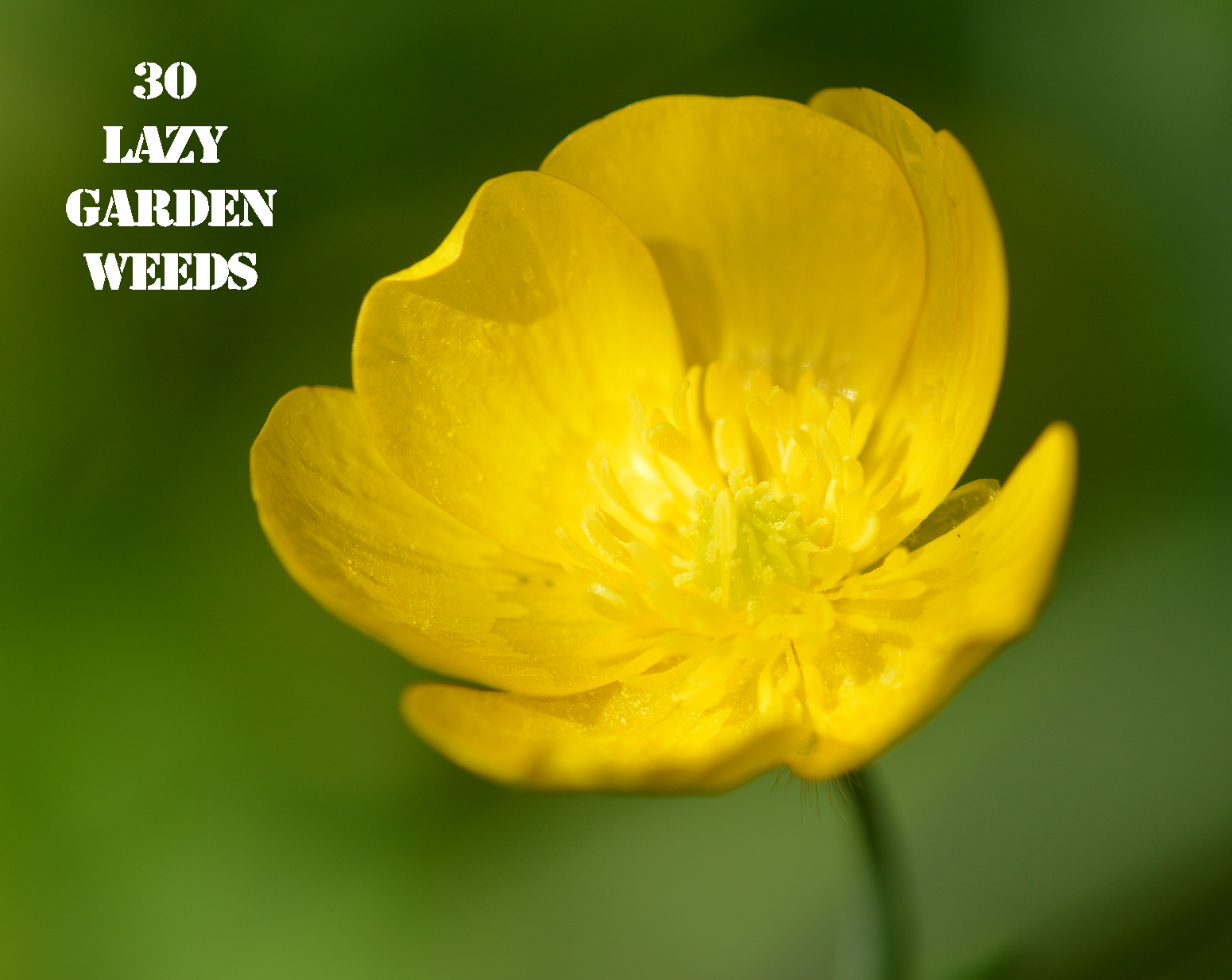
Buttercup 30 WEEDS

Weed no. 12 in my 30 Lazy Weeds from the garden and it’s the Buttercup. One of our most iconic flowers, that even children will recognise. Most kids will have tried the old custom where you hold a buttercup under your chin and if it reflects yellow, it means you like butter. Of course all it really proves is that the buttercup’s petals reflect light very well, but that’s not quite so romantic a thought! Maybe it is that old custom though, as buttercups hold an innocent charm for me that few of the other flowers do.