His Imperial Majesty – The Purple Emperor

Today was all about the colour purple! We went in search of the Purple Emperor butterfly (affectionately known as His Imperial Majesty by butterfly enthusiasts) and found not only him but Purple Hairstreaks too! Since we first got into butterflies, the Emperor has been one of the species we’ve most wanted to see. It is not only one of our largest British butterflies, but arguably one of the most beautiful. We did go looking for it last year, but sadly saw just one lonely little wing on the ground, so today we set off hoping for better and all our butterfly dreams came true.

We’d seen that Butterfly Conservation Warwickshire had an organised walk at a site with Purple Emperors today, so we went along with fingers crossed. Almost immediately the walk leader announced there were a pair of Emperors up the path. Our group charged into the wood, but as usual we got side-tracked by other species (Purple Hairstreaks and Silver-washed Fritillaries), so missed them. Our expert though soon spotted another one in a tree and we got a few distant grainy photos. Our very nice walk leader then suggested that we could either stay where we were and would likely see some Emperors or we could go with him on the official walk. We decided to take our chances and stay put. (it wasn’t just laziness, honest!) No sooner had the group disappeared over the horizon into the wood, but a Purple Emperor landed right by my feet. Once we got over the shock,  we then took a lot (and I mean a lot) of photos. So here are some of our best, starting with a wobbly video of His Majesty.

The males come down in the mornings to gets salts and minerals from wet mud or in this case dog poo (not sounding so imperial now!) This one was so into his breakfast that he stayed for ages while we snapped away.
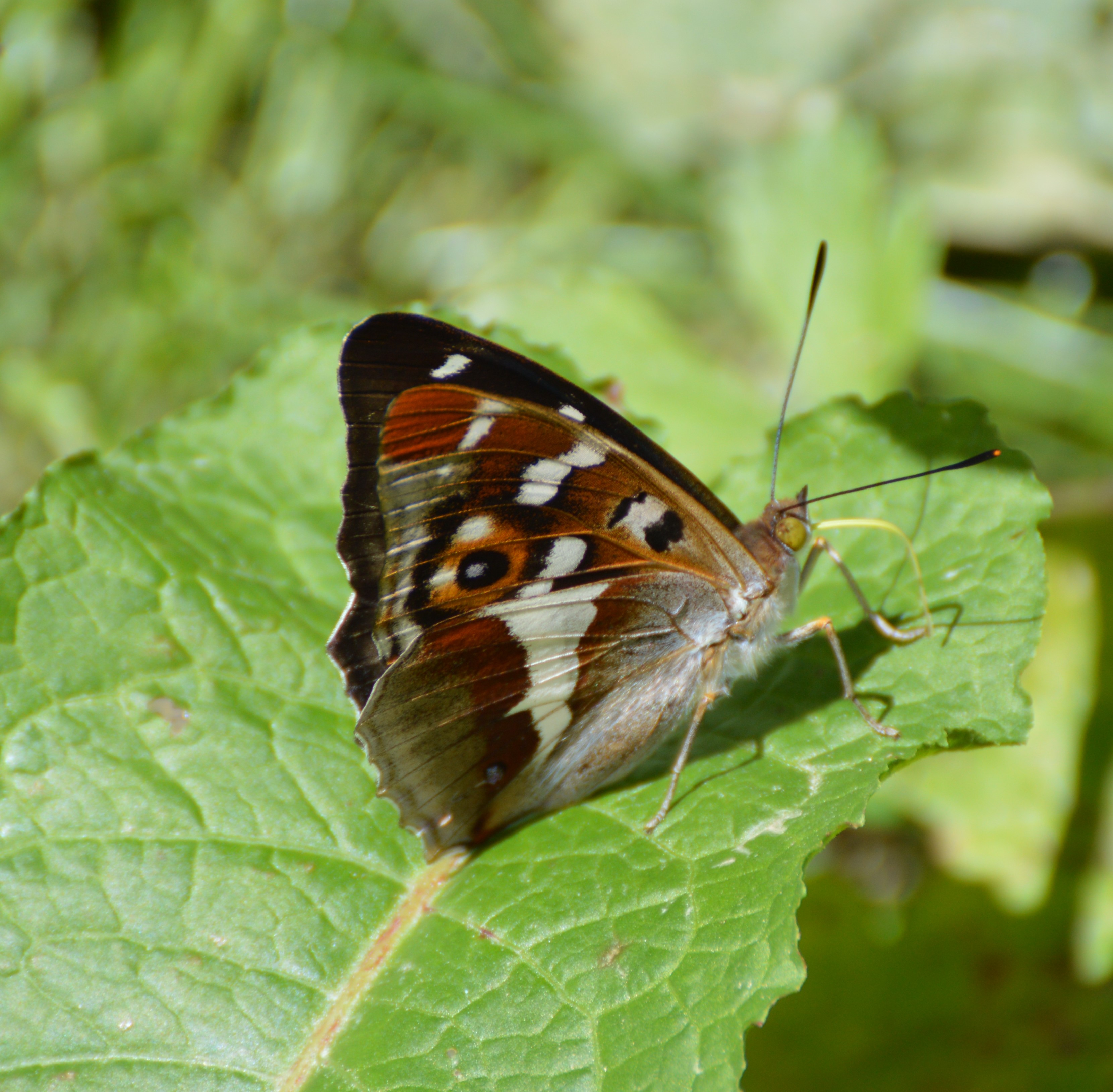
Only the males have the purple sheen to the wings and even then it depends on how the light catches them. Sometimes the wings look almost black, other times just one wing glows blue and just occasionally when the angle is right both wings shine gloriously.

Purple Emperor

We’d spotted a Purple Hairstreak as we first entered the wood and got a few typical shots of it with its wings vertical. This is a very small butterfly compared to the Emperor and spends most of its time up in the trees, so is easy to miss.

Purple Hairstreak

On the way back to the car, we spotted another one. We were delighted when it opened its wings and then even better settled on the ground allowing us to snap away. We’ve never seen these with their wings open before, so this was a real treat.
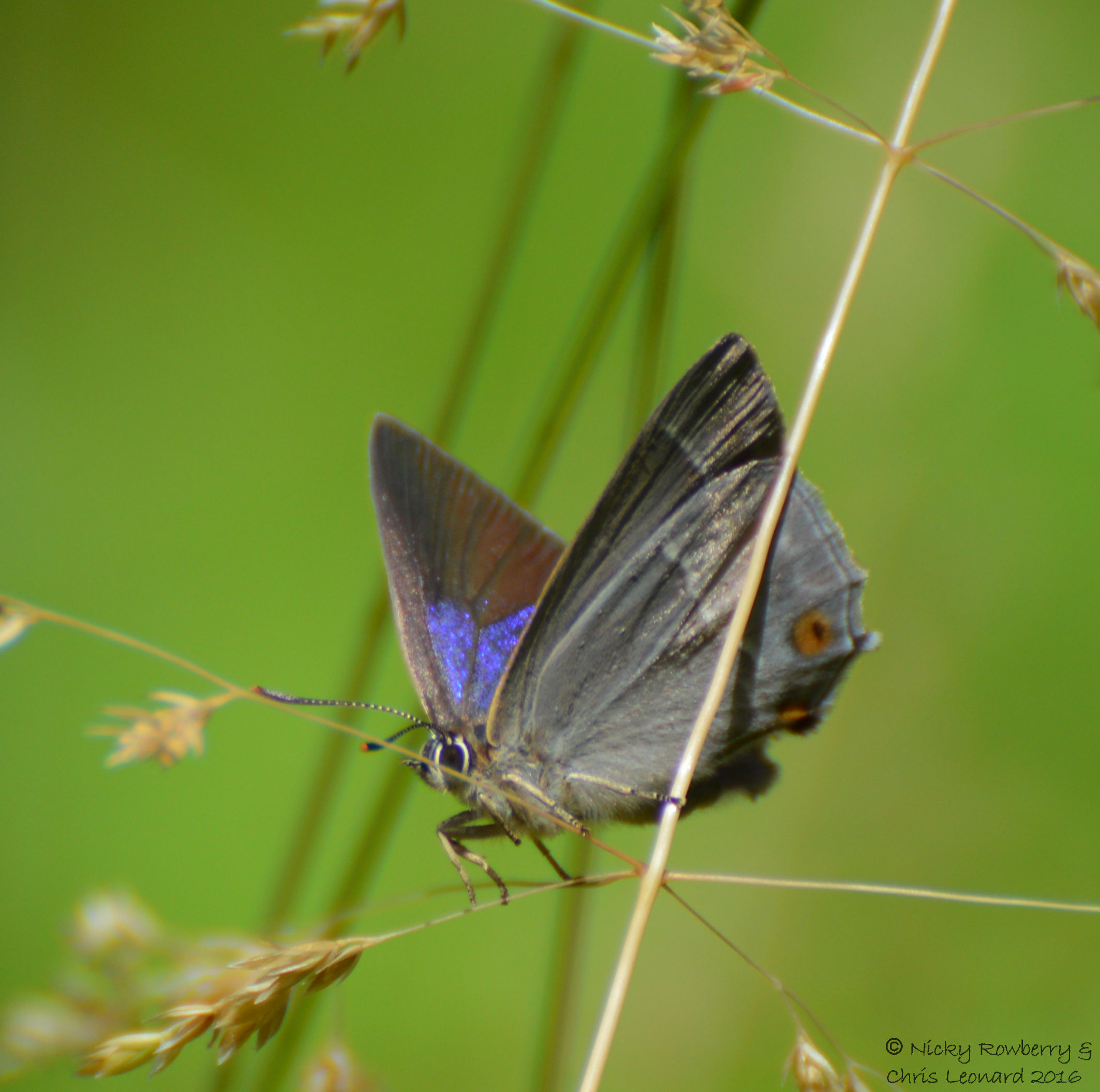
Purple Hairstreak 2

But all these purple beauties weren’t the only butterflies around today. We saw lots of Silver-washed Fritillaries, most of which were bombing about way too fast to get a photo, but one or two did settle long enough.
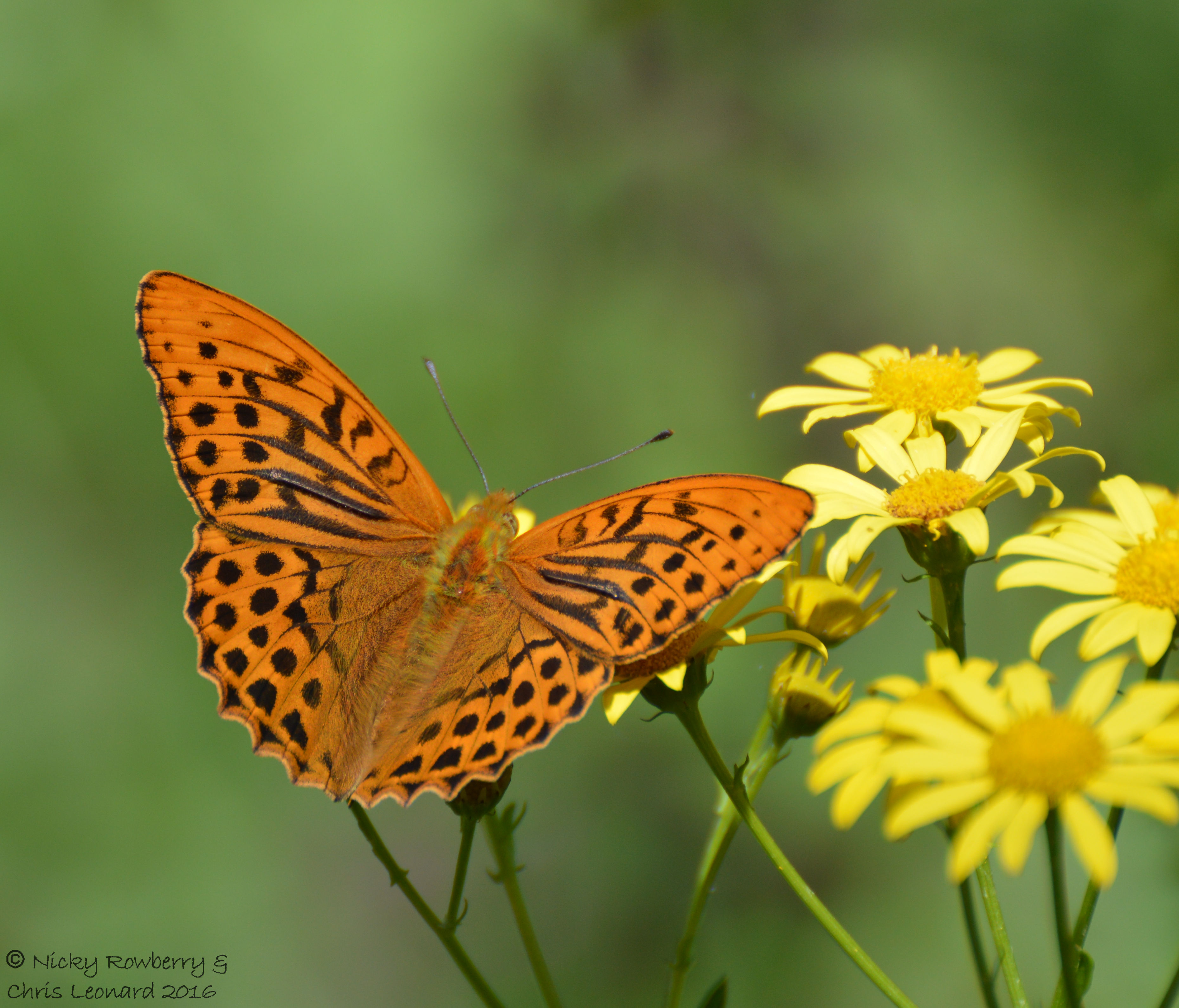
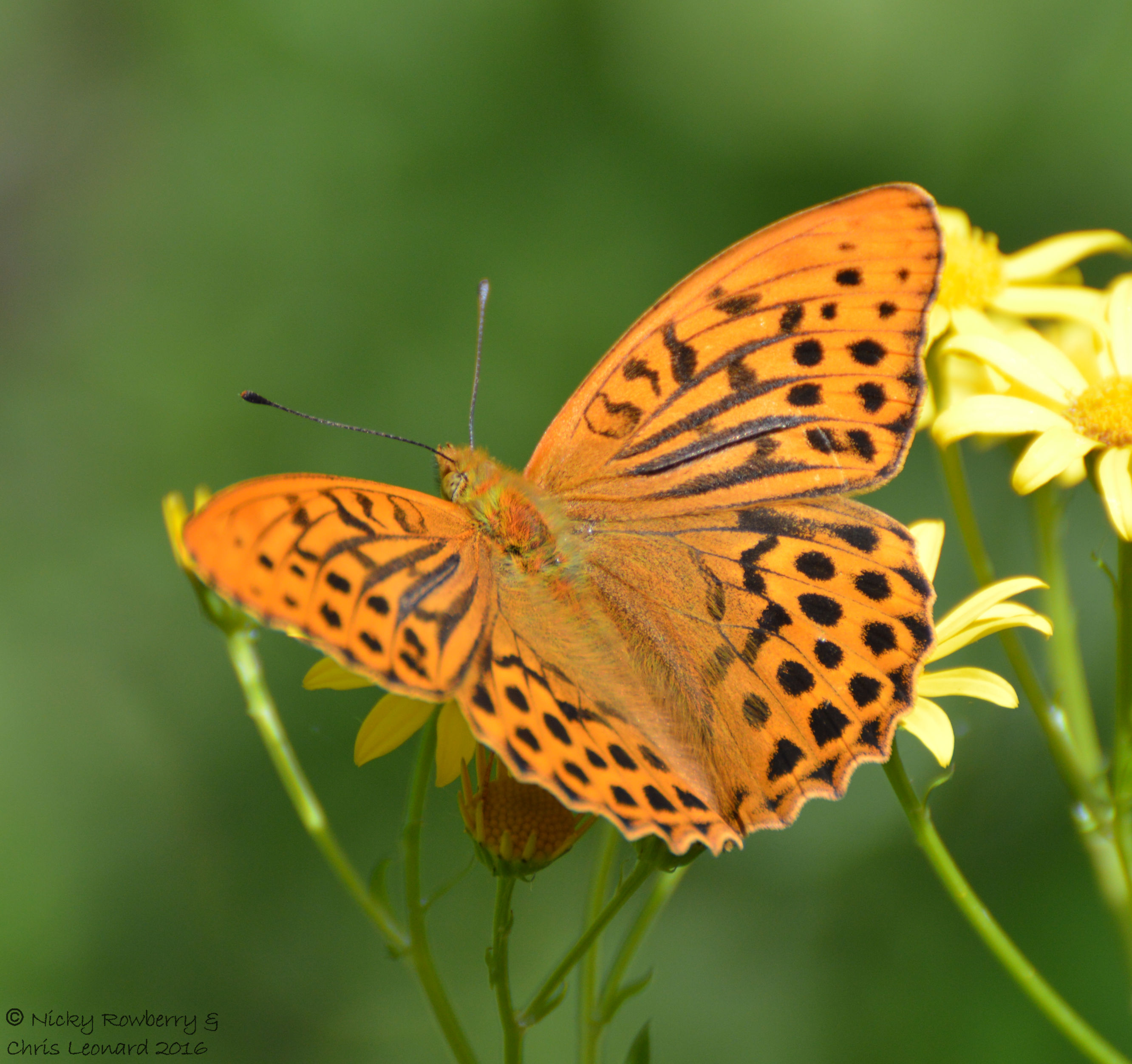
Silver washed fritillary

Silver washed fritillary 2

Just before we’d spotted our Purple Emperor we saw some White Admirals. We got all excited thinking it was the Emperor as they are pretty similar, although obviously lacking the purple sheen. Brambles must be the Admiral’s favourite flower, as we often see them on these.

Also spotted today were lots of Ringlets, Speckled Woods, some kind of very fast and consequently unidentified white and last but not least several of these Large Skippers.
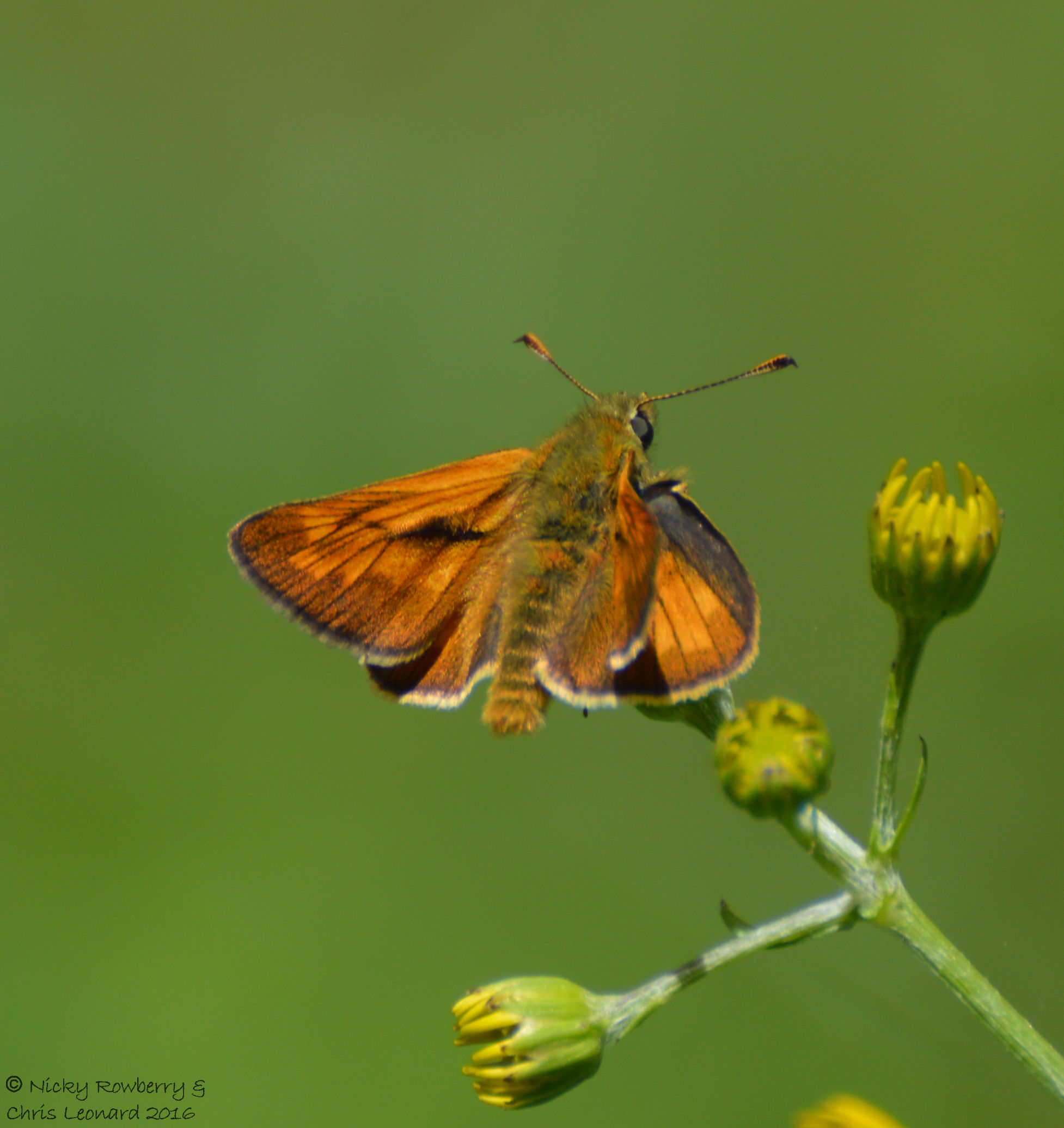
Large Skipper 2

I think today will go down as one of our most successful butterfly walks ever! Thank you Butterfly Conservation Warwickshire for organising the walk and making our Imperial dreams come true!

Out and About – Haugh Wood

Yesterday’s expedition produced not only the result we’d set out for, but a completely unexpected bonus. We’d set out in search of Wood White butterflies – a species neither of us had ever seen before, so one on our hit list to “bag” this year. The new Butterflies of the West Midlands book suggested a walk in Haugh Wood, Herefordshire so we ventured forth once again – it’s becoming a bit of a weekend habit this abandonment of our sofas!

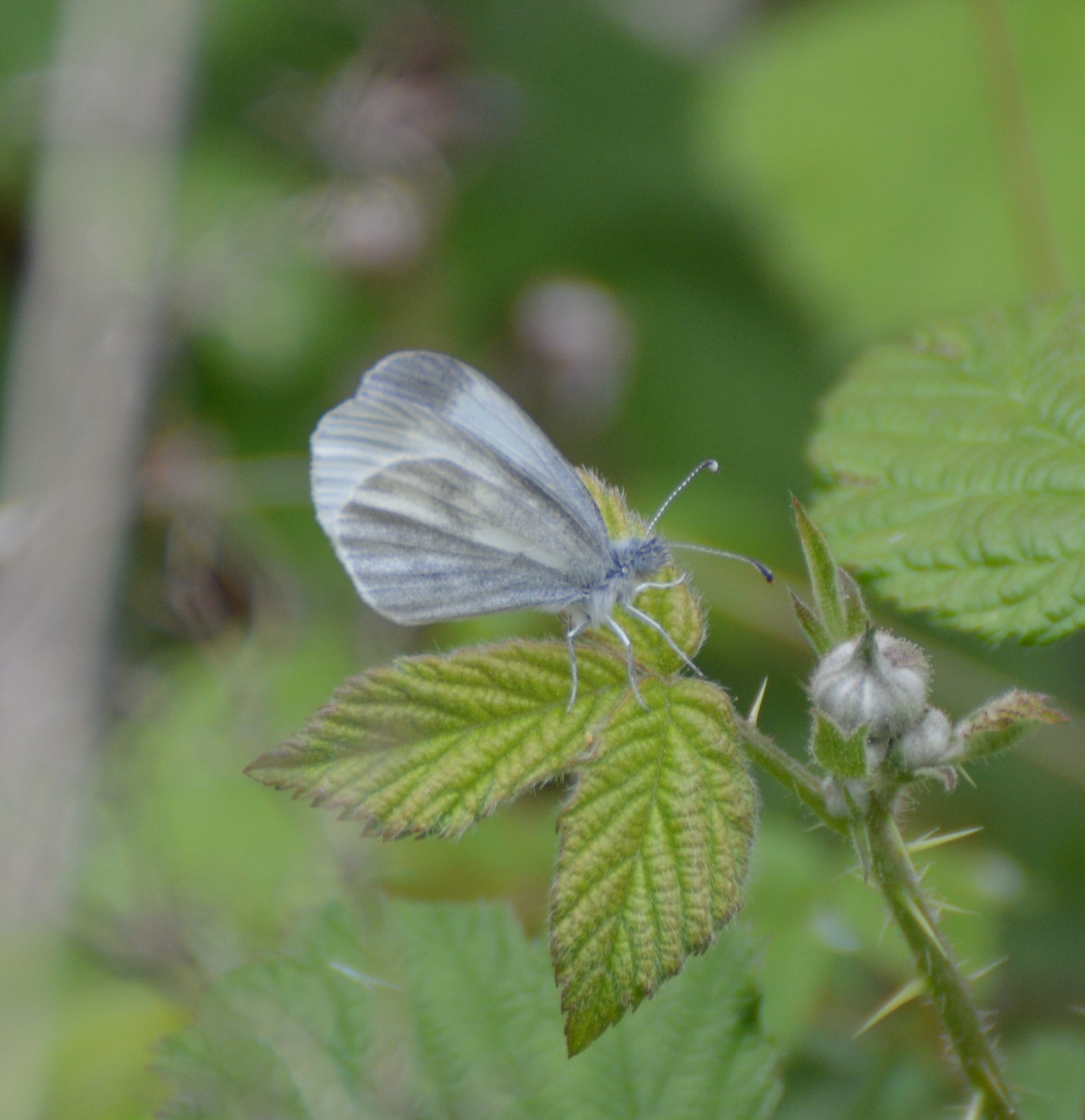
Haugh Woods (there seems to be some debate as to whether it is pronounced Haugh as in Laugh or Hoff as in The Hoff!) is run by the Forestry Commission and is a nationally important wood for butterflies – in particular the Wood White. The Wood White is a nationally vulnerable species, so we’re lucky to have a colony close enough to visit.

The first white butterfly to show its wings though was a Green Veined White. Of course it took a bit of chasing around to confirm that it wasn’t a Wood White – we didn’t discover how small the Woodies were until later on. Still the Green Veined was lovely to see, even if it refused to pose its wings properly upright to see the veins.

DSC_2638

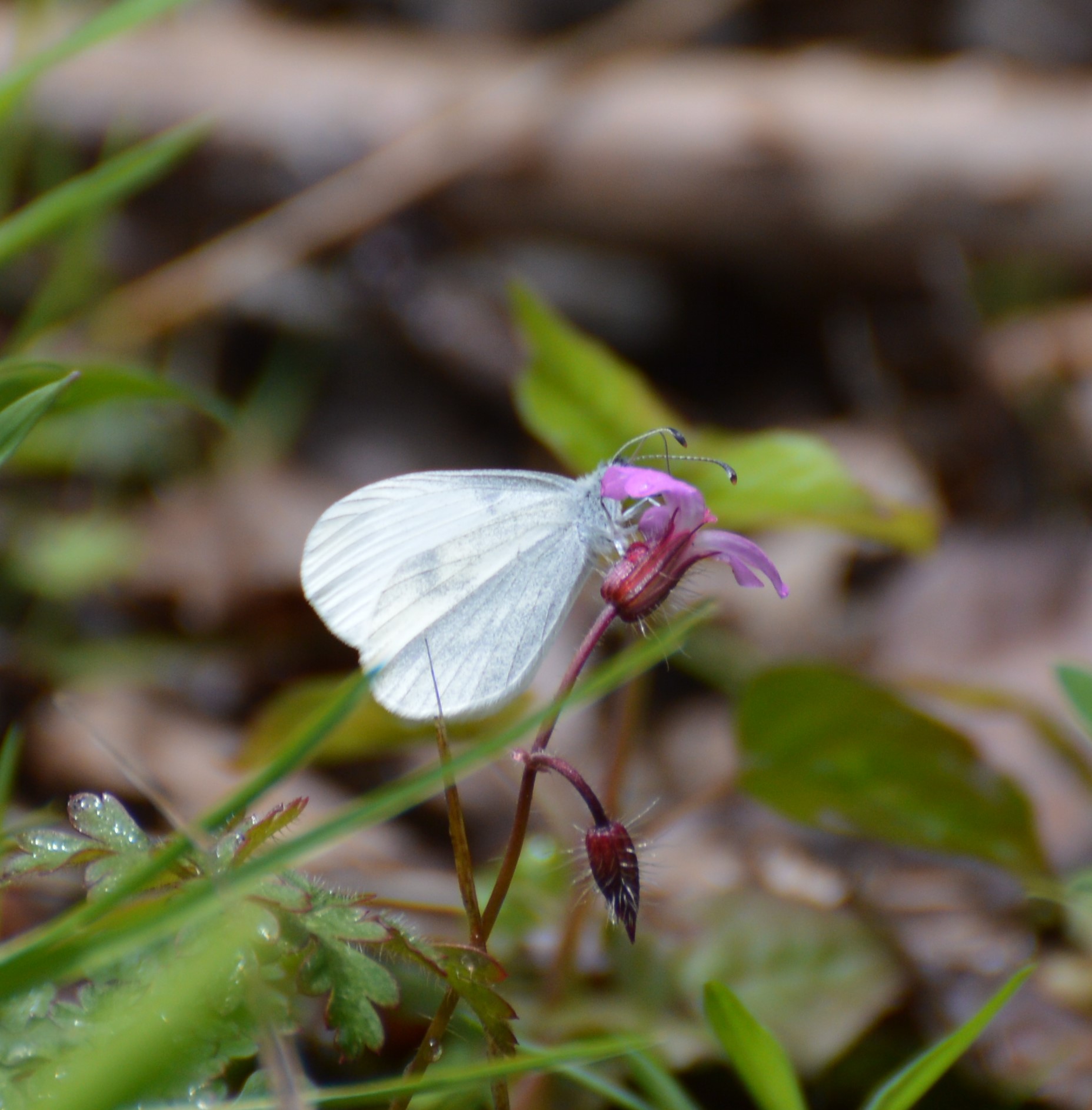
It wasn’t long though before another much smaller white flapped by – again it took a bit of chasing around until it stopped long enough to confirm a Wood White. They’re really much smaller than I’d expected and not the most energetic of butterflies, which was good news for us pursuing them!

We eventually saw several more once the showers passed and the sun came out again.

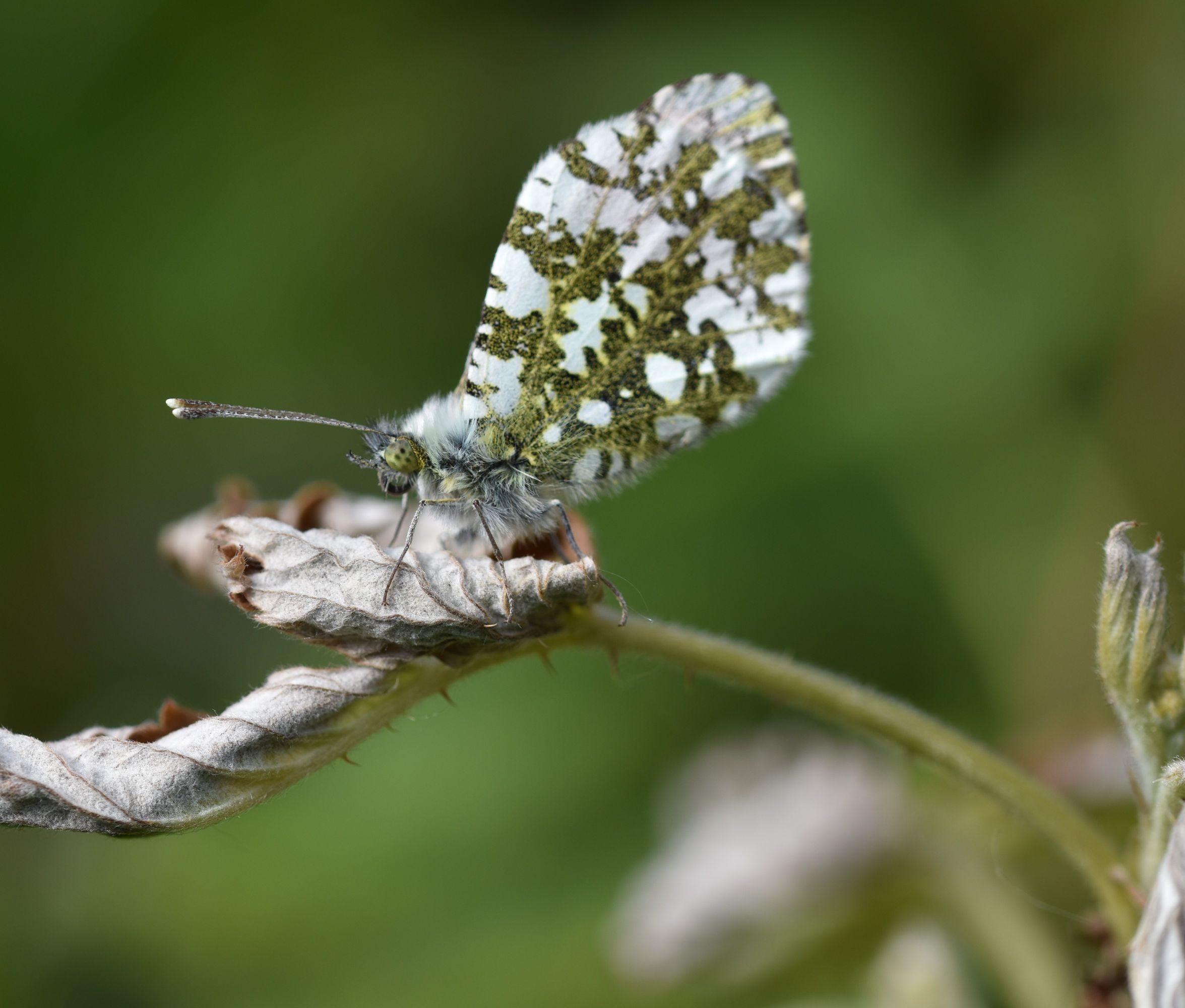
Near the end of our walk a third white species showed up – an Orange Tip.


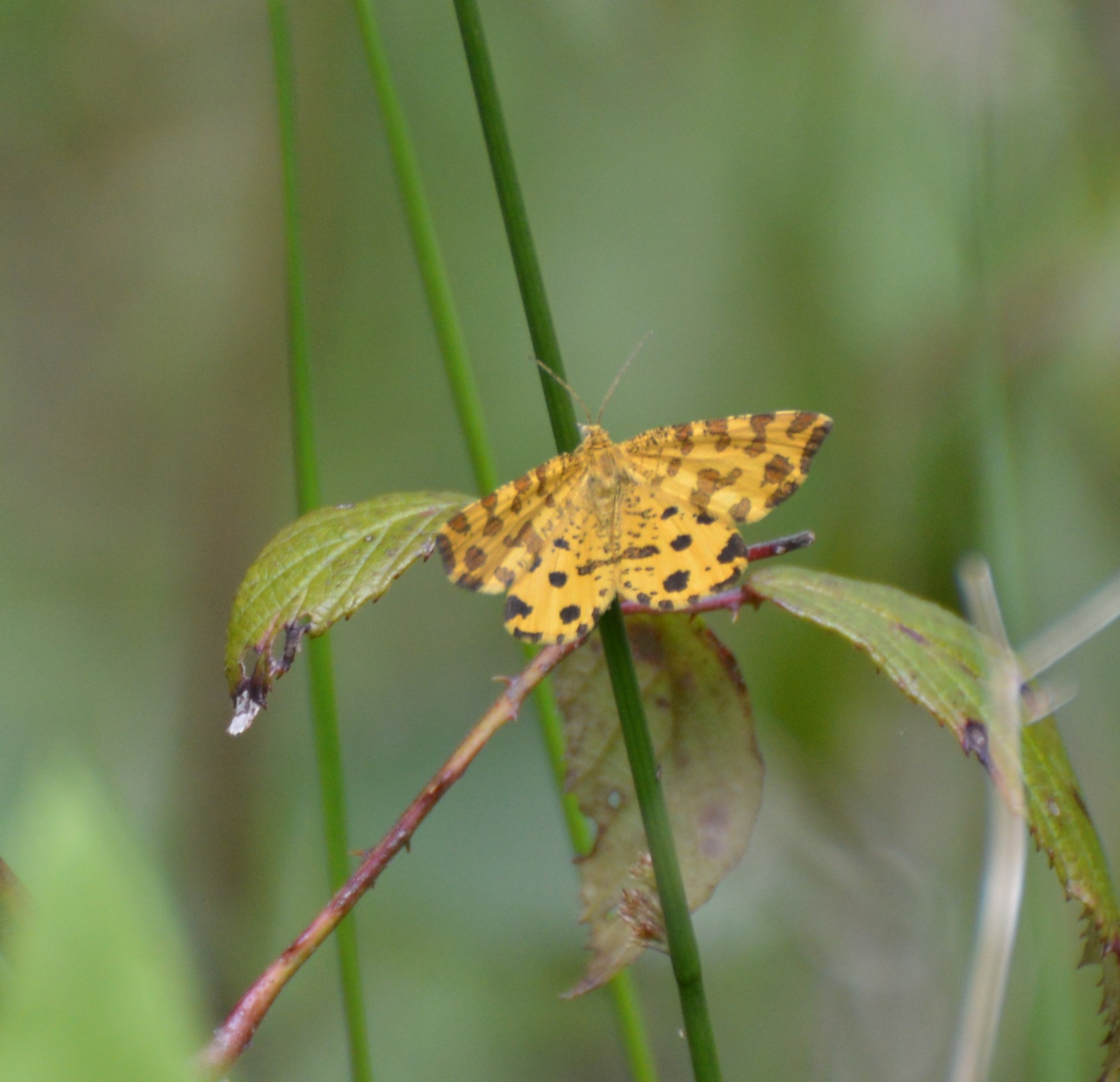
Throughout the wood we’d also been seeing Speckled Yellow moths flitting about. They are notoriously difficult to photograph, but we finally chased one down back near the carpark.

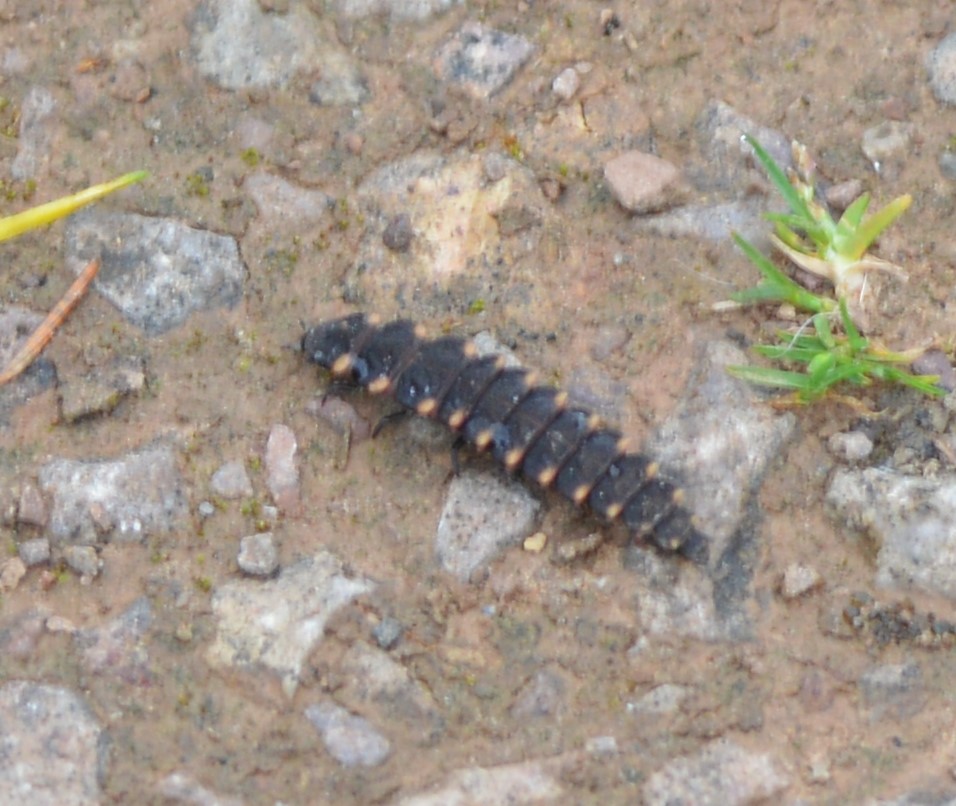
The real bonus of the trip though was something we only discovered we’d seen when we got back home and downloaded the photos. We had spotted what we thought was a caterpillar trundling across the path, so we’d taken a few snaps and then moved it to safety (probably a good job we moved it, as we had to double back down the path a few minutes later having got lost despite the very clear path markers – I’d hate to  have trodden on it!)

Looking at the photos properly back home, it didn’t look like a caterpillar at all. A quick google combined with a plea for help on Facebook and iSpot, confirmed we’d found a Glow Worm larva. It is principally the adult females that glow, although the larvae do glow a bit, but obviously not at 11:30 on a Sunday morning while tootling along a path! So it was hardly a bioluminescent spectacle (like the recent, excellent David Attenborough programme on the phenomenon), but we can still say we’ve seen a glow worm, so I’m happy with that. I feel a trip back to Haugh Woods in the dark may be coming up some time soon though!


Out and About – Tiddesley Wood

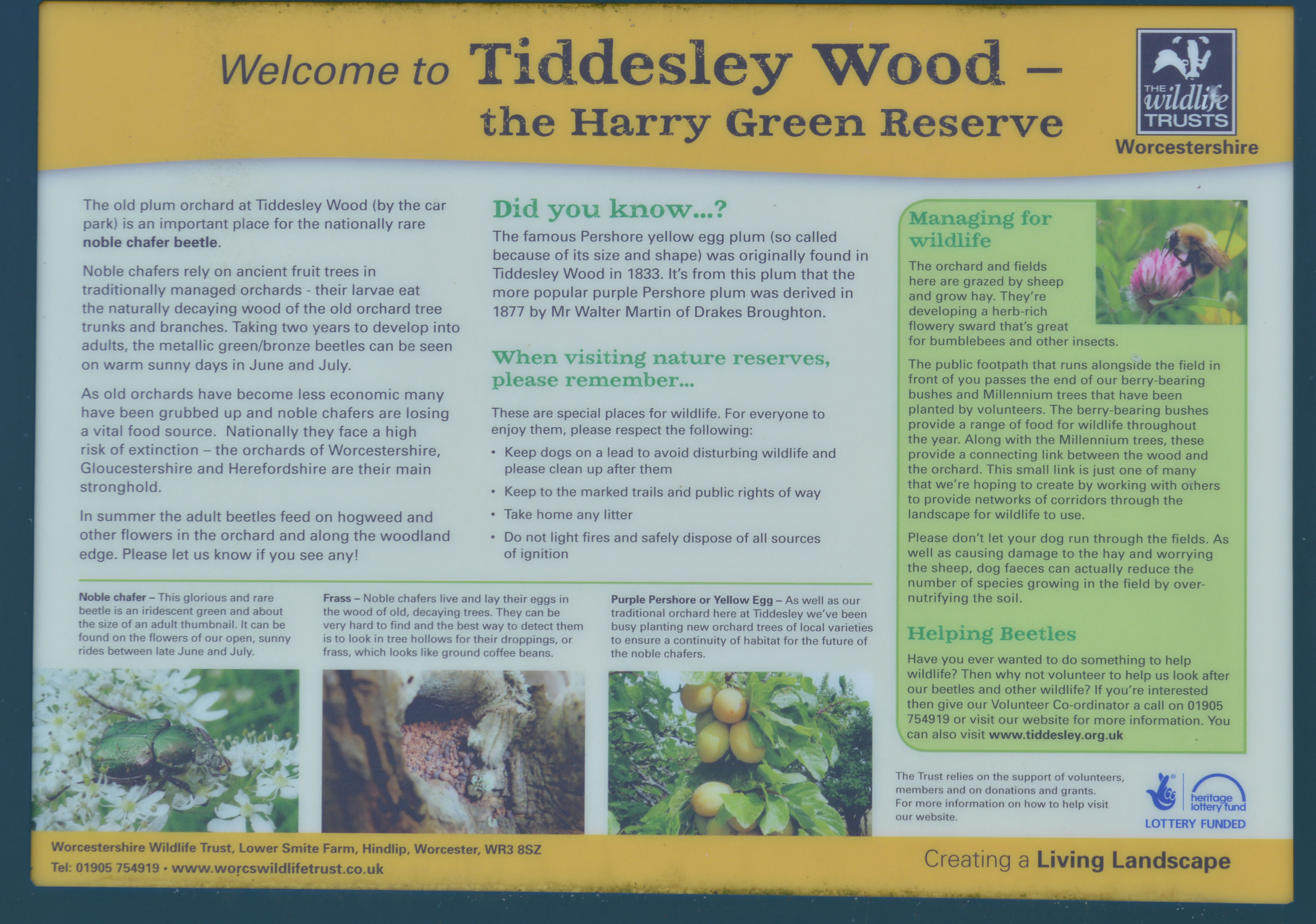
The Two Lazy Gardeners went crazy today, got off our sofa and went out and about! It’s the beginning of Bluebell season here in Worcestershire, so we headed out to some woods in hope and expectation. The wood of choice for today was Tiddesley near Pershore – a Wildlife Trust run reserve.

Signpost

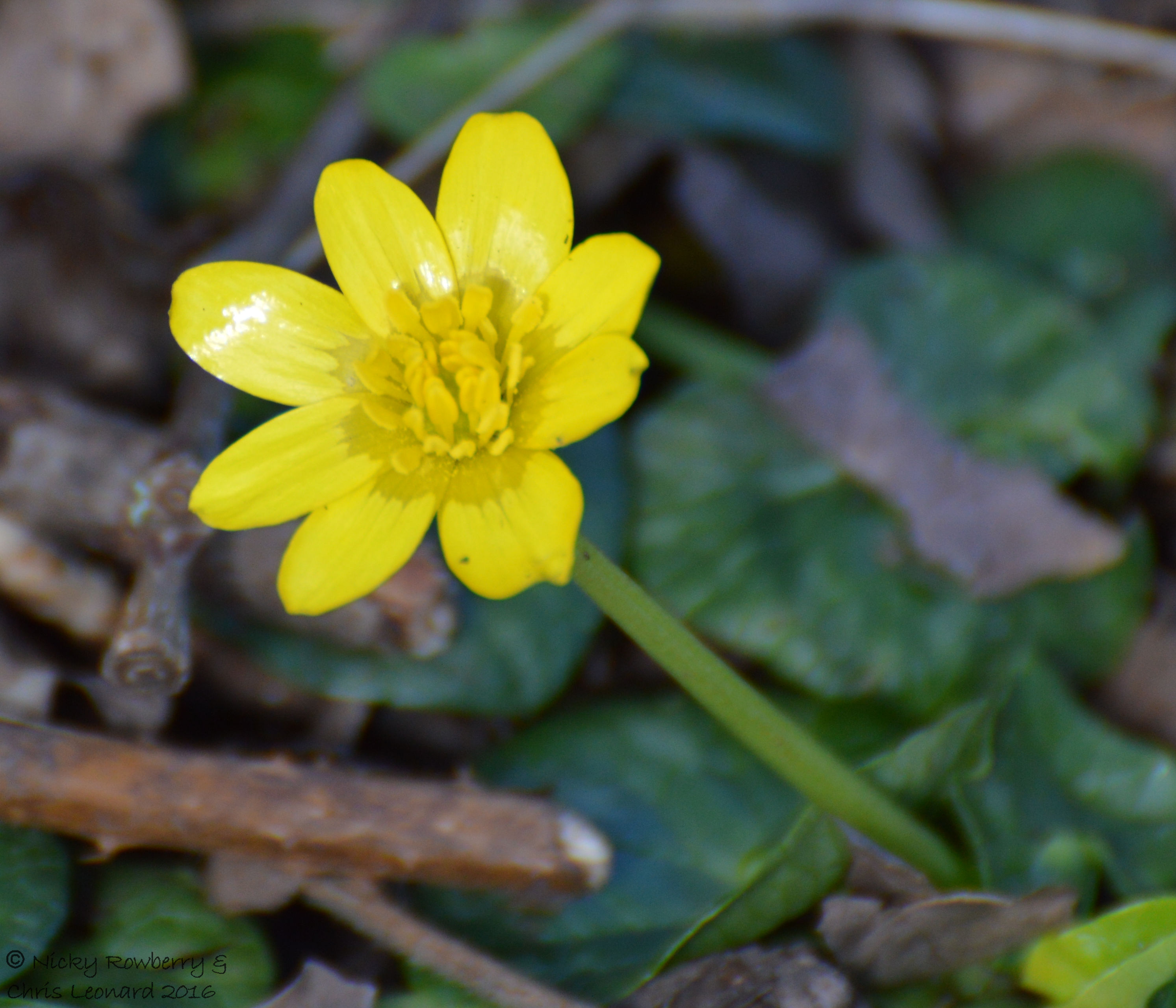
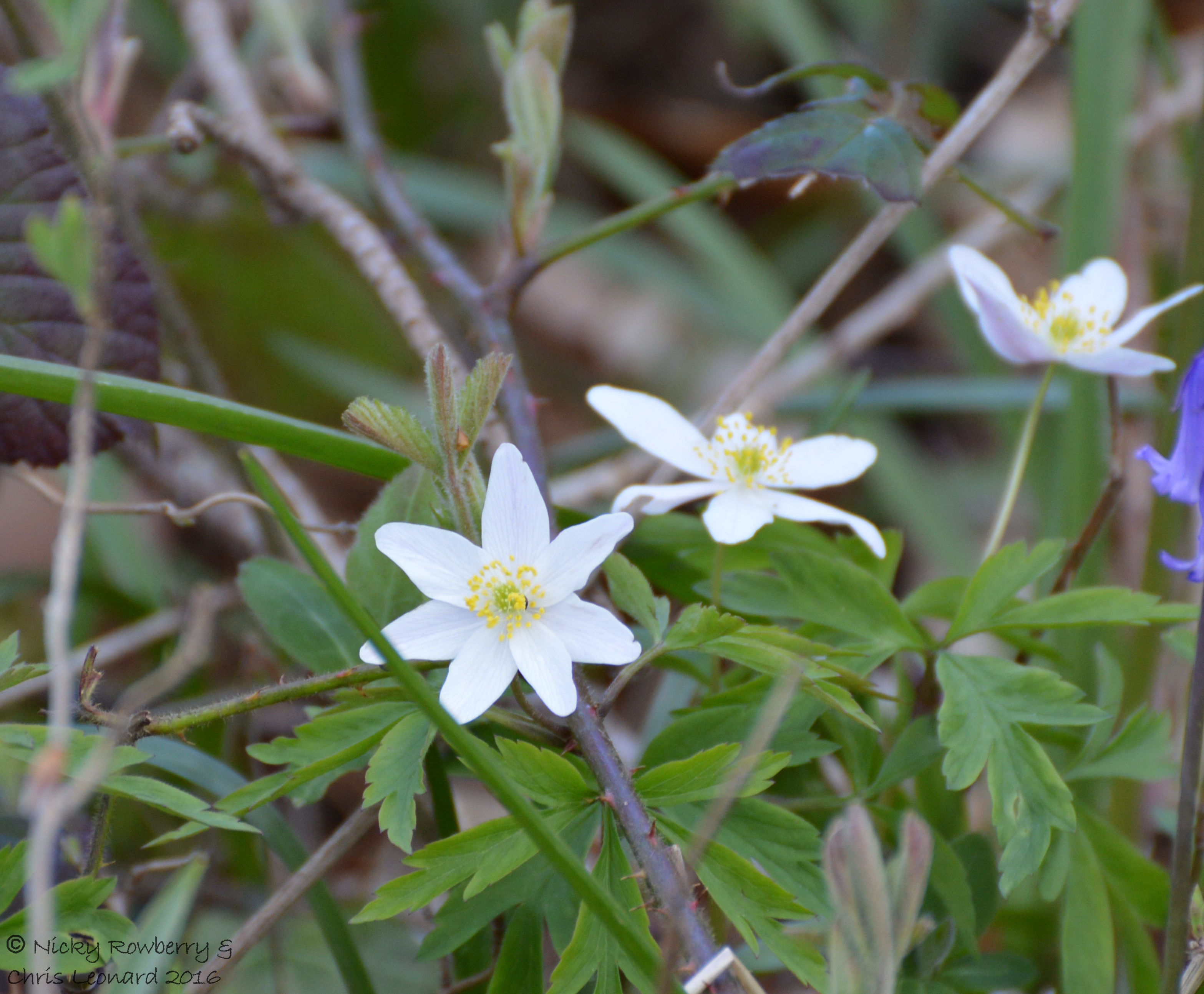
Bluebells were of course the main target, but lots of other spring flowers were about, such as these Lesser Celandines, Wood Anemones and Cowslips.

Lesser Celandine

Wood anemone

Cowslip

But of course the Bluebells were the stars of the show. Although they’re probably not quite at their peak yet, they were still stunning, carpeting areas of the wood in a beautiful purply blue. Photos never seem to really do them justice, but here are a few of our attempts.


Bluebells

Bluebells (10)

Bluebells (7)

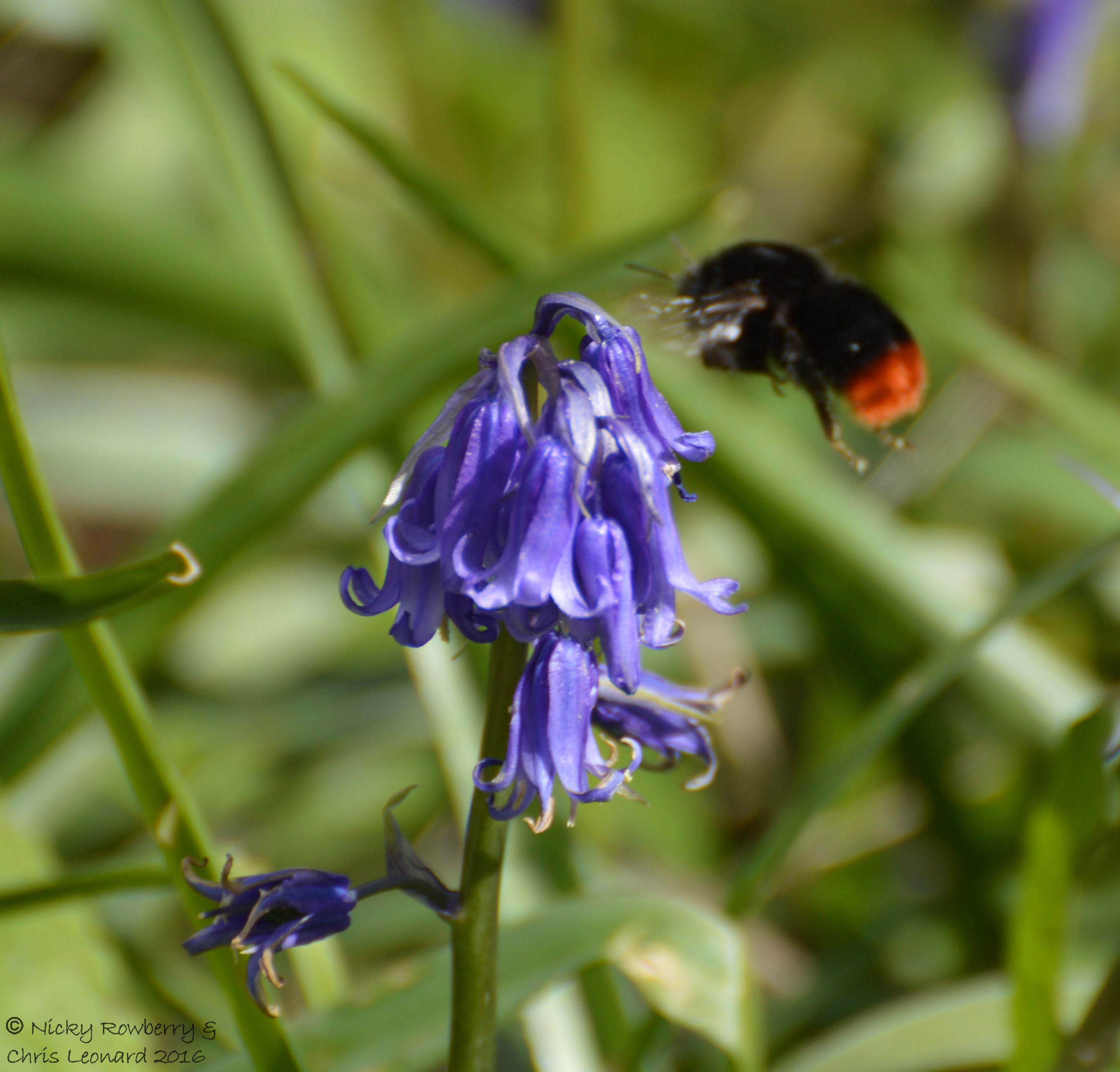
The spring flowers brought out the insects too – sadly no butterflies yet, but the bees were making the most of the bluebells.

Bee on bluebell (1)

Red tailed bee on bluebell


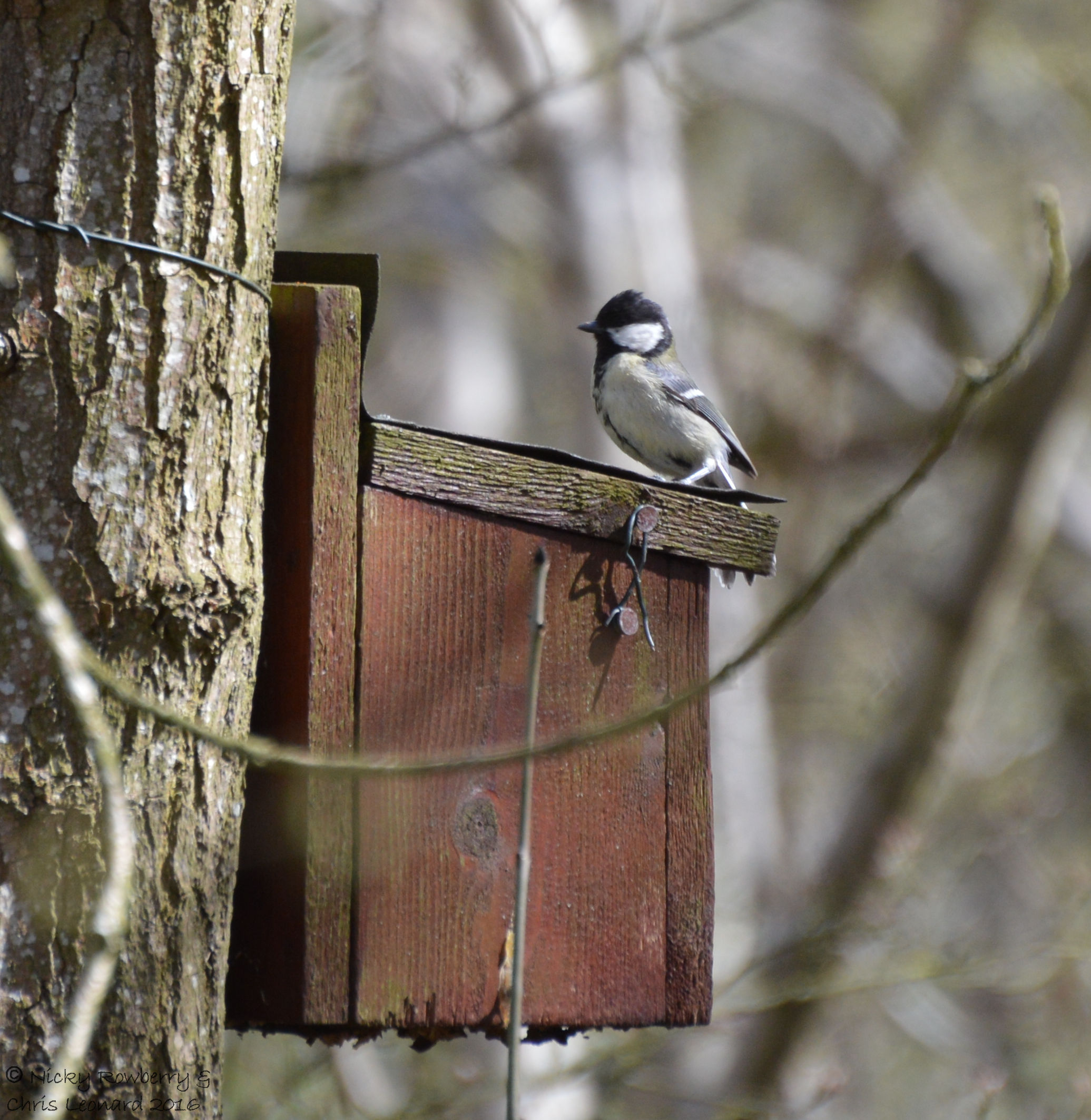
Birds were of course abundant too, although very definitely camera shy. We saw and heard a lot (including woodpeckers in the distance), but the only one we managed to get a recognisable shot of was this Tit on a nesting box.

Tit on nesting box

The wood was exceptionally muddy underfoot after all the recent heavy rain. This had one unexpected benefit – we came across loads of tadpoles in waterfilled footprints on the paths.

For all the bluebells were fantastic, the highlight for me was seeing a deer (a female Roe Deer I think) jumping through the wood right in front of us. Needless to say I was so surprised I didn’t even manage to raise the camera, let alone get a decent shot, so you’ll just have to take my word for it!