Spring Is In The Air (and in the Pond)

It is now a couple of weeks since the official start of spring, but it’s felt like it’s been a bit slow actually happening. But having looked at some of the animals we’ve seen in the last few weeks, maybe spring is slowly, tentatively, making itself known after all.

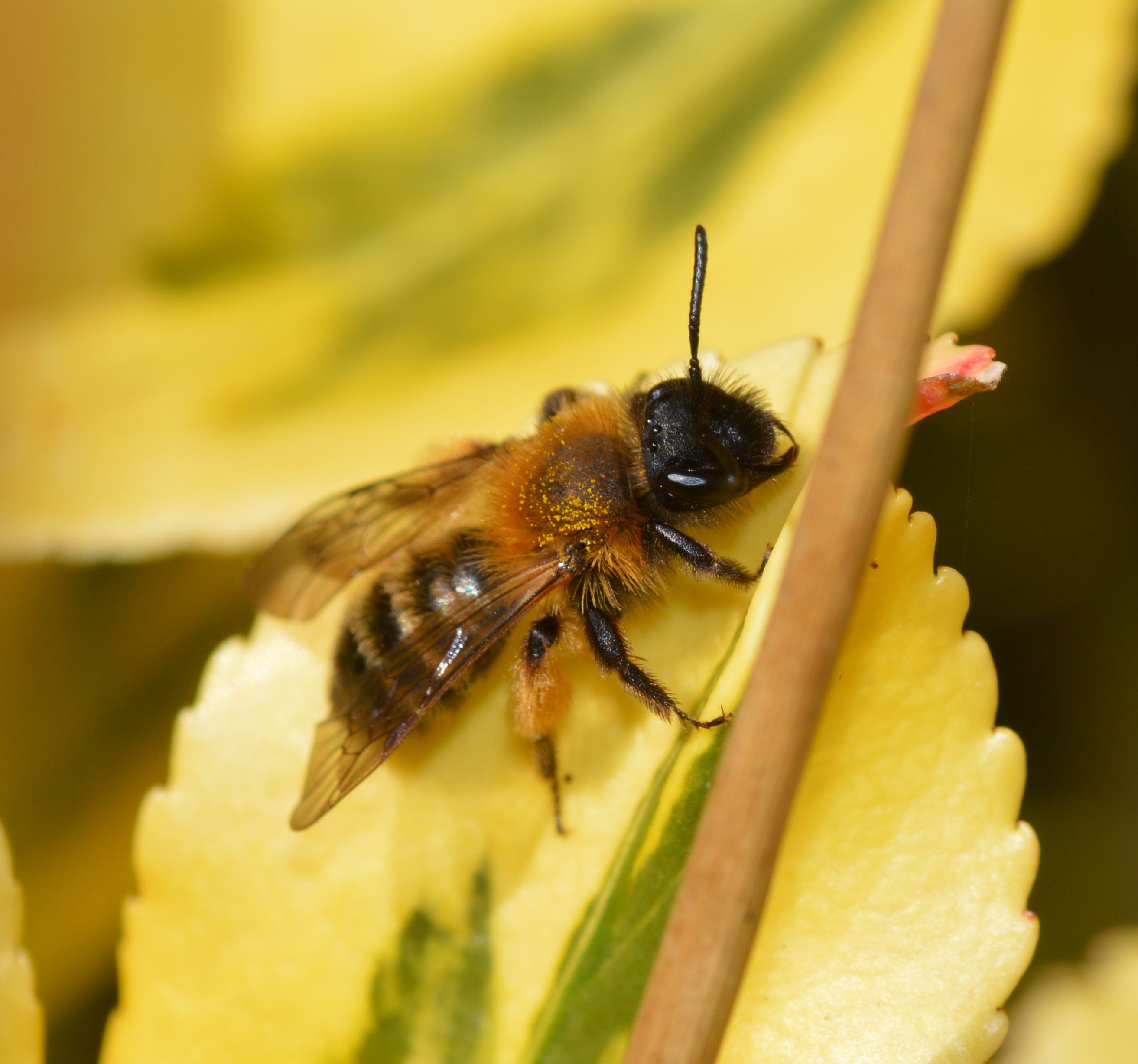
So first up, one of my all time favourites and the first bee of the year – the Hairy Footed Flower Bee. As is so often the case with these, I heard it before I saw it – a male buzzing energetically around the primroses. No sign of any females yet, I think they emerge slightly later.

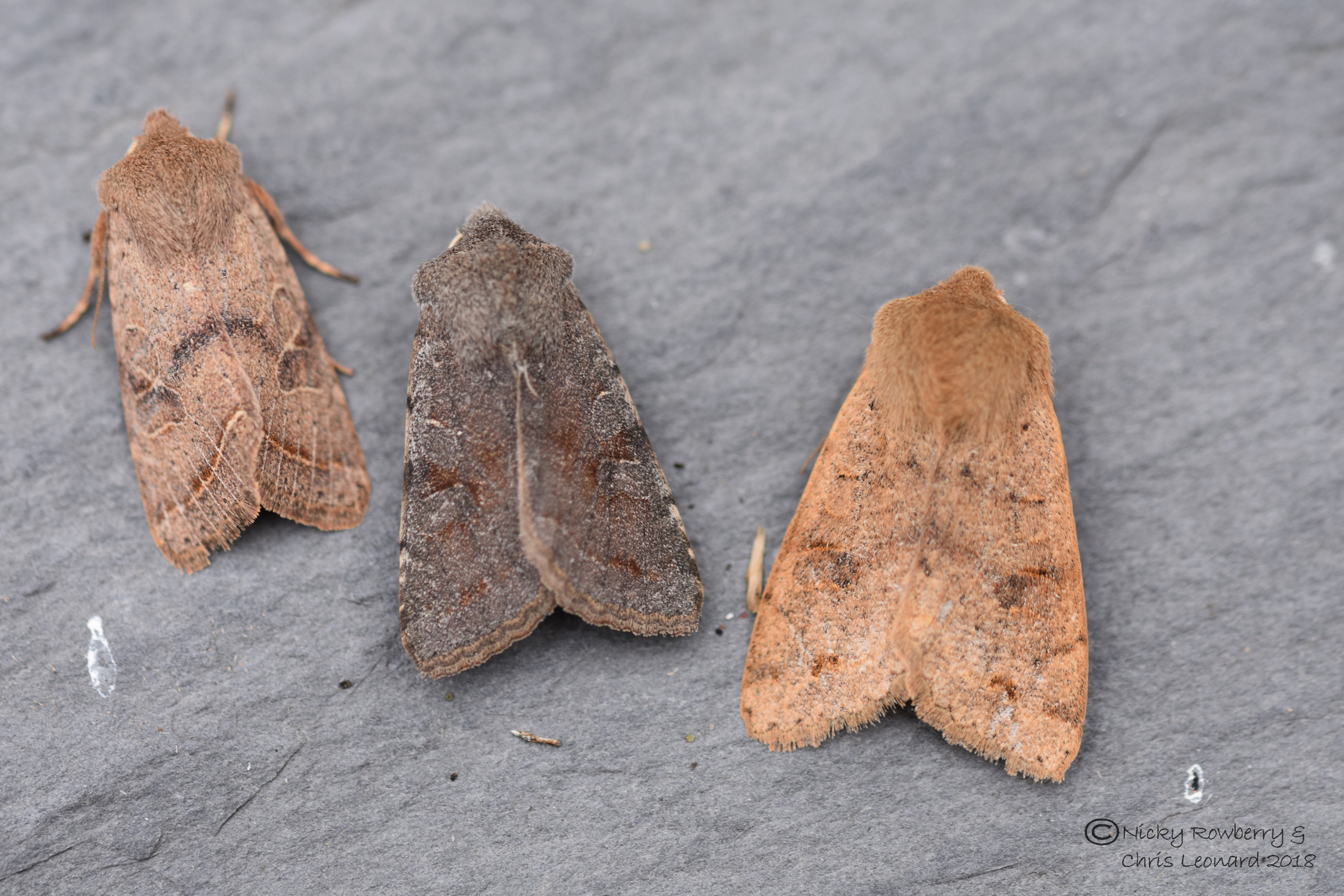
March also sees the start of the annual Garden Moth Scheme. It’s been a particularly cold and wet start so I’ve not had a huge variety, but numbers are slowly picking up. Here’s a nice trio of the Orthosia genus – a Common Quaker, Clouded Drab & Twin-spotted Quaker.
The moths may be trickling in, but the butterflies have been very slow – not seen a single one in the garden yet this year. But we went for a walk in nearby Priory Gardens a week or so ago and spotted quite a few. A bright yellow Brimstone (way too fast to get a photo), several Commas and at least half a dozen Small Tortoiseshells – all basking in the sunshine.

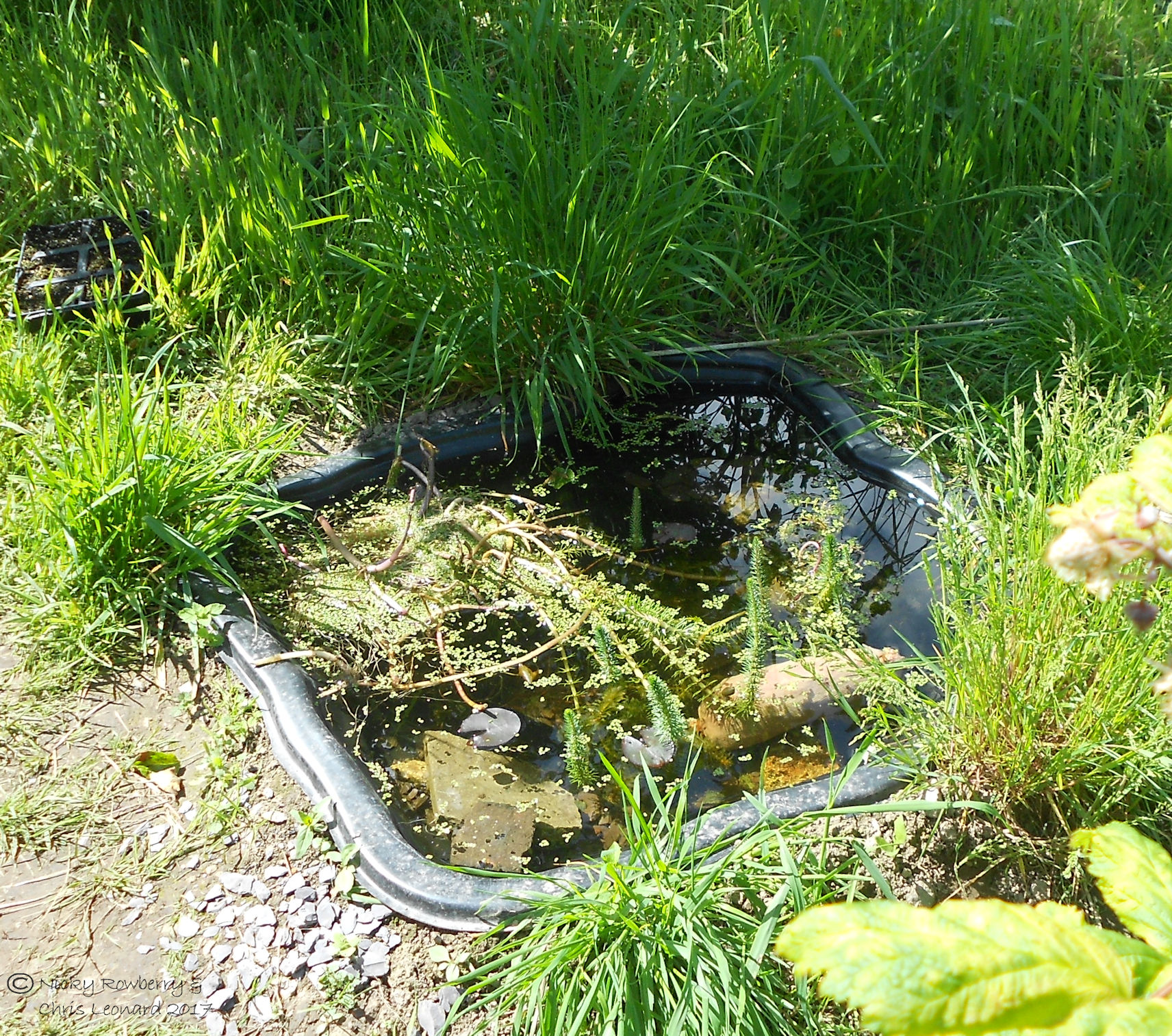
One thing I’ve been particularly looking forward to is the arrival of frog spawn in our allotment pond. We put the pond in too late last year to get spawn laid, but this year we were good to go and the frogs didn’t disappoint. Here’s a quick video using the new GoPro camera. More froggy updates to follow in the next blog post as the tadpoles develop.

We didn’t see any frog spawn in the ponds at Priory Gardens, but there was plenty of bird activity. A couple of moorhens and lots of ducks, including a splendid looking mallard. There’s something about watching ducks on a pond in the sunshine that is not only really relaxing, but feels very spring-like to me.

The previous blog post was all about the peregrines up on the hill, but they weren’t the only birds we saw that day. A male bullfinch looked to be enjoying the spring sunshine sitting on a wild cherry tree (cherry blossom buds being one of their favourite foods apparently).

We also spotted jackdaws that had found some crevices in the rock face to nest in. The hole didn’t look that big, but they were taking quite sizeable twigs in there, so perhaps it opened out inside.

I don’t know if this dunnock was sensing spring or just feeling a bit odd, but it was behaving very strangely. It spent about 10 minutes sitting on top of the hedgehog house (not a safe spot since the neighbour’s cat often sits there), fluffing up its feathers repeatedly and shuffling about. It looked almost as if it was incubating eggs but there was no nest there (I did check it hadn’t laid anything). It stretched its neck out a few times and gaped its beak as well. I know dunnocks have some weird mating habits, but there didn’t seem to be another dunnock around for it to impress with the behaviour. Whatever it was doing it got fed up eventually and flew off into the bushes quite normally. If anyone can shed any light on the behaviour, it would be very much appreciated.

The dunnock may have been behaving strangely, but it was perfectly obvious what this blue tit was up to – gathering nest material. I saw someone suggest recently that you could provide nesting material by tying two hanging basket frames together to form a rough ball and filling them with moss and the like. Apologies to whoever’s idea it was, as I can’t remember where I saw it to be able to credit them properly – but it was a great idea, thank you. We had some old hanging baskets kicking around the garage and the “lawn” is full of moss,  so this was an easy idea to achieve. And the blue tits seem to appreciate it as almost immediately they started taking great beakfuls of moss and flying off with it.

Once it had got a beak’s worth of moss it would then stop on a twig to rearrange the moss a bit more tidily (presumably so it could see where it was flying), before taking off.

If only these blue tits had taken the moss back to the lovely nesting box with camera in that we’ve now had up for 2 years in exactly the spot where they used to nest! But no, they must be nesting elsewhere and all we’ve got on the nestcam is a spider’s web! Still at least we know they are nesting somewhere and that we’ve helped a little bit.

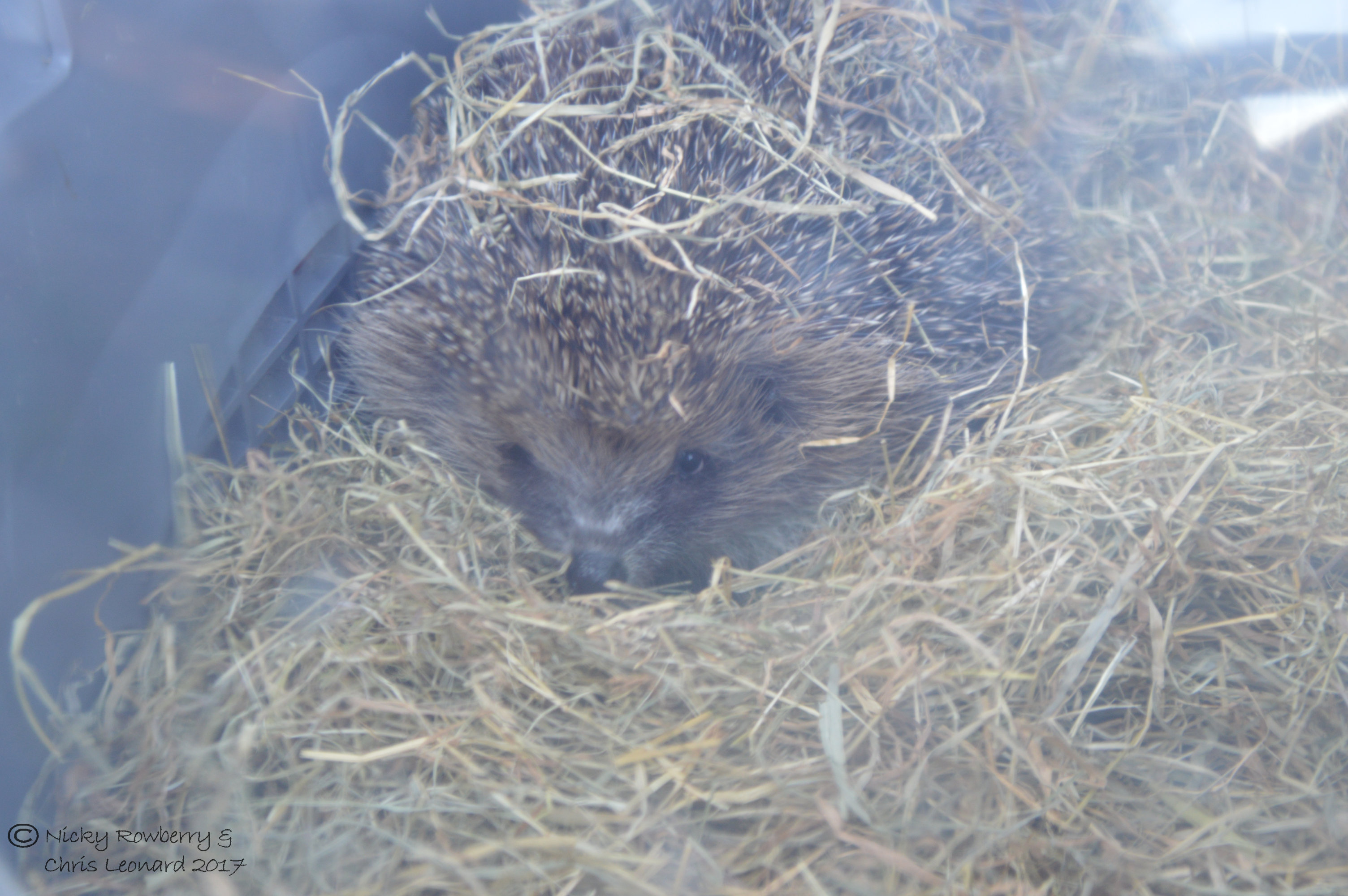
And finally spring must surely be on its way because our hedgehog is back! Whether it is Fat Sam from last year emerged from hibernation or a completely different hog, I have no idea. But it looks big and healthy and has a good appetite.

None of these signs of spring maybe big newsworthy events,  but sometimes it’s spotting the small things in life that gives the most pleasure. And we’re certainly very happy that spring is finally on its way to Malvern.

 

The Adventures of Tiny Tim the Hedgehog

I’ve been meaning to do an update on our garden hedgehogs for a while now, so today is finally the day. Although we haven’t seen a hedgehog in the garden since December 17th, we now have a resident foster hog – here’s his story. In my last hedgehoggy blog post, way back at the end of October, I mentioned that we had a large and a small hedgehog visiting the garden.

The two often appeared together, although they tended to arrive separately. The little one (Tiny Tim) generally seemed quite interested in the bigger one (Fat Sam as I’ve been calling him), but Fat Sam didn’t seem quite so impressed!

They would sometimes even go into the feeding station together. On one occasion the Tiny Tim got trapped in there for a few minutes when Fat Sam decided to plonk himself down just outside the entrance – effectively blocking the Tim in. The video below is a compilation of several short trail cam clips taken over a few minutes while he was trapped! Eventually Sam got bored and wandered off, freeing the youngster.

Although it was great to see the two together, I was worried  that Tiny Tim might not be big enough to get through the winter. The only way to be sure was to catch him and weigh him – hedgehogs need to be an absolute minimum of 450g to have enough fat reserves for hibernation.

Unfortunately our diminutive visitor didn’t come at a regular time, so the only way to catch him or her was to sit out and wait. After a couple of fruitless nights (my commitment to sitting outside in the dark didn’t extend beyond a few hours at a time) and a few false alarms (Fat Sam got himself weighed too – a very respectable 800g), I eventually got lucky at the beginning of November.  Fortunately he turned up at the feeding station at about 8:30pm and was no doubt a bit surprised to find me lurking nearby with a set of kitchen scales. The little guy only weighed about 400g so wouldn’t have made it through the winter without some help. So into the cat basket he went and along to Viv at Malvern Hedgehog Rescue.

Viv checked him over and found he had a cough, so he was treated for lungworm; a potentially fatal condition, so another good reason to rescue him besides his size. Viv was also able to confirm Tim was indeed a he!

A couple of months later and Tiny Tim is not so tiny any more – a very healthy 1100g, plenty big enough to survive hibernation now. So he’s come back to our garden to stay in the hutch until the Spring. I’ve not taken a photo of him, as I wanted to let him settle in and don’t want to disturb him any more than I have to. I will try and get the trail cam pointed at the hutch, to see if I can get any footage of him moving around at night. Hopefully though he’ll settle down and hibernate, but if not he’s got a des-res with food and water until it’s time to let him go. Many thanks to Viv (http://www.malvernhedgehogrescue.co.uk/) for getting him through the winter.

Tiny Tim may have spent most of the winter in the lap of luxury, but Fat Sam had to take his chances in our neighbourhood gardens. Fortunately  several of the neighbours like hedgehogs too and don’t mind having gaps in their fences so that the hogs can roam freely between the gardens at night. This footage shows Fat Sam squeezing himself under our fence and into next door’s garden.

We’ve put a couple of hedgehog houses out in the garden in hope of tempting Fat Sam to hibernate. I got my hopes up for a few days when the trail cam spotted him checking out one of the houses,

Unfortunately it didn’t impress him enough for him to make a nest in it. Hopefully he found somewhere more to his liking elsewhere in our garden or in one of the neighbours’ gardens. There are certainly plenty of wild untidy bits in ours that would hopefully make good nesting sites.

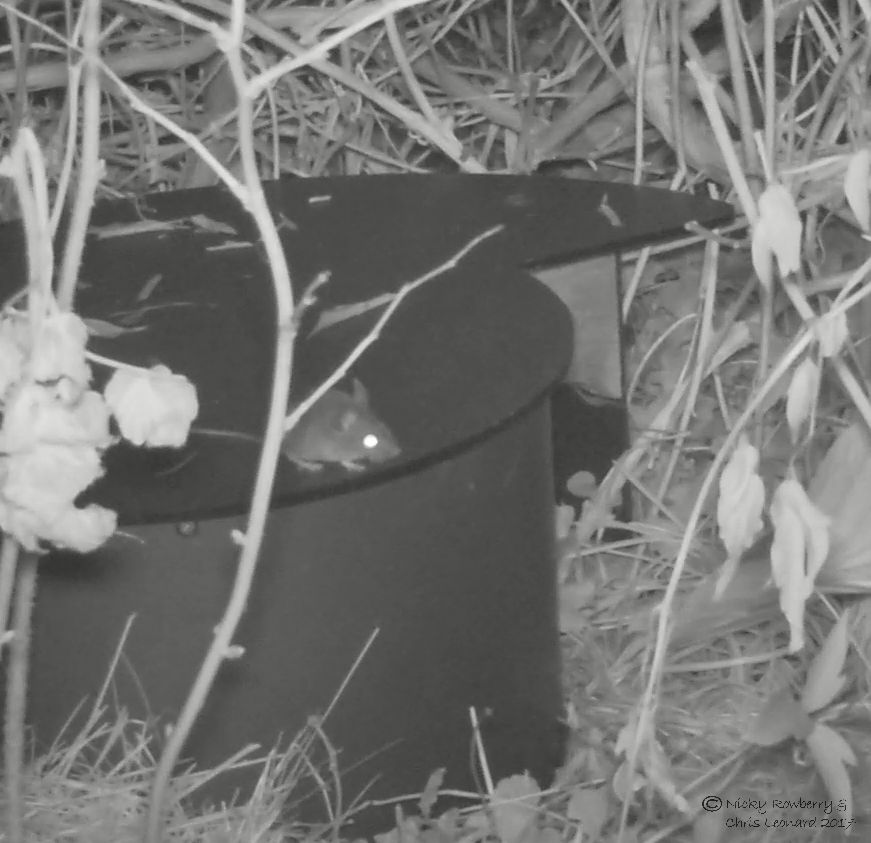
Fat Sam may not have made it his home, but the hedgehog house did attract some other visitors. This mouse appeared several times, clambering up the old clematis stems to sit on the box.

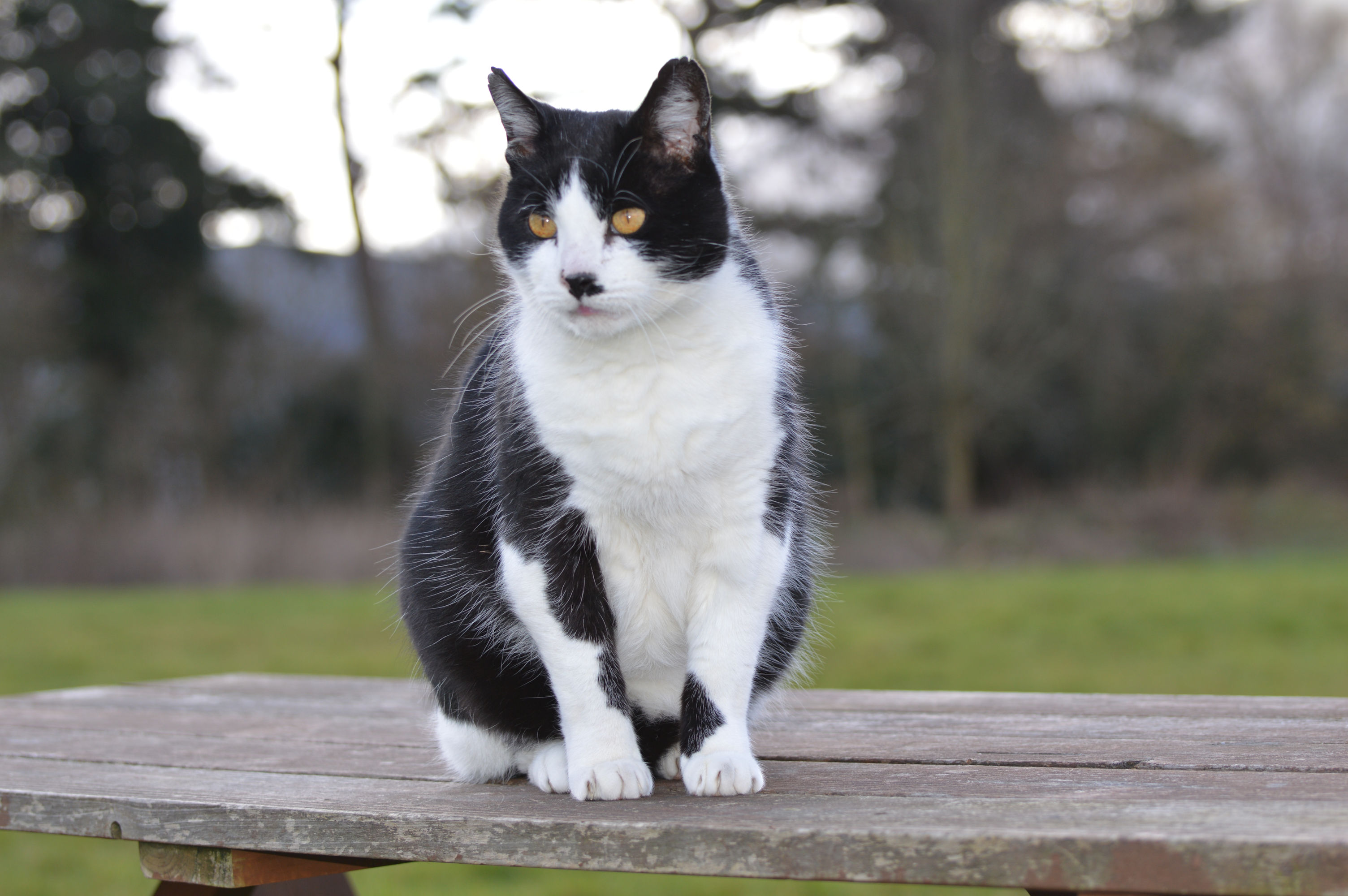
And this large fluffy cat (one of the neighbours’ not ours) also seemed to like sitting on top – perhaps knowing there were mice nearby?

Hopefully I’ll be able to post some videos of Tim in his hutch at night, but failing that I’ll post an update on Tiny Tim and Fat Sam in the spring when they come out of hibernation. Fingers crossed for a successful hibernation for hedgehogs everywhere.


2017 – The Year of the Hedgehog

It’s taken me a couple of weeks to get this written, mainly because 2017 was such an eventful year for us. I started compiling it and couldn’t believe how much we saw and did in one year; but it was lovely going through the old blog posts to refresh my memory.

First of all the successes and failures of last year’s New Year’s Resolutions. I think these definitely come under the “could do better” category, but we did at least try with most of our wildlife ones, which is more than can be said for my Cut Down on the Prosecco plan. So here’s the progress on our 7 resolutions for 2017.

1.  Build new pond. Well I did achieve this, just not in the place I expected to. The plan was to put a new pond in the garden. That didn’t happen, but I did get an allotment (with my sister) and first job we did was put in a small pond. Within months we’d had frogs, newts and dragonflies, so well worth the effort.


2. Get footage of the blue tits fledging. Well this didn’t happen, but it wasn’t for want of trying. We put up a new box with integral camera. Things were looking good when we caught a blue tit checking it out almost immediately. Unfortunately they then decided to nest elsewhere this year. You can lead a blue tit to a nest box, but you cannot make it nest!

3. Seeing new species of butterfly – we actually over-achieved on this one! We managed to bag 5 new species: Duke of Burgundy, Wall, Small Pearl Bordered Fritillary, Grizzled Skipper and Large Blue. This takes us to a grand total of 43 species of British butterfly seen and photographed. Only about 16 to go.


4. Try and find ivy bees at more sites. Not only did I not manage to achieve this, I didn’t see a single ivy bee at all.

5. Start compiling a list of hoverfly species in the garden. I did take quite a lot of hoverfly pictures, (including this lovely Chrysotoxum species) but totally forgot that I was going to start listing them. I could probably retrospectively go back through the photos and list them all – but what are the chances of that happening?


6. Do 30 Days Wild again. Thankfully a big YES to this one. I had a fantastic time in June doing 30 Days Wild and was really chuffed to get shortlisted again for the Wildlife Trusts’ Blogger Awards. Not only that but Worcestershire Wildlife Trust were looking for someone to write about it – so I even got a magazine article published!

7. And finally my quest to get a moth tattoo has failed once again. No surprises there.

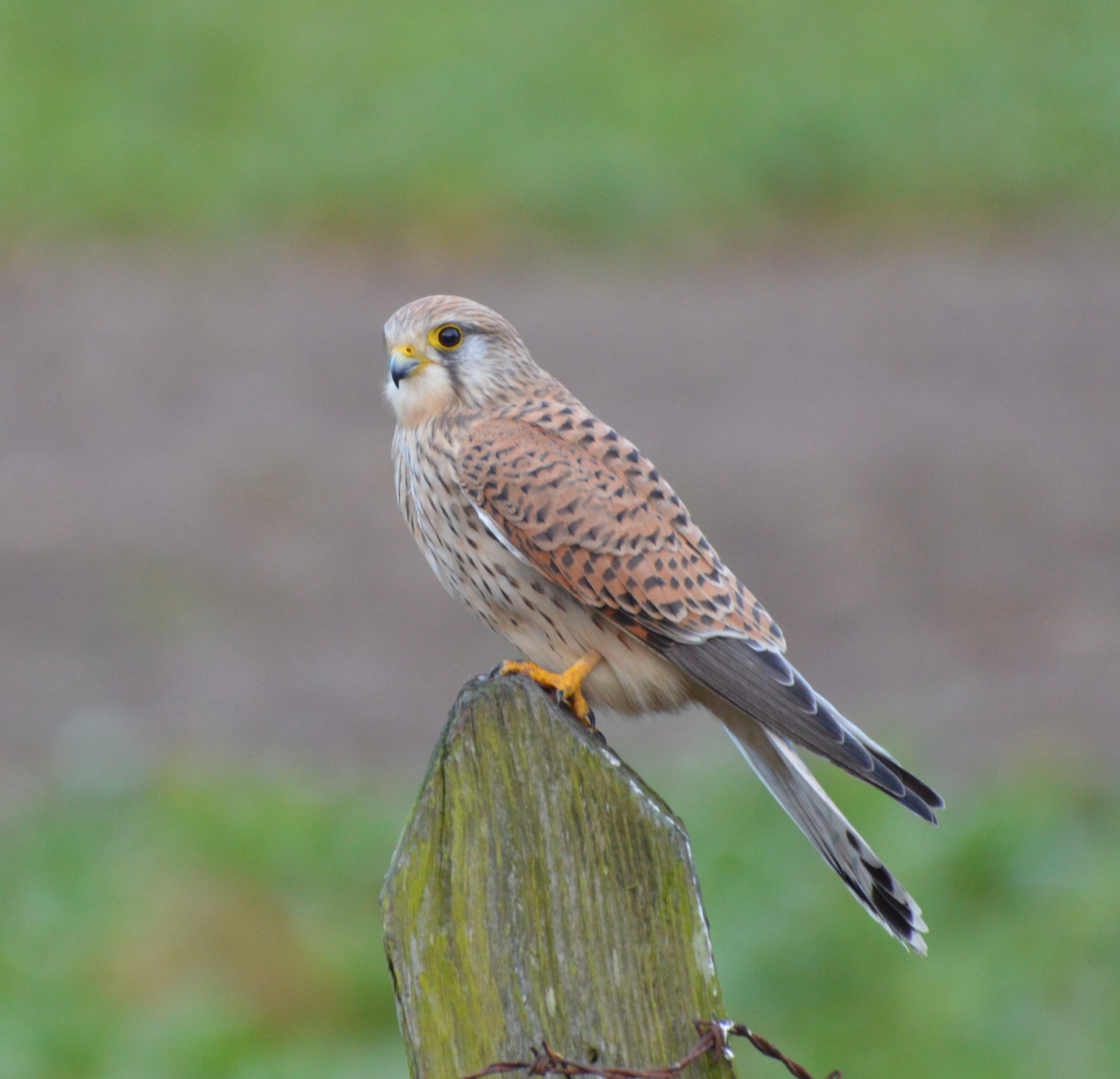
So on to the other things we got up to last year. 2017 started with the shocking realization that I’d hit 50! To lessen the pain, I had a day at some wildlife photography hides in Worcestershire. It was a fantastic bird-filled day watching kestrels, kingfishers and all sorts of other beautiful birds. Best birthday present ever!


The second big event was getting our allotment. Despite my “too lazy to weed” philosophy, I have always fancied an allotment and my sister and I now finally have one.  We are gardening it organically, feeding the birds, encouraging pollinators and of course we’ve put in our pond. Neighbouring plots even have slow worms, so we’re hoping we can attract a few of those over to ours soon too.

A big change for me in 2017 was that I swapped jobs. I now work 2 days a week at the British Hedgehog Preservation Society. We also fostered a hedgehog called Meadow last winter until his release in the spring.  We’ve rescued one poorly one found during the day and one juvenile that was too small to get through the winter and taken them to our local hedgehog carer Viv. Not only that but we had almost nightly visitations from other hedgehogs in the garden and got some great trail camera footage. So all in all 2017 has been my Year of the Hedgehog.

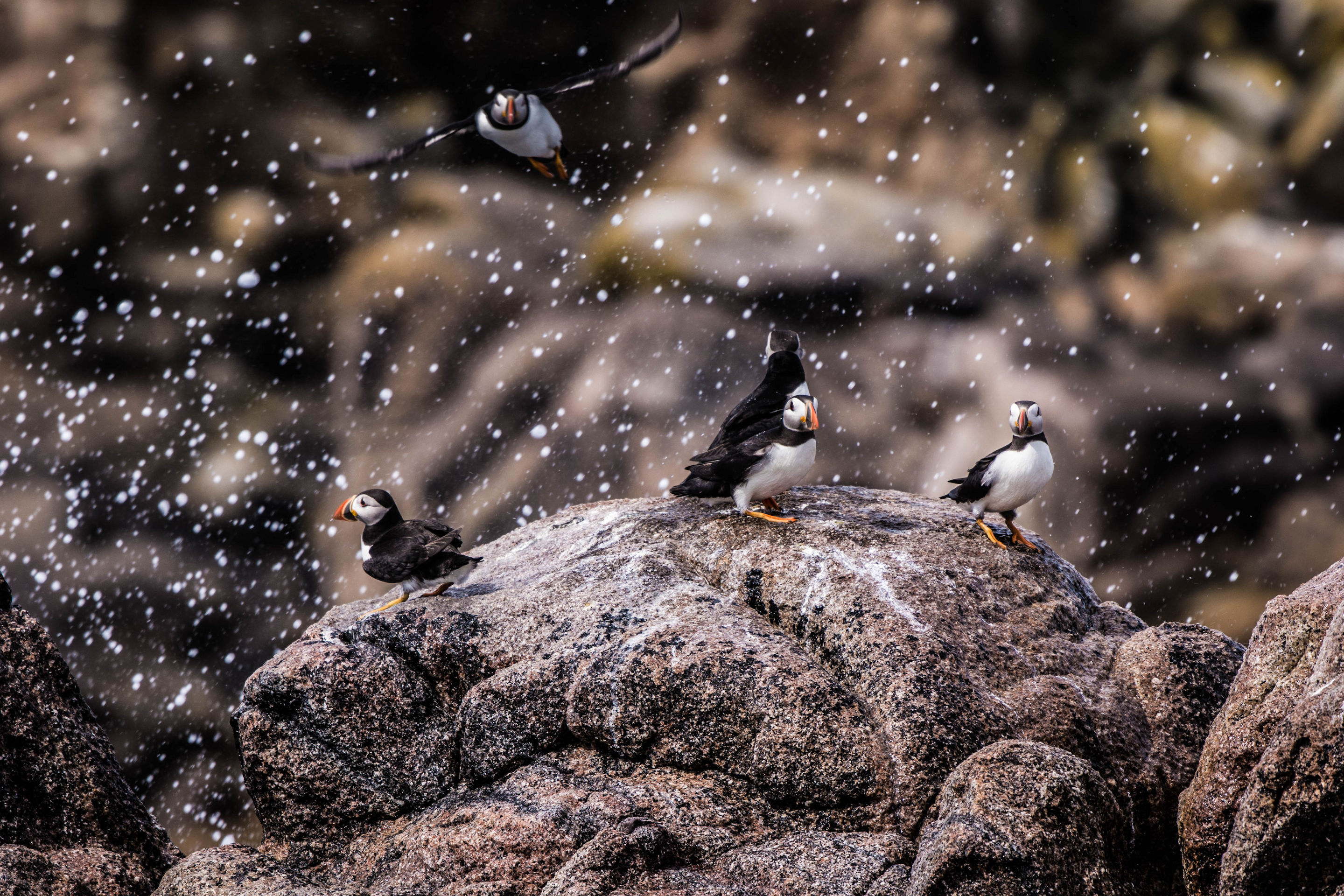
One of the highlights in the summer was a holiday in the beautiful Isles of Scilly. We had a fantastic week there, packed full of wildlife and wonderful scenery. Although we loved it all, probably the best thing was seeing puffins. We’d thought we might have been too late in the season, but luckily they were still there waiting for us.

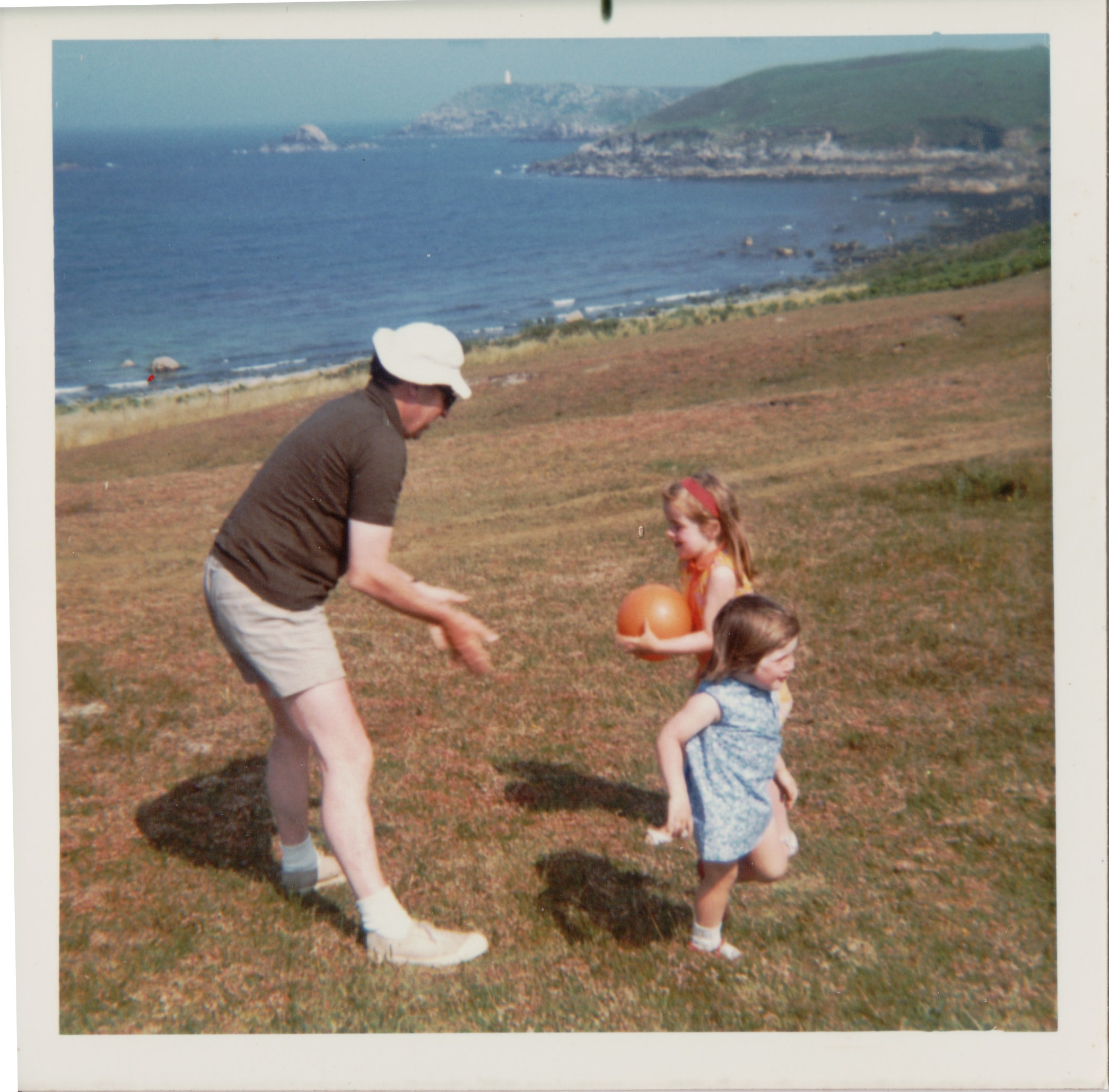
Not only did we get some great photos, but the one above even won us a mug in the Scilly Isles photo competition. In fact we won 2 mugs, the other being for an old photo of me, my sister and my Dad taken on St Martin’s in 1972. 

Of course we did all our usual things in 2017 – the Big Garden Bird Survey, the Big Butterfly Count, the Garden Bioblitz, Moth night and the annual pilgrimage to see the bluebells on the Malverns. We’ve visited lots of our old favourite haunts, Wyre Forest, Trench & Grafton Wood, Prestbury Hill & Brotheridge Green etc. But we’ve also found some new favourites: Daneway Banks, Upton Warren wetlands, Wenlock Edge and more.

On the home front we have of course continued to let the weeds grow in the garden pretty much unchecked. The postman may soon need a machete to hack his way through the undergrowth to the front door, but it has brought us a wealth of insects and more. I’d thought we’d done well in 2016 when we recorded our 25th species of bee in the garden, but by the end of 2017’s summer we’d hit 31 species.

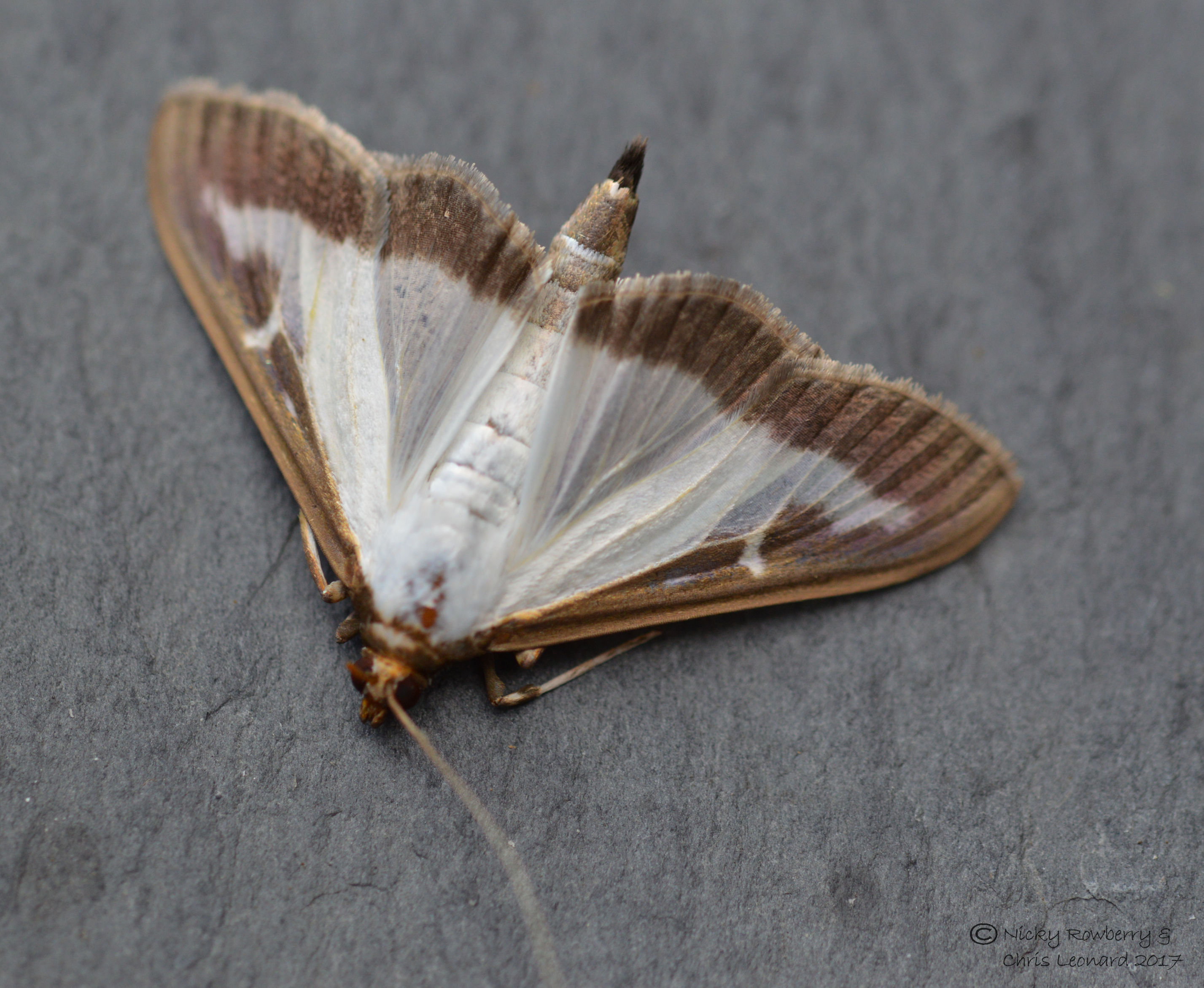
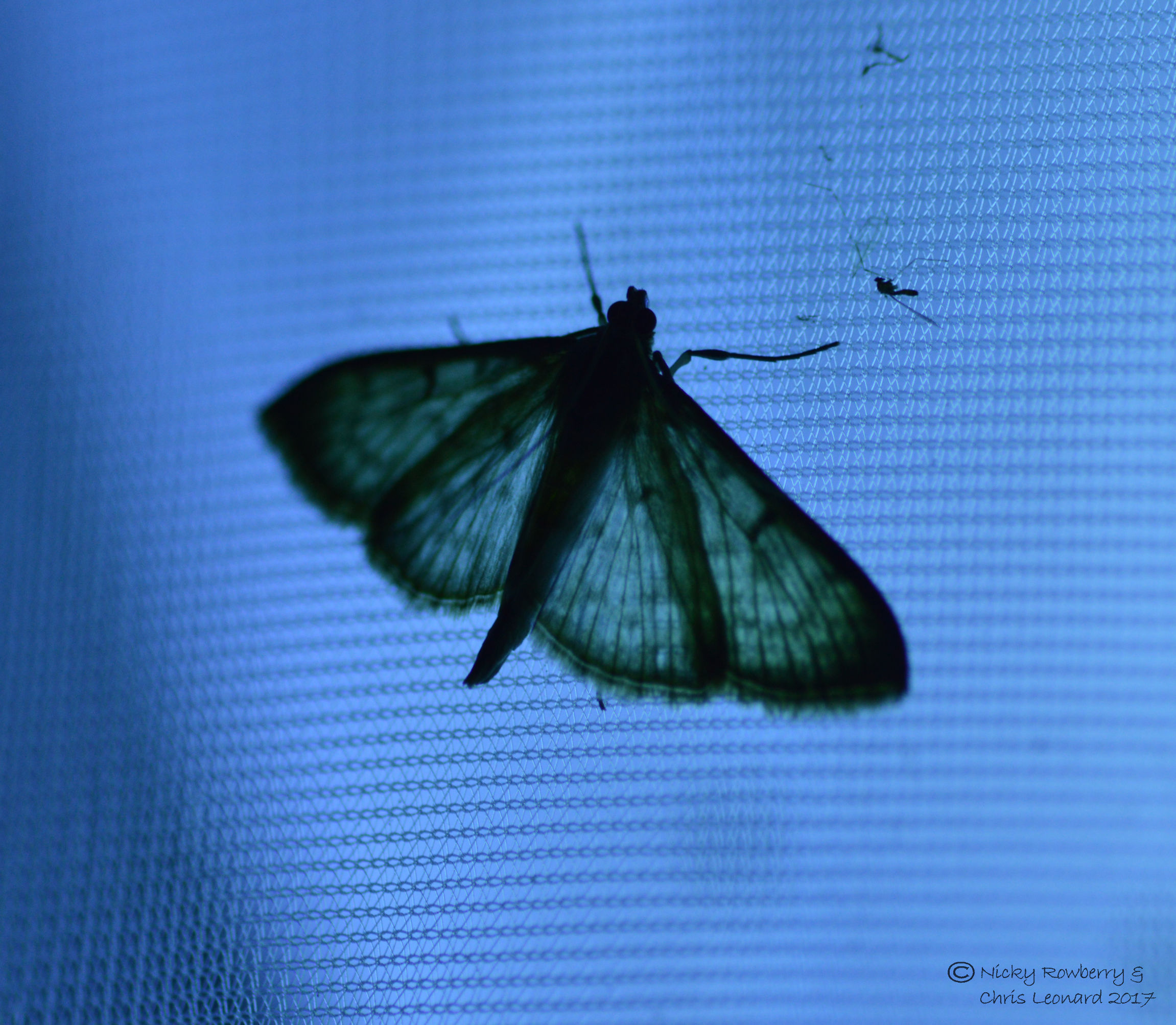
Moths continued to be my particular obsession throughout 2017. Overall it didn’t seem to be such a good year for moths in the garden – I only recorded 198 species compared to 211 in 2016. This might have been due to trapping effort, as I suffered a couple of stinking colds towards the end of the year and didn’t put the trap out for the last 2 months. Overall though we have now recorded 297 moth species in the garden – not bad for the middle of Malvern! The really exciting news though was that I recorded the first ever Box Tree Moth (Cydalima perspectalis) not only for Malvern, but for the whole of Worcestershire. This species is colonising northwards, so it was great to get the first record for our neck of the woods.

The sad news for 2017 was that we had to say goodbye to Bert. He was our elderly gentleman with a big voice (the loudest miaow ever!) and a big character. He spent most of his life outdoors, but came to us for his twilight years. We still miss him terribly.


So New Year’s Resolutions for 2018 – I might as well aim for a few then there’s a chance I might succeed with a couple at least!

  • Butterfly species – continue on my quest to see more of the British species – hopefully another 3 this year?
  • Film Blue tits fledging – the box and camera are still all set up, so we just have to hope they deign to nest in it this year.
  • Visit 5 new local nature reserves – we have such fantastic places around here, it will be good to explore some more.
  • Sort out the garden pond.
  • Have a go at a Hoverfly Lagoon – there’s a project looking at how to promote hoverflies in your garden, so it would be nice to contribute to that.
  • Of course that moth tattoo that never seems to get done!

Happy 2018 everyone!

Autumnwatch – Malvern Style

I’ve not managed to blog much this month, but it’s not been due to any lack of activity in the garden. We’ve both been suffering from a stinker of a cold and our wildlife watching has been largely confined to the views from the sofa. Fortunately the TV offerings have made up for the lack of outdoor activity. Blue Planet II returned this weekend and “blue” us away (sorry couldn’t resist the pun!).  David Attenborough was a huge influence on me as a child and probably one of the reasons I originally became a biologist – and he’s still got it. Inspirational as ever – false killer whales befriending dolphins, fish that leapt into the air to hunt seabirds and ones that used tools to open clams. All absolutely incredible.

Not only Blue Planet, but we had Autumn Watch last week too. Not quite the same wow factor, but great stuff all the same. The beauty of Autumn (and Spring) Watch is that it is British wildlife, so we’ve either seen the animals featured or can at least hope to see them one day. They often have projects or surveys that the public can contribute to and last week’s series was no exception. They launched a project called Seabird Watch which aims to get the public to analyse thousands of images of seabird colonies. So I’ve been having a go; it’s not as easy as it first seems, but it is very addictive! Here’s one of my efforts – lots of kittiwakes and guillemots.

If anyone wants to have a go there are still thousands of images to analyse – go to

https://www.zooniverse.org/projects/penguintom79/seabirdwatch

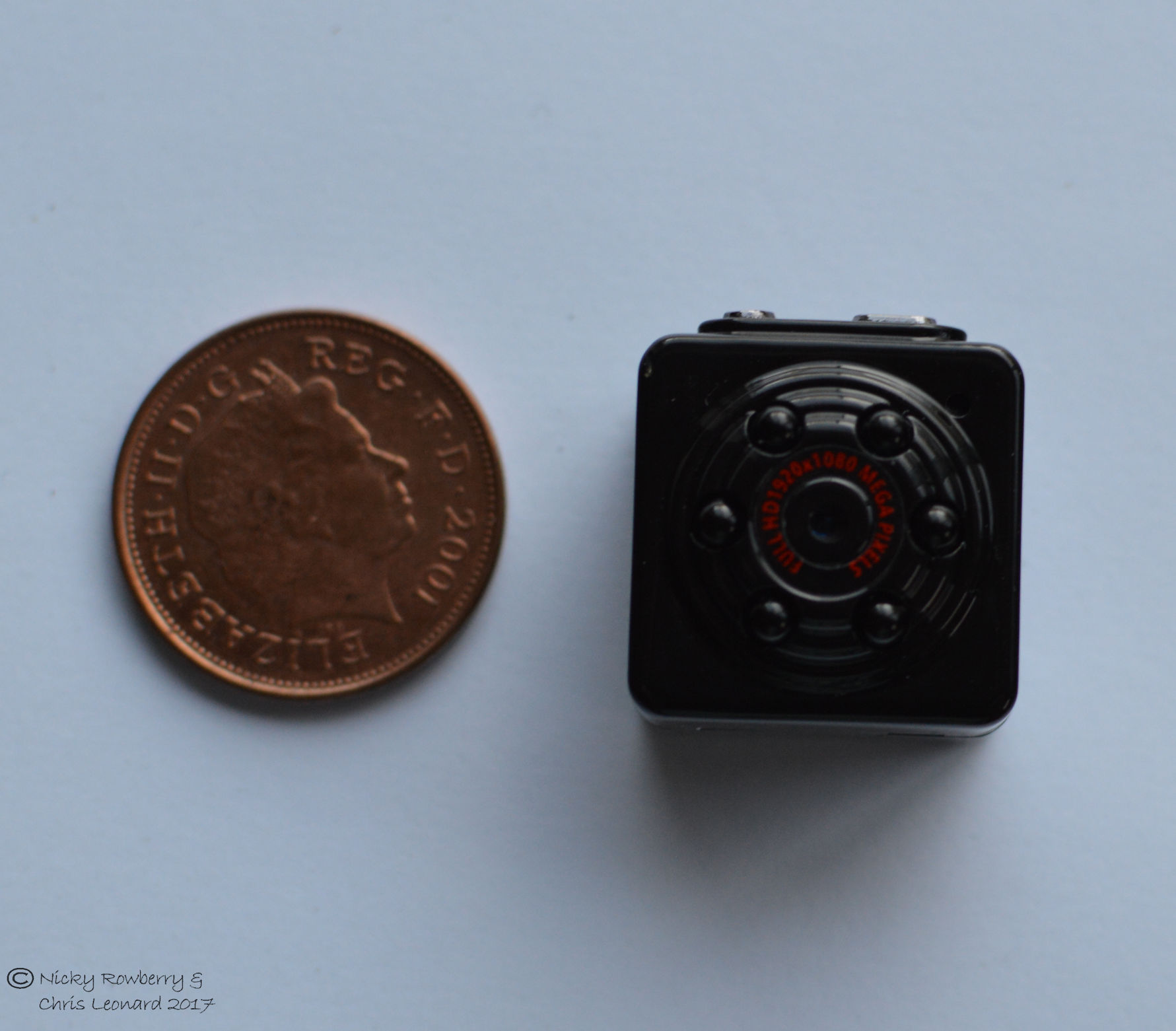
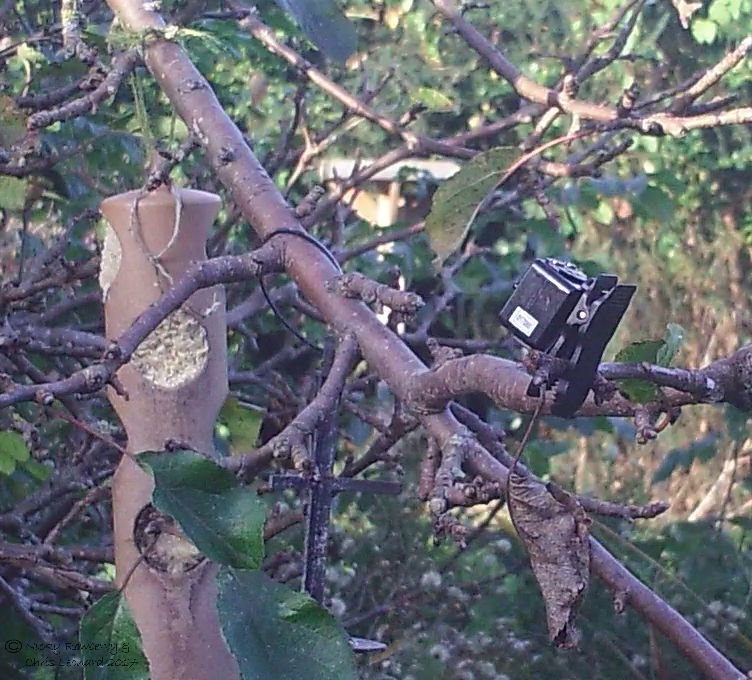
Autumnwatch of course featured all sorts of mammals and birds and all manner of fancy equipment for recording them. We don’t exactly have the same budget as the BBC, but I did go wild this week and bought a new gadget – this mini camera. It’s not much bigger than a 2 pence piece!

It’s so small we can fix it to twigs in the apple tree like this:

Of course like all new gadgets it’s taking a bit of getting used to. First few attempts turned out to be upside down. Second set were the right way up, but not exactly pointing in the right direction. I did get these starlings; although they’re not really taking centre stage they do at least demonstrate that it works and has the potential to get some decent footage.

I have now managed to fix the date, so it doesn’t look like we’re in a time warp from 2 years ago, but I still need to work out the night vision and motion detection bit. It’s made a bit difficult by the badly translated instructions, but hopefully I’ll get there in the end. In the meantime here’s some nice footage using the good old trail camera – not quite the majestic owls from Autumnwatch, but a cute blue tit having a bath instead.

Again we may not get the badgers and foxes of Autumnwatch, but we do have hedgehogs! I recently built another hedgehog feeding station (the last one having gone for a burton when a magpie knocked the trail camera over onto it and smashed it!) Fortunately the hedgehogs seem quite happy with mark II and this fairly large one has been a regular visitor.

I was surprised though to see this much smaller one here for the first time. Hedgehogs need to be at least 450g by now to have enough fat reserves to make it through the winter. So if I can find this one again I will try and weigh him to check that he’ll be OK.

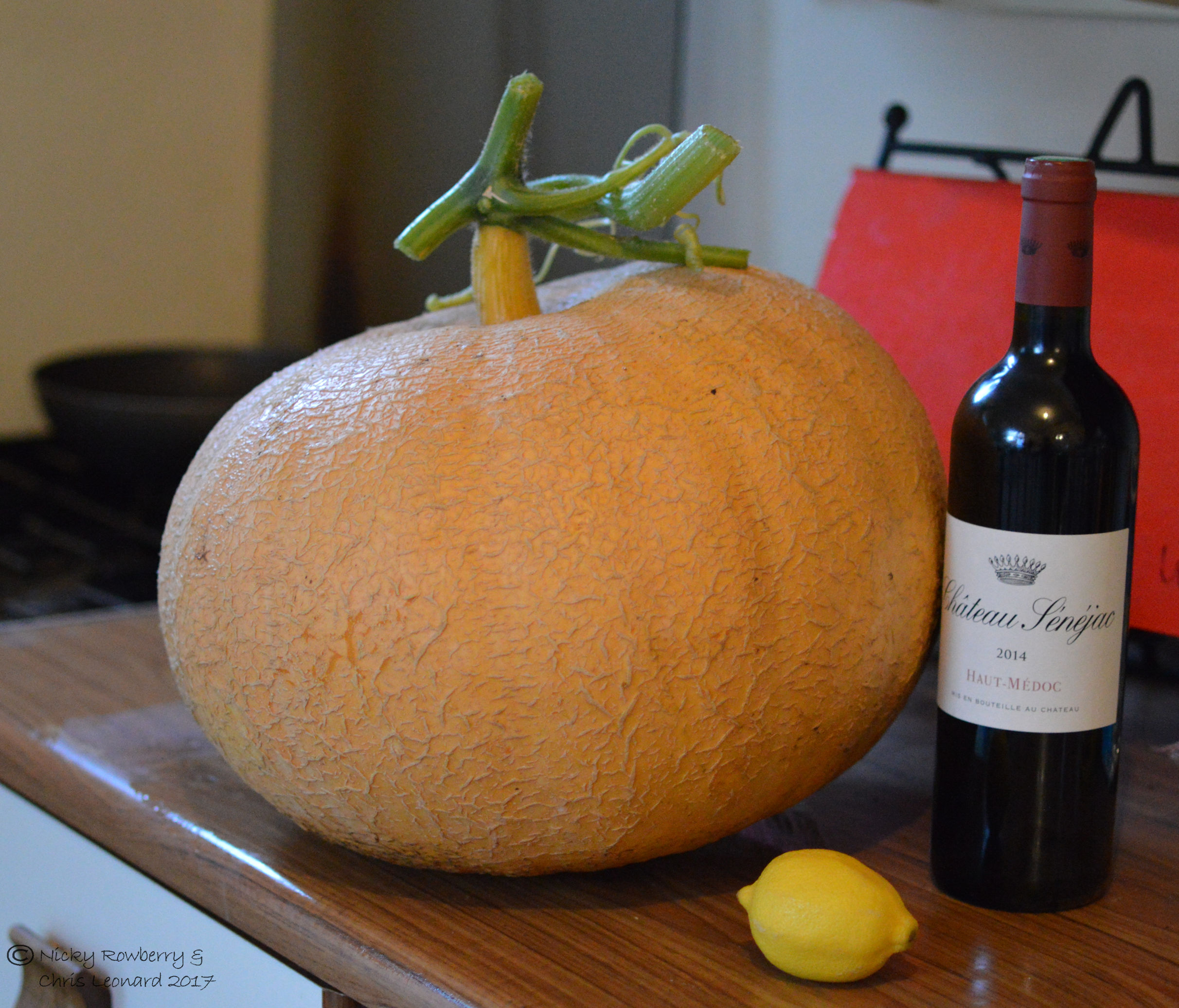
The garden is definitely feeling very autumnal now and we even had our first frost yesterday morning with a chilly 0.1C overnight. The leaves have nearly all gone from the apple tree and my beloved moths are now few and far between. Marking the season though it is Halloween tonight and our allotment produced 3 whopping great pumpkins – the biggest of which here is seen with wine bottle and lemon for scale rather than some weird recipe I’m concocting.

Last year I carved the pumpkin into a bird feeder, but this one was a bit big to hang  up, so it’s just a regular scary pumpkin face. There’s something very satisfying about having grown our own pumpkins.

Finally from Halloween to Bonfire Night and a plea for everyone to look out for hedgehogs (and other small mammals and amphibians). If you’re going to have a bonfire – ideally build it on the day it’s going to be lit. If that’s not possible, then please check it thoroughly before lighting – lift up the base and look and listen for signs of hedgehogs. And please just light it from one side to give any hoggies in there a chance to escape from the other side.

Rehab Time

Yesterday must be right up there as one of the most interesting days this year. I got to spend the whole day at Vale Wildlife Hospital & Rehabilitation Centre near Tewkesbury. It was a one day course learning about hedgehog first aid, care & rehabilitation and the whole thing was fascinating!

The day started in the classroom with introductions – the other participants on the course included some experienced hedgehog carers, some planning on starting hedgehog rehabilitation and some who just loved the hedgehogs in their gardens and wanted to learn more.

Caroline, the charity founder, started with an overview of the legal issues surrounding wildlife rescue, which were much more complicated than I had realised. Then we had an introduction to some of the diseases/parasites that hedgehogs can suffer from; many of which can be transferred to humans, so careful hygiene is essential when handling hedgehogs (as it is with any animal).

We then ran through everything associated with the successful care and rehabilitation of hedgehogs. This covered everything from initial “is the rescue really necessary”, to examination & diagnosis, first aid, rehydration of dehydrated animals, feeding, care of hoglets,  treatments of parasites and other diseases, common injuries, record keeping, rehabilitation & release and sadly euthanasia.

In the afternoon we had two practical sessions. First looking down a microscope to examine hedgehog poo for signs of parasites. Not as easy as it sounds and it must take a while to get your eye in with this. Second was practising giving subcutaneous fluids to a hedgehog. Obviously we couldn’t practise on a live animal, but we all got to have a go on a deceased individual (sad to think that not all the hedgehogs could be saved, but at least we got to learn something from a couple of those that didn’t make it). Dehydration is a major problem for many rescued hedgehogs, so learning to do this properly is vital for anyone considering their rehabilitation, but not something that should be tried without proper instruction.

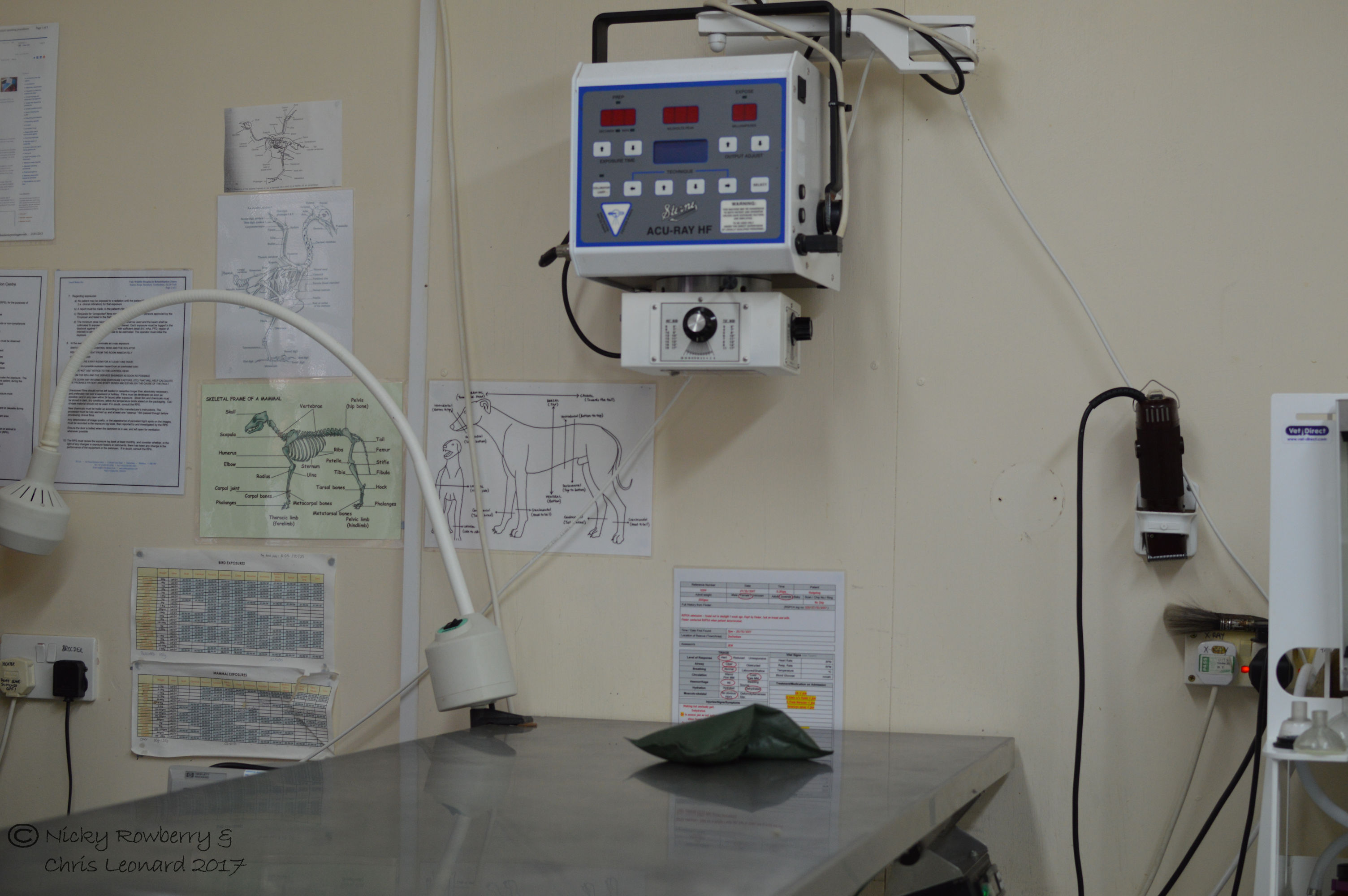
The Vale Centre cares for all manner of wildlife, not just hedgehogs. As part of the course we got a guided tour of their facilities. Just seeing the scale of simple things like food prep or laundry (an awful lot of dirty animal bedding) really brought it home how much work they do. There is of course a lot of much more technical equipment, like this heated x-ray table.

Warmth is often a critical factor in the survival of the rescued animals, particularly for baby ones. Brooders such as this one, allow them to be kept constantly warm, until they are big enough to regulate their own body temperatures.

The small mammal and hedgehog wards are fitted out with row upon row of cages, each with their own patient records on clipboards, just as you would find in a human hospital.

Each animal patient has a unique identifying number and the staff record daily weights and observations, flagging up any that are cause for concern. Colour coded tabs allow instant identification of those needing fluids, or medication, or assessment, or samples etc.
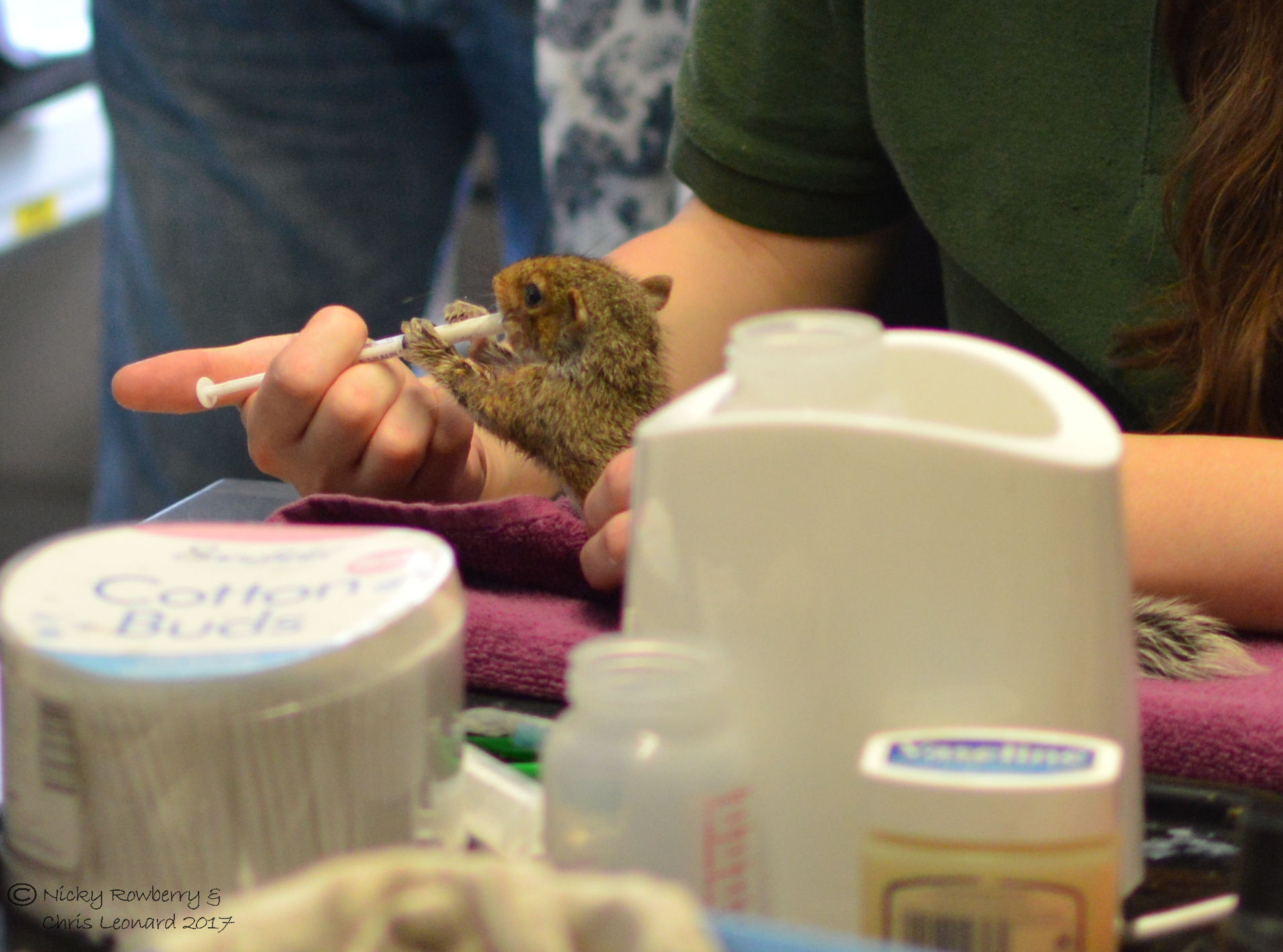
While we were getting our tour a young squirrel was being syringe fed (although we were supposed to all be objective and unsentimental, a collective “awwh” went up in the room).

A more adult looking squirrel was either interested in the syringe food, or interested in us – not sure which.

Hedgehogs account for a large proportion of the animals admitted to Vale. Last year of the approximate 4500 animals admitted, over 1000 were hedgehogs. This year they look to be getting similar numbers and the wards certainly had plenty of hoggy patients. Of course being nocturnal animals most of them were fast asleep in their cages, burrowed into nests of shredded newspaper. But I did spot one venturing out of his sleeping chamber. The hedgehog cages are split into two connecting “rooms”, one a sleeping chamber and one for the food and water.

Birds account for about 70% of Vale’s admissions, many of them baby ones. A young sparrowhawk and a duck were admitted while we were there. These baby pigeons were just two in the indoor bird ward yesterday.

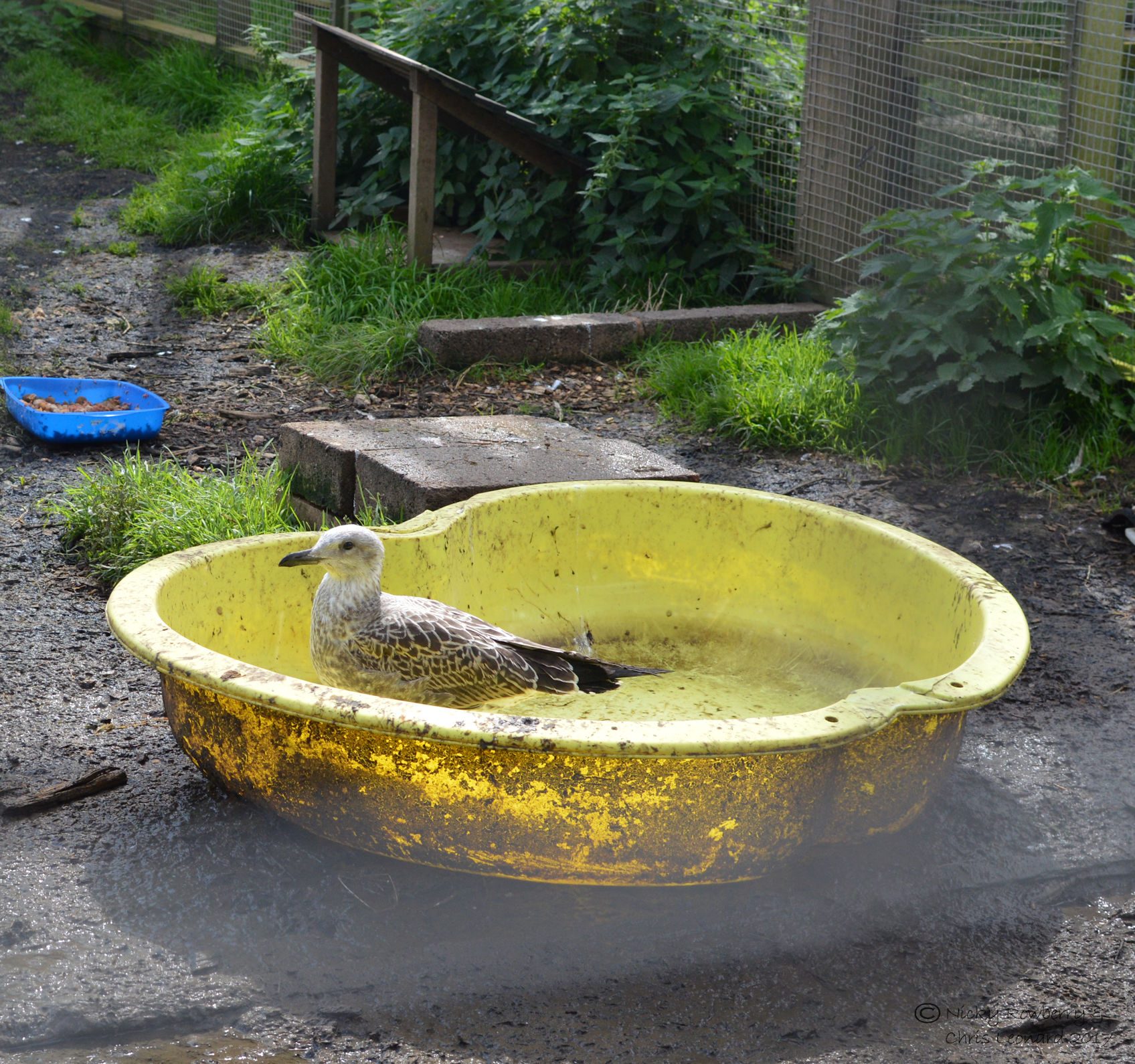
Outdoors there were yet more birds, from small birds like sparrows and pigeons, up to swans and gulls. All waiting to be strong enough to be rehabilitated – it is vital that they regain the strength in their flight muscles before being released.

Vale’s ethos is very much about rehabilitation. Animals are nursed back to health so that they can not only be released again, but be released with quality of life equivalent to what they would have naturally.  If this can’t be achieved, then sadly euthanasia may be the only option.

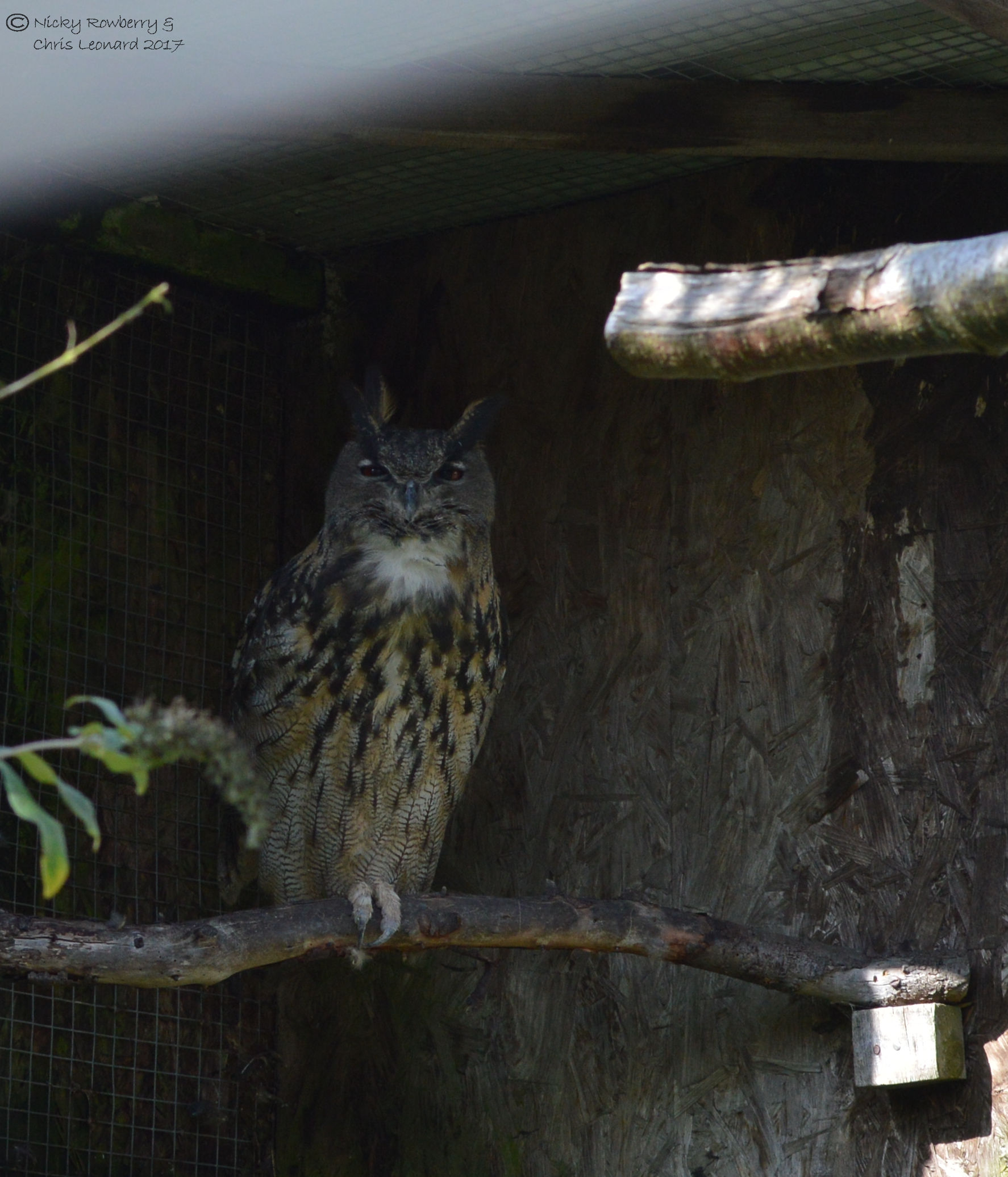
There are one or two exceptions, such as this stunning European Eagle Owl. This bird is not native to Britain so cannot be released into the wild here.

And finally an unlikely looking trio of a fallow deer, an emu and a rhea, all of which will be living out their natural days at Vale.

Although our course was aimed primarily at hedgehogs, it was great to see some of the other work the centre does too. I would recommend this course to anyone considering caring for one or more hedgehogs. This and of course getting some practical volunteering experience with an already established hedgehog rescuer if you can.

When I was a little girl I wanted to be a vet, but was probably way too lazy to study hard enough. I realise now with hindsight that I probably wouldn’t have had the emotional strength to make a very good vet, even if I had worked hard enough. People who work with animals, like the amazing staff at Vale, have to care for the animals whilst at the same time making really difficult decisions on a day to day basis. It would be so easy to make choices for an animal to make the person choosing feel better, rather than thinking what is really right for the animal. The staff at Vale always put the interests of the animals first and I have huge respect for them.

To find out more about Vale Wildlife Hospital and the work they do, check out their website: http://www.valewildlife.org.uk/     Charities like this cost a fortune to run, but do such an amazing job – any and all donations would be very welcome.

30 Days Wild – Day 30 – Night and Day

I’m running late with the blog, so this is for yesterday’s Day 30 of 30 Days Wild! I’d thought it would be nice to push the 30 days to the limit and be looking at wildlife right up to midnight on the last day. So the plan was to set the trap for moths, the trail camera for hedgehogs and sit out looking for bats. As it turned out, with a few glasses of G&T and our friend to talk to as we sat outside, midnight came and went and it was 2:30am before we packed up. Not surprisingly then it’s taken a while to get going on the blog today!

All week we’ve been seeing bats in the garden, swooping around hoovering up our plentiful insects. They’ve come really close to the house as they circle around a large buddleia. But last night of course as we sat there waiting for them with bat detector in hand – none at all! It was a bit windy, but other than that the conditions seemed OK, but they were a no-show. Somewhere in Malvern someone else was probably enjoying “our” bat show! So all I can really say is that we normally get pipistrelles, which click on our bat detector at about 45 kHz.

Similarly with the hedgehogs, all week we’ve had a pair snuffling round the garden at night. It’s been great to be able to show our human friend our hoggy friends. So I was sure we’d pick them up on the trail camera last night – but again nothing! This absence can probably be explained though by our gin-swigging presence in the garden until 2.30. If I were a hedgehog I probably wouldn’t want to listen to 3 humans laughing loudly at their own jokes and clinking glasses either! So I’ve no video to show from last night, but fortunately I can do one we filmed earlier in the week (in true blue peter fashion) of our resident pair. It looks like the larger male is trying to woo the smaller female – with very little success!

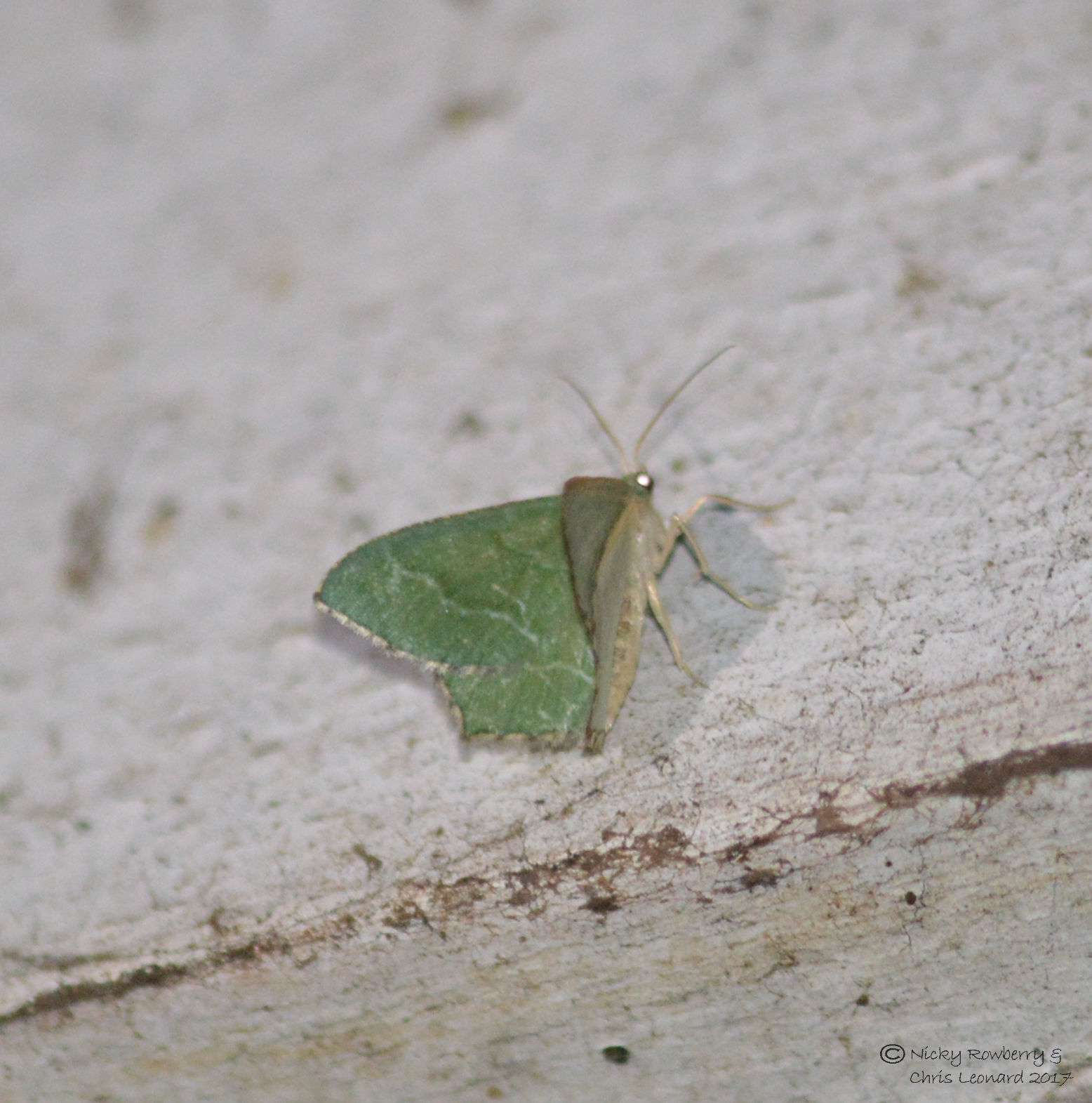
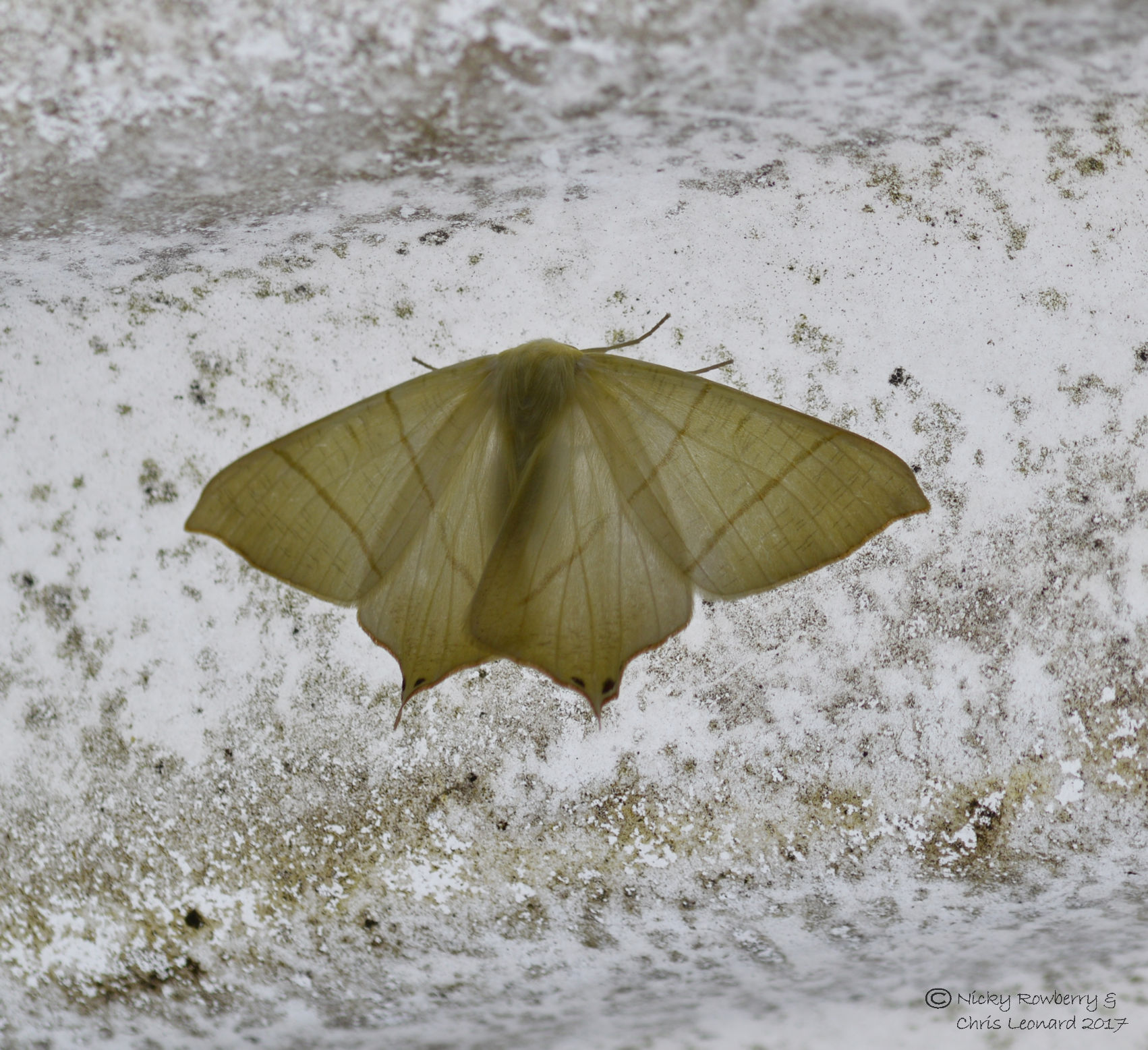
So that left the moth trap to deliver the goods for our nocturnal nature-fest. But even the moths were few and far between (maybe that was why there were no bats?) A few came while we were still sitting there, but refused to actually go in the trap. This pretty green Common Emerald fluttered about and two Swallowtail moths entertained us by flapping somewhat ungracefully around us for a while. One of the Swallowtails was even still there in the morning.

My first Mother of Pearl of the year sat on the outside of the trap but didn’t go in – hence the shadowy photo lit up by the blue bulb from the moth trap.

There were a few Heart & Darts and a couple of other species in the trap when I emptied it this morning. None made for great photos apart from this Garden Grass Veneer.

There was one final mothy visitor – our friend spotted movement in the bushes this morning and found a Common Footman.

So our nocturnal safari of wildlife round the garden didn’t quite go as planned – when do things ever? But it didn’t matter at all. We had a thoroughly enjoyable evening sitting out in the garden until all hours, making the most of just being outside.

So that would have been the end of the blog post for Day 30, except that this morning as we photographed the last of the moths, suddenly the garden filled with butterflies (maybe wanting to get in on the act as Day Moths?). We’ve had hardly any butterflies lately but today we had 7 species fly in all within the space of an hour or two.

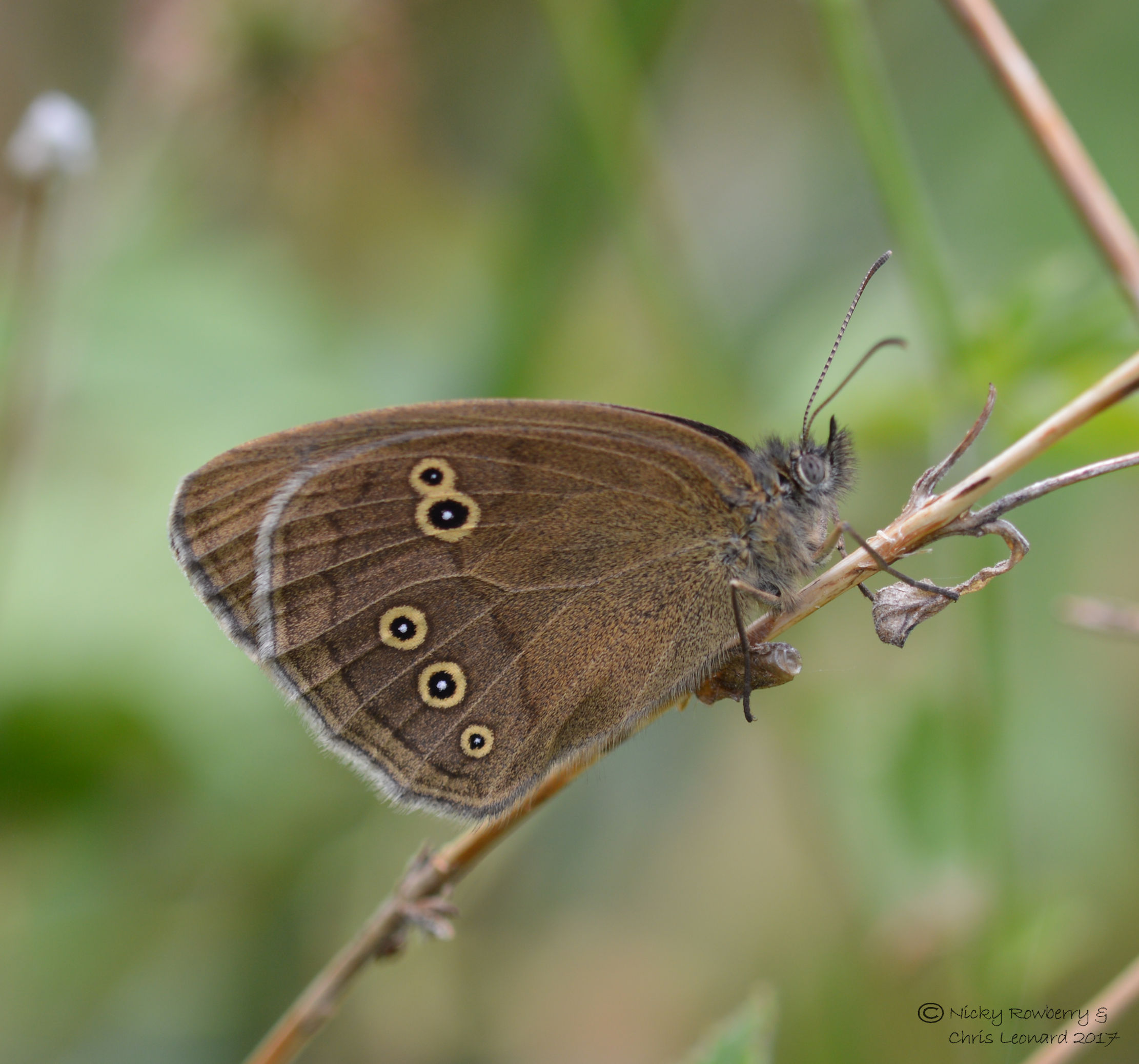
Every year we seem to get a pair of ringlets and sure enough they turned up today. One even chased off a Meadow Brown from his patch!

Then the first Red Admiral we’ve had for ages flew in and out, stopping to feed on the buddleia for a bit.

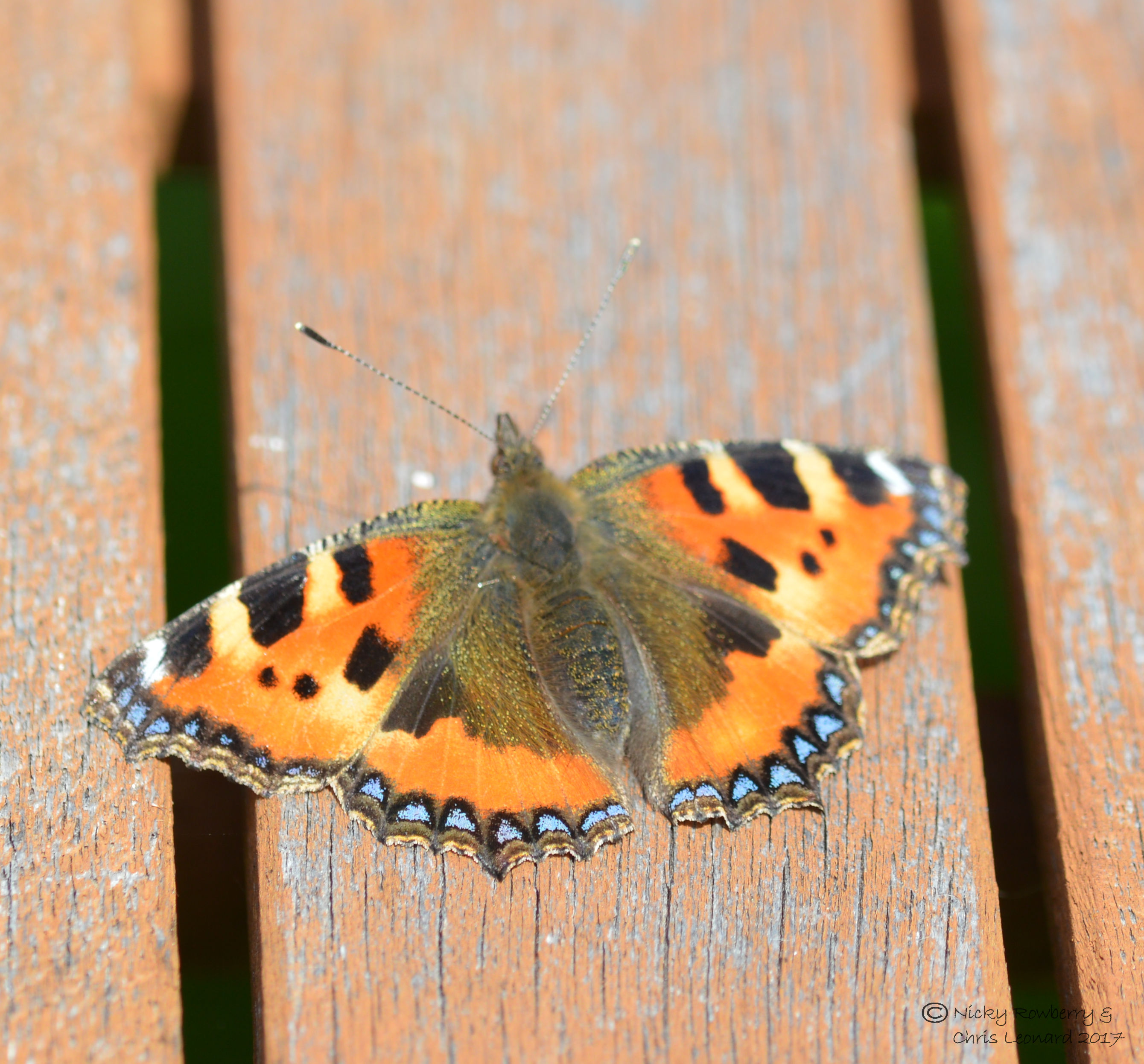
We also saw Large Whites, one Small White and a fleeting Comma. Two Small Tortoiseshells completed the day’s sightings. They fed on the buddleia (too high up for photos), the red valerian (waving about in the wind too much for decent photos) and thankfully one settled on the stationary table for an easy photo.

So it would have seemed rude not to include the day flyers with our night time ones. So what if it extended 30 Days Wild by a few hours – why wouldn’t you want to do that? In fact why wouldn’t you want to go a bit wild and get a bit of nature into your life every day? Stay Wild!

30 Days Wild – Day 4 – Garden Bioblitz Part 2

It’s day 4 of 30 Days Wild and I spent the morning taking more photos of the wildlife for our Garden Bioblitz. I’d started the bioblitz at about 09:30 yesterday, so I was trying to cram in as many more species as I could before 09:30 this morning. This wasn’t helped by the fact that my camera has packed in, so apologies for the lack of photos in this post.

The day started at 04:30 to beat the birds to the contents of the moth trap. I had hoped for a good haul to boost my species tally, but the trap was fairly quiet – possibly because it had been quite windy last night. Still there were some nice moths including a few of the beautiful and distinctive Angle Shades – virtually impossible to mistake these for anything else, which I like in a moth!


Star of the moth show was an Elephant Hawkmoth making a timely debut for the year in our garden. I’ll never tire of these stunning moths with their bright pink bodies. If you were to make a toy moth, I reckon this would be it.


I put a specimen of each moth in the fridge (it does no harm but keeps them calm until  you can photograph them) and went back to bed for a couple of hours. 8 o’clock though and I was back up photographing said moths, then scouring the garden for more wildlife. I hadn’t managed to photograph any birds yesterday, so I topped up the feeders and waited expectantly to see what would show up. As usual the sparrows were the first to show, landing on last year’s teasels to check things out before heading to the bird table.


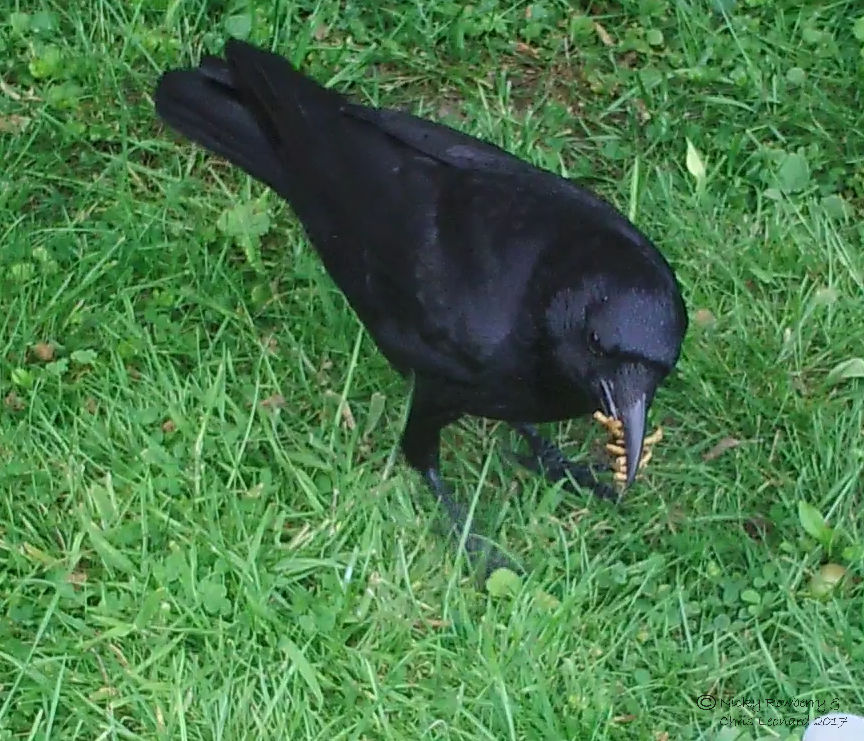
The starlings and jackdaws came next, followed by the blackbirds and pigeons. There were several no shows for birds that normally frequent the garden – no sign of the robin, wren, collared doves, great tits or gold finches. A blue tit just appeared in the last minutes to scrape into the bioblitz total. For the last few days I’d been seeing a big black bird, bigger then the jackdaws, so was disappointed initially when it didn’t show for the camera. But then I downloaded the trail camera which had been running for the last couple of days and there he was – a carrion crow.

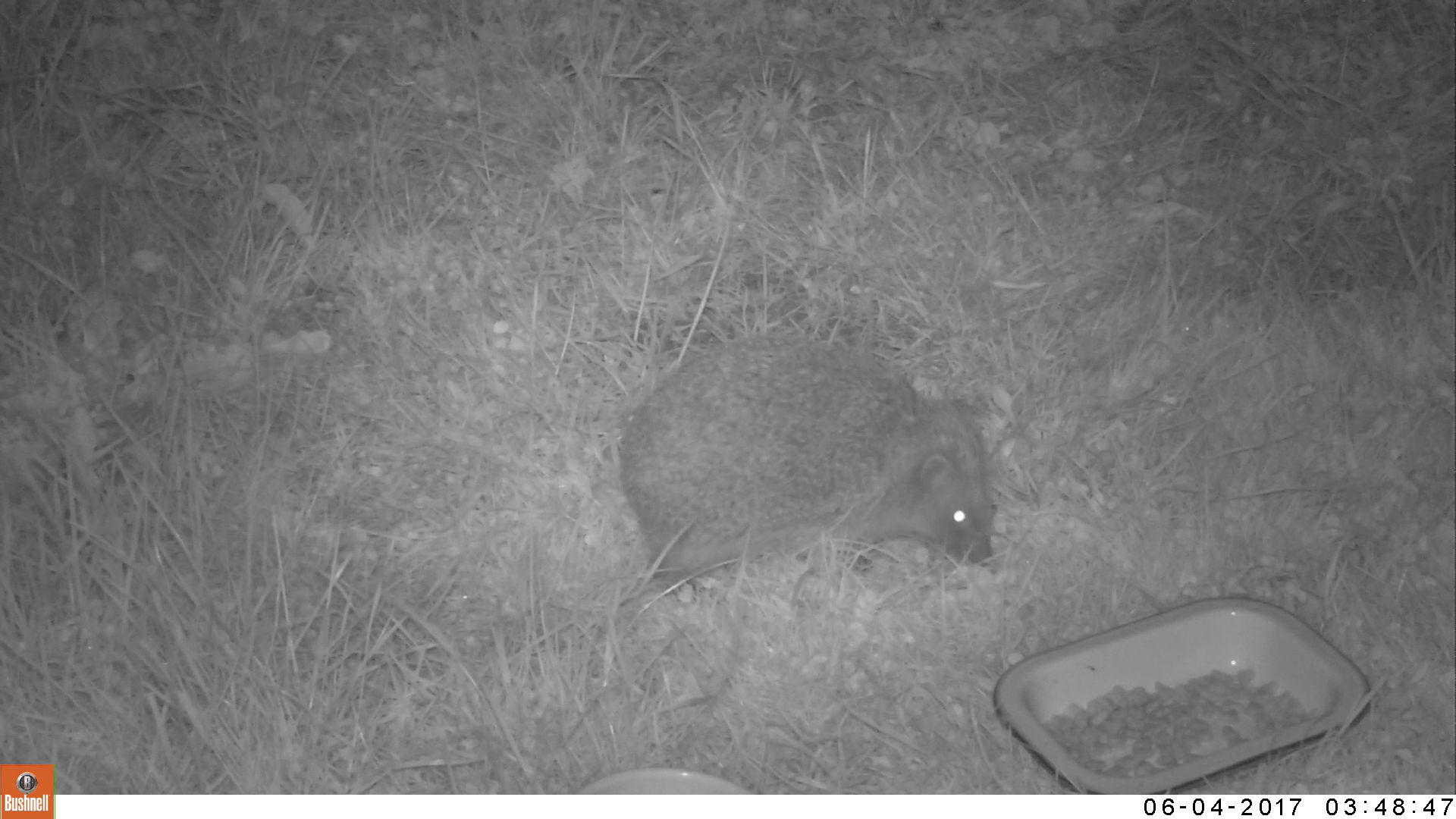
The trail cam also picked up a couple of hedgehogs – one of which looks like our old foster hedgehog Meadow – i.e. it was a big chunky looking hog!

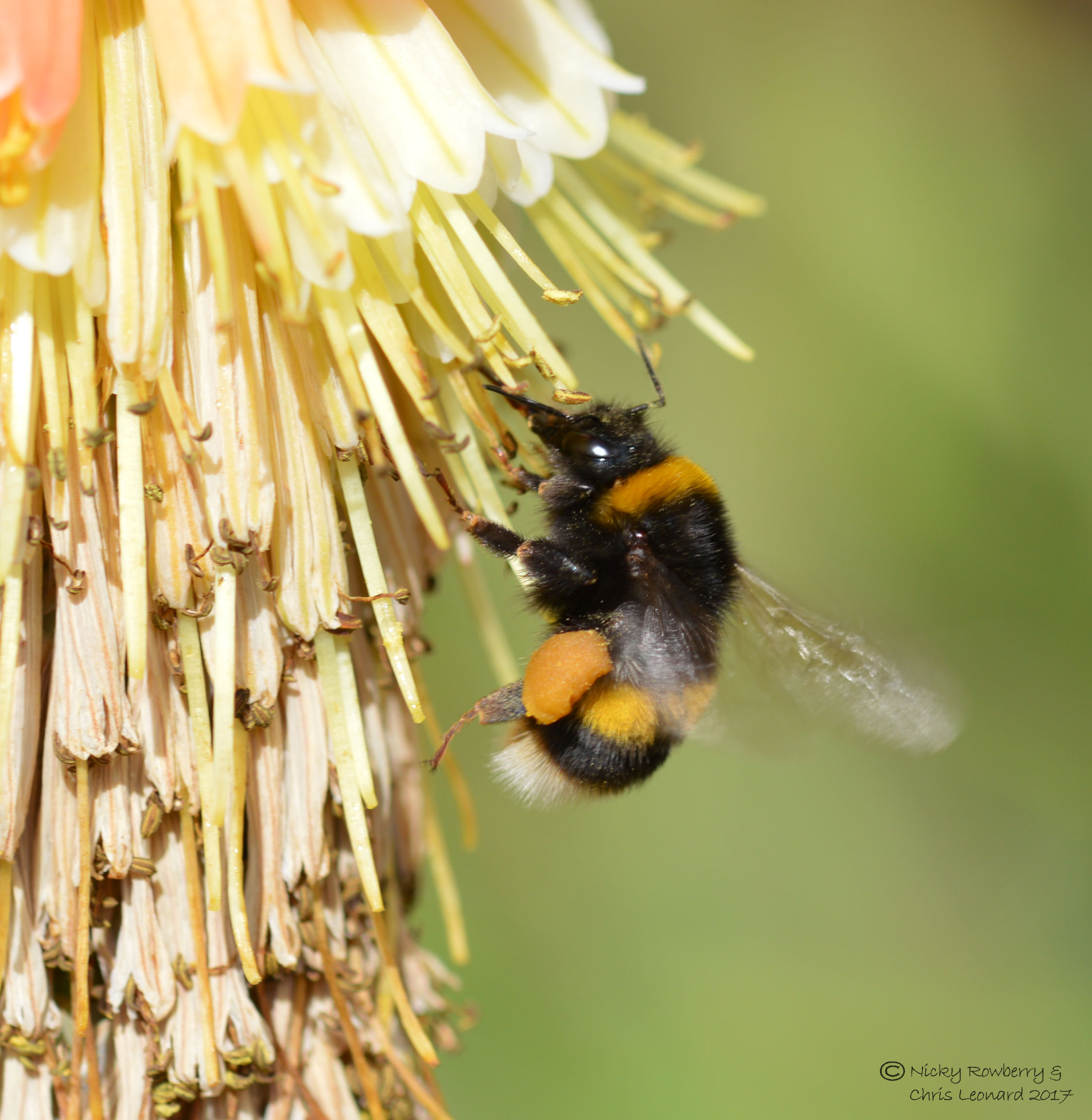
There were of course bees in the garden, although being a busy bee myself chasing everything else around I didn’t actually manage to get that many photos of them. But here’s one of my favourites – a Buff-tailed Bumblebee.


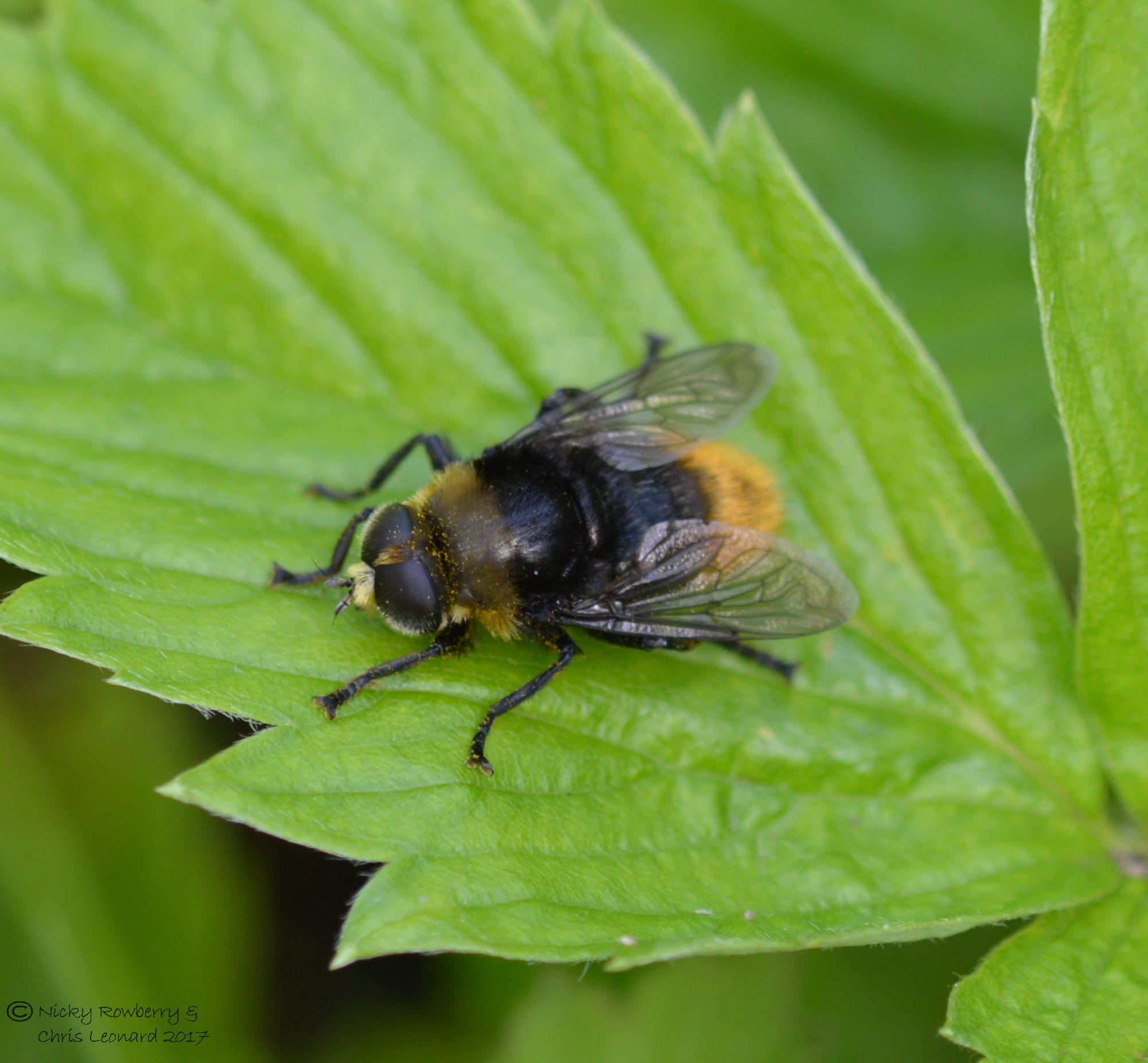
There was also this bumblebee mimicking hoverfly (Merodon equestris).

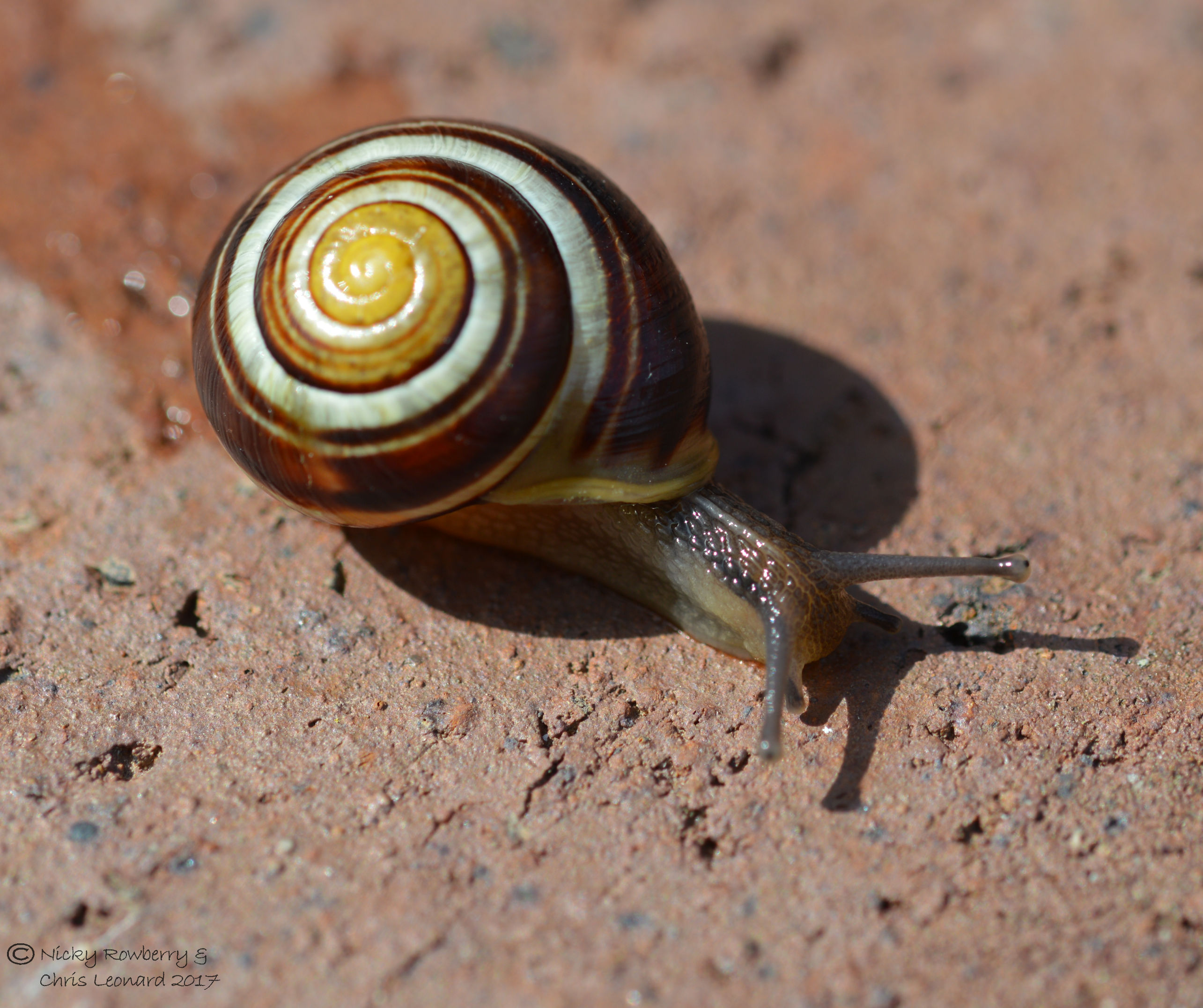
Our snails were also being sneeky and hiding away over the last 24 hours – several species that I know we get refused to show. Fortunately both the White Lipped (photo below) and a Brown Lipped appeared out of the Pendulous Sedge to get their photos taken.


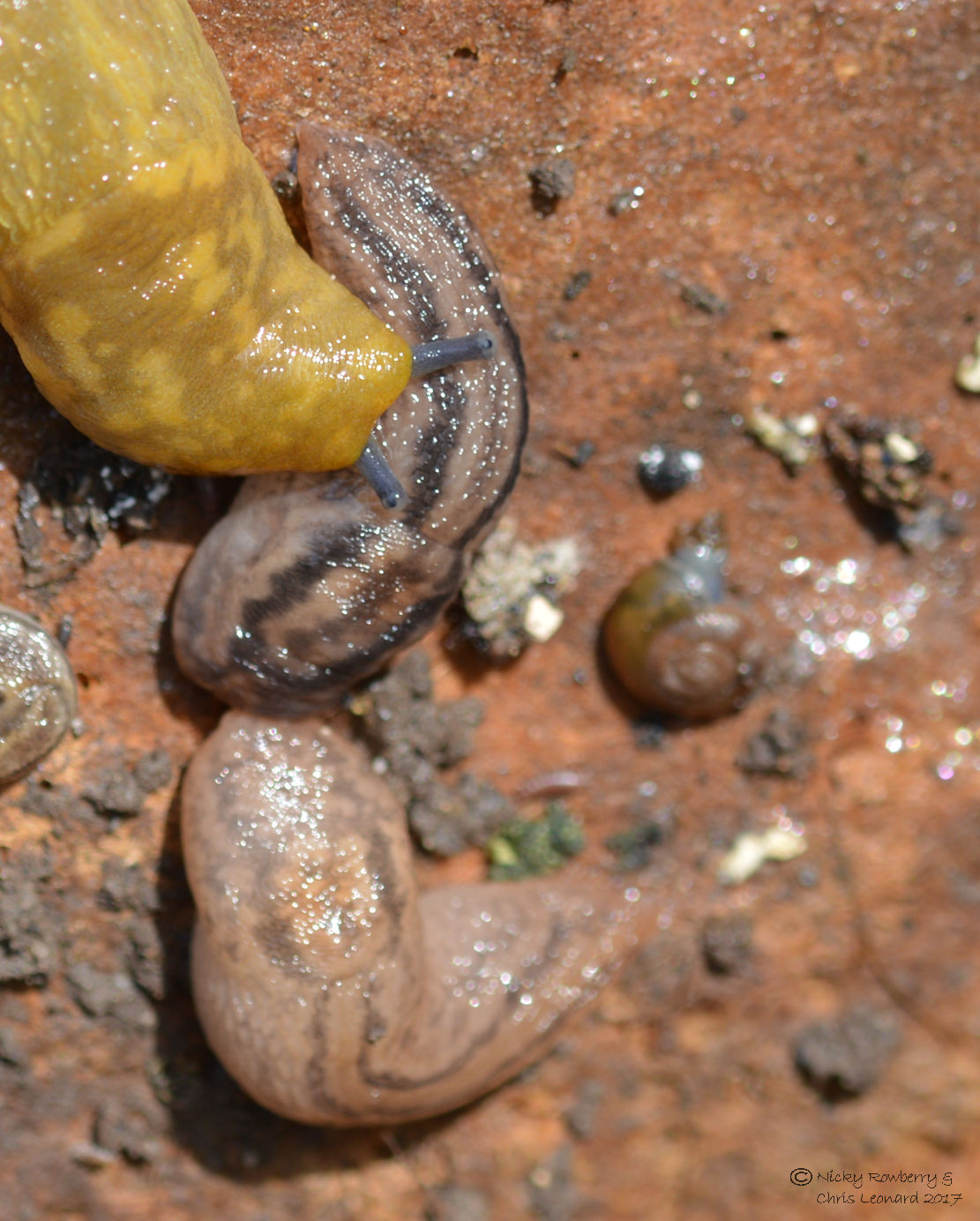
I also found three species of slug including this large yellow one and the stripy ones which I think are Iberian slugs.

I spotted this tiny nymph of the Speckled Bush Cricket, when I saw its antennae poking over the edge of a buttercup. Unfortunately the buttercup was blowing about in the wind a bit – hence the less than perfect focussing!

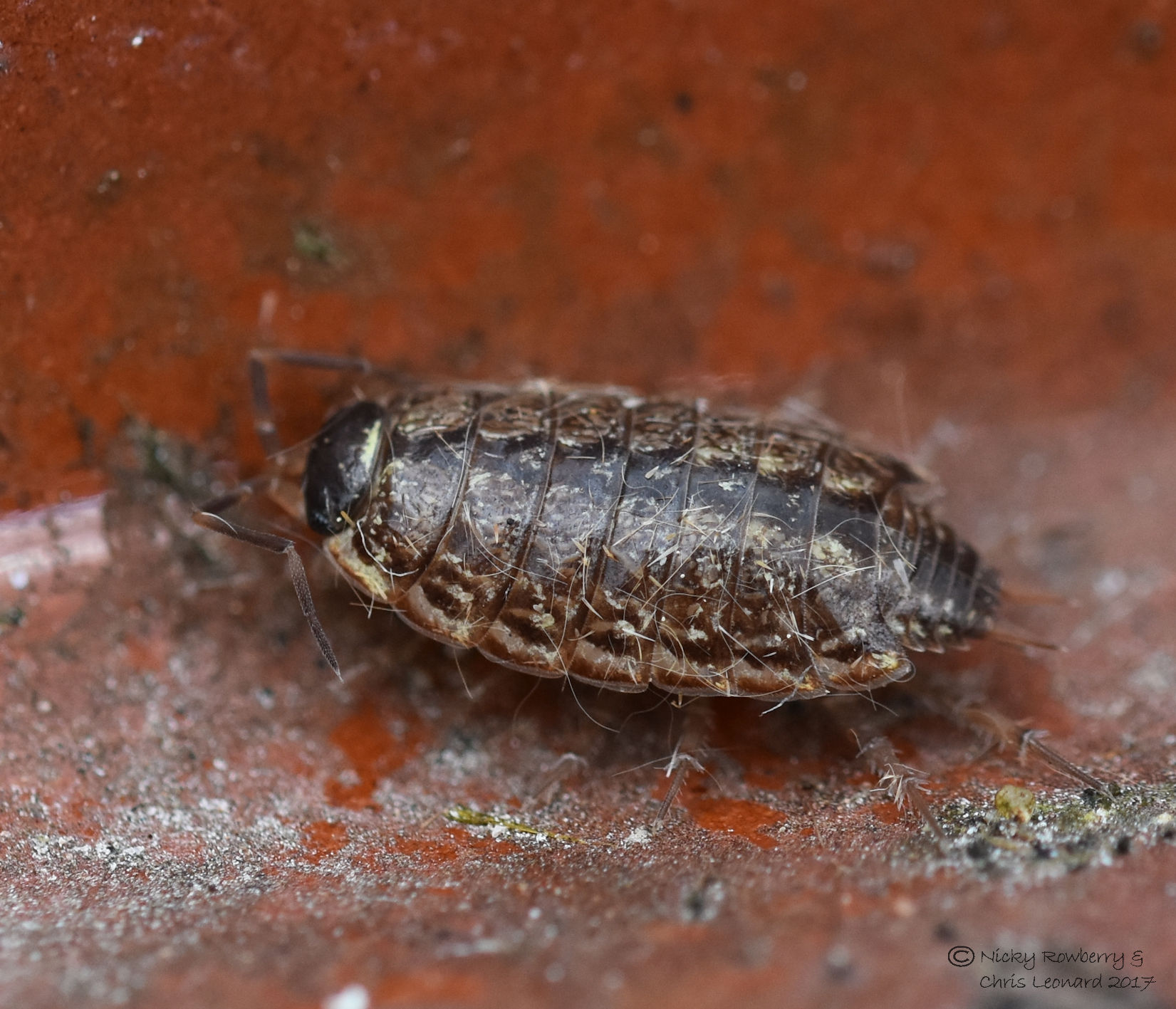
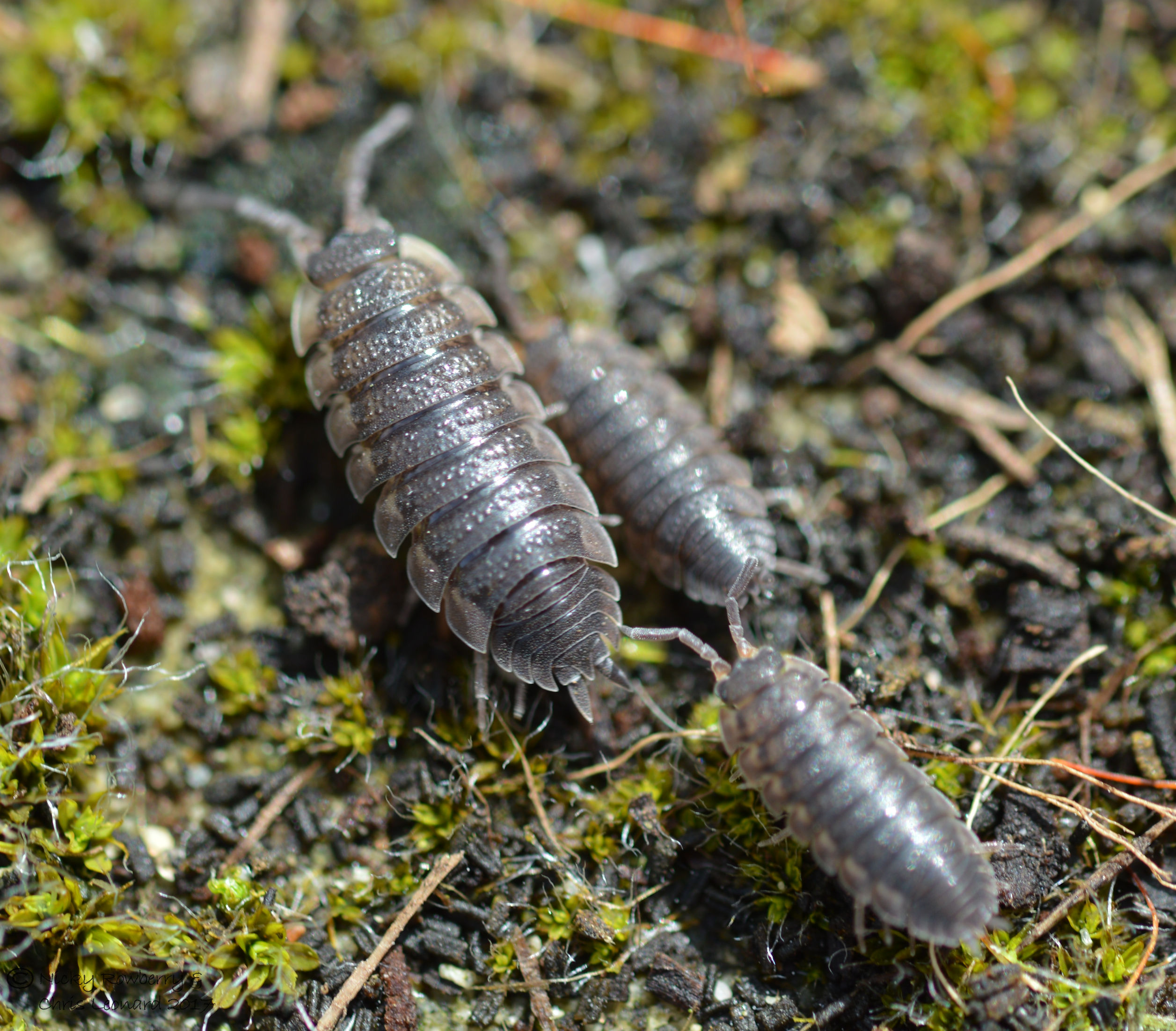
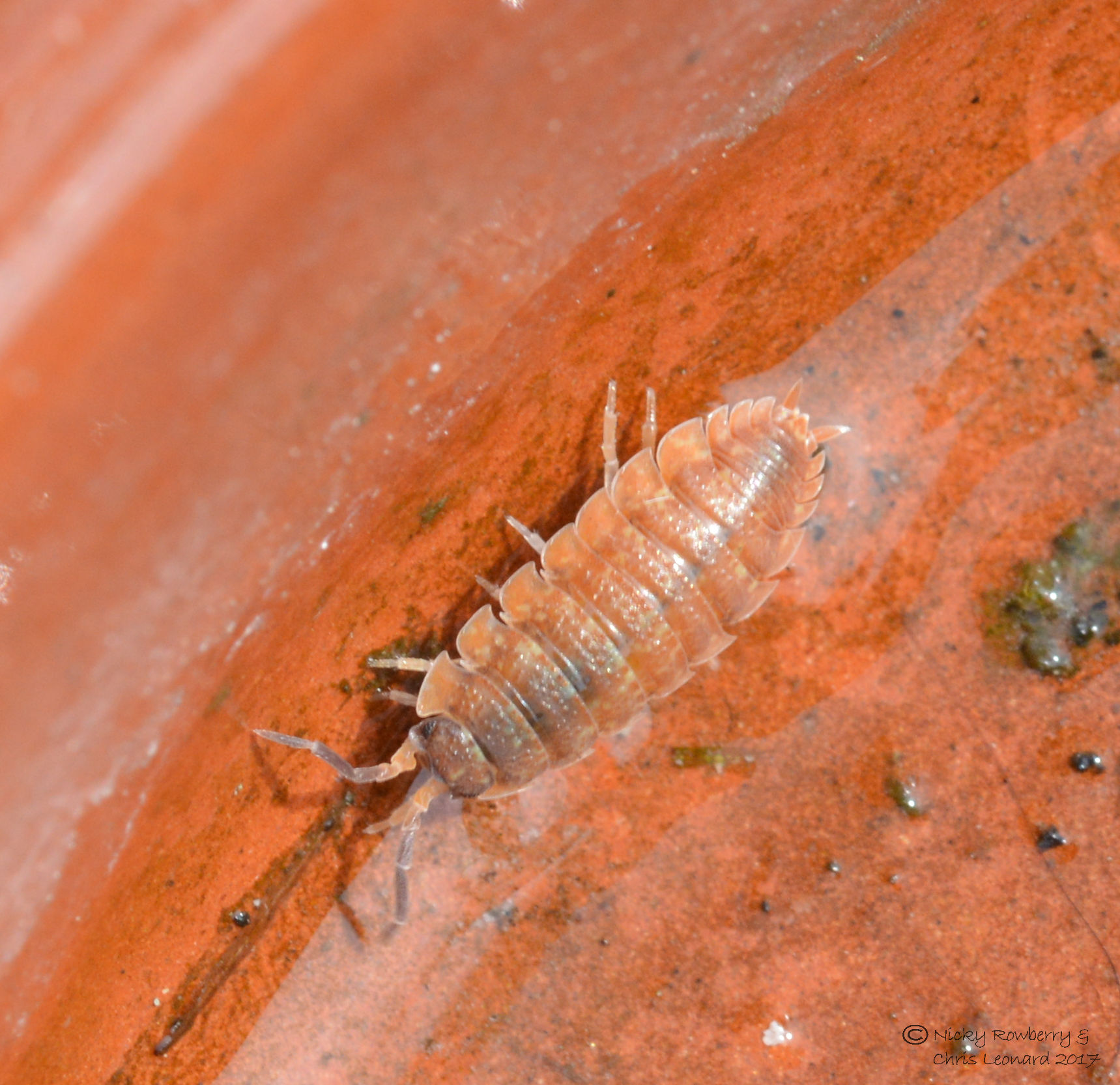
While turning over stones, I disturbed loads of woodlice. There were Common Striped Woodlice and the ones below that are Common Rough Woodlice. The bottom pinky one may just be a variant of the latter, but I hoping it might be a 3rd species – just waiting for someone on i-Spot to confirm one way or another.


Beetles are the largest insect group in the world, so it would have been a bit weird if I hadn’t found any in the garden. My favourite Swollen-thighed beetle of course appeared, as did a lovely shiny Black Clock Beetle.


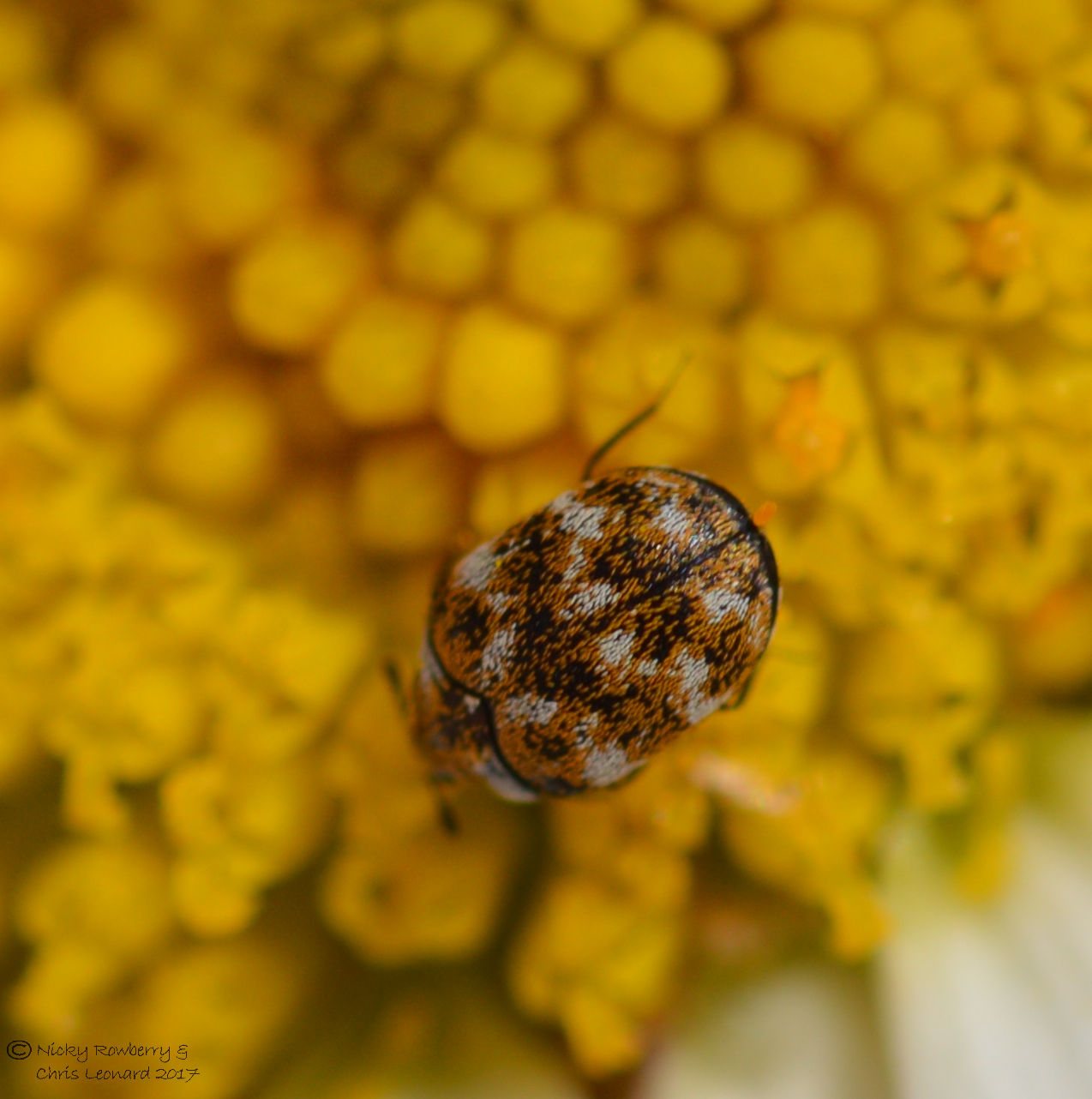
This tiny carpet beetle was making the most of the flowers.

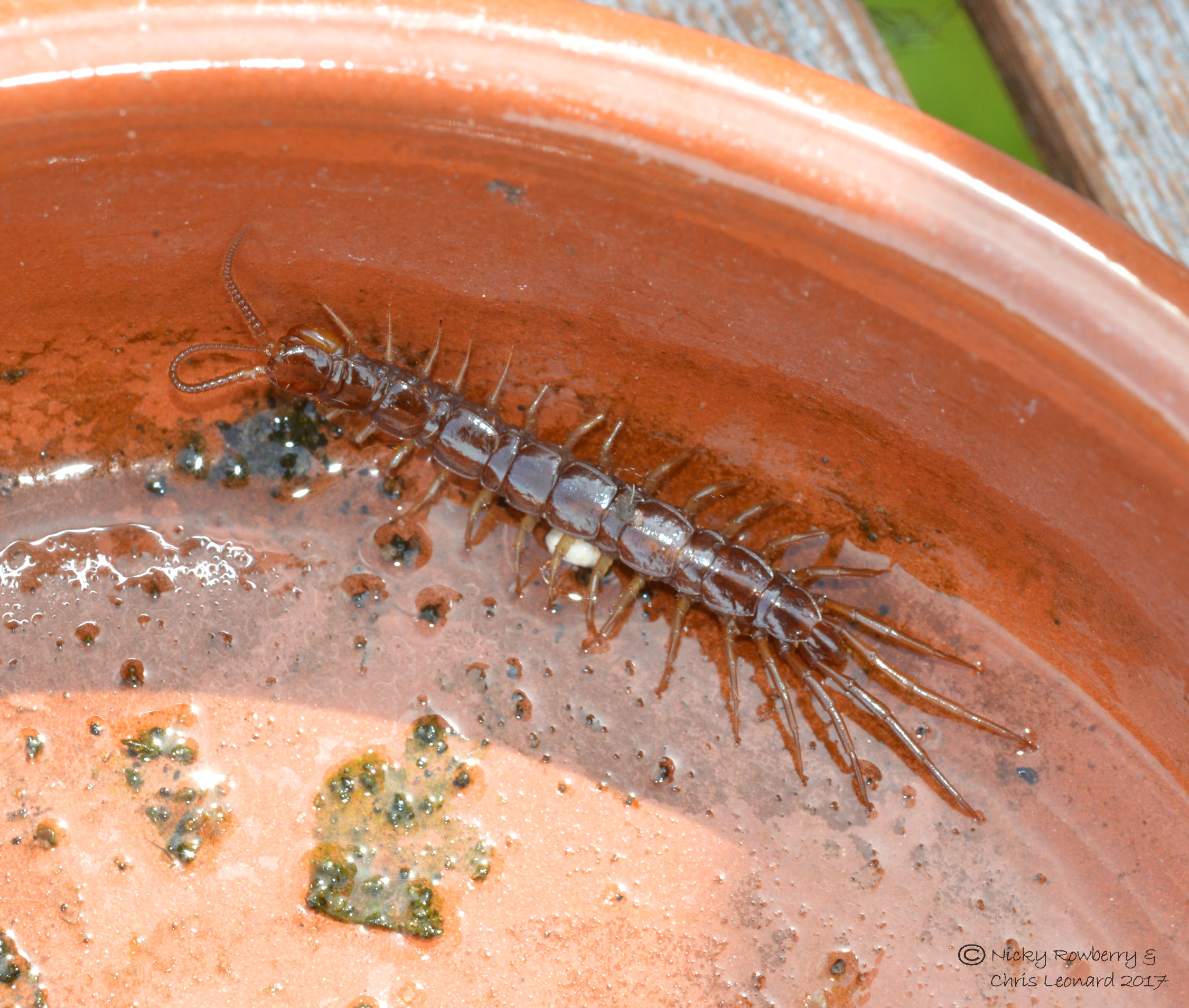
One group I’ve never really studied is the centipedes/millipedes. This beauty turned up under an old piece of wood. I’ve yet to work out the species though (suggestions gratefully received).

So that’s a selection of our bioblitz species for 2017. As always I ran out of time, so didn’t manage to root about in the pond, or look for ants, flies, grass moths and a host of other things. It was also a bit disappointing that no butterflies or shieldbugs or ladybirds appeared in the last 24 hours, but then that’s the way it goes. The bioblitz is just a snapshot of what you can find in the garden over a day. I love that it gets me looking for groups that I don’t normally study (easy to get in a bit of a rut with the bees and moths and butterflies and forget the others sometimes) – always good to broaden my wildlife horizons.

I’m still identifying photos and gradually uploading them to the i-Record website, so I won’t know the final tally for a while yet. So far I’ve only managed to load 32 species, which apparently puts me 10th on the bioblitz league table. Sounds good until I realised the person in the top spot at the moment has 167 species – I’ve got a way to go yet!


Hedgehog Awareness Week

Today marks the start of Hedgehog Awareness Week – an annual event focussed on all things hoggy, organised by the British Hedgehog Preservation Society. I’ve been saving up hedgehog related news for a few weeks now, in readiness for Awareness Week and I’ve got a surprising amount to report!

The big news for me personally was that I handed my notice in at my previous job and had planned to have a bit of time off. That was until I spotted an admin job going at the British Hedgehog Preservation Society (BHPS) – it was just too tempting to resist.  I applied and am absolutely thrilled to say I got the job! It’s only 2 days a week which is absolutely perfect for me as it gives me plenty of time to be not weeding the garden! So here is my new place of work:

The next big piece of news is that Meadow our foster hedgehog has now been released into the Too Lazy To Weed garden. I took him back to be checked over by Viv at Malvern Hedgehog Rescue before we released him. This is him in the cat basket on the way there.

Viv checked his weight (he’d actually put on a lot of weight as apparently the catfood he’d been on for the last few weeks was a bit rich for him – I’ll know better next time) and then gave the go ahead for him to be released into our garden. He’d been with us since January and in a way I was sorry to see him go, although obviously it was the right thing to do. We waited until dusk, then put the cat basket out under the apple tree where there was plenty of cover for him and just let him come out whenever he was ready. (I was tempted to have the Born Free theme tune playing the background but resisted) This is him emerging from the cat box and taking his first steps in our garden.

I left the trail cam out for the next couple of nights and sure enough he appeared, making a beeline for the food I’d put out. I’m fairly sure it’s him in these next 2 clips as it’s a pretty big hedgehog so I reckon that’s our boy!

Assuming it is him, he seems to be doing well and has obviously found somewhere safe to rest during the day and knows where I put food and water out each night. Live long and prosper Meadow!

I’d been putting the trail camera out in the hope of getting hoggy videos for a few weeks before Meadow’s release. Most of the footage was of course taken in the dark, but I got this one short film of a hedgehog in the very early hours of the morning in daylight (I think the camera’s clock was out by an hour or two though as it wasn’t this light at 04:30am). Hopefully he or she was just getting a last minute snack before hiding away for the day somewhere.

It’s never easy to distinguish the hedgehogs in the garden (apart from Meadow’s currently distinctive chubby form), so it’s difficult to know how many we get. But a lot of trail cam footage shows a pair of hogs, so we know we’ve got at least 2 (3 now with Meadow).

The first time two appeared together it looked like a fight! Don’t know if it was a territorial dispute between 2 males or an overly aggressive male and female, but the one managed to shove the other half way across the lawn.

The following night though there were 2 hogs again. Not so aggressive this time, although the one did seem to be seriously annoying the other. They circled round like this for well over an hour – was it perhaps the start of mating, with the female playing hard to get initially. Have to admire his persistence if it was courtship, although he did seem to get distracted by the food bowl quite often!

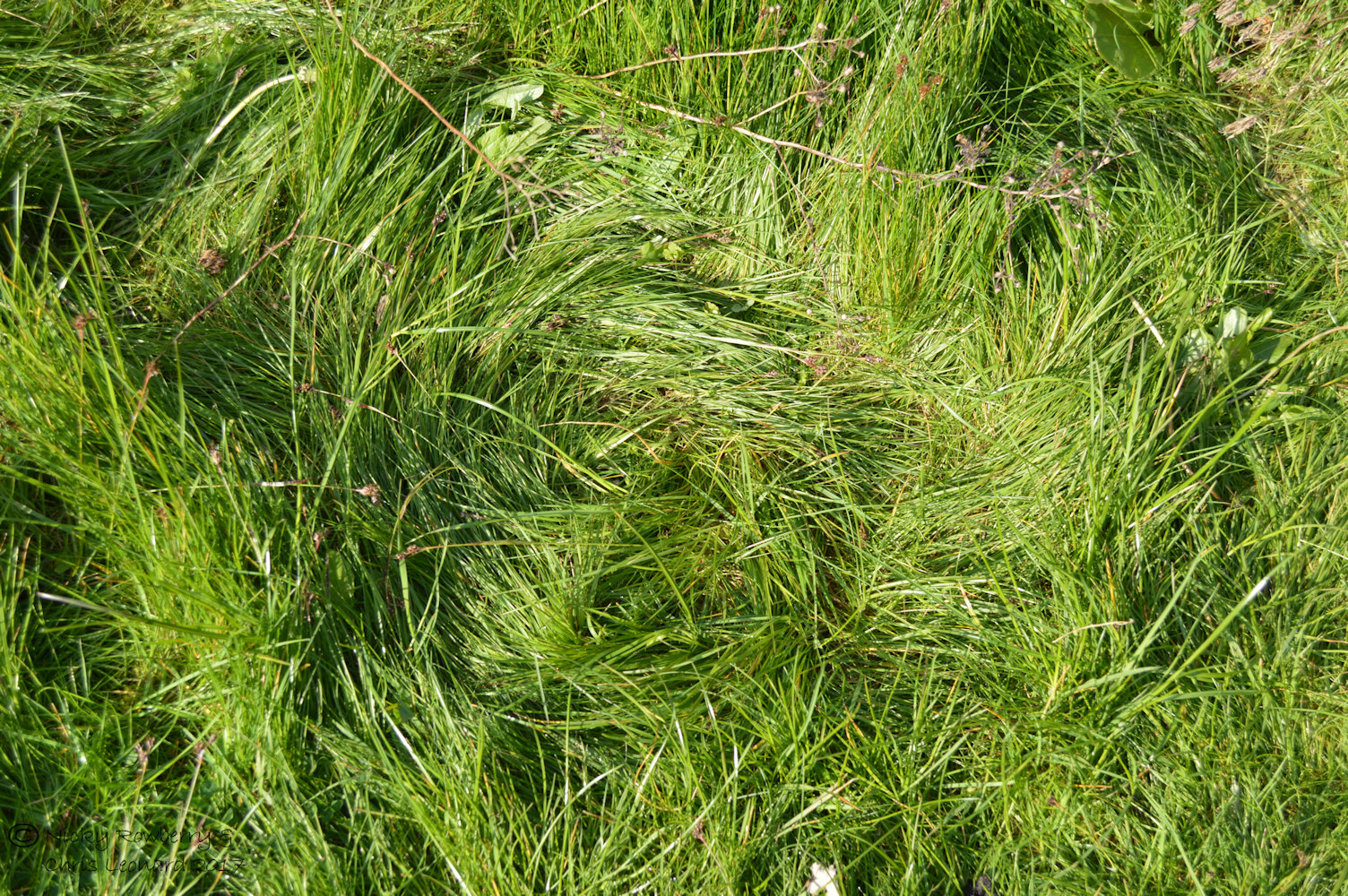
A few days after seeing the possible amorous antics on the trail cam, we spotted several areas of grass, flattened and twisted around – presumably the result of all the circling behaviour. You’ve heard of crop circles, we’ve got hedgehog circles!

So that’s all the news from our garden. If anyone wants to do something extra to support hedgehogs during Awareness Week, there are lots of things that can be done.

To support or encourage hedgehogs into your own garden, you can put out food (never bread or milk) and water. If you have a pond, make sure you install a ramp or some other means for hedgehogs to get out if they fall in. Make sure there are gaps in fences/walls so hedgehogs can come and go between gardens – they roam quite a bit during the night so ideally need a large network of gardens. Be super careful when mowing, particularly with strimmers which can inflict terrible injuries on hedgehogs.

If you don’t have a garden or at least don’t get hedgehogs in it, there are still lots of other ways of supporting them. You could join BHPS – your subscription will help support their work. Or you could simply Text HHOG17 to 70070 to donate £5 to the charity.

There are also hundreds of hedgehog volunteer carers around the country – you could do something to help your local one. Donations of cash or food or other general supplies are always welcome. Our local one is Malvern Hedgehog Rescue and Viv there does amazing work caring for up to 100 rescue hogs at a time. Her website has loads of useful information: http://www.malvernhedgehogrescue.co.uk/

Another great example is Little Silver Hedgehog run by Emma. Not only does she rescue & rehabilitate lots of hedgehogs, her blog https://littlesilverhedgehog.wordpress.com/ is full of useful hoggy advice. In addition she makes beautiful silver jewellery that she sells to raise funds for the hedgehogs – I treated myself to this cute pendant to celebrate getting the job with BHPS.

And finally you could always just tweet or post a message on Facebook (or go old school and talk to people) showing your support for these lovely animals – they need all the help they can get.